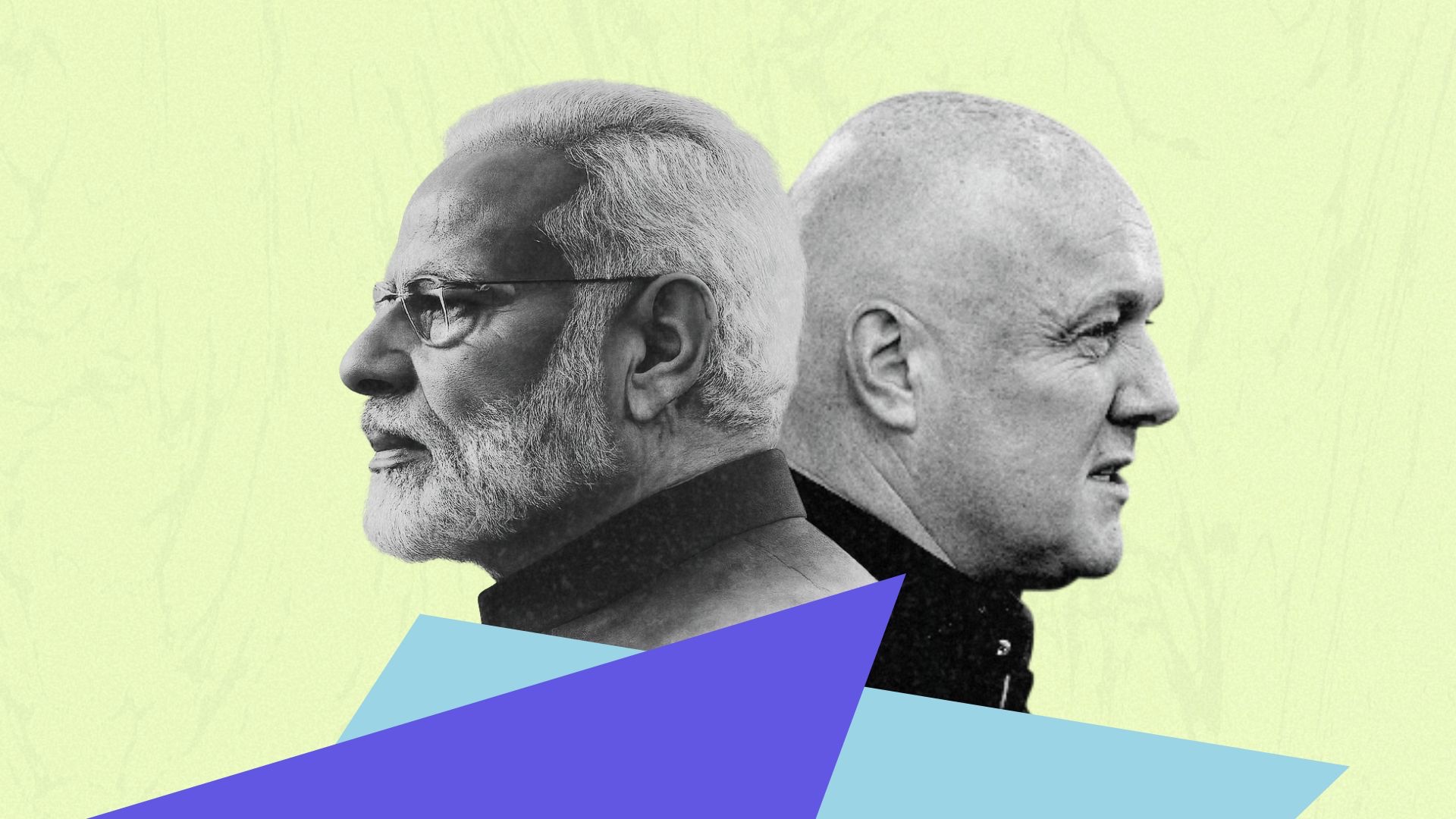

Modi returns to New Zealand with a 30-year-old scarf, rugby dreams and Kiwi jokes
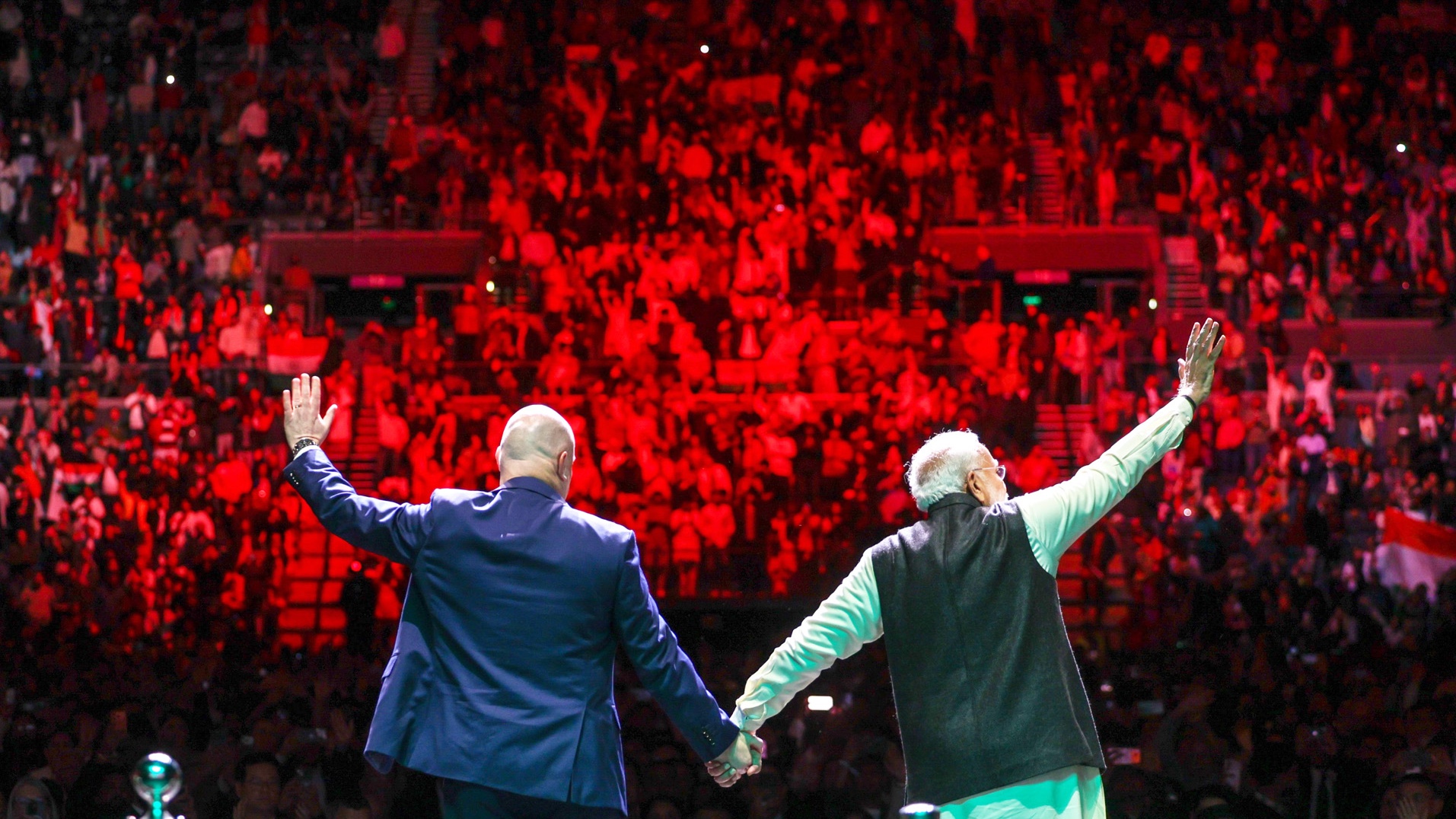
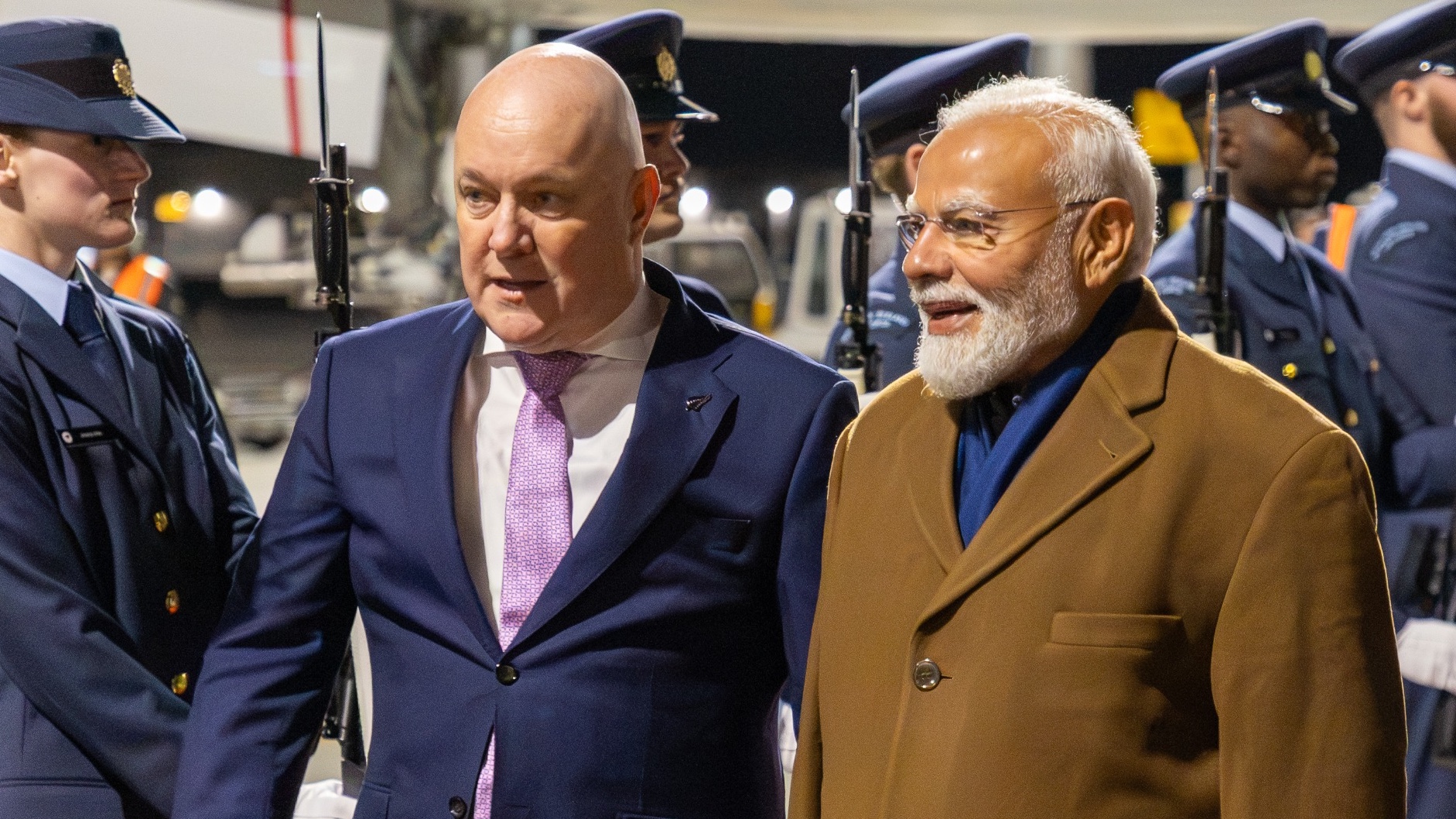
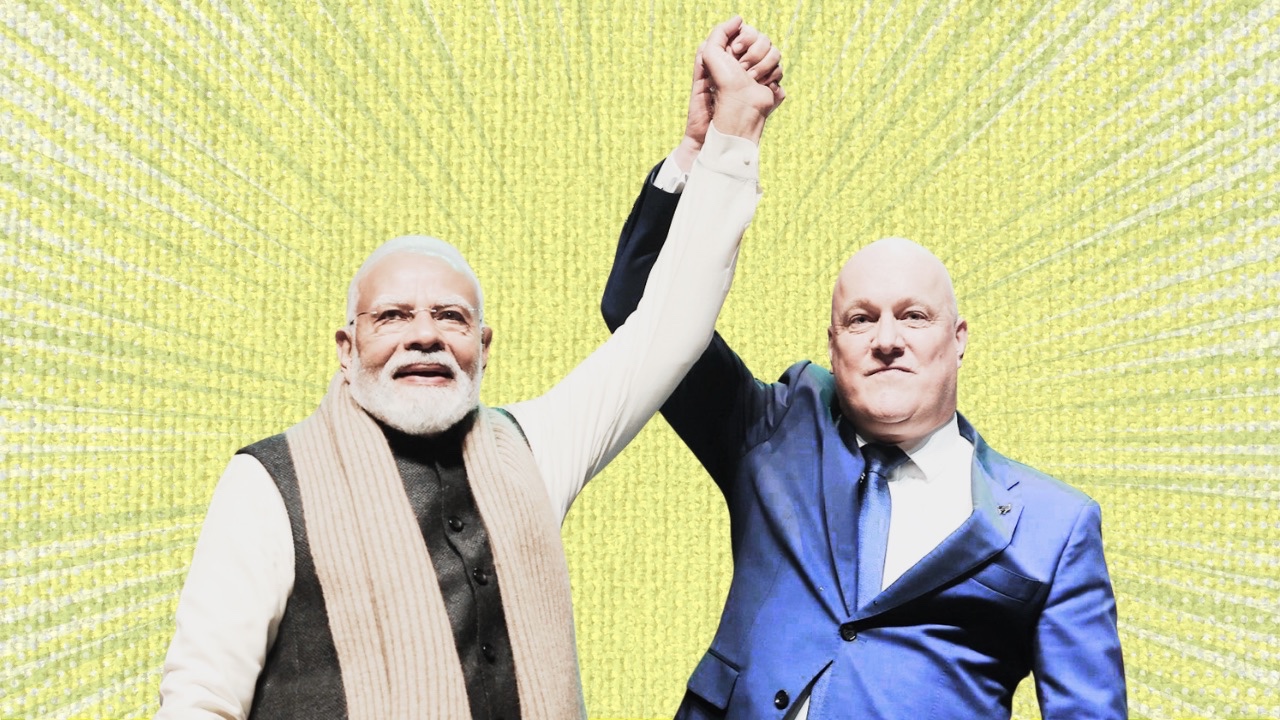
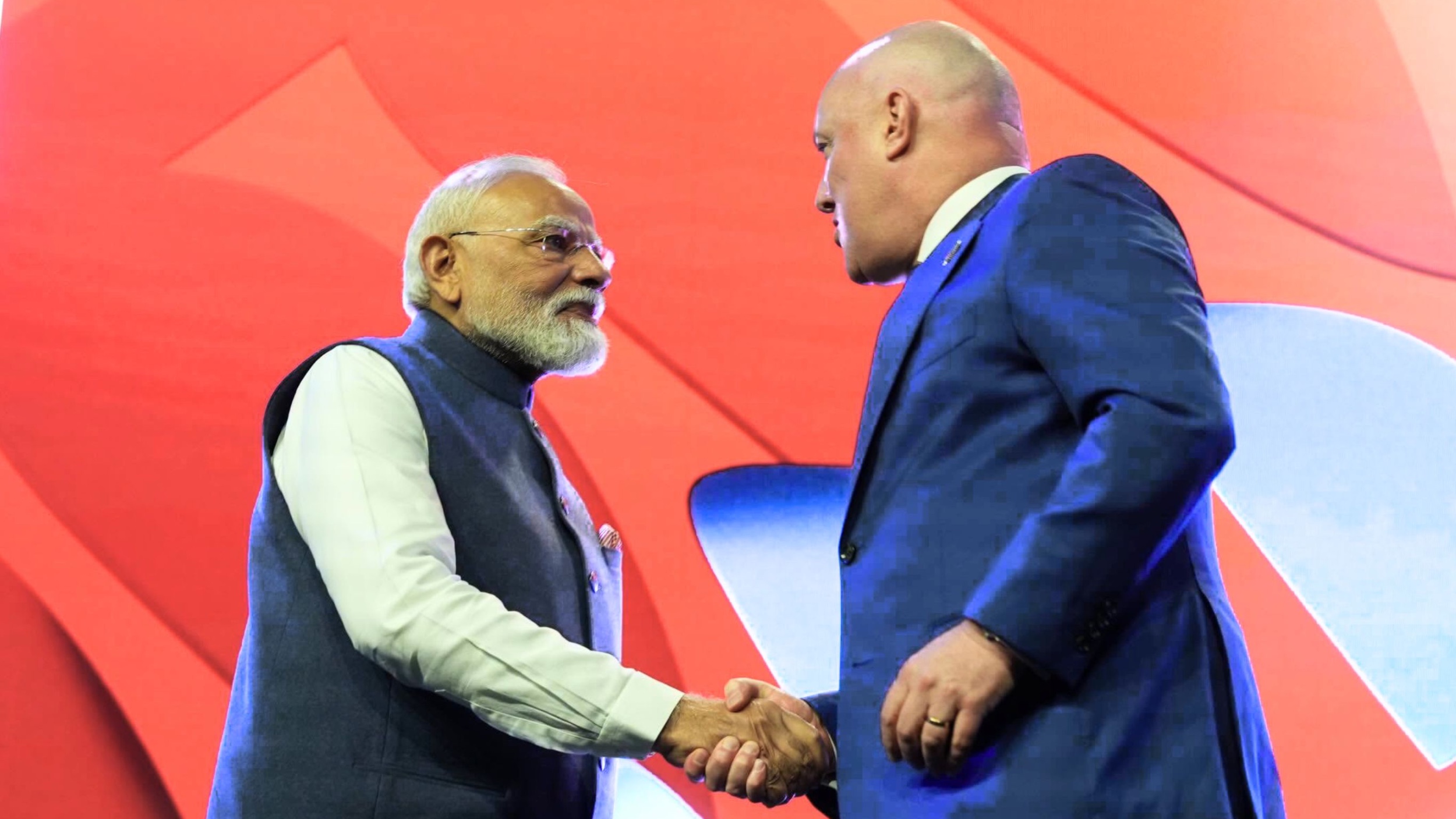
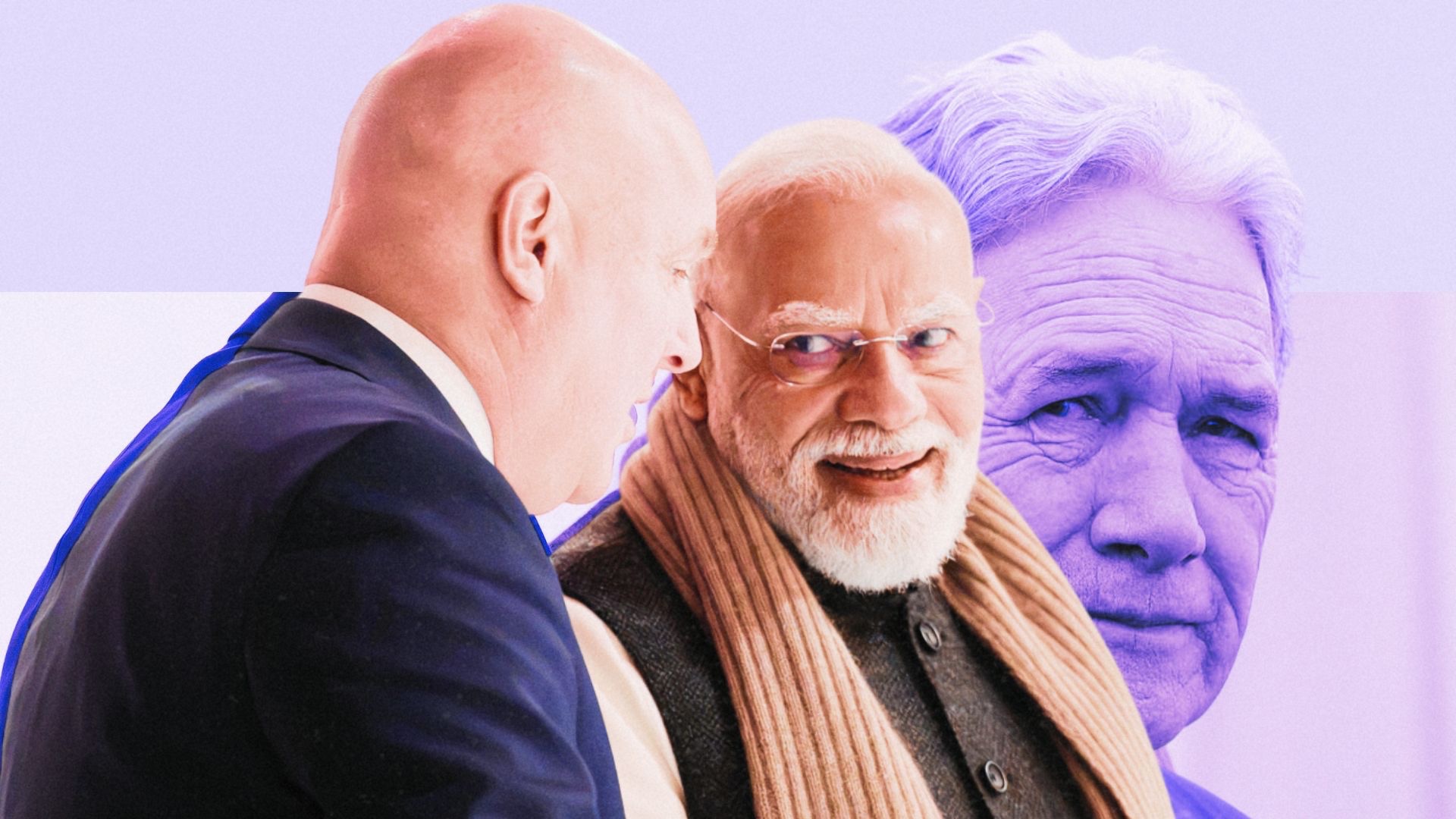
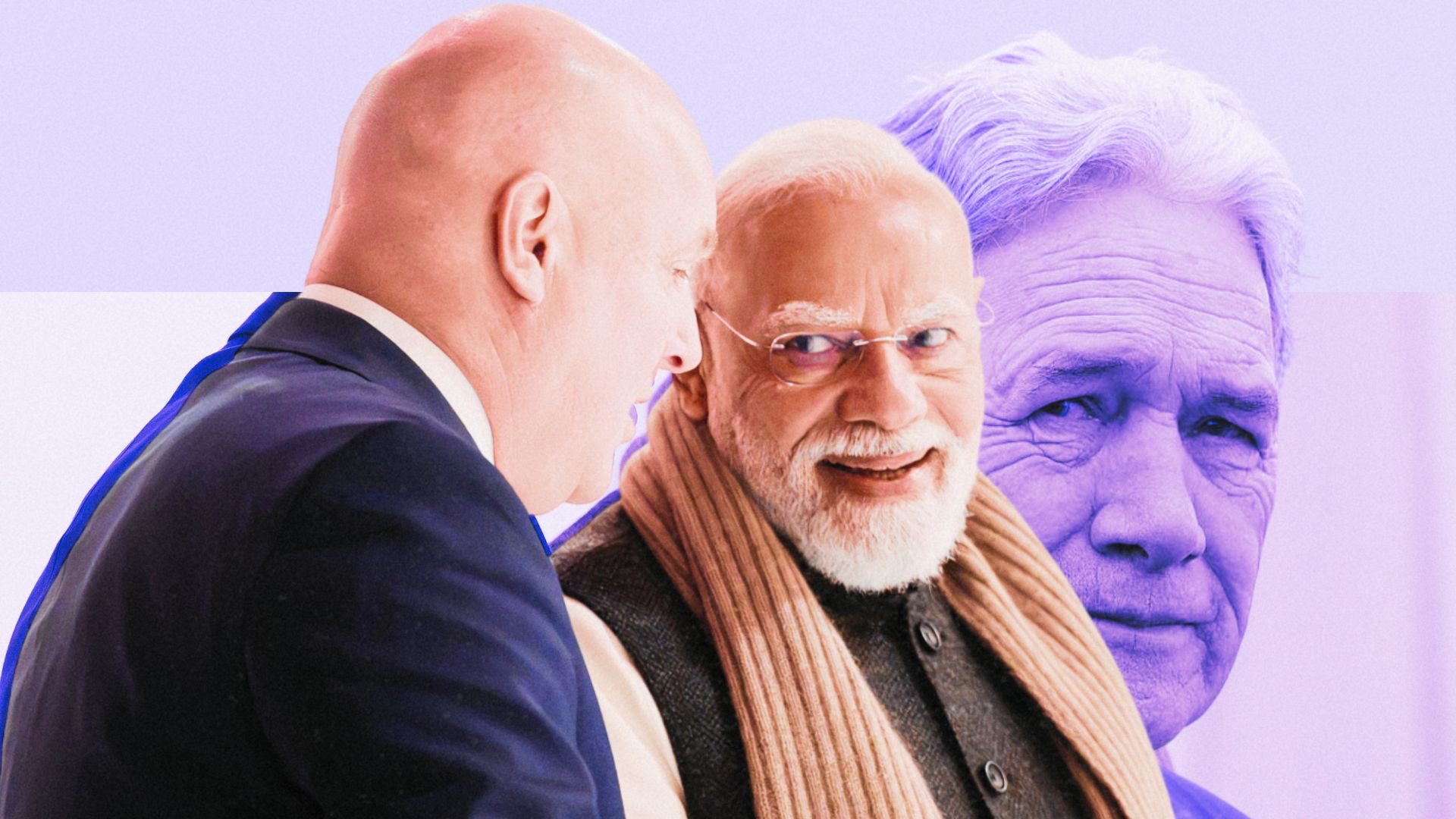
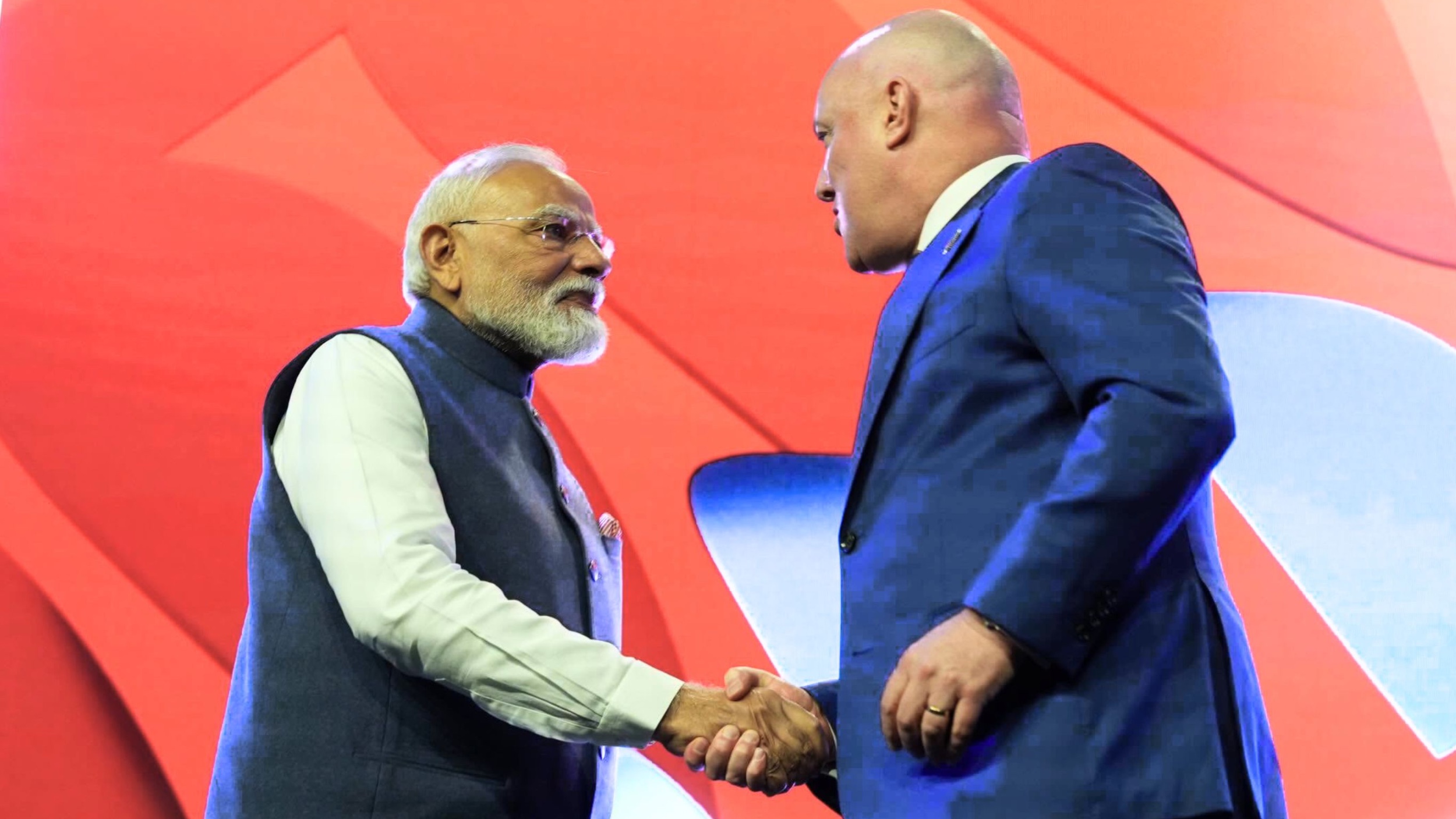
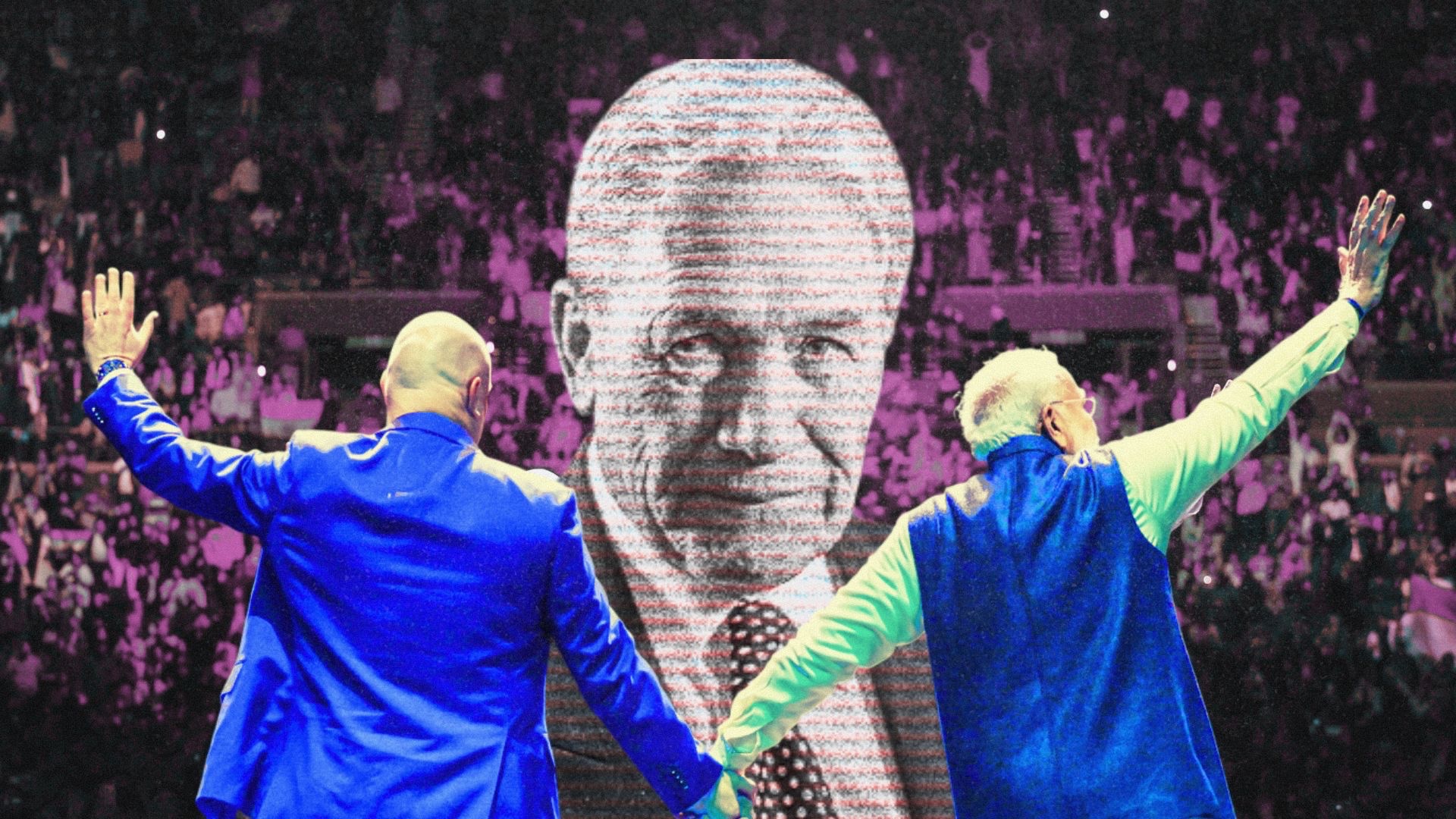
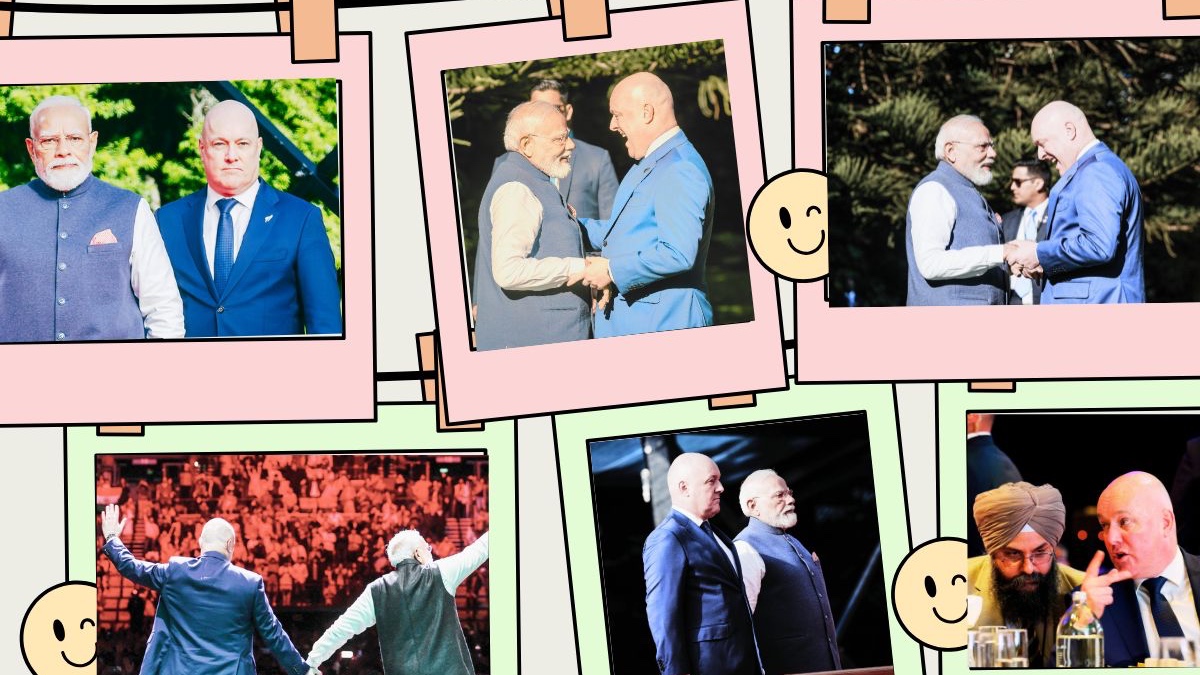
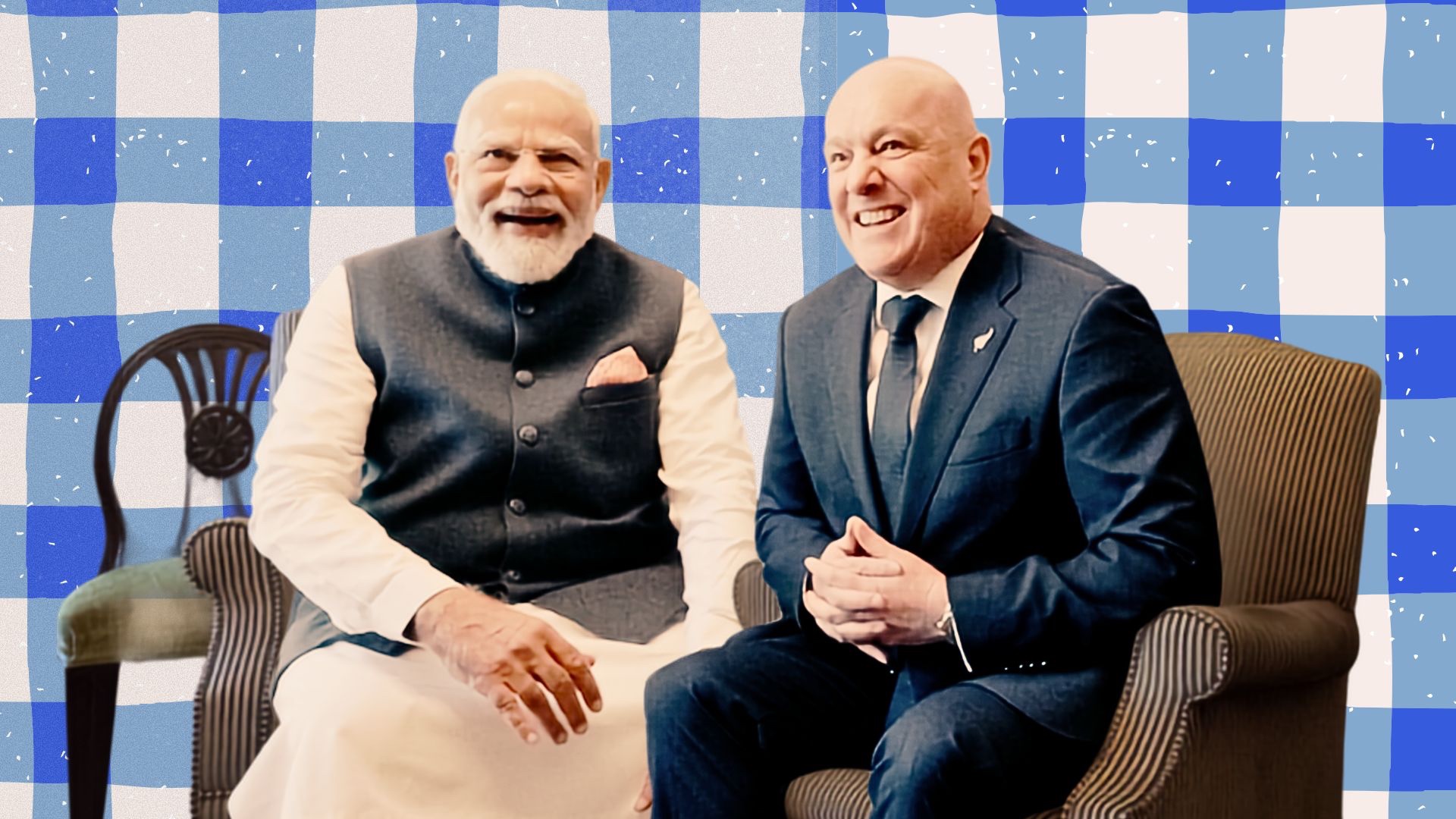
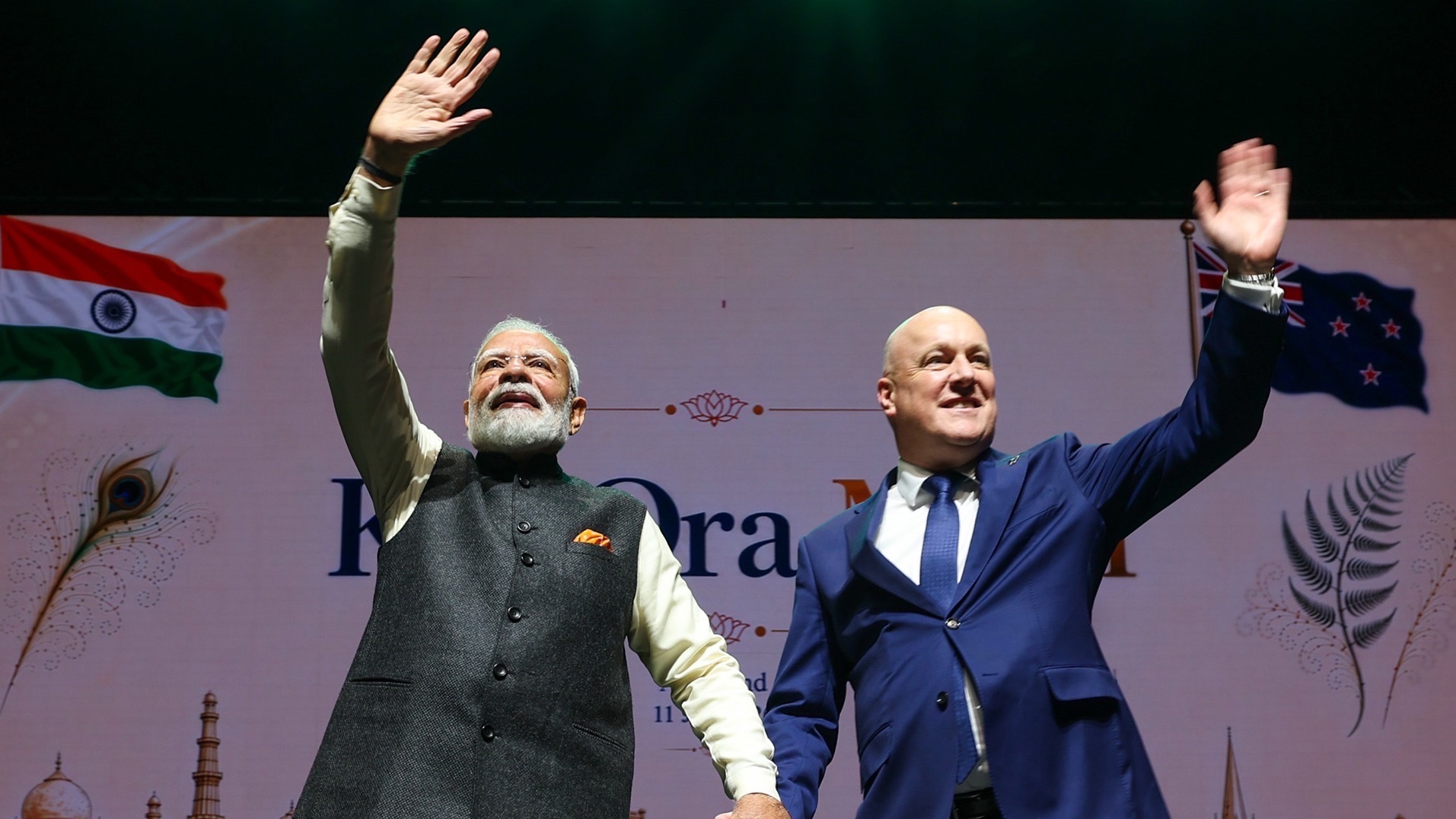
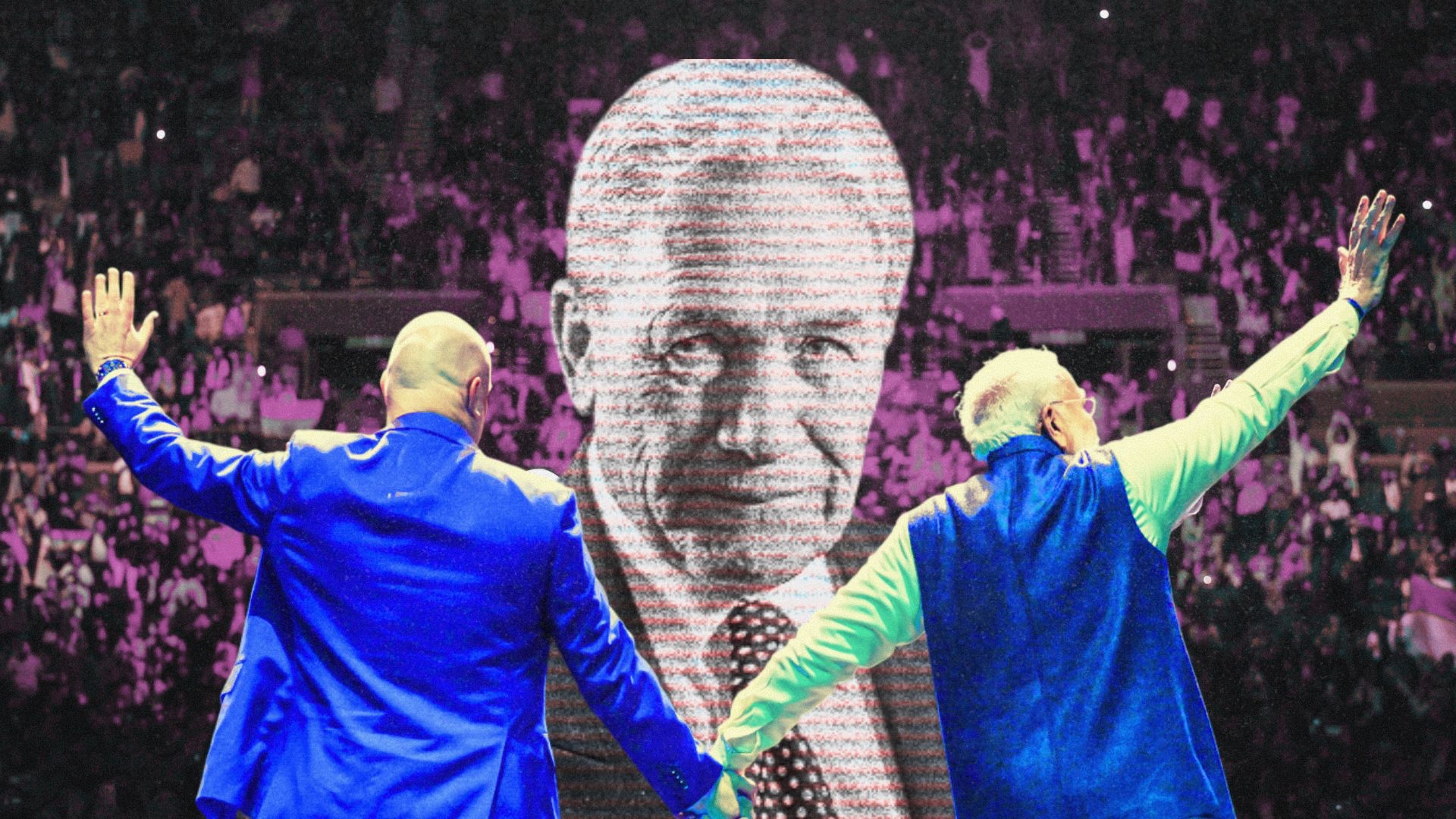
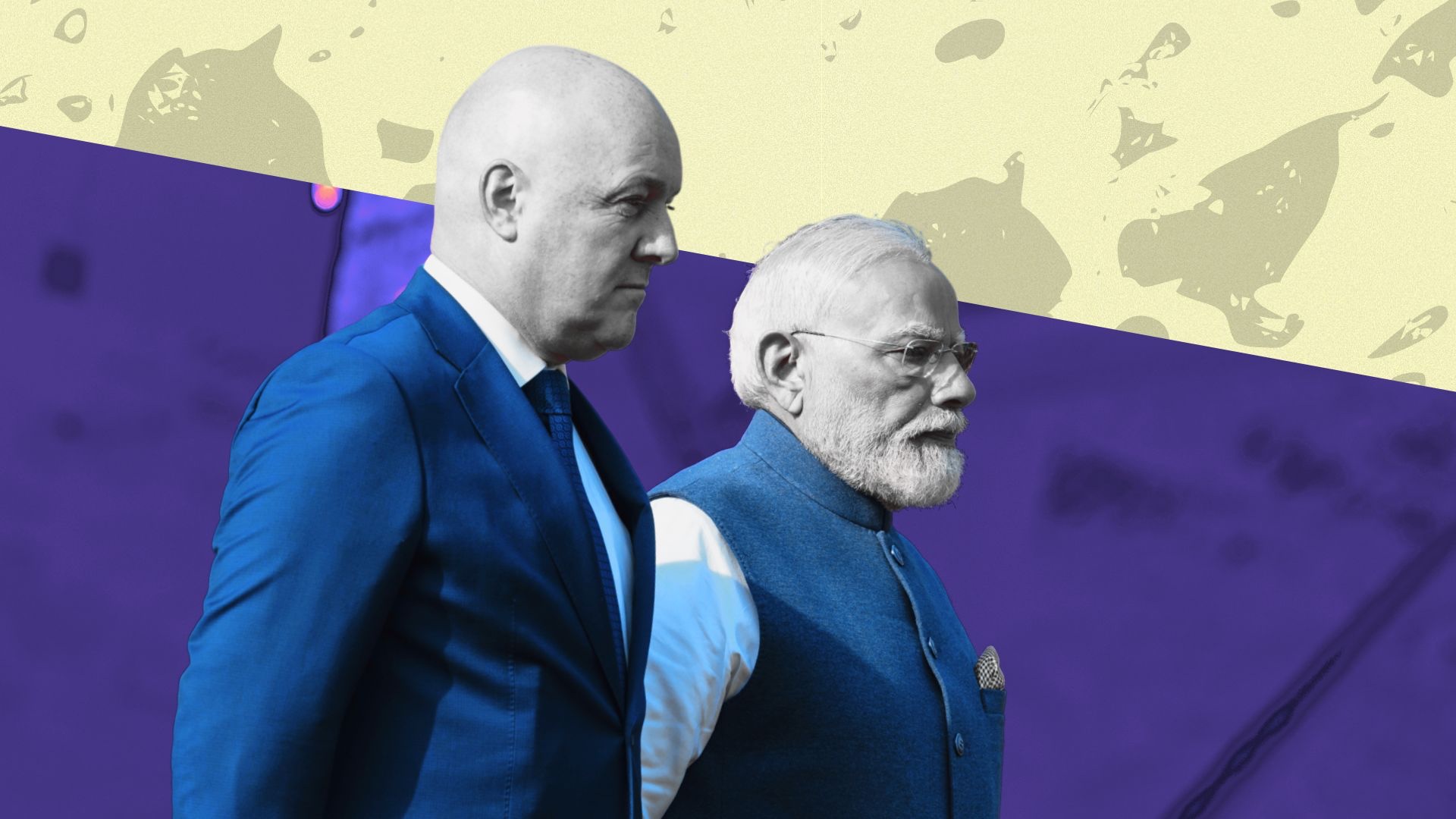
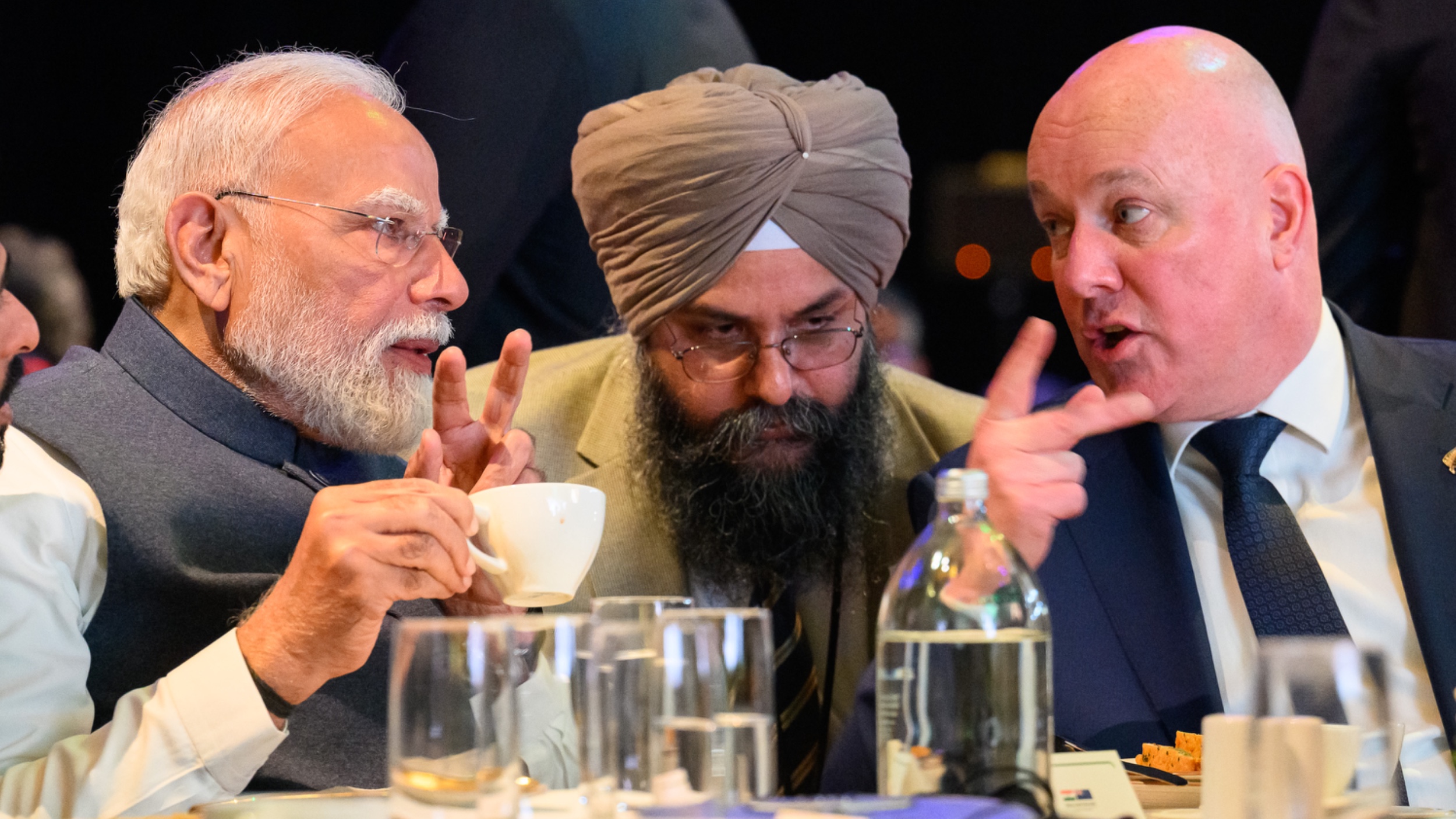
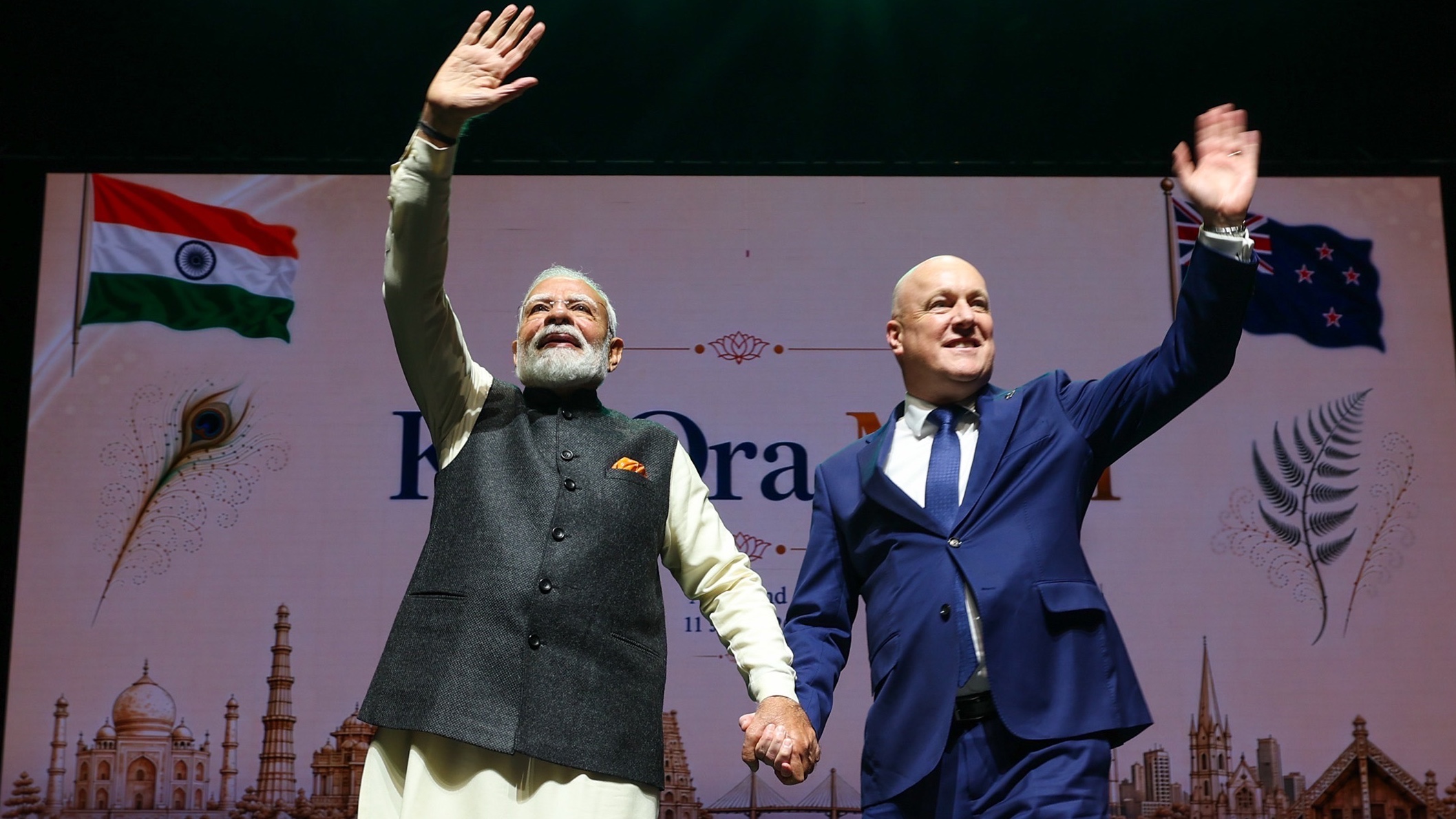
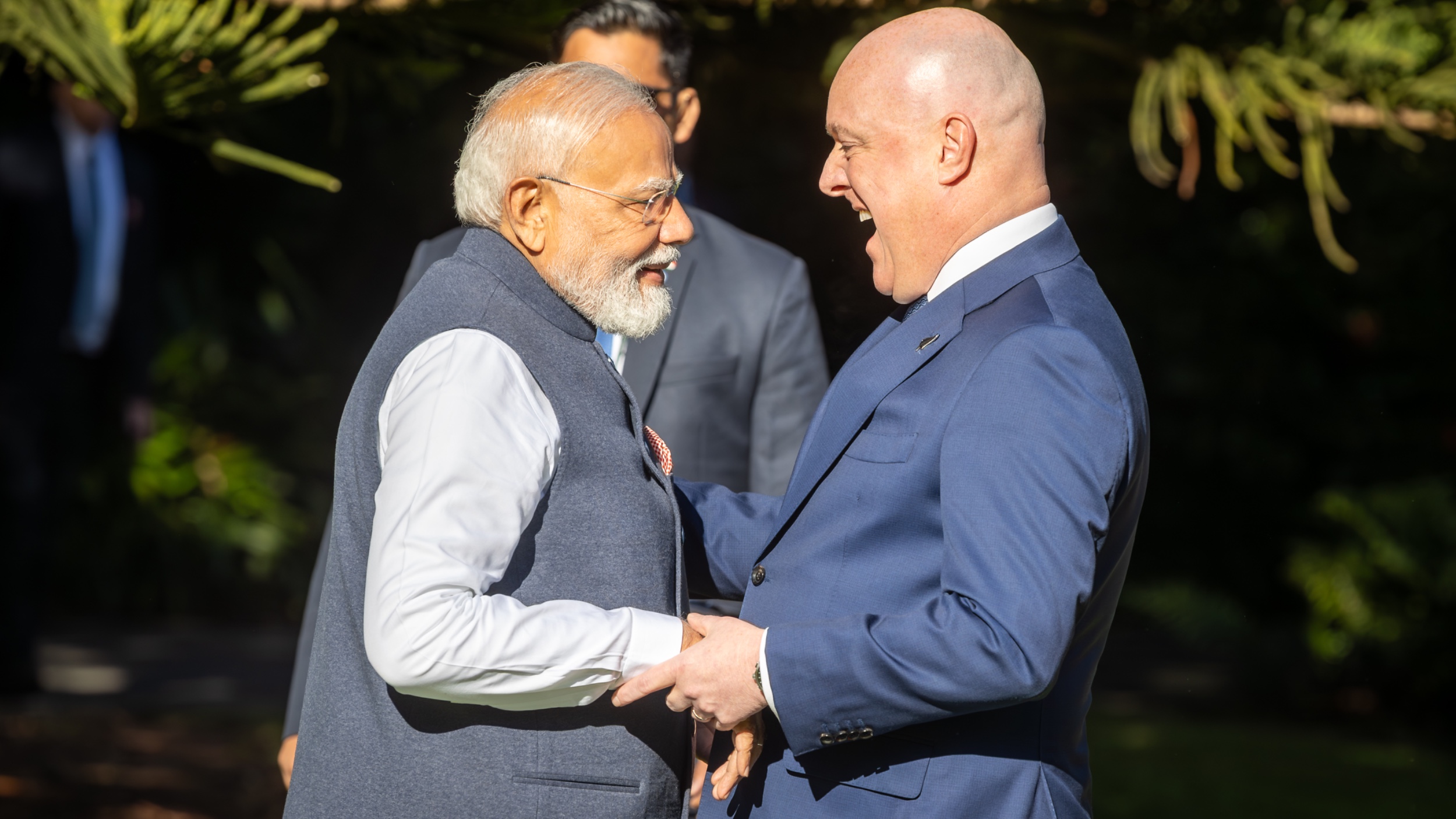
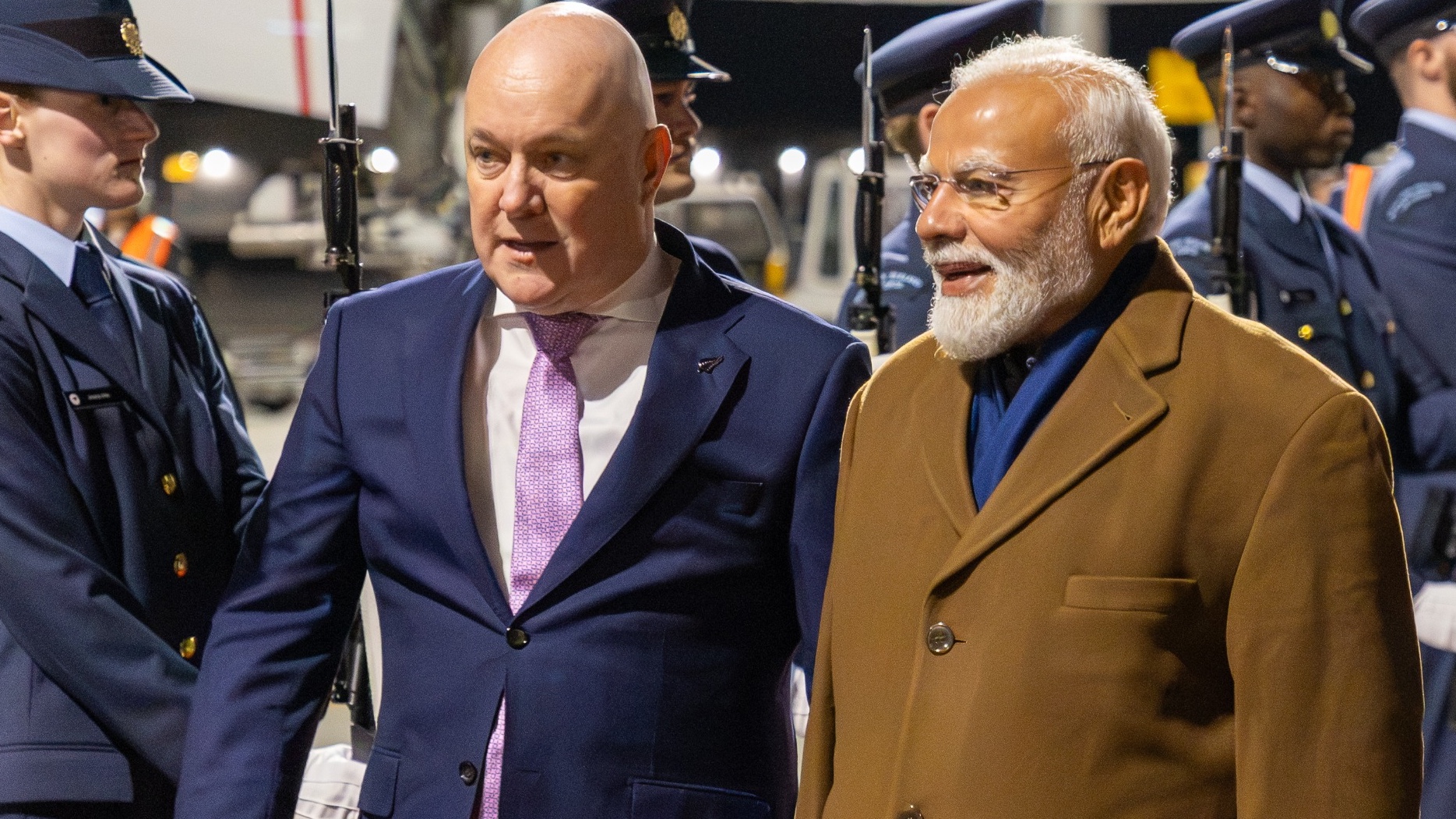
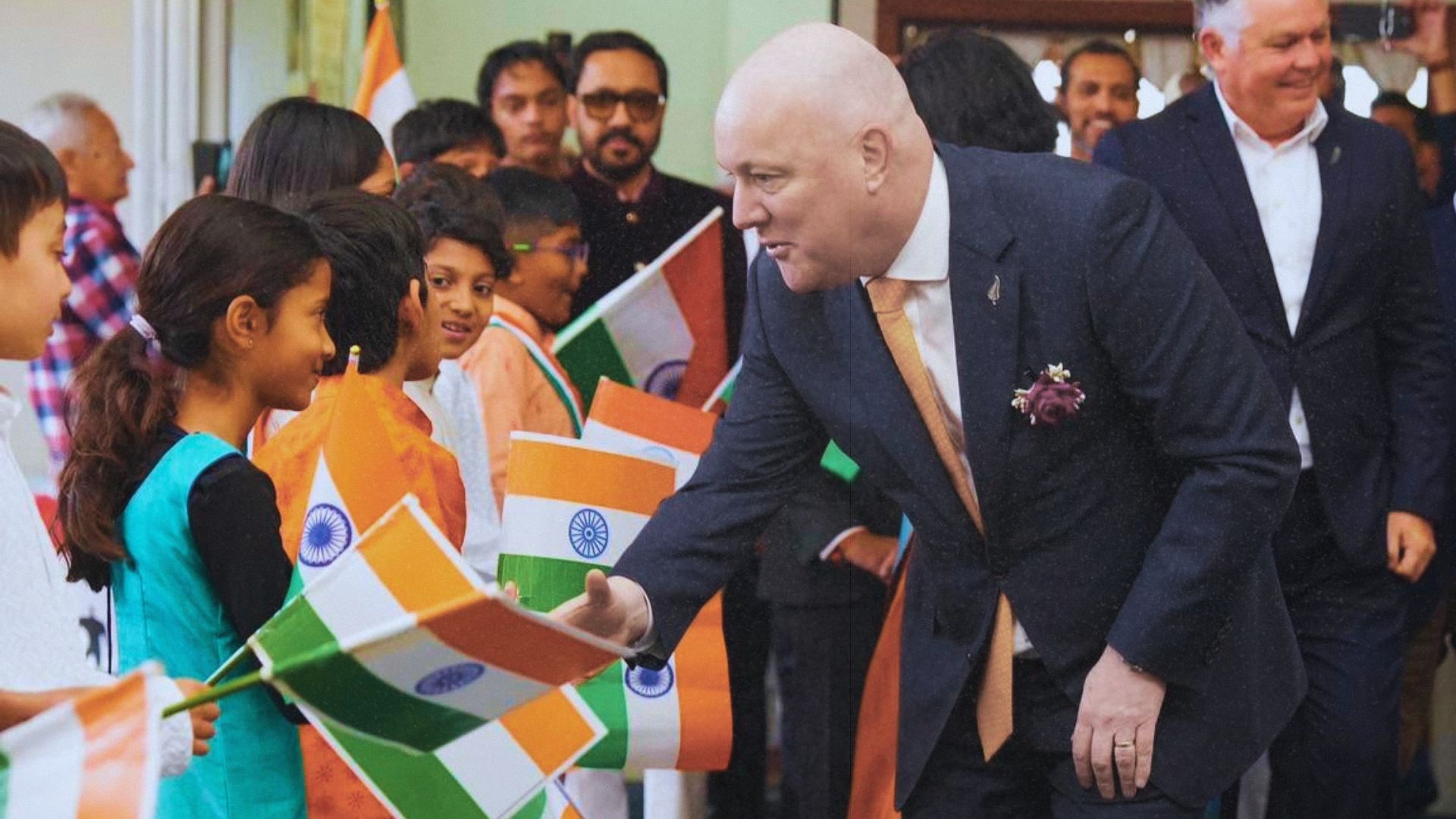
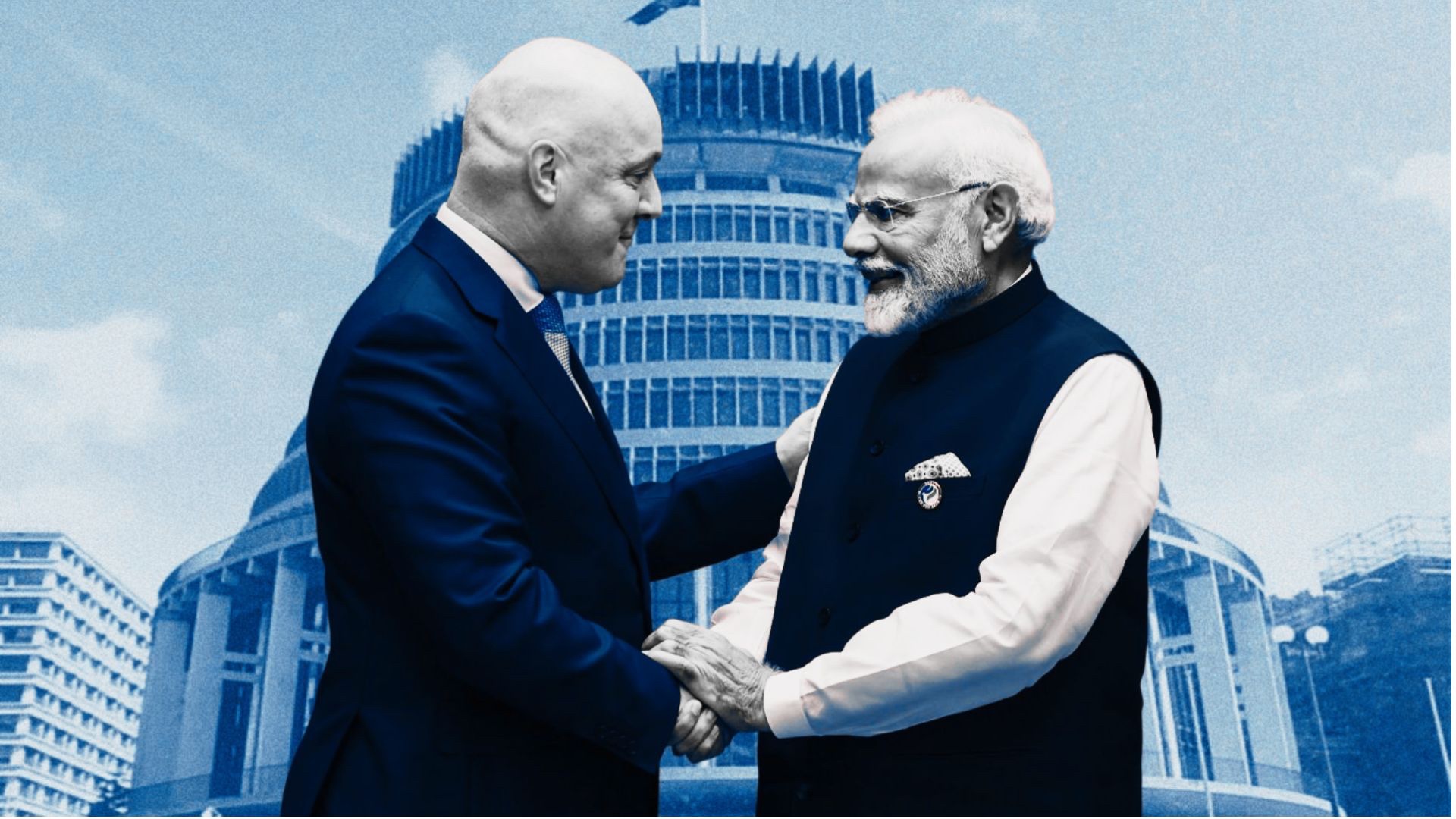
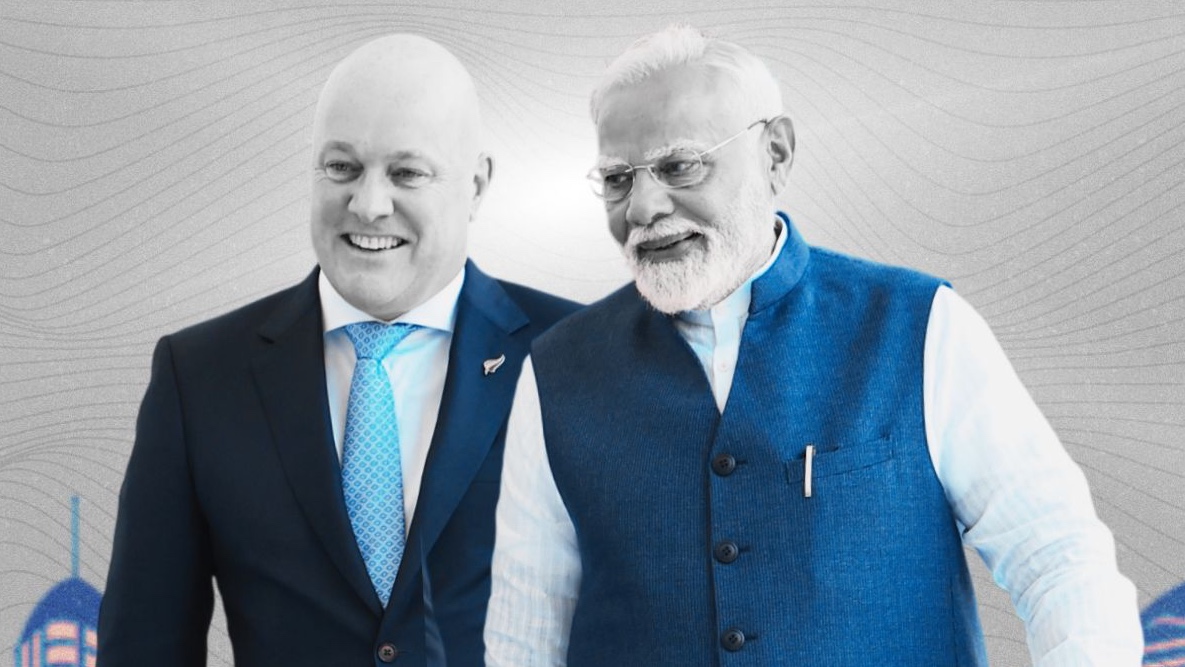
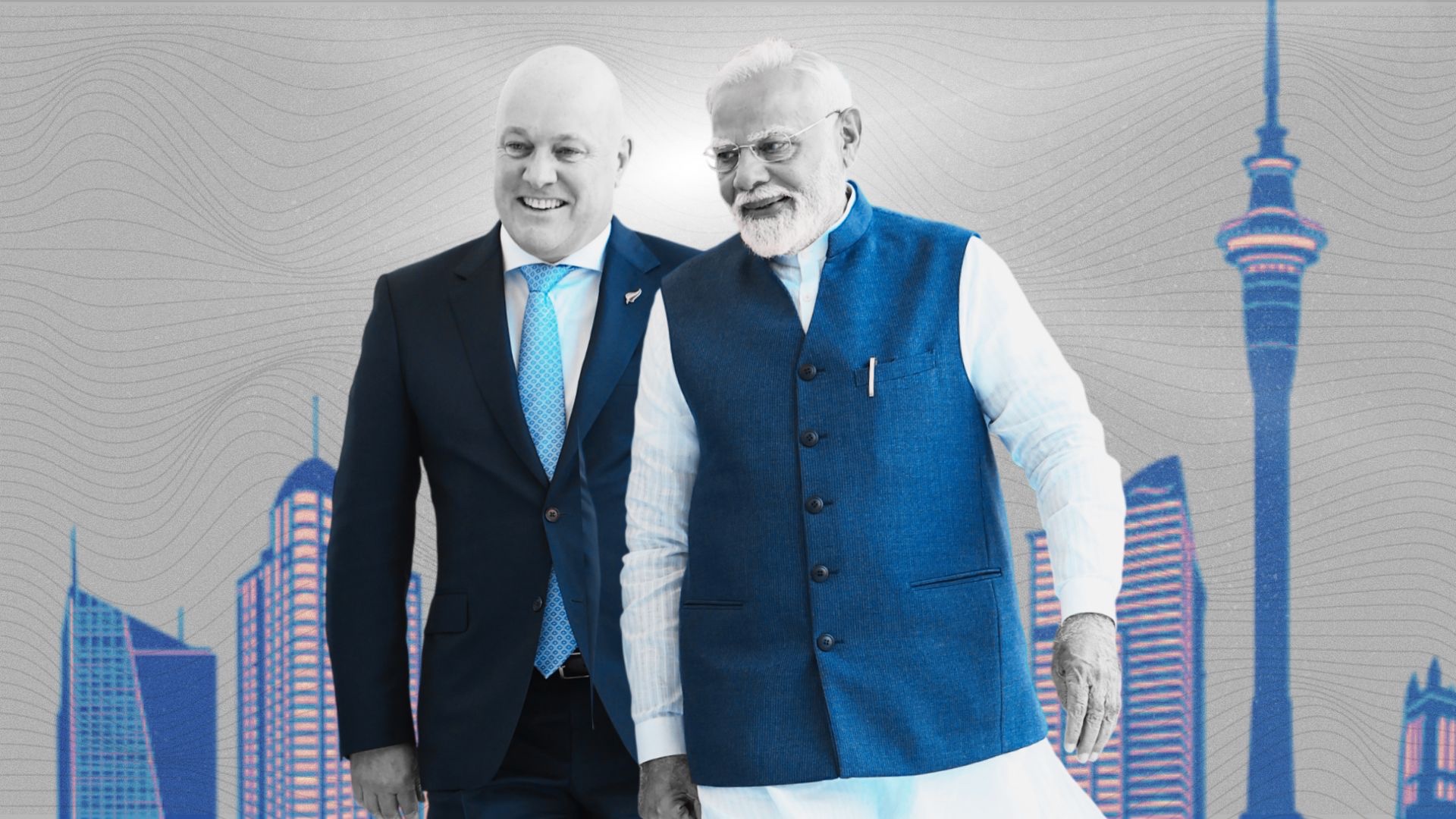
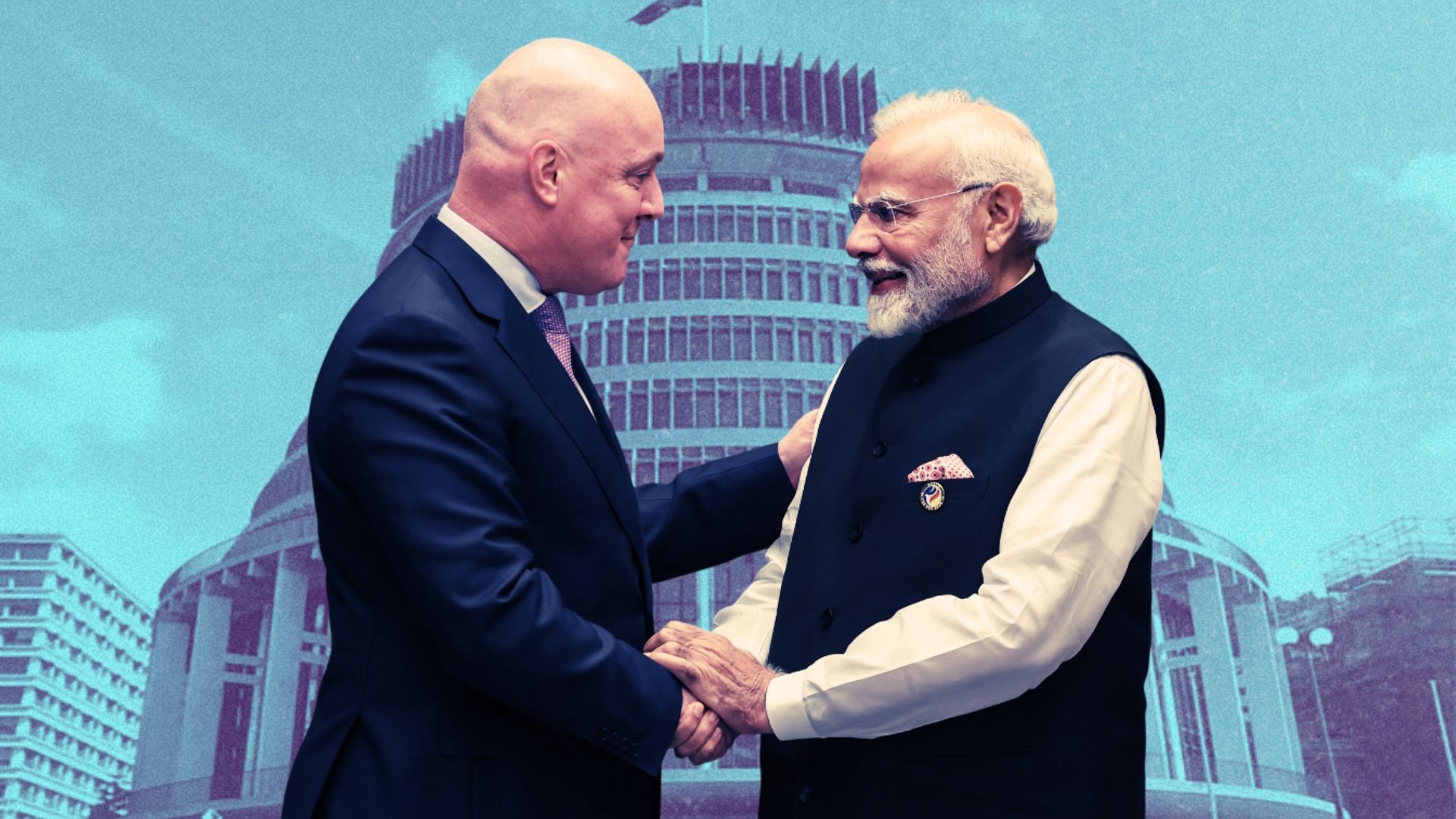
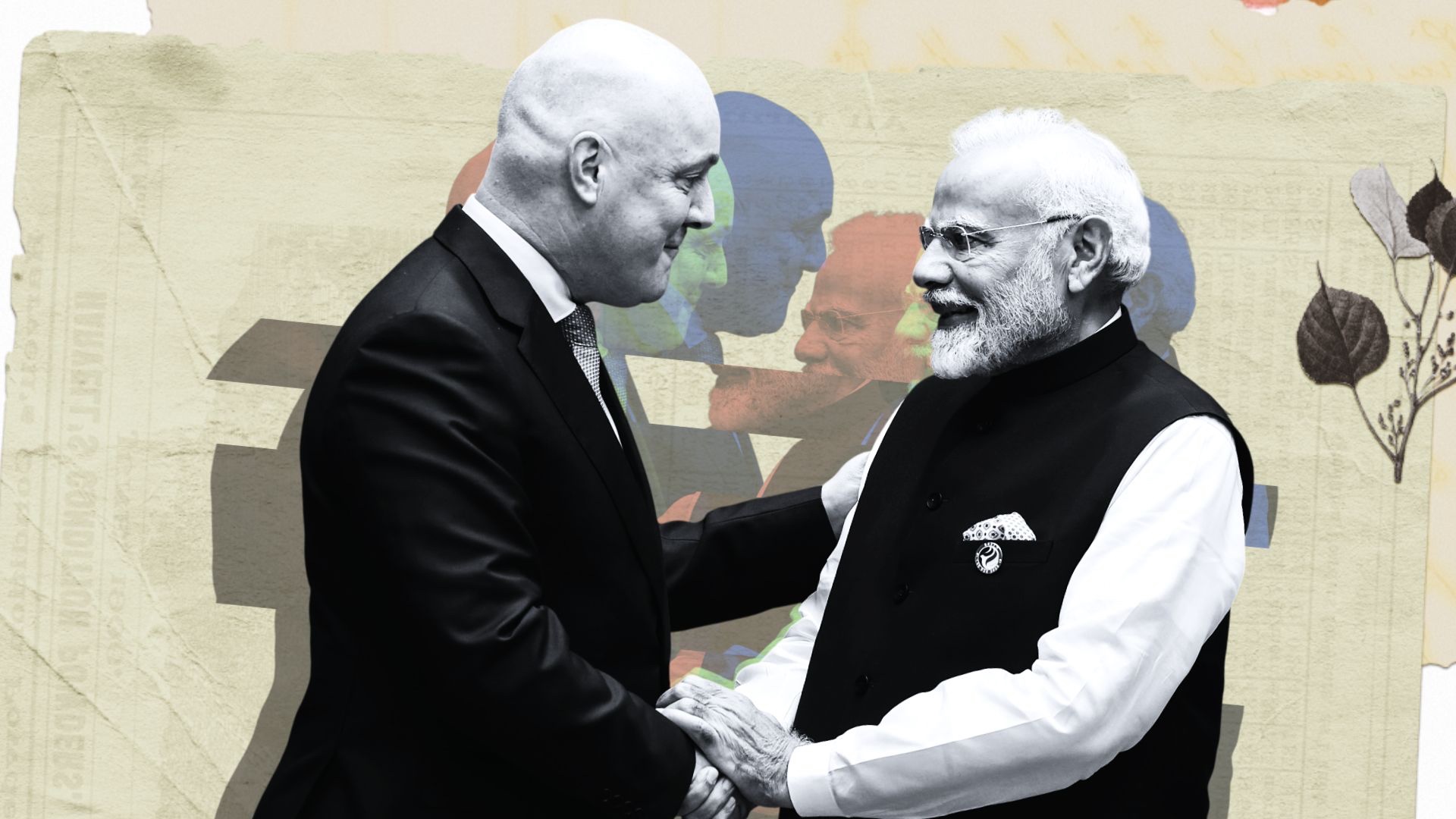
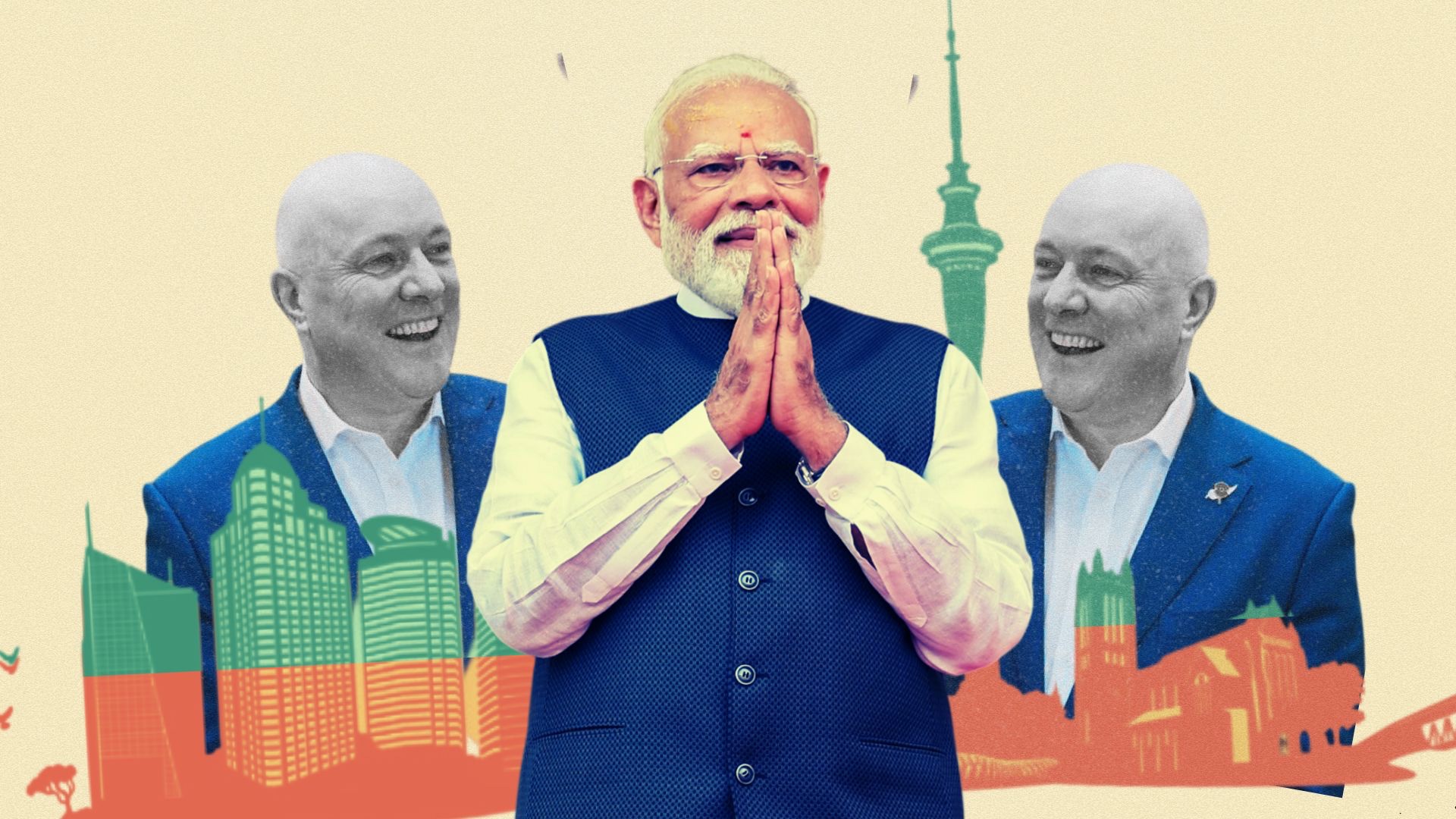
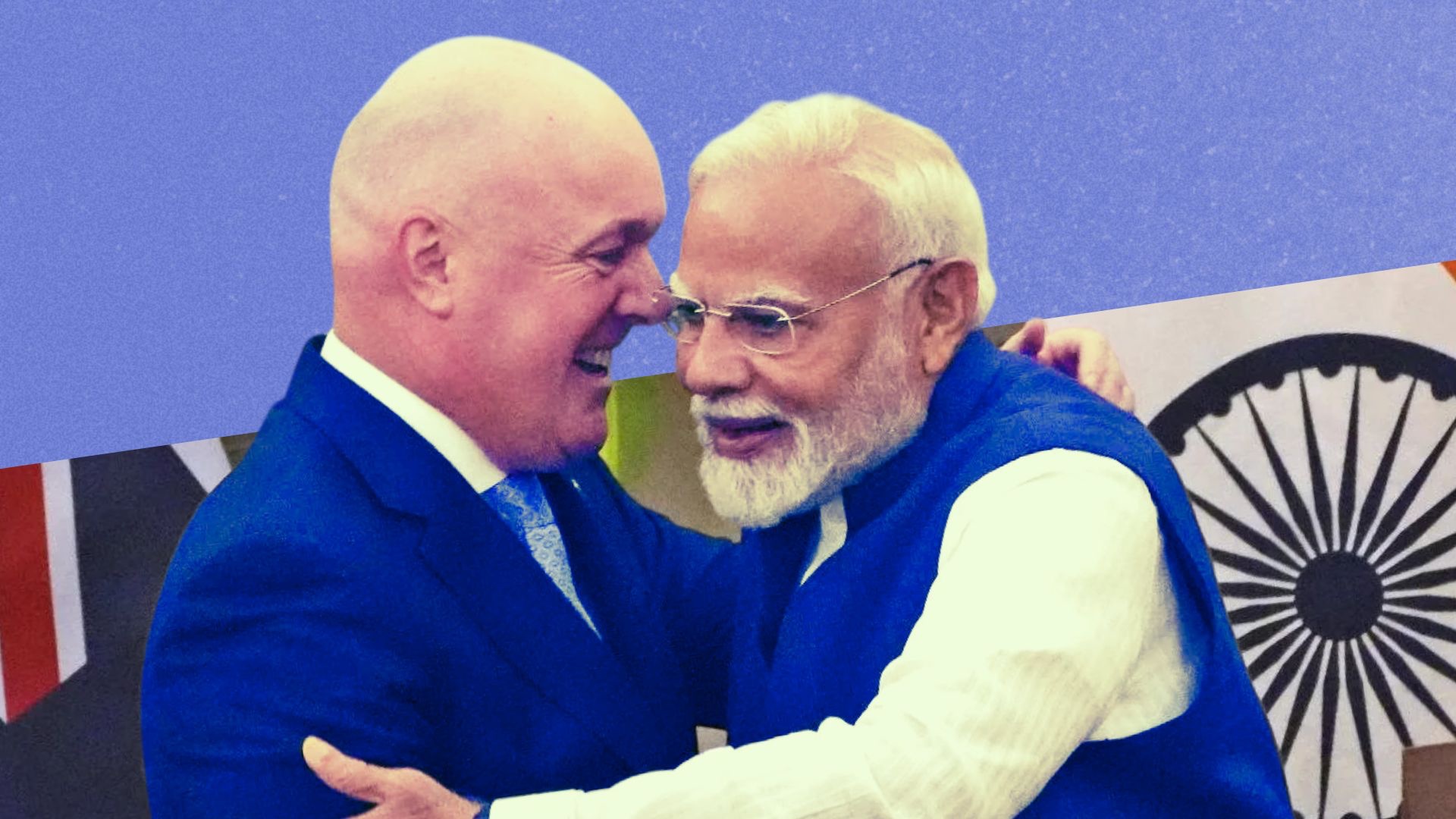
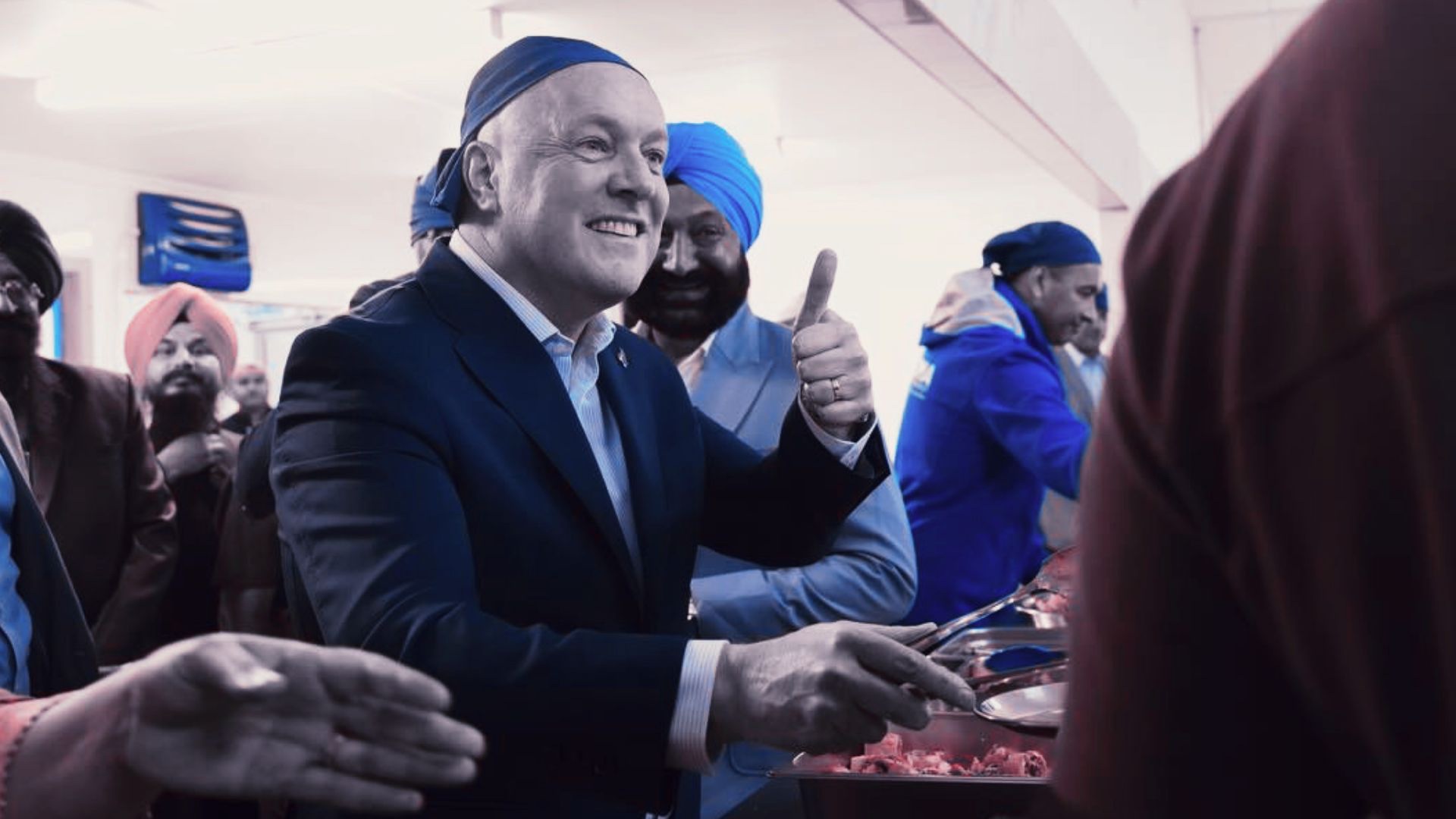
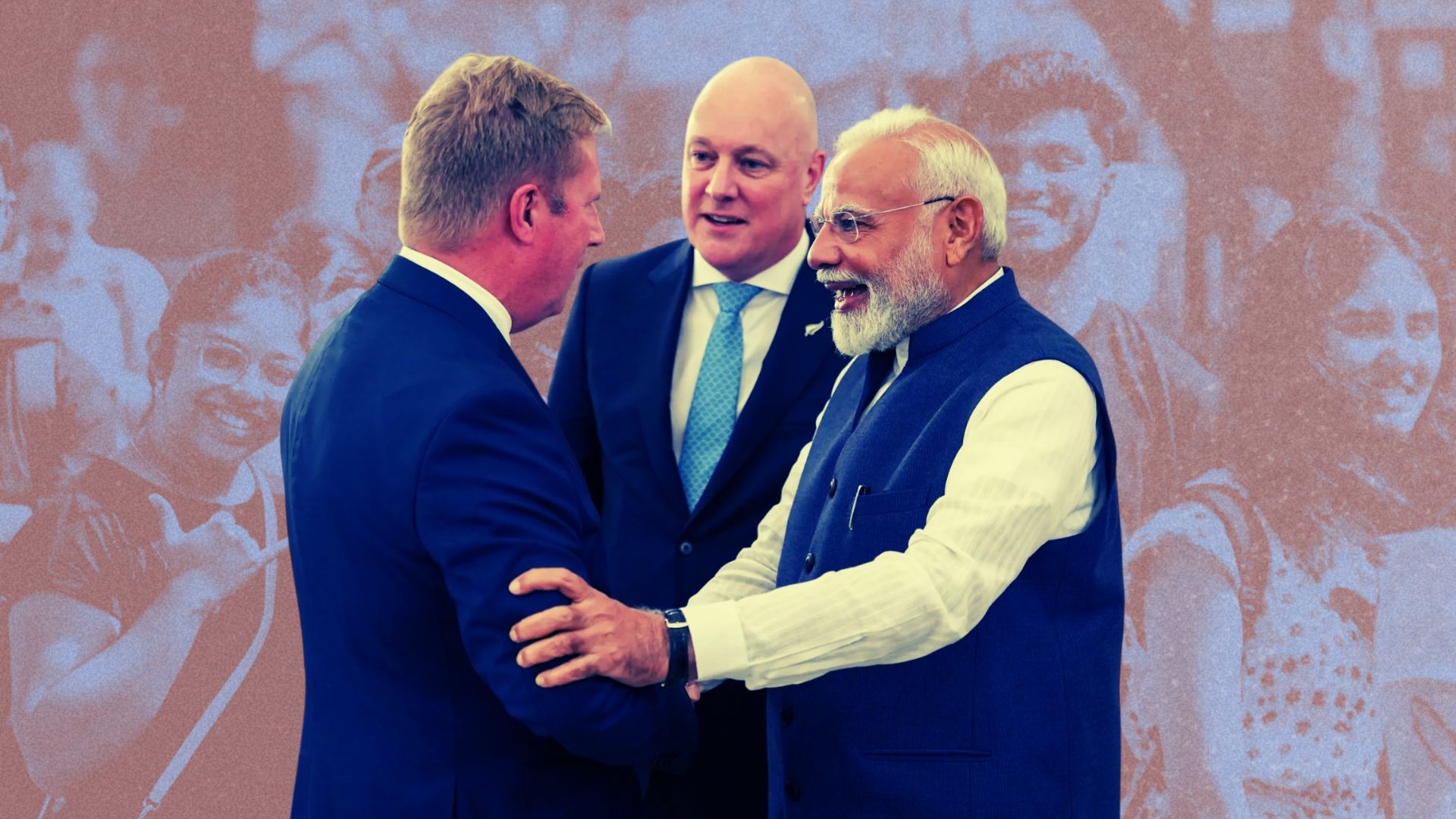
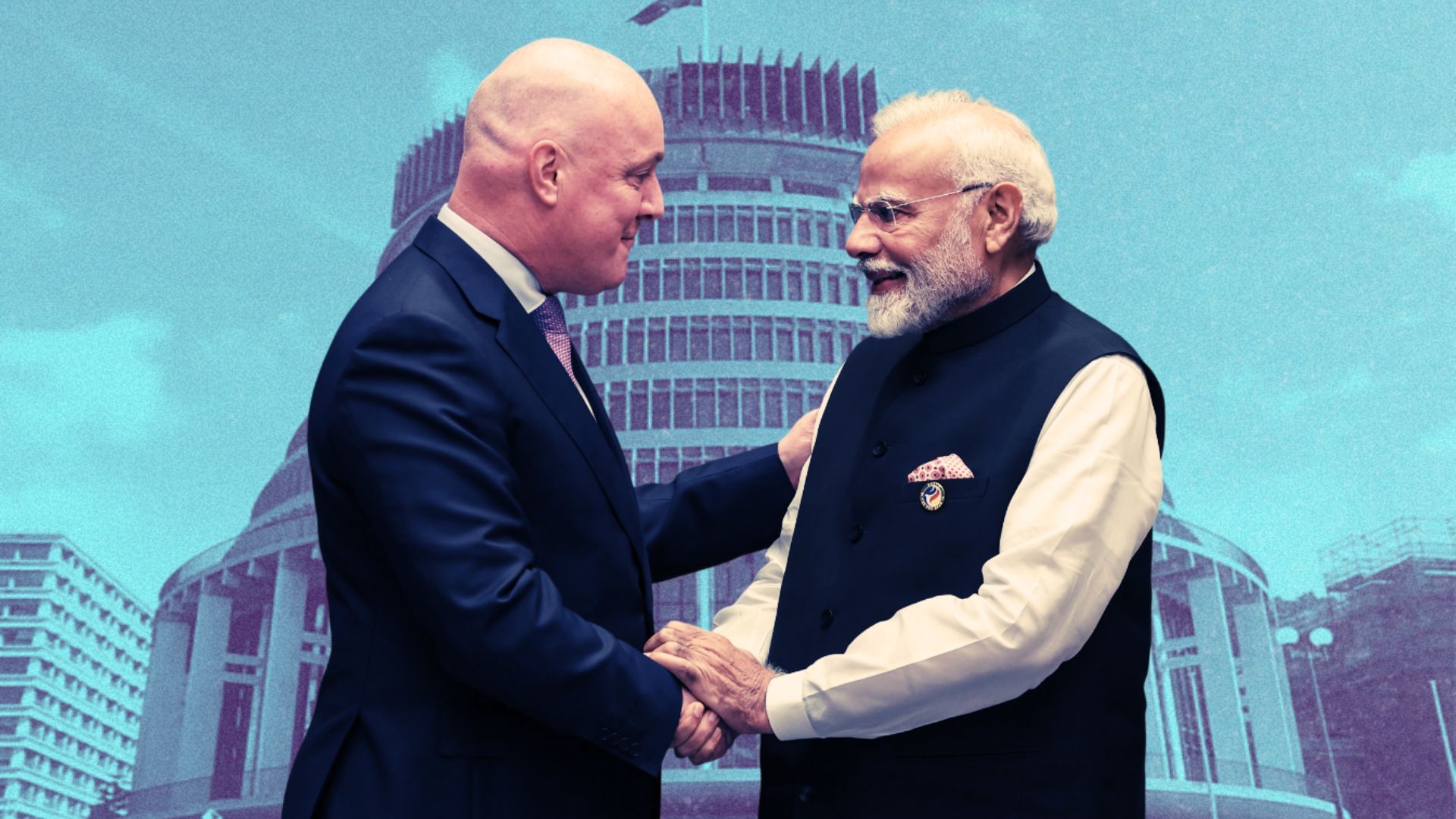
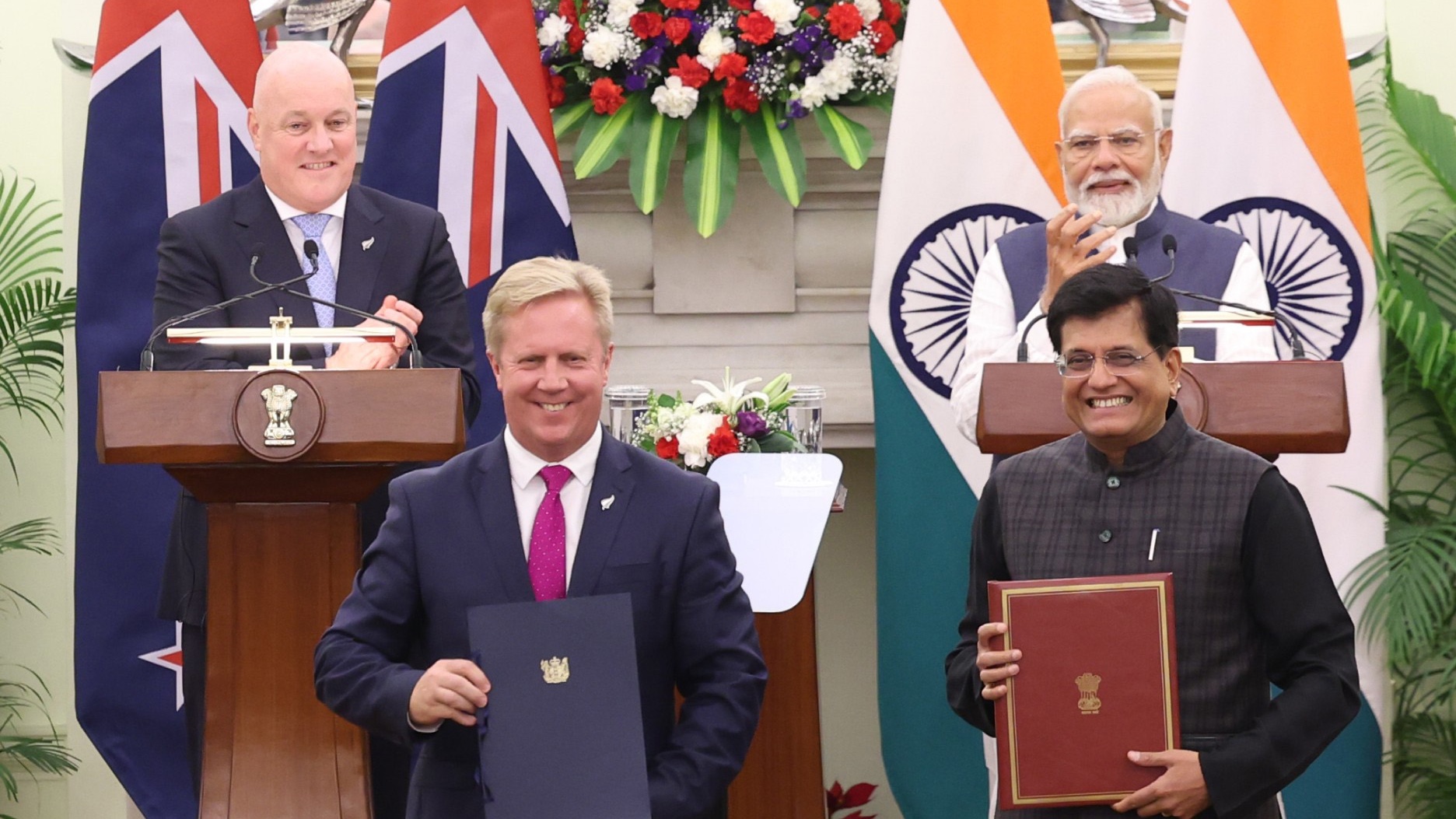
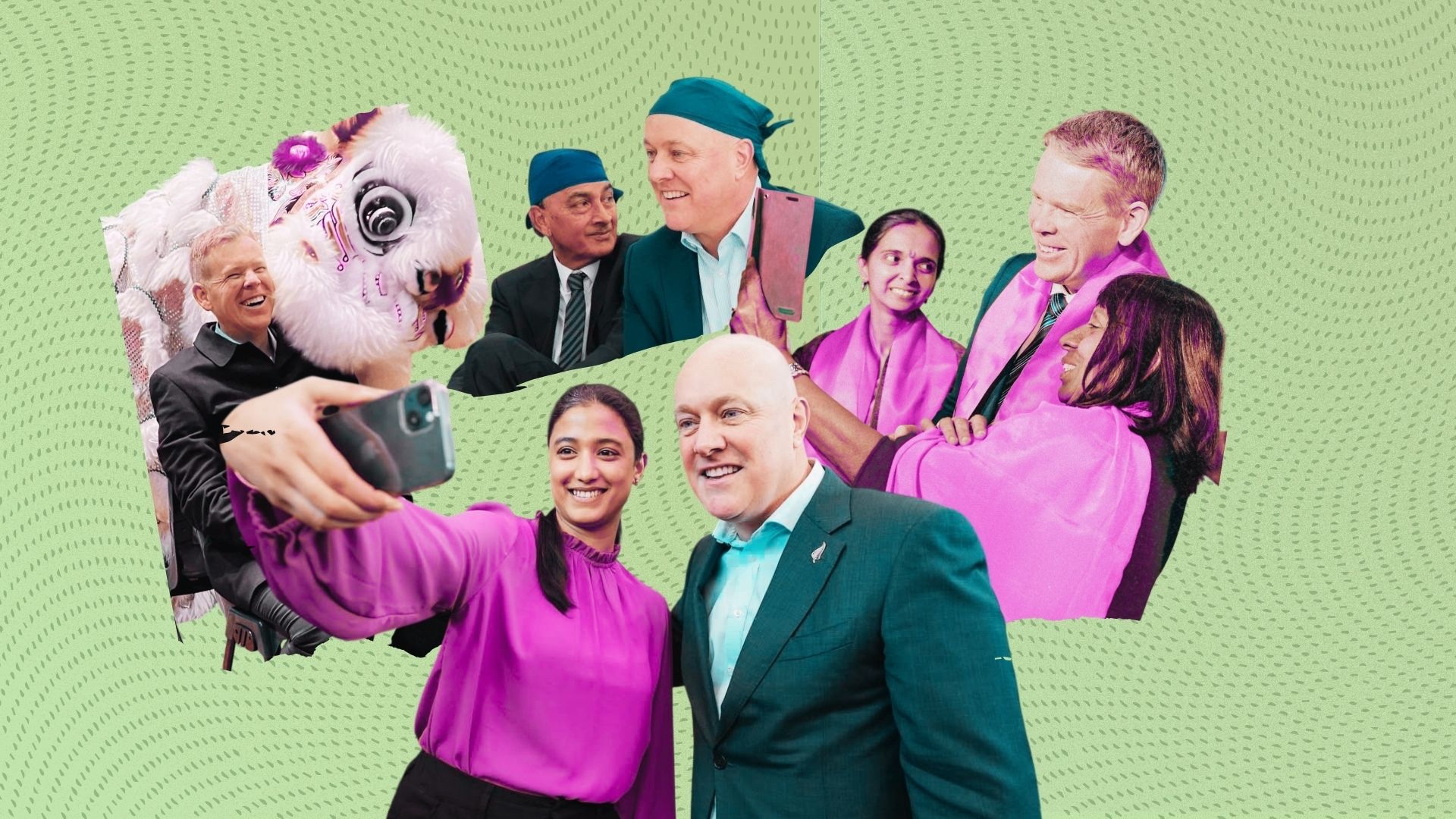
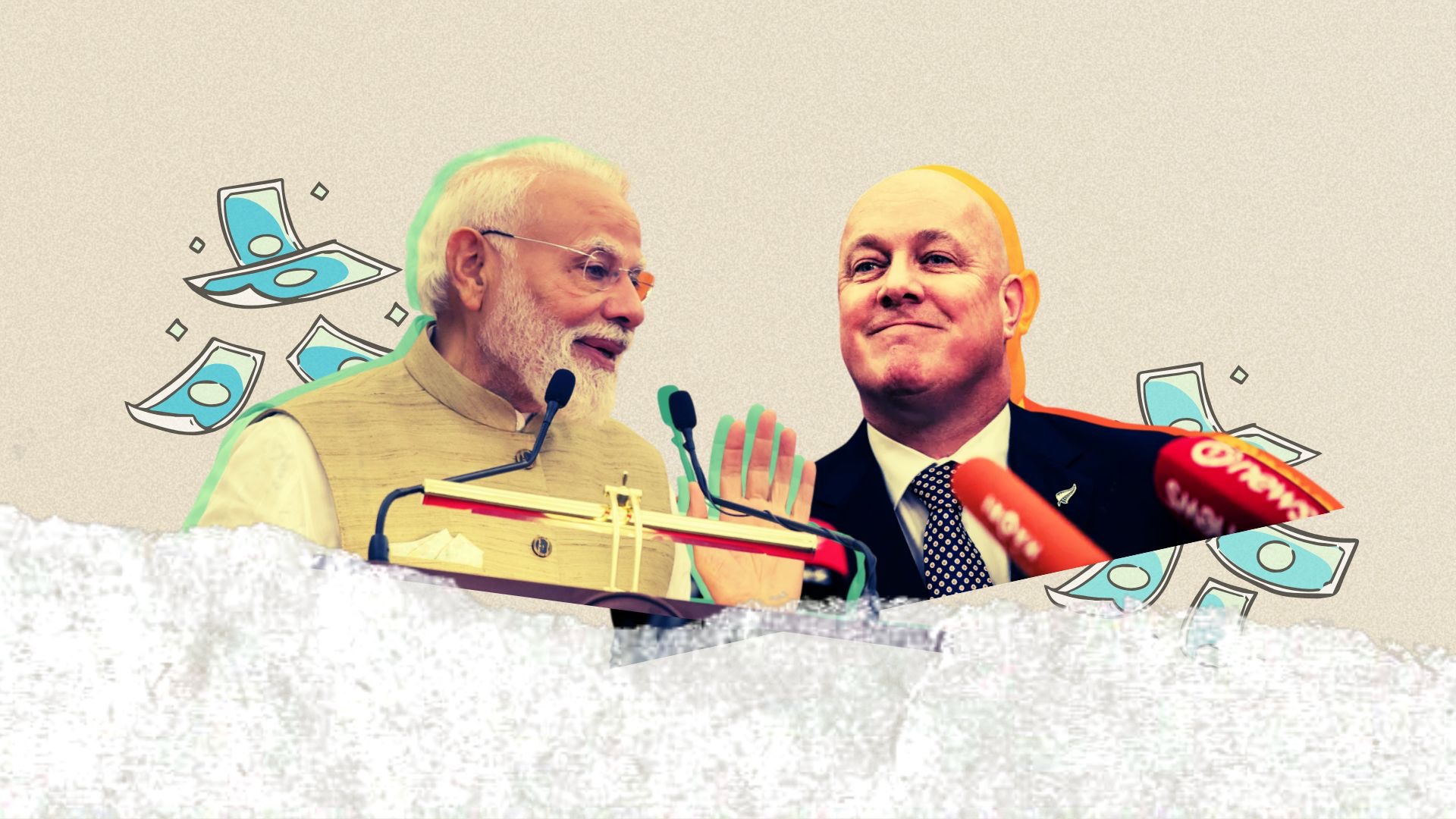
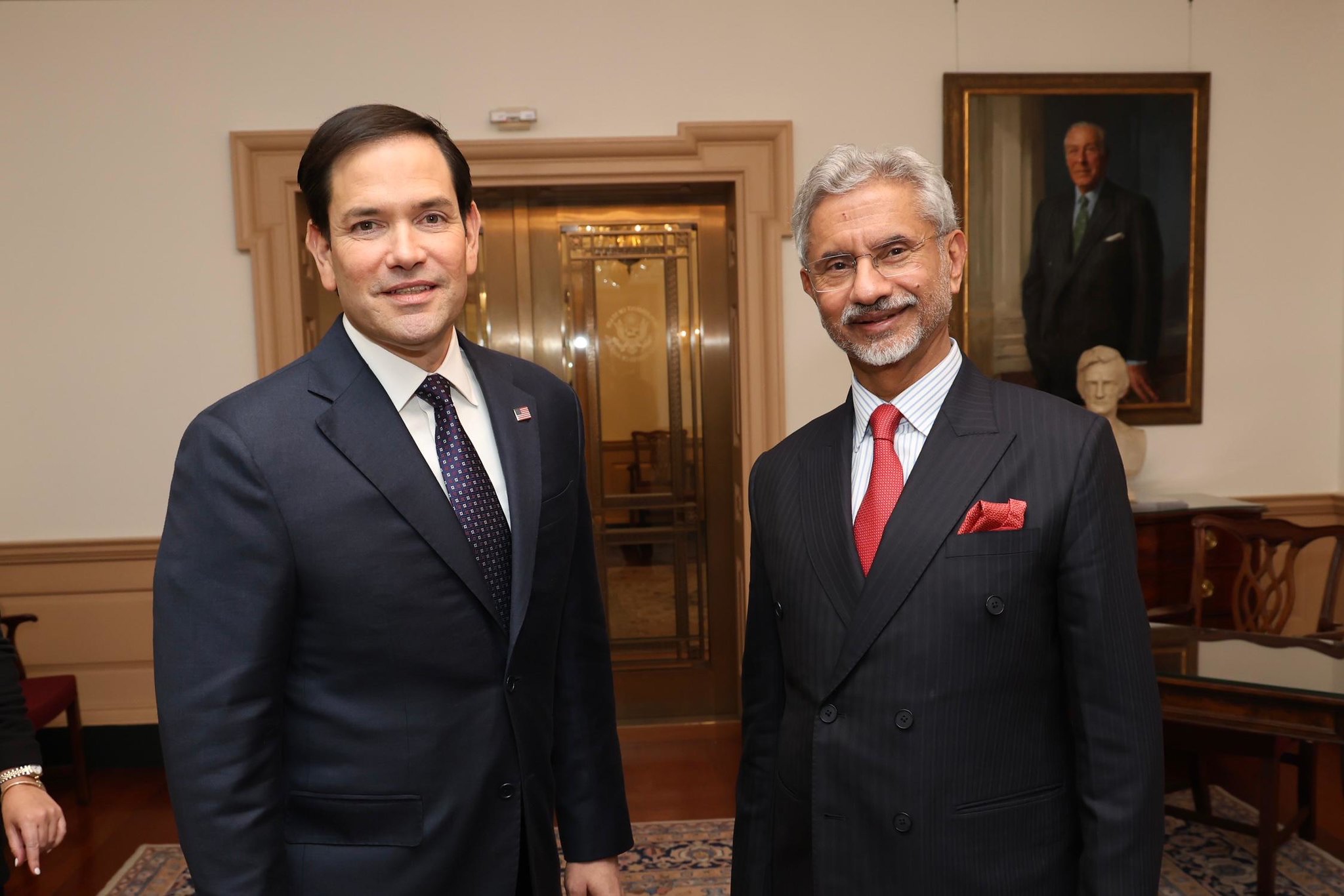
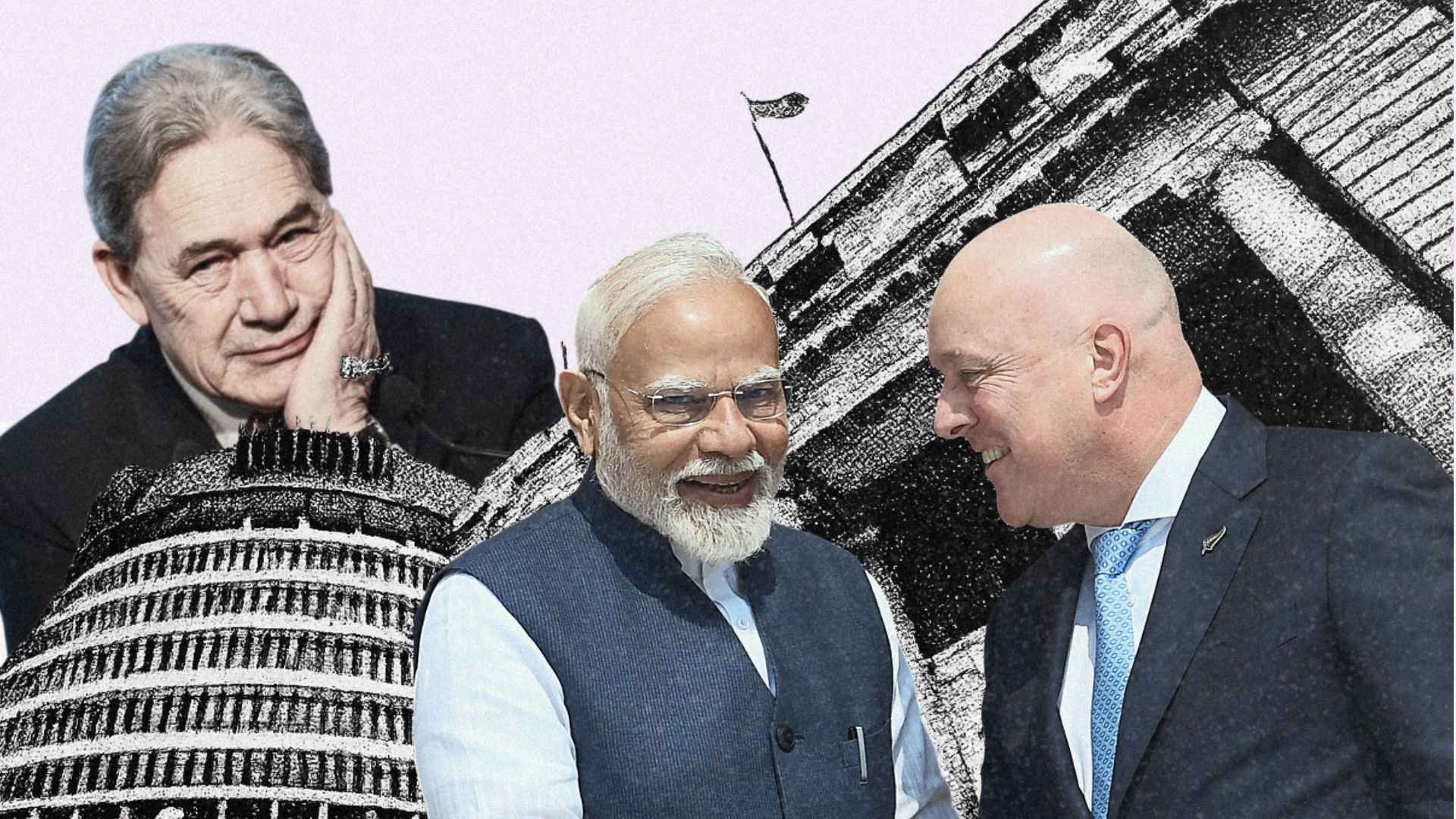
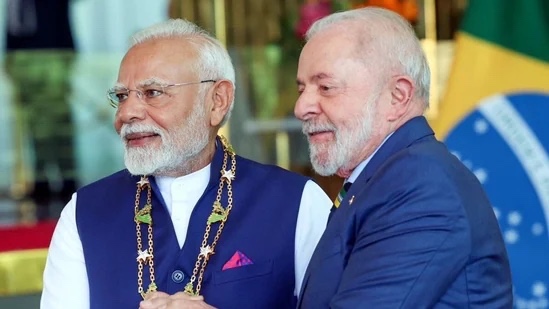
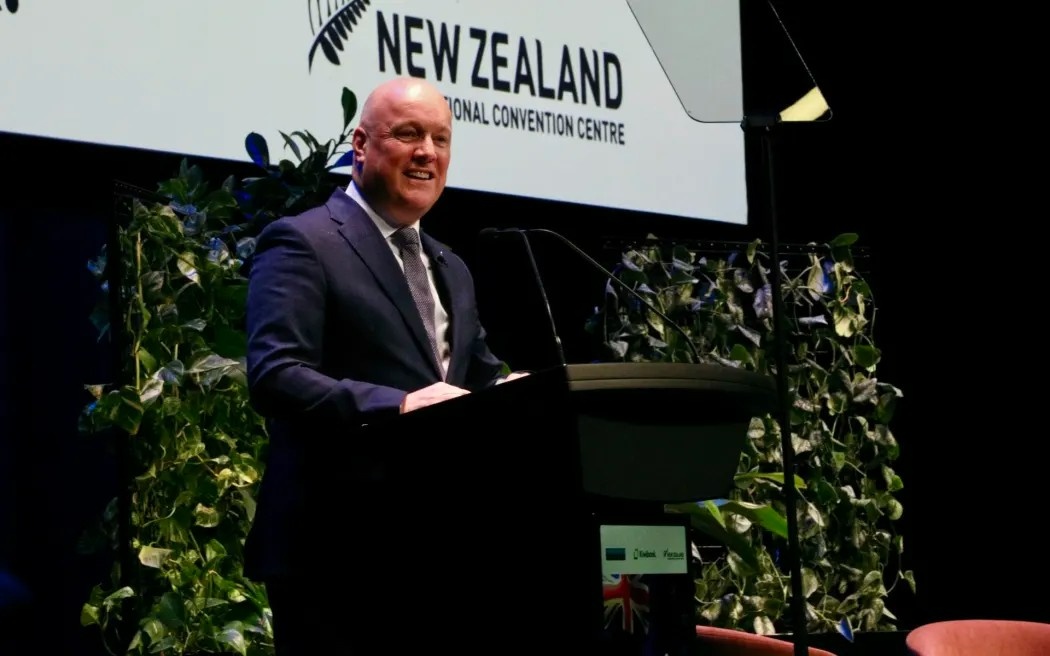
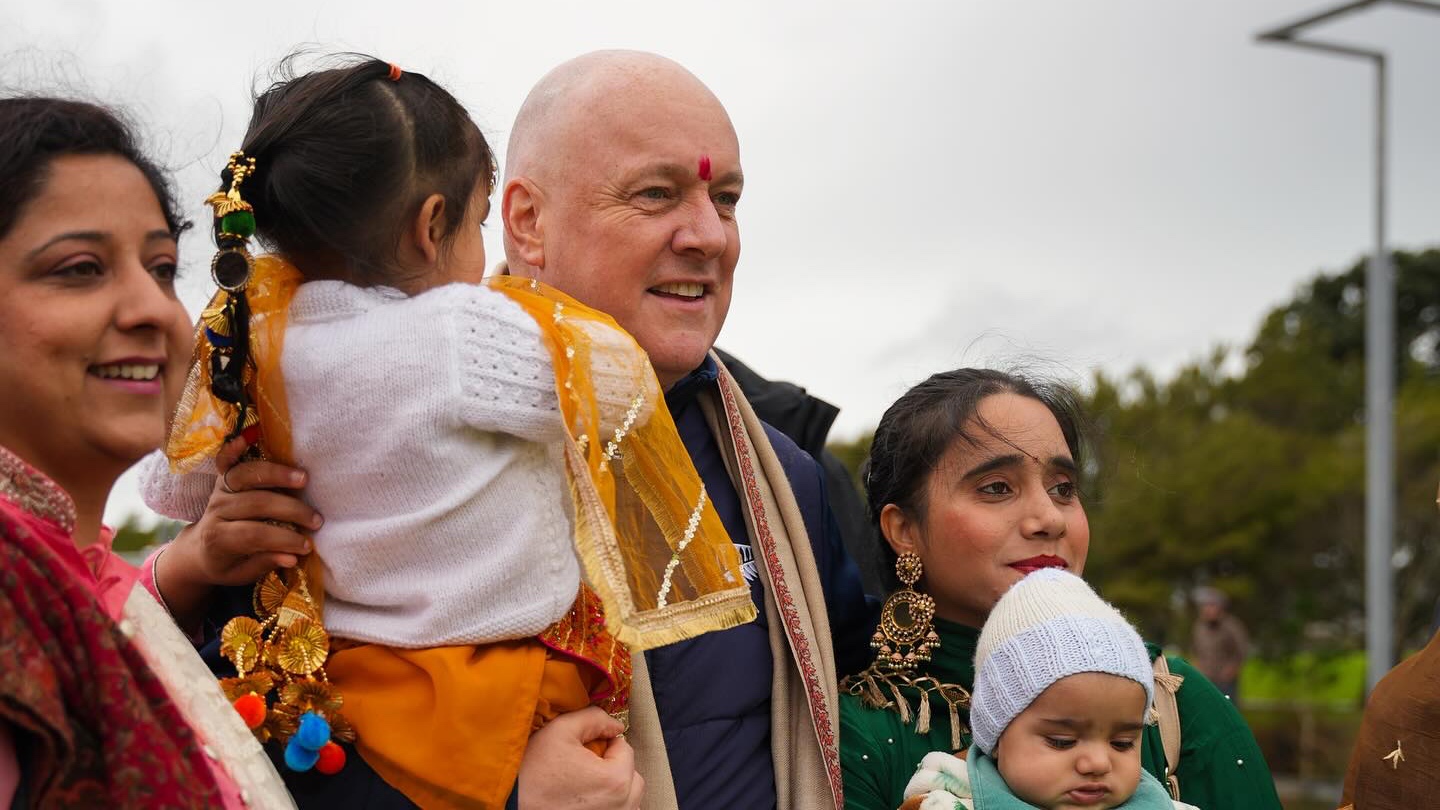
India's Narendra Modi and Christopher Luxon acknowledge the Indian diaspora at a community reception in Auckland on July 11, 2026. (Supplied photo)
"It took 40 years for an Indian prime minister to return to New Zealand, but you will not have to wait that long again."
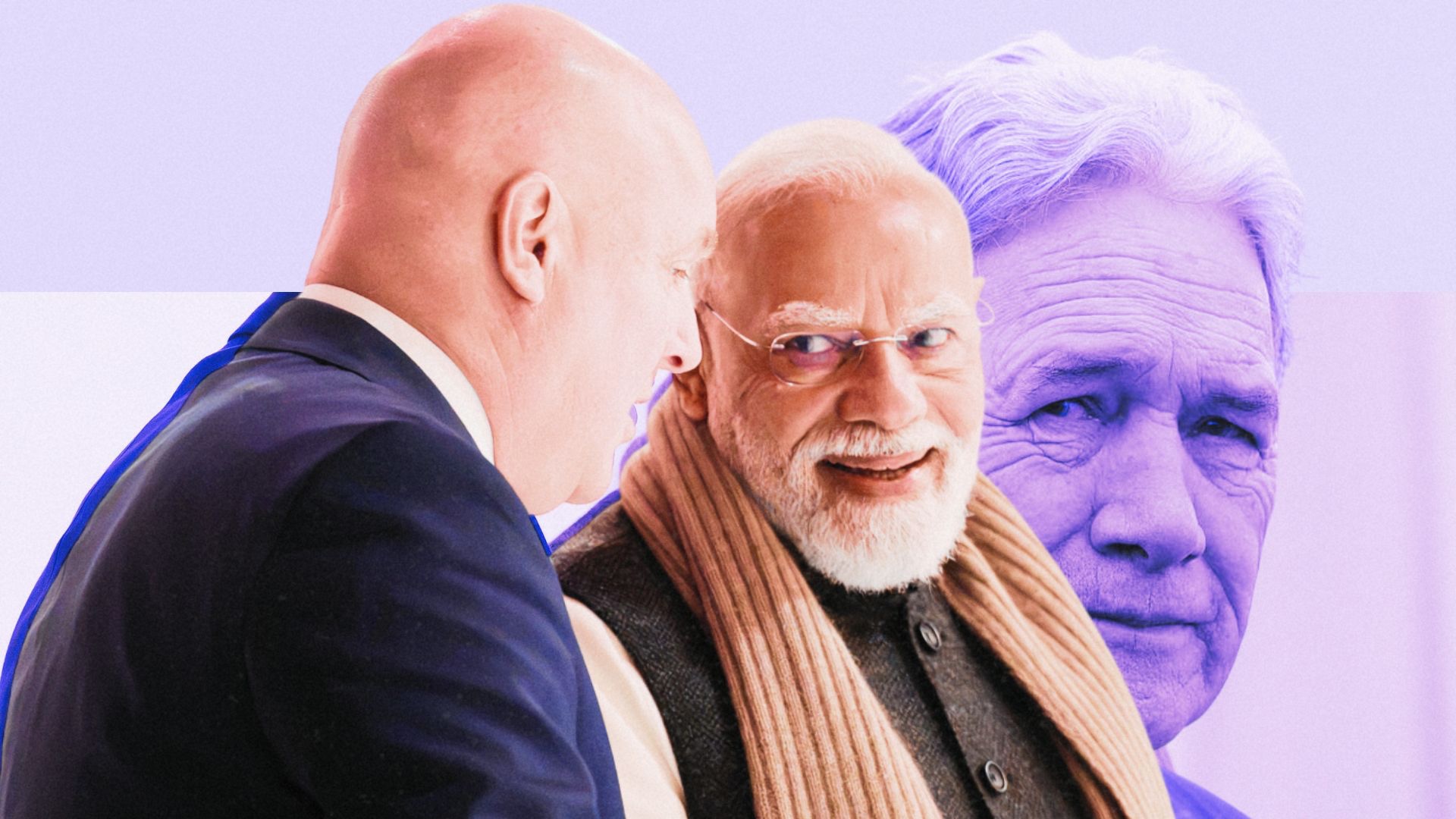
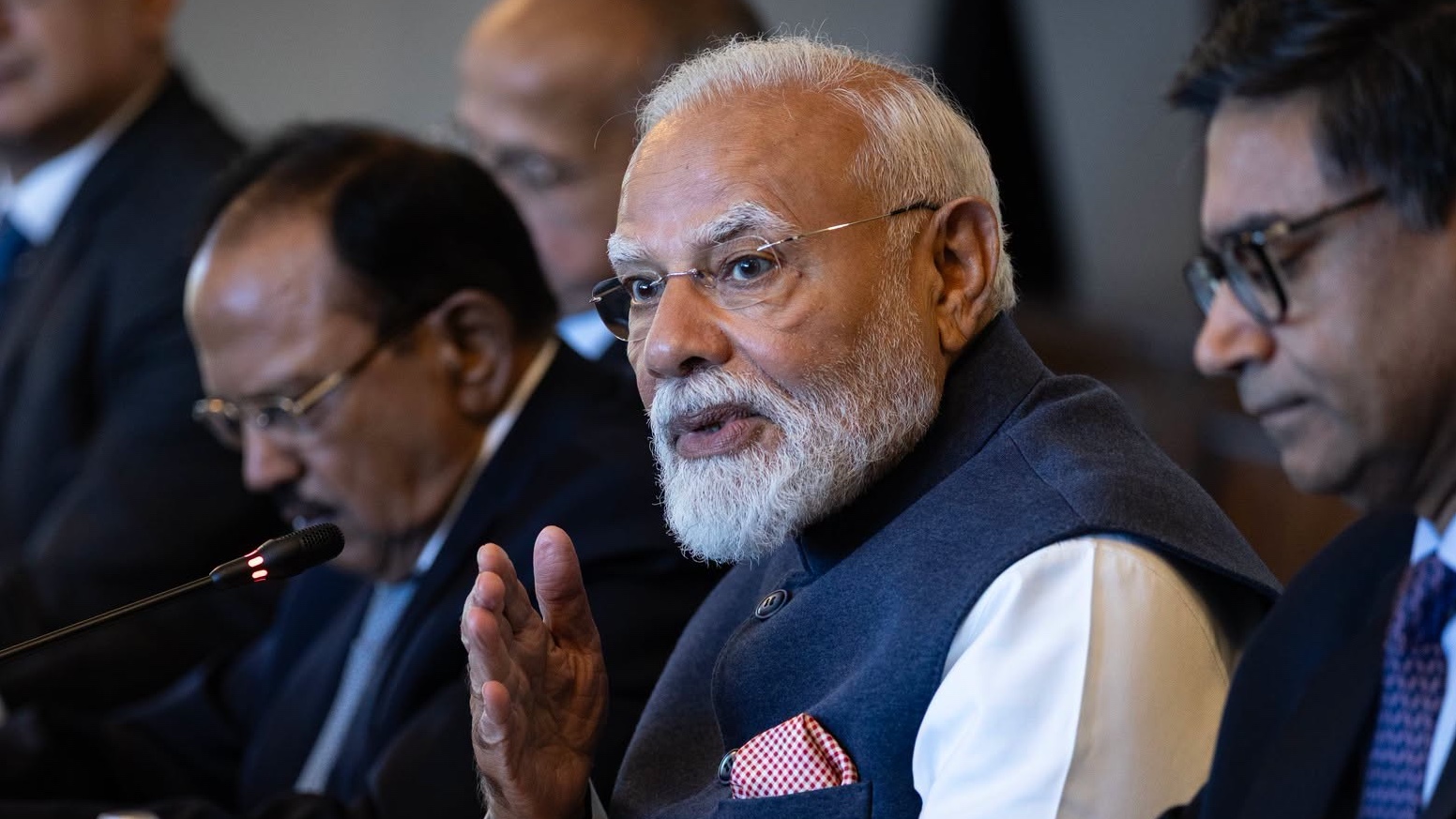
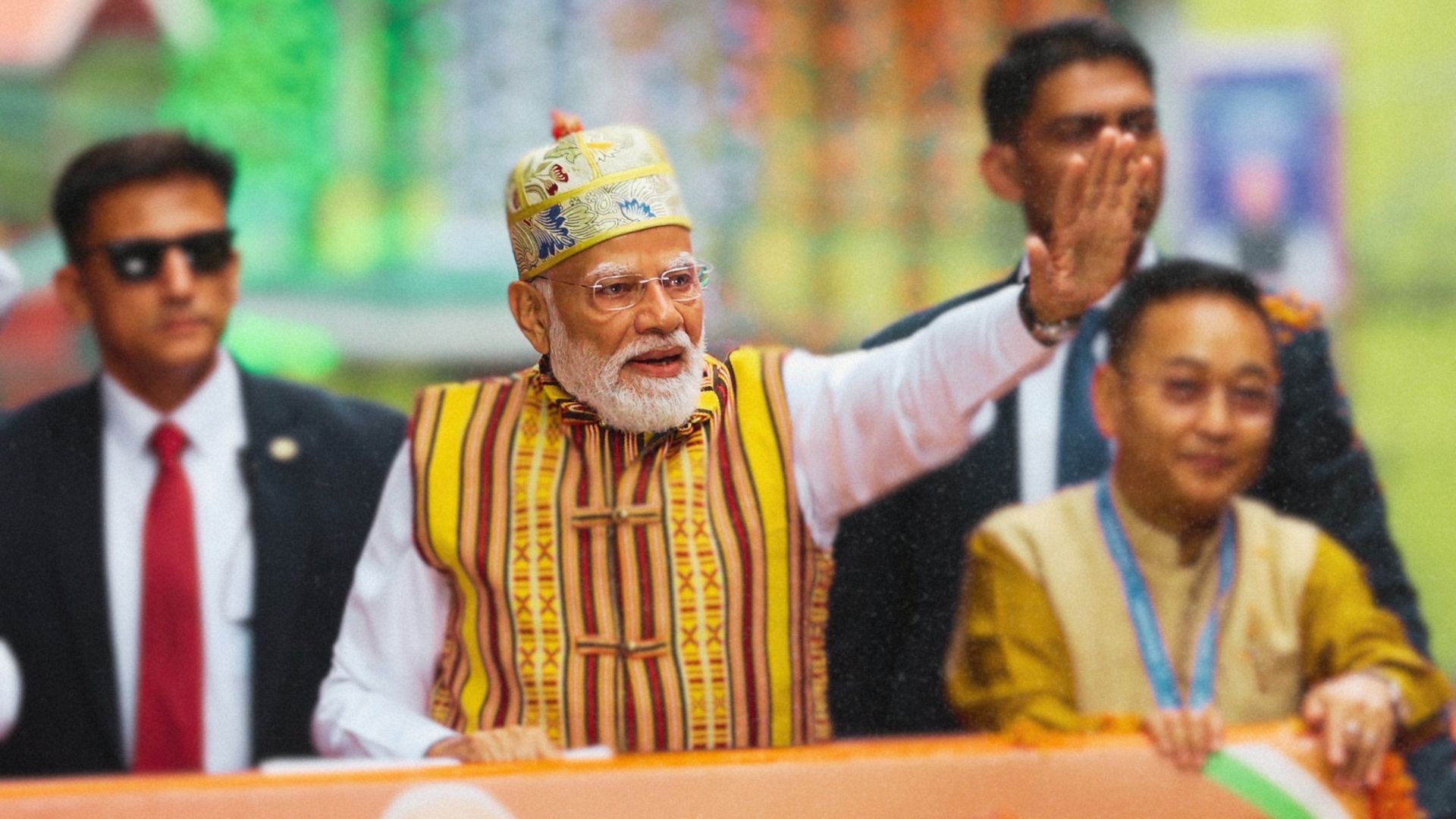
Narendra Modi arrived at Spark Arena carrying the weight of a 40-year diplomatic wait, but also a scarf given to him in New Zealand decades ago and a collection of observations about Kiwi life.
The Indian prime ministers return to New Zealand came with a carefully preserved piece of his own history.
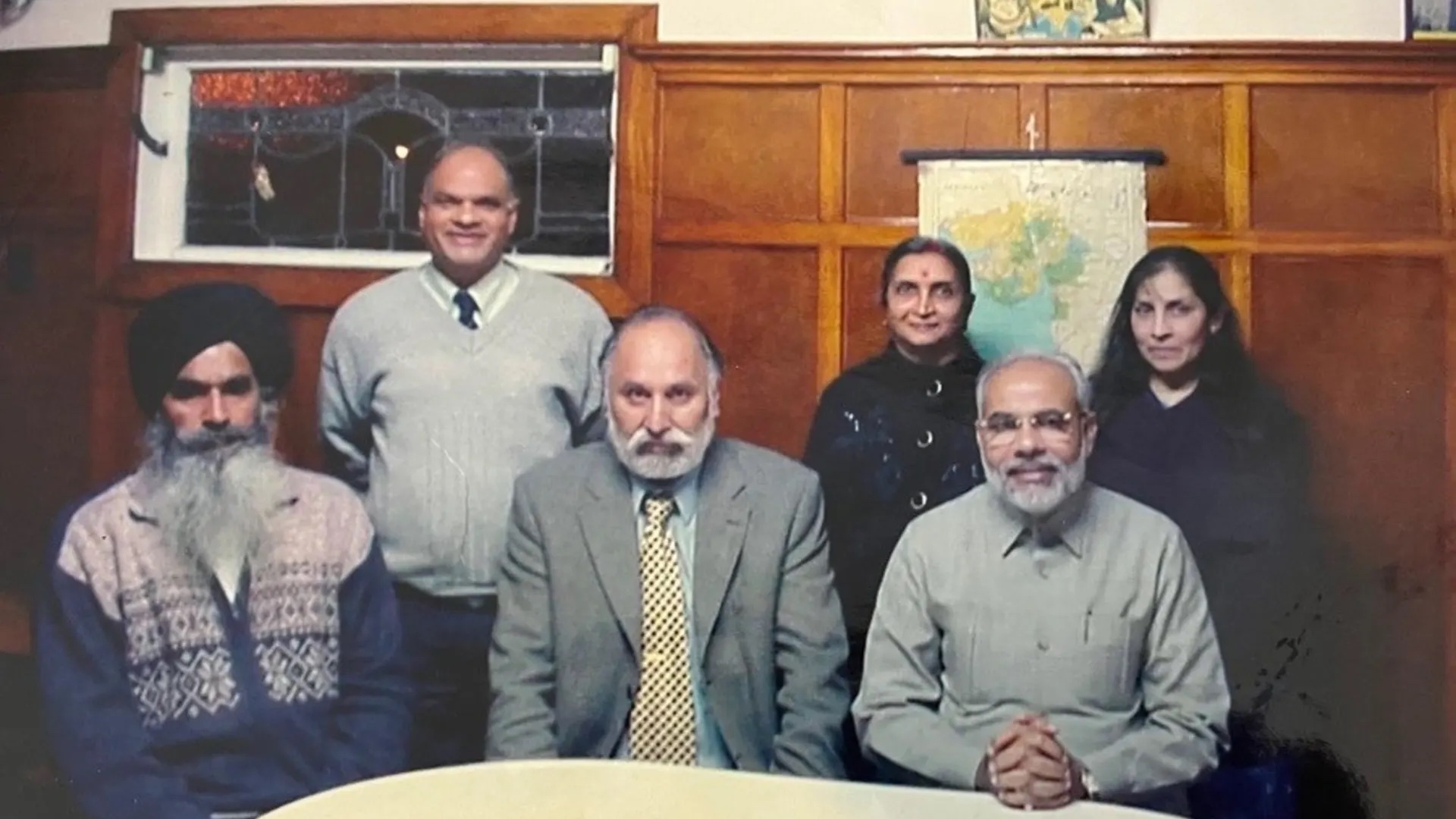
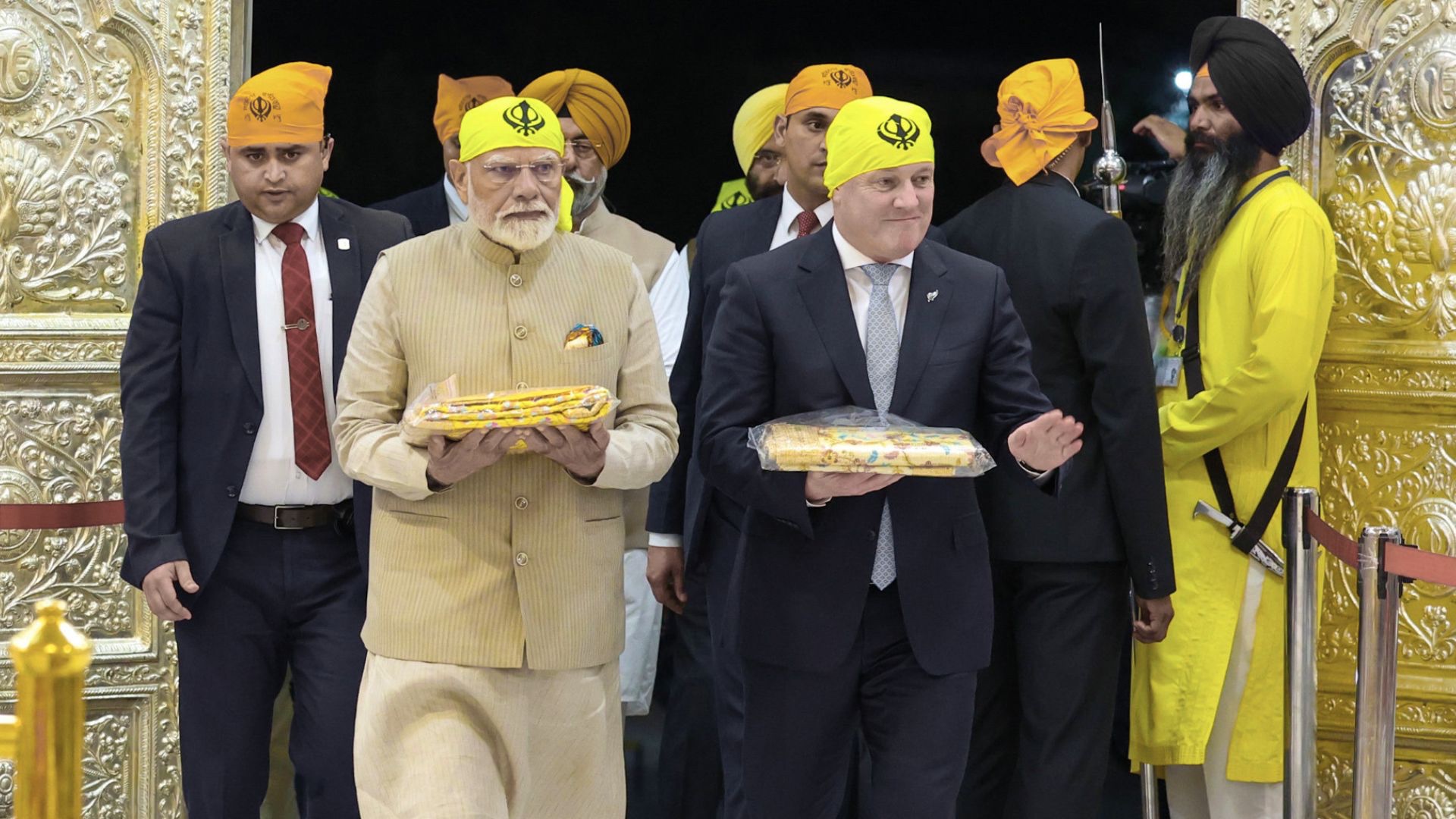
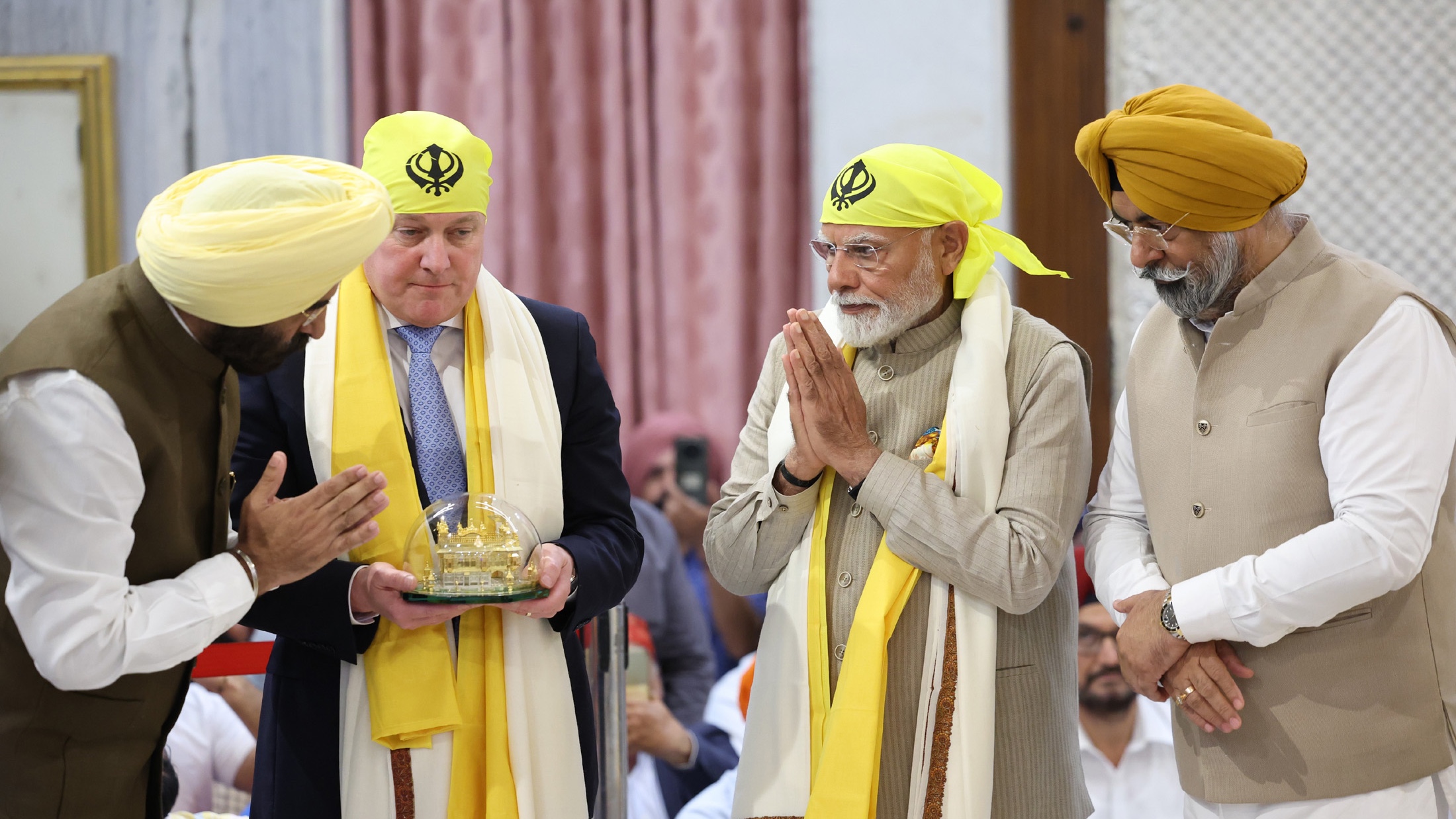
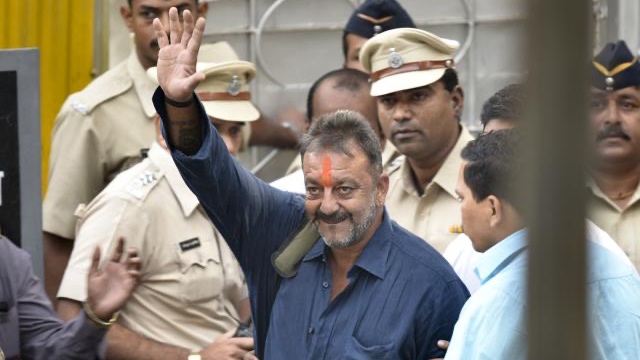
Standing before thousands of cheering supporters at Auckland’s Spark Arena on Saturday evening, Modi pointed to the scarf around his neck and revealed it had been given to him during a visit to New Zealand about 30 years earlier, long before he entered government or was widely known in public life.
“At that time, someone gave me three gifts that I took back to India: this scarf, a cap, and a glove, because it was cold,” Modi said.
“I have brought one of those items with me to this programme today – the scarf you can see.”
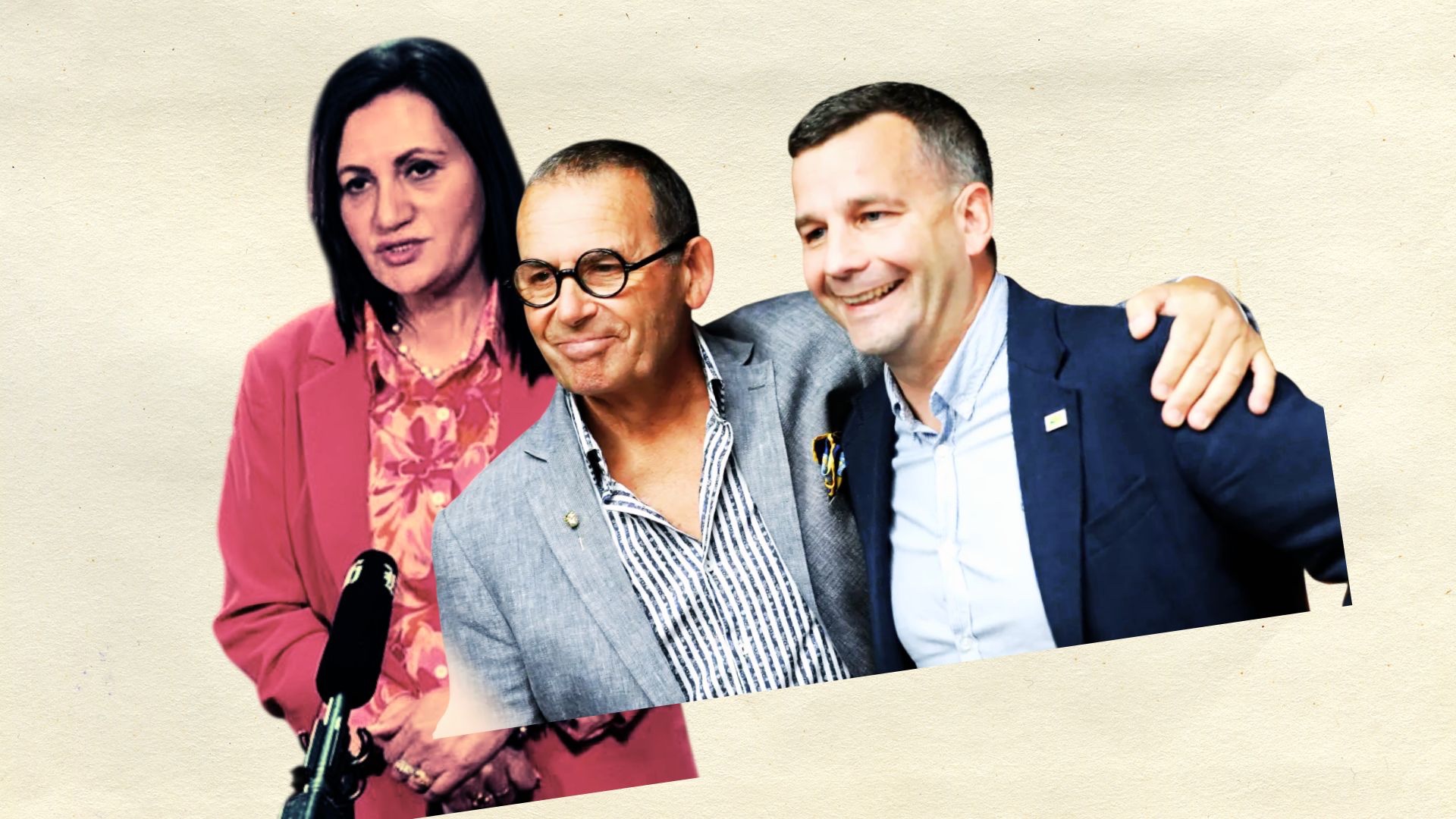
Election 2026: Will Kiwi-Indian voters decide the battle for Takanini? A South Auckland seat with one of New Zealand’s biggest Indian populations is shaping up as a test for ethnic identity and the ballot box.
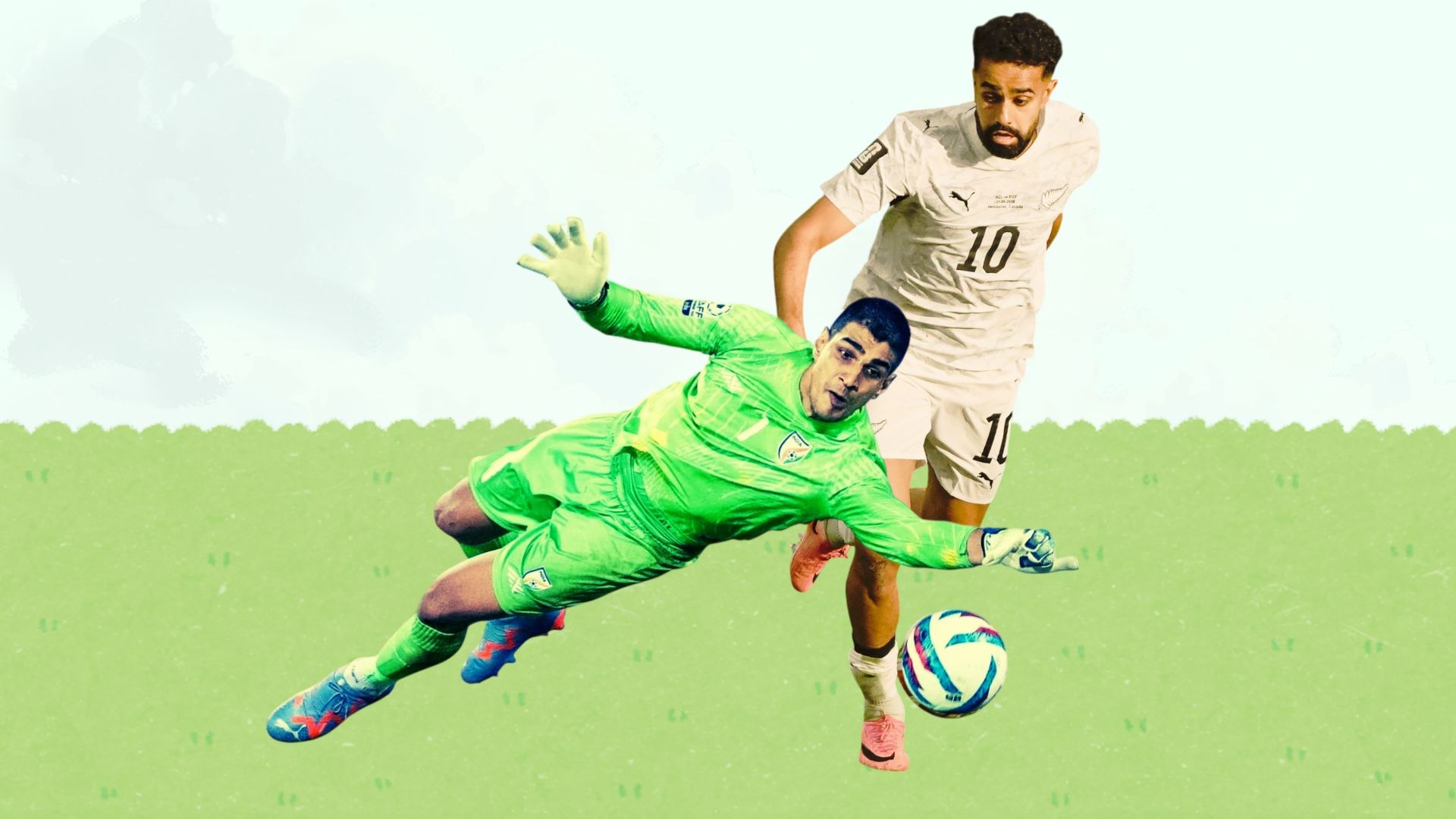
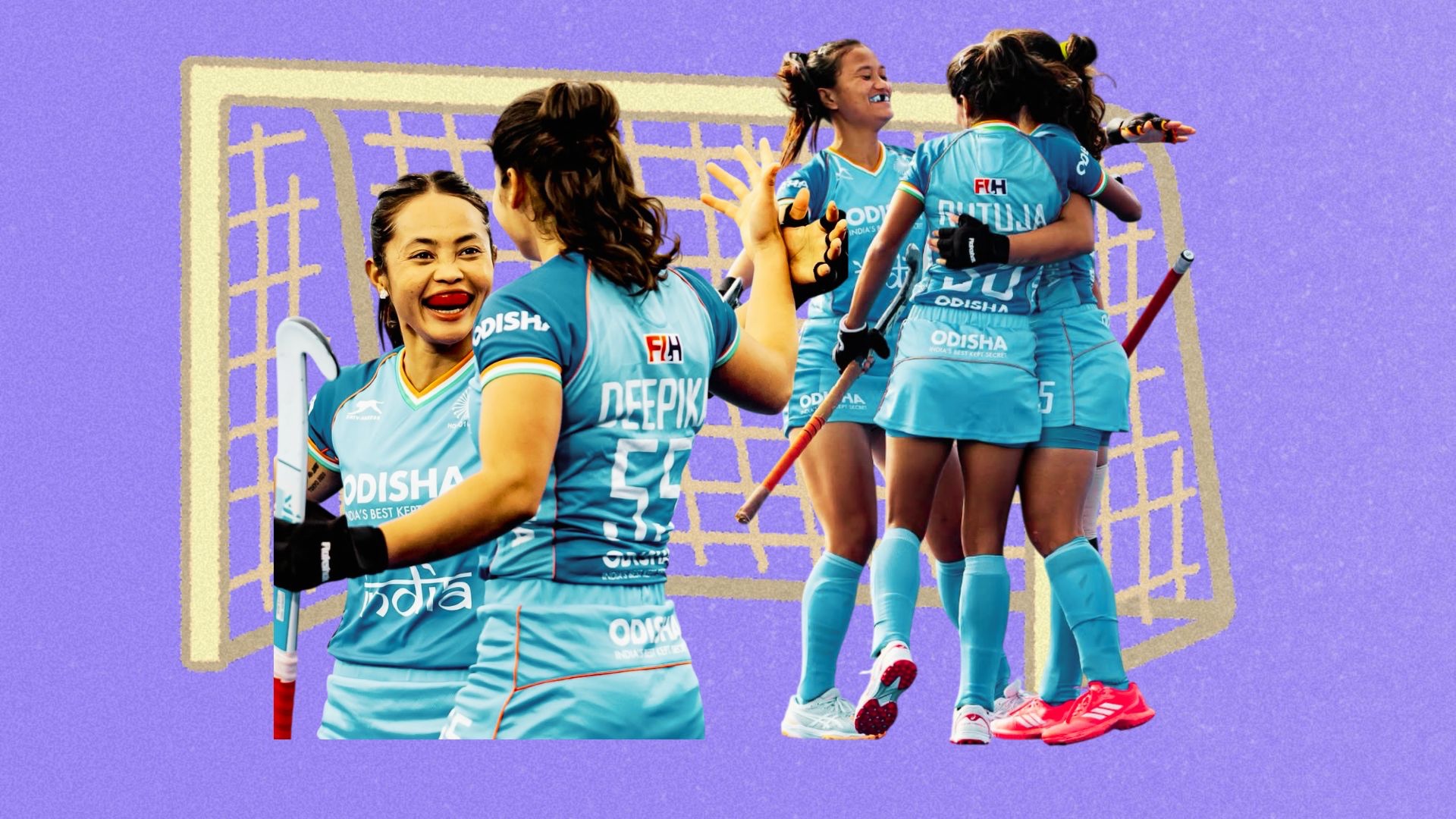
India is coming to Auckland: Full schedule revealed for cricket, football, hockey, Diwali From the Black Caps and All Whites taking on India to Diwali, hockey, bowls and city-wide light displays, Auckland has revealed its sporting centenary programme.
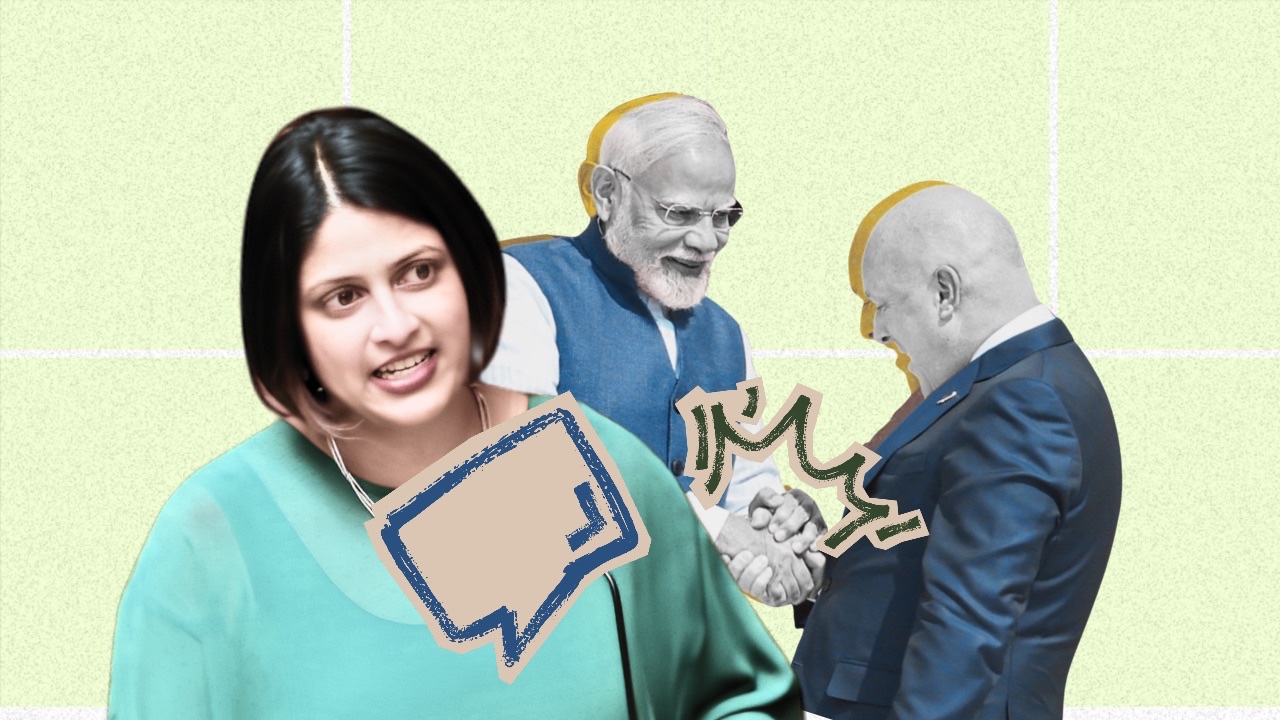
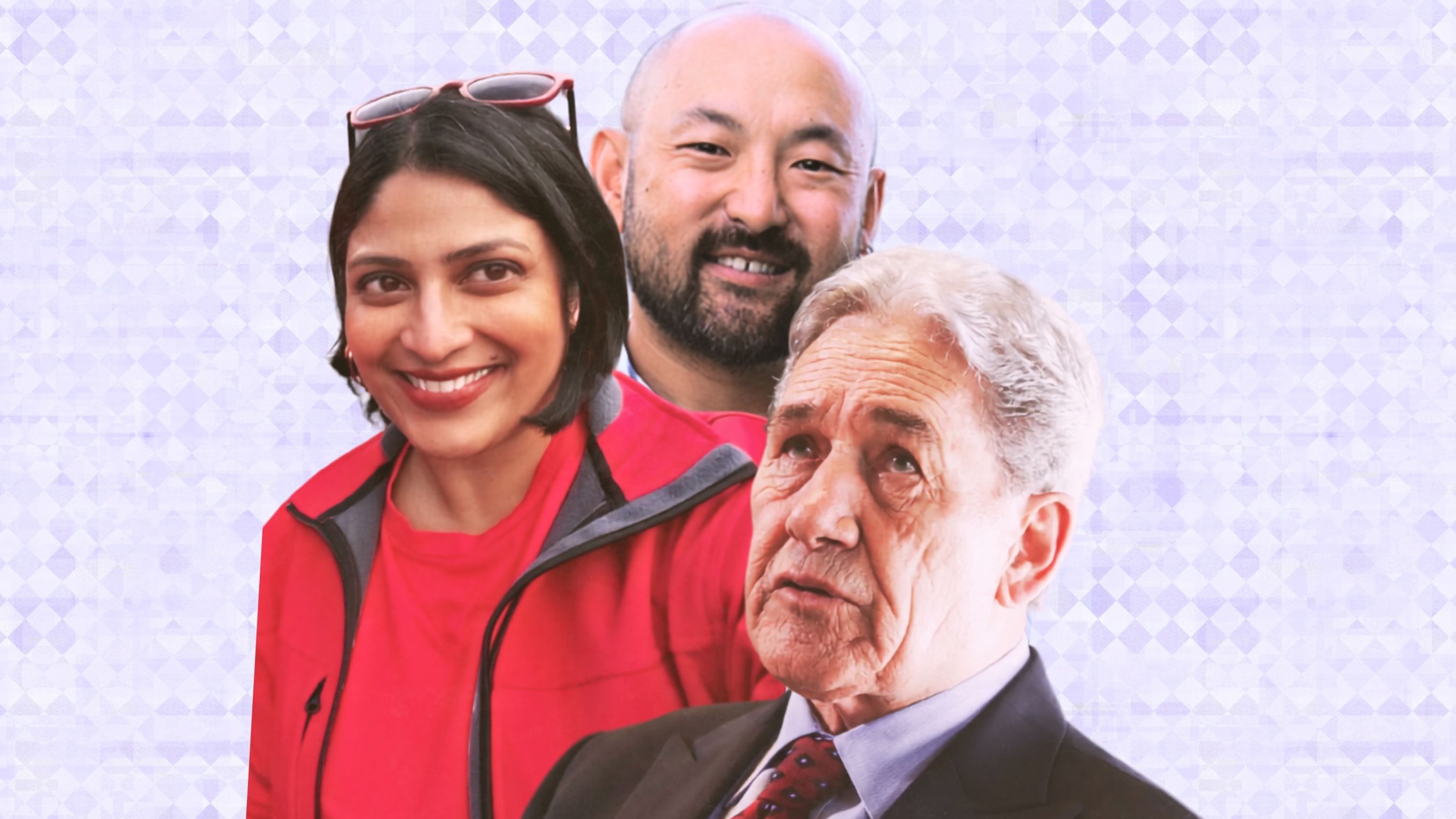
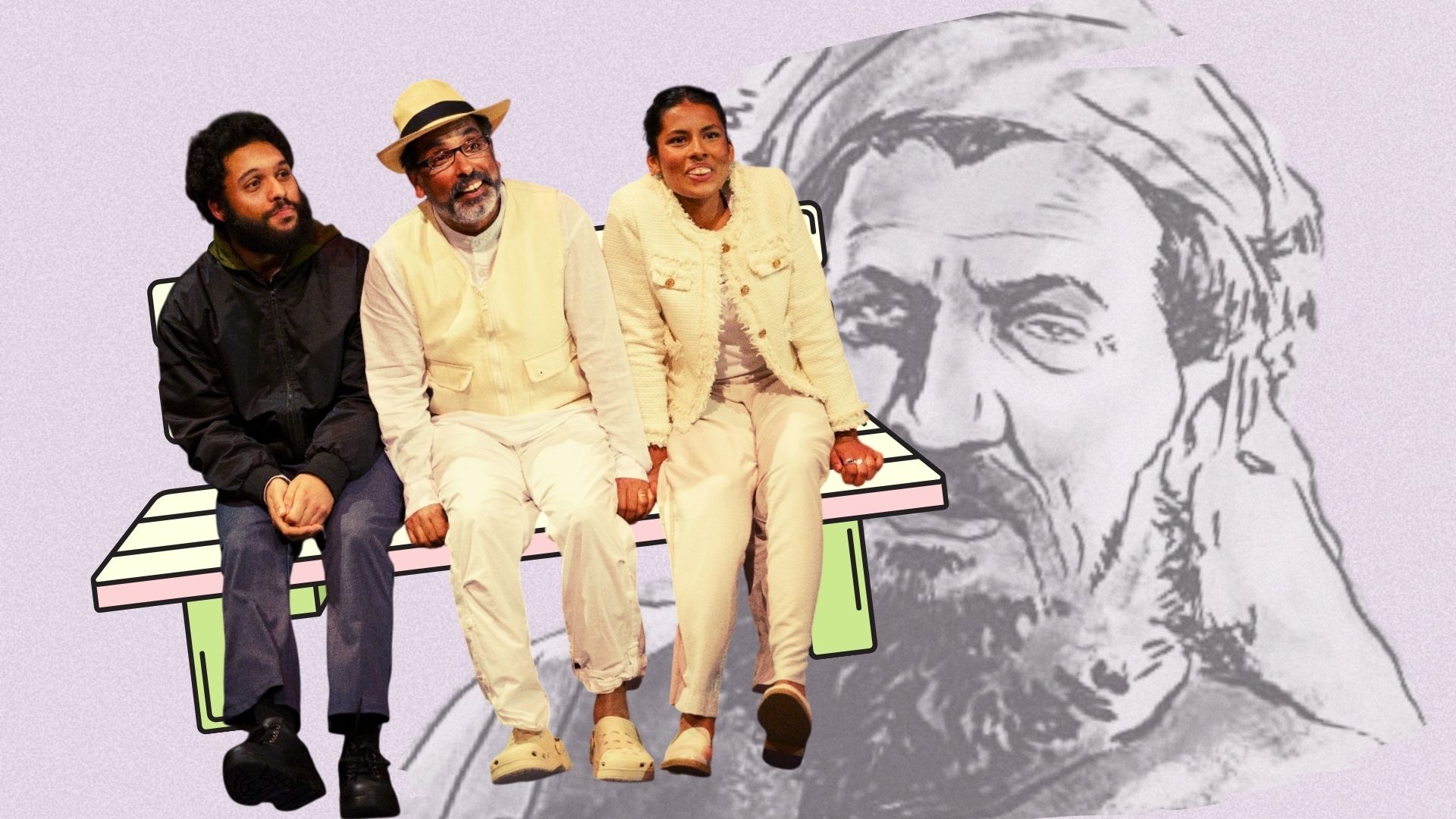
What does an Indian-origin MP owe Kiwi Indians? Priyanca Radhakrishnan on identity, belonging The three-term Labour MP says you can be Indian and Kiwi. Why should belonging require you to choose sides?
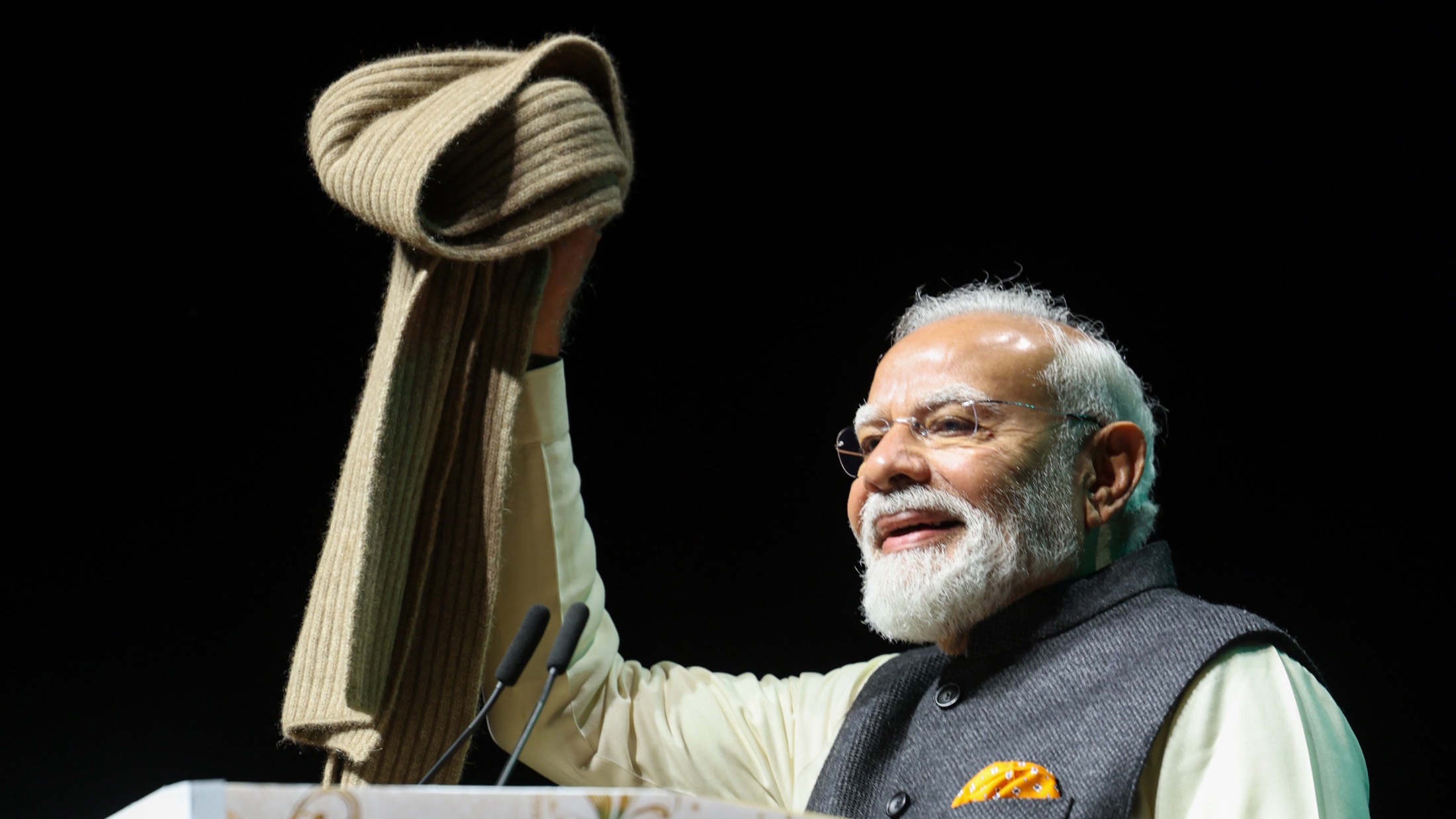
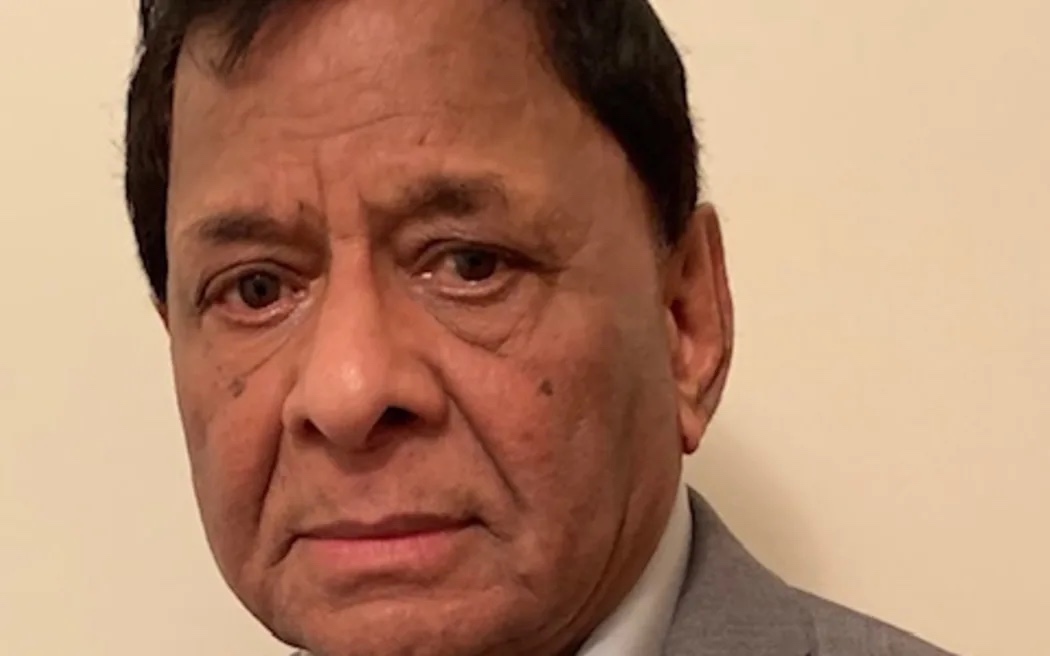
Modi displays the scarf gifted to him during his visit to New Zealand about 30 years ago. (Supplied photo)
He said a friend in New Zealand had given it to him and that he had continued to use it over the years.
“When this visit was planned, I made a special effort to bring it with me, because I had heard that the weather would be cold.”
It was the first of several moments in which Modi sought to turn a major diplomatic visit into something more personal.
He opened with “Namaste” and “Kia ora, New Zealand”, before telling the crowd, “I have brought greetings from 1.4 billion Indians for every resident of New Zealand and for all of you here.”
He then reached for a Pacific metaphor to describe the relationship between the two countries.
“For centuries, one word has connected people here – waka,” Modi said.
“A waka is not merely a boat. It symbolises our shared journey. Today, the India–New Zealand waka is ready to begin a new voyage...we have much to achieve, and I know that we will succeed.”
But the success of that journey, he said, would not depend on him. “Do you know why? Not because of Modi,” he said. “It is because all of you are its true navigators.
"From Auckland to Wellington, from Christchurch to Queenstown, every member of the Indian community spread across New Zealand is a navigator of this shared journey.”
Modi also acknowledged prime minister Christopher Luxon, members of the New Zealand government and Labour representatives attending the event.
“Their presence shows the strong bipartisan support for India-New Zealand relations,” he said. “It also reflects the achievements and major contribution of the Kiwi Indian community.”
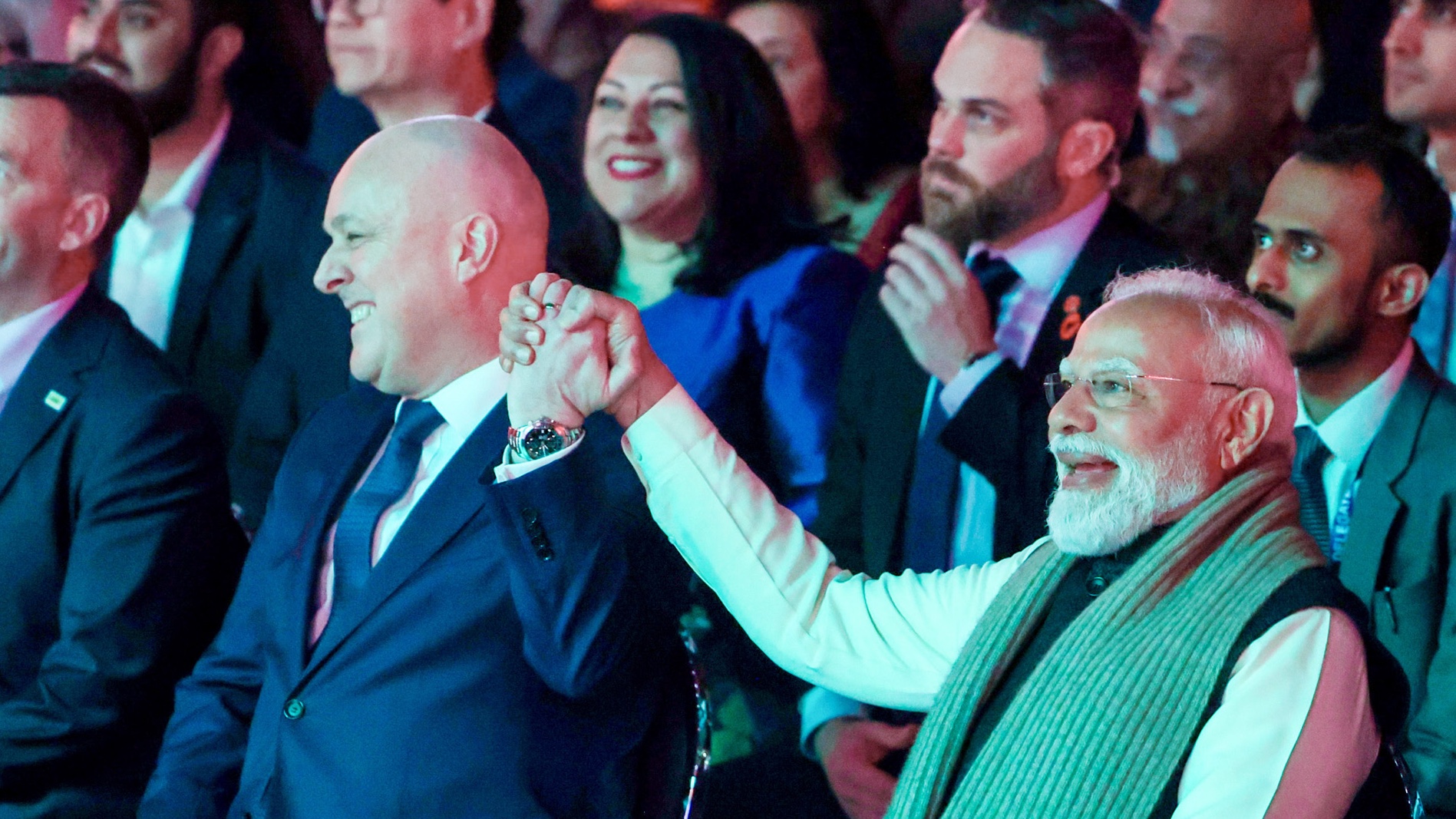
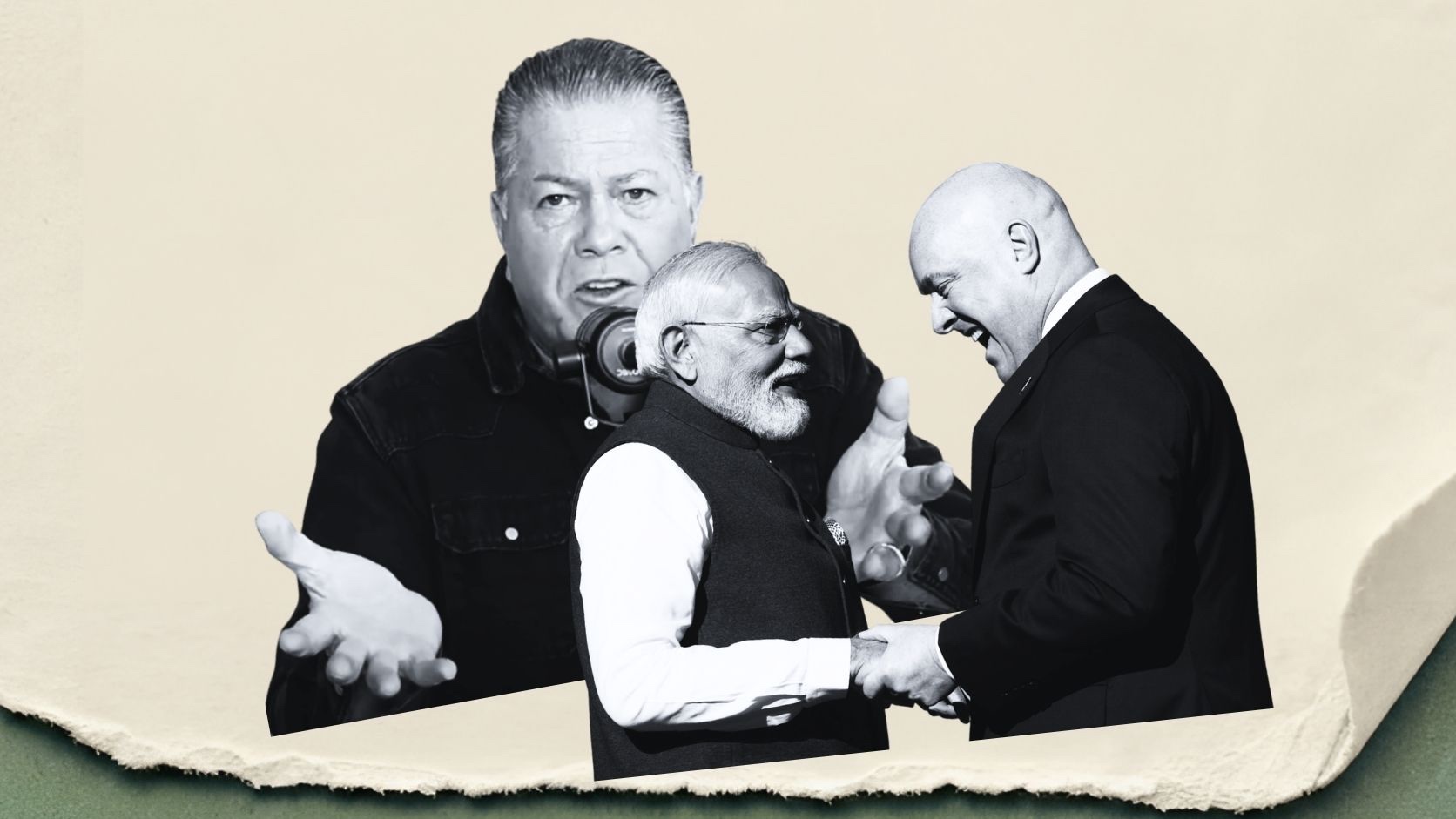
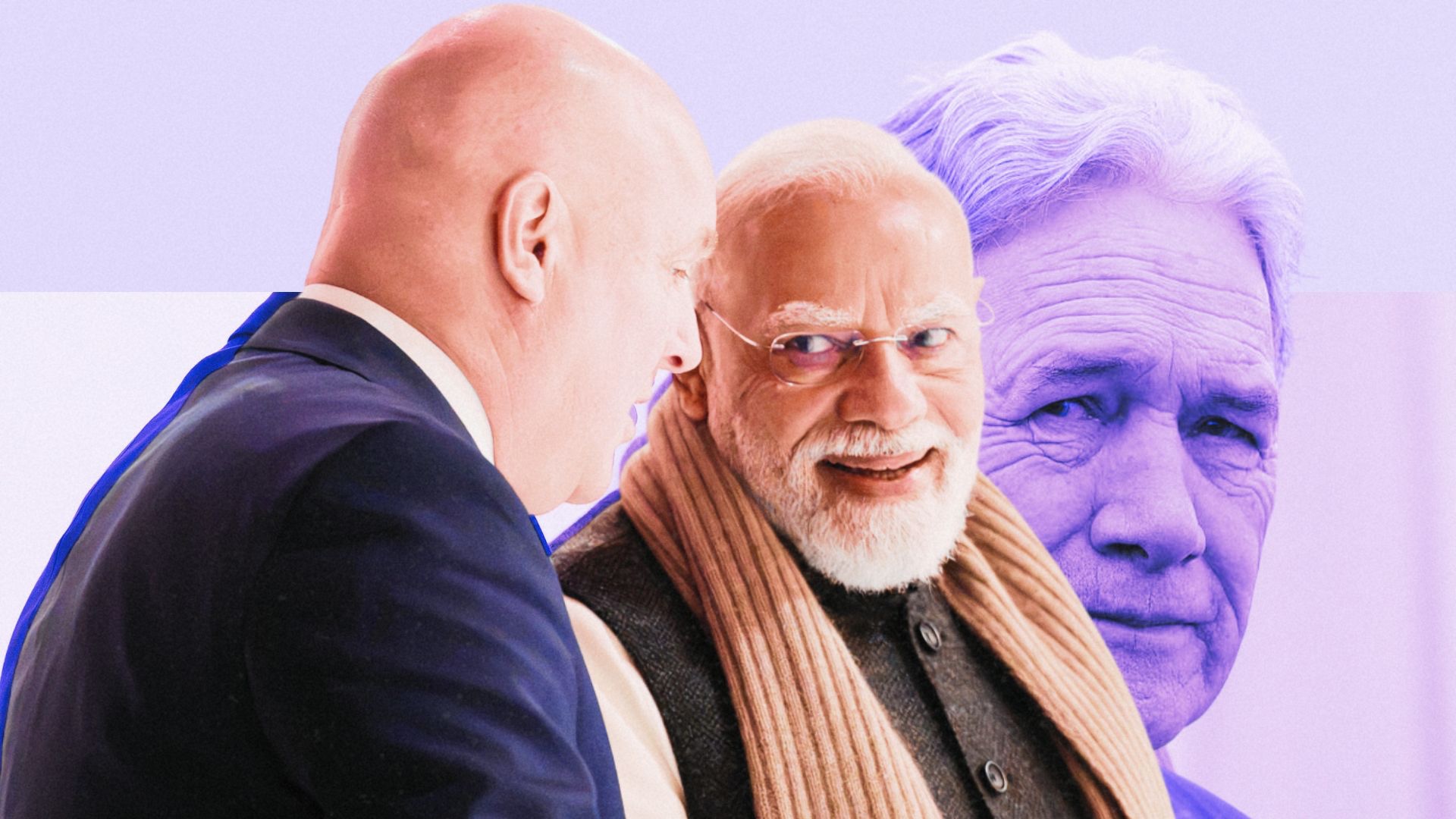
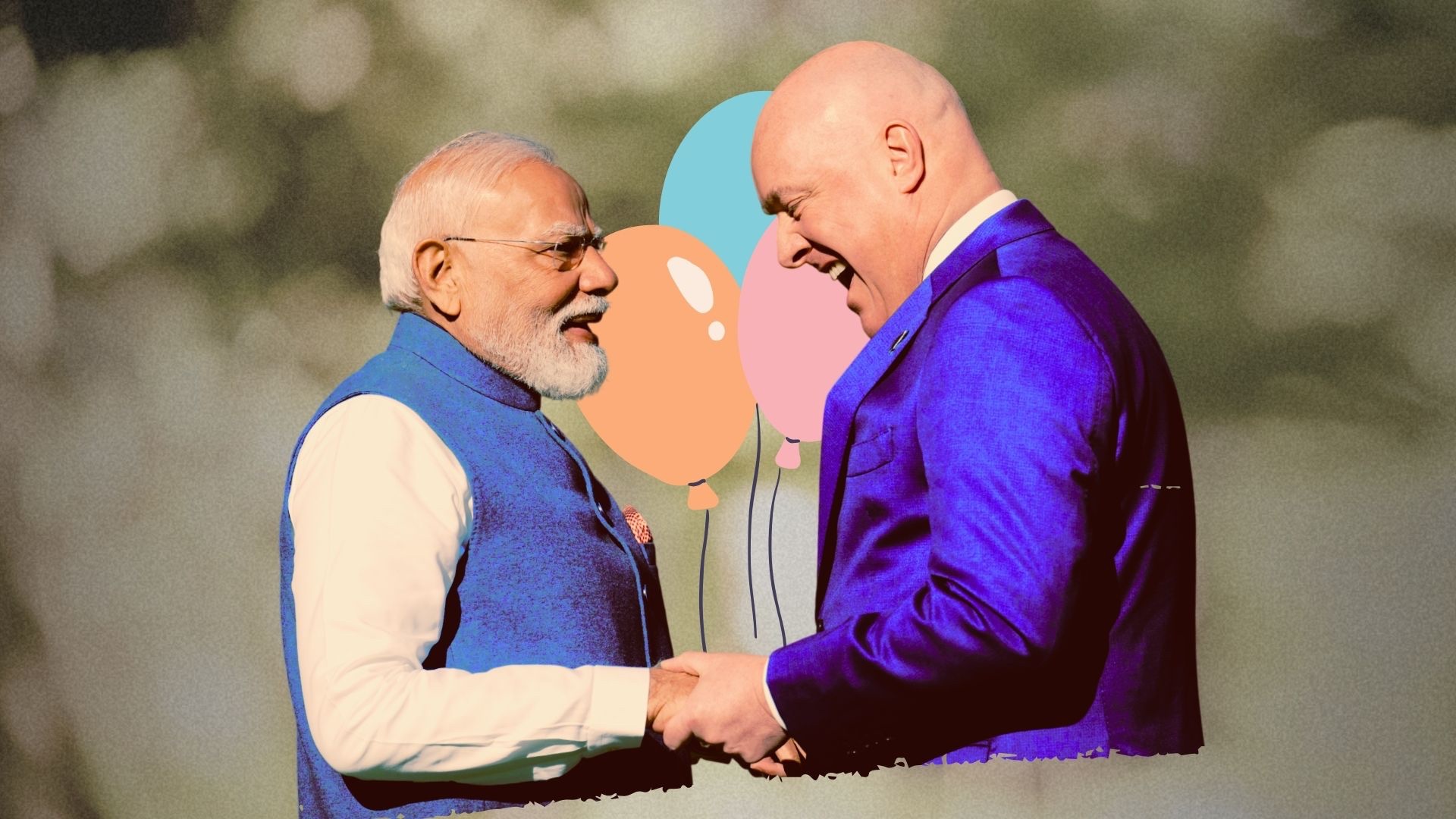
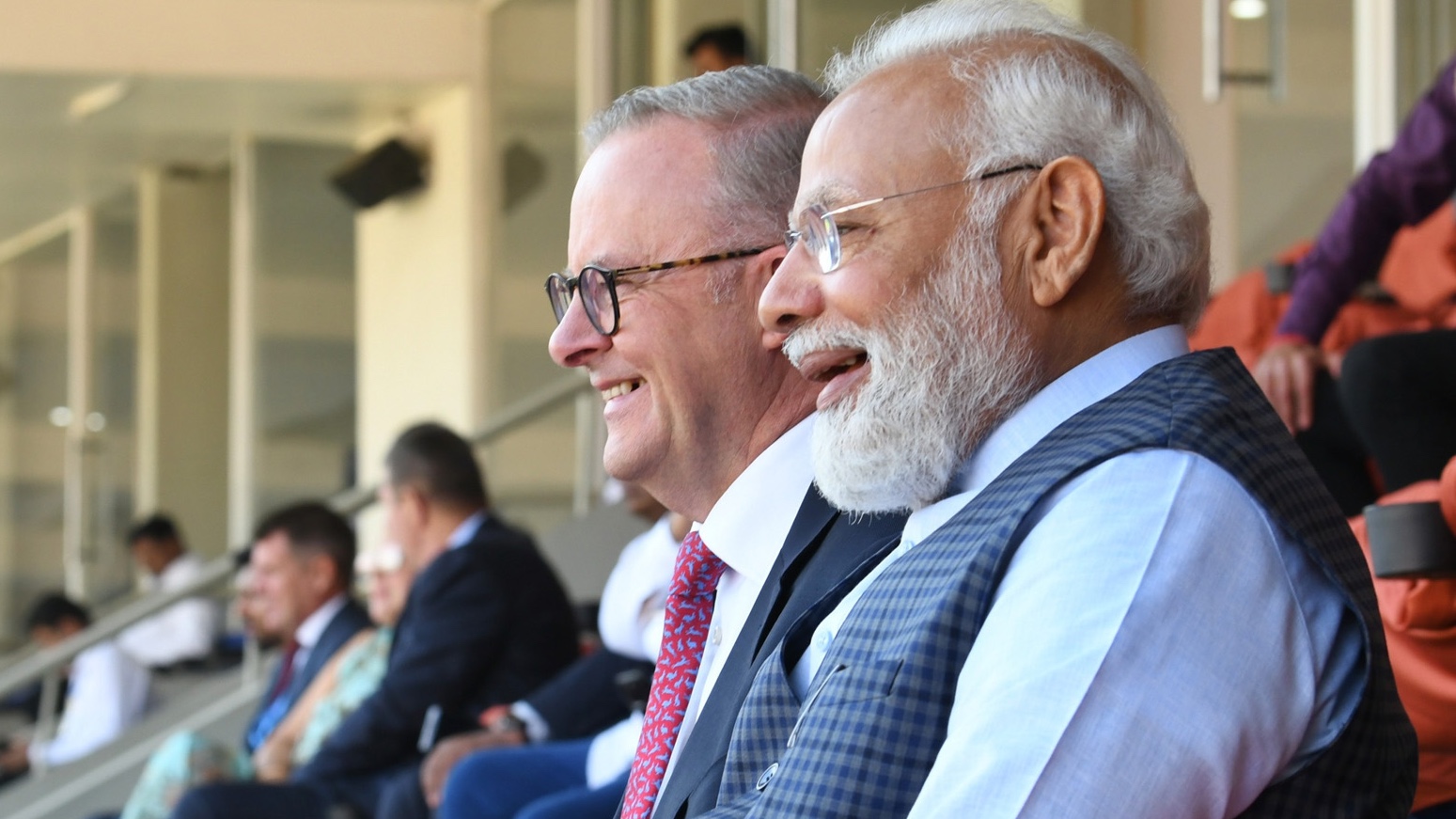
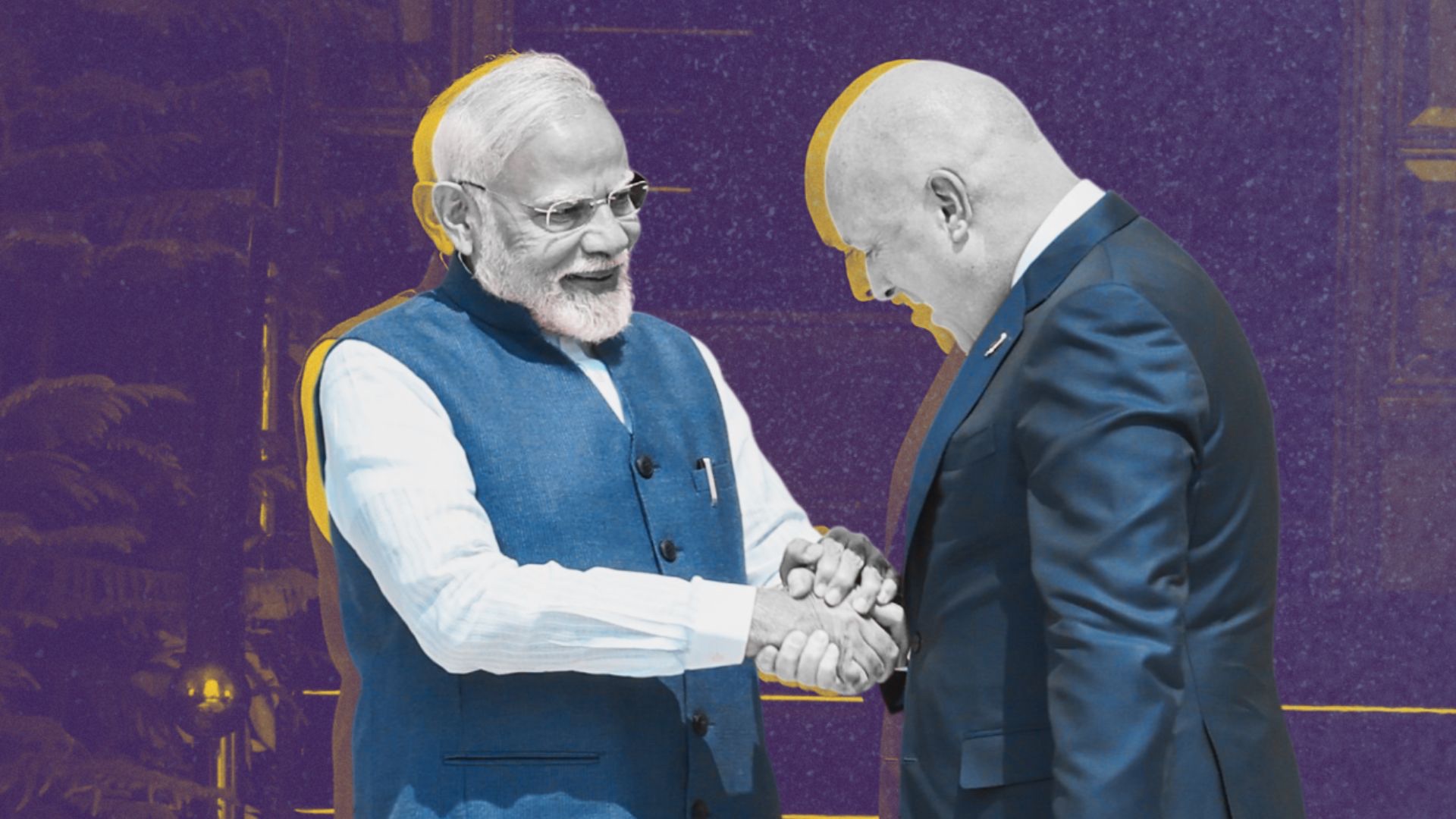
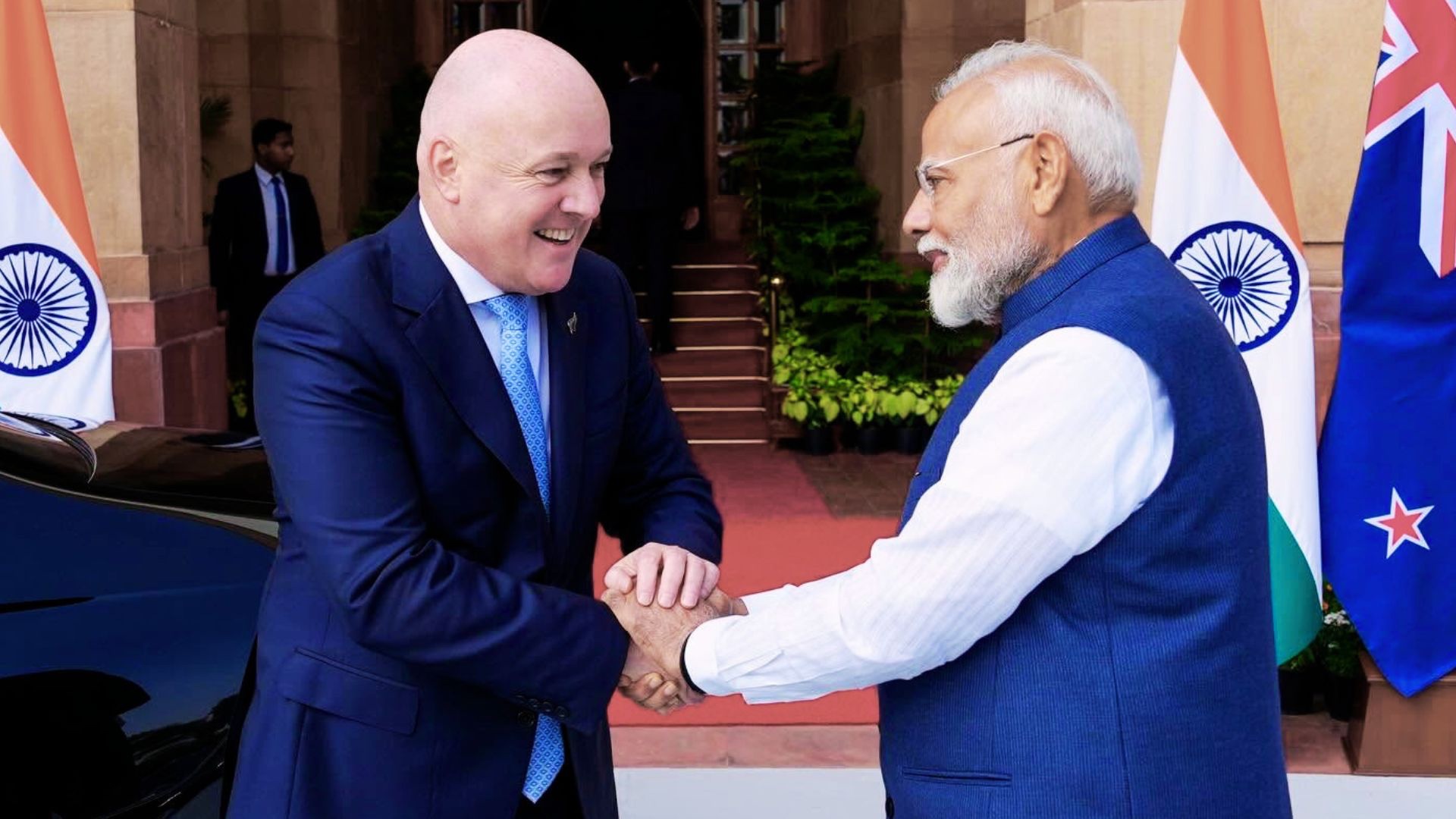
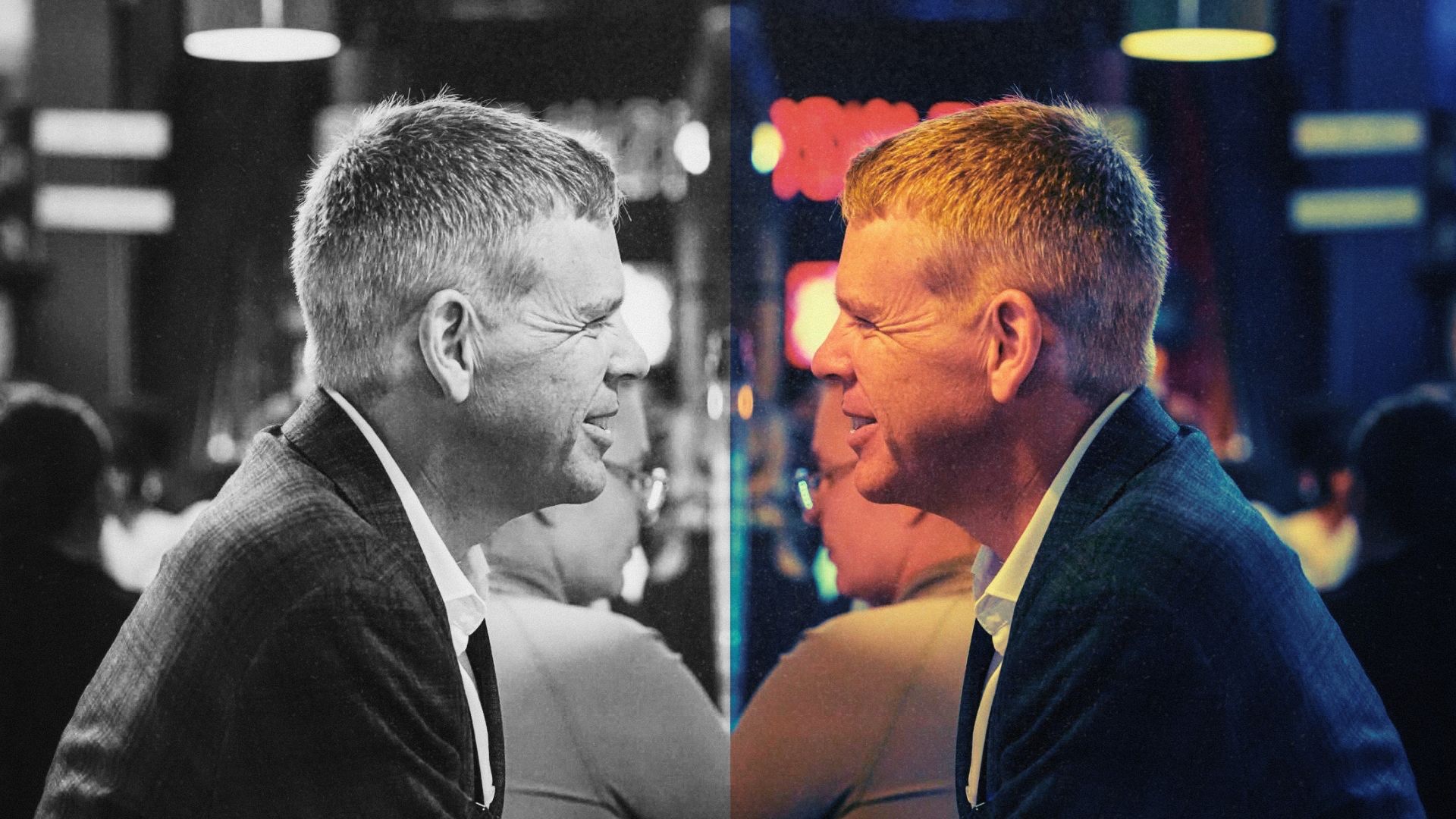
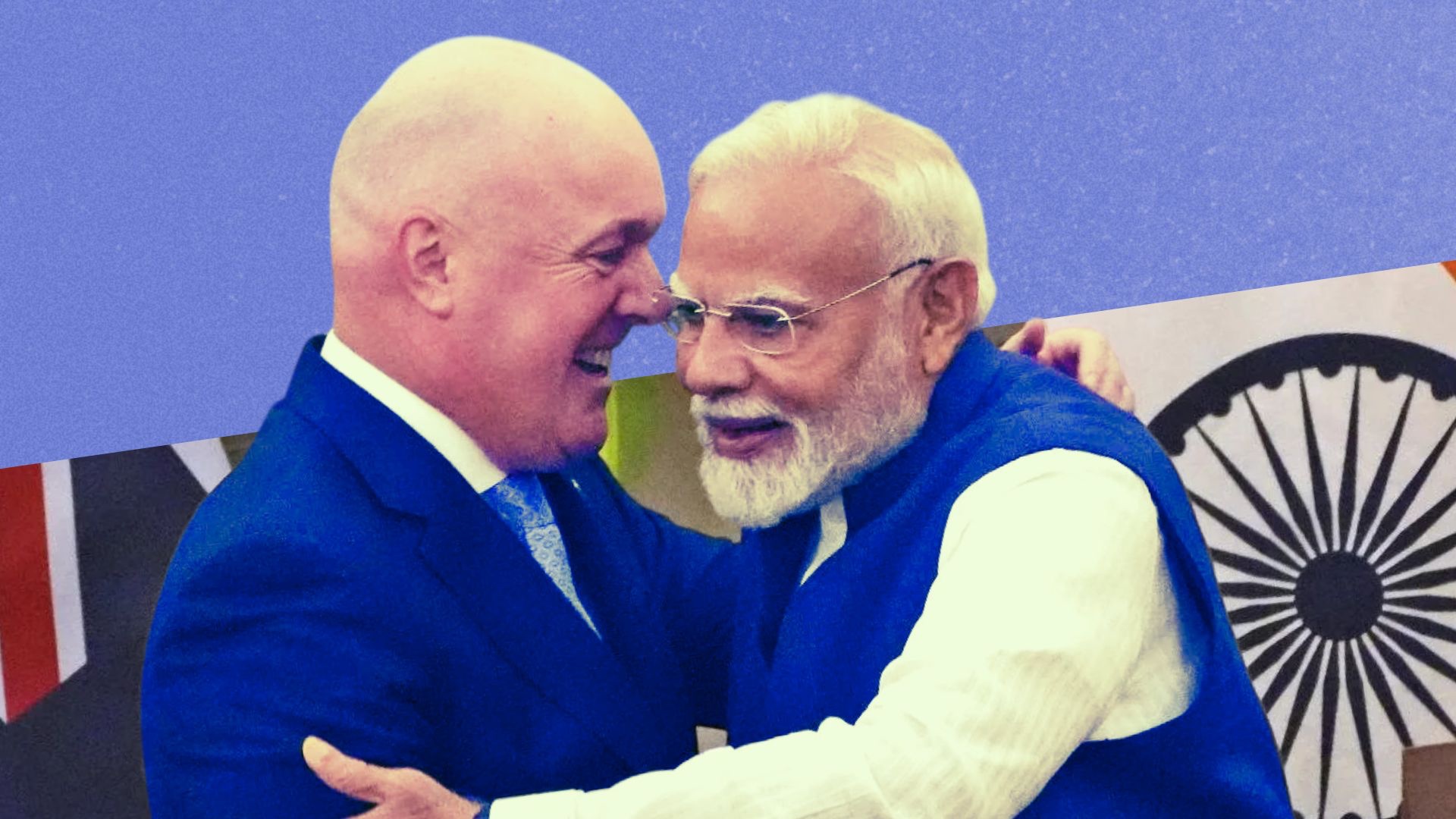
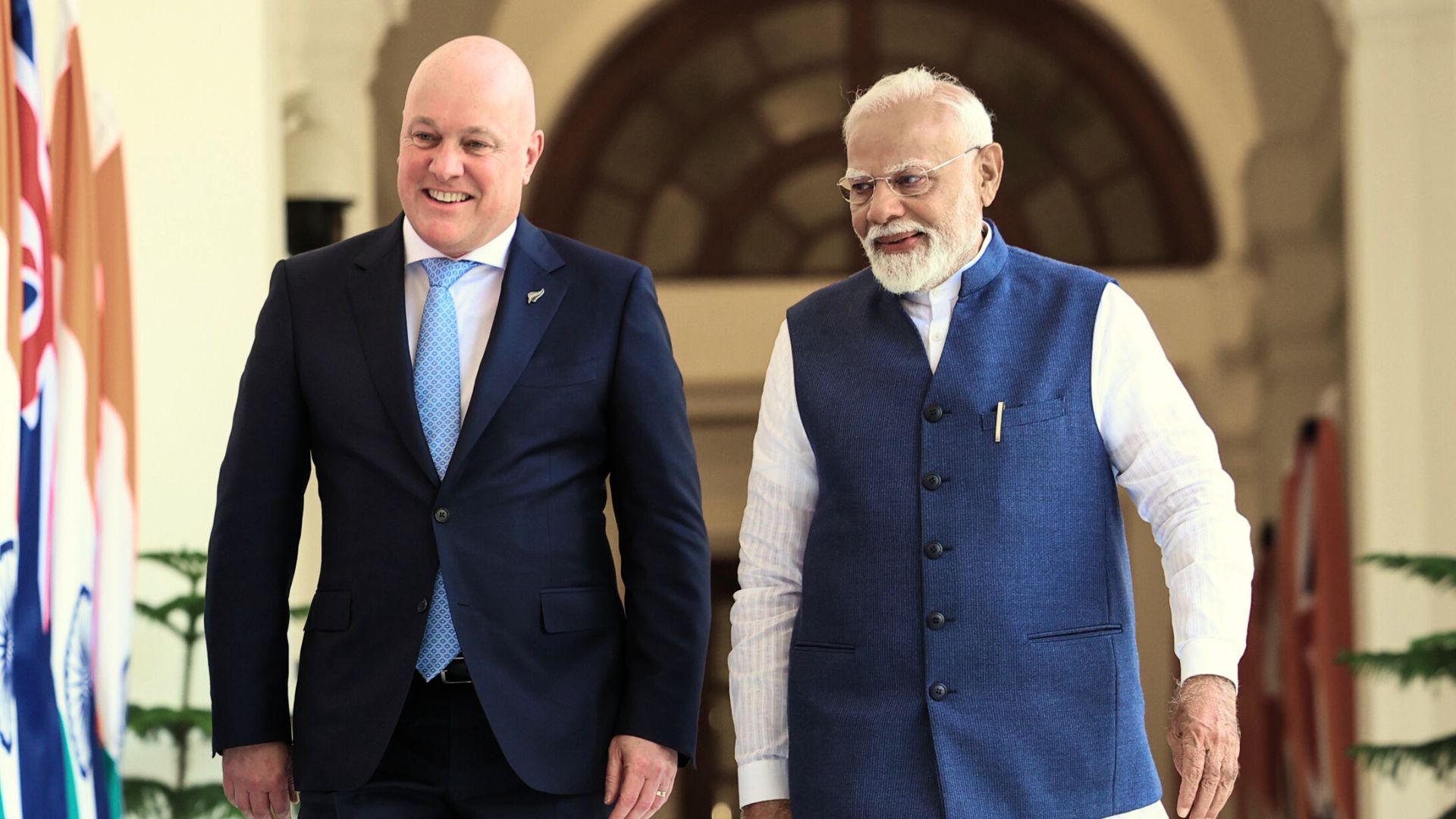
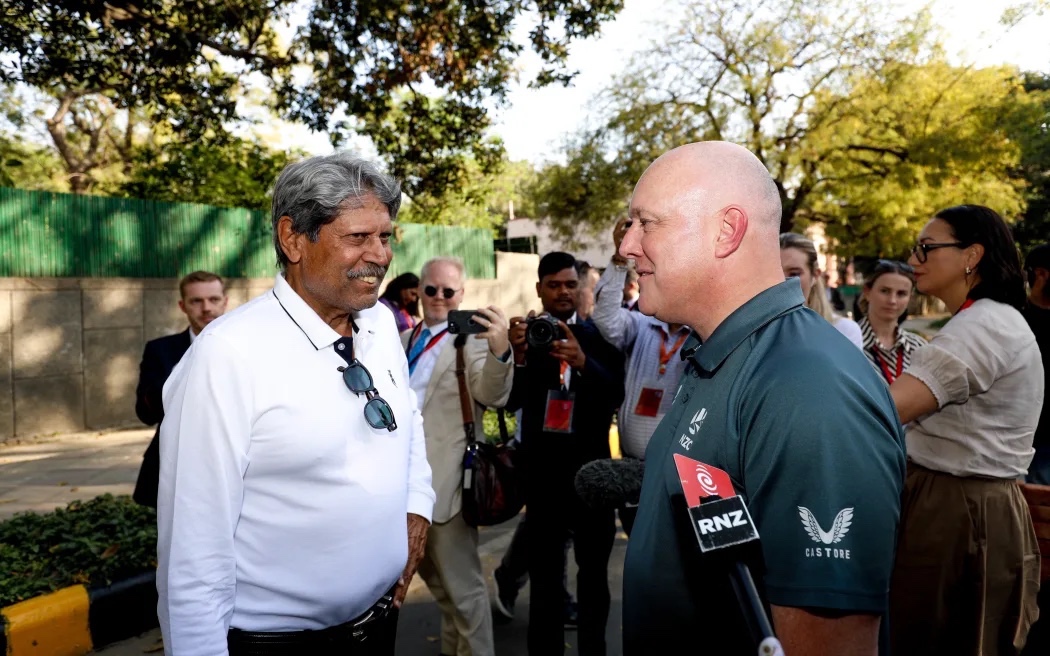
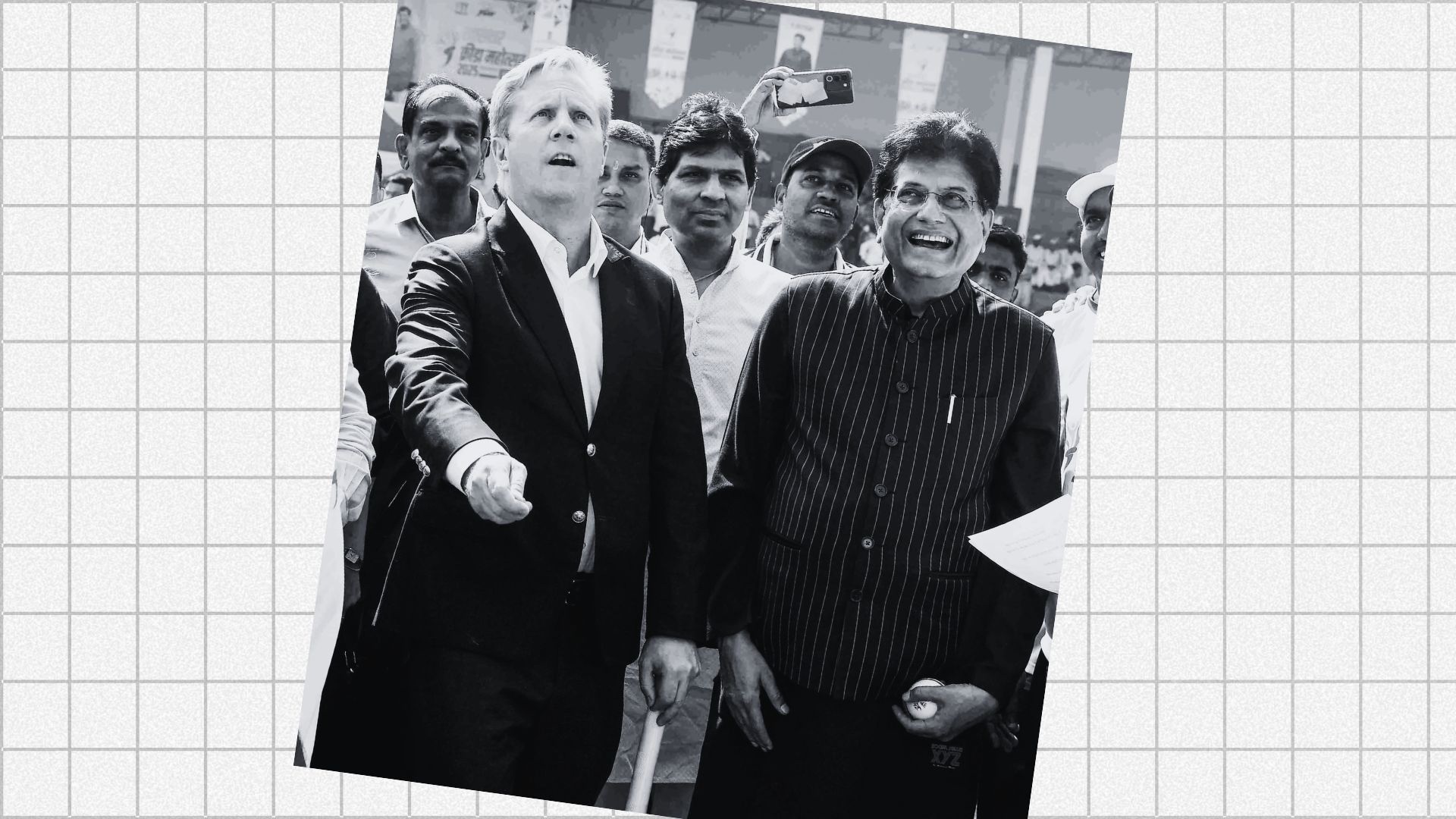
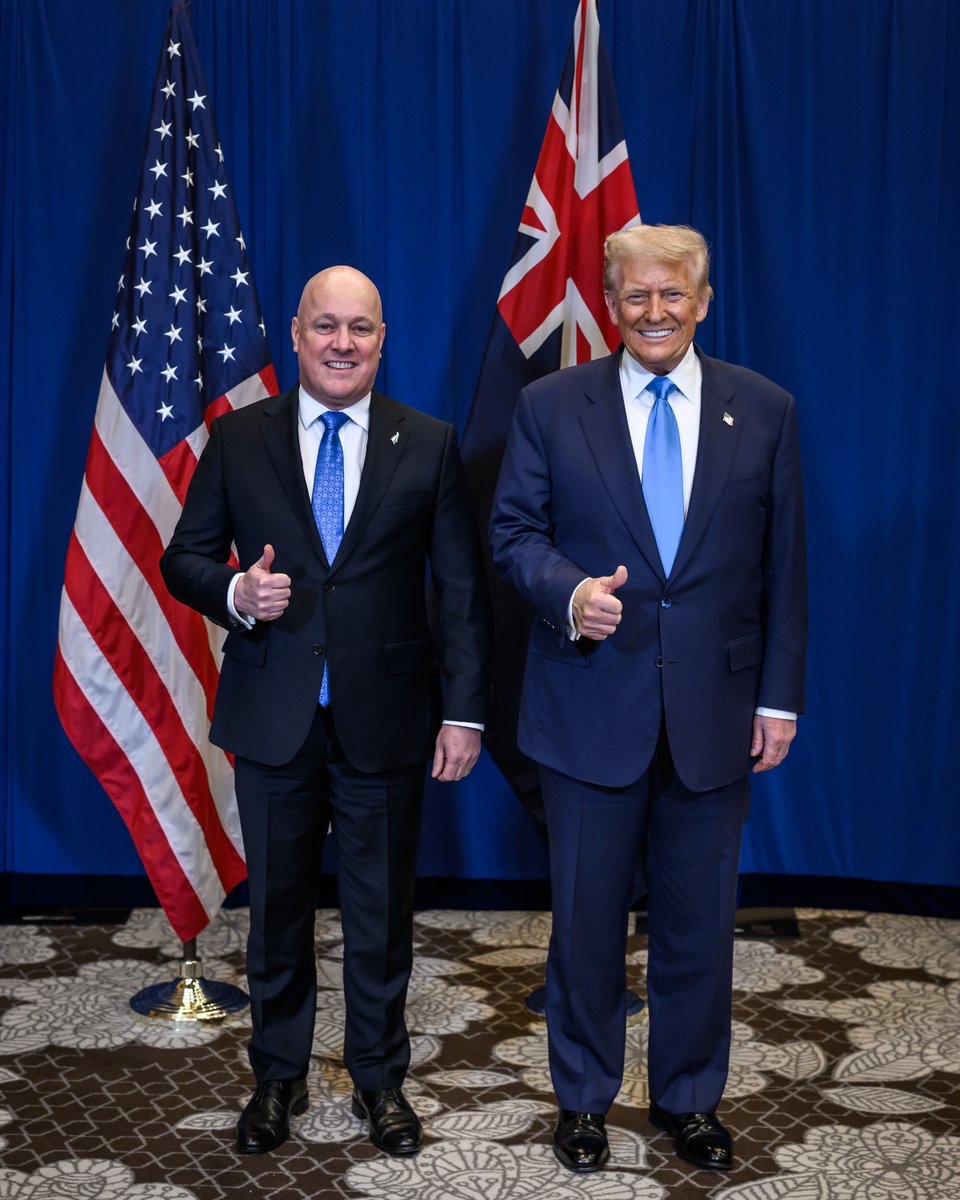
Modi and Luxon share a light moment at the community reception. (Supplied photo)
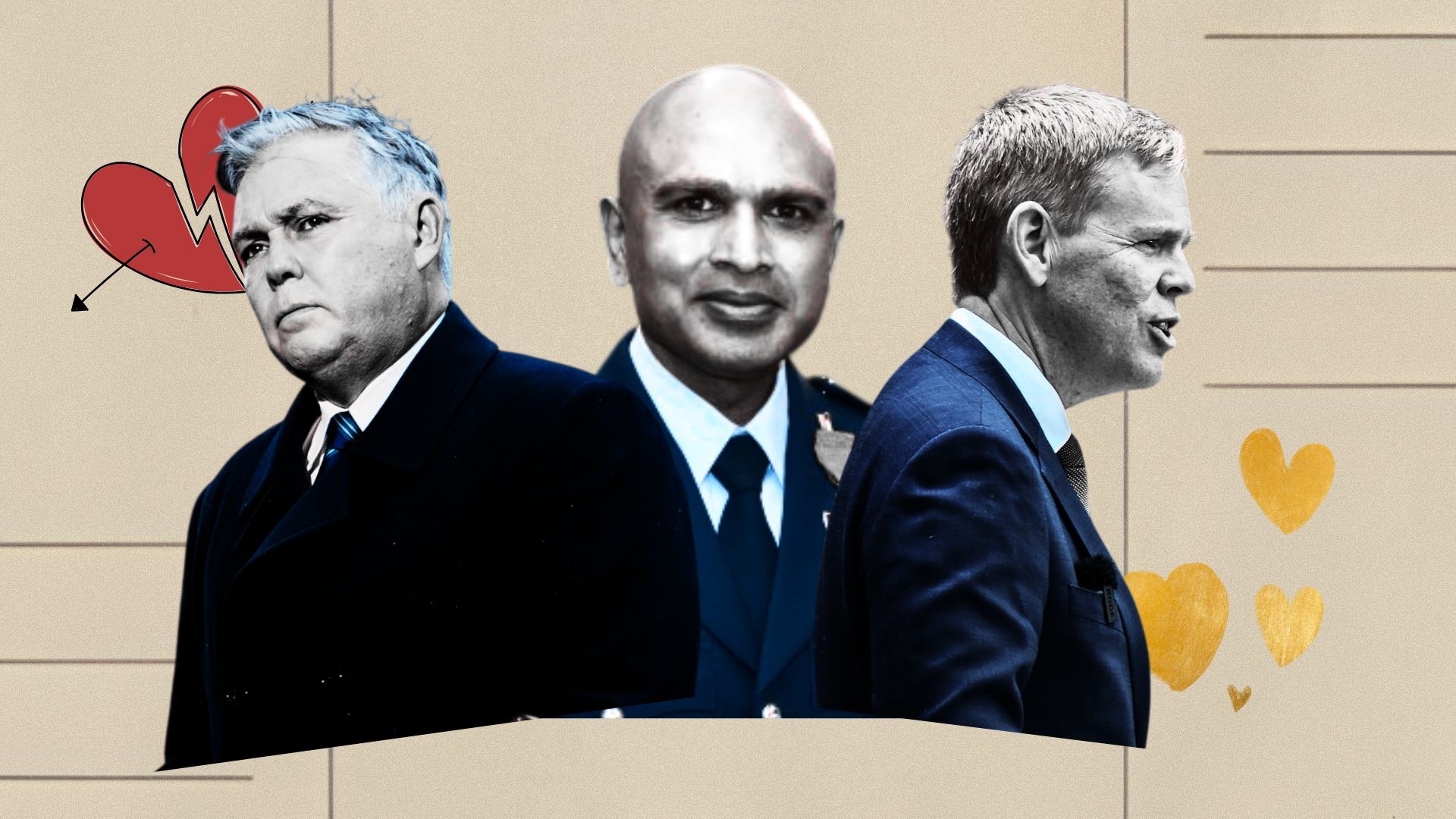
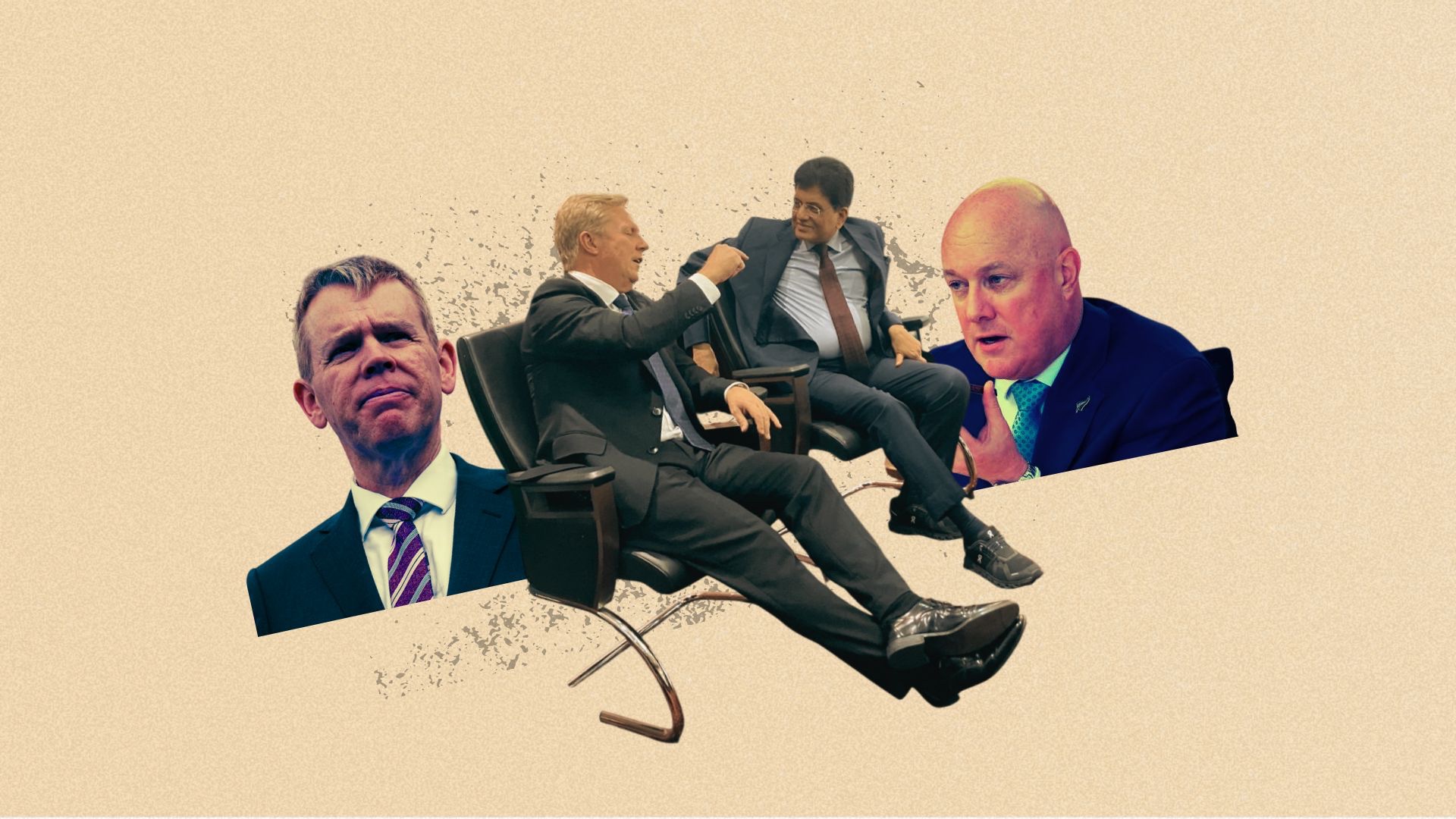
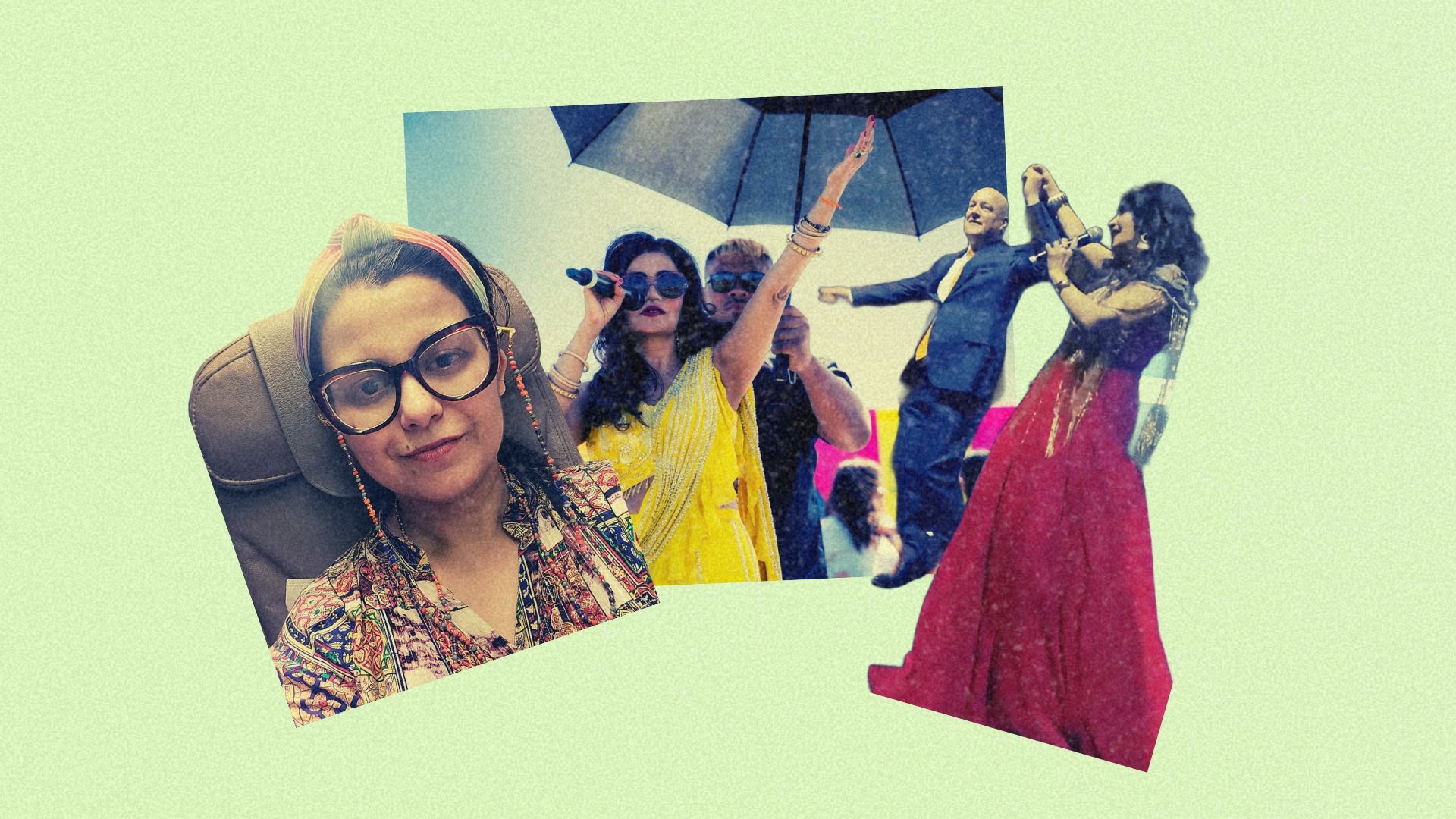
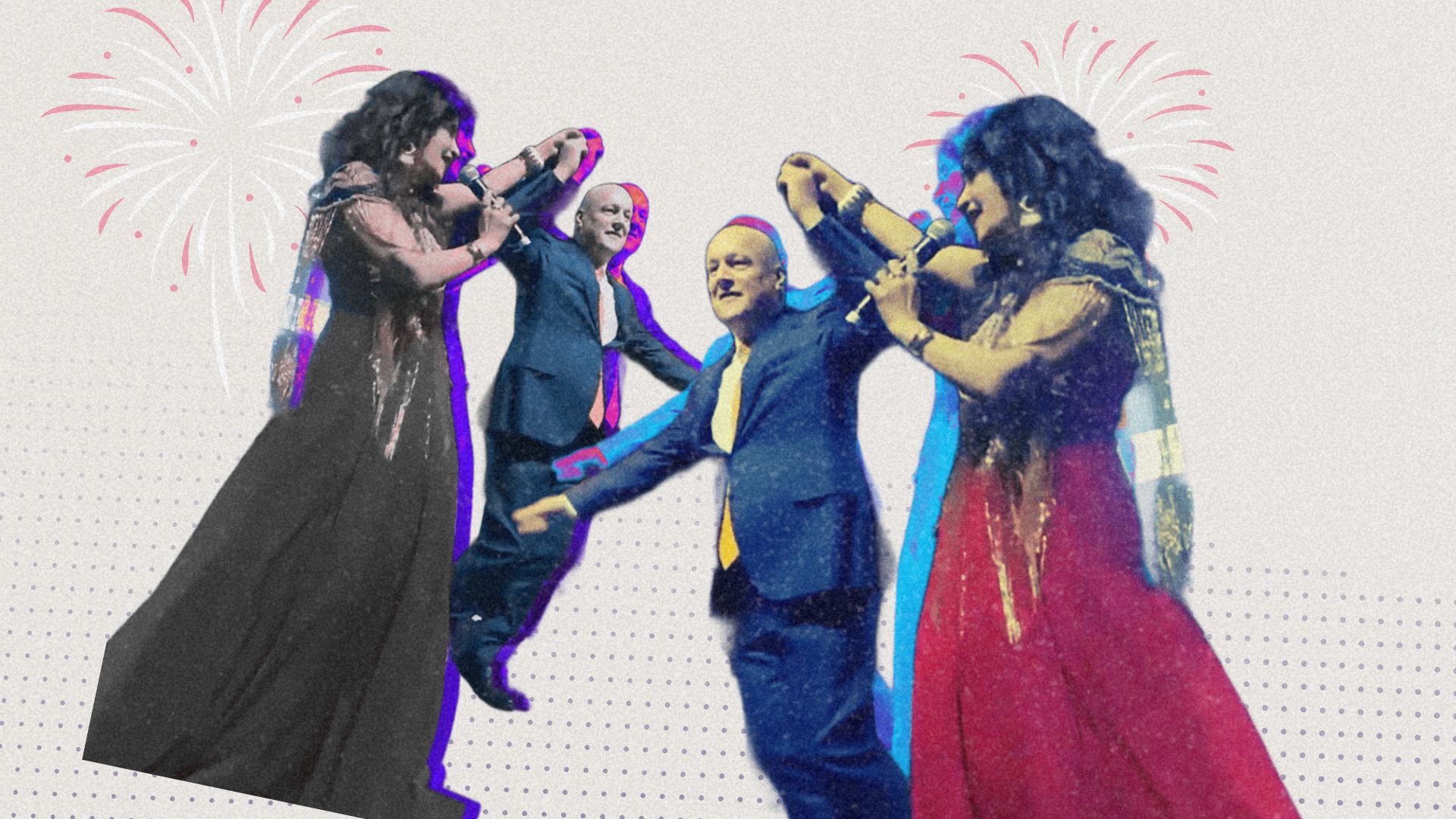
There was also room for some political humour. Turning to Luxon, Modi referred to his dance to “Dama Dam Mast Qalandar” during an Indian Independence Day event last year in Auckland.
“Your Excellency, you are also a superhit within the Kiwi Indian community, are you not?” he said.
“The dance you performed with Chris Hipkins to ‘Dama Dam Mast Qalandar’ on India’s Independence Day went viral...those moments have been imprinted on the hearts of Kiwi Indians.”
Modi praised New Zealand as an “extraordinary country”, saying it had “peace, prosperity, nature, and culture”. “But New Zealand’s real strength is its people,” he said.
“The warm-hearted people of New Zealand have embraced the Kiwi Indian community with great affection and made you part of their team.”
He then pointed to the success of Indian-origin New Zealanders.
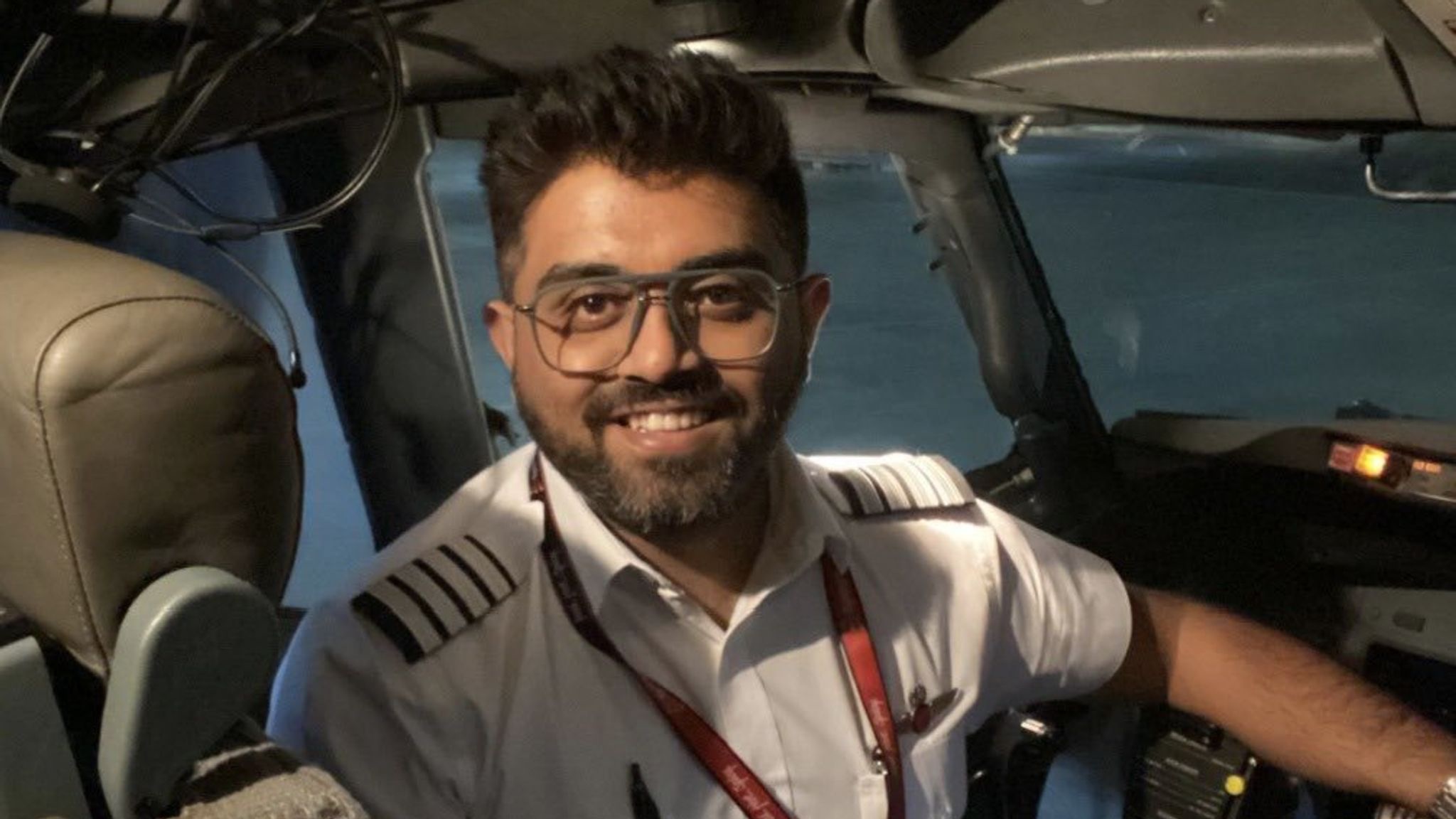
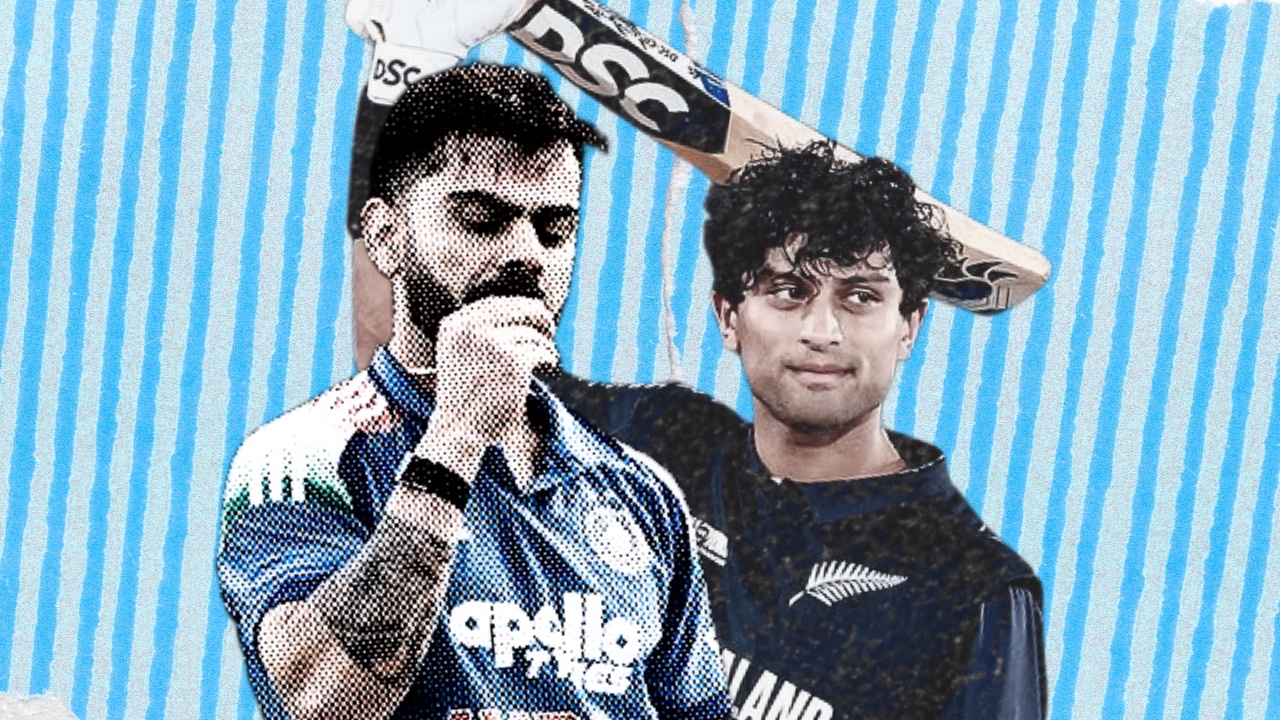
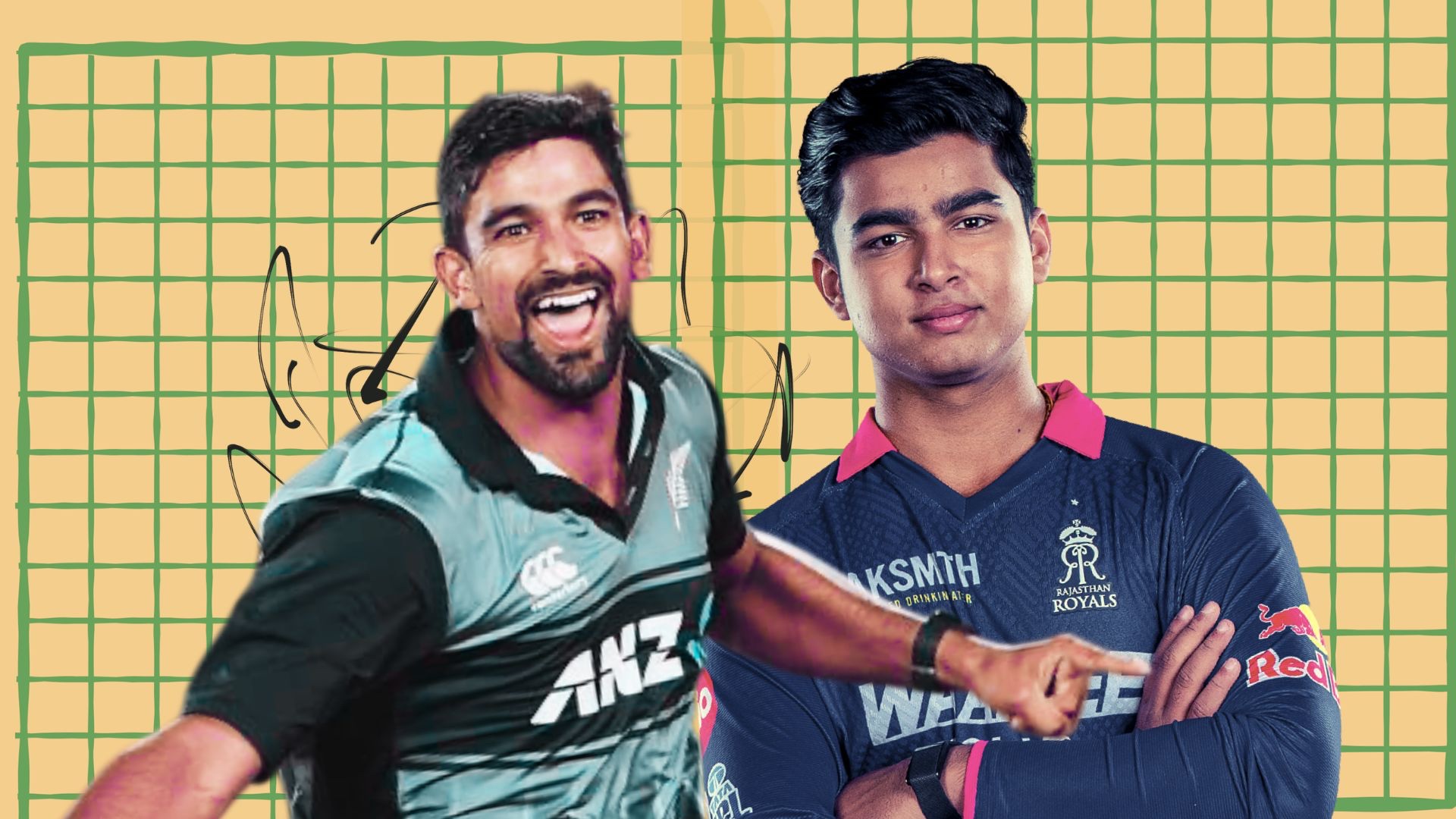
“New Zealand is a place where Nikhil Ravishankar can become the Chief Executive of Air New Zealand, where Anand Satyanand can become Governor-General, and where talents such as Rachin Ravindra and Ajaz Patel can earn opportunities in the national cricket team.”
There was also room for some geography-based humour.
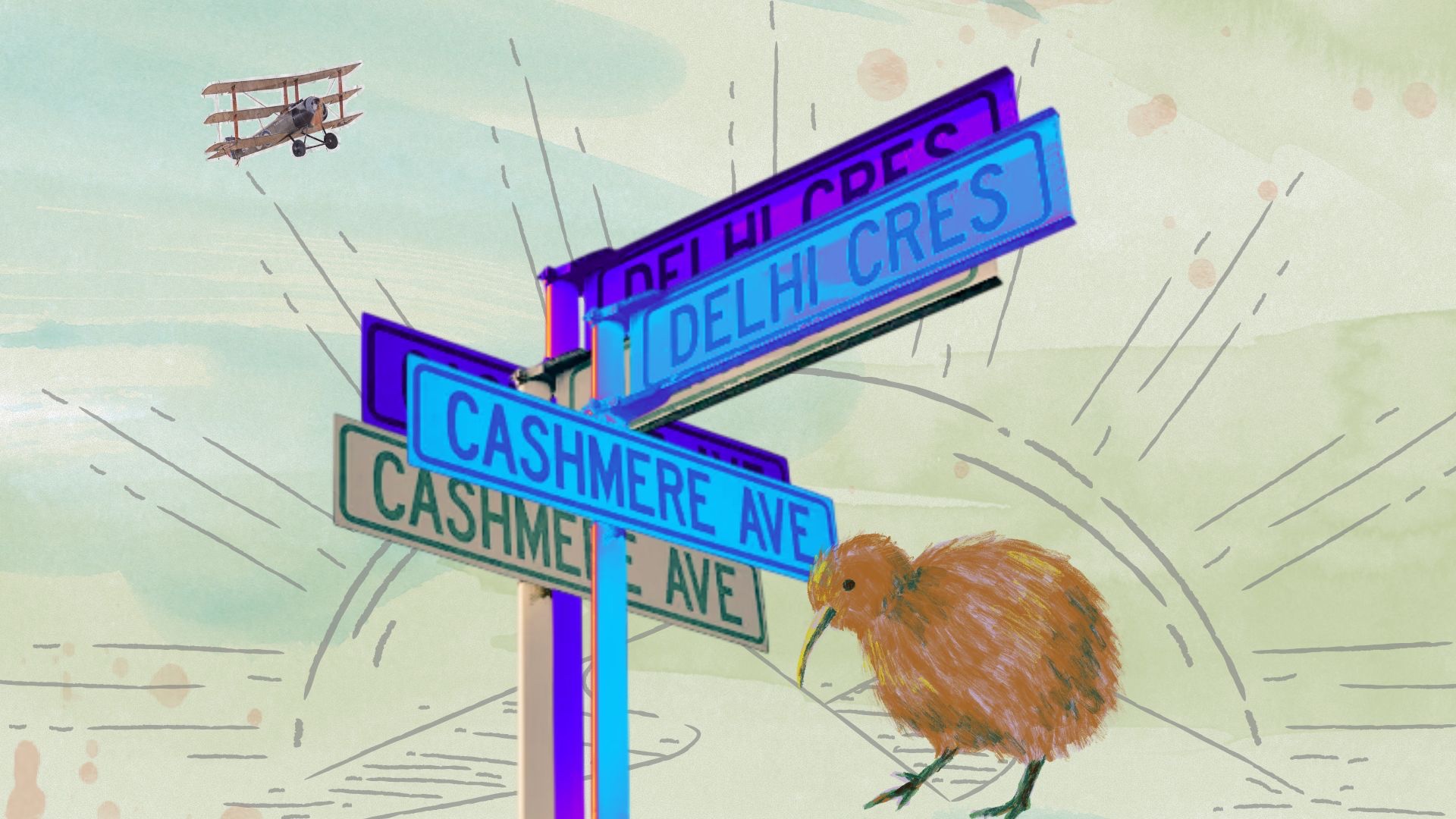
“New Zealand is also a place where Indian cities are honoured in street and place names,” Modi said.
“There is Khandallah – though not the Khandala from the movies – Bombay Hills, Calcutta Street, Delhi Crescent, Amritsar Street, and many other such names.”
He then offered his own observation about Kiwi conversation. “After living here, you have also become completely Kiwi,” he told the crowd.
“I have been told that whatever topic a conversation begins with, it soon reaches the weather.”
He then turned to rugby. “India wants to learn from New Zealand in this sport,” Modi said.
“For India to progress in rugby, we need coaches and experts, and New Zealand can help us greatly.”
He described the recent coaching programme involving New Zealand Rugby and Rugby India in Bhubaneswar as “a very good beginning”.
Modi also praised the sports technology he had seen earlier in the day. “The innovations and new ideas in sports technology genuinely impressed me,” he said.
“I believe we can accomplish a great deal together in sports technology.”
Agriculture, honey and space technology also made their way into the speech.
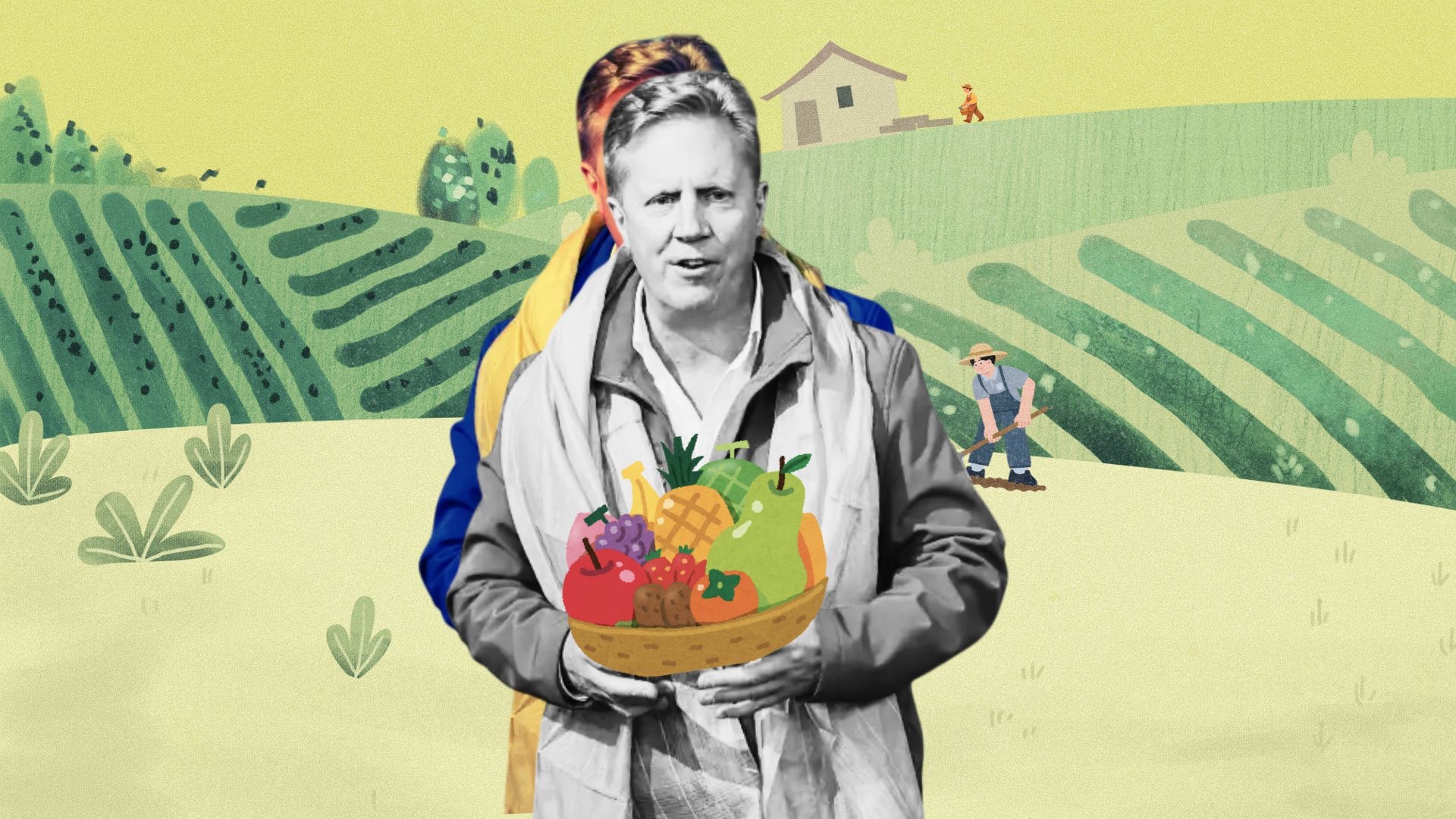
“New Zealand has demonstrated how a rural economy can transform a nation’s destiny,” Modi said.
“Its strength lies in an efficient ecosystem built around agriculture...whether it is traceability, food safety, or compliance systems, this is a major inspiration.”
He said New Zealand had shown that small farmers could become part of major market brands and added, “We also have much to learn from New Zealand’s climate-smart and precision-farming technologies.”
Modi then turned to mānuka honey. “Friends, mānuka honey here is called ‘liquid gold’,” he said.
“Beyond tradition and taste, it is associated with health and wellness...I believe India can learn a great deal from New Zealand about increasing honey production further.”
But some of the most colourful moments came when Modi engaged directly with New Zealand’s identity.
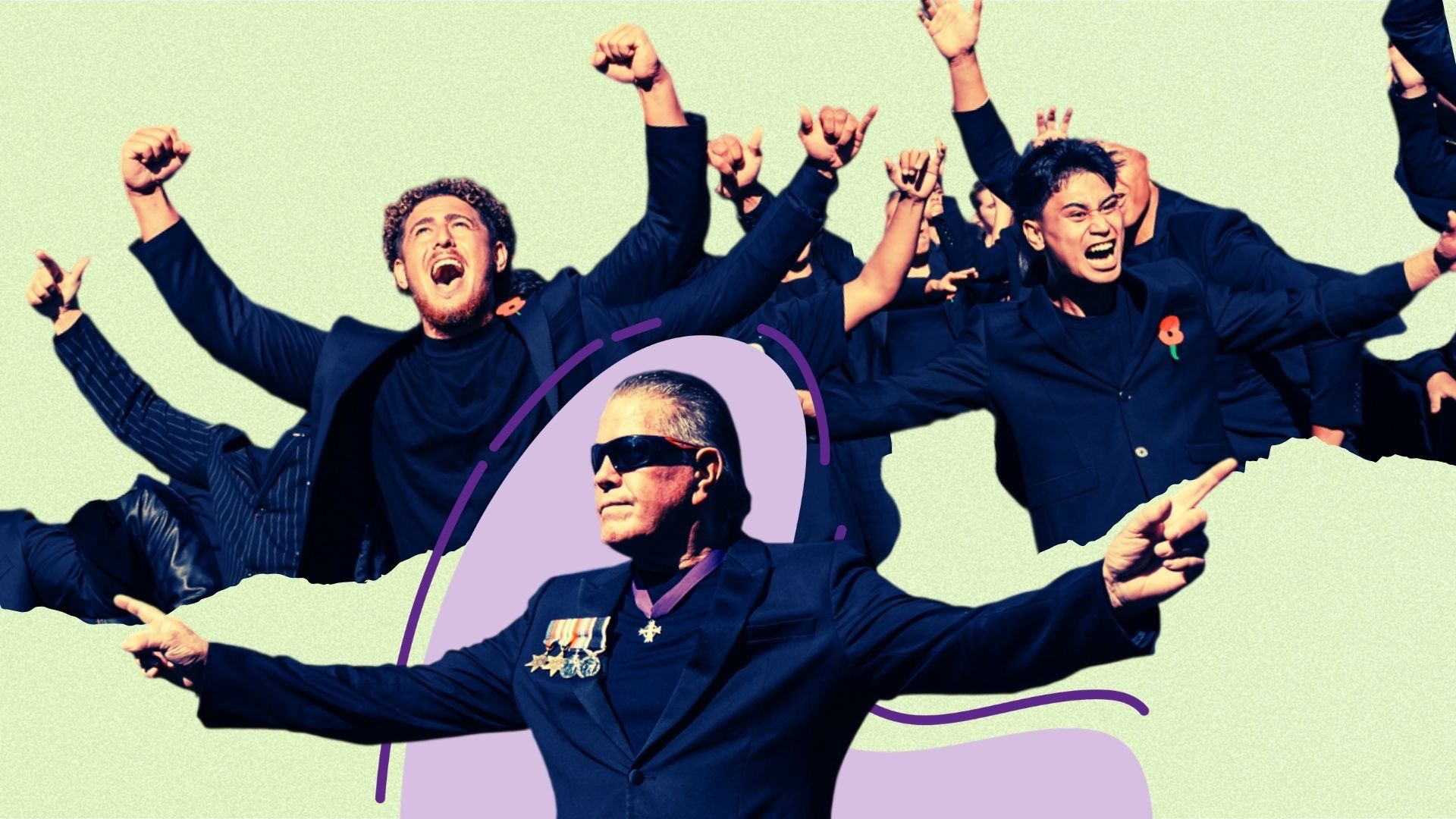
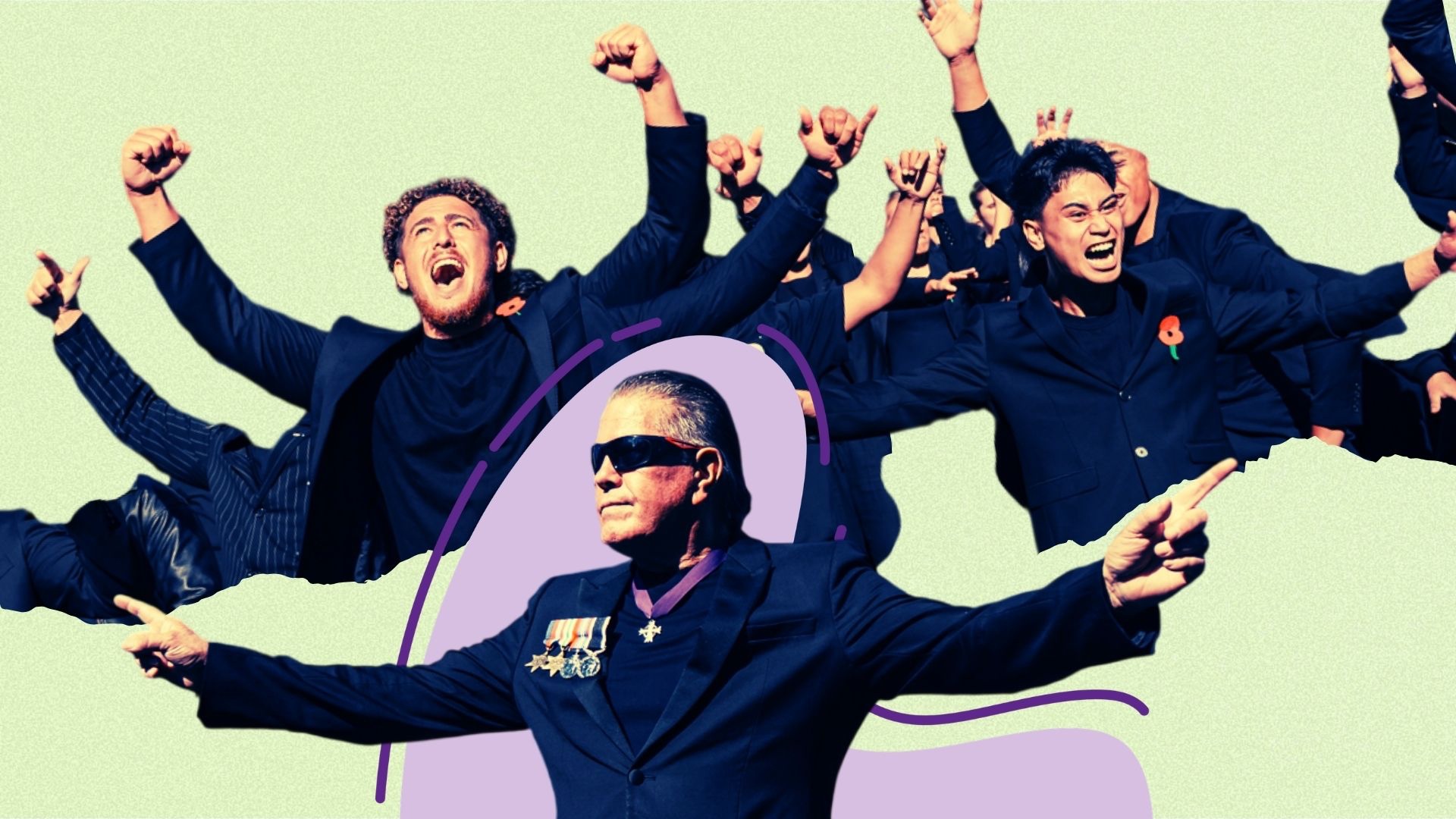
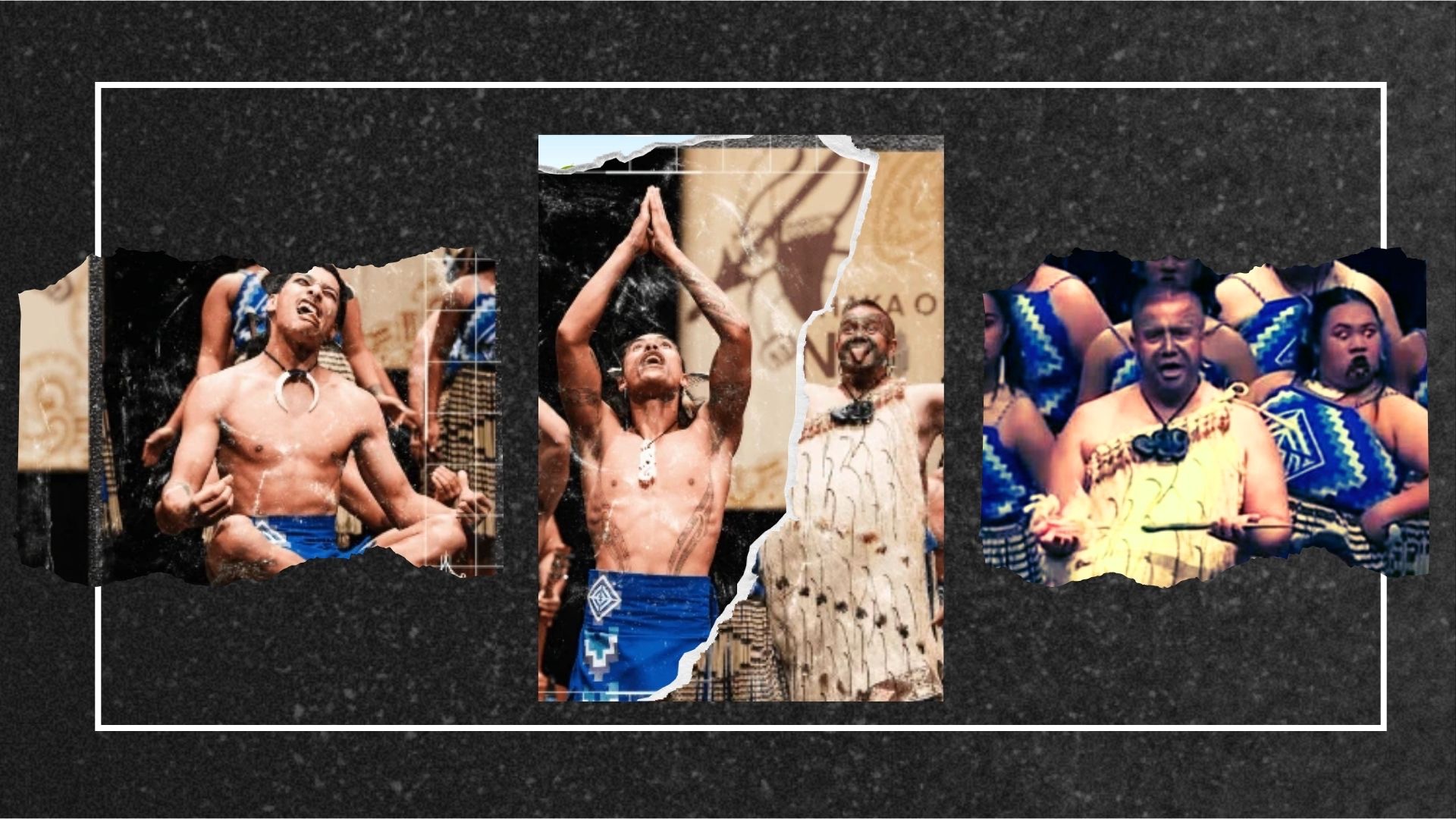
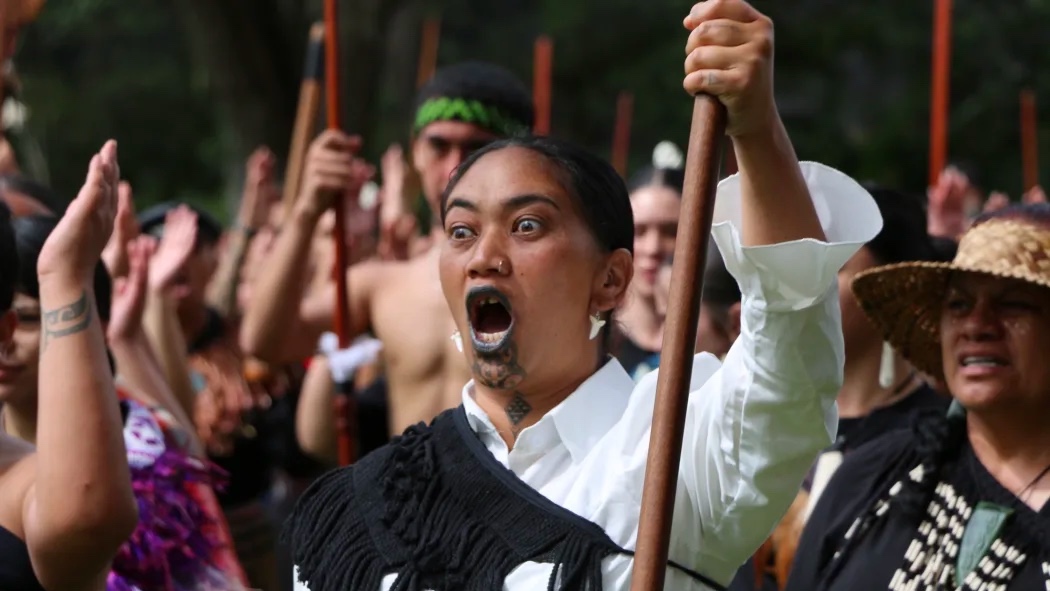
“I have never viewed the haka merely as a performance,” he said. “In it, I see the soul of a community.”
“It contains courage, self-respect, reverence for ancestors, and a sense of the collective strength of the entire community.”
He drew parallels between Māori and Indian ideas of hospitality, family and guardianship of nature.
“Māori culture has a beautiful word – manaakitanga,” Modi said. “It means showing respect, extending belonging and hospitality, and caring for someone wholeheartedly.”
“In India, we say, ‘Atithi Devo Bhava’ – the guest is like God.”
The words, surroundings, clothing, and languages may differ, but the sentiment is exactly the same, Modi pointed out.
He also spoke of whānau. “It includes many generations, relationships, and the wider community,” Modi said.
“India too does not regard family as merely a social arrangement. For us, family is an institution.”
And on kaitiakitanga, he said, “It teaches us that we are not the owners of nature. We are its guardians.”
“India also says, ‘Mata bhumih putroham prithivyah’ – the Earth is my mother, and I am her child.”
Modi also offered a description of the diaspora’s place between two countries.
“Even while living thousands of kilometres away, India continues to appear somewhere in your heart and in your daily life,” he said.
“India lives within you...your body may be here, but your heart remains connected there.”
He said Indians living abroad contributed fully to the countries in which they lived while remaining connected to India.
“We love our land of birth, and we are equally dedicated to our land of work,” he said.
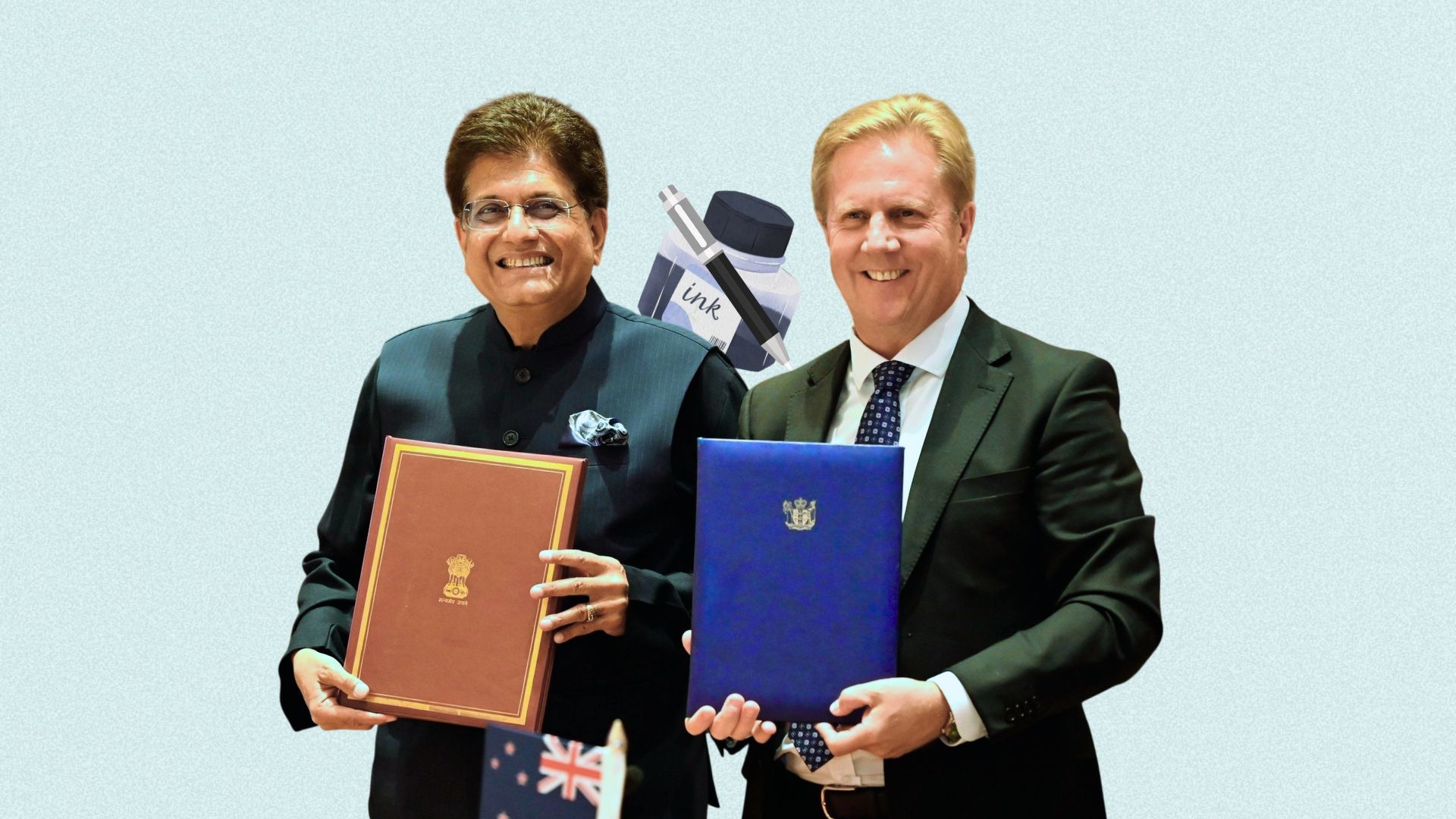
For a visit dominated by trade agreements, strategic partnership and government announcements, Modi’s community speech offered a different register.
There was diplomacy in it, but also memory, performance and familiarity.
A scarf kept for decades became a symbol of affection. Rugby became a request for partnership. Indian street names became a punchline.
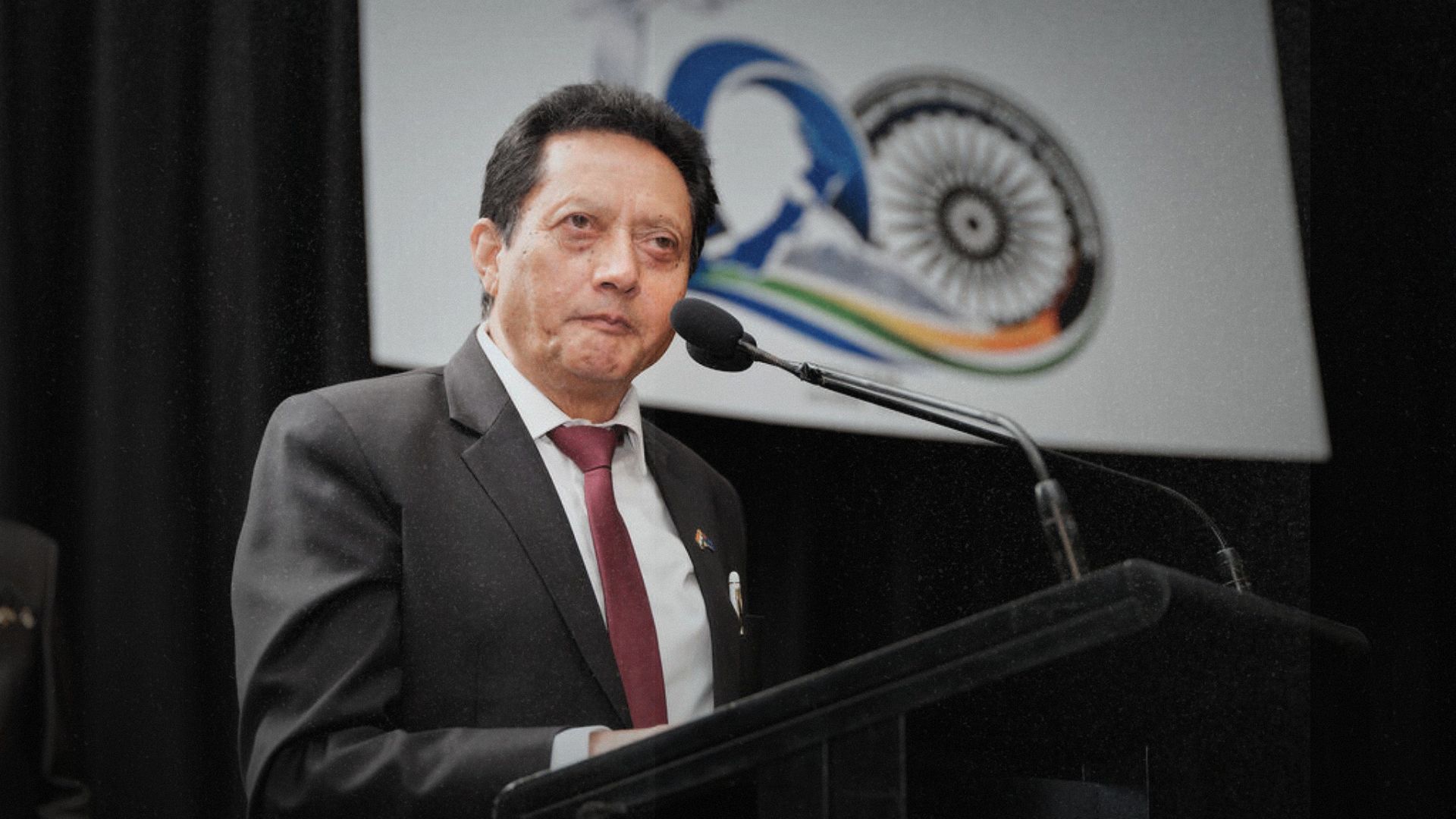
And before leaving the stage, Modi addressed the 40-year gap that had given the visit its historic weight.
“It took 40 years for an Indian prime minister to return to New Zealand, but you will not have to wait that long again,” he said.
“It will not take another forty years...this is Modi’s guarantee – and Modi’s guarantee means a guarantee that will be fulfilled.”