NZ First wants to end birthright citizenship for children of migrants, work rights for students

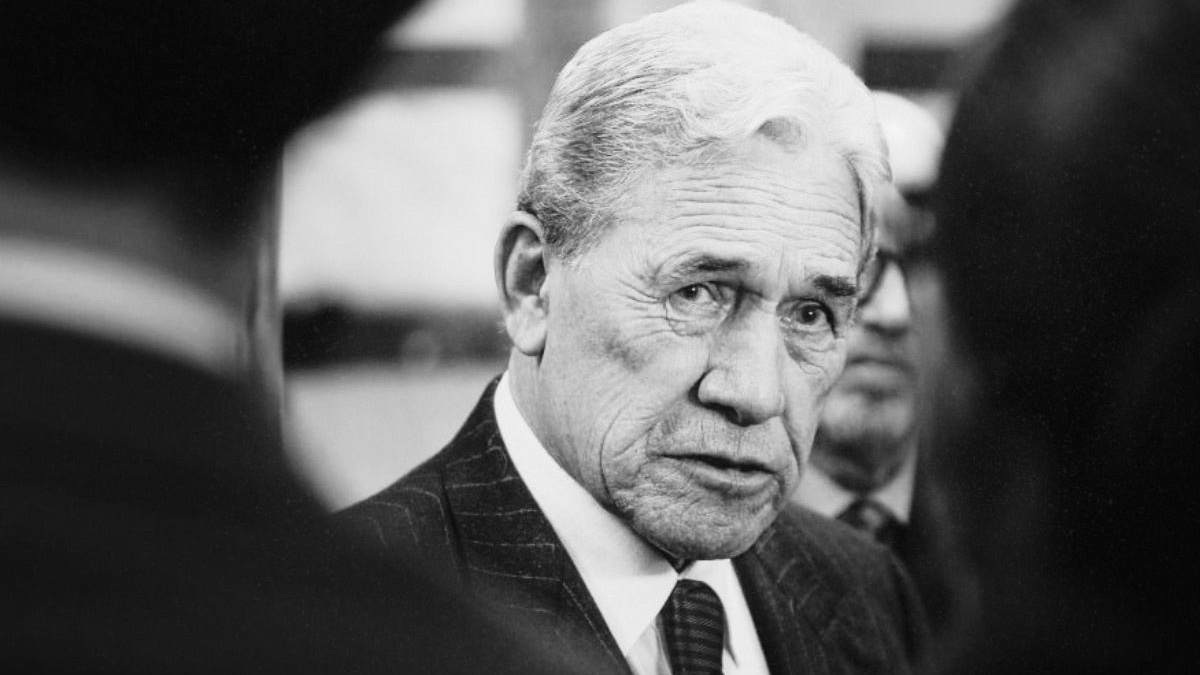
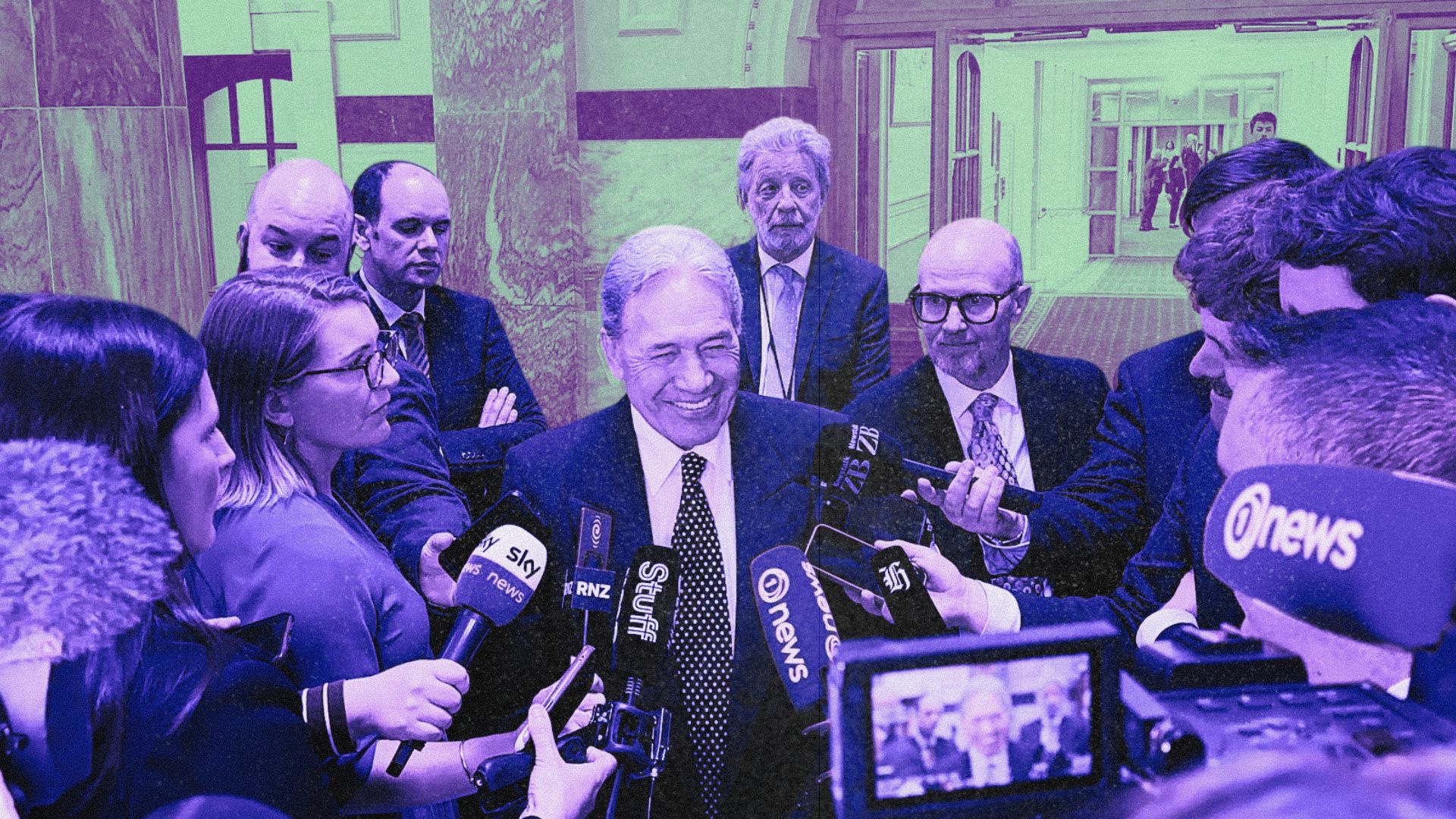
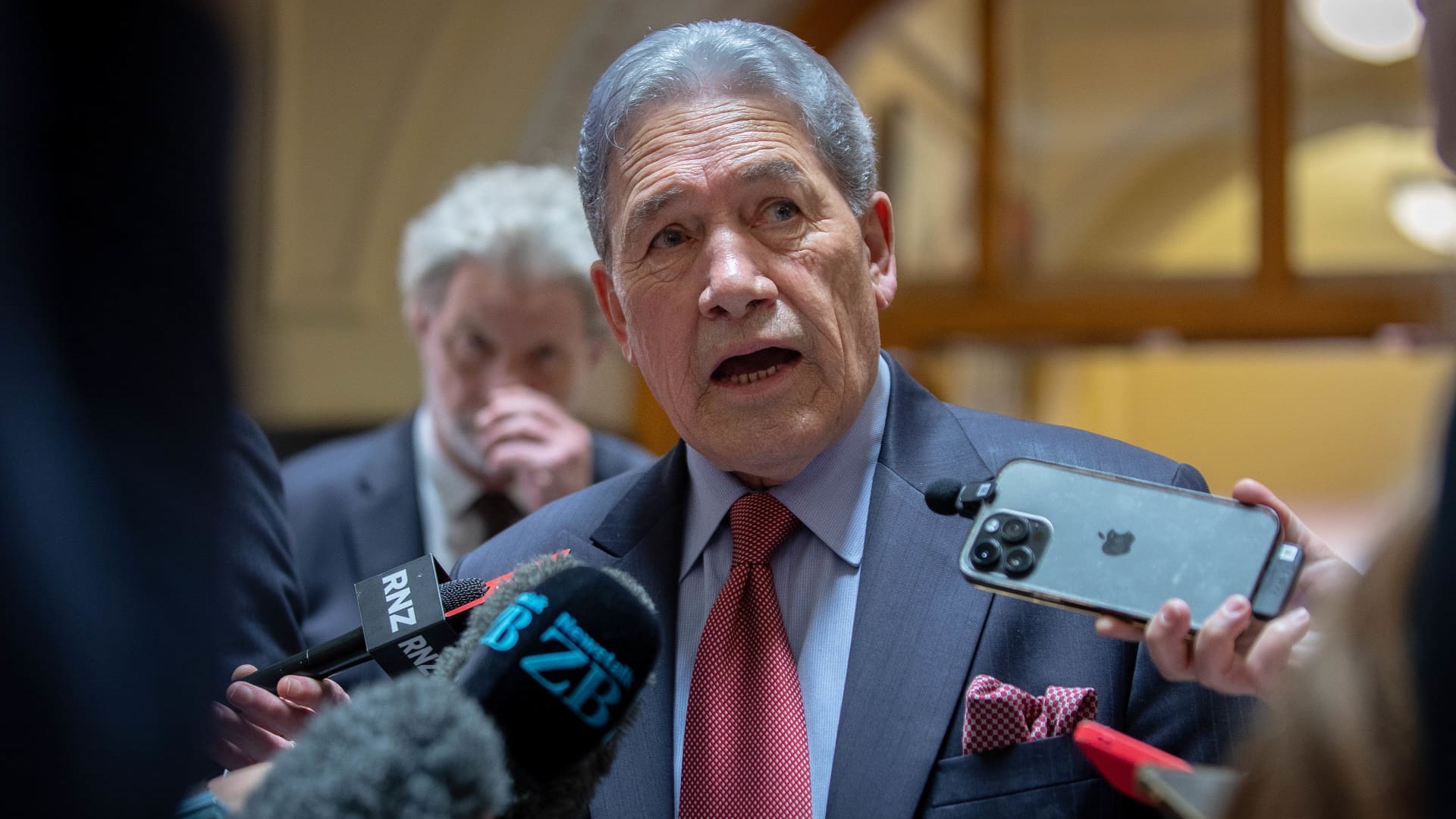
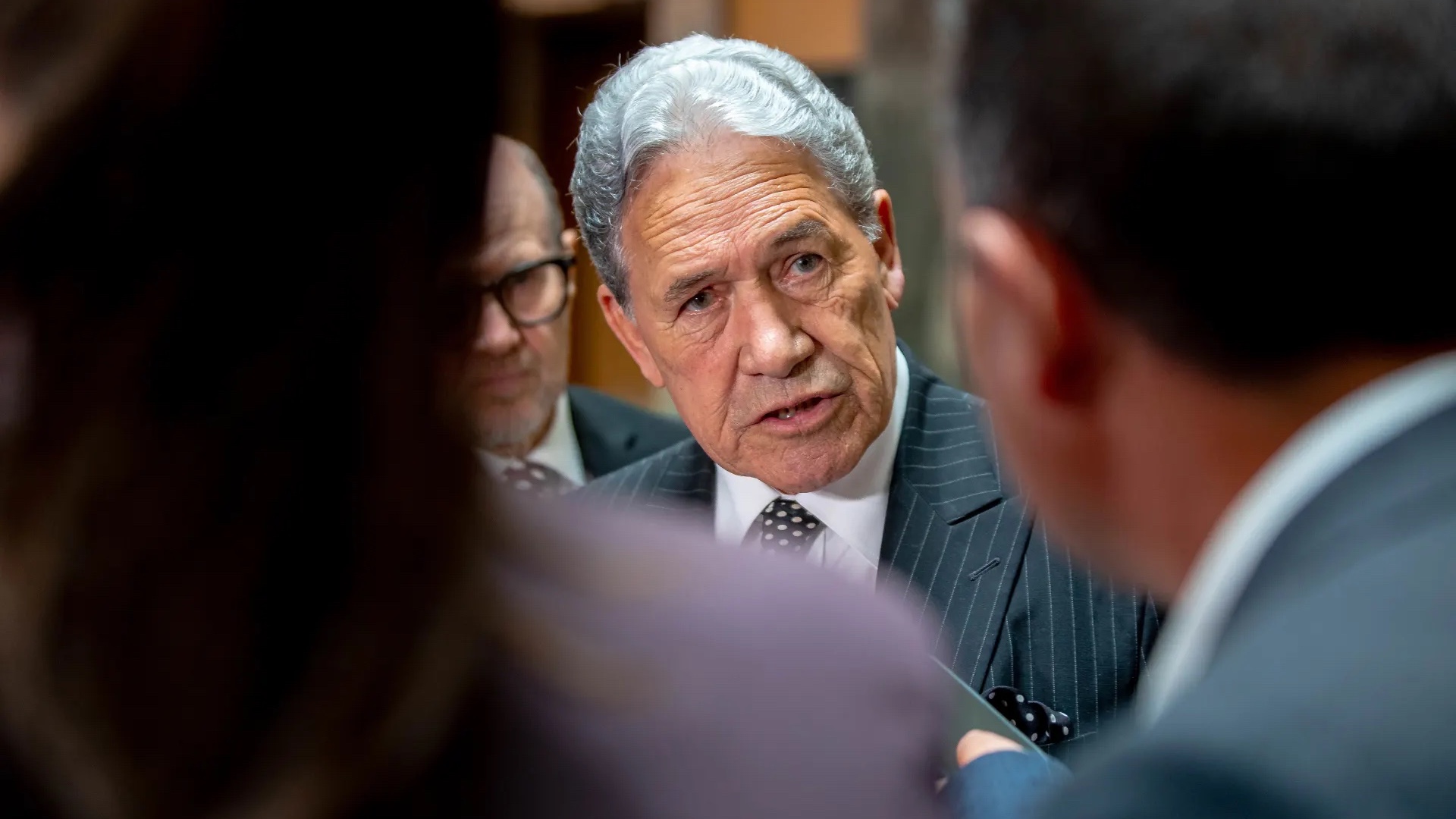
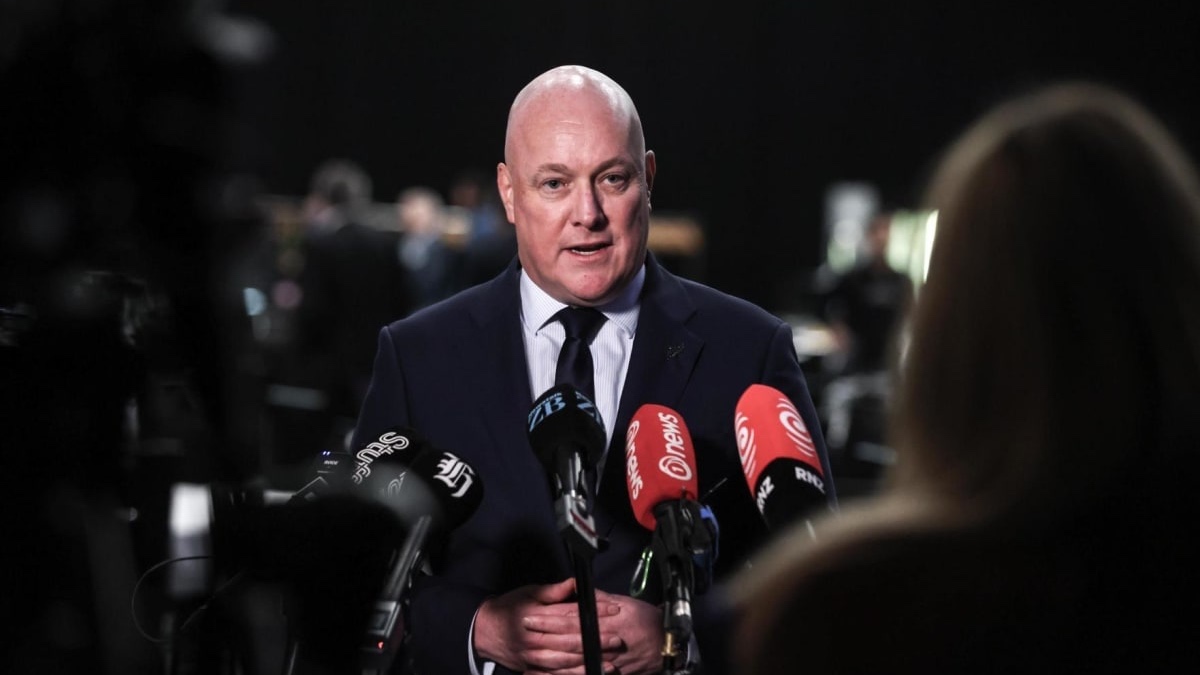
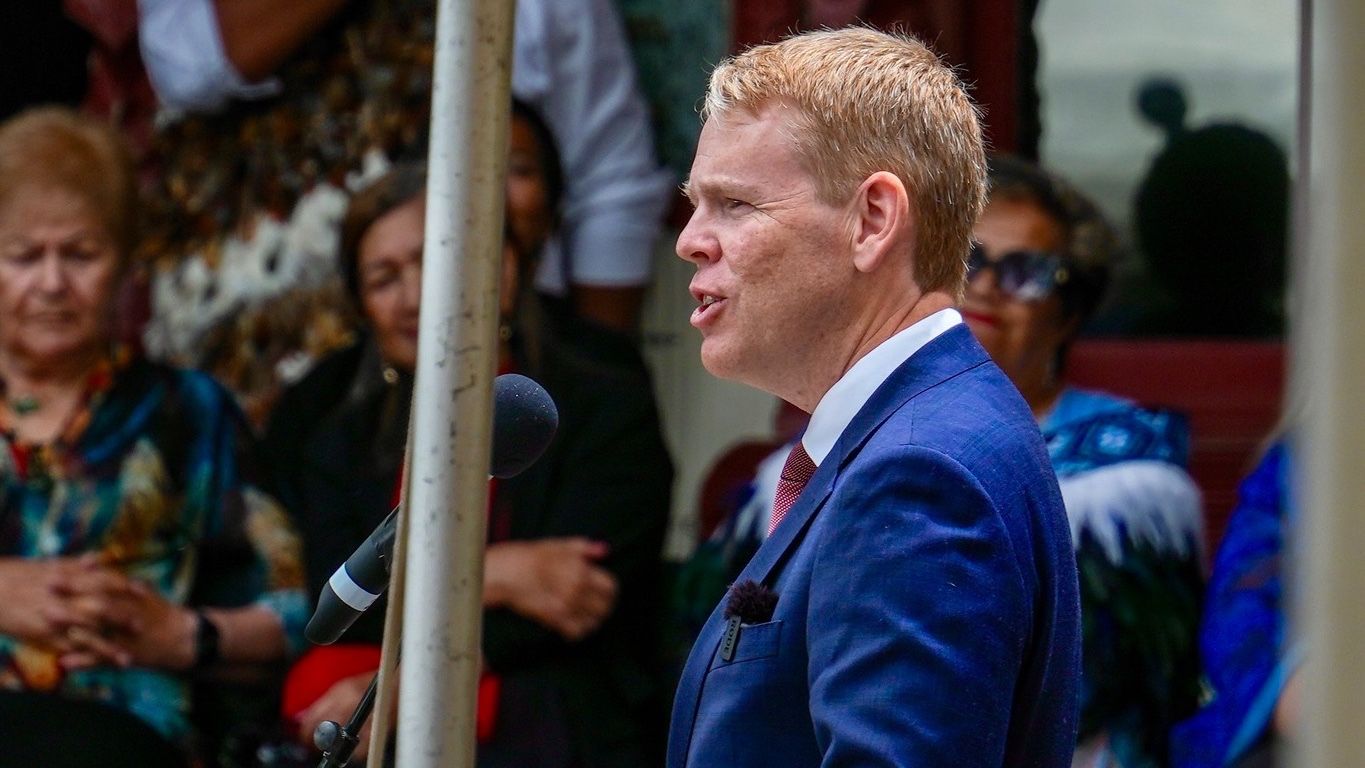
New Zealand First leader Winston Peters.
"This set of polices is about taking back control of the future of our country and valuing our unique citizenship the way it should be."
New Zealand First wants to end automatic citizenship for New Zealand-born children of migrant residents and remove automatic work rights for international students as part of a sweeping immigration policy package unveiled ahead of the election.
The party also wants to double the qualifying period for citizenship from five years to at least 10 years and extend the wait for permanent residence from two years to five.
“This set of polices is about taking back control of the future of our country and valuing our unique citizenship the way it should be,” NZ First said in announcing the package on Friday.


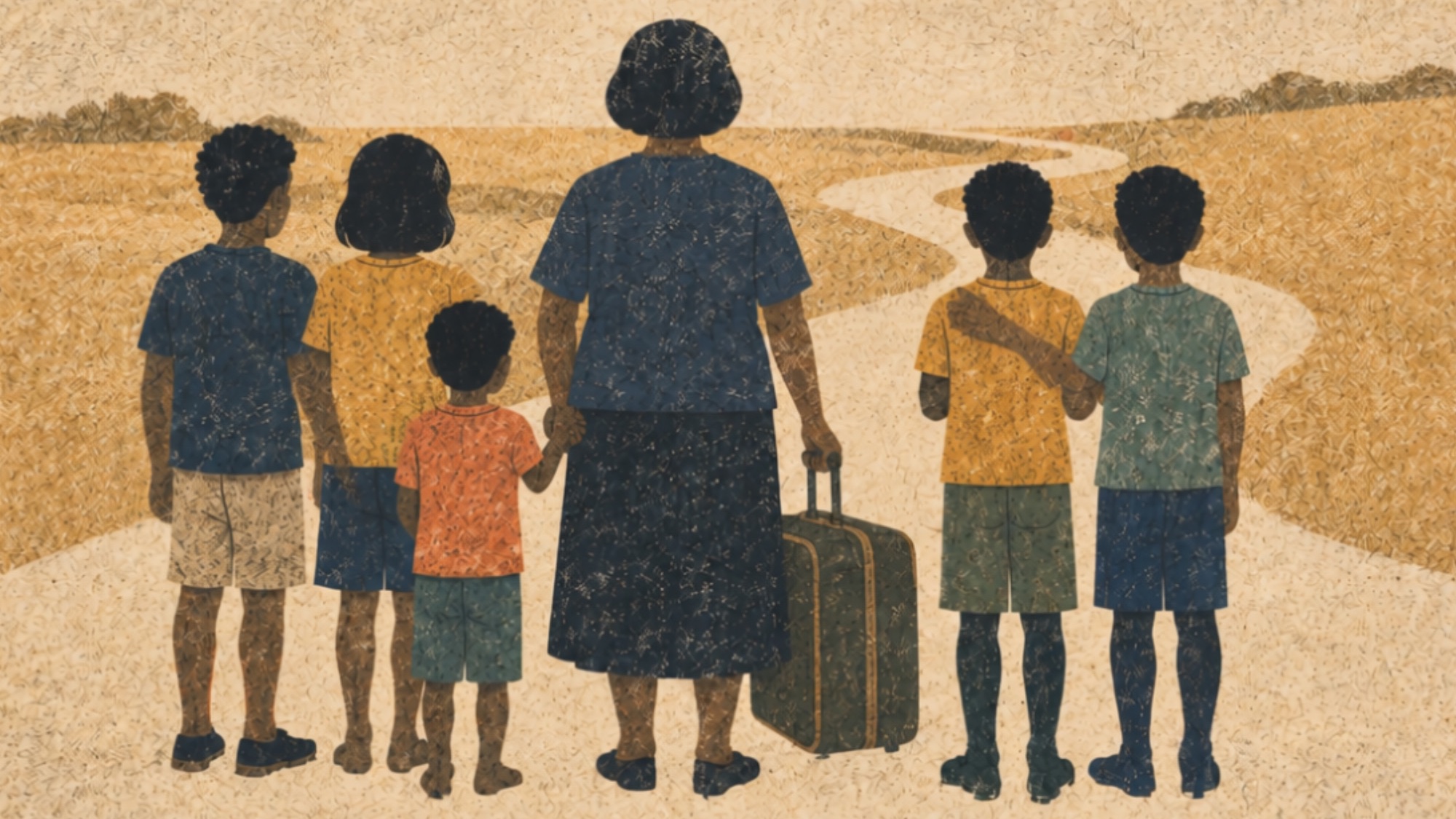
Under its birthright citizenship proposal, only children of New Zealand citizens would automatically be entitled to citizenship at birth.
Under current law, a child born in New Zealand on or after January 1, 2006 is automatically a citizen if at least one parent is a New Zealand citizen or is entitled to remain in the country indefinitely.
Students with NZ visas told not to travel as Auckland business school faces enrollment ban The school says existing students can continue their studies and that it is working to have the restrictions lifted.
Police have confirmed Rakesh Naidoo is not under investigation, Labour says "The police need to front up here and explain what is going on."
'Don't escalate': Appeal for calm as police increase presence during Diwali amid planned protests Police promise a visible presence and urge festivalgoers to avoid confrontation as Brian Tamaki plans a rally on the same day.
That means children born here to many resident and permanent resident visa holders can currently become New Zealand citizens automatically at birth.
Children whose parents hold only temporary visas, such as student or work visas, do not generally have that entitlement.
NZ First's proposal would remove automatic citizenship for New Zealand-born children whose parents are residents but have not themselves become citizens.
The change would come alongside a much longer path to citizenship for migrants.
NZ First wants to double the required qualifying period for citizenship from five years to a minimum of 10 years, and extend the qualifying period for permanent residence from two years to five.
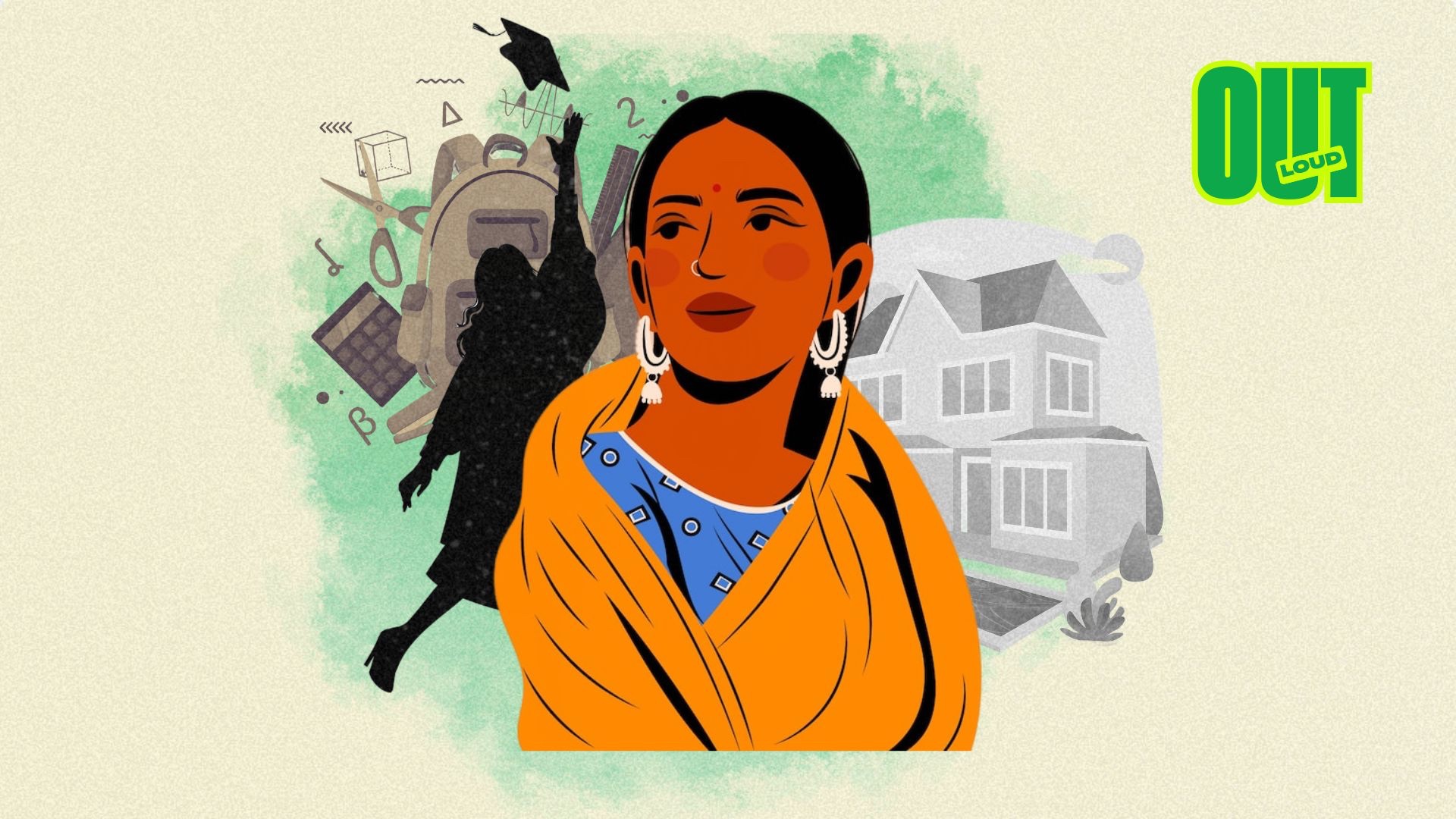
The party is also proposing major changes for international students, including requiring those wanting to move onto another visa after completing study to leave New Zealand and apply from overseas.
NZ First says student visa holders intending to transition to another visa would no longer be able to make that move while remaining in New Zealand.
The party is also proposing to remove what it calls “automatic work rights” for international students while they study. Under that proposal, students wanting to work during their studies would have to apply separately under stricter conditions.
“First and foremost, those job opportunities cannot be taken from New Zealanders looking for work,” the party said.
Under current settings, not every international student automatically has the right to work. Eligible student visas can include conditions allowing students to work for up to 25 hours a week while studying and, in some cases, full-time during scheduled breaks.
NZ First said export education was intended to allow foreign students to come to New Zealand to study and then return home.
“It was not designed to allow them to take jobs off kiwis, have our economy pay for their education, and then to use the visa to move on to residence or work,” the party said.
The proposals form part of a much wider immigration platform that includes a referendum on imposing an annual cap of 20,000 resident visas.
NZ First wants immigration settings linked directly to infrastructure capacity and is proposing a 30-year population plan covering immigration, housing and infrastructure.
The party is also proposing a 10-year welfare stand-down period for visa holders, during which non-citizens would be ineligible for Jobseeker Support, the Accommodation Supplement or other benefits.
It wants social housing to be made available to citizens first, and broadening deportation rules so that migrants could face deportation for any offence for which imprisonment is available.
It wants automatic deportation for people found guilty of specified offences including violent or sexual crimes, fraud, organised crime, money laundering and migrant exploitation.
The party also wants changes to the asylum system, including making protected-person status temporary and subject to ongoing assessment.
It says anyone seeking asylum while in New Zealand on what it calls a “working-class visa” would be ineligible to do so. Asylum claimants would also be prevented from using temporary work rights granted while their claim is assessed as a stepping stone to another visa.
For overstayers, NZ First is proposing a 24-month period in which they could leave voluntarily without restrictions on future applications to return.
Anyone found overstaying after that period would be deported and permanently barred from applying for another visa. Pacific overstayers would be offered a separate 24-month period in which they could apply to remain legally in New Zealand on a valid visa.
NZ First also wants citizenship and permanent residence application fees increased and says an NZ First MP should hold the immigration portfolio if the party is part of the next government.