
Out Loud: Tightening deportation rules and the limits of being a migrant
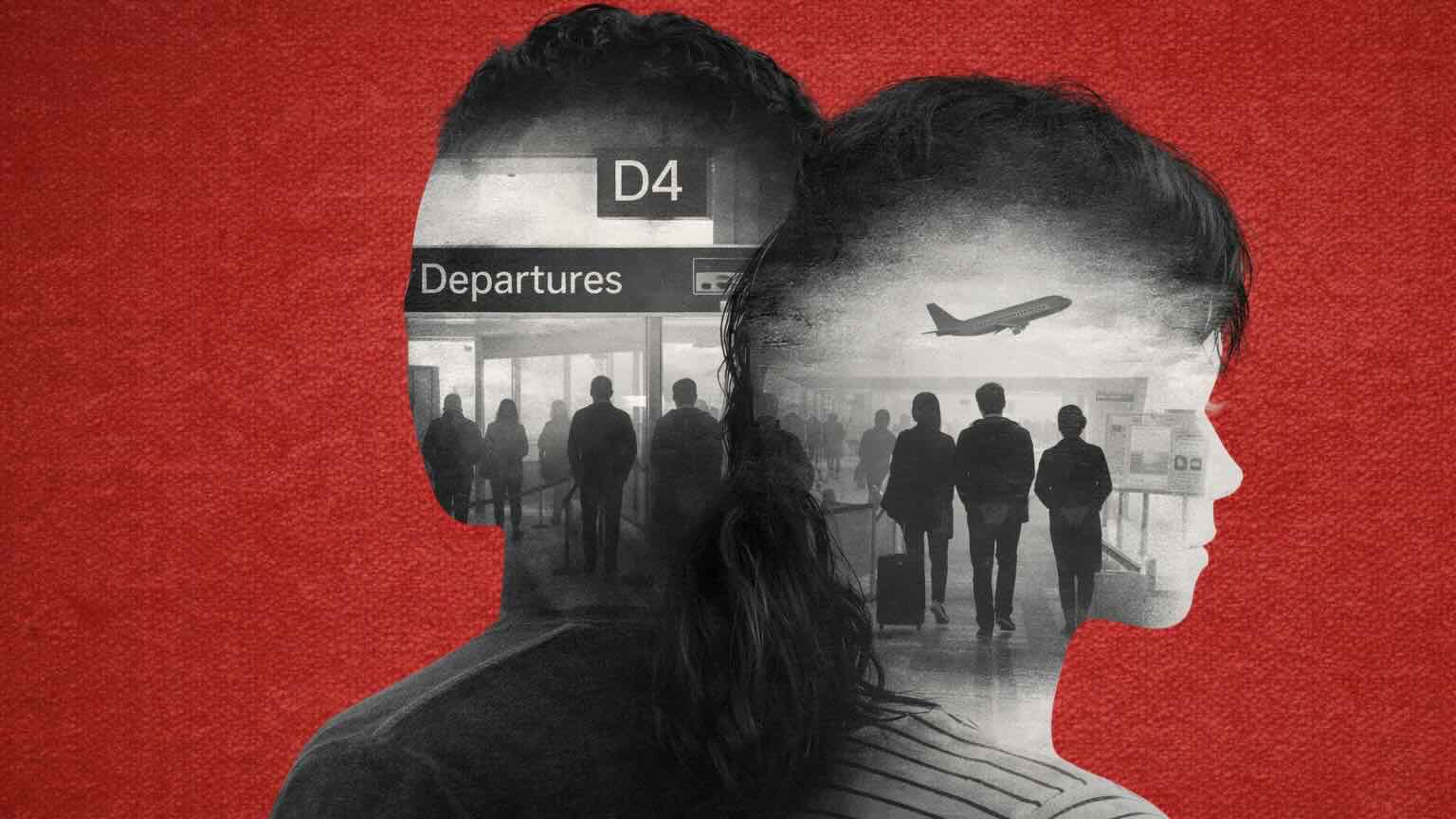
The deportation debate is not just about fairness, but also about belonging.
The government is reminding migrant residents about the bond of good behaviour they've signed.
('Out Loud' is an opinion column that takes the political, cultural and social debates Indian migrant households save for home and says them out loud, consequences pending.)
New Zealand doesn't want bad migrants. Who does? And so it sounds perfectly reasonable when Erica Stanford says she wants to keep those on a residence-class visa on a tight leash. But the optics hit differently if you are a migrant.
The Immigration (Enhanced Risk Management) Amendment Bill is largely about ensuring "we have the right, proportionate tools to manage immigration risks". That's how the government has described it.
But the bill does something more. It reminds migrants of the pecking order, and where they stand in that hierarchy of acceptance. Those who belong, those who don't. It's not so much wrong as it is stark in what it signals to its non-citizens.
The bill passed its first reading in Parliament last week. It proposes to tighten New Zealand's immigration settings on several fronts, including for refugees, overstayers and businesses exploiting migrants.
From designing restaurants to running Auckland Diwali: The many lives of Arnav Taode Taode brings his passion for Indian arts and culture to his first year managing BNZ Auckland Diwali 2026.
Winston Peters says ‘diversity is disunity’. What does the evidence tell us? Evidence from business, sport and social policy suggests diversity can strengthen economies and cohesion but on one condition.
Baby born in Sri Lanka to New Zealand residents caught in limbo after Down syndrome diagnosis Immigration tribunal orders fresh residence assessment after finding a “serious mistake” by immigration officials.
One suite of changes speaks directly to citizens-in-waiting, the resident-class visa holders. The thousands who power the country's economic engine and are a part of its socio-cultural fabric.
But, crucially, they aren't citizens. Not yet. New Zealand can invoke plausible deniability in case they go rogue, like if they were to commit a crime. Why keep them? Chuck them back to where they came from.
As per current immigration settings, if a resident is convicted of a crime, the system invokes what is legally called a "deportation liability". Meaning the person can be deported.
The system also provides avenues where residents can dispute deportation on humanitarian grounds, say for instance how deeply someone's family is settled in New Zealand.
This deportation liability is structured in tiers, with the most serious exposure in the early years. The less settled you are, the less the system will tolerate any criminal behaviour. But the system becomes more forgiving as you settle in.
Currently, anyone who has held a residence visa for more than two years cannot be deported if they are convicted of a crime that can send them to jail for up to two years.
These crimes traverse a fairly wide range on the scale of seriousness. They can be as low-level as petty shoplifting to medium-level offences, such as common assault.
Having been a resident for two years will no longer be a safeguard. The new bill raises that threshold to five years, by when New Zealand legally allows you to apply for citizenship anyways. Citizens, of course, can't be deported.
In a sense, the bill places all migrants in the same boat. Residents who have lived here for say four years will be in the same boat as someone who has spent only a single day. That distinction between the time spent has mattered, even in law.
Immigration settings allow anyone served with a deportation liability to seek waiver from the Immigration and Protection Tribunal, and even the minister. The main grounds for such a reprieve are humanitarian.
Appellant authorities often use the length of time a person has lived in New Zealand as a proxy to judge how deeply settled they are in the country.
Deportation can often be considered disproportionate punishment for reasonably well-settled residents. That's why the law appreciates the difference between having been a resident for years and having spent just a single day.
Government data supports that premise. In 2023-24, only one in every 25 people served with a deportation liability for a low-level crime were ever deported. For medium-level offending, that ratio sat at one in 15.
That happens because immigration officials can use a special provision to suspend a deportation liability on humanitarian grounds, and offer people a chance to redeem themselves. Those who don't mend their ways are deported.
That leads to the natural next question. Why put government resources into making a law change that doesn't really do much? Turns out putting newer residents on short notice for deportation wasn't even the main goal of the proposed amendment.
The regulatory impact statement for the bill makes it clear immigration minister Stanford's priority lay elsewhere. She wanted to make sure those on a resident-class visa for more than 10 years can be deported if convicted of a serious offence.
Migrants, of course, can apply for citizenship after five years of being a resident (best possible scenario). But as the government notes, many residents choose not to because their country of origin doesn't allow dual citizenship.
Under current settings, such migrants can't be deported for even murder if they have been a resident for more than a decade. The bill proposes to increase that limit to 20 years.
The ACT Party doesn't want to stop there. During the bill's first reading in Parliament last week, its immigration spokesperson Parmjeet Parmar formally proposed making residents who commit serious crimes liable for deportation for life.
While Stanford's focus is ostensibly on serious offenders, the regulatory impact statement notes tightening rules for low-to-medium level of offending "may add to the cumulative impact...of disincentivising criminal offending".
Ultimately, a country reserves the right to vet the outsiders it lets in. It's hard to fight that logic. Why keep the bad apples when you can get rid of them.
But it confronts migrants with a rather unpleasant, if not uncomfortable, reality. That the country holds them to a higher standard of conduct than citizens.