When home feels hostile: Navigating a year of anti-Indian hate
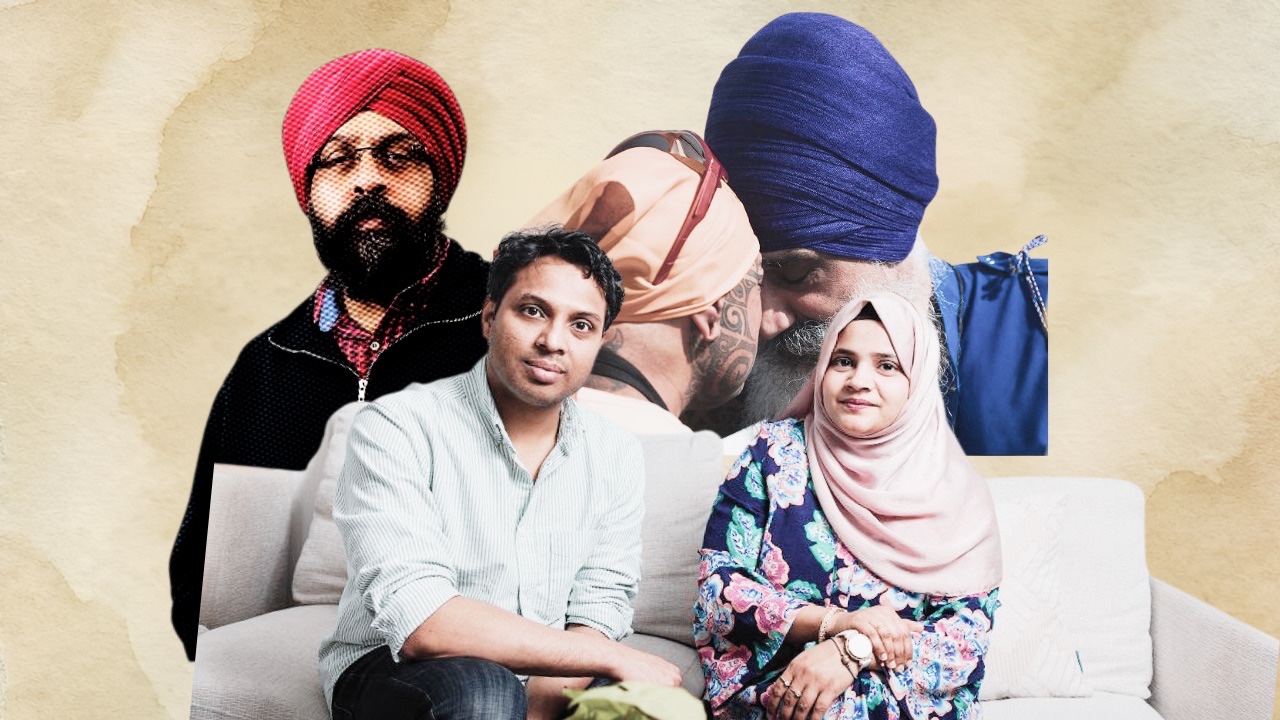
For over a century, Indian Kiwis have called New Zealand home.
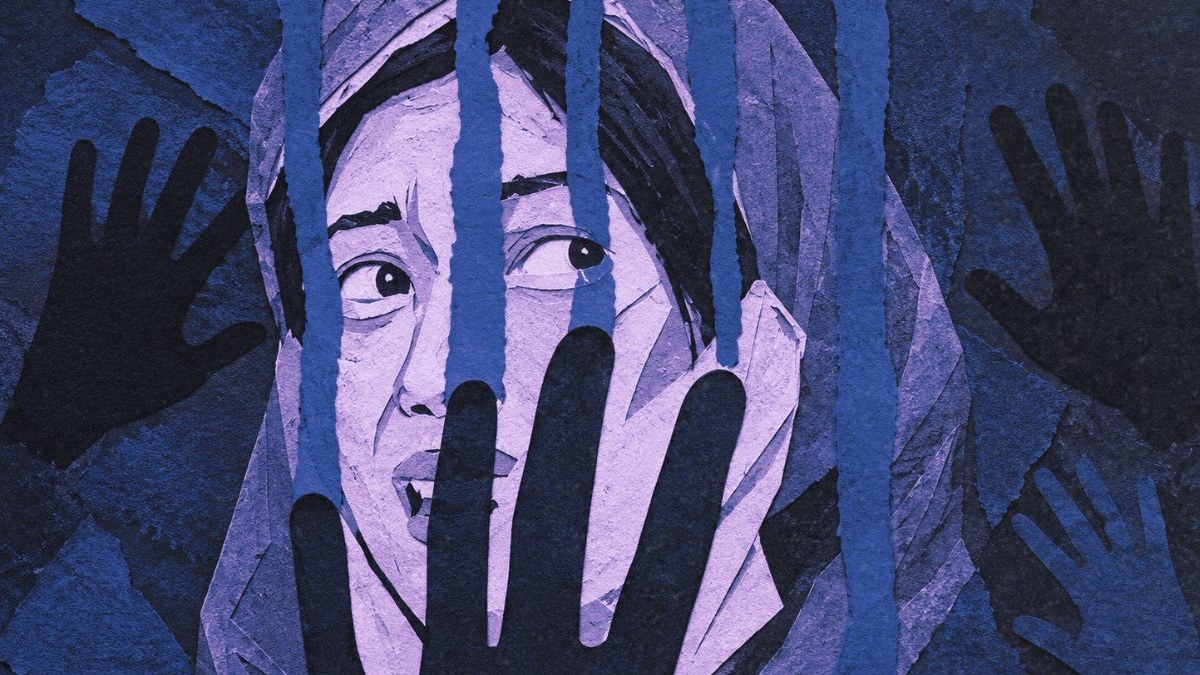
From street harassment to political rhetoric, Indian New Zealanders reflect on rising hostility and what it means for their sense of belonging.
Going to the shops shouldn’t require much thought. You get what you need, perhaps pick up something you hadn’t planned on buying, and head home. Most of the time, the trip barely registers.
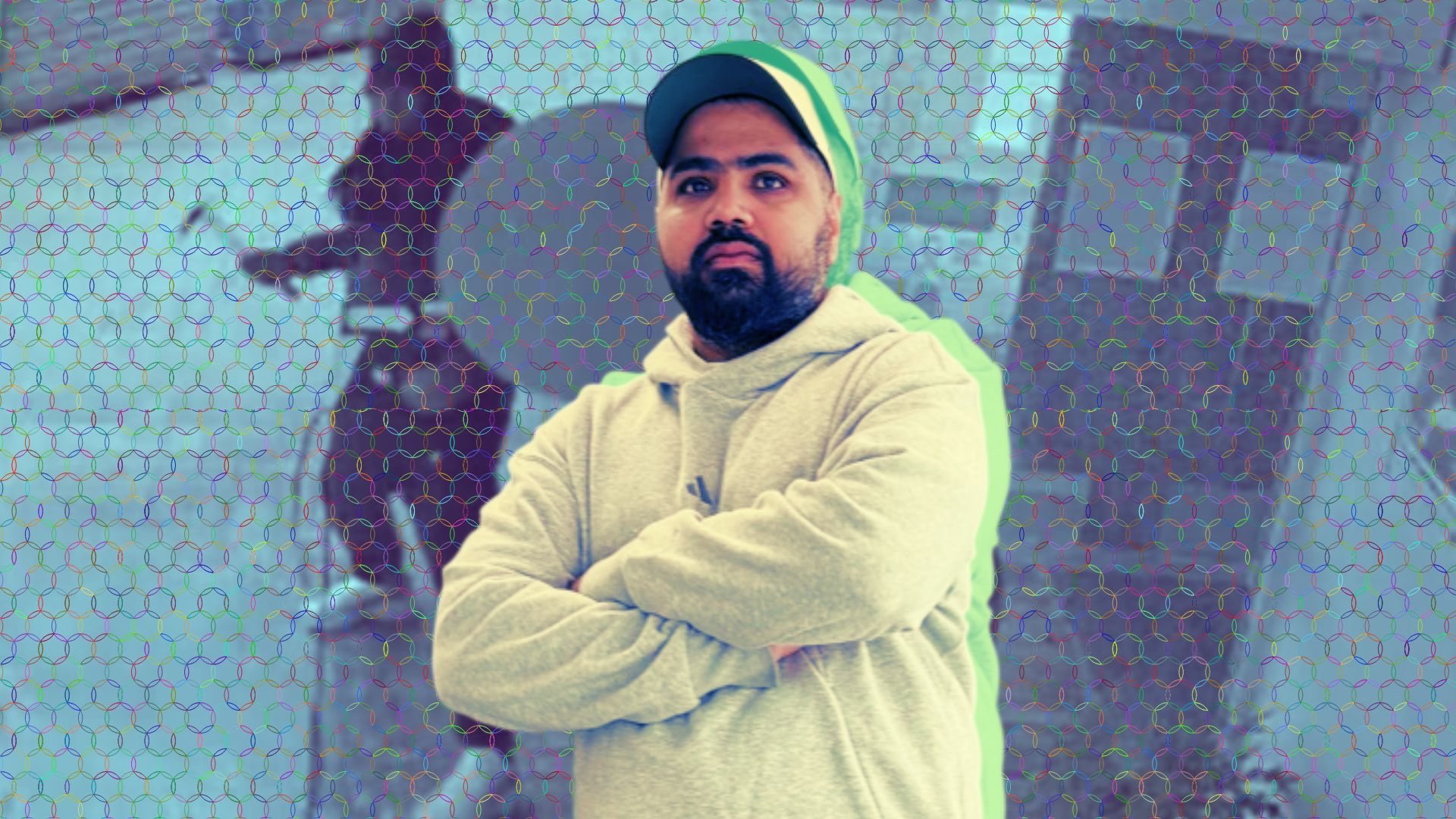
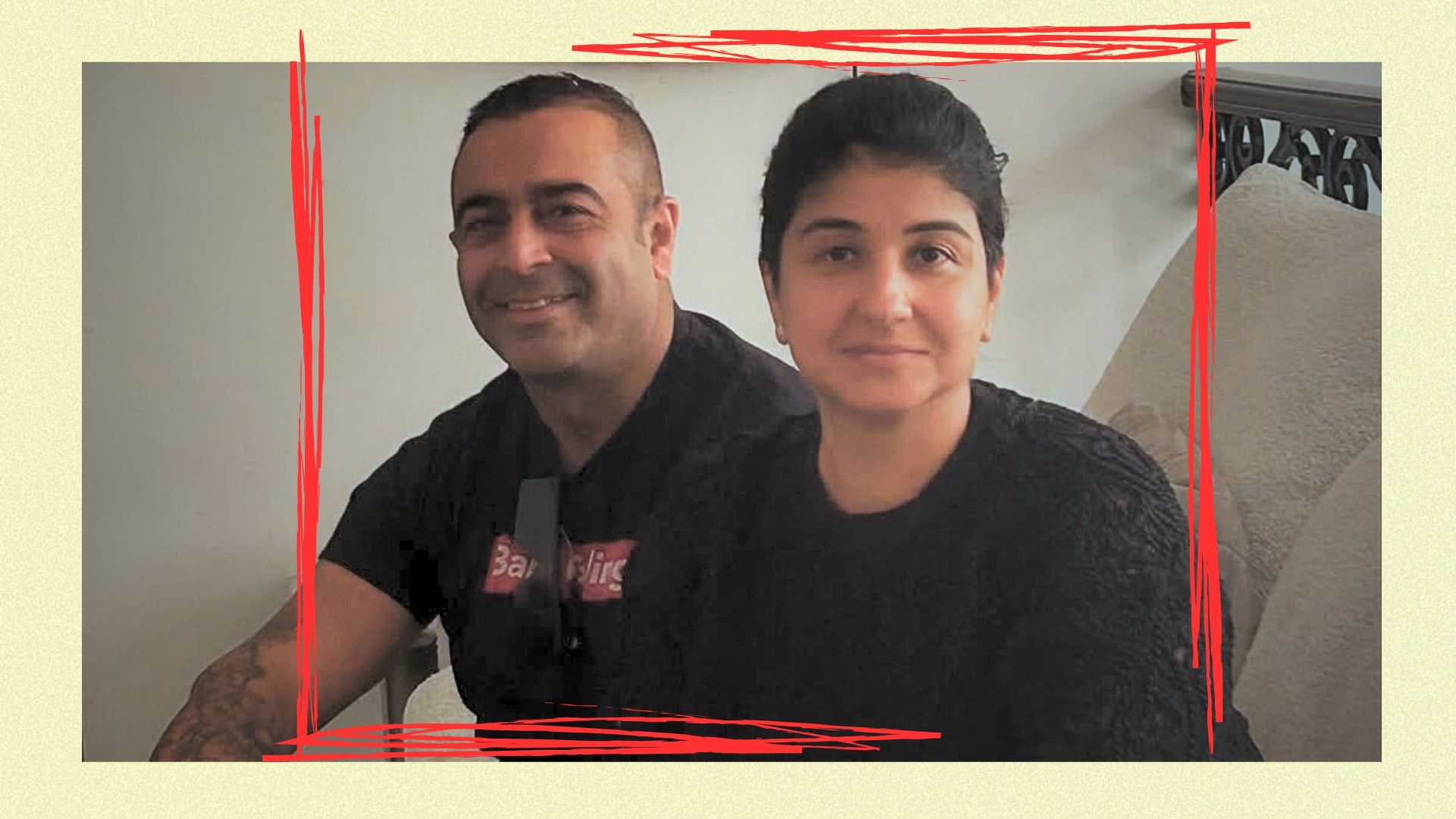
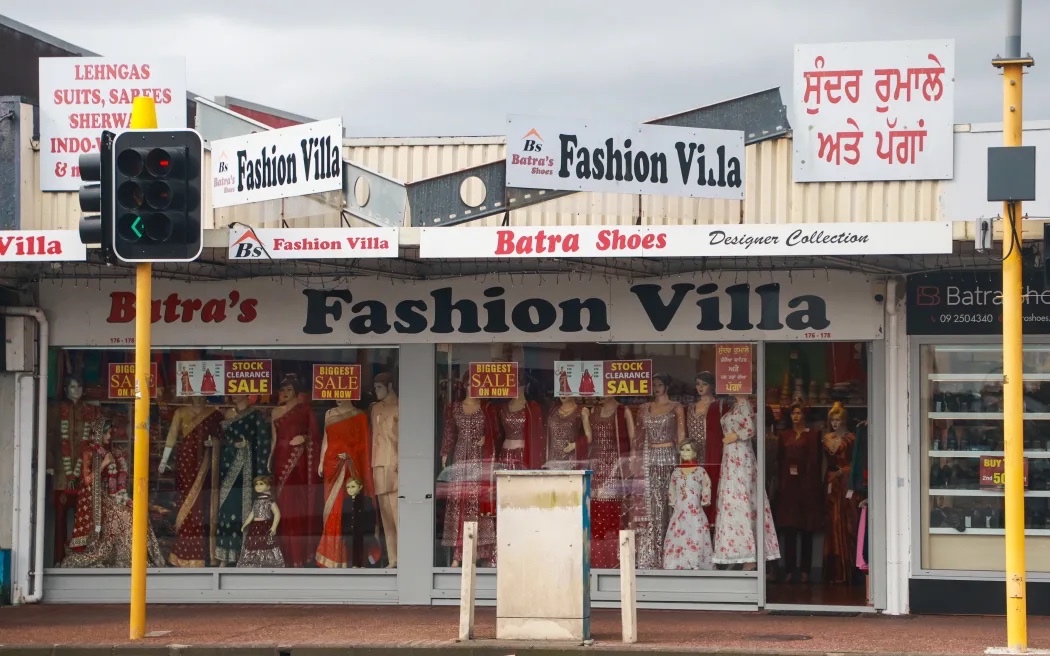
That was all Rizwan Mohammad was doing when he went shopping in South Auckland recently. As he approached a block of shops, he heard voices coming through a large speaker above the usual cacophony of an urban setting.
A group of people had gathered with a microphone and a sound system. Rizwan listened long enough to understand what they were saying. They were, he says, “talking hateful things.”

Until that moment, he had simply been going out about his day. Now he had to decide whether to keep walking towards the voices or turn away.
“I overheard and I actually had to change my route,” he says. “I didn't want to go that way.”
Students with NZ visas told not to travel as Auckland business school faces enrollment ban The school says existing students can continue their studies and that it is working to have the restrictions lifted.
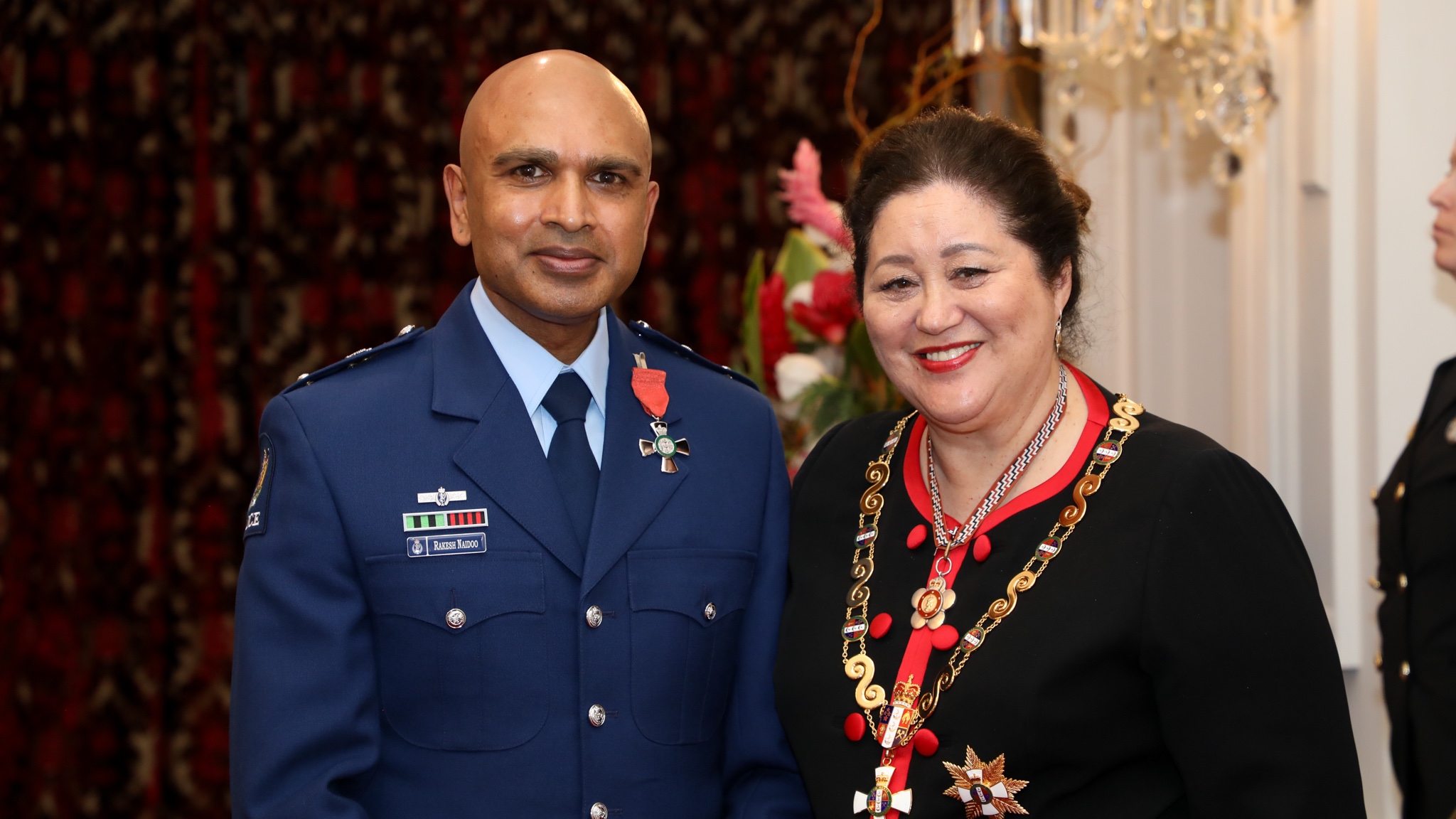
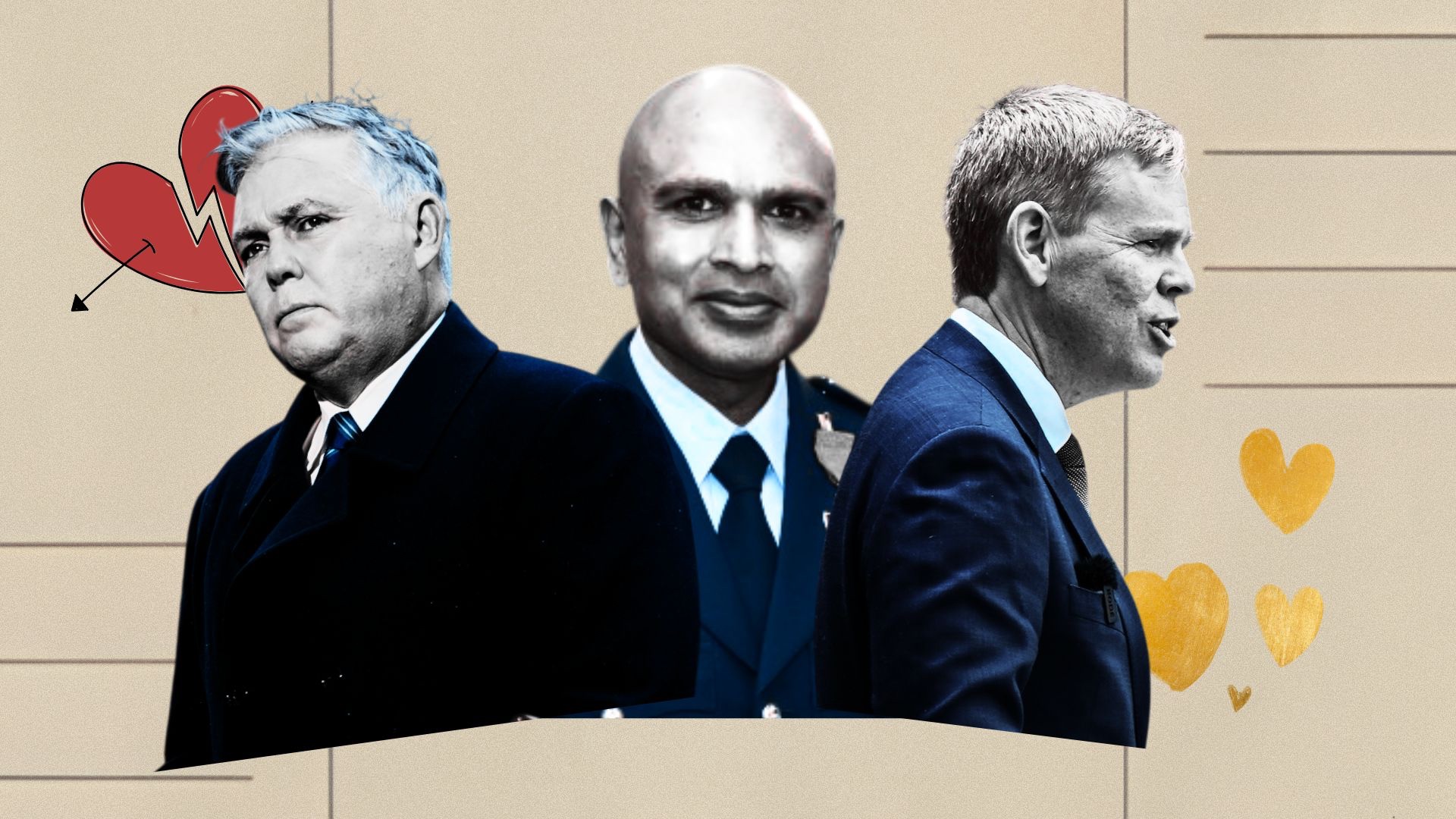
Police have confirmed Rakesh Naidoo is not under investigation, Labour says "The police need to front up here and explain what is going on."
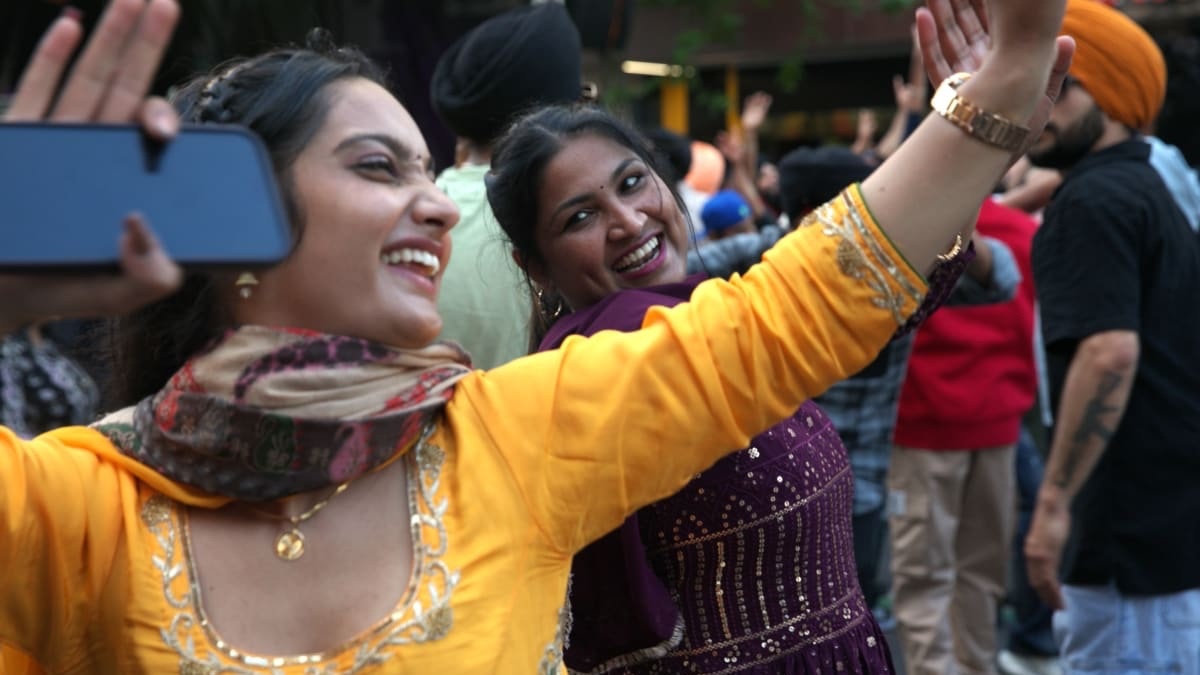
'Don't escalate': Appeal for calm as police increase presence during Diwali amid planned protests Police promise a visible presence and urge festivalgoers to avoid confrontation as Brian Tamaki plans a rally on the same day.
So he changed direction. From a distance, it might have looked like nothing more than a man taking a different route through the shops.
But for Rizwan, it was a quiet calculation: if he keeps walking, he asks himself, will they notice him because he's Indian ... because he's brown?
Lately, those moments have begun to stay with him.
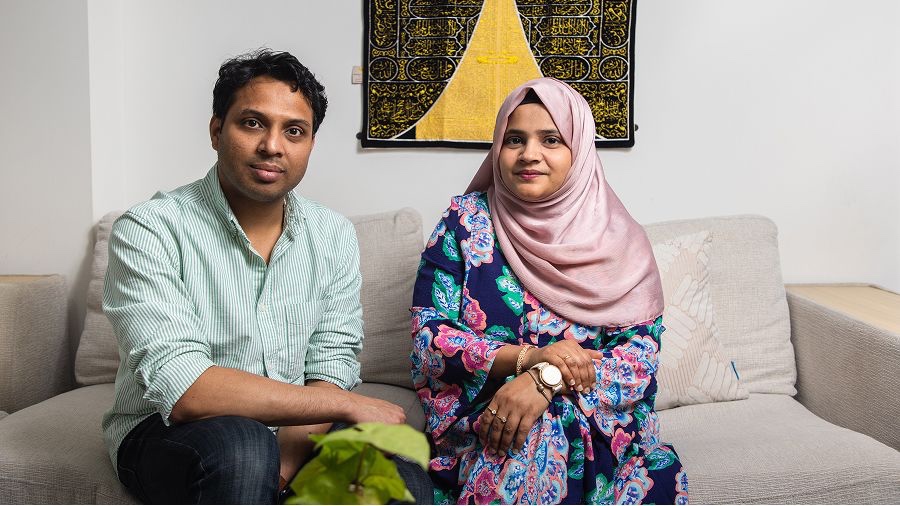
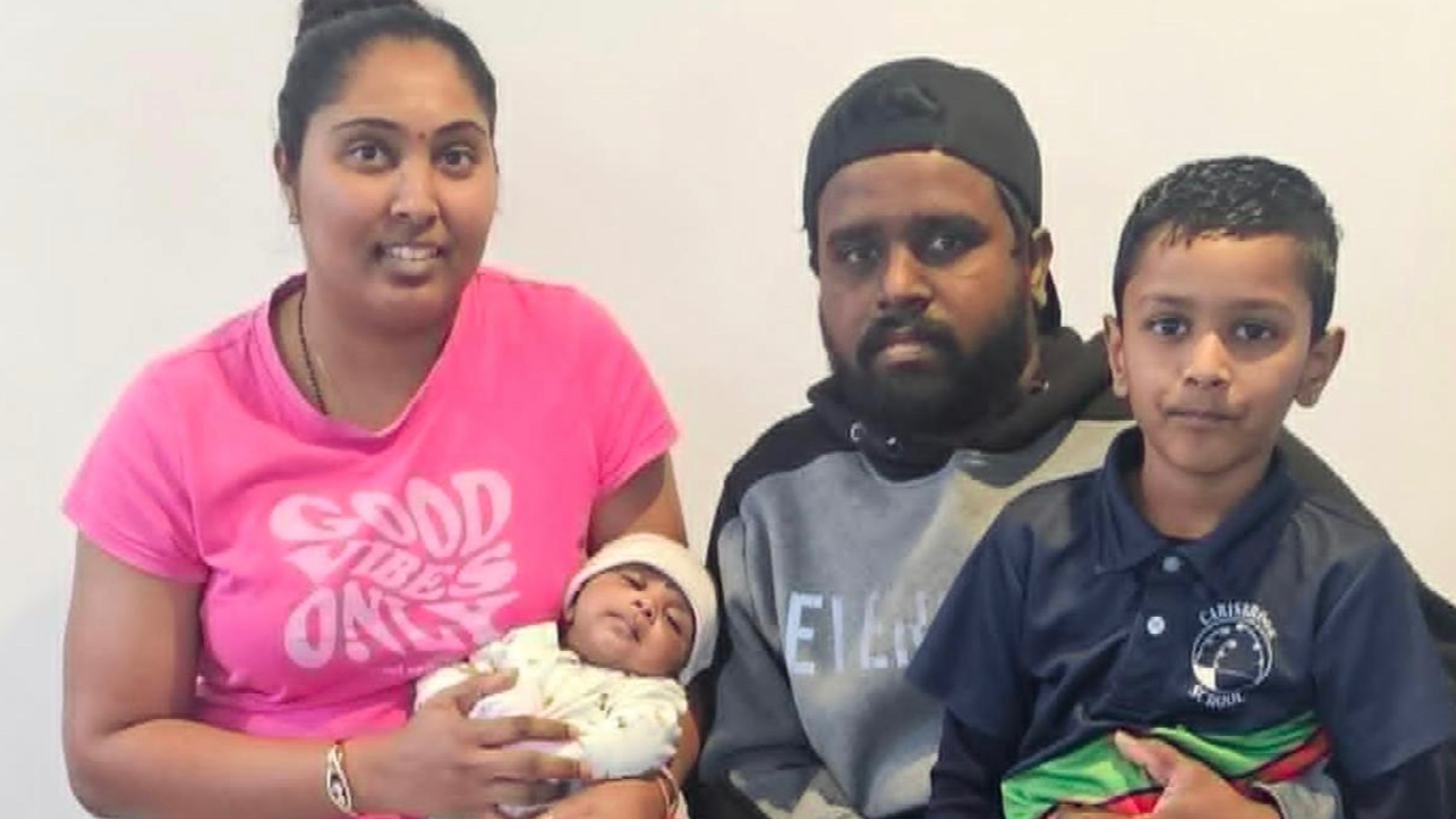
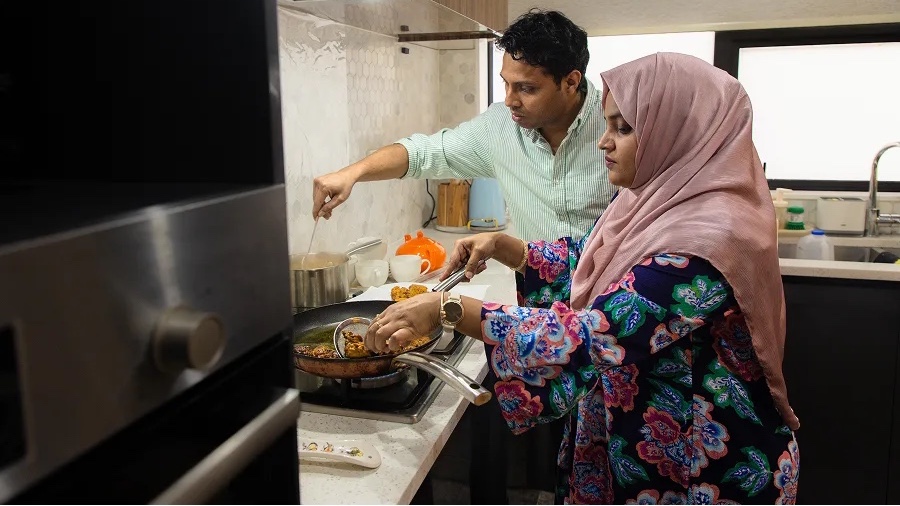
Most of the time Rizwan and his wife, Samreen Fatima, do not question their place in New Zealand.
They’ve lived in New Zealand for more than a decade. They've become citizens. They work here, pay taxes and are raising their daughter here. They still describe New Zealanders as overwhelmingly friendly.
Yet they are among the hundreds of thousands of Kiwi Indians who feel targeted by a series of worrying events over the last year.
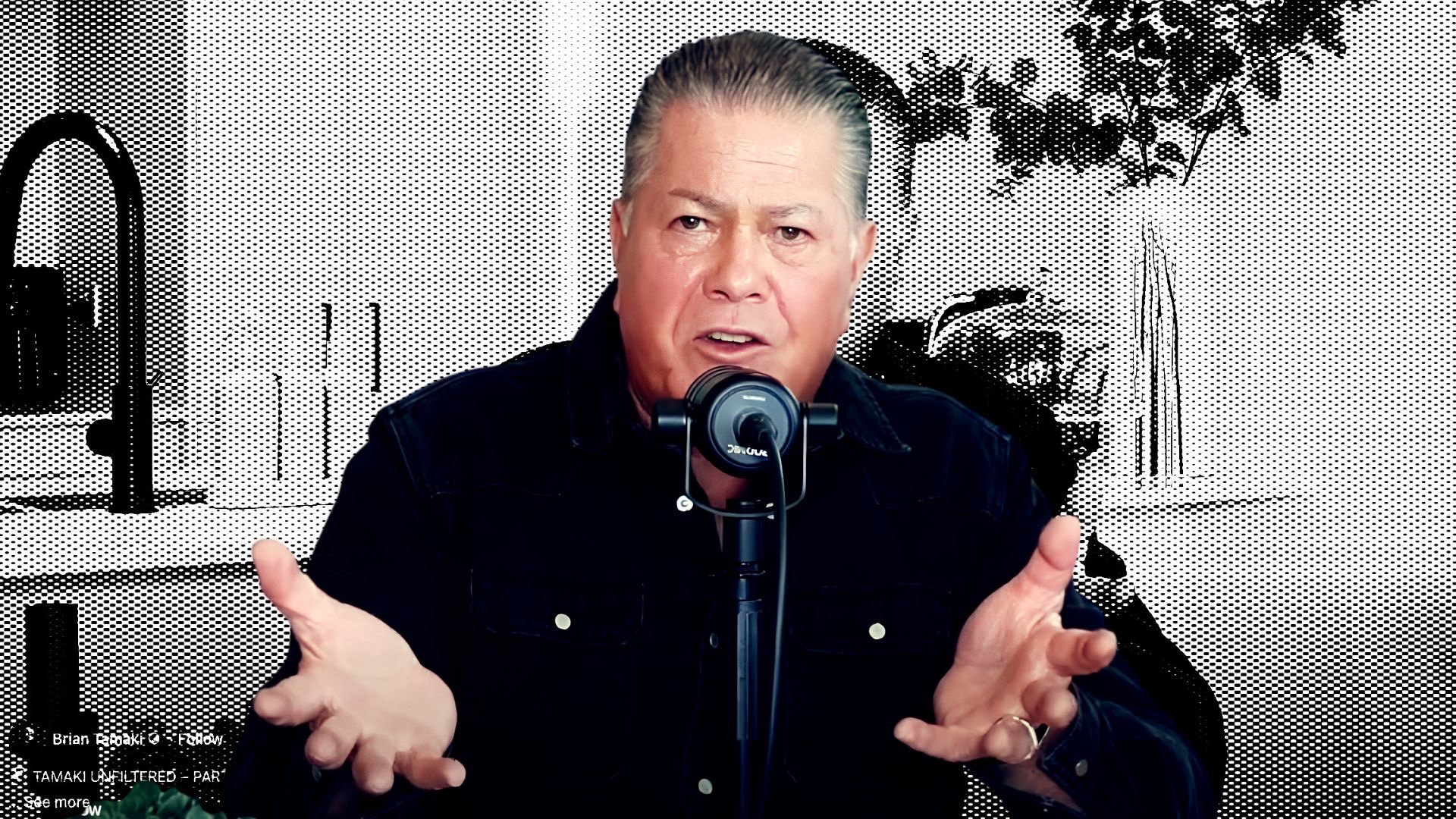
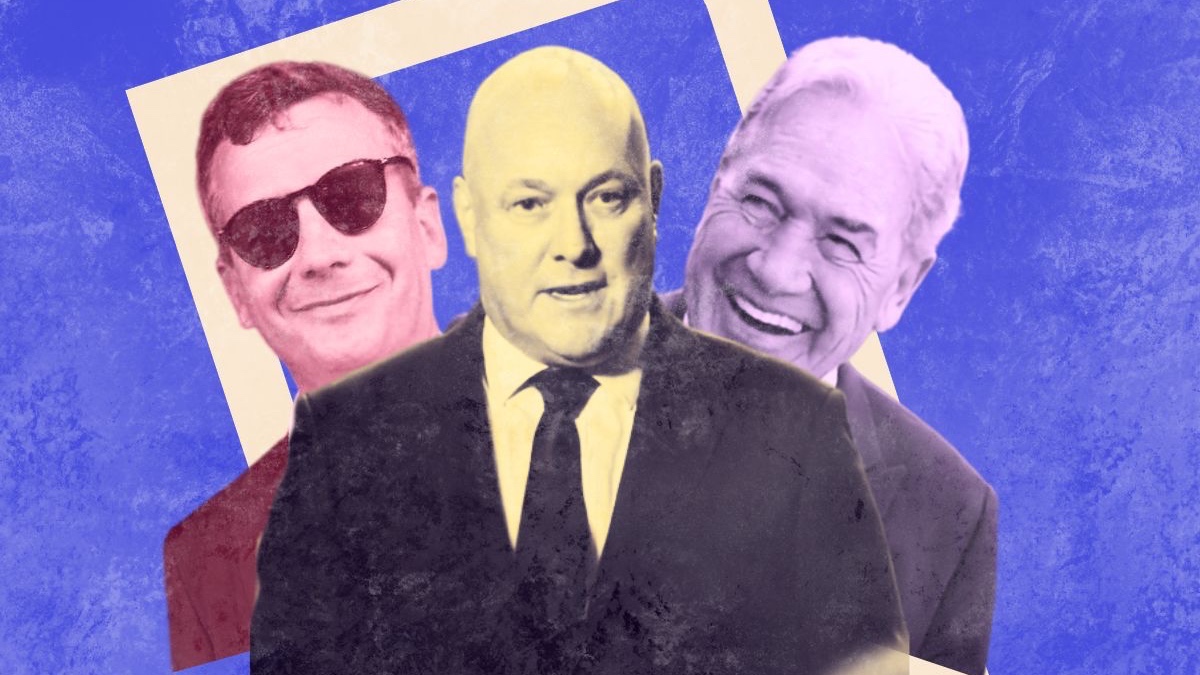
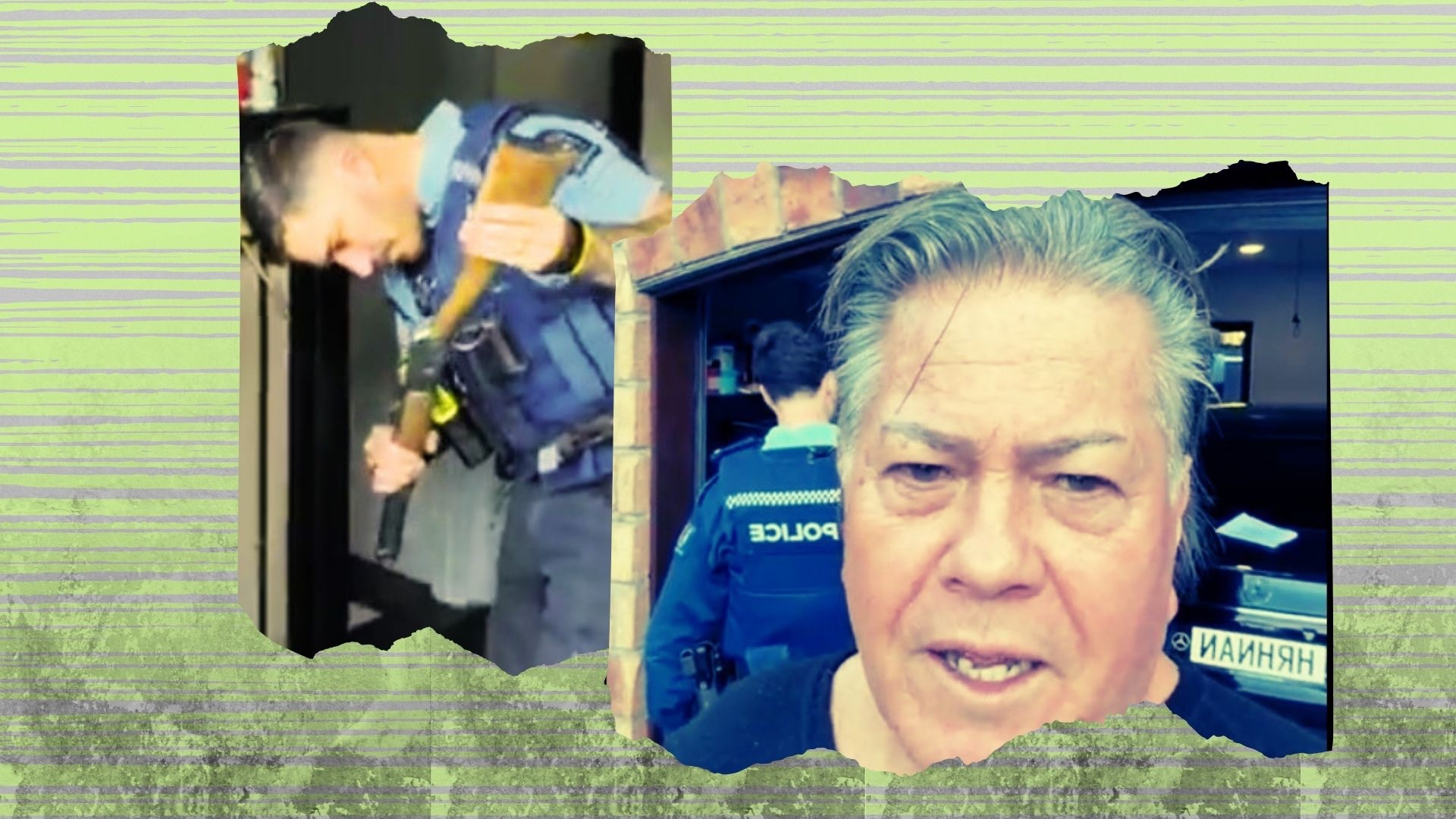
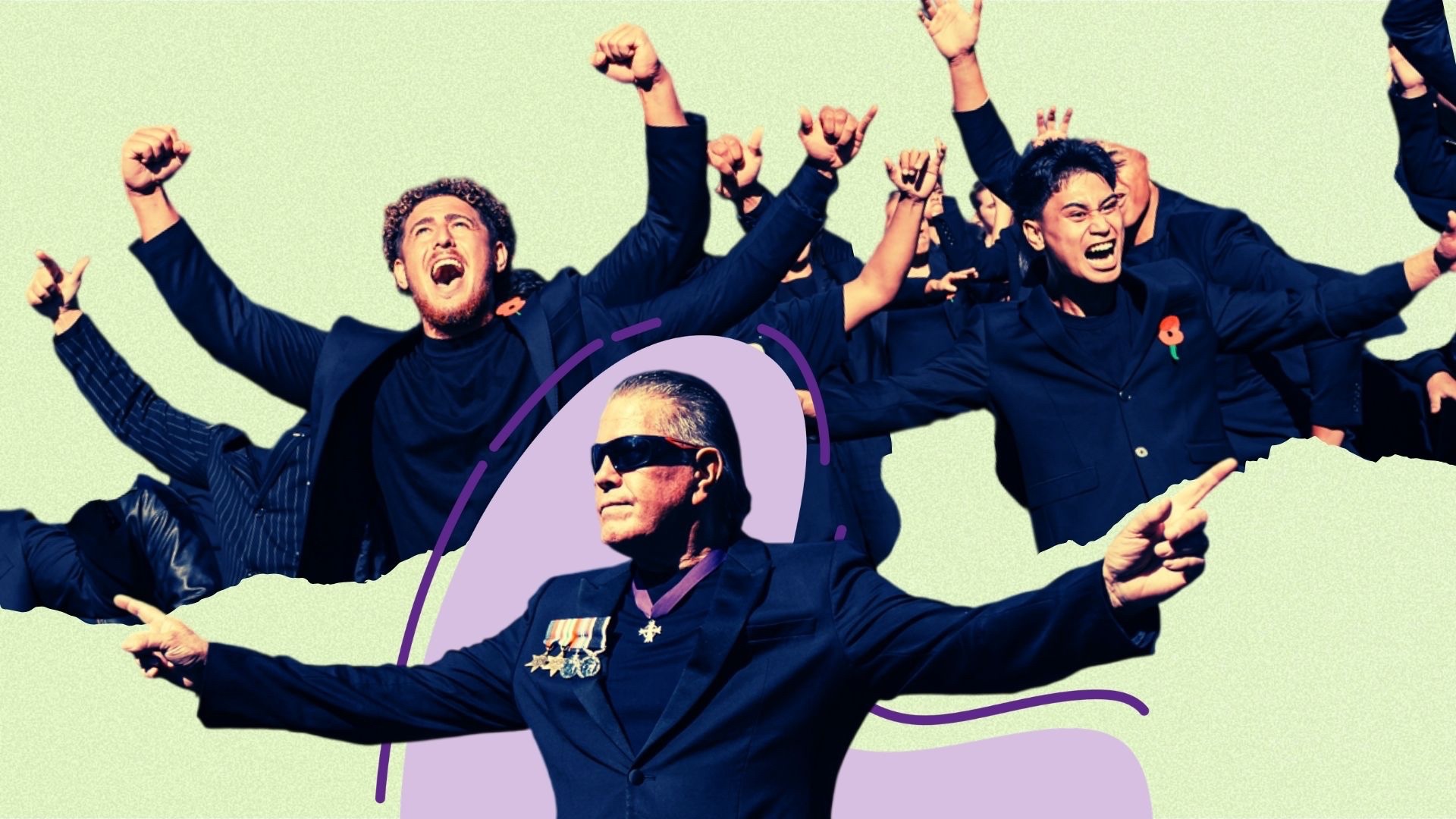
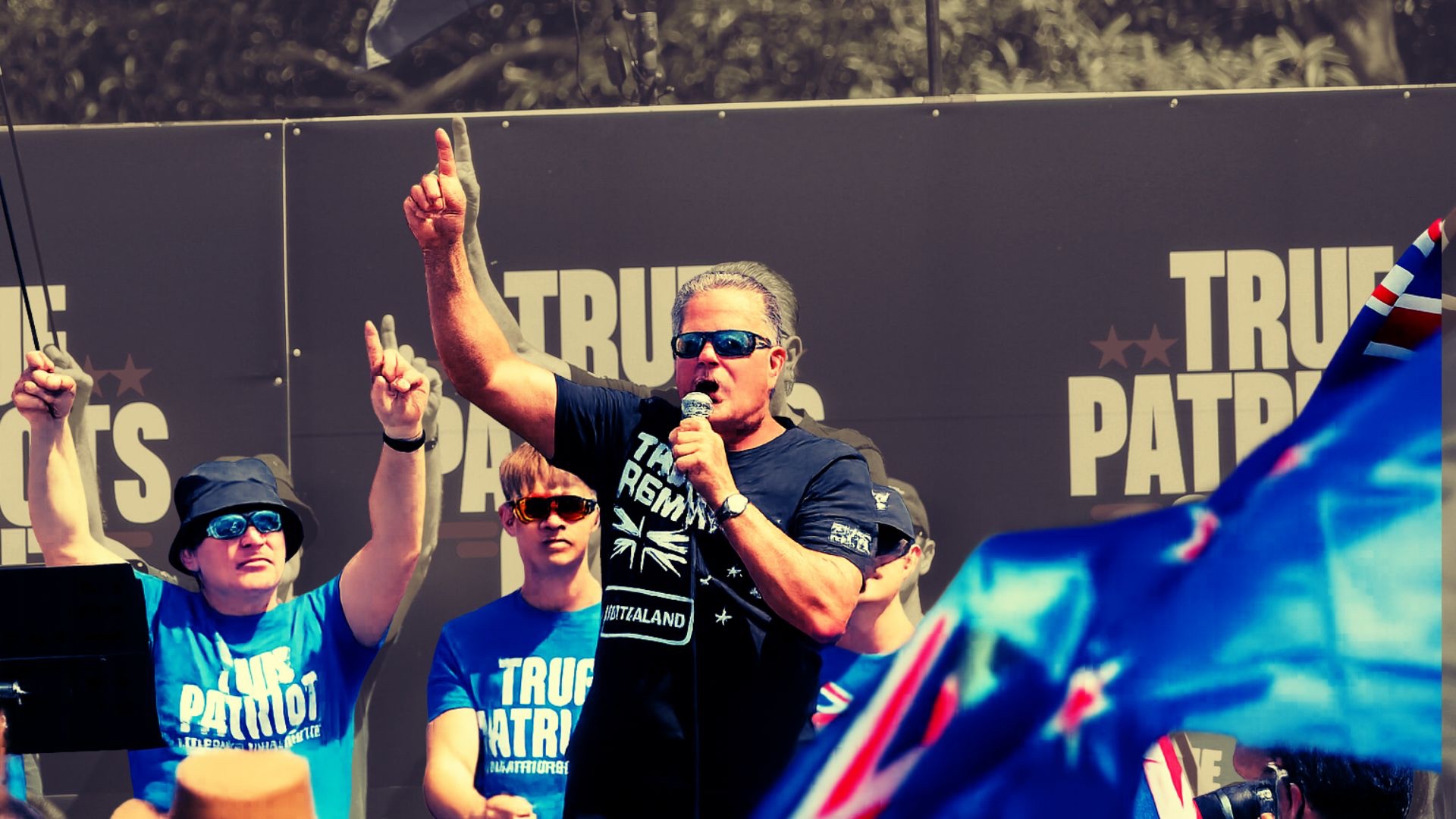
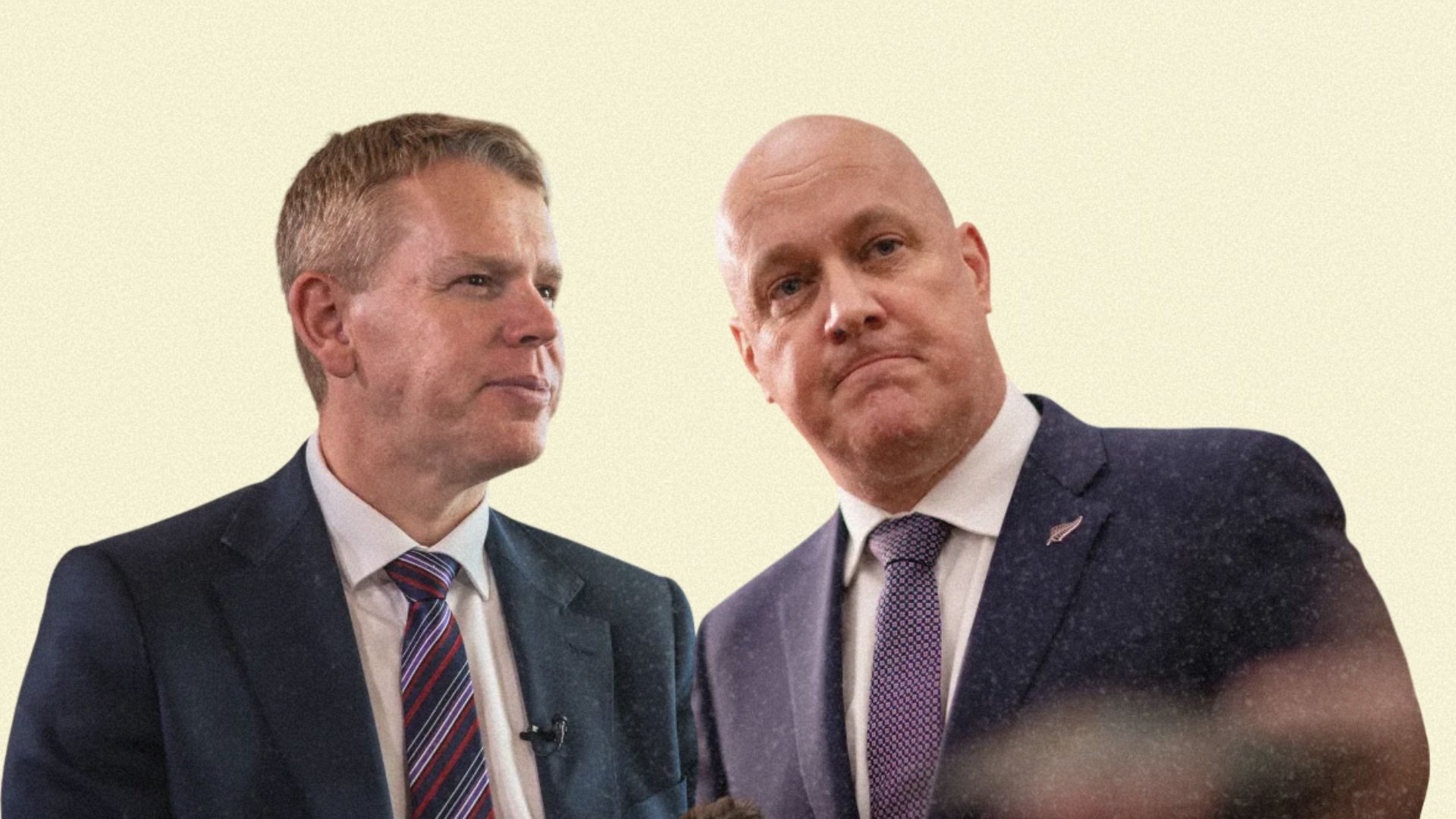
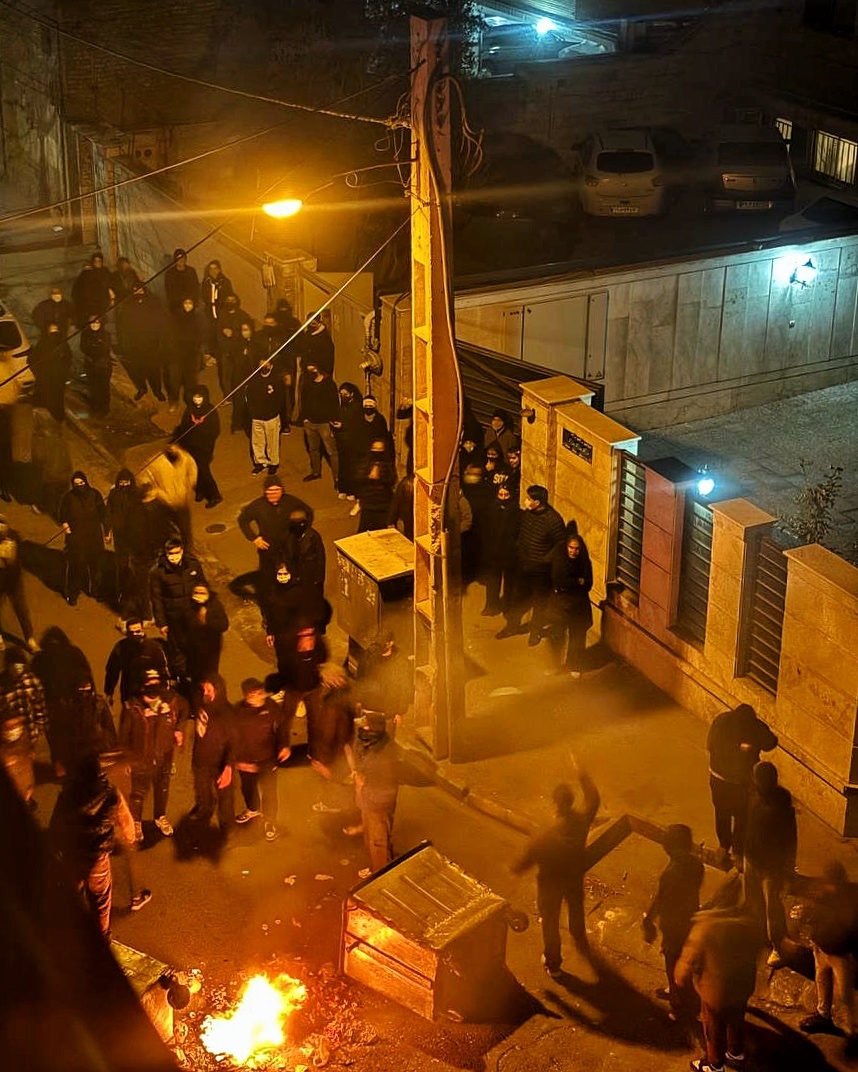
First, protest rallies and anti-immigrant declarations led by Brian Tamaki’s Destiny Church have explicitly targeted Indian Kiwis since just prior to Christmas last year.
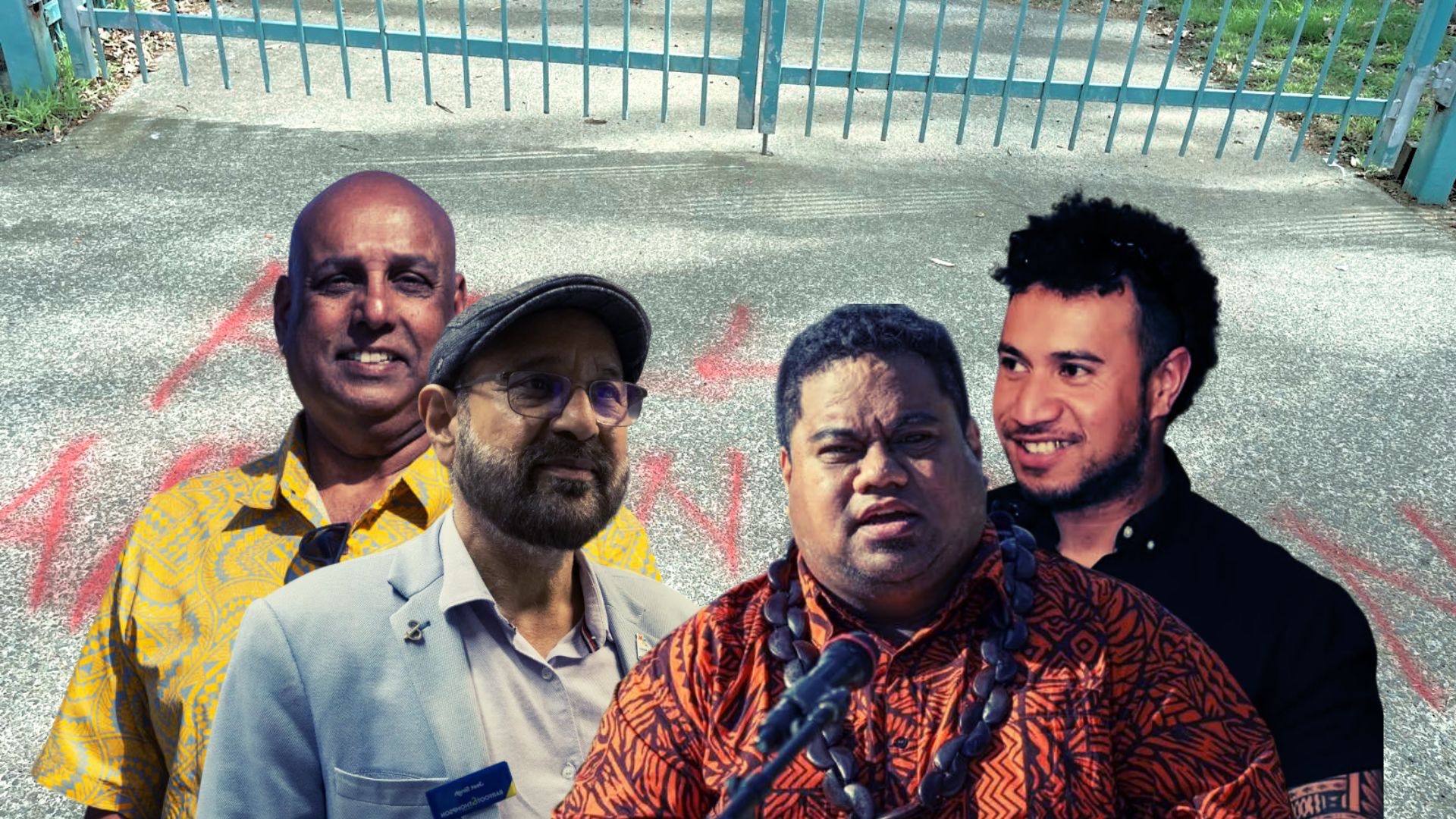
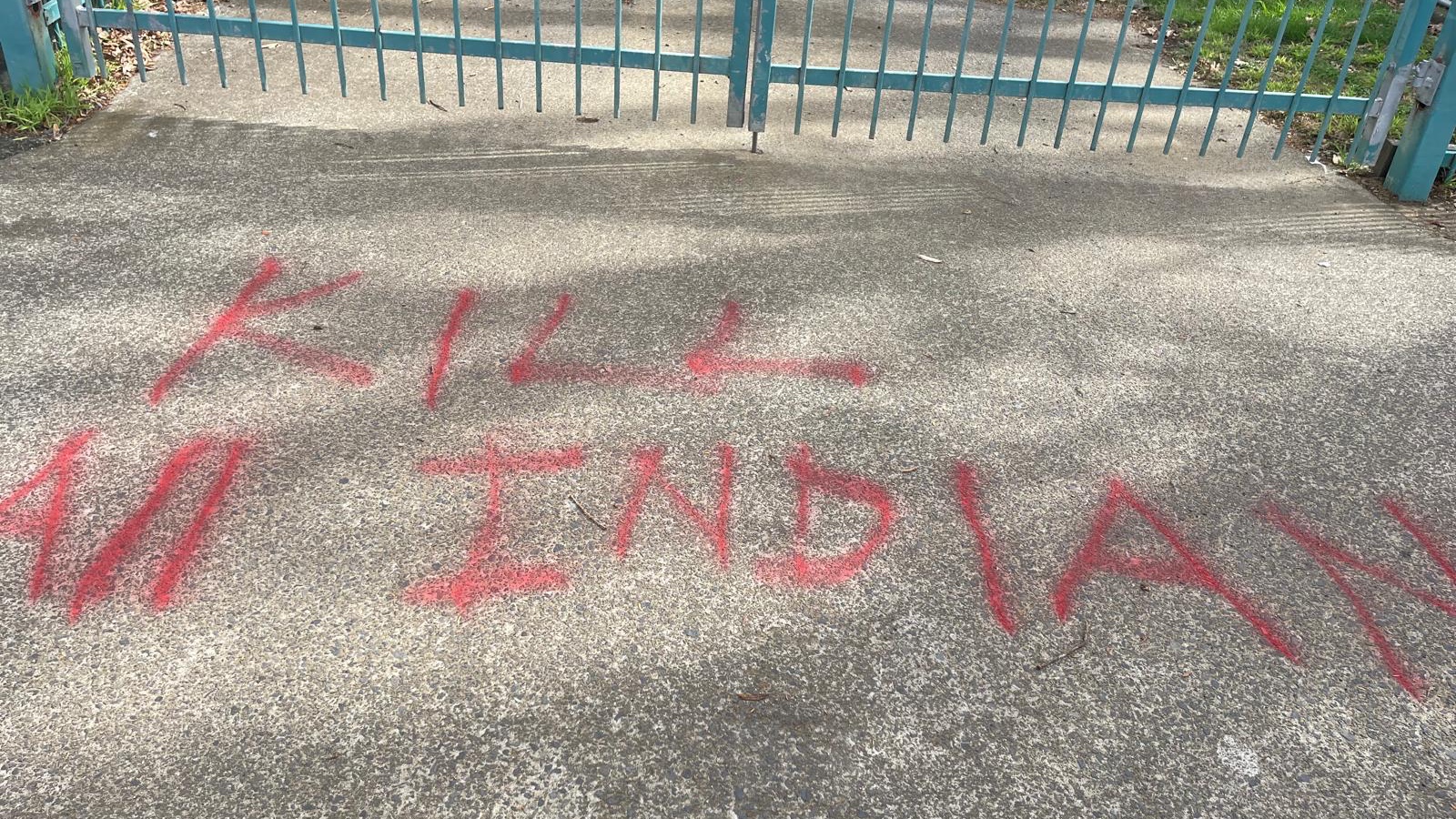
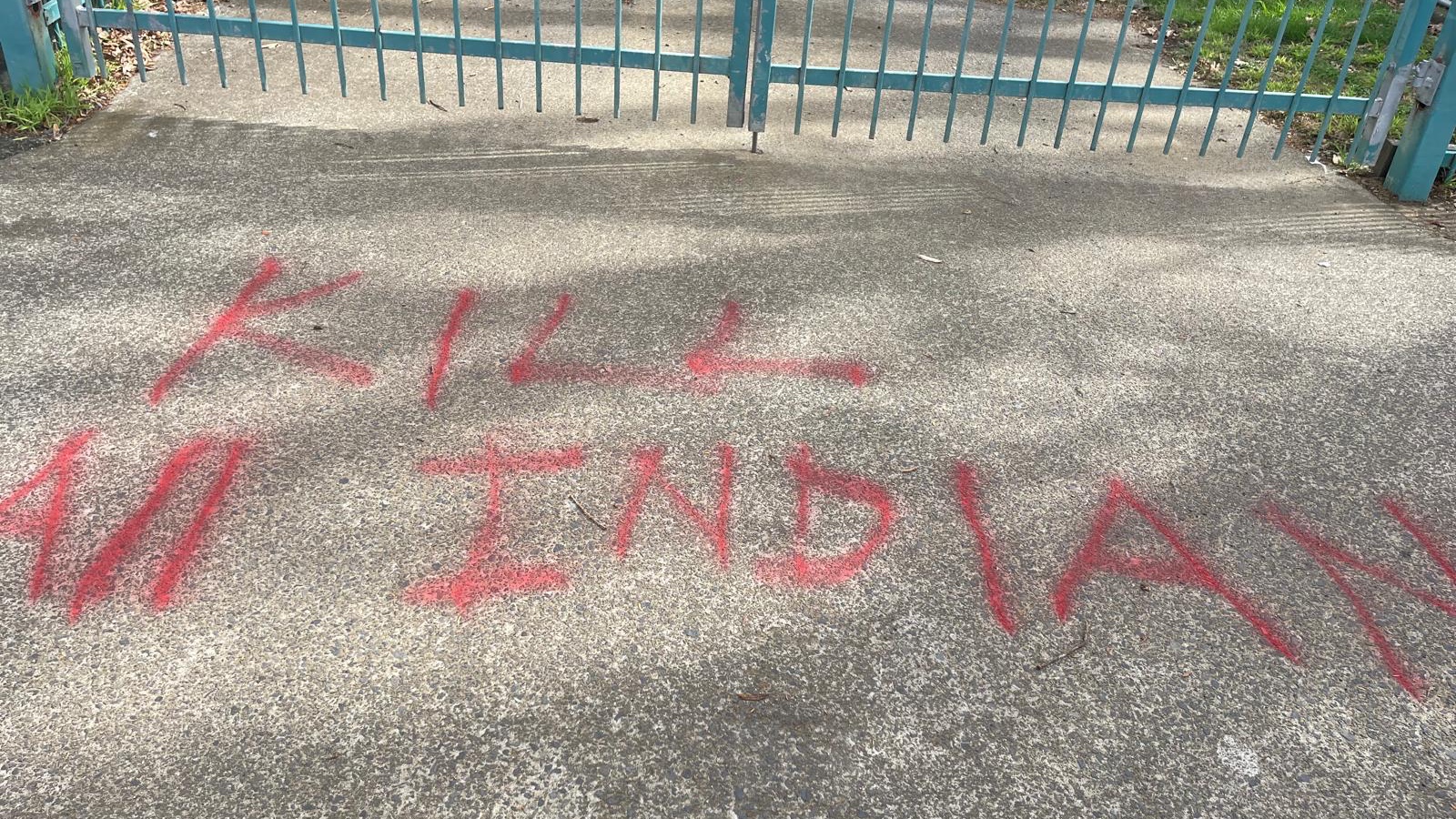
Then, in April, violent racist threats against Indian people appeared scrawled on a footpath outside a Papatoetoe school and inside a public toilet.
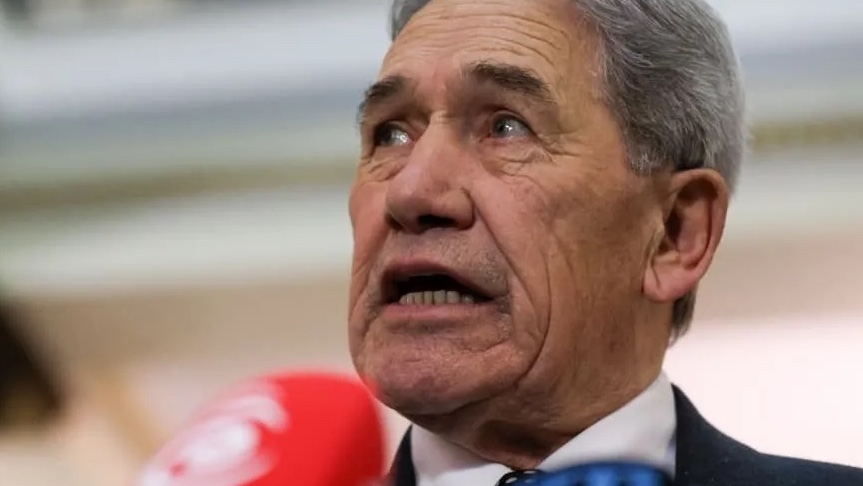
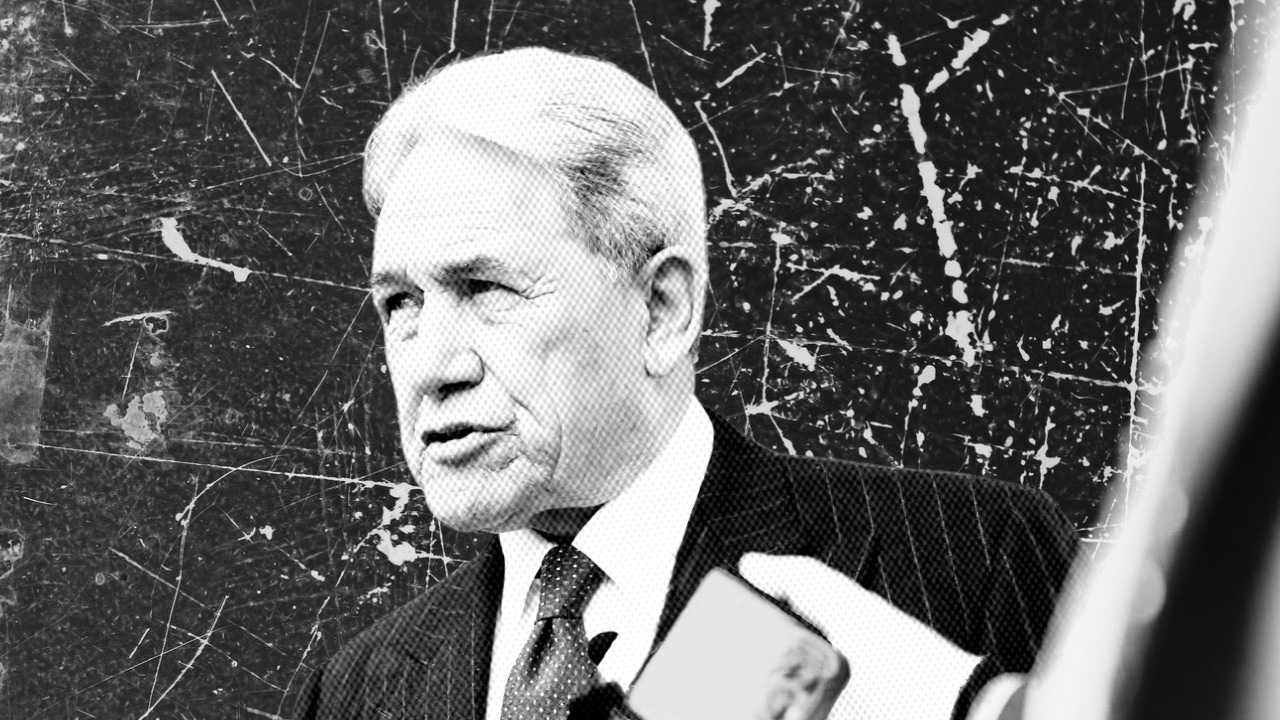
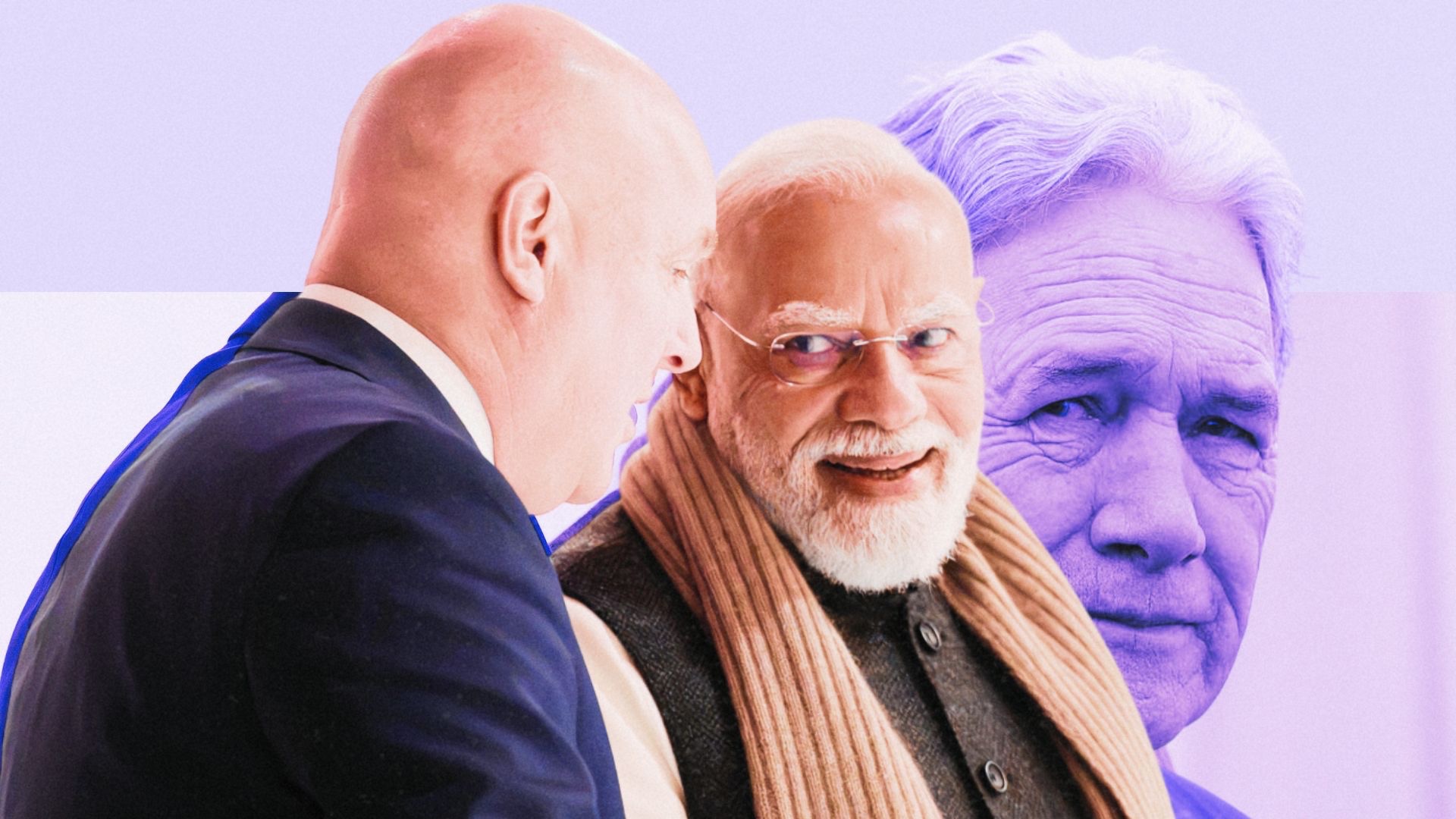
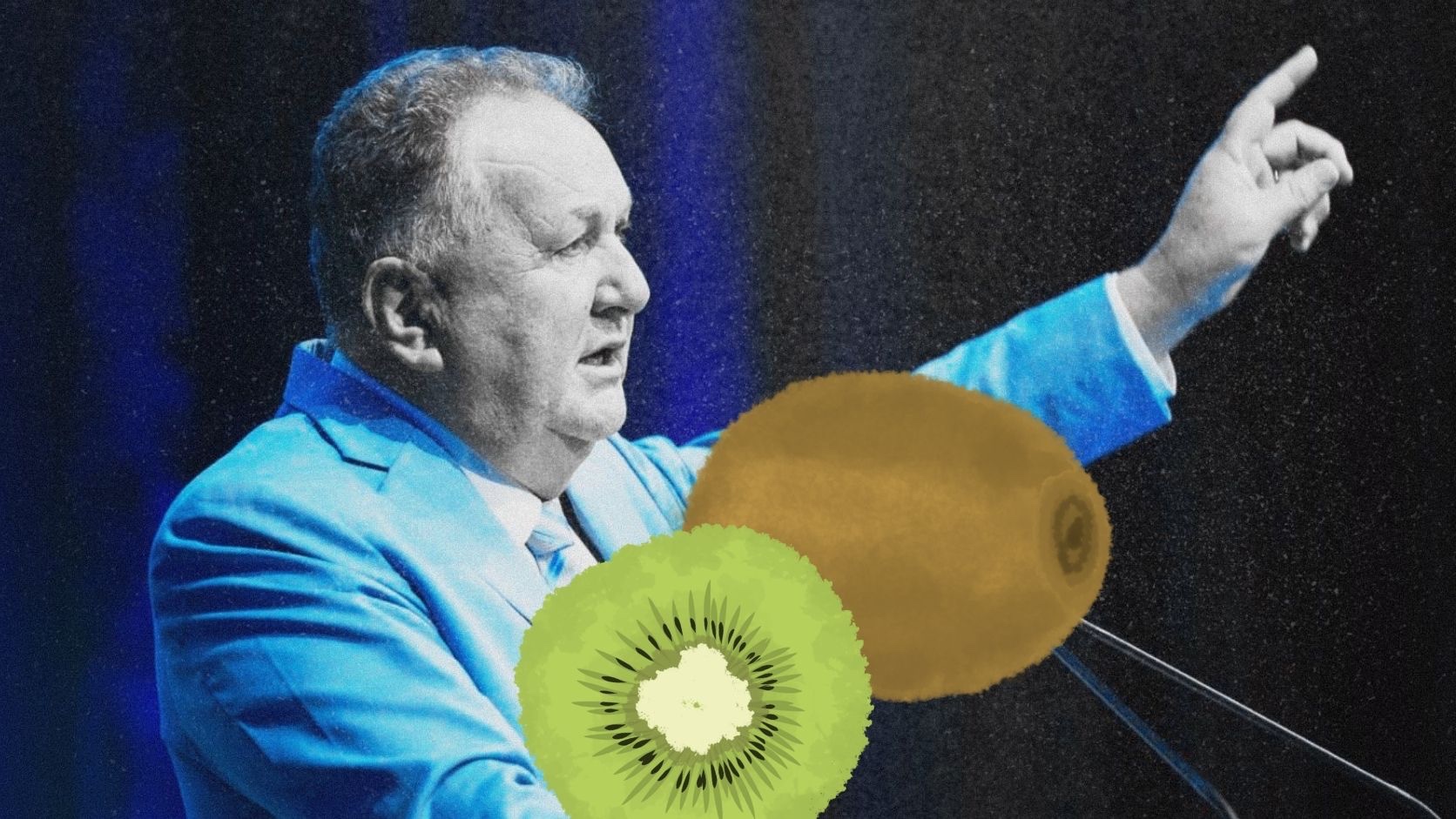
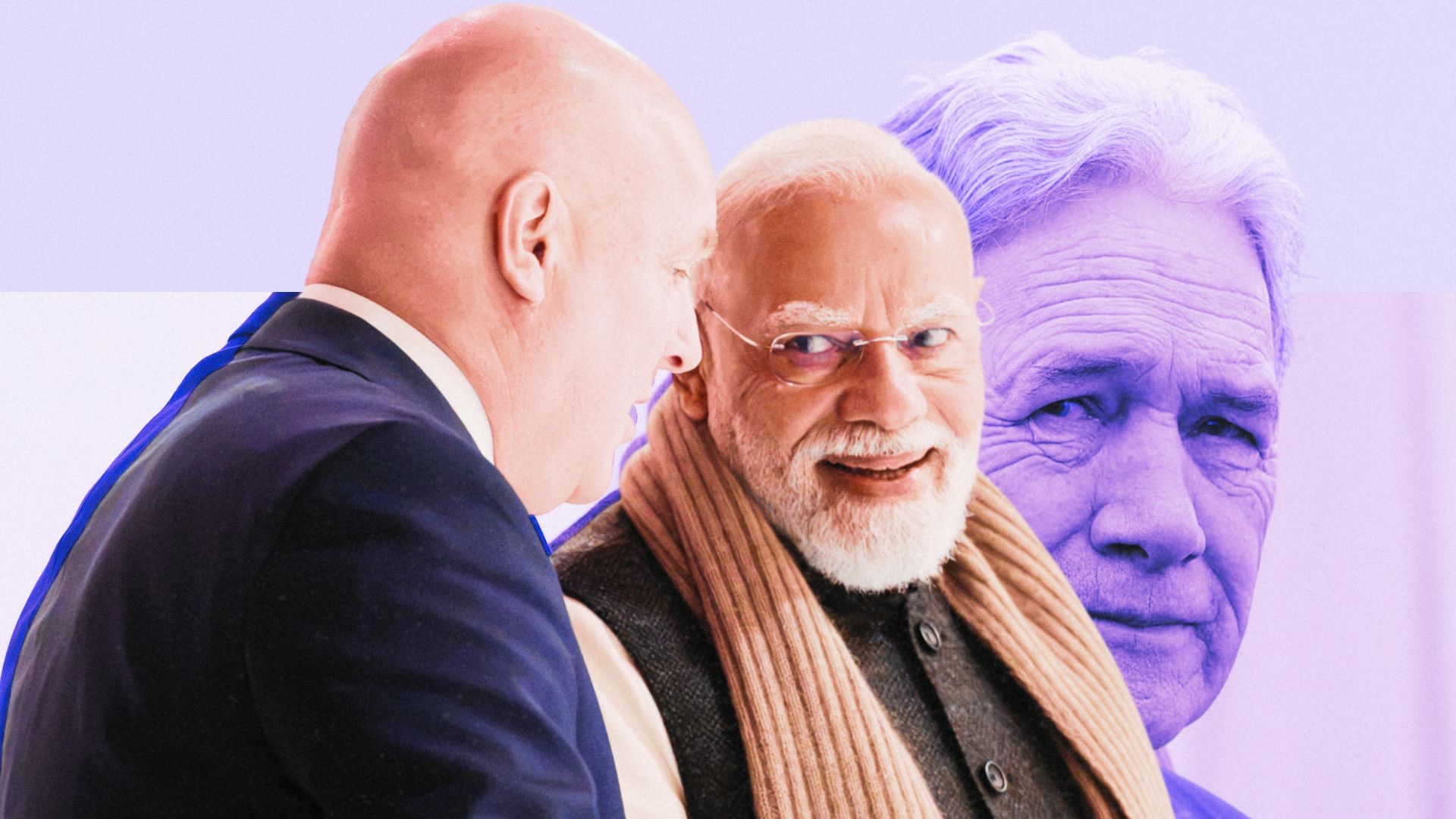
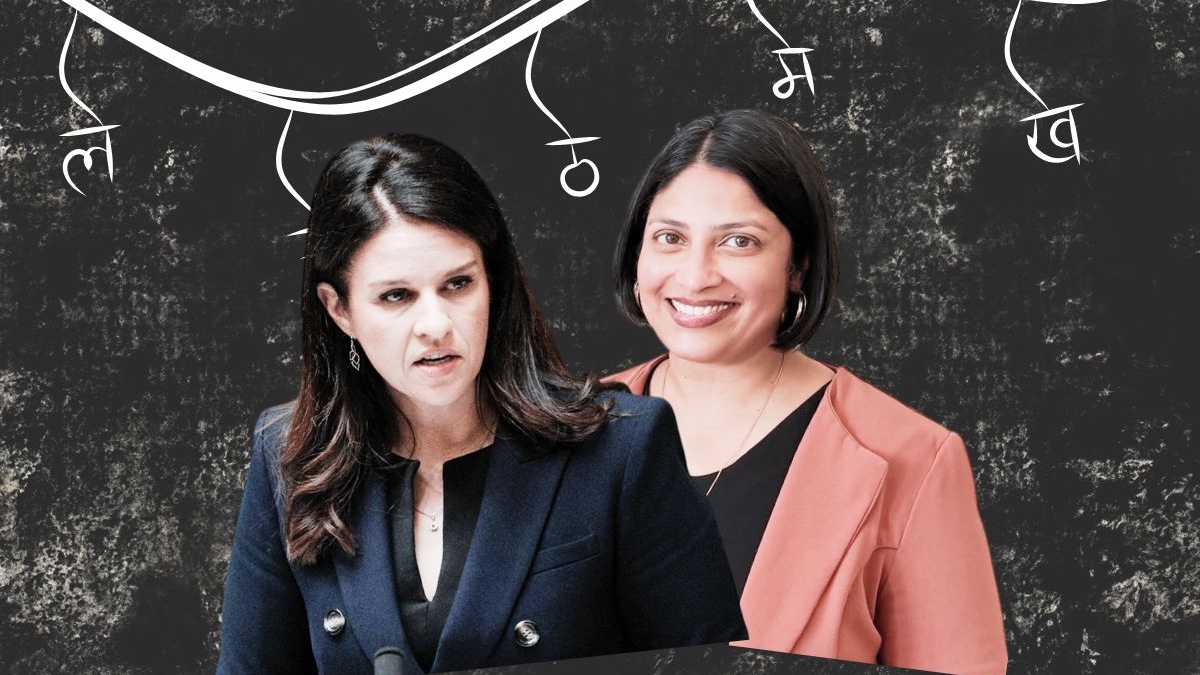
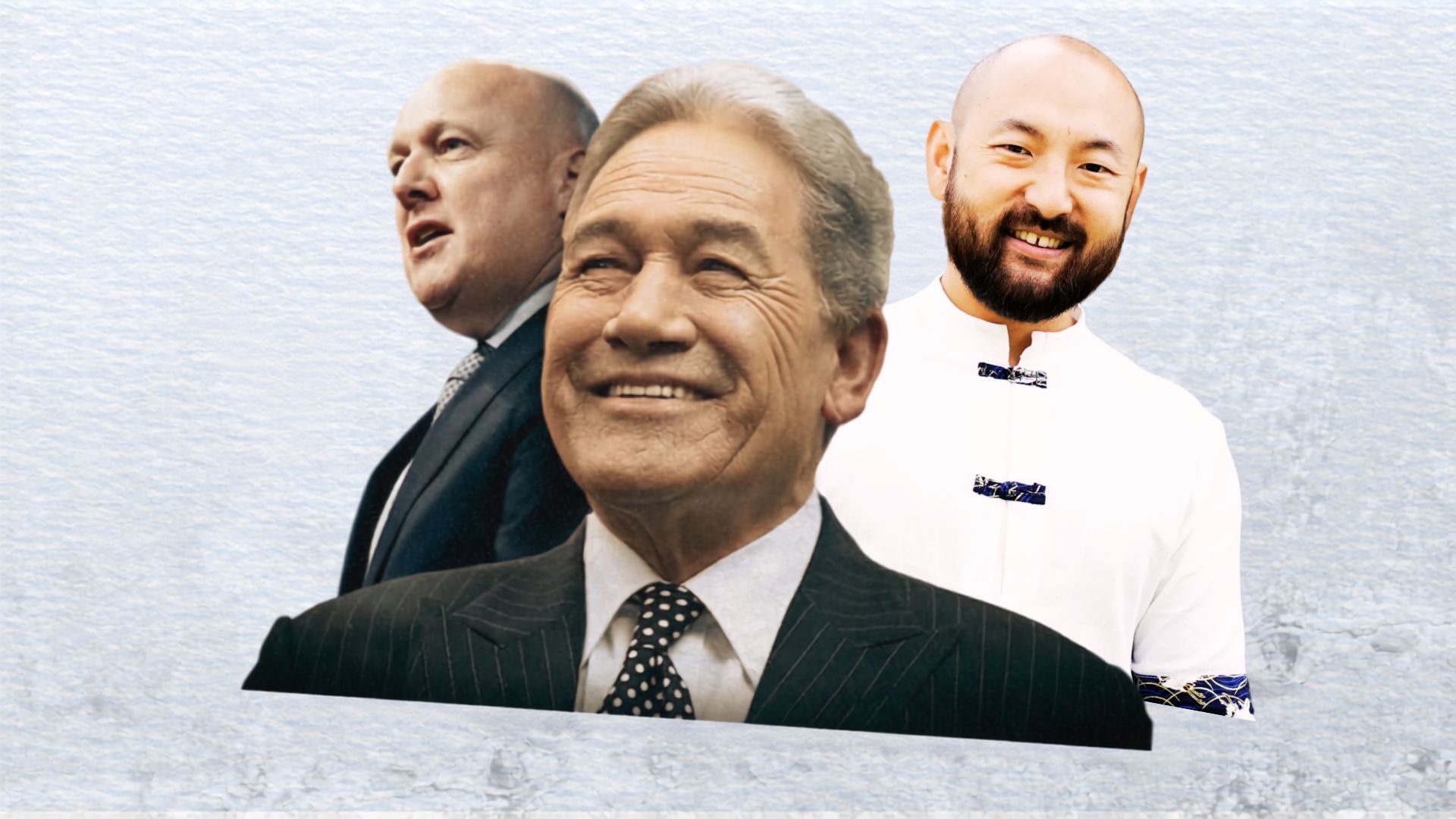
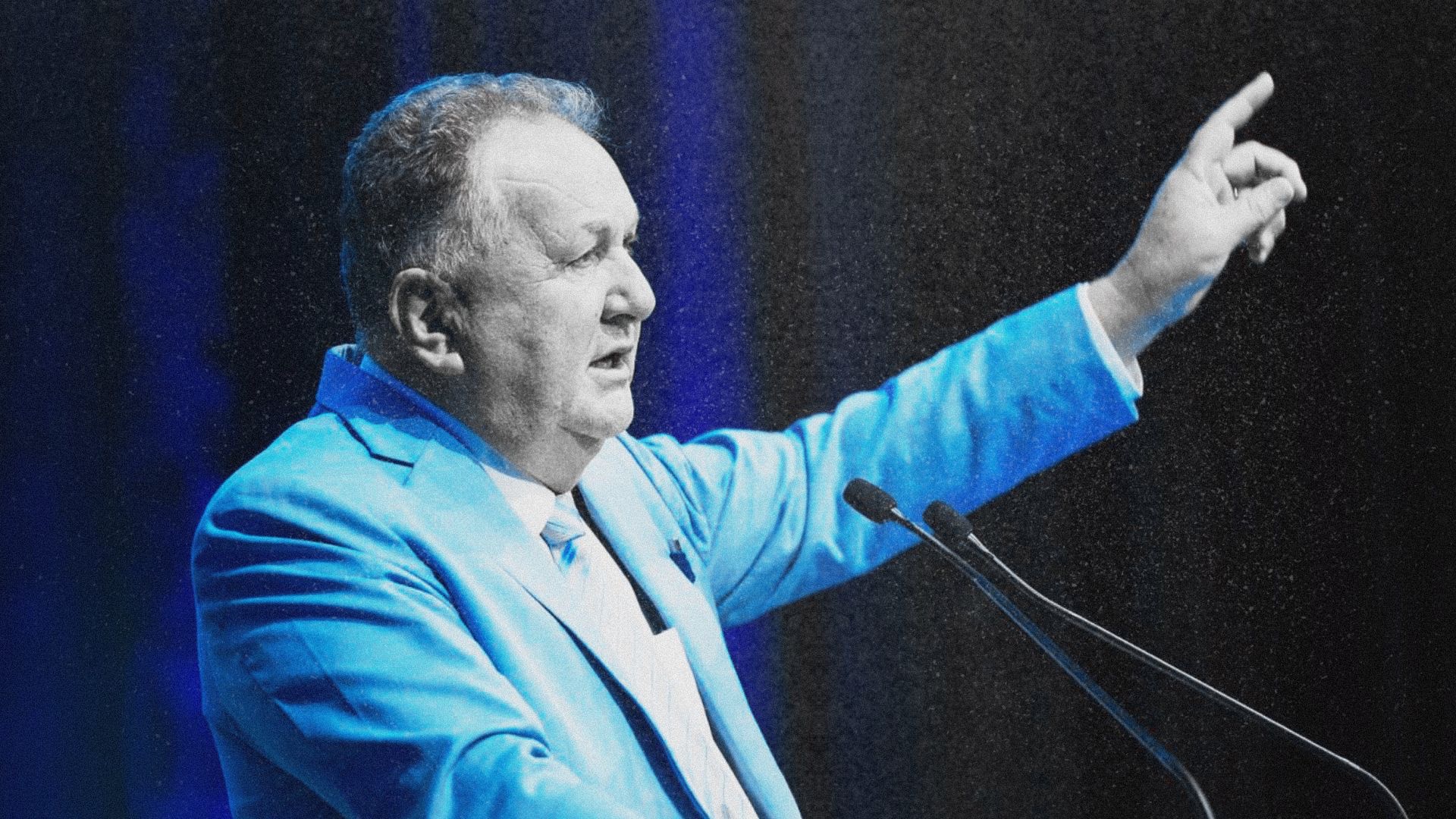
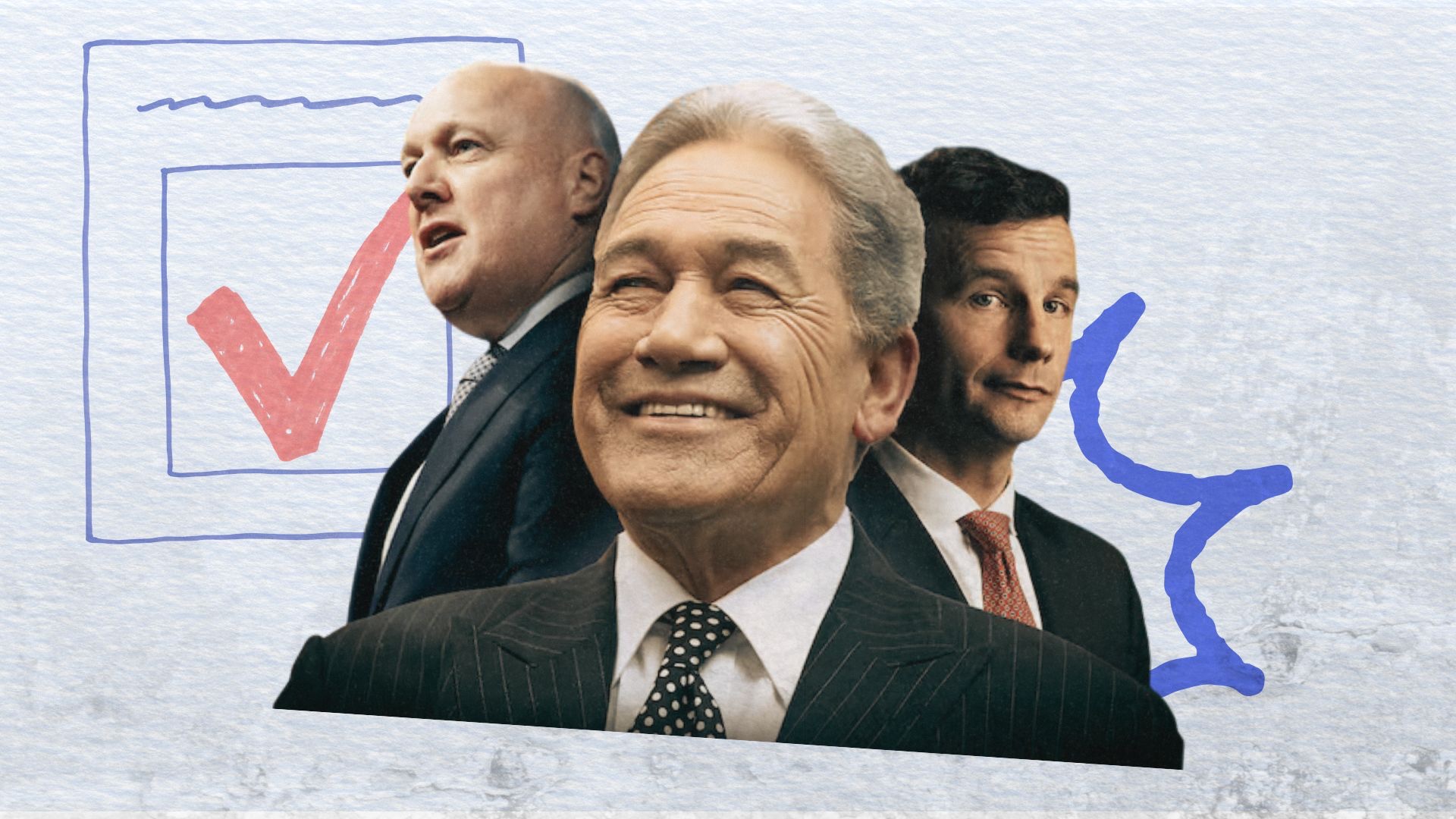
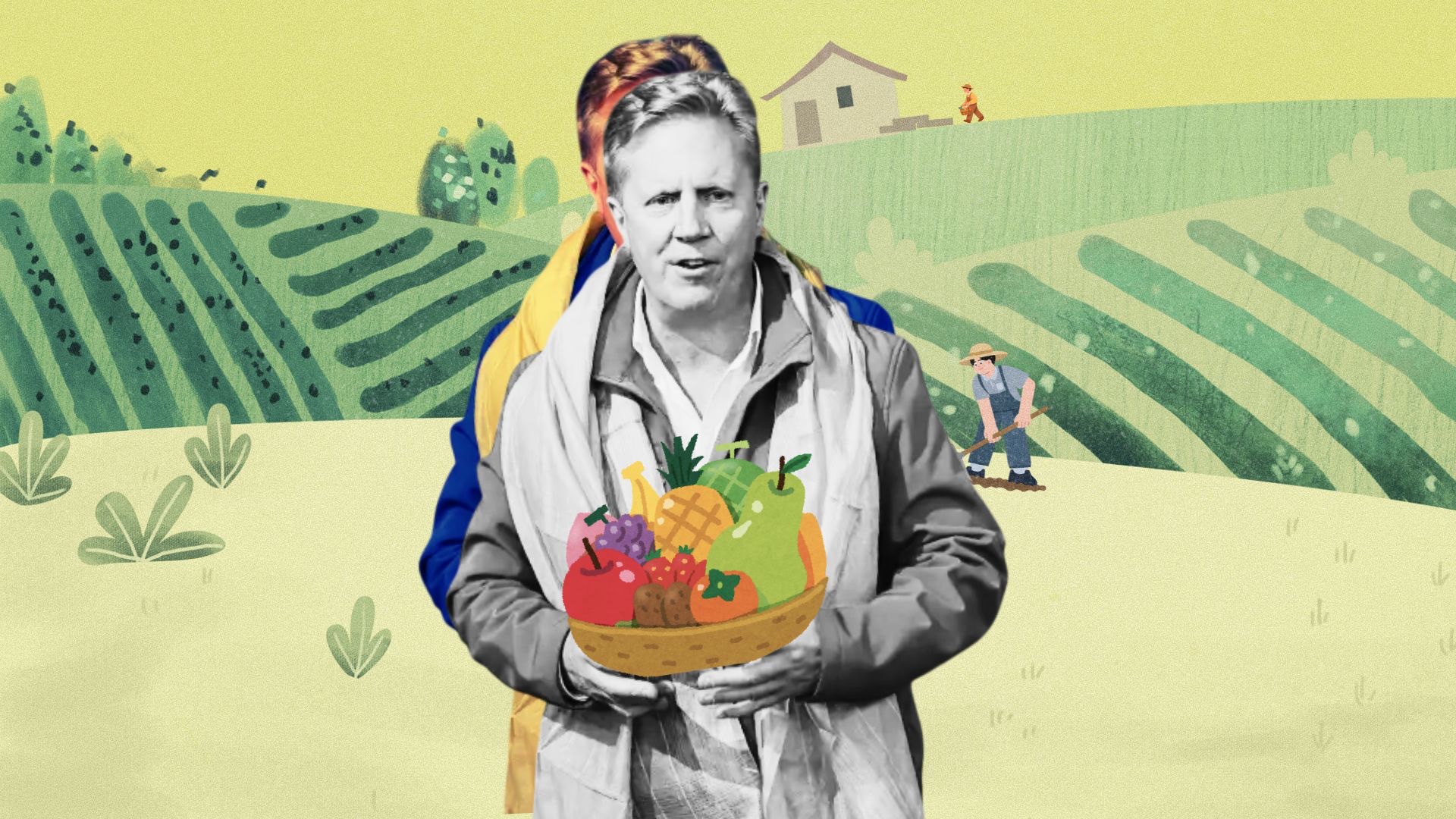
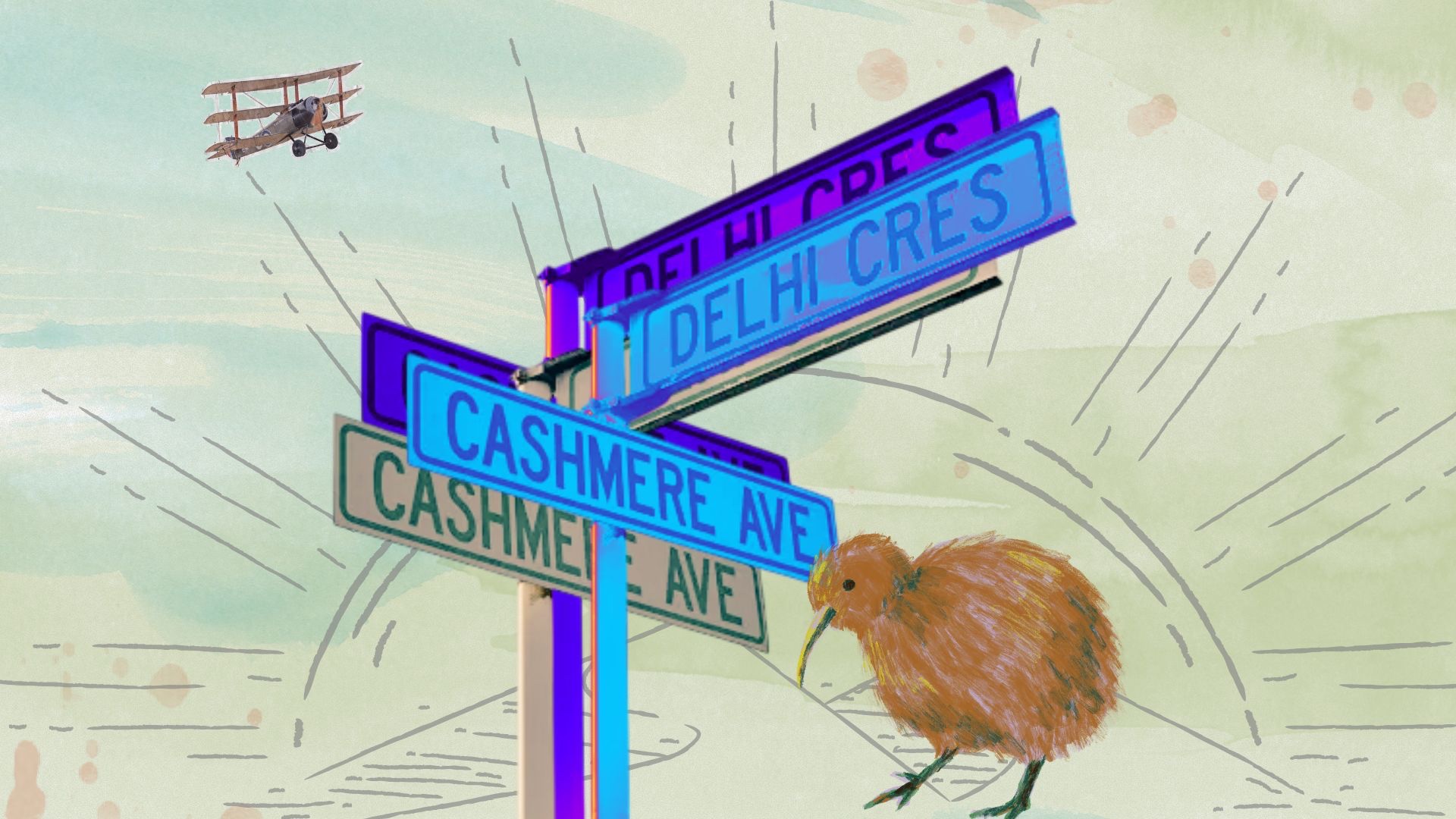
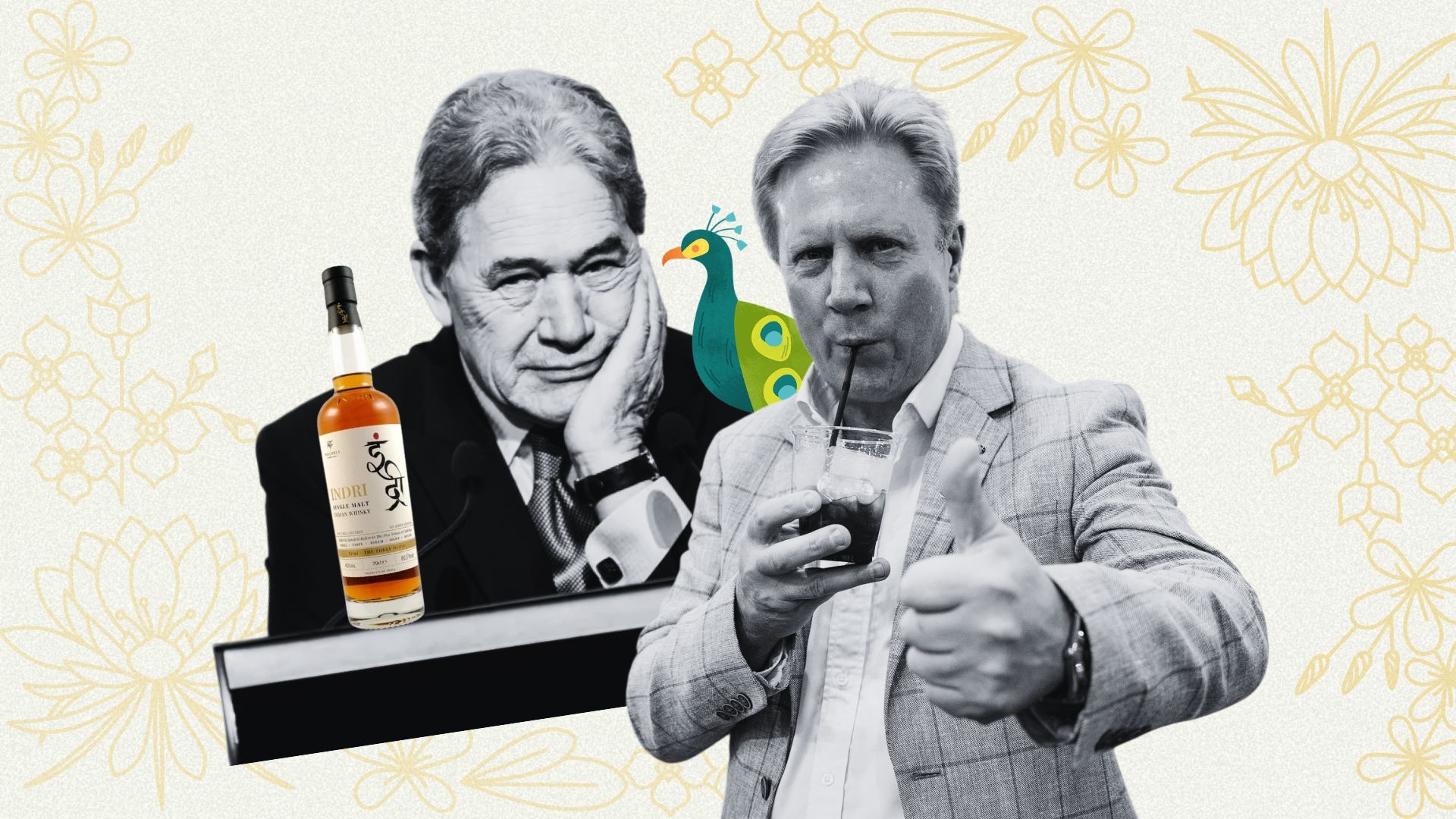
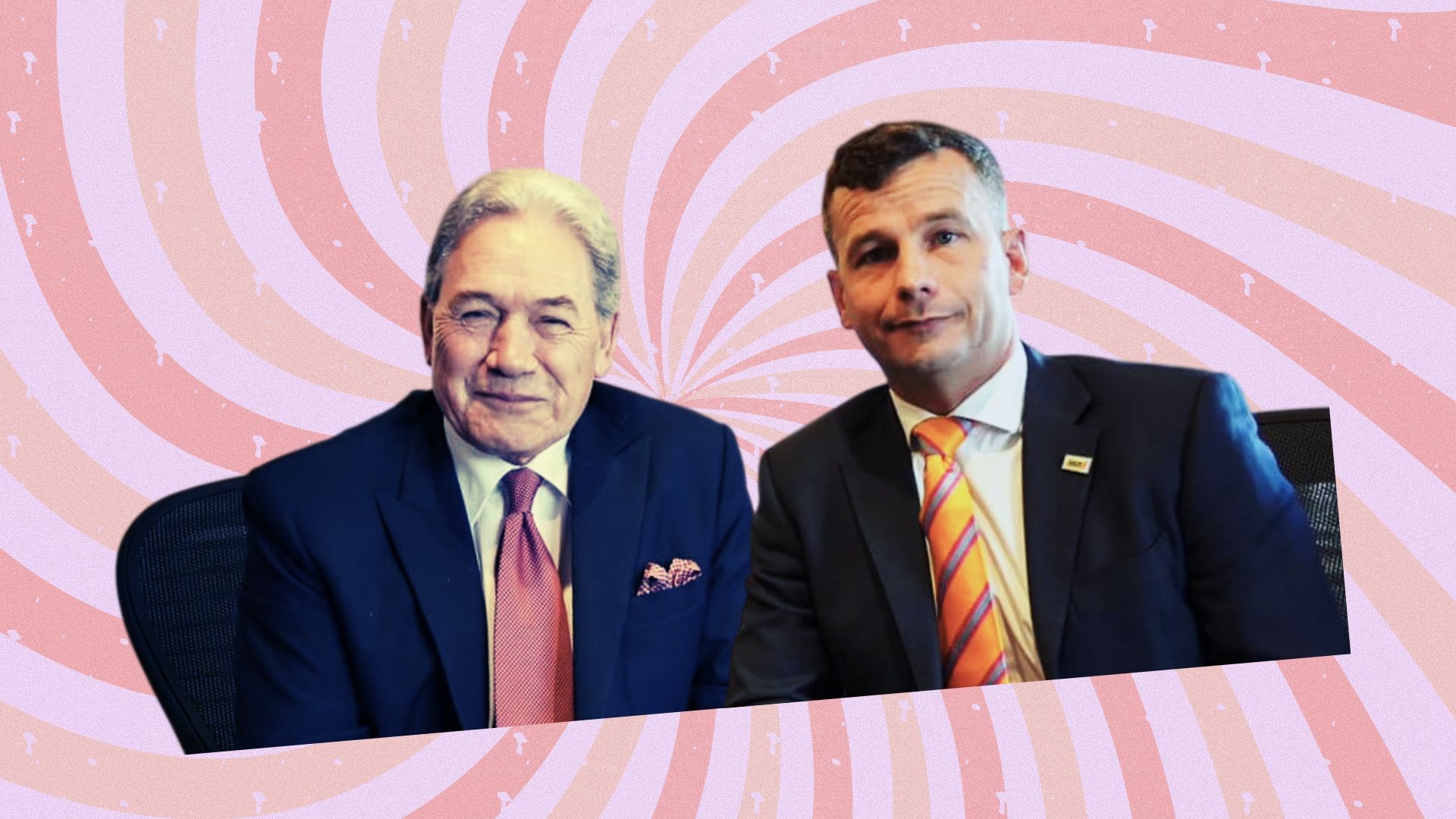
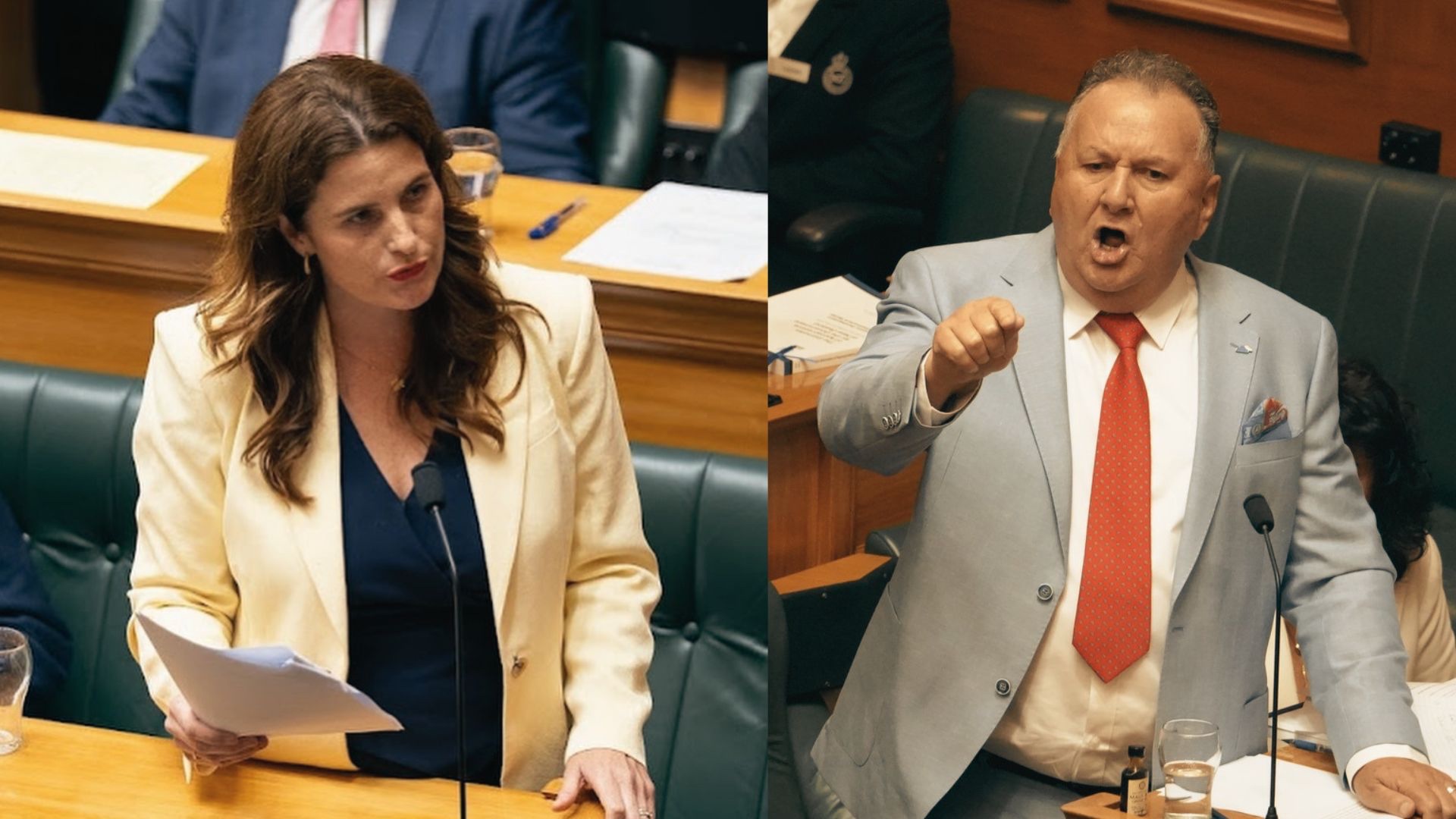
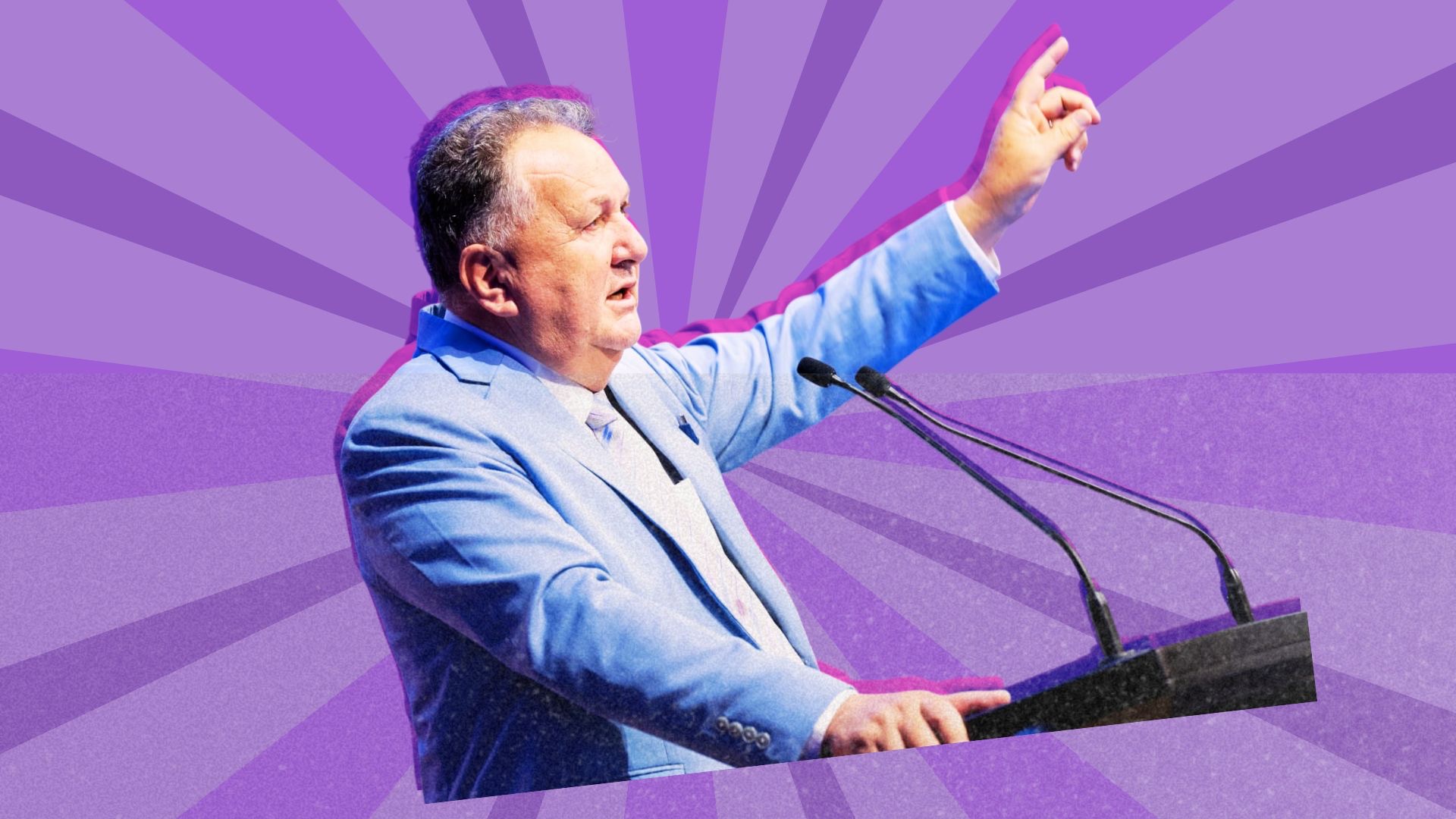
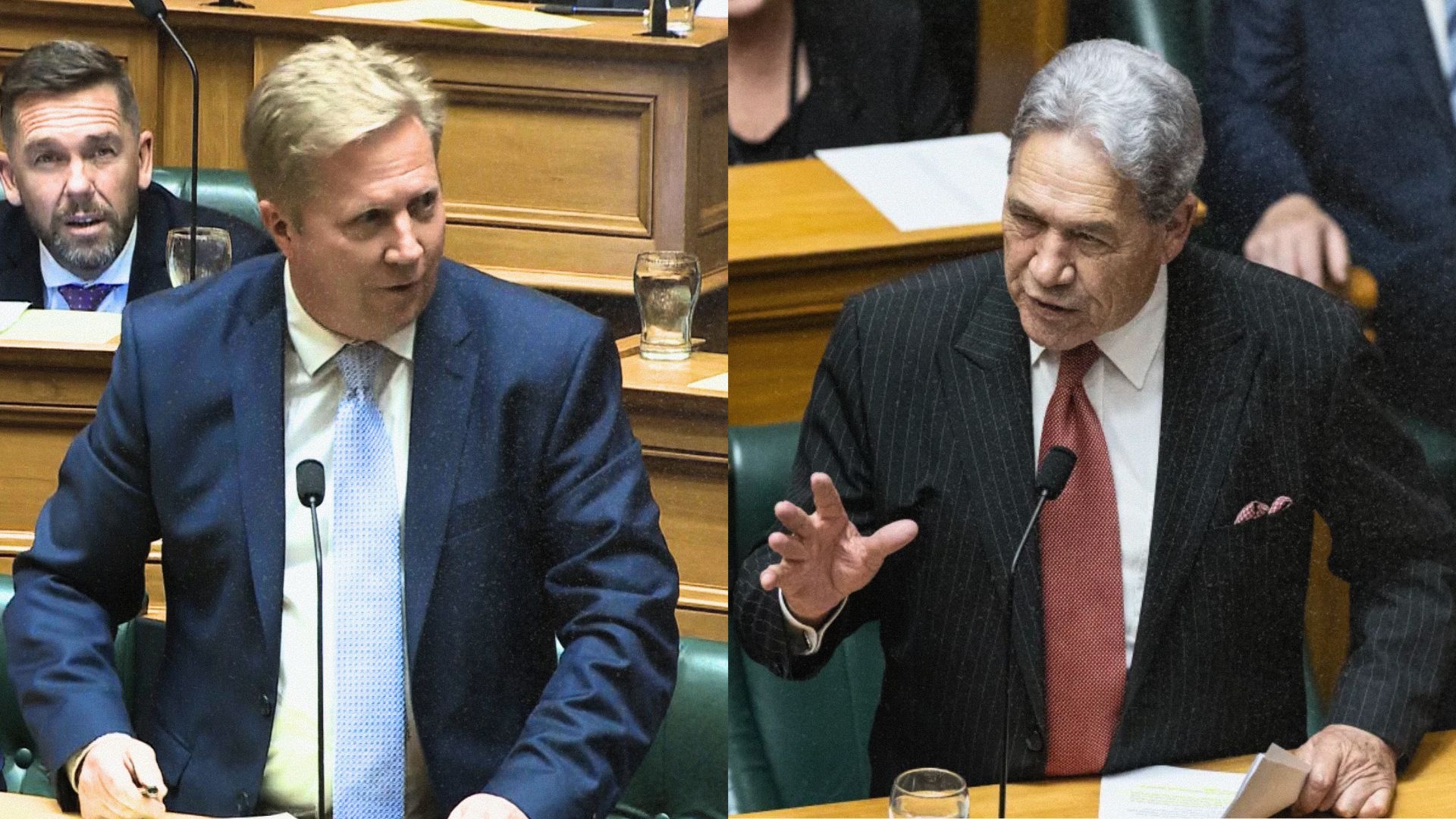
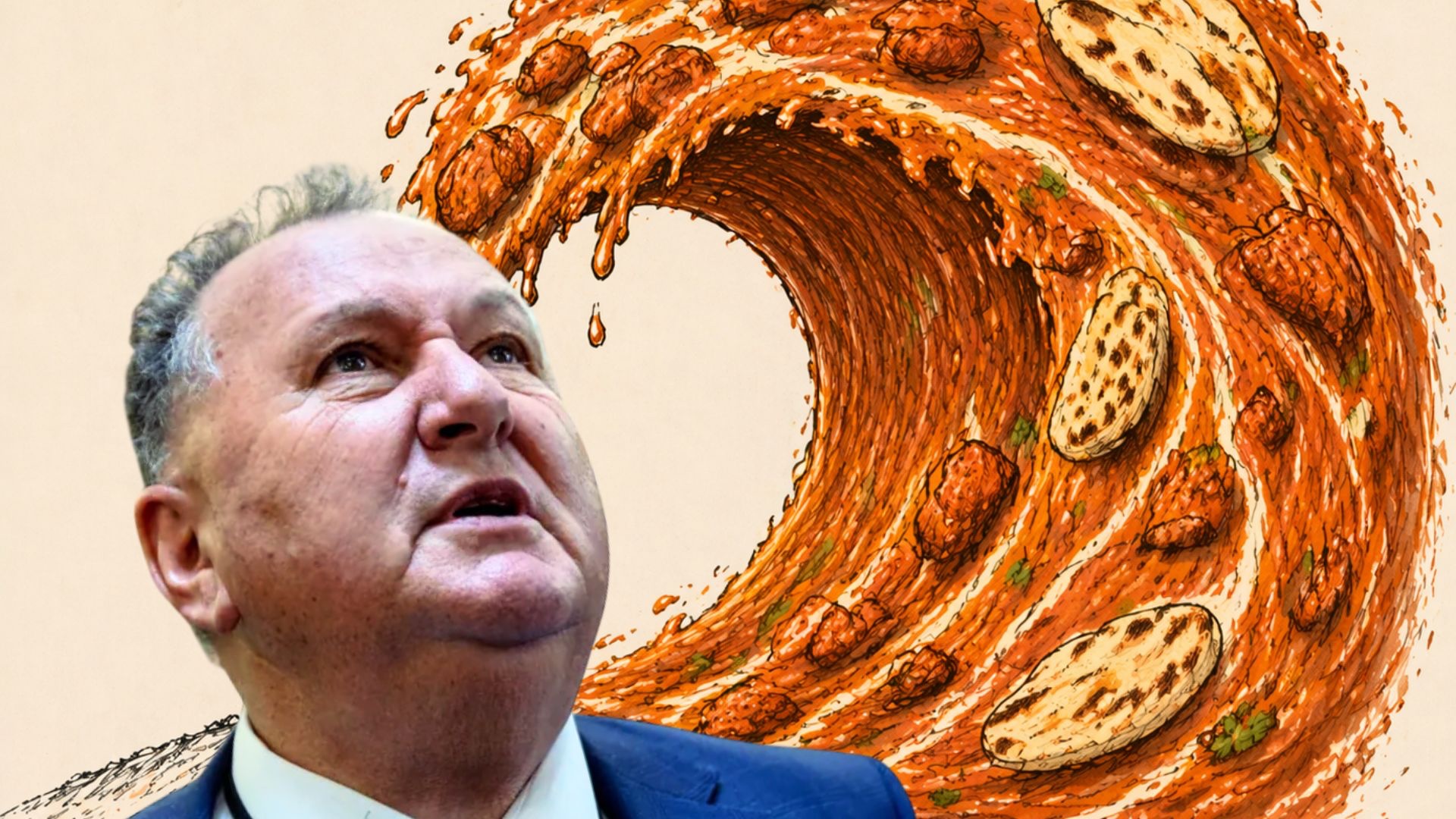
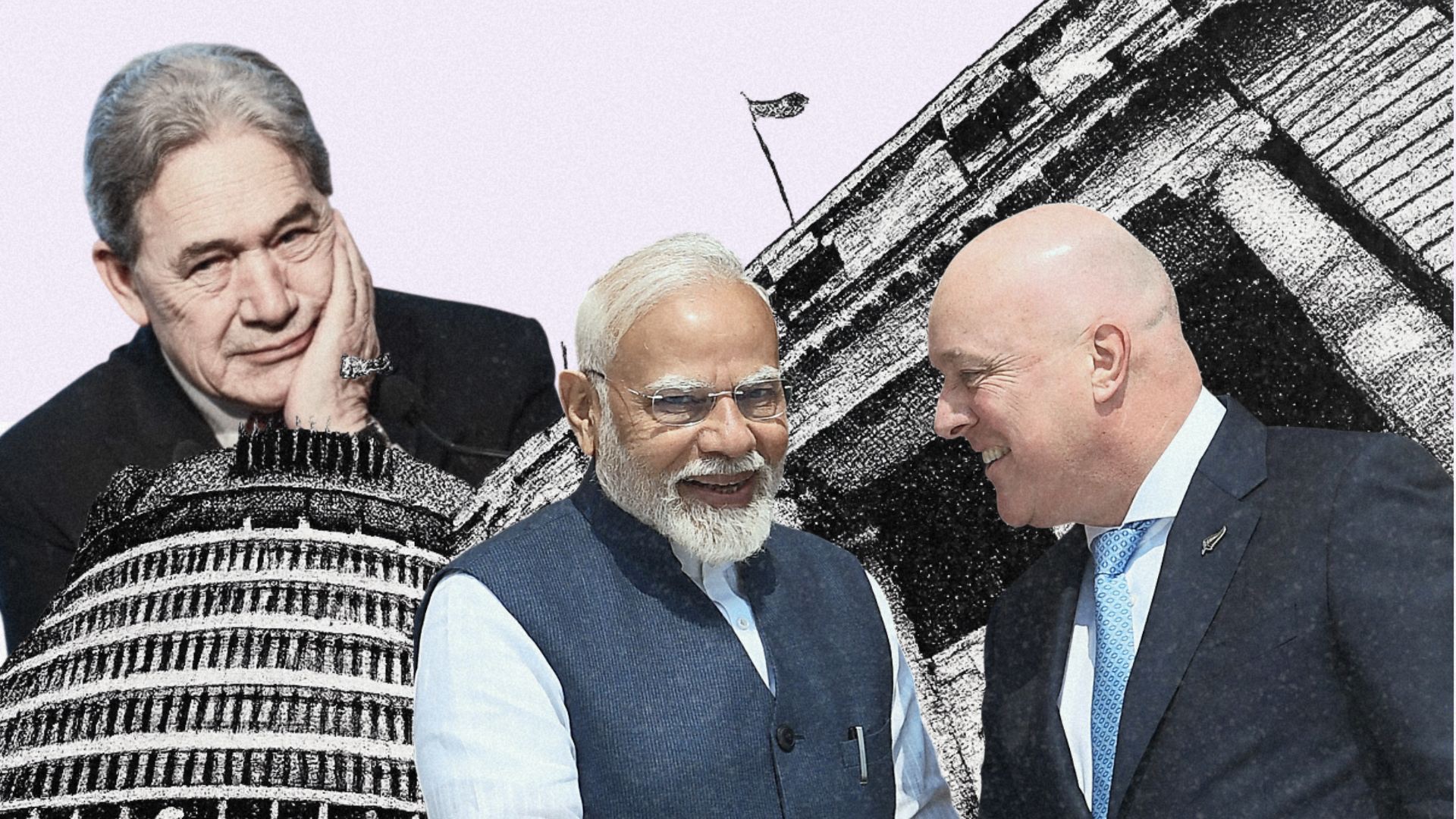
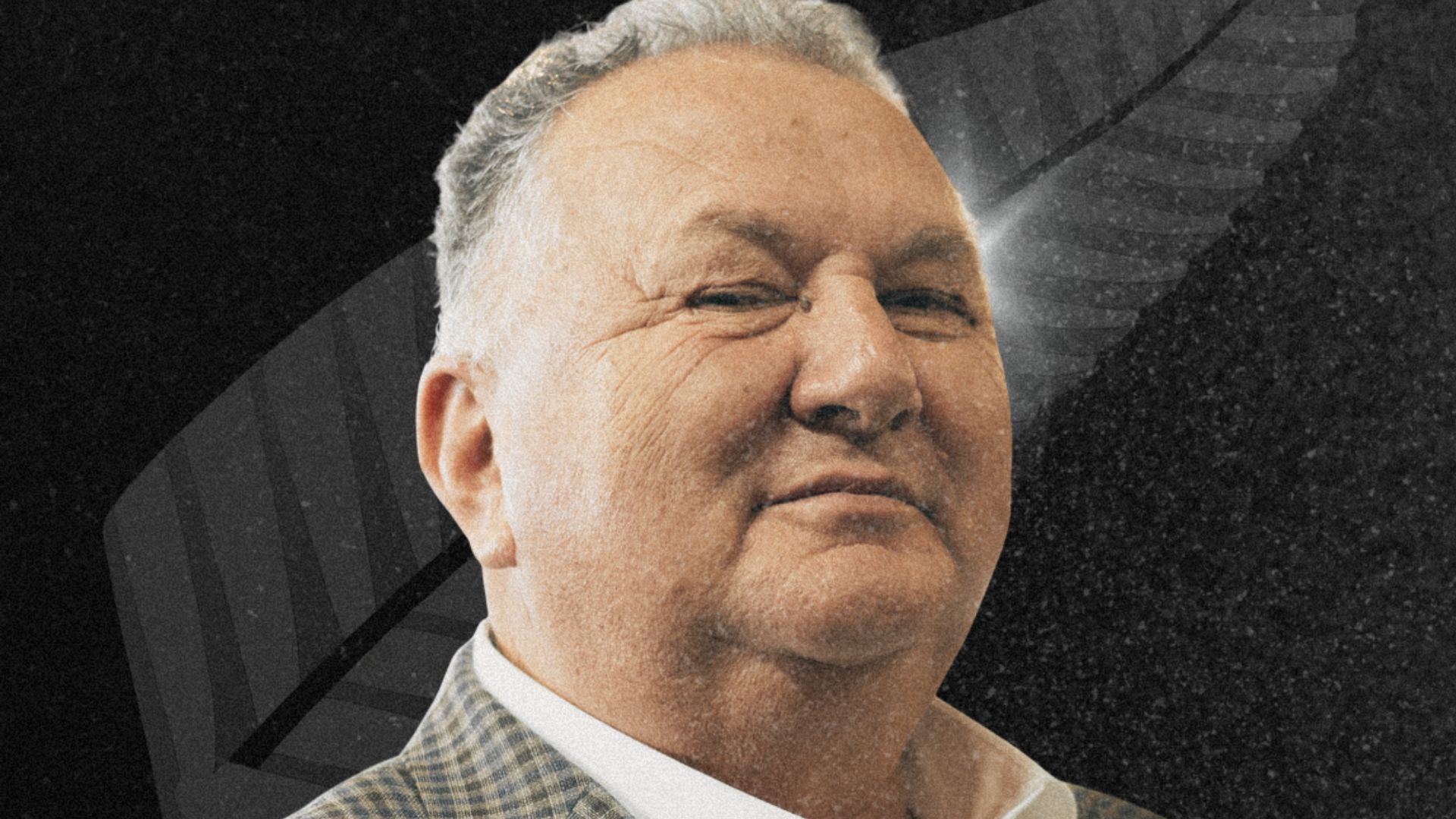
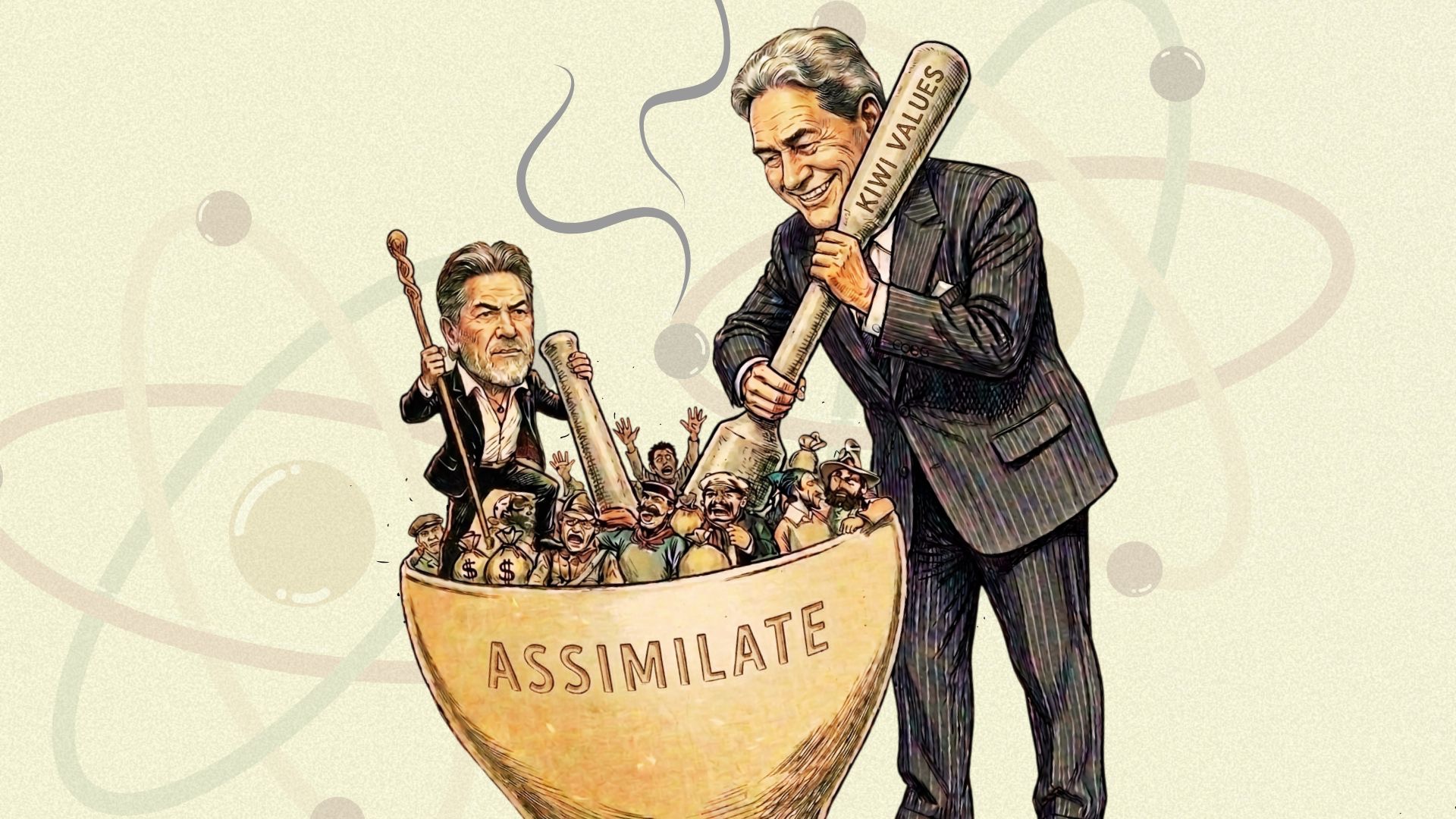
Around the same time, a minister in Christopher Luxon’s coalition government and the deputy leader of New Zealand First, Shane Jones, said he was “never going to agree with a butter chicken tsunami coming to New Zealand".
When challenged over the comments, Jones claimed “Kiwis are flocking to my cause” and he was not disciplined by Luxon.
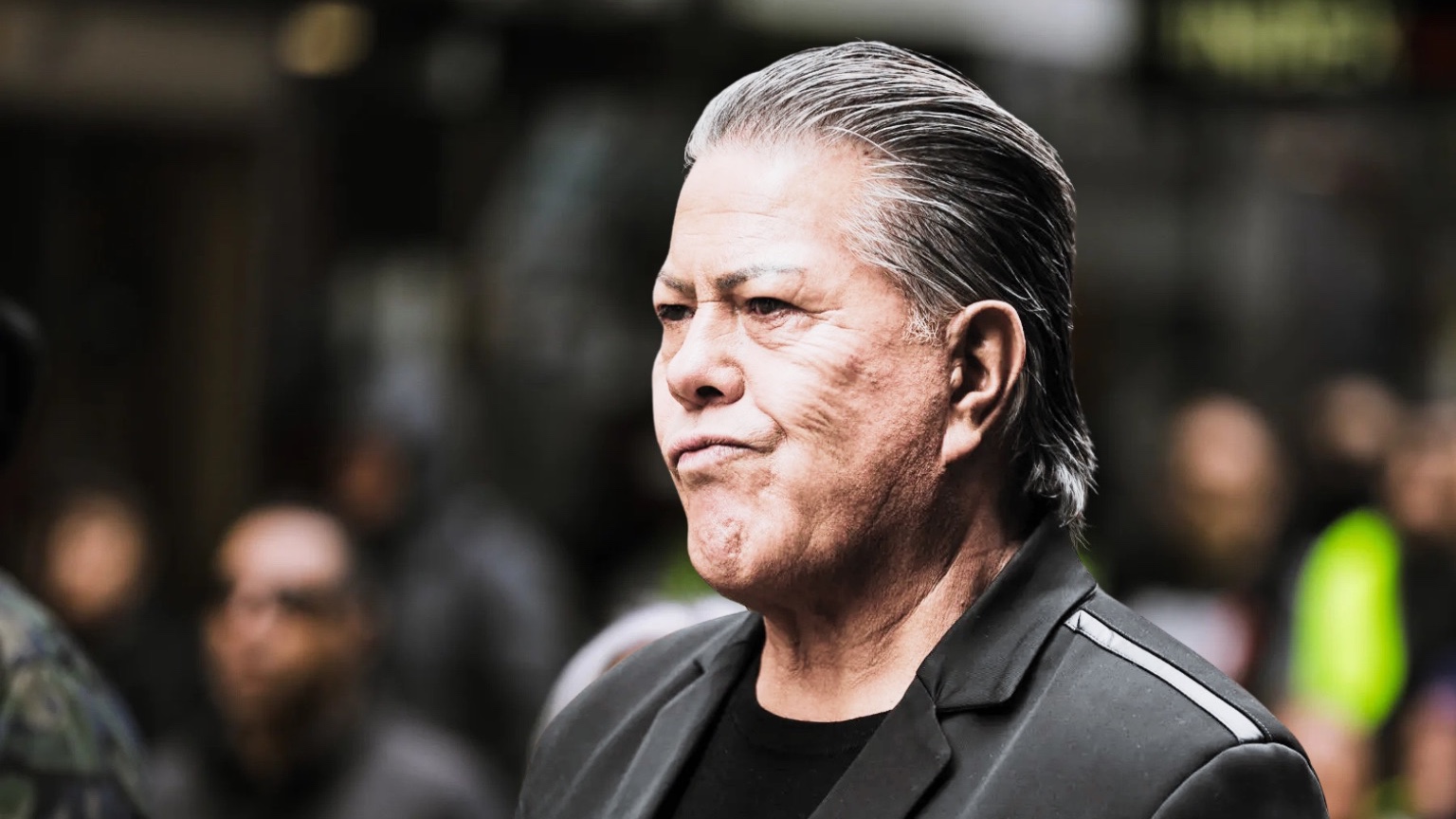
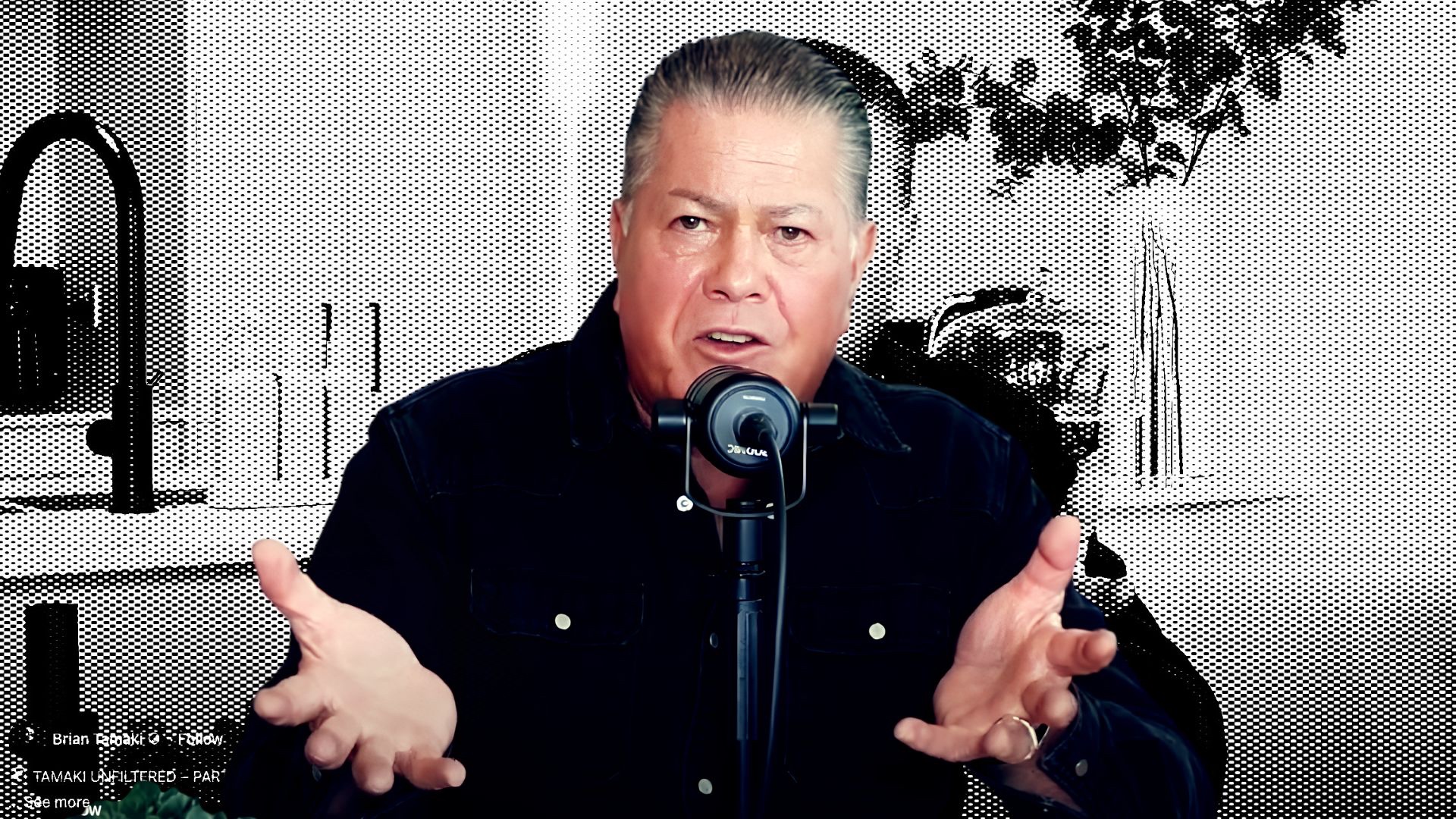
In June, Tamaki called for New Zealand to “purge” Hindus, Sikhs and Muslims. He has been charged with inciting racial disharmony and has pleaded not guilty.
For families that came here looking for a better life, it has sparked a question they hadn't expected to be asking quite so often – do we belong here?
Decades of fighting discrimination
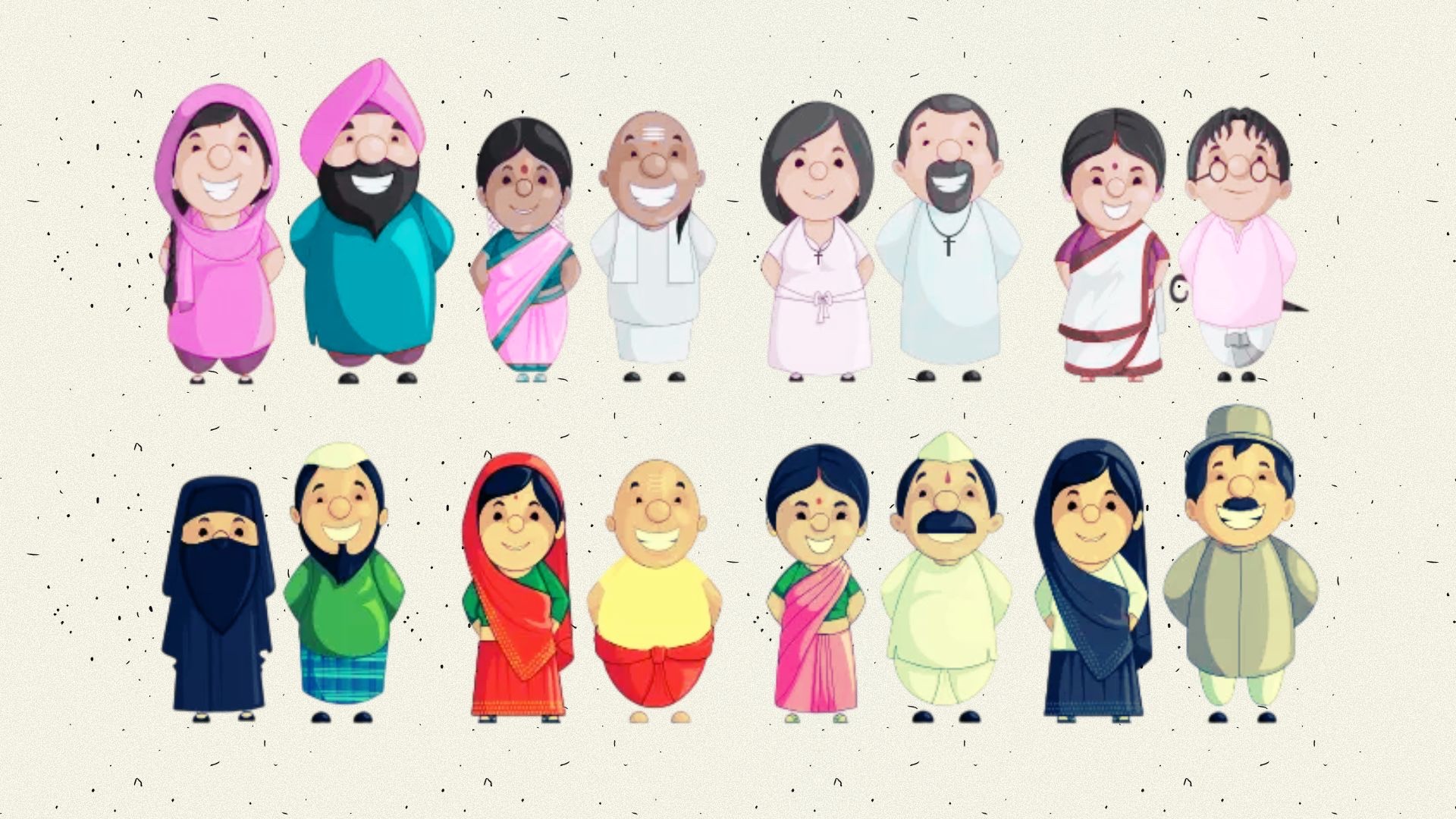
Generations of Indian New Zealanders have had to negotiate the question of belonging here in different ways. People such as Rizwan and Samreen have been coming to New Zealand from India for a very long time.
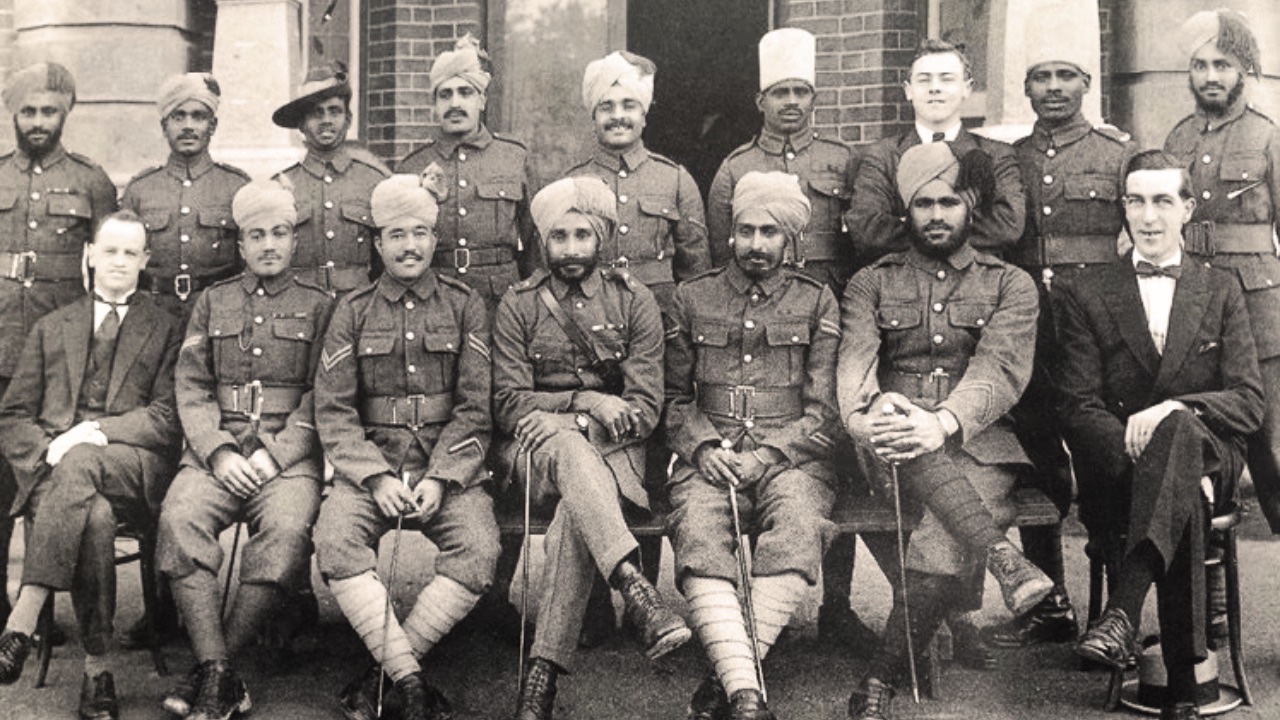
There are records of Indian sailors, seafarers and soldiers travelling on British East India Company ships settling here as far back as the early 1800s.
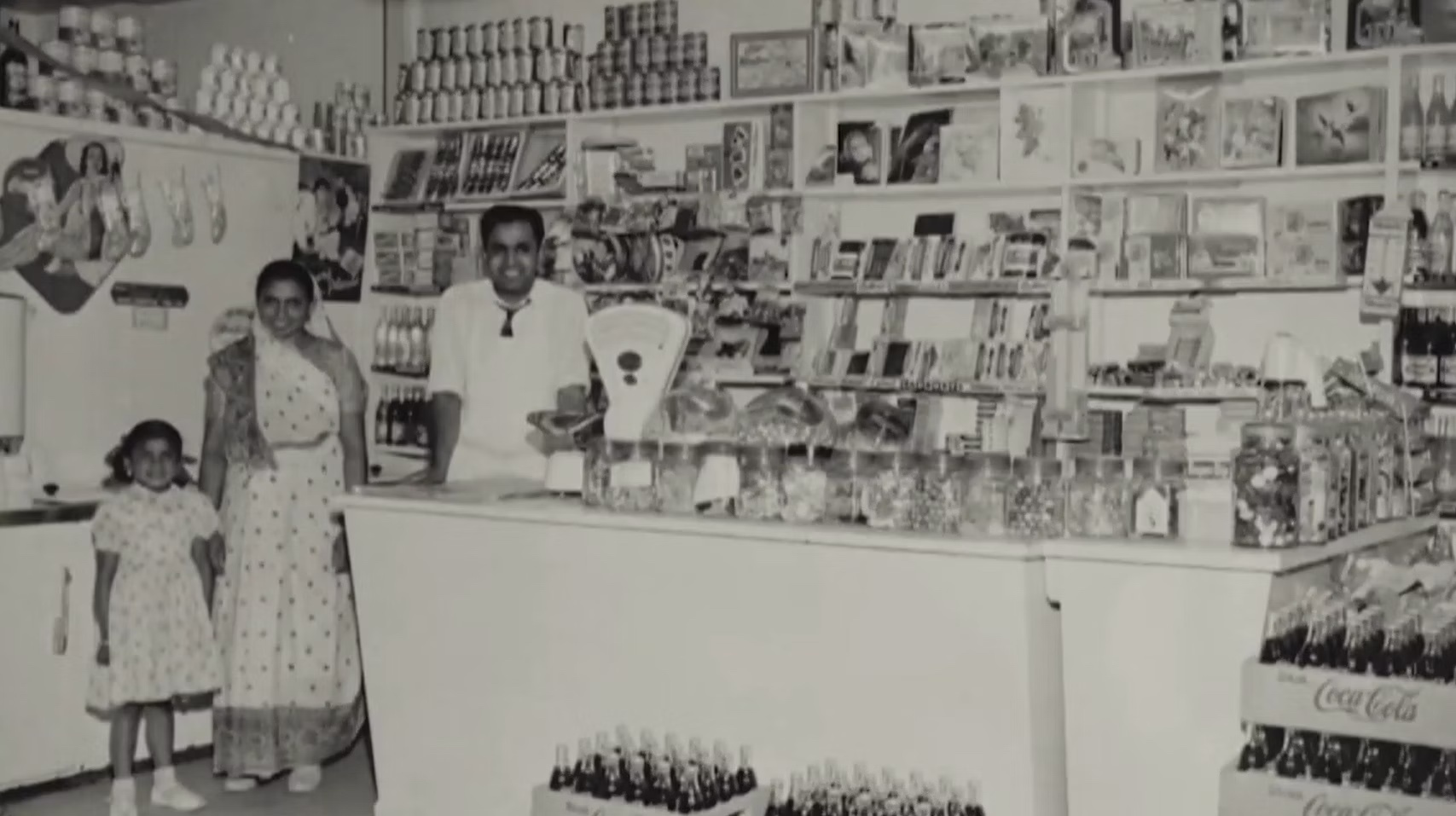
Some of those early arrivals found work in mining, trench-digging and bottle-collecting. More sustained migration followed in the late 19th and early 20th centuries, particularly from Punjab and Gujarat.
Punjabi settlers worked as hawkers and flax-cutters in the swamps of the Hauraki Plains and Waikato. Some later took up dairy farming. Gujaratis increasingly found work in market gardening and small businesses.
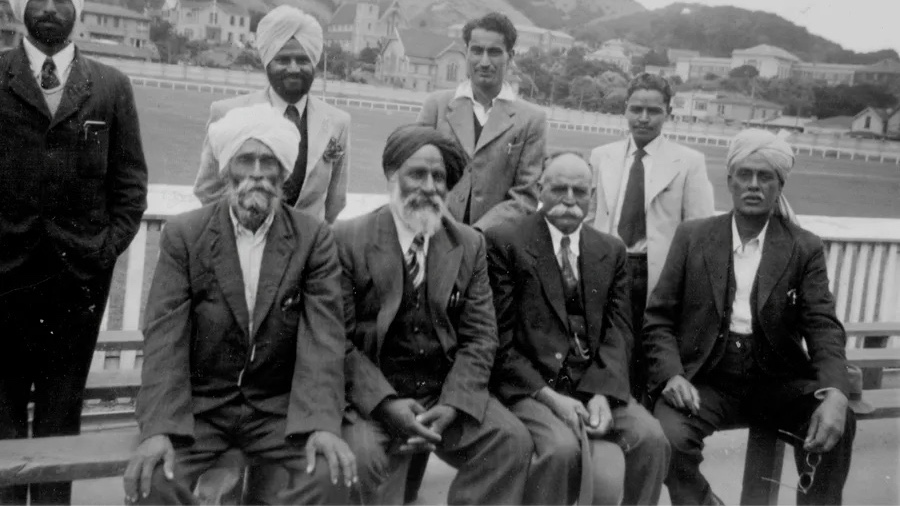
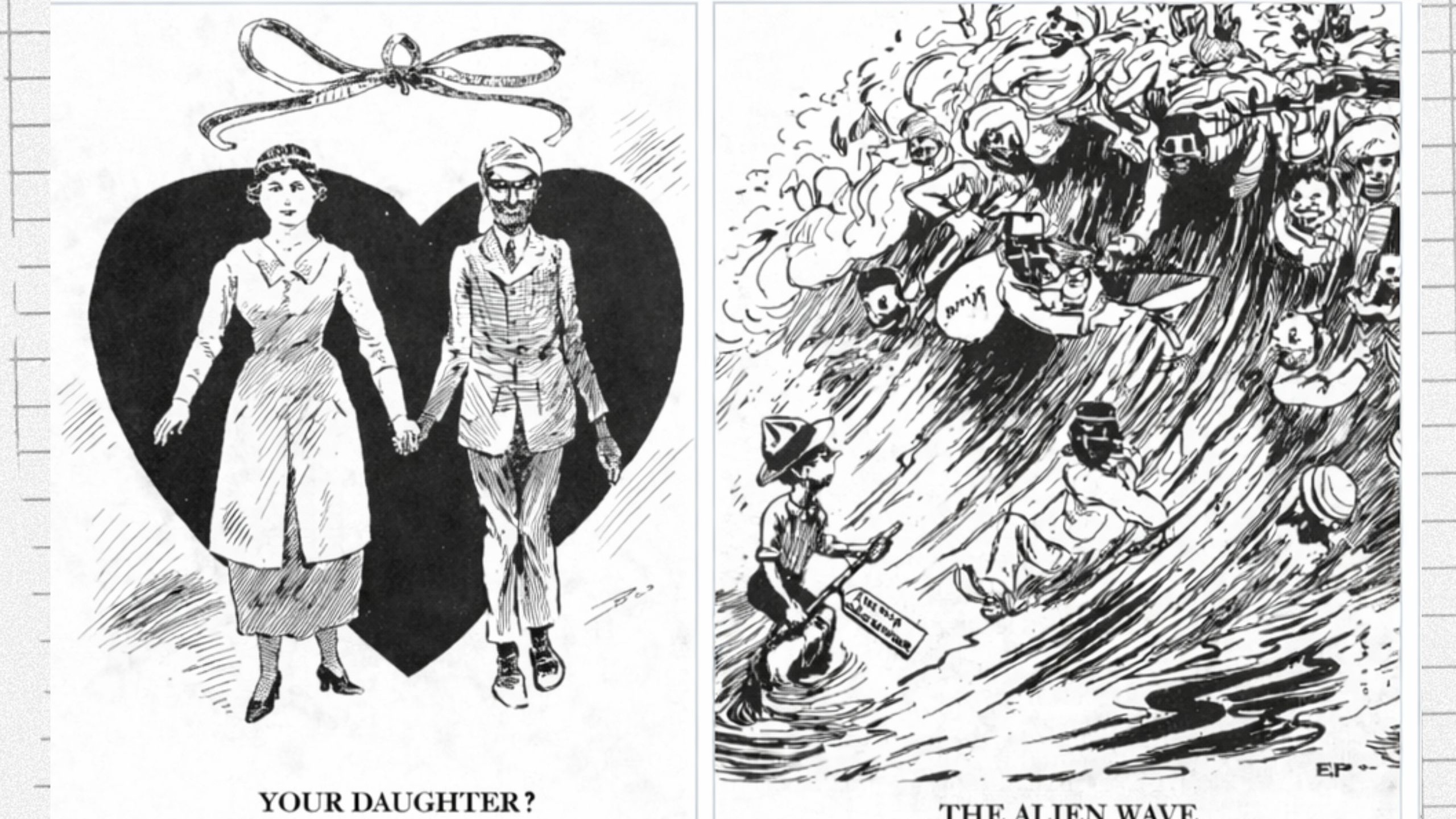
However, building a life here was not always easy. Indians and Chinese migrants were once grouped together under the label "Asiatic", and the growing presence of Asian communities provoked organised resistance.
The Immigration Restriction Amendment Act 1920 tightened restrictions, and in 1925 the White New Zealand League was established and began campaigning against Asian immigration.
Indian New Zealanders faced discrimination in everyday life. In Pukekohe in the 1930s, Indians were among those excluded from whites-only spaces.
Some barbers would not cut the hair of Indians, Chinese or Māori, and they were barred from the better-quality dress circle at a local cinema. The community organised in response.
The Auckland Indian Association was established in 1920, followed by similar groups elsewhere. They eventually united to form the New Zealand Indian Central Association, with a central purpose of fighting discrimination.
For decades, migration remained relatively small. In the 1980s, immigration was re-organised away from a focus on country of origin to criteria including skills and experience.The number of people arriving from India and the number of people born in New Zealand of Indian ethnicity has been growing ever since.
Around two decades ago, there were fewer than 100,000 people who identified as being of Indian ethnicity living in New Zealand. At the last Census, in 2023, that number was close to 300,000.
The Indian-born population also more than tripled over roughly the same period, from 43,344 in 2006 to about 143,000 in 2023. The Indian population is now the third-largest ethnic group in New Zealand, behind NZ European (over 3 million) and Māori (around 900,000).
Although the population has recently grown relatively fast, many Indian New Zealanders say they have experienced little resistance here. IndoNZ has heard over and over again from Kiwi Indians how much they love it here, and are proud to call New Zealand home.
As a whole, the community is also doing well economically. An Infometrics analysis commissioned by the Waitākere Indian Association estimated economic activity associated with Indian New Zealanders was worth $37.3 billion, or the equivalent of 8.6 percent of GDP, in the year to March 2025.
That's from a community currently making up about 6 percent of the population. The report estimated that activity supported 220,910 full-time-equivalent jobs, while just under 34,000 Kiwi Indian businesses made up 6.2 percent of all businesses in the country.
Their incomes are also comparatively high. Census 2023 data showed Indian New Zealanders aged 15 and over had a median personal income of $51,600, compared with $41,500 nationally, the highest median personal income among ethnicities.
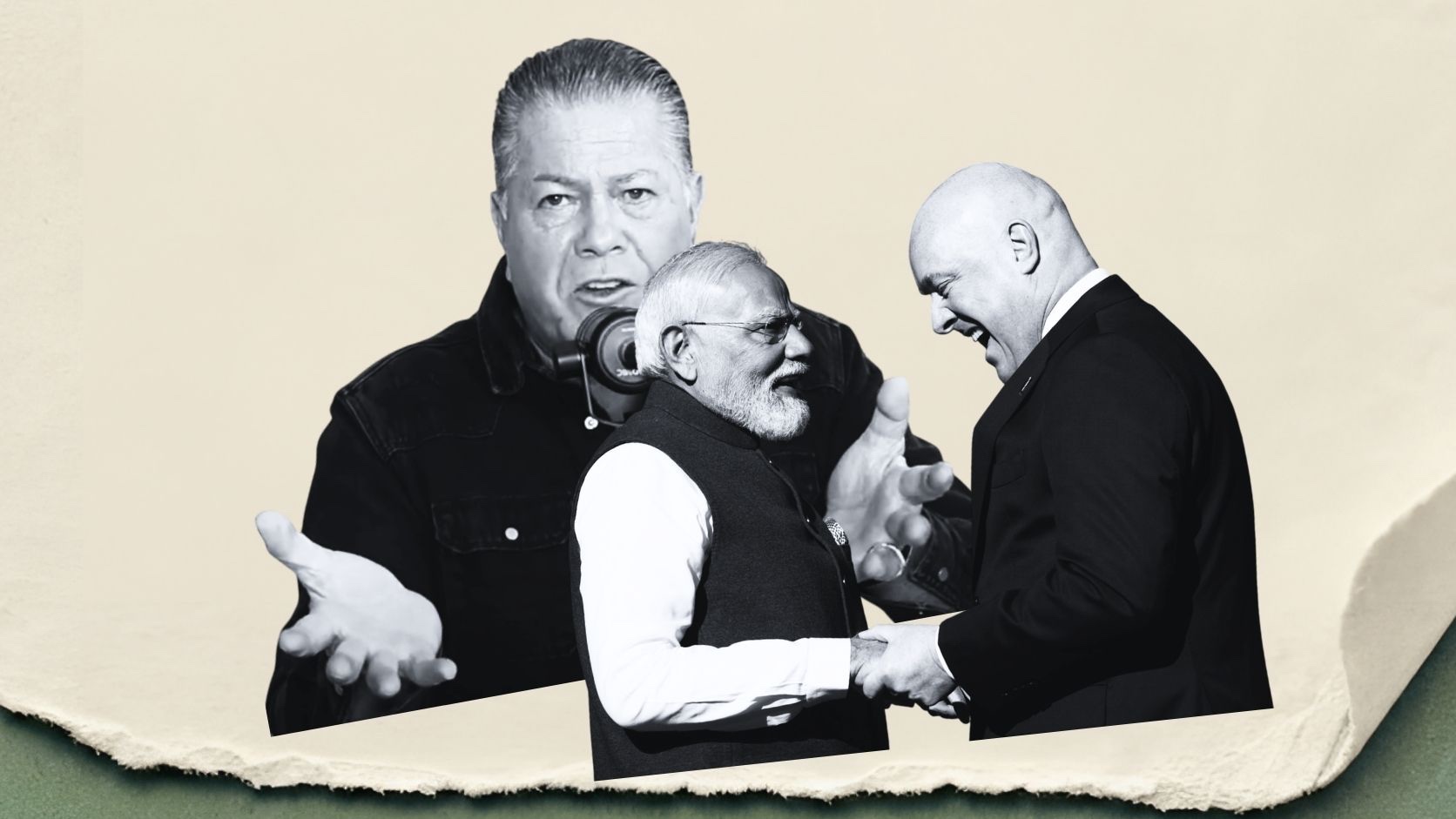
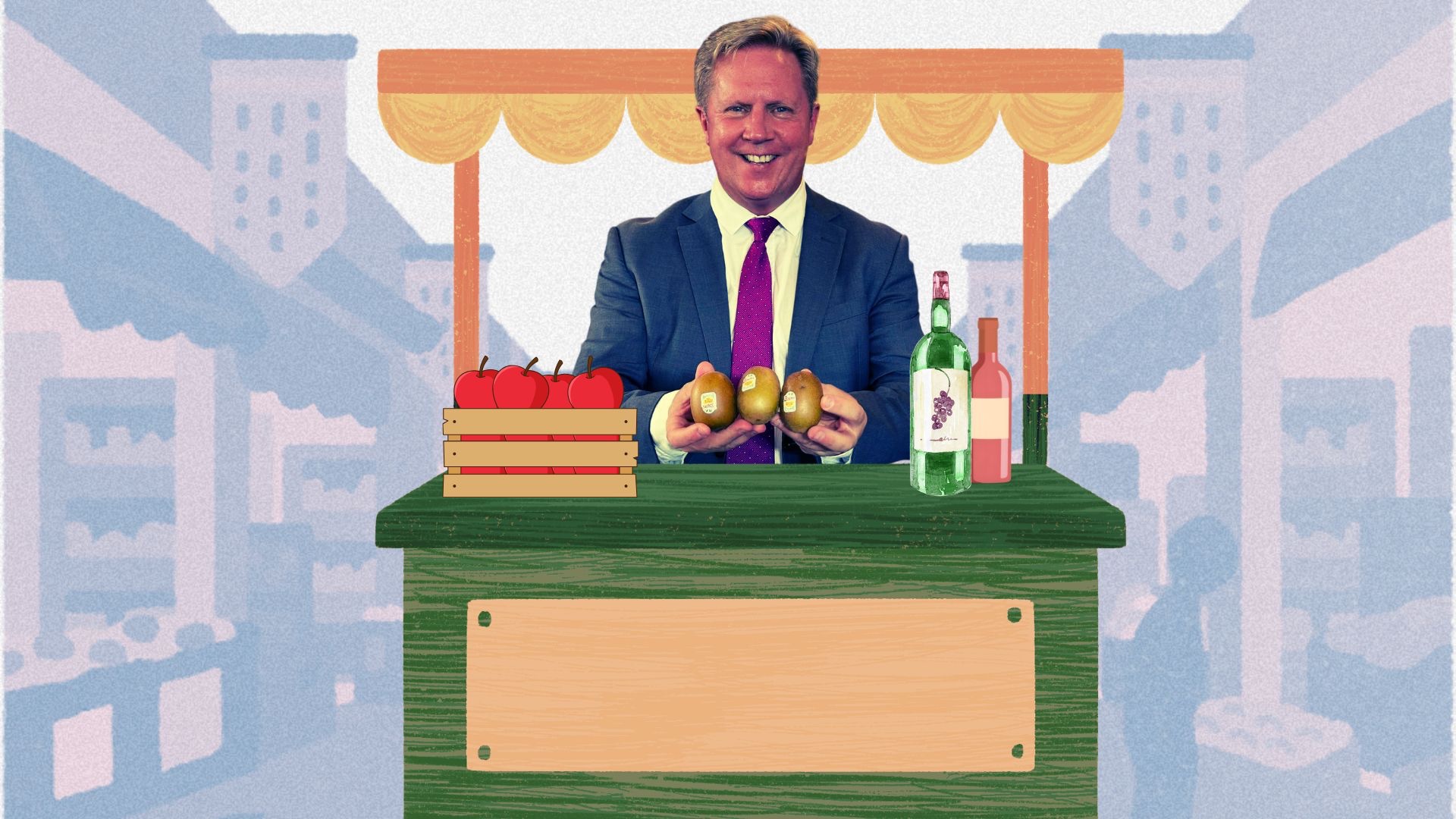
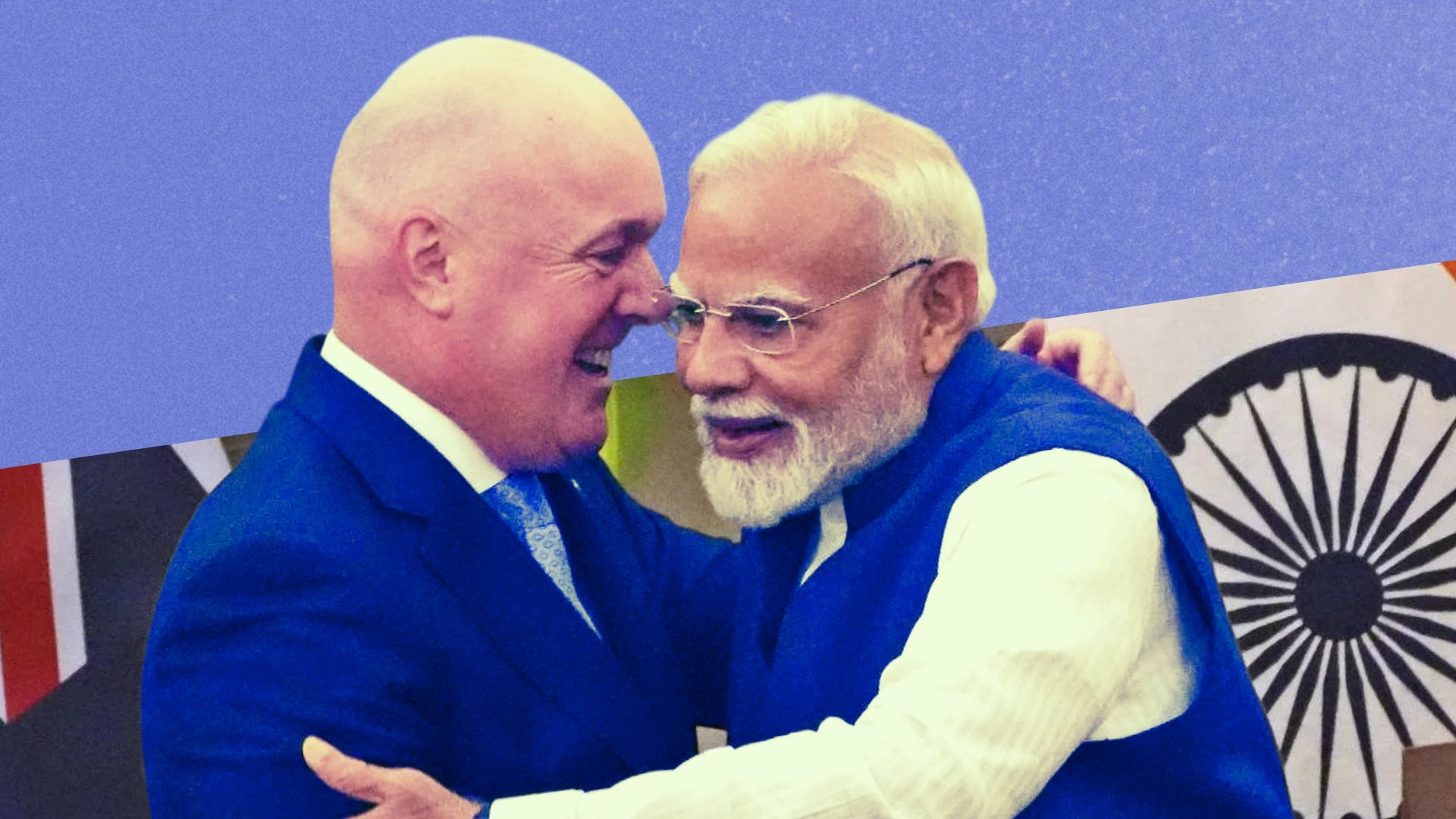
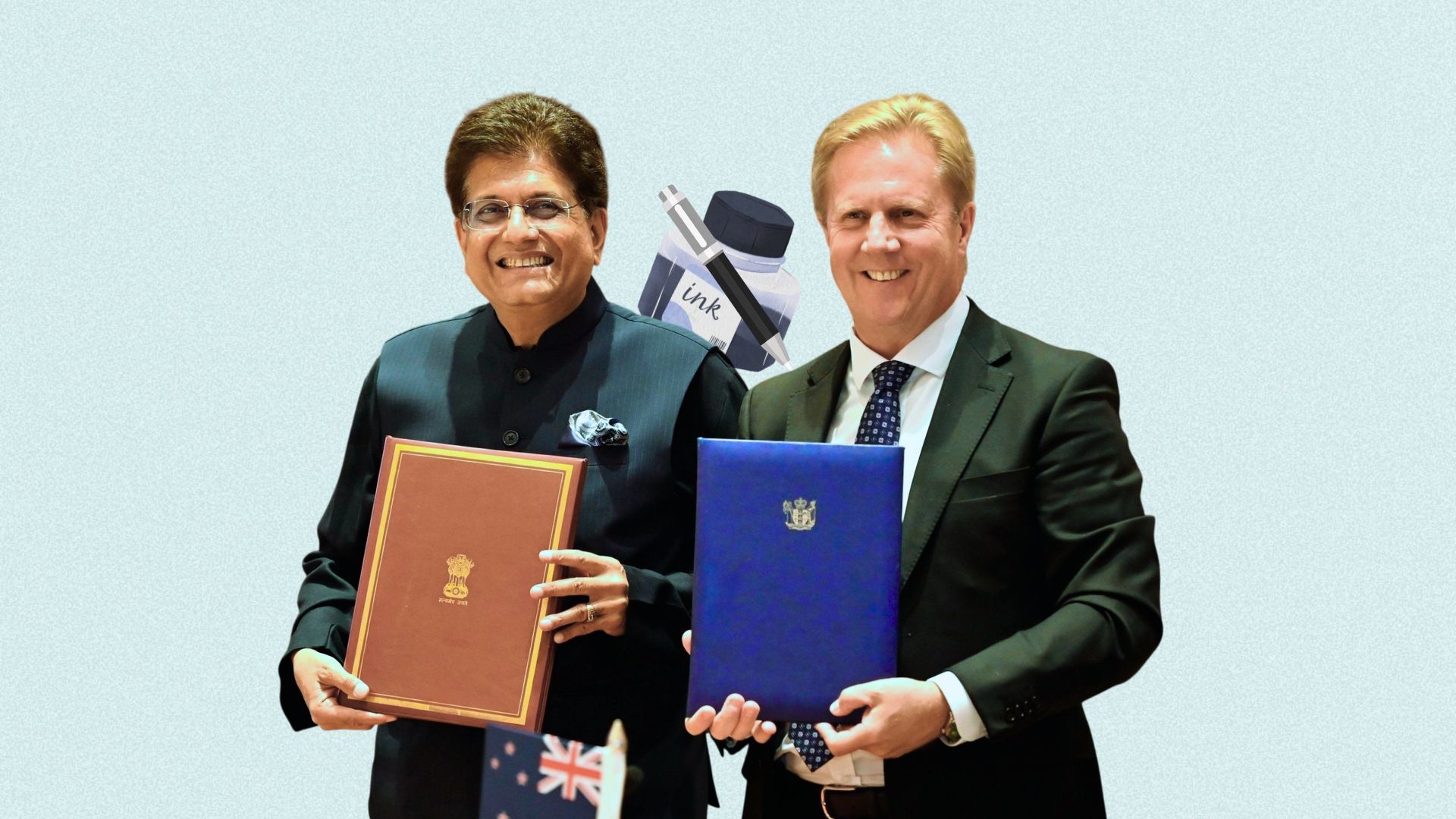
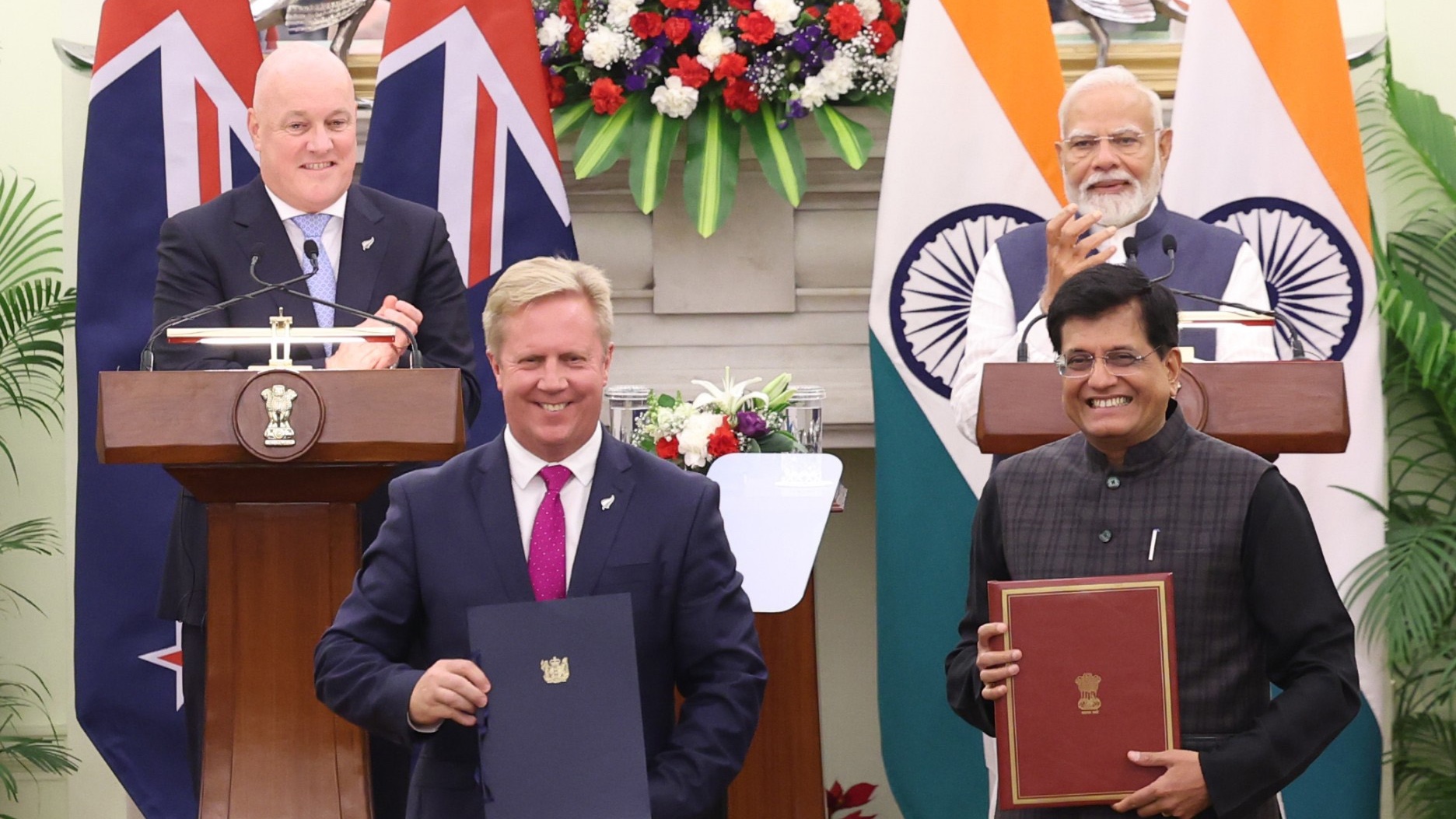
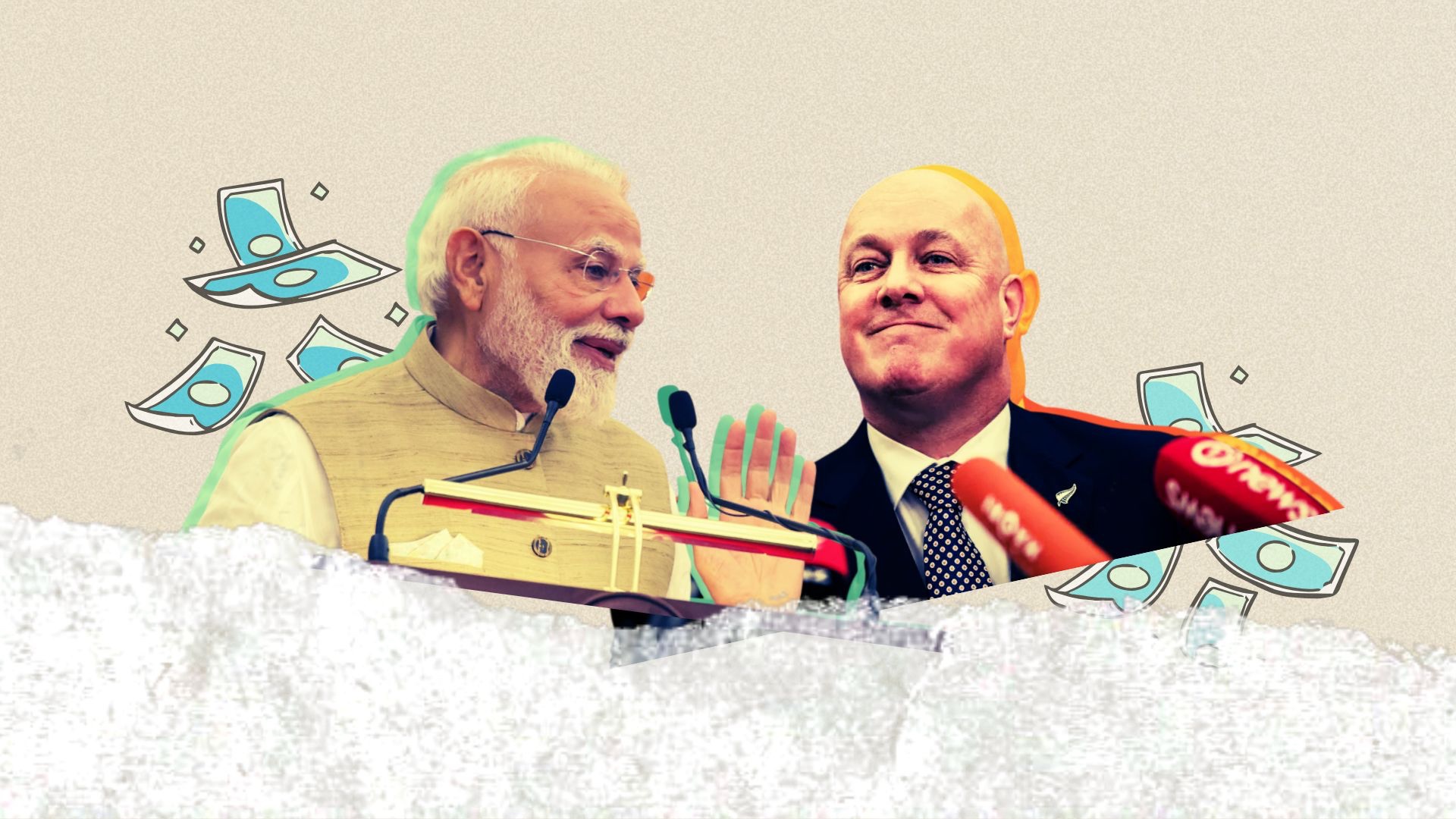
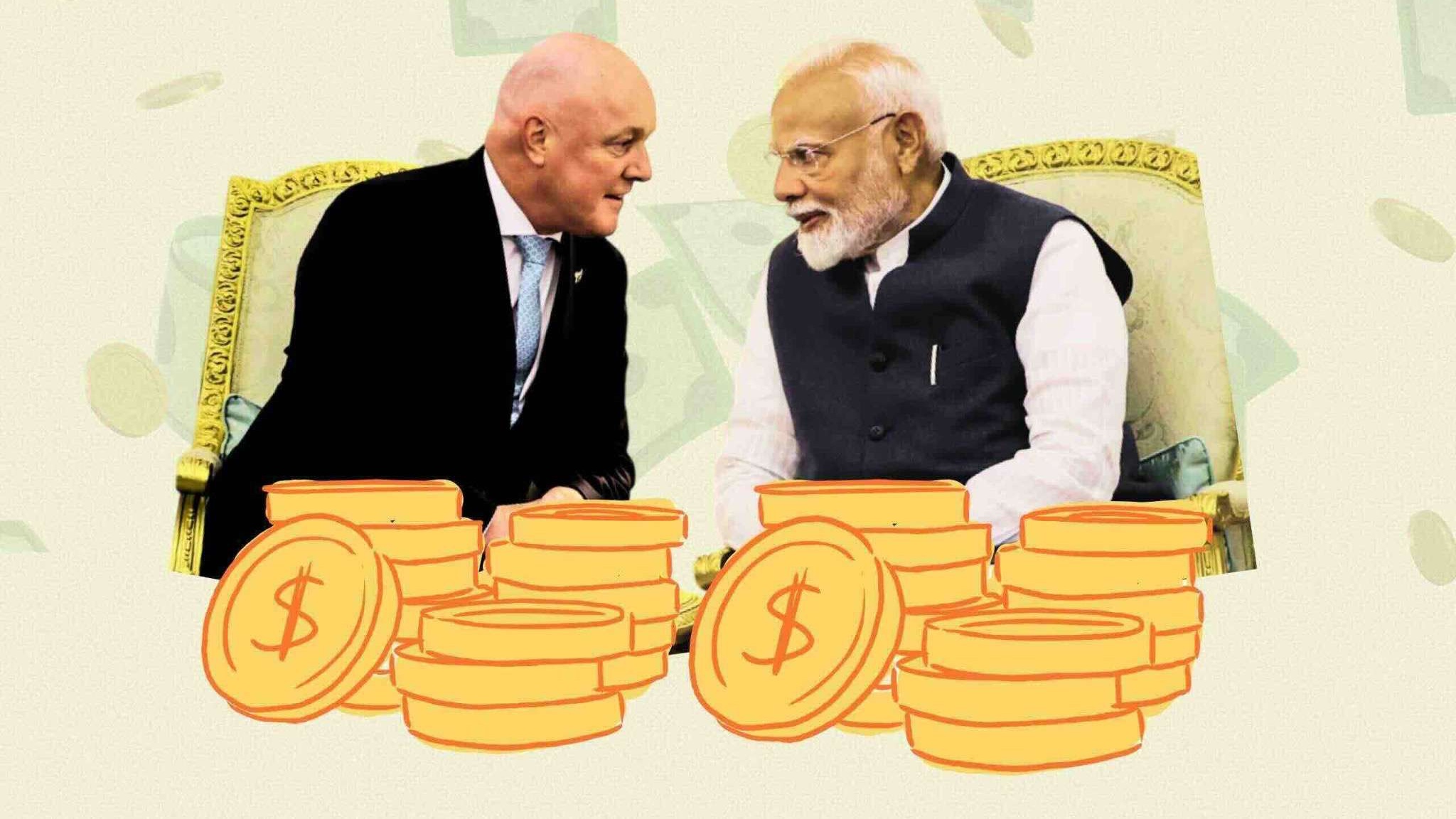
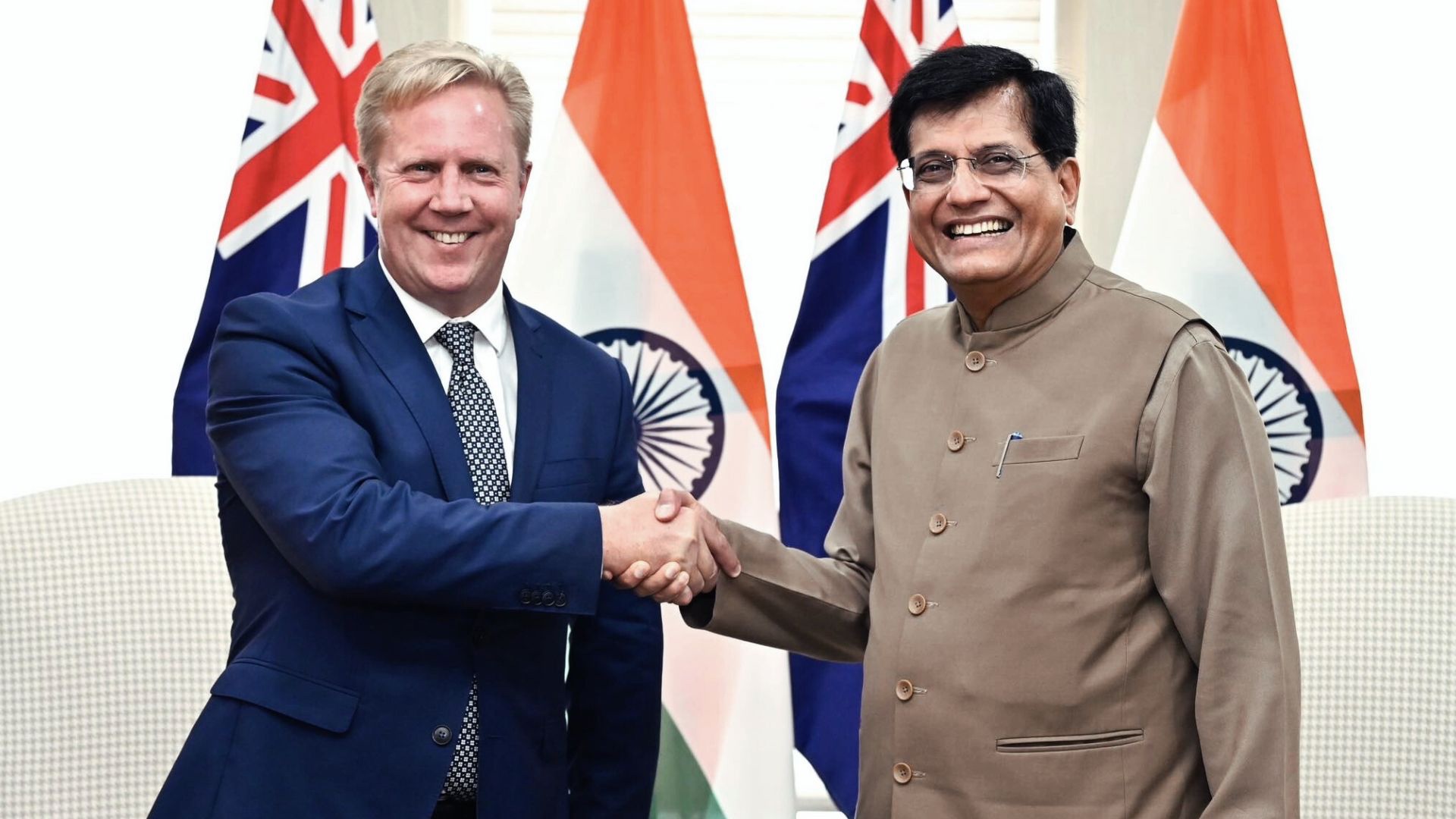
The free-trade agreement with India, which took effect last week, has bi-partisan support in Parliament and has been broadly welcomed by the business community.
Why then would the Indian community come under attack?
Immigration has repeatedly been an election issue in New Zealand, particularly at times of heightened economic or social anxiety. At the same time, the hostility over the past year has not been confined to politics.
Racist attacks
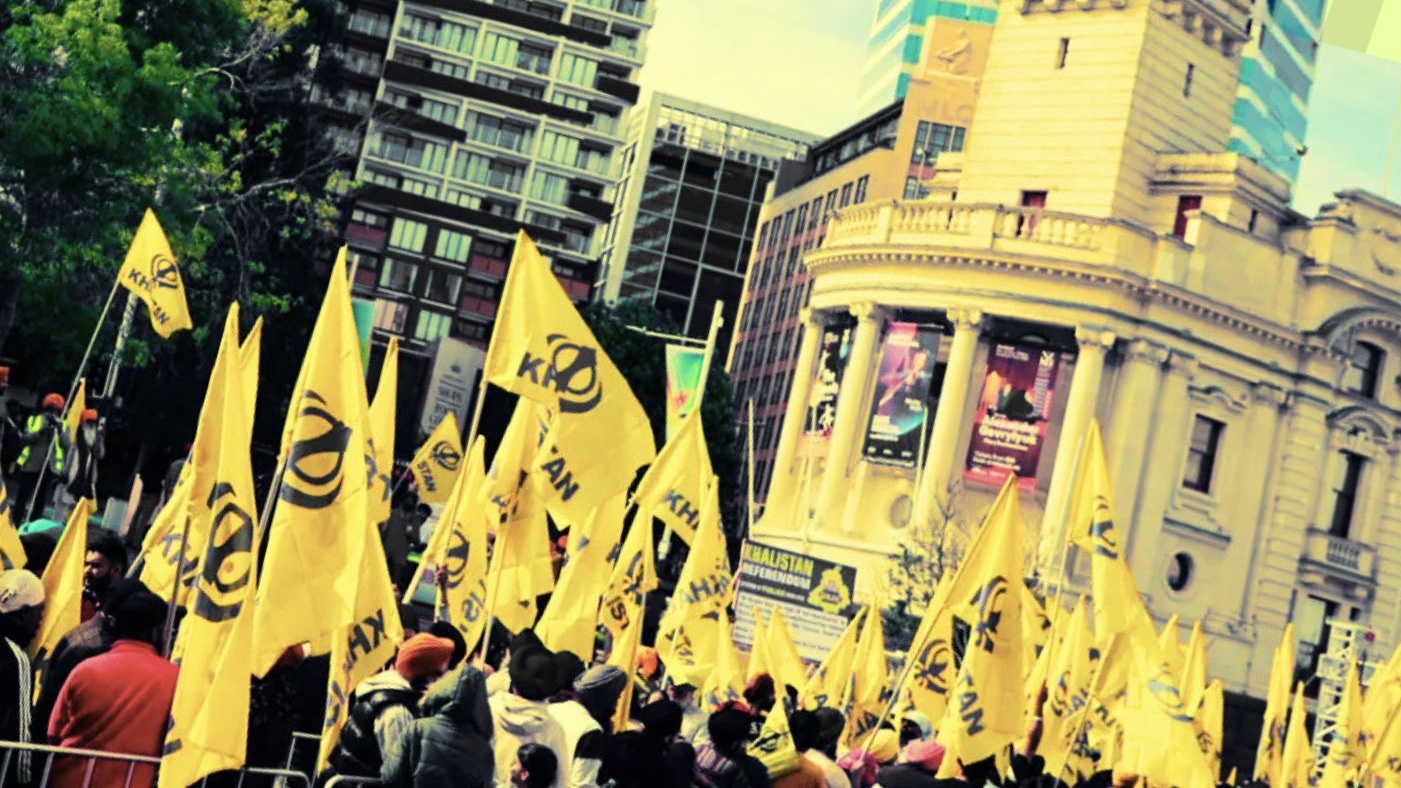
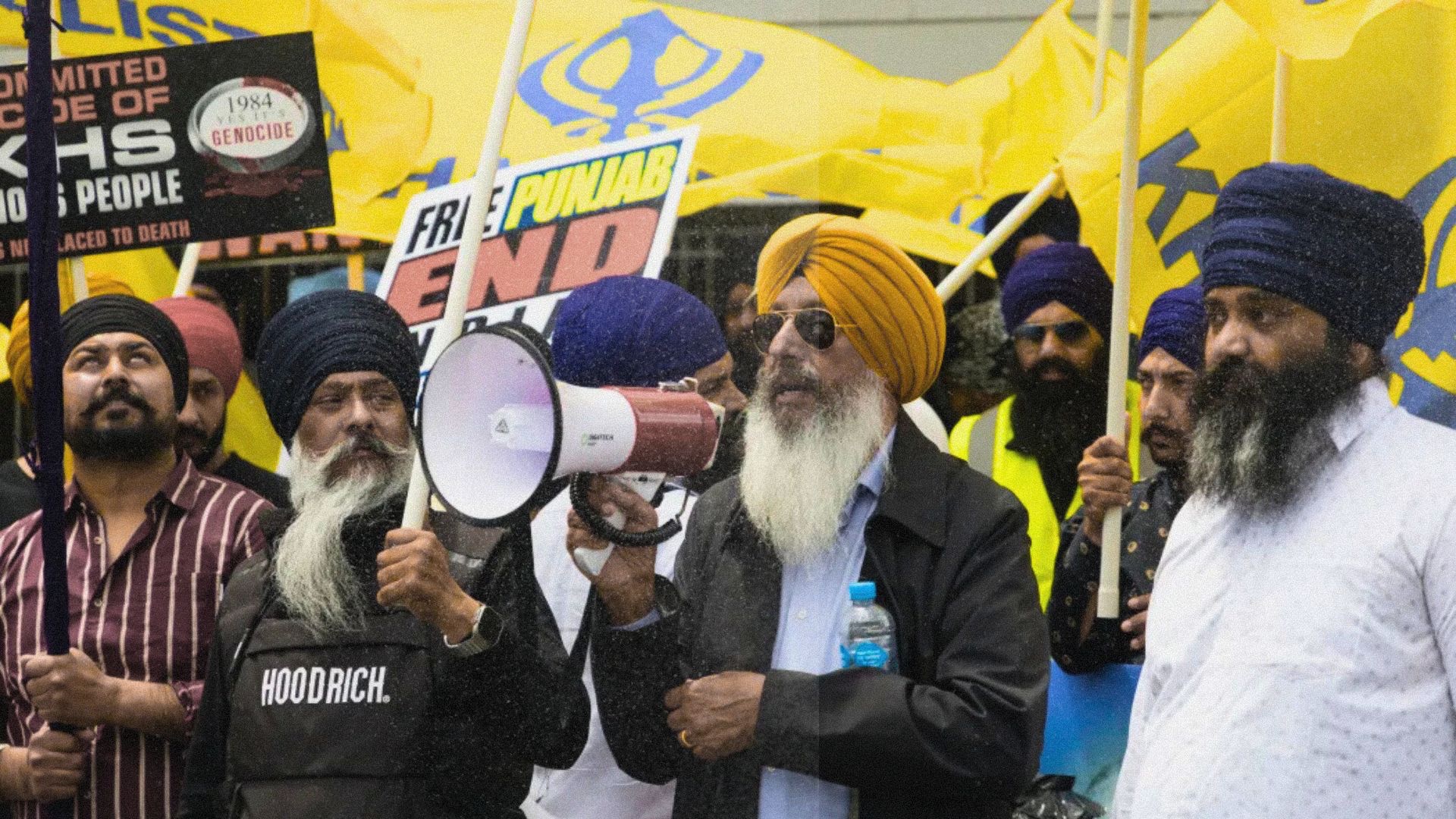
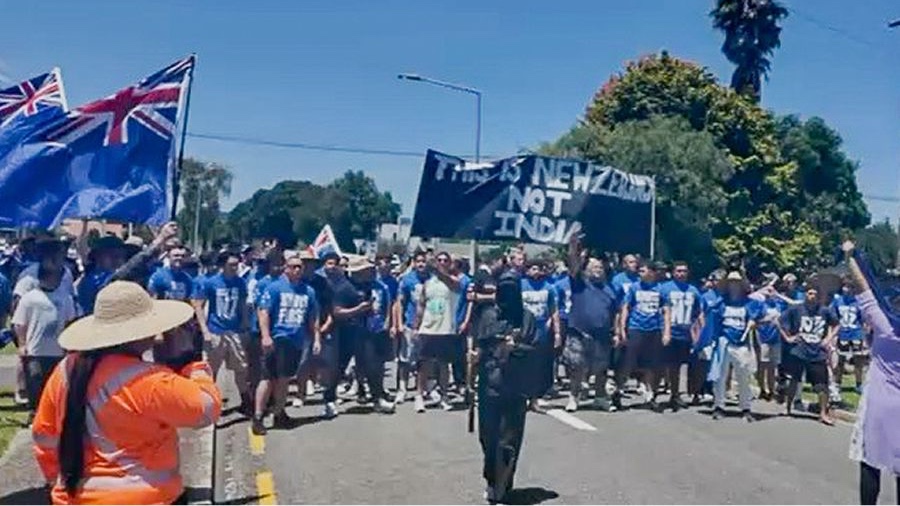
According to police, there were only about 50 Destiny Church-aligned protesters who rallied on a Saturday afternoon on 20 December last year.
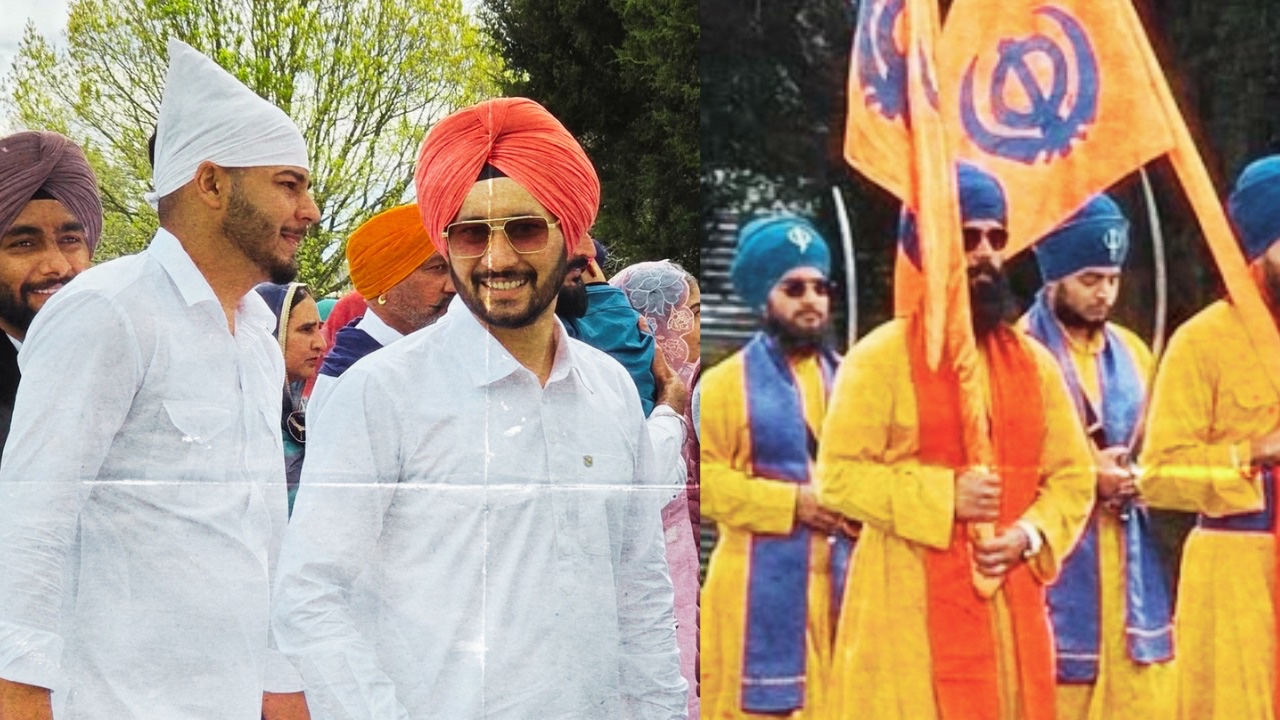
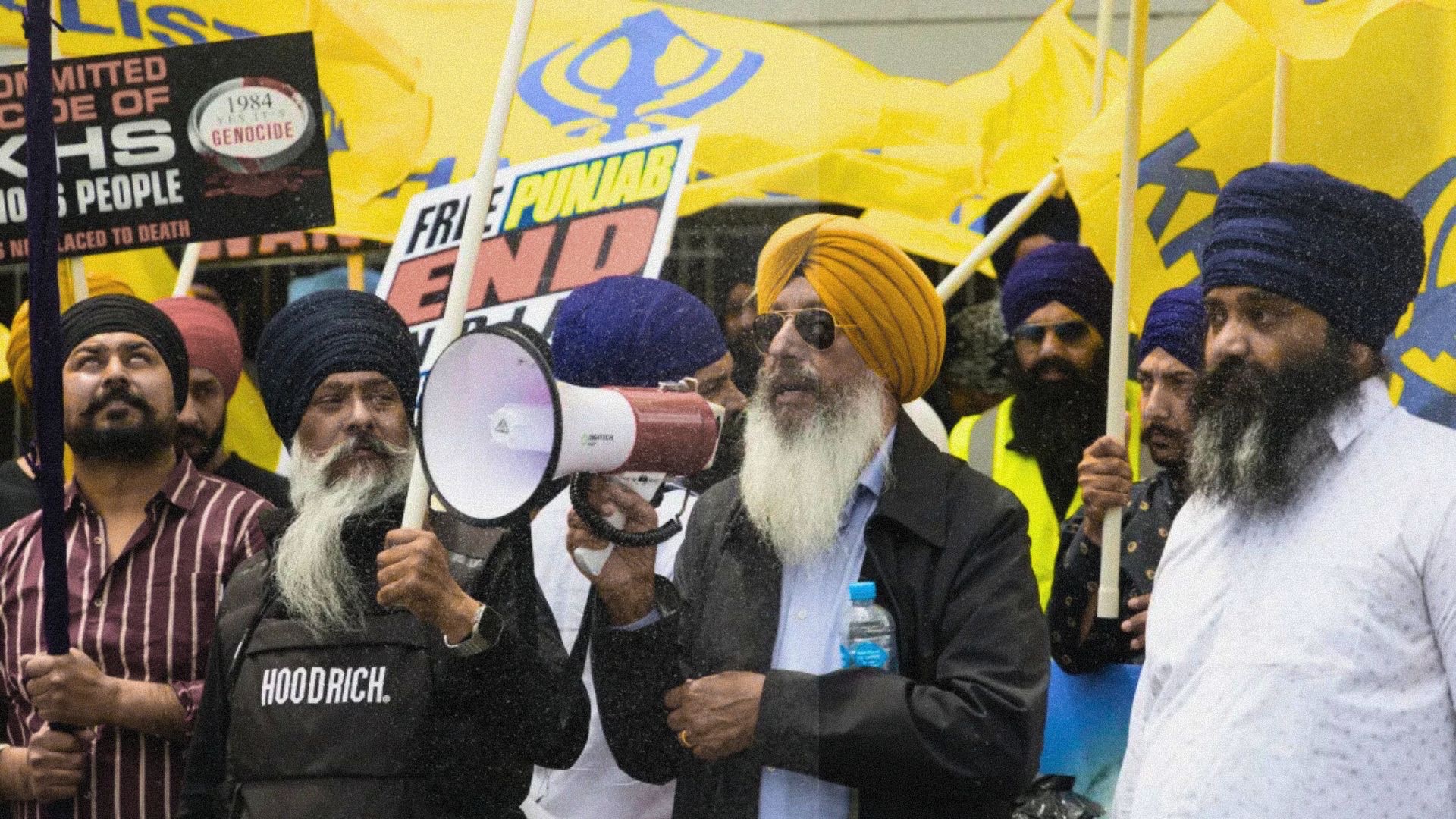
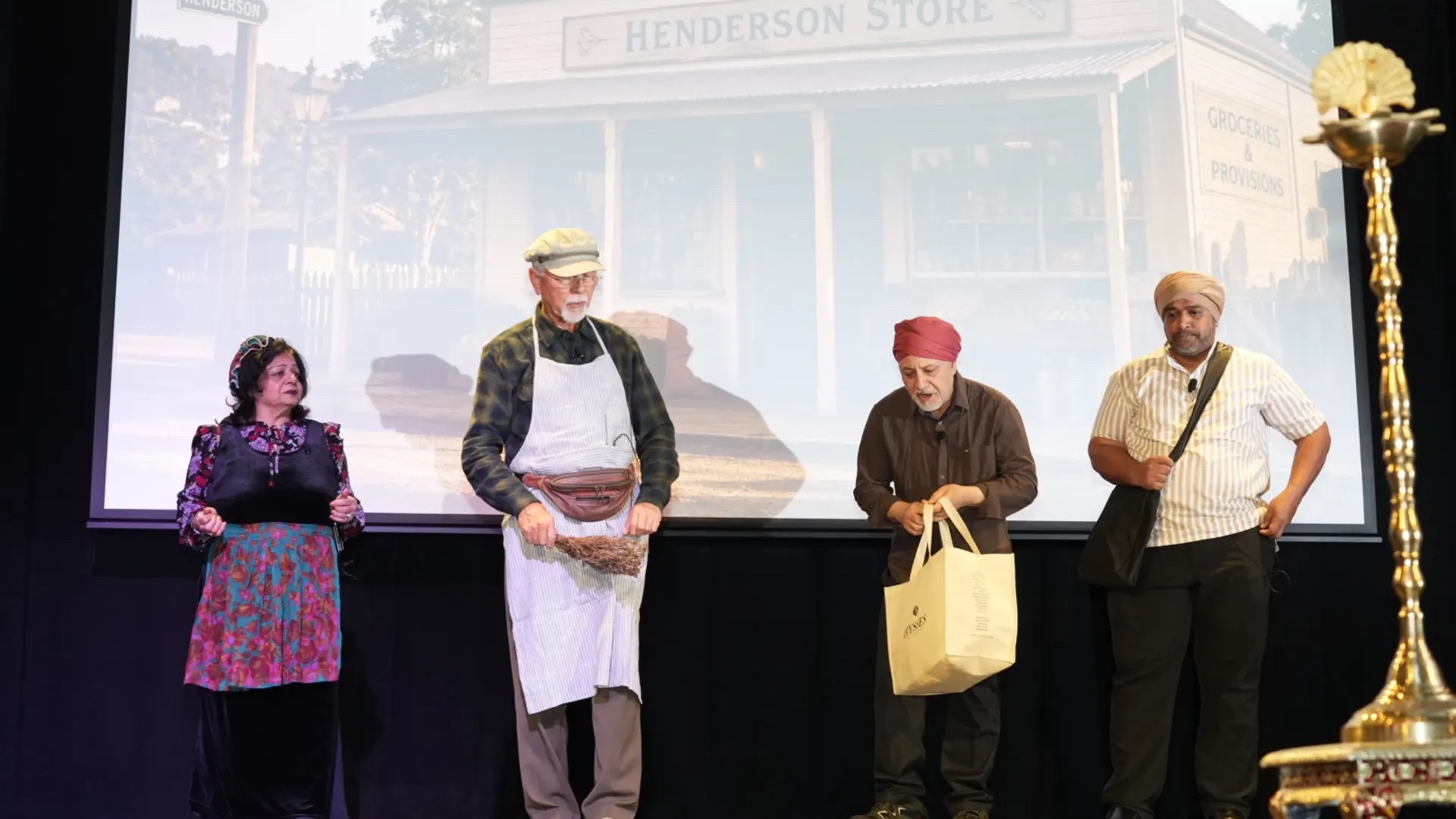
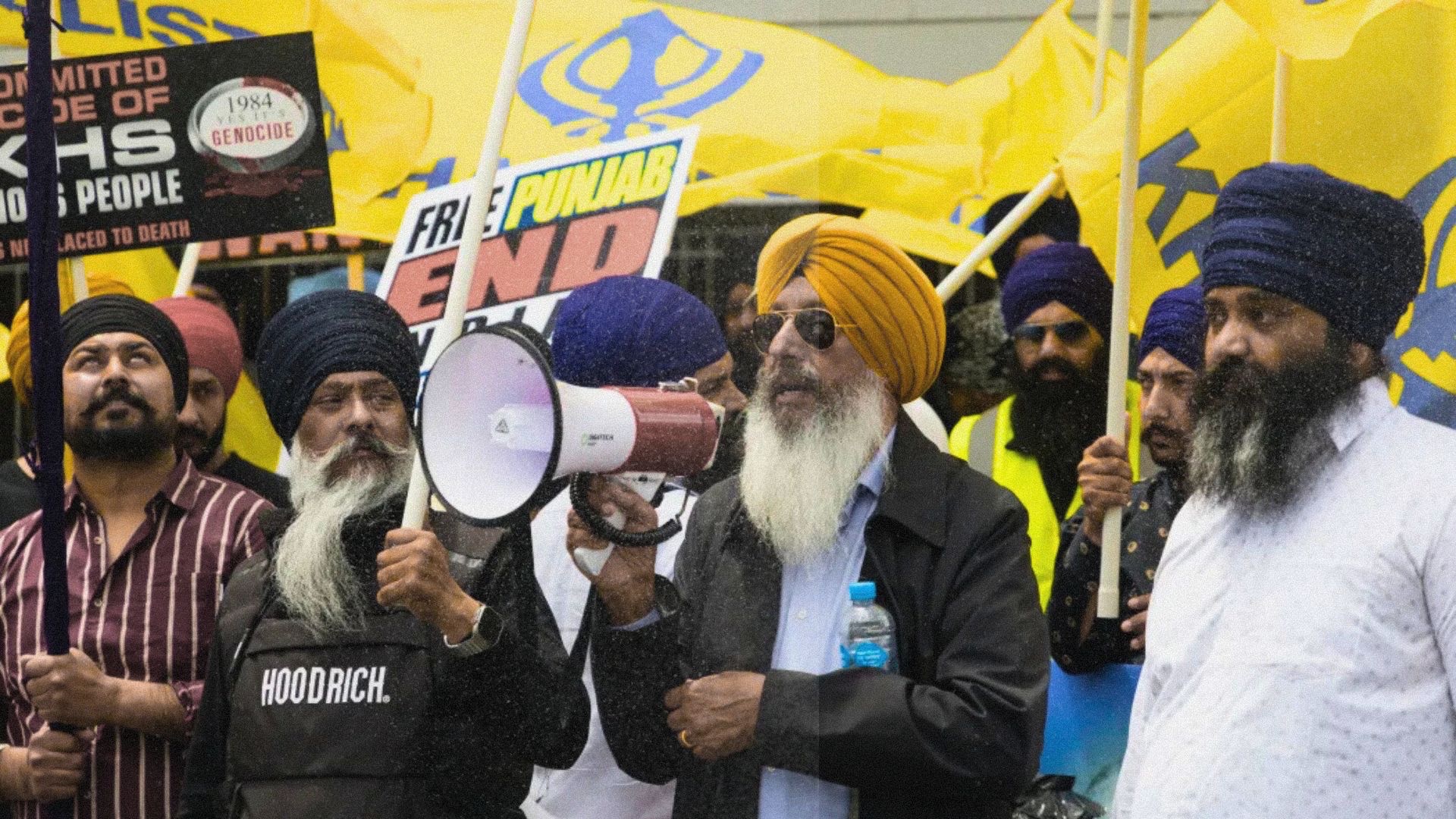
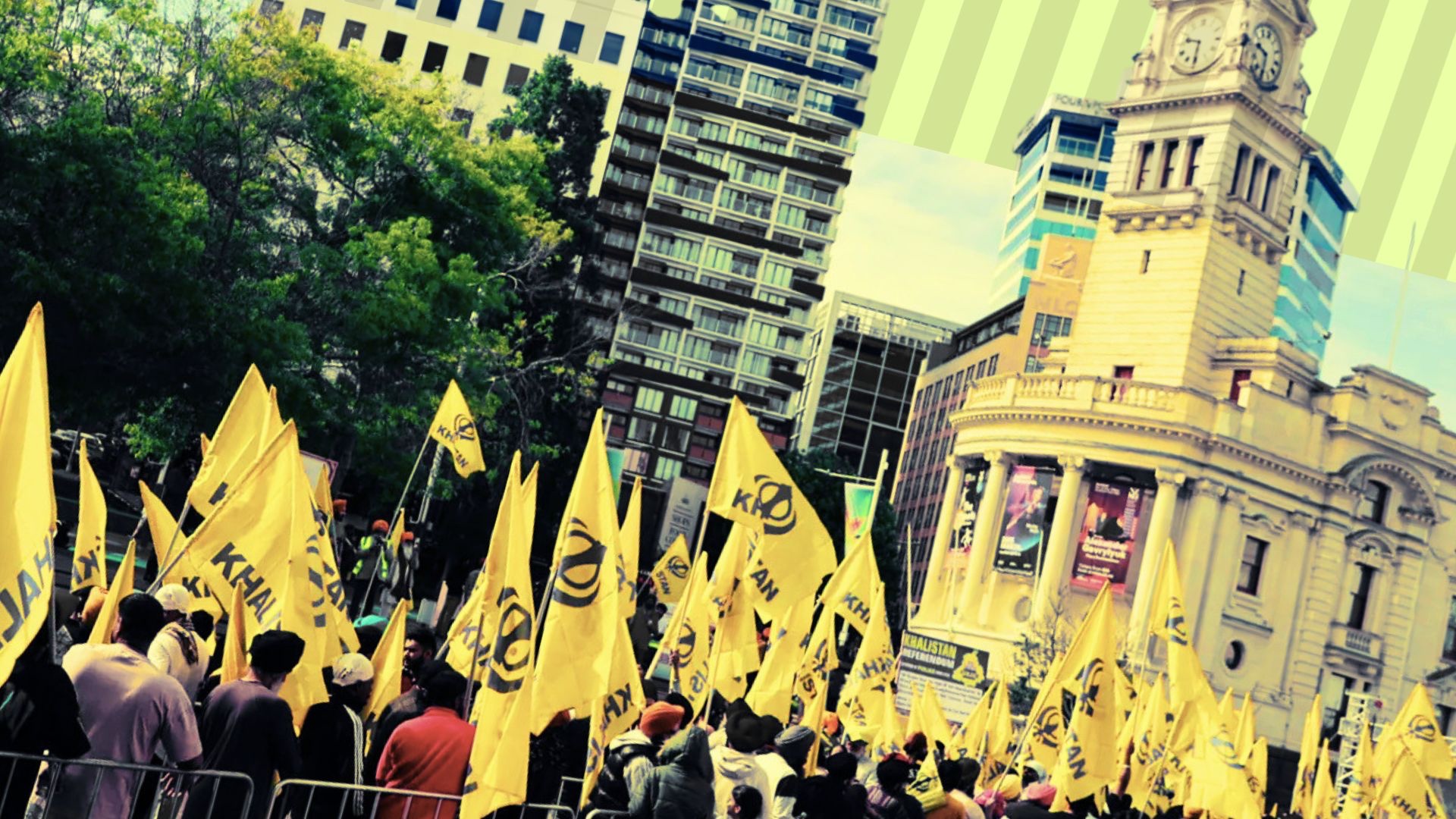
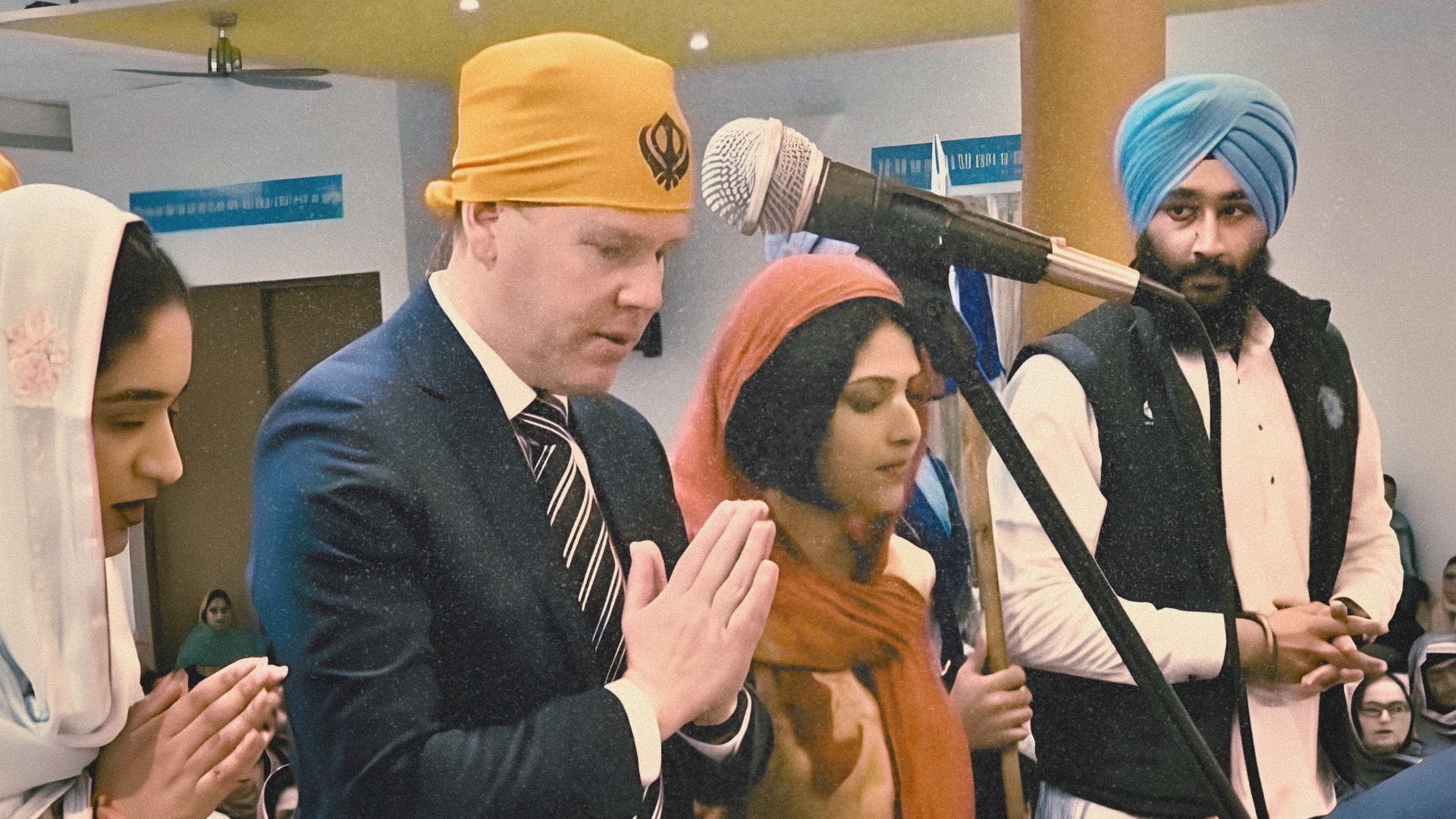
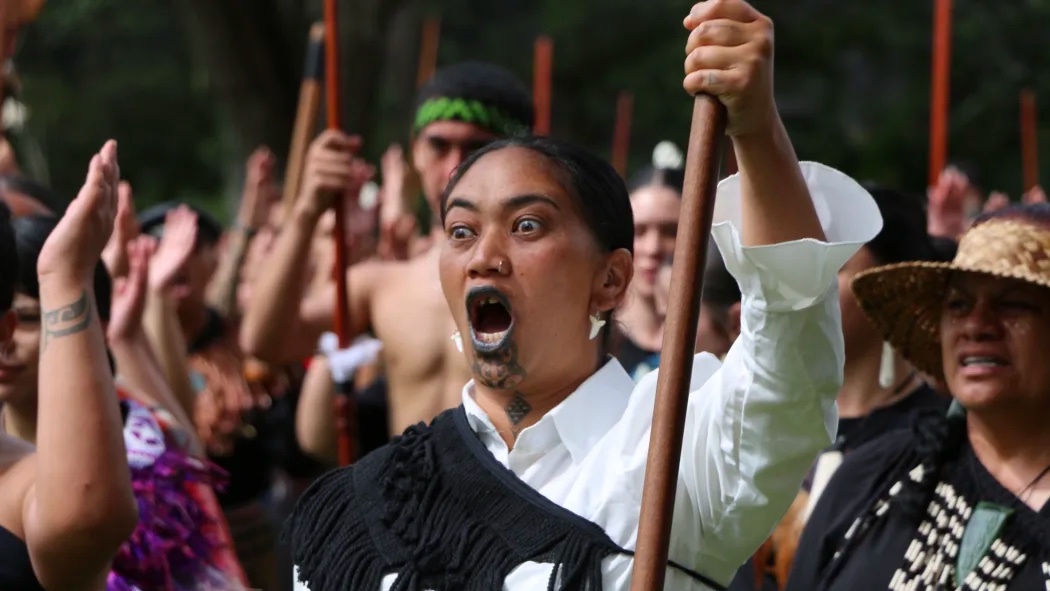
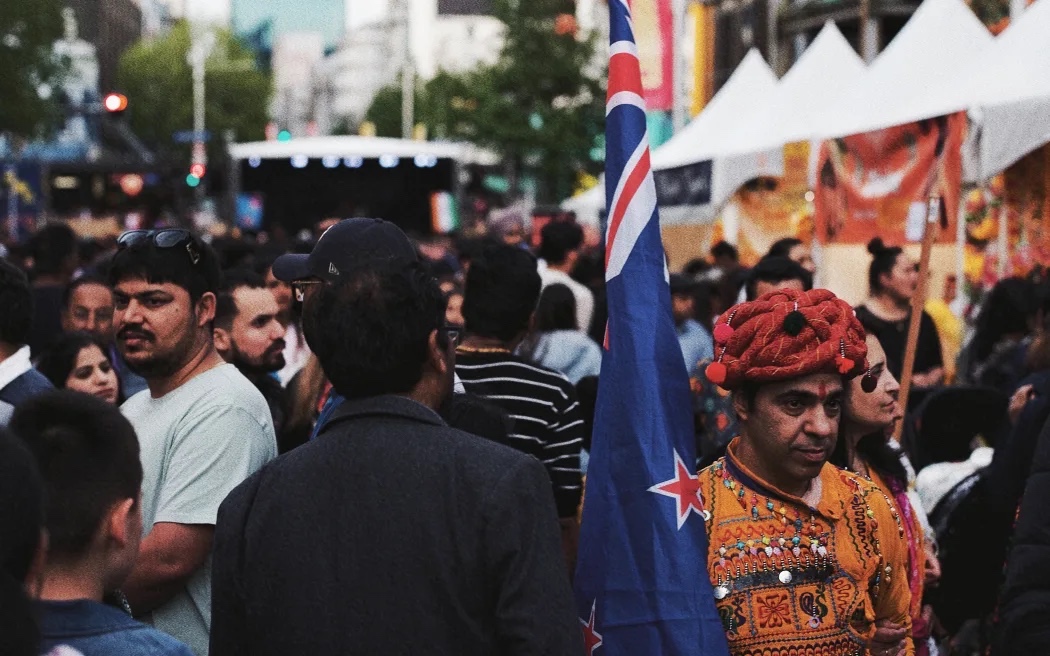
They turned out to demonstrate directly against a Nagar Kirtan, a procession that involved hundreds of people walking about 5km, culminating at Nanaksar Sikh Temple in Manurewa.
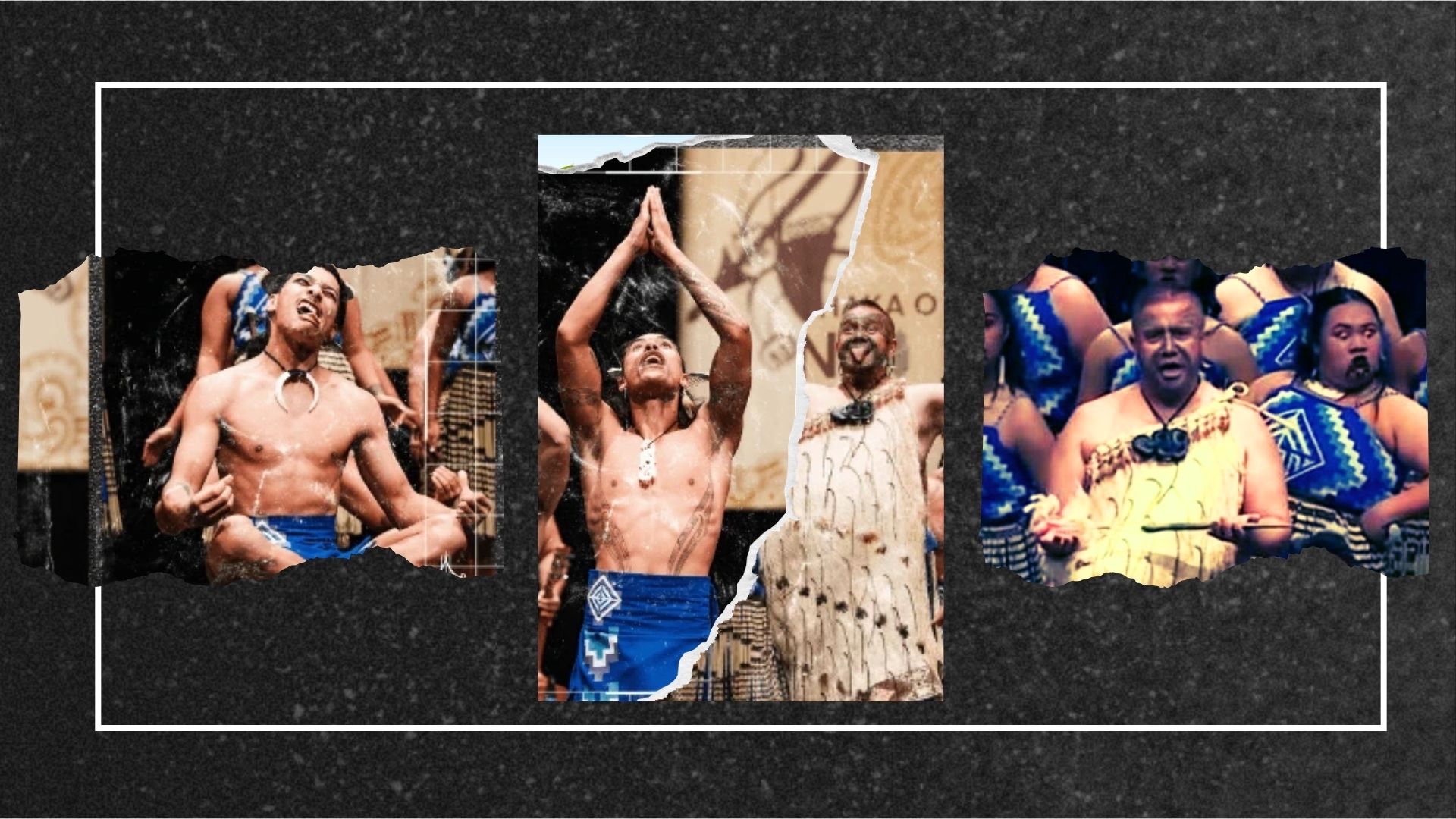
Their protest banners – “This is New Zealand, not India” – haka and social media posts had an impact far greater than their number would suggest.
It attracted news coverage around the world, and India’s External Affairs Ministry confirmed the protest was raised between governments.
At the end of January, police estimated as many as 1200 people had gathered at Tamaki's Freedom and Rights Coalition rally at Victoria Park before marching towards a police cordon near the motorway approaches to Auckland Harbour Bridge.
On the same day, hundreds joined a separate Toitū te Aroha march through central Auckland calling for solidarity with the country’s diverse communities.
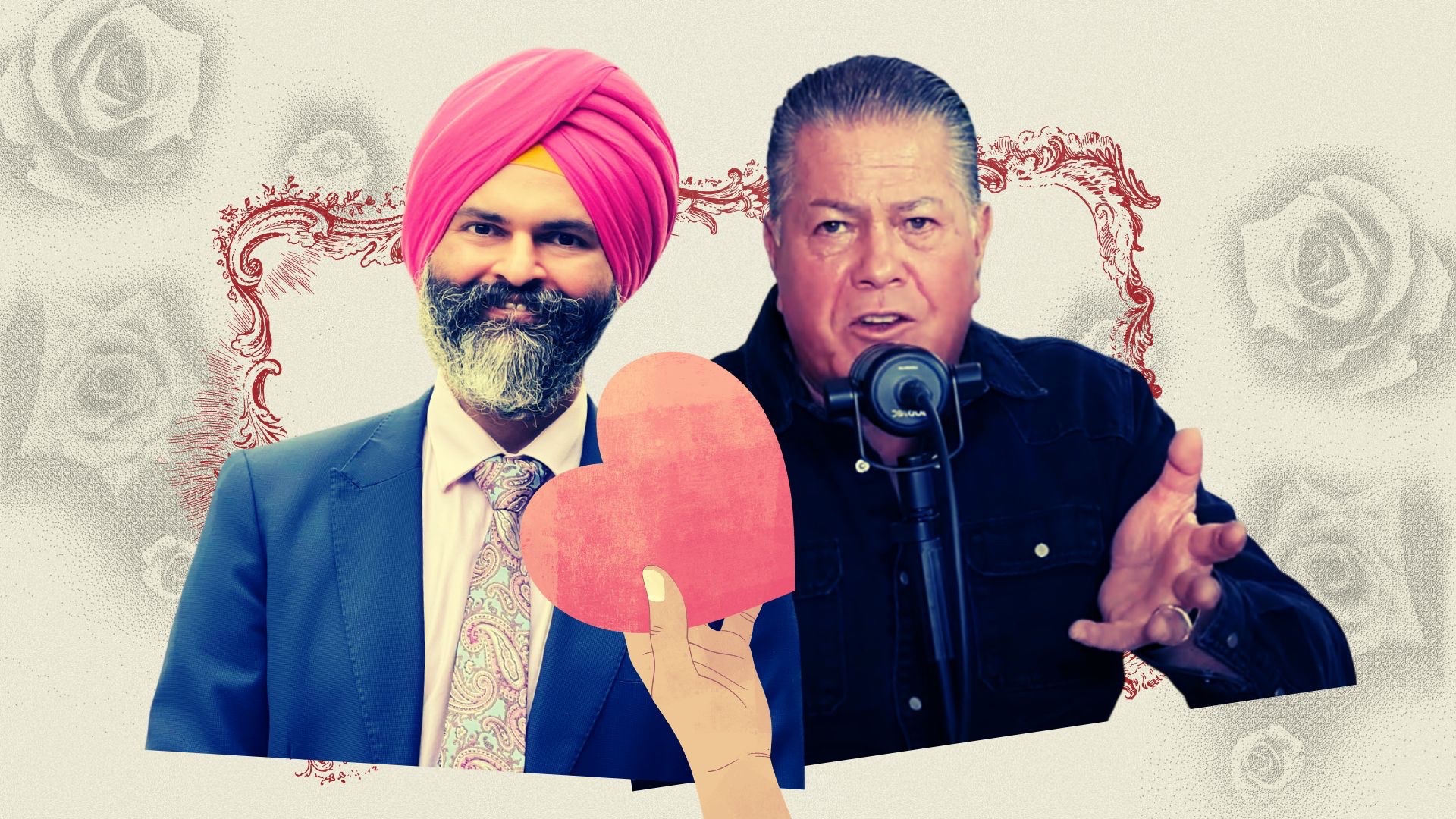
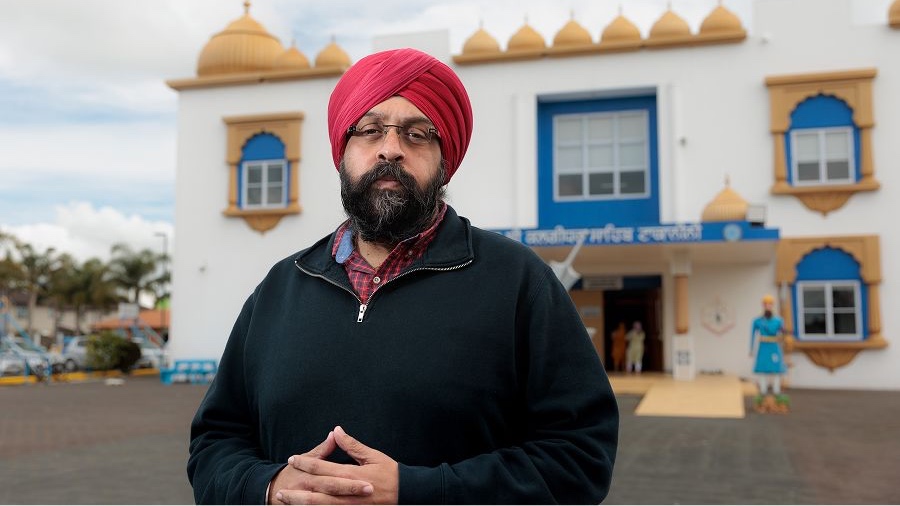
For the Sikh community, the disruptions were unsettling. Dr Harpreet Singh, a fourth-generation New Zealander and academic, says the community was determined not to engage with the provocation of the Destiny Church-aligned group.
“They've come in full force doing the haka quite aggressively,” he says “And our community's response is, no, we're not going to engage in this. We're not going to engage in a fight with you.”
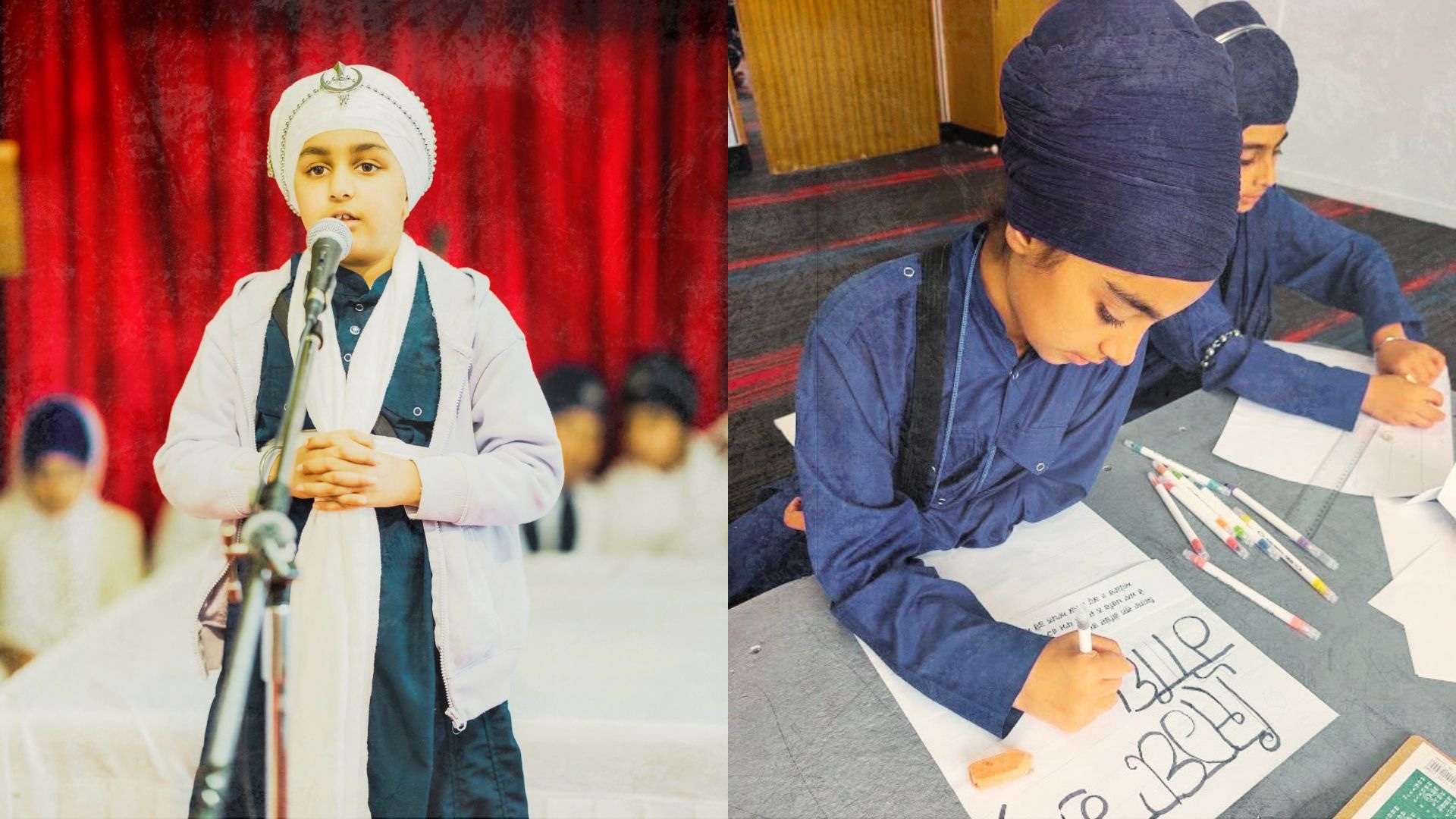
He admits the Manurewa disruption and others that followed created frustration and some fear, especially for children who are growing up in a society where they are not totally accepted.
“[But] this is a right-wing church that's been doing this for quite some time and has done it to other communities,” Singh says.
“The community itself recognised that the threat is limited, that these people are doing it for votes and support for a particular type of belief system.
“We've moved on with our lives and we continue to just live who we are and carry on our prayers and our temple and our activities.”
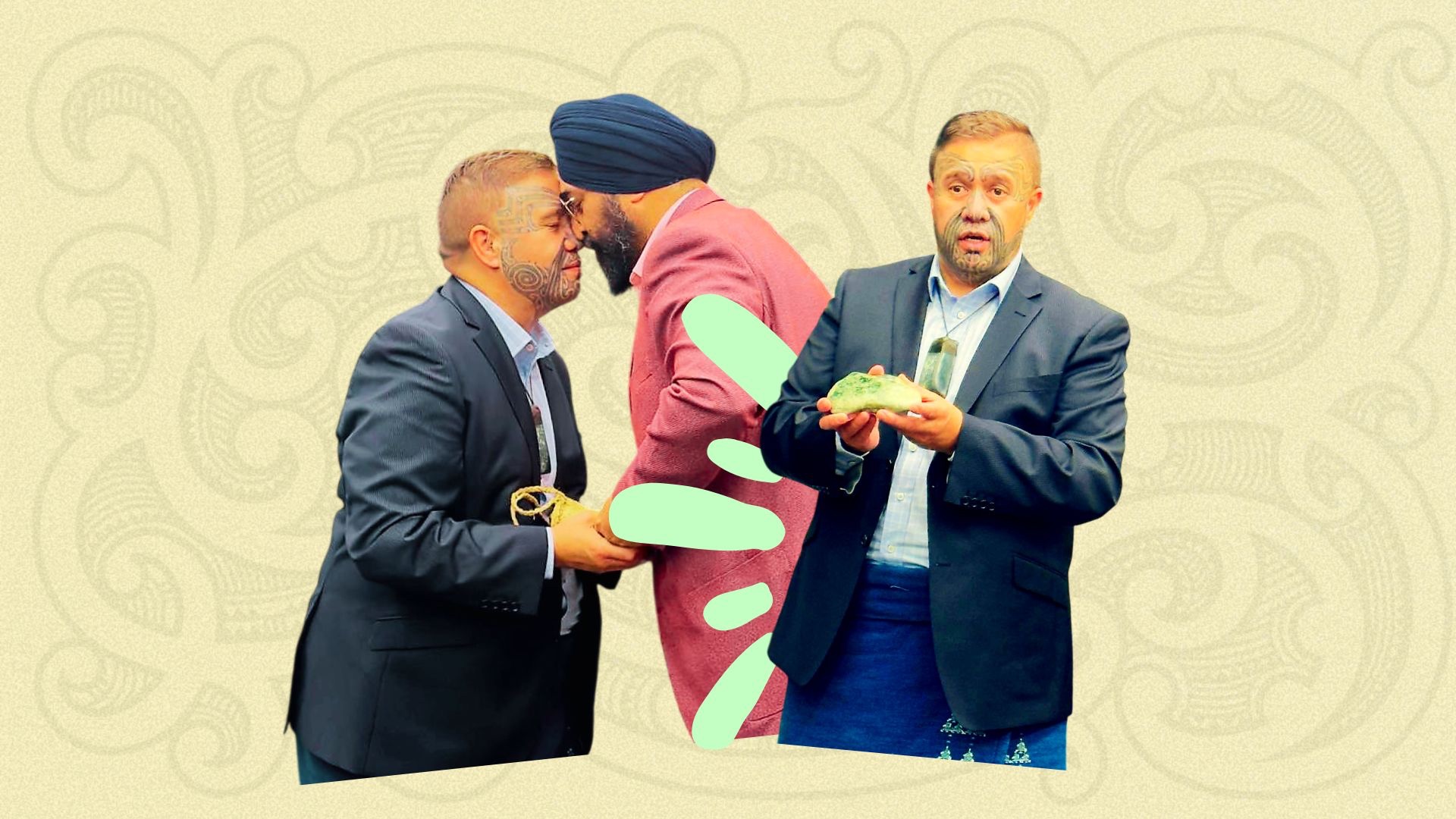
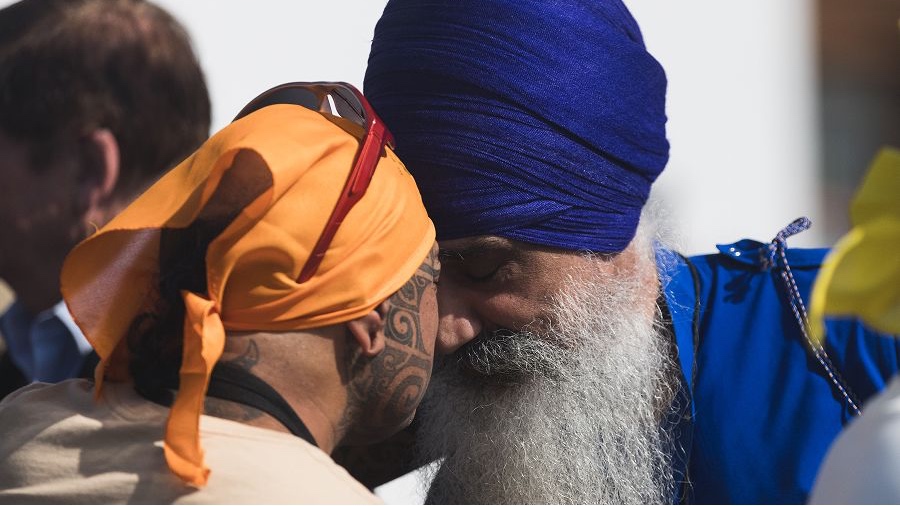
There was also a conscious effort, he says, not to confuse the protesters with Māori more broadly. In March, Māori and Sikh communities came together for a huiat a gurdwara in Takanini, South Auckland.
The gathering brought representatives of Ngāti Ngāraranui together with the Sikh community and focused on shared values including kotahitanga, manaakitanga and whanaungatanga.
But Tamaki's rhetoric escalated further. His words have led to him being charged under the Human Rights Act for inciting racial disharmony. He has pleaded not guilty.
In June, he posted a video to Facebook accusing Indian Prime Minister Narendra Modi of purging Christians and burning down church buildings.
"I think we should reciprocate in kind. Let's purge New Zealand of Hindus, Sikhs and Muslims," Tamaki said.
"And, while we're at it, if they're burning churches down, why don't we burn mosques and their temples down? Tit for tat."
After he was charged, Tamaki claimed he had "never advocated violence against anyone".
"I have consistently challenged religious beliefs, religious practices and political leaders – not people because of their race."
There are ongoing concerns and officially documented instances of violations of religious freedom in India against Muslims, Sikhs and Christians, especially in states governed by Modi’s Bharatiya Janata Party (BJP).
Tamaki’s suggested response in New Zealand, however, is a fringe view, far from representative of how Indian communities are viewed by most of the country, Singh says.
“They are hate, but we are above that,” he says. The support of the wider community is not taken for granted. There is an ongoing, shared project to help people understand the Sikh community.
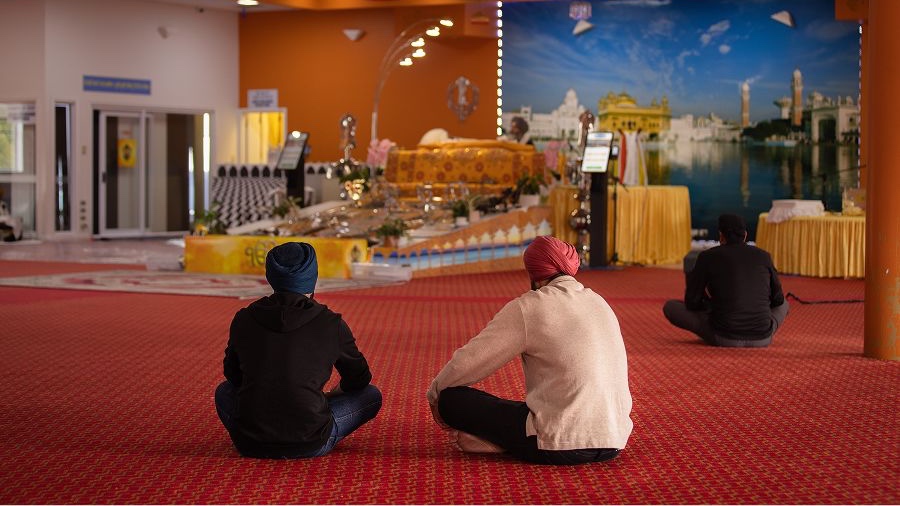
That is one of the reasons for the Nagar Kitan processions that have been disrupted – to showcase the religion, creating opportunities to learn about its customs, its history and how Sikh people contribute.
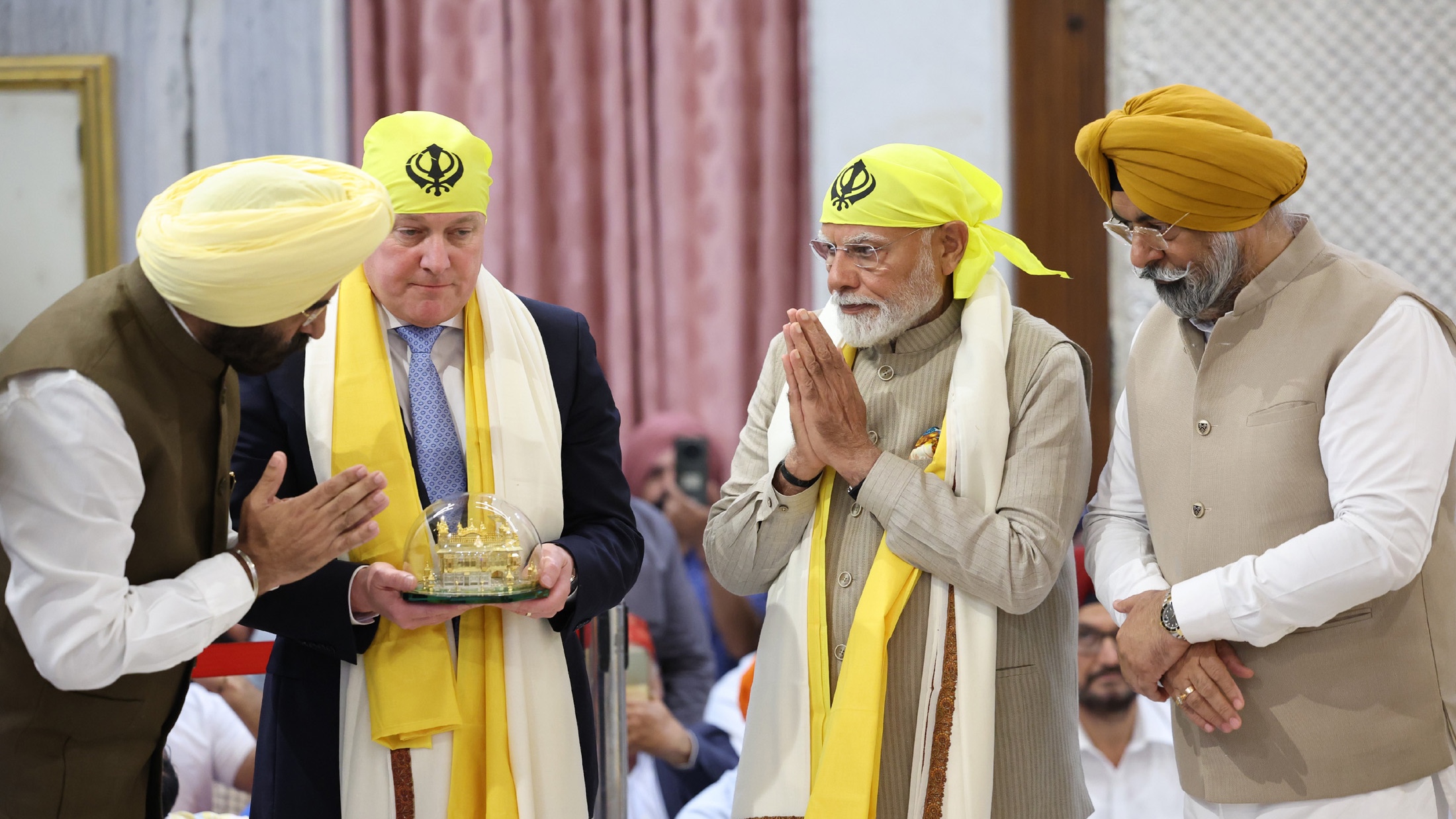
“We are not a threat,” Singh says. “Come into our gurdwaras, come and tie a turban with us, come and eat. It's not about dominance and convincing you to convert. It's about showing you we have nothing to hide.”
'Butter chicken tsunami'
While Tamaki’s extreme positions may still be considered fringe, it’s harder to shrug off the remarks of a Cabinet minister – especially when they go largely unchecked.
In six attempts, Shane Jones has never won an electorate contest, but he has been a list MP and a Cabinet minister for both Labour and NZ First. He has a history of marginalising Kiwi Indians with inflammatory comments.
In 2019, as a minister in Jacinda Ardern's coalition government, he defended changes to immigration settings that were making it harder for Indian migrants in culturally arranged marriages to bring their spouses here.
“You have no legitimate expectations in my view to bring your whole village to New Zealand and if you don't like it and you're threatening to go home, catch the next flight home," he said at the time.
The rhetoric he chose in raising alarm about the implications of the free trade agreement earlier this year was more florid but every bit as direct.
"I don't care how much criticism we get," Jones said. "I am just never going to agree with a butter chicken tsunami coming to New Zealand."
The main point of Jones’s argument is to criticise what he calls “irreversible” changes to the “character and make-up of society”. Those changes should be the subject of debate, he says.
He uses “hyperbole”, he says, in order to get “cut through” for his arguments. But Indian New Zealanders worry about what happens after that language leaves Parliament and enters everyday life.
“Politicians and people in power hold a lot of responsibility to shape ... what everybody's going to think and do and behave around the community,” Rizwan Mohammad says.
There is no evidence of a connection between Jones’ “butter chicken tsunami” comment and the threatening graffiti that appeared in Auckland around the same time, but they were felt as one by the community.
"It makes me question why do we have people like that in power to spread hatred, to tell one community or one ethnic group is lesser than the other?” Rizwan says.
"I mean, is this what they want to perpetuate to everyone?” He views the comments as “part of the playbook”. "You know, anything wrong happens, blame on the migrants and we get over it. “It's the easy way out, rather than taking responsibility on yourself or your policies or making a positive difference.”
Samreen and Rizwan say the outpouring of love and unity that followed the 15 March 2019 terror attack at two Christchurch mosques has faded.
While there is still warmth, tolerance and support in workplaces, the public sphere has changed.
Pamphlets with more subtle language but the same message – “keep the migrants or the Indians or Asians out because it is spoiling our country, religion” – have been distributed in Manukau, Rizwan says.
The young people who were just kids at the time of the mosque attacks are now teenagers with increasing agency to shape attitudes and opinions in their communities.
“Leaders have a lot of responsibility ... they are shaping the young mind, they are shaping the community and these things are creating a dangerous world.”
Strength in diversity
Beyond the rhetoric, the Indian community is also prepared to challenge the substance of Jones’ argument that there is something wrong with the way the “character and make-up” of New Zealand society has changed.
India is itself a very diverse nation. Politics are fiercely contested, there are wide disparities in educational attainment, income and wellbeing. Religion may be the most strongly held dividing line, however.
While 80 per cent of the total population is Hindu, there are majority Muslim, Christian and Sikh areas in different parts of the country.
The Indian diaspora has either direct experience, or is at least well aware, of the ways in which those differences of spiritual belief and practice have played out through history.
It creates an instinct for recognising differences and building bridges across them.
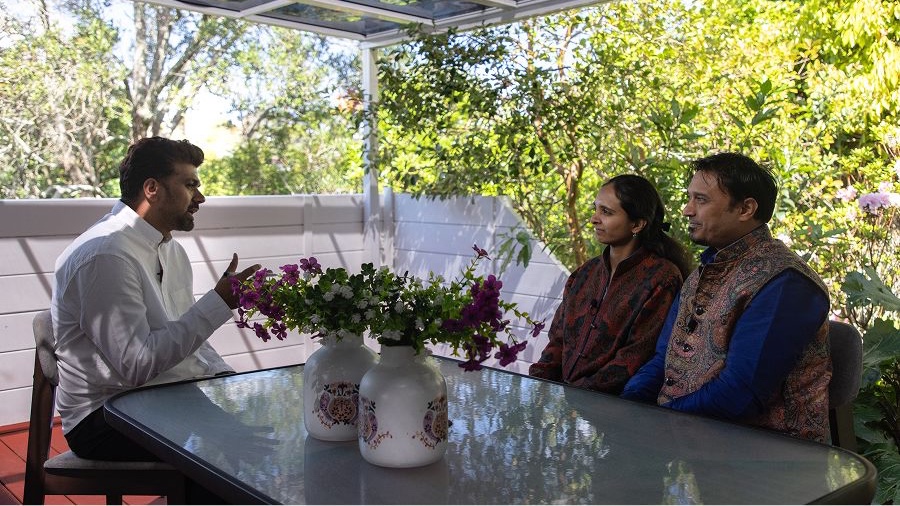
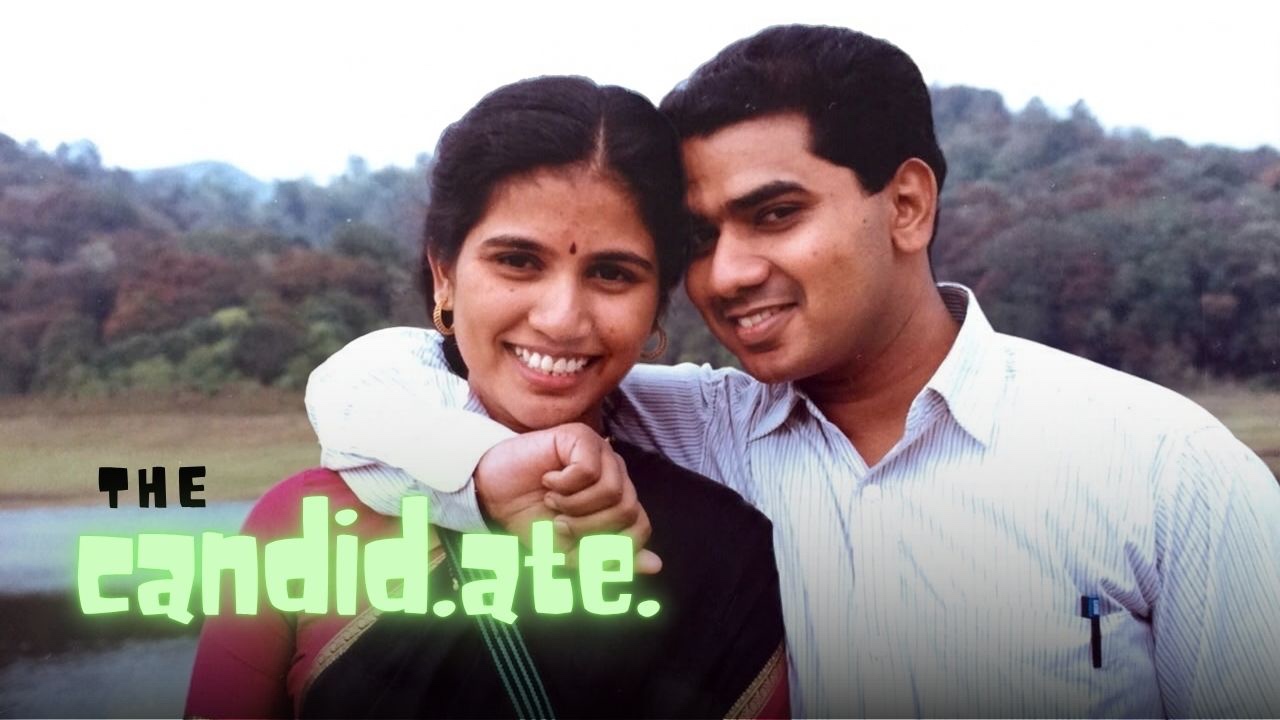
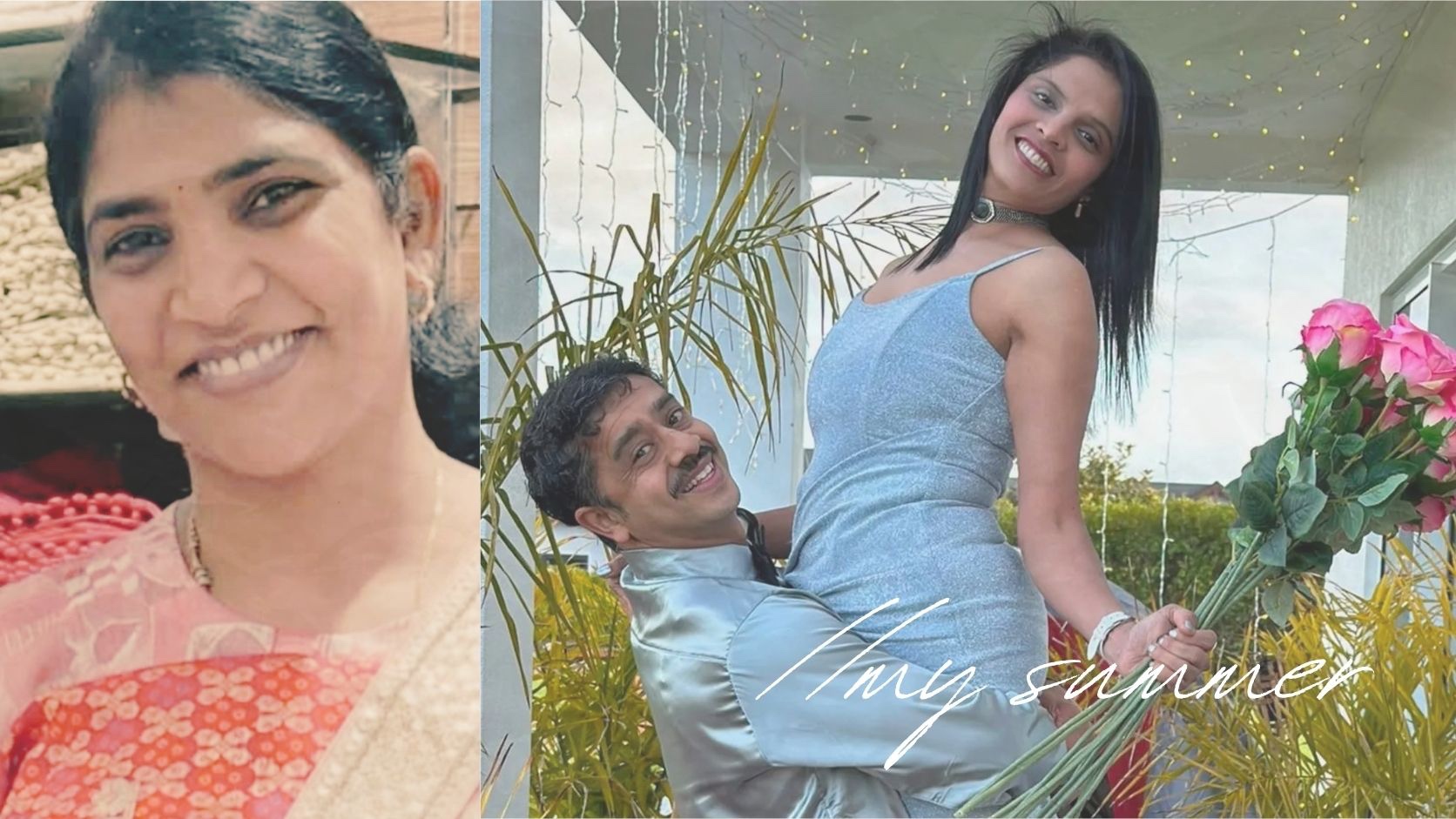
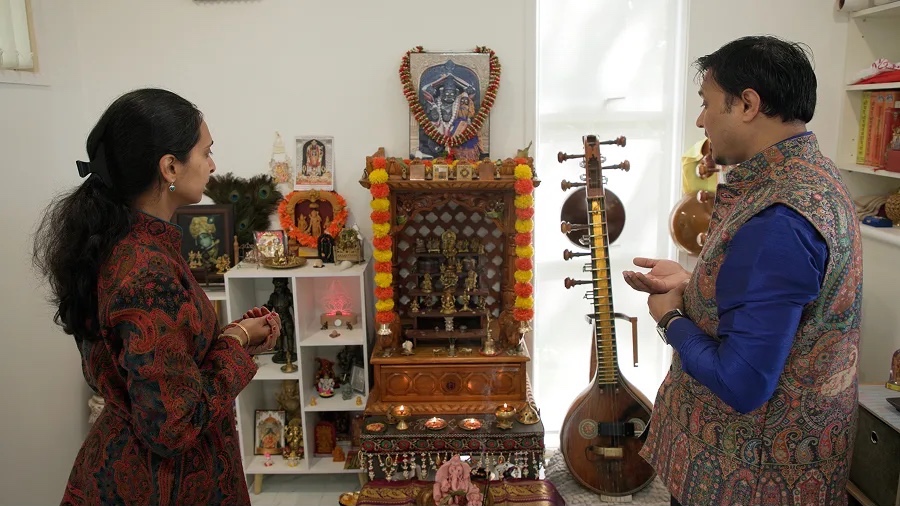
Vinay and Kriti Karanam, a Hindu couple, came to New Zealand about seven years ago. New Zealand, they point out, has also never been a monolithic society.
“It's always been a multi-ethnic, multilingual, multicultural society. And that is pretty much the same value that Indians also bring along,” Vinay says.
“We grew up with pluralistic values and we understand within Hindu community itself there are so many sects, so many sections, so many sampradayas or traditions. So that way diversity – or not looking alike – is probably our strength.”
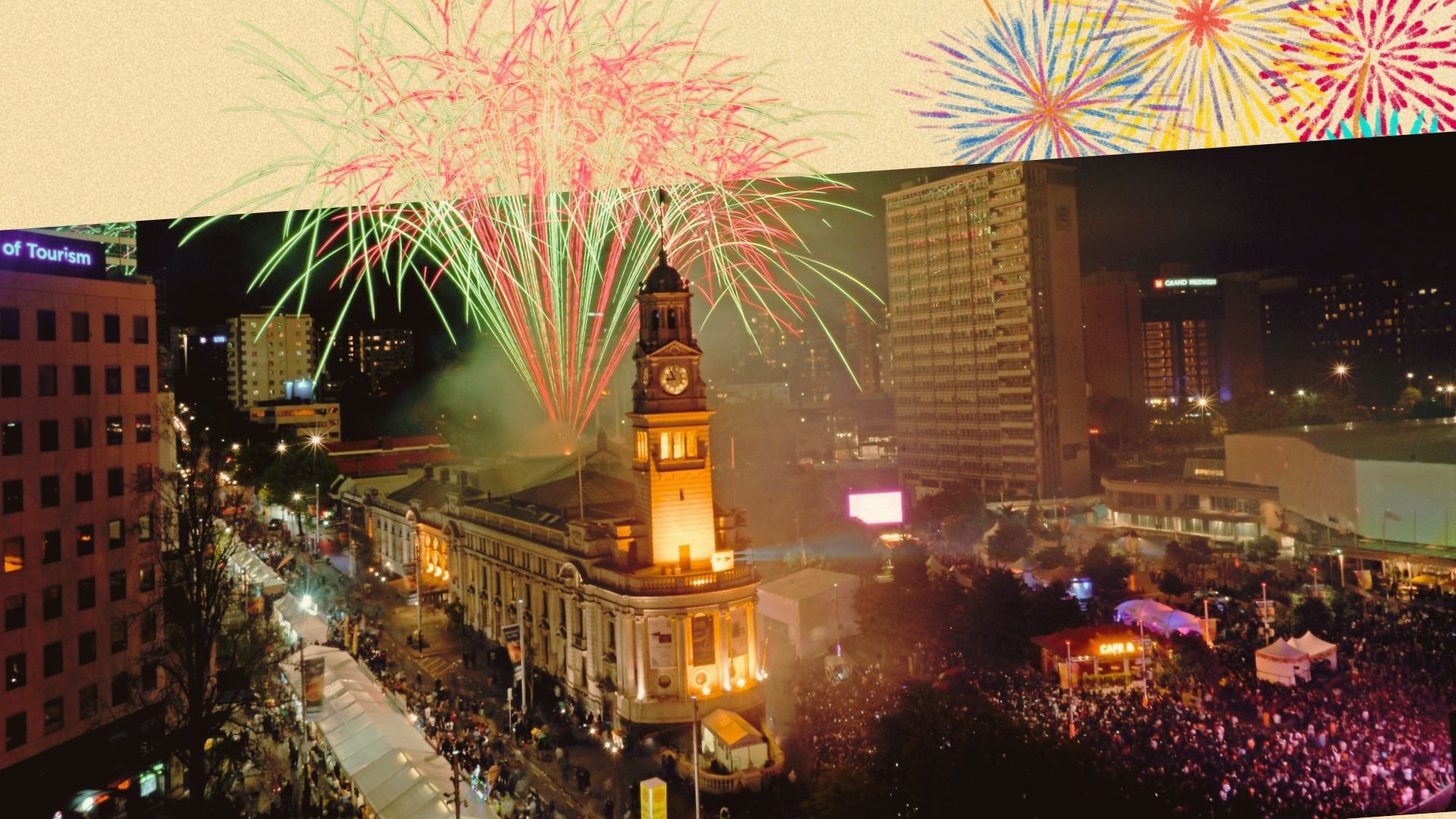
The couple, who work in science and research, have moved from Wellington to Hamilton and are now in Auckland. Kriti says she’s noticed the way annual Diwali celebrations have grown into a community-wide event.
“And even schools, my daughter's schools, they celebrated Diwali. The teacher wanted to wear the saree. They wanted to apply the bindi, and then try to explore this hena, so yeah, it is happening,” she says.
The Kiwi Indian population significantly increased only after New Zealand set out what the country needed to be more prosperous. They came because they were invited.
“Immigration is a natural process where every country has seen immigration, and immigration has positively contributed to the host countries,” Vinay says.
“So, New Zealand is, if I dare to say, an immigrant country. We are all immigrants, either first generation or maybe past few generations, but we are an immigrant country.”
Harpreet Singh, for one, is here because his great-grandfather came in around 1912. He cut scrub in Taumaranui – part of the foundational effort that the country continues to build upon.
But even after generations of contribution to the New Zealand story, Harpreet’s family has felt the sting of racism. He remembers being mocked as a child at Pakūranga Heights School.
“Chocolate chip and a sea of vanilla is essentially what was going on at that point,” he says. “And it was hard because they didn't know, they didn't understand. And mockery was quite frequent.”
He says his mother also suffered some “stark racism” as a teacher. None of the Kiwi Indians spoken to for this story would suggest the racism of the 20th century is present to the same extent in Aotearoa today.
In fact, all were keen to stress they are very happy in New Zealand and have personally experienced very little racism, or none at all. That does not mean they aren’t worried about where things are headed, however.
In September last year, Samreen and Rizwan took their 5-year-old daughter Jannat to a peaceful pro-Palestine rally, where counterprotesters confronted the march.
“They literally came face-to-face and they started screaming,” Samreen says. Their daughter was perched on Rizwan’s shoulders so the tallest among the protesters was “screaming on this 5-foot girl”.
She squeezed her father’s hand tightly, signalling her fear. “It feels really, really intimidating for the first time and then they use very harsh and very intimidating words as well,” Samreen says.
“That makes you very intimidated and next time you think twice [about] going to rallies, taking your kid, what will happen?”
Jannat was born here and calls herself a Kiwi Indian, two parts of her identity that she was born with. For her, there is nothing complicated about that. New Zealand is home and her parents are Indian.
But her parents know there will be more places she has to navigate without them beside her. School. The mall. A park. All the ordinary places where childhood happens.
"What will happen to my daughter?" Samreen says. "She is young. She is very fragile. She doesn't understand these things."
Economic insecurity, social division fueled by misinformation and flat-out white supremacy have driven violent behaviour both here and abroad.
Late last year, the UN Committee on the Elimination of Racial Discrimination trained its sights on New Zealand and in a report was critical of racist hate speech by politicians and public figures.
It said persistent racial stereotypes needed to be tackled, and far-right extremism and white supremacism held accountable for promoting racial discrimination.
Do I belong here
Ben Fernandez almost didn’t make it as an immigrant here. A professional musician, he was at the top of his craft in India. But for six months after arriving with wife Maria on a stormy Auckland night in 2004, he couldn’t get a gig.
“I came from a situation where I was gigging or recording almost every day,” he says. “And here ... people I'd approach, you know, people have a fixed mindset: You come from India, they think you play Bollywood music.
“I was about to go back [when] I was given my first gig at the Malthouse in Green Heights by a singer called Maria O'Flaherty, who is a very good friend of the family now. And that was it.
"I showed up to the gig with three keyboards because that's the way you do things in India. And she said, ‘Nah, you just need one keyboard here’. It’s been a great ride ever since.”
For 16 years, he’s played music for the governor-general at investitures and other events and functions.
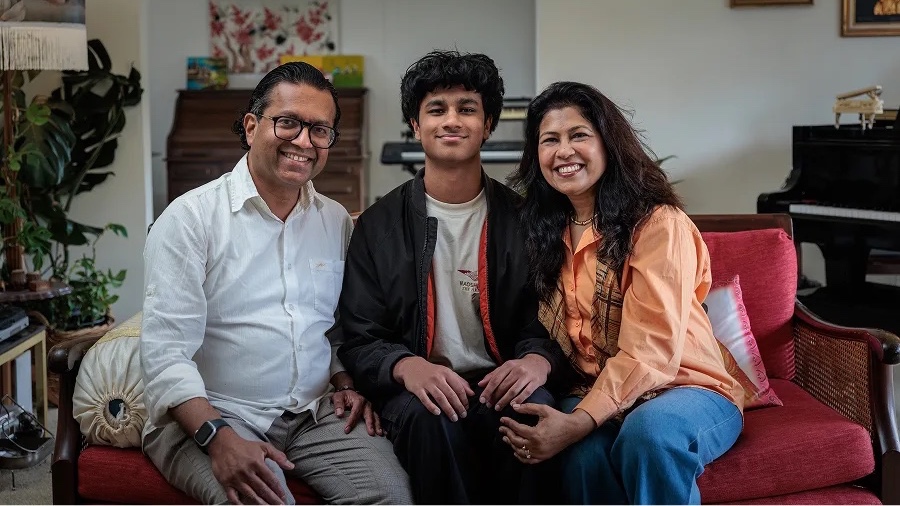
Fernandez says neither he nor his wife have personally encountered any racism in their two decades living here. They have, however, seen the reports this year of graffiti telling Indians “to go back home or to kill Indians”. It worries them.
"For young kids who see that and begin to question, okay, where am I here? Do I belong here? Do I not belong here? Young minds are really impressionable.”
His thoughts go to their teenage son Joshua, who identifies as Kiwi and loves this country. He too has never experienced problems with racism that they are aware of.
“But I think it is a growing concern and something that has to be dealt with,” Fernandez says. “I would say almost immediately.”
This is not the New Zealand that we know, he says. “Let's bring back harmony, let's bring peace, equality. We are a peace-loving and friendly country.”
(This was first published on RNZ.)