
ACT candidate offers 'bridge of love' after Tamaki singles him out in anti-migrant post

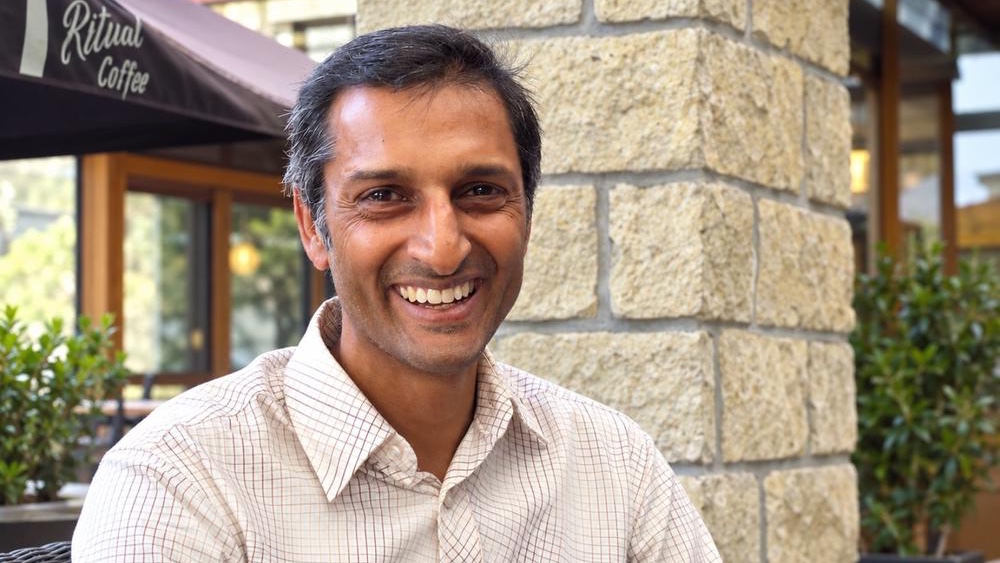
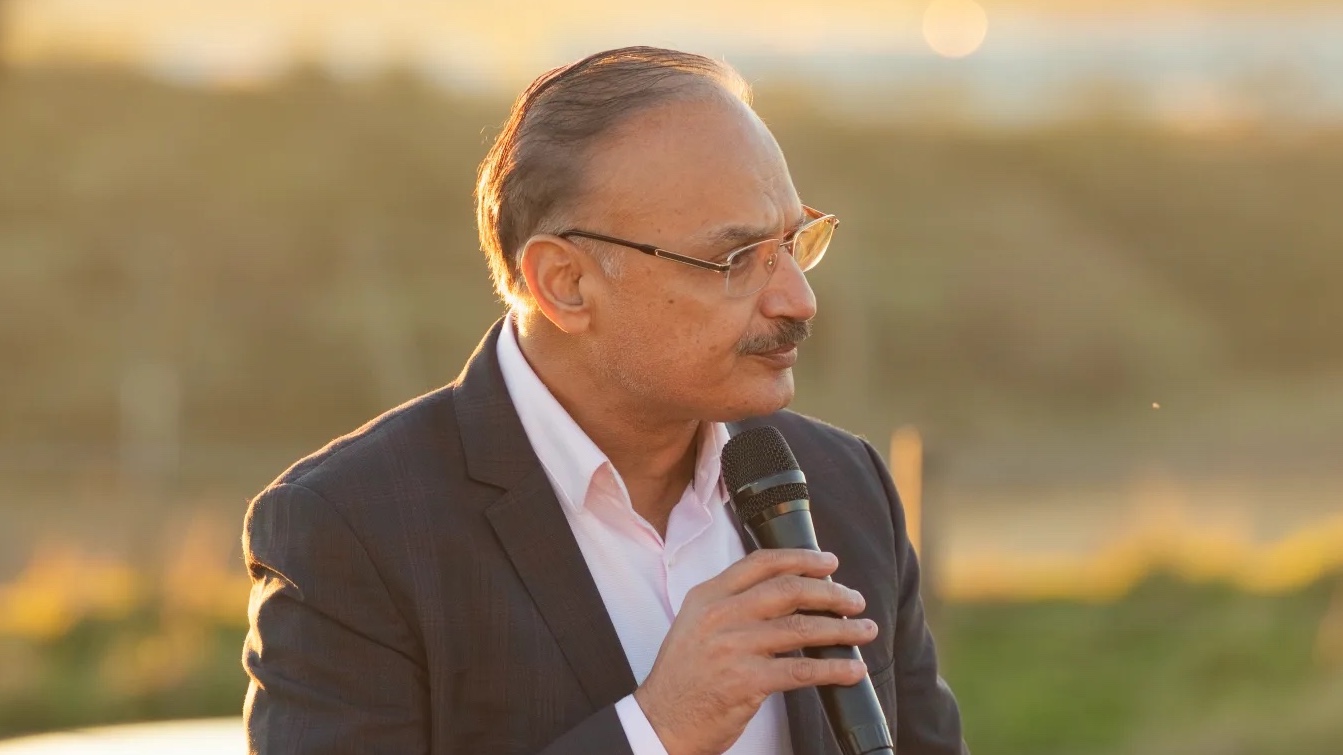
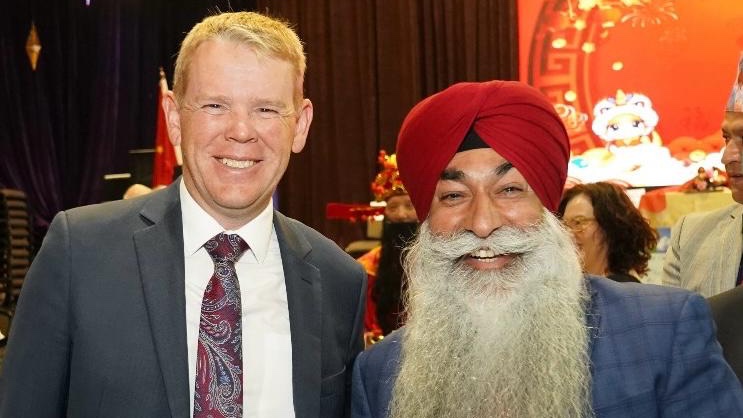
Malkiat Singh is ACT Party's candidate from Papakura.
"I think Brian Tamaki may actually start liking me if he ever had a good discussion with me on the topic of God."
ACT candidate for Papakura, Malkiat Singh, has offered Brian Tamaki a “bridge of love” after the Destiny Church leader singled him out in a Facebook post claiming mass immigration was now driving New Zealand politics.
In a June 7 Facebook post titled “Where is New Zealand heading?”, Tamaki said Election 2026 was raising a bigger question than who governs Parliament.
“This Sunday, I'm asking the biggest question facing New Zealand,” Tamaki wrote. “Not who governs Parliament. But who governs the hearts of the people. Who is our God?”


Tamaki then pointed to Punjabi-language political advertising with politicians appearing with migrant communities, and ACT’s selection of Singh as its Papakura candidate.
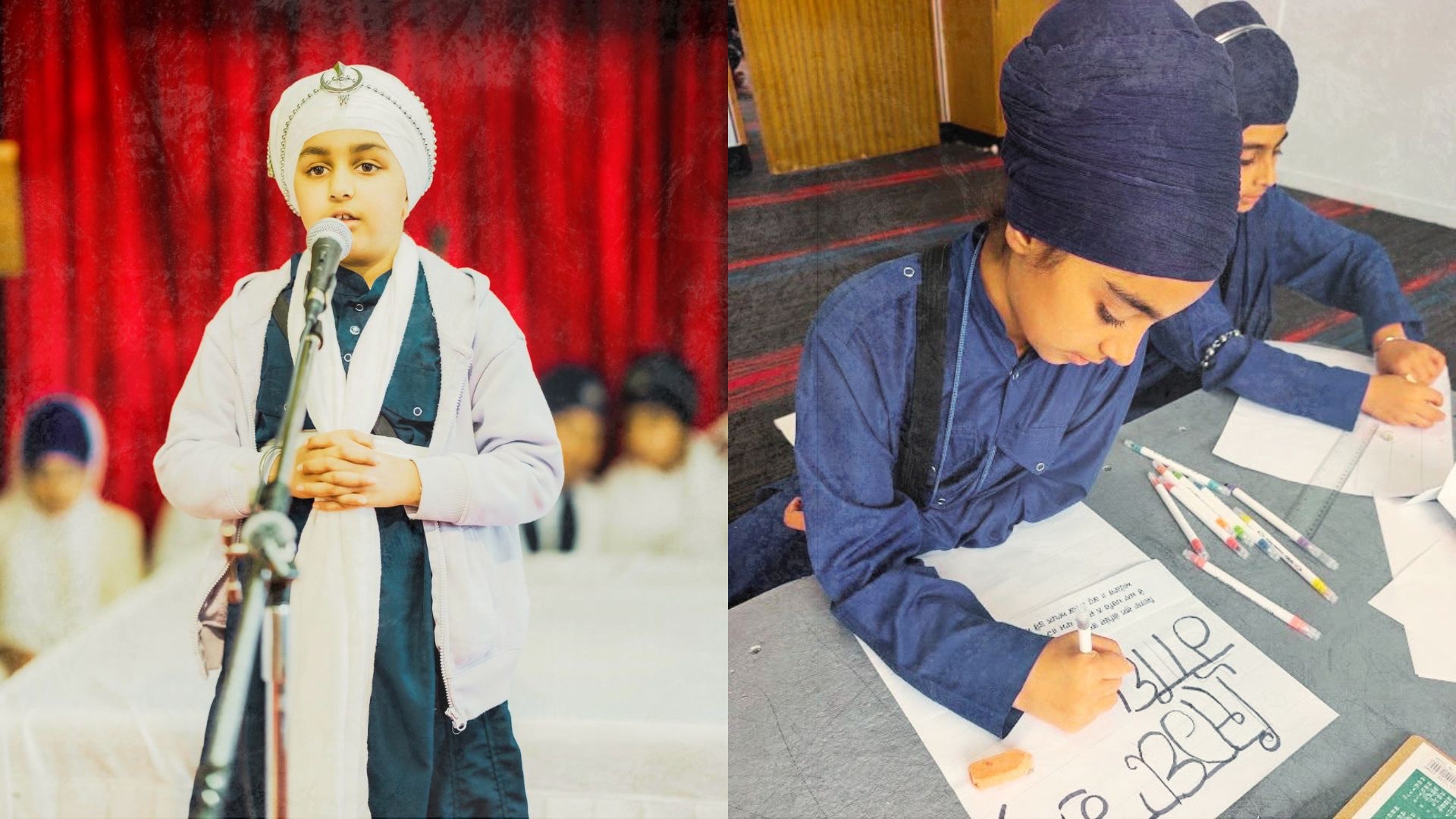
The Punjabi language post Tamaki cited was a piece of news coverage about ACT's recent announcement about school uniforms.
South Asian diaspora raises over $200,000 for New Zealanders missing in Nepal flood "I'm so proud of the Indian community here who...supported us, saying it is not a Nepal problem but our problem."
Tamakis launch Indian-origin candidate for Epsom who surrendered passport and has ‘assimilated’ “I know a whole lot of people are going to be like shocked,” says Hannah Tamaki.
Priyanca Radhakrishnan tries to puncture Luxon’s FTA victory, says India was already sold “Things have changed quite dramatically on the Indian government side,” says the Indian-origin Labour MP.

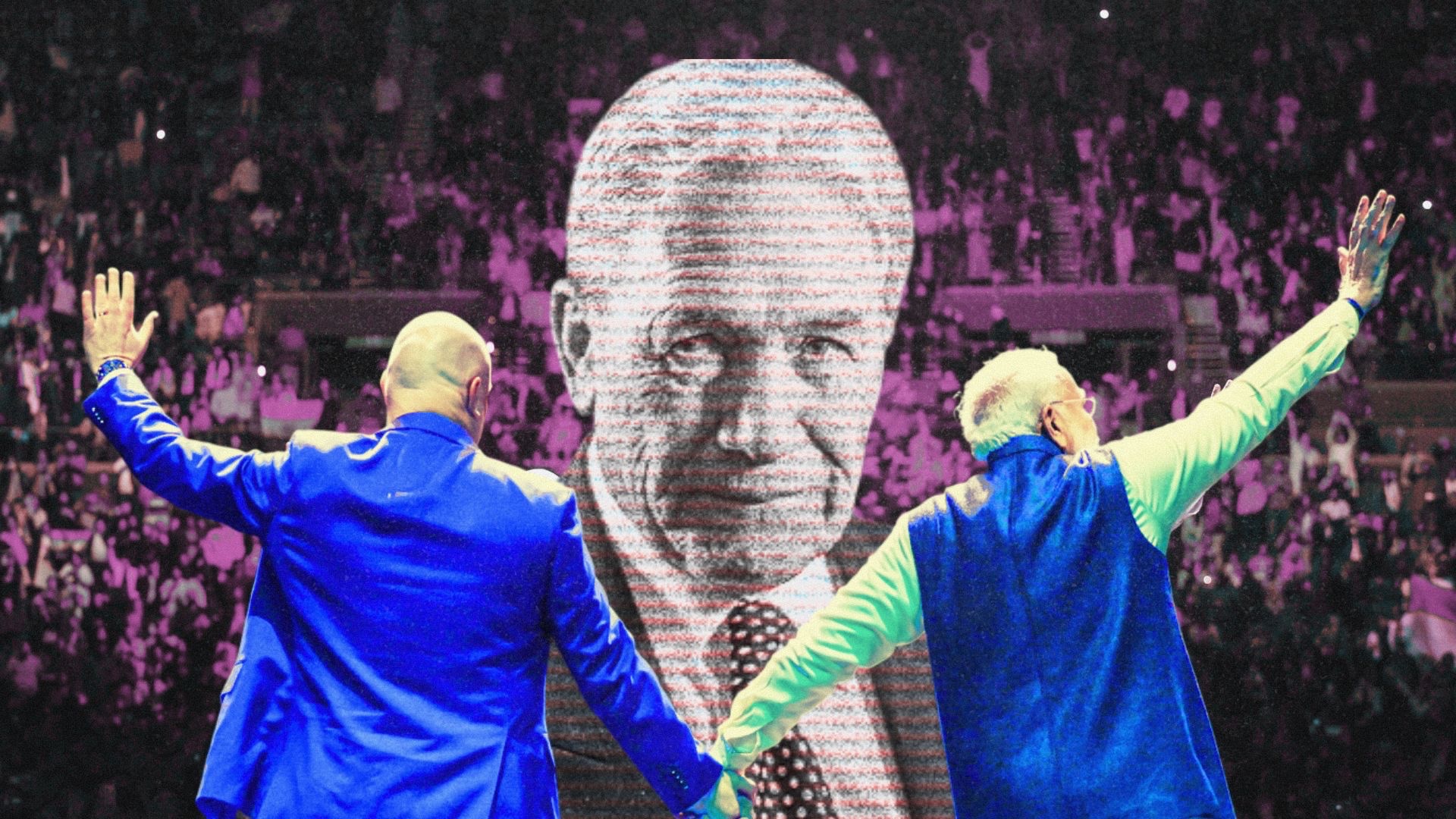
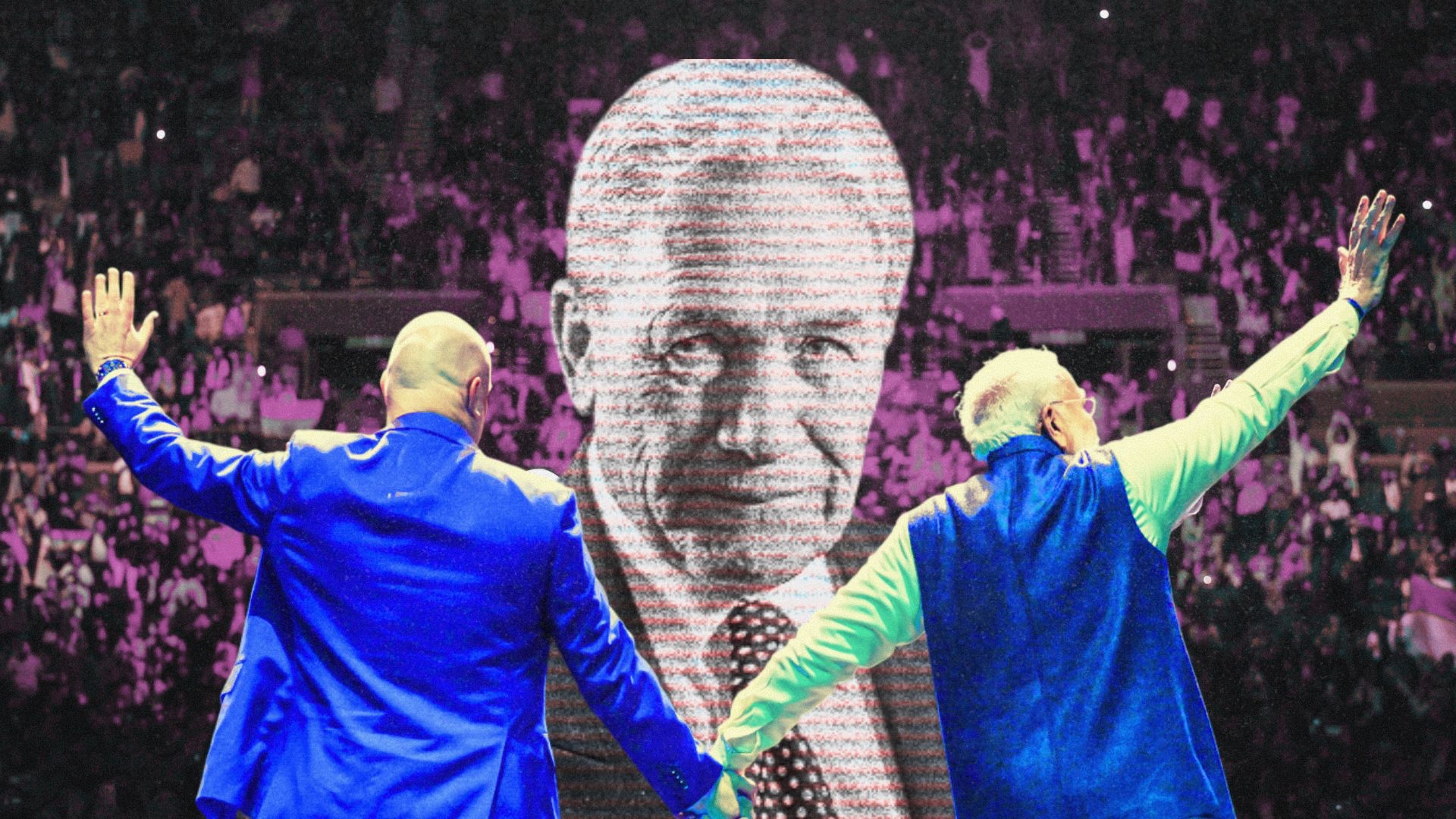
The Destiny Church leader posted a collage on Facebook with Malkiat Singh's photo as the centrepiece.
“NZ Political ads are now appearing in Punjabi!” he wrote.“Politicians are falling over themselves, lining up for photos with immigrant communities!
“And this week ACT announced its latest Papakura candidate, Malkiat Singh, a turban wearing Licensed Immigration Advisor. Plus candidates who are Iranian, Yugoslavian, Bulgarian…”
Singh, who was tagged in the comments section of the post, responded by inviting Tamaki to a public conversation.
“Thank you for tagging me,” Singh wrote.
“I think Brian Tamaki may actually start liking me if he ever had a good discussion with me on the topic of God, humanity and love, the values for which Jesus stood against oppressors of his time.”
Singh said he wanted a “peaceful face to face live telecasted korero” with Tamaki.
“I invite Brian for a peaceful face to face live telecasted korero, covering all topics starting from God, his fears of mass migration, culture, concept of assimilation and any other fears which may be stopping him from experiencing the peace that Jesus himself embodied,” Singh wrote.
“Brian, please invite me, at any place chosen by you, and you can invite any media to cover the meeting, I would be happy to build a bridge of love despite all the fears! I stand for all New Zealanders alike, and I know you want to as well!”
Singh did not directly attack Tamaki over his post framing migrant political participation as a threat to New Zealand’s identity.
Instead, he positioned the exchange as an opportunity to talk about faith, humanity, migration, culture and assimilation.
Singh’s professional background spans engineering, immigration advice, farming, business and performance coaching.
His public professional profile describes him as an engineer, organic farmer, licensed immigration adviser and performance coach, and as the founder of Carmento Immigration and Kings Eat Organics.
Singh’s invitation also draws on his own experience of inter-faith engagement in New Zealand.
He arrived from India in 2006 and spent his first years in Auckland, where he flatted with people from different origins including New Zealanders and migrants from other countries.
That experience exposed him to different cultures and languages, and he picked up a little Russian, Polish, German and Japanese.
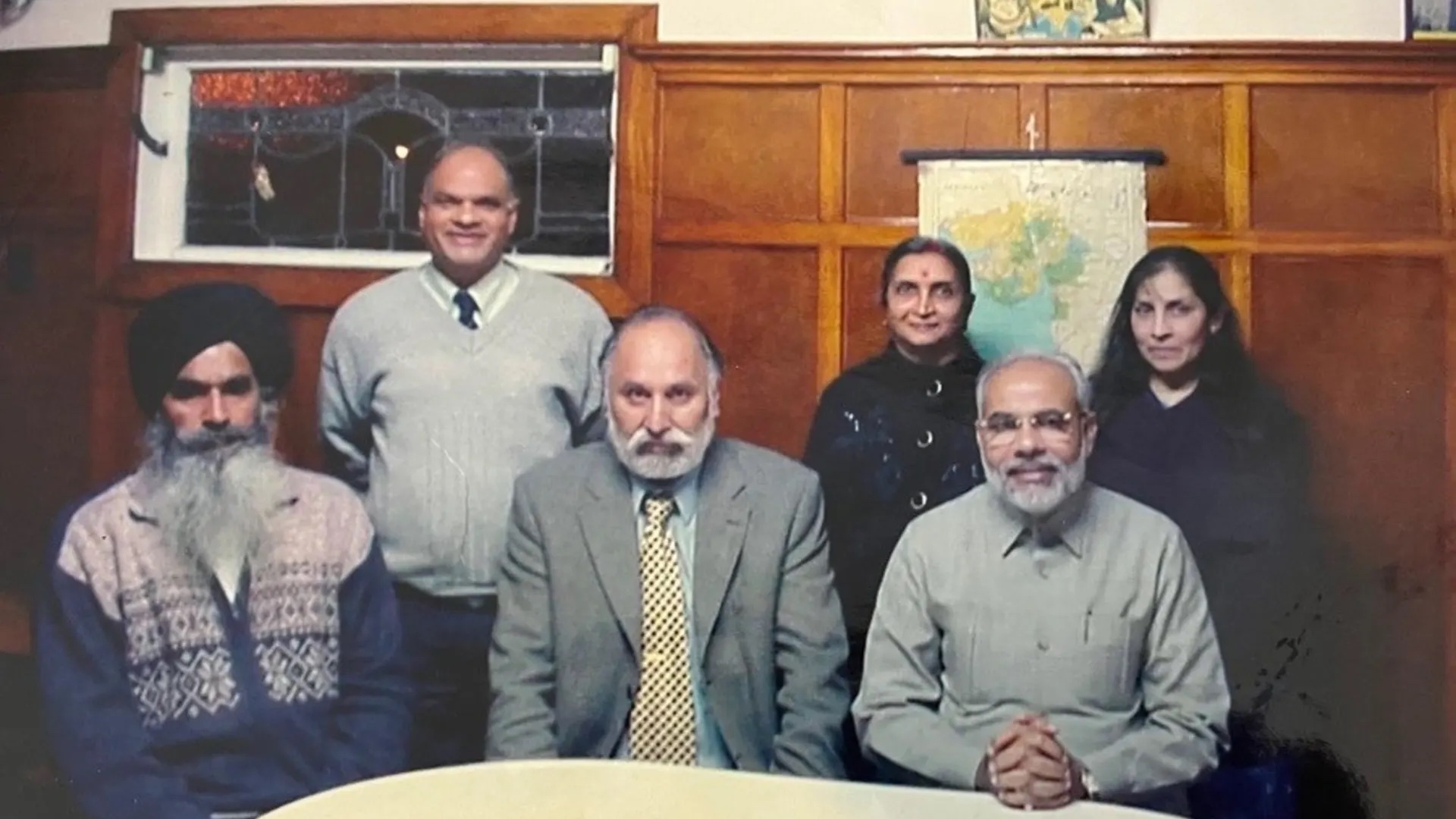
In 2010, Singh moved to Christchurch just before the earthquakes. At a time when Christchurch did not have a gurdwara after the earthquakes, he joined a Christian Bible home study group and attended for few years.
After returning to Auckland in 2018, he restarted attending Gurbani study group found by late Dr Kanwal Jit Singh, former dean of New Zealand College of Chiropractic.
Gurbani refers to hymns and teachings from the Guru Granth Sahib, which is regarded as the living guru of the Sikhs in the form of text-based knowledge.
That would explain why rather than avoiding religious language, Singh responded through it. Speaking about God, humanity, love and the values he said Jesus stood for.
The exchange comes as migrant visibility in New Zealand politics is becoming more prominent ahead of Election 2026.
Political parties increasingly campaign in different community languages, attend cultural and religious events, and select candidates from migrant backgrounds in electorates with diverse populations.
For many Indian and Sikh New Zealanders, Punjabi-language political material and a turban-wearing candidate are ordinary signs of participation in democratic politics.