Christian man who can't go to church in China granted asylum in New Zealand

The man in his 30s moved to New Zealand in 2023.
“The Chinese Communist Party has a policy to limit and control the practice of religion in China.”
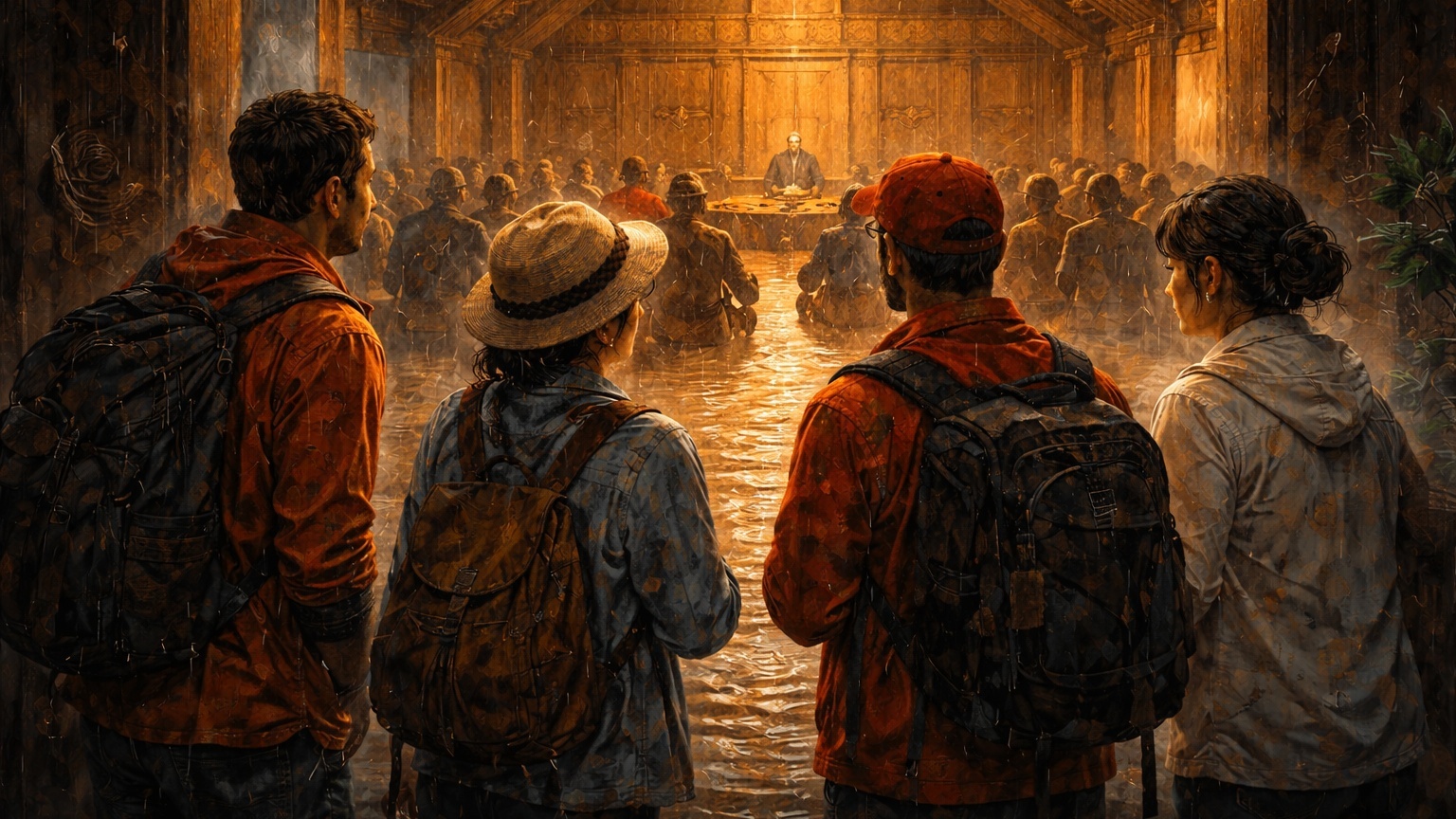
A Christian man who was detained for about five months after Chinese police raided an unregistered church gathering has been granted refugee status in New Zealand.
The country’s appellate immigration body has ruled the man faces a real chance of being arrested and detained again if he were to return to China and practice his faith through an unregistered church.
“The appellant has already been detained for five or six months simply for going to church,” tribunal member S Benson said in a September 3 decision by the Immigration and Protection Tribunal (IPT).


The man, whose identity is suppressed, was born in China in 1987 and told the IPT he had been exposed to Christianity through his grandmother as a child.
He later worked overseas, where he became involved with a church, before returning to China and attending Christian gatherings held in hotels and private homes.
Students with NZ visas told not to travel as Auckland business school faces enrollment ban The school says existing students can continue their studies and that it is working to have the restrictions lifted.
Police have confirmed Rakesh Naidoo is not under investigation, Labour says "The police need to front up here and explain what is going on."
'Don't escalate': Appeal for calm as police increase presence during Diwali amid planned protests Police promise a visible presence and urge festivalgoers to avoid confrontation as Brian Tamaki plans a rally on the same day.
In February 2022, he said he was among about 40 to 50 people attending a gathering in a hotel when police arrived and arrested everyone.
He said he was questioned about why he believed in Christianity and his involvement with the group. During the interrogation, a police officer reportedly hit him.
He was then transferred to a detention centre, where he was held for five or six months before being released without being charged. Police warned him not to attend further church gatherings and initially required him to report to his local police station once a month.
The IPT said that while China’s constitution provides for freedom of religious belief, “the Chinese Communist Party has a policy to limit and control the practice of religion in China”.
It said religious groups that register with the government are subject to “the intrusive supervision and control” of state religious organisations, the government and ultimately the Communist Party.
The IPT also said the state would “continue to target Christians who attend unregistered house churches in China” through measures including arrest and detention.
The man arrived in New Zealand in February 2023 on a work visa and later began attending an Auckland church, where he was baptised in 2024. His wife and child remain in China.
Immigration New Zealand declined his initial refugee claim, prompting his appeal to the IPT. One issue considered by the tribunal was his relatively limited knowledge of Christianity, but it accepted his faith was genuine.
The IPT said Christians in China who worship outside state-approved churches can face arrest and detention.
It accepted the man would not want to attend a church controlled by the Chinese Communist Party, and said avoiding an unregistered house church would force him to suppress how he chose to practise his faith.
“If the appellant did not attend a house church in China, he would have to suppress his own choice about what constitutes spiritually meaningful religious practice,” the IPT said.
It found there was a real chance he could again be detained if he returned to an unregistered church, potentially for as long as his previous detention or longer because authorities could regard him as a repeat offender.
Since the feared persecution came from the state, the IPT also found there was nowhere else within China he could reasonably relocate to avoid the risk.
“For the foregoing reasons, the appellant is recognised as a refugee,” Benson ruled.