
Do MPs really have it good? How their pay, perks compare with corporate bigwigs

Interest around the remuneration our MPs afford has piqued in the times of 'small goevernment'.
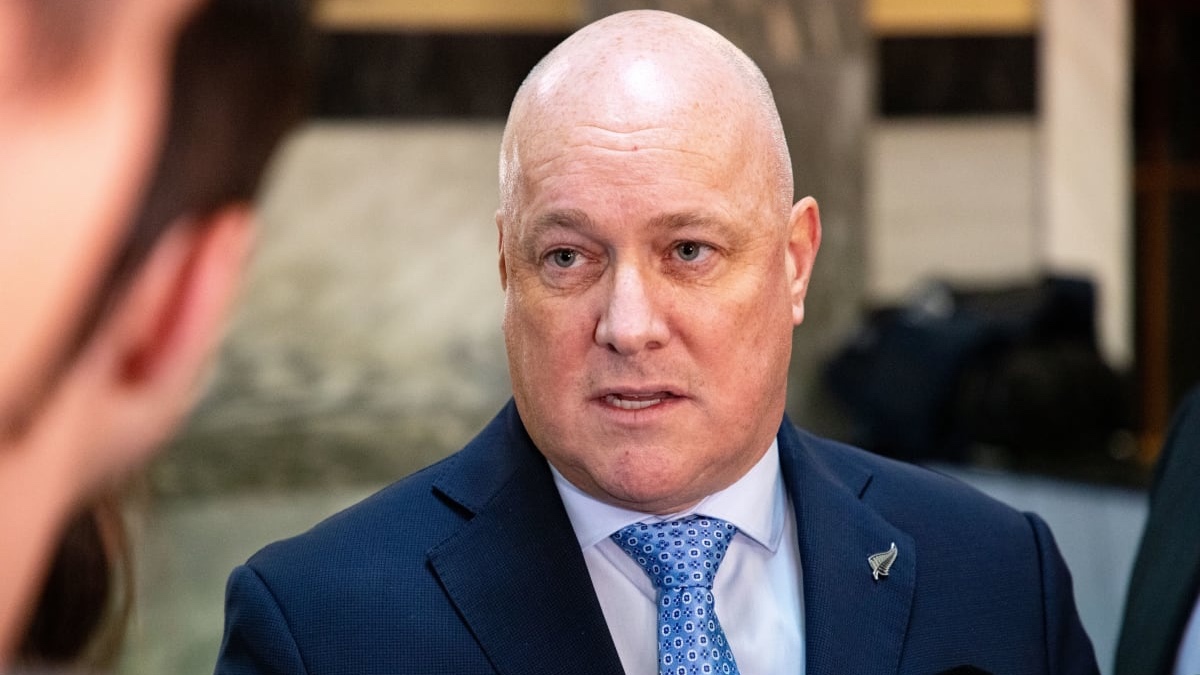
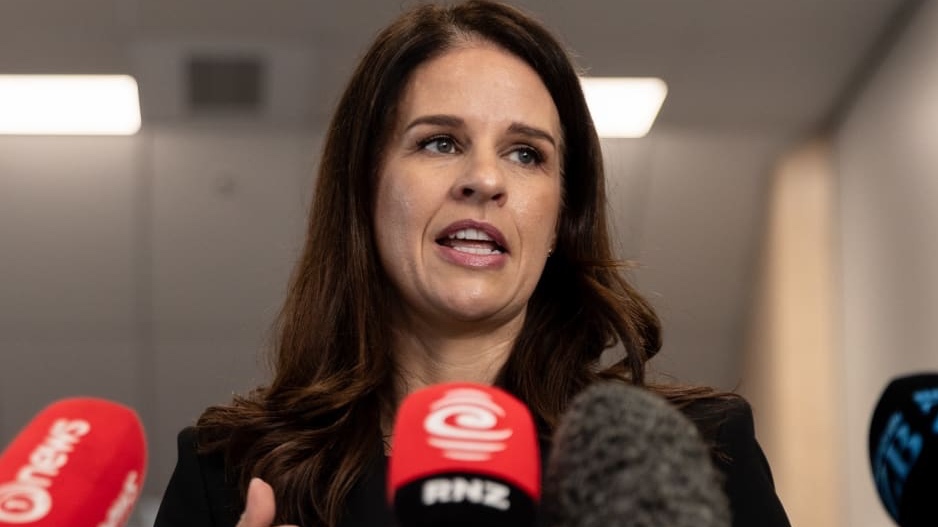
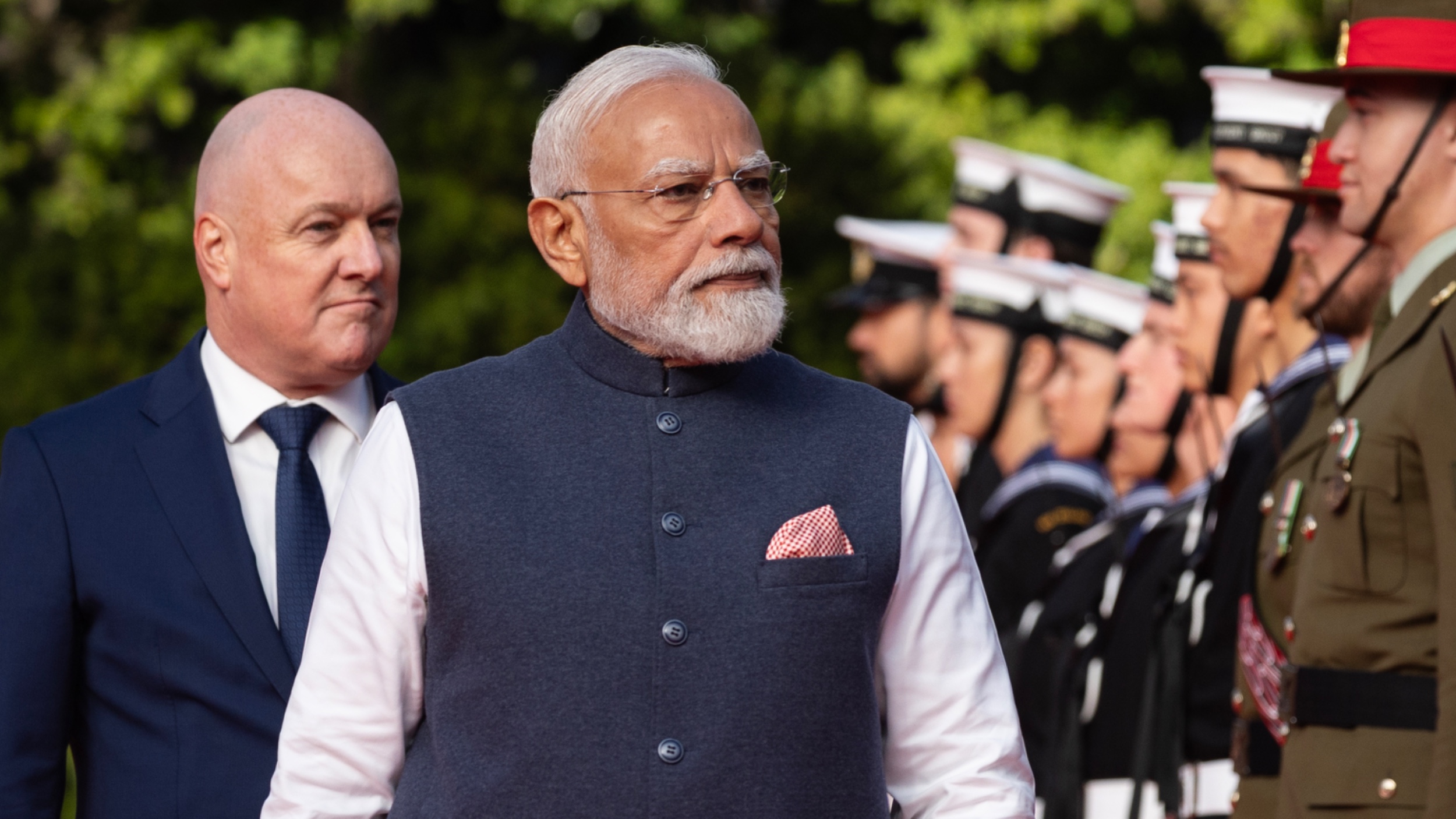
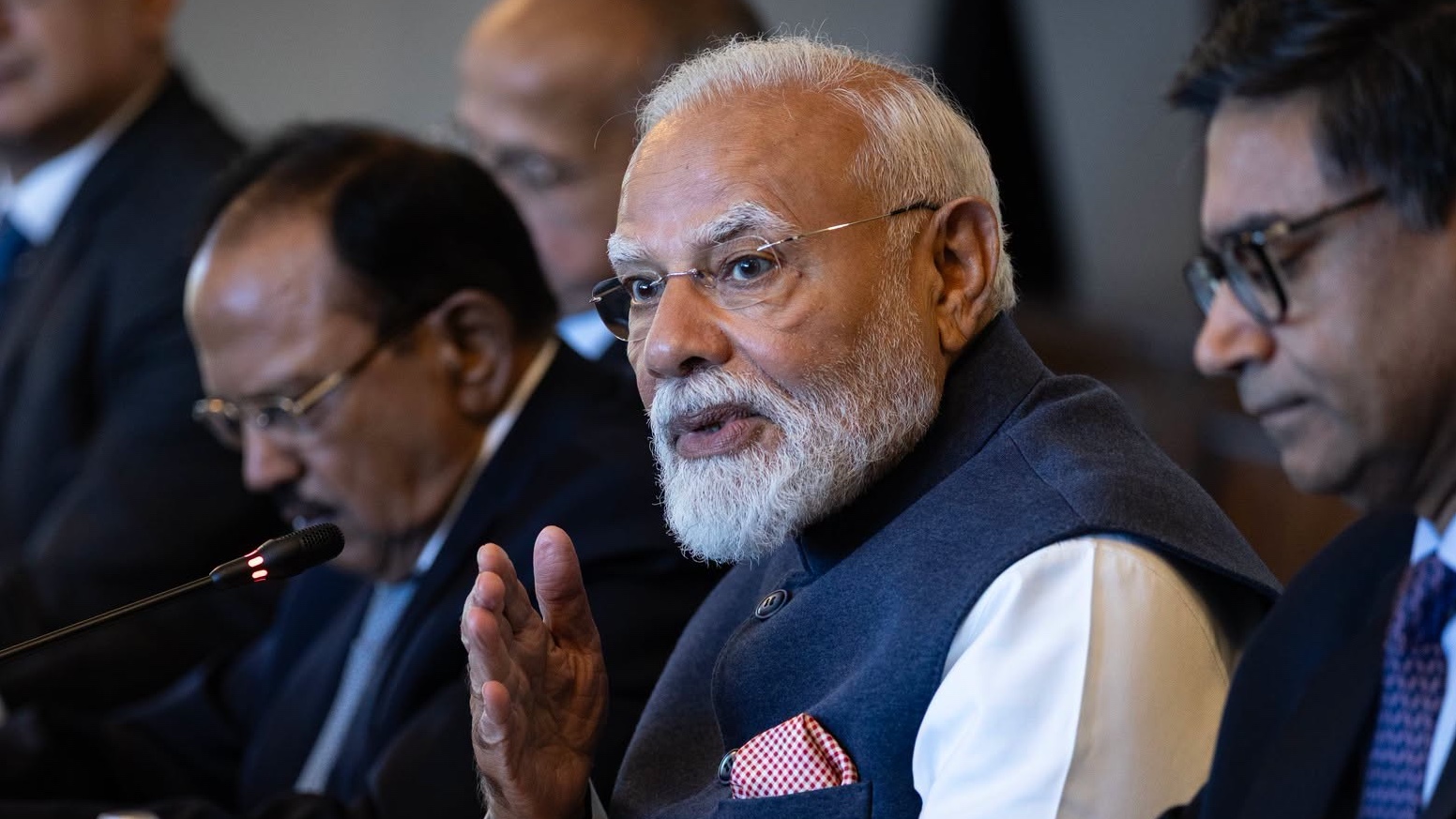
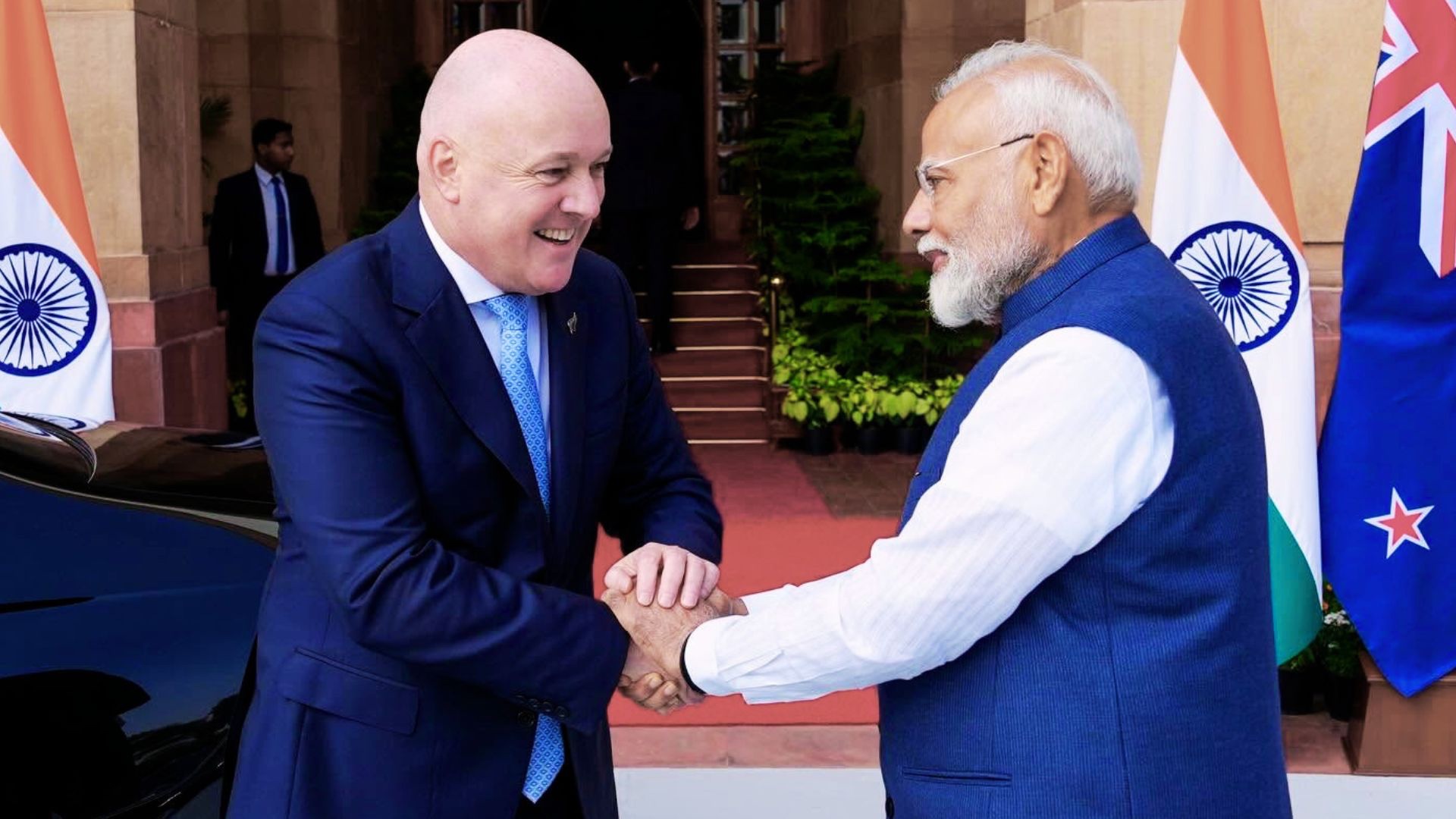
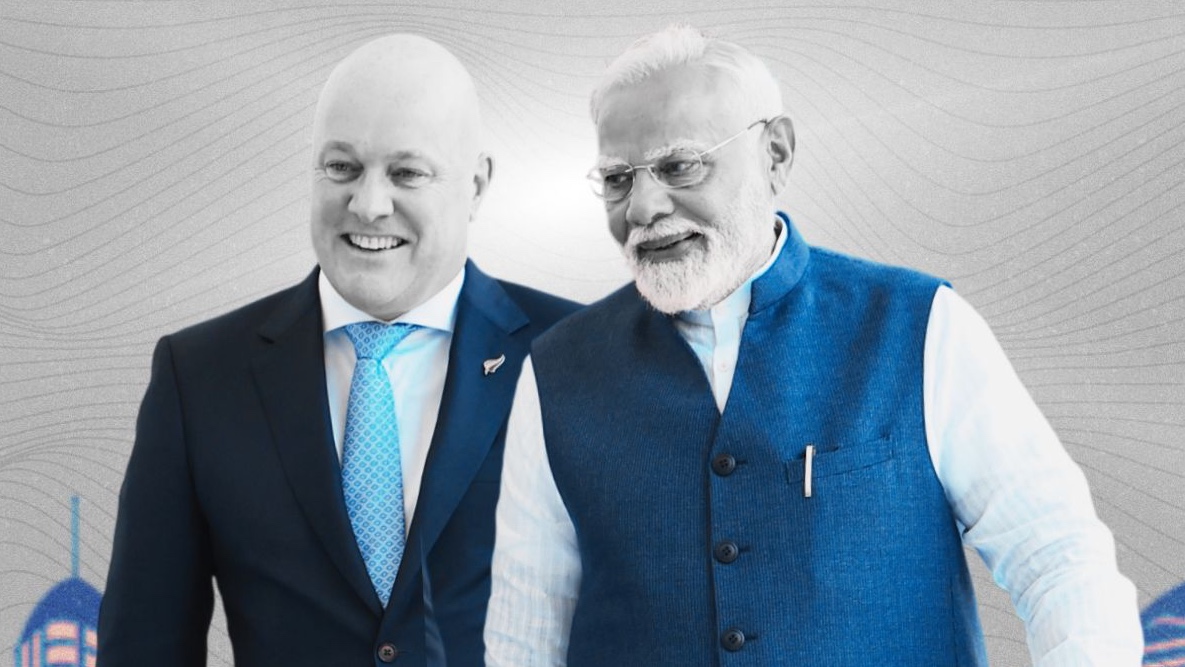
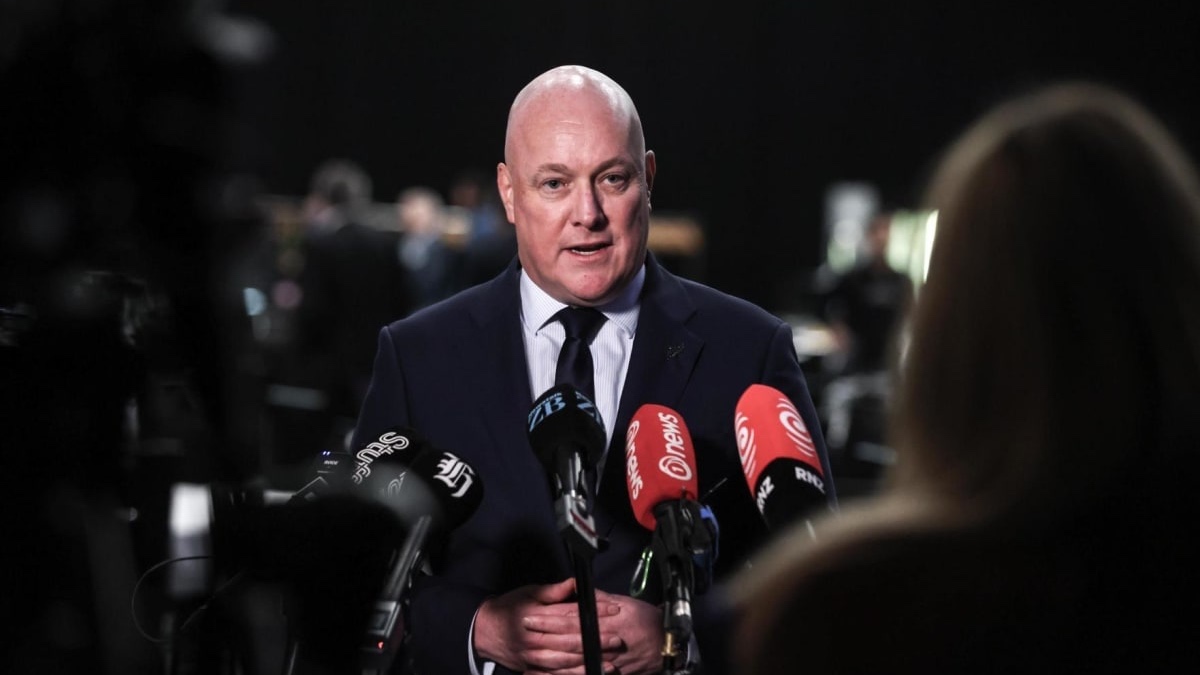
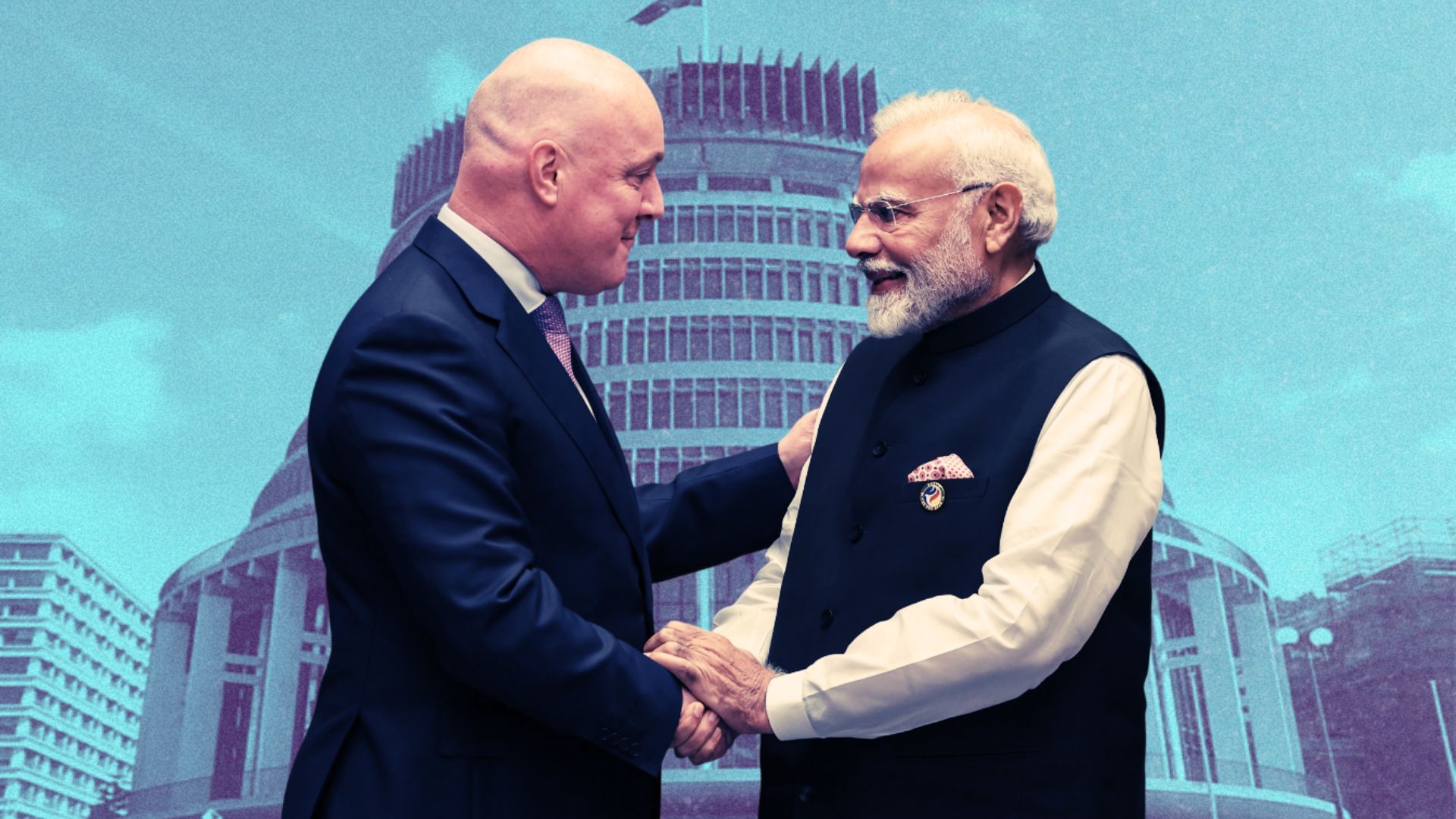
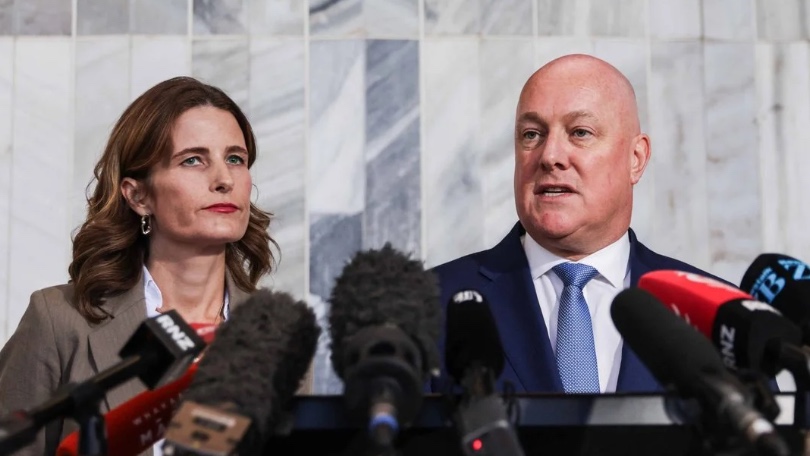
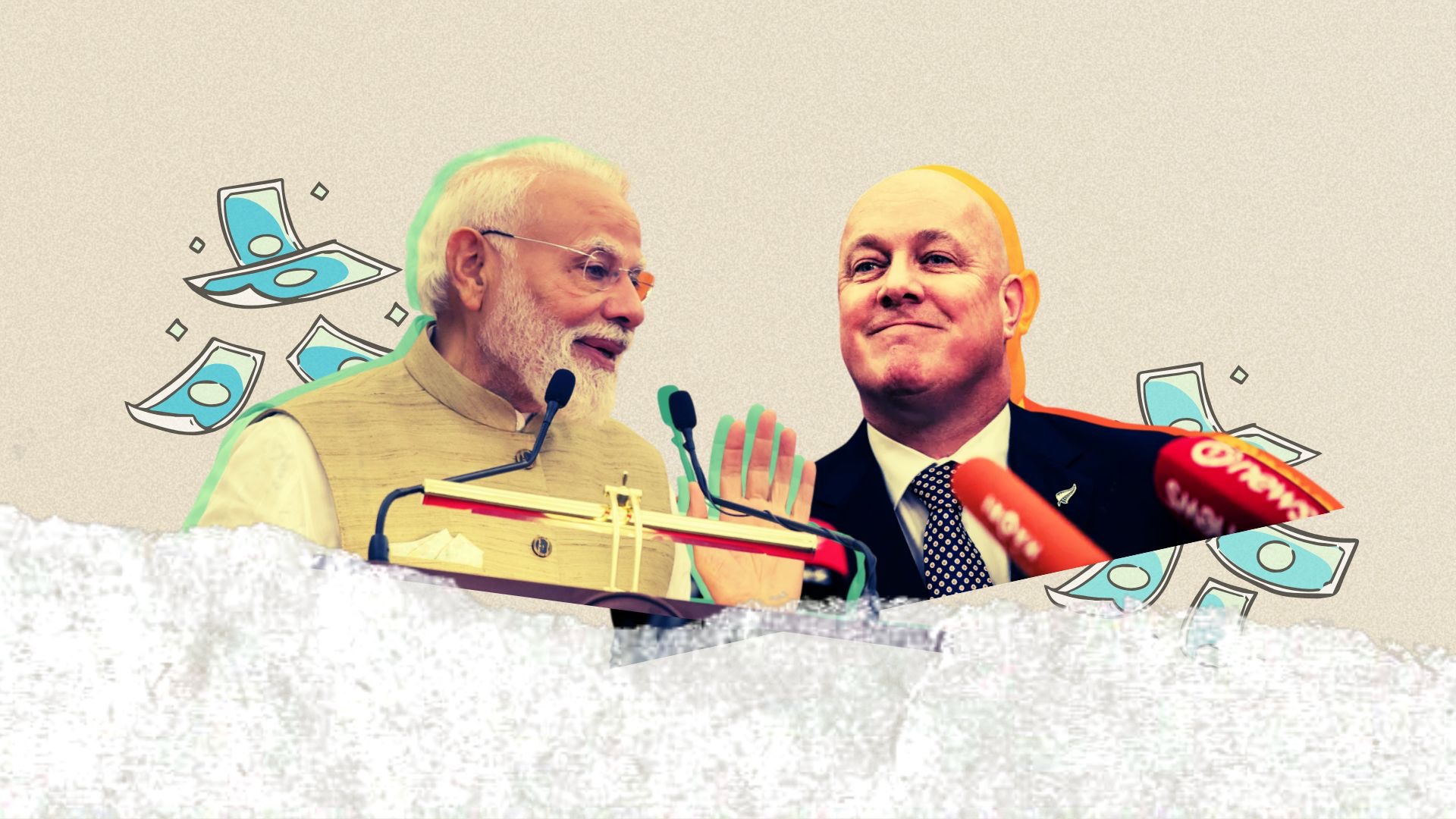
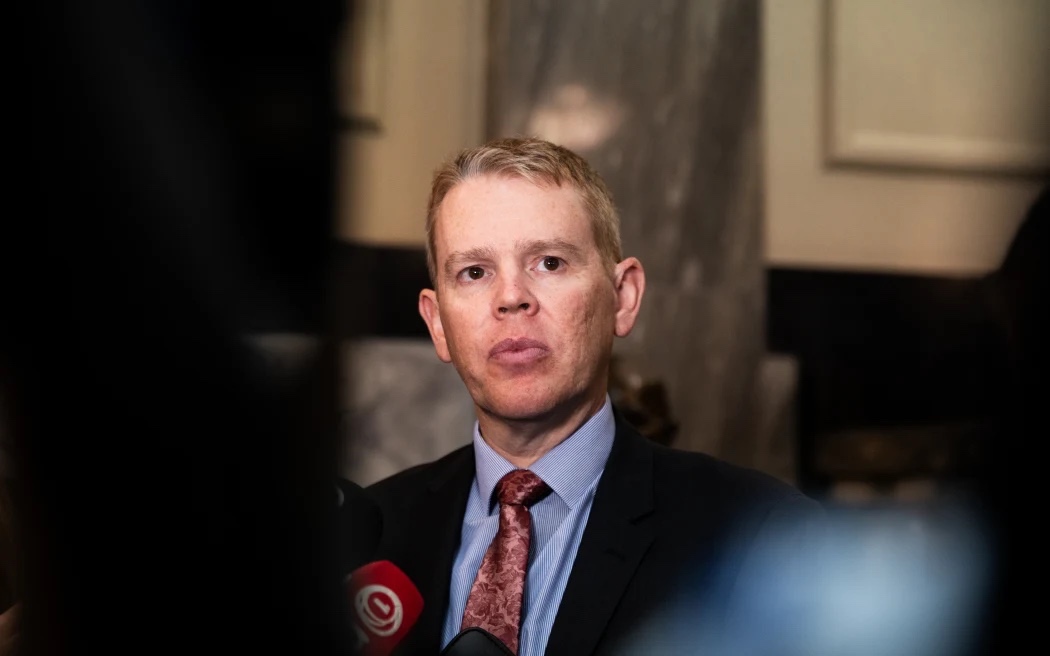
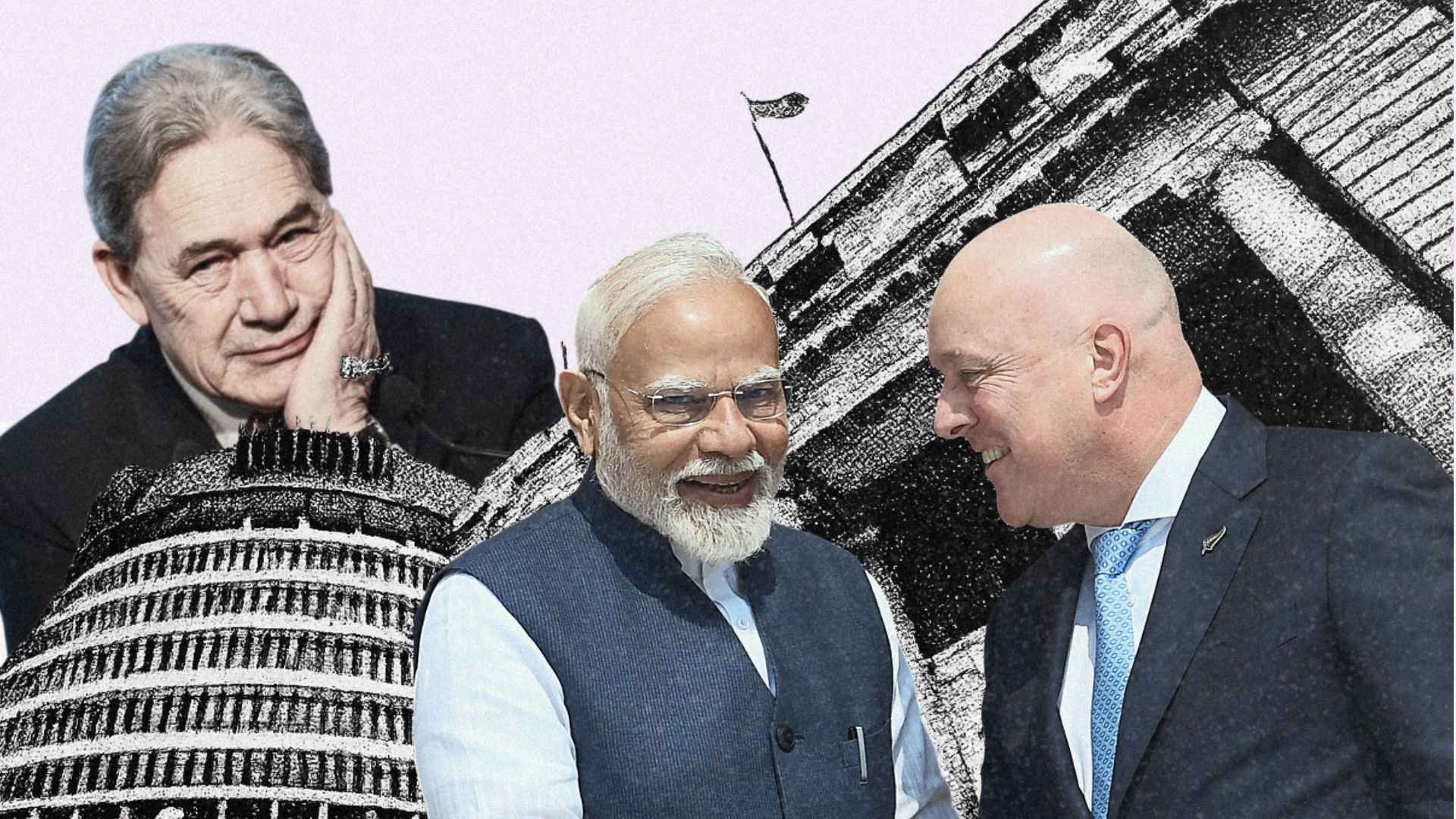
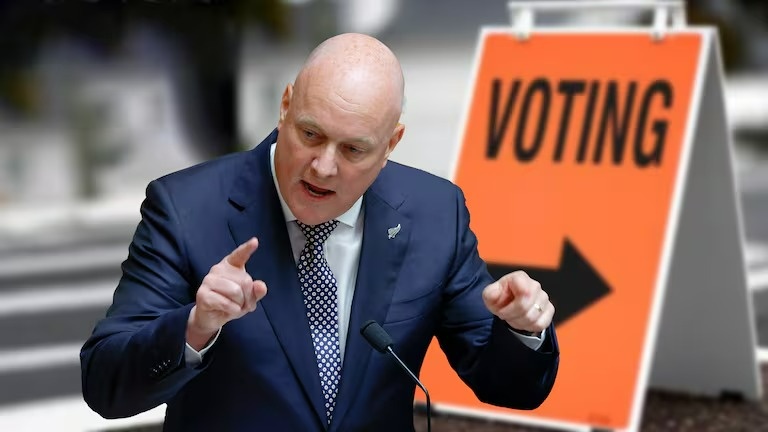
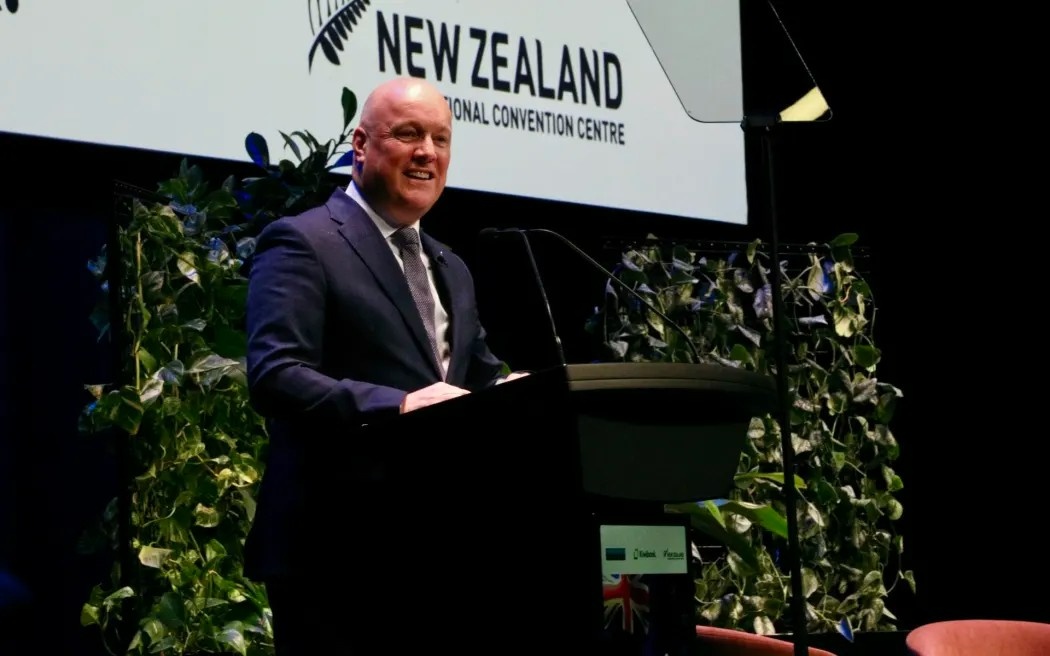
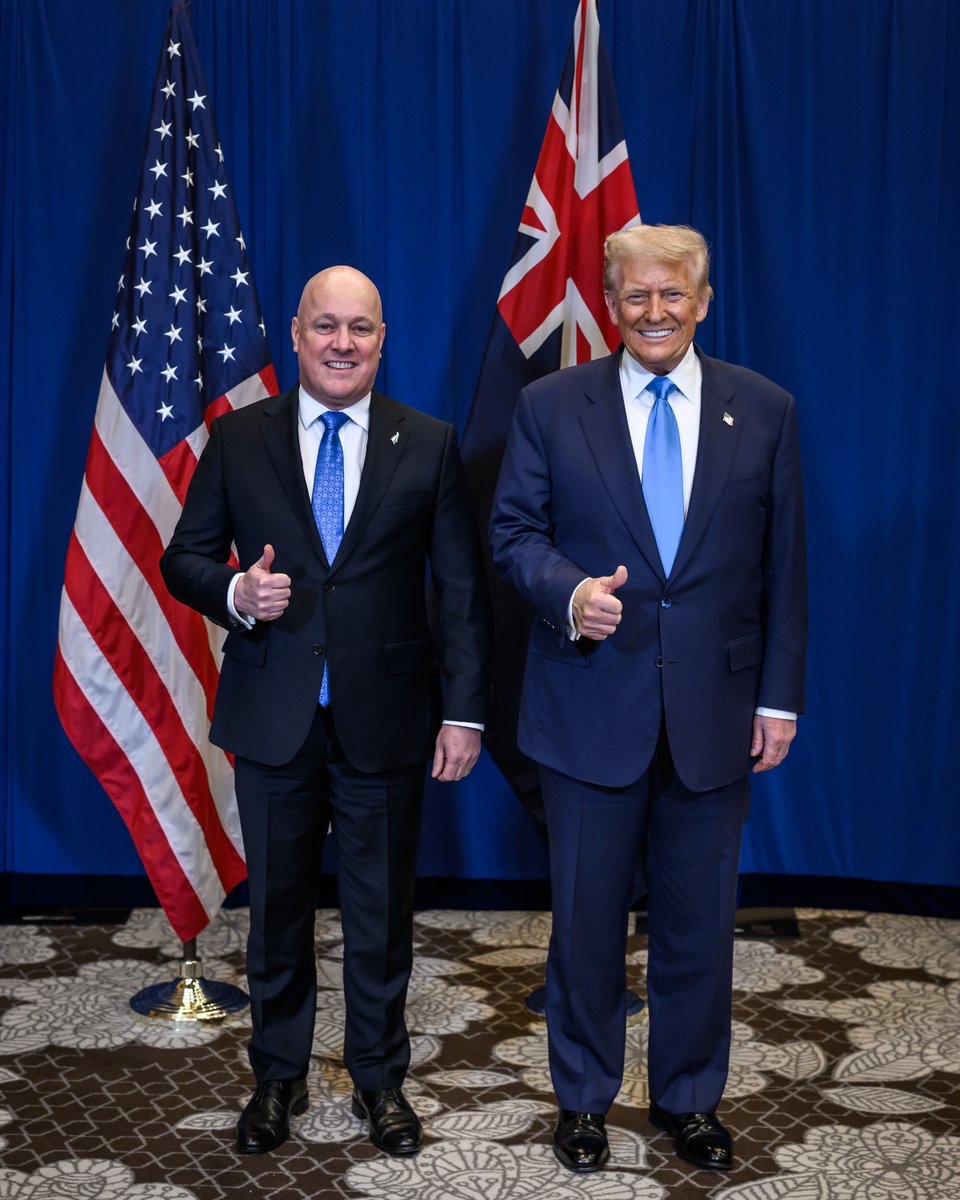
Prime minister Christopher Luxon earned about $4 million a year as leader at Air New Zealand.
Political perks have been in focus recently, as scrutiny has gone on everything from the accommodation supplements being claimed to live in Wellington to the travel incentives handed to retired members of Parliament.
But how do the perks compare to those in the private sector, and is change needed?
The pay
MPs are paid a base salary that increases according to their role and responsibility.
From July that will be anything from $181,200 for a backbencher through to $520,500 for the prime minister.
'Devastating': Indian family racially abused in Christchurch, hunt on to identify attacker “We’ll always be reminded of this, thanks to this man who thinks we don’t belong.”
Immigration reset: National drops hints as parties on left and right target permanent residence New Zealand's permanent residence framework provides an edge over Australia and Canada in attracting overseas talent.
NZ First’s policy of division: Turning hatred of migrants into political power This is no immigration reform. It is the politics of exclusion presented as population planning.
While this is higher than the national average salary for full-time employees of just under $90,000, and the average for the public service of $103,300, it's probably not as high as some MPs could earn in the private sector.
Prime Minister Christopher Luxon earned about $4 million a year when he was in the top role at Air New Zealand.
Public service staff at the highest levels of seniority had an average salary of $461,800 last year, and tier two staff were at $320,600. Chief executives in the public sector were earning an average $500,000.
Geoff Plimmer, Victoria University associate professor, said the Remuneration Authority, which sets politicians' pay tried to do a comparison and job sizing exercise around pay rates and allowances.
"From what I can see, they did a reasonable job of following the steps and looking at what MPs in Canada and Australia and other comparable countries get.
"But they've come up with a really complicated sorted system, which is what the system requires in a way because the job of being an MP is so weird and hard to compare to private sector jobs or other public sector jobs, like running a government department. It's just a really profoundly unusual job. So comparisons don't really apply or are difficult to make."

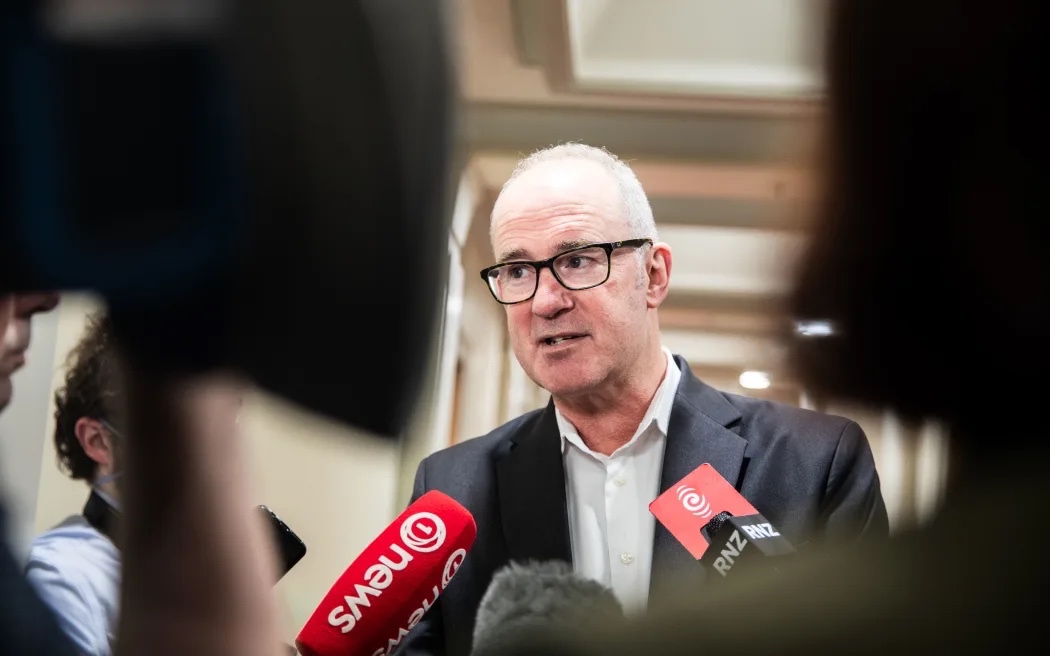
A man with glasses and a blue shirt stands in a busy office, surrounded by multiple desks with computers, papers, and office supplies.
Victoria University associate professor Geoff Plimmer. (RNZ/Rebekah Parsons-King)
Other perks
MPs can also claim an accommodation supplement. Ministers can claim about $1000 a week and regular MPs about $36,000 a year.
They also receive a superannuation subsidy of up to 20 percent of their salary at a rate of $2.50 for every $1 they contribute.
MPs who entered Parliament before 1999 can receive rebates on travel through their life, although the prime minister has asked for advice on this.
They receive pay for three months if they choose not to stand for re-election, or are not re-elected. MPs and sometimes their families can receive funding for work-related travel.
They also receive a tax-free allowance to cover things like entertainment for visitors and officials, koha, memberships and sponsorships.
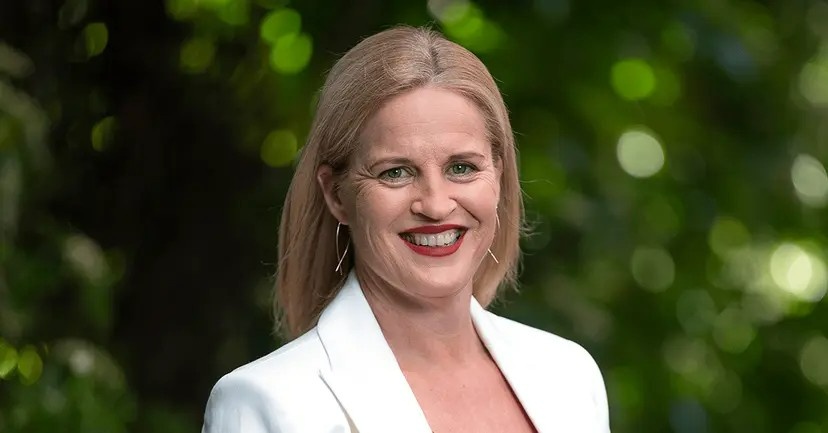
University of Otago associate professor Lynnaire Sheridan said it was hard to compare the perks to the private sector because a lot of the information about private sector job incentives was not disclosed publicly.
The organisation would not be talking to you about relocation costs if you're already in Wellington. So it kind of is this dynamic where the public's going, hang on a tick, I'm totally okay with attracting the best talent, making sure we attract the right people, the right skills, the right talent.
"I think the sticking point, from what I can tell, is that in the private sector people have that view that it's okay to provide, through individual bargaining, what it takes to get the right talent in the right place.
“It's in this context that we kind of see the government almost sitting in a collective bargaining model ... transparency with the public becomes this double-edged sword because they can't see what the private sector is able to negotiate in closed room meetings, versus it being very clear and revealed what the government MPs get.
"This issue appears to be around fairness. So it's the idea that it almost seems like if we were thinking about it in a private sector context, it would be behind closed doors, but it's also quite unlikely that someone would individually bargain for something they don't need …
"When it's done as almost a rental subsidy, rather than just actually saying we need to look at the remuneration package overall, and it's about everyone getting the same sort of distribution to spend however they want, I think that's kind of the discrepancy there ... in the private sector it would just be simpler and you would just bargain around what the person actually wants rather than it being this collective agreement that does strange things."
She said the tougher economic climate made it a harder prospect for the public to understand.
"They'd be saying 'well, if I were moving city right now', as I imagine many people are to attain work, not all of them will have relocation allowances and then subsidies to be able to stay in two different places."
Sheridan said through the post-pandemic years when the labour market was tight, many private businesses took measures to retain staff.
"In that environment, people wouldn't have blinked as much."
Recruitment firms said accommodation support was offered in the private sector when it was to help people relocate, or in regional roles where there was likely to be a housing barrier.
Plimmer said things like the superannuation reflected the fact that parliamentarians could have their careers cut short by political cycles, and could find themselves unemployable if they were associated with a scandal.
The problem
Both Sheridan and Plimmer said the system could be made less complex.
"Another system which might be much more simple is one where they're given a lump sum allowance. There'd be some rough justice in it but essentially they could spend it on work-related things or things they could justify as work-related, as they wanted," Plimmer said.
"It just might save a lot of the stories and the hassle.
"I think one of the unfortunate effects of it is that it sort of lowers trust in parliamentarians, who often adhere to the rules and they still get caught out by the media because they're claiming the accommodation supplements or they're using the very generous superannuation scheme to buy a house or something like that. And usually it seems to be within what's been allowed.
"And sometimes there are reasonable policy reasons for allowing that as well. So I think in terms of just maintaining trust in parliamentarians and the political process, there's a case to actually just simplify it radically and say, well, this is different from any other job and we're going to give you a set amount that is a little bit on the lean side, hopefully, and you can spend it. So if you're an MP in Wellington, but you have to go to Auckland a lot, you can pay for the accommodation out of that.
"If you're based out of town and you have to be in Wellington, you can fund that as well and sort of let it fall where it does. But I think the current catching MPs out is quite harmful ... I personally would favour a much more simple system that didn't expose MPs to so much and, importantly, net overall didn't cost the taxpayers more as well.
"Endless regulations will never really capture the nuance of what is truly fair, however you define fairness. There's a case to say 'well you get this to live on as an MP because it's a crazy weird job of late hours and public demands and people abusing you in the street. Then you can make the best of it'."
(This story was first published on rnz.co.nz)