
Erica Stanford won't have migrant bus drivers whose English is not good enough

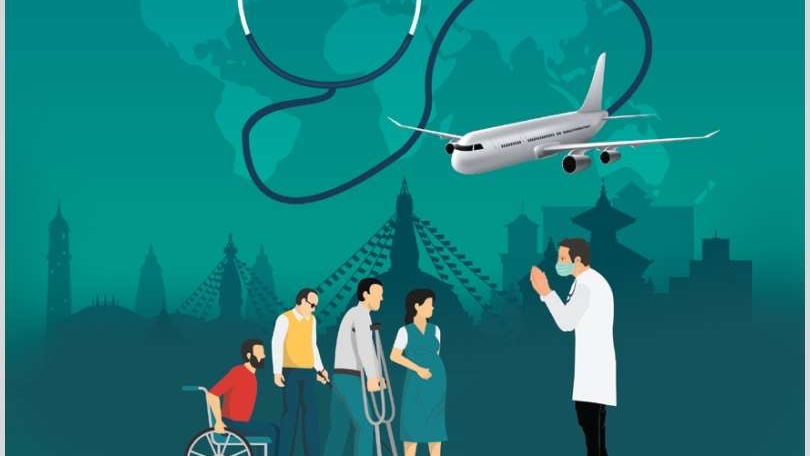
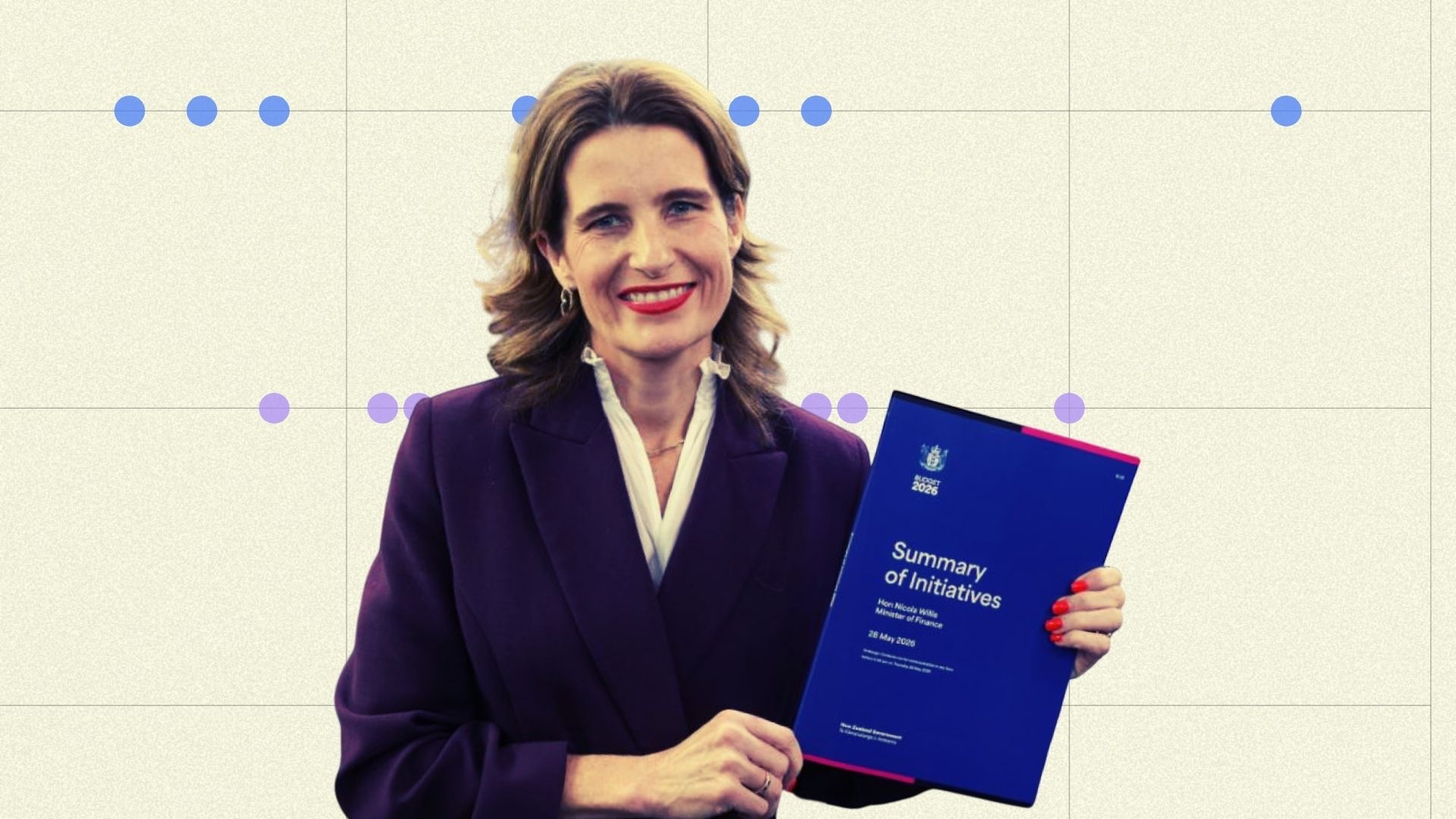
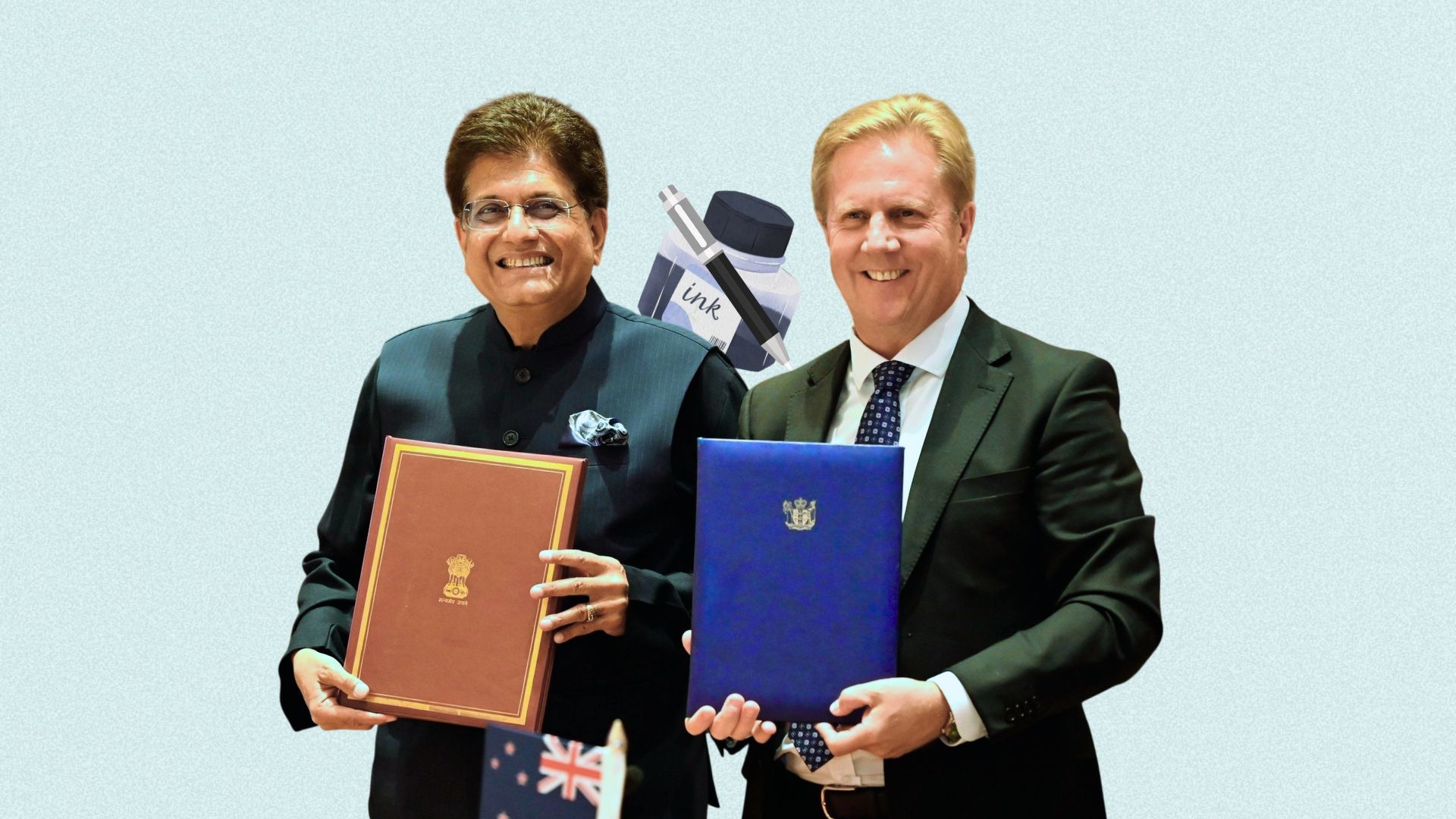
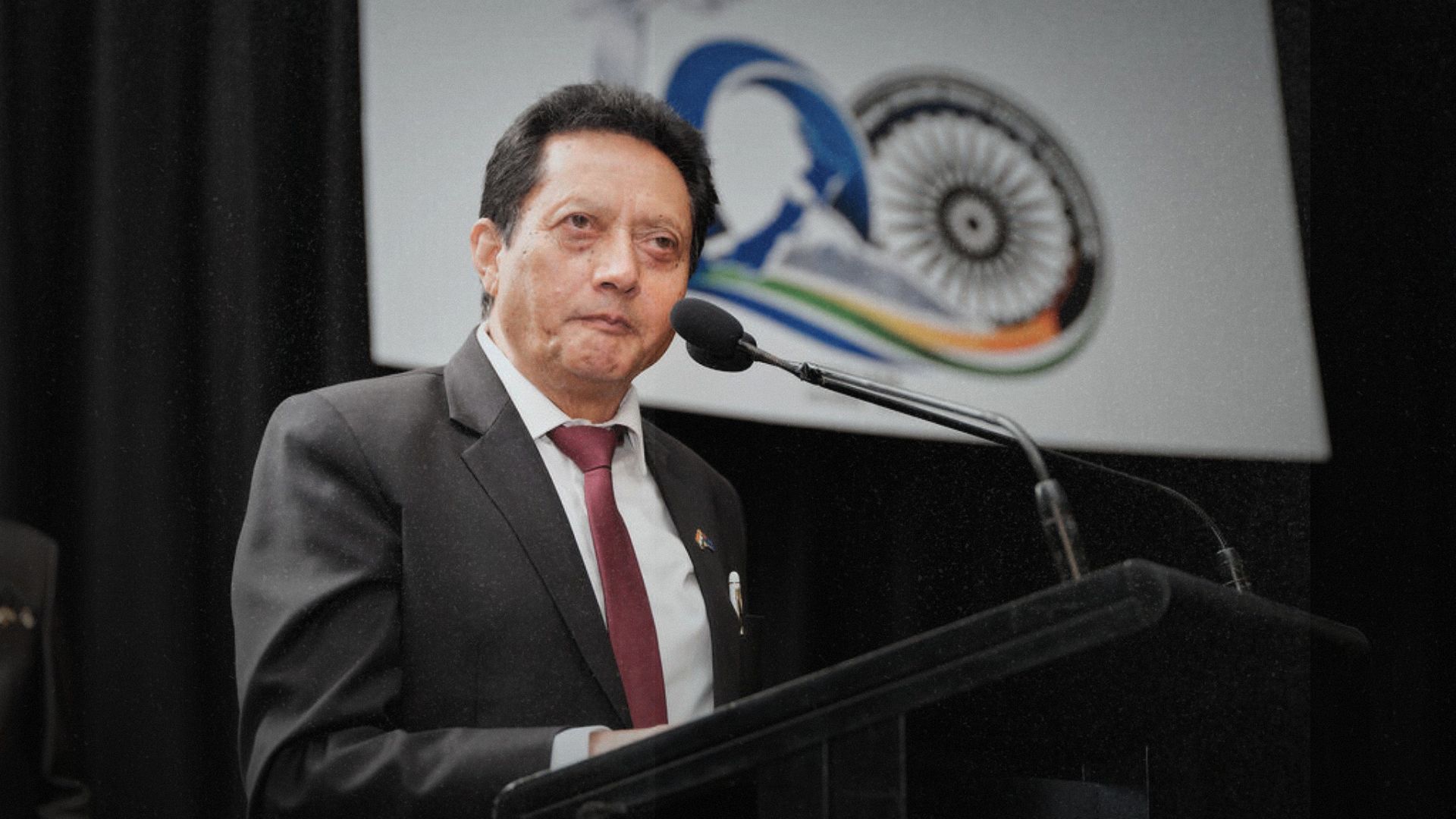
Artwork inspired by Bollywood movie 'English Vinglish'.
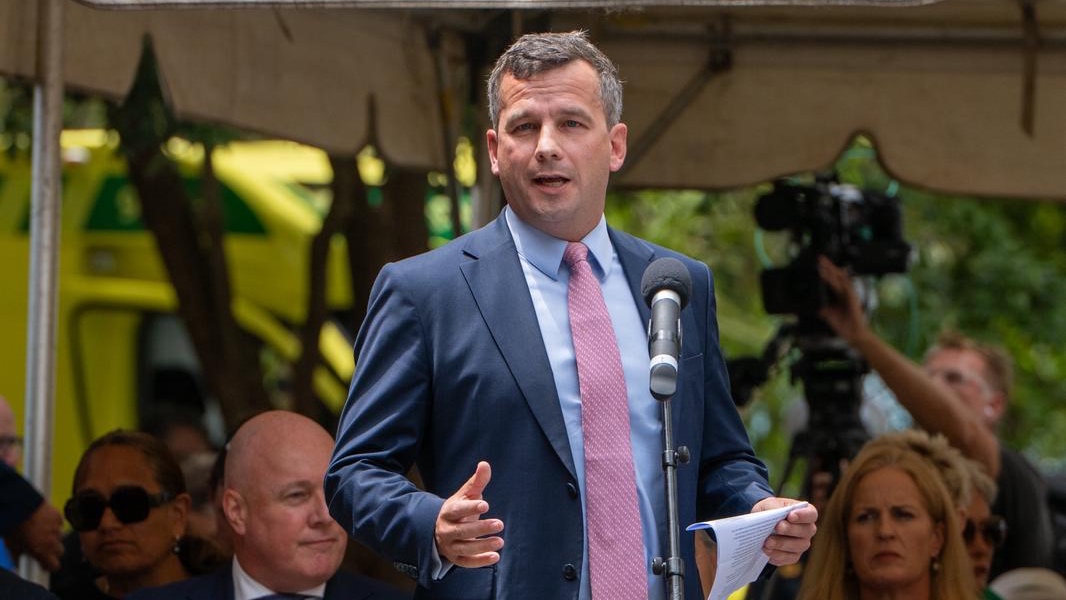
The government has a lower standard for wealthy migrants compared to bus drivers, says a Green MP.
Analysis: The immigration minister's insistence that migrant bus drivers either improve their English or return home can be both baffling and understandable at the same time.
In 2022-23, New Zealand was so short on drivers that bus services were frequently disrupted. The government hired from overseas, creating a new Transport Work to Residence pathway that allowed drivers to apply for residency after two years.
Nearly one in every five bus drivers in the country is on a temporary visa, according to industry estimates. That's about 1,000 drivers whose visas are due to expire in the next two years.


Many of these drivers can apply for residence. But residency rules require a standard of English proficiency that some describe as academic. Many drivers are failing to make those scores.
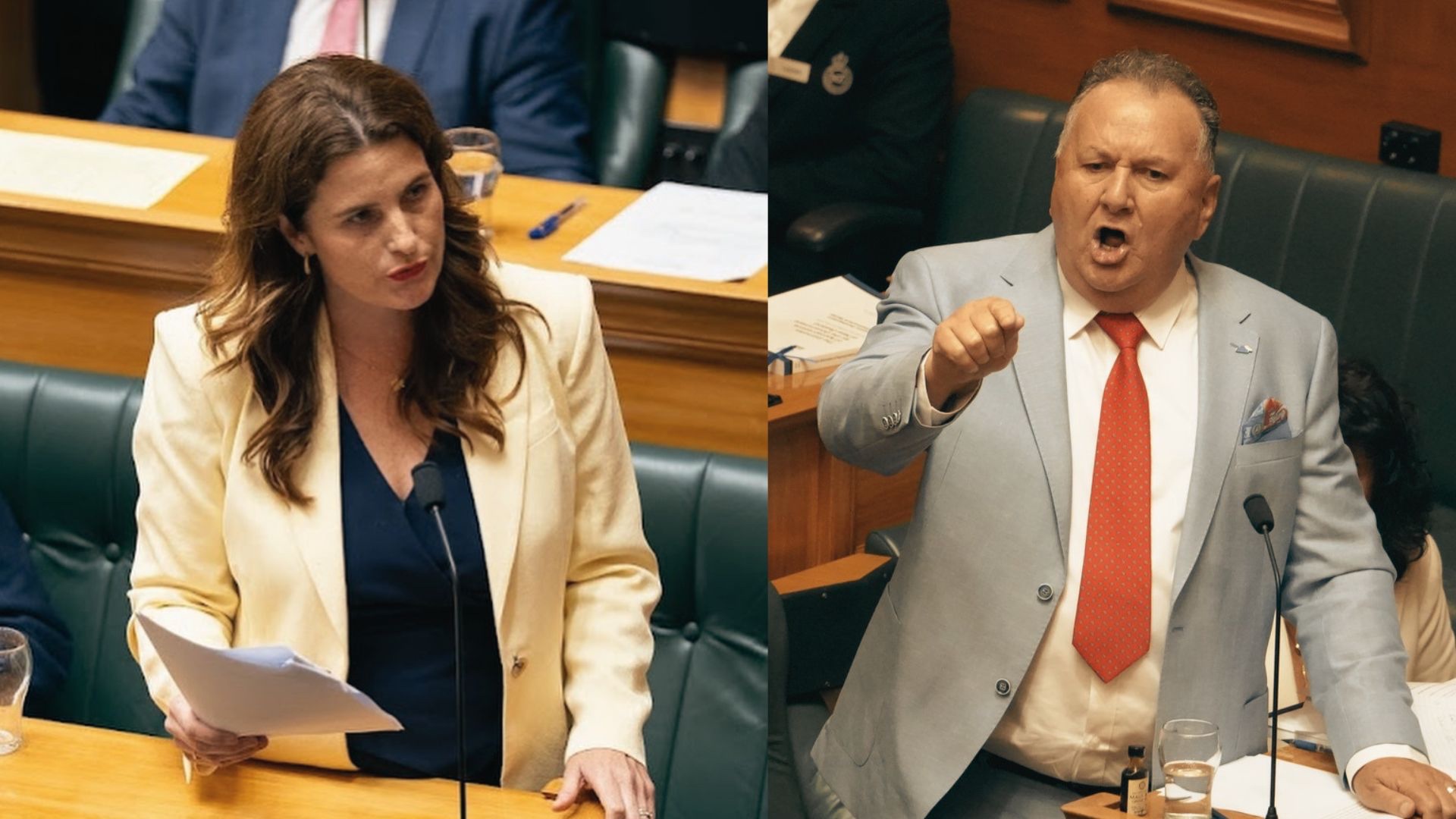
Last week, Green MP Ricardo Menendez March brought up the issue in Parliament. He asked why bus drivers are being put to a higher standard than wealthy migrants.
'Devastating': Indian family racially abused in Christchurch, hunt on to identify attacker “We’ll always be reminded of this, thanks to this man who thinks we don’t belong.”
Immigration reset: National drops hints as parties on left and right target permanent residence New Zealand's permanent residence framework provides an edge over Australia and Canada in attracting overseas talent.
NZ First’s policy of division: Turning hatred of migrants into political power This is no immigration reform. It is the politics of exclusion presented as population planning.
To qualify for a skilled residence visa, bus drivers must achieve at least IELTS 6.5 (general or academic), or meet equivalent scores in other tests.
Investors applying for the Active Investor Plus Visa (AIPV) need only score IELTS 5.0 or equivalent. That contrast is at the heart of the debate.
Do drivers really need academic-level English as part of their day-to-day job? Stanford says that's not the point.
"This is not about driving a bus – and certainly a level of English to drive a bus is very important," she told Parliament on April 23, 2026.
"What we are testing is their ability to gain residence. We expect, in this country, since the early 2000s a required level of English to settle well in New Zealand."
That sounds like a solid argument. But it starts slipping into iffy when you consider the country is also perfectly fine letting in wealthy migrants with lower English proficiency. How will they "settle well"?
When asked in Parliament last week, Stanford suggested it was like comparing apples to oranges. She made two distinctions.
First, she flipped the expectation on its head. These wealthy investors weren't expected to settle well enough in the first place, she argued.
"Many of them may not spend much time in New Zealand because they are global people with huge access to capital, knowledge, and skills, and they are bringing immense benefit to New Zealanders," she said.
The minister's second distinction was about respect for rules.
The bus drivers knew from the start what level of English they'd need to demonstrate while applying for residency, she suggested. Also that they had enough time to upgrade their language proficiency.
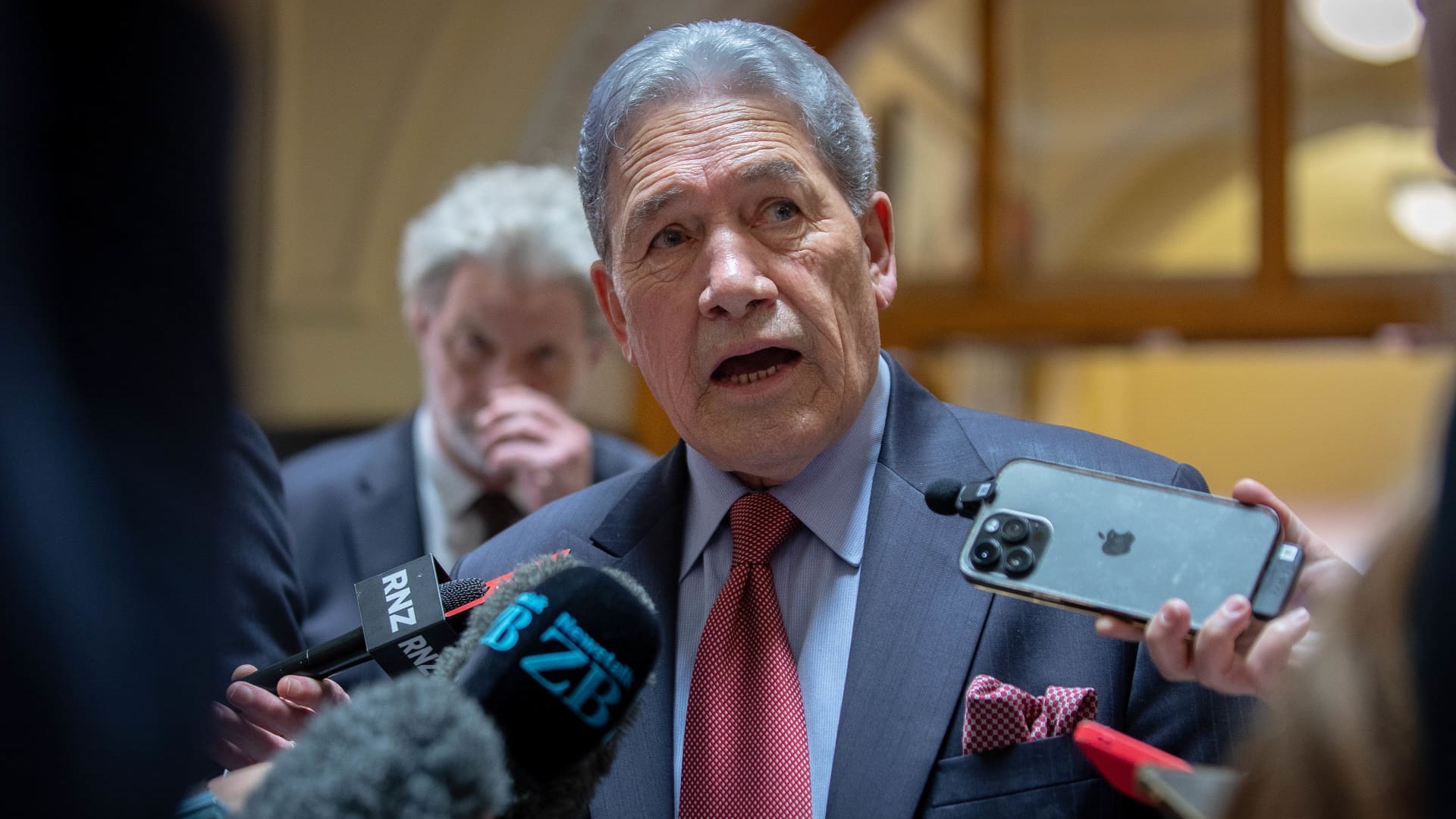
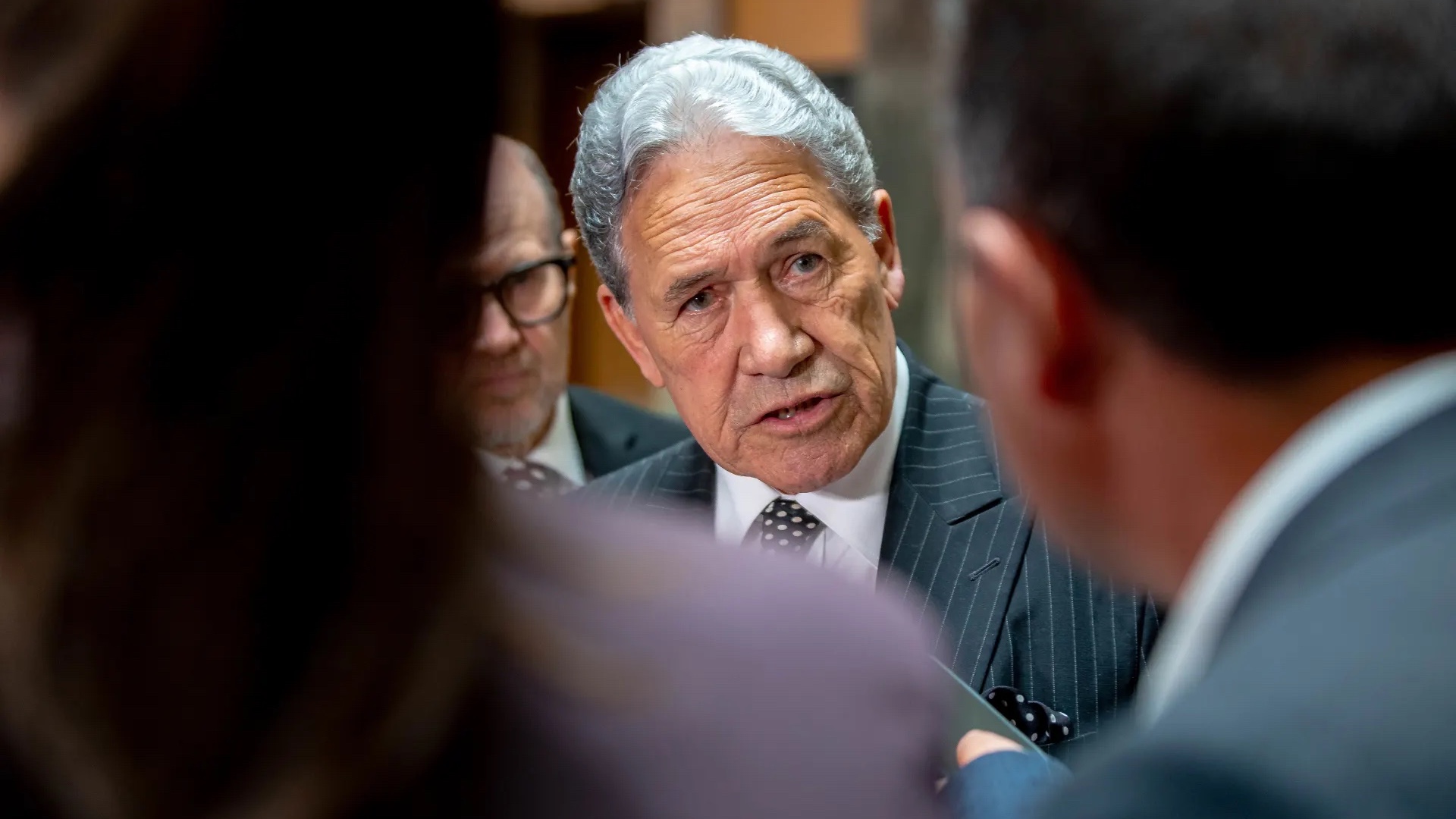
Foreign minister Winston Peters stood up to let that thought sink in.
"Will she [Stanford] remind the questioner that protocols and procedures set out by the Government are required to be followed and not dodged, like some people do?" he said.
What's particularly striking is Stanford digging in her heels in an election year when perception could matter more than specifics. The spirit of the law can define optics more than the letter of it.
The chief opposition party has already signaled it will be willing to consider lowering the English requirement should they come to power after the elections in November this year.
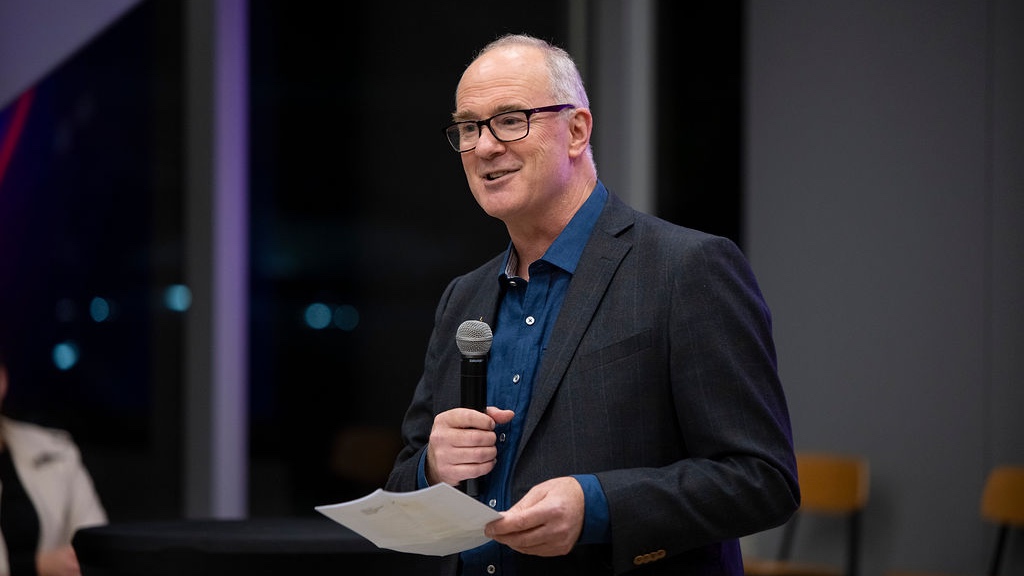
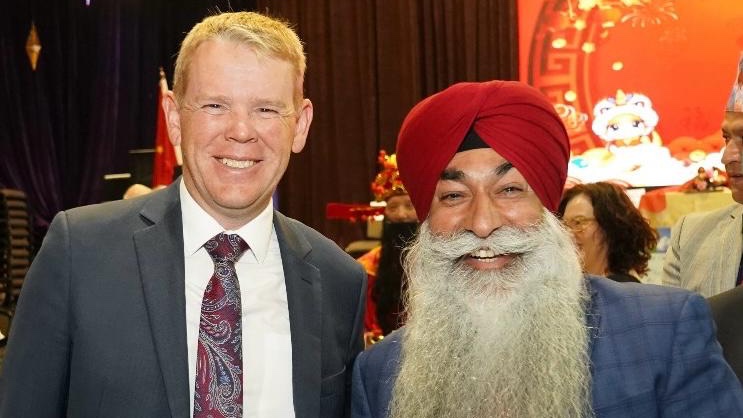
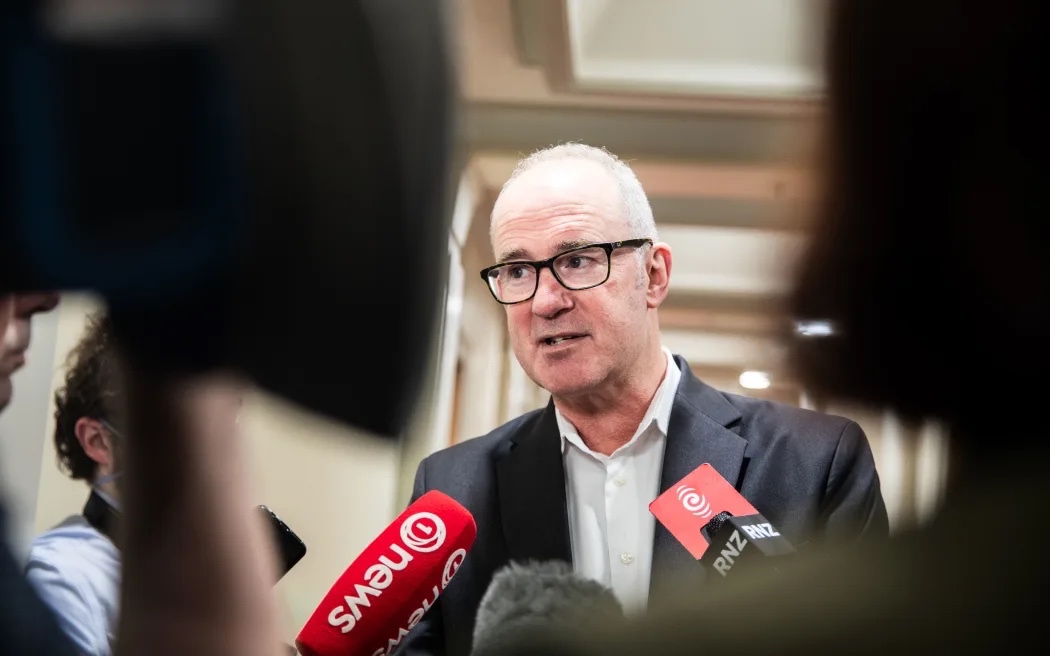
Labour Party's immigration spokesperson Phil Twyford. (Supplied photo)
Labour's immigration spokesperson Phil Twyford says he would like to see his party commit to a review of the "very, very high" English language requirement for drivers applying for residence.
"Labour’s policy development is still underway and we will be making announcements on our manifesto policy in the course of this year," he told Awaaz in March.
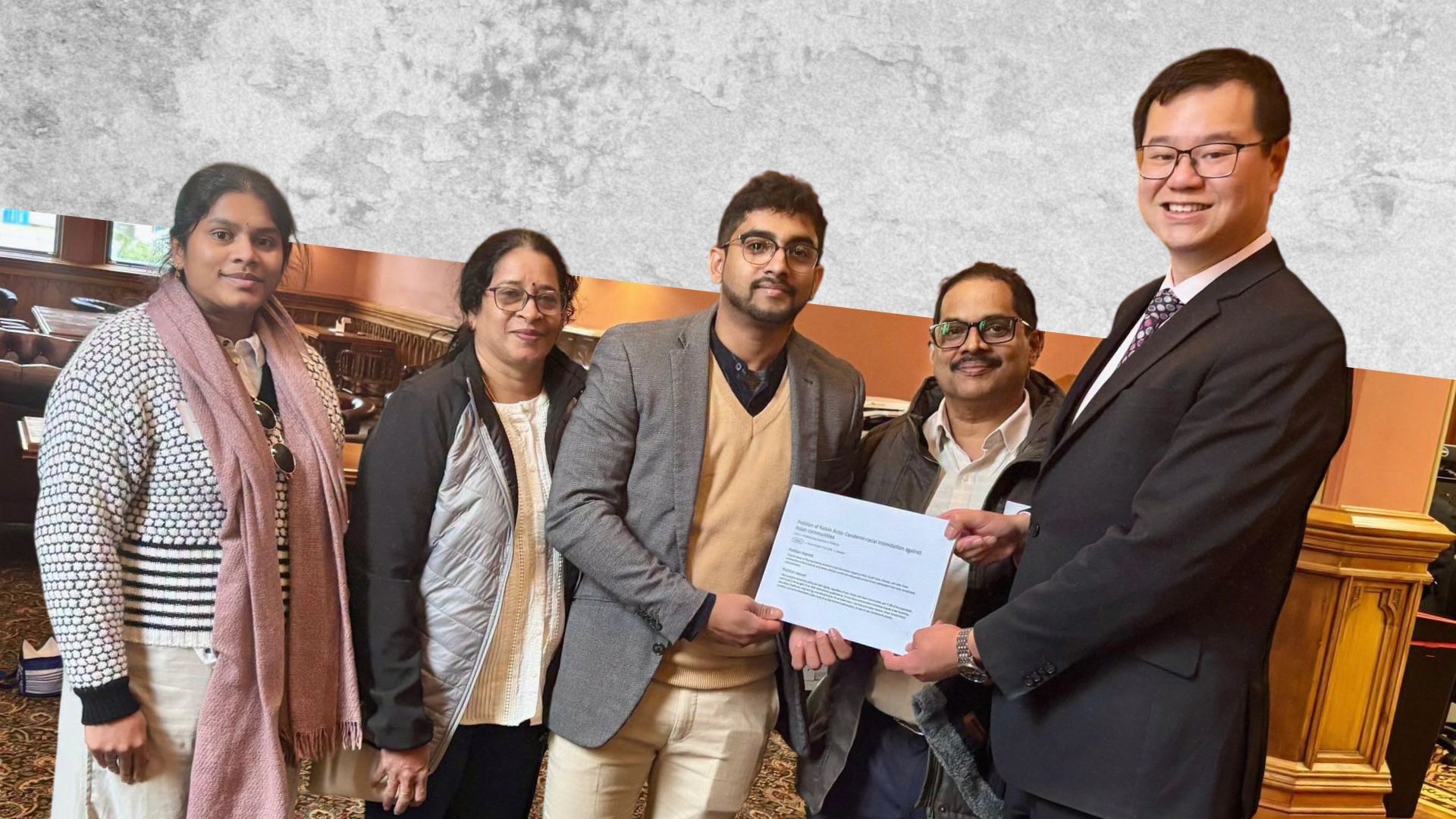
At least 500 bus drivers submitted a petition to Parliament in January, urging the government to lower the postgraduate-level English-language requirement for drivers seeking residency.
The submission of the petition followed warnings from the Bus and Coach Association in October that a looming driver shortage could affect transport services nationwide in 2026 unless the government reviewed its postgraduate-level English-language requirement.