Fine Print: The '183-day' myth and why your global income is still taxable in NZ
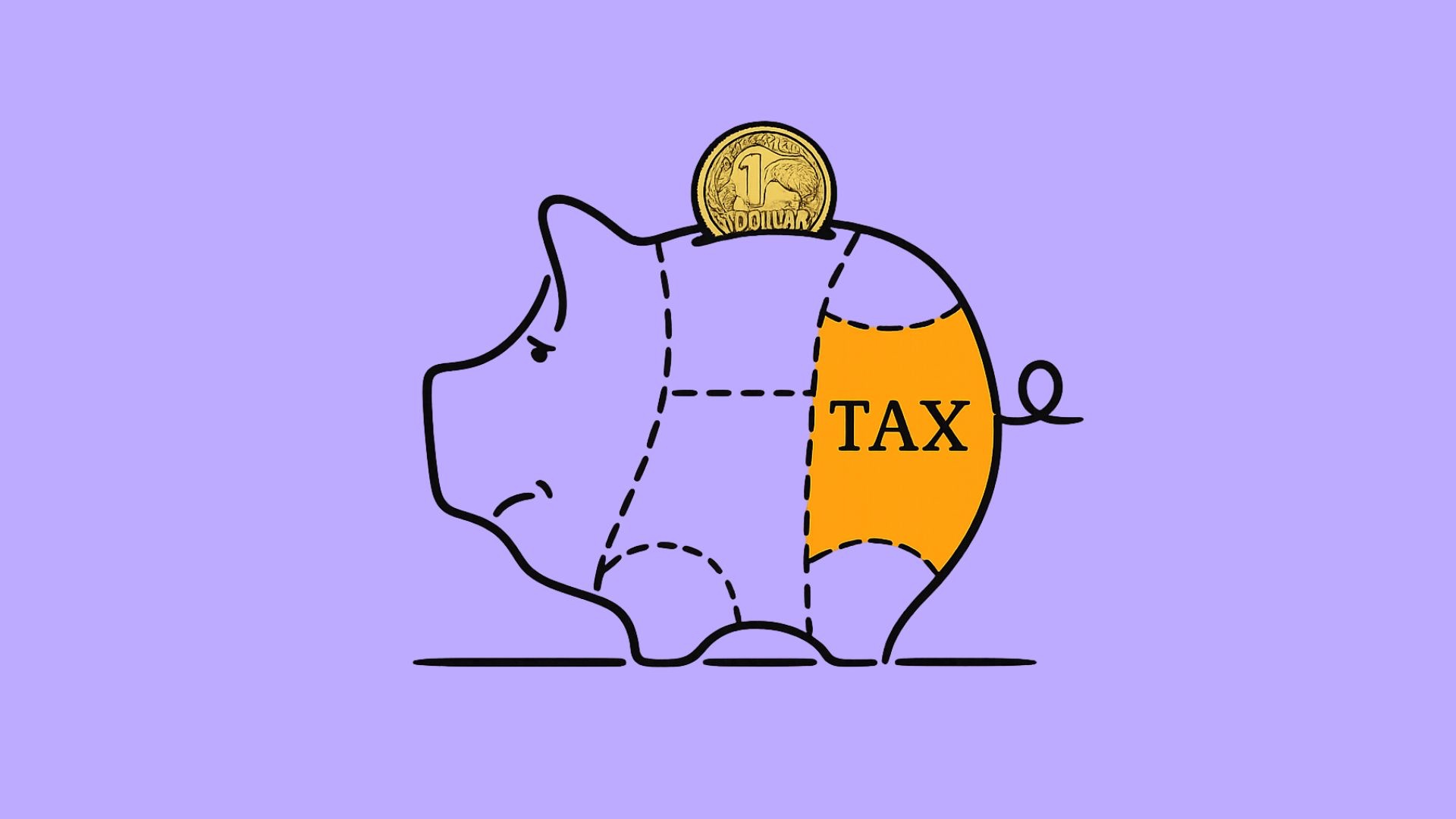
Where do you pay tax if you live globally?
If NZ feels like your real home, you may be treated as a tax resident.
(Fine Print is an ongoing series that looks at how things actually work in New Zealand. Beyond what most migrants are told.))
With increasing global mobility, it is now common for people to own assets and operate businesses across multiple countries. This raises a critical question. Where is such a person taxable?
A widely held belief is that if an individual does not stay in any country for more than 183 days, they remain exempt from tax residency worldwide.
However, modern tax systems are designed to address such outcomes.
Today, many people live a global life – living in one country, owning property in another, and investing across the world.
Being Indian and Kiwi at once. How Ajaz Patel's 10-wicket haul brought his two worlds together A historic moment in Mumbai left the Black Caps spinner reflecting on something far deeper than cricket.
India's SIR voter controversy reaches New Zealand in Muslim man's asylum case The man claimed Muslims excluded from voter lists risked losing welfare benefits and being treated as illegal immigrants.
Election 2026: A right majority is possible even if Opportunity enters Parliament The latest polls suggest National, ACT and NZ First could secure a majority, with the Opportunity Party's fortunes still crucial.
A common belief is, “If I don’t stay more than 183 days in any country, I don’t have to pay tax anywhere.”
This sounds logical, but it is not true.
Do you pay tax on global income in New Zealand?
Yes. If you are a tax resident of New Zealand, you must pay tax on your worldwide income (Income Tax Act 2007 – basic tax rules).
This includes salary earned overseas, rent from foreign property, interest from overseas bank accounts, dividends from foreign shares and business income from other countries.
In simple words, if you are a NZ tax resident your global income is taxable in NZ.
Good news for new migrants
If you are new to New Zealand, there is a big benefit called Transitional Residency (Sections HR 8–10).
For the first (48 months, most foreign income is not taxed in New Zealand. This includes overseas bank interest, foreign dividends and rent from property abroad. But some income is still taxed, such as salary or consulting income.
After four years, this benefit ends, and all global income becomes taxable.
When are you a tax resident in New Zealand?
You are a tax resident if, as per Section YD 1, you stay in NZ for more than 183 days, or you have a Permanent Place of Abode (PPOA).
What is PPOA?
This is where many people get surprised. Even if you don’t stay 183 days, you can still be a tax resident if you have a house in NZ available for use, or your family lives here, or you have strong financial or personal ties.
In simple terms, if NZ feels like your real home, you may be treated as a tax resident.
To illustrate, let’s say Arjun has houses in NZ, UK, India and UAE. He operates a business in all these countries, travels a lot and doesn’t stay 183 days anywhere.
He thinks, “I am not a tax resident anywhere.”
But reality is that NZ may say, “You have a home and ties here. You are our resident.”
UK may say, “You have business and connections, you are our resident.”
India may also claim residency. So Arjun may become tax resident in multiple countries.
If two countries treat you as a resident, you may have to file tax returns in both countries. But relief is available through tax treaties, which decide where your main home is, where your family and business are, and where you are more connected.
The important point is you cannot escape tax residency easily. The idea of not being tax resident anywhere is almost impossible in real life.
Countries don’t just look at days spent in a particular country. They also look at your home, family, business and lifestyle.
Key takeaways
The 183-day rule is not everything. Having a home or strong ties can make you a tax resident. NZ taxes worldwide income, but new migrants get a four-year relief. You may be taxed in more than one country.

(Raj Kapoor is a chartered accountant by training and a Senior Partner at Mohindra & Associates in New Zealand and India. He has spent decades across finance, governance and audits. A former board member of the State Bank of India and long-time ICAI office-bearer, he now chairs the New Zealand Chapter of ICAI.)