
Hindus not at risk in India: No asylum for man claiming persecution in Tamil Nadu

The immigration tribunal wasn't convinced about the applicant's story.
The ground reality in India doesn't support this kind of a persecution claim, New Zealand's immigration tribunal has ruled.
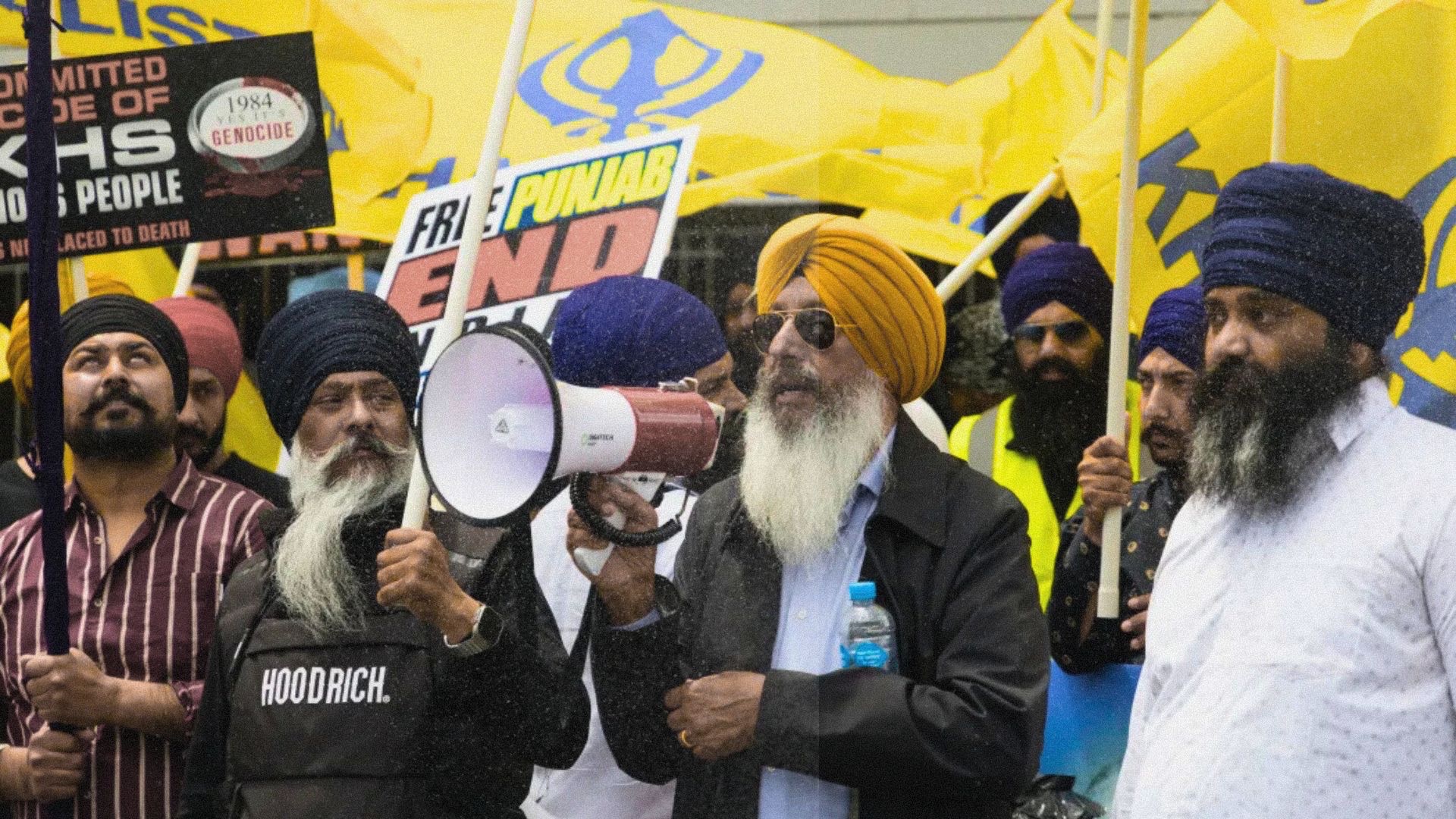
An Indian man who claimed he faced persecution from Muslims because of his Hindu faith has failed in a second bid for refugee status in New Zealand.
The Immigration and Protection Tribunal has ruled neither his religious nor political claims established a genuine risk of persecution if he returned to India.
In a decision released recently, tribunal Chair Judge M Treadwell upheld an earlier finding that the appellant did not face a well-founded fear of persecution in India.
He said available country information did not support his contention that Hindus in India were being systematically targeted by Muslims in the way he alleged.
The appellant, from the southern Indian state of Tamil Nadu, arrived in New Zealand in 2023 and subsequently sought refugee and protected person status.
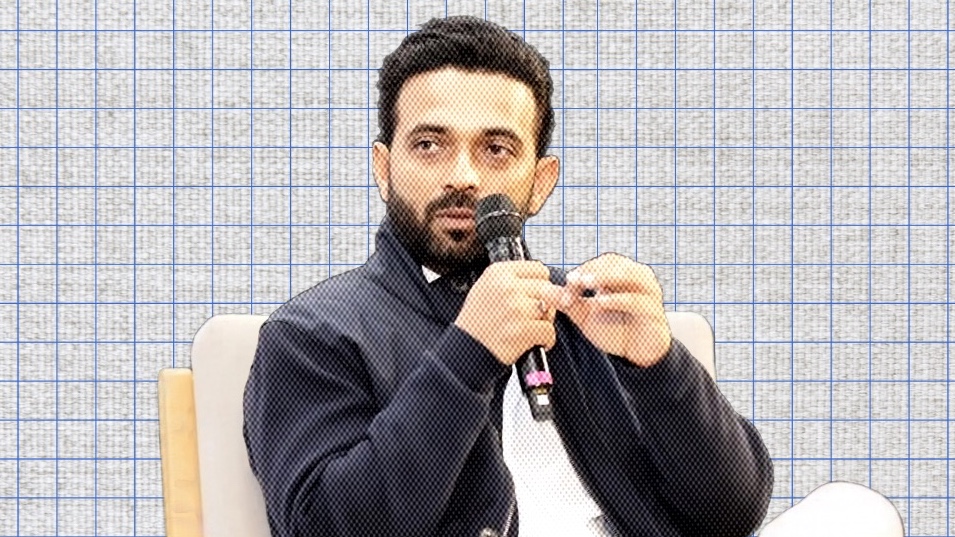
From designing restaurants to running Auckland Diwali: The many lives of Arnav Taode Taode brings his passion for Indian arts and culture to his first year managing BNZ Auckland Diwali 2026.
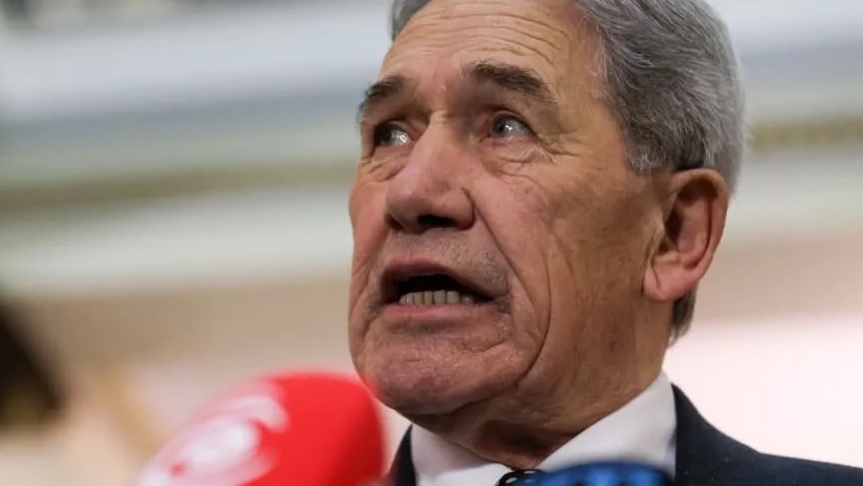
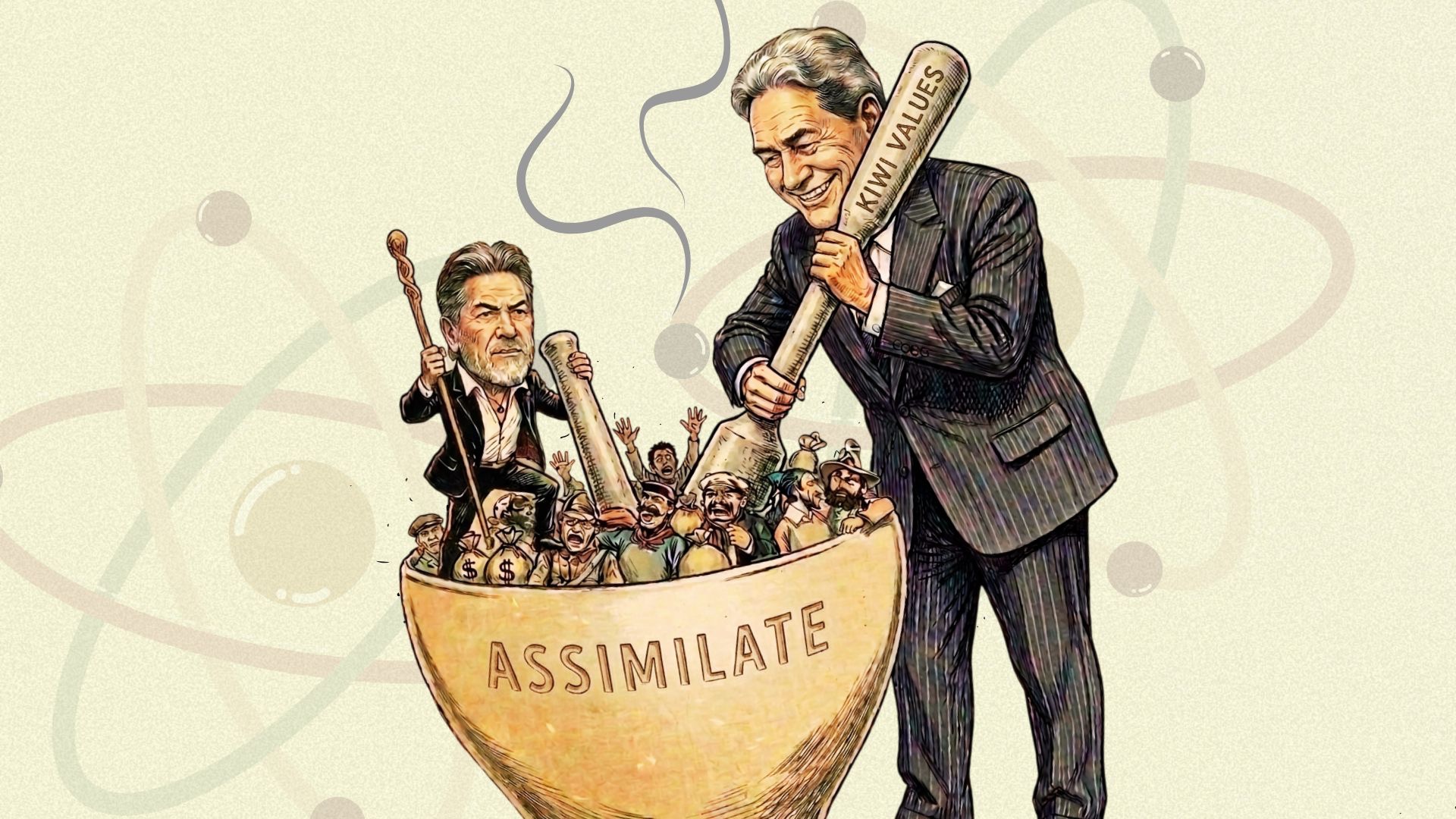
Winston Peters says ‘diversity is disunity’. What does the evidence tell us? Evidence from business, sport and social policy suggests diversity can strengthen economies and cohesion but on one condition.
Baby born in Sri Lanka to New Zealand residents caught in limbo after Down syndrome diagnosis Immigration tribunal orders fresh residence assessment after finding a “serious mistake” by immigration officials.
He claimed he had become a target of Muslims and members of the Social Democratic Party of India (SDPI), an Indian political organisation, because of his support for Hindu causes and his criticism of what he described as radical Muslim activities.
According to the tribunal's decision, the man said he had reported the destruction of a Hindu statue to authorities, and the he participated in demonstrations and protests relating to Hindu interests.
He claimed these activities attracted hostility from Muslim groups and SDPI members.
As part of his original refugee claim, he alleged he had received threats and feared serious harm if he returned to India. However, both the Refugee Status Unit and the tribunal rejected the claim.
While the tribunal accepted that he had participated in protests and had received abusive messages through Facebook, it found there was insufficient evidence to support more serious allegations that he had received death threats or threatening phone calls.
It also concluded that the incidents he described did not amount to persecution under refugee law.
The tribunal also considered broader country conditions in India.
It found that available information did not indicate that Hindus, who make up the majority of India's population, were generally being persecuted by Muslims. This finding was central to the rejection of the appellant's argument that he faced a risk because of his religion.
After losing his first appeal, the man lodged a second refugee claim. This time, rather than focusing primarily on religious persecution, he argued he faced political risks arising from the political situation in Tamil Nadu.
He claimed the state's Dravida Munnetra Kazhagam (DMK) party had aligned itself with Muslim groups that were hostile to him.
According to the appellant, members or supporters of the DMK could target him because they believed he was associated with the Bharatiya Janata Party (BJP), India's ruling national party.
The appellant also argued he had exposed alleged voting irregularities during the 2021 Tamil Nadu state election, and that this activity placed him at risk from political opponents.
However, judge Treadwell found these claims did not amount to new circumstances as required under New Zealand immigration law.
Under the Immigration Act, a person who has already had a refugee claim determined cannot simply relitigate the same issues. A subsequent claim must be based on a significant change in circumstances that arose after the earlier claim was decided and that it could materially affect the outcome.
The tribunal found that the appellant's political allegations were based on facts and circumstances that existed well before his first refugee appeal was heard.
"The core of the appellant's second claim – that he is at risk from members of the DMK – pre-dates his first claim," judge Treadwell said.
The judge noted the appellant's claimed association with the BJP, his criticism of the 2021 election process, and the political position of the DMK in Tamil Nadu were all matters that existed before the Tribunal issued its August 2025 decision on the original appeal.
Since those circumstances were already in existence, they could have been raised during the first refugee proceedings and did not constitute a significant new development.
Having found the legal threshold for considering a subsequent refugee claim had not been met, the tribunal dismissed the appeal.