
India-NZ FTA: What it changes for overseas students. And what it doesn't

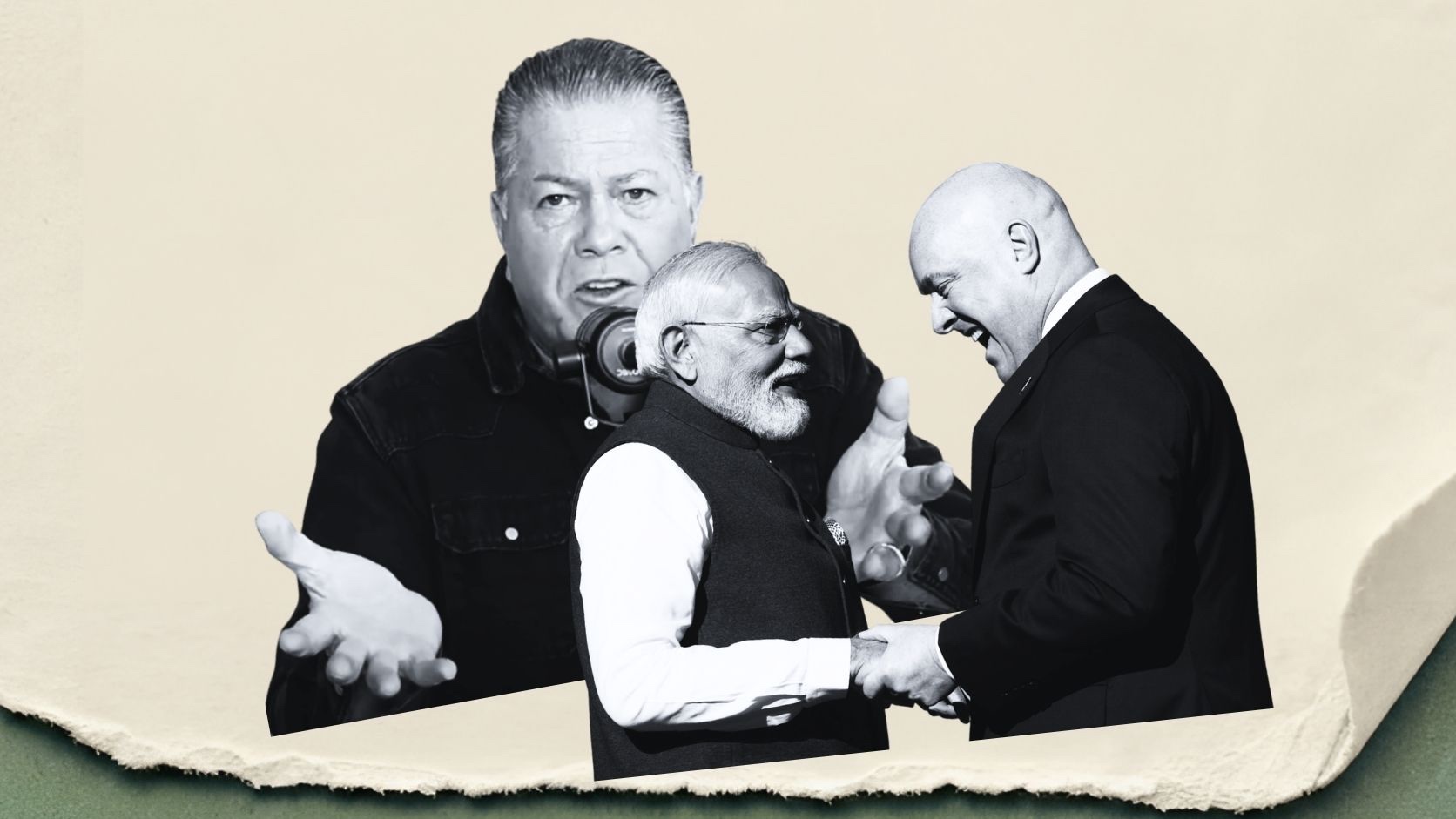
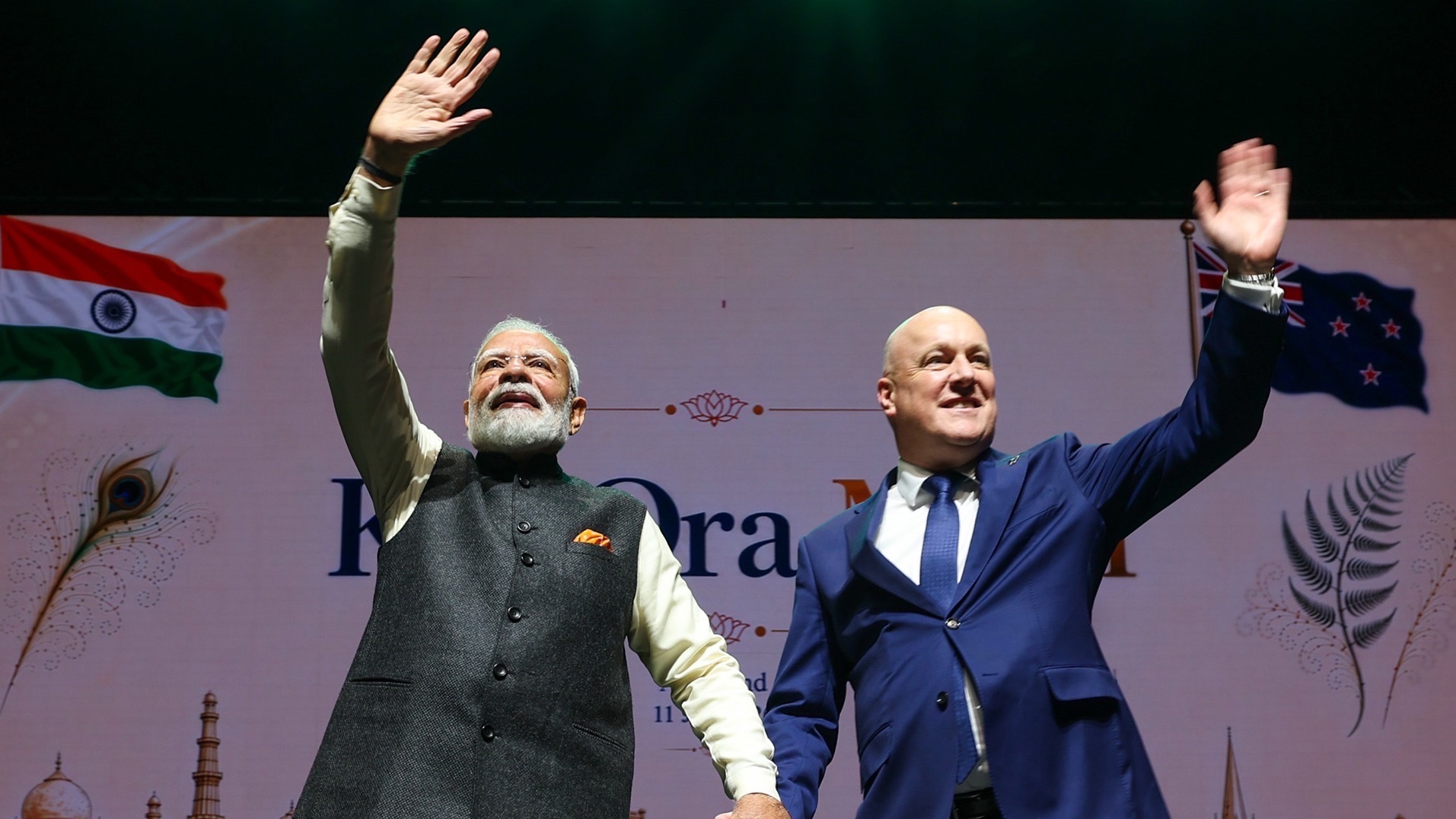
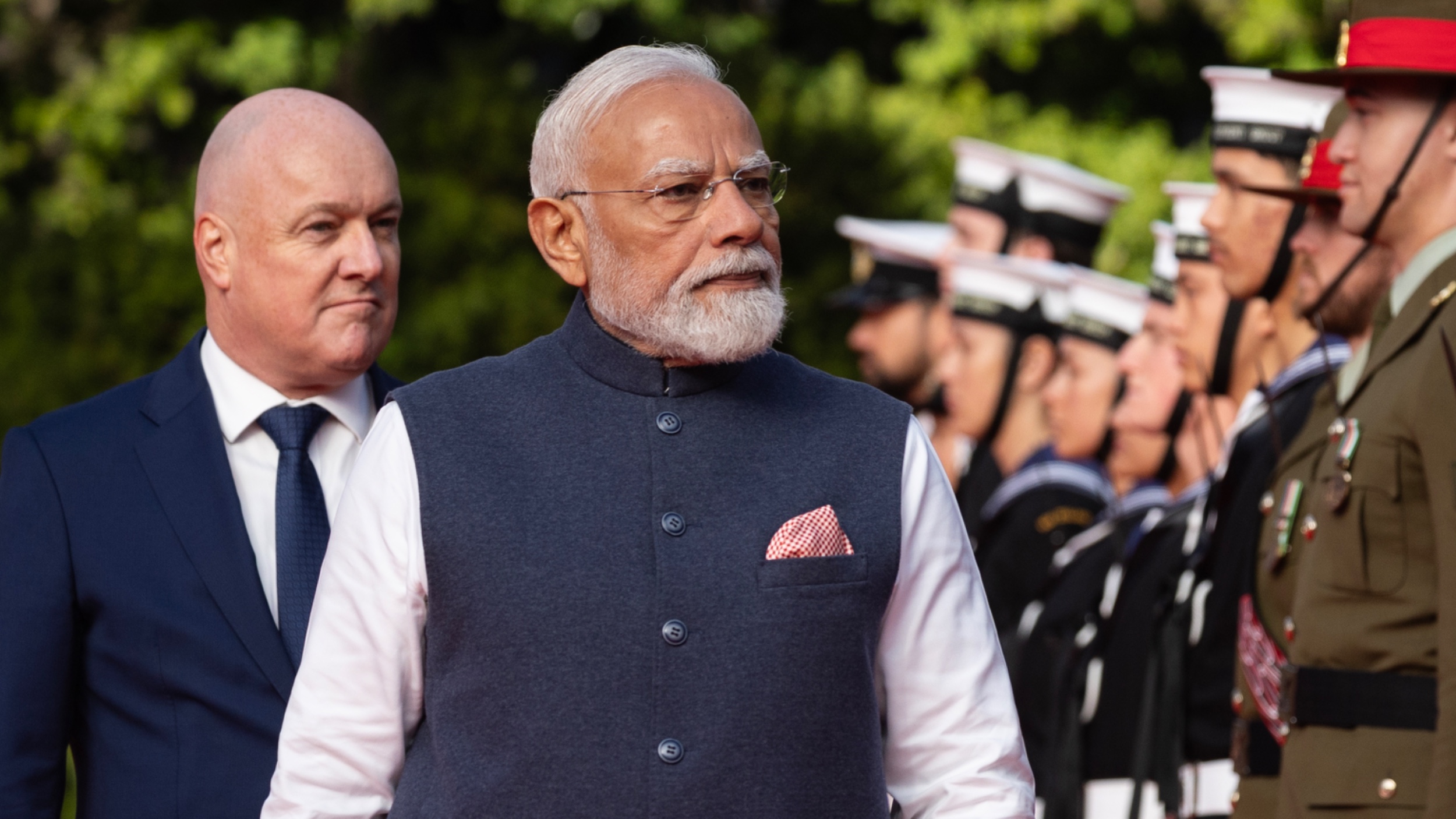
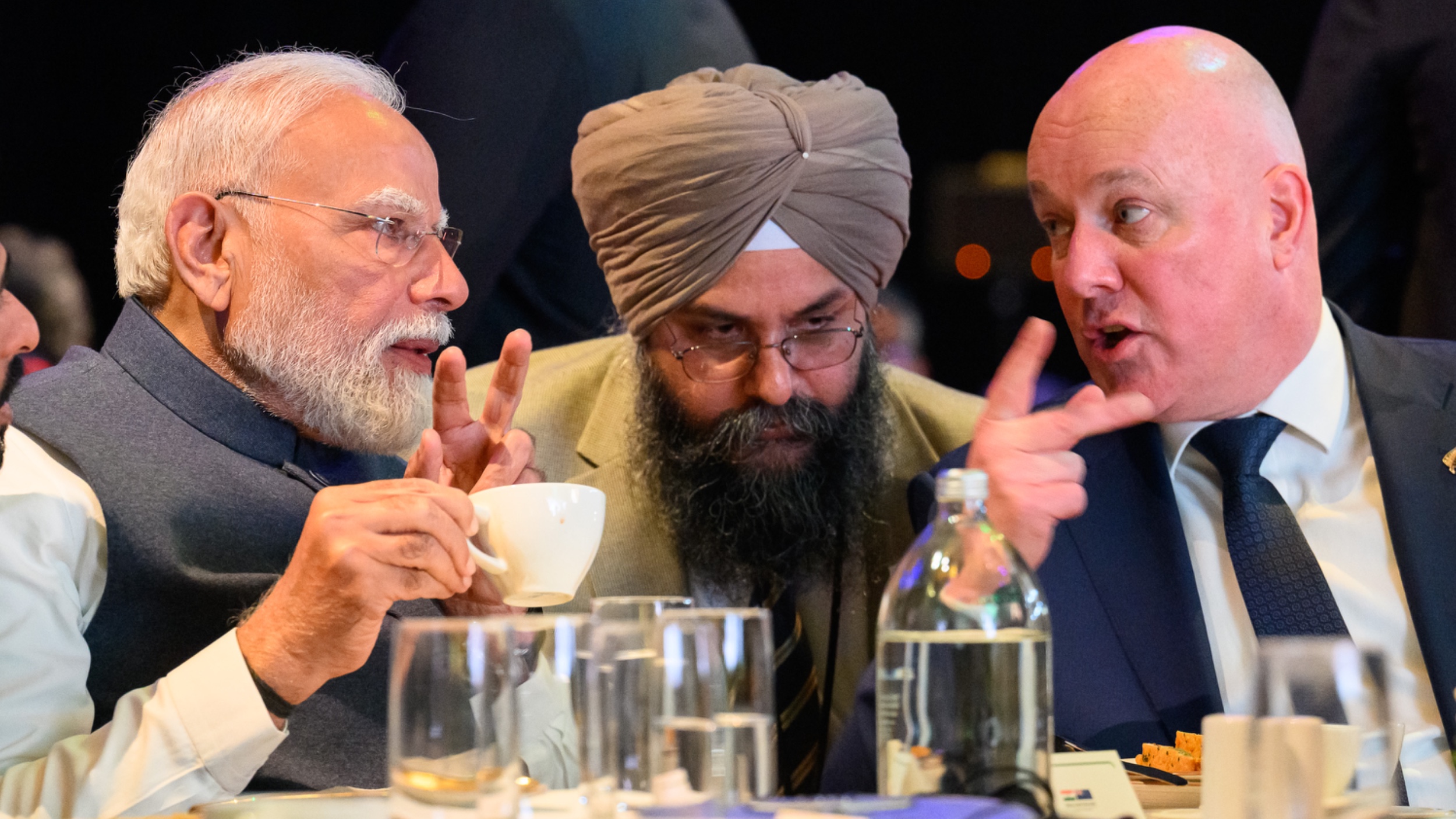
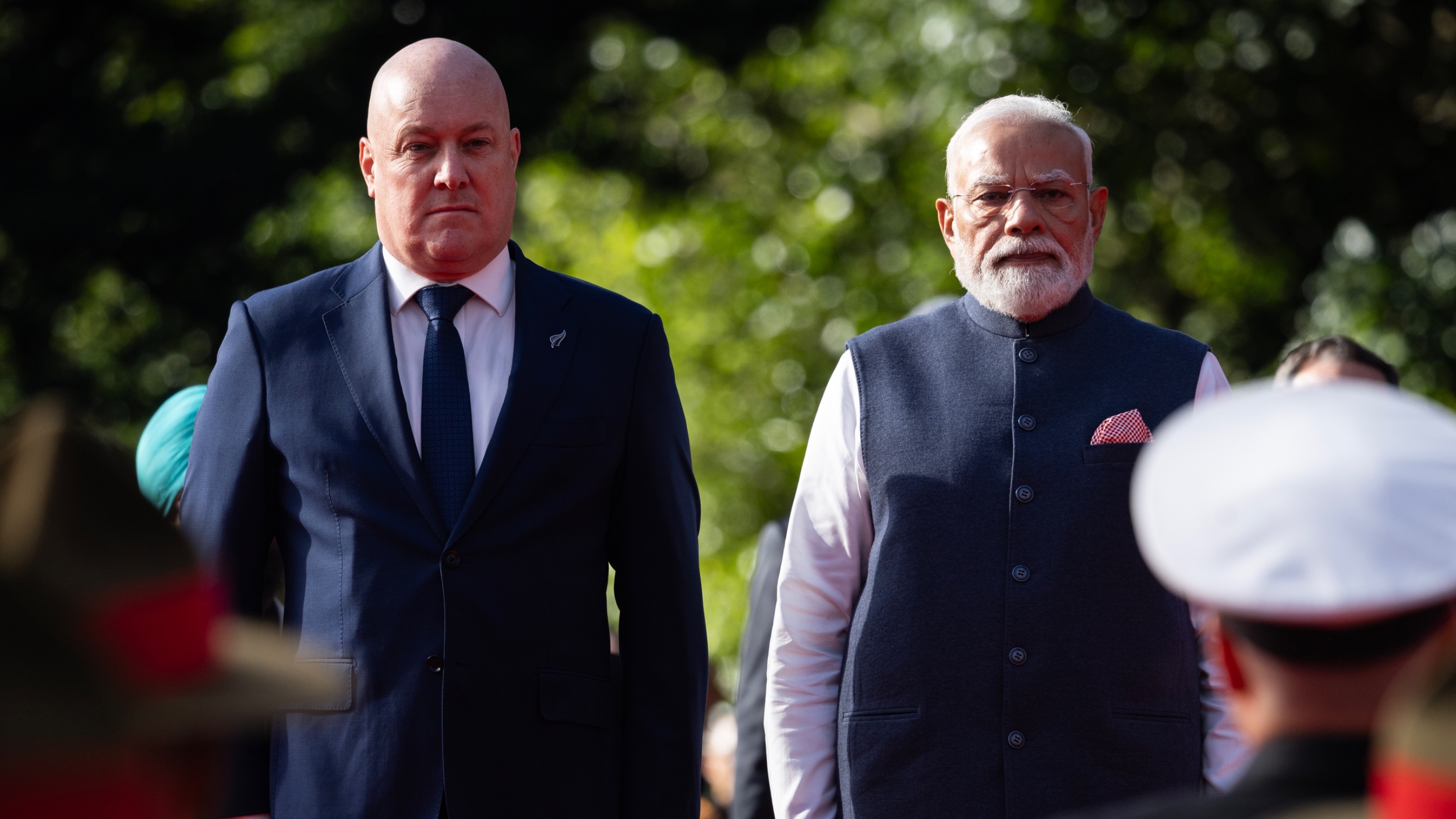
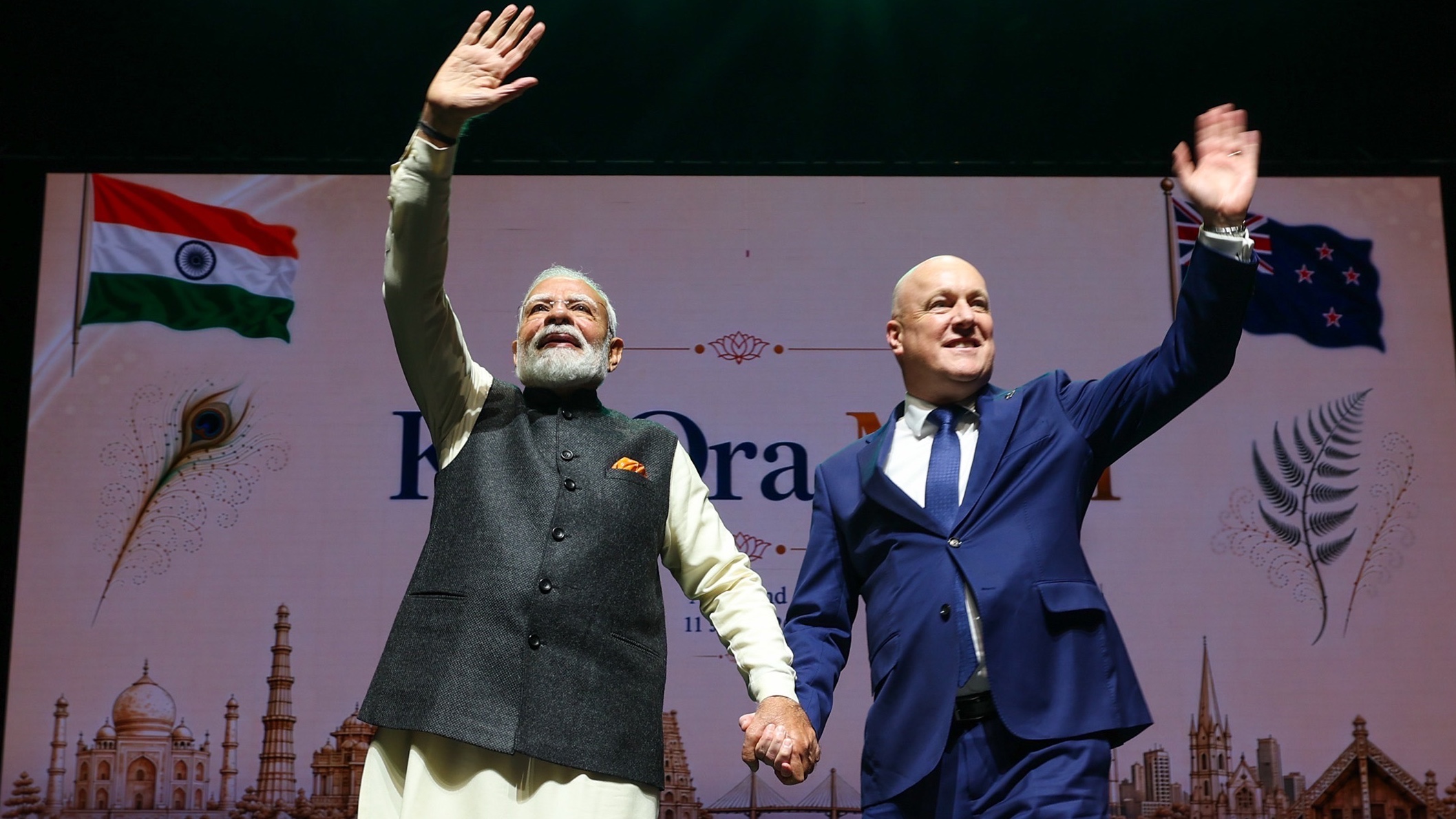
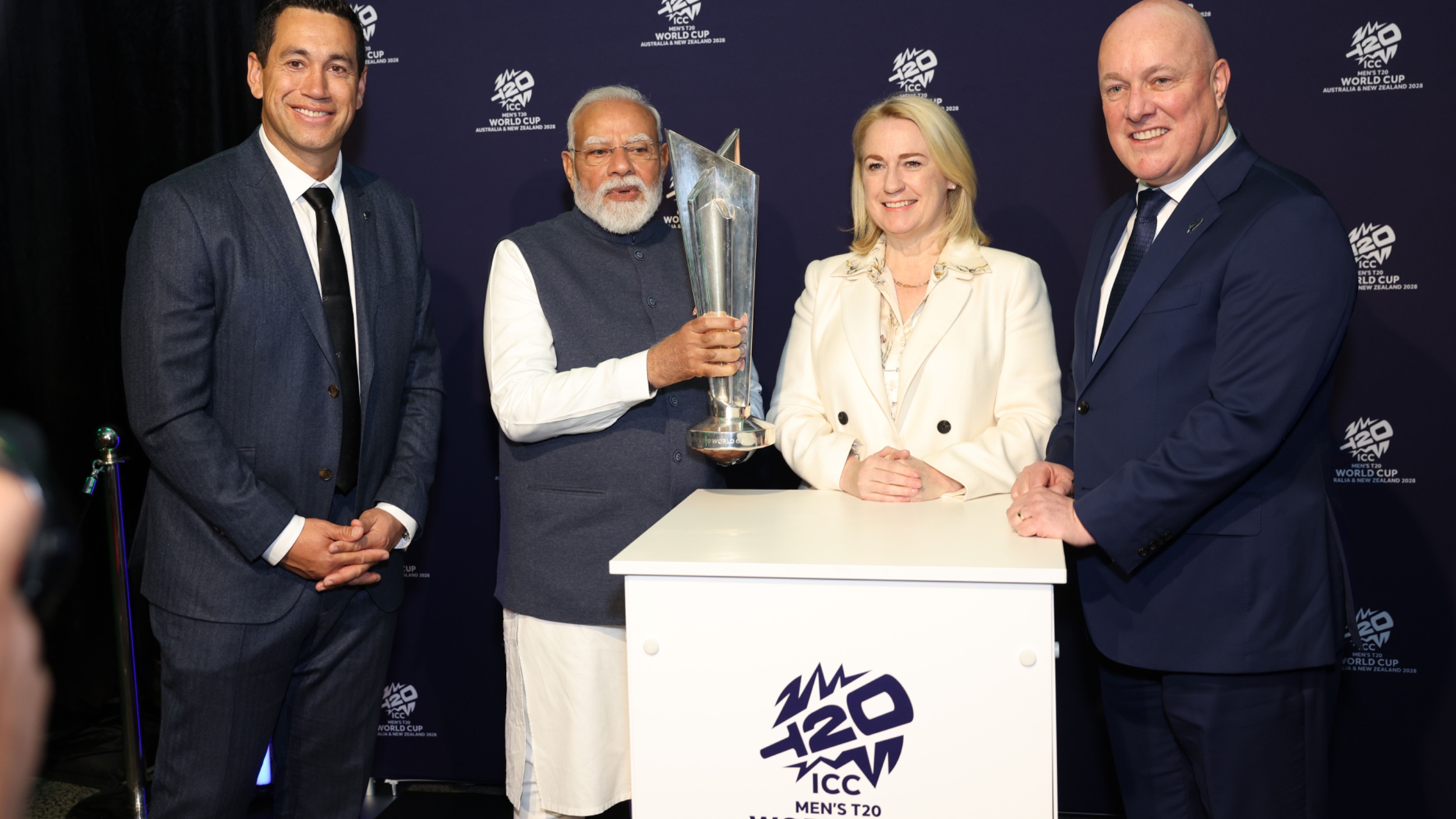
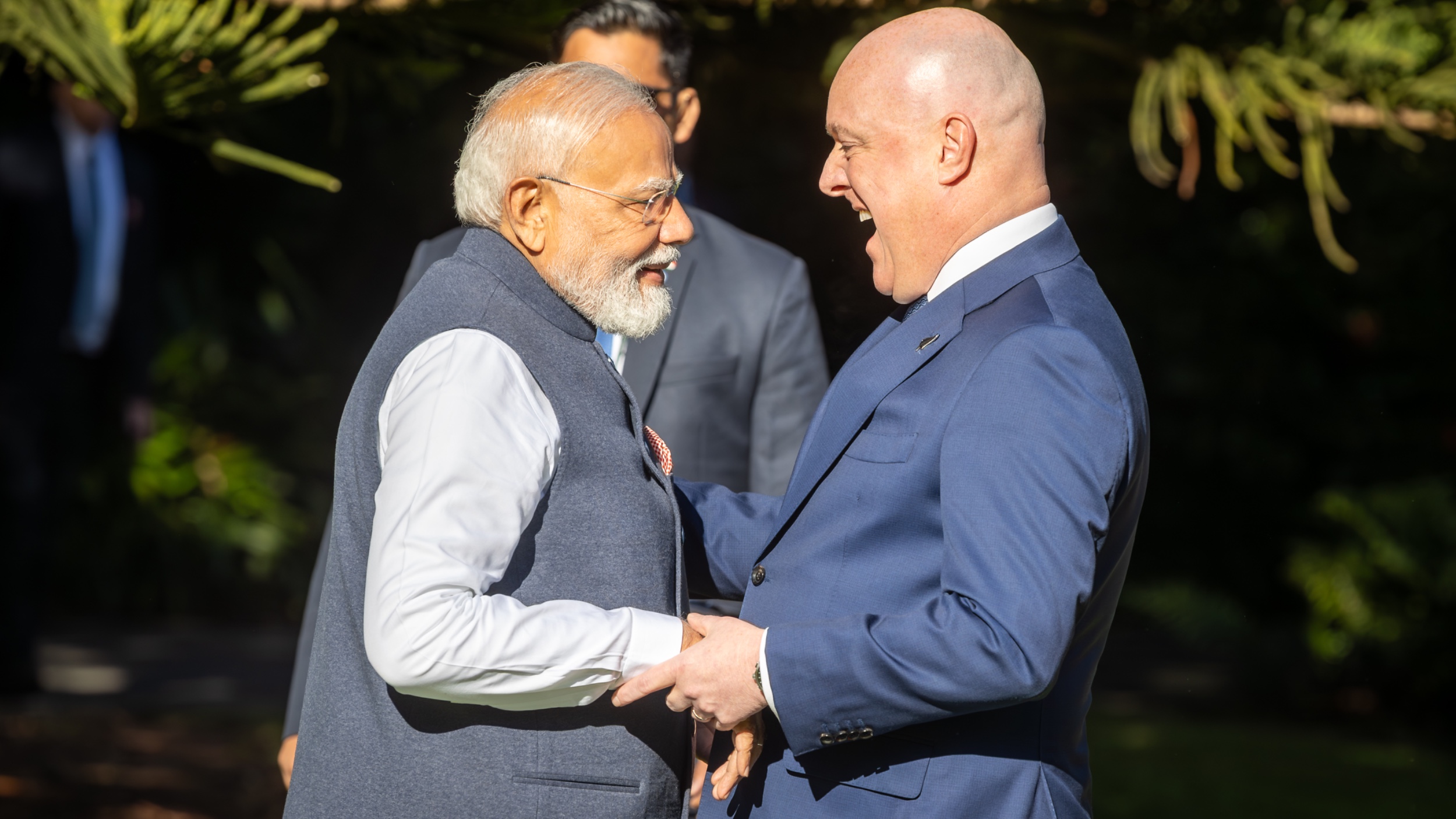
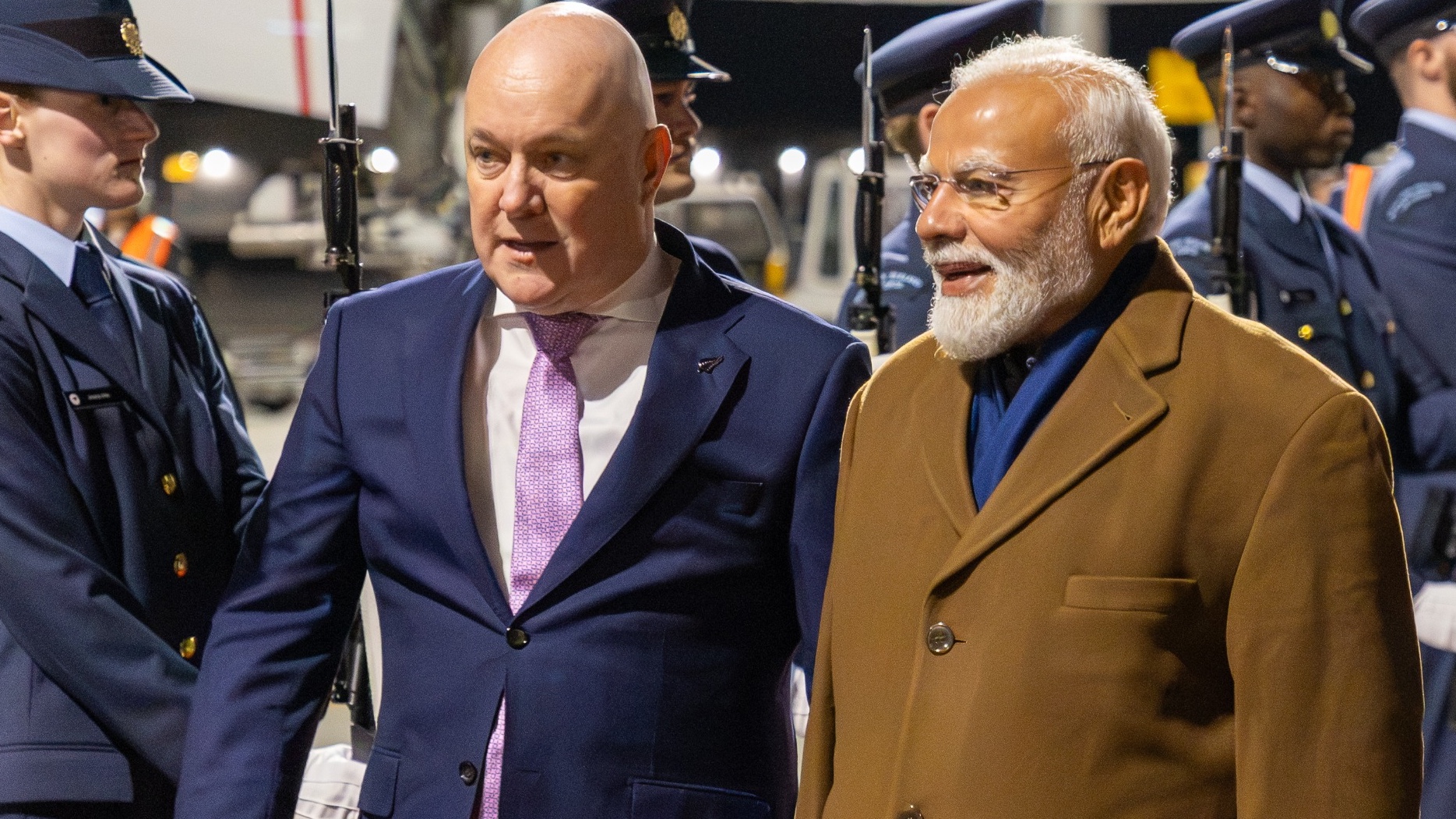
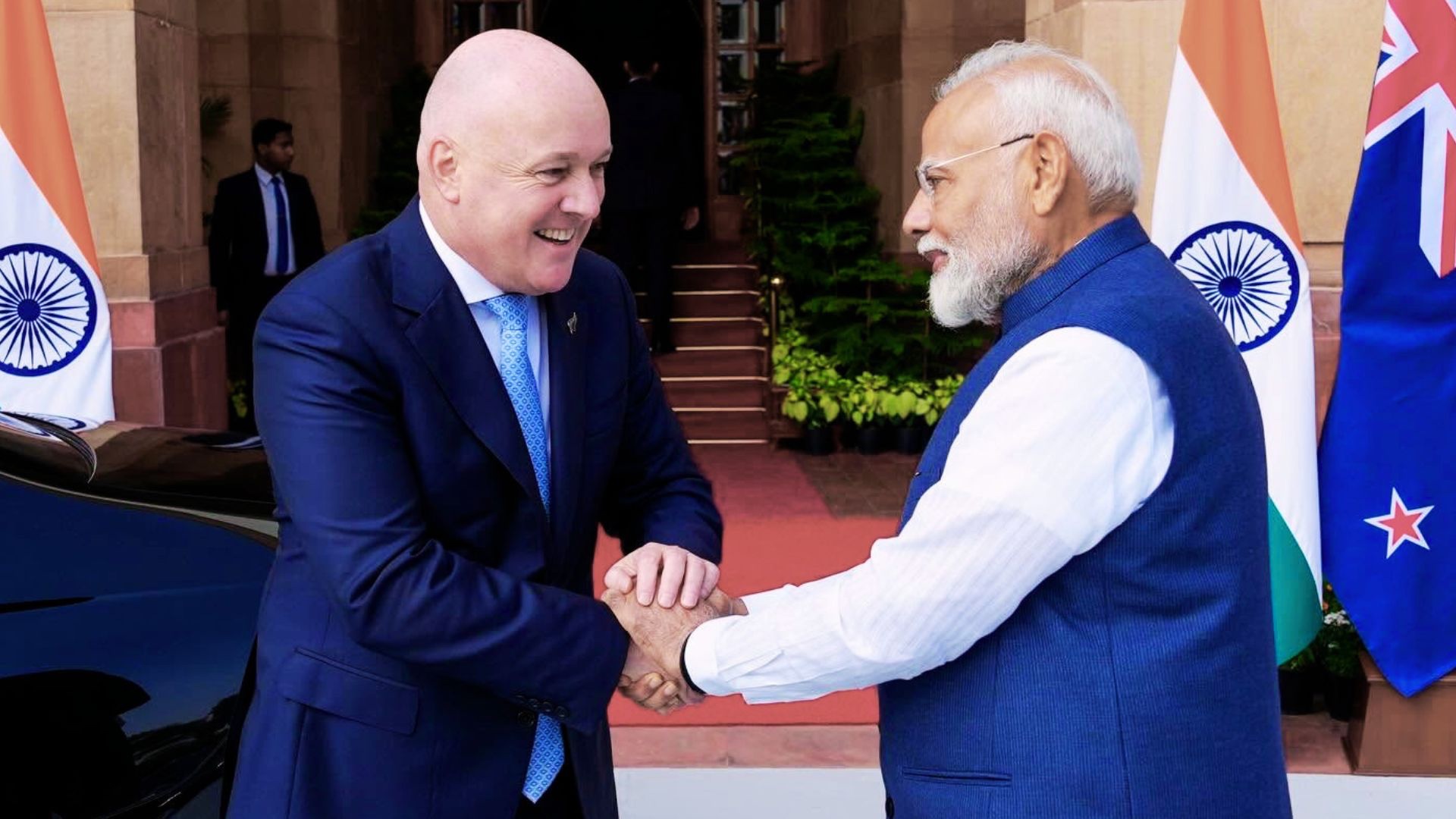
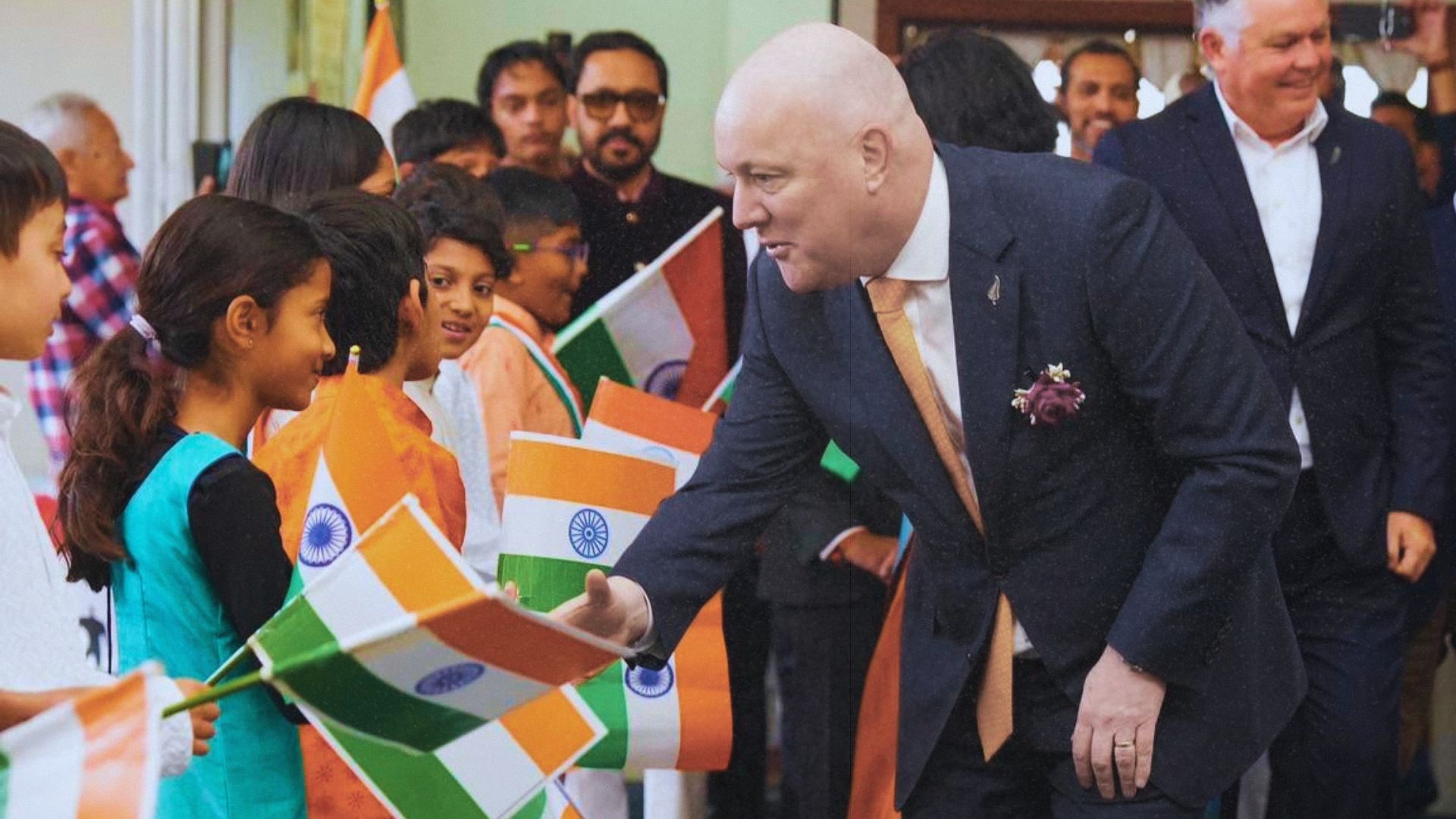
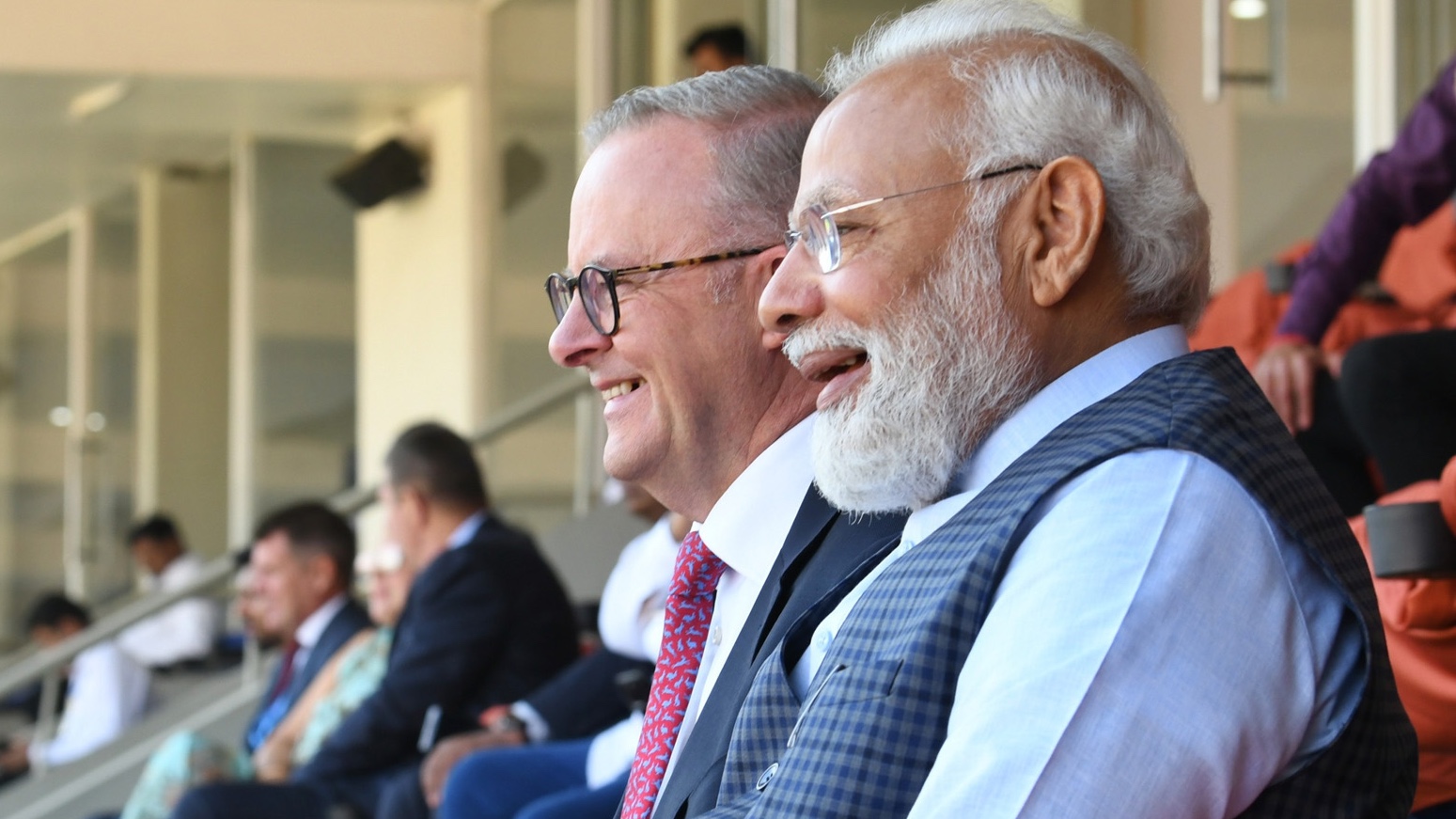
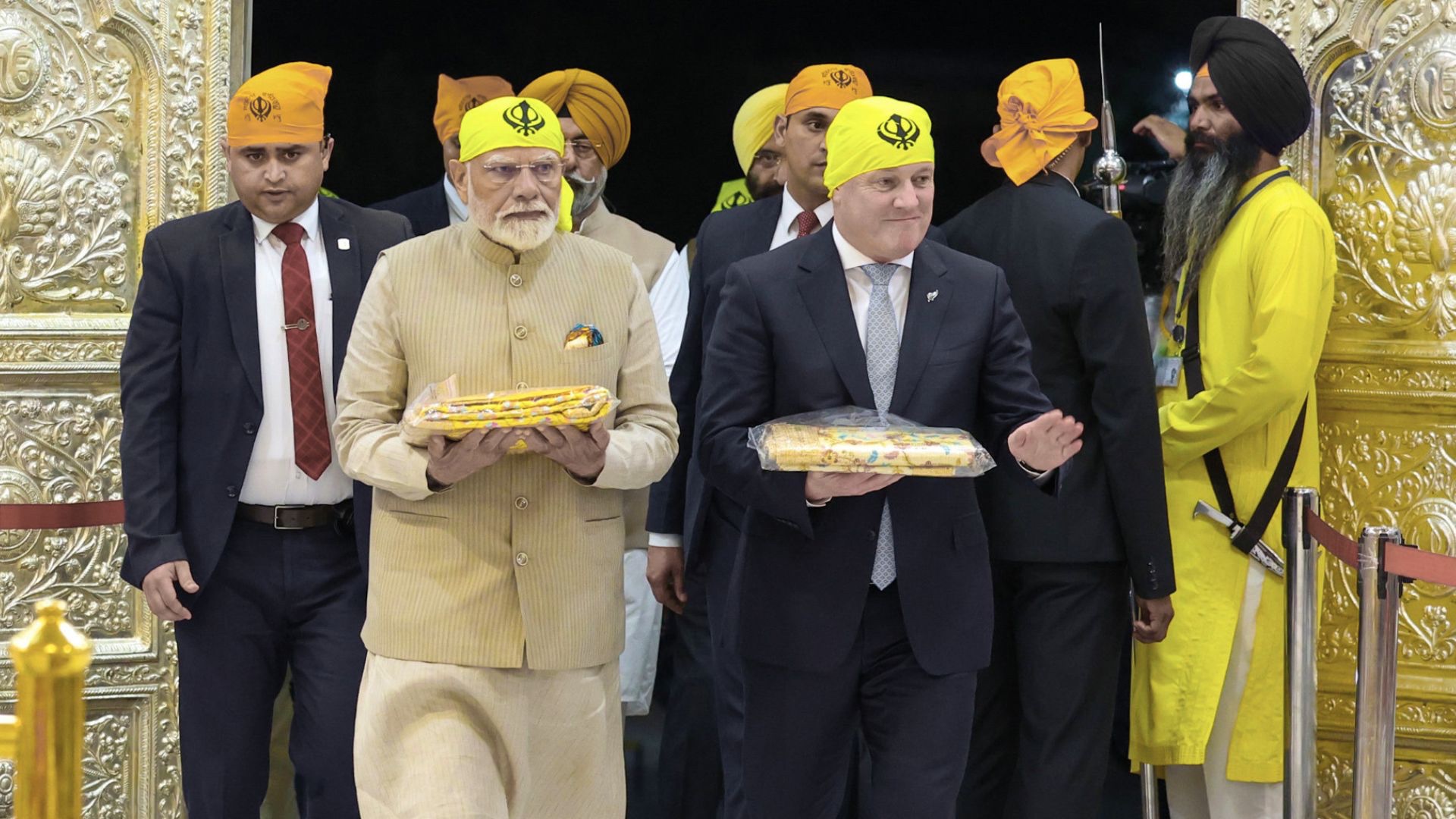
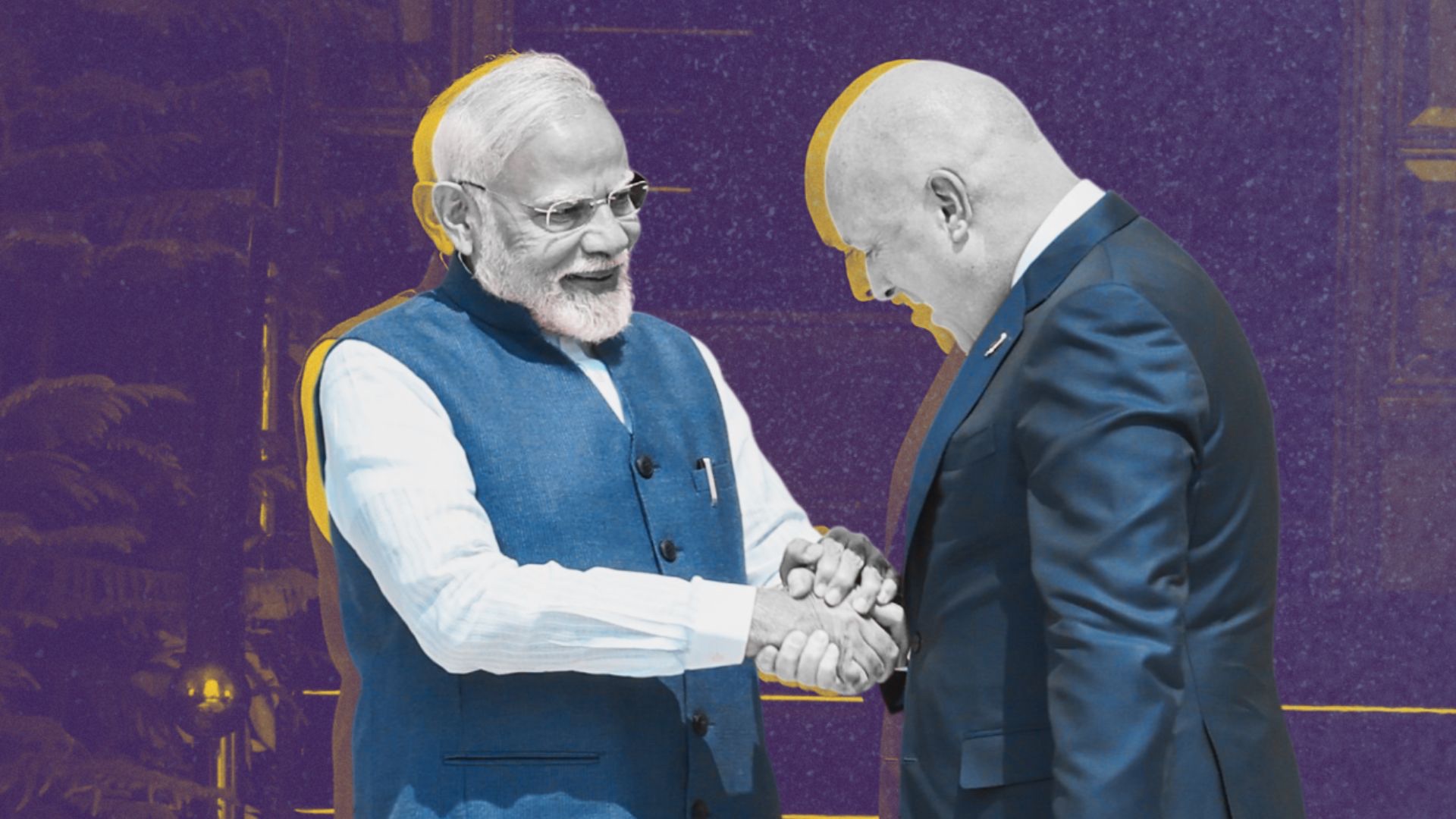
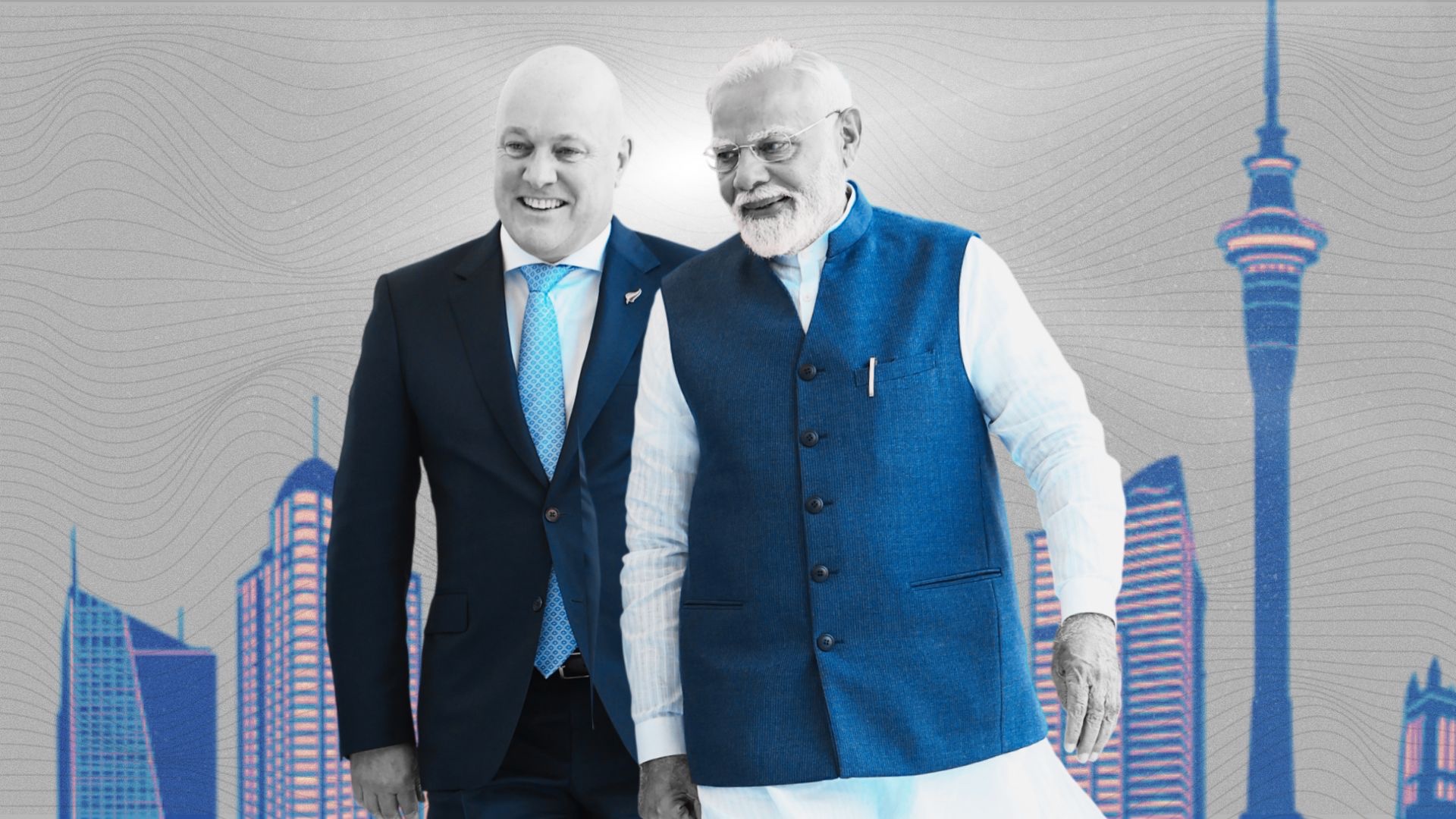
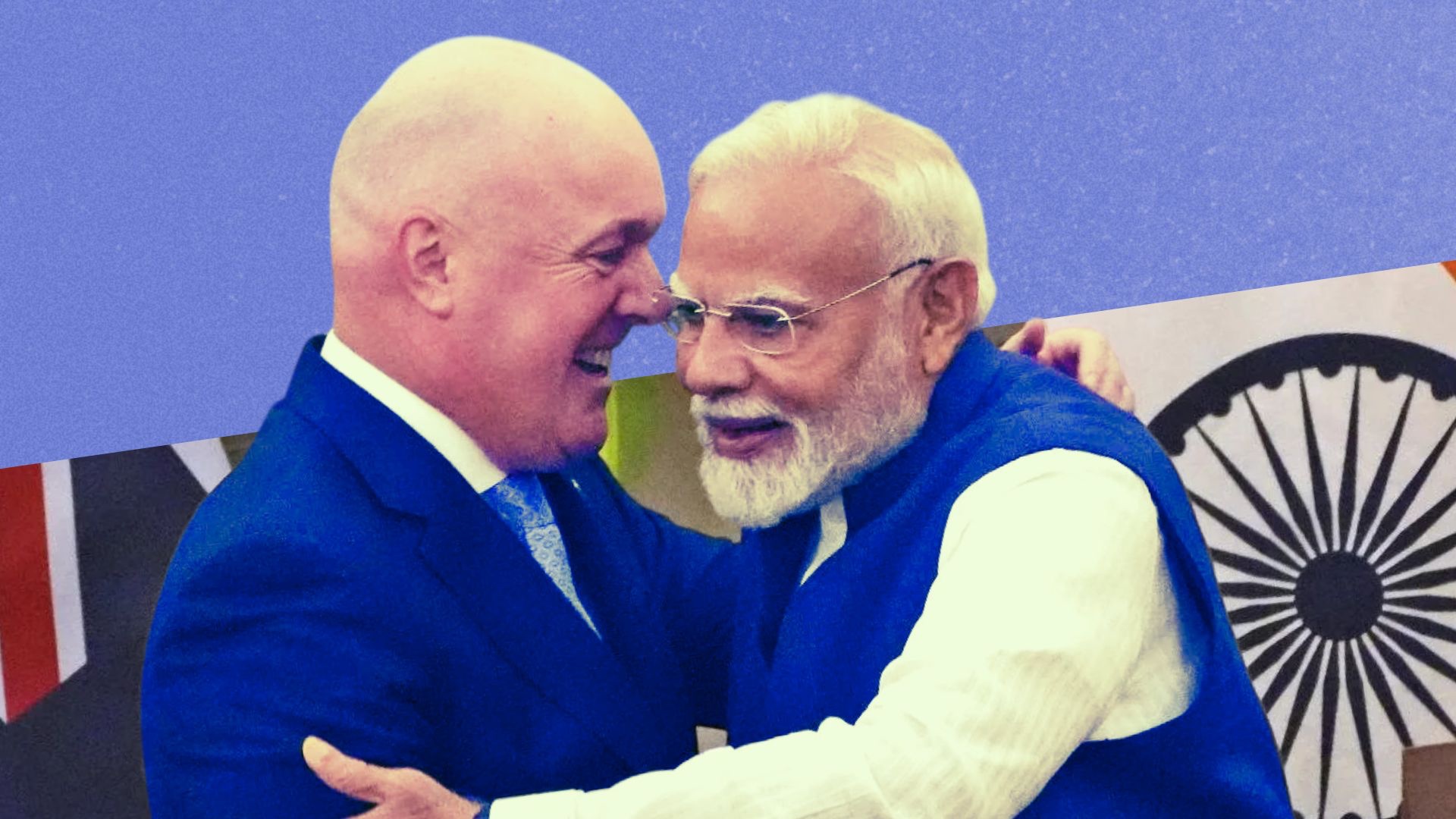
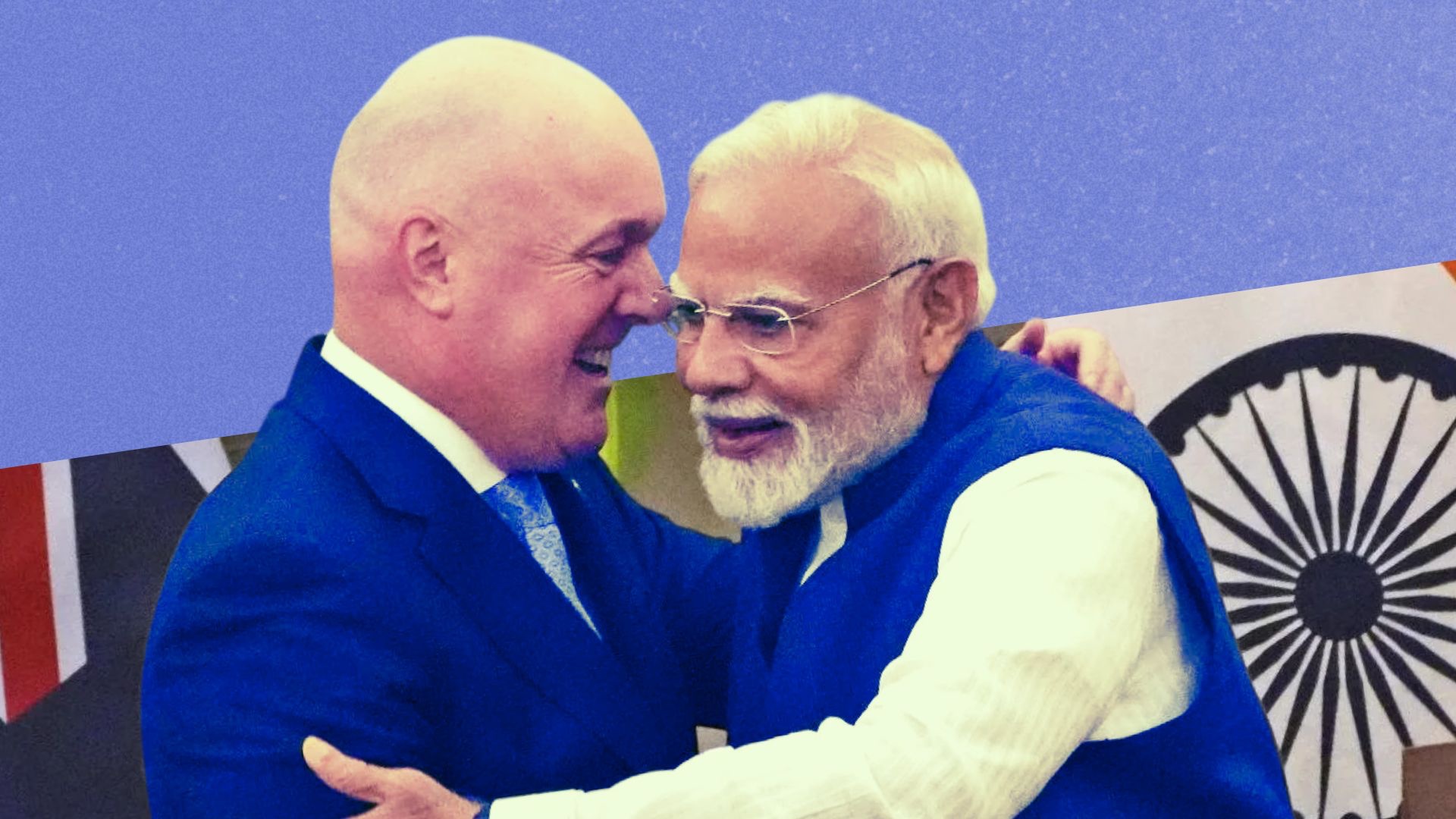
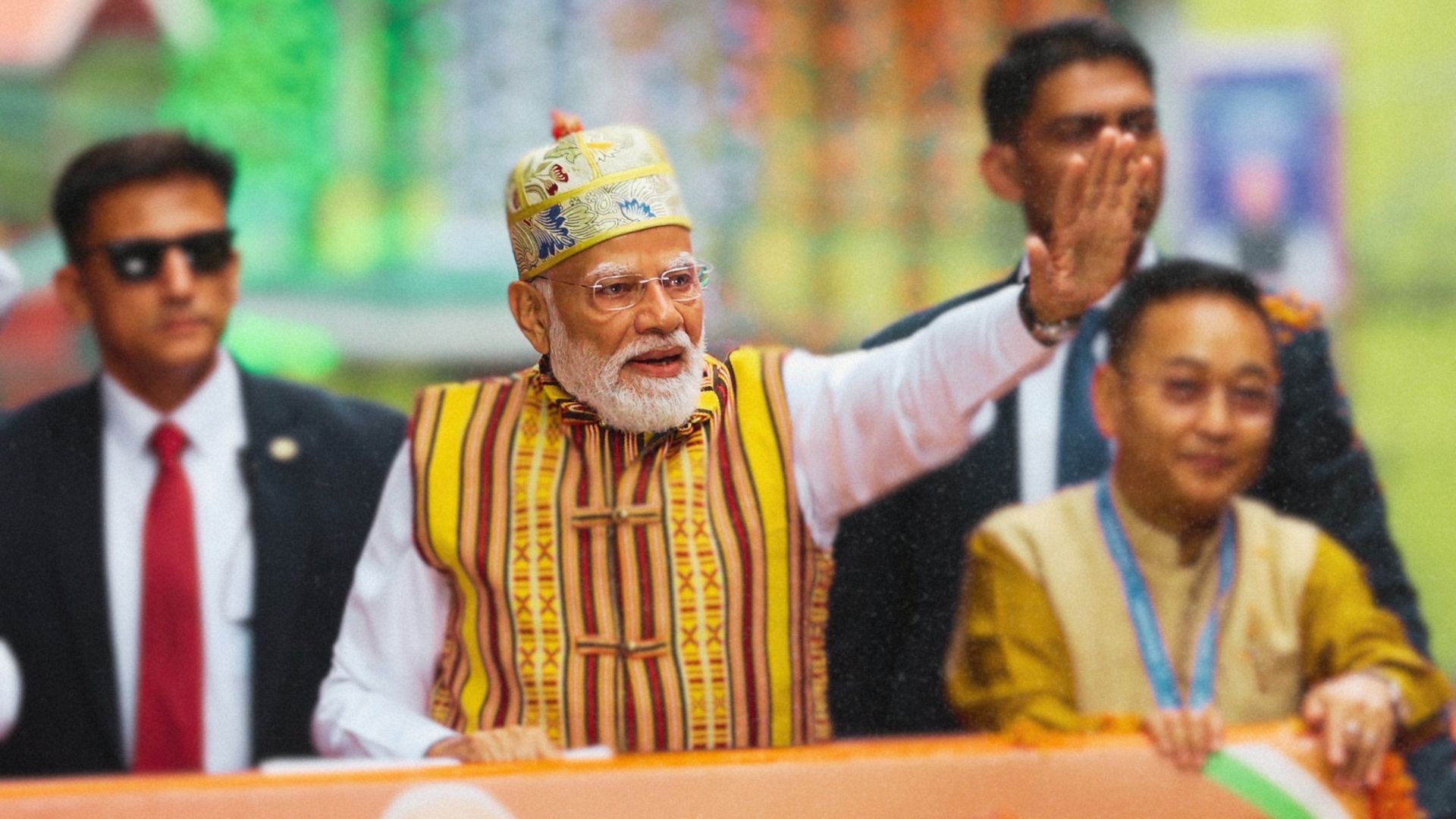
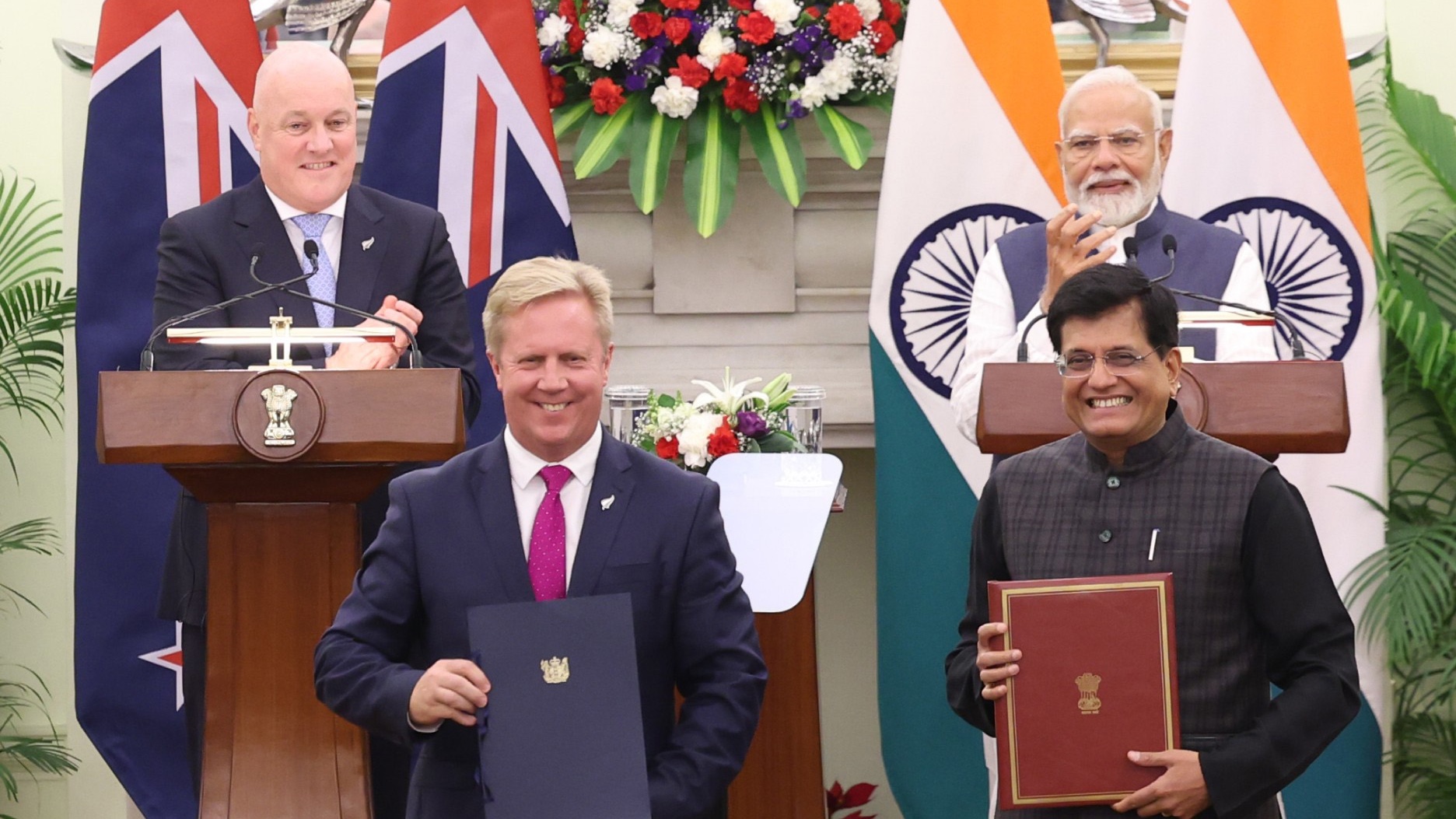
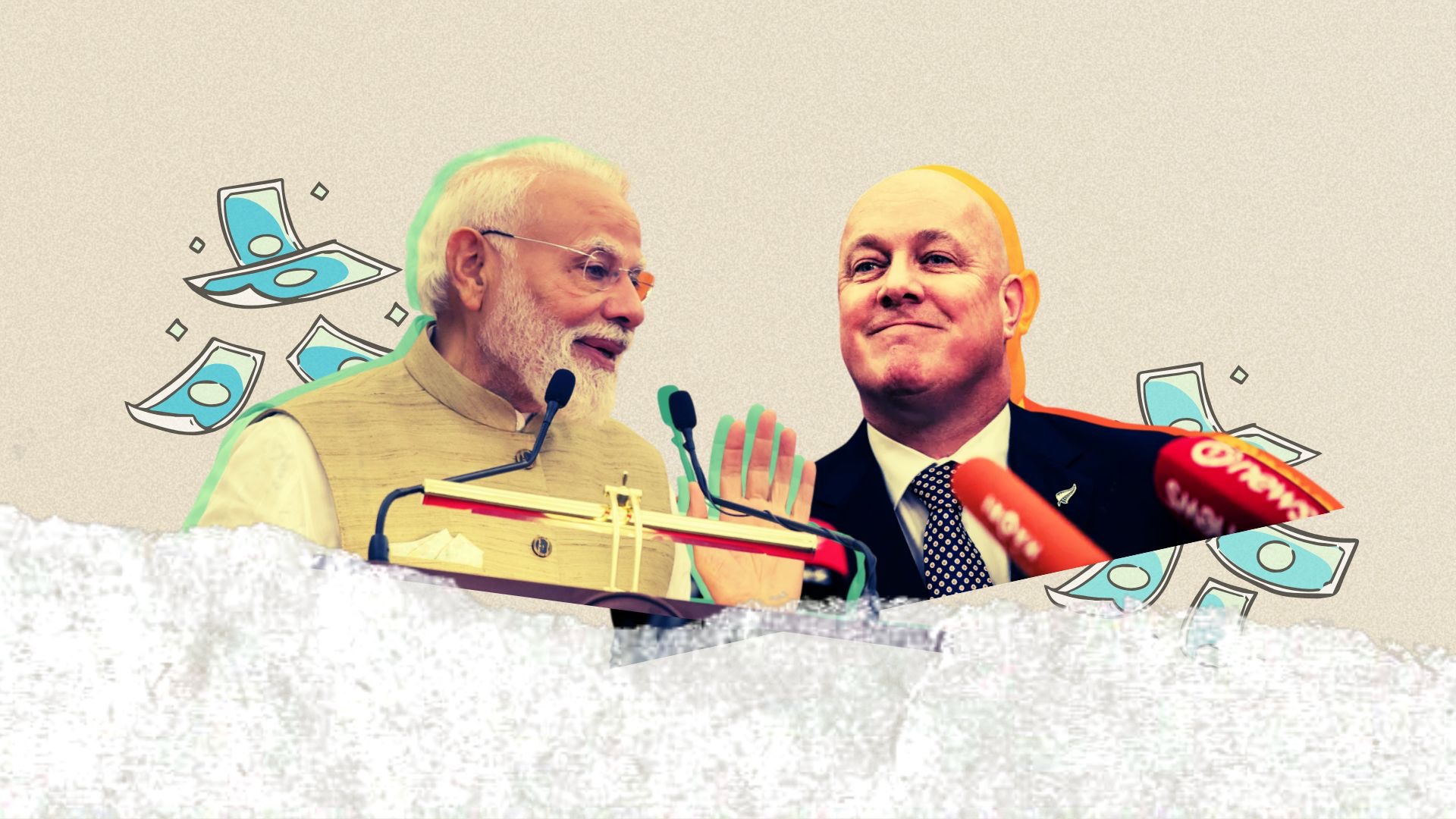
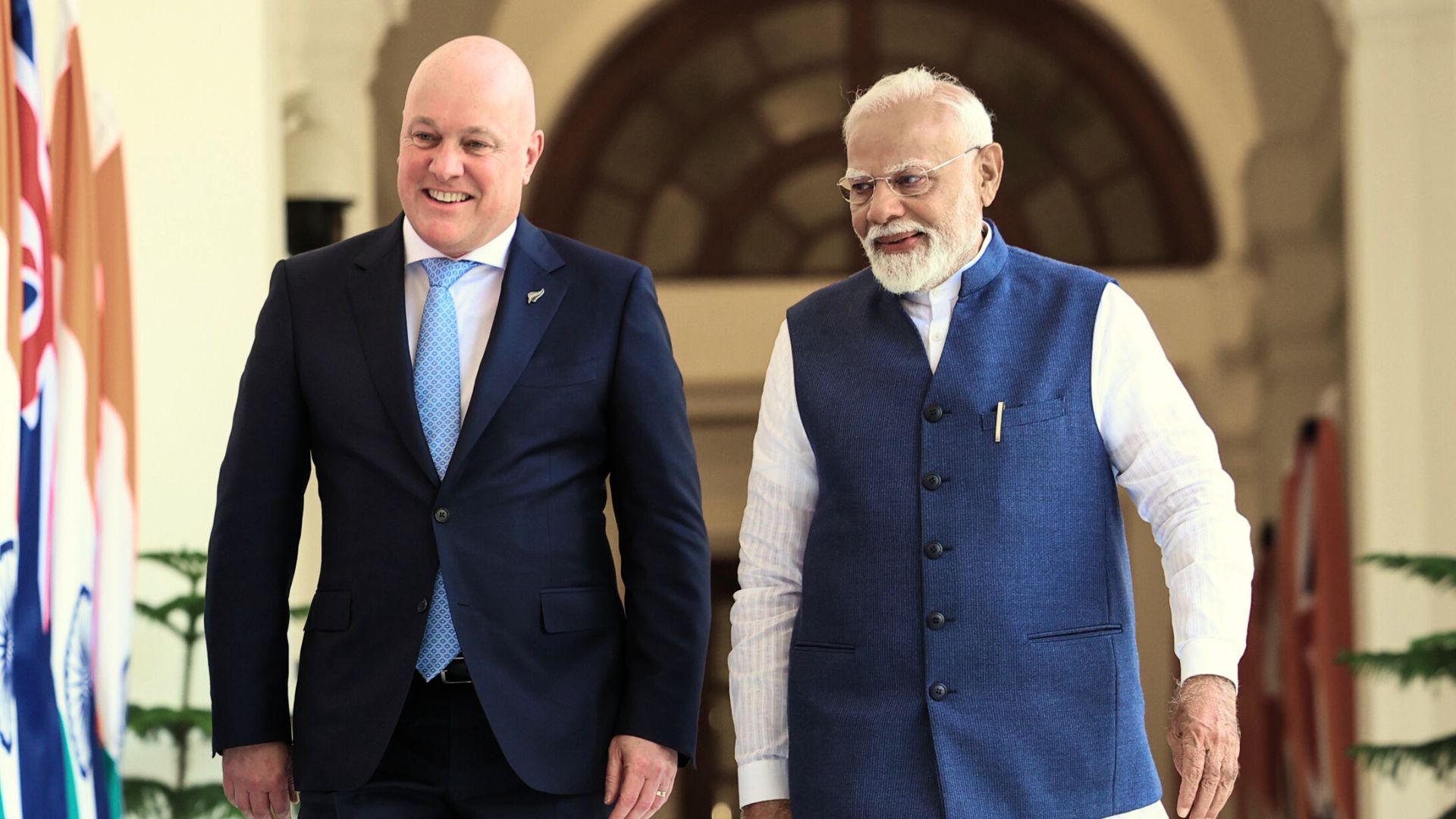
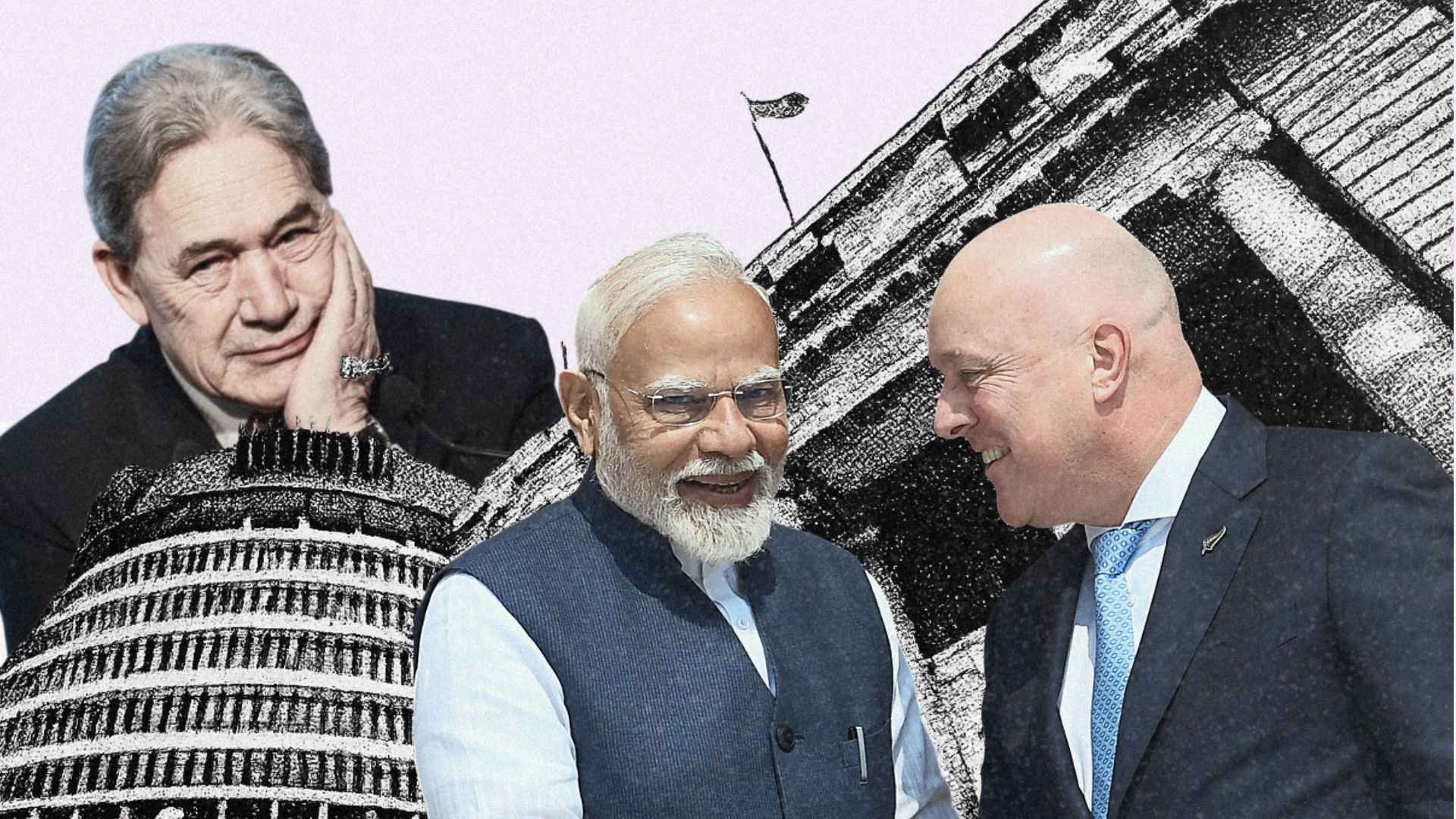
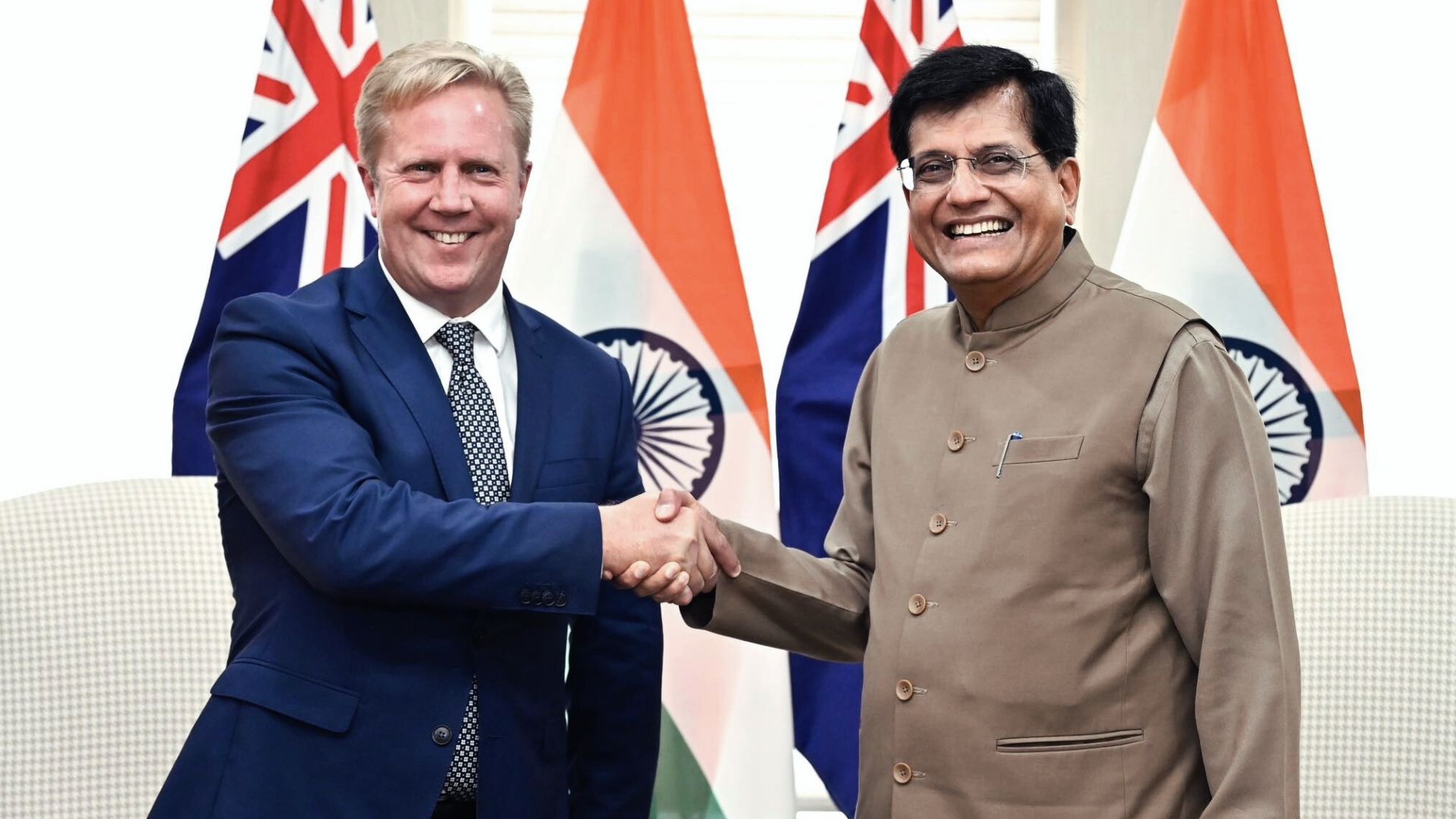
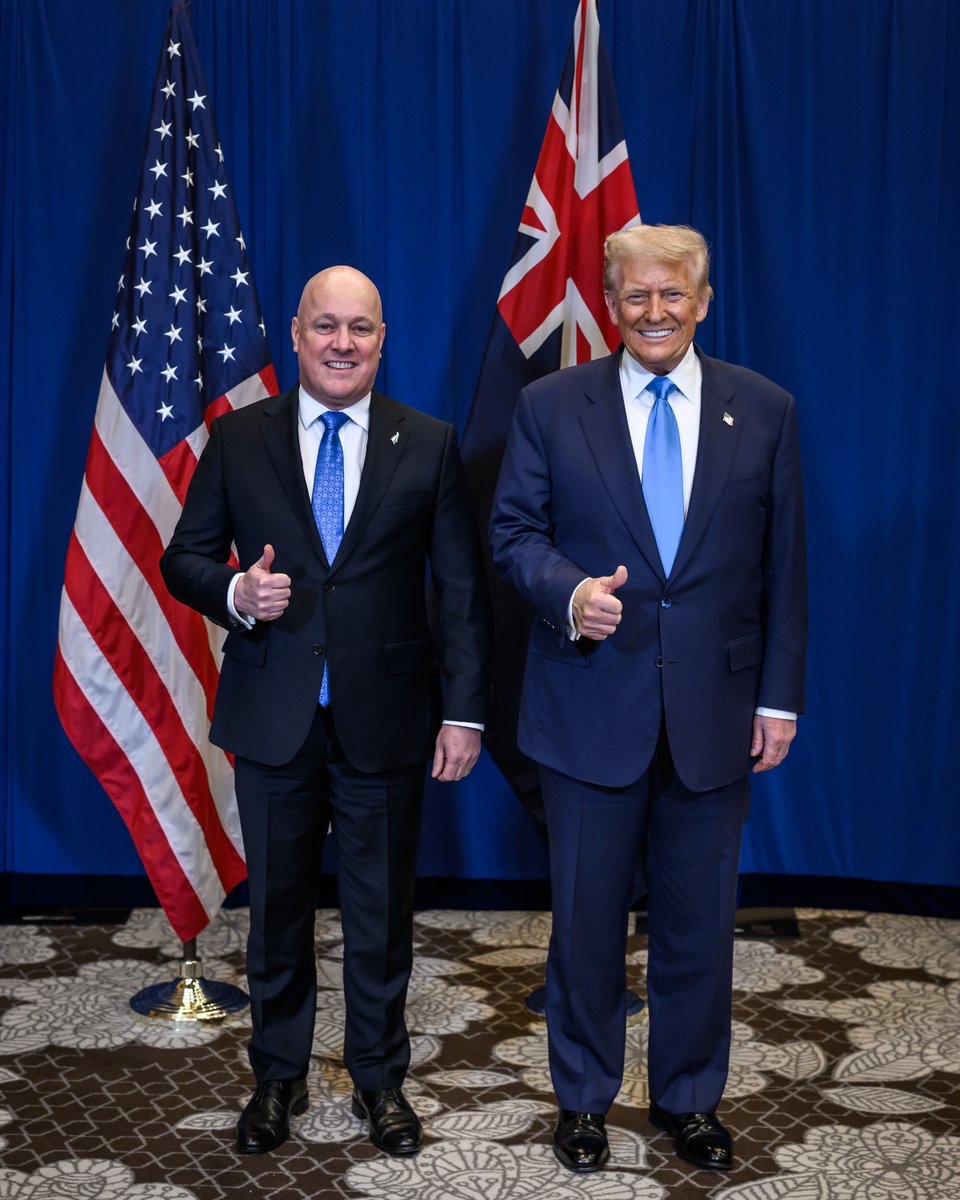
India's prime minister Narendra Modi with New Zealand counterpart Christopher Luxon and trade minister Todd McClay.
The trade deal is a positive step, but not a dramatic new opening from an immigration perspective.
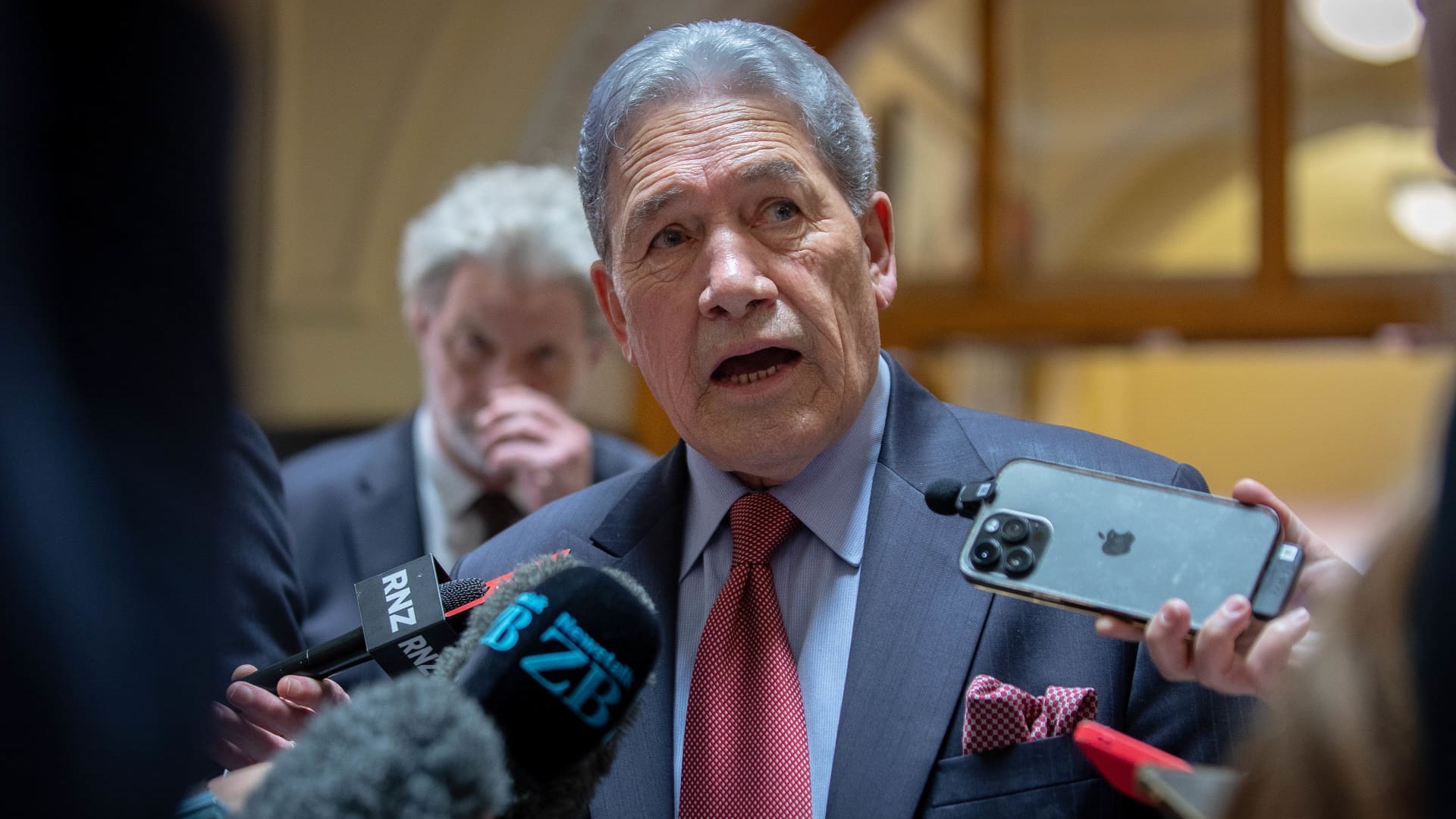
When I learned that Winston Peters was worried New Zealand would be flooded with Indian students under the India-New Zealand FTA, I knew I had to dig deeper.
I read the free trade agreement myself and discovered he was right on one point – there is no limit to the number of Indian students who can be approved student visas to come to New Zealand.
What Winston didn’t tell you is that, even before the FTA was signed, there was no limit to the number of Indian students who can be approved student visas.


No limit before, no limit after.
Numbers don't lie
NZ First wants to end birthright citizenship for children of migrants, work rights for students "This set of polices is about taking back control of the future of our country and valuing our unique citizenship the way it should be."
India-NZ FTA gets select committee nod, stage set for anticipated October launch “If that is the case, how exciting is that for New Zealand. Exciting, isn’t it?”
‘Huge mistake’: Indian couple lose New Zealand residence while living in Canada The family had a second shot at applying for permanent residency but they were late by less than a month.
You may have heard the phrase “butter chicken tsunami” used to describe what the FTA could mean for Indian student numbers in New Zealand. But the data tells a different story.
There was already no numerical cap on Indian students before the FTA. The agreement formally commits New Zealand to maintaining that position. And with roughly one in four Indian student visa applications declined over the last 10 complete financial years, these applications are clearly not being rubber stamped.
On average, about 13,700 applications were approved and about 4,300 were declined each year, giving a decline rate of about 24 per cent.
Even in the current financial year March 31, 2026, about 11,000 Indian student visa applications were approved and around 2,700 were declined. That is roughly a 20 per cent decline rate.
So how does the FTA help Indian students?
In short, it guarantees the following minimum settings:
1. New Zealand will not impose numerical limits on the number of Indian students entering recognised New Zealand institutions.
2. Eligible students will be able to work part-time while studying in New Zealand (the FTA refers to a minimum of 20 hours a week, although current settings are 25 hours a week).
3. Eligible graduates will continue to have post study work opportunities after completing qualifying study in New Zealand.
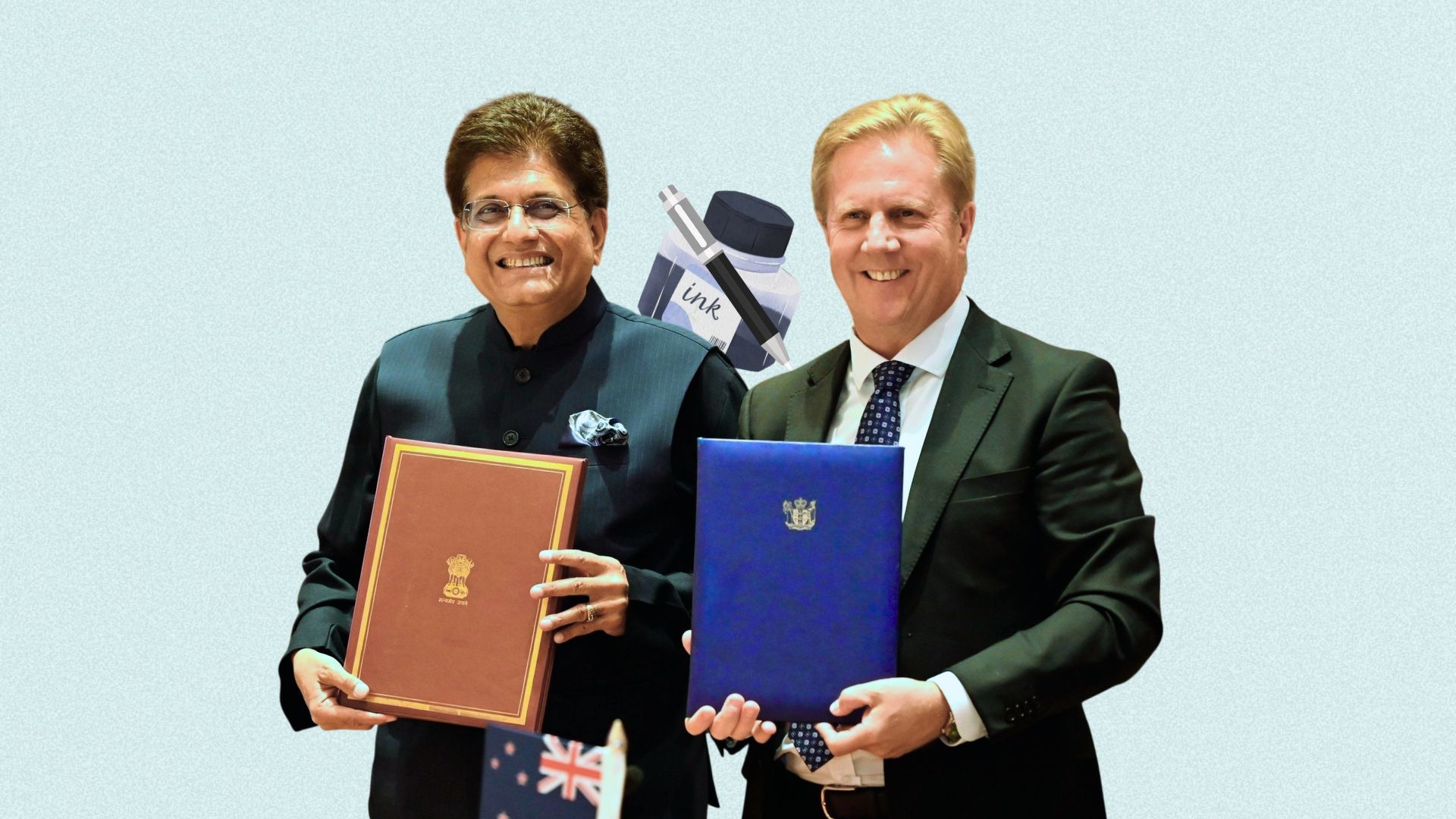
The FTA was signed on April 27, 2026, but it is not yet in force. So the student mobility commitments do not apply yet.
Post-study work rights
The agreement confirms post study work opportunities for Indian students who complete their full programme of study in New Zealand through recognised education institutions. These opportunities are:
1. Up to two years after completing a bachelor’s degree, including honours.
2. Up to three years after completing a master’s degree.
3. Up to four years after completing a doctoral degree.
There is one specific improvement worth noting. Indian students who graduate in New Zealand with a bachelor’s degree with First Class Honours in a STEM field, including ICT, may have their possible stay extended from two years to three years. STEM means science, technology, engineering and mathematics.
In simple terms, this includes areas such as IT, engineering, computer science and related technical fields.
That is a genuine benefit, but it applies to a specific group of graduates. It is not a broad new visa pathway for all Indian students.
What the FTA doesn’t do
The FTA does not remove normal immigration scrutiny.
It does not mean student visas will be approved automatically. Immigration New Zealand will still assess whether the student is genuine, whether they can afford to study and live in New Zealand, whether their study plan makes sense, and whether they meet health and character requirements.
The FTA also does not create a new residence pathway. Post-study work rights are not the same as residence.
Working in New Zealand after study can help a graduate gain experience and may support a future residence application, but residence remains a separate process with its own requirements.
Why the FTA matters
This is why the agreement should be understood properly. It may increase interest from India. It may help New Zealand present itself as a more stable and welcoming education destination.
It may give Indian families more confidence when comparing New Zealand with Australia, Canada, the United Kingdom and the United States.
But the actual decision for students will still depend on cost, visa approval prospects, job opportunities after study, and whether the qualification supports their long term goals.
For Indian families, certainty matters. Overseas education is a major financial decision. Many families borrow money, sell assets, or use long term savings to send a child overseas. They want to know that the rules will not suddenly move against them after they commit to a country.
That is where the FTA is useful. It sends a clear signal that New Zealand values Indian students and wants education links with India to grow.
What Indian students should do before applying
Students should check whether the institution they want to attend is a recognised New Zealand institution.
They should make sure the course suits their background and future plans.
They should understand what post study work rights may apply before they commit.
They should also be honest about whether they can genuinely afford tuition and living costs.
Most importantly, they should not assume that studying in New Zealand automatically leads to residence.
The India-New Zealand FTA is a positive step, but not a dramatic new opening from an immigration perspective. The door was already open. What the FTA does is confirm that it will stay open, and make it a little wider for some STEM honours graduates.
Normal immigration requirements still apply. The quality of the application still matters.

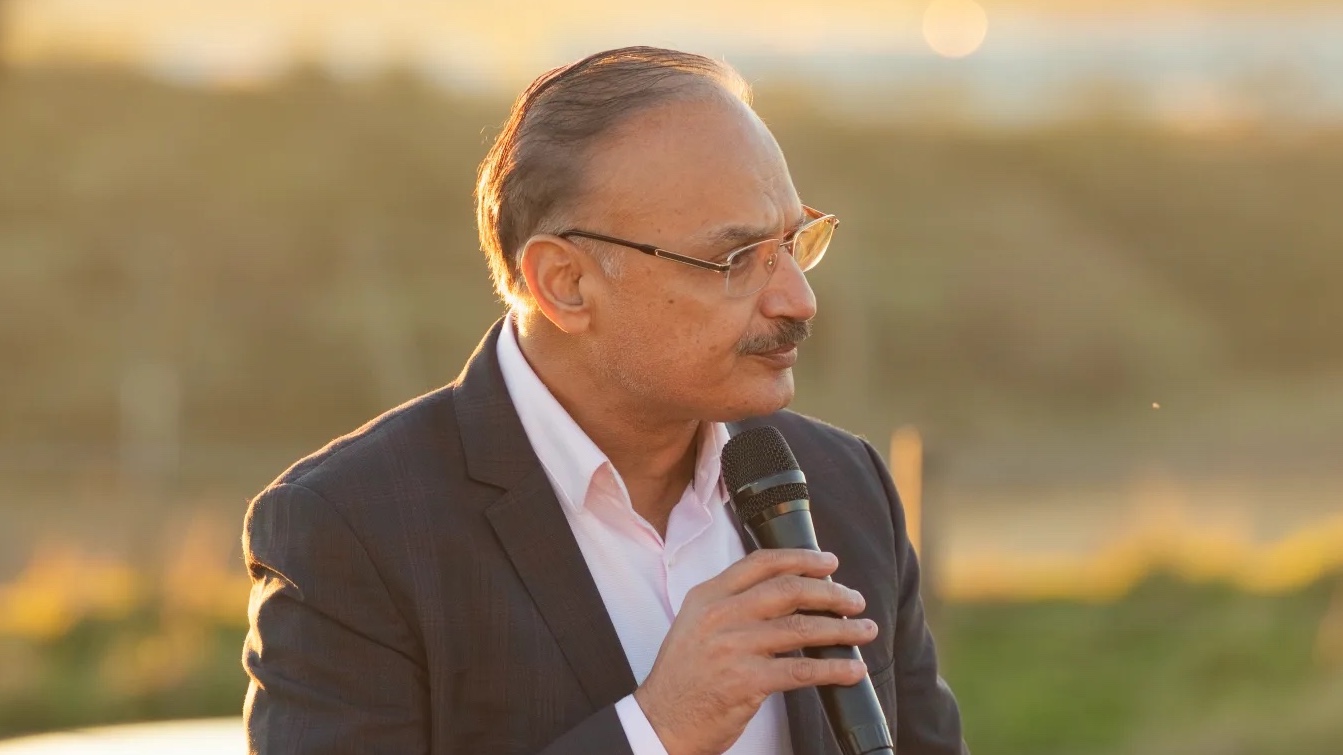
(Ankur Sabharwal is a Licensed Immigration Adviser and founder of Visa Matters, an Auckland-based immigration advisory firm. He provides immigration commentary on TVNZ Breakfast and has been published by Stuff and The Post.)