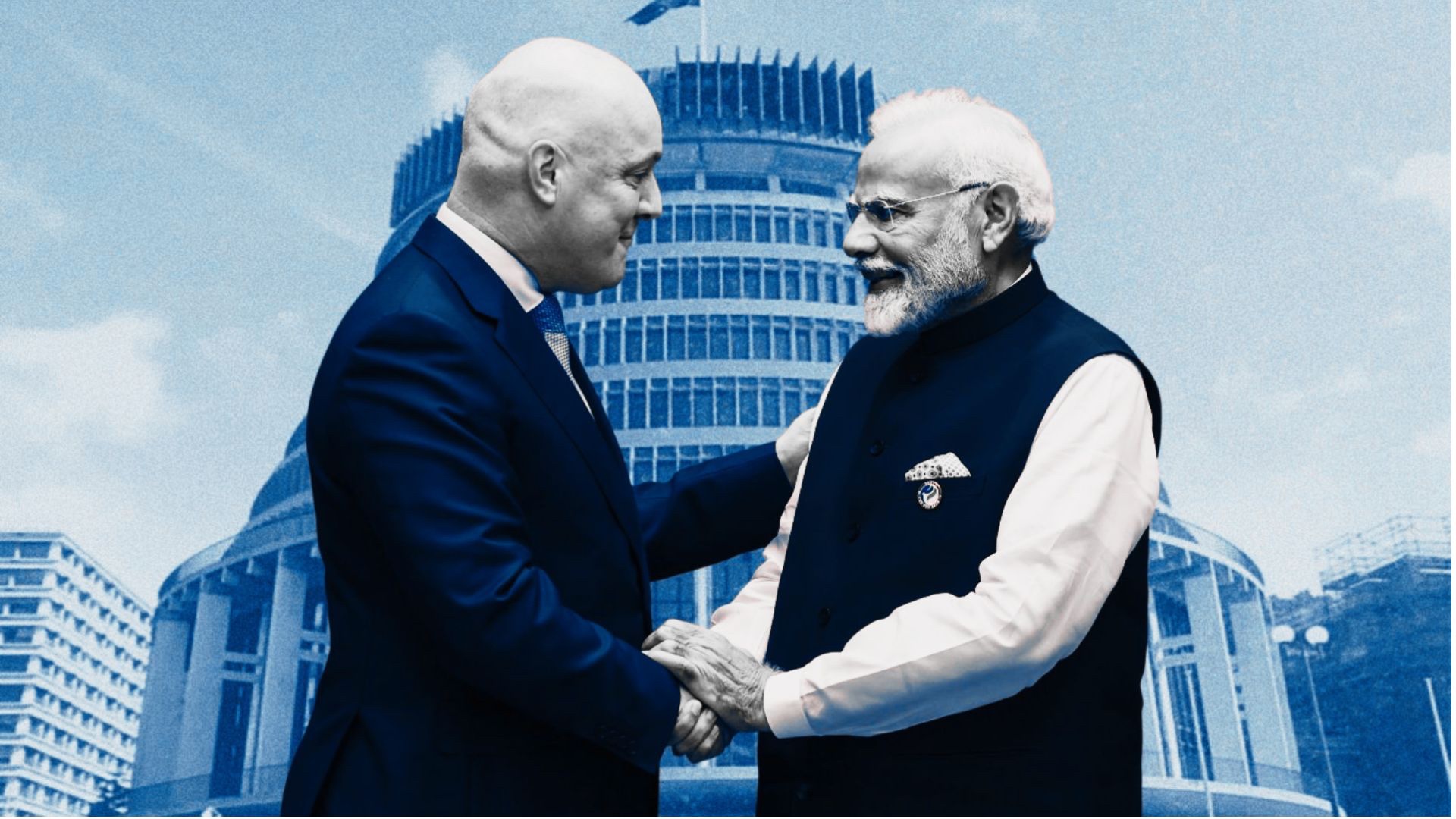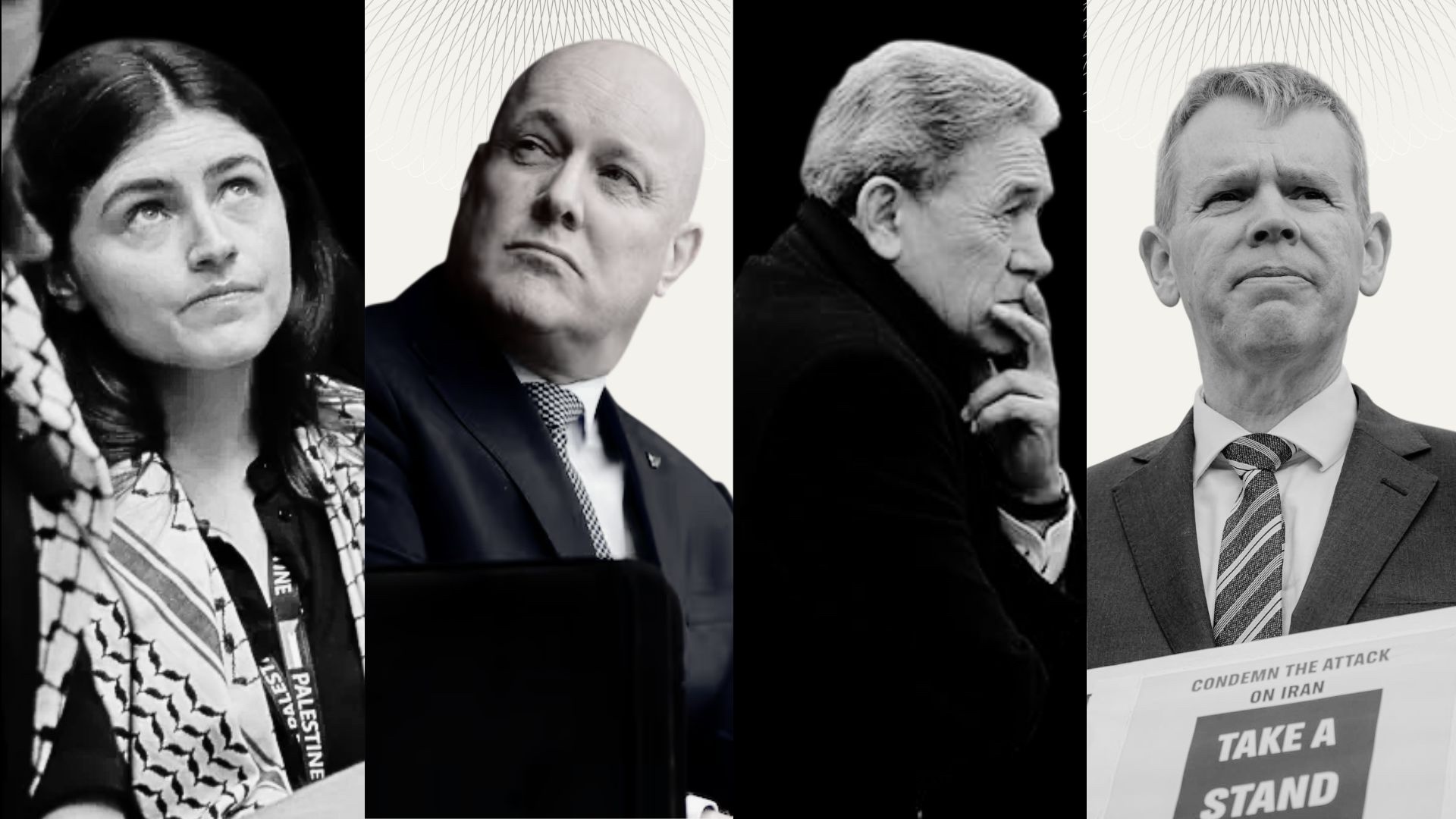

Labour will support India-NZ FTA, confirms Hipkins, clearing way for trade deal
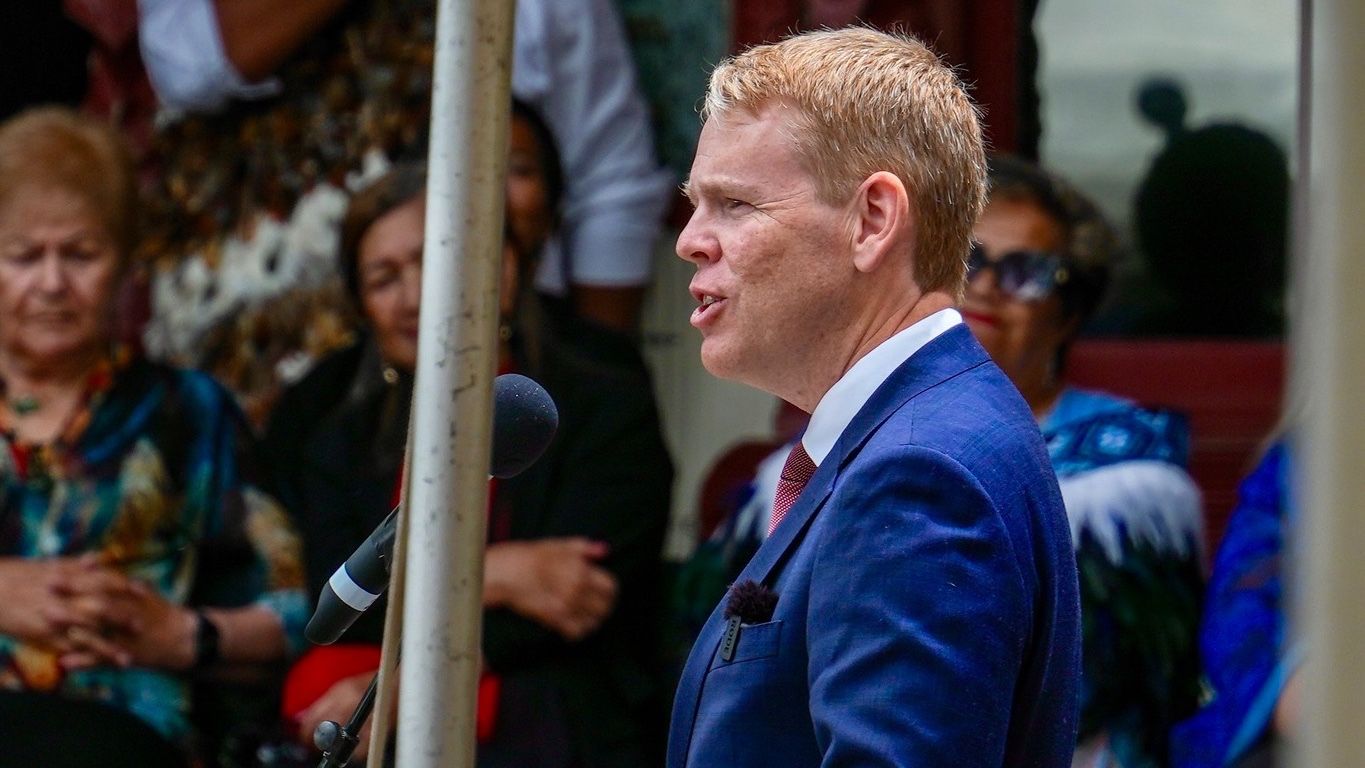
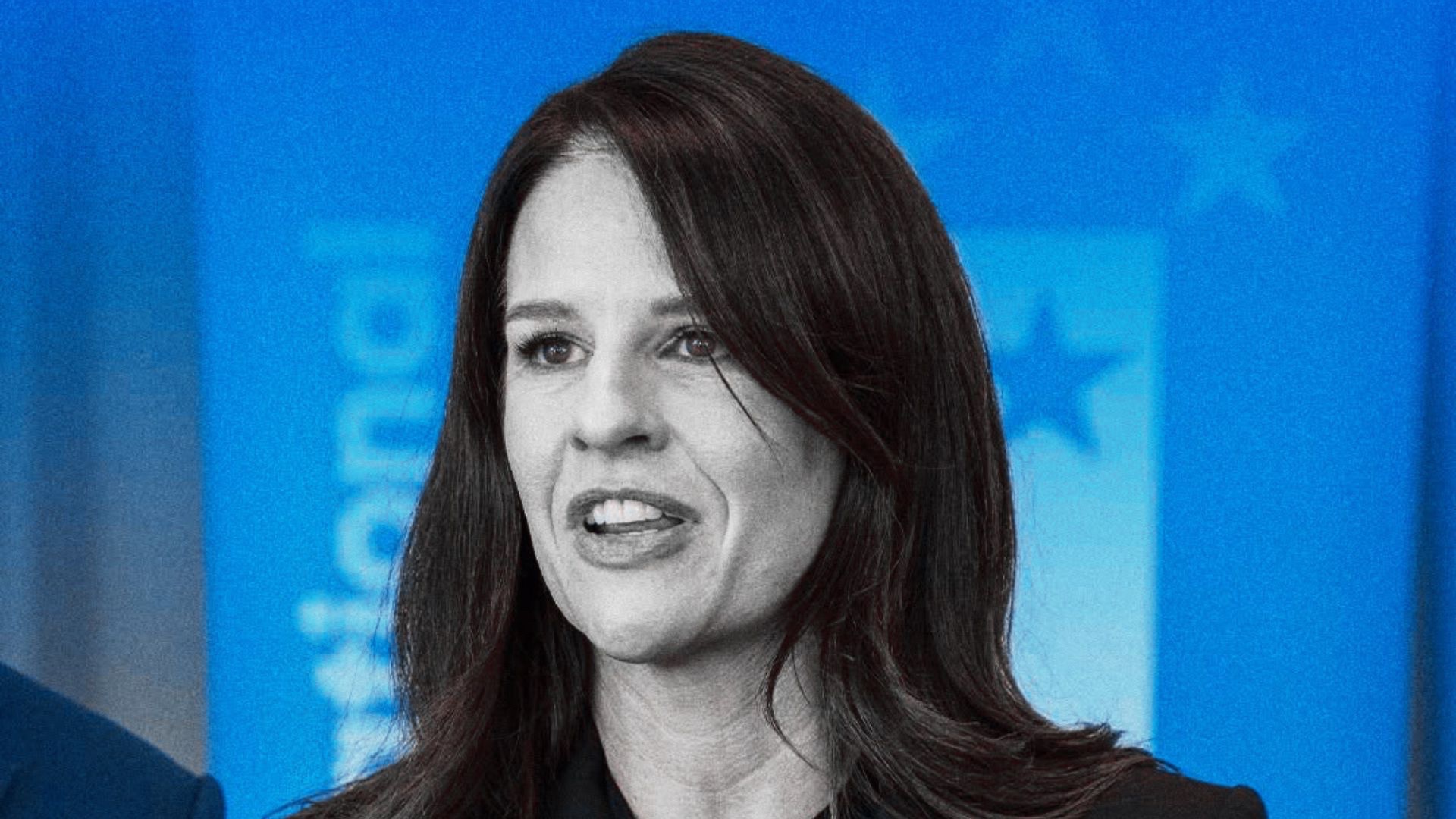
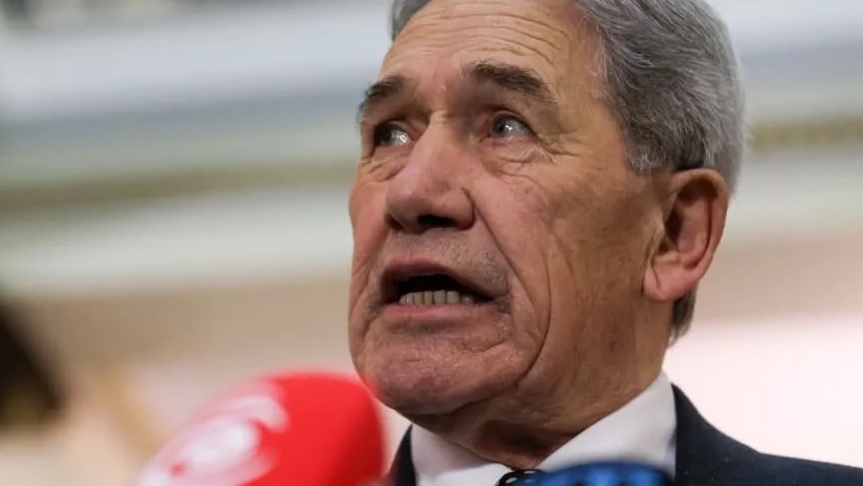
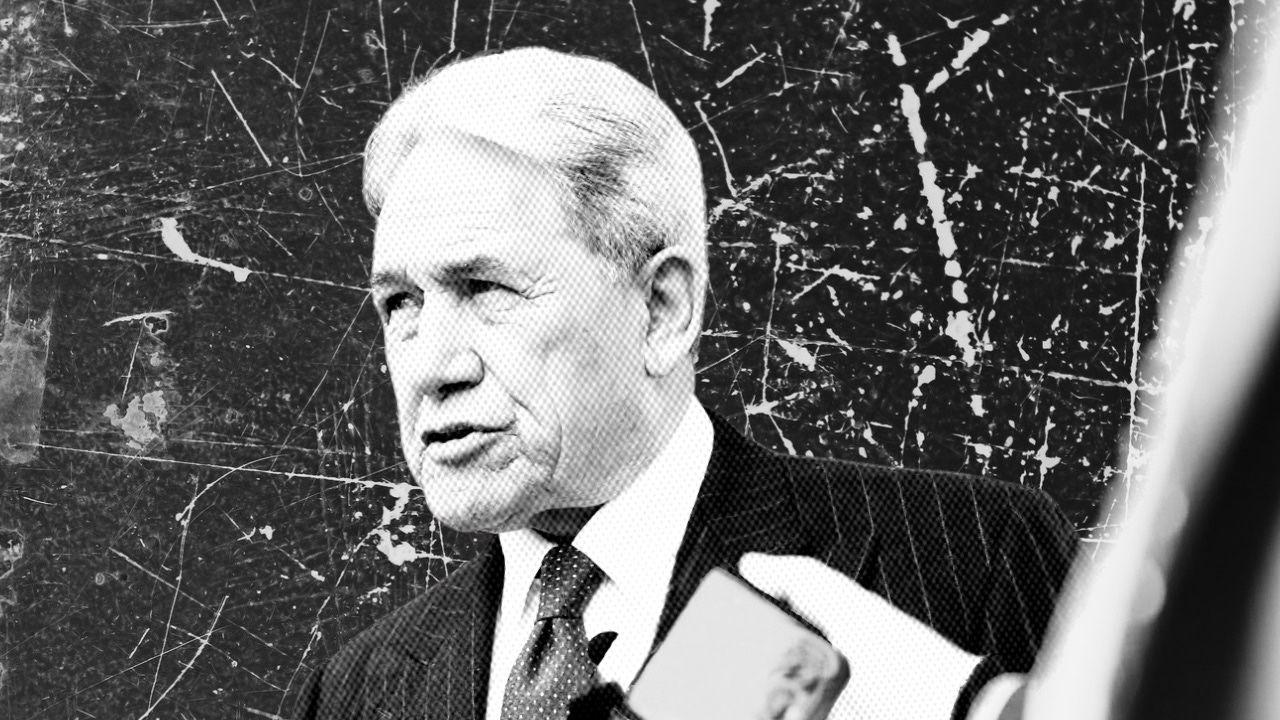
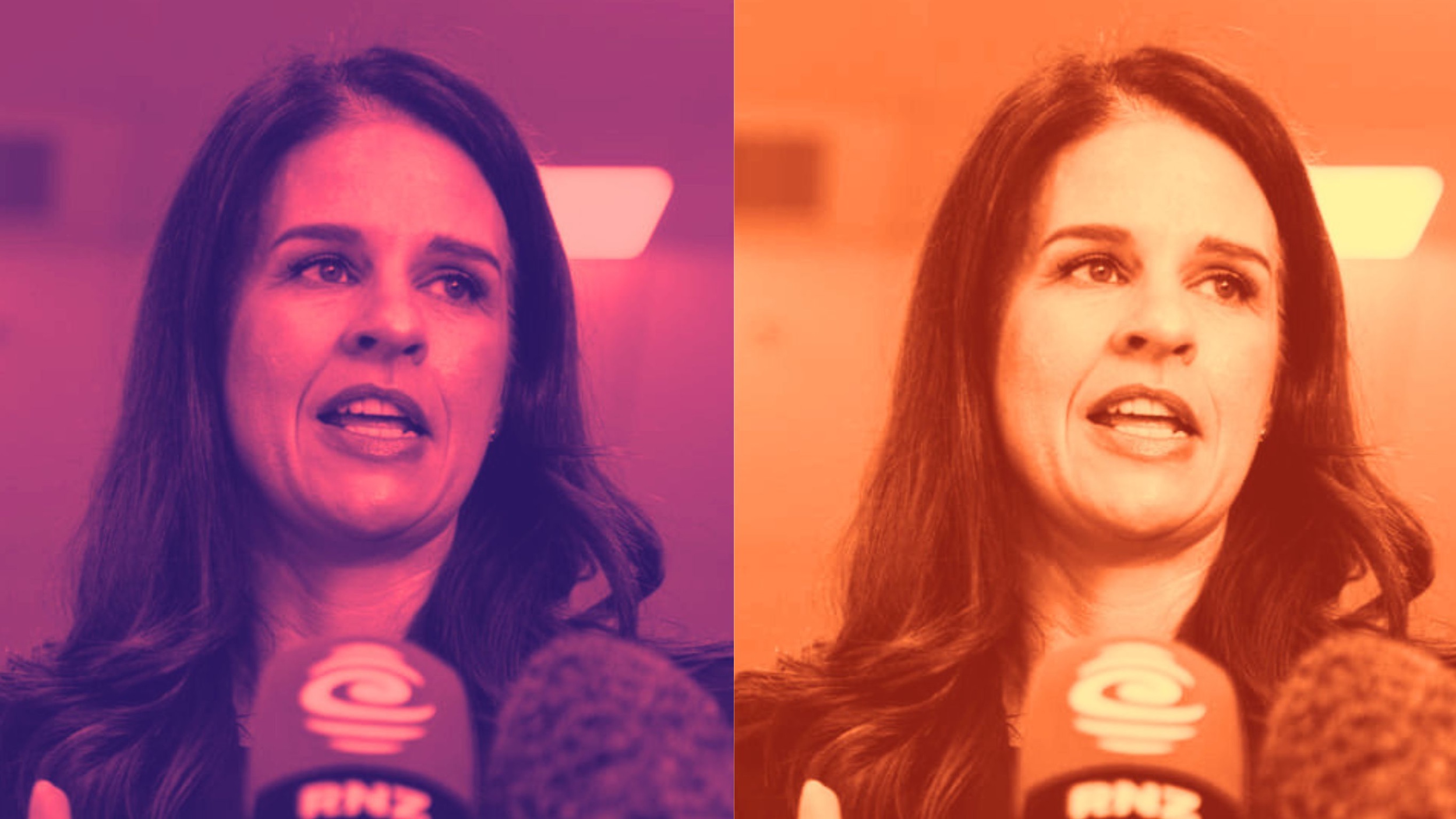
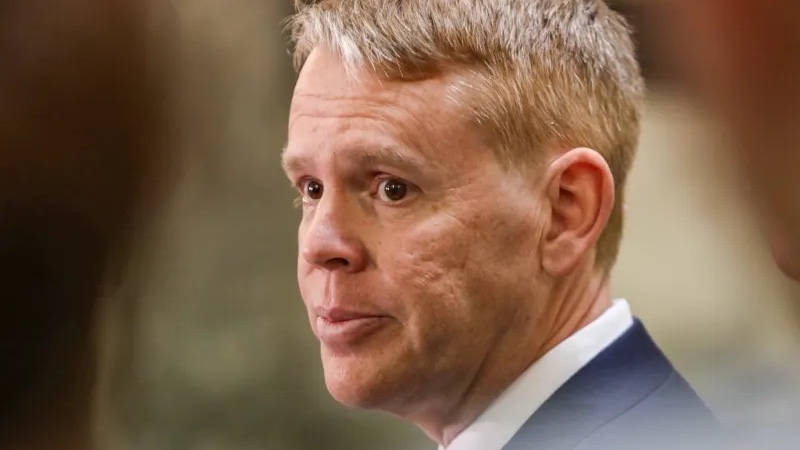
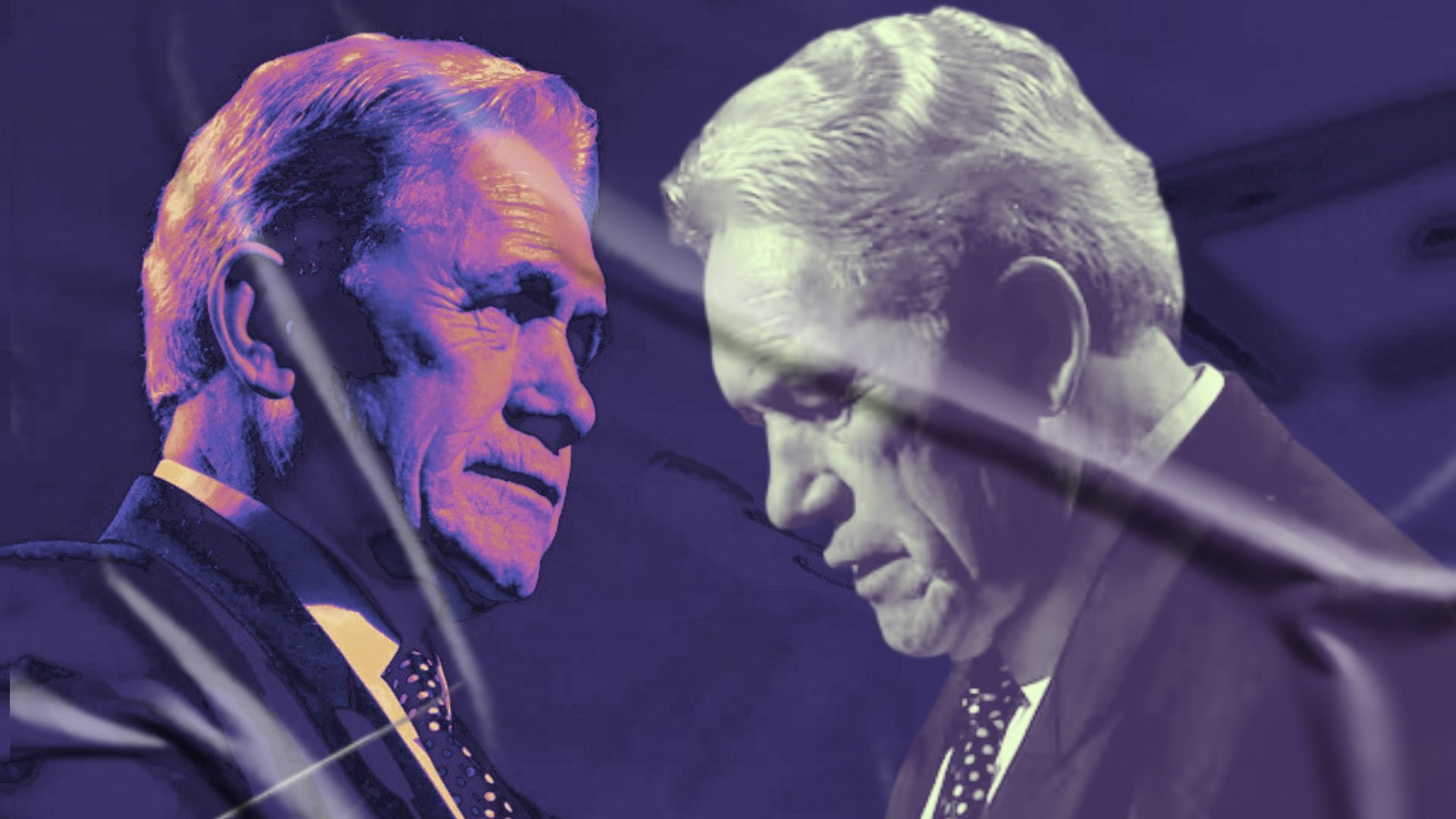
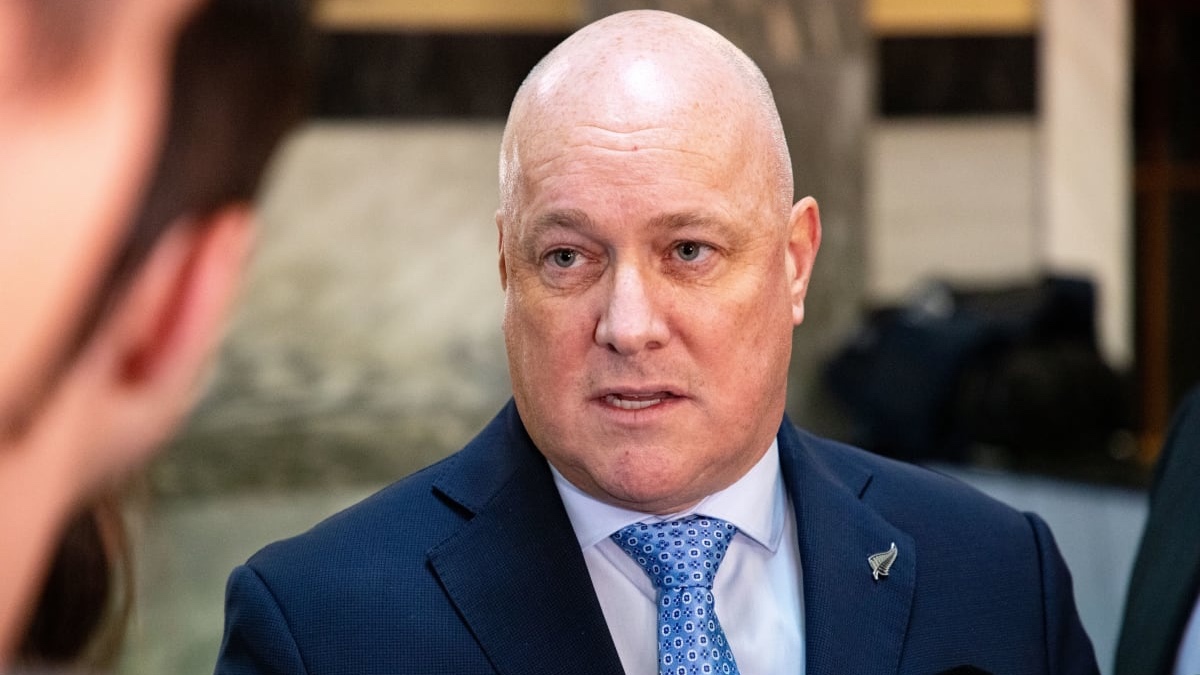
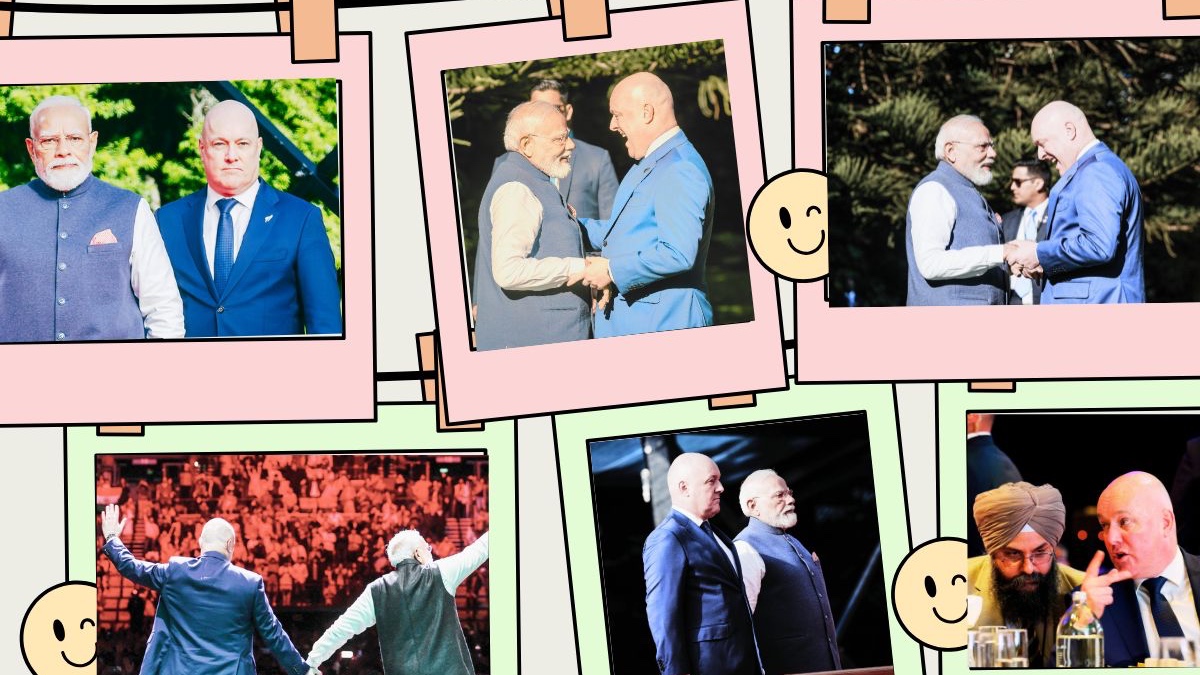
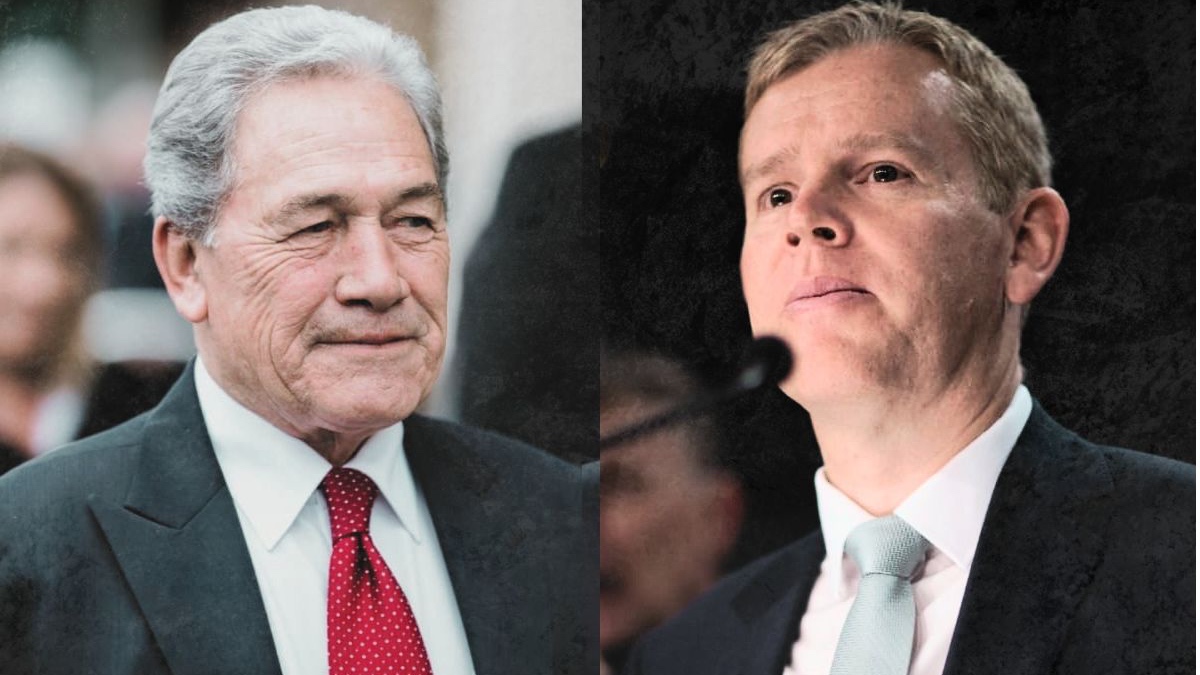
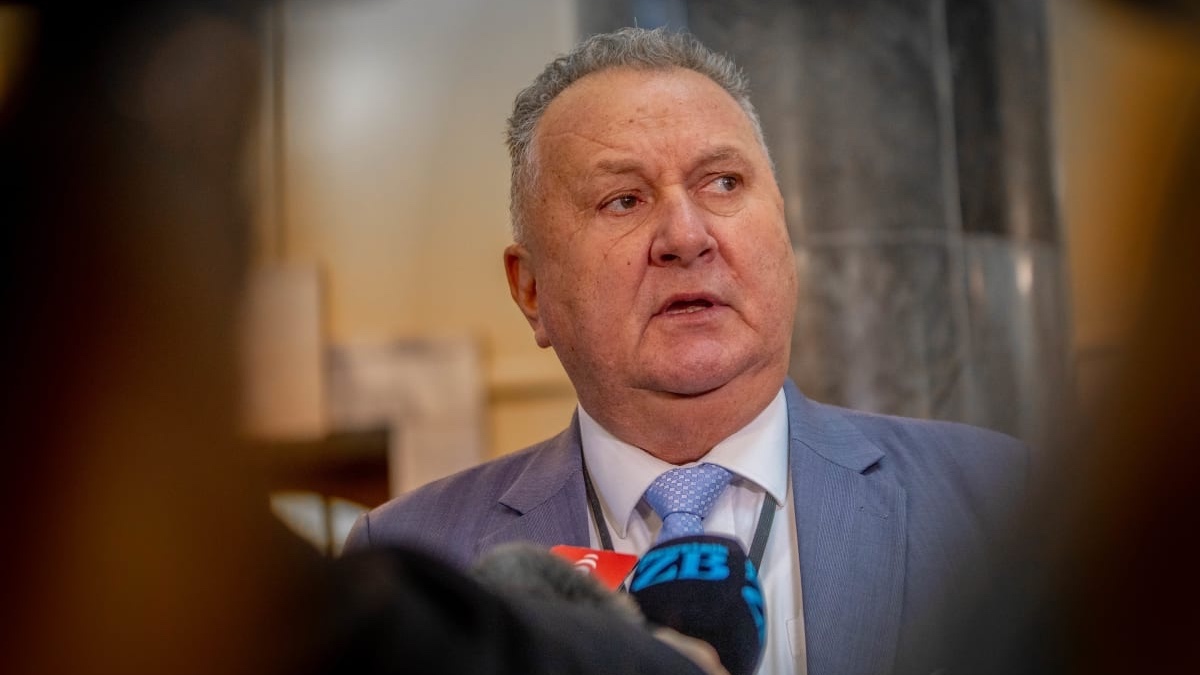
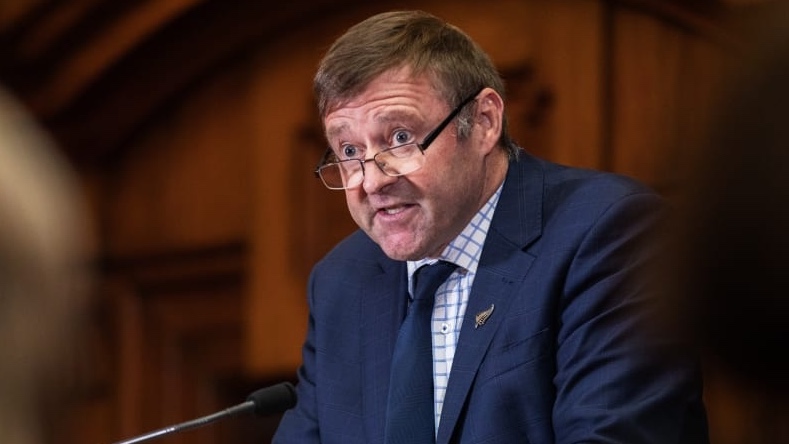
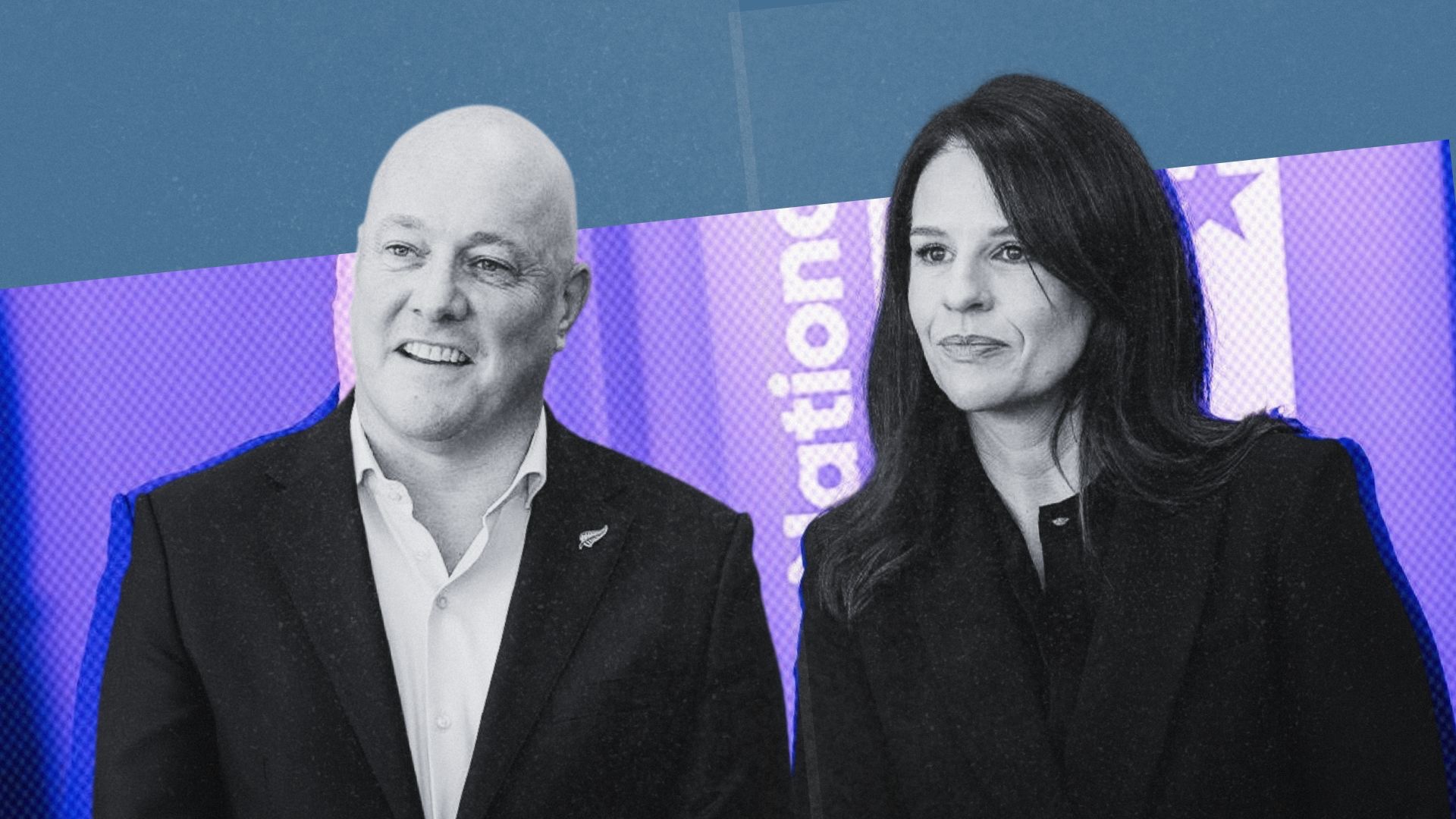
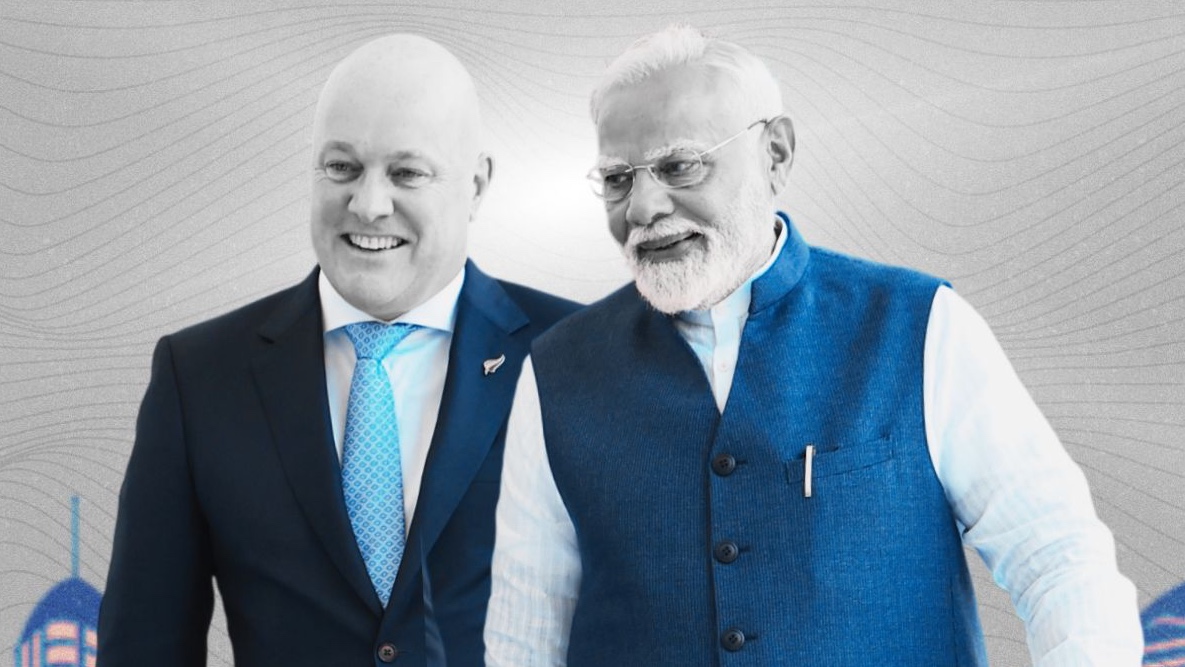
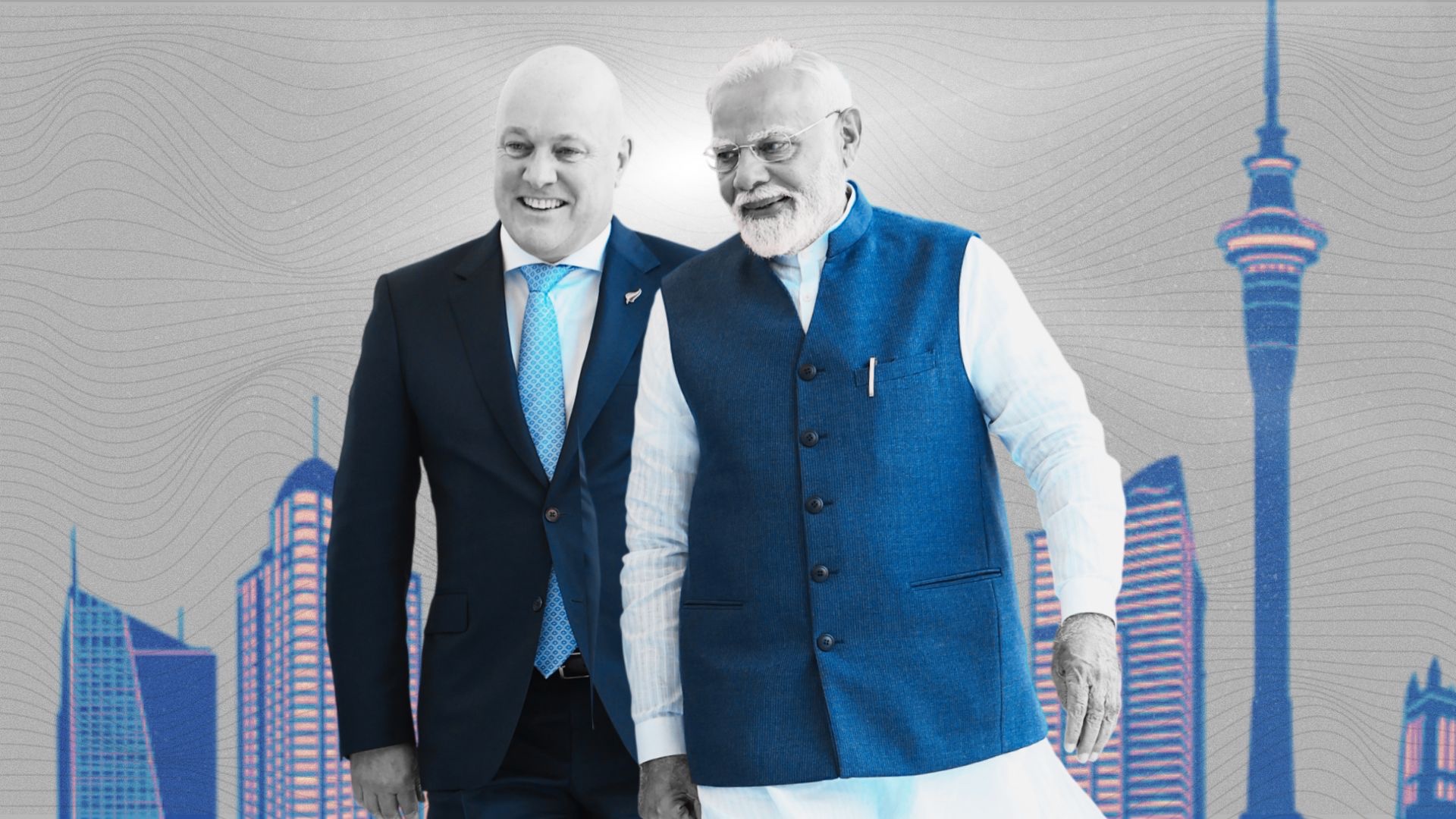
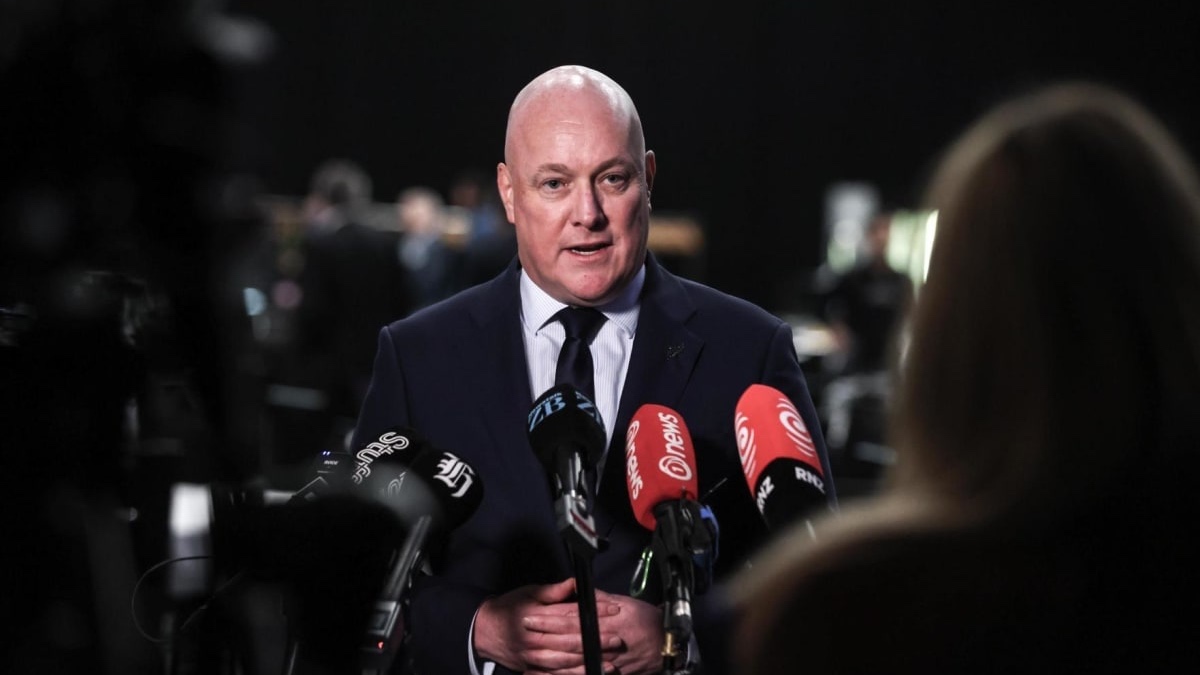
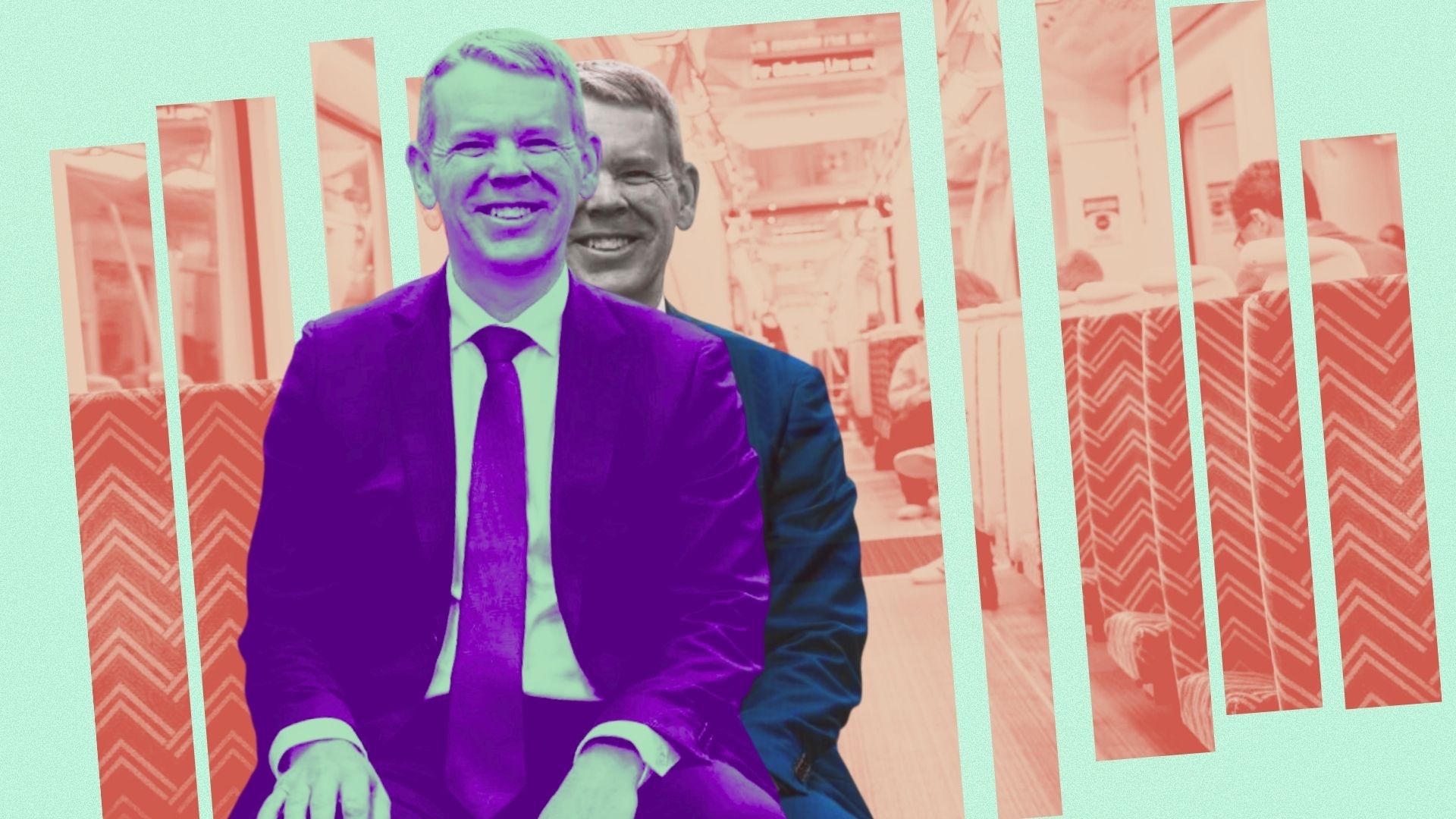
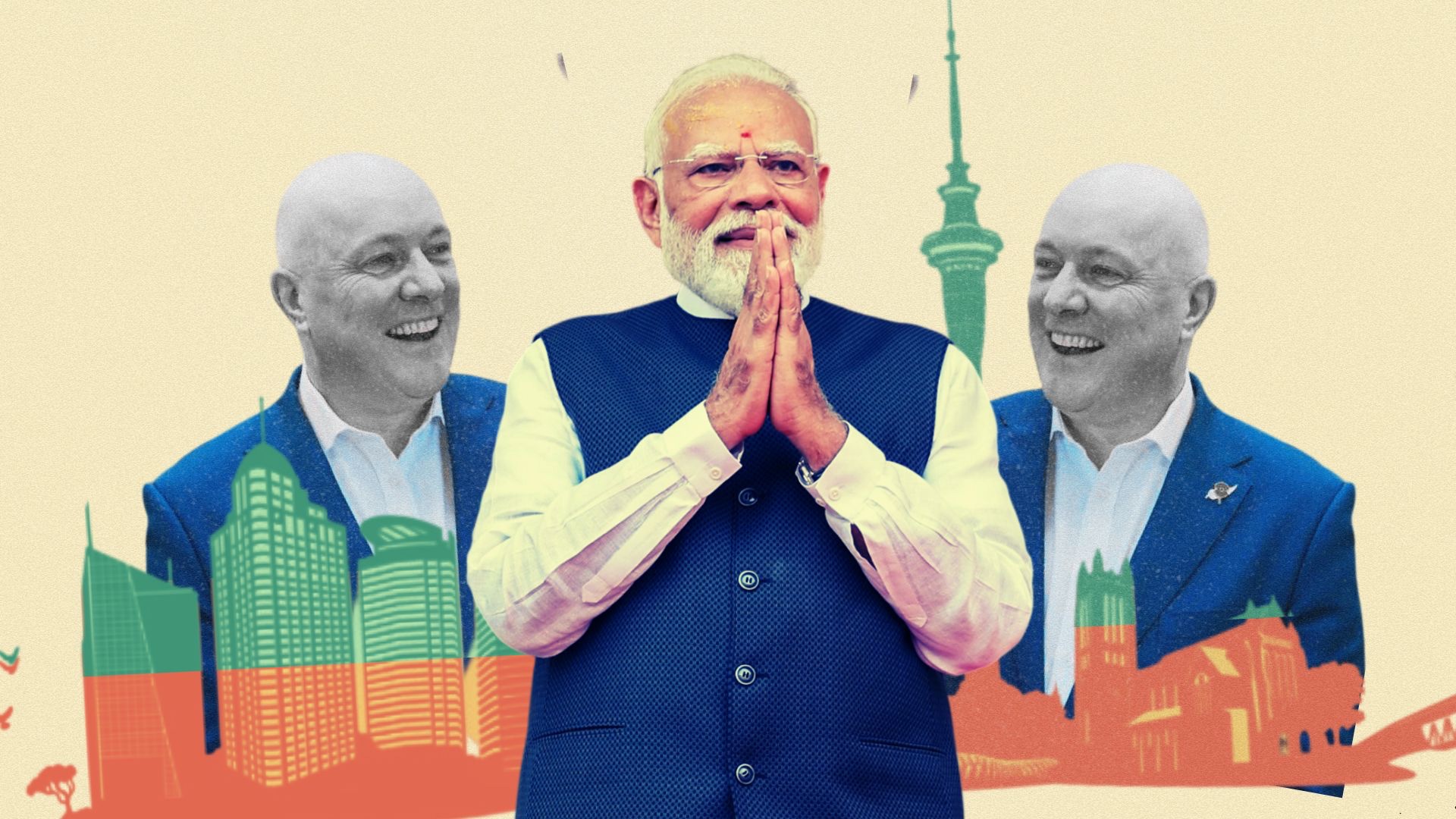
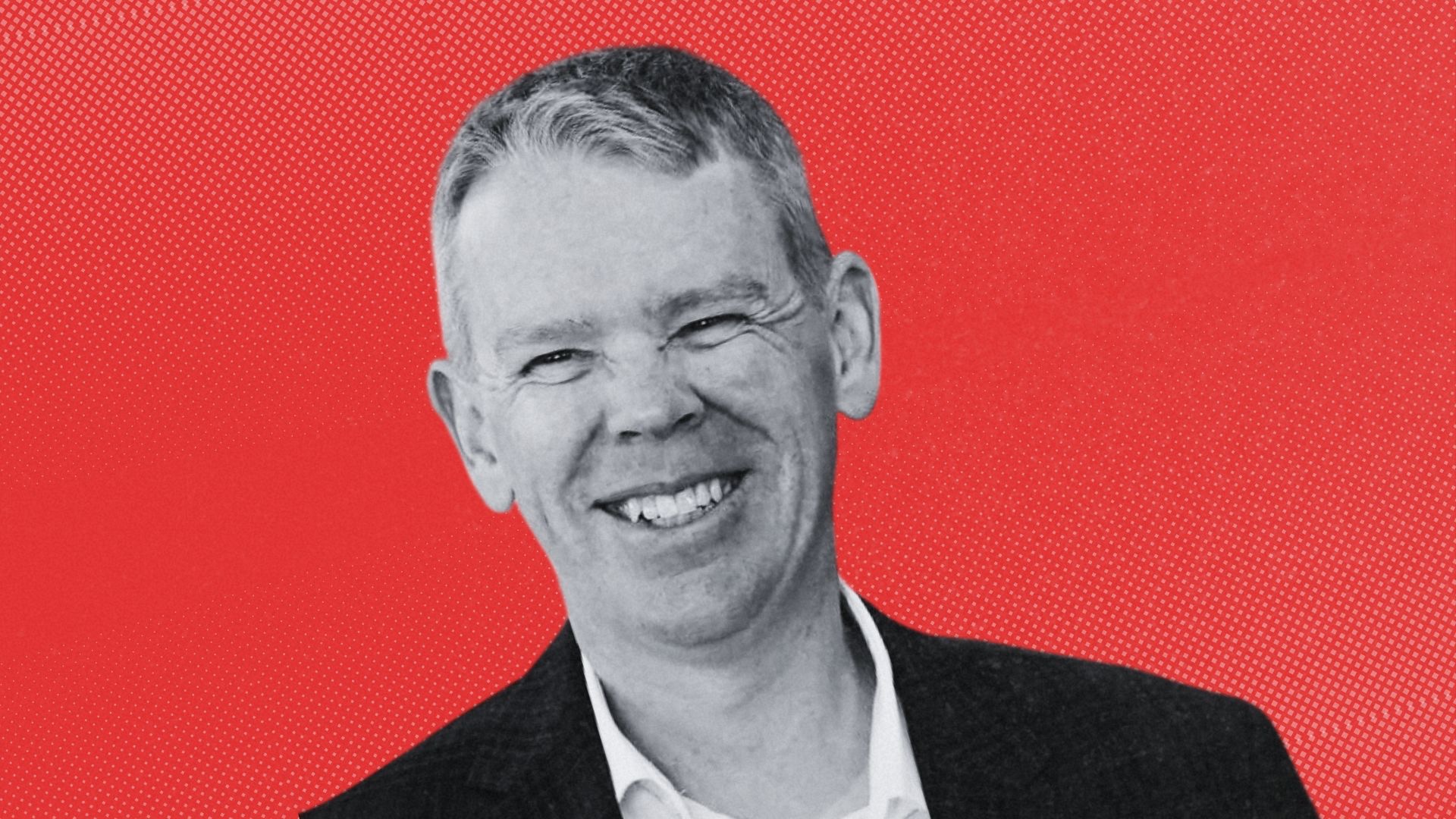
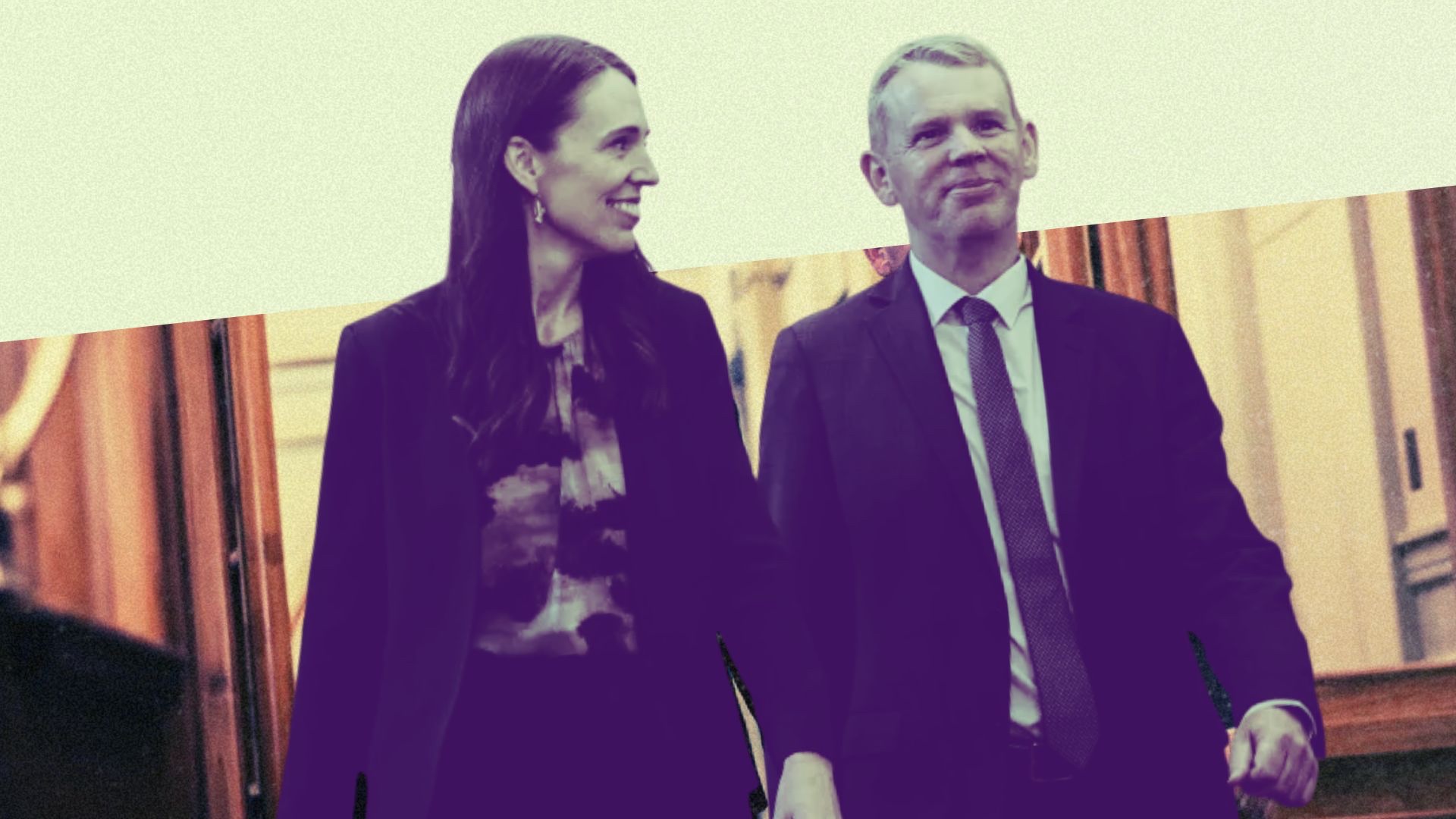
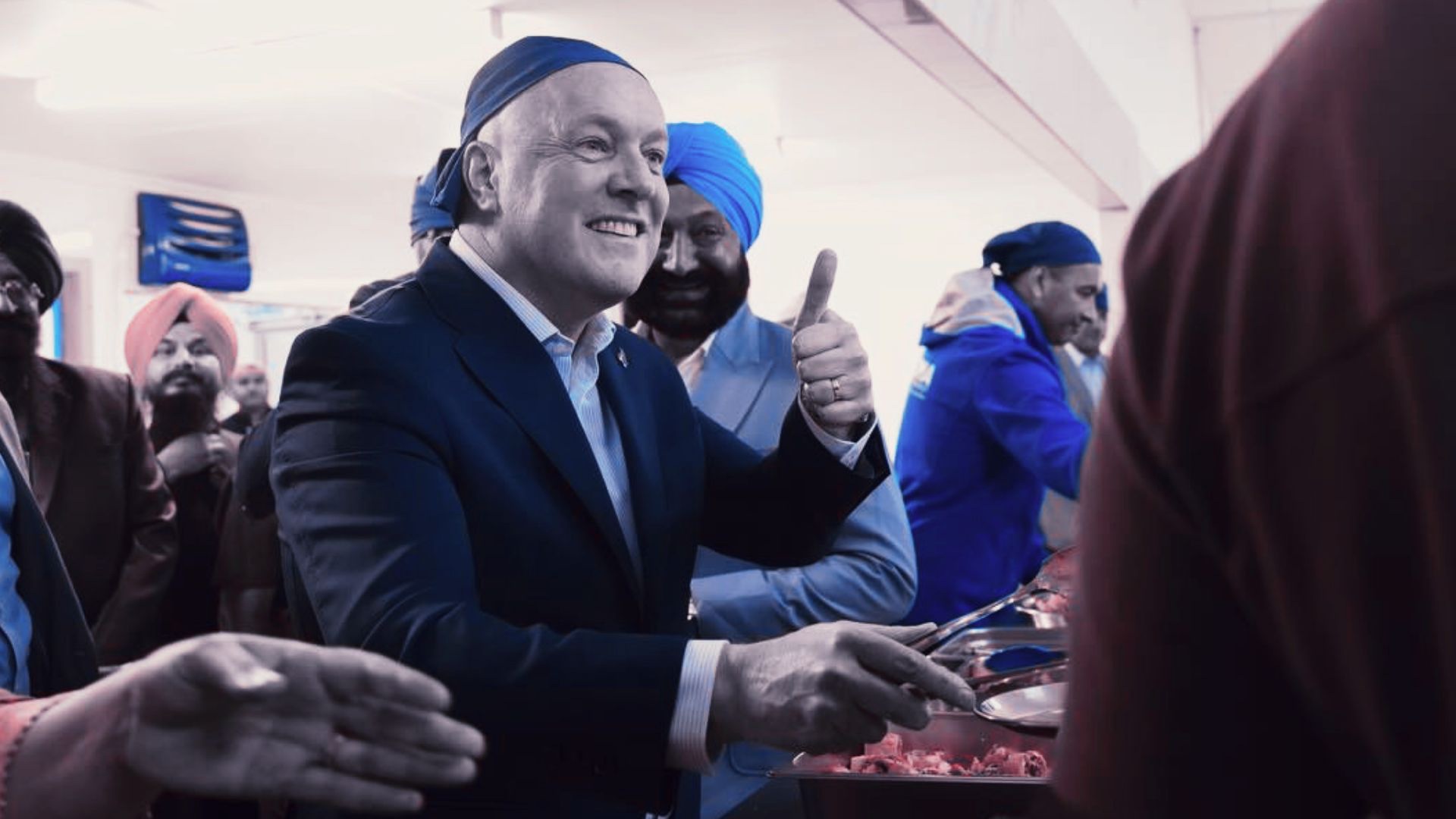
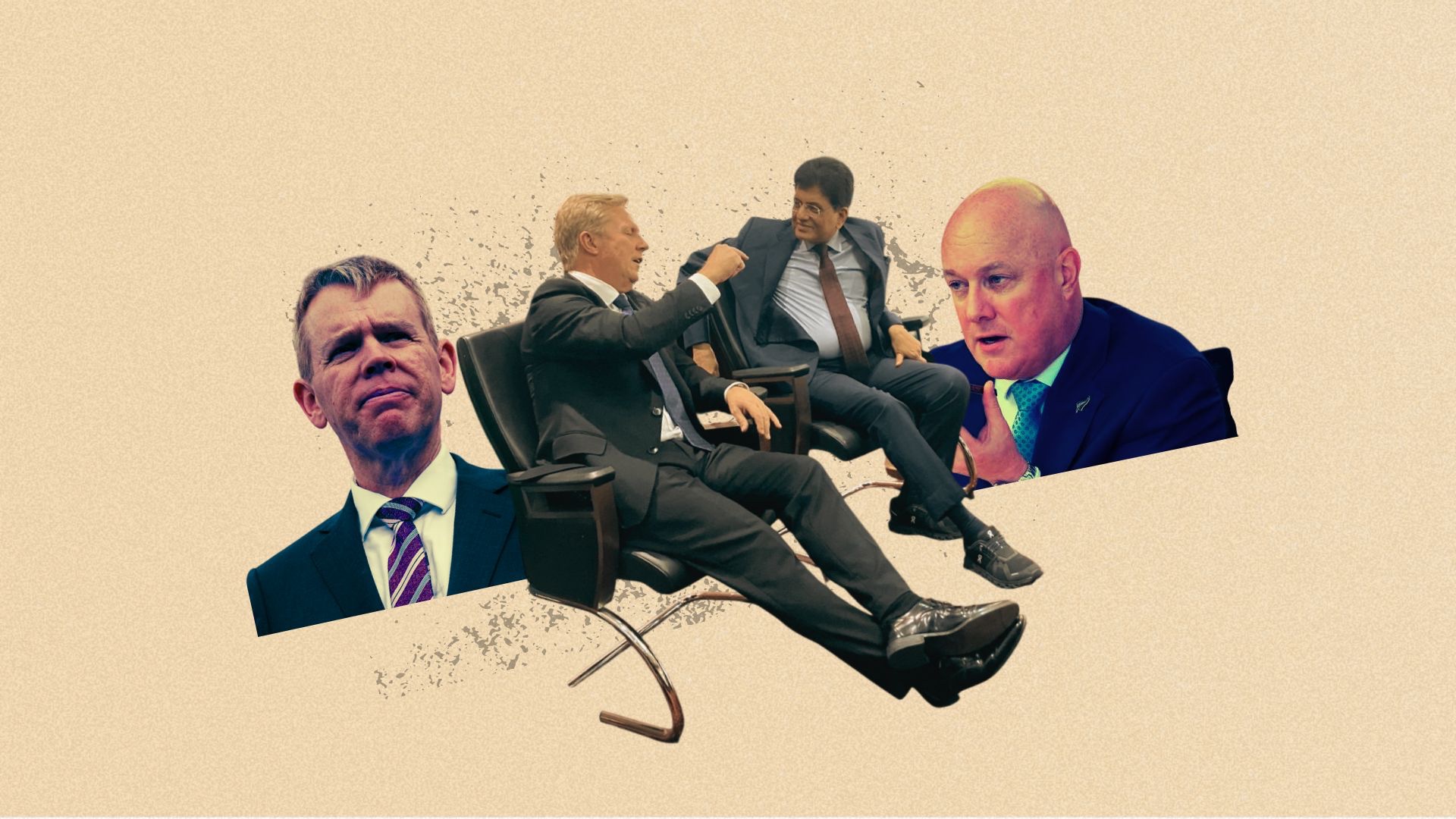
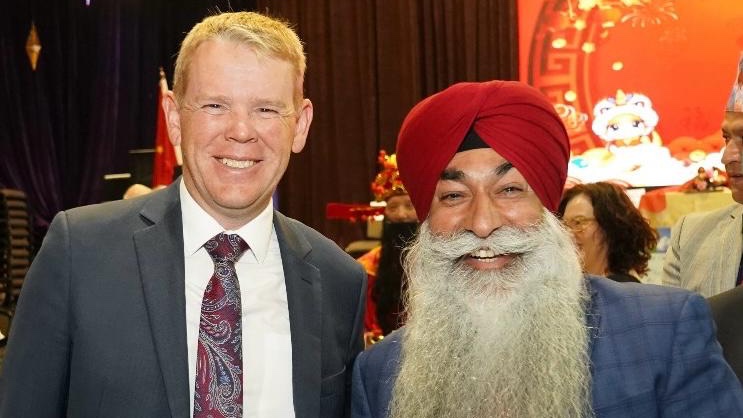
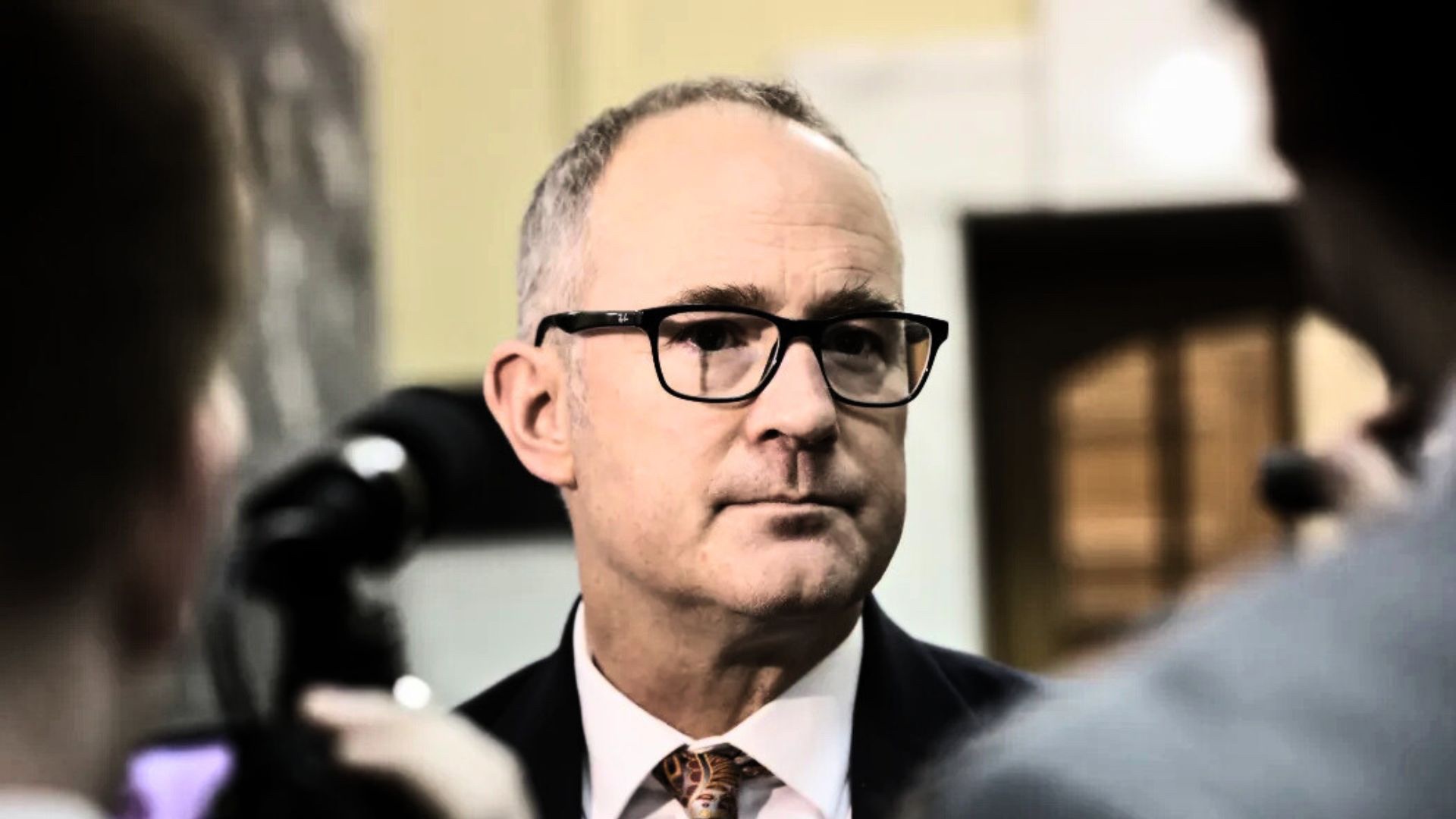
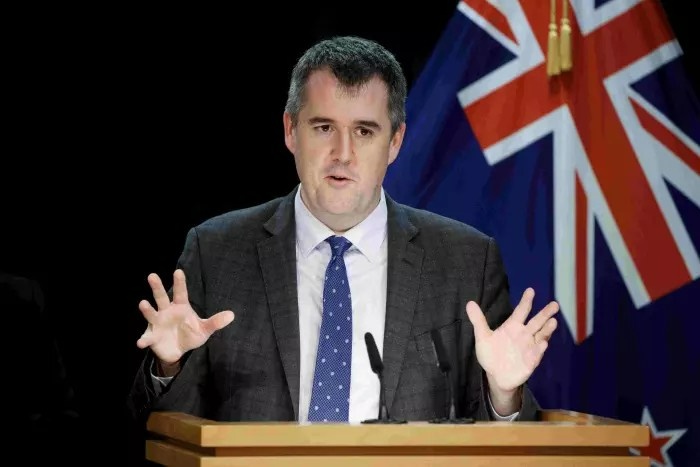
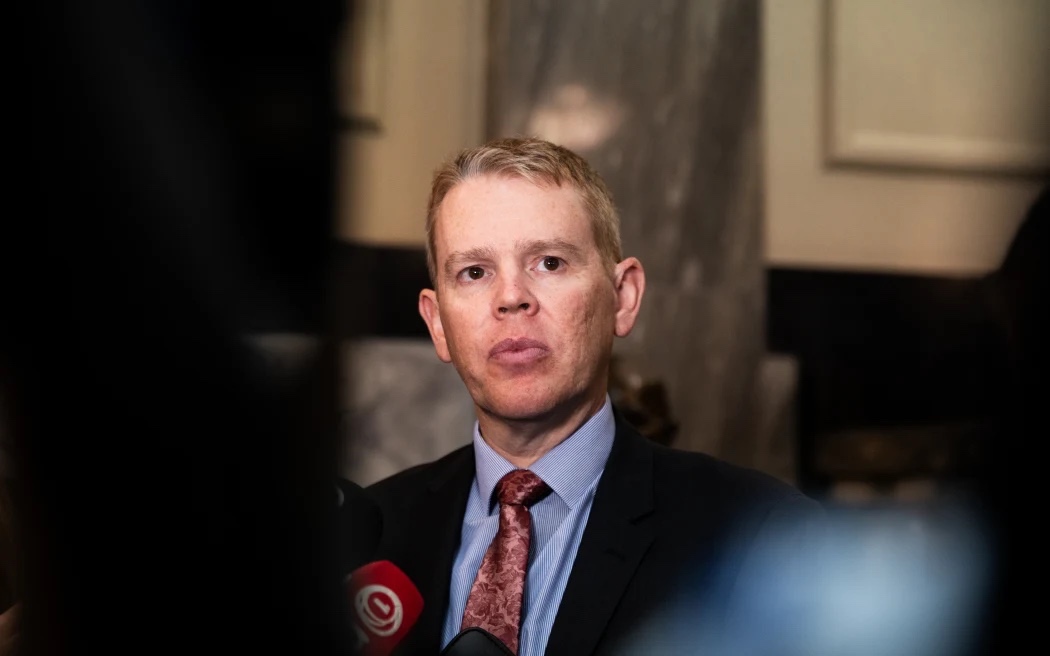
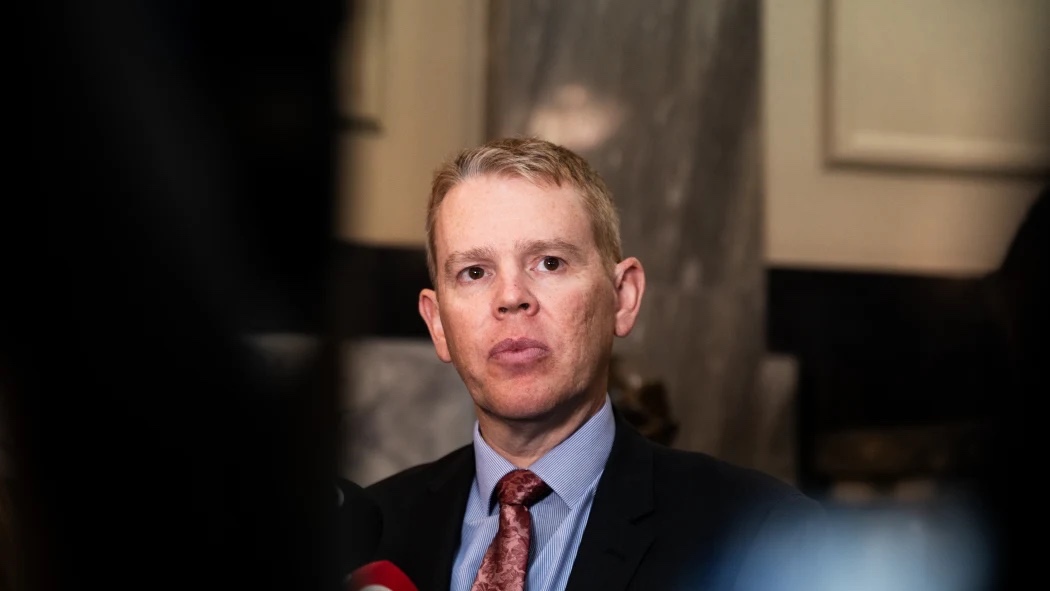
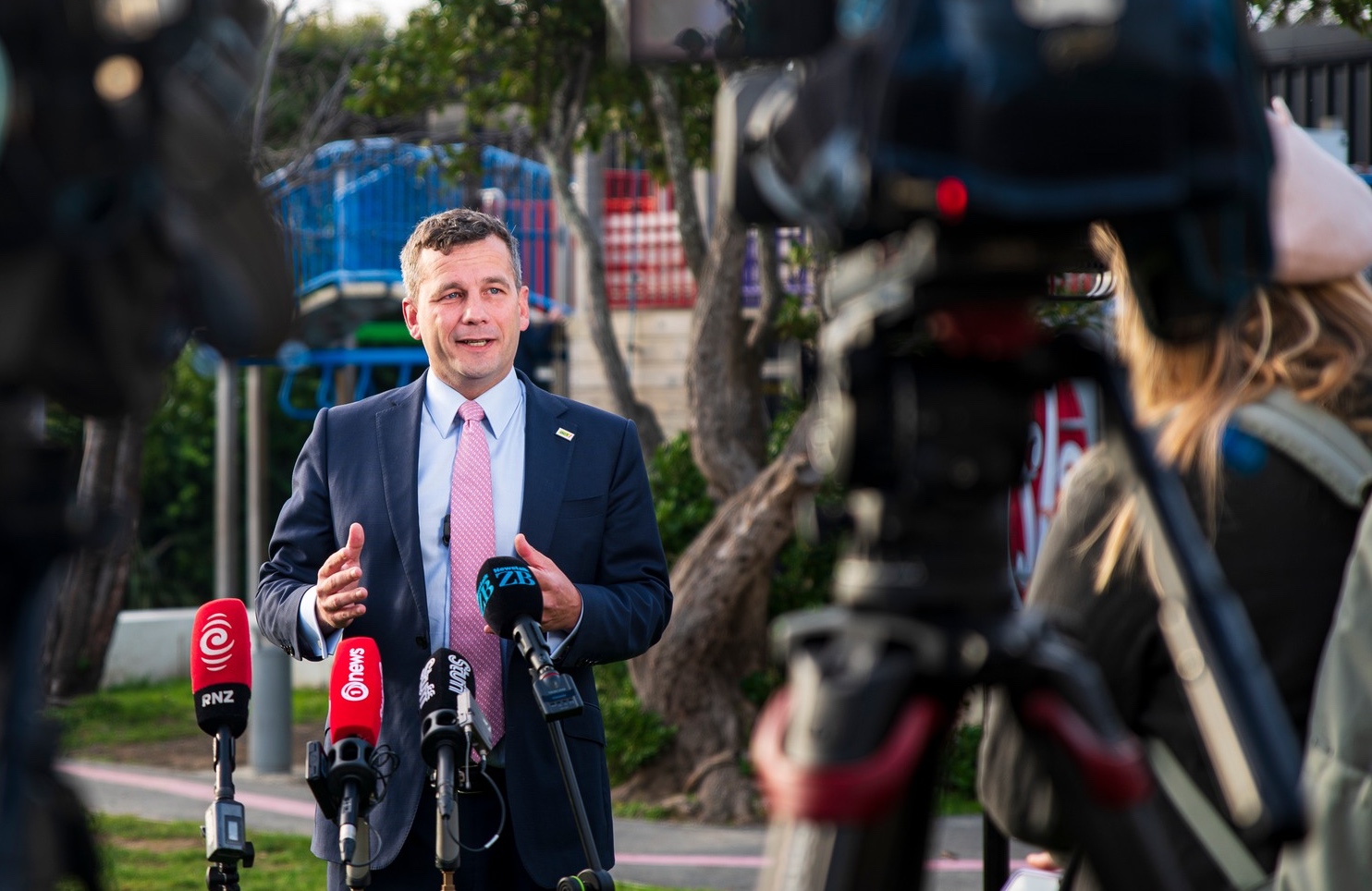
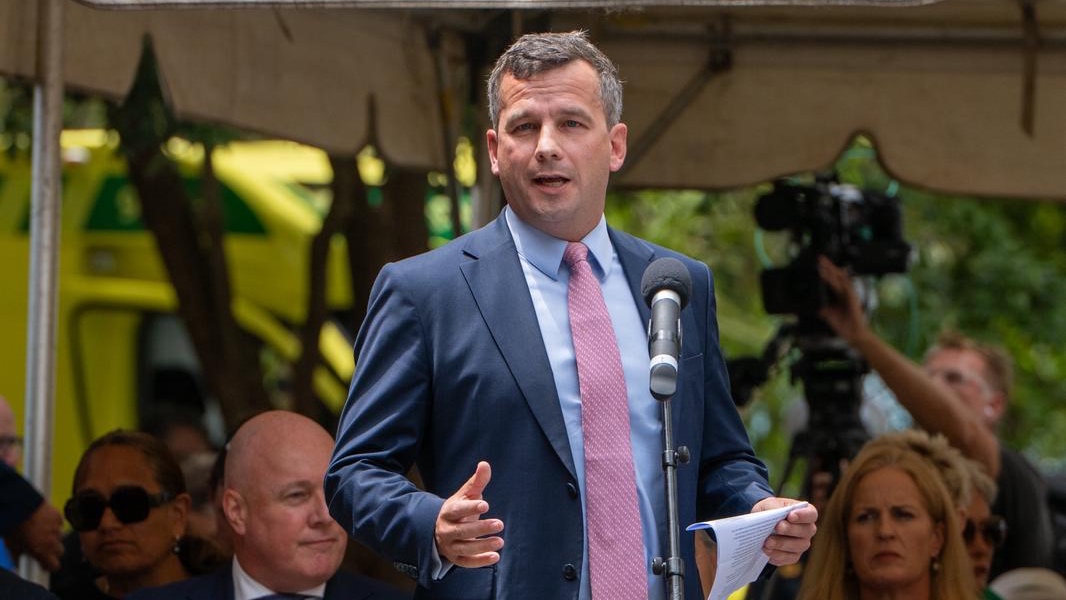
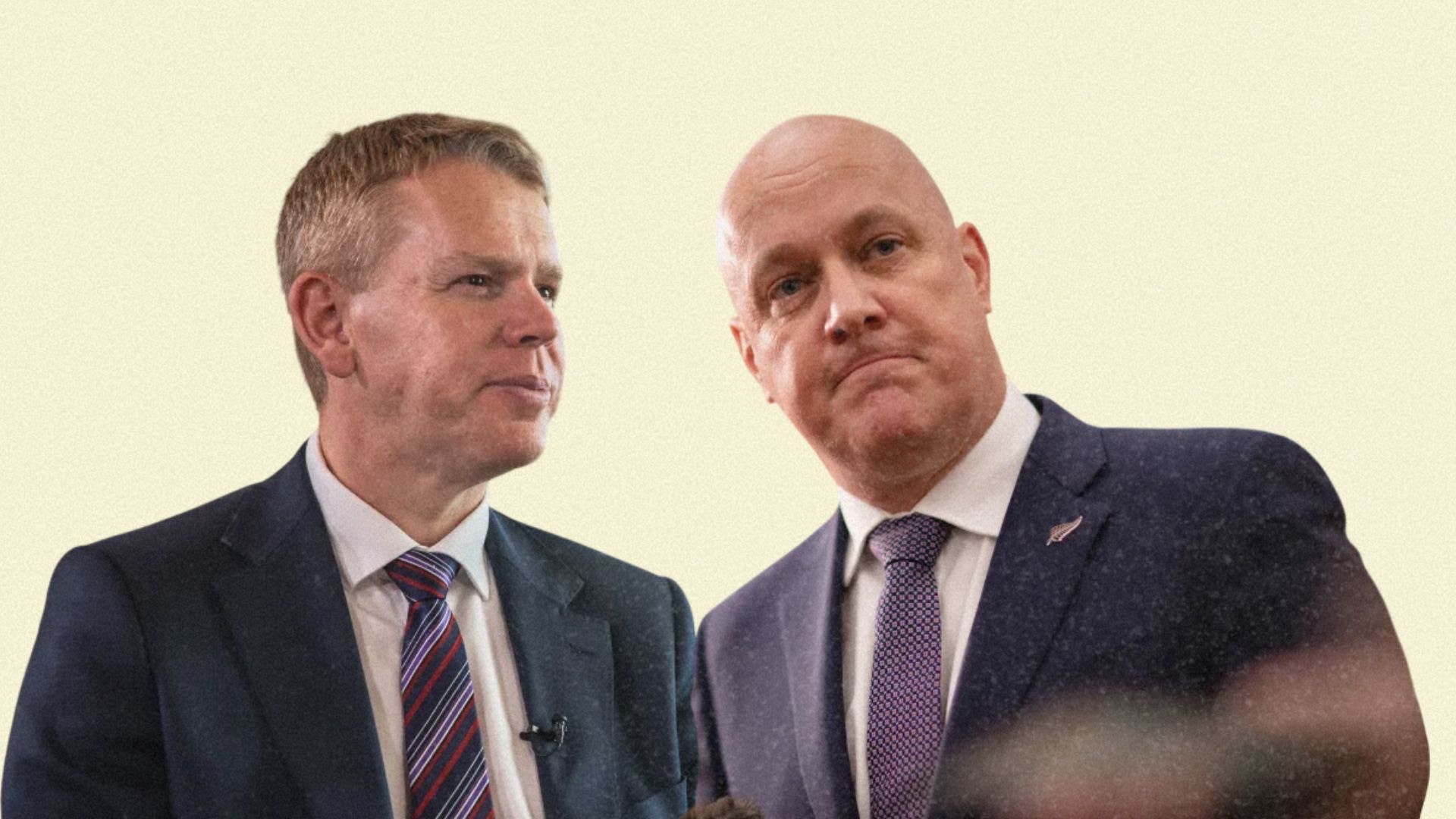
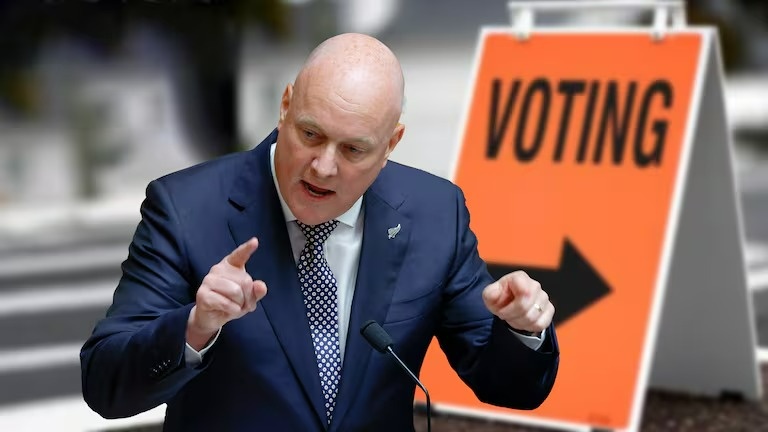
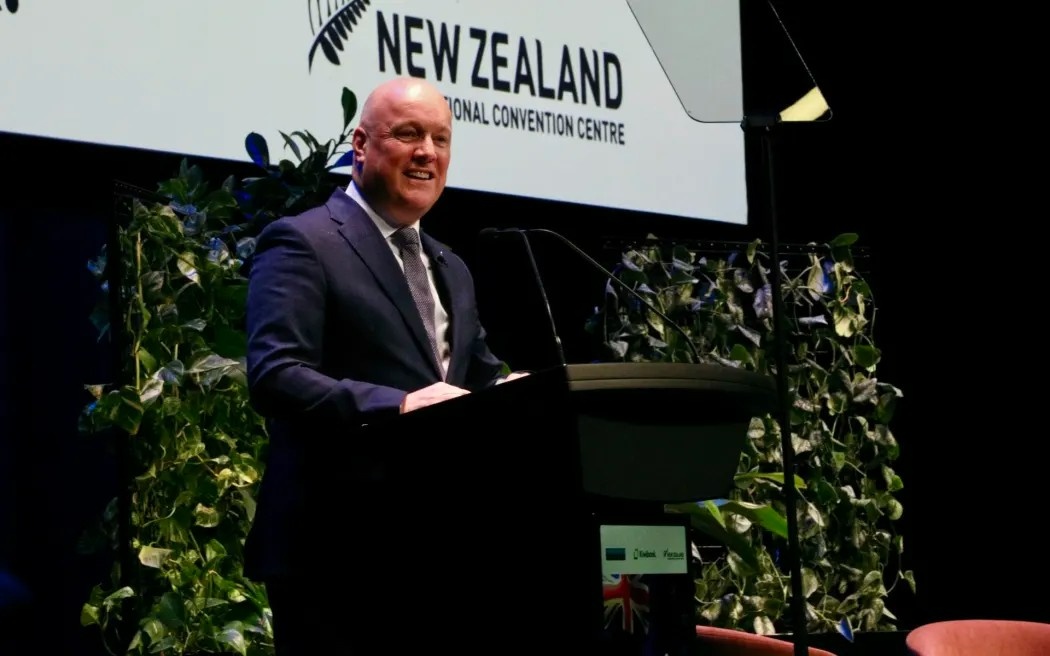
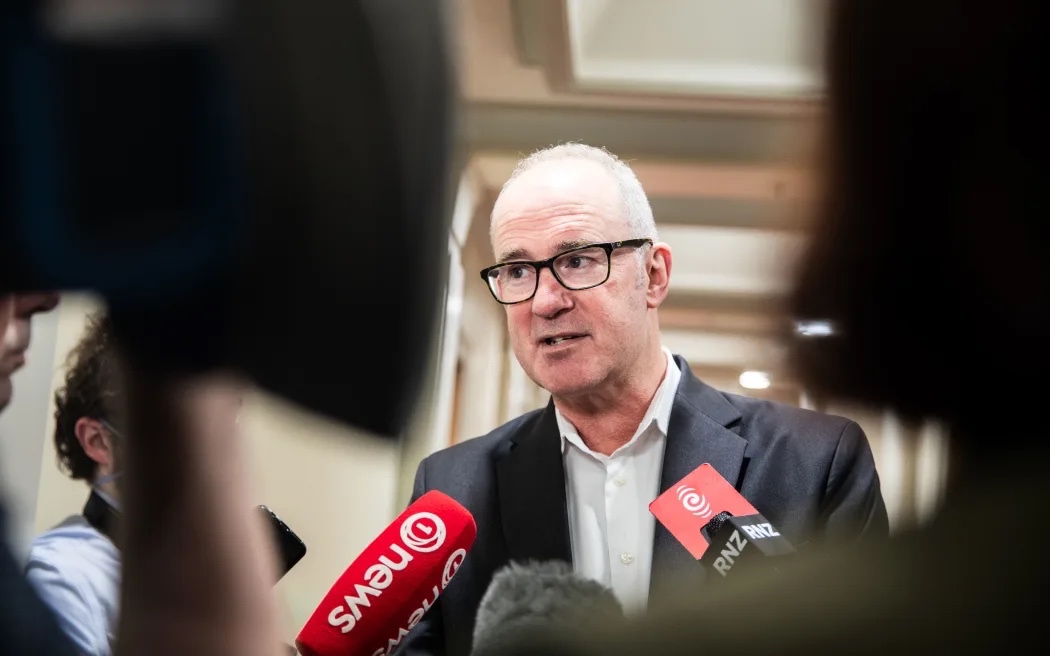
Labour leader Chris Hipkins. (Supplied photo)
"New Zealand businesses need to go into this with their eyes wide open," the Labour leader has warned.
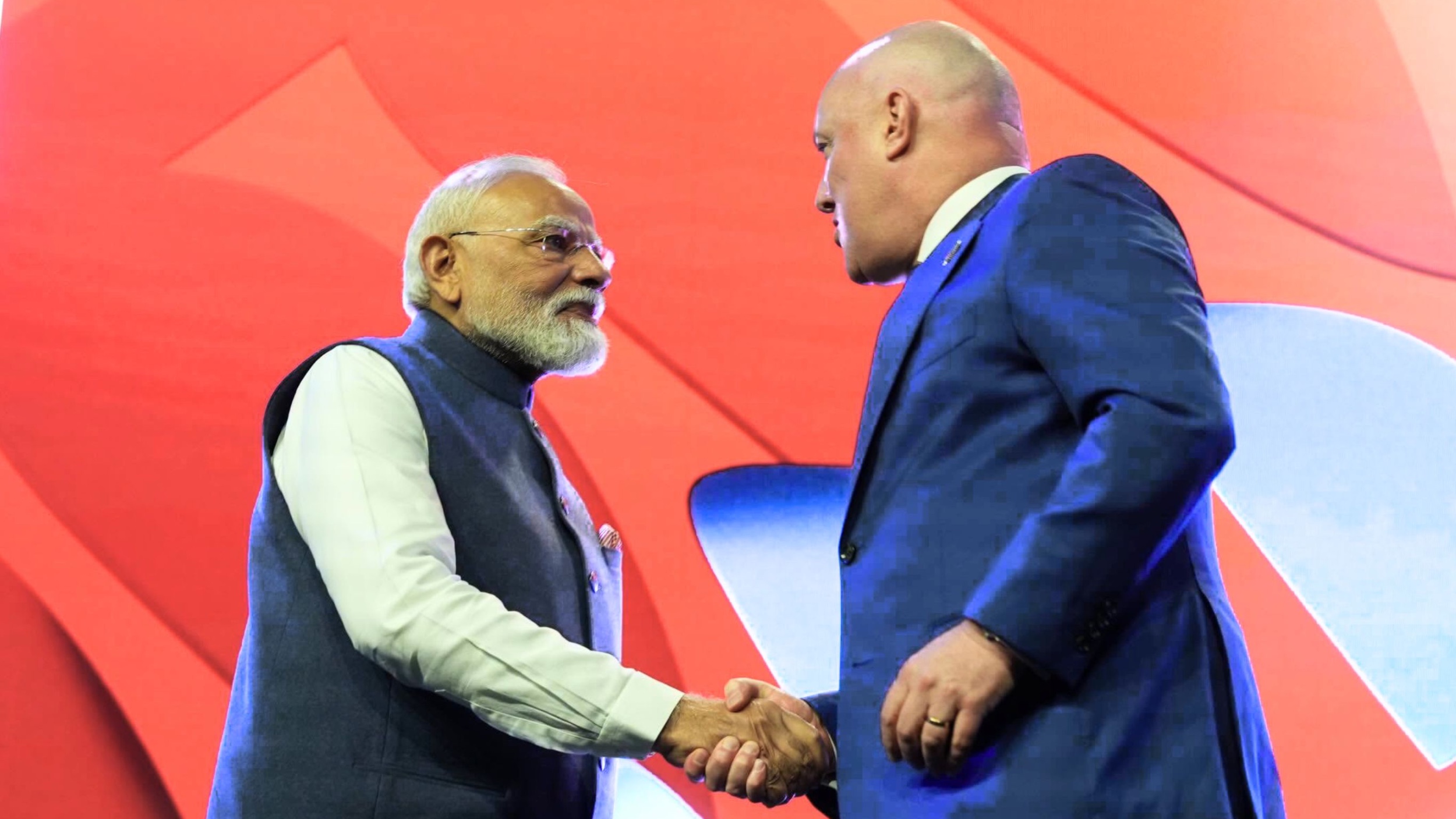
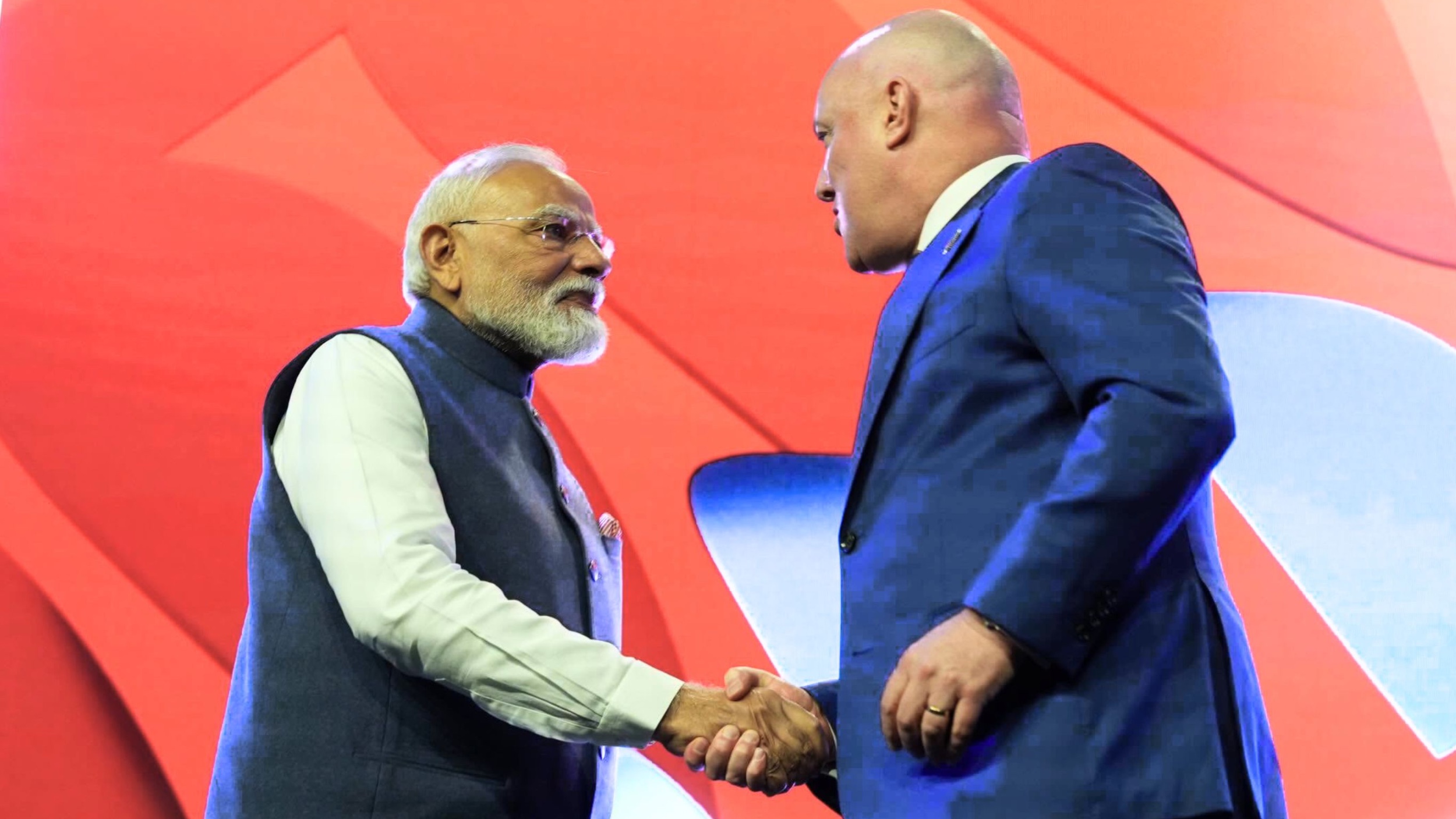
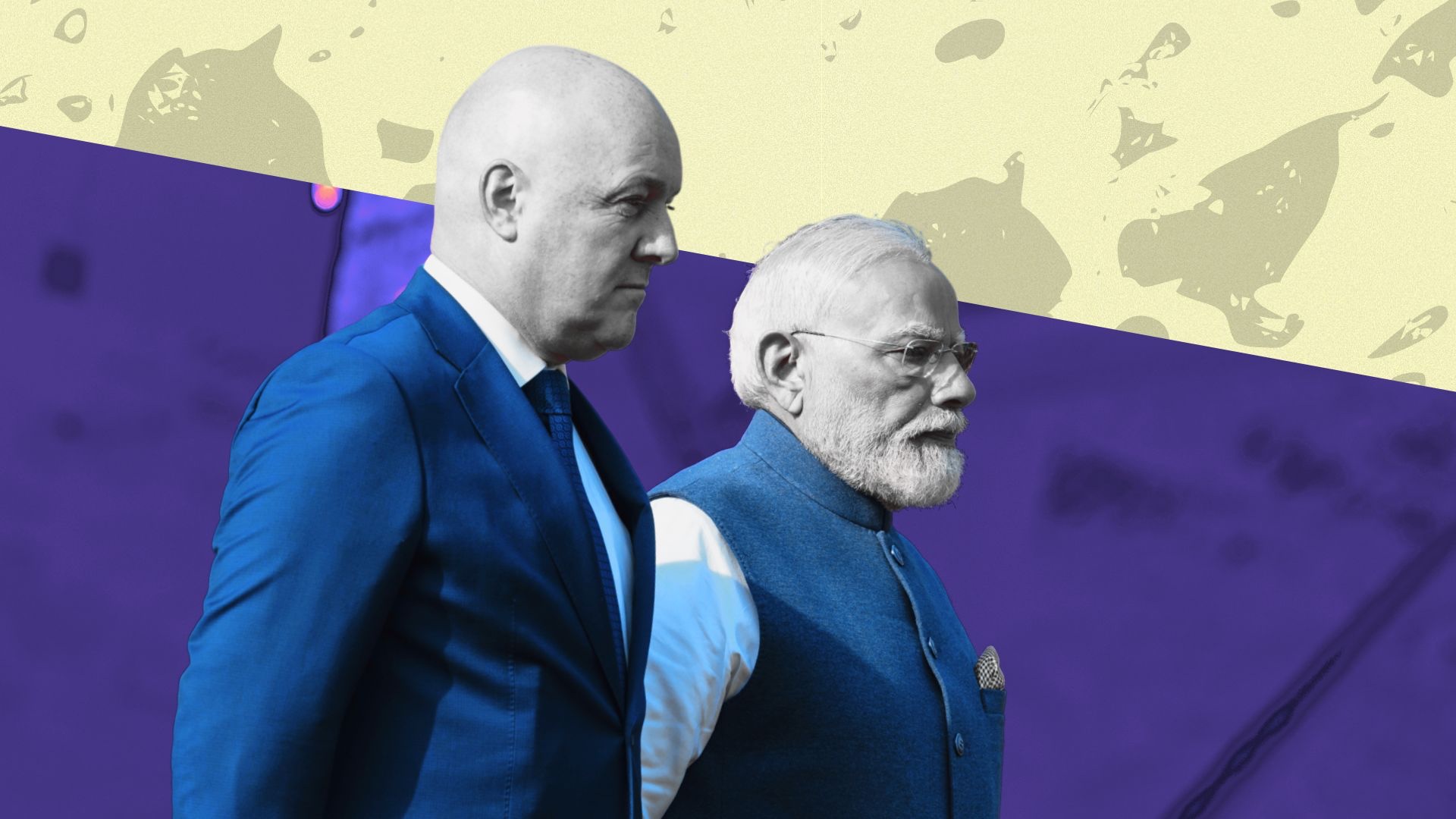
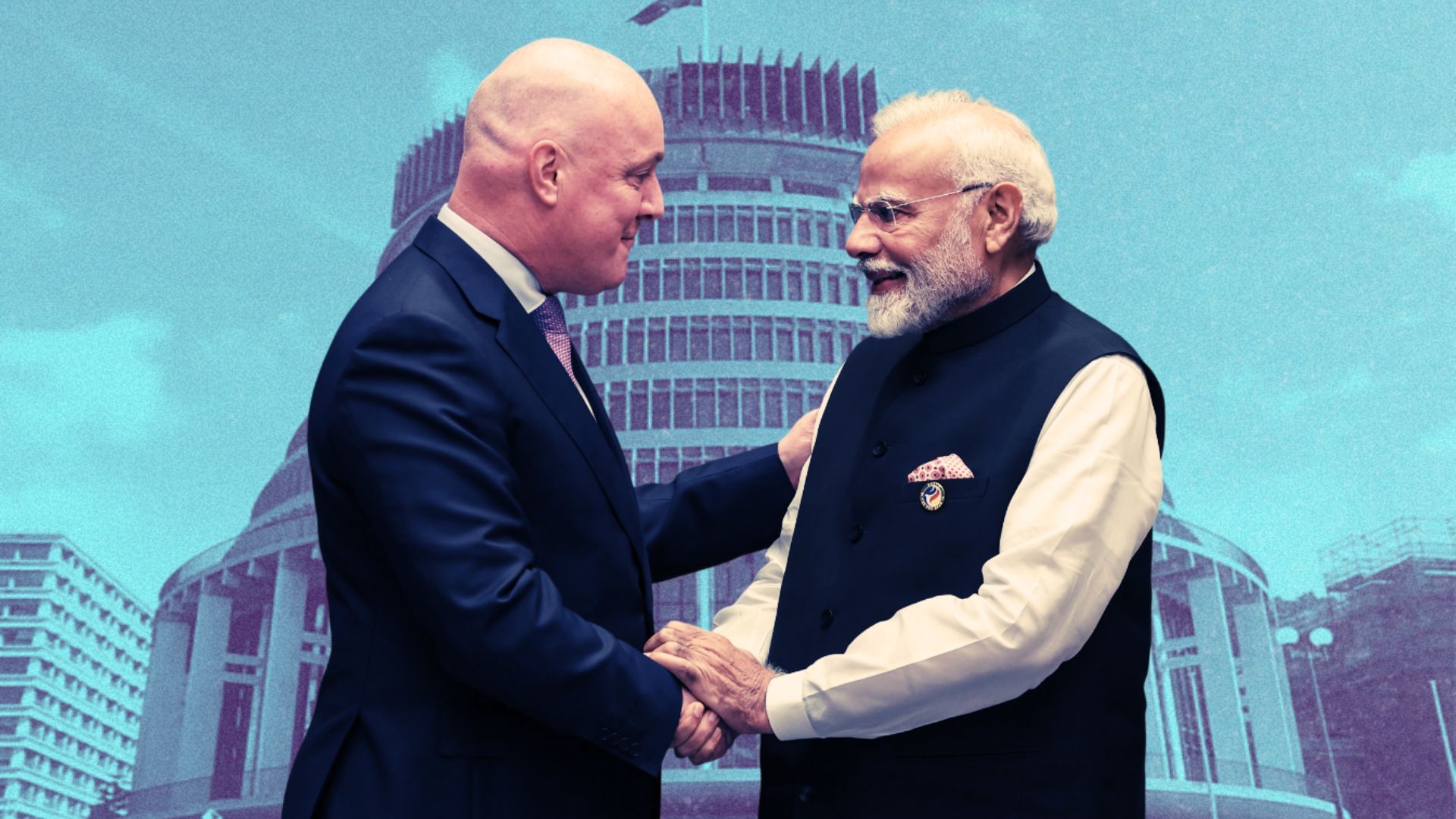
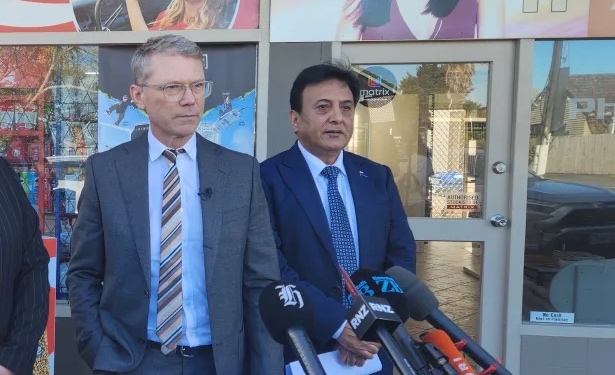
Labour leader Chris Hipkins on Thursday confirmed his party will be supporting the India-New Zealand free trade agreement (FTA) in its passage in Parliament.
But Hipkins has warned businesses to proceed at their own risk and do their own due diligence.
"New Zealand businesses need to go into this with their eyes wide open," the Labour leader said while announcing support for the deal on Thursday.
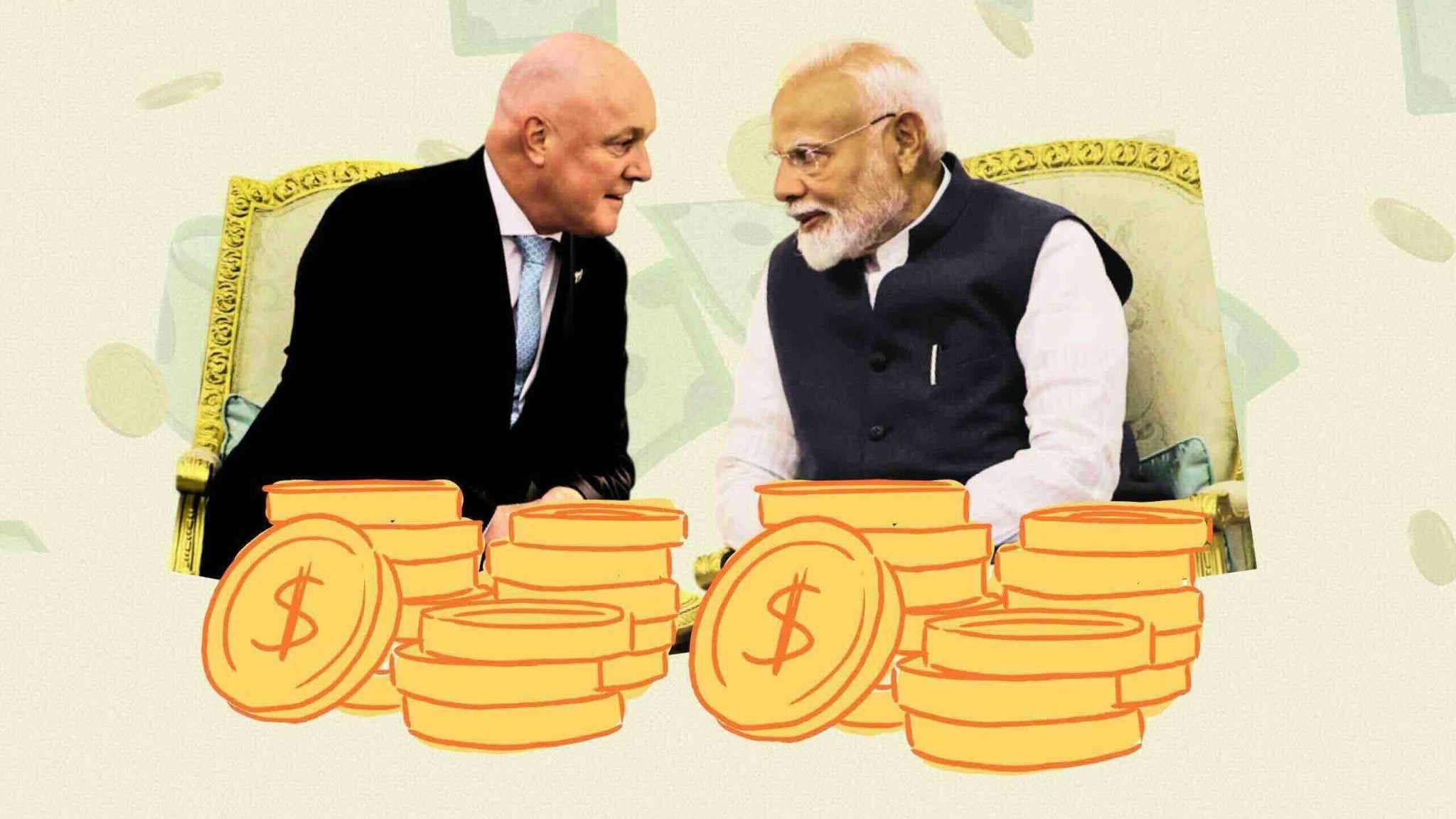
"The deal cuts tariffs, and increases market access for New Zealand exporters, and that is very welcome. But the $33 billion investment target is unrealistic and missing it could see benefits clawed back in 15 years," Hipkins said.
“While Todd McClay says it’s all aspirational, India is already setting up oversight and has signalled it will enforce the clawback."
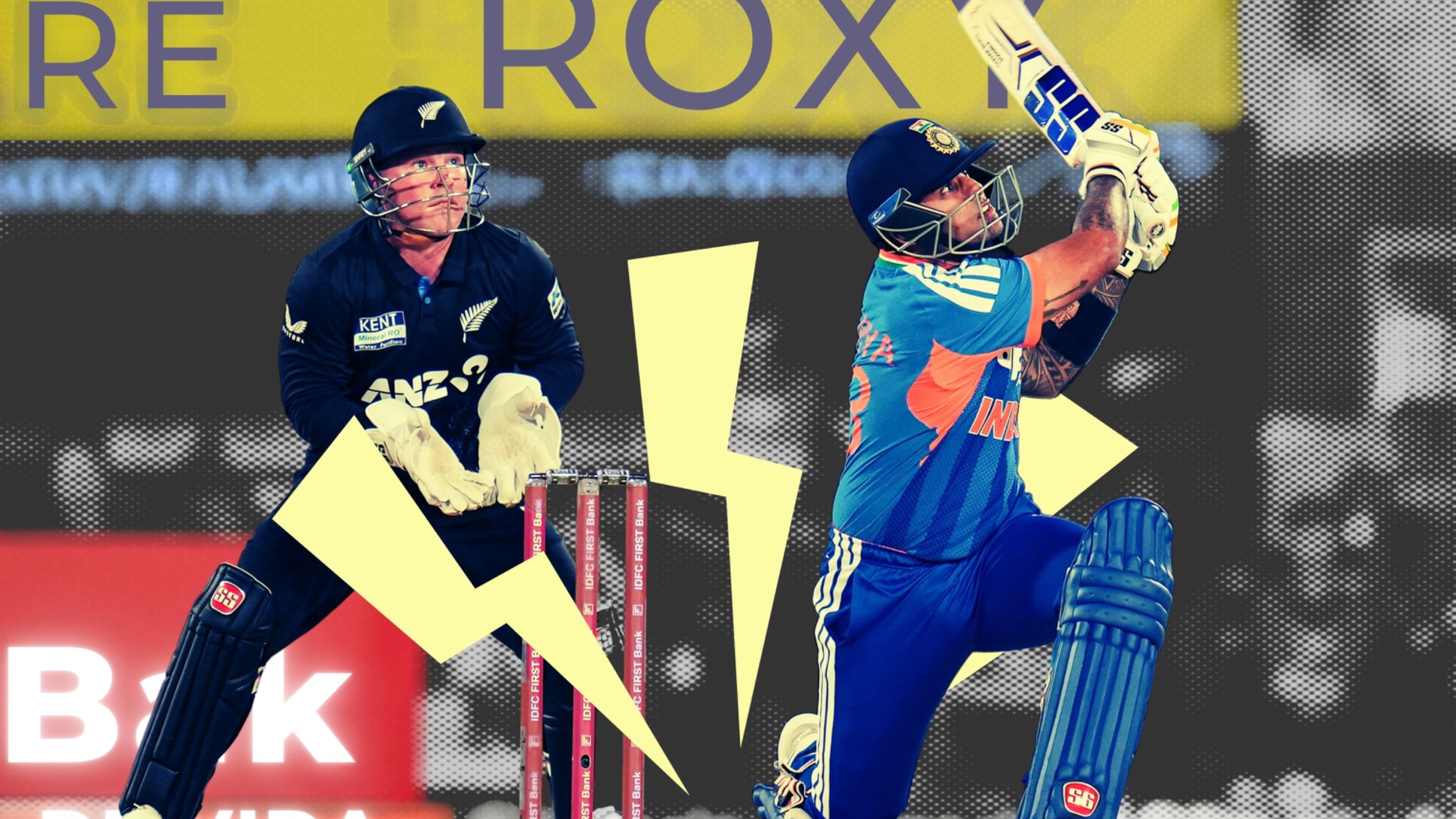
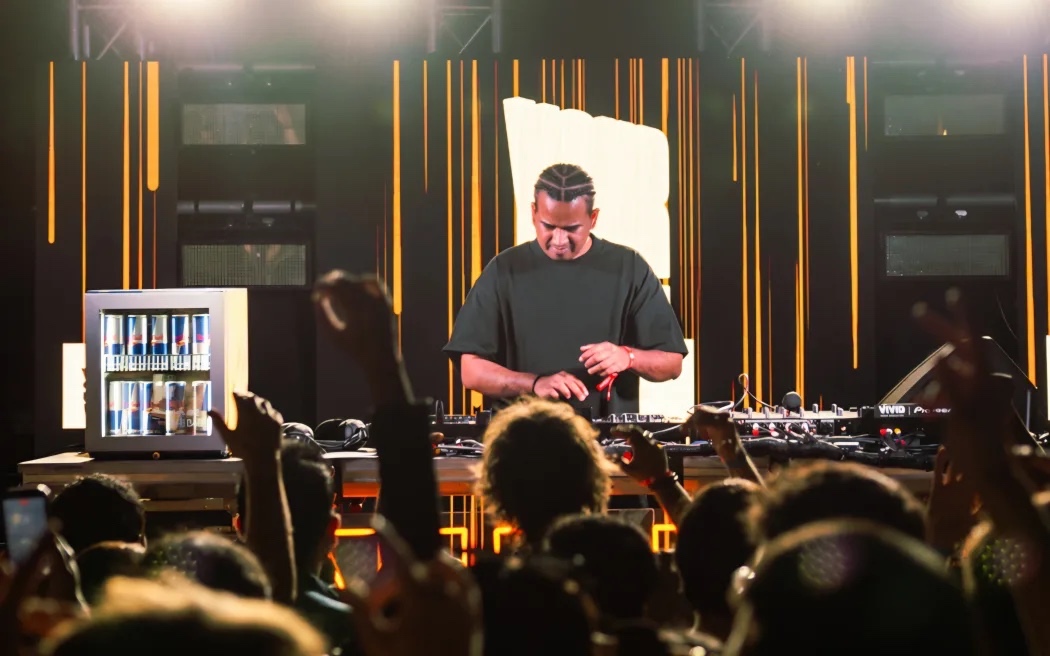
Being Indian and Kiwi at once. How Ajaz Patel's 10-wicket haul brought his two worlds together A historic moment in Mumbai left the Black Caps spinner reflecting on something far deeper than cricket.
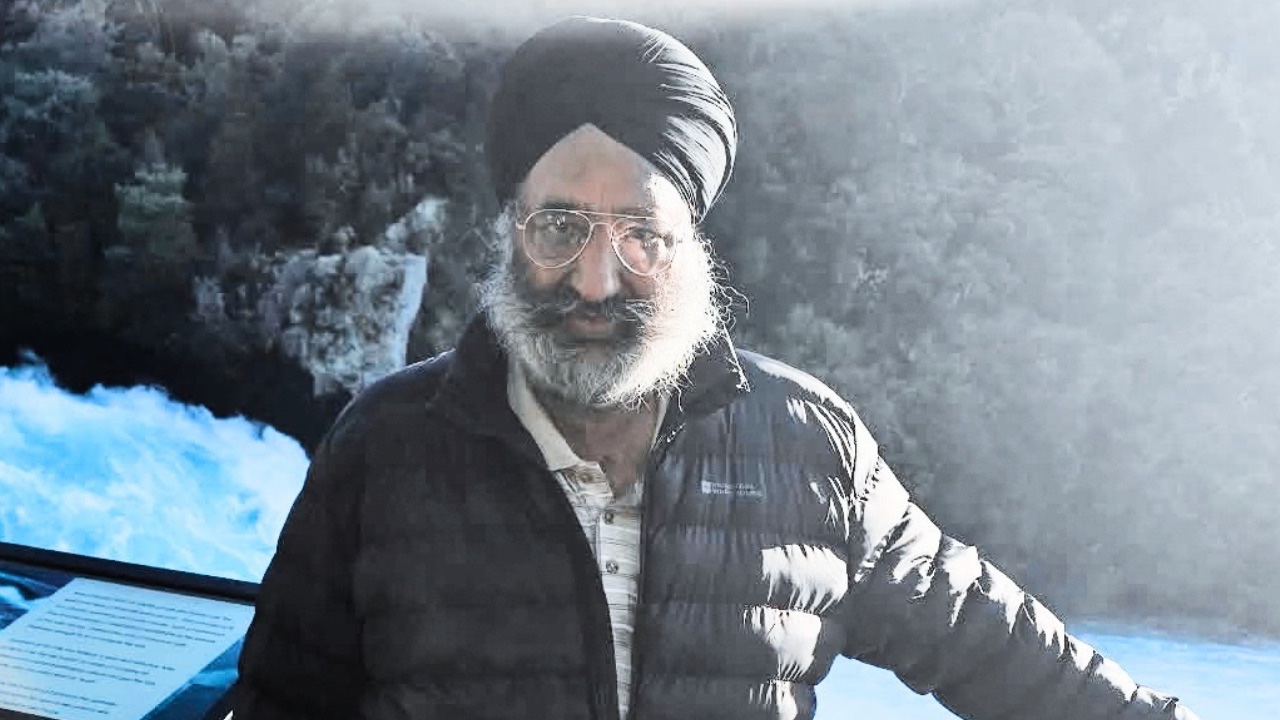
India's SIR voter controversy reaches New Zealand in Muslim man's asylum case The man claimed Muslims excluded from voter lists risked losing welfare benefits and being treated as illegal immigrants.
Election 2026: A right majority is possible even if Opportunity enters Parliament The latest polls suggest National, ACT and NZ First could secure a majority, with the Opportunity Party's fortunes still crucial.
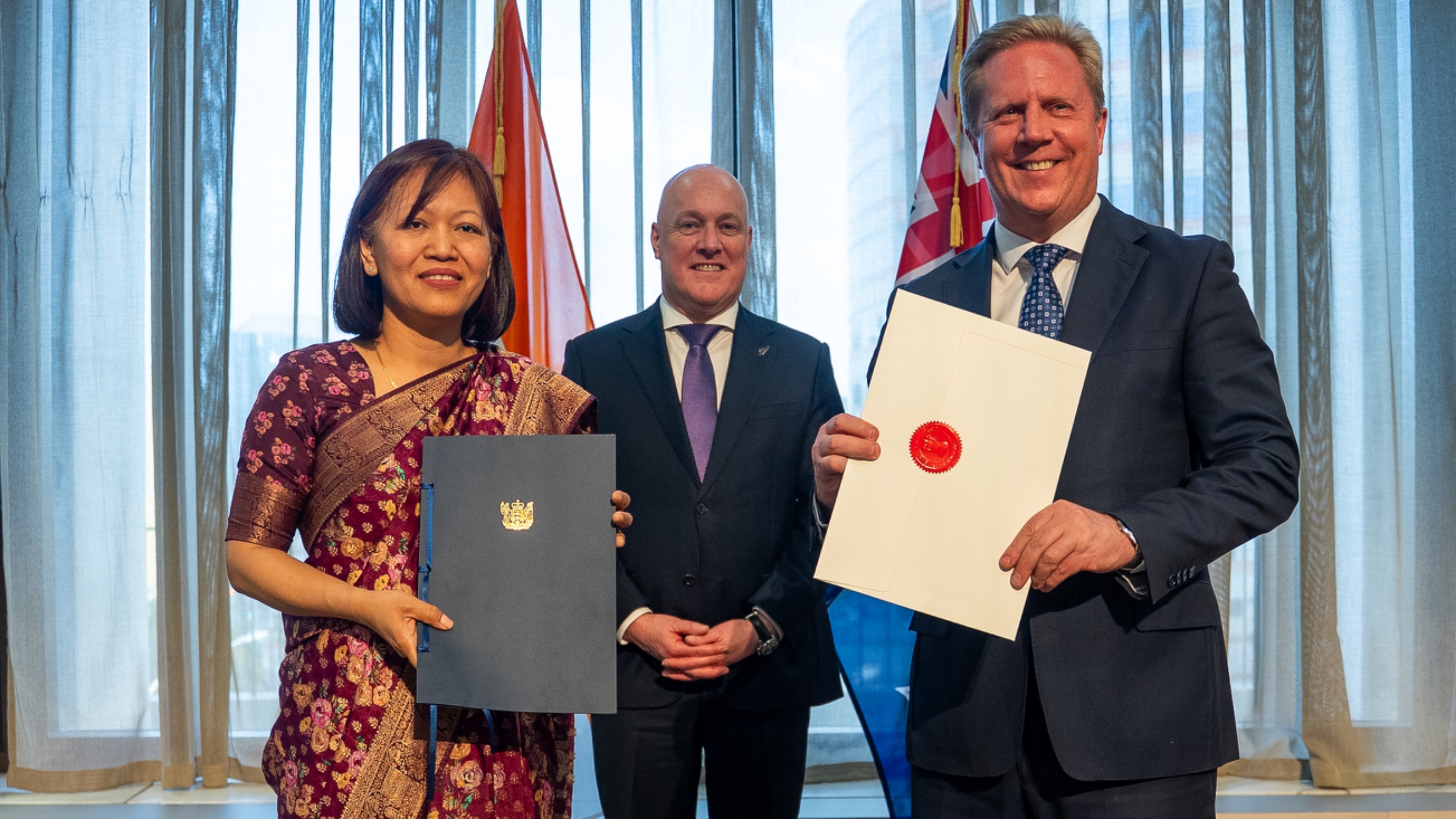
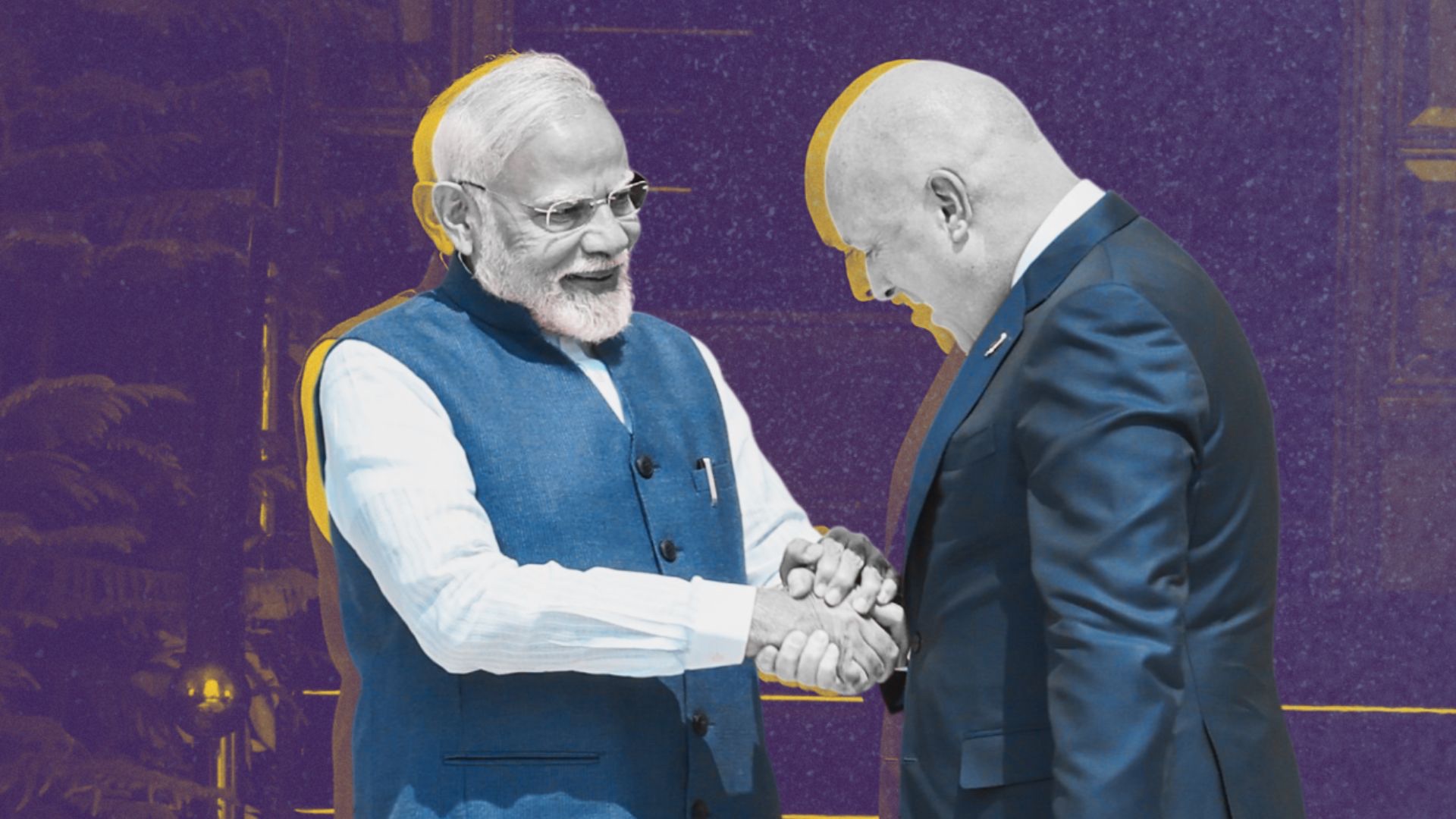
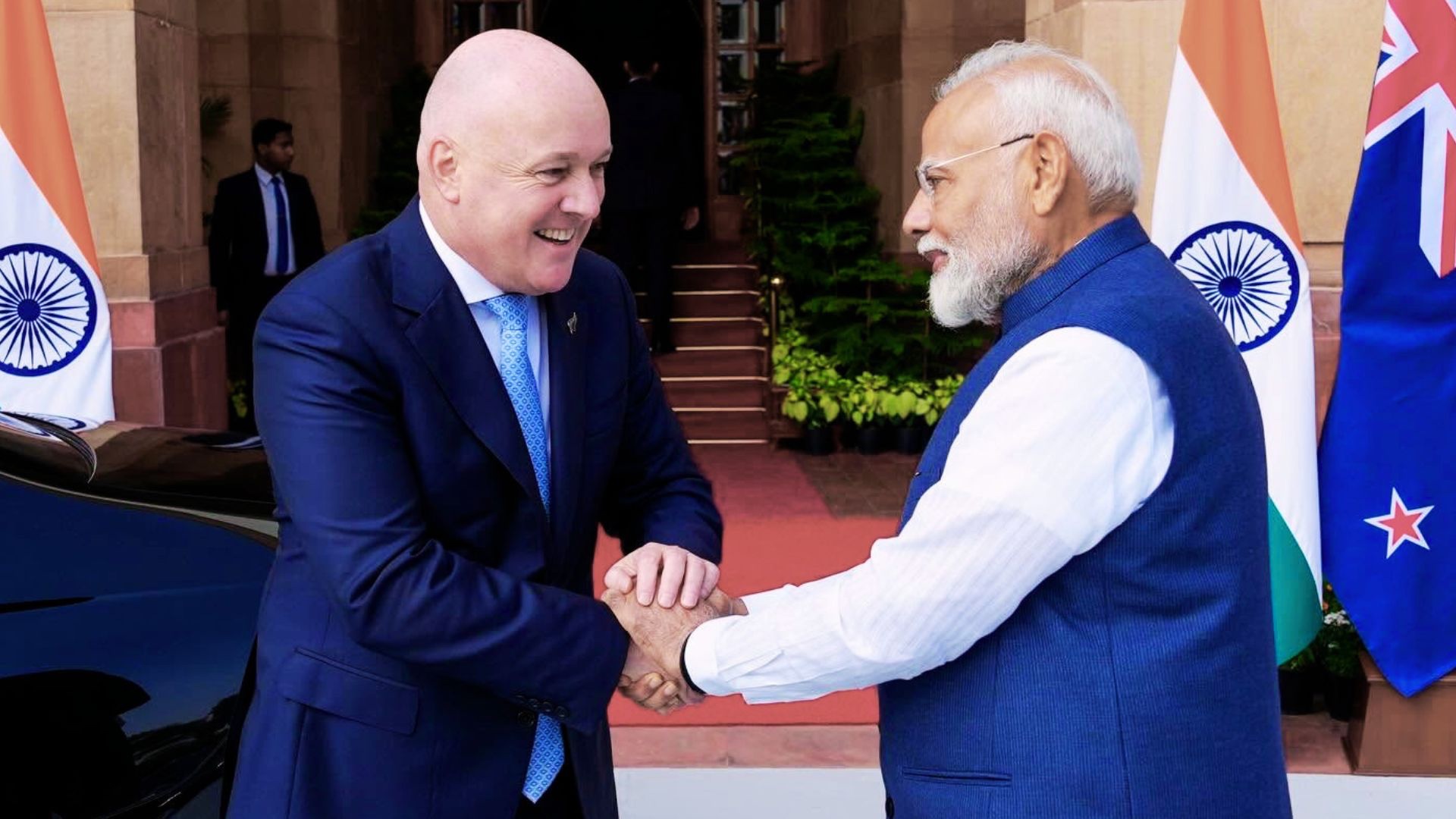
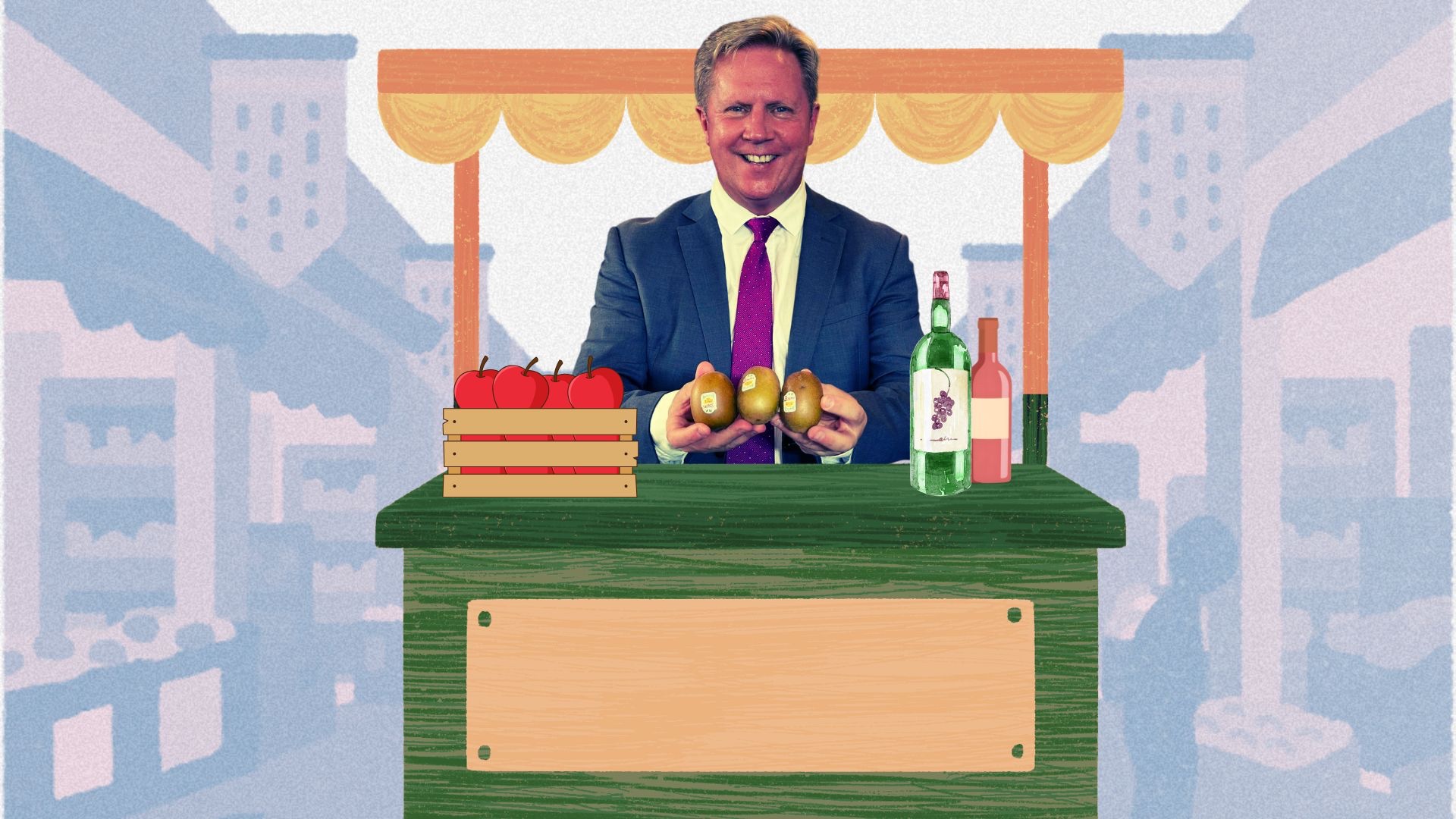
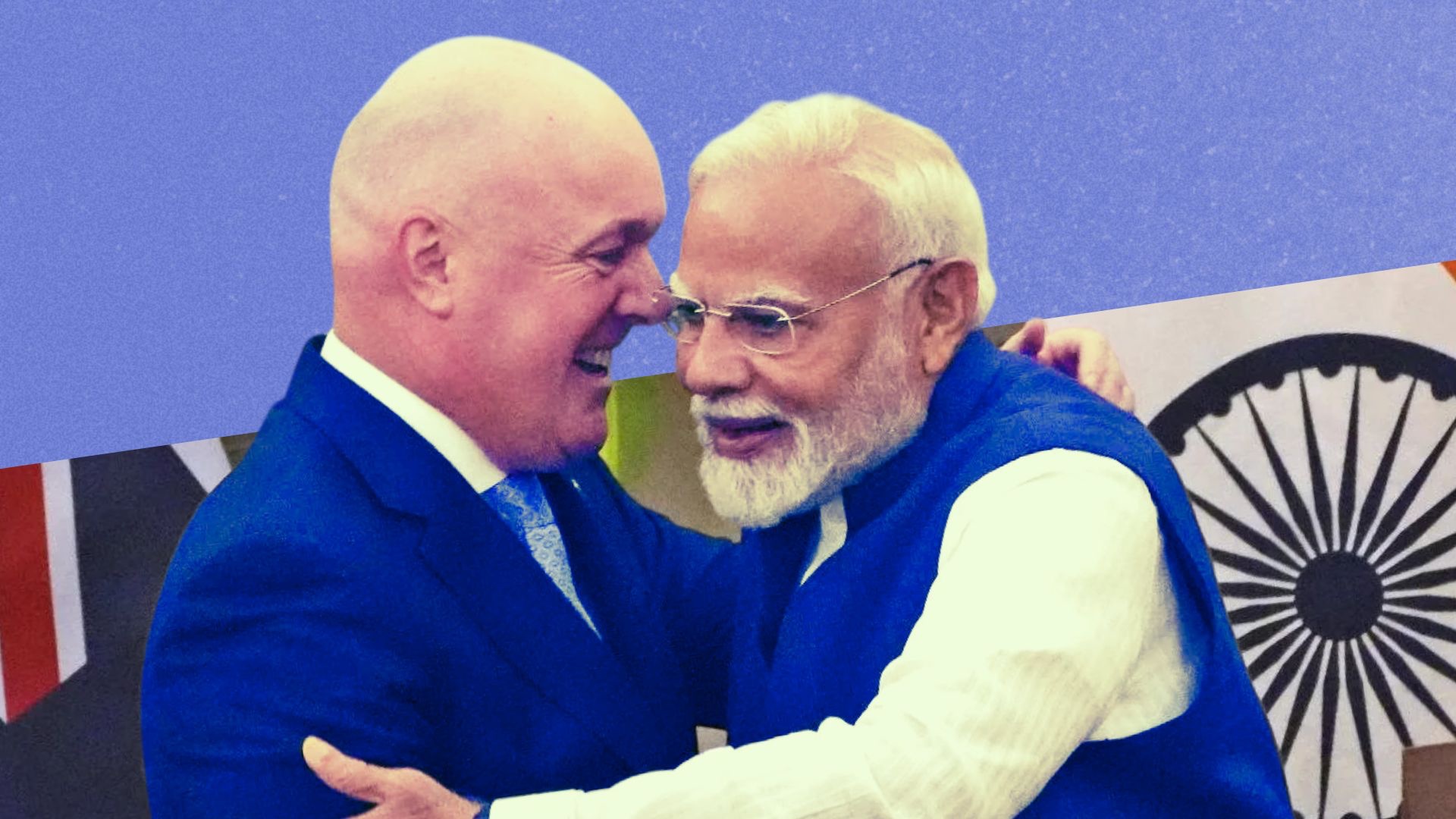
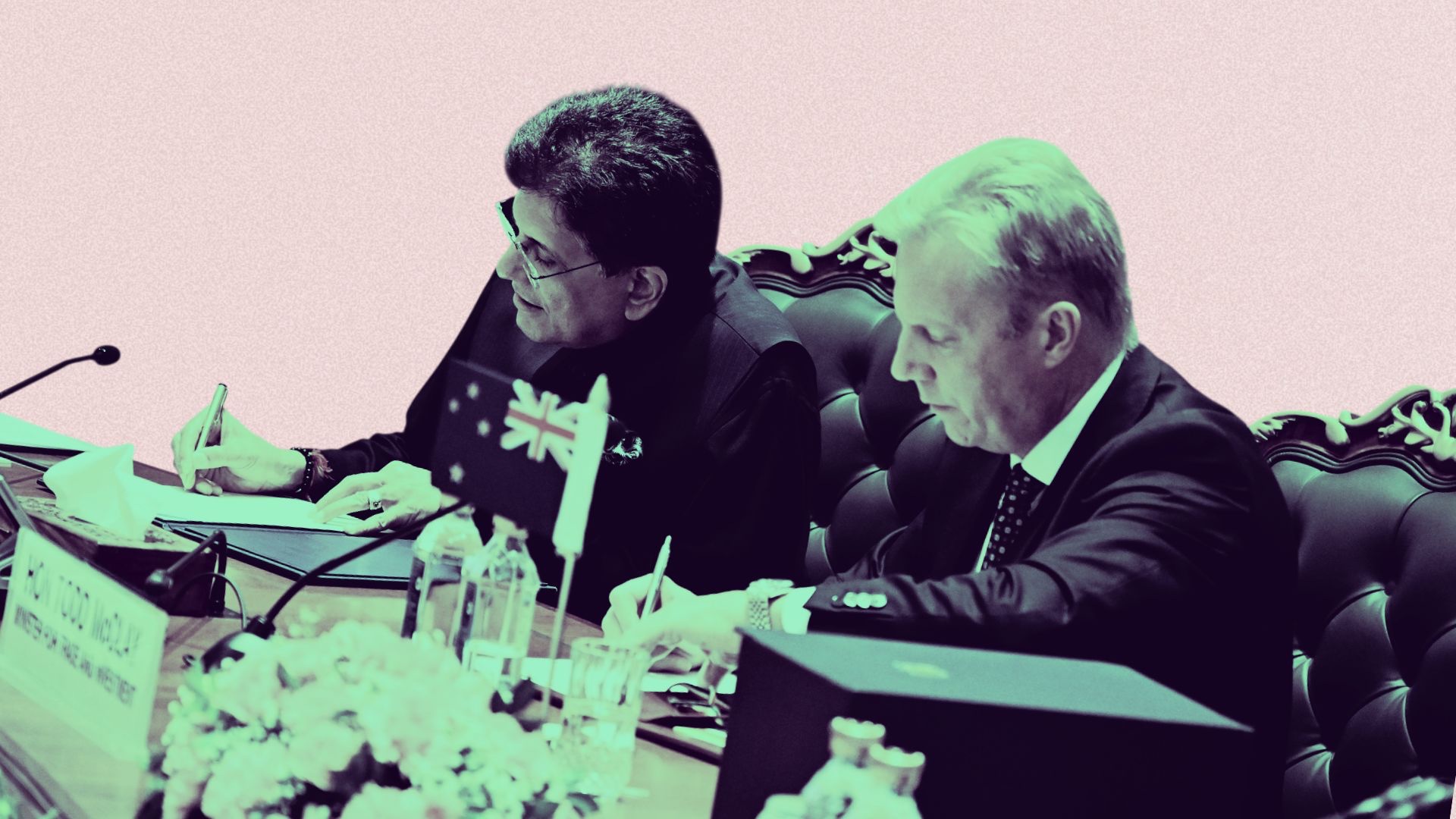
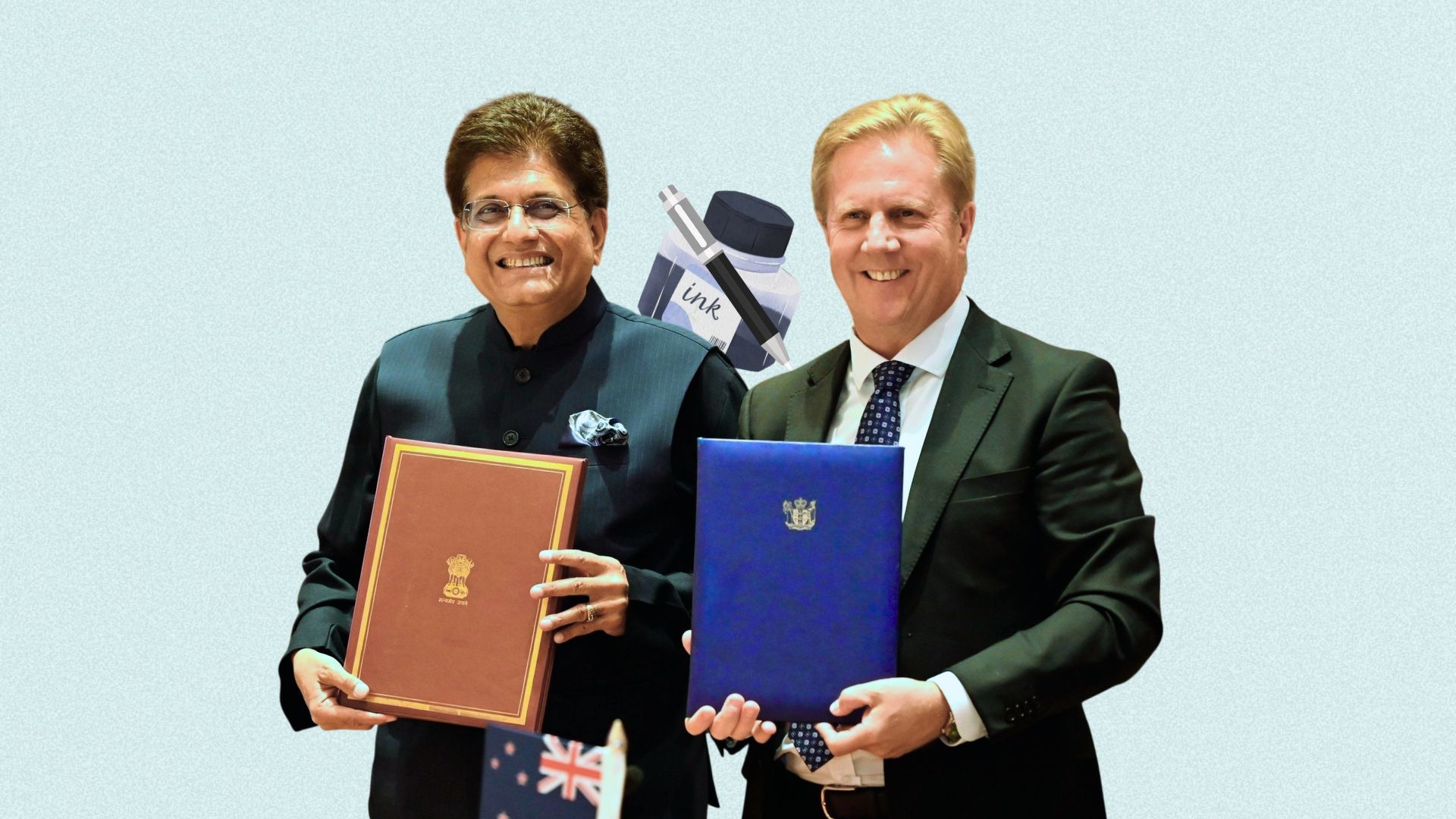
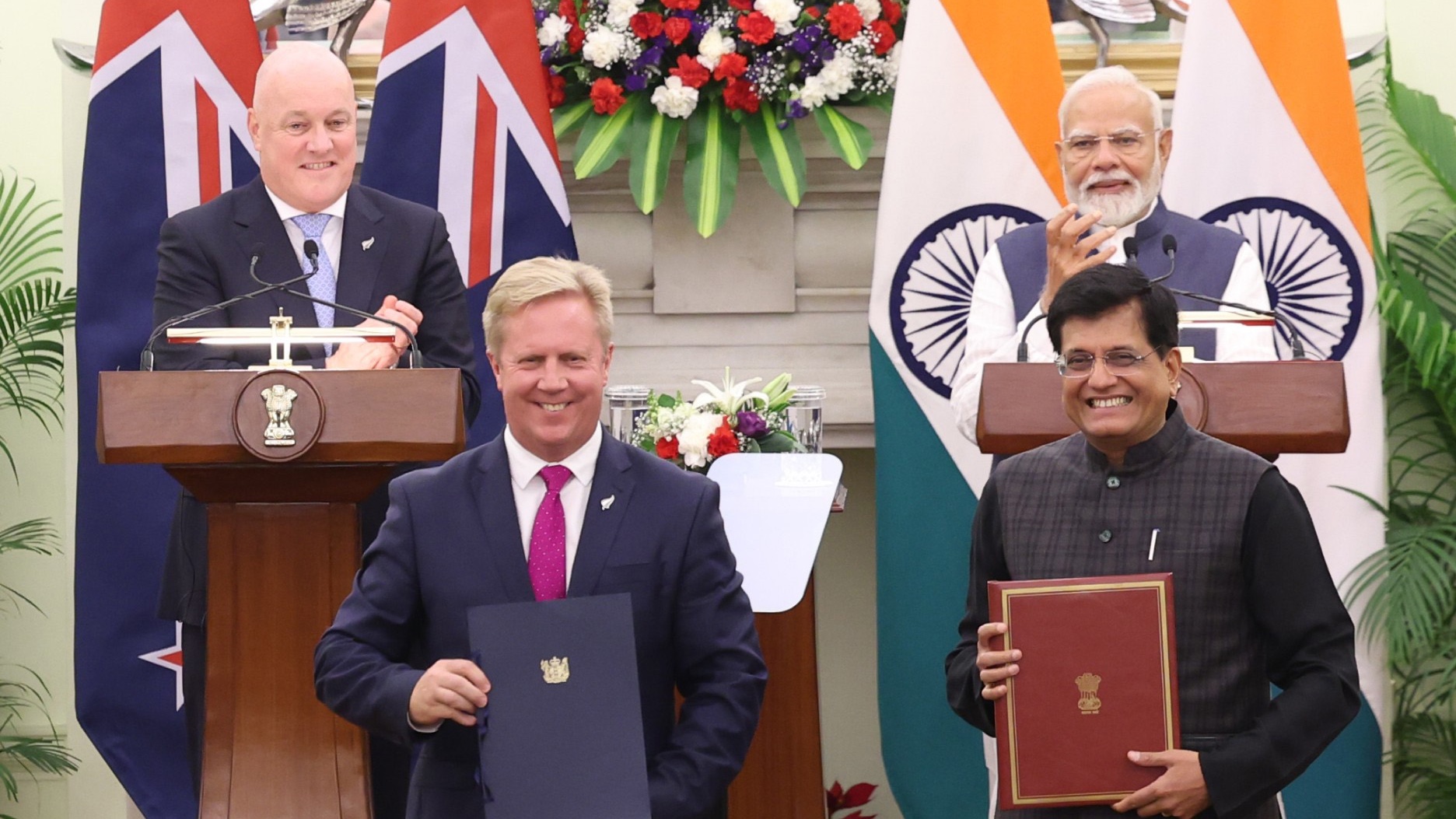
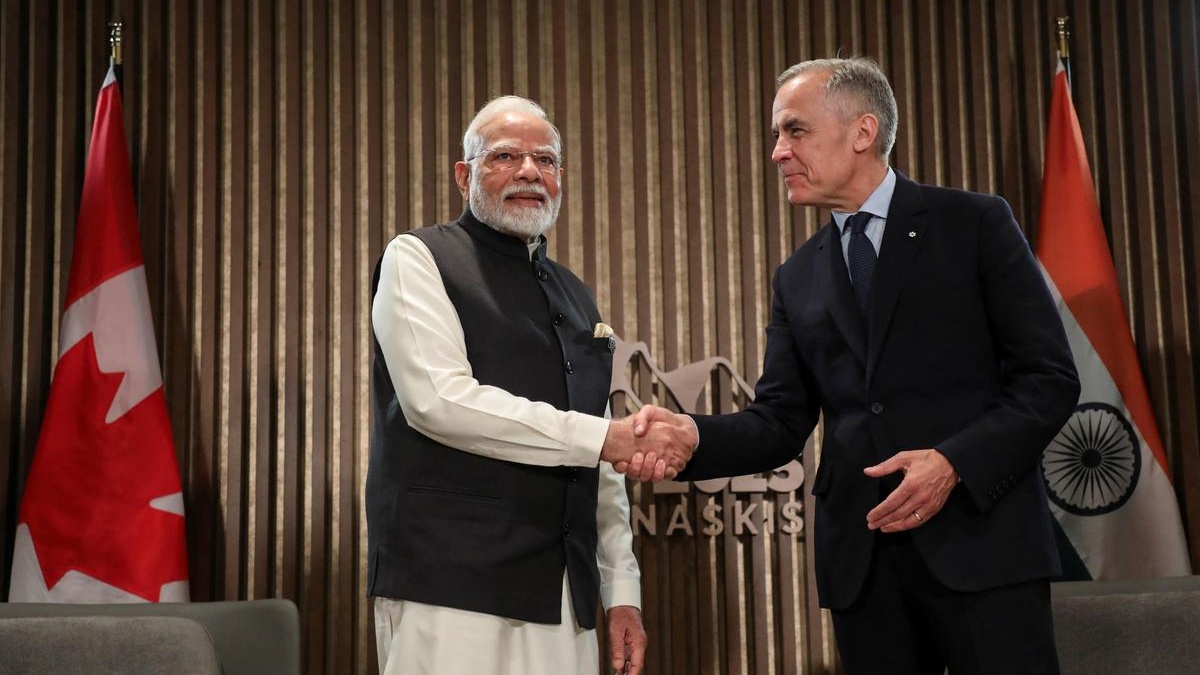
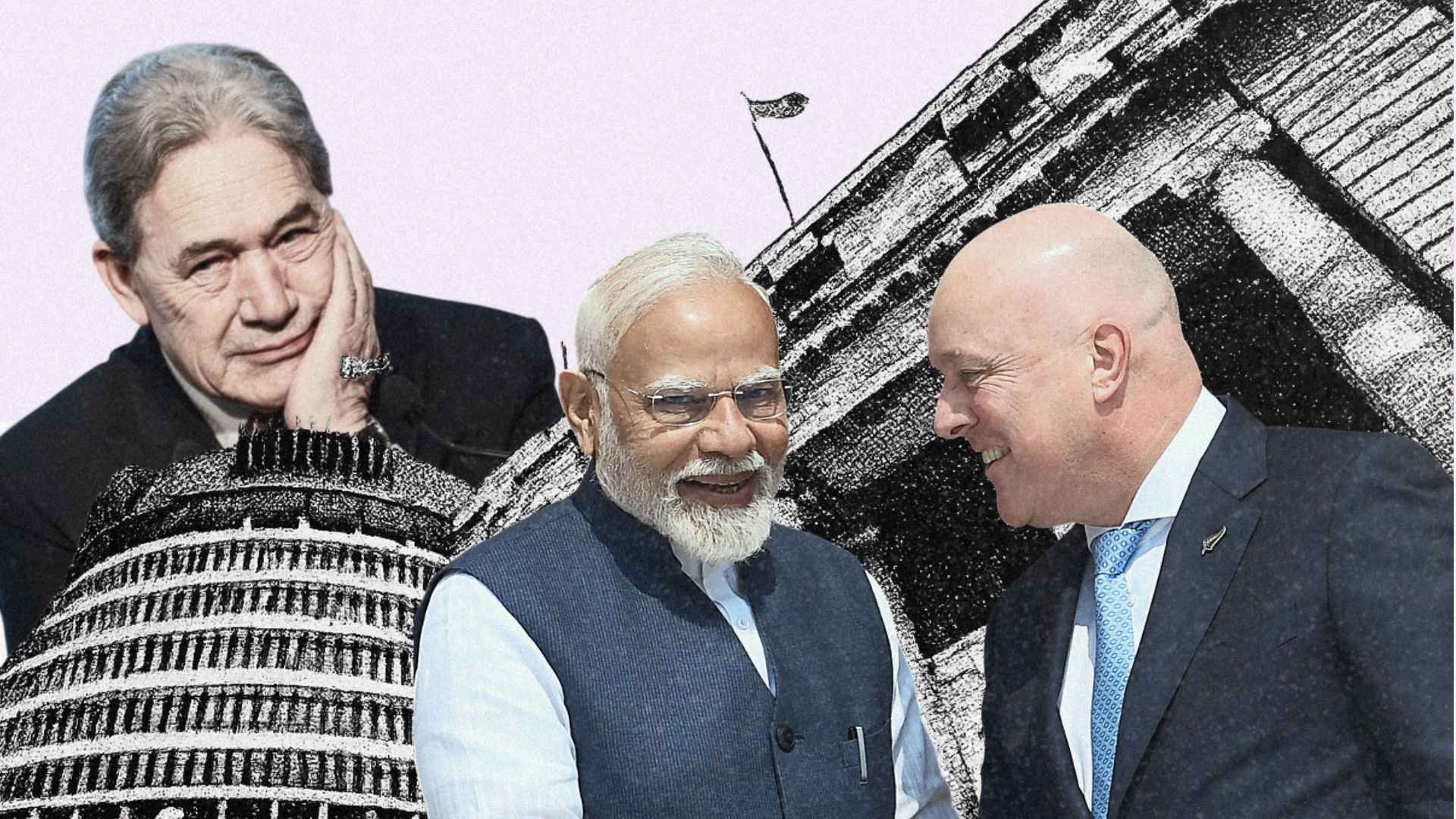
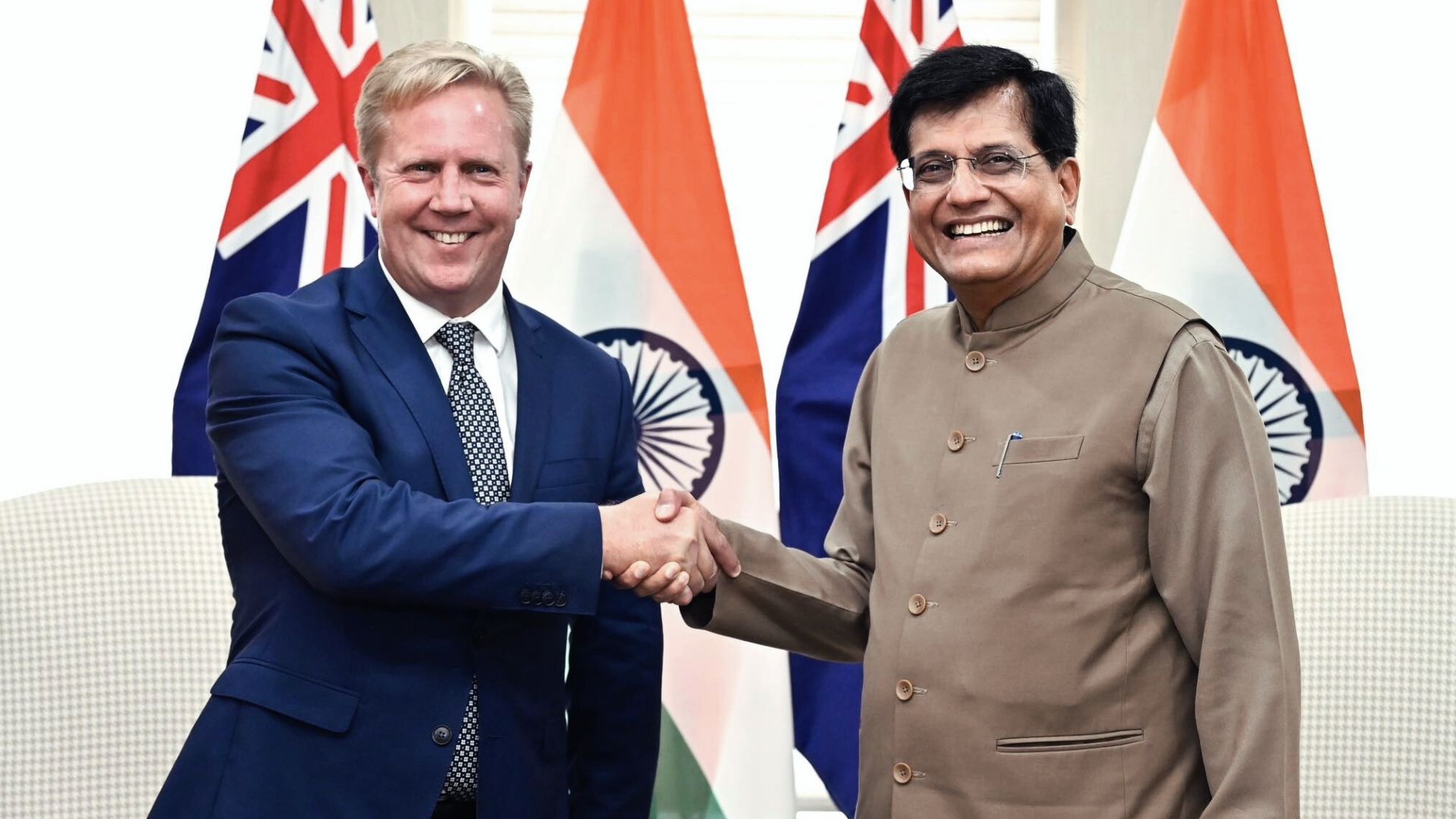
Trade Minister Todd McClay is set to fly to New Delhi over the long weekend to sign the agreement on Monday.
“This is not the deal Labour would have negotiated, but we value our relationship with India and the positive contributions of our Indian communities,” Chris Hipkins said.
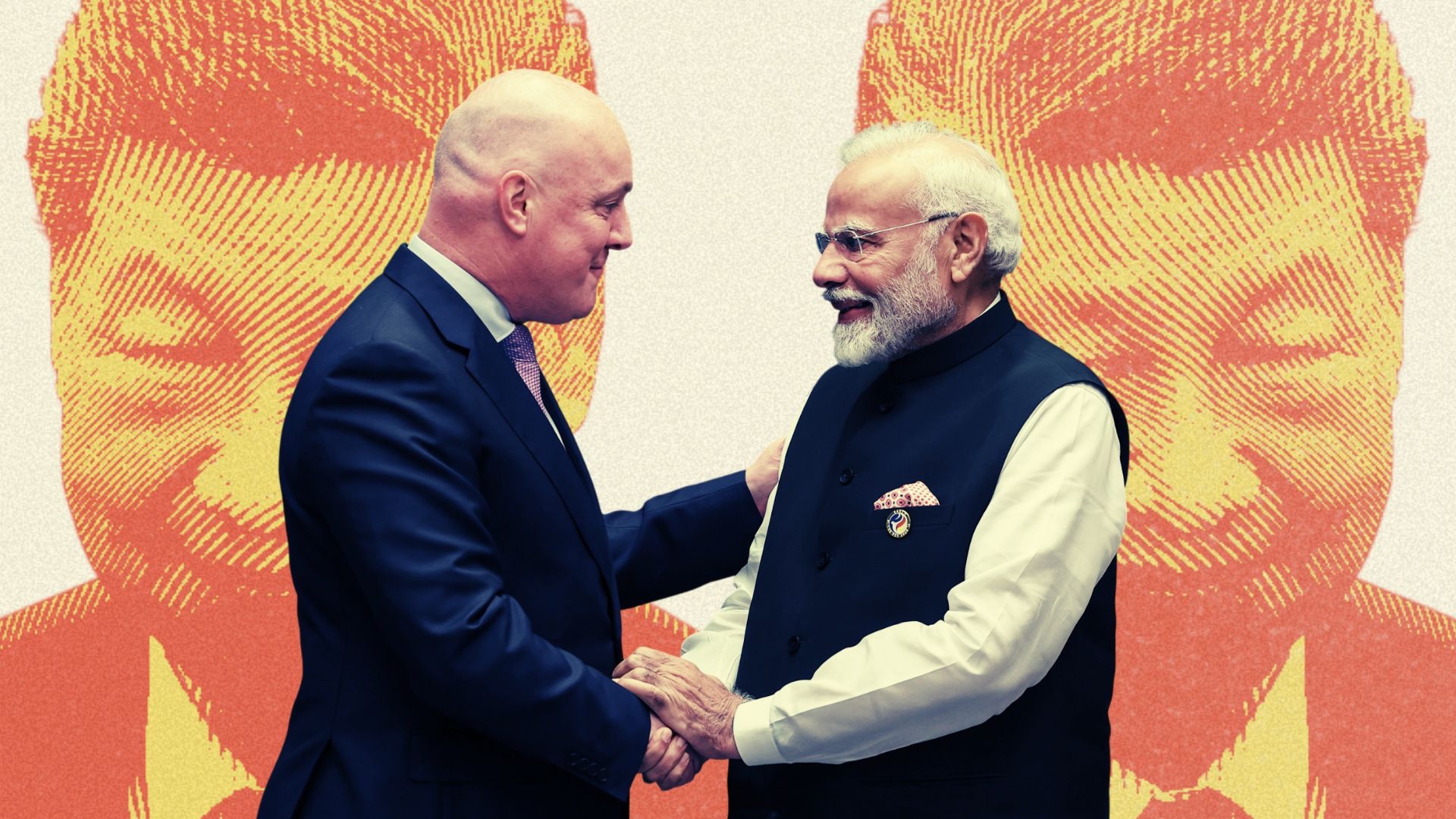
Hipkins has kept the government guessing in recent days, stopping short of committing support while laying out a series of conditions and demanding greater transparency around the agreement finalised by prime minister Christopher Luxon last December.
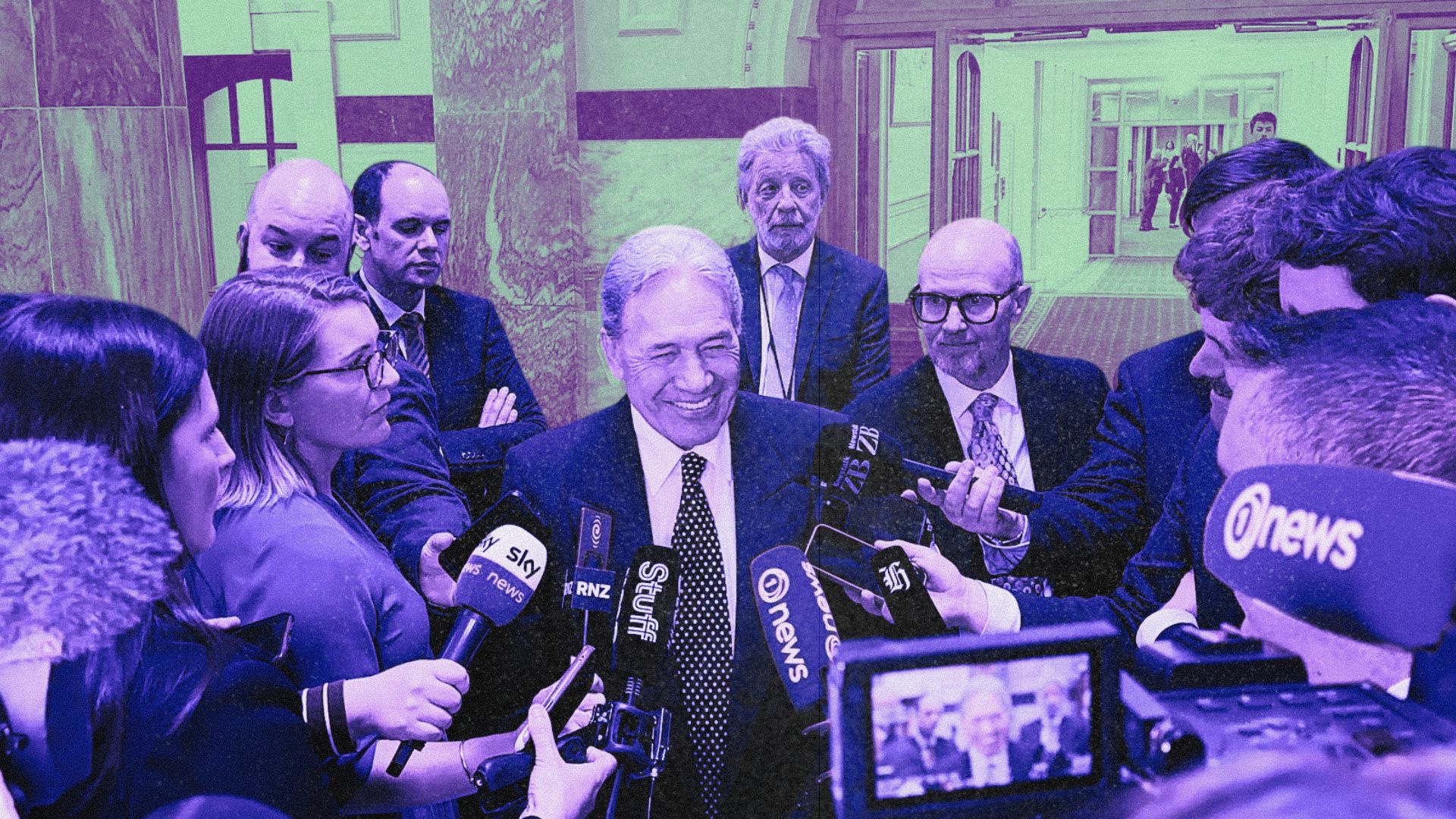
The numbers make Labour’s call decisive. With New Zealand First opposed to the legislation, the government will need Labour’s votes to ratify the deal.
In announcing his support for the deal on April 23, Hipkins said Labour has secured a few commitments from the government.
First, expanded labour inspectorate at the next budget by way of funding for at least 14 additional staff in the labour inspectorate focused on migrant worker exploitation and serious and complex immigration offending.
Second, faster visa processing, including commitments both written and verbal to speed up the processing of variation of condition for those visa holders seeking to change employer.
Third is on the progress of Modern Slavery Bill. "The government is to prioritise the Modern Slavery Bill, ensuring it passes its first reading before the election, with a commitment to resourcing Community Law to provide legal advice," Hipkins said in a press statement.
Hipkins had earlier framed the party’s position as pro-trade but cautious on execution, arguing that the government moved too quickly to conclude negotiations, leaving key risks unresolved.
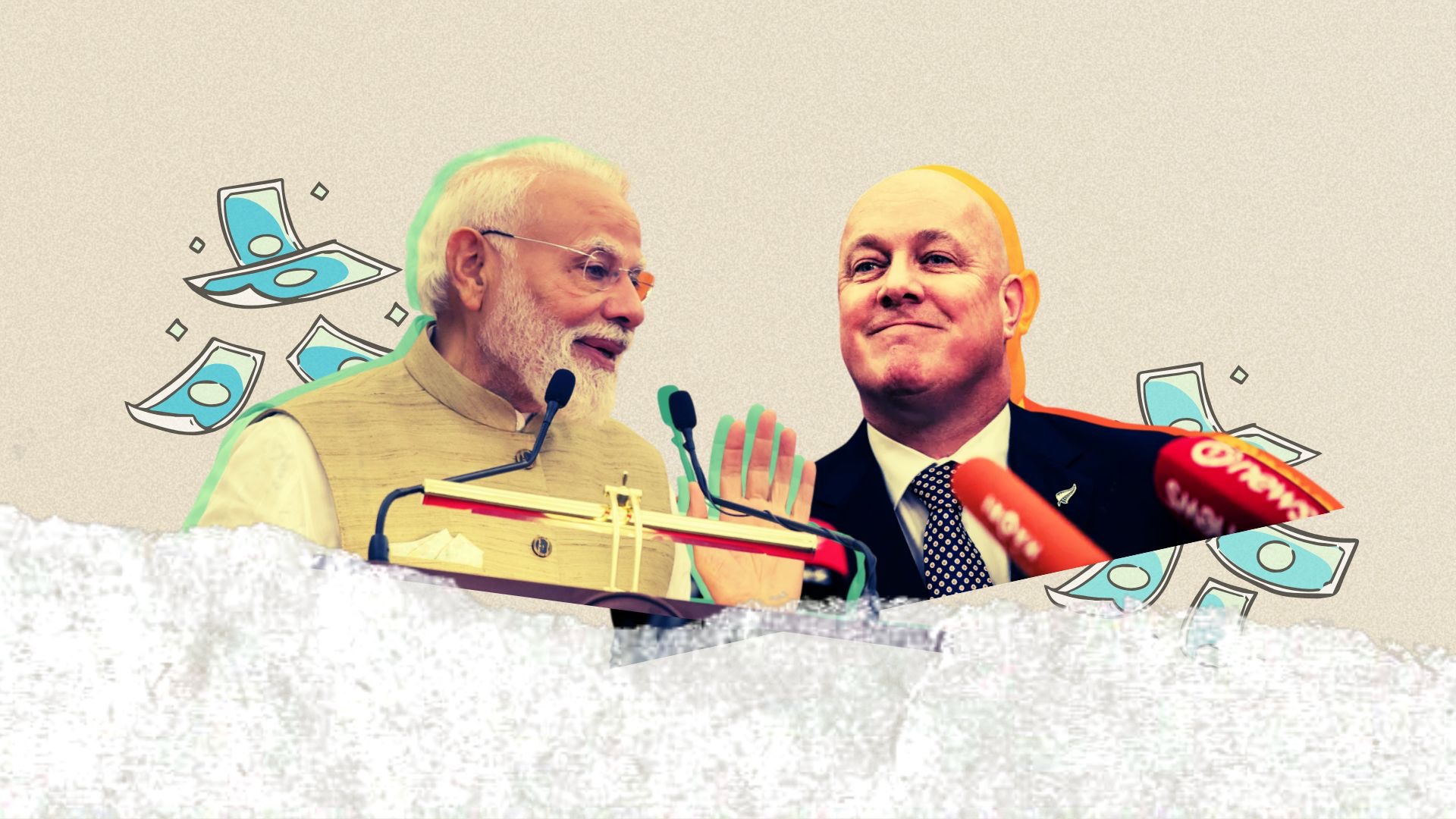
Labour raised concerns about an investment clause that requires NZ$33 billion to flow into India over 15 years, with potential consequences for New Zealand exports if the target is not met.
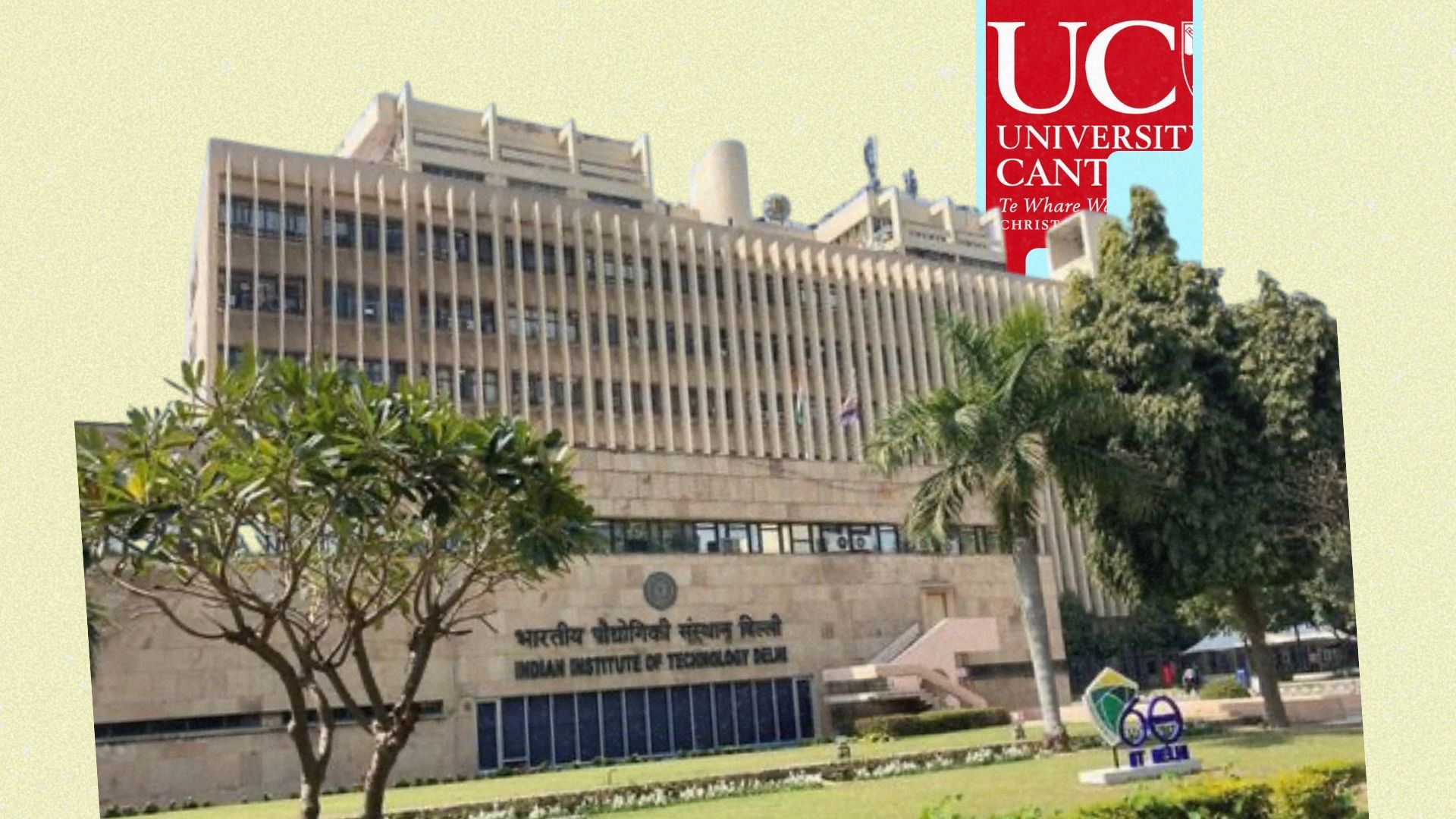
Migration and education settings under the agreement had also emerged as sticking points. Labour had signalled it wants stronger protections against worker exploitation and safeguards to ensure international students entering under the deal are enrolled in credible, high-quality programmes.
The party had formally asked for unredacted briefing papers to understand what advice ministers received before signing off on the agreement, positioning transparency as central to its final decision.