
Man who couldn't be saved back home granted NZ residence over life-threatening condition
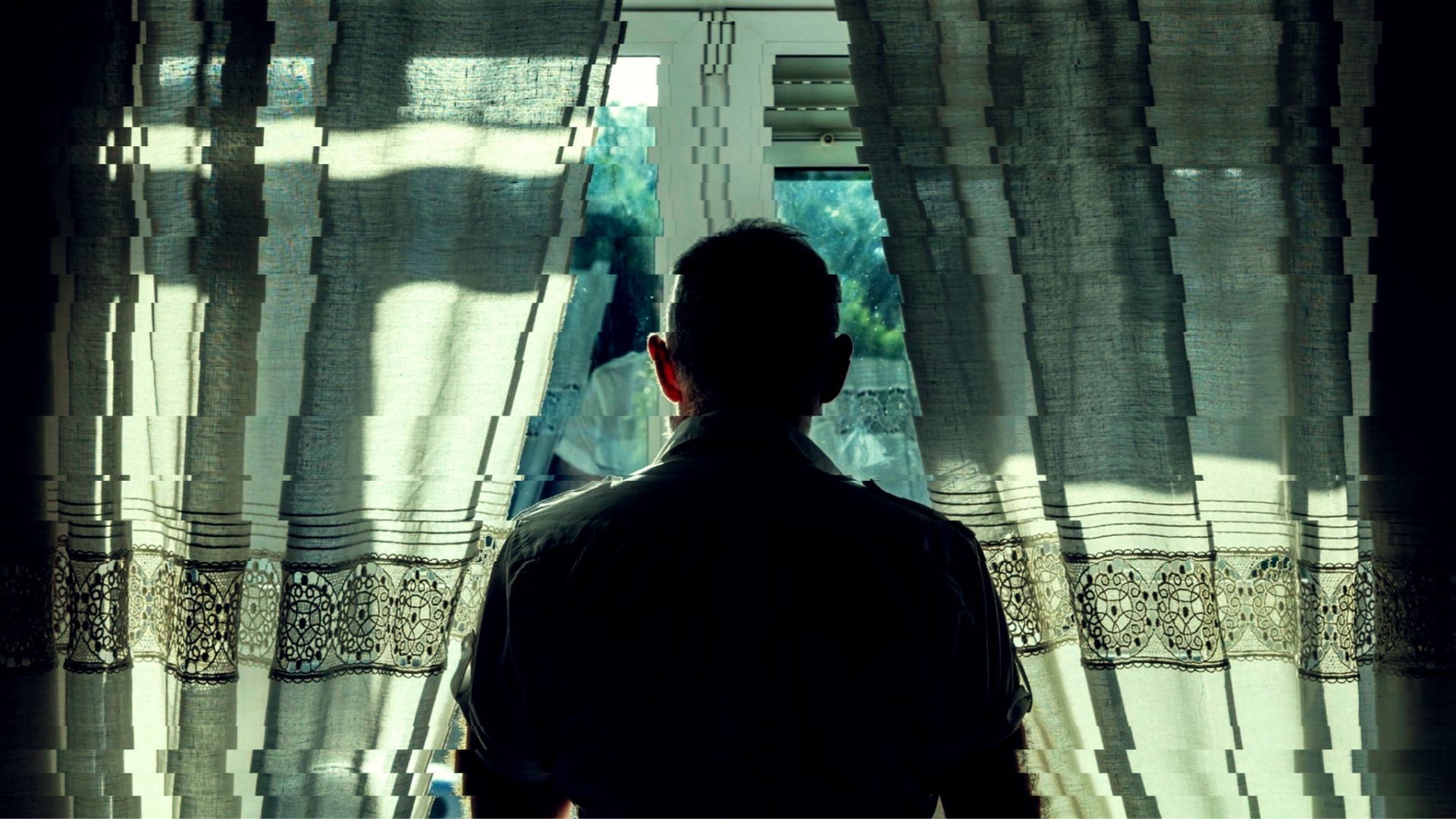
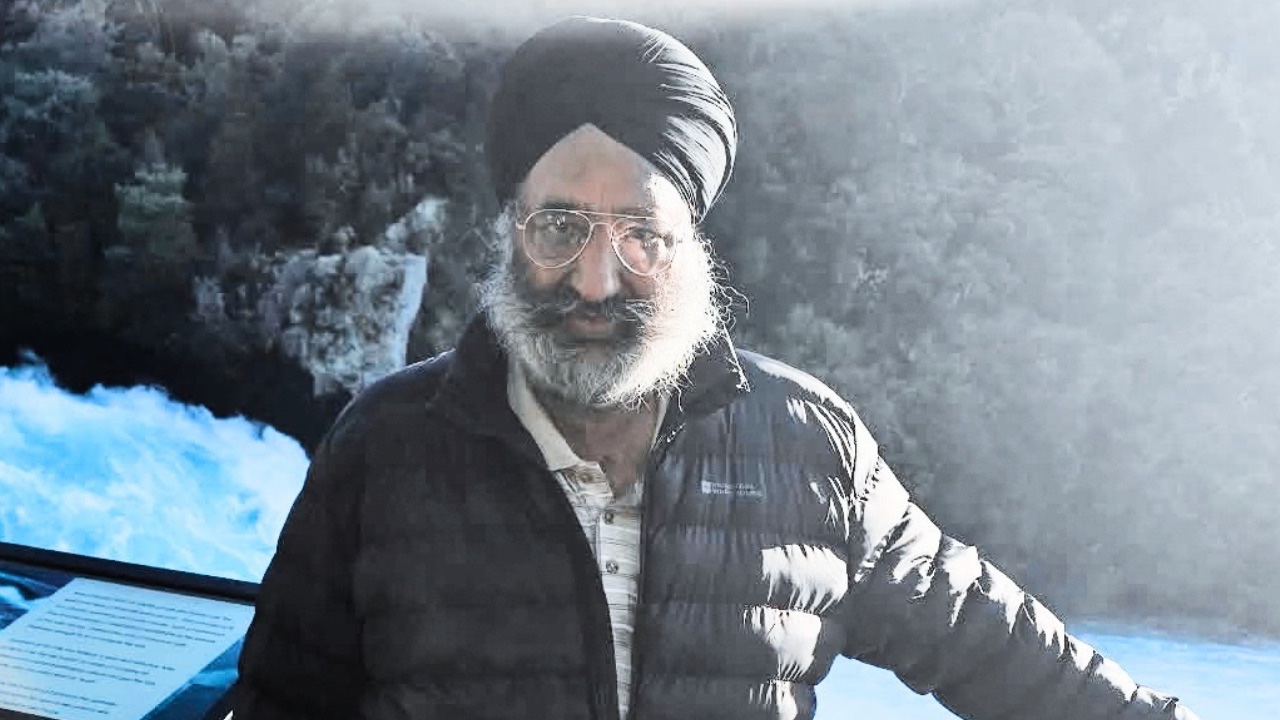
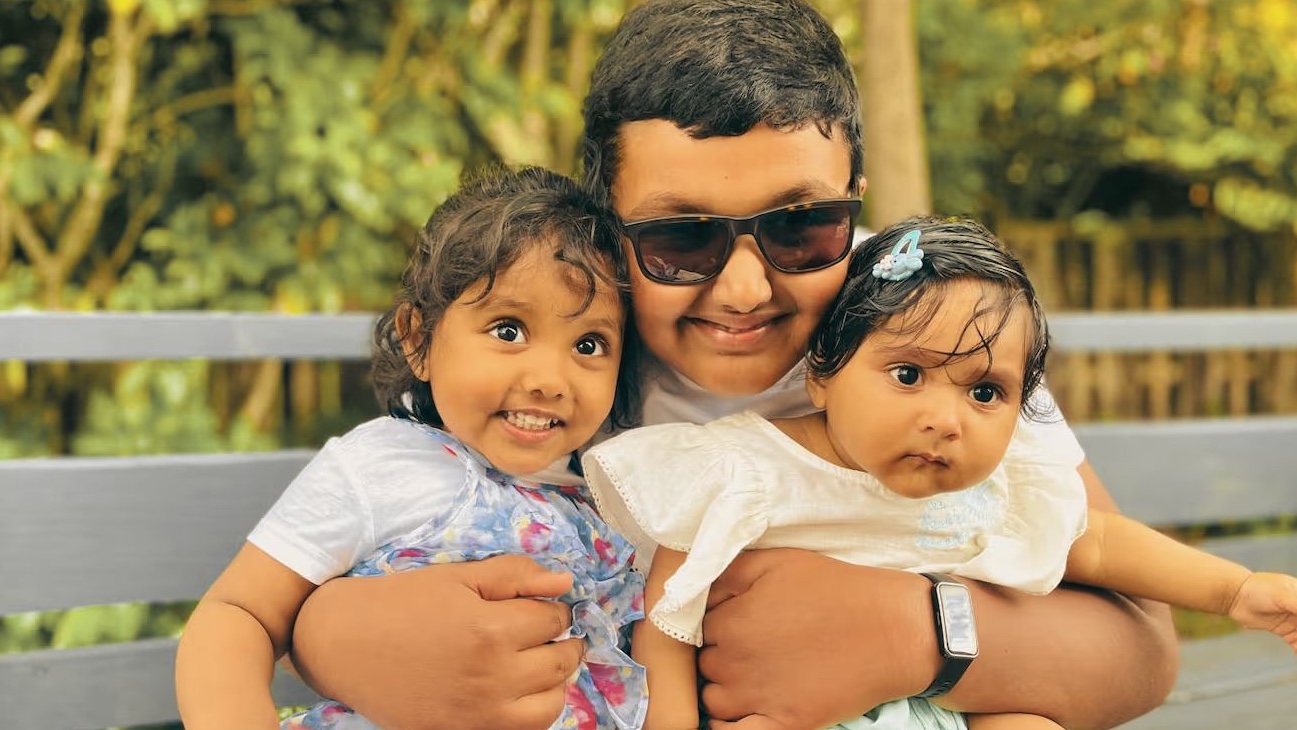
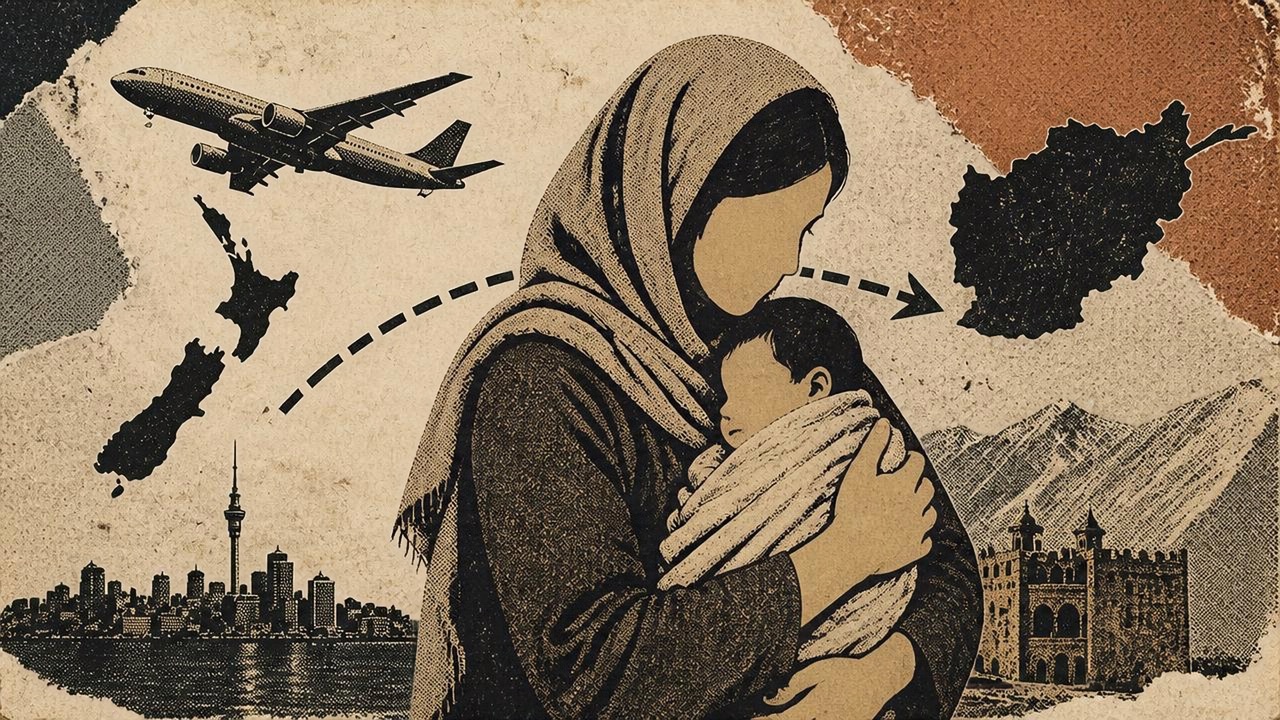
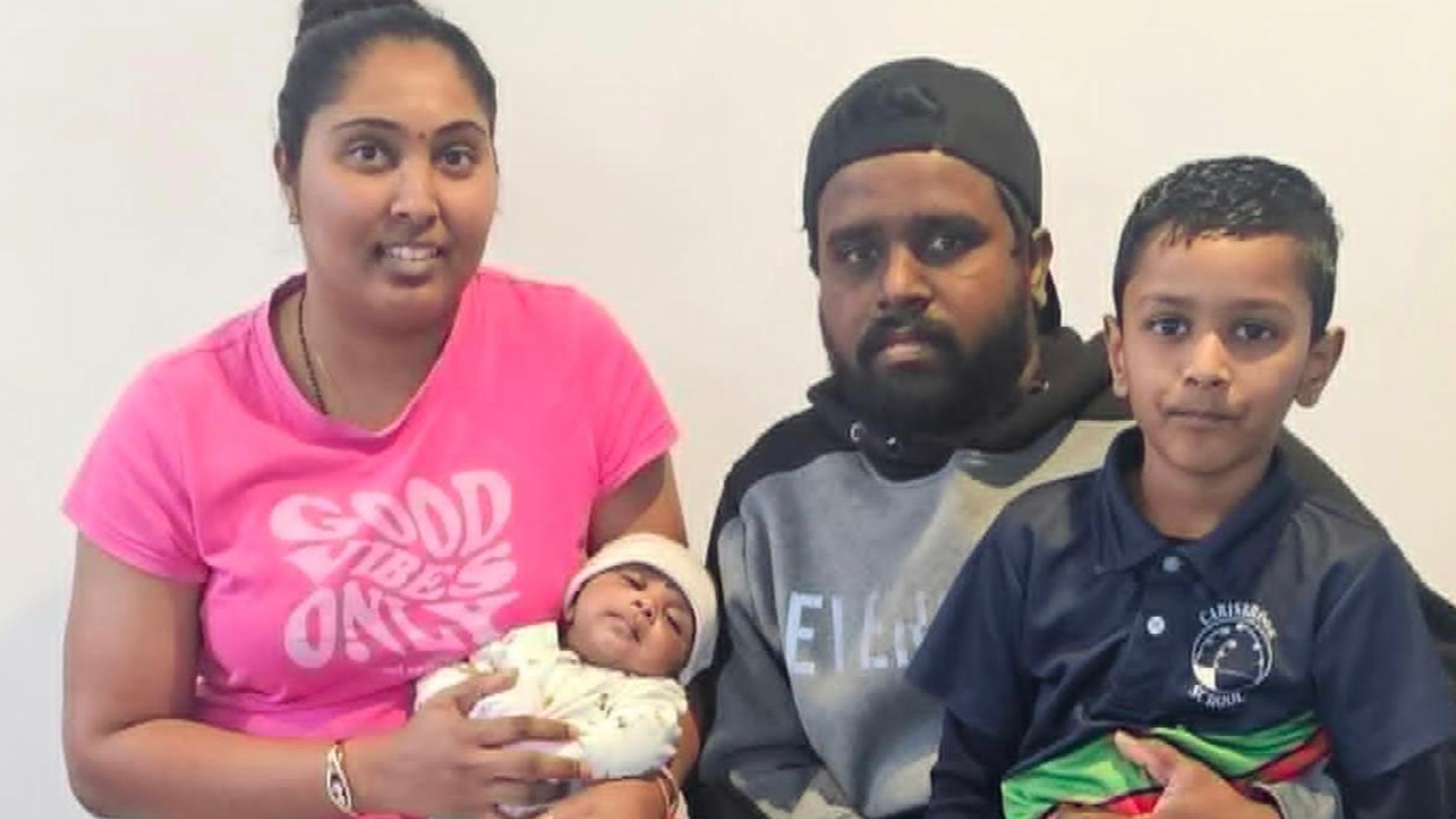
The 32-year-old man was in New Zealand when his diagnosis arrived.
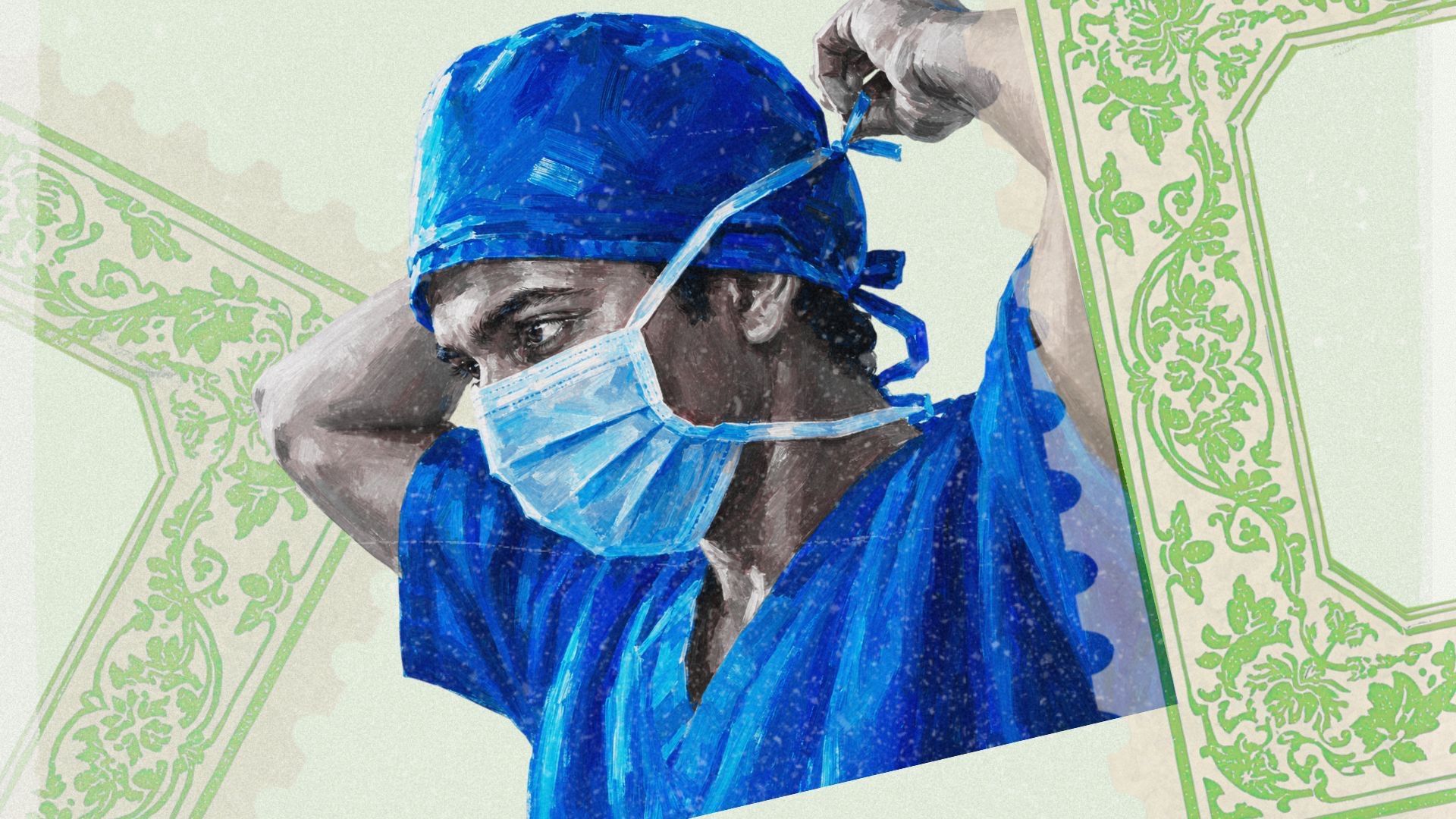
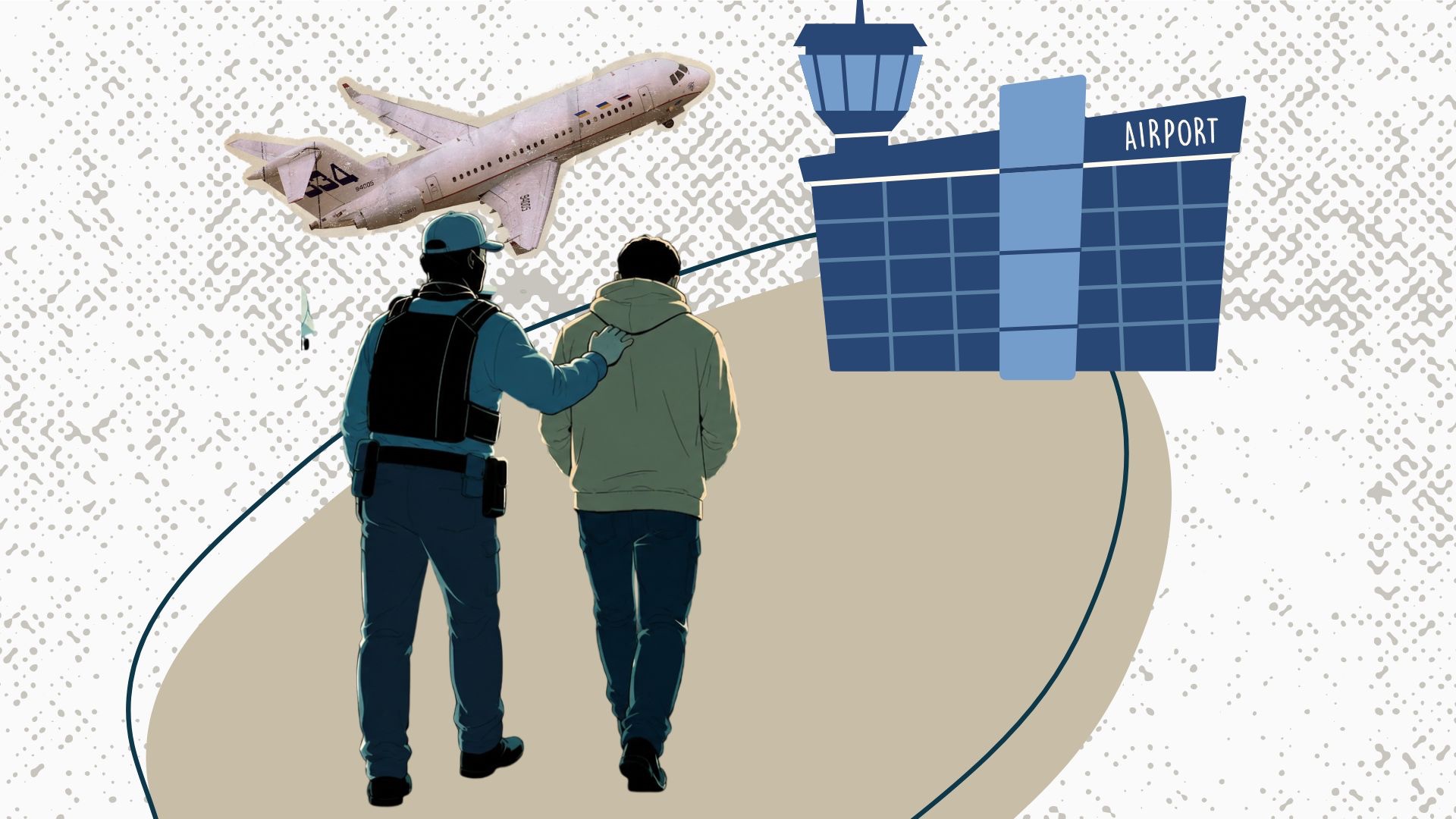
A rare pathway allowed a seriously ill migrant to stay in New Zealand and access life-saving treatment.
Sharukh (name changed) applied for residence under the Transport Sector Work to Residence category. He met every requirement of that category. His work history checked out. His paperwork checked out.
But residence applicants need to have an acceptable standard of health, and the 32-year-old did not.
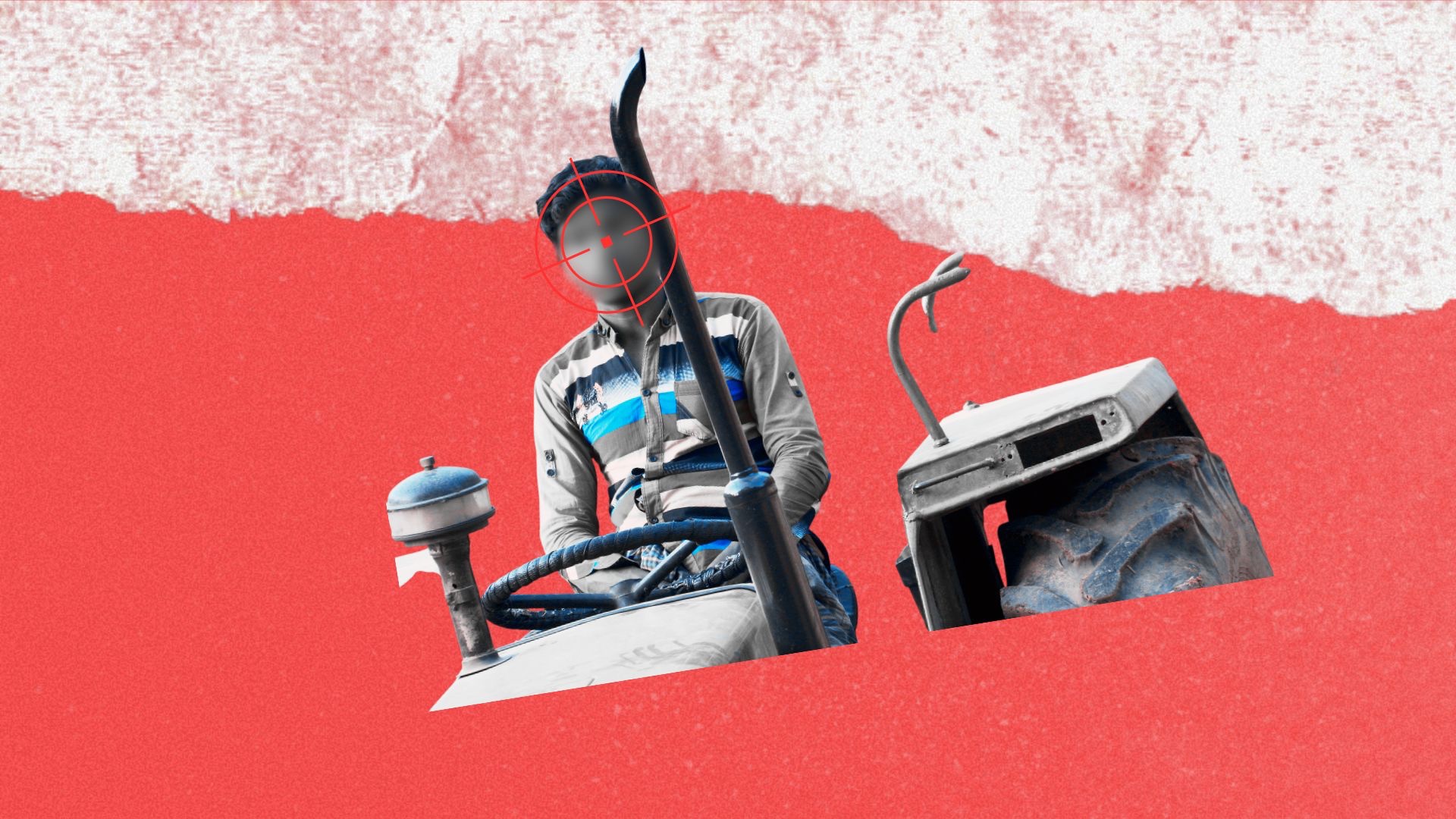
Sharukh prefers his identity and nationality remains anonymous.
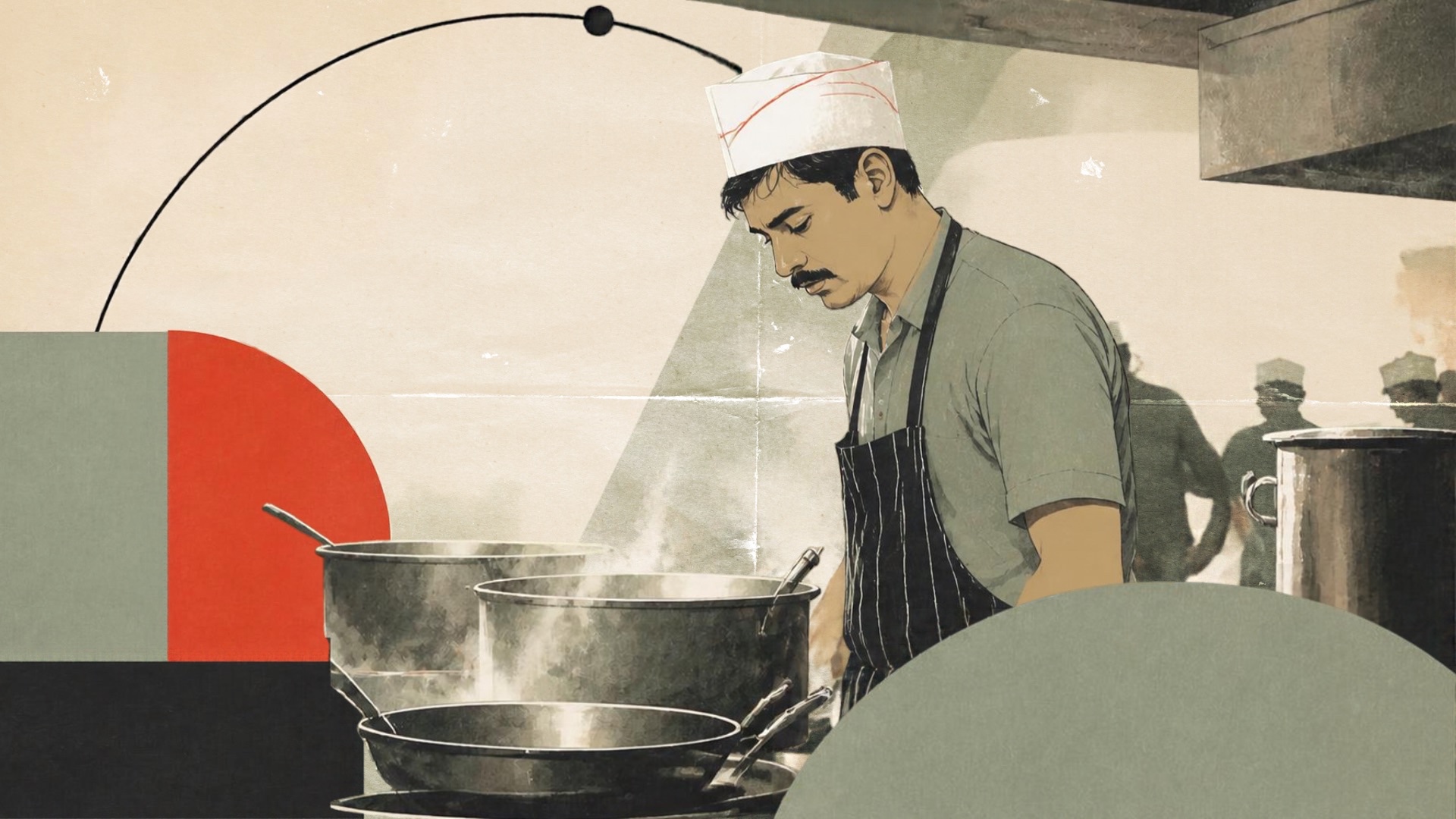
Sharukh was not sick when he applied to come to New Zealand on a work visa. He was living here, working and paying tax here at the time he was diagnosed with a life-threatening medical condition.
Sharukh suffers from a rare genetic blood disorder that requires stem cell transplant, a facility doctors in his home country confirmed they don't offer.
"The country’s just flying": Black Caps great Stephen Fleming bullish on India after FTA The former skipper says decades of cricket and business ties have given him a front-row view of India’s transformation.
Brian Tamaki summoned to court for inciting racial disharmony around Modi's visit The Destiny Church leader says the charges relate to comments made while criticising Indian prime minister Narendra Modi.
MS Dhoni, Dangal, Mary Kom: Indian sports films coming to Auckland cinemas. For free An Auckland film showcase is bringing blockbuster sports movies back to cinemas as part of the centenary celebrations of New Zealand–India sporting ties.
His doctors confirmed he is fully fit and active and continues to work full-time despite the diagnosis.
Treating this condition would cost up to $500,000. His condition was on INZ's list of conditions considered likely to impose significant costs or demands on New Zealand's health services.
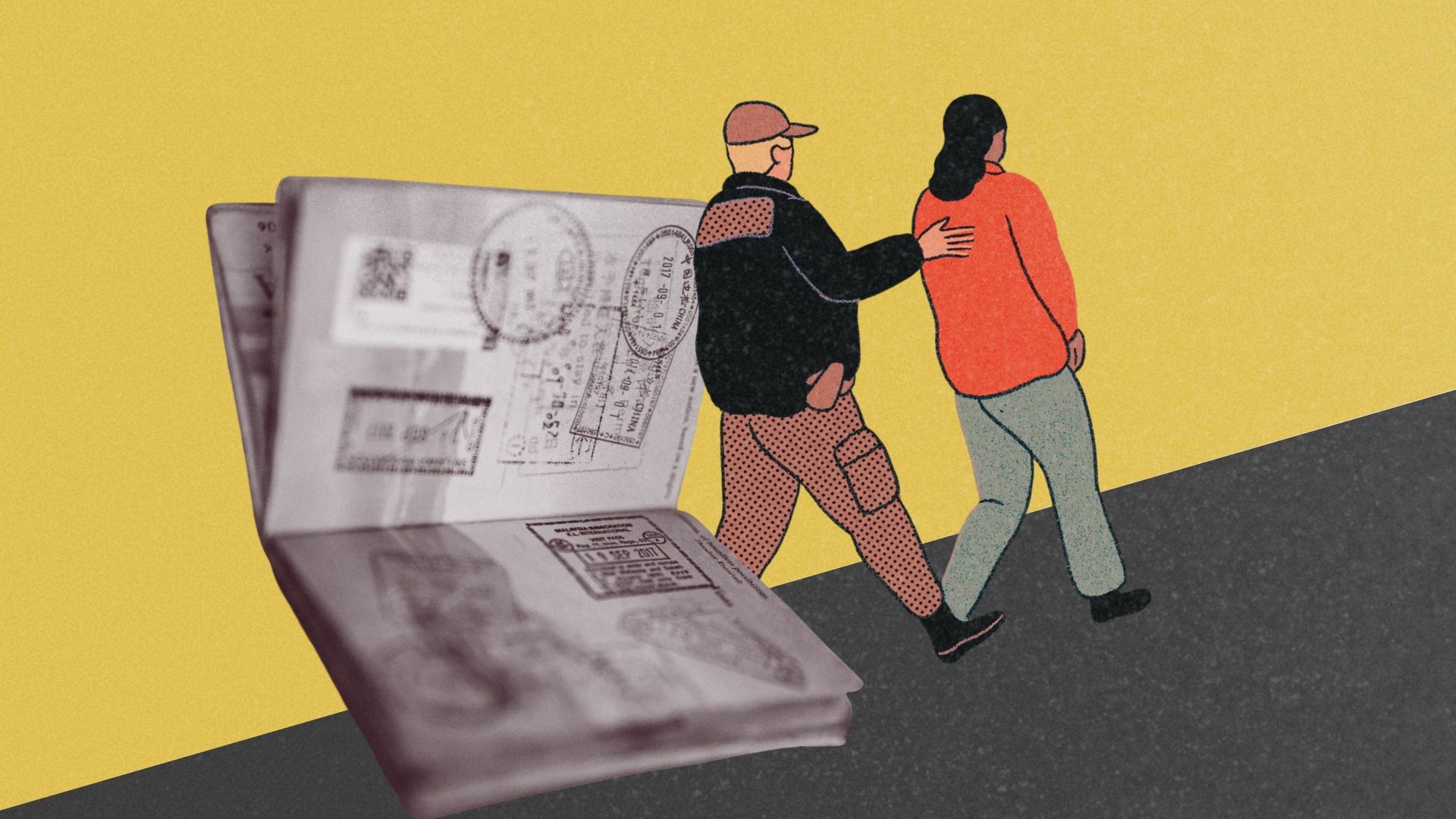
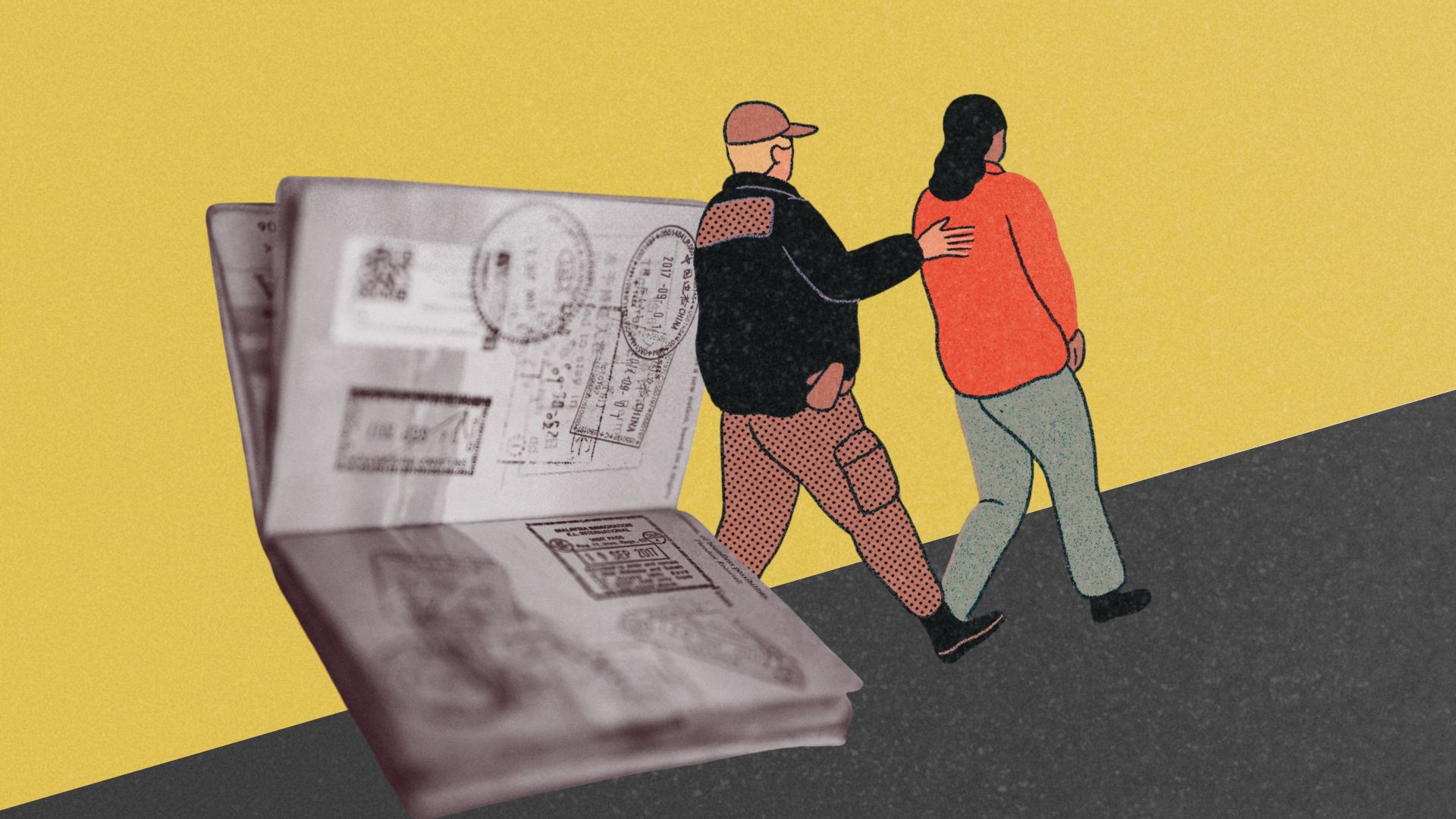
Sharukh did not meet the acceptable standard of health requirement. That was enough for Immigration New Zealand (INZ) to decline his residence application.
The medical waiver option
Sharukh says his first immigration adviser told him that his residence application would likely be declined on health grounds, so he should withdraw his application.
I looked closely at Sharukh's case and identified that he was eligible to request a medical waiver. A medical waiver asks INZ to overlook a health condition that would otherwise sink a residence application.
A medical waiver is not a loophole. It is a formal part of INZ's own policies, written for situations exactly like this one. It is not handed out easily, and it has to be earned with solid evidence.
I explain exactly how the process works in our medical waivers guide.
I offered to represent Sharukh on the waiver request. From there, it was about building a case that answered, honestly and completely, every question INZ is required to ask.
Building the evidence
We gathered evidence on four fronts.
First, the true cost of treatment. This confirmed the $300,000 amount and showed we were being upfront about the real financial picture, not downplaying it.
Second, Sharukh's prognosis. Medical evidence set out what would happen with treatment and without it. With treatment, Sharukh would be cured. Without it, he would die. This was the single most important piece of evidence in the entire case.
Third, whether the treatment existed in Sharukh's home country. It did not. If Sharukh could not stay in New Zealand, he had nowhere else to turn for the treatment that would save his life.
Fourth, Sharukh's genuine ties to New Zealand. His brother lives here permanently, giving Sharukh real family connections beyond just his job.
A clear and honest story
Once we had all four pieces, we put together the full medical waiver request. Each piece of evidence did a job. Together, they told a simple story.
Here was a young man who had met every other requirement, who faced a life-threatening medical condition, who could only get treatment in New Zealand, and who had close family here.
INZ approved the medical waiver. Soon after, they approved Sharukh's residence application.
What this meant for Sharukh
The residence approval changed two things at once.
Sharukh could build his life in New Zealand alongside his brother. And, as a New Zealand resident, he could now access treatment through the public health system, the same as any other resident.
That cost is real, and we never pretended otherwise. INZ granted the waiver with the full figure in front of them. They weighed the cost of treatment against the cost of a life, and they chose the life.
Sharukh was overjoyed. A diagnosis that could have ended both his residence bid and his life instead became the reason he gets to stay, be treated, and be cured, all in the country he now calls home.
Lessons from Sharukh's case
A serious health condition does not automatically end a residence application. Pathways like the medical waiver exist for exactly these situations, but they are not automatic and not easy to win.
What makes the difference is the evidence. INZ needs to see the real cost, the real prognosis, the real lack of alternatives, and the real connection to New Zealand. All backed up and clearly presented.
People sometimes ask how advisers argue for cases like this. My answer is simple. I work within the rules and the rules allow for compassion. Behind every visa application is a person, with work, family, hope, and plans.
Sharukh's file was never just a costing exercise. It was a man's life.
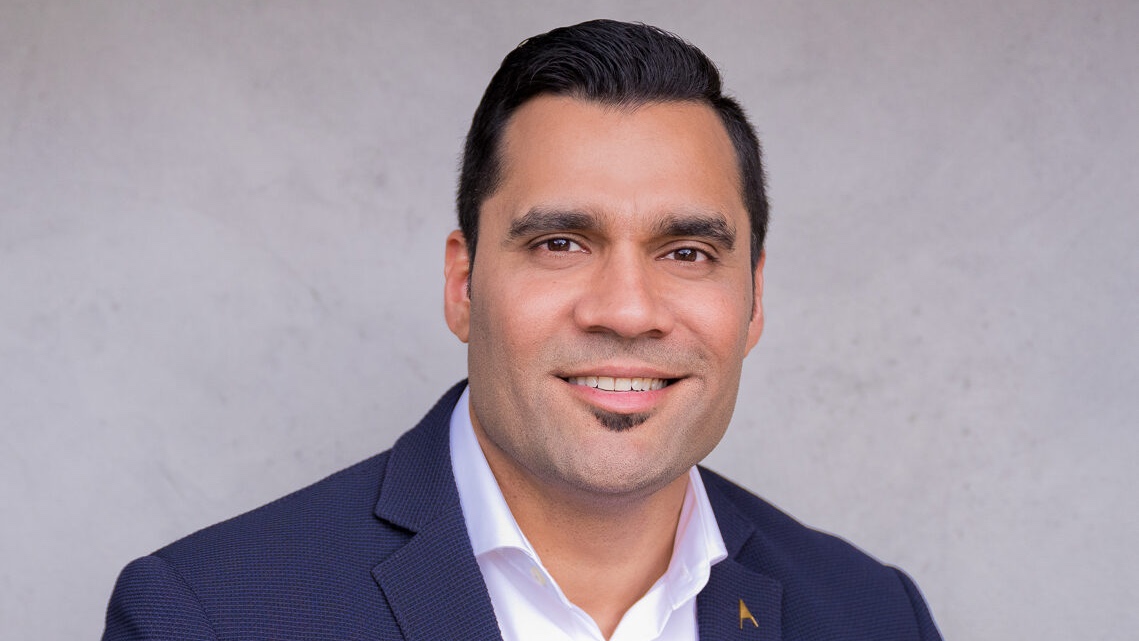
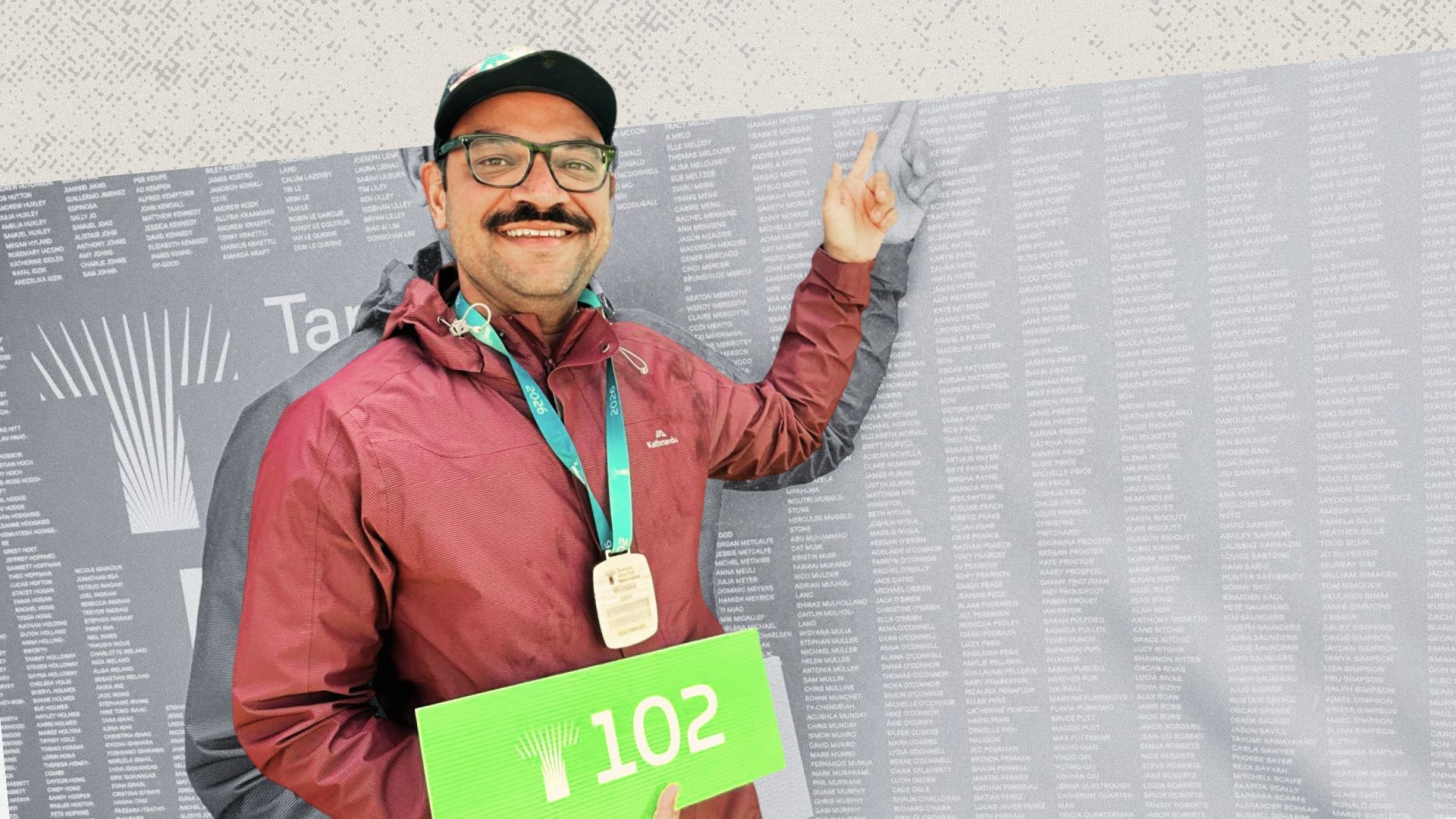
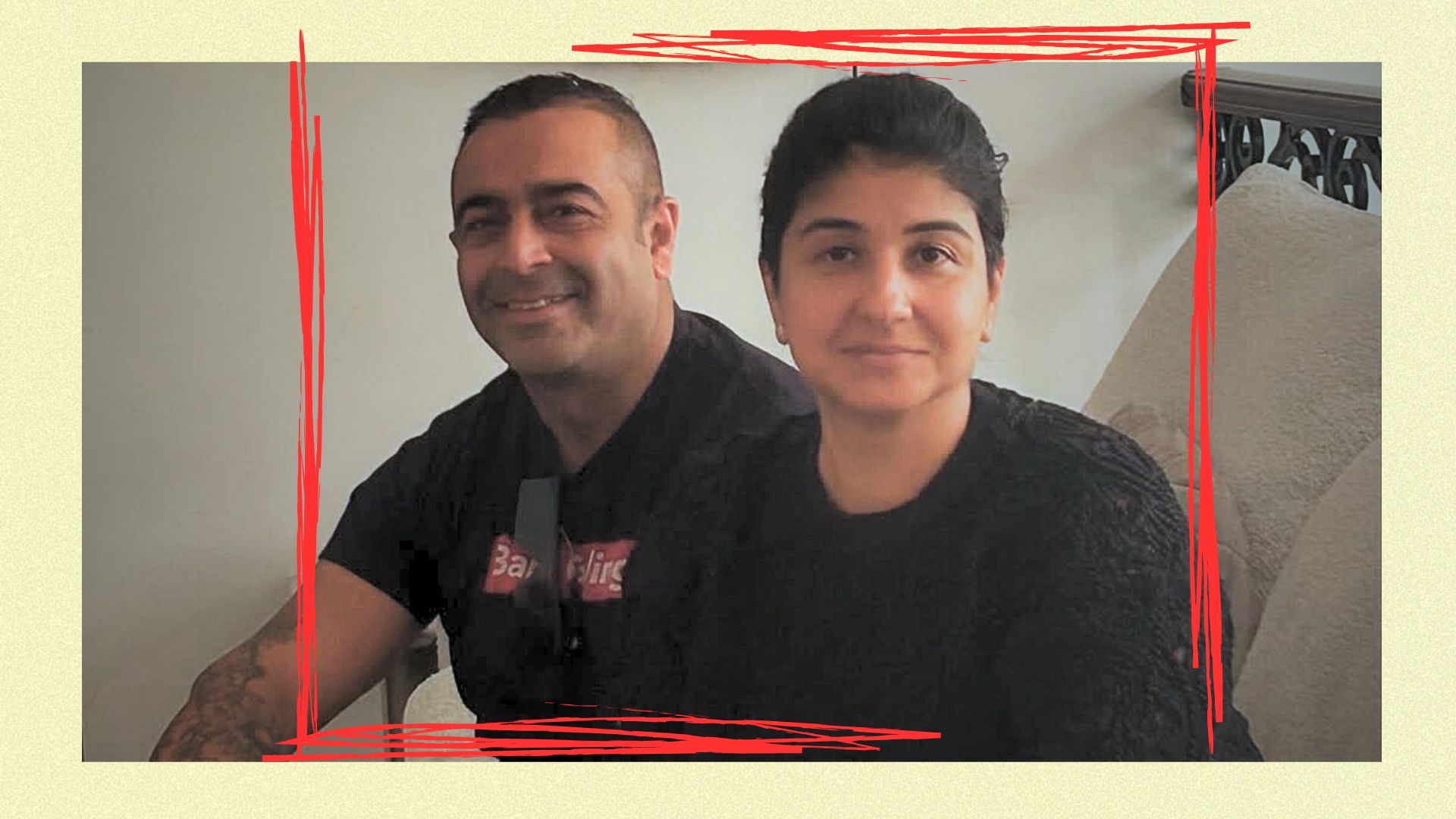
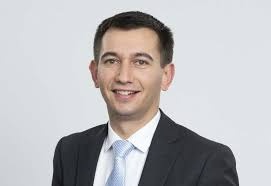
Auckland-based immigration adviser Ankur Sabharwal.
(Ankur Sabharwal is a Licensed Immigration Adviser and founder of Visa Matters, an Auckland-based immigration advisory firm. He provides immigration commentary on TVNZ Breakfast and has been published by Stuff and The Post. This article is general information only and does not constitute immigration advice.)