
Man with drink-driving past won't be deported as wife is "highly vulnerable"
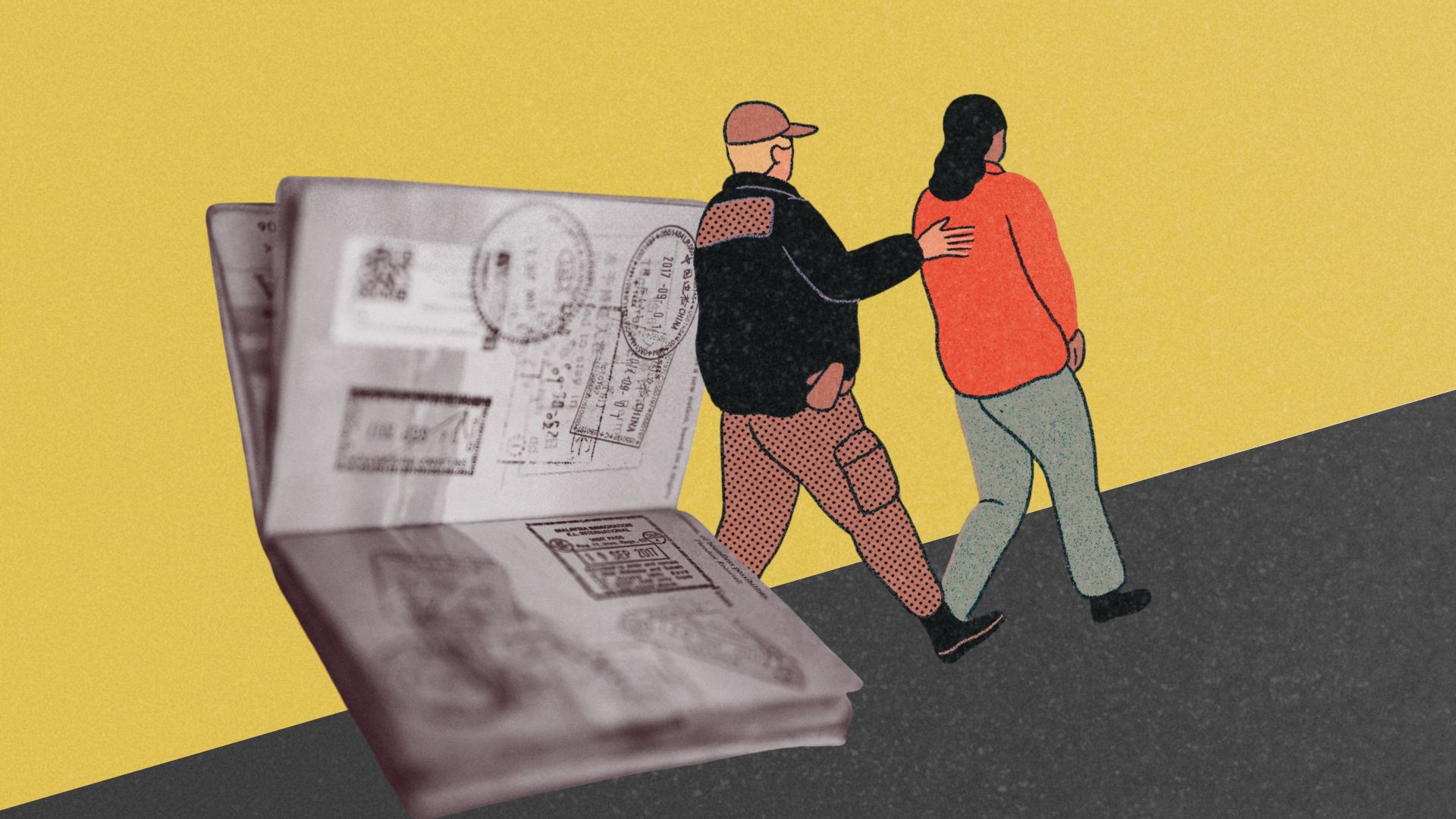
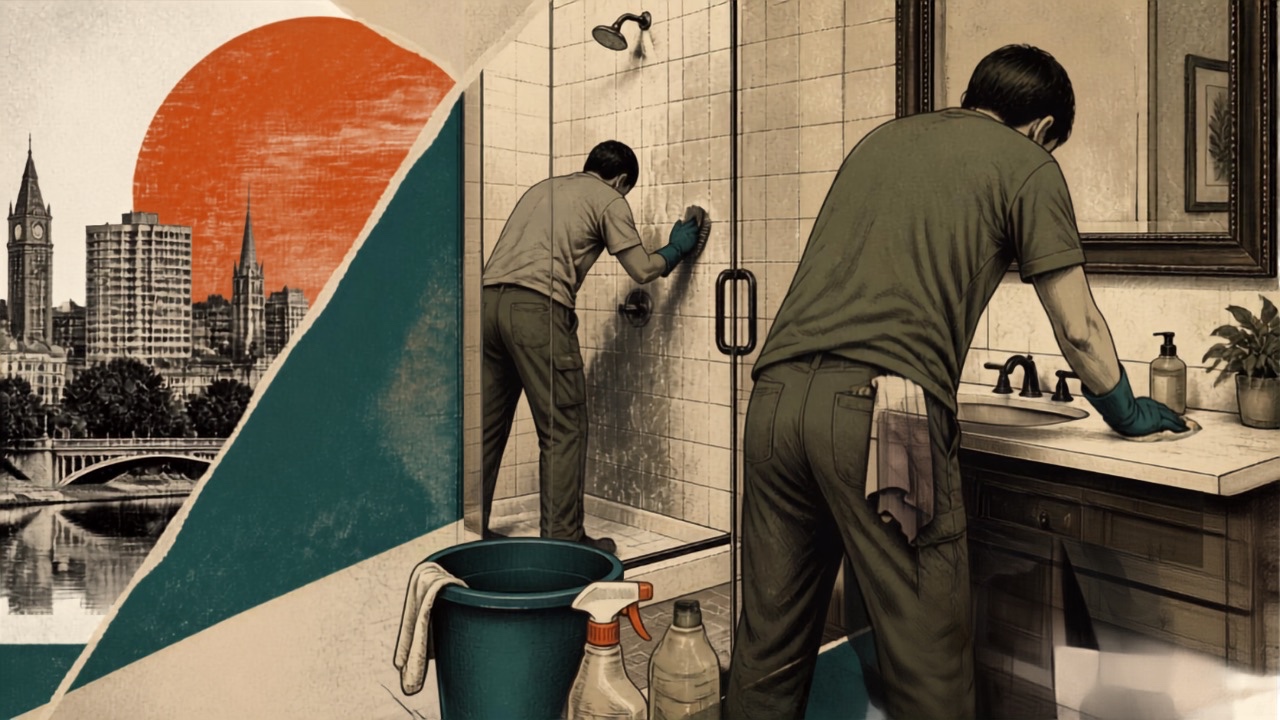
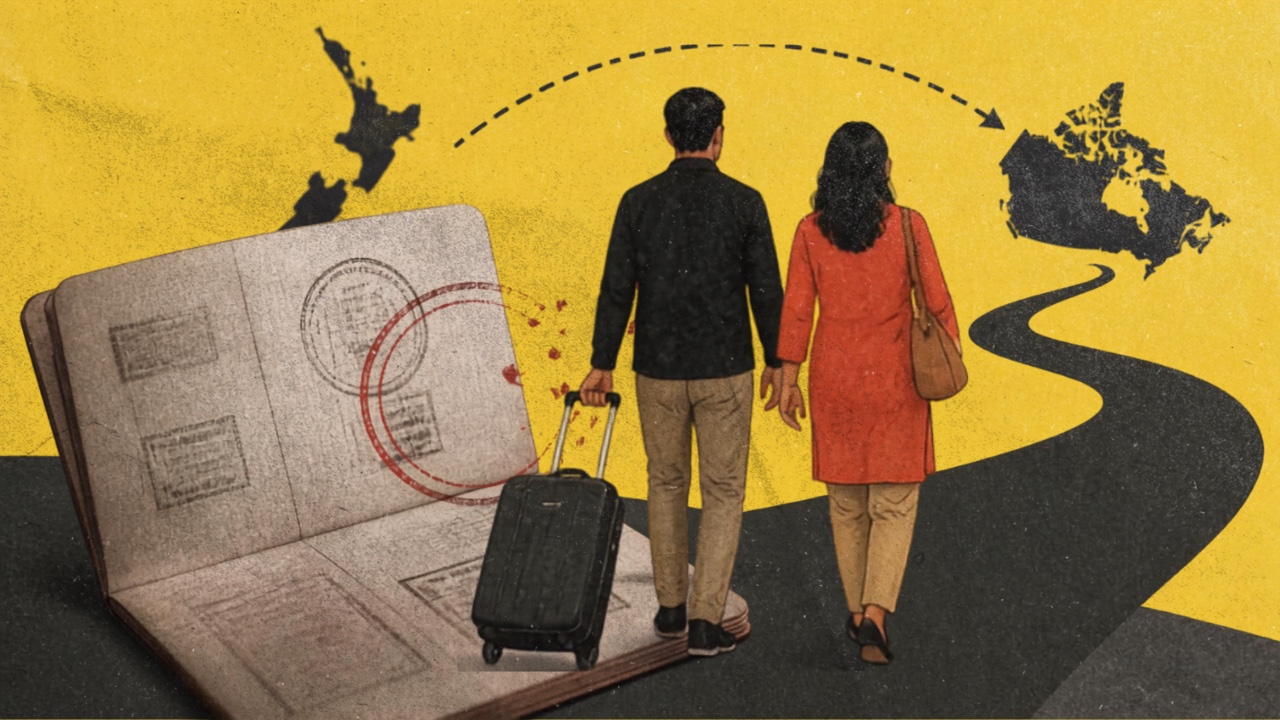
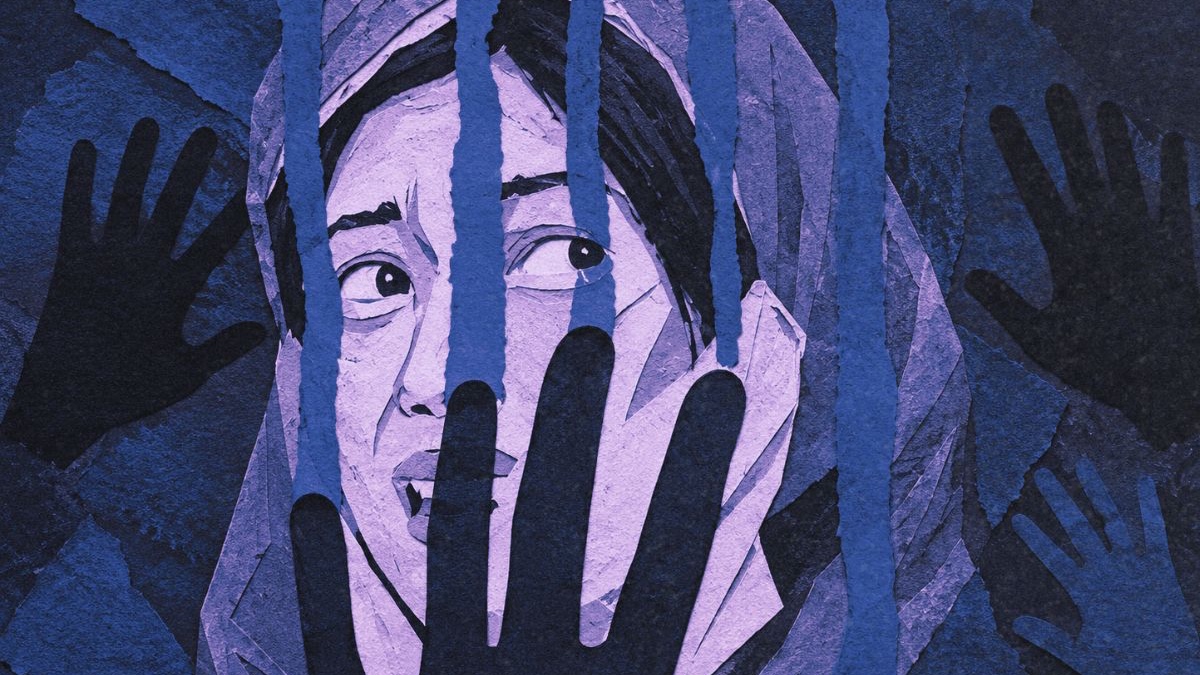
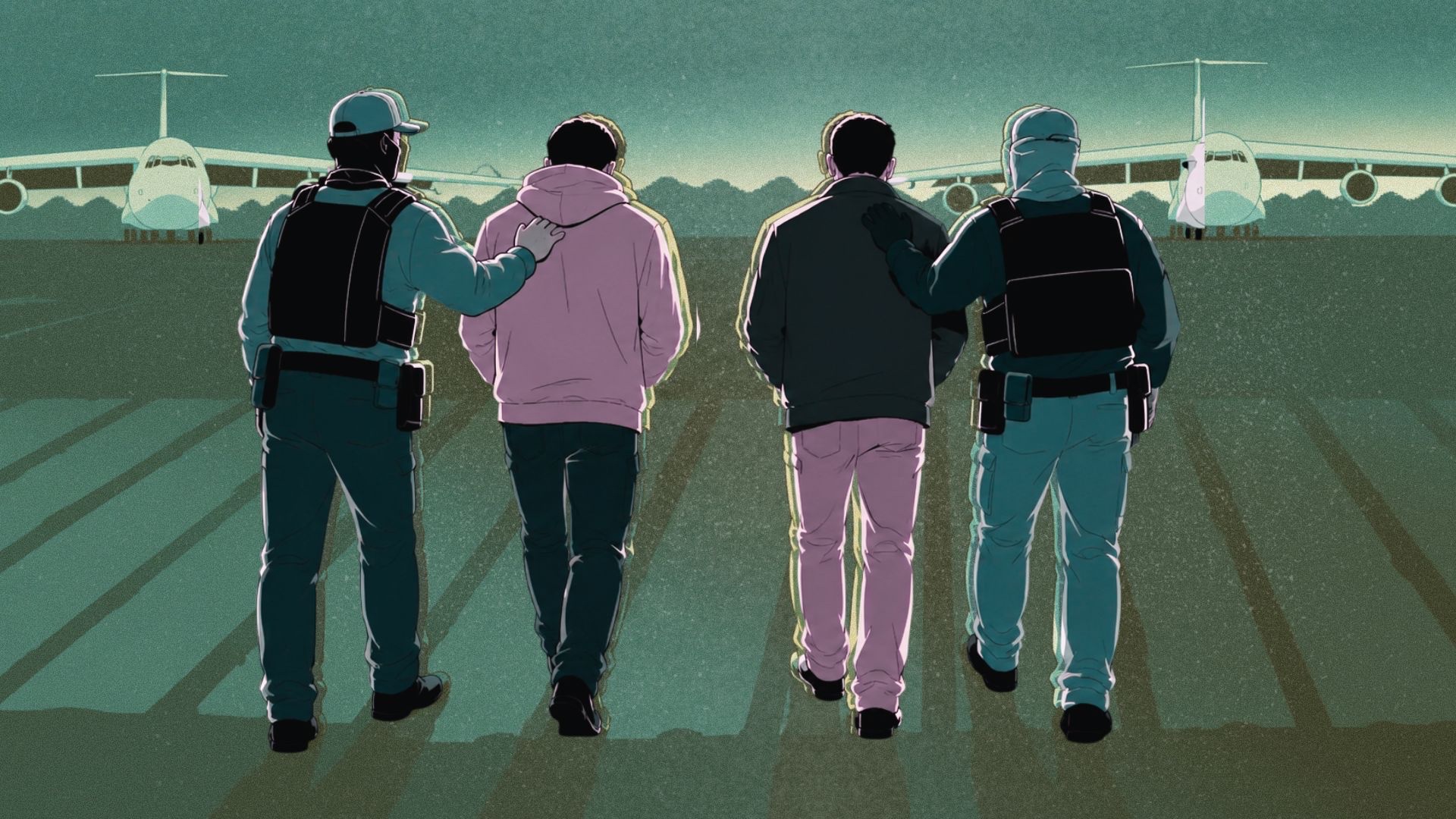
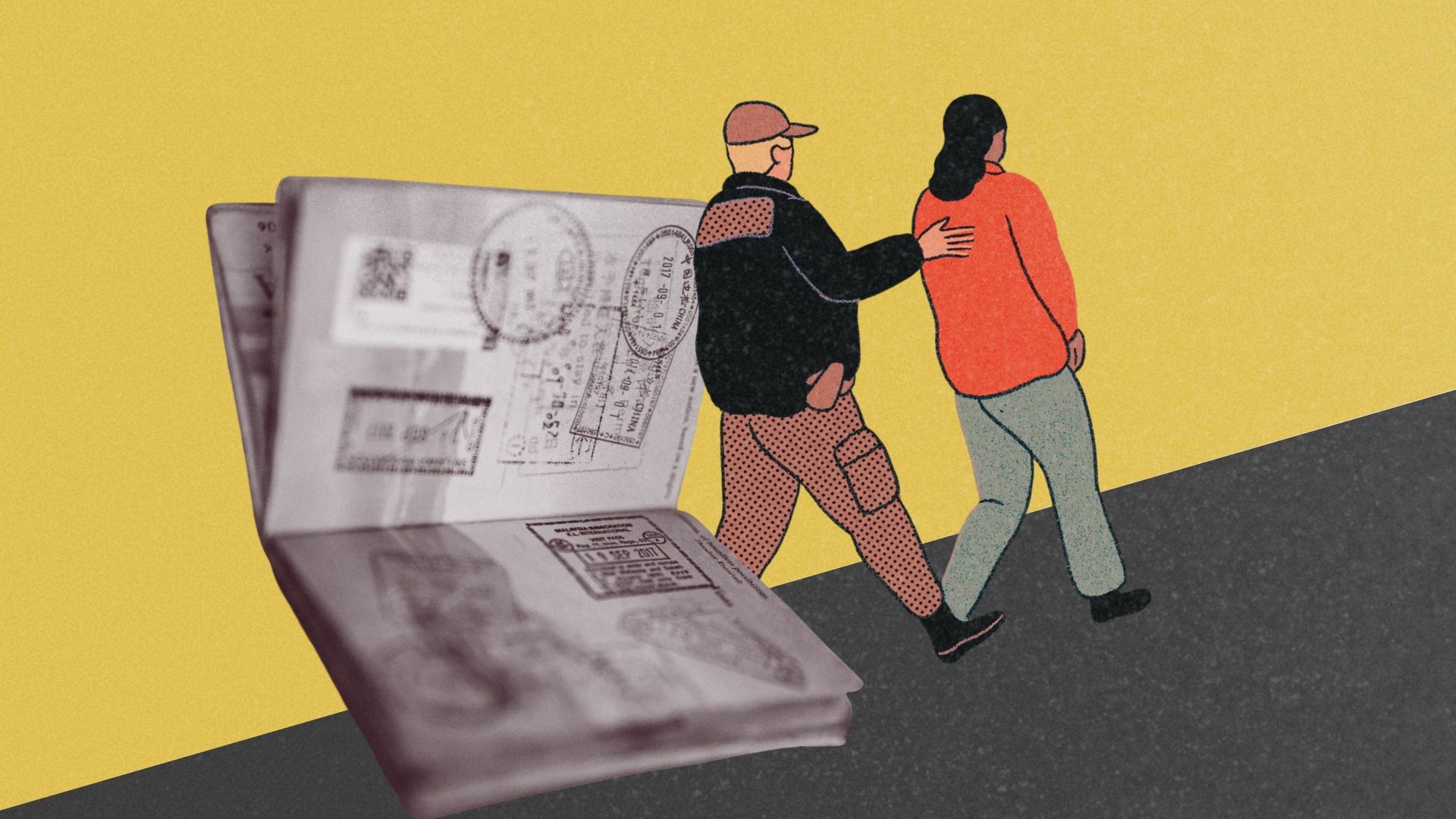
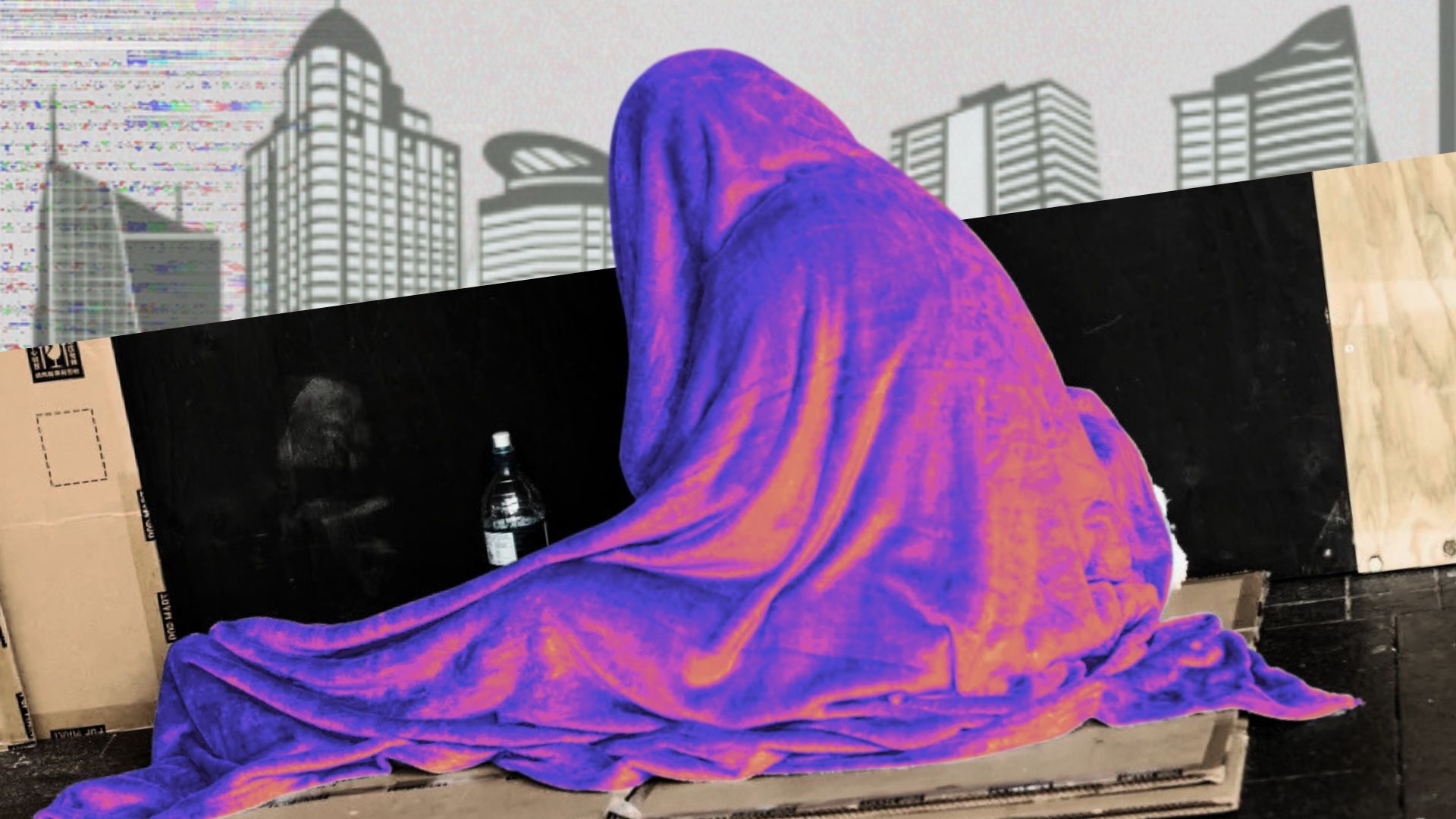
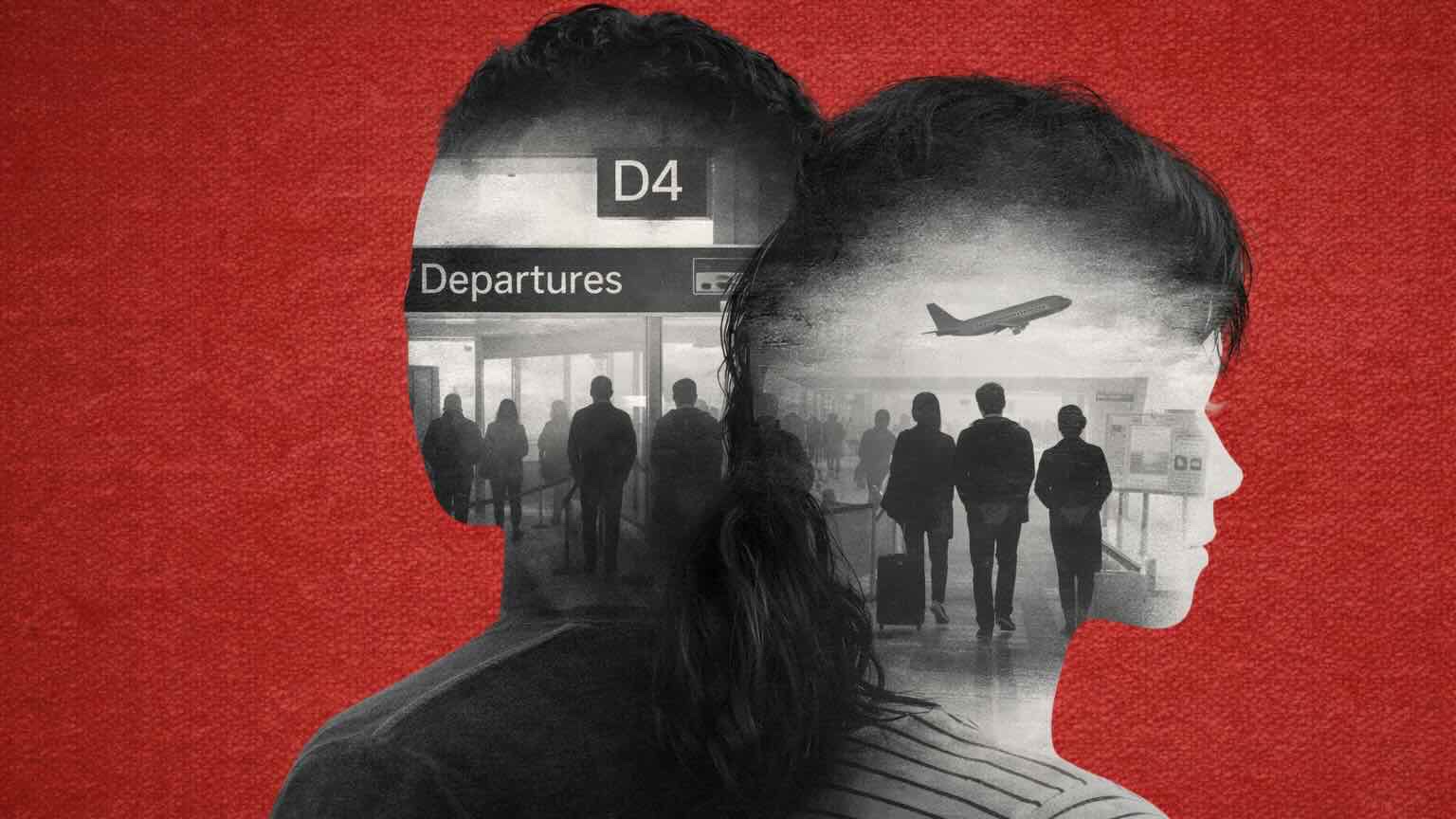
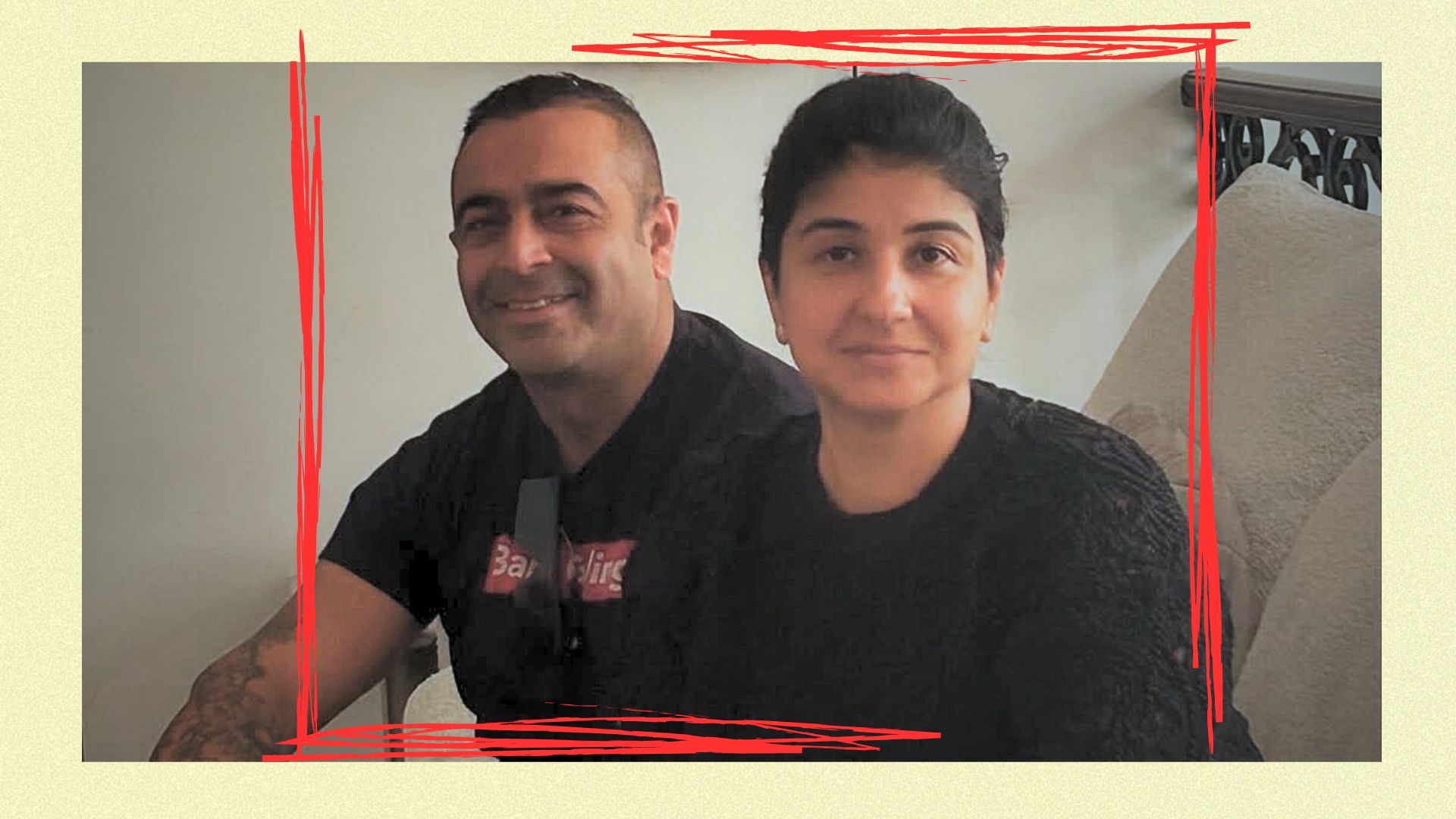
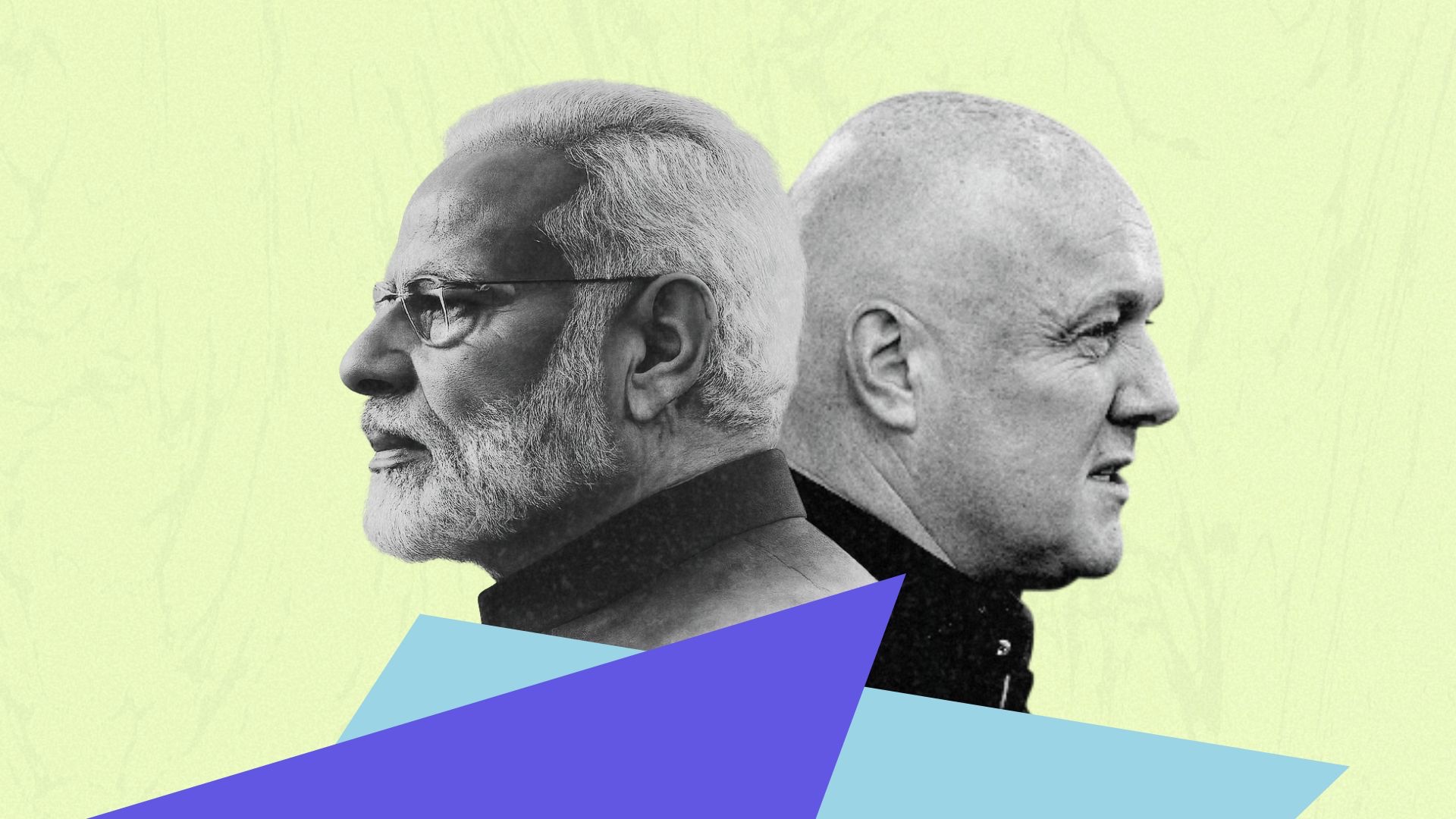
Immigration New Zealand said the man hadn't disclosed his prior conviction. (Awaaz artwork)
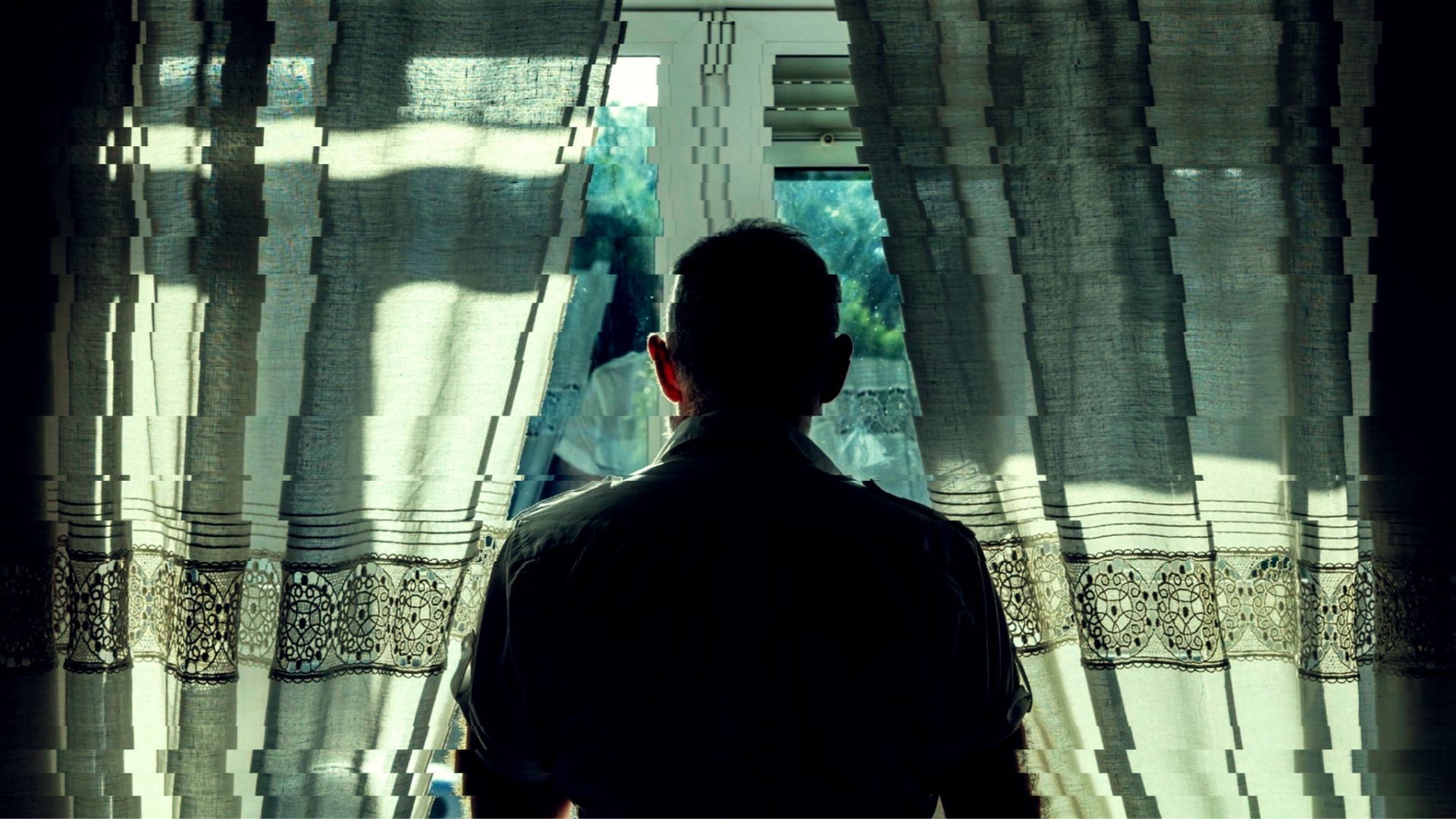
The woman had been “crying each day for a week” and was hyperventilating, the immigration tribunal heard.
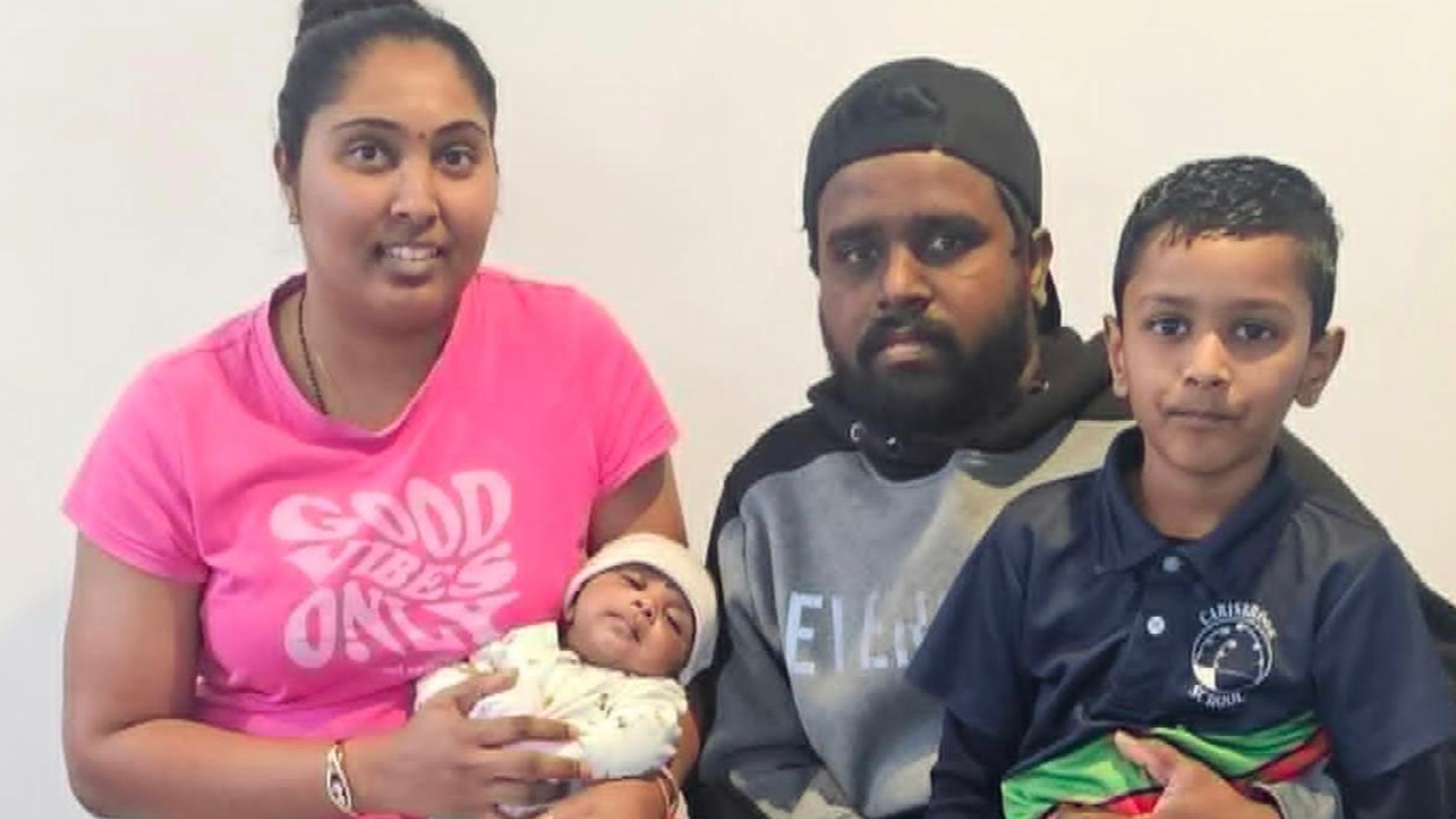
An Indian man who overstayed his visa after a drink-driving conviction has been granted residence in New Zealand after a tribunal found deportation would put his wife at "serious risk" of psychological decline.
The man’s wife, a New Zealand citizen, is “highly vulnerable” and heavily reliant on the husband for practical and emotional support, the Immigration and Protection Tribunal has found.
“The prospect of being separated from the appellant or having to join him in India, in the event of his deportation, has led to a significant increase in the severity of her mental health symptoms,” the tribunal's order reads.
It ruled that aside from deporting the husband, the only option for the couple to stay together would be for the wife to also move to India.
“The medical evidence shows that either of these two deportation outcomes would put the wife at real risk of suffering from even further, serious, deterioration of her mental health.”
South Asian diaspora raises over $200,000 for New Zealanders missing in Nepal flood "I'm so proud of the Indian community here who...supported us, saying it is not a Nepal problem but our problem."
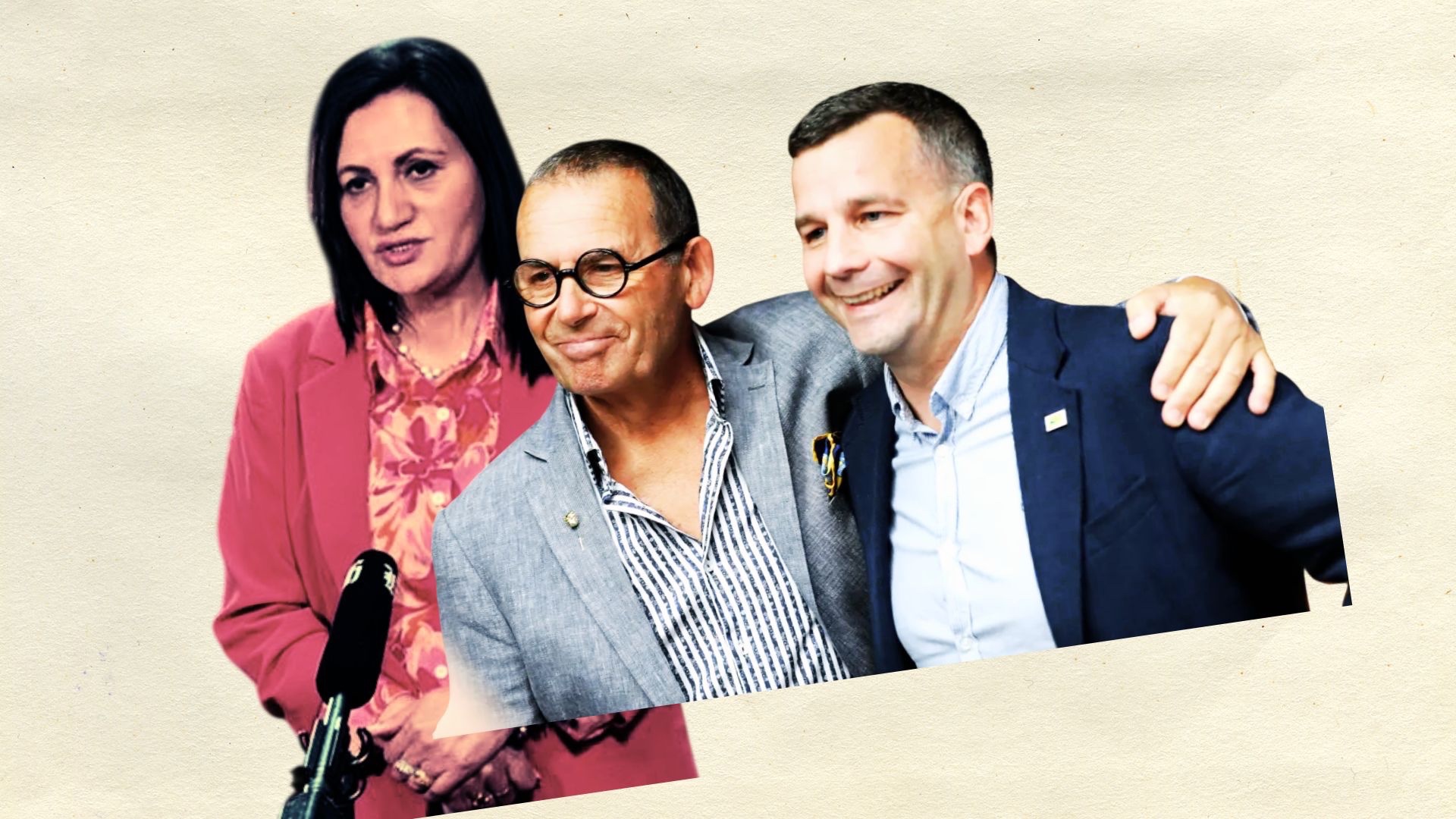
Tamakis launch Indian-origin candidate for Epsom who surrendered passport and has ‘assimilated’ “I know a whole lot of people are going to be like shocked,” says Hannah Tamaki.
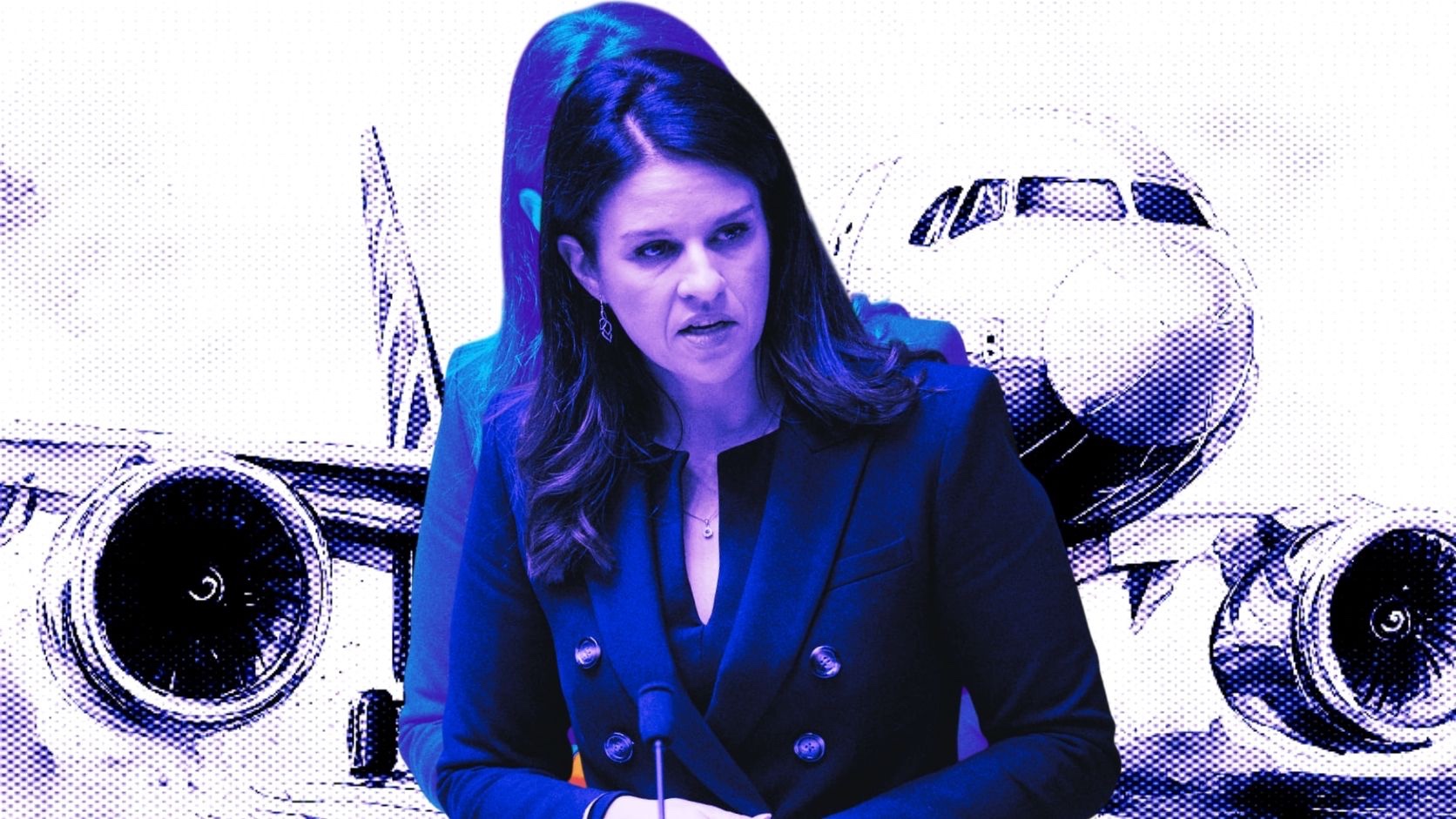
Priyanca Radhakrishnan tries to puncture Luxon’s FTA victory, says India was already sold “Things have changed quite dramatically on the Indian government side,” says the Indian-origin Labour MP.
The 29-year-old Indian citizen first came to New Zealand in 2016 and later married his wife, also originally from India, in 2024.
But his residency application was declined in 2025 after Immigration New Zealand (INZ) found he failed the “good character” test because of a 2017 drink-driving conviction; and also because he had not disclosed the conviction in four temporary visa applications.
The tribunal heard he was convicted in January 2018 after recording 543 micrograms of alcohol per litre of breath, above the legal limit of 400 micrograms.
He was fined $500, ordered to pay $130 in court costs and disqualified from driving for six months.
INZ also found he had “withheld material information” by failing to disclose the conviction on multiple visa applications and refused to grant him a character waiver.
The man argued he had relied on previous immigration advisers who “had not told him about the need to declare his previous conviction”.
The tribunal said “there is some force in this claim”, noting he began declaring the conviction in applications lodged from early 2024 onwards.
However, it added he was “ultimately responsible for ensuring that the information in all his applications … was accurate”.
But the tribunal said the offending itself was “at the lower end of the scale”, and noted the man had not committed any further offences.
It also observed that the conviction now appeared concealable under New Zealand’s Clean Slate regime because of the time elapsed and his lack of reoffending.
The case ultimately turned on the condition of his wife.
The tribunal heard she had suffered years of abuse in a previous relationship in New Zealand, including “physical and sexual violence”.
Medical records showed she was hospitalised in 2018 suffering “hyperventilation and anxiety” after an argument with her former partner.
A psychotherapist later told the tribunal her history of anxiety and panic attacks could be traced back to 2016 and that the uncertainty surrounding her husband’s immigration status had caused her anxiety to increase “exponentially”.
The therapist said she was now suffering “severe anxiety and panic attacks, with significant sleep disturbances”.
During periods of heightened anxiety, “she could not verbalise thoughts”.
The condition was also manifesting physically through “excessive sweating, uncontrollable shivering and concerning episodes of low blood pressure”.
The psychotherapist said the husband’s support had become “crucial to her functioning”.
“He was spending one to two hours each night helping her fall asleep, monitoring her eating habits, and providing the emotional stability that she needed.”
The therapist said separation from him would pose a “serious risk to [the wife’s] mental health and potentially her physical safety”.
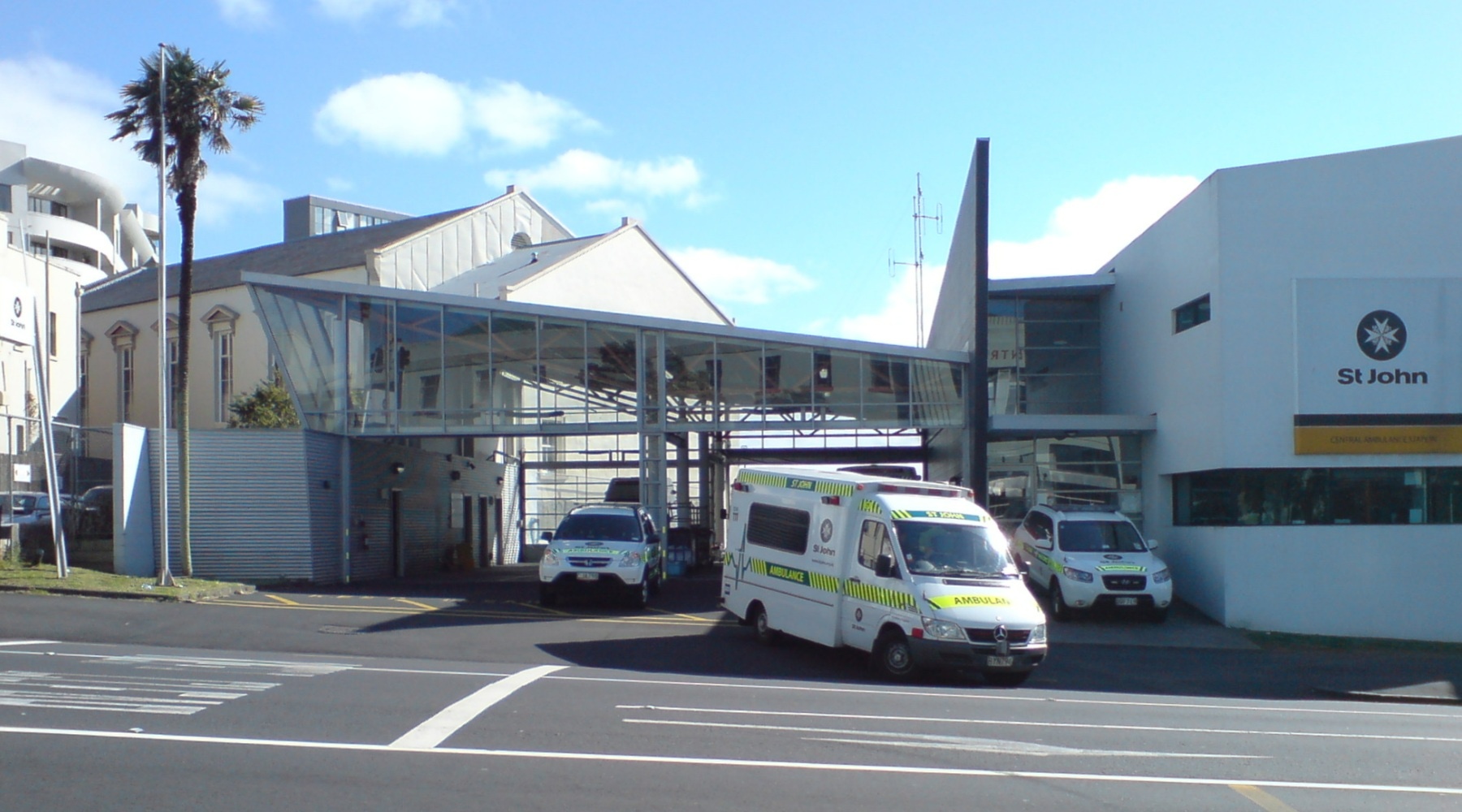
The tribunal noted ambulance officers attended the couple’s home in May 2025 after the woman had been “crying each day for a week” and began hyperventilating. Paramedics found the husband “actively consoling his wife”.
Her GP later reported her condition had further deteriorated, with “panic attacks now occurring unpredictably and with minimal provocation”.
The doctor warned the continued uncertainty over the husband’s immigration status was a “major contributing factor to her current decline”.
The tribunal concluded the woman’s “fragile psychological state could not tolerate separation from the appellant or relocation to India”.
“If they were permitted to remain together in New Zealand, key stressors in her life would be removed,” the ruling said.
While the tribunal acknowledged the public interest in maintaining “the integrity of New Zealand’s immigration system”, it found deportation would be “unjust or unduly harsh”.
“There is a public interest in the compassionate treatment of the appellant’s New Zealand-citizen wife who is highly vulnerable on account of her severely compromised mental health,” the decision said.
The appeal was allowed and the tribunal ordered the man be granted residency, provided he supplies Immigration New Zealand with an updated clear police certificate from India within three months.