
Modi in Auckland: India-New Zealand announce strategic partnership, beyond just trade
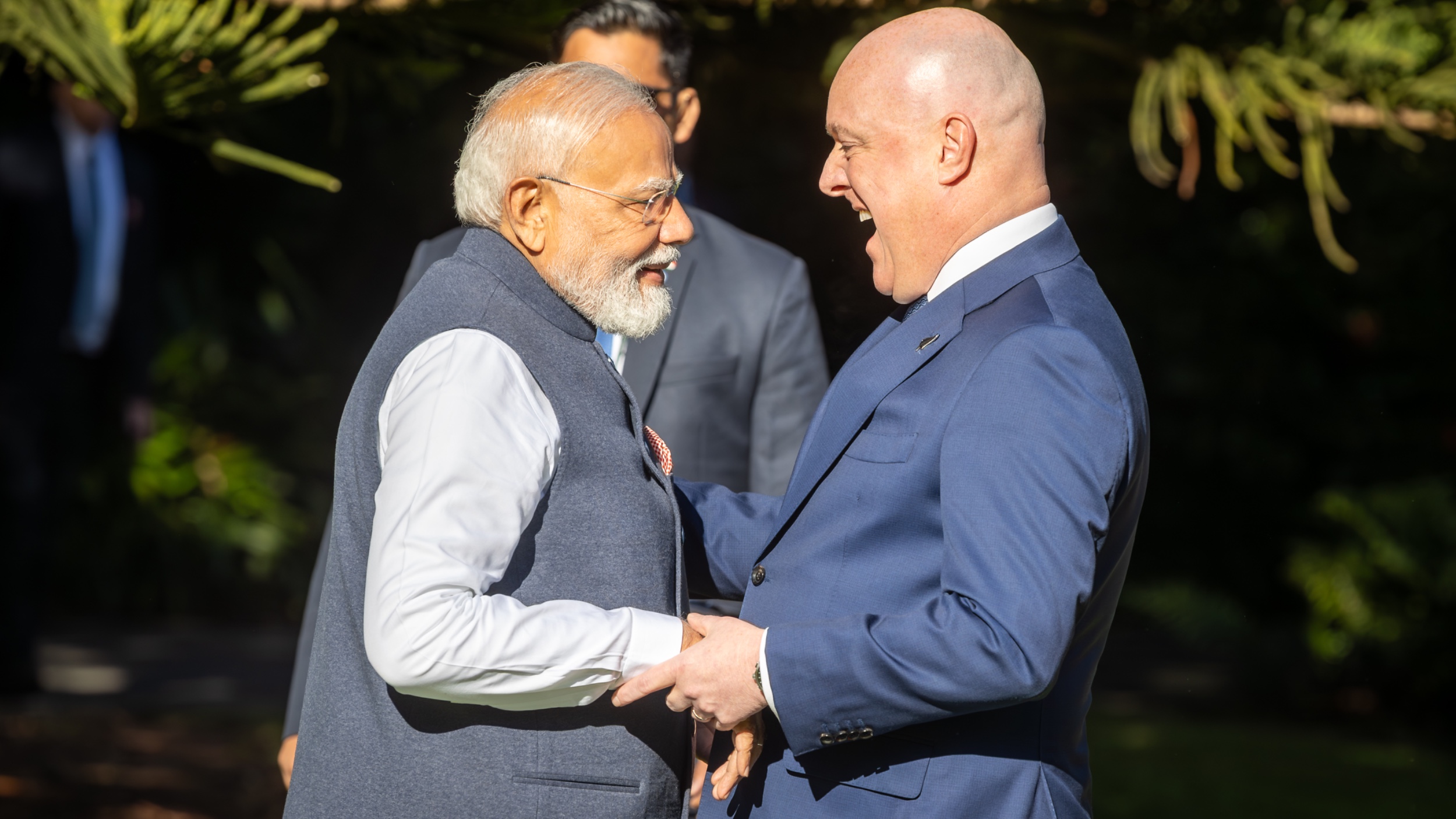
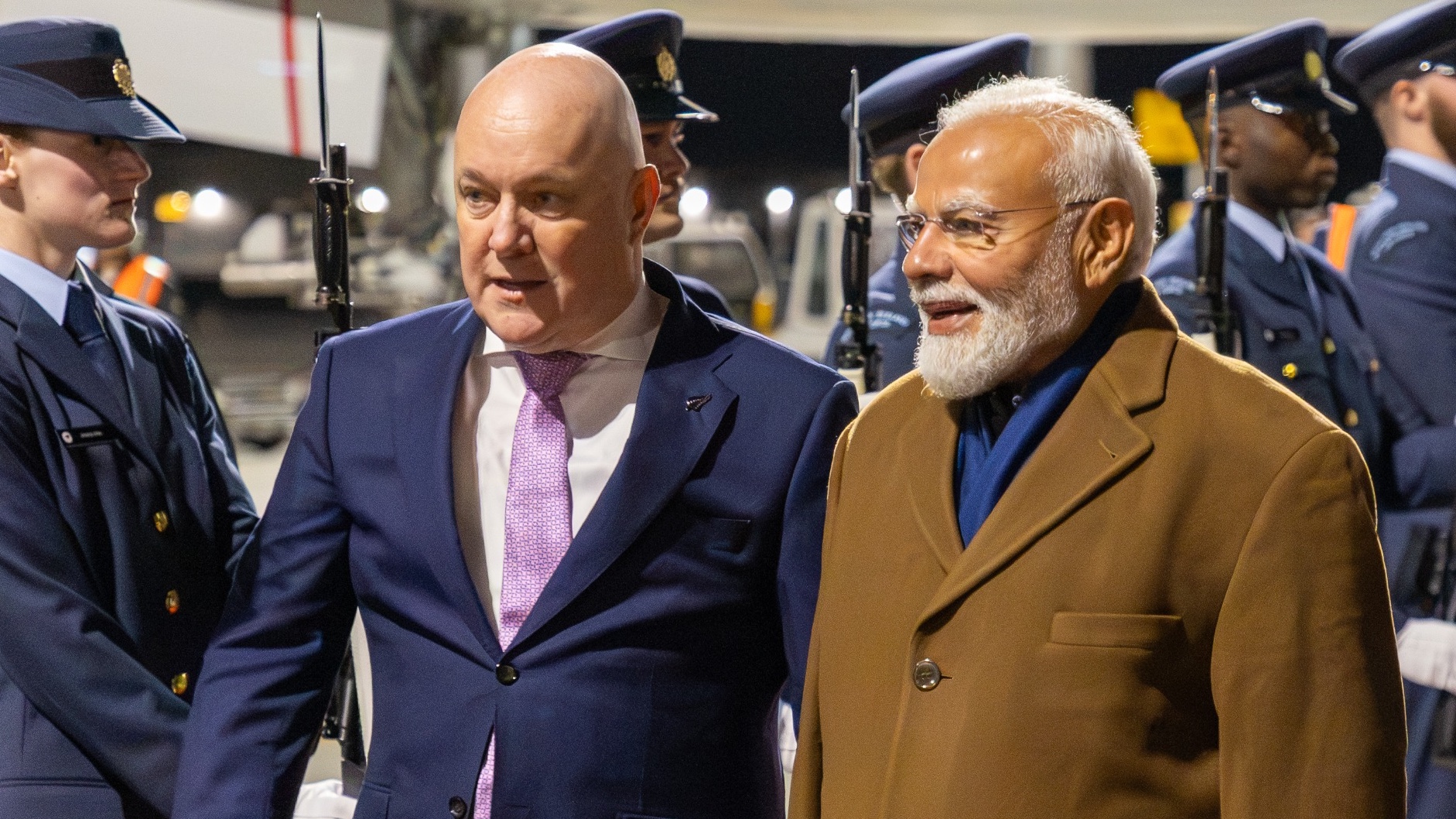
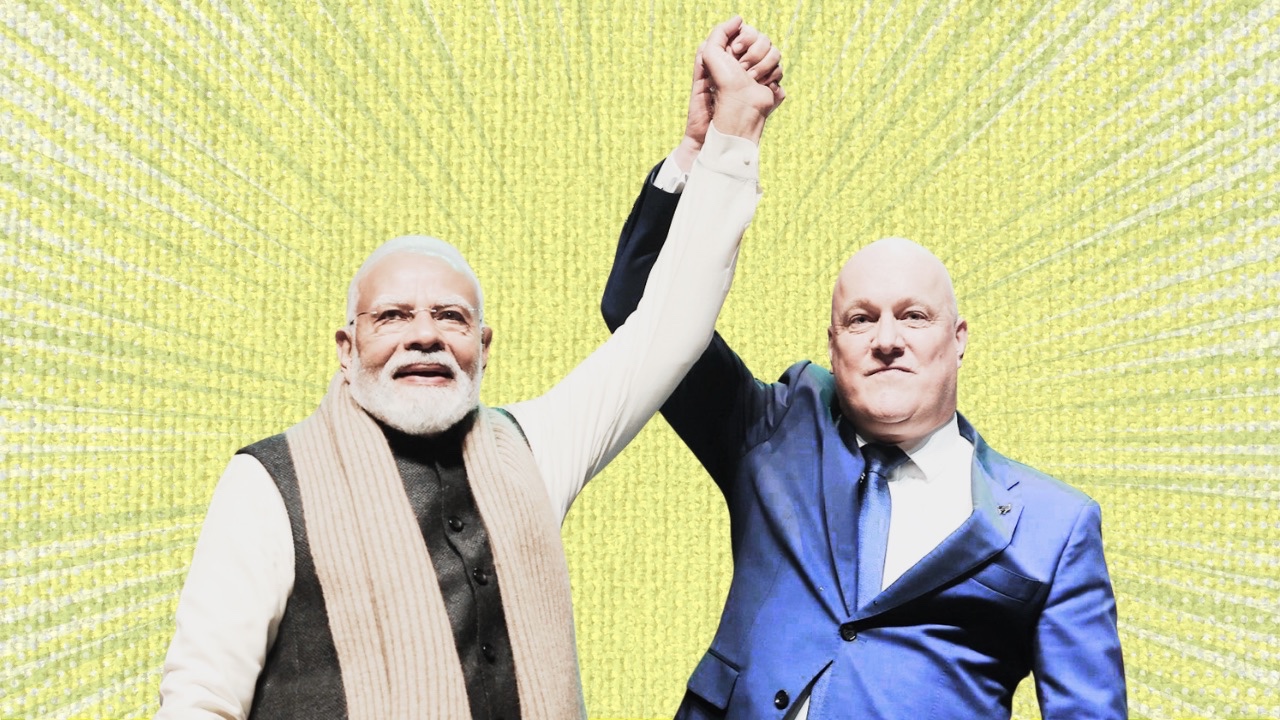
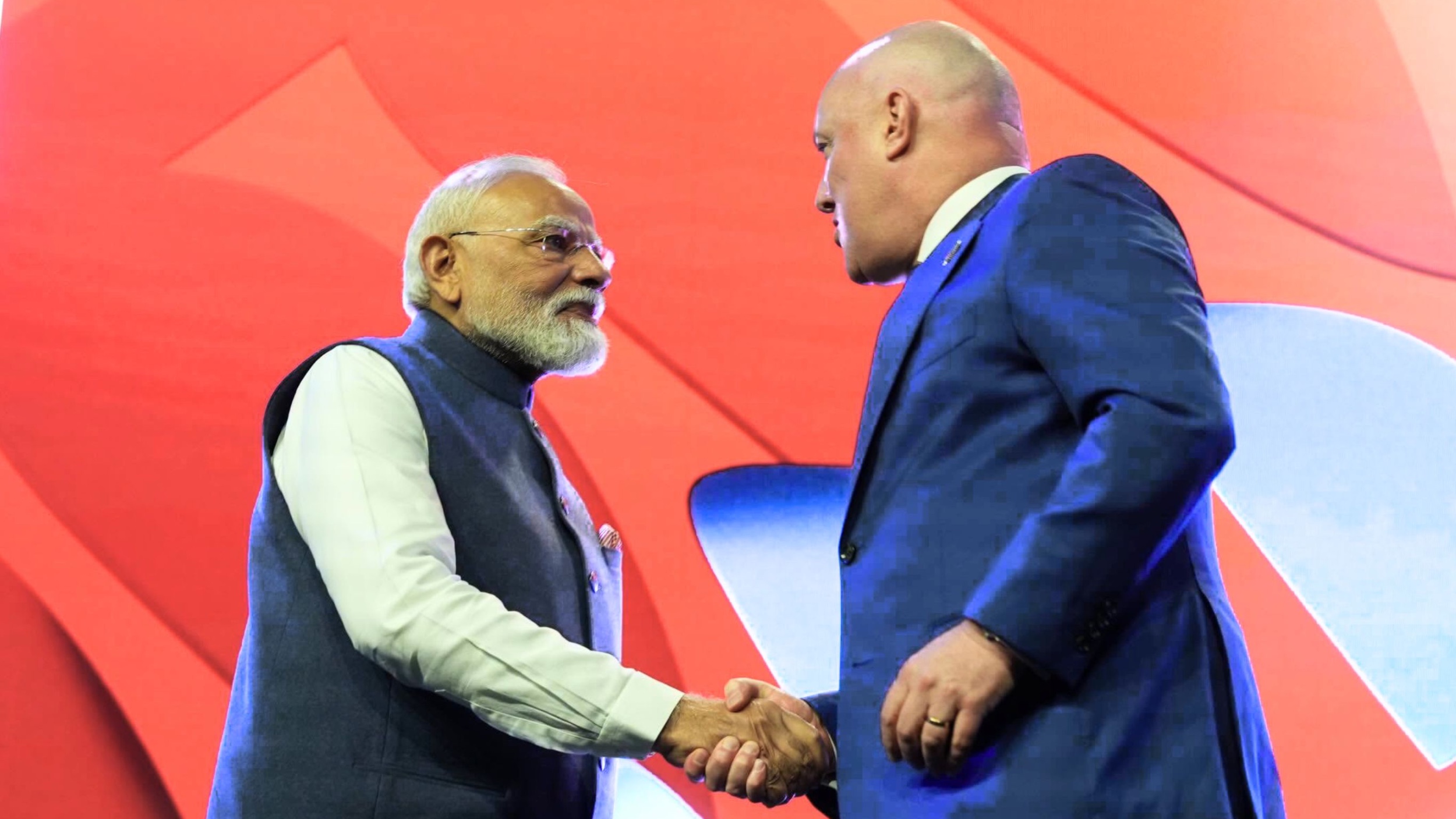
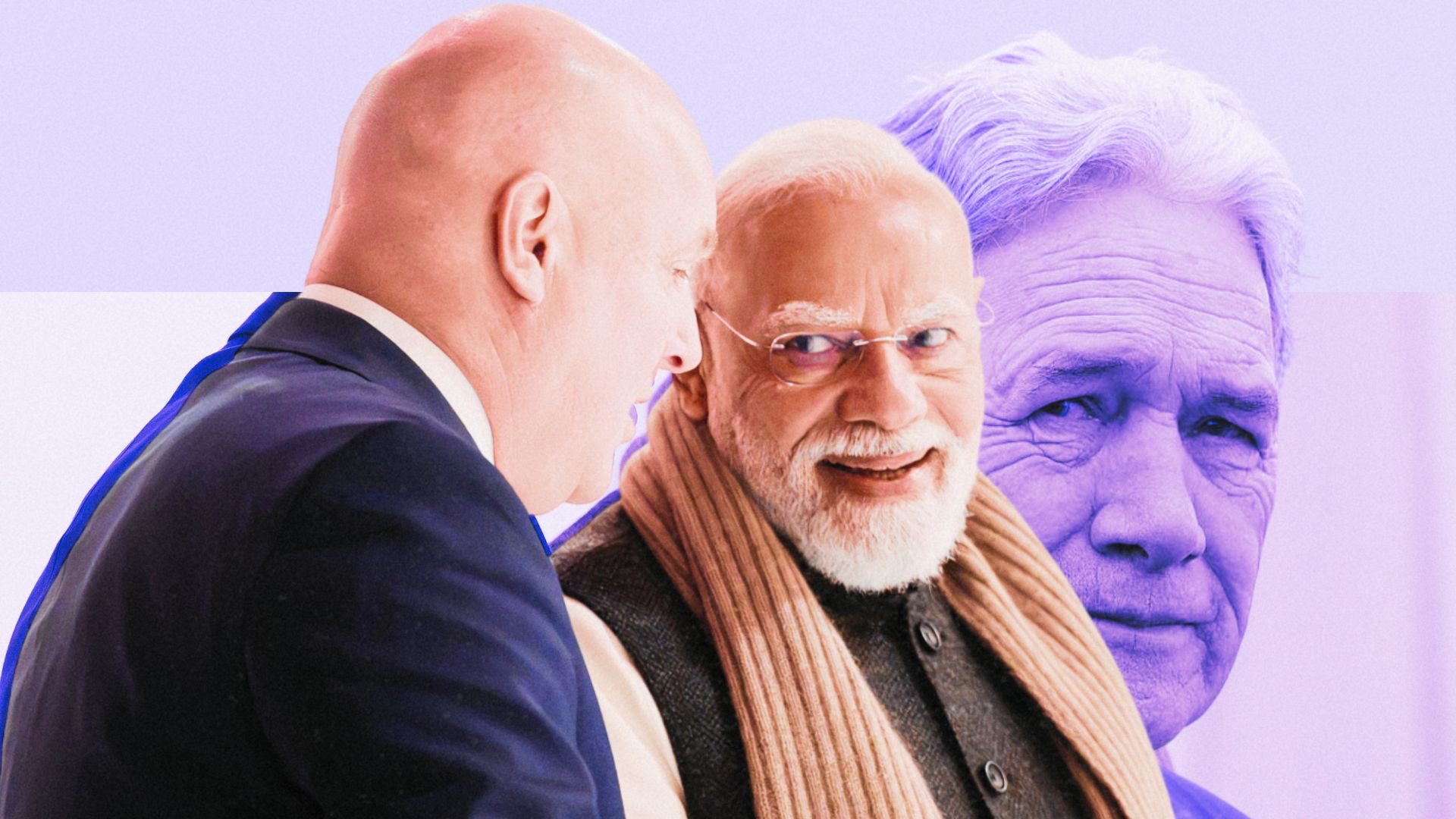
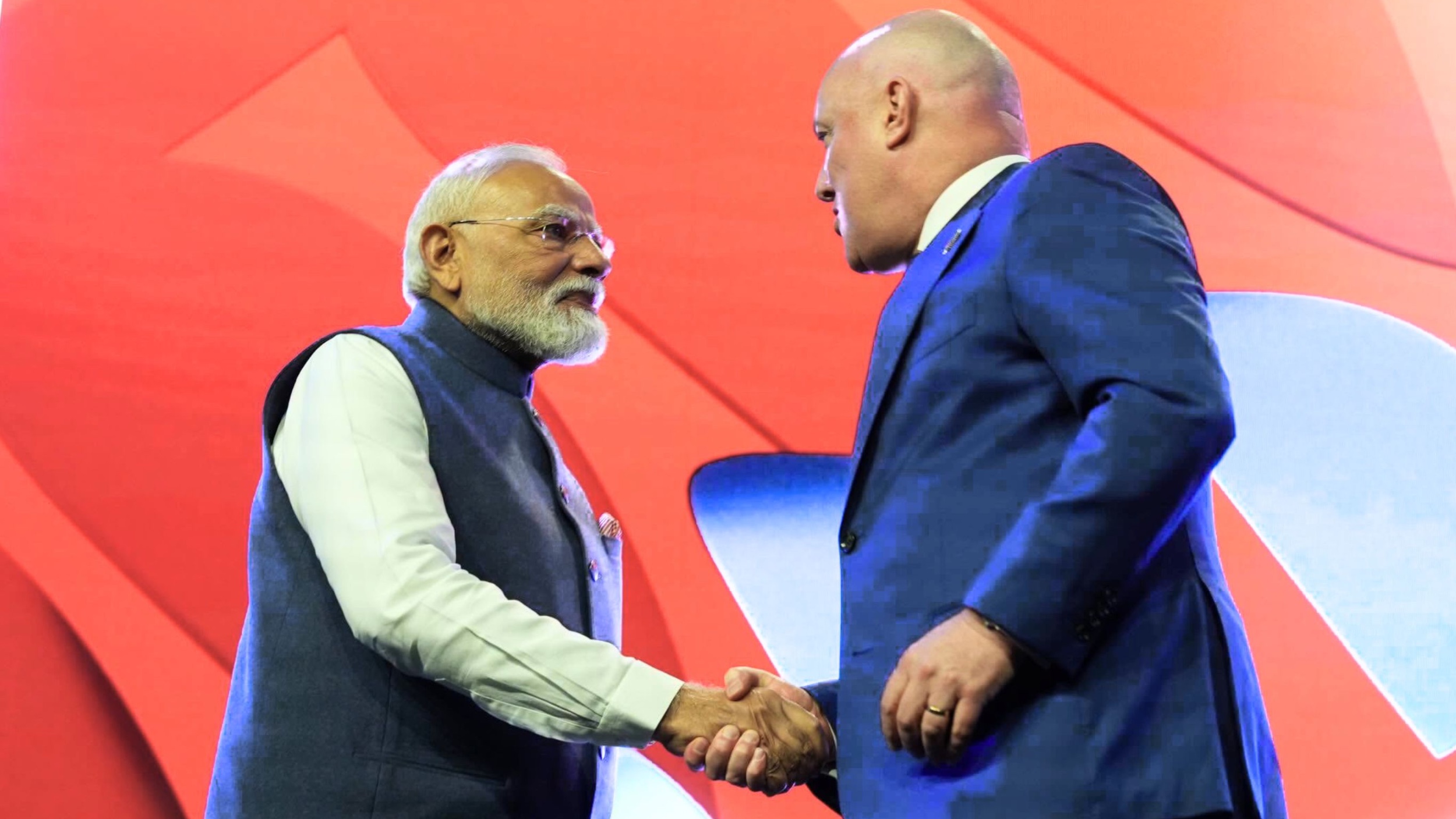
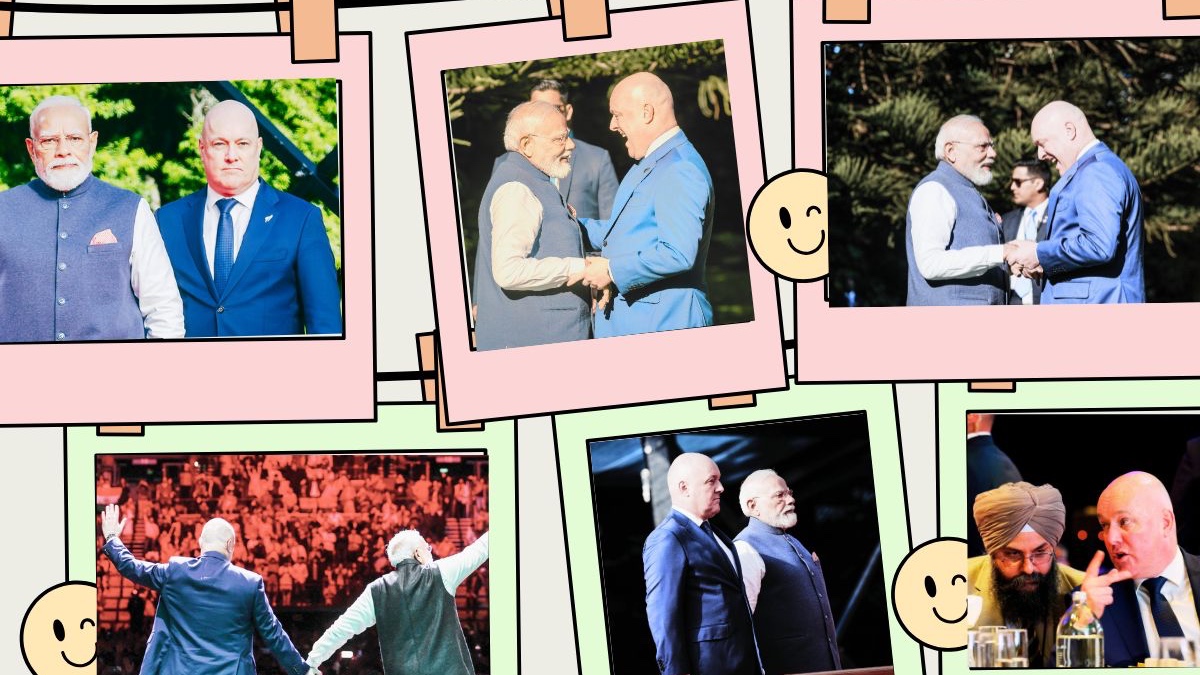
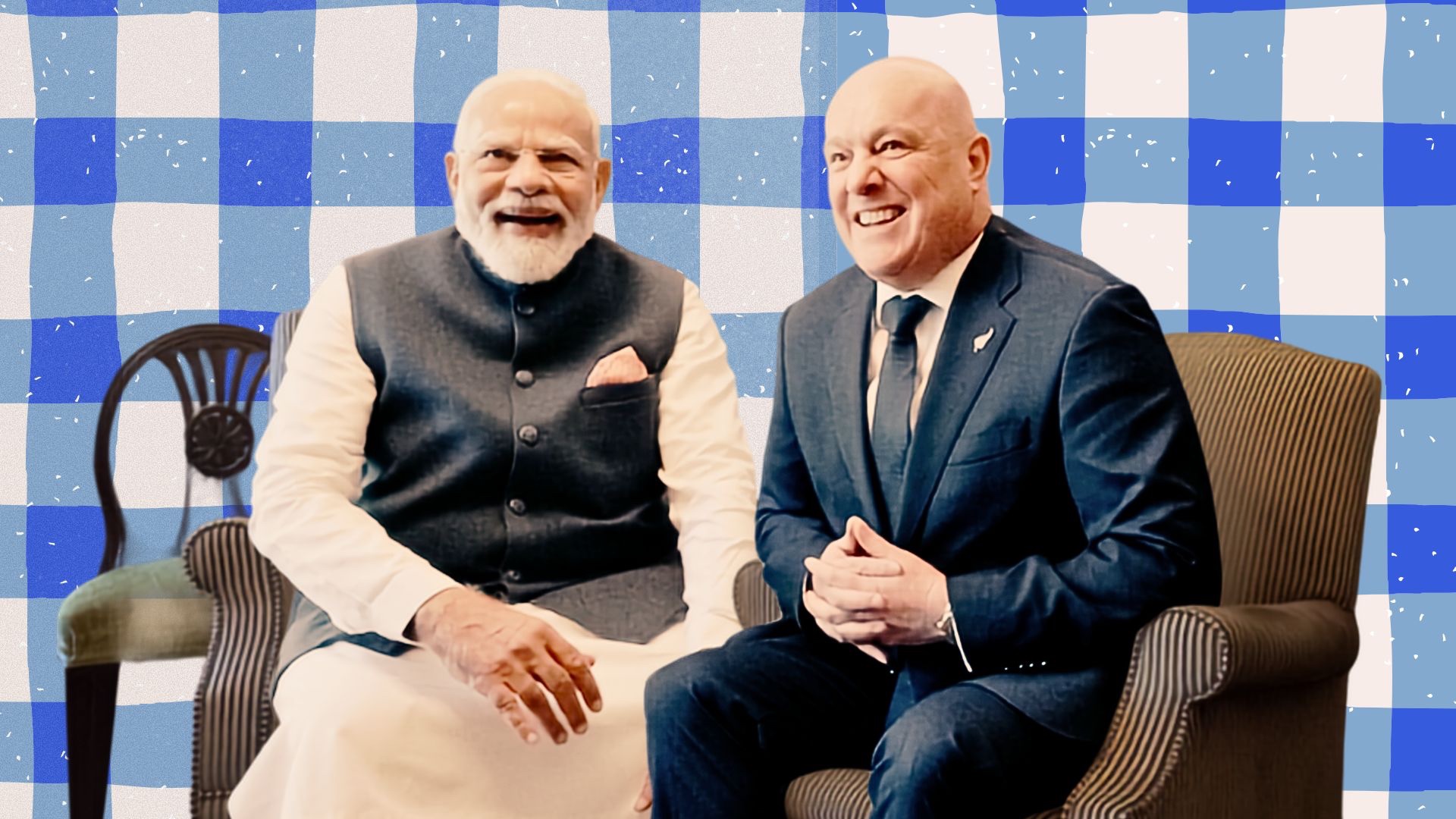
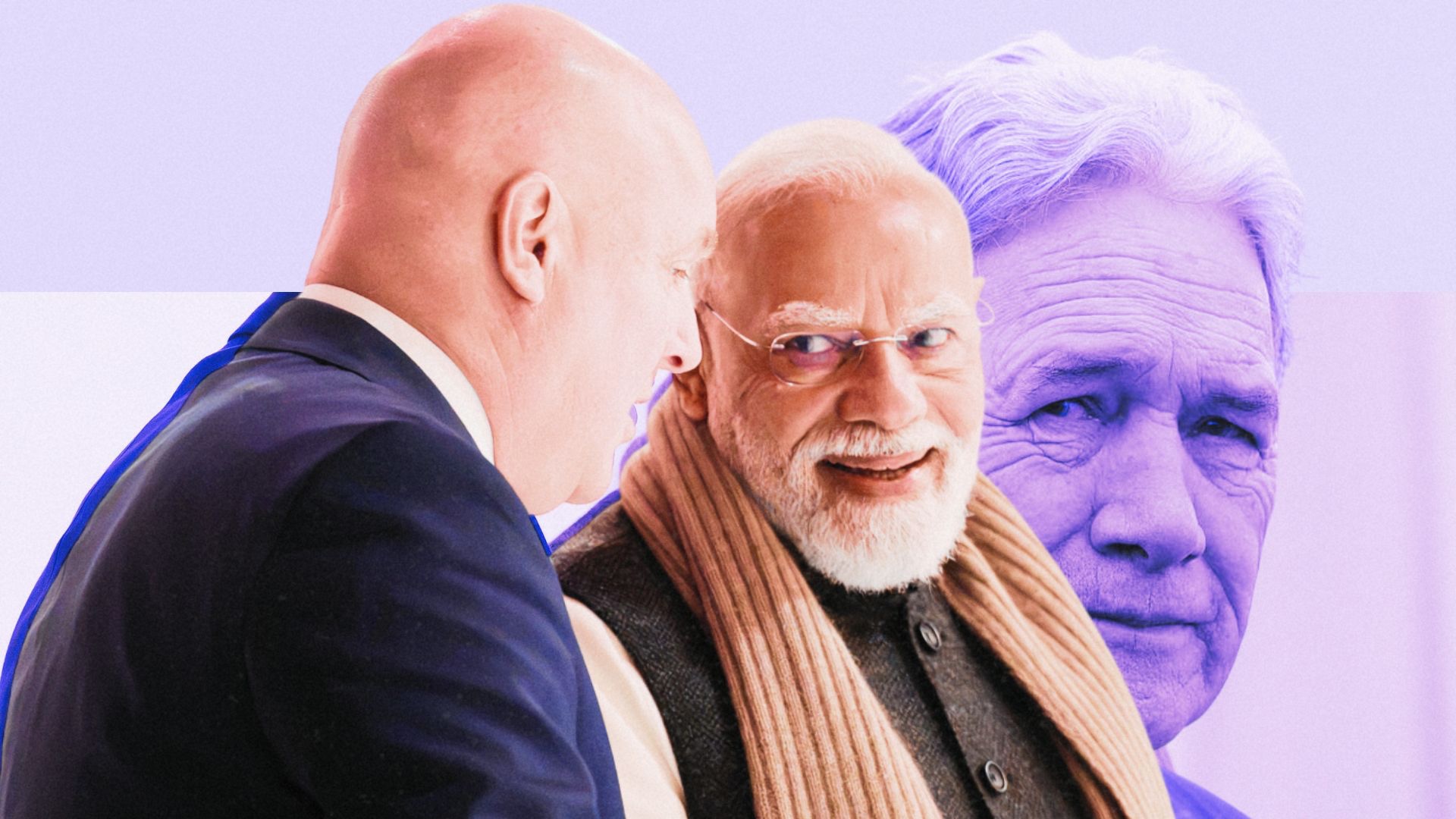
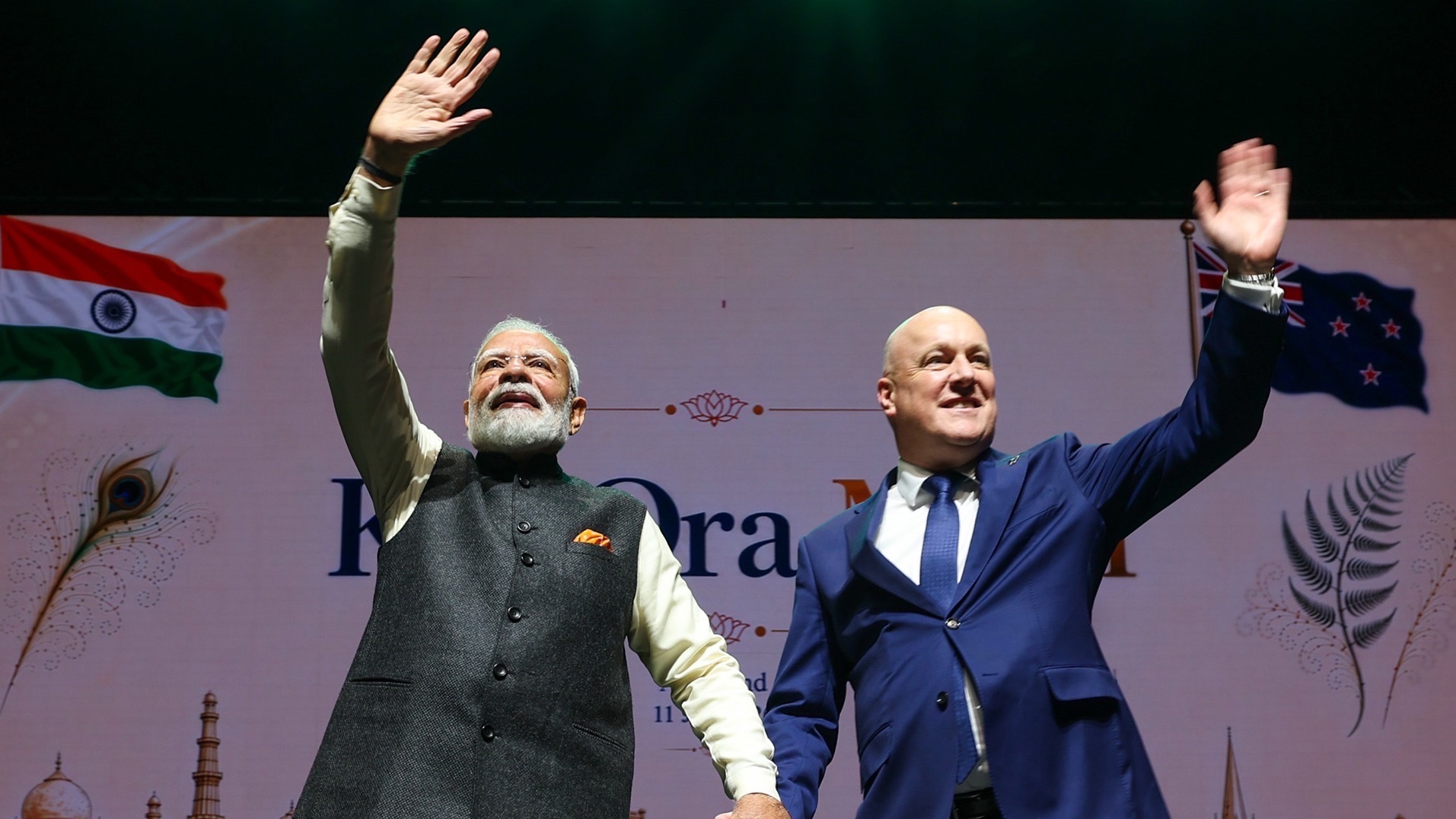
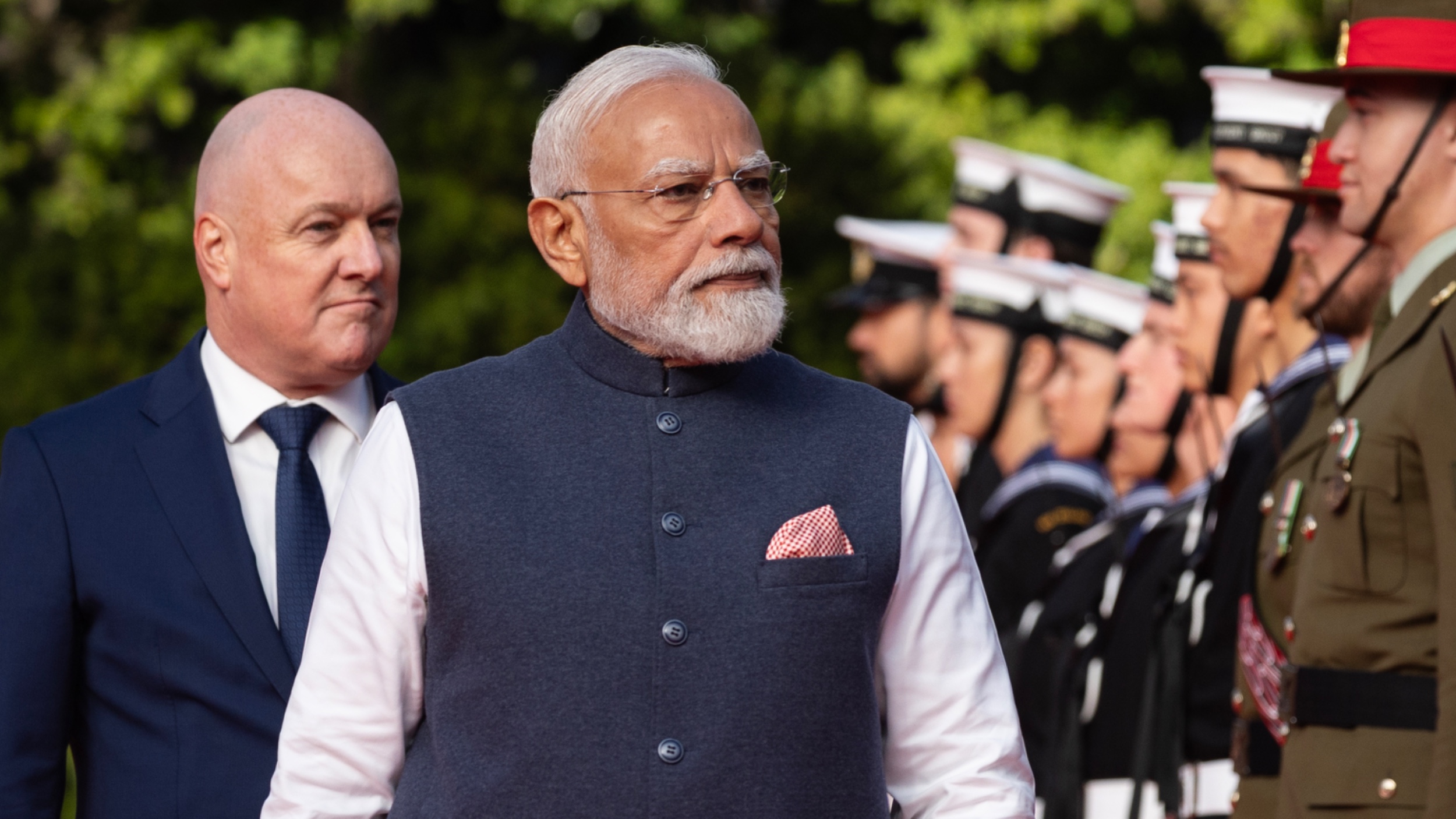
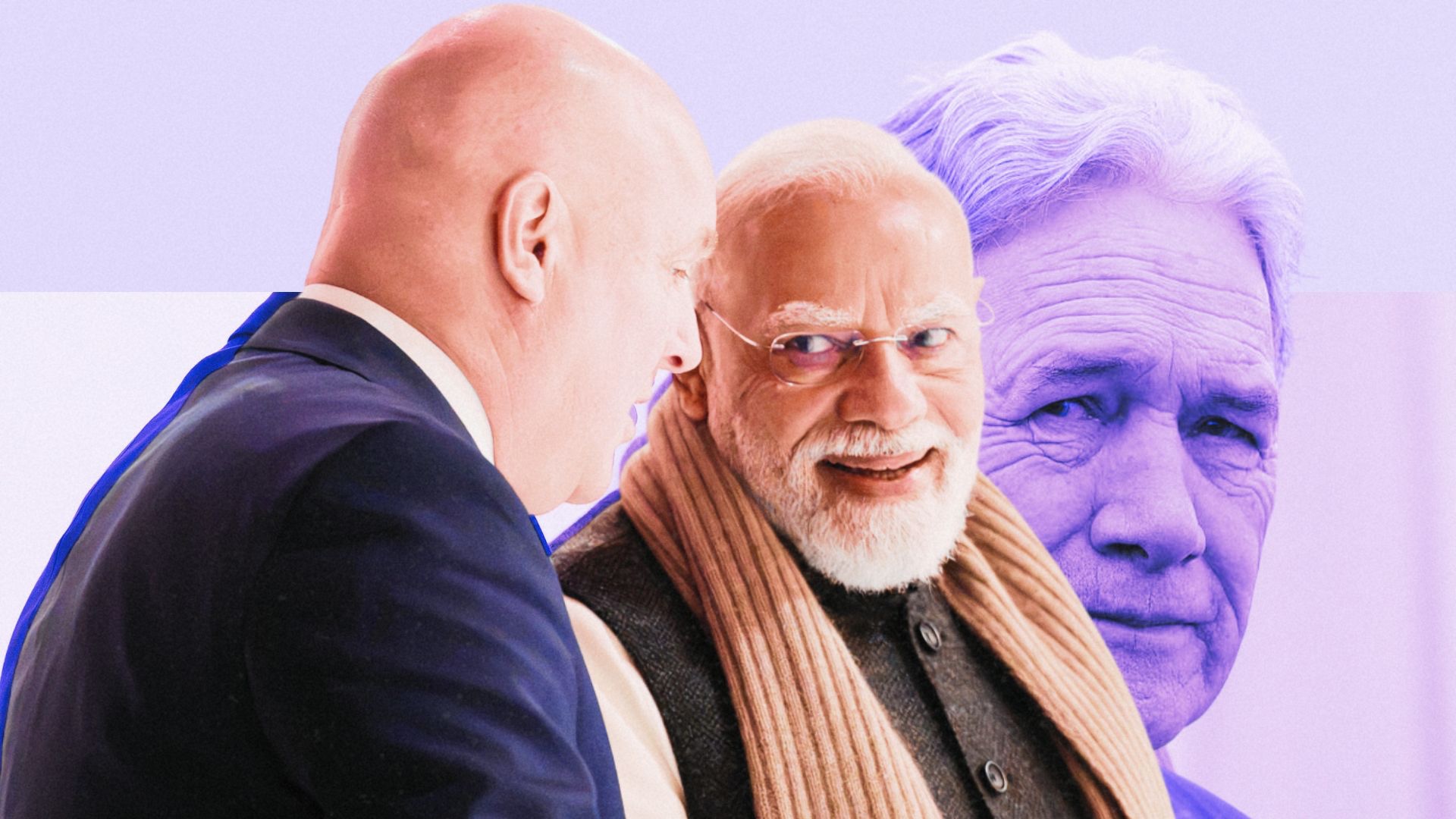
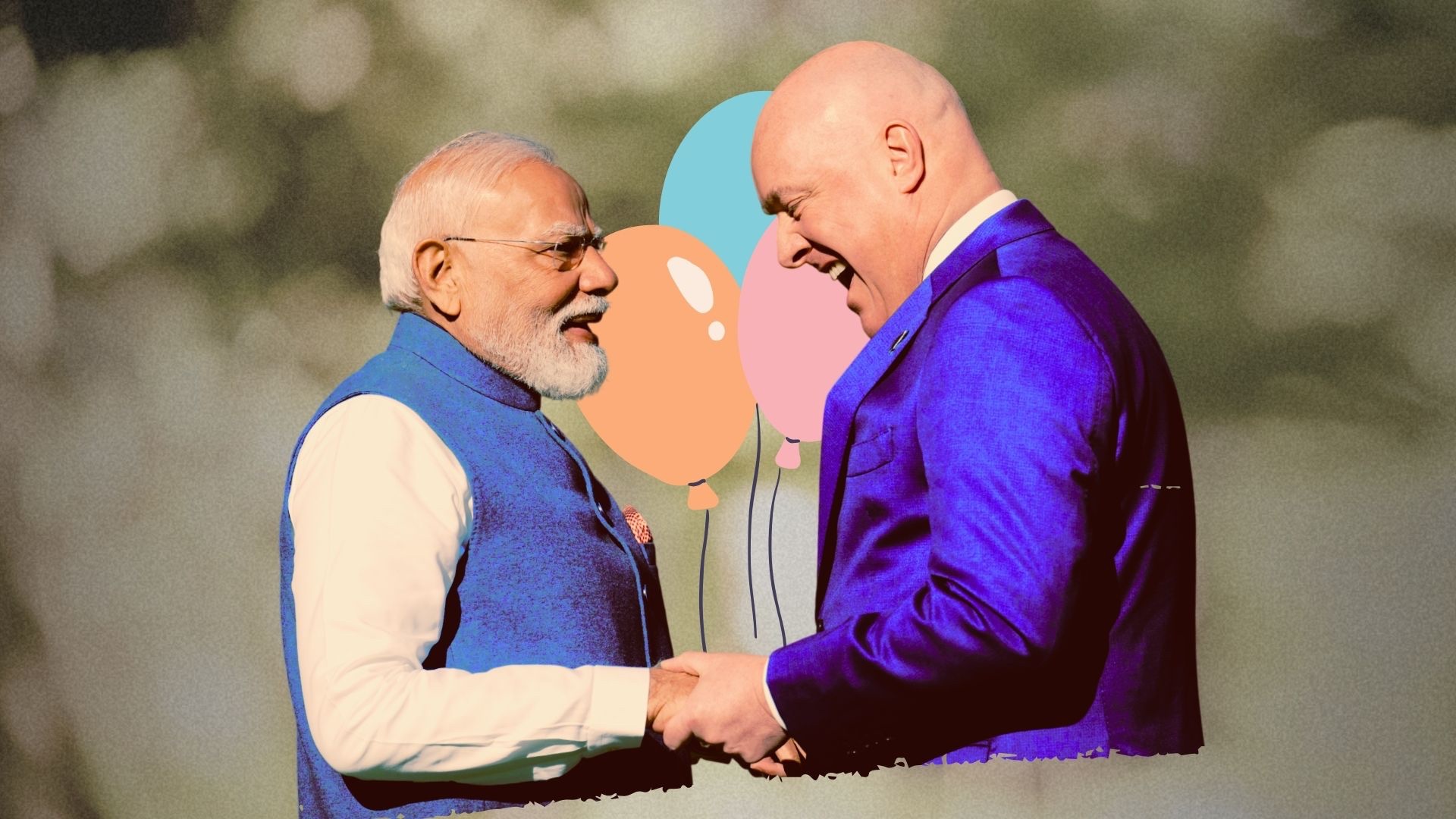
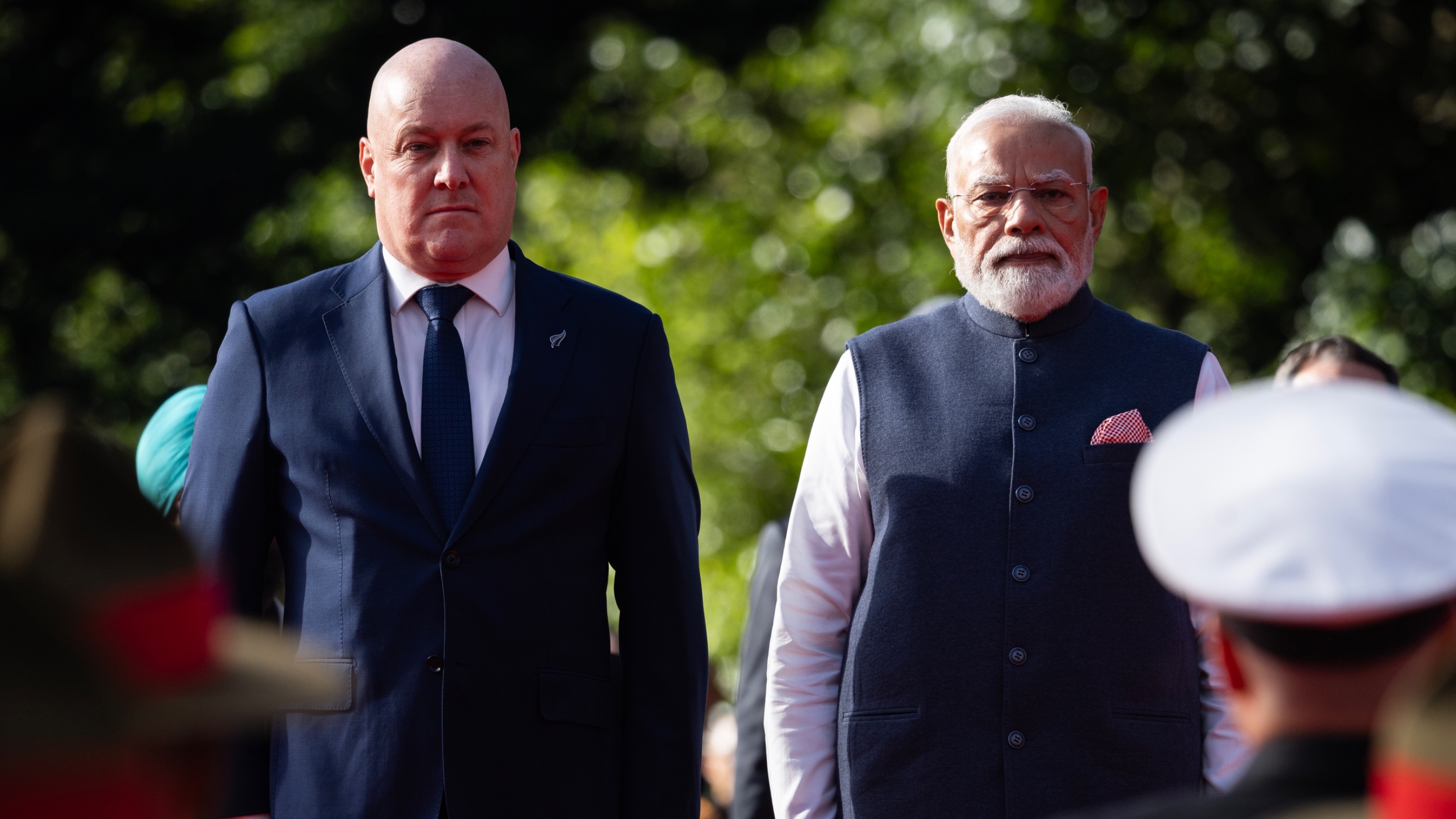
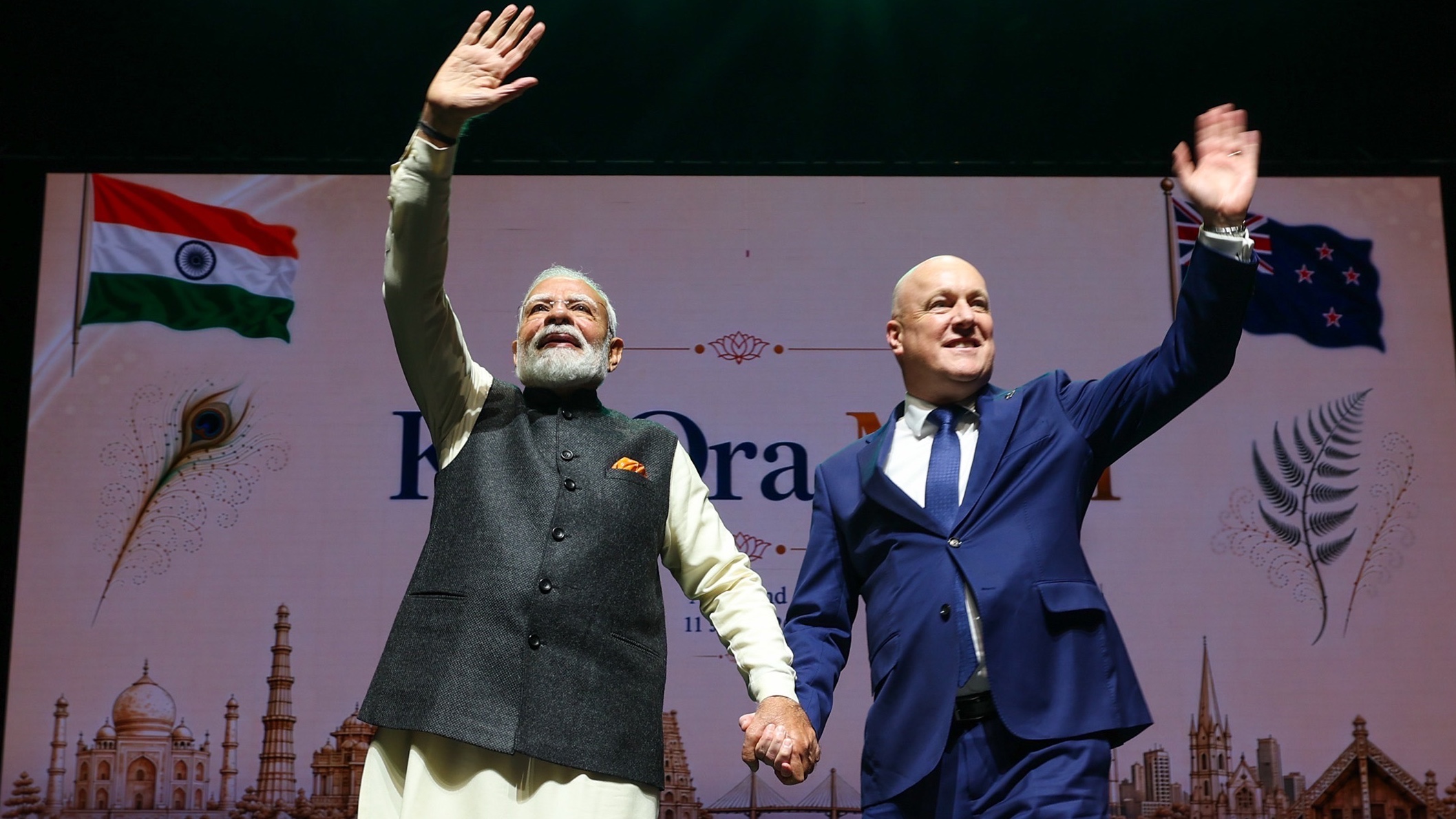
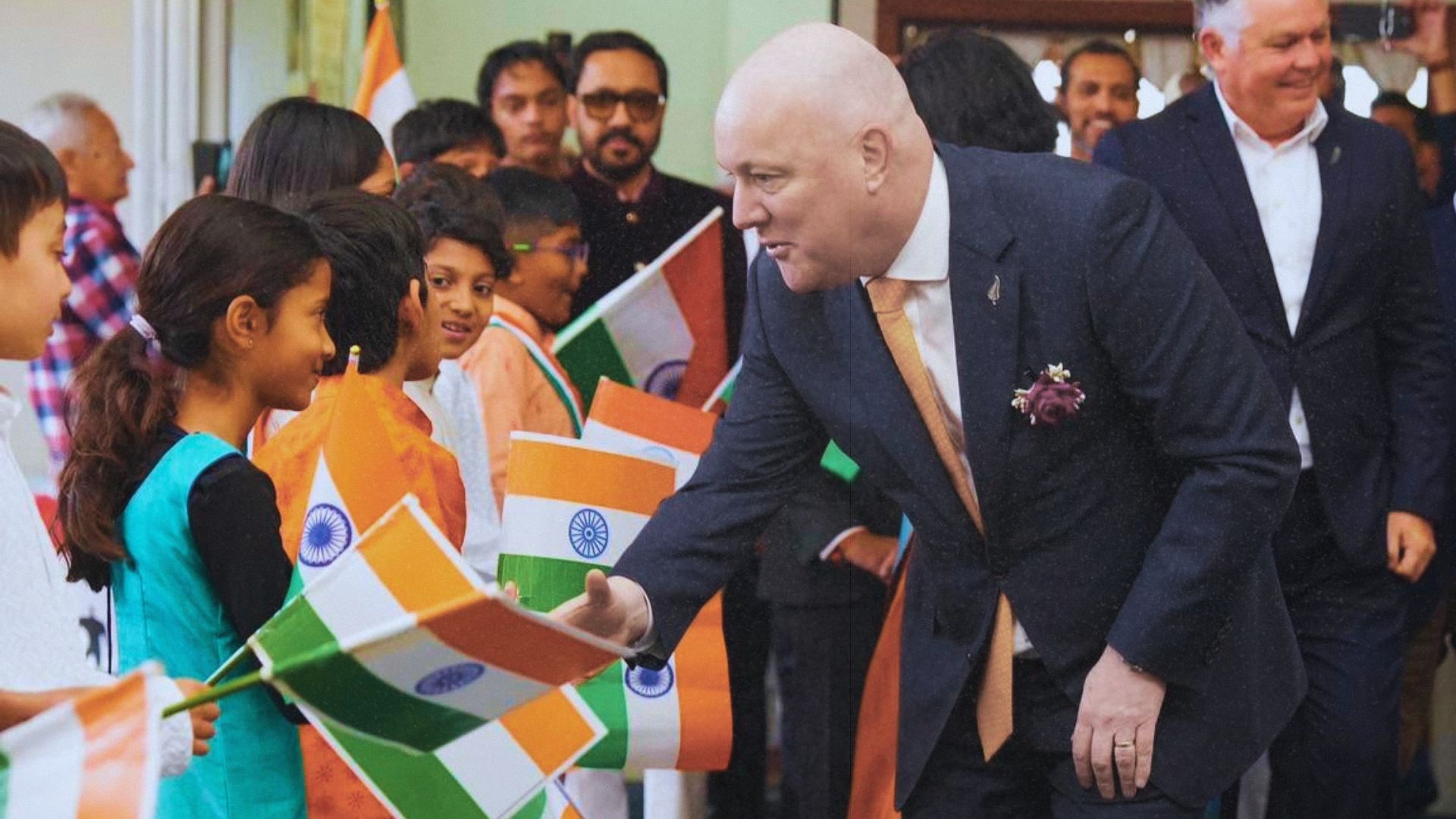
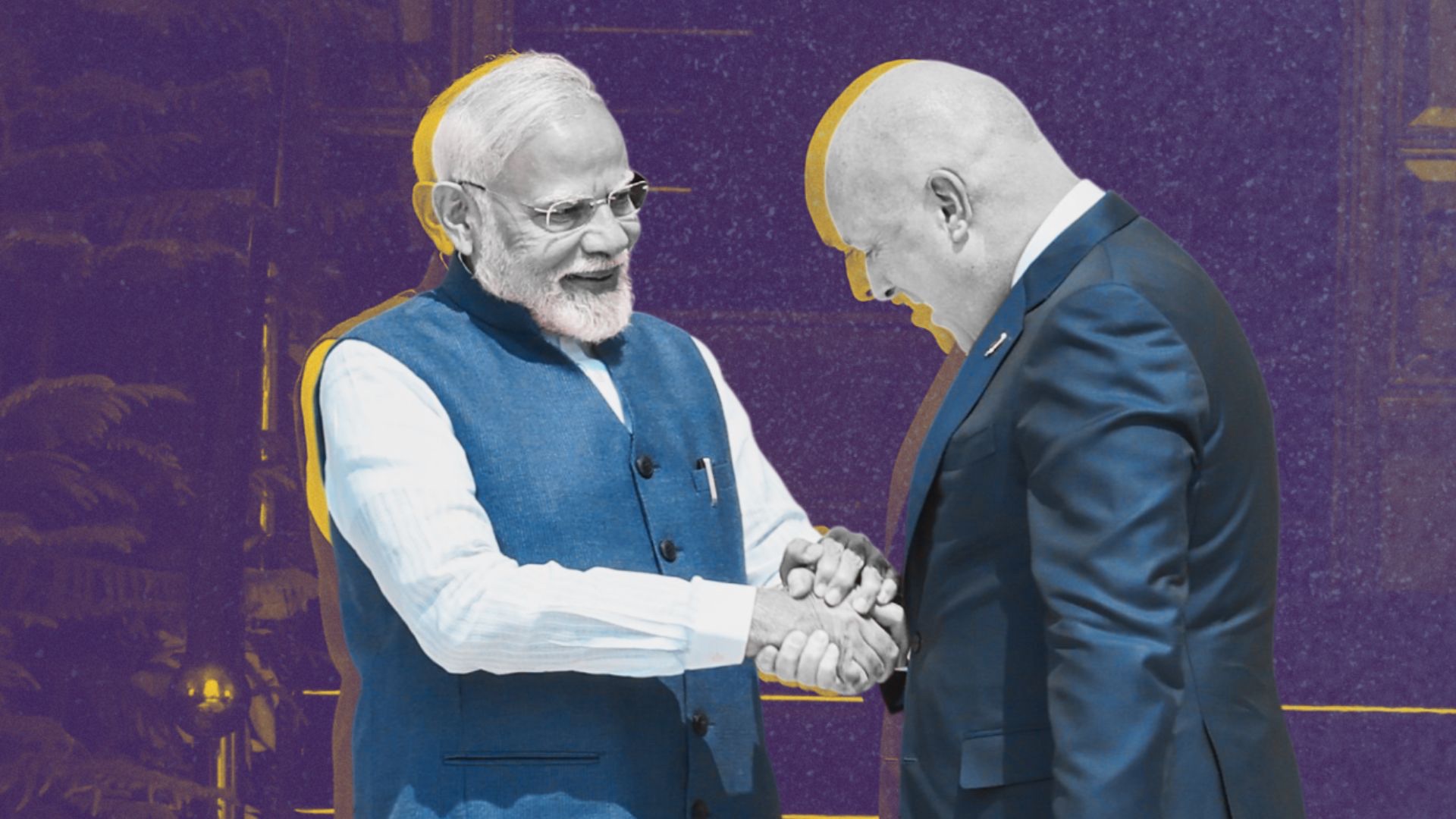
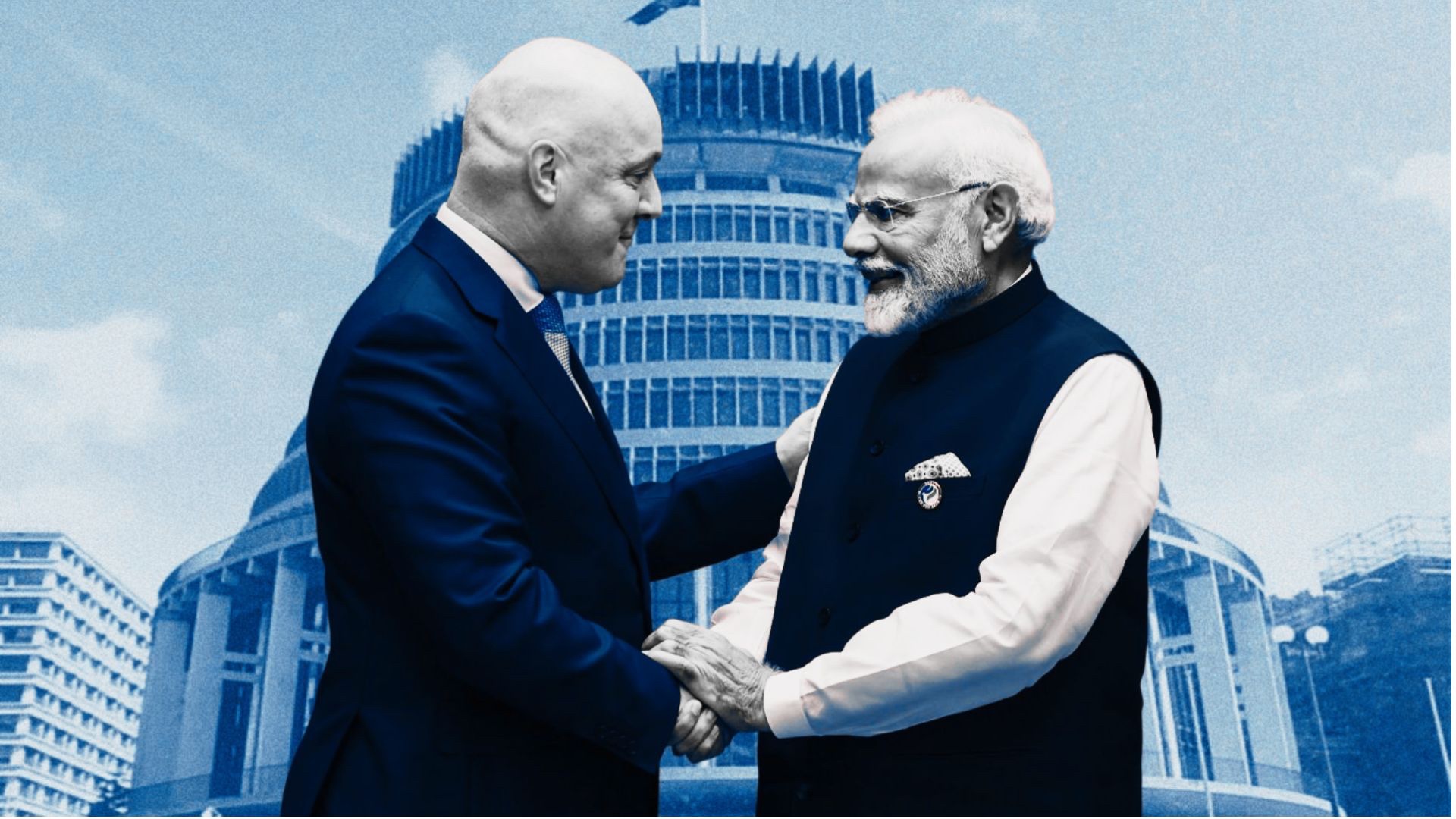
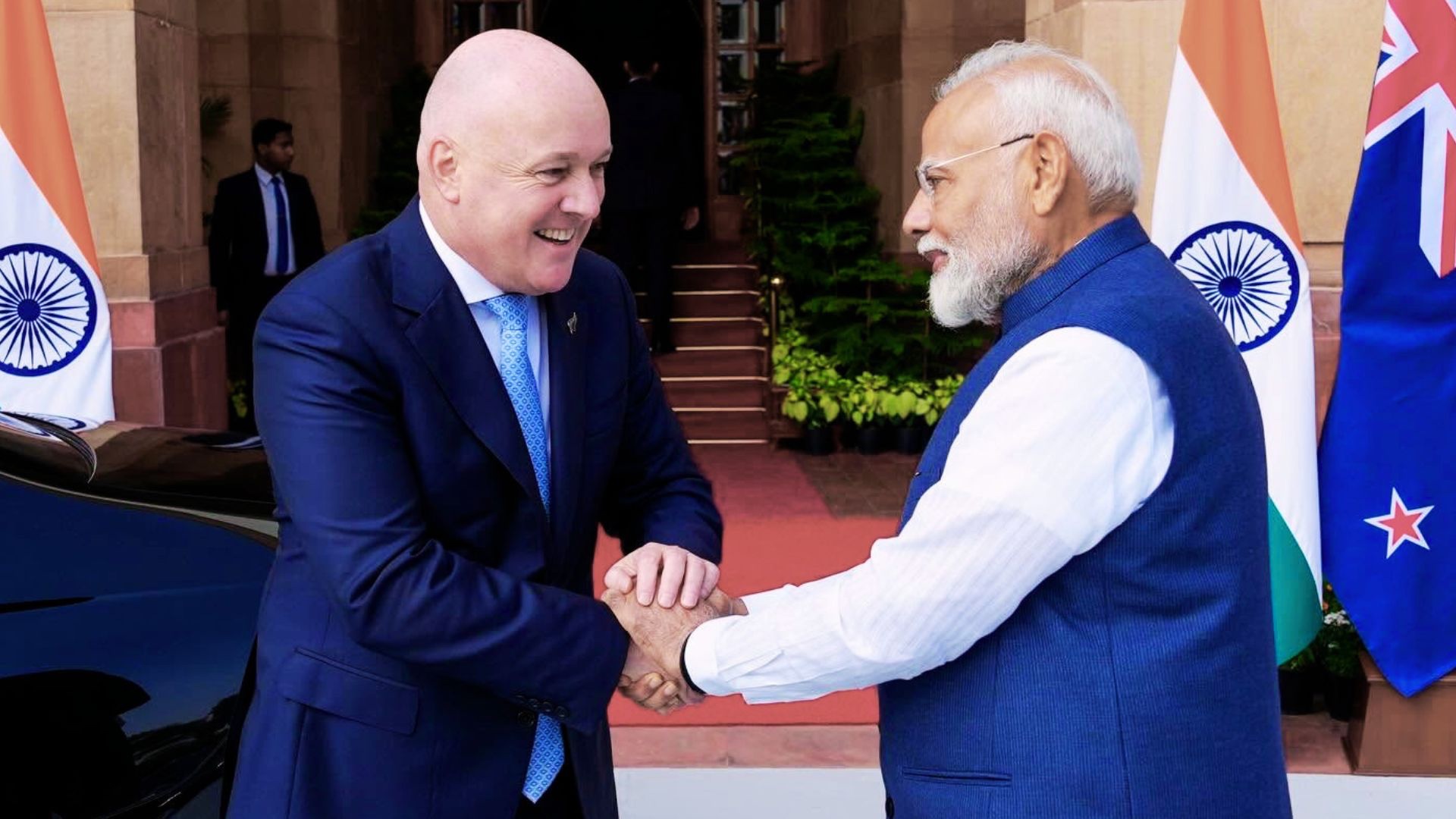
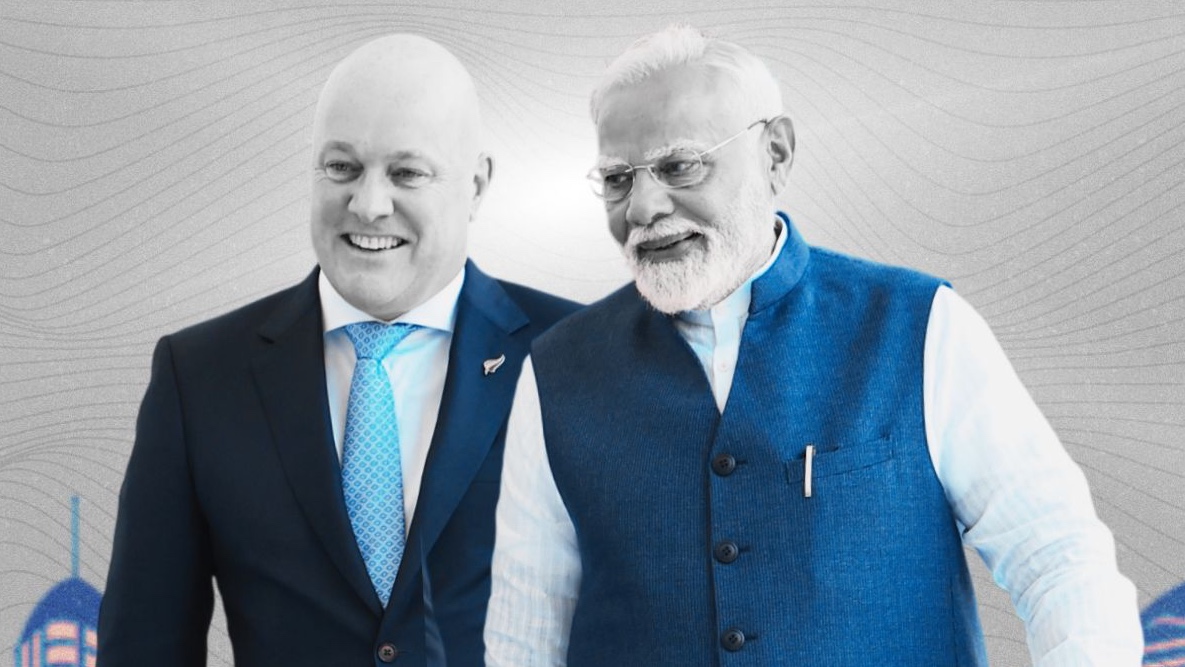
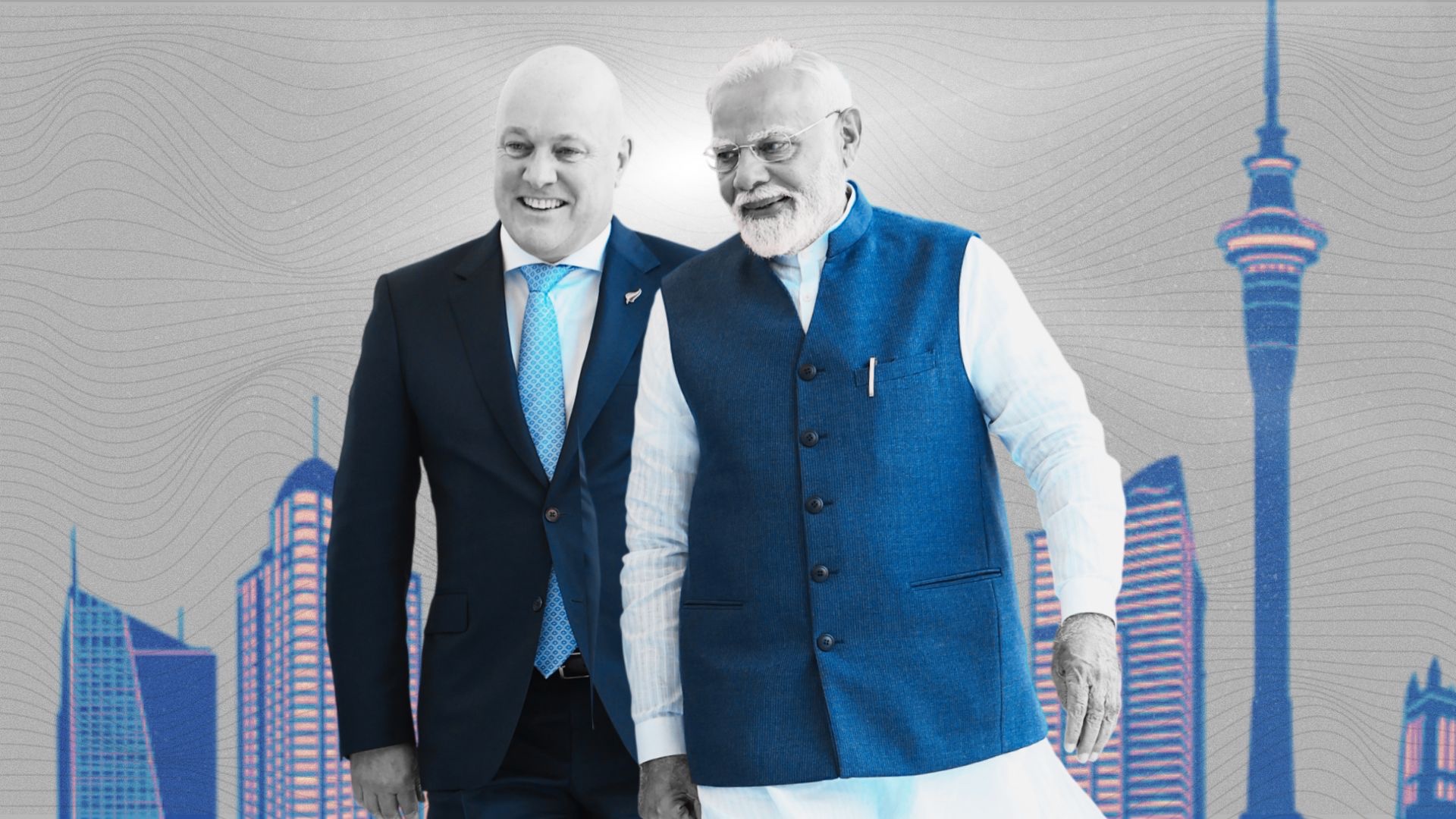
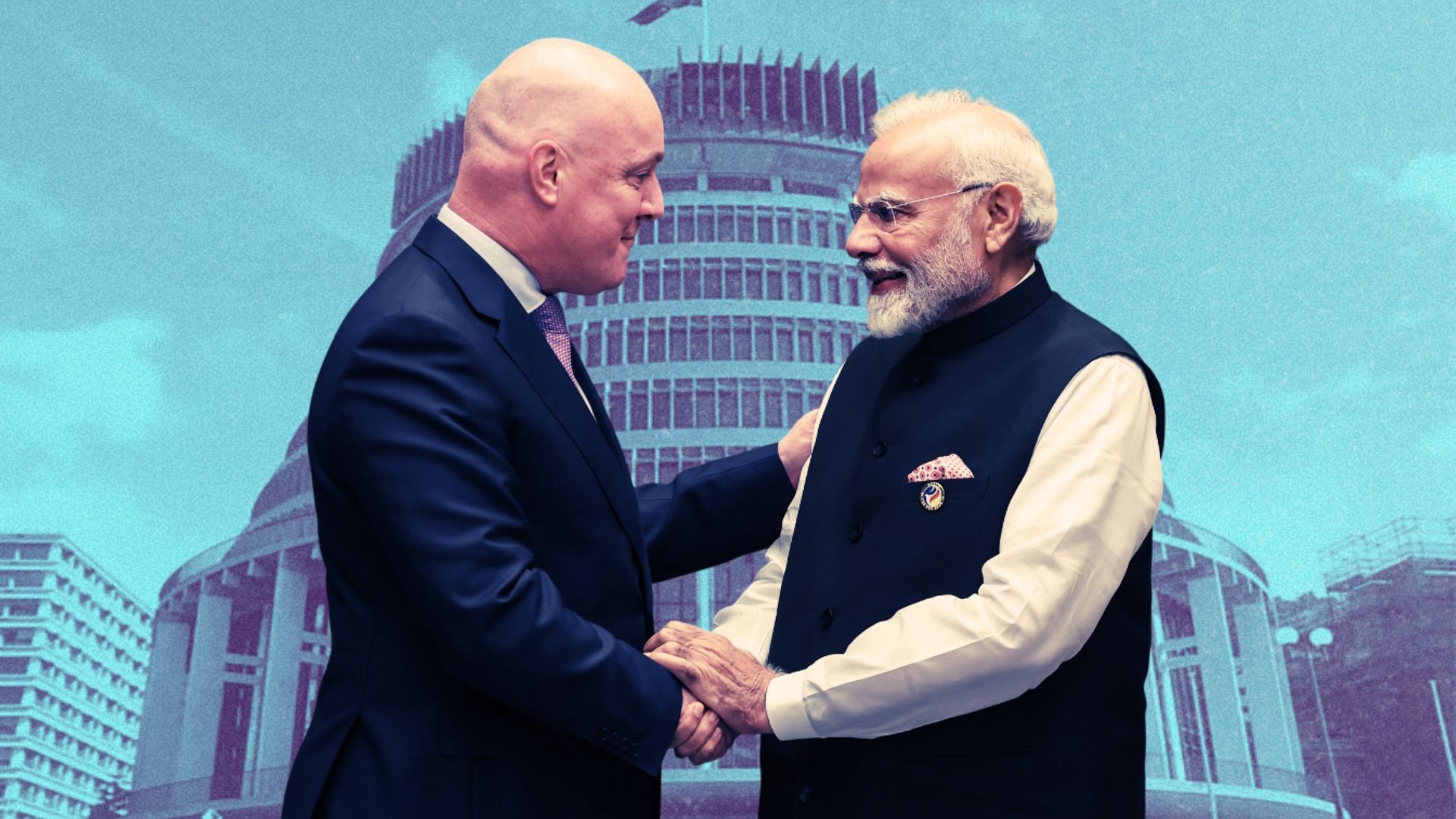
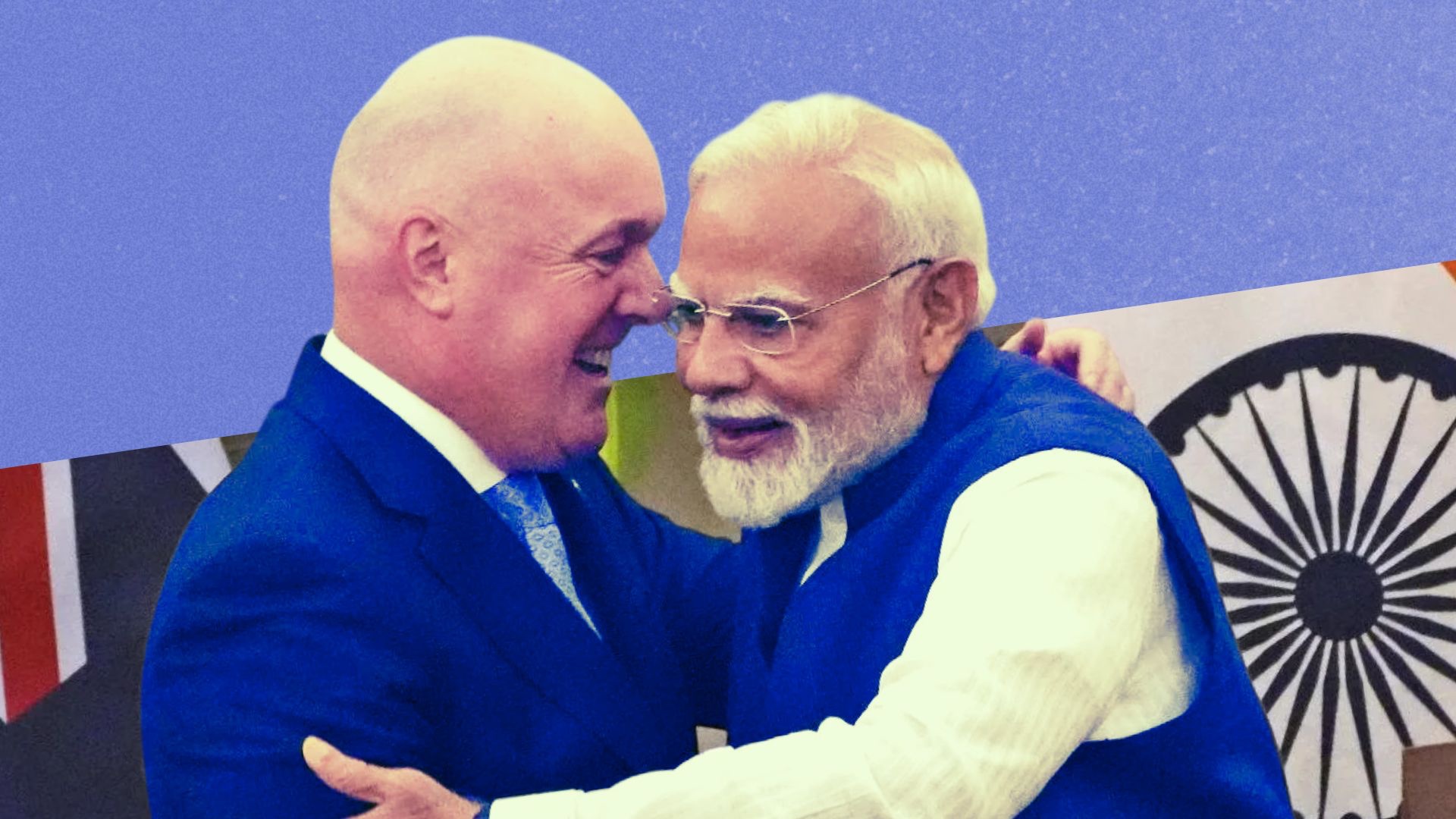
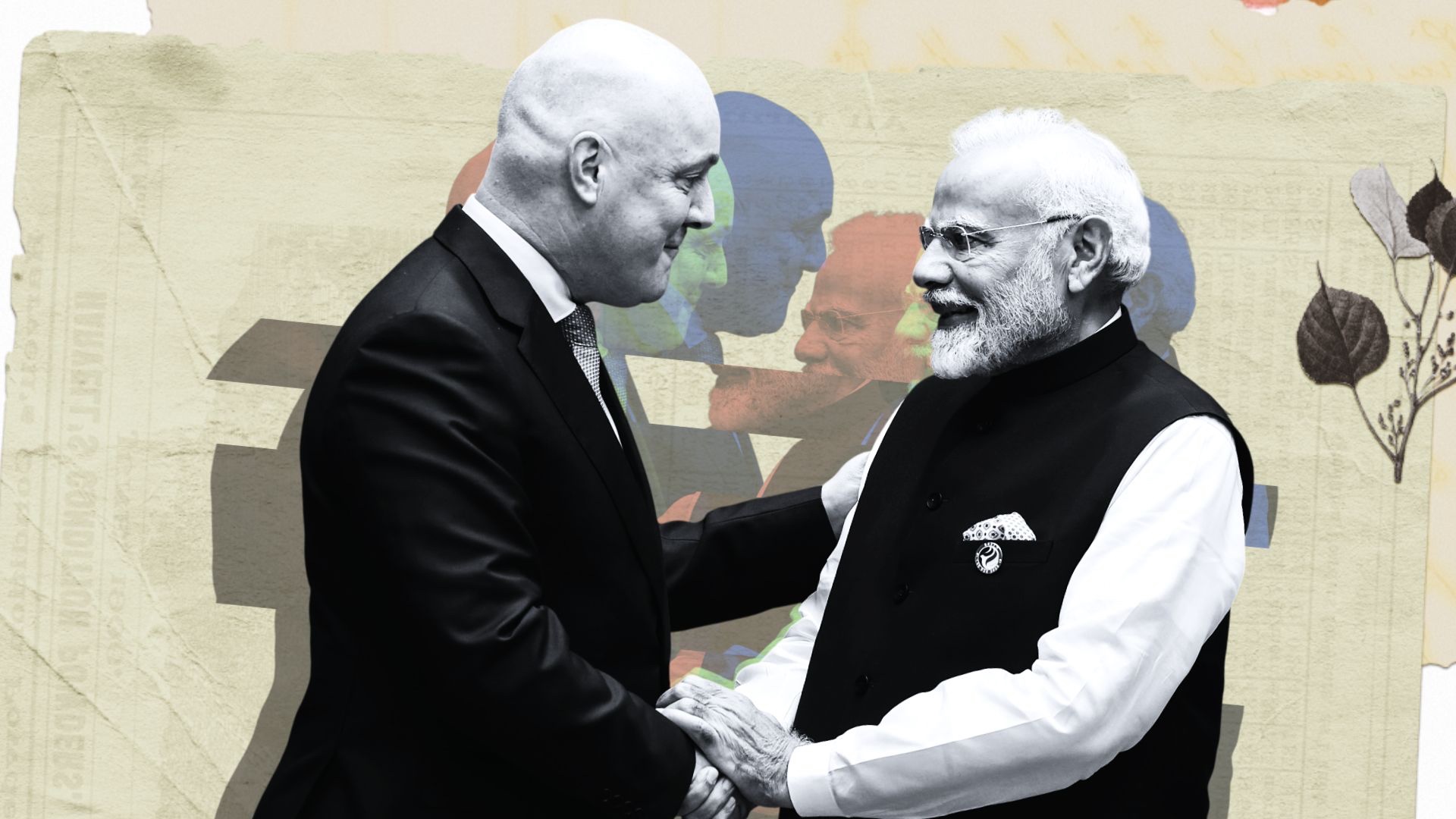
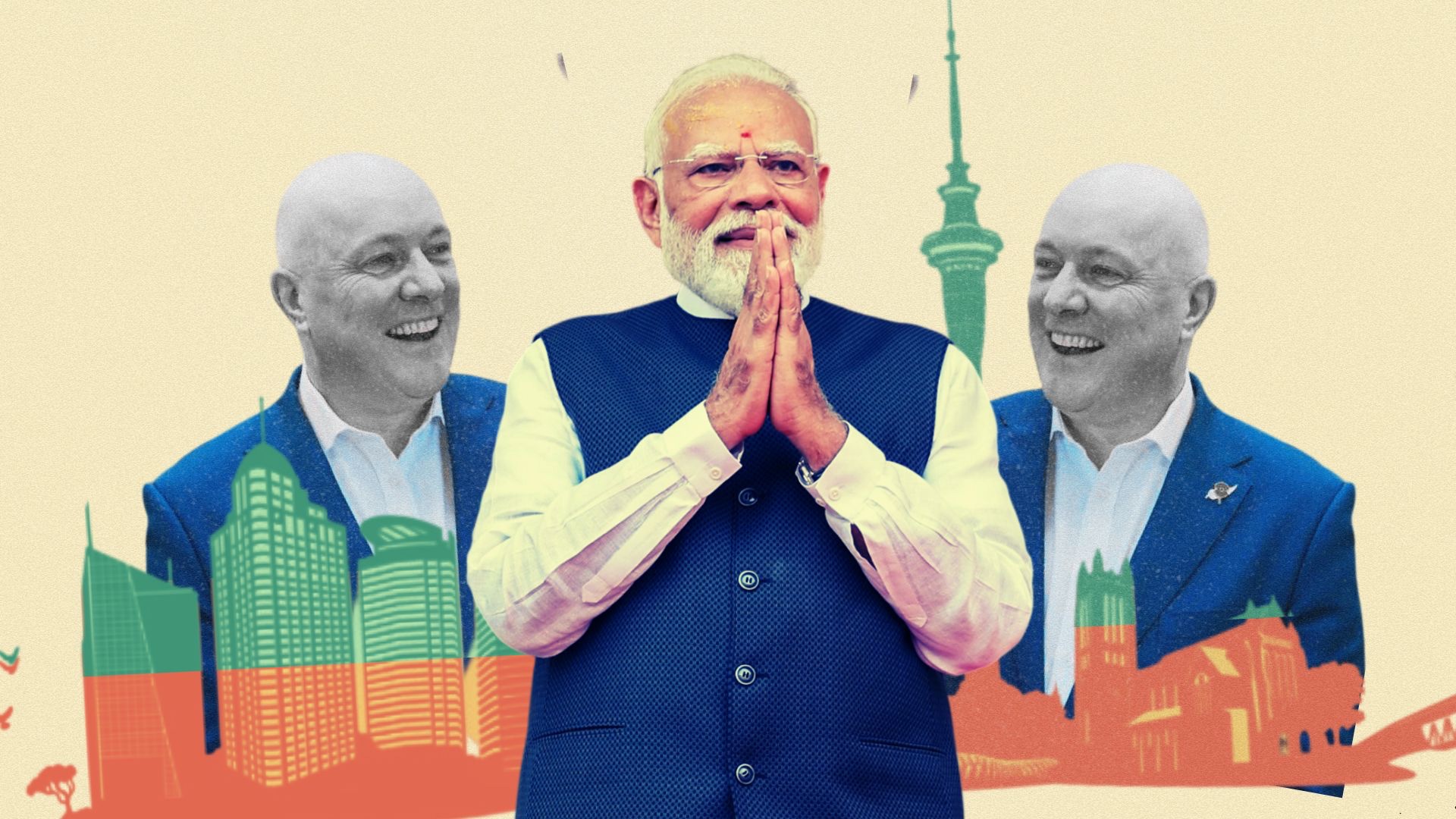
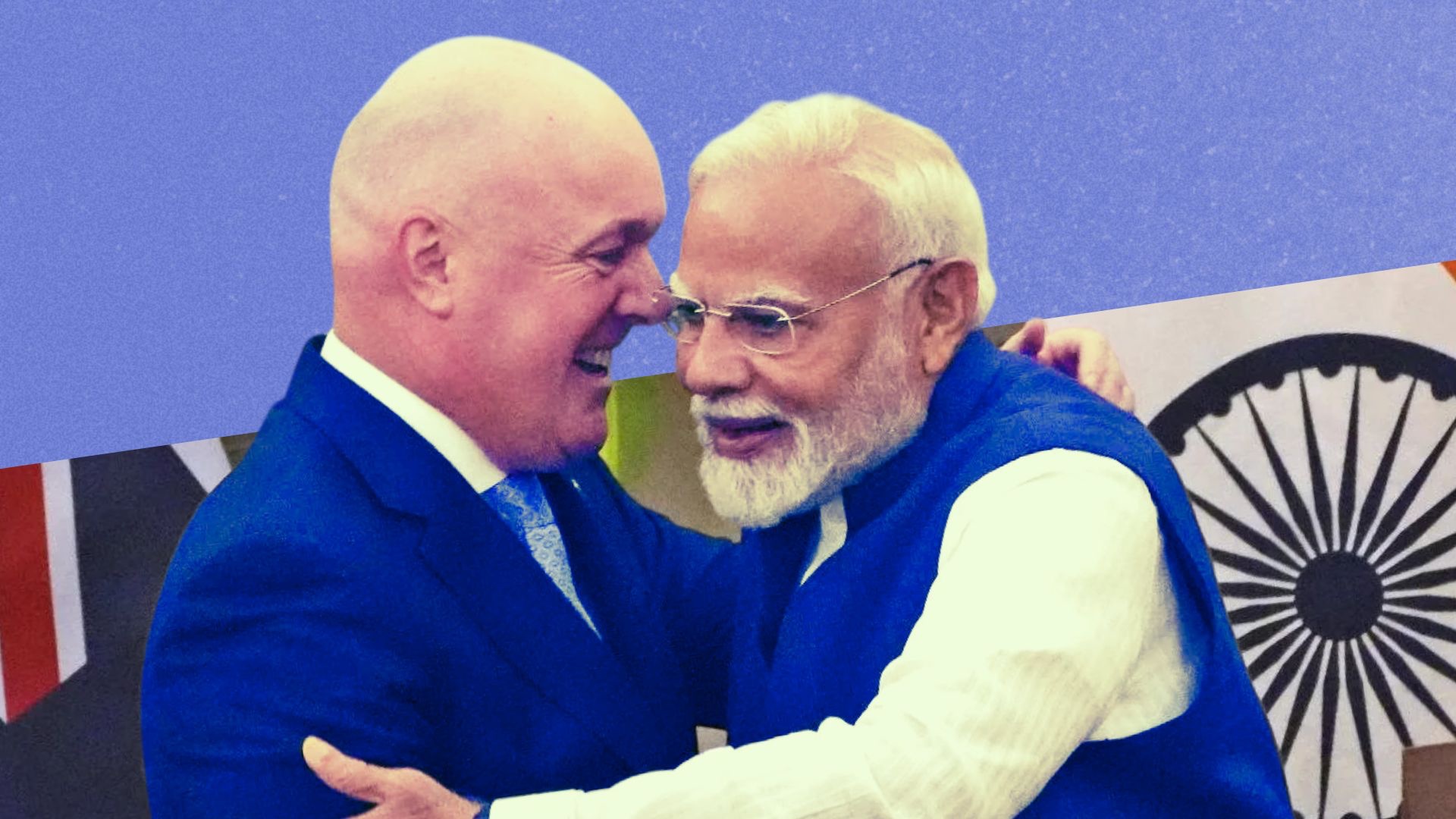
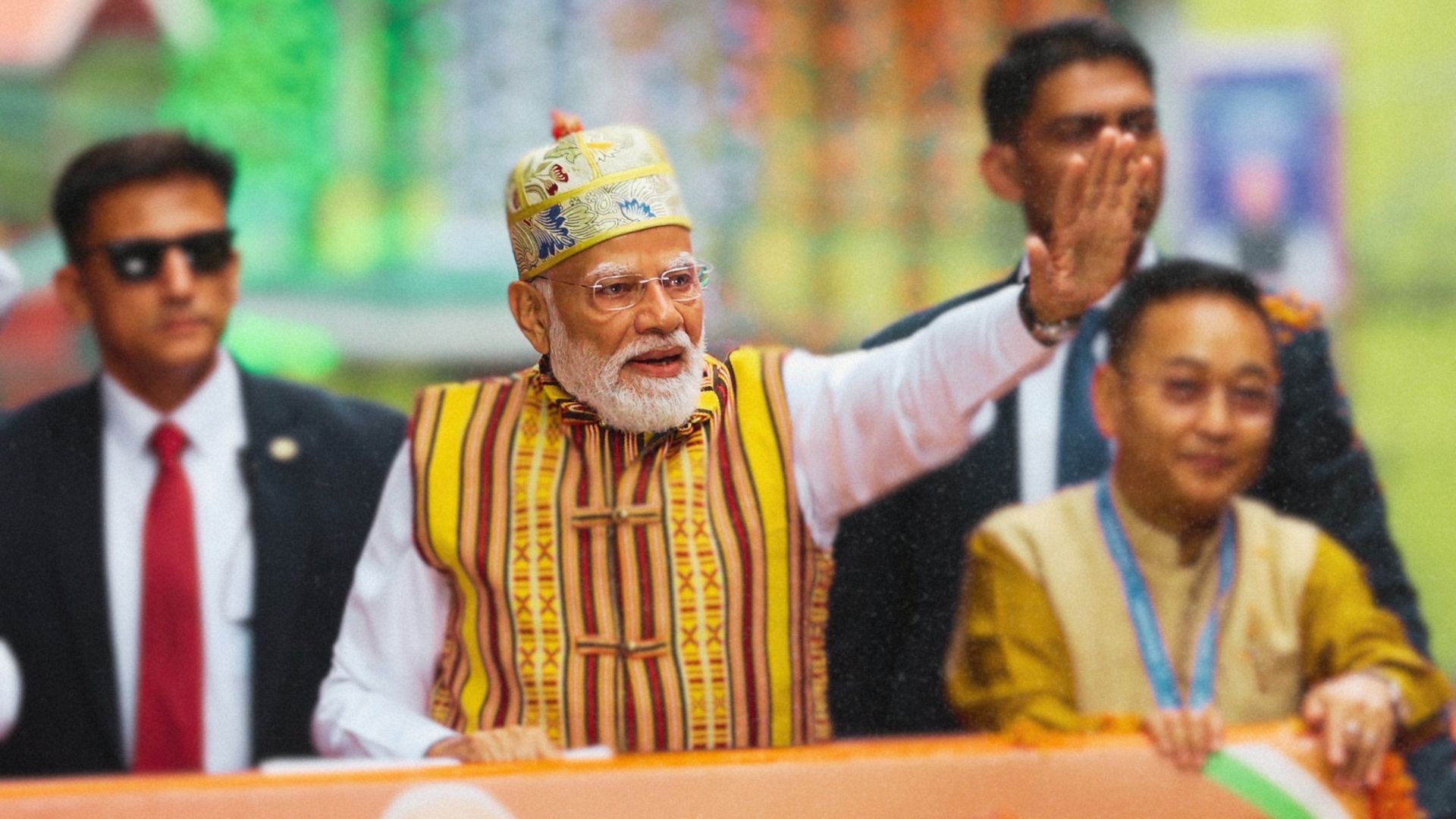
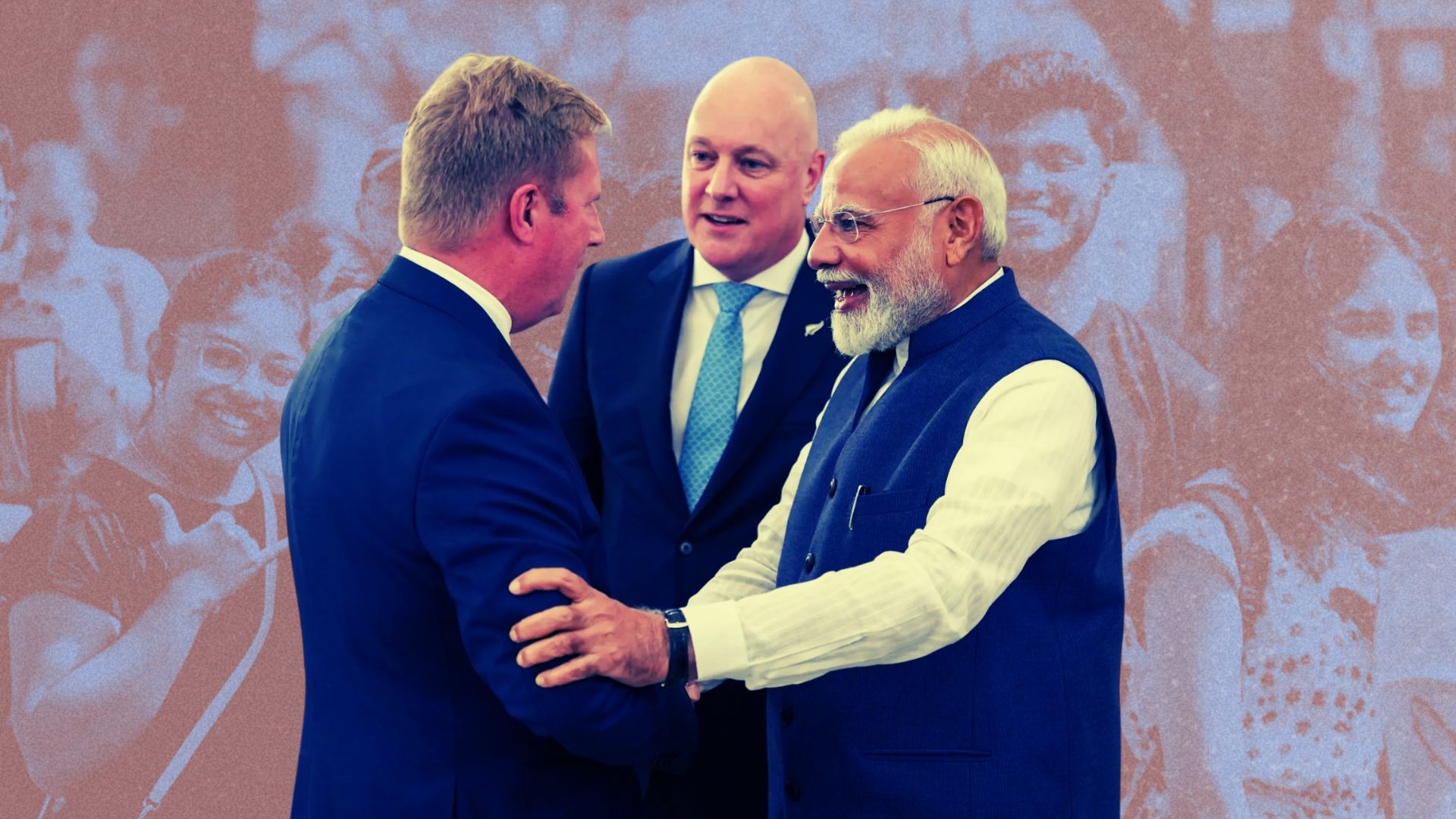
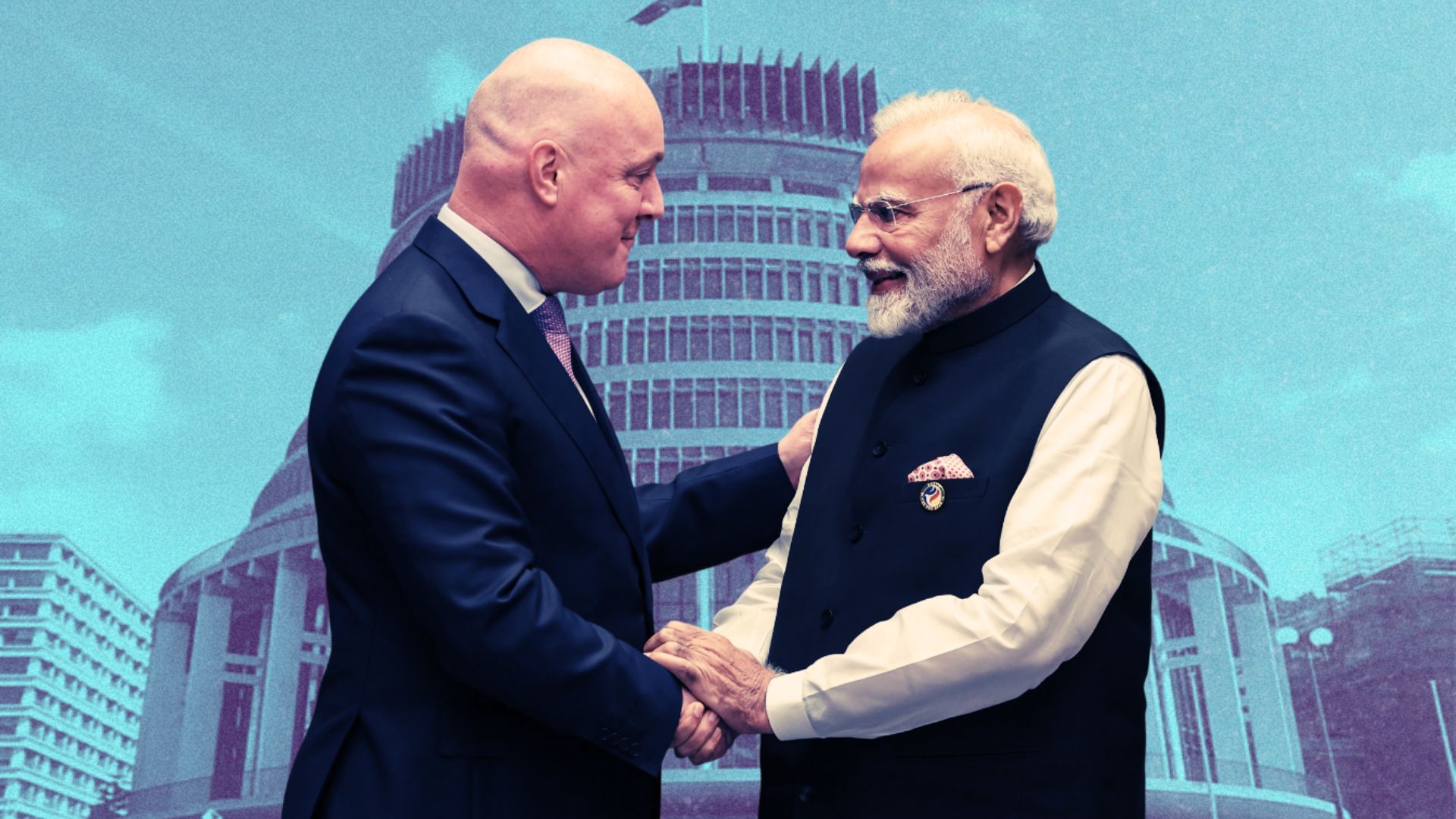
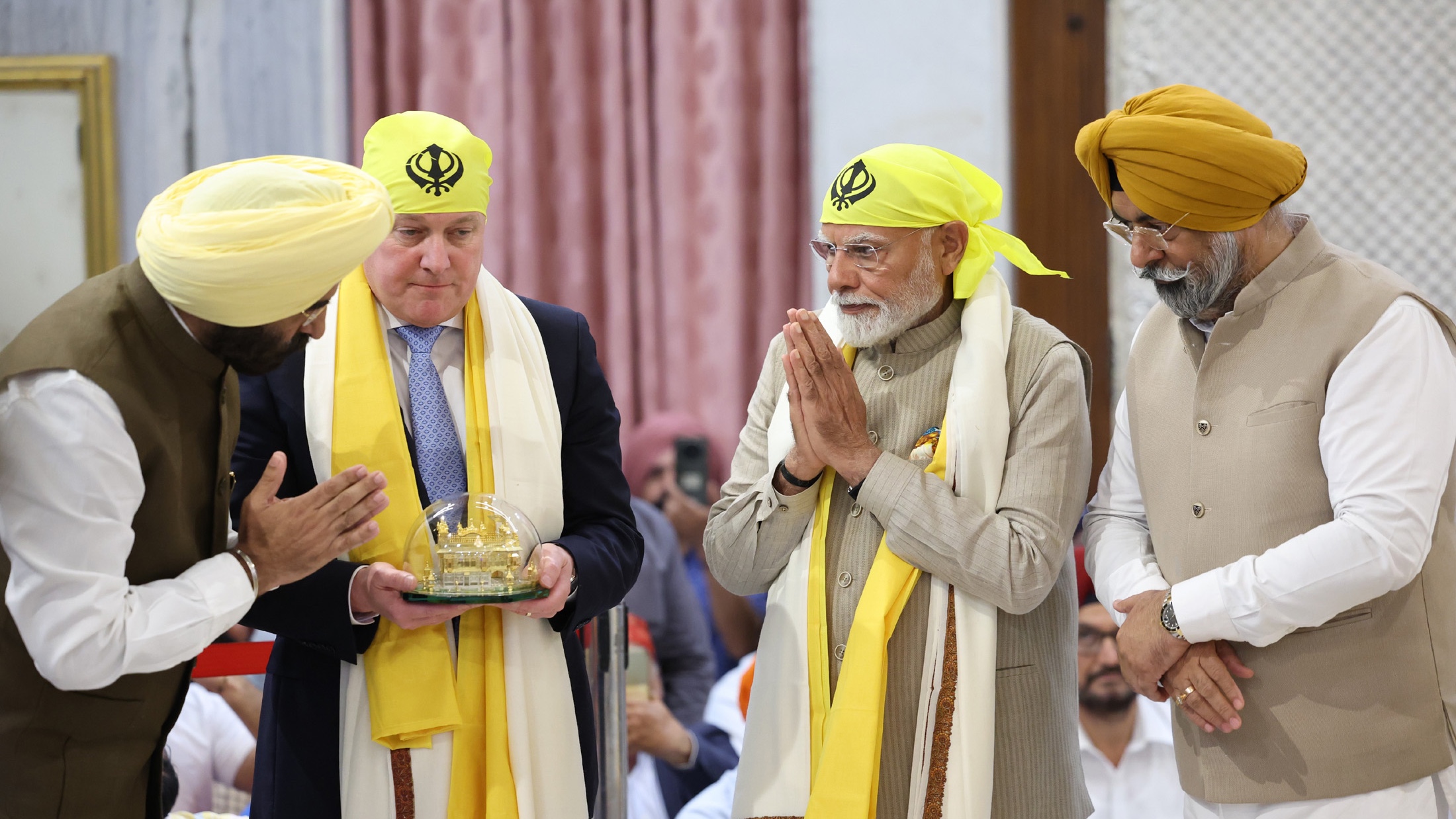
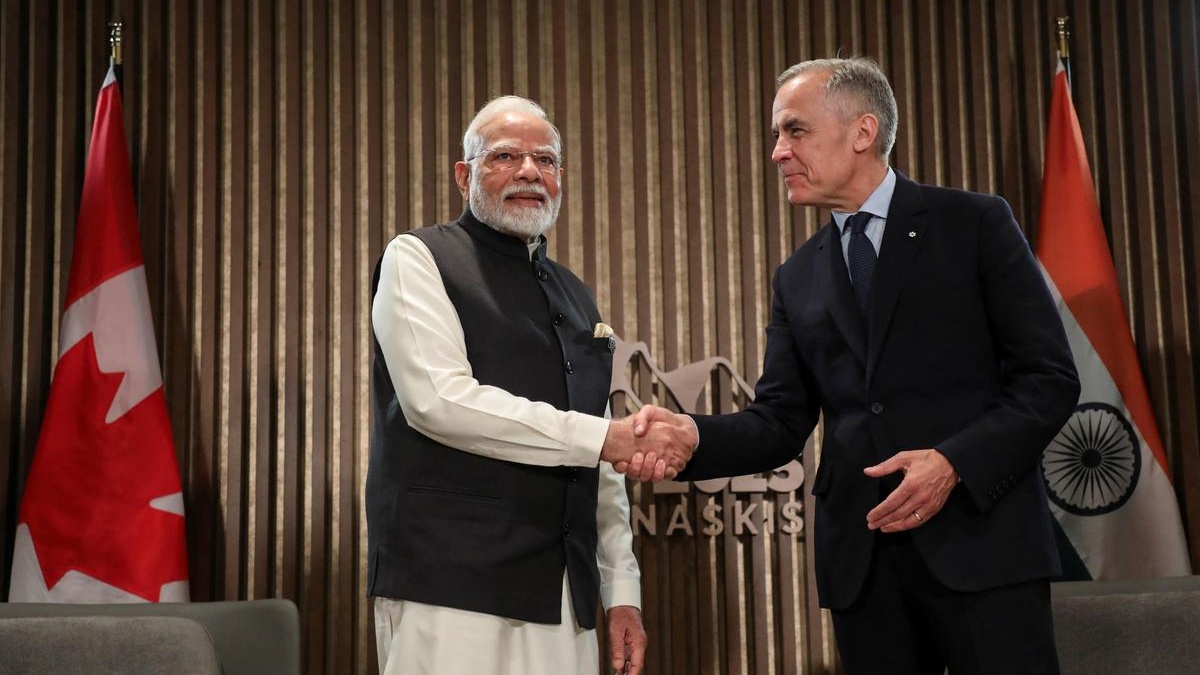
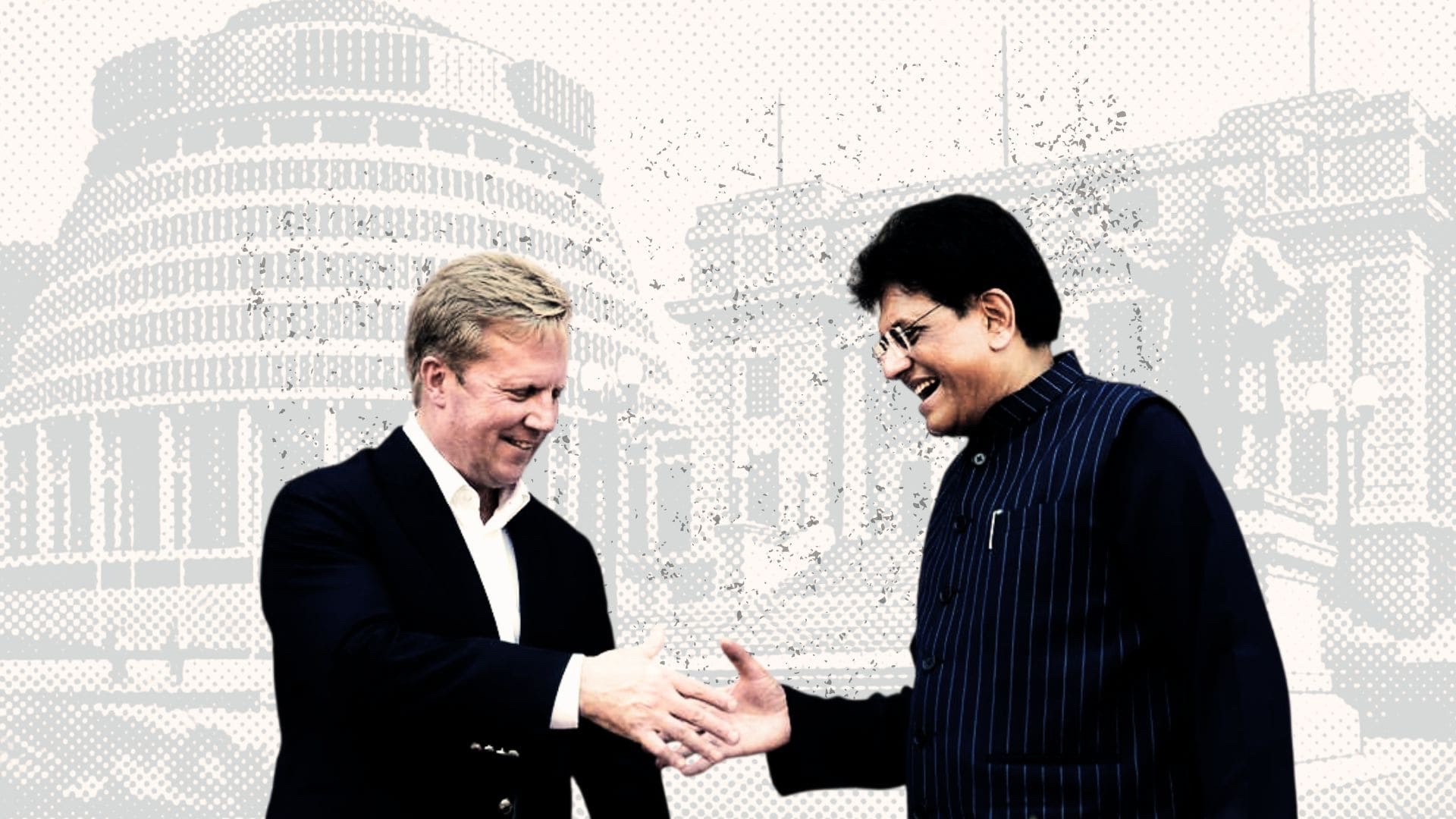
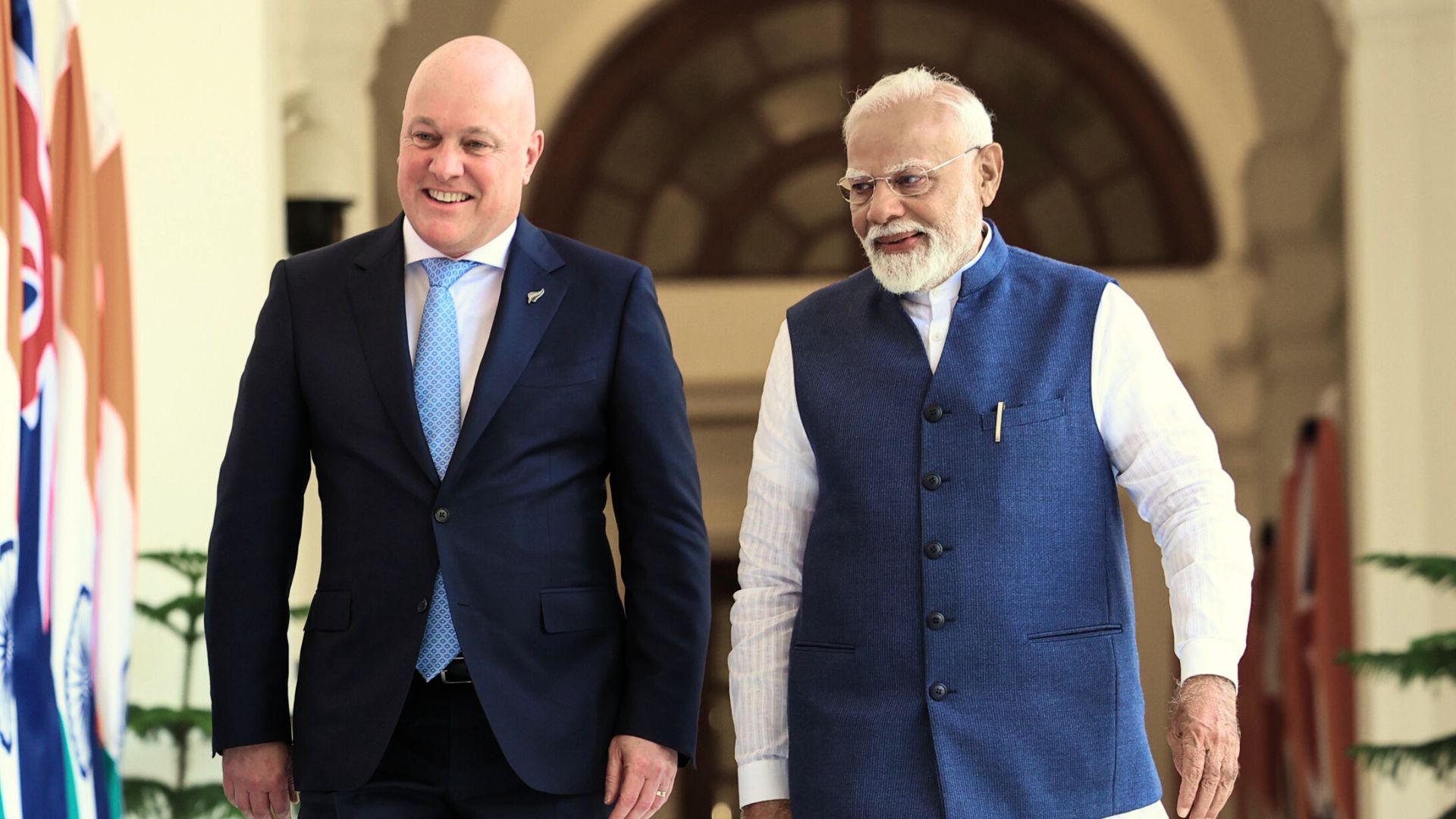
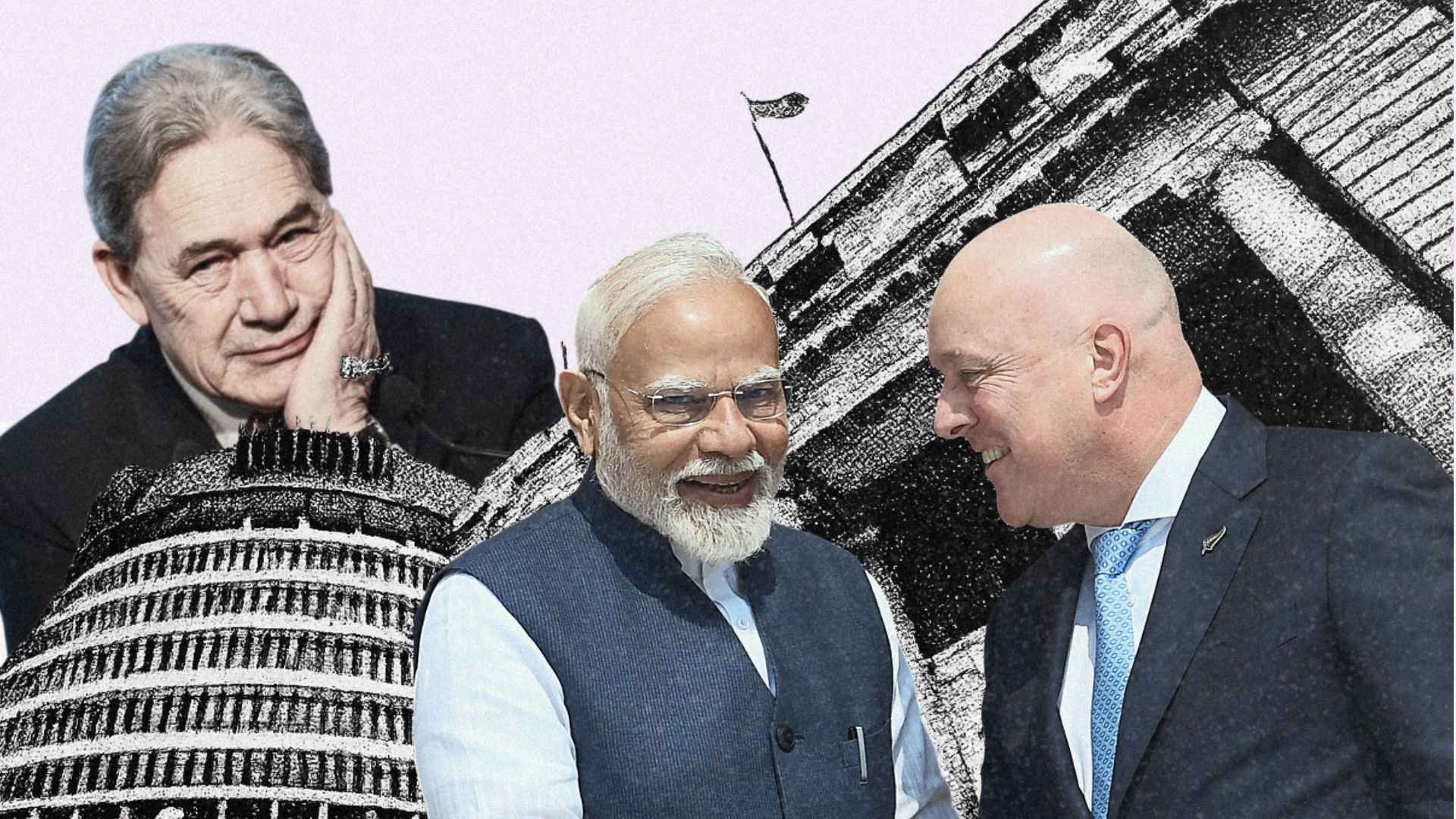
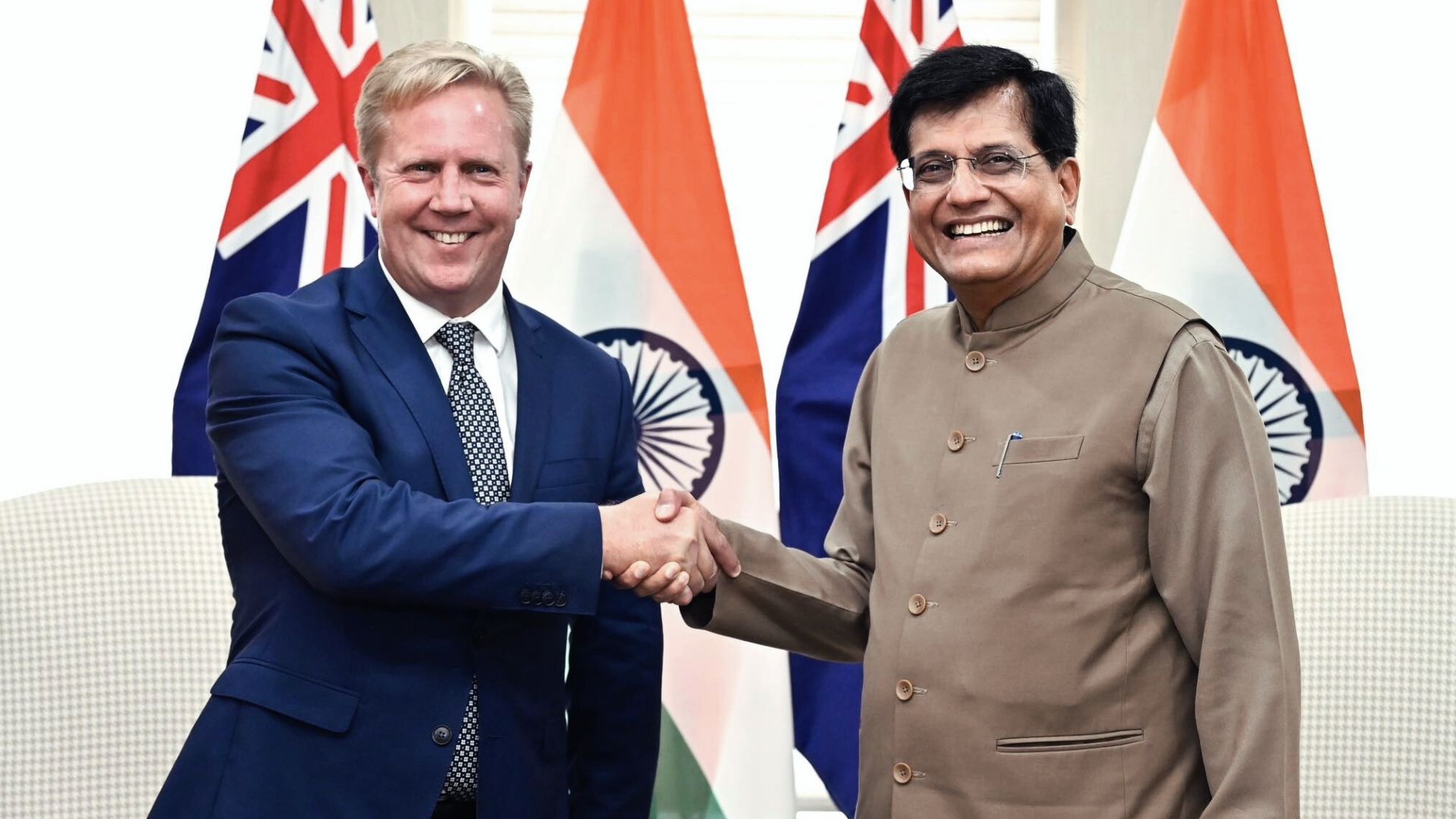
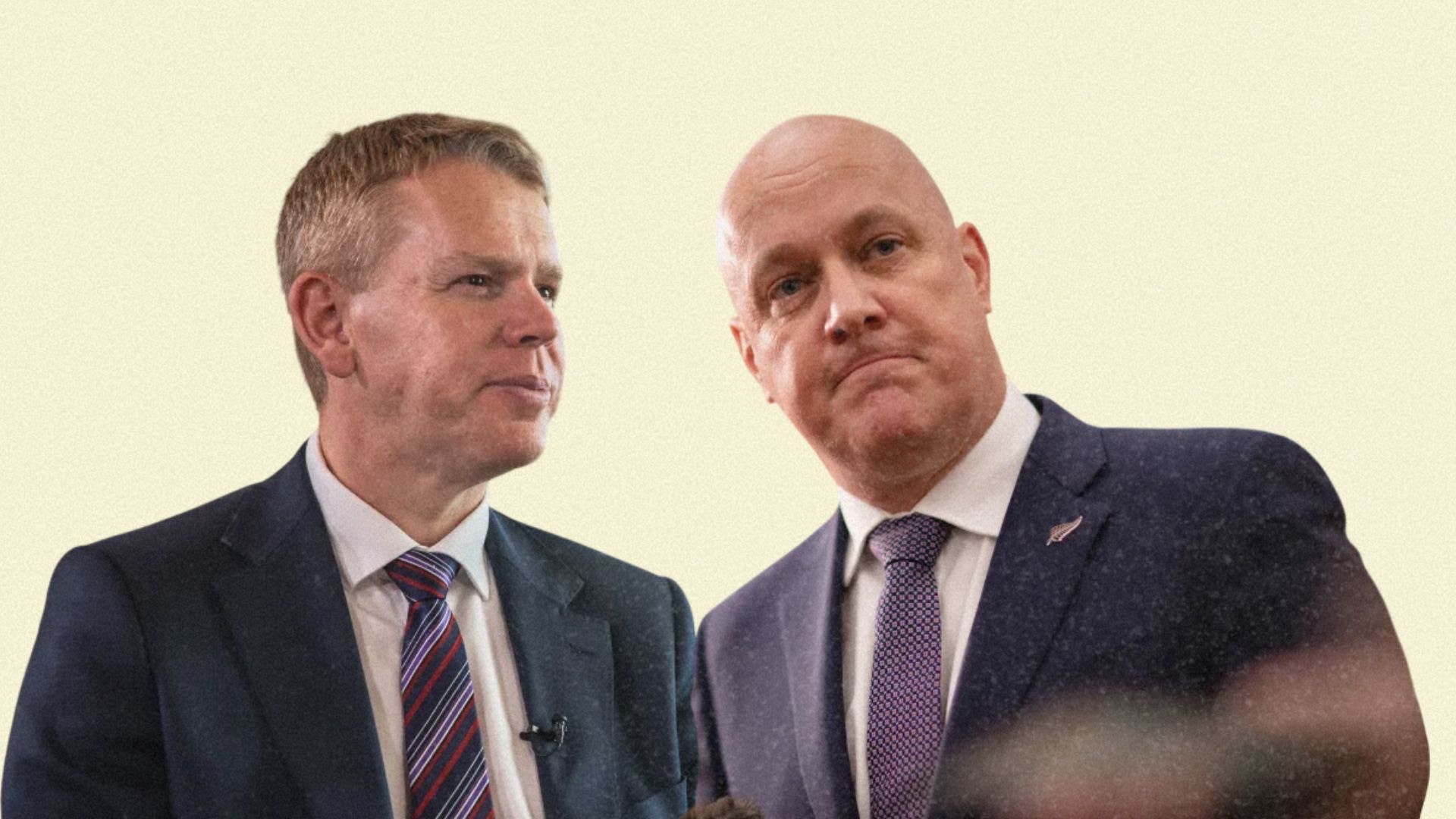
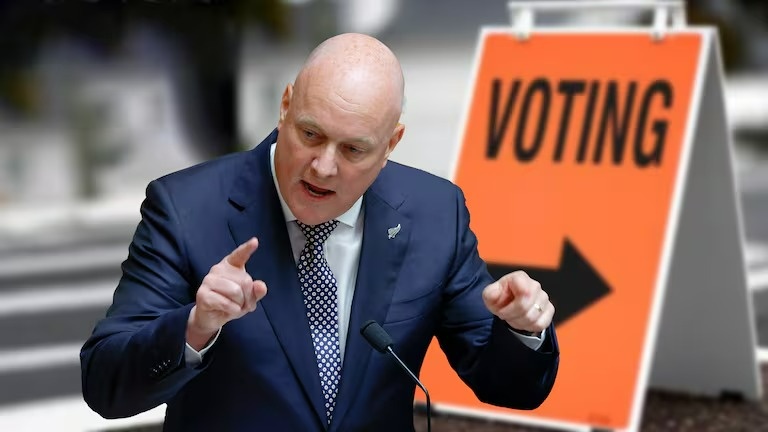
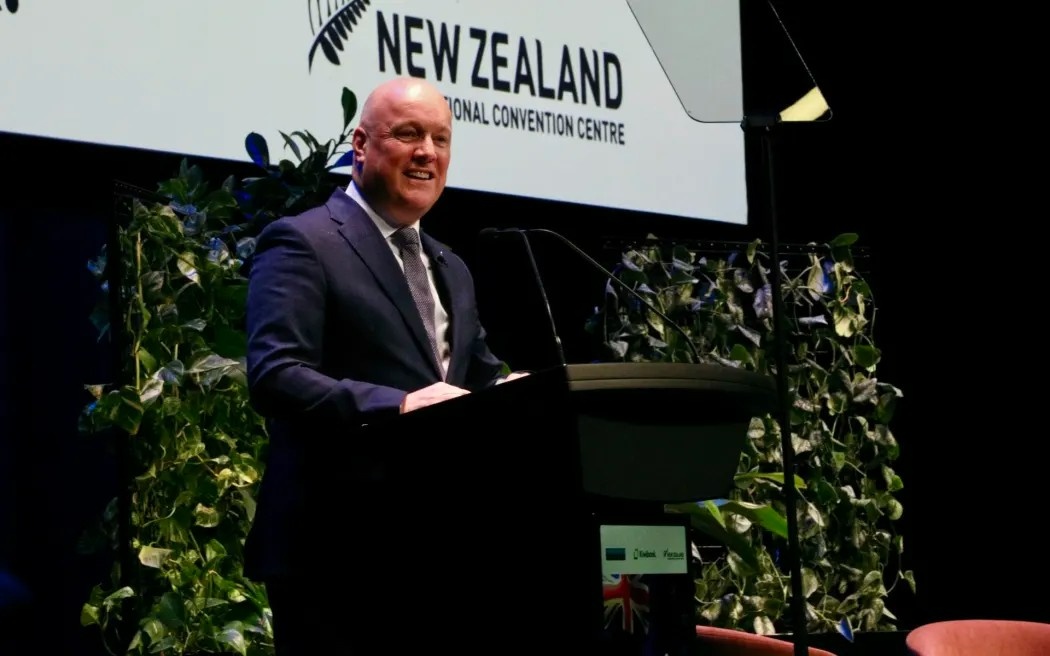
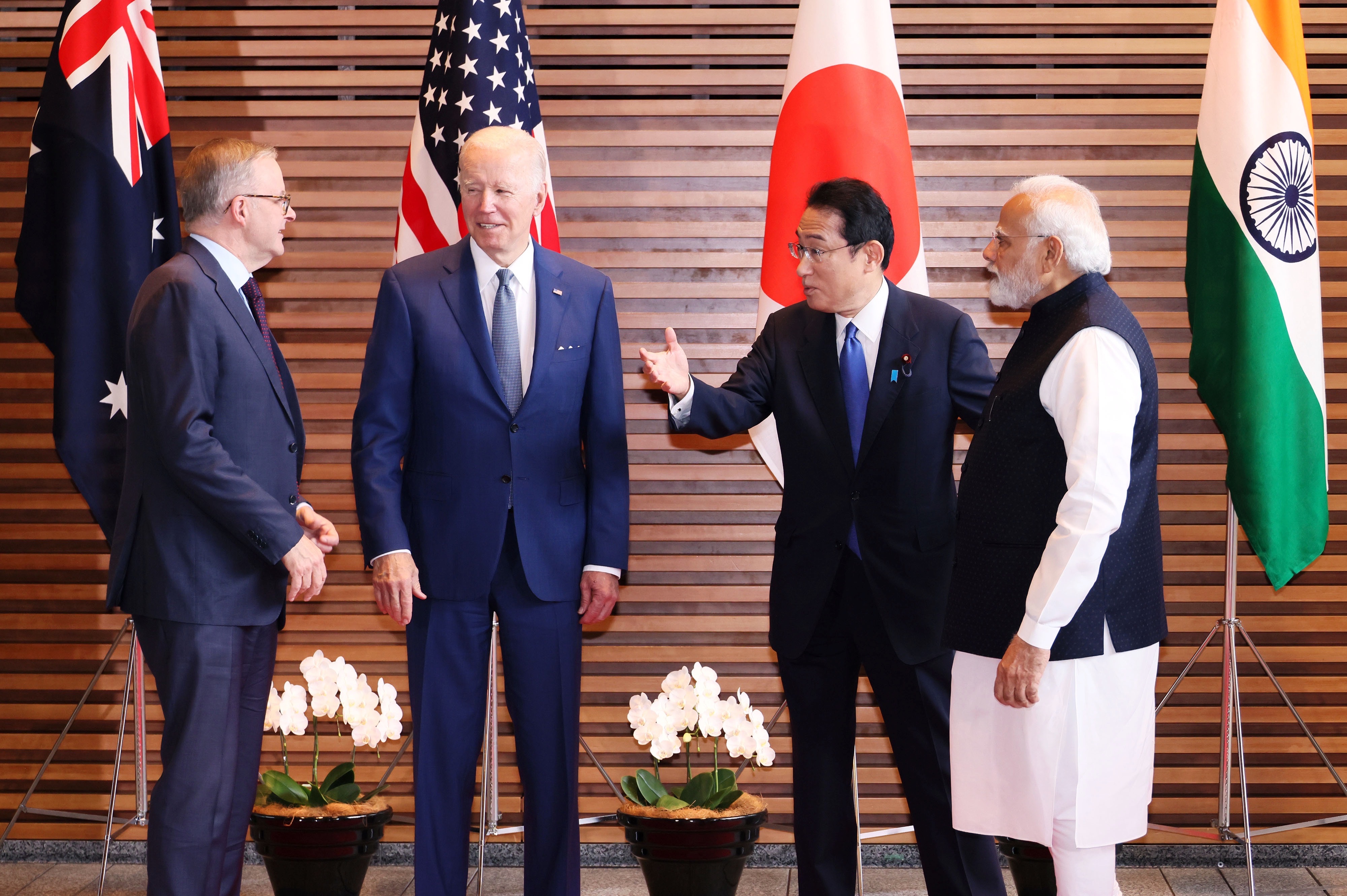
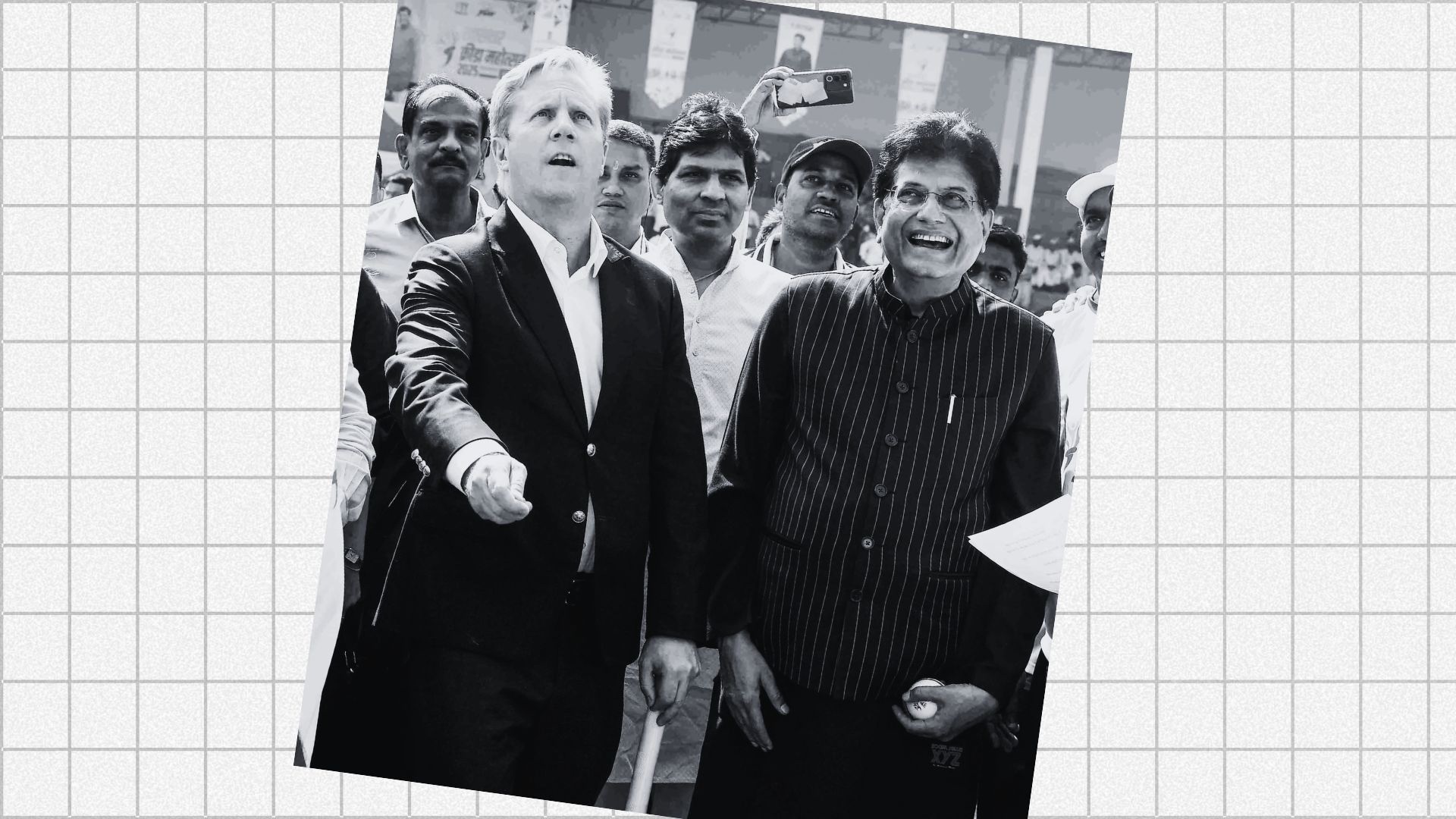
Prime minister Christopher Luxon greets India's Narendra Modi during the ceremonial welcome at Government House on July 11, 2026.
Sources say the elevation of the relationship to a strategic level is the defining development of Modi's visit.
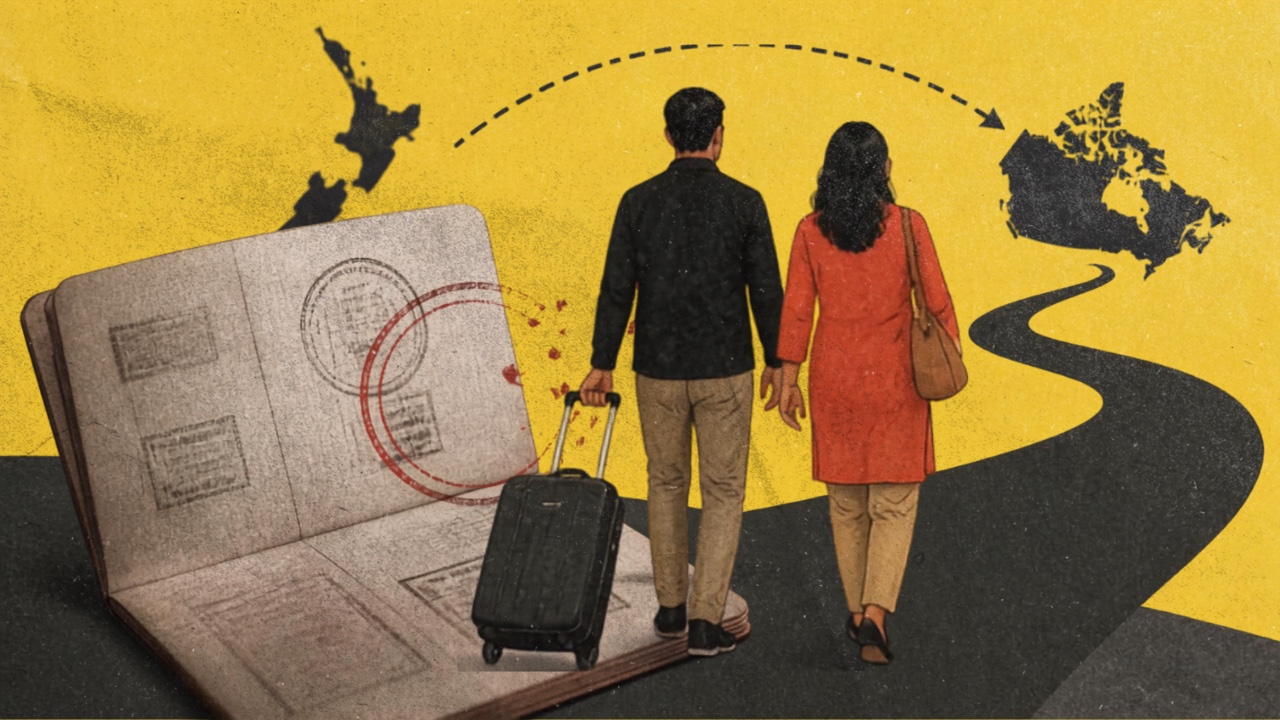
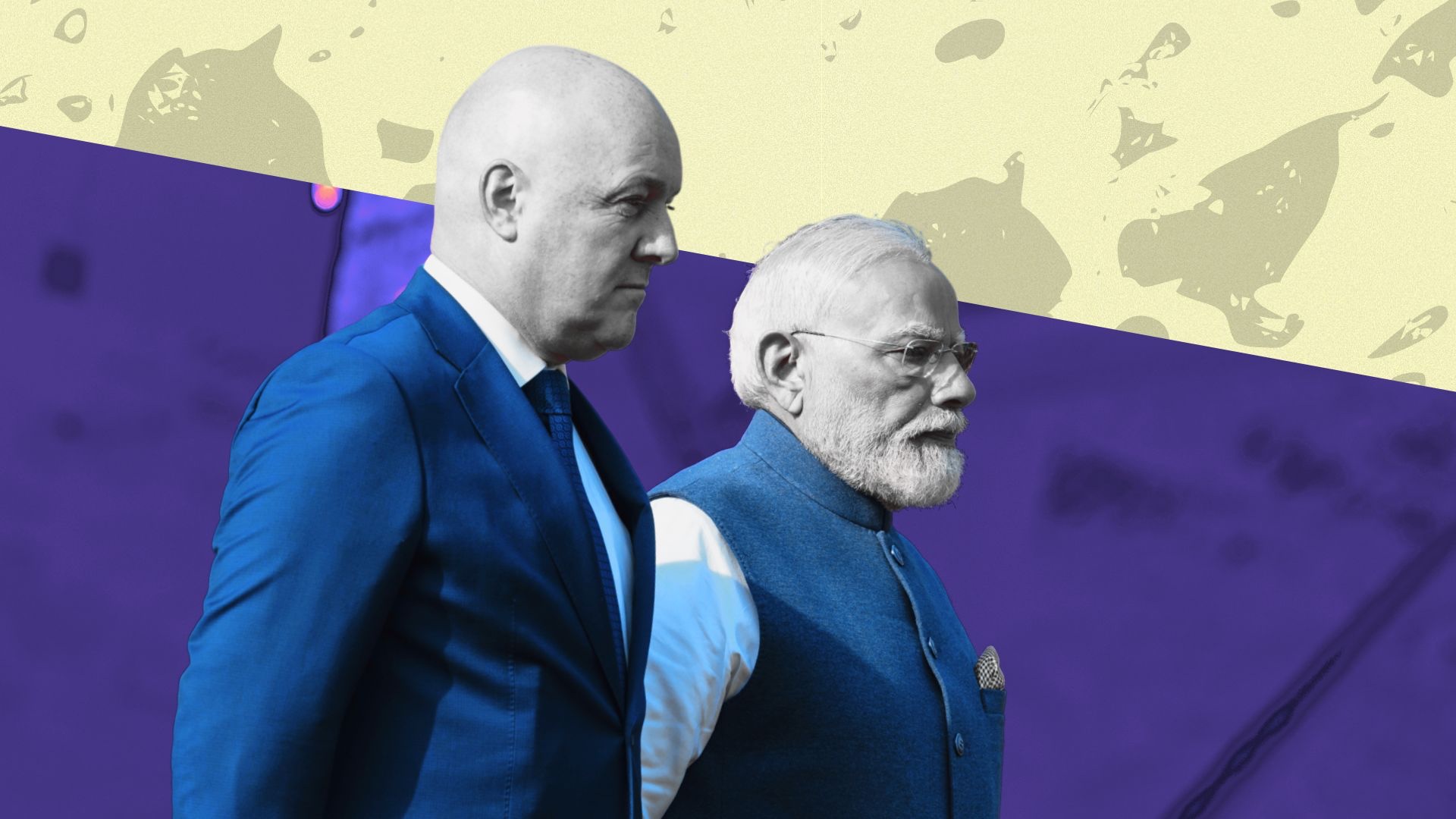
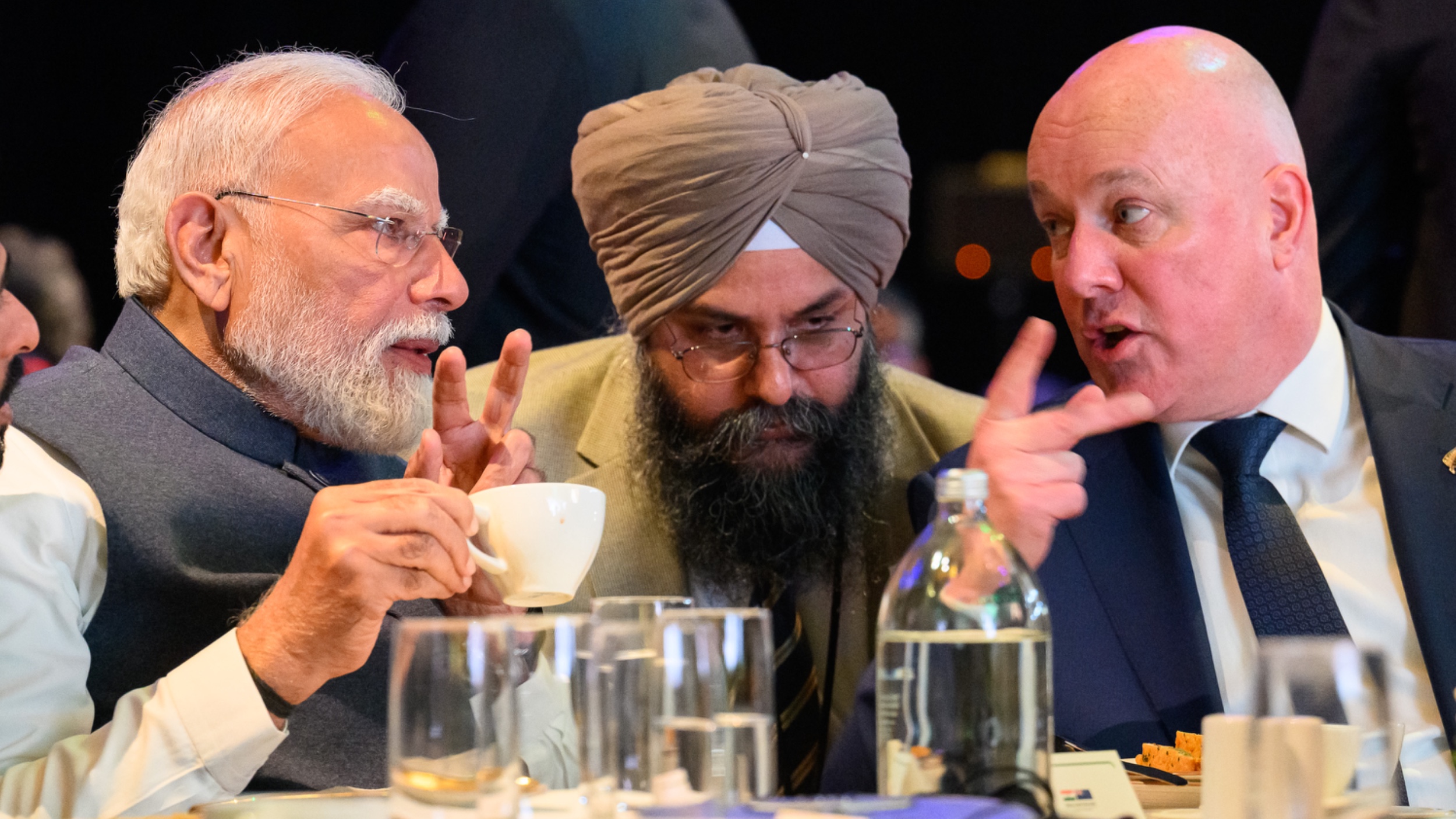
Indian prime minister Narendra Modi’s visit to Auckland has marked a significant step-up in the relationship between India and New Zealand, with the two countries formally elevating their ties to a strategic partnership.
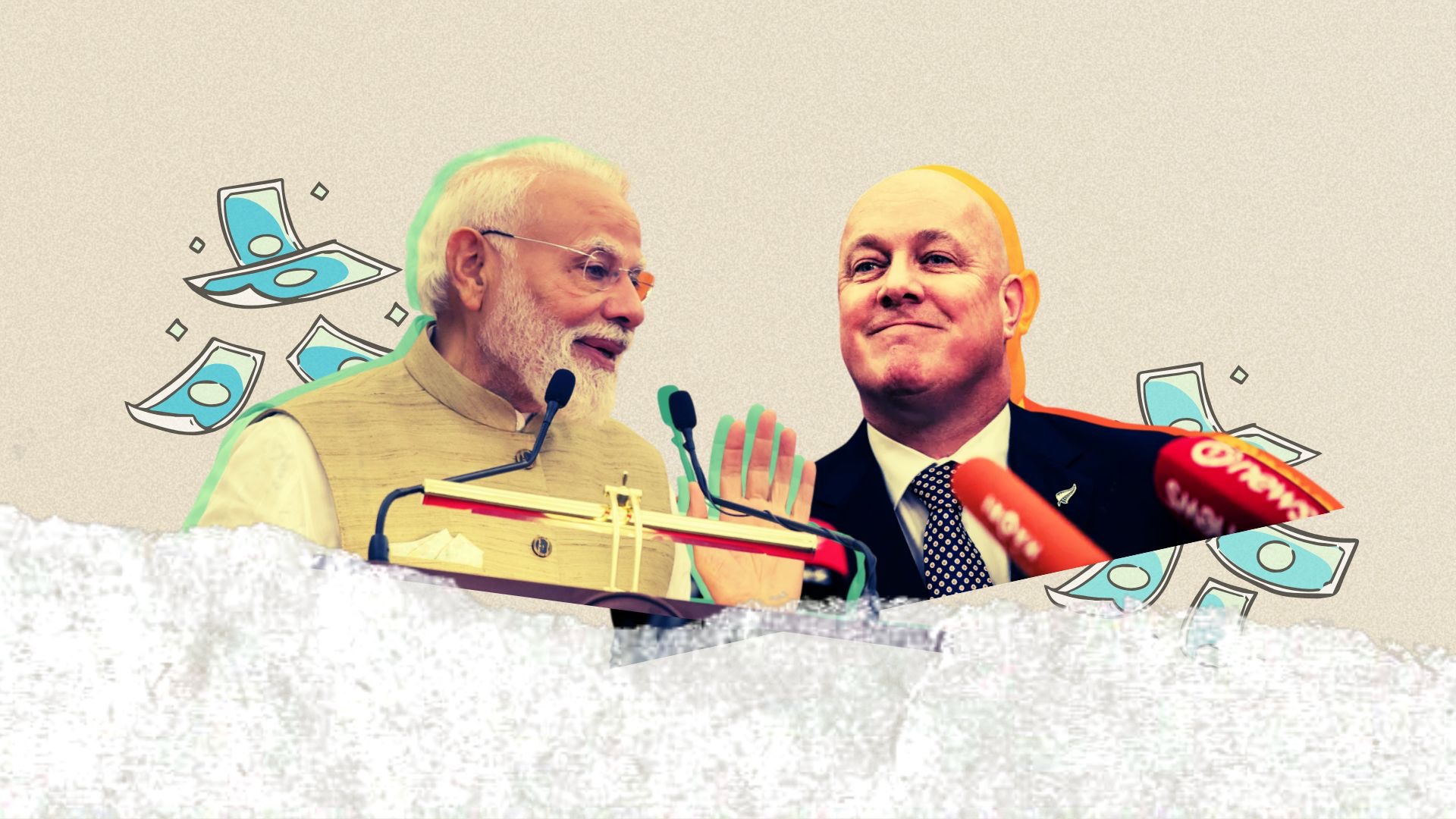
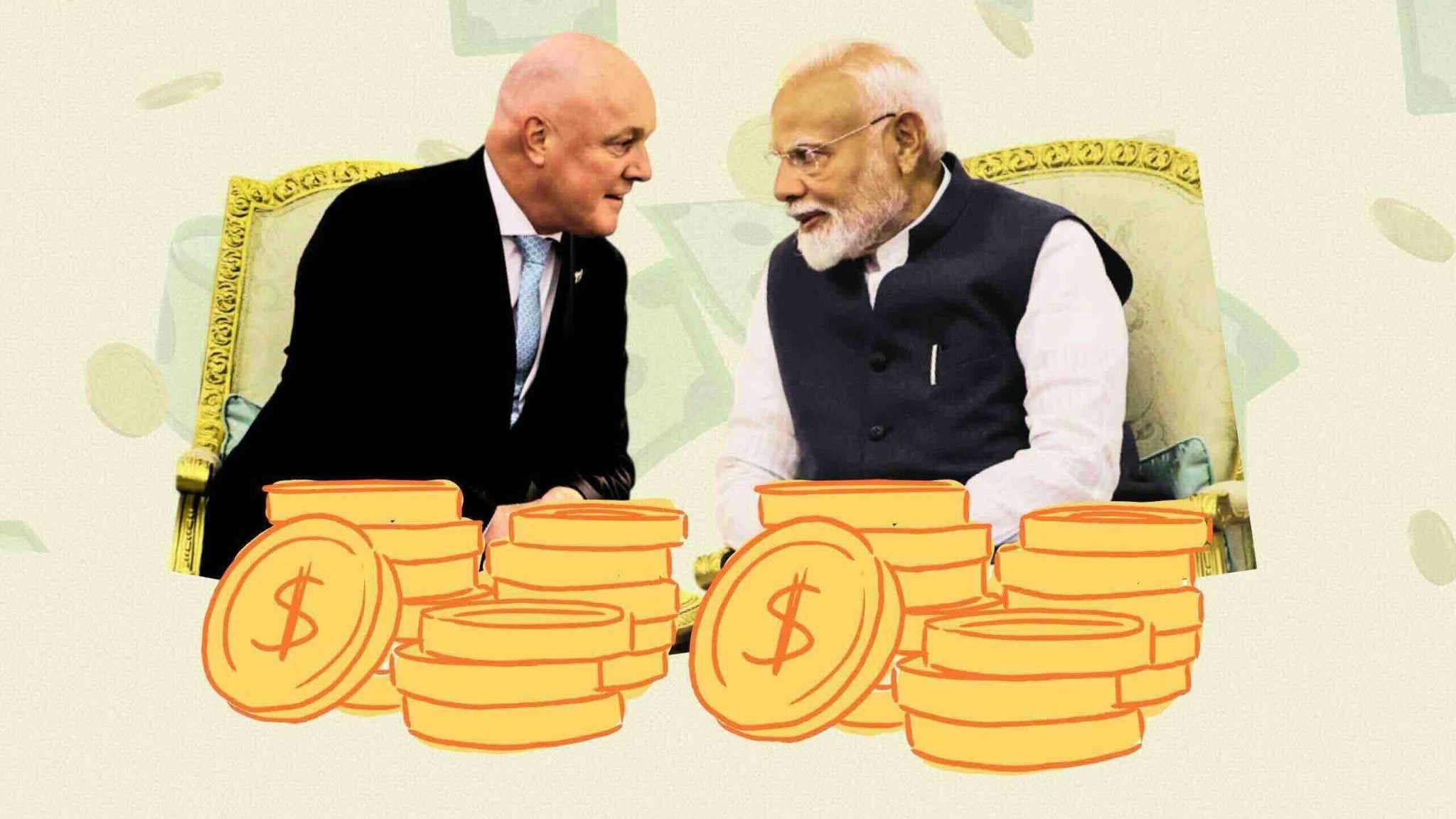
In a joint statement issued on July 11, the two countries set a goal of doubling two-way trade to $7 billion by 2030.
Officials say the strategic partnership is the central political outcome of the first visit to New Zealand by an Indian prime minister in 40 years.
While much of the momentum in the relationship over the past year has centred on trade and the free trade agreement (FTA), the new strategic partnership substantially widens its scope.
It places defence, maritime security, counter-terrorism, diplomatic coordination, technology, education, sport and Indo-Pacific cooperation alongside trade as formal pillars of the relationship.
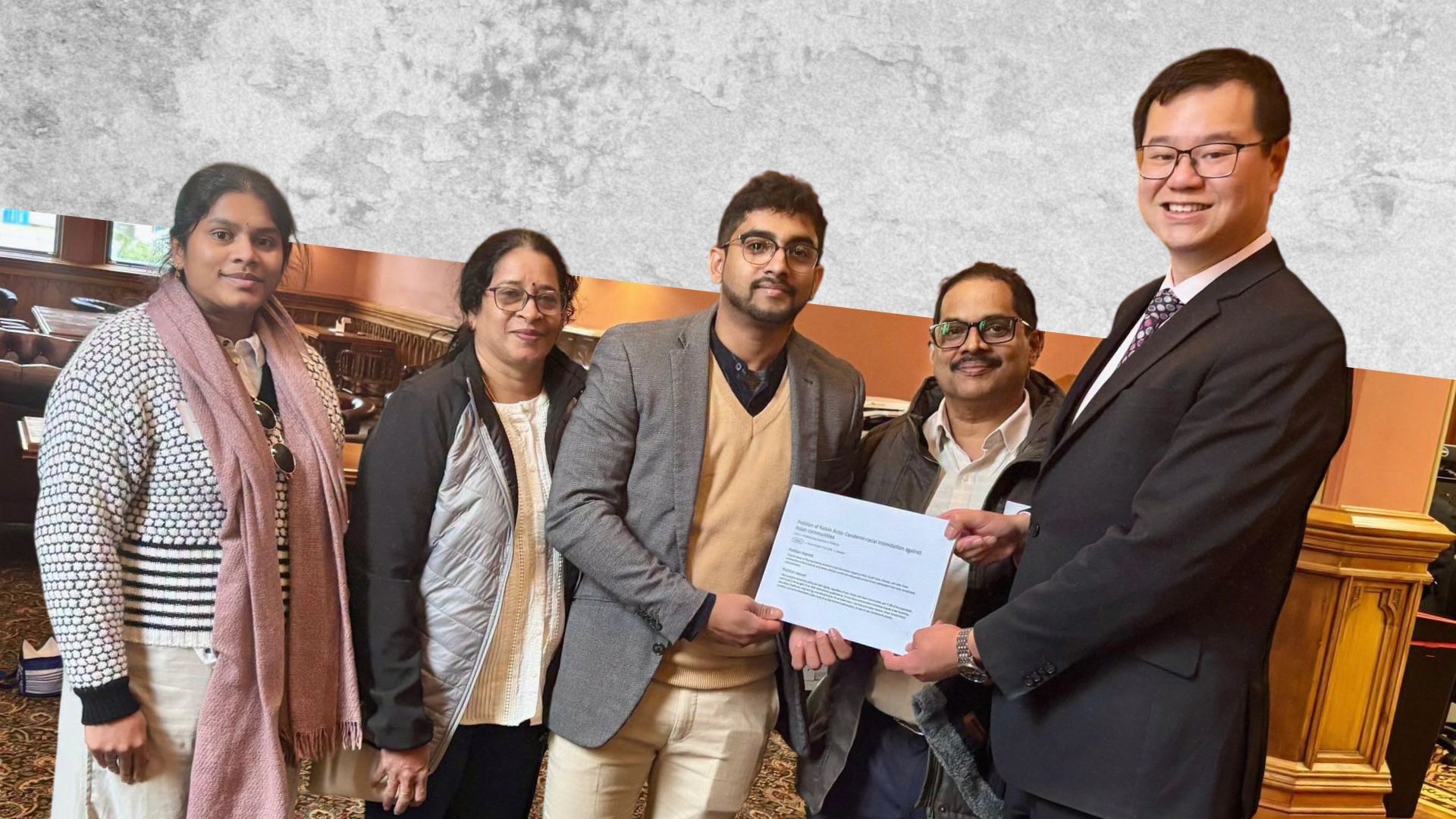
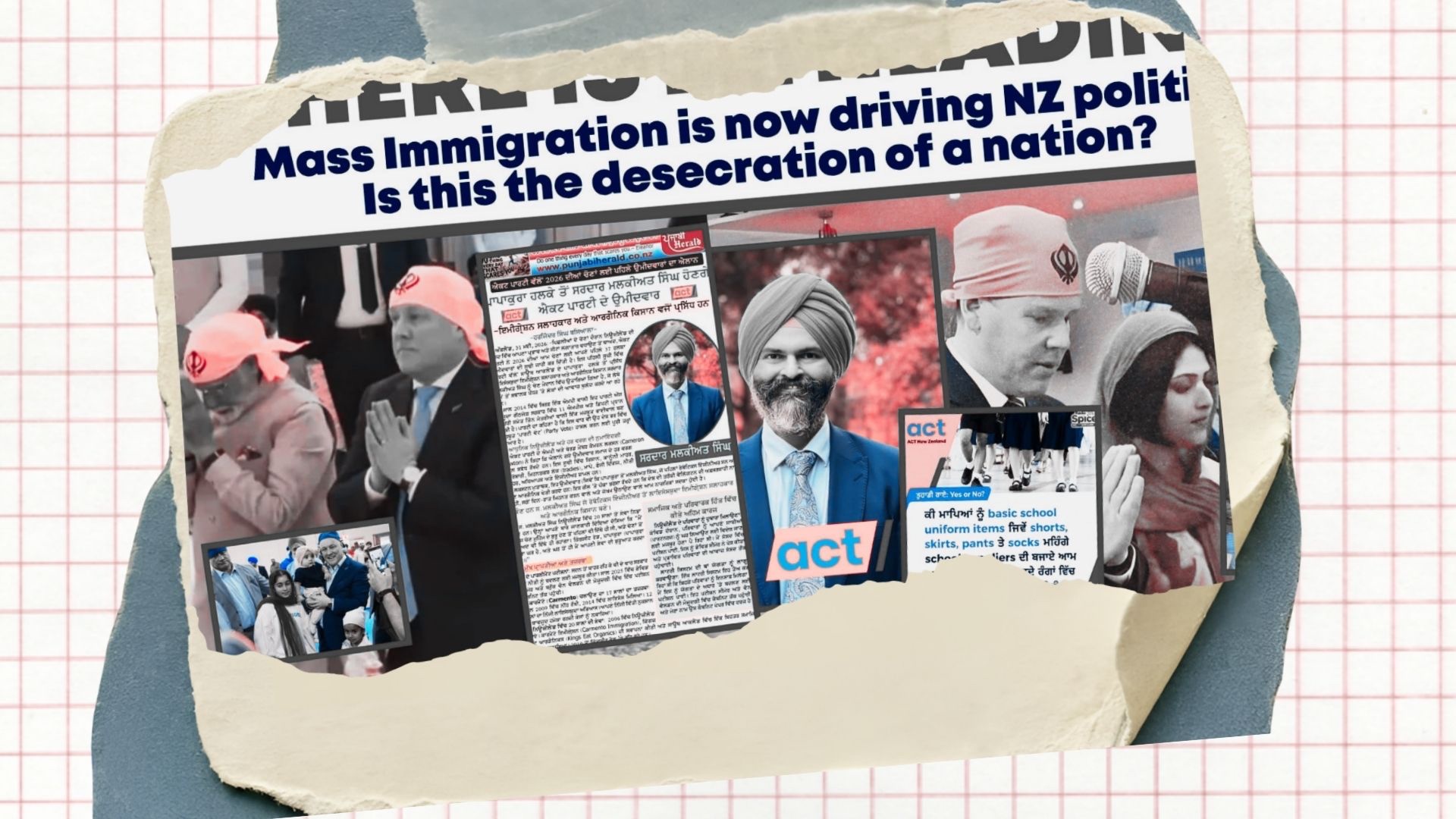
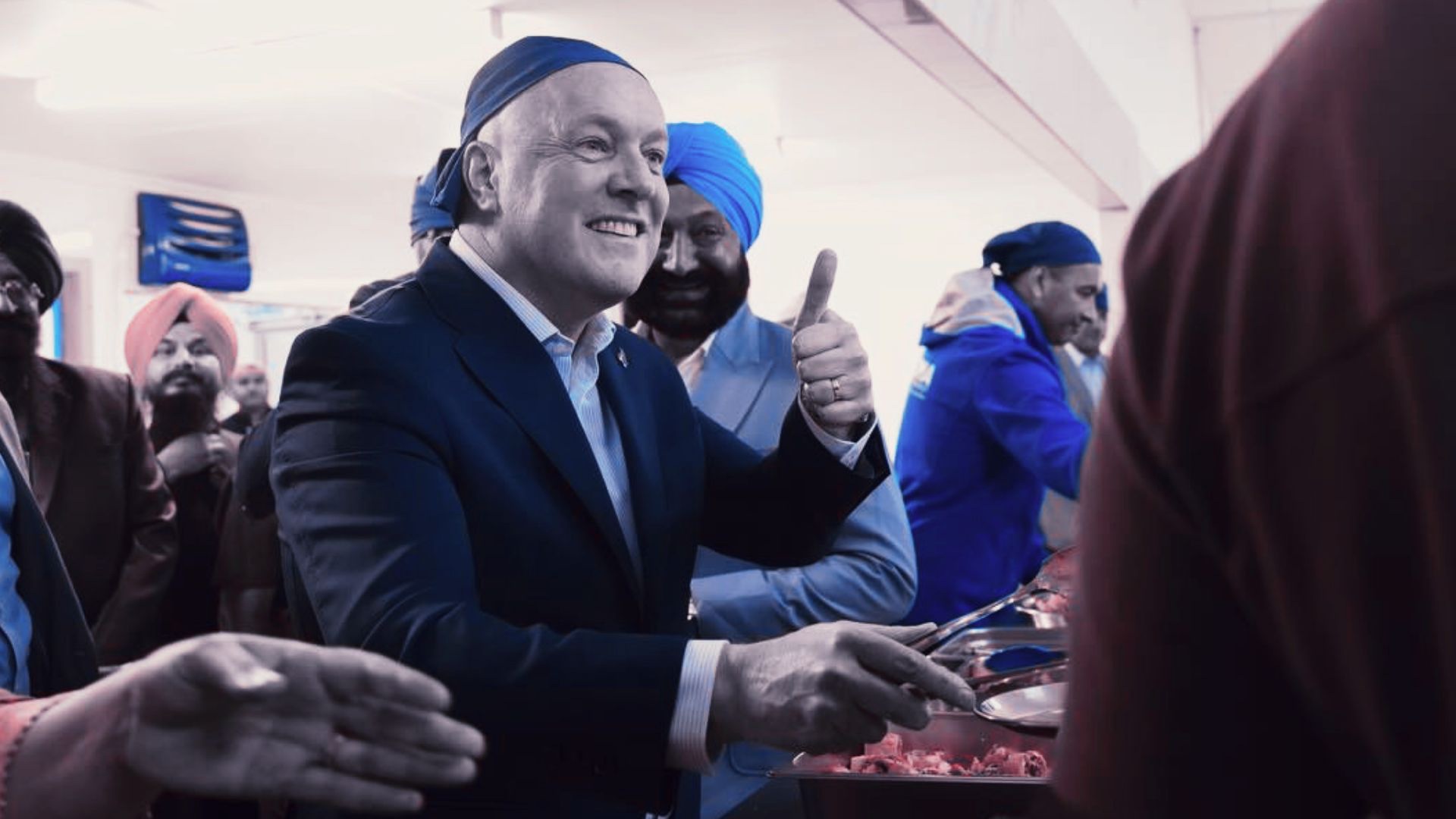
Election 2026: Will Kiwi-Indian voters decide the battle for Takanini? A South Auckland seat with one of New Zealand’s biggest Indian populations is shaping up as a test for ethnic identity and the ballot box.
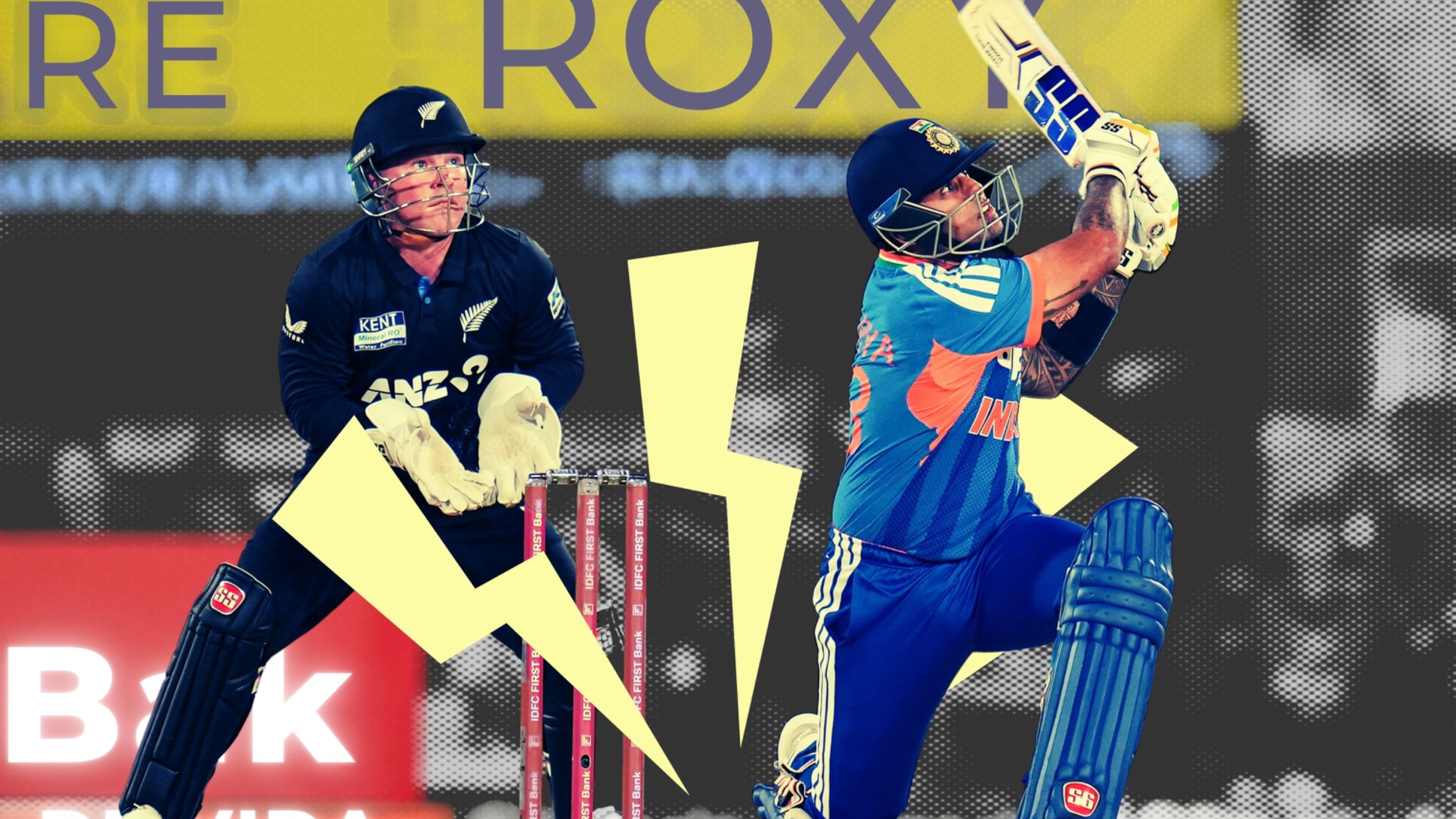
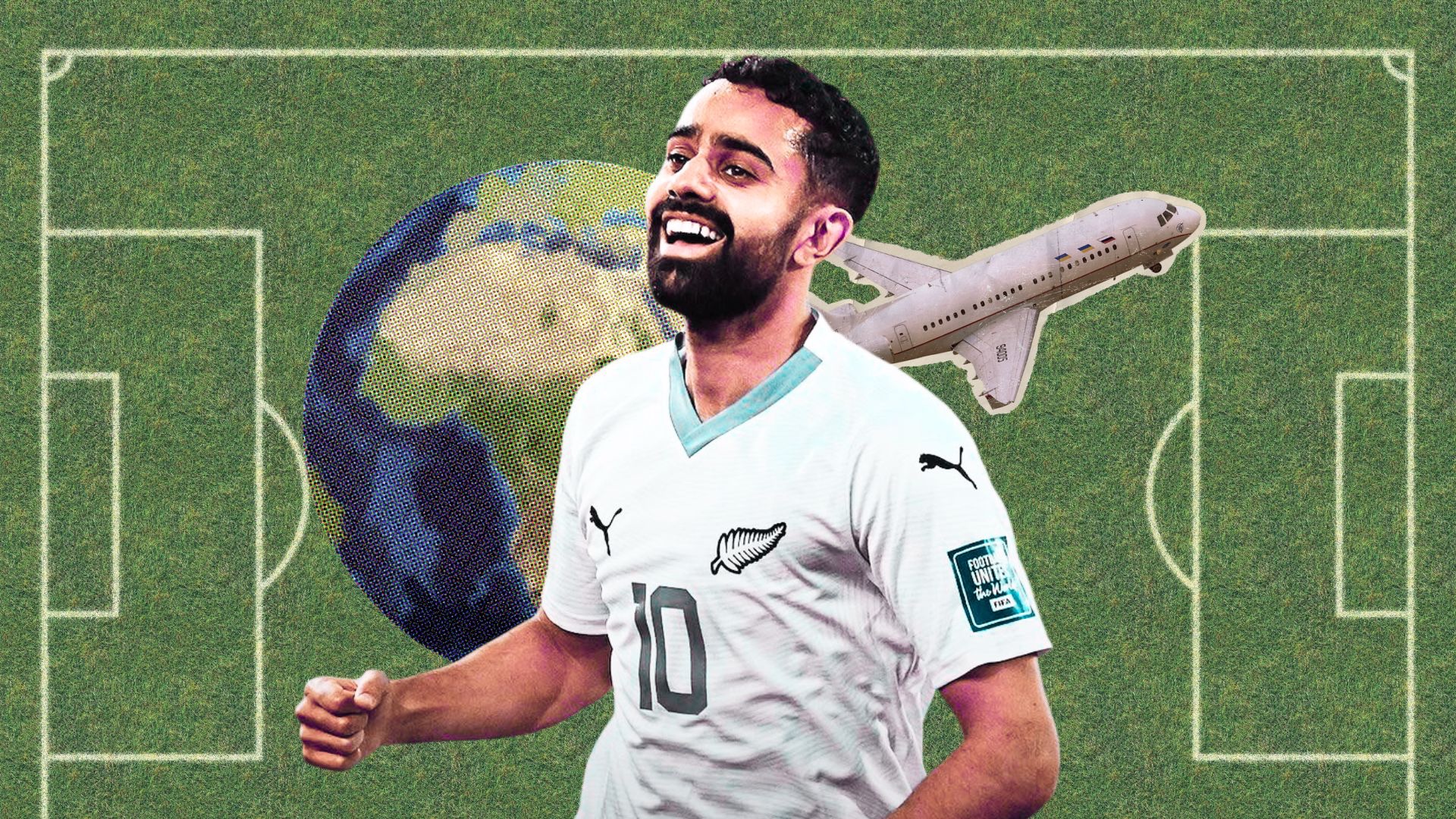
India is coming to Auckland: Full schedule revealed for cricket, football, hockey, Diwali From the Black Caps and All Whites taking on India to Diwali, hockey, bowls and city-wide light displays, Auckland has revealed its sporting centenary programme.
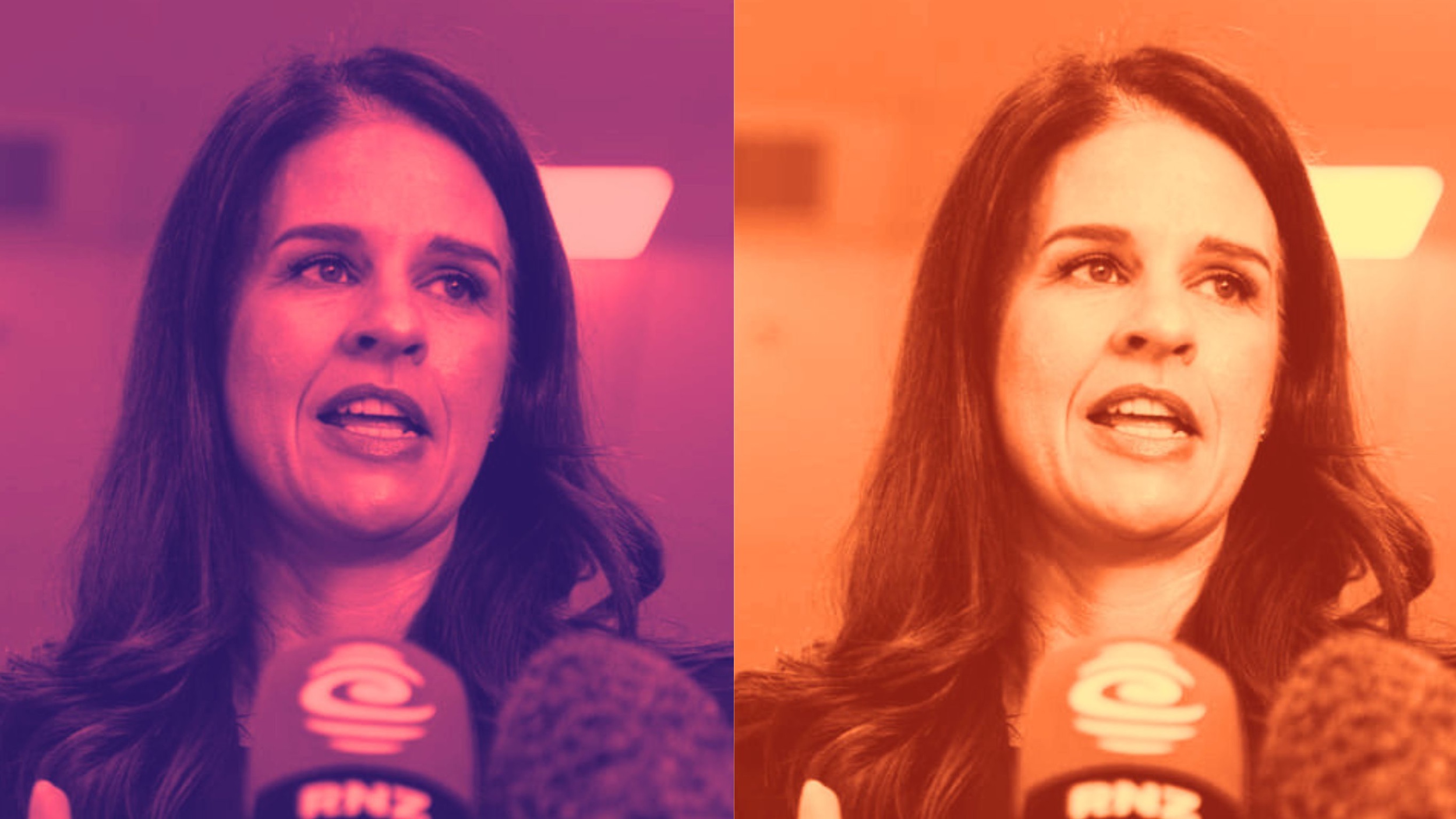
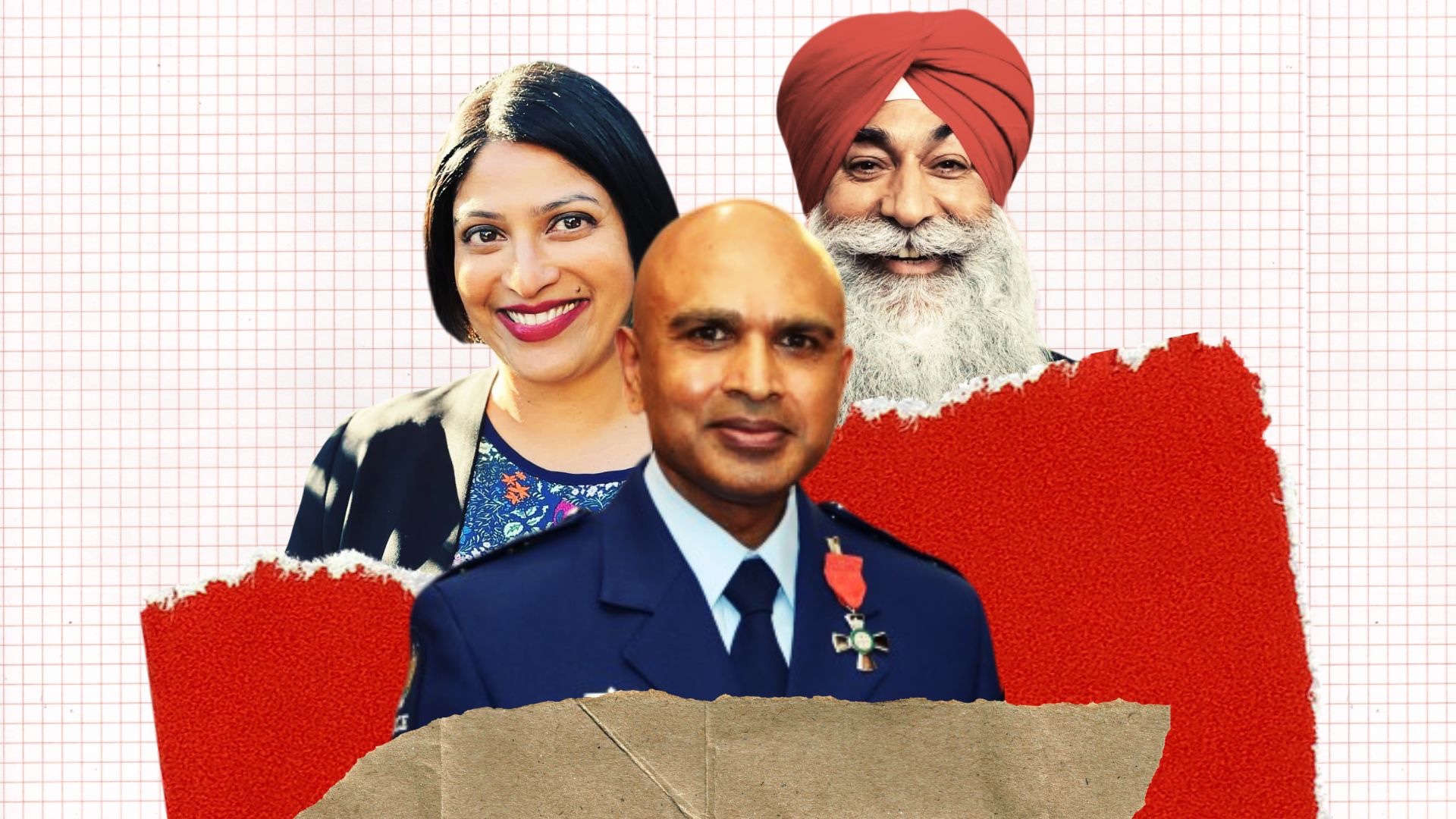
What does an Indian-origin MP owe Kiwi Indians? Priyanca Radhakrishnan on identity, belonging The three-term Labour MP says you can be Indian and Kiwi. Why should belonging require you to choose sides?
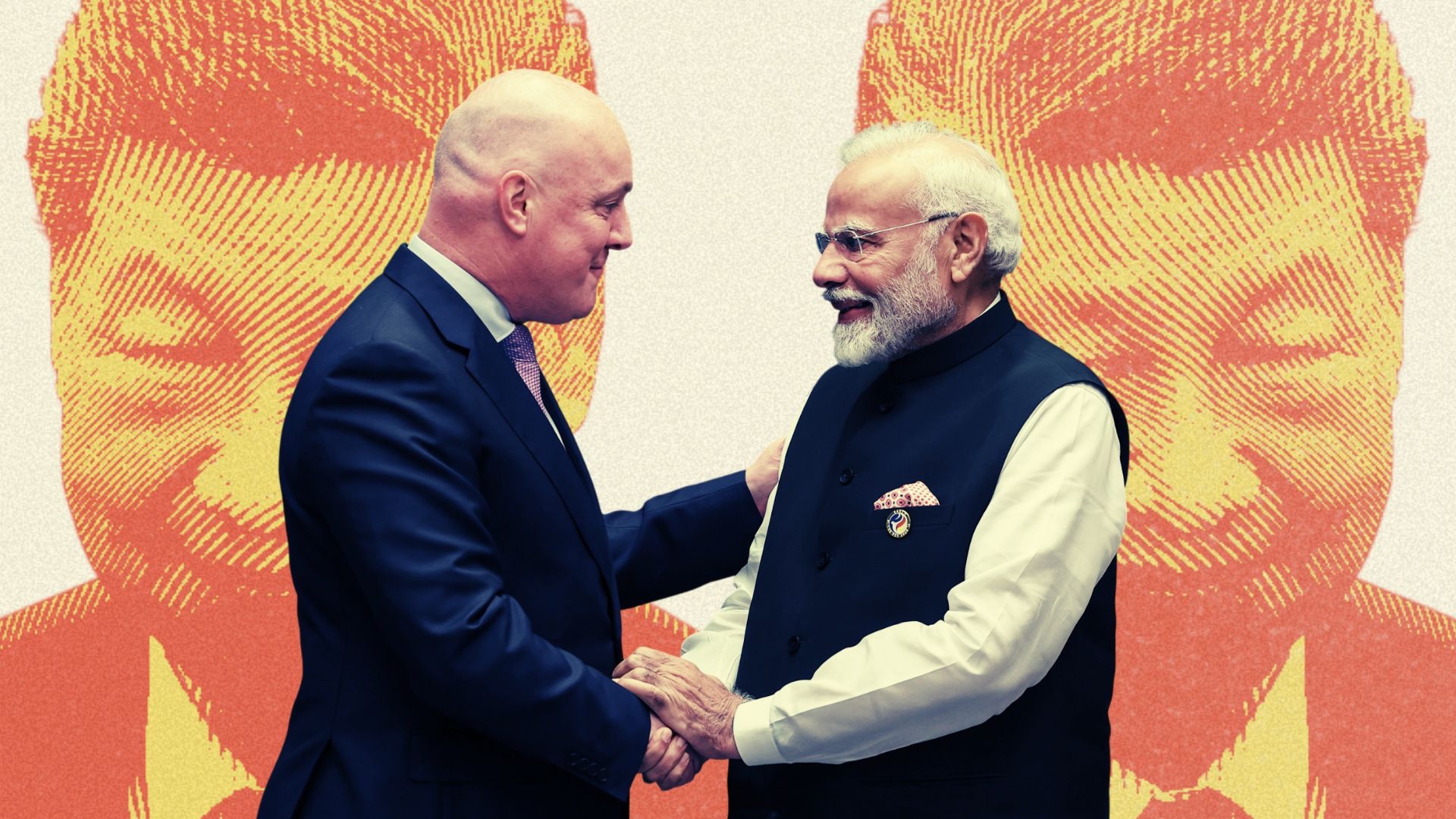
On Saturday, prime minister Christopher Luxon and Modi endorsed the 'India–New Zealand Strategic Partnership: Roadmap to 2030', intended to guide joint action over the next four years.
Sources described the elevation of the relationship as the defining development of the visit. The distinction is significant.
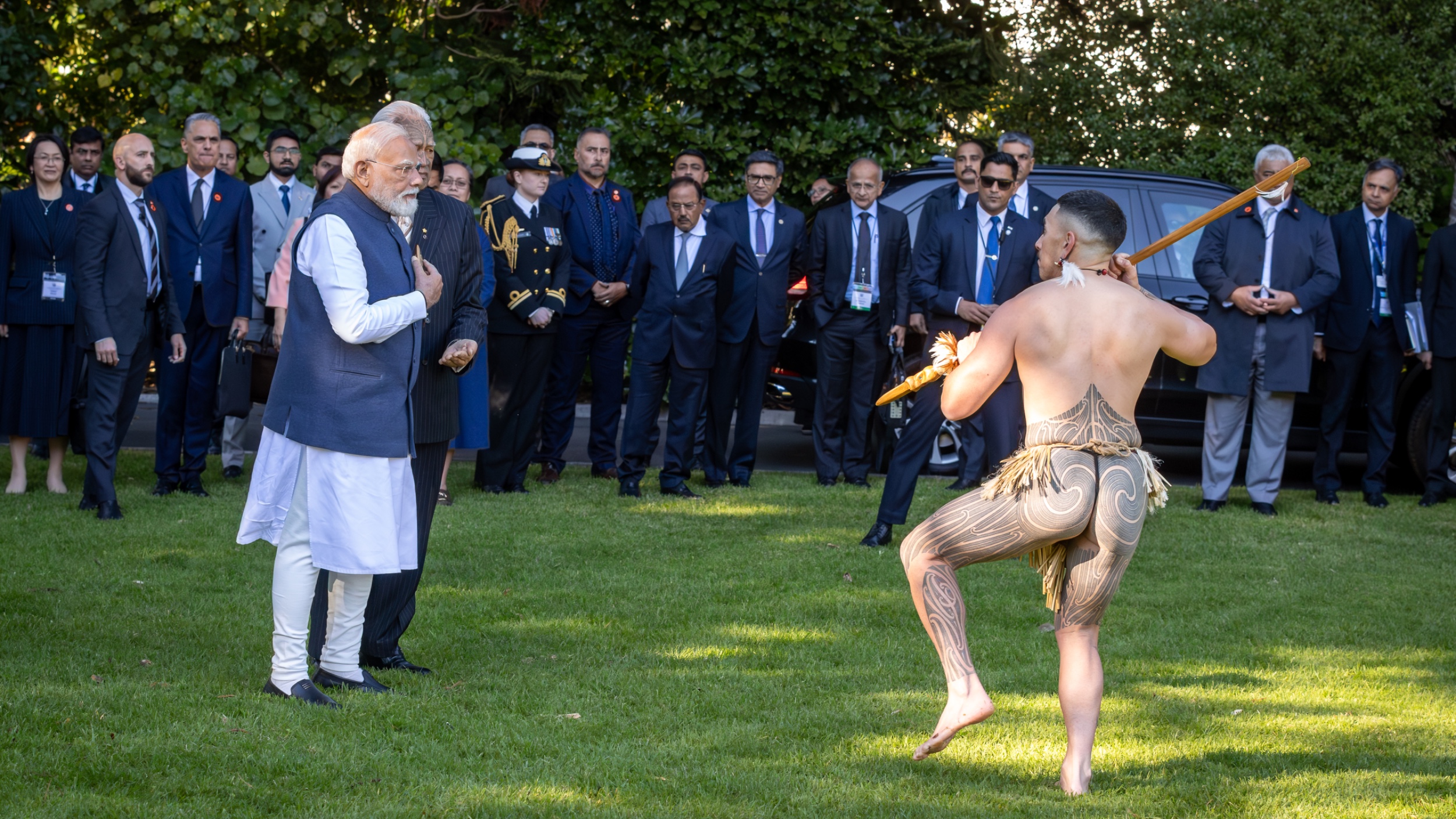
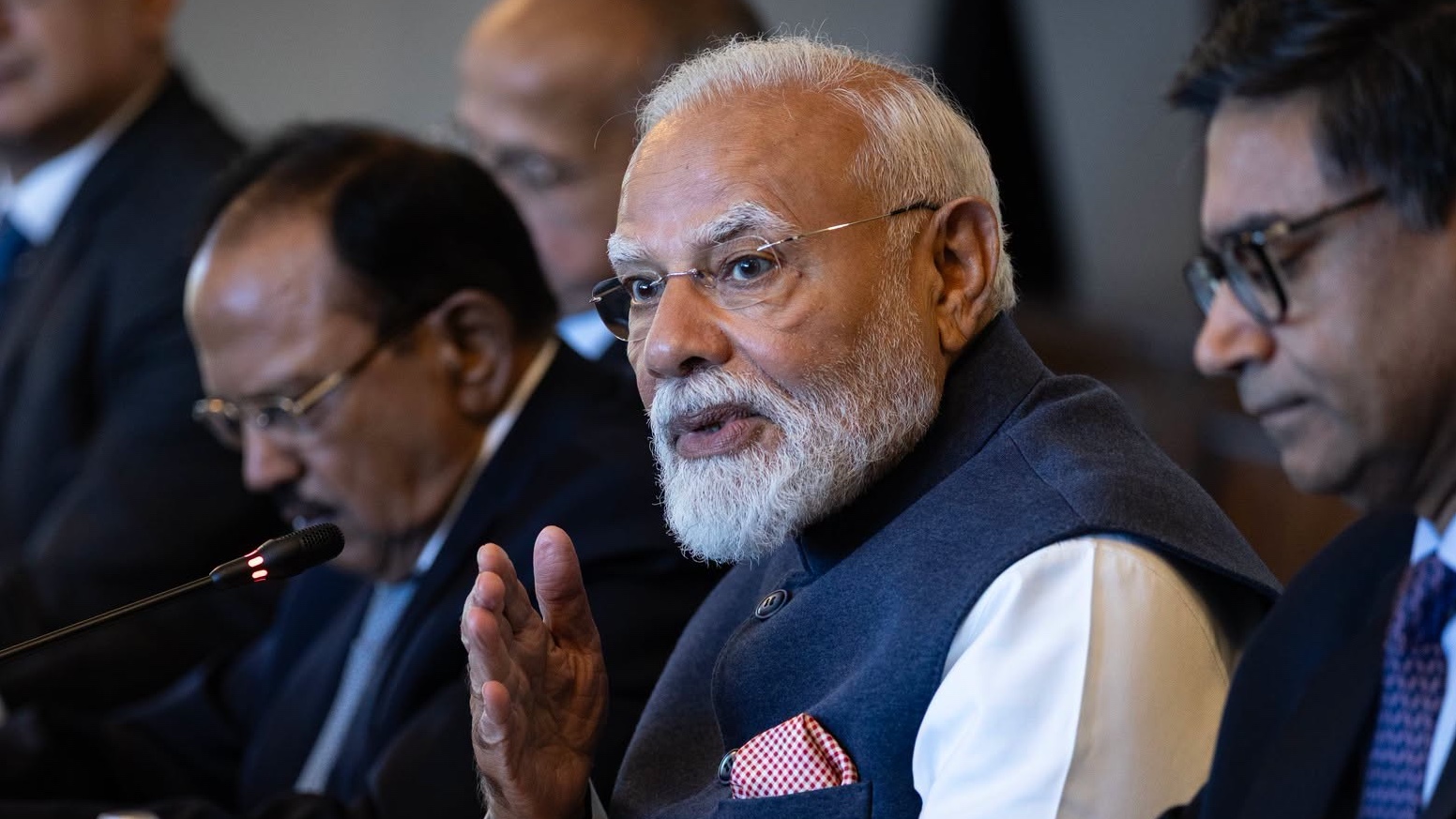
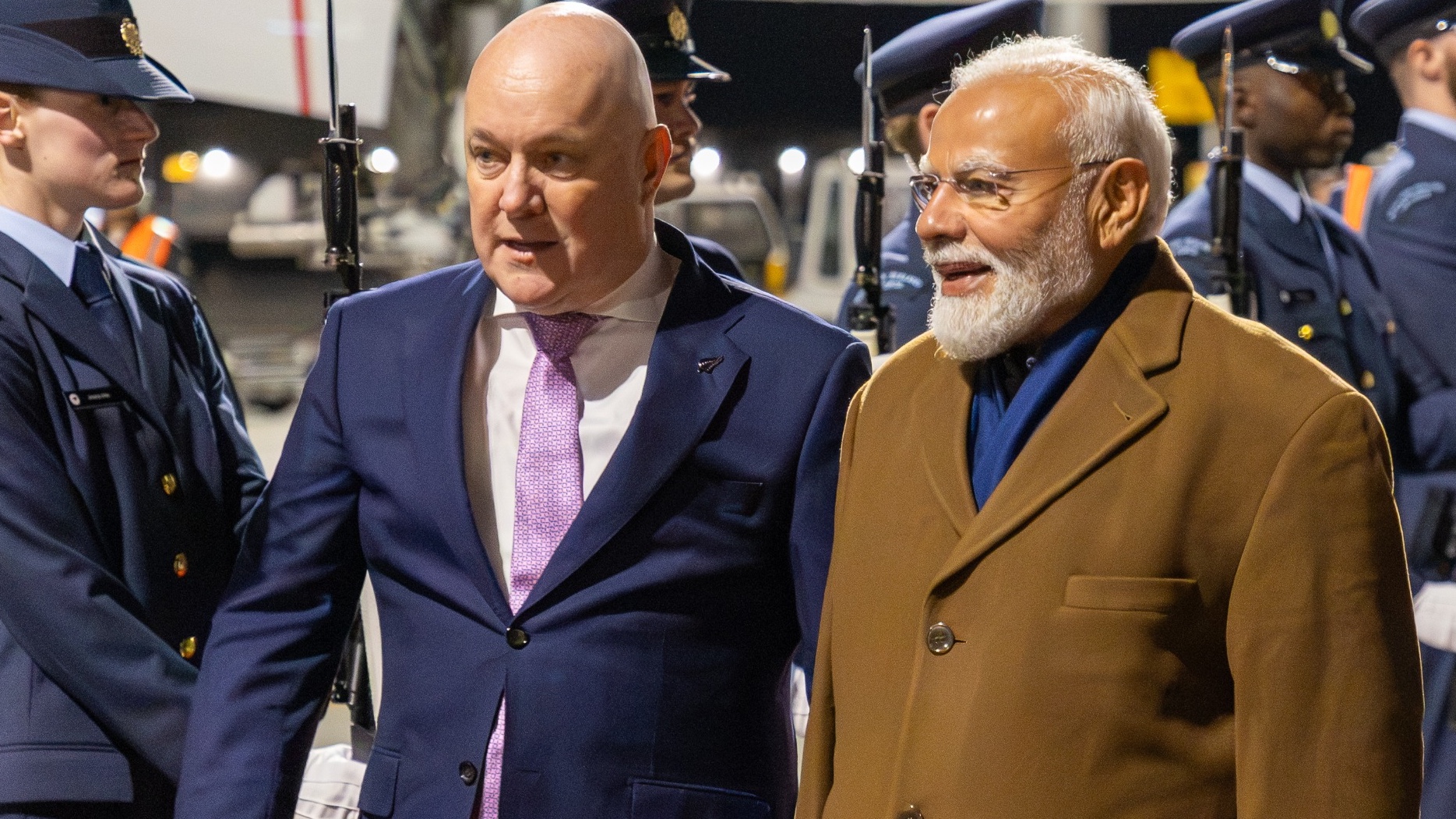
Narendra Modi at the ceremonial welcome at Government House Auckland on July 11, 2026.
Luxon’s visit to India in March 2025 helped restart a relationship that had long been seen as underdeveloped. During that trip, the two countries launched FTA negotiations and signed agreements covering defence, education, customs, horticulture, forestry and sport.
The rapid conclusion of the FTA then became the most visible symbol of the relationship’s new momentum. Modi’s visit has now taken the next step.
Rather than treating India primarily as a trade opportunity, New Zealand has formally recognised the relationship as a wider strategic partnership, with both governments committing to regular political engagement and deeper cooperation across security, economic and regional issues.
The joint statement issued after the leaders’ meeting said the relationship was being elevated in recognition of the countries’ “shared democratic values, deep people-to-people links, and shared interests in the Indo-Pacific”.
The two leaders agreed that the partnership should strengthen existing cooperation and identify new areas in which the countries could work together, both bilaterally and through regional and international institutions.
Under the roadmap, India and New Zealand will seek regular meetings and reciprocal visits between prime ministers and cabinet ministers.
They will also establish a regular foreign ministers’s dialogue and continue annual senior-official meetings to review progress under the partnership.
Defence and maritime cooperation form one of the most substantial parts of the new framework.
The countries agreed to continue military exchanges, defence dialogues, visits by naval, air and land units, and bilateral naval activities.
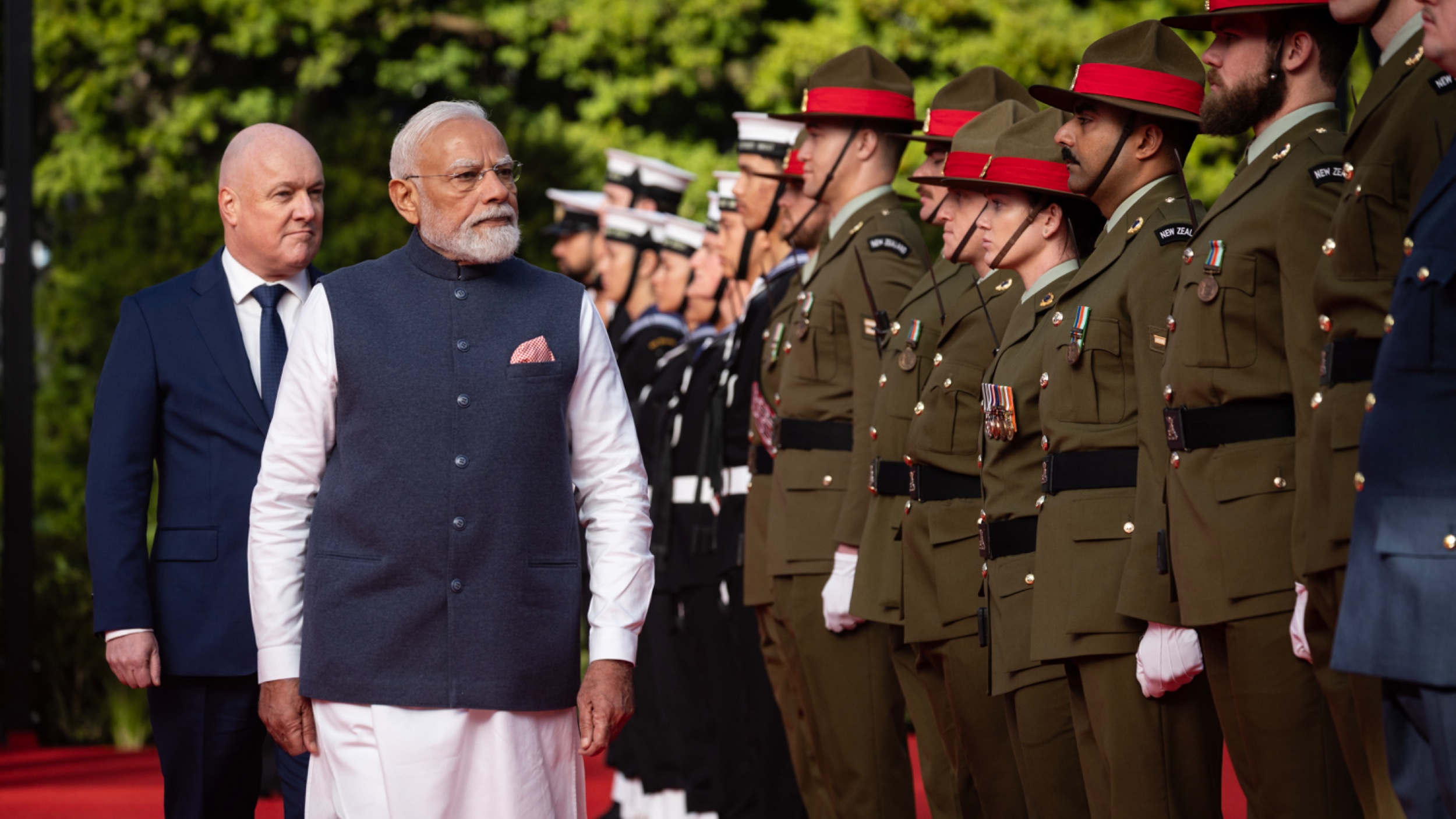
Narendra Modi inspects the guard of honour at Government House Auckland.
They also endorsed a Maritime Cooperation Arrangement, an agreement on hydrography and nautical mapping, and a Mutual Logistics Support Arrangement focused on maritime operations.
An annual Maritime Security Dialogue will be established, while the two sides will also work together under the maritime-security pillar of the Indo-Pacific Oceans Initiative.
The leaders said India and New Zealand shared an interest in a free, open, peaceful and prosperous Indo-Pacific, where sovereignty, territorial integrity and the rules-based international order were respected.
The language brings New Zealand closer to India’s broader strategic outlook in the region, where maritime security, freedom of navigation and resilience of supply chains have become increasingly important.
The partnership also creates a more structured basis for counter-terrorism, cyber-security and law-enforcement cooperation.
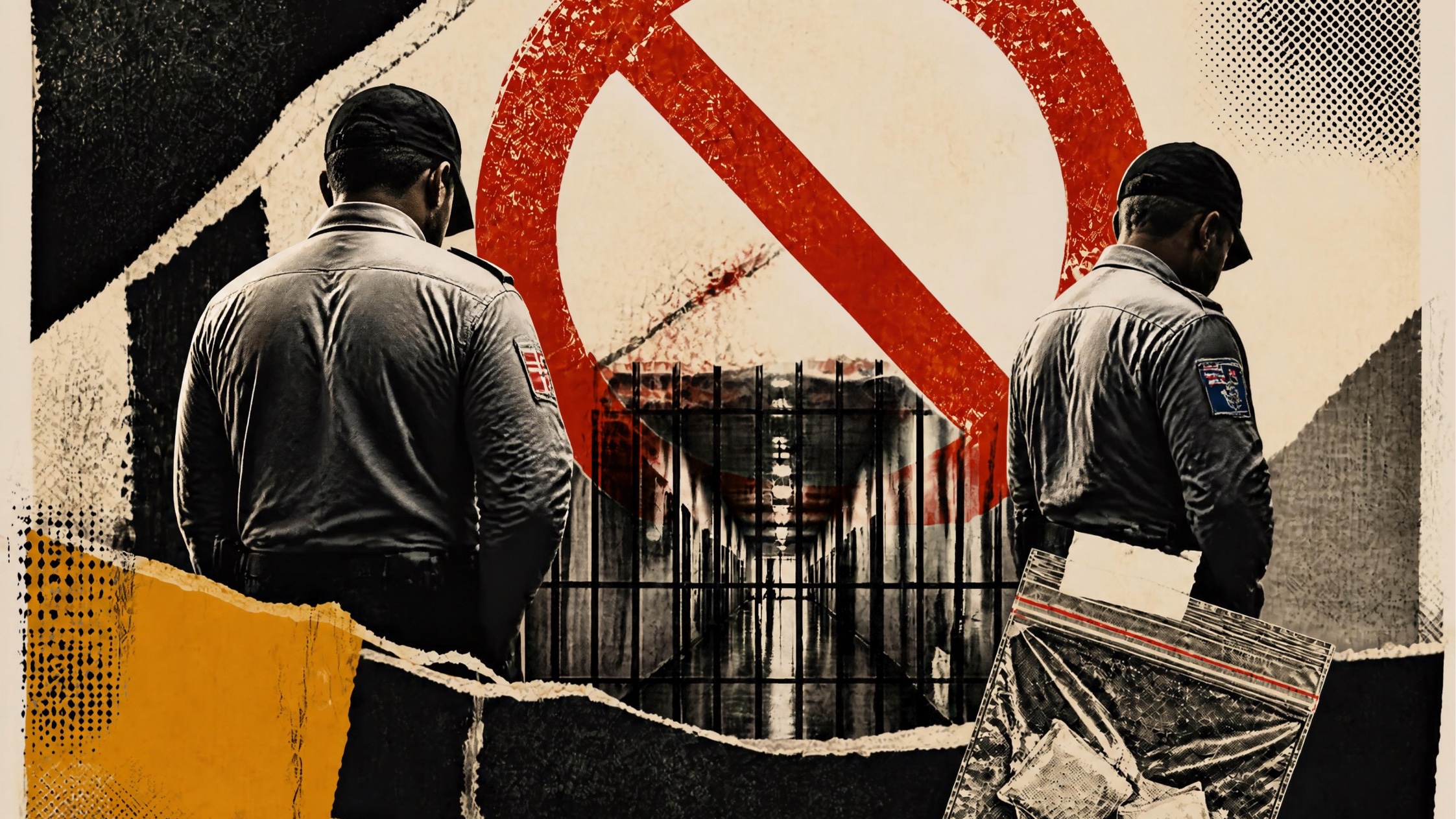
The two countries will operationalise a joint working group on counter-terrorism and work towards agreements covering narcotics trafficking and cooperation between India’s National Investigation Agency and New Zealand Police.
The leaders also condemned terrorism in all its forms, including cross-border terrorism, and called for action against terrorist organisations, their financiers and support networks.
Trade remains central to the relationship, but it now sits within the broader strategic framework.
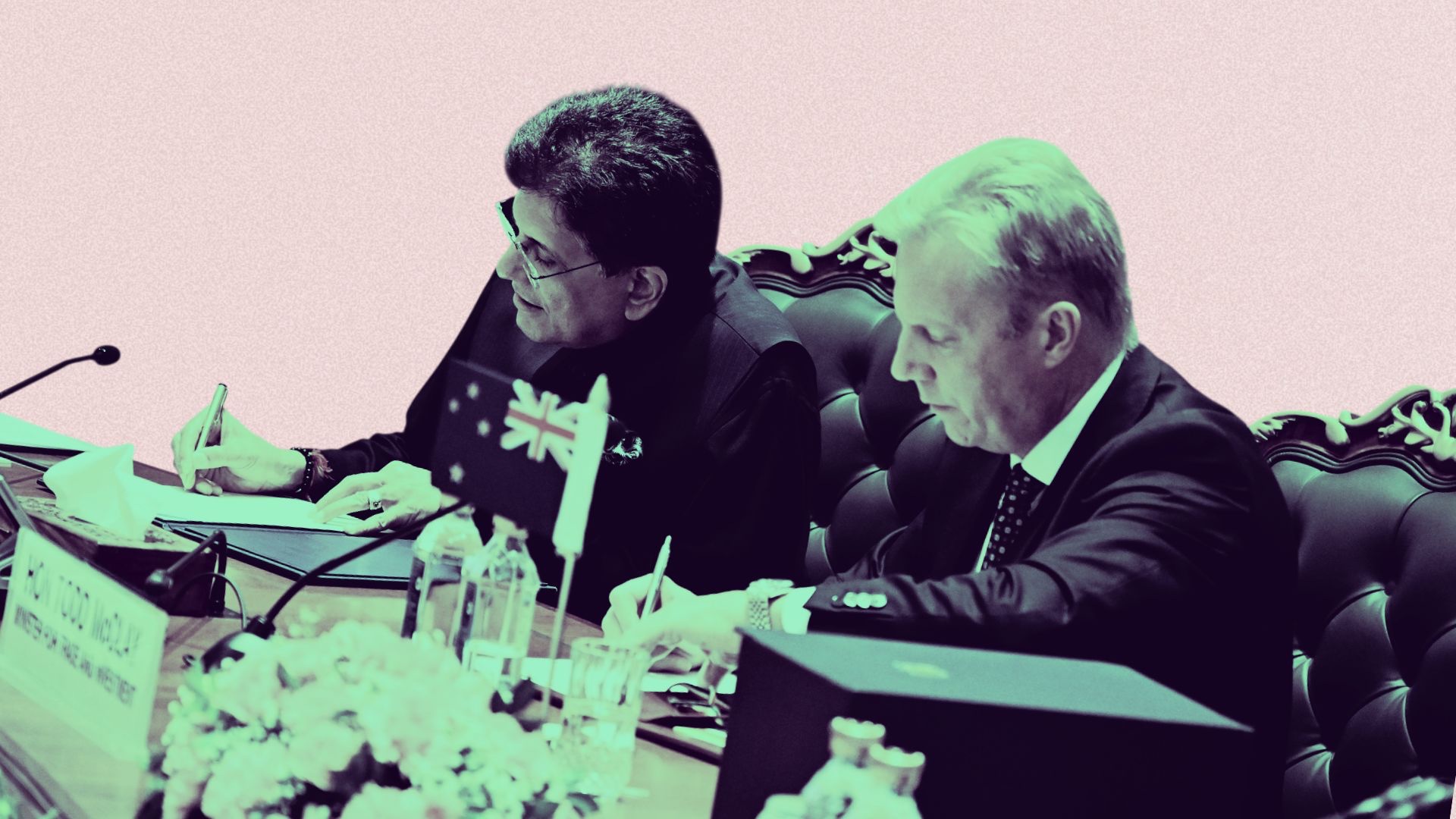
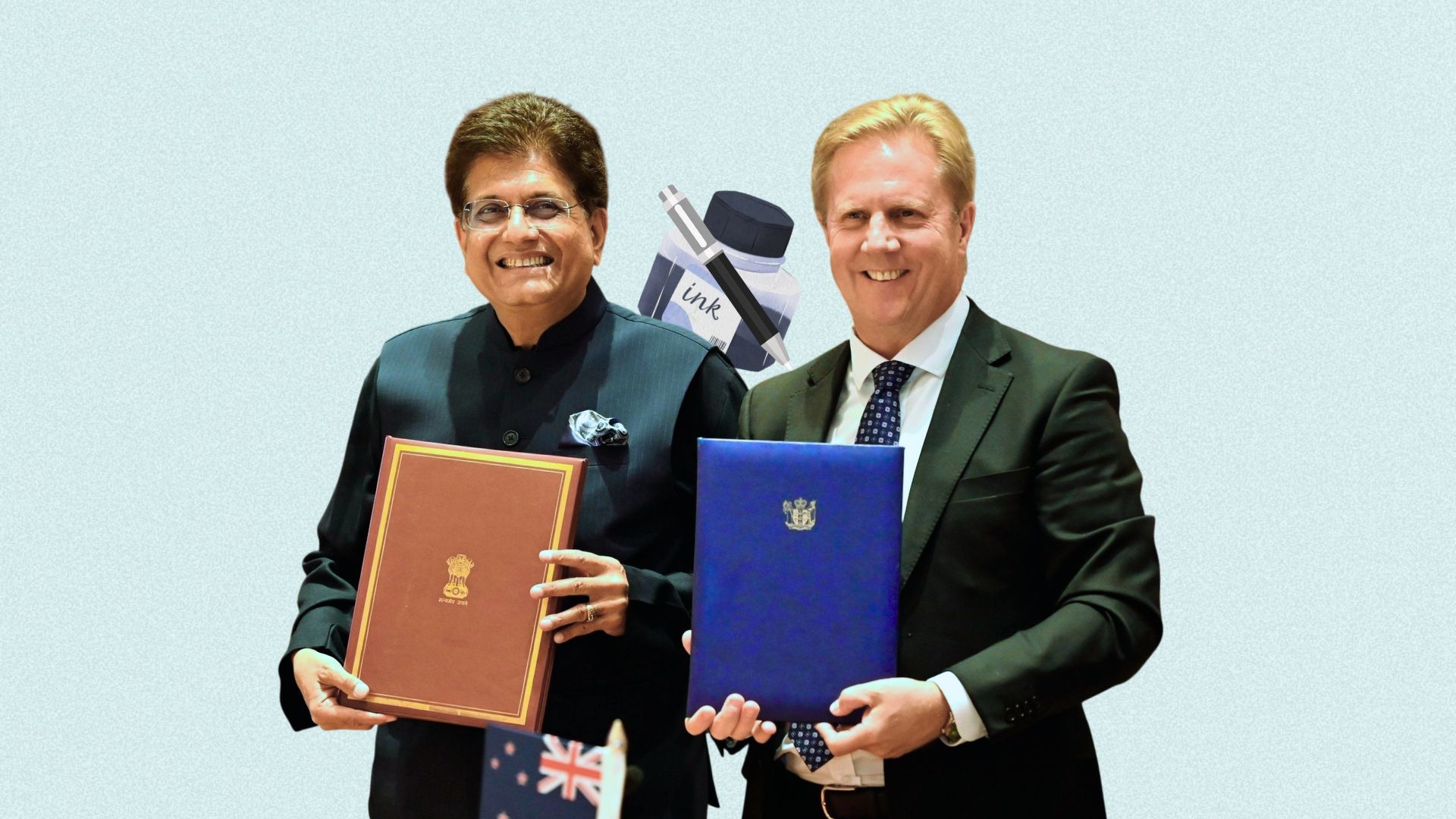
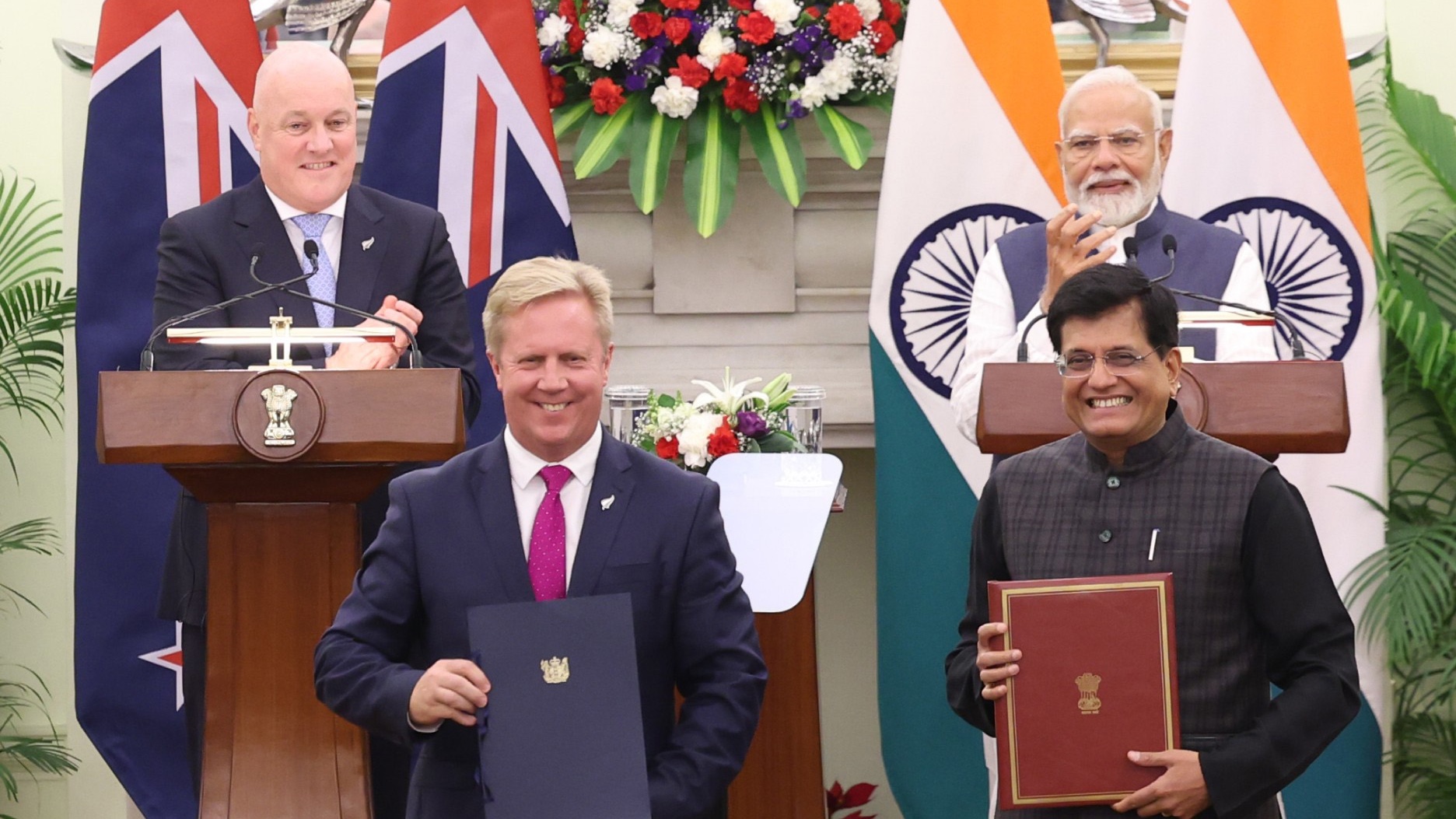
The two leaders welcomed the conclusion and signing of what they described as a balanced, comprehensive and mutually beneficial FTA and committed to working towards its early entry into force.
They also set an aspirational goal of doubling bilateral trade in goods and services to NZ$7 billion by 2030.
The partnership includes plans to deepen cooperation in agriculture, horticulture, forestry, animal husbandry and dairying.
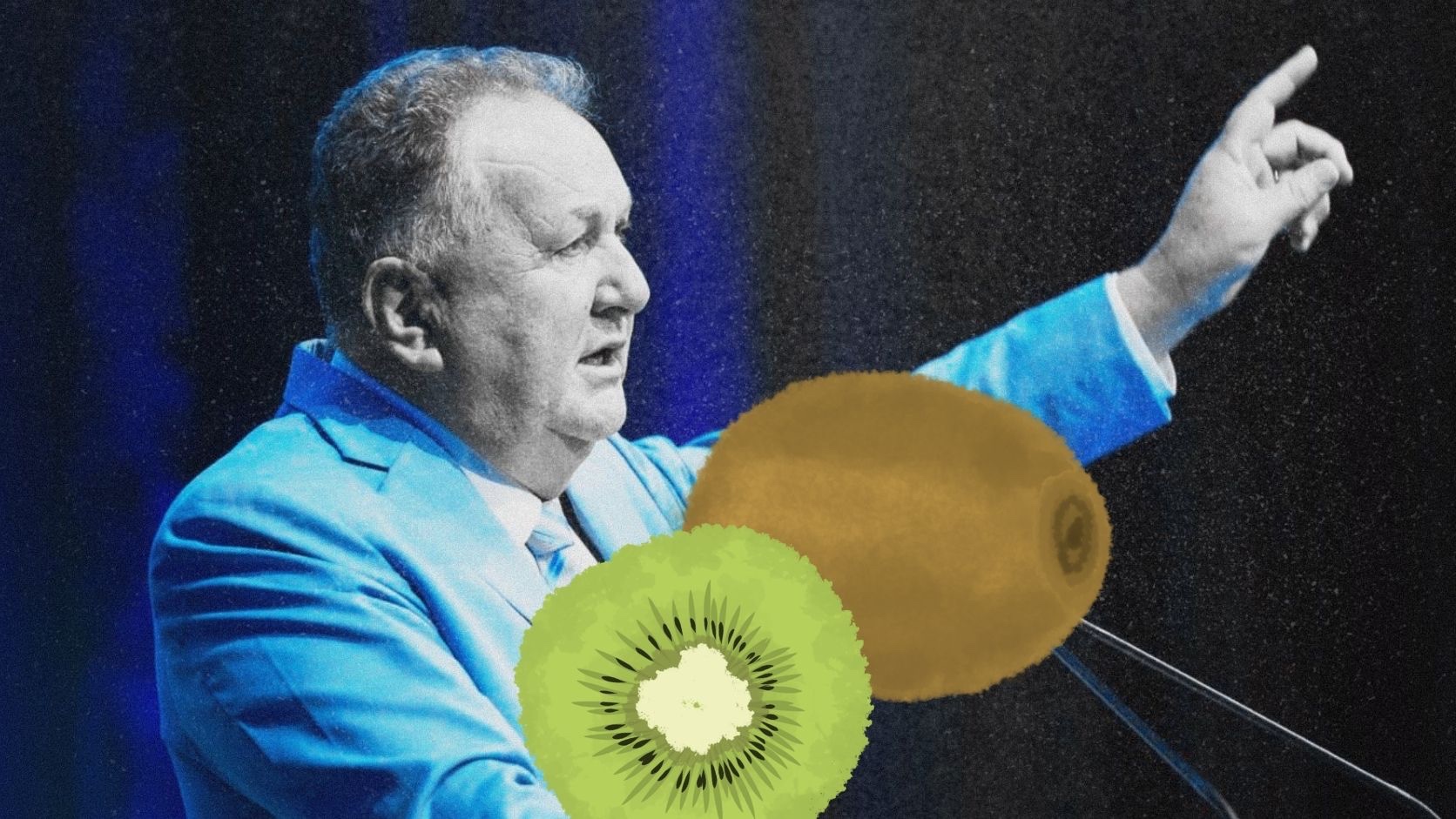
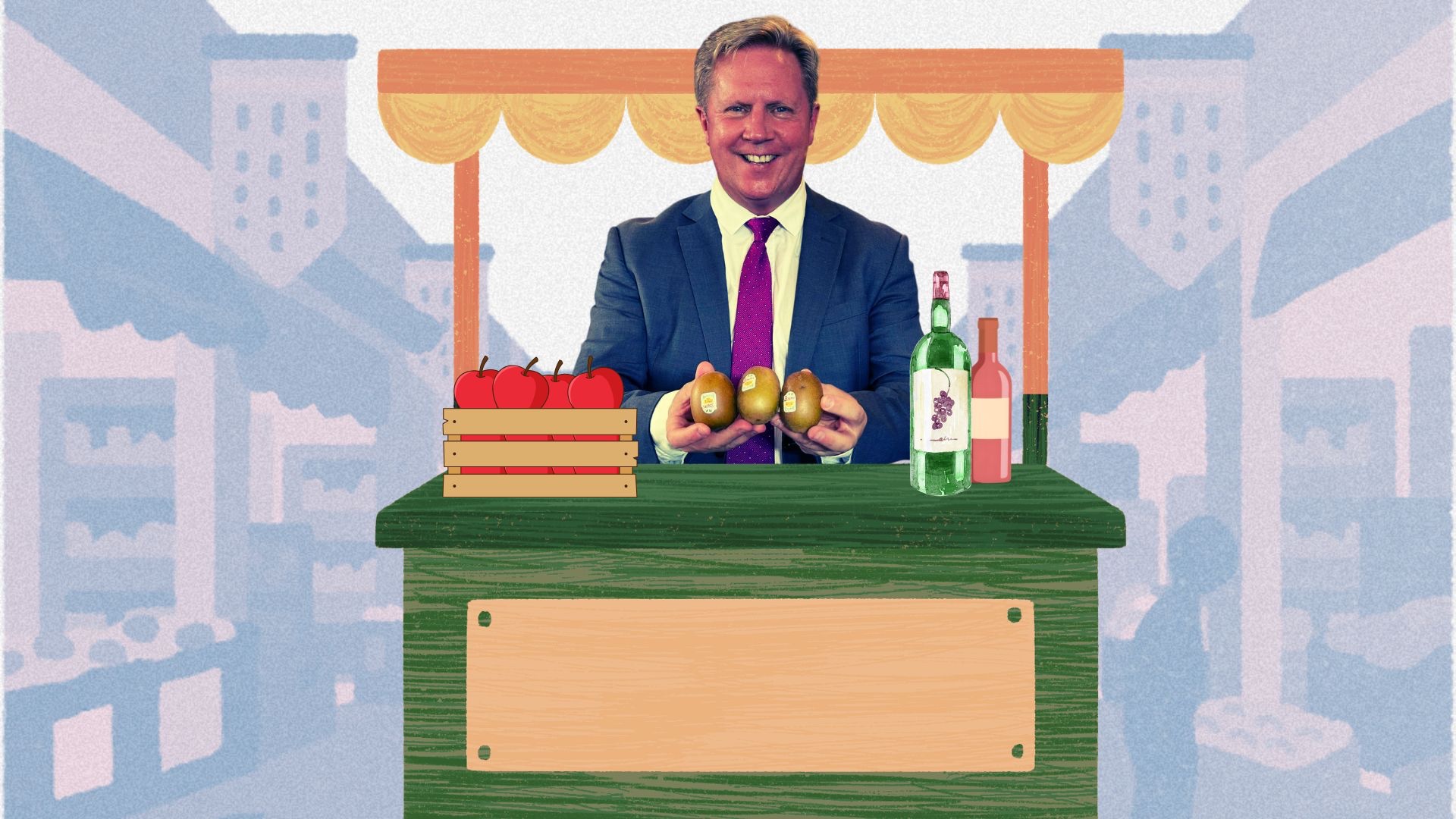
New Zealand will work with India on initiatives aimed at improving productivity in kiwifruit, apples and honey, while the two countries also plan to expand education and research links in agriculture and food systems.
Tourism and connectivity also feature prominently.
The governments signed a tourism arrangement and again encouraged airlines to begin direct, non-stop flights between India and New Zealand.
Direct air links have long been seen as one of the missing pieces in the relationship, particularly as the Indian community in New Zealand has grown and tourism, education and business connections have expanded.
The joint statement described the Indian community as an integral and valued part of New Zealand society and a “living bridge” between the two countries.
Both governments committed to engaging diaspora communities as partners in strengthening people-to-people ties.
Sport is another area in which the relationship is expected to deepen.
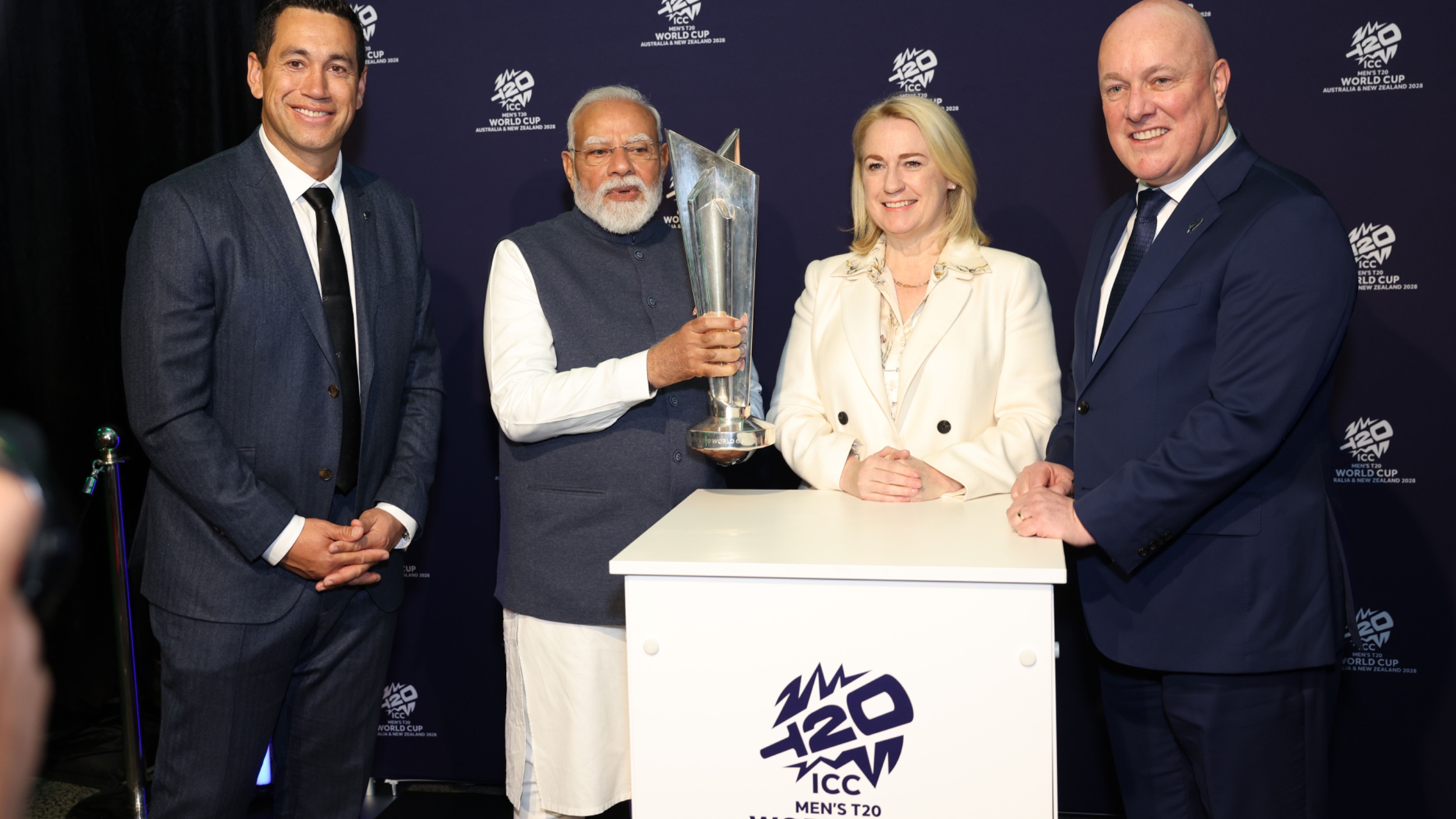
The two sides welcomed an India-New Zealand Joint Action Plan on Sport covering high-performance programmes, coaching, sports science, participation, business and exchanges between national sporting organisations.
Education, research and technology make up another major pillar.
The roadmap calls for greater institutional cooperation and partnerships in agriculture, climate, digital transformation, science, innovation and emerging technologies.
The countries will also deepen cooperation on disaster preparedness and emergency response through an agreement between India’s National Disaster Management Authority and New Zealand’s National Emergency Management Agency.
On the international stage, New Zealand reaffirmed its support for India becoming a permanent member of a reformed and expanded United Nations Security Council.
The leaders also committed to closer cooperation through ASEAN-led forums and other regional institutions.
The Roadmap to 2030 is not a legally binding treaty and creates no automatic financial commitments.
Its significance is primarily political.
It establishes the structure through which both governments intend to develop a relationship that, until recently, was often described as falling short of its potential.
The FTA remains one of the most consequential outcomes of the recent diplomatic push.
But the strategic-partnership announcement signals that both countries now see their relationship as extending well beyond market access and trade.
If 2025 was the year India and New Zealand rebuilt the economic relationship, Modi’s visit has made 2026 the year they began trying to turn it into a strategic one.