New work rights under FTA a key marketing tool in India, says Education NZ

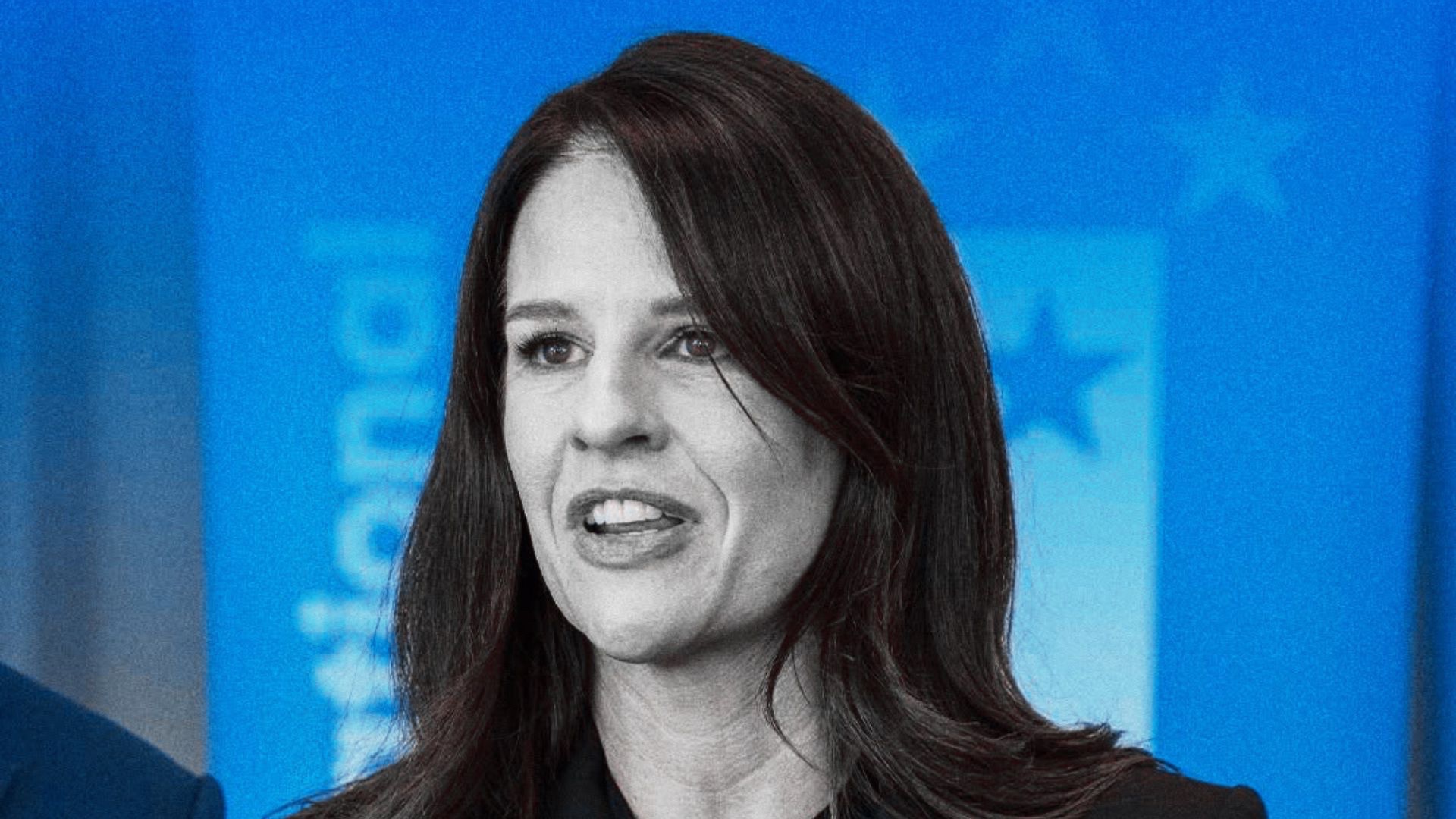
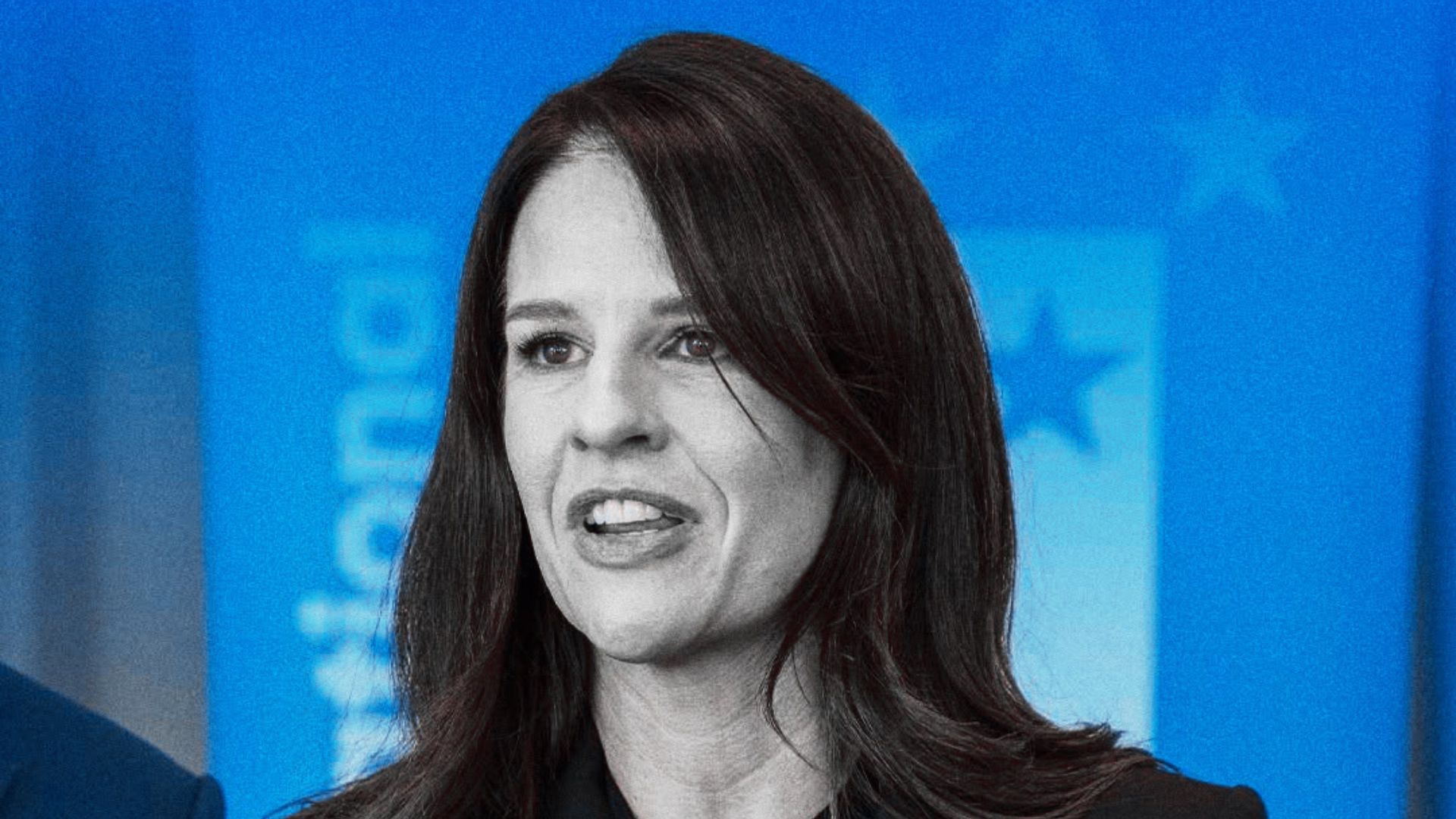
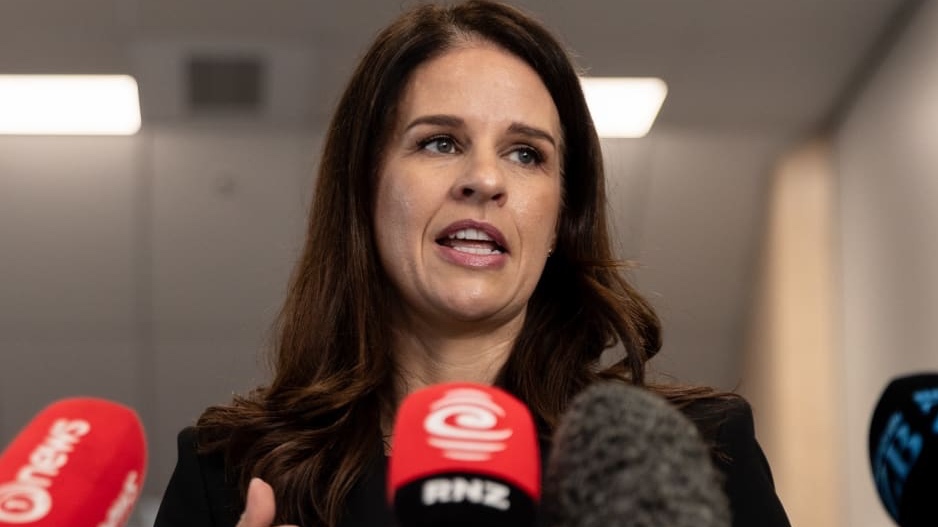
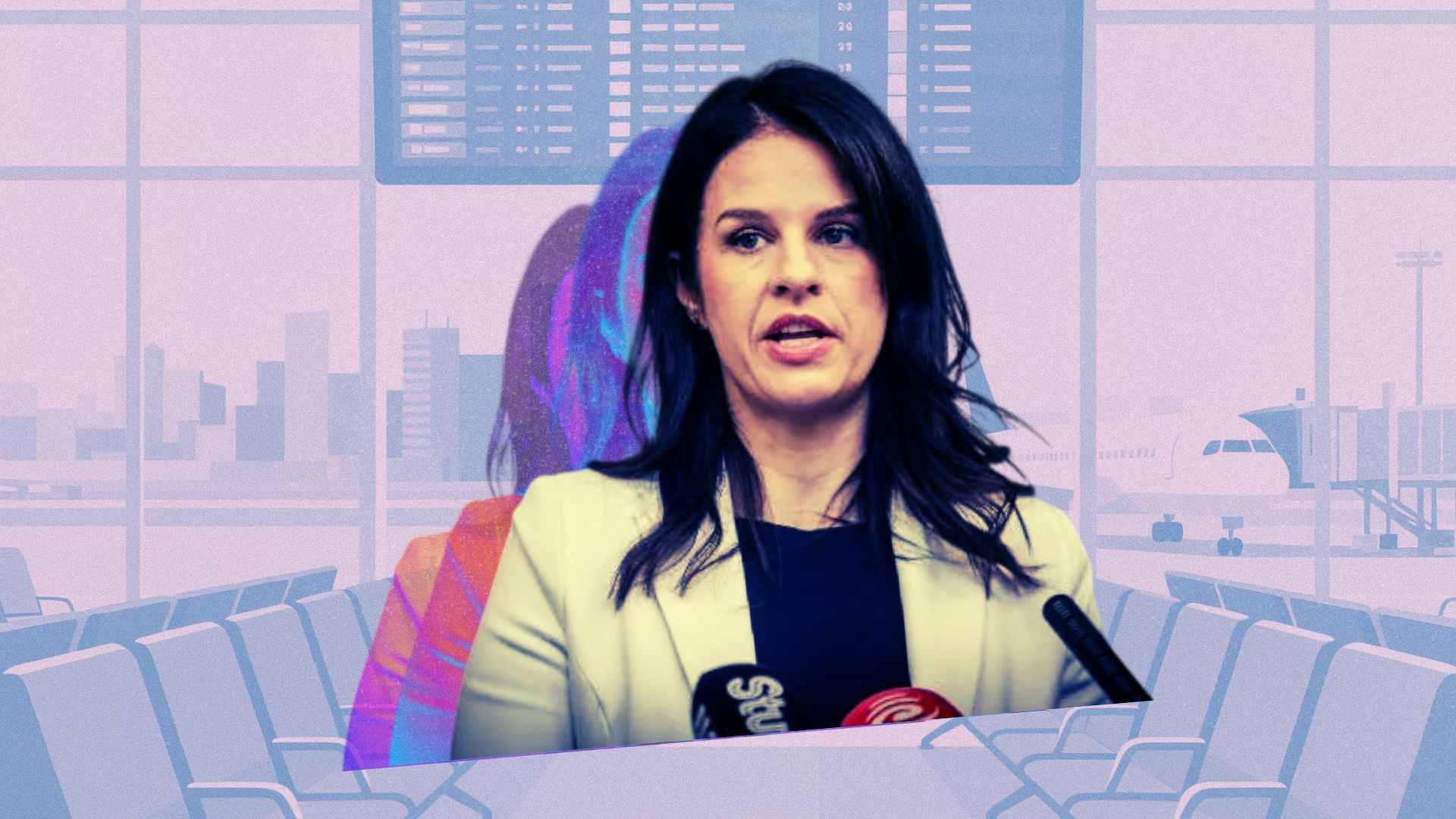
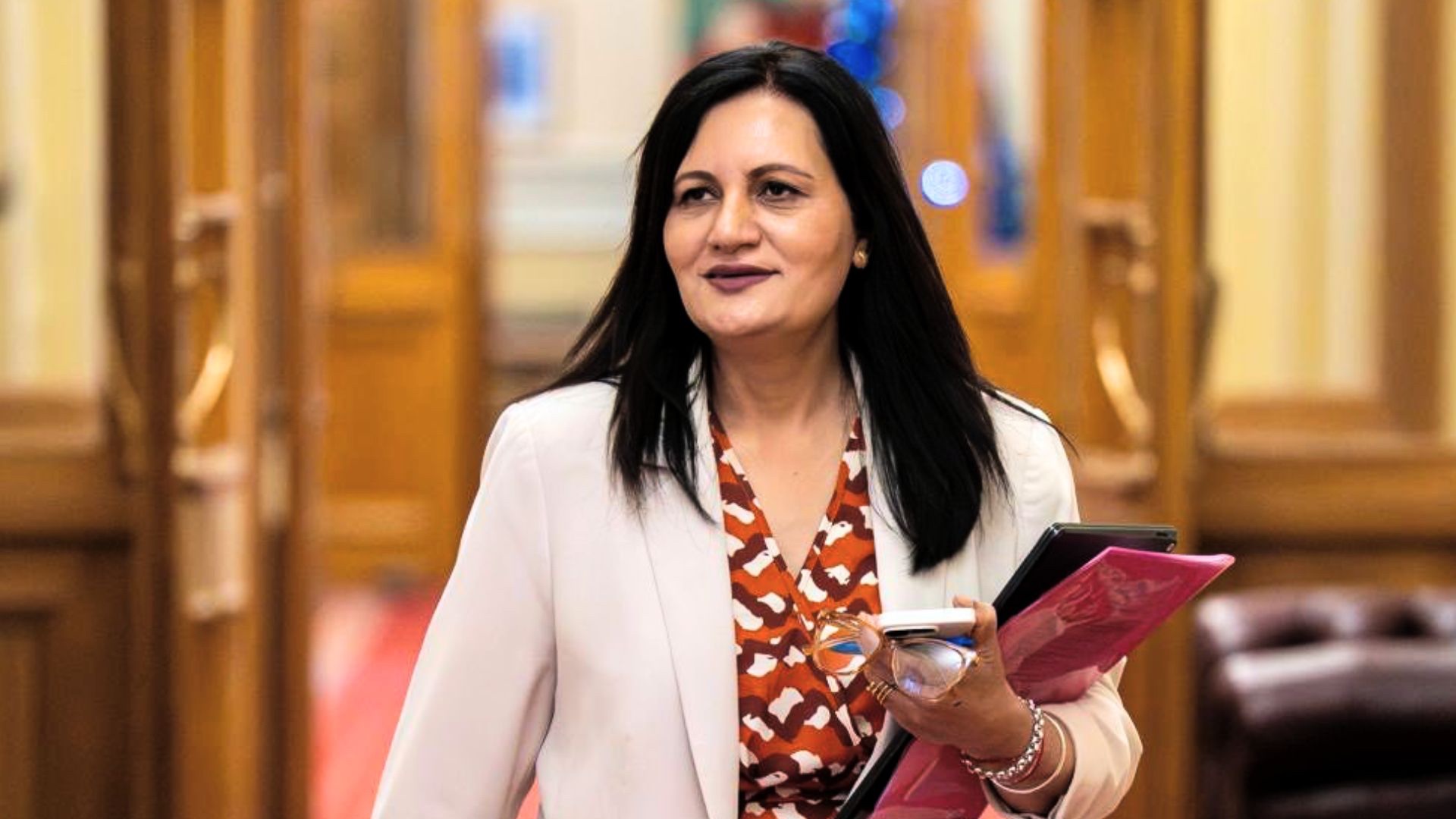
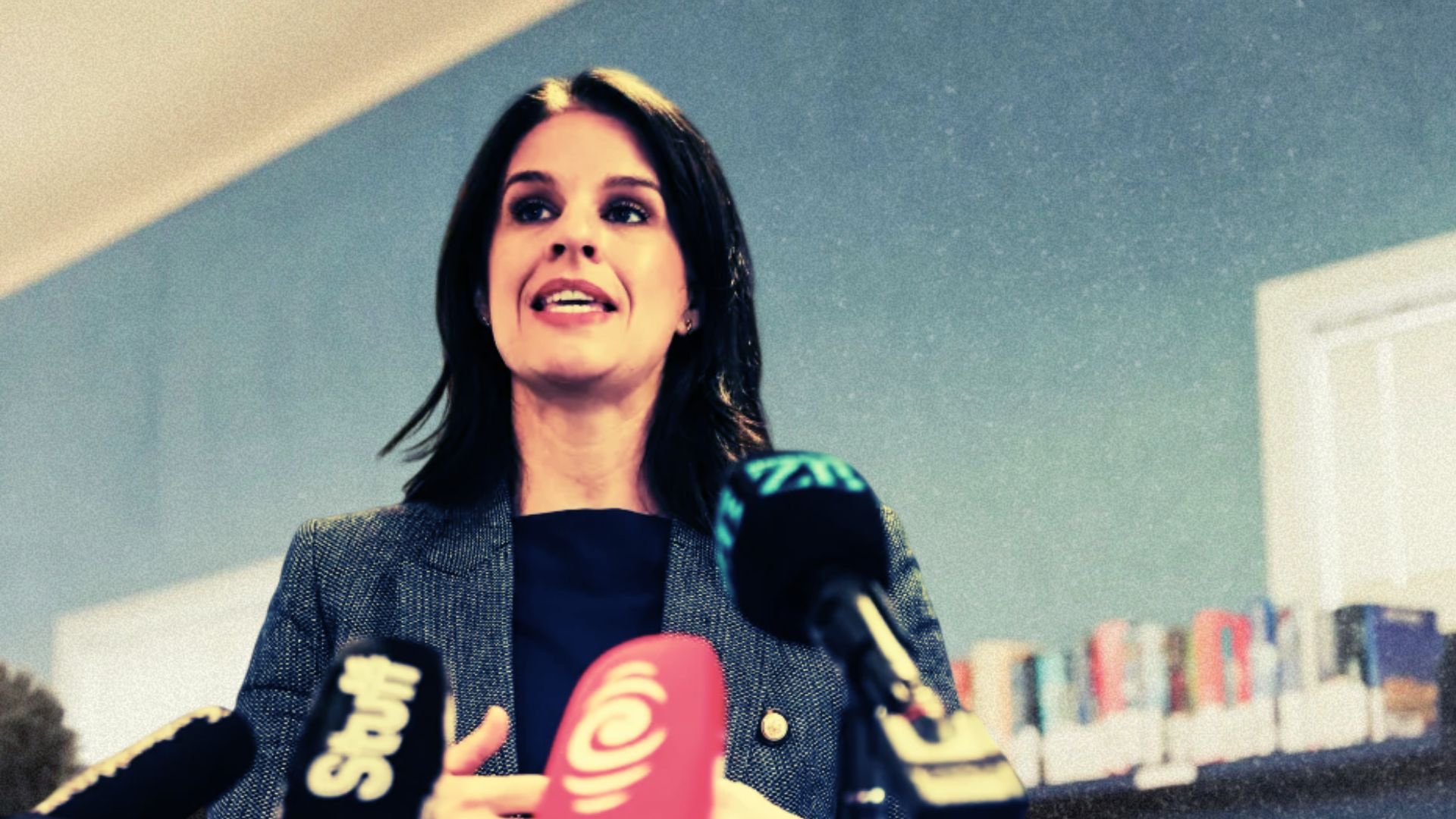
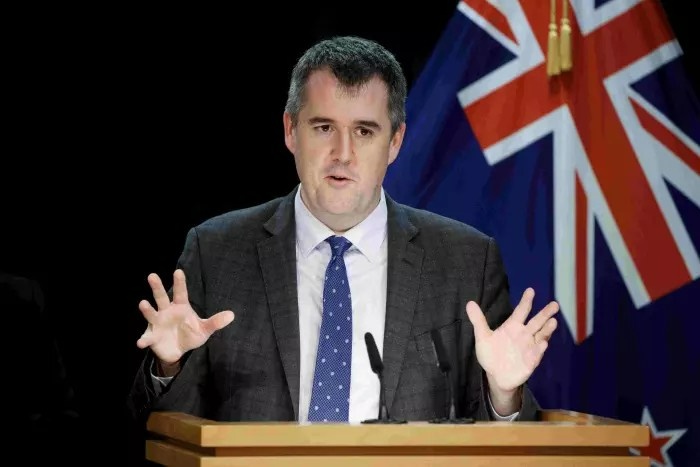
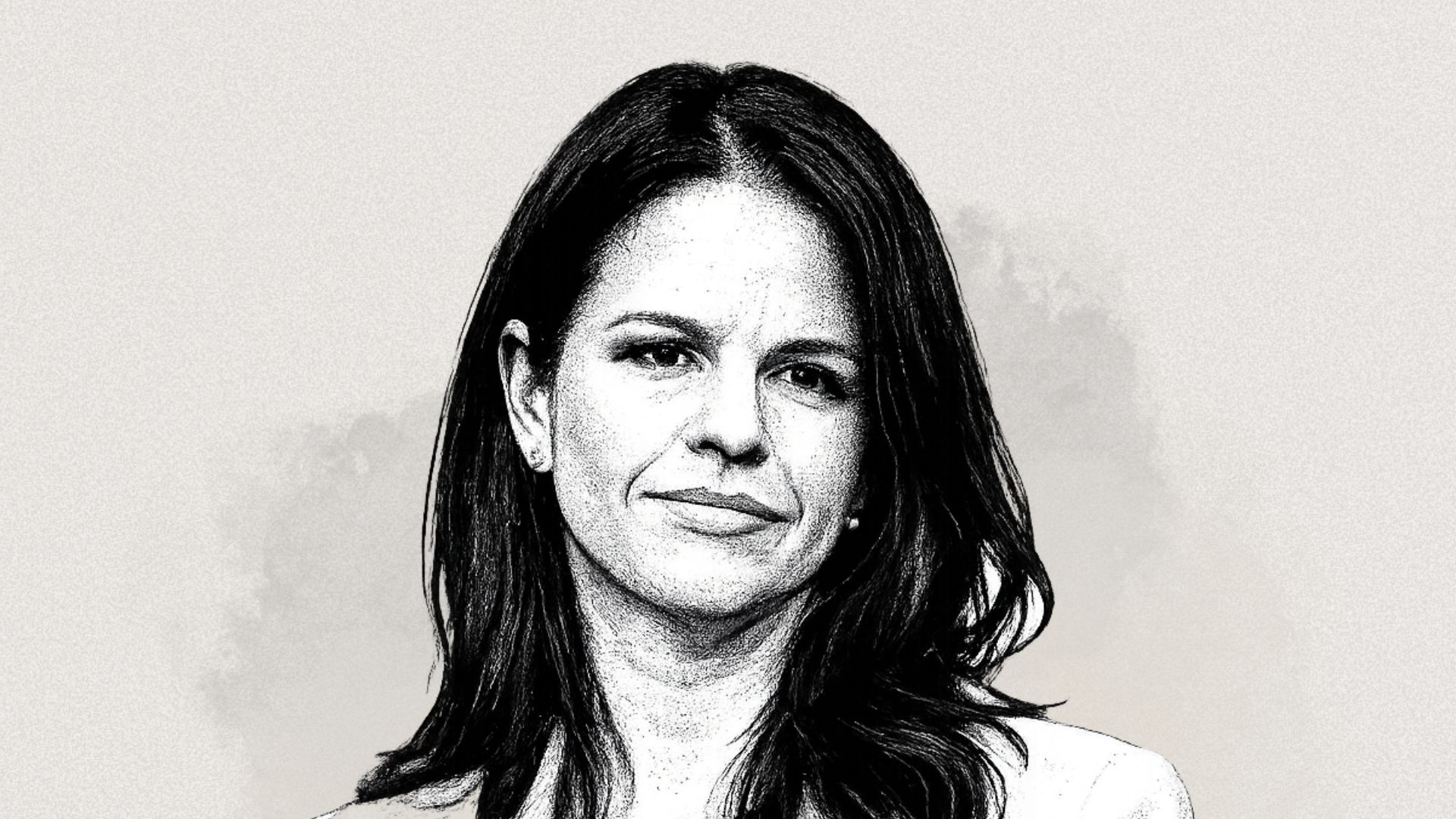
Education minister Erica Stanford.
"Ongoing value to New Zealand and to our own economy will be very enhanced by that."
Extended post-study work rights available under the free trade agreement (FTA) with India will be a "pretty important" marketing tool, Education New Zealand acting chief executive has told MPs.
Linda Sissons made the comments during Education NZ's annual review hearing before Parliament's Education and Workforce Committee on April 29, 2026.
Education New Zealand is the government agency charged with marketing the country as a study destination and growing international education exports.

National MP Carl Bates had asked what the agency was doing to capitalise on opportunities created by the recently signed agreement.
"We're certainly very thrilled to hear of the signing off of a free trade agreement," Sissons said.
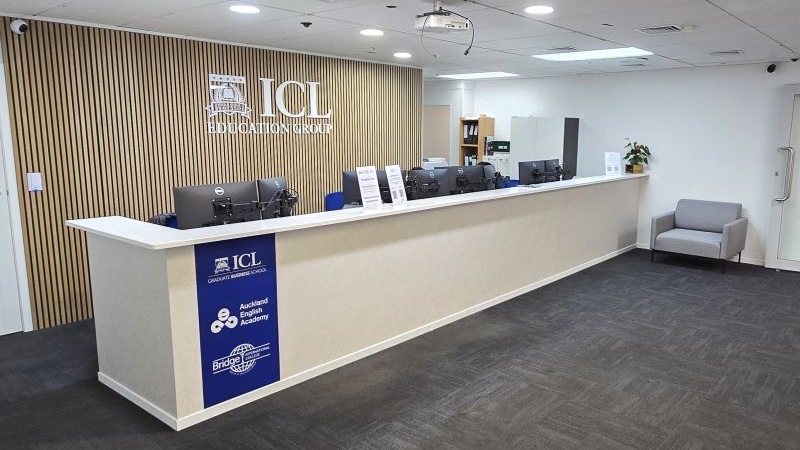
Students with NZ visas told not to travel as Auckland business school faces enrollment ban The school says existing students can continue their studies and that it is working to have the restrictions lifted.
Police have confirmed Rakesh Naidoo is not under investigation, Labour says "The police need to front up here and explain what is going on."
'Don't escalate': Appeal for calm as police increase presence during Diwali amid planned protests Police promise a visible presence and urge festivalgoers to avoid confrontation as Brian Tamaki plans a rally on the same day.
The post-study work visa rights that the FTA affords will be particularly of value to New Zealand, she said.
"...students who have done a New Zealand qualification will be able, if they have a Bachelor or Masters in a STEM subject, to have extended post-study work rights," she said.
"I think the sort of ongoing value to New Zealand and to our own economy will be very enhanced by that, and that as a marketing tool for New Zealand is pretty important, going forward."
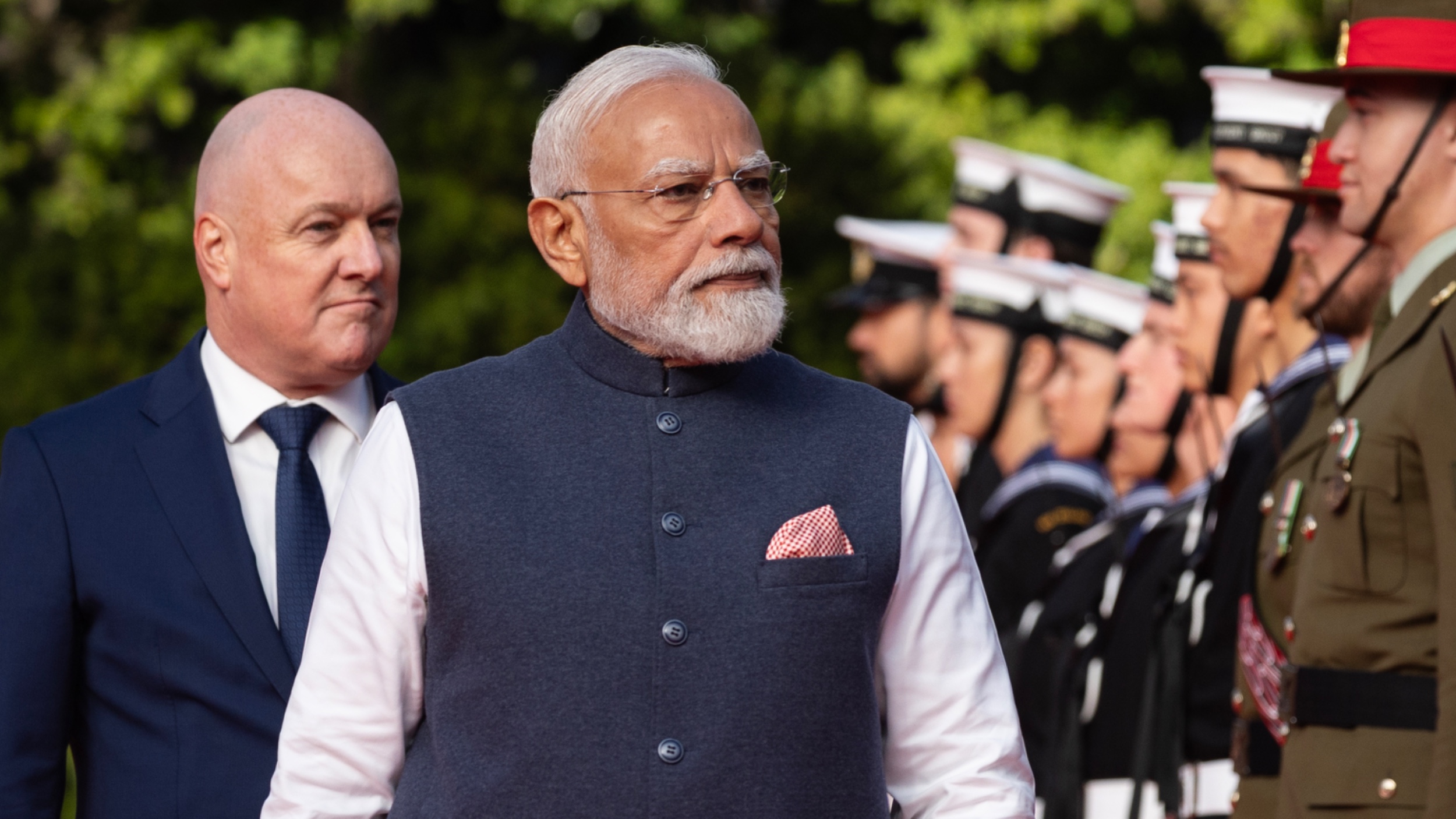
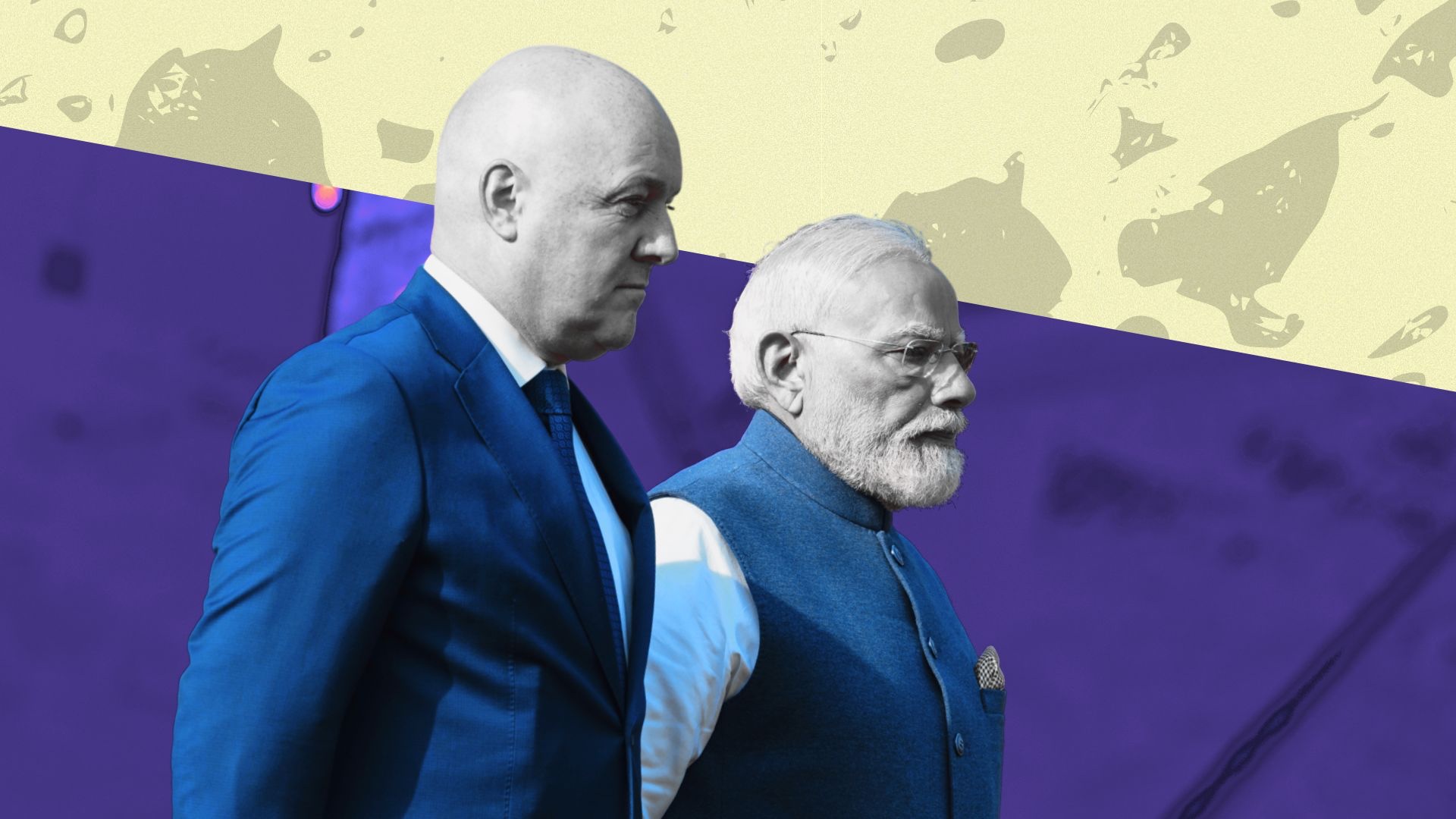
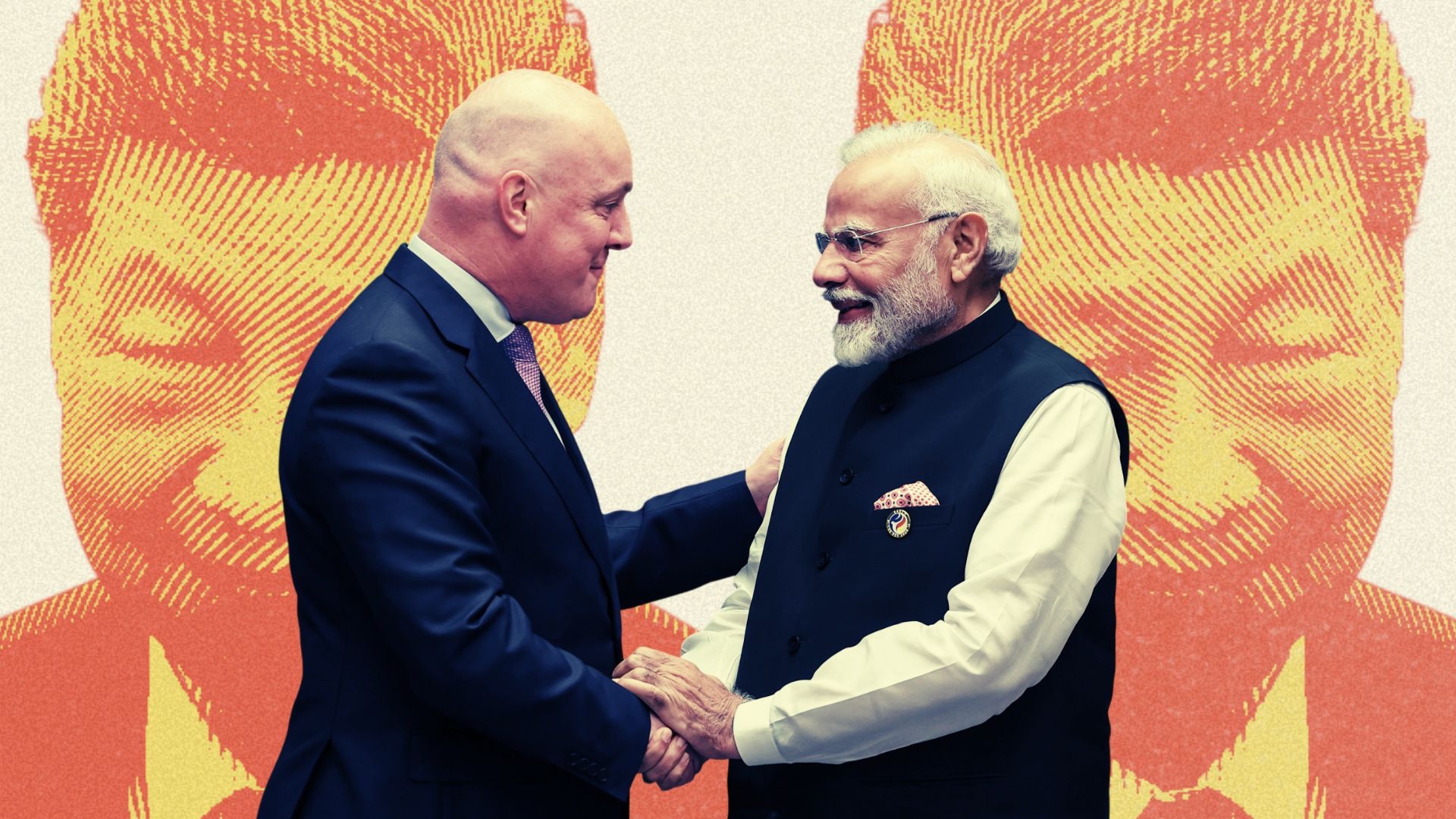
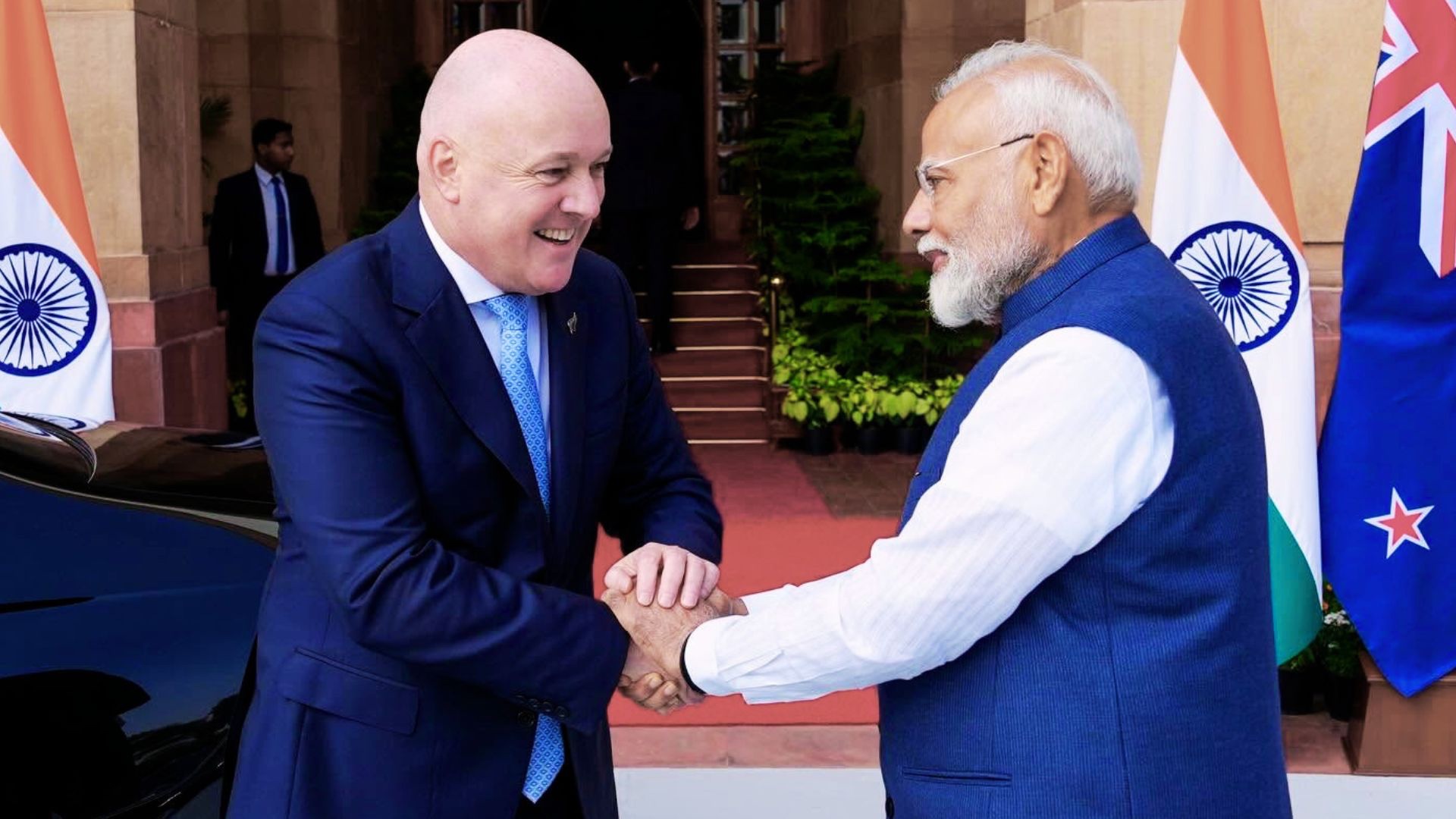
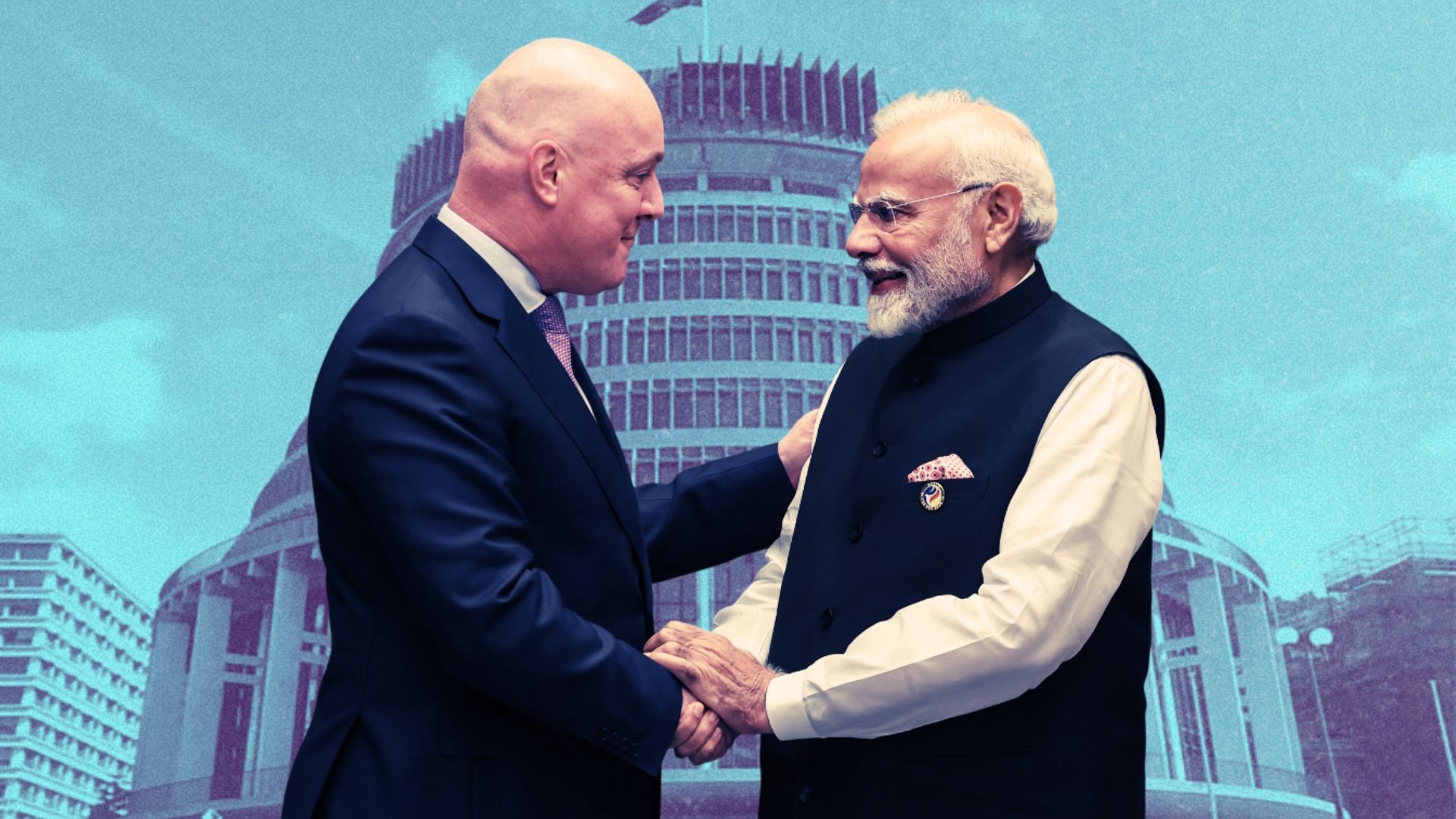
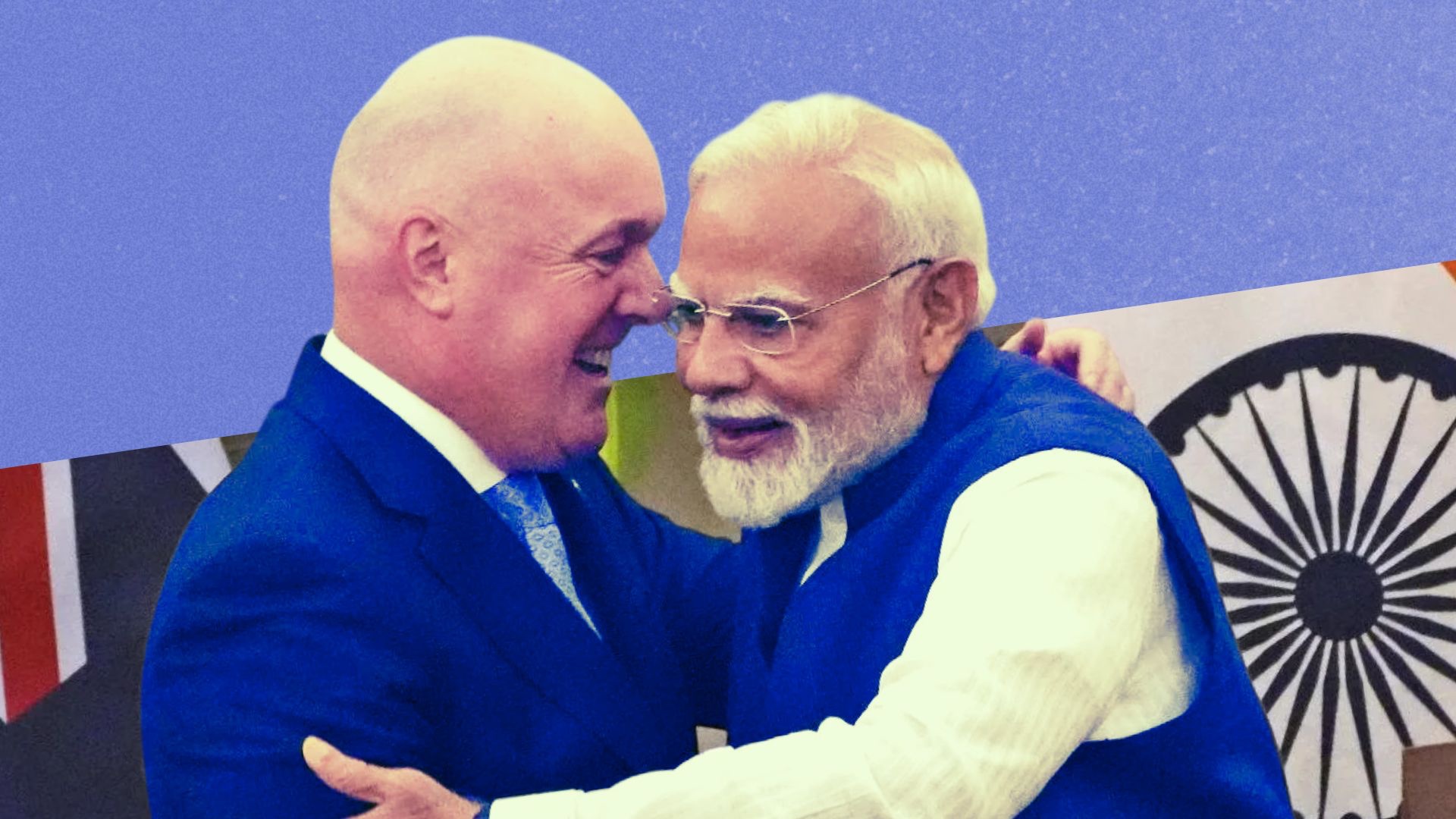
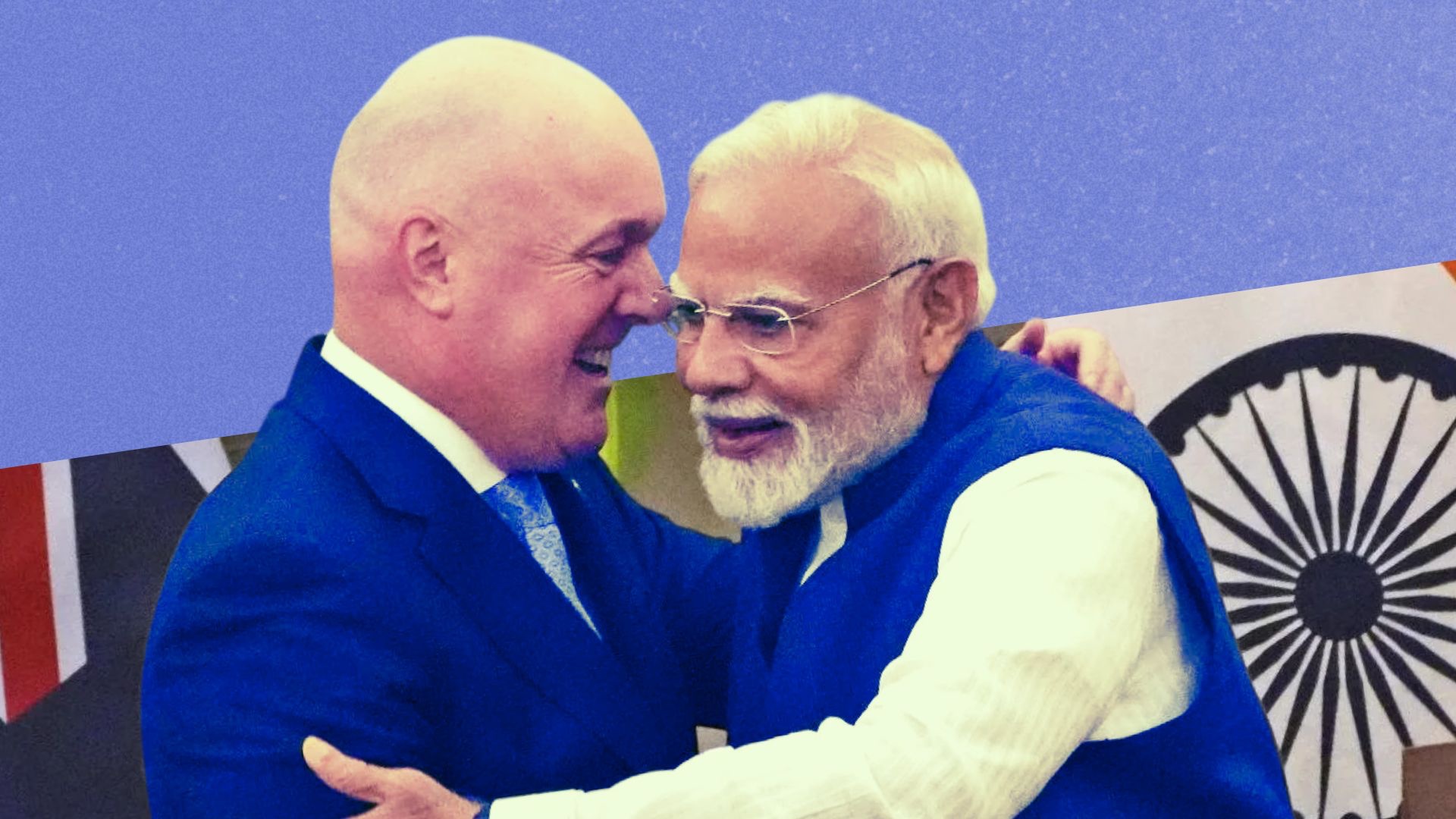
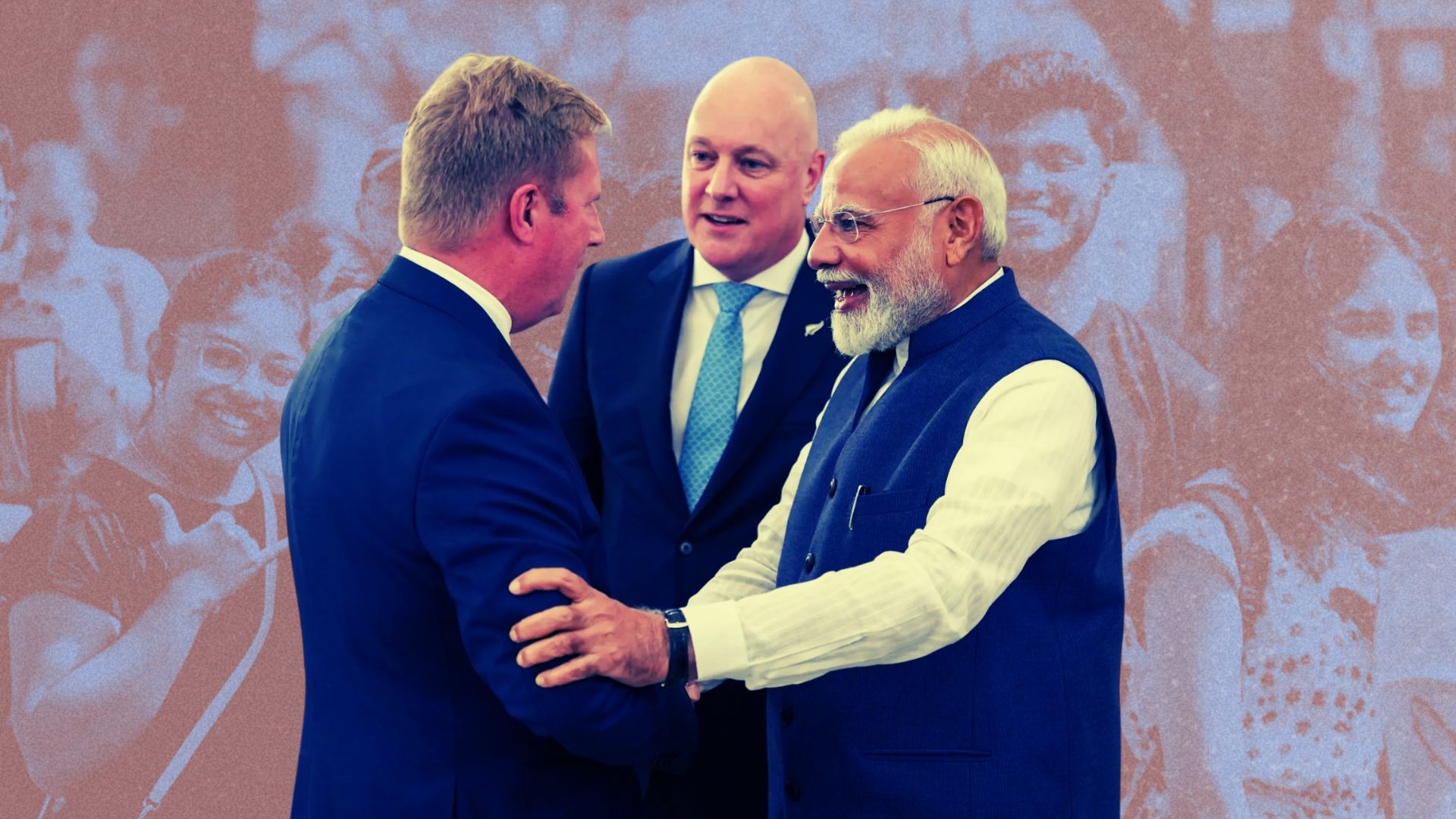
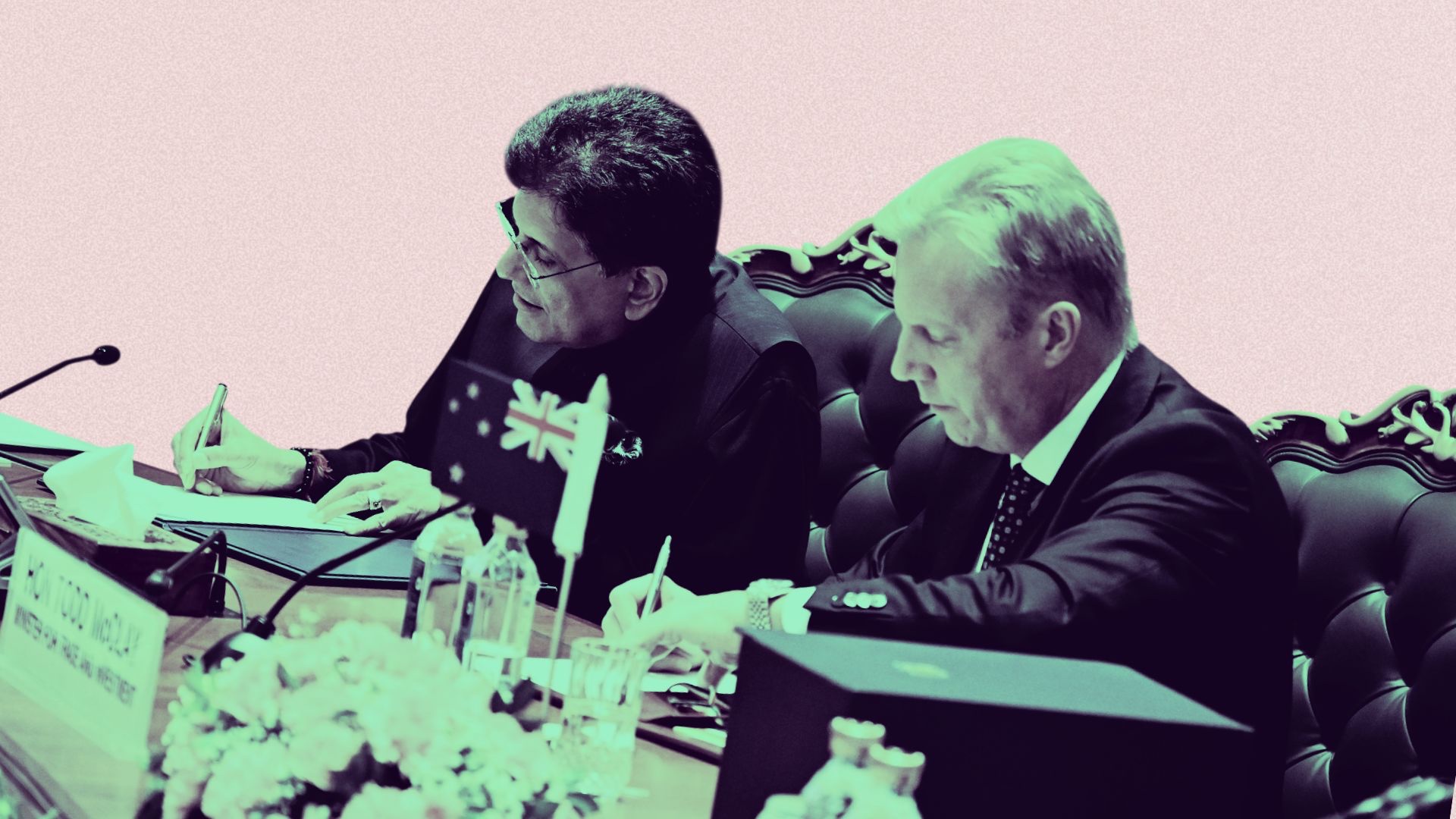
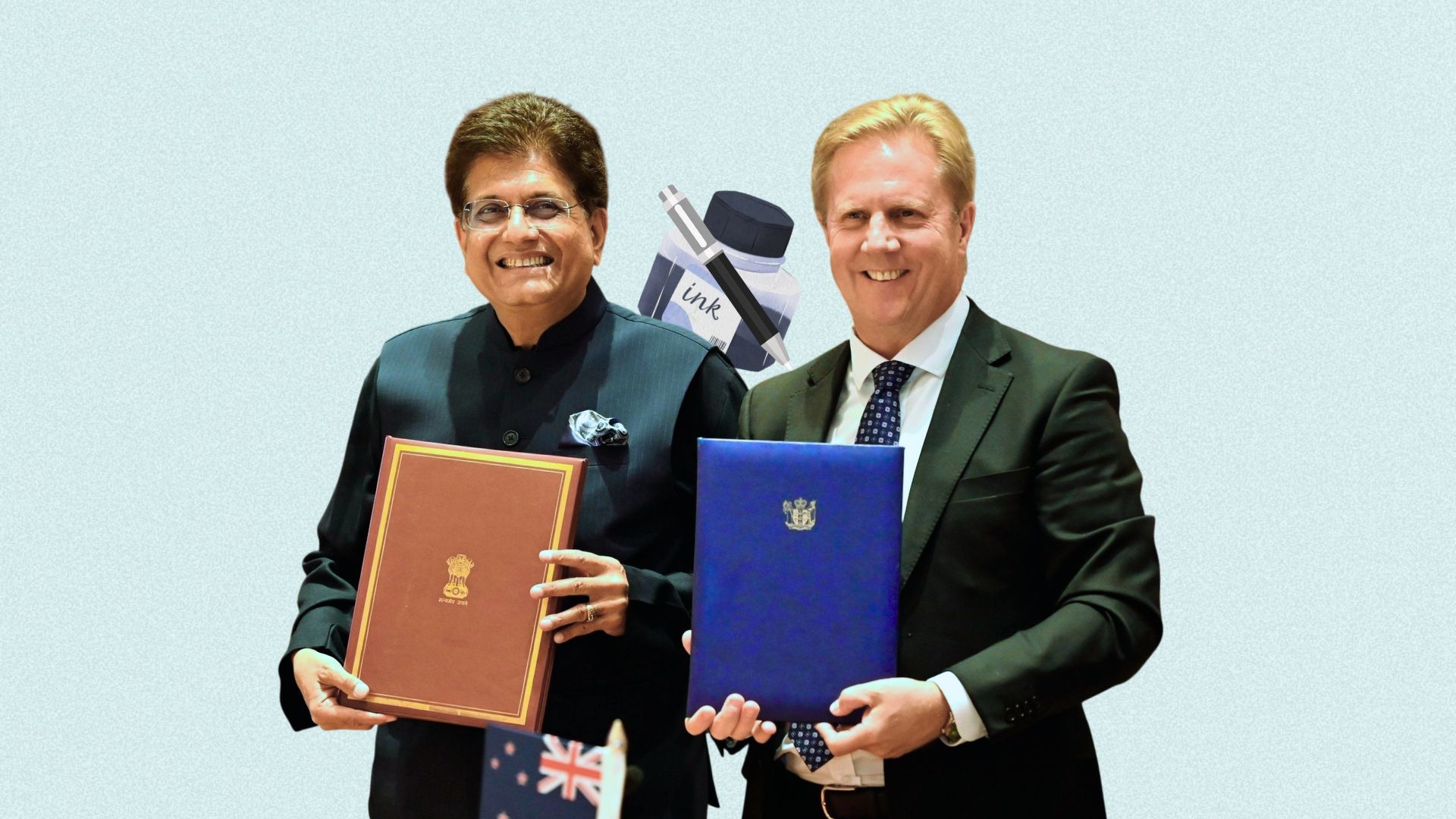
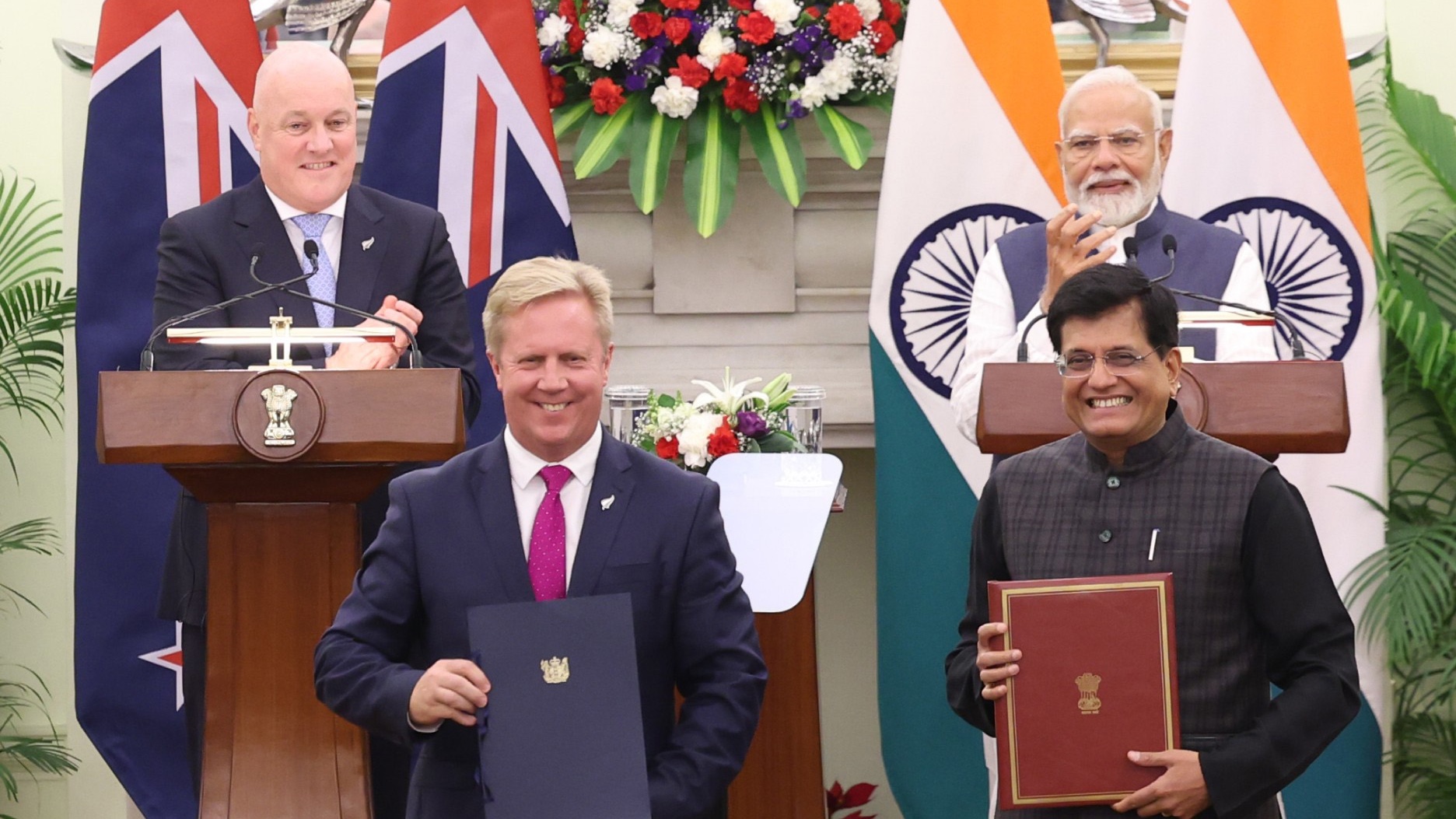
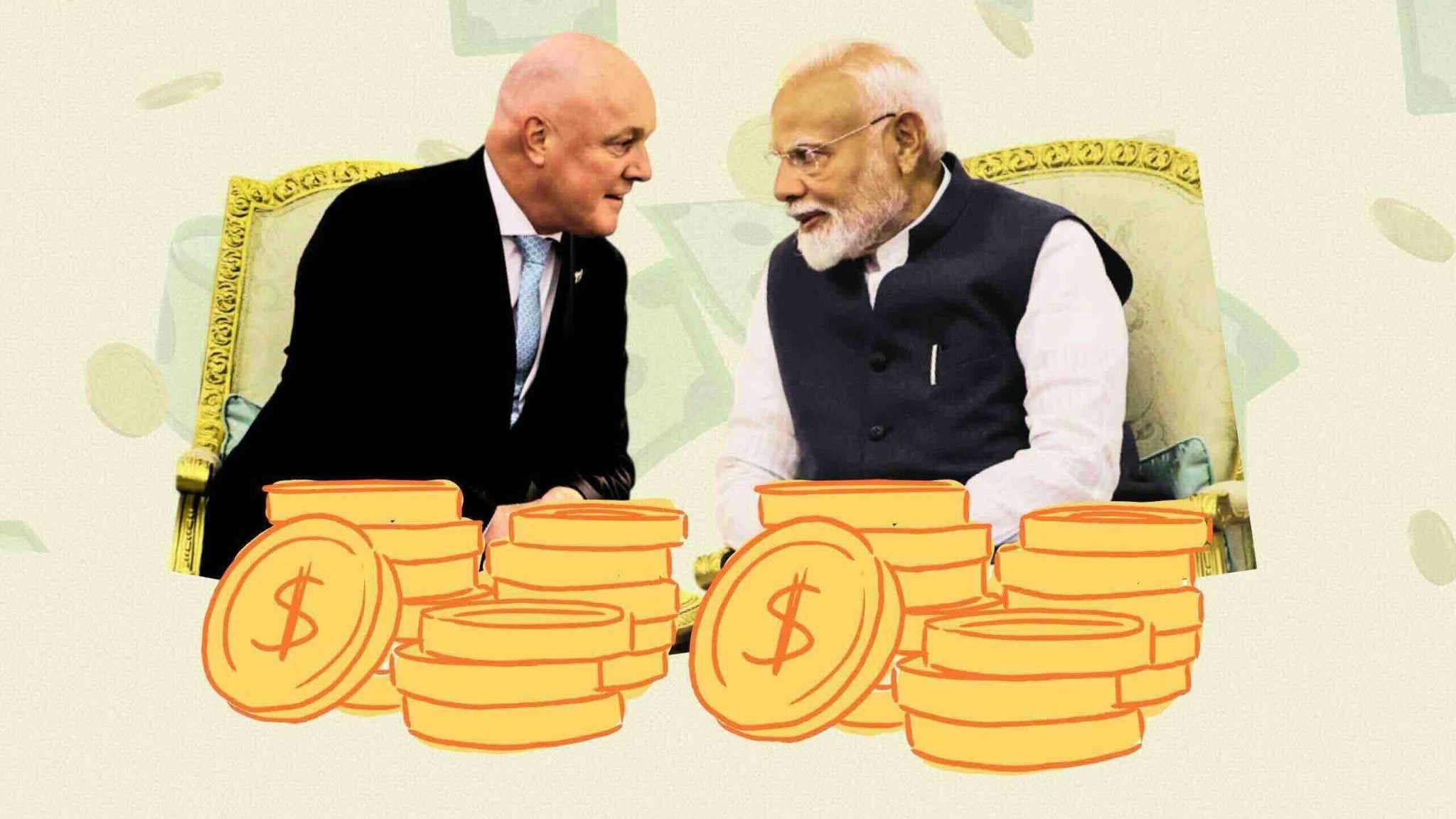
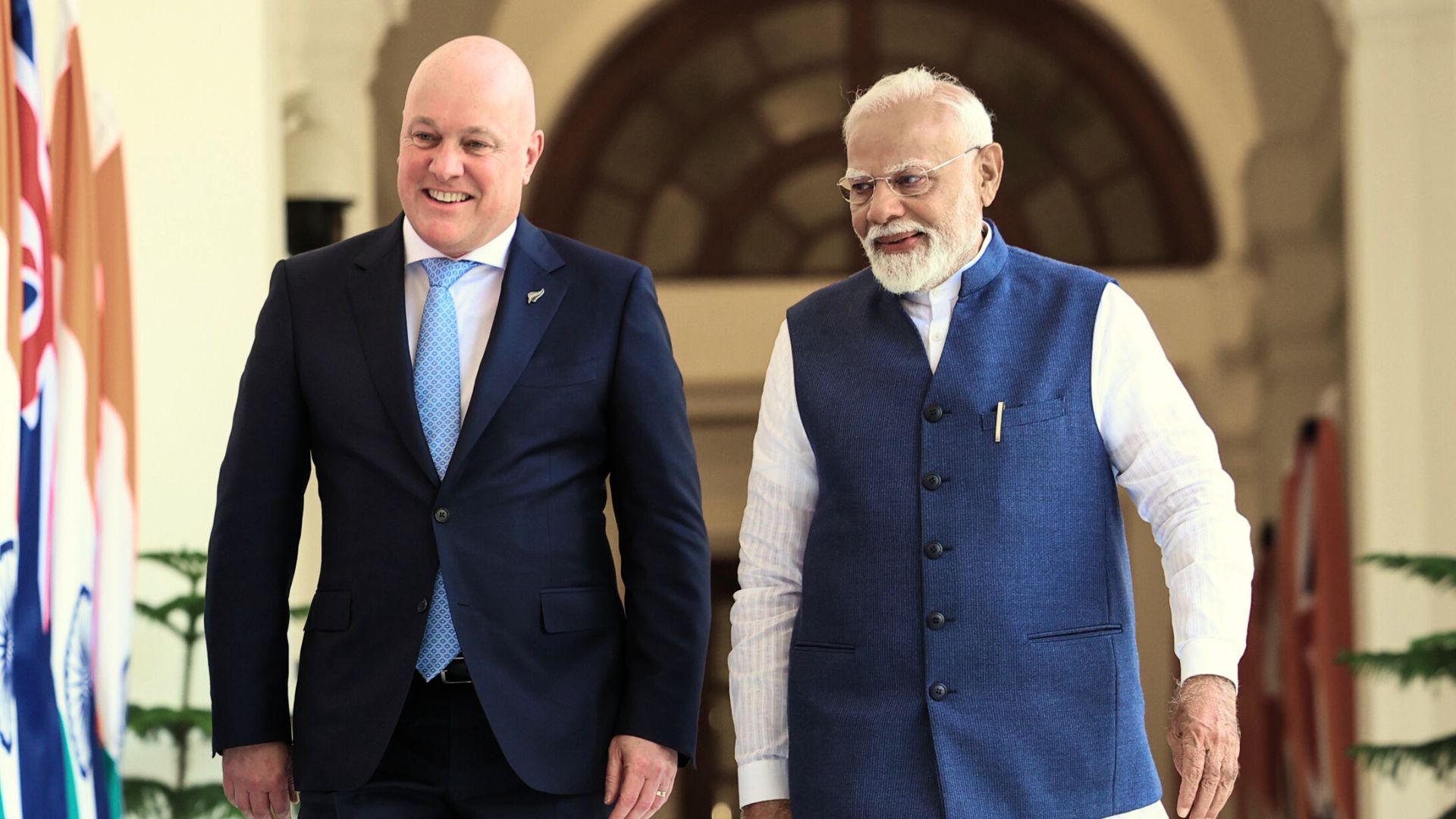
The comments provide an early indication of how Education NZ views the education-related opportunities arising from the India agreement, which was signed earlier this year as part of the government's wider efforts to strengthen economic ties with India.
The agreement confirms post study work opportunities for Indian students who complete their full programme of study in New Zealand through recognised education institutions. These opportunities are:
1. Up to two years after completing a bachelor’s degree, including honours.
2. Up to three years after completing a master’s degree.
3. Up to four years after completing a doctoral degree.
Indian students who graduate in New Zealand with a bachelor’s degree with First Class Honours in a STEM field, including ICT, may have their possible stay extended from two years to three years. STEM means science, technology, engineering and mathematics.
In simple terms, this includes areas such as IT, engineering, computer science and related technical fields.
Sissy said Education NZ was expanding its presence in India, including appointing a fourth regional director who is expected to take up the role this month.
"The reason why that's important is that regional directors have diplomatic status so that they are able to be part of the entire New Zealand Inc. process, as well as obviously adding a staff member into the Indian team," she said.
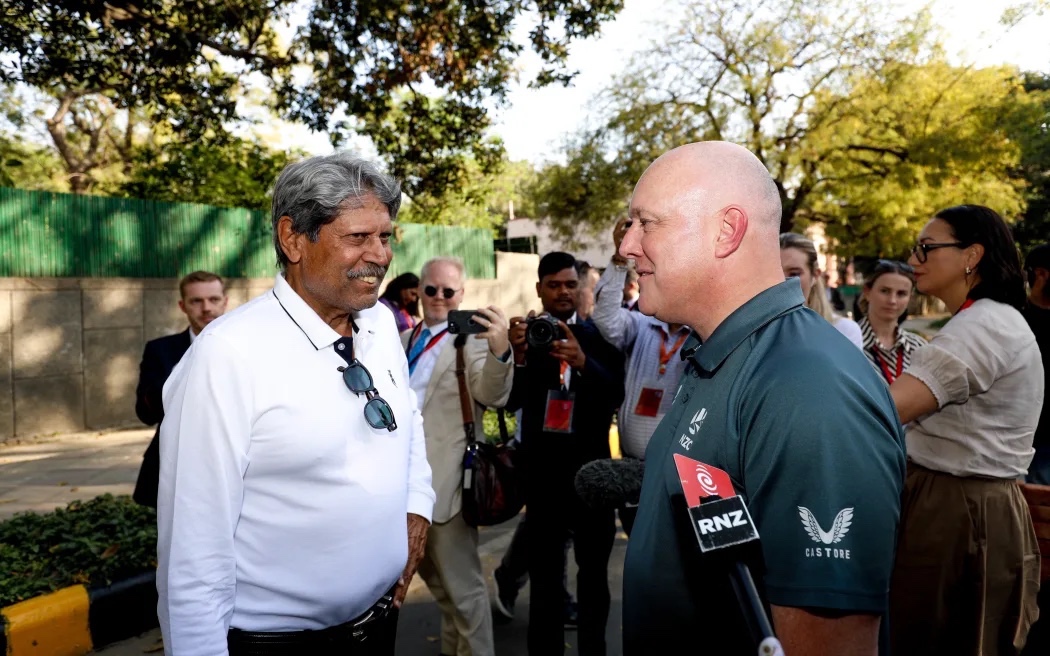
"We realised that this was an important moment, having a senior Minister go to Delhi, and we were very happy to put a whole raft of different opportunities around that."
The meeting also heard that international education generated $4.6 billion in export earnings in 2024-25, with Education NZ reporting that the sector is on track toward the government's long-term goal of reaching $7.2 billion in annual export earnings by 2034.
India has become an increasingly important market for New Zealand's international education sector as the country seeks to diversify enrollments and deepen education links with one of the world's fastest-growing economies.