
Luxon says New Zealand needs India in a ‘power-based’ world, after China’s missile test
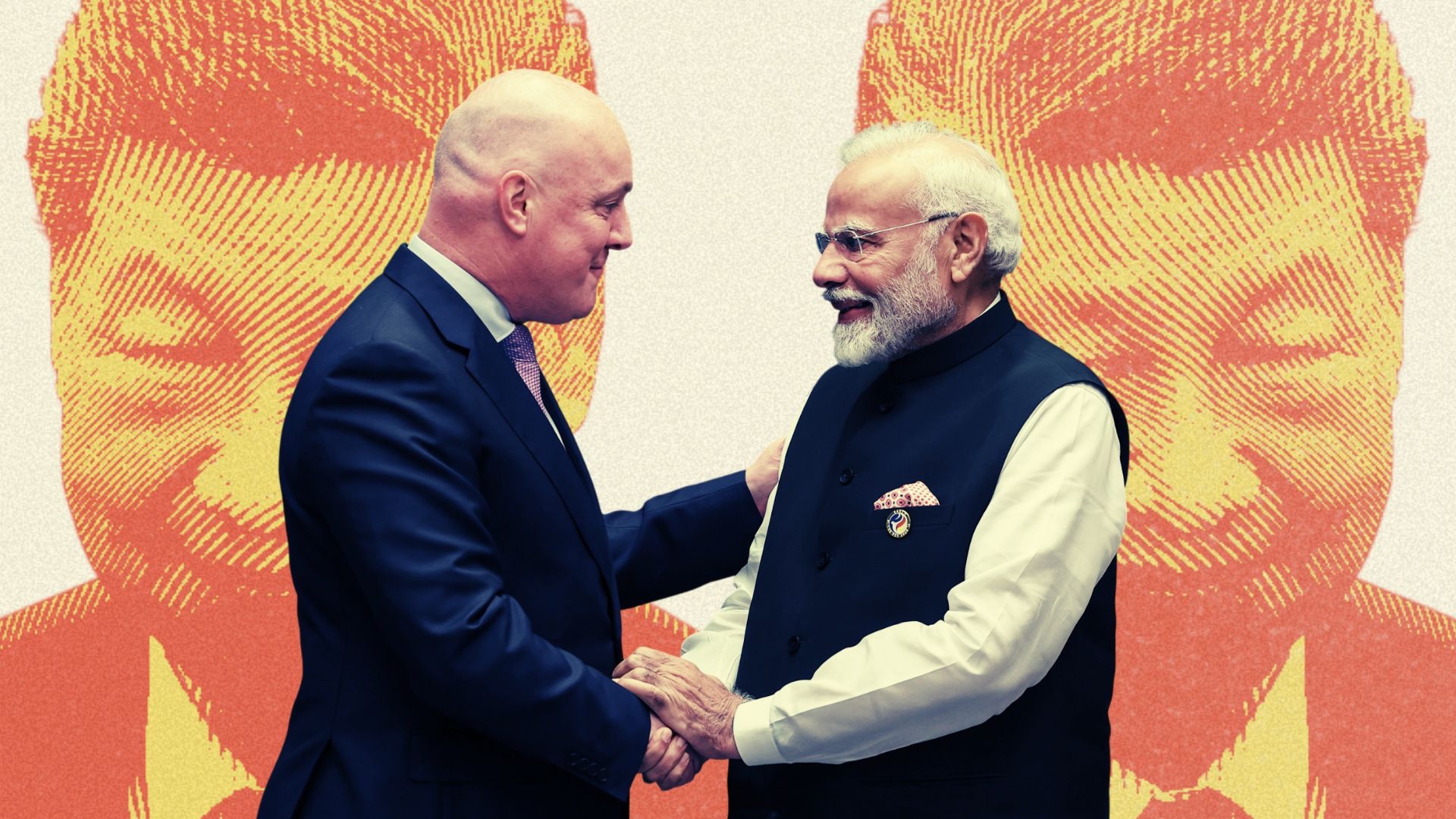
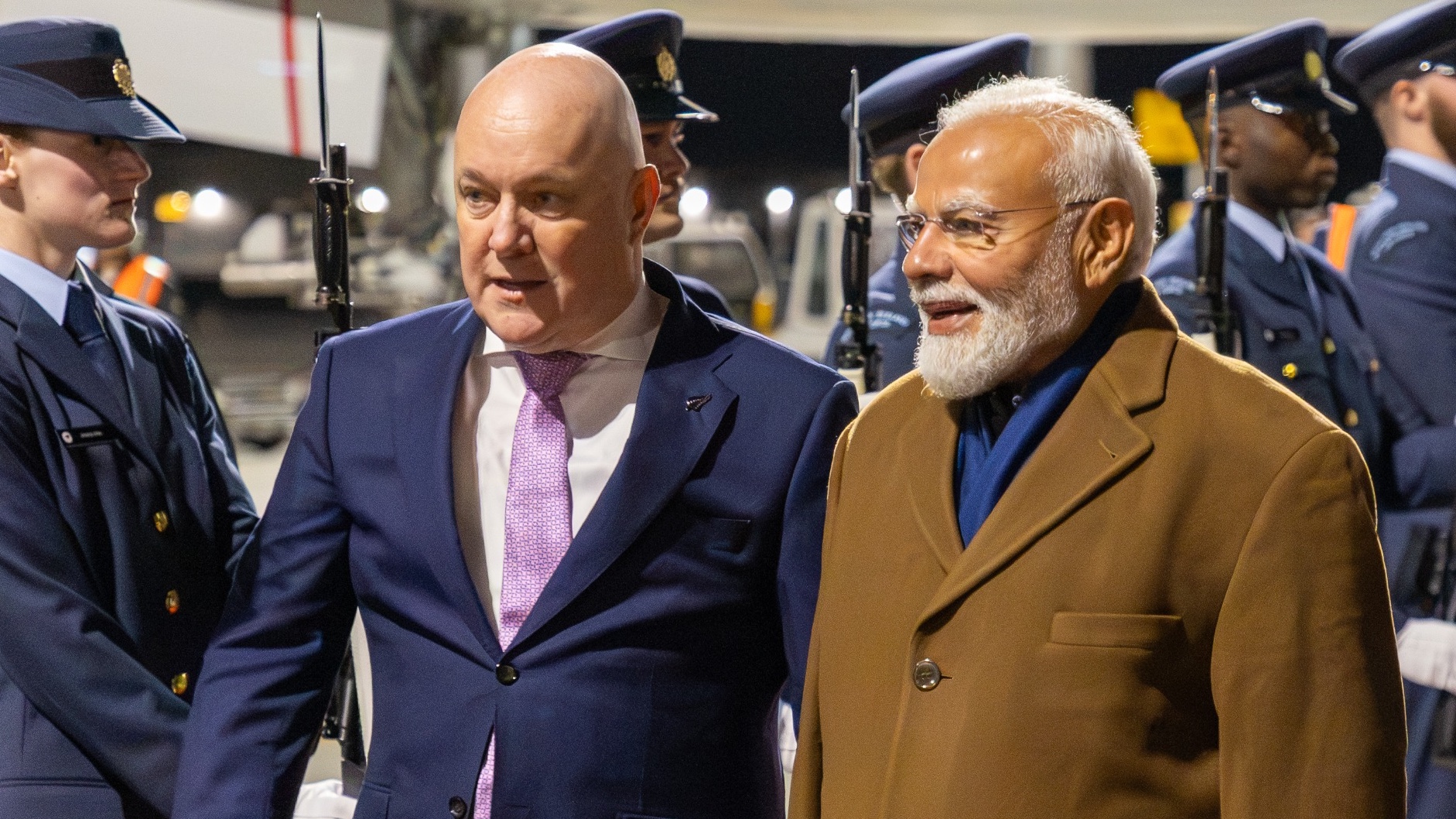
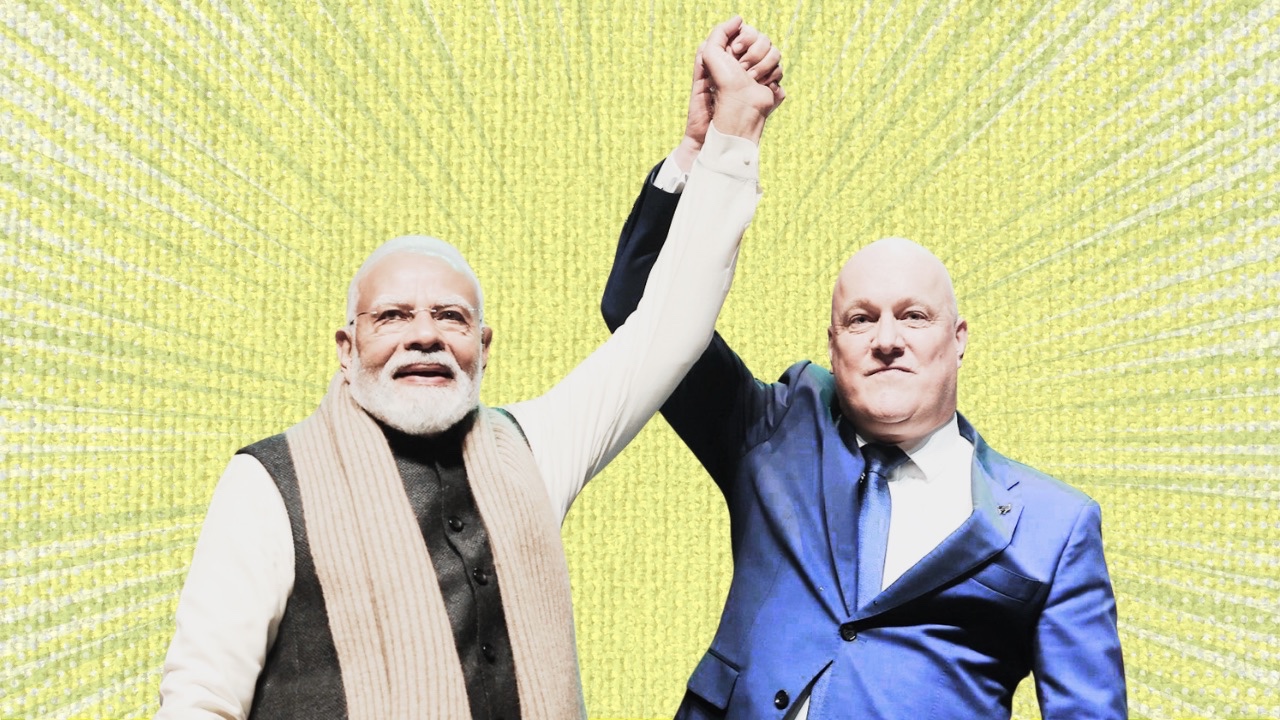
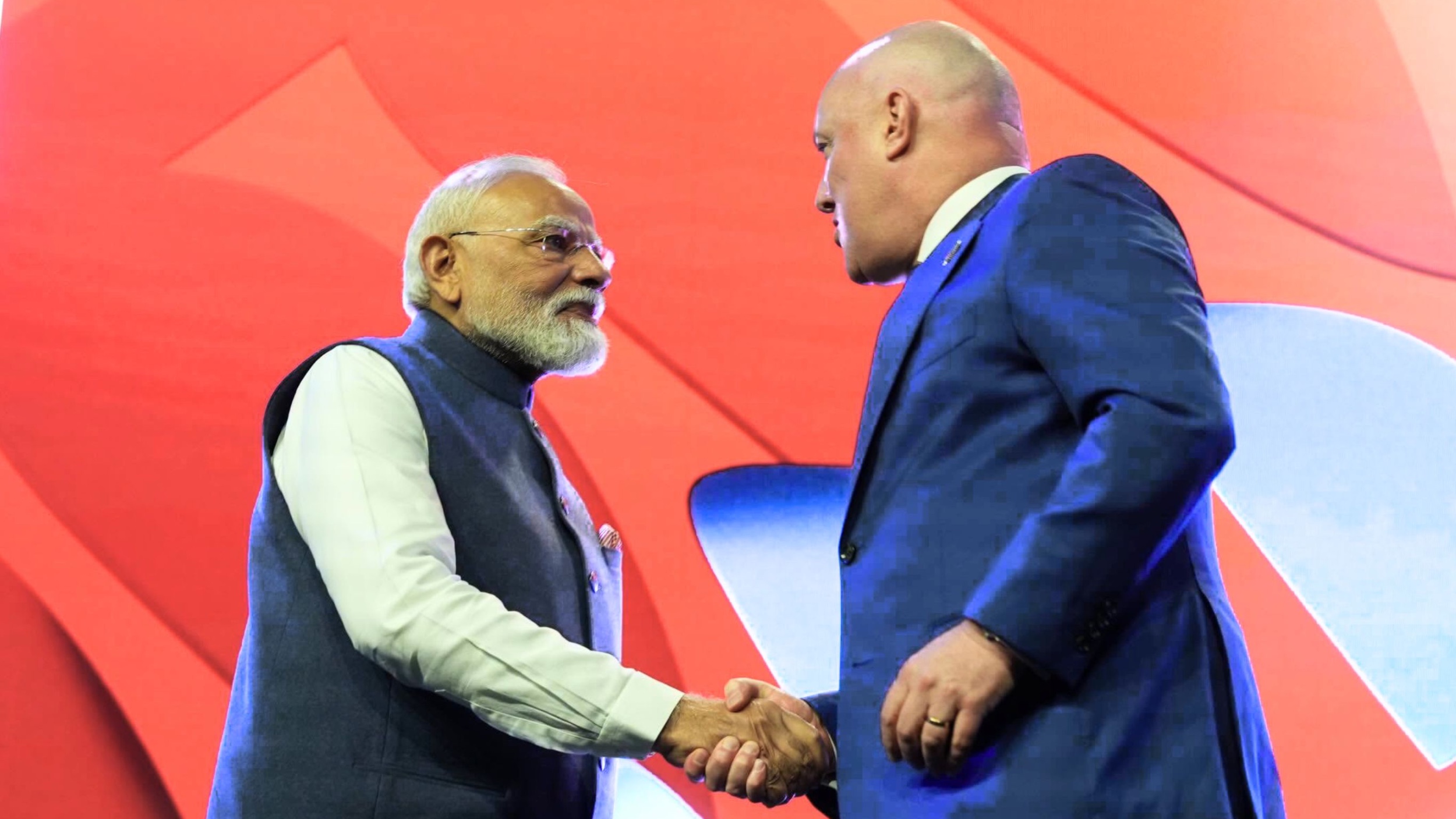
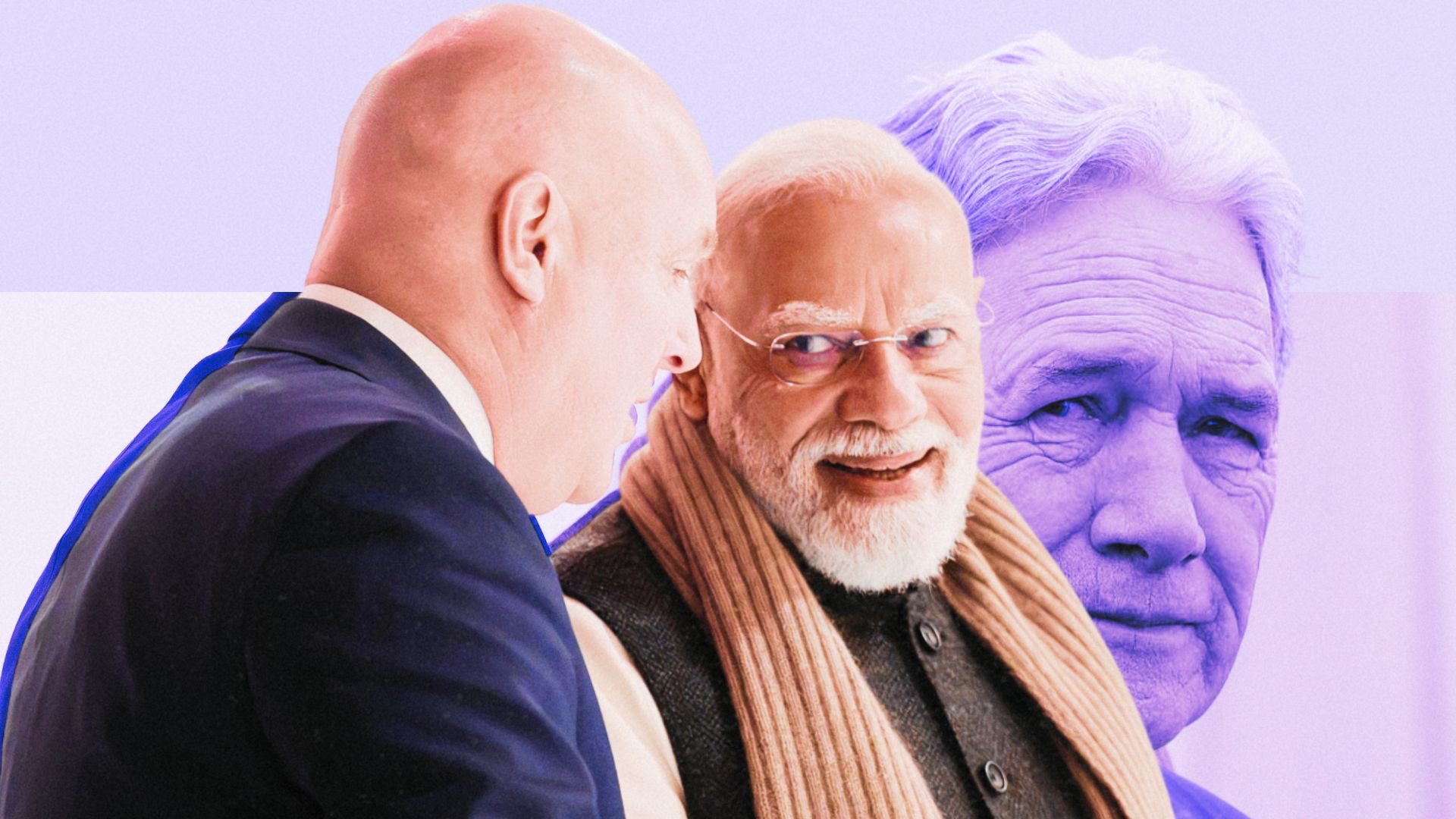
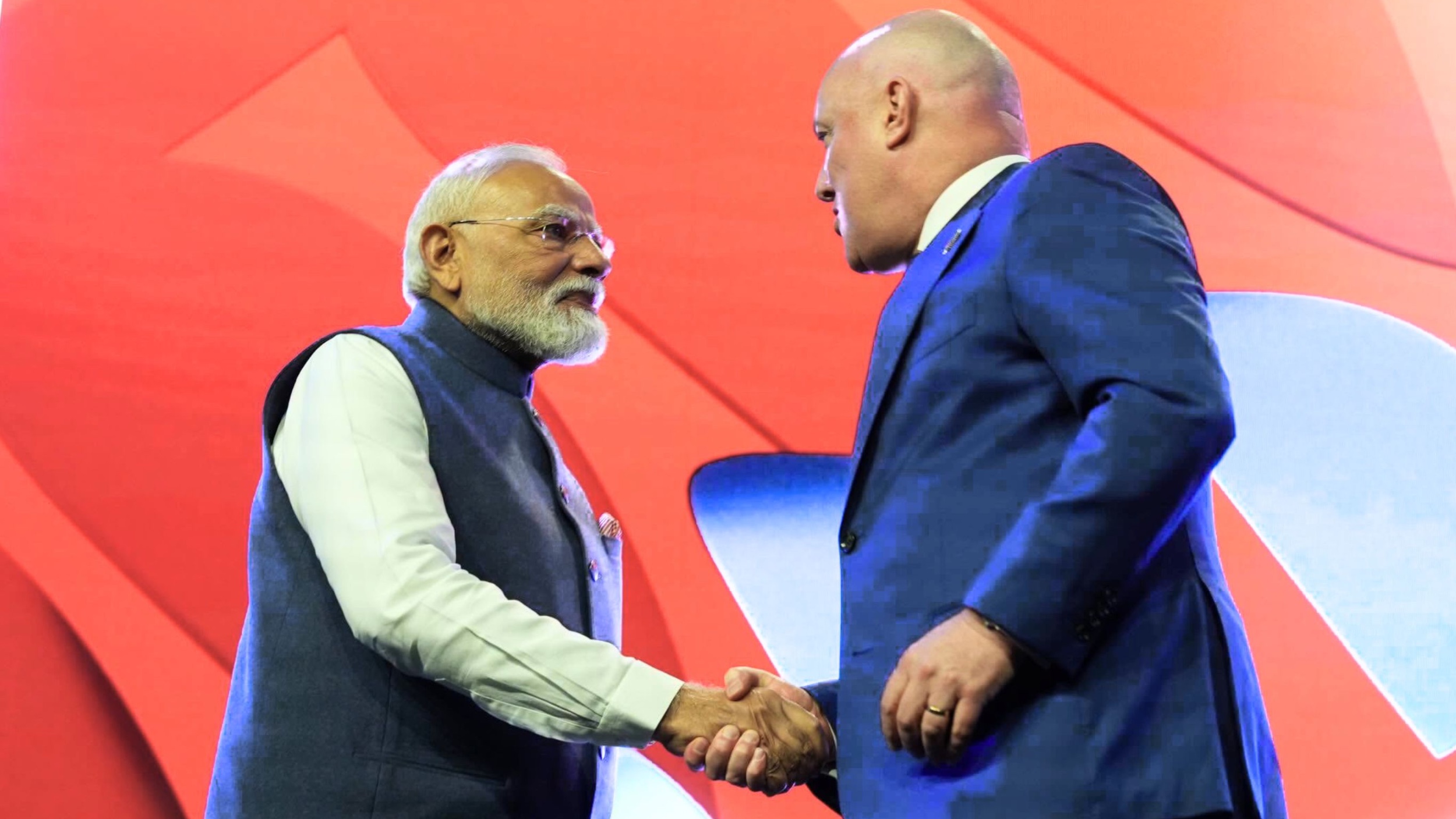
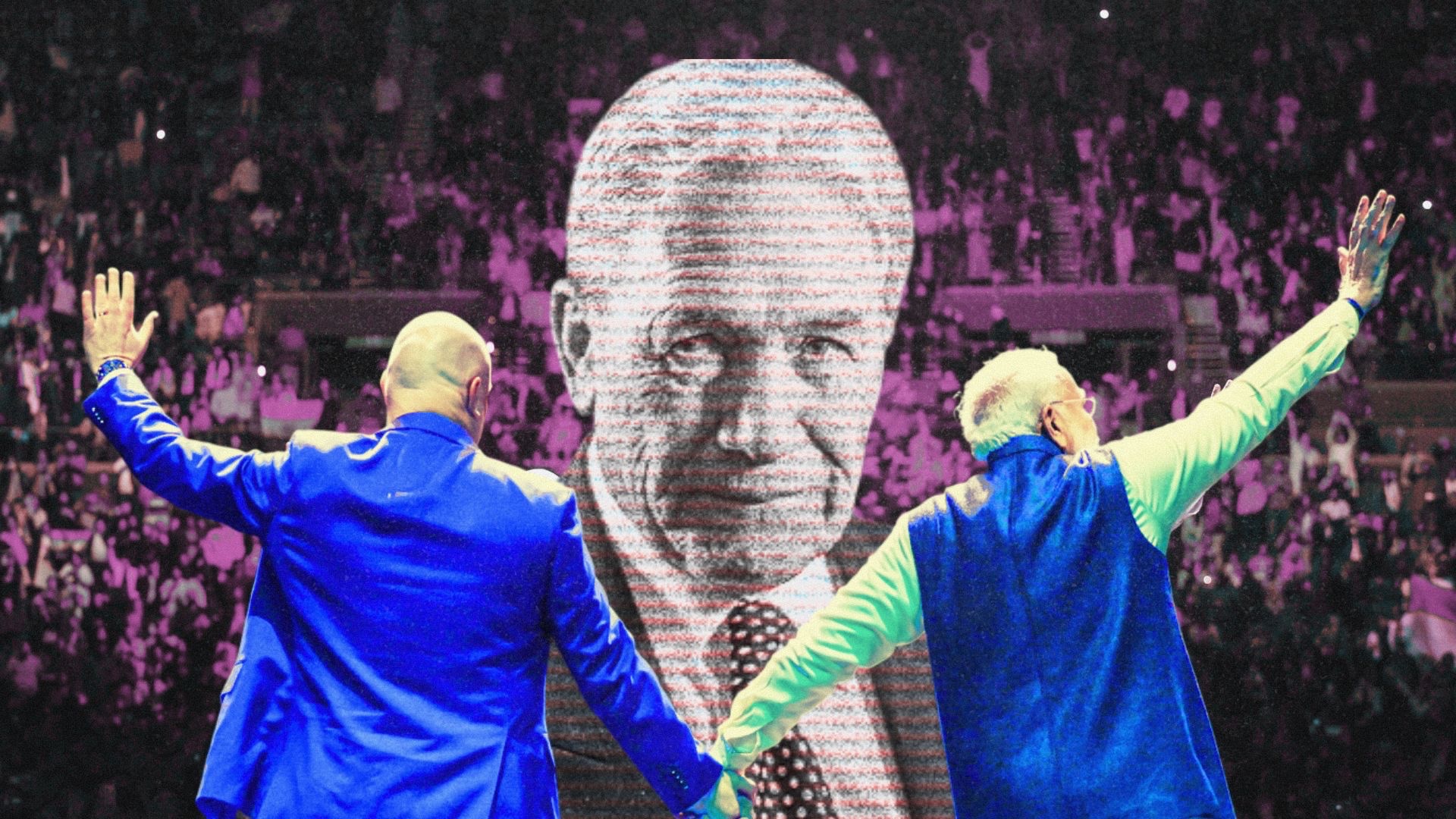
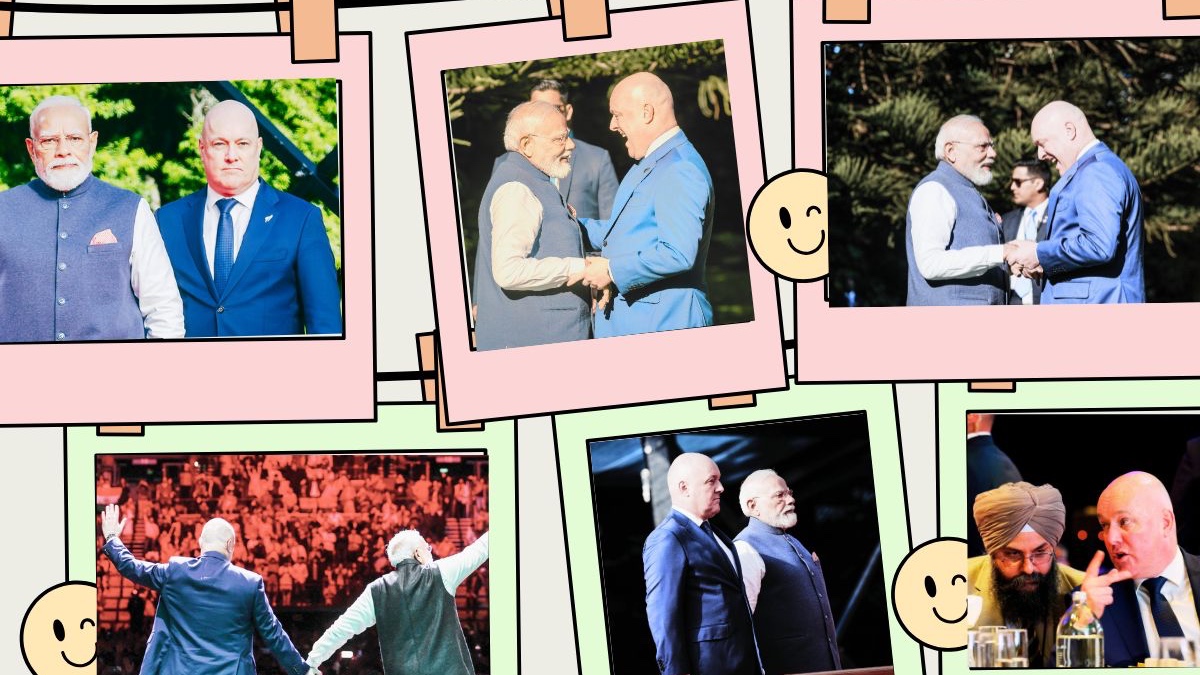
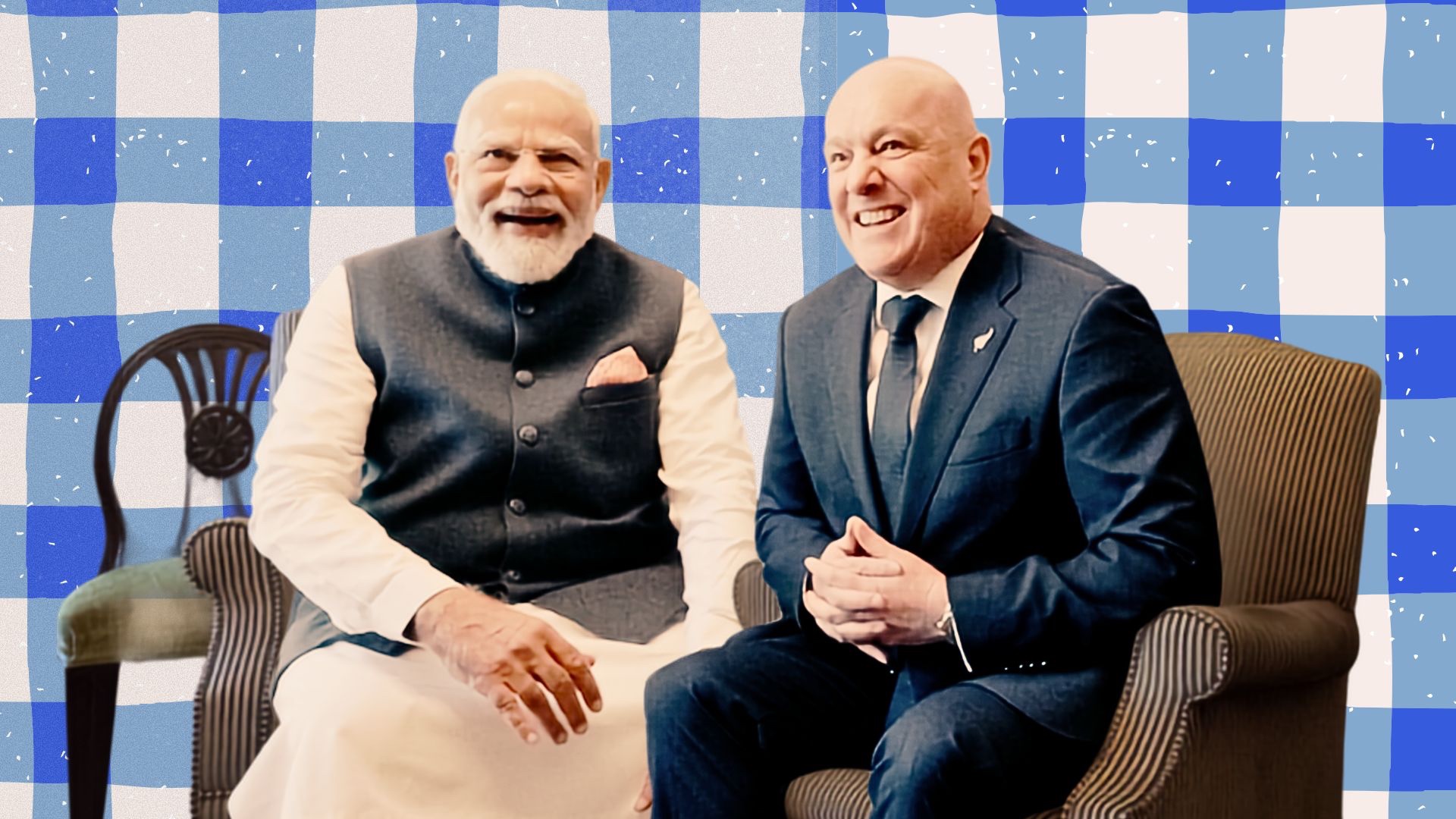
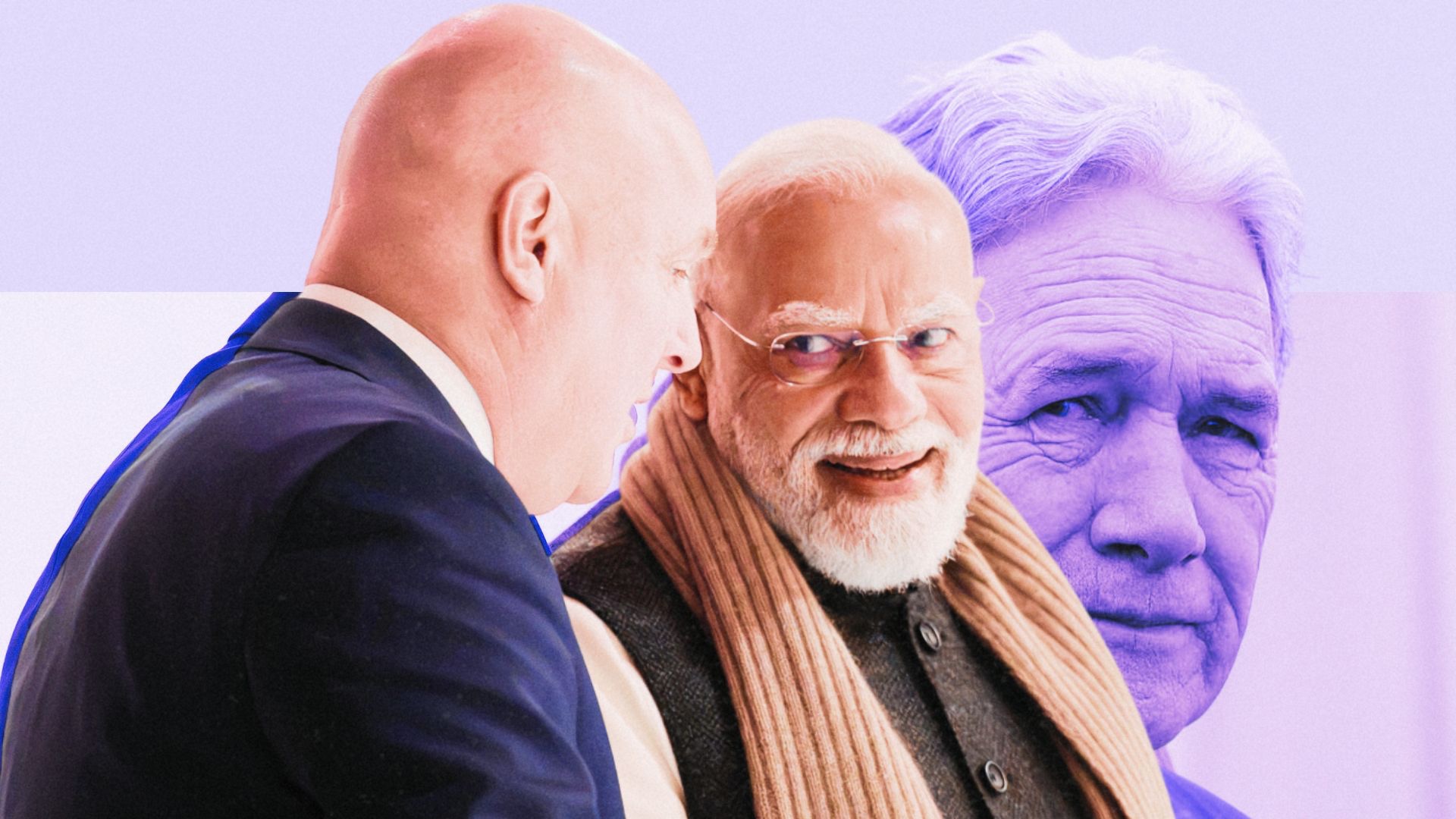
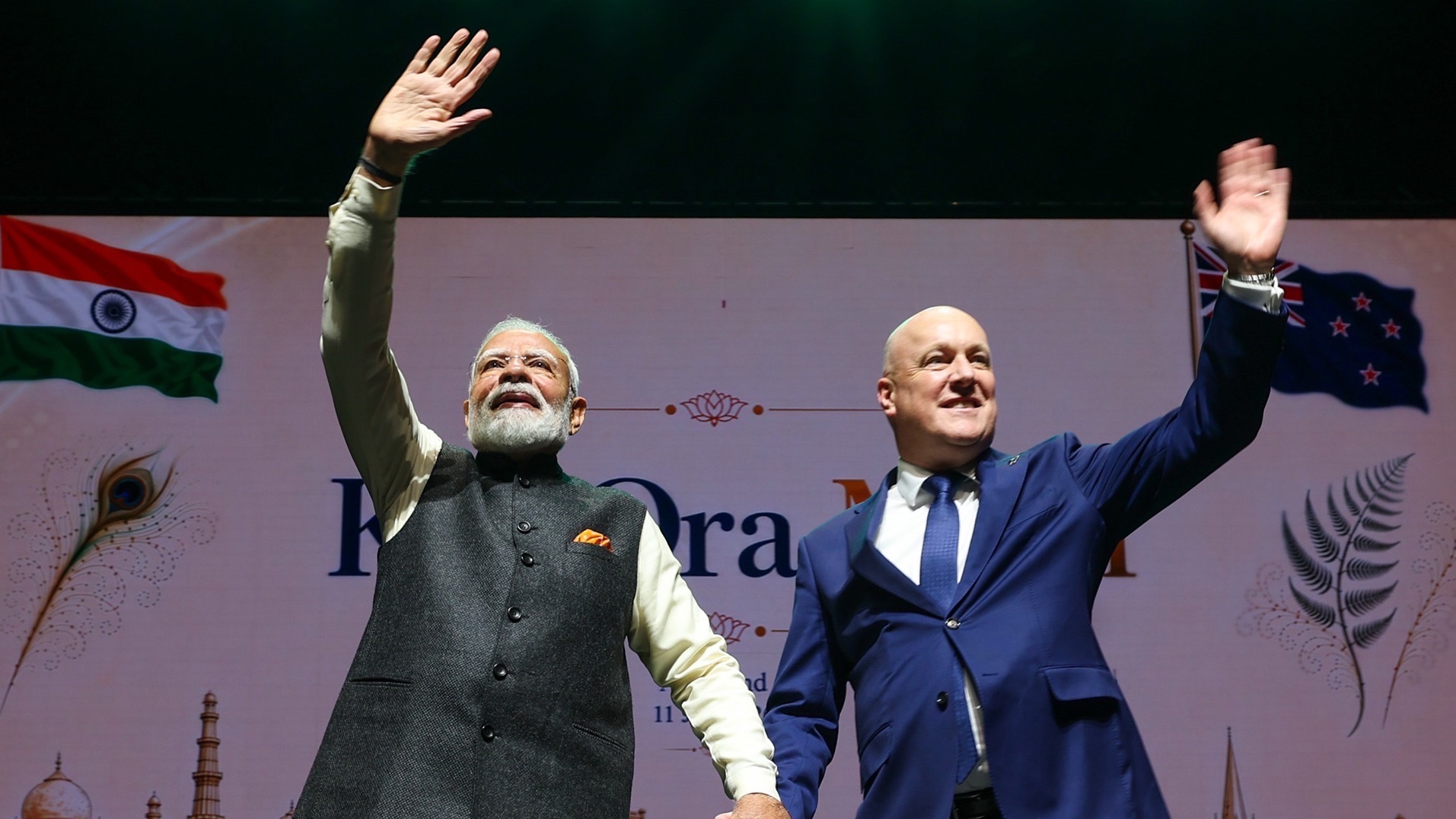
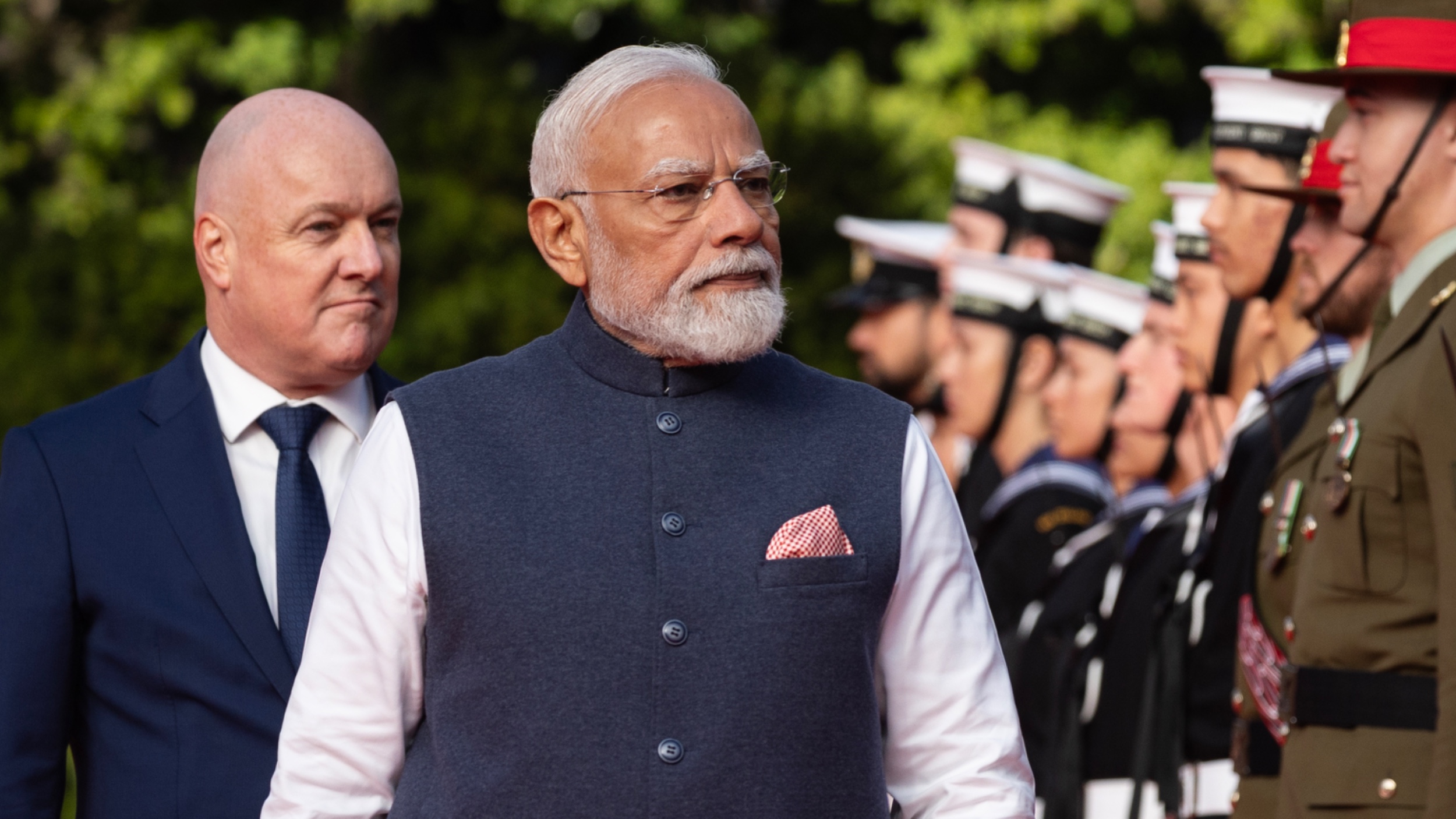
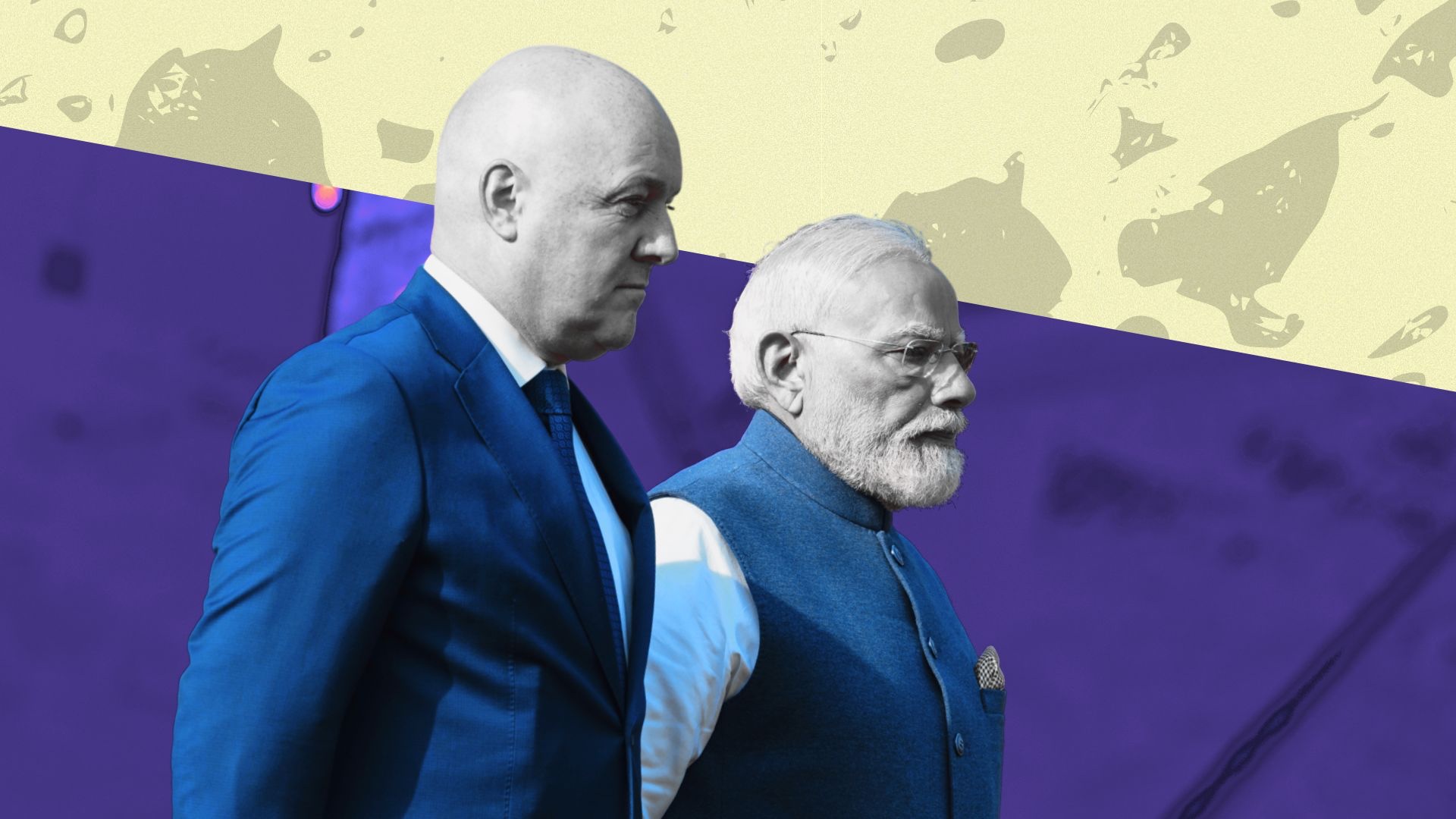
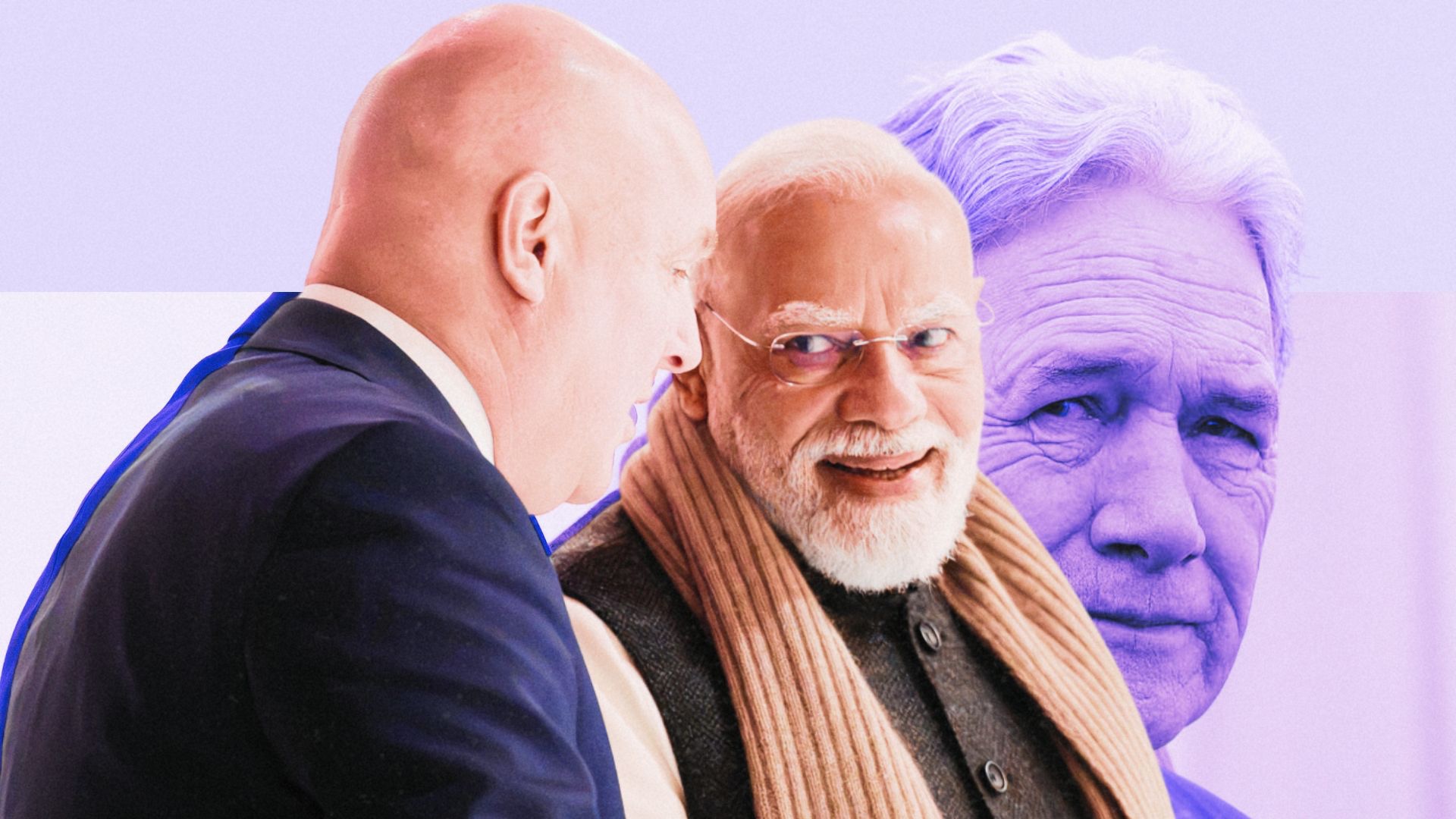
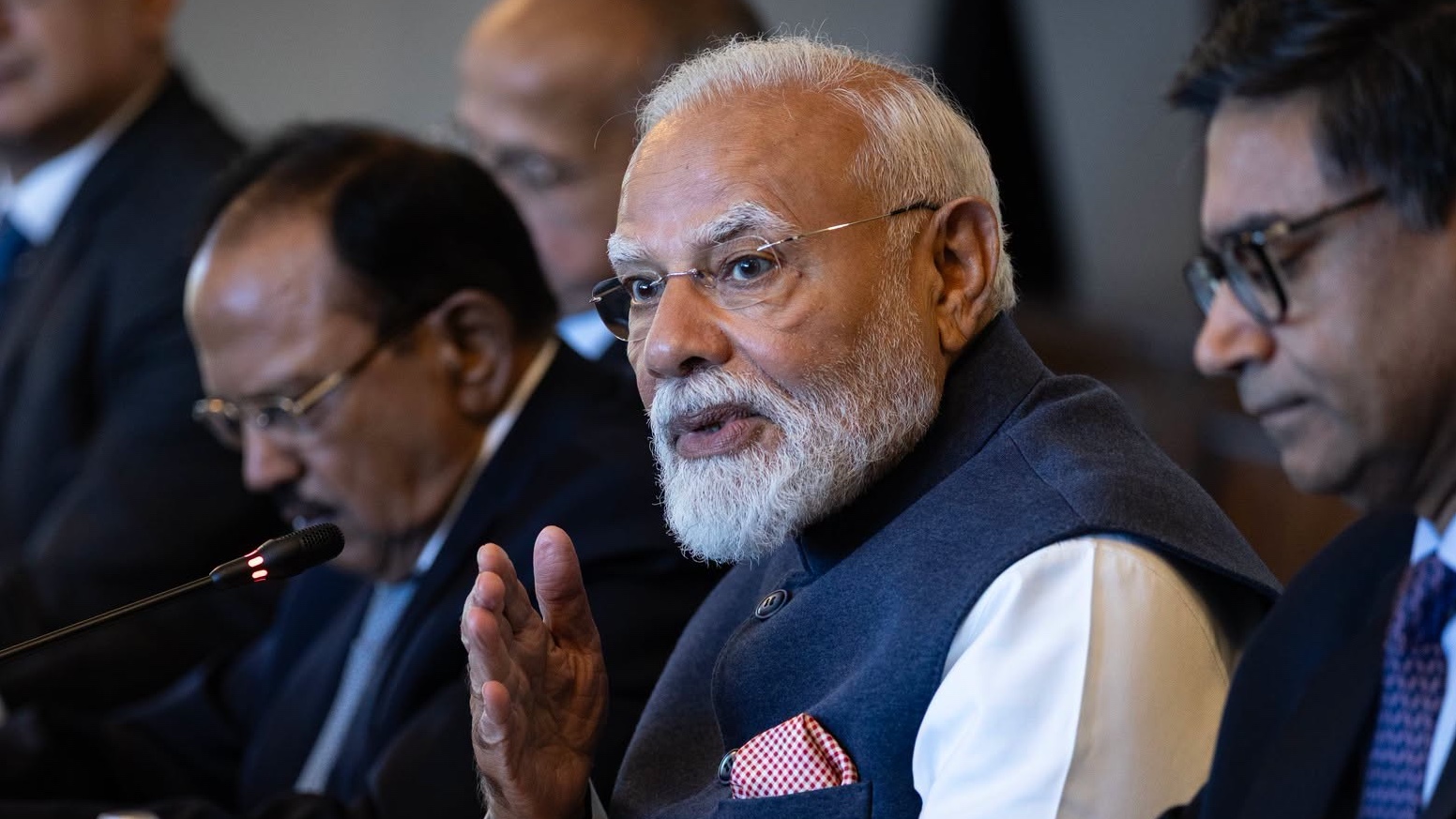
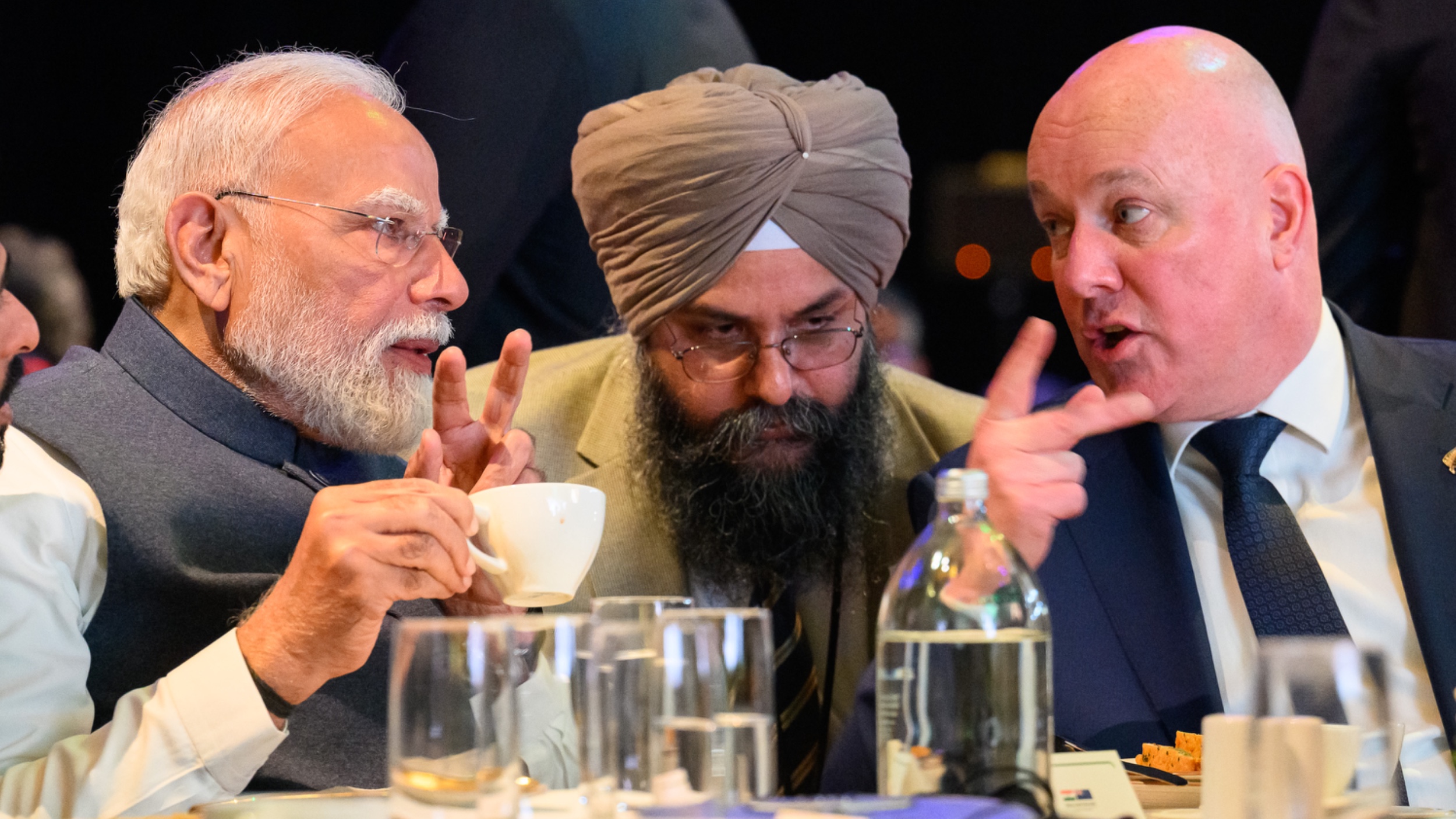
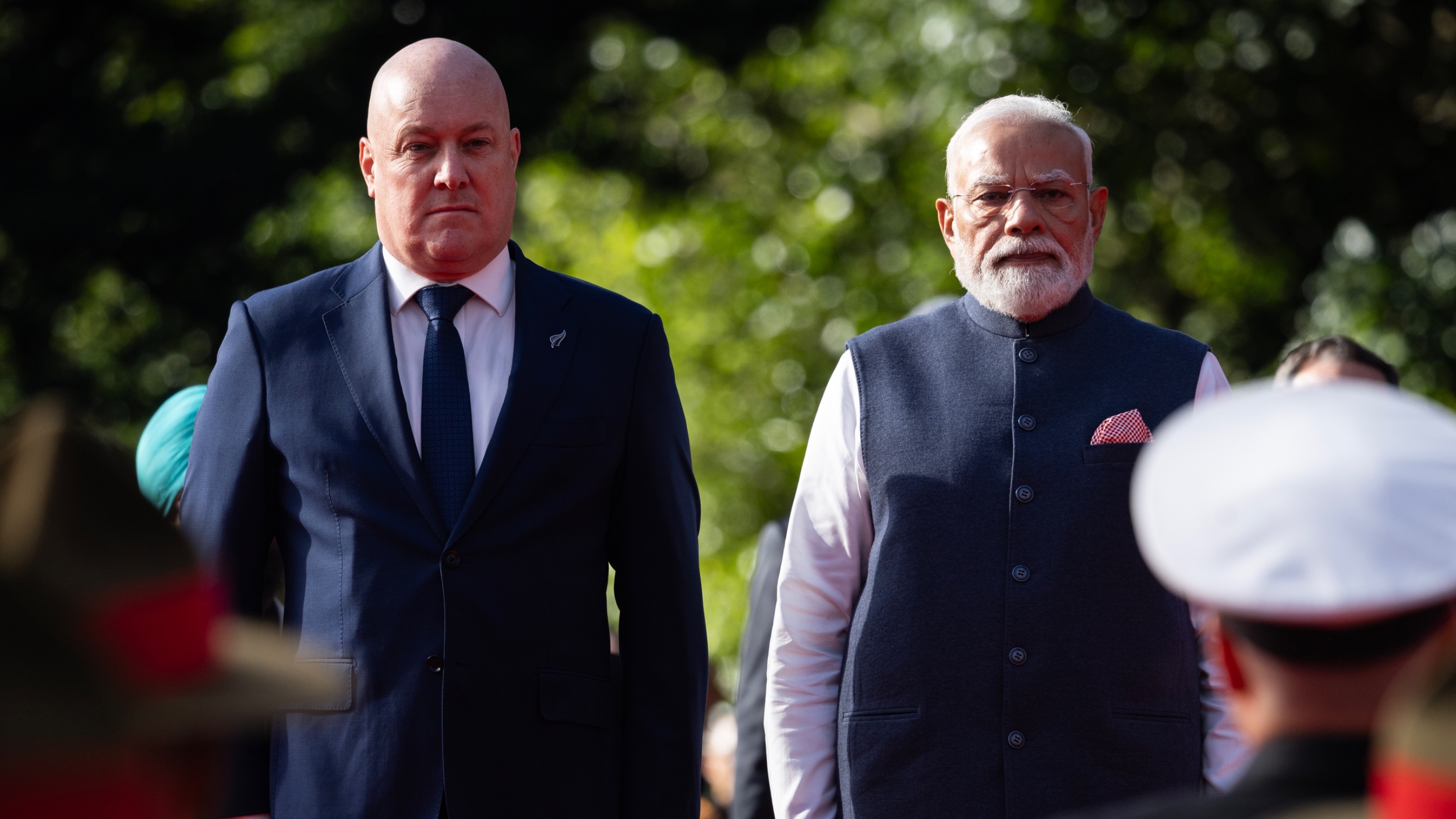
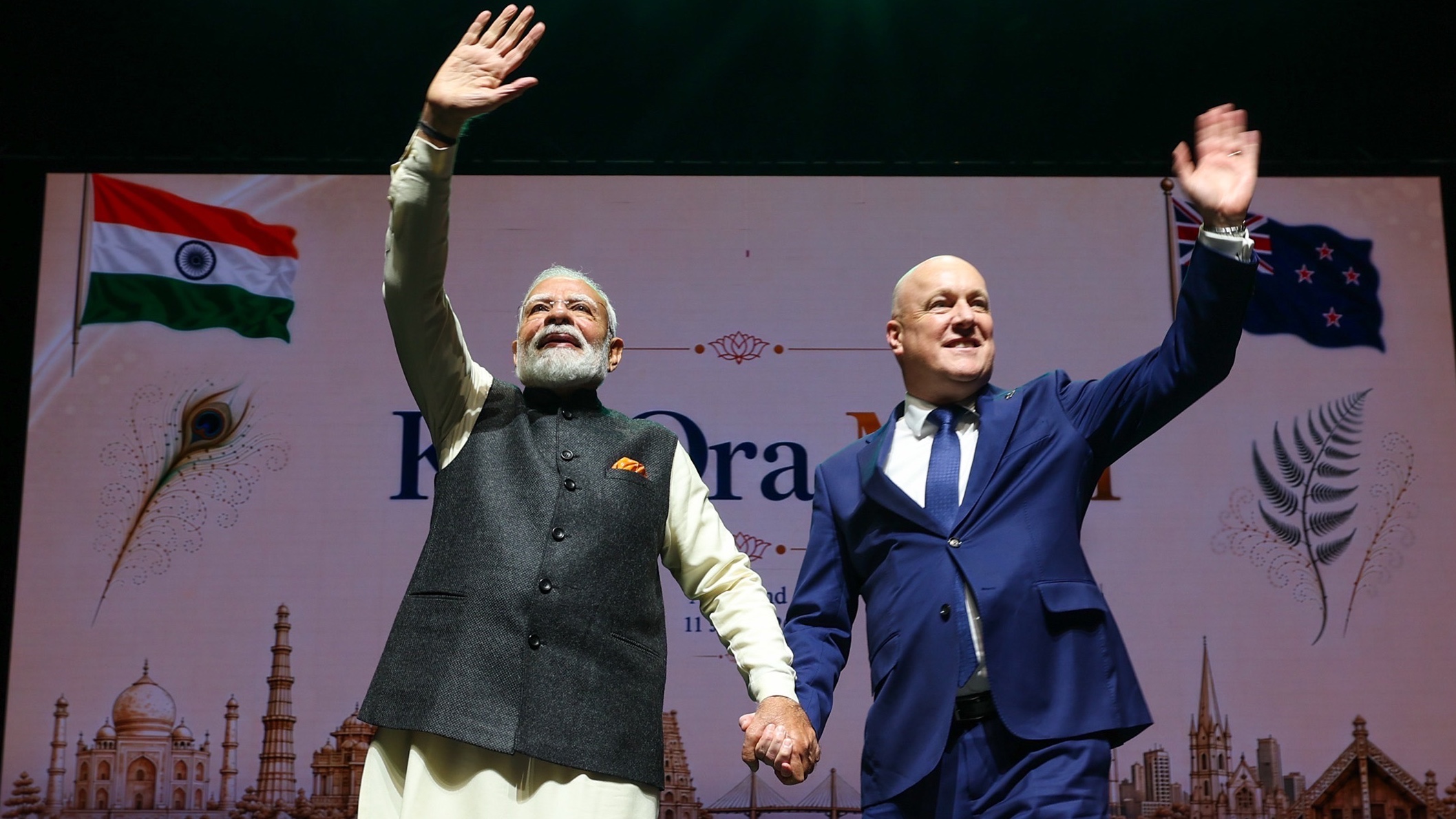
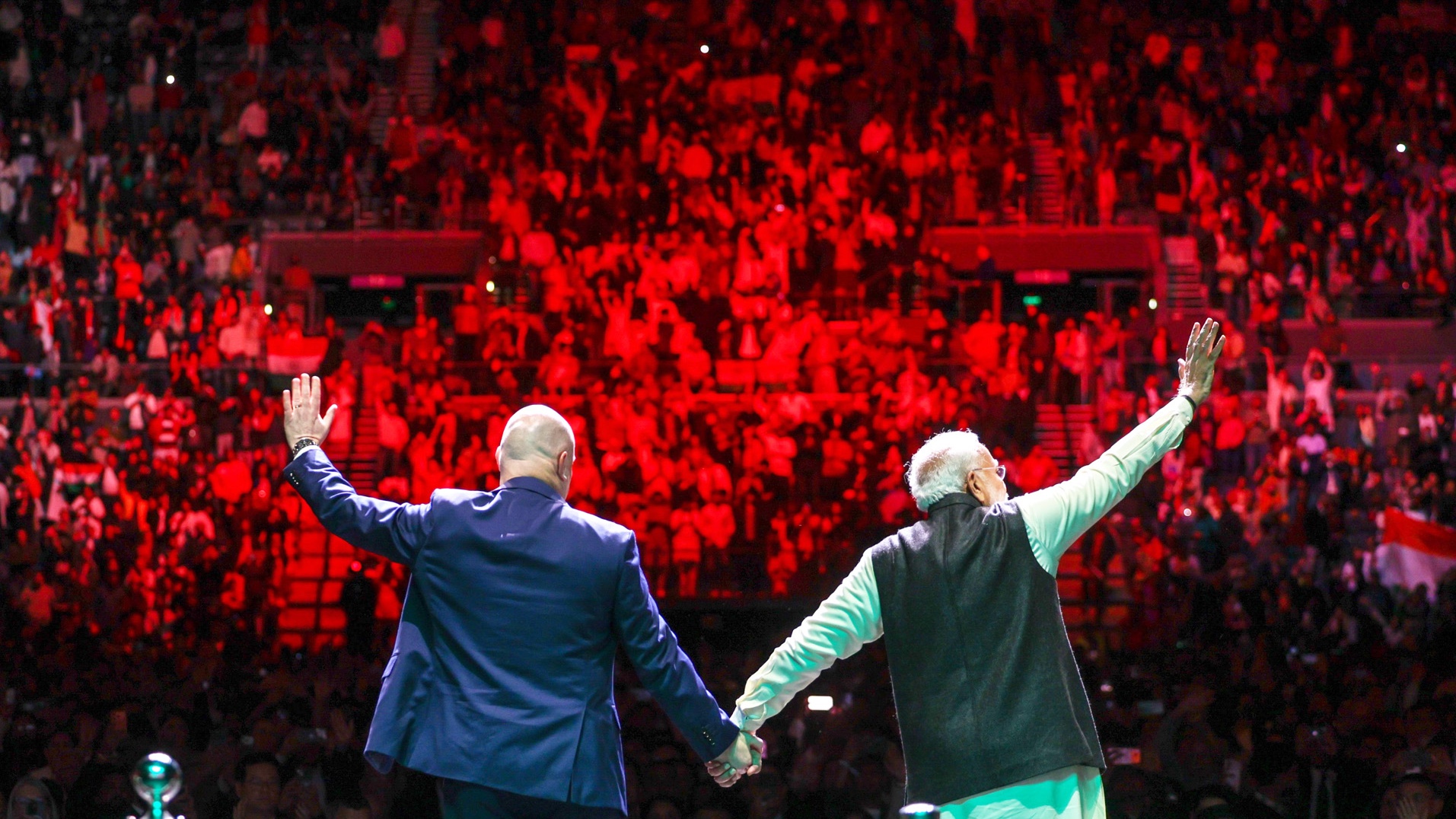
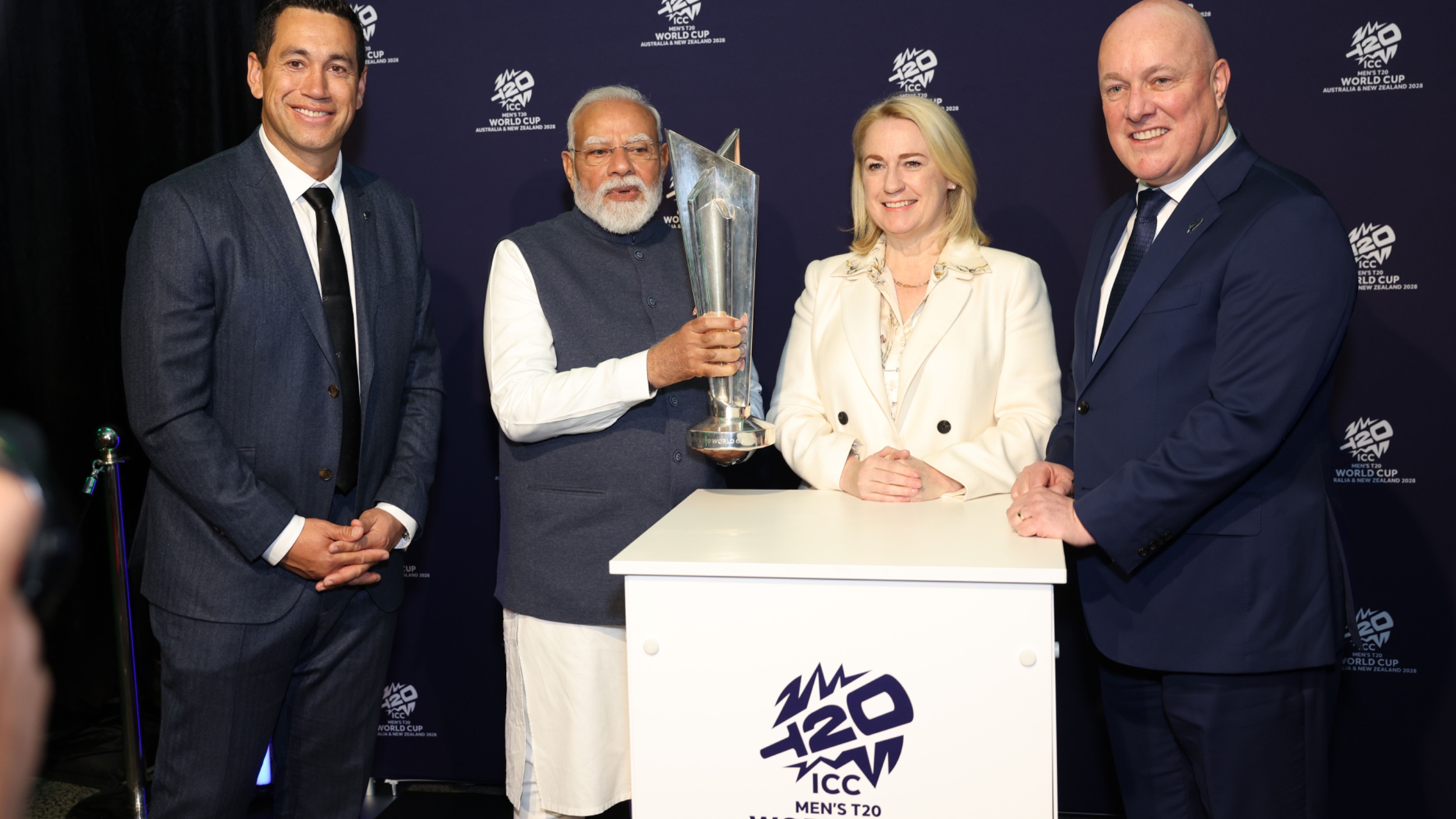
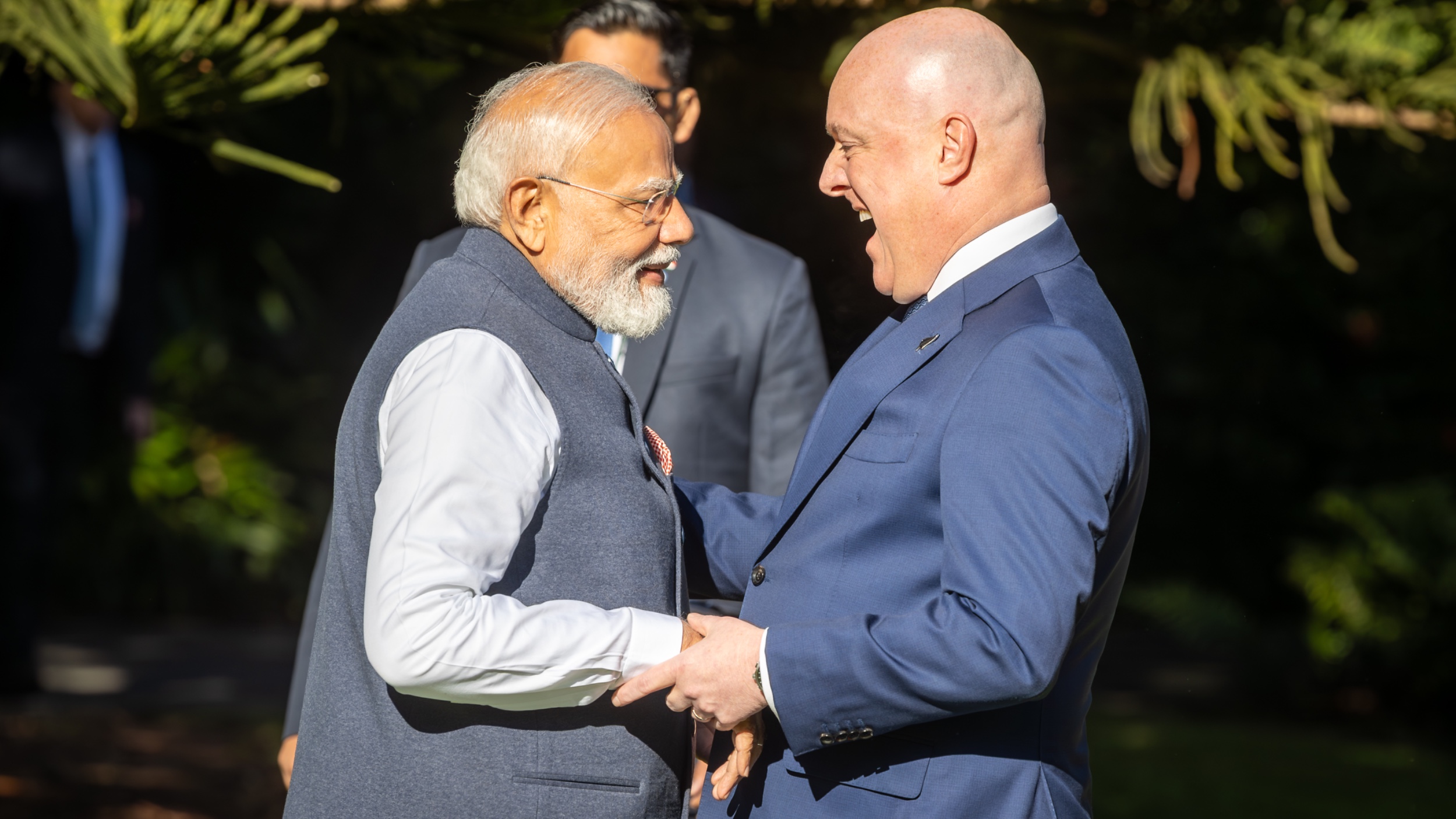
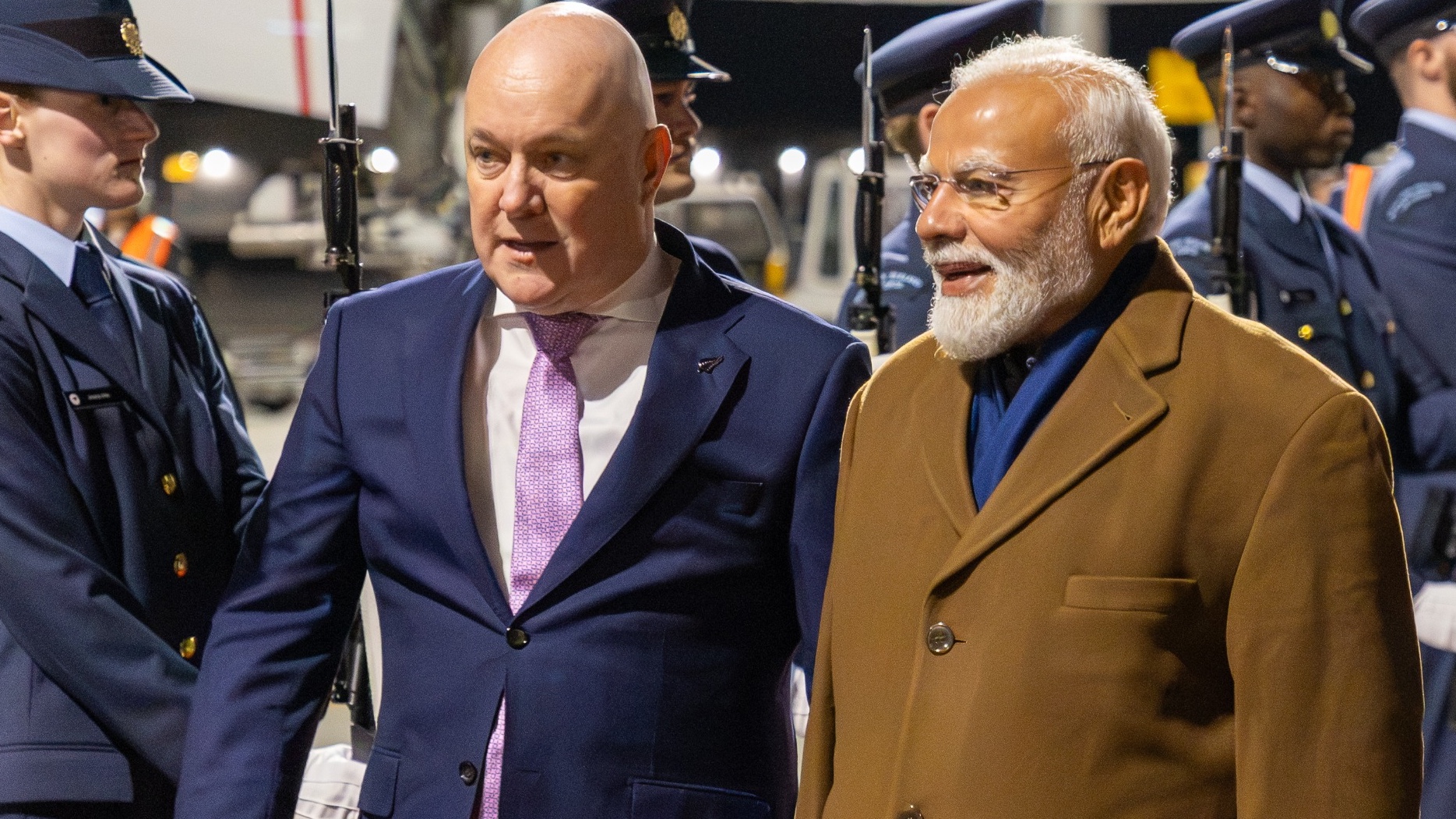
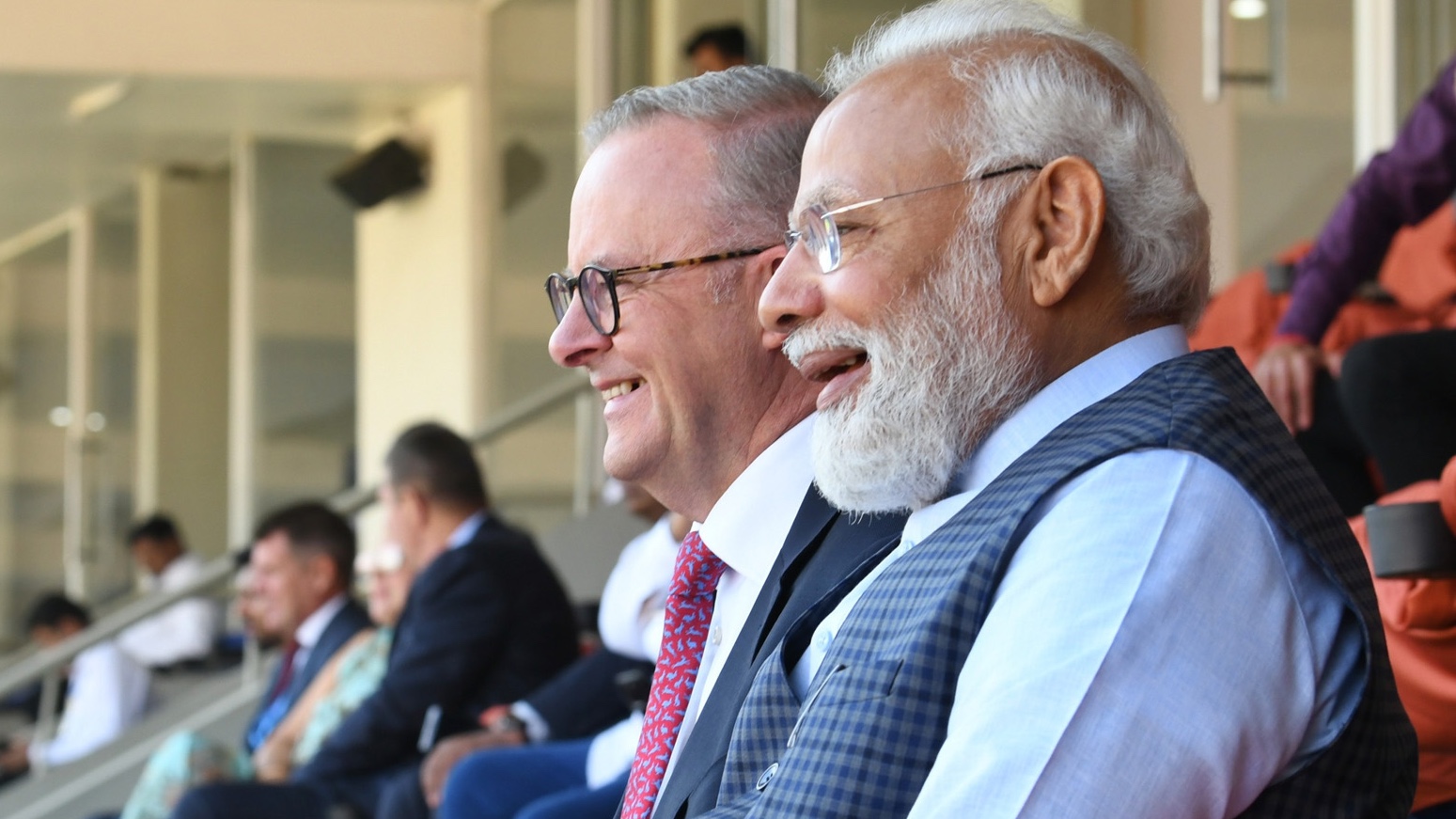
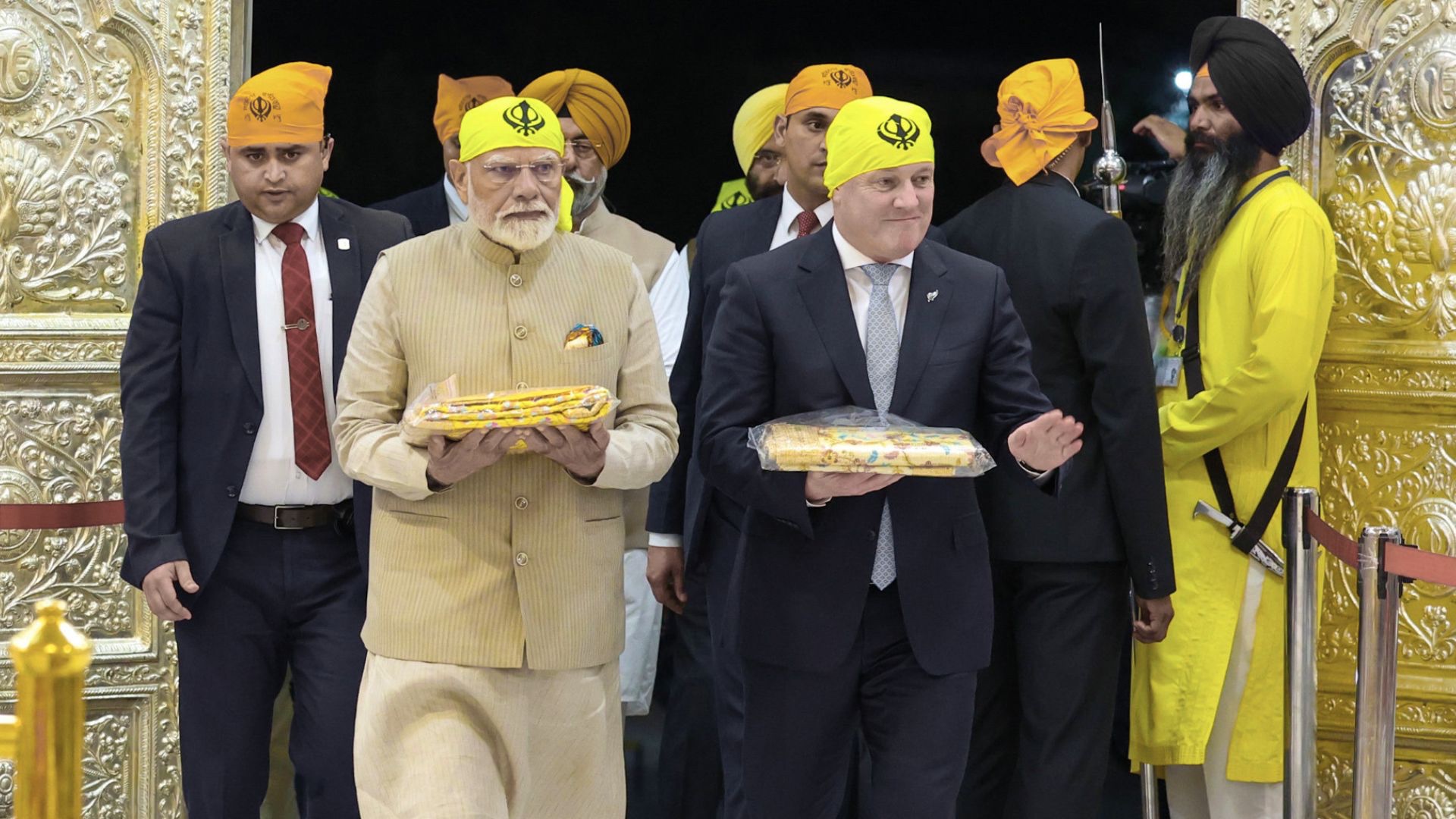
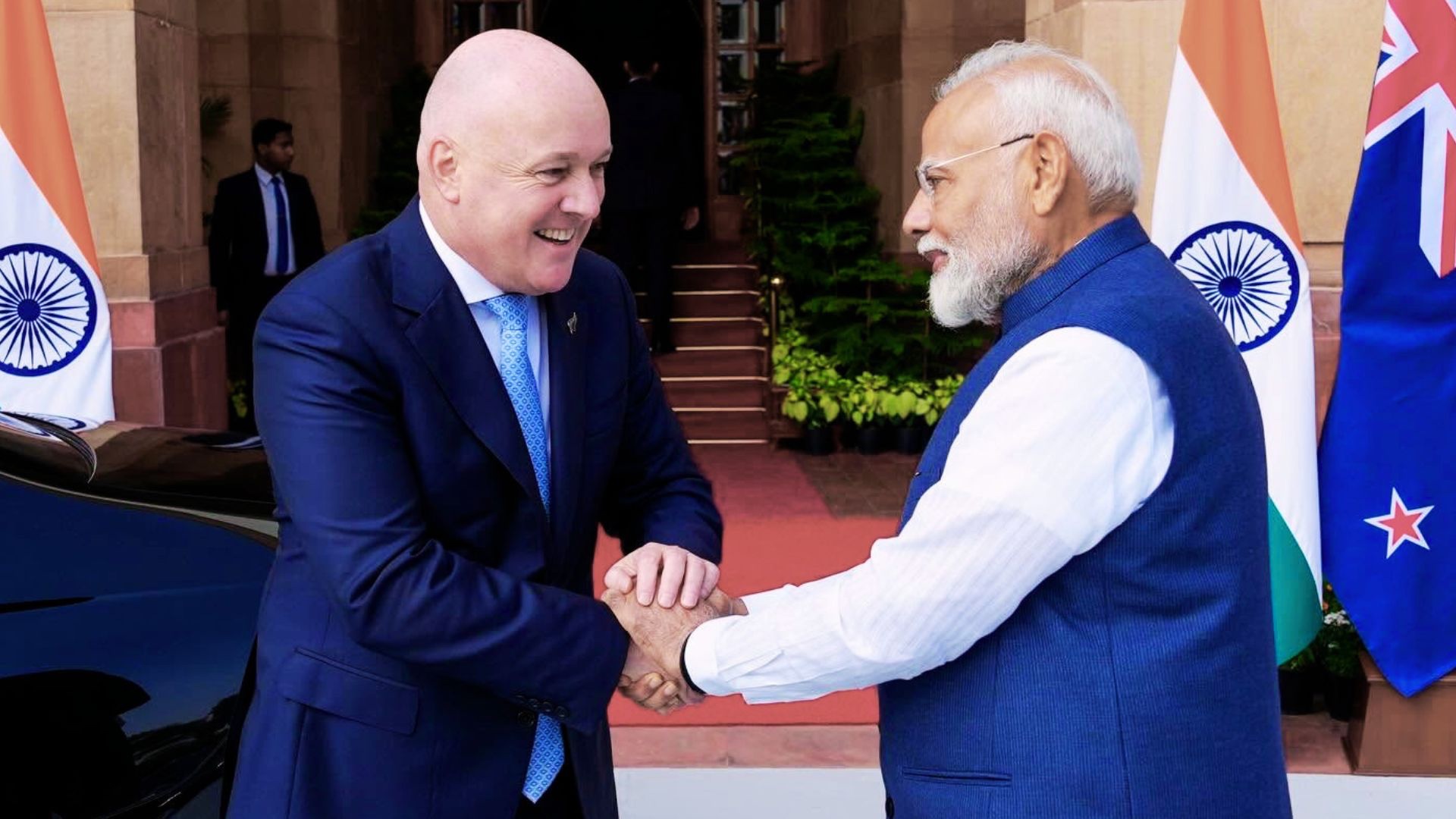
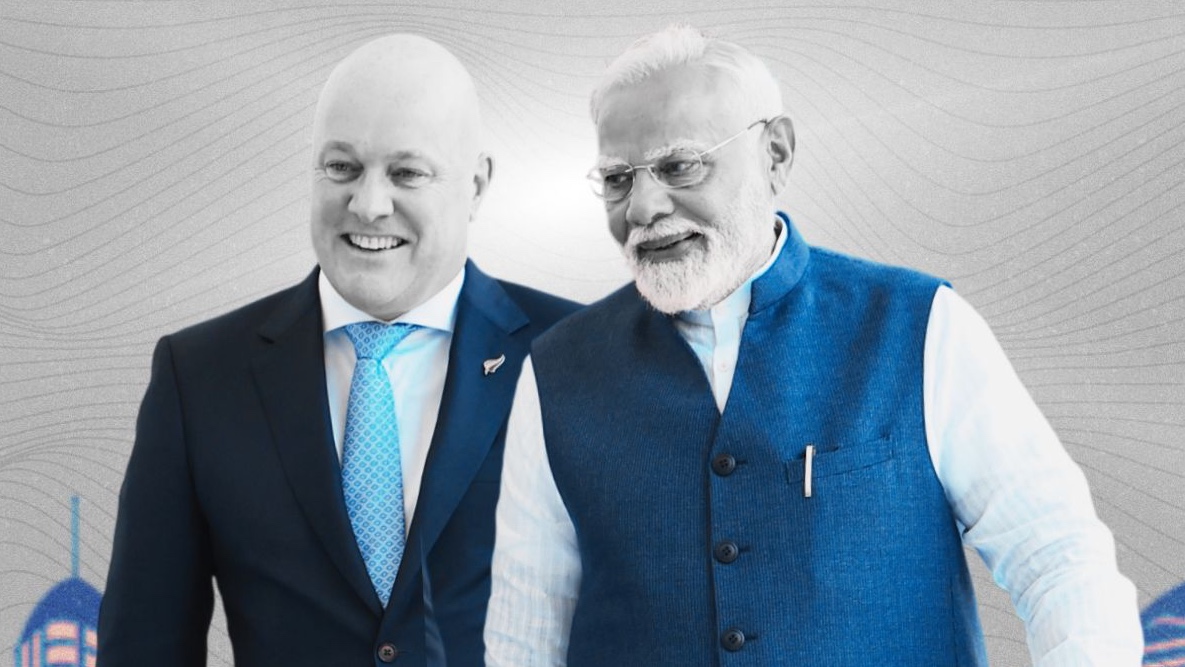
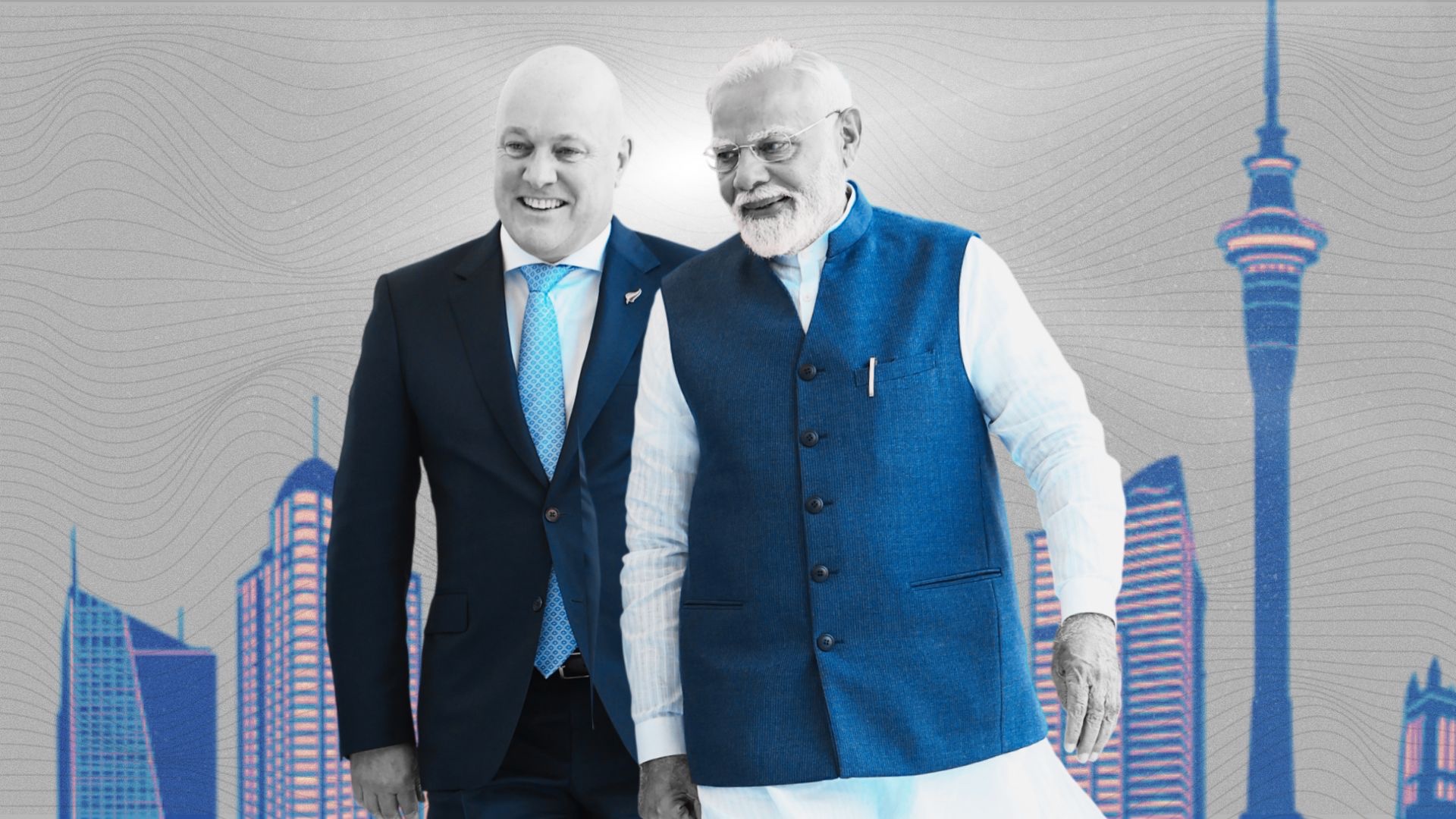
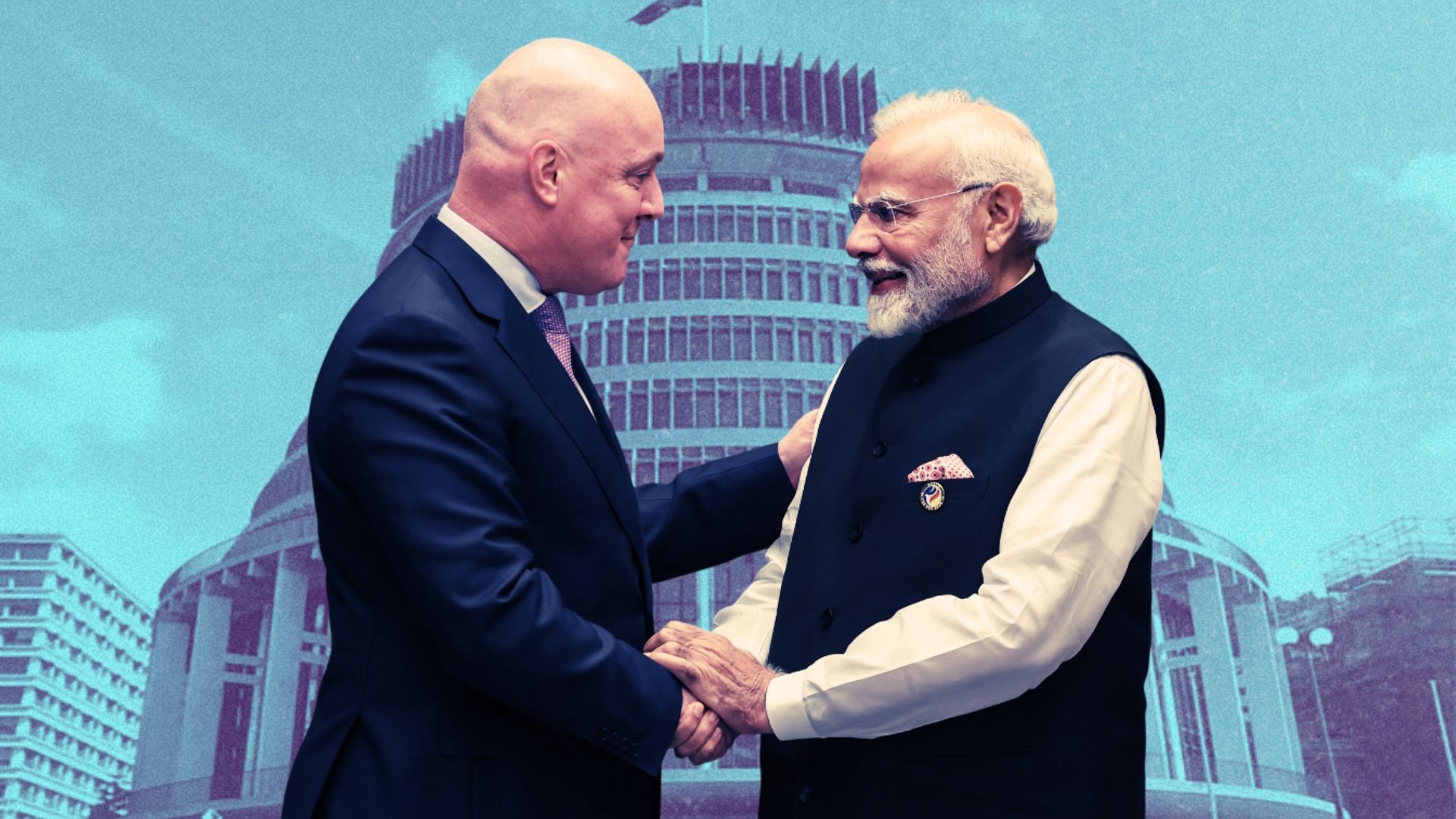
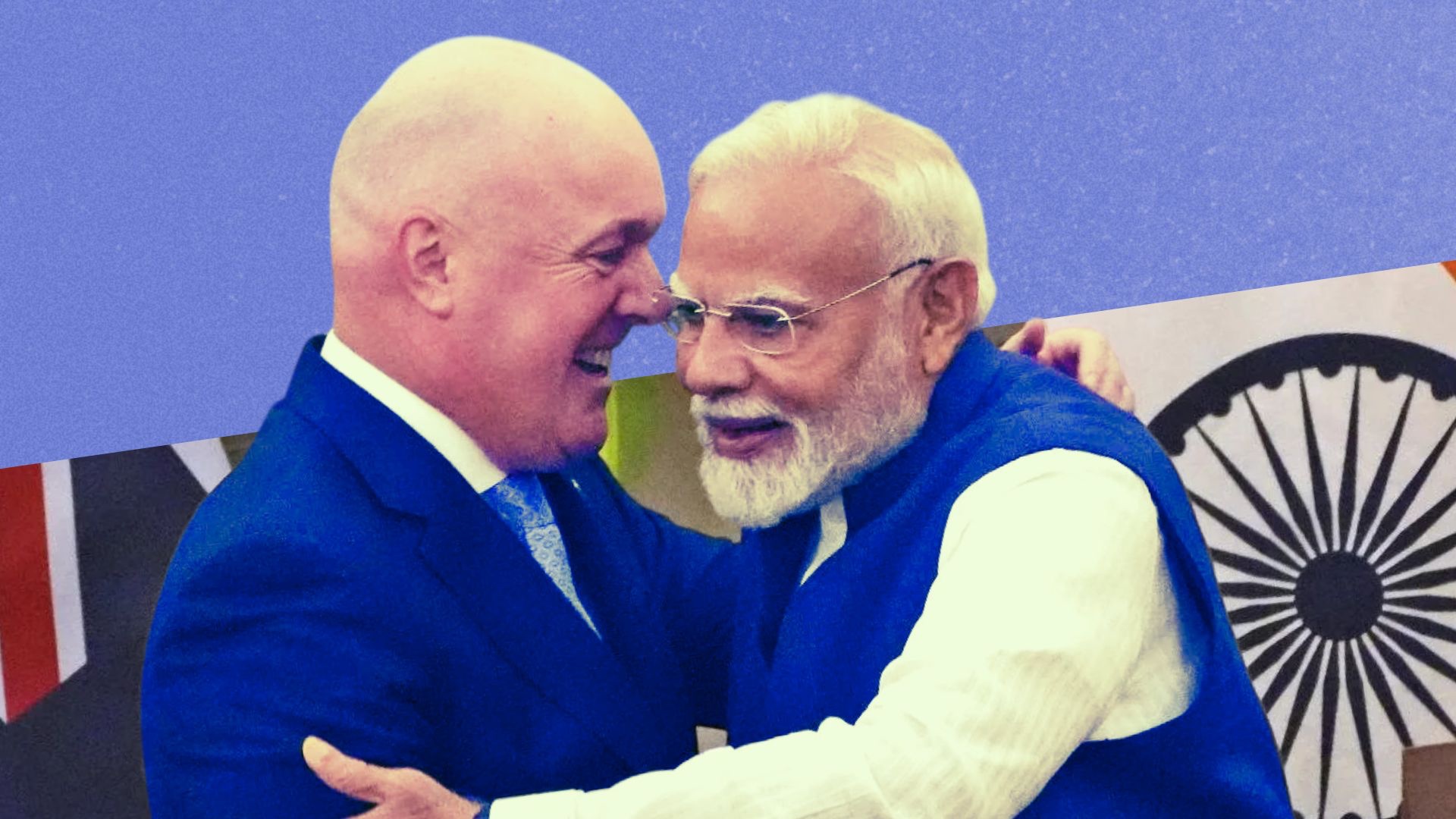
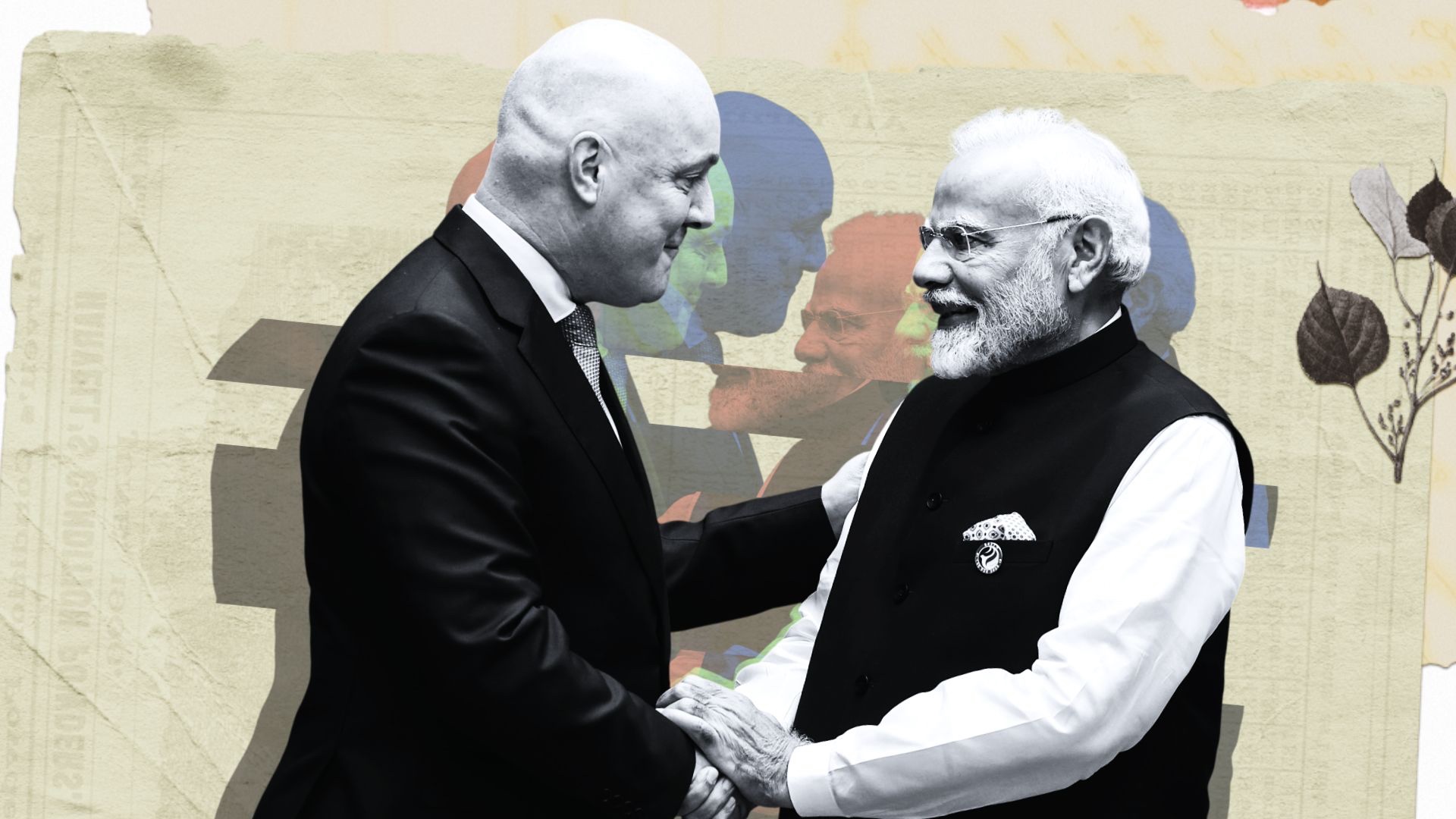
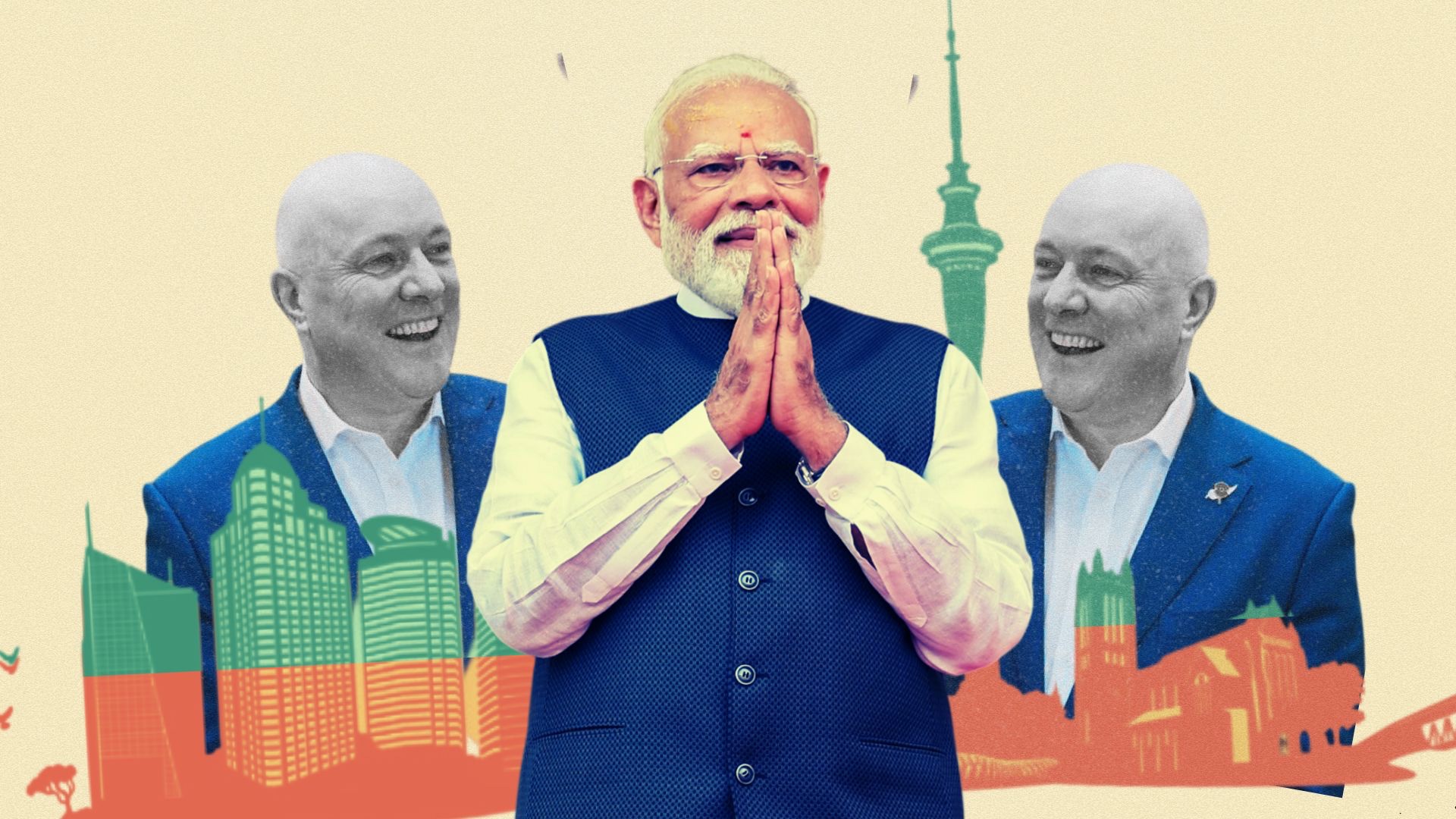
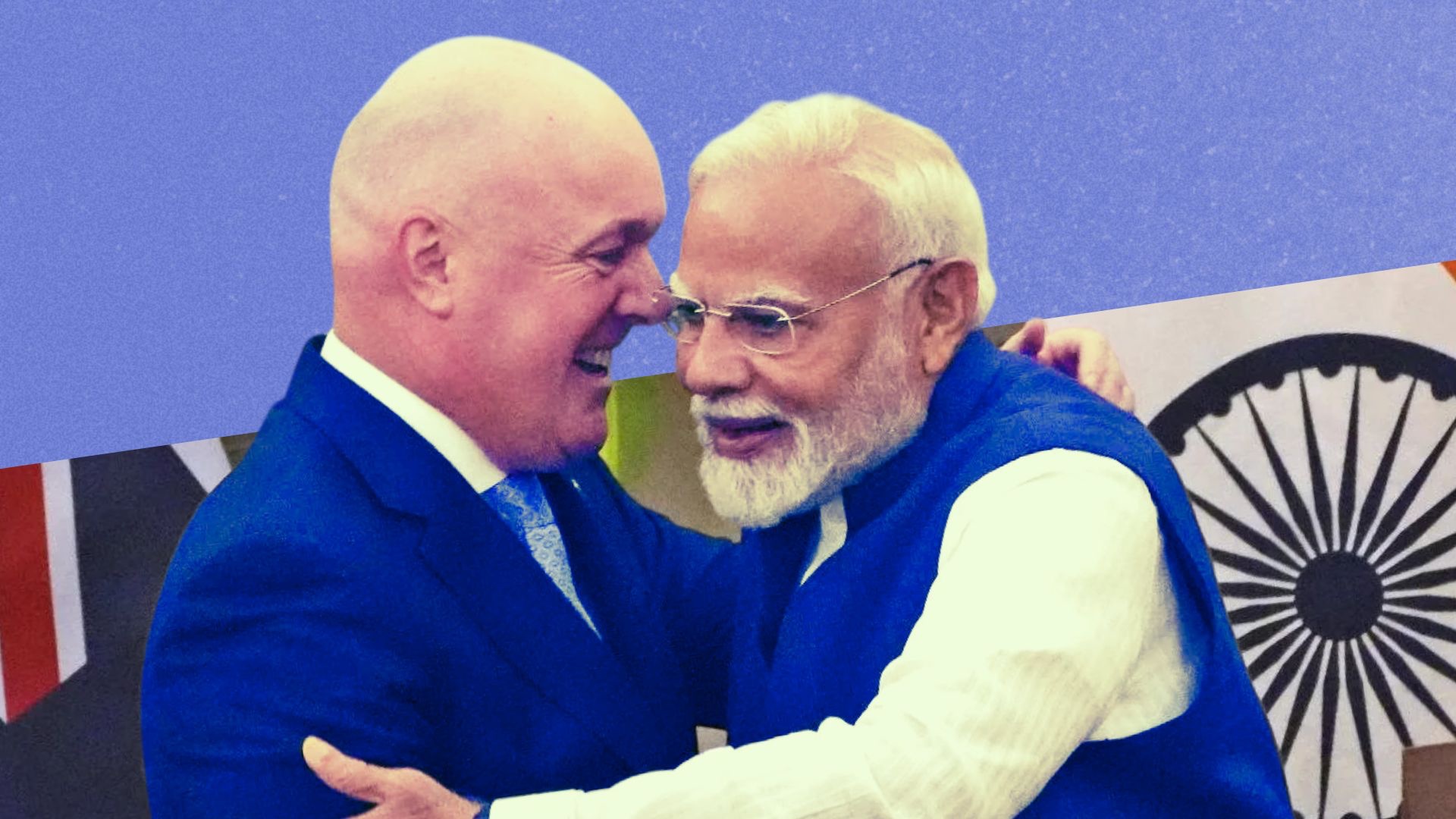
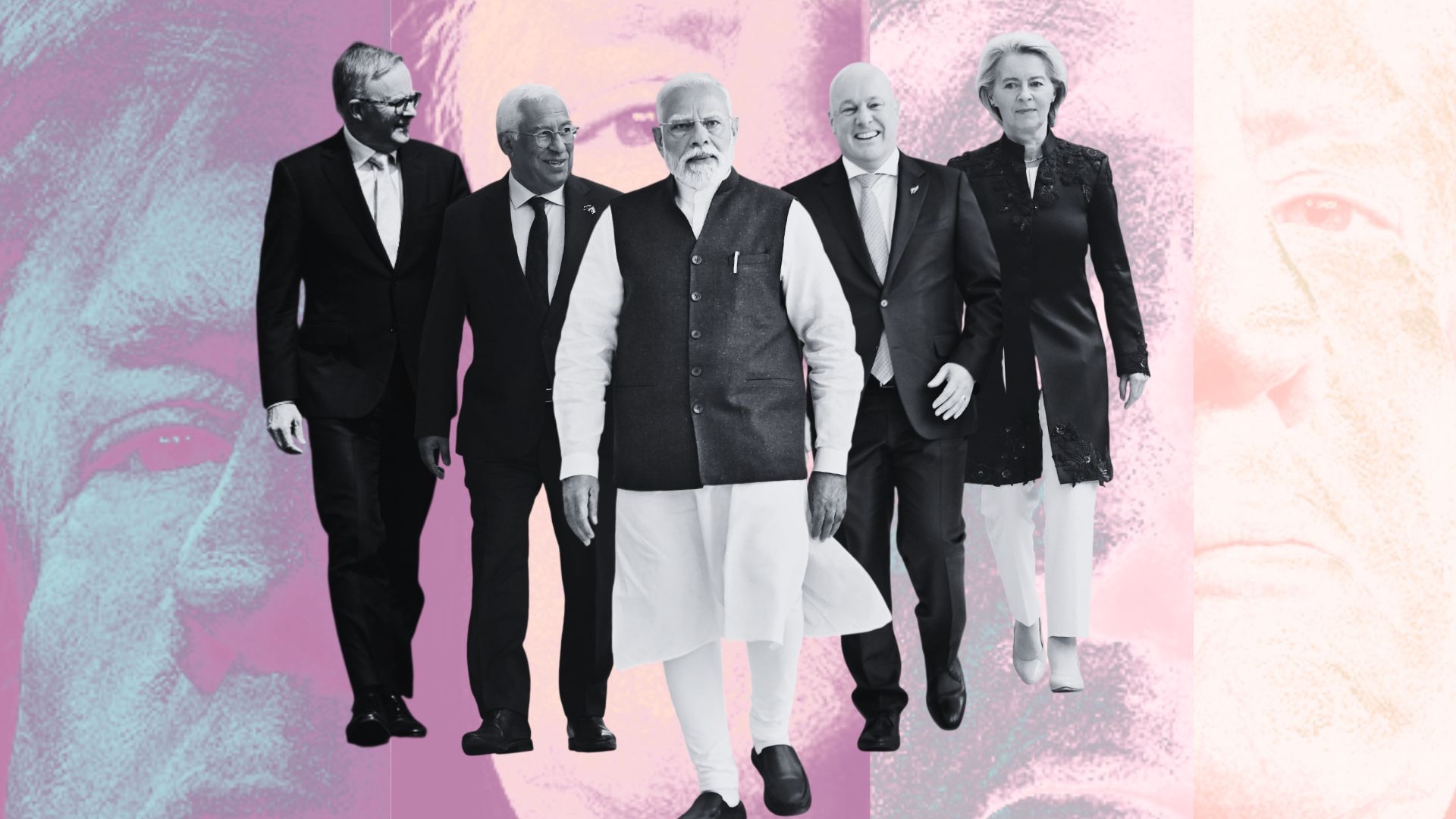
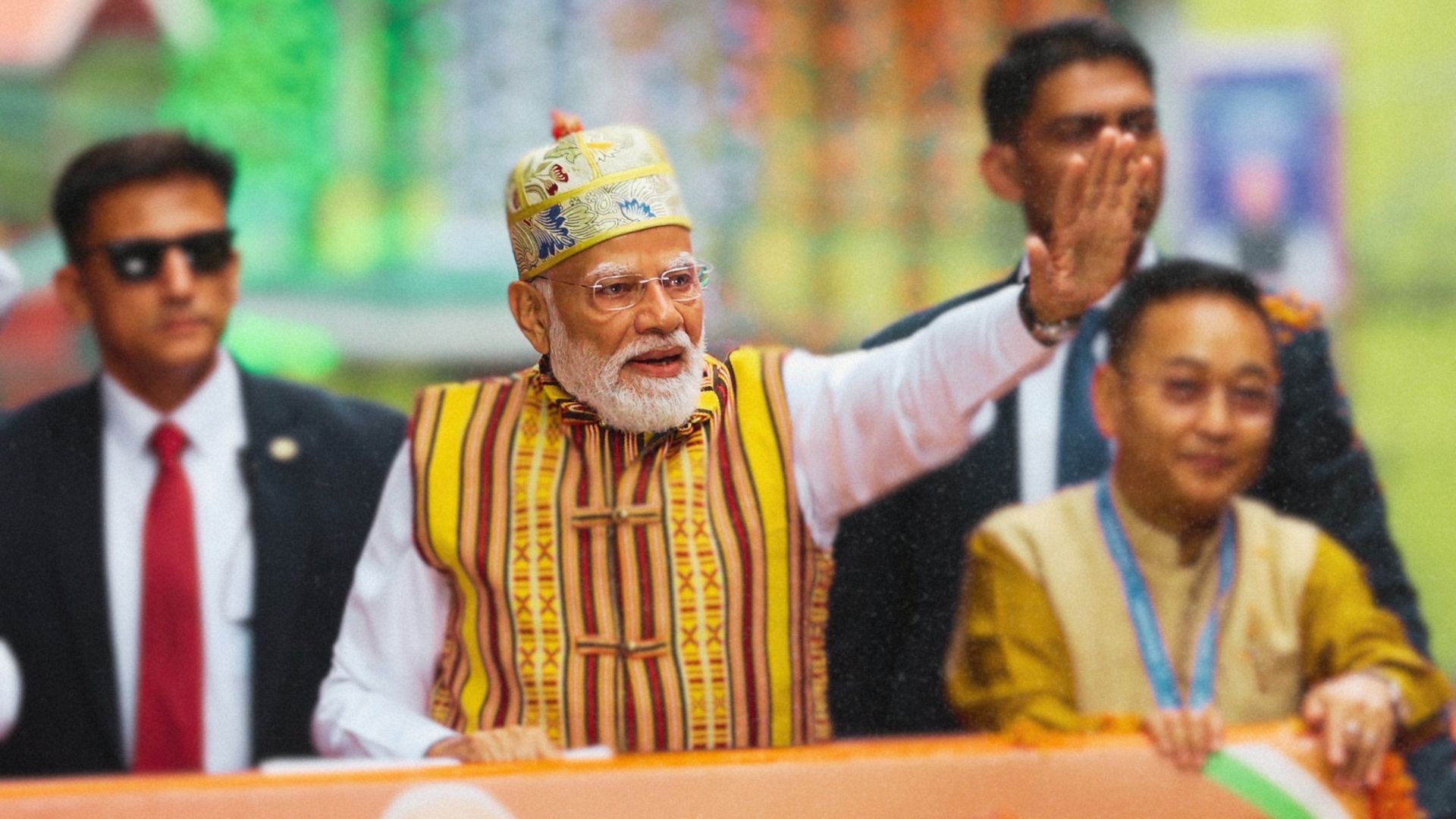
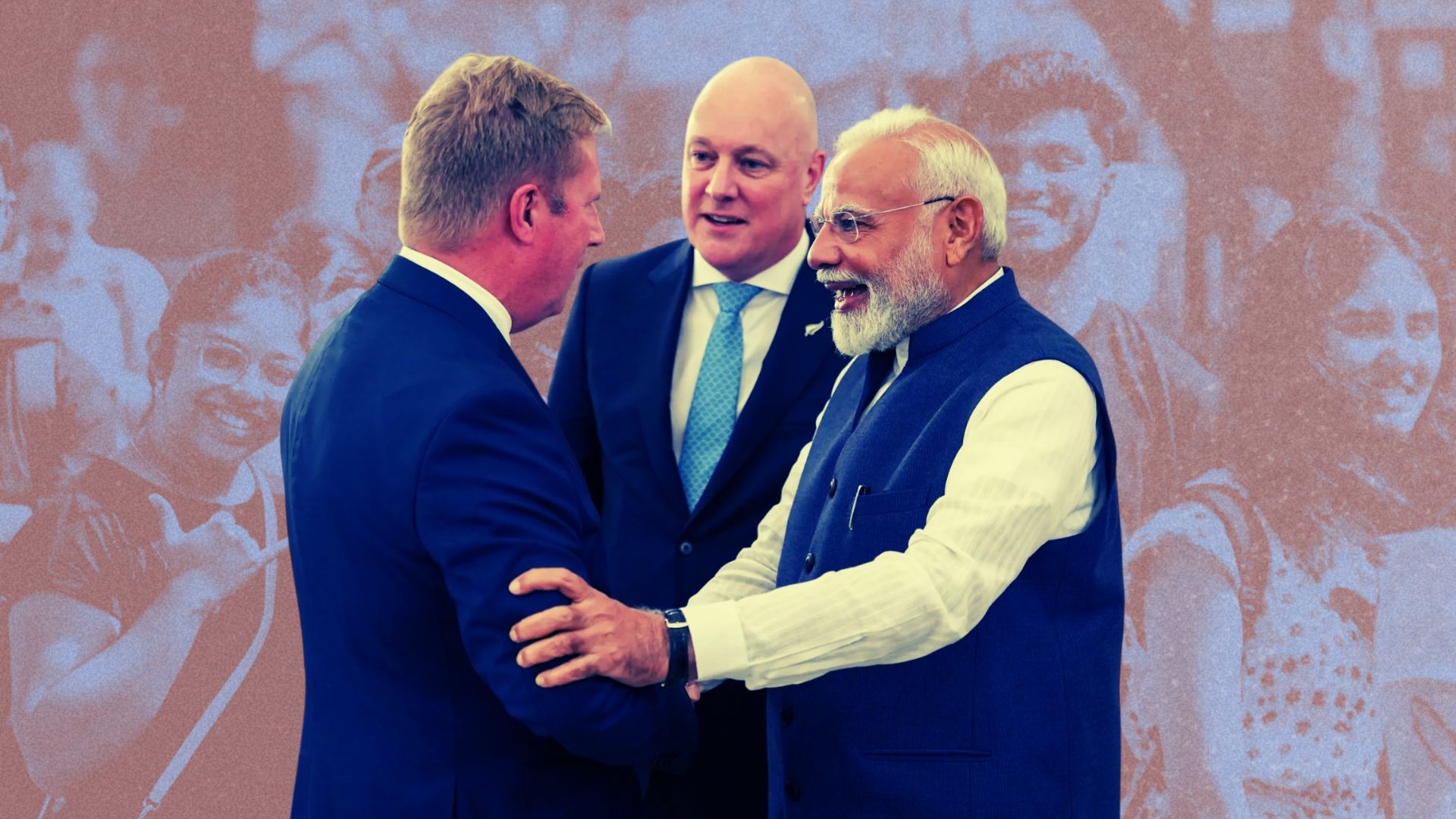
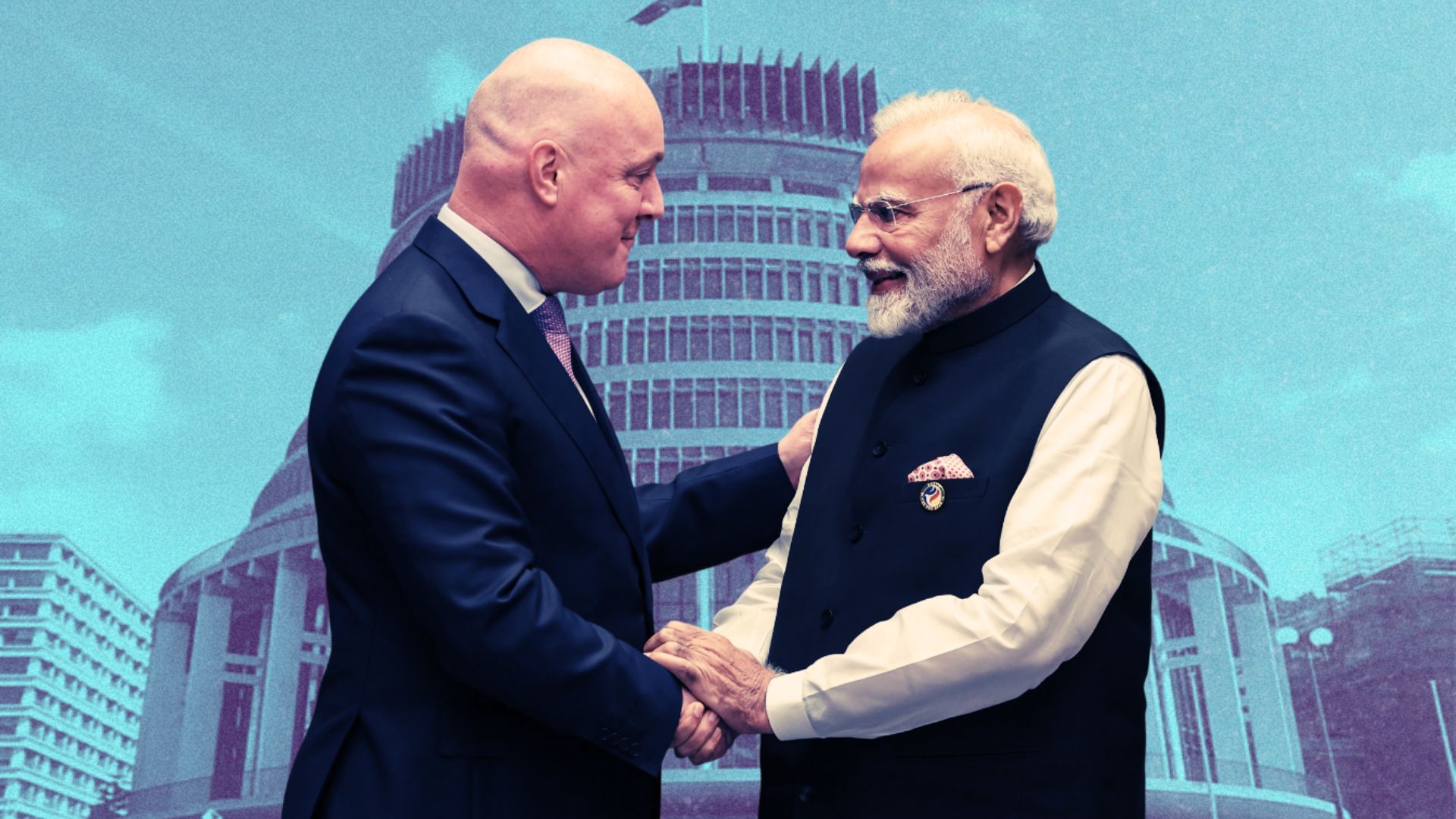
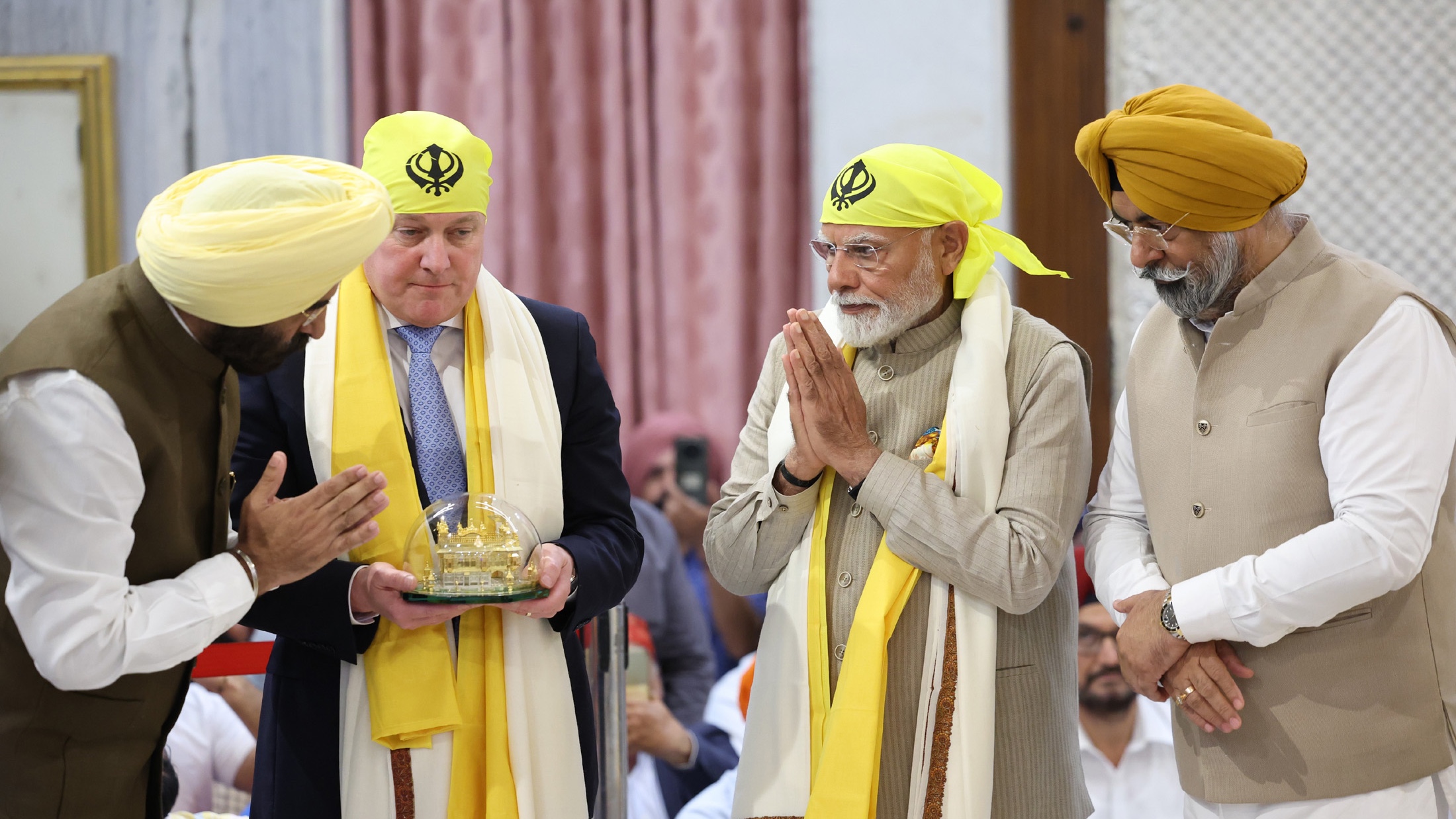
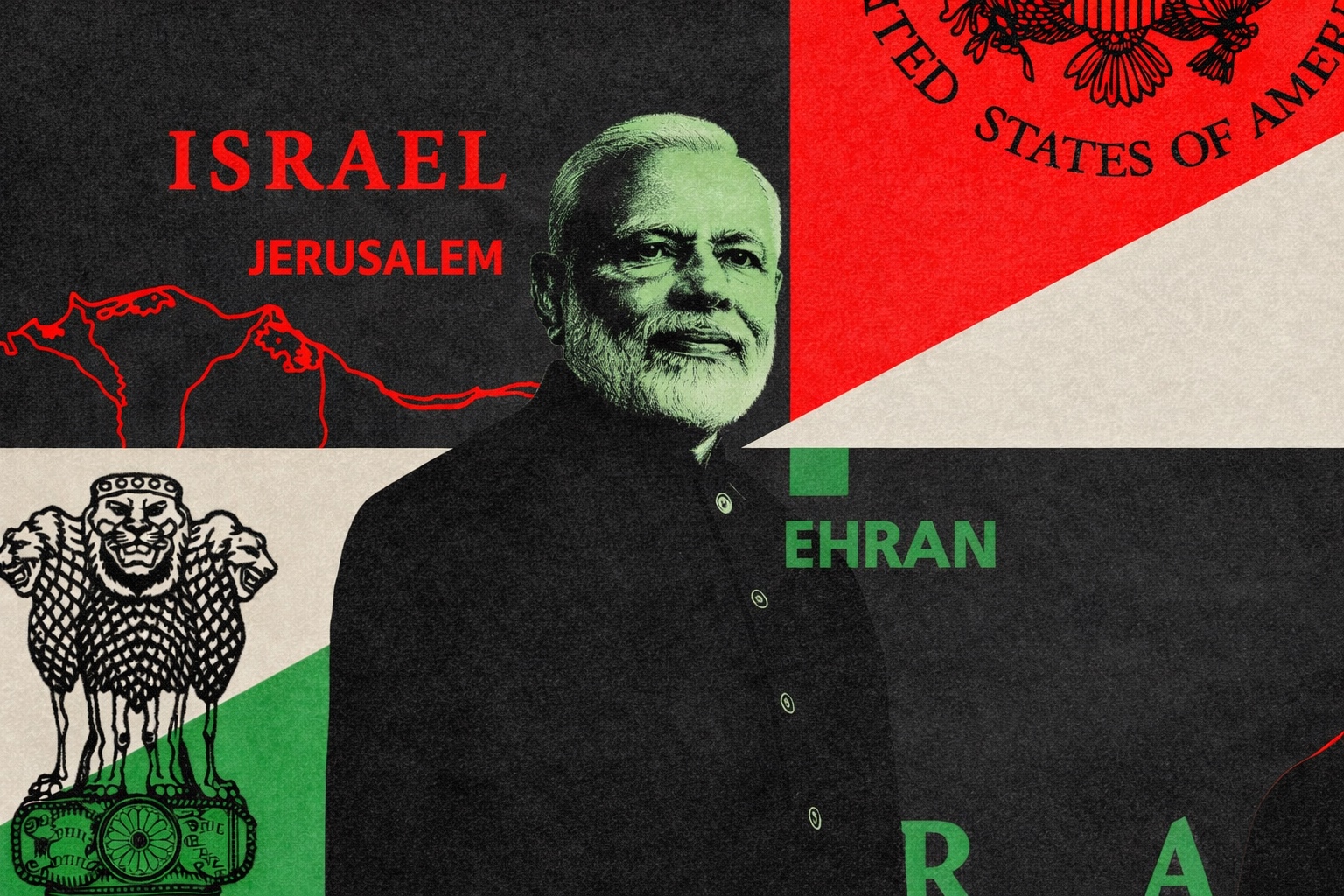
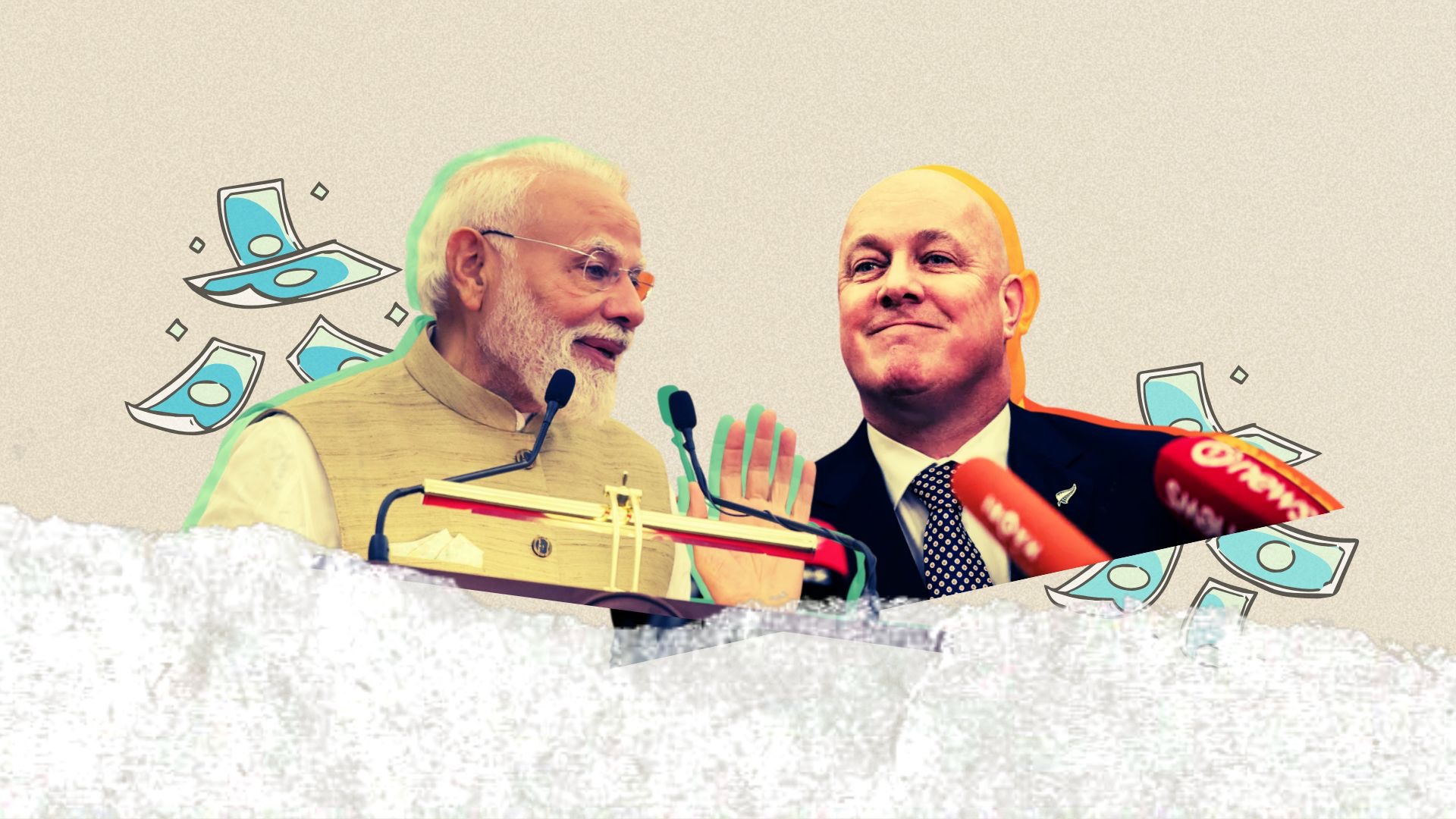
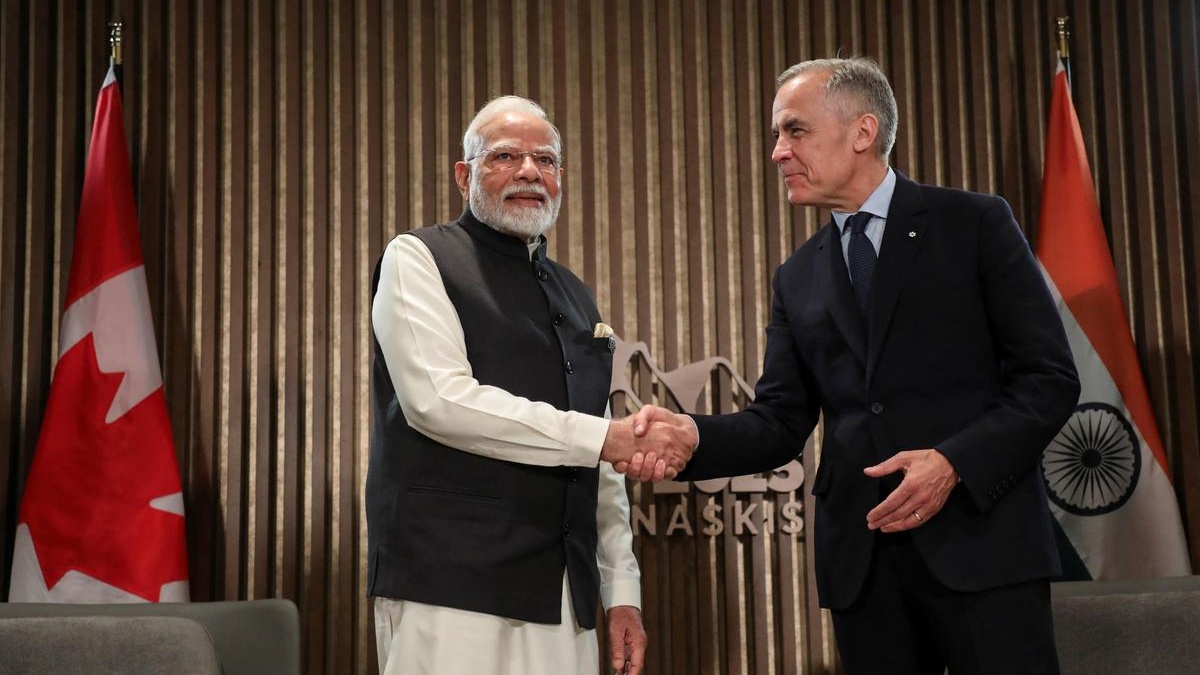
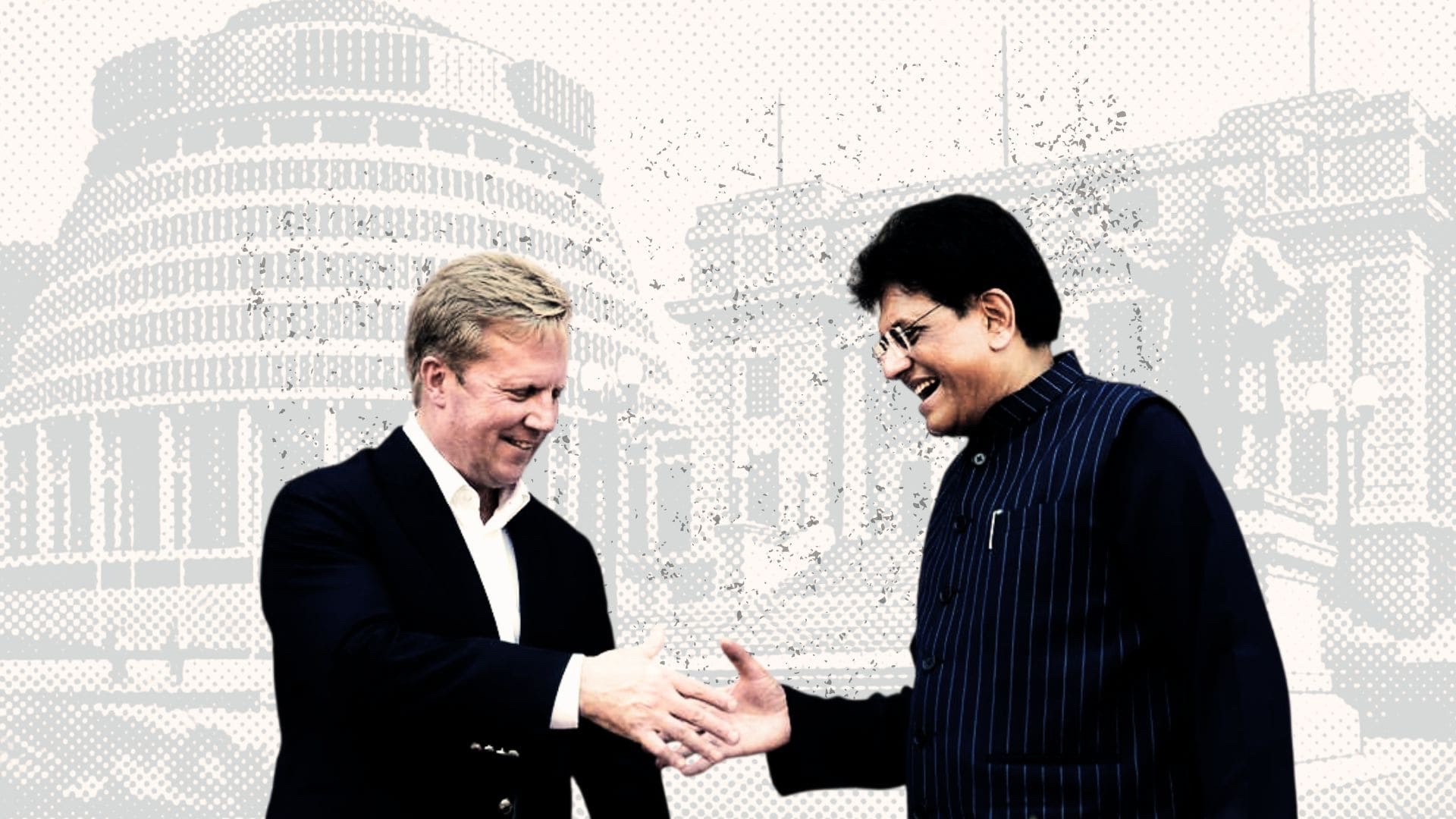
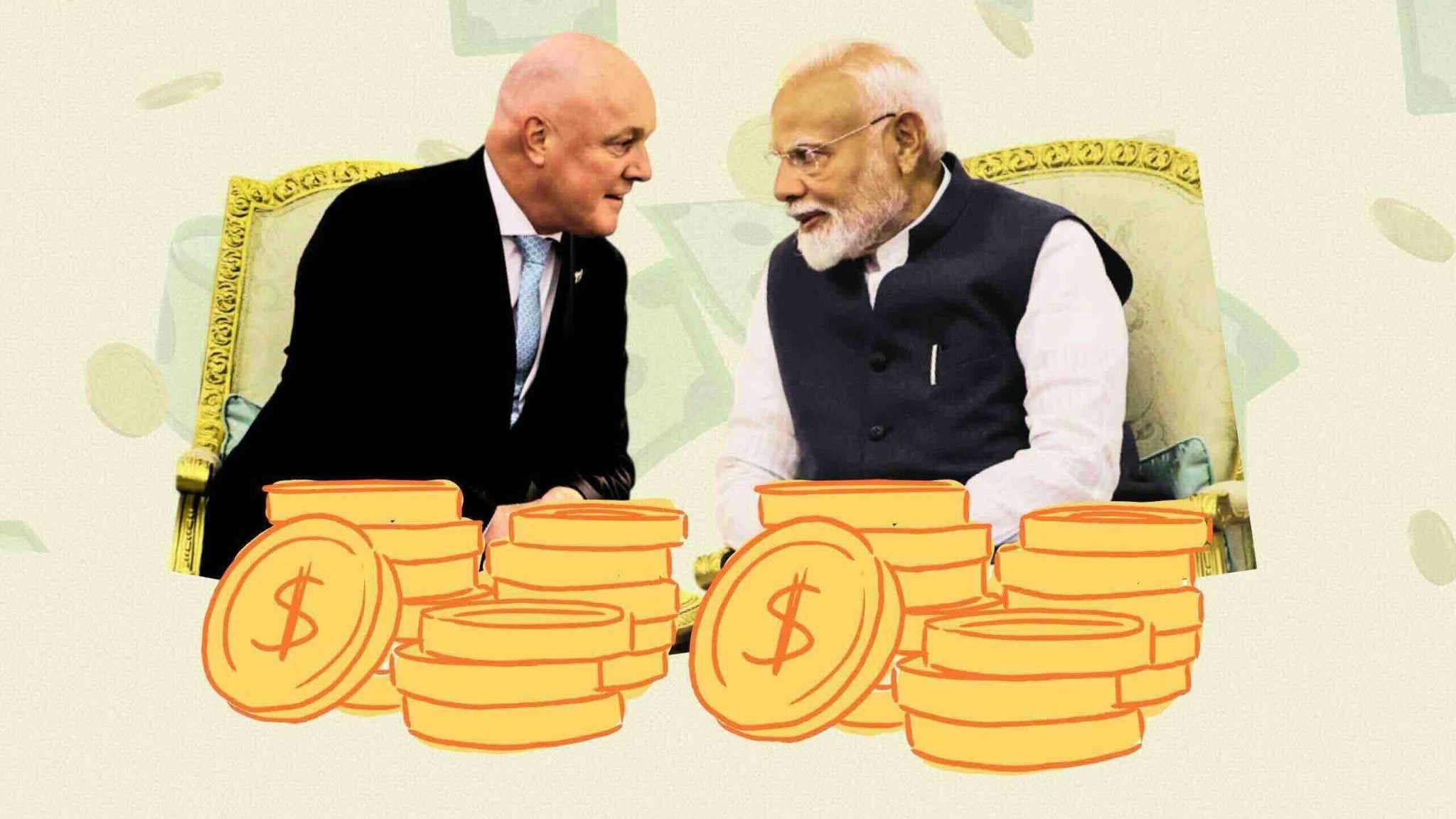
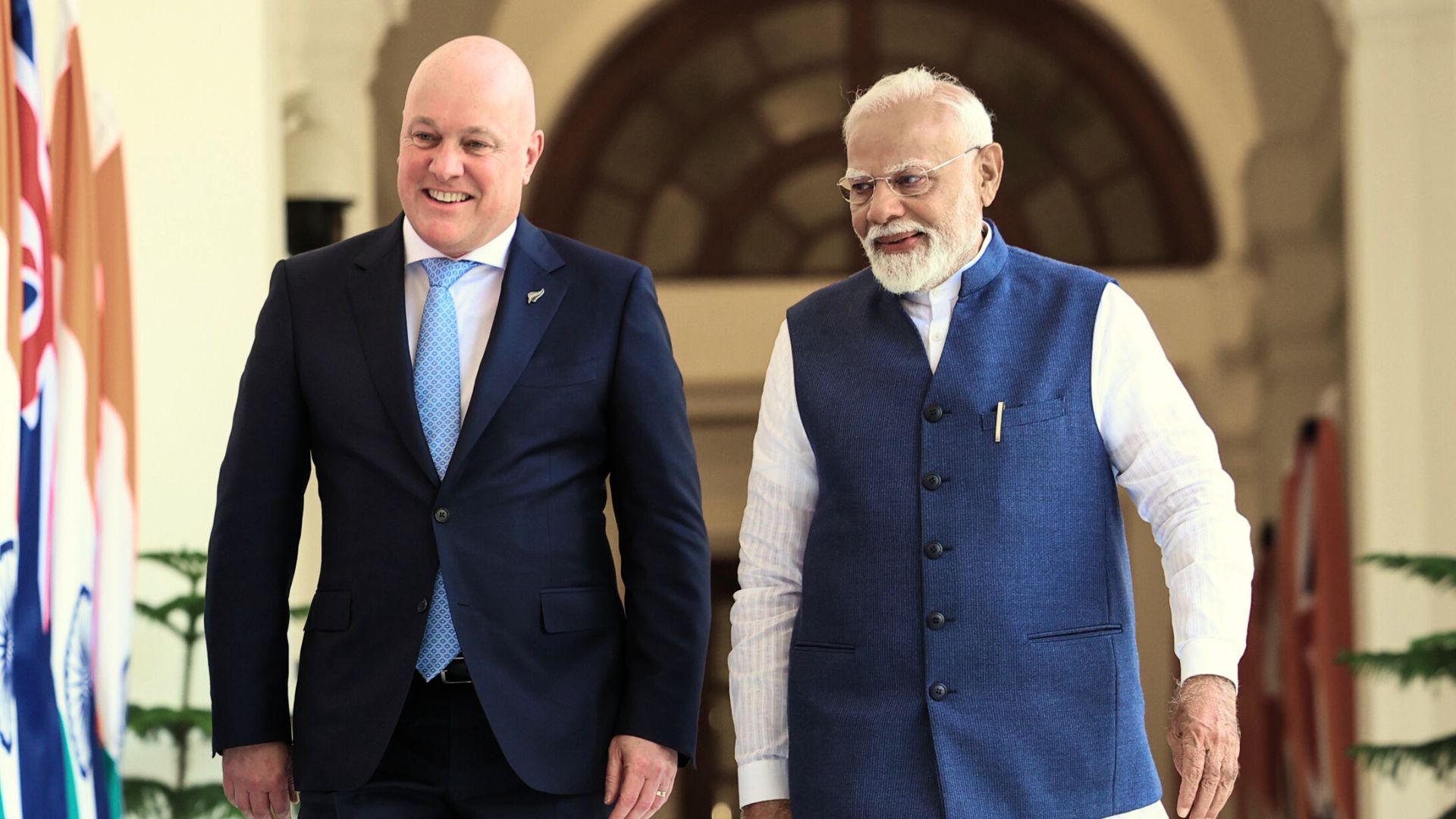
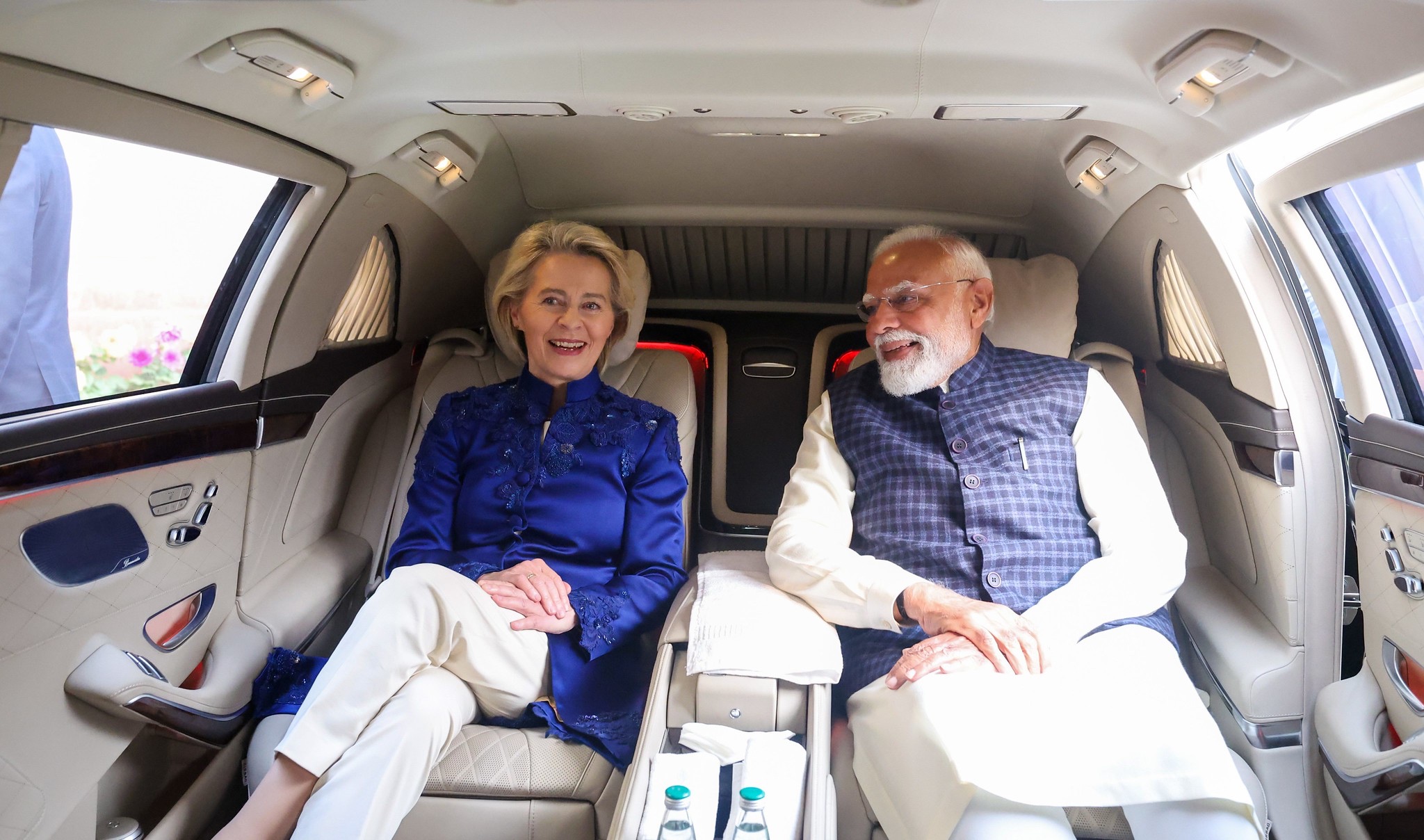
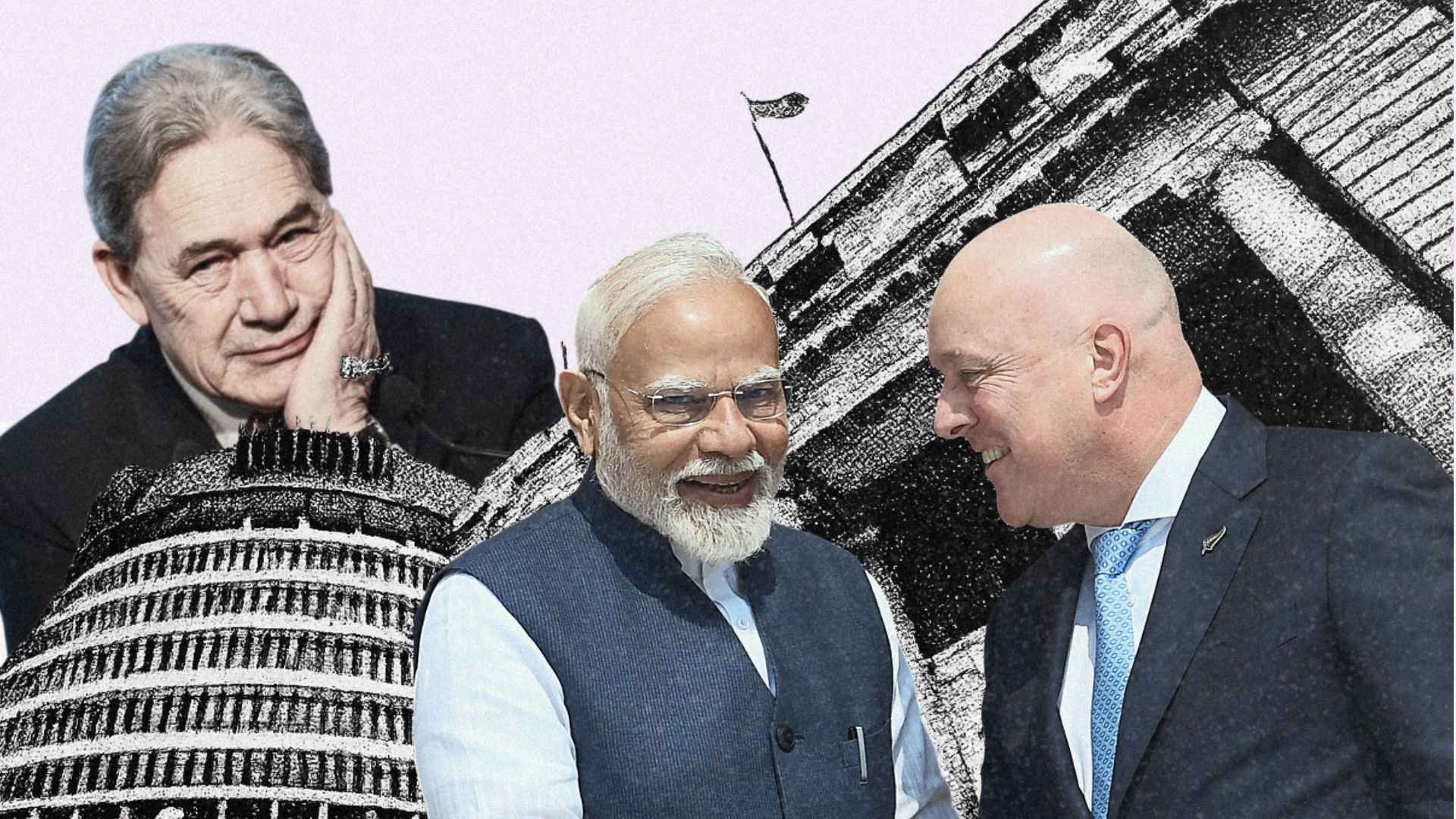
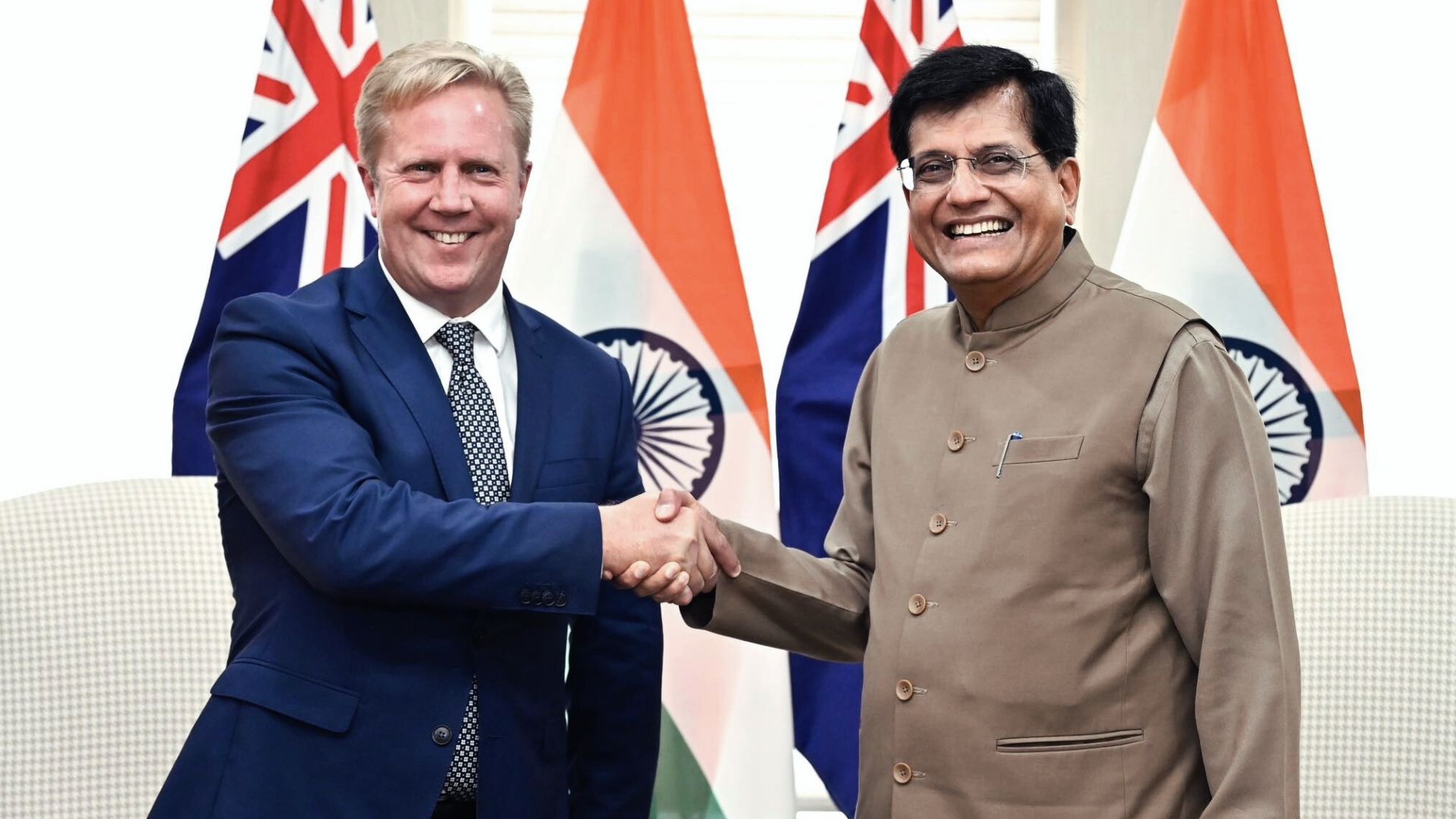
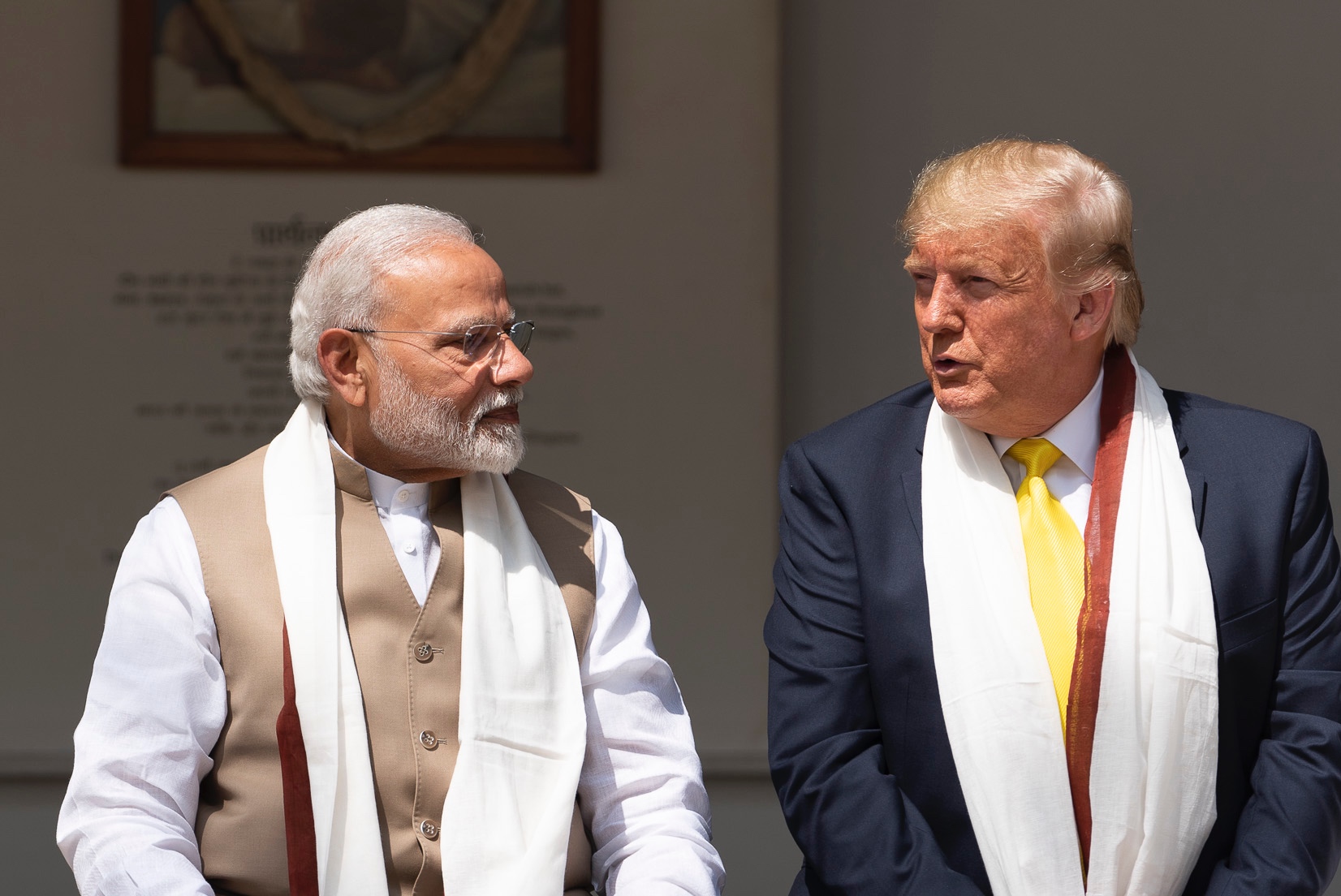
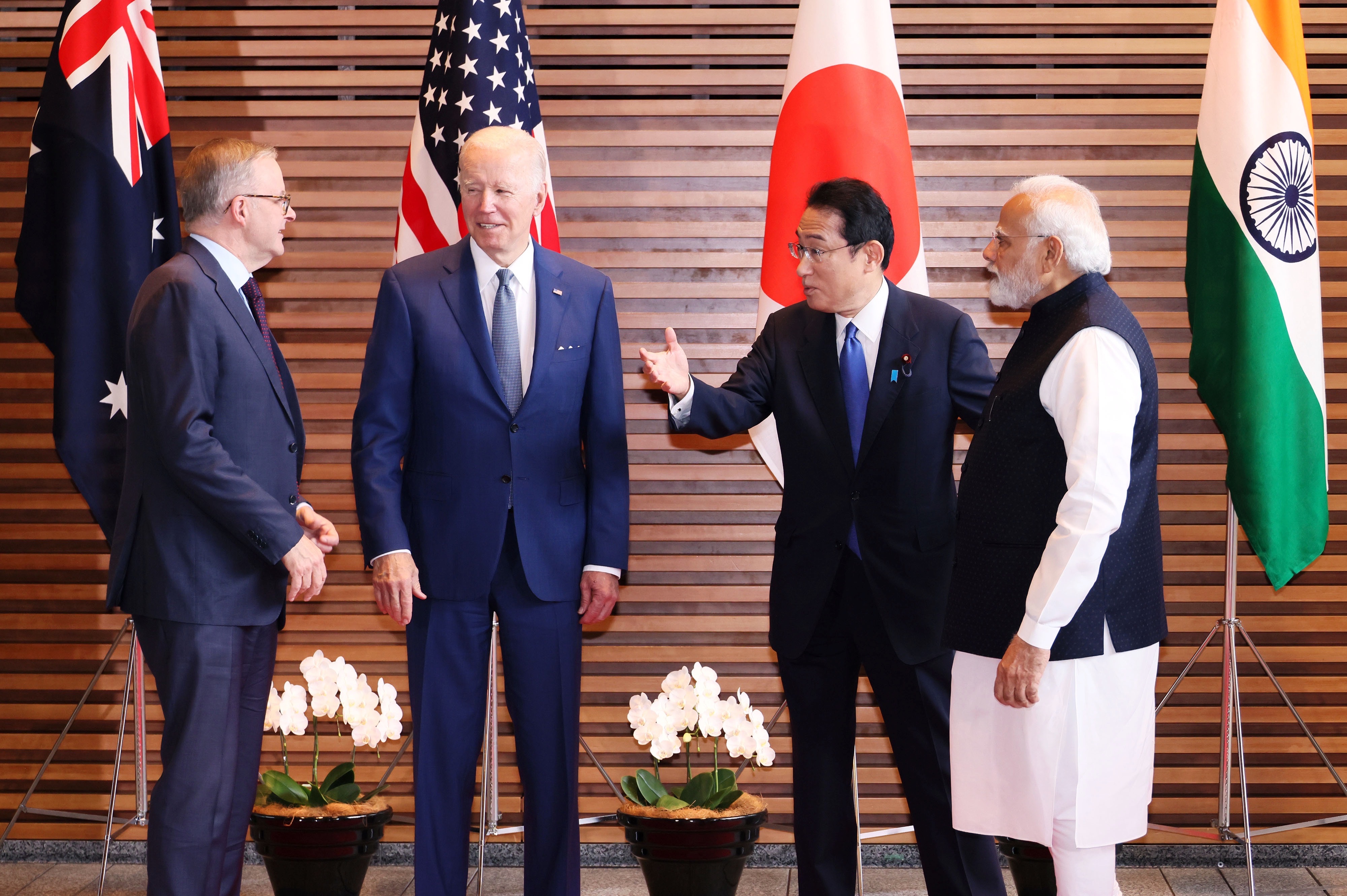
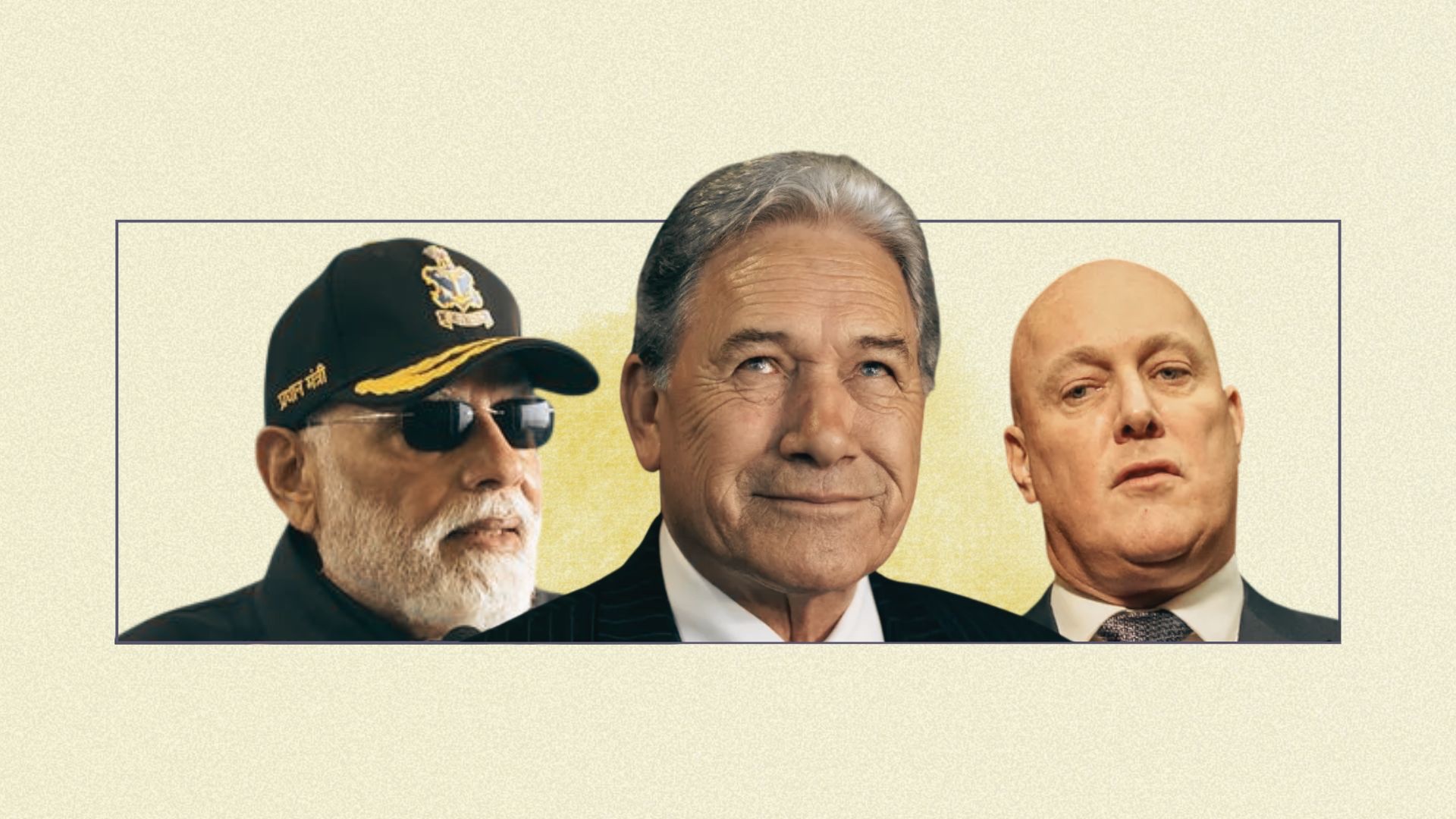
Indian prime minister Narendra Modi will be in Auckland on a visit July 10-11, 2026.
“We need to work with our like-minded friends to build a lattice of relationships,” the prime minister says.
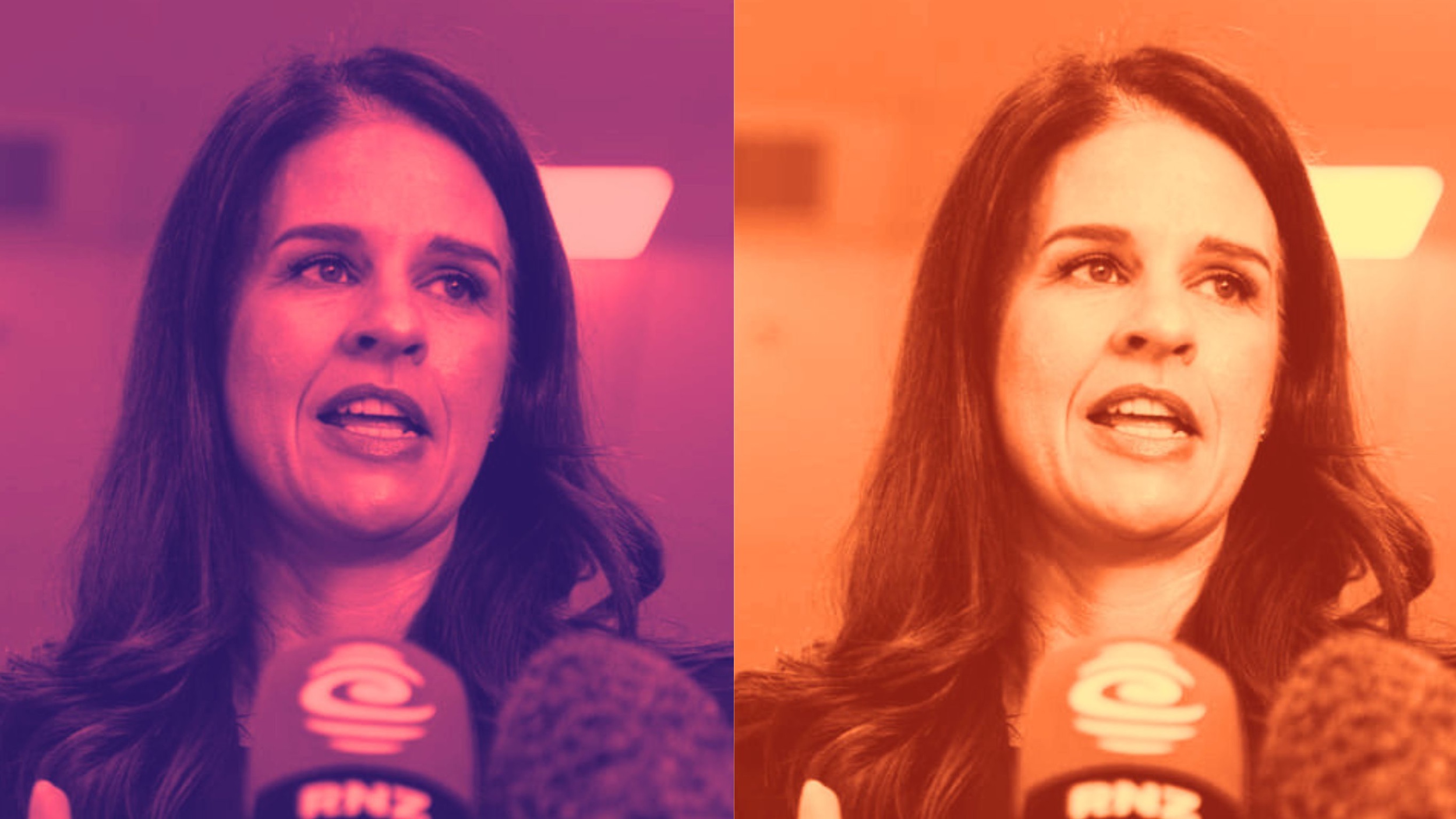
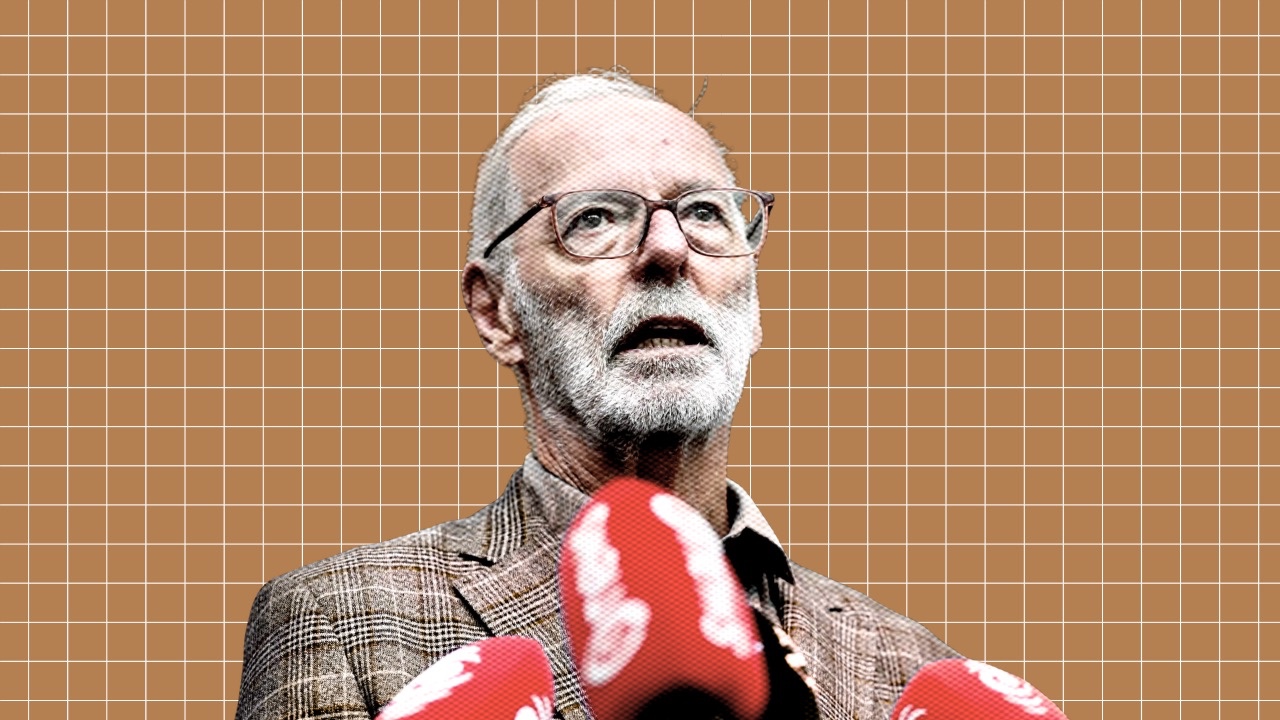
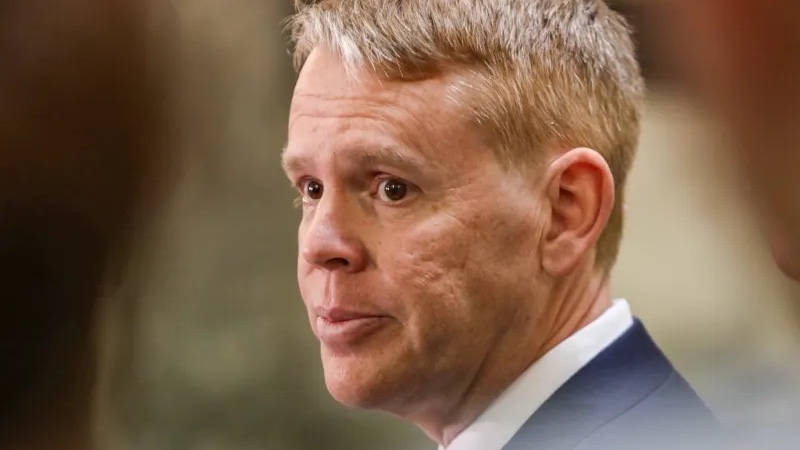
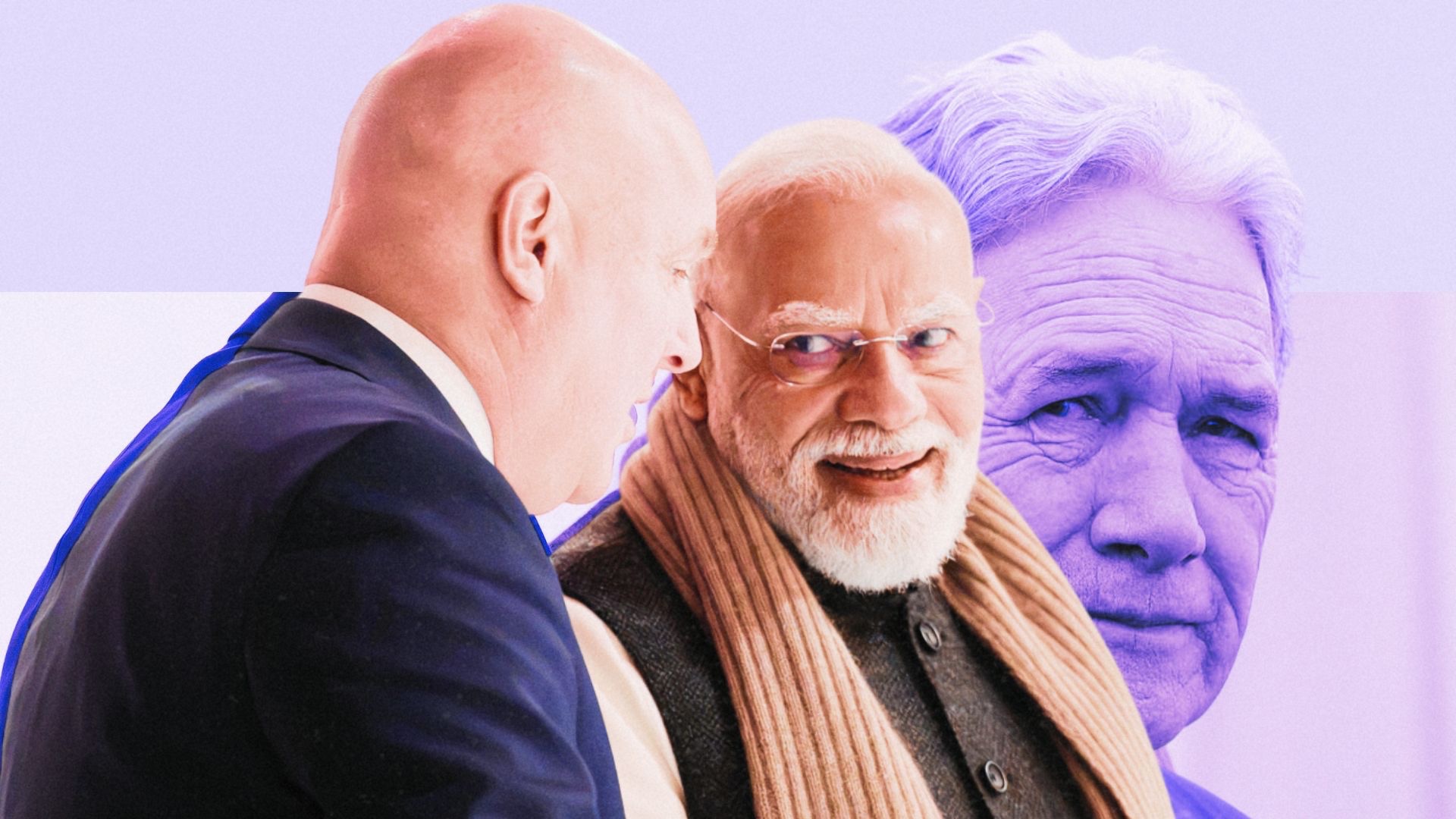
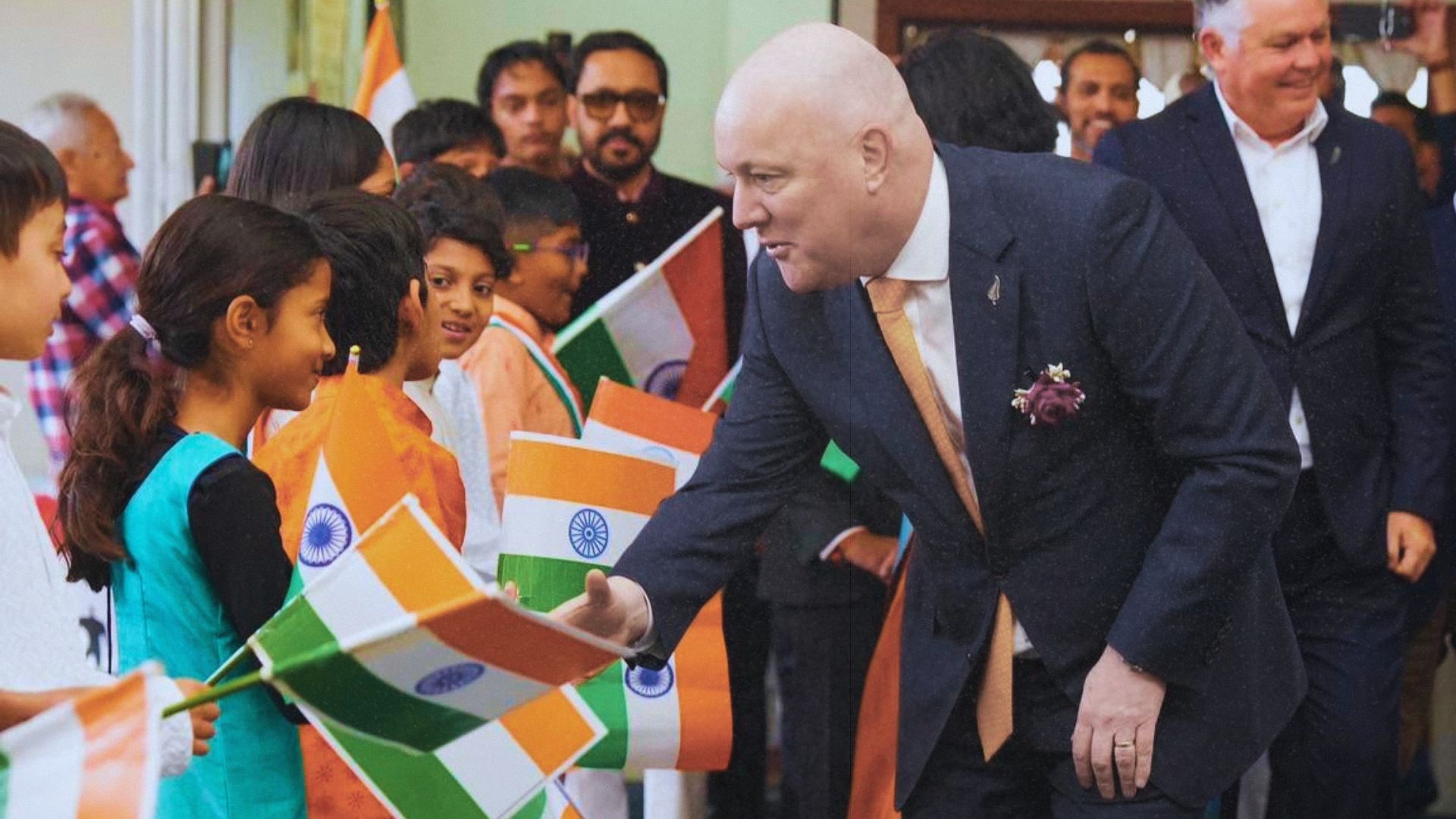
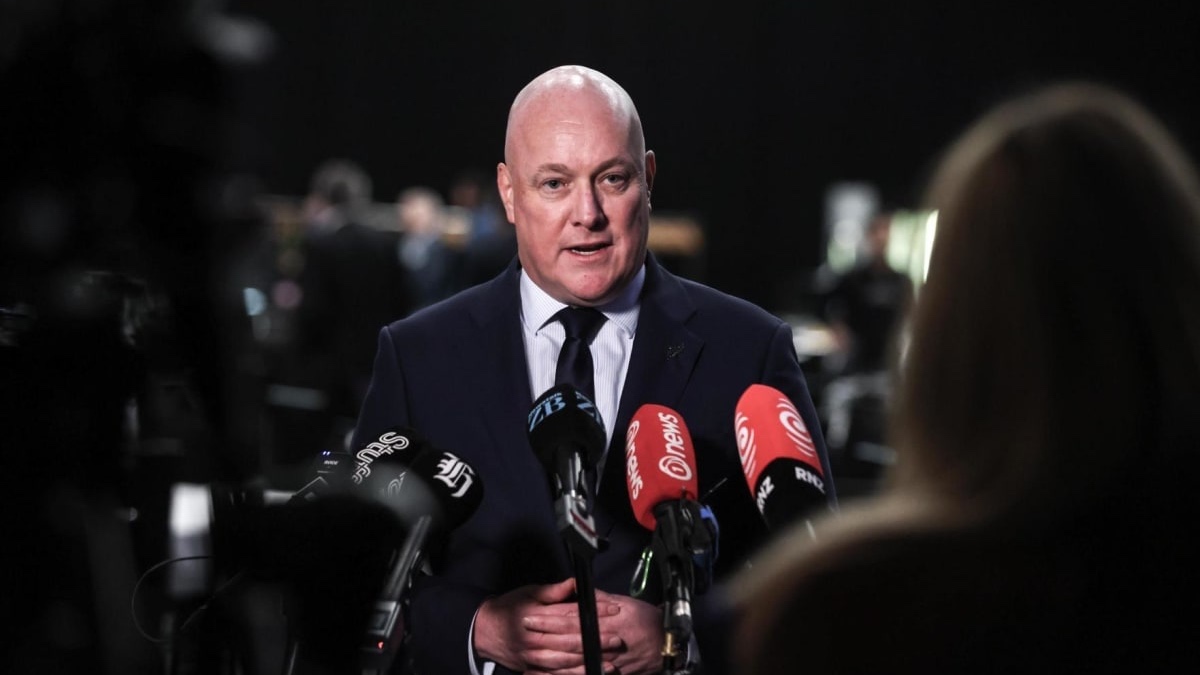
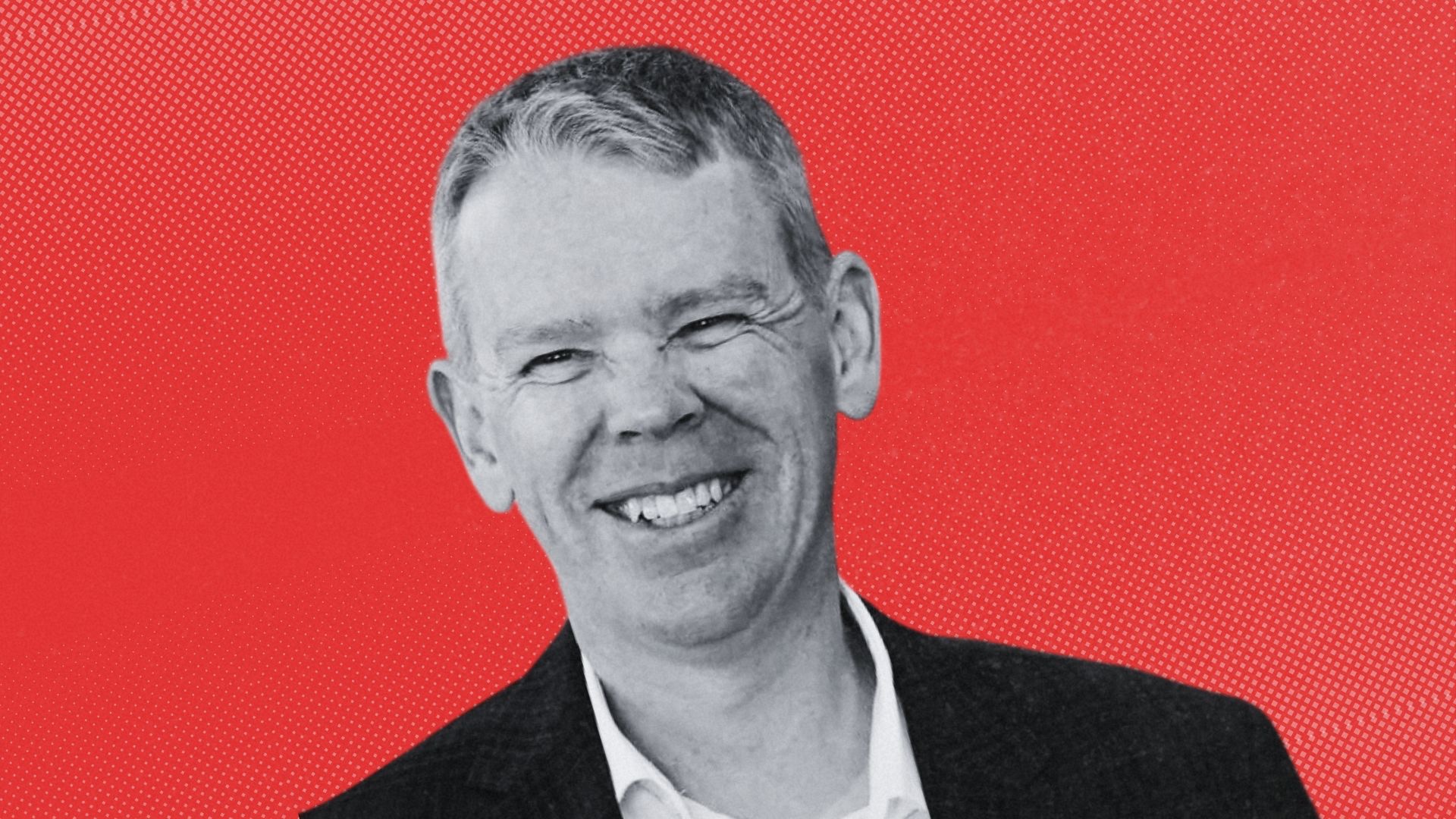
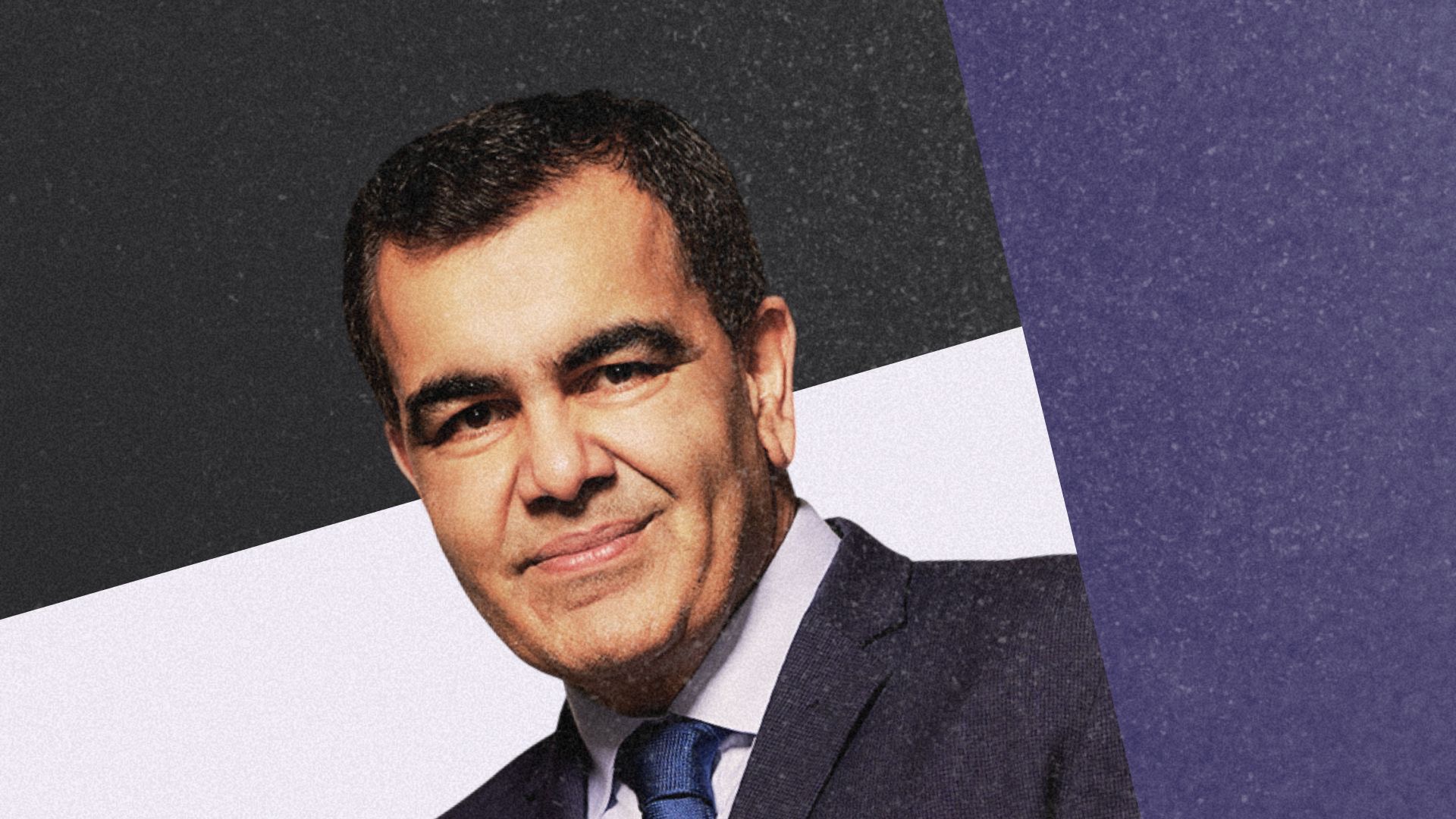
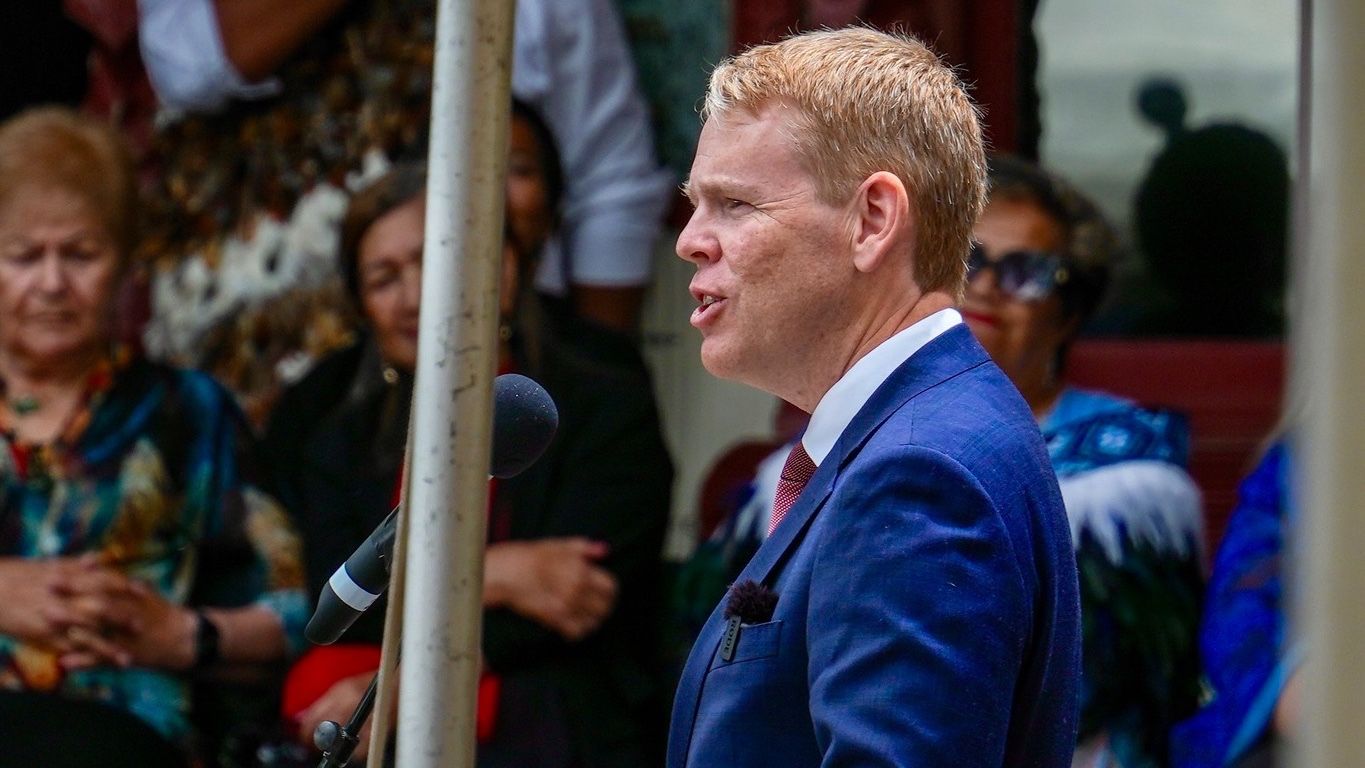
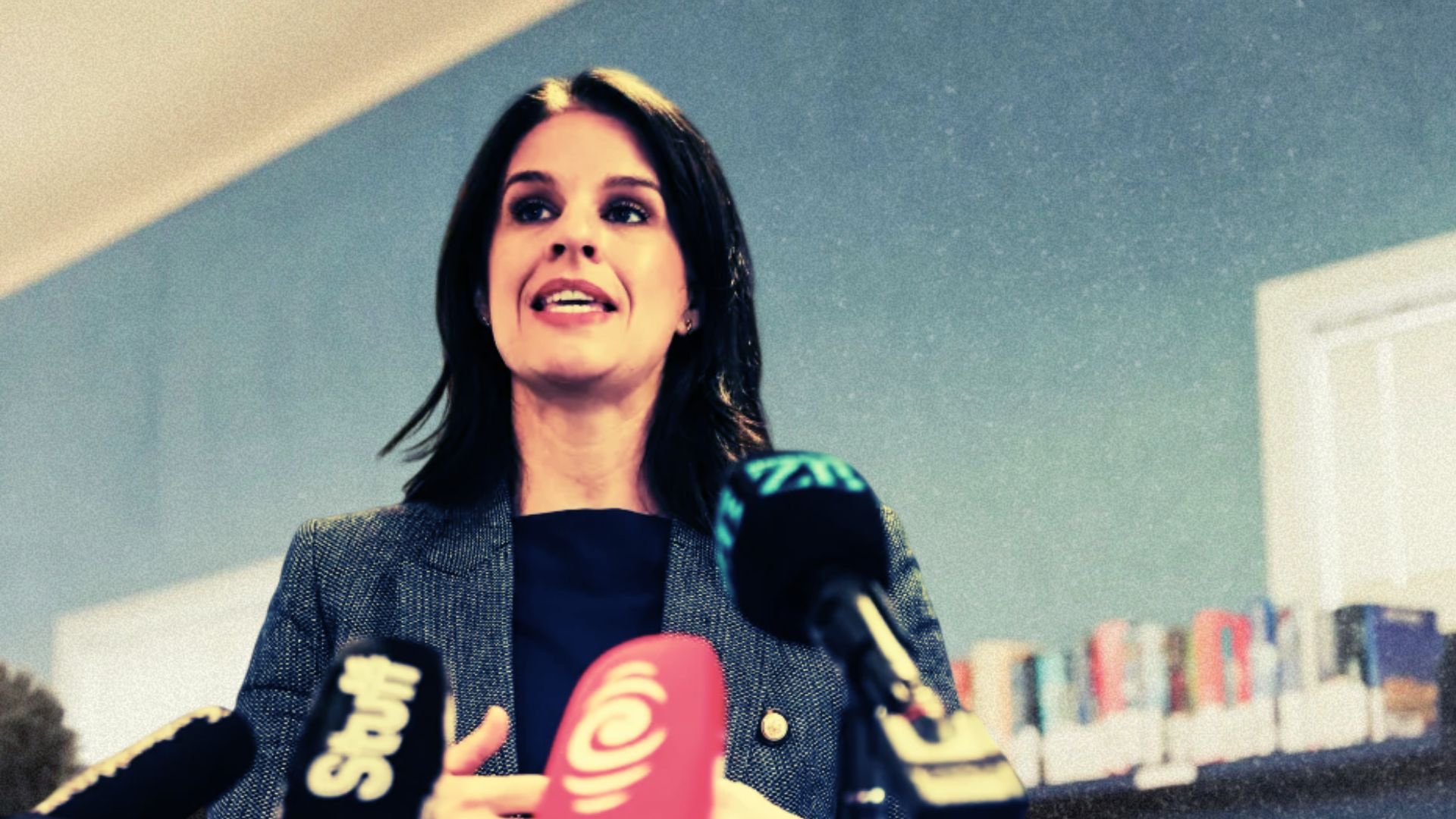
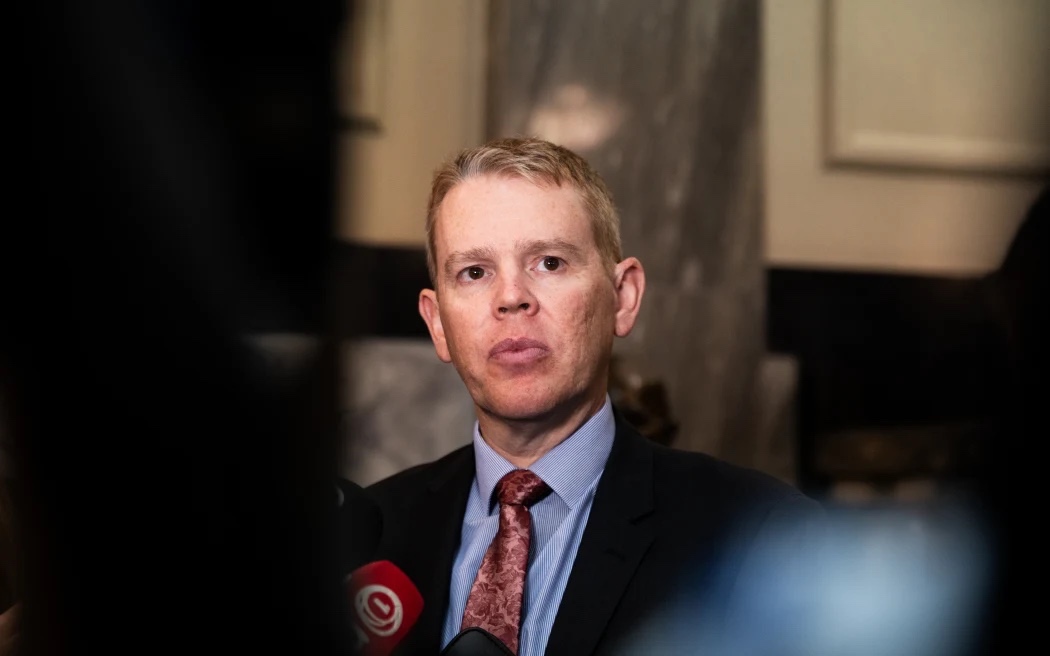
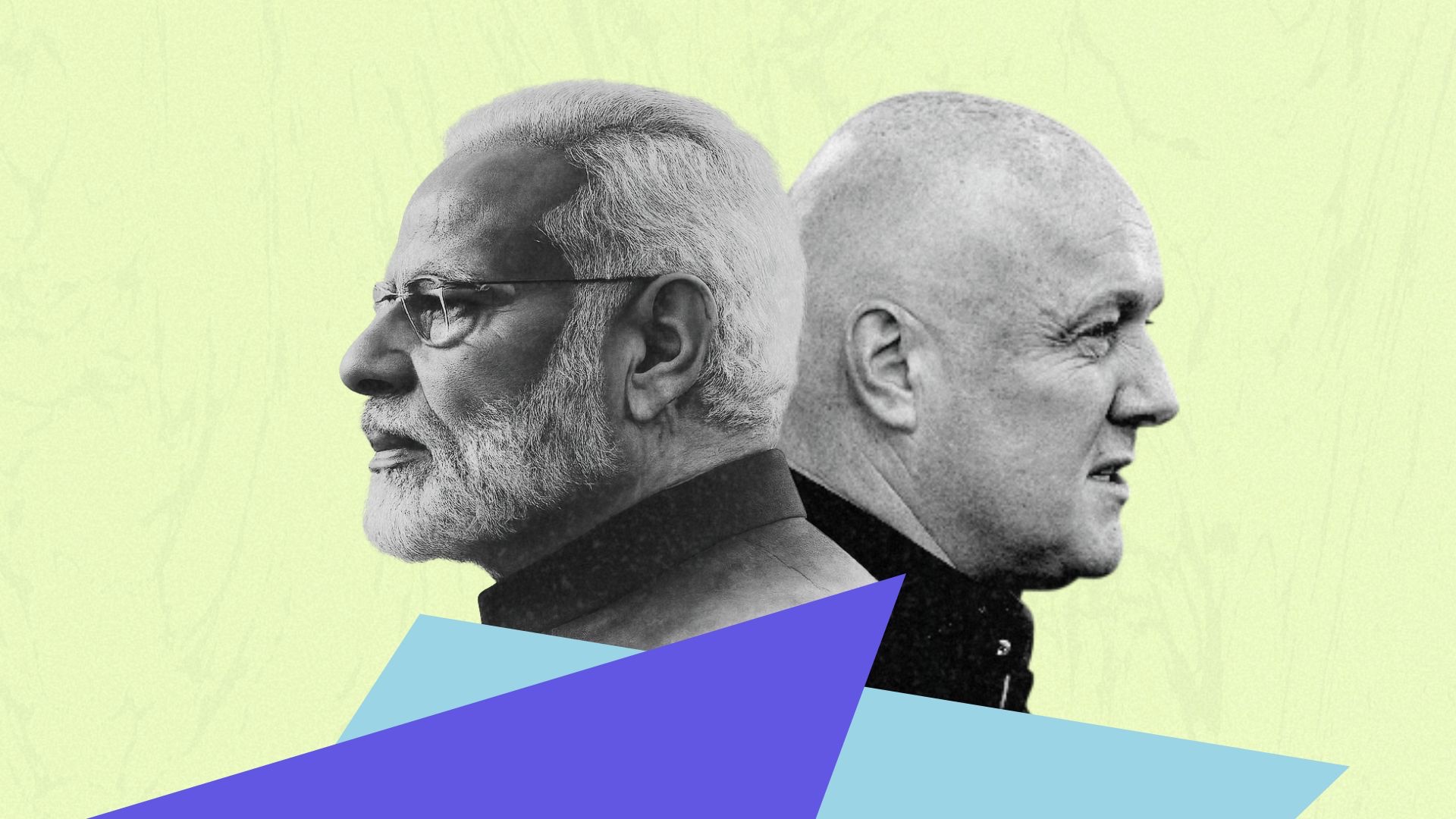
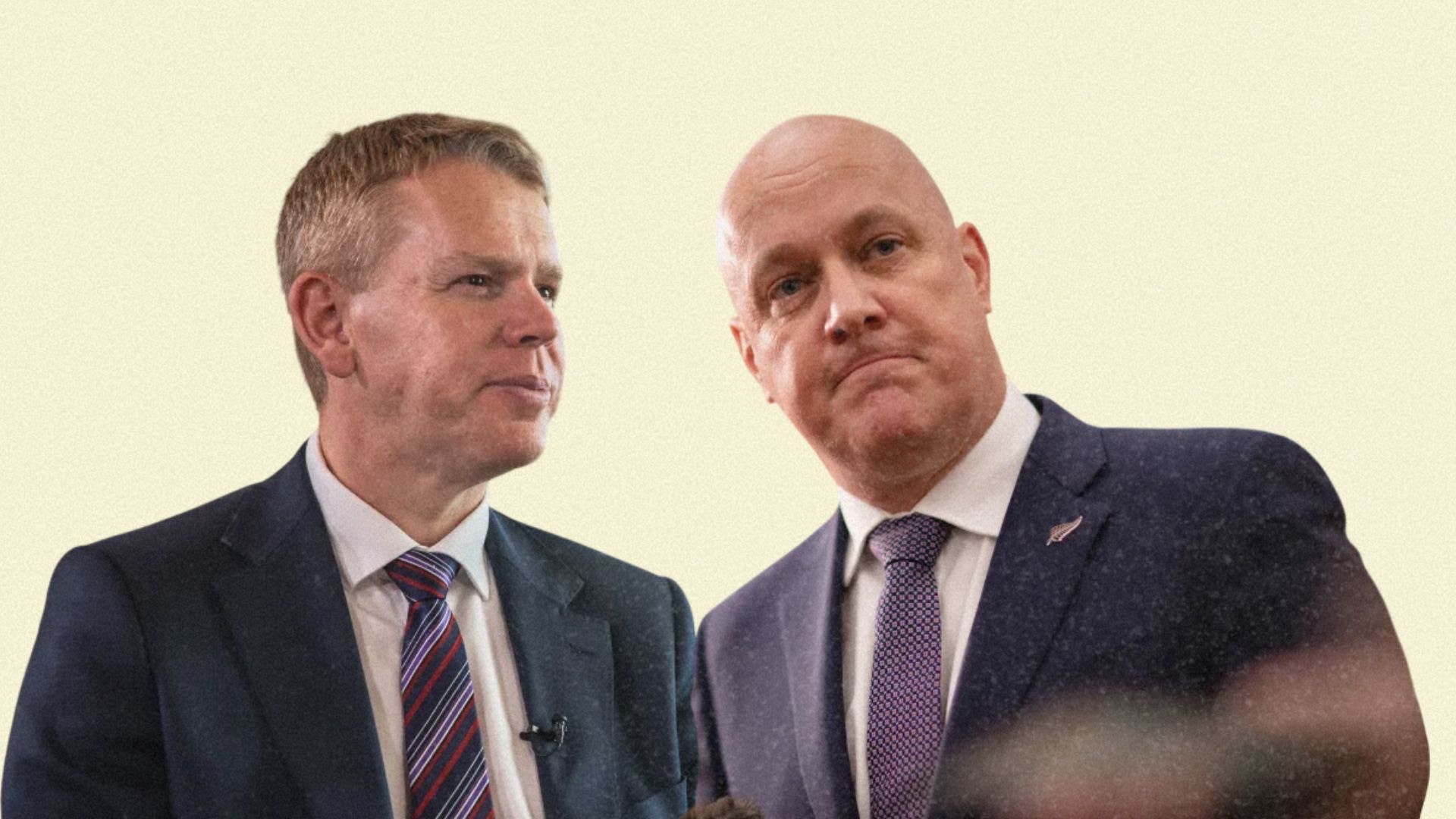
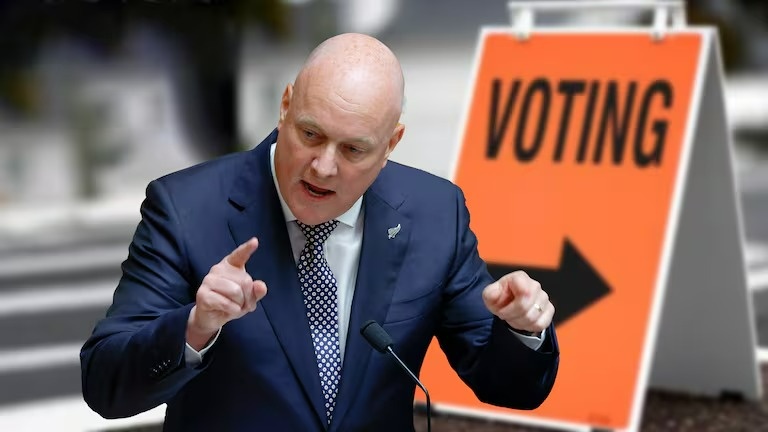
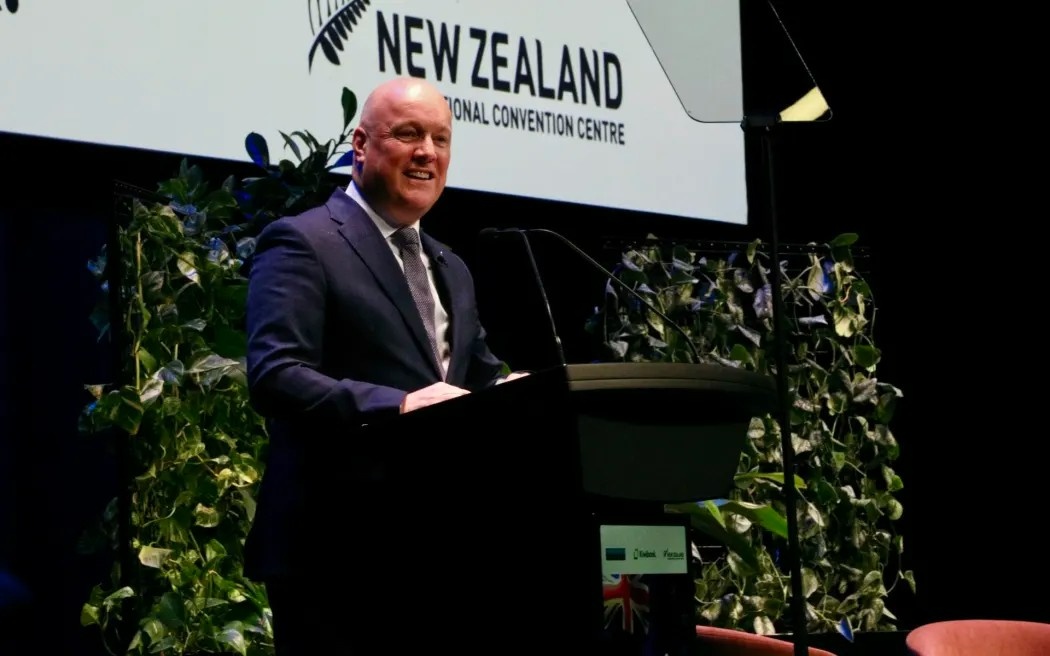
Prime minister Christopher Luxon has cast India as an increasingly important partner for New Zealand in a world shifting from rules to raw power, days after China tested a long-range ballistic missile in the South Pacific on Monday.
In an exclusive interview with The Indian Express ahead of Indian prime minister Narendra Modi’s July 10-11 visit to New Zealand, Luxon said the global system was at an “inflection point” and argued that countries such as New Zealand needed to work more closely with India and other like-minded partners.
“There’s no doubt about it, we’re at an inflection point in global geopolitics,” Luxon said.
“We are moving from a rules-based system to a power-based system, a multilateral system to a multipolar system.”
His comments come as New Zealand responds to China’s testing of a nuclear-capable long-range ballistic missile into the South Pacific on Monday.
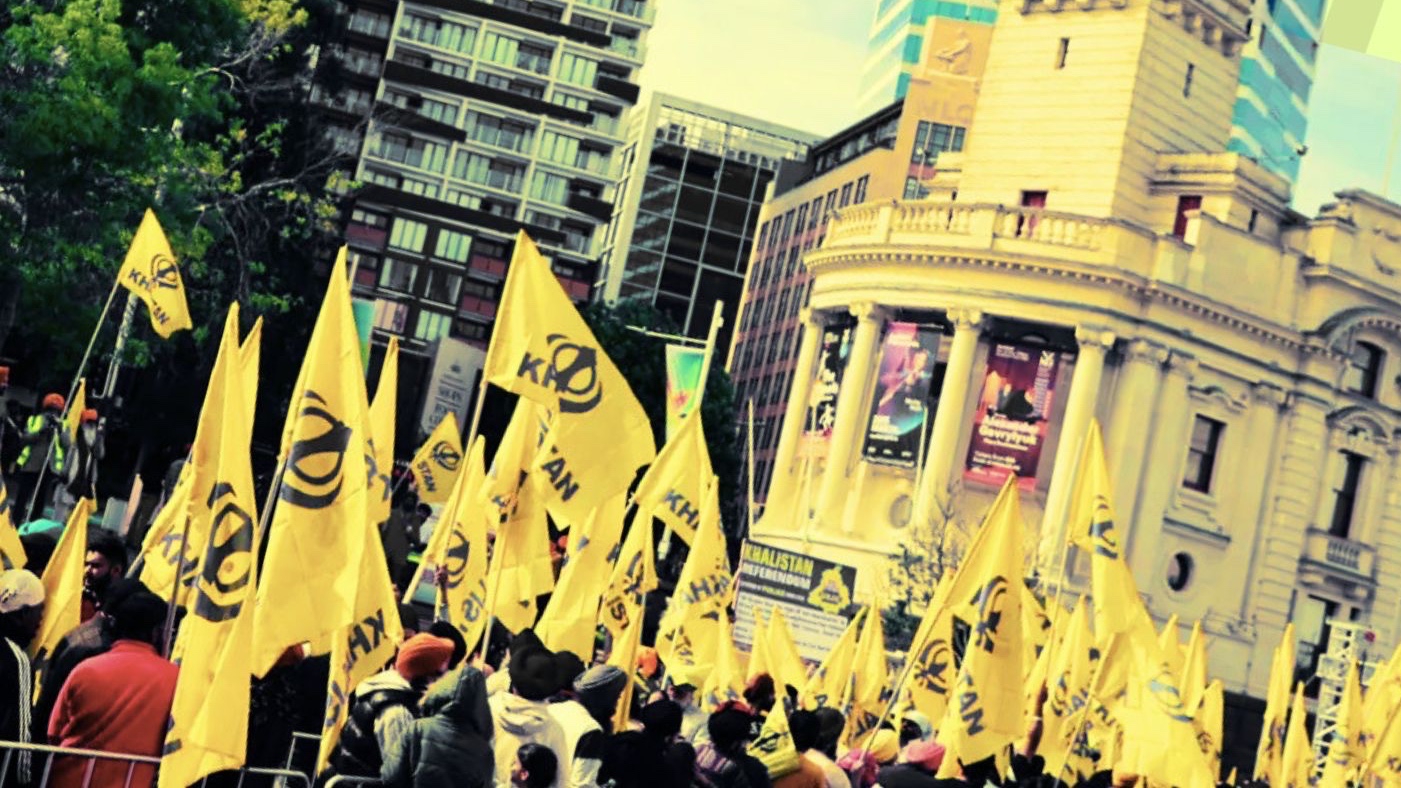
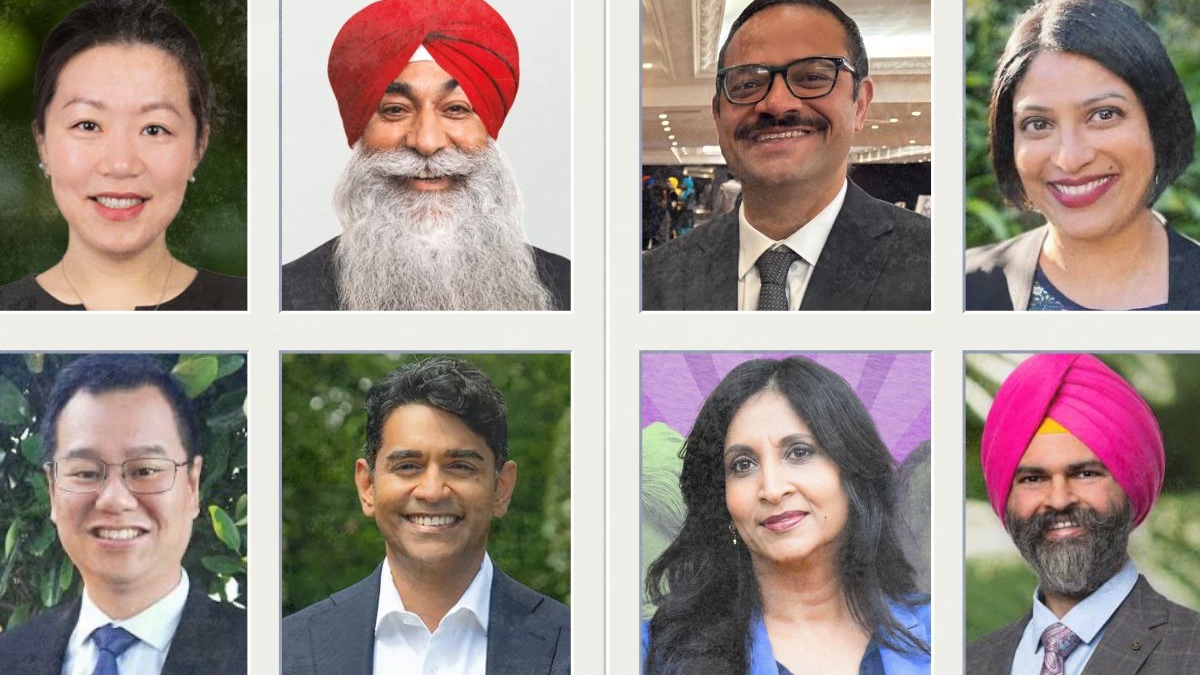
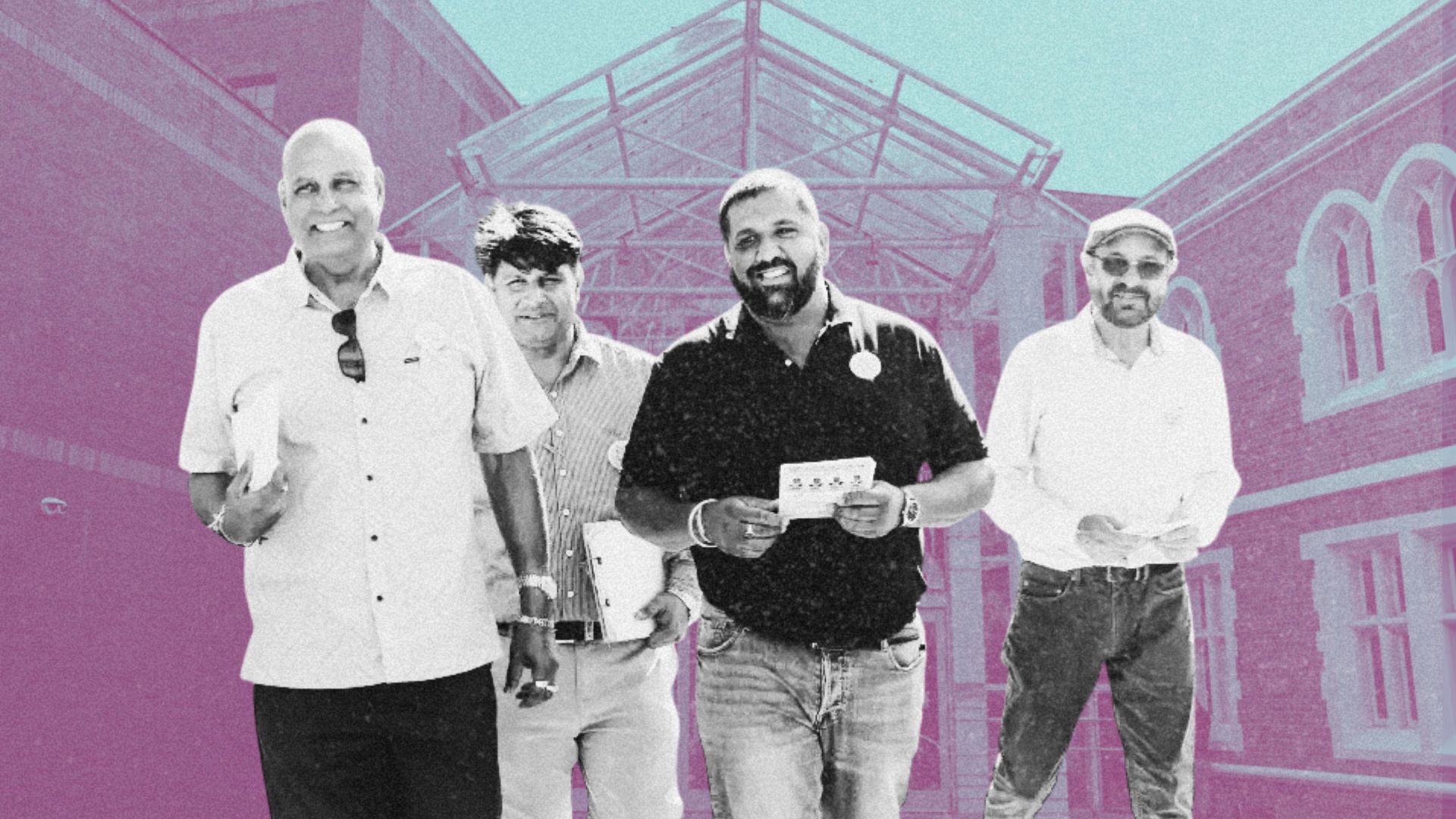
Election 2026: Will Kiwi-Indian voters decide the battle for Takanini? A South Auckland seat with one of New Zealand’s biggest Indian populations is shaping up as a test for ethnic identity and the ballot box.
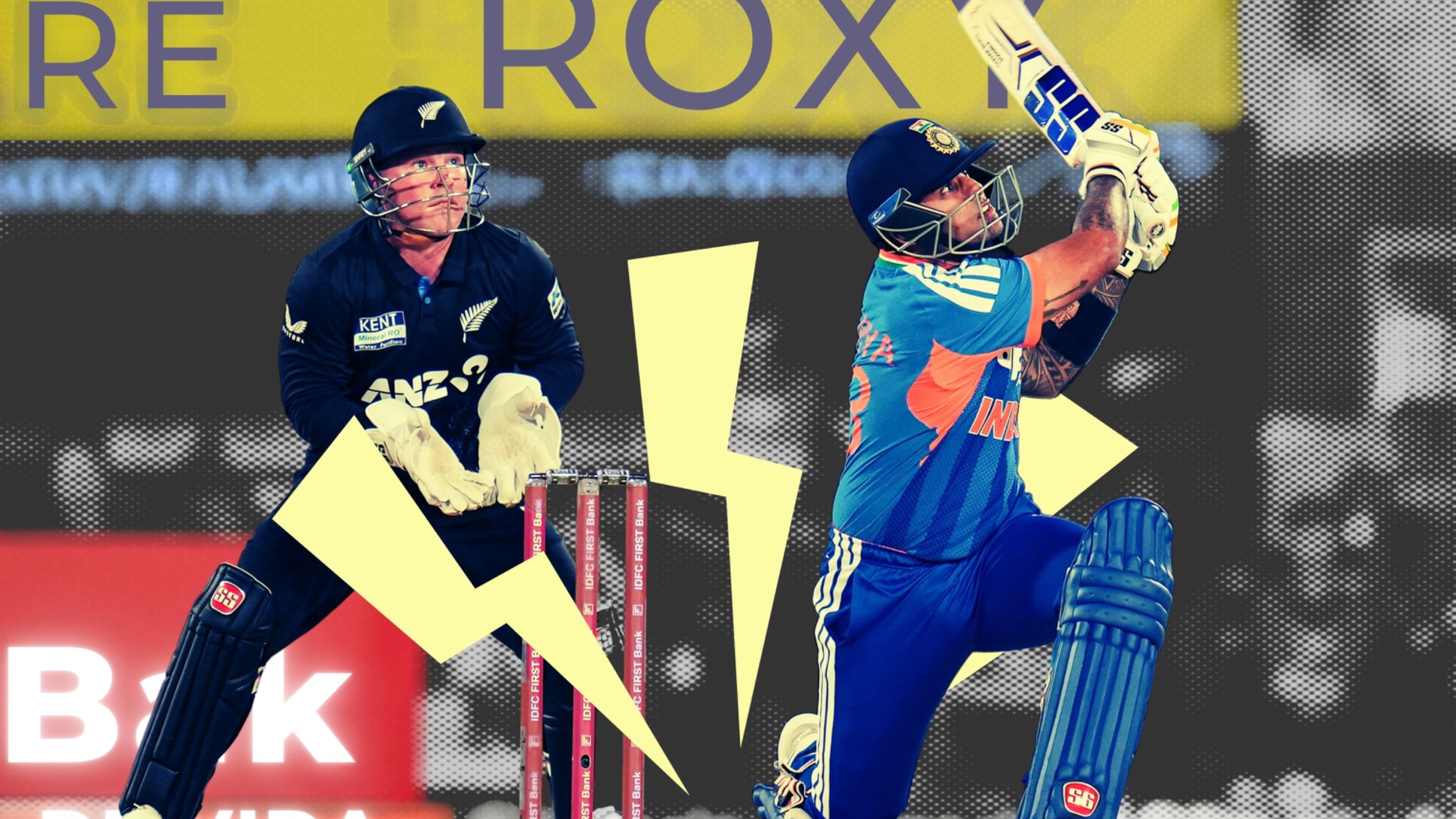
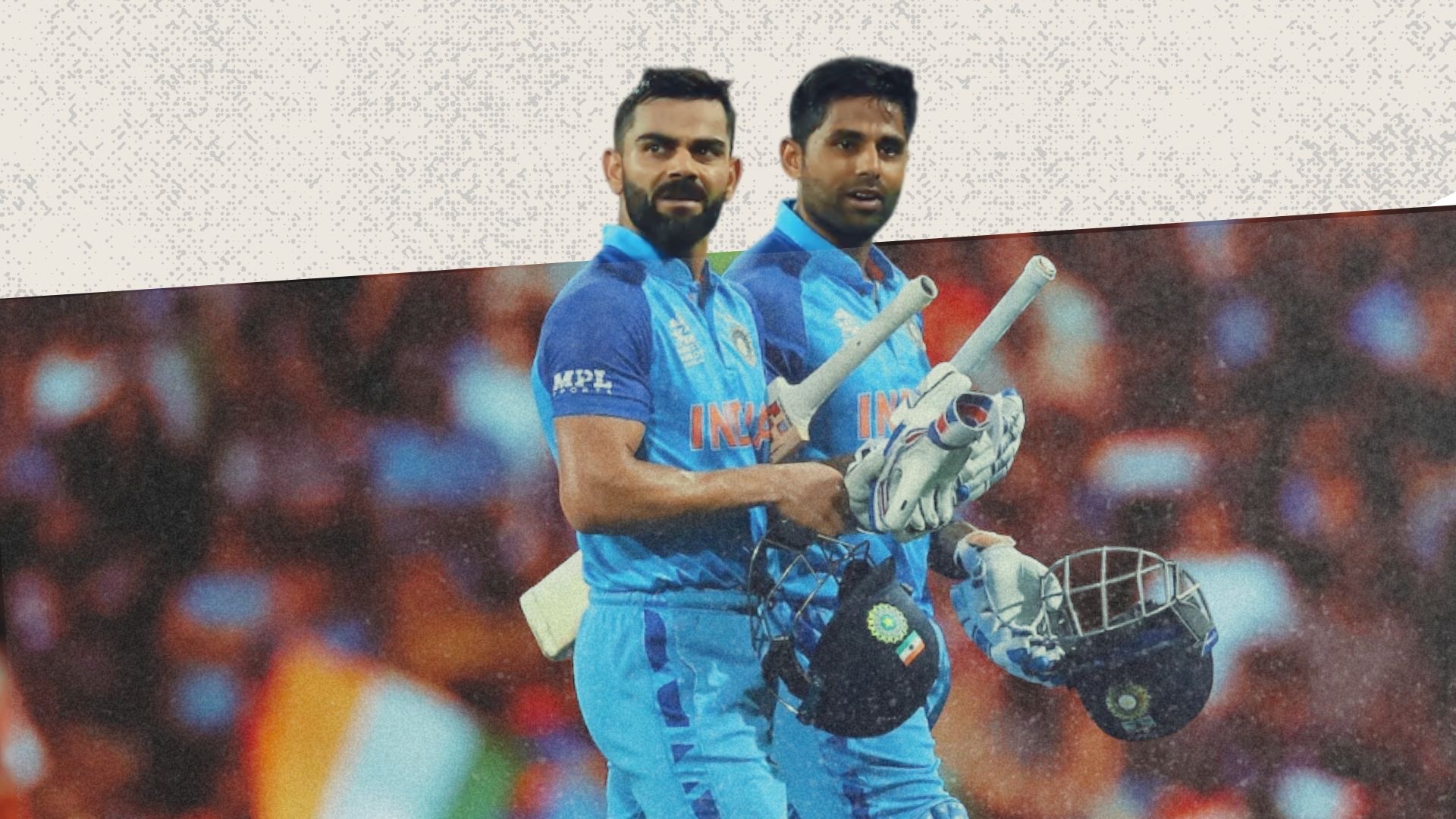
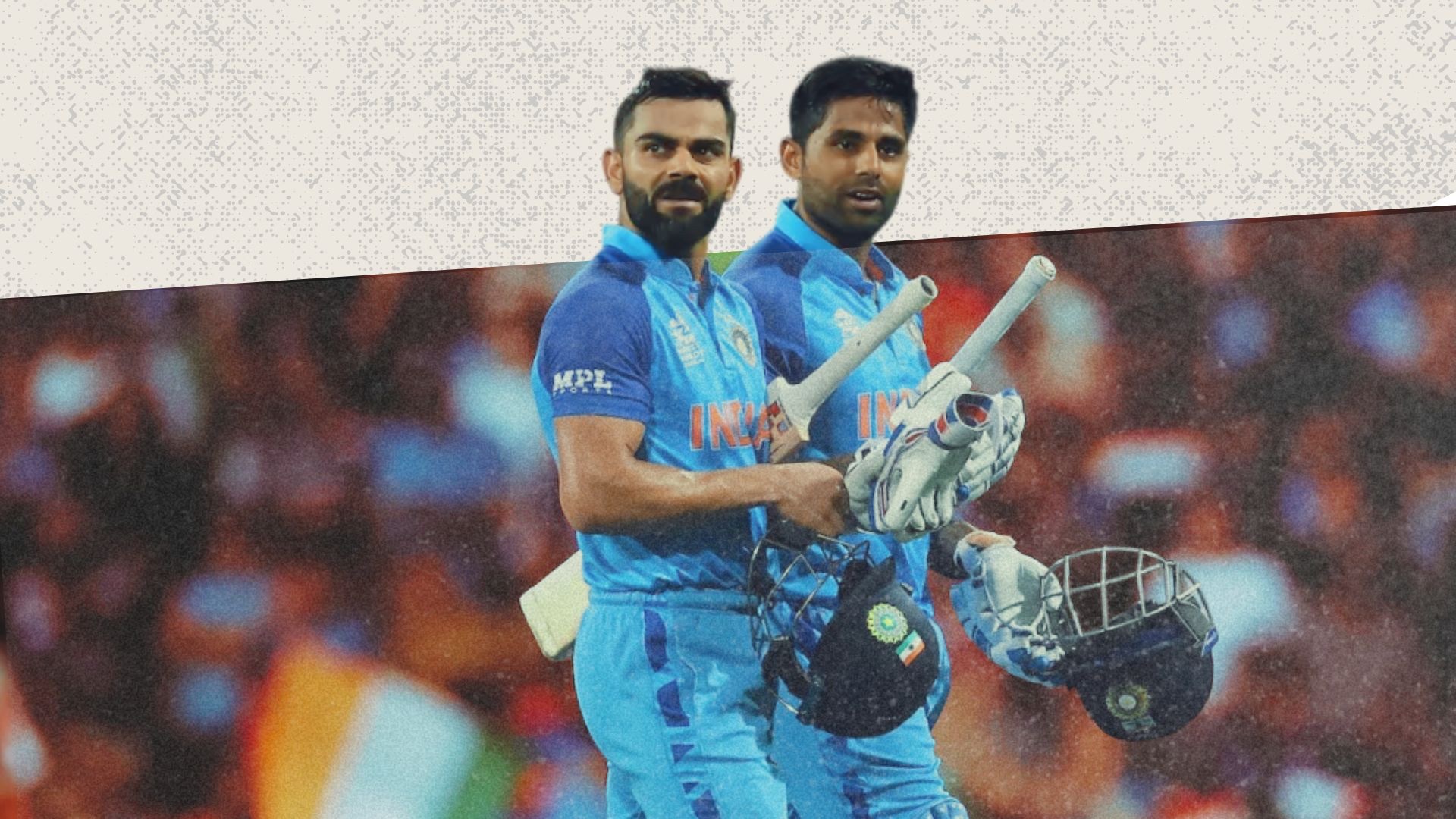
India is coming to Auckland: Full schedule revealed for cricket, football, hockey, Diwali From the Black Caps and All Whites taking on India to Diwali, hockey, bowls and city-wide light displays, Auckland has revealed its sporting centenary programme.
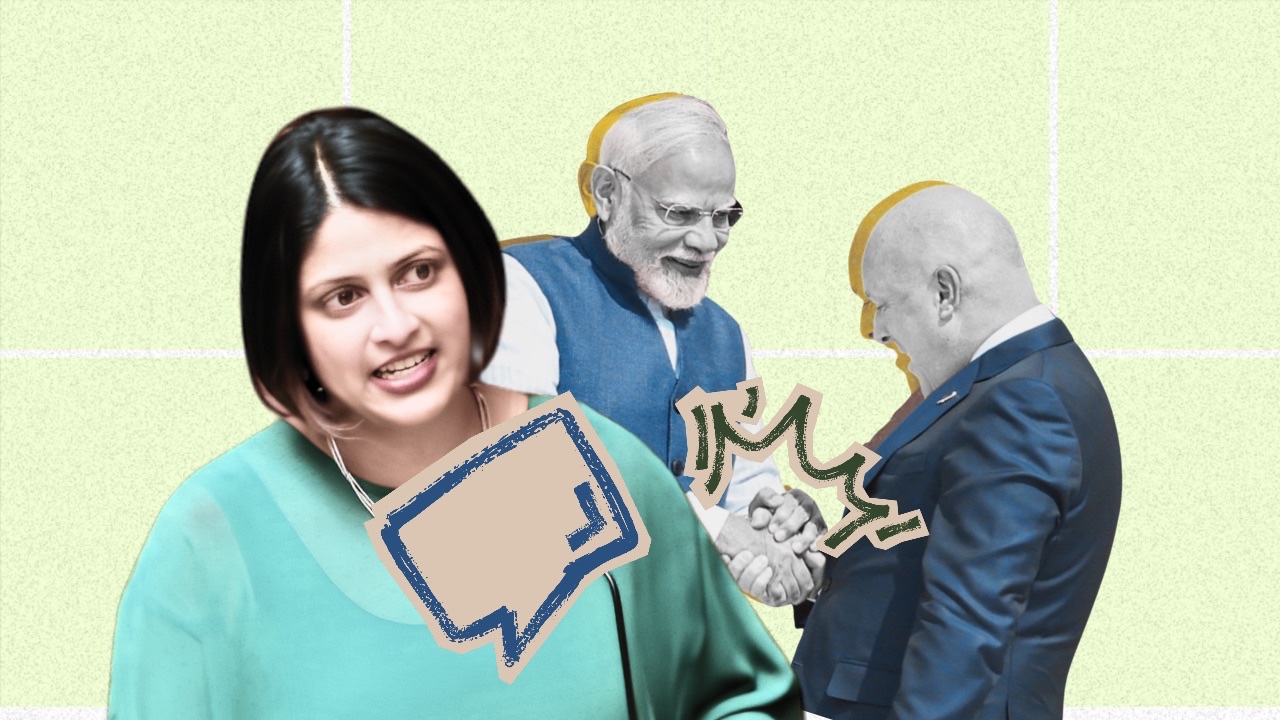
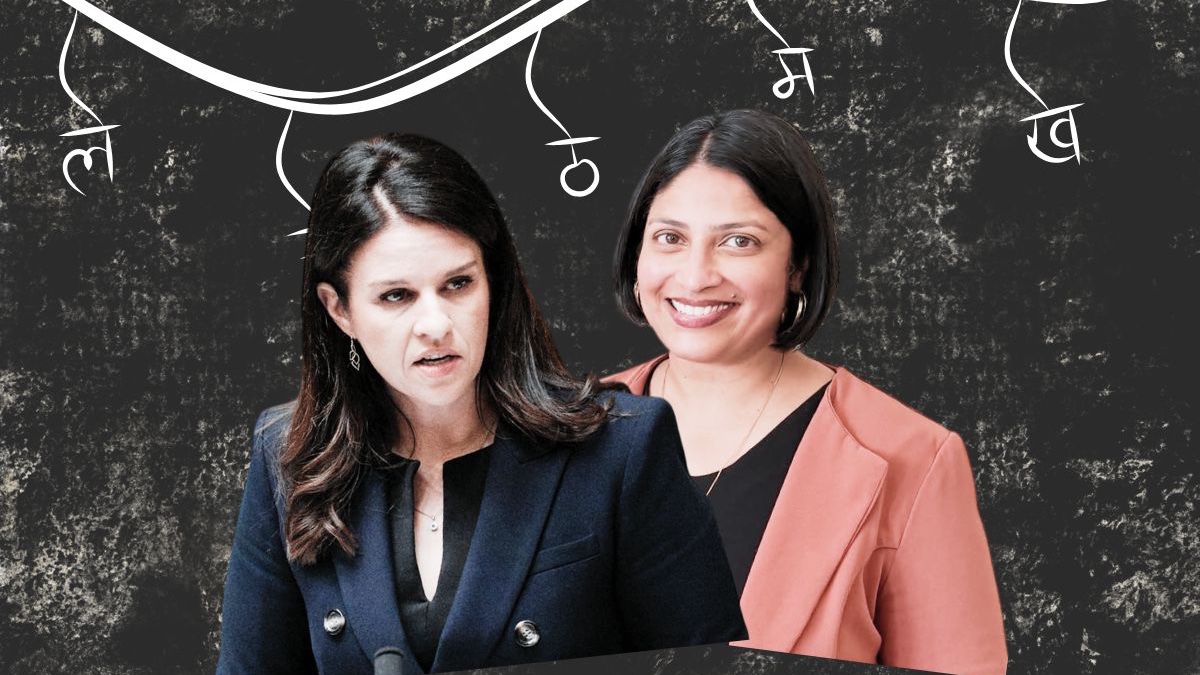
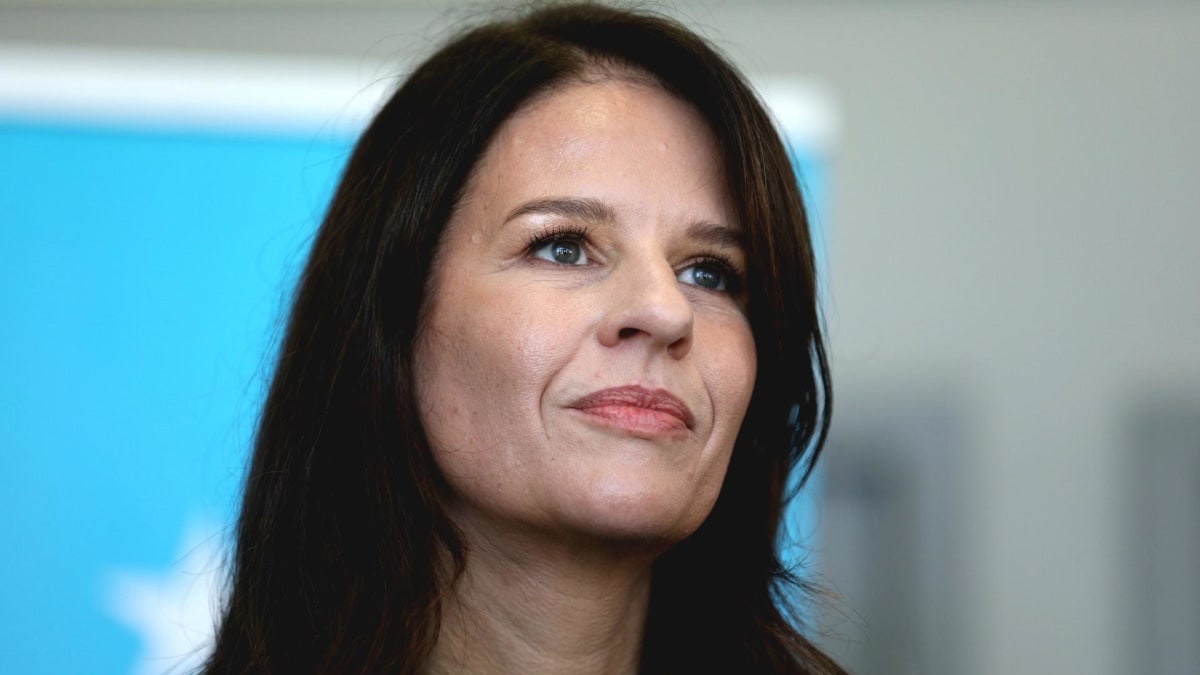
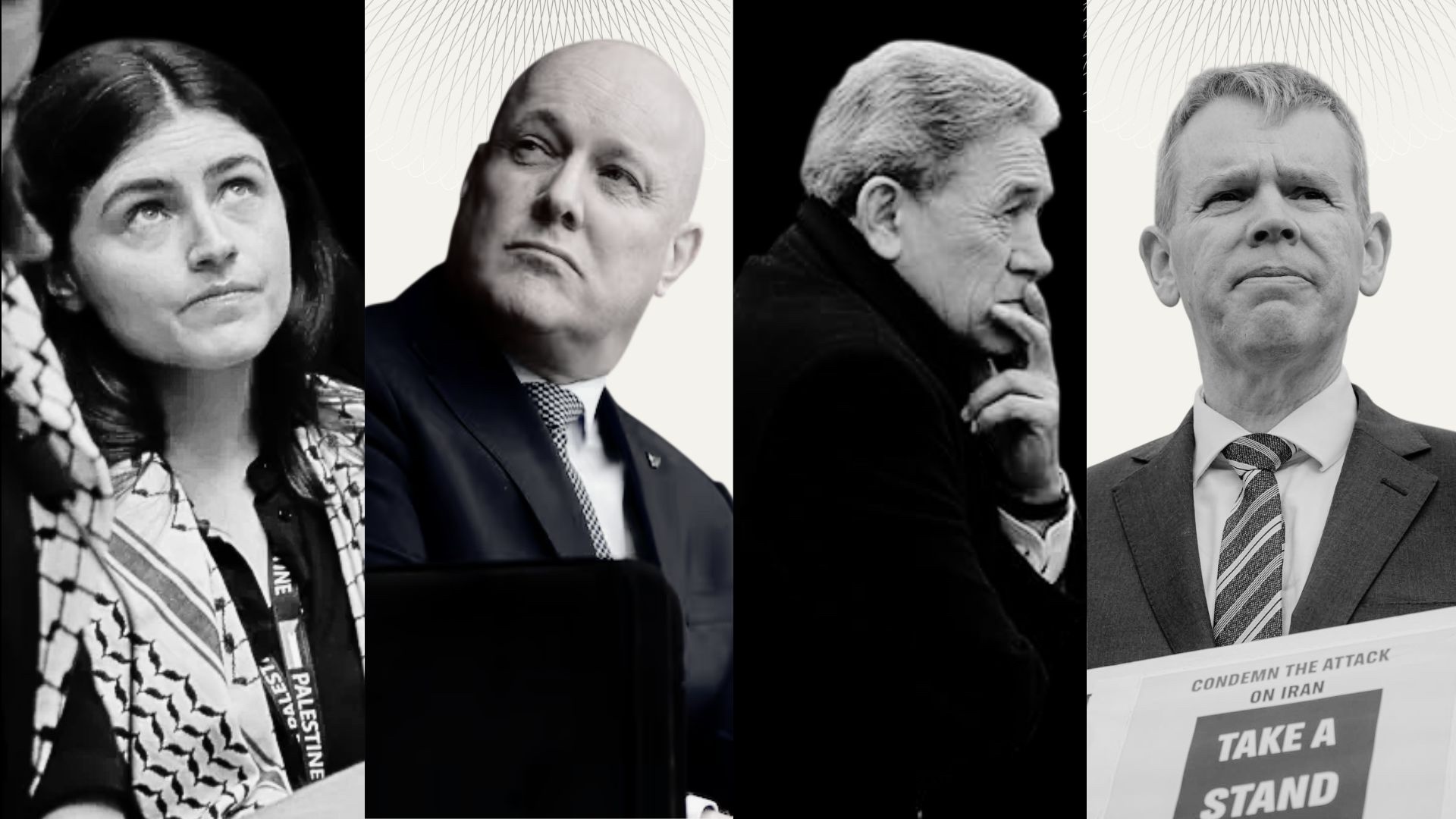
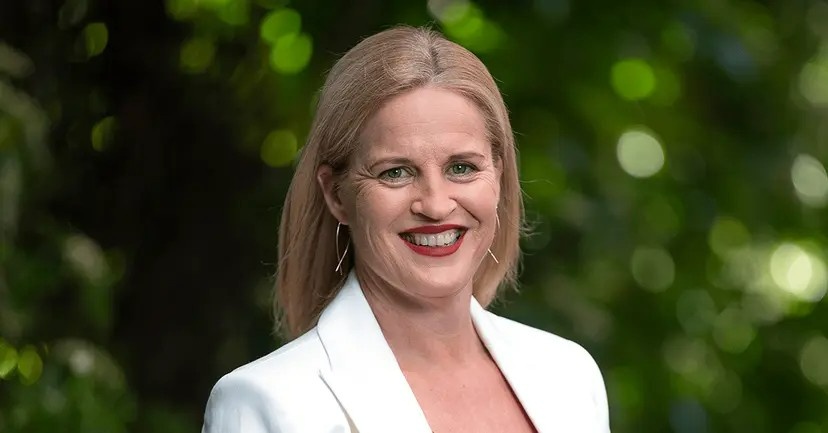
What does an Indian-origin MP owe Kiwi Indians? Priyanca Radhakrishnan on identity, belonging The three-term Labour MP says you can be Indian and Kiwi. Why should belonging require you to choose sides?
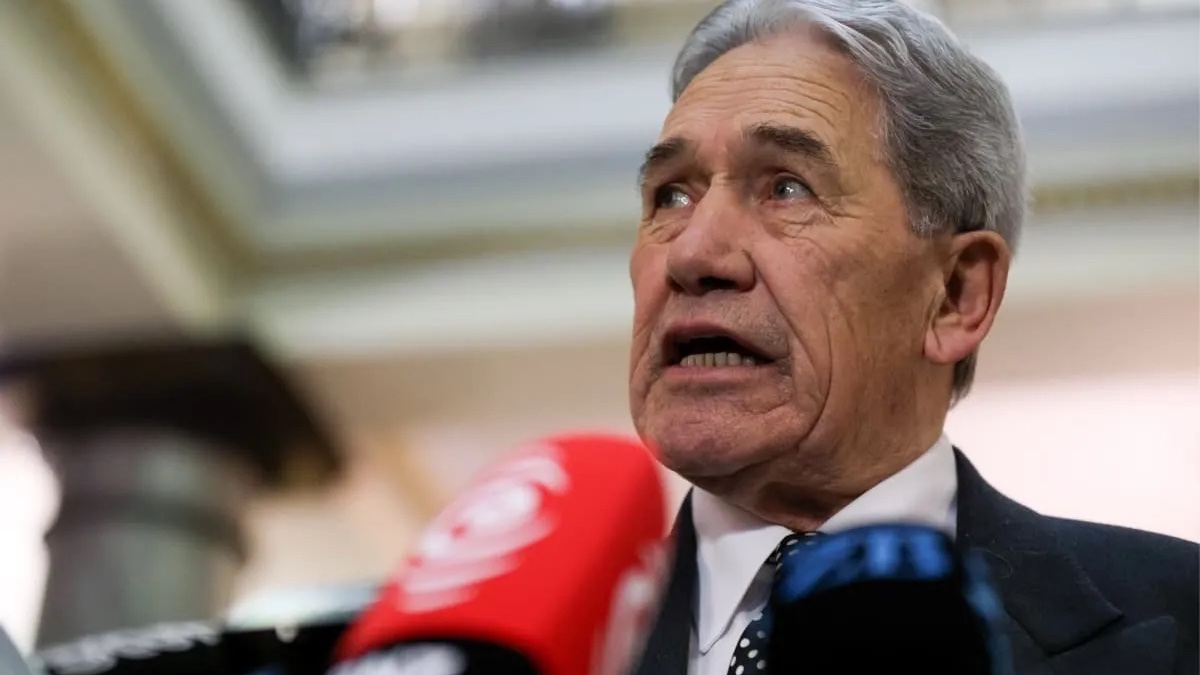
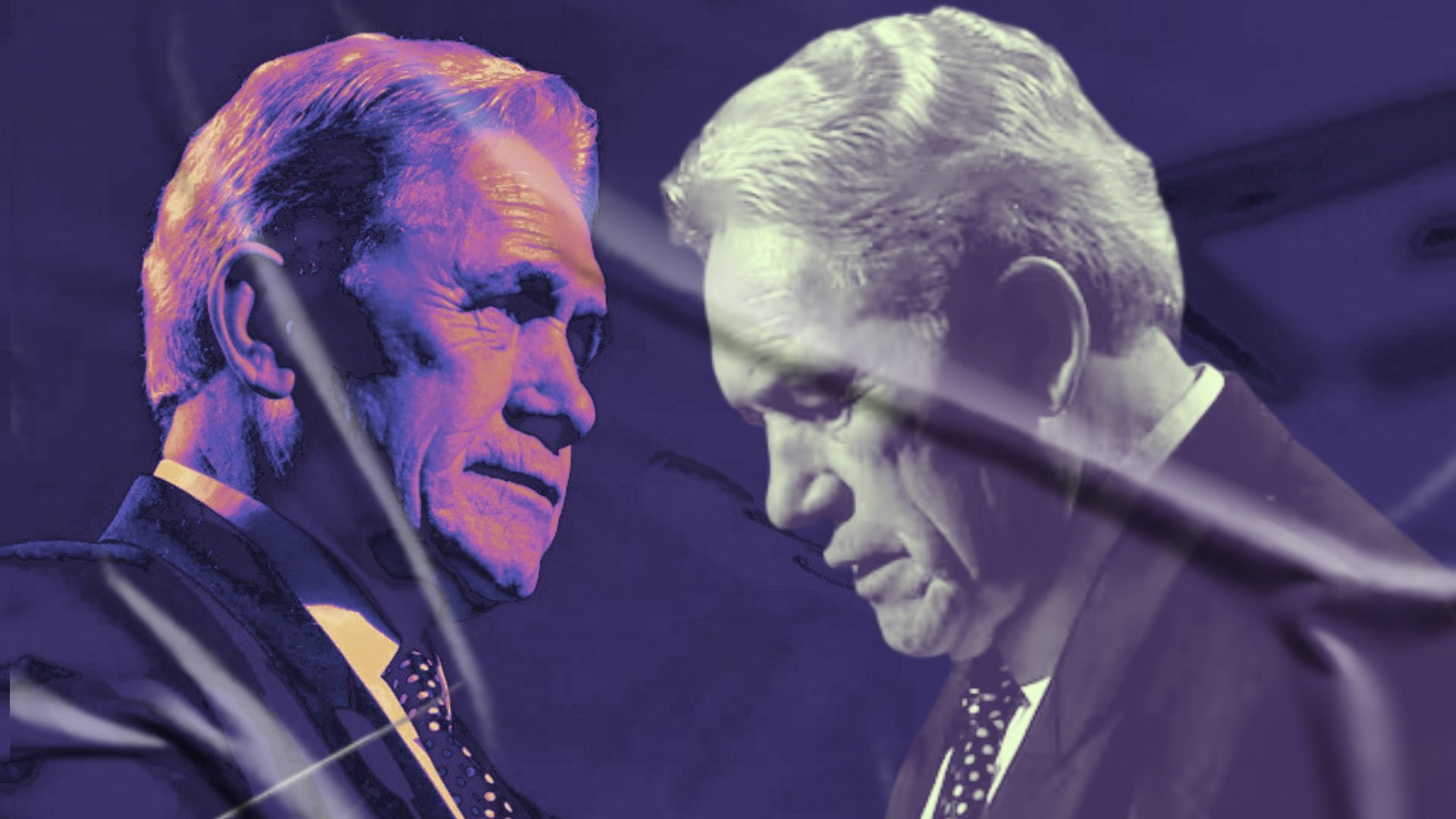
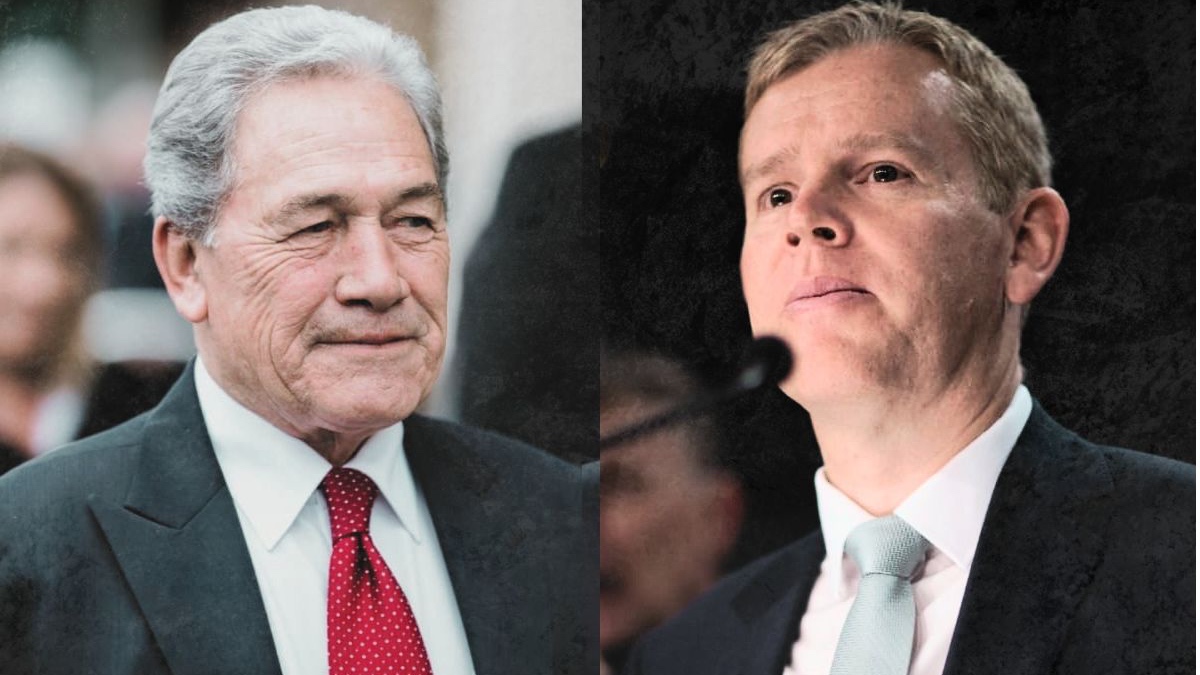
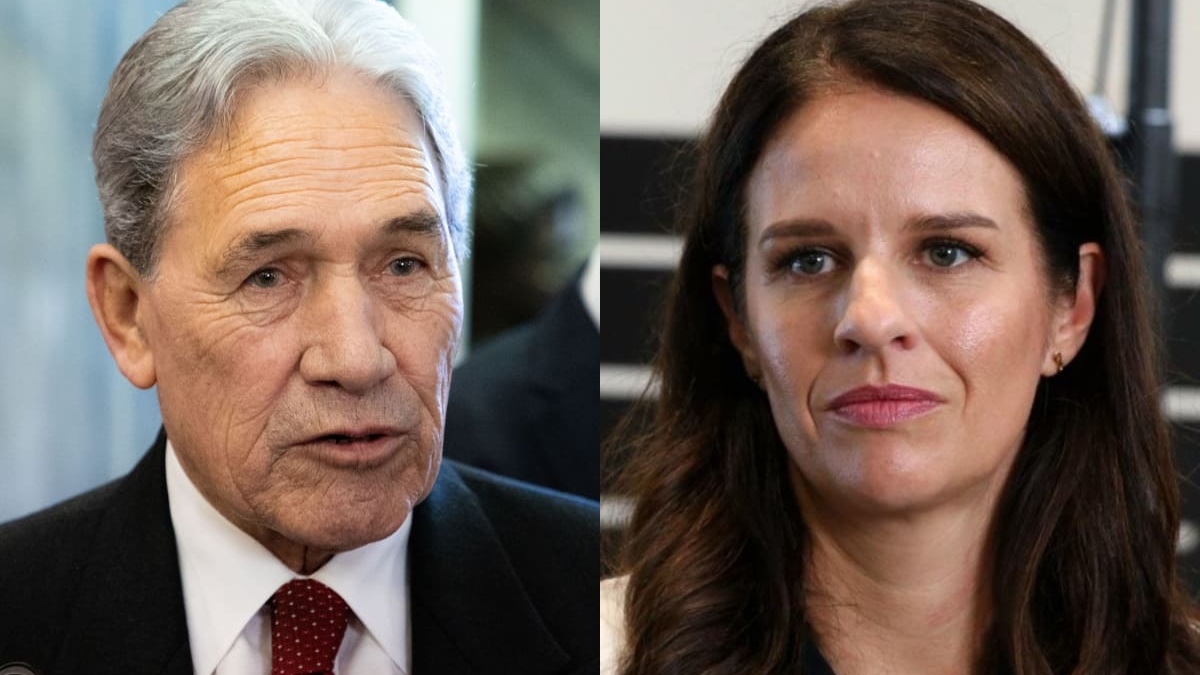
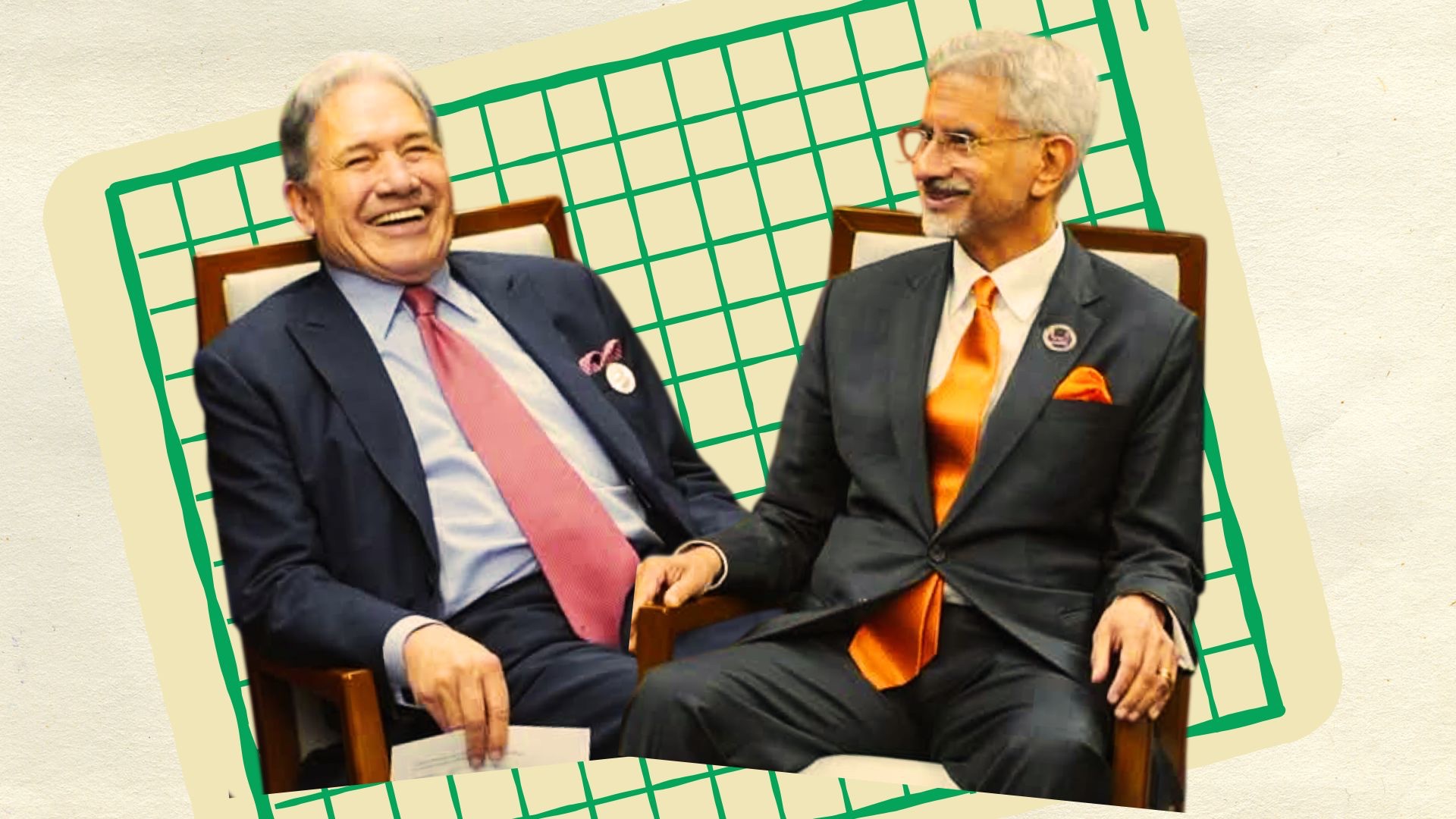
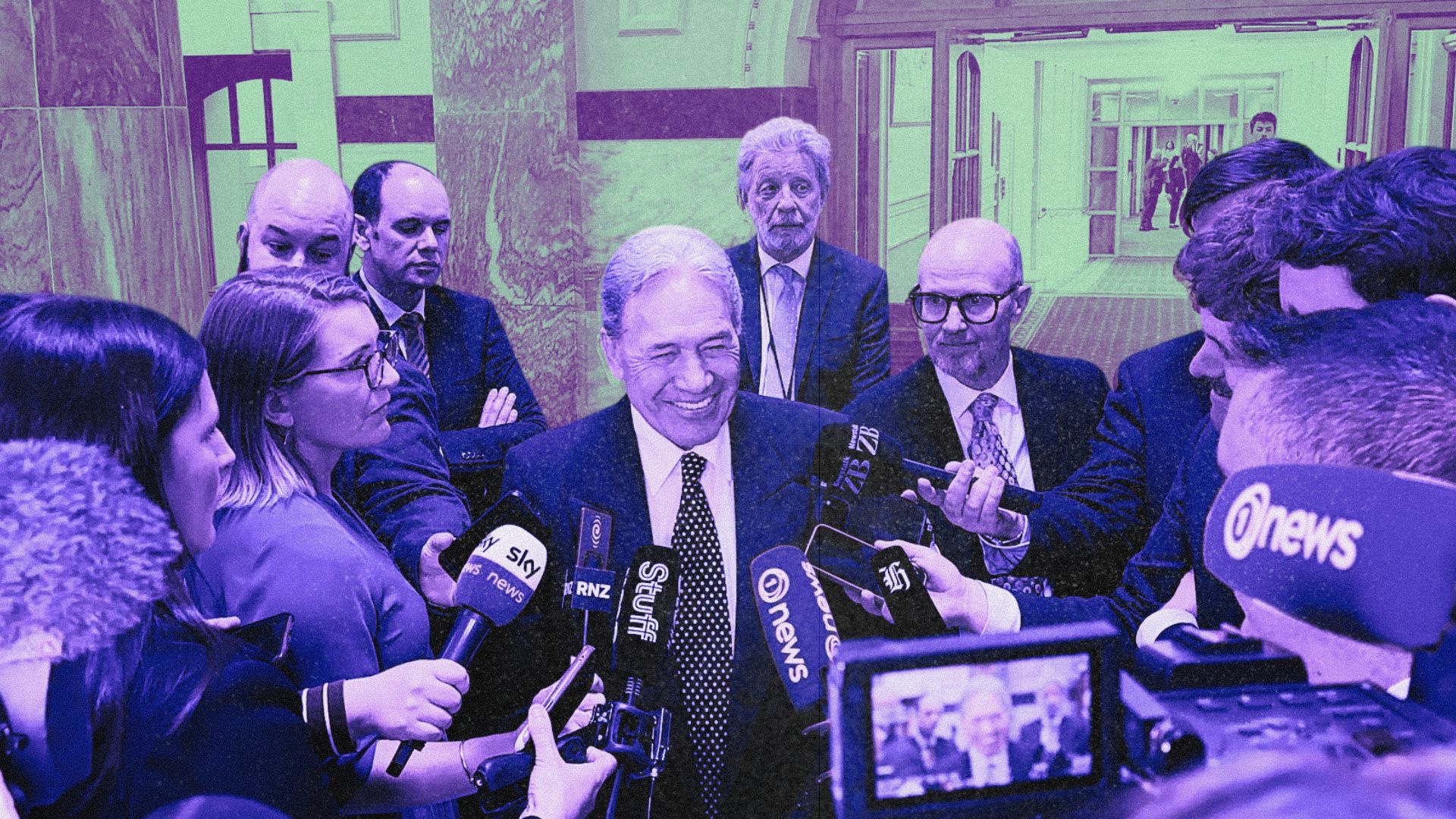
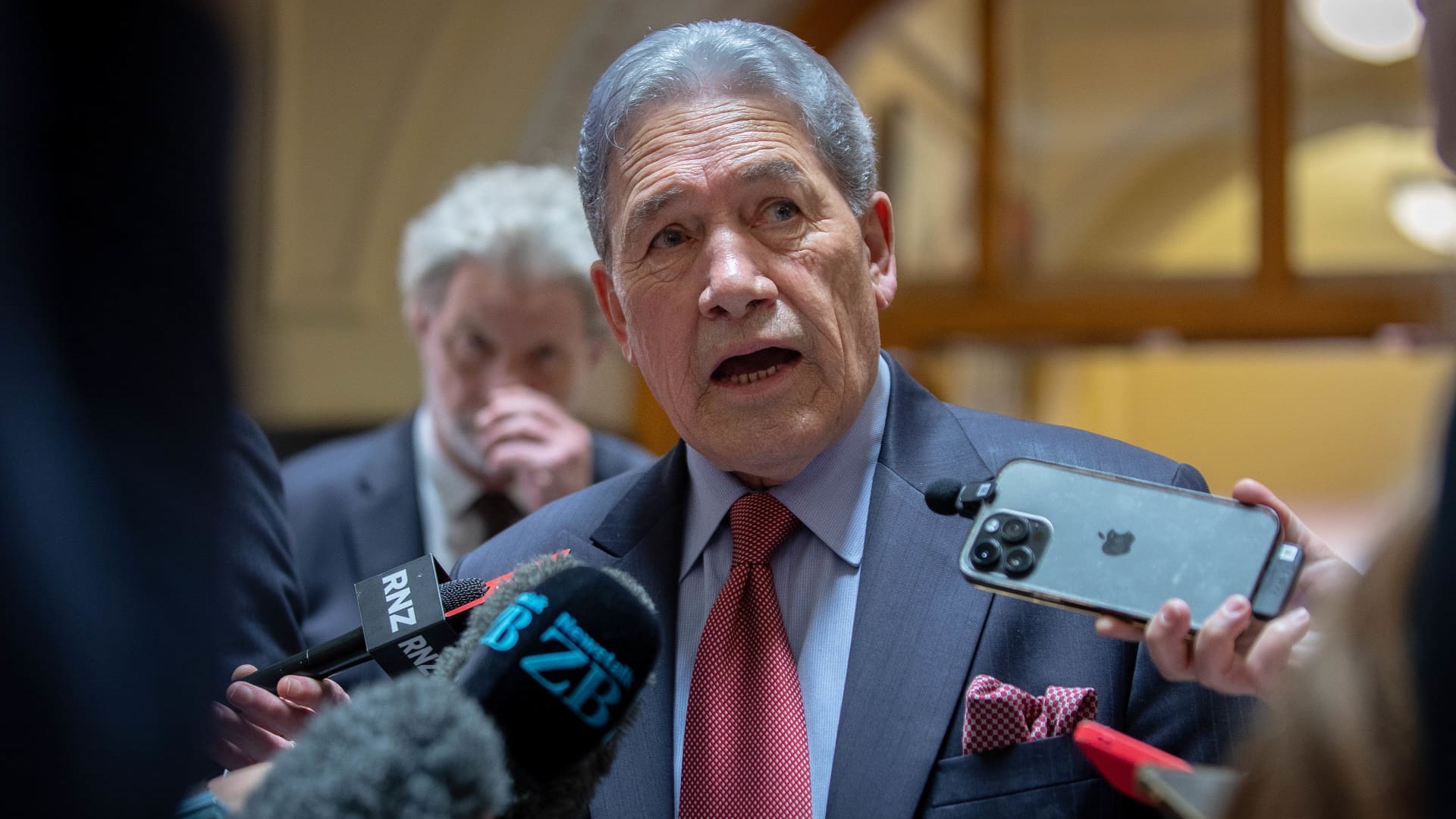
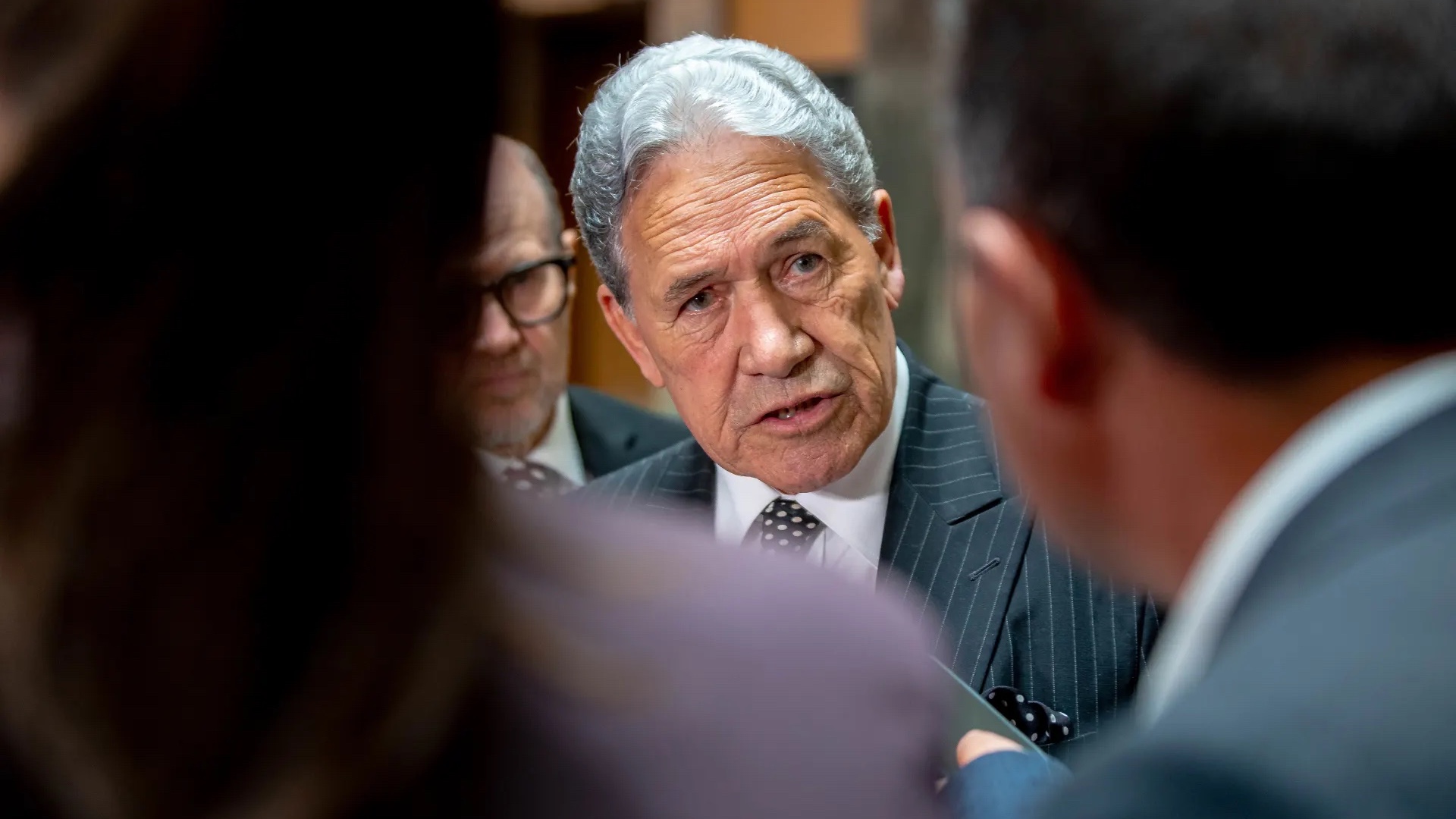
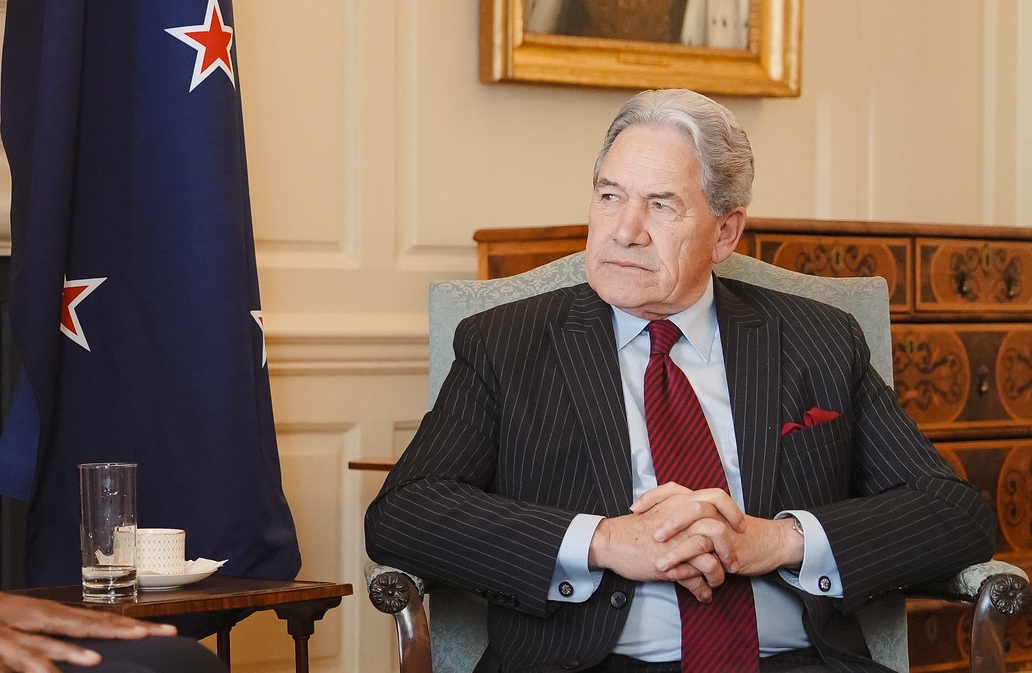
Foreign minister Winston Peters said on Monday he was “deeply concerned” by the test and described it as an “unwelcome” development.
“This launch is not consistent with regional stability, and peace in the South Pacific,” Peters said.
He said the New Zealand government had been informed earlier that day of China’s plans to launch the missile.
“It appears that despite our long-standing concerns about this type of activity, China carried out the test within hours of informing us.”
Peters said launching ballistic missiles into the South Pacific was “at odds with the spirit and intent of the Blue Pacific Ocean of Peace”.
Against that backdrop, Luxon told The Indian Express that New Zealand needed to build stronger networks of relationships with countries sharing similar interests and values.
“We see an America that is talking America first with a fixation on the Western Hemisphere. We see China wanting to have influence in our Indo-Pacific region. We also see Russia illegally invading a sovereign nation in Ukraine and wanting to dominate in Europe,” Luxon said.
For a small country such as New Zealand, he said, the weakening of the rules-based international system carried particular risks.
“As a free trader, as a small country, since World War II, we have been a huge beneficiary of the rules-based system, where small countries are treated the same as large countries, and big ones don’t bully little ones.”
Luxon then explicitly placed India within New Zealand’s response.
“That’s why New Zealand, working with India and other like-minded friends, needs to remake the case for a rules-based system,” he said.
He argued that the existing order also needed reform because major Global South countries had not been adequately represented in the system created after World War II.
“It definitely needs reform, because in many cases, the Global South countries such as India and Brazil haven’t really been part of the system created after World War II,” Luxon said.
“It’s not fully determined yet that it has to be a power-based system versus a rules-based system, but we do need to remake the case for it and reform the rules-based system.
“That’s where working with India is so important.”
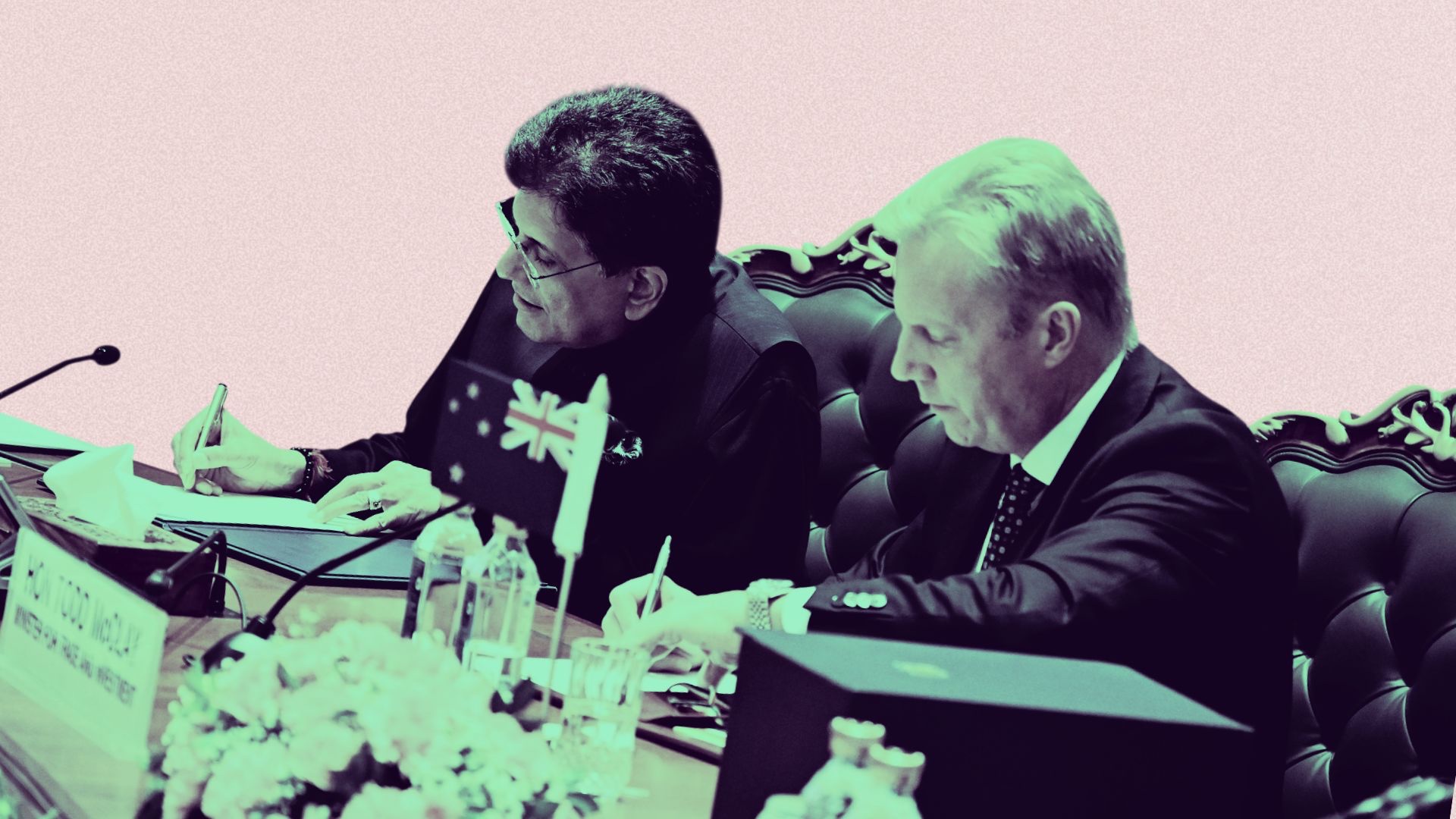
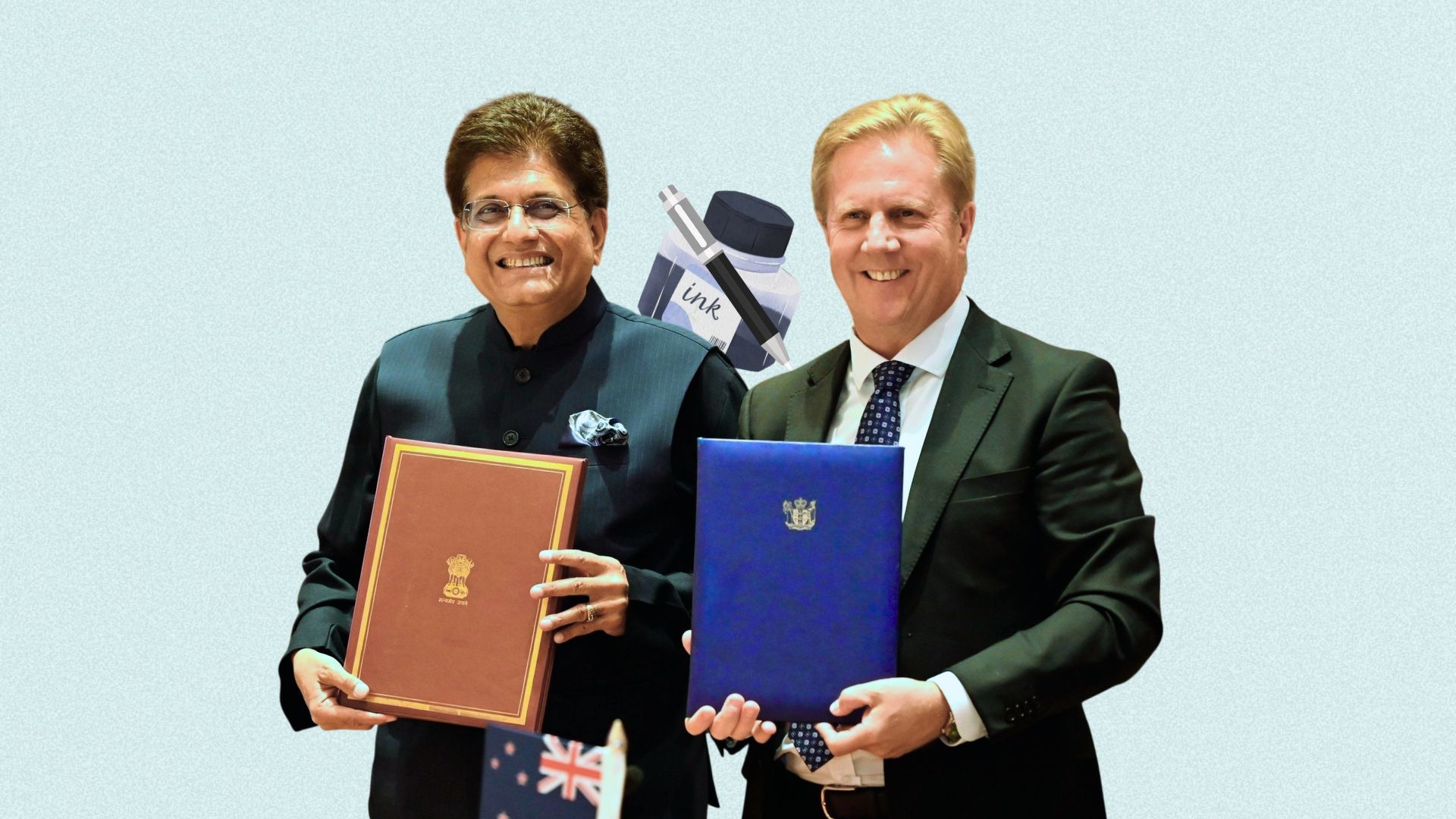
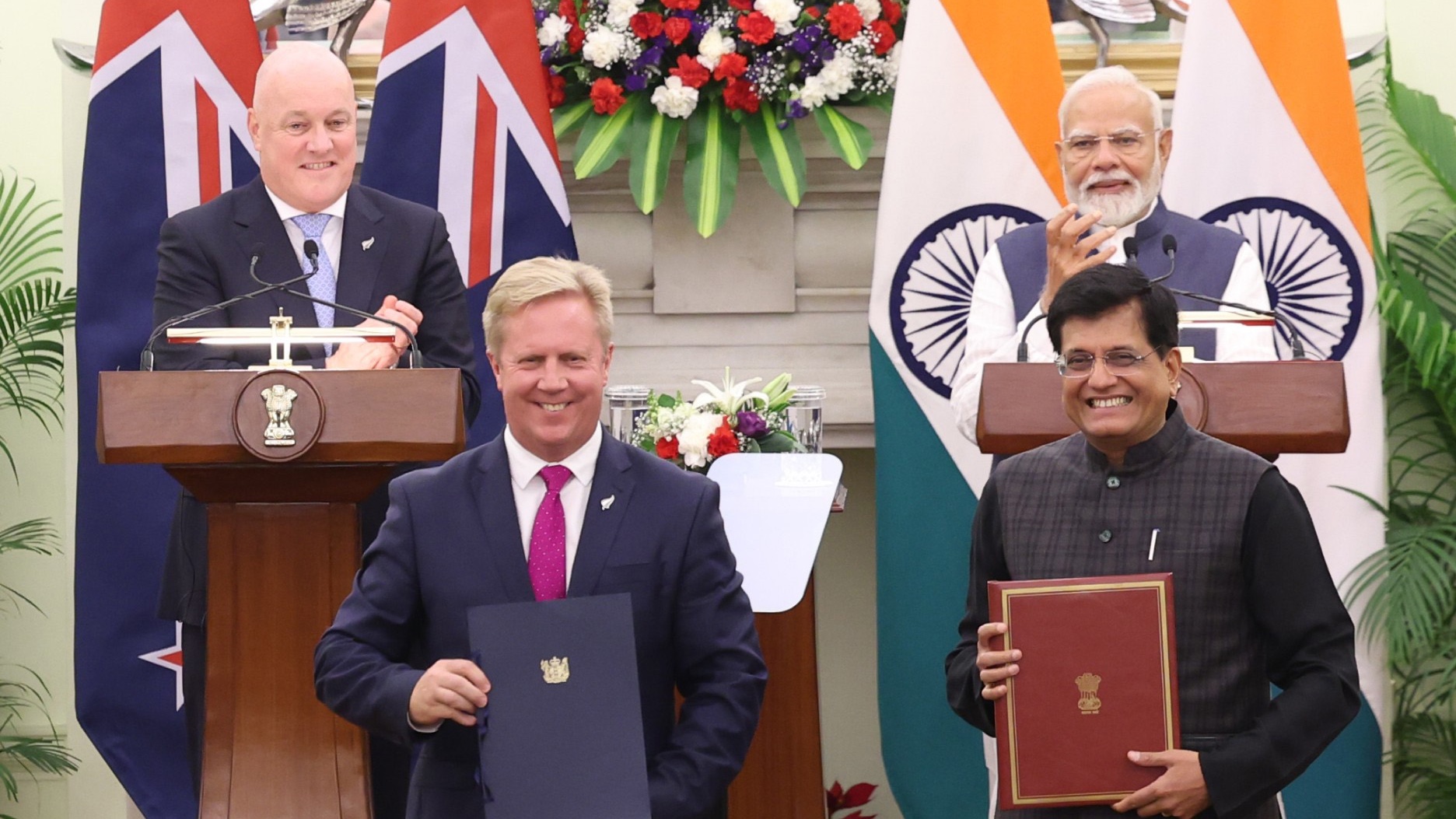
The remarks give a wider strategic dimension to Modi’s visit, which has largely been discussed through the lens of the recently concluded New Zealand-India Free Trade Agreement and growing people-to-people ties.
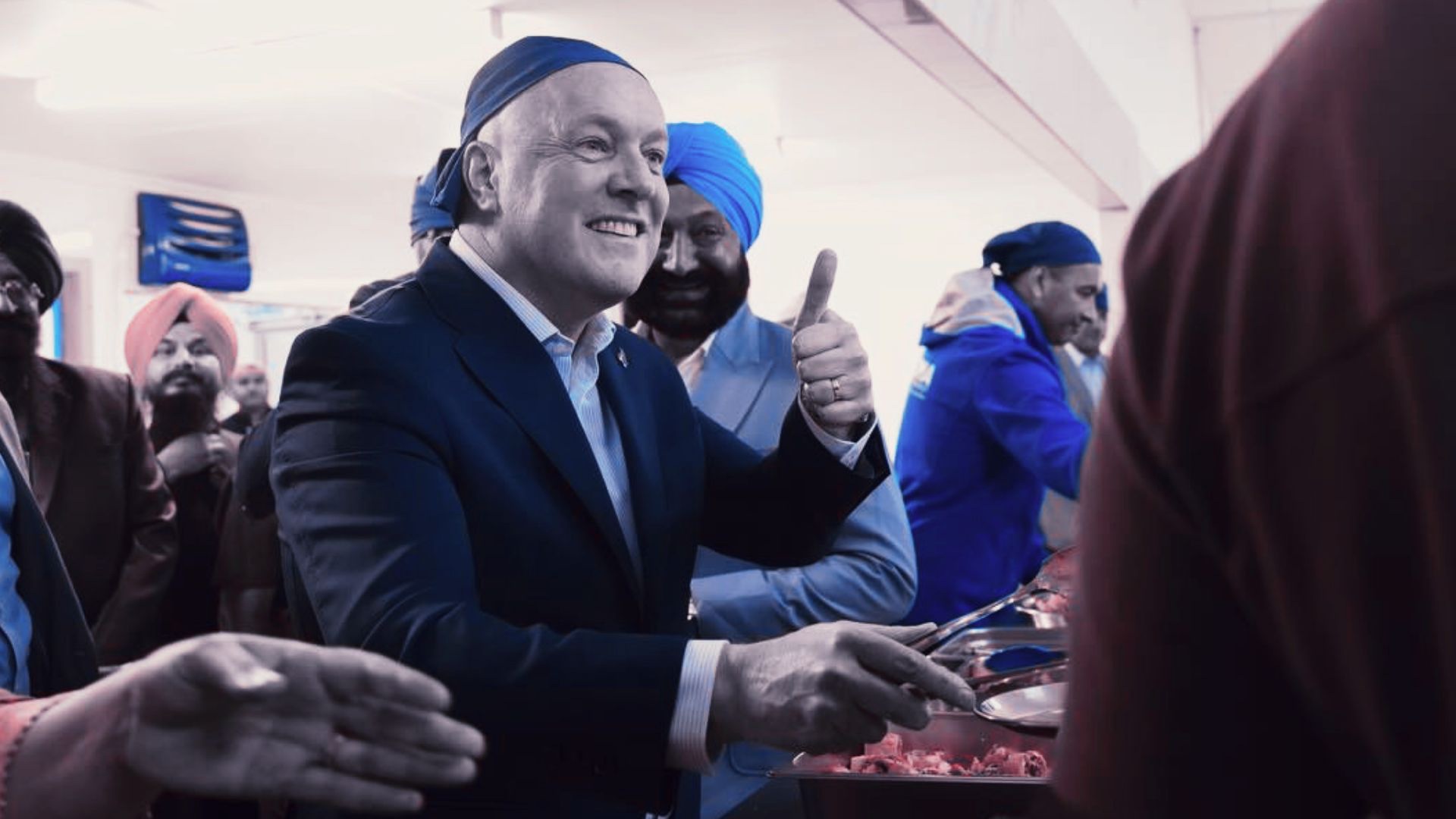
Luxon said he wanted a deeper relationship resting on three pillars: economic ties, security and defence cooperation, and people-to-people connections.
On defence, he said New Zealand and India had already begun working more closely but there was room to go further.
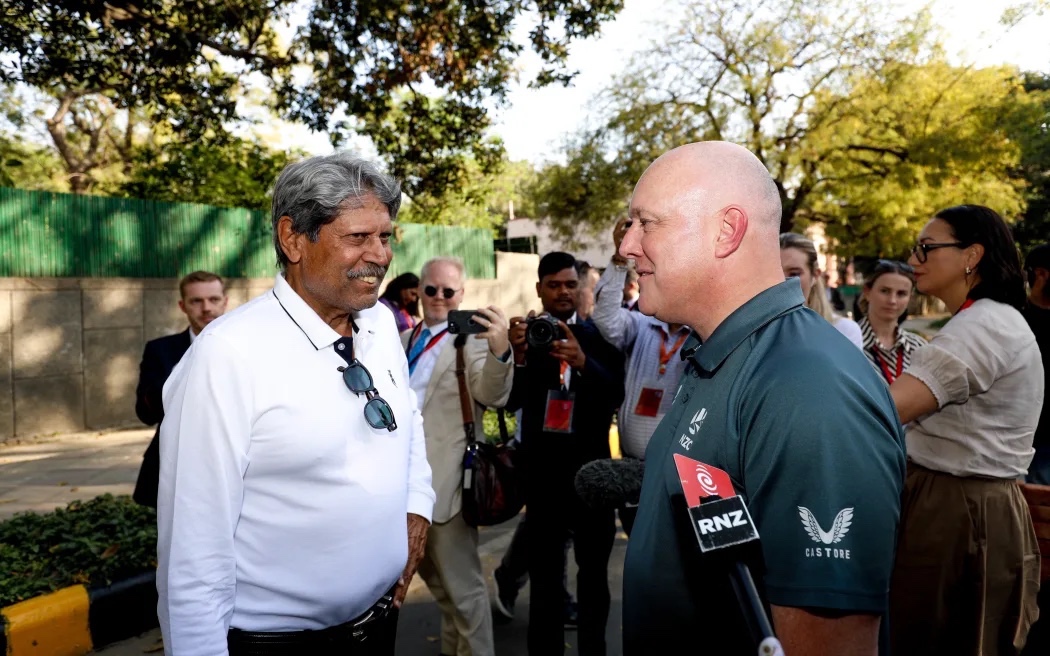
“We started some of that work when I visited last time, with our navies working together, but there’s a lot more that I’d like to see, with joint exercises, more interactions between our respective defence forces.”
Later in the interview, Luxon again pointed to recent naval cooperation.
“When I was in India, we had our frigate up there working with the Indian Navy, they were working on missions together. So there’s more that we can do in that space.”
He said New Zealand needed to build what he described as a “lattice of relationships” with like-minded countries.
“We need to work with our like-minded friends to build a lattice of relationships,” he said.
“As we’ve seen in the world, you cannot have prosperity without security, and vice-a-versa.”
Luxon stopped short of describing China as a direct threat or proposing a formal alliance with India.