
NZ First candidate alludes to Labour’s Naidoo in post about merit over ethnicity
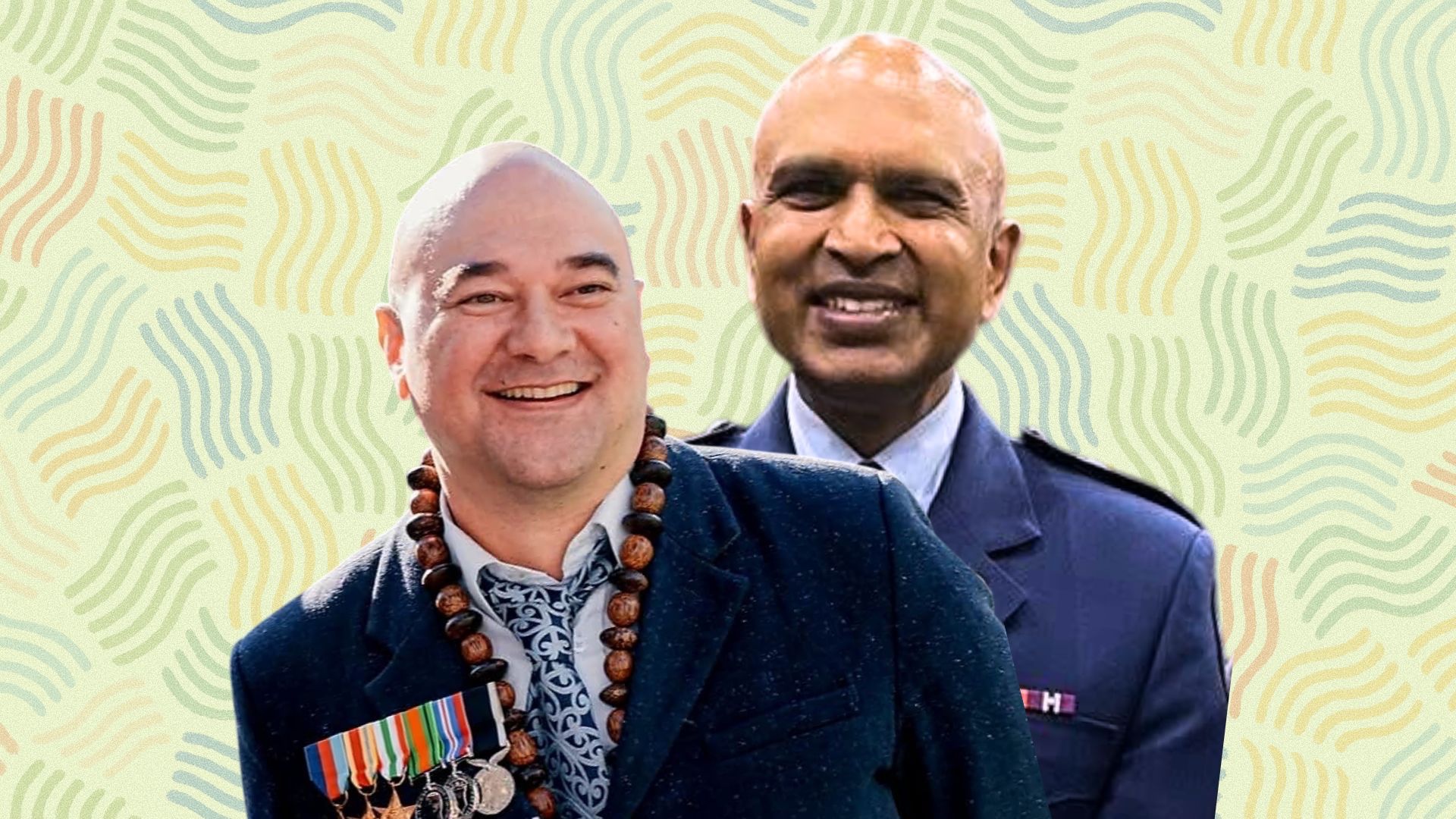
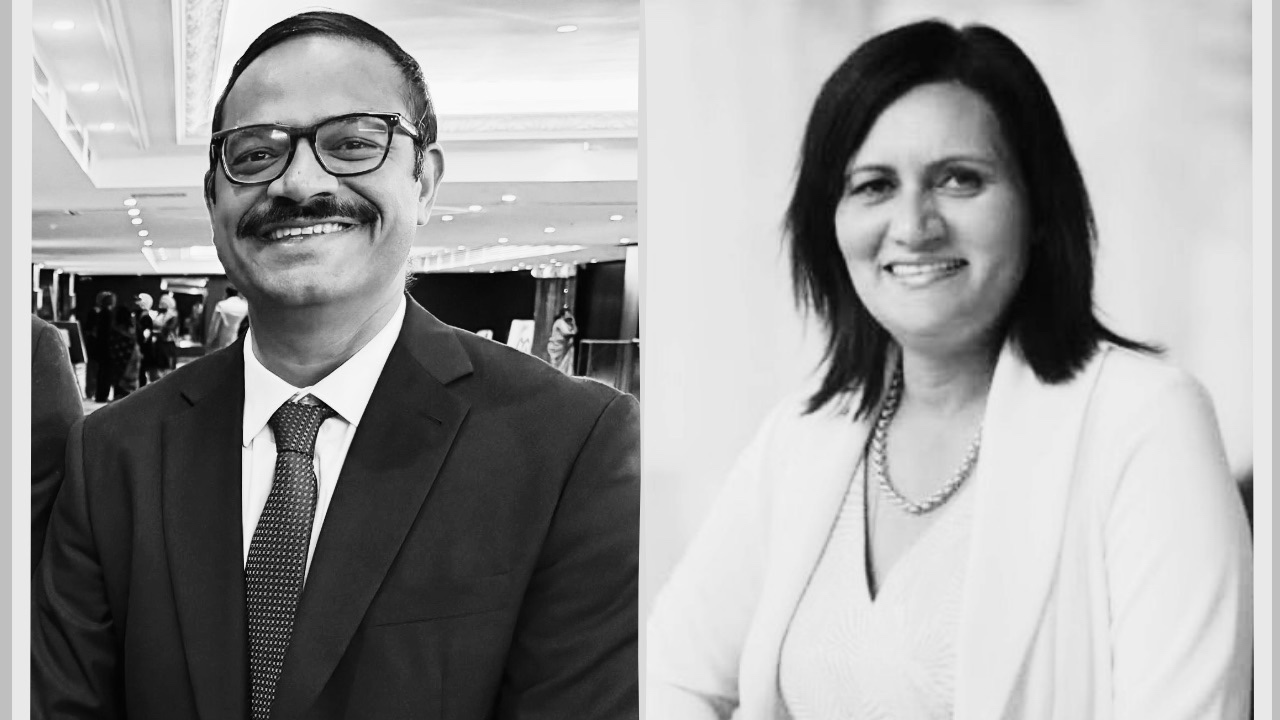
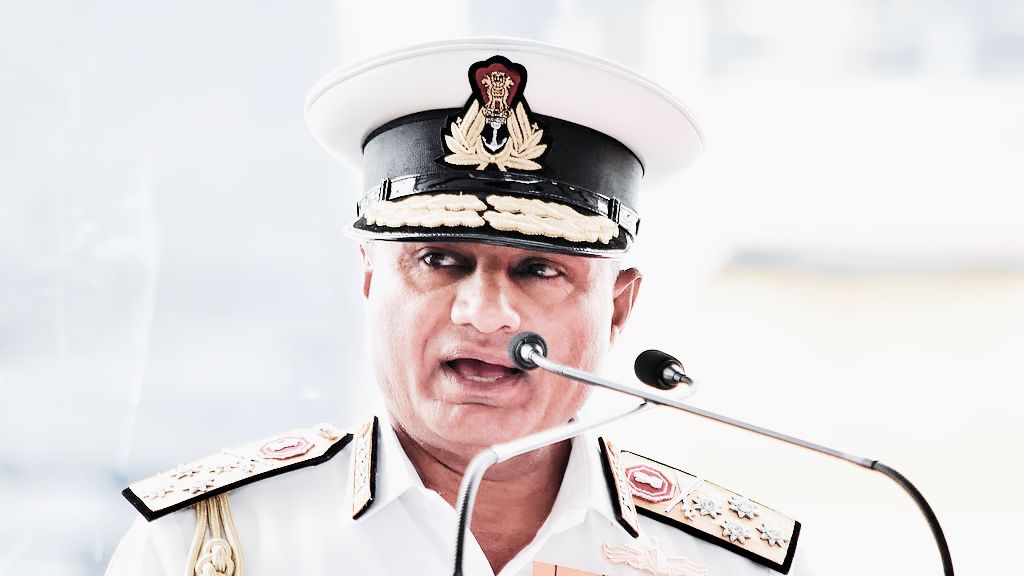
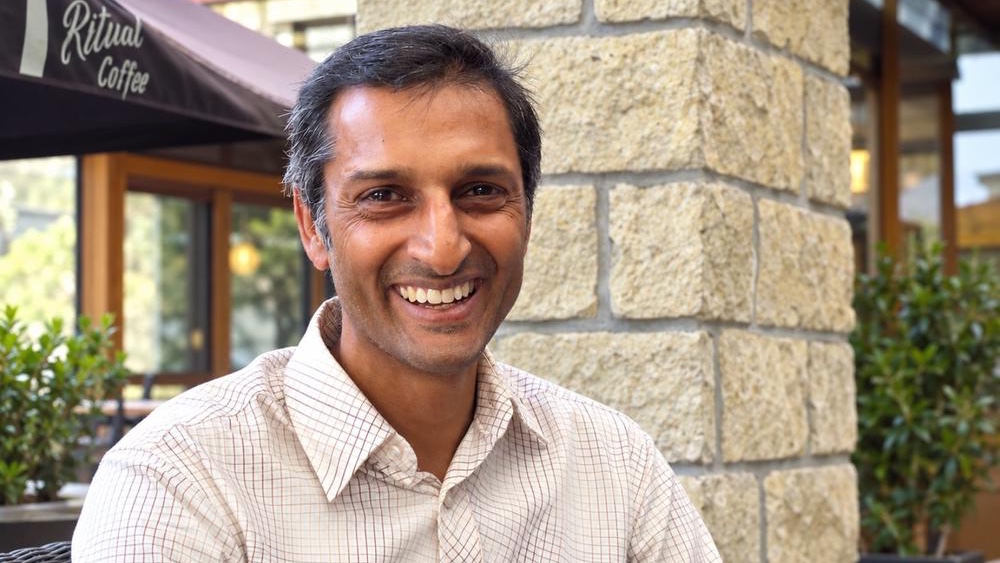
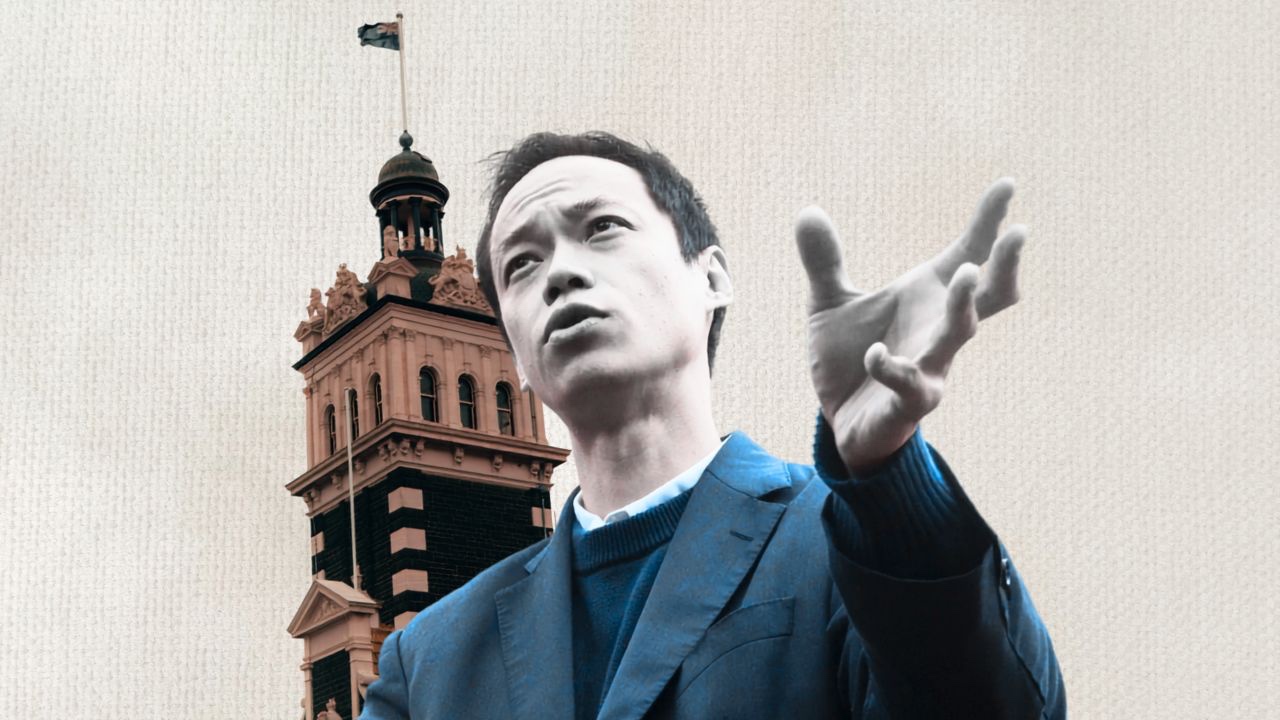
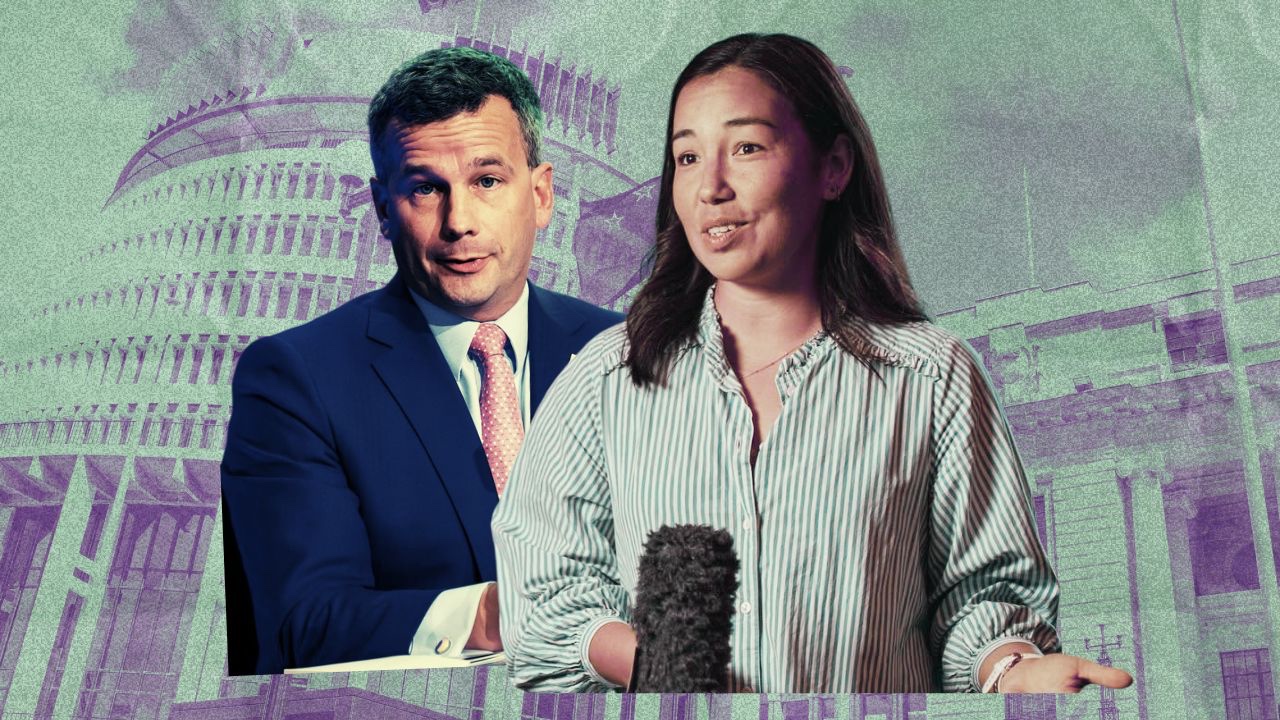
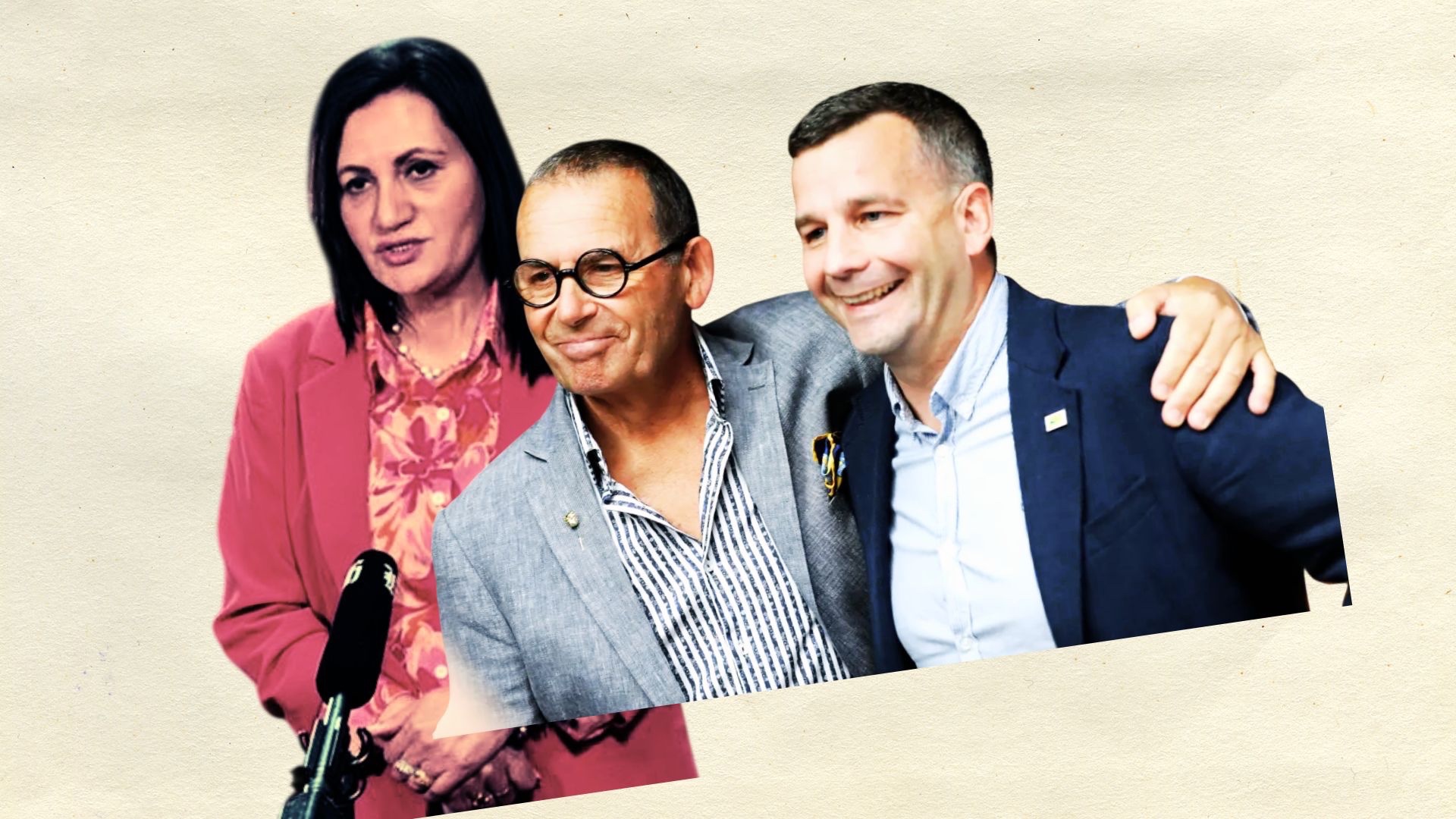
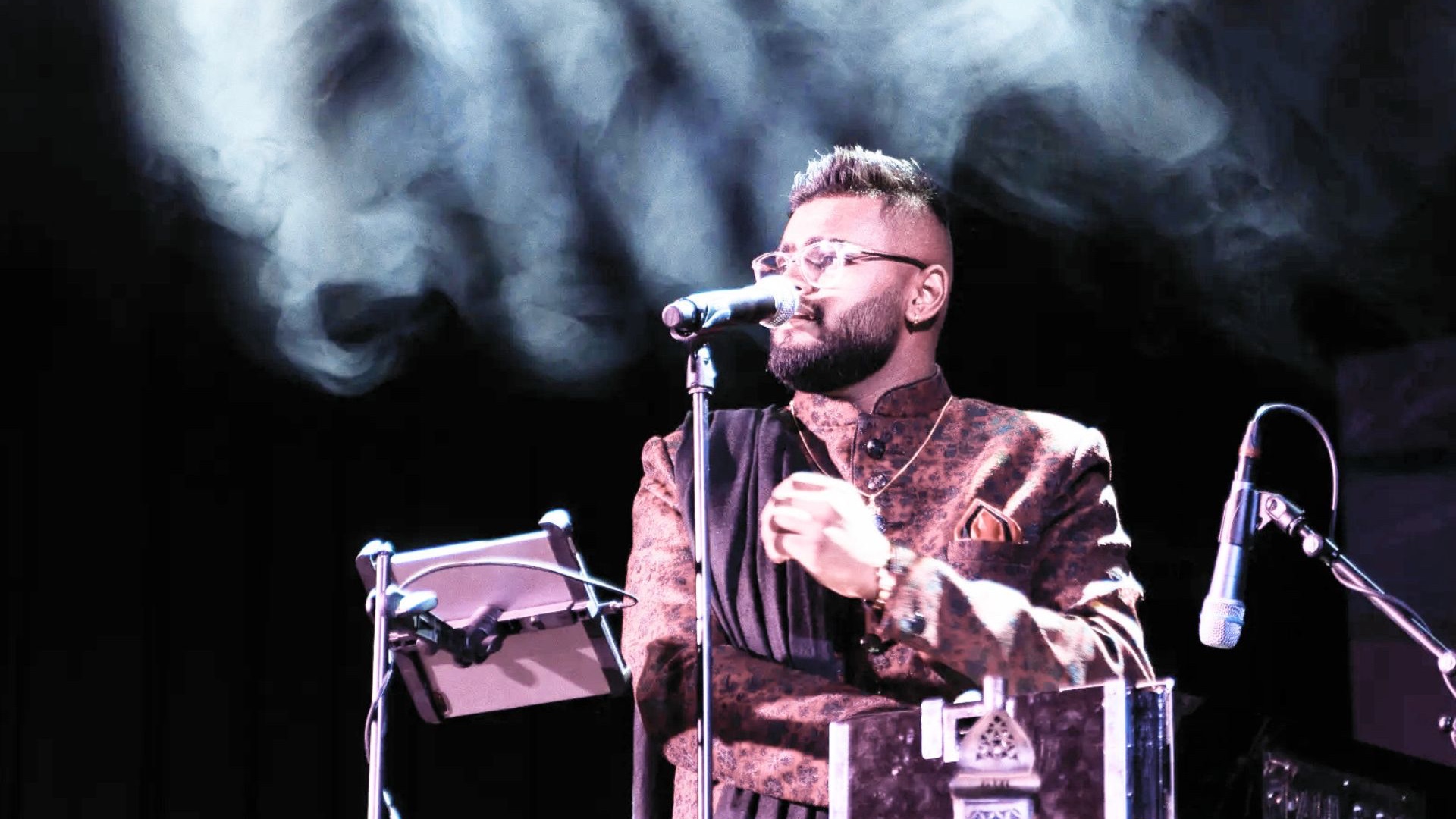
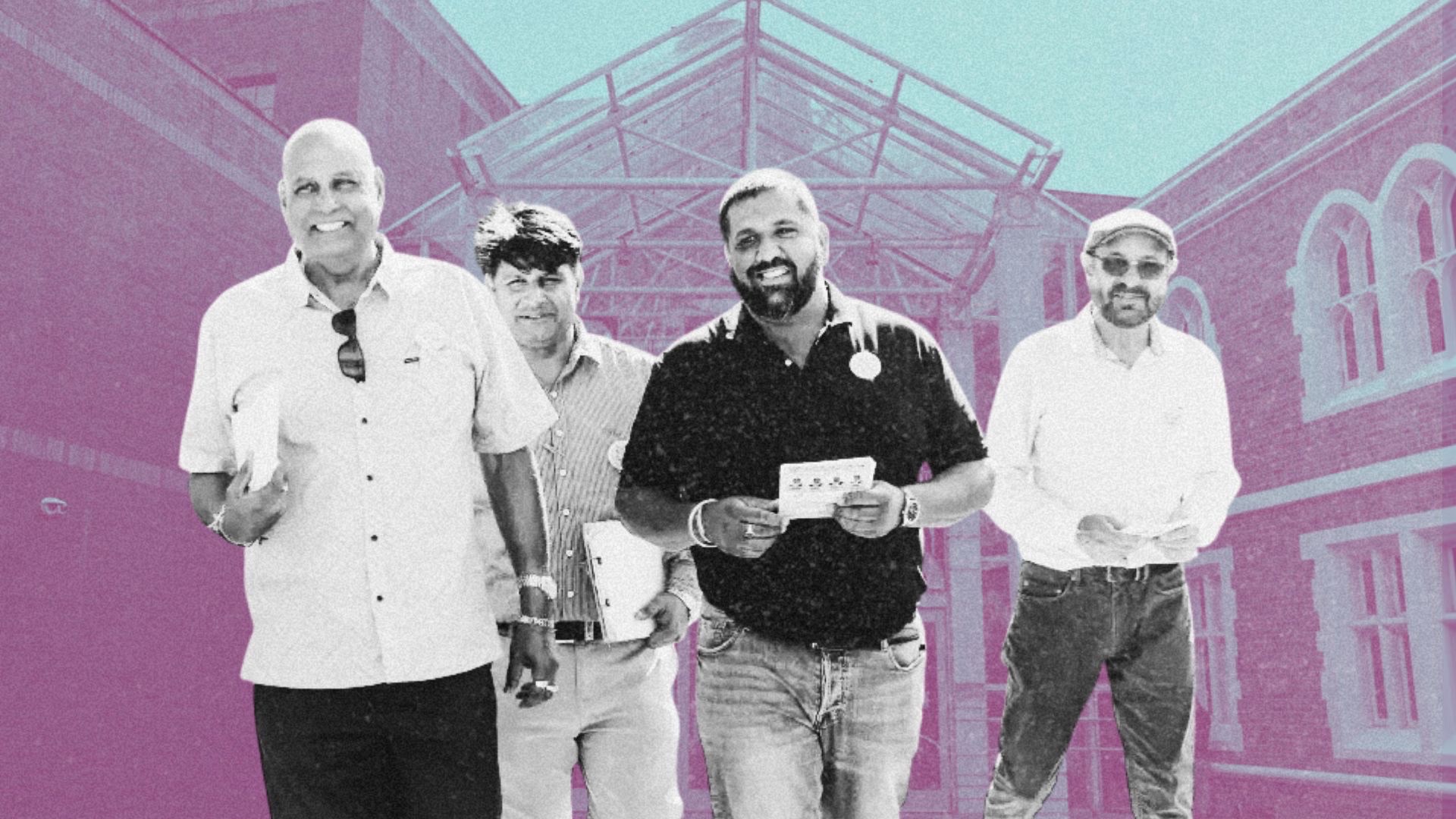
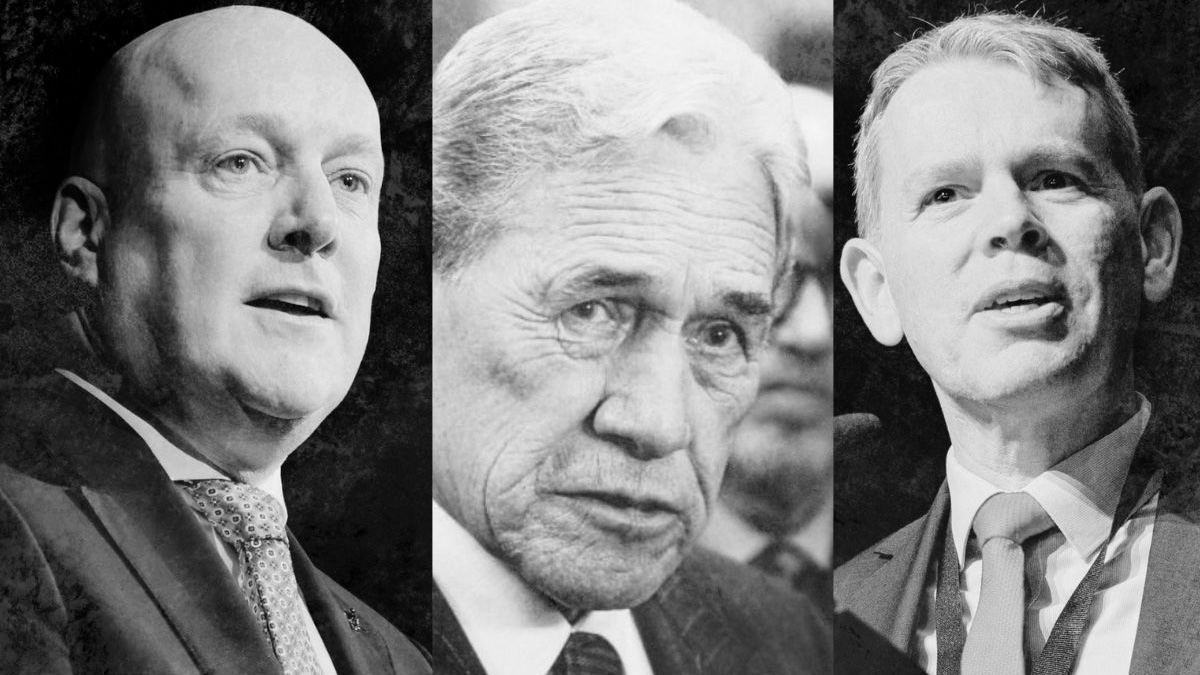
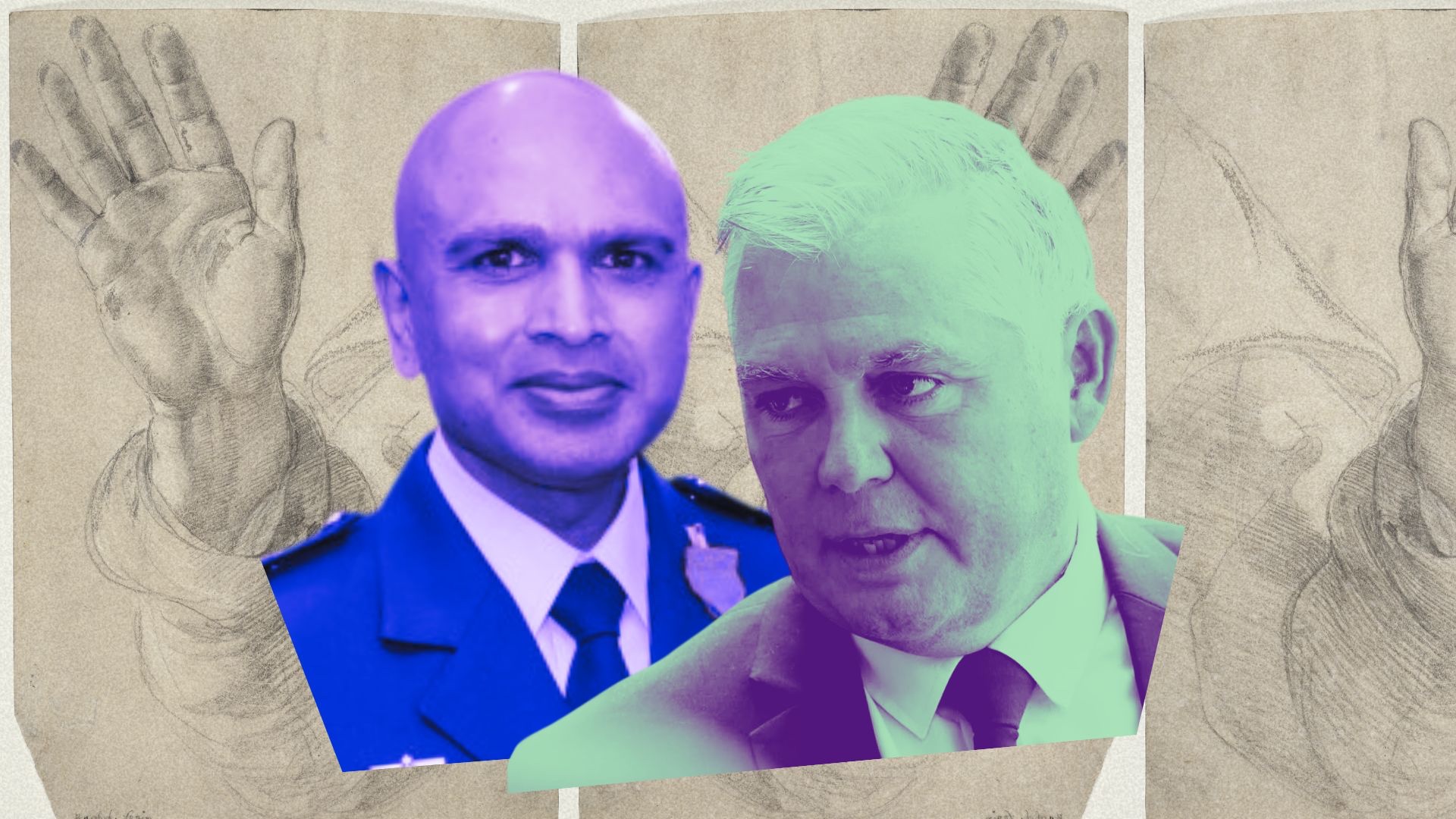
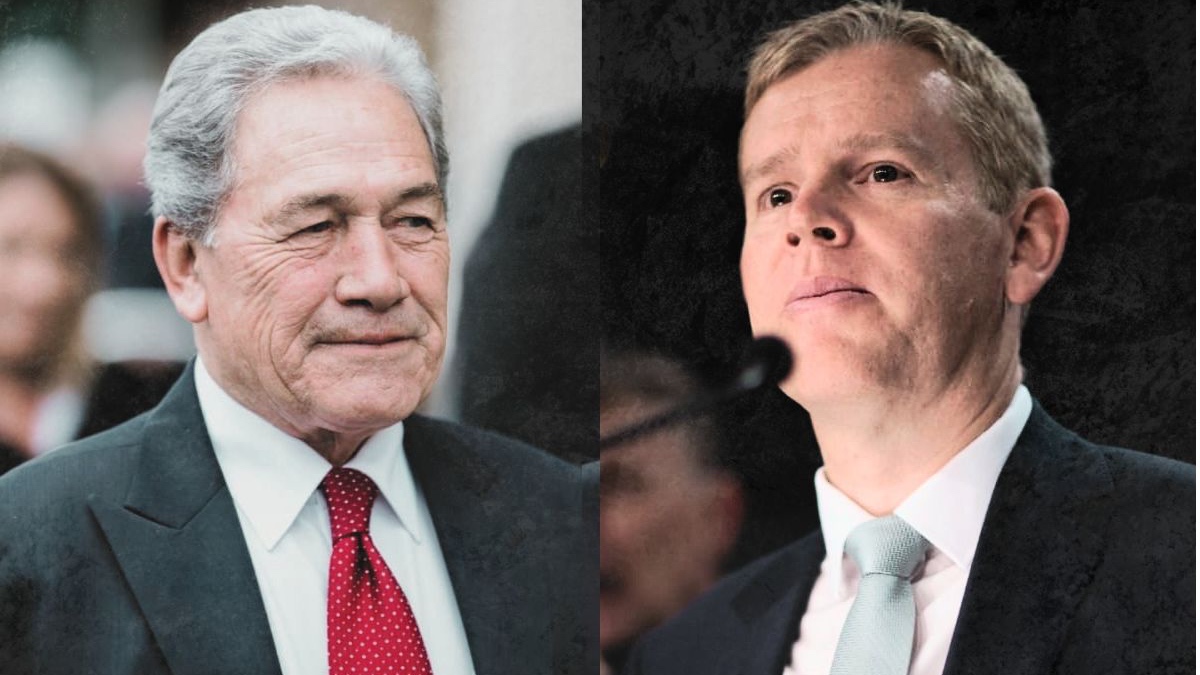
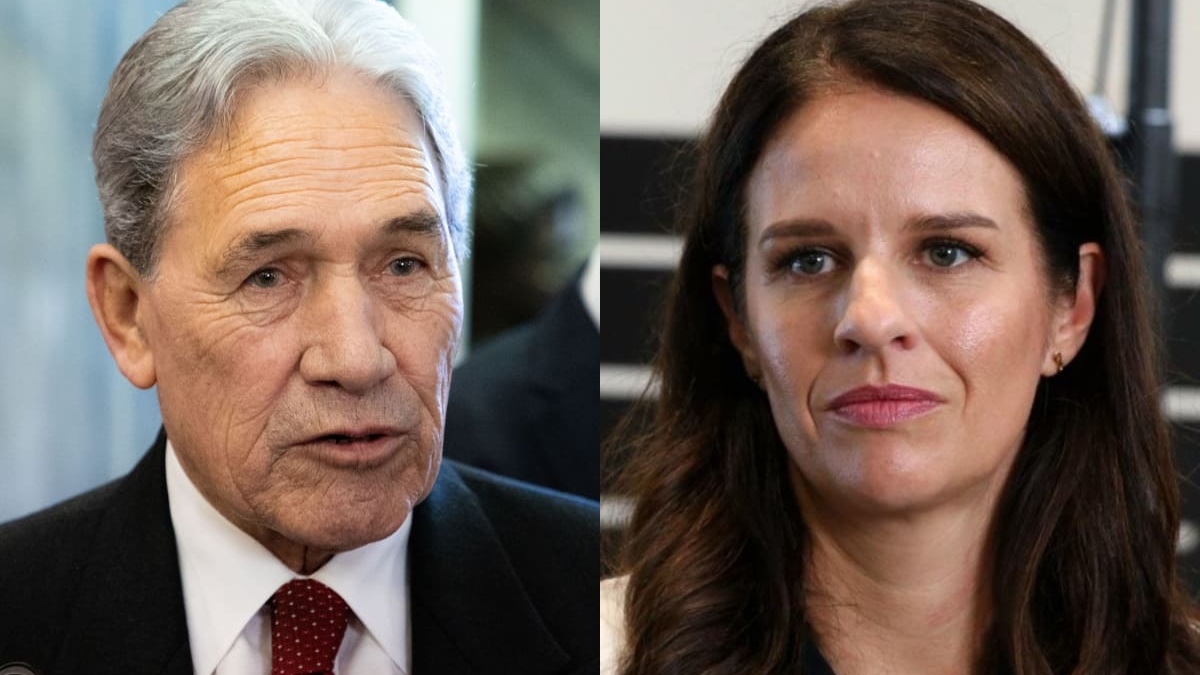
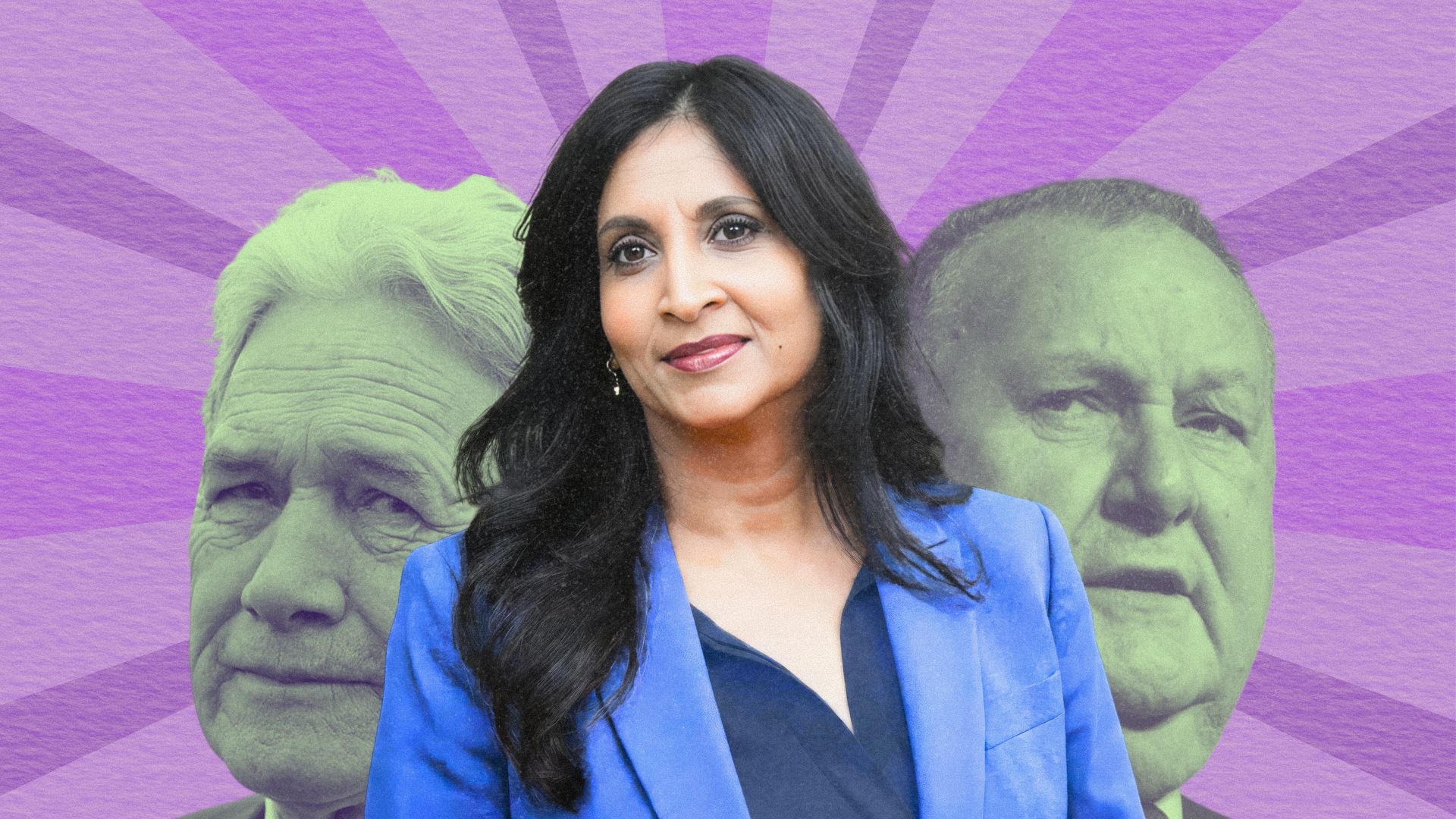
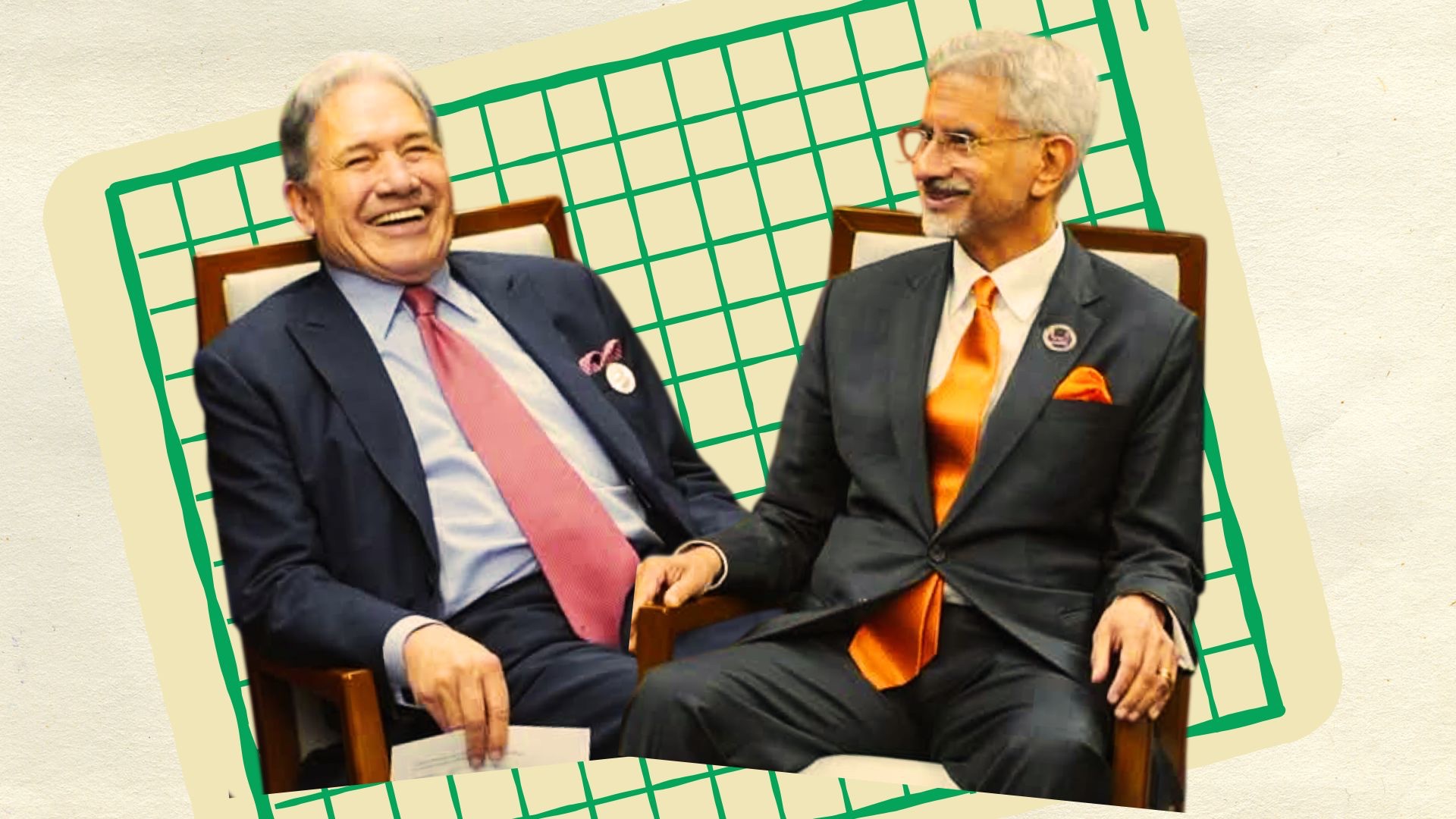
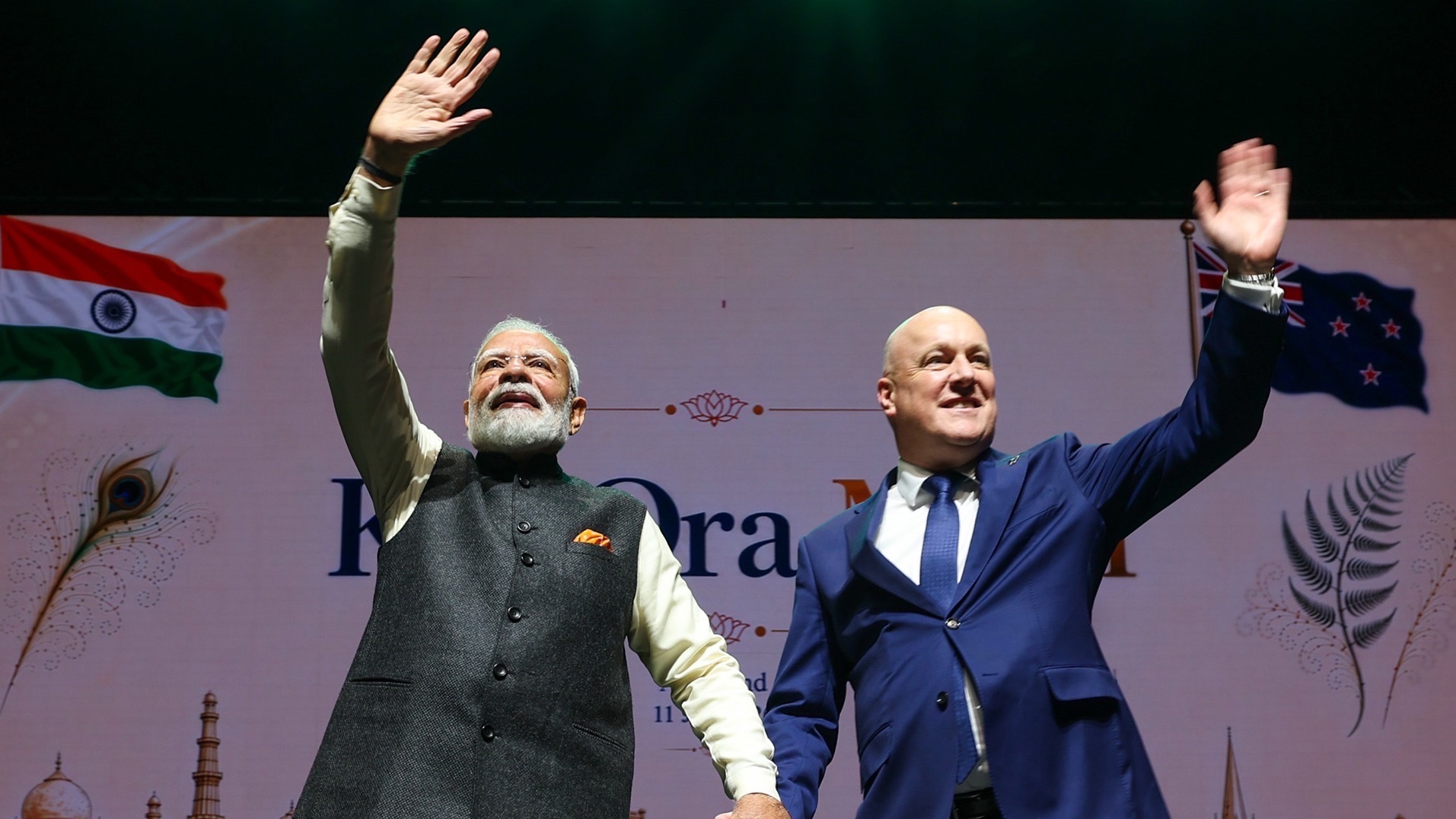
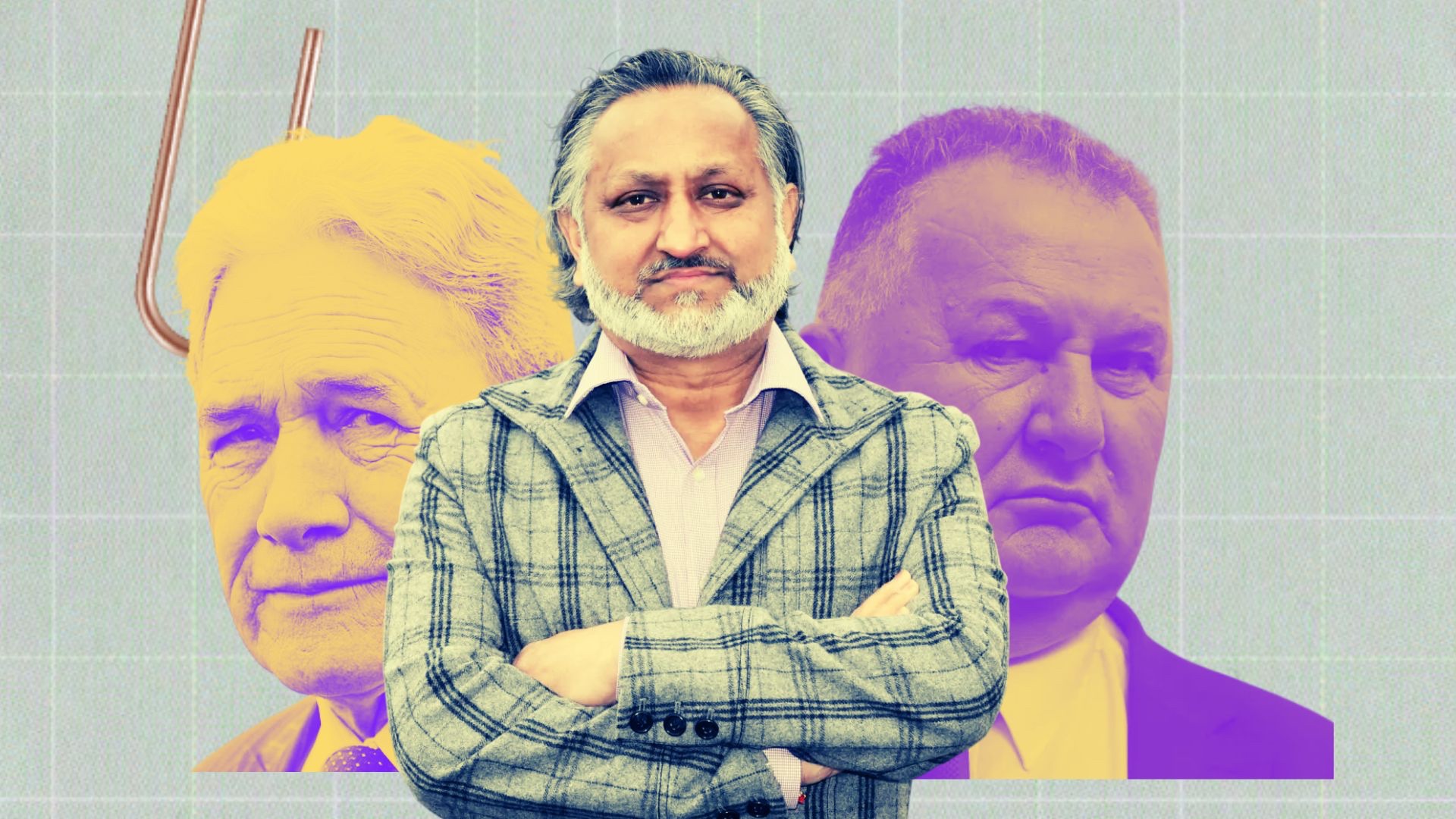
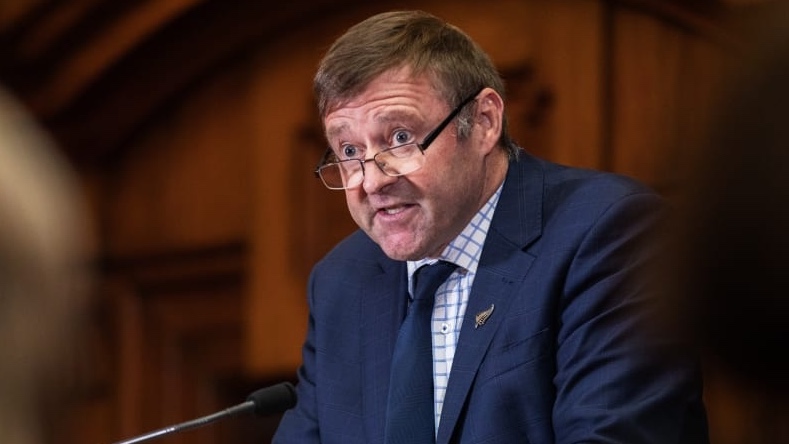
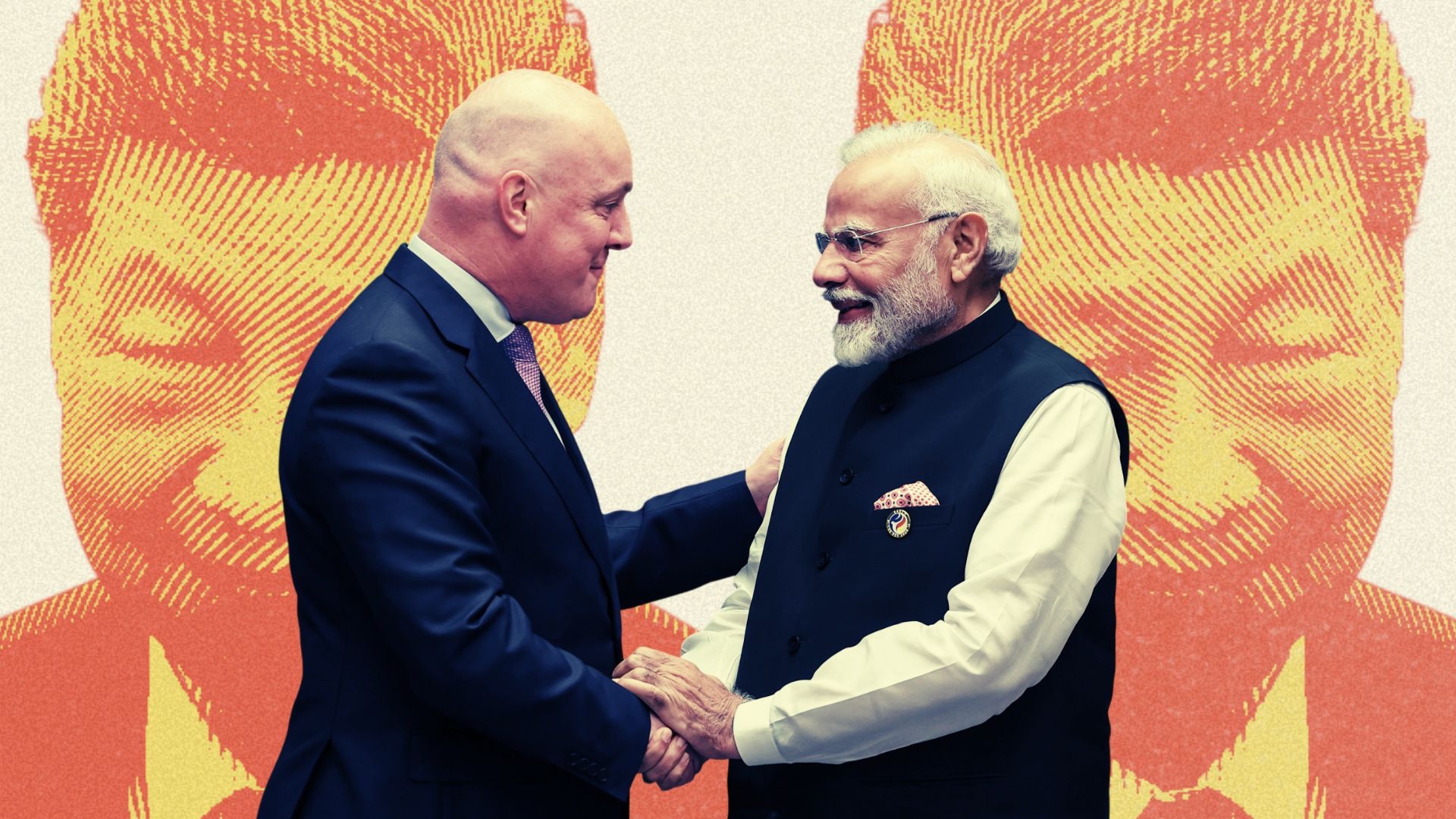
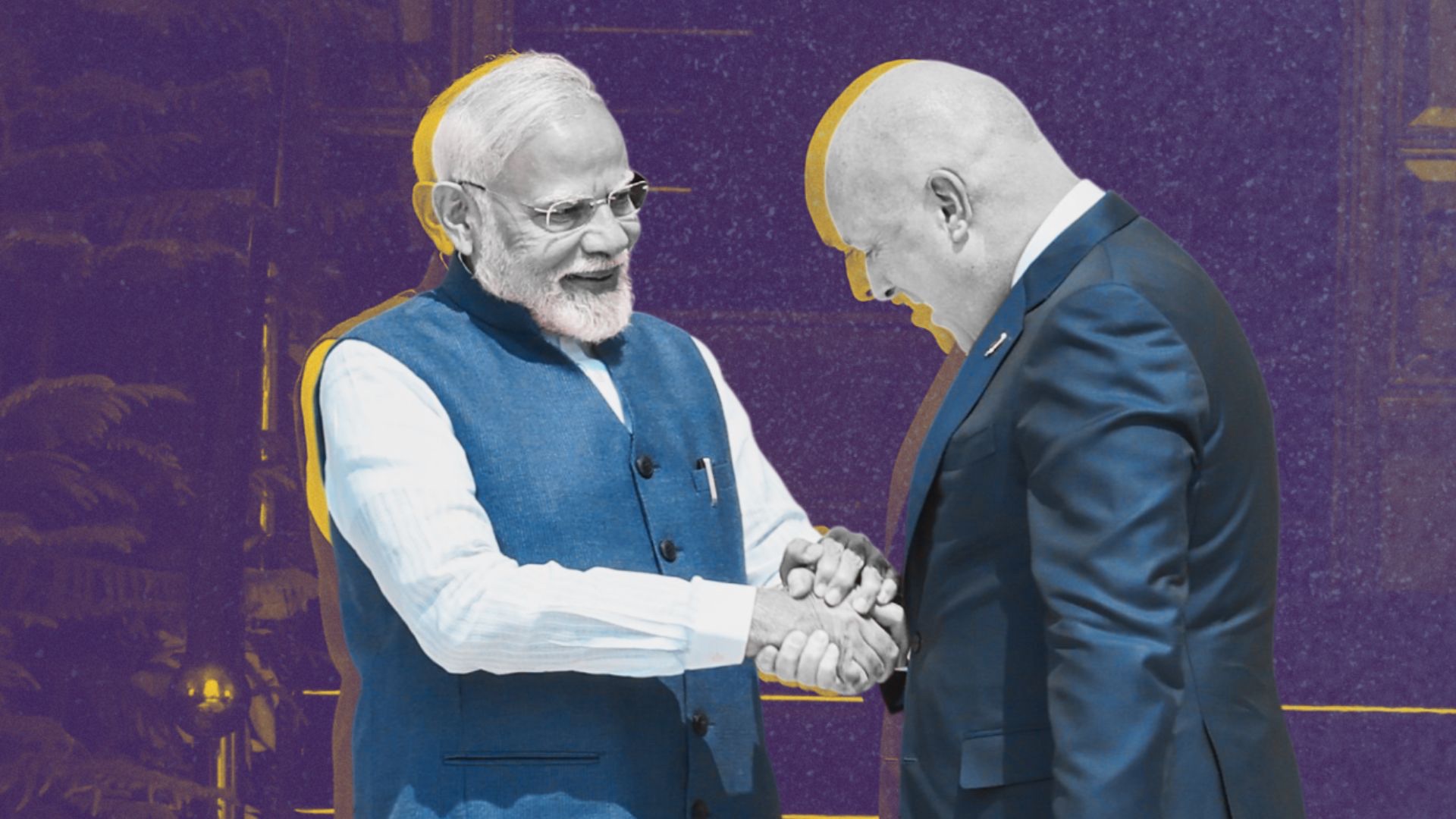
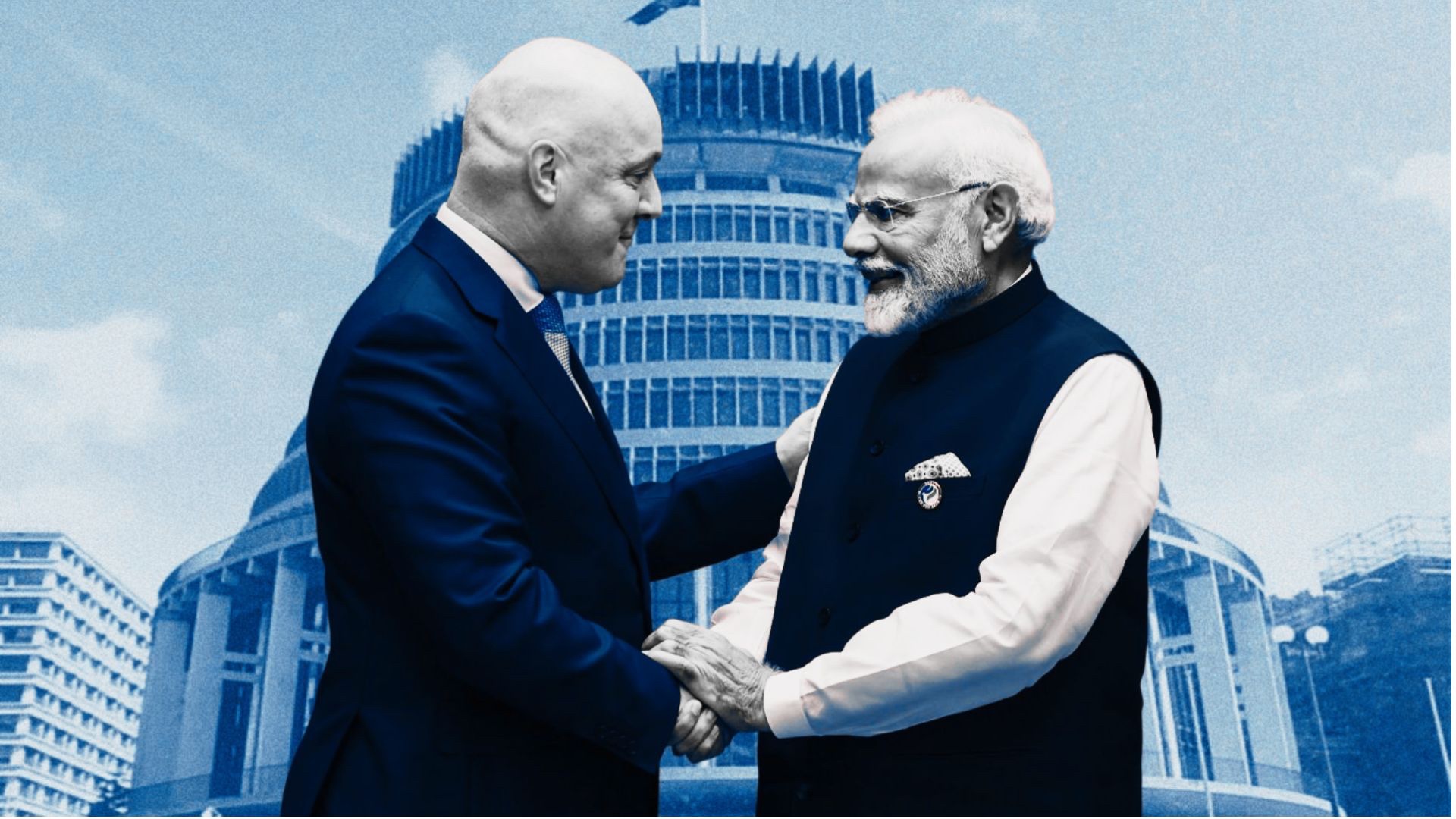
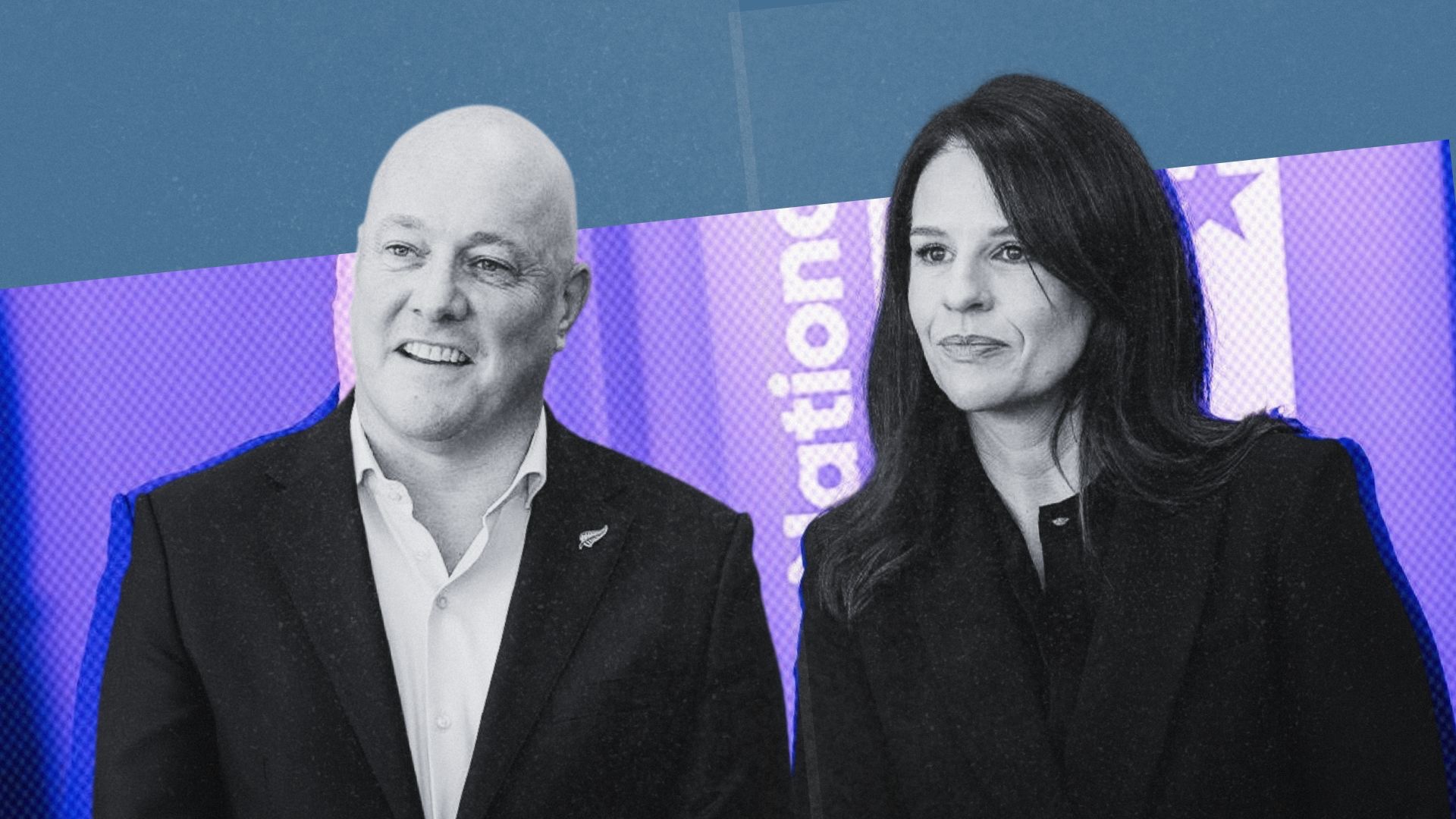
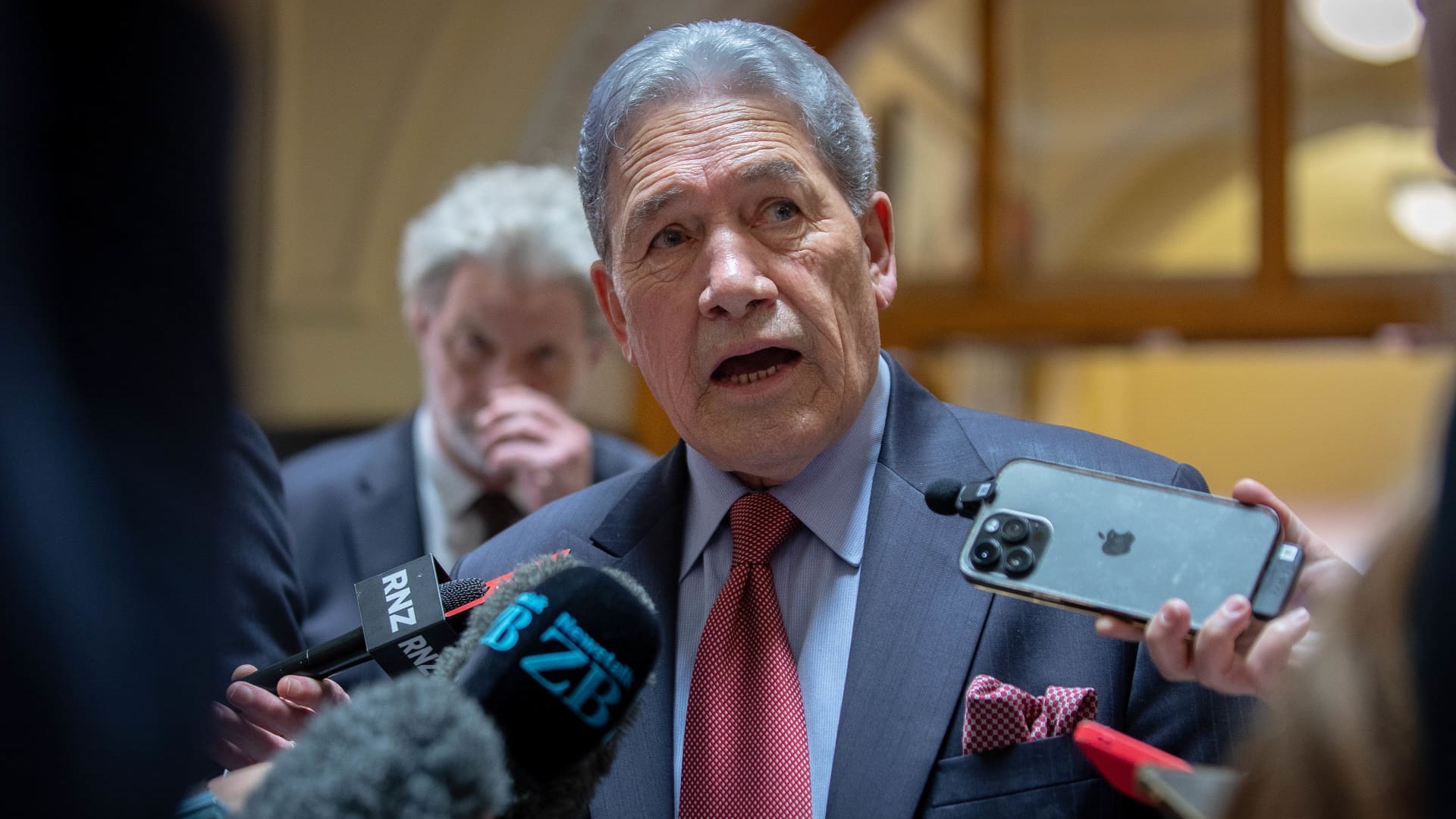
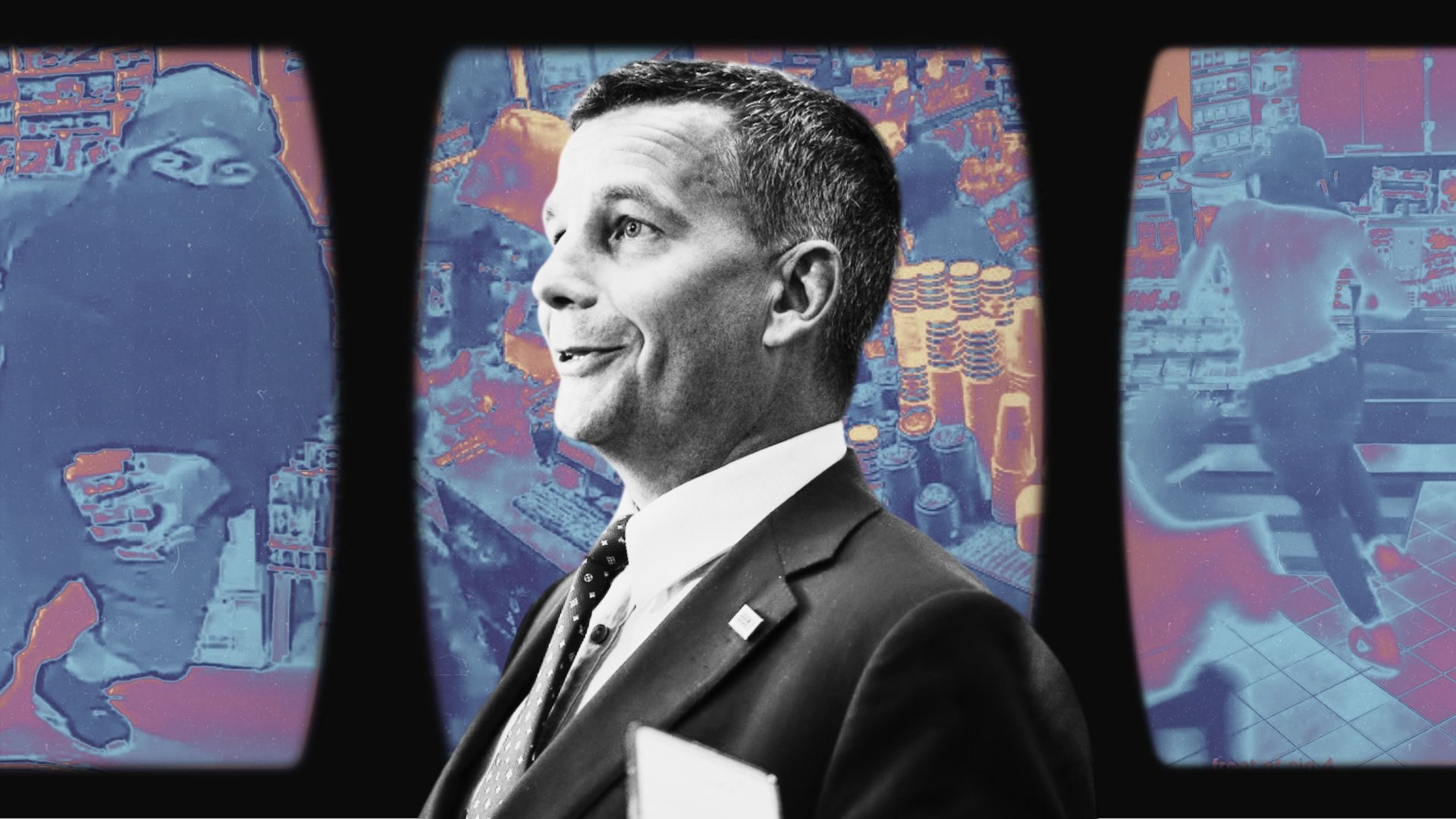
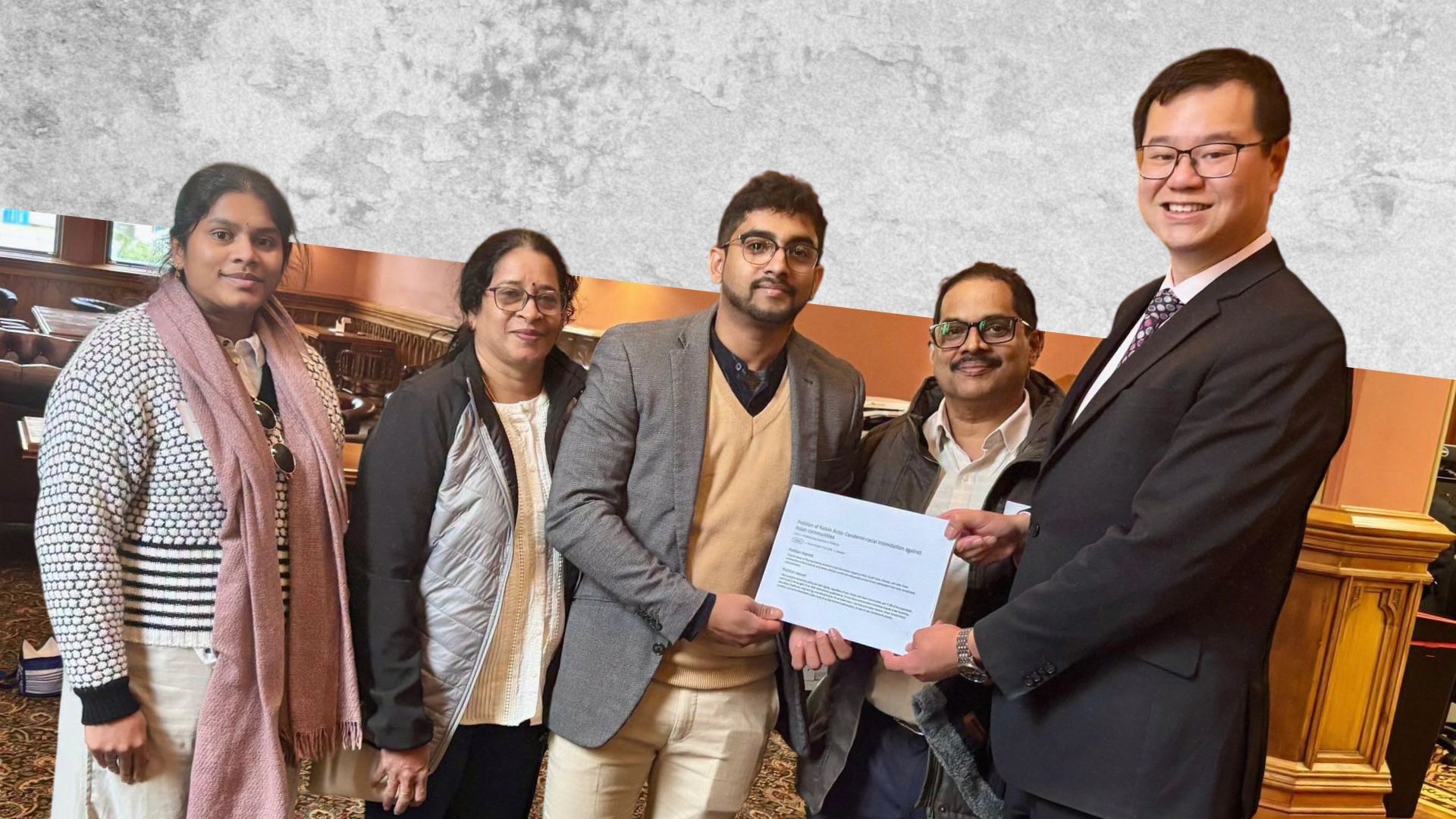
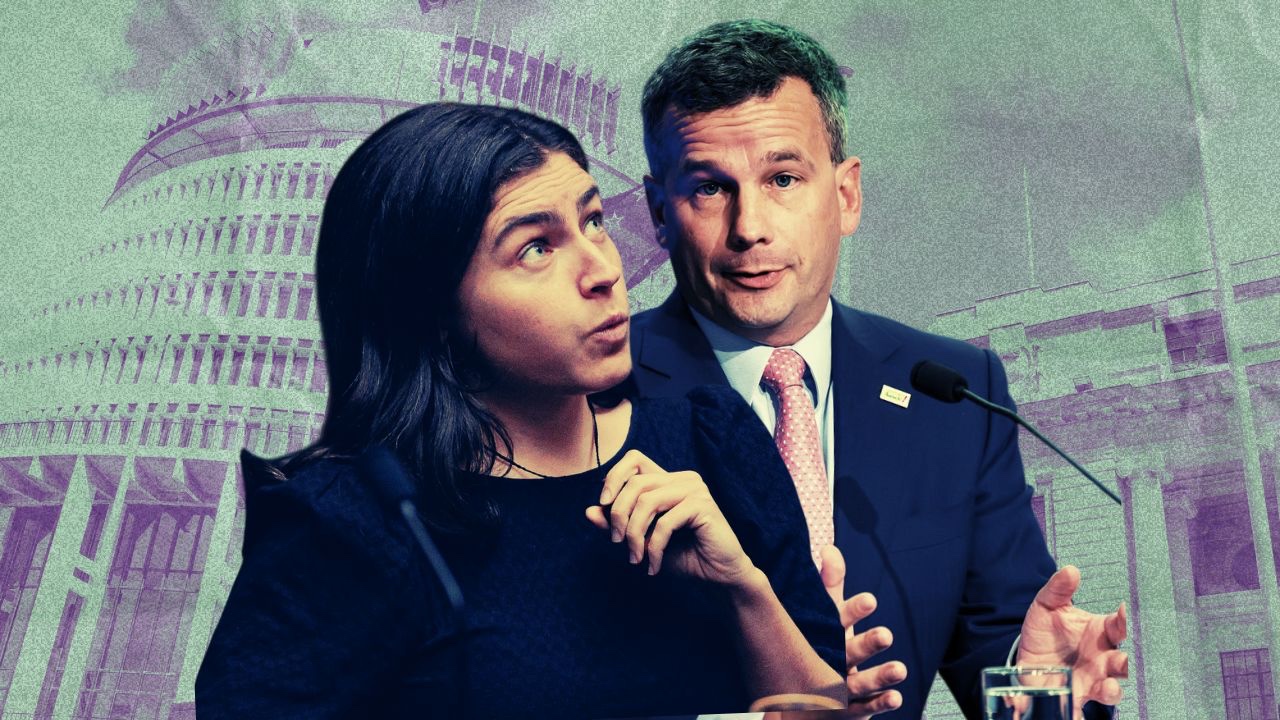
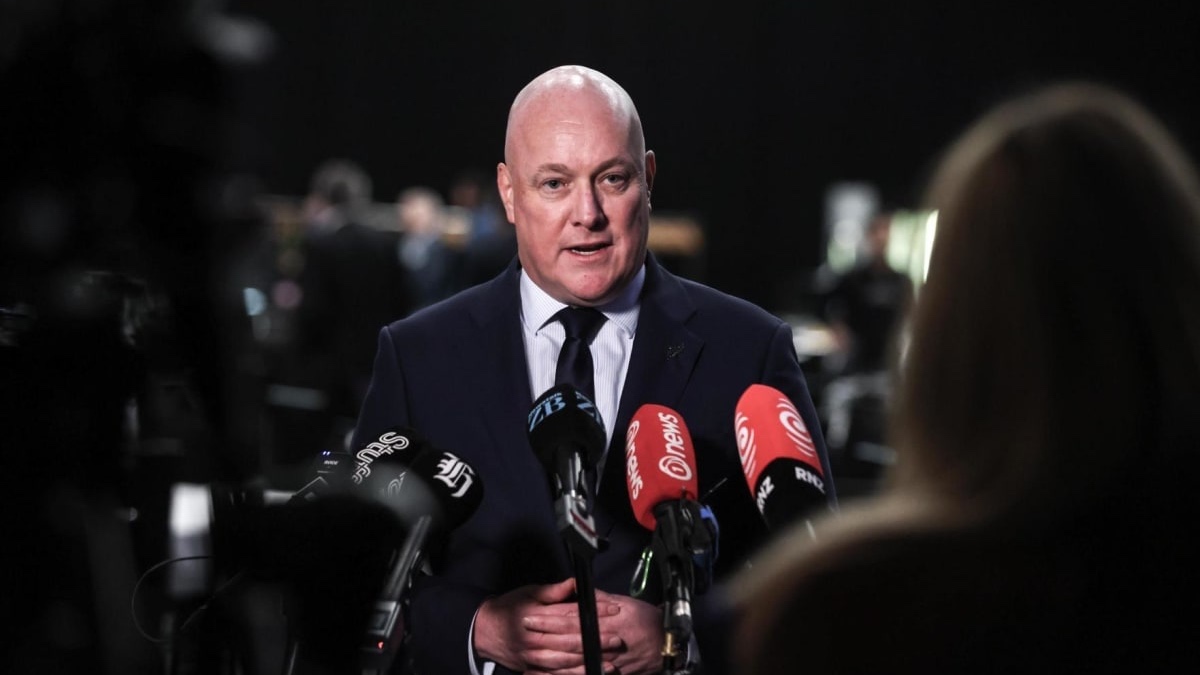
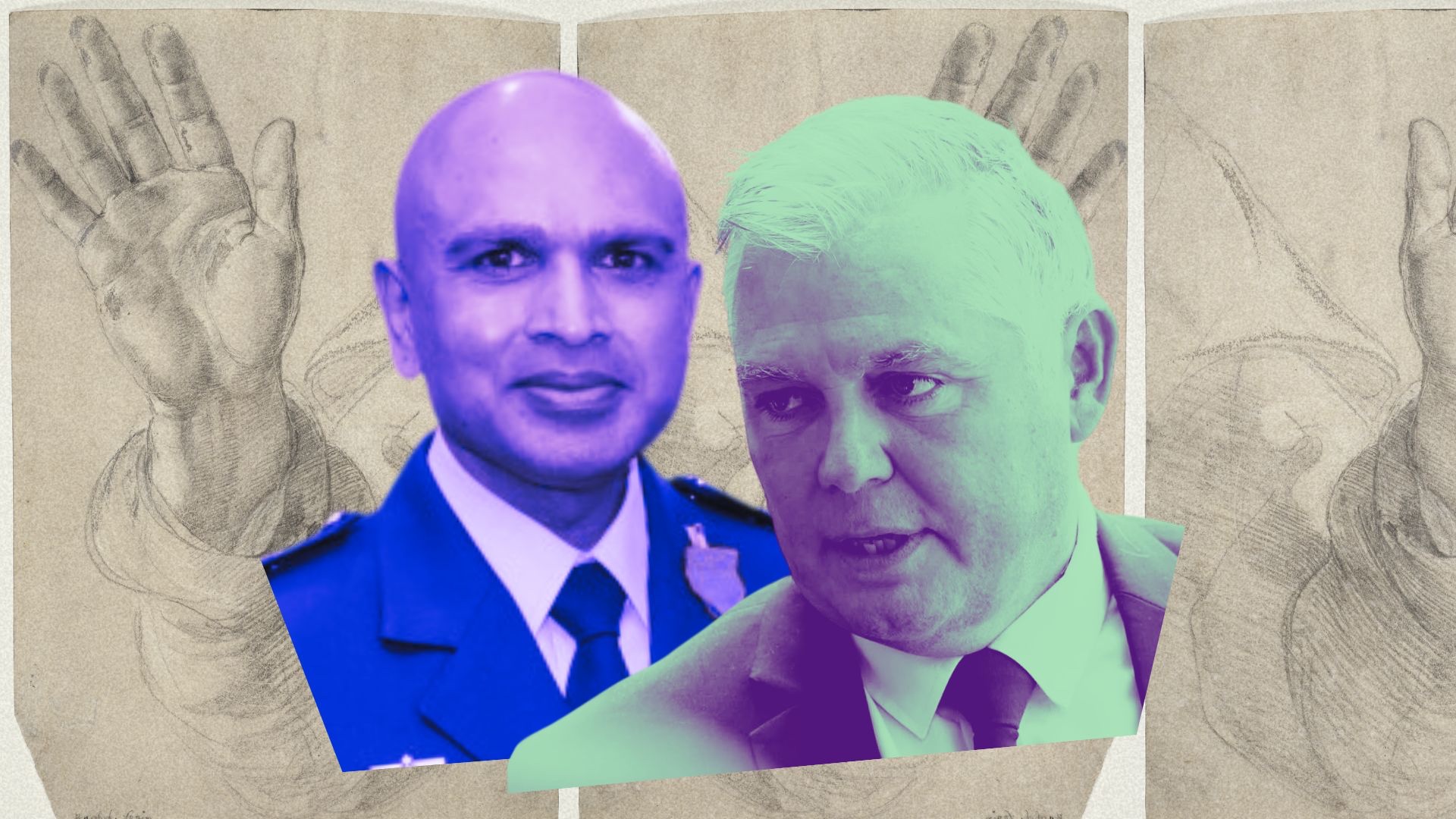
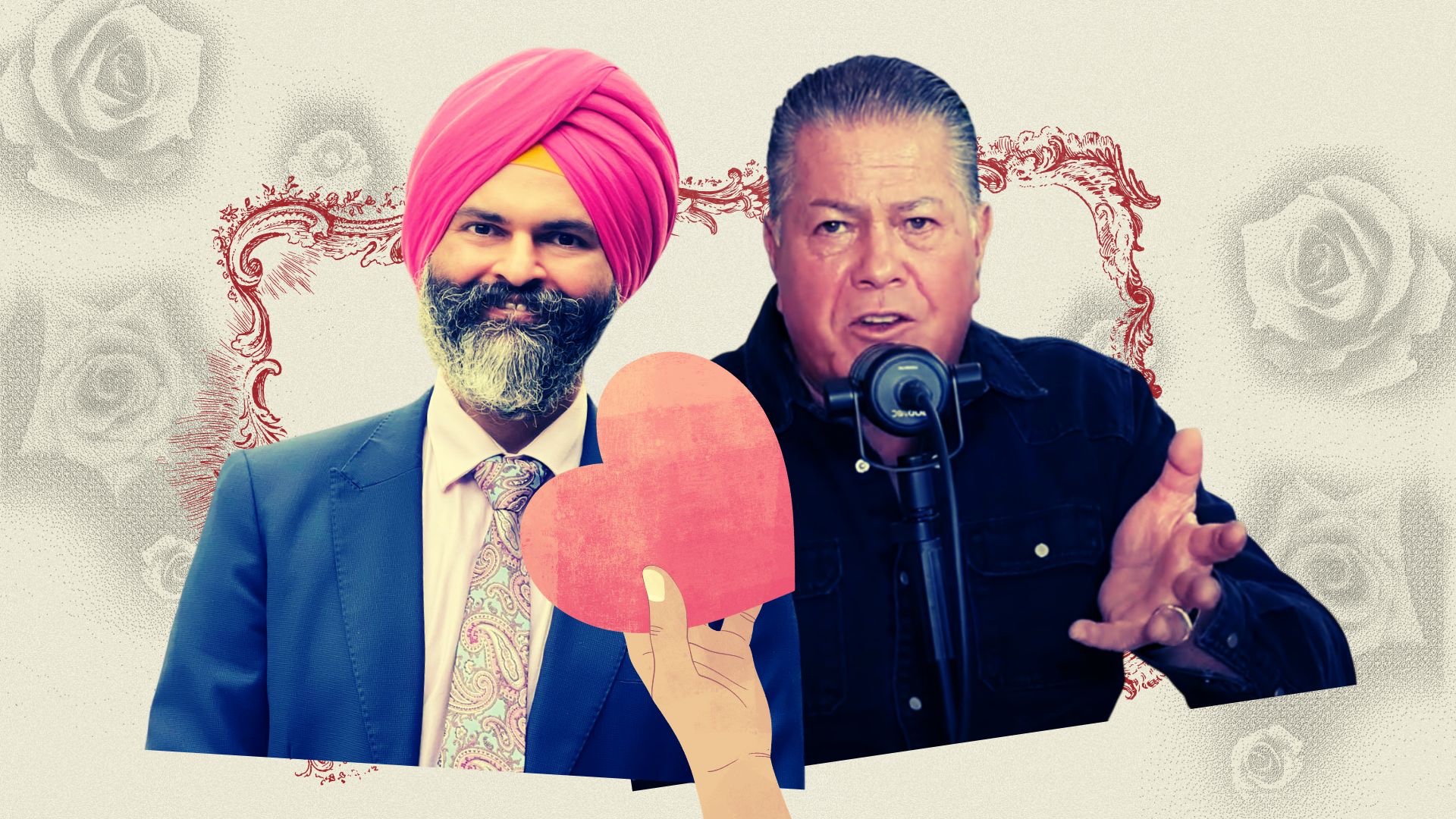
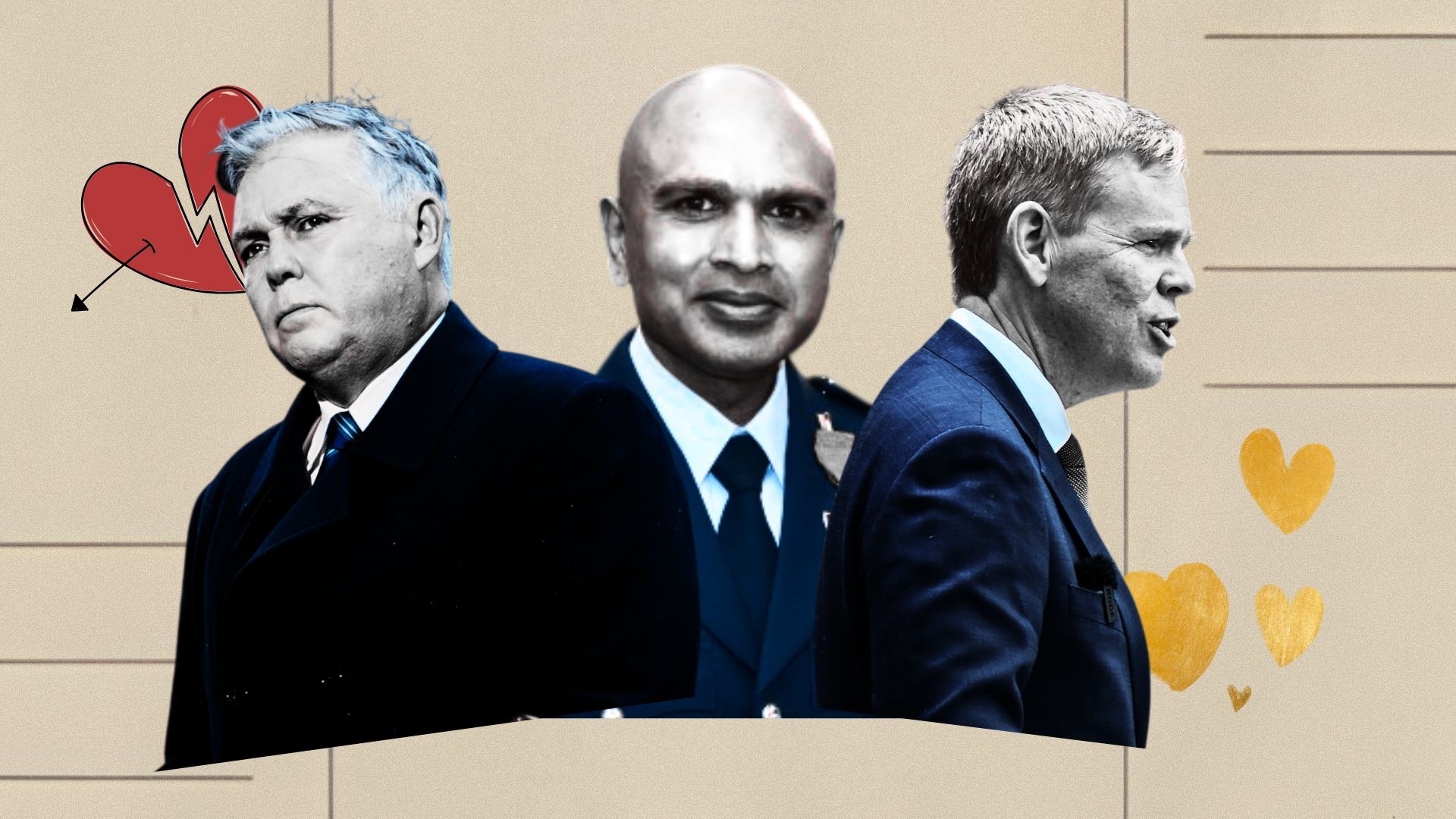
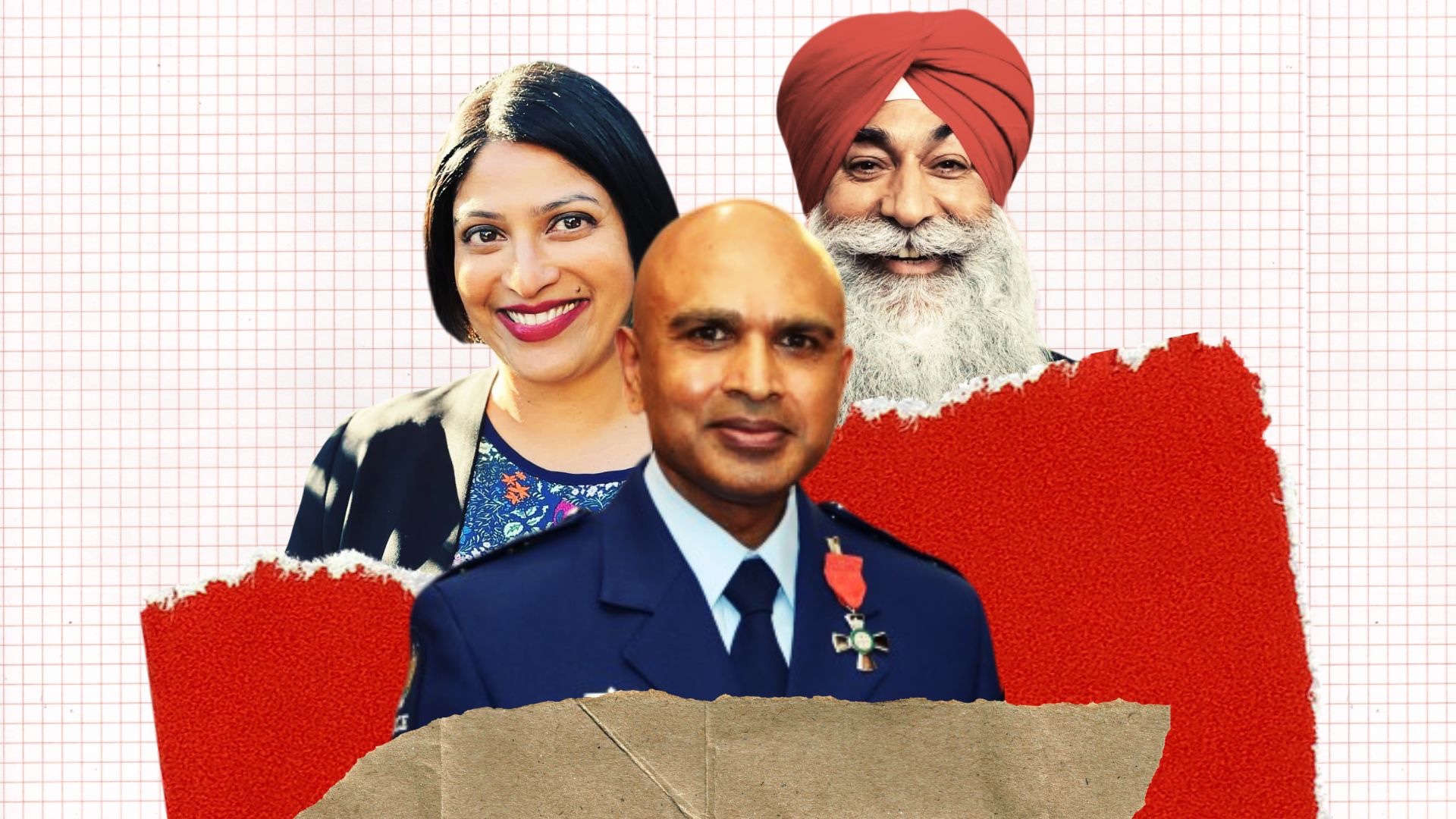
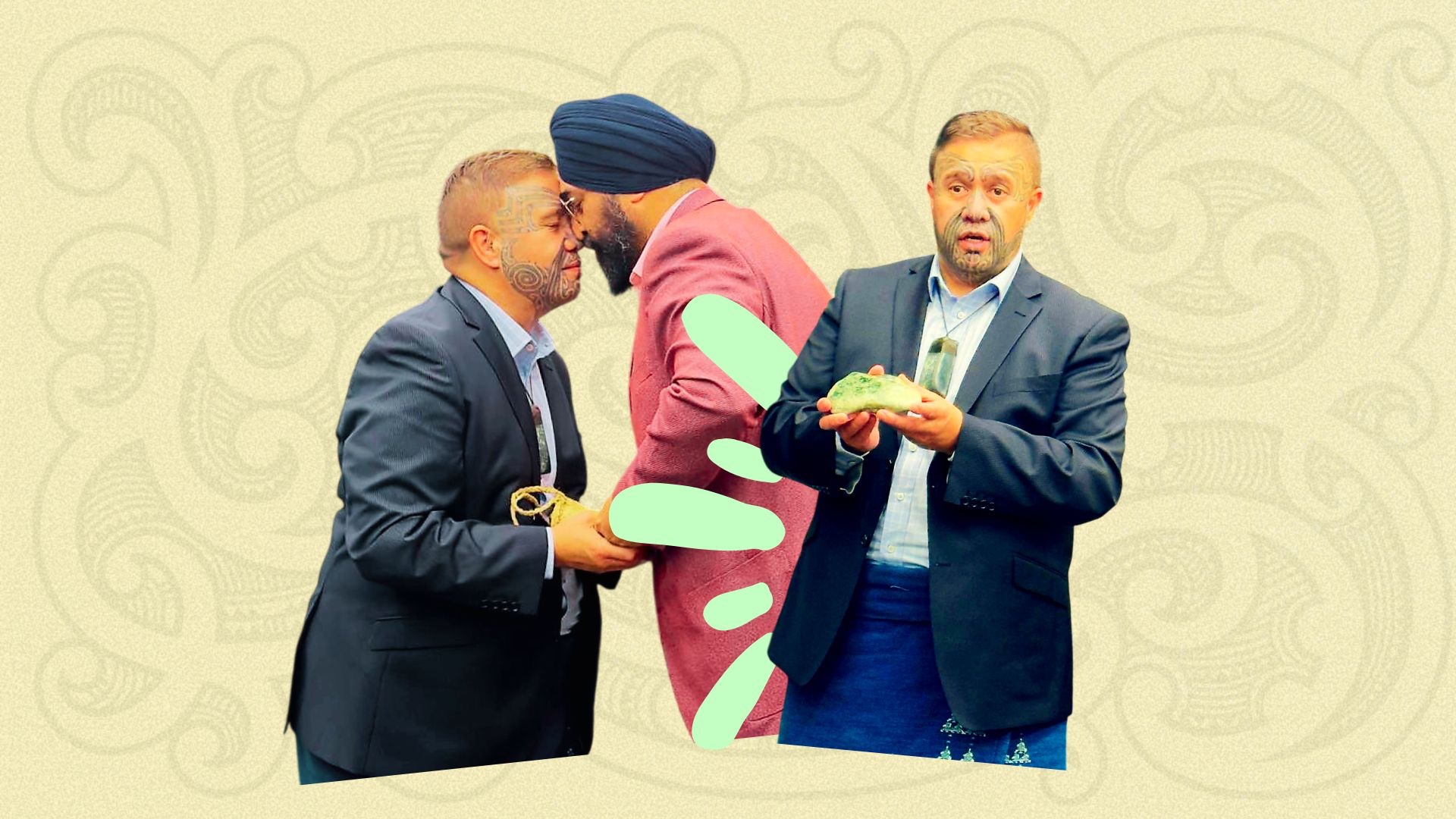
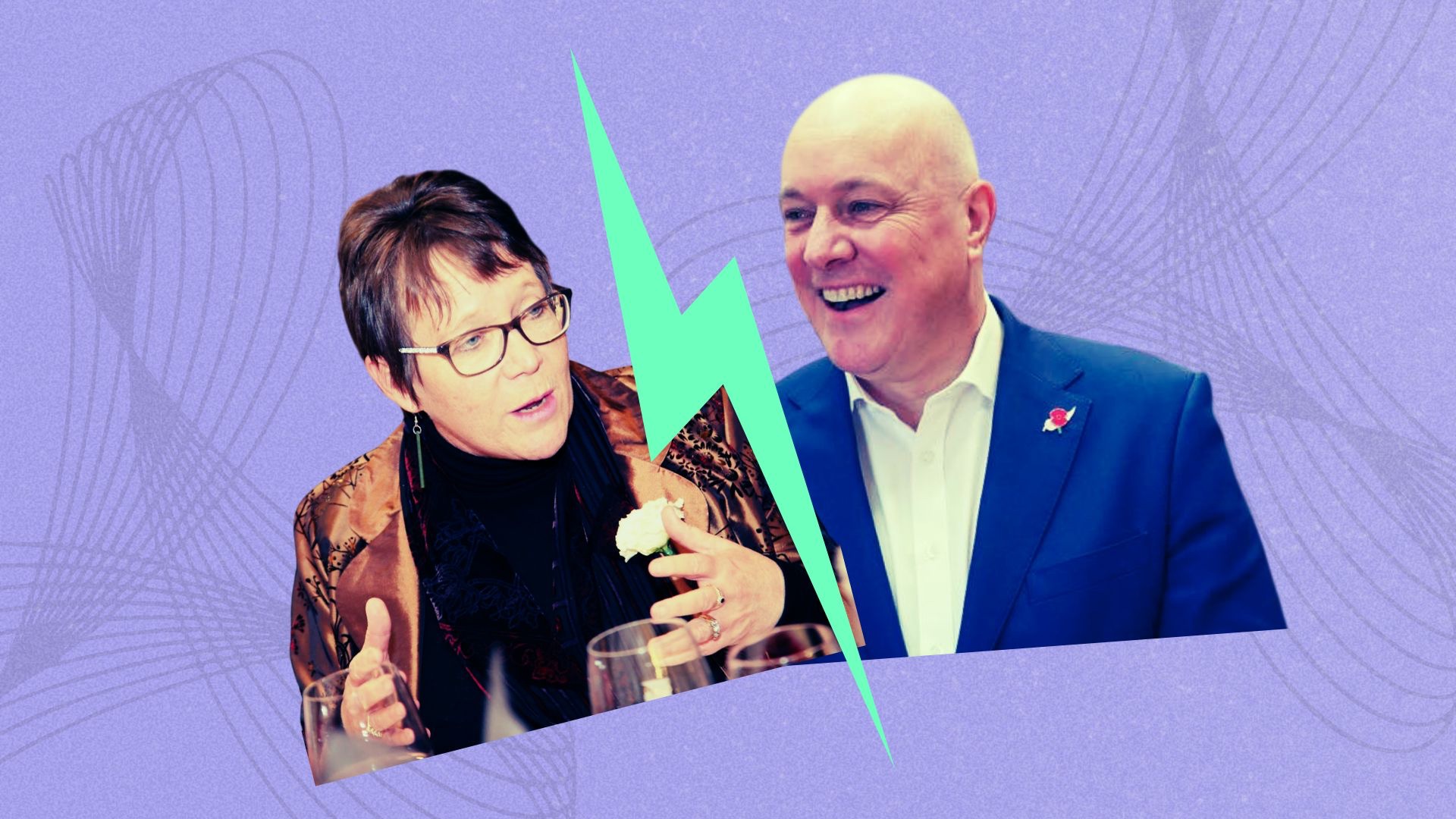
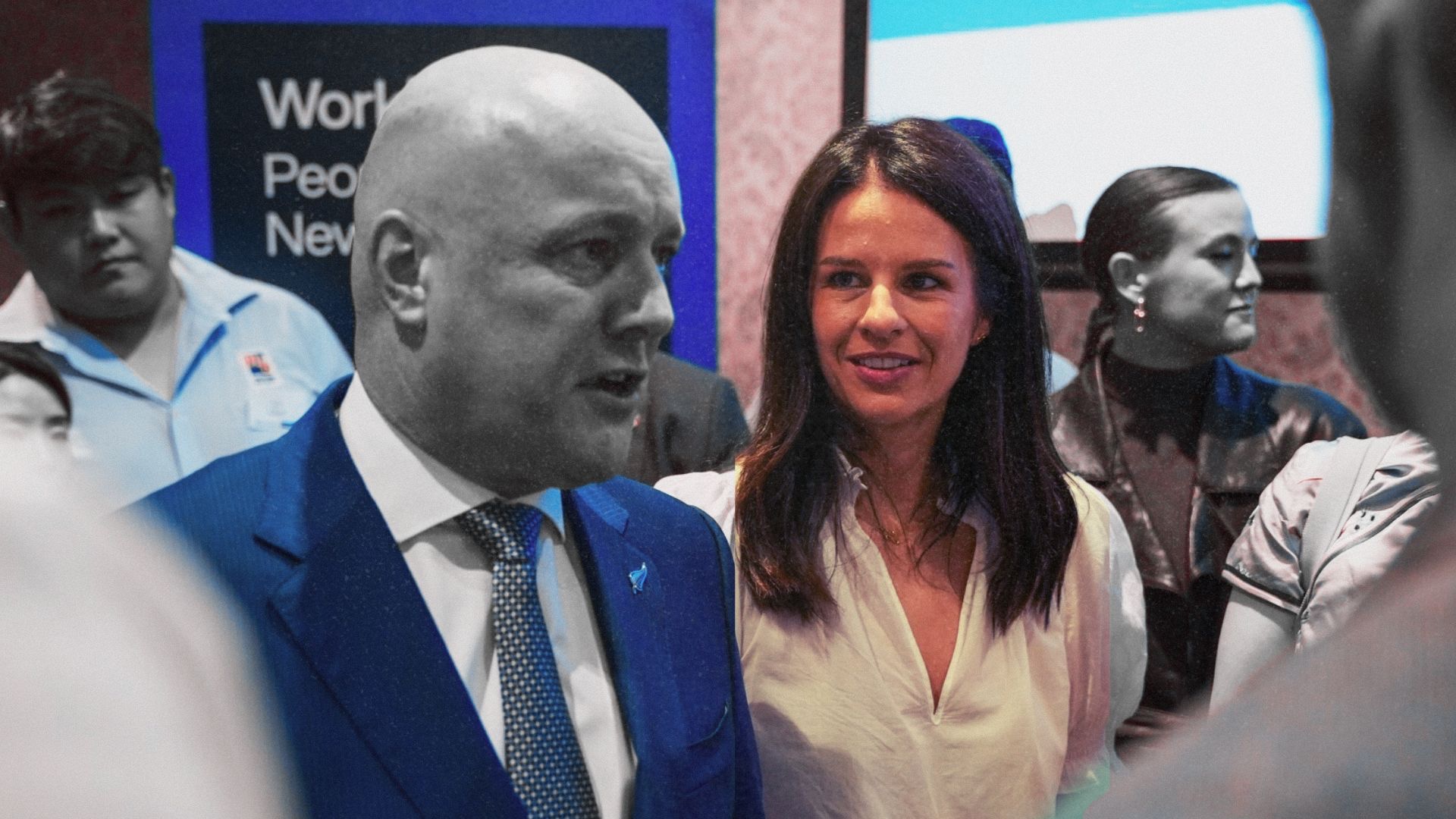
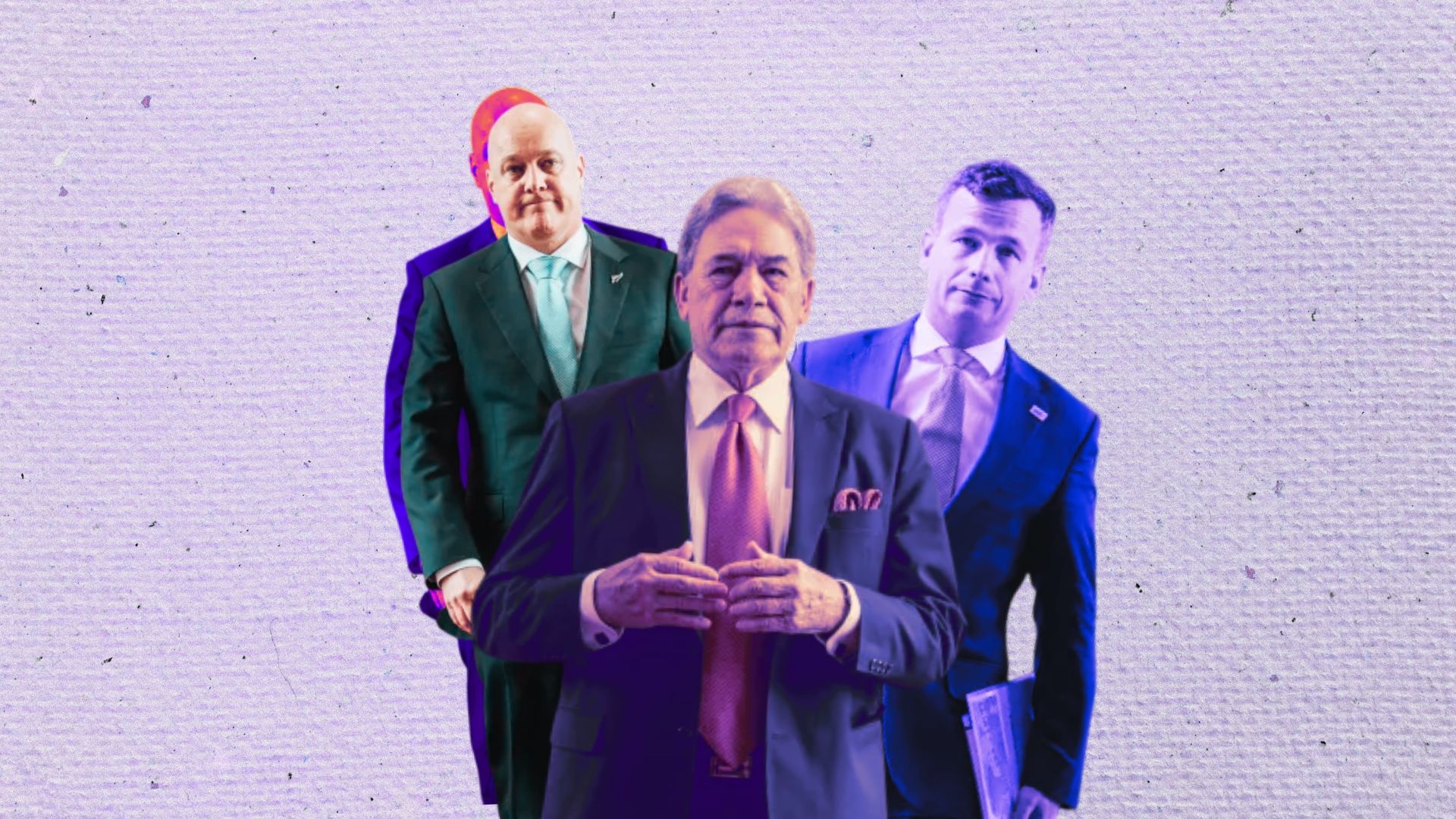
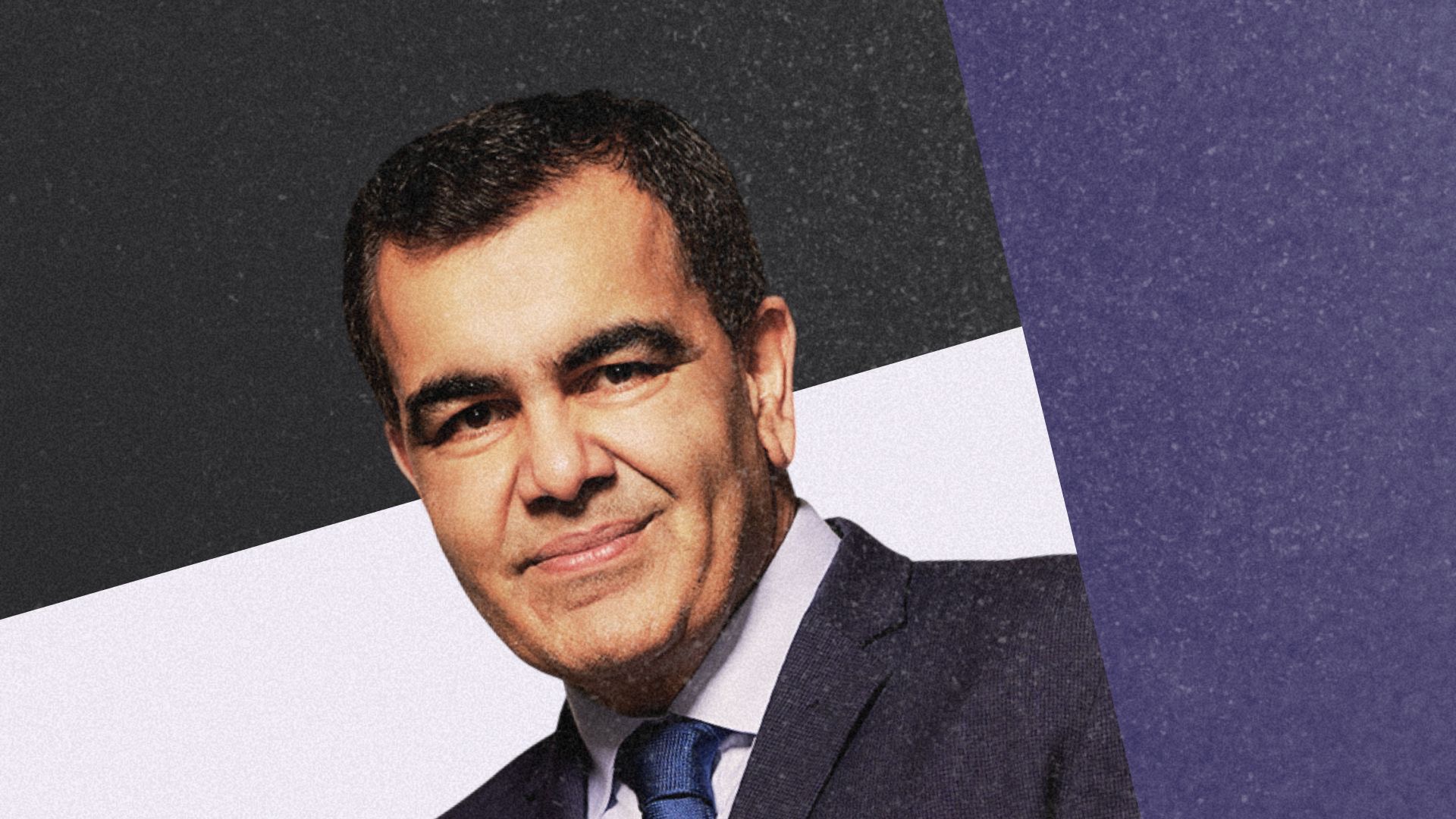
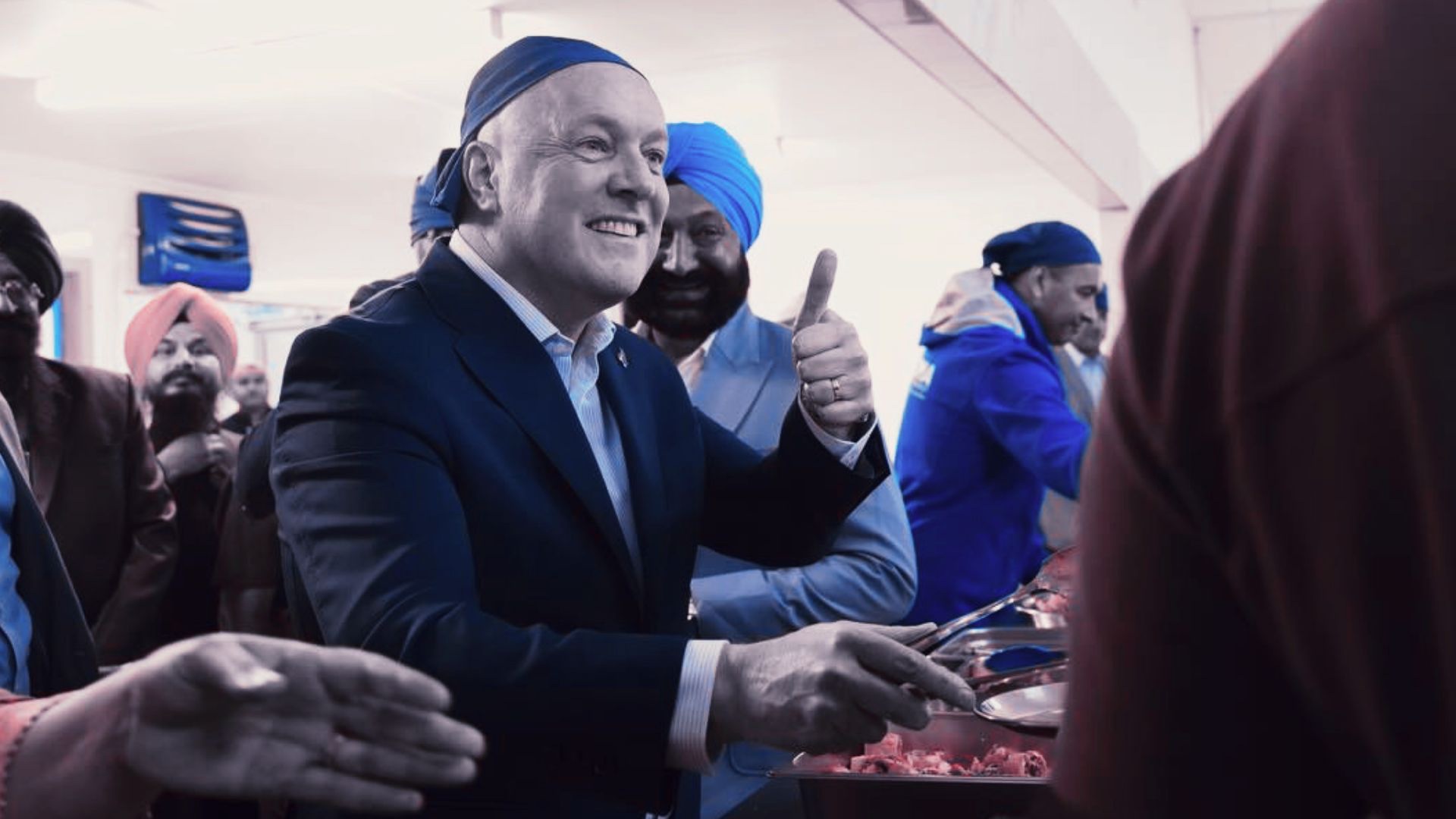
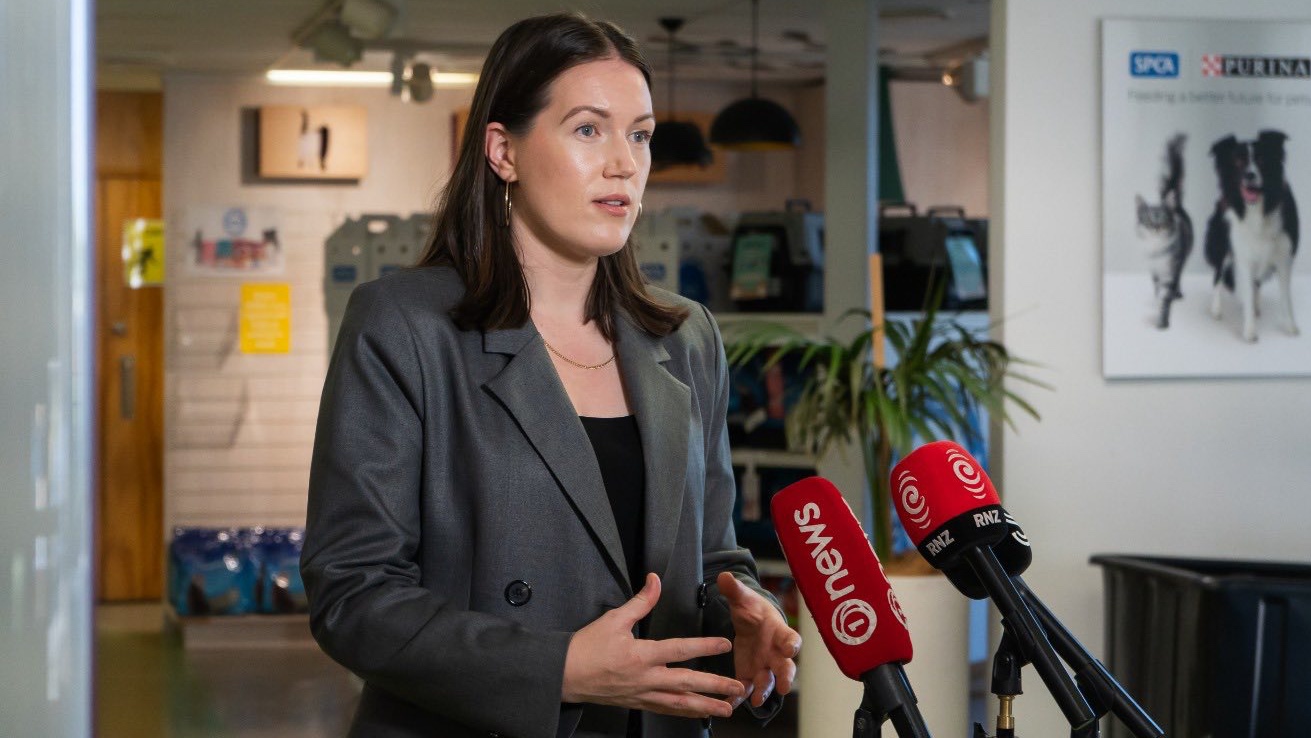
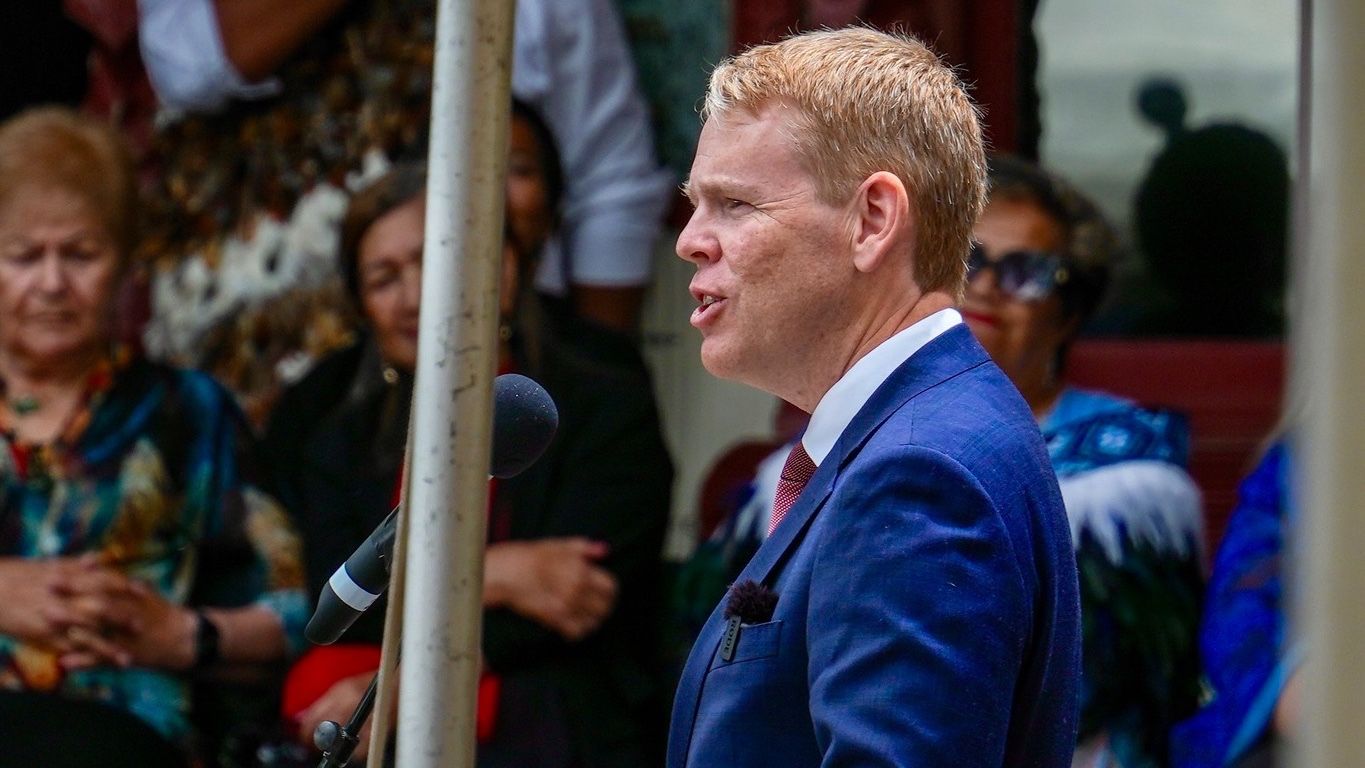
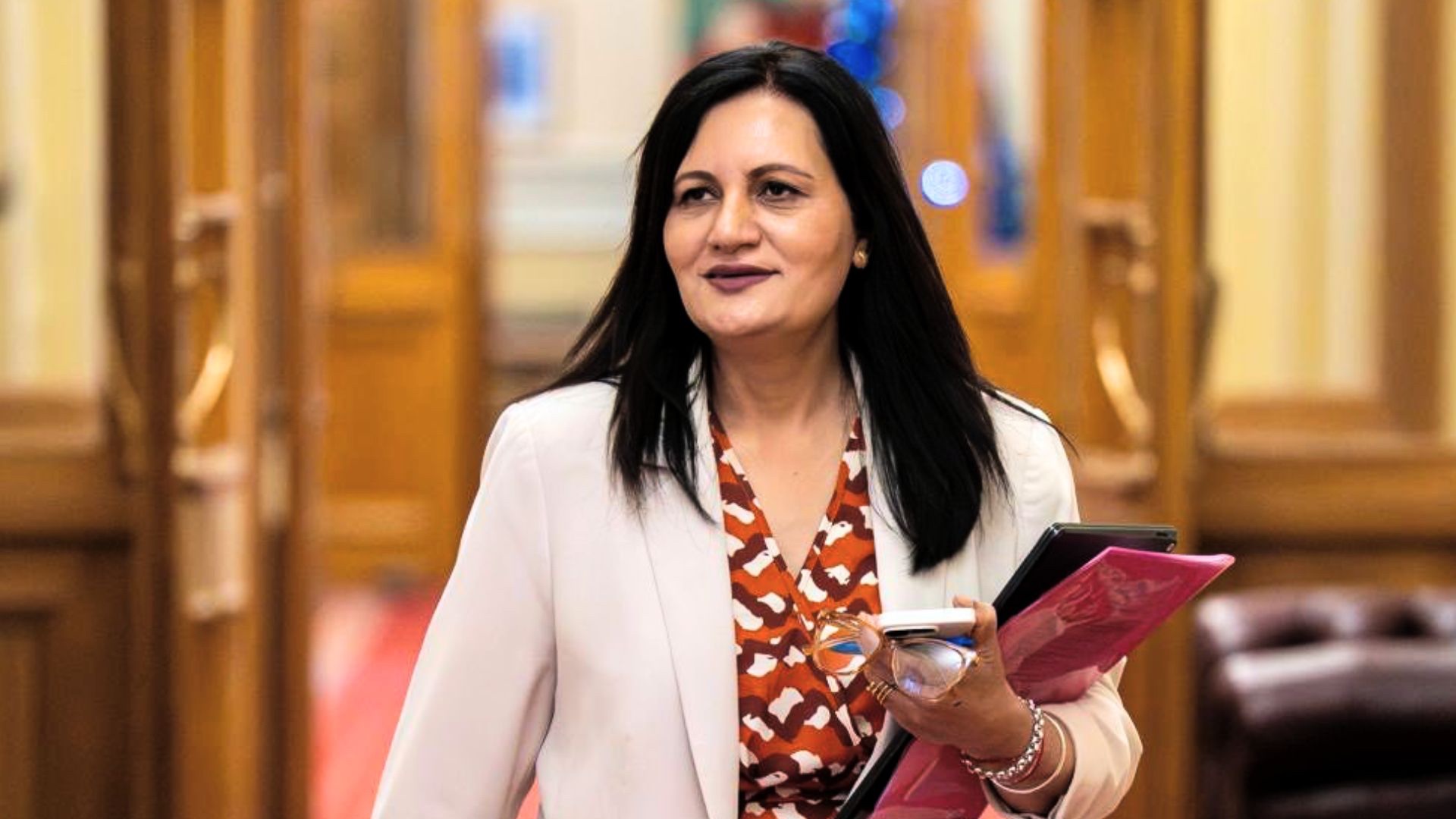
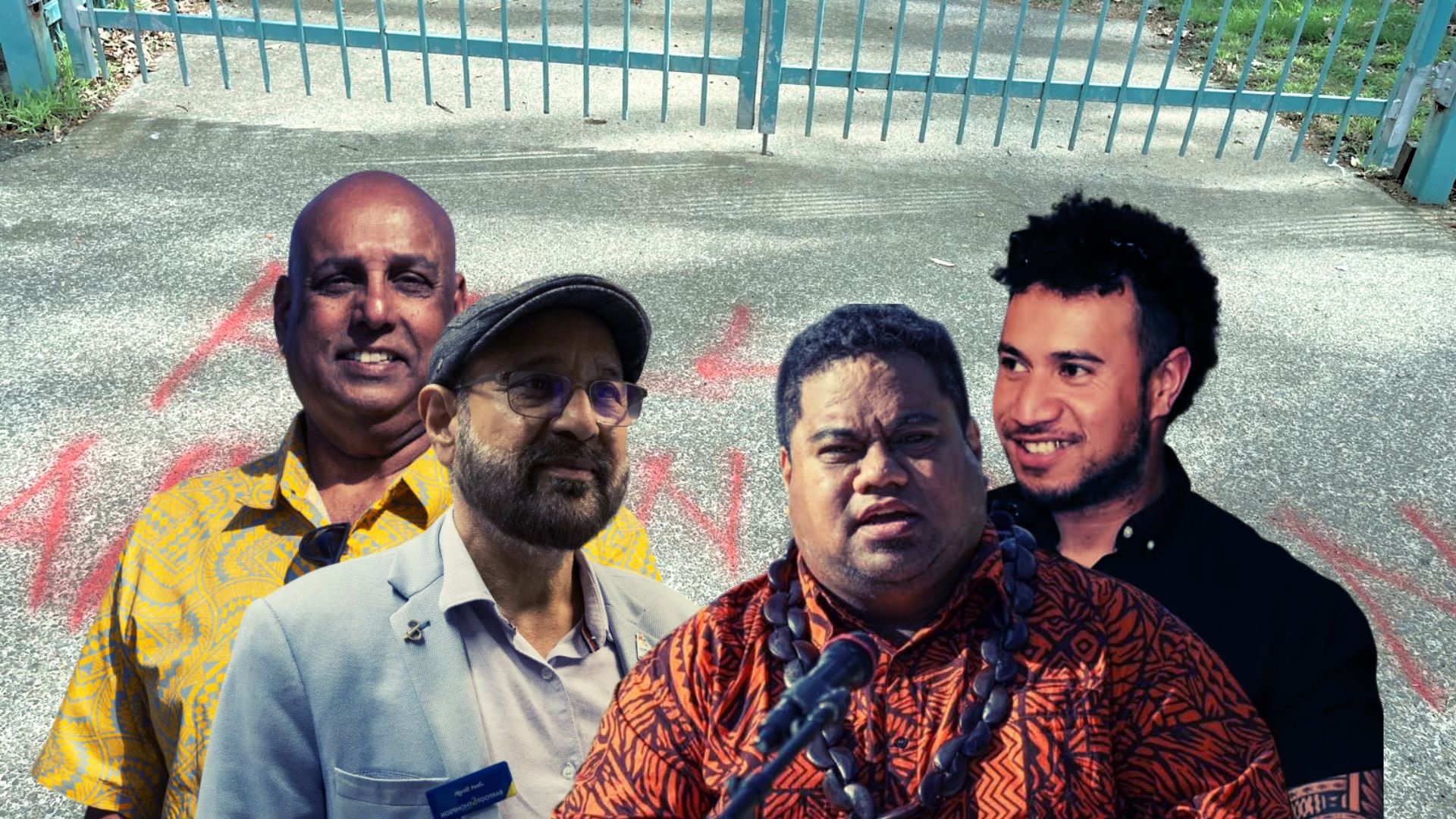
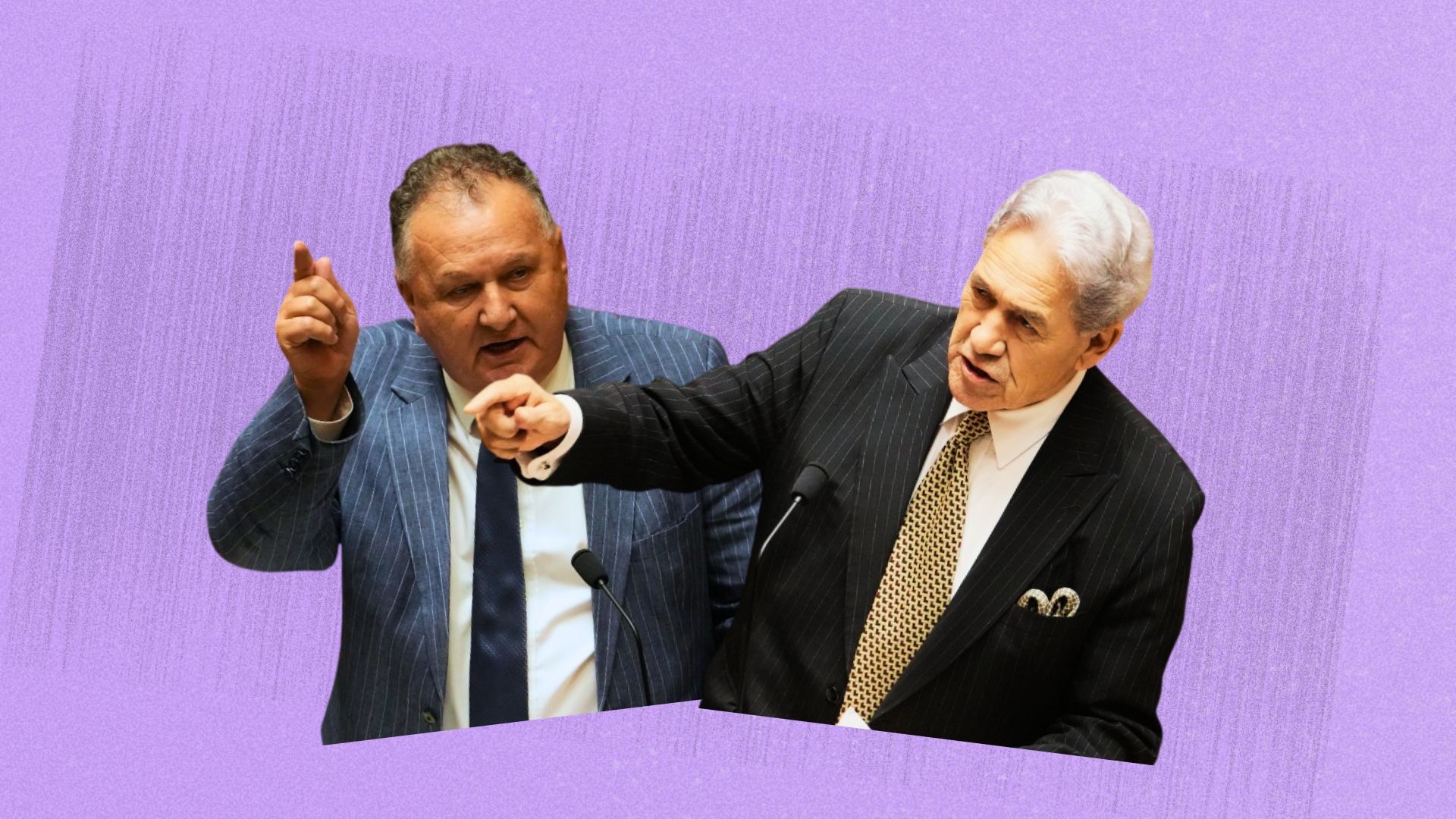
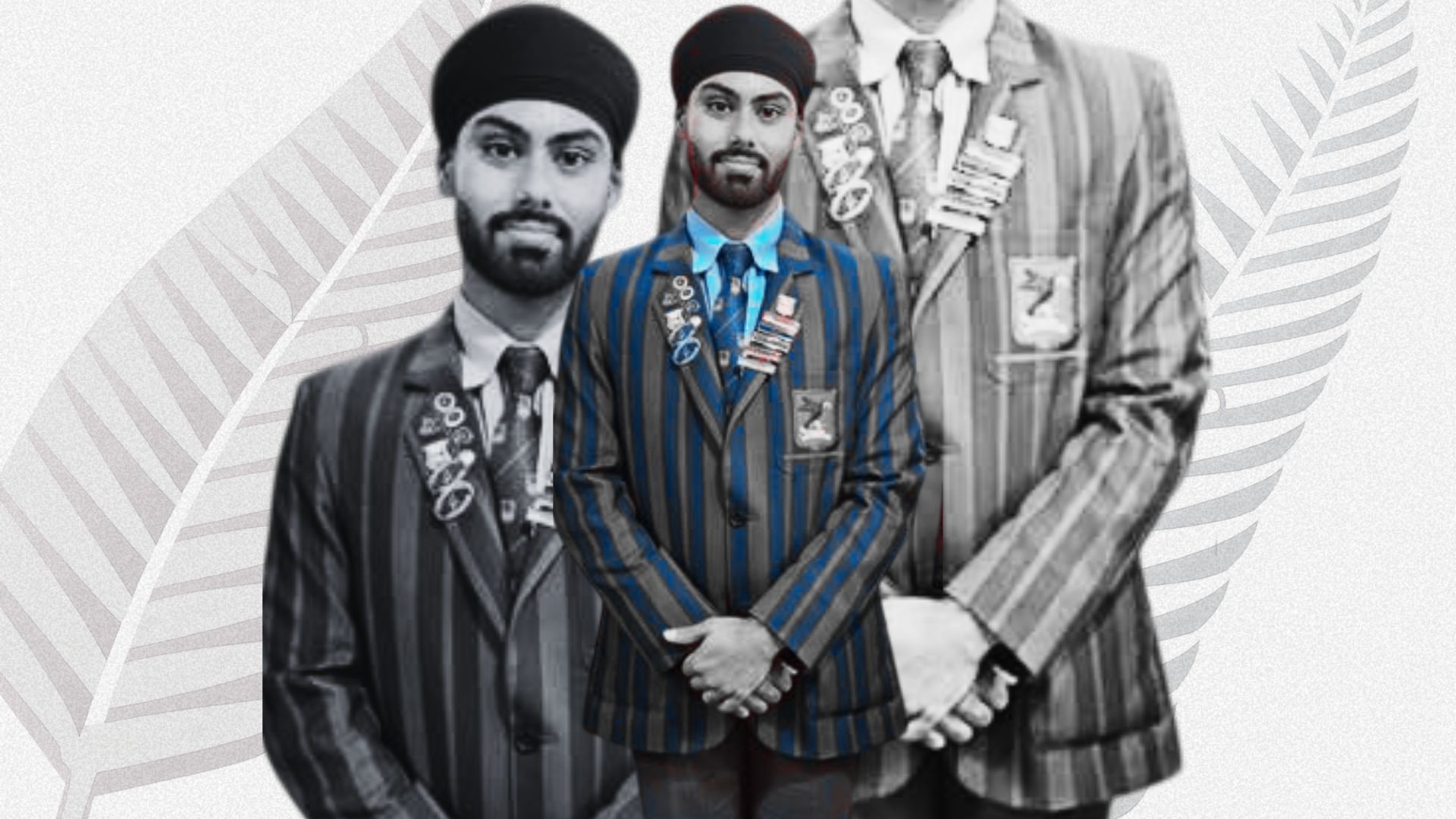
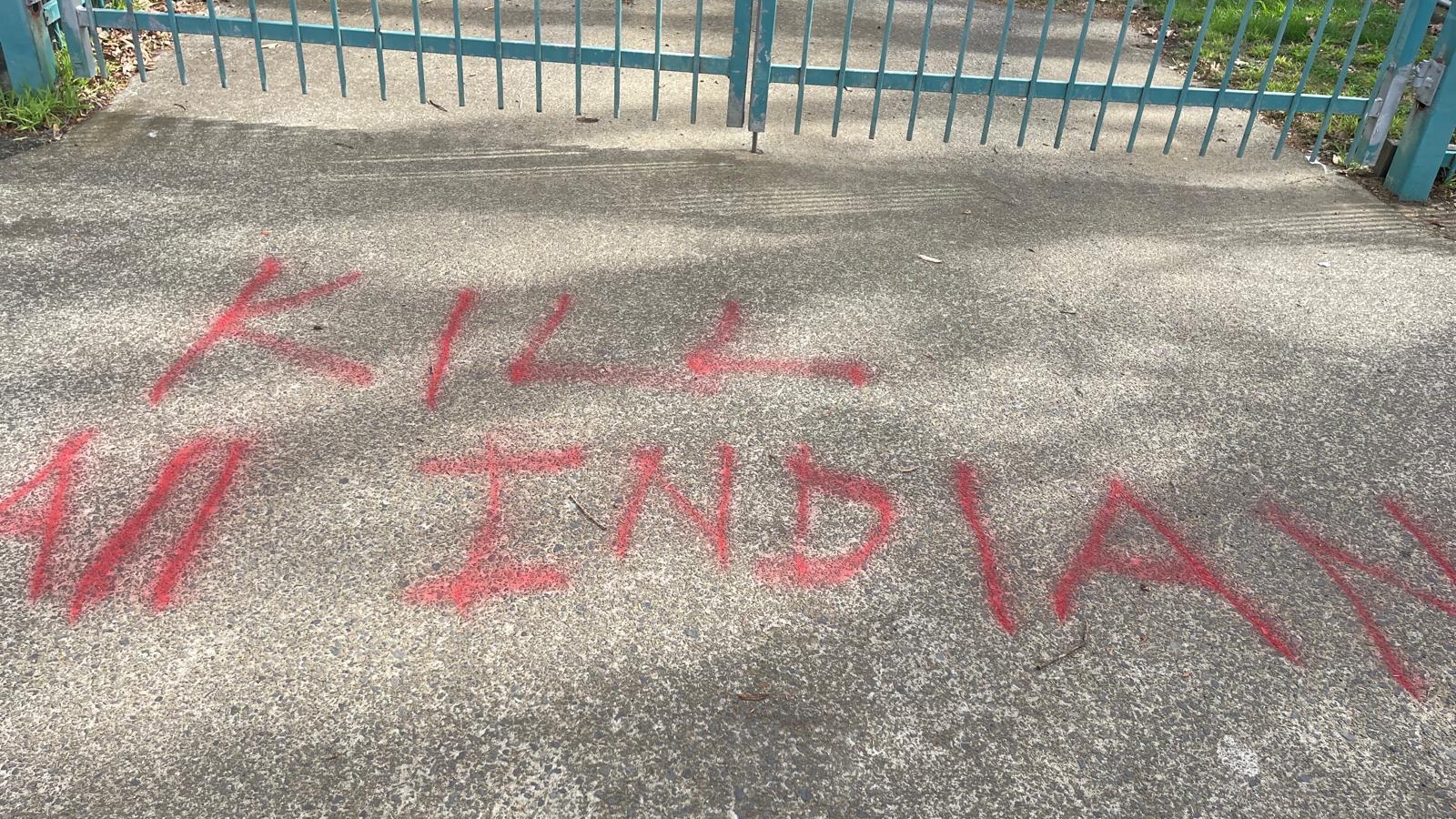
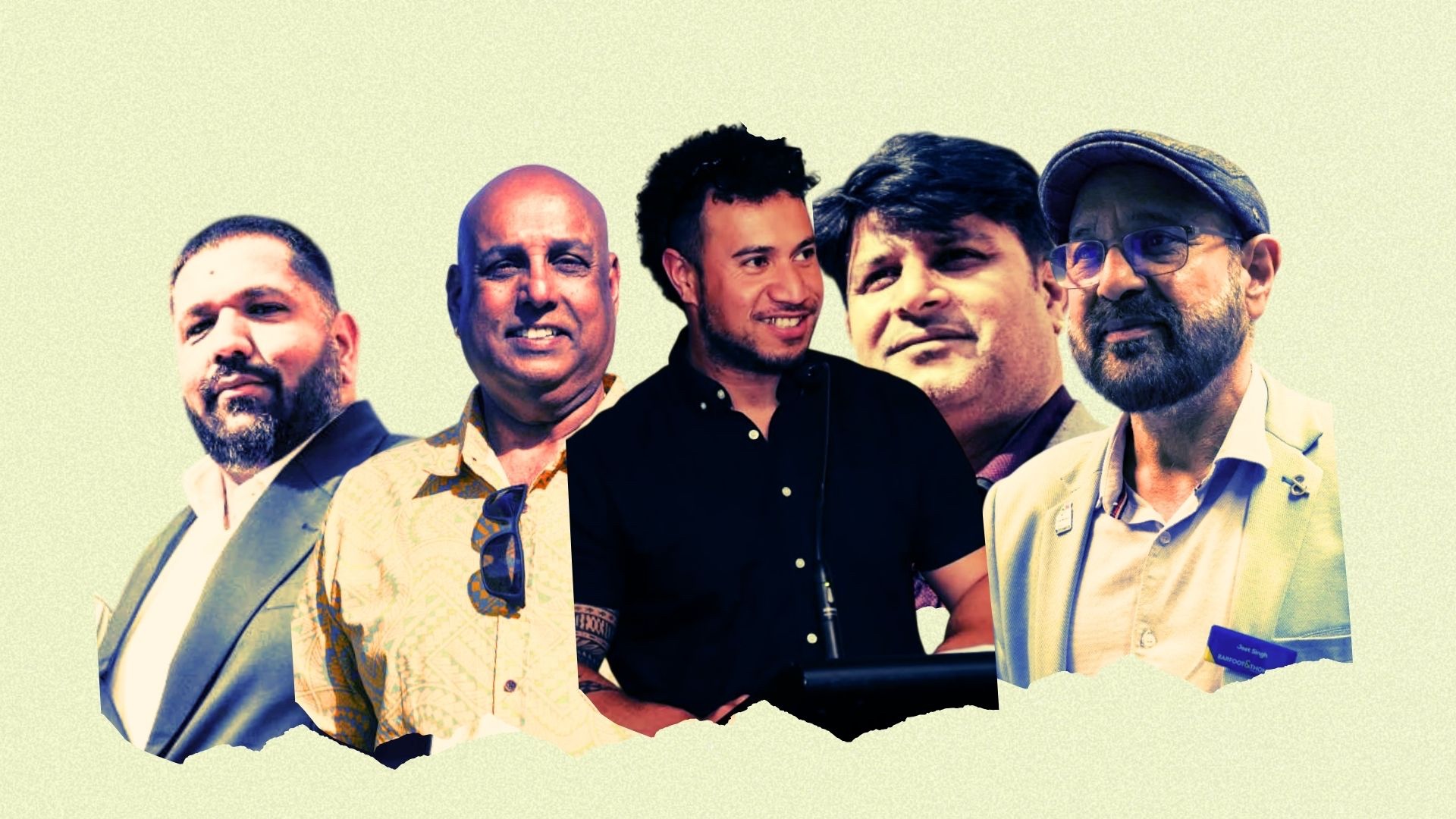
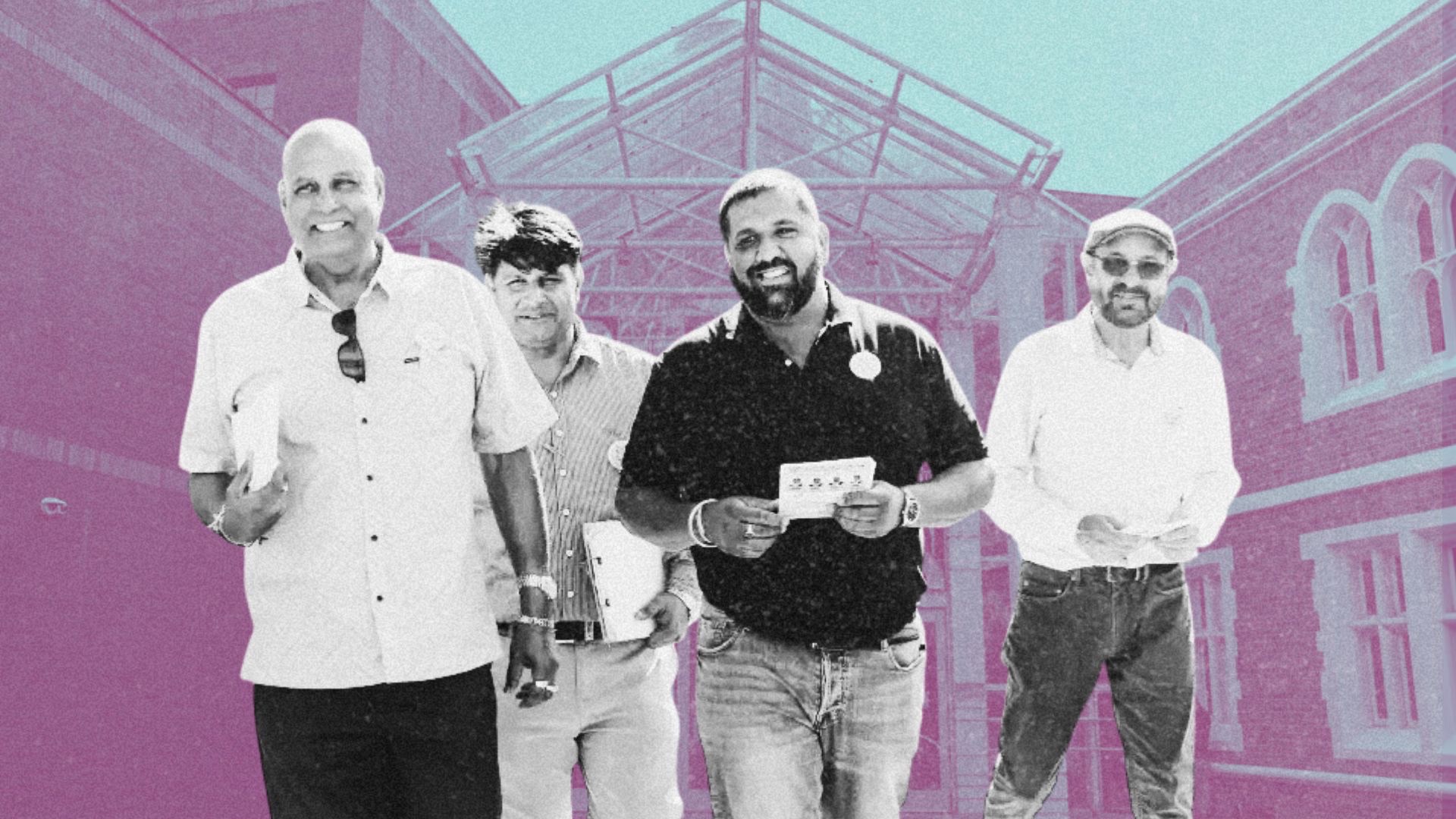
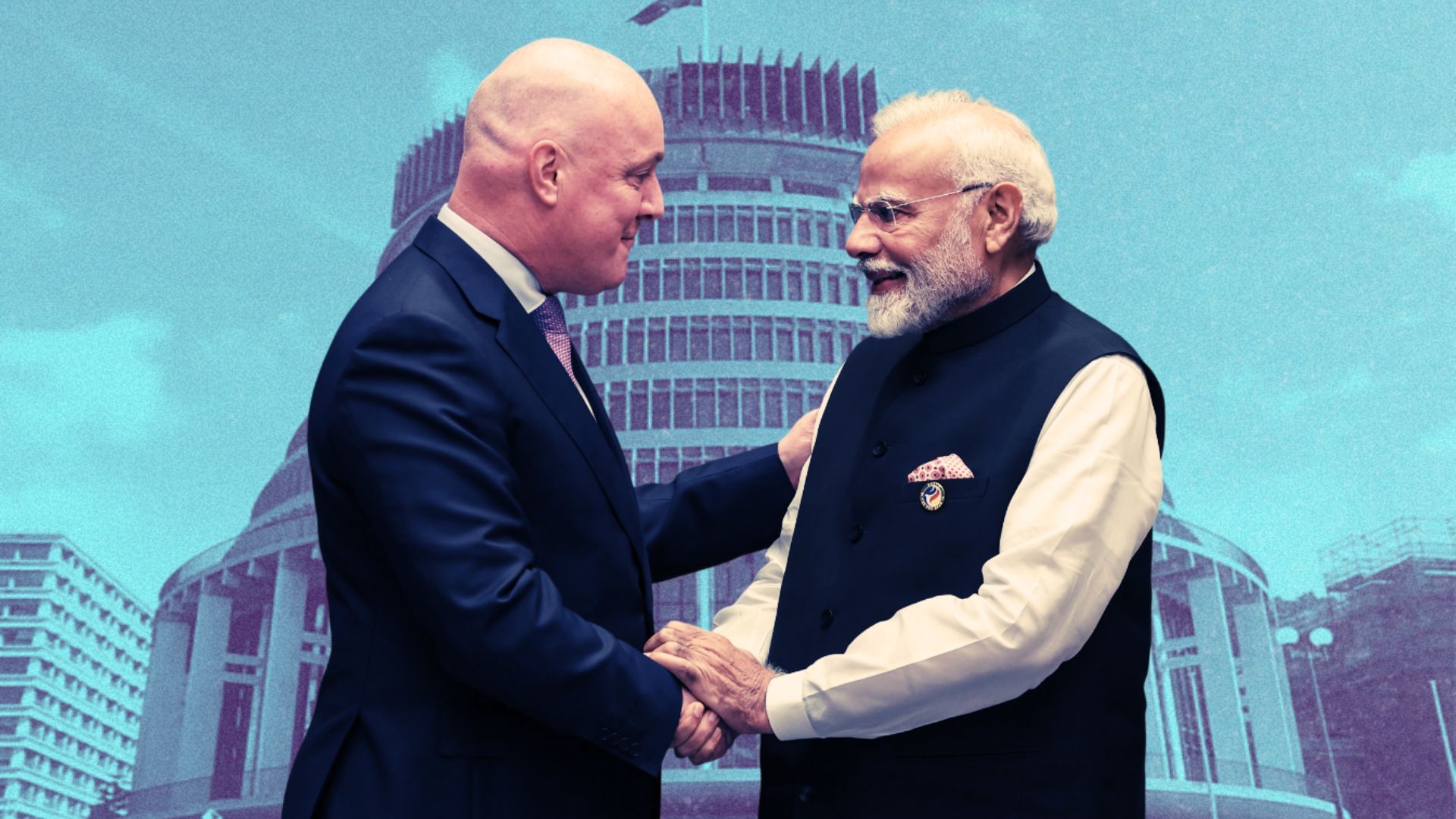
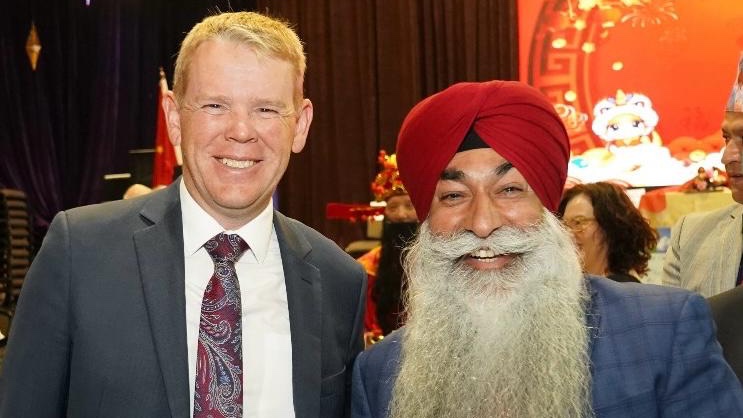
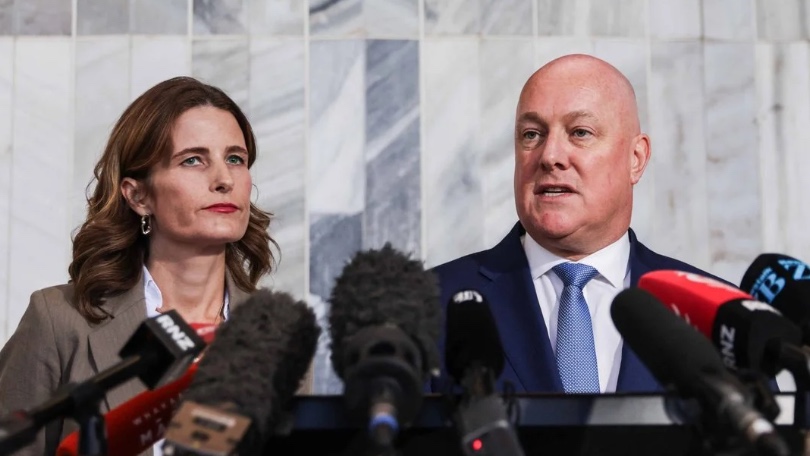
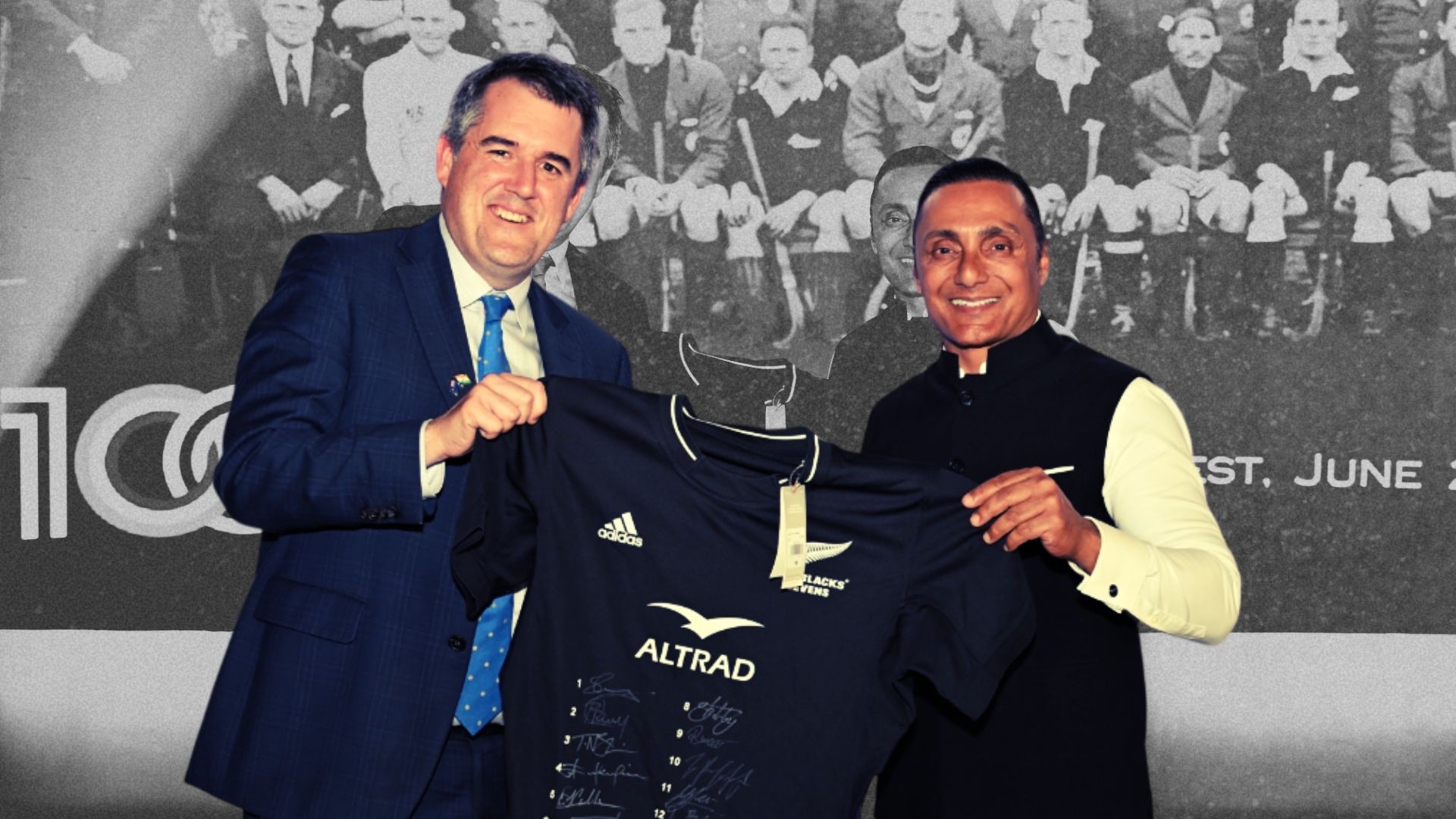
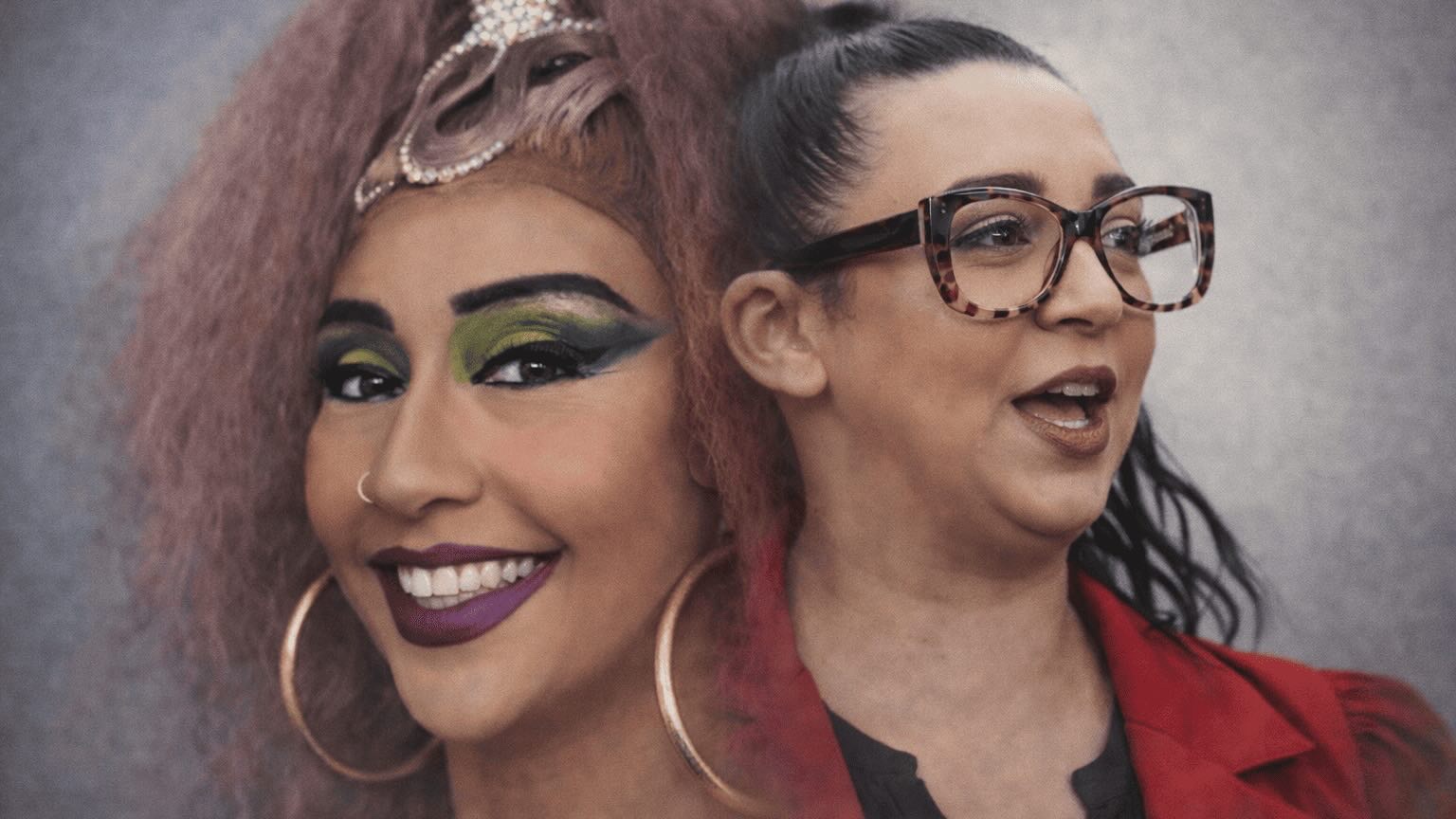
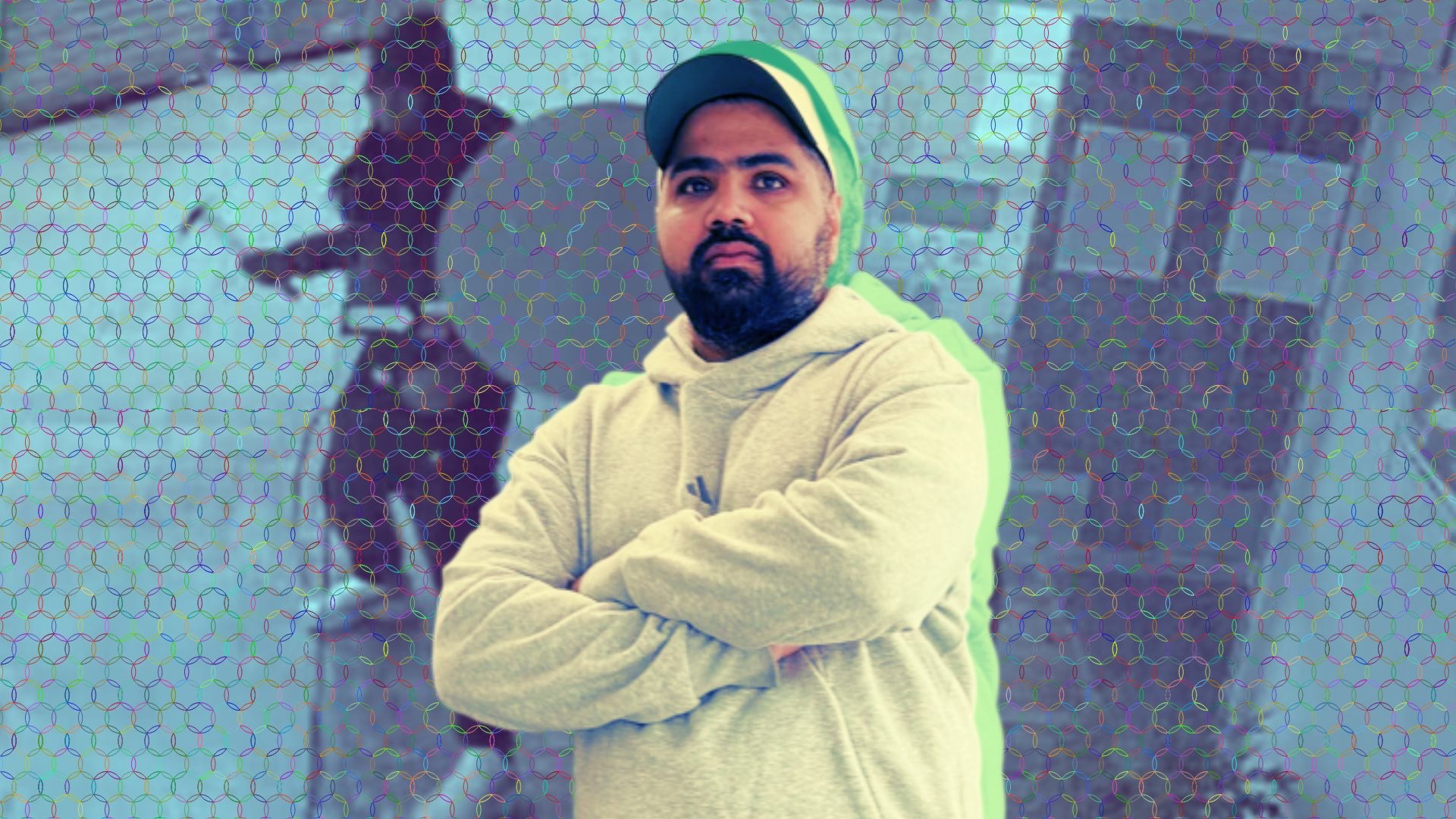
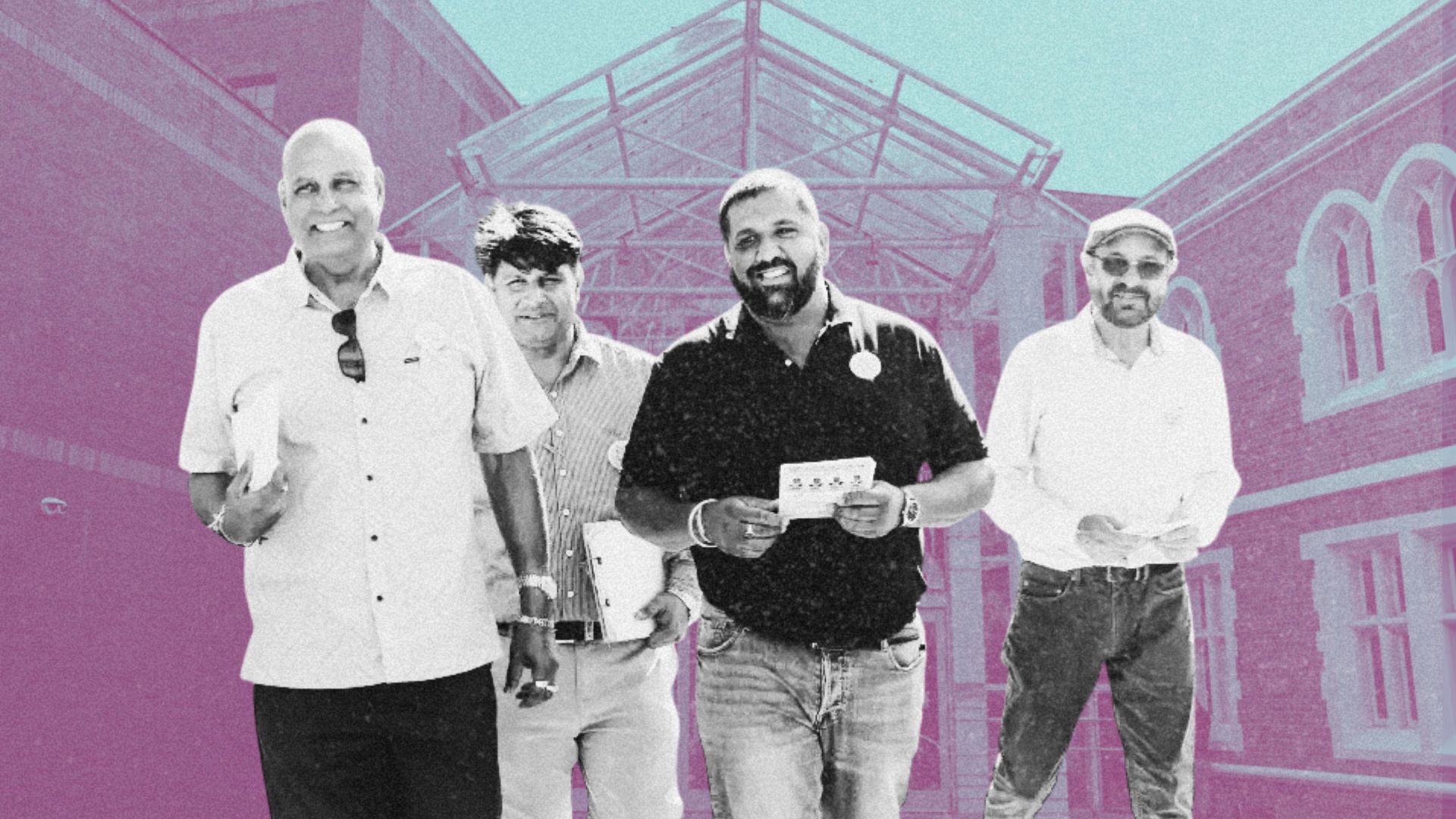
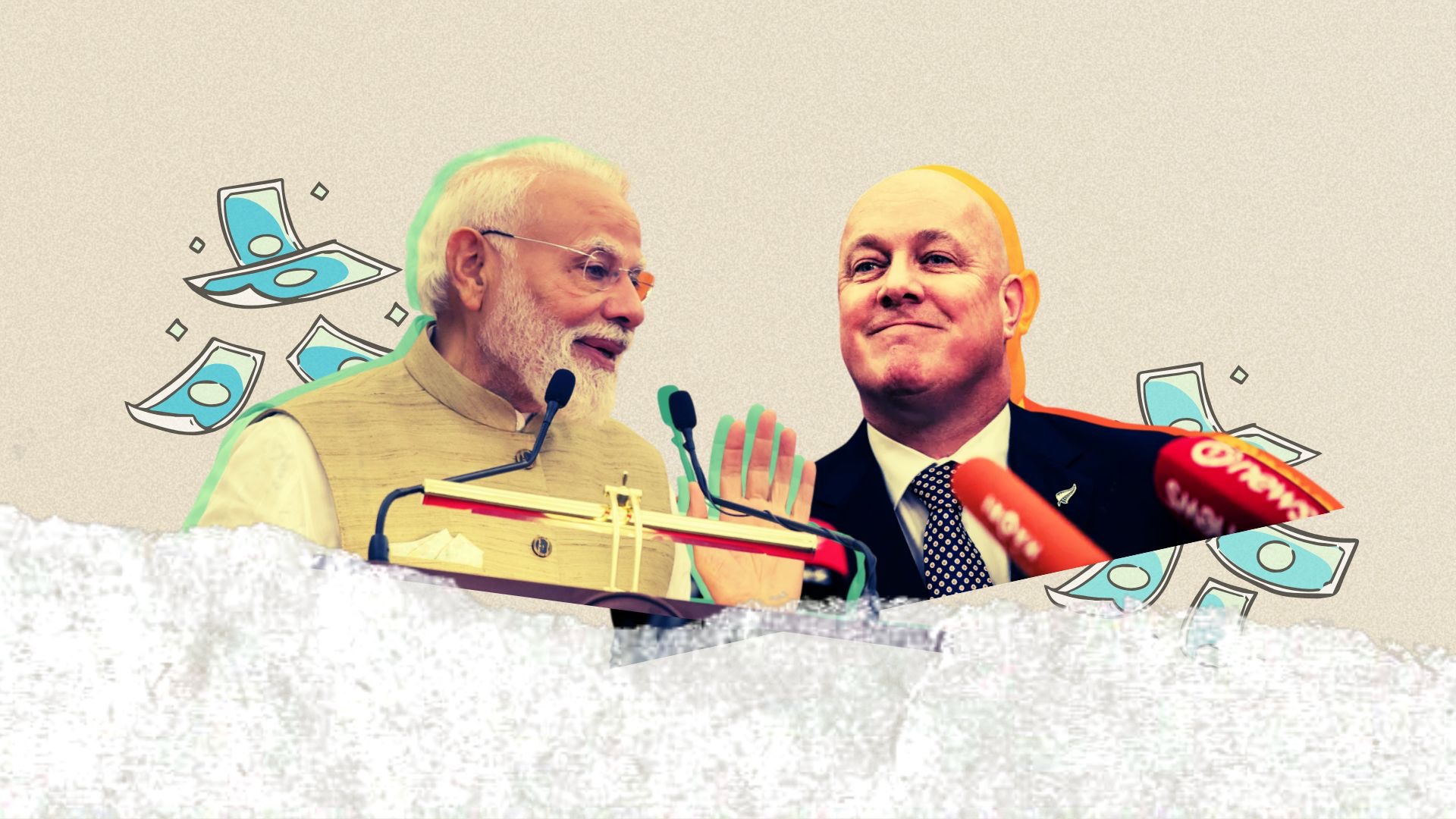
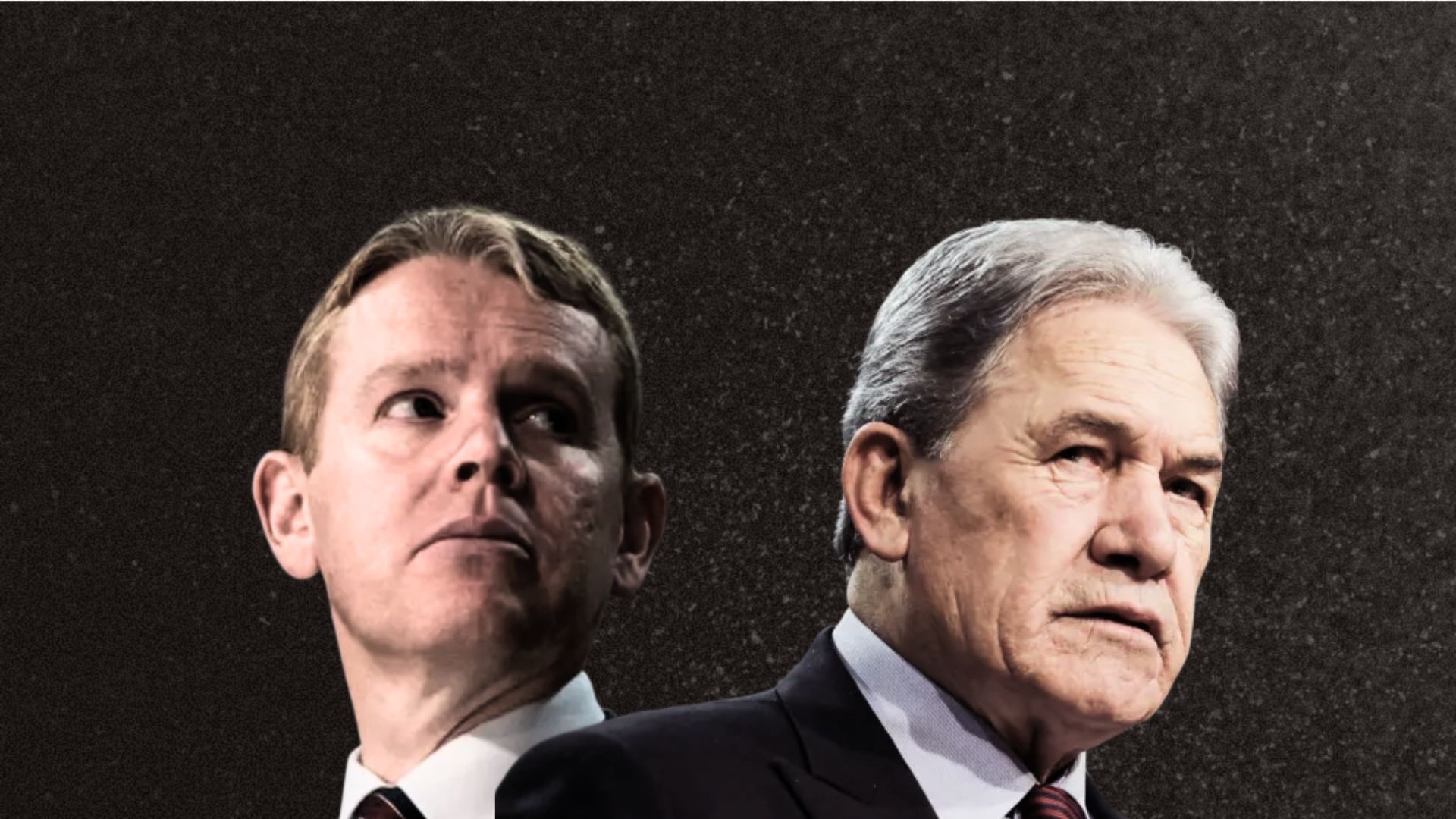
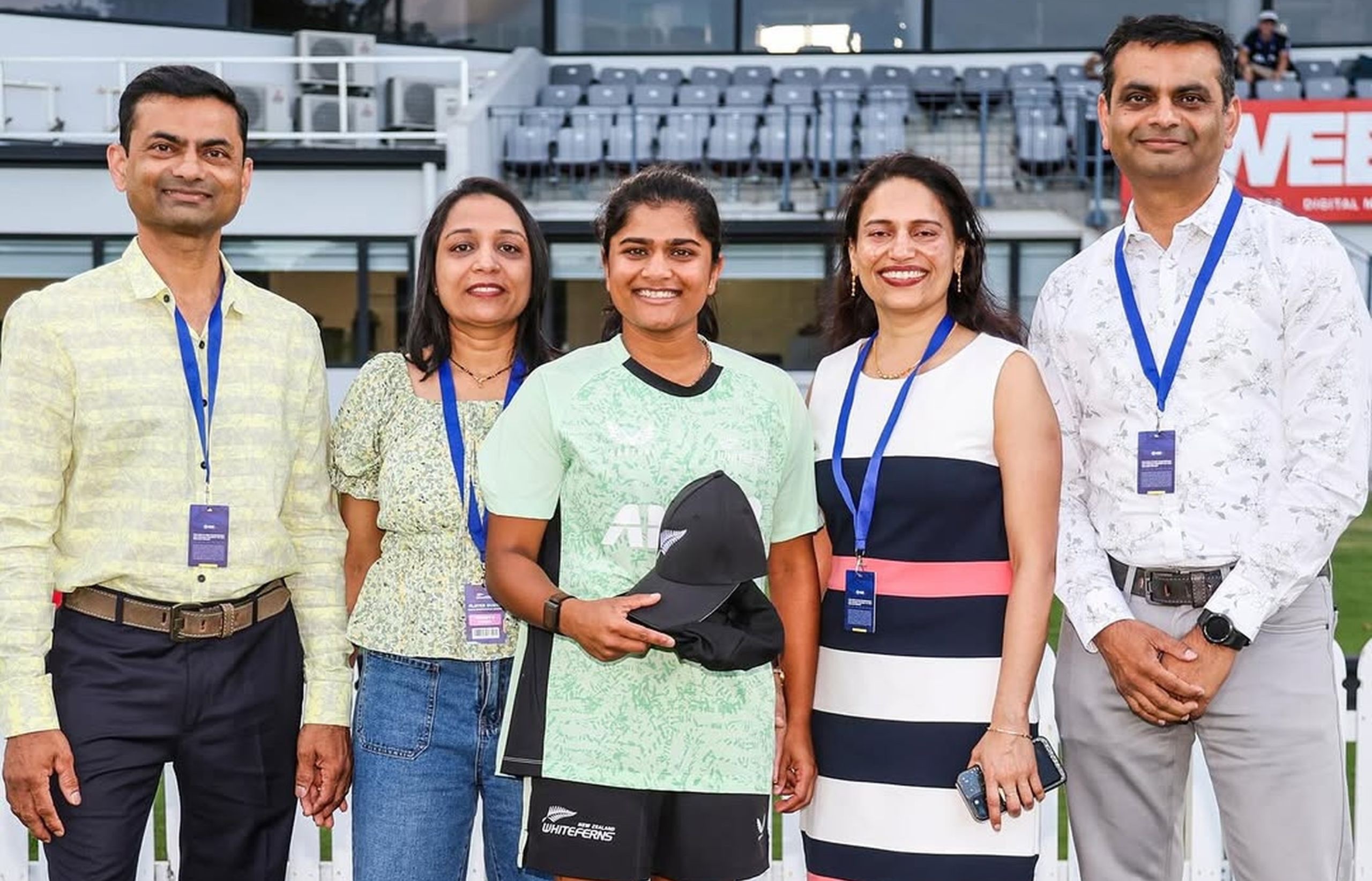
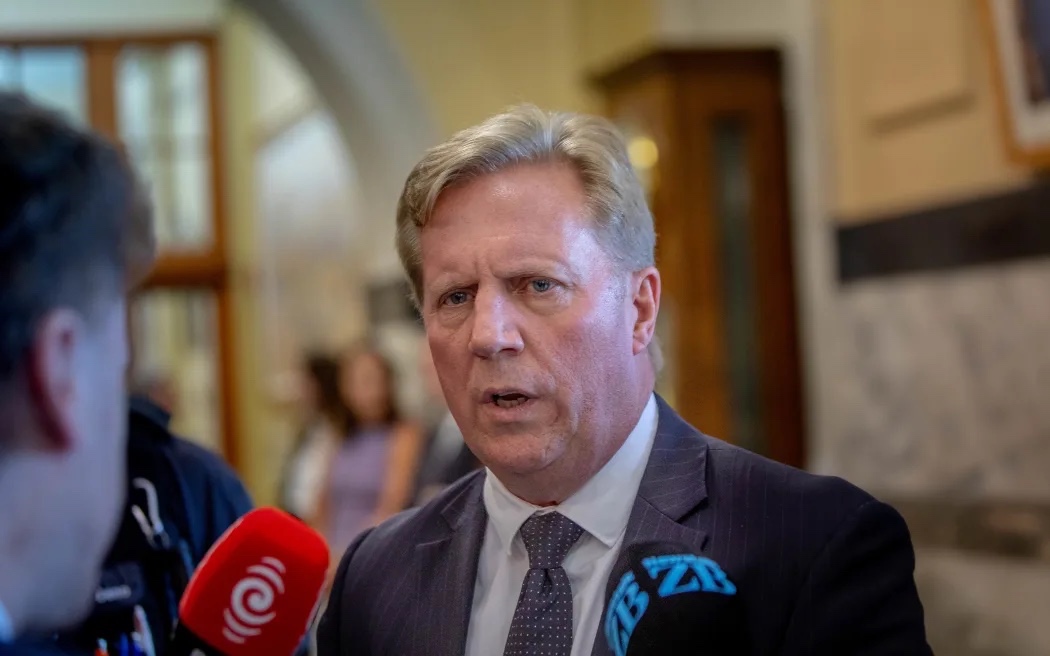
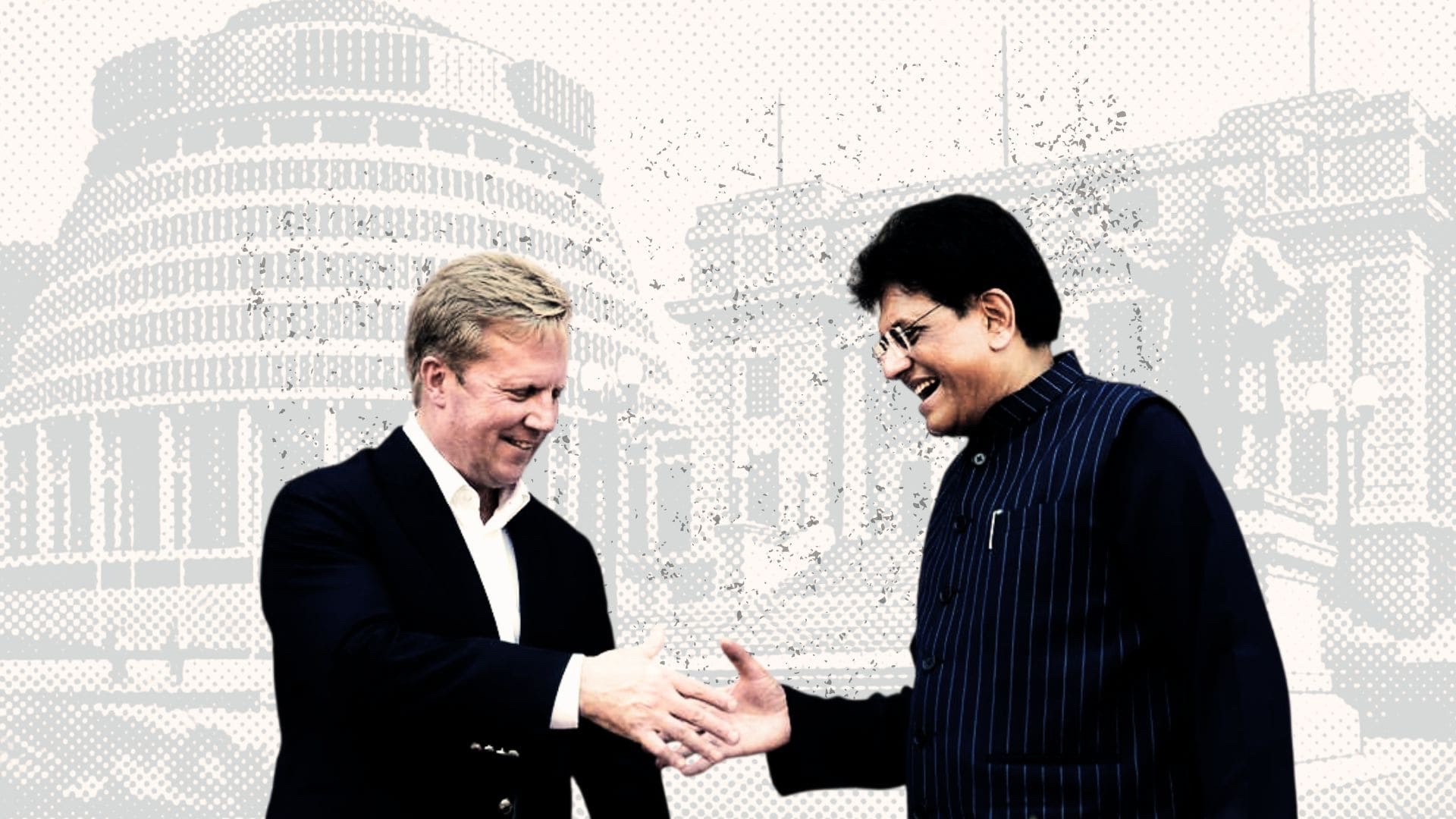
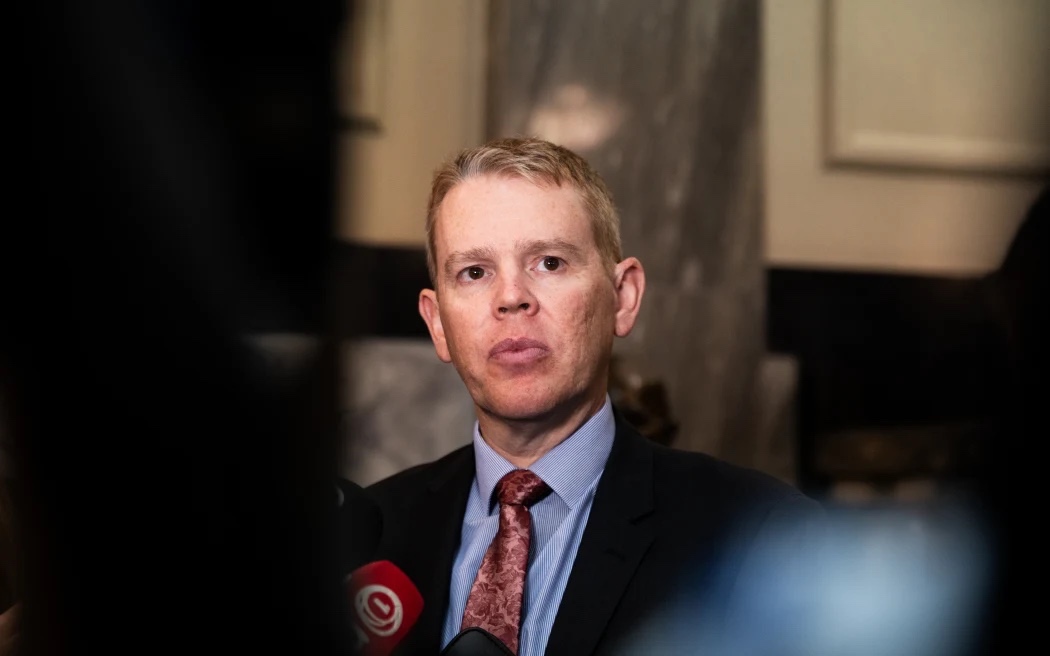
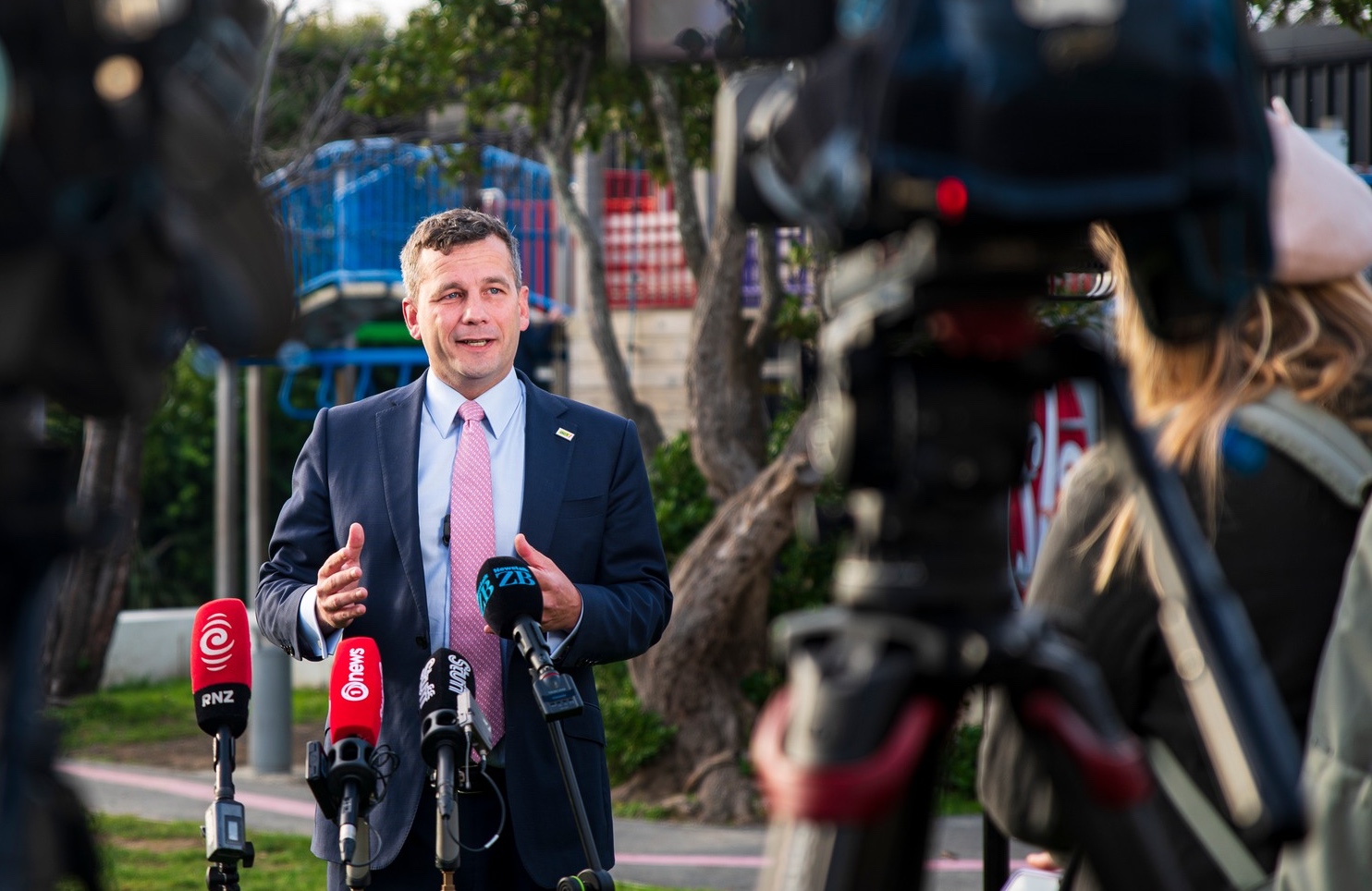
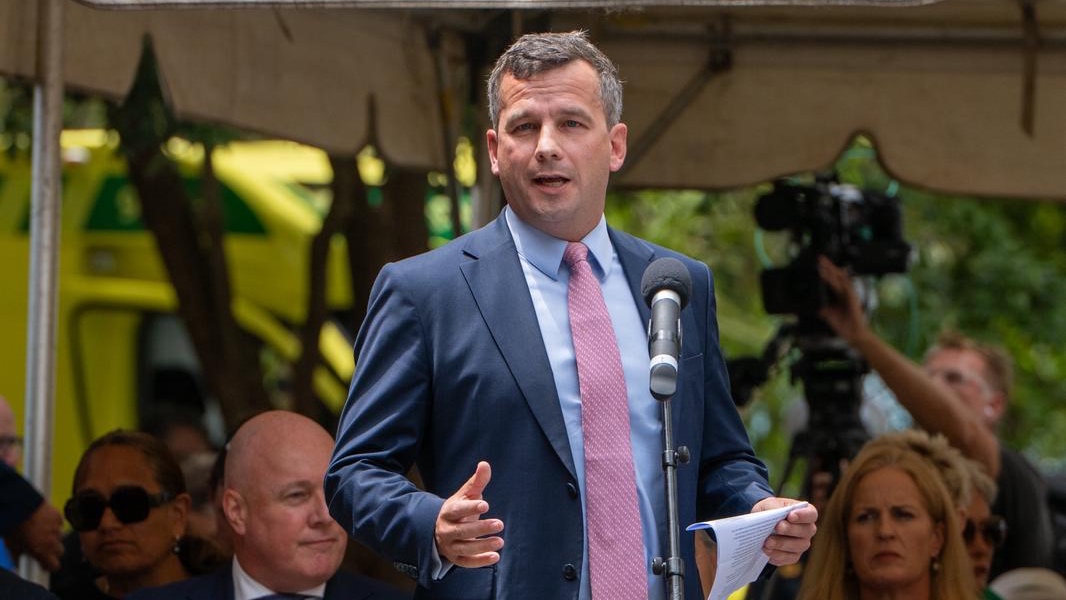
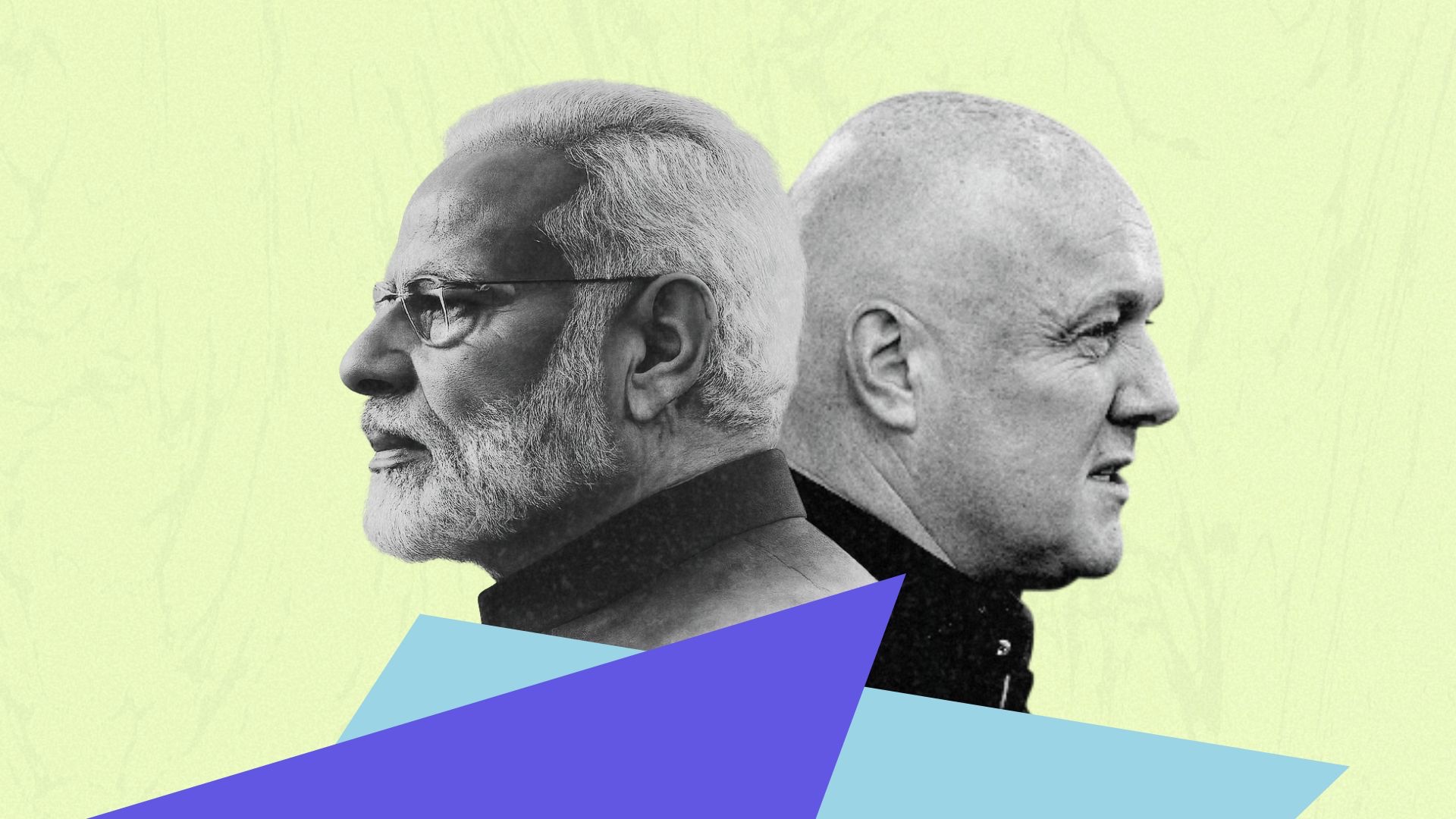
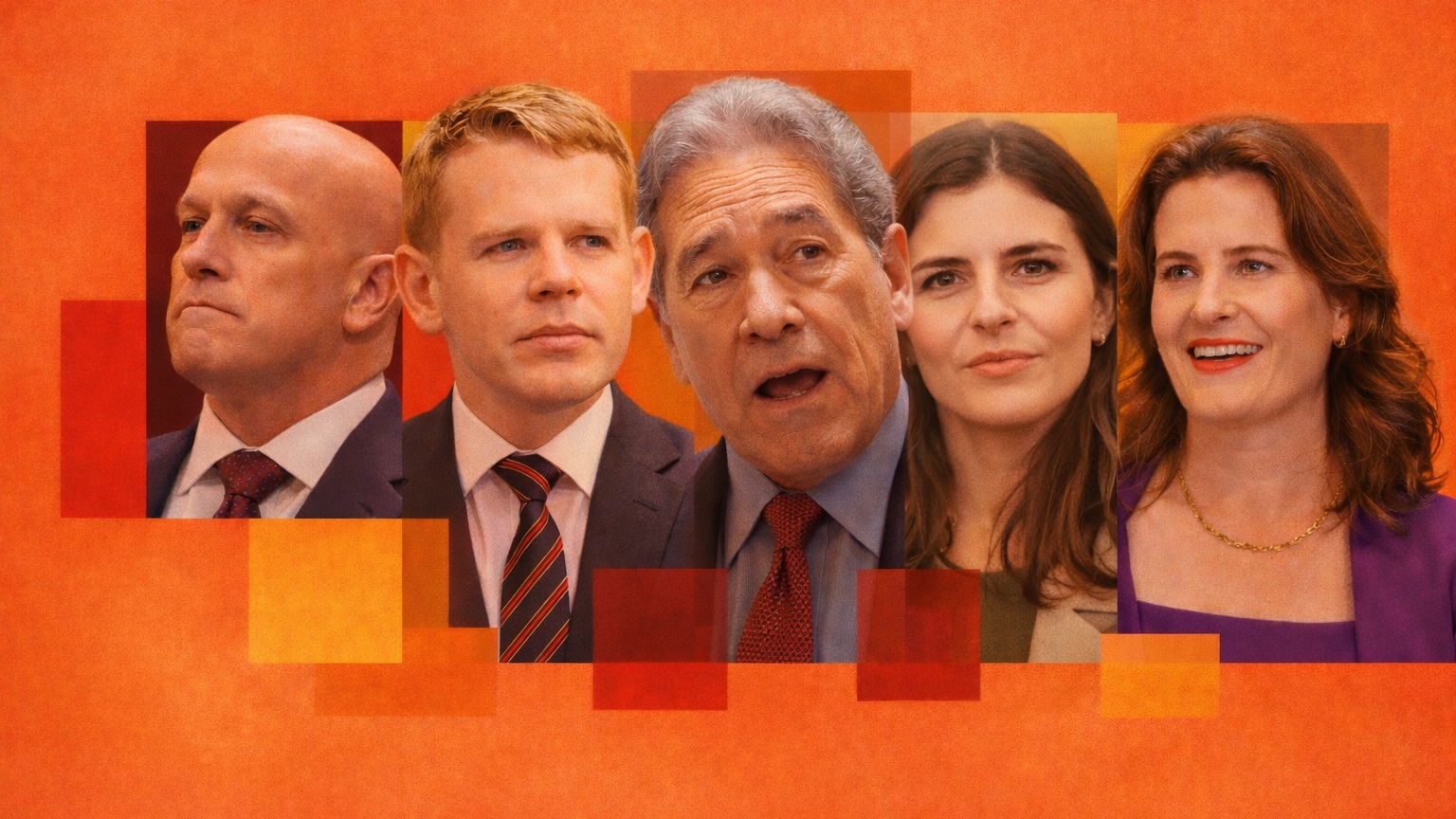
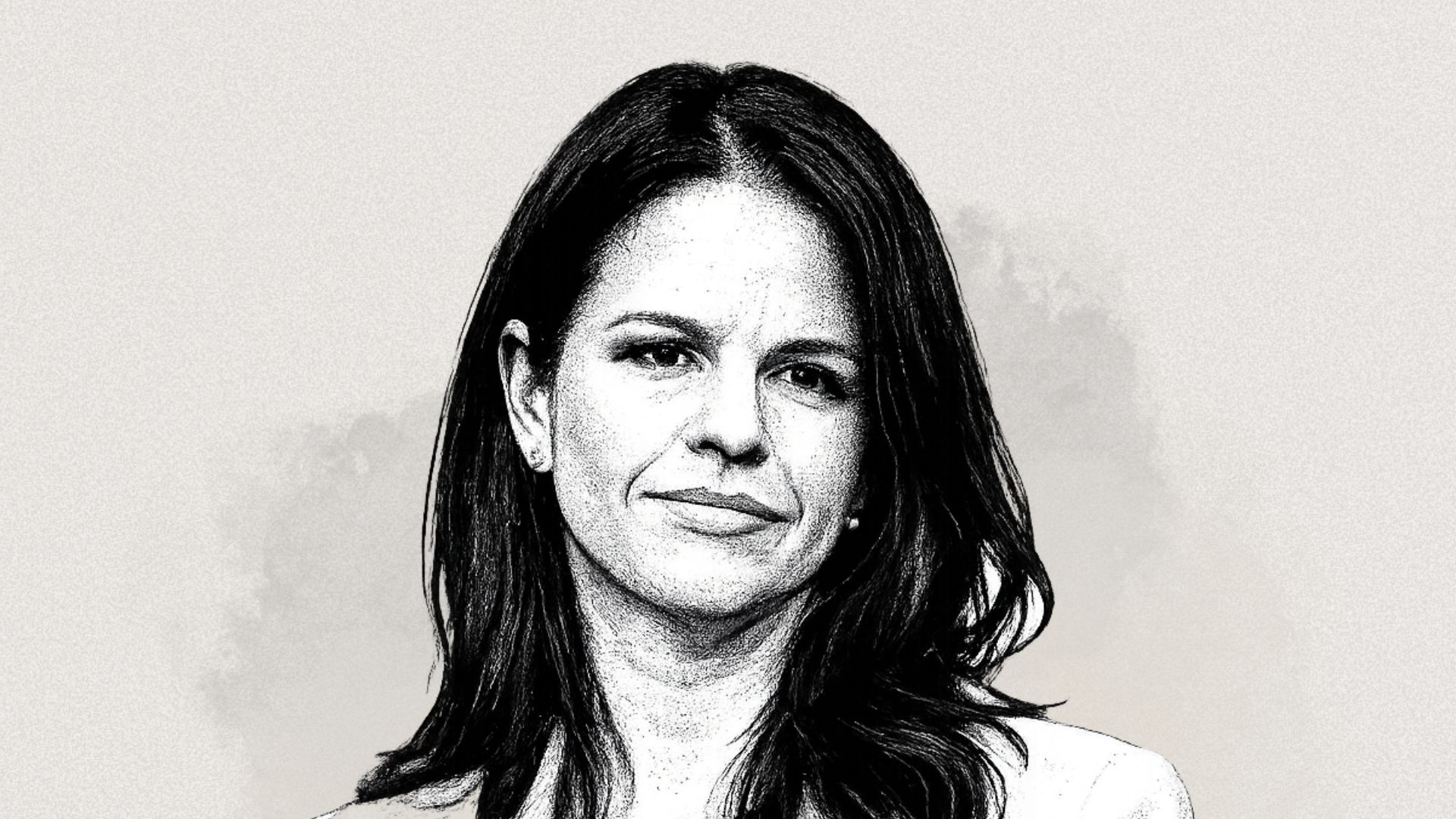
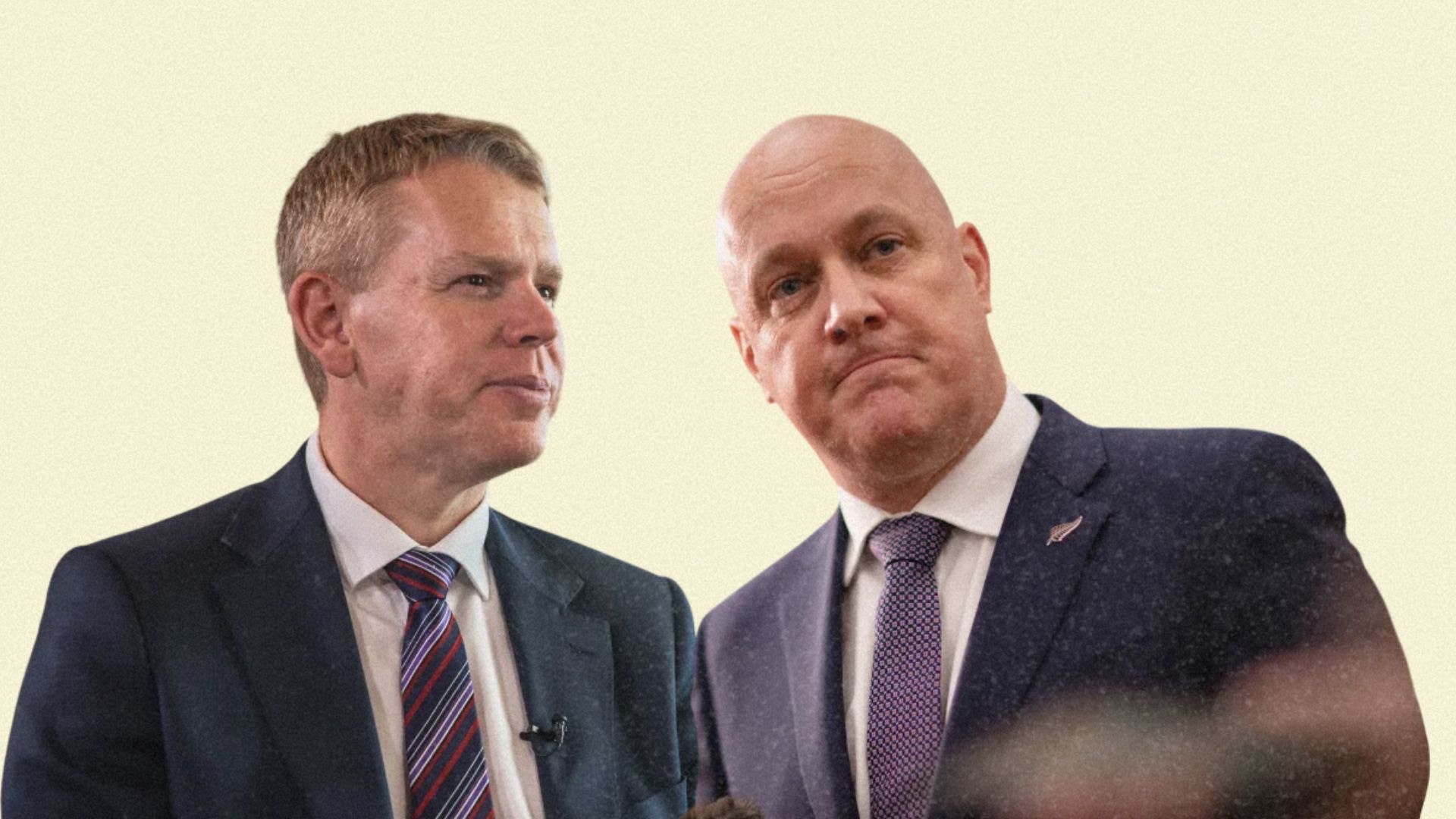
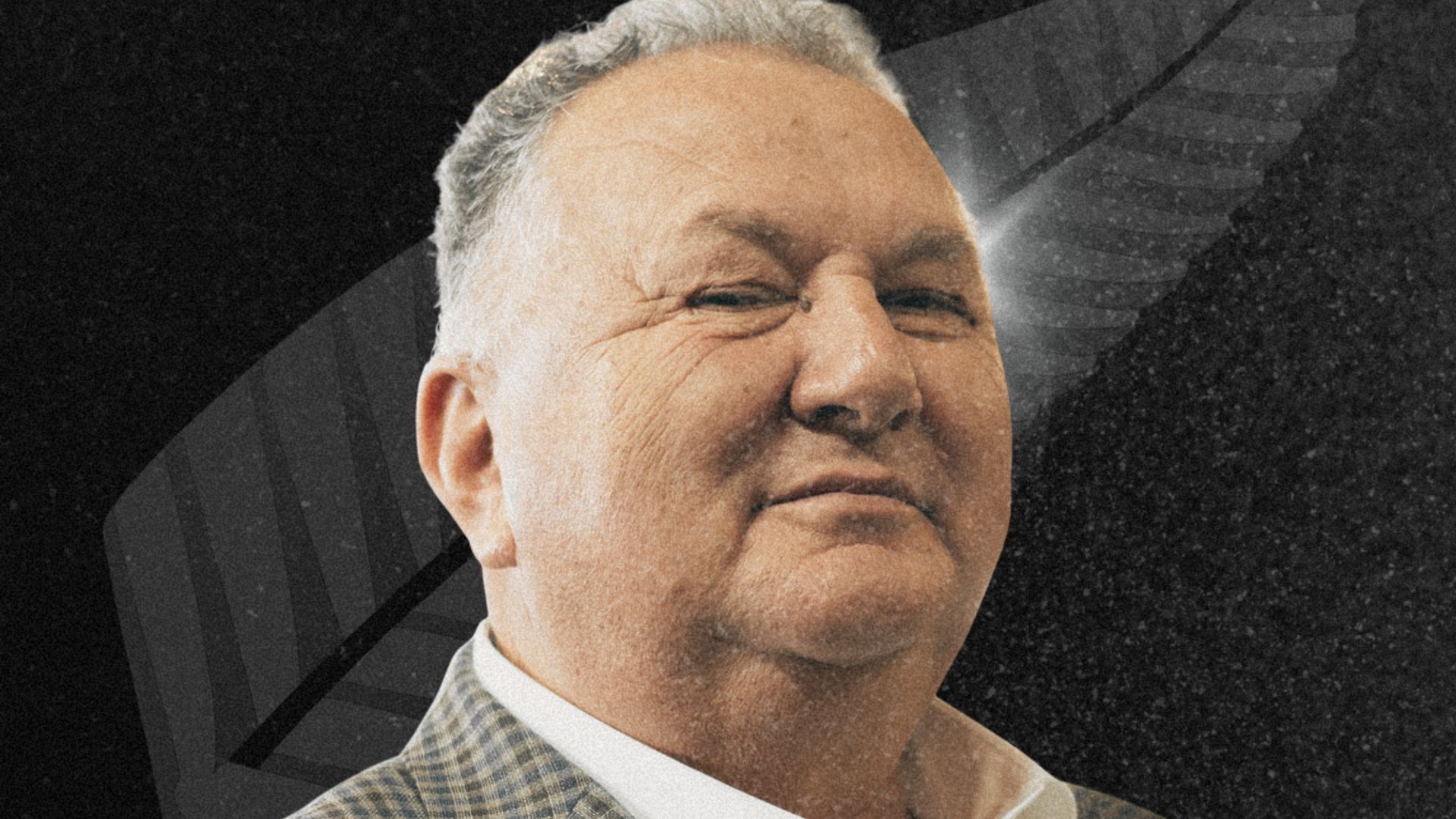
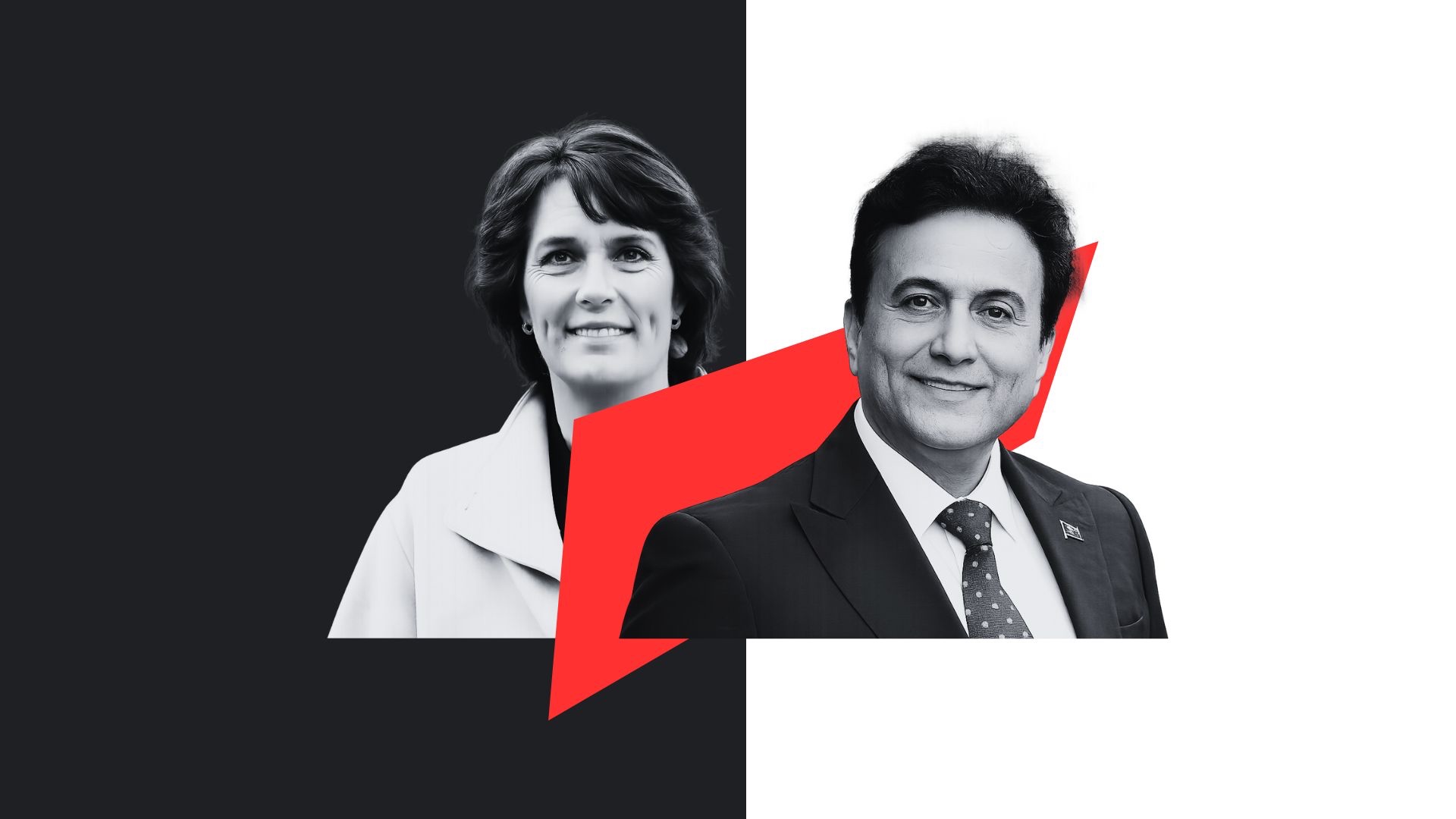
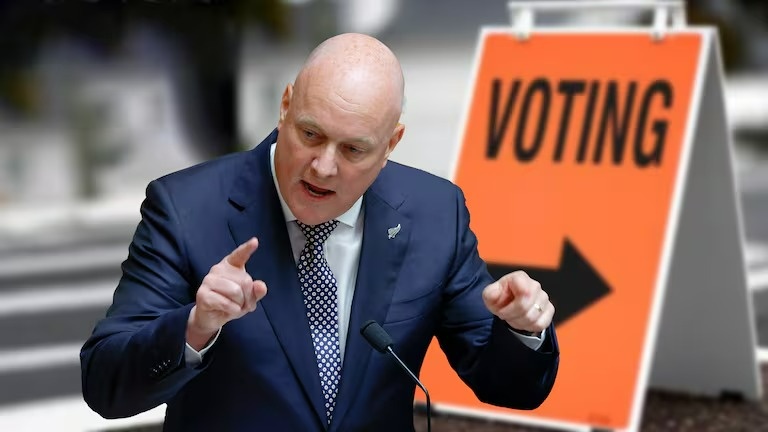
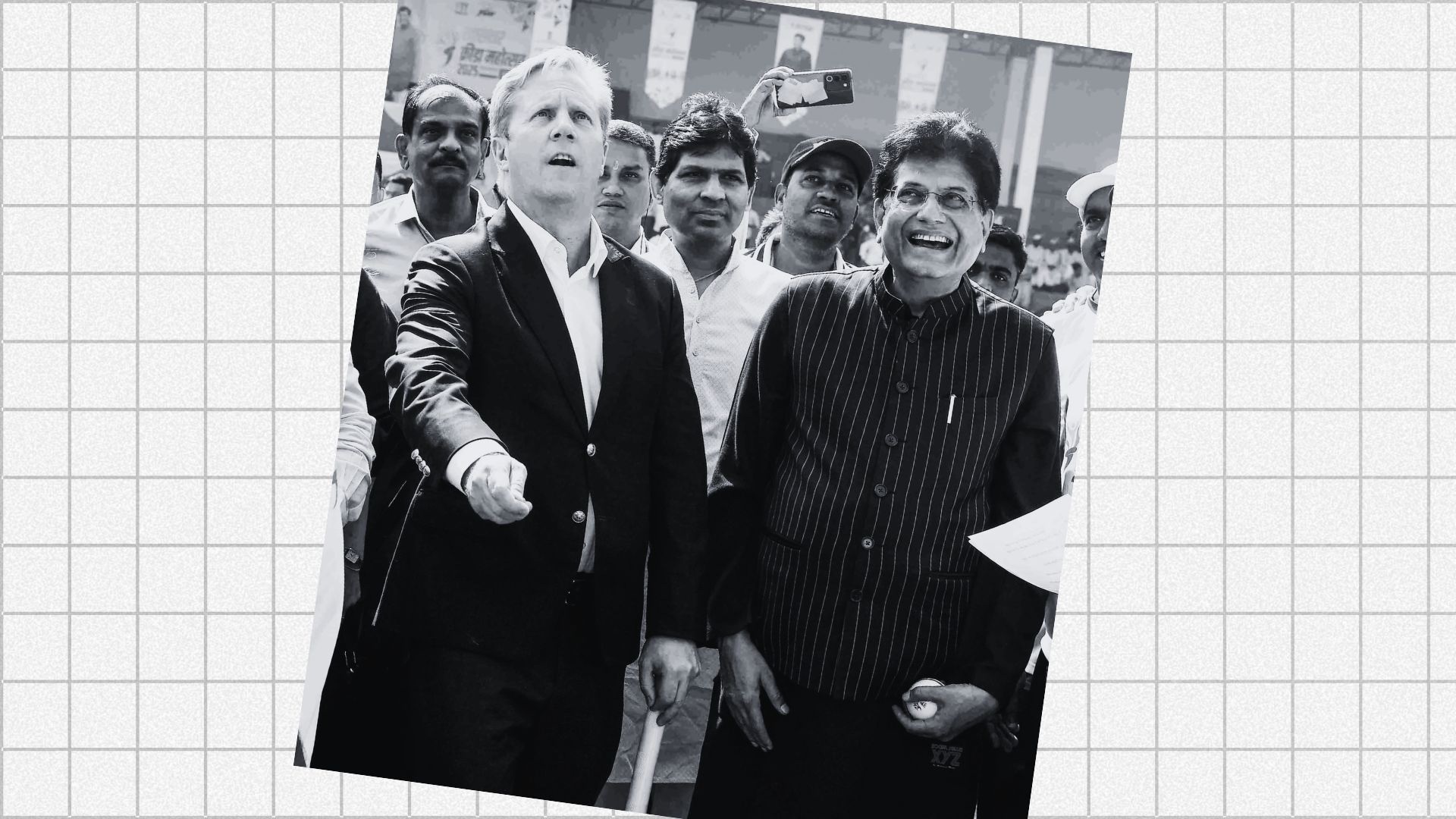
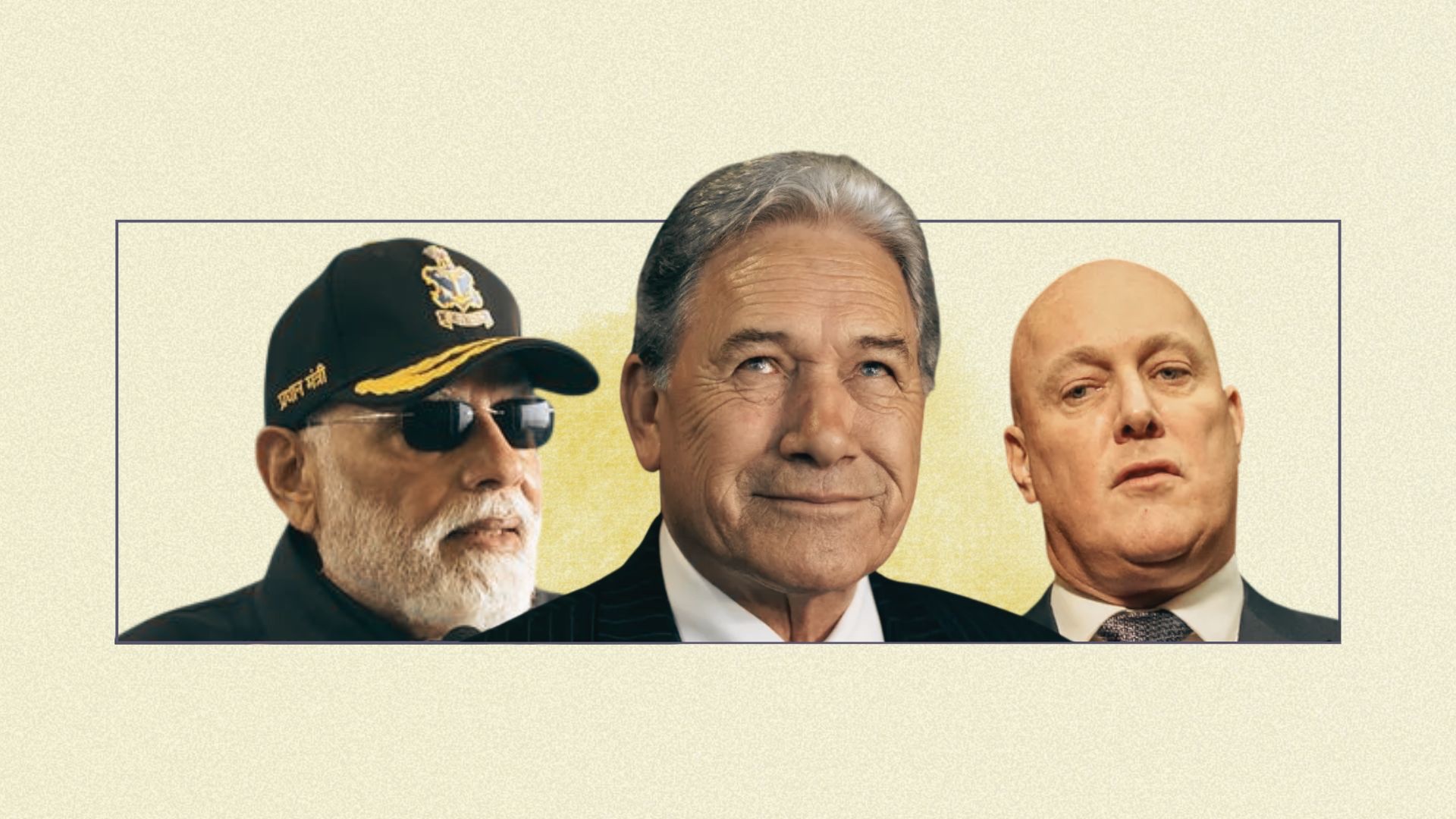
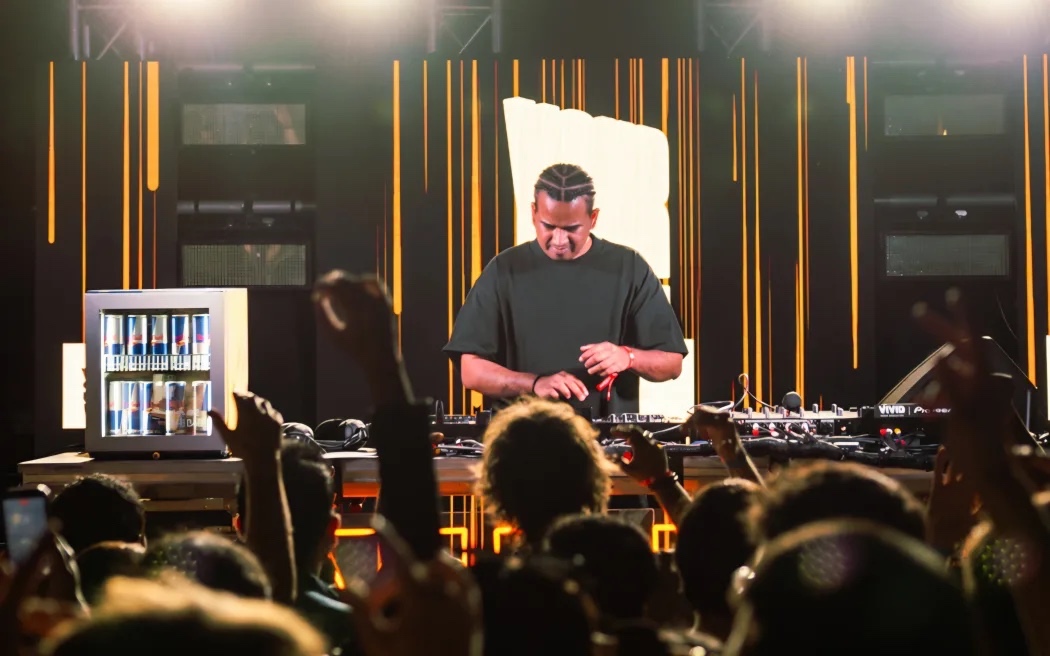
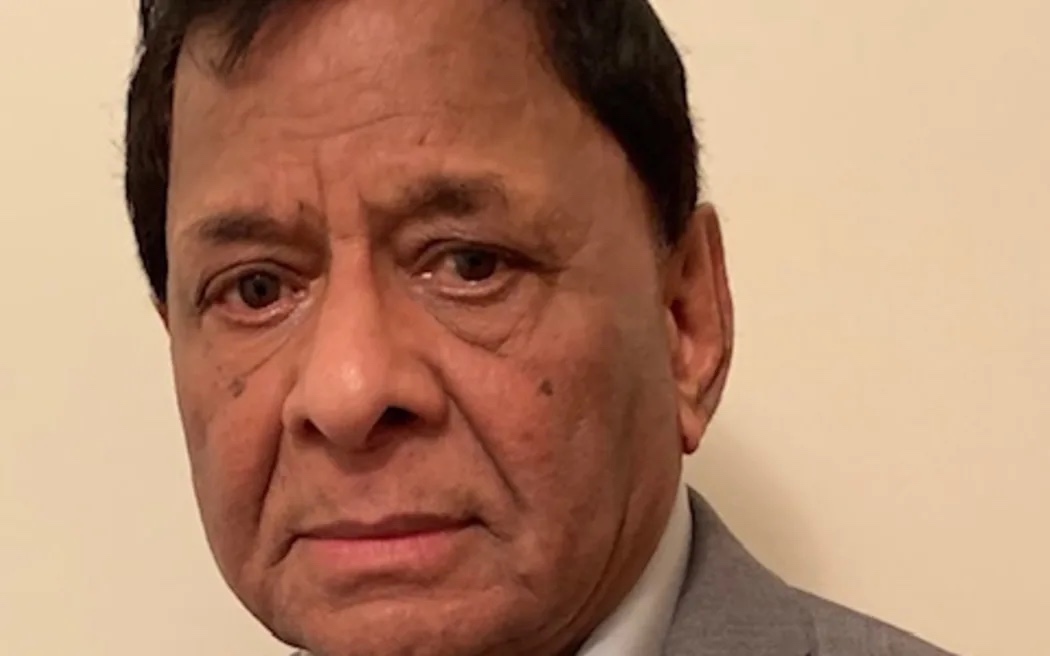
NZ First's Elliot Ikilei and Labour Party's Rakesh Naidoo.
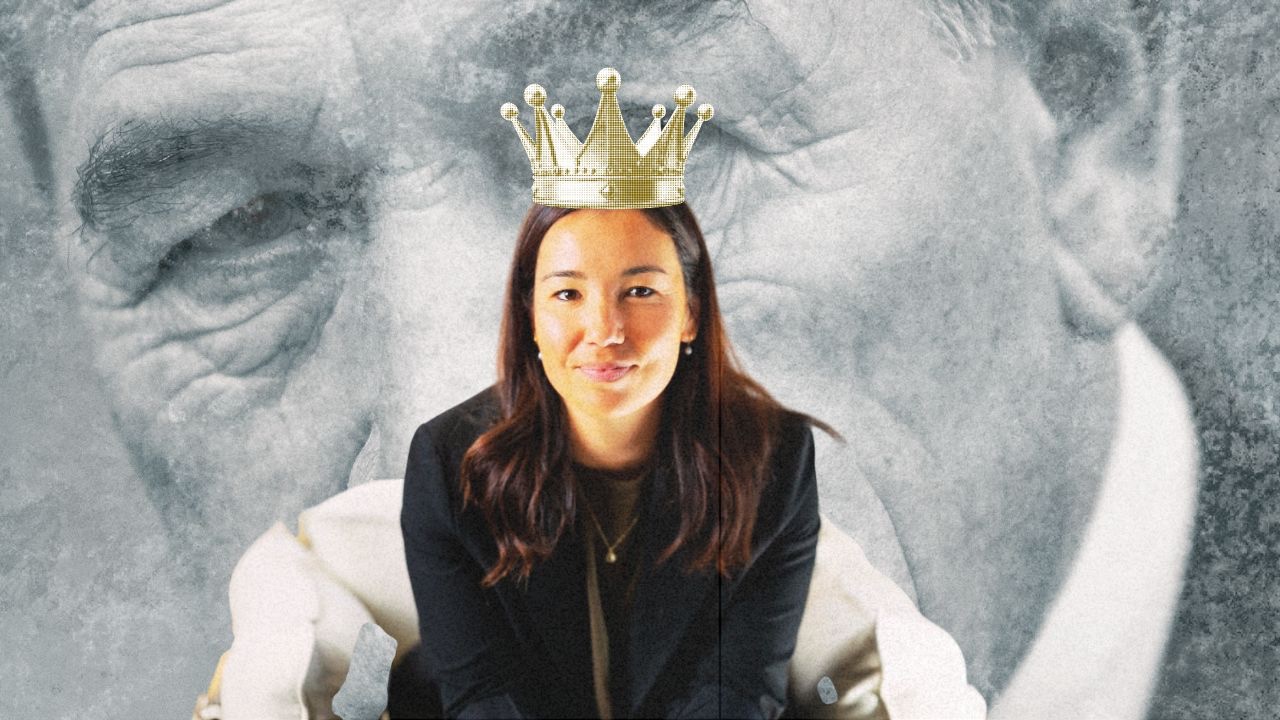
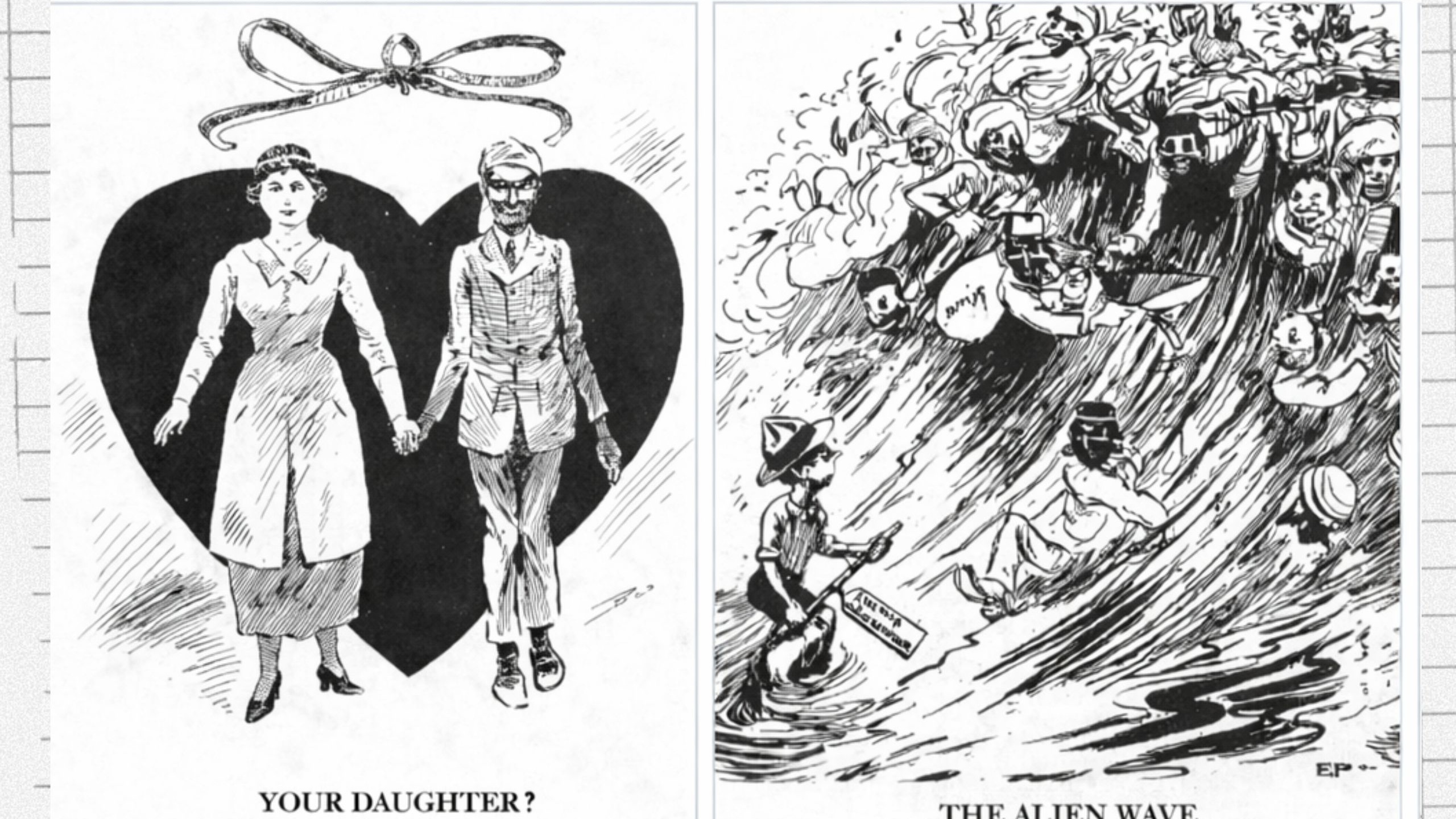
In political debates, critics of diversity often suggest someone was chosen because of identity rather than ability.
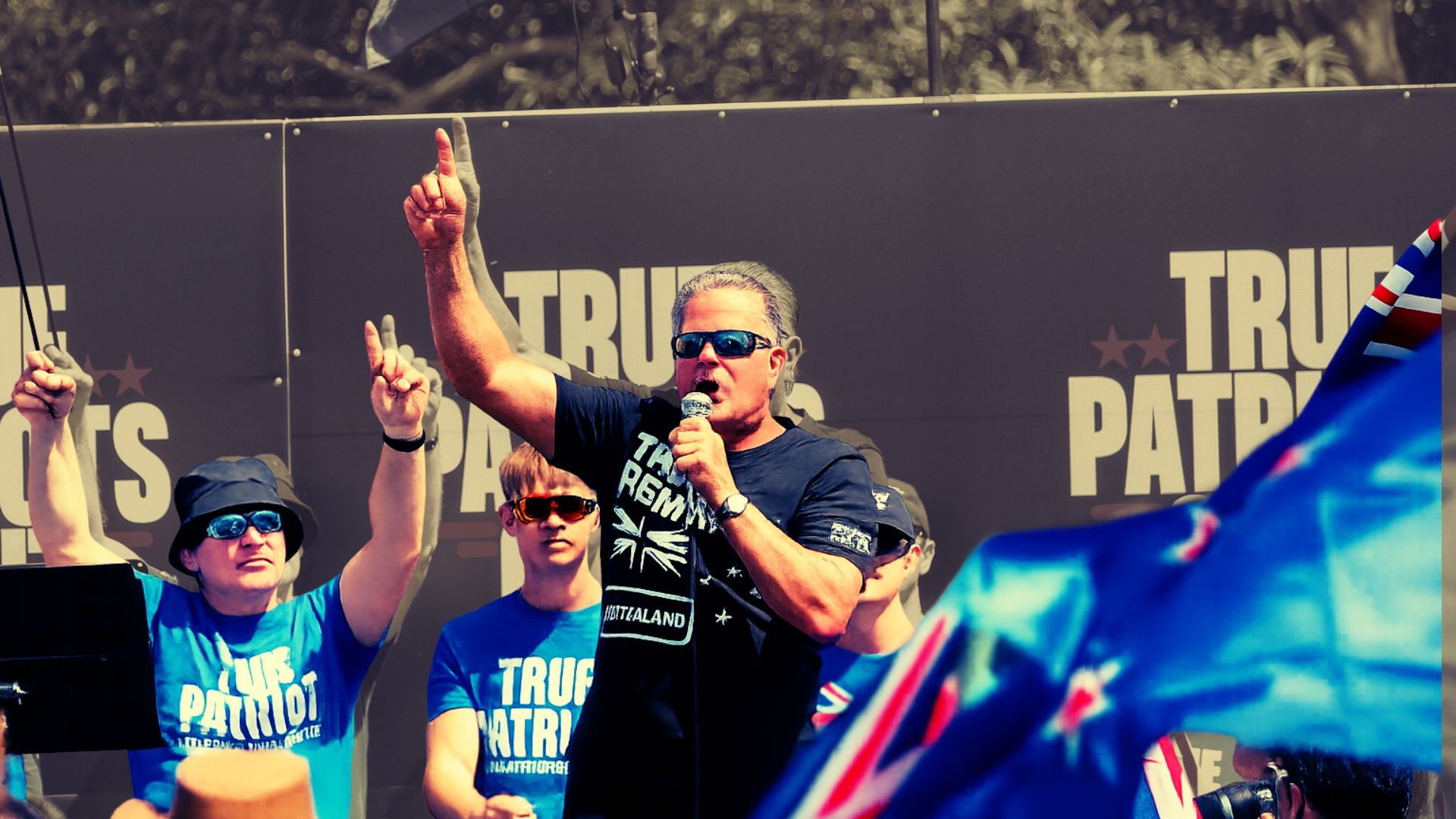
Opinion: NZ First's MP hopeful Elliot Ikilei is distancing himself from a social media post he made alluding to Rakesh Naidoo as a “DEI hire”, saying it had nothing to do with the Labour Party's new ethnic candidate.
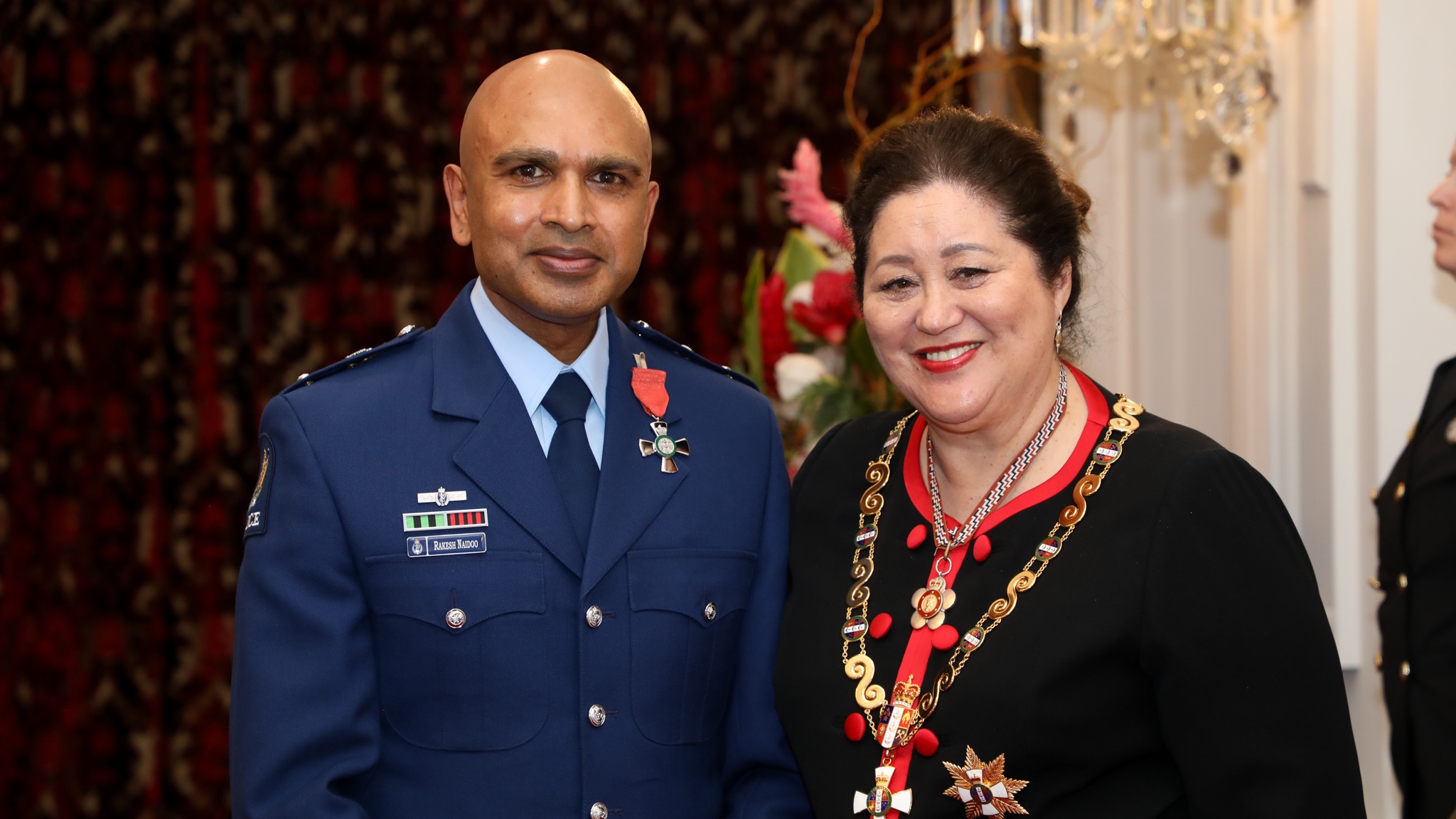
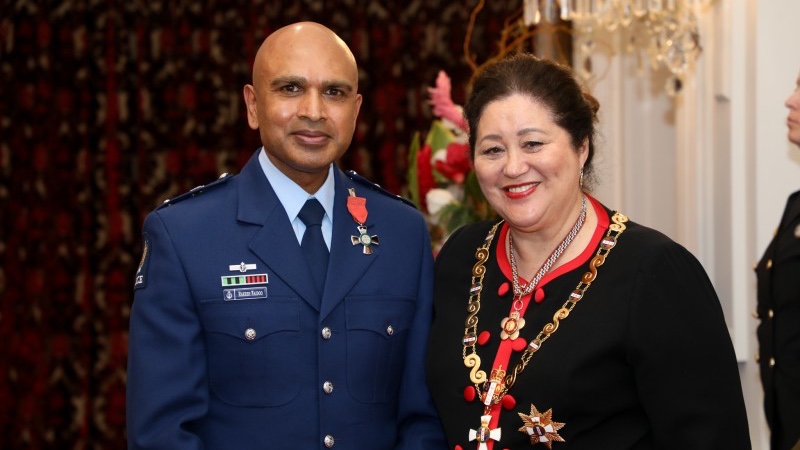
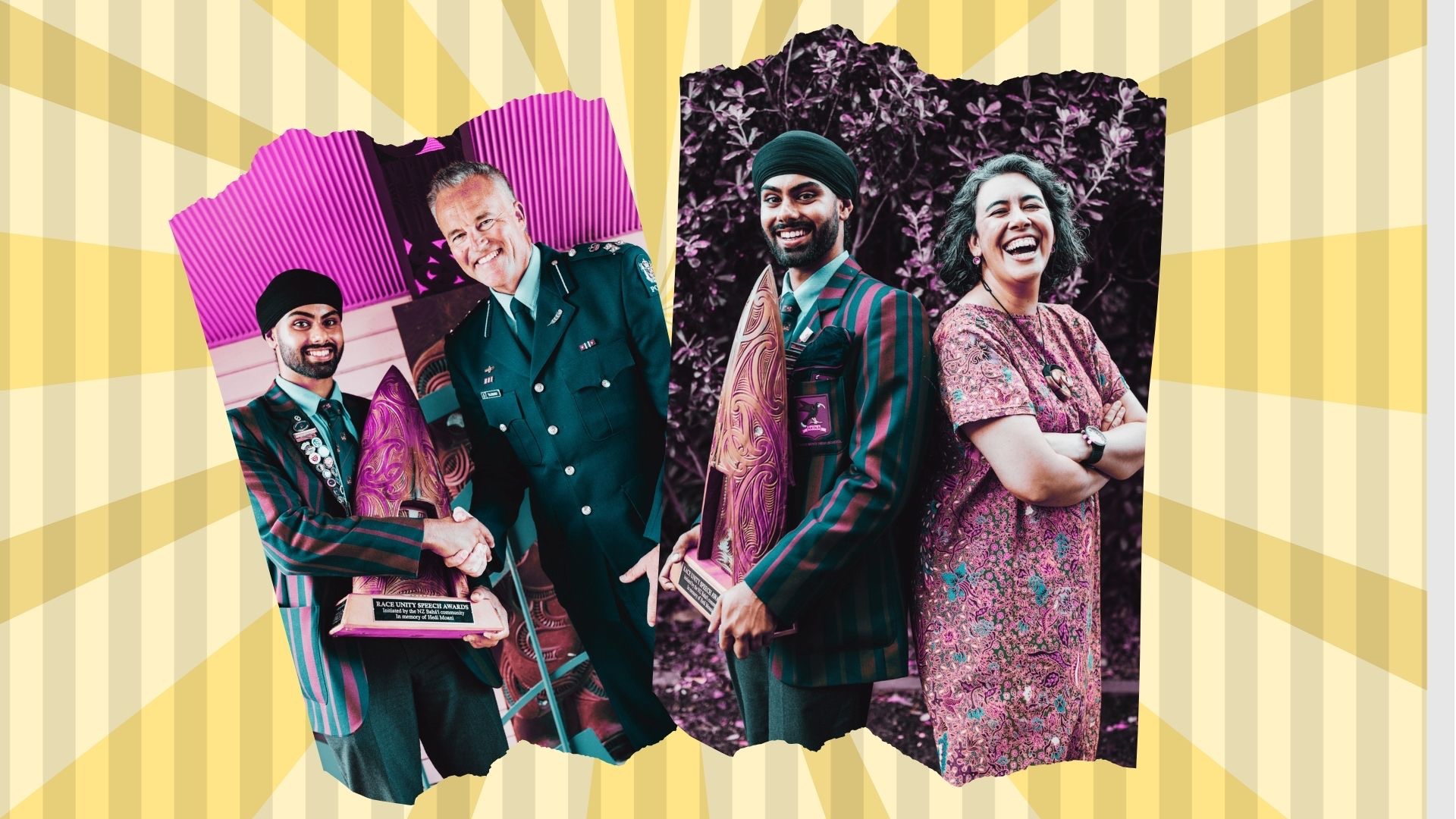
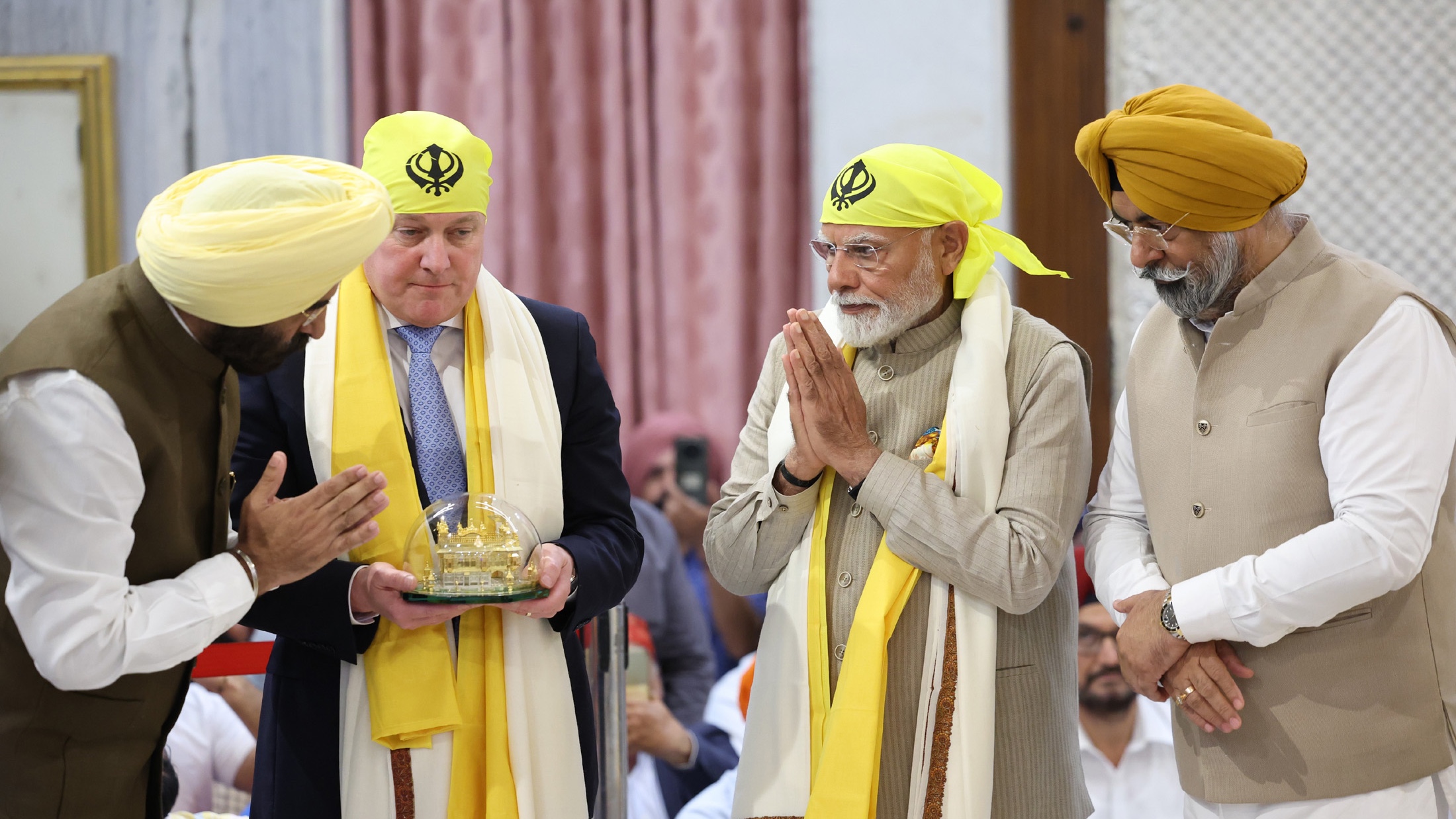
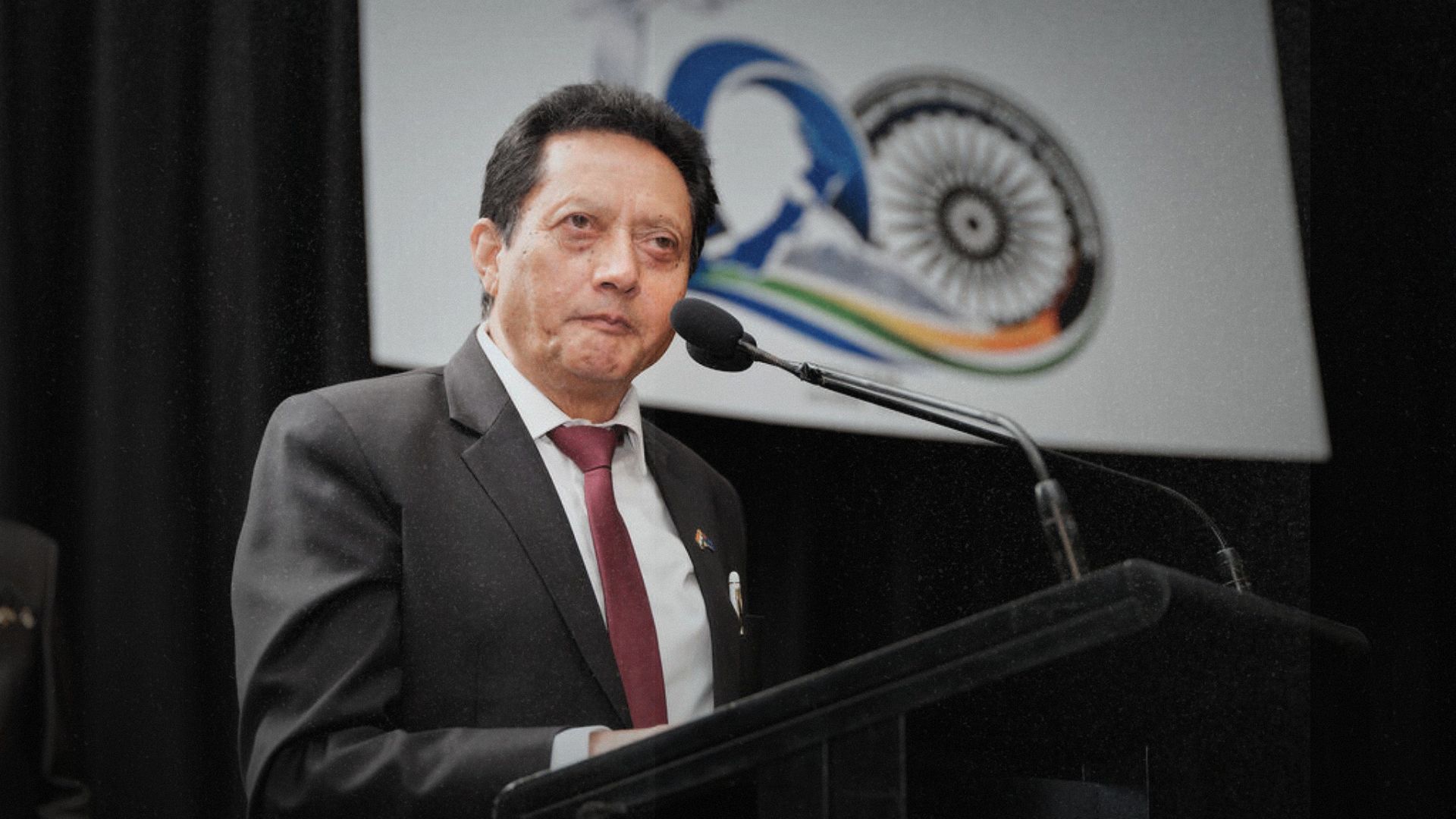
Naidoo, a superintendent in the New Zealand Police, was announced at number 13 on Labour’s party list on June 8, placing him in a strong position to enter Parliament after the November election.
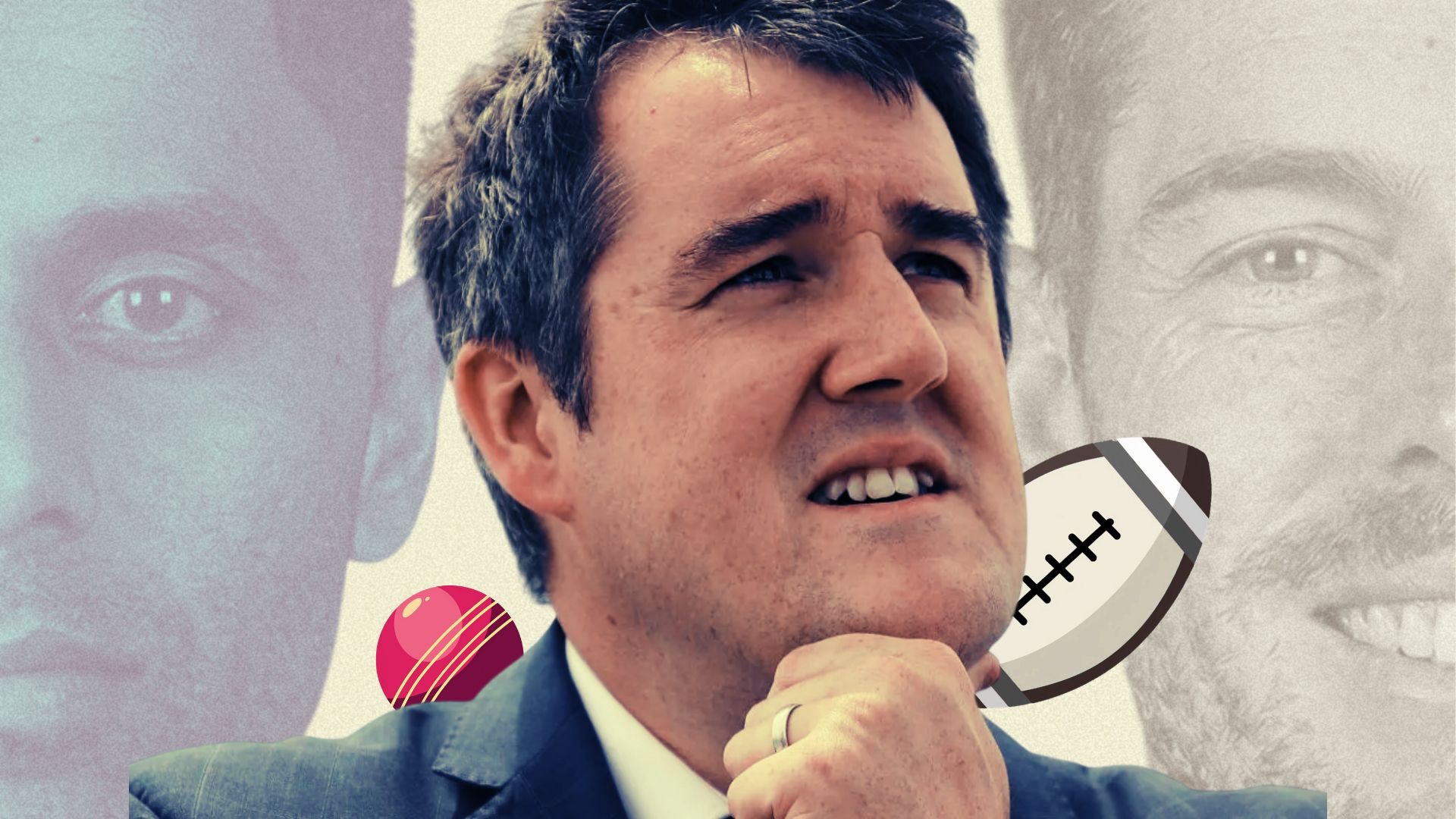
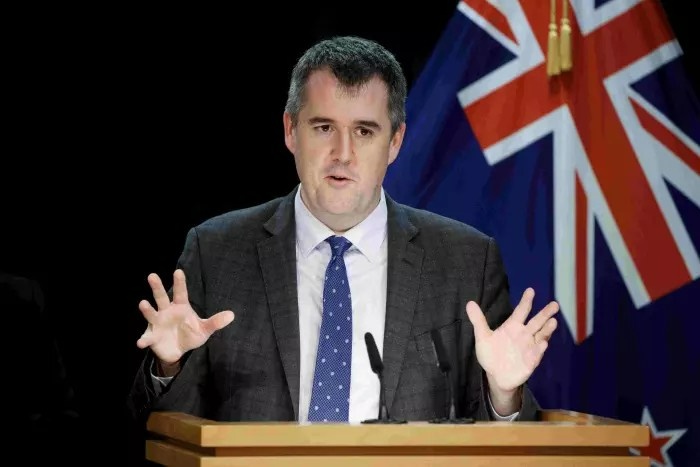
The same day, police minister Mark Mitchell criticized Naidoo of having hidden his intention to join politics till the last moment, suggesting he may have compromised police independence.


A day later, Ikilei posted on Facebook that he had kept his own employer informed while going through the process of applying and being selected as a political candidate.
Ikilei was with lobby group Hobson's Pledge before NZ First declared him as their candidate for Election 2026.
NZ First wants to end birthright citizenship for children of migrants, work rights for students "This set of polices is about taking back control of the future of our country and valuing our unique citizenship the way it should be."
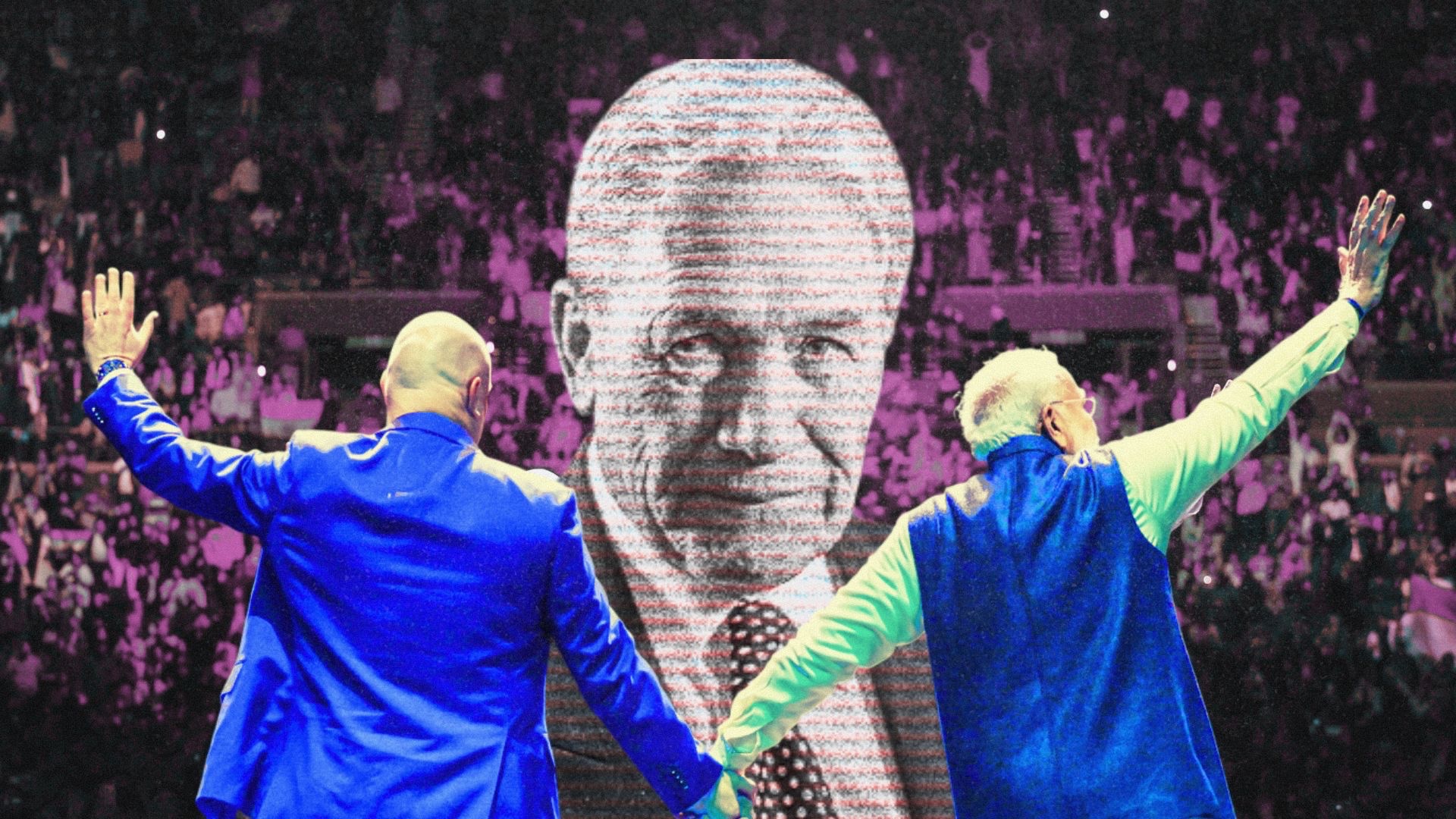
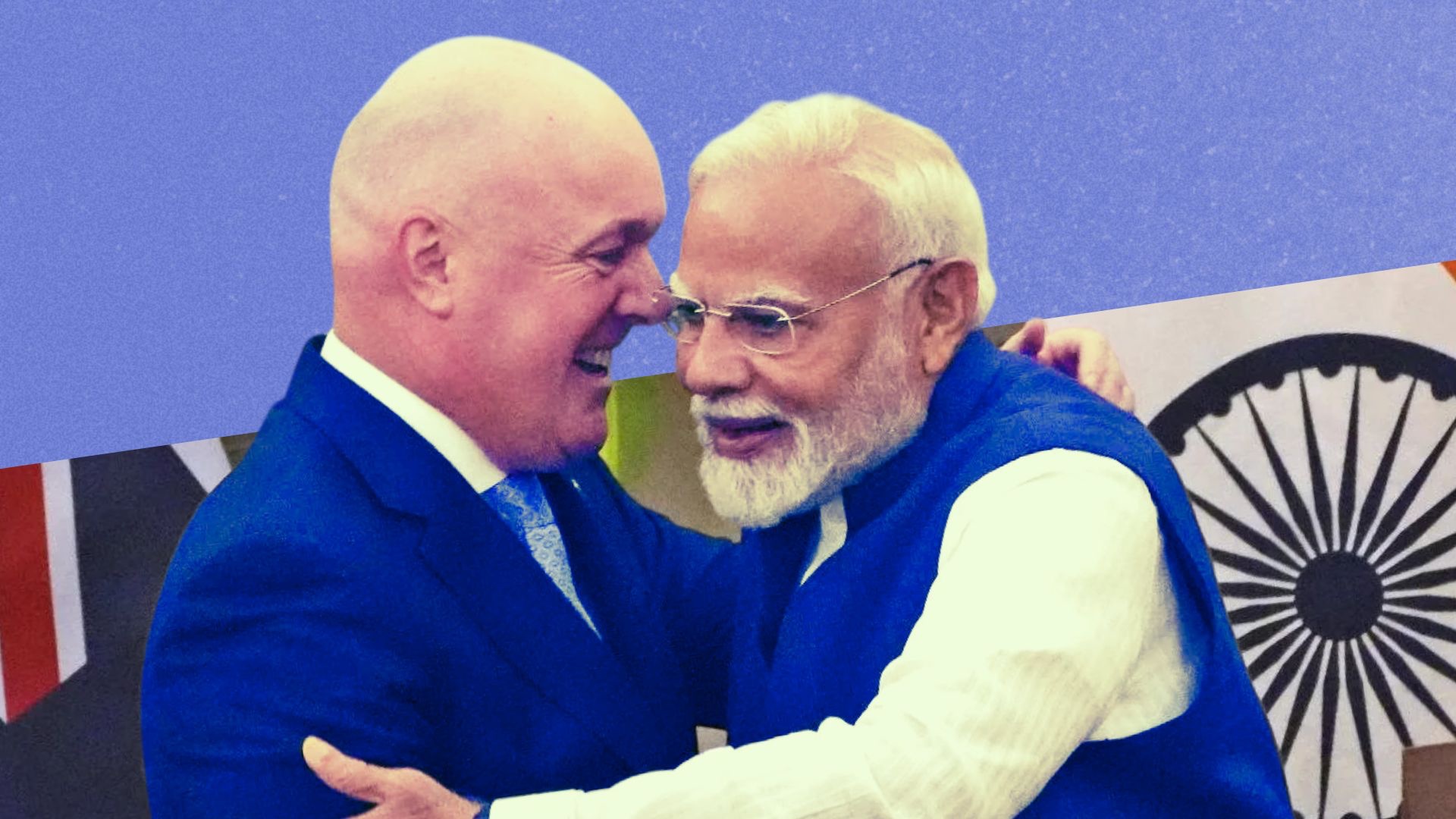
India-NZ FTA gets select committee nod, stage set for anticipated October launch “If that is the case, how exciting is that for New Zealand. Exciting, isn’t it?”
‘Huge mistake’: Indian couple lose New Zealand residence while living in Canada The family had a second shot at applying for permanent residency but they were late by less than a month.
“I kept my boss updated as I went through application and selection as candidate. No surprises,” Ikilei wrote. “Then again, I’m not a DEI hire.”
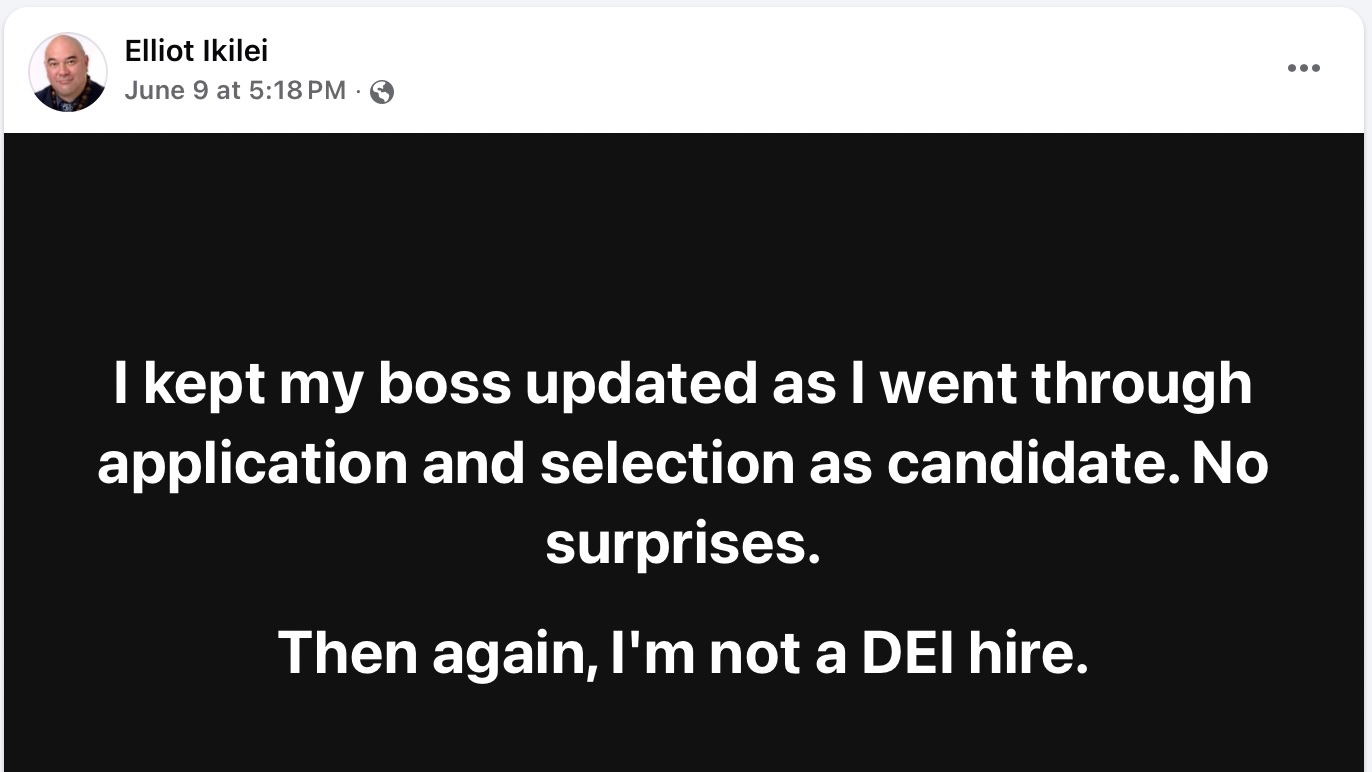
Elliot Ikilei's social media post on June 9 at 5:18 PM, stating he kept his boss updated during his application and selection process, with no surprises, and clarifying he is not a DEI hire.
A screenshot of Elliot Ikilei's Facebook post a day after Labour announced Naidoo's candidature.
DEI stands for diversity, equity and inclusion. In political debates, it is often used by opponents of diversity policies to suggest a person has been chosen because of identity rather than ability or merit.
Ikilei’s comment appeared to cast Naidoo’s Labour selection in that light, despite Naidoo’s long career in police and his senior rank.
On June 15, when Awaaz asked Ikilei whether he doubted Naidoo's ability to work as a senior police officer, the NZ First candidate said that's for the police to answer.
We asked Ikilei what exactly he meant by the DEI reference, given the social media post came at the peak of the public discourse over Naidoo's entry into politics.
"Ah, sometimes people get picked because of DEI rather than skill and ability. We at NZ First are opposed to that approach," he said.
When we specifically asked him if his post was in relation to Naidoo, Ikilei suggested it wasn't. He added all he knew was Naidoo was a Labour Party candidate from his area.
Naidoo is a list-only candidate.
The remark moves the Naidoo controversy beyond the original question of police neutrality.
The row began after police commissioner Richard Chambers said he was disappointed Naidoo had not informed police earlier that he was in discussions with Labour about standing as a candidate.
Police rules require staff intending to stand for public office to advise of their intentions as early as possible, so any conflicts of interest and work tasks can be managed.
Police minister Mark Mitchell also criticised Naidoo, saying the senior officer had been included in sensitive briefings and had attended events with him while considering a move into Labour politics.
Chambers later ordered a review into Naidoo’s activities during the period he was engaging with Labour, including whether he shared anything with a third party that he shouldn't have.
There has been no public finding that Naidoo shared sensitive information improperly.
Chambers has also said he had no previous cause for concern about Naidoo’s impartiality and described him as a hard-working and valued staff member.
Naidoo’s selection has been significant for Kiwi-Indian representation in Parliament. He was placed above several sitting Labour MPs on the party list, and ahead of former minister Priyanca Radhakrishnan (ranked 18th on Labour's list).
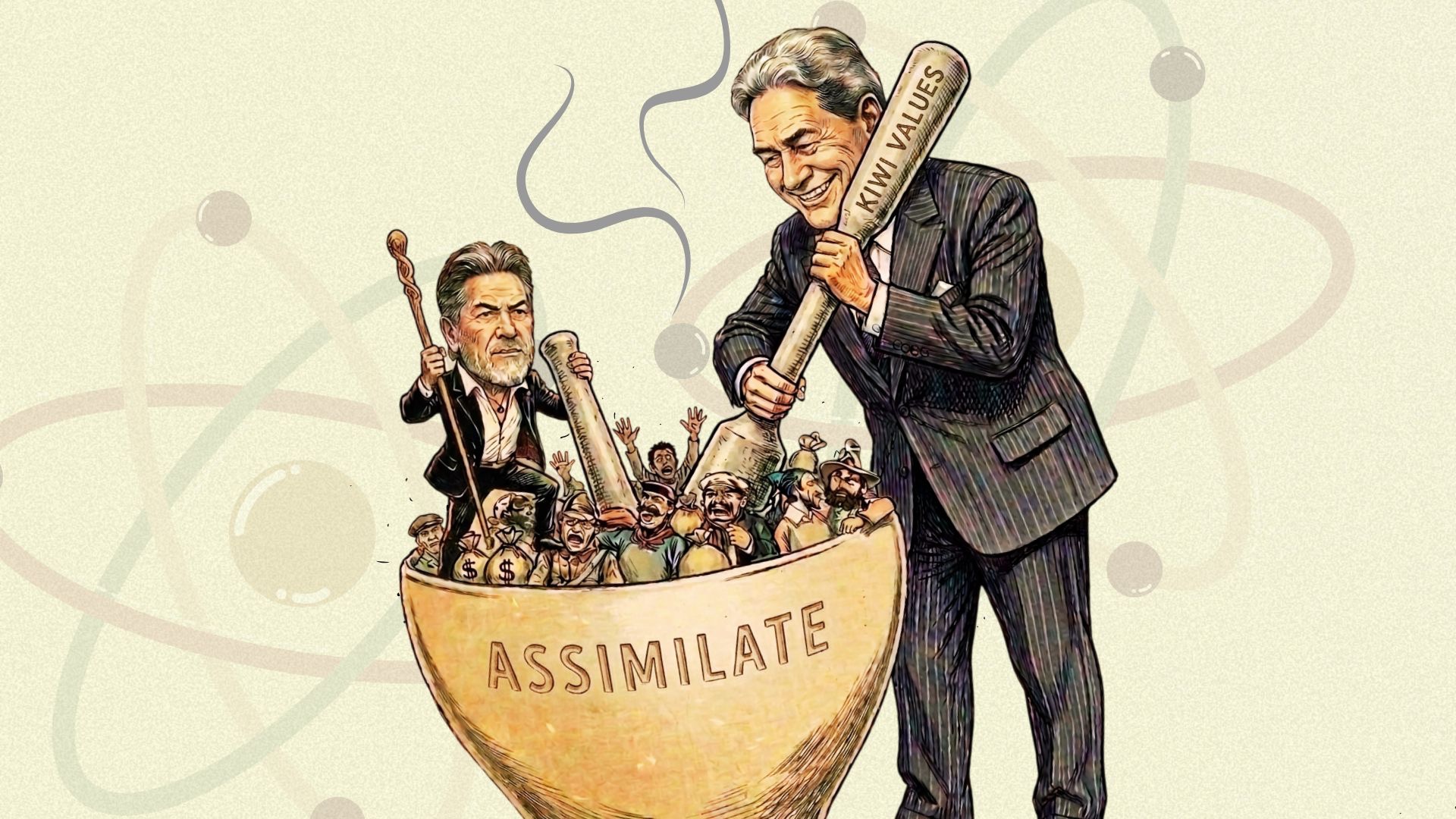
Ikilei’s use of “DEI hire” taps into a wider campaign by NZ First against diversity, equity and inclusion policies in the public sector.
Ikilei is not yet an MP.
NZ First announced on June 2 that he would stand for the party at the general election, describing him as a political commentator, community advocate, trainer and public speaker known for conservative politics.
He was previously a senior figure in the New Conservative Party. He is also associated with Hobson’s Pledge, a lobby group that campaigns against co-governance, Maori seats and race-based policy, and argues for what it calls “one law for all”.
Hobson’s Pledge is one of the most prominent groups in New Zealand’s anti-co-governance and anti-Treaty-rights political space. It opposes policies it sees as giving Maori or other groups special treatment on the basis of identity.
That background matters because NZ First has made opposition to DEI part of its political brand.
In March 2025, NZ First introduced a member’s bill seeking to remove diversity and inclusiveness requirements from the Public Service Act.
The party said employment decisions in the public service should be based on merit rather than “forced woke diversity, equity, and inclusion targets”.
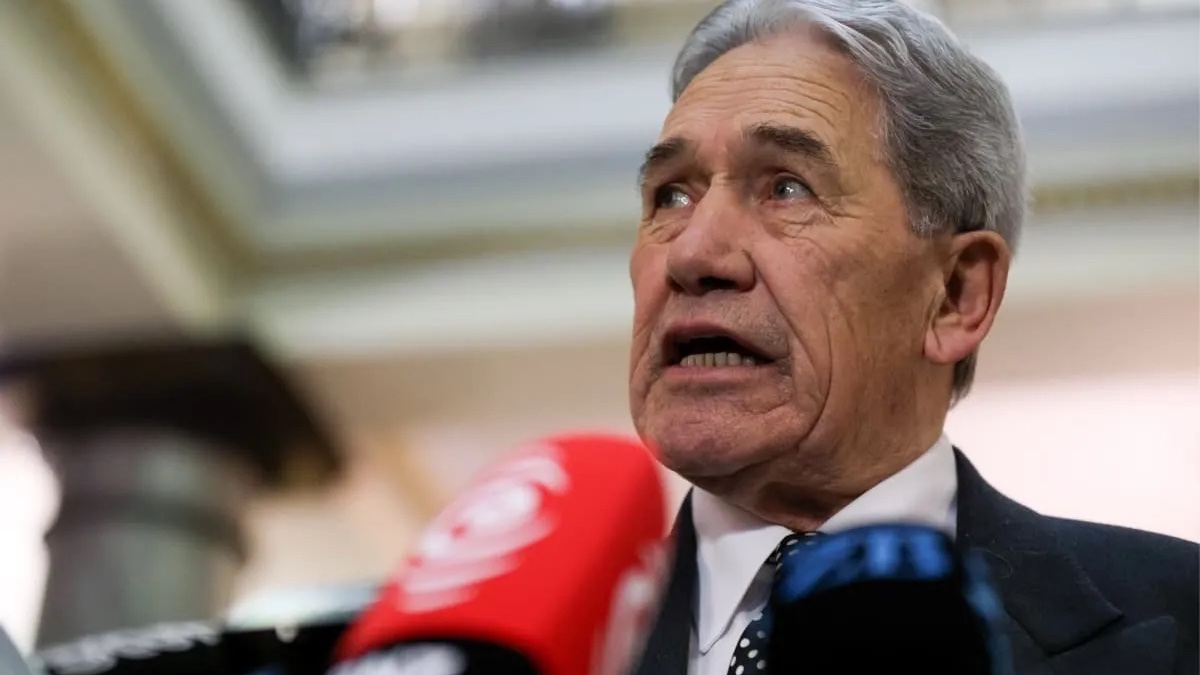
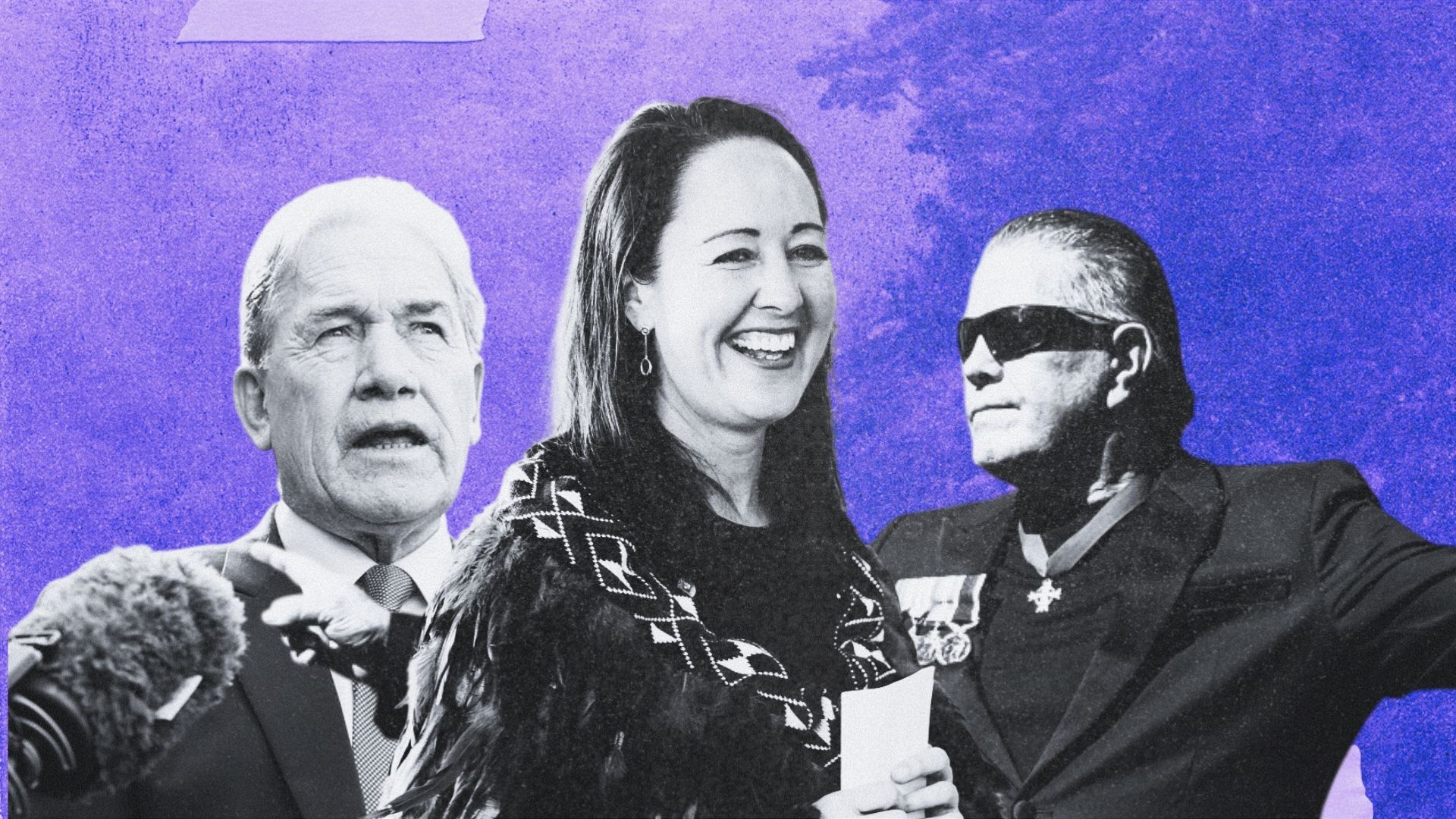
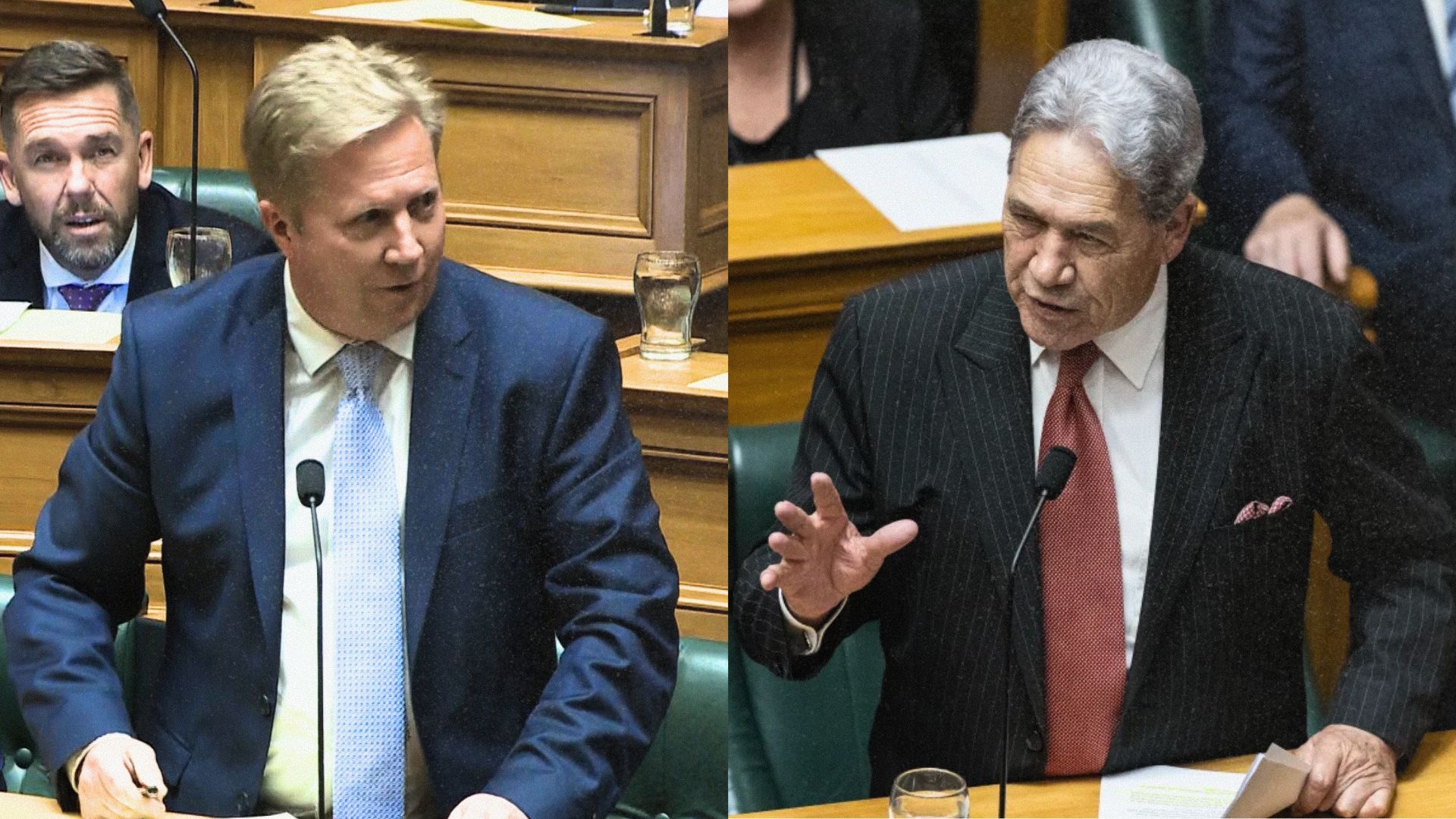
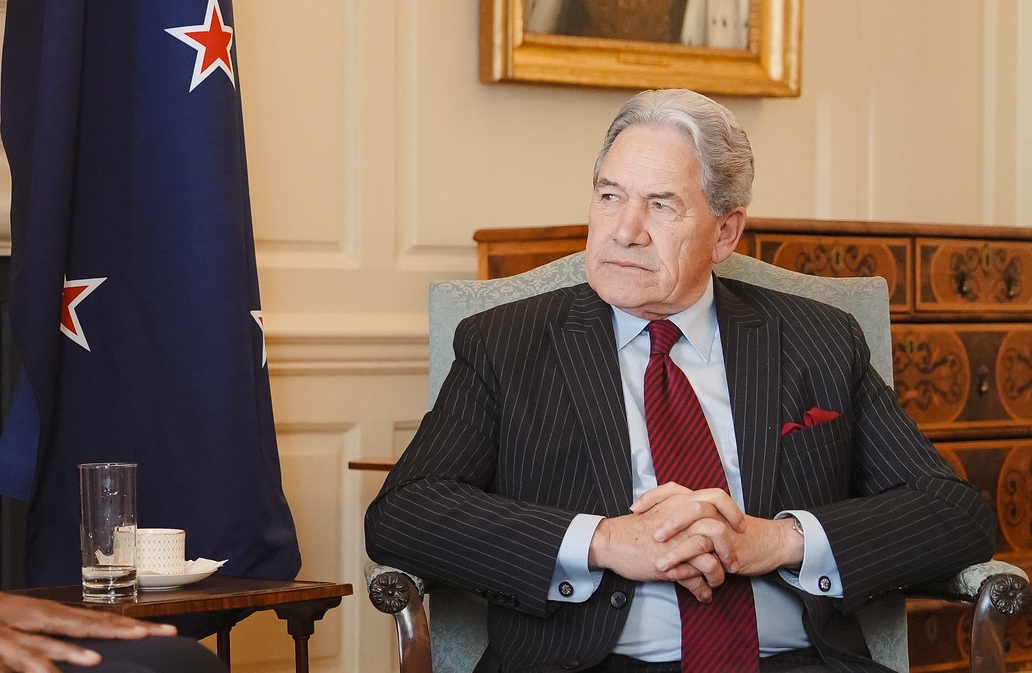
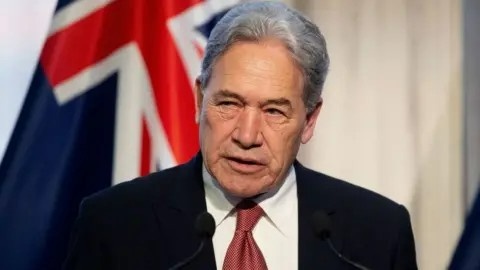
Winston Peters said at the time the bill would end what he called “woke left-wing social engineering and diversity targets in the public sector”.
The party argued removing DEI requirements would give the public confidence that “the right person is in the right job based on their skills not their identity”.
In February this year, NZ First also claimed its campaign against what it called “woke” hiring practices and diversity in government jobs was showing results, after the government released a new public sector code of conduct with a standard titled “merit-based appointments”.
That code said public sector agencies must be fair and robust in recruitment and selection processes and give preference to the person best suited to the position.
In that context, Ikilei’s comment seemingly about Naidoo was not only a personal attack on a Labour candidate.
It was also an extension of NZ First’s broader argument that diversity language and public appointments are being used to undermine merit.
But the phrase “DEI hire” is politically loaded. Applied to Naidoo, an Indian-origin senior police officer now likely to enter Parliament through Labour’s list, it raises the question of whether his ethnicity and role in ethnic communities are being used to question whether he deserves his political elevation.
Naidoo was police’s ethnic, iwi and communities relationships manager, a role that placed him at the centre of police engagement with diverse communities.
For Labour, his candidacy strengthens the party’s law-and-order and ethnic representation credentials.
For NZ First, Ikilei’s post suggests the controversy over Naidoo might be getting folded into a wider election-year debate over diversity, merit and identity politics.