
NZ’s fees‑free scheme was an expensive way to achieve little, finds study

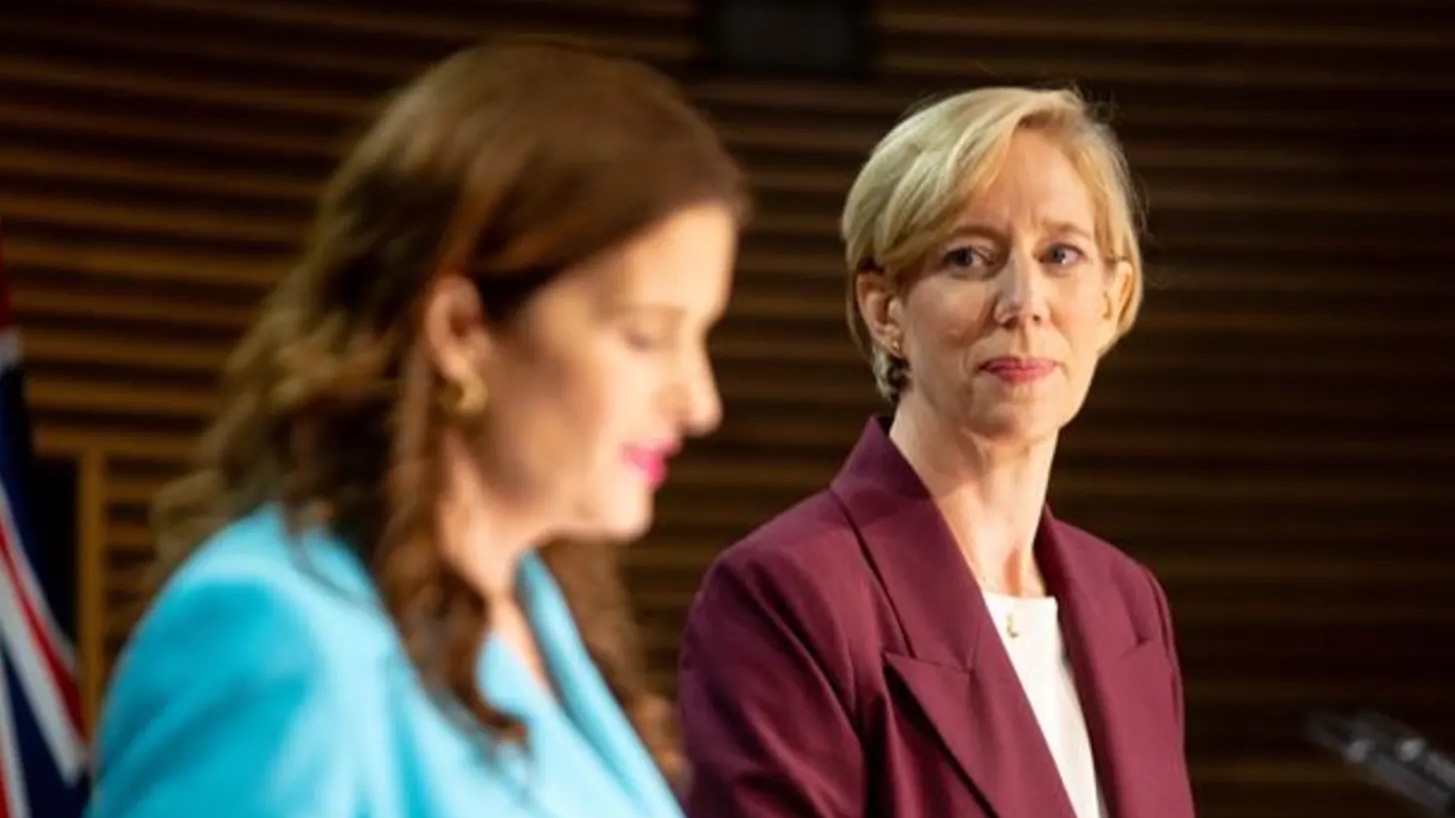
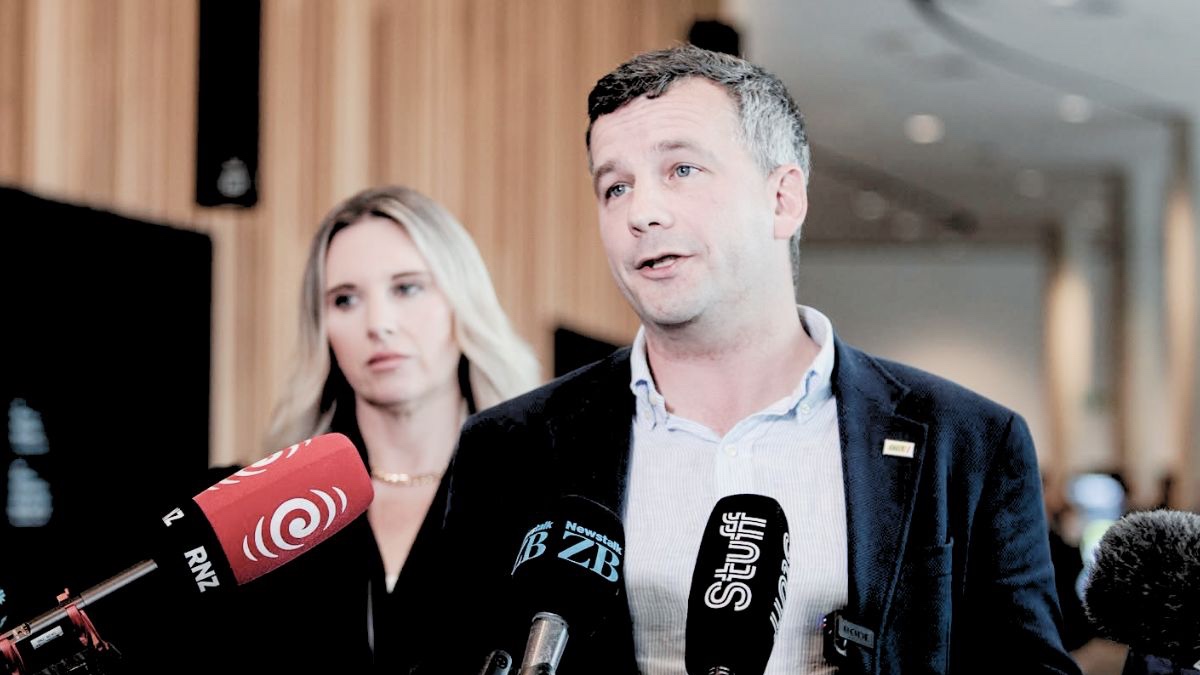
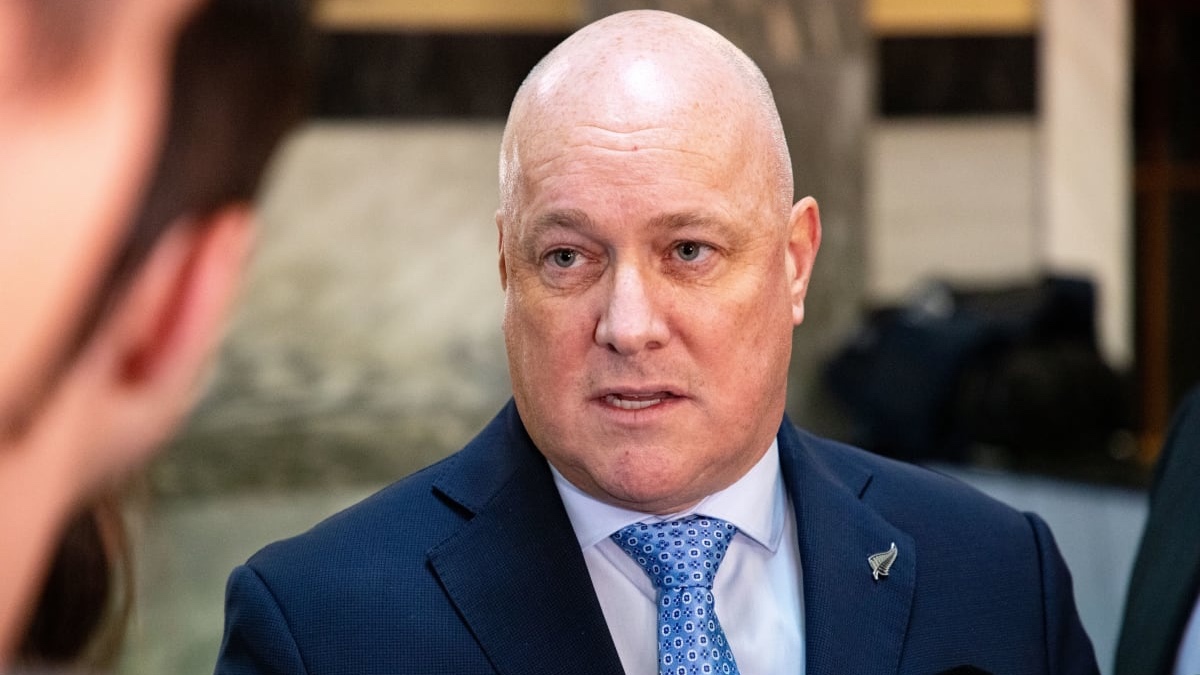
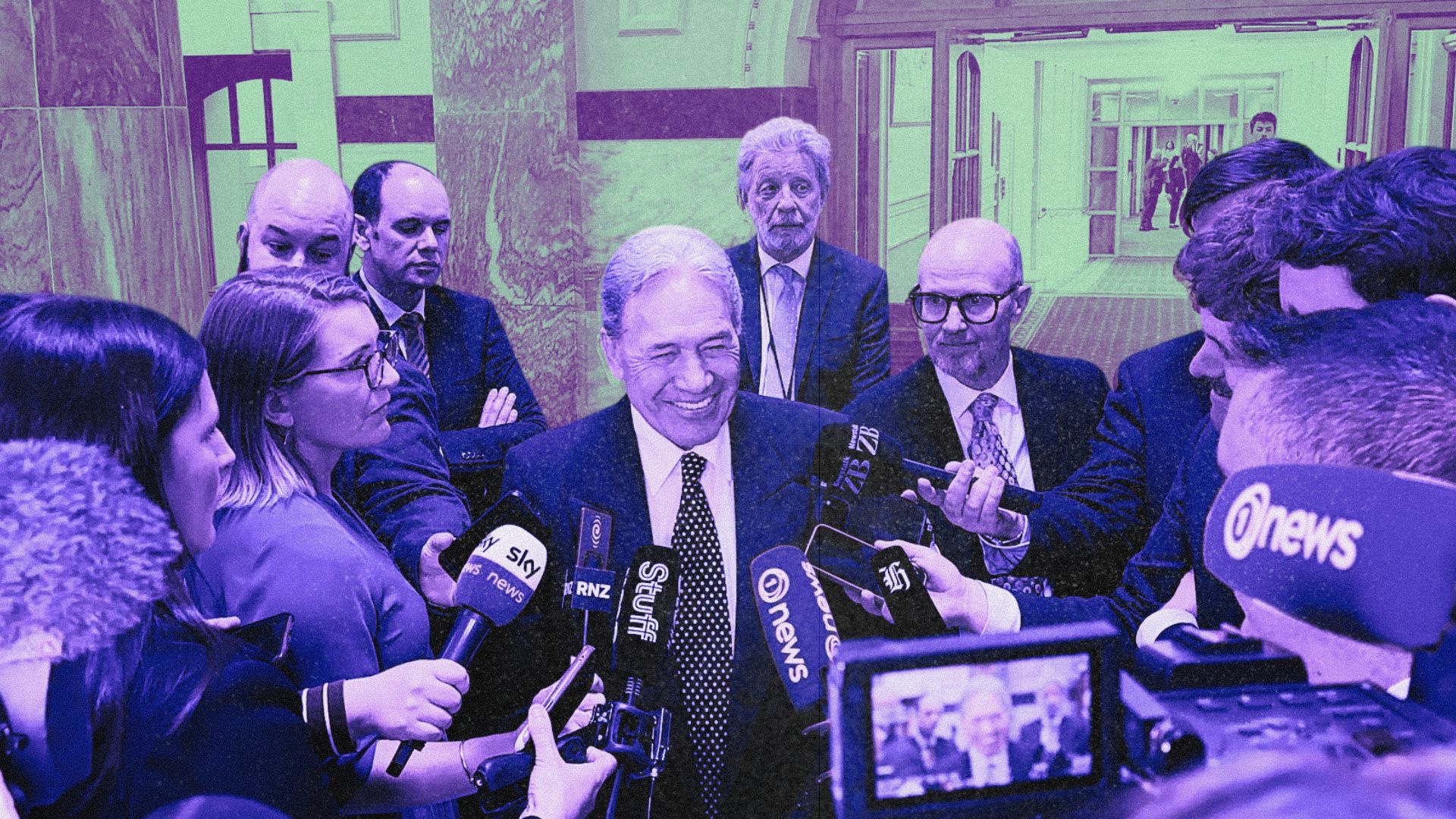
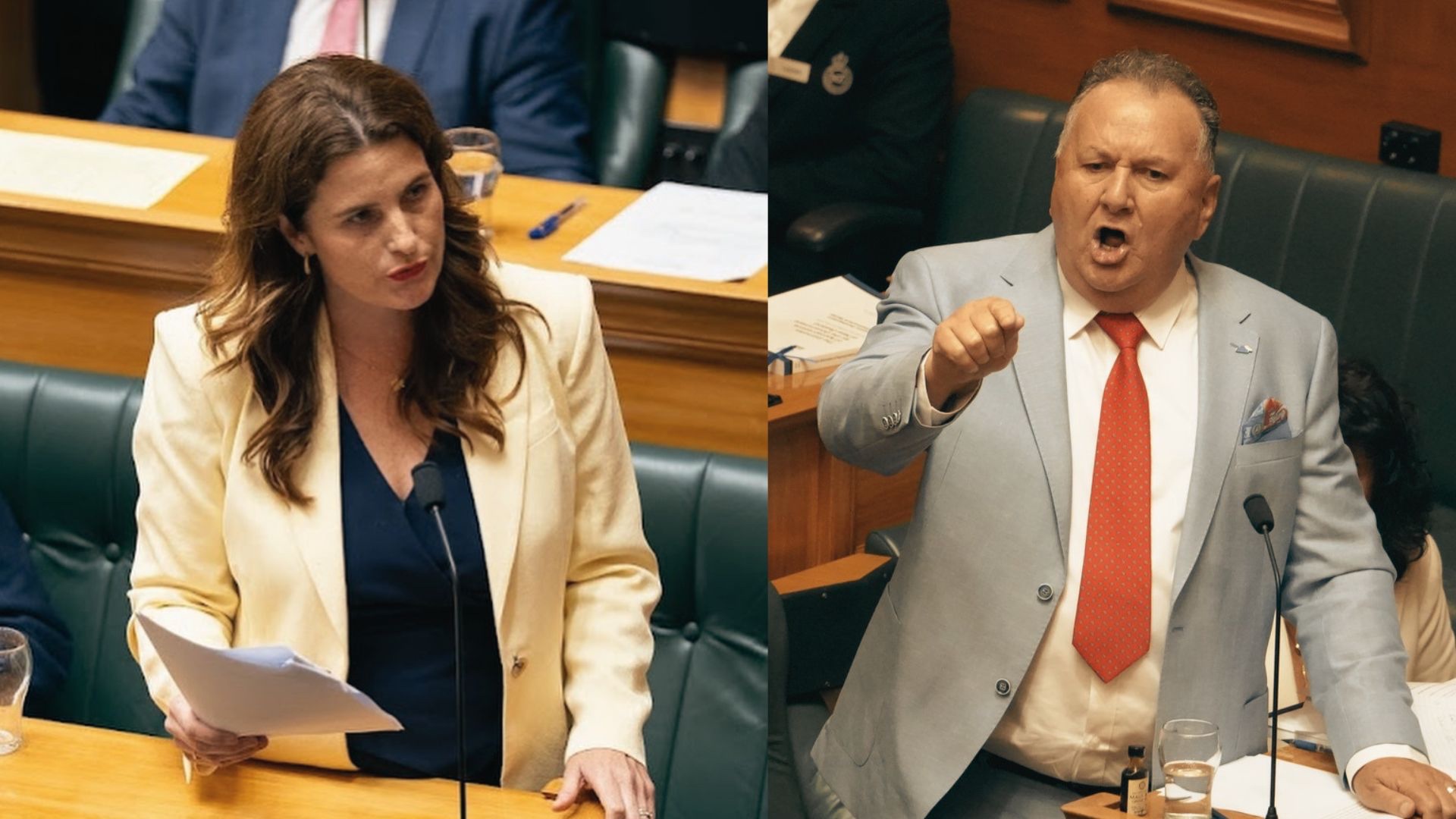
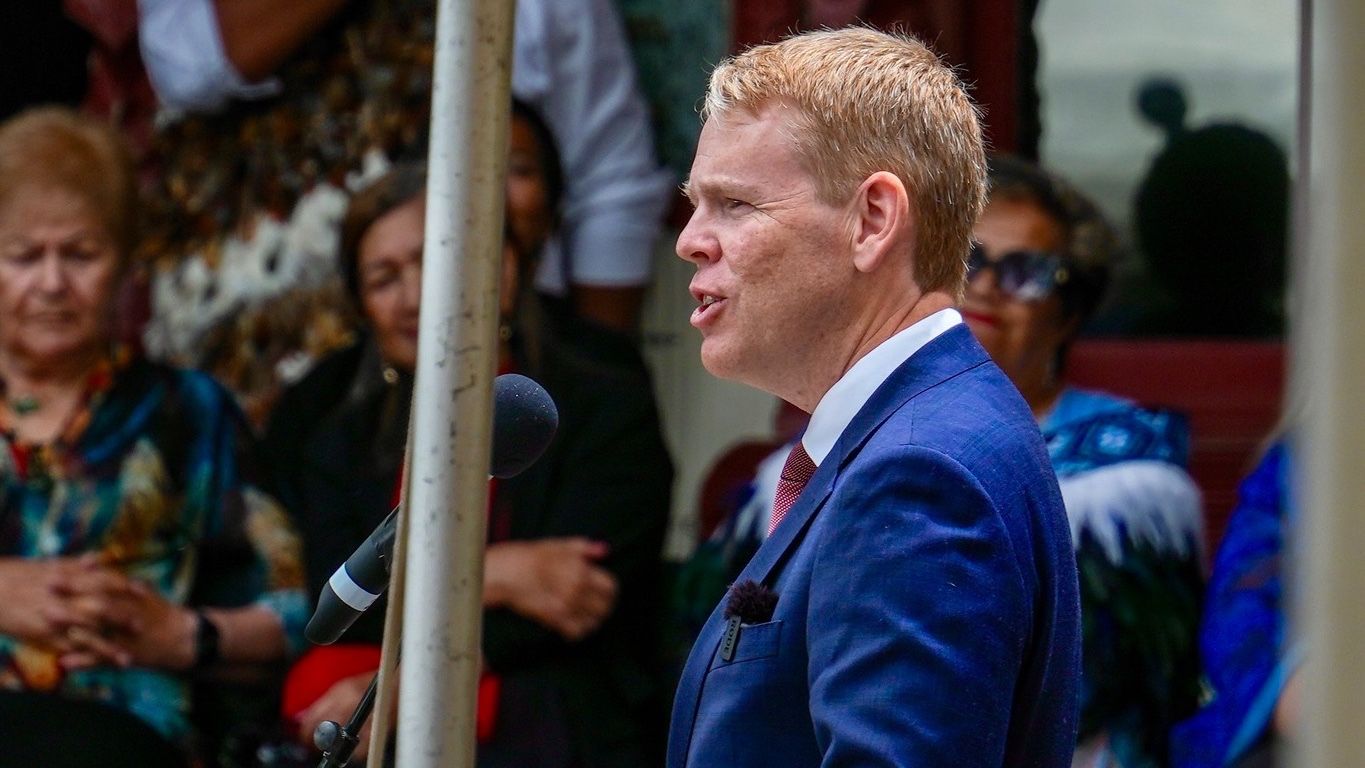
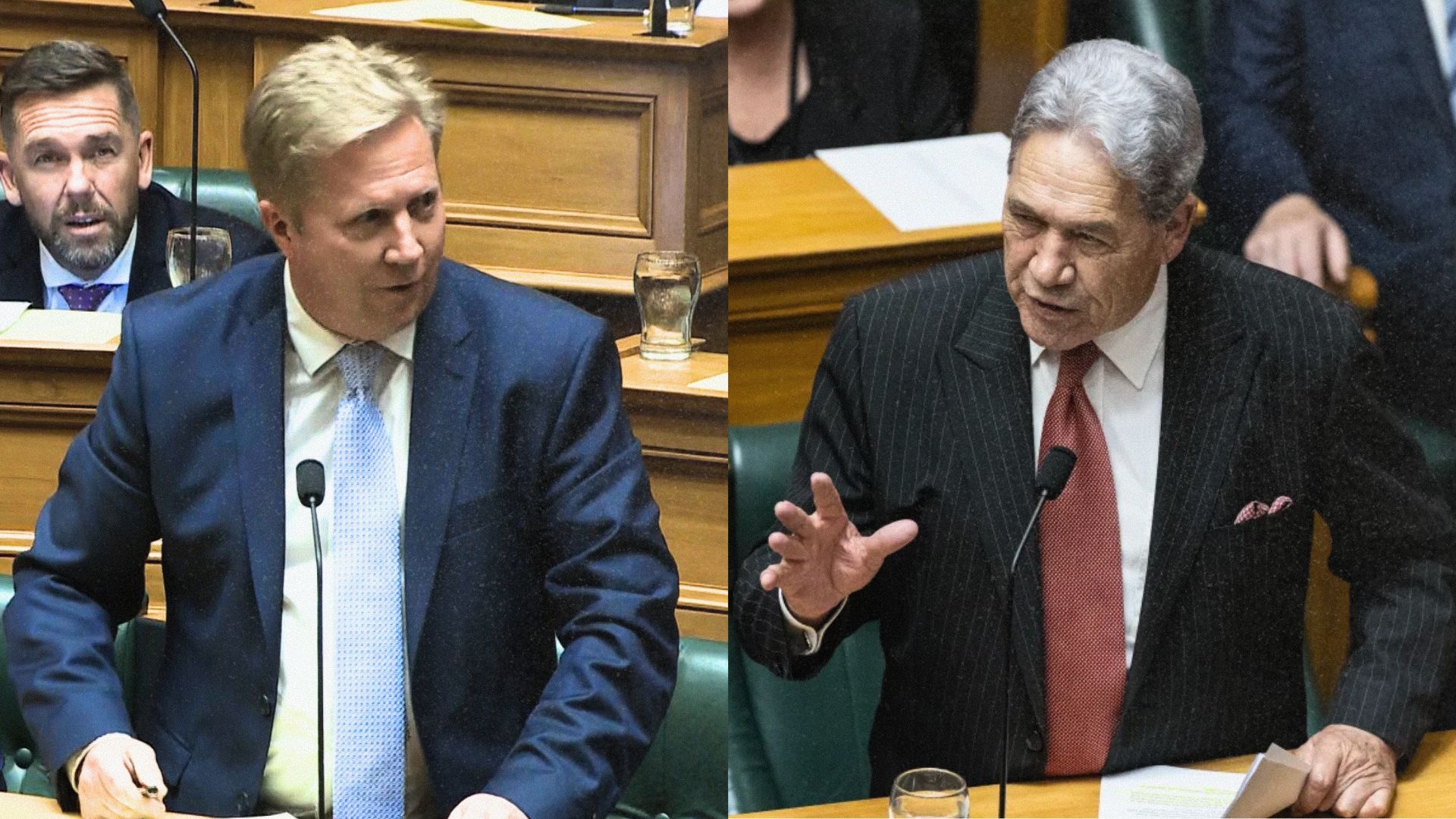
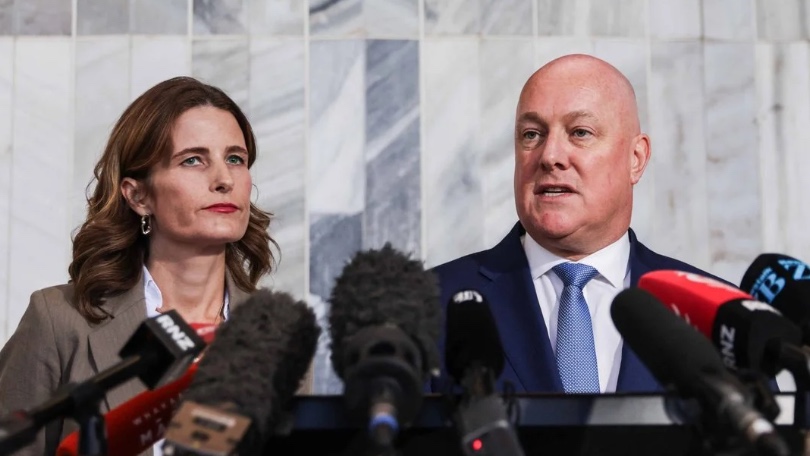
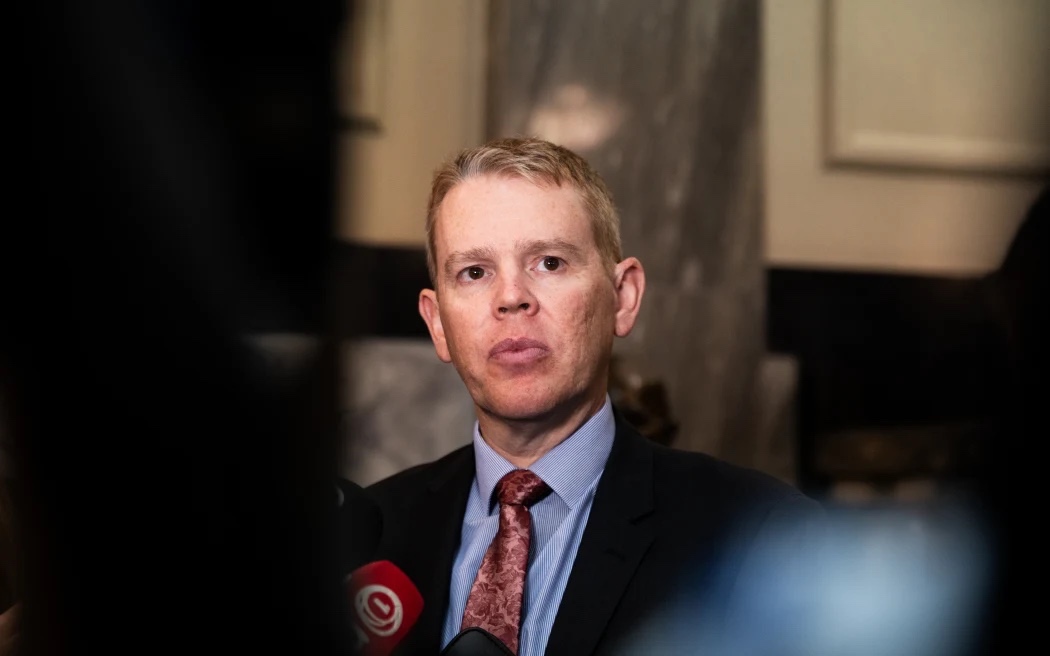
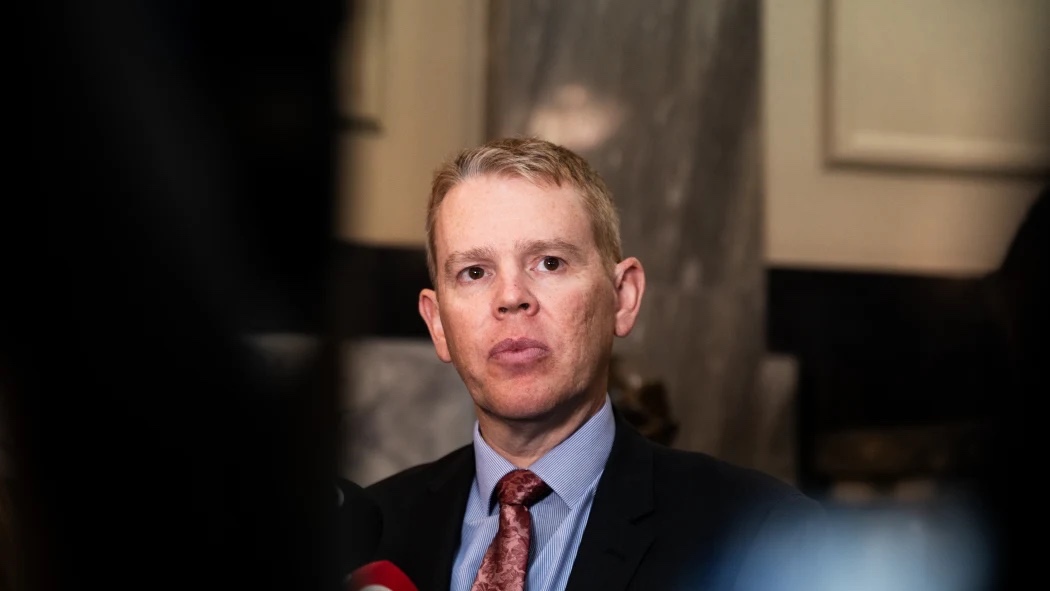
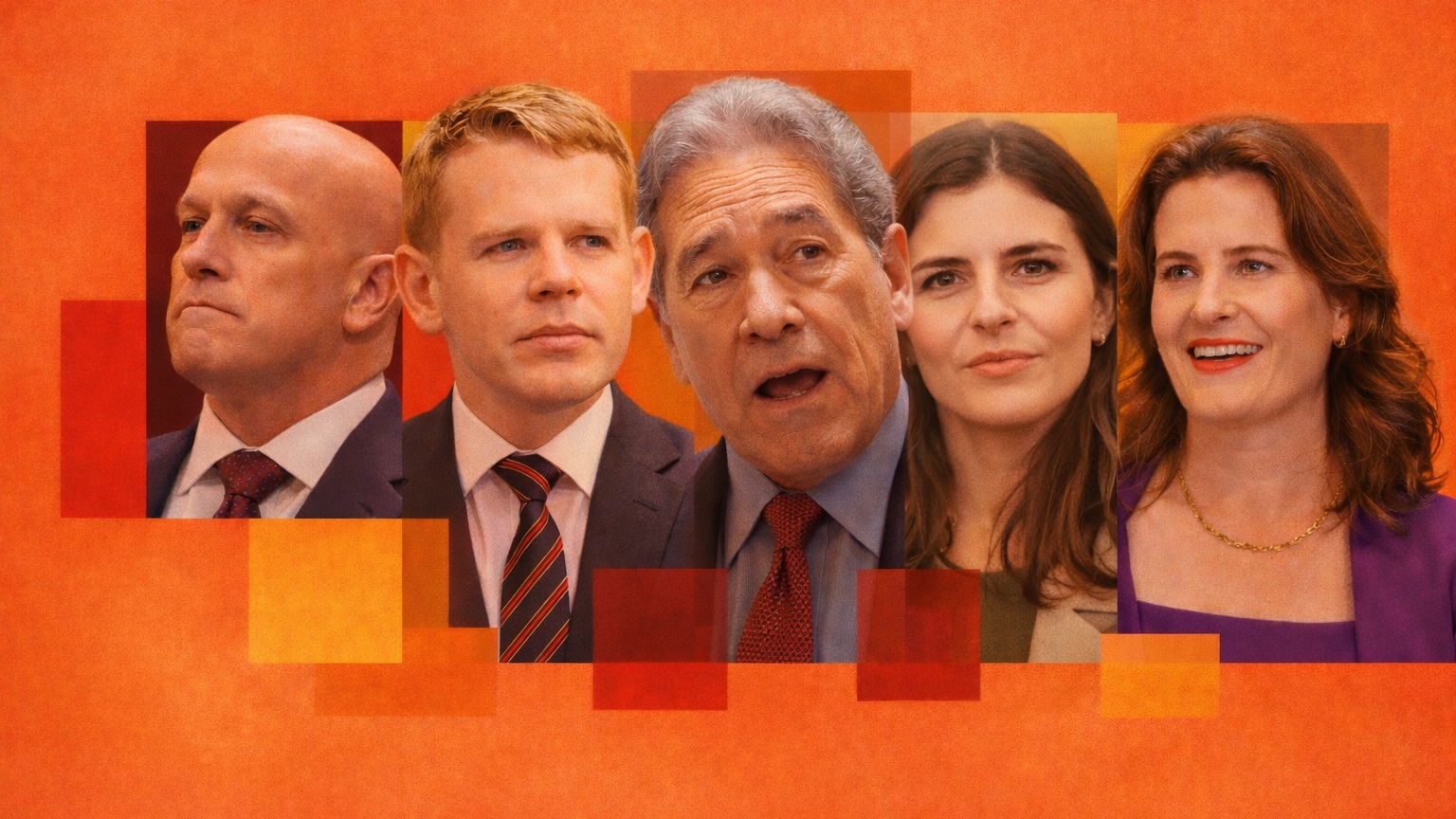
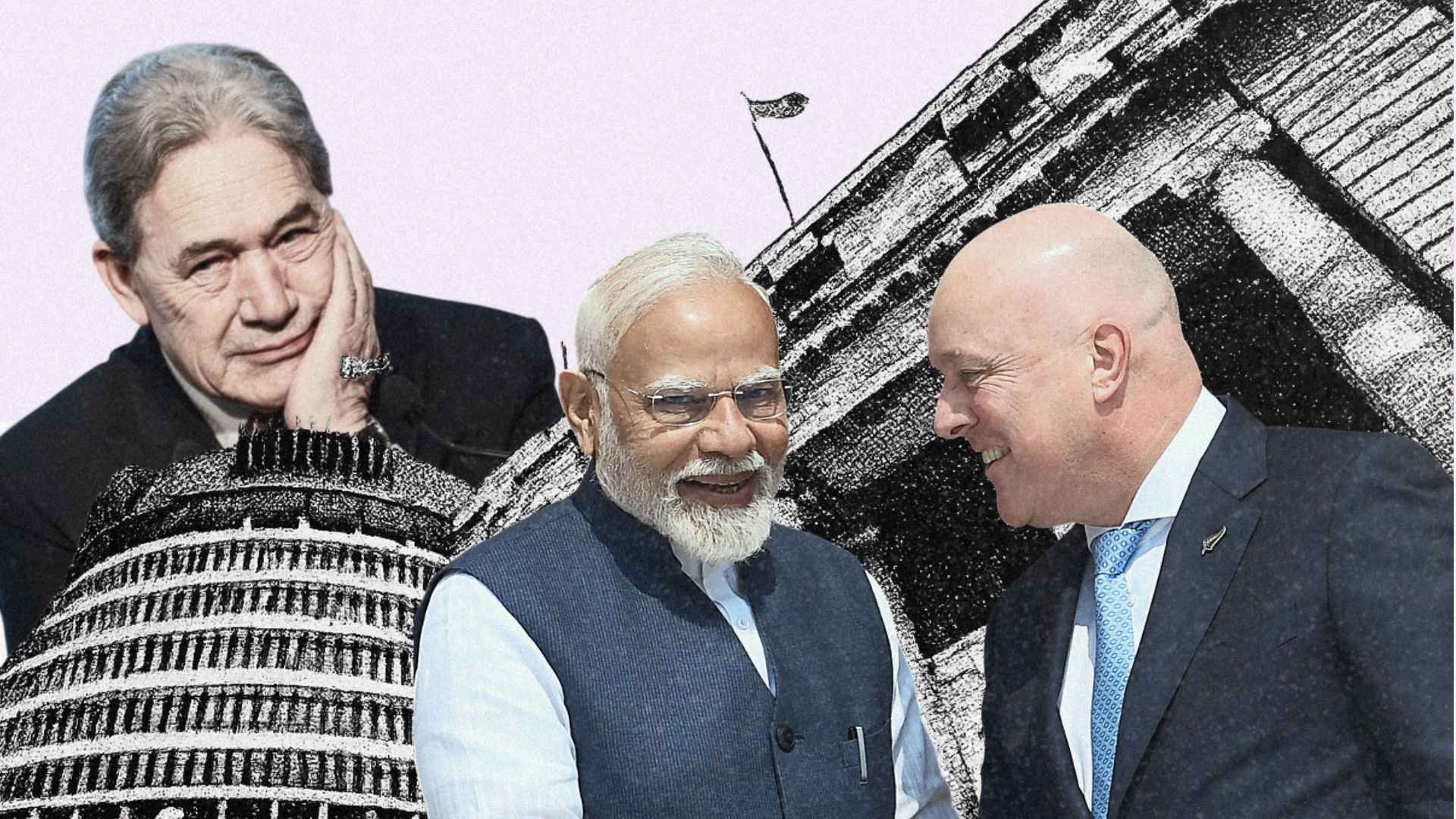
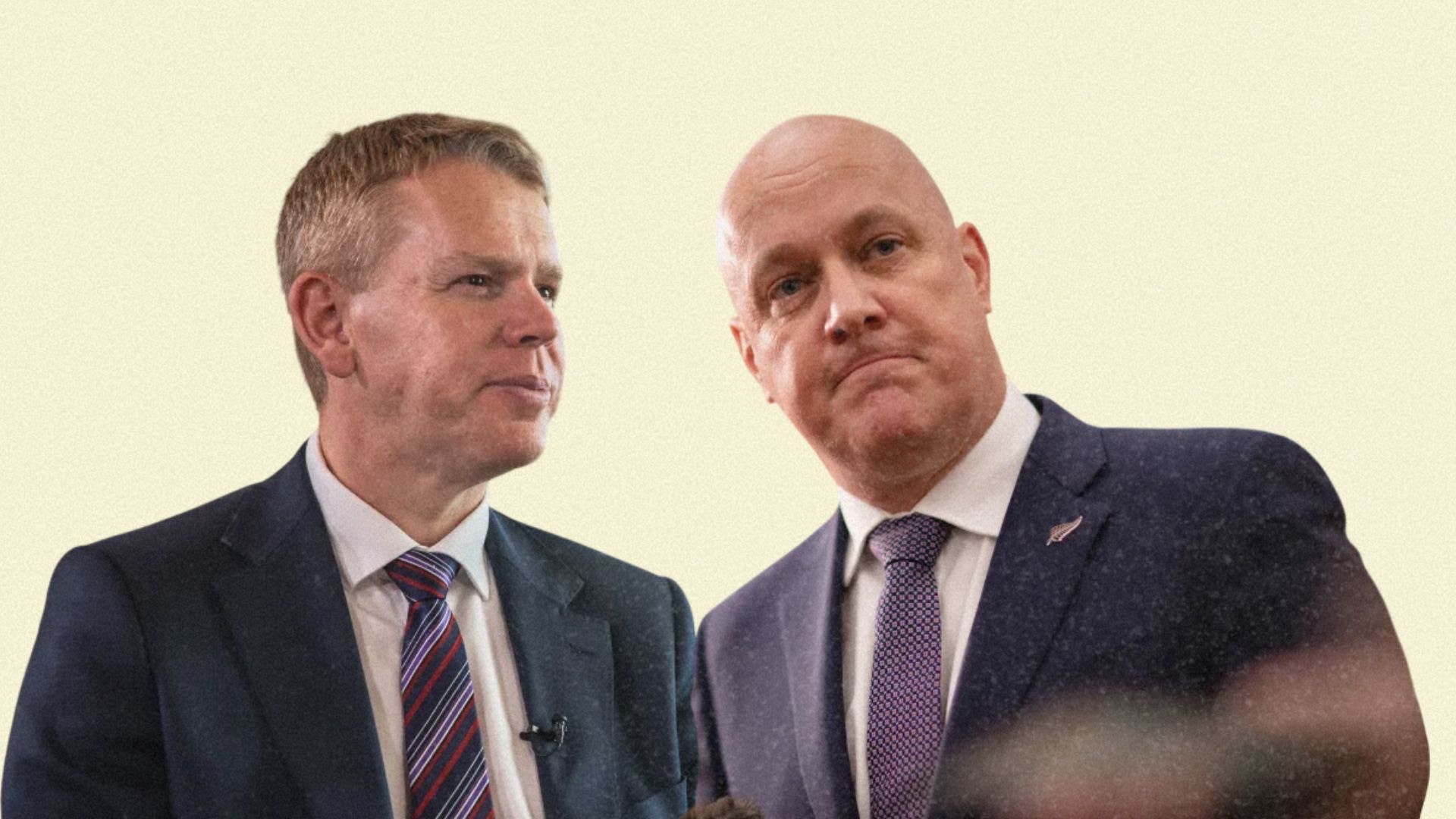
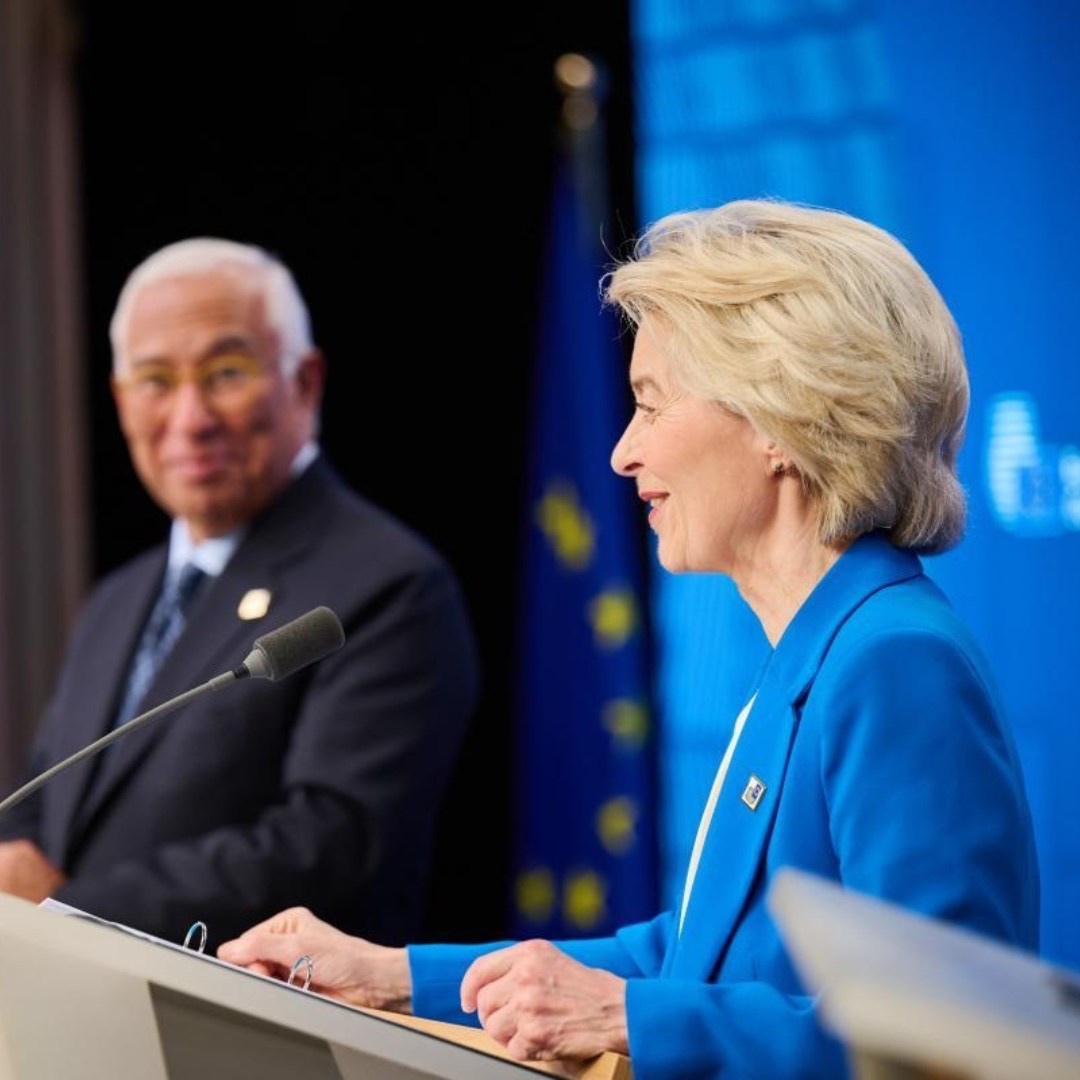
Former prime ministers Jacinda Ardern and Chris Hipkins.
The scheme reduced future debt, but for many it didn’t remove a pressing cash barrier to enrolling.
The government’s decision to scrap the one-year fees-free tertiary scheme in this month’s Budget will be contentious. Some will see it as a sensible saving, others as another blow to students facing high living costs.
But the bigger question is not whether the scheme should survive. It’s why making a year of tertiary education free did so little to change how many people studied, or who studied.
Our new research finds little evidence a fees-free year widened tertiary access. It points to the broader issue that many barriers to tertiary study emerge well before students face a fees bill.
The logic behind the fees-free scheme was simple: reduce the cost of tertiary education and more people will study.
In some countries, that argument has more force. If students face high upfront tuition fees, removing them can make tertiary education more accessible.
South Asian diaspora raises over $200,000 for New Zealanders missing in Nepal flood "I'm so proud of the Indian community here who...supported us, saying it is not a Nepal problem but our problem."
Tamakis launch Indian-origin candidate for Epsom who surrendered passport and has ‘assimilated’ “I know a whole lot of people are going to be like shocked,” says Hannah Tamaki.
Priyanca Radhakrishnan tries to puncture Luxon’s FTA victory, says India was already sold “Things have changed quite dramatically on the Indian government side,” says the Indian-origin Labour MP.
New Zealand is different. Before the fees-free scheme was introduced in 2018, domestic students could already borrow for tuition through the student loan scheme. For borrowers who remain in New Zealand, those loans are interest-free.
This means many students don’t pay tuition fees upfront. The fees-free scheme reduced future debt, but for many students it didn’t remove a pressing cash barrier to enrolling.
That distinction matters. If the main barriers are living costs, school achievement, family resources, information, confidence or the immediate need to earn money, removing first-year fees has less impact.
Our research evaluates the original policy to make the first year of study fees-free. This applied from 2018 but was changed to a final-year fees-free scheme in 2025.
However, the broader argument still holds. A final-year model may be a stronger incentive to completion study, but it is even less likely to affect barriers that shape who enters tertiary study in the first place.
What our research found
Our research used Stats NZ’s Integrated Data Infrastructure to follow more than 250,000 school leavers from the 2015 to 2019 cohorts.
We examined whether the first-year fees-free scheme affected participation, programme choice, retention and completion.
Tertiary participation was already falling before the fees-free scheme began. After accounting for that trend, it does not appear to have increased tertiary participation.
We also found no clear evidence the policy encouraged students to enrol in bachelor’s degrees rather than certificate or diploma-level study, or that it improved retention or completion.
Our findings on equity are especially important. Students from higher-decile schools were already more likely to enter tertiary study and a key question was whether a fees-free scheme narrowed that gap.
It did not. Students from lower-decile schools did worse relative to higher-decile students on participation, bachelor’s enrolment and retention.
The fees-free scheme did not widen the gaps but it failed to narrow them.
The policy was introduced during a period of declining enrolment and strong labour market conditions. A universal fee subsidy was not enough to offset the key barriers shaping unequal access to tertiary education.
An expensive way to change little
The lack of evidence of increased participation matters because the fees-free scheme was a major investment. At its recent peak, it cost about NZ$350 million a year.
Even reading our results as generously as possible, it may have affected the enrolment decisions of only about 400 students per cohort – more than $800,000 for each student whose decision may have changed.
Our earlier research on bachelor’s degree participation in New Zealand points in the same direction.
That study found differences in prior school performance, socio-economic status and parental education explained much of the gap in who reached degree-level study. School performance was the largest contributor to ethnic gaps in bachelor’s participation.
The implication is clear: if the goal is to expand tertiary access, policy attention needs to start earlier than the point of enrolment.
By the time young people are deciding whether to enter university, polytechnic, wānanga, workplace-based training or another tertiary pathway, many inequalities have already done their work.
Their decision has already been shaped by differences in school achievement, family resources, information about tertiary options, and the ability to delay paid work. A universal tertiary subsidy simply arrives too late in this process.
The real lesson from the fees-free scheme
There is a reasonable evidence-based case that the first-year fees-free scheme was poor value for money if the goal was to increase participation.
But scrapping it does not, by itself, solve unequal access.
The lesson is not that cost is irrelevant. Cost clearly matters to students and their families. Nor is it that tertiary education is unimportant.
The lesson is that universal fee subsidies are a blunt and expensive tool for widening access. They arrive too late, after years of inequality in achievement, family resources and information have already shaped who is likely to study.
Scrapping the fees-free scheme may remove an expensive subsidy. But it should not be mistaken for solving the deeper inequalities that determine who enrols in tertiary education in the first place.
If higher education is to be genuinely accessible, we need to look much earlier than the fees bill students face at enrolment.
(This was first published in The Conversation. Lisa Meehan is Director NZ Policy Research Institute, Auckland University of Technology. Cristóbal Castro Barrientos is PhD Candidate, NZ Policy Research Institute, Auckland University of Technology)