
Opinion: Labour’s $20 public transport promise begs a simple question. Care to answer?

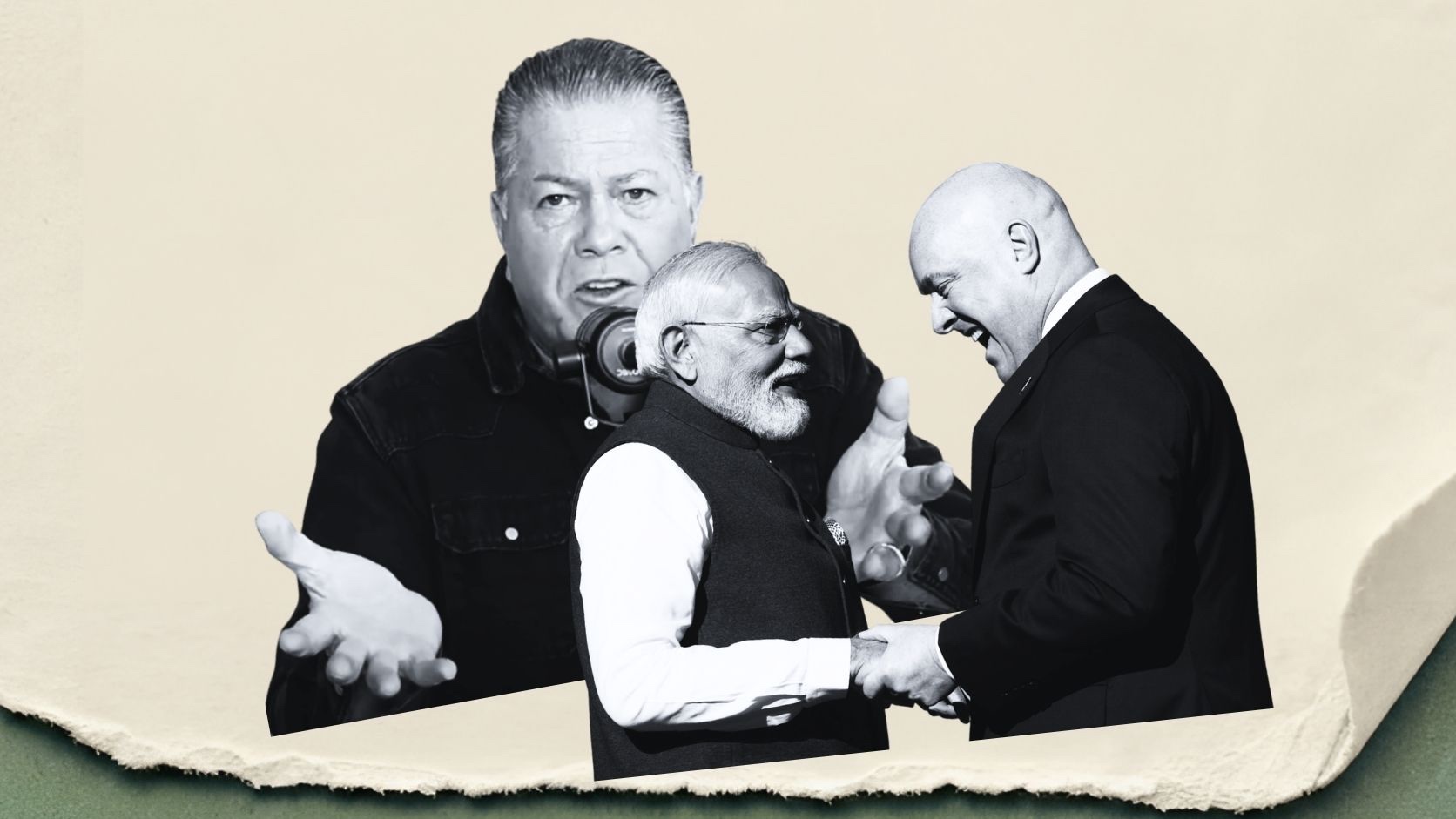
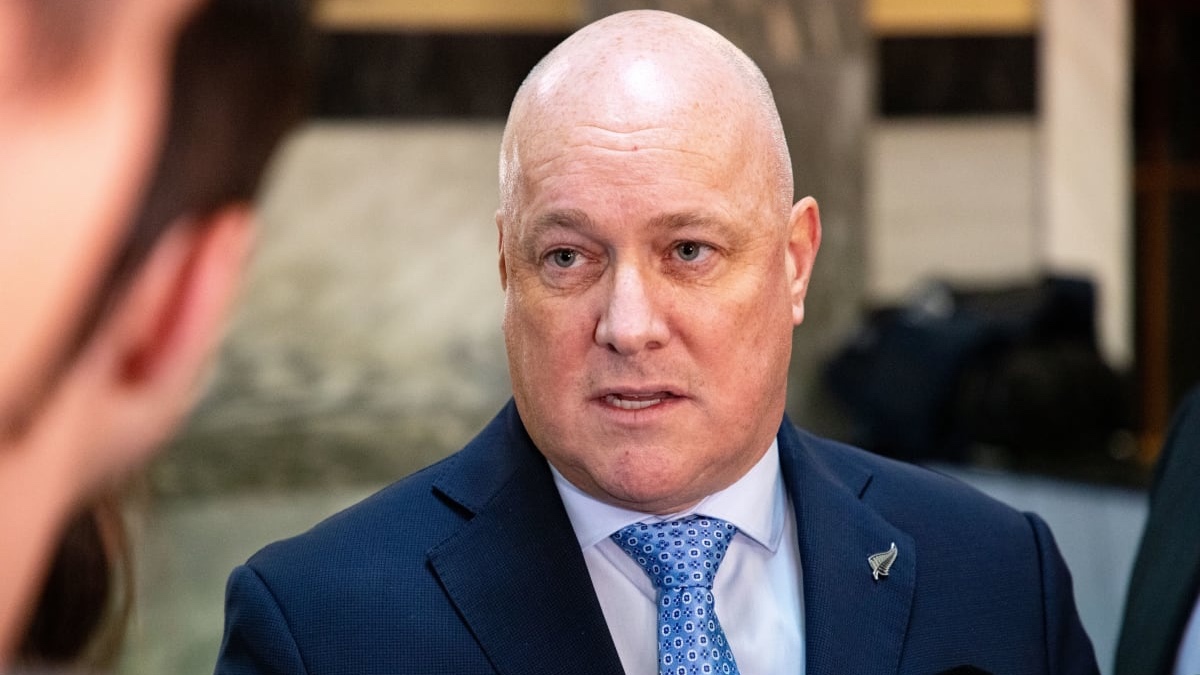
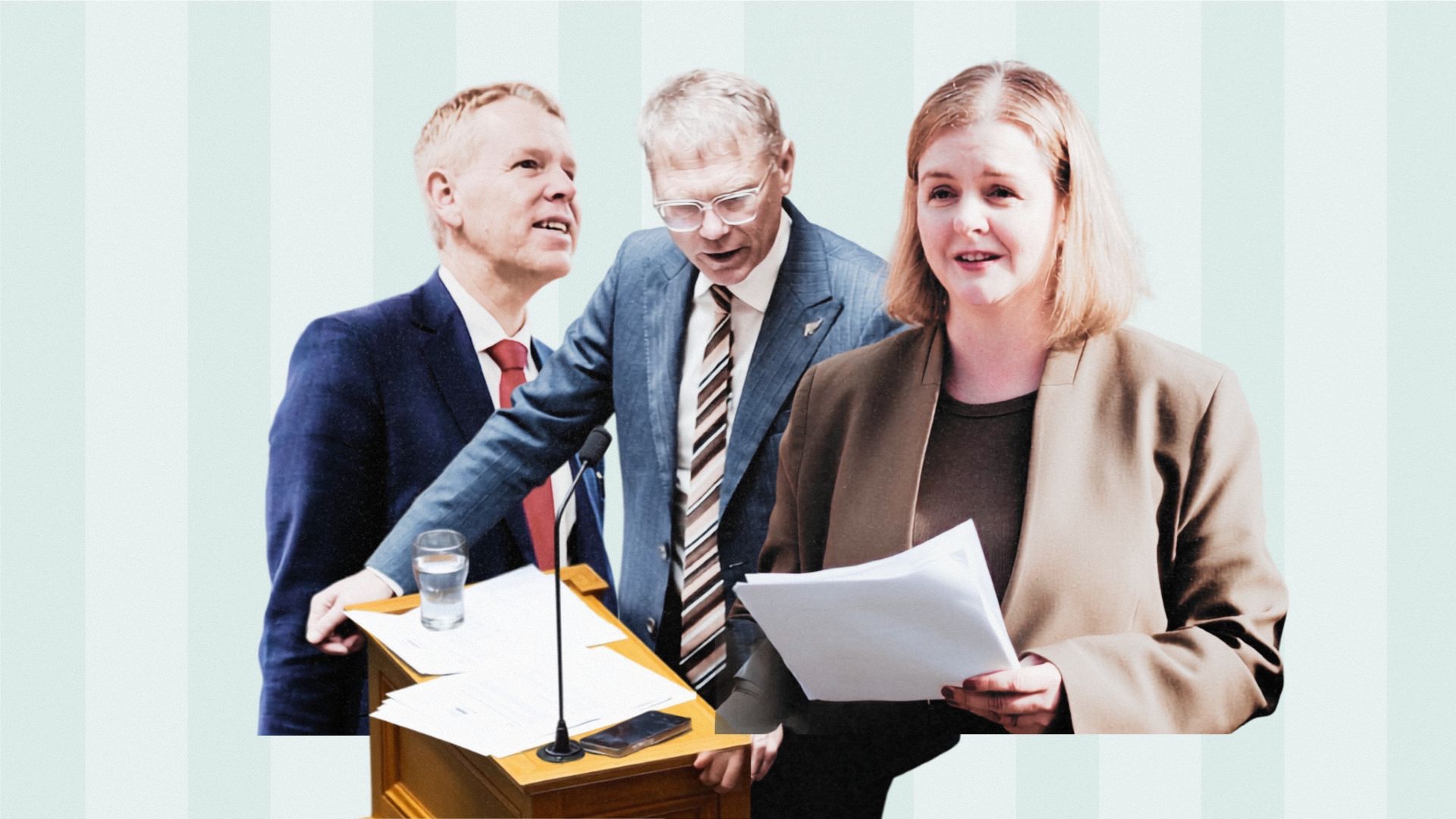
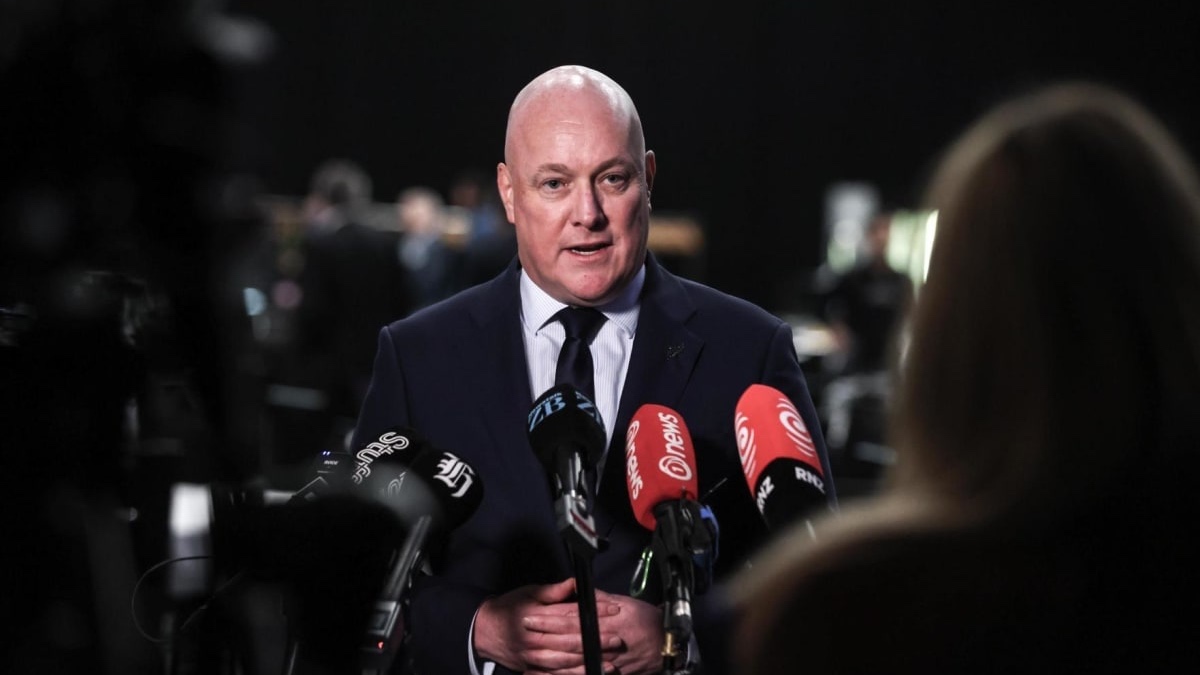
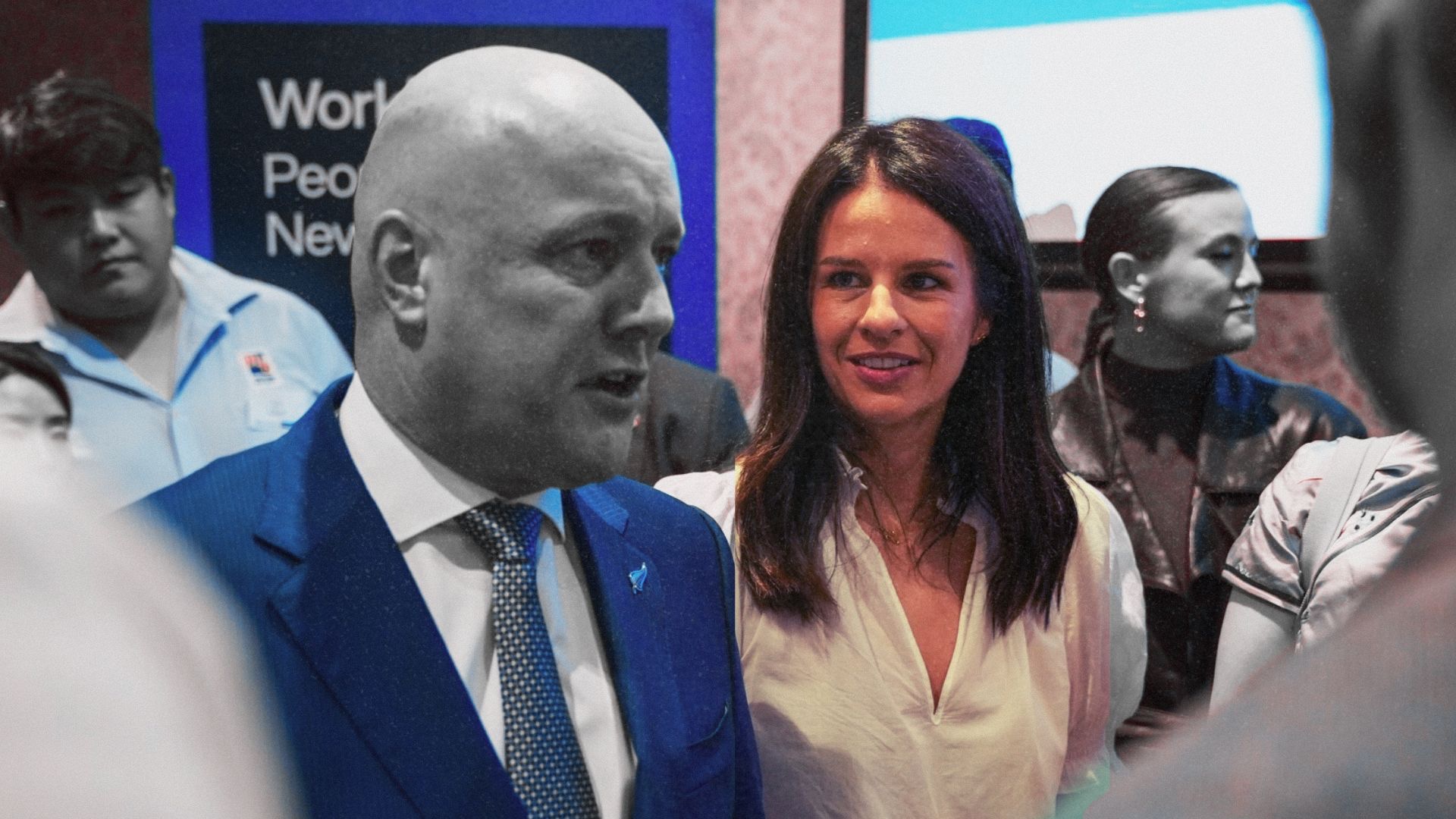
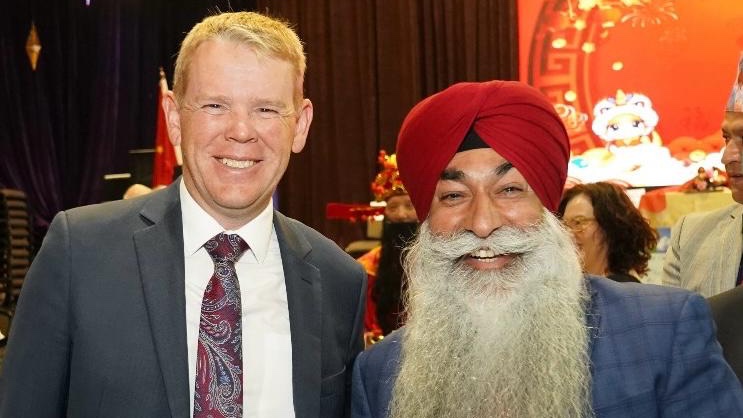
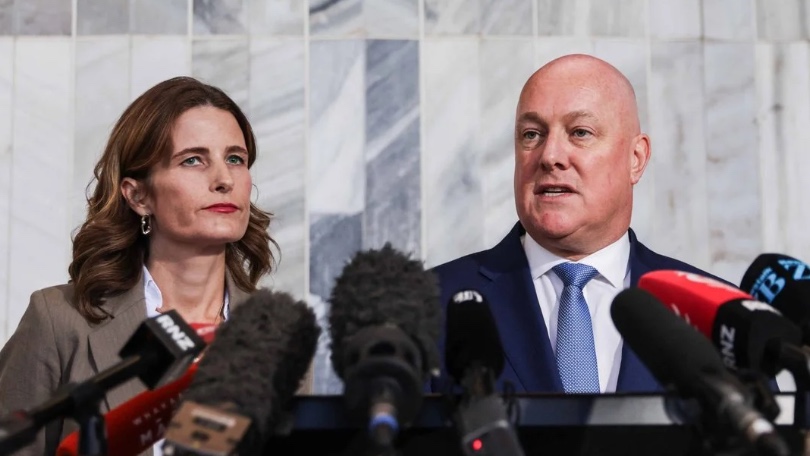
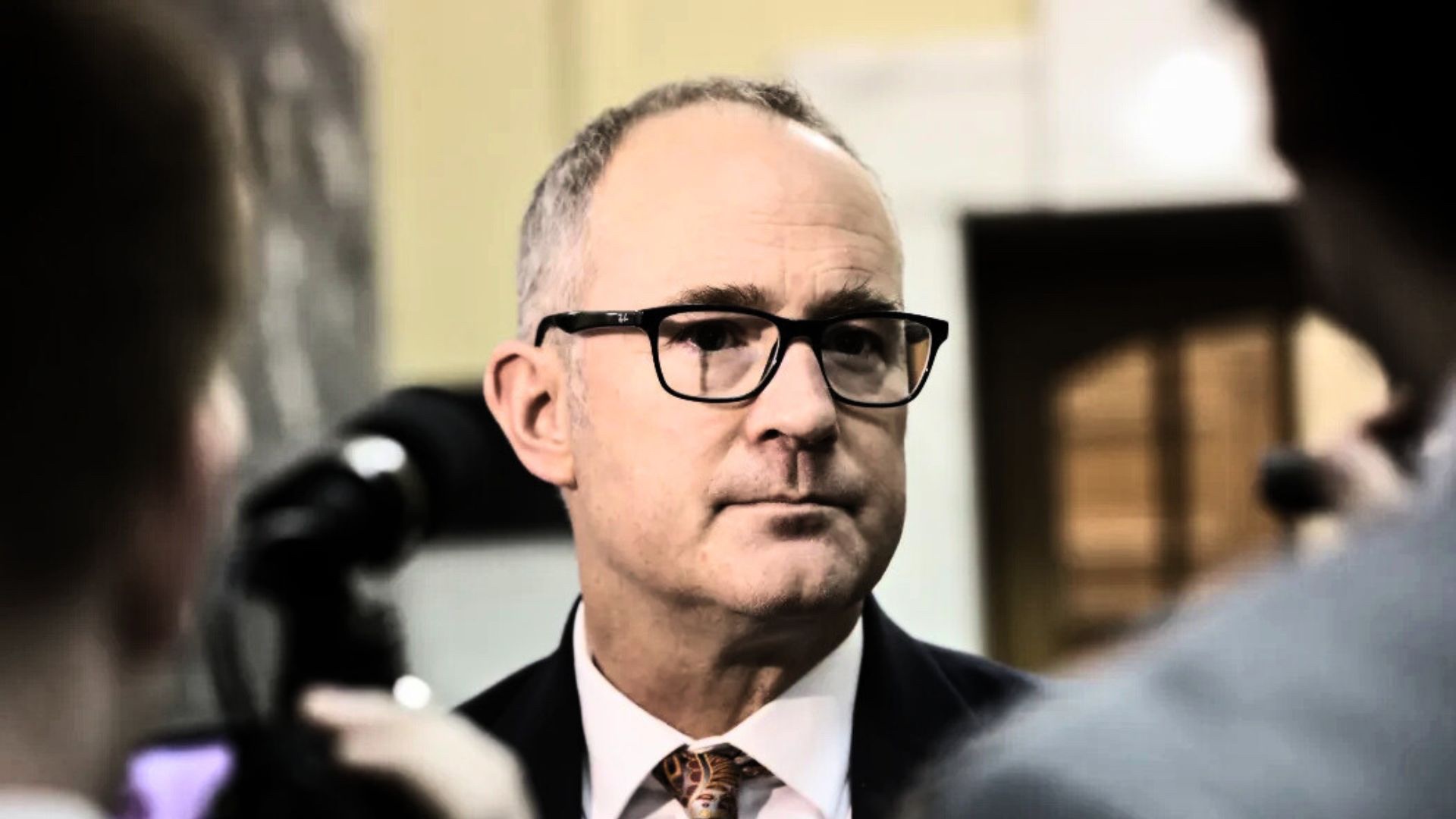
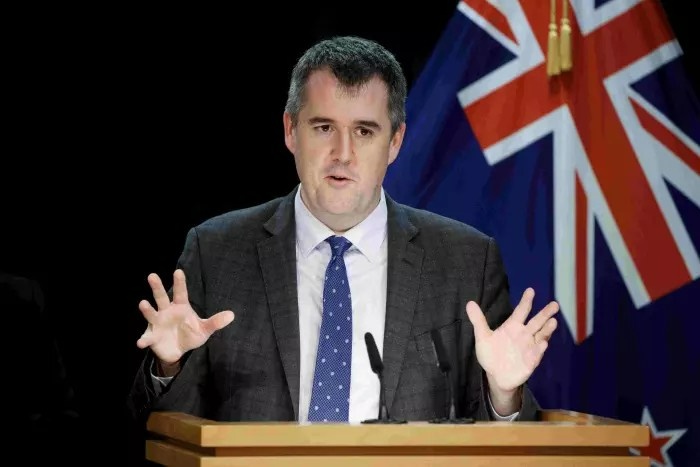
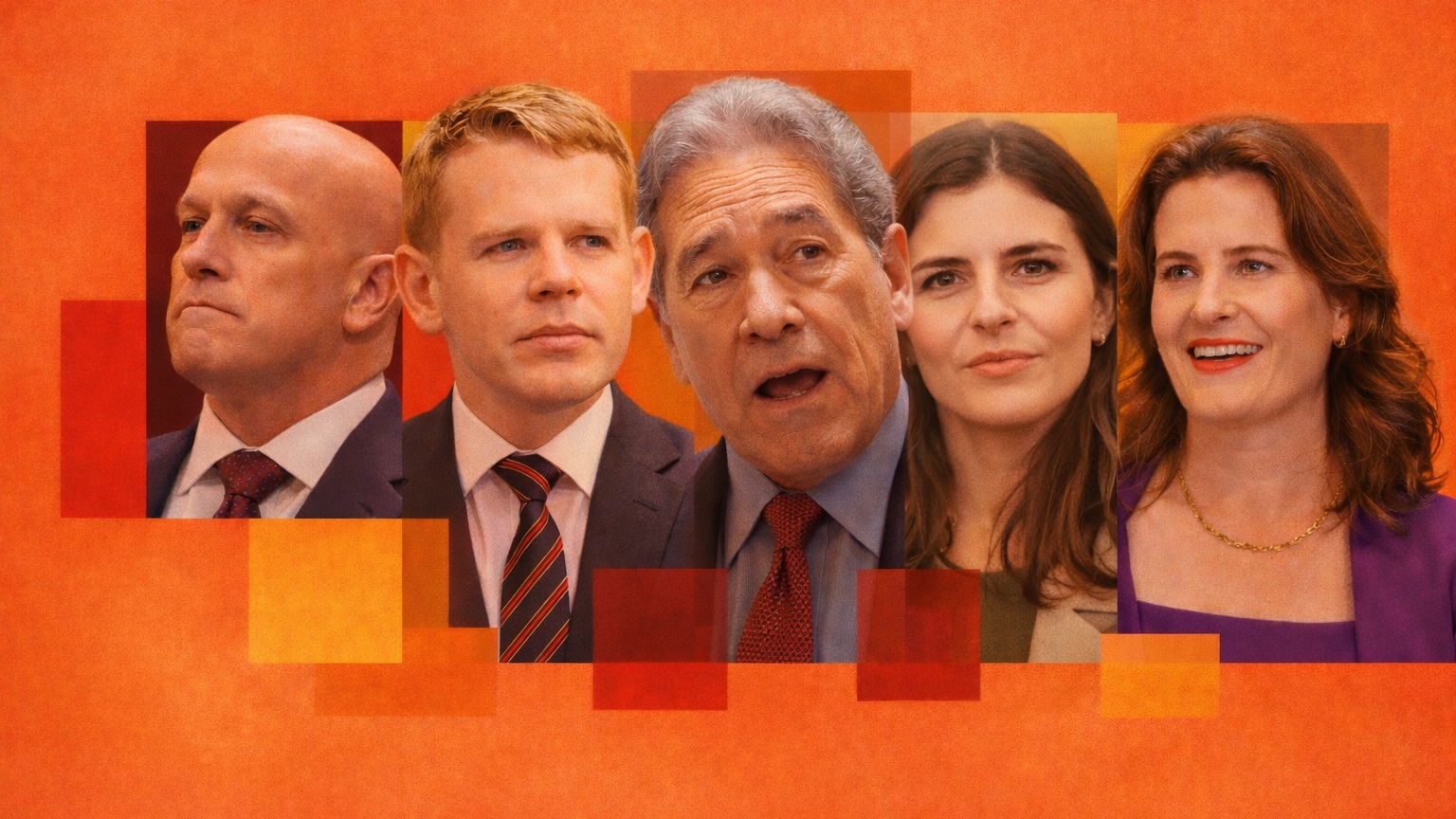
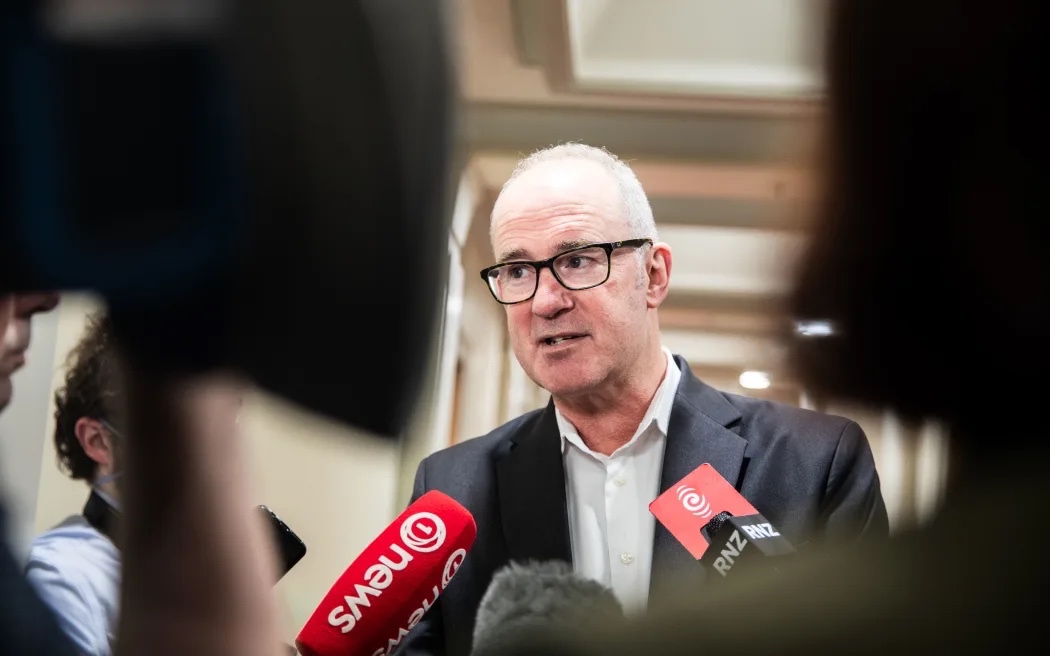
Labour Party leader Chris Hipkins.
The issue isn’t whether public transport is good or bad. The real issue is priorities.
Labour’s proposal to cap public transport costs at $20 per week will undoubtedly sound attractive to many New Zealanders.
After all, who doesn’t like paying less?
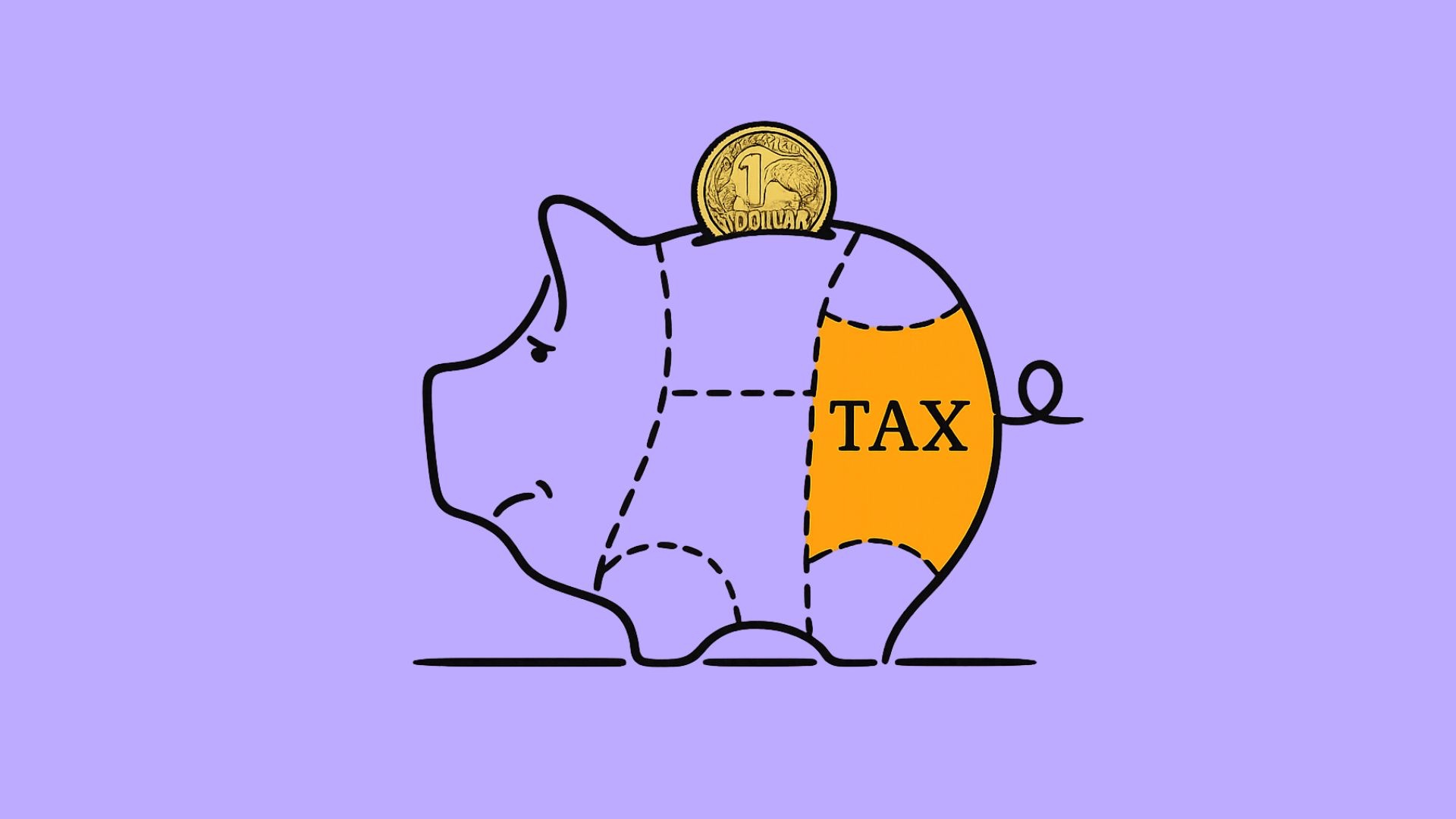
But before we rush to celebrate another taxpayer-funded subsidy, there is one question Labour needs to answer. Why is additional taxpayer support being directed towards a group that is already receiving substantial taxpayer support?


Public transport in New Zealand is not a user-pays system.
In Auckland, passengers currently pay roughly one-third of the operating cost of the network, while taxpayers and ratepayers fund the remaining two-thirds.
'Devastating': Indian family racially abused in Christchurch, hunt on to identify attacker “We’ll always be reminded of this, thanks to this man who thinks we don’t belong.”
Immigration reset: National drops hints as parties on left and right target permanent residence New Zealand's permanent residence framework provides an edge over Australia and Canada in attracting overseas talent.
NZ First’s policy of division: Turning hatred of migrants into political power This is no immigration reform. It is the politics of exclusion presented as population planning.
In Wellington, passengers contribute closer to one-quarter of operating costs, with taxpayers and ratepayers covering the remaining three-quarters.
In other words, before Labour’s proposal has even been considered, every bus, train and ferry journey is already being substantially subsidised by the public.
That isn’t necessarily a bad thing. There are legitimate reasons governments choose to support public transport networks.
Reduced congestion, greater transport choice and environmental benefits are all arguments that can be reasonably debated.
But if public transport users are already receiving significant assistance, why should they be first in line for even more?
That is the question Labour has yet to answer. Especially when millions of New Zealanders receive no equivalent support whatsoever.
The tradie driving between job sites. The farmer travelling between properties. The shift worker heading to work before the first bus starts. The parent juggling school drop-offs, sports practices, supermarket runs and doctor’s appointments. The community nurse travelling between patients.
For many New Zealanders, public transport simply is not a realistic option. They don’t drive because they want to. They drive because they have to.
And right now, those New Zealanders are facing increasing costs.
Recent instability in the Middle East has pushed global fuel prices higher, increasing costs for households and businesses that rely on petrol and diesel every day.
Meanwhile, public transport users have largely been insulated from those increases because much of the true cost of operating buses, trains and ferries is already absorbed by taxpayers and ratepayers.
So Labour’s answer is not to reduce transport costs for everyone.
It is to provide additional support to one group of transport users while asking everyone else to help pay for it.
That raises a legitimate question about fairness.
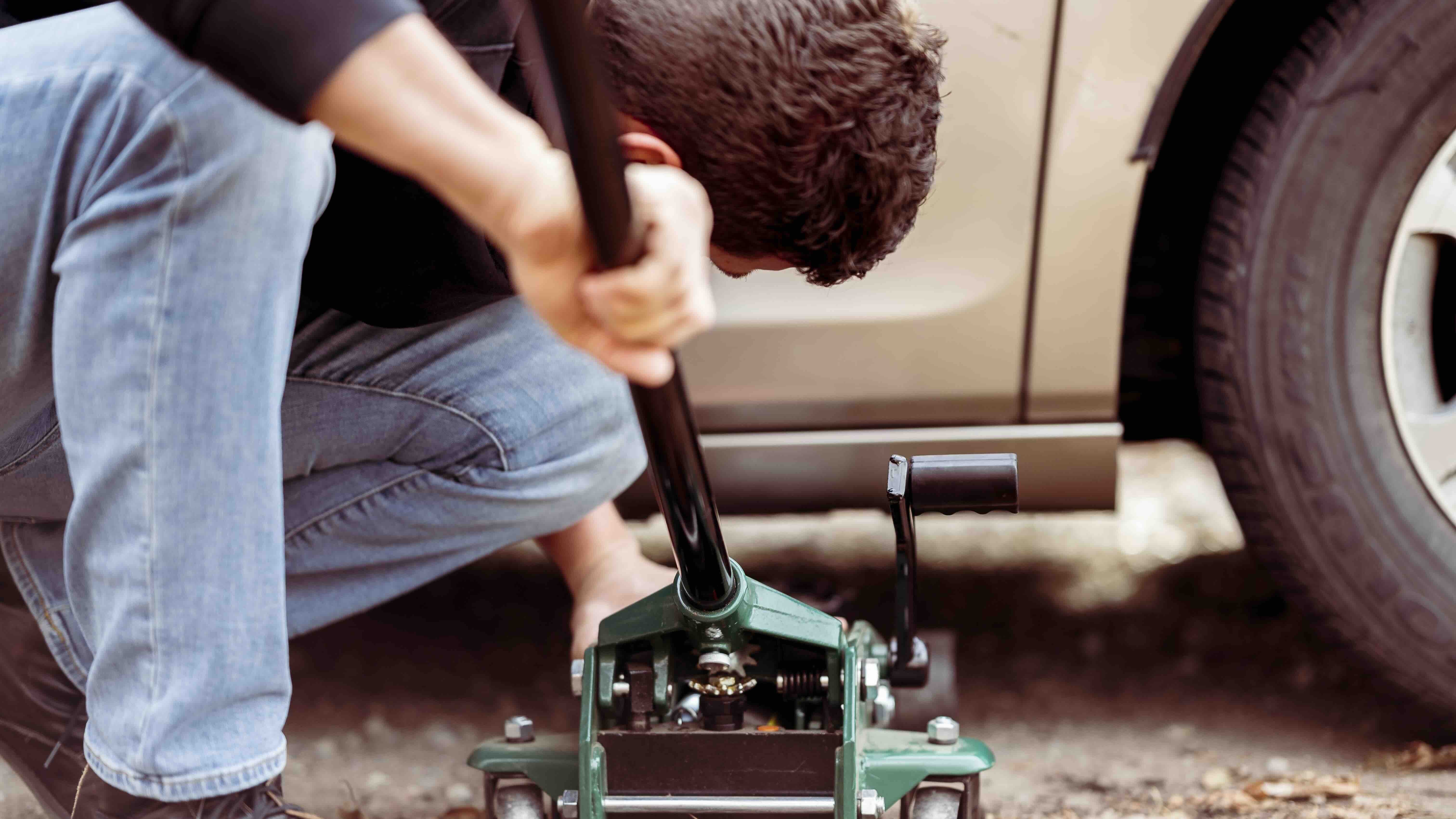
Imagine a young tradie sitting in traffic, calculating how much next week’s diesel bill is going to cost.
Now imagine a bus travelling past carrying commuters into well-paid office jobs.
Under Labour’s proposal, that tradie could be contributing even more towards subsidising the cost of those journeys. Not because those commuters are poor. Not because they are struggling. Simply because they happen to use a different mode of transport.
The issue isn’t whether public transport is good or bad. Of course, public transport has an important role to play. The real issue is priorities.
At a time when New Zealand’s finances remain under pressure, every new spending promise should be judged against a simple test – is this the group most in need of additional taxpayer support?
Labour says cheaper public transport is a cost-of-living policy. Perhaps.
But before creating another layer of subsidy, they should explain why additional assistance is being directed towards people who are already receiving substantial public support while many New Zealanders who have no practical alternative to driving receive none.
That is the question at the heart of this debate. And so far, I haven’t heard Labour answer it.
(The writer is a Waikato-based migrant, entrepreneur, retail crime advocate, and former ACT Party candidate. He writes on crime, business, and culture, and their influence on shaping New Zealand’s future. He also serves as one of the board members on the Ministerial Advisory Group for Retail Crime.)