
Opinion: Luxon standing beside Modi at Spark Arena matters more than critics think
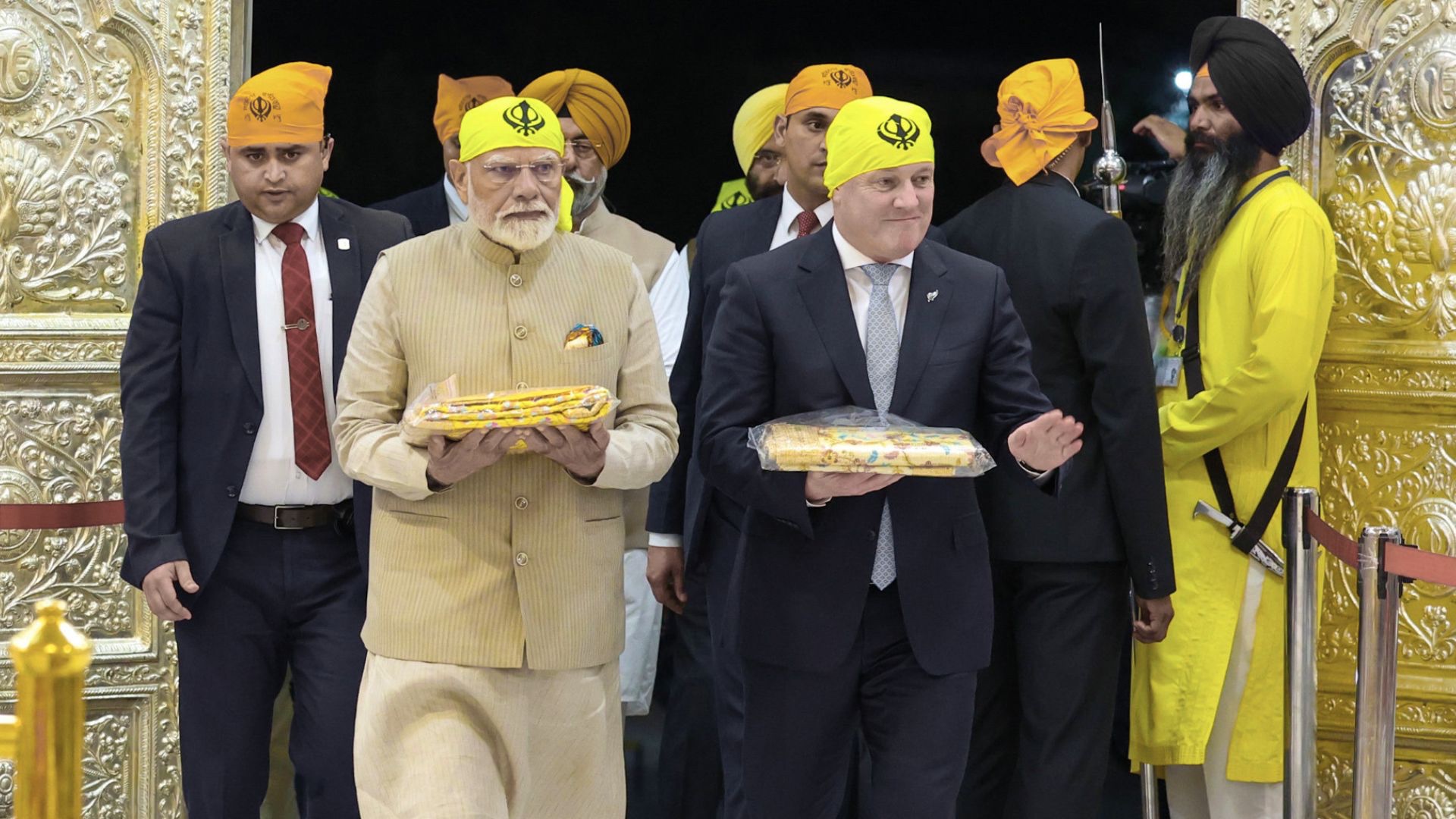
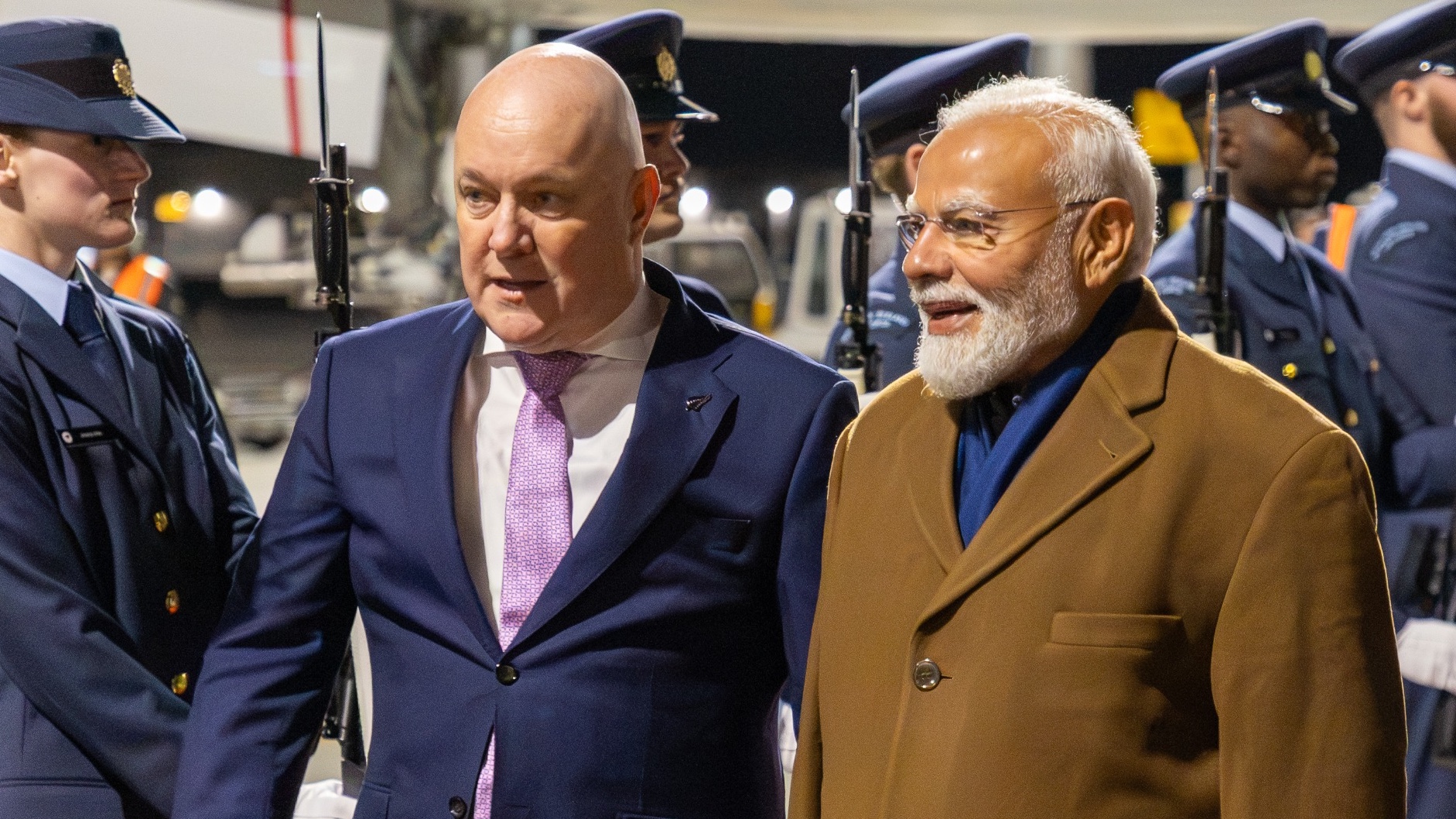
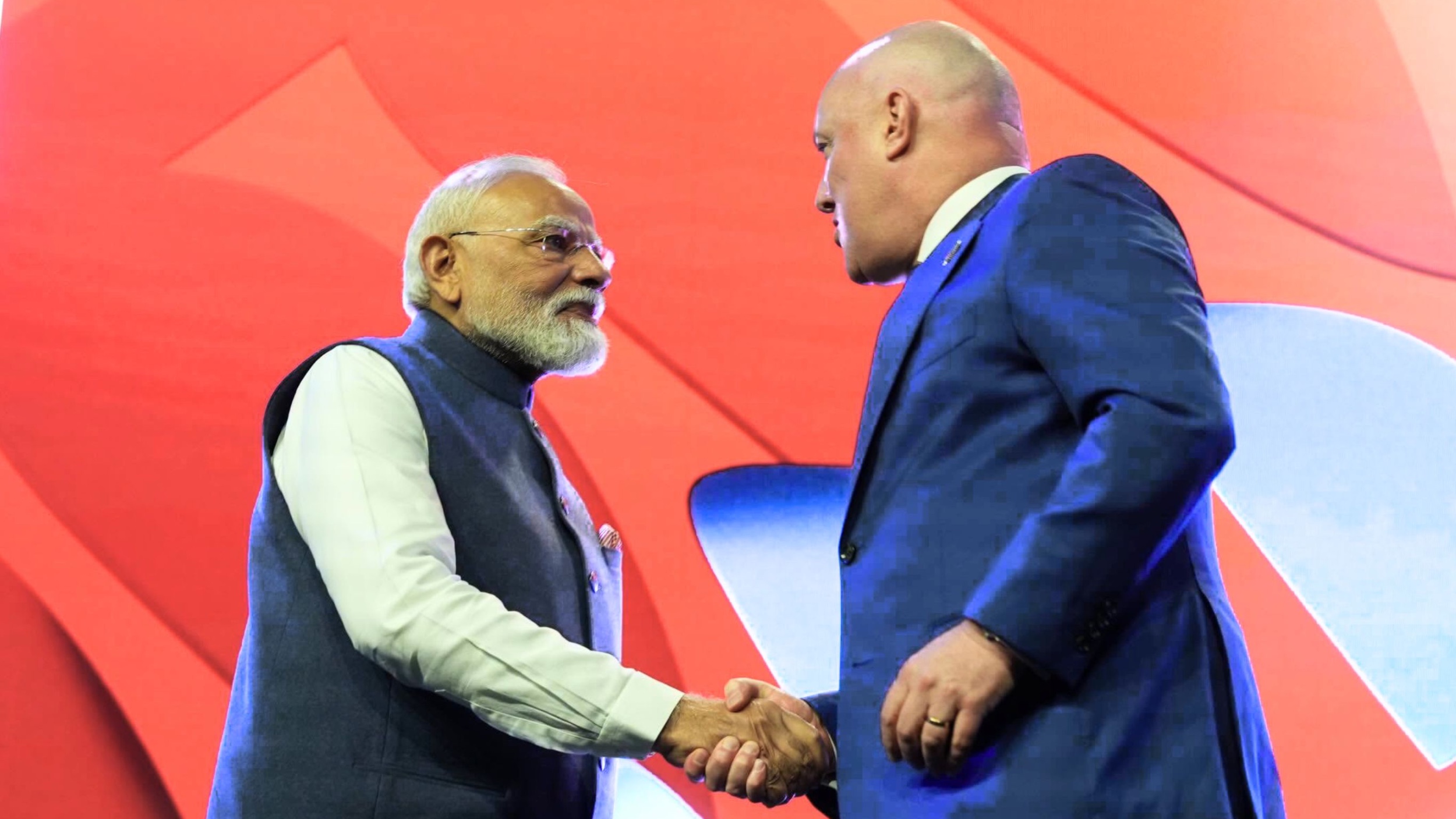
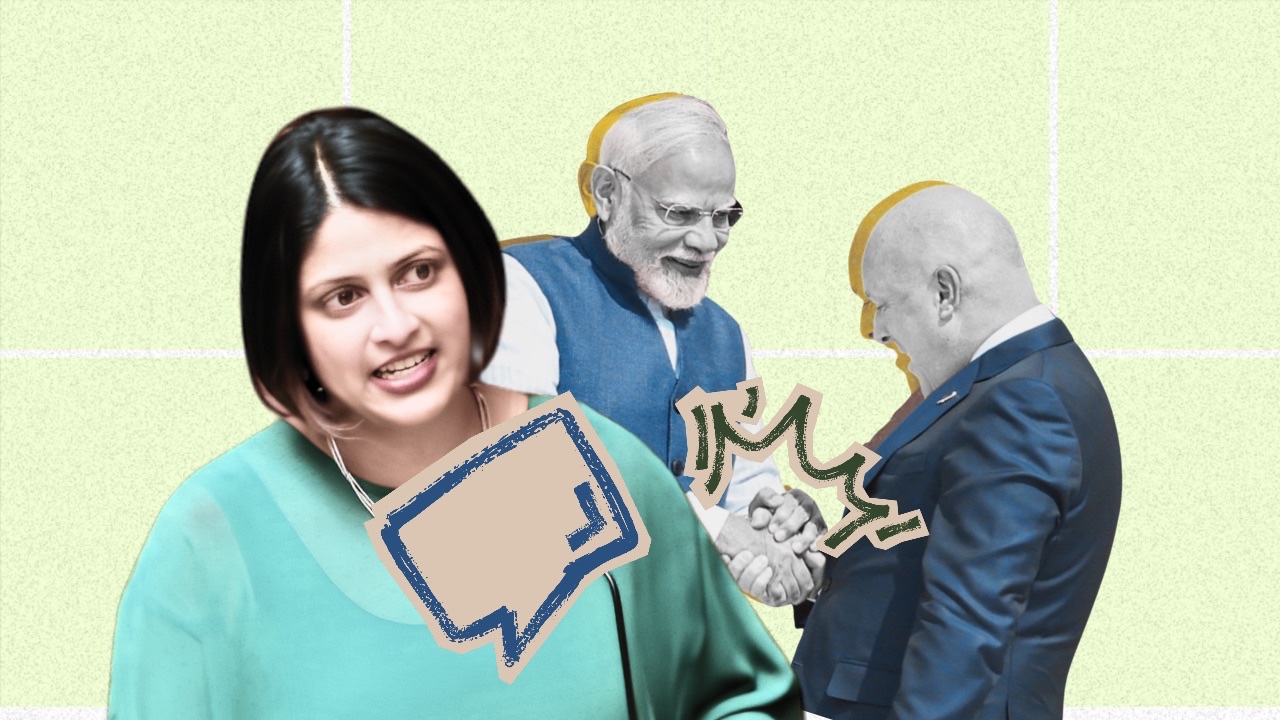
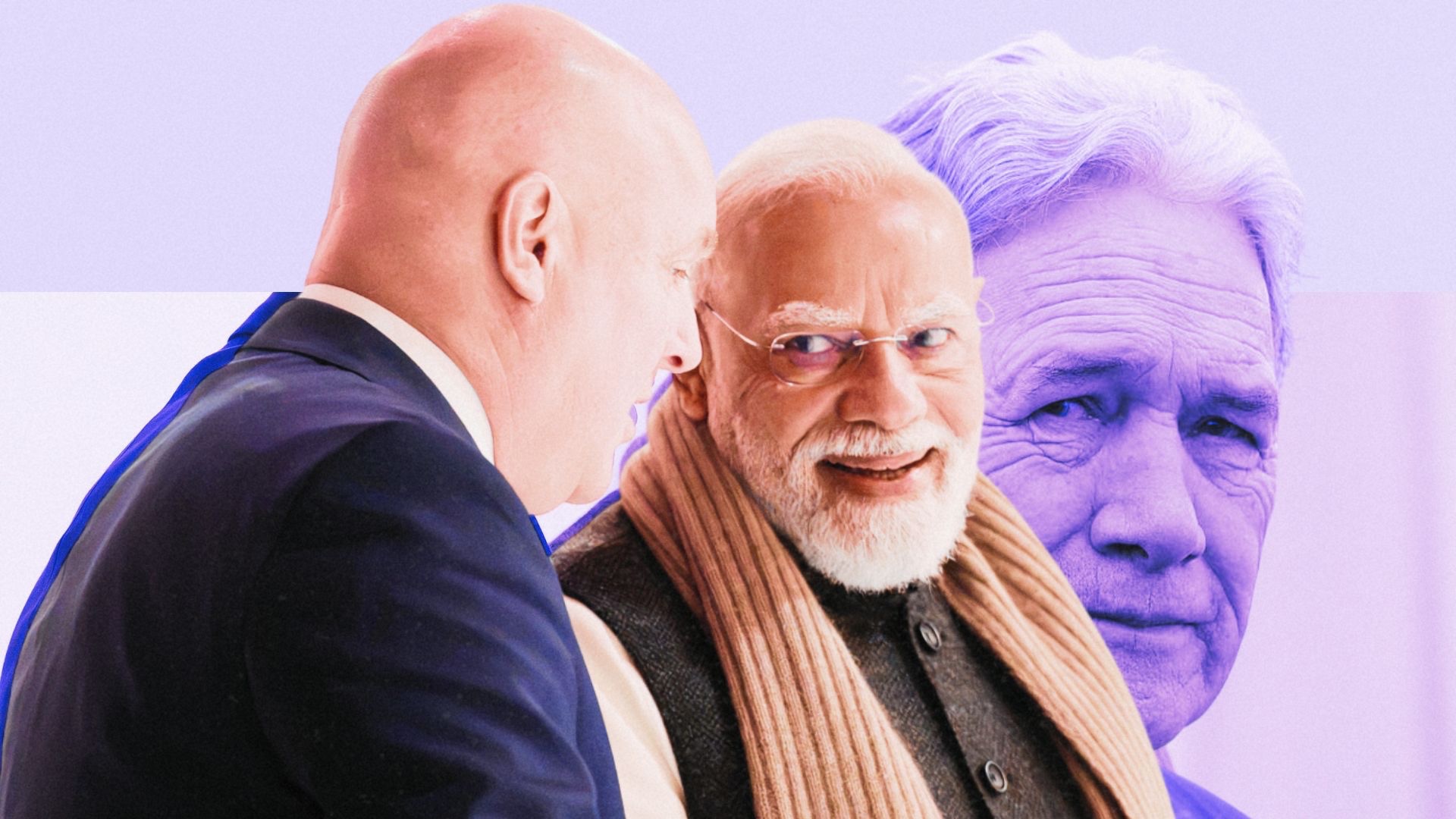
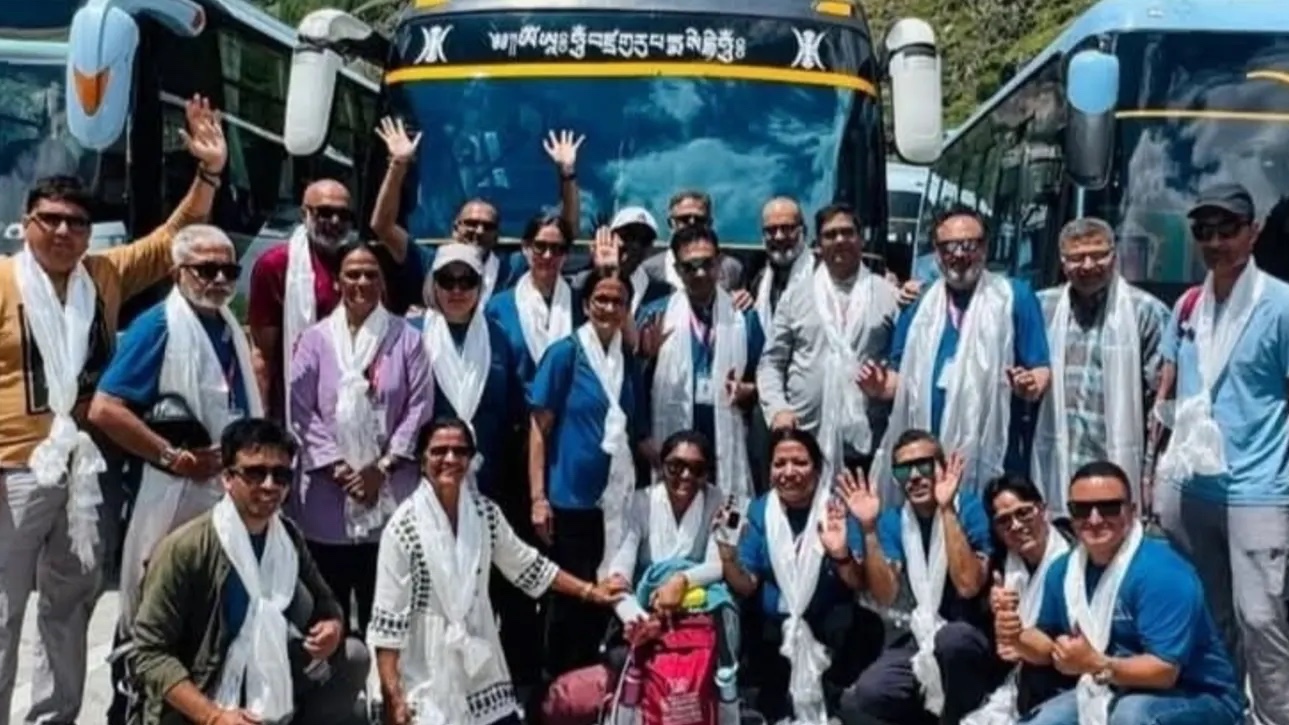
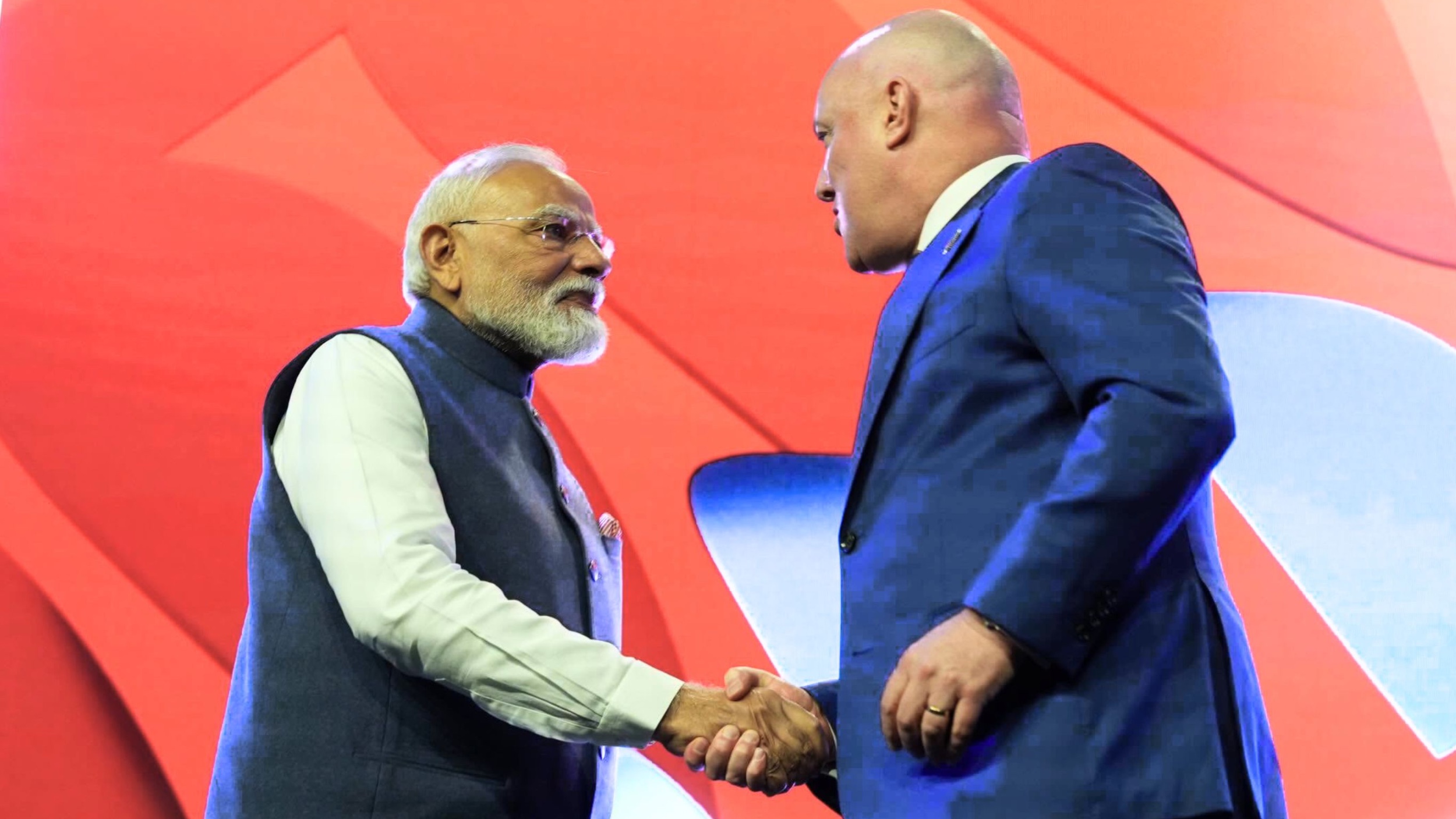
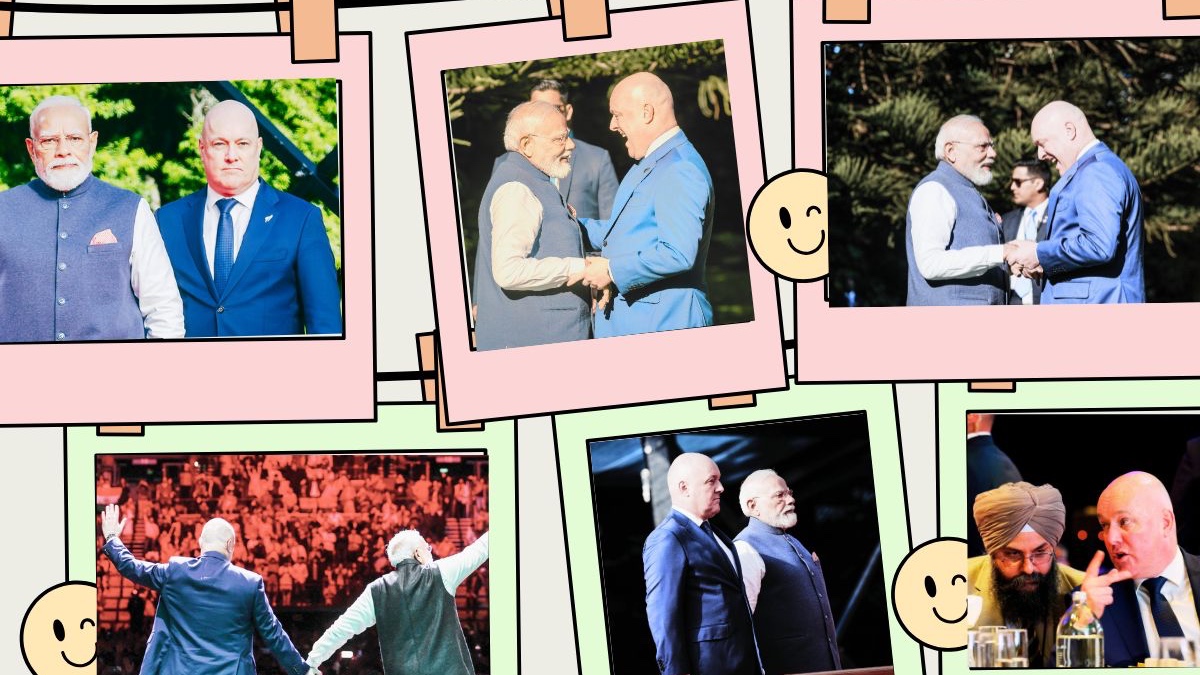
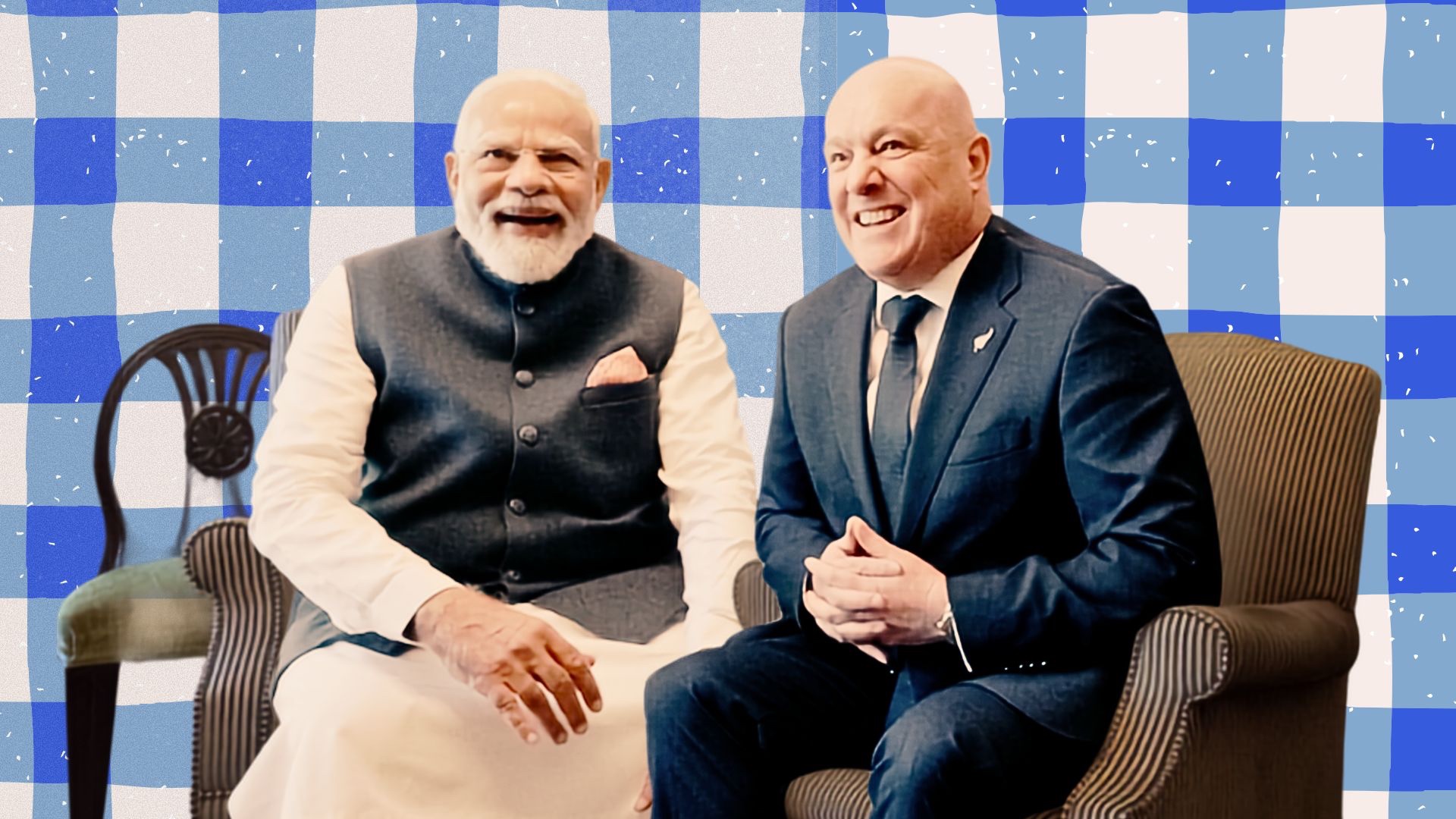
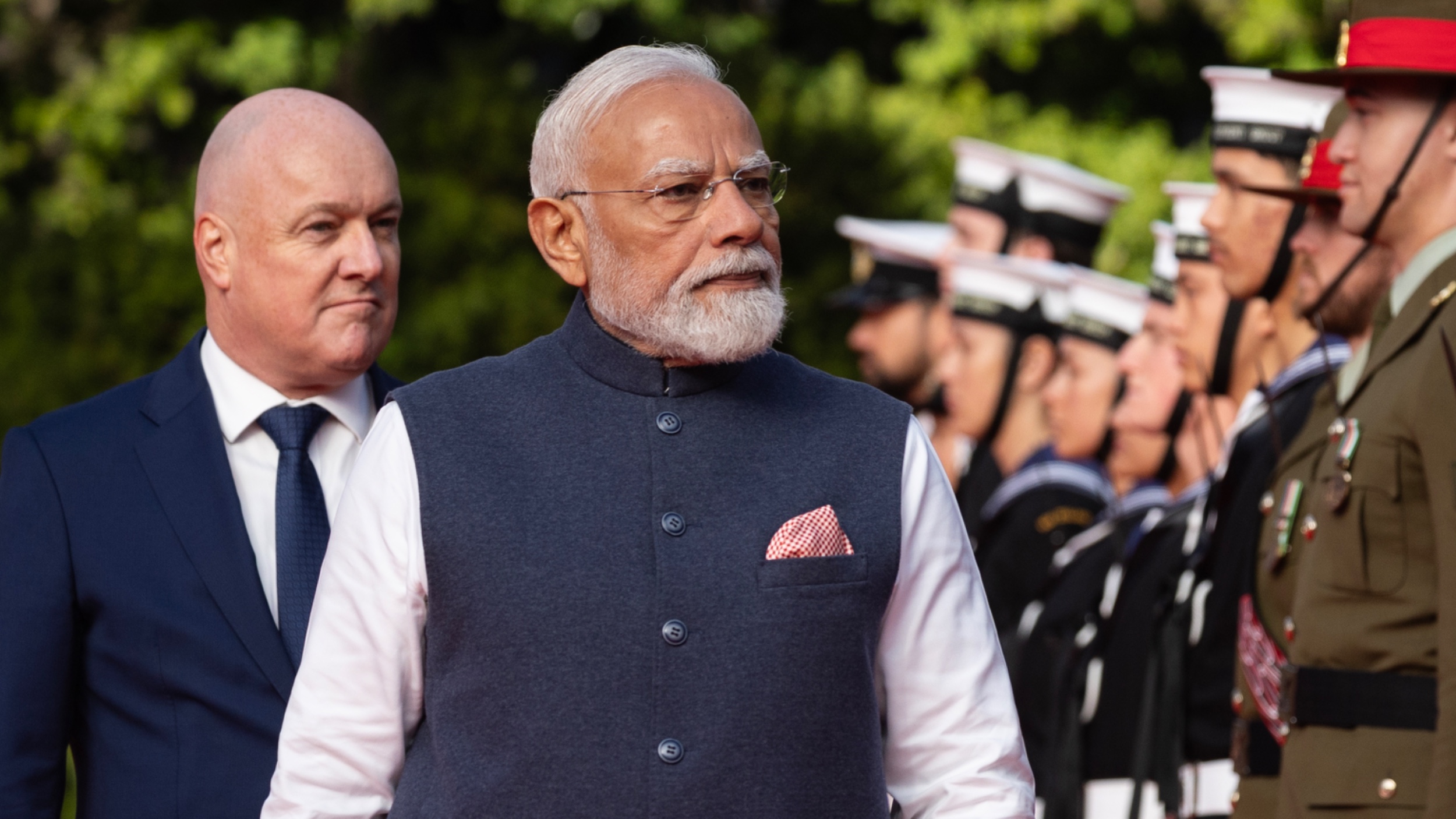
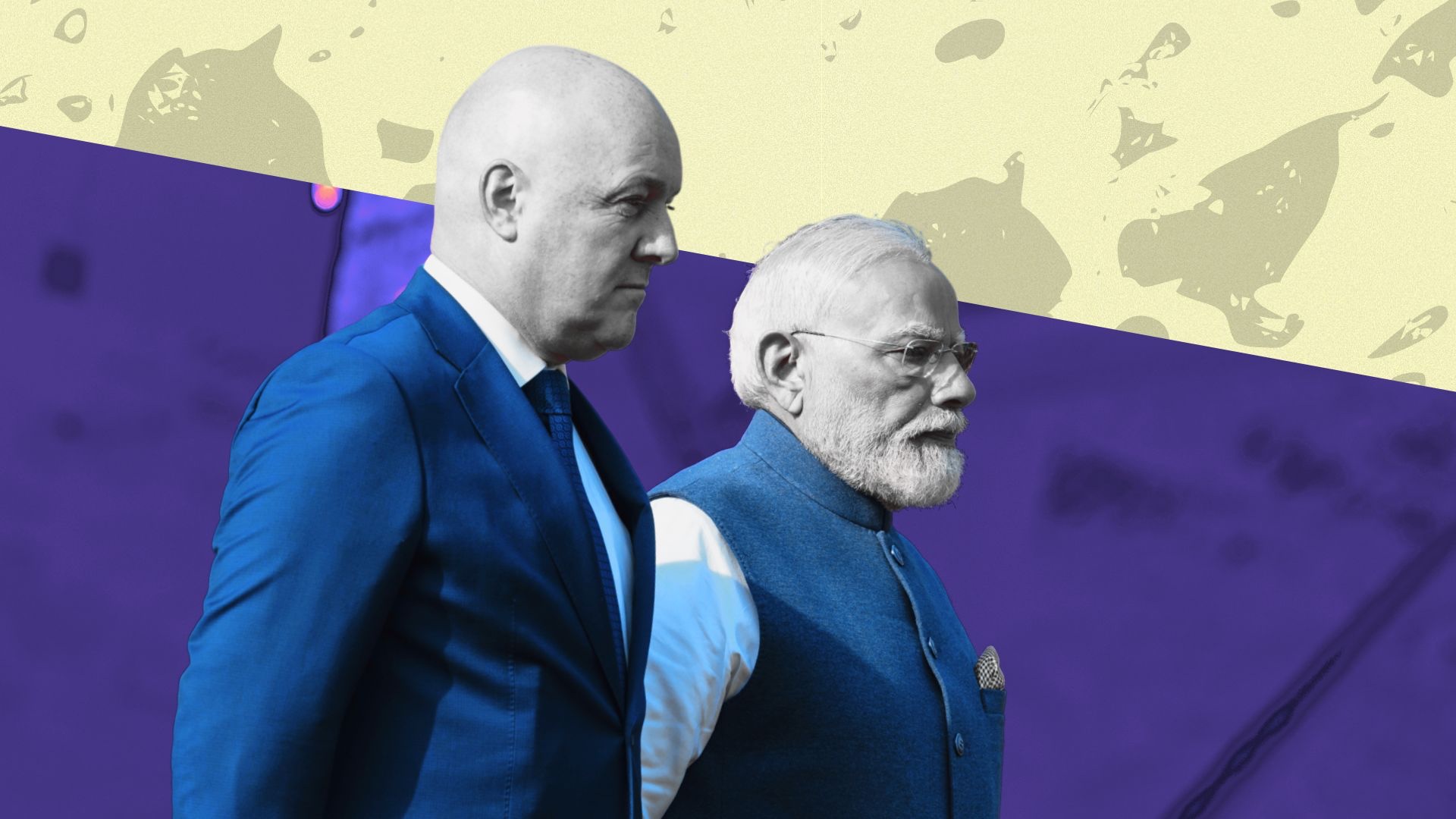
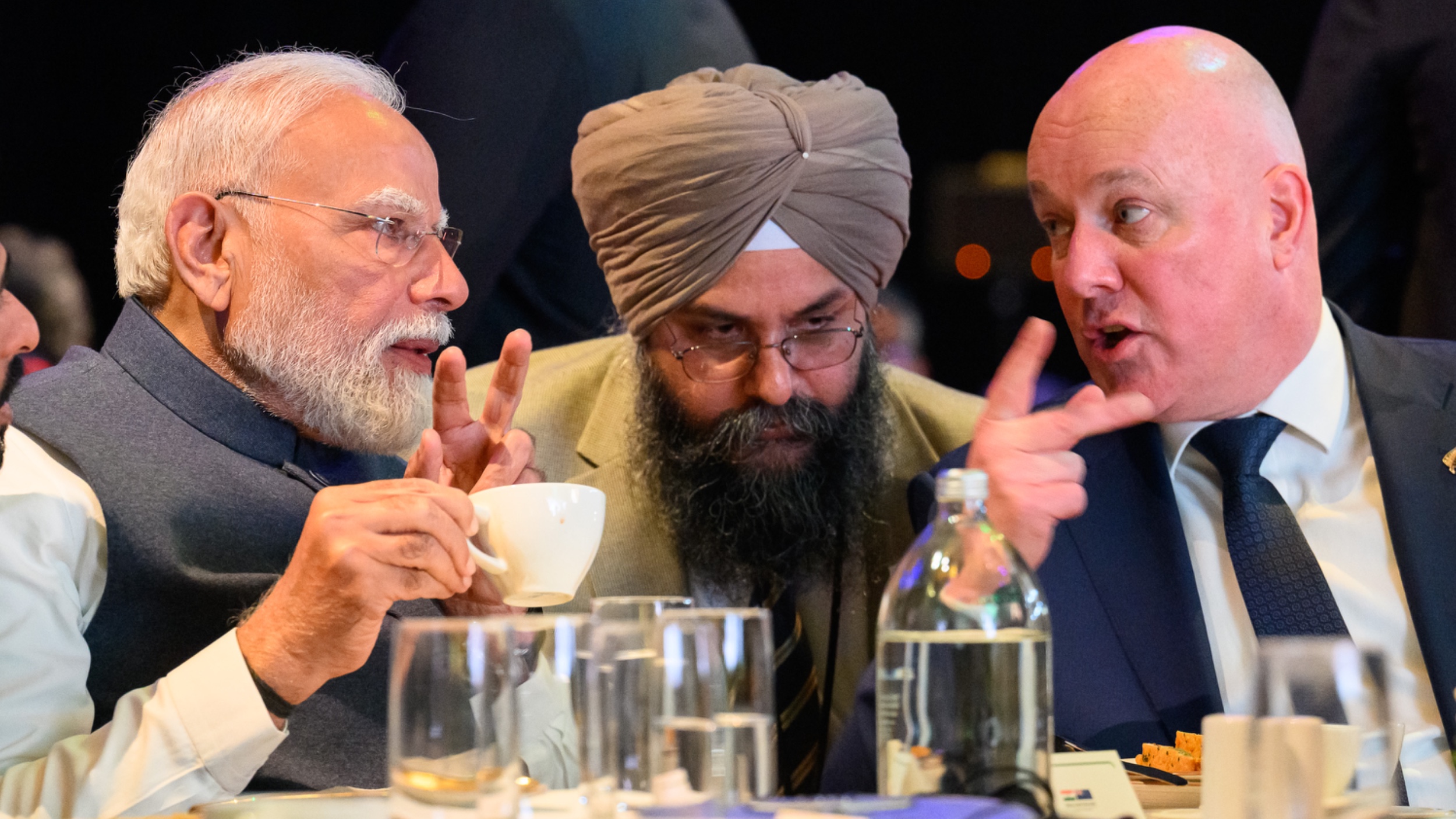
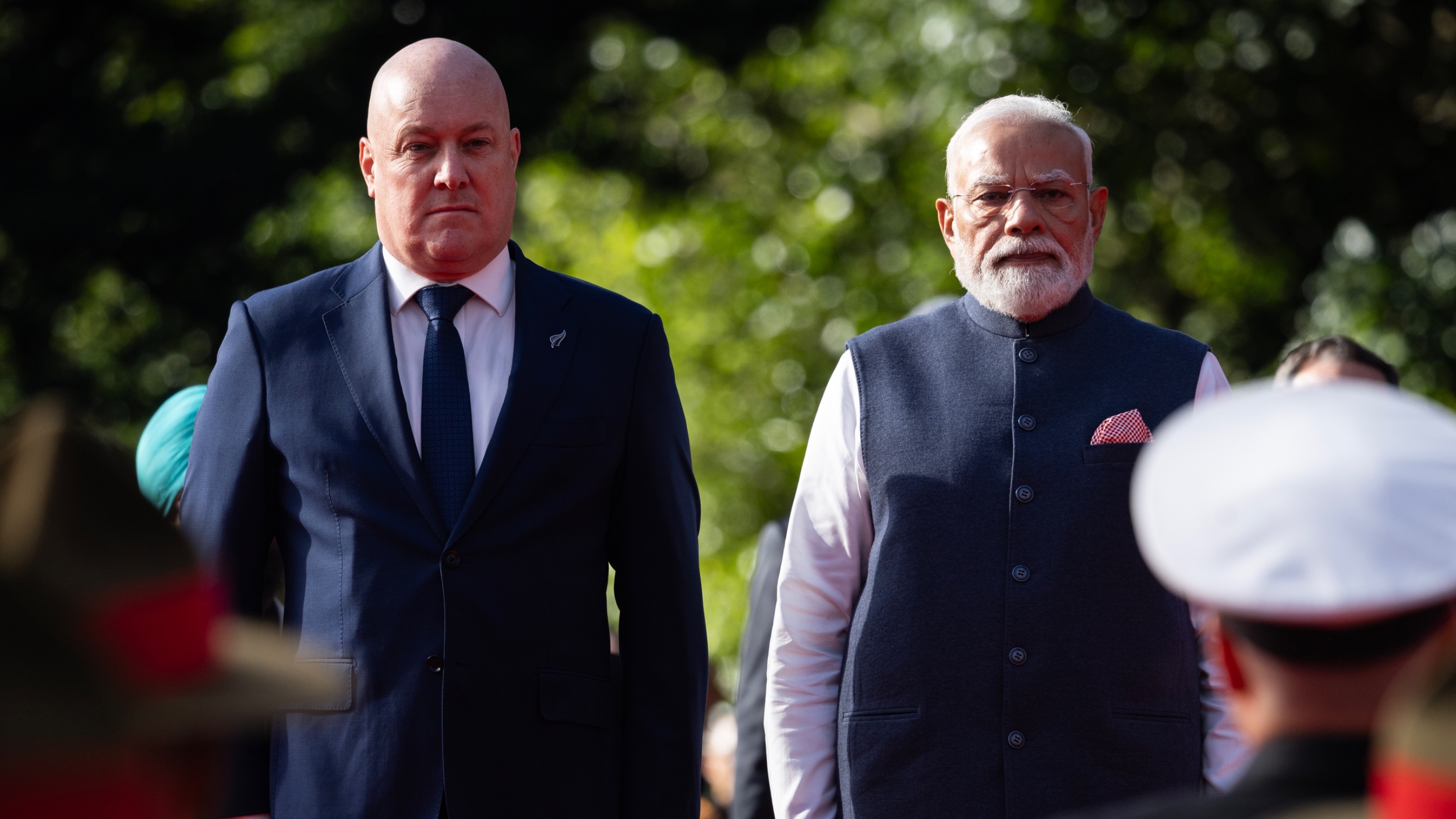
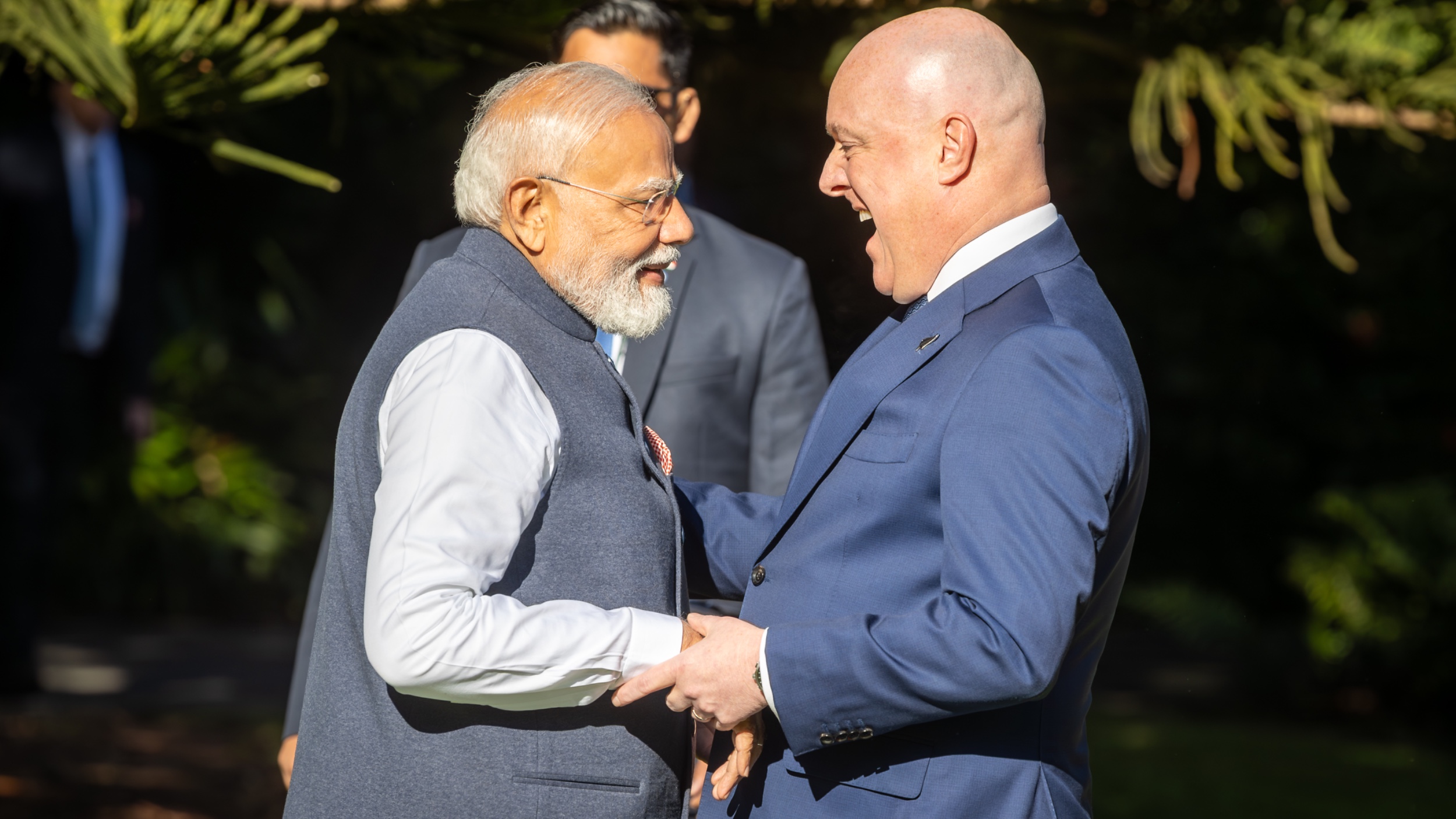
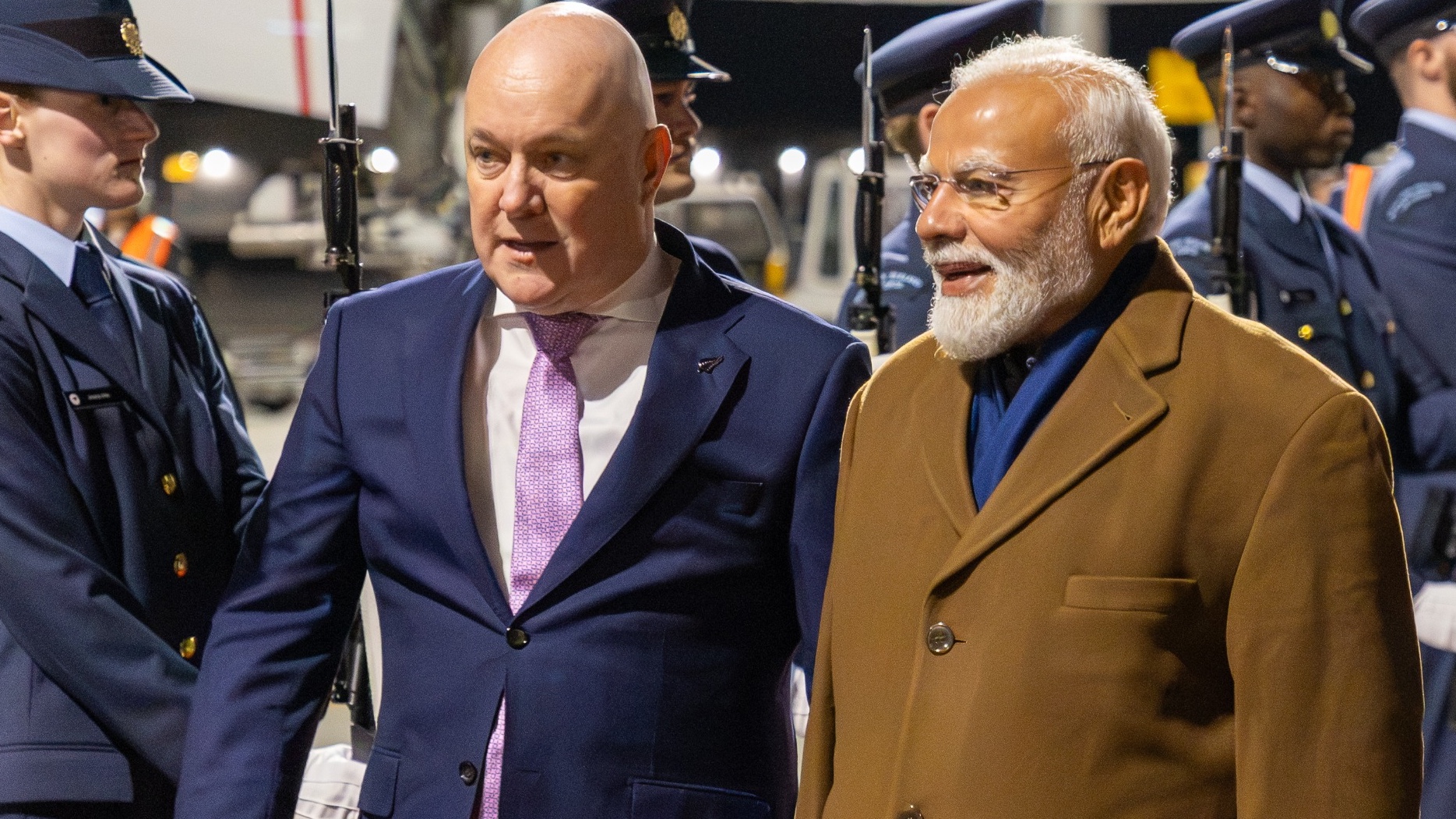
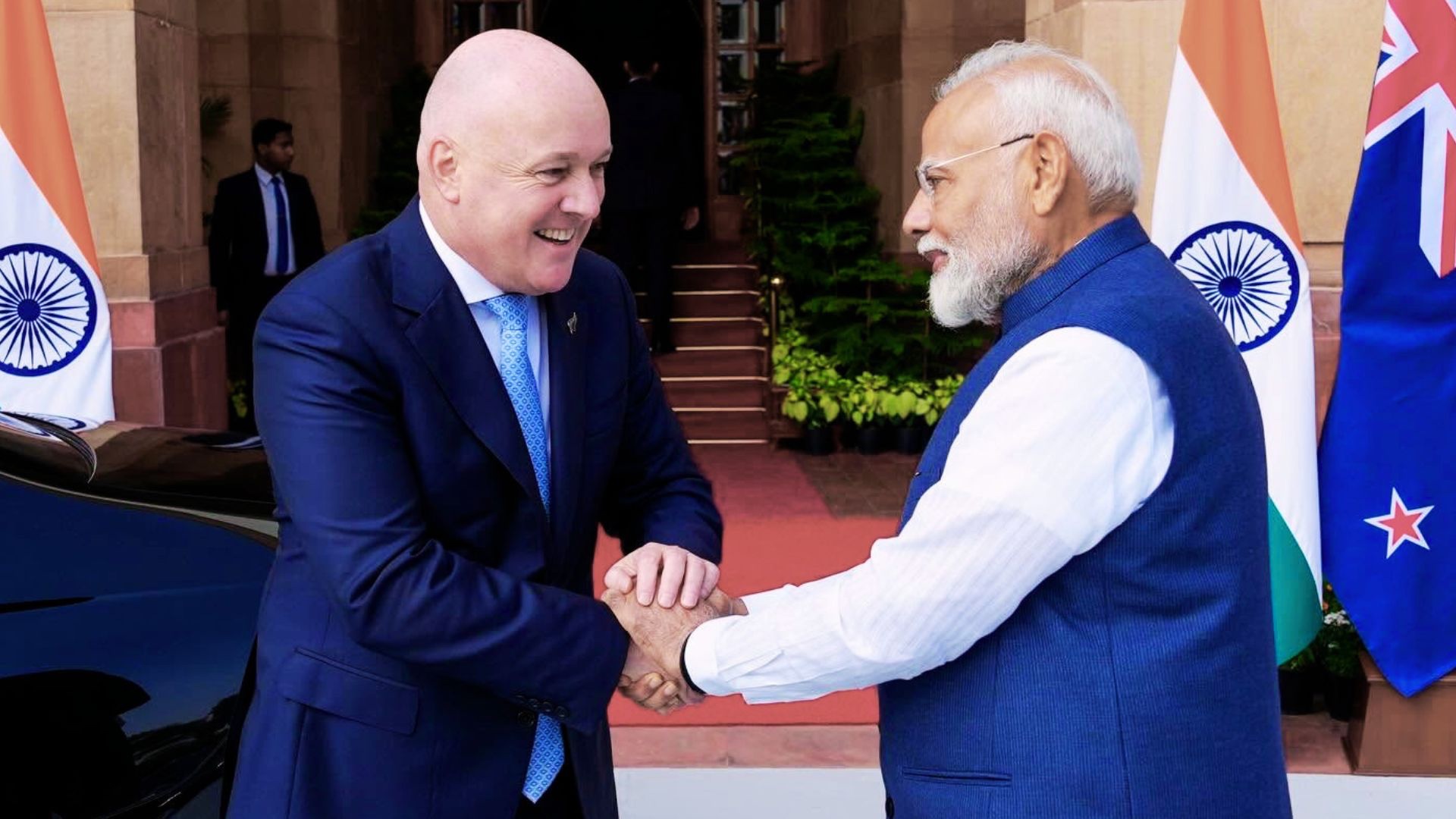
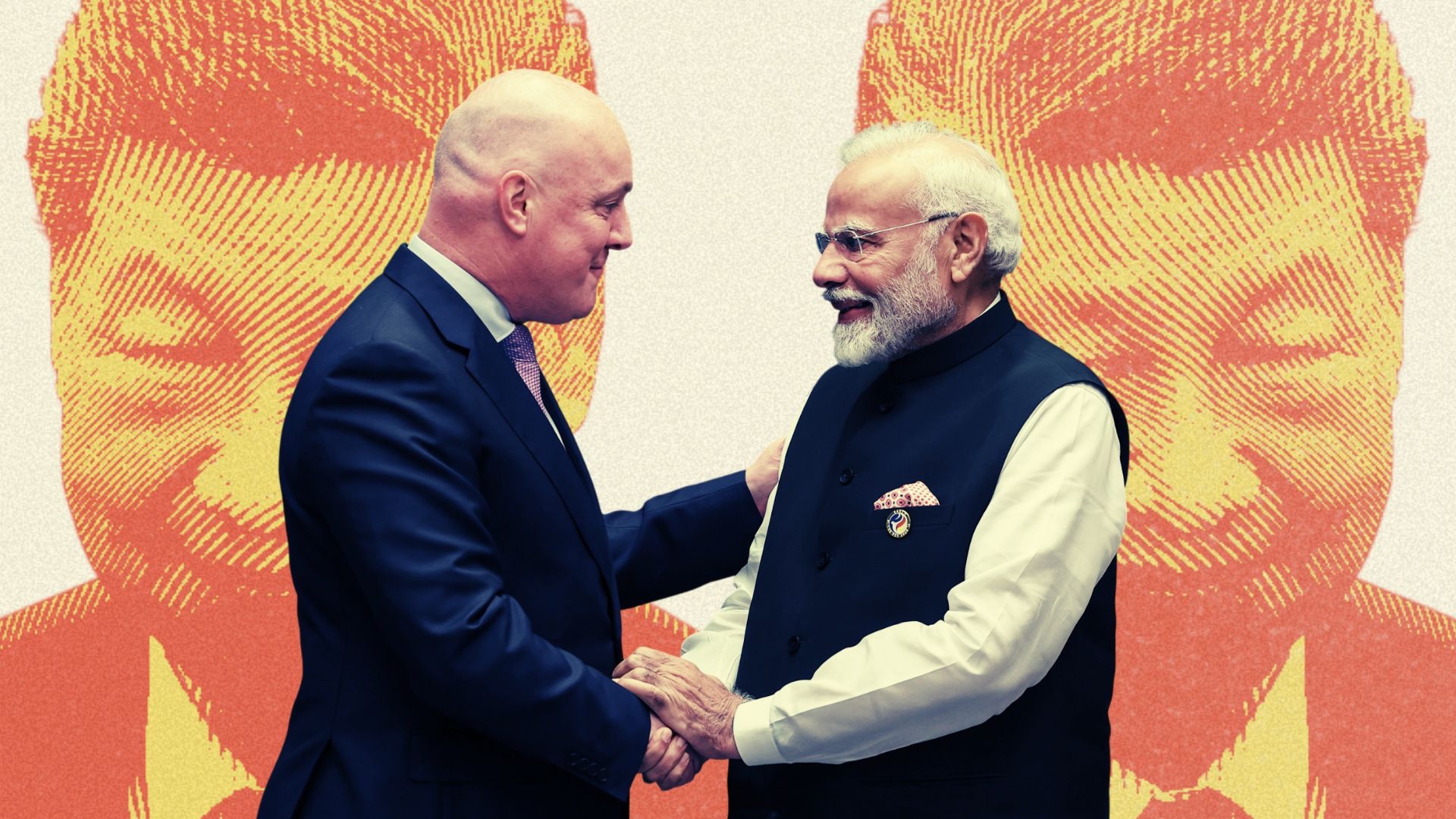
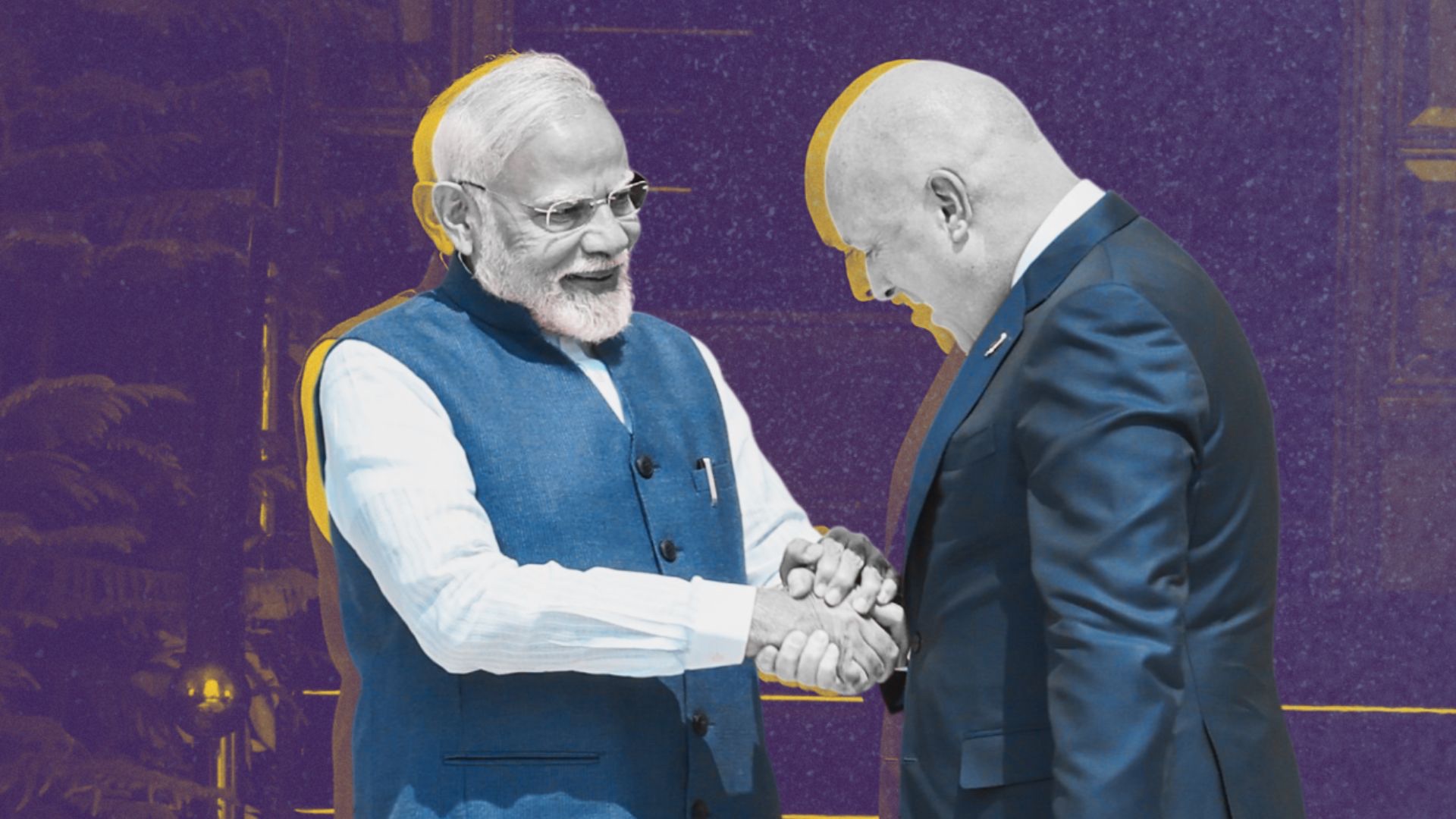
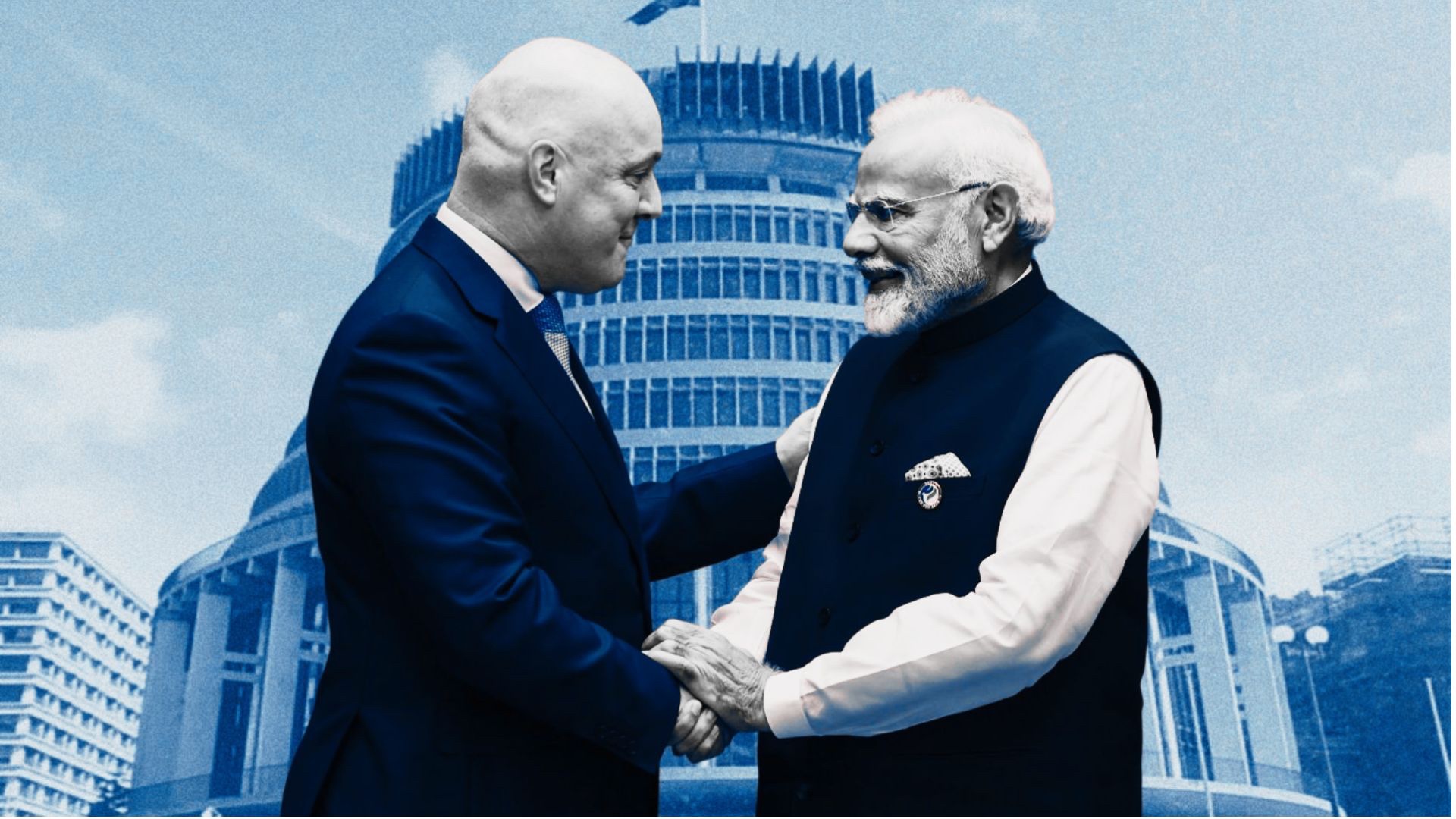
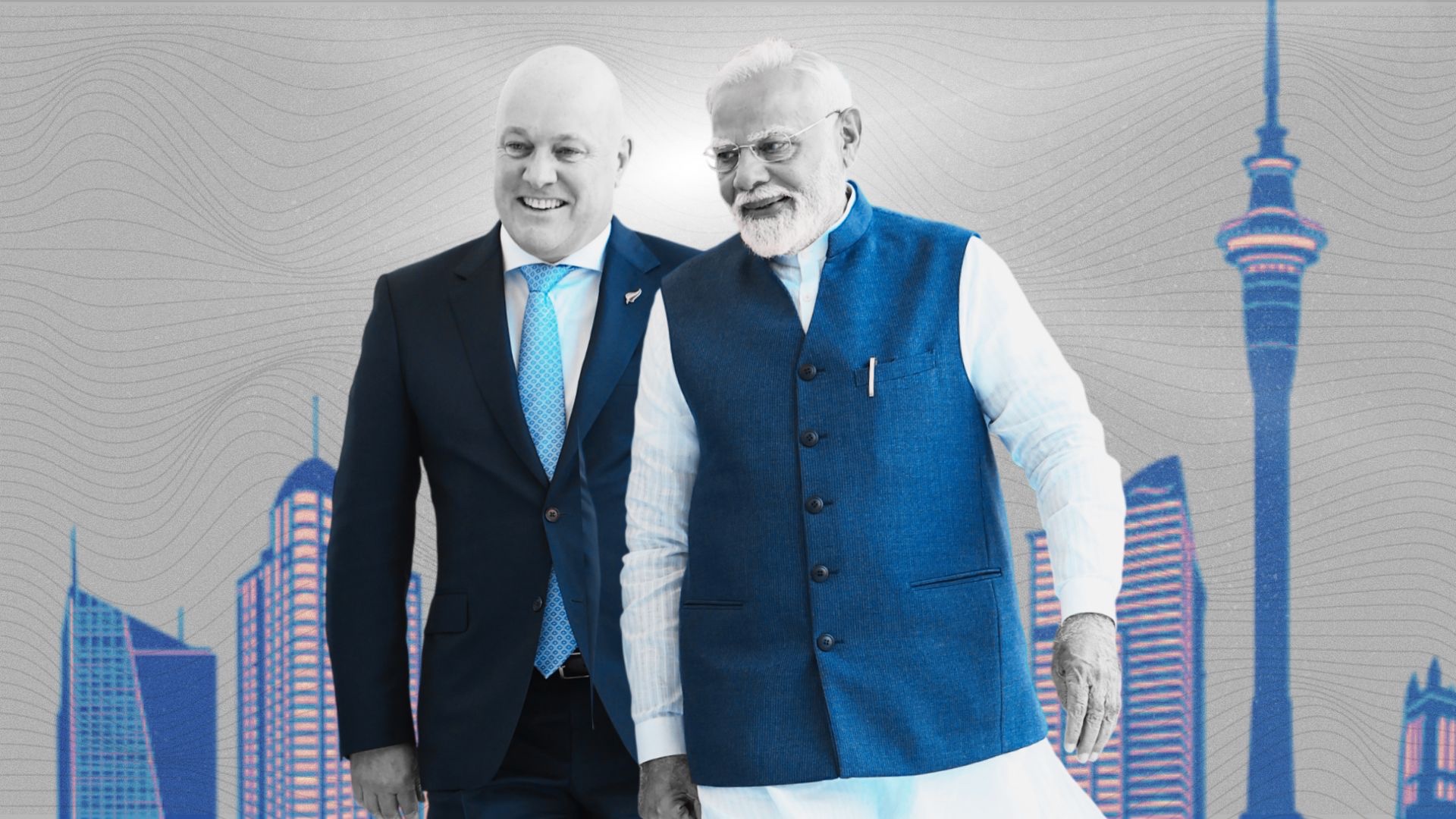
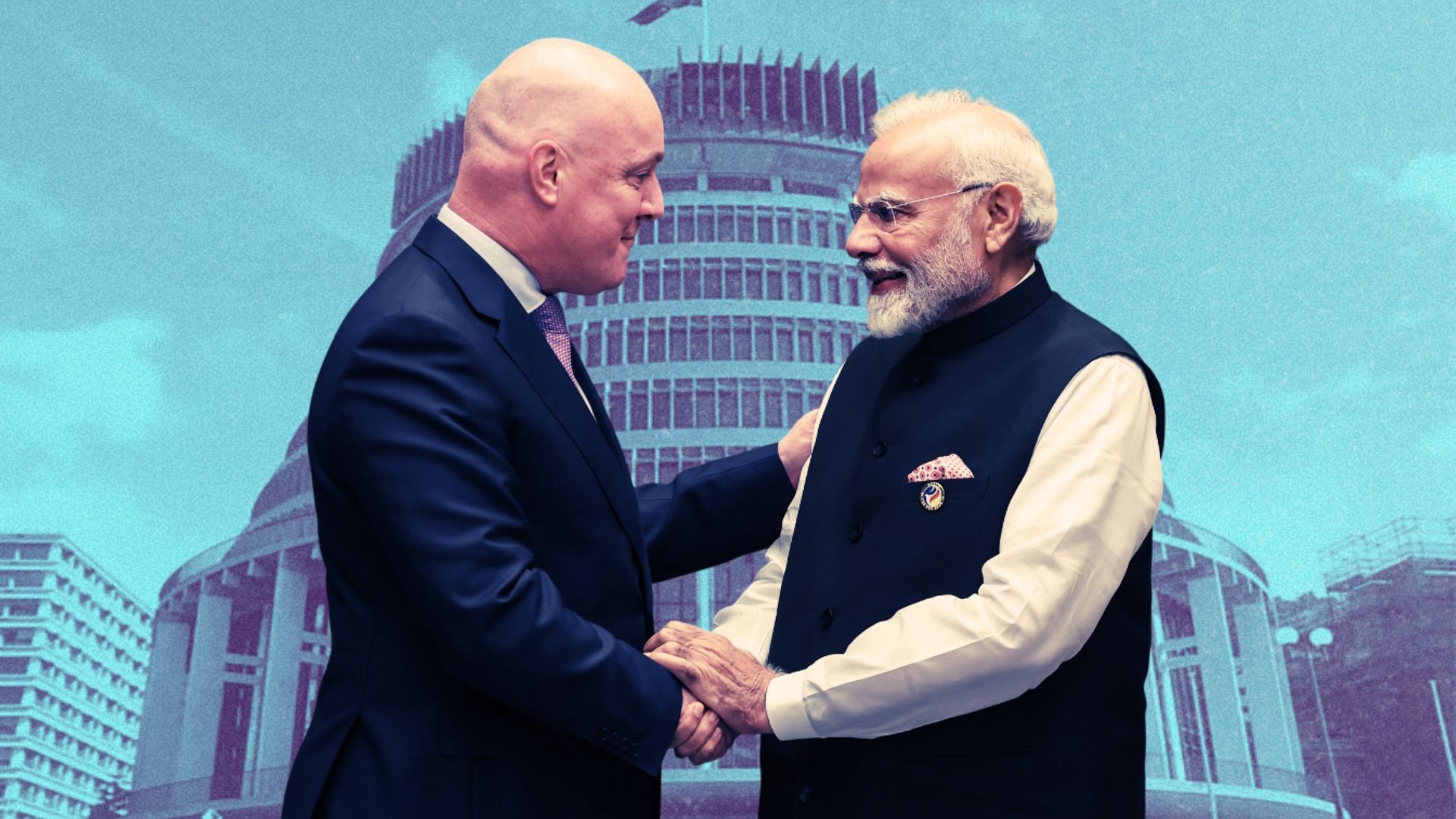
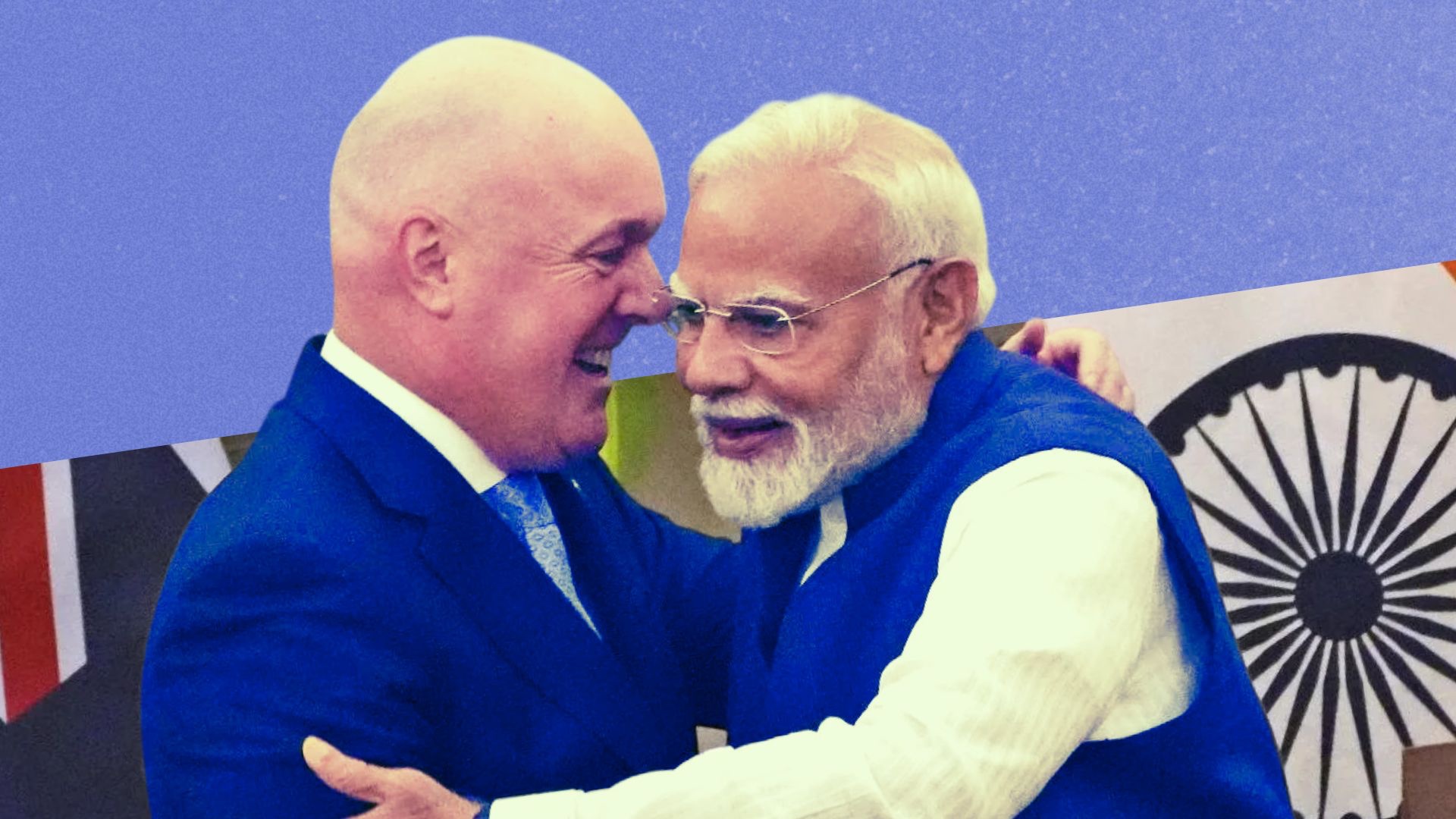
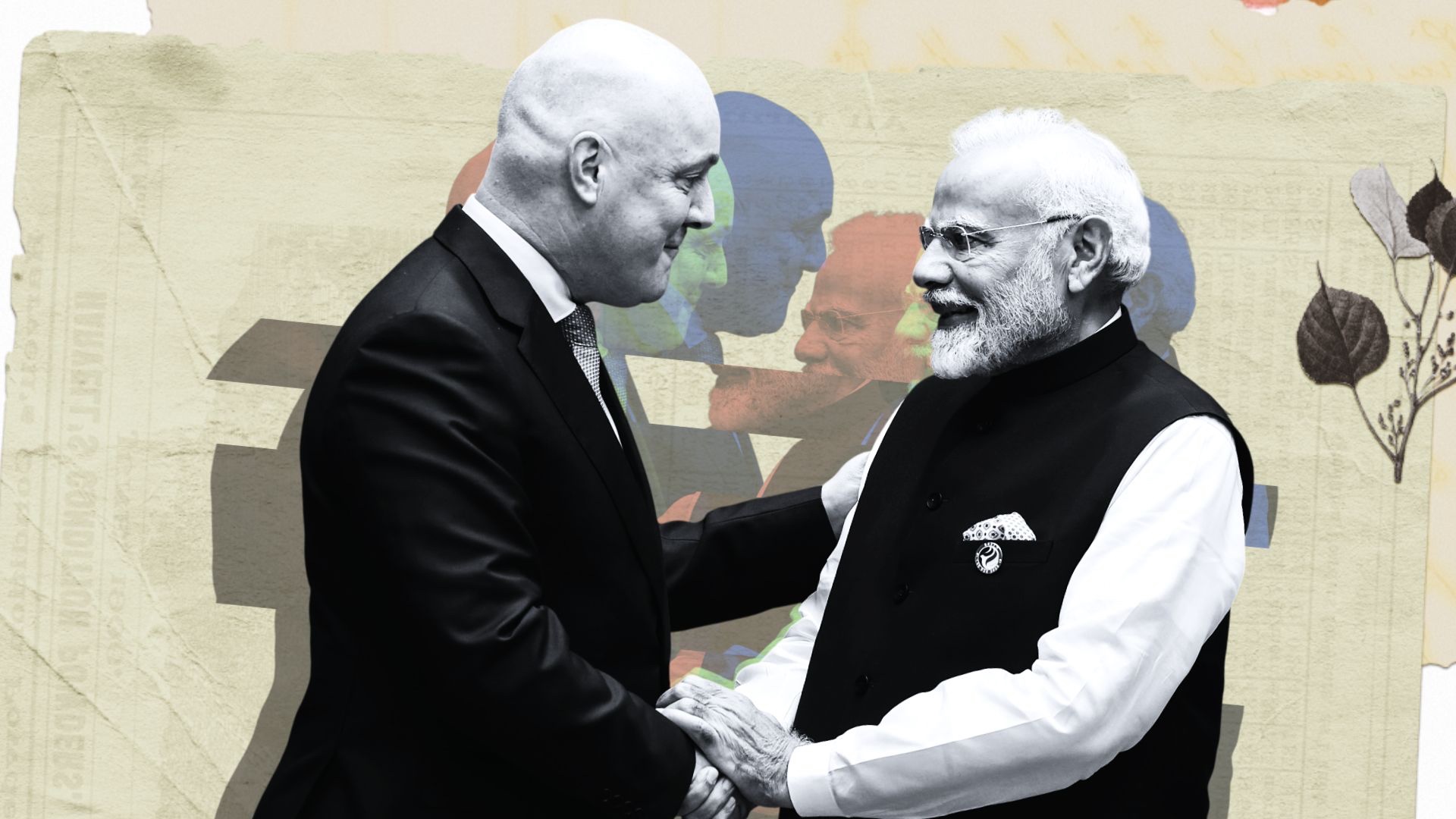
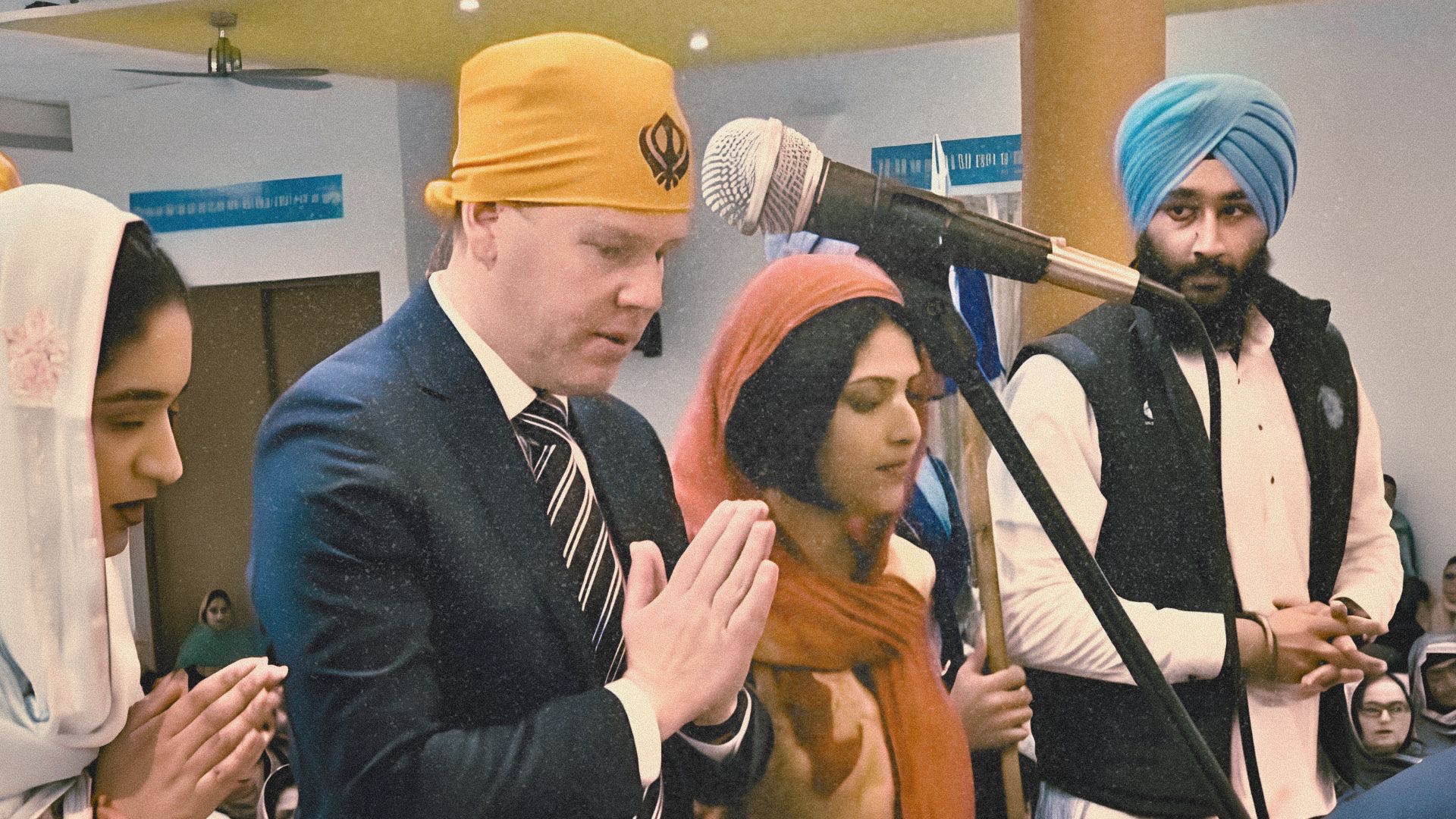
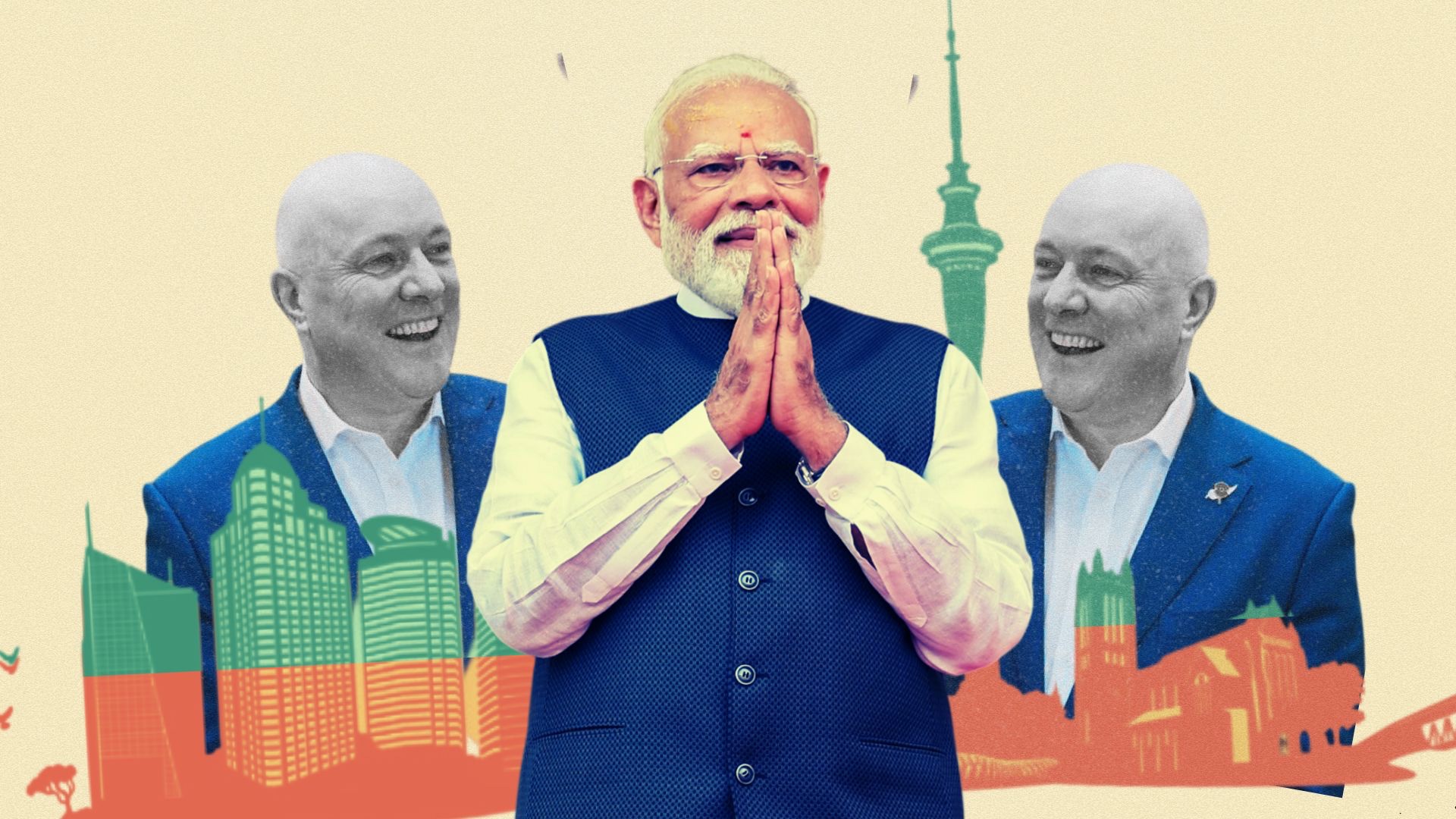
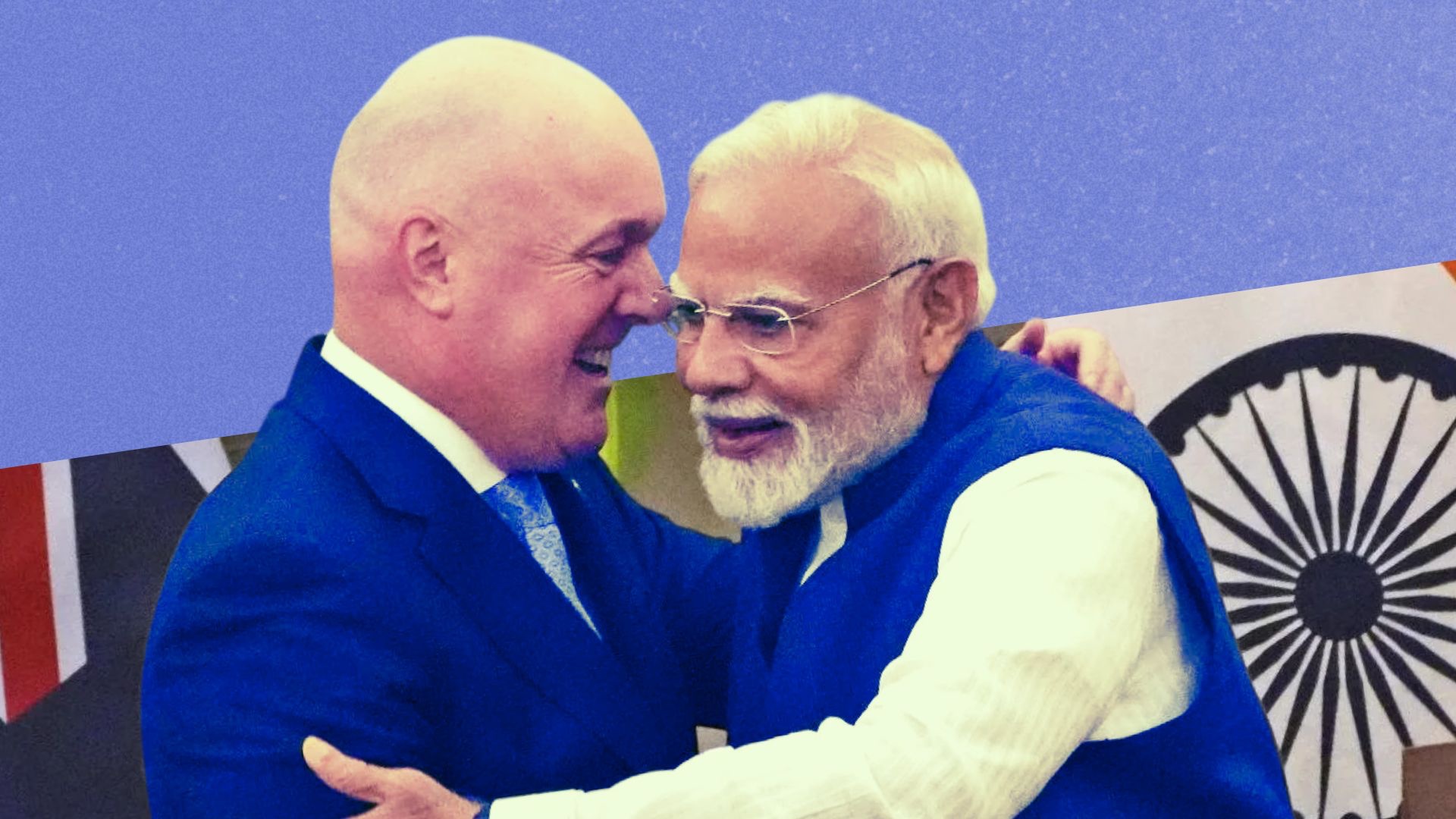
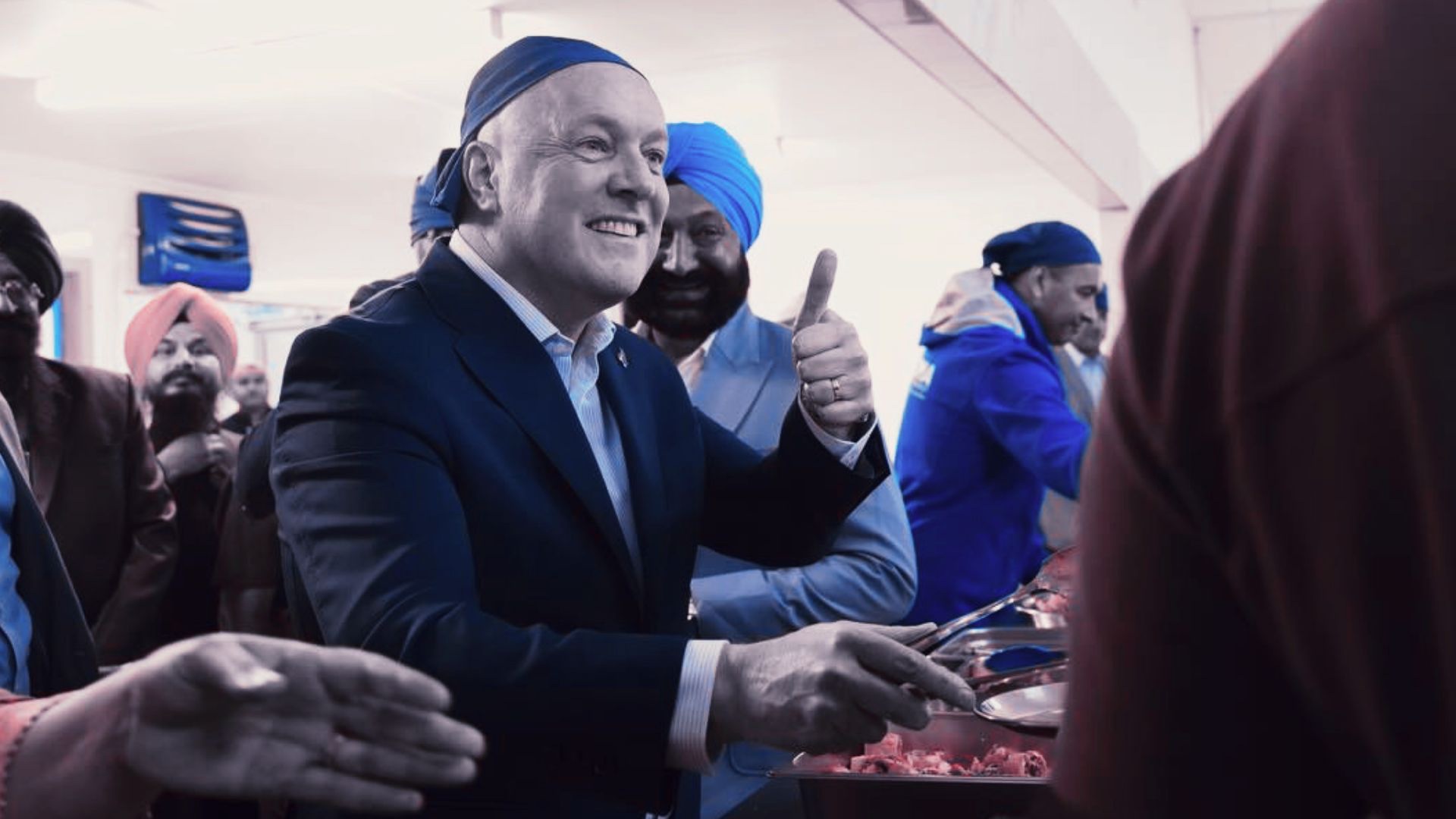
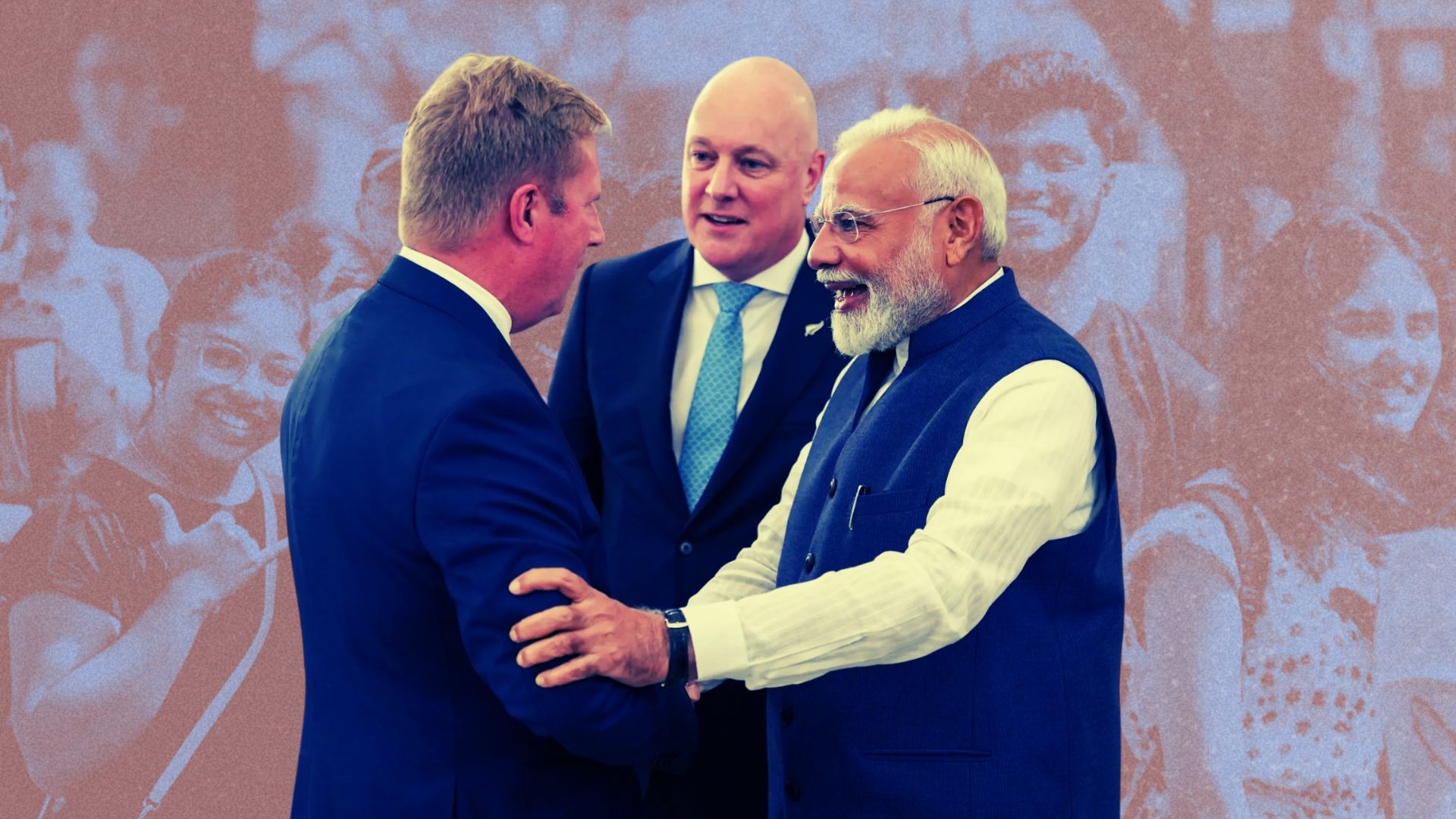
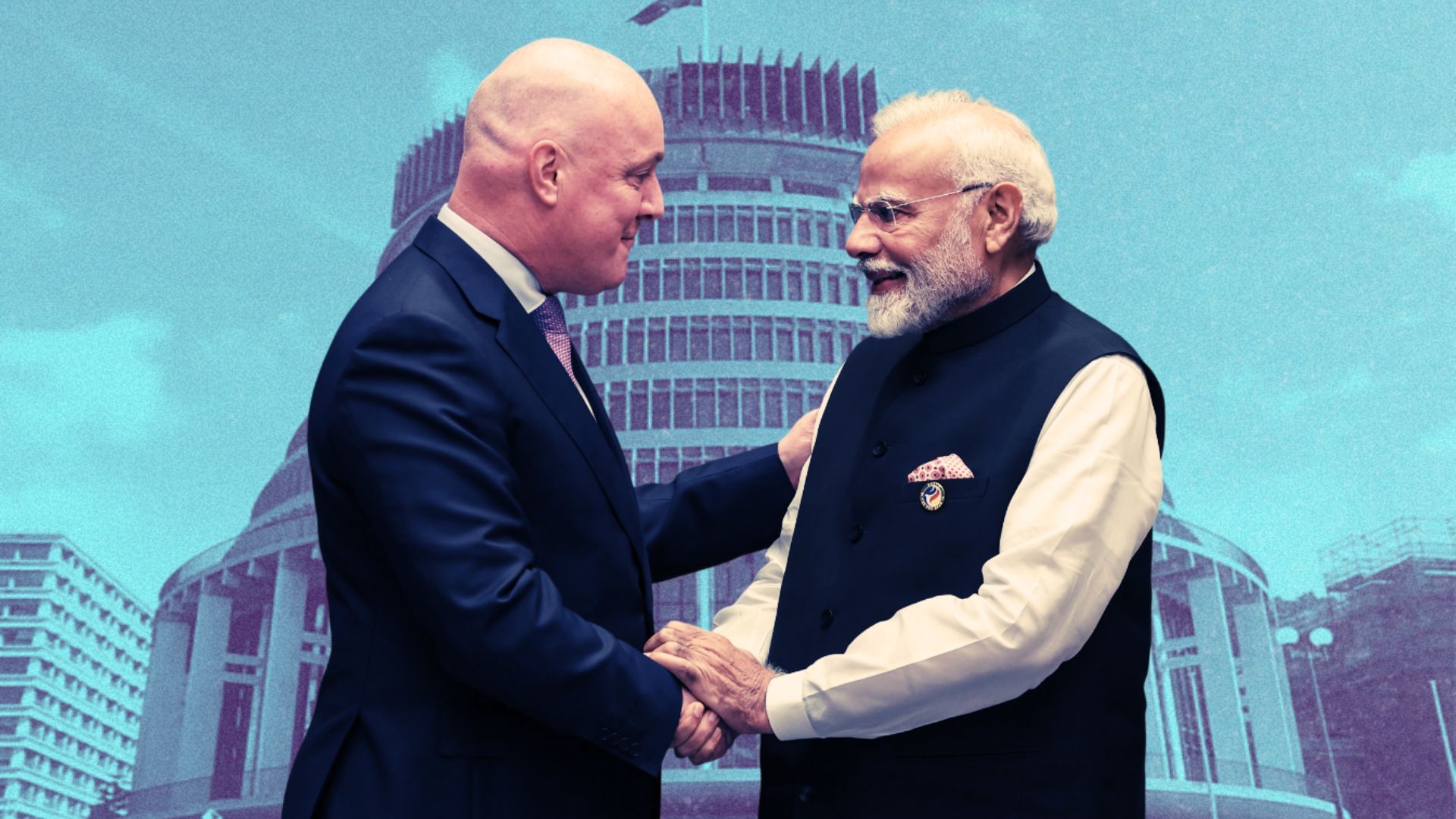
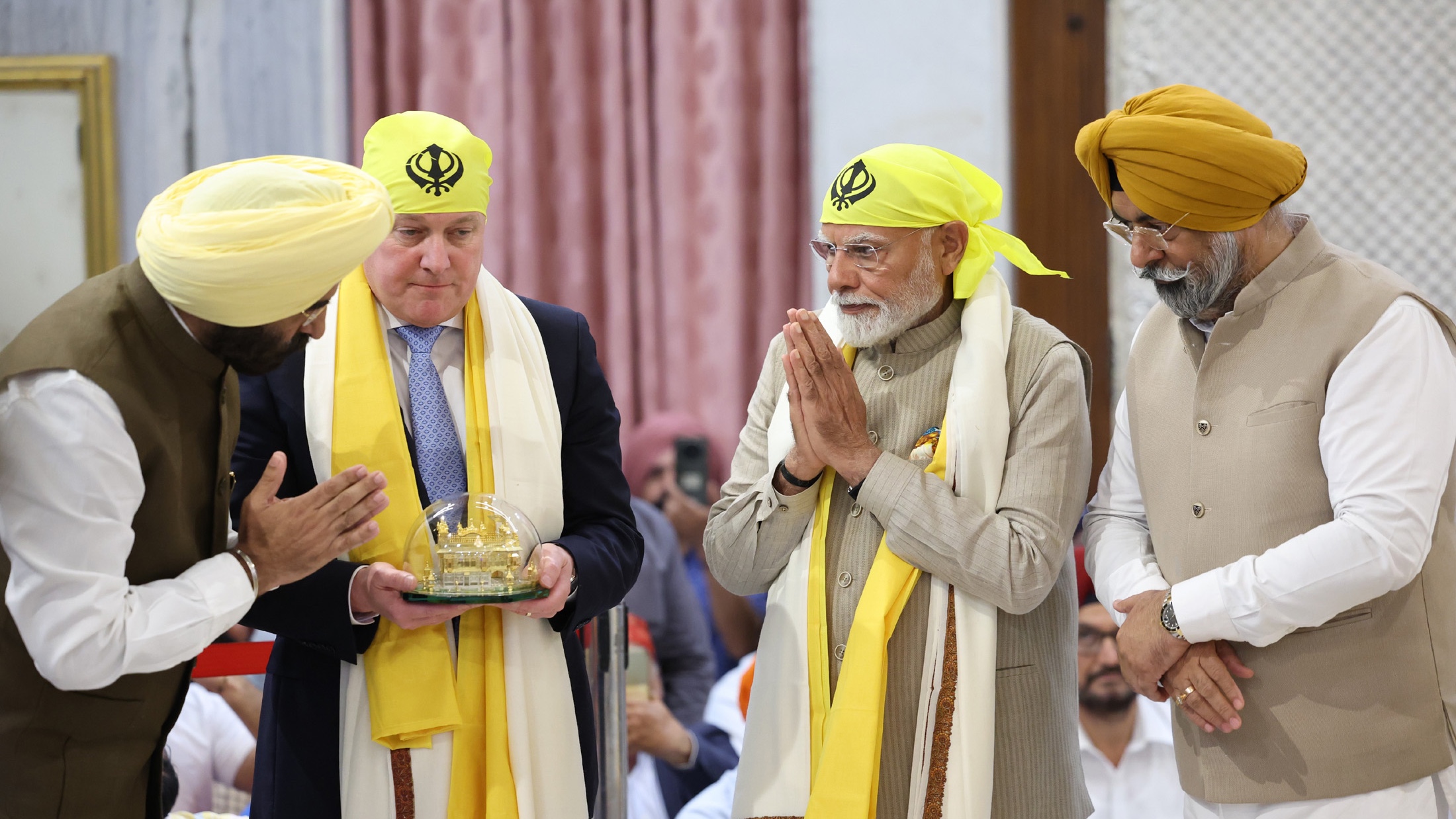
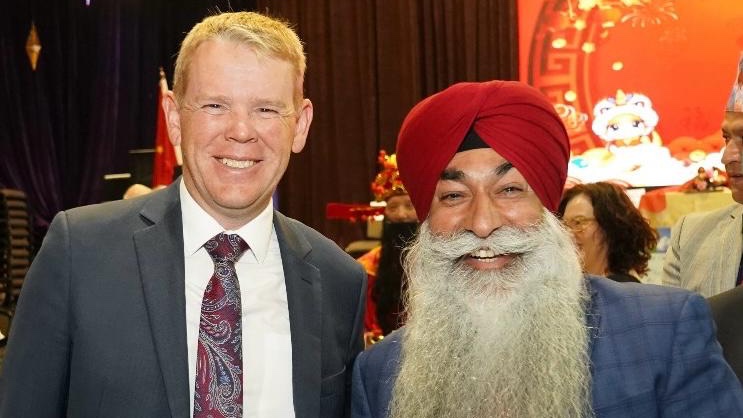
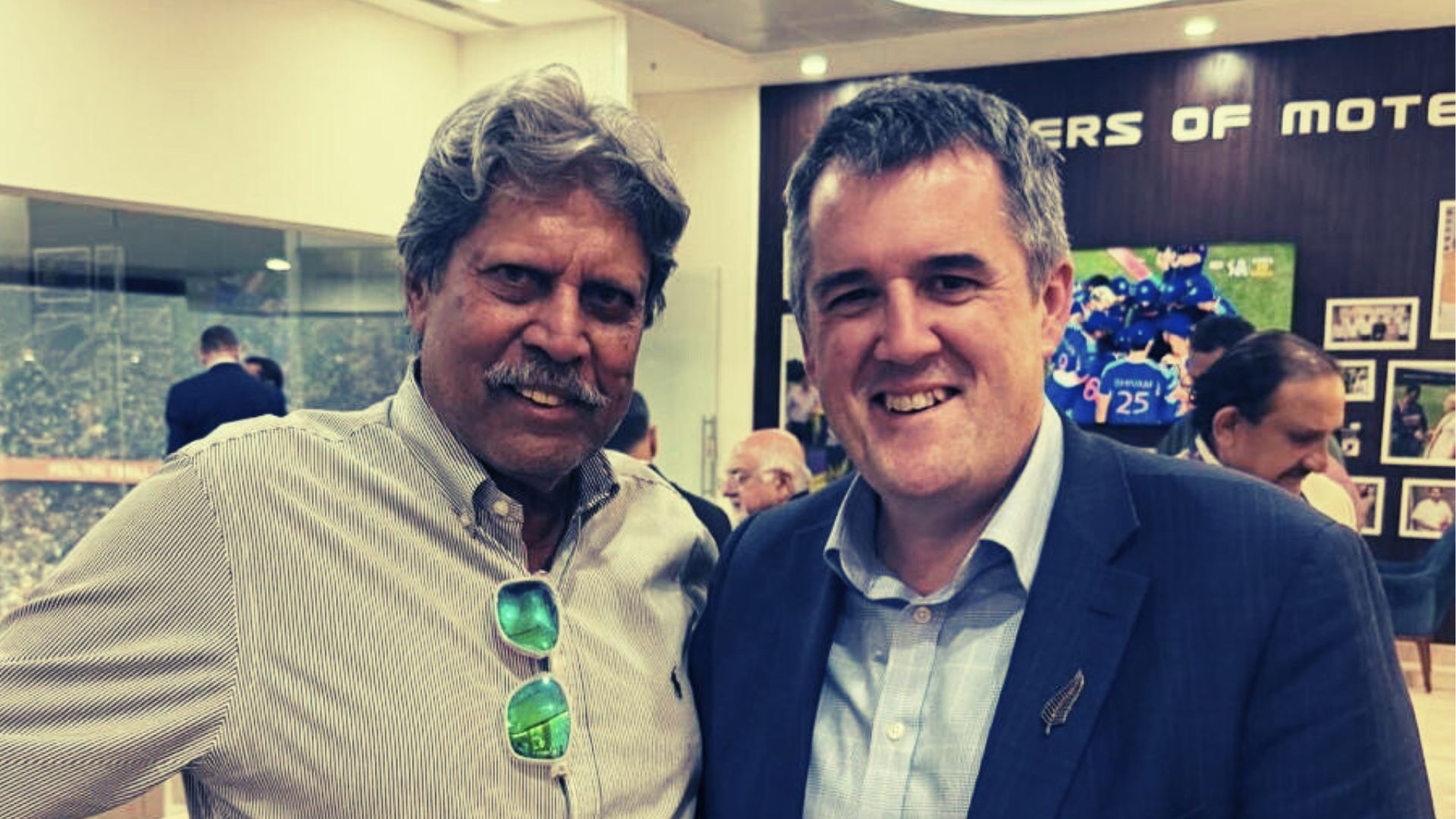
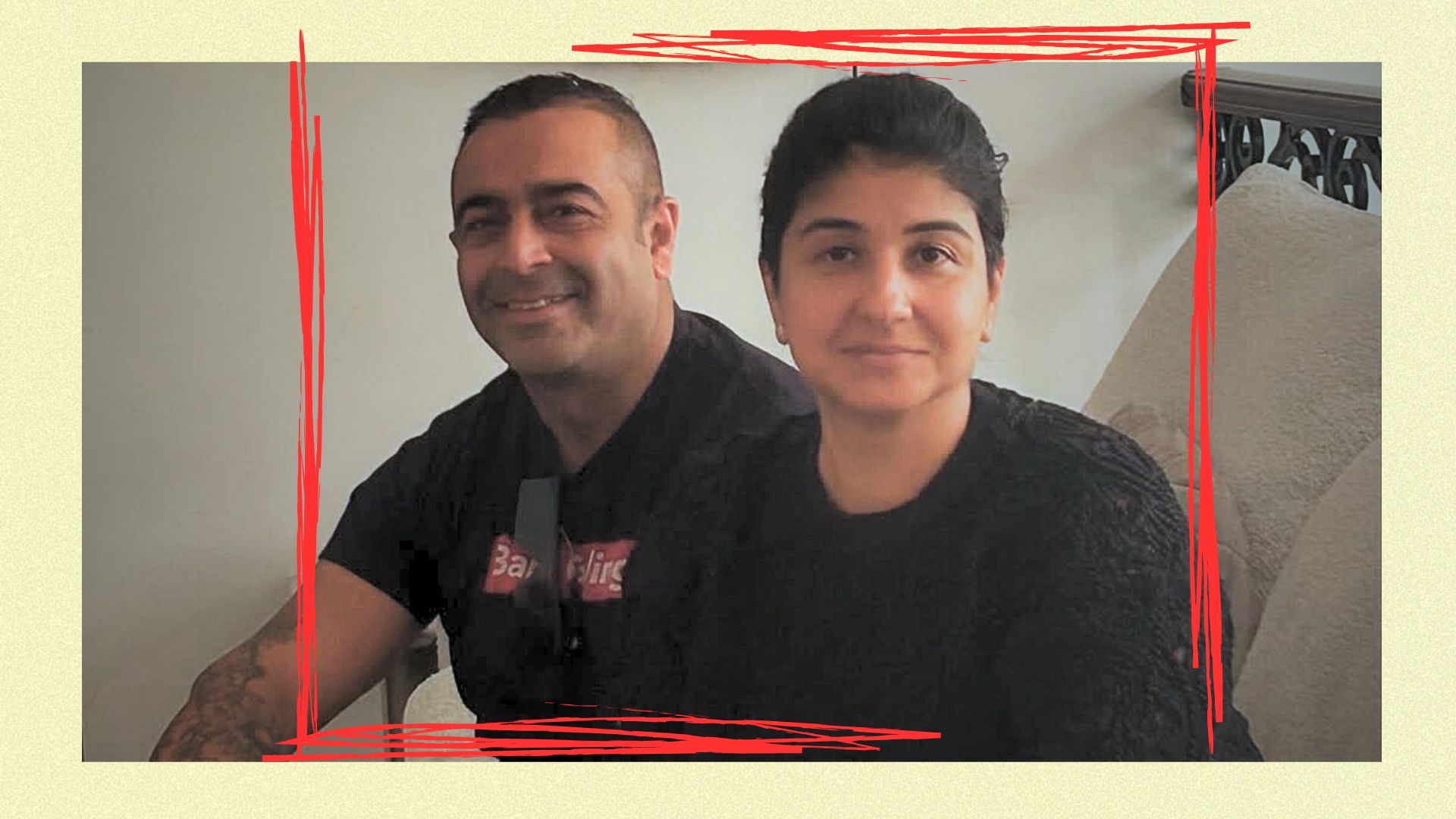
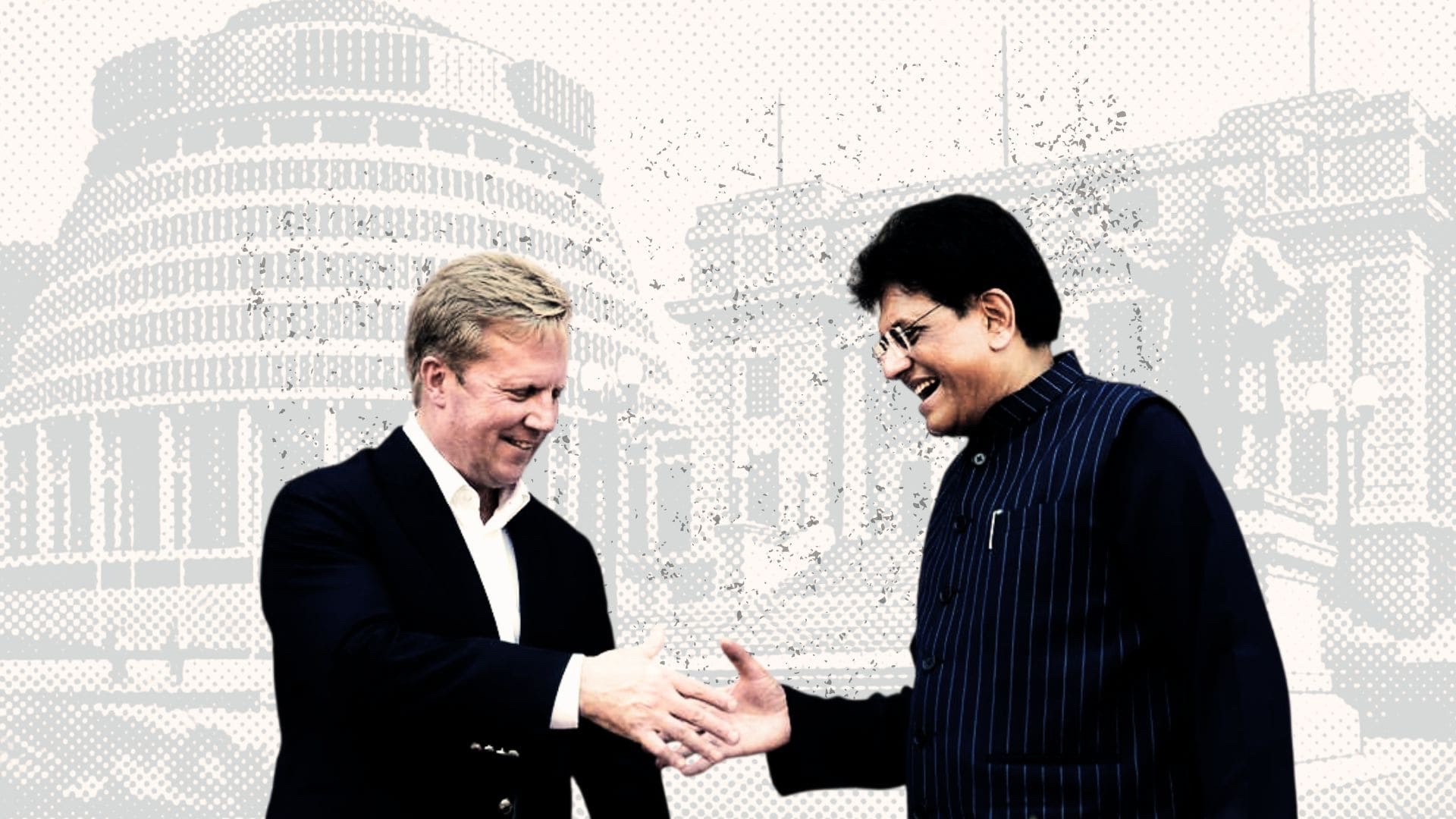
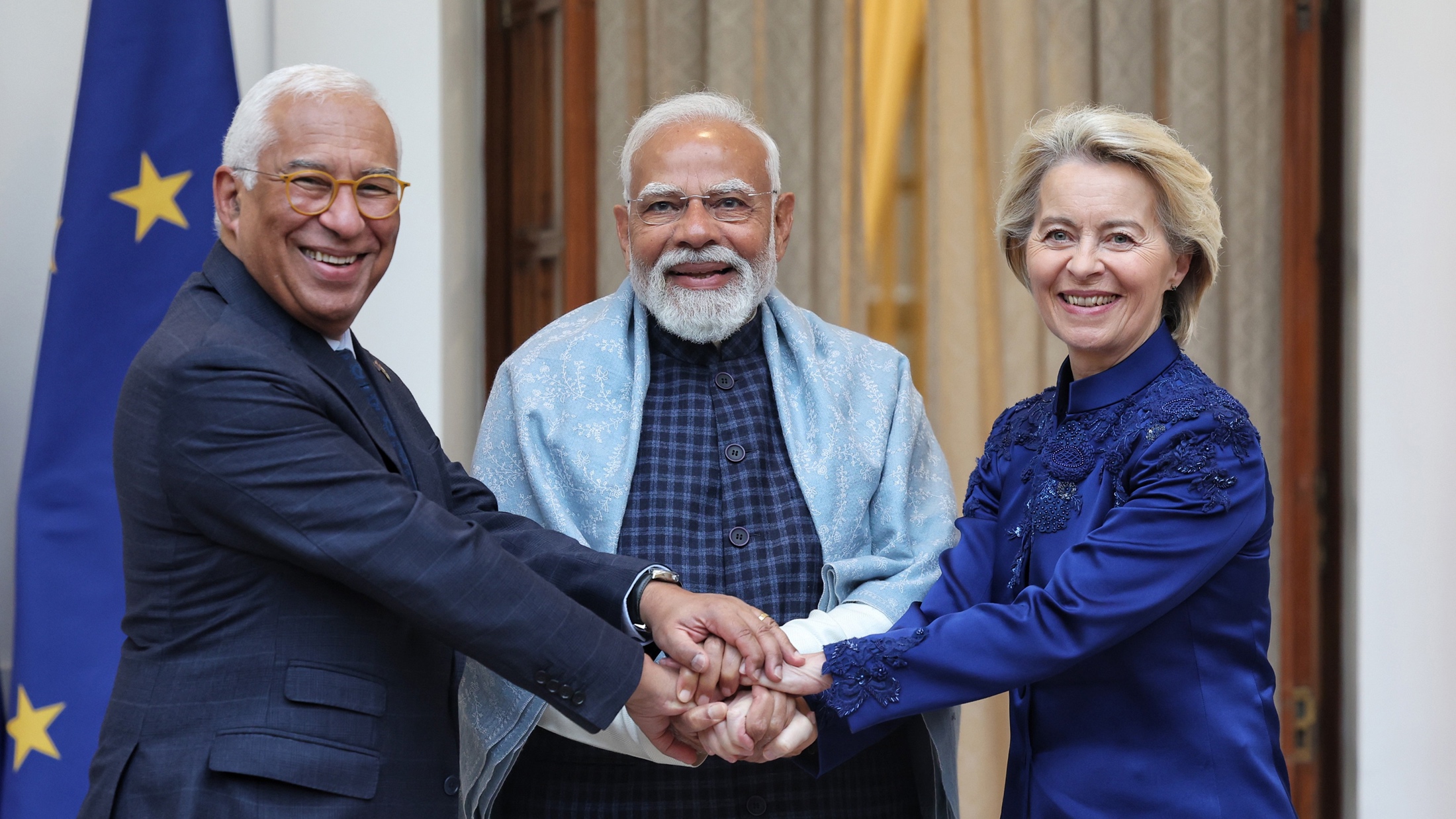
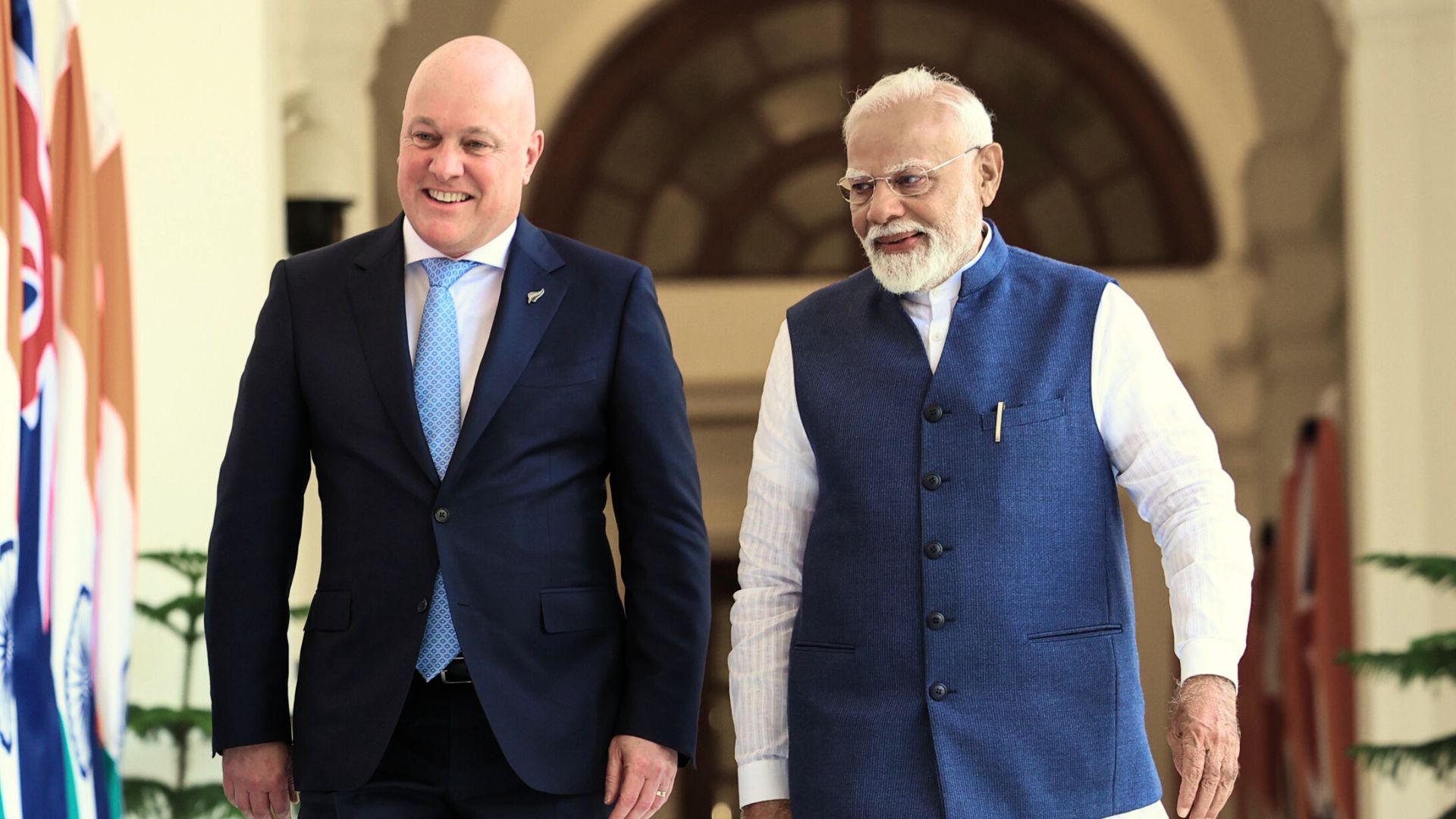
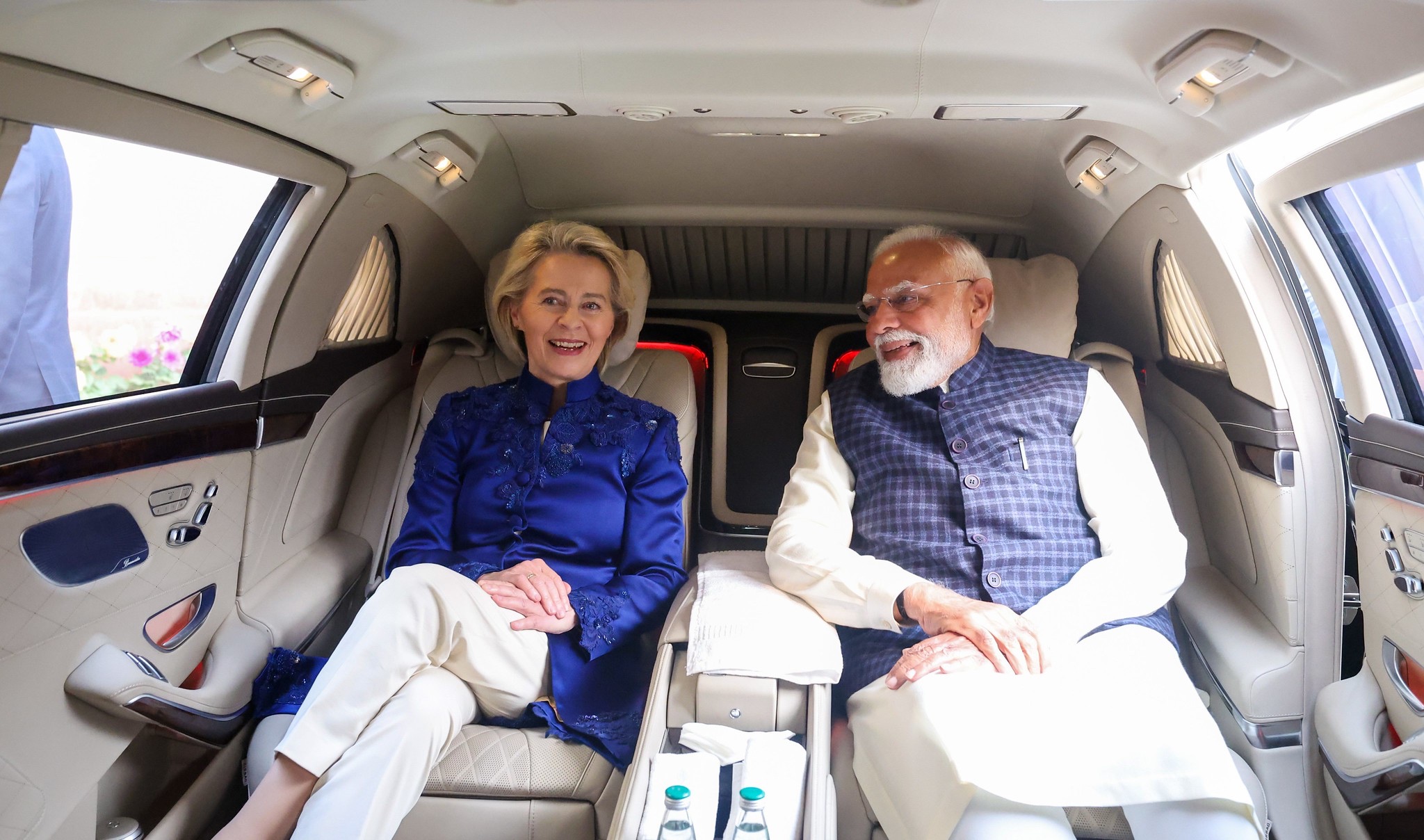
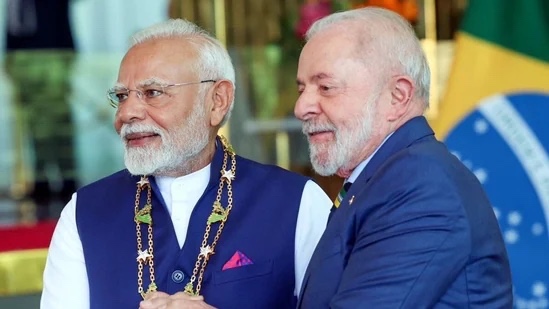
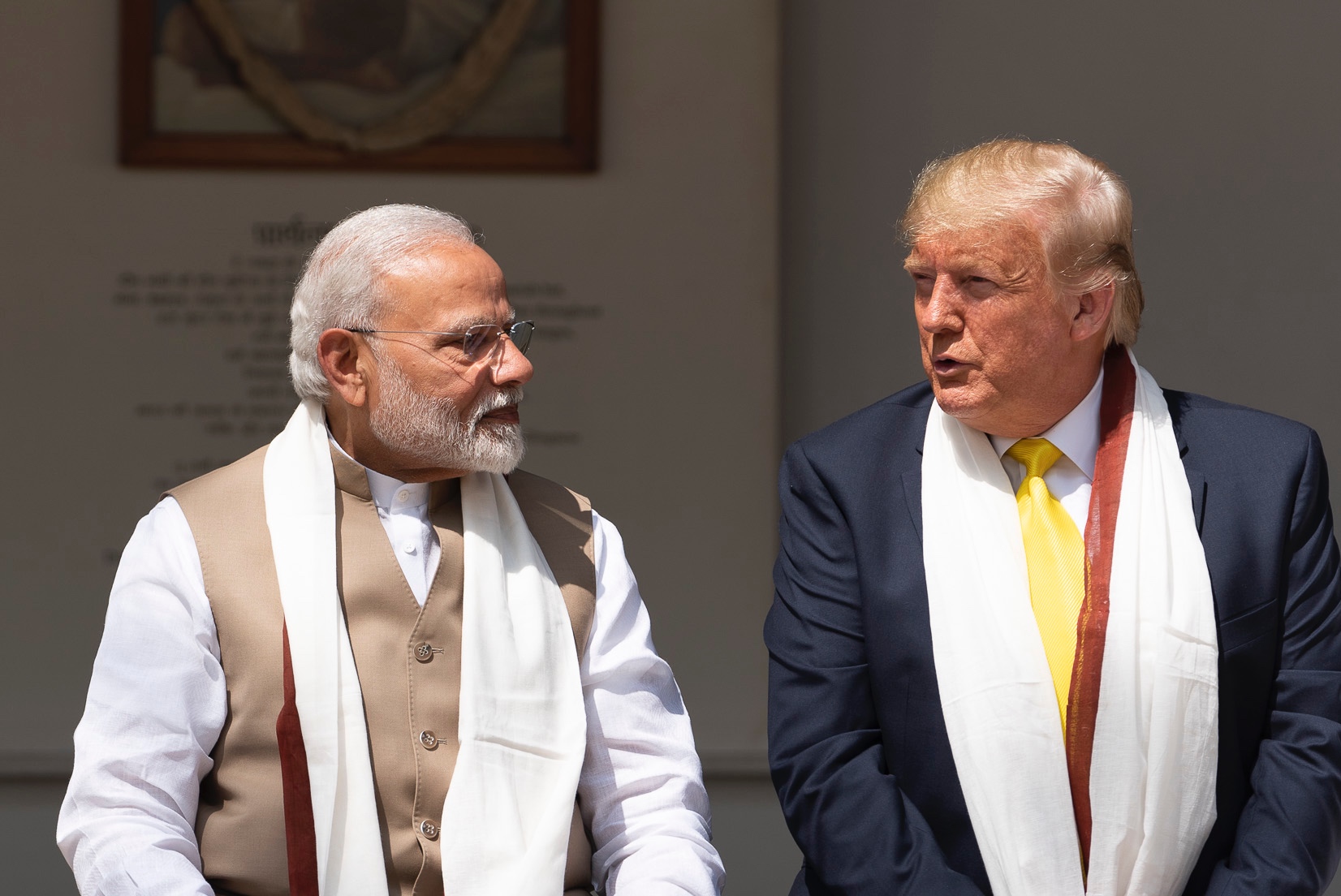
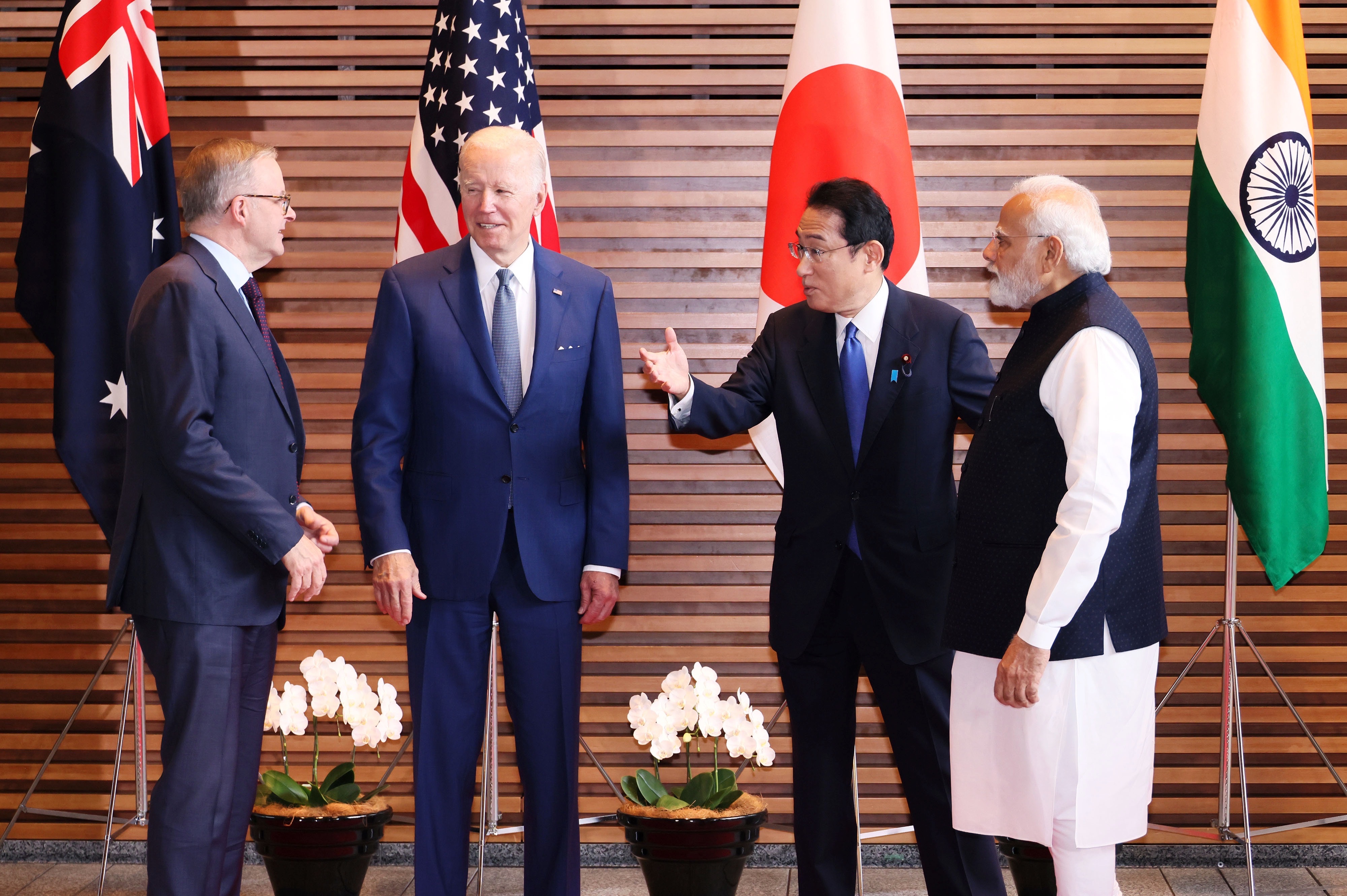
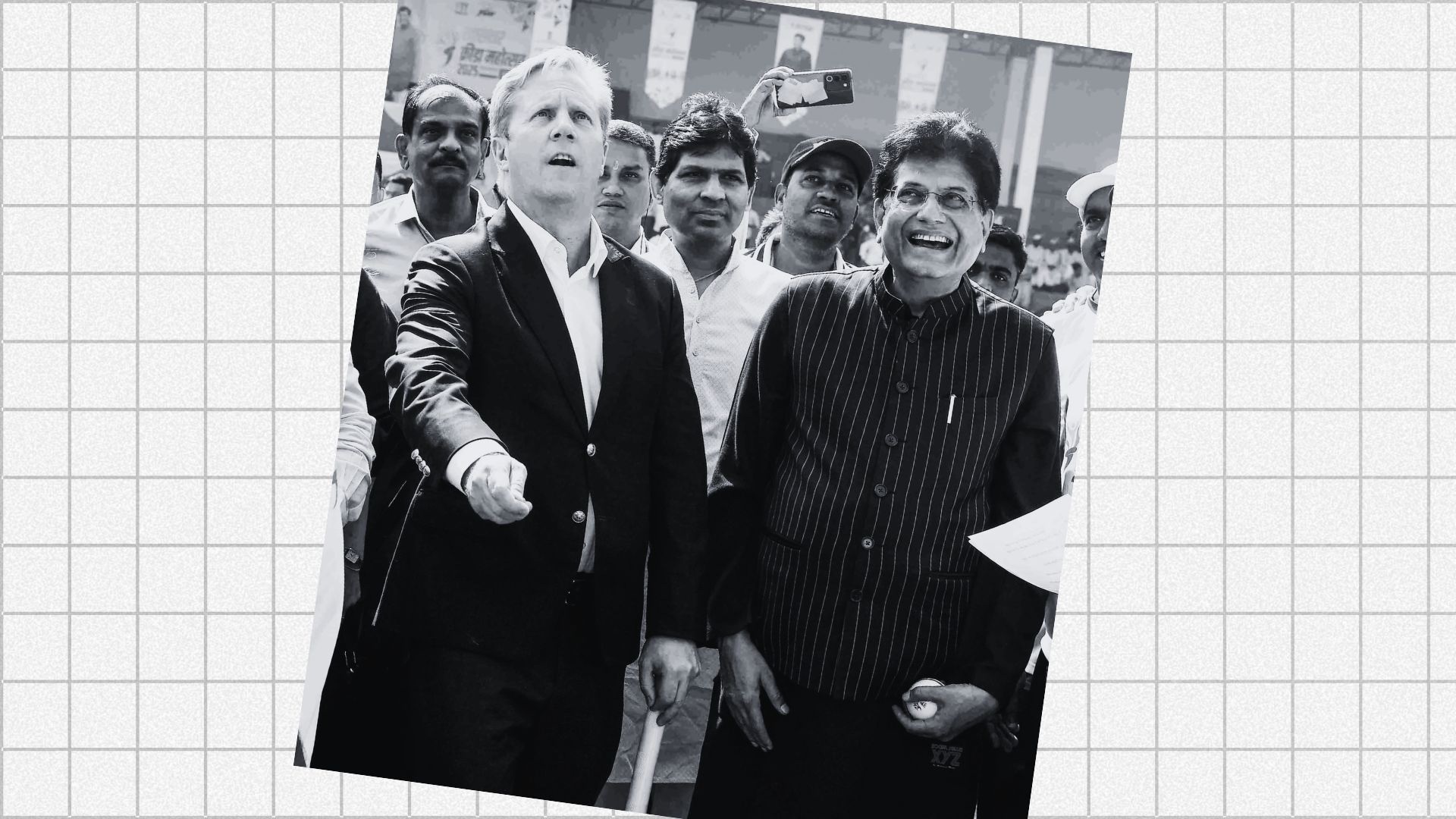
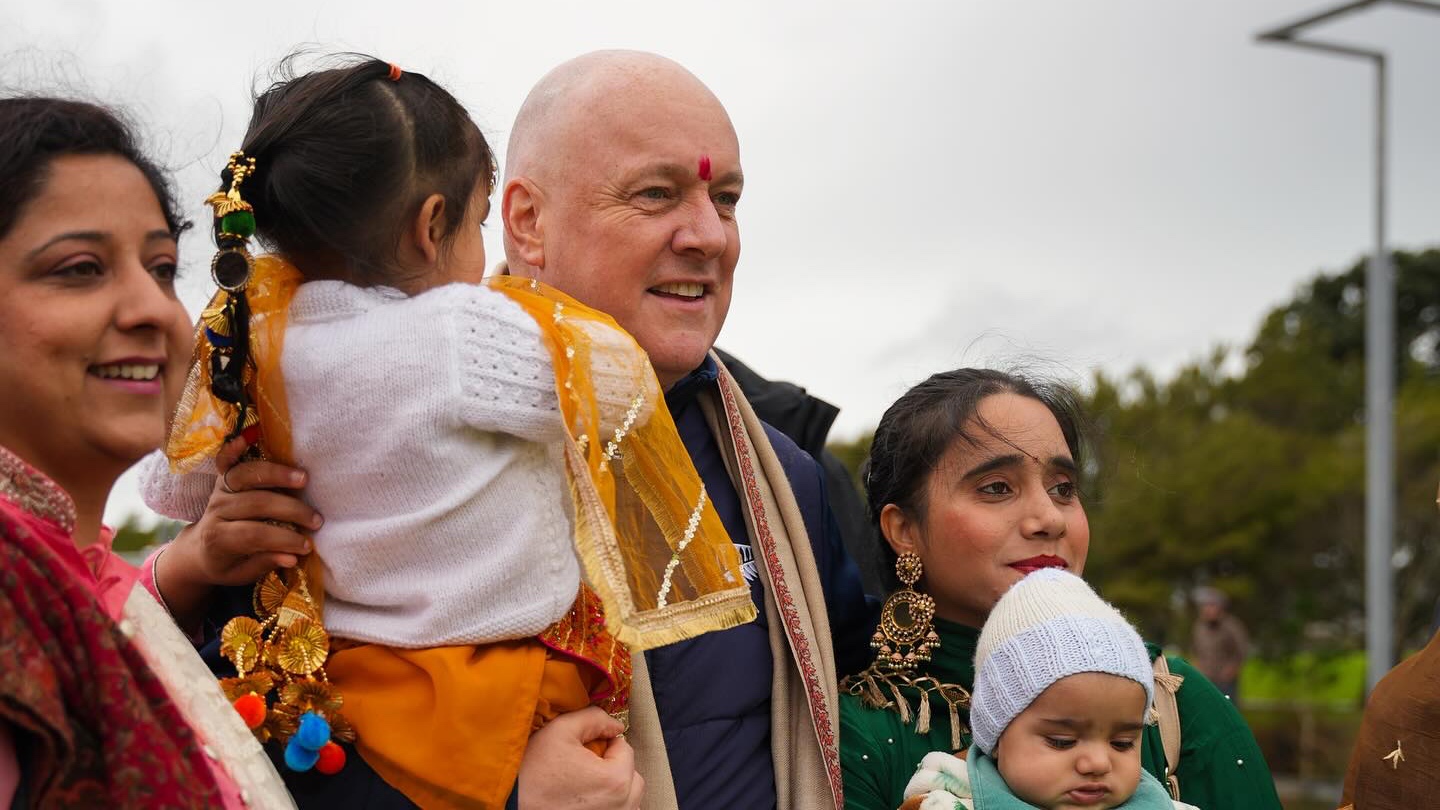
Prime minister Christopher Luxon with counterpart Narendra Modi at Gurdrawa Rakab Ganj Sahib in New Delhi in March 2026. (Supplied photo)
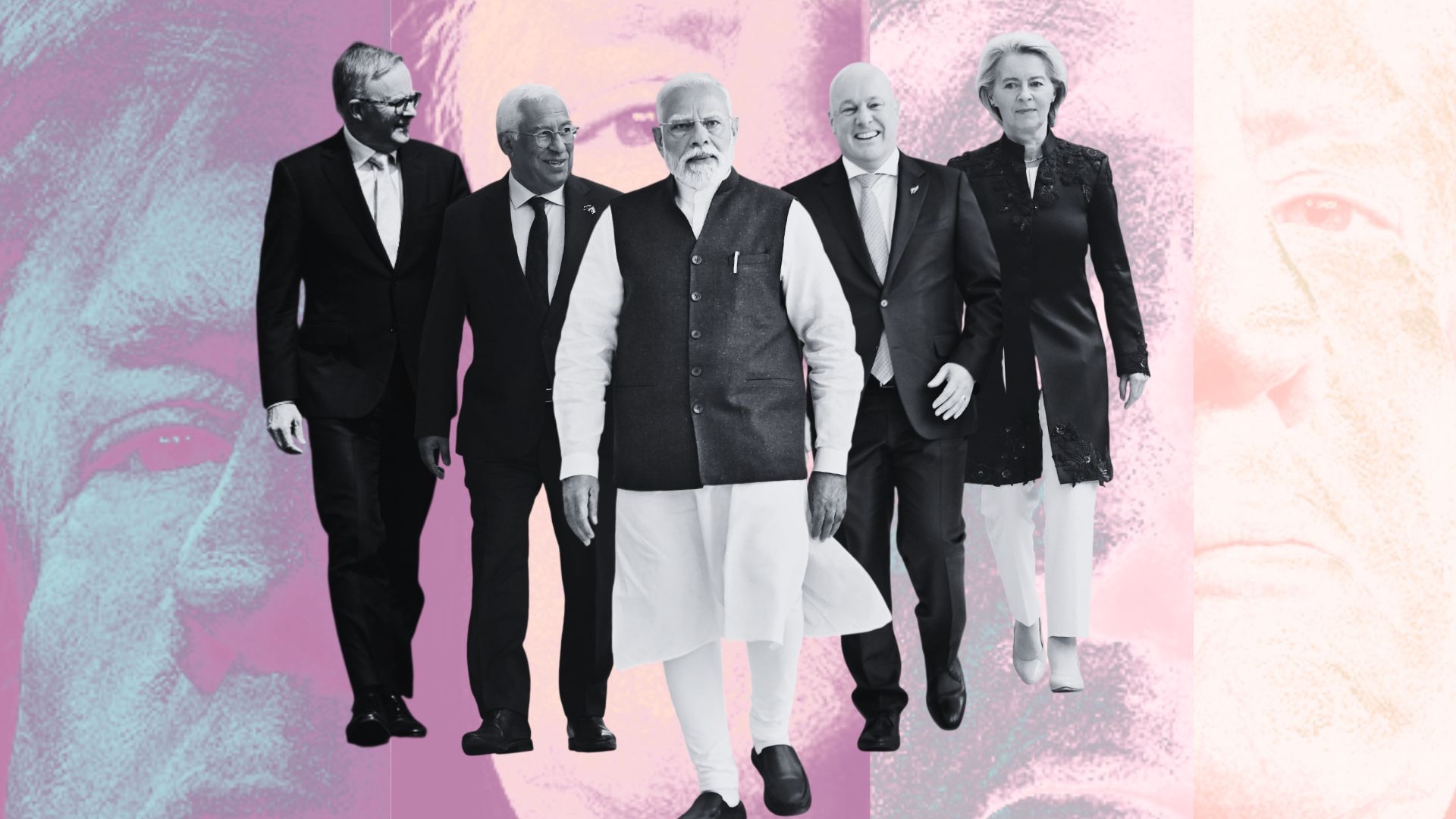
World leaders have repeatedly used Modi’s large diaspora gatherings as a potent diplomatic tool.
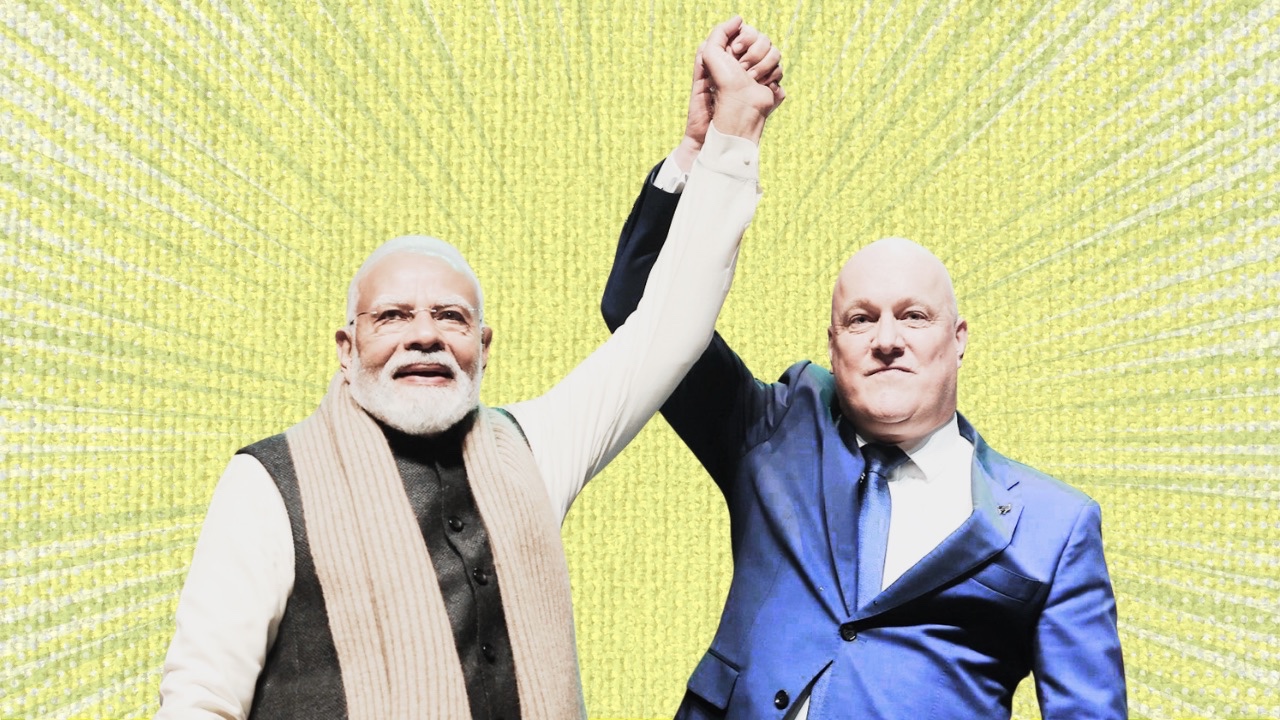
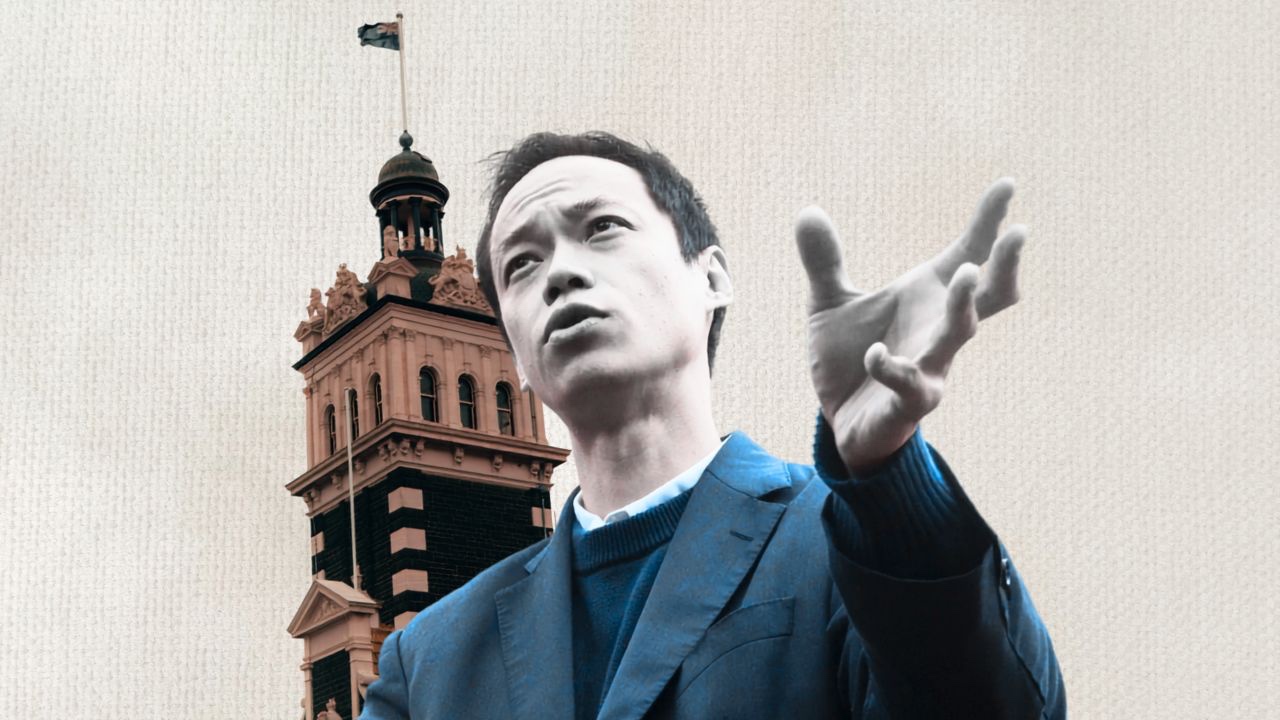
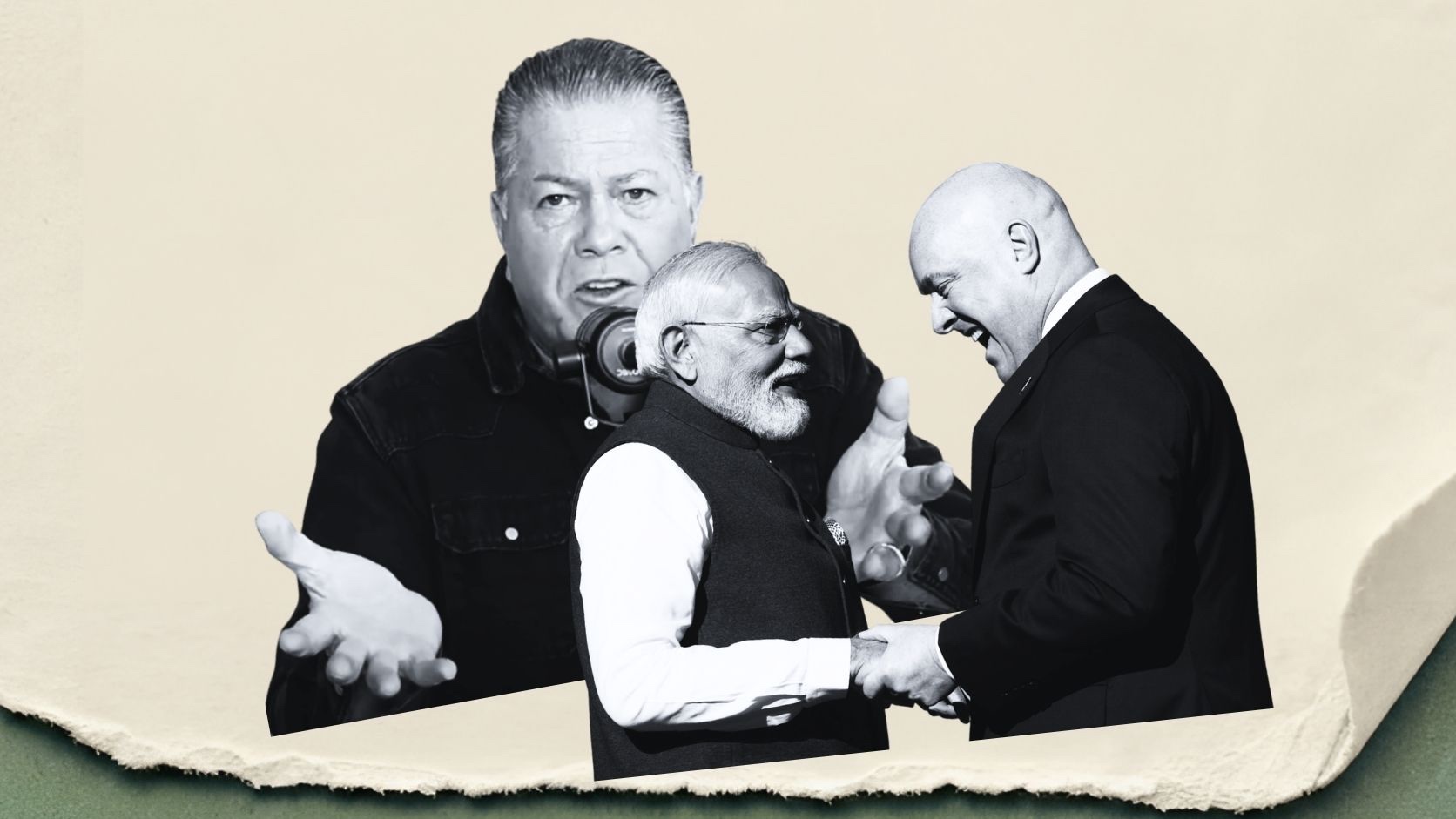
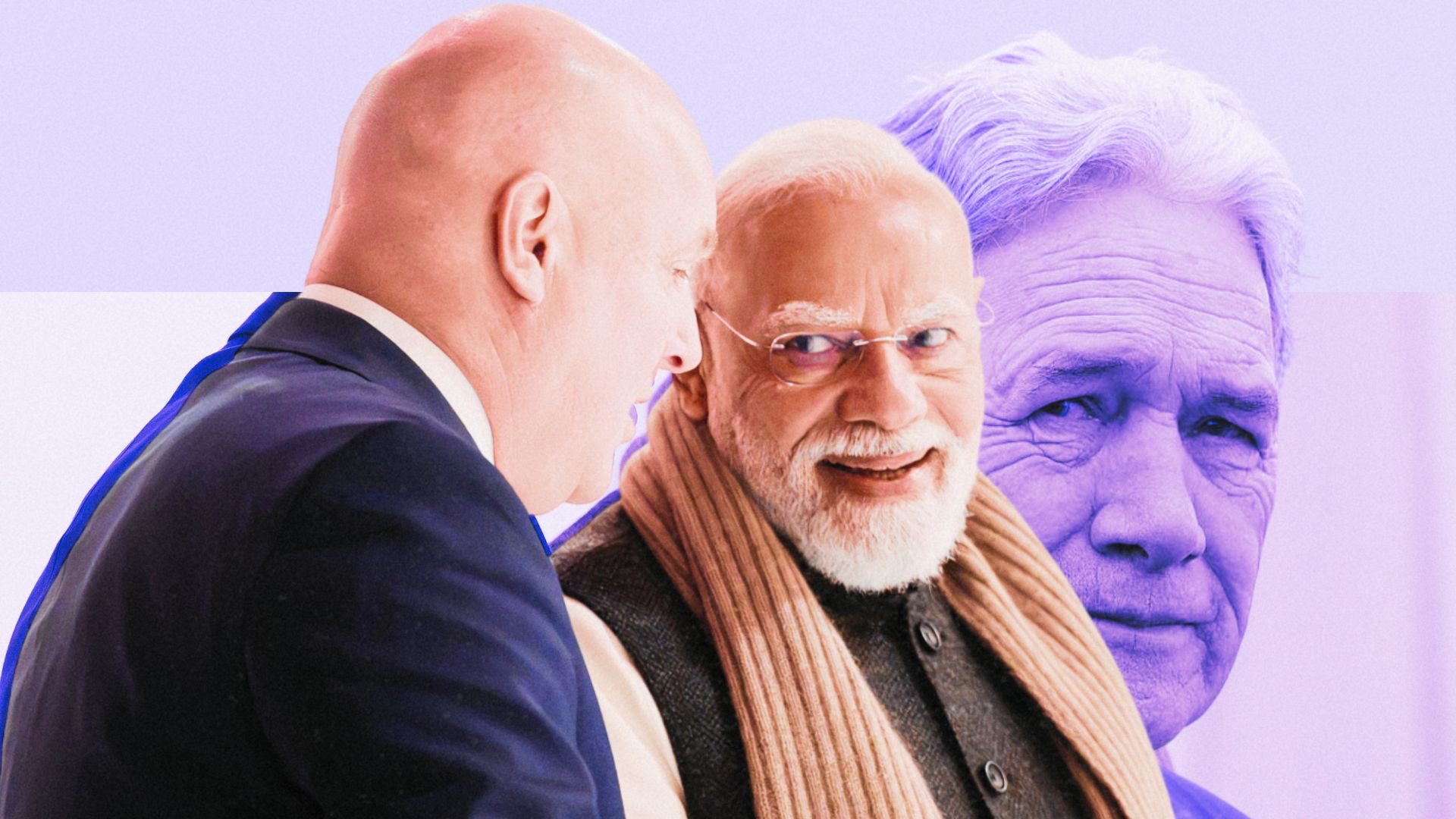
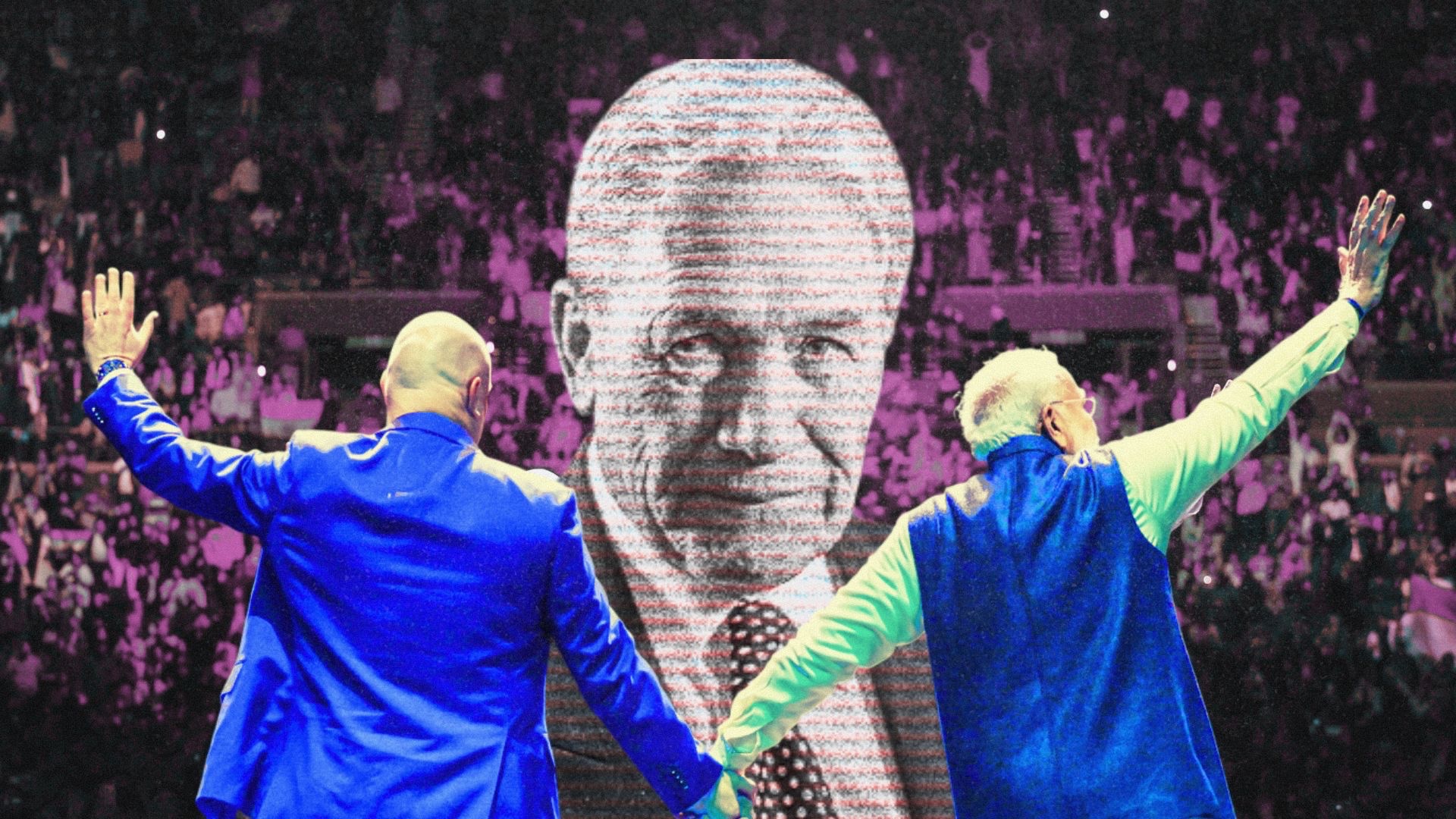
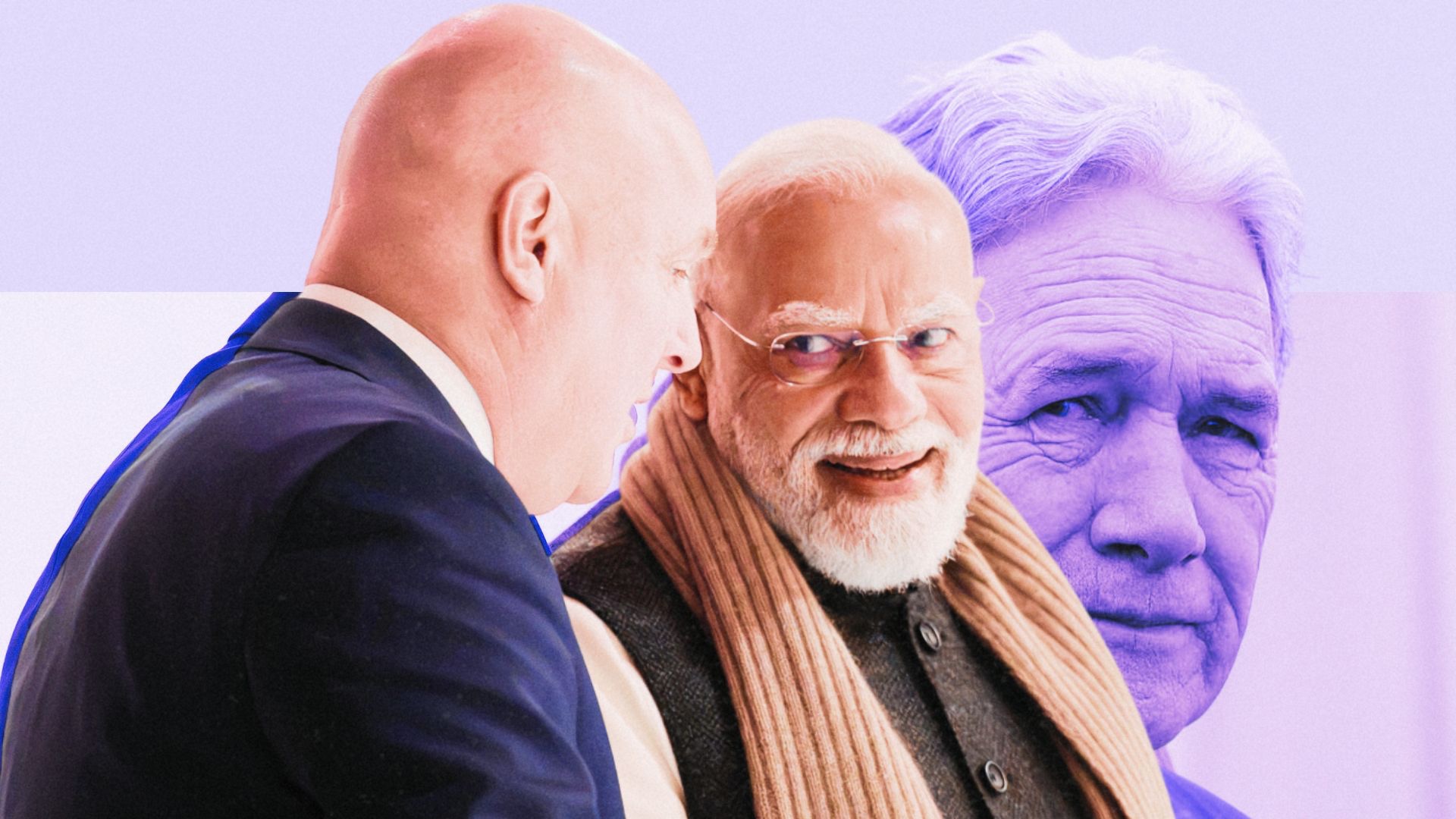
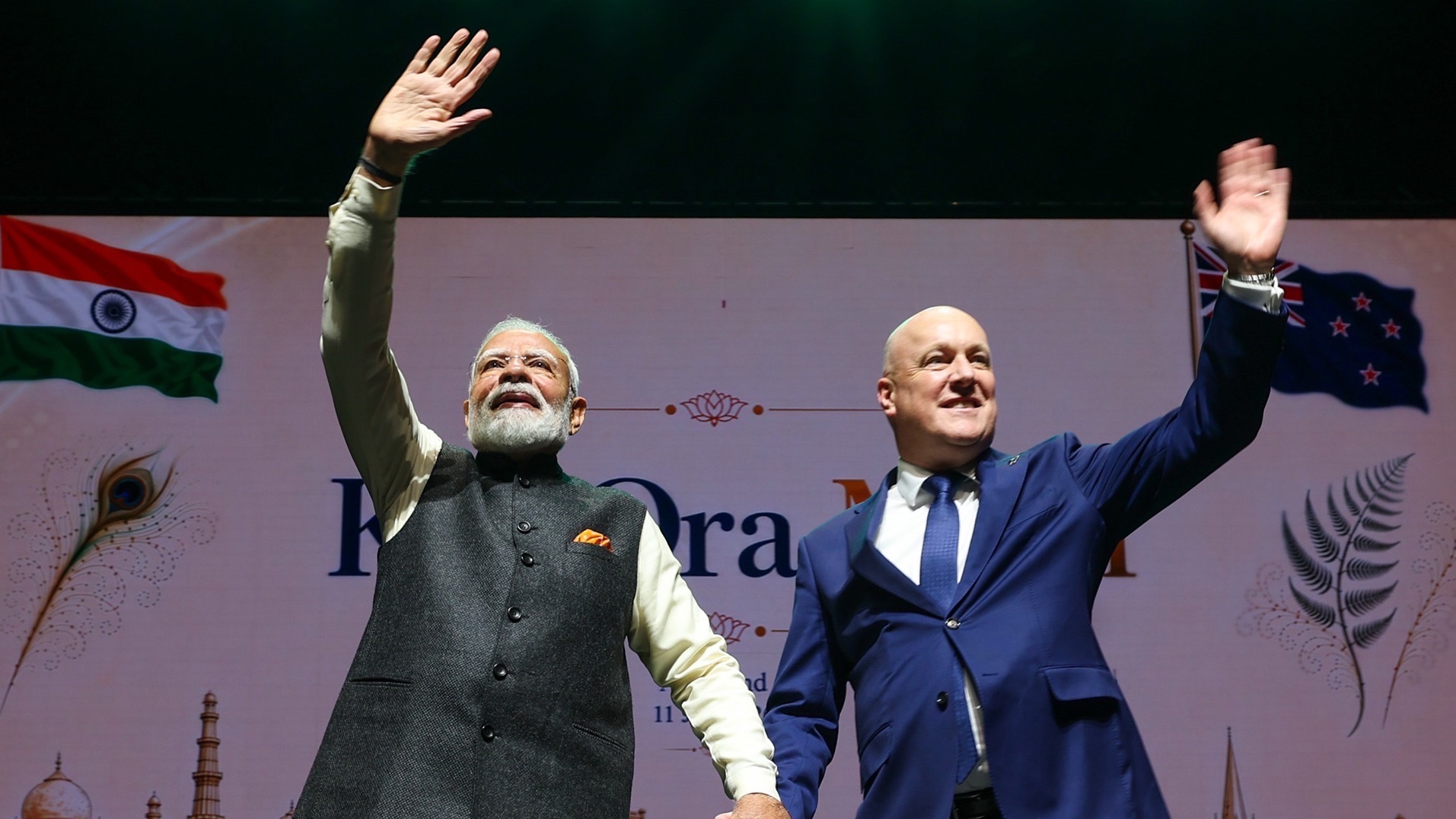
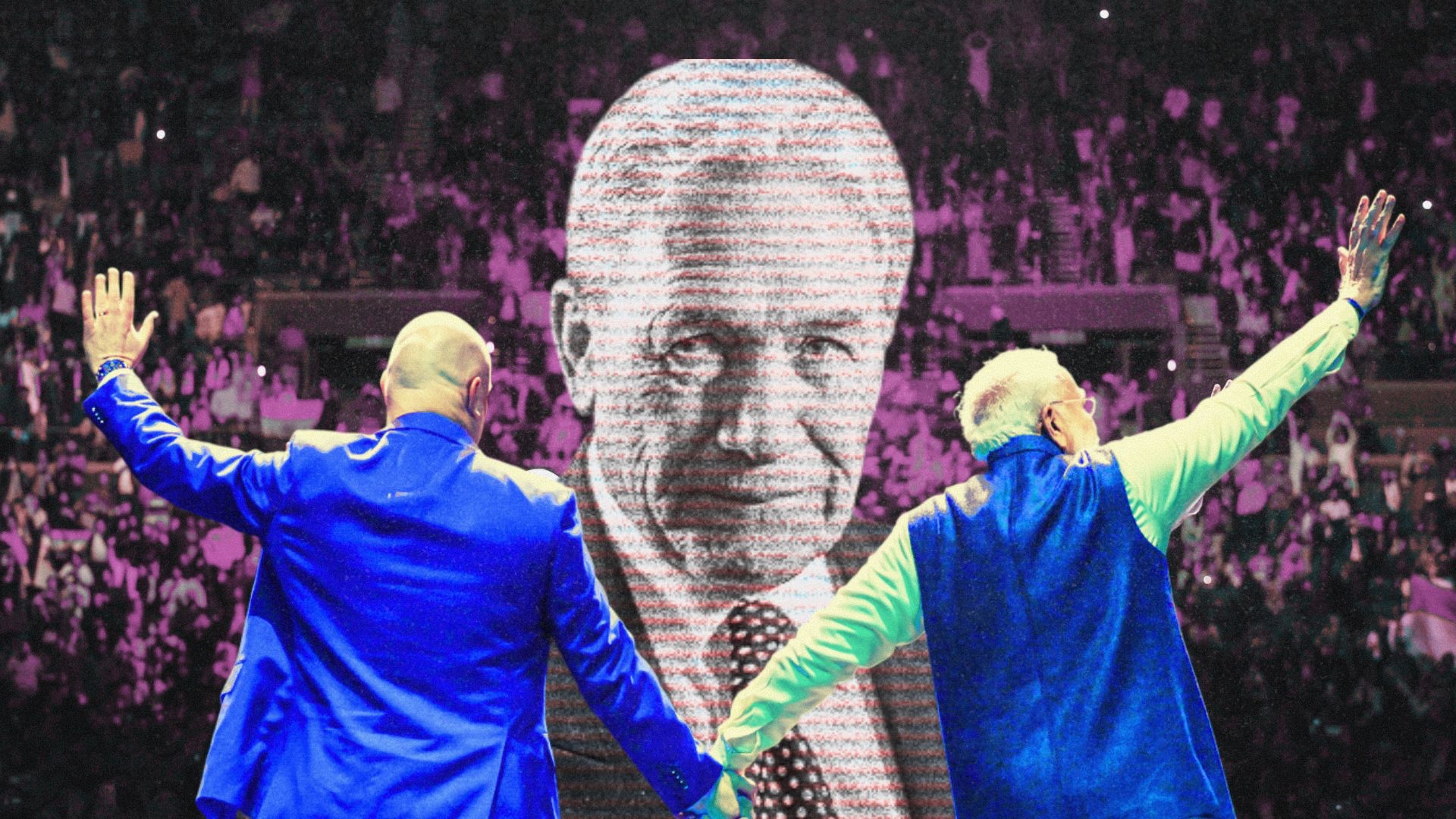
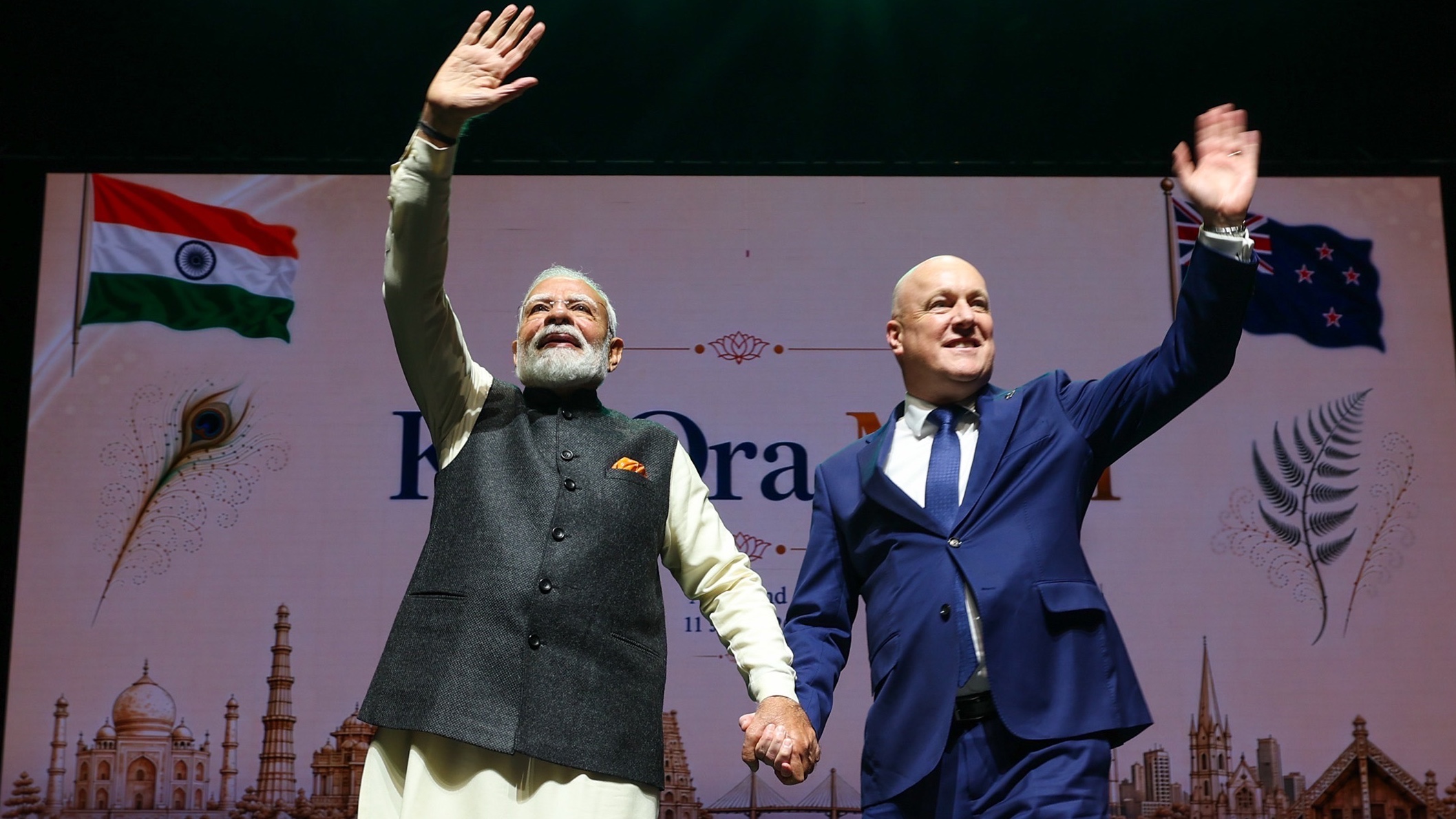
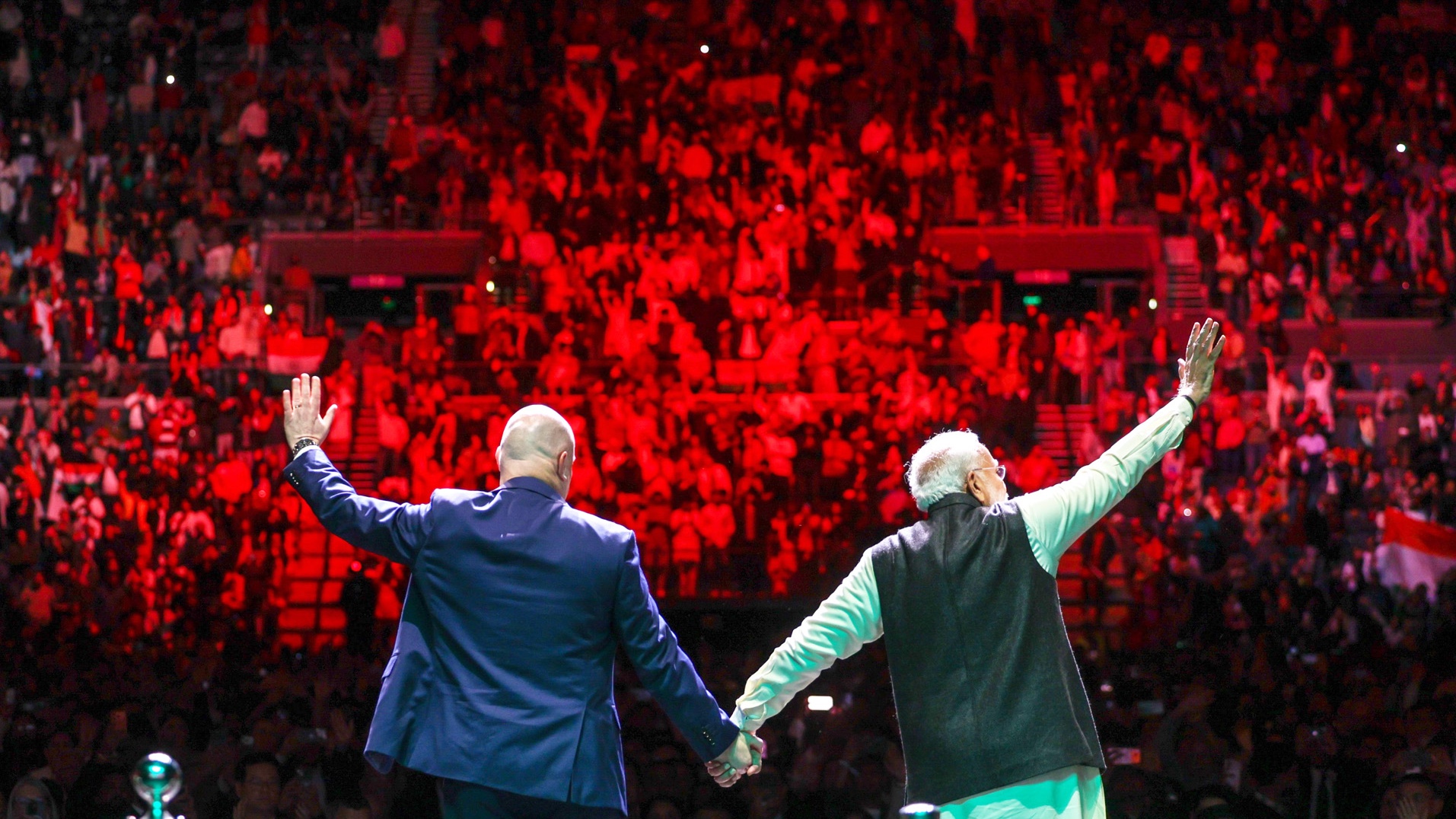
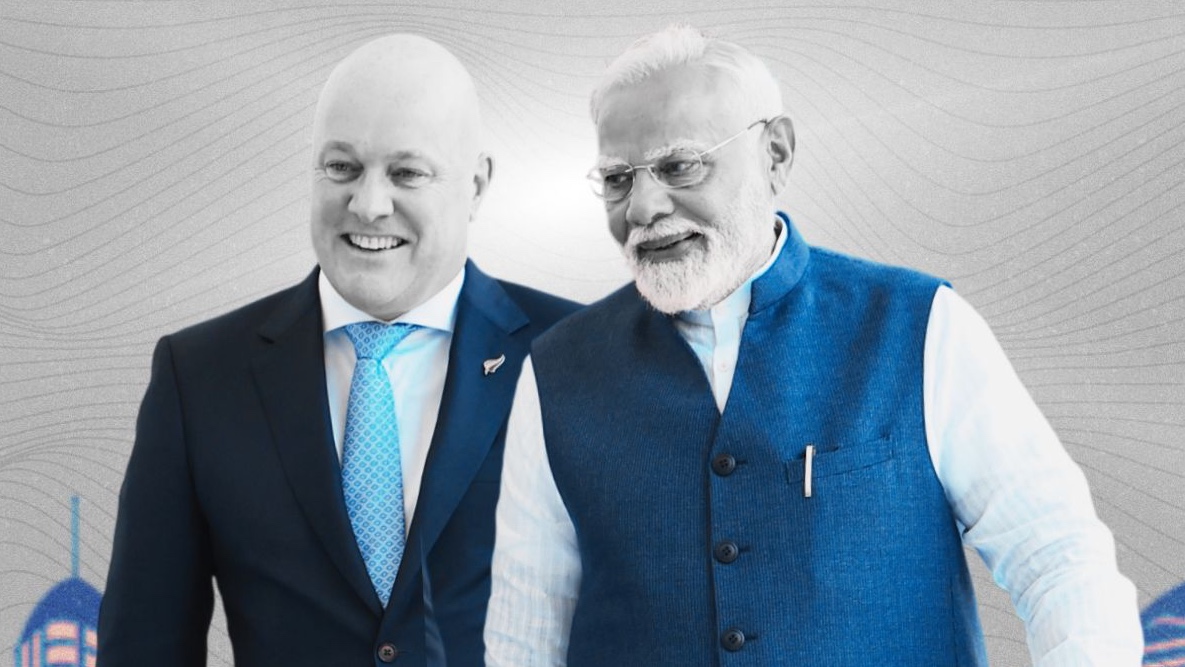
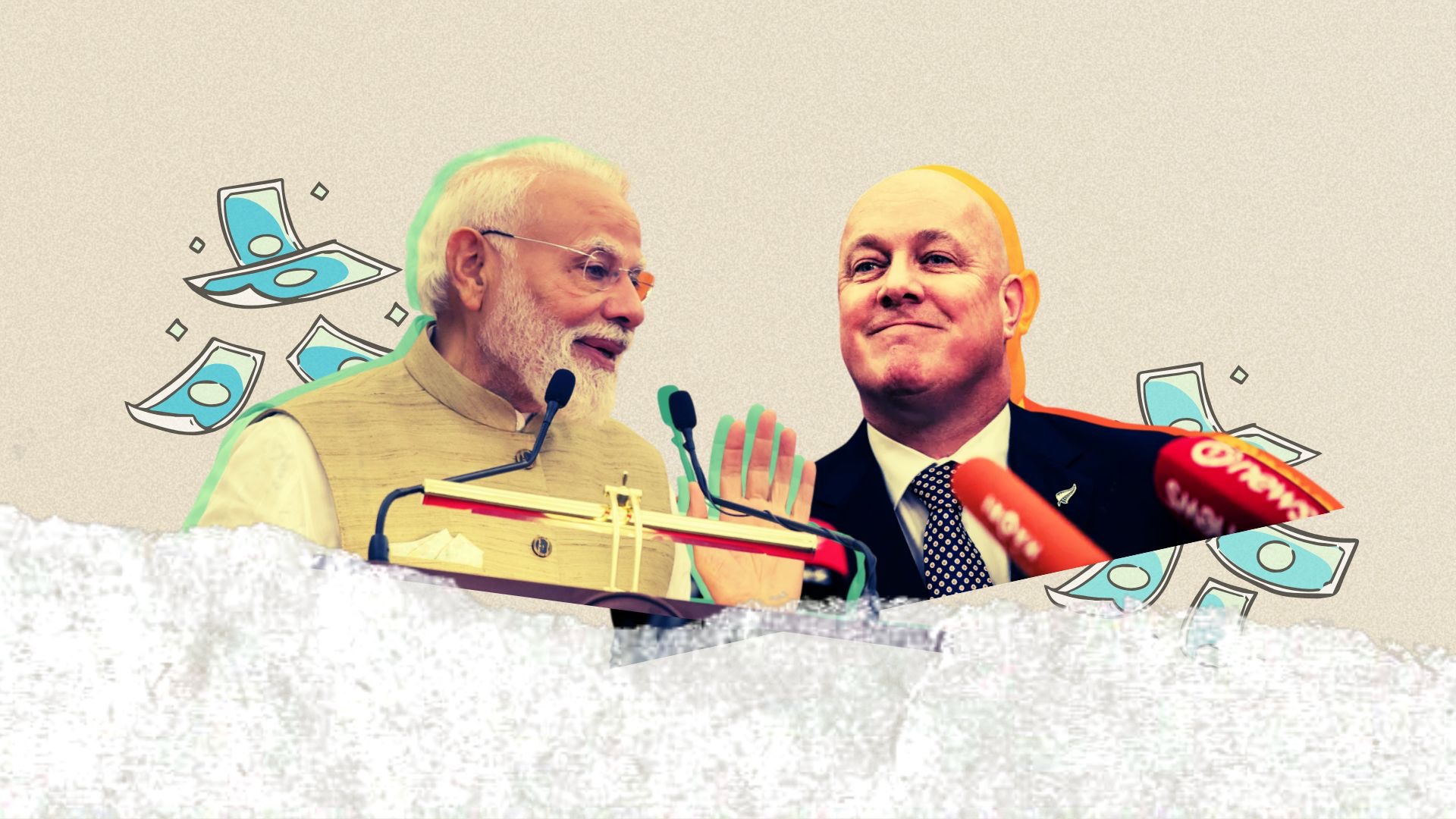
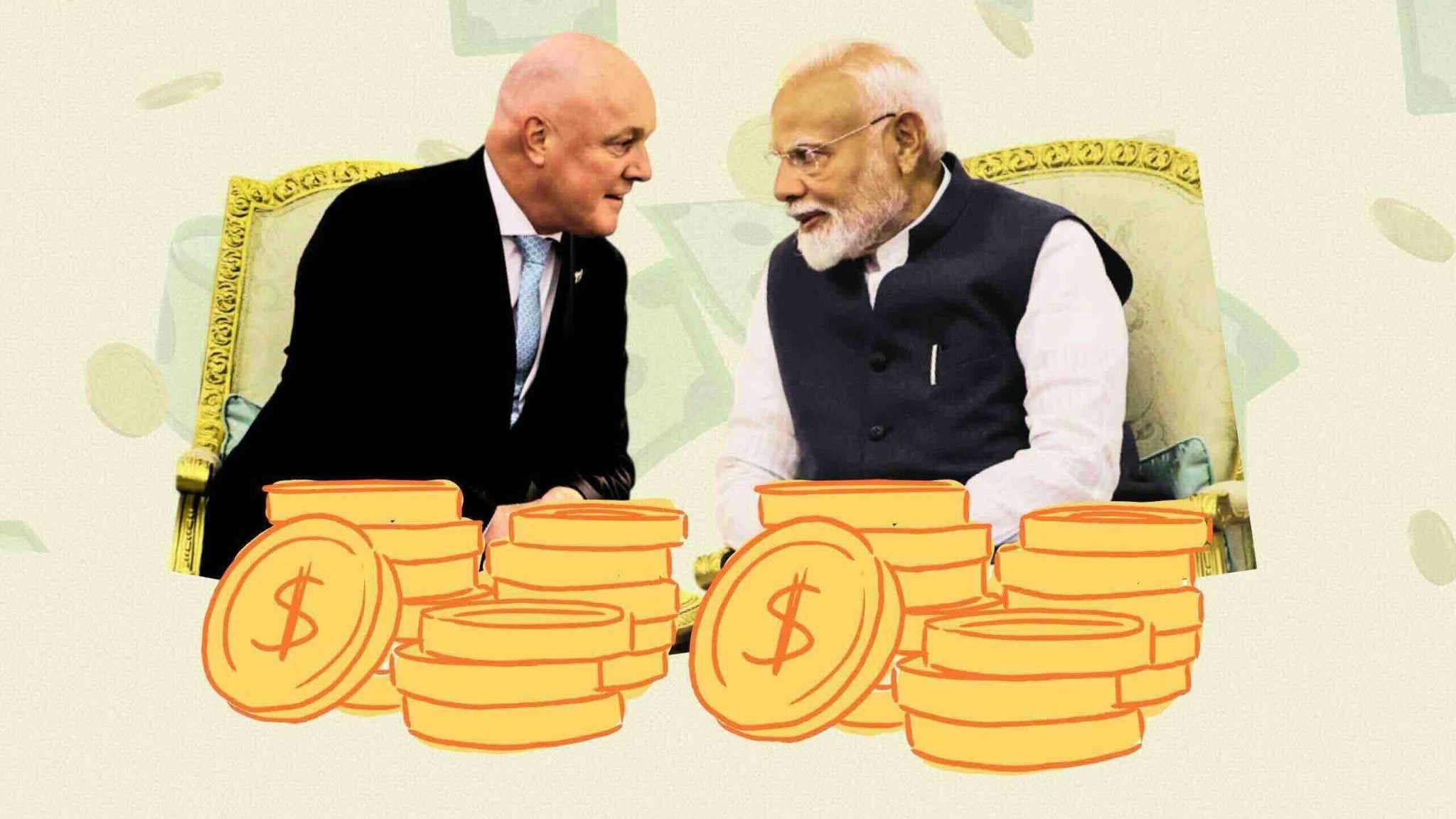
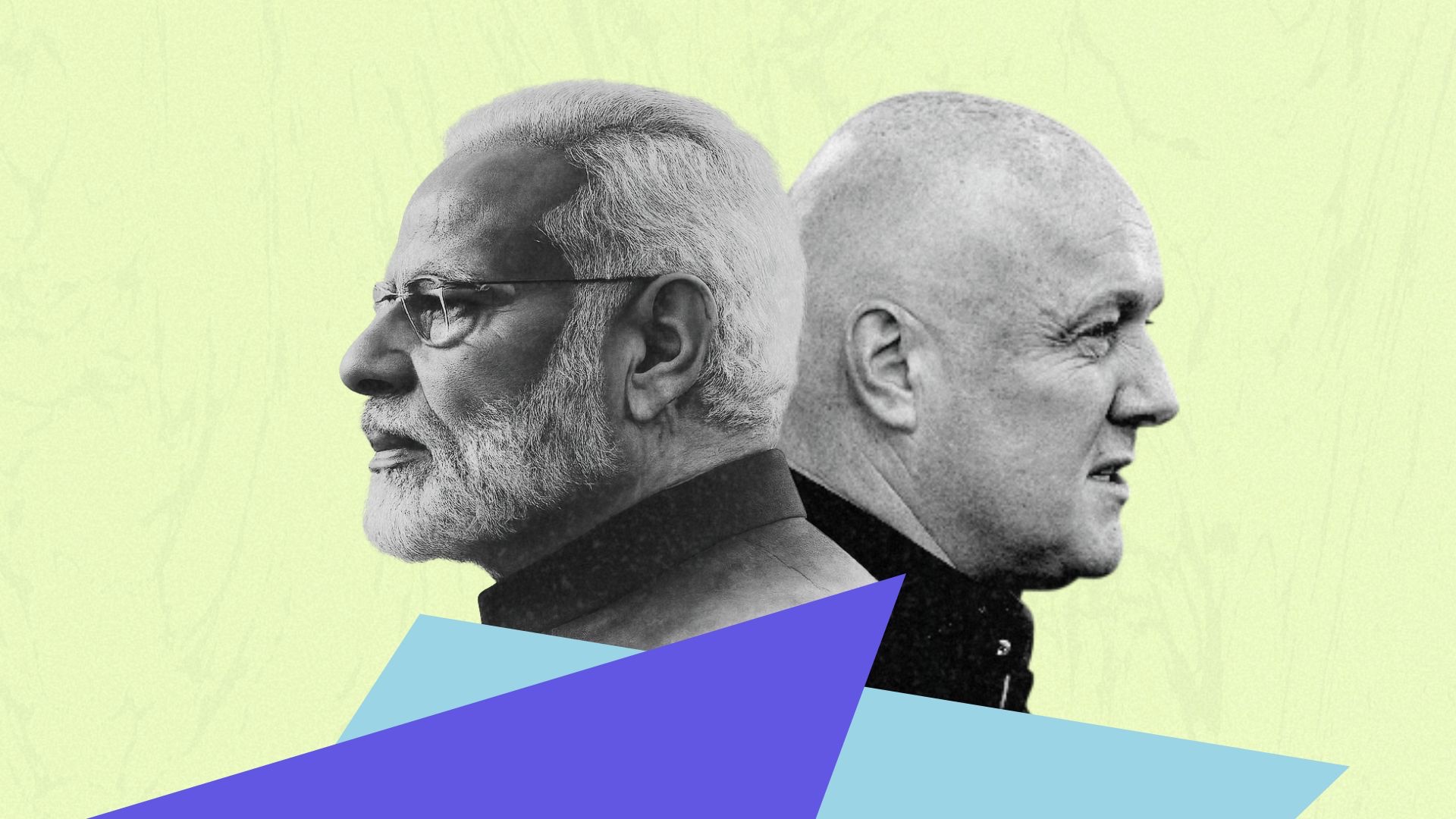
Christopher Luxon’s decision to join Indian prime minister Narendra Modi at a packed Spark Arena community reception, outside of the official government programme, has become a matter of much speculation.
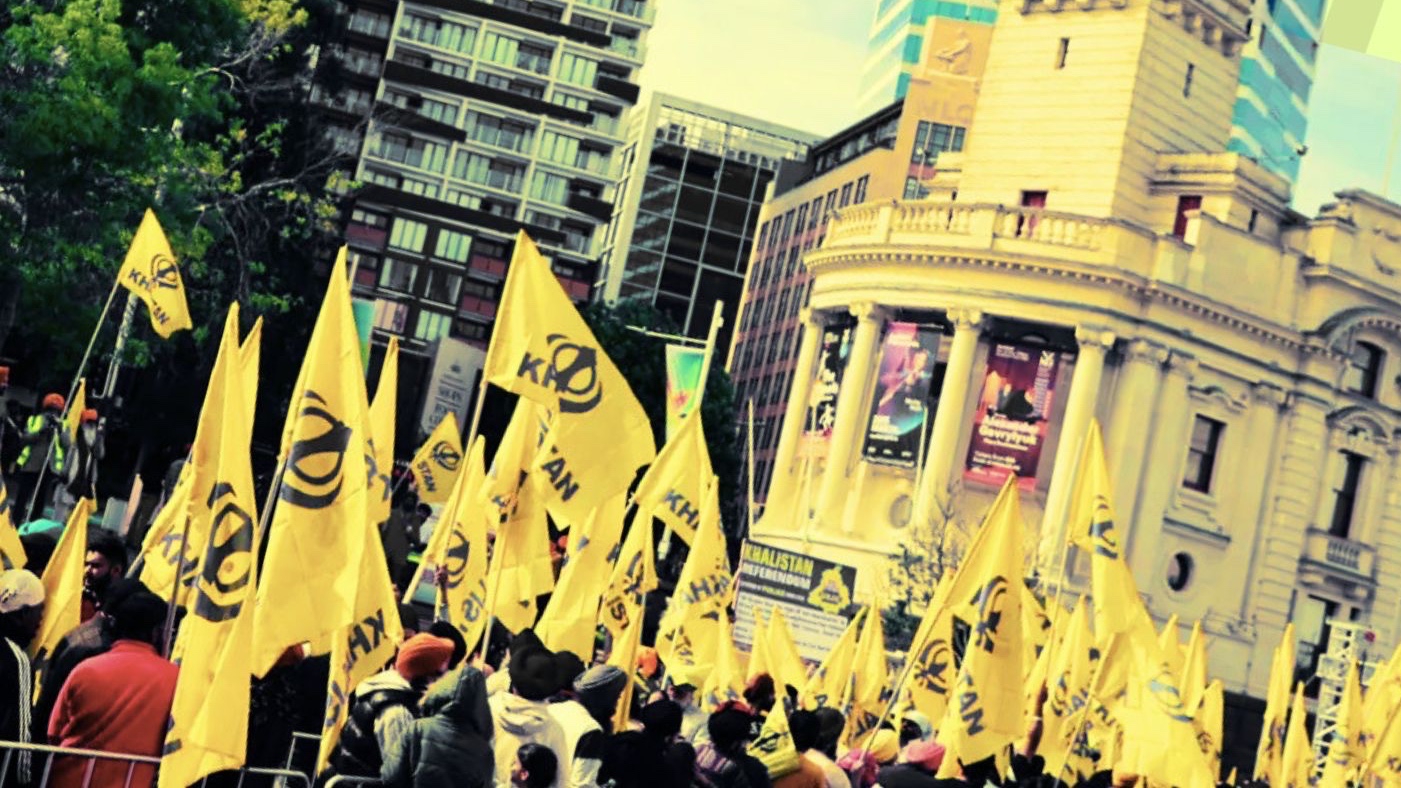
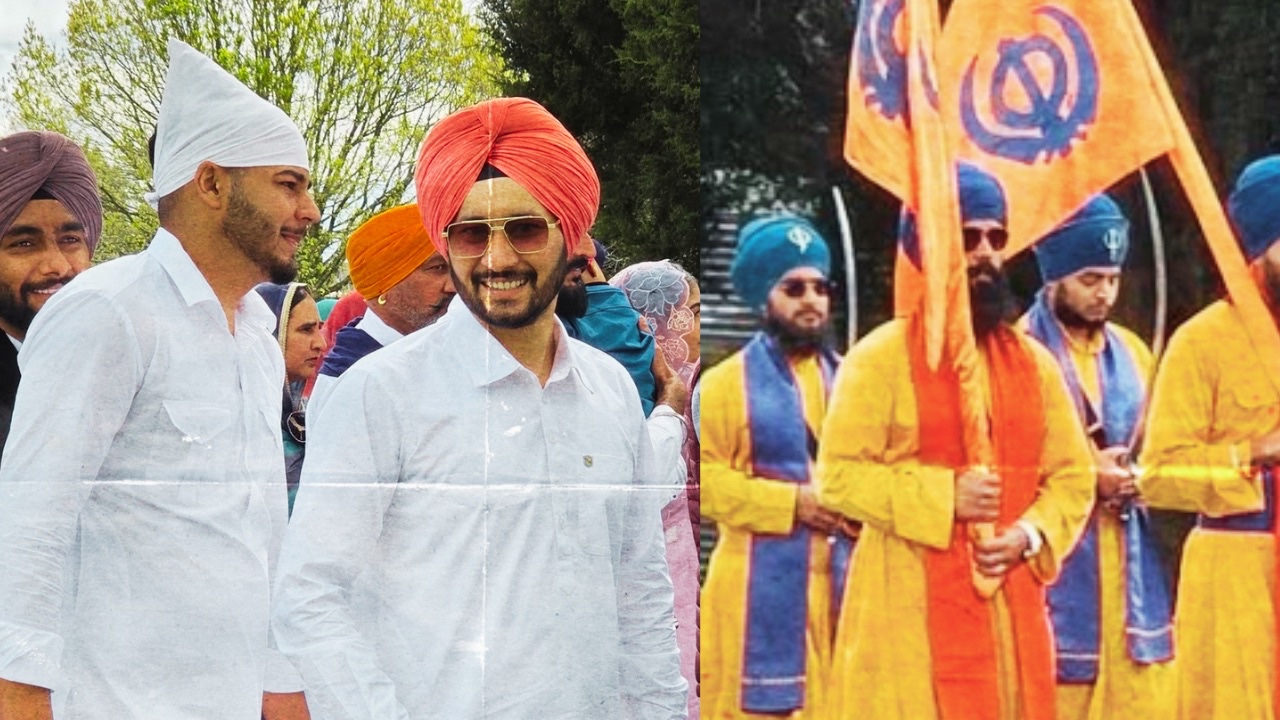
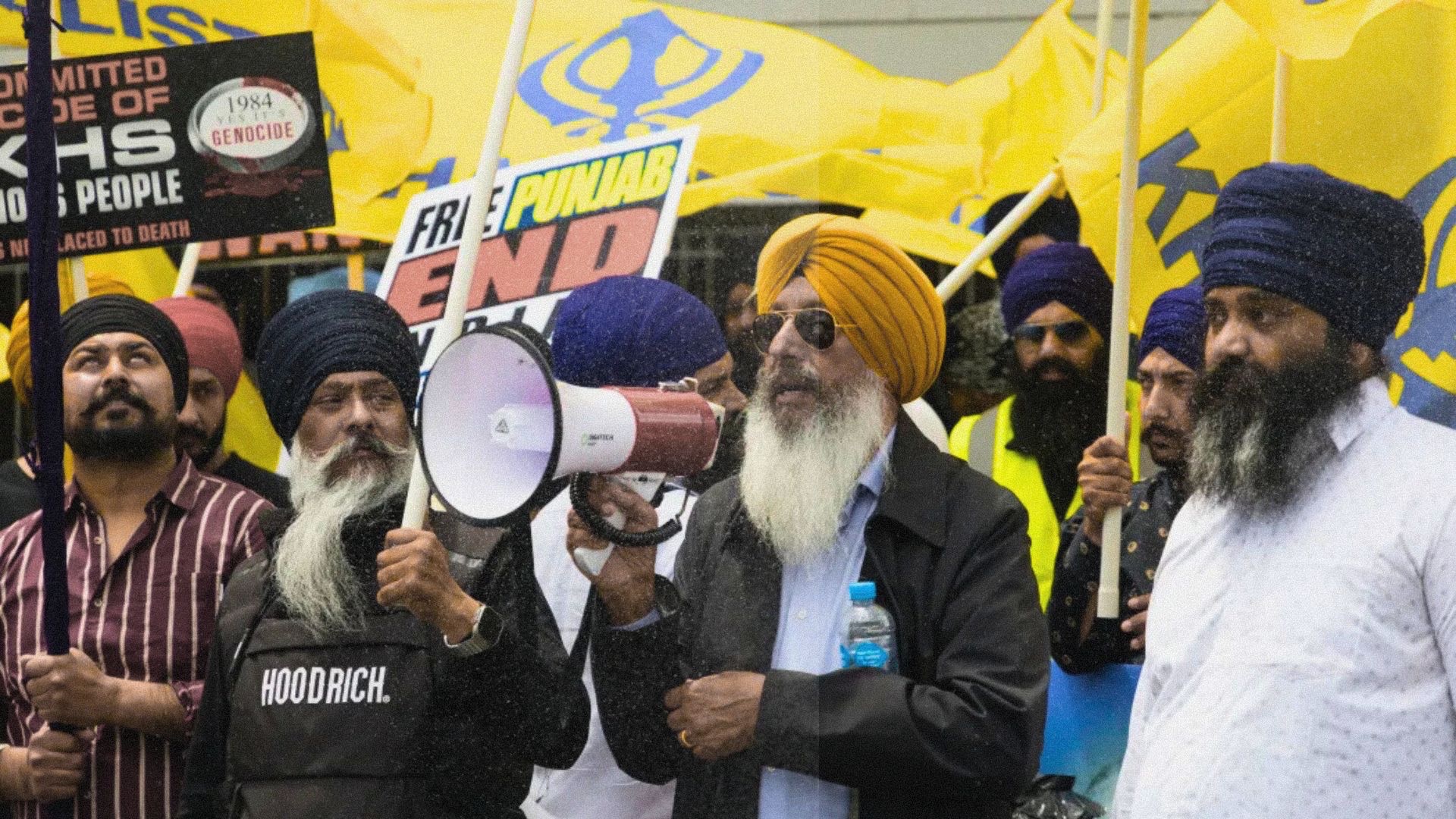
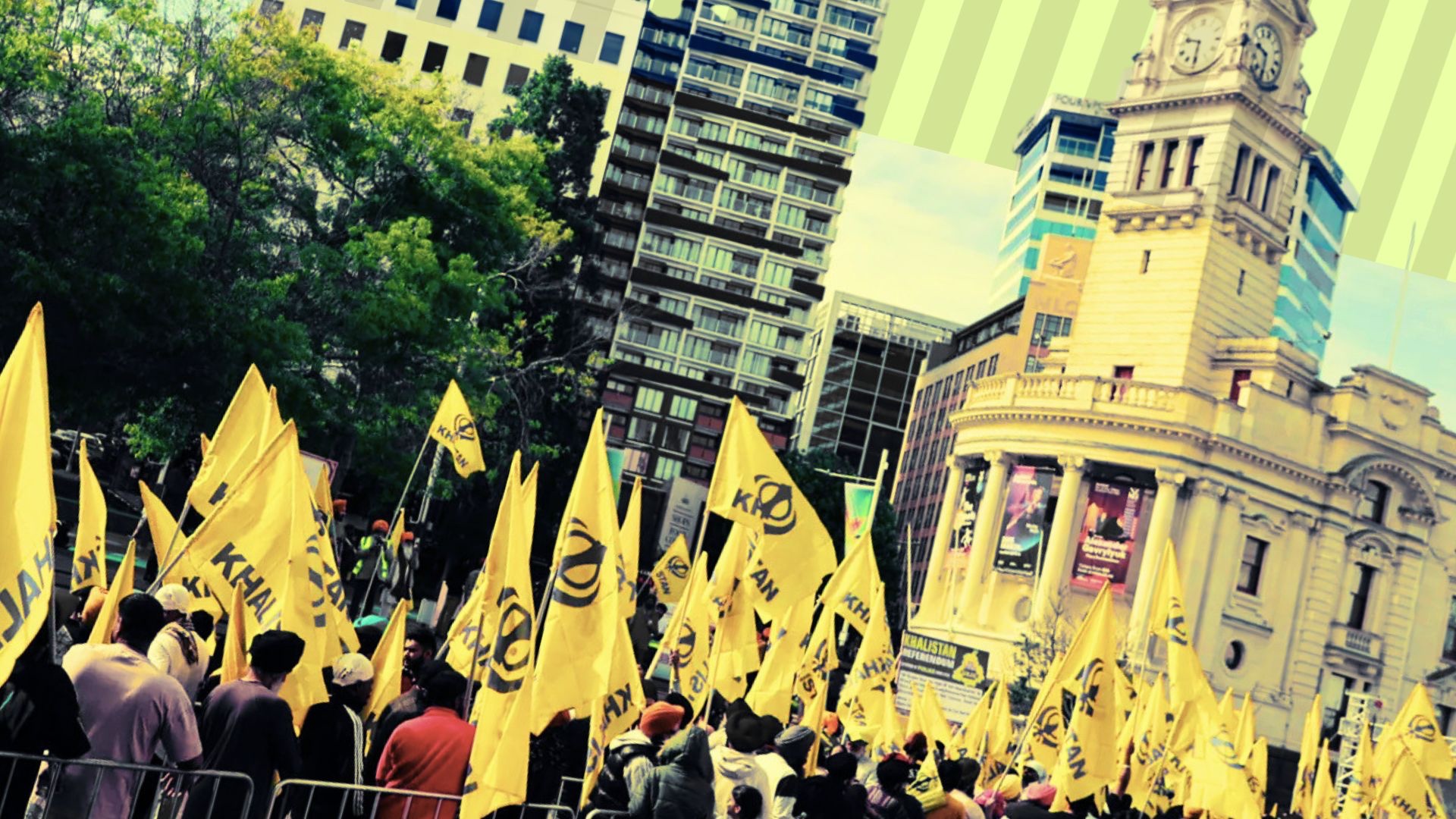
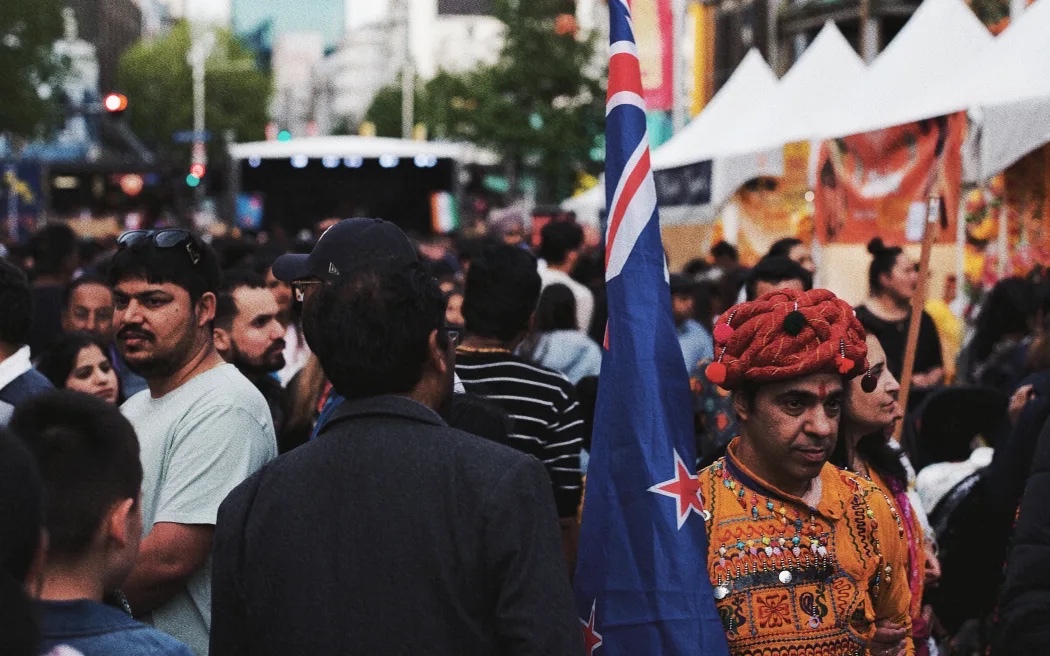
An Auckland academic has raised concerns about the nature of the Kia Ora Modi gathering, describing it as potentially a “Hindu nationalist event”.
Whether that characterisation is fair is deeply contested. But history points to another reality. World leaders have repeatedly used Modi’s large diaspora gatherings as a potent diplomatic tool.
Luxon’s decision to be at Spark Arena reveals something else too. The broader pattern of his engagement with India, including the speed at which the two countries have moved on a free trade agreement, suggests he has understood something important about Modi’s approach to diplomacy.
With Modi, personal relationships matter. Public symbolism matters. Visible demonstrations of warmth matter. And the Indian diaspora is often one of the most important stages on which that diplomacy is performed.
India is coming to Auckland: Full schedule revealed for cricket, football, hockey, Diwali From the Black Caps and All Whites taking on India to Diwali, hockey, bowls and city-wide light displays, Auckland has revealed its sporting centenary programme.
Indian man dies six months after arriving in New Zealand, fundraiser launched Emergency services were called to the crash at Kawarau Falls on Sunday.
$70,000 bill for Rotorua man after father visiting from India to help with newborn twins has stroke A fundraiser has been launched after the uninsured visit has left the family carrying the full cost of hospital treatment
From London and Toronto to Houston and Sydney, heads of government have stood alongside Modi before cheering Indian diaspora audiences, using the spectacle to celebrate bilateral ties, connect with influential domestic communities and publicly demonstrate closeness with India.
And the appeal has cut across ideology.
Leaders from the political right and left, conservatives and social democrats, have all chosen to share the stage with Modi at such gatherings. Their politics, and their governments’ relationships with New Delhi, have differed markedly.
Luxon, in other words, is making a choice by going to Spark Arena. And it is hardly an unusual one.
The case from across the Tasman
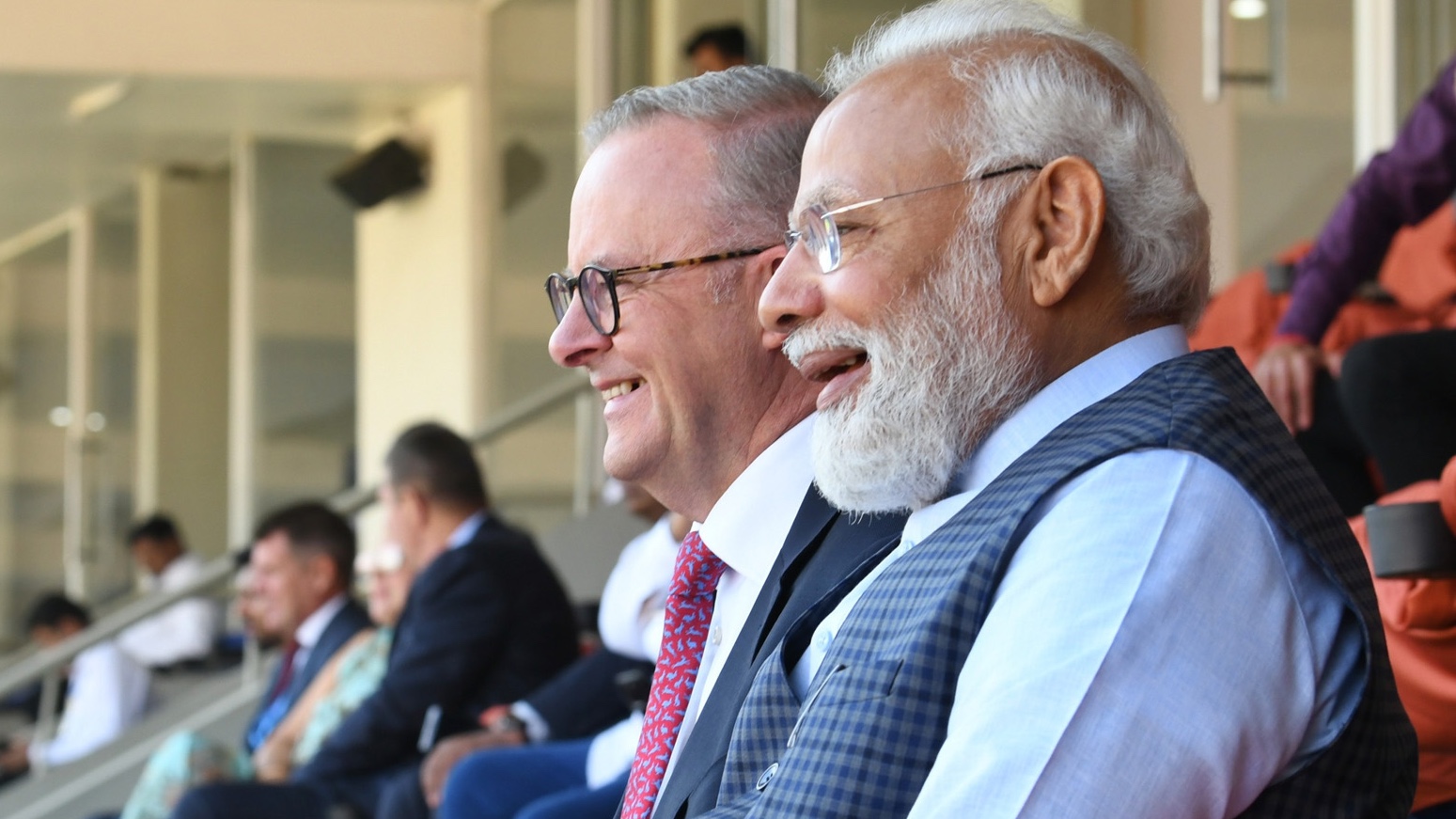
In May 2023, Australian prime minister Anthony Albanese joined Modi at a huge Indian diaspora event at Sydney’s Qudos Bank Arena. Albanese did not merely attend quietly. He took the stage before a crowd of thousands and delivered a fulsome welcome to his Indian counterpart.
“It is a huge pleasure to welcome prime minister Modi to Australia,” Albanese told the gathering. “Absolutely nothing beats standing with him on a stage like this, looking out at this magnificent sea of faces. What an honour!”
The event became one of the defining public images of Modi’s Australian visit. Albanese compared the reception Modi received to the kind of welcome once reserved at the arena for Bruce Springsteen, before declaring: “Prime minister Modi is the boss.”
For Luxon, the Sydney precedent is difficult to ignore.
Australia is a close New Zealand partner, Albanese leads a centre-left government rather than an ideological ally of Modi’s Bharatiya Janata Party, and the event was explicitly built around the Indian diaspora.
Yet Albanese clearly saw diplomatic value in being there. Sydney was far from the first time.
In April 2015, Canadian prime minister Stephen Harper joined Modi at a large reception at Toronto’s Ricoh Coliseum, to celebrate the “special relationship” between Canada and India.
The symbolism was clear. A diaspora gathering could also serve as a stage for statecraft.
Seven months later, British prime minister David Cameron joined Modi at an enormous reception at Wembley Stadium in London. The gathering drew tens of thousands of people and became one of the most spectacular examples of Modi’s overseas diaspora outreach.
Cameron’s presence demonstrated the appeal such events can hold for host-country leaders.
A British prime minister was not simply welcoming a foreign leader behind closed doors in Downing Street. He was appearing beside Modi before a mass audience drawn heavily from Britain’s Indian community, combining diplomatic messaging with direct engagement with a significant domestic constituency.
The pattern extended beyond the traditional Anglosphere.
During Modi’s 2018 visit to Sweden, Swedish prime minister Stefan Löfven attended an Indian community event with him in Stockholm. Löfven was a social democrat.
That example broadened the picture beyond conservative governments and some of the most obvious centres of Modi’s diaspora outreach.
Then came perhaps the most spectacular example of all.
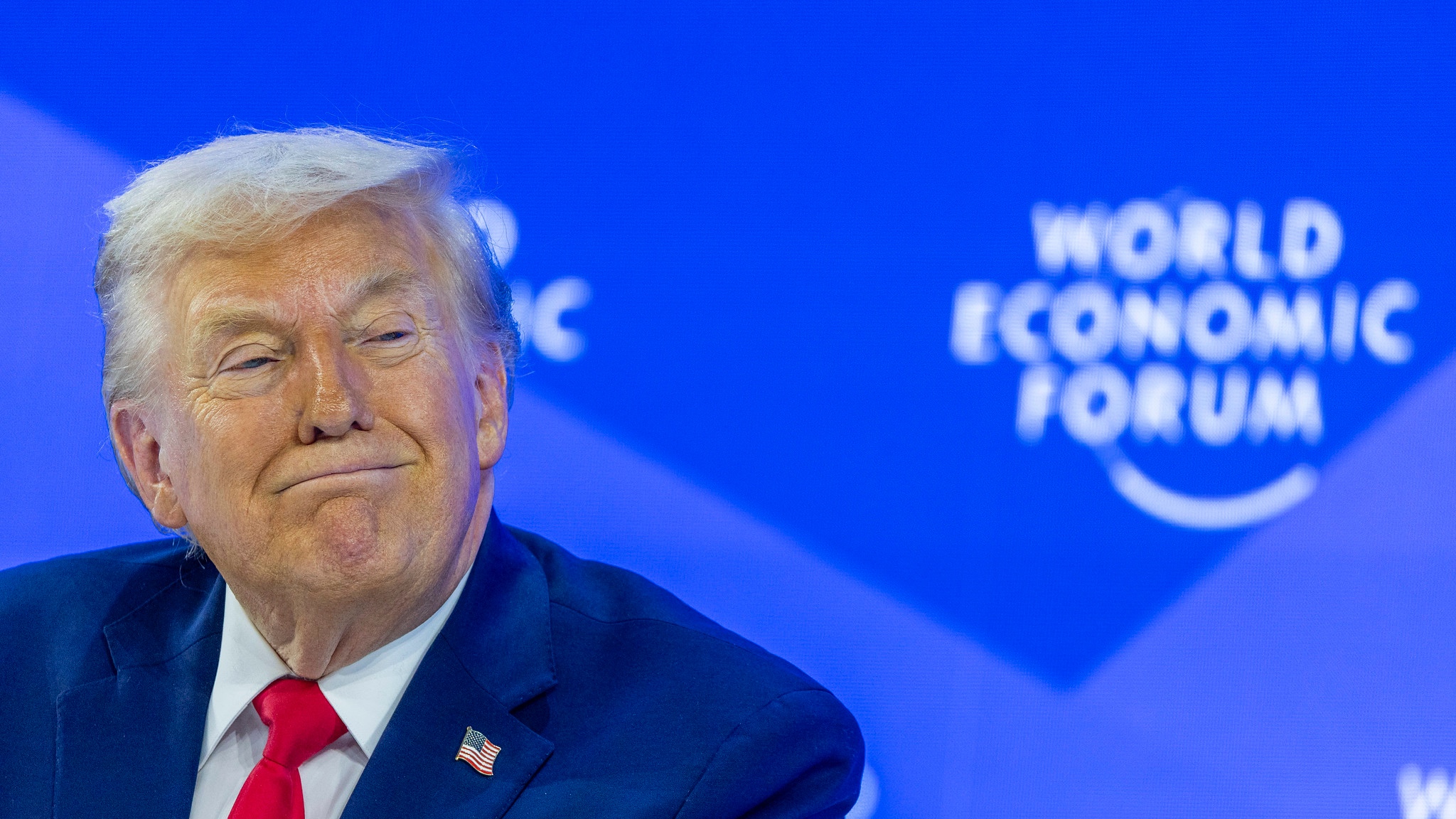
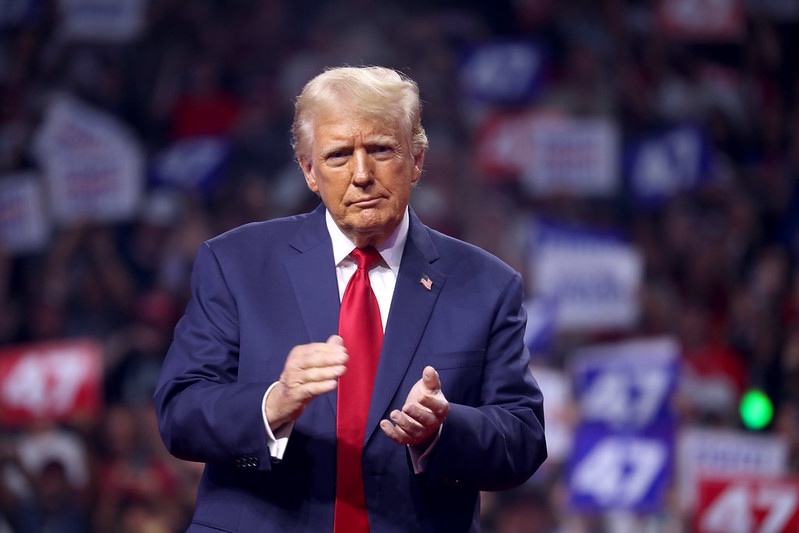
In September 2019, US president Donald Trump joined Modi at the “Howdy Modi” event in Houston, where the two leaders appeared before a crowd of about 50,000.
Trump addressed the gathering alongside Modi in an extraordinary display of leader-to-leader diplomacy before a vast diaspora audience.
Modi’s diaspora events have repeatedly become more than receptions for Indians living abroad. They have also provided host-country leaders with a powerful stage on which to advertise their relationship with India.
Modi has also addressed many overseas community gatherings without the host country’s prime minister or president standing beside him. Joining such an event is not a standard diplomatic requirement, and Luxon’s presence at Spark Arena should not be mistaken for mere protocol.
Luxon has got India's attention
Less than two years ago, the New Zealand-India relationship was still widely described as underdeveloped relative to its potential.
A free trade agreement had eluded successive governments, and political engagement between Wellington and New Delhi had lacked the intensity seen in some comparable relationships.
Luxon moved quickly to change that.
He invested personally in the relationship, travelled to India, placed unusually strong emphasis on leader-to-leader ties and made an India free trade agreement a central ambition.
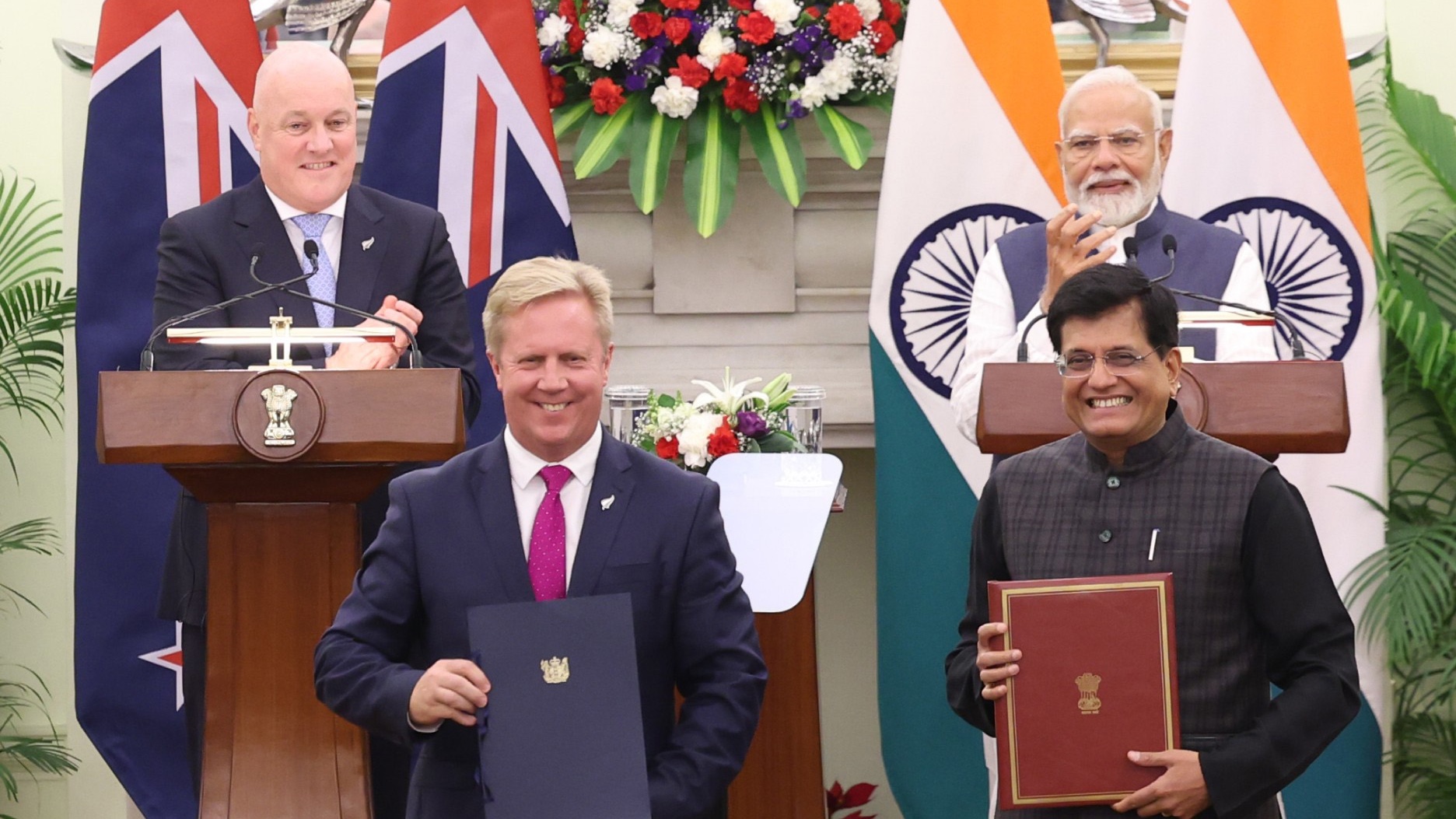
It took about nine months for the FTA process to be completed, becoming one of the most striking features of the relationship.
India’s overseas diaspora is not peripheral to that diplomacy. It is often one of its most visible stages.
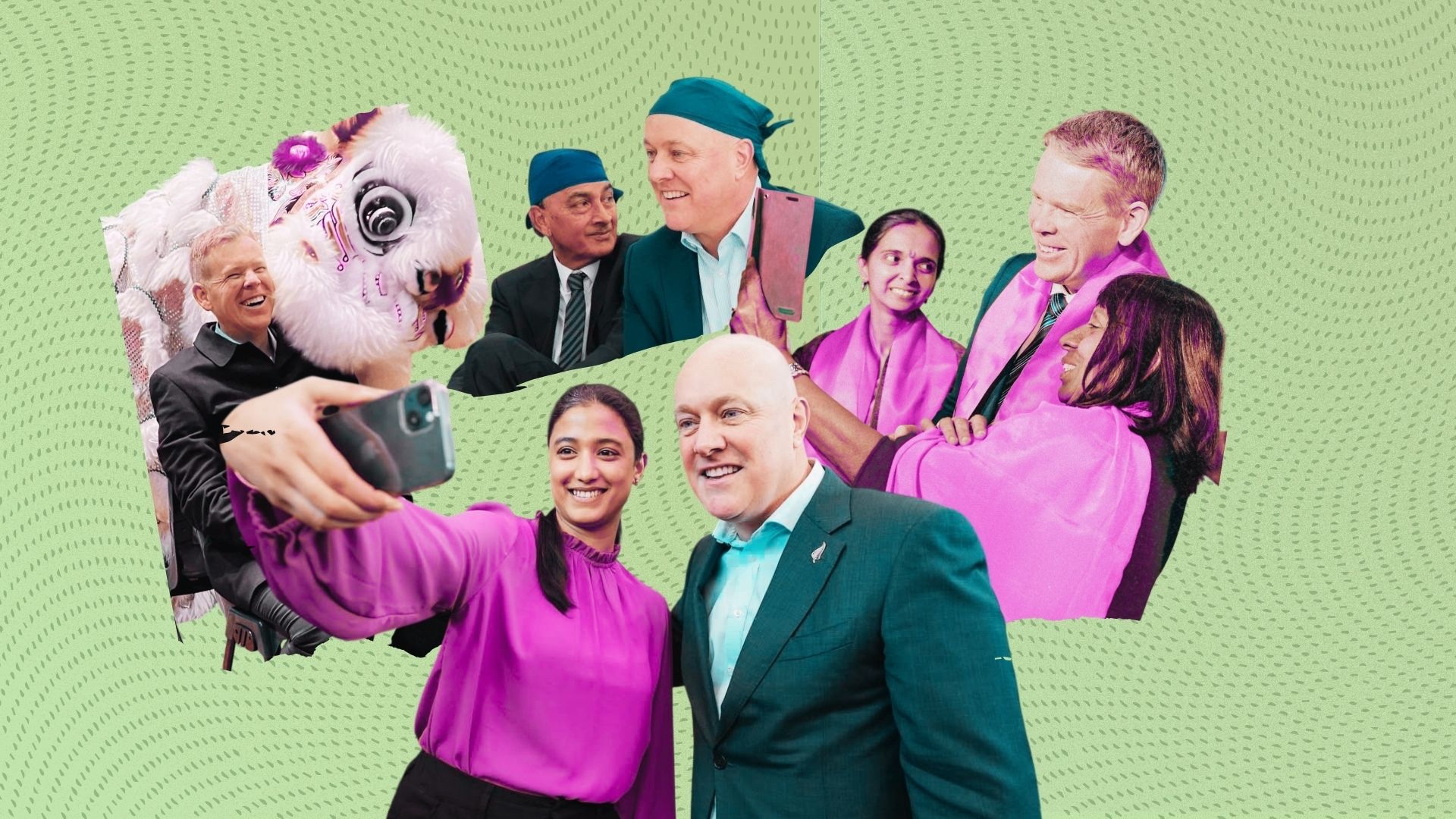
Luxon’s decision to attend Spark Arena looks less like an incidental diary choice and more like a continuation of the approach he has already taken towards New Delhi.
To Modi, it is a public gesture of respect during a visit of enormous symbolic importance to the bilateral relationship.
To New Delhi, it demonstrates that New Zealand’s commitment to closer ties extends beyond negotiating rooms and formal communiqués.
And to Indian New Zealanders, it places the prime minister of their country alongside the prime minister of the country many of them still have deep family, cultural and emotional ties to.