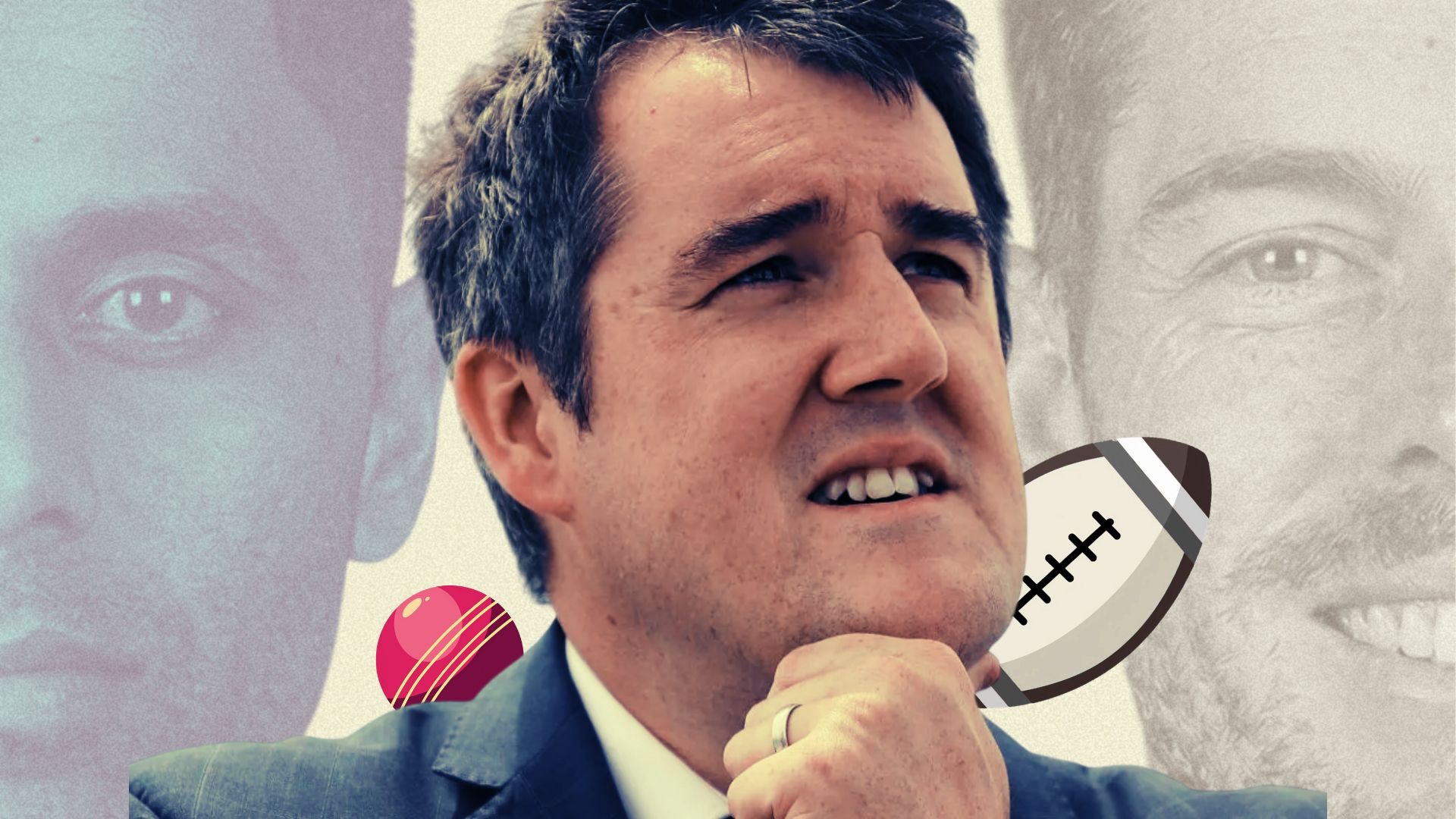

Broadcaster whose racist taunt at Sheila Dikshit sparked Indian protest named ACT candidate
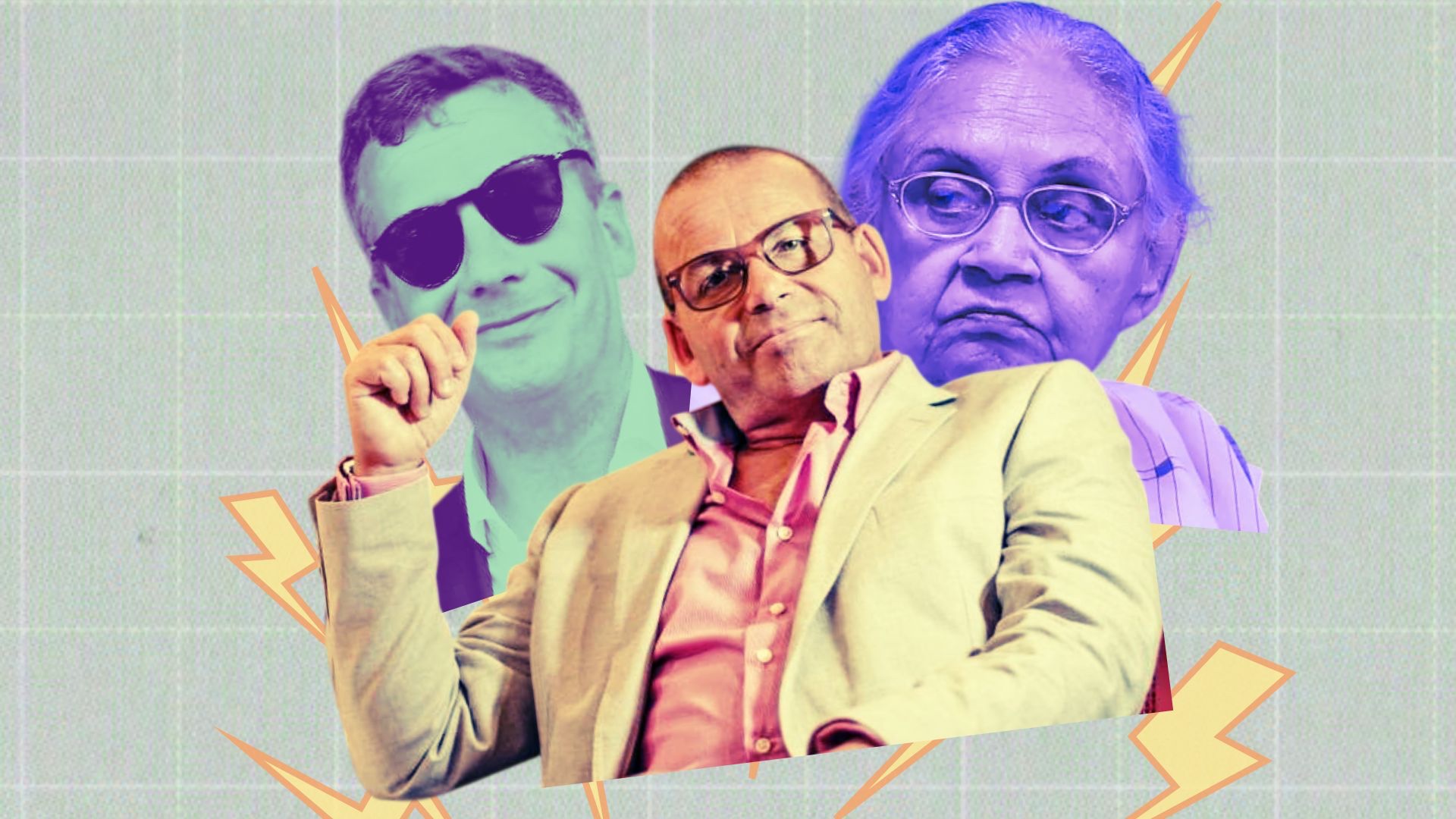
Broadcaster Paul Henry caused international embarrassment for New Zealand with his racist remarks.
The broadcaster will contest the 2026 election 16 years after his racist remarks forced his departure from TVNZ’s Breakfast programme.
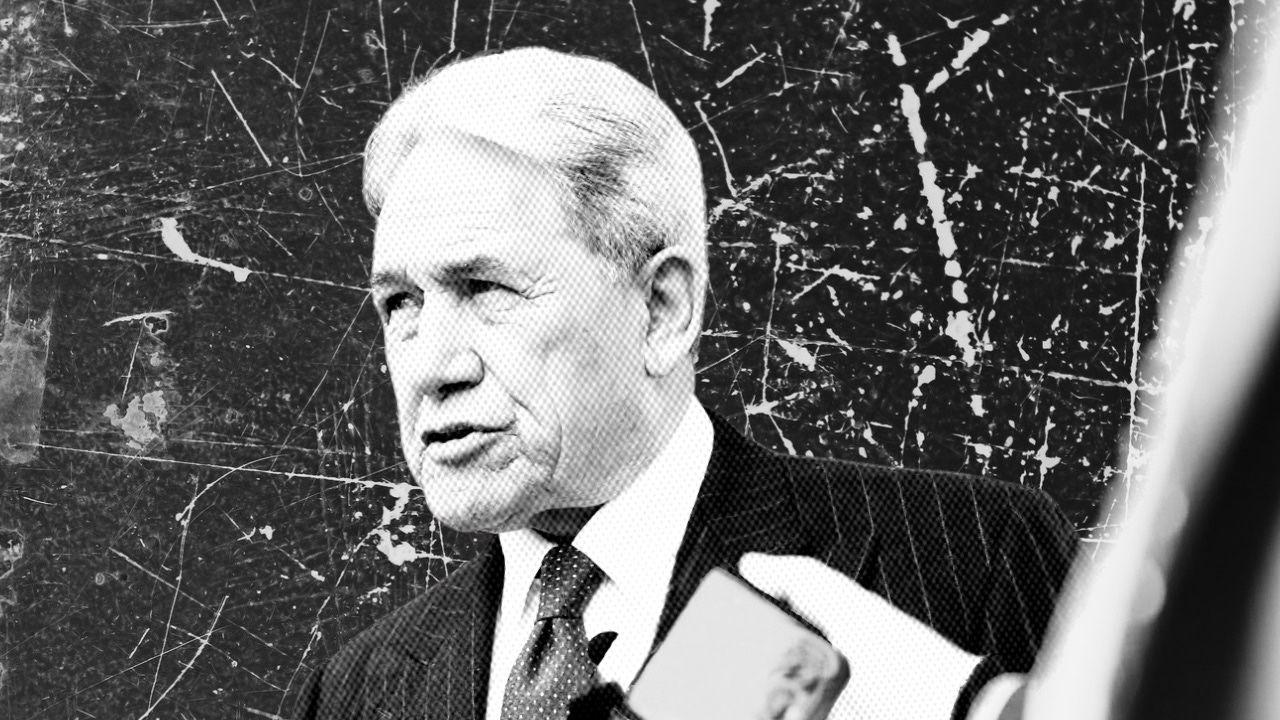
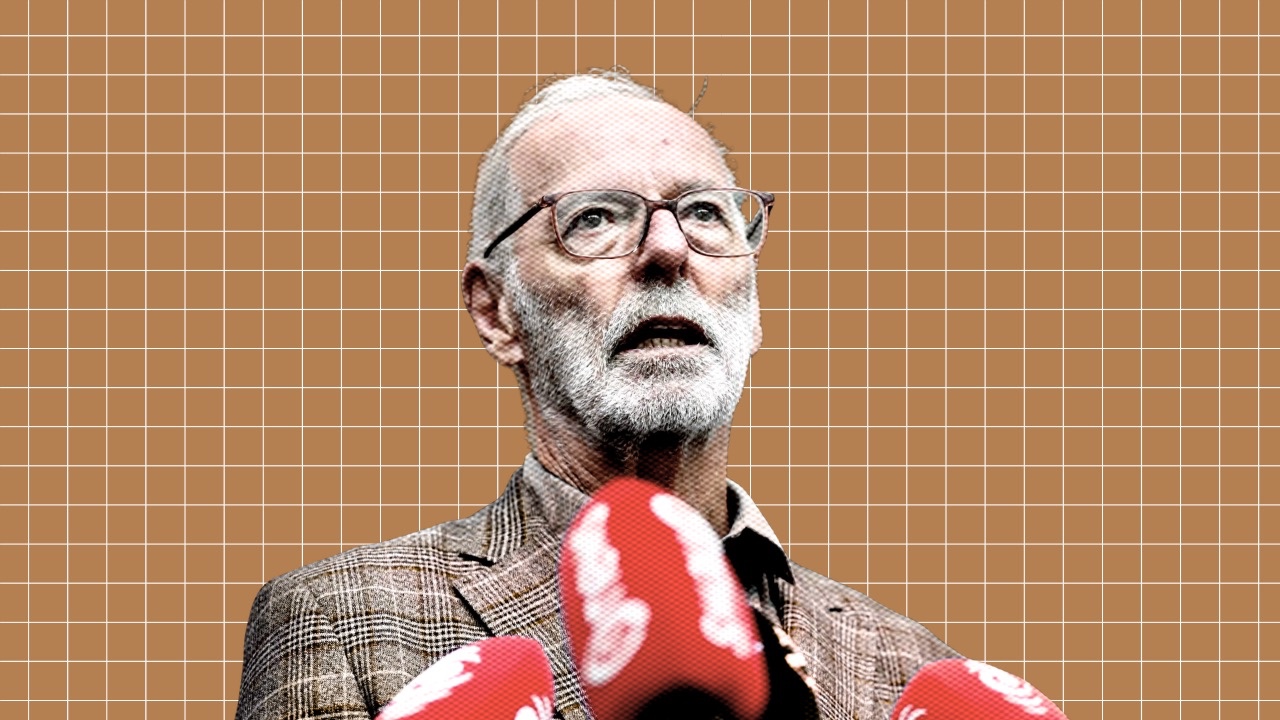
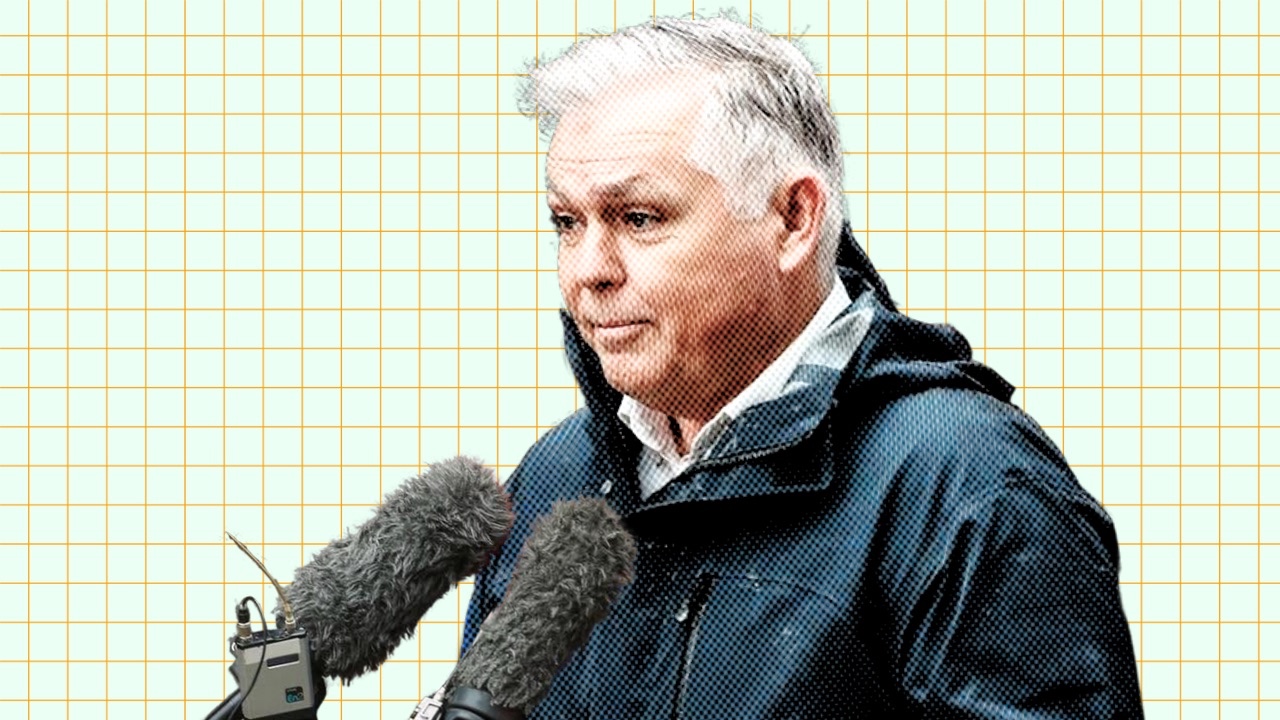
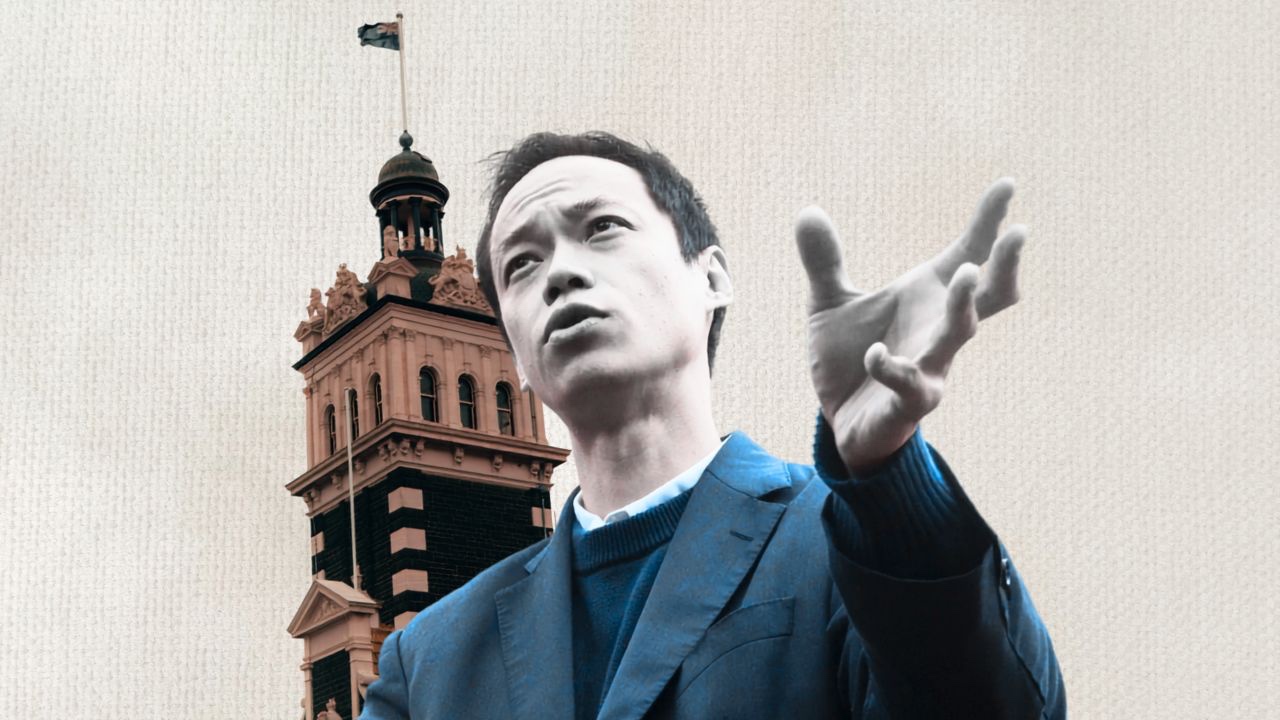
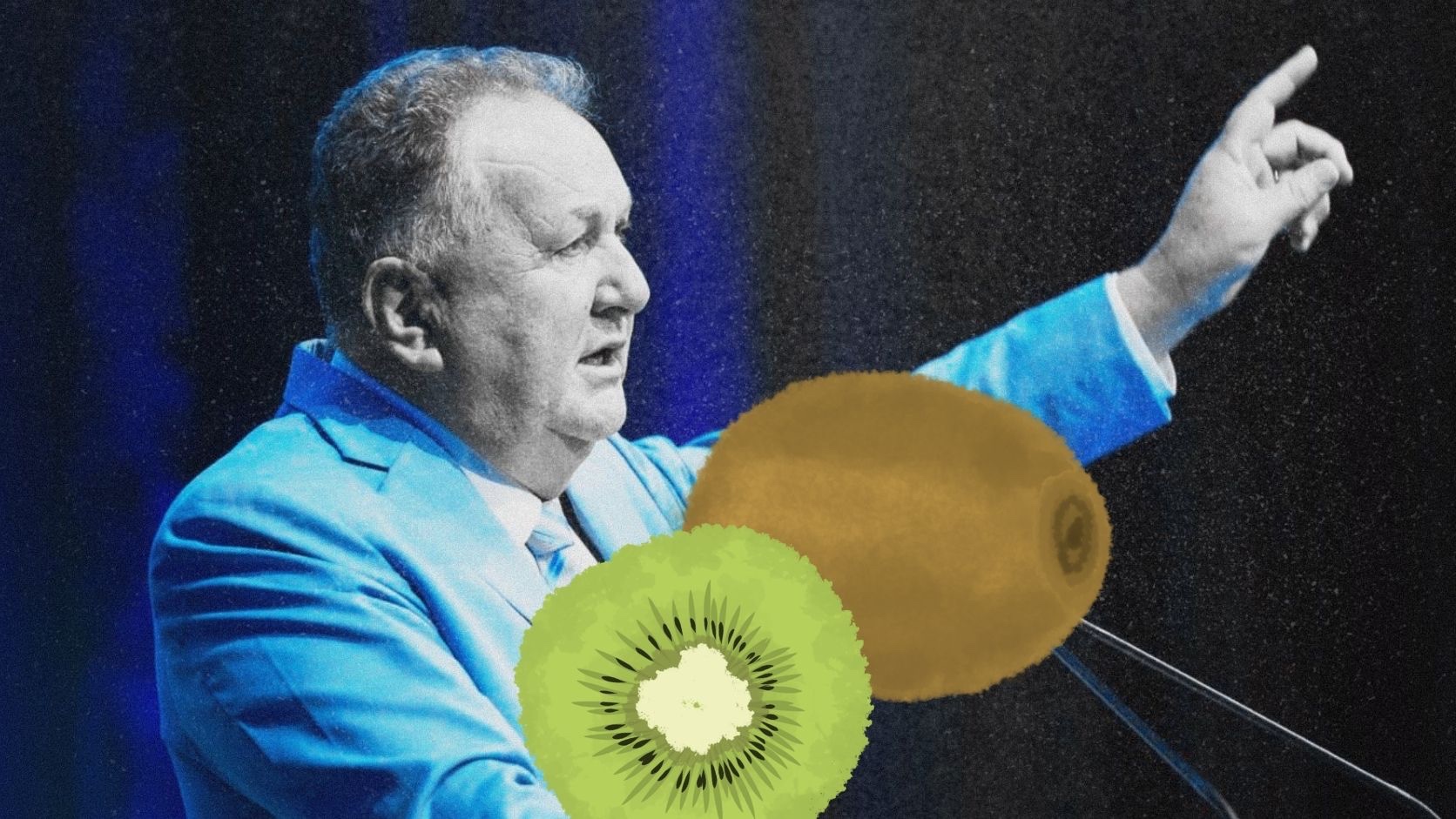
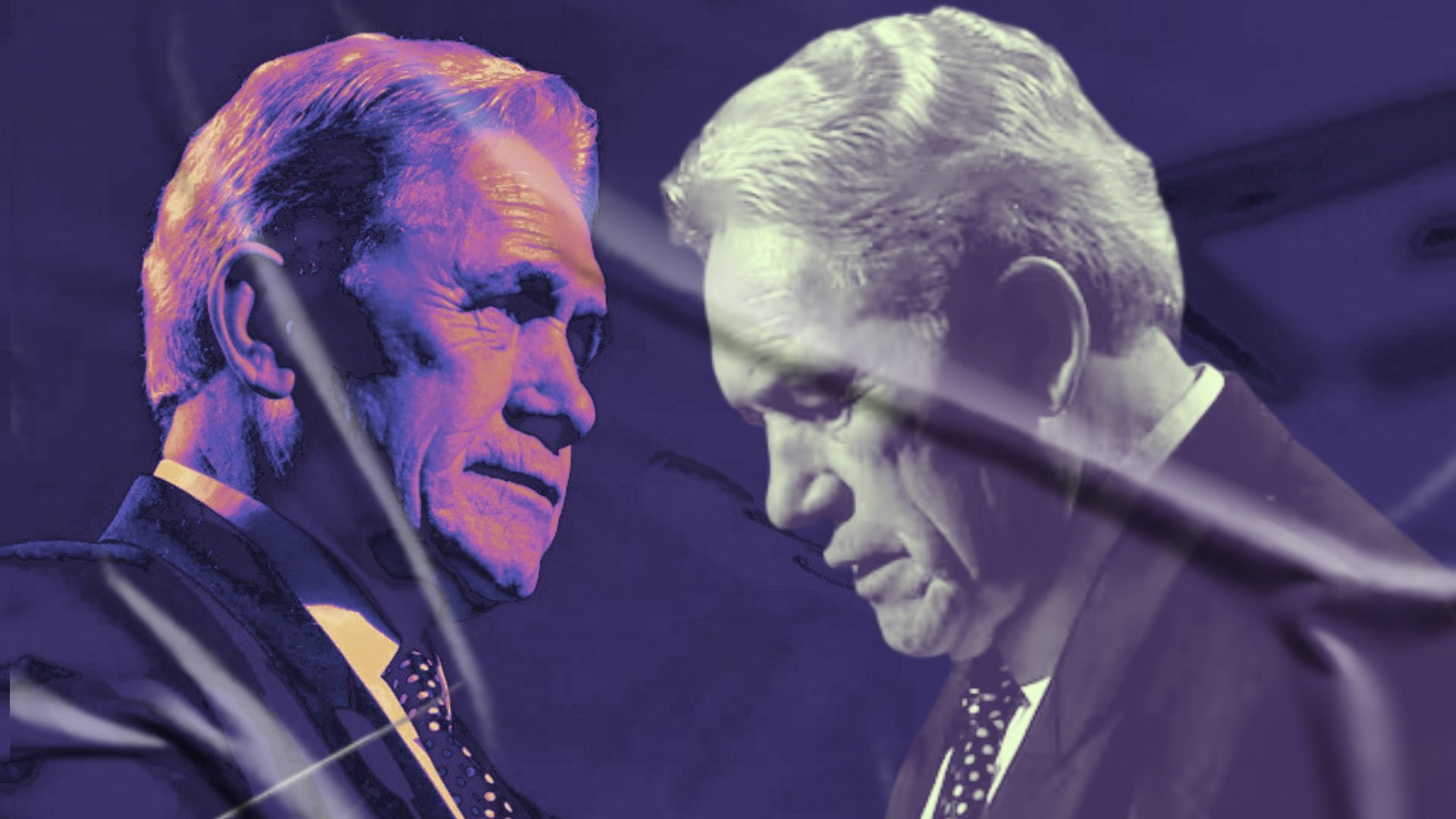
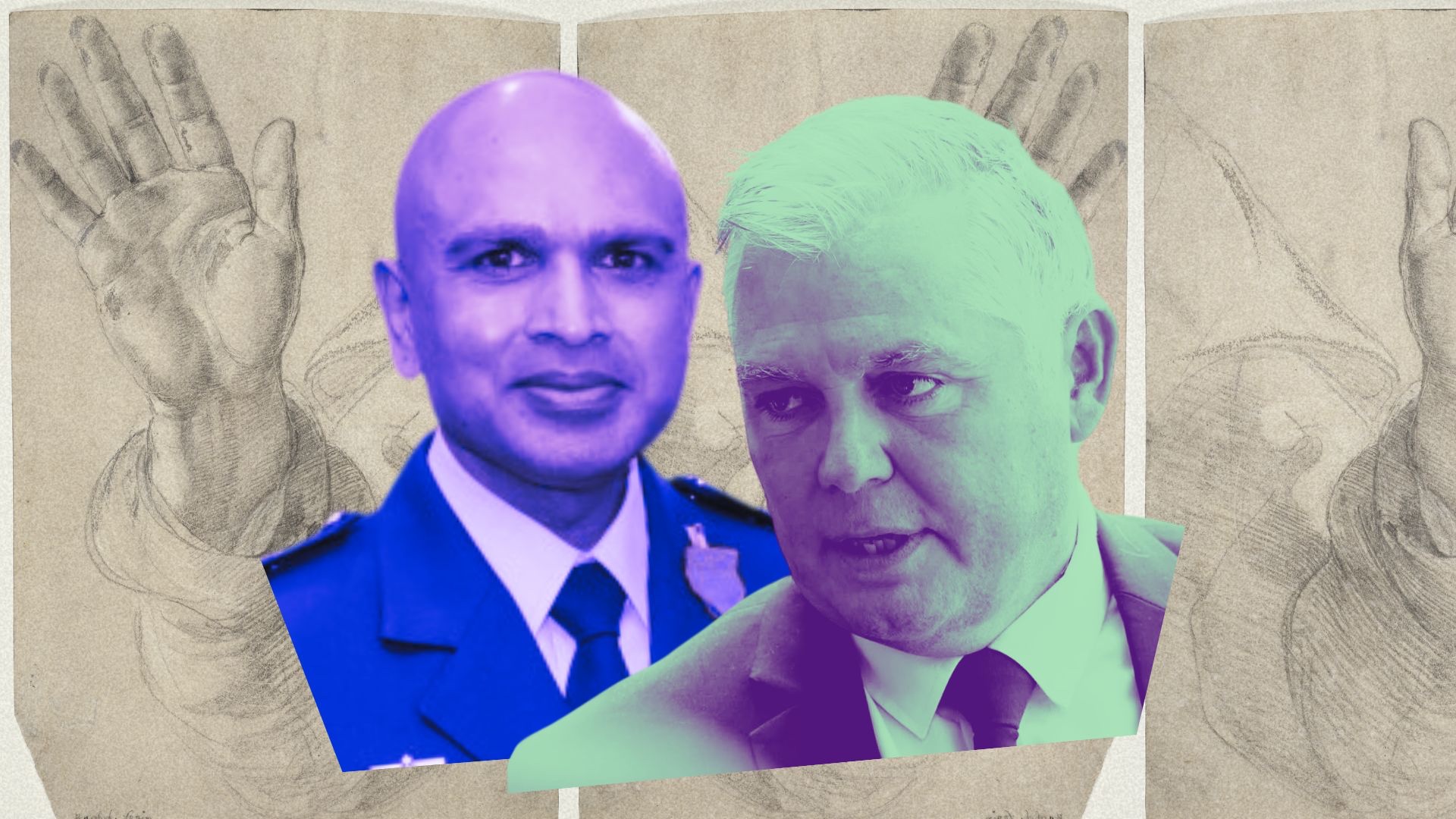
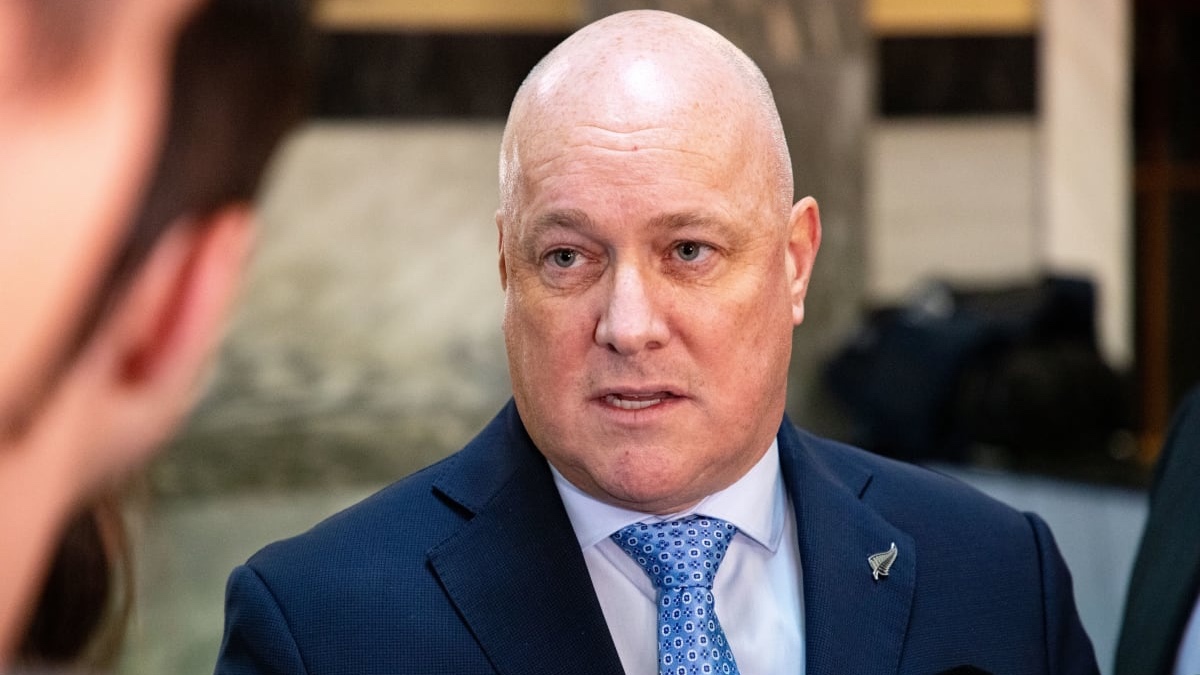
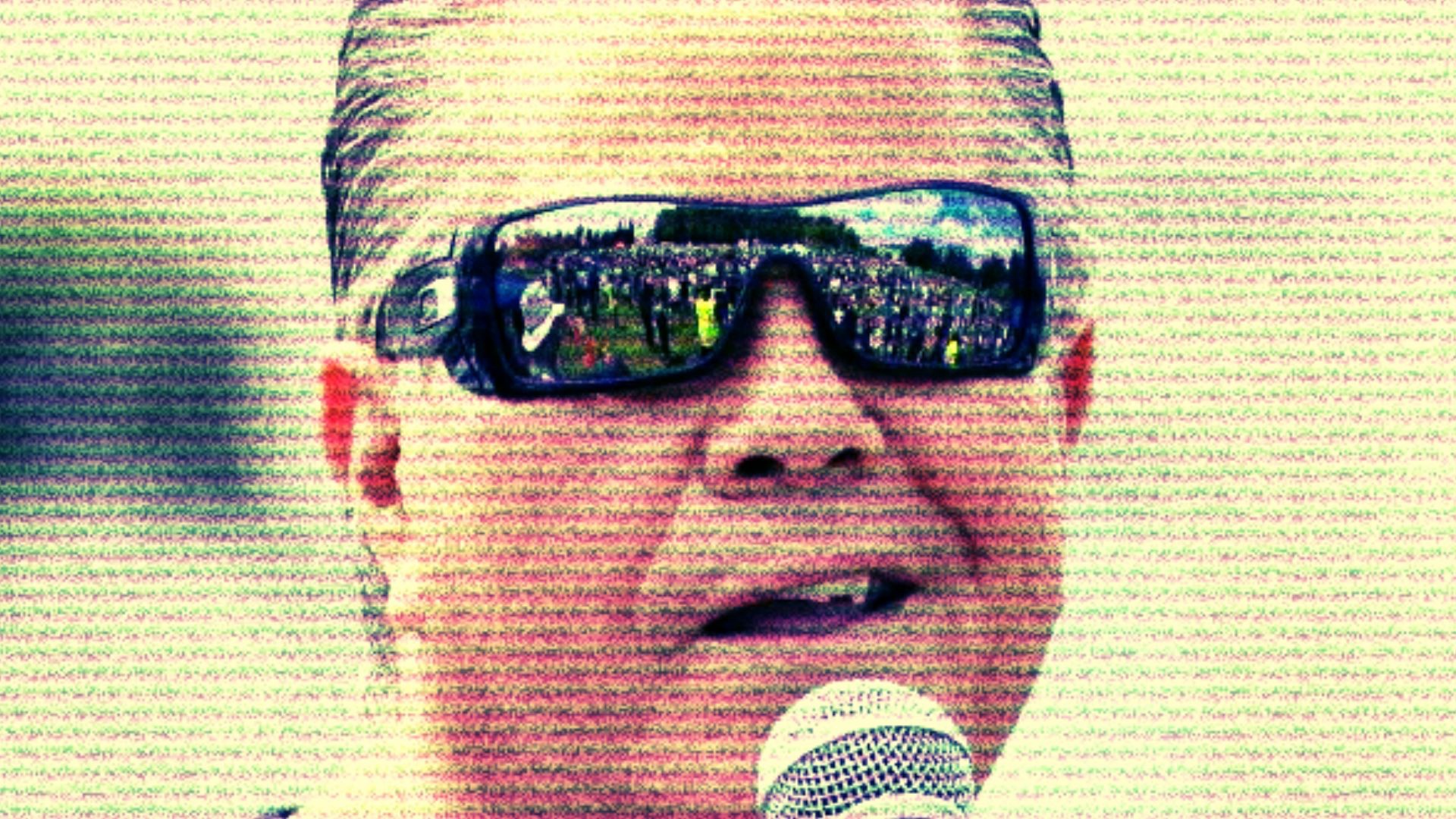
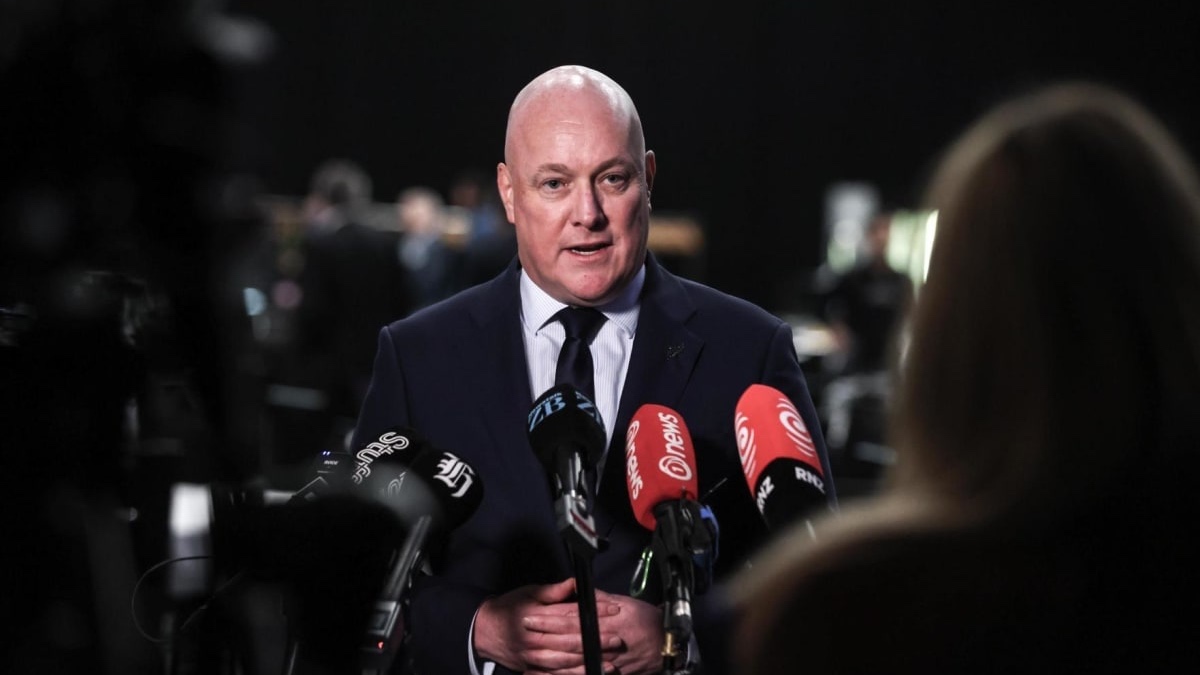
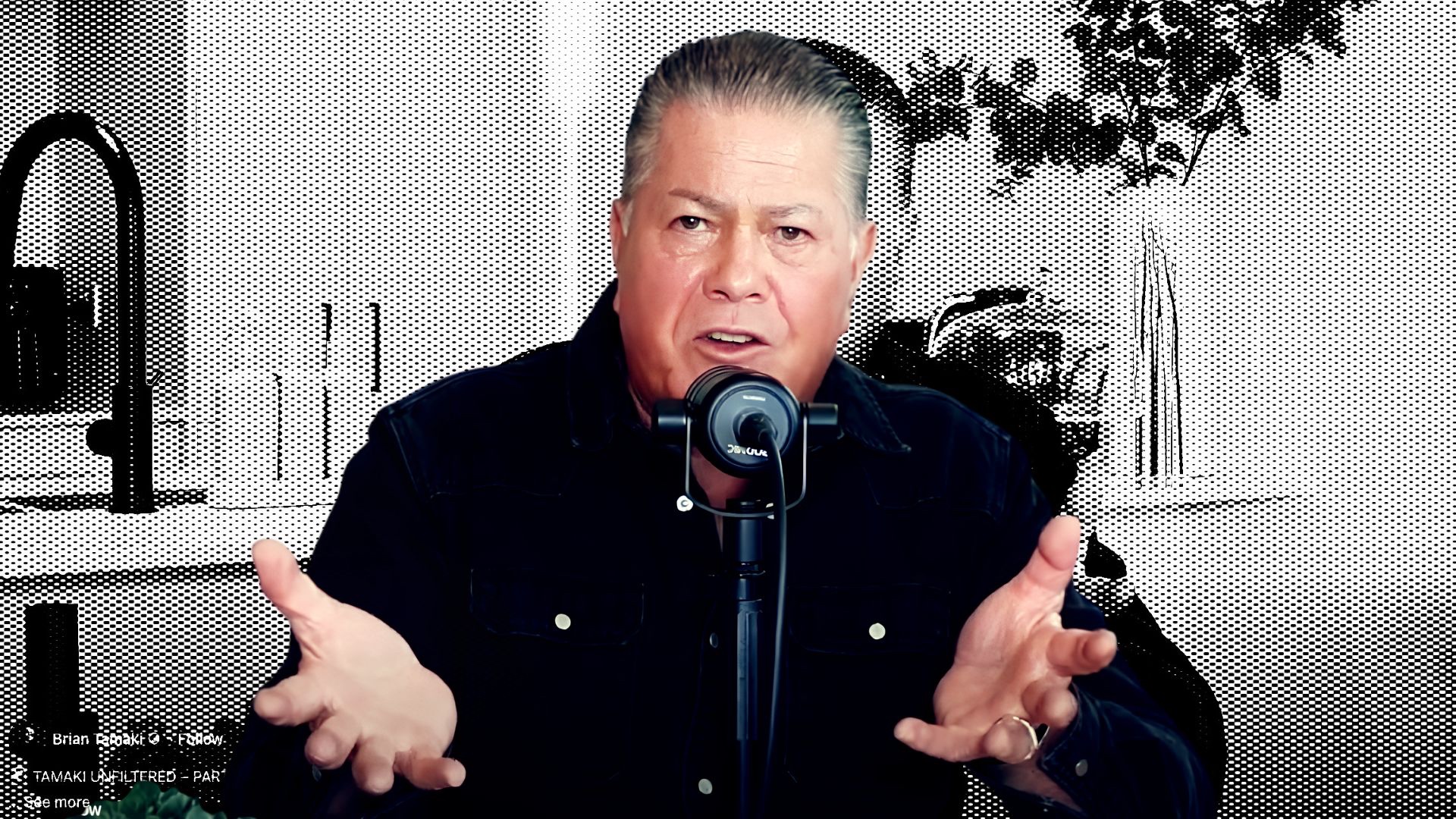
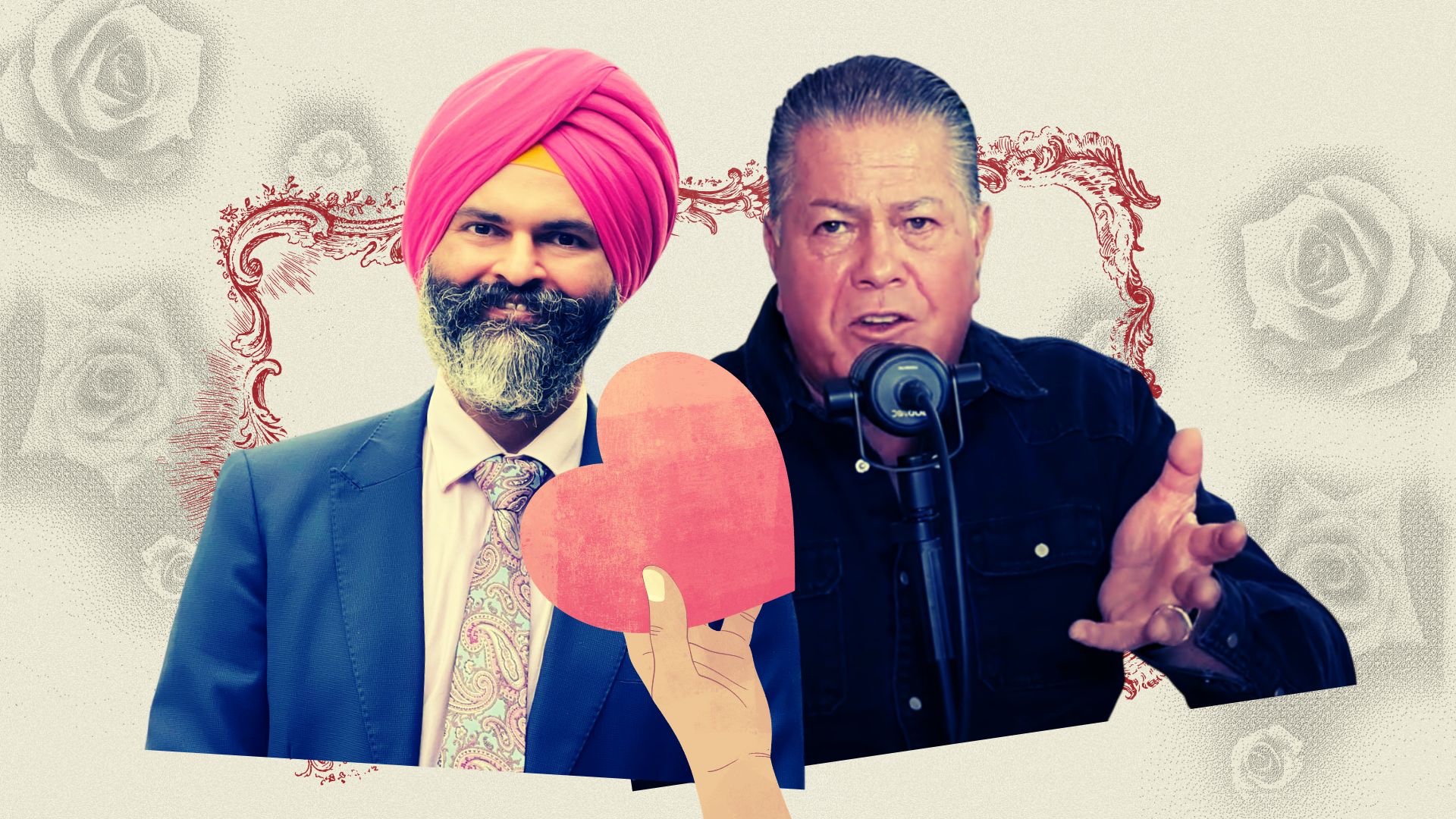
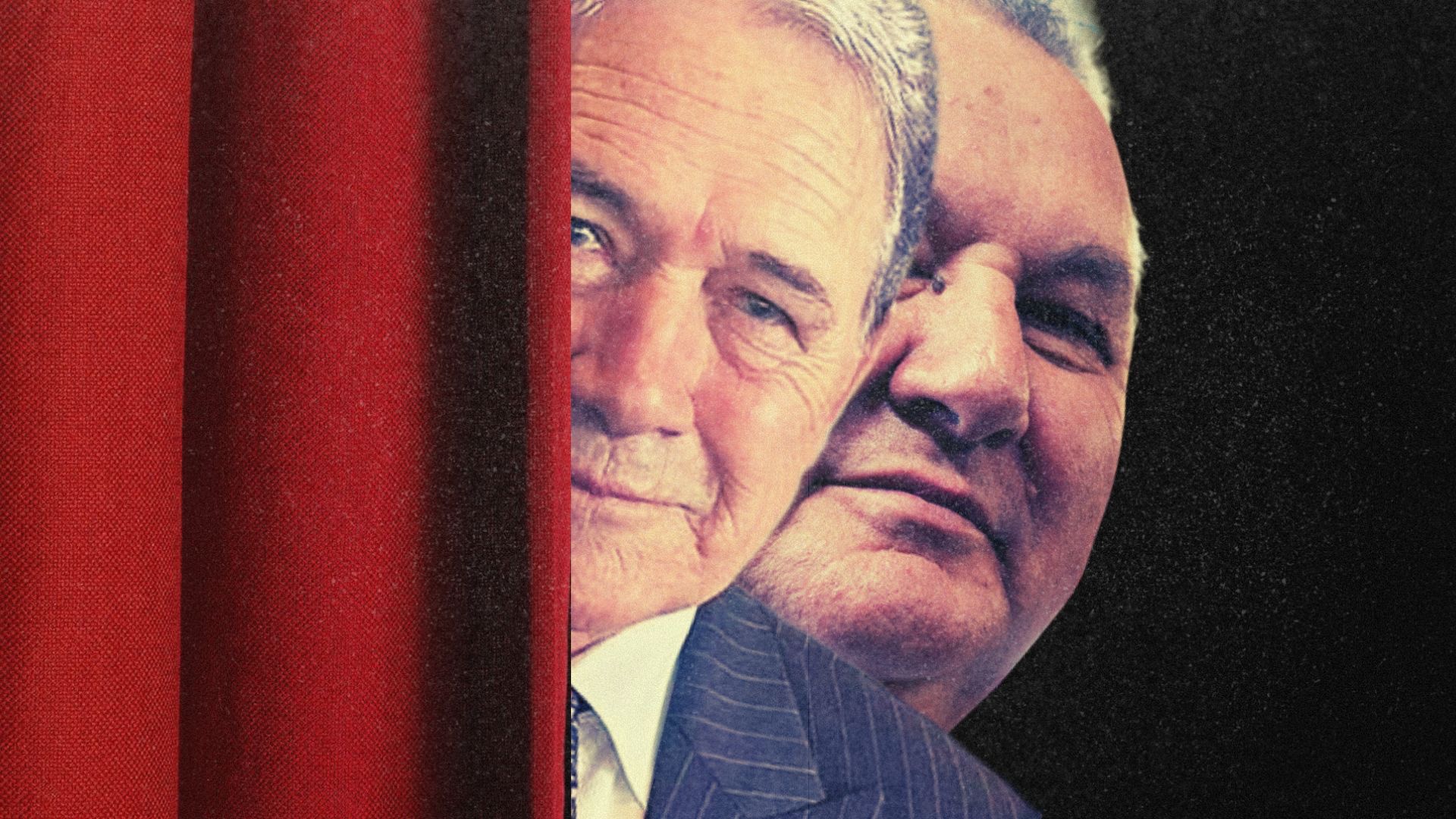
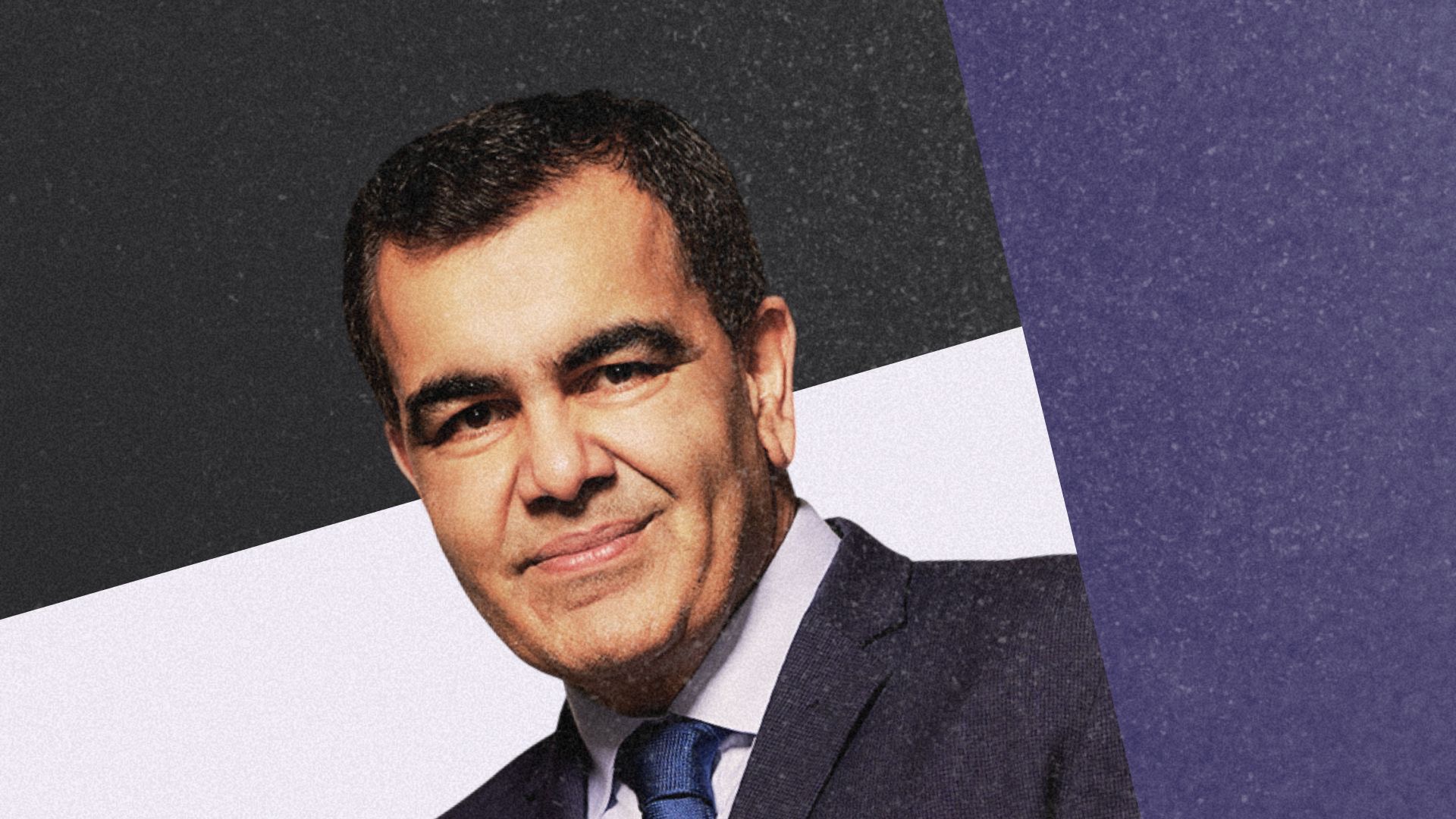
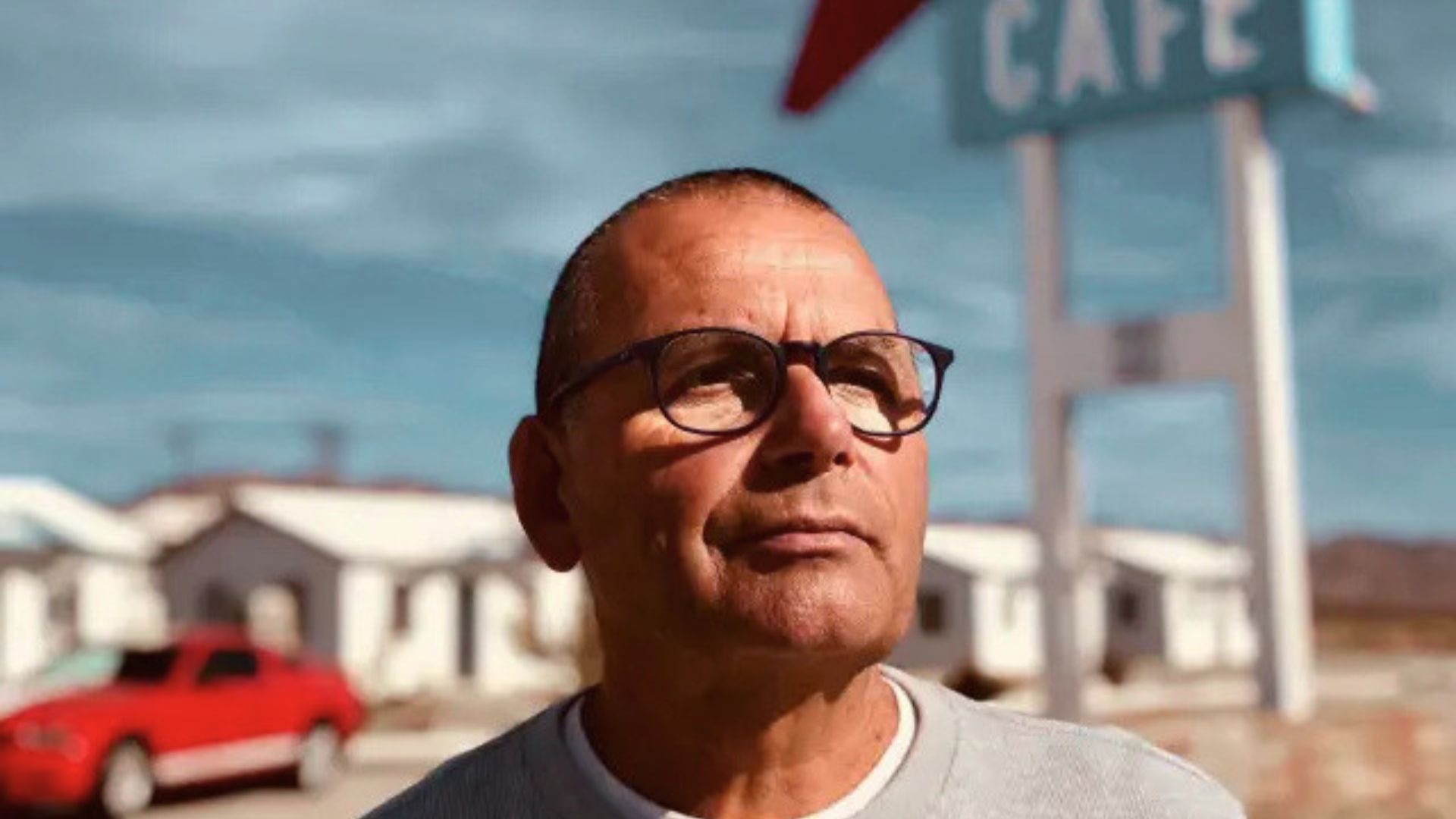
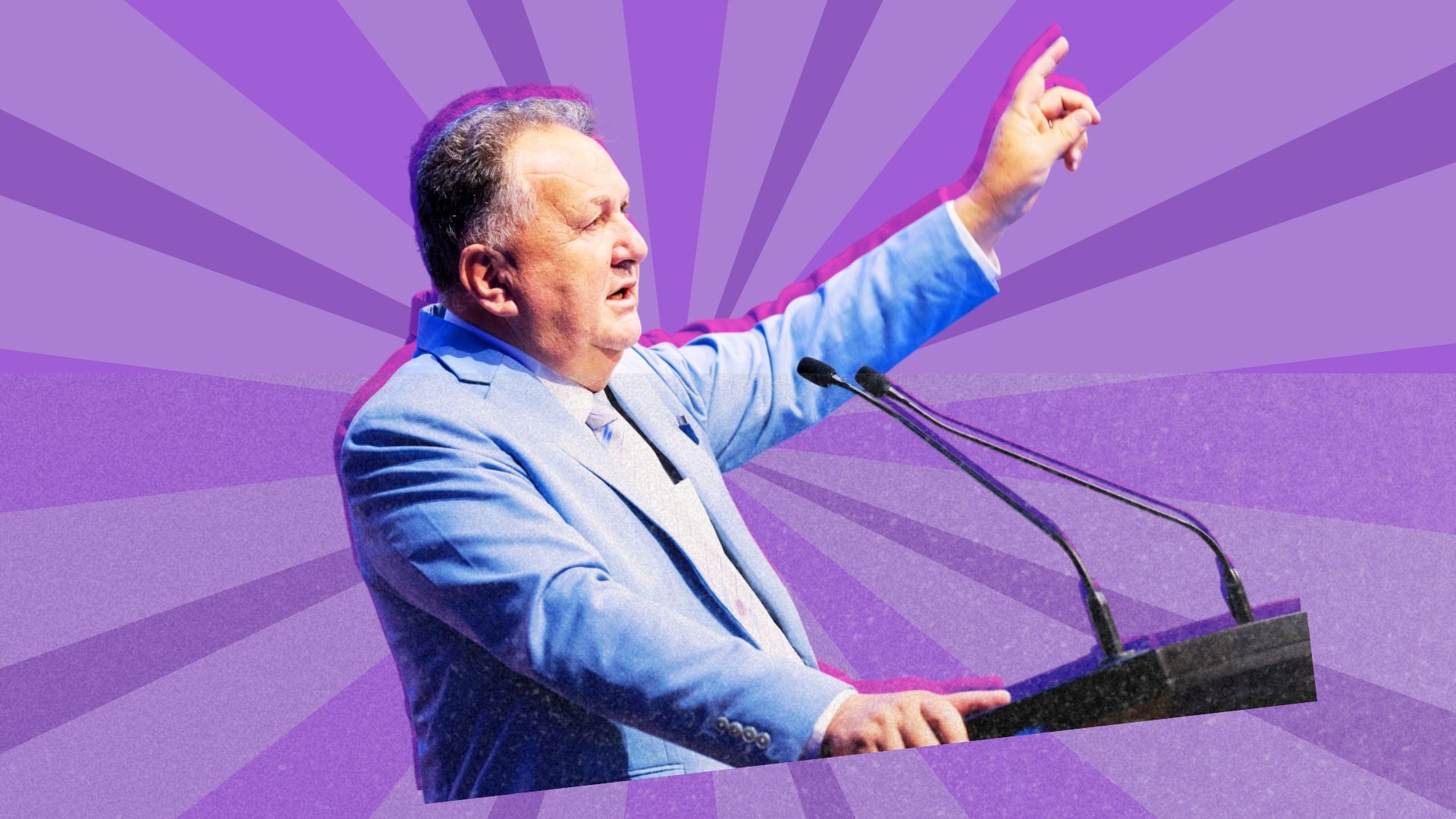
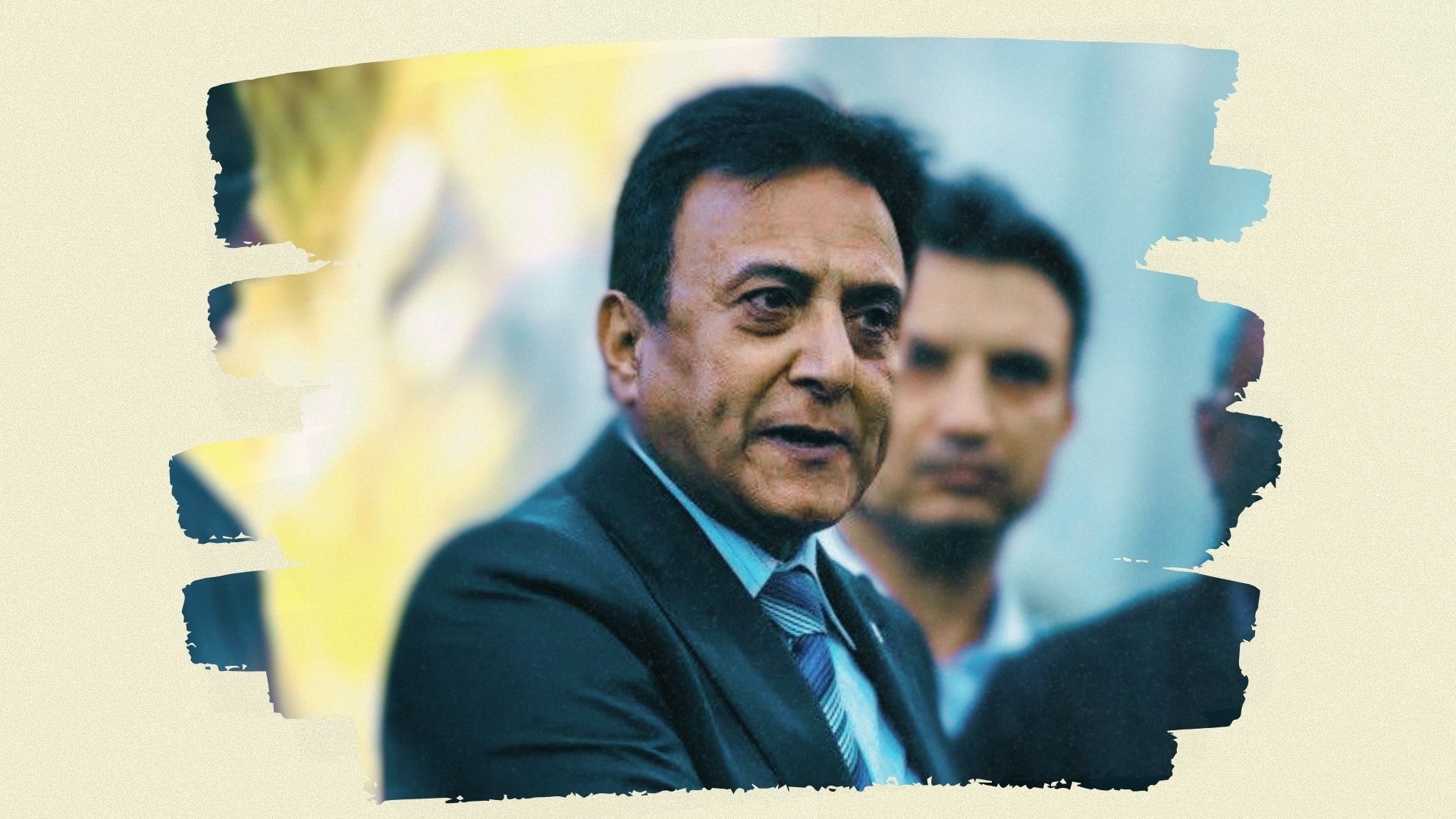
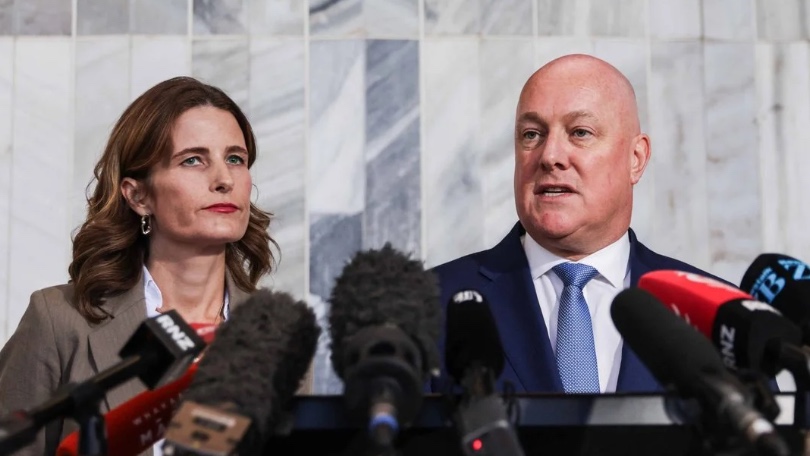
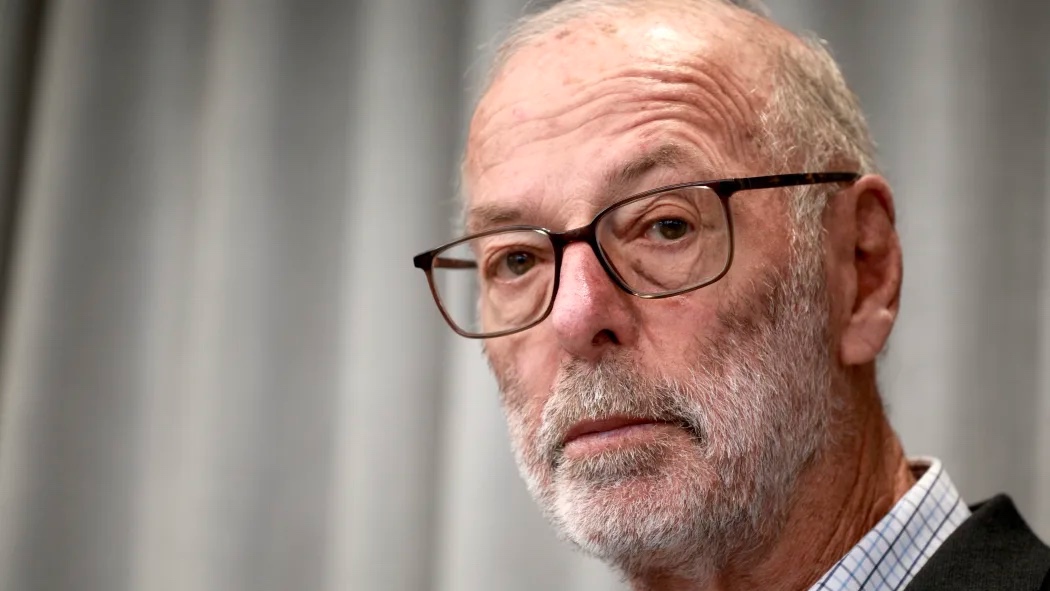
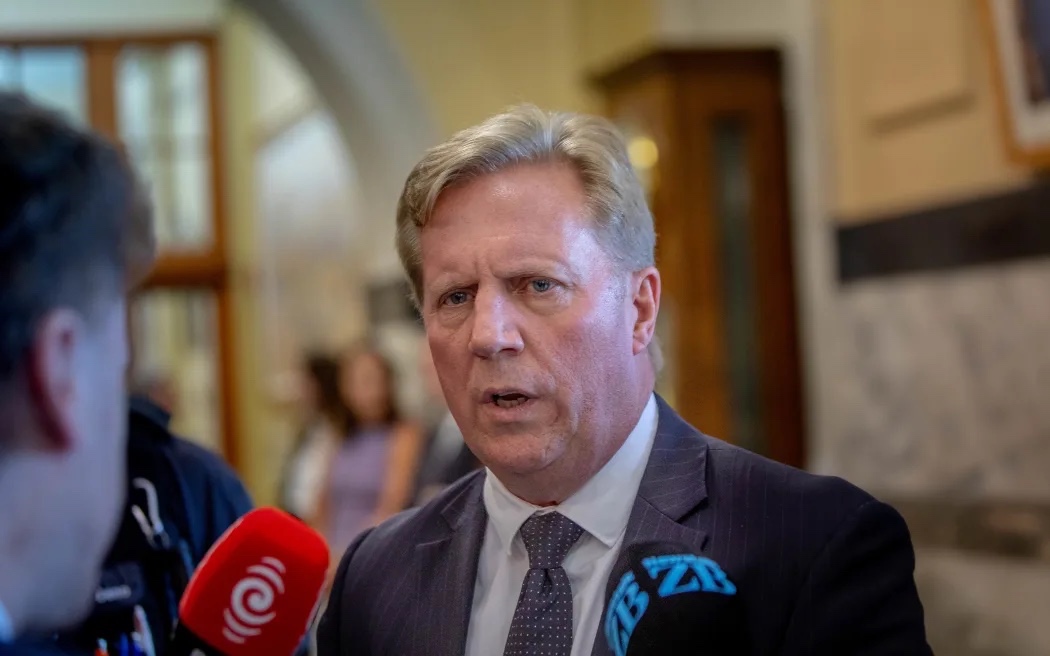
Paul Henry, the broadcaster whose on-air mocking of former Delhi chief minister Sheila Dikshit’s name prompted a formal protest from India, has been named an ACT Party candidate for the 2026 general election.
Henry would stand as a list-only candidate, marking his return to electoral politics more than two decades after he unsuccessfully contested the Wairarapa electorate for the National Party.
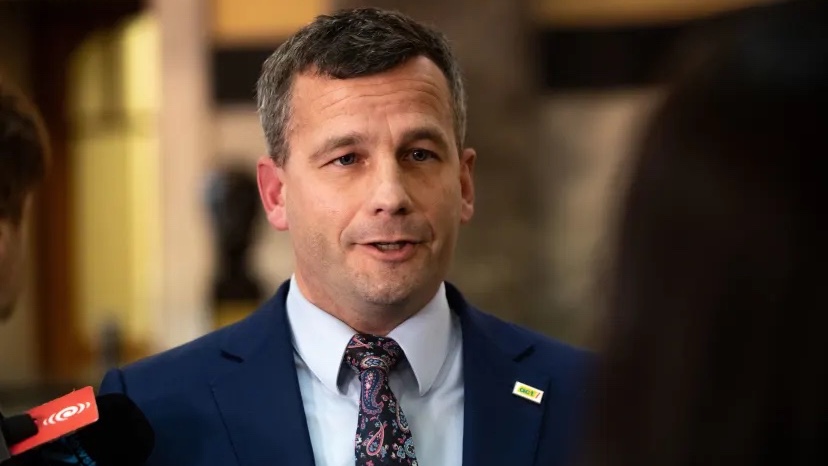
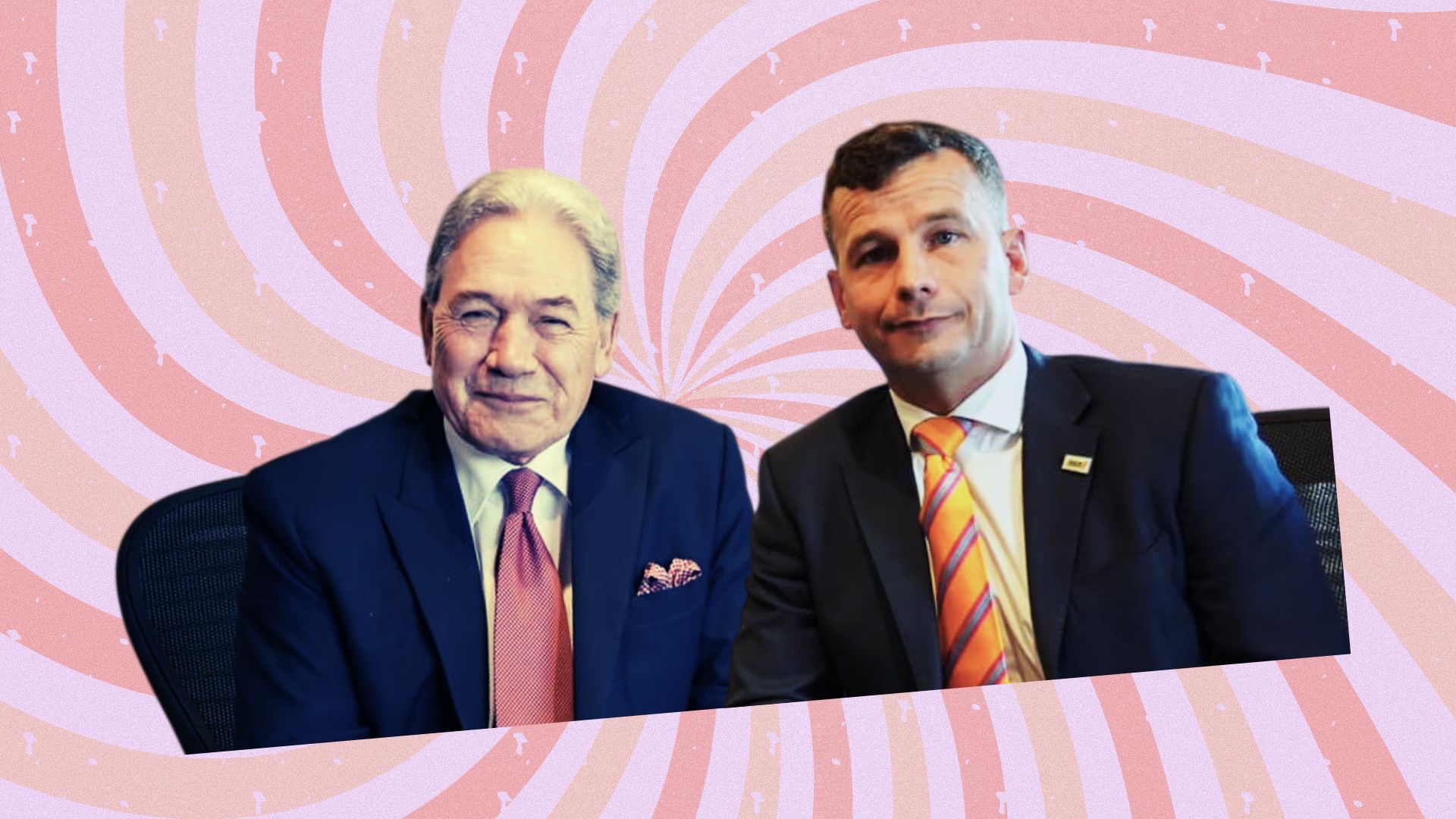
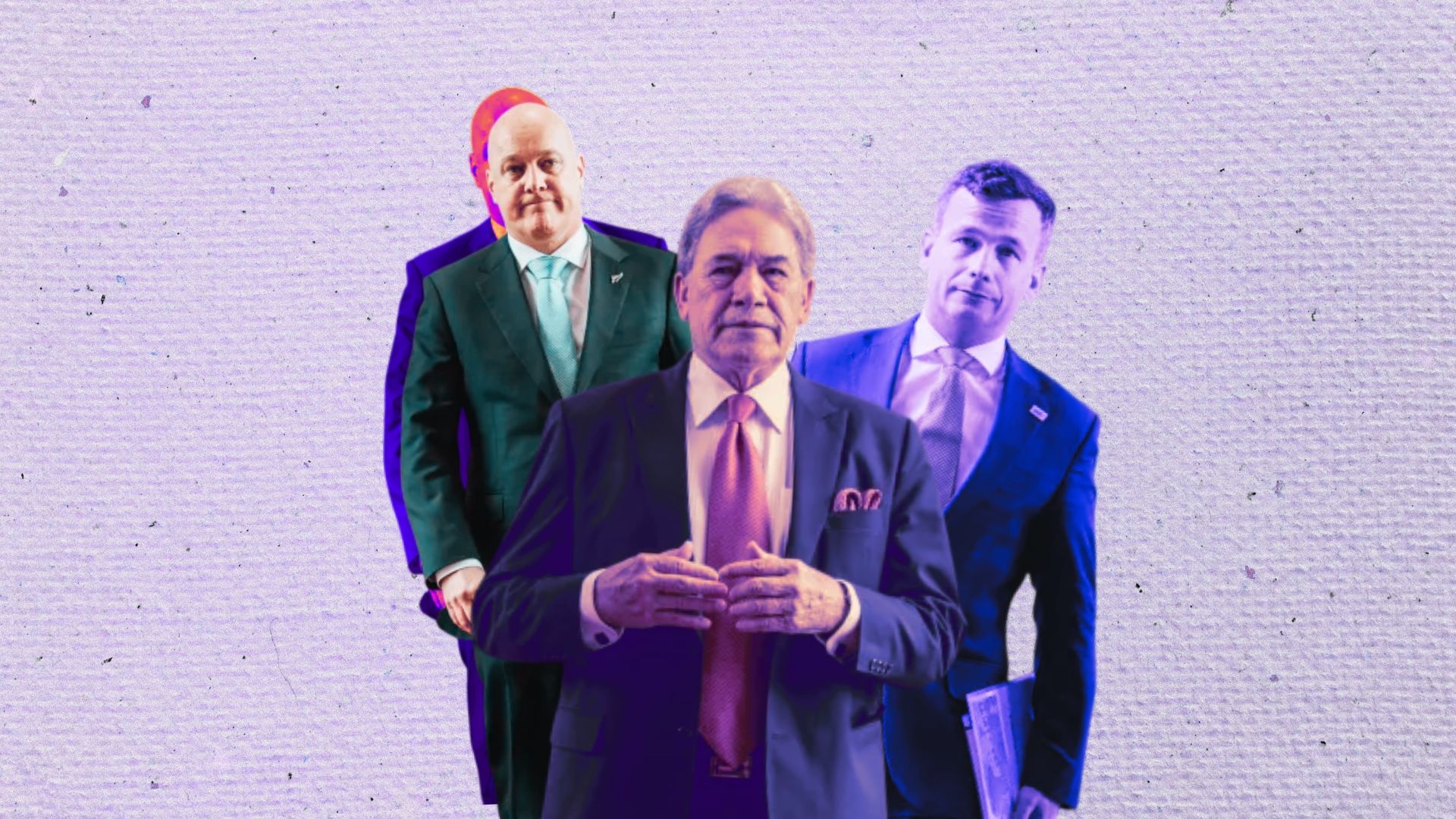
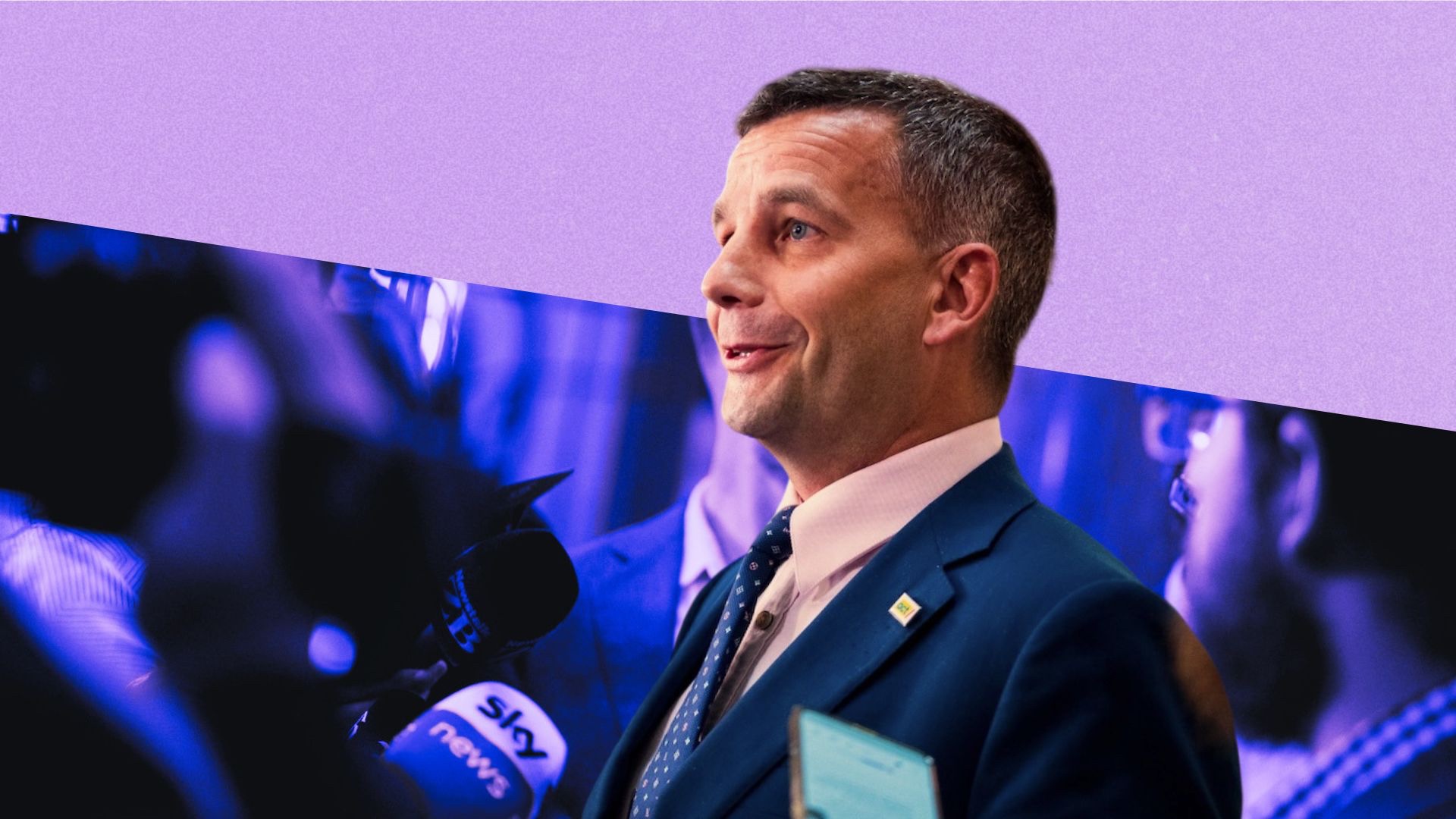
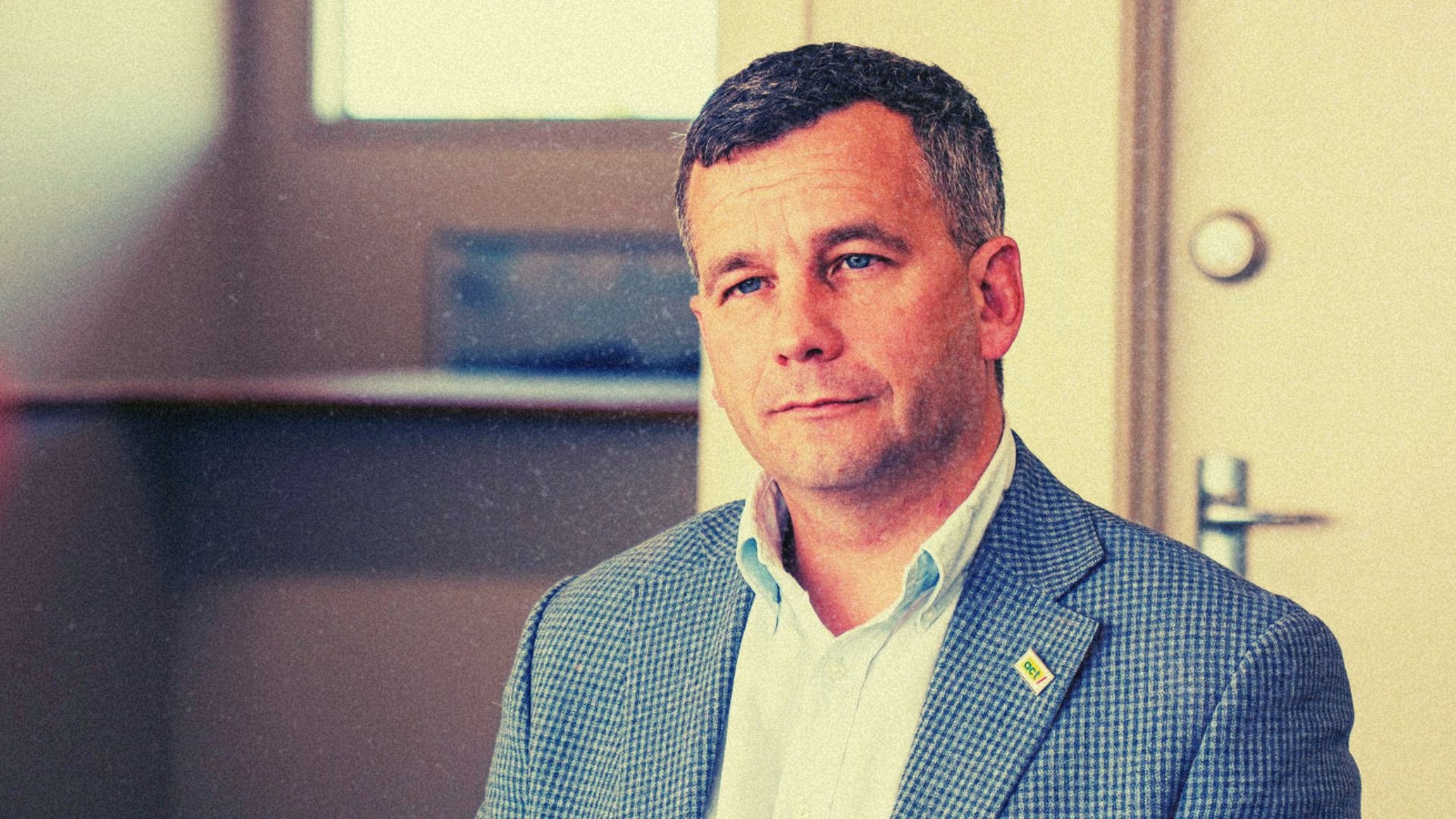
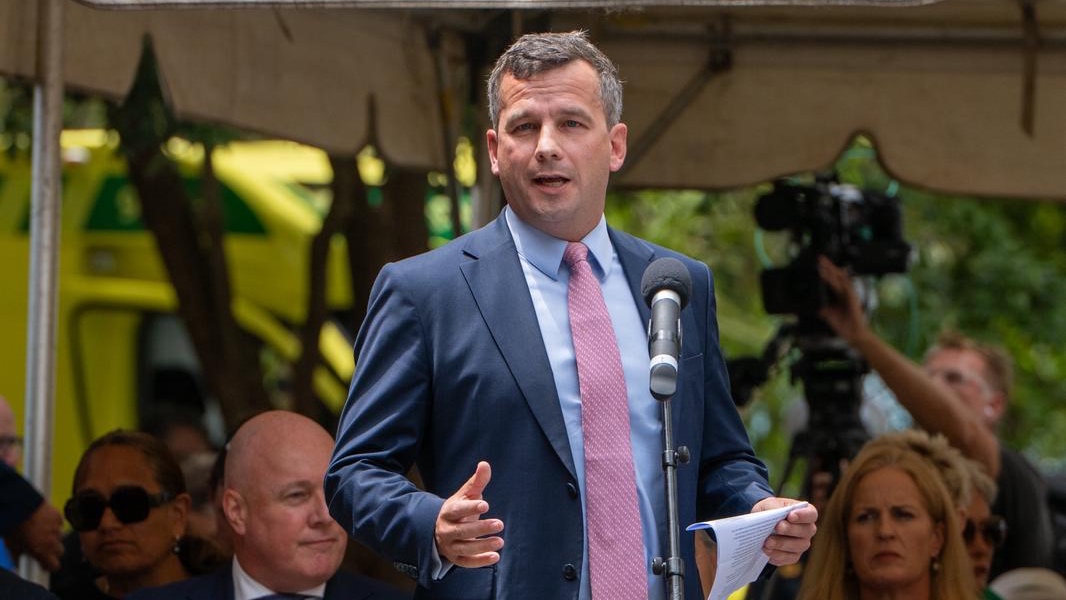
Announcing his candidacy on July 14, ACT leader David Seymour described Henry as “sharp, fearless, and an exceptional communicator”.
“He is standing because he refuses to sit back while New Zealand becomes poorer, less ambitious, and divided by race,” Seymour said.
Henry’s candidacy is likely to revive memories within New Zealand’s Indian community of the two controversies that ended his time as presenter of TVNZ’s Breakfast programme in 2010.
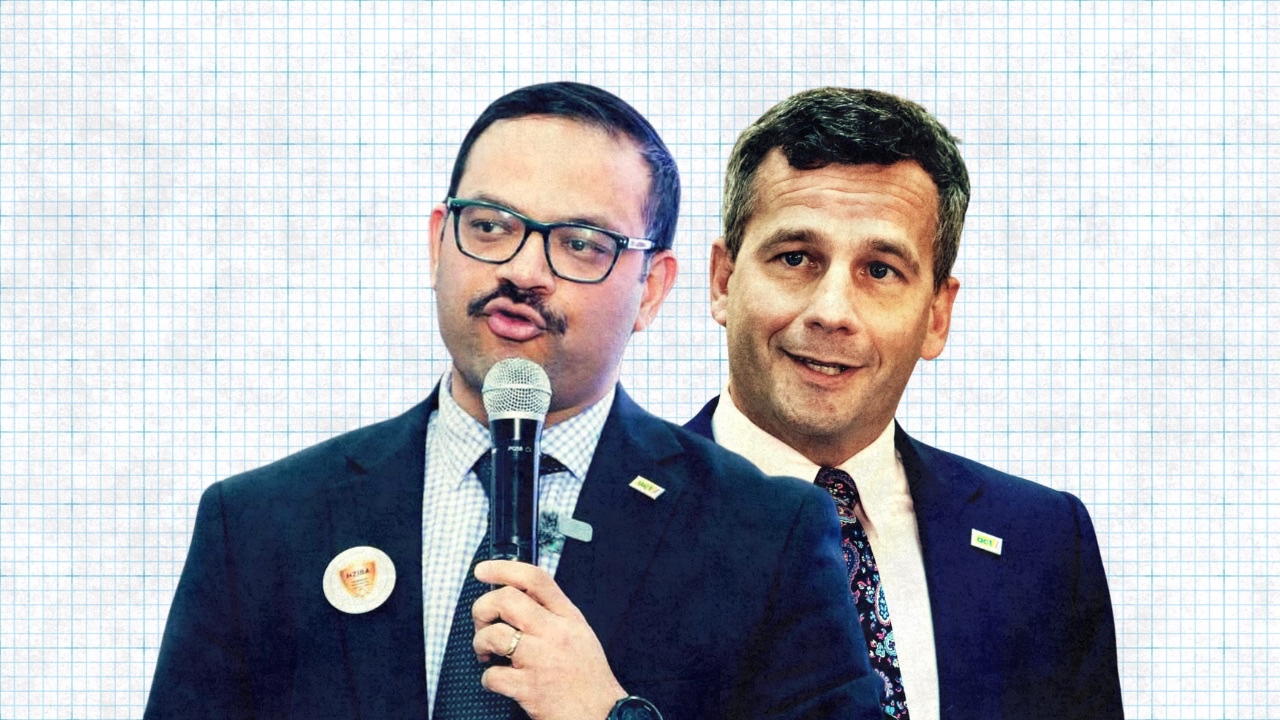
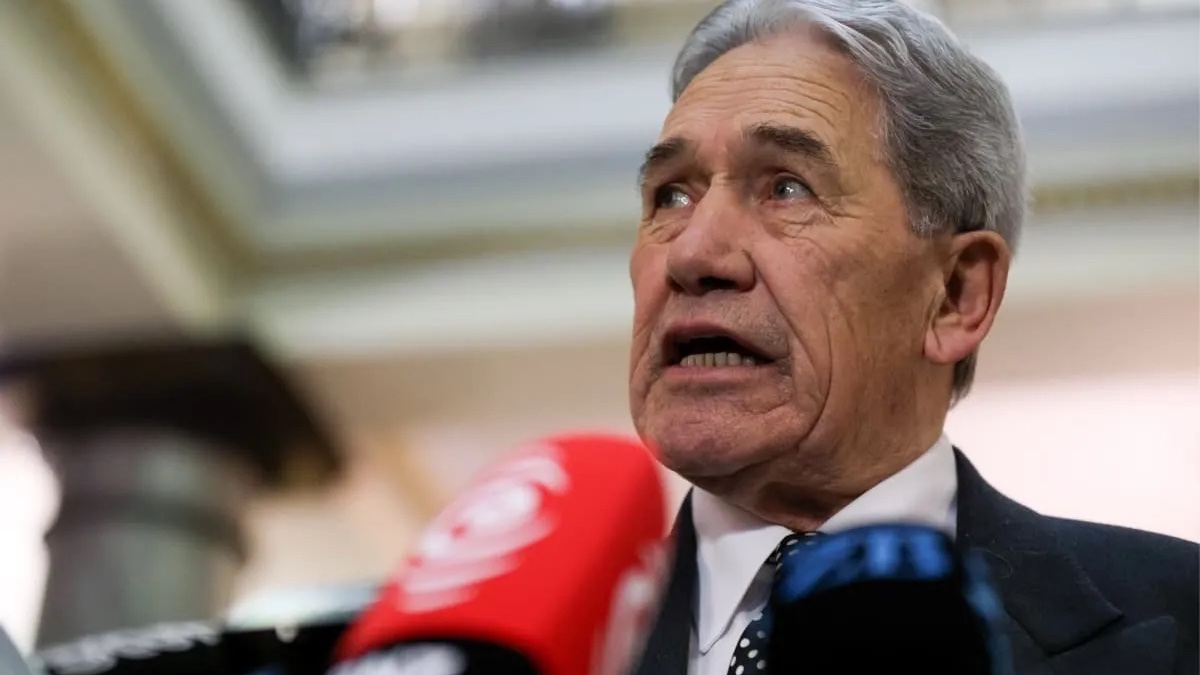
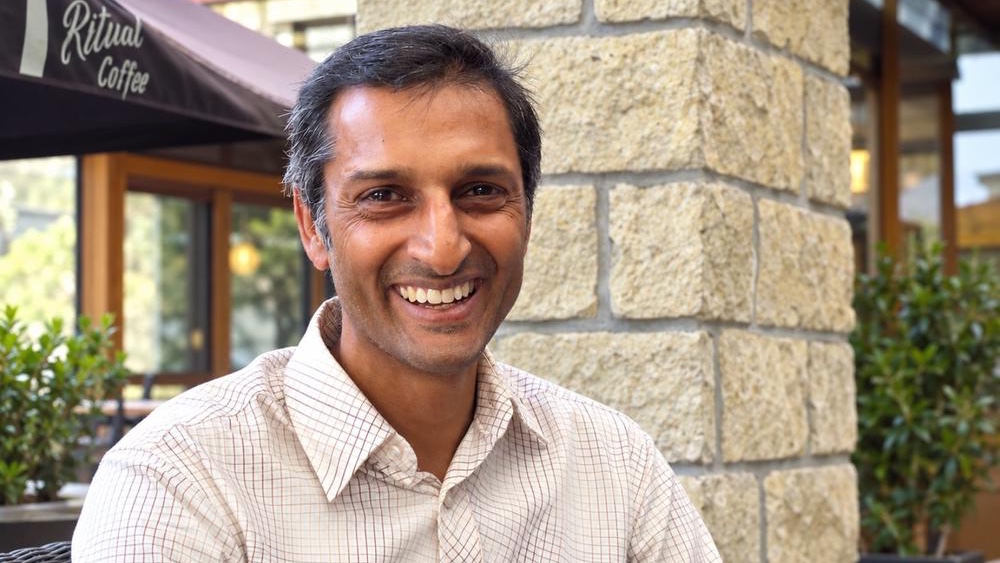
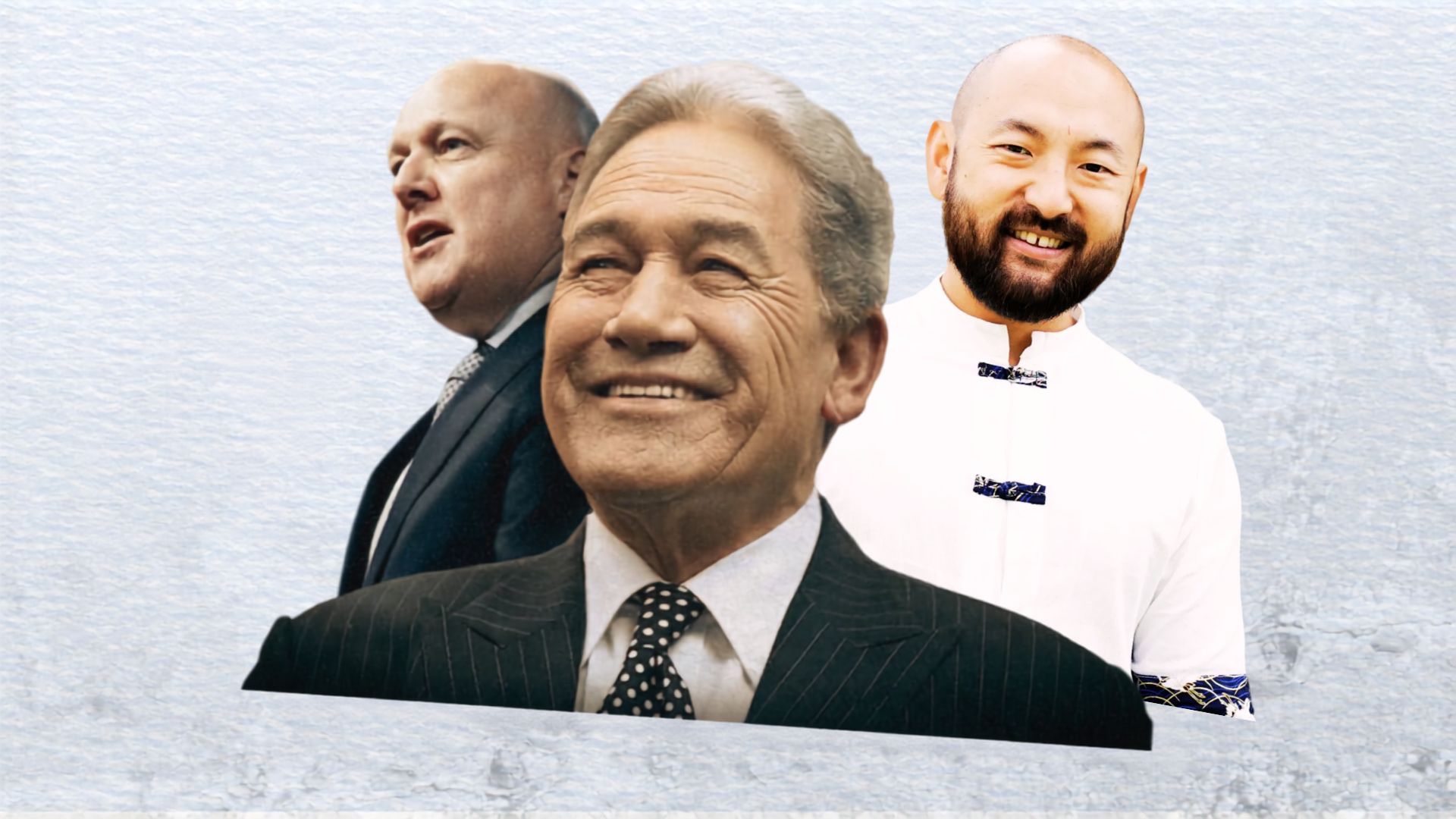
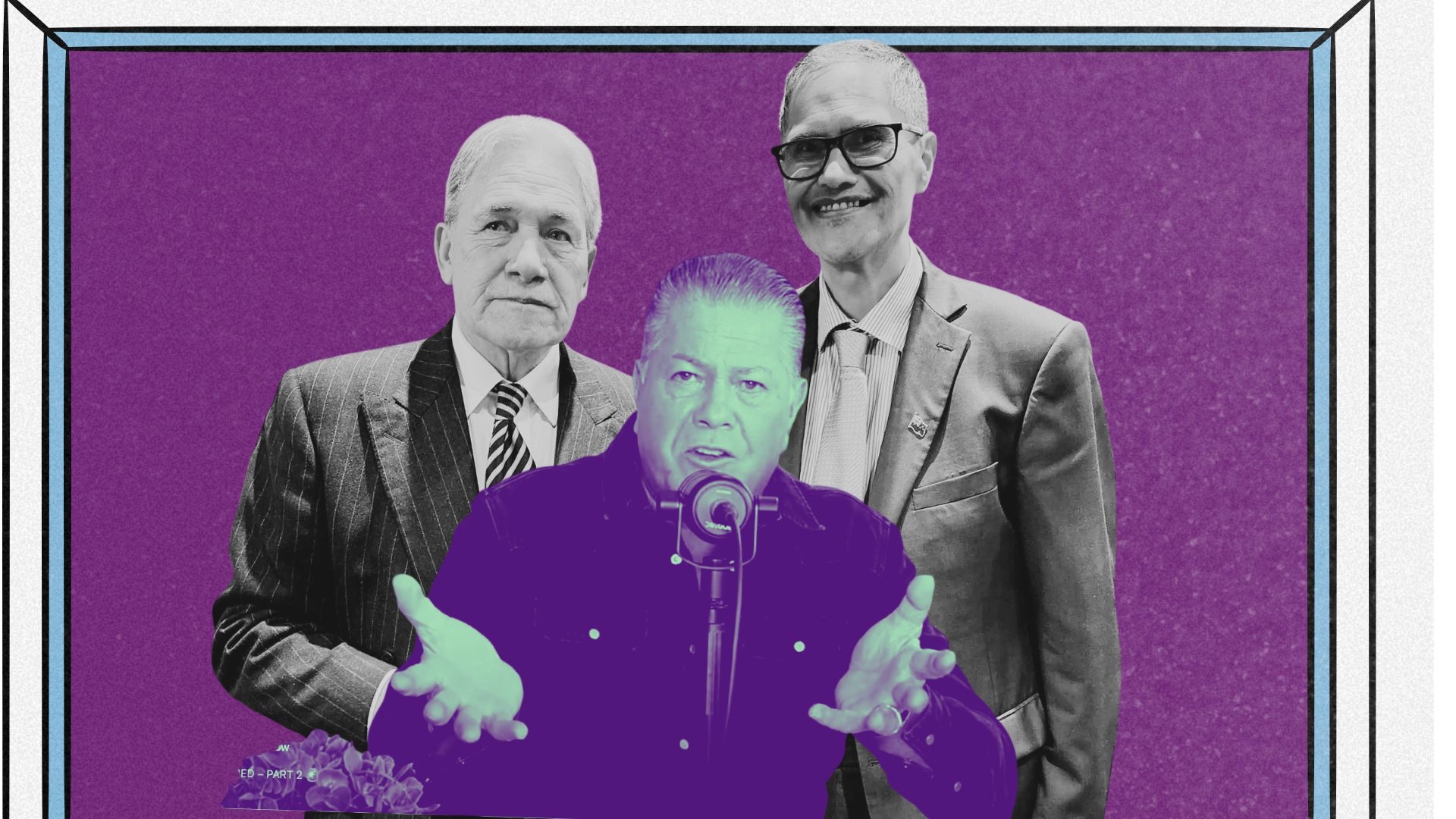
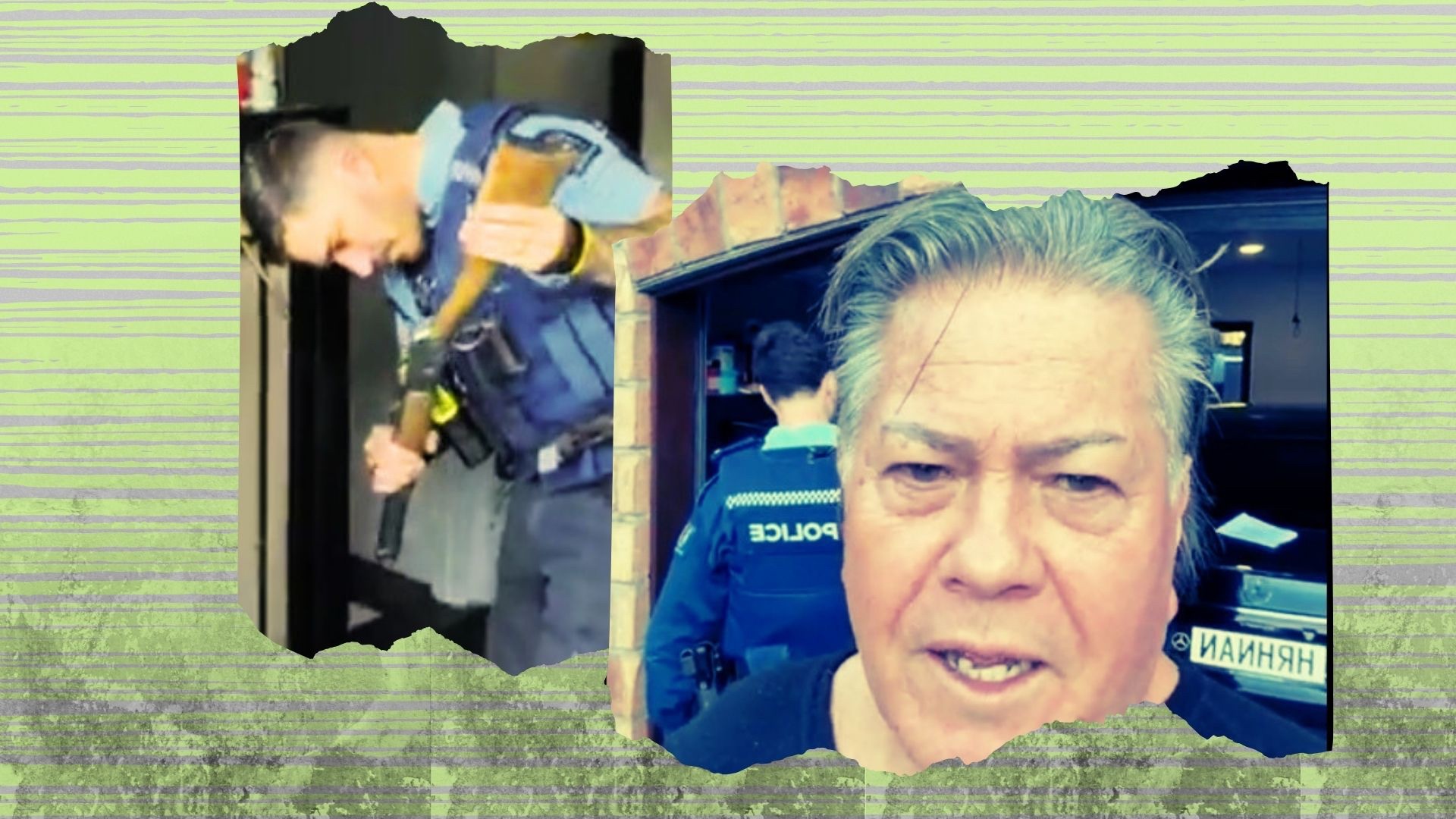
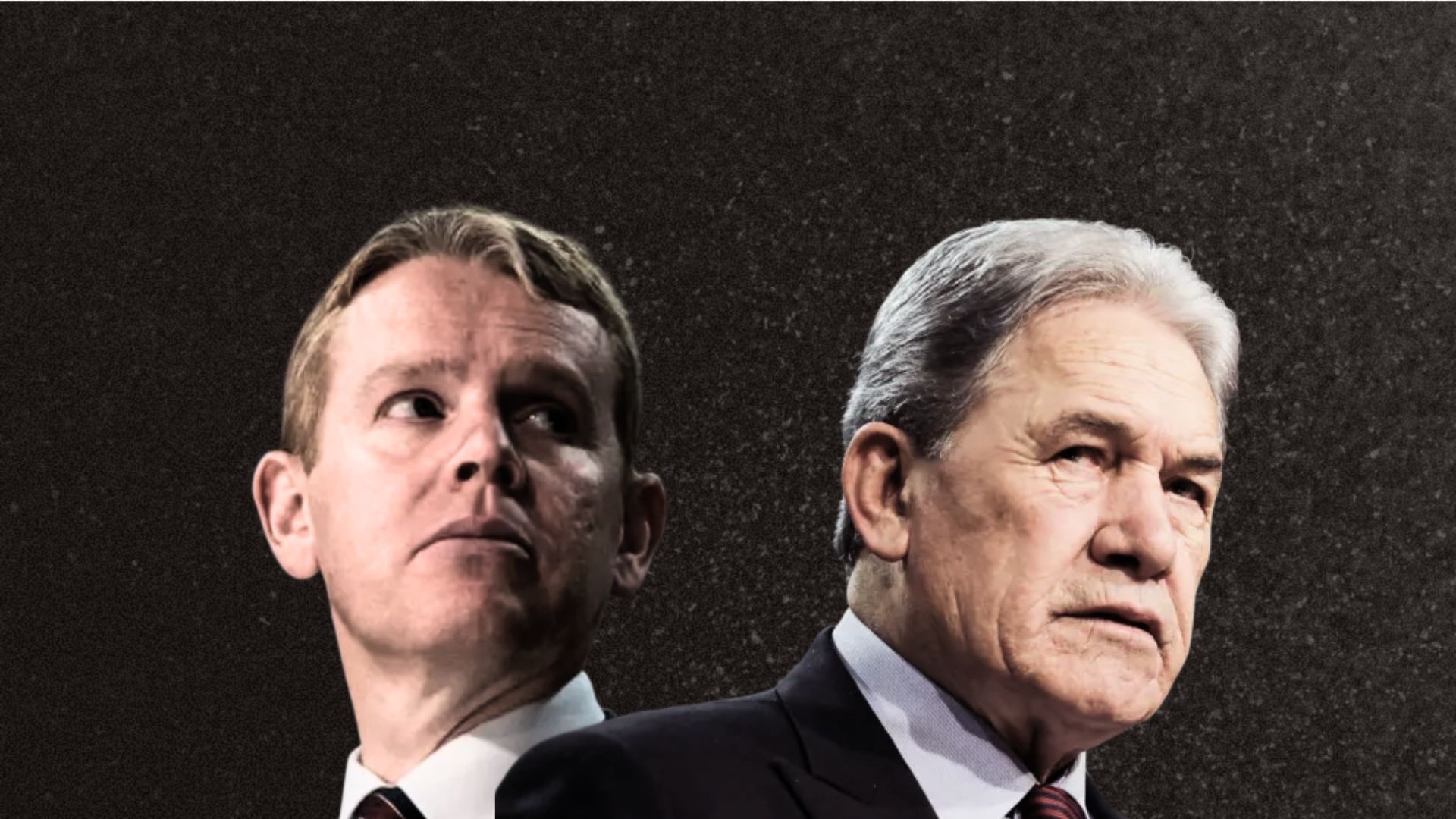
Migrant who shouted down Peters over racism 24 years ago now vying for Parliament From arriving with $500 in his pocket to confronting NZ First's leader, National Party's Karuna Muthu reflects on his unlikely journey into politics.
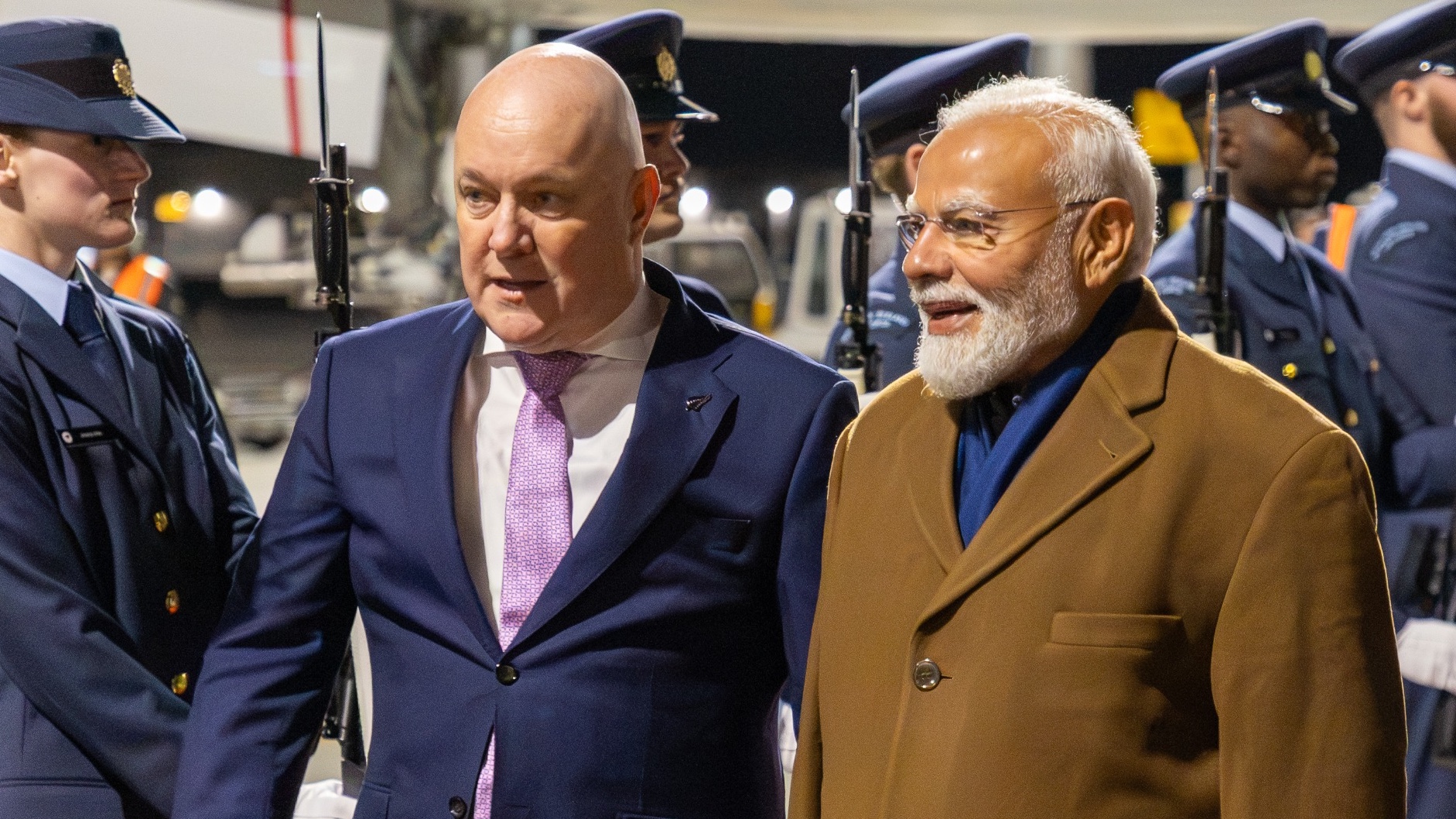
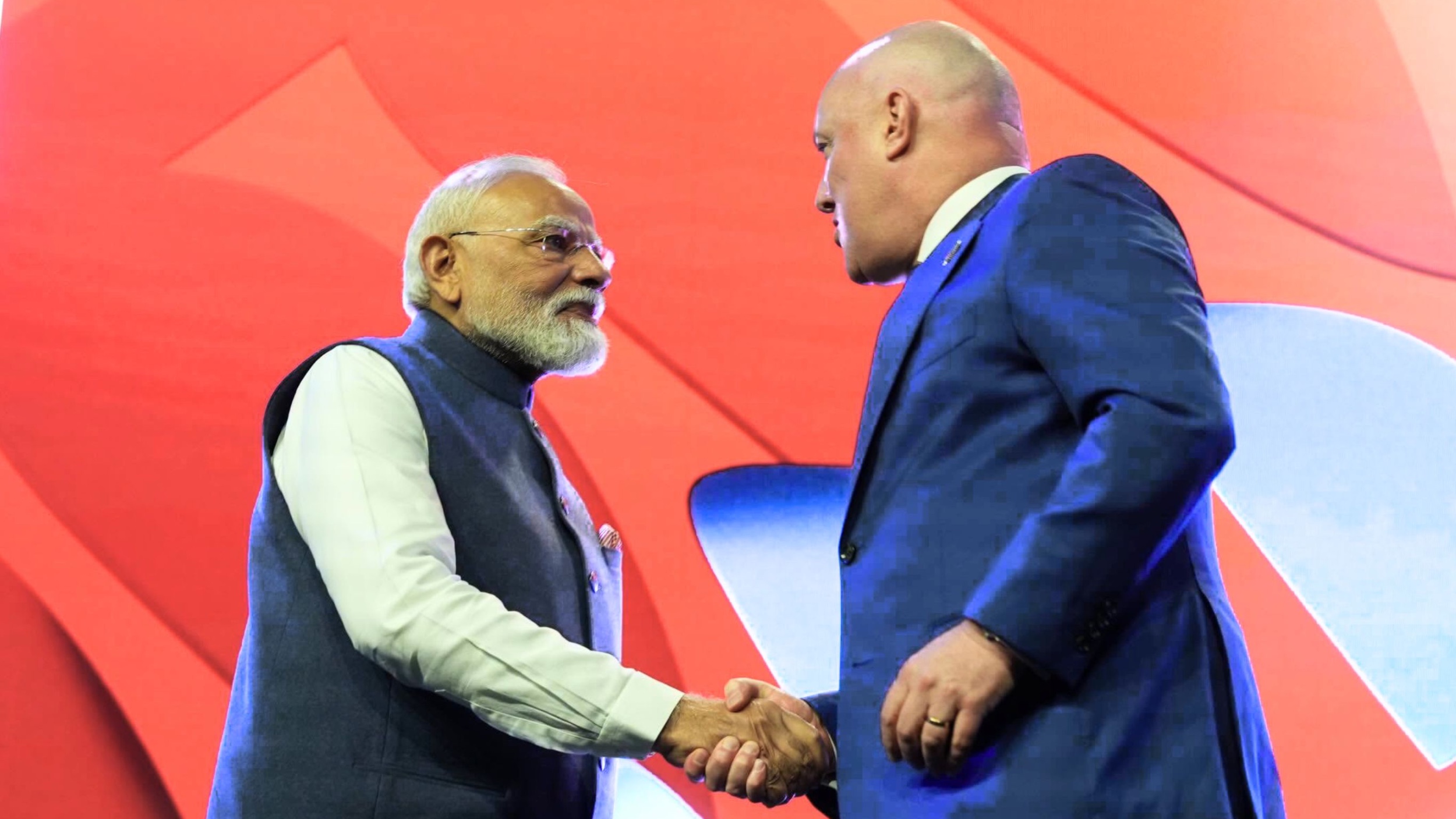
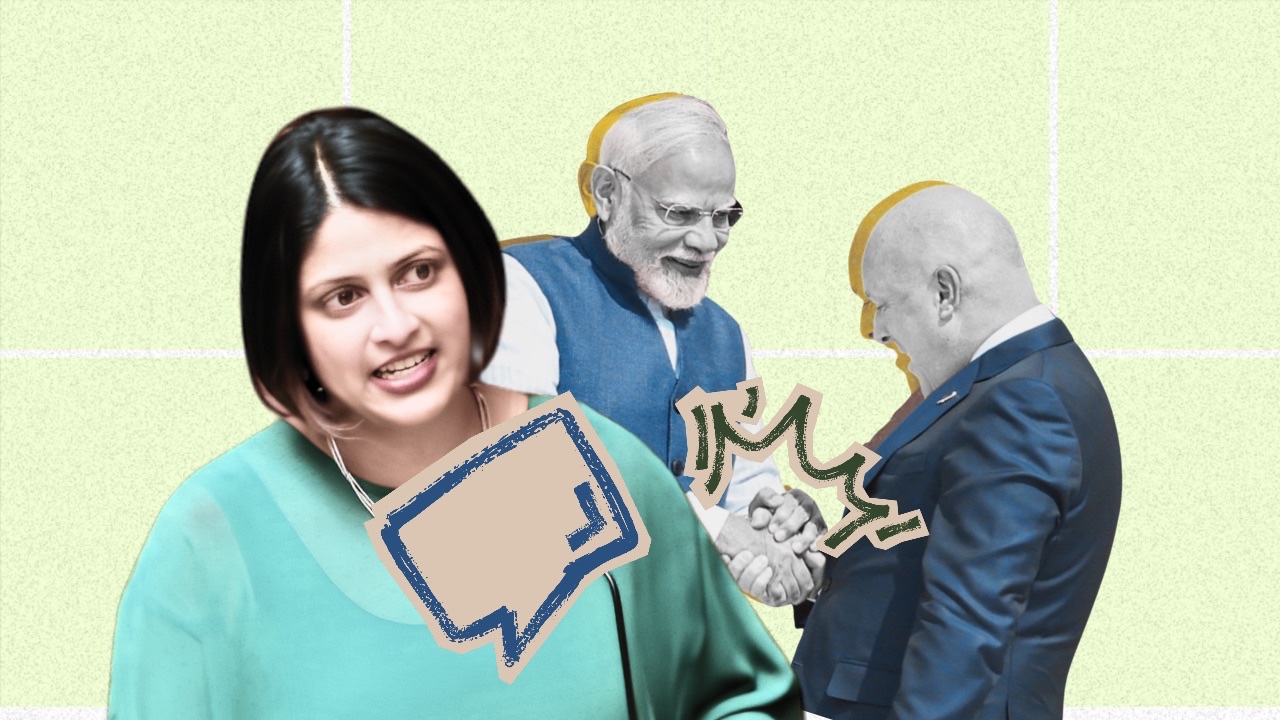
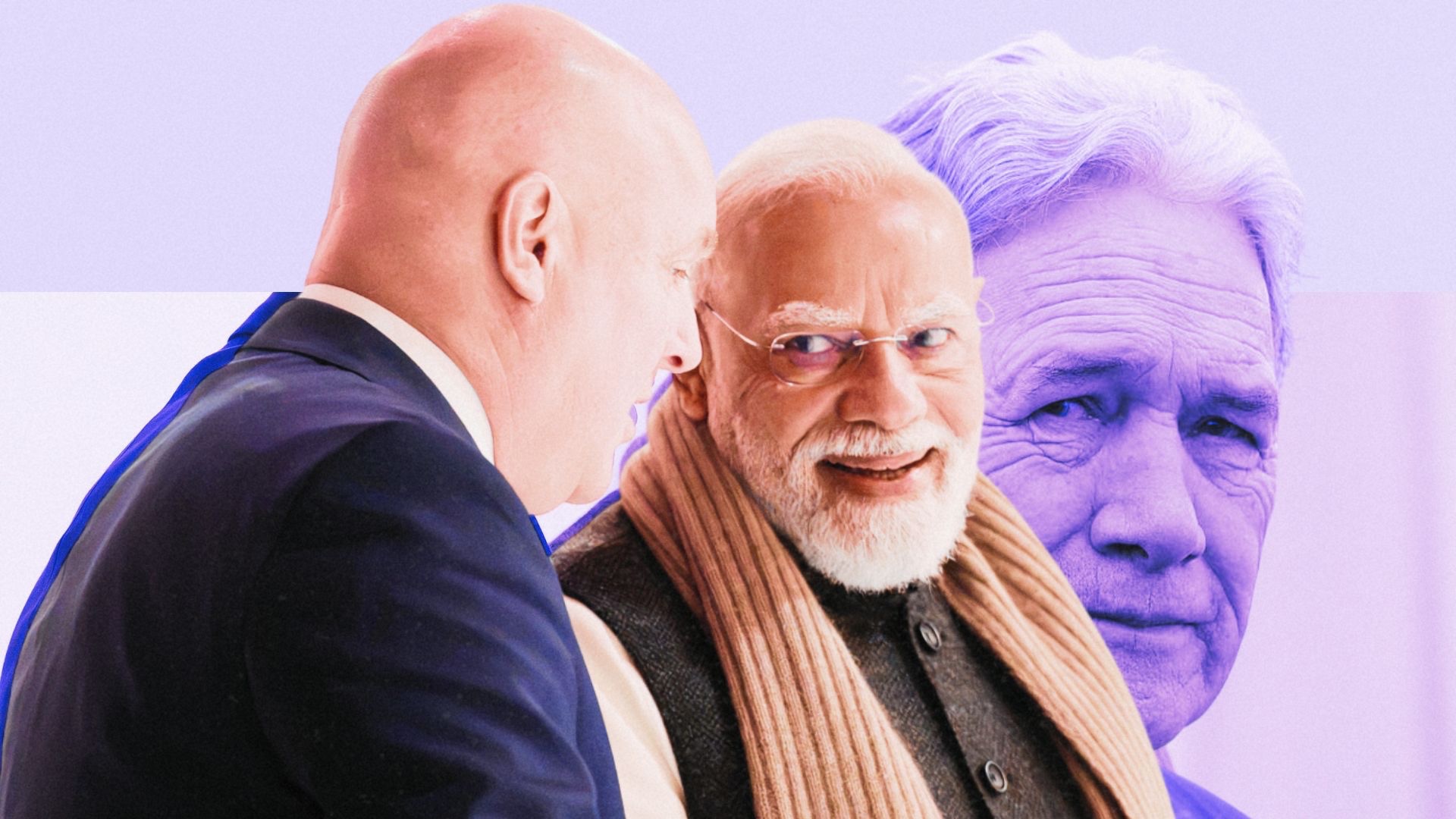
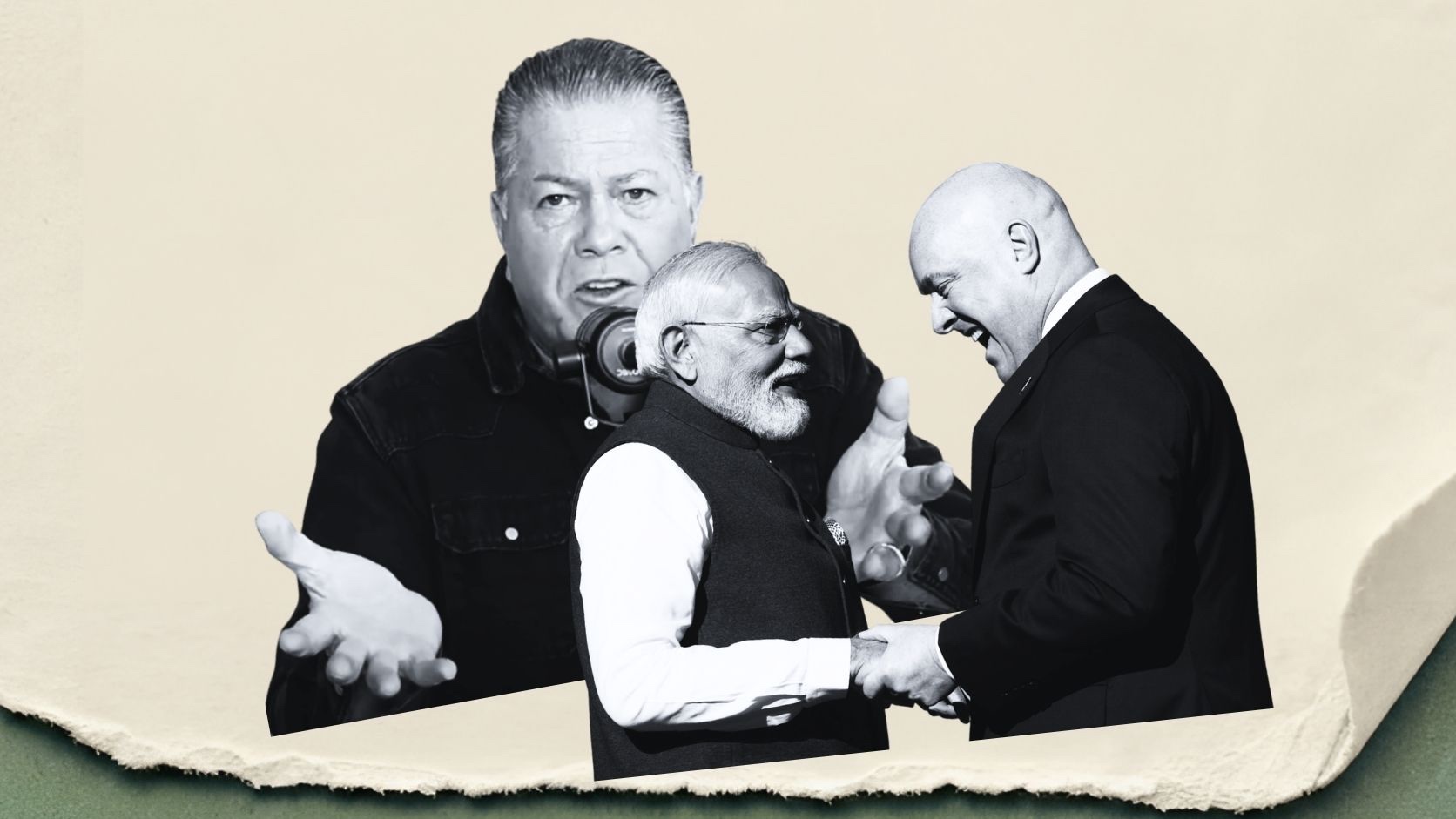
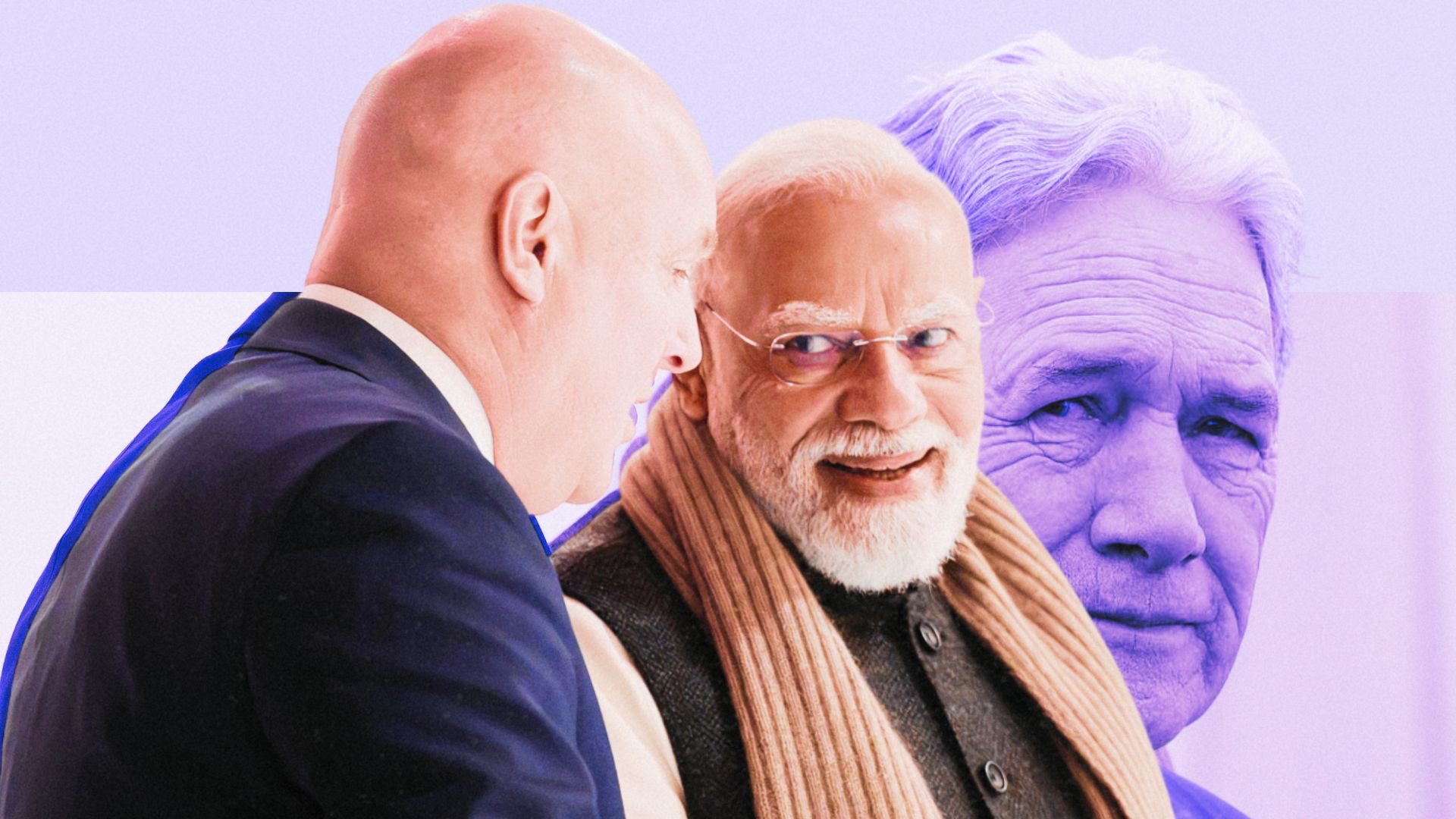
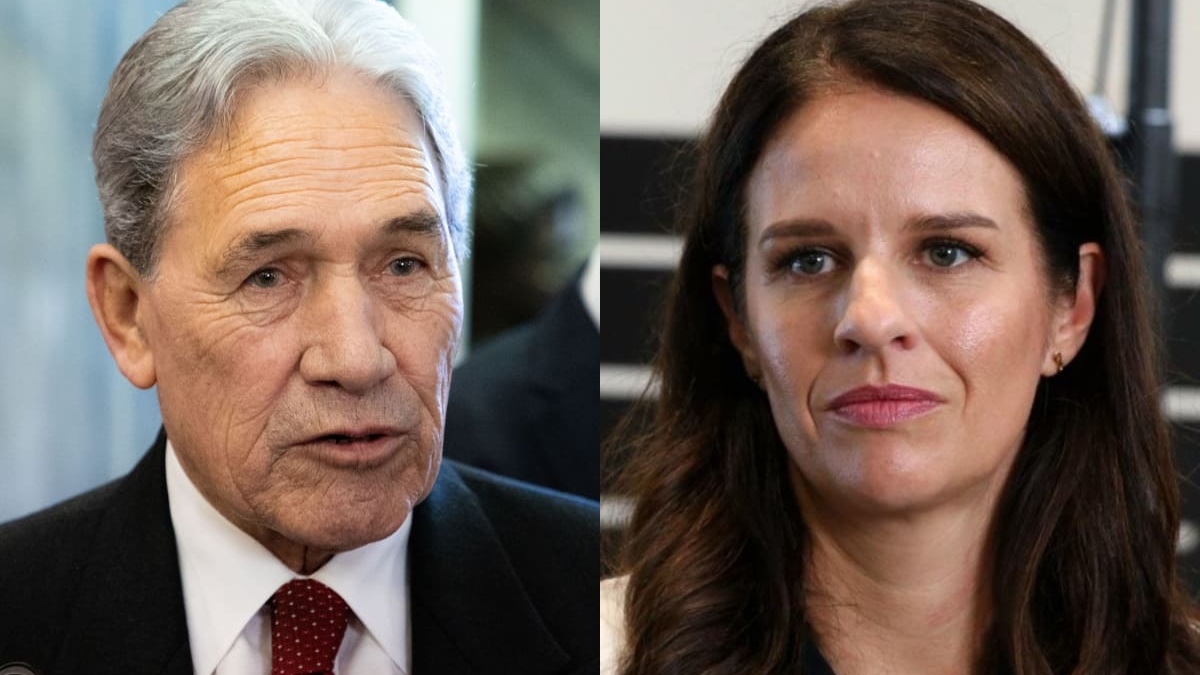
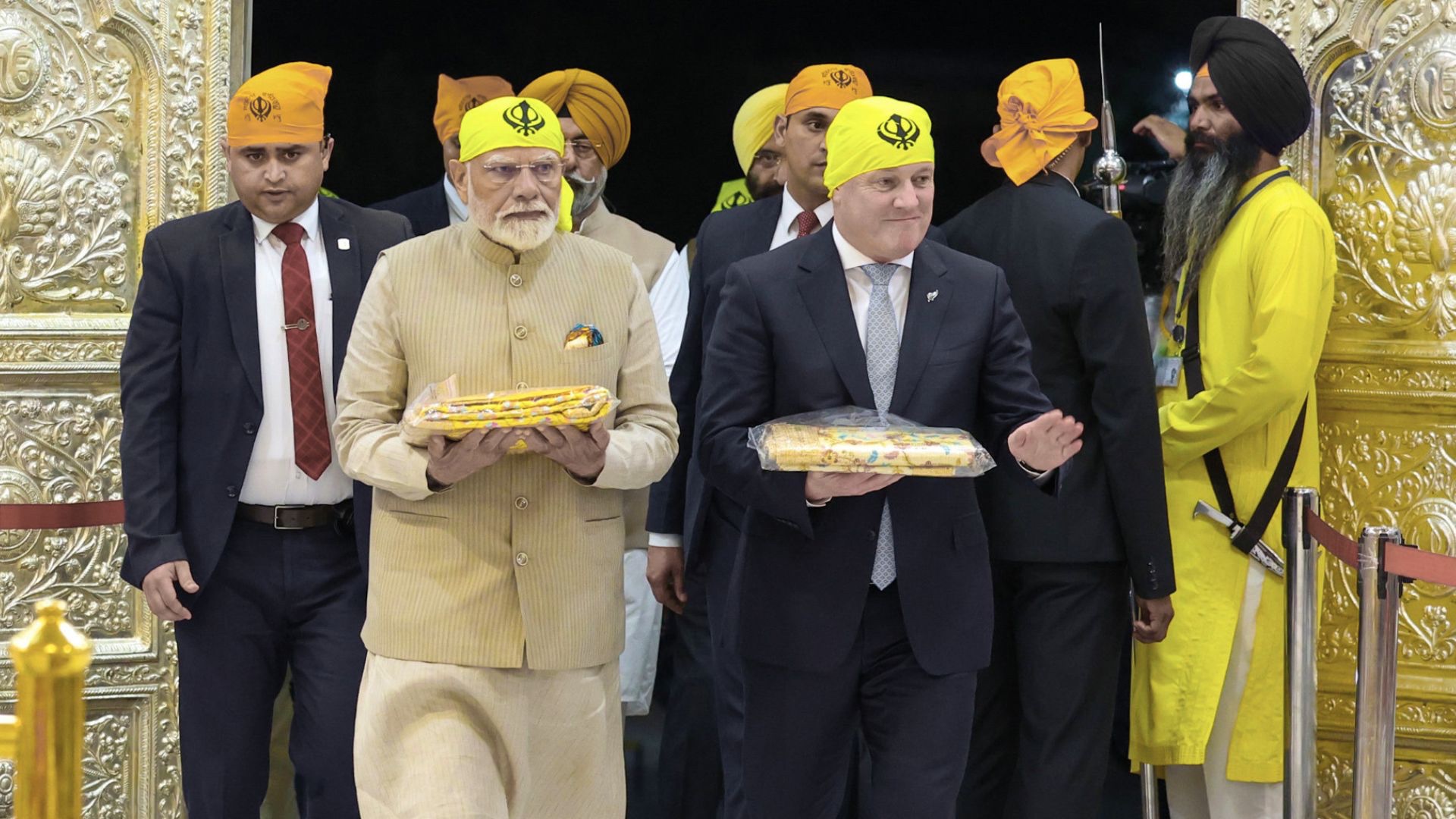
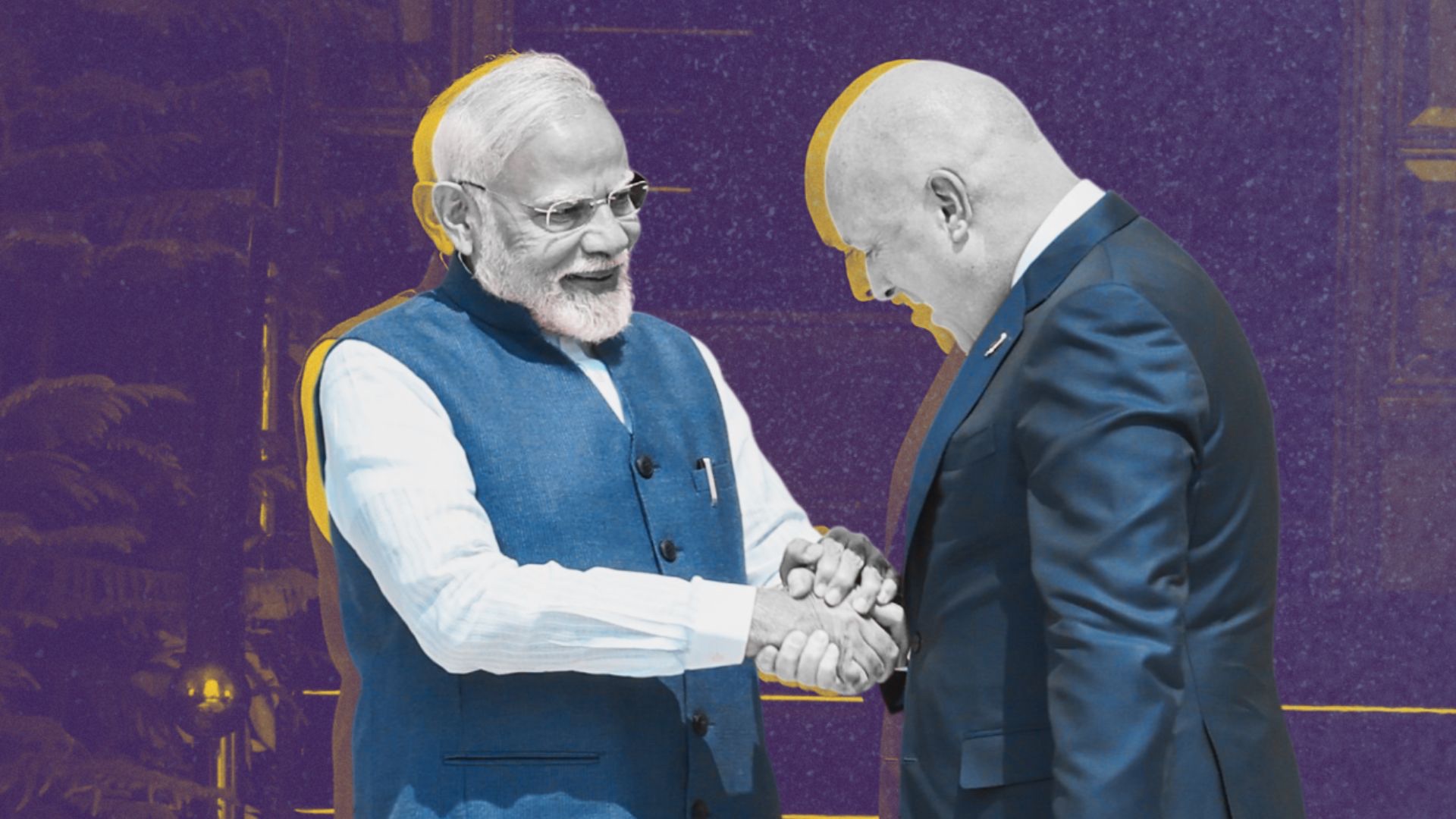
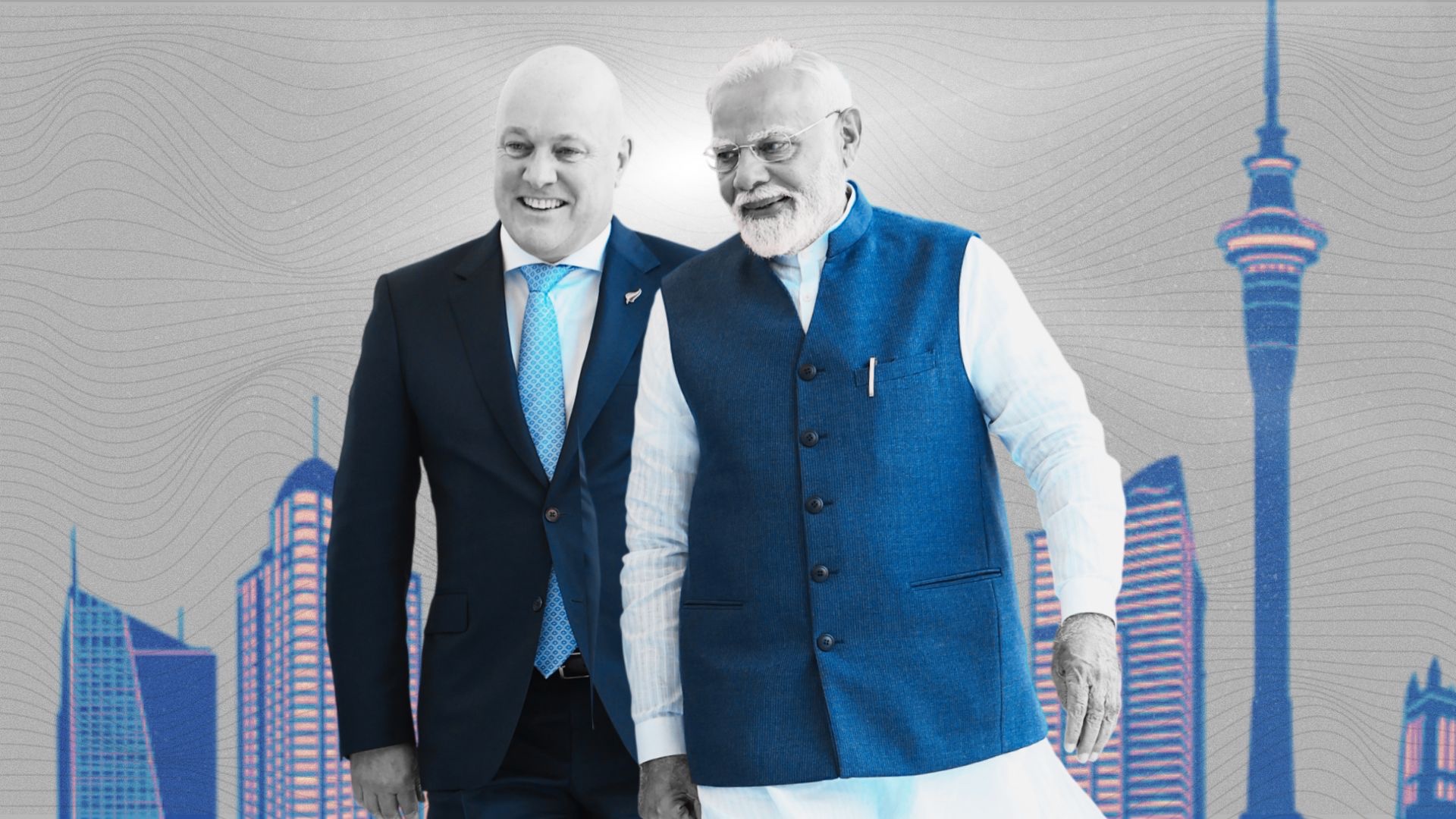
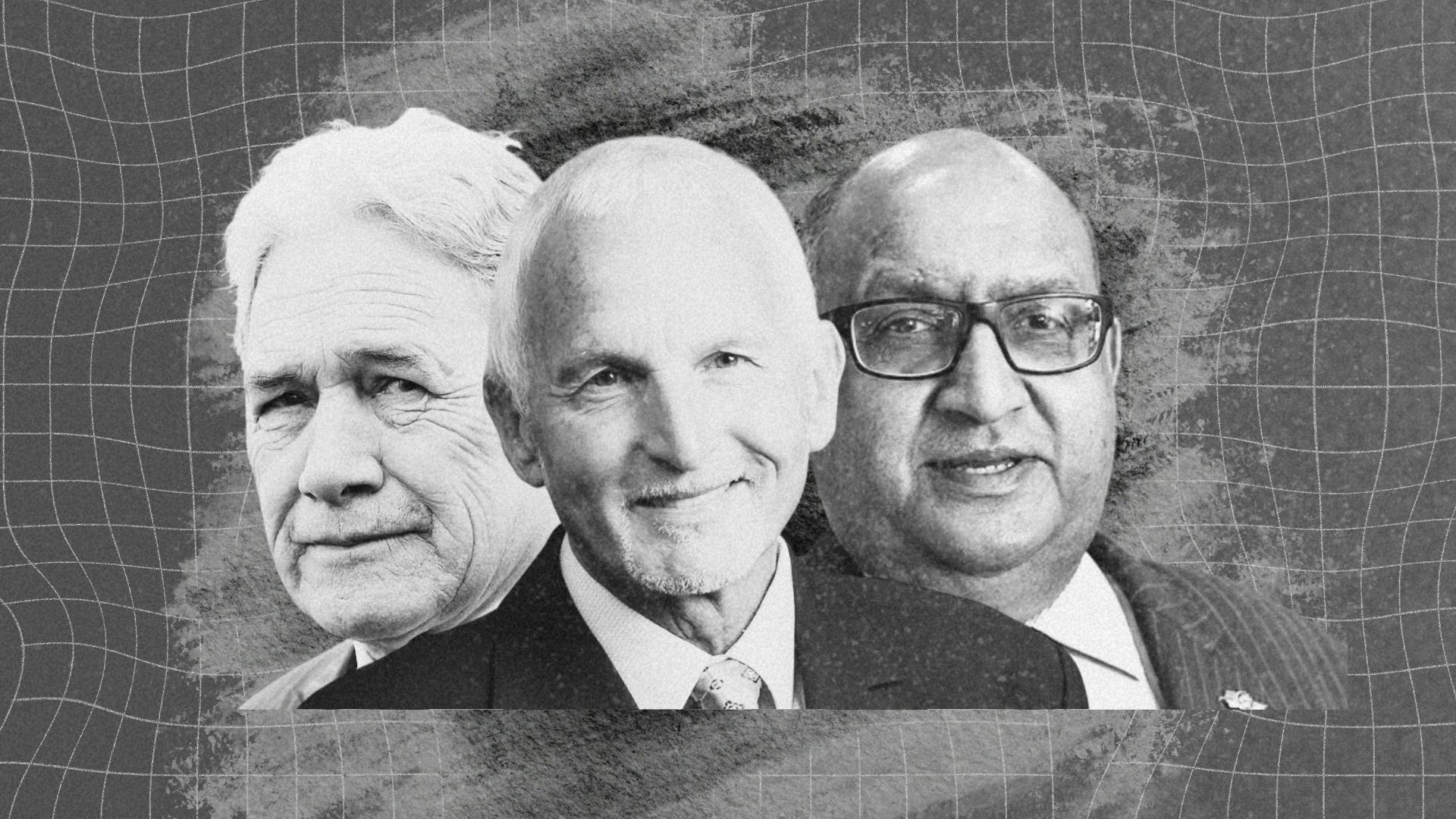
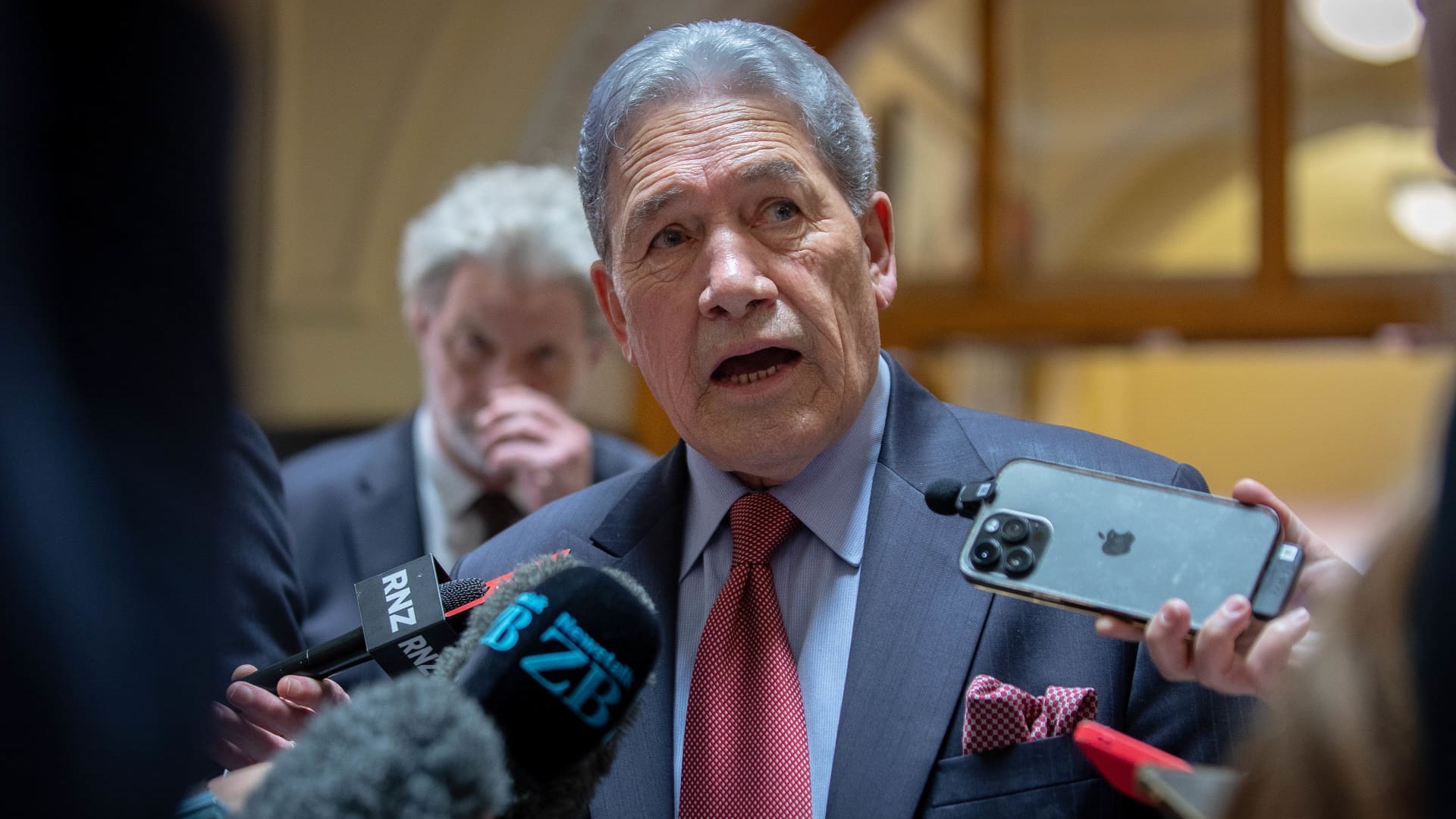
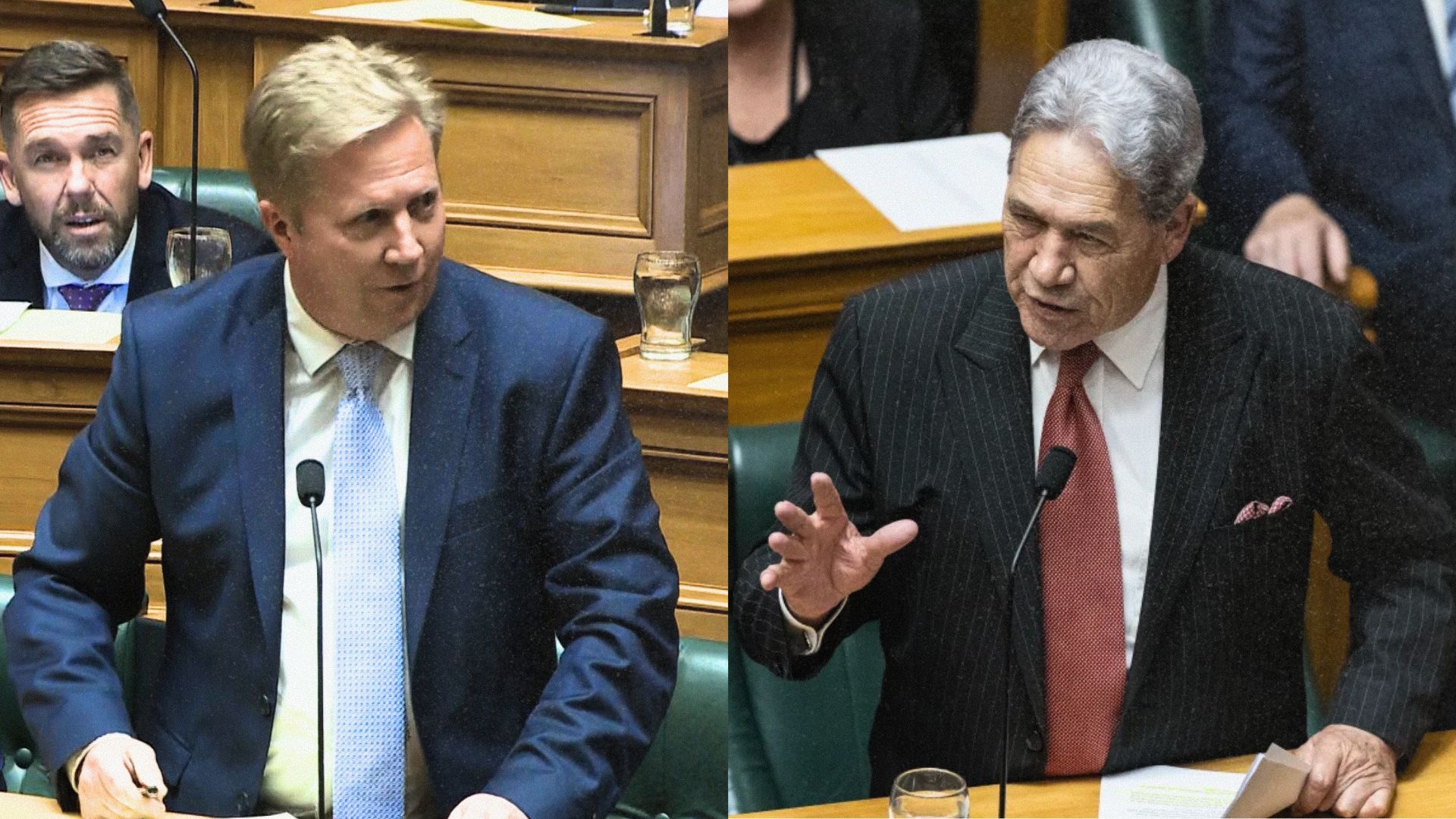
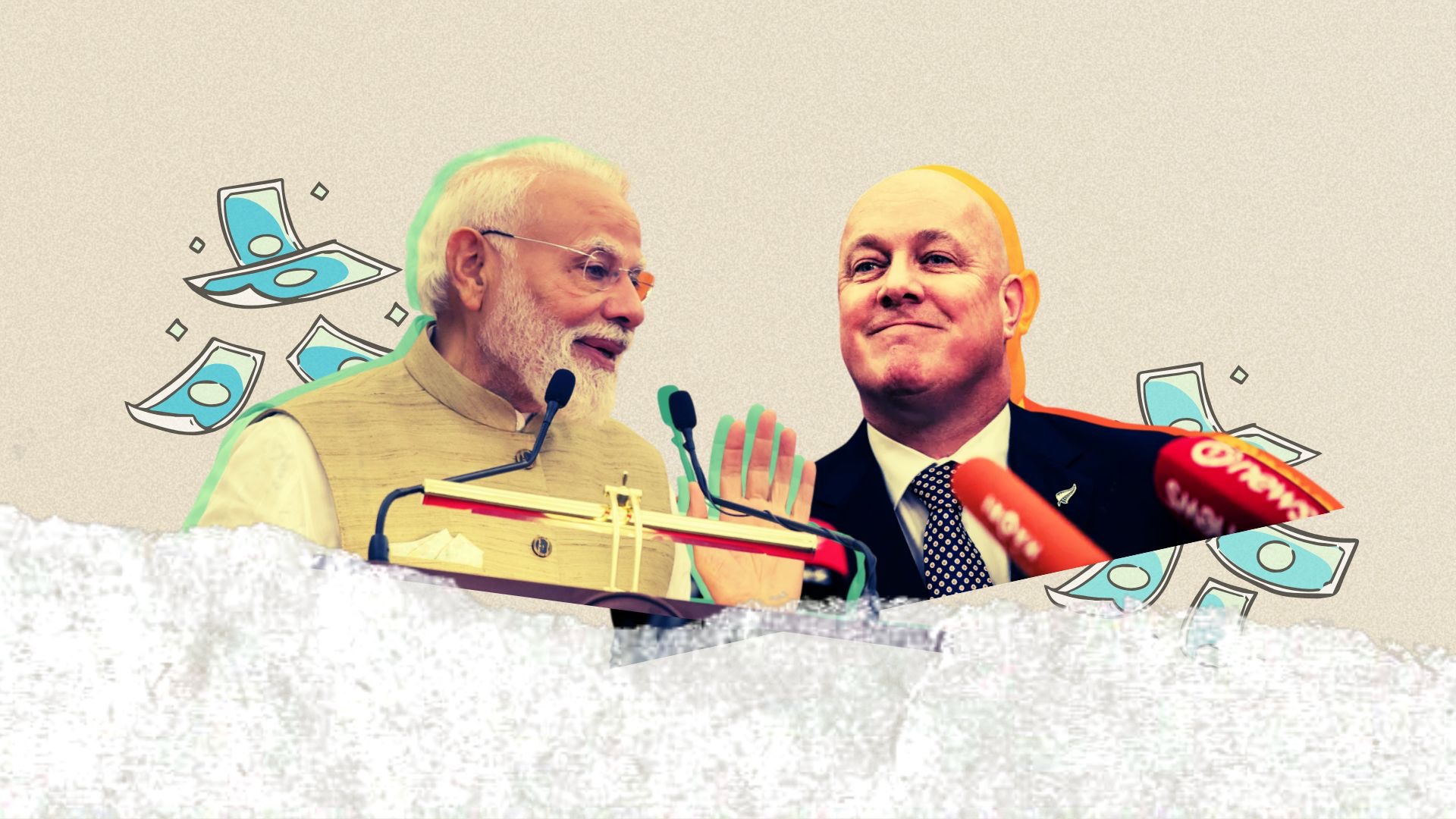
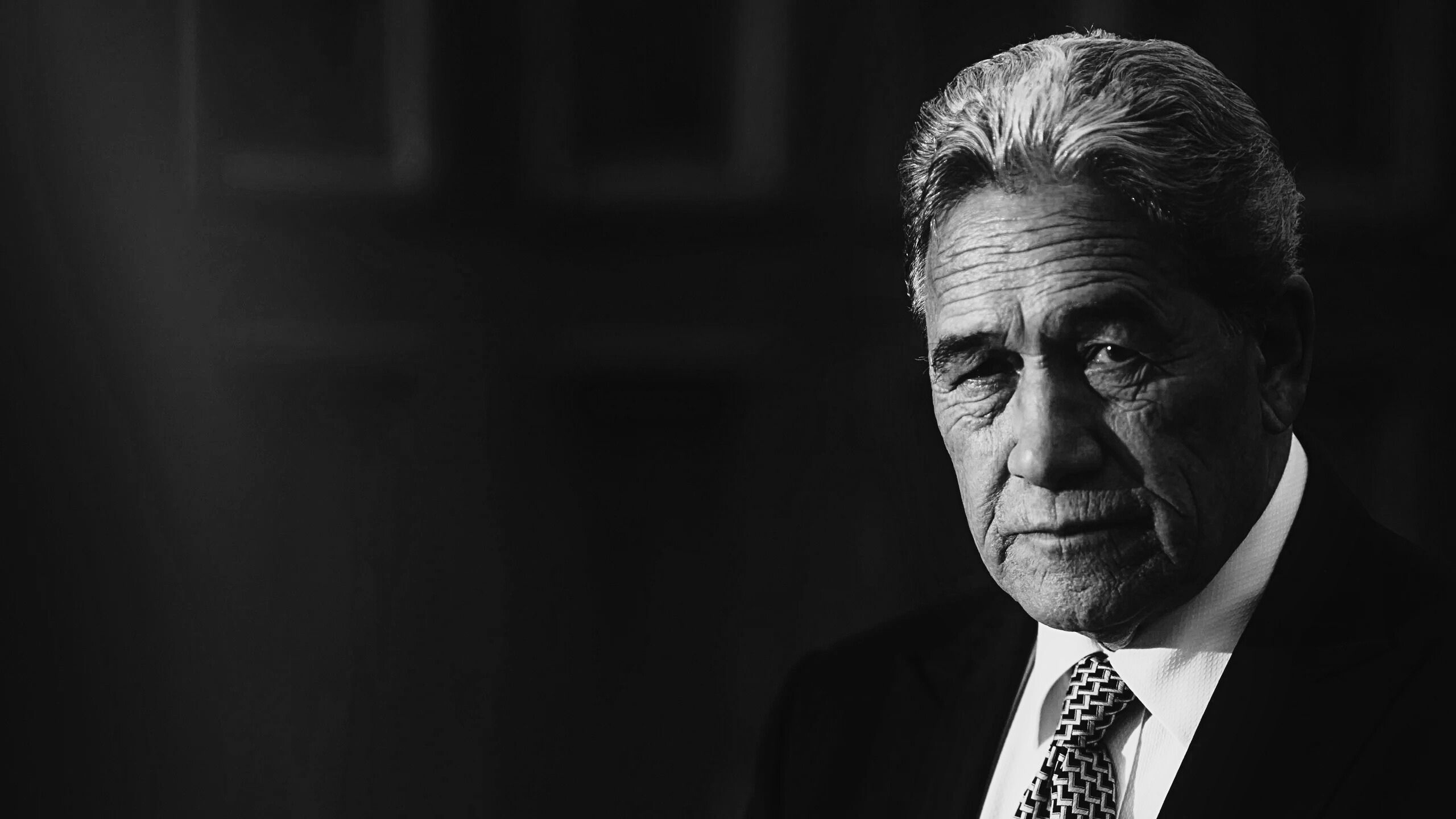
‘Two types of Indians’: Peters questions Kiwi Indians’ loyalty after watching Modi welcome The New Zealand First leader on why changing passports alone may not make someone a New Zealander.
BNZ Diwali rolls out Bollywood red carpet as Meenakshi Sheshadri revisits Damini in Auckland A Screen Auckland-backed cinema showcase is bringing South Asian films into Auckland theatres as part of this year’s Diwali celebrations.
In one segment, Henry repeatedly turned the surname of Delhi chief minister Sheila Dikshit into an English obscenity, laughing as he pronounced it and saying the vulgar interpretation was “so appropriate because she’s Indian”.
The remarks went beyond an accidental mispronunciation or a passing joke. Henry repeatedly ridiculed Dikshit’s name and linked the obscenity directly to her Indian identity.
The Broadcasting Standards Authority later described the segment as a sustained and deliberate personal attack on Dikshit.
Dikshit, who died in 2019, was Delhi’s longest-serving chief minister and was in office as the city prepared to host the 2010 Commonwealth Games.
The comments prompted India’s foreign ministry to summon New Zealand High Commissioner Rupert Holborow and deliver a demarche, or formal diplomatic protest.
The New Zealand government apologised over the incident, which became an international embarrassment for the country.
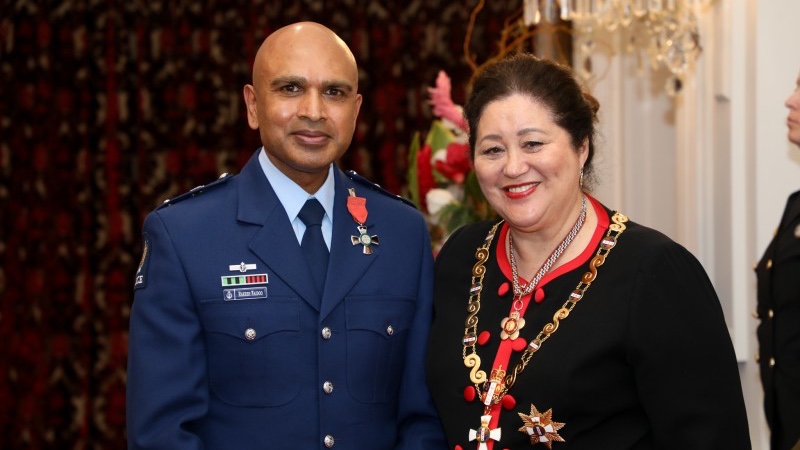
The Dikshit segment followed another controversy in which Henry questioned whether then governor-general Sir Anand Satyanand was “even a New Zealander”.
During an interview with then prime minister John Key, Henry asked whether Satyanand’s eventual successor would be someone who “looks and sounds like a New Zealander” and someone “more like a New Zealander”.
Satyanand was born and raised in Auckland. His parents were Indo-Fijian.
Henry’s questions suggested that Satyanand’s ancestry and appearance made him less authentically New Zealand, despite his having been born in the country and serving as its governor-general.
TVNZ initially suspended Henry for two weeks without pay.
He later resigned as presenter, saying it was no longer practical for him to continue while the controversy affected the broadcaster.
Then-TVNZ chief executive Rick Ellis said Henry’s comments had divided the community and damaged New Zealand’s international relationships.
Ellis apologised to Satyanand and to Indian communities in New Zealand and India.
Henry said at the time he was saddened that he had crossed the line and did not want to remain a “lightning rod for racial disharmony”.
His political ambitions, however, predate both controversies.
Henry stood for National in Wairarapa at the 1999 election but lost to Labour candidate Georgina Beyer. He subsequently became one of New Zealand’s best-known broadcasters, working across television and radio.
ACT has not yet announced where Henry will be placed on its party list. His prospects of entering Parliament will depend on both that ranking and ACT’s share of the party vote at the election.