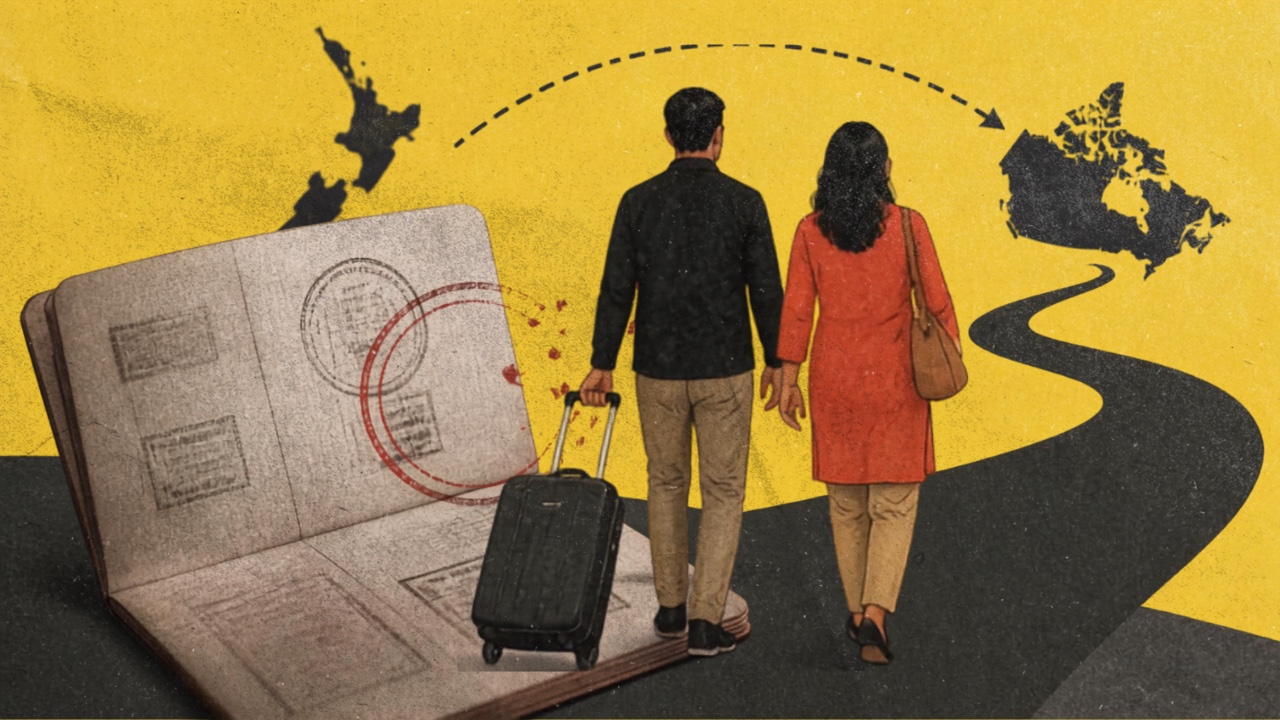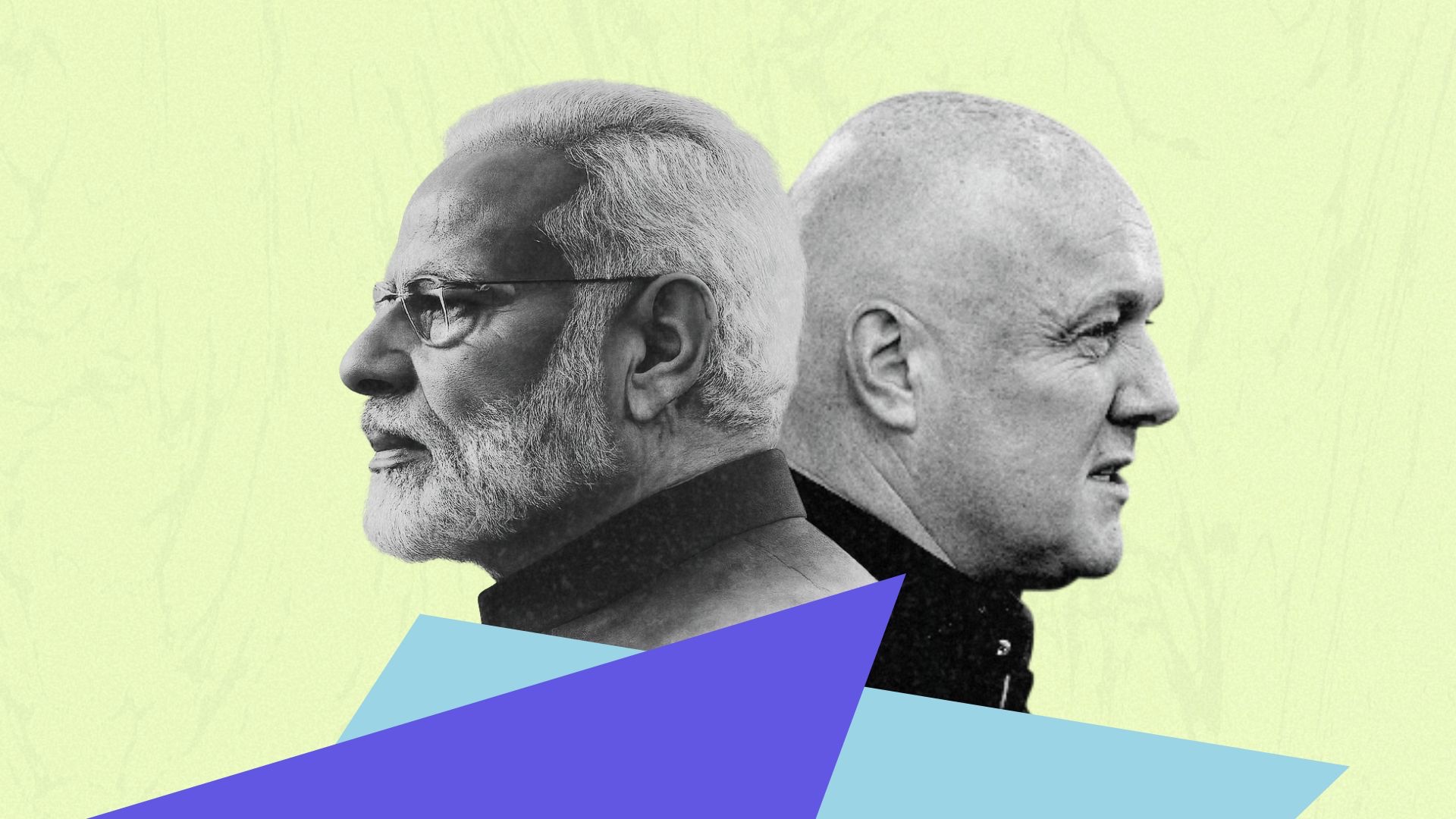

Singapore is facing anti-Indian hate, like New Zealand. But it’s responding differently
The scars of the riots in the 1960s continue to shape Singapore's social cohesion strategy.
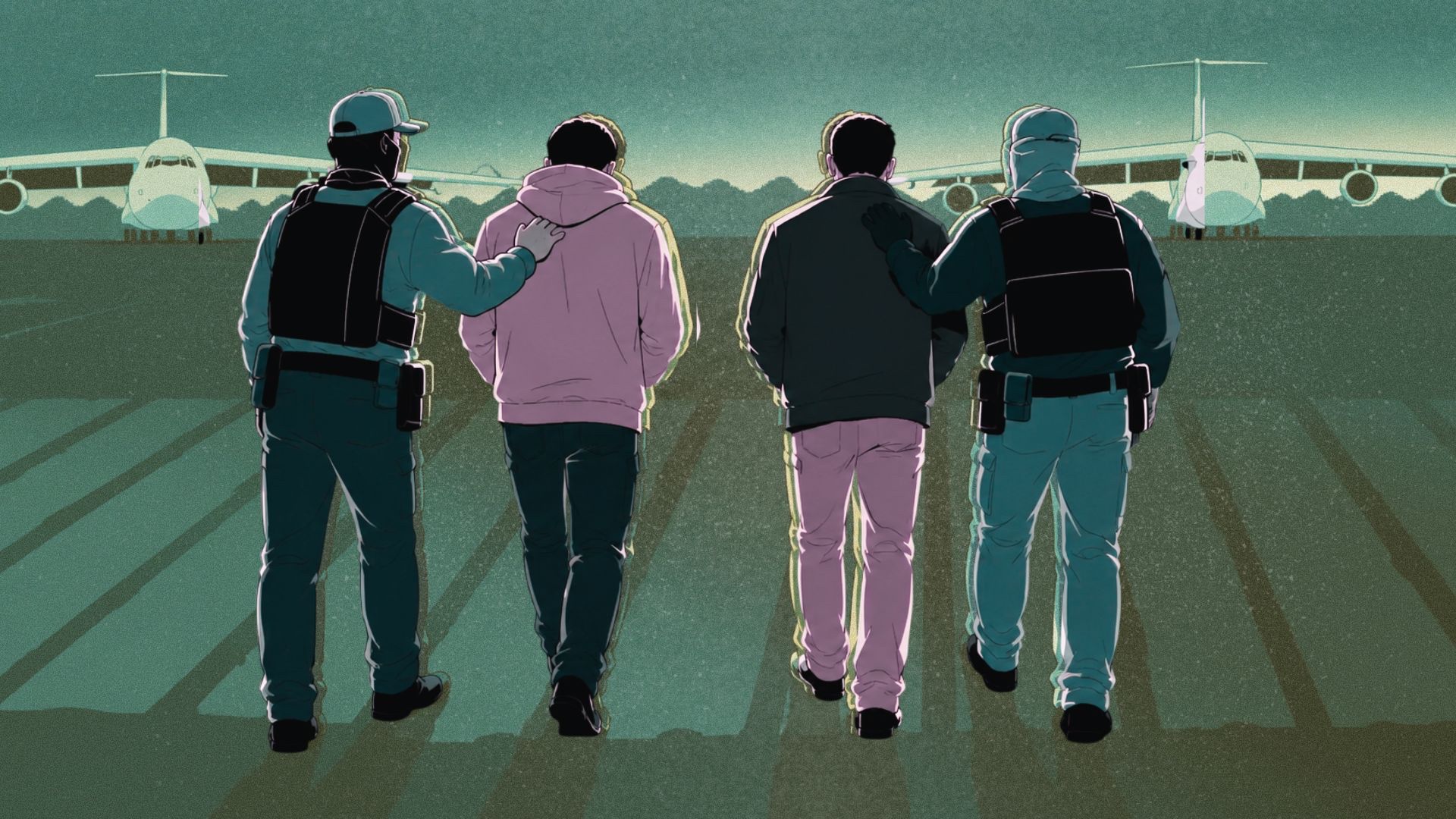
The city-state has ordered the removal of social media posts scaremongering about Indian migration.
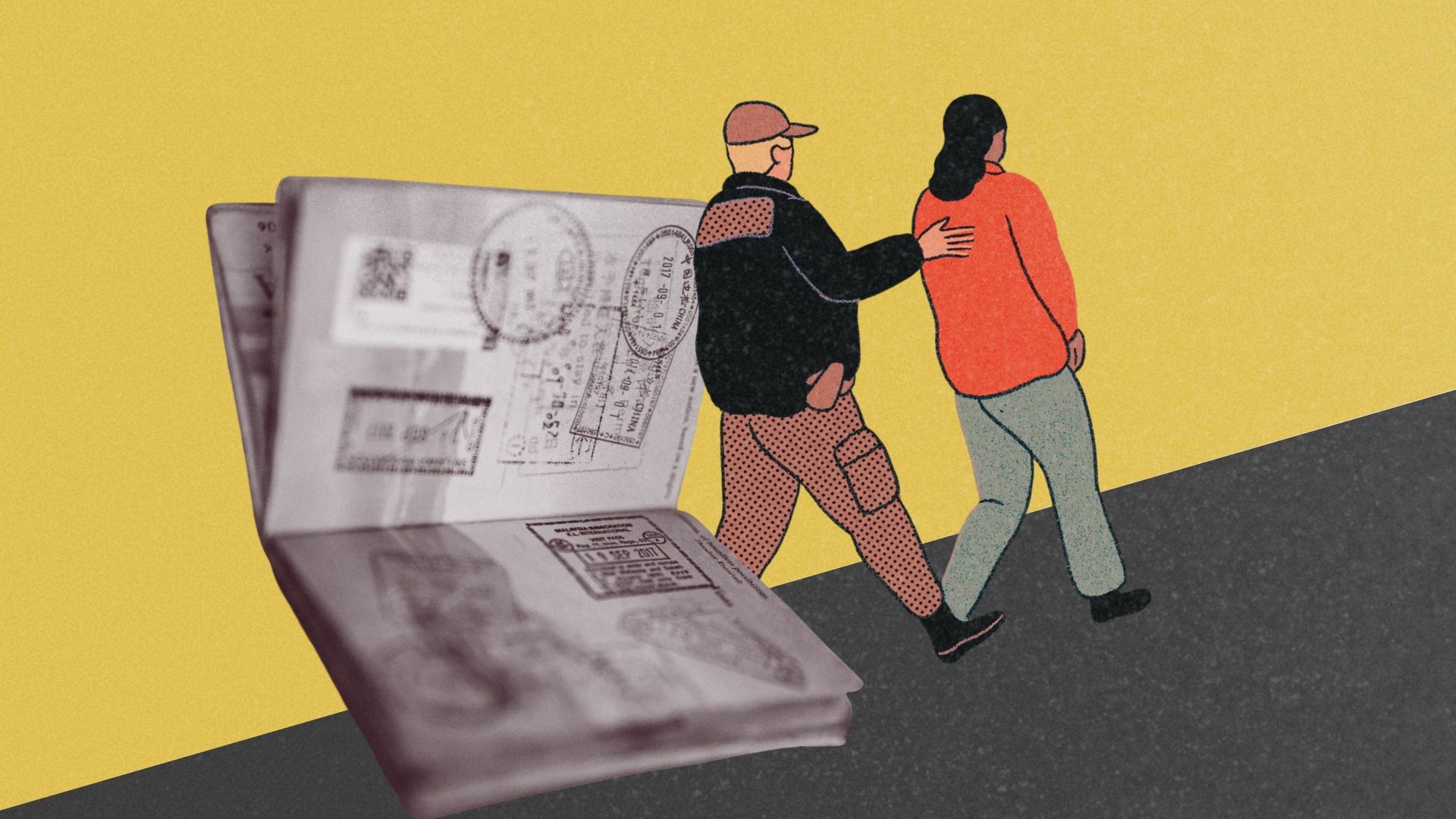
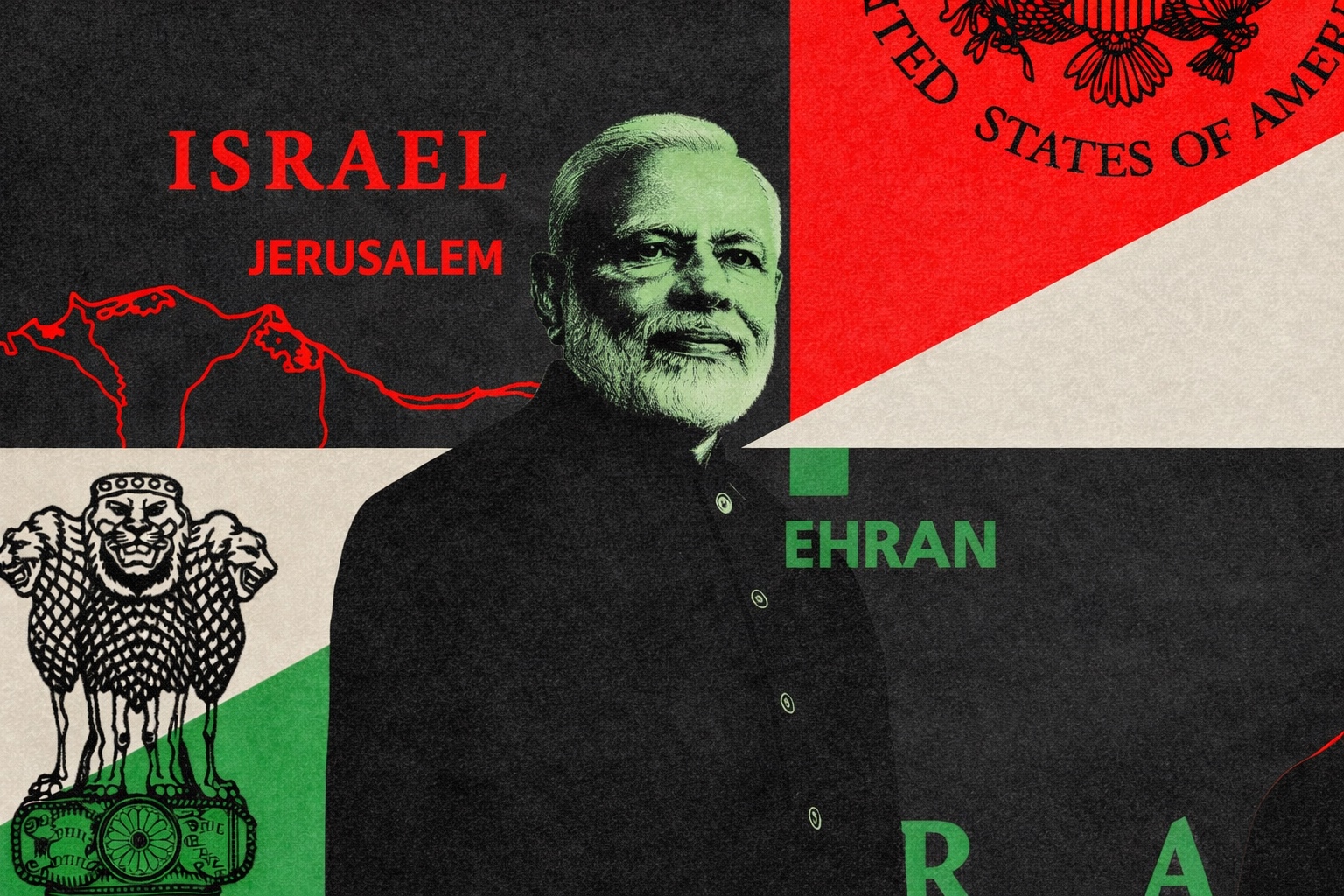
Analysis: Singapore has taken the extraordinary step of ordering social media platforms to block content it says promotes hostility towards Indians and threatens the country’s multicultural foundations.
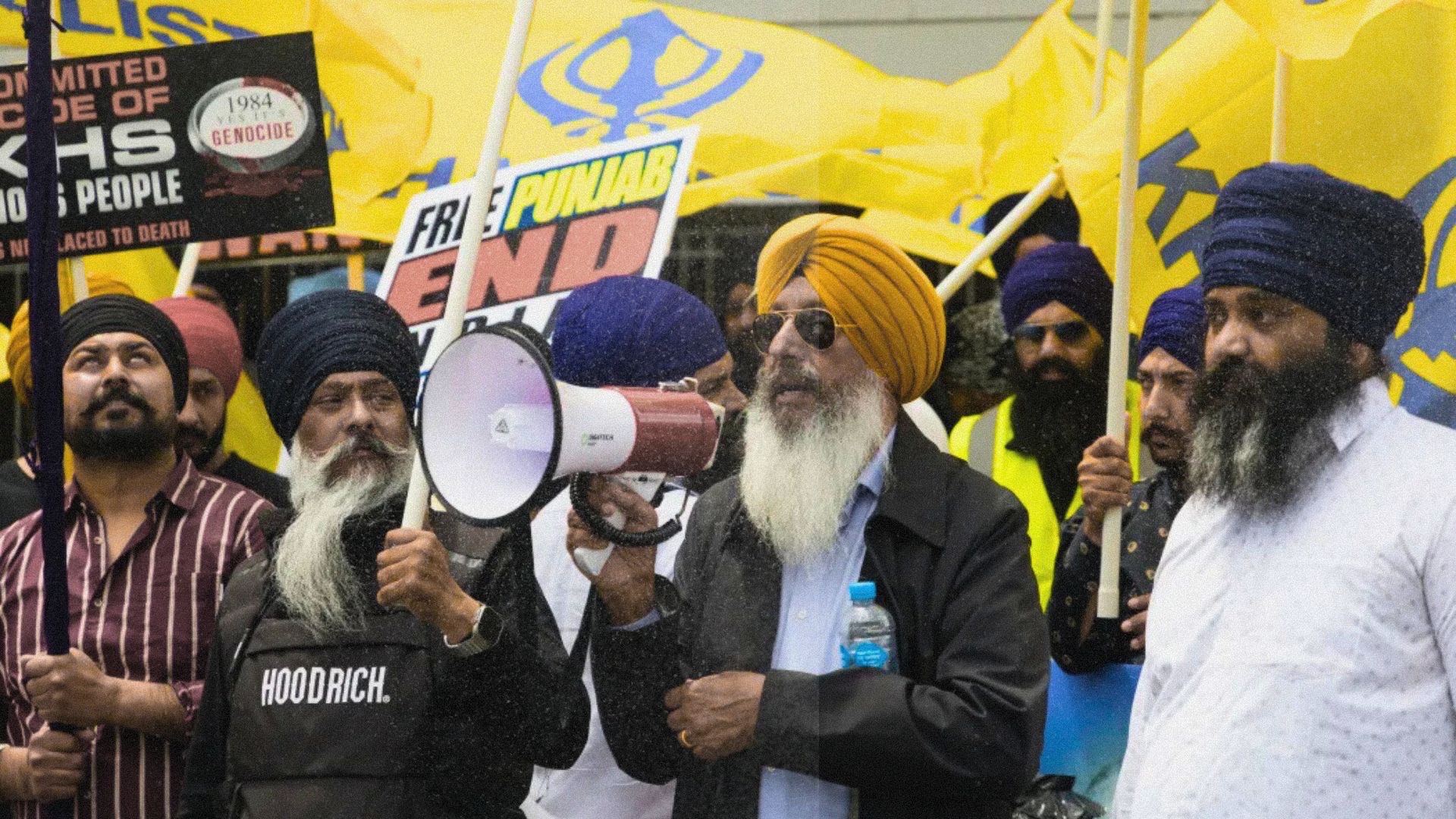
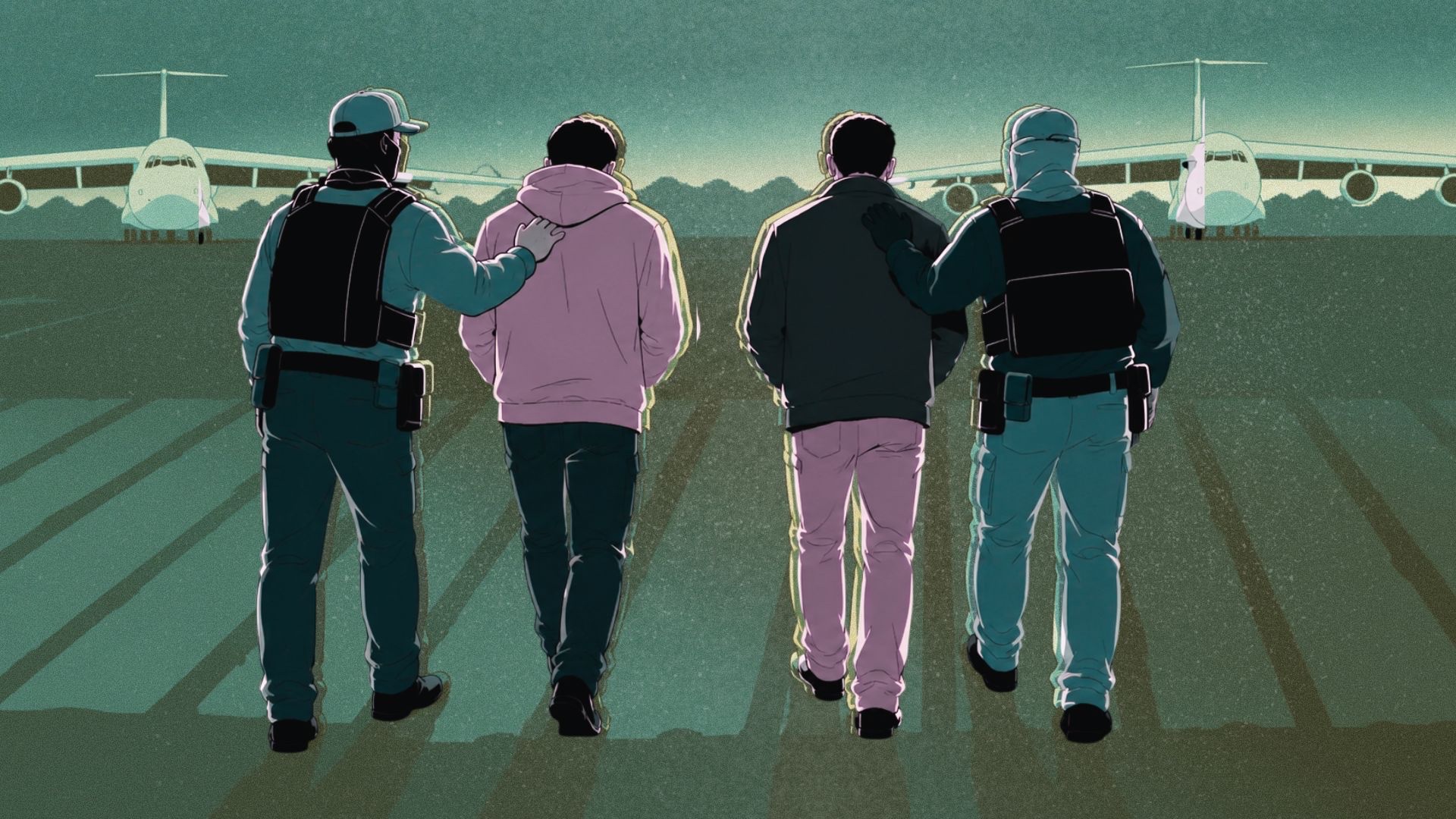
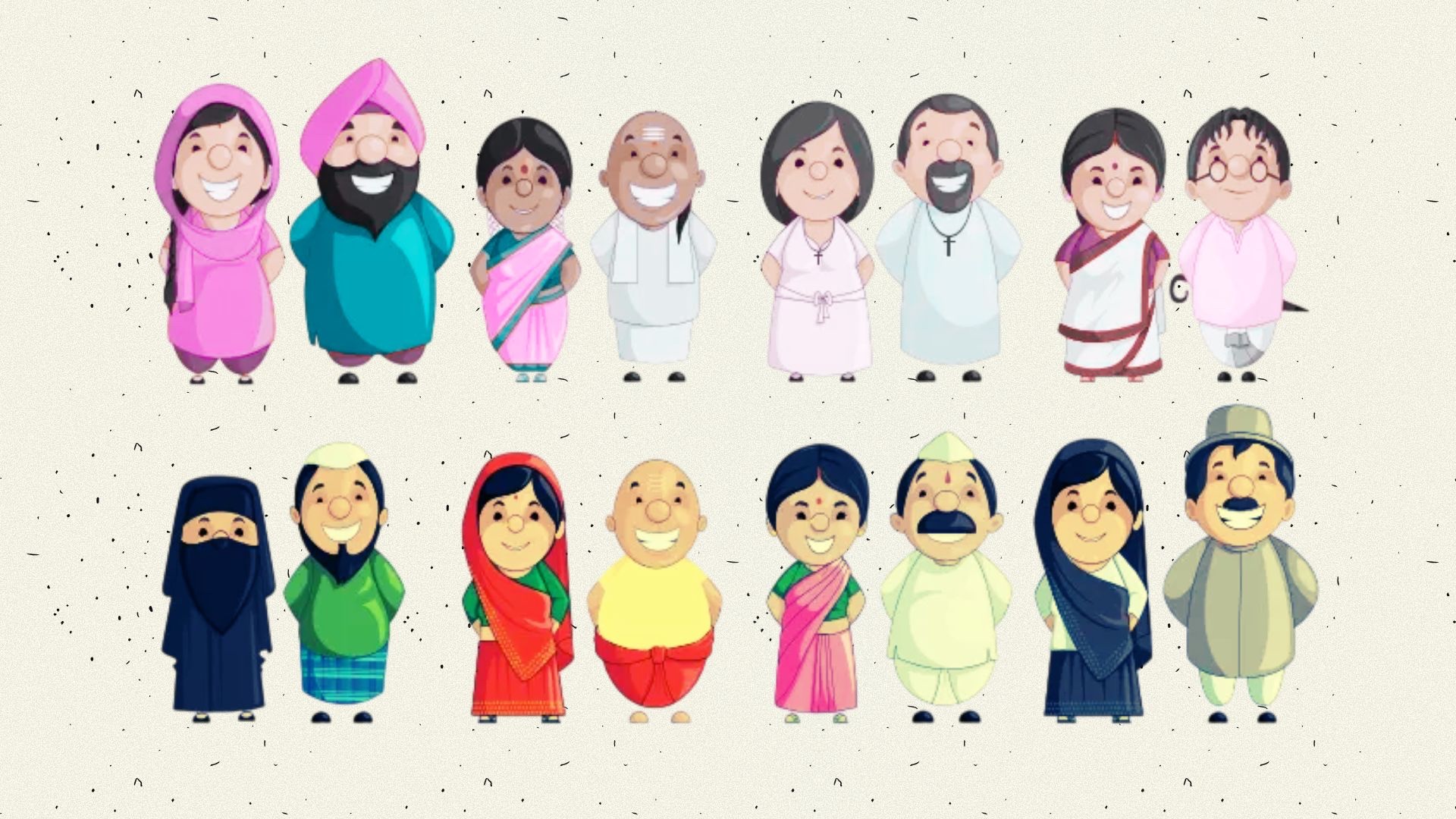
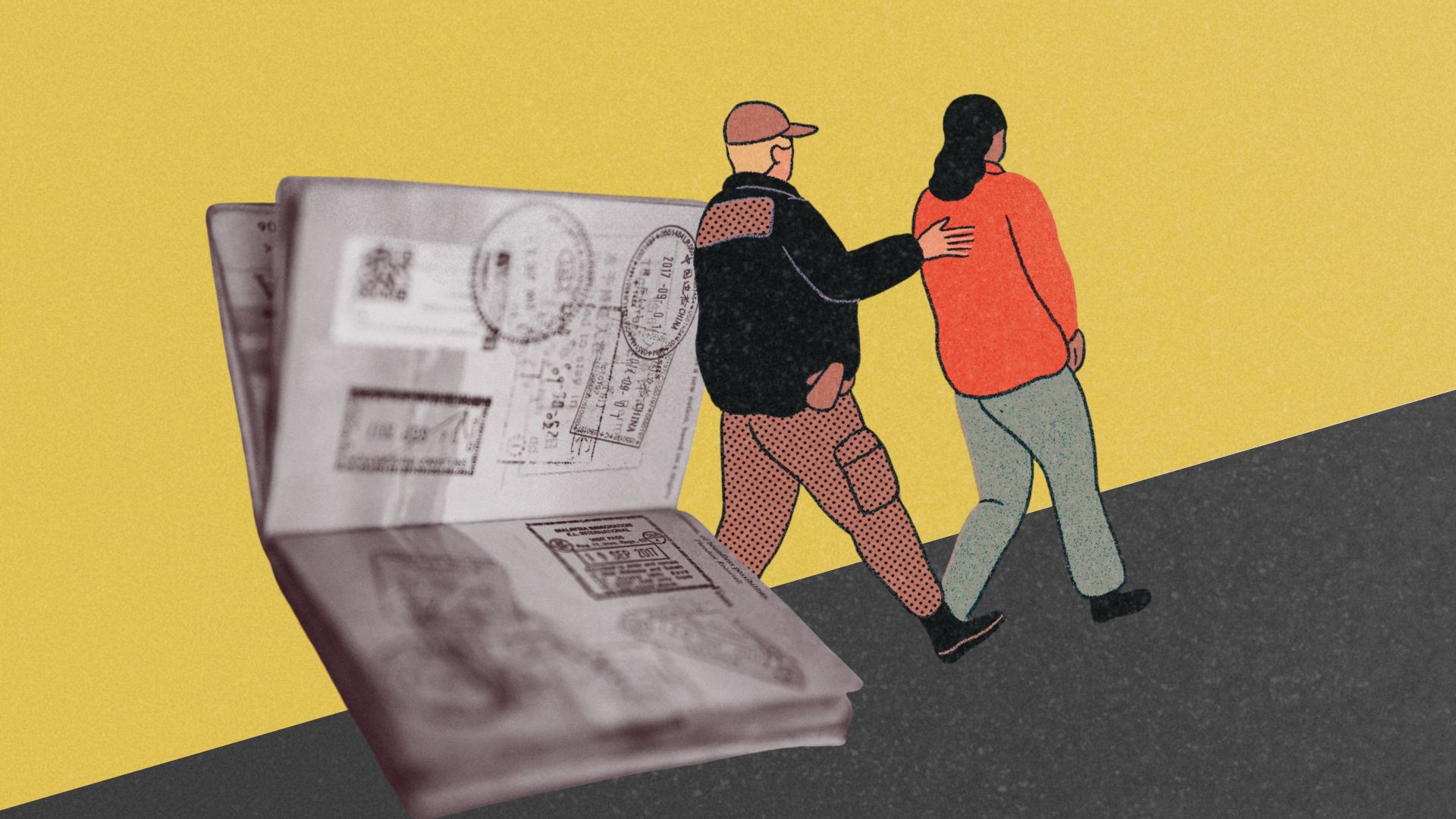
On June 6, 2026, authorities in the city-state issued legal directions requiring YouTube, Facebook and X to disable access to 14 posts that claimed Singapore was being “overrun” by Indians, that politicians of Indian origin would favour Indian immigrants, and that the country’s multicultural model was failing.
In a statement, Singapore’s home affairs ministry said the content contained “false and misleading claims” designed to “incite hostility against Indians in Singapore”.
It warned the posts sought to portray Indians as a threat to social cohesion and could erode trust between communities.
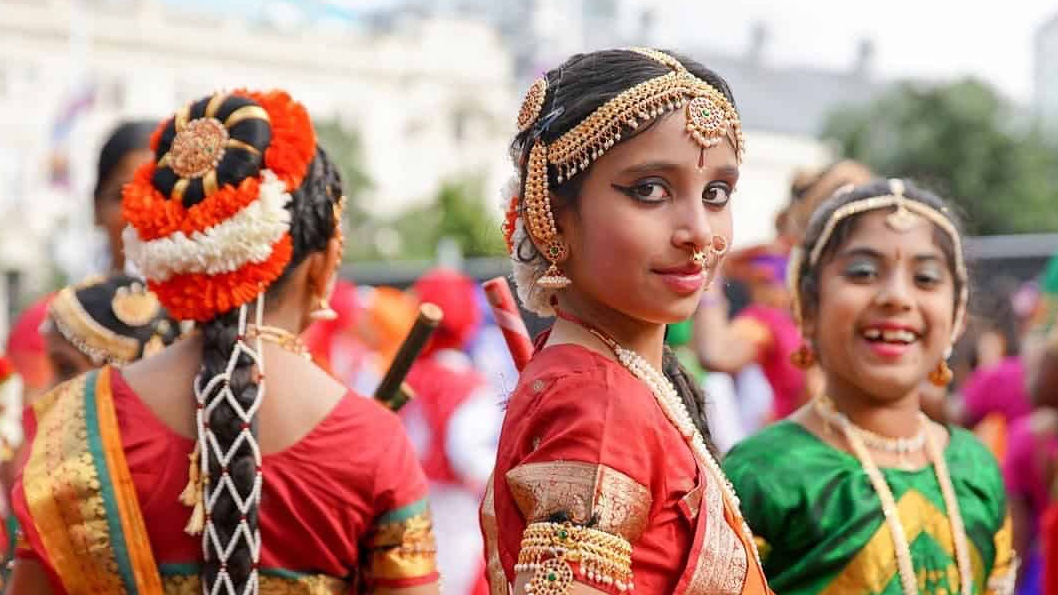
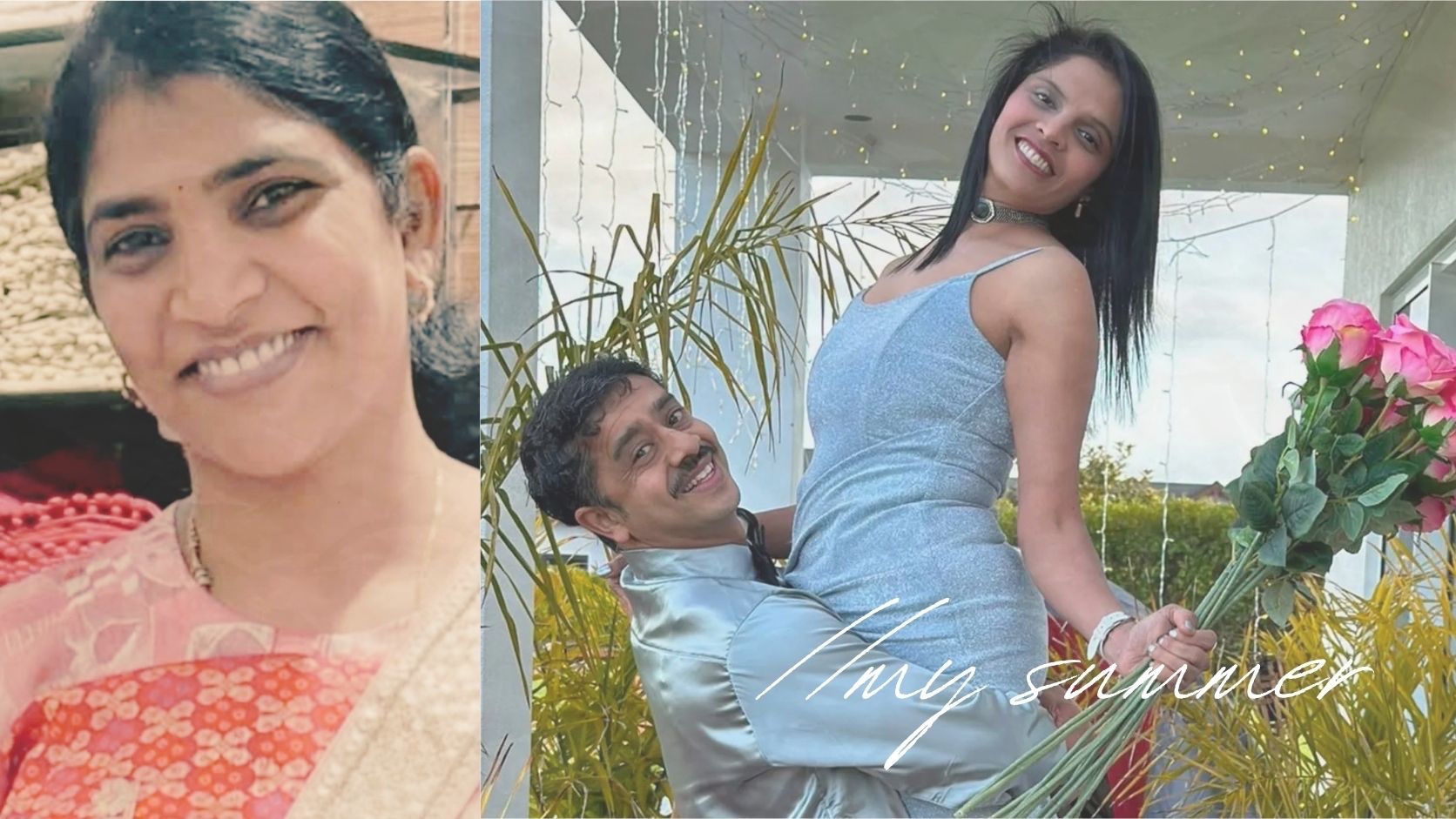
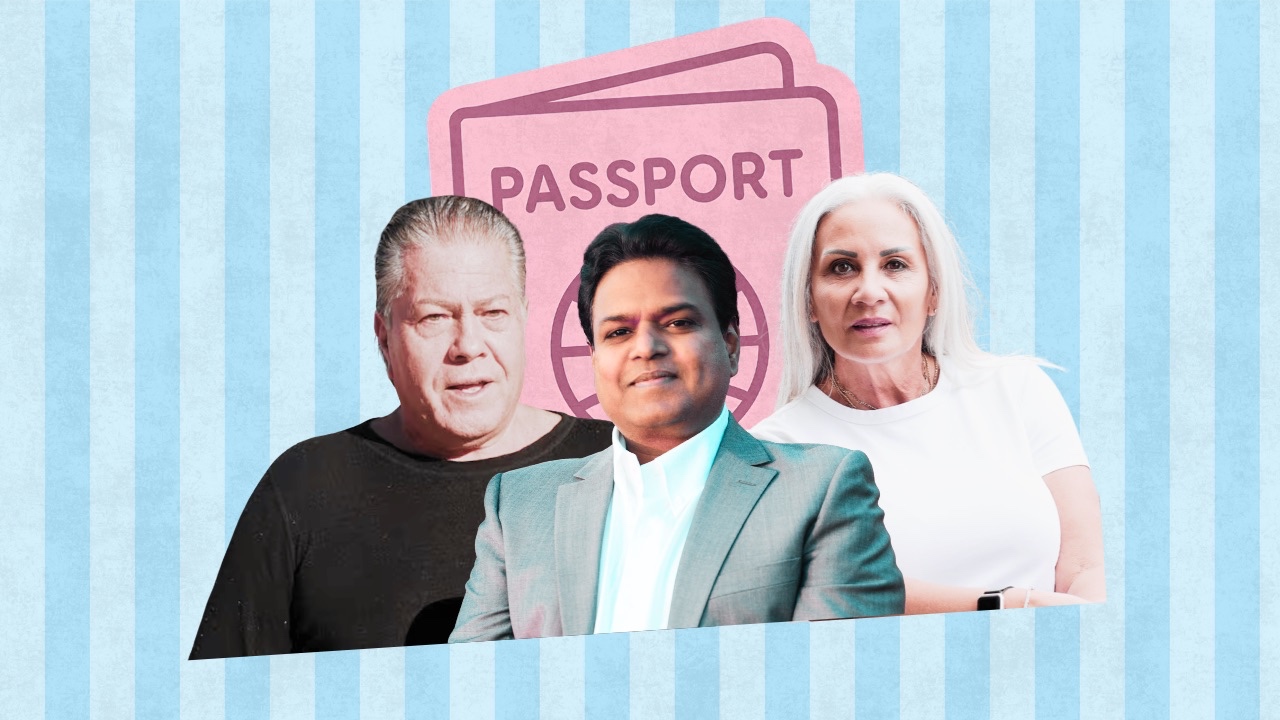
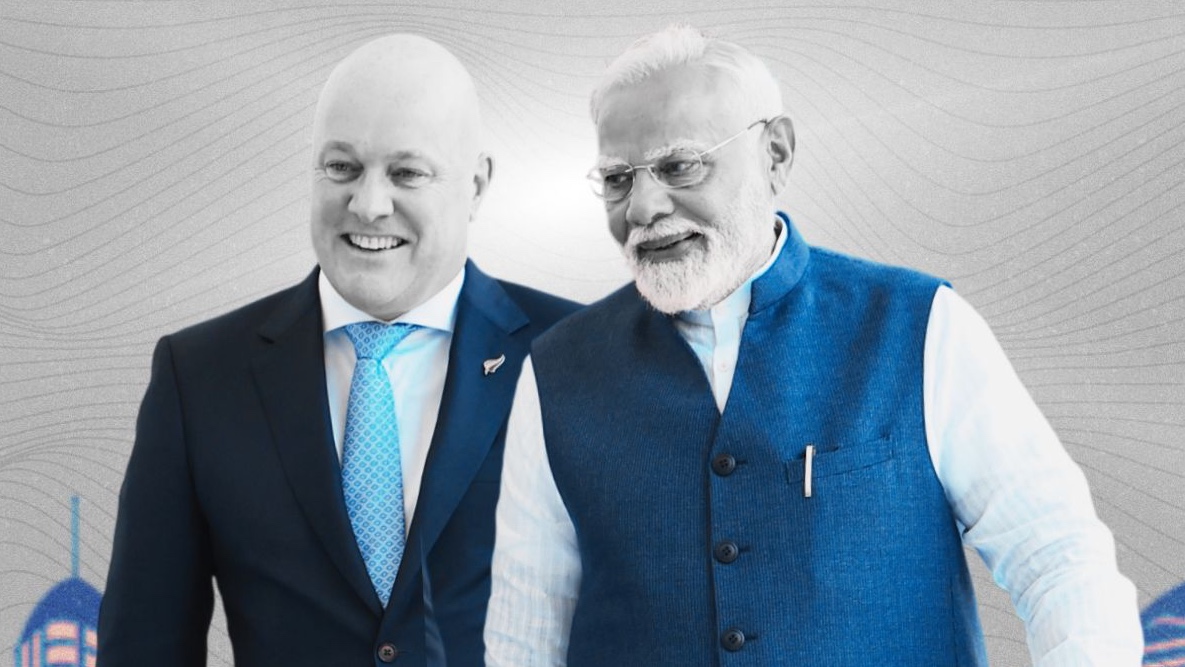
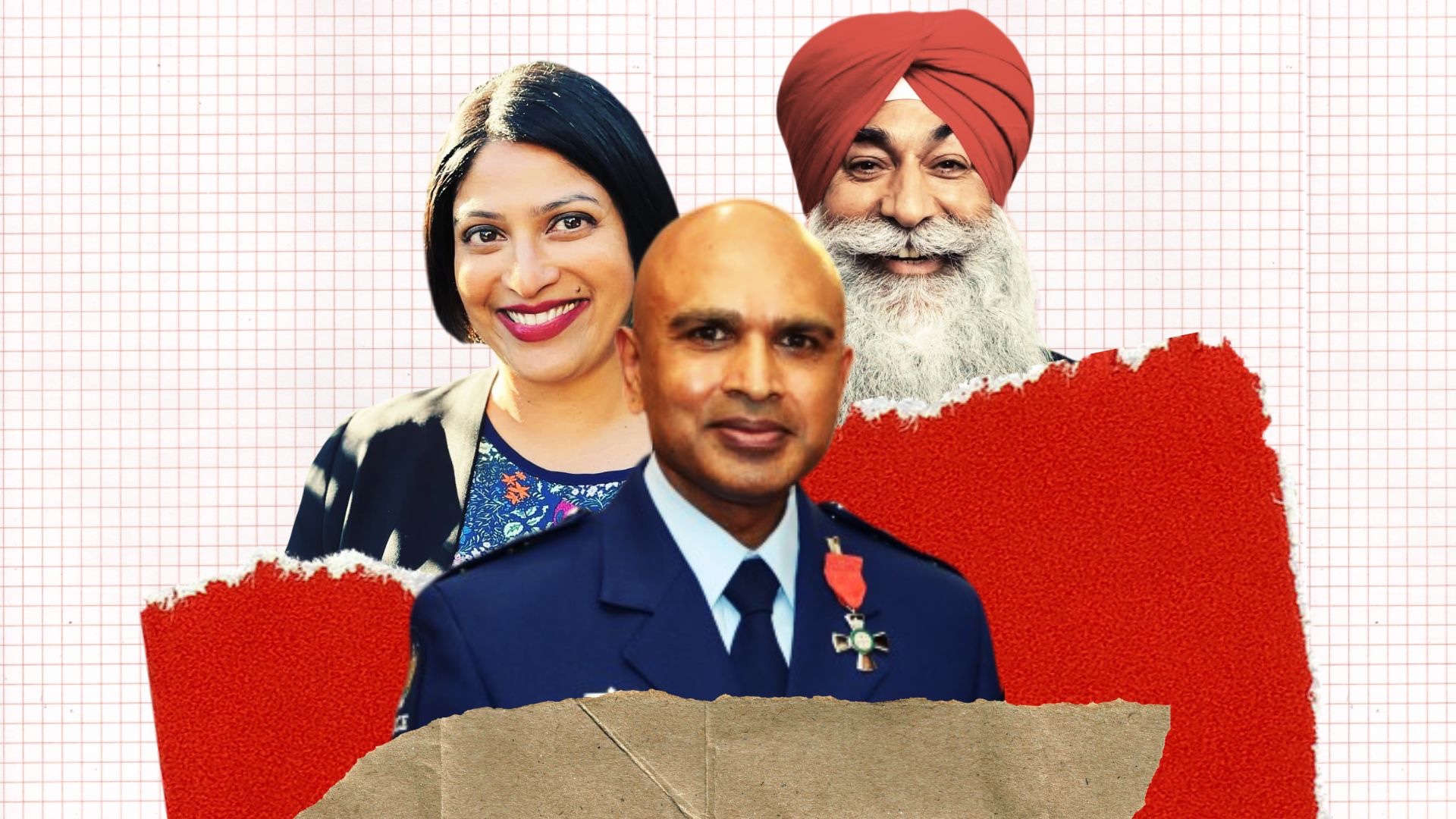
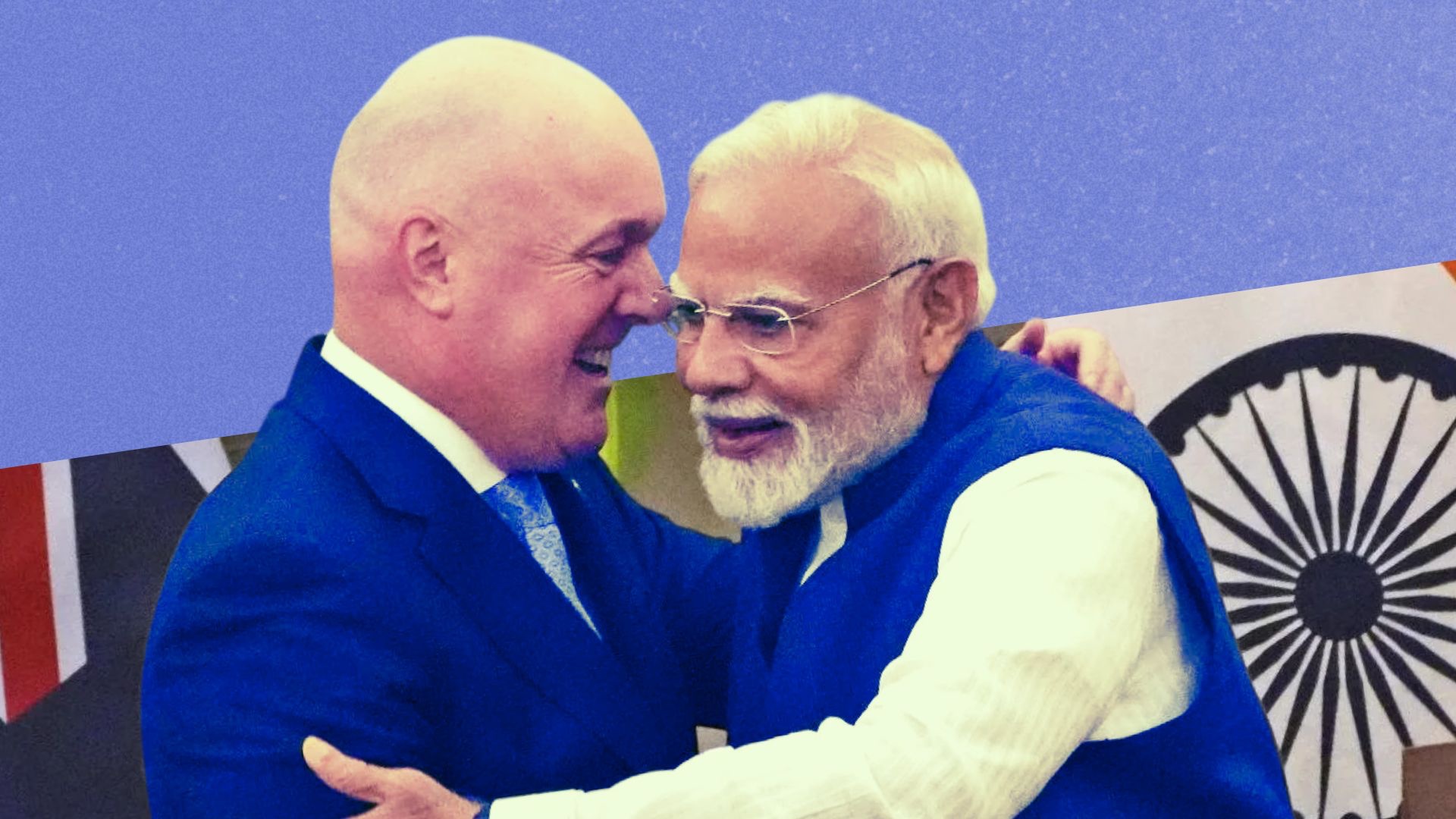
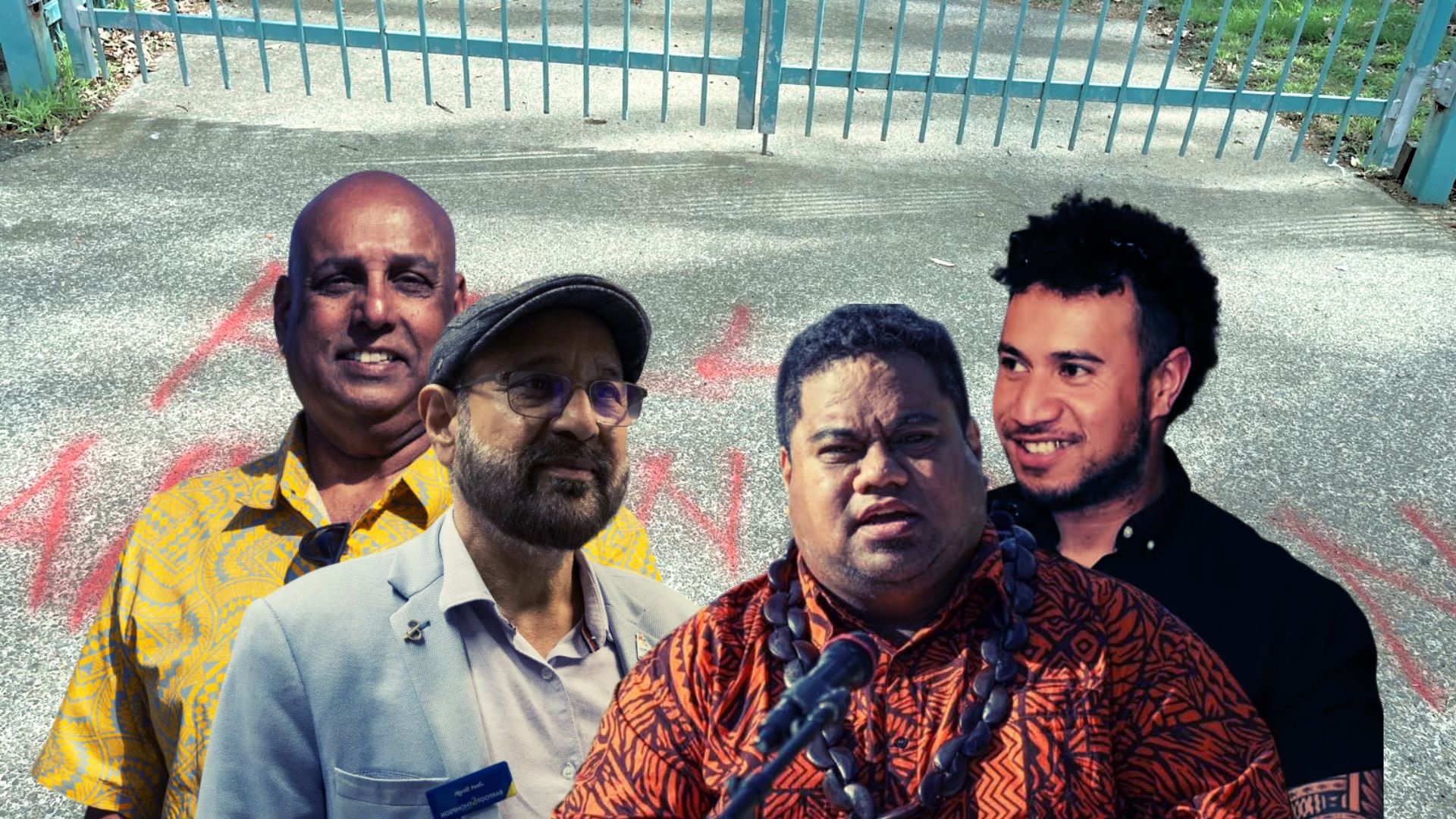
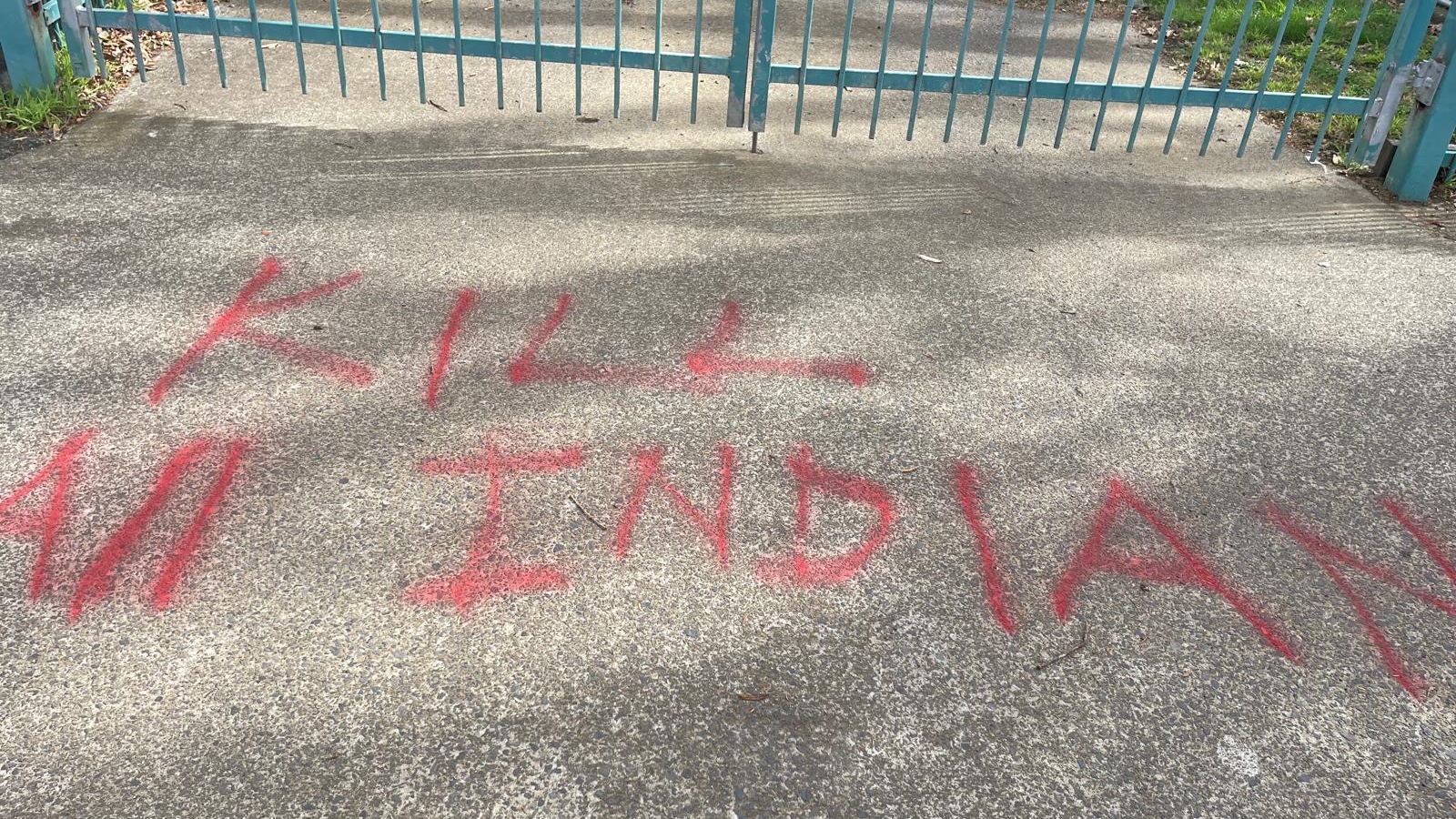
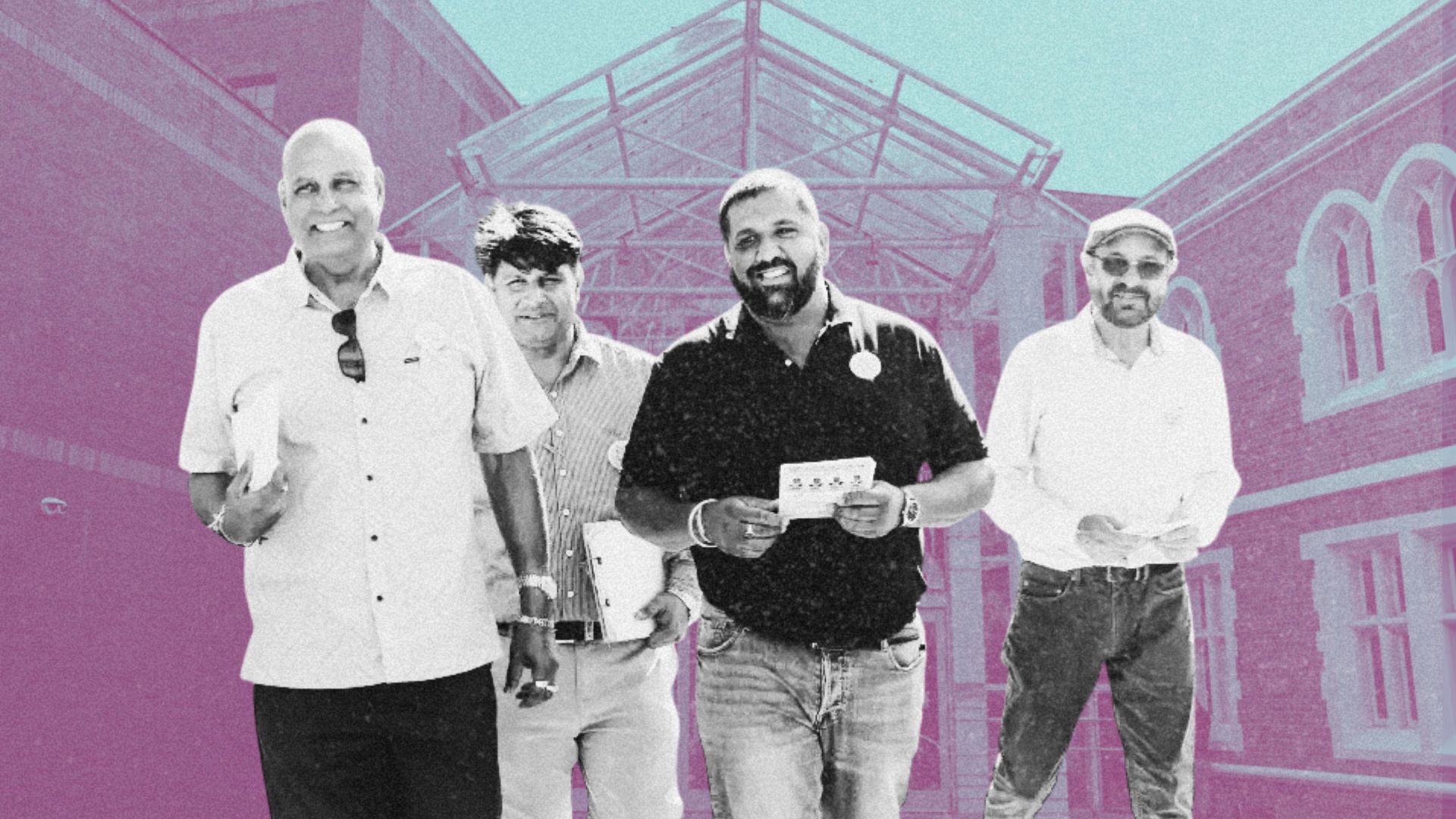
For many Kiwi-Indians, the themes may sound familiar.
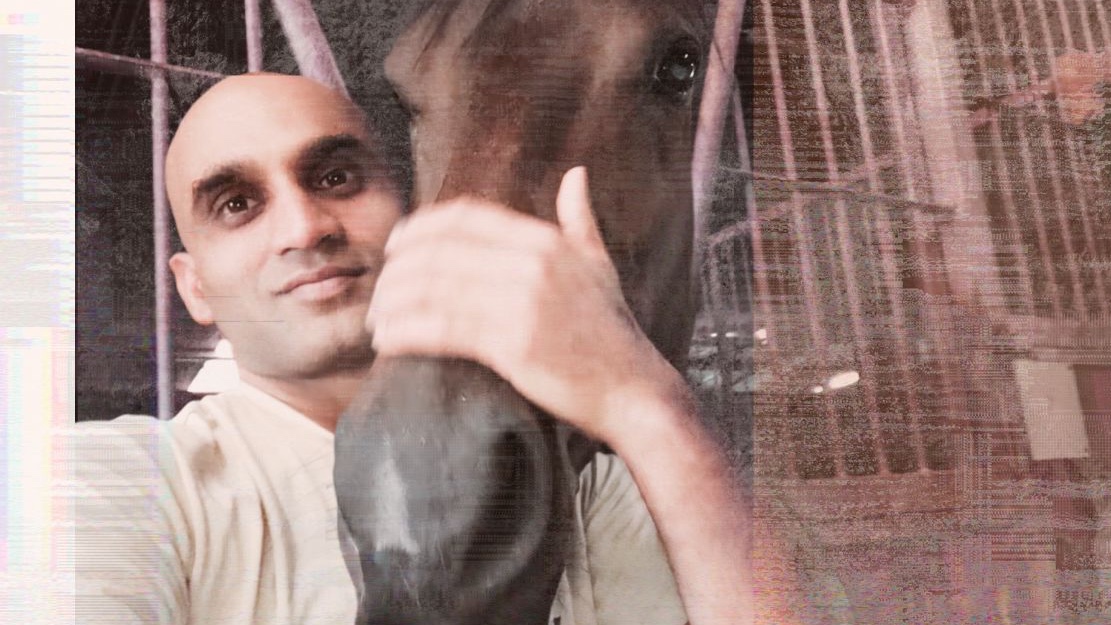
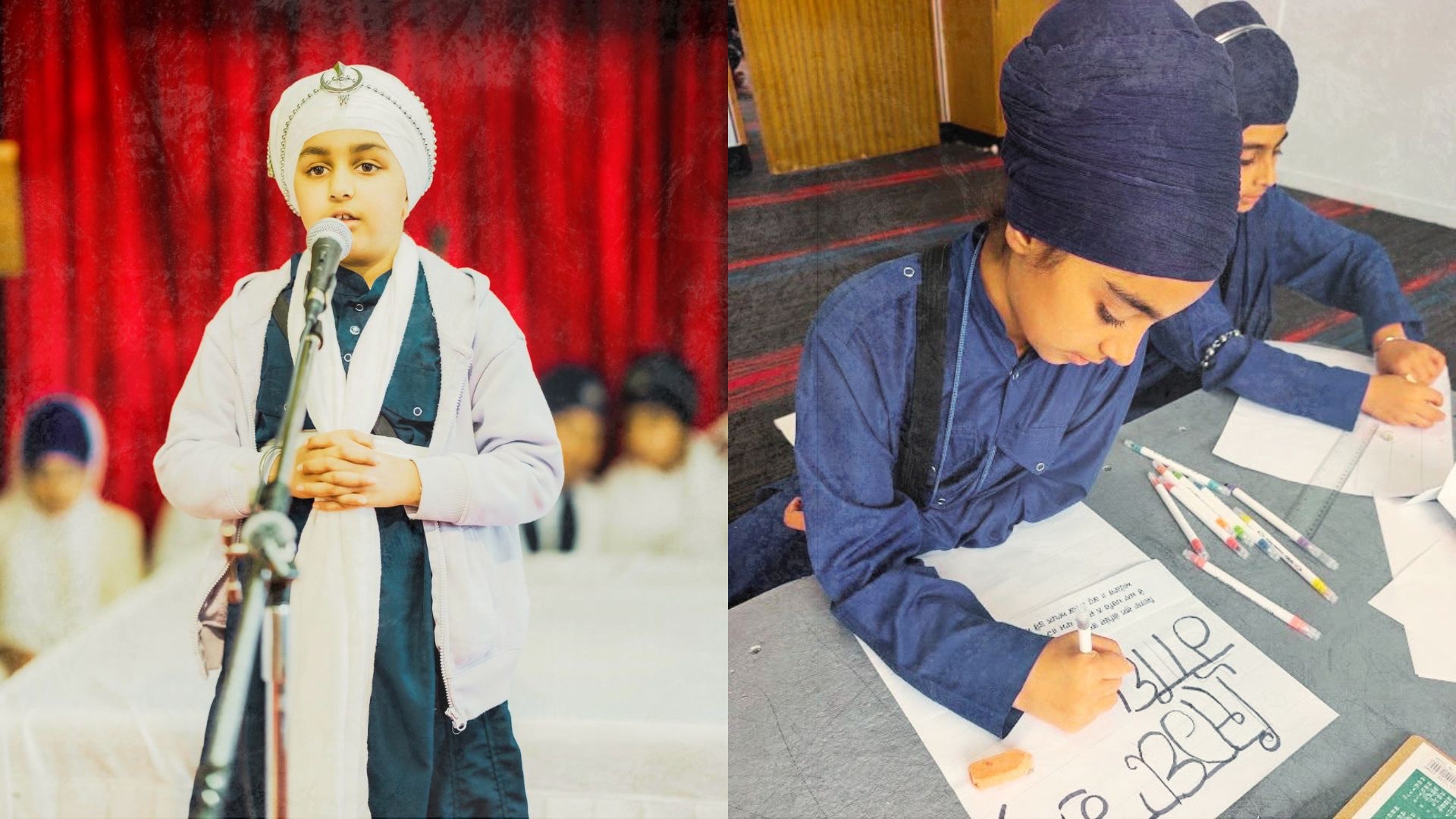
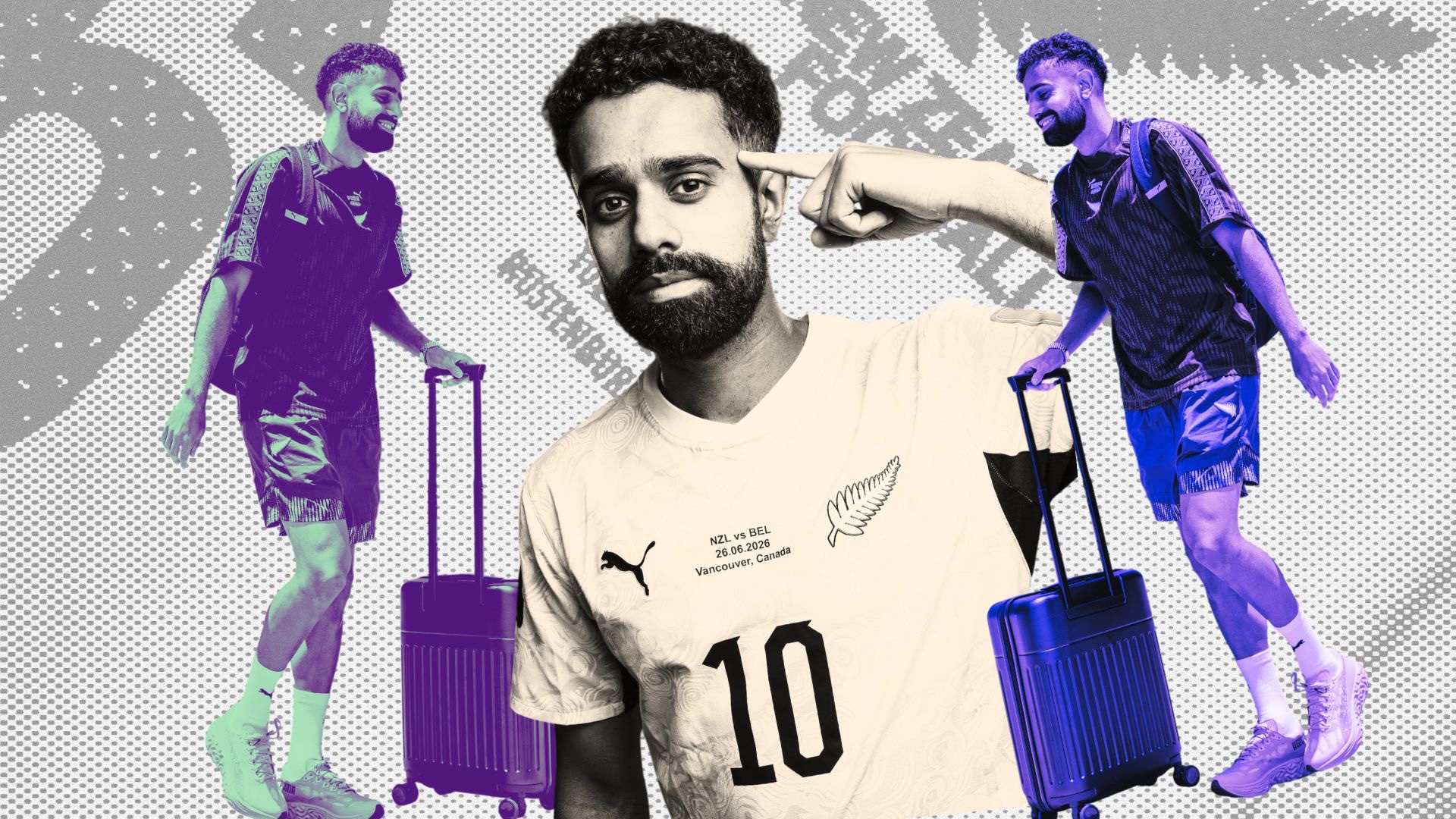
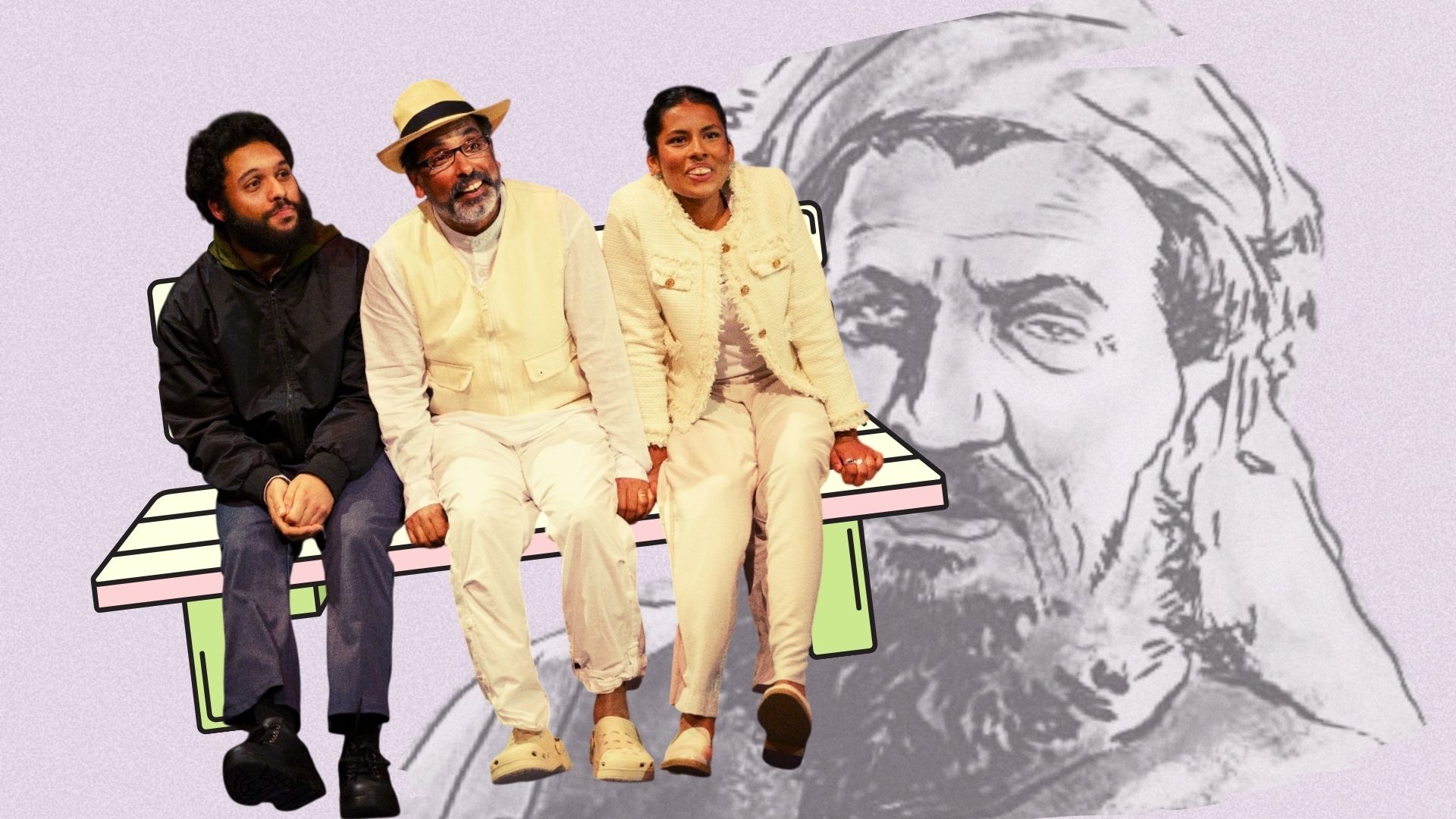
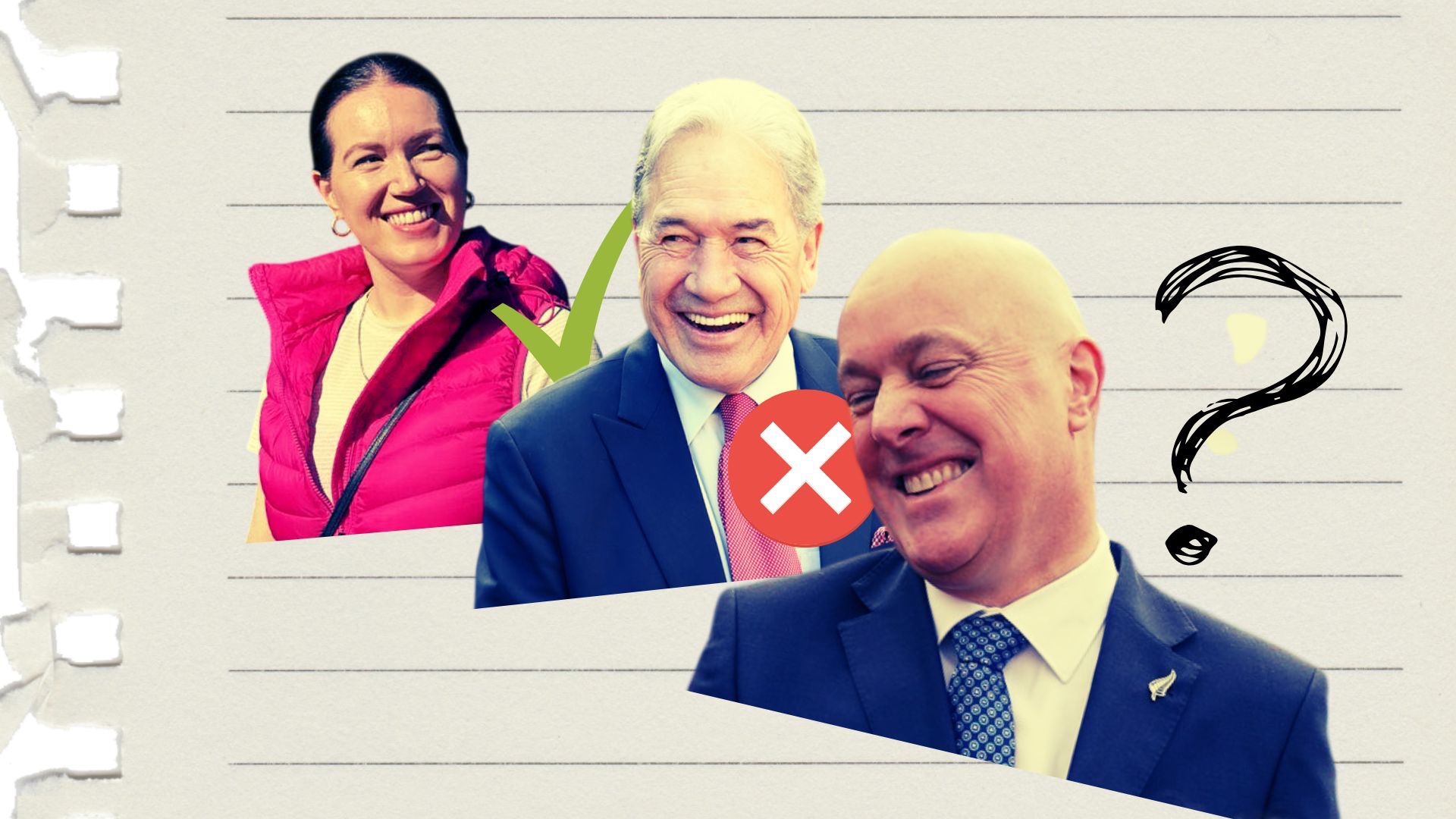
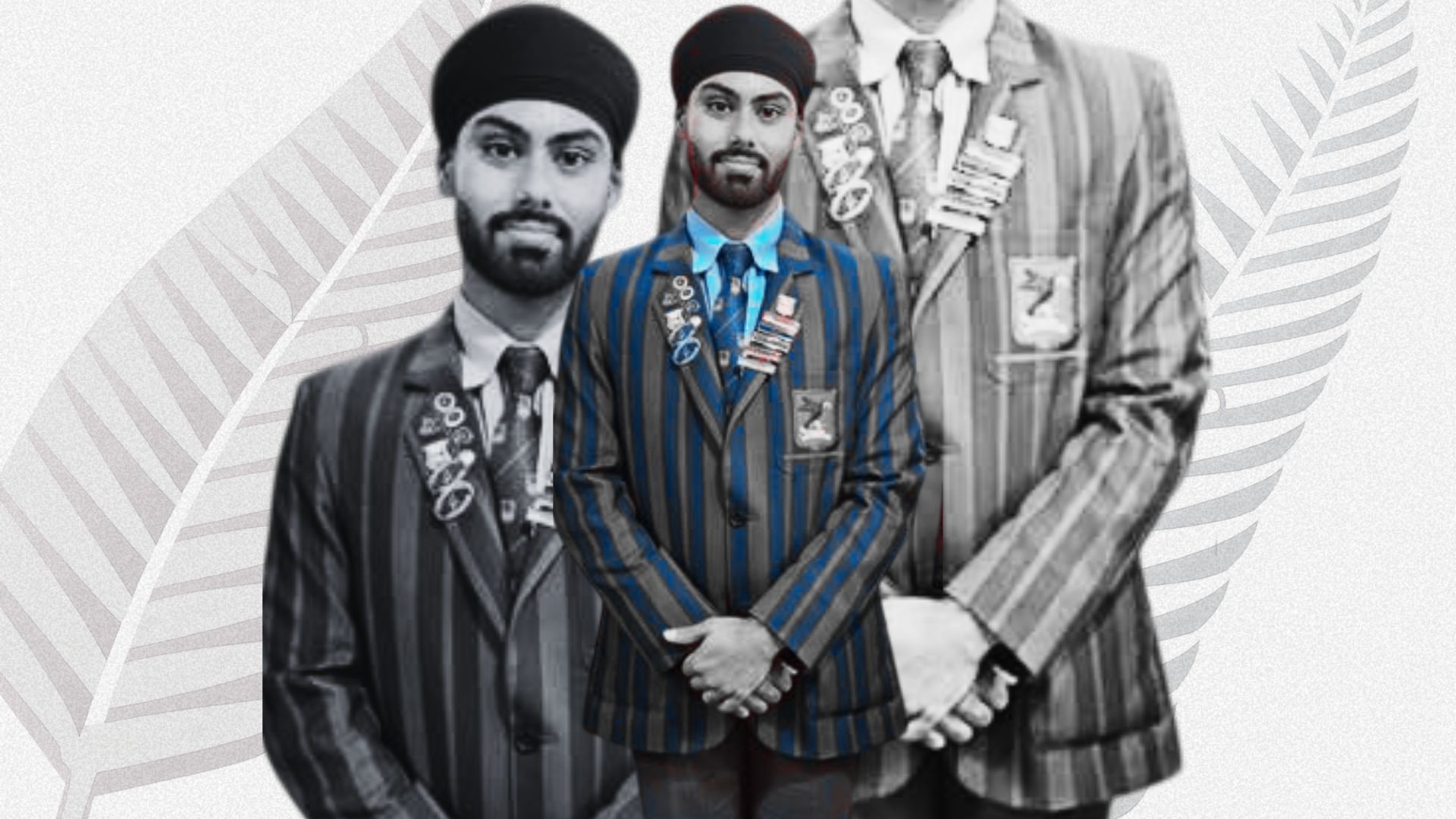
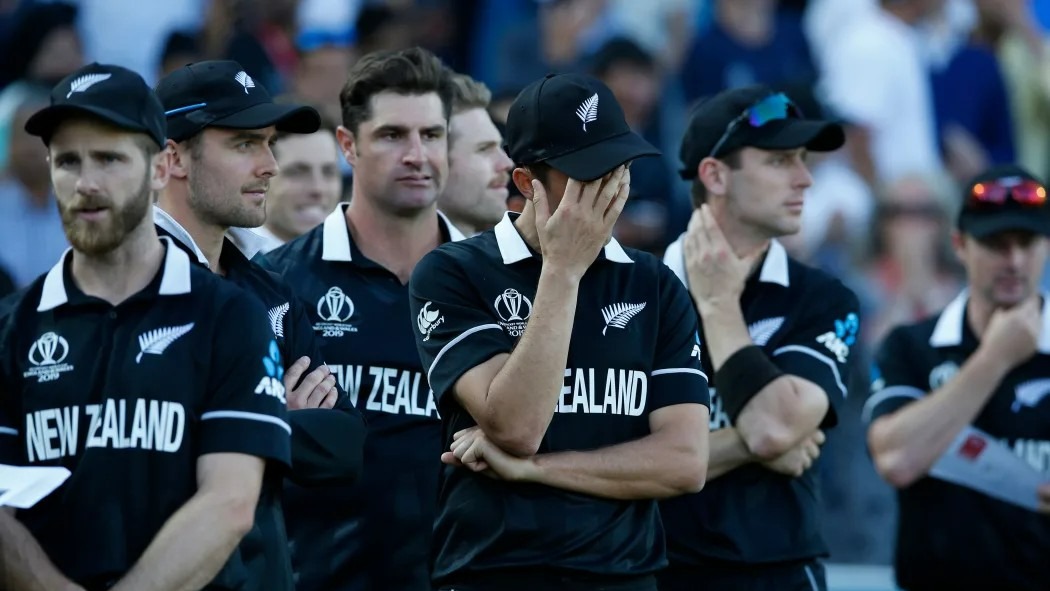
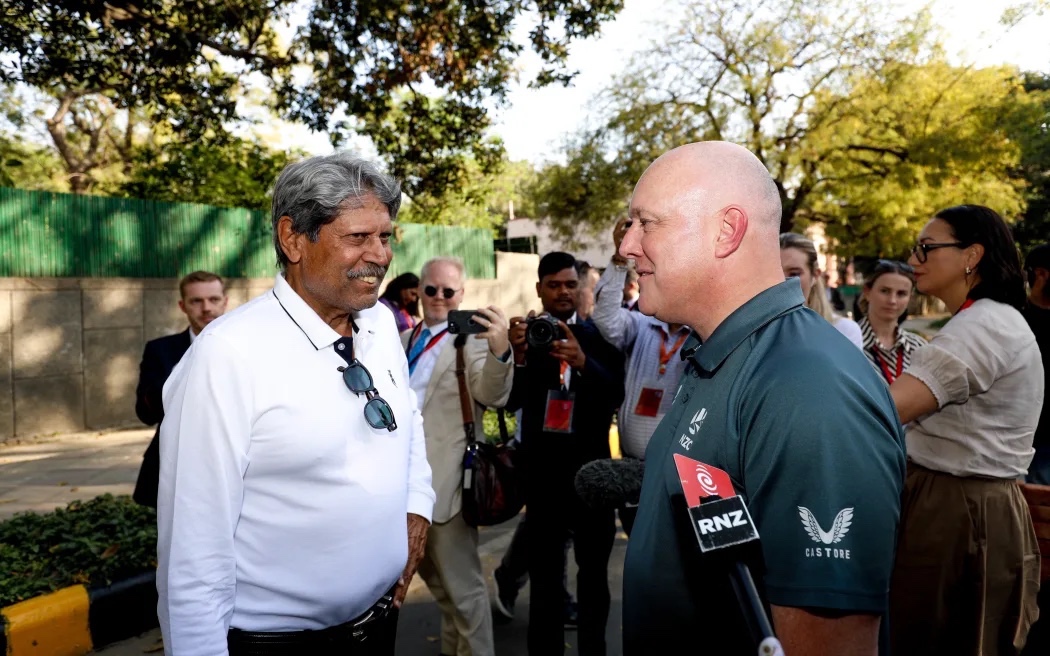
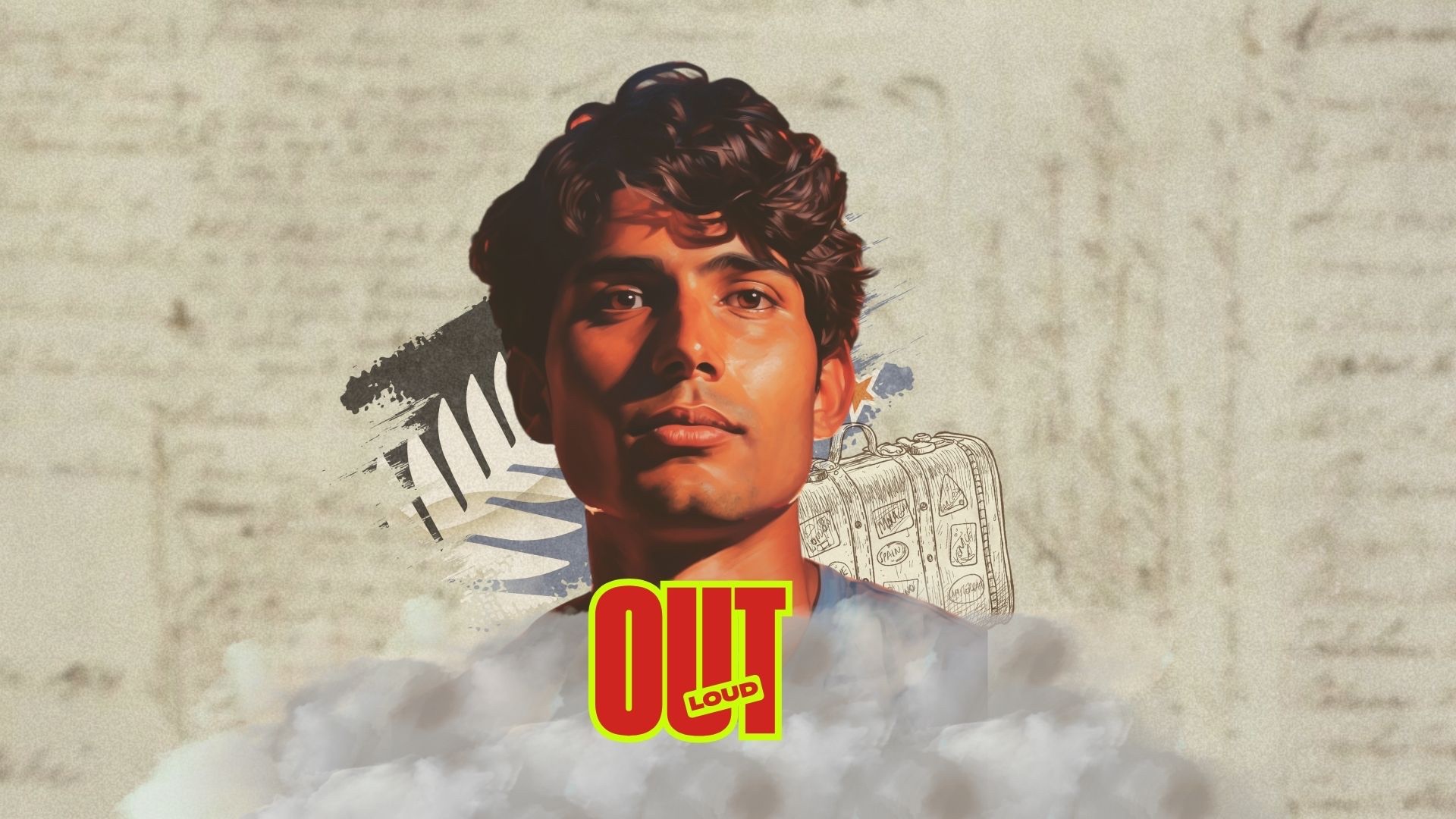
Being Indian and Kiwi at once. How Ajaz Patel's 10-wicket haul brought his two worlds together A historic moment in Mumbai left the Black Caps spinner reflecting on something far deeper than cricket.
India's SIR voter controversy reaches New Zealand in Muslim man's asylum case The man claimed Muslims excluded from voter lists risked losing welfare benefits and being treated as illegal immigrants.
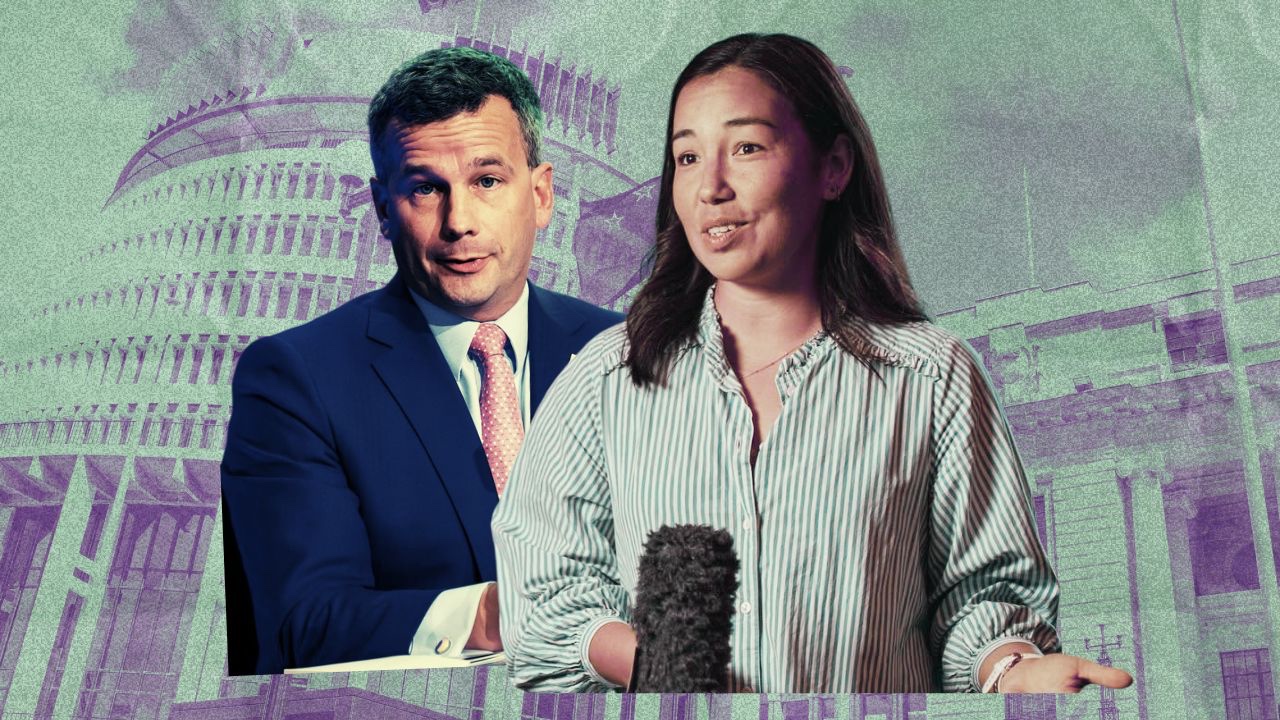
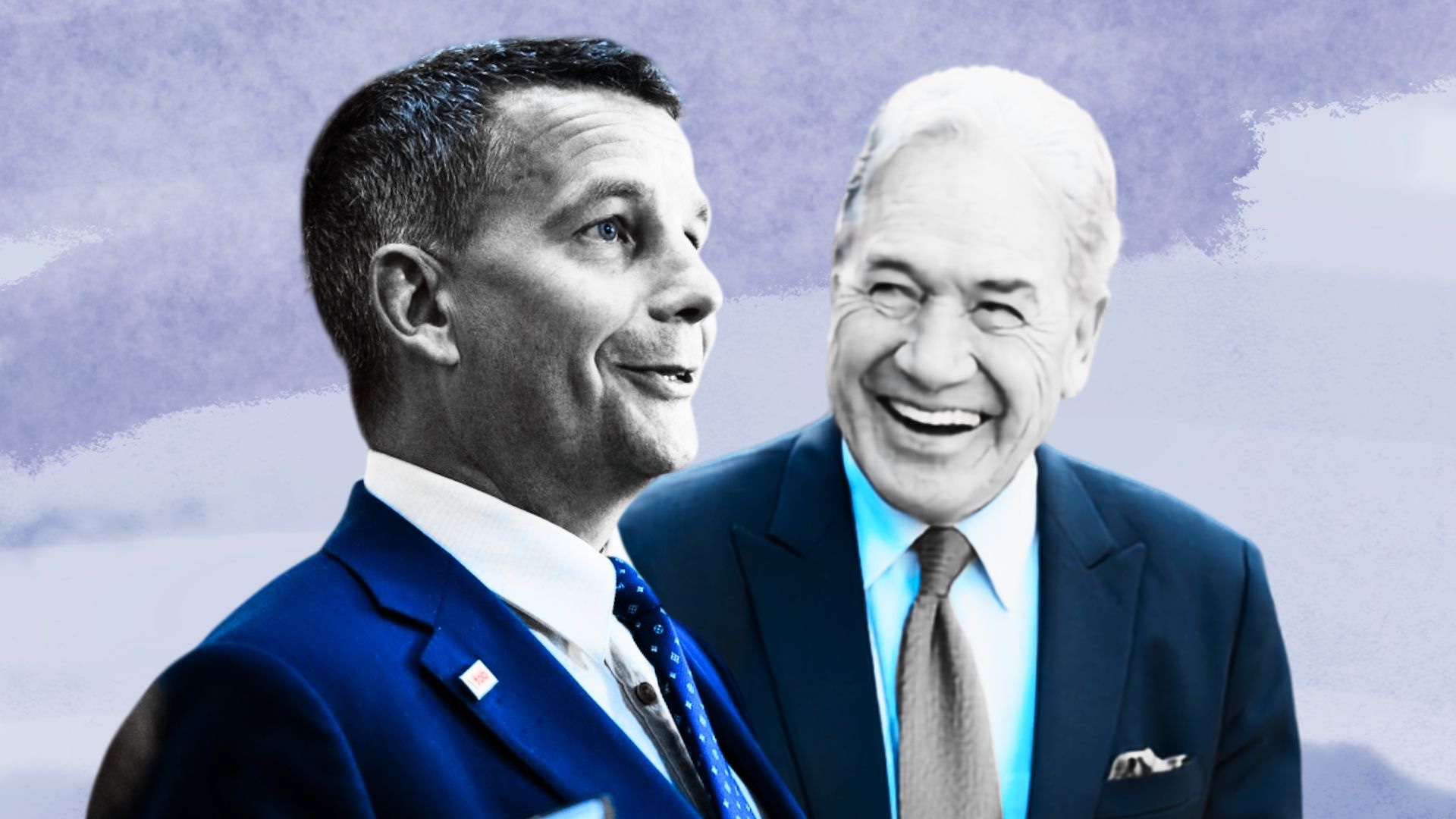
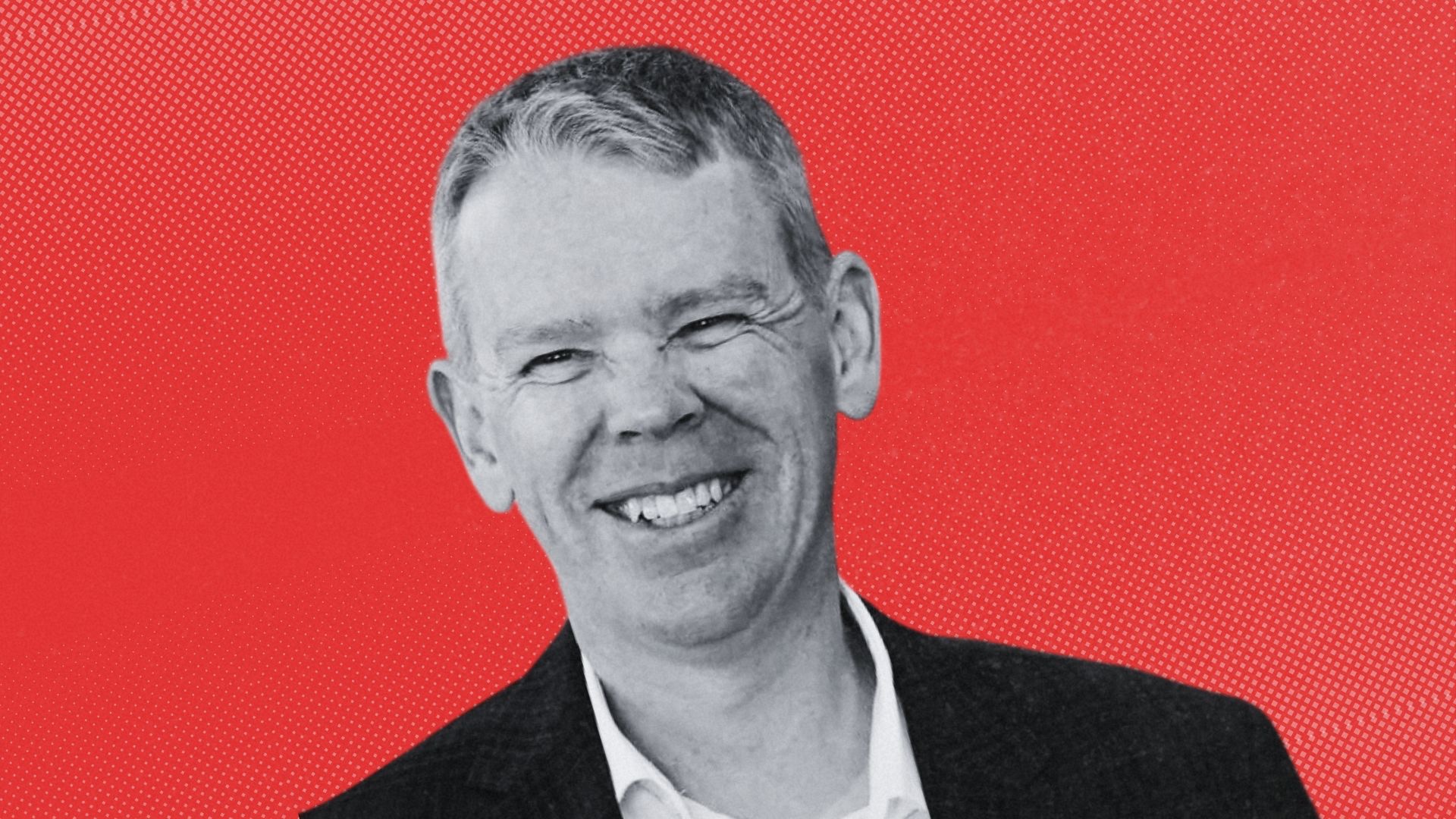
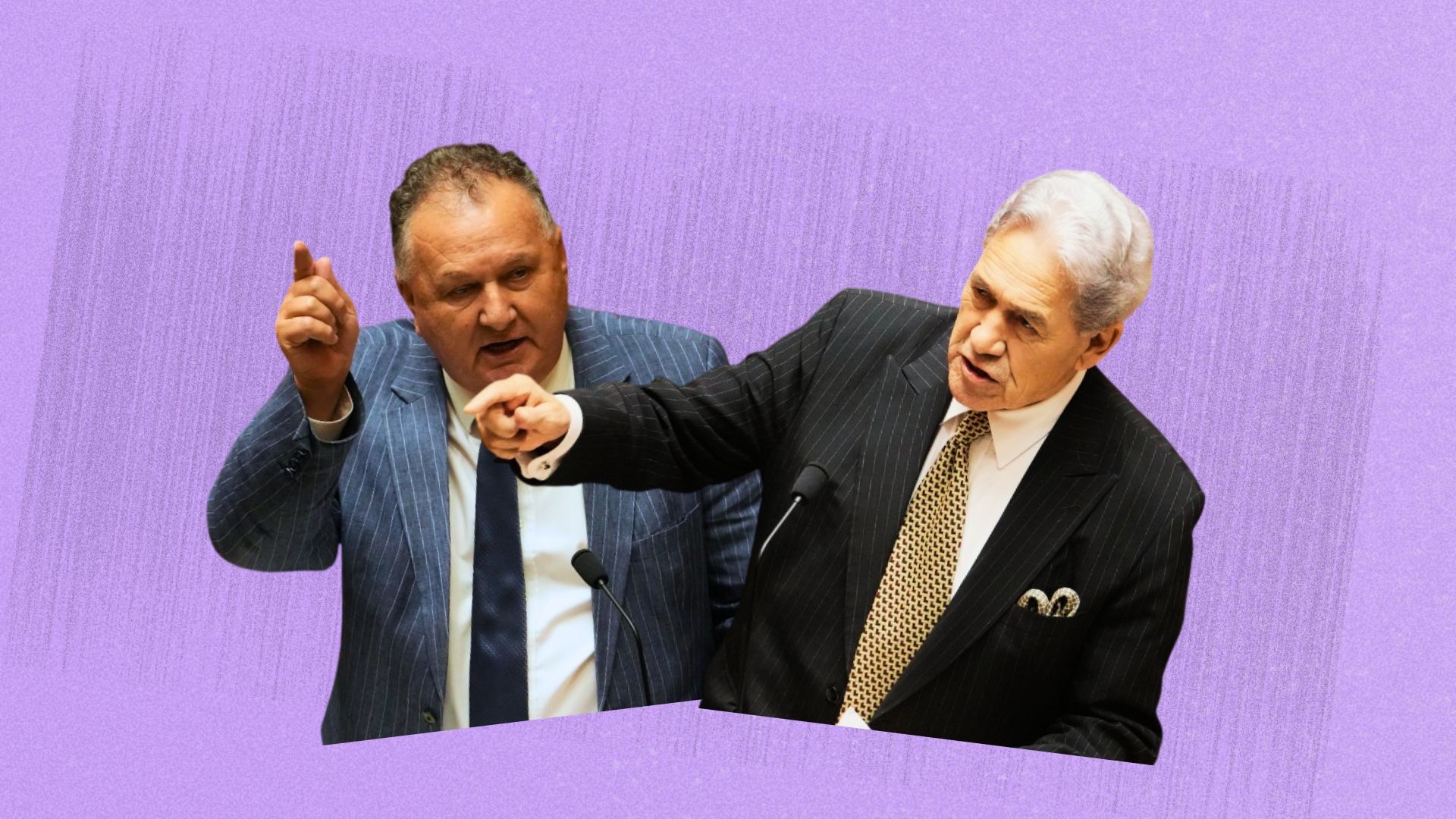
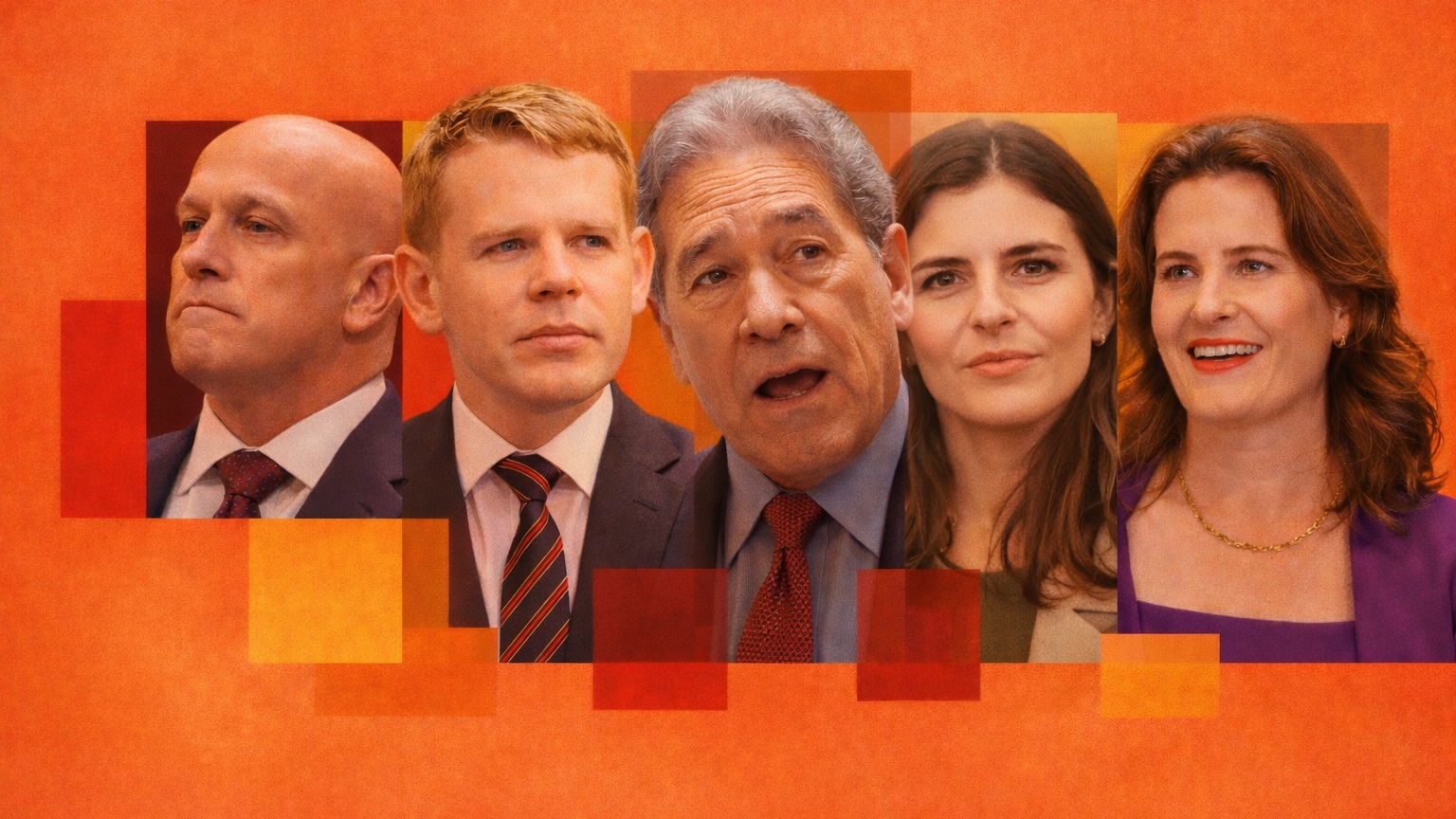
Election 2026: A right majority is possible even if Opportunity enters Parliament The latest polls suggest National, ACT and NZ First could secure a majority, with the Opportunity Party's fortunes still crucial.
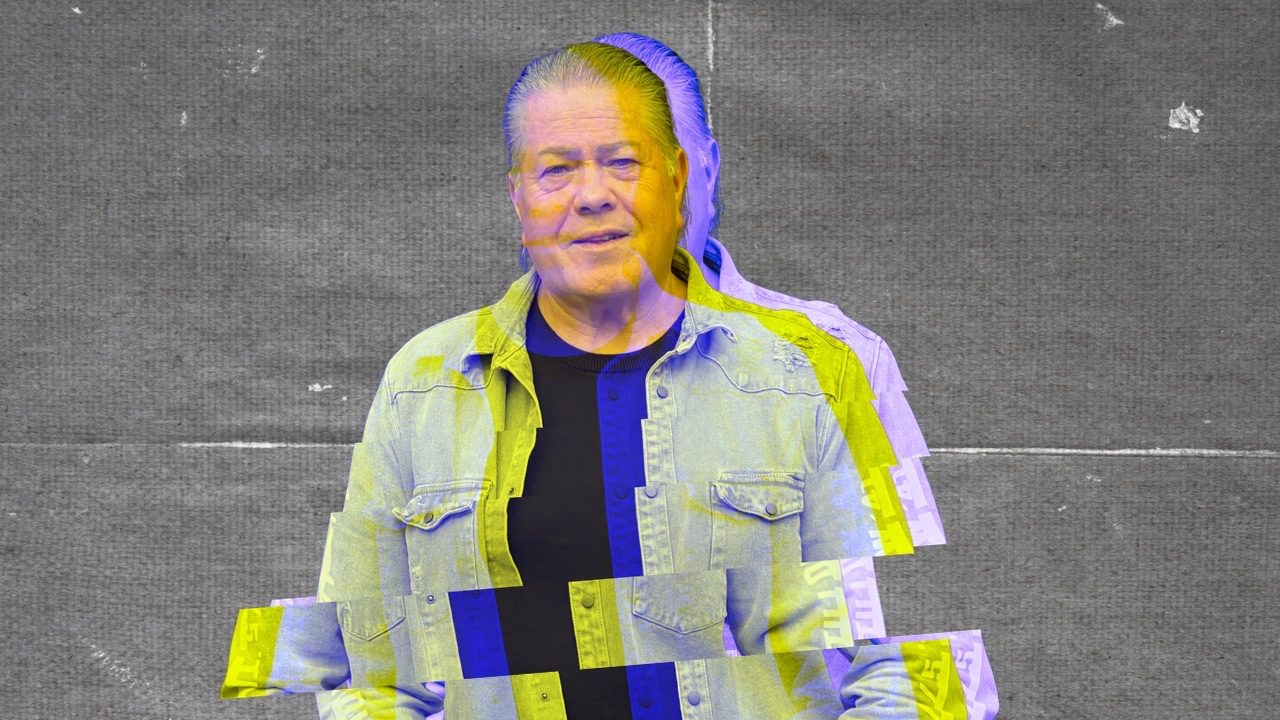
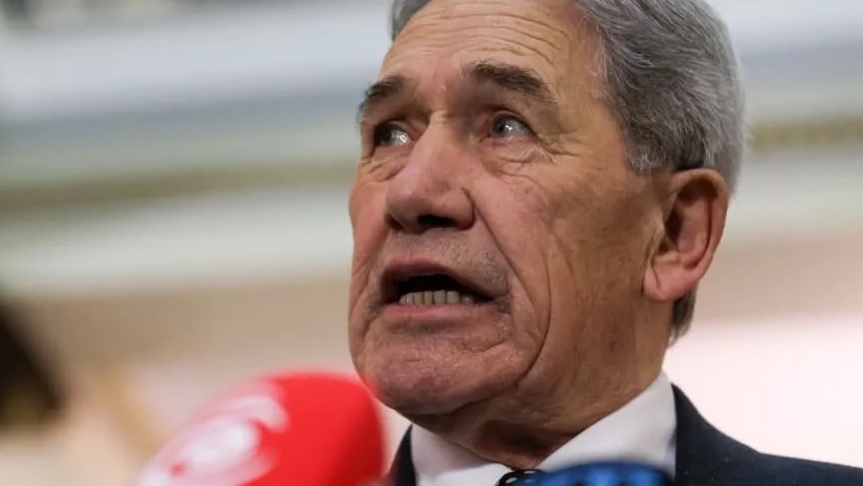
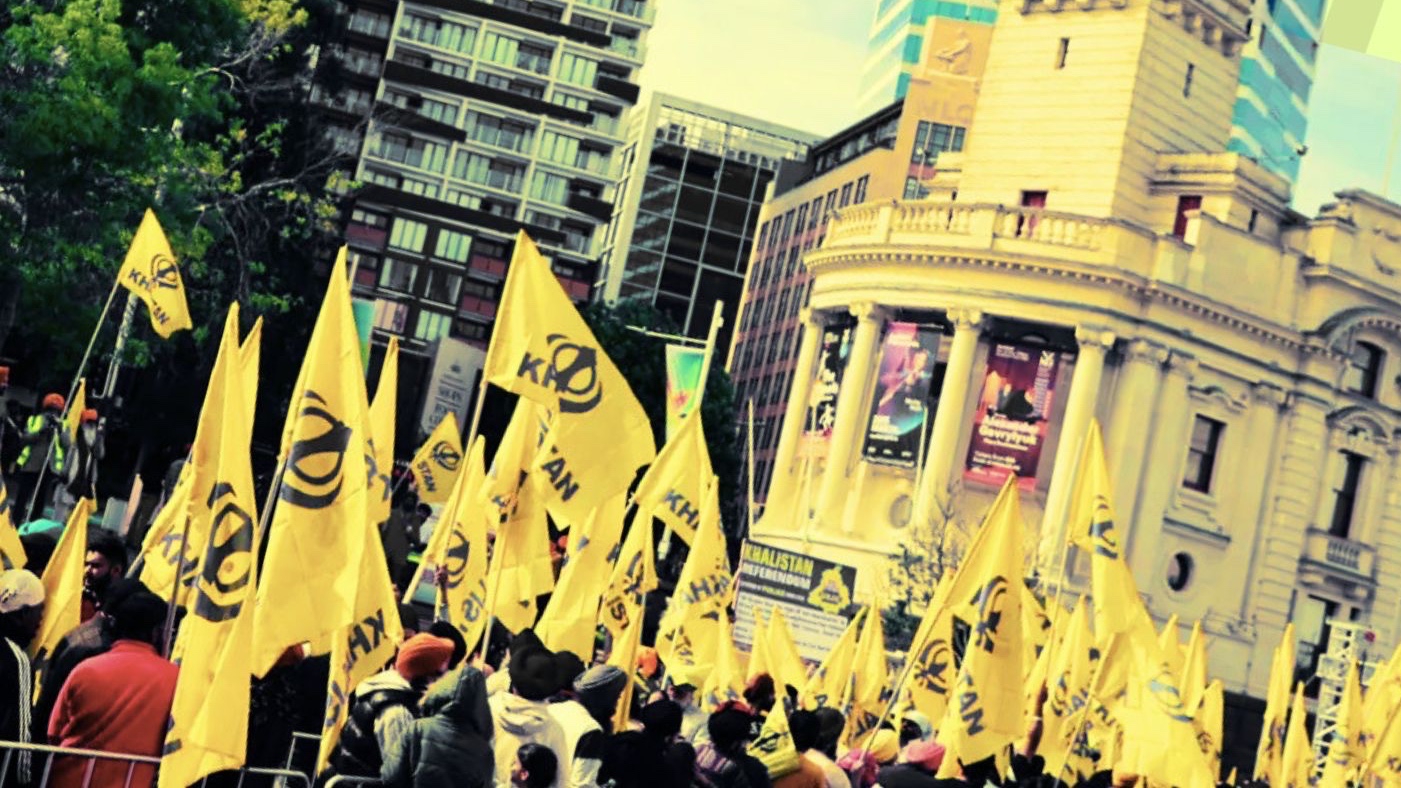
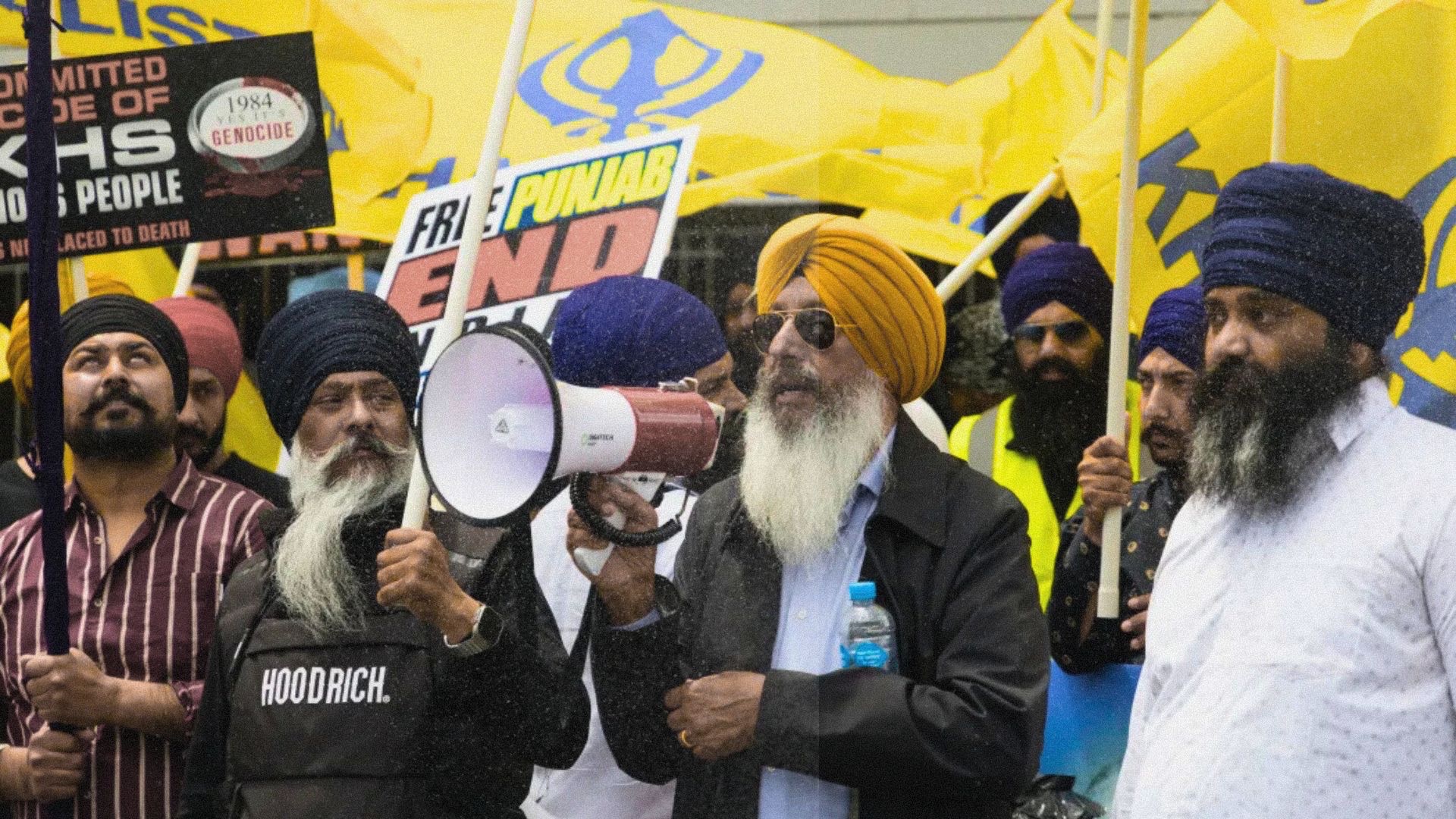
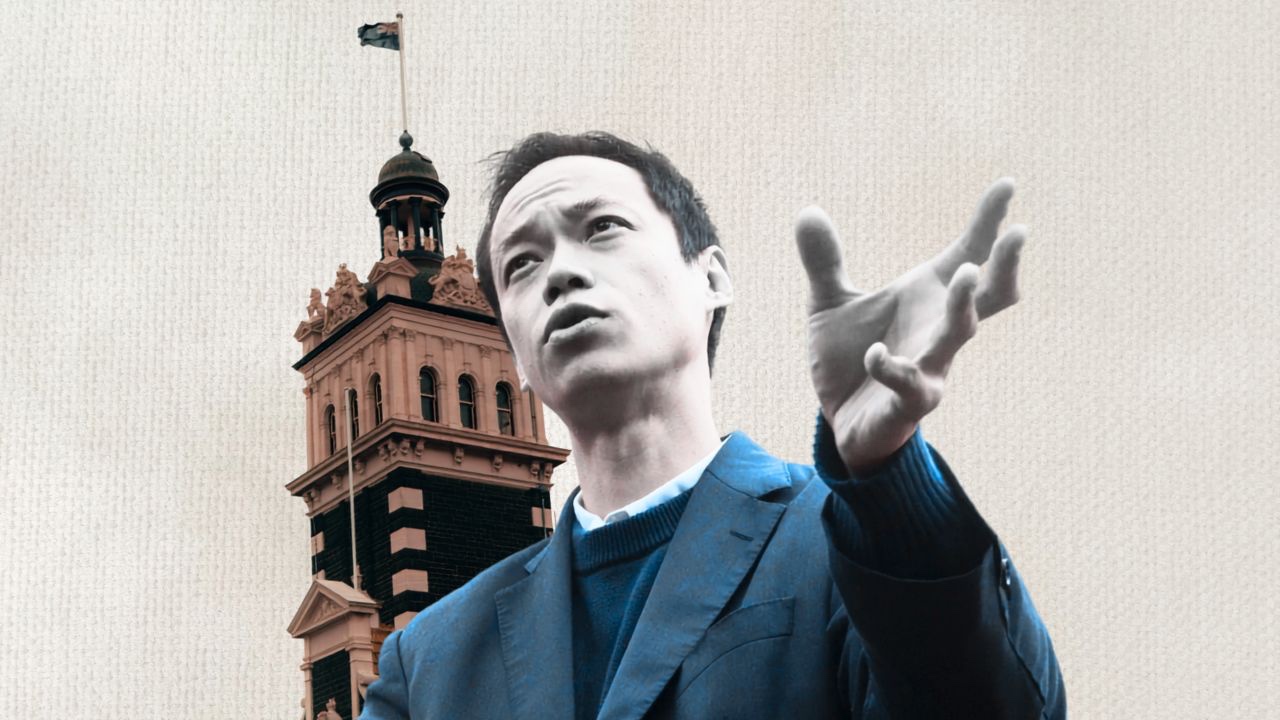
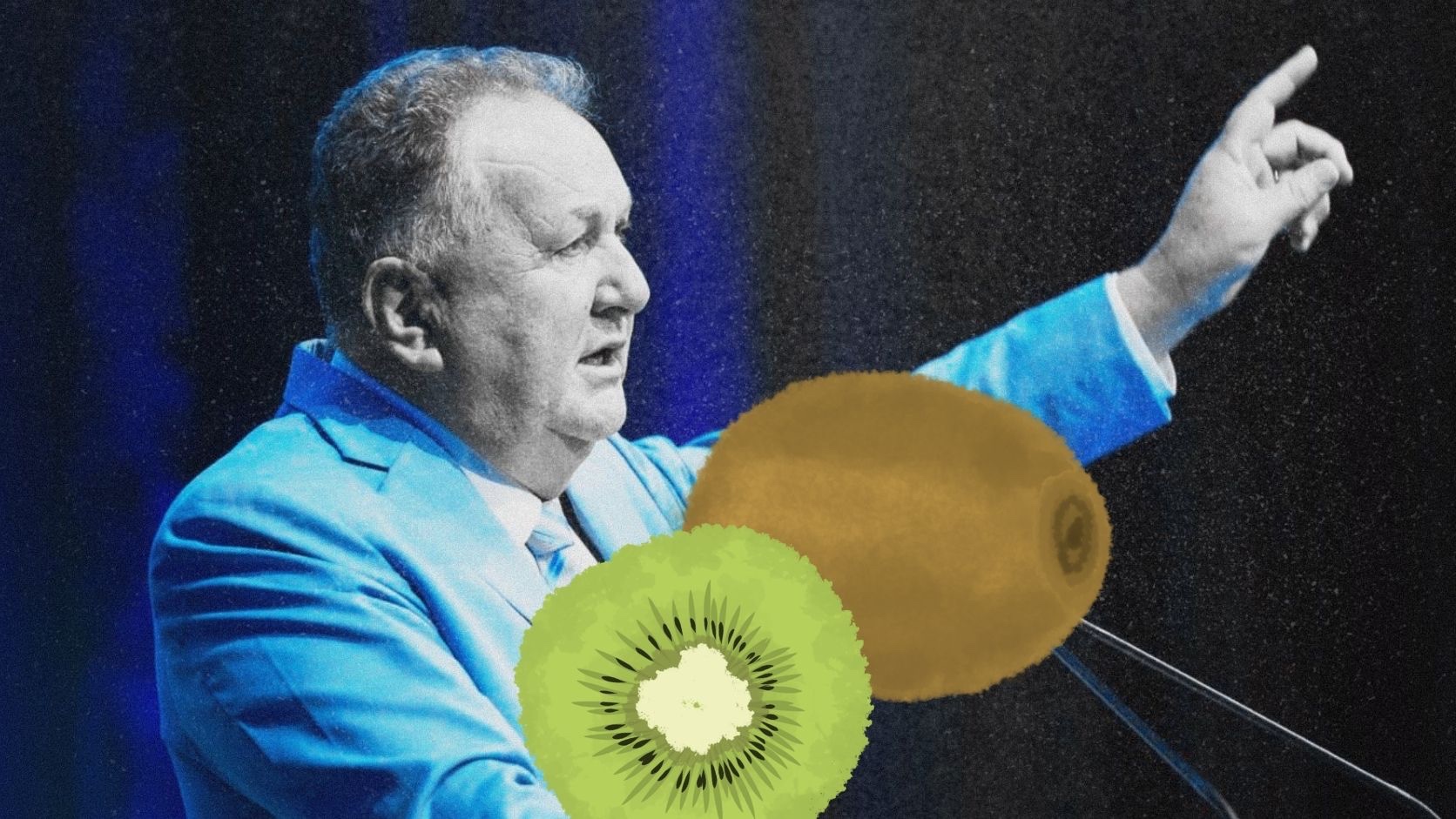
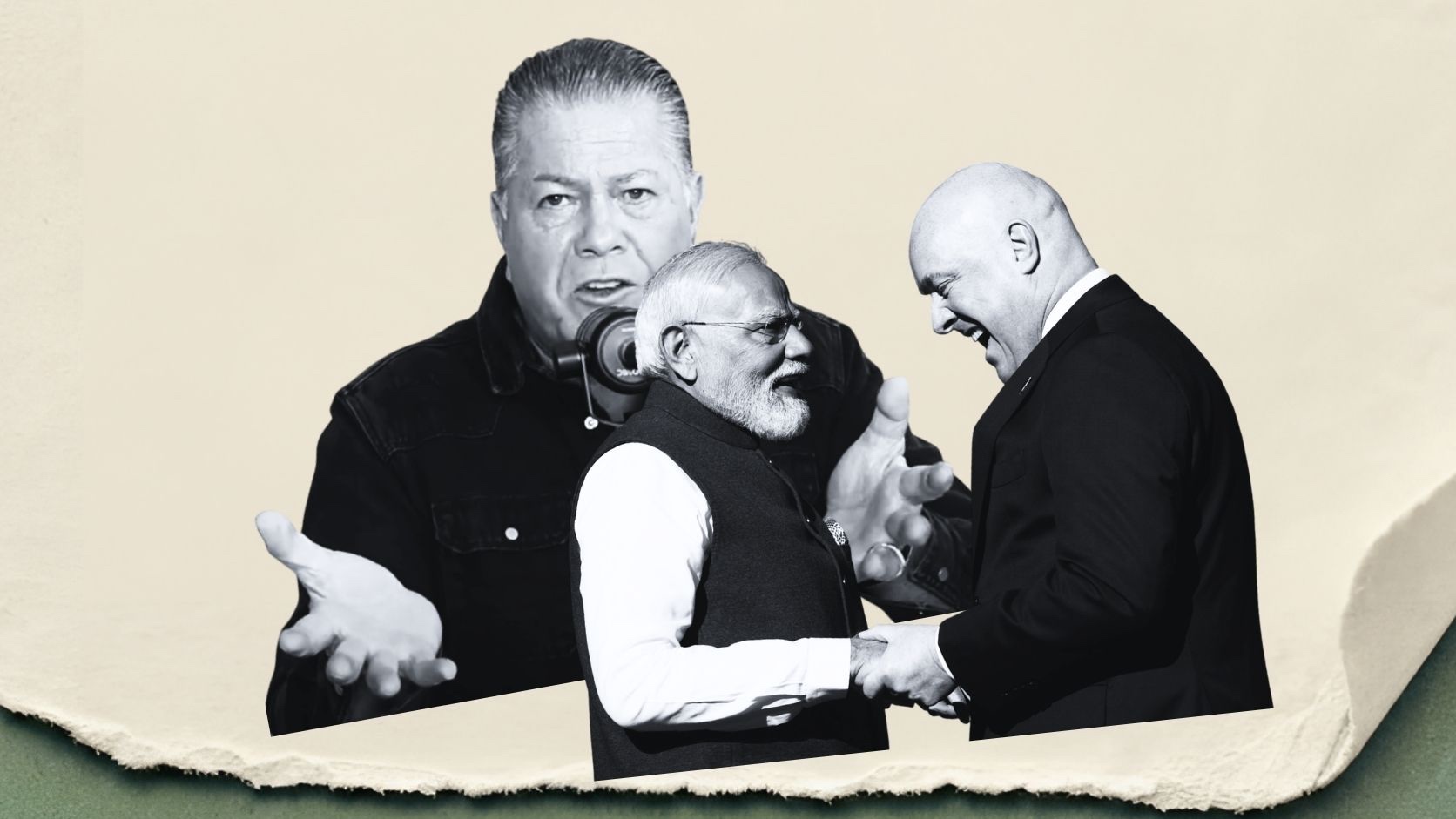
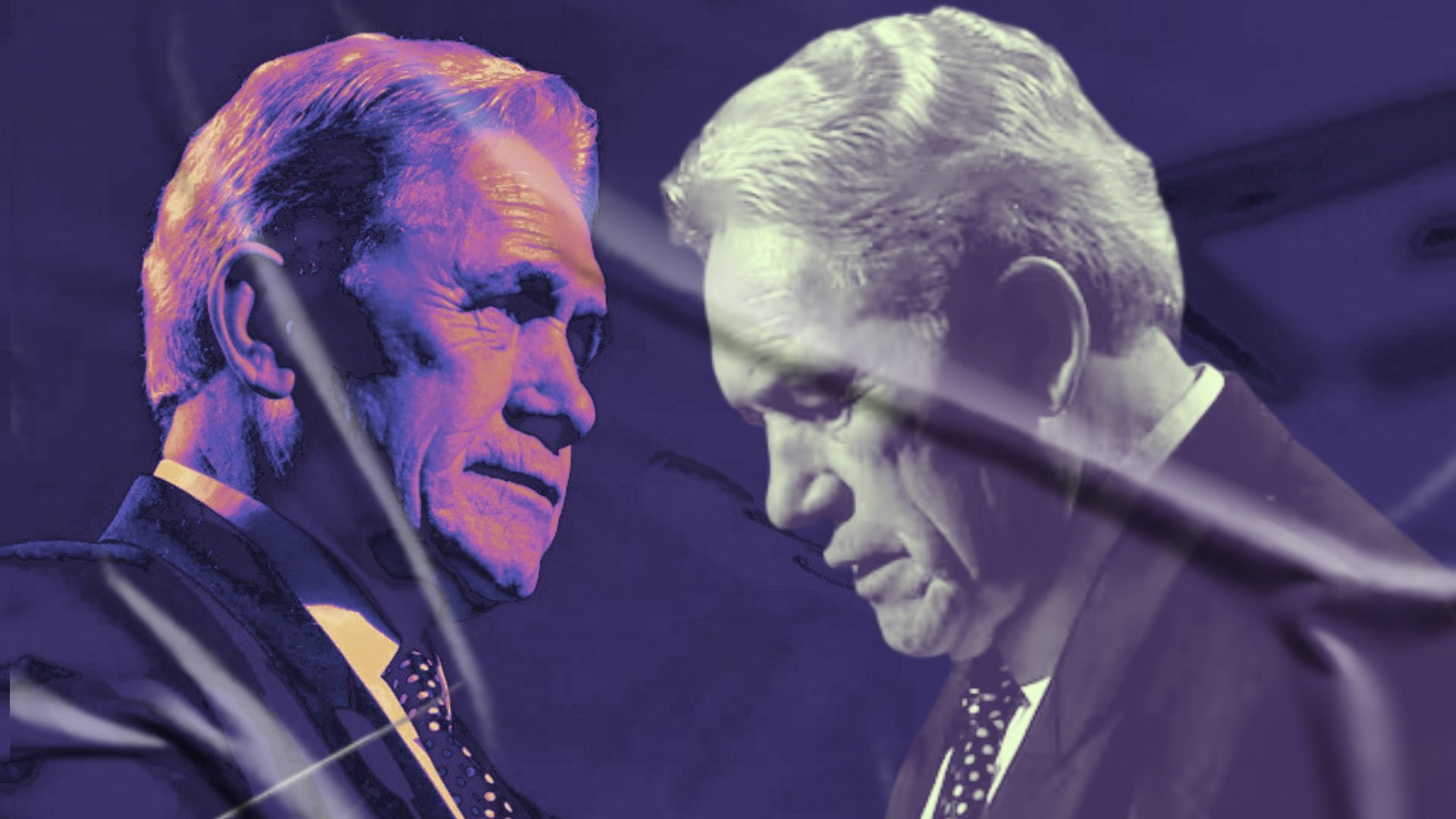
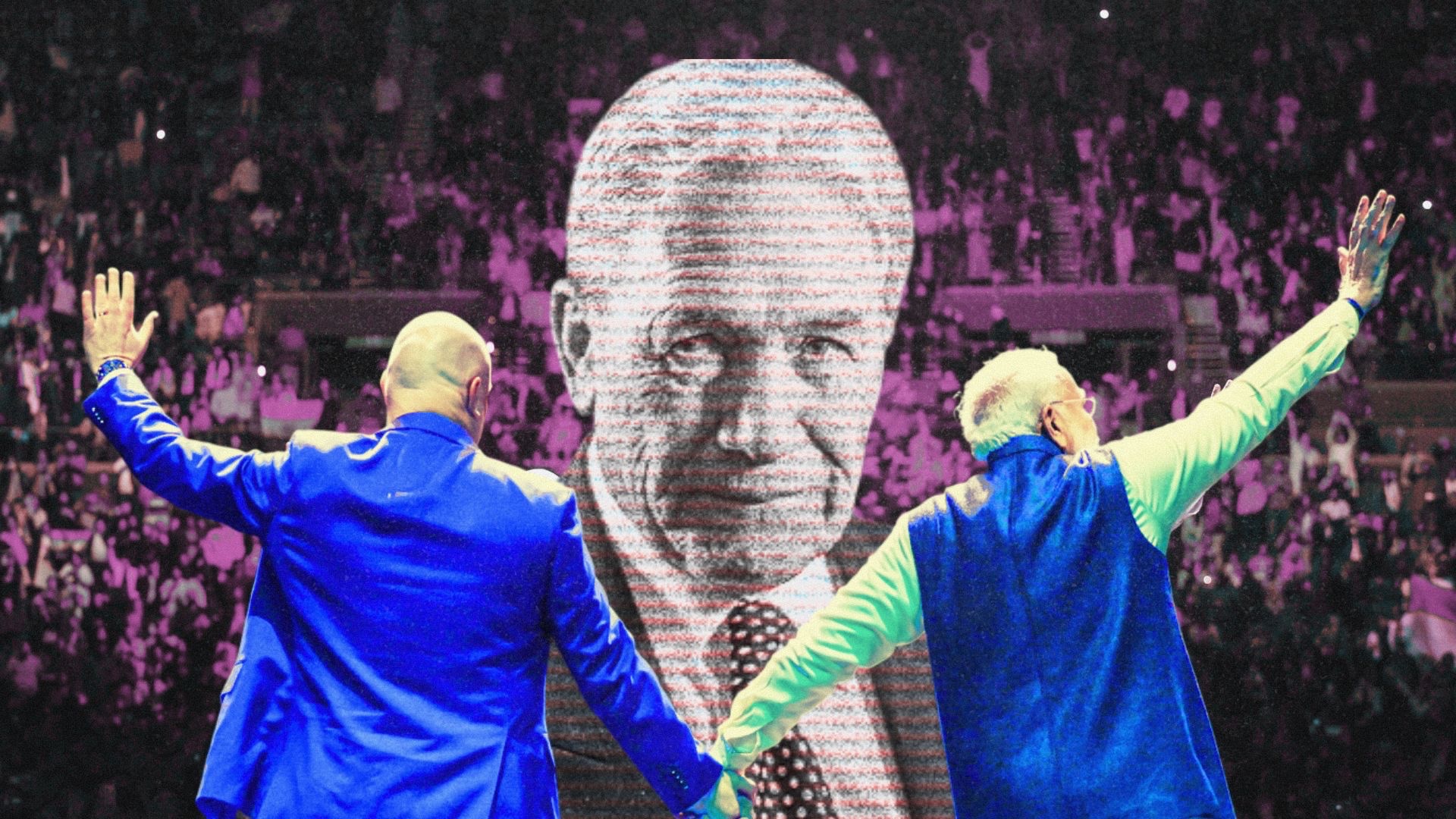
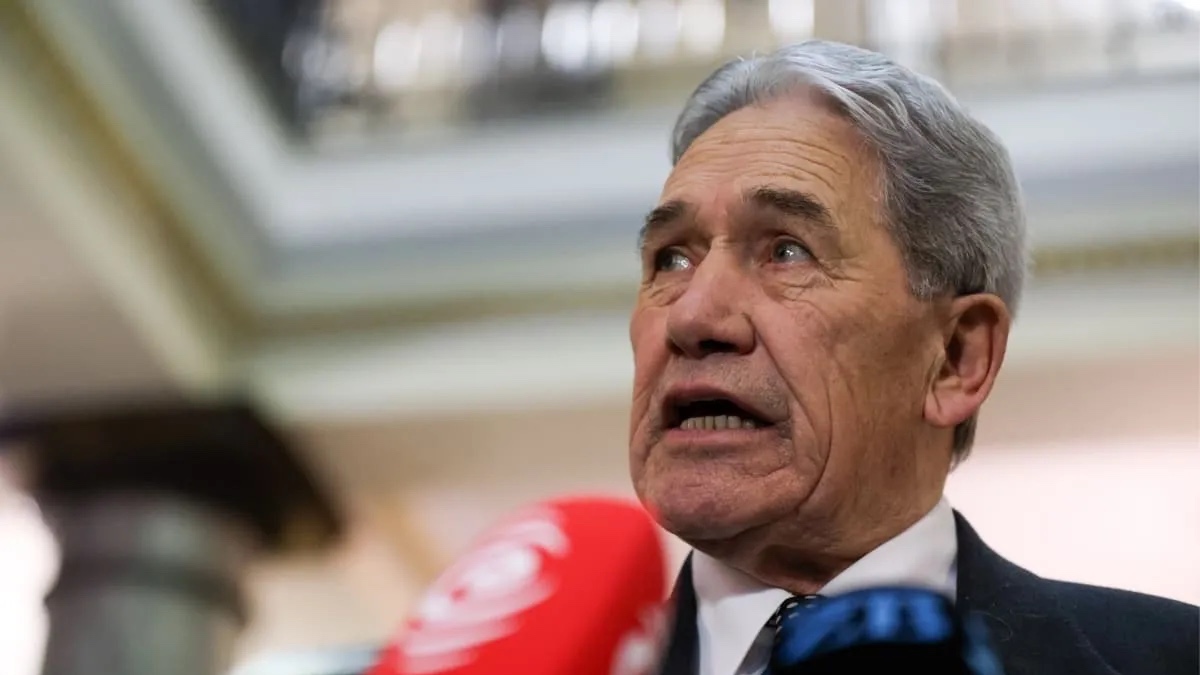
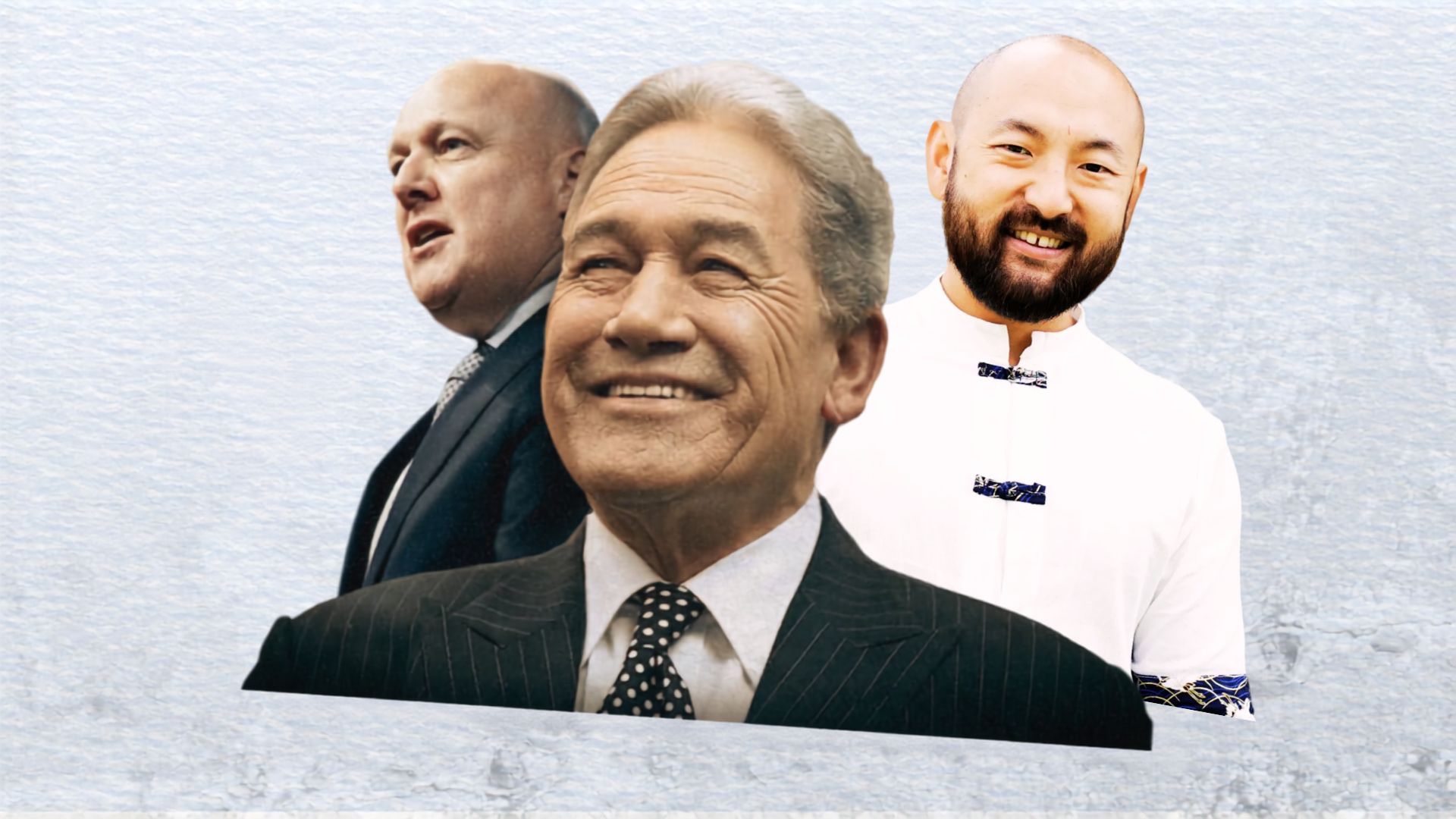
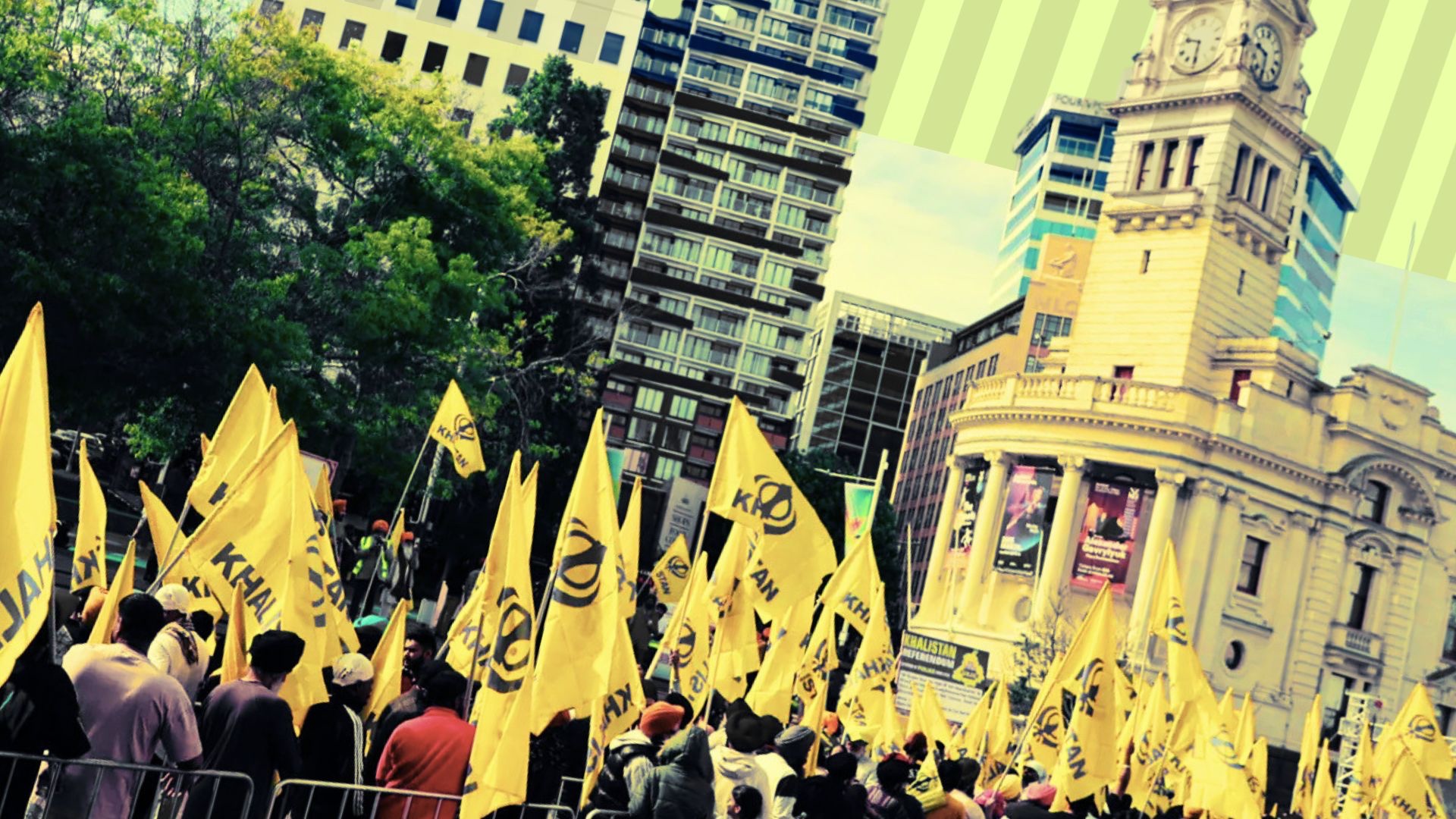
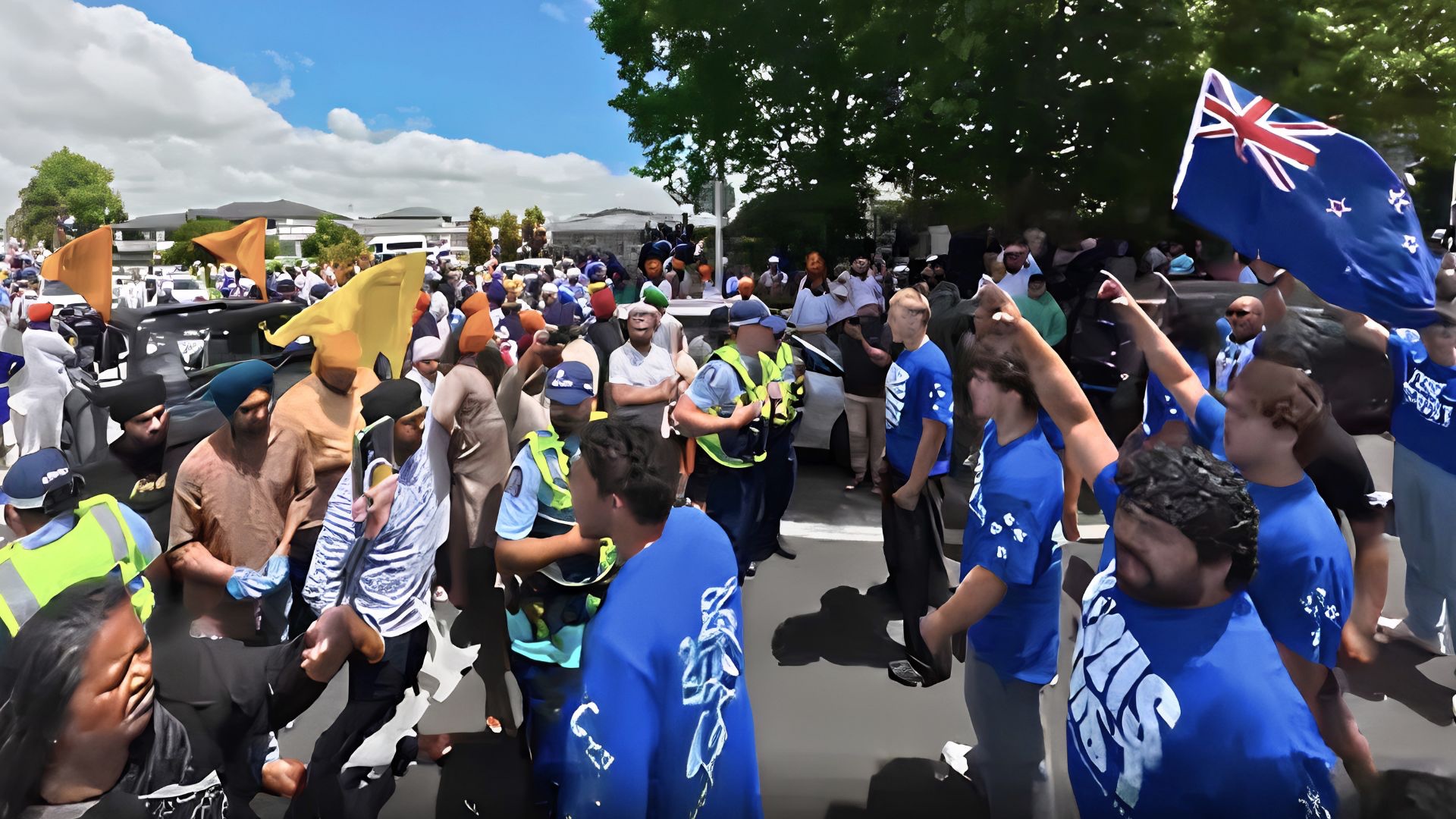
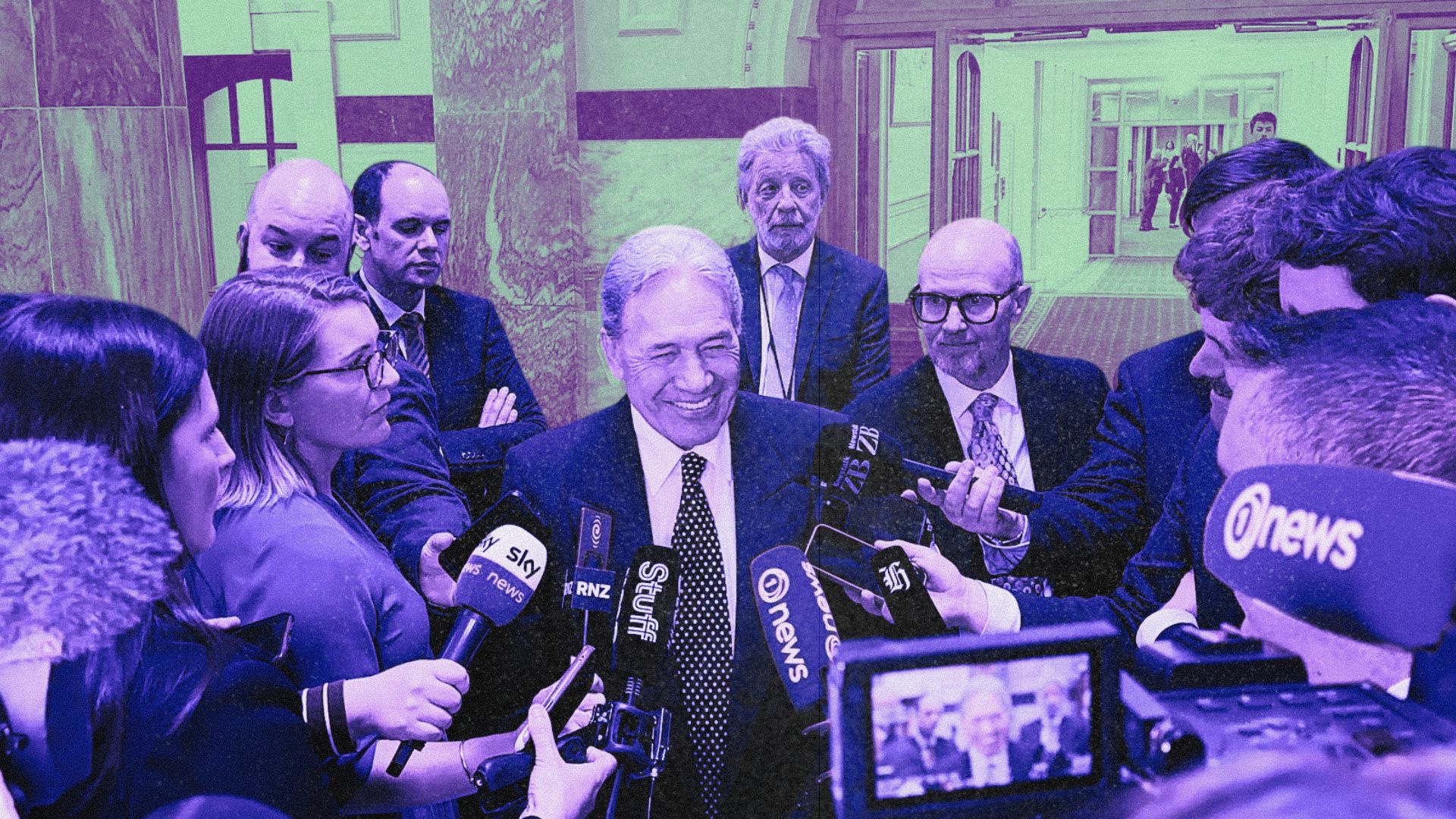
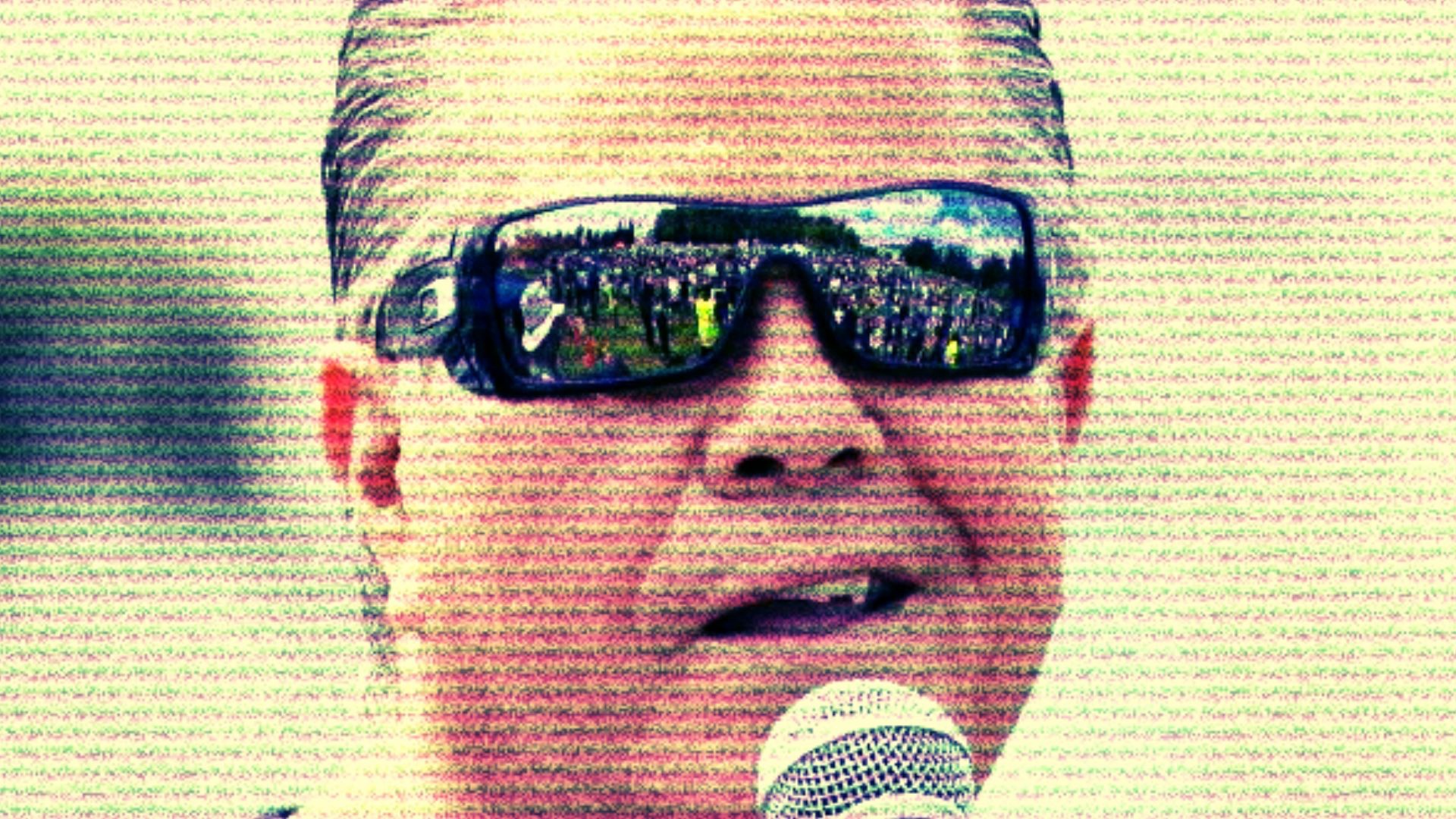
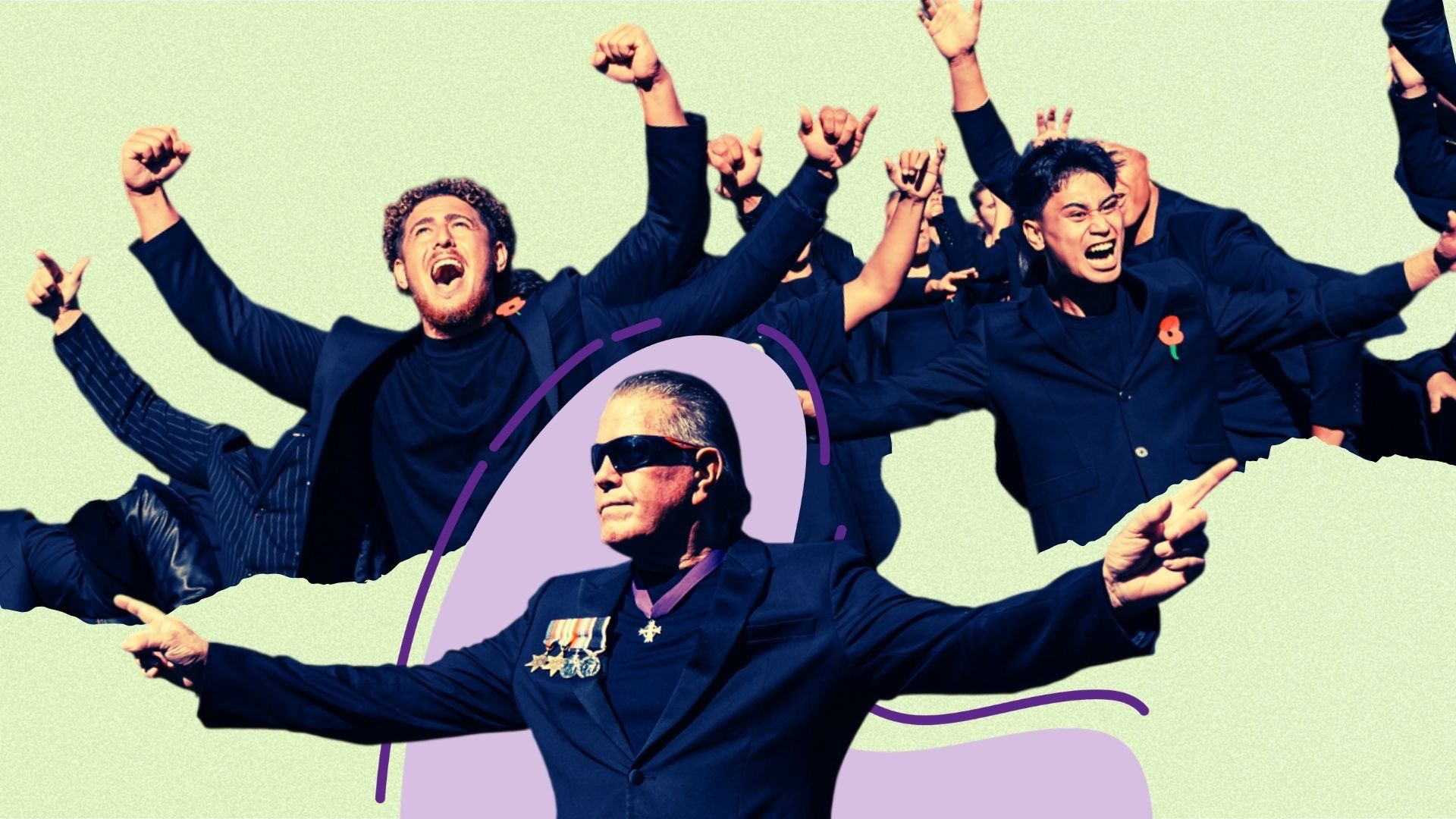
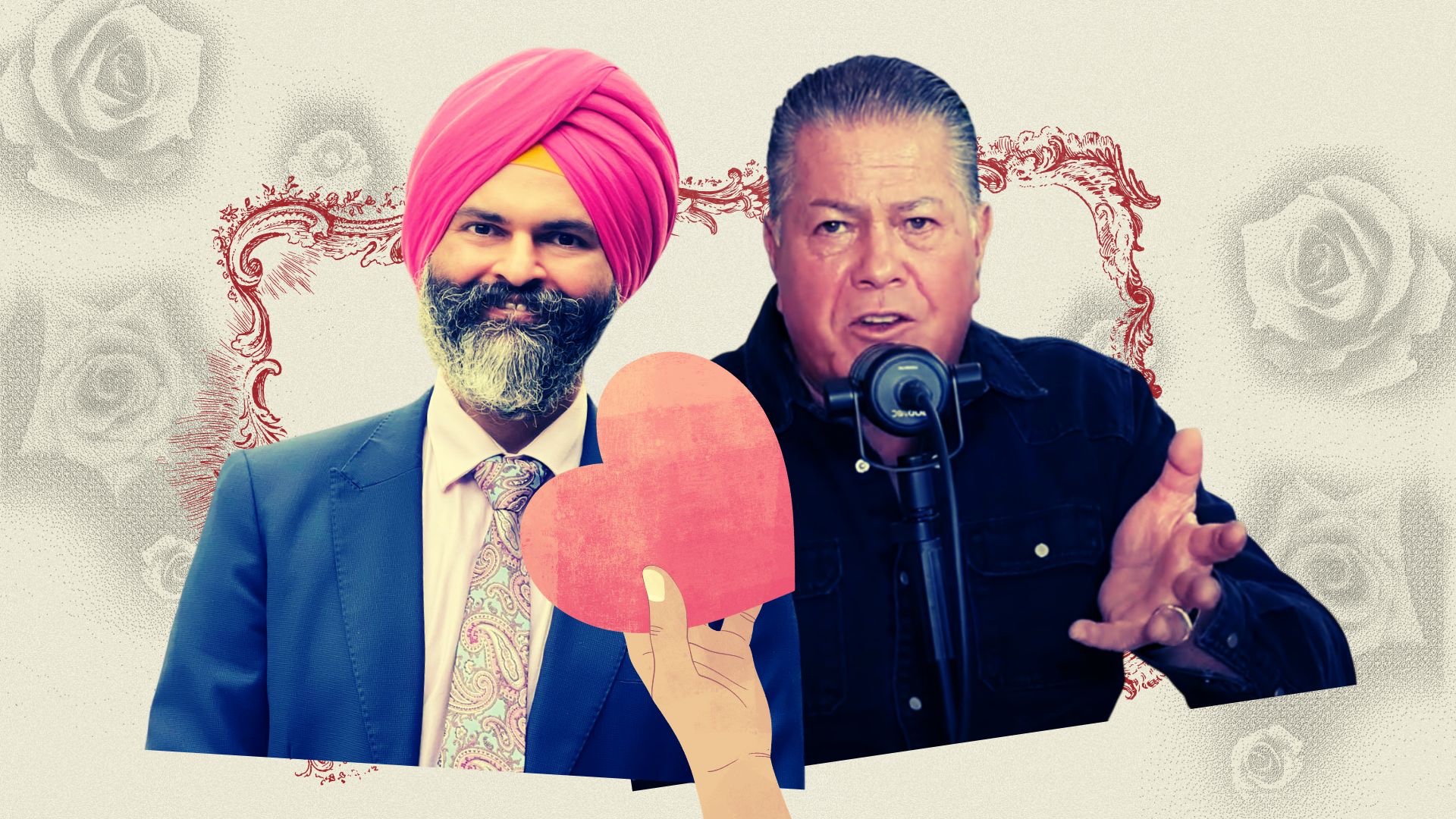
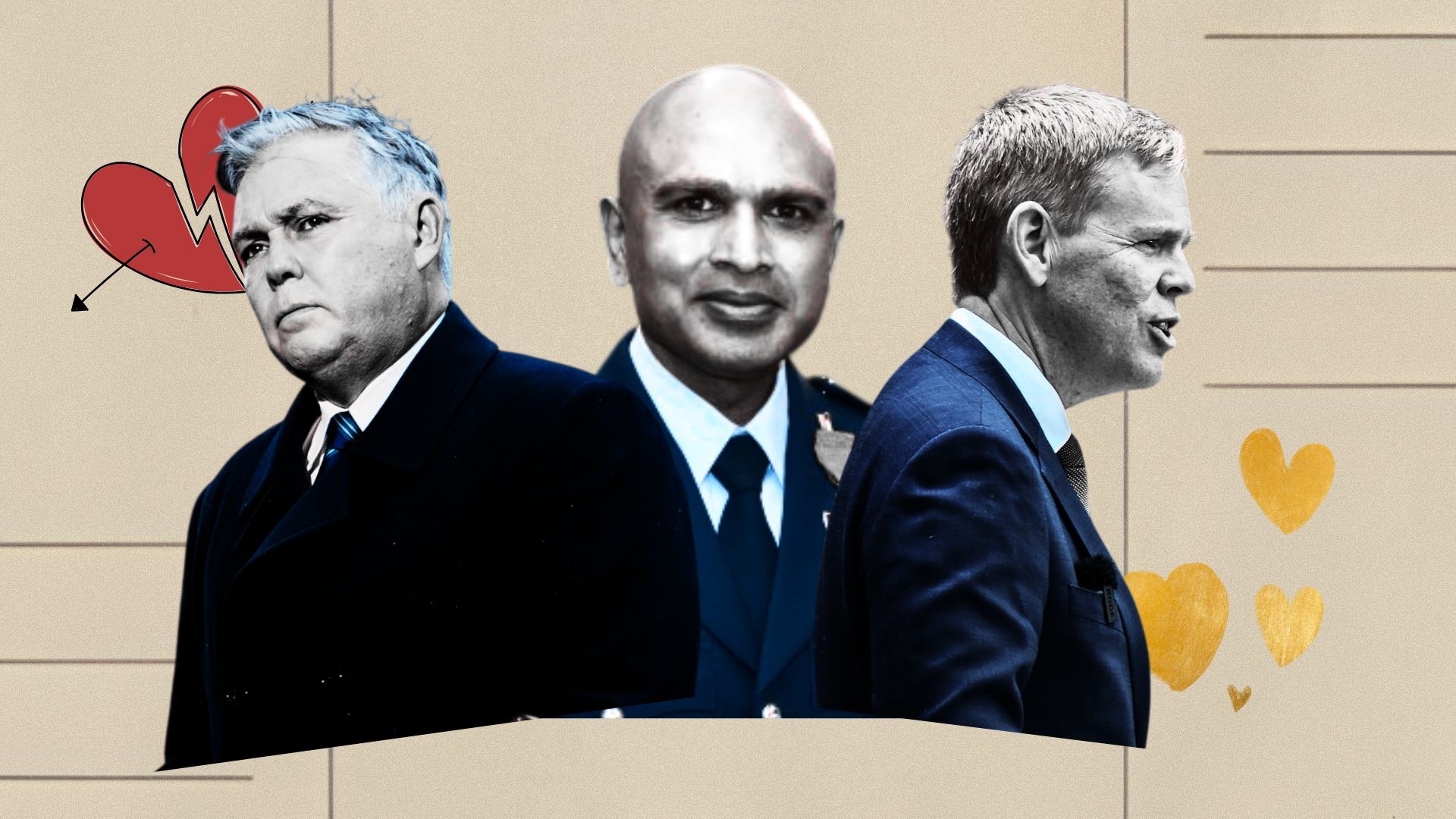
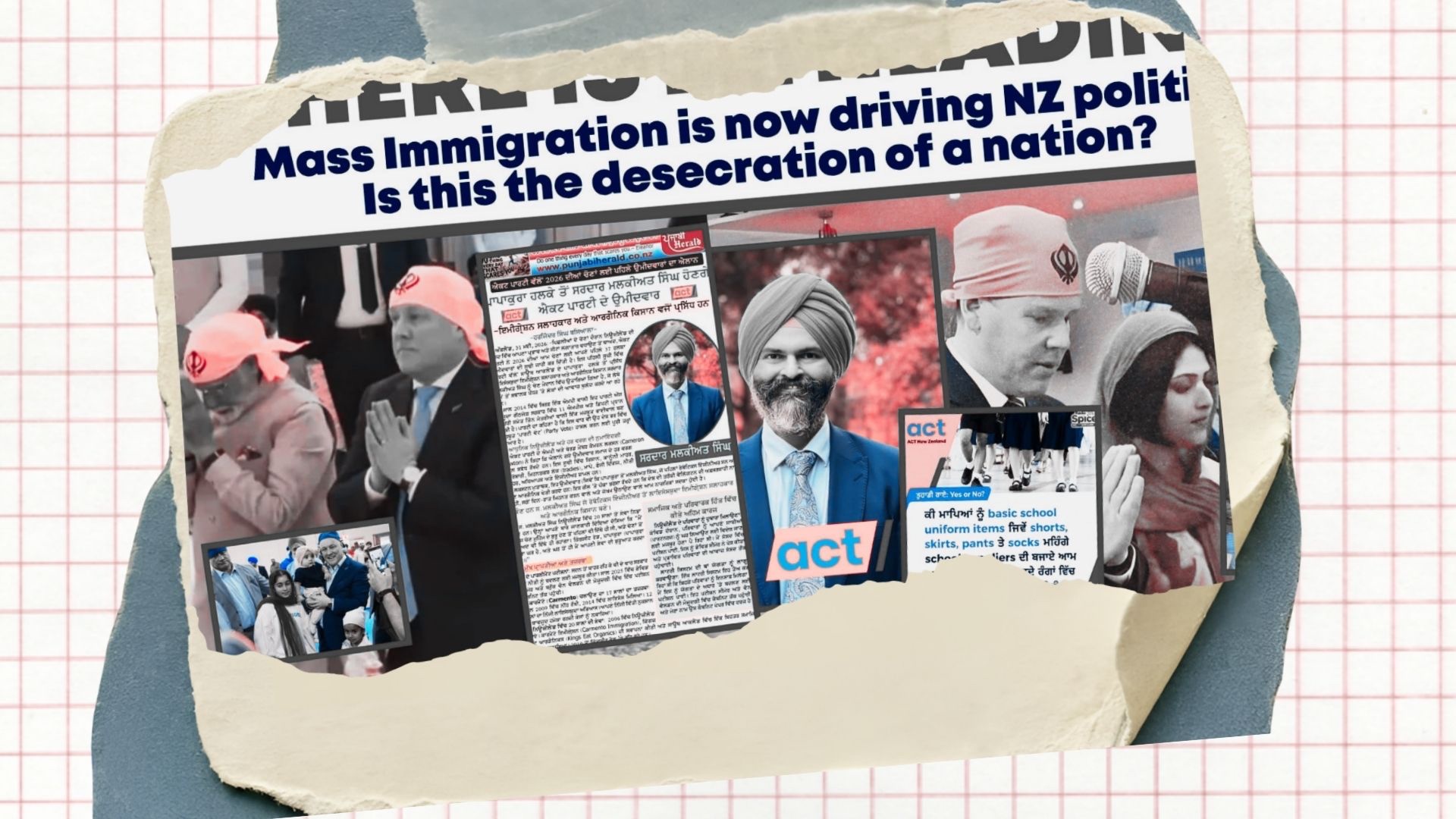
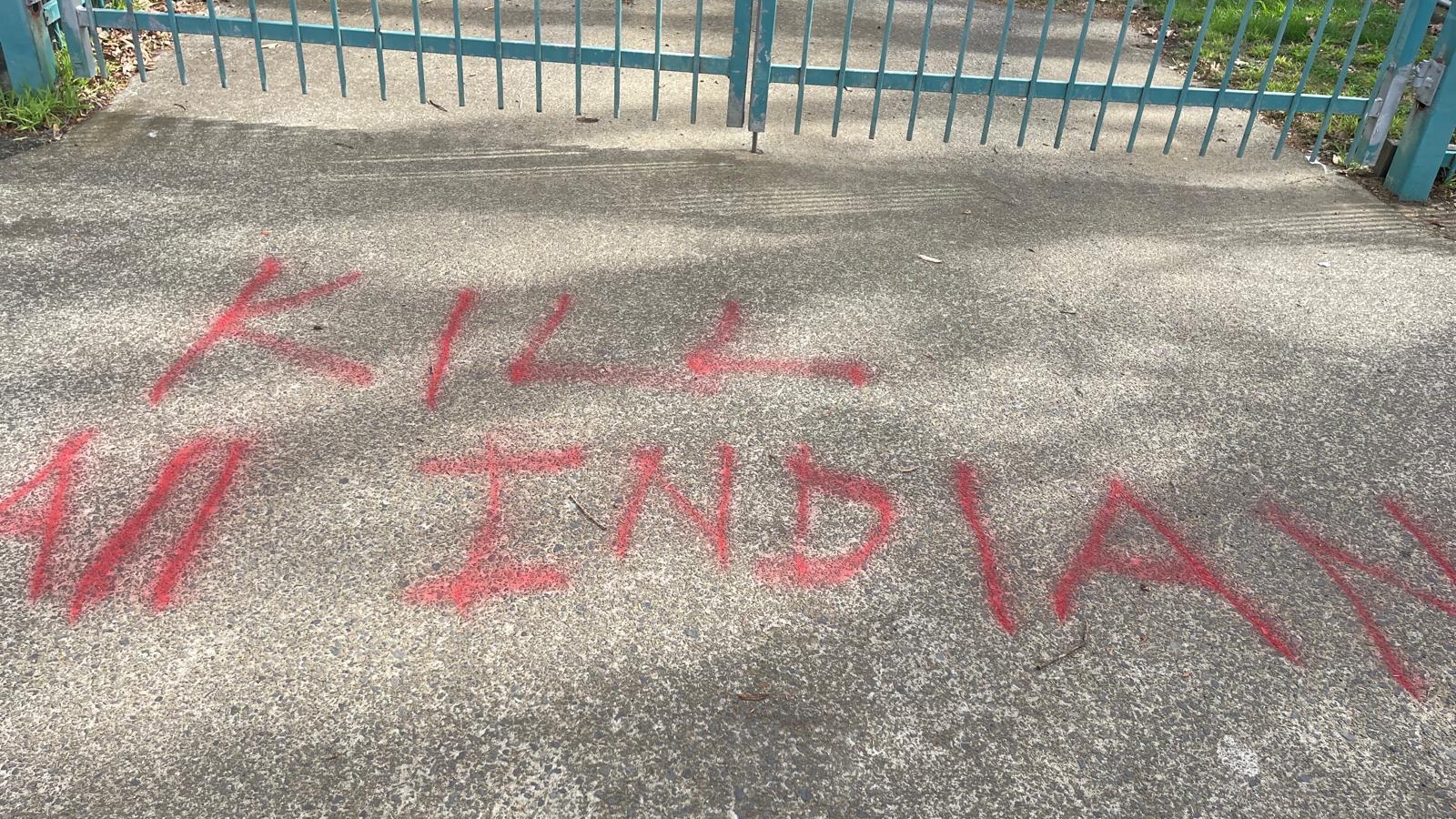
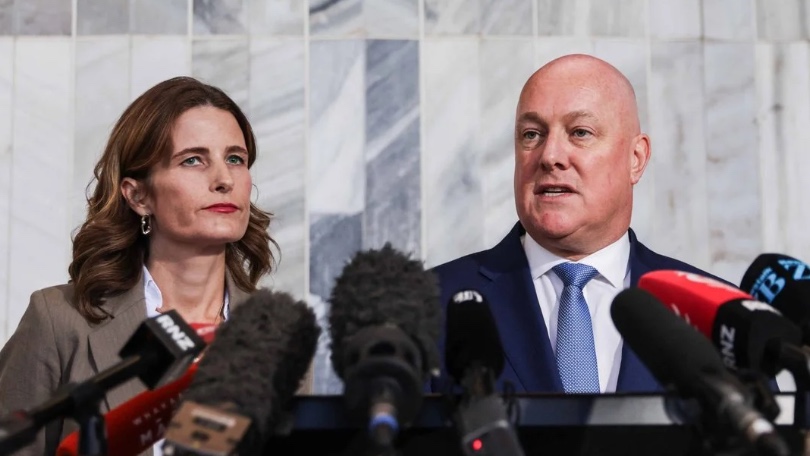
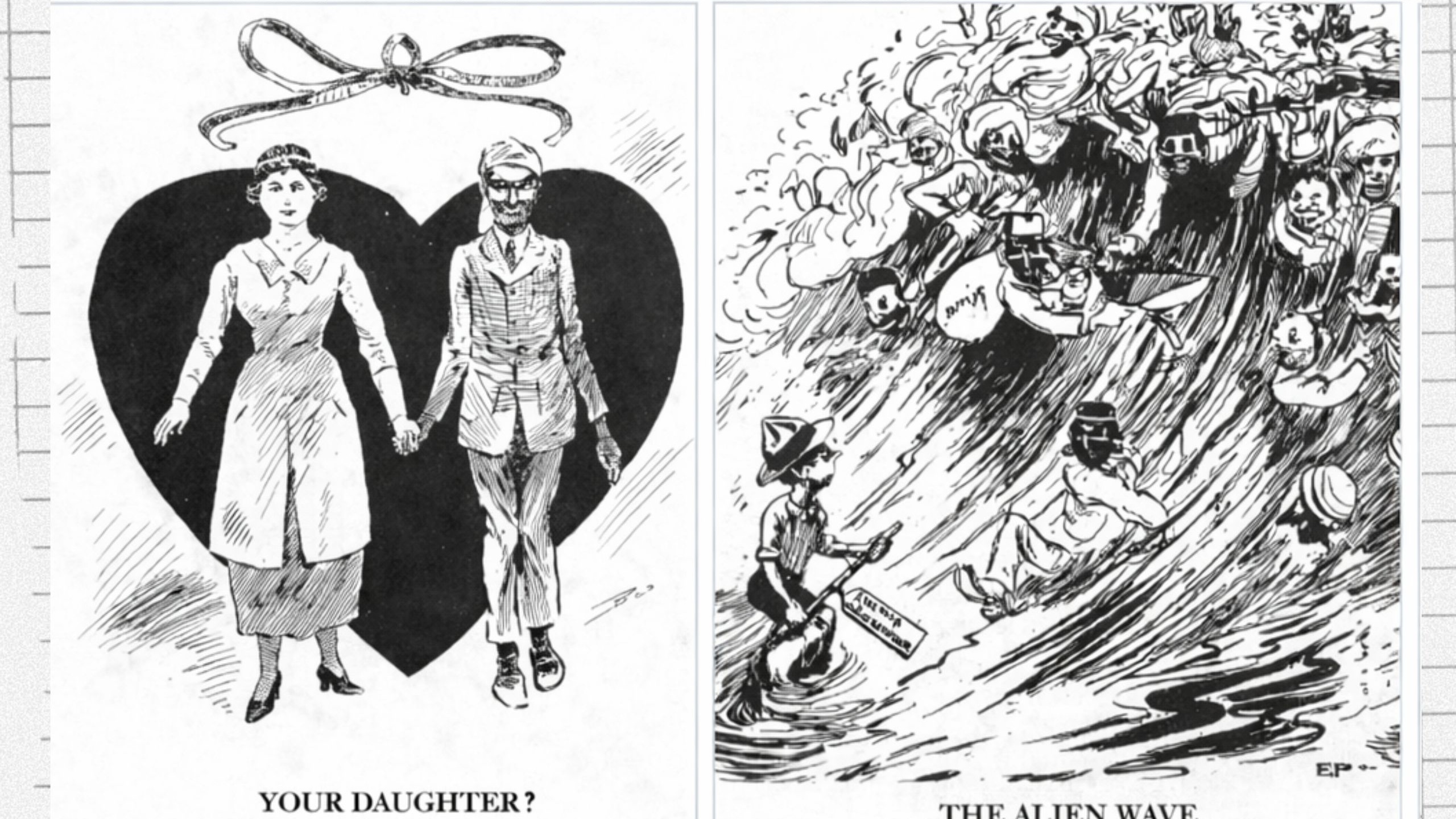
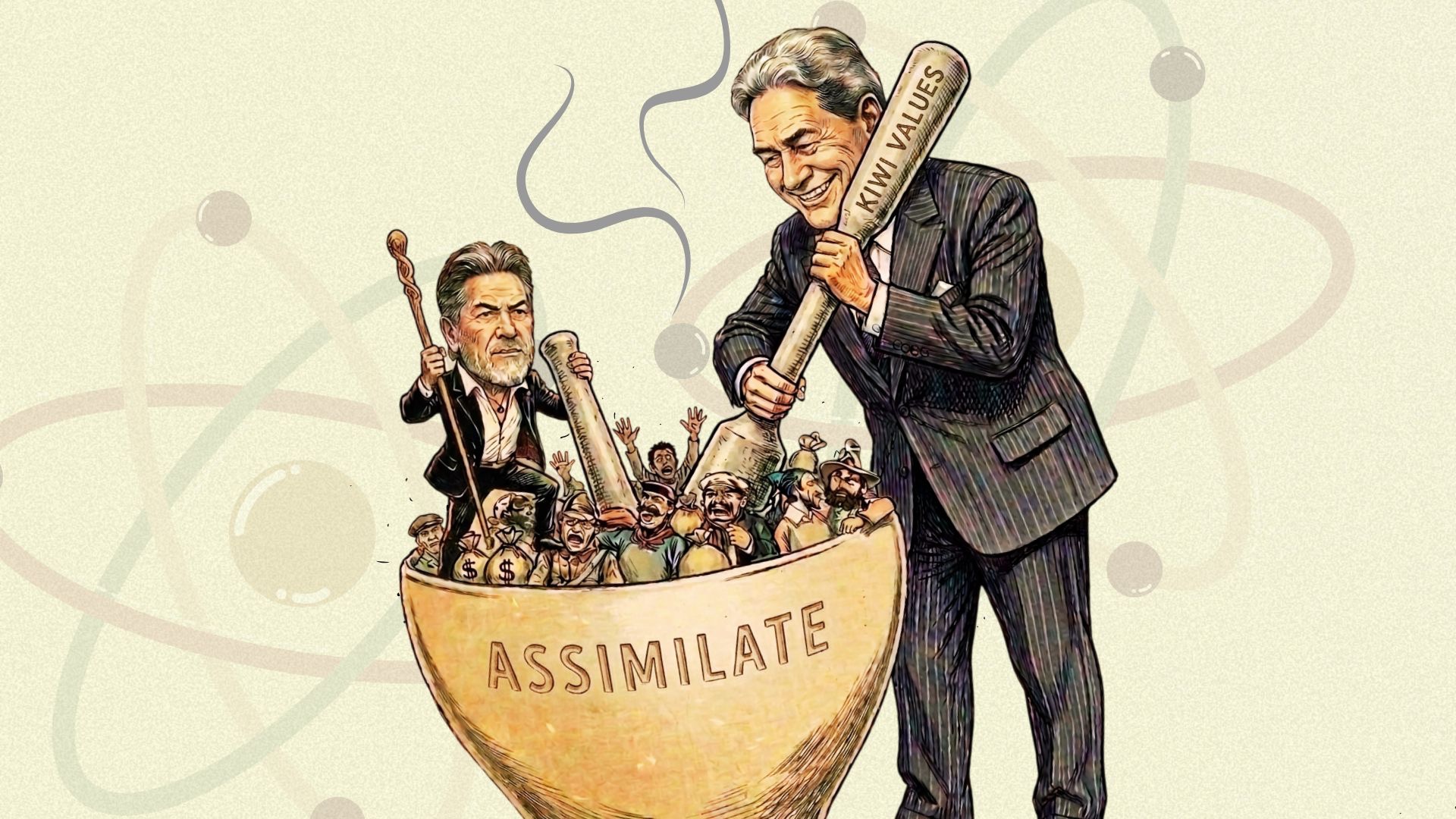
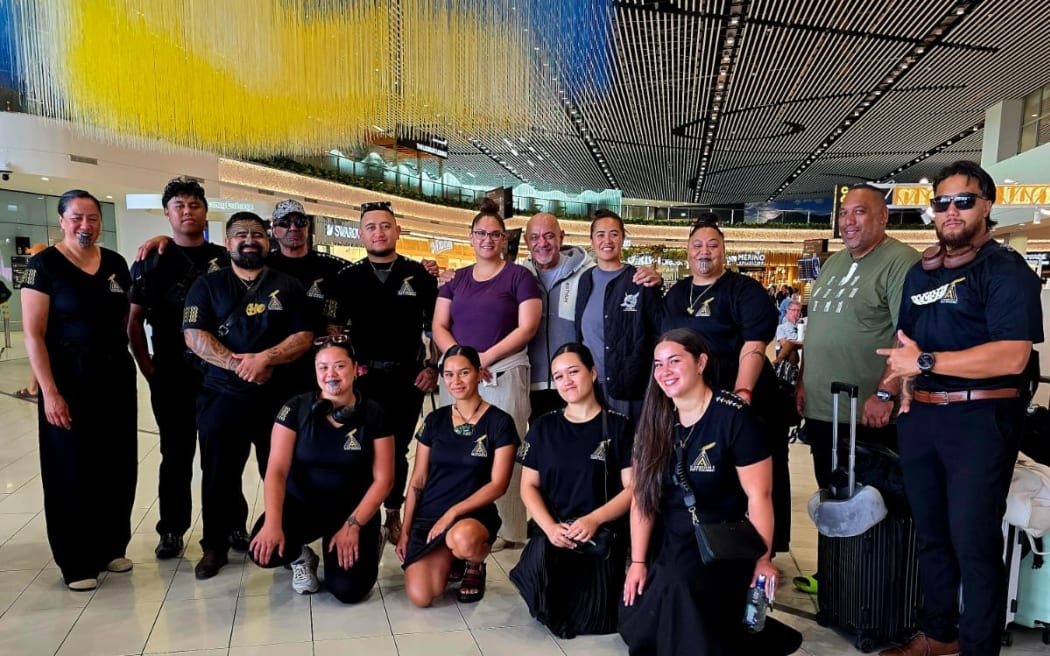
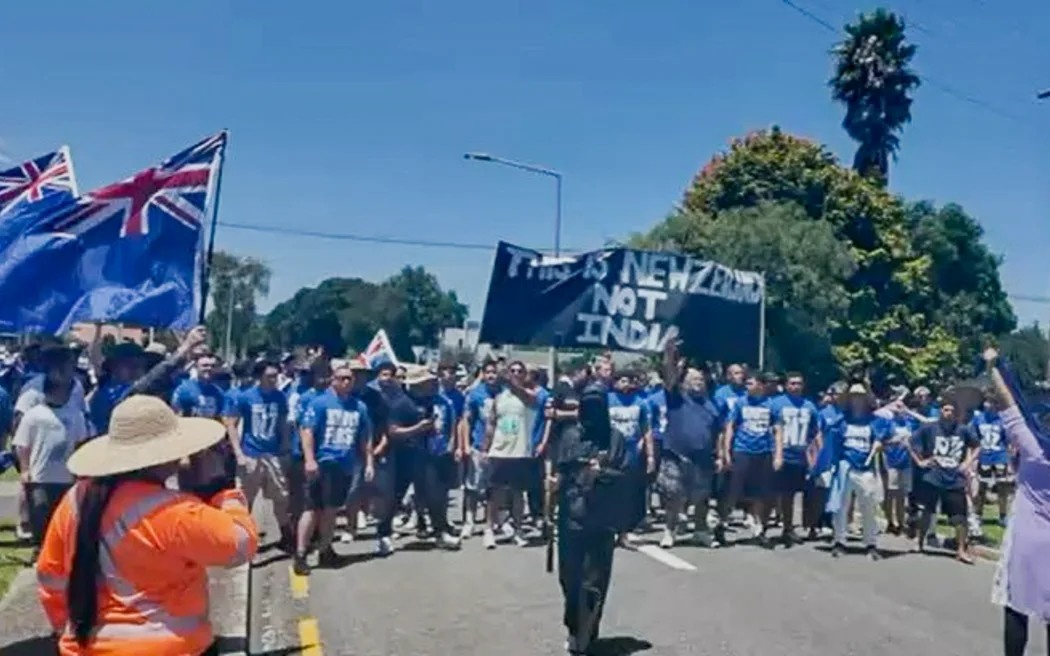
About the same time as Singapore’s intervention, Destiny Church leader Brian Tamaki used social media to warn of an “Indian takeover” of New Zealand, describe immigration as an “invasion”, and argue that politicians were prioritising an “immigrant voting bloc” over “Kiwi people”.
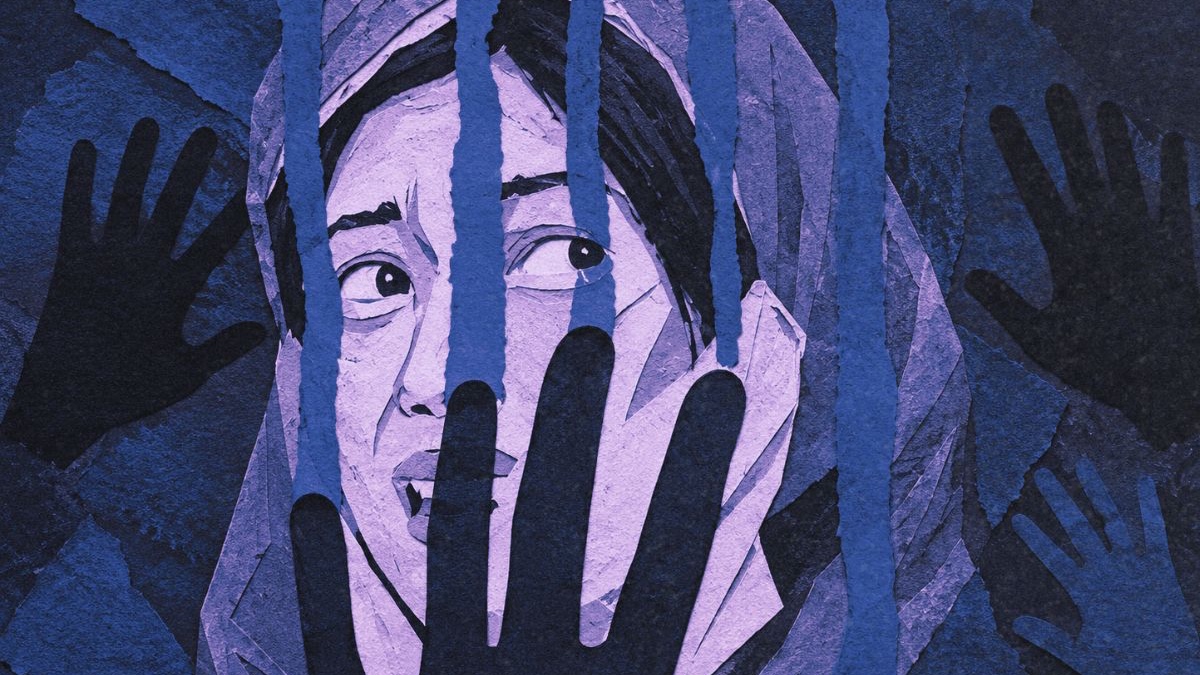
In one post, he claimed sexual violence had increased due to “mass migration from India”, and called for bans on temples, turbans and Hindu festivals, describing New Zealand as a Christian country under threat from immigration.
The contrast with Singapore is not in the existence of such narratives, but rather in how they are treated.
Why Singapore treats racial harmony as a security issue
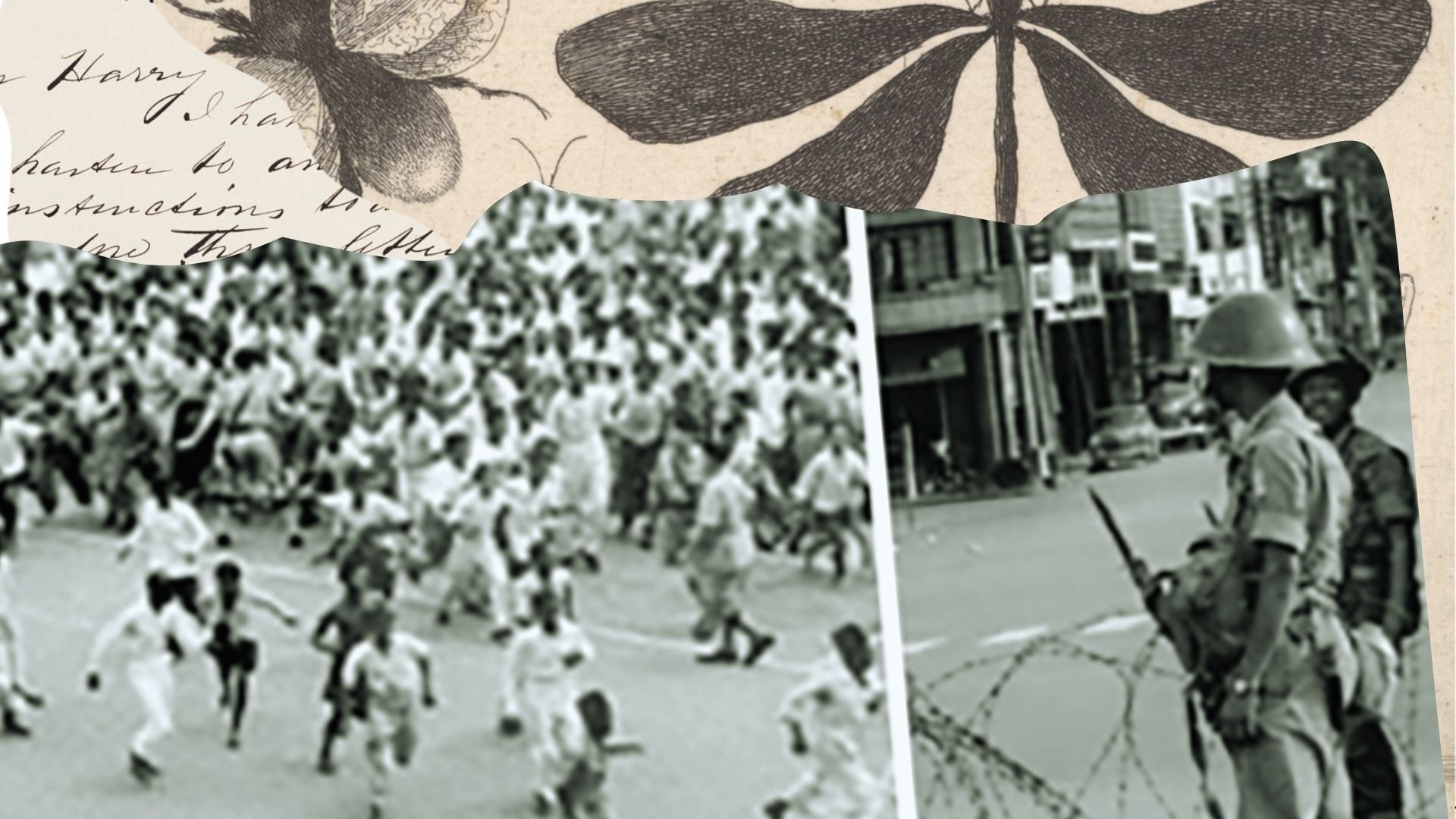
Singapore’s approach is shaped by lived experience of communal violence.
In 1964, tensions escalated after a glass bottle was hurled into a Malay religious procession, triggering clashes between marching crowds and bystanders.
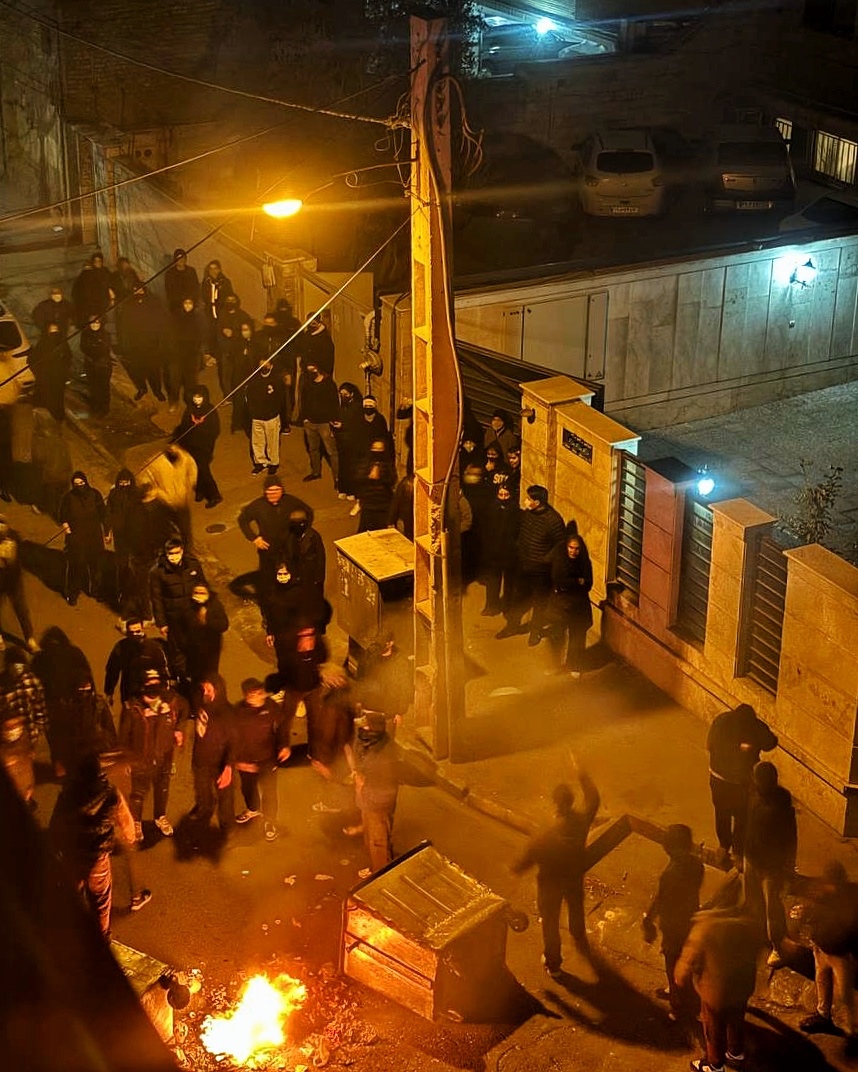
What began as a localised confrontation quickly spread across the island, fuelled by rumours and retaliatory violence. The army was mobilised, tear gas deployed, and an islandwide curfew imposed.
By the time order was restored, 23 people had been killed and 454 injured.
A month later, violence flared again after the killing of a Malay trishaw rider in Geylang Serai, leading to further clashes, curfews and emergency deployments. In that outbreak, 13 people were killed and 106 injured.
Communal unrest again spilled into Singapore in 1969 from Kuala Lumpur amid wider political tensions and rumours following election-related violence in Malaysia.
Singapore established Goodwill Committees across all constituencies and Peace Committees in affected areas, tasked with countering rumours and restoring trust between communities.
Those mechanisms continue to shape how the state responds to anything it sees as a risk to racial harmony.
Two countries, two approaches
The Singapore government said the blocked posts represented “malicious efforts to sow discord by inciting ill-will against the Indian community”.
It added that such content risked eroding the racial and religious harmony the country has worked to build and maintain.
Officials also stressed that the issue was not criticism of immigration policy itself, but narratives that encourage people to view an ethnic community with suspicion or hostility.
New Zealand has taken a markedly different approach.
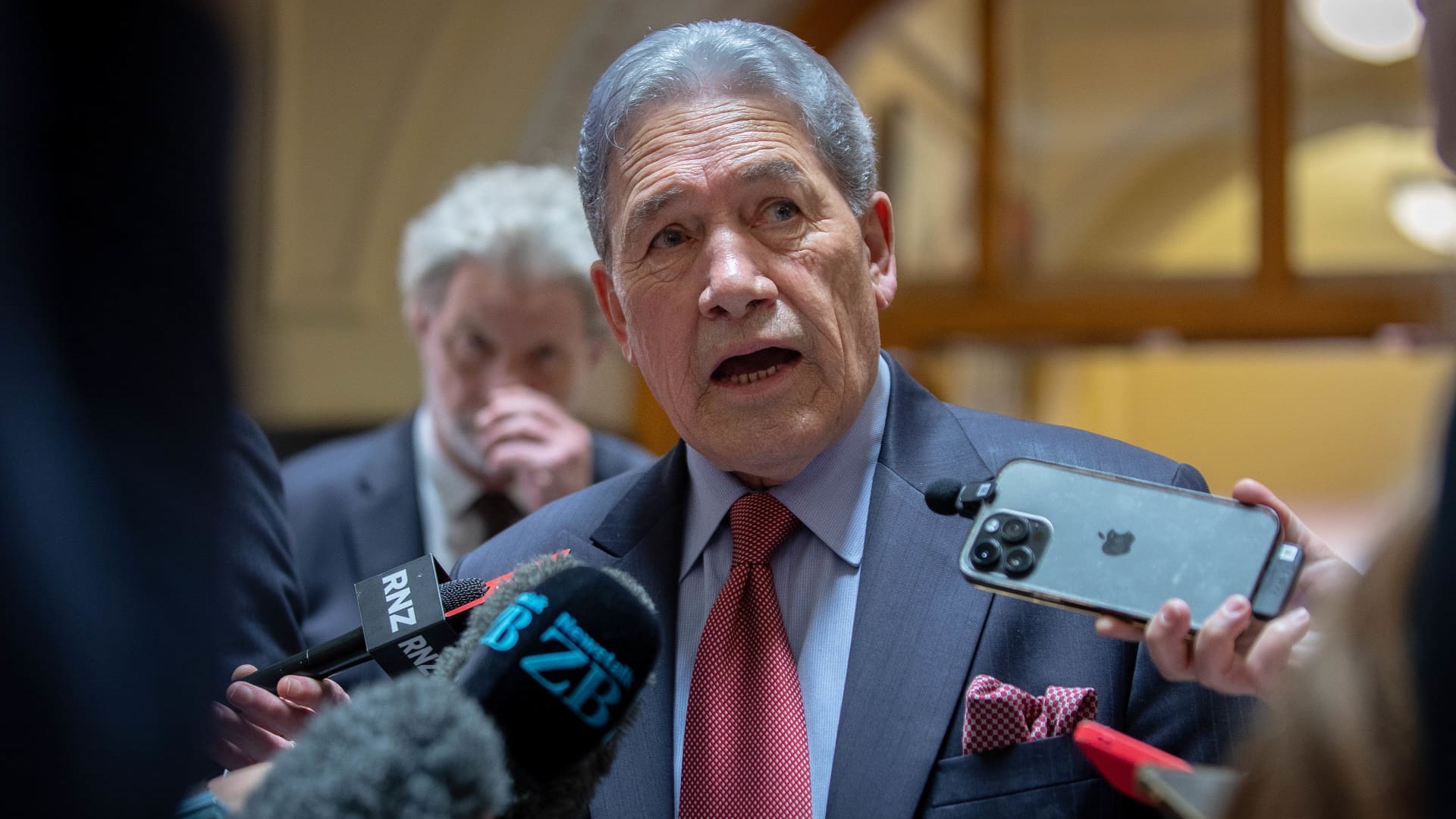
While Tamaki’s comments have drawn criticism from community leaders and anti-racism advocates, they remain part of the country’s political discourse, protected by strong free expression norms.
Authorities generally intervene only where speech crosses into direct threats or unlawful incitement. The result is a widening gap in how similar narratives are handled.
In Singapore, they can trigger legal takedown orders on the grounds of social cohesion.
In New Zealand, they remain largely within the realm of political debate, even when they target specific communities and claim demographic change is a form of “takeover”.