
The geopolitical math driving India's trade deals with New Zealand, rest of the world
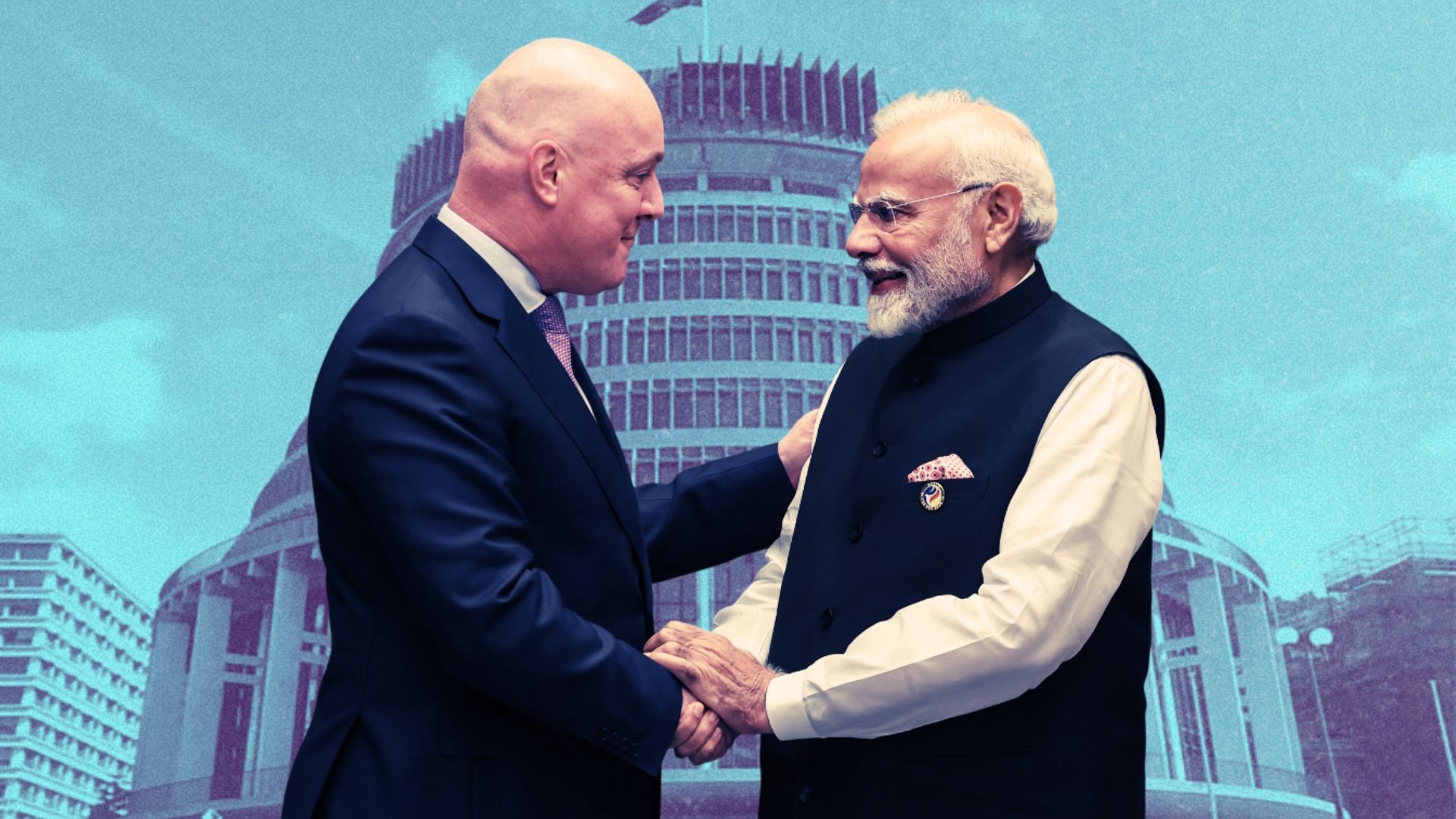
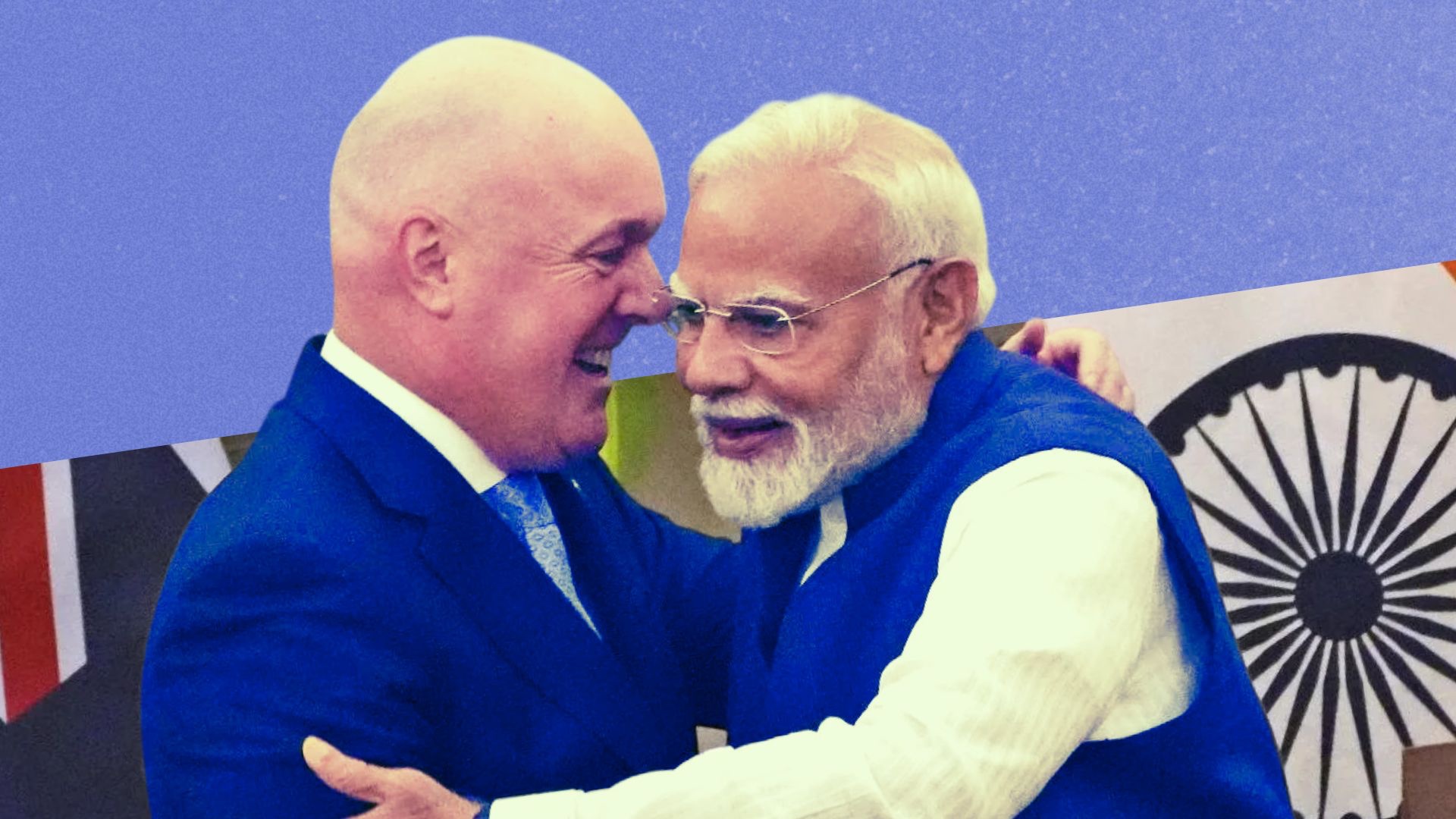
India has doubled down on strengthening bilateral relations.
Economic systems can absorb shocks when they are temporary and legible. What they struggle with is ambiguity.
The Iran war is no longer a regional conflict. It is a systemic shock to the global economic order. Its most consequential impact lies not in energy disruptions or trade bottlenecks, but in the uncertainty it has unleashed across global markets.
As ambiguity deepens and no clear endgame emerges, fear is beginning to shape economic behaviour worldwide, with India at the centre of this shift.
As one of the world’s fastest-growing economies, India is not only absorbing the impact of external shocks, but is also exporting the geoeconomic stress outward into the global system.
This, in turn, exposes the limits of globalization in an era defined by persistent geopolitical instability.
A regional war with global consequences
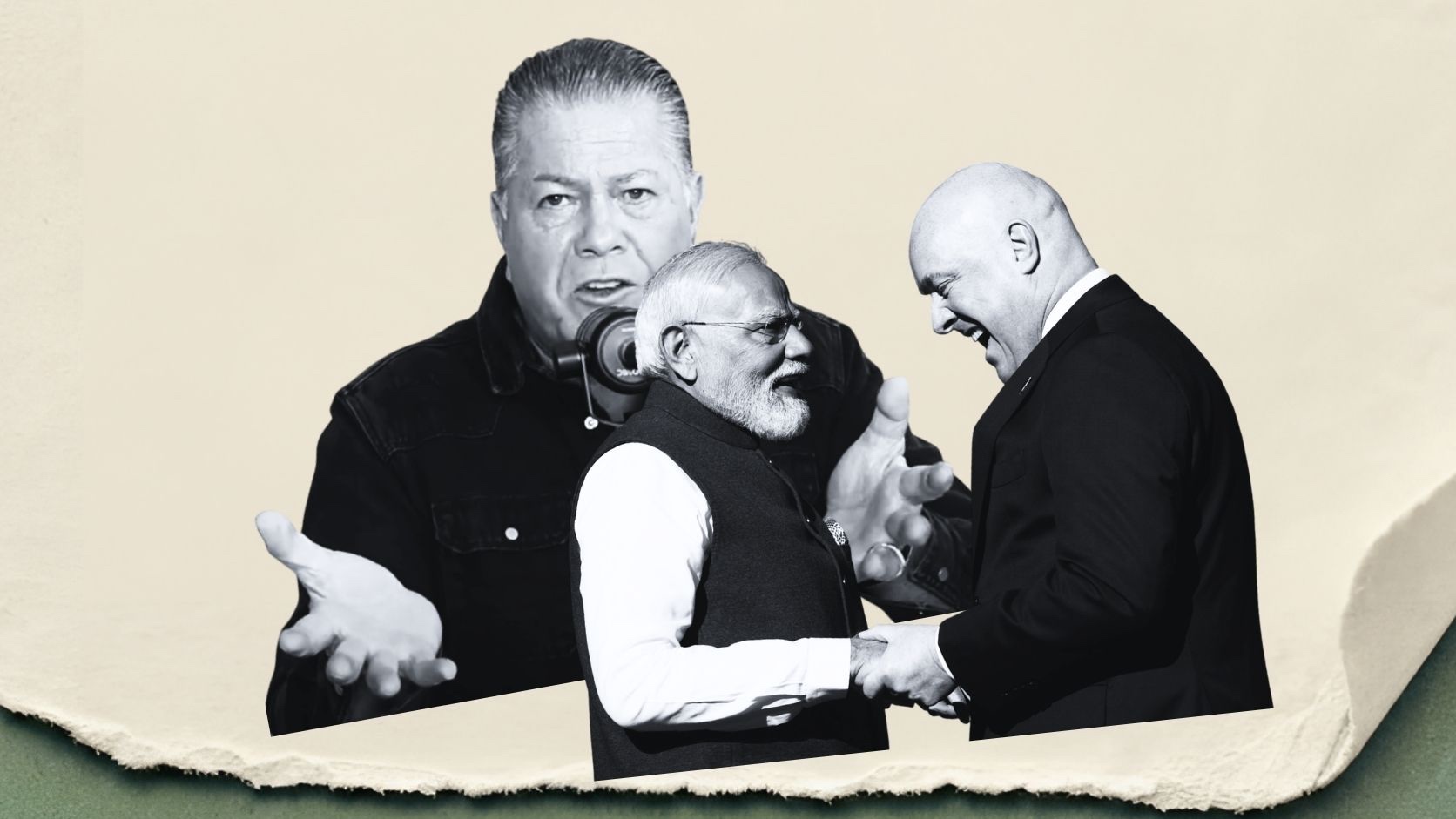
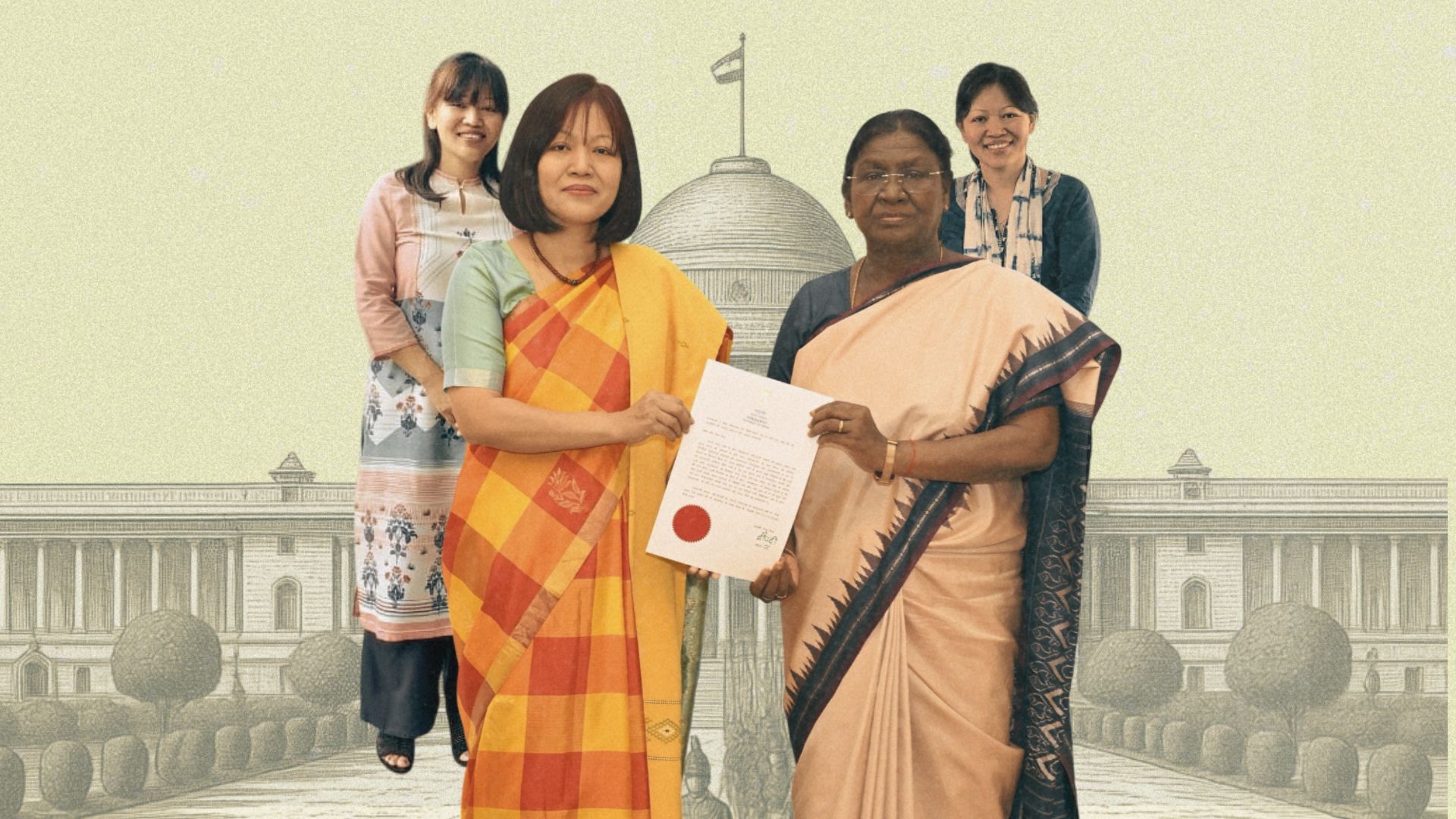
South Asian diaspora raises over $200,000 for New Zealanders missing in Nepal flood "I'm so proud of the Indian community here who...supported us, saying it is not a Nepal problem but our problem."
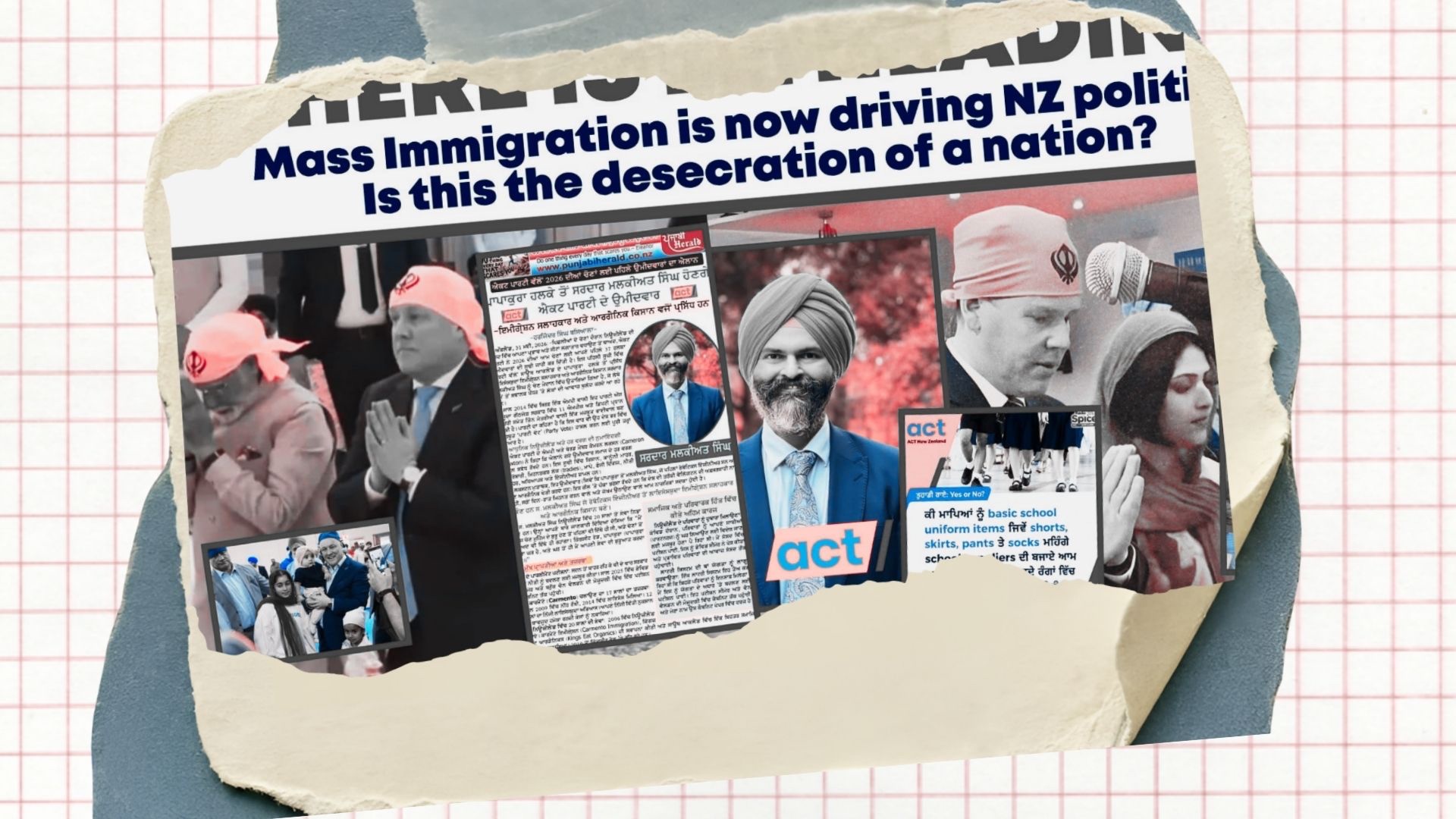
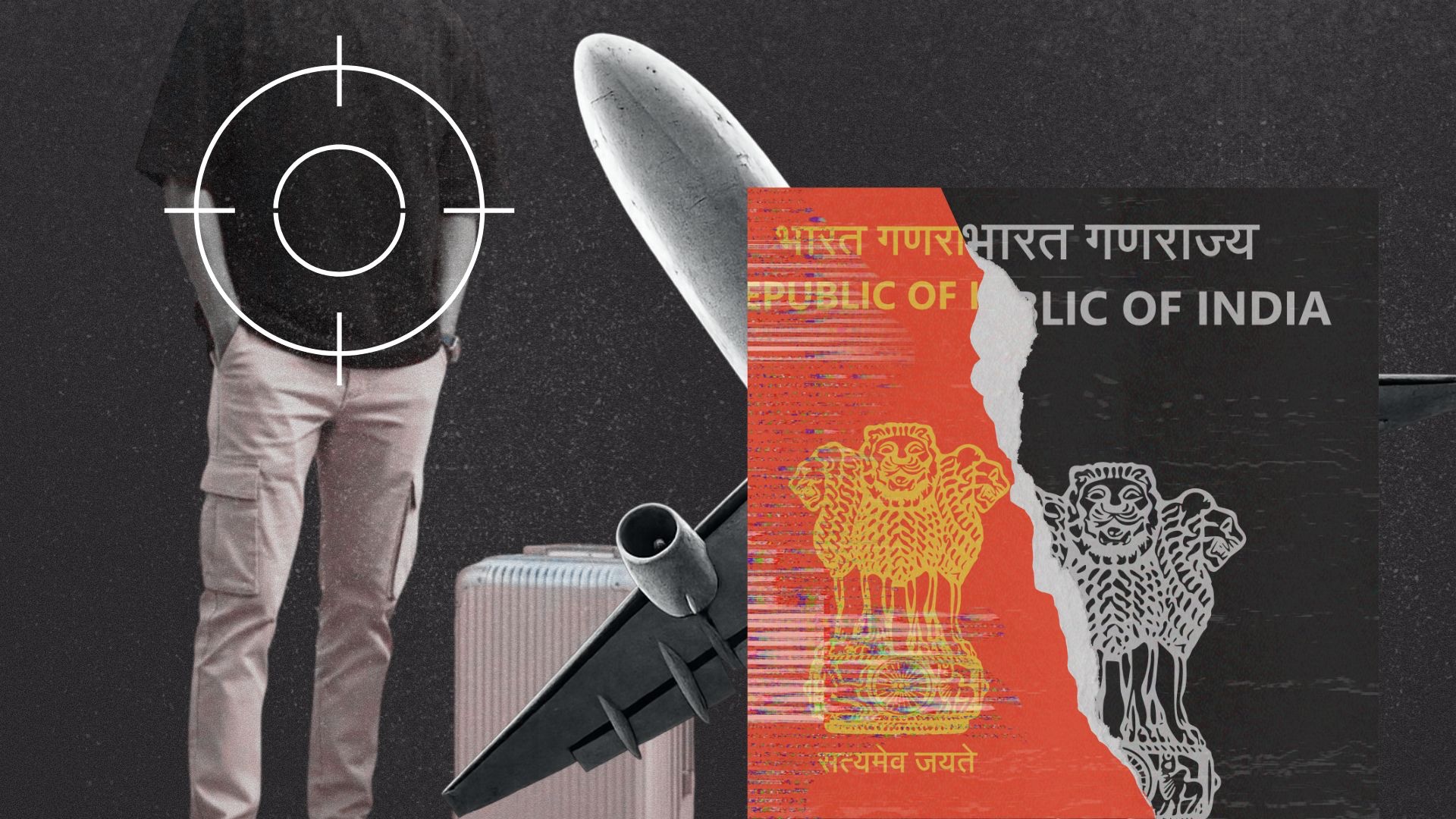
Tamakis launch Indian-origin candidate for Epsom who surrendered passport and has ‘assimilated’ “I know a whole lot of people are going to be like shocked,” says Hannah Tamaki.
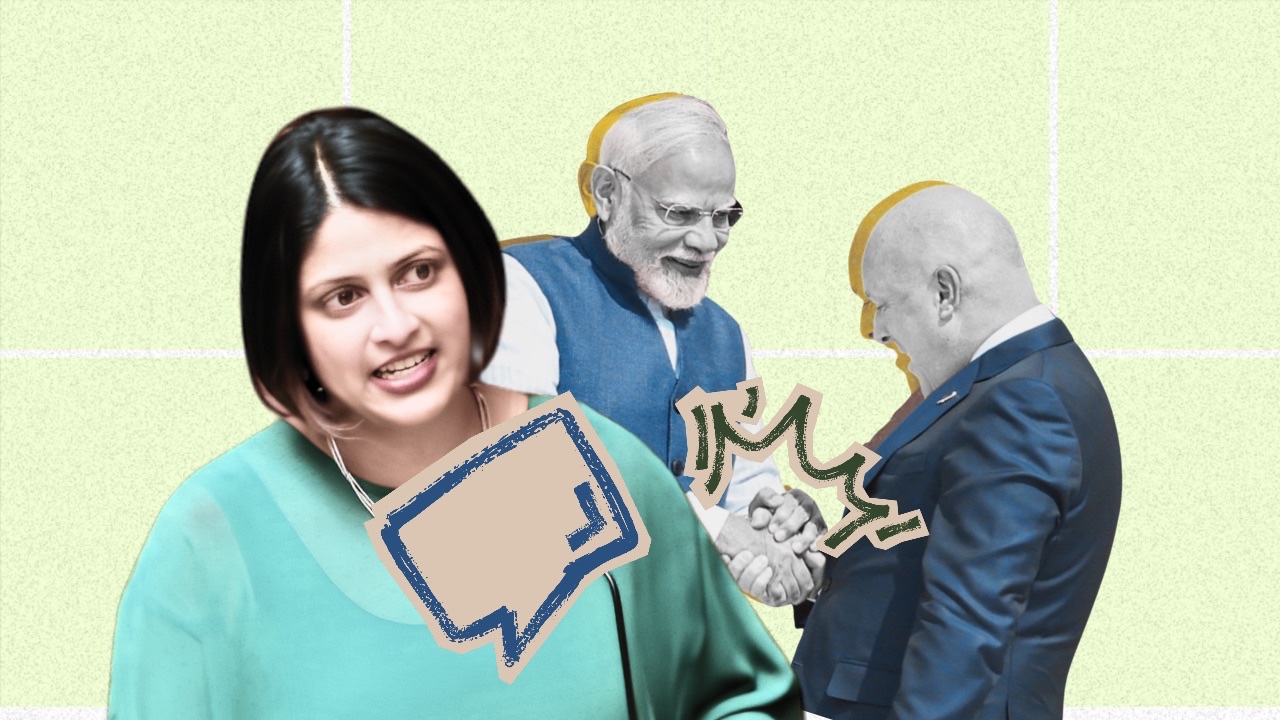
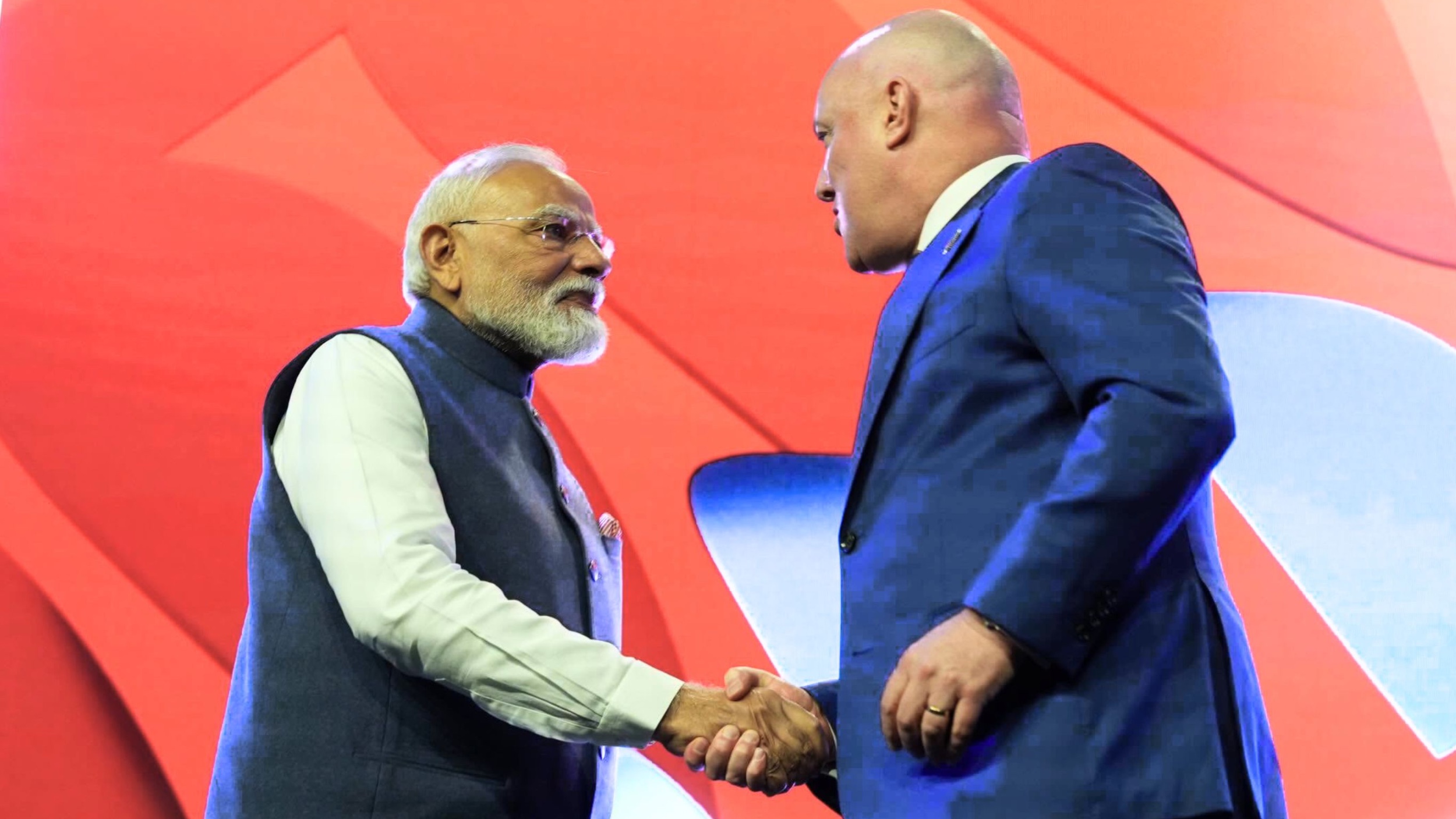
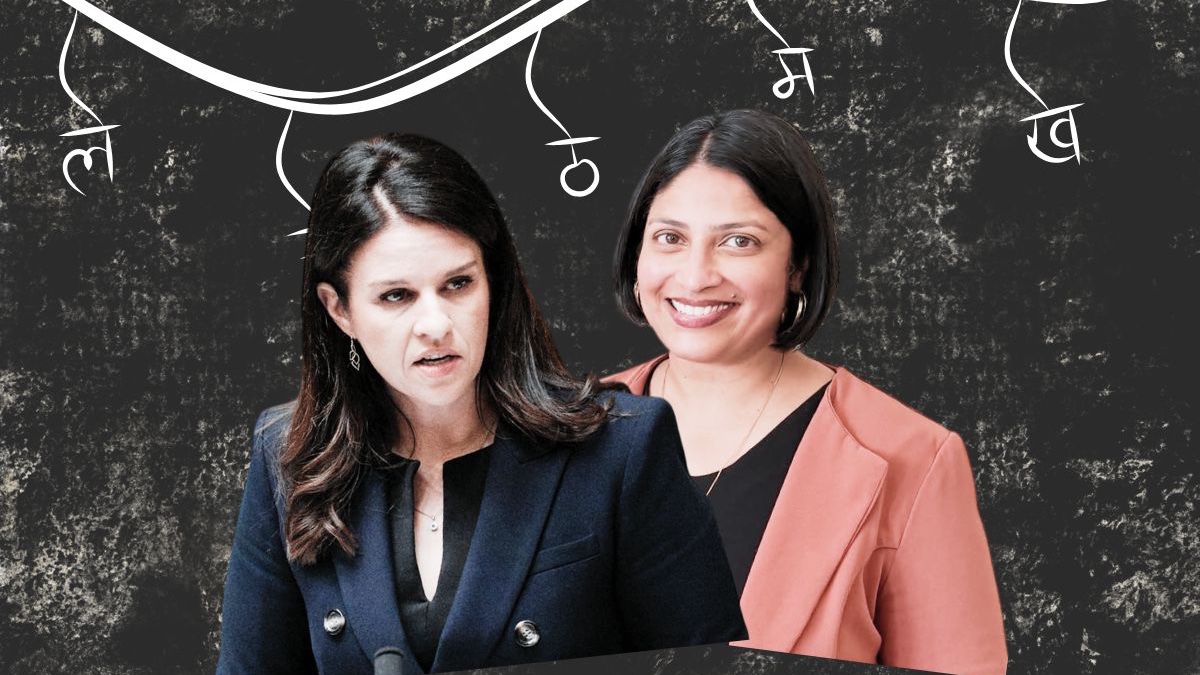
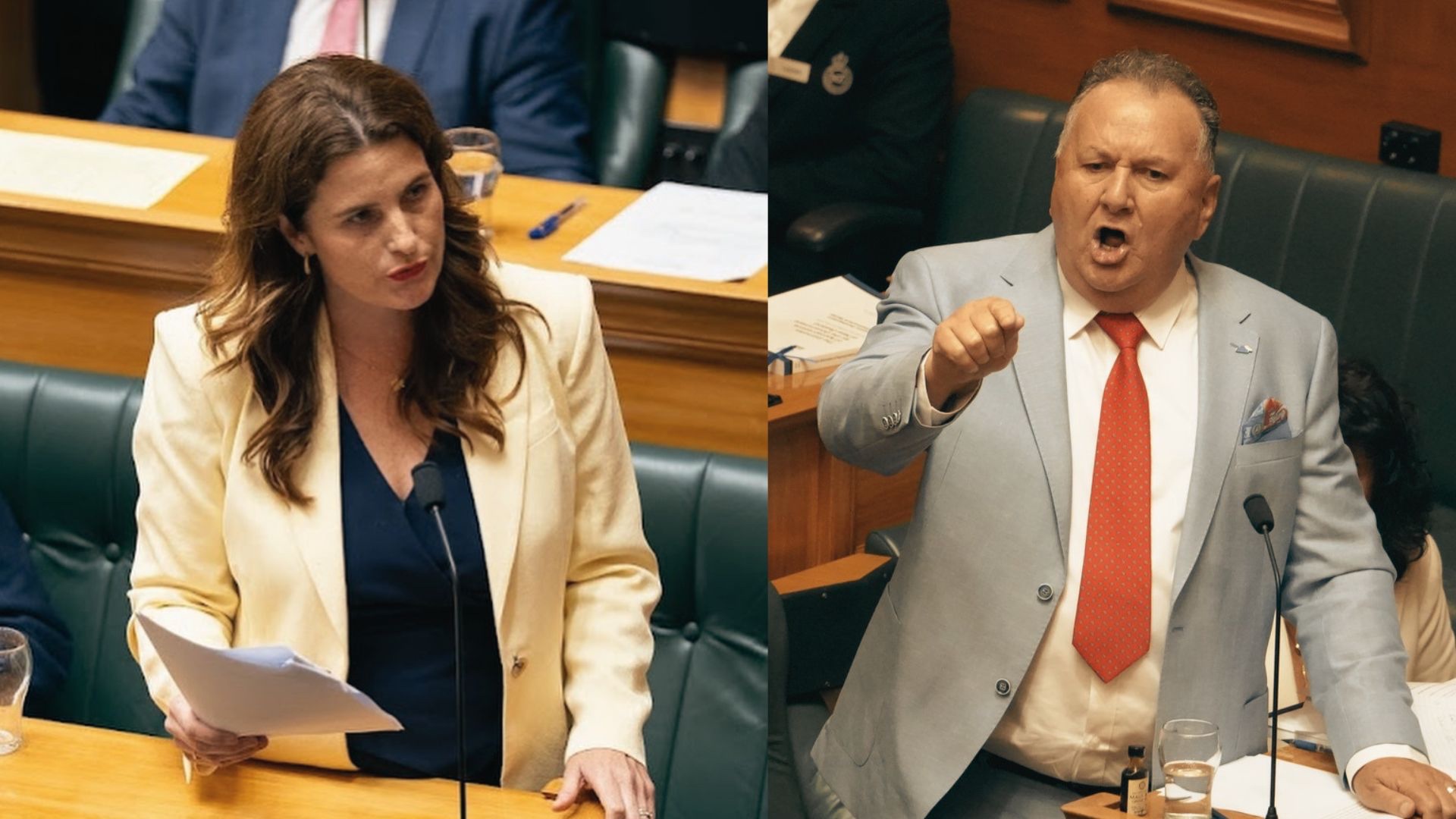
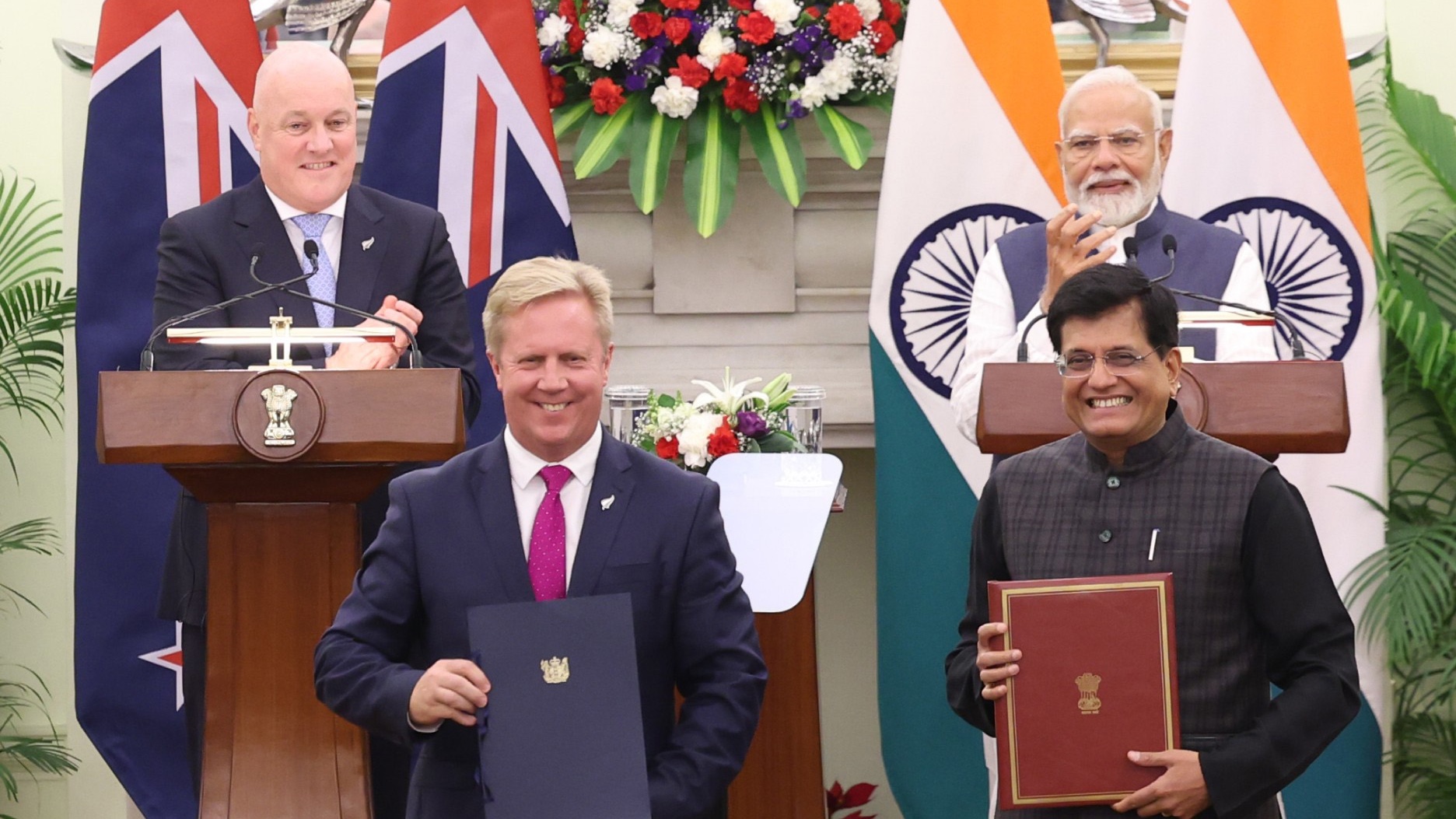
Priyanca Radhakrishnan tries to puncture Luxon’s FTA victory, says India was already sold “Things have changed quite dramatically on the Indian government side,” says the Indian-origin Labour MP.
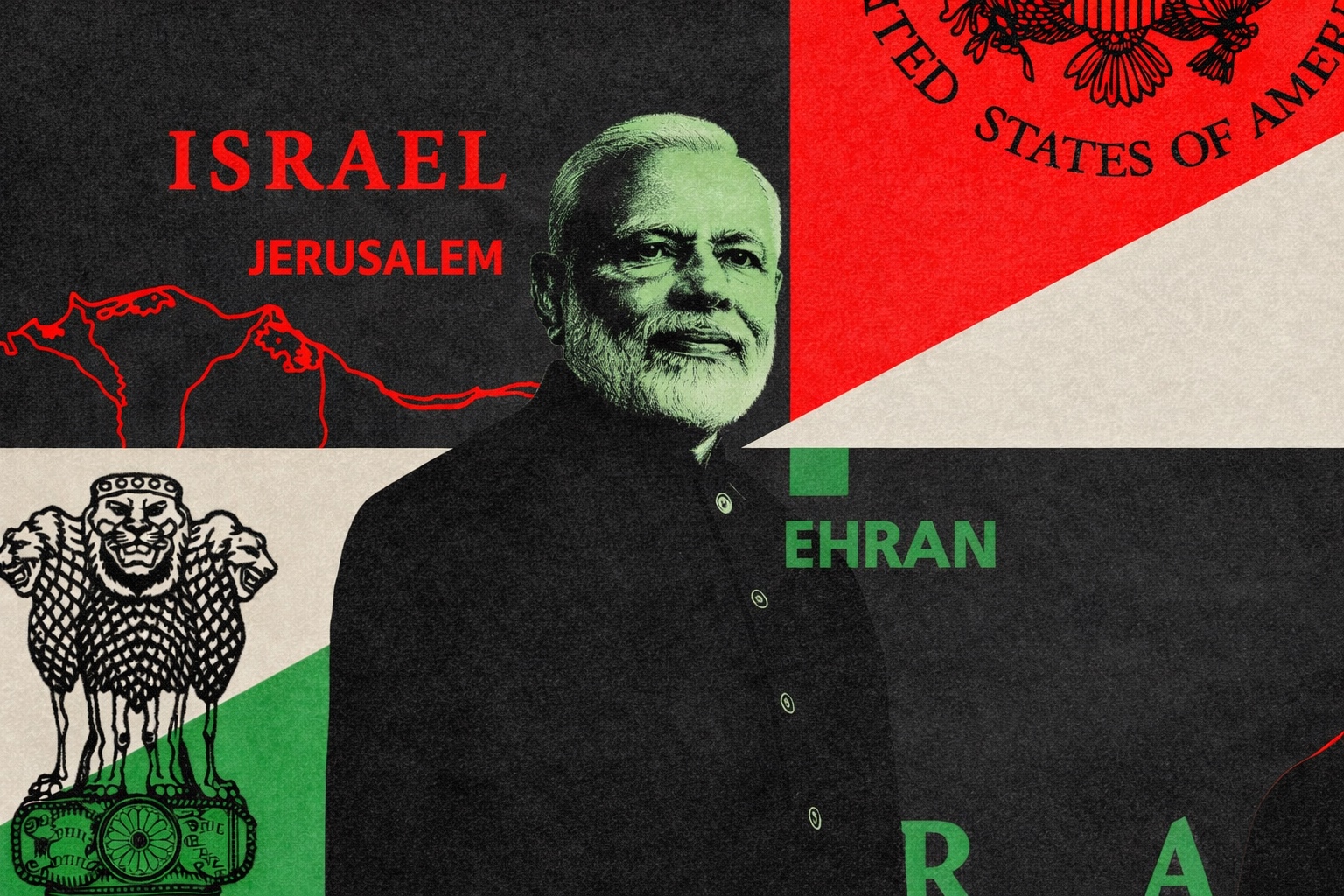
The Middle East is witnessing its most dangerous phase of escalation since the 2003-Iraq War, marked by direct military engagement between the United States, Israel, and Iran, alongside Tehran’s retaliatory strikes on its Gulf neighbours.
While the geography of the war remains concentrated, its consequences are global, driven in part by disruptions in the Strait of Hormuz, through which nearly a quarter of the world’s oil and LNG trade passes. Economies far beyond the conflict zone are already absorbing the shock.
In South Asia, India is no exception. Shipping disruptions through the Strait of Hormuz (from which 50% India’s crude imports pass) have raised freight costs and insurance premiums. Indian exporters are recalibrating delivery timelines.
Oil and gas shortages, rising import bills and currency depreciation further amplify the crisis. These are real pressures and they fit comfortably within the traditional jargon of economic shocks.
But the deeper risk lies elsewhere. It lies in how ‘prolonged uncertainty’ begins to reshape expectations of people, businesses, and governments, and how those expectations begin to alter the broader economic landscape. This is where geopolitics quietly overtakes globalization.
For decades, globalization operated on the assumption that economic logic would prevail over political disruption. That assumption is now under strain.
Economics of uncertainty in India
Economic systems can absorb shocks when they are temporary and legible. What they struggle with is ambiguity. The Iran war has introduced precisely that.
There is no clear trajectory, no credible timeline for de-escalation, and no consensus among major powers on how the conflict will end. The result is a climate where decision-making becomes defensive and myopic.
Households postpone consumption, not just because their income is falling, but because it may continue to fall. Businesses delay investment not because costs have already risen, but because they might continue to rise.
Strategic risk is being priced into everyday economic activity. Trade routes are no longer just logistical pathways and energy flows are not merely commercial transactions.
For India, these shift are particularly consequential. Its growth story has been intertwined with access to affordable energy, open trade routes, resilient supply chains and stable external demand. As these conditions become less certain, the cost of sustaining growth rises.
This is why the Iran war carries implications that extend far beyond energy markets. It has the potential to initiate a chain reaction in which uncertainty alters behaviour, behaviour suppresses demand, and suppressed demand feeds back into the global economy.
This is not a new phenomenon.
During the oil shocks of the 1970s, the economic damage extended well beyond energy prices. The uncertainty surrounding supply and inflation altered consumer behaviour across advanced economies. Savings rose, discretionary spending fell, and growth slowed even in sectors not directly linked to oil, triggering economic recession.
The lesson was simple. Fear travels faster than inflation and markets react to fear before they react to data.
Currency volatility is one of the first transmission channels. Even modest depreciation can trigger a perception of eroding purchasing power.
Indian Rupee, currently valued at 93 per USD, has depreciated by over 4% since the beginning of Iran War, and is expected to touch INR 100 as per strategic pundits. Imported inflation, particularly in transport fuels, LNG, LPG, and petrochemicals reinforces that concern.
Domestic investors are pulling off money. India’s stock market index - Sensex has experienced massive sell-offs. Foreign investors have sold a net US$ 12.14 billion worth of Indian shares and over 400 stocks faced sharp declines as of mid-March 2026.
These variables are shaped not only by current income or profits, but by expectations about the future. With no clear end to Iran war in sight, the downward spiral is likely to continue.
Reports by Goldman Sachs and Moody’s have indicated fall in GDP growth rates to 5.9-6% against earlier estimates of nearly 7%. This has implications well beyond India.
Globalisation of economic shocks
An economic slowdown in India is not in anyone’s interest. As the world’s fastest-growing economy, disruptions within India are likely to gradually trickle down through wider economic linkages.
India’s economic rise over the last one decade has made it an important node in the global system. Its demand supports export sectors across the world.
A pullback in Indian consumption reduces demand for imports. Gulf economies feel the impact through energy and remittance channels. Southeast Asian exporters face weaker orders. Global firms exposed to India’s market adjust their forecasts. Capital flows respond to changing growth expectations.
Its services sector is deeply embedded in global value chains. Thus, India’s deep economic engagement across the globe, ranging from African subcontinent, GCC, European Union to New Zealand in Oceania, make most countries across the globe a direct stake-holder in its economic trajectory.
An economic recession in India would inevitably weaken these expectations and transmit second-order geoeconomic shocks across interconnected markets.
This interconnectedness means that a slowdown in India does not remain a domestic story. In this sense, India is no longer just at the receiving end of these global shocks. It is a transmitter.
So far, India has managed to face the war from a position of relative strength. Growth remains robust. Domestic demand has been a key driver of expansion, and financial systems are largely stable.
Yet this strength carries a paradox. The Indian economy is now large enough that its momentum depends heavily on public confidence and investor risk appetite. But there are limits to how far governments can shield the economy from external shocks.
In the face of prolonged uncertainty, these pressures are likely to build up, eventually weighing on domestic growth momentum and spilling across interconnected markets – a reminder of the hidden costs of globalization.
Why this matter to New Zealand
For New Zealand, these developments are not distant. India is one of New Zealand’s fastest-growing economic and strategic partners, with expanding links in trade, education, tourism, and technology.
A slowdown in India’s growth could dampen demand for New Zealand exports, reduce student flows, and affect tourism recovery, particularly as New Zealand continues to diversify its economic partnerships across Asia.
Beyond direct links, New Zealand is also exposed to second-order effects. If uncertainty slows India’s growth, the impact is likely to ripple across Southeast Asia and the wider Indo-Pacific, regions central to New Zealand’s trade and economic outlook.
In an interconnected global economy, shifts in investor sentiment, supply chains, and regional demand can quickly translate into domestic economic consequences.
For policymakers and businesses in New Zealand, the evolving economic fallout of the Iran war is therefore not just a Middle Eastern or South Asian story.
It is a reminder that in an era shaped by geopolitical instability, distant conflicts increasingly shape local economic realities.
Road ahead
One of the defining features of the Iran war is the absence of a clear endgame. Multiple actors are involved with no single framework for resolution. There is an overload of information and multiple narratives but very little clarity. The situation increasingly resembles what policymakers often describe as the ‘blind leading the blind.’
This matters because economic actors take their cues from political direction. When the political environment lacks clarity, even distant actors begin to feel the risk and behave as though they are directly exposed to the conflict.
These psychological effects of conflicts are often more enduring and it is here that the limits of globalization become most visible.
If globalization has revealed any defining vulnerability, it is this: distance no longer guarantees insulation. In a post-COVID world, countries far removed from the epicentre of conflict remain exposed to its consequences.
The world is deeply interconnected, and beneath this interconnectedness runs an unsettling undercurrent where distant shocks translate into local anxieties, nudging economies towards a fragile disequilibrium.
The war is still new, and the global economy is yet to internalize the new reality. Its most significant impact on India may lie not in oil and gas disruptions or trade flows, but in a gradual shift in confidence, where fear begins to shape economic choices, slows domestic momentum, and quietly reverberates across its partner economies.
The world must now watch closely how India’s economy adapts to this emerging economic order.
(This story first published at Asia Media Centre. The writer is a Delhi-based researcher. She is currently a senior fellow with Centre for New Age Warfare Studies, specializing in geopolitics of Middle east and Af-Pak region.)