
The move-on orders debate has been hijacked. This is what it was actually about
Somehow, we’ve gone from debating behaviour to debating identity.
The original conversation was about anti-social behaviour in and around our shared public spaces.
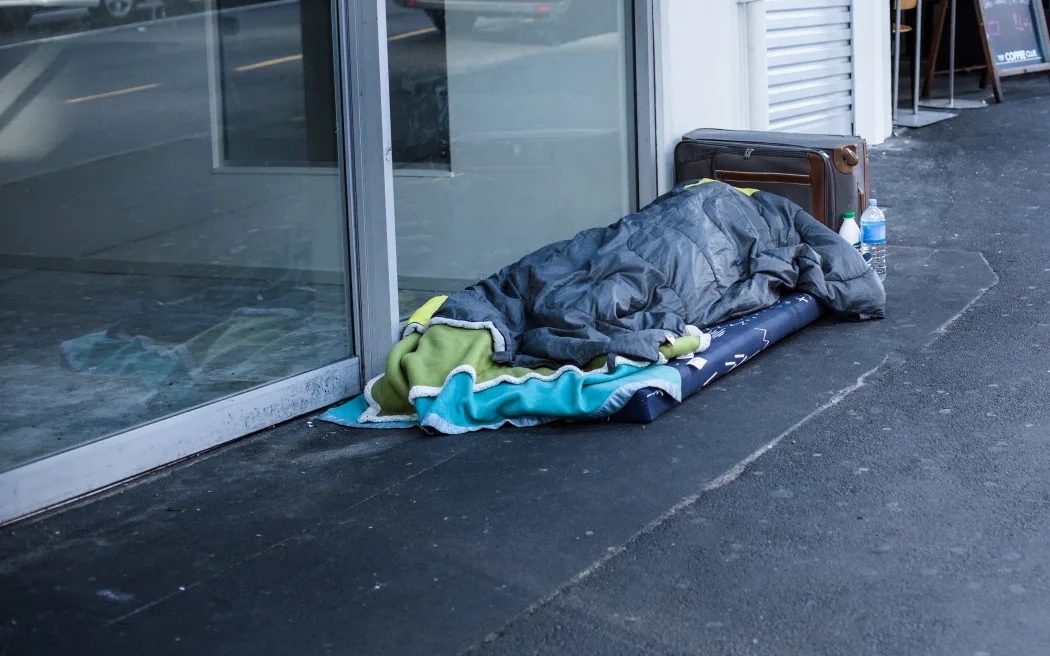
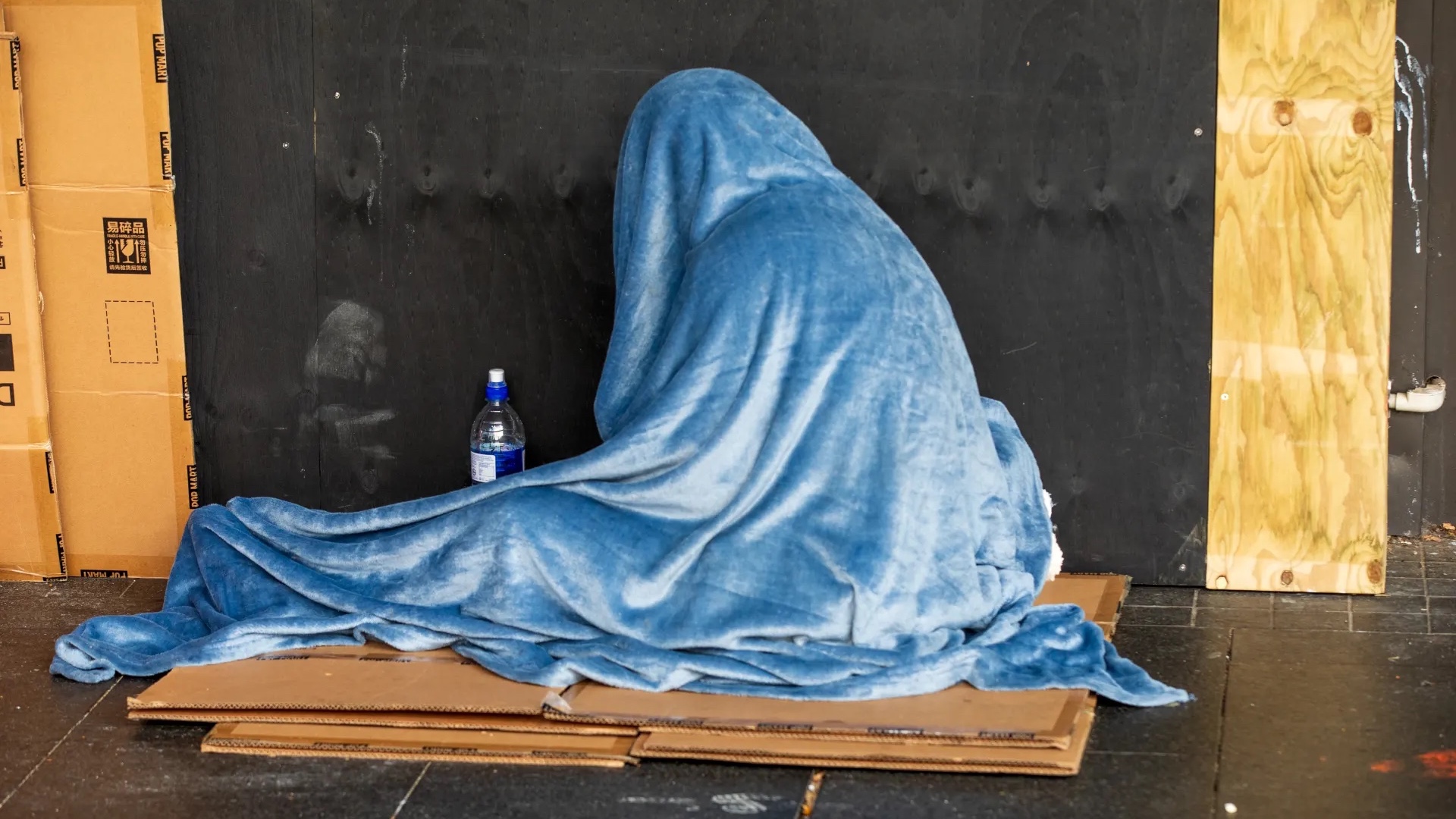
Opinion: Over the past few weeks, the debate around proposed move-on orders seems to have shifted dramatically. Much of the discussion has become centred on homelessness and whether vulnerable people are being unfairly targeted.
That is an important conversation. But it isn’t where this discussion began.
The original conversation was about anti-social behaviour in and around our town centres, transport hubs, shopping precincts and other shared public spaces.
It was about whether Police should have an additional tool to intervene when behaviour becomes intimidating, disruptive or disorderly before it escalates into something more serious.
Somehow, we’ve gone from debating behaviour to debating identity. That concerns me. A law should never judge someone because they are homeless, wealthy, young or old. It should judge conduct.
India is coming to Auckland: Full schedule revealed for cricket, football, hockey, Diwali From the Black Caps and All Whites taking on India to Diwali, hockey, bowls and city-wide light displays, Auckland has revealed its sporting centenary programme.
Indian man dies six months after arriving in New Zealand, fundraiser launched Emergency services were called to the crash at Kawarau Falls on Sunday.
$70,000 bill for Rotorua man after father visiting from India to help with newborn twins has stroke A fundraiser has been launched after the uninsured visit has left the family carrying the full cost of hospital treatment
If someone is quietly sitting in a public park, regardless of who they are or where they sleep at night, that is one situation.
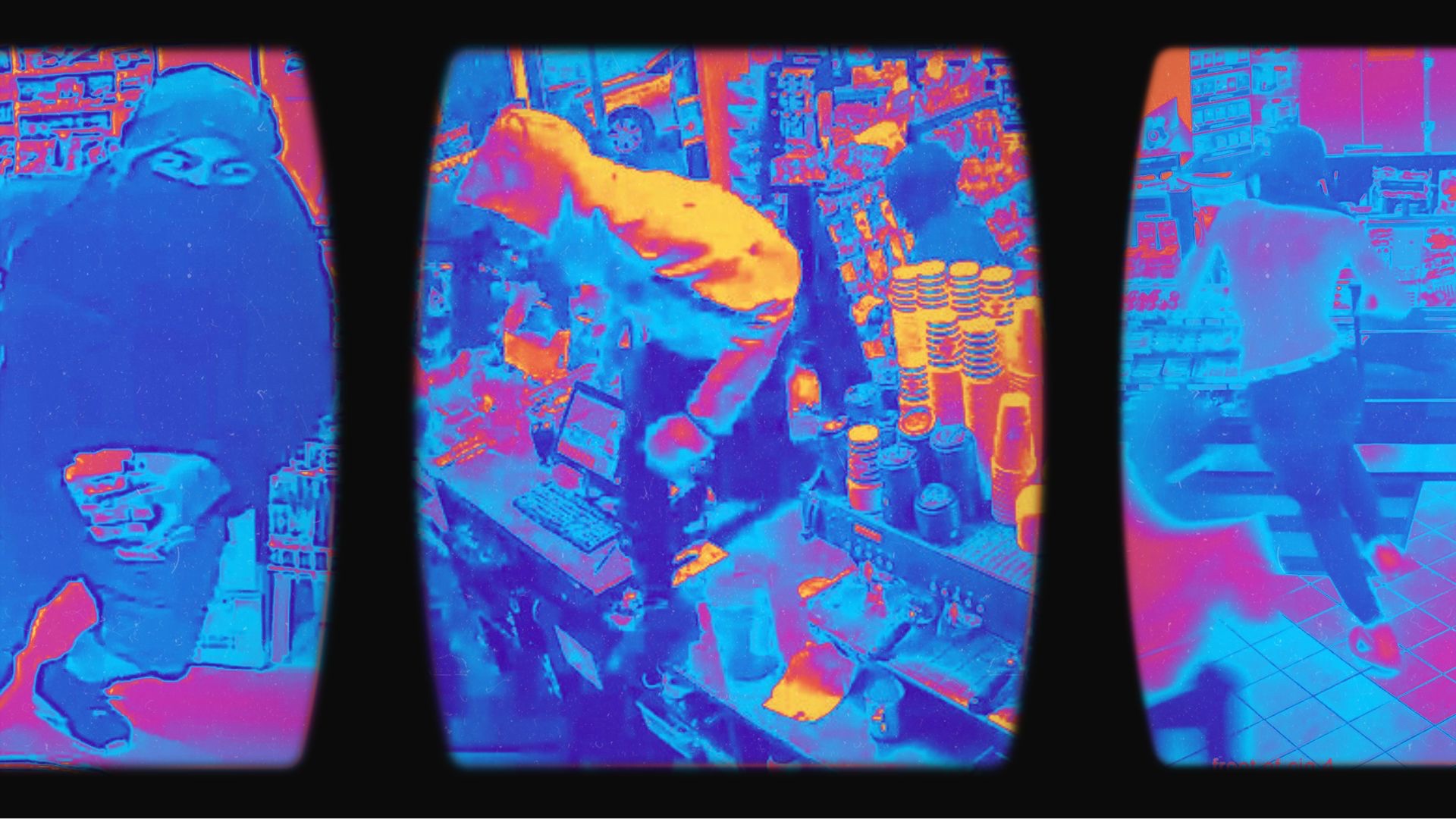
If someone is intimidating shoppers, blocking the entrance to a supermarket, drinking in prohibited public areas, abusing retail staff or creating an environment where families no longer feel comfortable using a public space, that is another.
Those are fundamentally different conversations. Having spent years working alongside retailers, I often ask a simple question. What exactly has the local business owner done wrong?
They pay commercial rent, employ local people, pay taxes and invest in our communities. Yet when disorder develops immediately outside their premises, it is often those businesses, their staff and their customers who bear the greatest burden.
Retailers are not asking Government to solve every social problem through policing. They understand that homelessness, addiction and mental illness require compassion and long-term support.
What they are asking is much more modest.
Can customers enter a shop without intimidation? Can staff finish work feeling safe? Can families enjoy our town centres and public spaces without unnecessary disruption?
These are reasonable expectations.
A compassionate society should absolutely support those who are vulnerable. But compassion and public order are not opposing values. We should be capable of helping people rebuild their lives while also protecting the public spaces that belong to every New Zealander.
Perhaps that’s where this conversation needs to return. Not to labels. Not to assumptions about who might be affected. But to the original question. How should we respond when anti-social behaviour prevents everyone else from peacefully enjoying the public spaces we all share?
Ultimately, this debate should never have been about who people are. It should always have been about how we expect shared public spaces to function.