
The 'should' voter: What Labour should be arguing. And why they won't

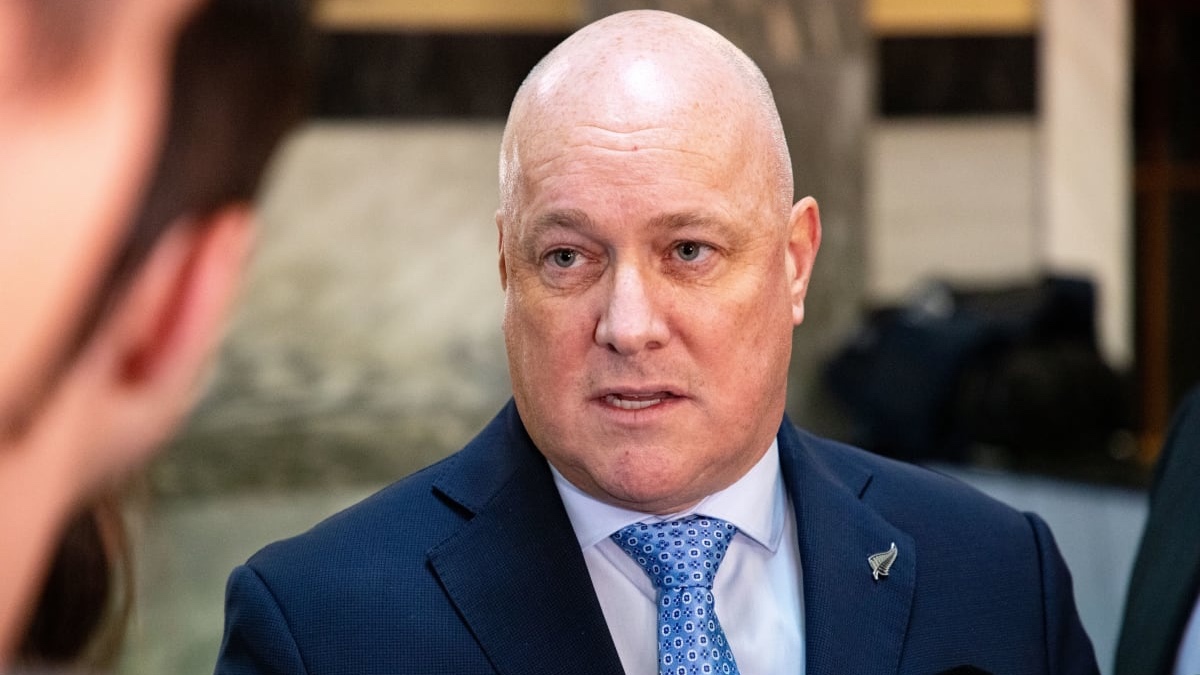
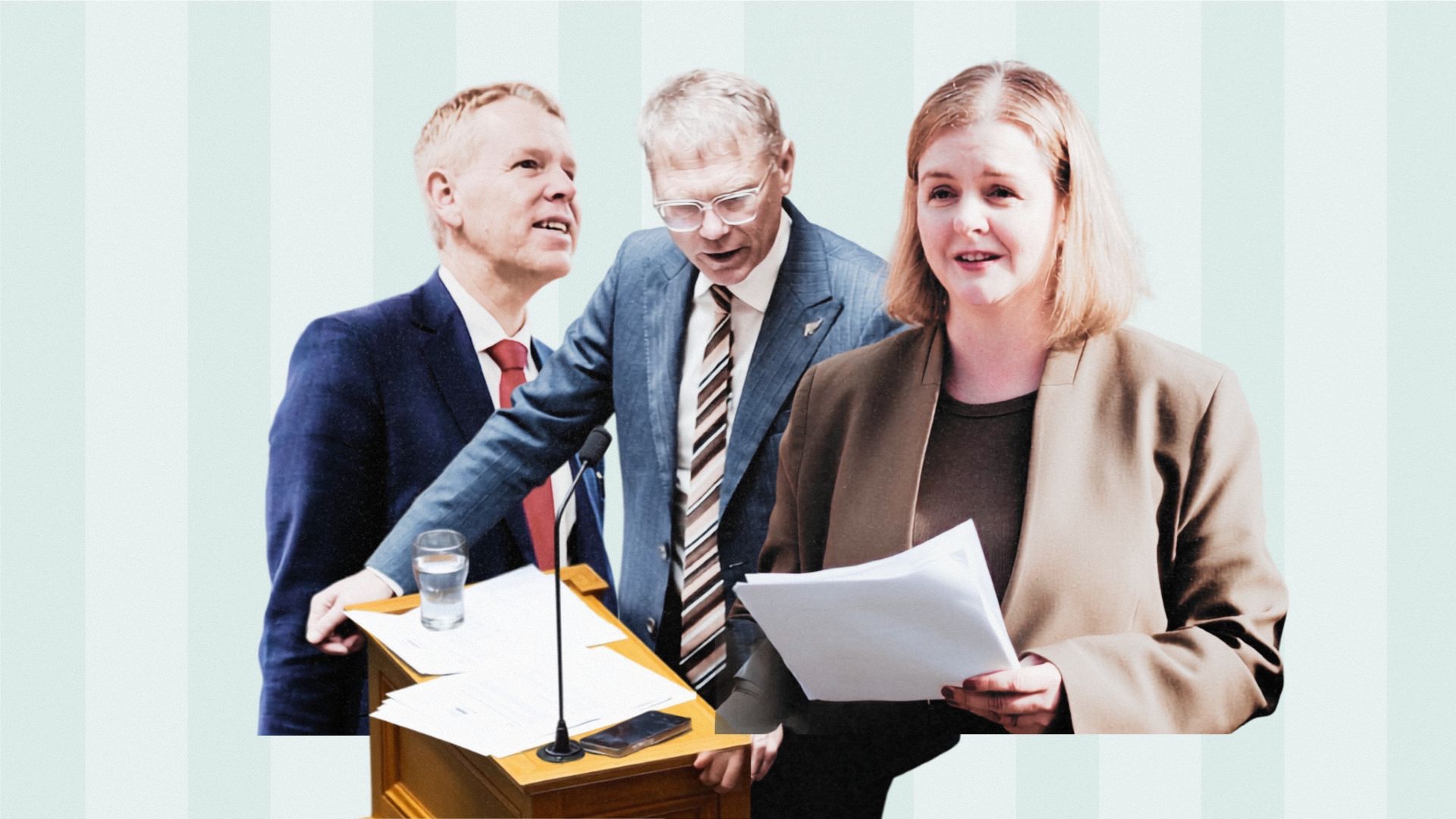
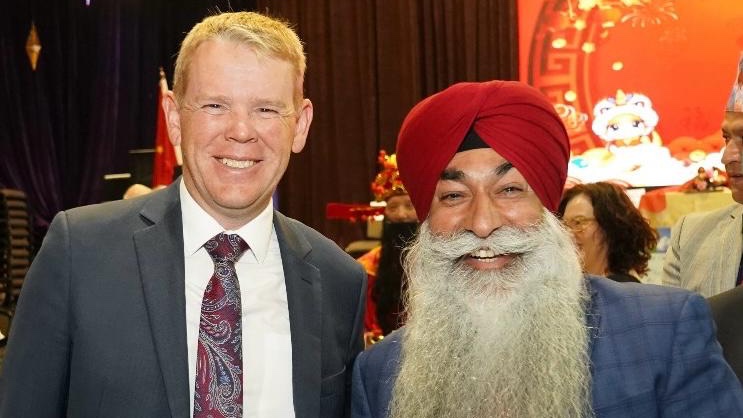
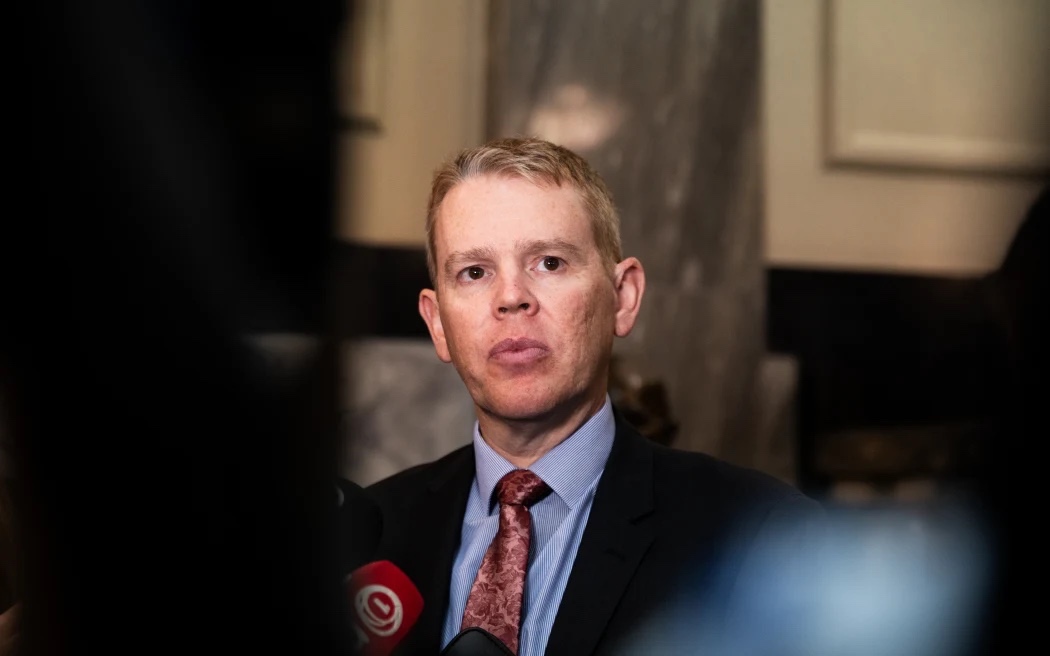
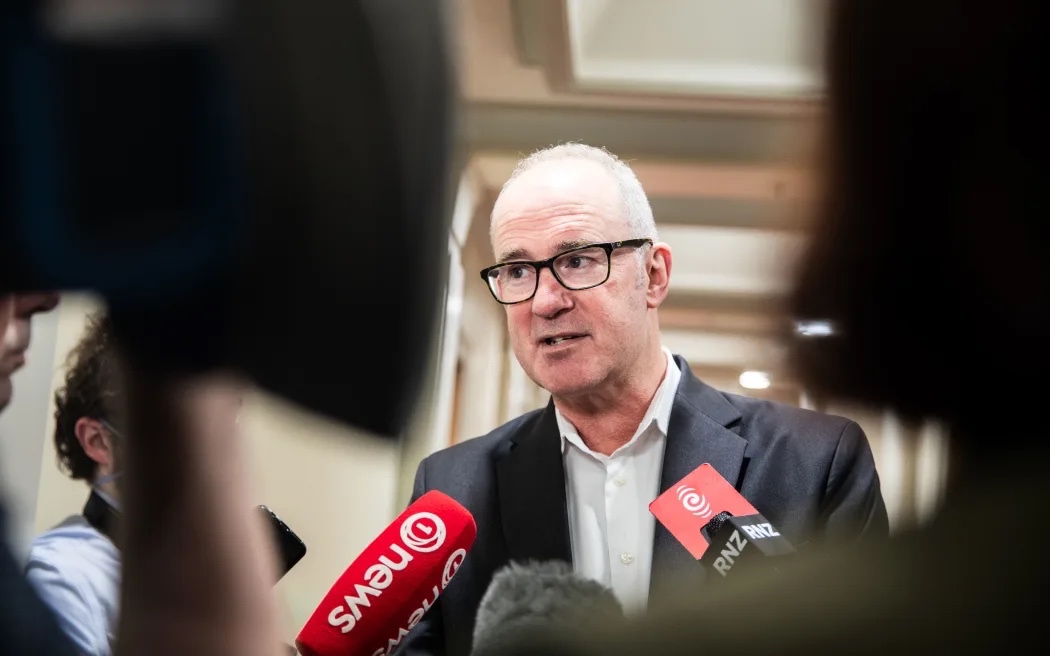
Labour leader Chris Hipkins.
The problems have a genuine answer, and each answer costs Labour a piece of their coalition.
(The writer is a migrant living in Waikato. He would rather not be named.)
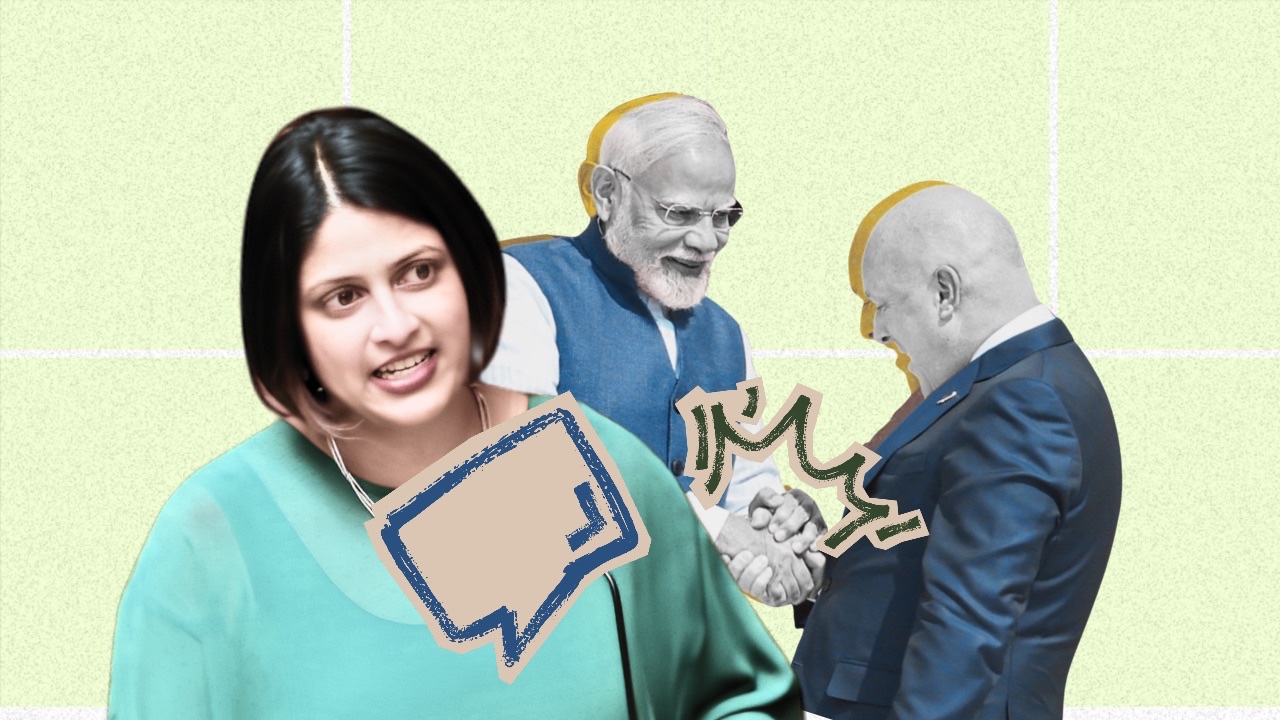
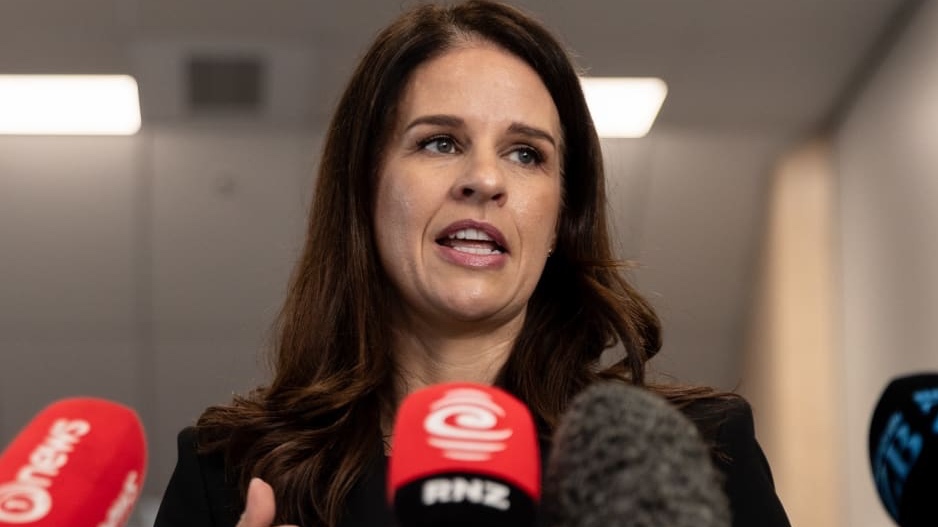
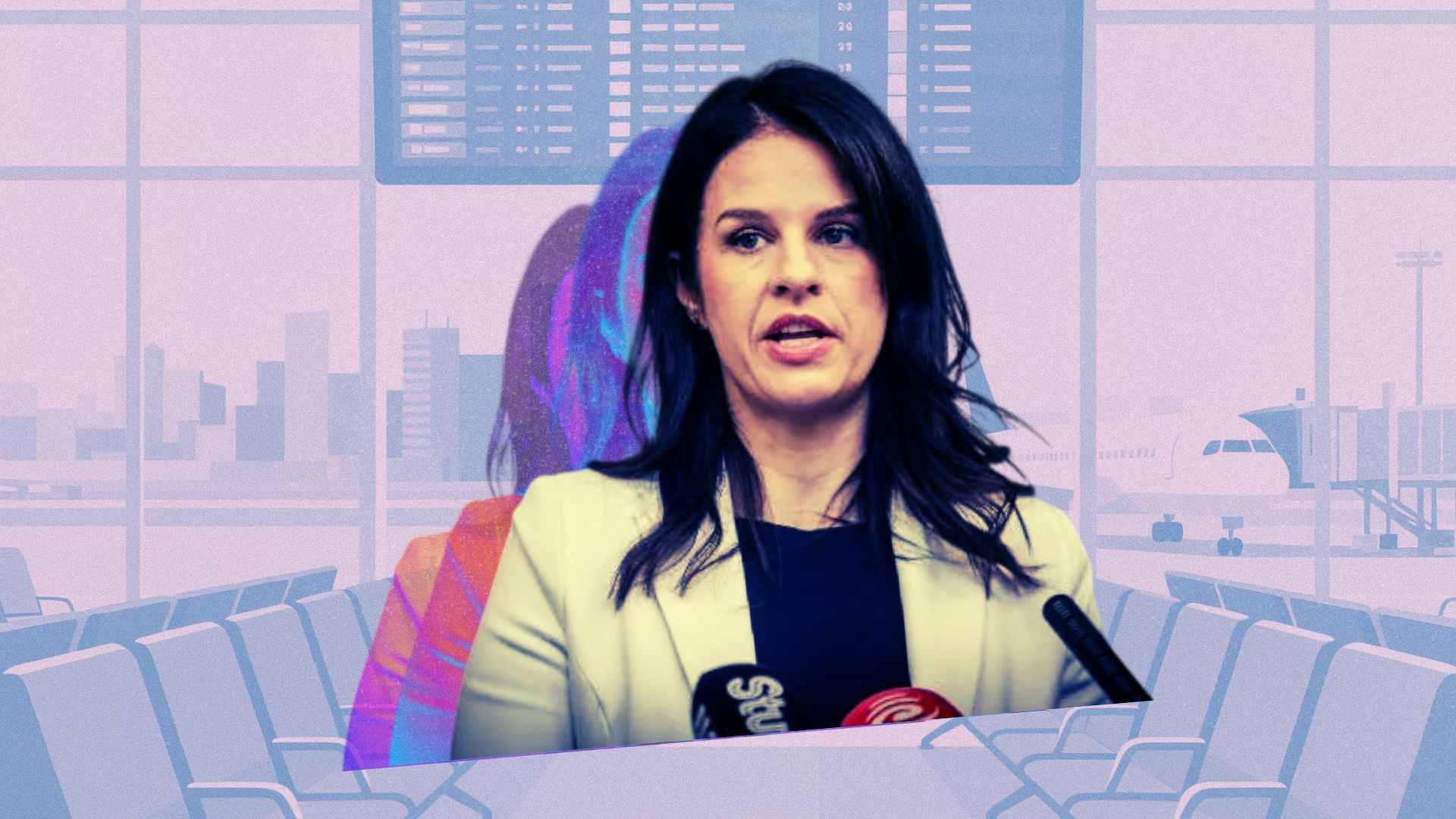
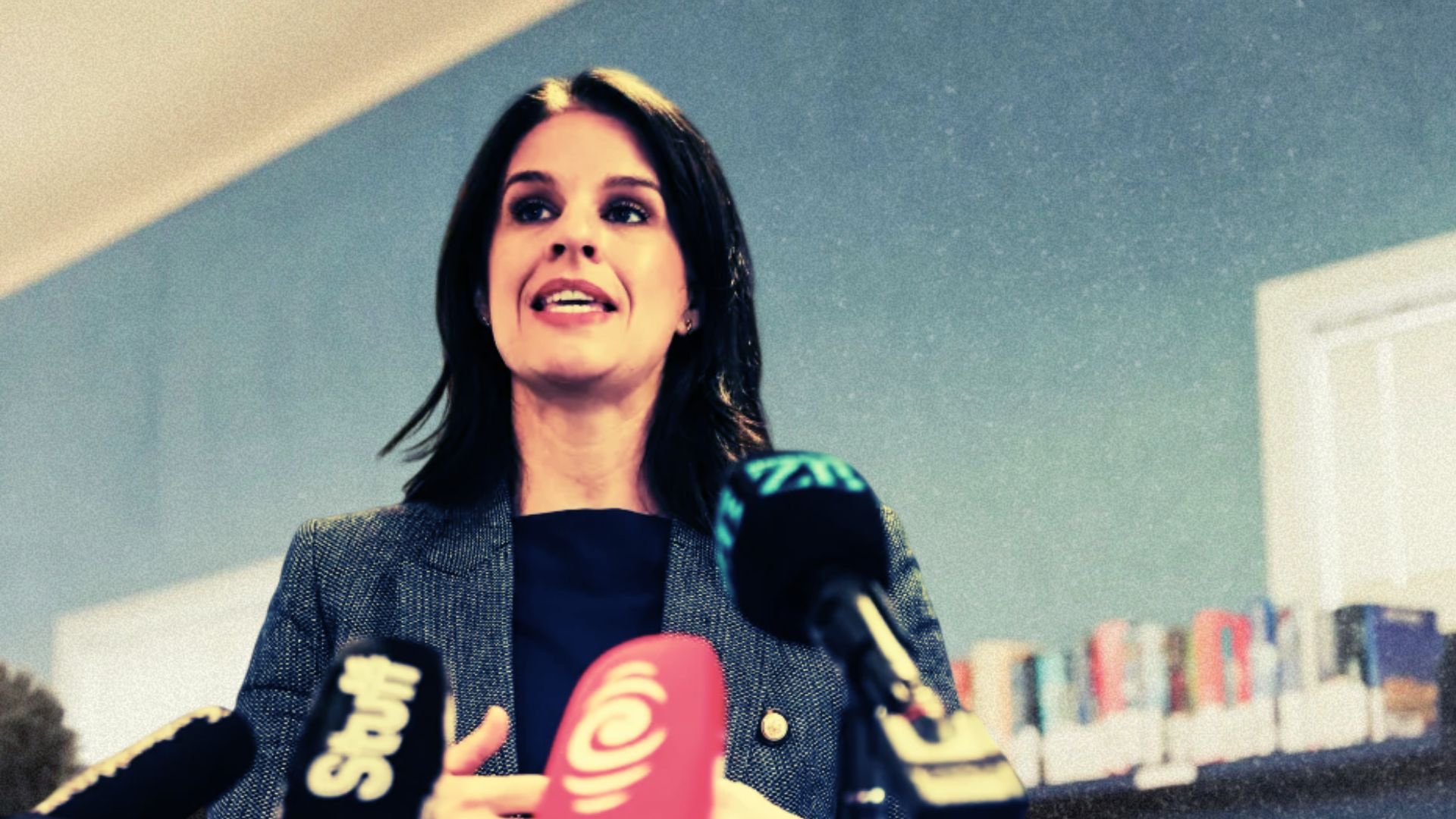
Verity Johnson knows she should vote Labour. She just doesn’t want to. That admission, the title of her recent Stuff column, is one version of a feeling that has been circulating on the New Zealand left since election night 2023.
The social media version is less self-aware. It took shape before the coalition had passed a single piece of legislation, and it has not changed tone since: things are bad, it is this lot’s fault, vote them out.
RNZ put it plainly: Labour’s pitch is not “vote for us because we’re great.” It is an implicitly negative anti-coalition campaign.
The Spinoff was more analytical but arrived at the same place, describing Labour’s approach recently as a “blank canvas” strategy: say nothing, present no target, let the coalition’s unpopularity do the work.
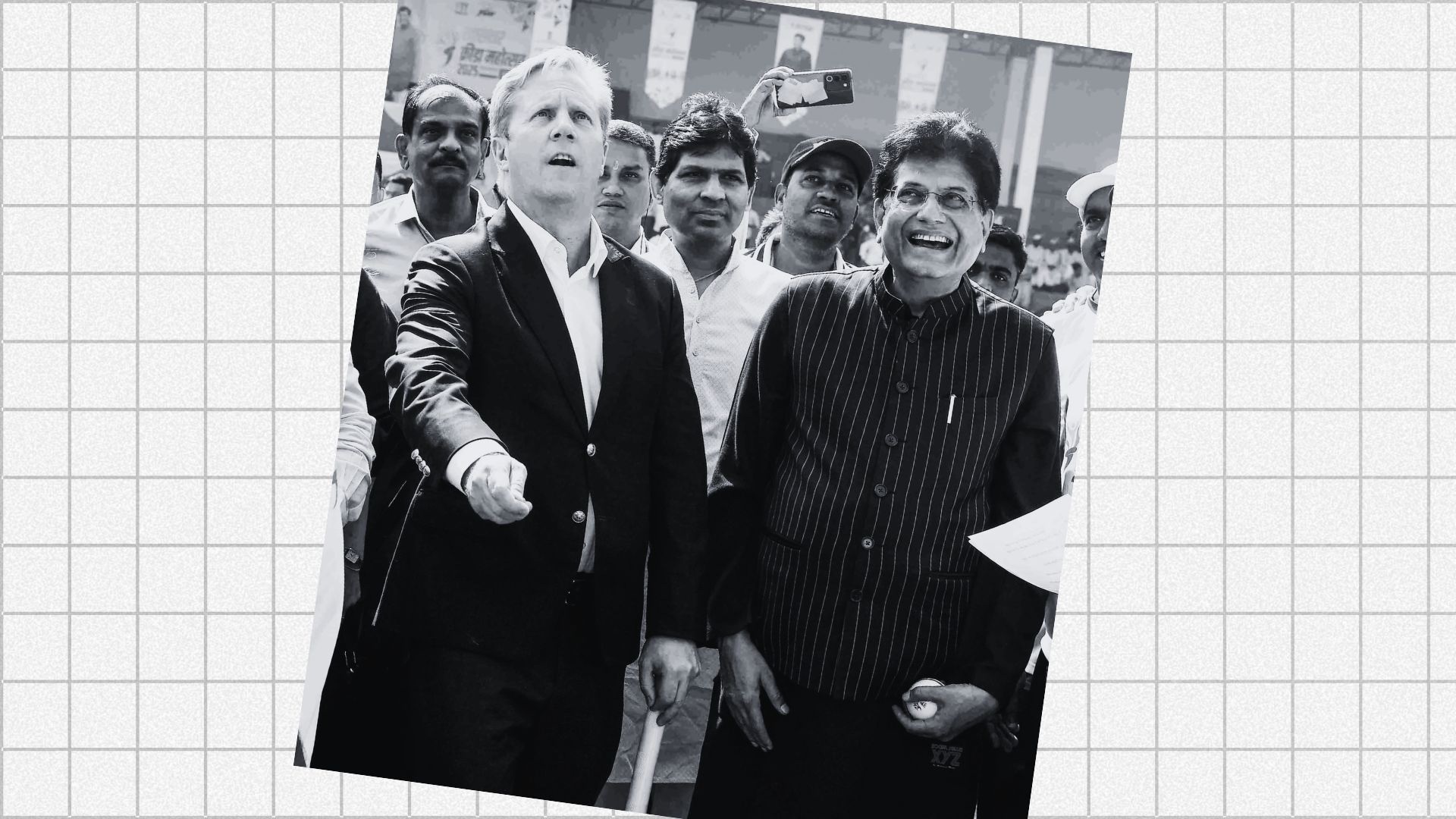
India is coming to Auckland: Full schedule revealed for cricket, football, hockey, Diwali From the Black Caps and All Whites taking on India to Diwali, hockey, bowls and city-wide light displays, Auckland has revealed its sporting centenary programme.
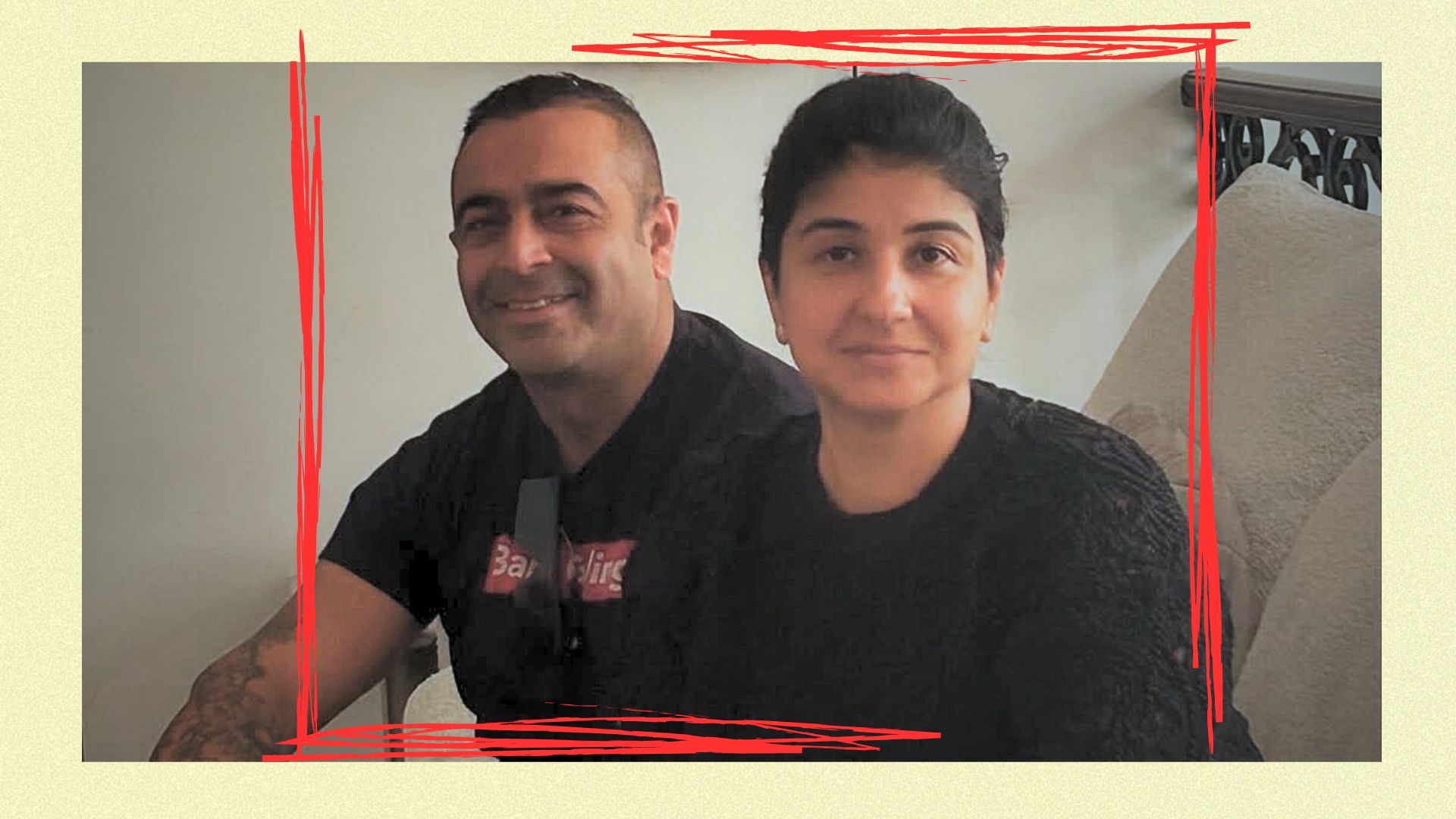
Indian man dies six months after arriving in New Zealand, fundraiser launched Emergency services were called to the crash at Kawarau Falls on Sunday.
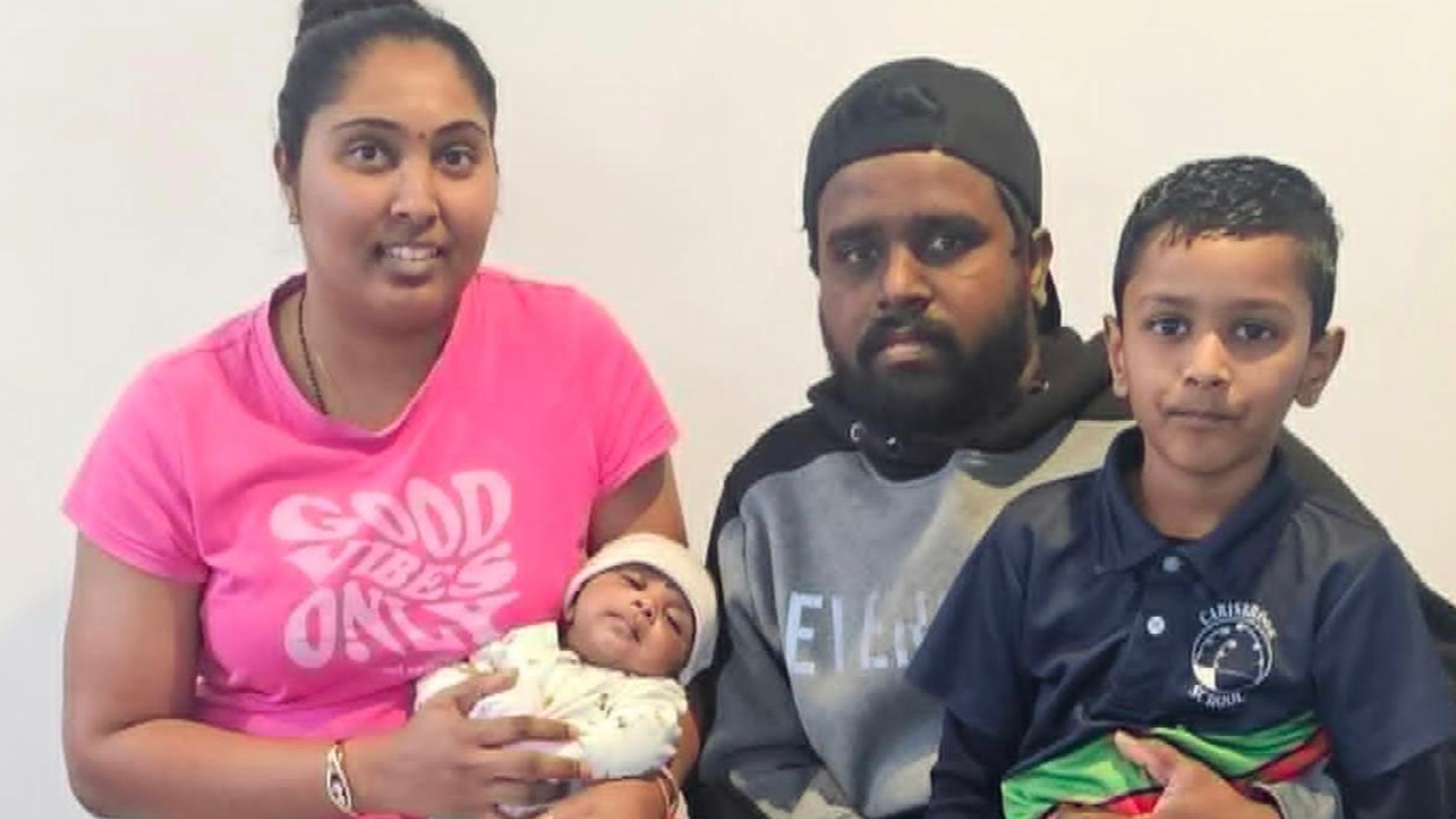
$70,000 bill for Rotorua man after father visiting from India to help with newborn twins has stroke A fundraiser has been launched after the uninsured visit has left the family carrying the full cost of hospital treatment
The commentary is, in places, genuinely disingenuous. A position that crystallised on election night, before a single policy had been implemented, is not a case for a better New Zealand.
It is a conclusion already reached, dressed as one. But the obligation to engage with it in good faith remains. So let me try.
Where I sit
I came across Johnson’s piece shared on X. I read it the way I try to read most things from the other side, as an opportunity to understand what people I disagree with are actually worried about. I have written about my own vote elsewhere.
What follows is not a sequel to that. It is an attempt to do something the left’s commentators have largely not managed in 18 months. To take the argument seriously enough to make it properly, and be honest about why the people who should be making it won’t.
The case Labour should be making
Polling tells us what is front of mind for most New Zealanders. Cost of living. Healthcare. Housing. Three areas where public frustration is genuine, where Labour has long claimed to speak, and where a serious opposition would have something to say.
Here is what that something looks like.
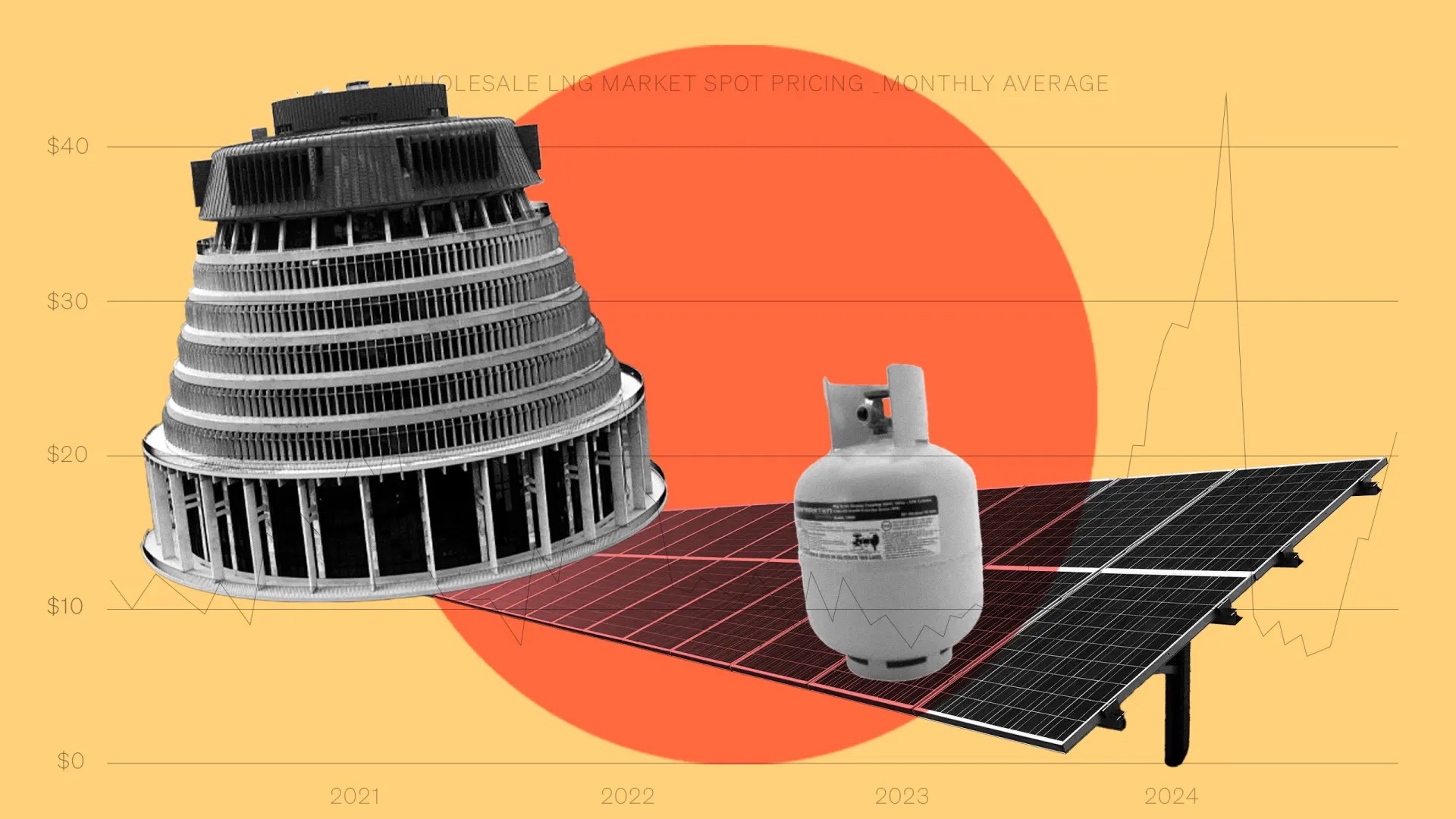
Cost of living and energy: Energy costs touch everything. When power is expensive, so is everything made, stored, or transported in New Zealand. New Zealand’s power prices have risen significantly in real terms since 1998.
The Bradford reforms were supposed to deliver retail competition and lower bills. The causes run deeper than a single reform. The capital intensity of new renewable generation, growing network costs, and the volatility of a hydro-dependent system have all played a part.
Whatever the mix, the market design has not delivered what was promised, and there is a genuine case for reform.
A serious Labour programme would name the specific failures, propose concrete changes to how the wholesale electricity market operates, and commit to expanding supply in a way that brings together cost, reliability, and climate rather than trading one off against the other two.
The problem is that honest answers about where expanded supply comes from include gas, geothermal, and possibly nuclear. Those answers are incompatible with the Green coalition partner Labour needs to govern. So the argument stays unmade.
Healthcare: The system is deteriorating visibly. Wait times, workforce shortages, and administrative weight that consumes resources before they reach patients. These are documented and serious.
A serious reform programme would pursue accountability for performance, give patients genuine choice, and cut the administrative layer between funding and frontline care.
All of that runs directly into the public sector unions that form a core Labour constituency. Real accountability reform dismantles that relationship before an election. So the argument stays unmade.
Housing: New Zealand’s housing failure is structural, long in the making, and genuinely shared across governments of both colours.
The supply-side case is straightforward. Build more, remove the planning restrictions that prevent density in major cities, reform the rules that keep land artificially scarce.
Labour has attempted versions of this. The difficulty is that their urban base includes homeowners for whom rising values are financial security, and their most likely coalition partners favour public supply over market supply. Real reform costs both. So the argument stays unmade.
Why the silence makes sense
Notice the pattern. Each of these problems has a genuine answer, and each answer costs Labour a piece of their coalition.
The silence, six months from an election, is not a communication failure. It is not the clever Invisible Man strategy some commentators have described. It is the rational response of a party that has concluded being in power matters more than fixing things.
Governing is a problem for after November. Winning is the problem now.
When Labour does break its silence, the choice of ground is revealing. There have been announcements.
Three free GP visits a year through a new Medicard, funded by a narrow capital gains tax on investment property.
A commitment to repeal the Regulatory Standards Act within the first hundred days. The second carries an irony worth naming.
The Regulatory Standards Act exists to ensure government produces law that meets basic quality thresholds. Repealing it is a promise to govern with fewer checks on your own legislation.
As a response to New Zealand's structural cost of living crisis, neither addresses the problems this piece has described. No energy market reform. No housing supply commitment.
It is less a policy platform than a selection of signals, each aimed at a piece of the base that has been waiting 18 months to hear something familiar.
Announcing something is not the same as fixing something. The current government knows this too. I say that as someone voting for them. The road cone hotline will not go down as a proud moment.
Six months
Six months to the election. A handful of announcements at the margins. Thirty-five per cent in the polls.
Johnson herself shows why the silence works. She is furious with Labour. She describes them as having spent two years “out back having a blueberry vape” while New Zealand came apart.
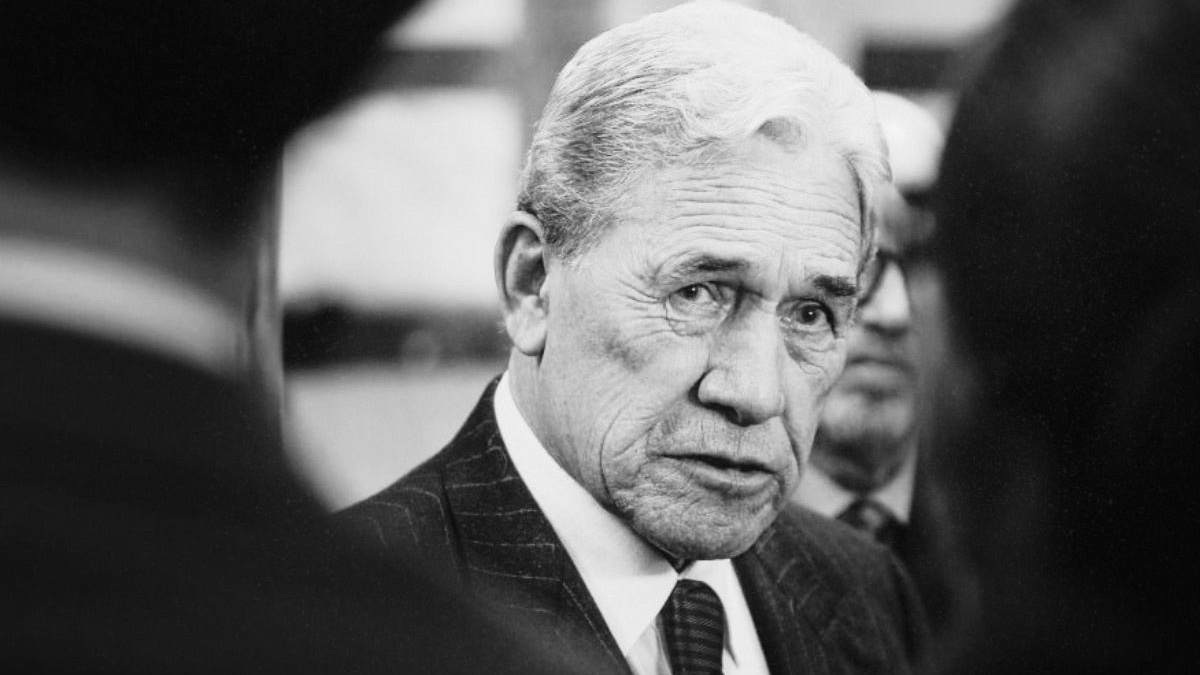
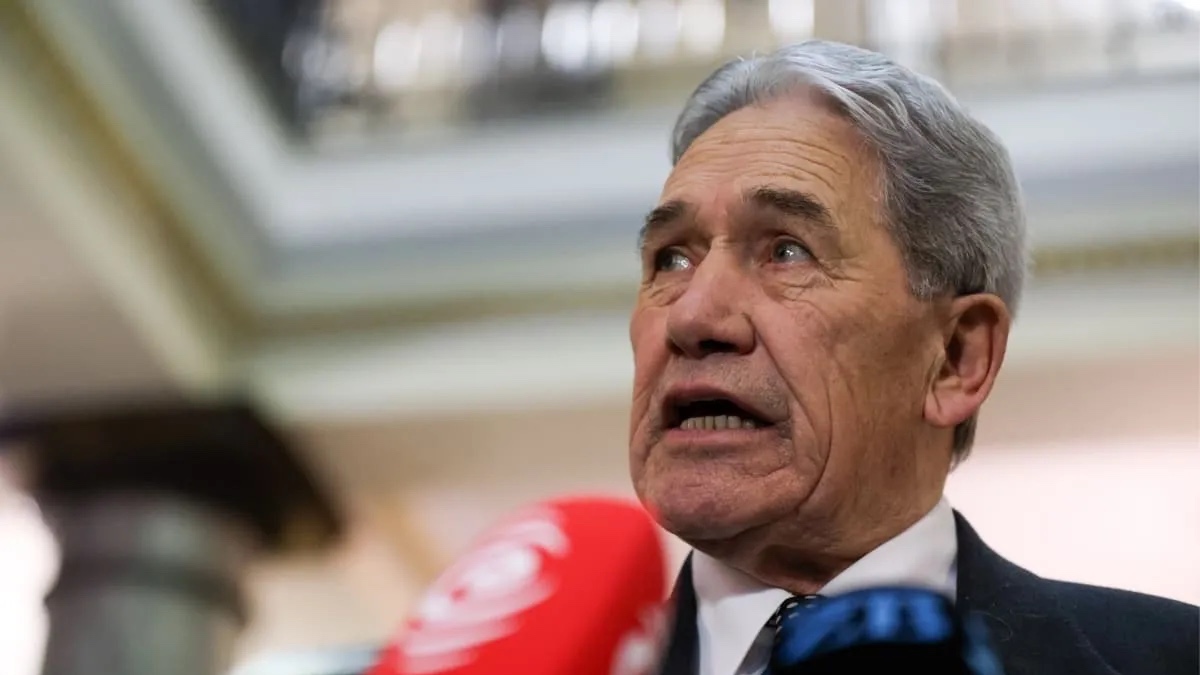
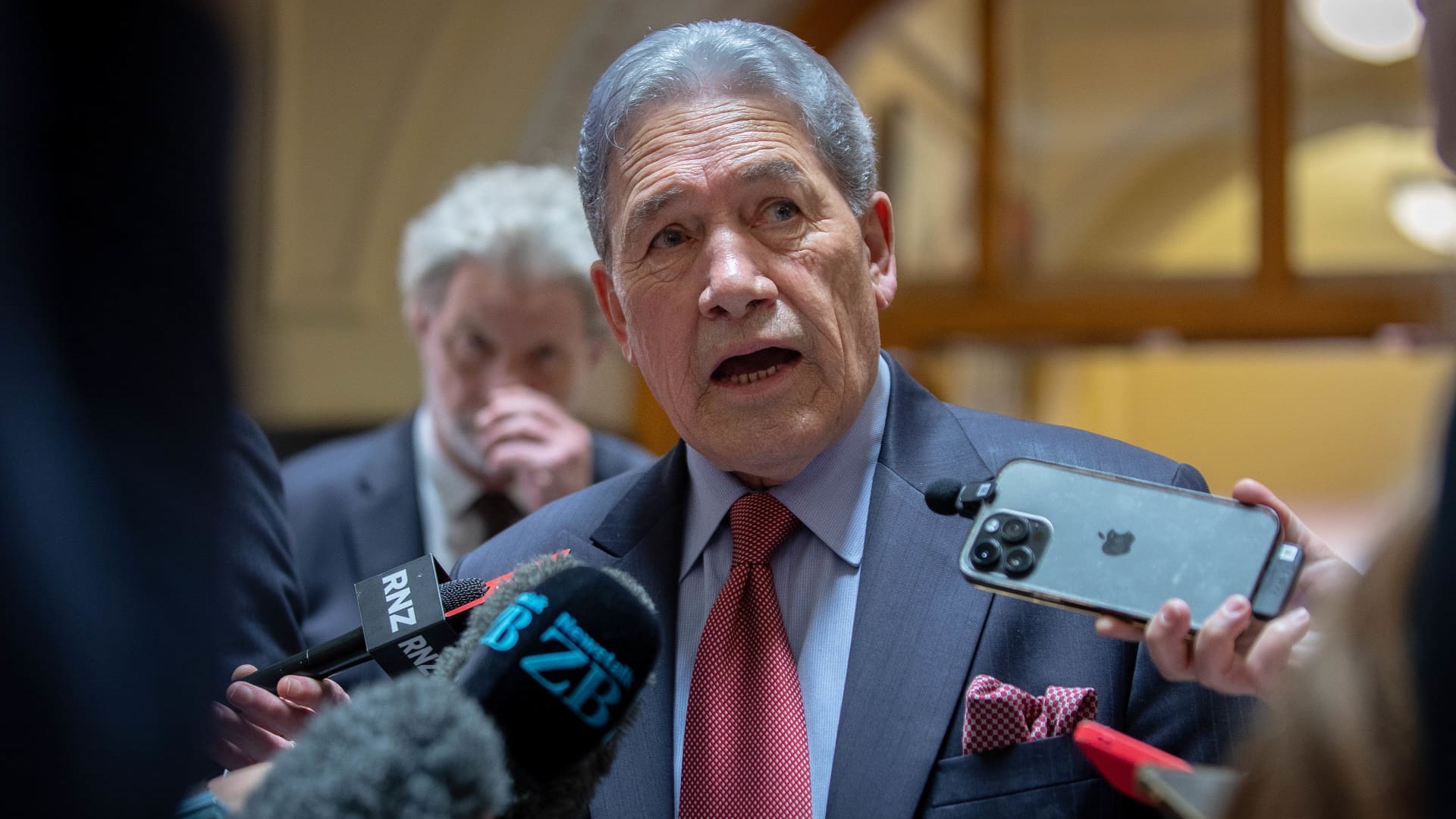
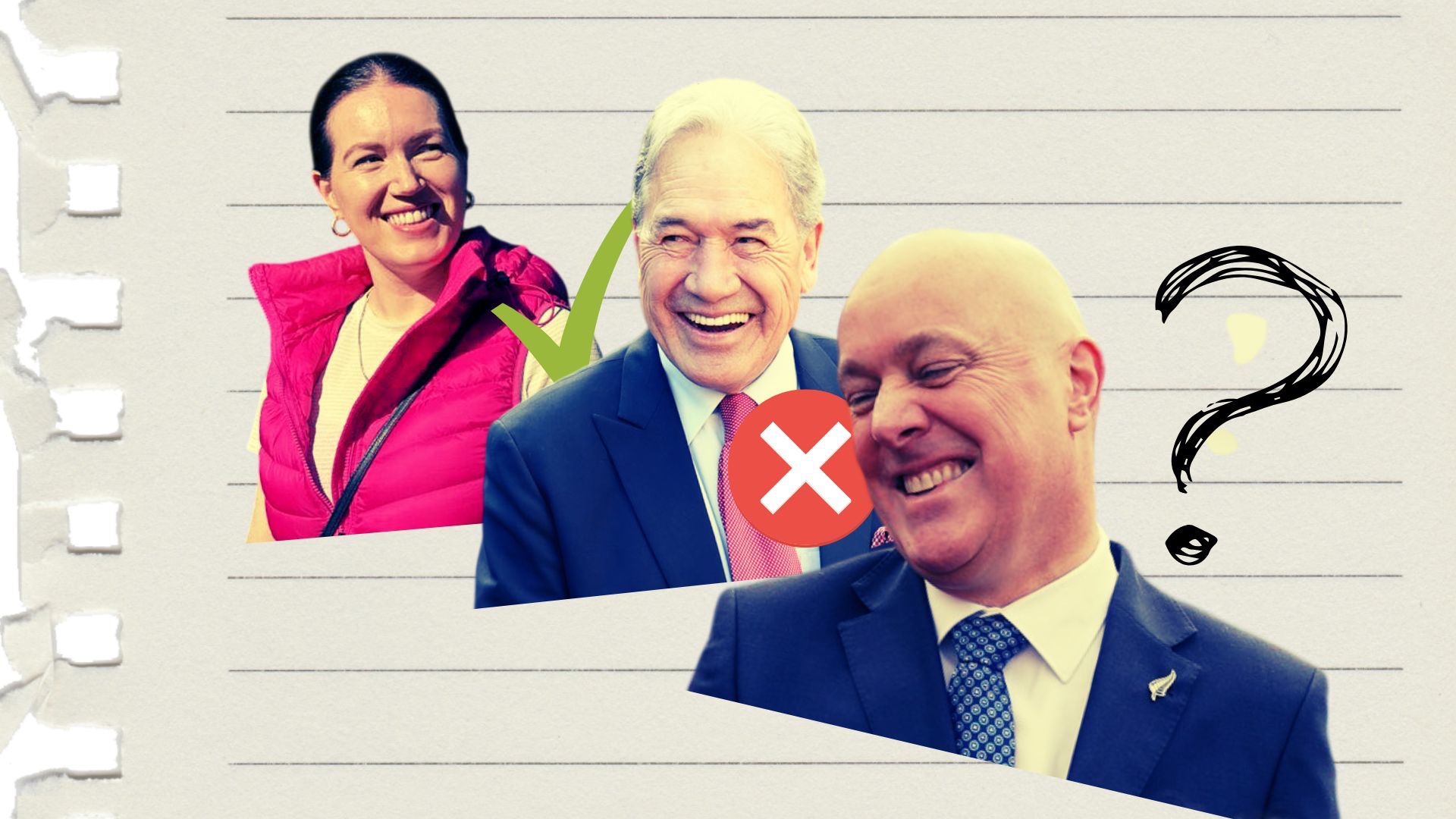
She holds Labour up against Winston Peters as an opposition figure and finds them wanting. She is not wrong to. Then she writes a line she does not seem to notice.
“I don’t think it even matters if Labour doesn’t know how to fix this mess. People would settle for someone explaining to them how we ended up here in the first place.”
A story will do. A solution is not required. And she will almost certainly vote Labour anyway.
That is not a critique of Labour. That is a description of a voter who has already decided, for reasons that have nothing to do with policy. Labour knows it. Thirty-five percent without answering a single hard question. The calculation is working.
The vote that means something
The vote that means something is not the one cast out of obligation. It is the one cast after sitting with a harder question.
What do I actually think would make New Zealand better, and who comes closest to having a genuine answer? Not the most fluent story. Not the most familiar jersey. An answer.
Six months. Labour’s offer is silence. What voters decide to demand in return is still up to them.