Election'26: Labour vows to extend permanent residence wait from two to four years

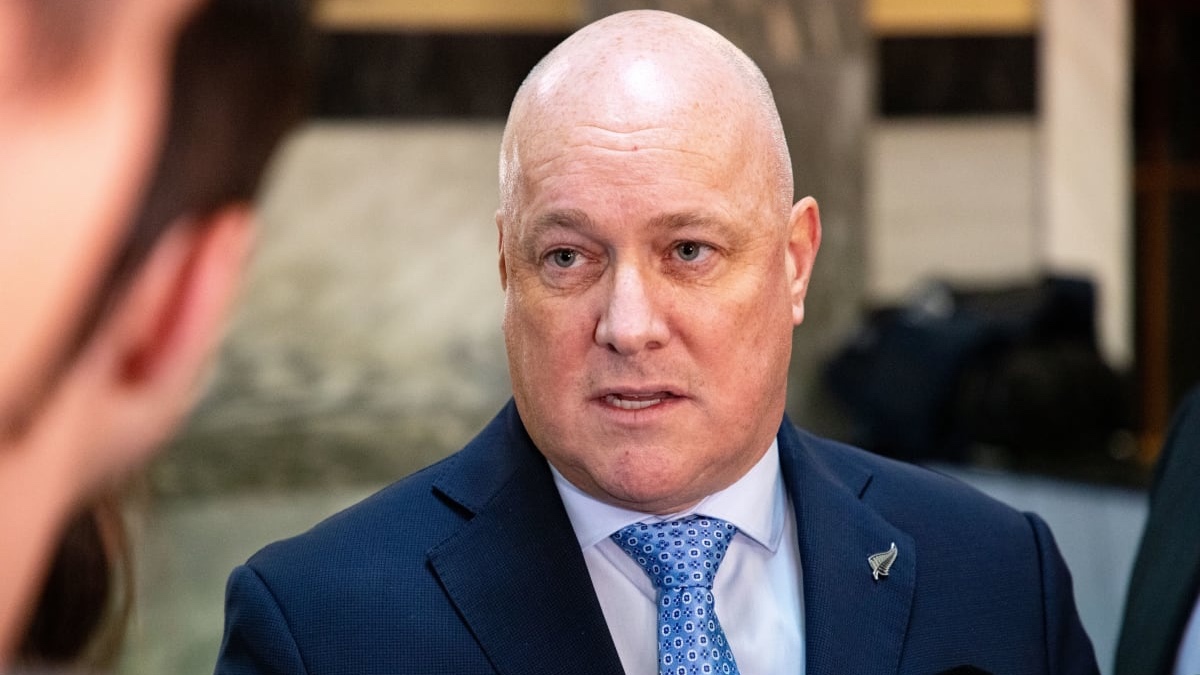
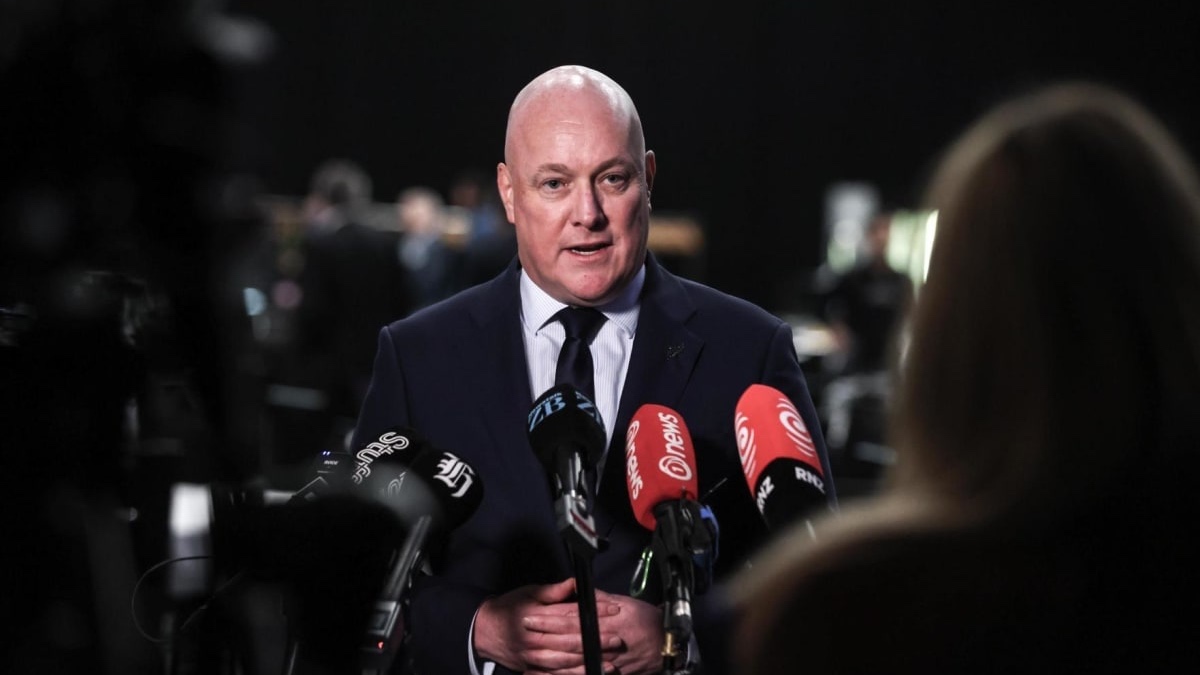
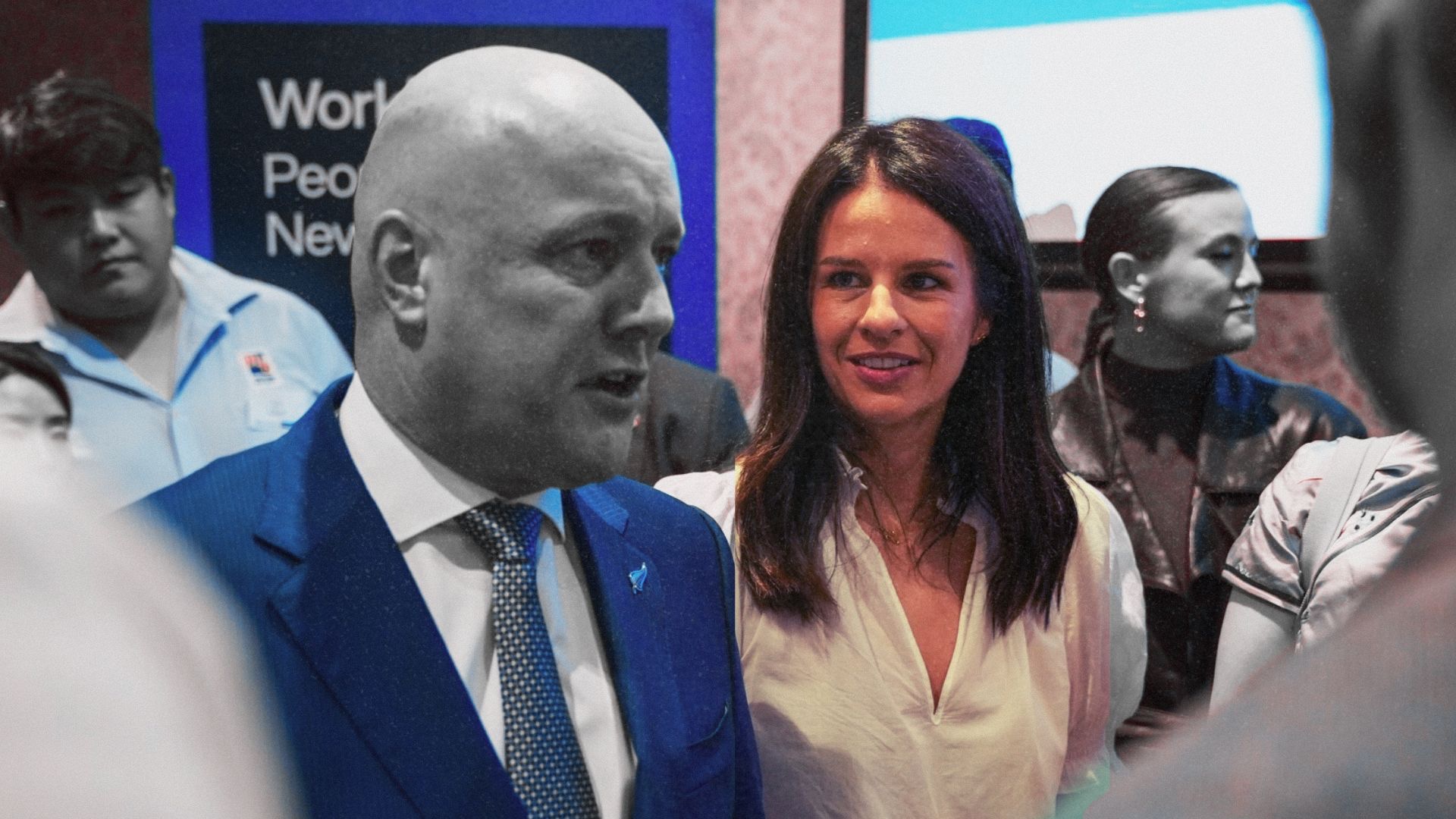
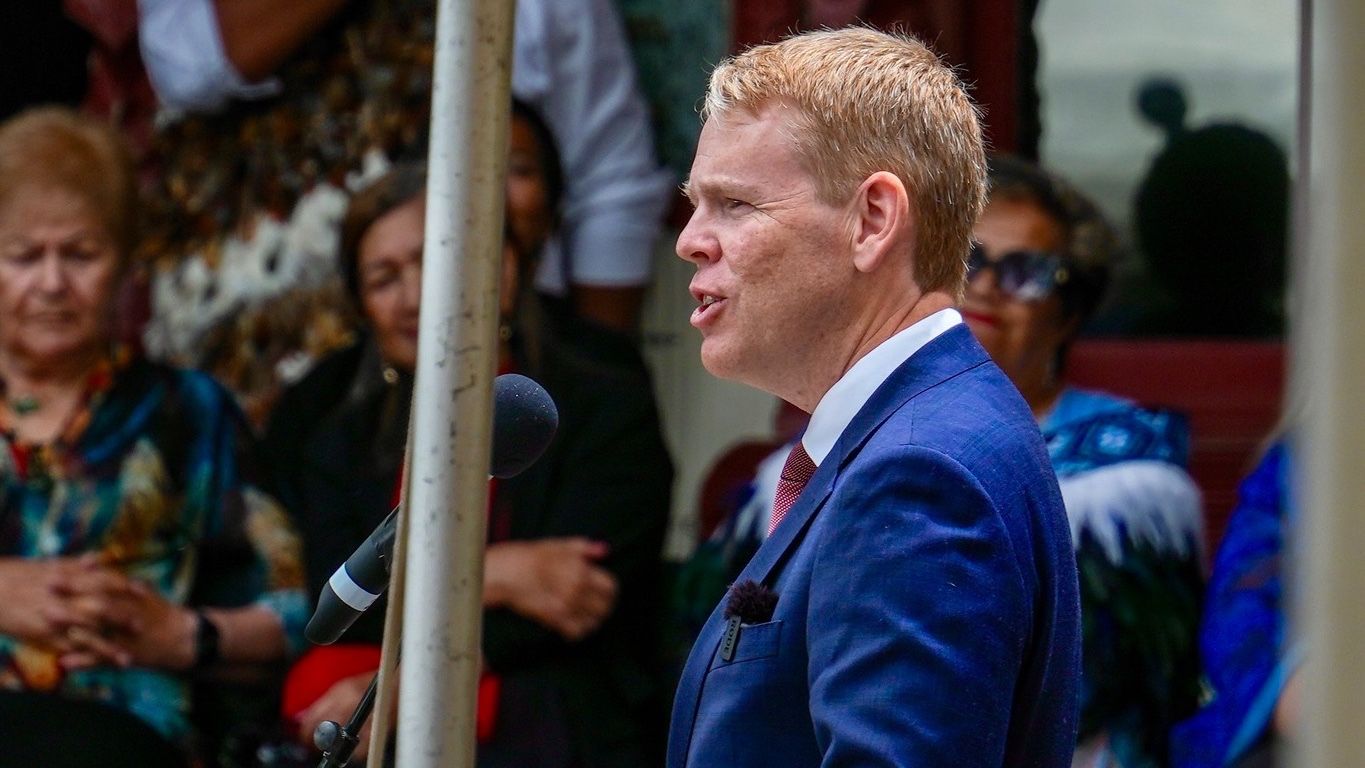
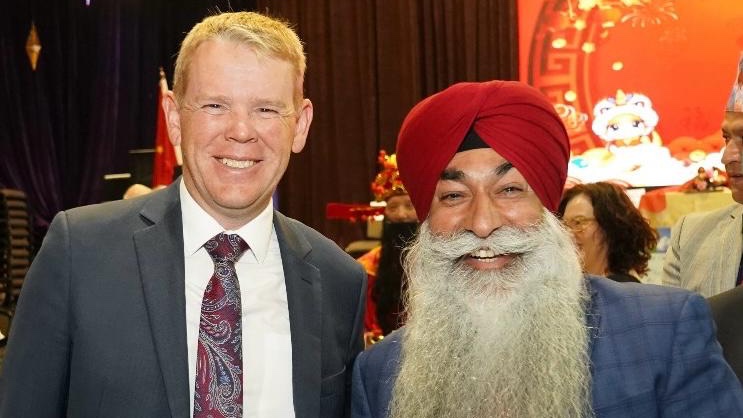
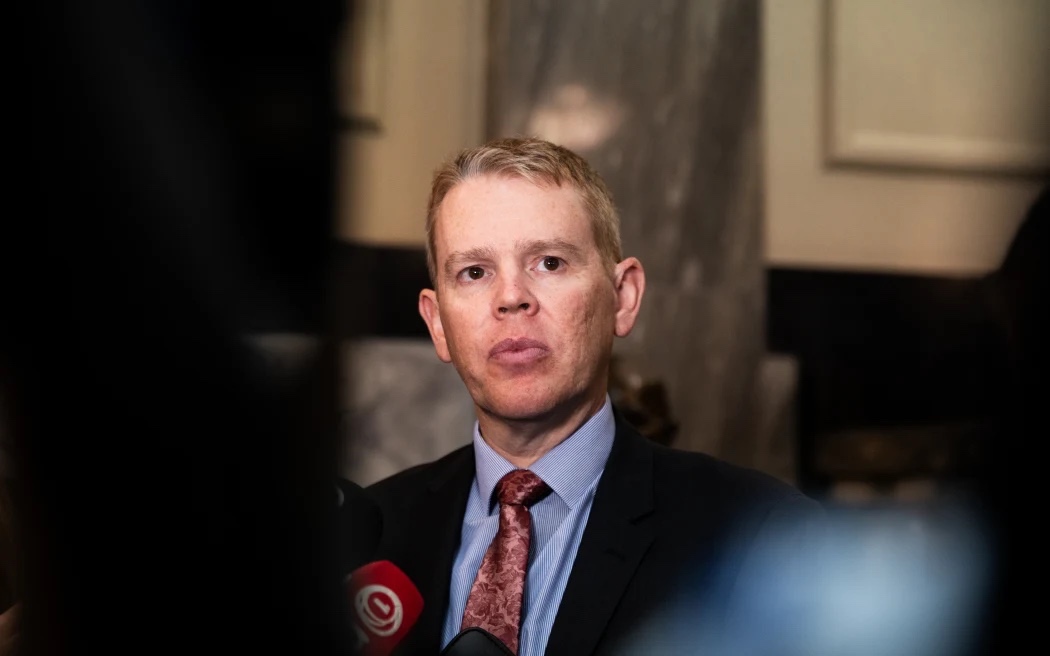
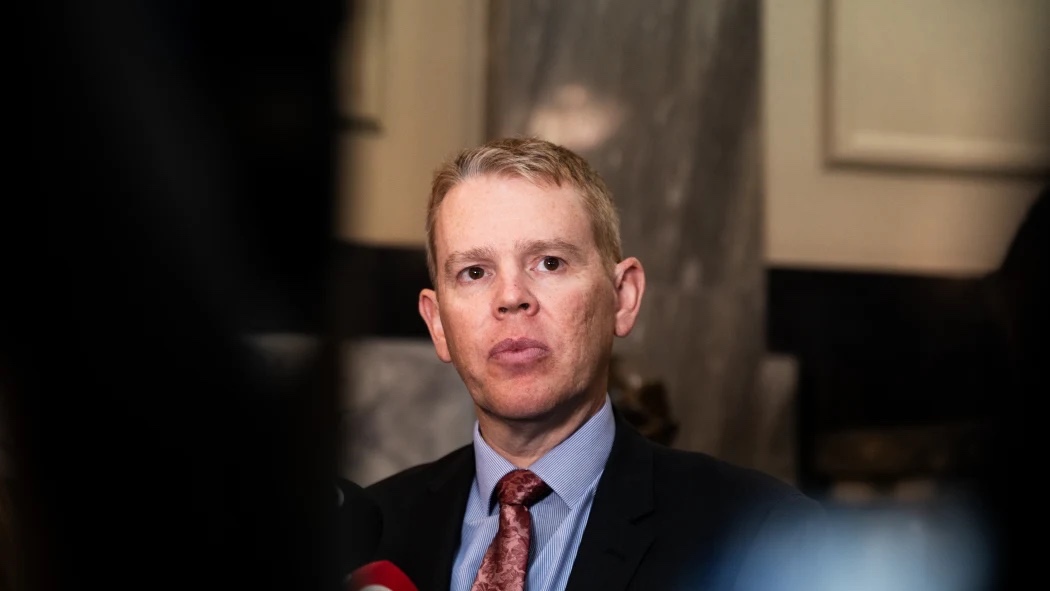
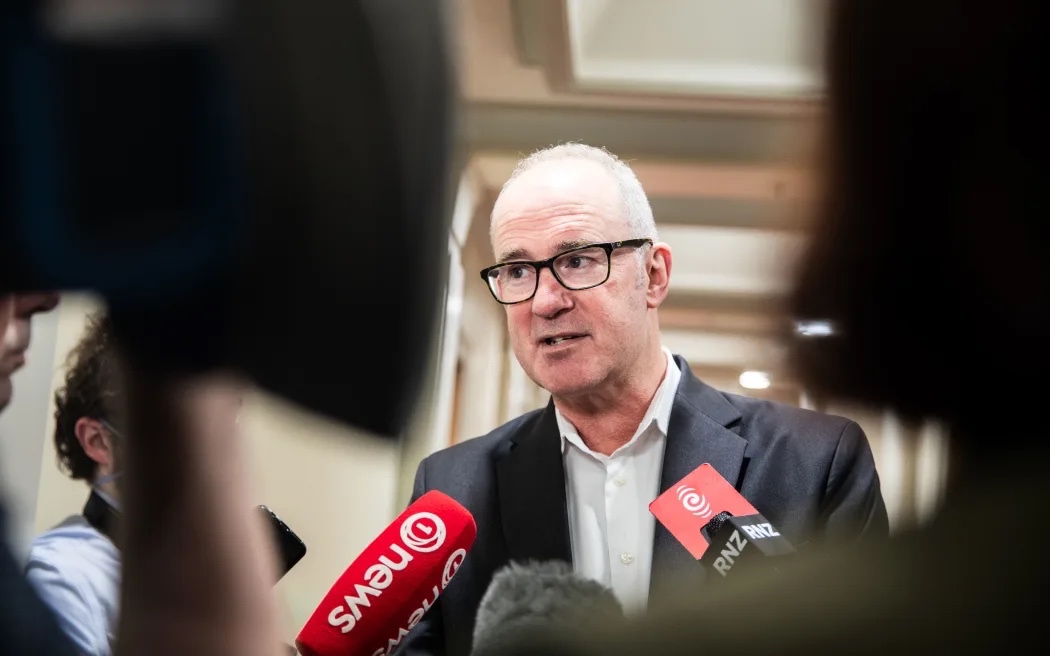
Labour leader Chris Hipkins.
The party believes migrants need time to "put down roots" before they can graduate to permanent residency.
Labour is proposing to double the time migrants must wait before becoming eligible for permanent residence, from the current two years to four.
The party is framing the longer qualifying period as a way to encourage migrants to put down roots in New Zealand, with the change to be paired with a New Zealand orientation and civic education programme aimed at strengthening social cohesion.
The proposal is part of a wider immigration policy announced by Labour on Friday, which the party says would plan migration around New Zealand’s workforce, housing and infrastructure needs while giving migrants who settle here greater support.


Under current rules, migrants can generally apply for a Permanent Resident Visa after holding a resident visa for at least two years and meeting other requirements, including showing a commitment to New Zealand.
Labour’s announcement comes as immigration and the rights attached to residence become an increasingly prominent election issue.
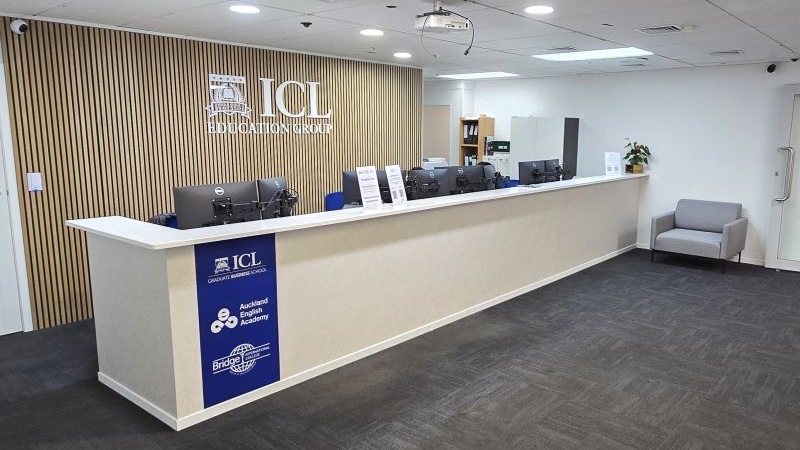
Students with NZ visas told not to travel as Auckland business school faces enrollment ban The school says existing students can continue their studies and that it is working to have the restrictions lifted.
Police have confirmed Rakesh Naidoo is not under investigation, Labour says "The police need to front up here and explain what is going on."
'Don't escalate': Appeal for calm as police increase presence during Diwali amid planned protests Police promise a visible presence and urge festivalgoers to avoid confrontation as Brian Tamaki plans a rally on the same day.
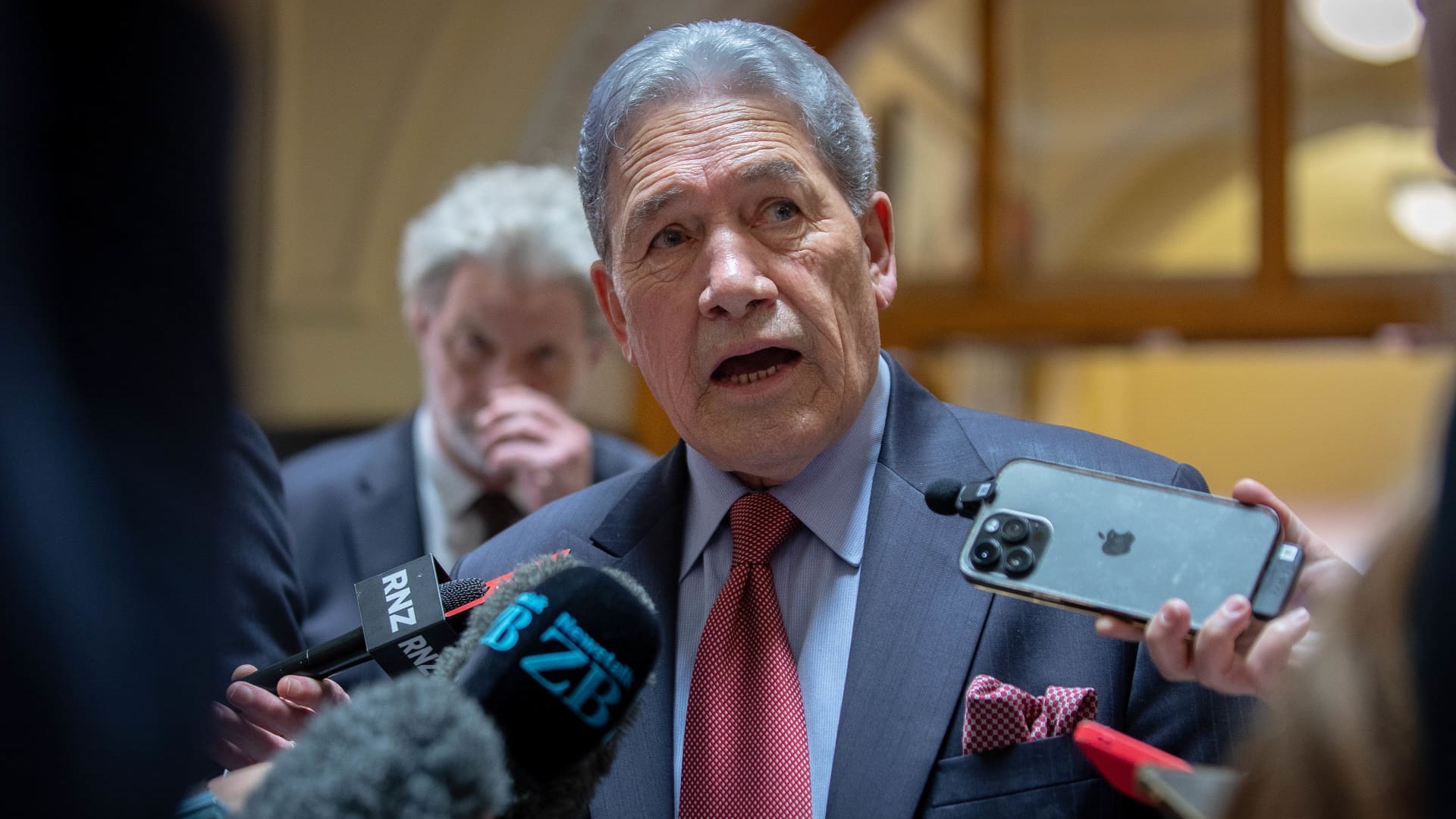
Labour’s proposal comes the same day New Zealand First proposed an even longer path to permanent residence and citizenship.
NZ First wants to extend the qualifying period for permanent residence from two years to five, while doubling the period migrants must generally spend in New Zealand before becoming eligible for citizenship from five years to at least 10.
Labour’s policy would also lengthen the current path to permanent residence, but by two years rather than the three-year extension proposed by NZ First.
ACT has separately proposed abolishing the Permanent Resident Visa altogether, replacing it with renewable travel rights that would require migrants to maintain an ongoing physical connection with New Zealand.
Labour immigration spokesperson Phil Twyford said immigration should be planned around what New Zealand needed and managed fairly for both people already here and those arriving.
“If you choose to build your life here, work here and raise your family here, a Labour government will back you to get ahead,” Twyford said.
Labour said it would introduce a government policy statement on immigration setting goals based on workforce demographics and the capacity of housing and infrastructure.
As part of what Labour described as encouraging migrants to put down roots, those waiting longer for permanent residence would be offered a New Zealand orientation and civic education programme delivered through community education providers.
The party is also proposing changes aimed at reducing migrant exploitation.
Under its policy, migrants would be allowed to move between accredited employers after three months. Labour said it would also strengthen the Accredited Employer Work Visa scheme and improve migrants’ access to support in their communities.
Labour is proposing a citizenship pathway for children born in New Zealand, although its announcement did not specify which children would qualify or how long they would need to have lived in the country before becoming eligible.
Children born in New Zealand do not currently automatically become citizens. For children born here on or after January 1, 2006, at least one parent generally needs to be a New Zealand citizen or have the right to live indefinitely in New Zealand for the child to acquire citizenship at birth.
Labour said it would also protect humanitarian appeals against deportation and review rules covering parent visas, health requirements and English-language requirements.
“We should be ambitious about the contribution migrants can make to New Zealand, to our communities and to our economy, while making sure our immigration settings work for the country as a whole,” Twyford said.
“That means having clear and predictable rules, protecting people from exploitation, and giving those who choose to make New Zealand their home a genuine opportunity to get ahead.”
I think that fixes the imbalance: the story still makes clear that the wait is being doubled, but it also accurately reflects Labour’s own argument that a longer pathway is meant to deepen migrants’ connection to New Zealand rather than simply restrict them.