
New Zealand’s invisible Indian pioneers who became a vital part of national identity
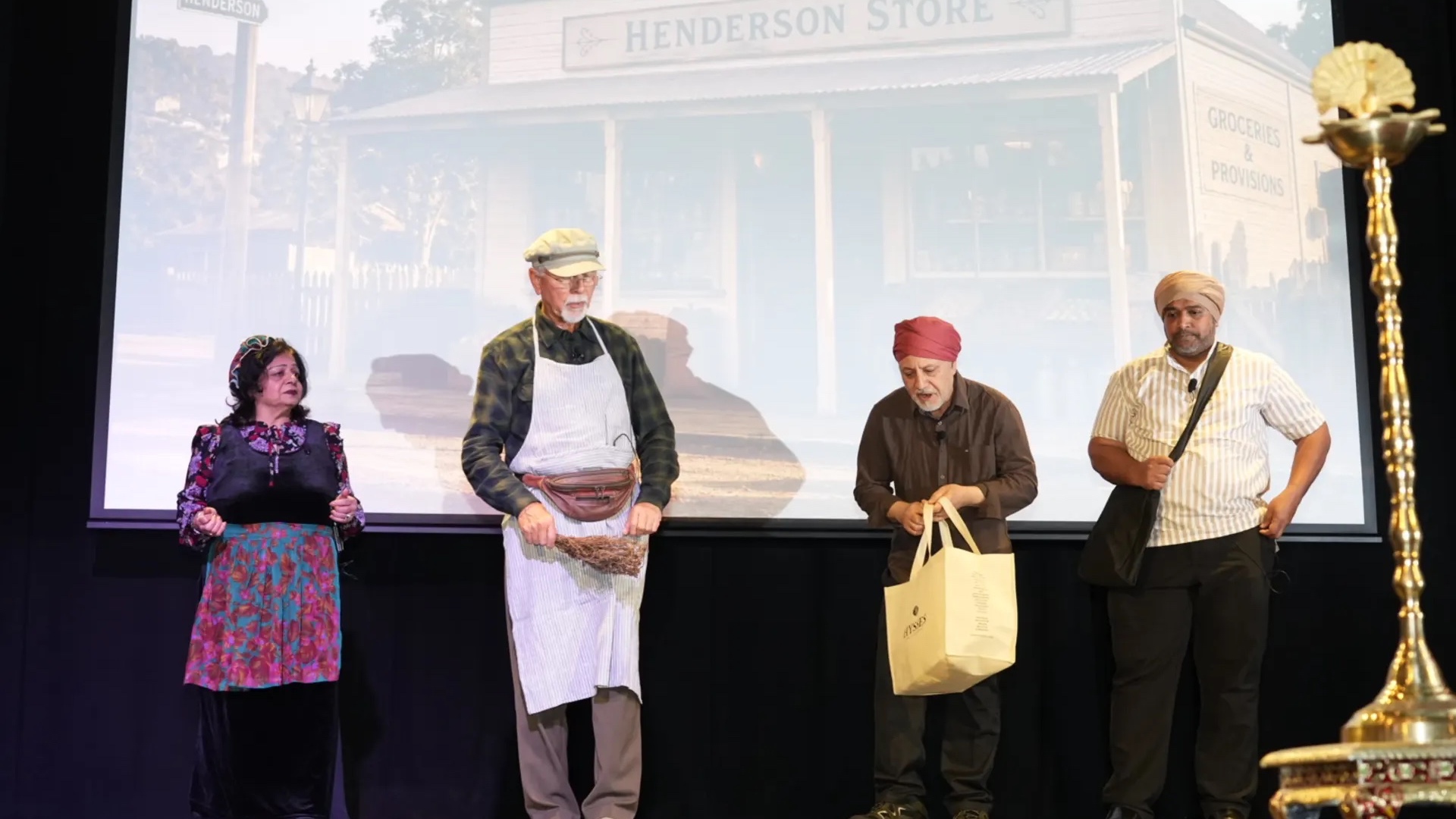
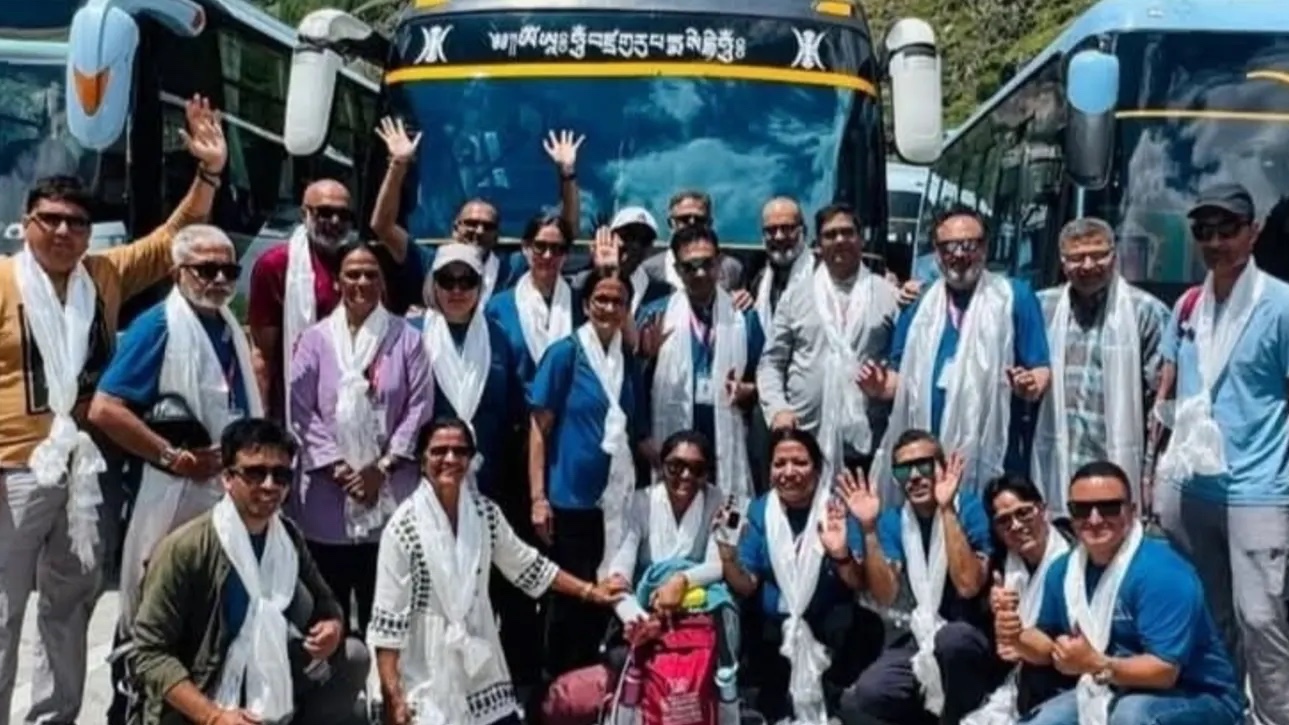
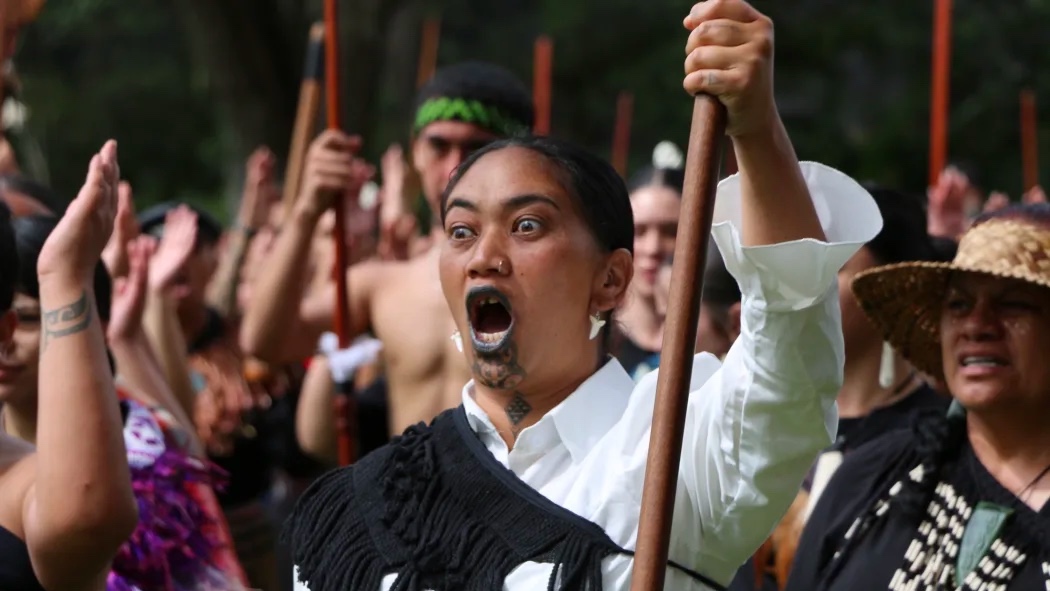
The Indian Association Manukau organised a theatre production titled Early Indian Voices of Aotearoa in Auckland. (Supplied photo)
The production paid homage to the fight for independence from colonial rule in South Asia.
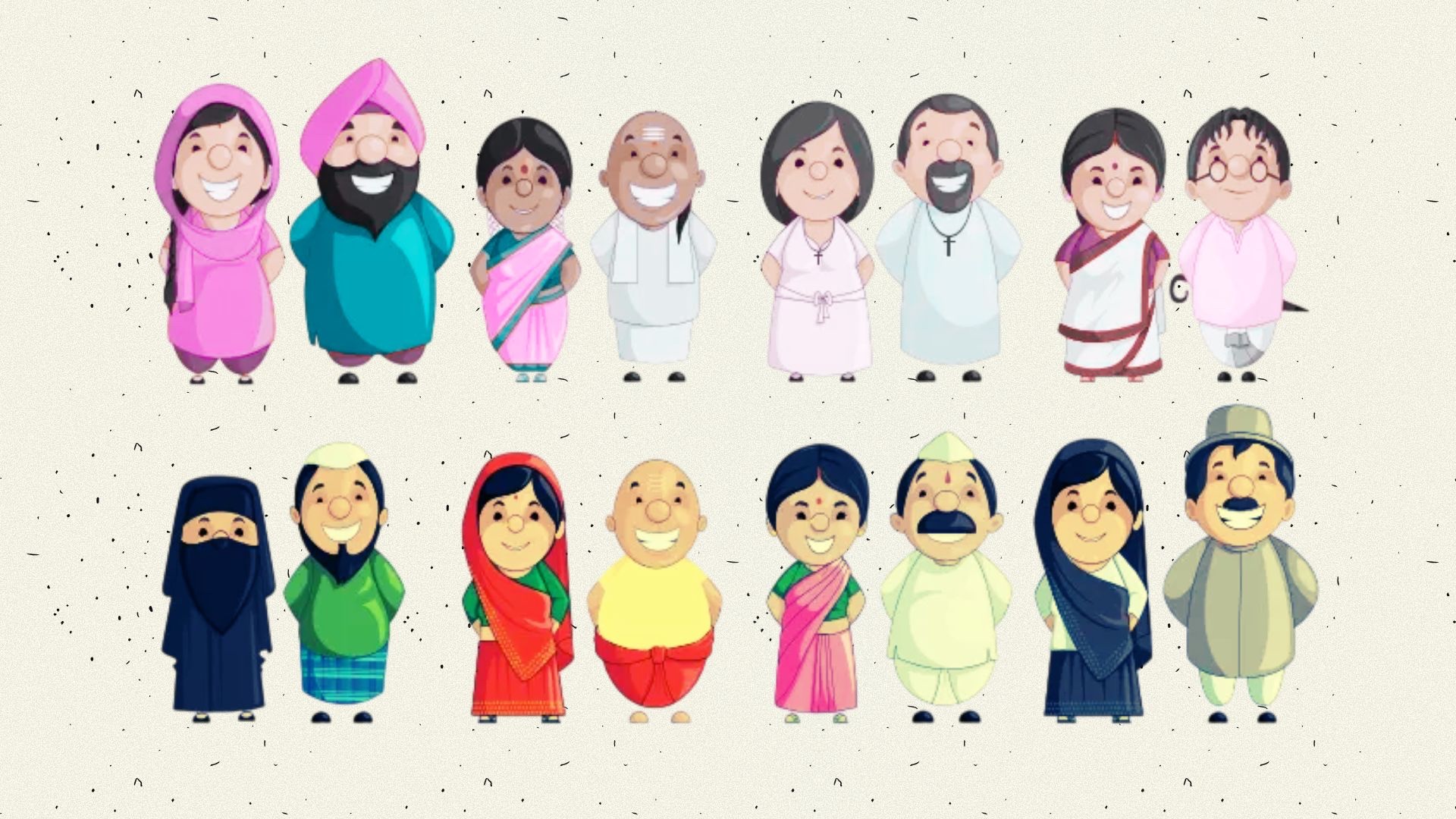
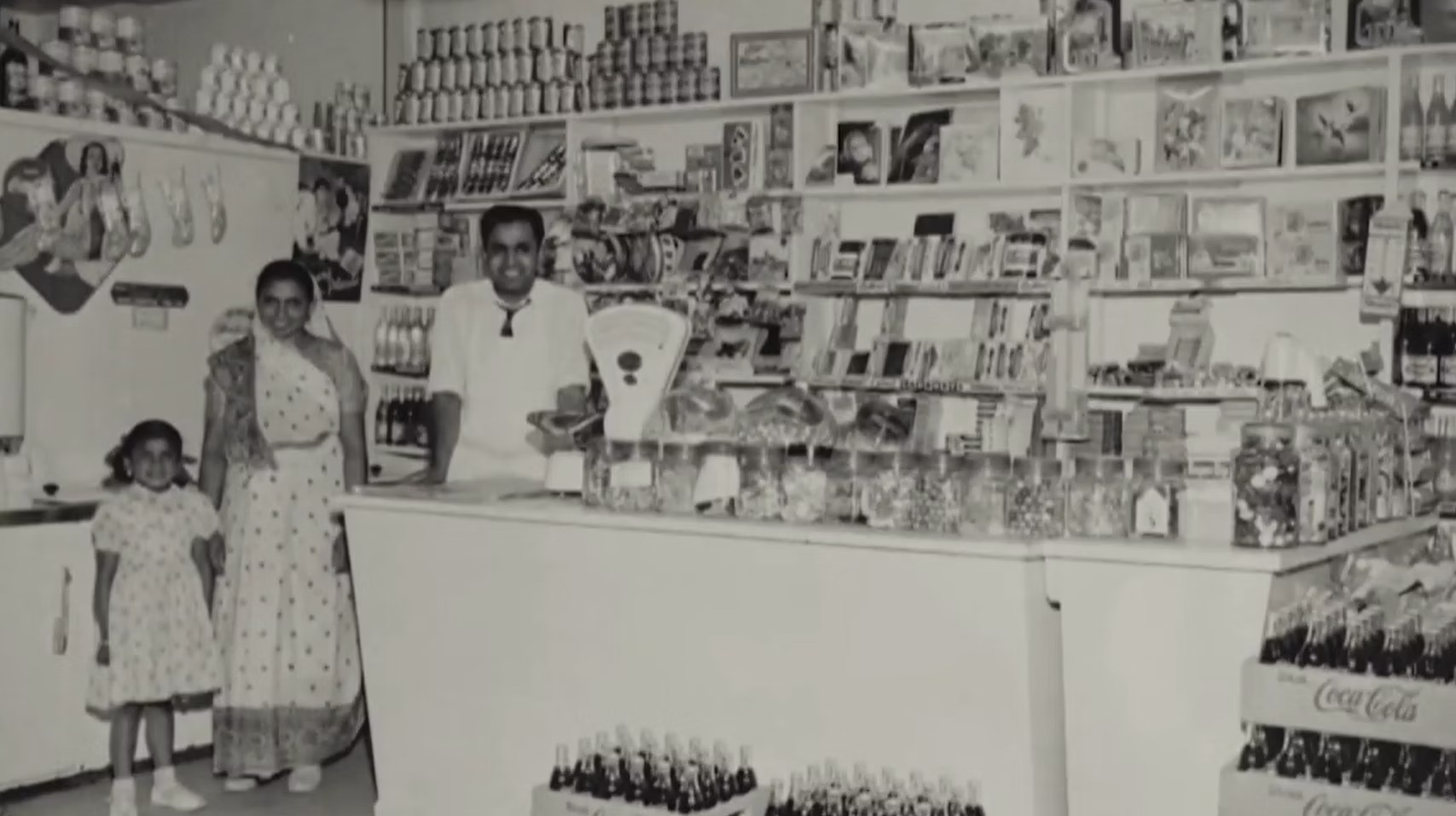
The Indian community's long history in New Zealand is full of rich stories of resilience, adaption and eventual triumph as the migrants evolved from invisible pioneers to become a vital part of the country's national identity
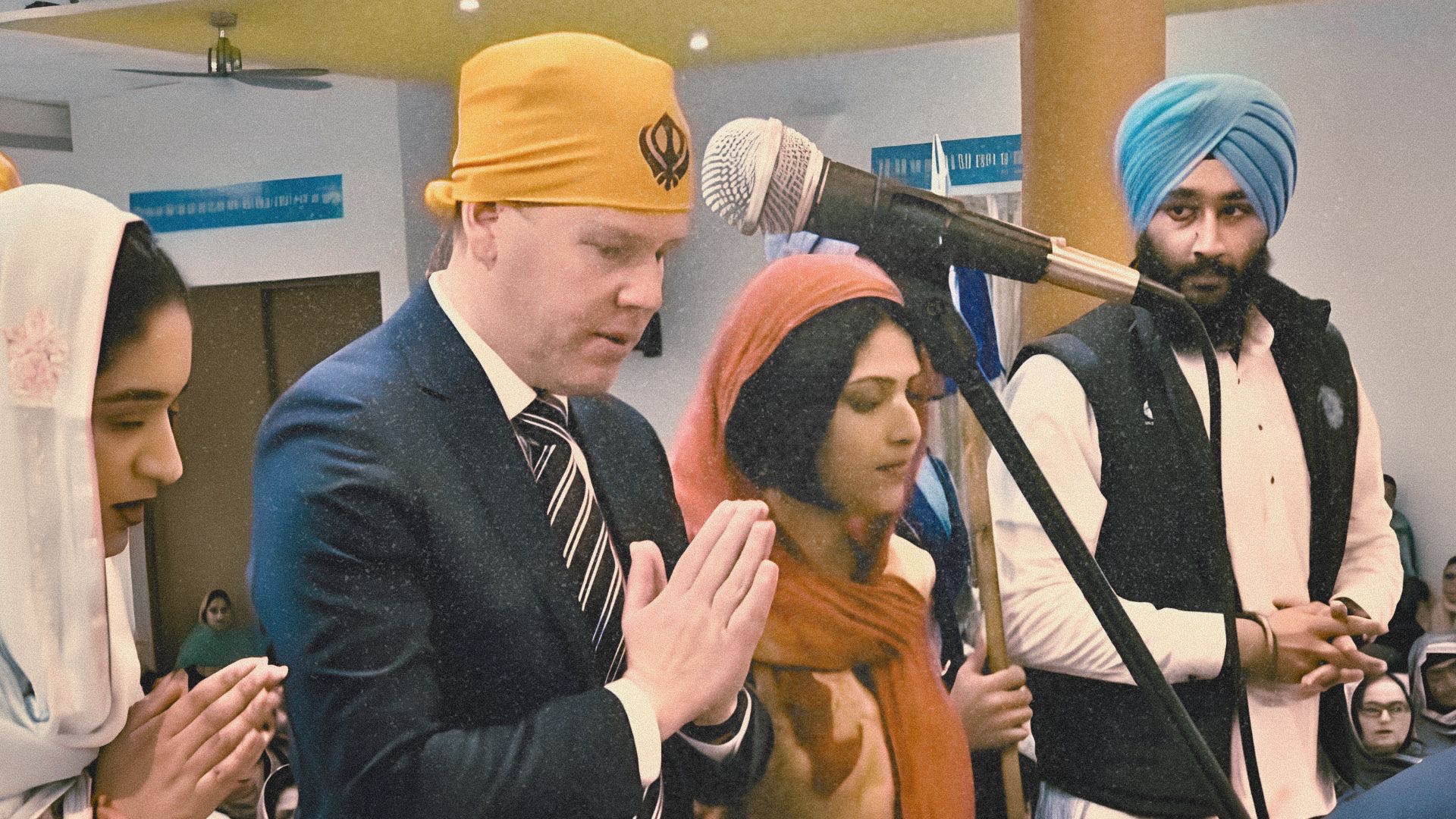
The Indian Association Manukau highlighted some of these incredible stories in a theatrical production in Auckland on September 12 that was organised to celebrate the centenary of the New Zealand Indian Central Association, which was founded in 1926 to counter increasing racism.
The two-hour-long show was based on a 2007 book by historian Jacqueline Leckie titled 'Indian Settlers: The Story of a New Zealand South Asian Community'.
Leckie expanded on her earlier work by publishing 'Invisible: New Zealand's History of Excluding Kiwi Indians' in 2021 and Wellington's 'Indian Story: Beyond a Century Four Years Later'.
Divided into several acts, the theatre production touched on the story of brothers Bir and Phuman (Phomen) Singh Gill, who, according to a 1988 book by historian W.H. McLeod titled Punjabis in New Zealand: A History of Punjabi Migration 1890-1940, likely arrived in New Zealand around 1890.
While the Gill brothers were among the early Punjabi settlers, the honour of arguably being the first Gujarati to arrive in New Zealand belongs to Keshaw Daji, who historians believe relocated here in 1902.
The weekend production also featured Edward Peters, who, according to a book by historians Sekhar Bandyopadhyay and Jane Buckingham titled Indians and the Antipodes, was the first Indian to achieve fame in New Zealand.
"[He] was an Anglo-Indian from [the Indian state of] Goa who arrived in 1853, having previously worked at the California gold fields," the authors wrote.
"Edward Peter, later known as 'Black Peter', was a farm labourer and gold prospector."
A memorial to the 19th-century prospector, calling him Edward Peters, was unveiled near Milton in Central Otago in 2009.
The third act of the production described the early Indian community's foray into market gardening in South Auckland, mainly Otahuhu and Pukekohe.
The production paid homage to the fight for independence from colonial rule in South Asia, featuring a depiction of the 1919 Jallianwala Bagh massacre.
The most moving part of the show was when actors on stage described the discrimination that early Indians faced in New Zealand, and how the community fought back united under one voice.
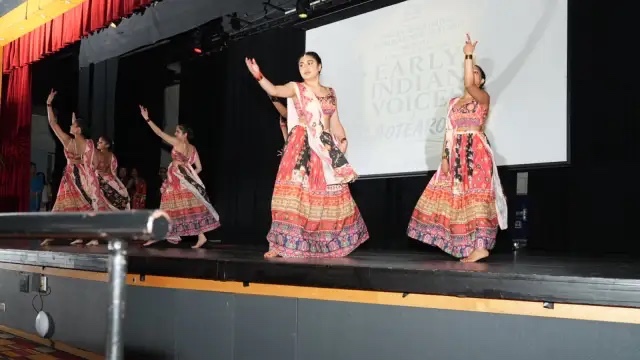
The Indian Association Manukau organised a theatre production titled Early Indian Voices of Aotearoa in Auckland on Saturday. (Supplied photo)
Battling discrimination
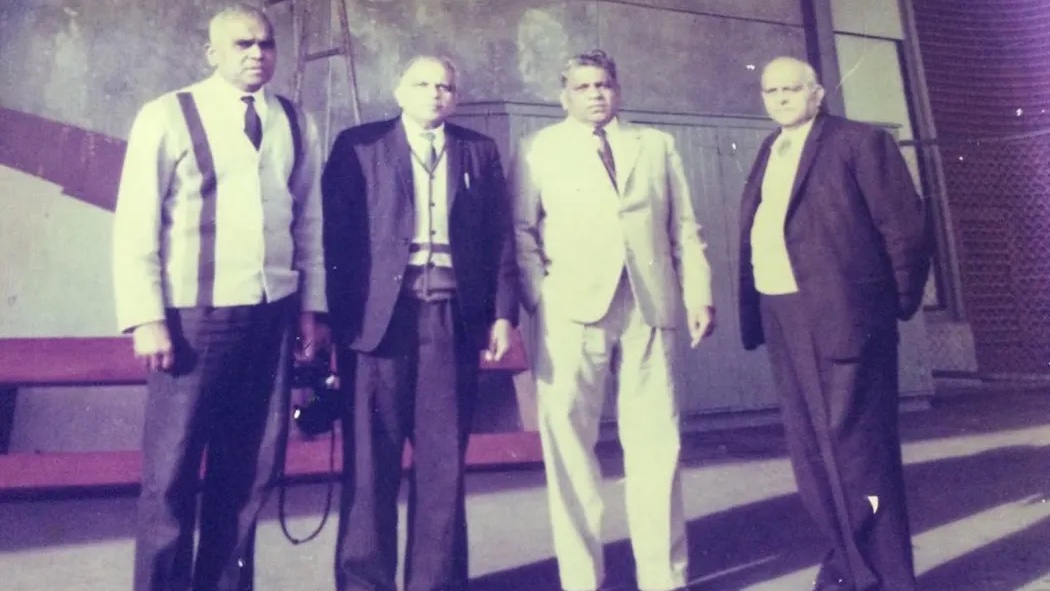
The early Indian pioneers recognised the importance of working together as a collective, which led to the formation of the Auckland Indian Association in 1920 - the first Indian community organisation in New Zealand.
This was followed by the establishment of the Wellington Indian Association in 1925 and the Country Section New Zealand Indian Association in 1926.
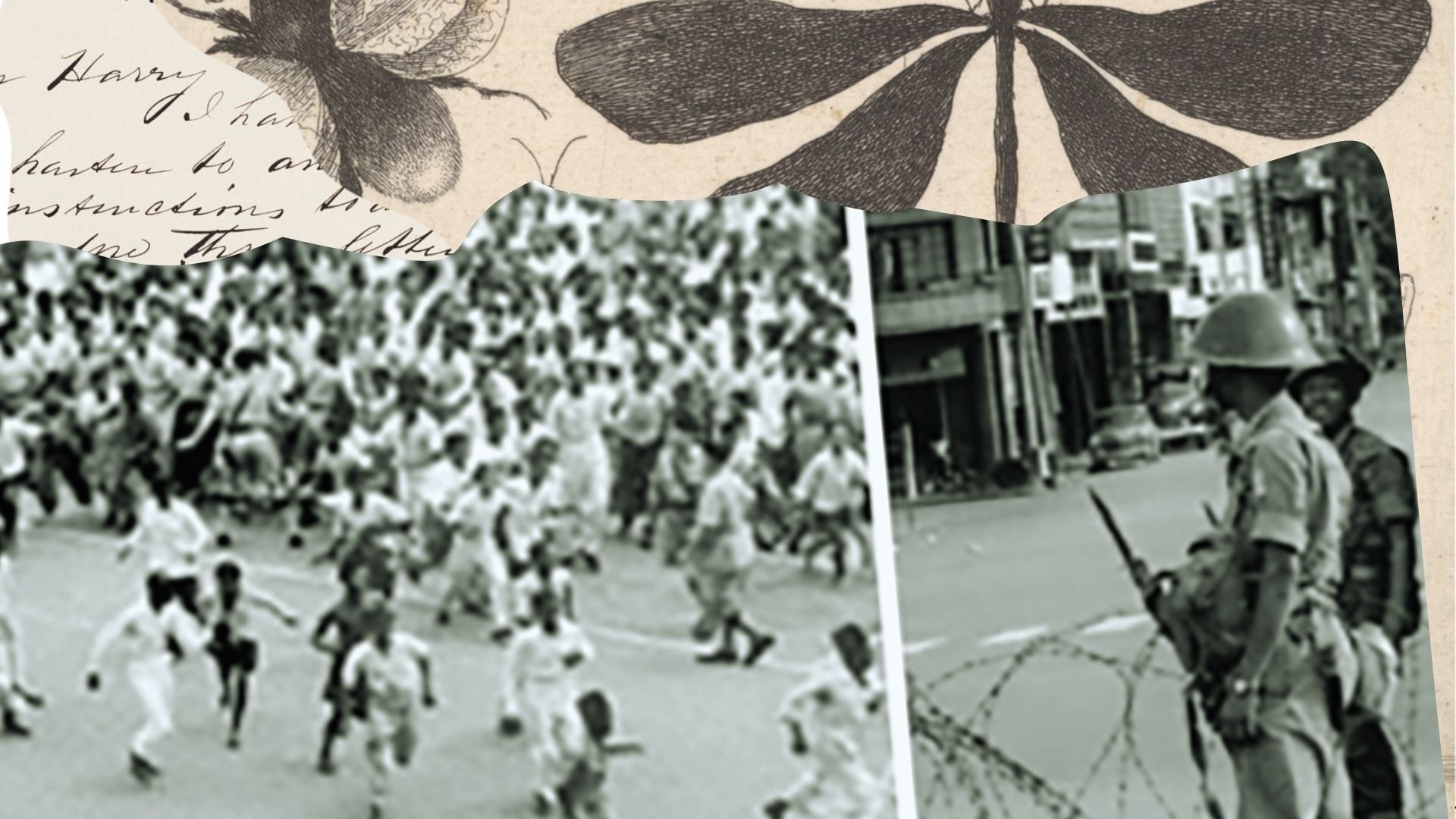
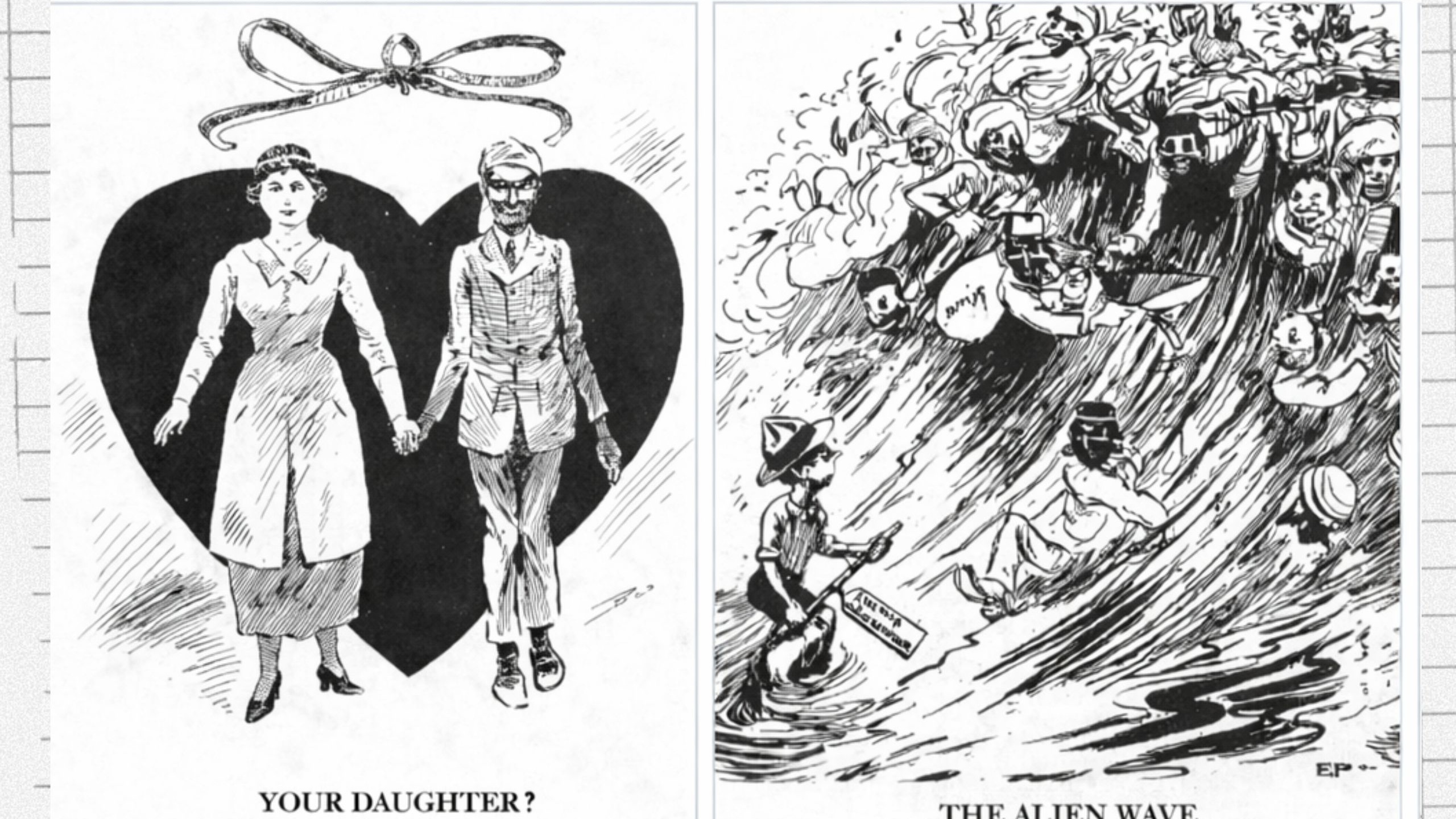
Later that year, these three organisations joined forces to create a national body called the New Zealand Indian Central Association after racism against Indians became more entrenched in the 1920s with the formation of the White New Zealand League.
The Immigration Restriction Amendment Act 1920, which initiated agitation against Asian immigration, didn't help either.
The newly formed Indian associations collectively fought discrimination against the community through lawful means and defended the rightful place of Indians as British subjects in New Zealand.
However, discrimination against Indians continued for decades, as documented by Leckie in her books.
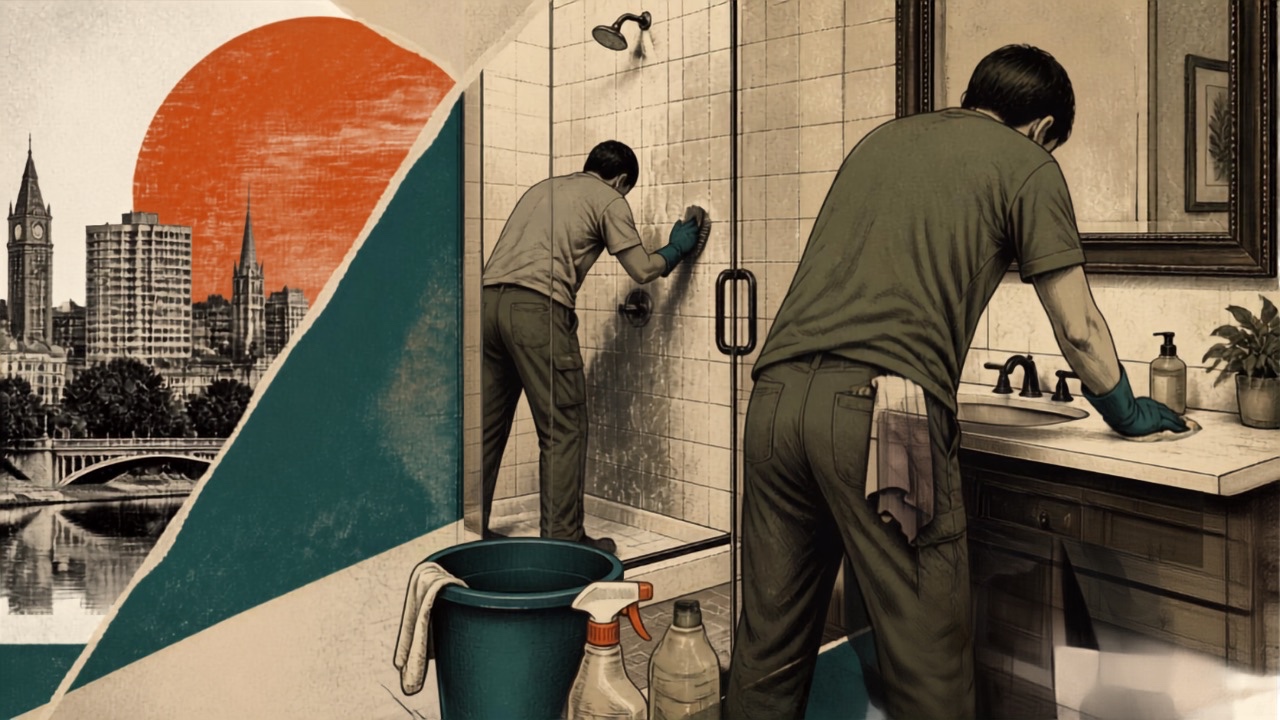
Some such instances were illustrated at the theatrical production on Saturday, including re-enactments of Indians being excluded from whites-only spaces in Pukekohe.
"Barbers refused to cut the hair of Chinese, Māori or Indians," Leckie wrote in Invisible: New Zealand's History of Excluding Kiwi Indians.
"These groups were also banned from the better-quality dress circle within a Pukekohe cinema."
There were also differences in treatment between white- and dark-skinned people at the Tepid Baths in central Auckland during that time.
Things improved after New Zealand introduced progressive reform to its immigration policy in 1958 that opened the gates to immigration.
The theatre production noted how these reforms allowed New Zealand-born Indian women to bring in husbands from other countries, including India.
Previously the act permitted only Indian men born here to bring in wives and children who were minors.
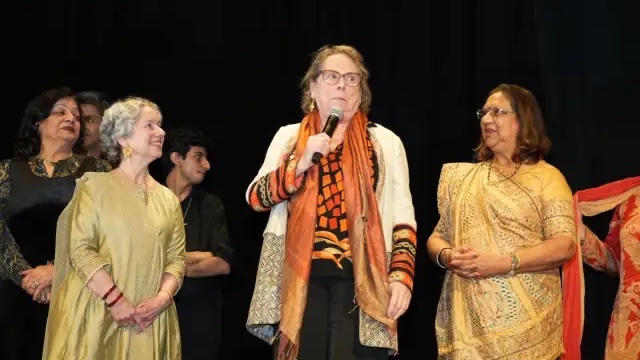
The Indian Association Manukau organised a theatre production titled Early Indian Voices of Aotearoa in Auckland on Saturday. (Supplied photo)
Universal praise
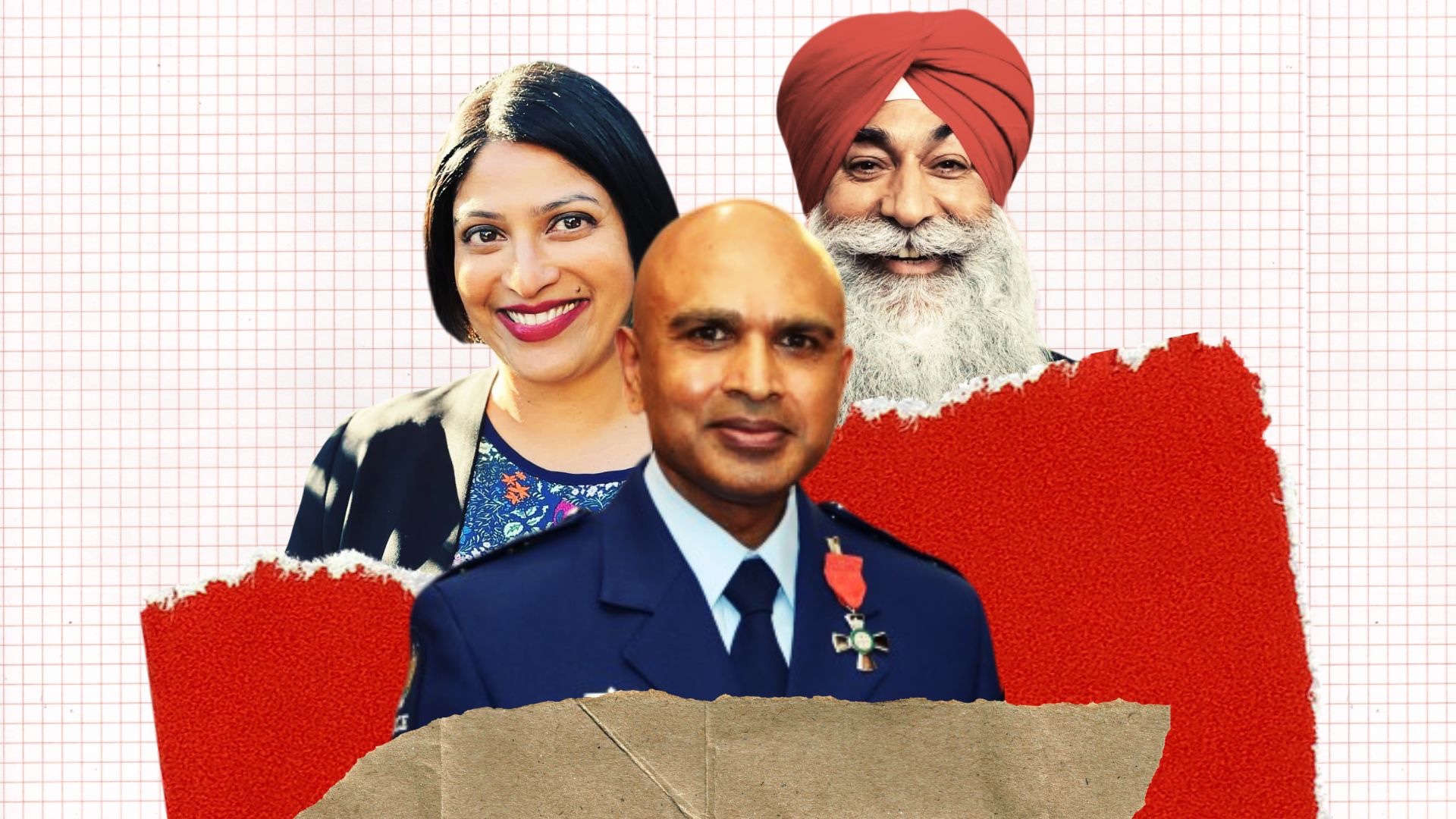
Former Governor-General Sir Anand Satyanand - arguably the most well-known Kiwi-Indian in the room - called the production "a wonderful expression of the contribution of the Indian community in New Zealand".
"So many people contributed to make it happen ... the cast was so wonderful," he said, acknowledging the 80-plus people - all amateur actors - who have been practising for months to deliver their lines on stage.
Special praise was reserved for former teacher and production director Godrej Engineer.
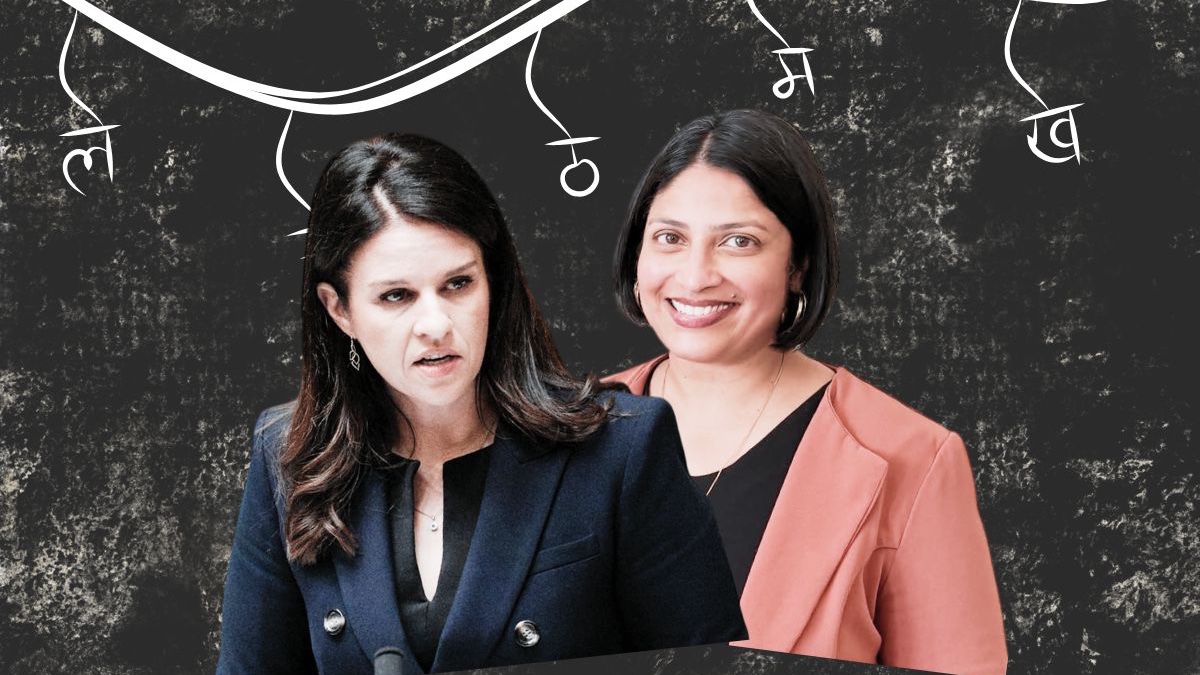
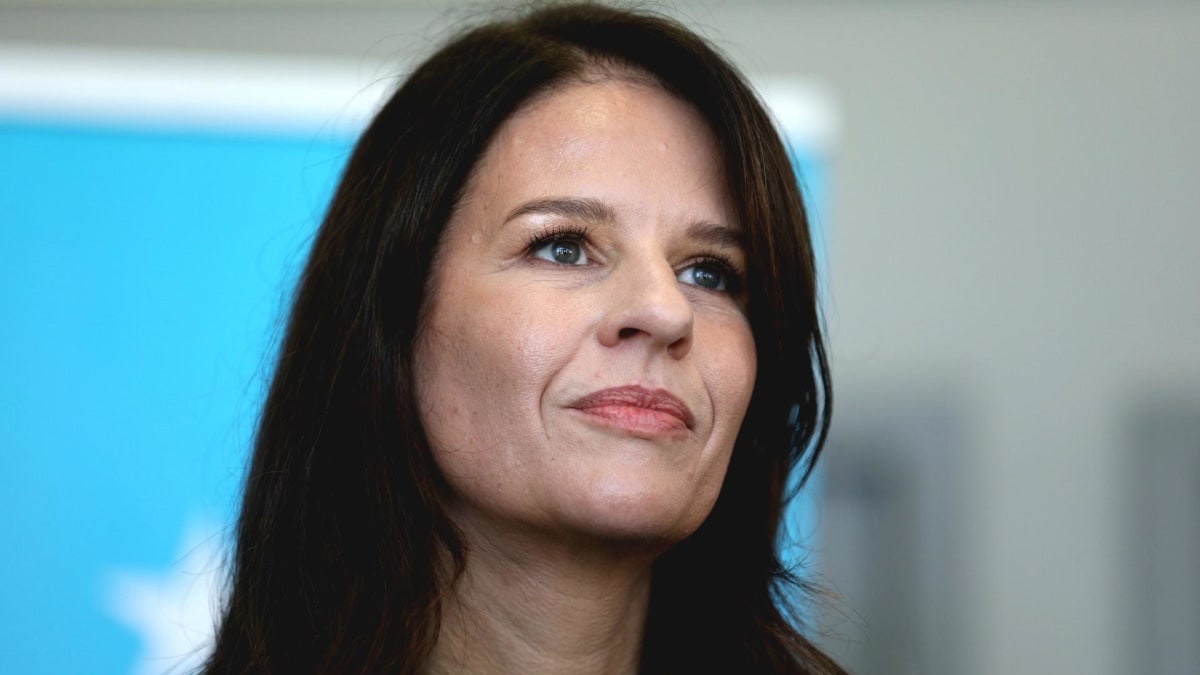
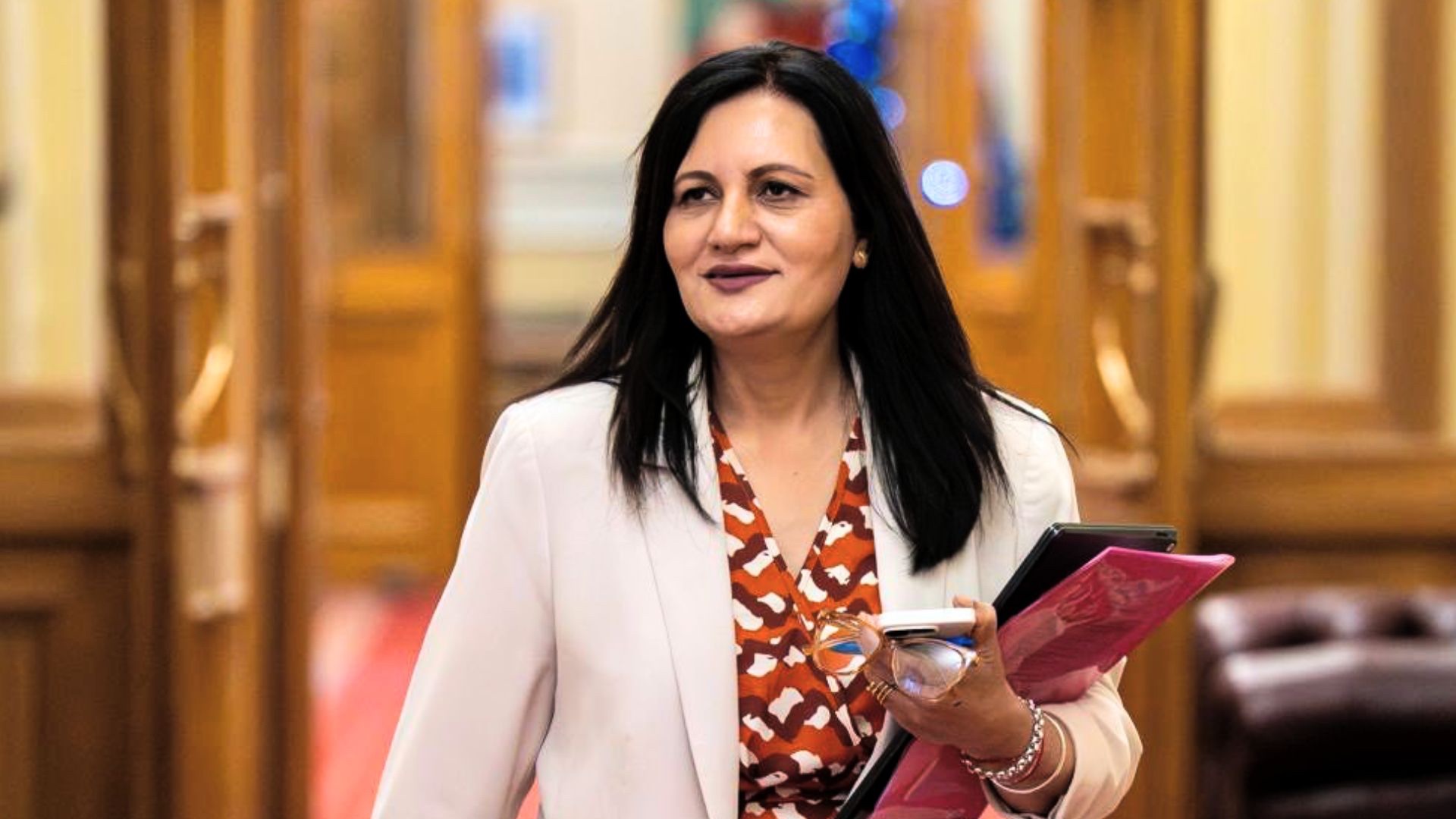
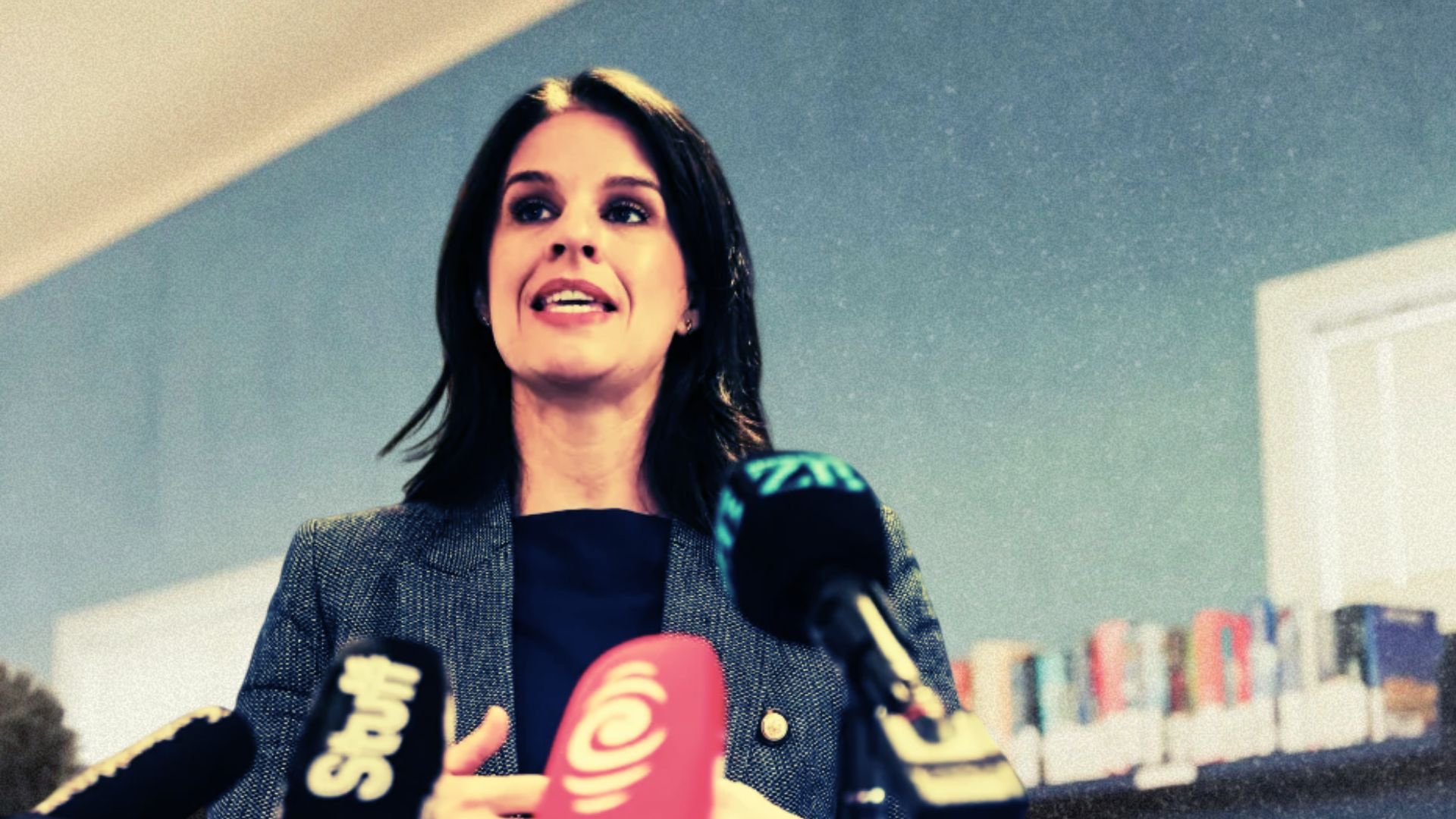
Labour list MP of Indian-origin Priyanca Radhakrishnan was moved by the stories of migrant Indian women "who are often overlooked in such discussions".
Radhakrishnan was inspired by the way in which the Indian community in New Zealand united to fight against oppression.
Leckie, who attended as a special guest, was impressed to see "history translated into a creative form".
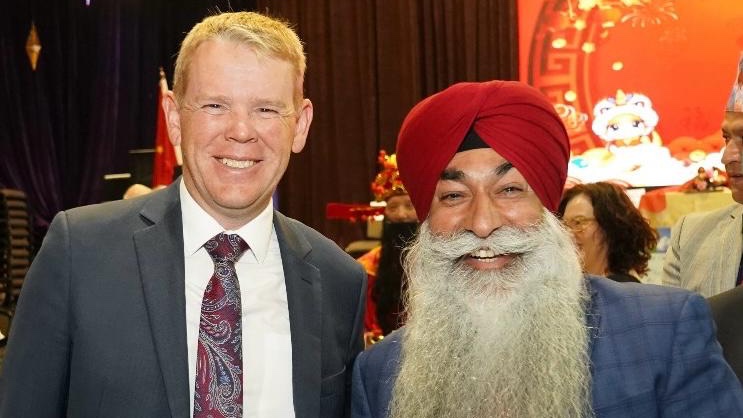
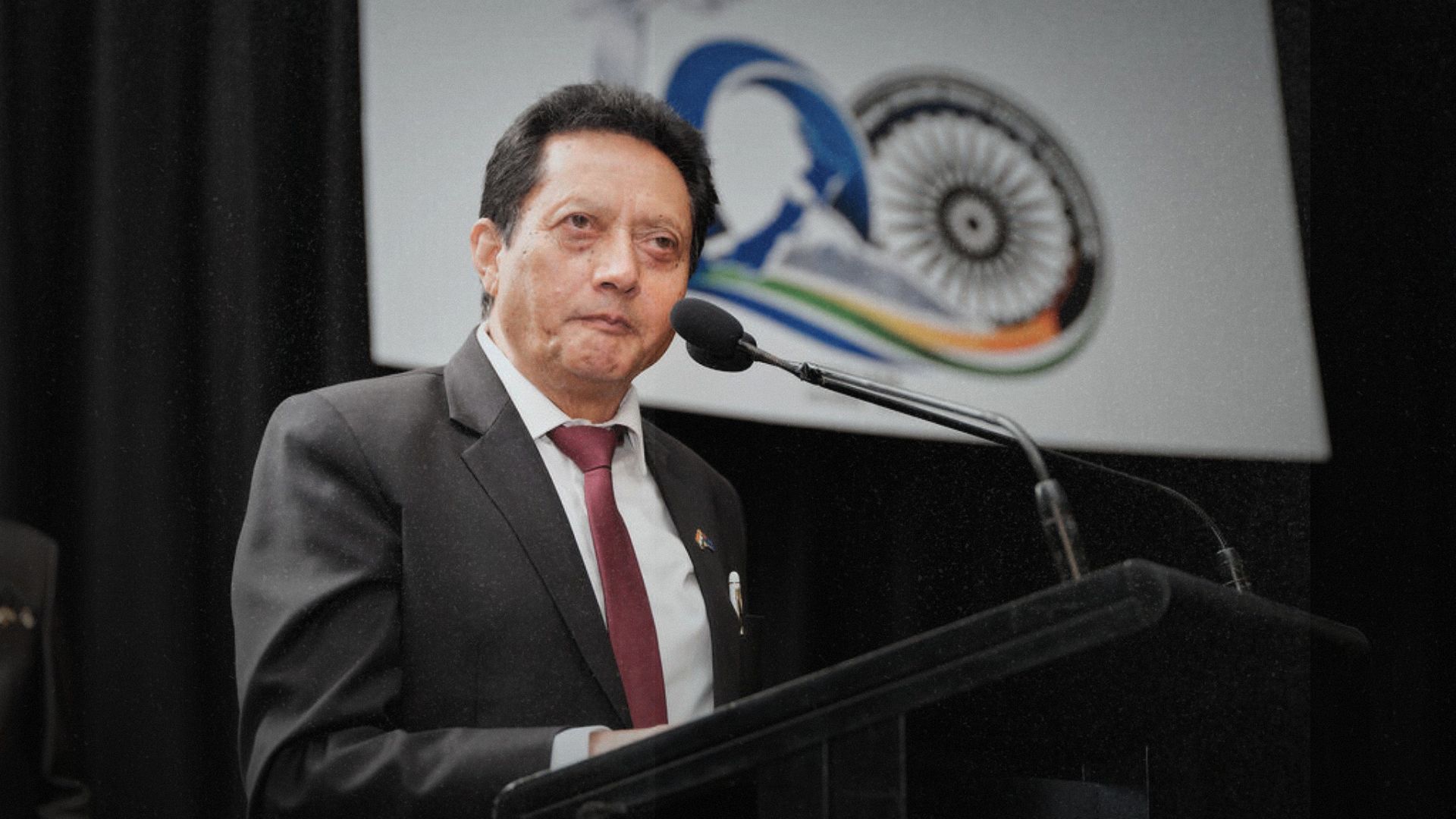
Veer Khar, president of the New Zealand Indian Central Association, praised the early pioneers who collectively fought for respect.
"While there is still some work to be done, organisations such as NZICA have worked tirelessly to ensure level playing fields for Indians in New Zealand," Khar said.
Earlier in the year, Khar called on the government to acknowledge the discrimination the Indian community had faced throughout the country's history.
"As we mark an important milestone [100 years of NZICA] this year, the Indian community is rallying for [an] acknowledgement of [the] historical racism it has faced in the country - along the lines of the Chinese poll tax apology and Dawn Raids apology delivered to the Pacific communities in the past," Khar said in March.
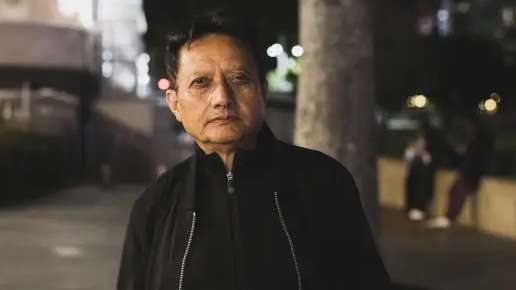
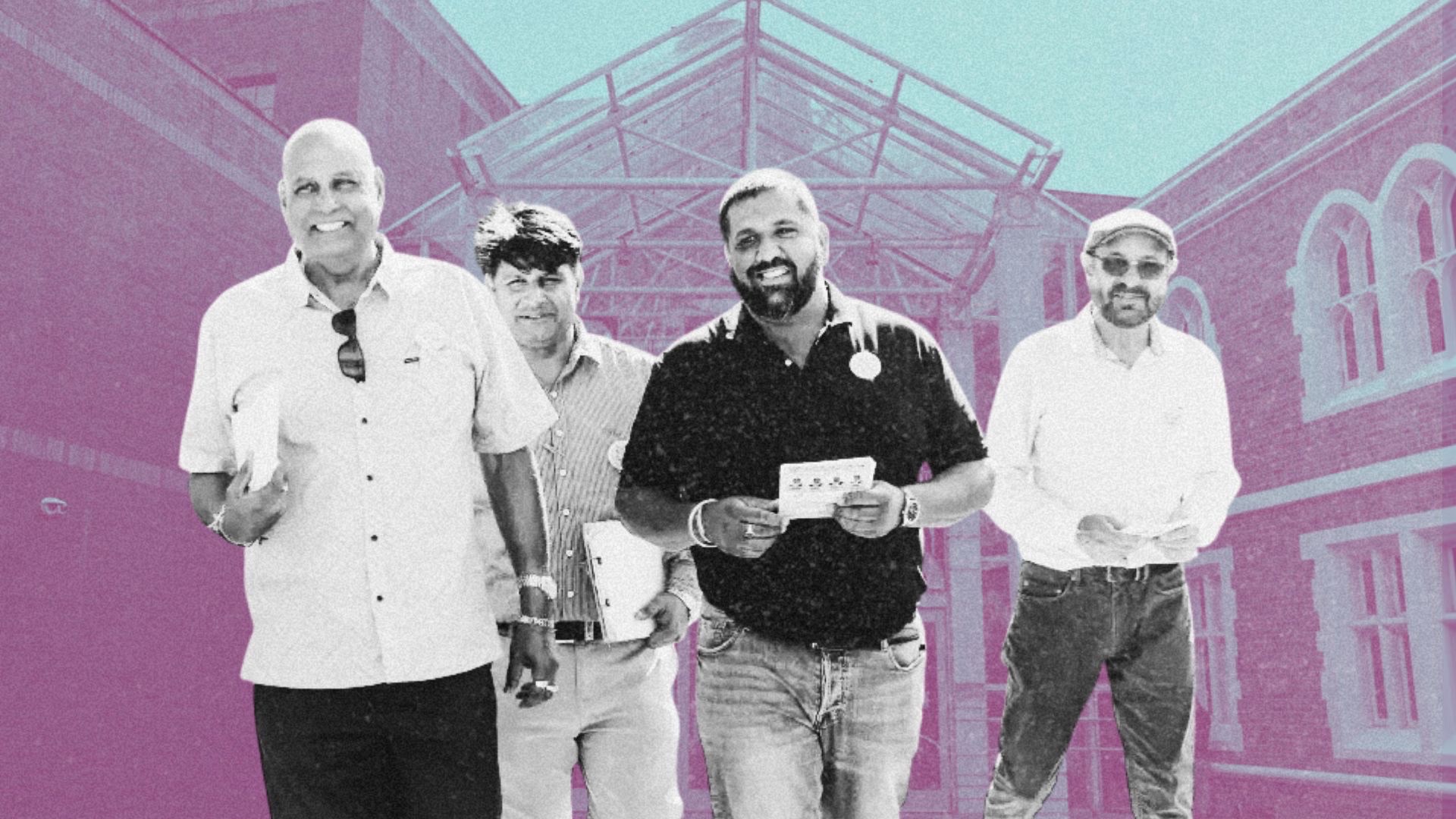
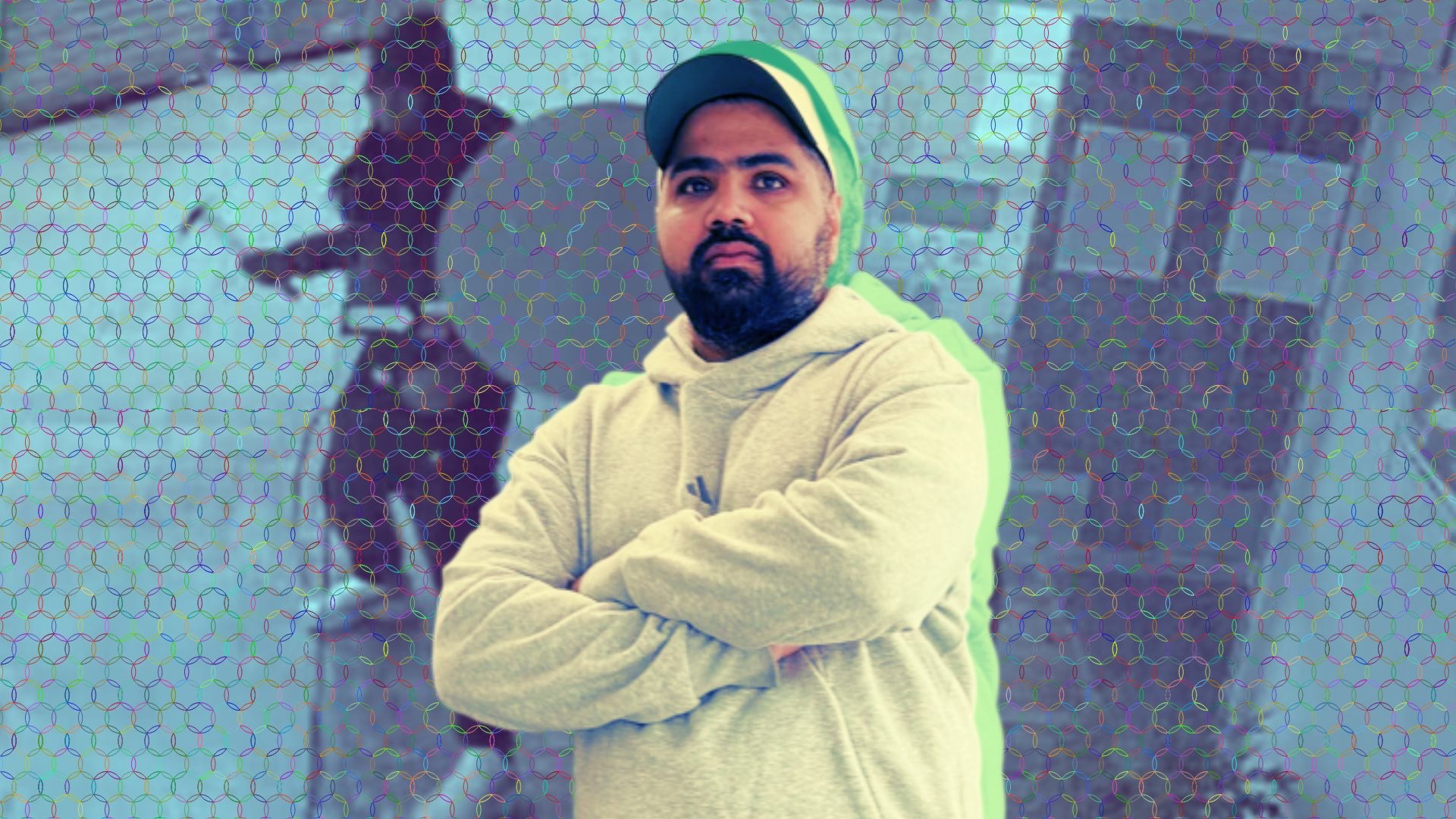
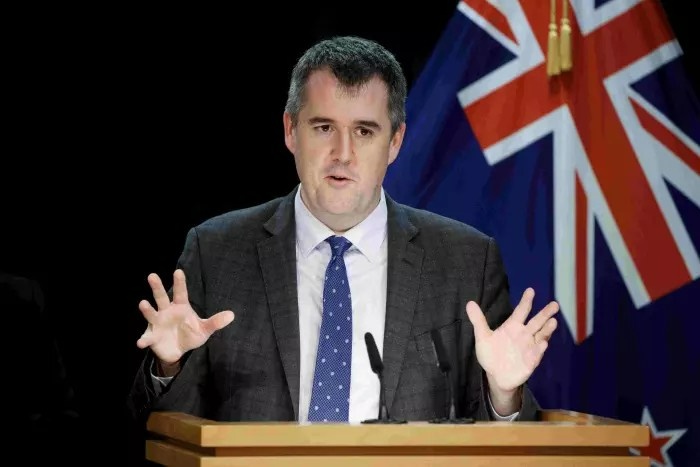
Veer Khar, president of the New Zealand Indian Central Association. (RNZ/Blessen Tom)
Other initiatives
The New Zealand Indian Central Association also released a documentary this week titled Lotus in the Long White Cloud, produced and directed by Roy Kaunds and Ajay Vasisht.
The duo took almost six months researching and shooting the film, describing it as "a big eye-opener".
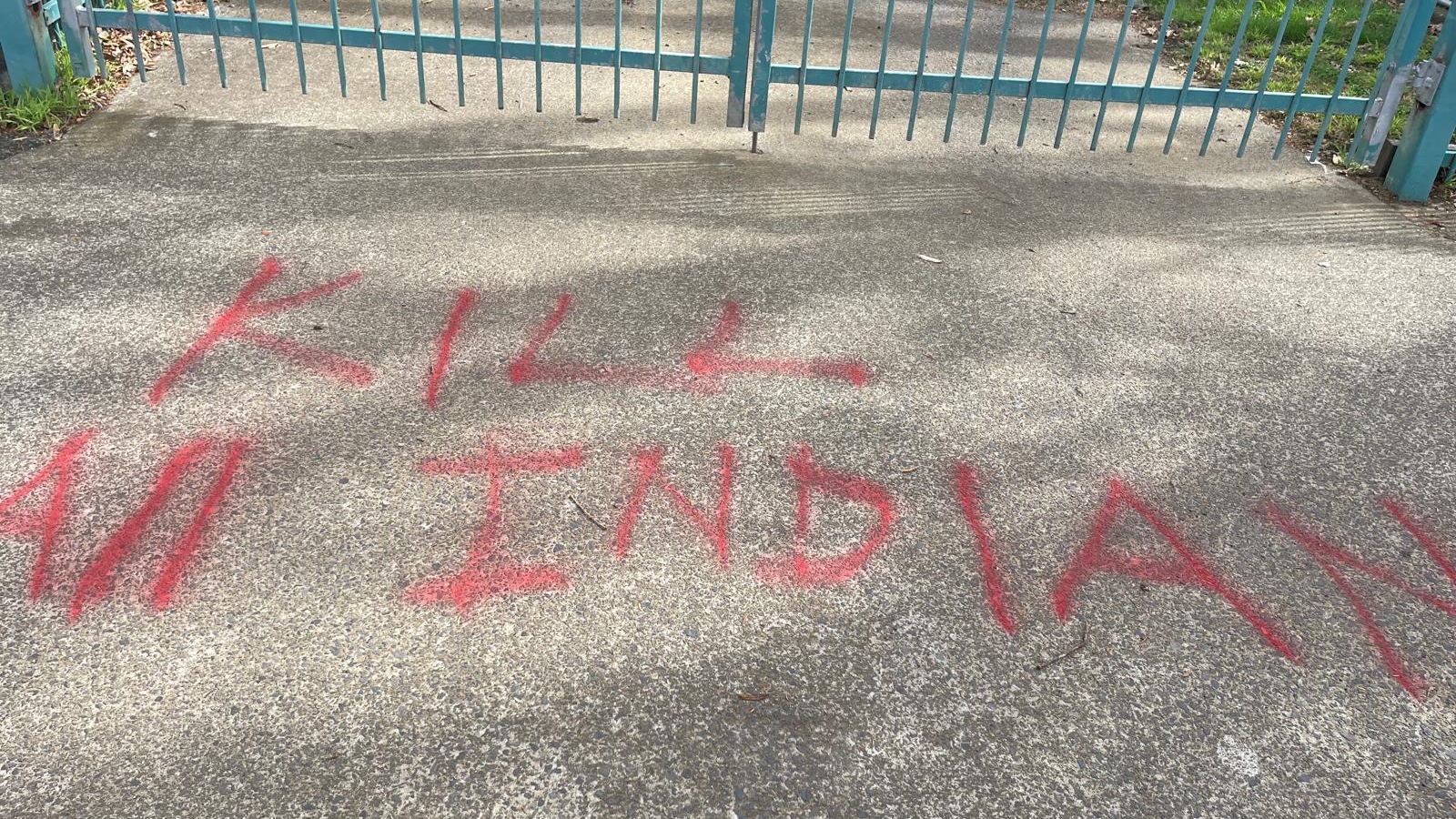
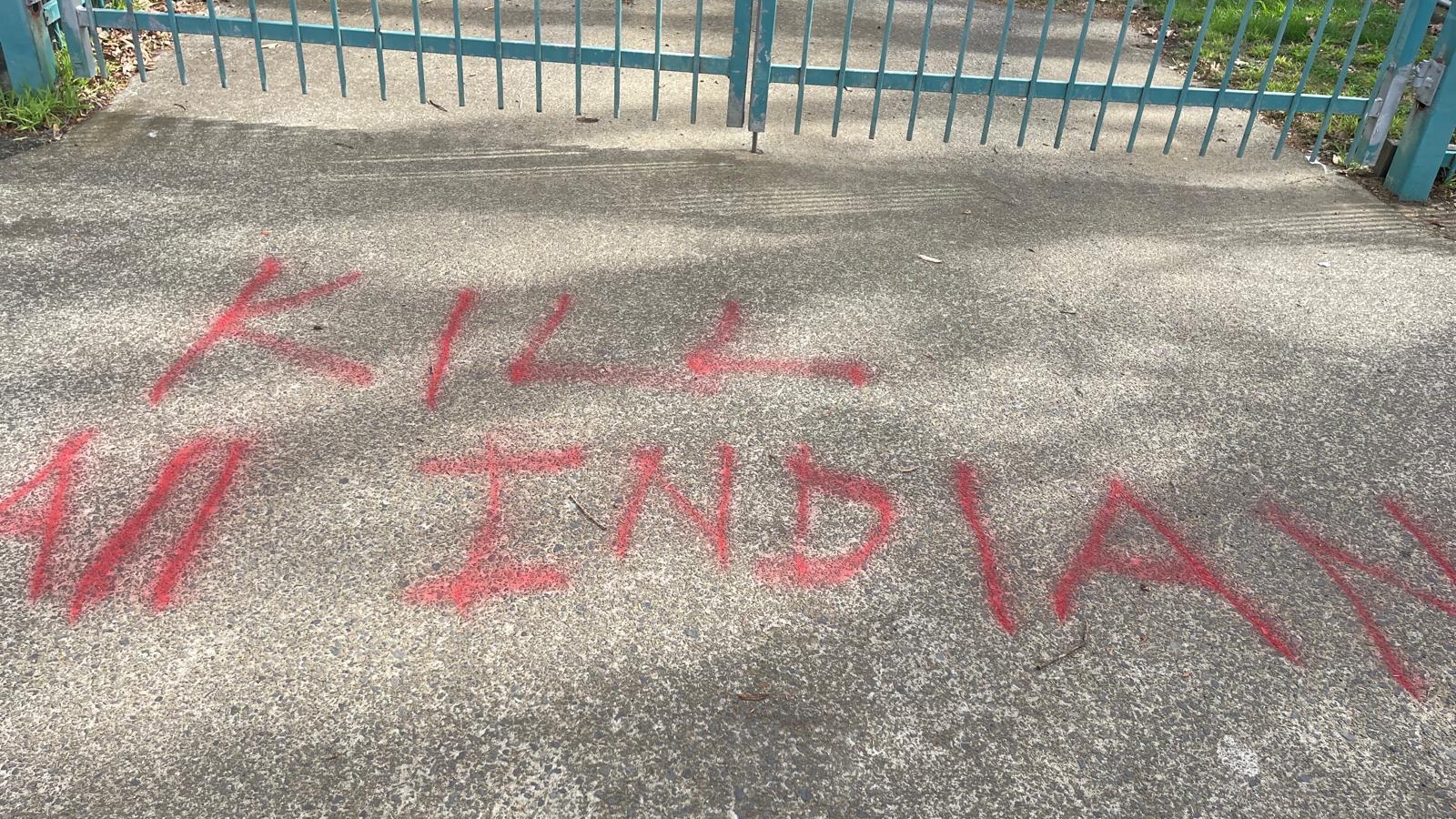
The documentary documents instances of Indians being called "dirty", "curry munchers" and refused jobs because of their skin colour.
"[This is] a journey of how our previous generations overcame adversity and became achievers in a foreign land," Kaunds had told RNZ earlier.
In mid-2025, another documentary titled Punjab to Aotearoa was released that aimed to trace the history of Indian migration to New Zealand over the past 100 years.
Presented by Harjot Singh, the 48-minute documentary was directed by Gagan Sandhu.
It was co-produced by Parminder Singh, host at Punjabi radio station Radio Spice, and Navtej Randhawa, a trustee at NZ Punjabi Multimedia Trust, which backed the documentary.
"[This is] the first part of a series we will be producing [in future], ... documenting the proud history of Indian migration to Aotearoa New Zealand, especially from the villages of Punjab," Randhawa told RNZ then.
Randhawa is great-grandson of Inder Singh Randhawa, one of the early Indian migrants to New Zealand and a founding member of pioneering Indian associations including the Country Section New Zealand Indian Association and New Zealand Indian Central Association.
"This documentary is a preservation of our legacy, a gift for generations to come," Randhawa said.
In November 2024, the Indian community rallied around an exhibition titled Asha ka Darwaza (Doorways of Hope), which was on display at Auckland's Mahatma Gandhi Centre for weeks and gave visitors a rare opportunity to trace the rich history of New Zealand's Indian community.
Organised by the Auckland Indian Association, the exhibition in Eden Terrace showcased artifacts, photographs and displays that honoured the cultural heritage and resilient spirit of a community that first started migrating to New Zealand in the late 18th century.
Meanwhile as the show ended on Saturday, Khar promised the crew that more work lay ahead.
"Get ready for Wellington," he said, indicating plans to showcase the theatrical production in the capital soon.
This story was first published on rnz.co.nz