
ACT to Greens: Concern grows that India FTA rhetoric is fuelling anti-Indian sentiment

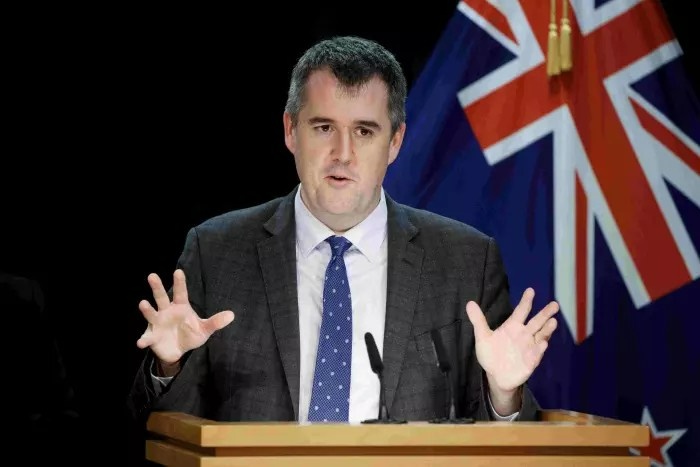
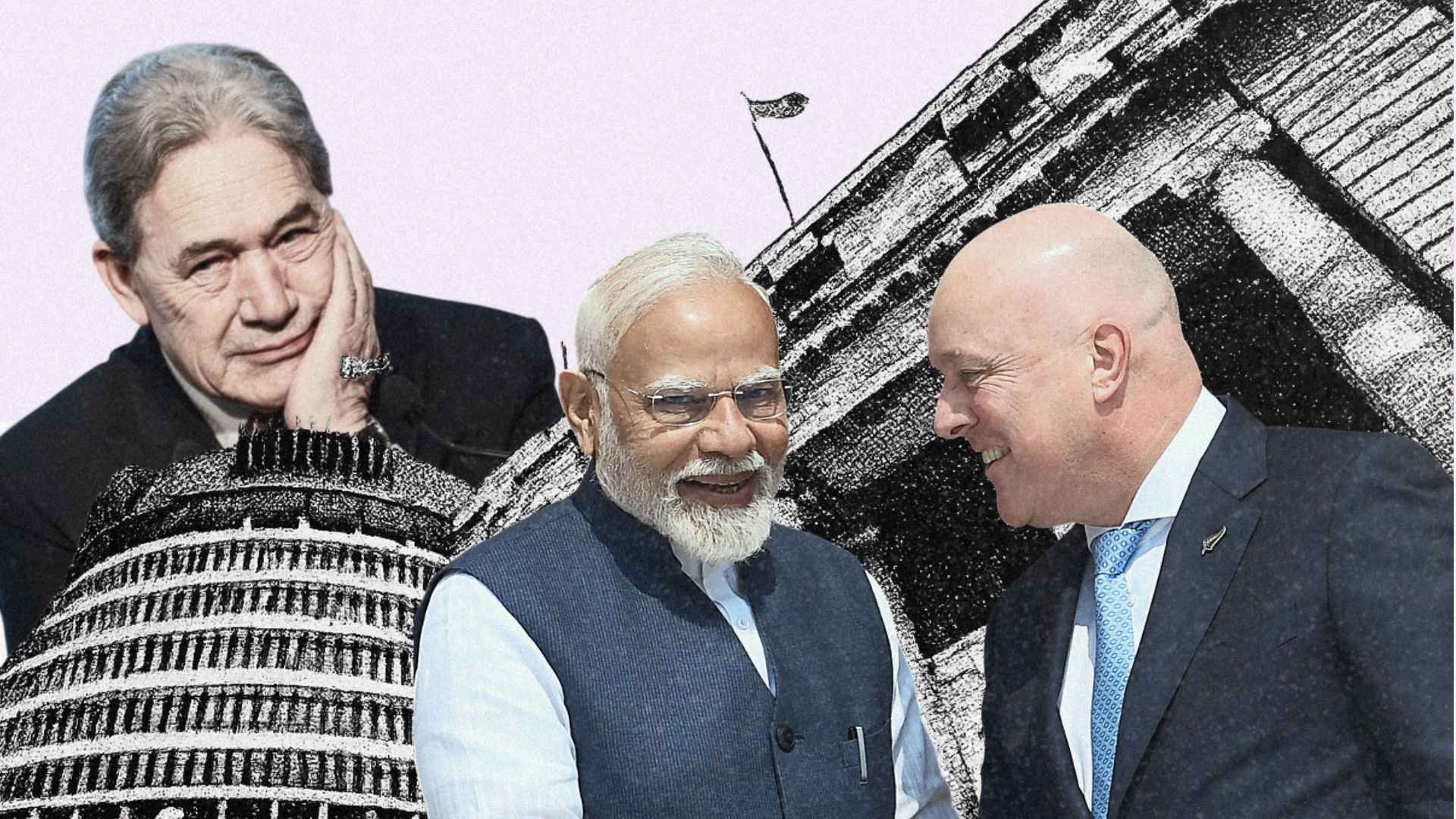
Green Party co-leader Chloe Swarbrick and ACT leader David Seymour.
The Greens oppose the NZ-India FTA, while ACT supports it. But they seem to agree on one thing.
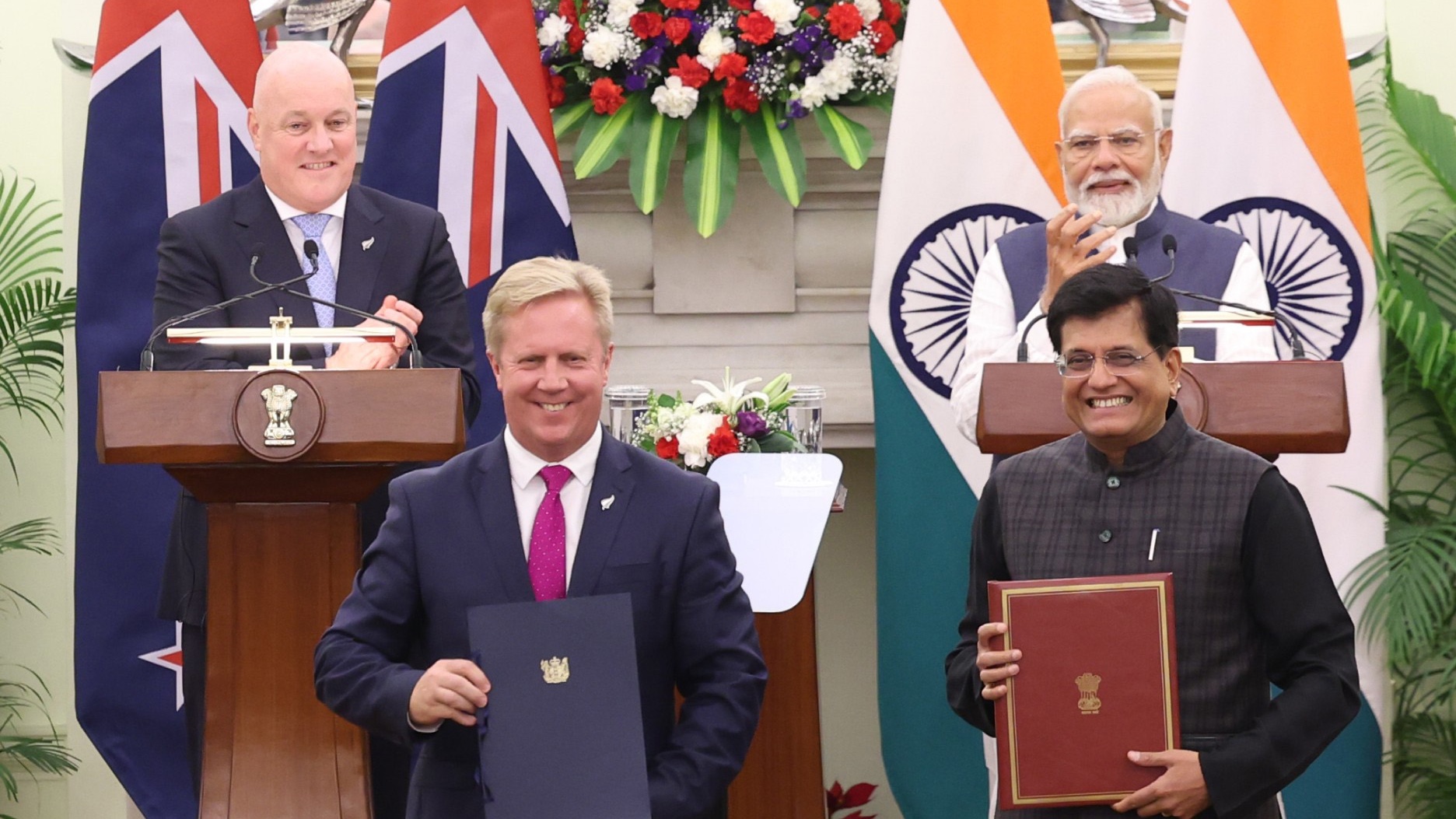
The Green Party has echoed an earlier warning from ACT leader David Seymour that political rhetoric and misinformation around the India-New Zealand Free Trade Agreement (FTA) is fuelling hostility towards Indian communities, even as the two parties remain sharply divided on the trade deal itself.
In a dissenting note attached to Parliament’s final report on the FTA submitted on June 22, 2026, the Greens said the “politicking of the deal” had seen political parties “grandstanding and misrepresenting parts of the deal”, fuelling targeted attacks towards communities.
“For example, certain narratives have potentially opened the door to broader attacks on local and future migrant Indian communities, while misinformation on the United Nations Declaration on the Rights of Indigenous Peoples (UNDRIP) has further perpetuated anti-Māori sentiments,” the Green Party said.
The warning is notable because the Greens oppose the NZ-India FTA, while ACT supports it.
But on the social fallout of the debate, the Greens’ dissenting note lands close to comments Seymour made in February, when he warned that speculation and misinformation about the agreement was already feeding “anti-Indian sentiment”.
South Asian diaspora raises over $200,000 for New Zealanders missing in Nepal flood "I'm so proud of the Indian community here who...supported us, saying it is not a Nepal problem but our problem."
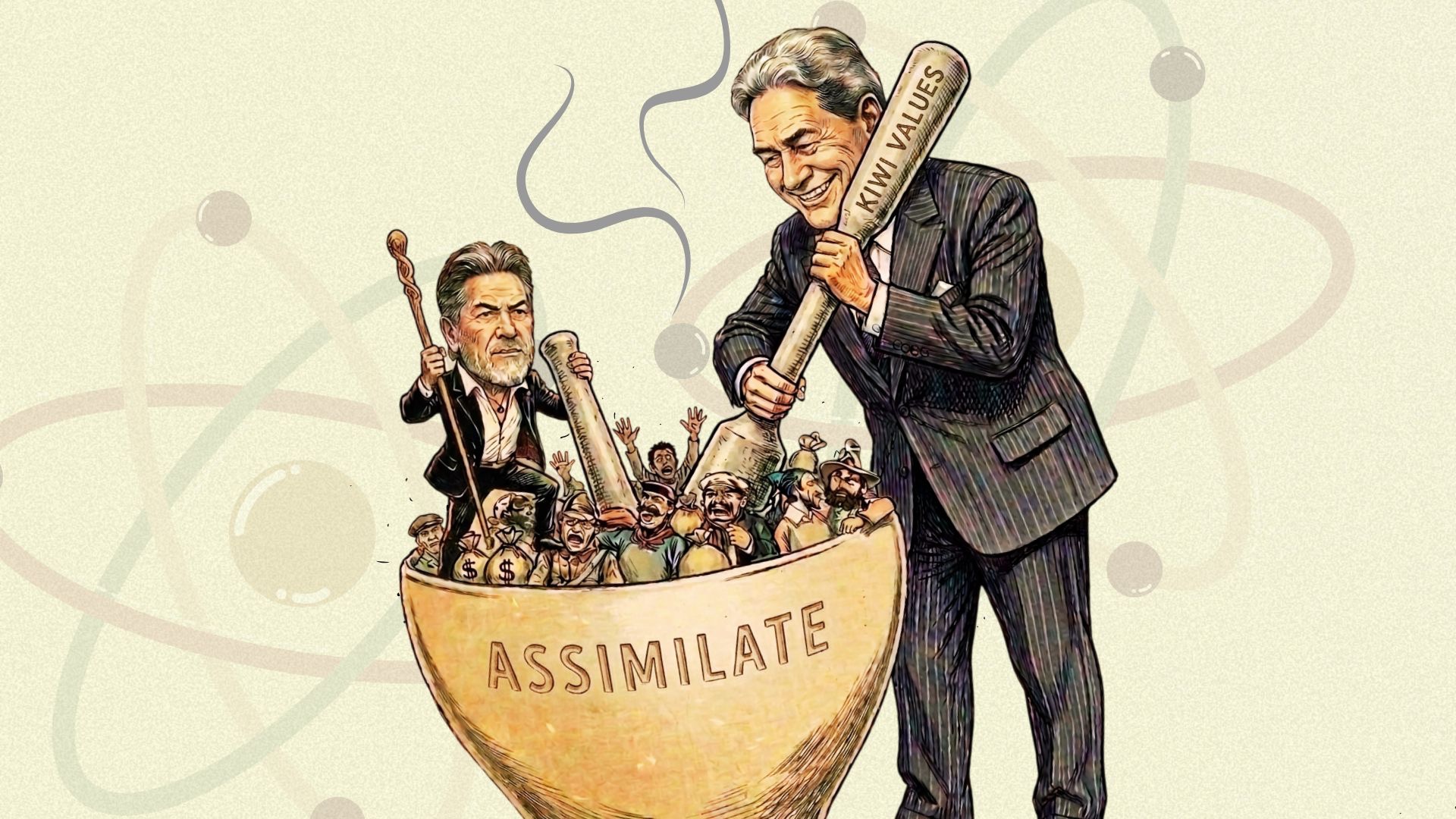
Tamakis launch Indian-origin candidate for Epsom who surrendered passport and has ‘assimilated’ “I know a whole lot of people are going to be like shocked,” says Hannah Tamaki.
Priyanca Radhakrishnan tries to puncture Luxon’s FTA victory, says India was already sold “Things have changed quite dramatically on the Indian government side,” says the Indian-origin Labour MP.
At the time, Seymour said there had been “a lot of people saying a lot of things about India”, including about people from India and Kiwis of Indian origin.
Greens oppose the deal, but warn against the rhetoric
The Green Party’s dissenting note makes clear it does not support the NZ-India FTA.
It says the party has serious concerns about the agreement’s environmental and climate protections, Te Tiriti obligations, labour rights clauses and the claimed economic benefits.
The Greens also argue the negotiation was driven by the Government’s political deadline to conclude an agreement with India during this parliamentary term, which they say gave India significant leverage to set terms and determine outcomes.
But embedded within that broader criticism is a separate political warning.
It says misinformation and political grandstanding distracted from the actual content of the agreement and forced the committee to spend time “attempting to dispel such mis- and disinformation”.
Seymour’s earlier warning
Seymour’s comments in February this year came amid an increasingly heated debate over what the India FTA could mean for migration, jobs and the Indian diaspora.
He warned that misinformation about the deal was spawning “anti-Indian sentiment”, particularly in South Auckland.
At that stage, the agreement (not yet signed) had become a flashpoint in wider immigration politics, with claims and speculation spreading about whether the deal would bring large numbers of Indian workers or students into New Zealand.
A later parliamentary report has since pushed back against fears that the FTA would open the migration floodgates, saying many of the immigration commitments were limited, capped or close to settings already in place.
The Foreign Affairs, Defence and Trade Committee said many submitters were concerned the FTA’s immigration provisions would lead to significant increases in migration flows from India.
But the committee concluded New Zealand retained sufficient policy flexibility and said the student and post-study visa commitments would not increase immigration flows “in the way that some submitters were concerned about”.
Green and Act remain far apart on the substance of the deal. ACT has backed the FTA as part of New Zealand’s economic engagement with India, while the Greens say the deal has limited economic benefit in a realistic timeframe and weaker protections for labour, environment, climate and Te Tiriti than agreements such as the NZ-EU FTA.