
MPs want limits on immigration officers’ power to demand ID after racial profiling concerns

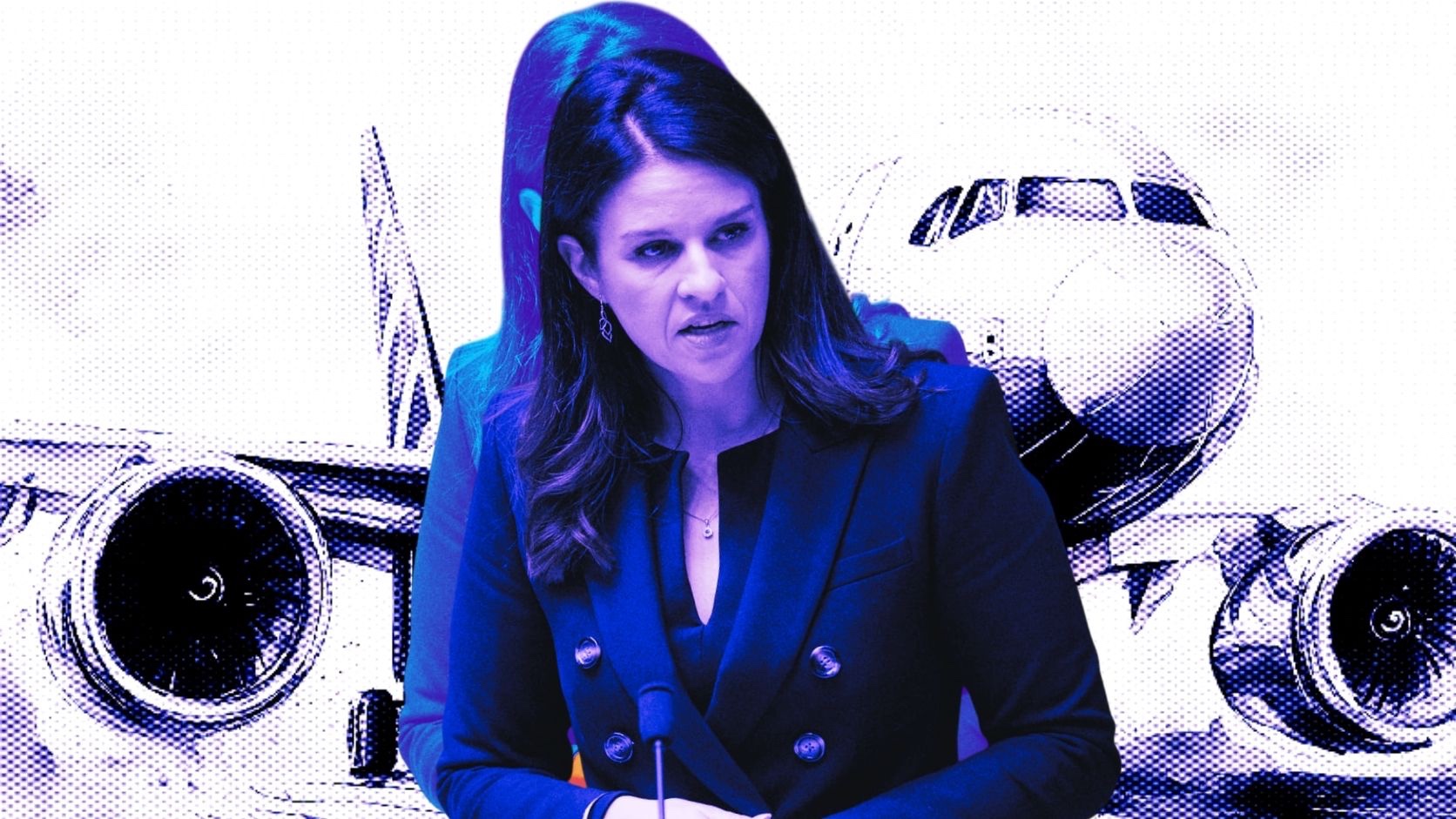
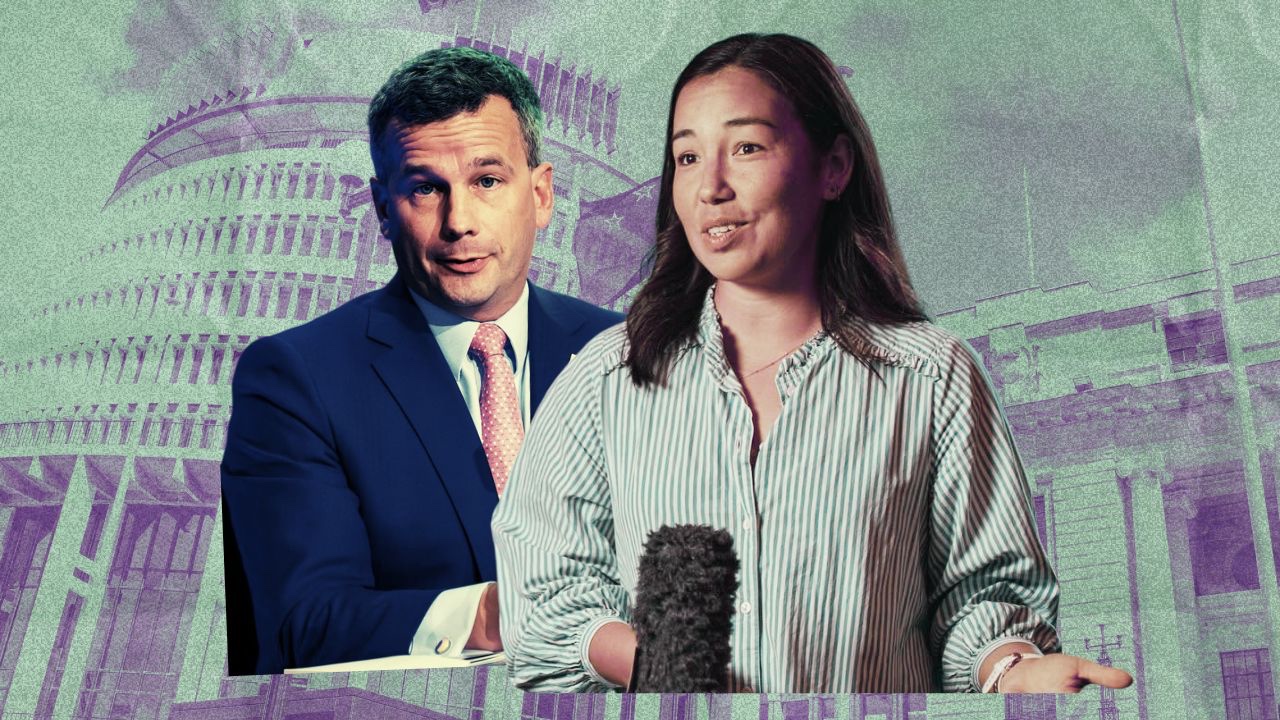
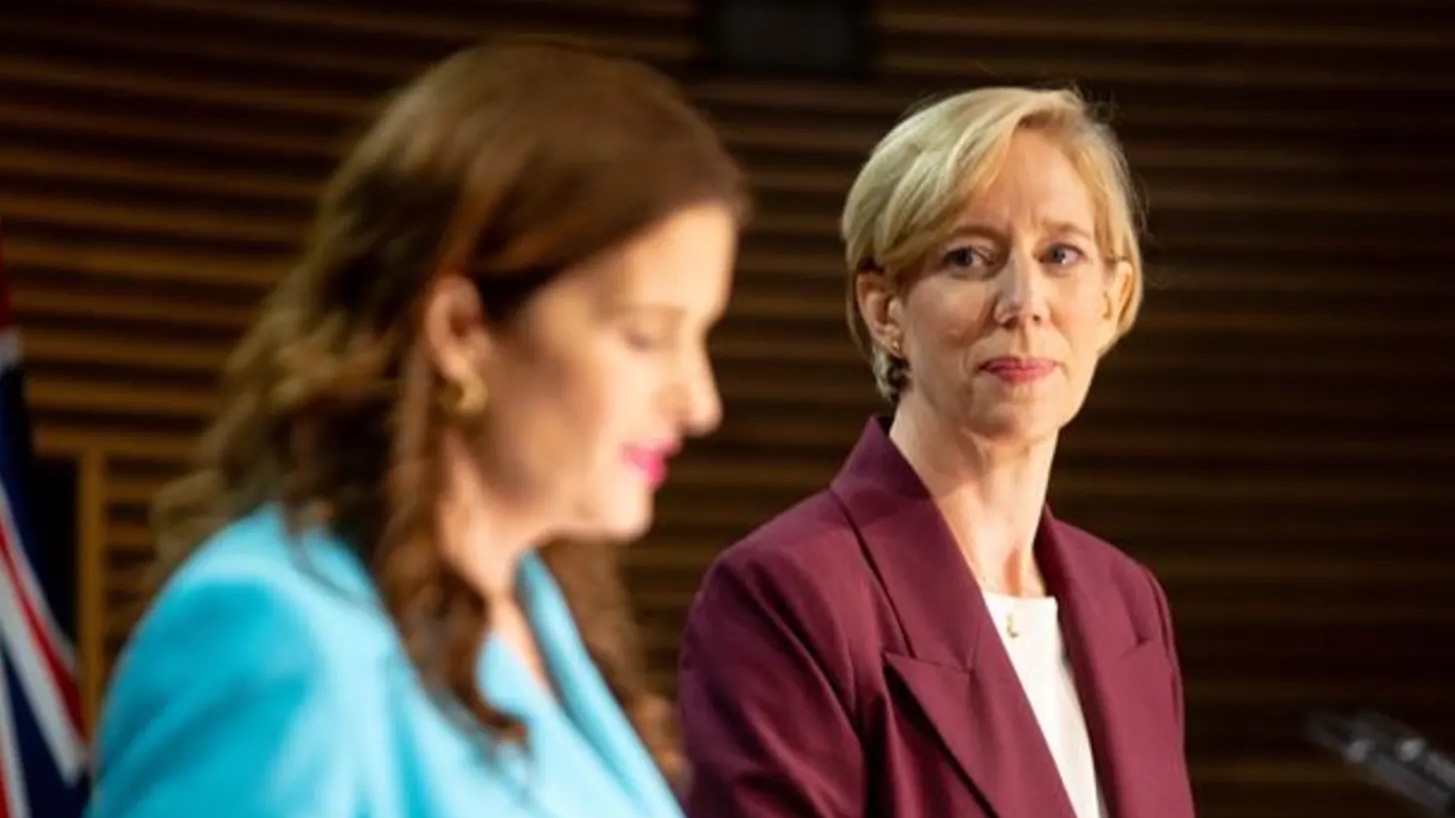
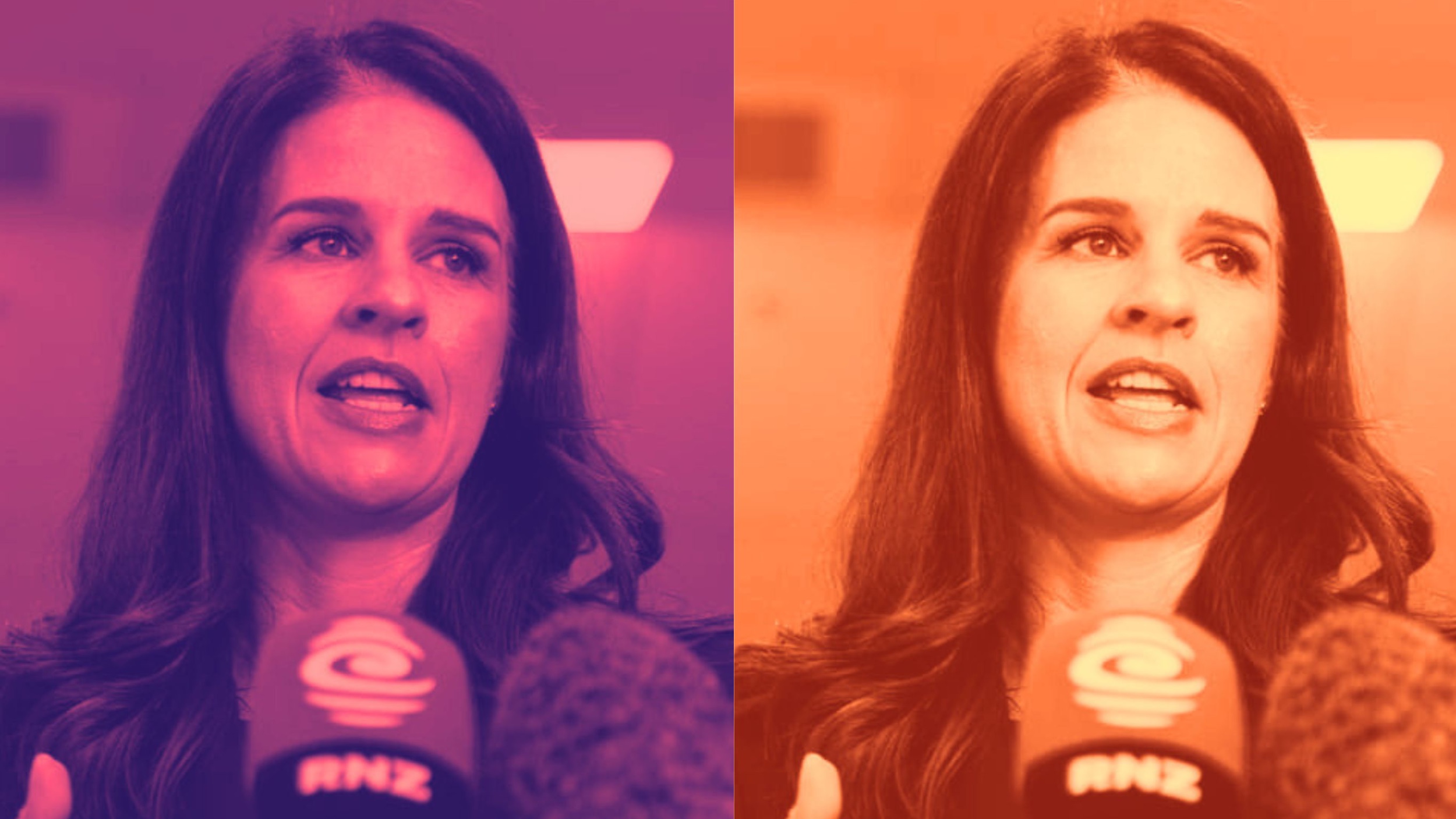
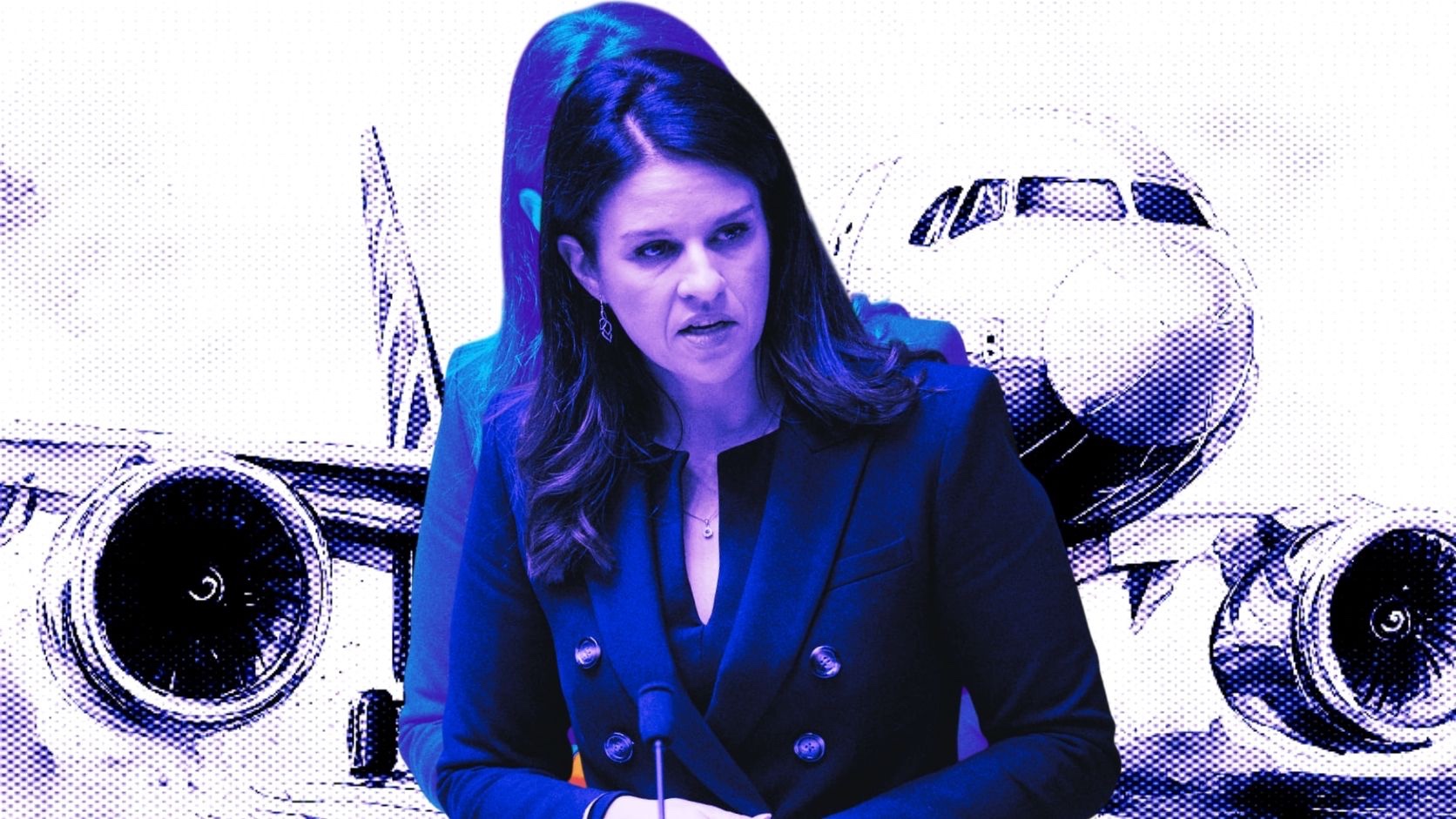
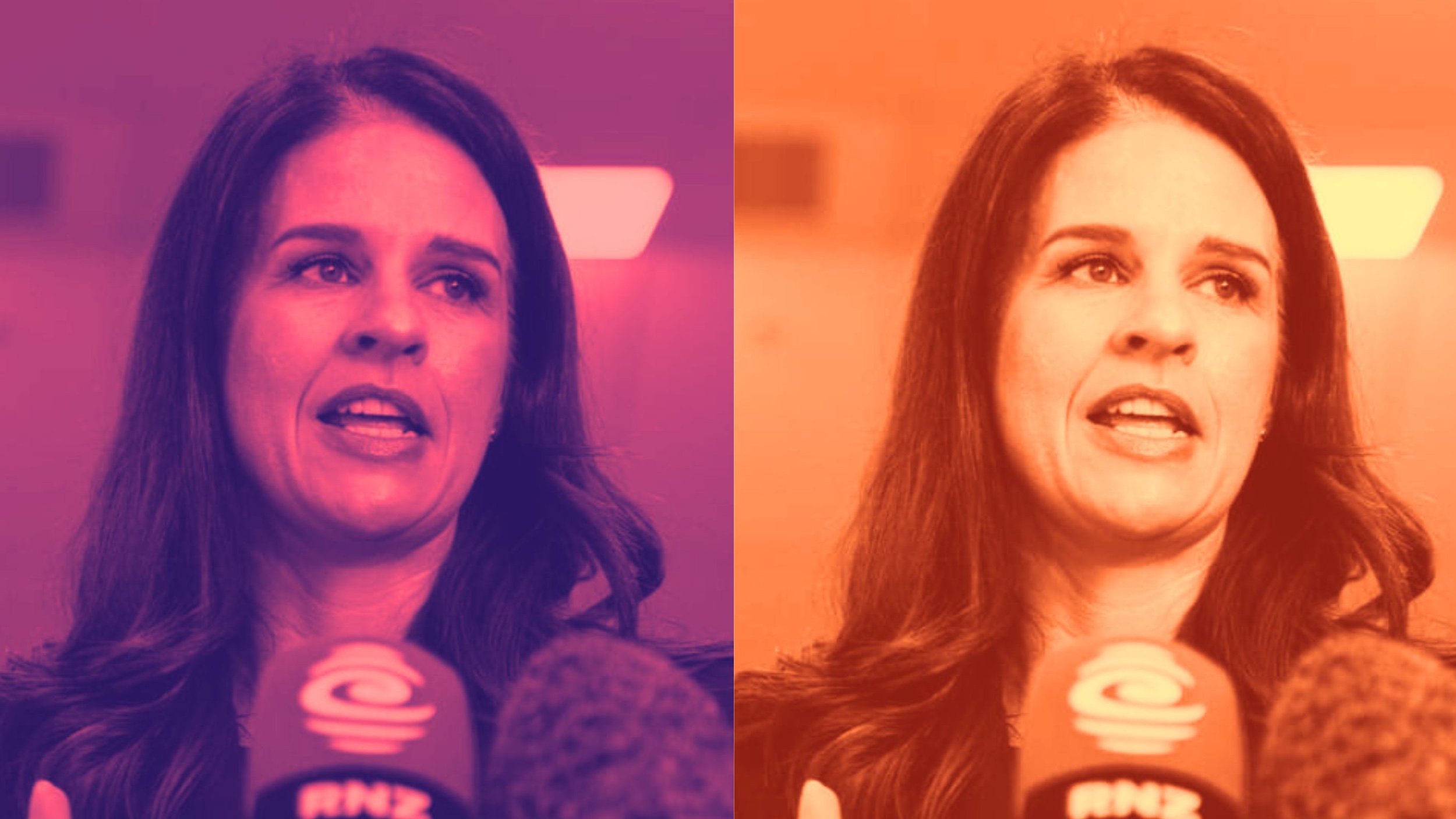
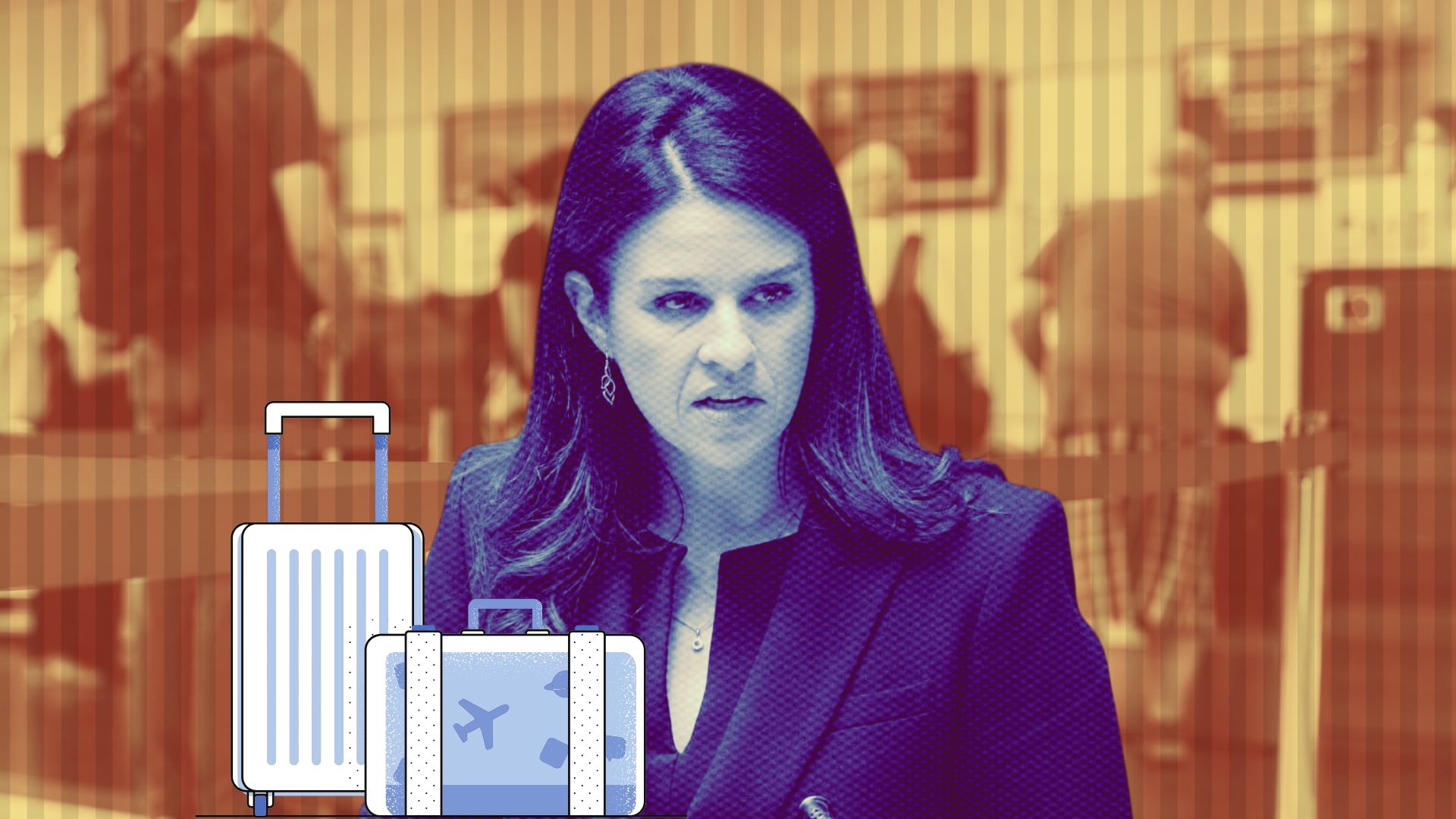
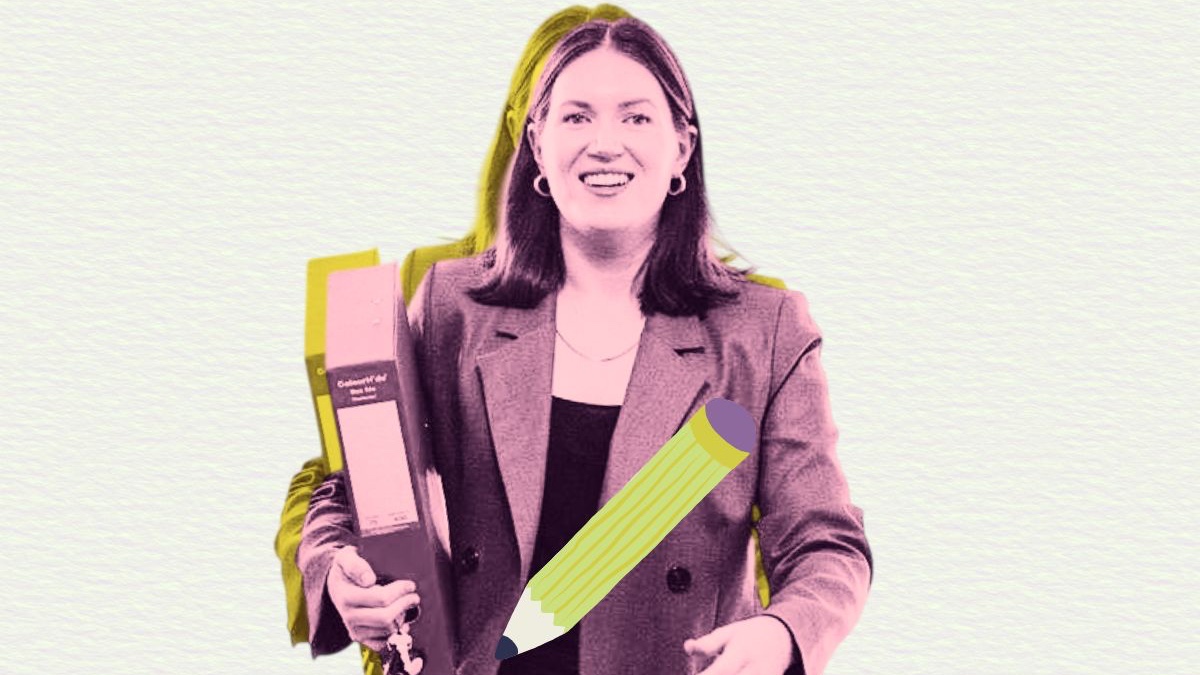
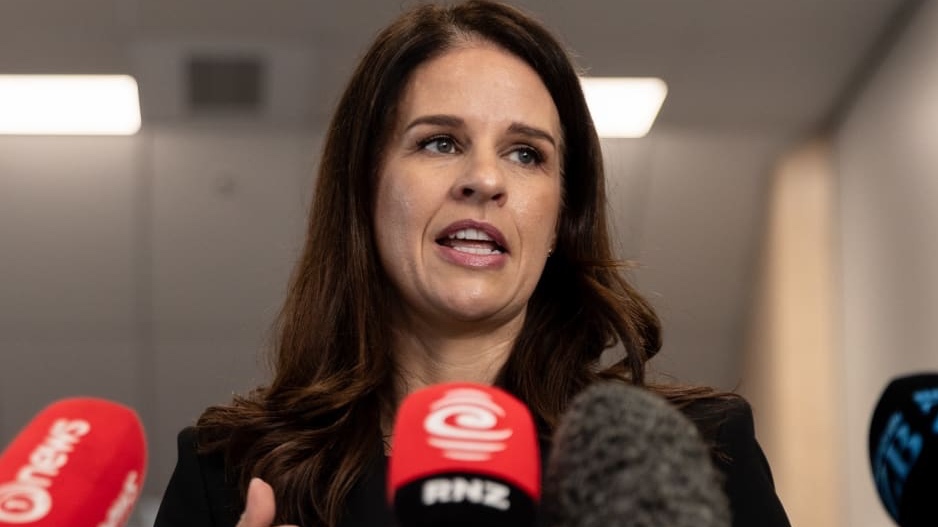
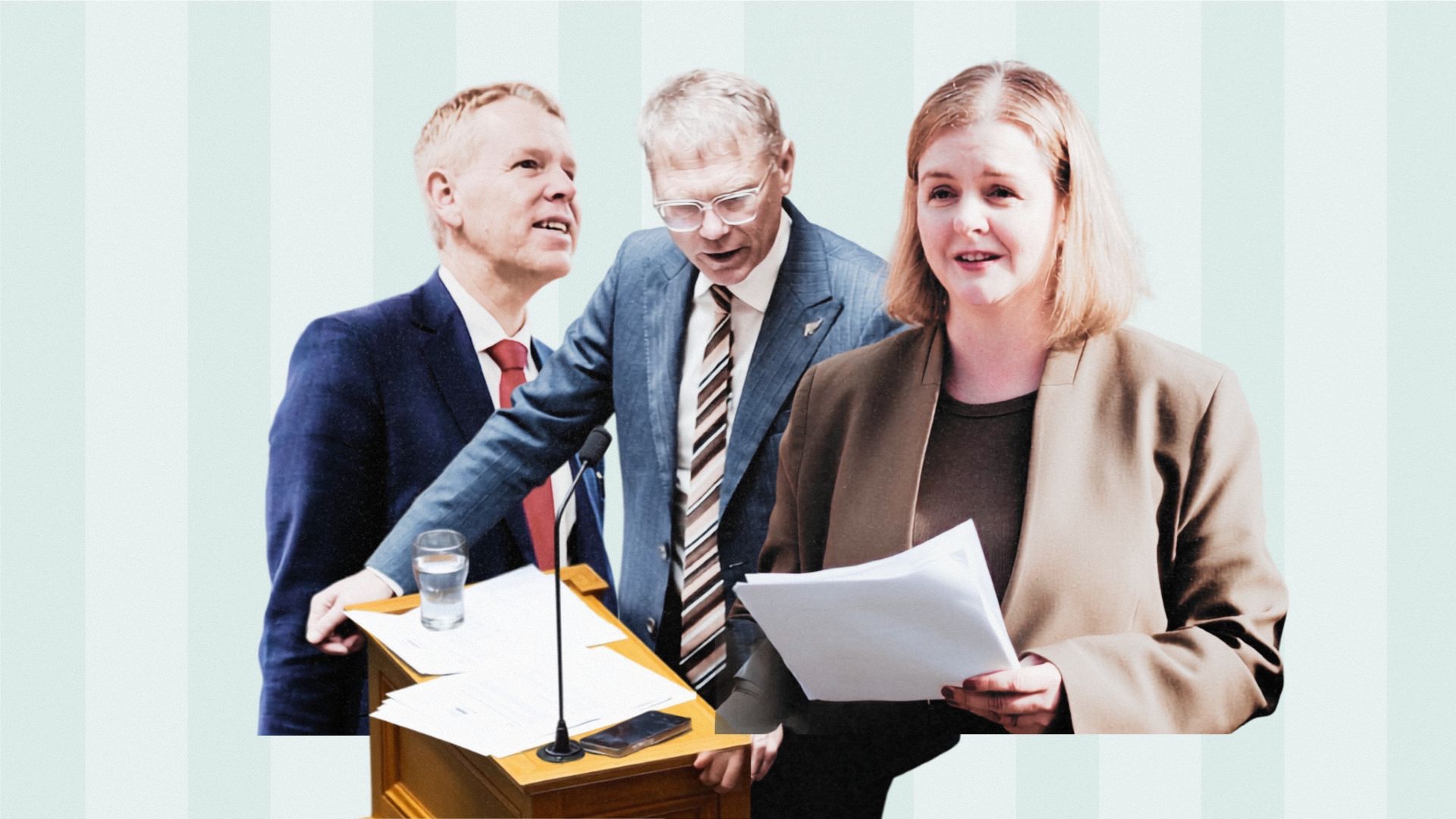
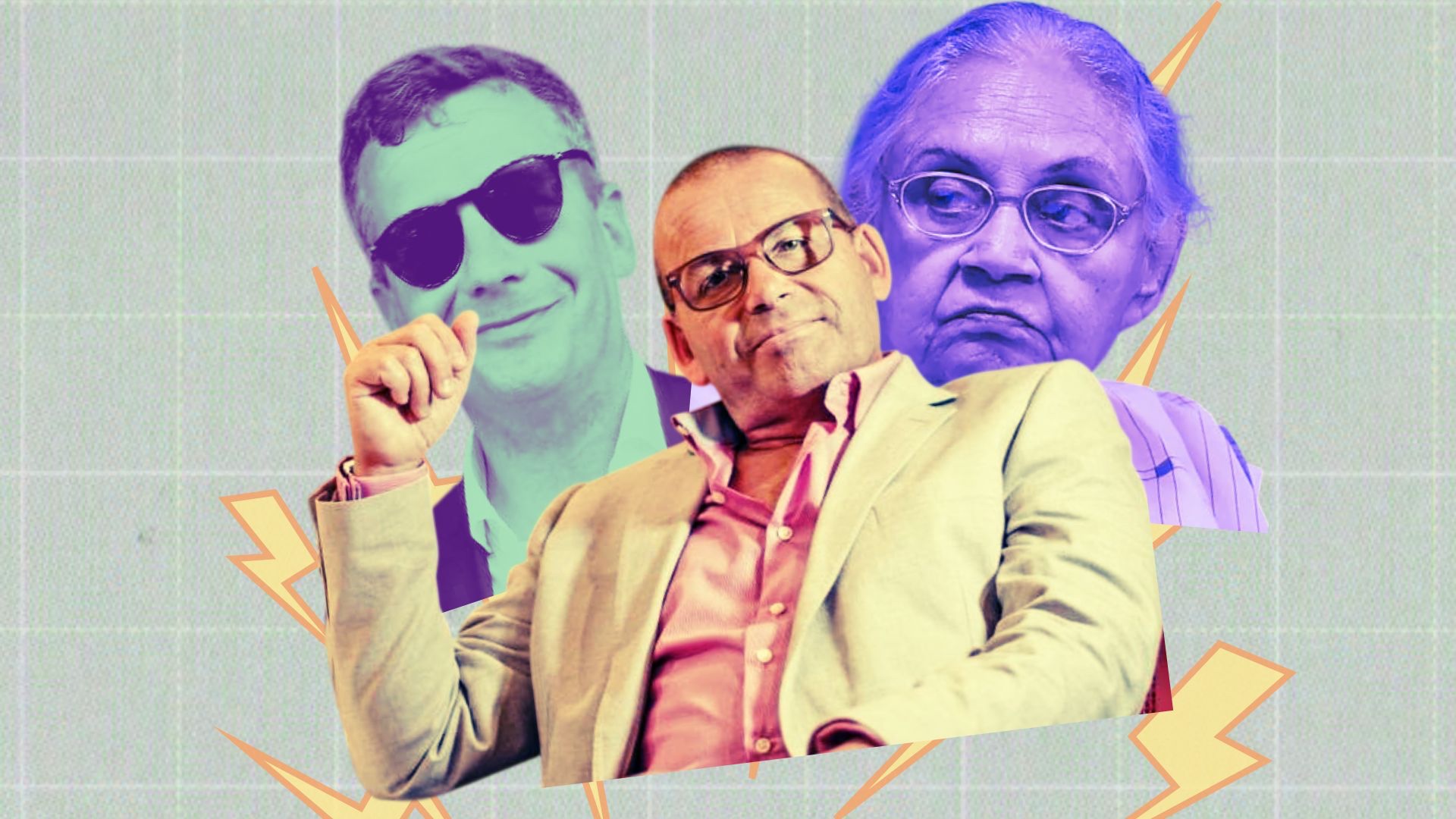
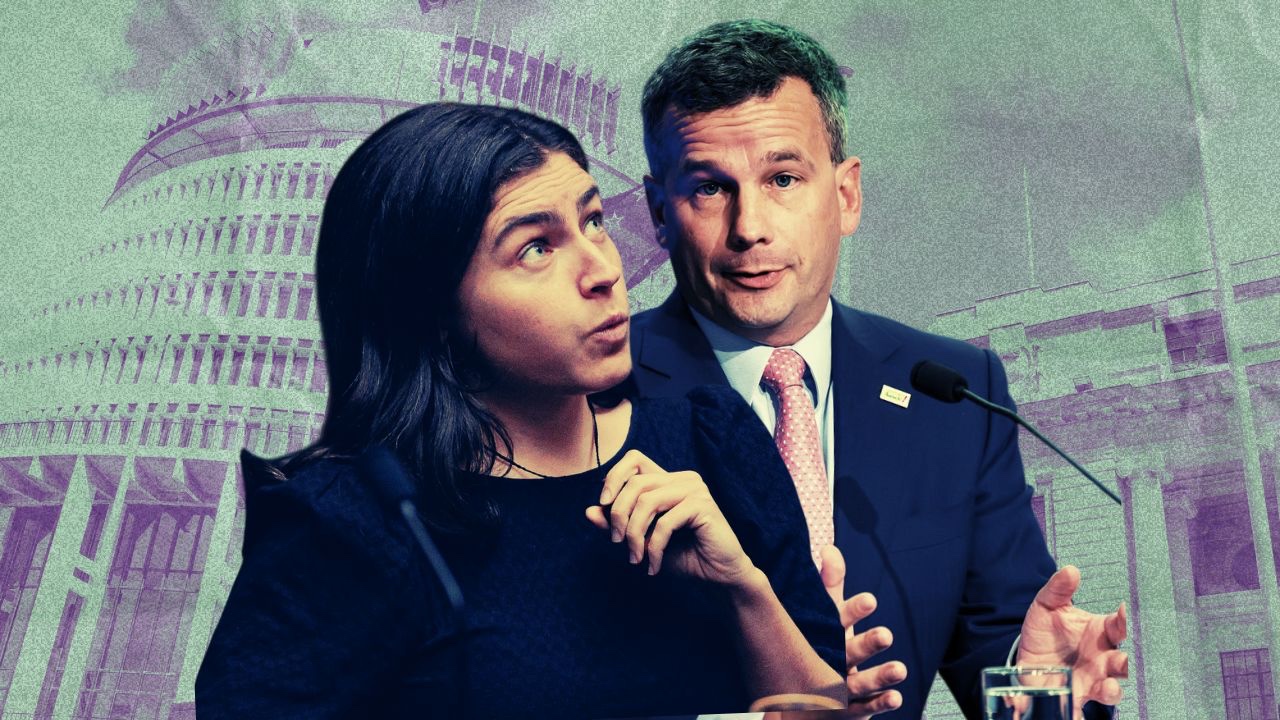
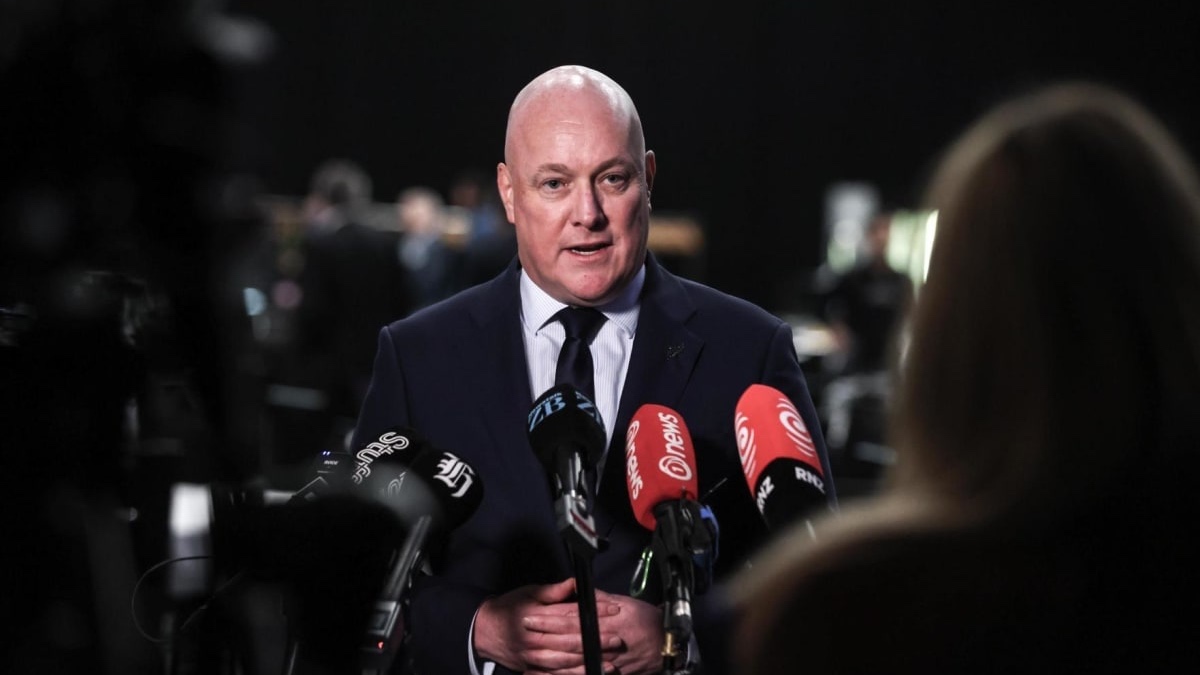
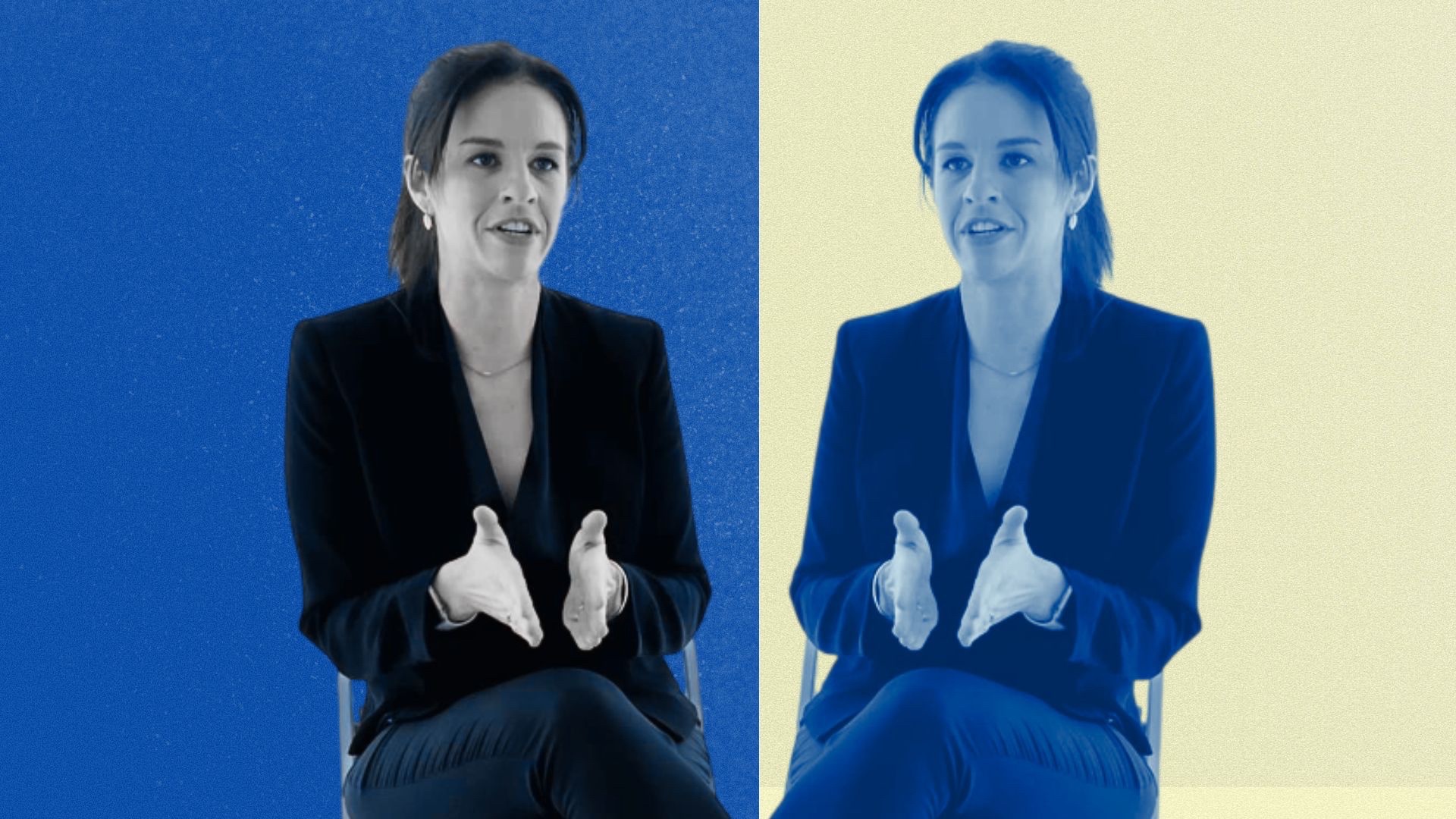
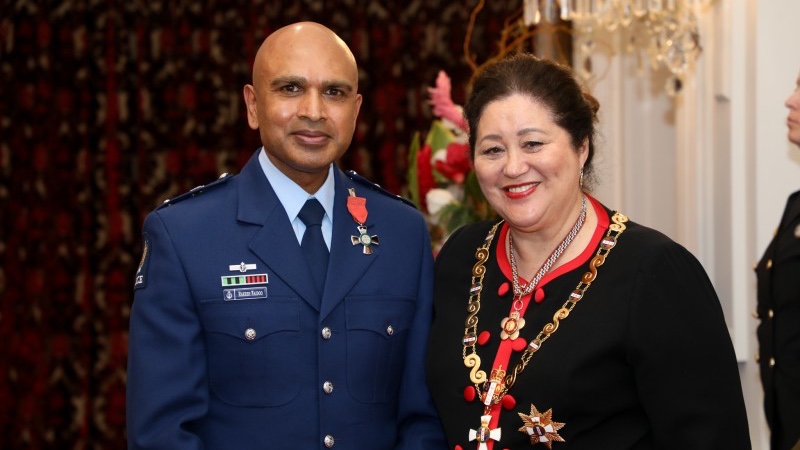
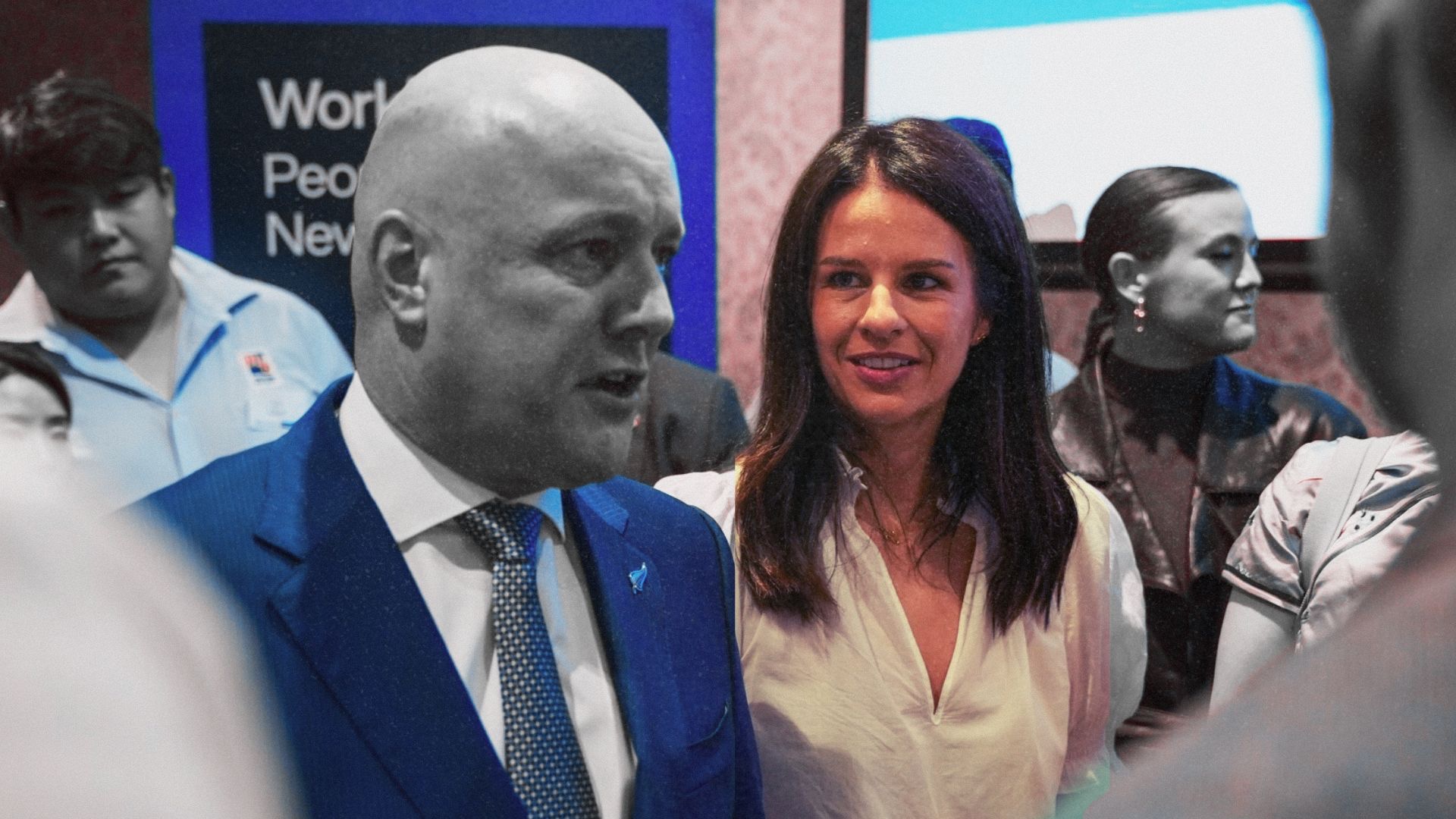
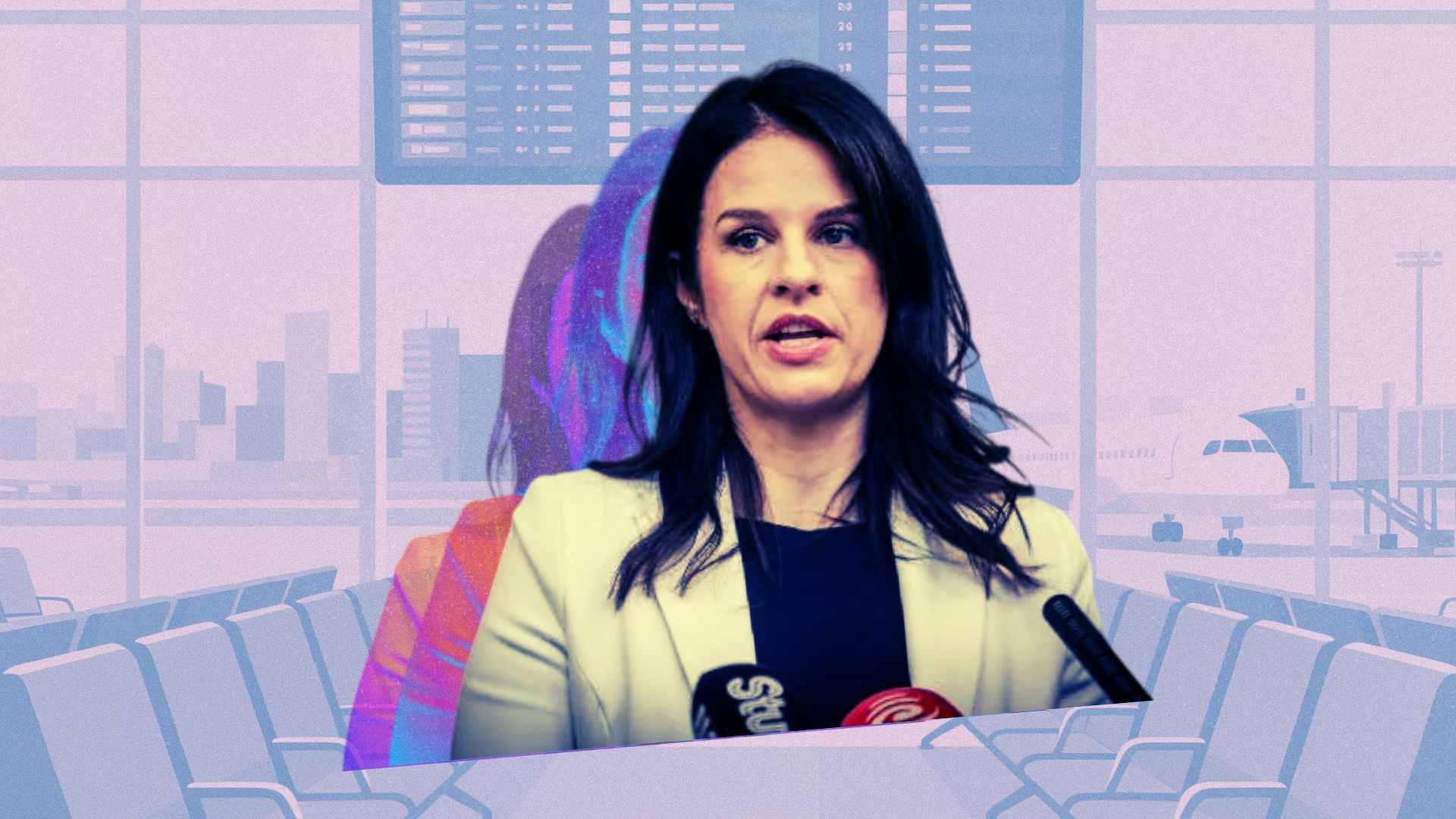
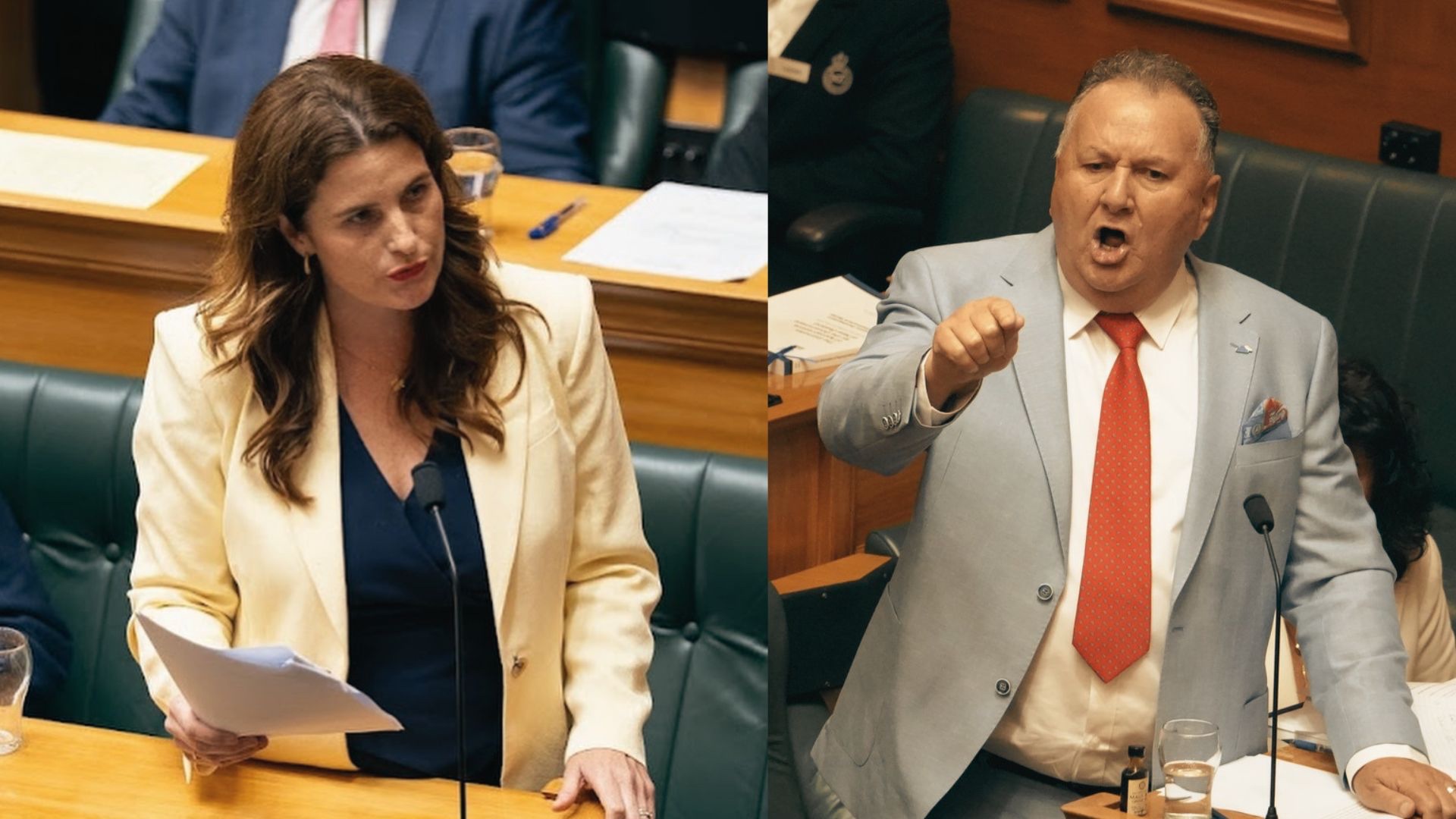
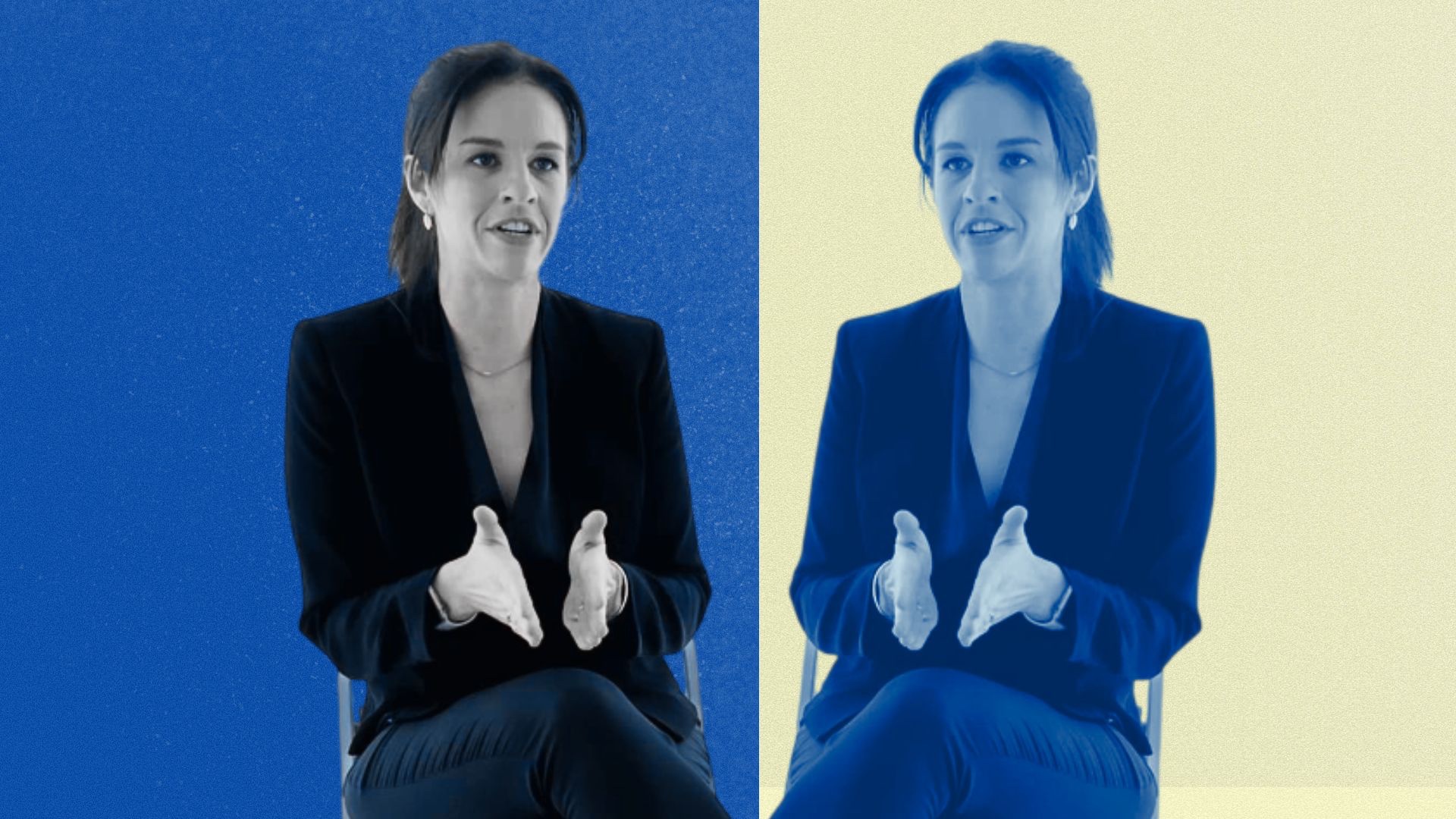
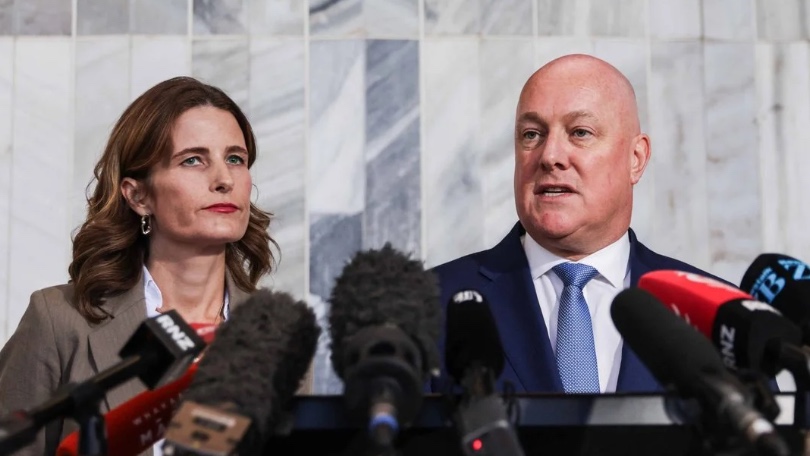
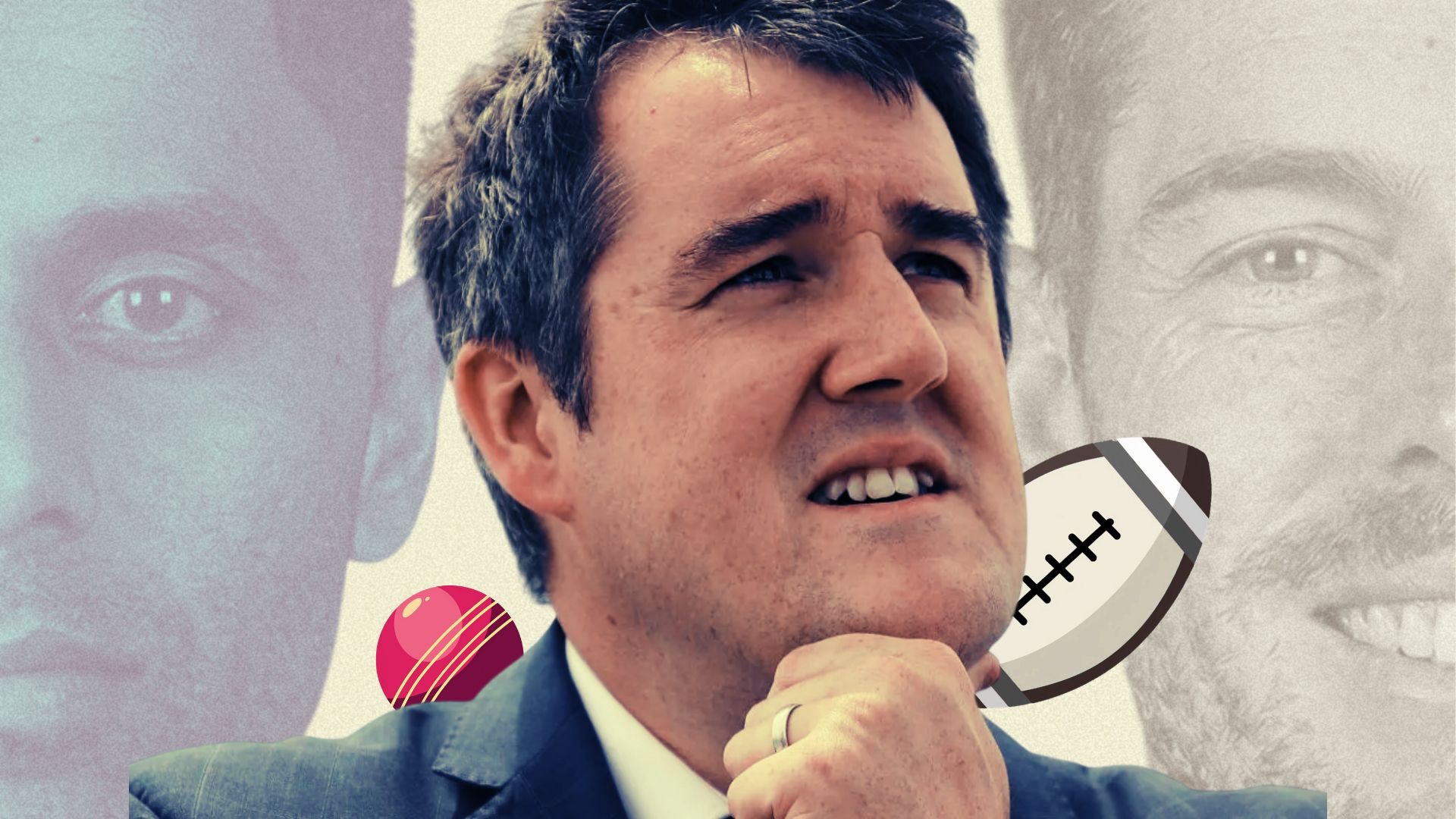
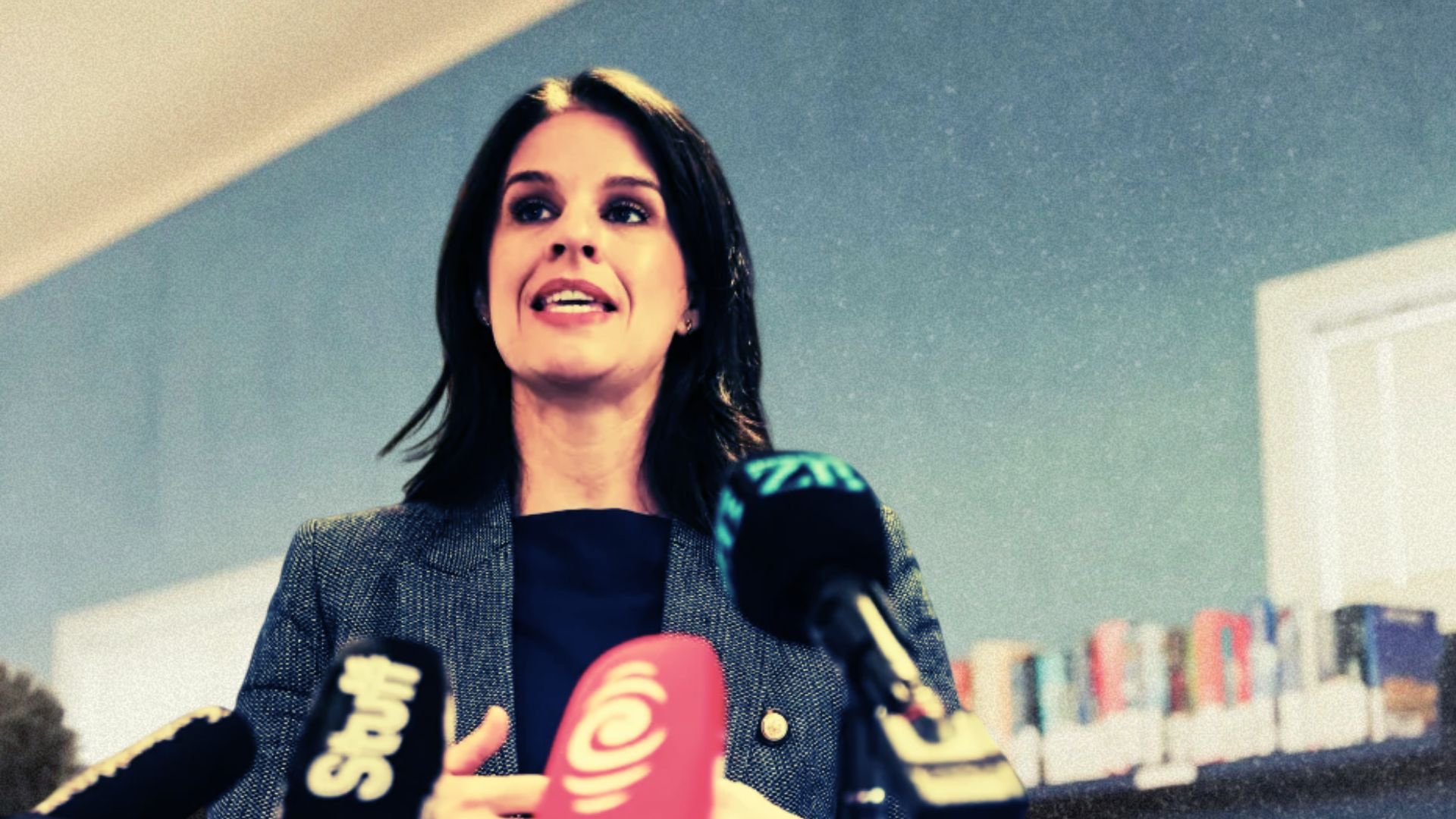
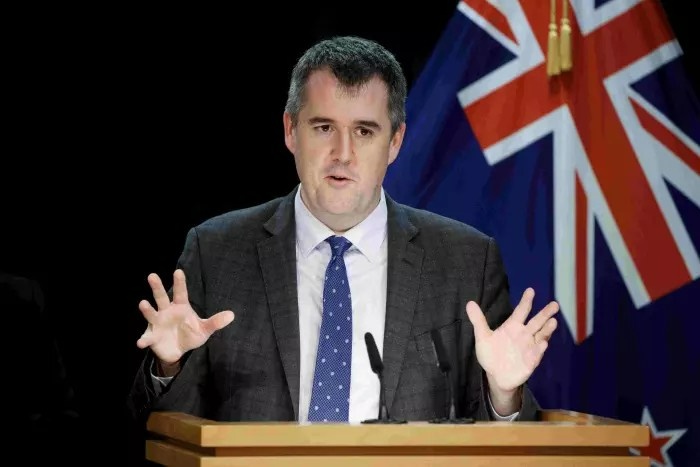
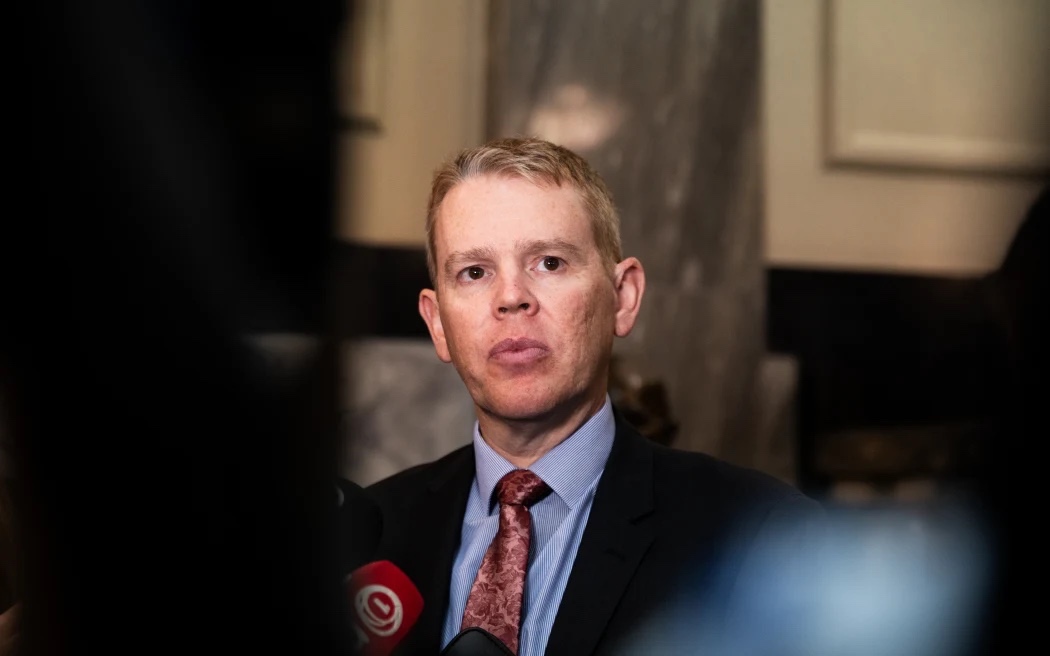
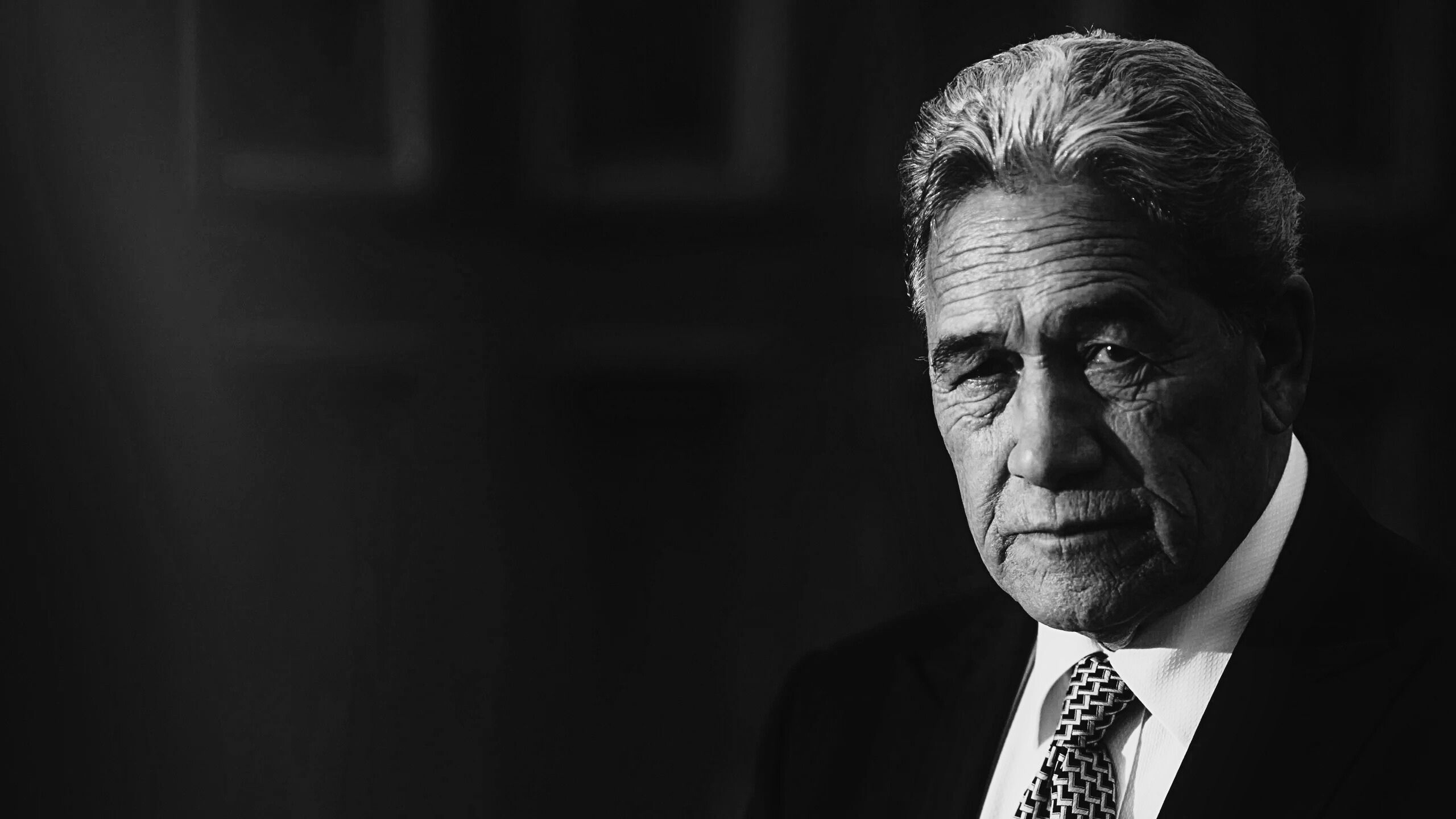
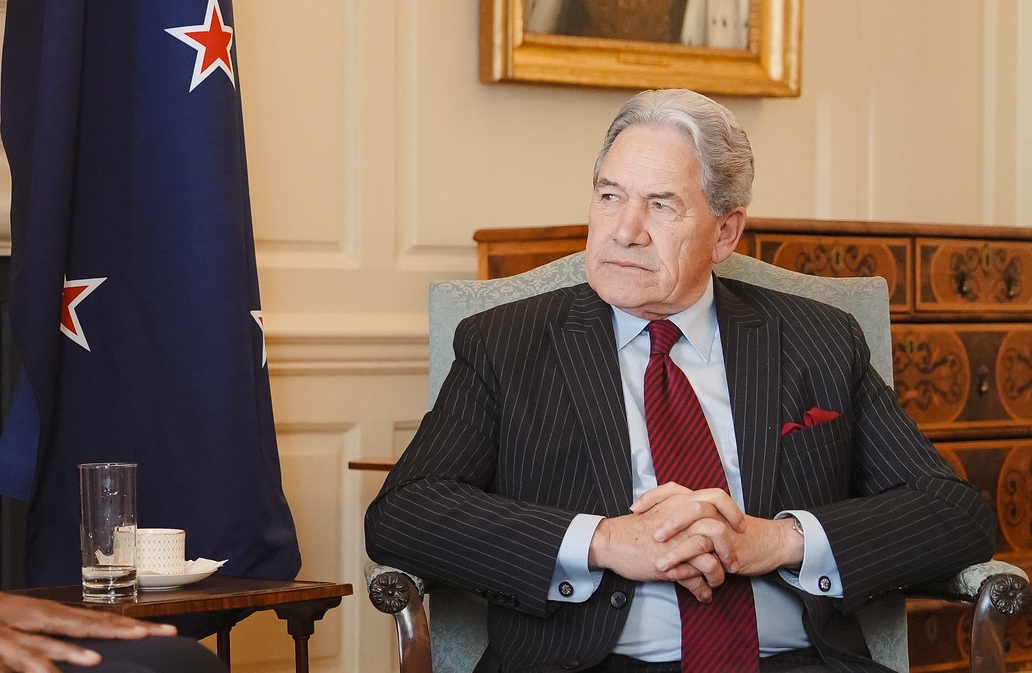
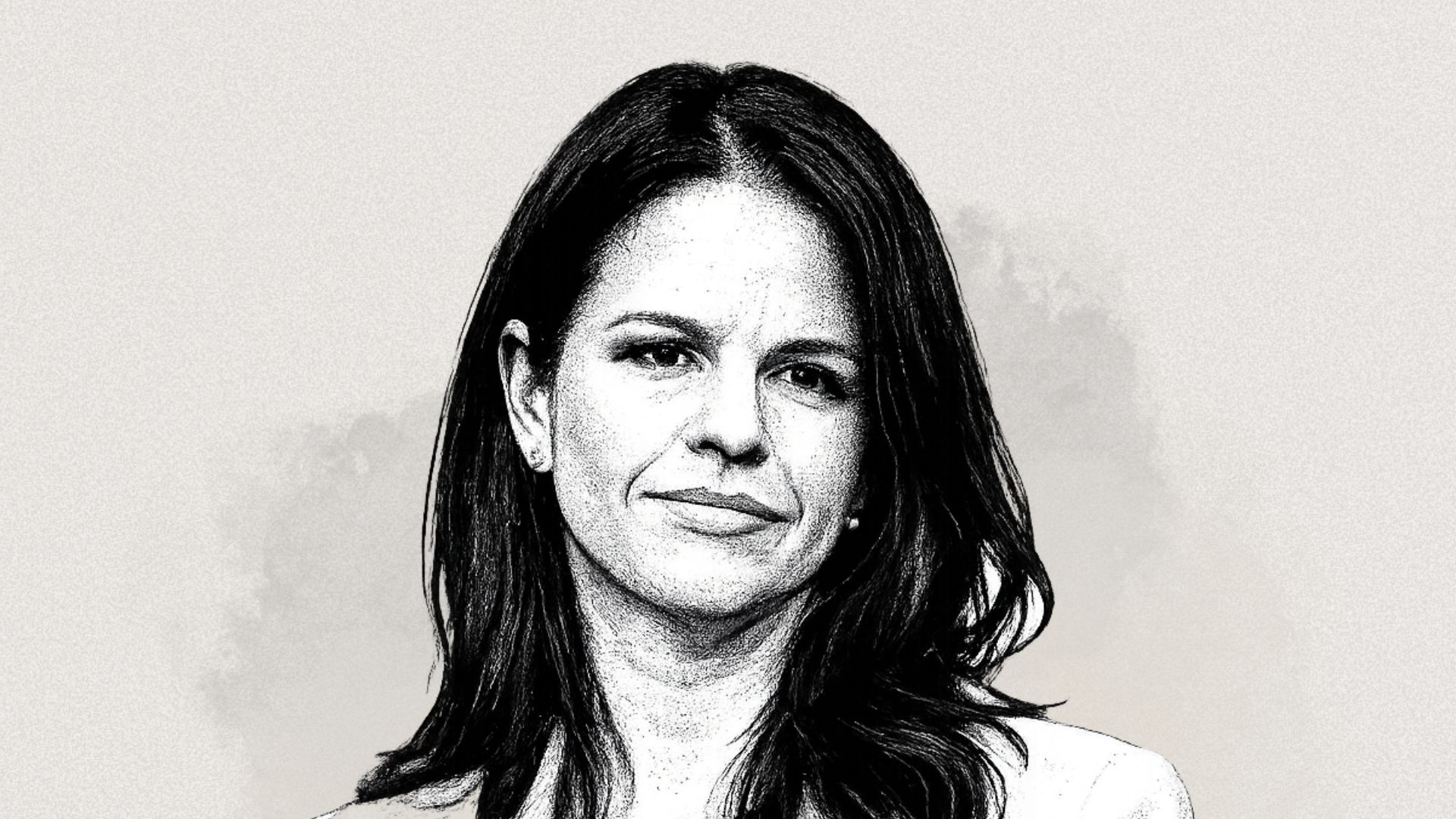
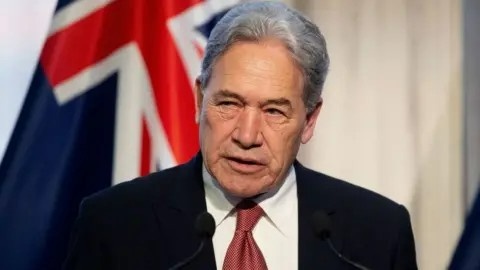
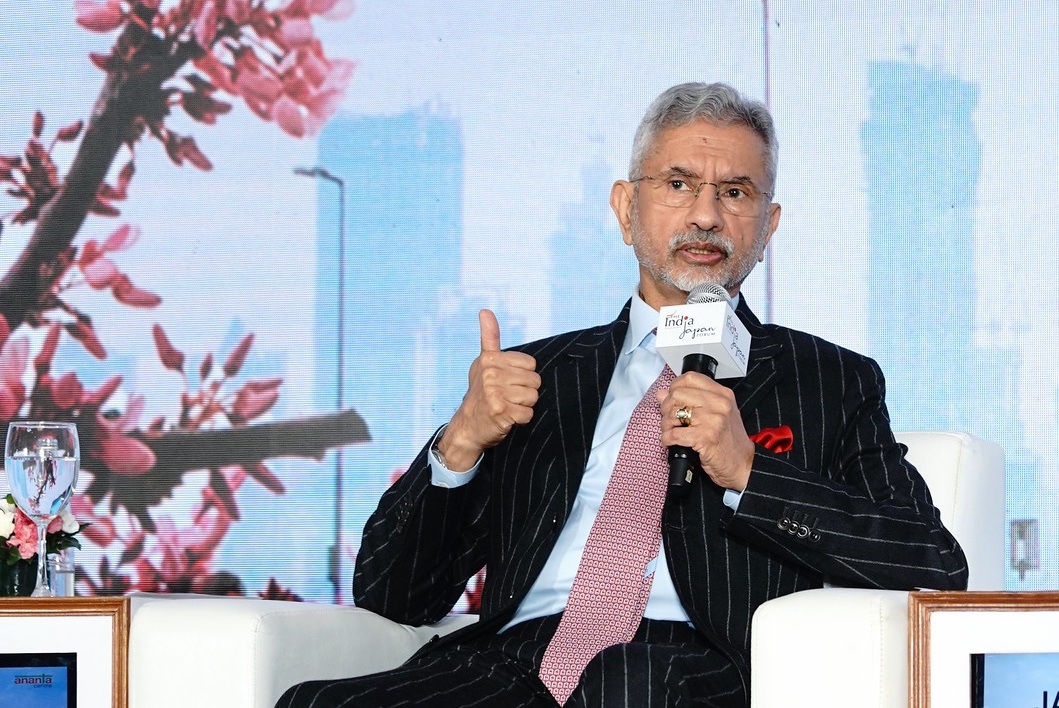
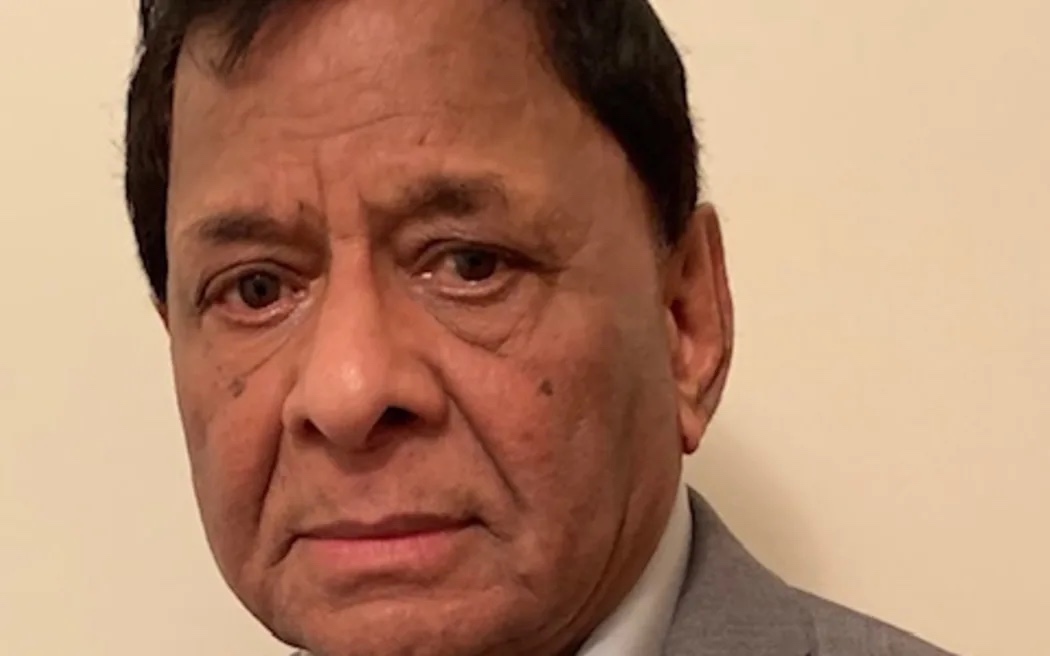
Immigration minister Erica Stanford. (Supplied photo)
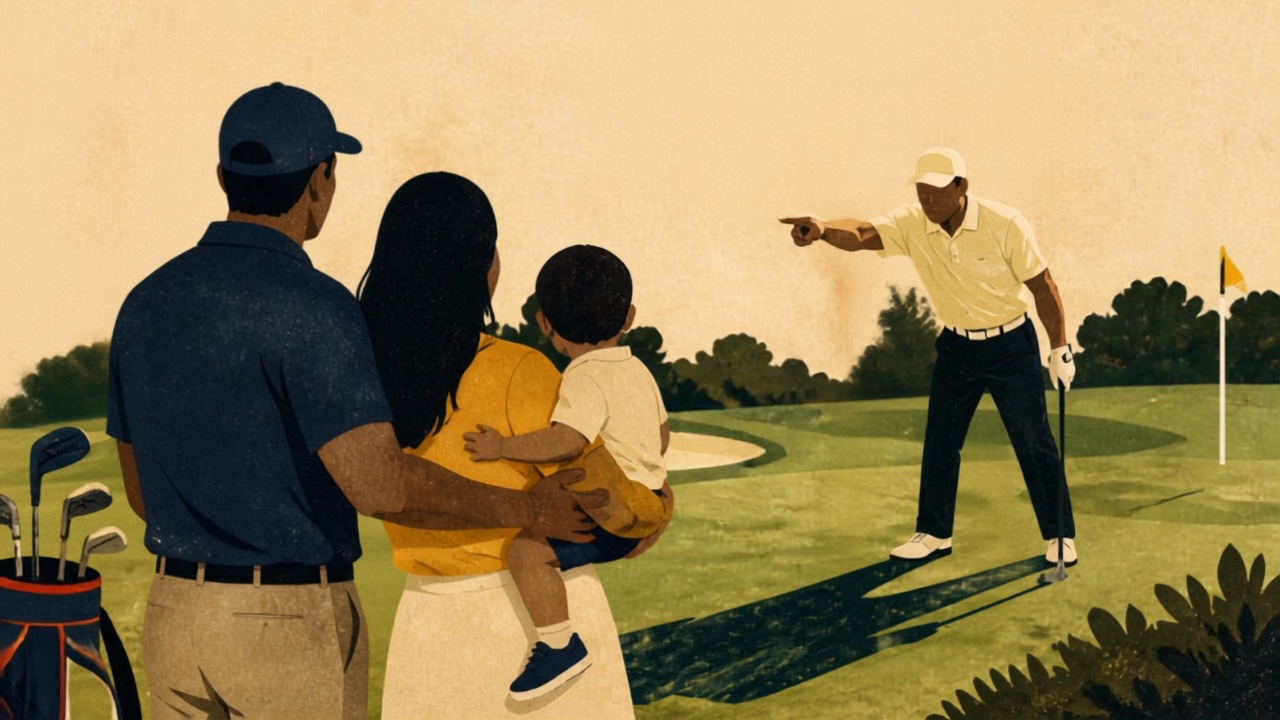
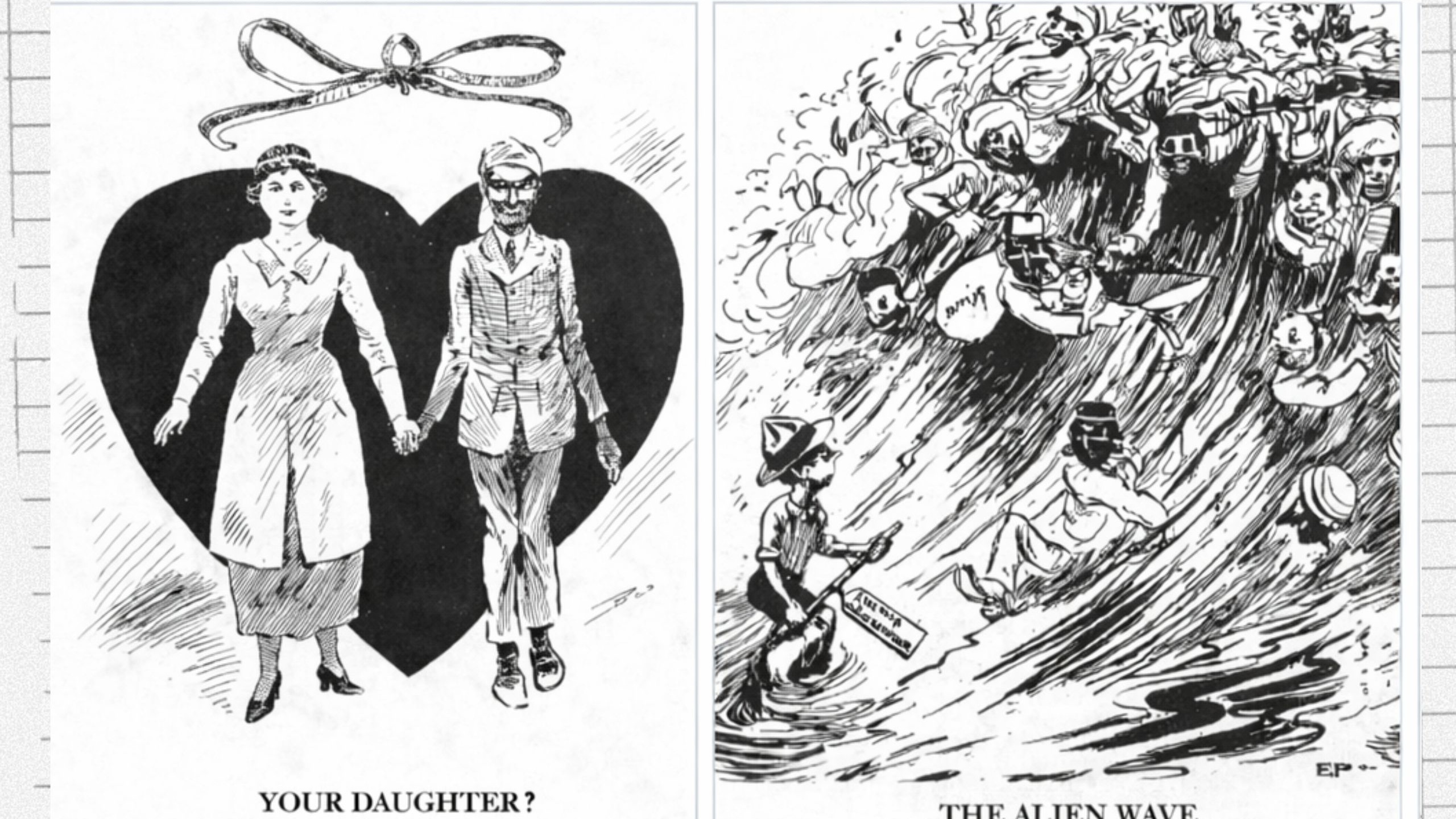
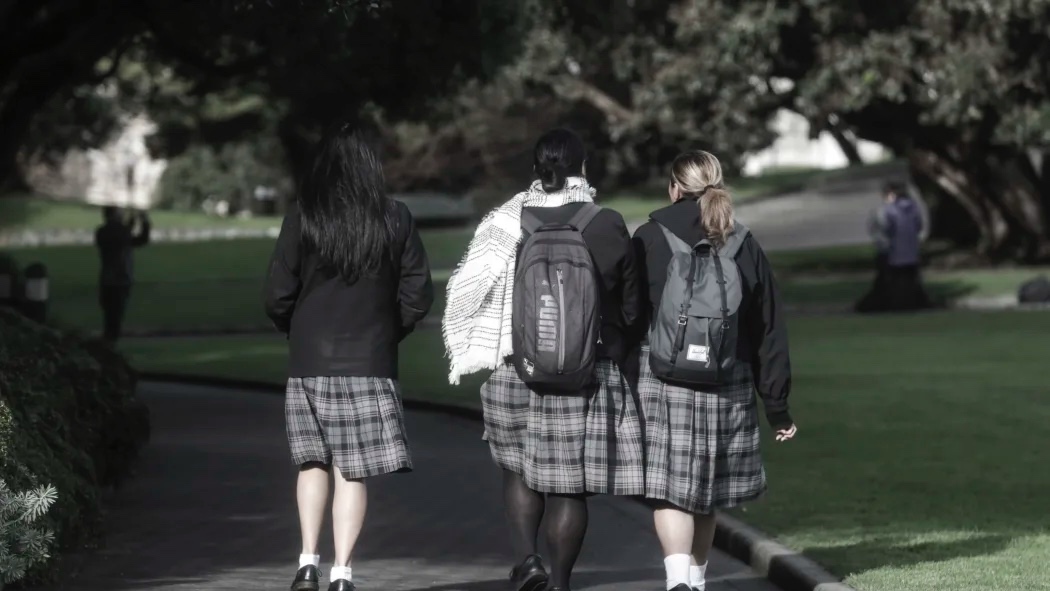
Critics argue under the new provisions appearance, accent or perceived migrant status could influence who seemed suspicious.
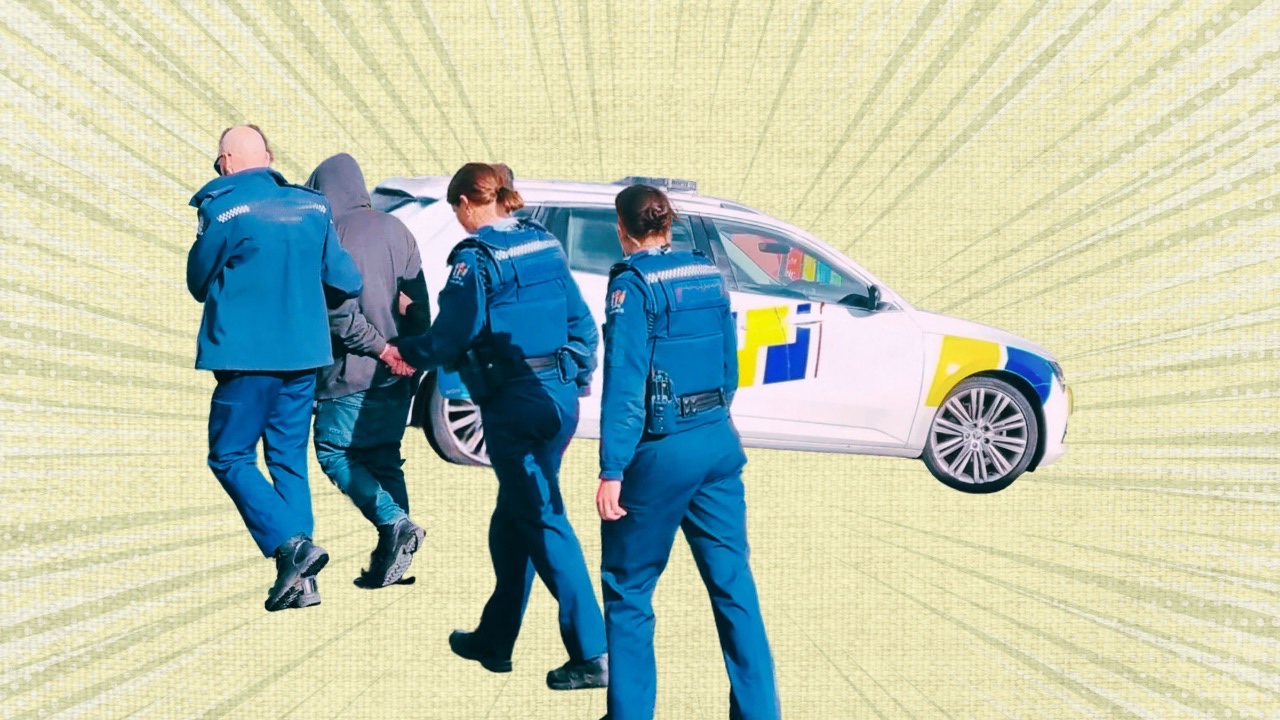
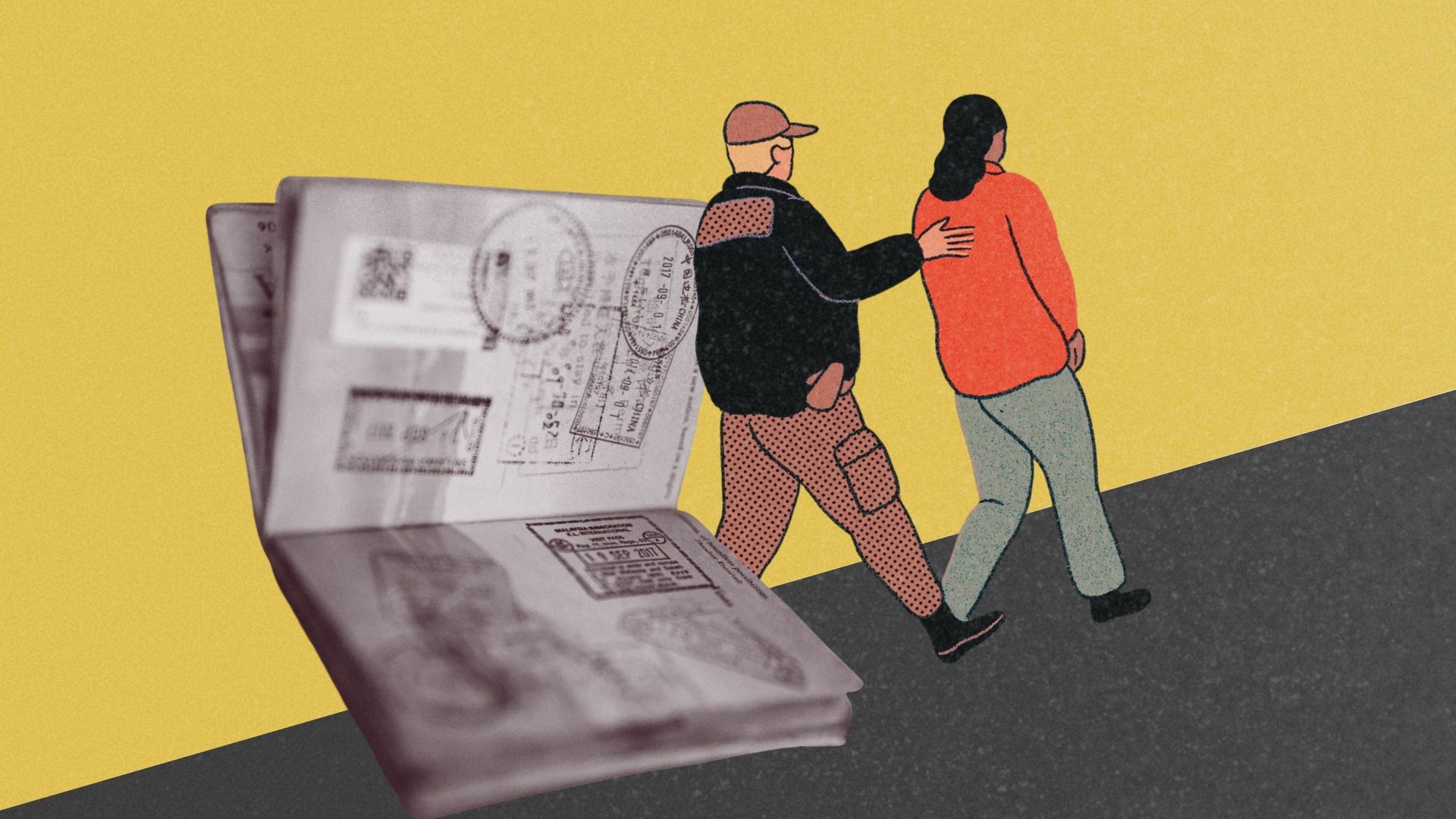
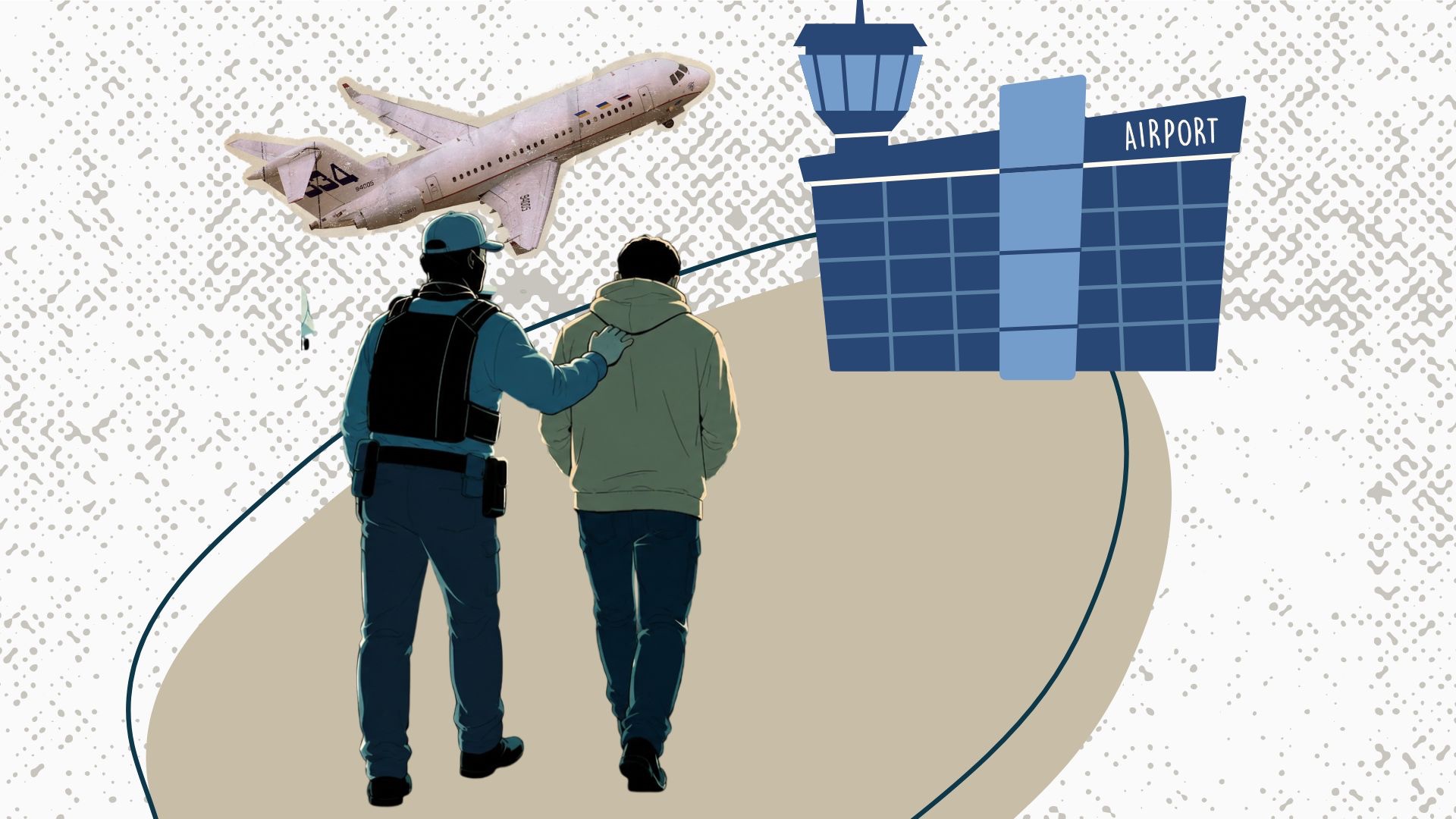
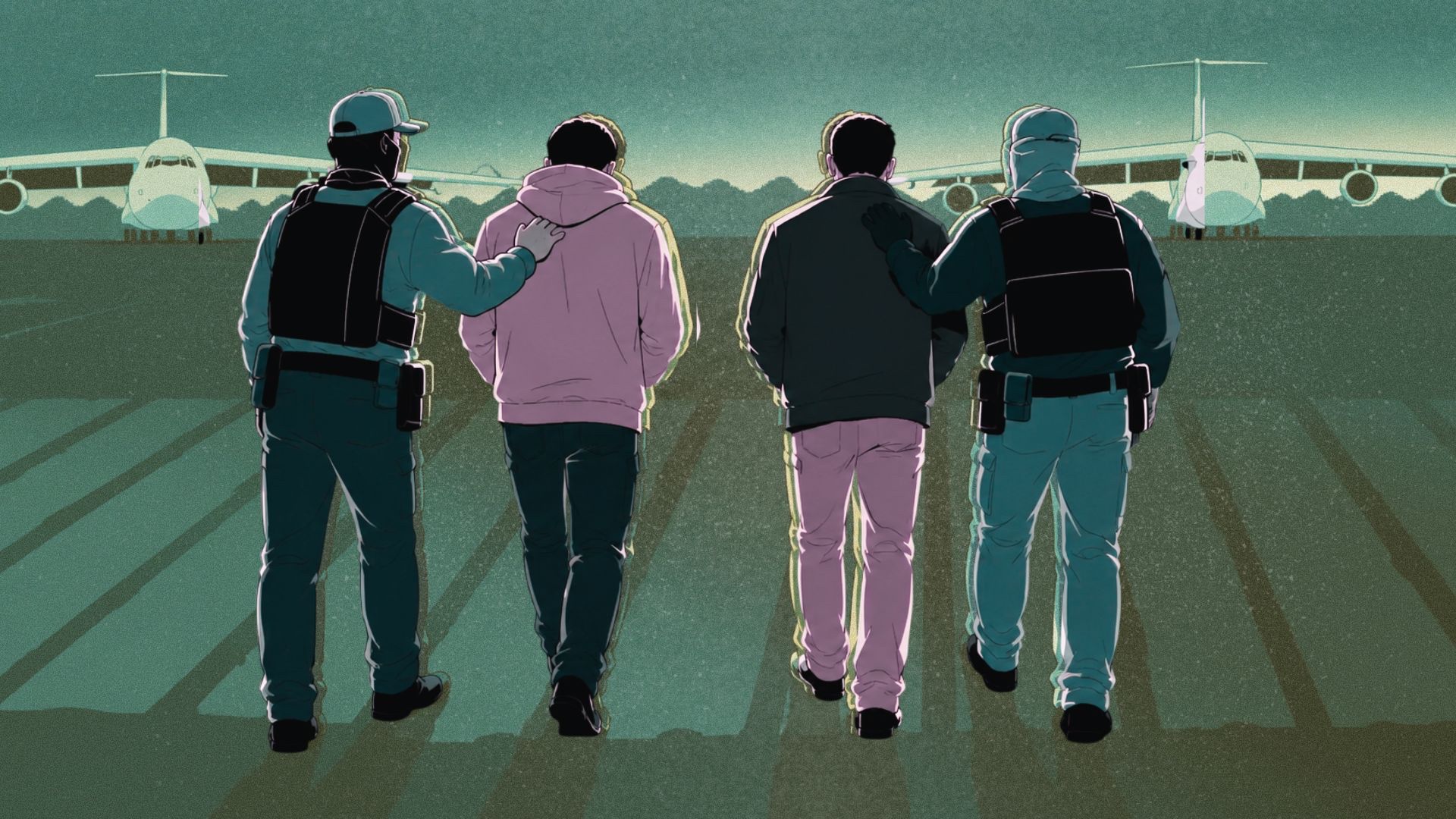
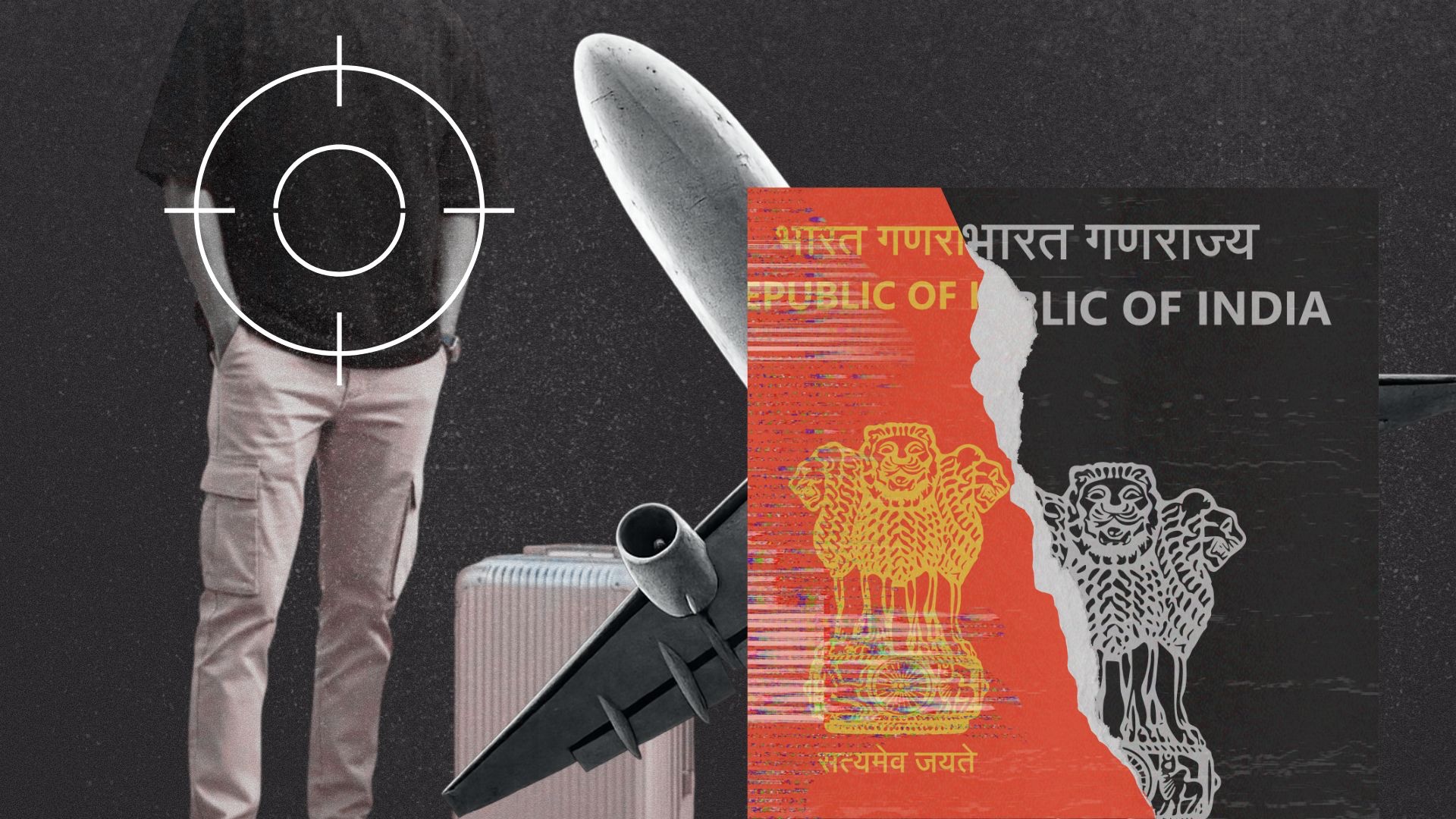
A parliamentary committee wants new safeguards around immigration officers’ proposed power to demand identification from people suspected of breaching immigration rules after concerns about racial profiling and civil liberties.
The Education and Workforce Committee has backed the government’s plan to expand Immigration New Zealand (INZ) officers’ powers to require personal information and identity documents, but says those powers need additional checks.
“Submitters told us, and we agree, that this should be accompanied by robust safeguards to ensure proportionality and accountability,” the committee said in its final report on the Immigration (Enhanced Risk Management) Amendment Bill submitted to Parliament on August 7.
The changes recommended by the committee are not yet law, and can still be altered as the bill goes through its remaining stages in Parliament.
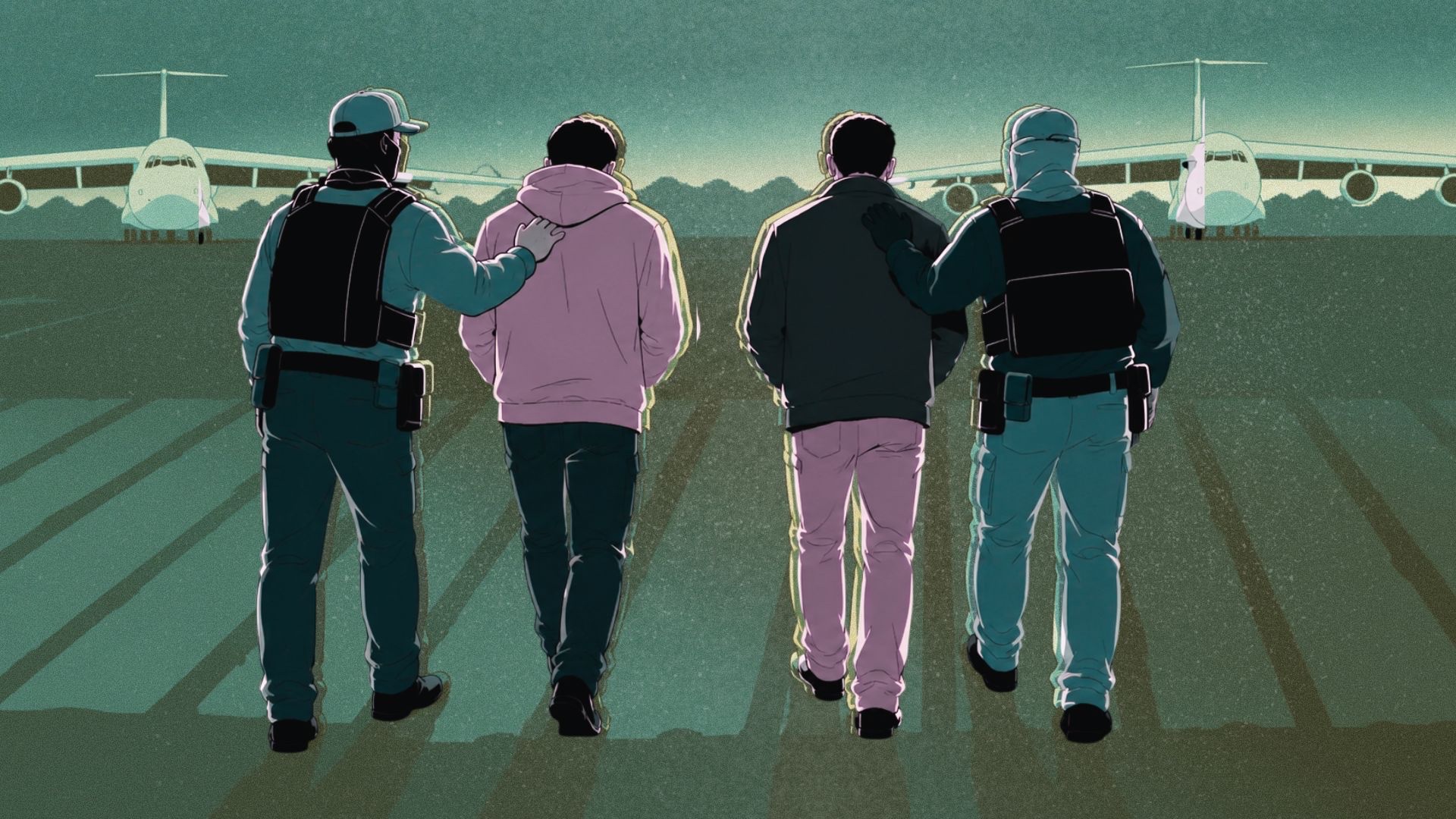
Under the bill reported back by the committee, an immigration officer could use the power where they have “good cause to suspect” a person may be liable for deportation or turnaround, or may be breaching or have breached their visa conditions.
South Asian diaspora raises over $200,000 for New Zealanders missing in Nepal flood "I'm so proud of the Indian community here who...supported us, saying it is not a Nepal problem but our problem."
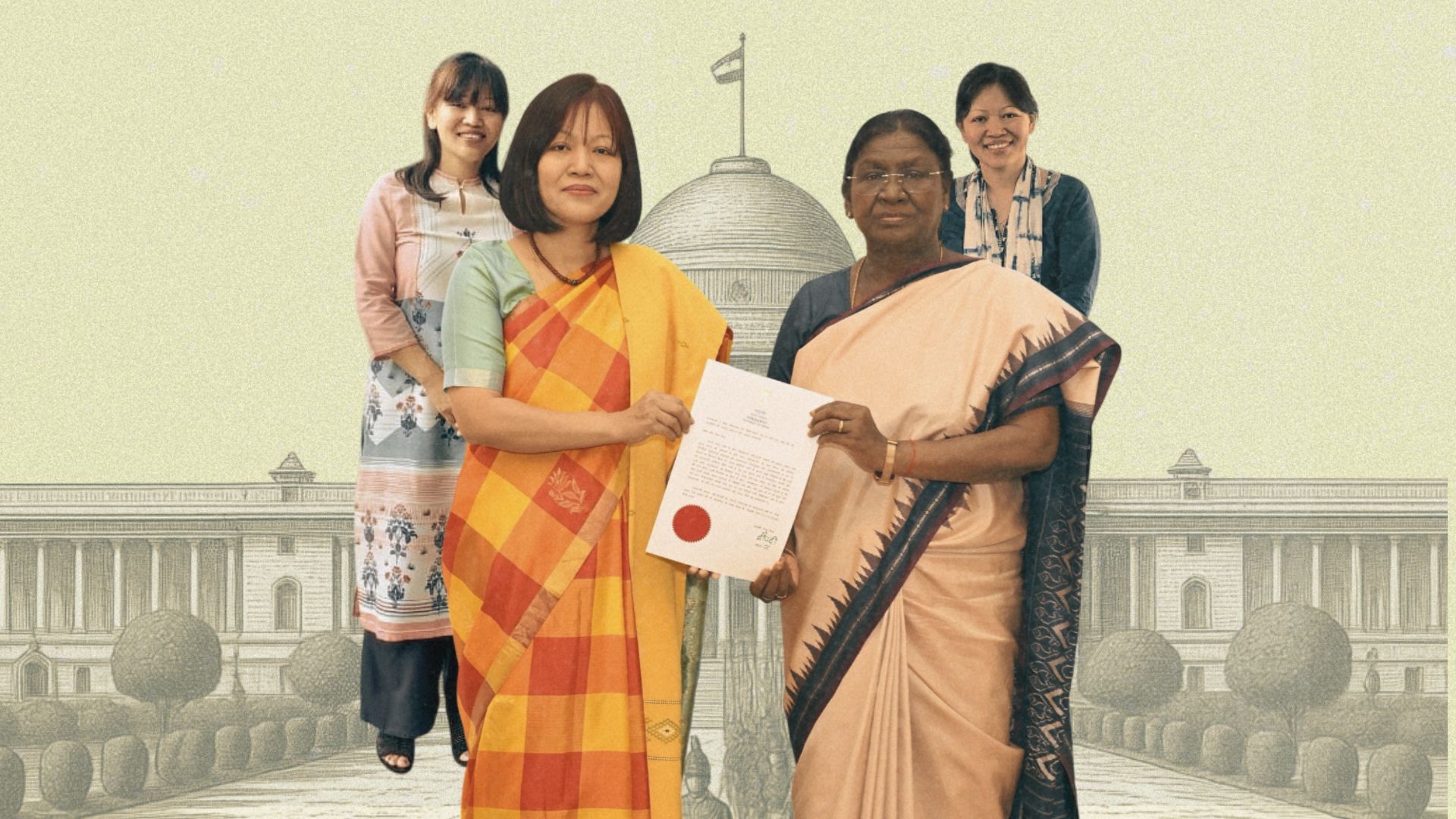
Tamakis launch Indian-origin candidate for Epsom who surrendered passport and has ‘assimilated’ “I know a whole lot of people are going to be like shocked,” says Hannah Tamaki.
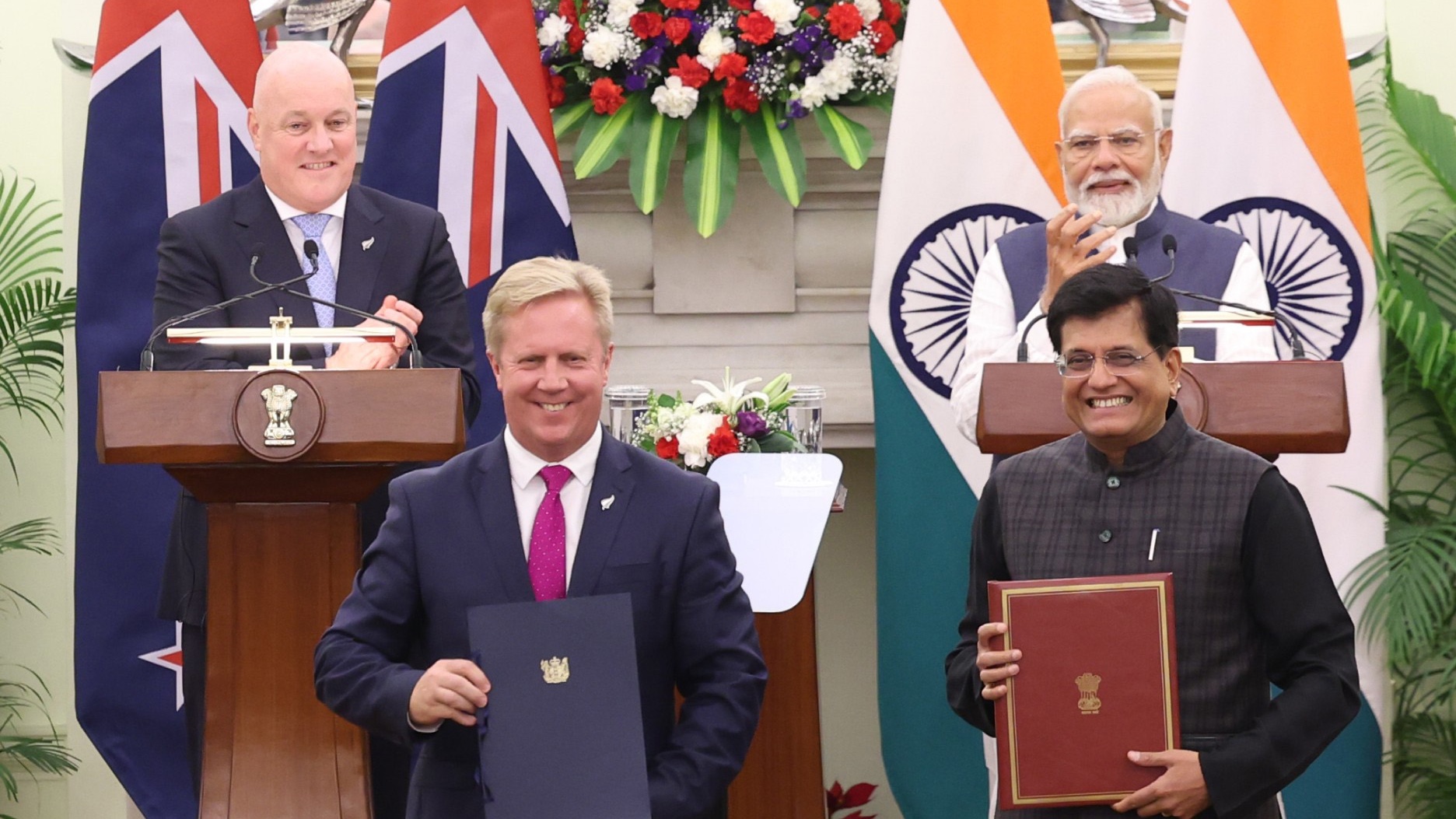
Priyanca Radhakrishnan tries to puncture Luxon’s FTA victory, says India was already sold “Things have changed quite dramatically on the Indian government side,” says the Indian-origin Labour MP.
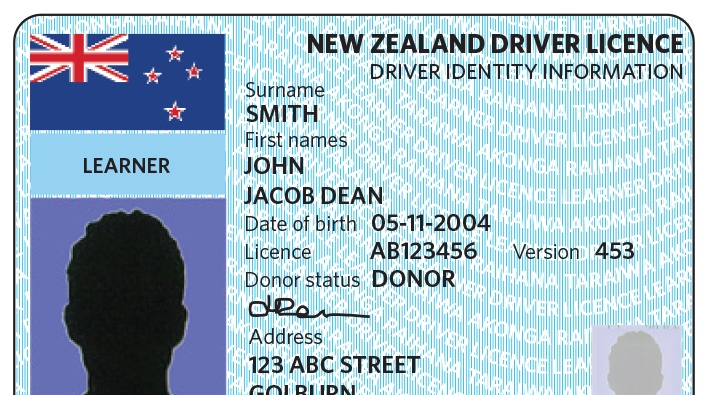
The officer could require the person to provide their full name, date and country of birth, nationality and residential address, and produce identity documents for inspection.
If the document was not with them, the person could also be required to say where it was or who was holding it. A person who failed without reasonable excuse to comply would have to be warned that they could be liable to arrest and detention.
But the select committee wants new checks on how that power is exercised. Before demanding the information or documents, an officer would have to tell the person not only what they suspected, but also the basis for that suspicion.
After using the power, the officer would have to make a written record summarising the circumstances and explaining why they held the suspicion.
Who gets asked for ID would be tracked
The committee also wants detailed annual reporting on how the powers are used.
Immigration New Zealand would have to disclose how many times officers exercised them and provide a breakdown of the people affected by nationality, gender and age range.
The annual report would also record how often use of the powers led to a deportation liability notice, deportation order, investigation, warning, infringement notice or criminal charge.
It would further disclose the number of complaints about use of the powers and the outcomes of those complaints.
Why the power has been controversial
The proposed identification power has been controversial since immigration minister Erica Stanford first outlined it.
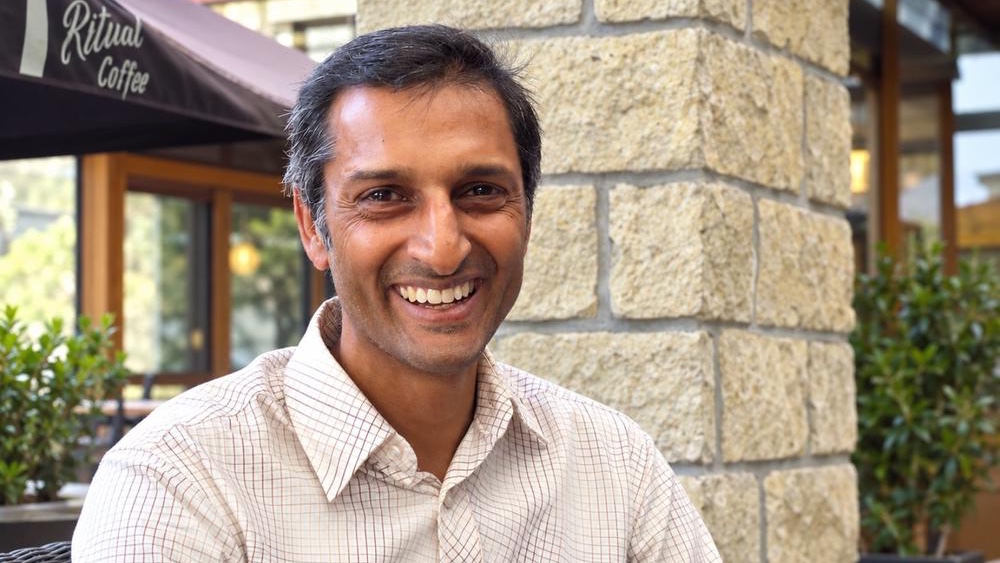
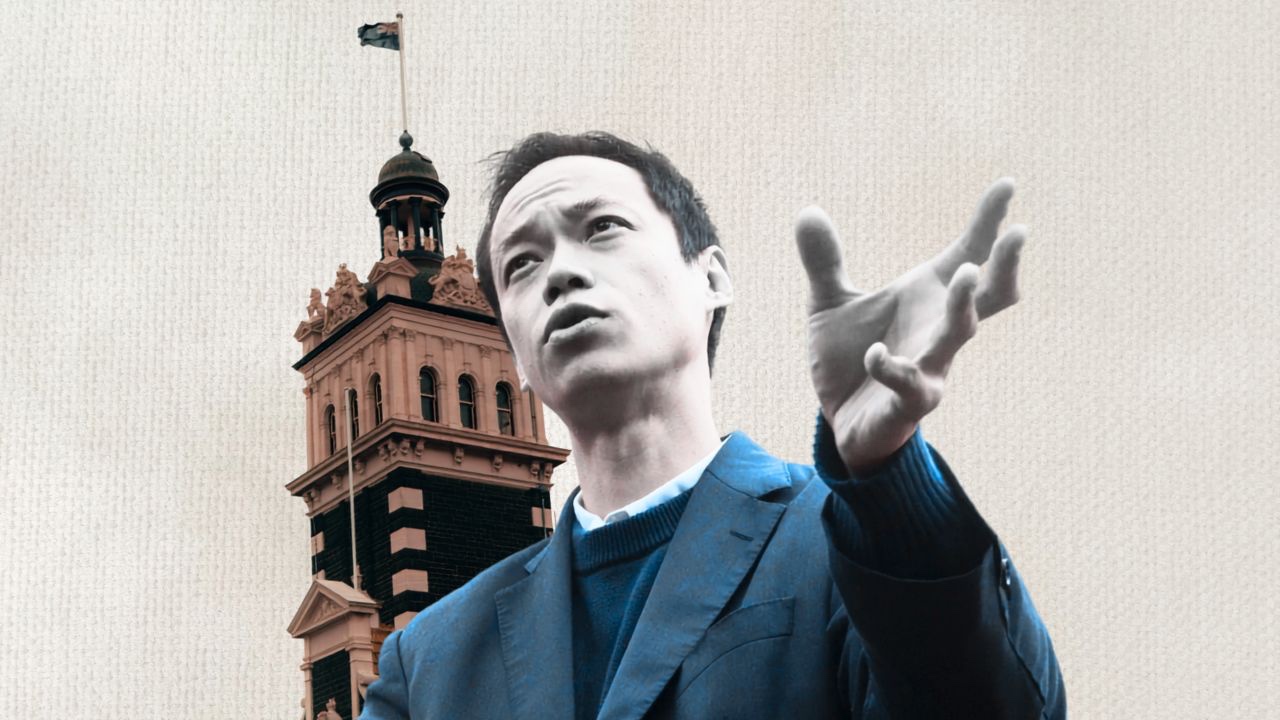
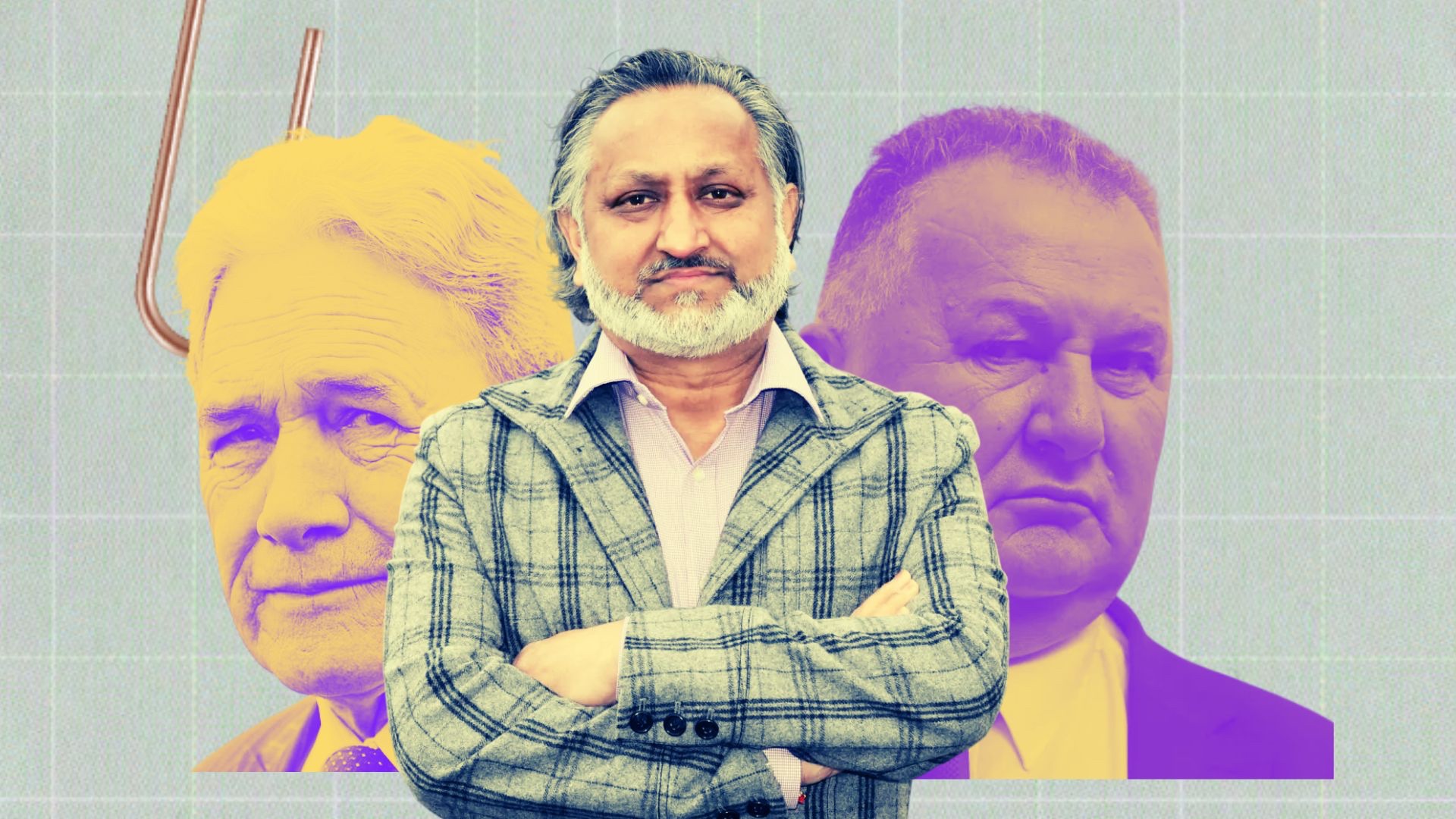
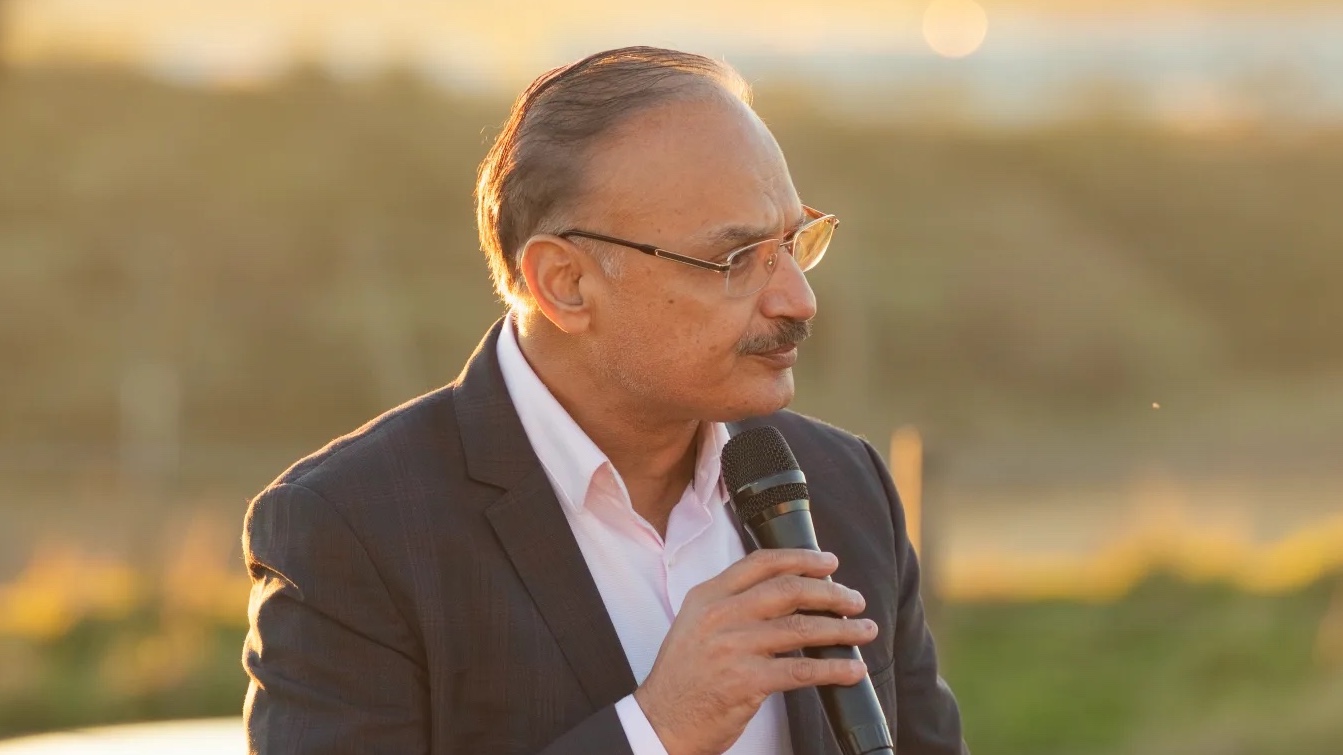
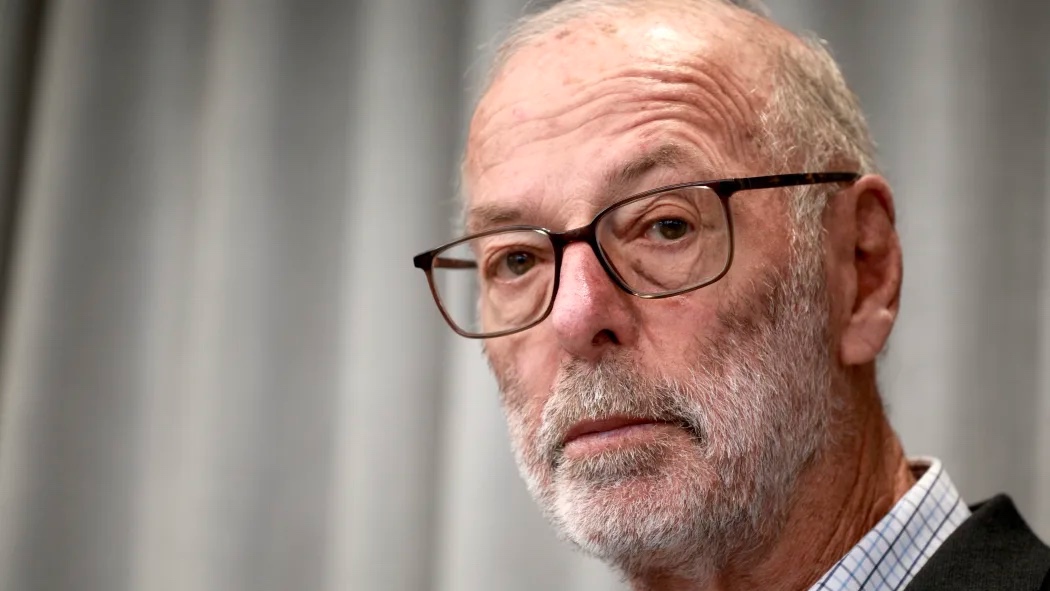
In this column published before the bill was introduced, immigration lawyer Alastair McClymont argued the central problem was not whether INZ should be able to identify overstayers, but how officers would decide who should have to prove their identity in the first place.

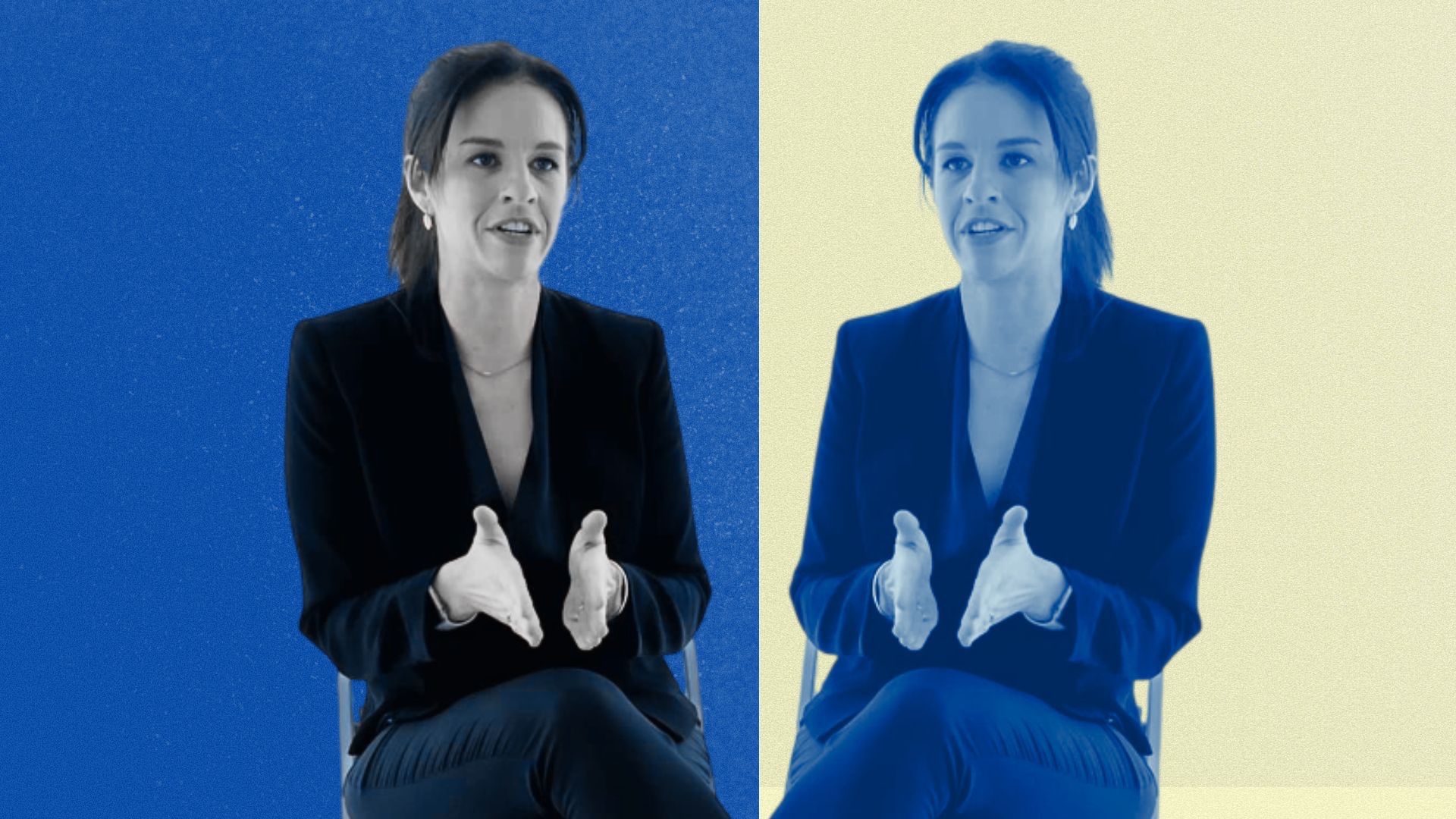
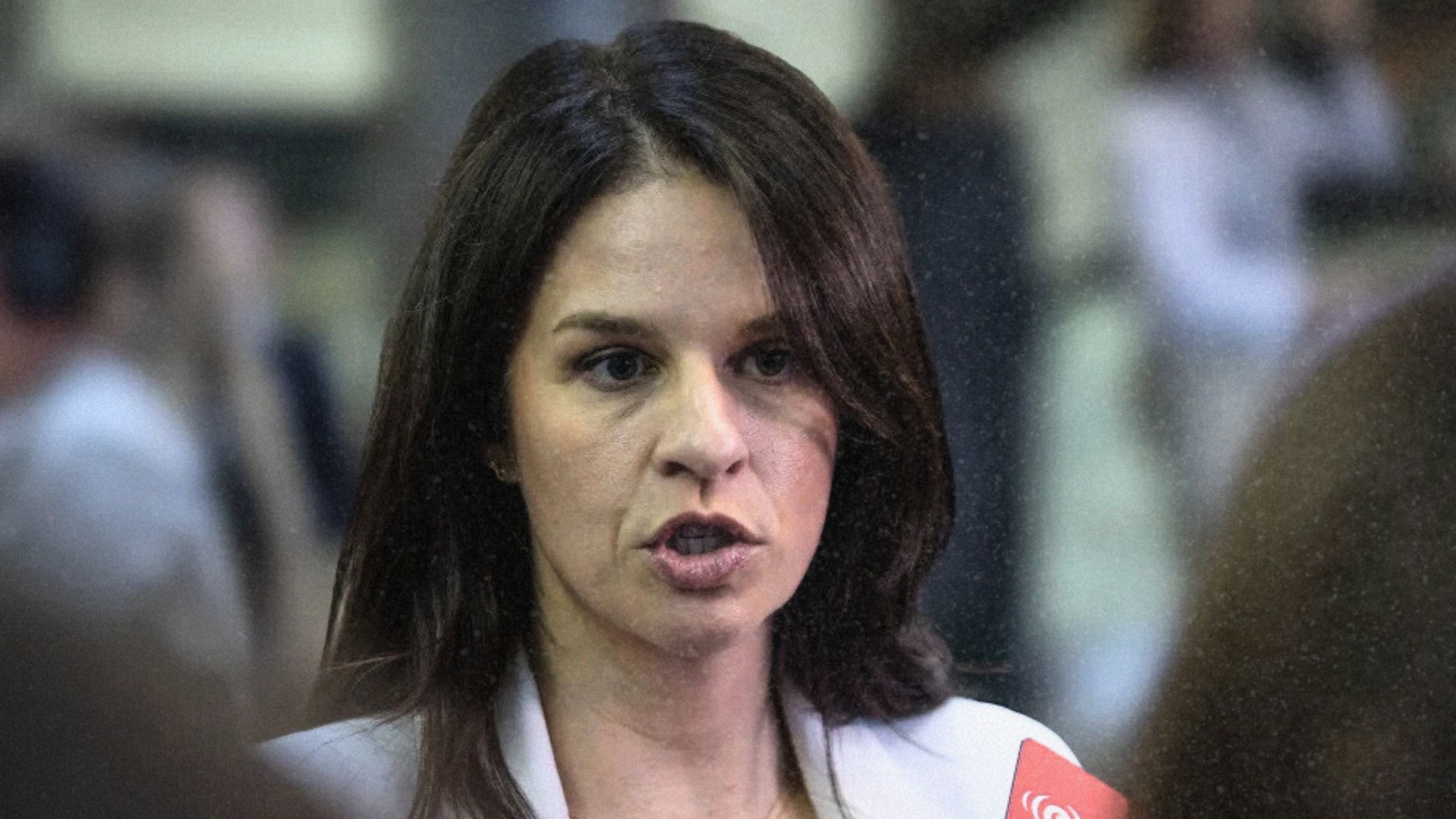
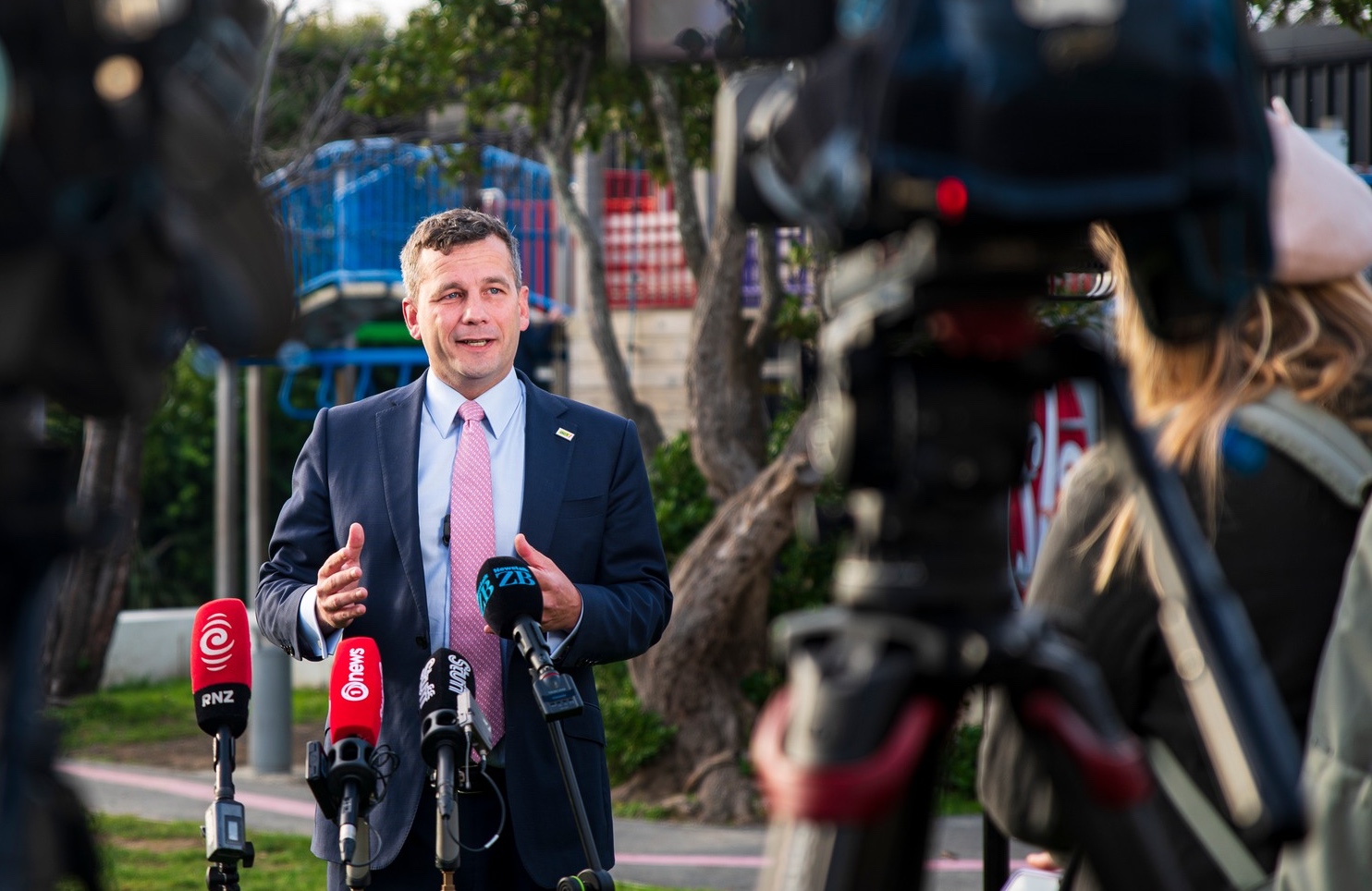
Auckland-based immigration lawyer Alastair McClymont. (Supplied photo)
He illustrated the concern with a hypothetical example. Say immigration officers receive information that undocumented migrants are working at a market garden in Pukekohe and arrive to find 20 workers of Indian origin.
If officers know only that some people there may be breaching visa conditions, McClymont questioned how they would distinguish between people unlawfully in New Zealand, lawful migrants, permanent residents and New Zealand citizens before deciding whom to demand identification from.
He pushed the example further. If the information received was that two migrants with the surname Singh were working there, but officers found several people named Singh, would all of them become suspects and be required to produce identification?
The concern was that suspicion could, in practice, become tied to characteristics such as ethnicity, language or occupation, leaving some New Zealand residents and citizens more exposed than others to being required to prove who they are.
He warned that appearance, accent or perceived migrant status could influence who seemed suspicious, potentially creating one experience for New Zealanders unlikely ever to be asked for identification and another for those more frequently required to prove that they belonged.
Similar concerns surfaced during the select committee process.
In their differing view attached to the report, the Greens said submitters warned the powers could lead to racial profiling, increase fear among migrant and refugee communities and discourage people from accessing healthcare, reporting exploitation or seeking help from public agencies.
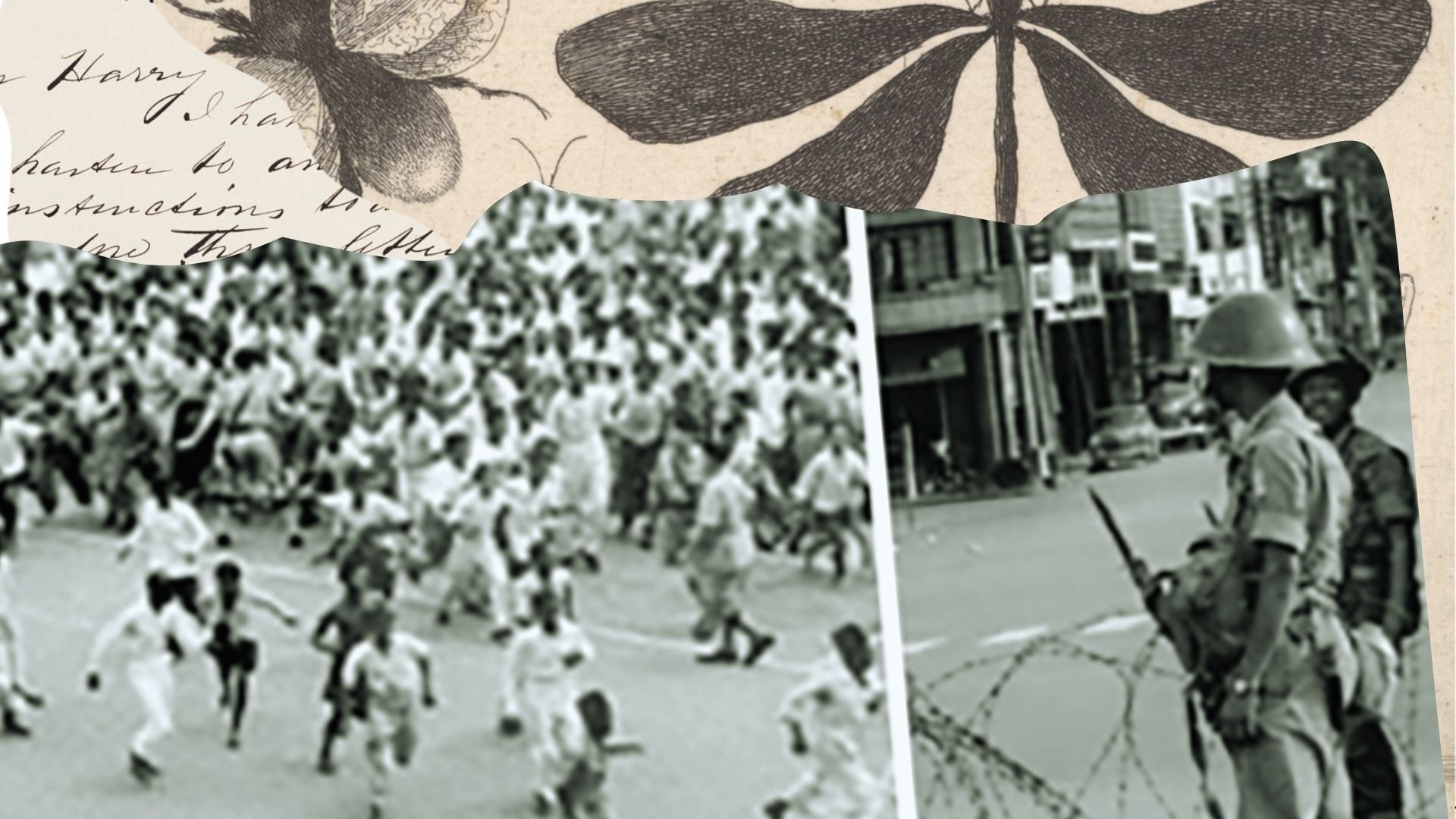
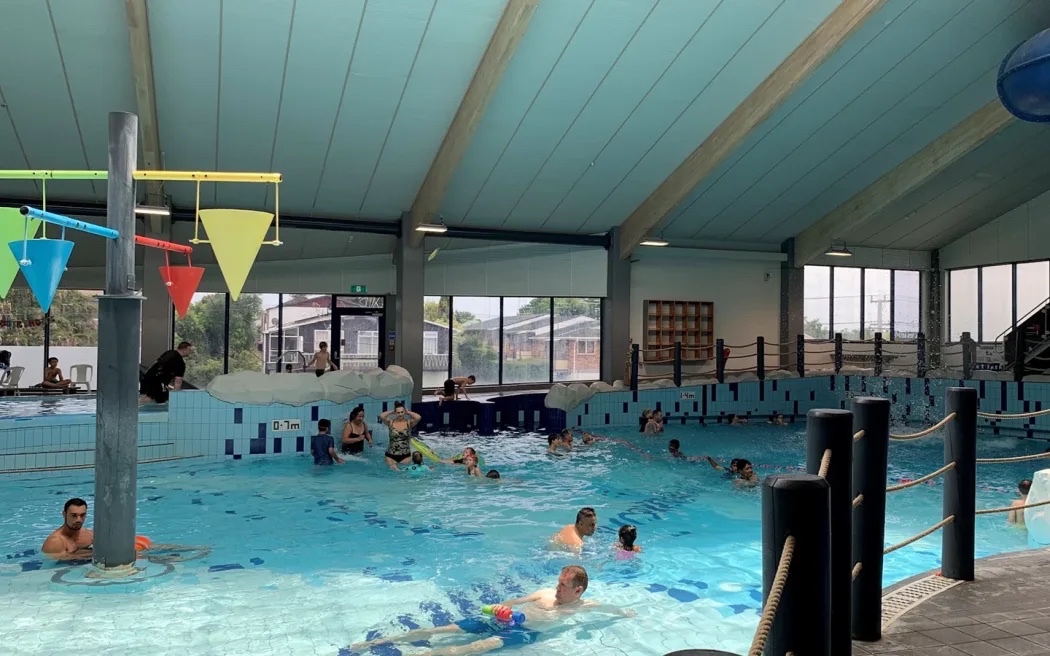
They said those concerns were particularly significant given New Zealand’s history of the Dawn Raids.
Labour said submitters had also warned that the provision could create an implication that migrants should always carry identification.
It said concerns were raised about racial profiling and whether the provision was consistent with the New Zealand Bill of Rights Act, which protects people against unreasonable search or seizure.
Labour says safeguards should go further
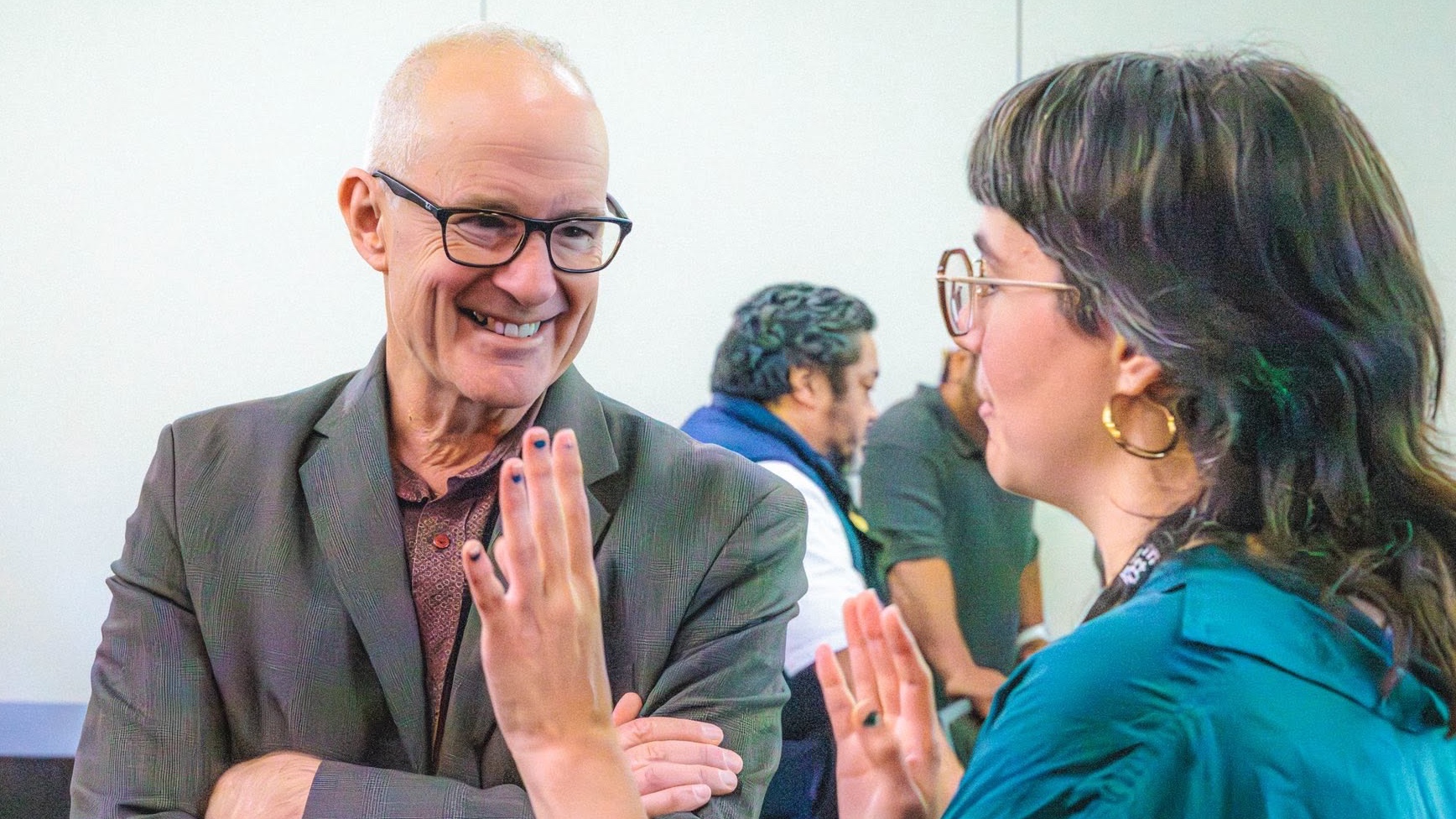
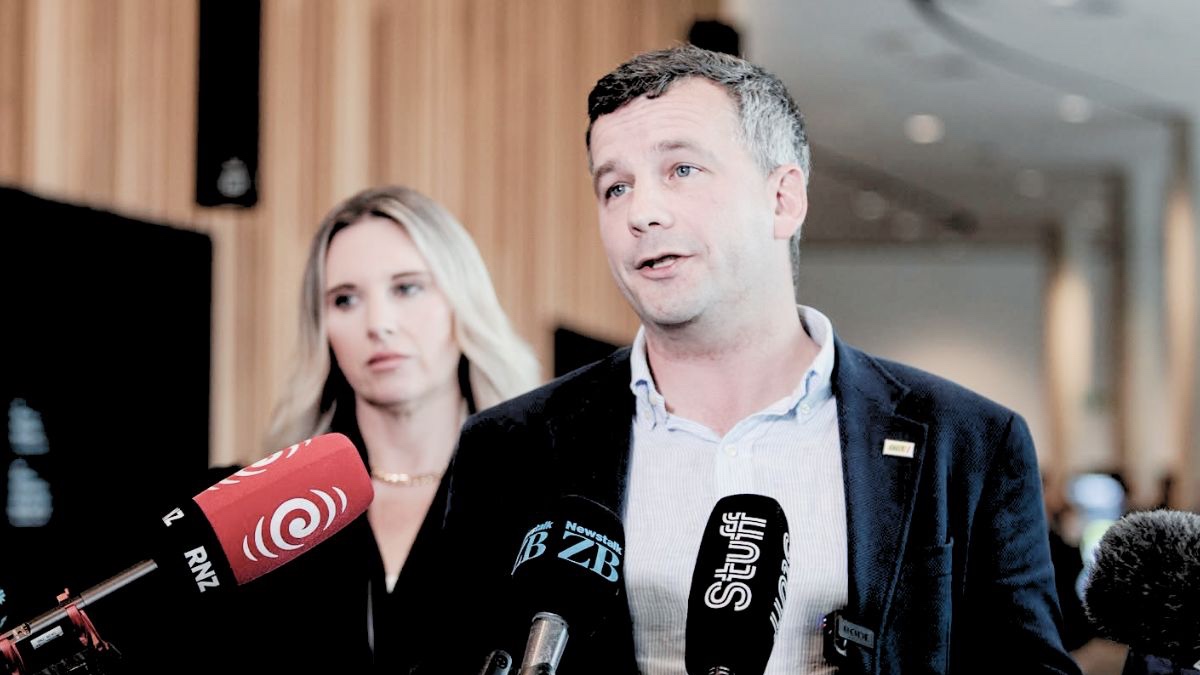
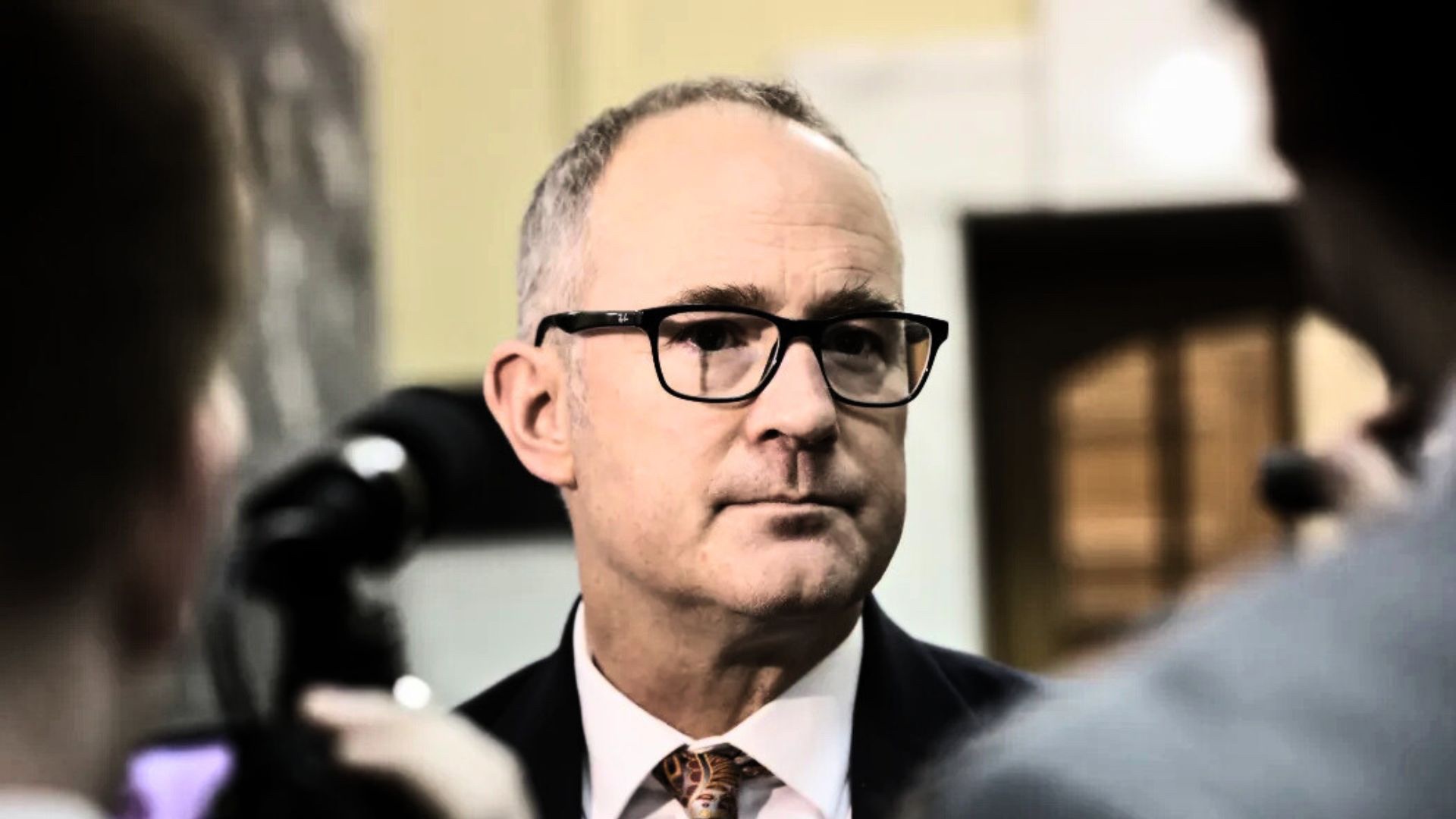
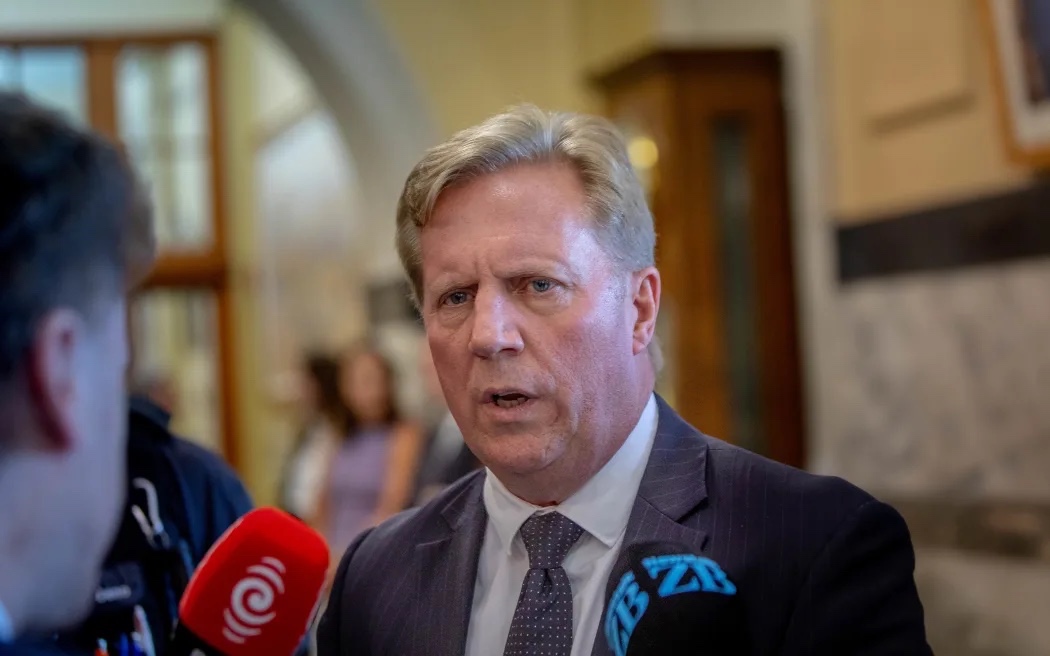
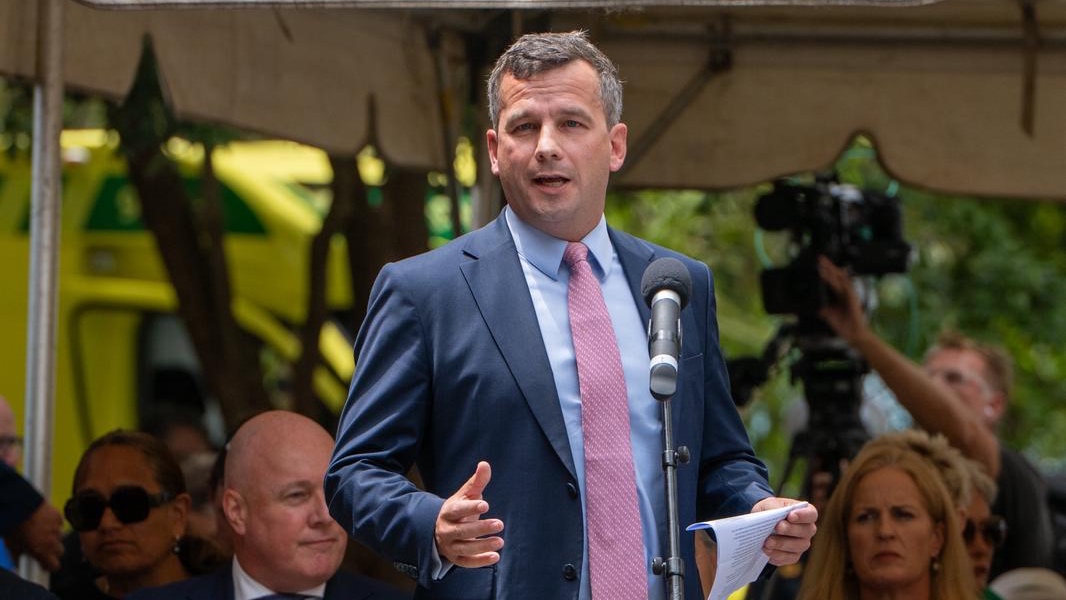
Labour's immigration spokesperson Phil Twyford. (Supplied photo)
Labour acknowledged the safeguards recommended by the committee but said they did not go far enough.
It wants the legislation to spell out what constitutes “good cause to suspect” and clarify what factors should guide an immigration officer’s discretion.
Labour also wants officers to first ask someone for their name and personal details, with identification demanded only where there is good cause to suspect the person was deliberately misleading them.
The committee majority did not recommend those additional restrictions. So while the underlying power to demand information and identification remains in the bill, the committee wants its use made more accountable.
The Education and Workforce Committee has recommended by majority that the Immigration (Enhanced Risk Management) Amendment Bill be passed with amendments. The bill will now proceed through its second reading in Parliament.