
Kids playing in Papatoetoe townhouse complex is no breach of rules, finds tenancy tribunal
Tribunal draws the line between misuse of shared spaces and normal family living.
The Tribunal ruled that tenants misusing shared spaces breached body corporate rules, but children playing outside is lawful and cannot be banned.
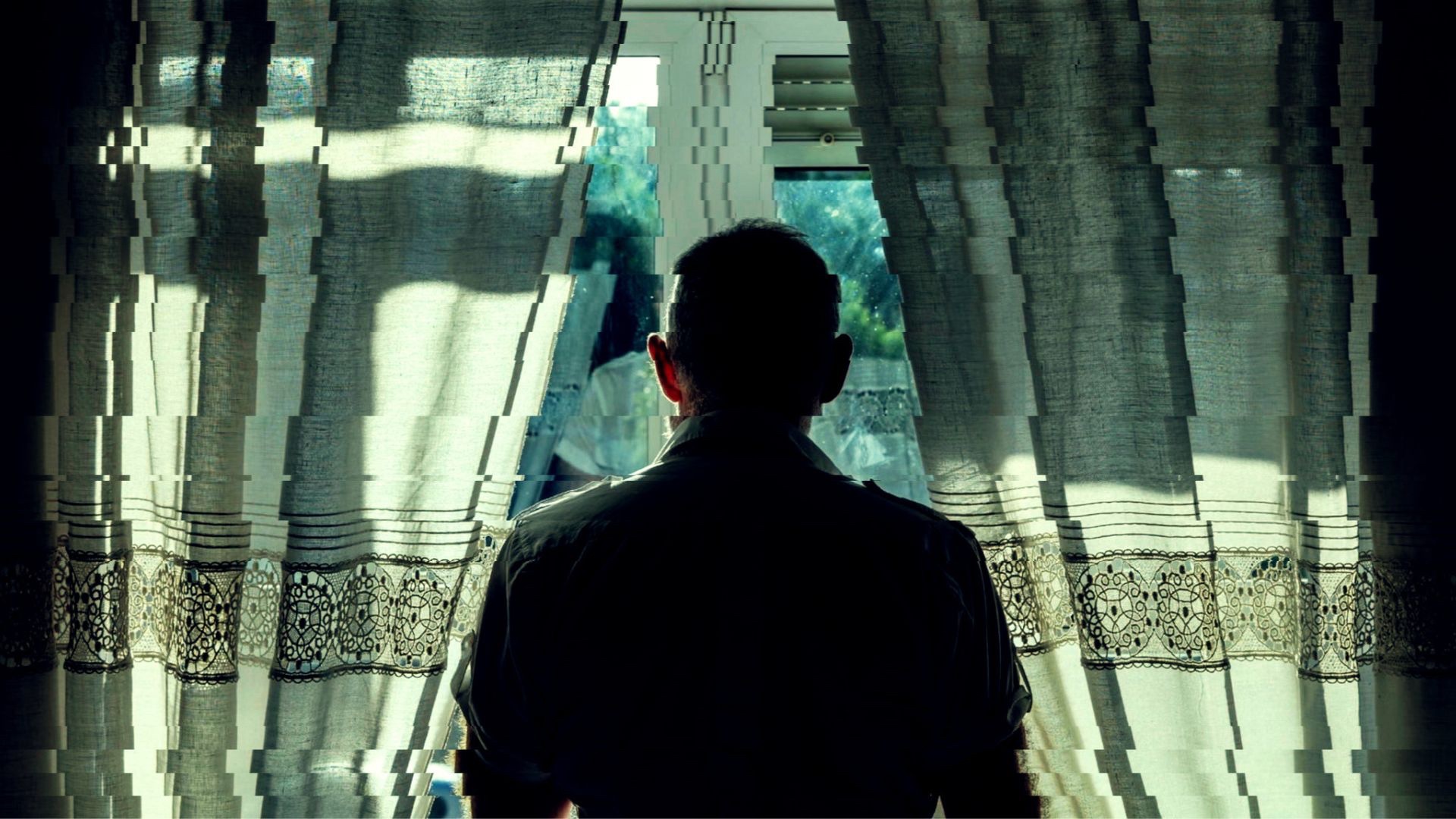
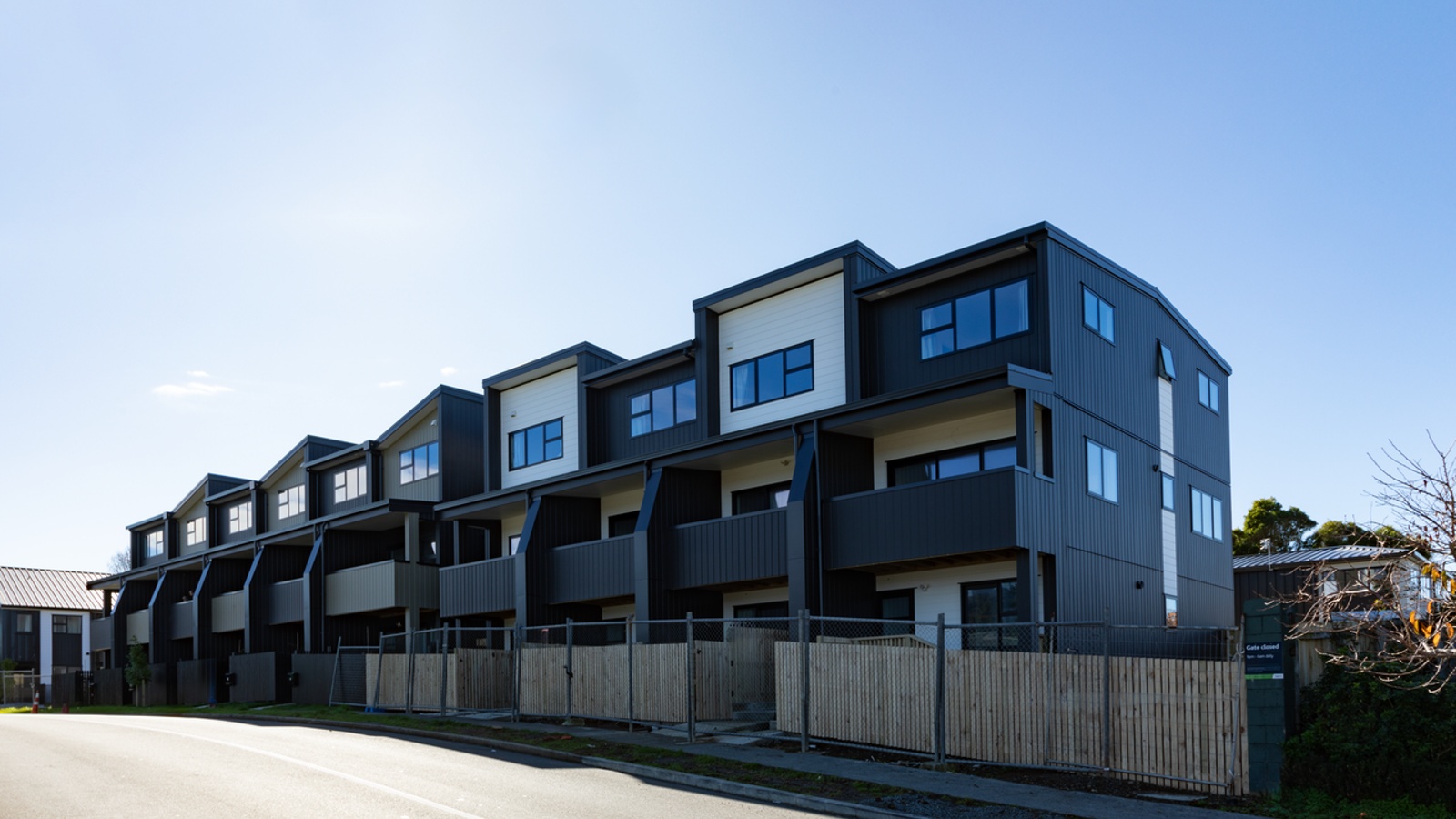
The Tenancy Tribunal has ruled that children playing outside in shared townhouse spaces is perfectly legal. The ruling came after an owner at a 14-unit development in Papatoetoe took her neighbours to the tribunal.
This case began when the complainant, the owner‑occupier of one of the units, brought proceedings against neighbouring owners.
The complainant claimed that the respondents were allowing their tenants to misuse the common property. According to evidence, the tenants were routinely parking on the shared driveway, erecting marquees and hosting large gatherings including funerals and Diwali celebrations storing work tools and equipment in shared spaces, and creating noise and obstruction.
These activities, the complainant argued, breached the body corporate’s operational rules and interfered with her and her family’s quiet enjoyment of their home.
The Tribunal agreed that several of these activities amounted to clear breaches. It confirmed that the development consisted of 14 units and therefore all owners were bound by the registered body corporate rules.
From designing restaurants to running Auckland Diwali: The many lives of Arnav Taode Taode brings his passion for Indian arts and culture to his first year managing BNZ Auckland Diwali 2026.
Winston Peters says ‘diversity is disunity’. What does the evidence tell us? Evidence from business, sport and social policy suggests diversity can strengthen economies and cohesion but on one condition.
Baby born in Sri Lanka to New Zealand residents caught in limbo after Down syndrome diagnosis Immigration tribunal orders fresh residence assessment after finding a “serious mistake” by immigration officials.
The owners of the rental units were ordered to stop the behaviour and pay $9,157.83 in costs.
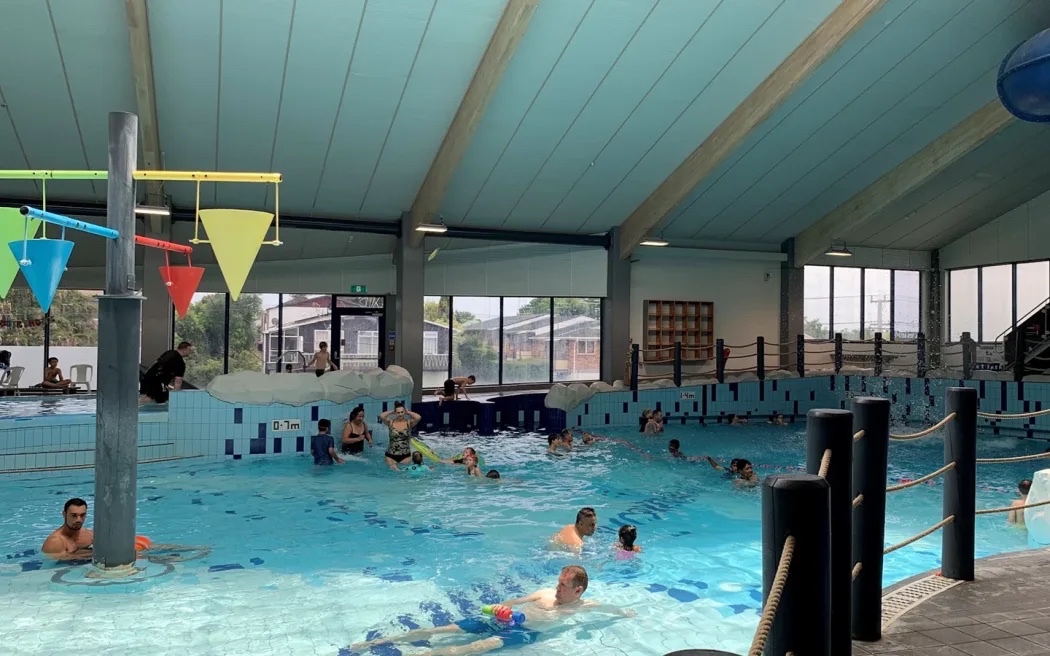
But when it came to children playing, the tribunal refused to intervene. Its reasoning was simple: common property is shared space. Residents are entitled to reasonable use of it. Ordinary residential living, including children playing, does not automatically amount to nuisance.
There was no evidence the play created sustained obstruction, danger, or unreasonable interference. Without that threshold, the law does not step in, the tribunal ruled. The decision draws a practical boundary.
Body corporate rules can regulate parking, access ways and unauthorised events. They cannot eliminate normal family life.
In high-density suburbs like Papatoetoe, where townhouses and shared driveways are common, friction between neighbours can be quite common. But the tribunal made it clear: community living requires give and take.
However, the Tribunal drew an important distinction regarding children playing and the installation of CCTV cameras. It ruled that normal, everyday children’s play on common property is reasonable and cannot be prohibited.
It also rejected the complainant's claim about CCTV cameras, finding they were attached to the respondents’ exterior unit walls, not common property and did not materially affect others.
Overall, the case underscored that while body corporate rules strictly regulate parking, storage, and gatherings, they cannot restrict ordinary, reasonable residential use.