
MishMash: A migrant stuck in casual, at work and in love
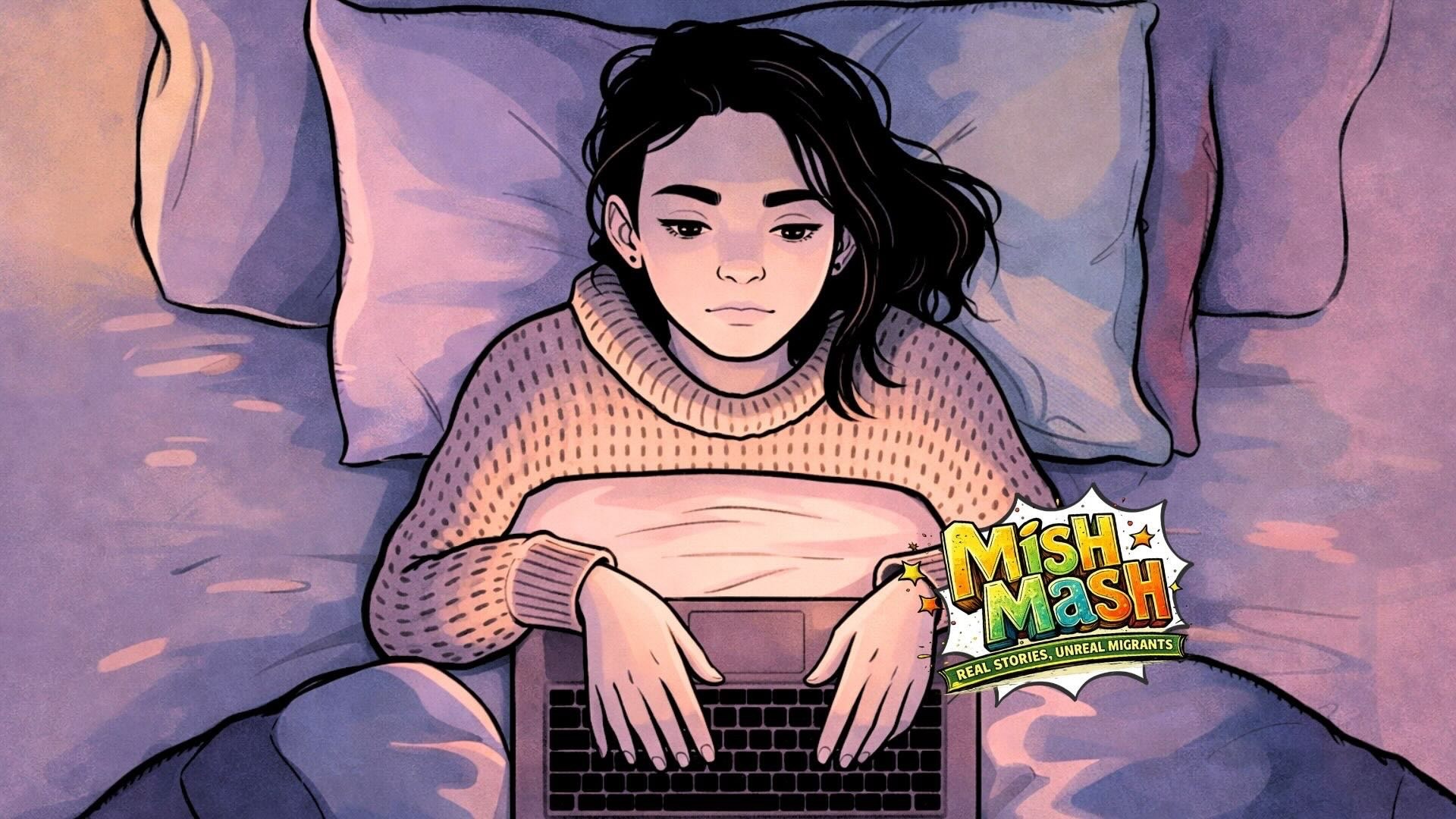
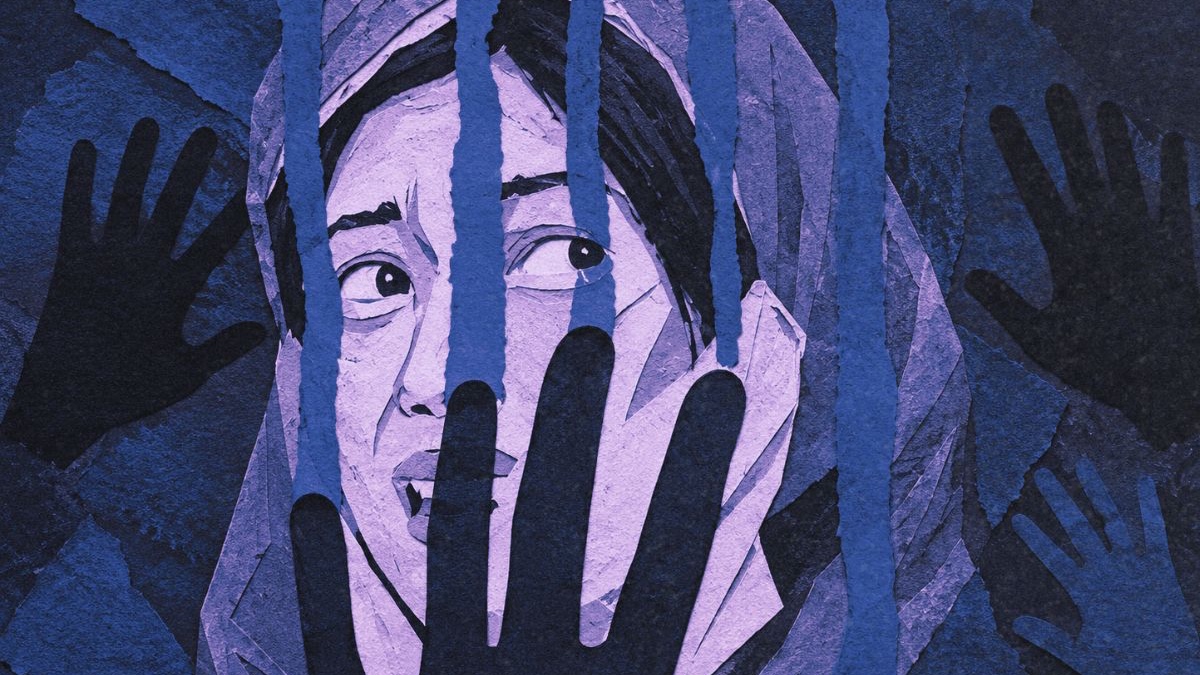
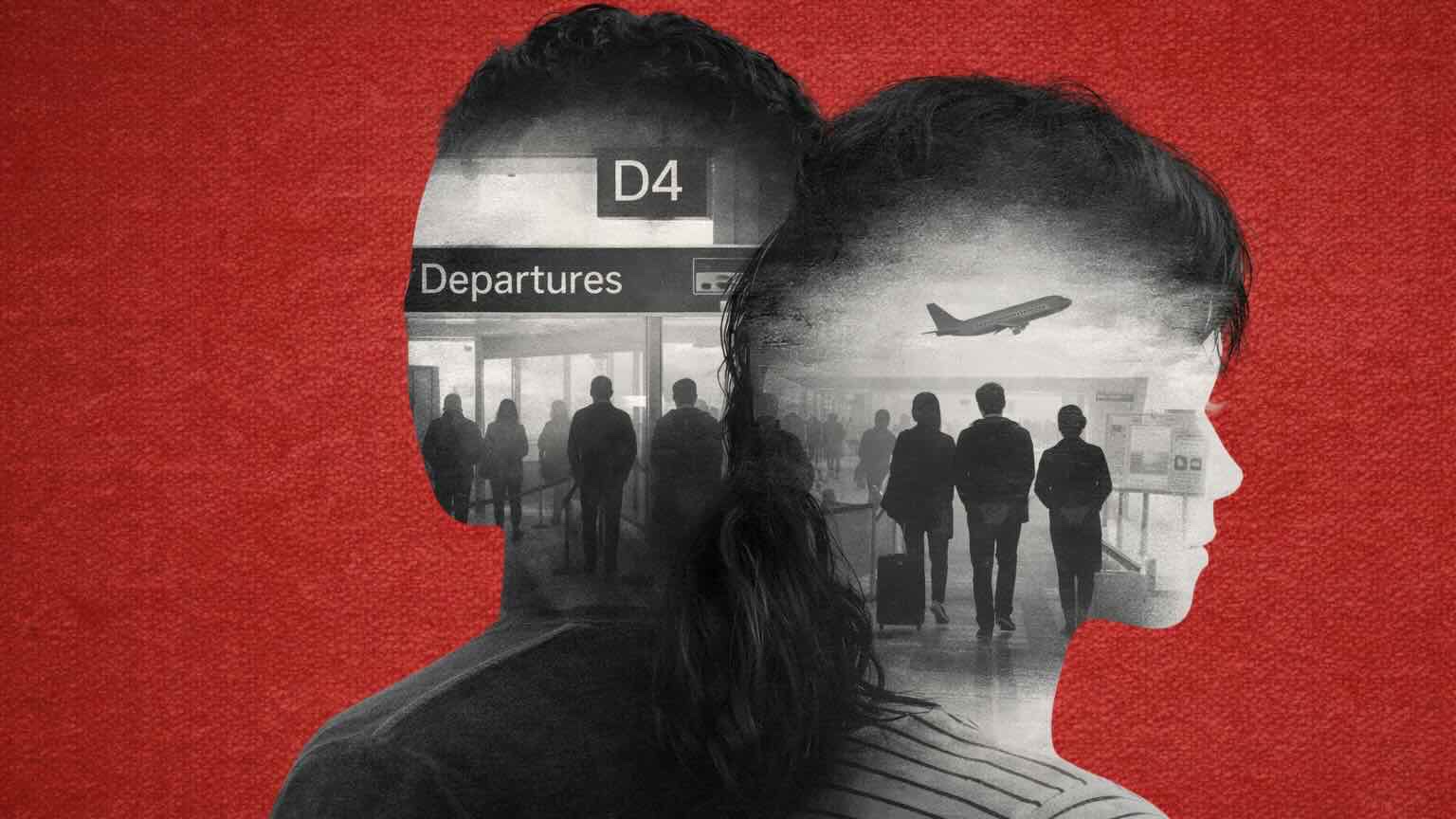
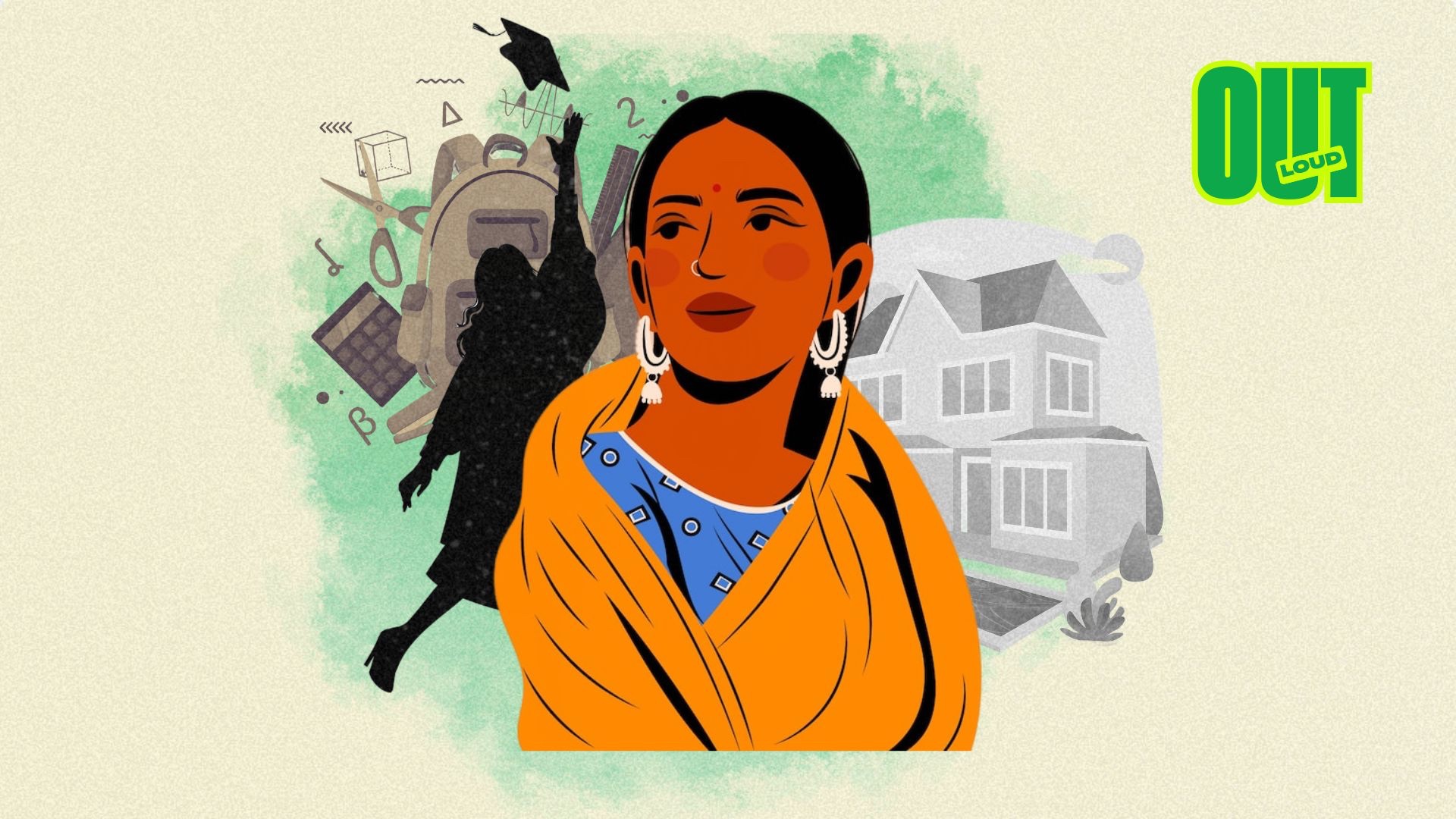
Alina joined dating apps when she started hearing love stories about people meeting on them, especially in Auckland.
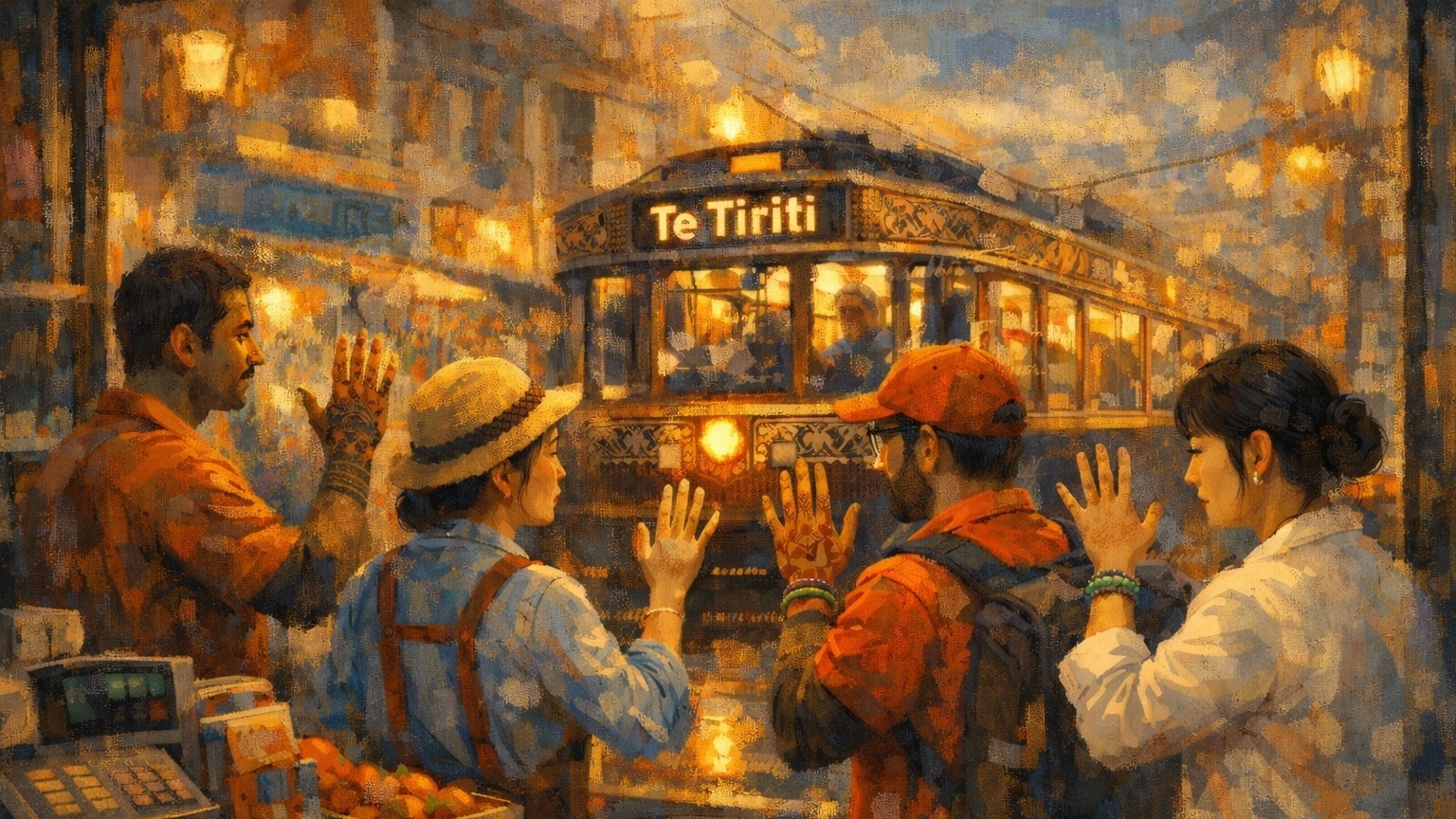
‘MishMash: Real Stories, Unreal Migrants’ is a fictional series inspired by the messy, funny, and sometimes brutal realities of Indians starting over in New Zealand.
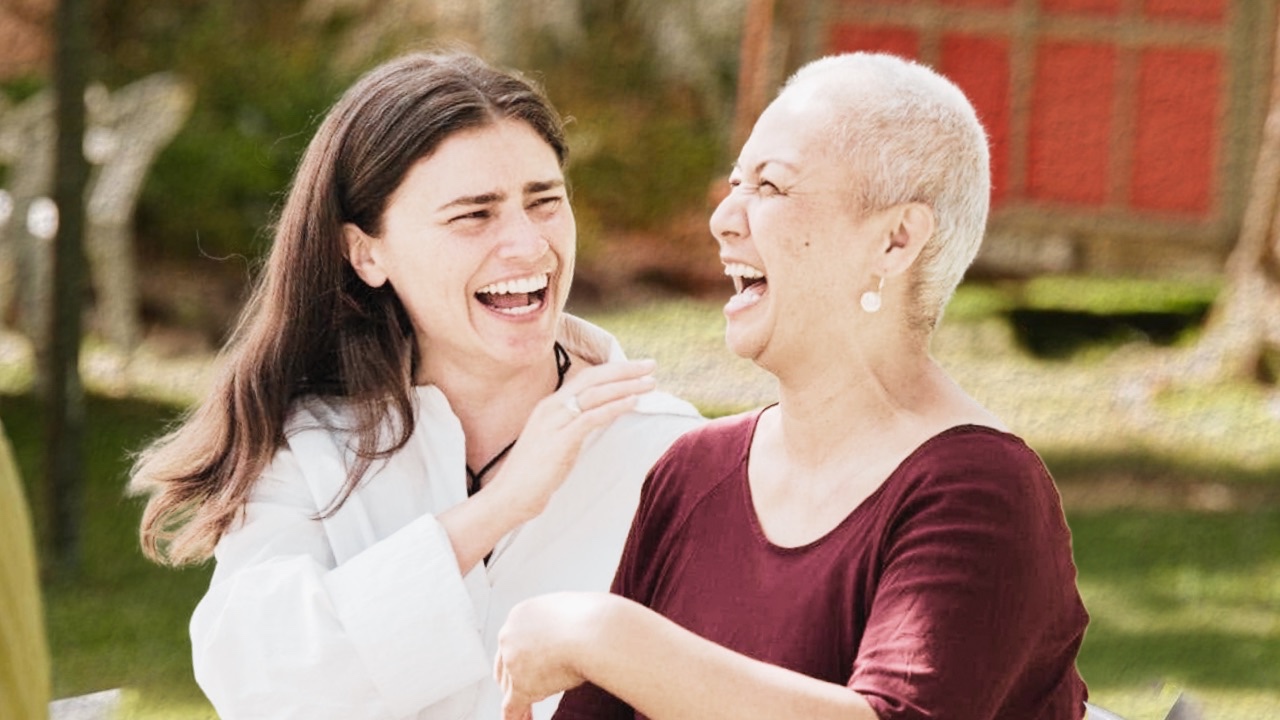
“You can't be attractive and not be treated like a piece of meat,” says Joanne while making Indomie at midnight in the small shared space, with Alina watching her as if she’s on MasterChef. Alina needs a distraction from her routine of checking apps for responses from guys and her email for responses from companies.
“What about my profile signals I’m casual? I have clearly mentioned I want something long-term.”
“You’ll get there.”
Joanne is the one good thing that has happened to her since she came to Aotearoa two years ago from Mumbai. She listens, understands, advises, and doesn’t judge. What would she do without Joanne?
Alina joined dating apps when she started hearing love stories about people meeting on them, especially in Auckland. She doesn’t want her parents to find someone for her, but Joanne says this is setting herself up for heartbreak.
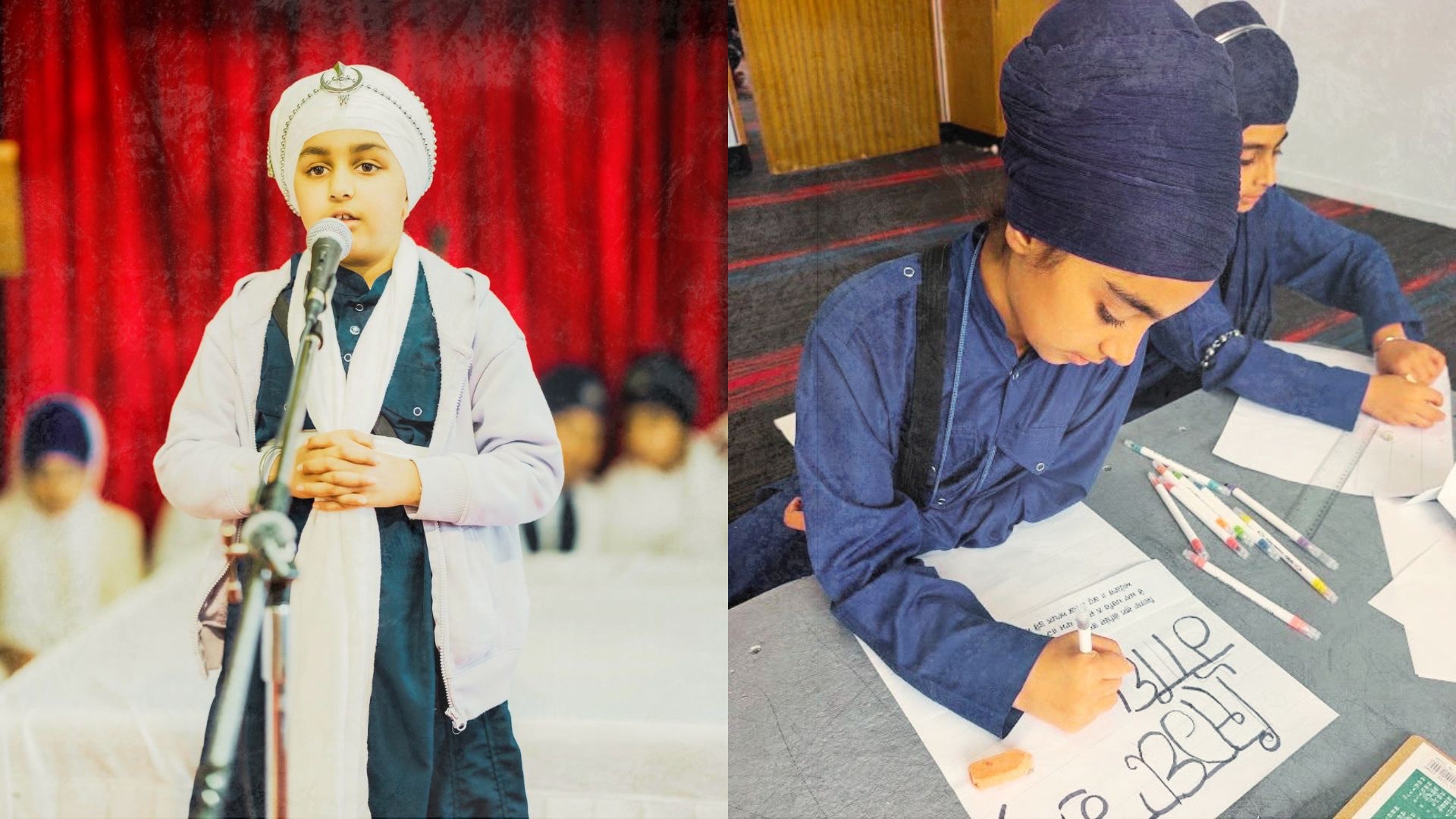
From designing restaurants to running Auckland Diwali: The many lives of Arnav Taode Taode brings his passion for Indian arts and culture to his first year managing BNZ Auckland Diwali 2026.
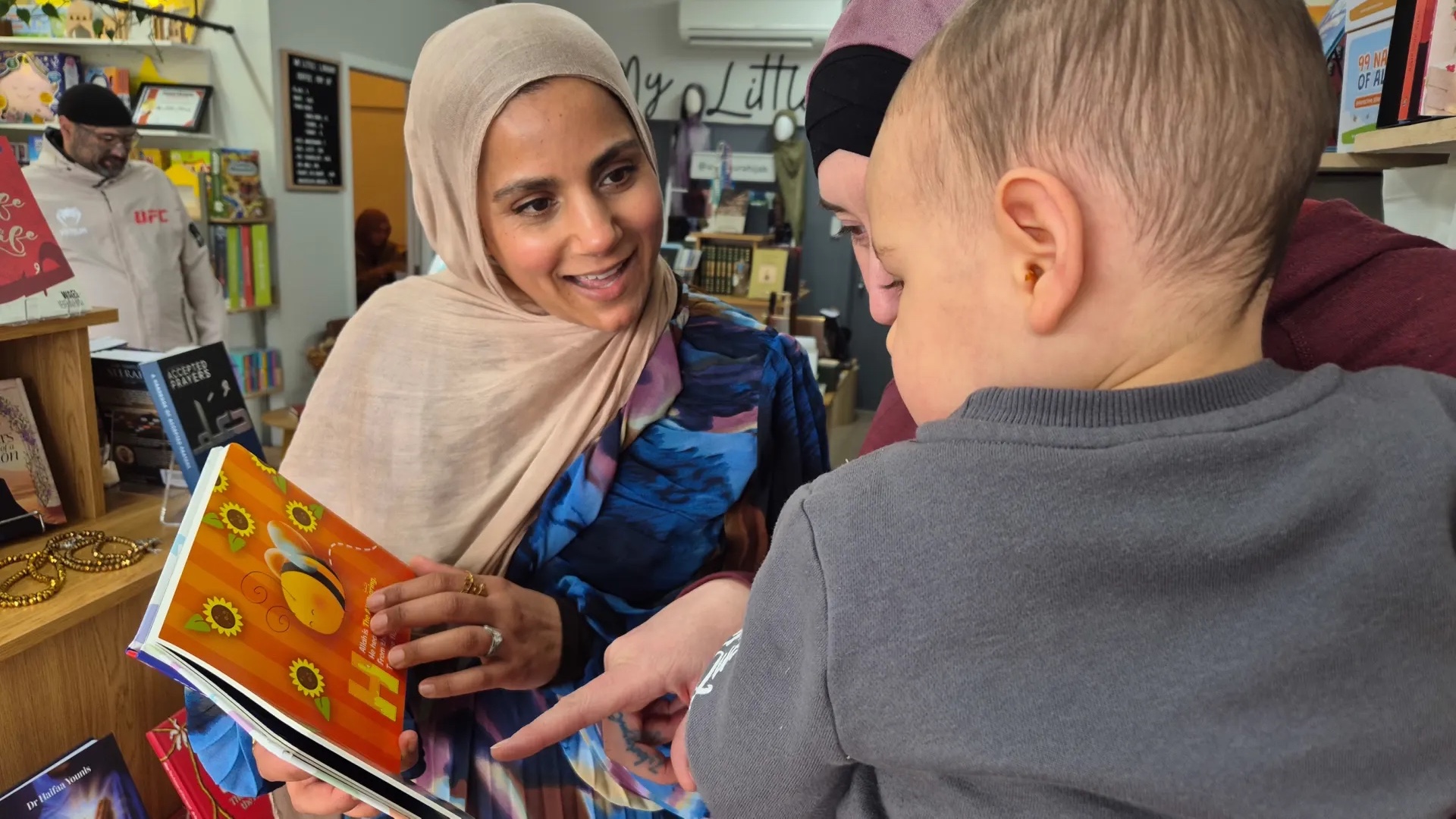
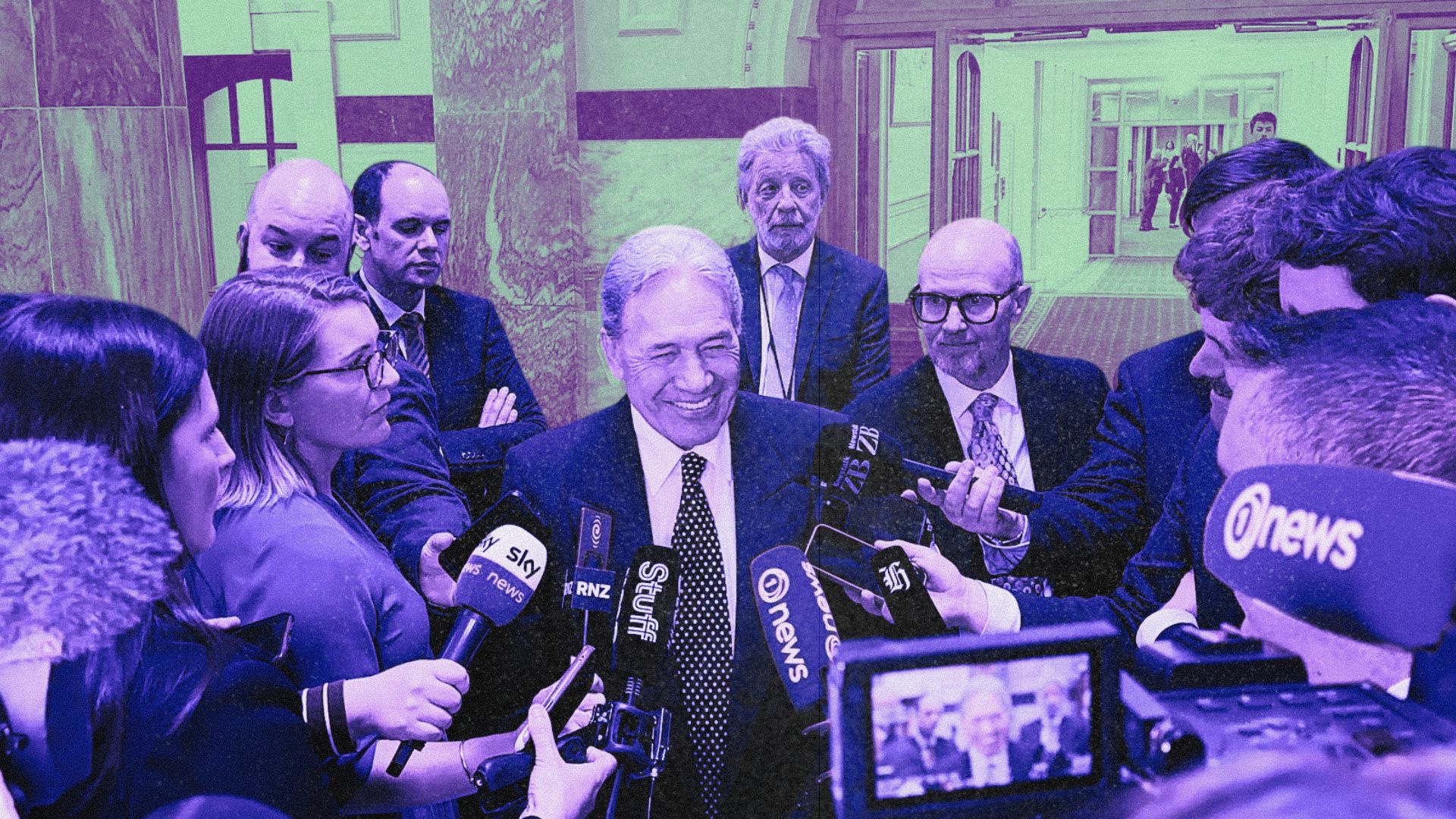
Winston Peters says ‘diversity is disunity’. What does the evidence tell us? Evidence from business, sport and social policy suggests diversity can strengthen economies and cohesion but on one condition.
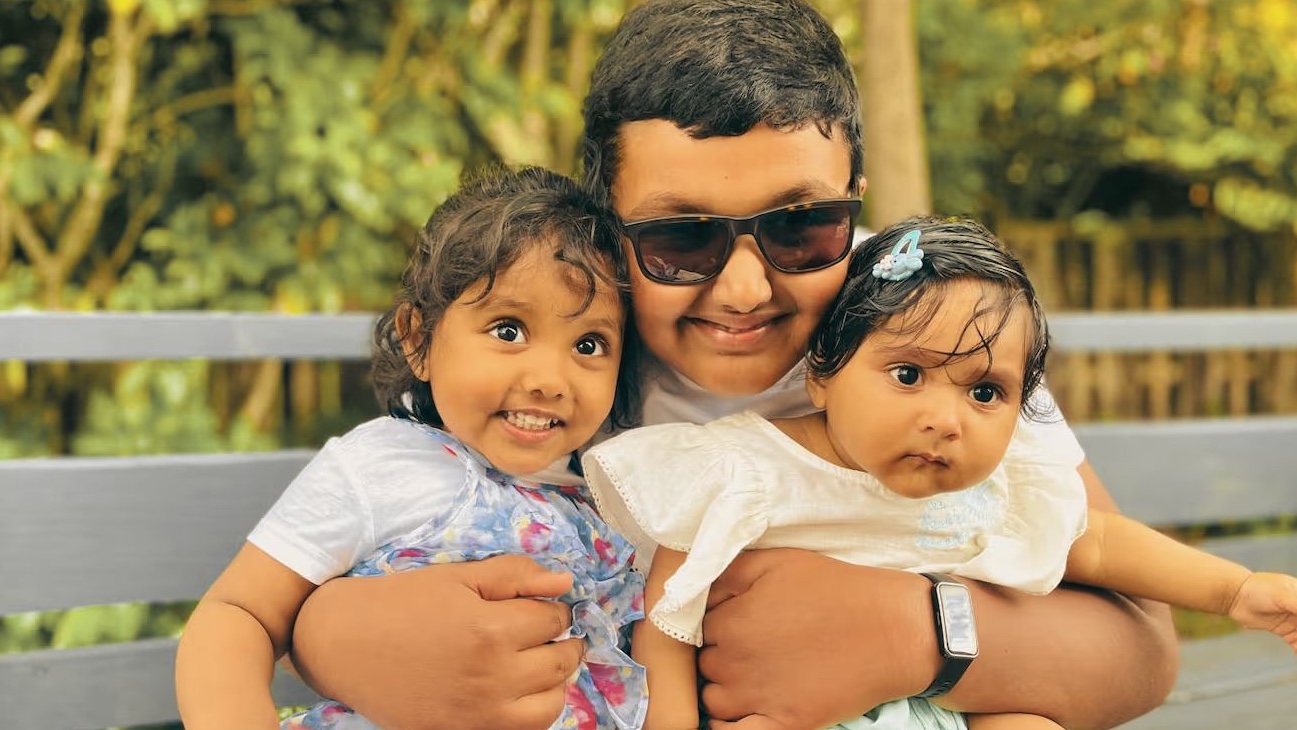
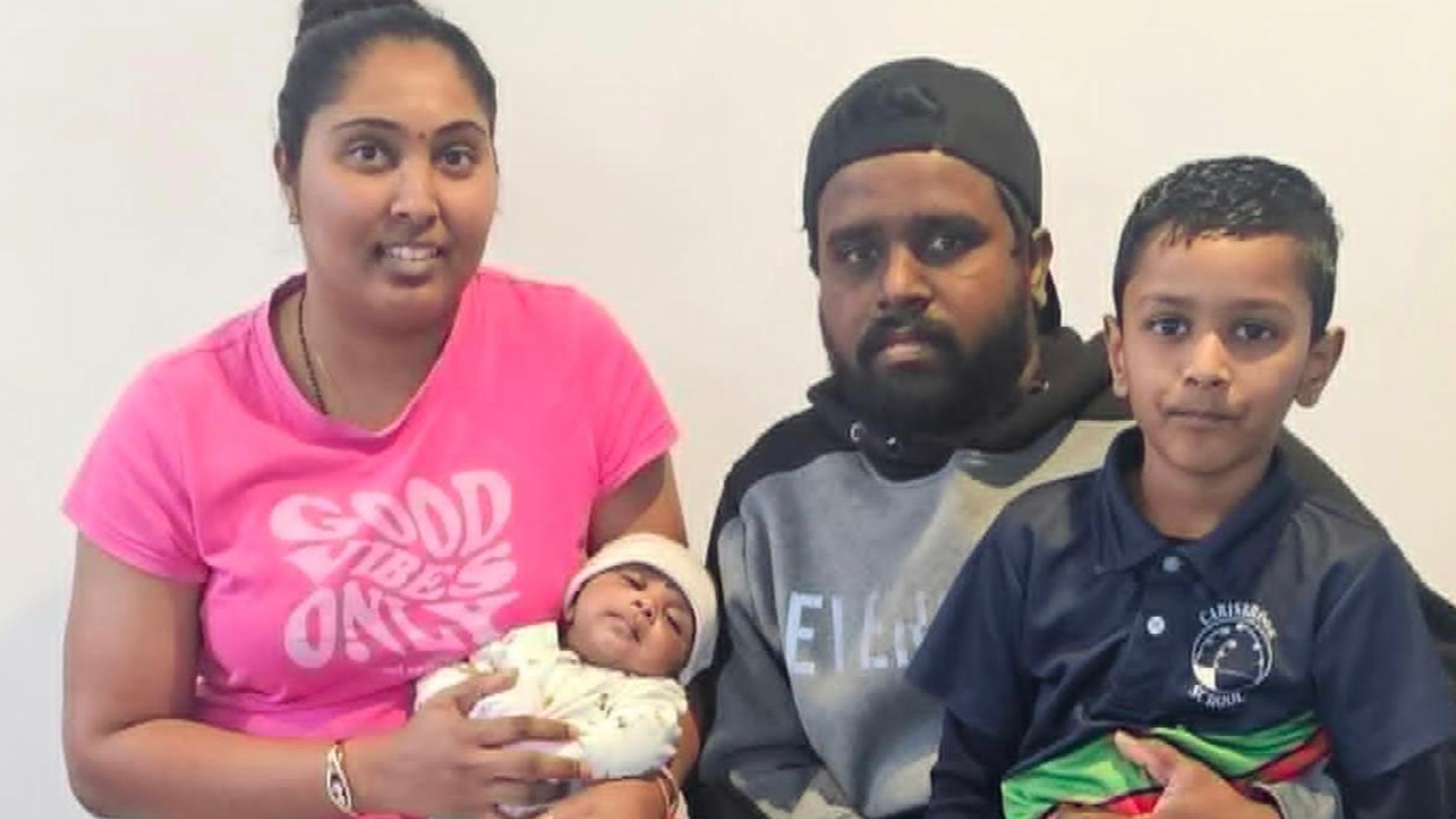
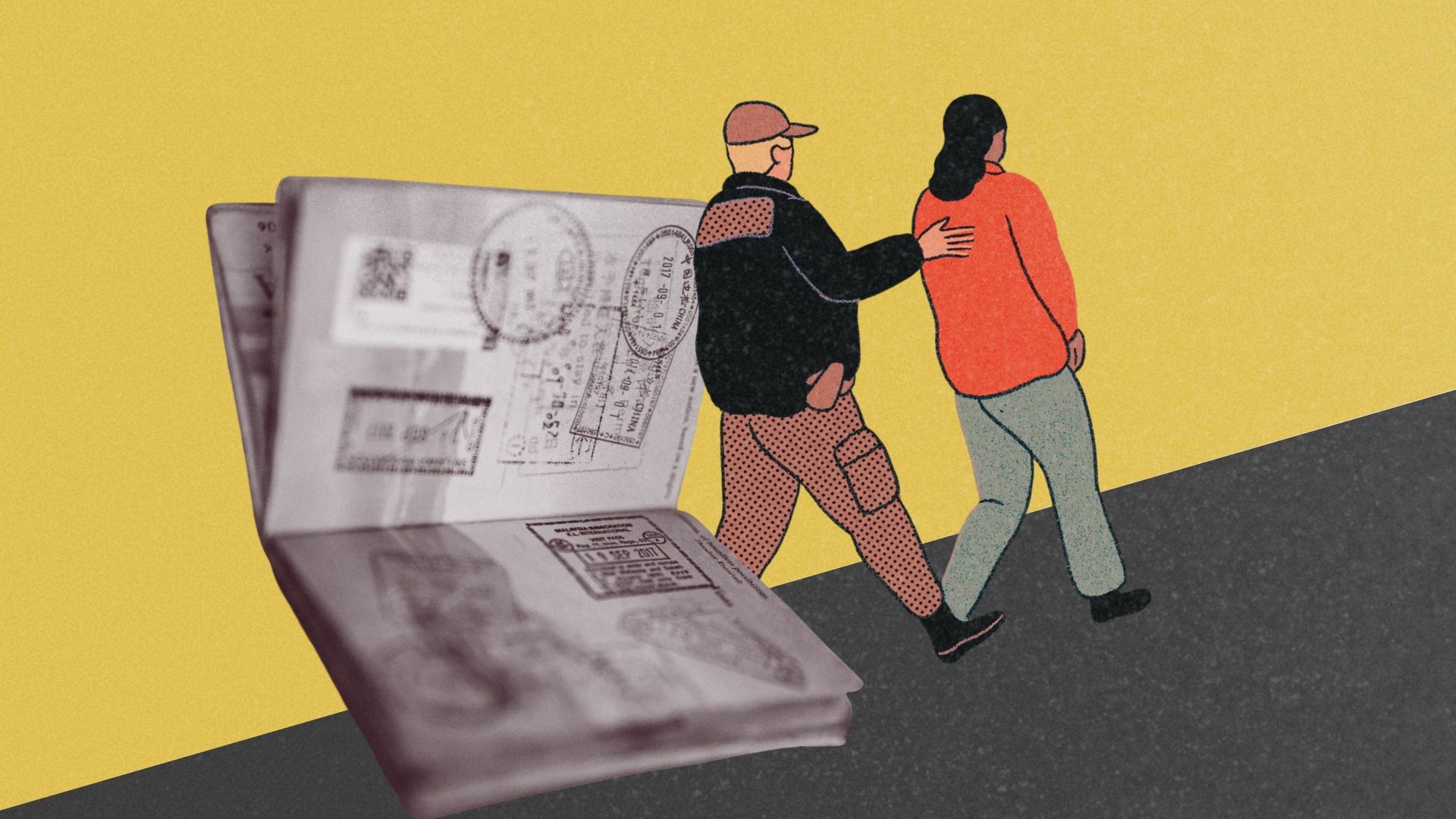
Baby born in Sri Lanka to New Zealand residents caught in limbo after Down syndrome diagnosis Immigration tribunal orders fresh residence assessment after finding a “serious mistake” by immigration officials.
“What is life without heartbreak?” Alina counters.
“Then don’t come crying to me.”
If the guys don’t message consistently and disappear for days, Joanne has asked her to unmatch. “Not worth your time,” she says.
She has been called a fool by family back home for leaving a well-paying, stable job only to come abroad to do a master’s and struggle.
“What is life without risk?” she counters.
Joanne has been her mock interviewer many times because Alina hasn’t been able to get past the initial interviews and she doesn’t know why. Kiwis are so sweet, even with their rejections, that she can’t tell if she was genuinely good or bad.
“It’s like I am destined to be in a casual relationship and work situation. When will I be taken seriously?”
It is a Sunday. Joanne and Alina return from the service at St Paul’s. Alina squeals with joy as she checks her phone. She tells Joanne she has been asked out on a date by a guy she matched with the previous week.
Joanne approves of him and tells her that though it is short notice, she must go. She has a good feeling about this. The guy has a career. Has a personality. Is looking for a relationship.
She does Alina’s hair and makeup after making sure she has eaten well so that she won’t be disappointed if the guy is a jerk and doesn’t take her somewhere nice. She also lets her borrow a dress that complements her figure.
Before she leaves, Joanne hugs her and says, “You got this, sis.”
By the time Alina returns from her date, Joanne is asleep. Alina gently moves Joanne’s phone away from her face and onto the bedside table; she believes the rays could harm her.
When she moved into this two-bedroom unit with a shared bathroom and kitchen six months ago, she was anxious about who her flatmate would be. She hasn’t had the best experience before. But Joanne befriended her almost immediately. They bonded over their shared interest in TV shows like The White Lotus and films like Avatar.
She wants to tell Joanne all about her date, but she doesn’t want to disturb her. Joanne has had hectic days at the university. She teaches and always complains about how understaffed it is. She must have stayed up for her, and tiredness took over.
Alina closes her bedroom door and goes to her own room. After she brushes her teeth and lies down, dread overcomes her. She has work tomorrow. At the call centre.
She ends up having a fitful sleep. In her nightmare, her date calls the call centre. When he recognises her name and voice, she is embarrassed at being caught because she lied that she works at the library.
At 6am, she wakes up and forces herself out of bed, though she is tempted to snooze her alarm. She gets her best sleep in the mornings. She reminds herself to be grateful she has a shift today. Casual staff get hours only when the company needs them.
She says a small prayer to thank God and asks that the day go well. Joanne’s bedroom door is closed. She has a lecture later in the day, so she might wake up later.
Alina plugs in her earpods and listens to her favourite Pritam and Mohit Chauhan songs. At work, there is zero tolerance for doing anything apart from work, so she consumes as much music as she can before her shift.
She arrives at her desk and frowns at the coffee stains on it. It must have been the previous casual staff. She wets a tissue and cleans the table. This makes her feel slightly in control of her day because she knows very soon she will have no control over who is calling, or how many calls she will have to answer.
At sharp 8am, the lines open. When the shrill ringtone buzzes in her ears through the headphones, she closes her eyes, takes a deep breath, and introduces herself before adding, “How can I help you?”
The caller asks, “Hi, how are you?”
“I’m fine, thank you. How are you?” she replies, because that’s all she is allowed to say.
What she actually wants to say is that she is not fine. She is still reliving last night’s date in her mind.
The guy was decent enough to drop her home. Nice enough to ask what she wanted to eat. When she said she wanted a burger — but not from Maccas because she is tired of it — he took her to Burger Burger. They sat there eating burgers and curly fries, talking and looking out at the sea.
It was much better than the other dates she has been on recently. But when the date was nearing the end, she asked the tough question:
“What do you want from this?”
“To be honest, I like to go with the flow.”
She never knew she could hate a phrase as much as “go with the flow.”
It’s not like she wants a man obsessed with her from Day One. That would be creepy. But this didn’t seem like a serious-relationship type of guy. It was clear he wanted something casual.
She had tried casual dating at Joanne’s suggestion, but she didn’t enjoy being treated as an option. She still doesn’t understand the meaning of a “situationship.” It might help avoid getting into the wrong relationships, but why go on dates and be intimate with someone if you already know you want different things?
She has a feeling this will turn into a situationship too.
Every day she feels like giving up. Deleting the app. Deleting the job profile. But she has to power through.
Just this morning she collected five more rejections.
She first applied to roles where her experience directly matched the job description. When that didn’t work, she applied more broadly. The only roles she manages to get are casual. The schedule isn’t fixed. The pay is minimum wage.
She doesn’t know what’s lacking. Is it her visa? Her CV? Her references? What is stopping potential employers from offering her a full-time role? What is stopping men from wanting a serious relationship with her and calling her their “girlfriend”?
One employer had told her she was “overqualified.”
One man had told her she was “way too good for him.”
She finds these statements hard to believe.
She wants to say all this to the caller, but satisfied with her robotic reply, he has moved on to explaining why he called. He isn’t great at IT.
She says she will reset his password, but first he must answer some security questions so she can verify his identity.
“Who else would call?” he says.
She repeats the importance of the Privacy Act and the corporate jargon she has memorised. He reluctantly agrees.
His thick Kiwi accent makes her almost chuckle when he pronounces his very Indian name. He might be secretly chuckling at her thick Indian accent too. Who knows.
She was recently telling Joanne how everyone in Auckland pronounces “Avatar” the Western way. No one knows how to pronounce it the Indian way.
After taking back-to-back calls, by the end of her shift her throat is parched and her ears are aching.
She buys the sub of the day — roast beef. The Indian-looking sandwich artist looks surprised that she has chosen beef. Most assume she doesn’t eat it. They don’t know she is Catholic.
She brings the sub home. When she sees Joanne, she wants to share about her date, but her throat hurts. So she gestures that they’ll catch up later.
And Joanne understands.
(About the author: Michelle loves writing about the Indian diaspora. She enjoys editing, teaching creative writing and interviewing writers. Her poetry chapbook ‘Gulf’ was published by Yavanika Press in 2021. Her short story was longlisted for the Commonwealth Short Story Prize in 2025. Her novel ‘You Envy the Coutinhos’ is forthcoming from Tranquebar, Westland in 2026. Her work has appeared in many literary journals. She is an alumna of the Master of Creative Writing at the University of Auckland.)