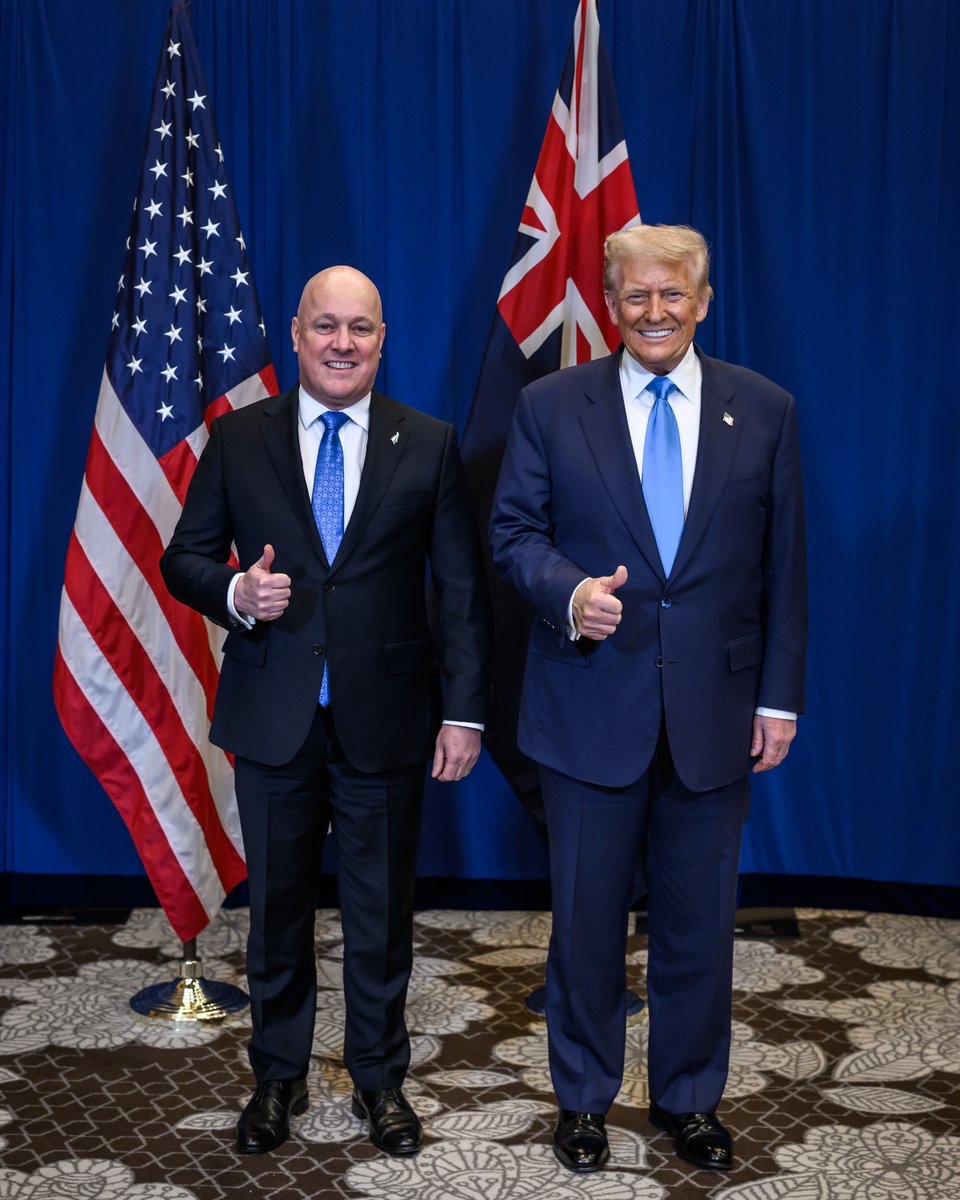

India–NZ FTA: Stress-testing Winston’s anxieties over the deal
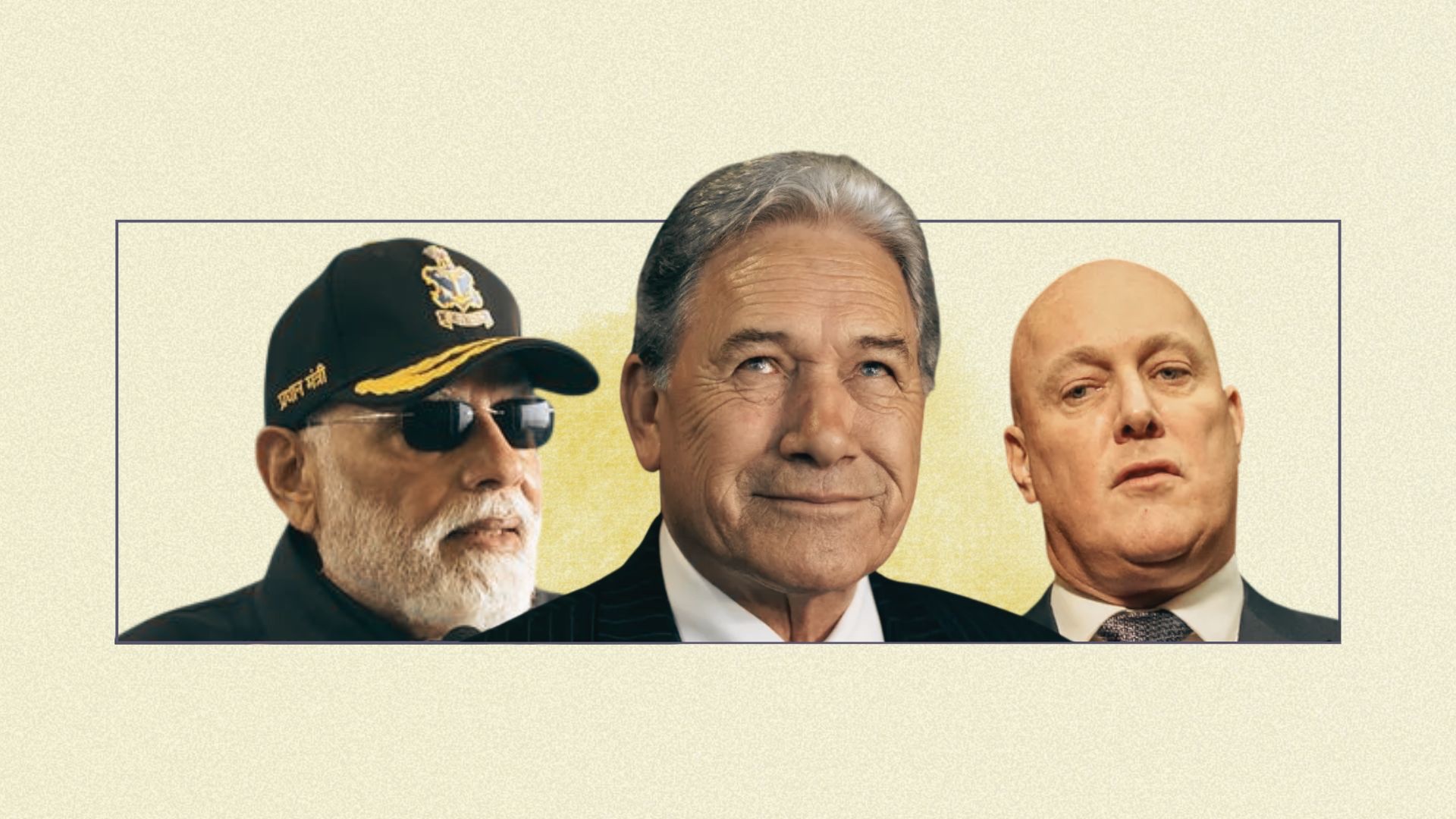
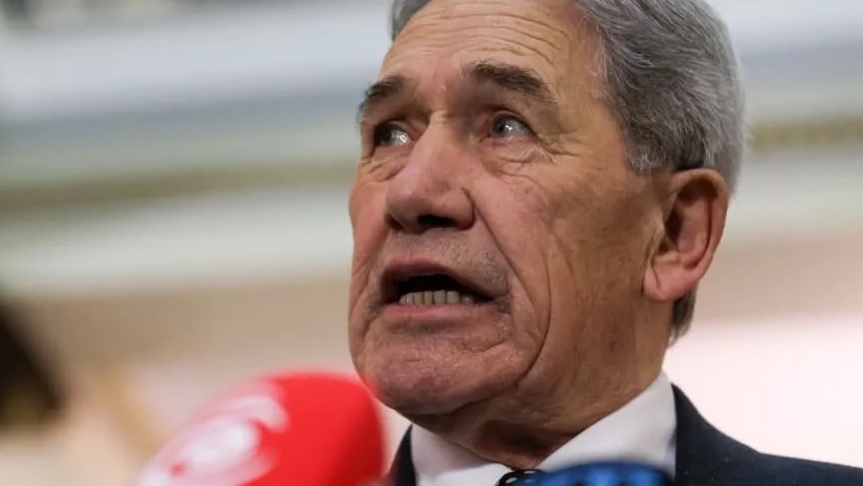
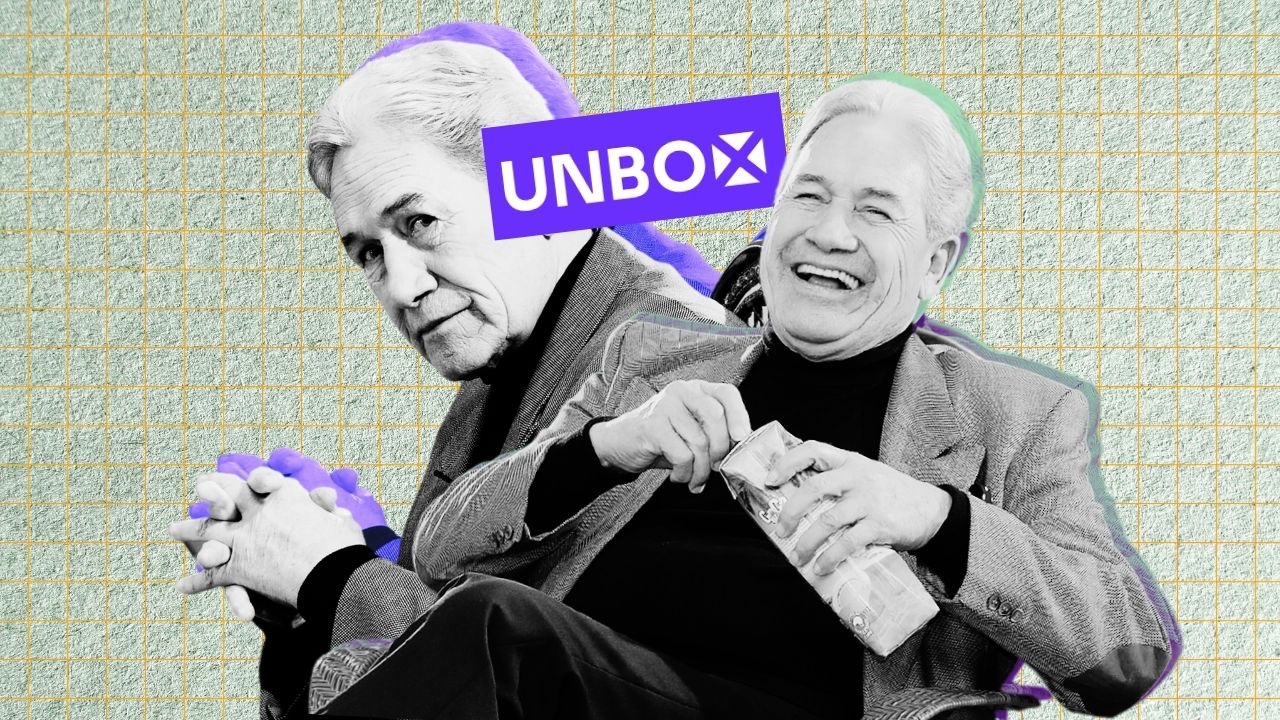
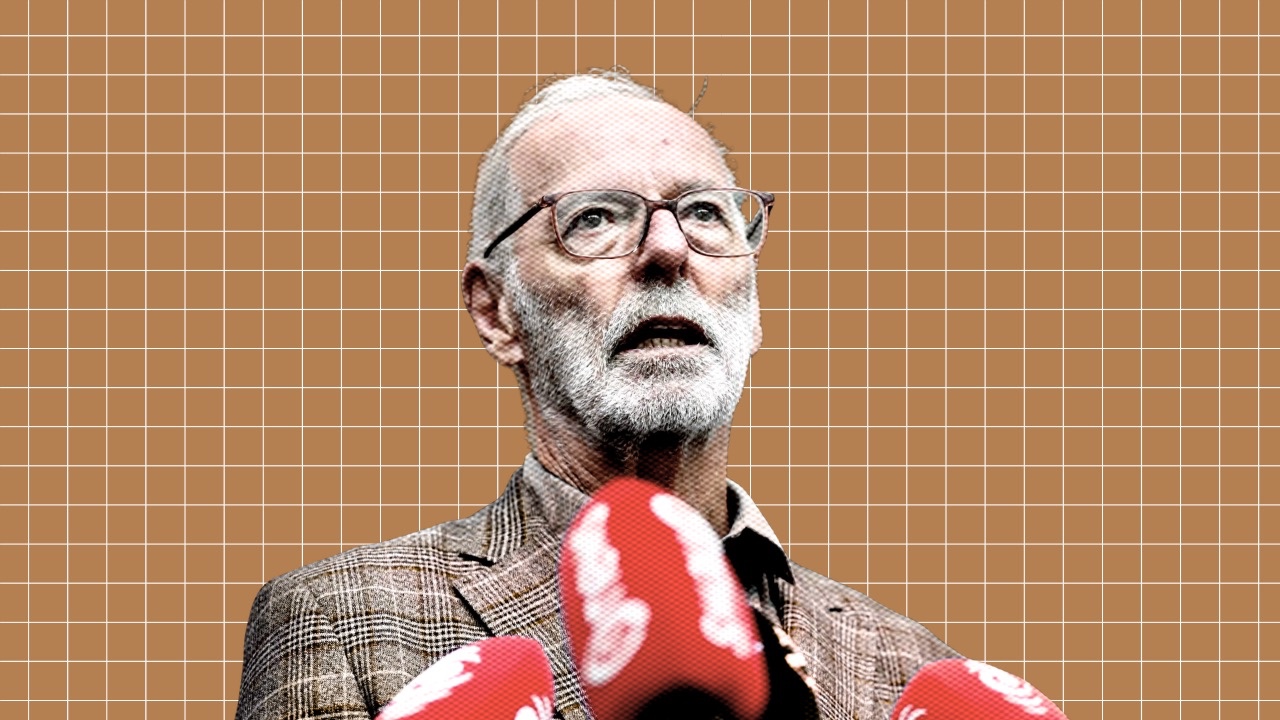
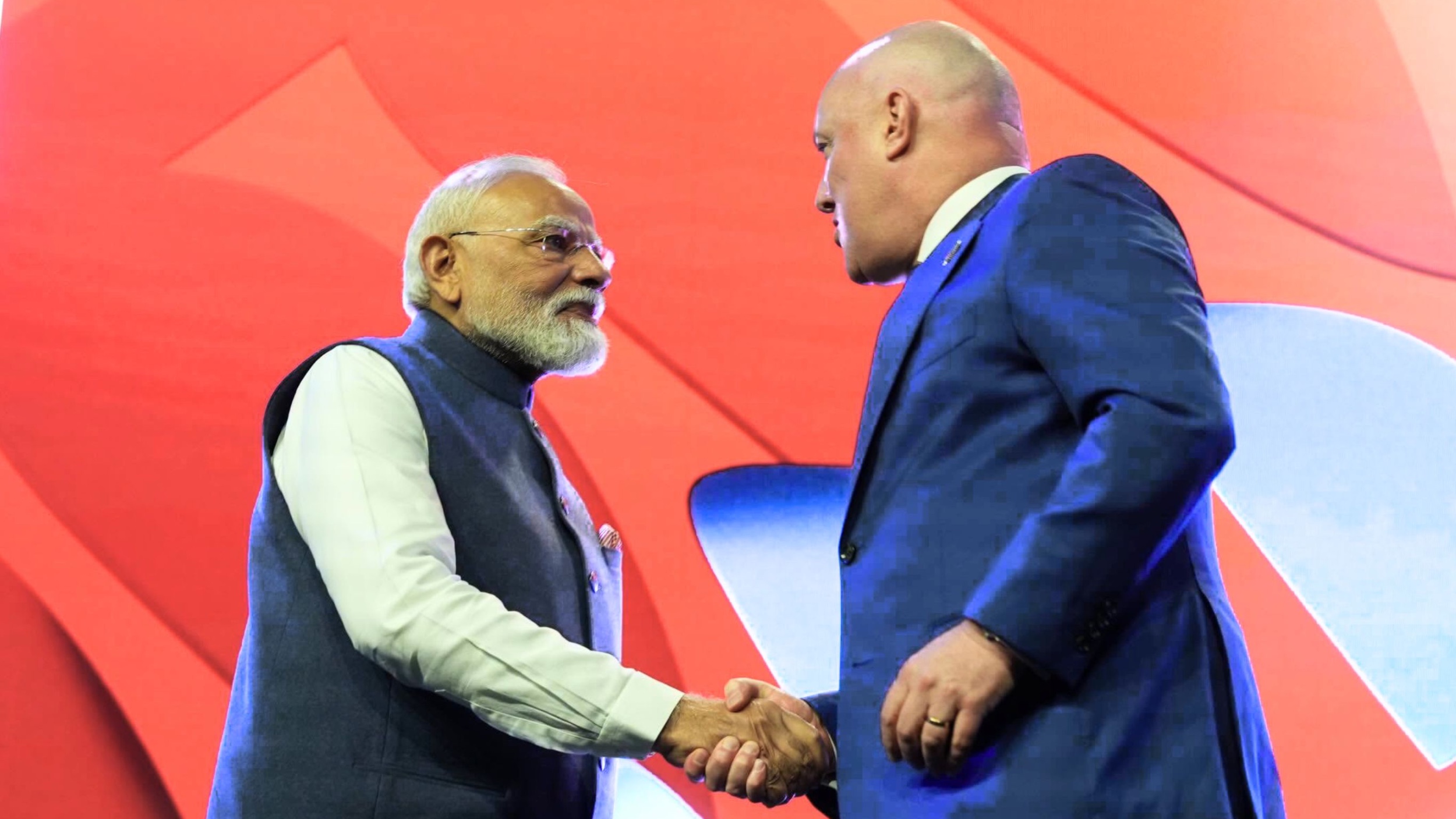
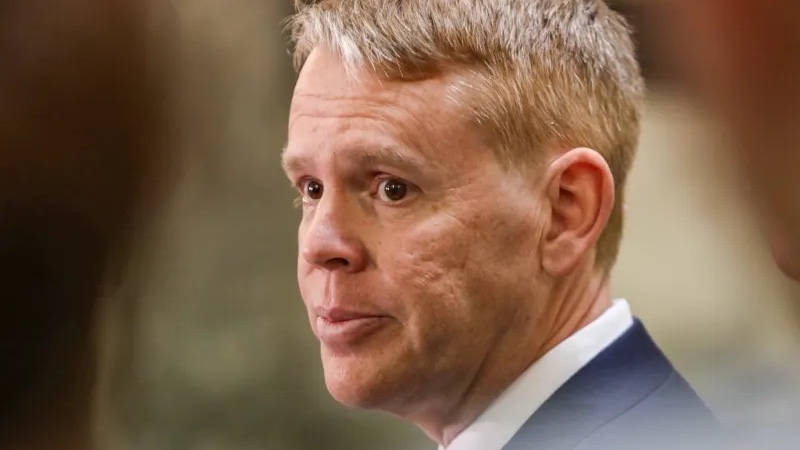
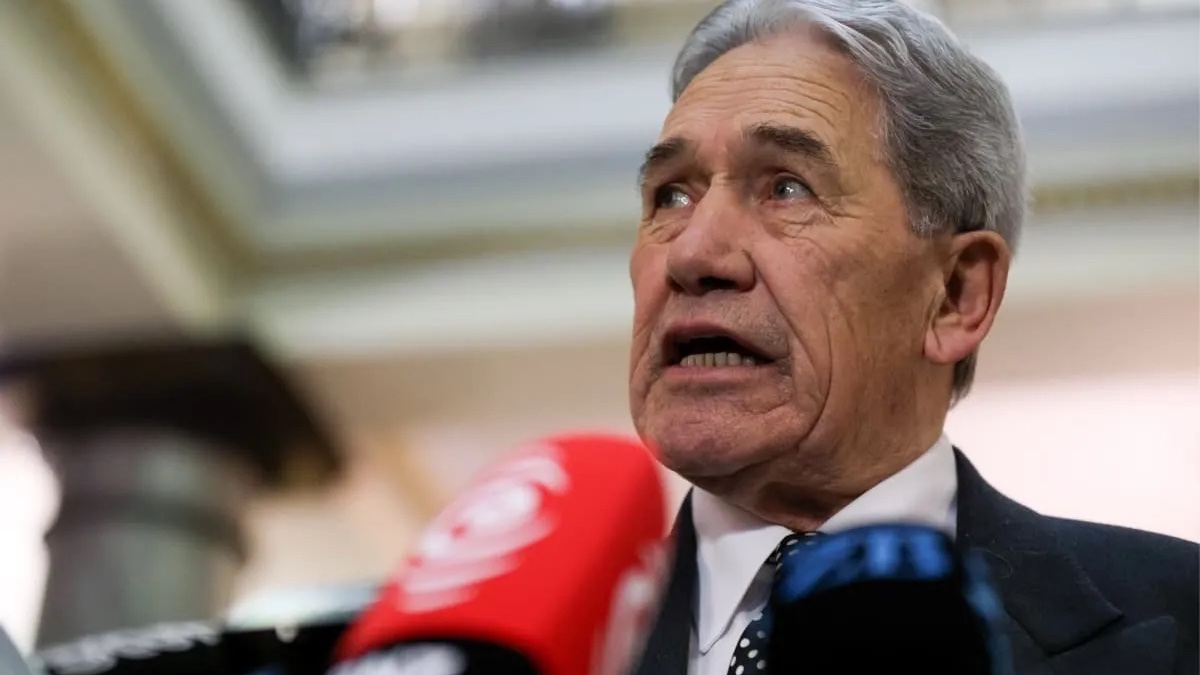
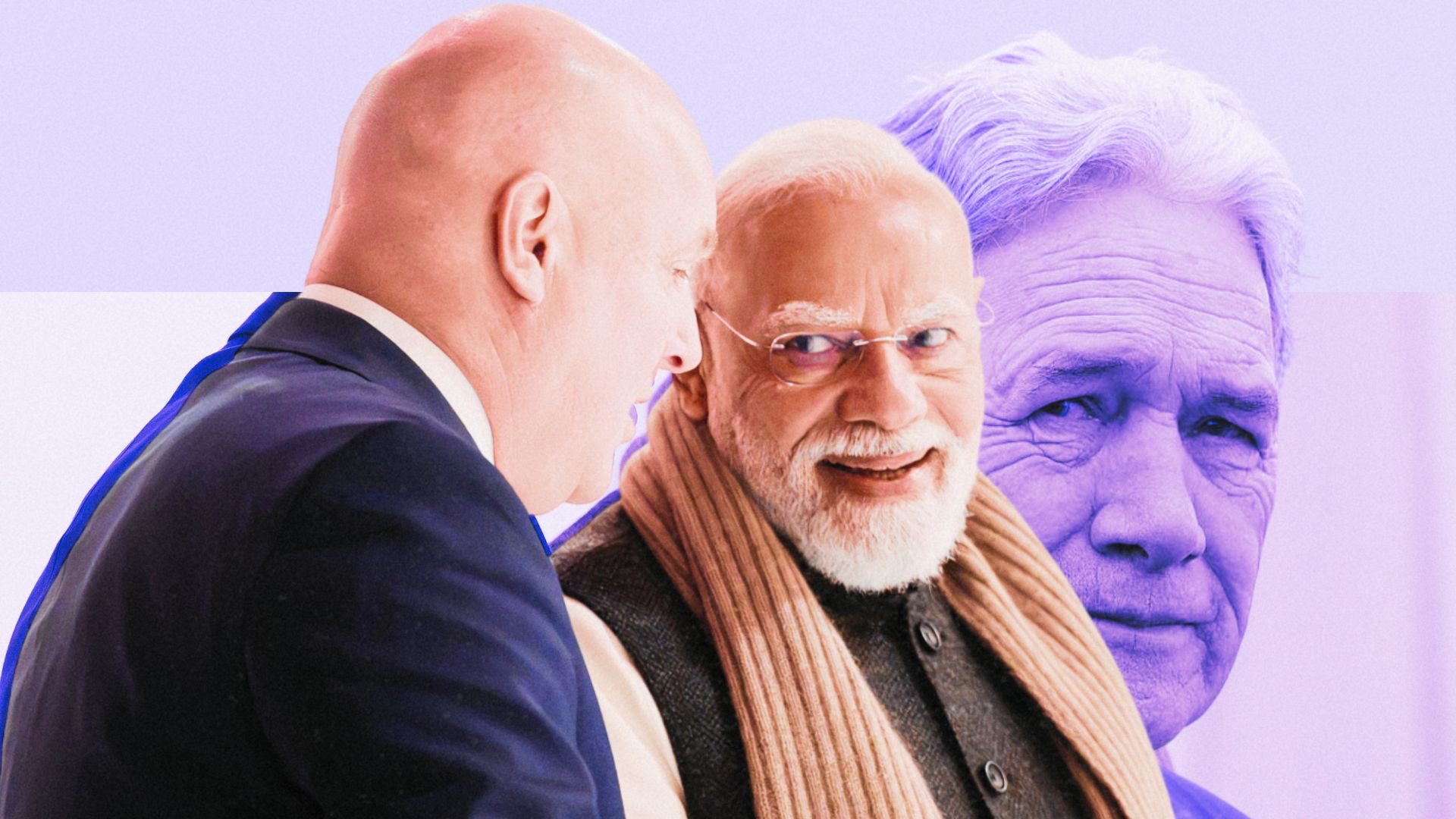
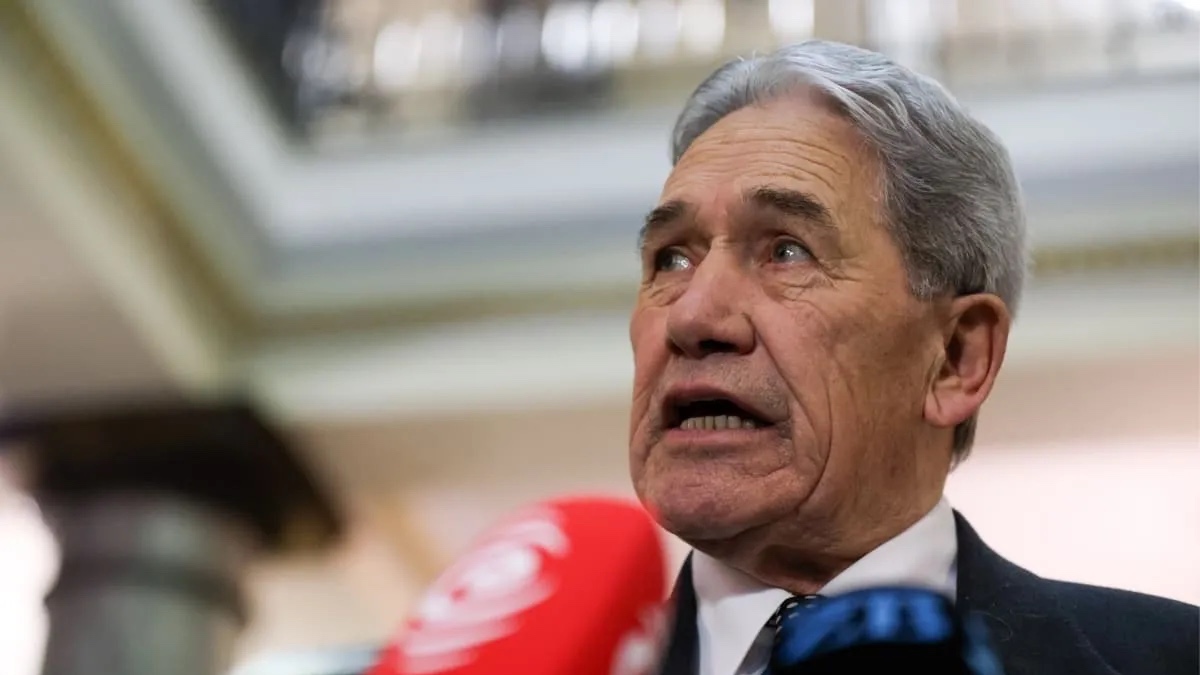
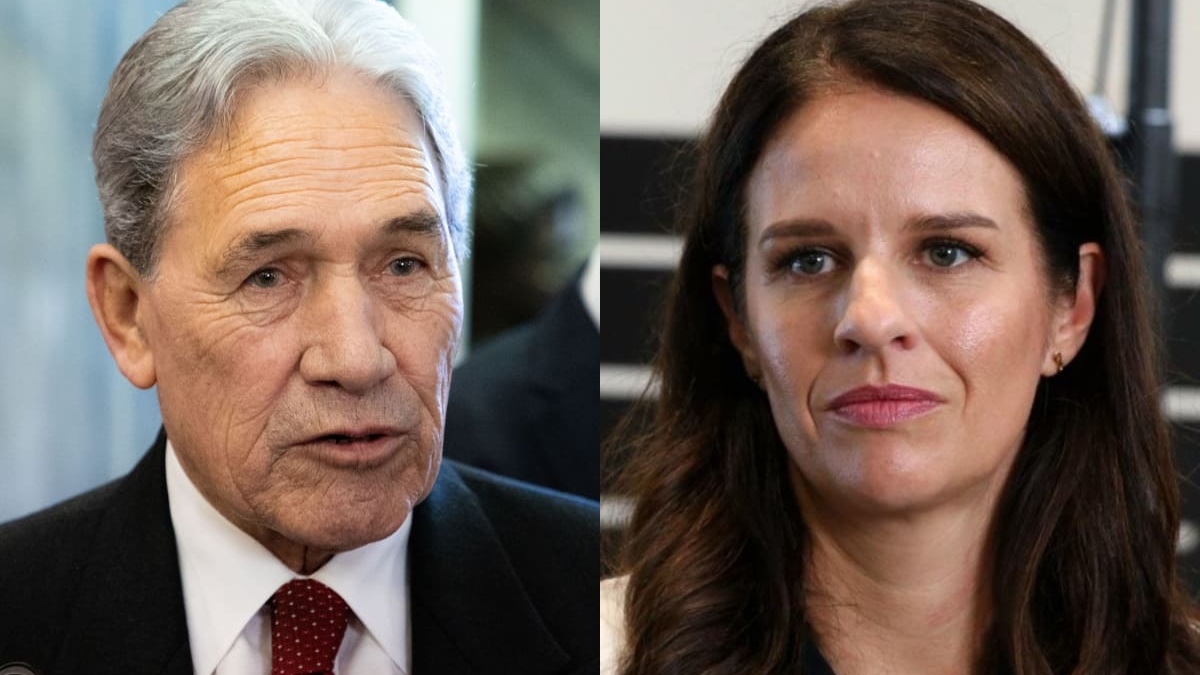
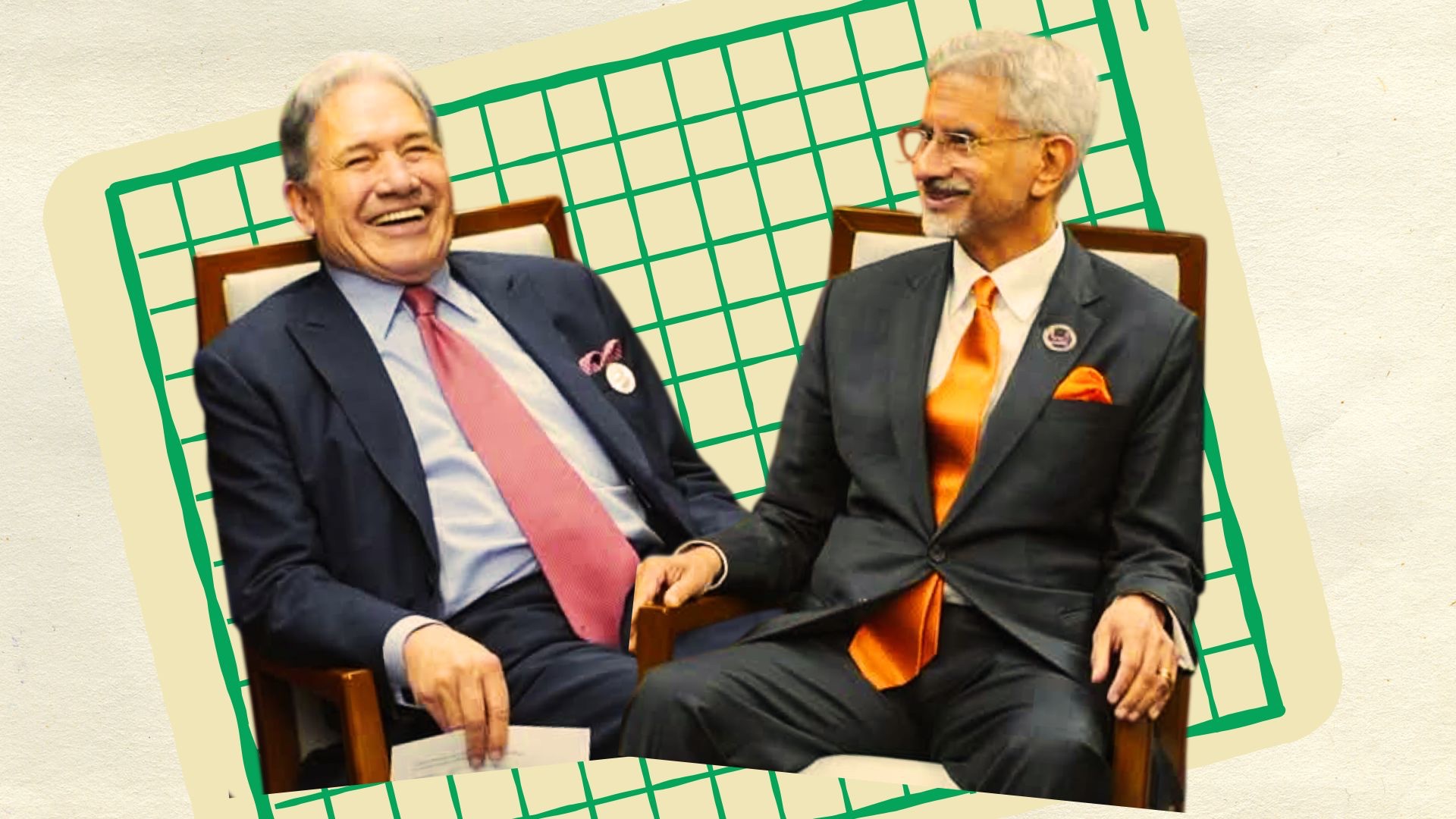
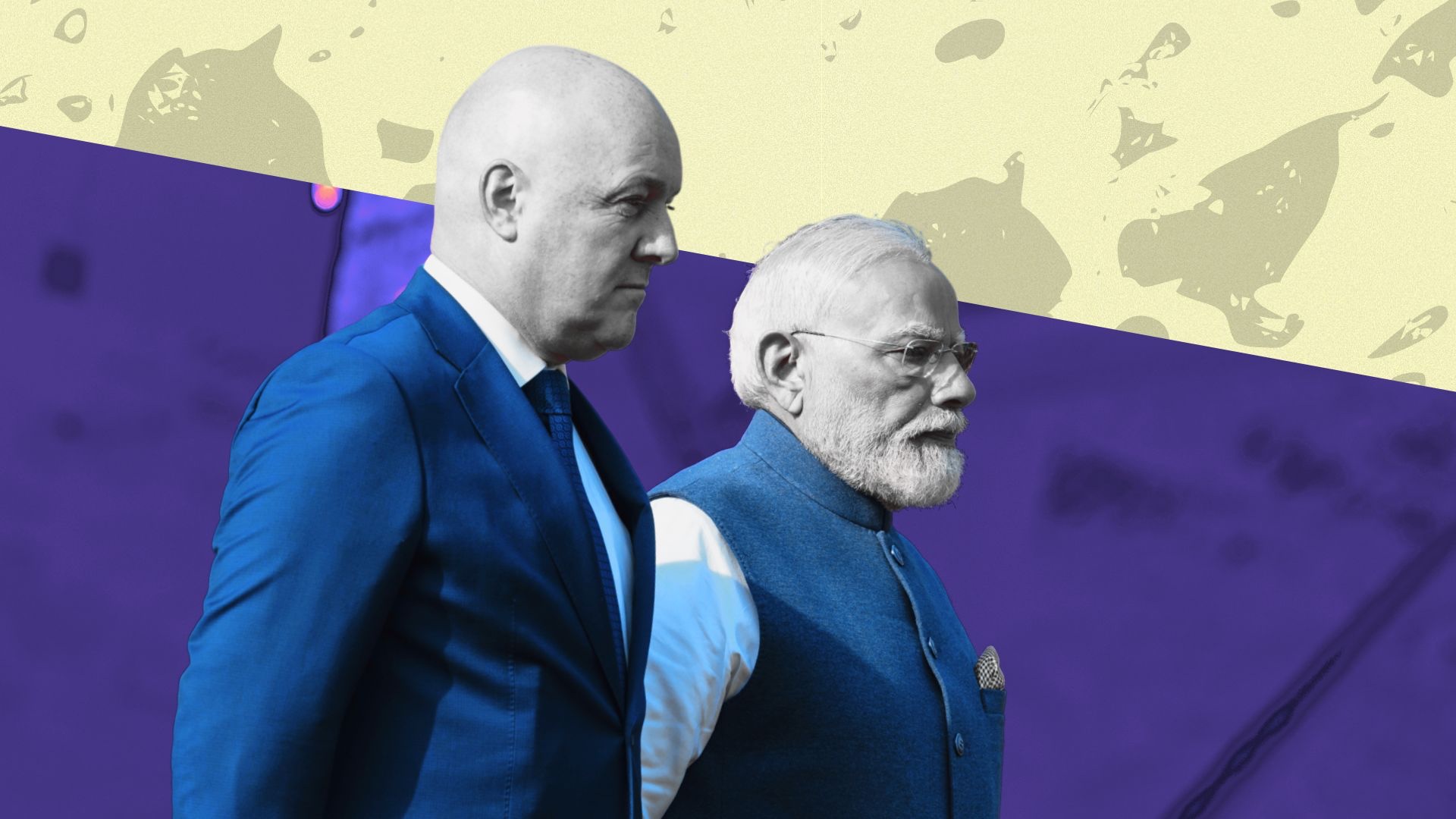
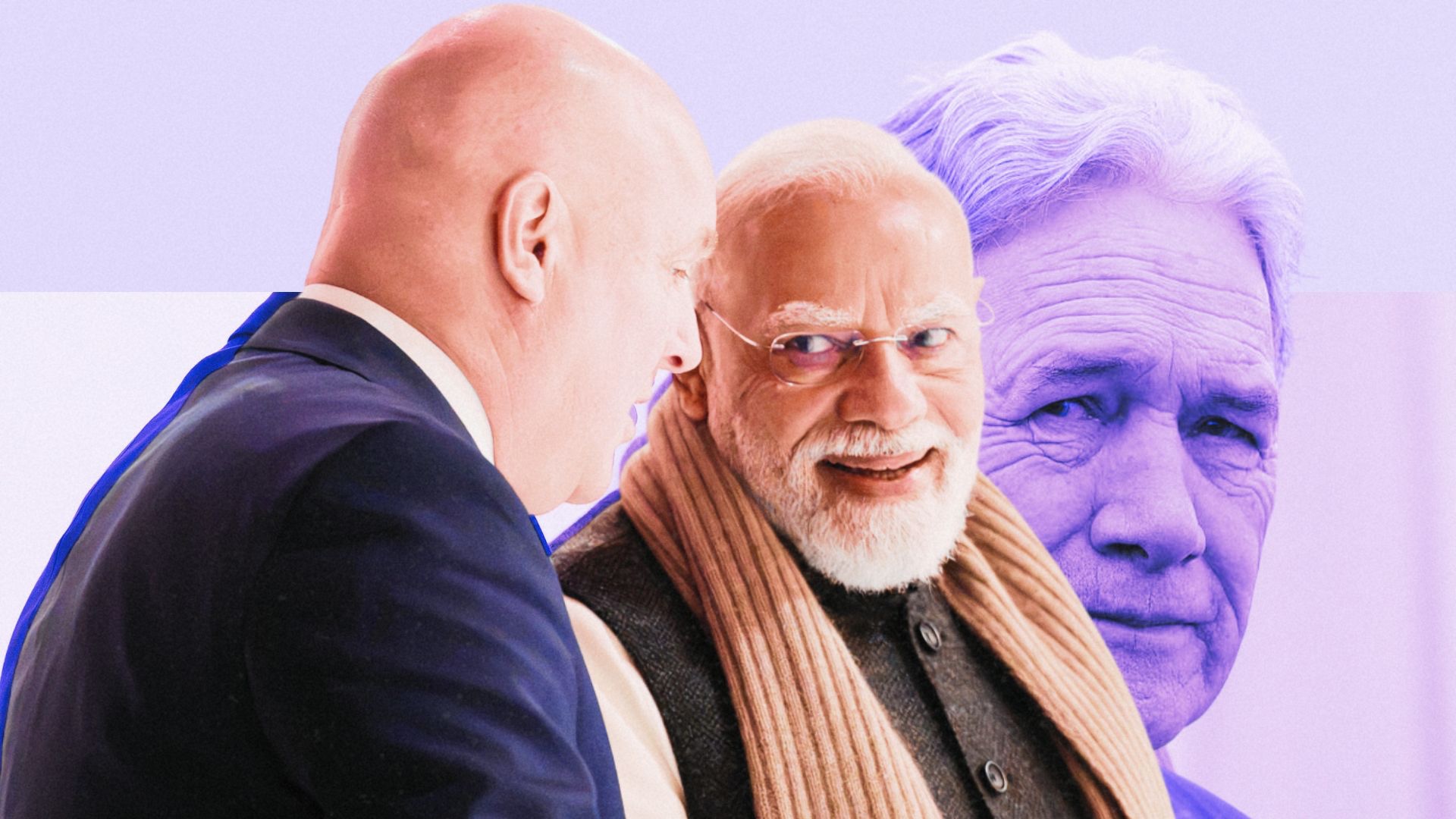
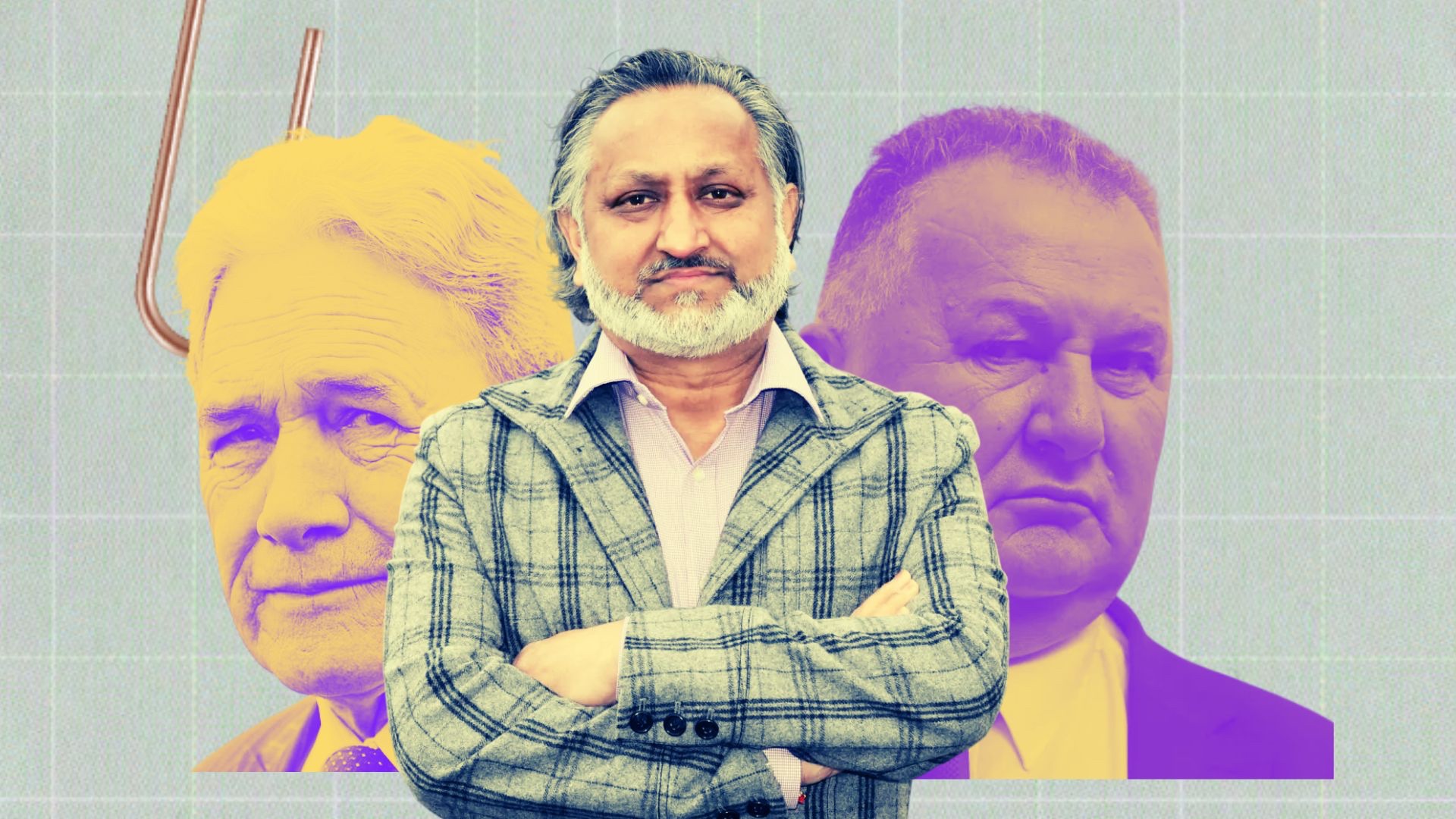
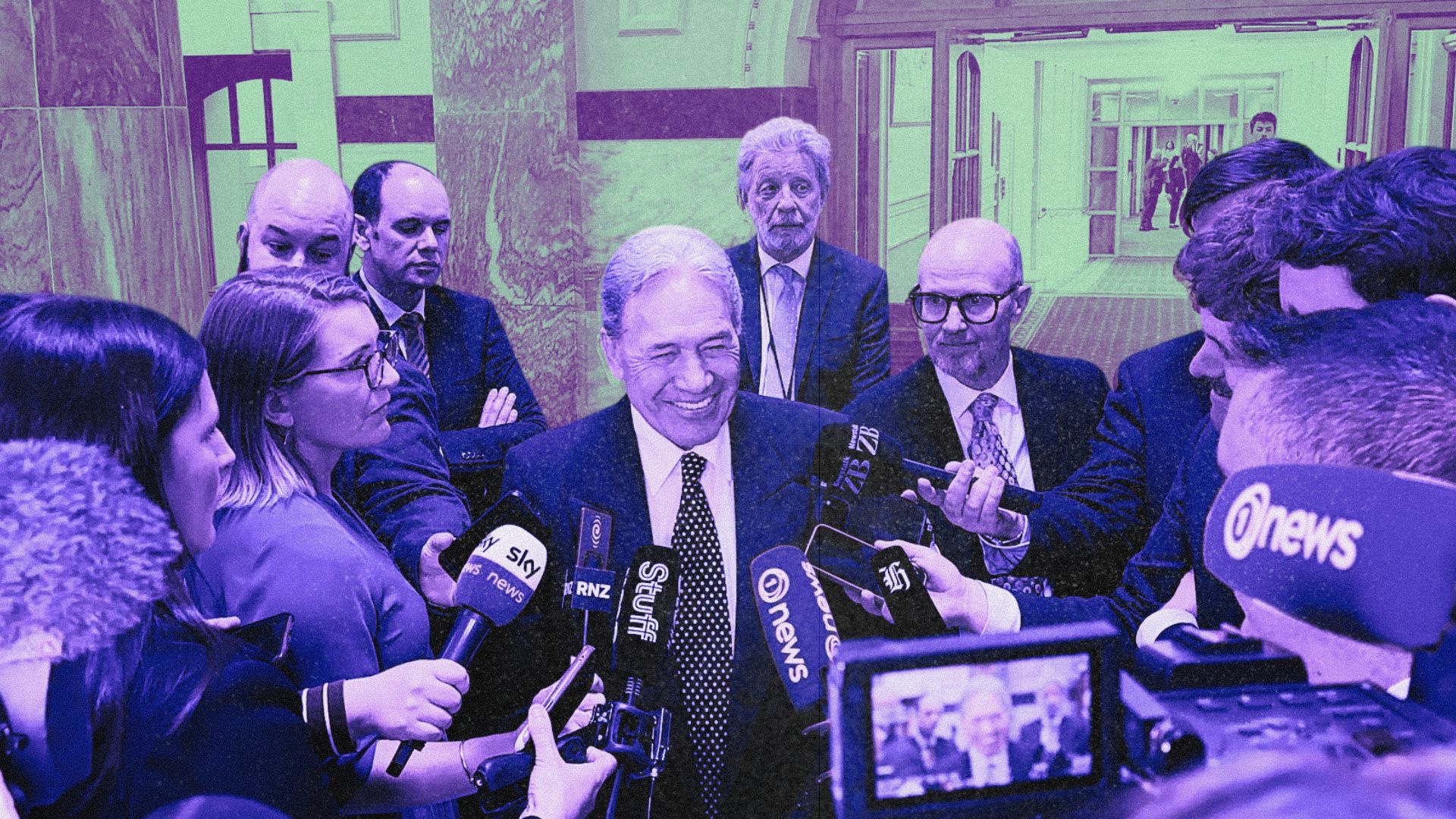
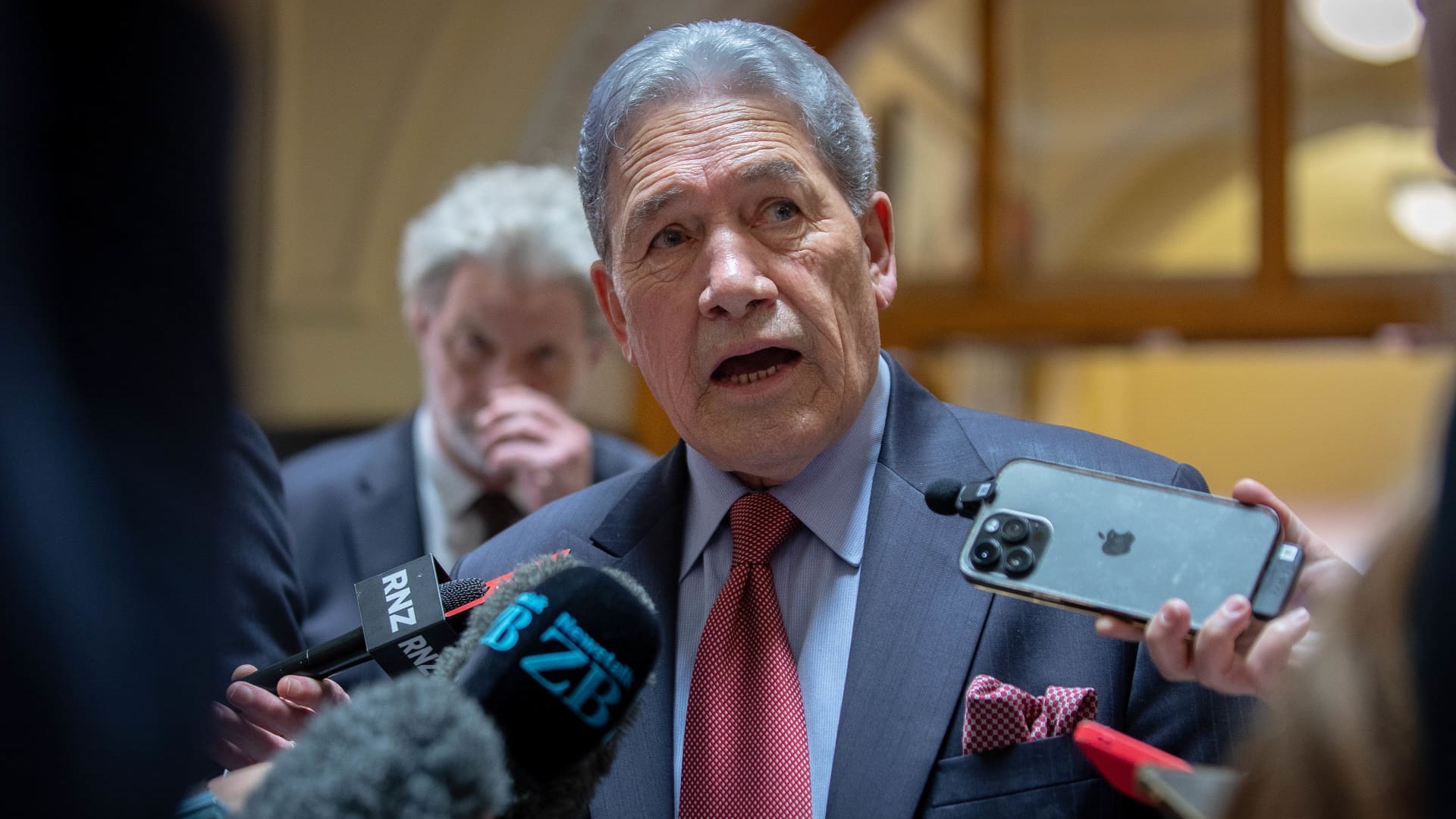
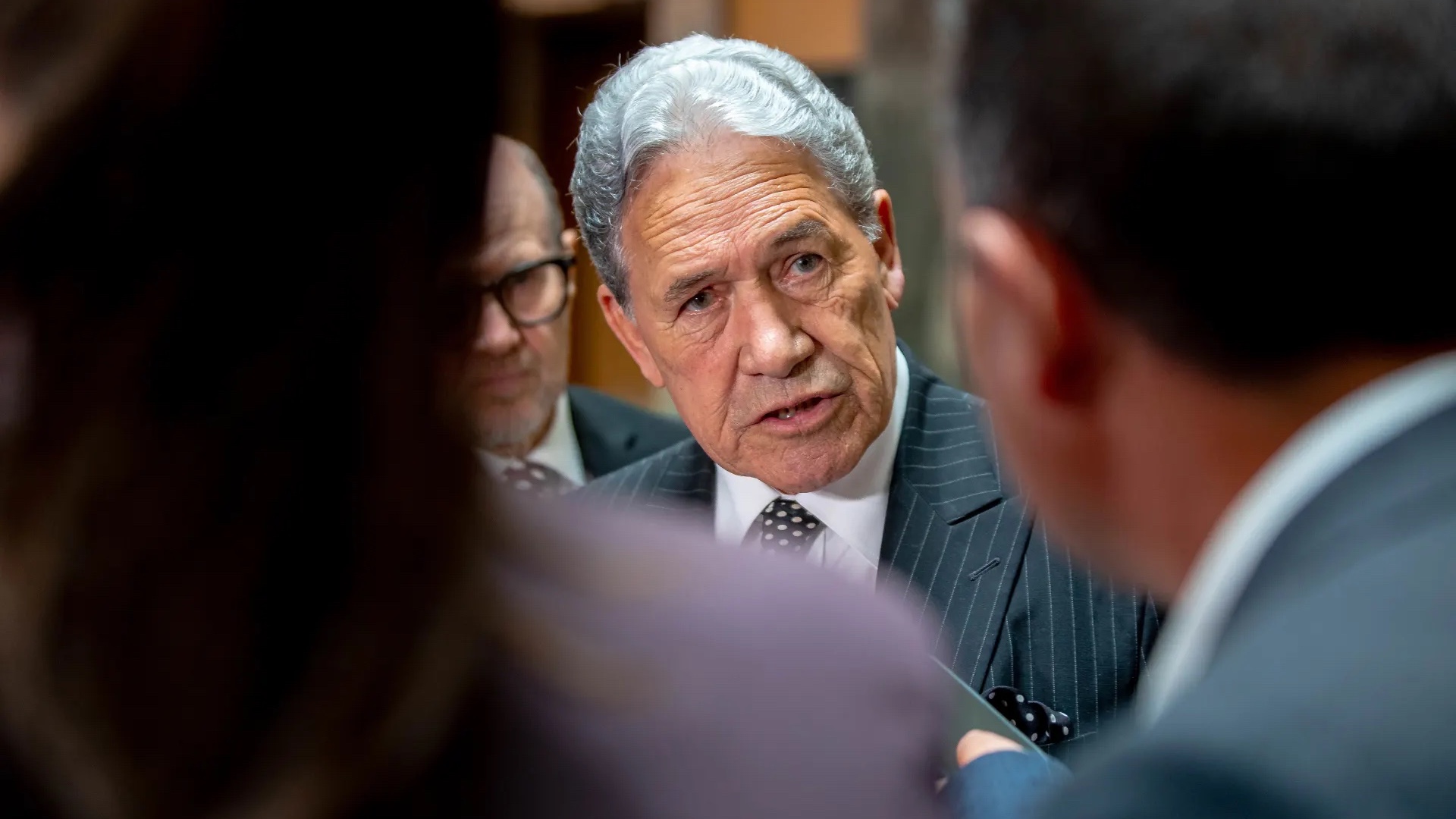
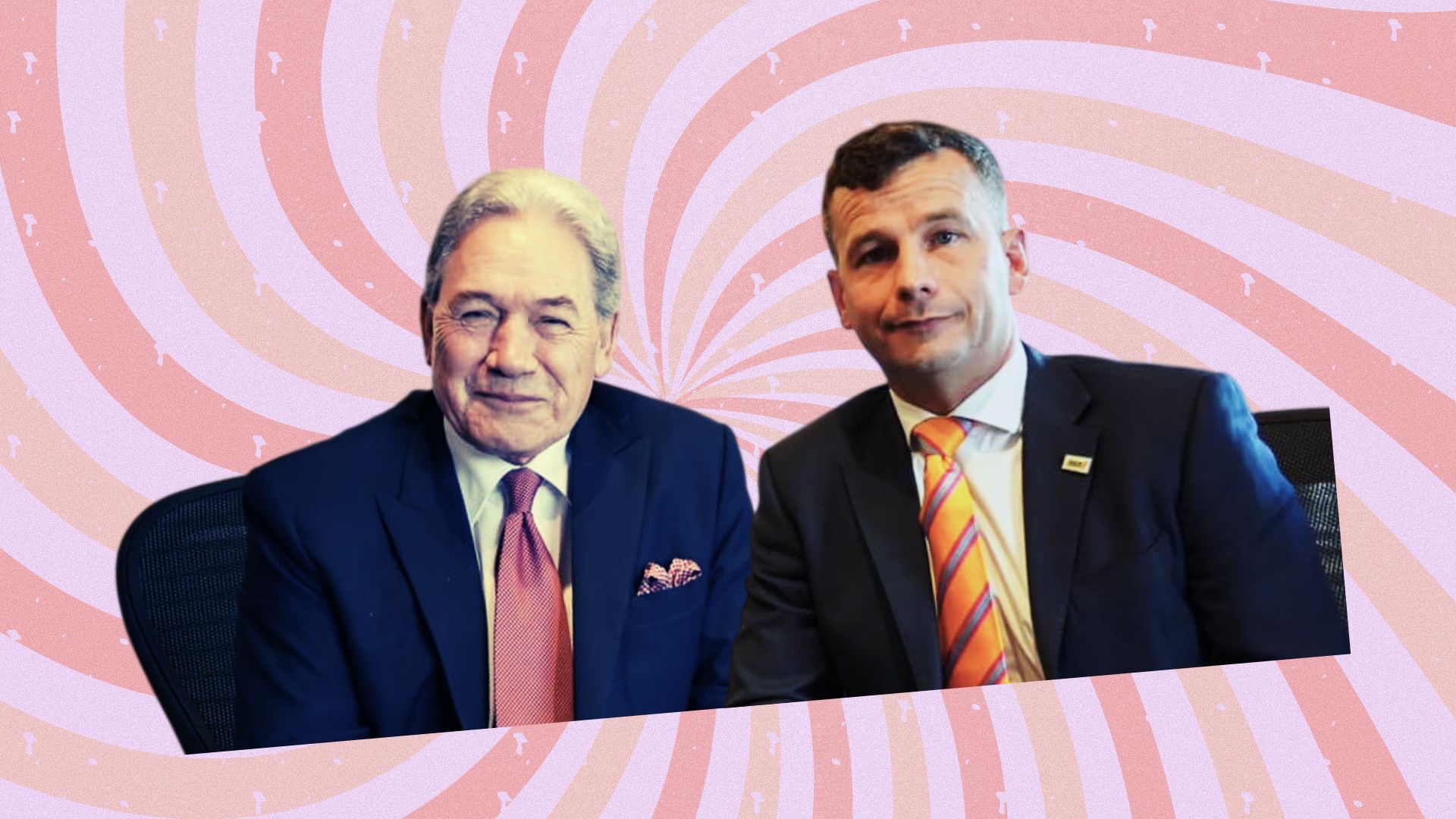
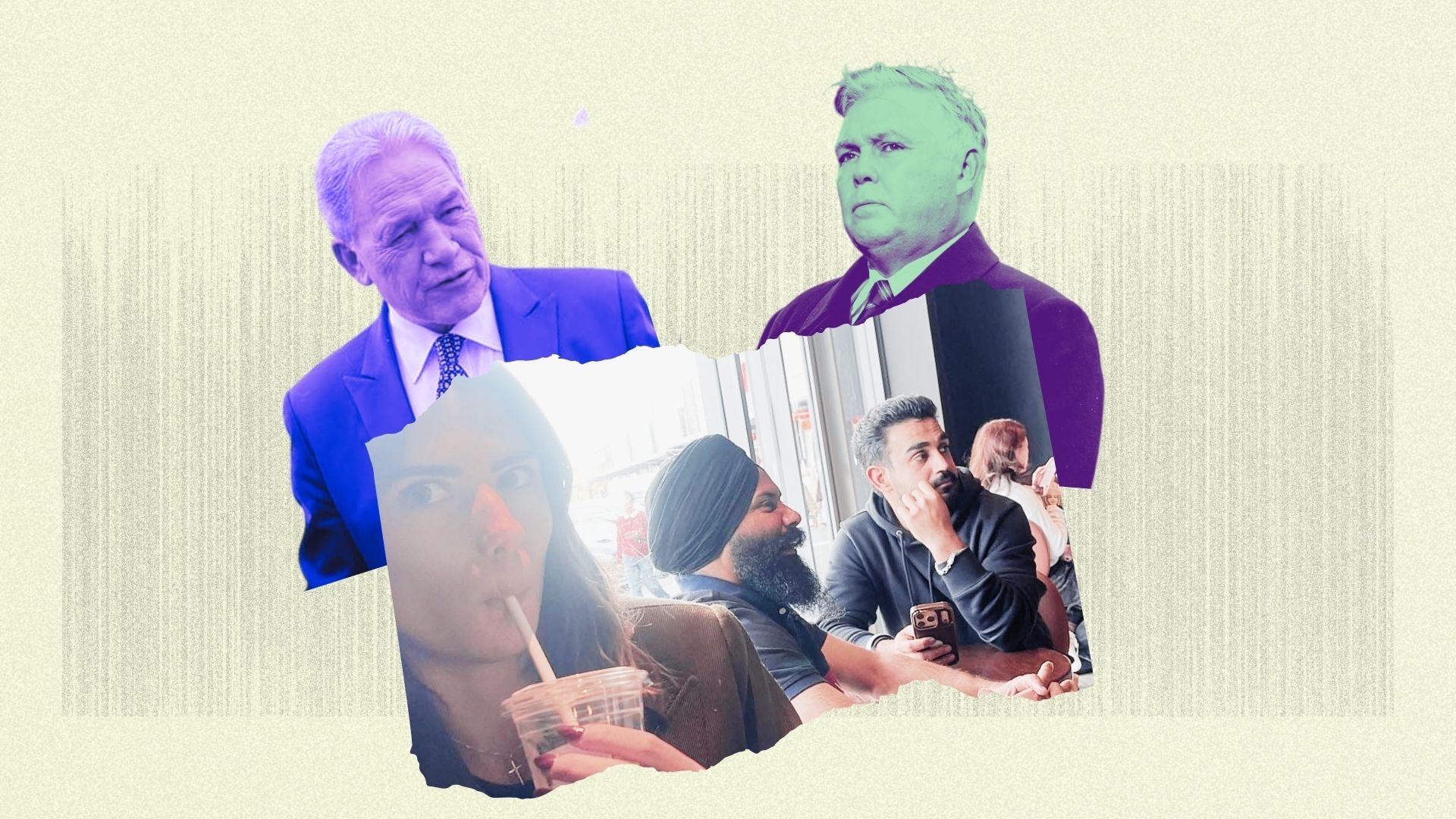
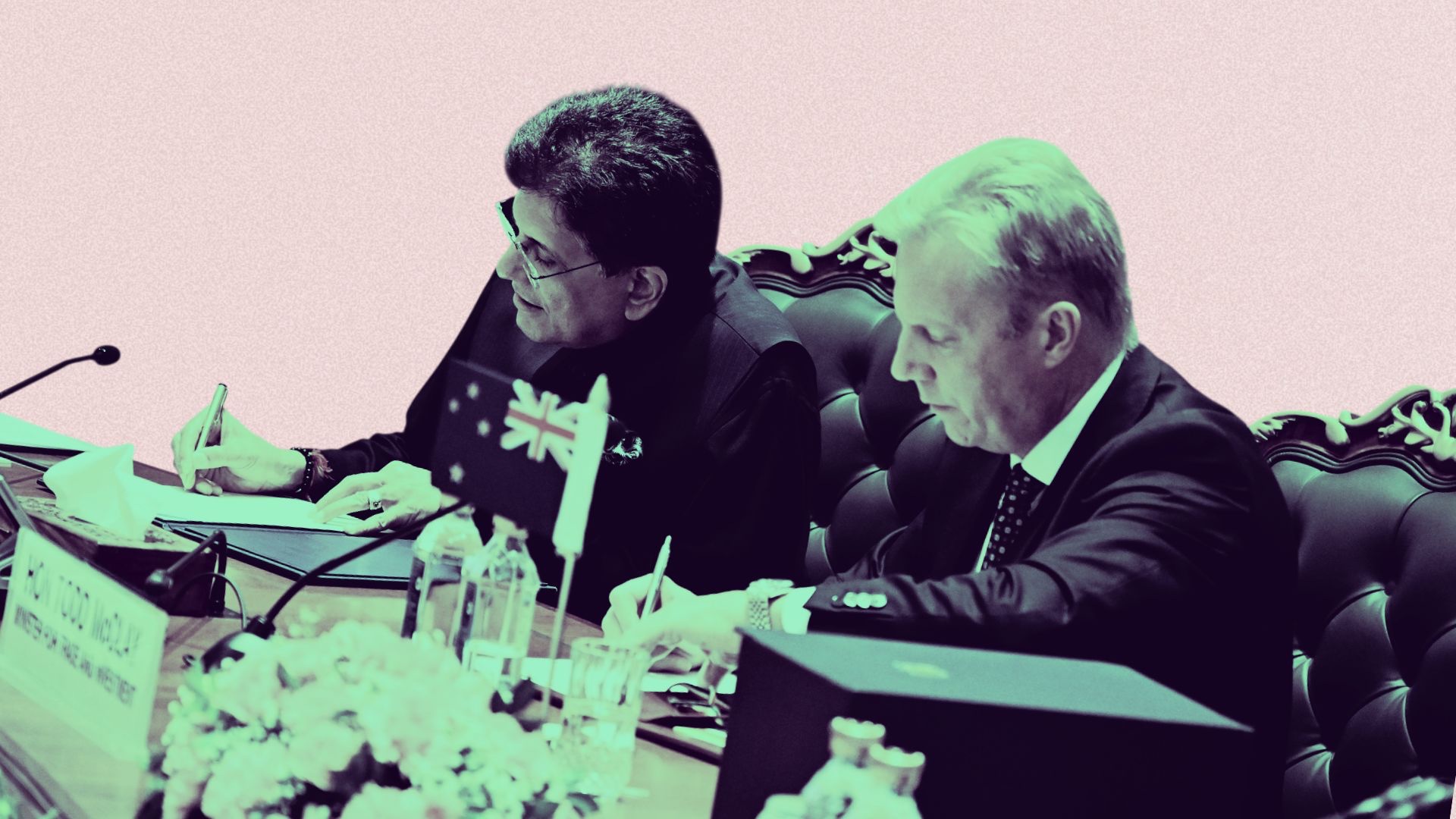
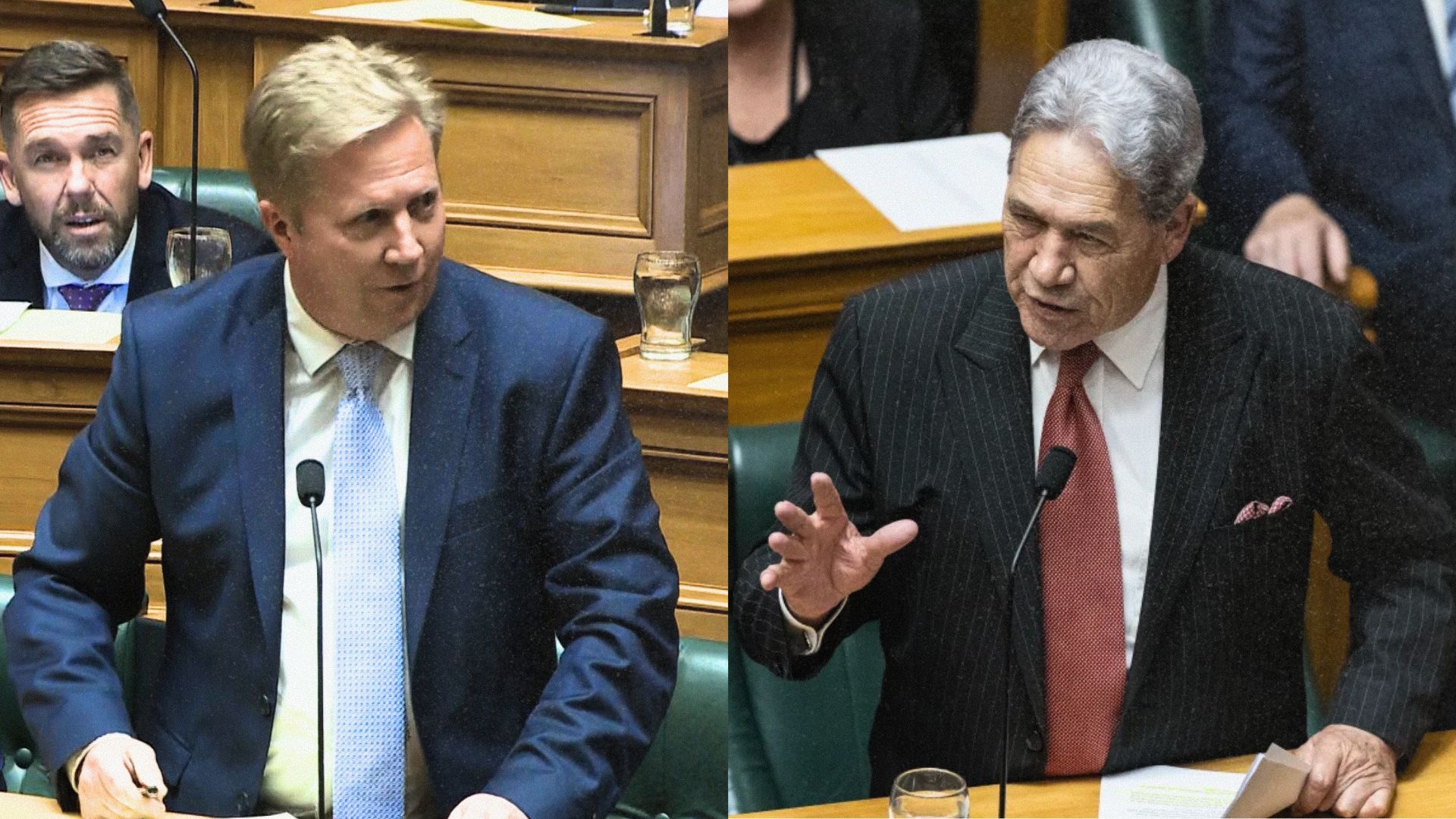
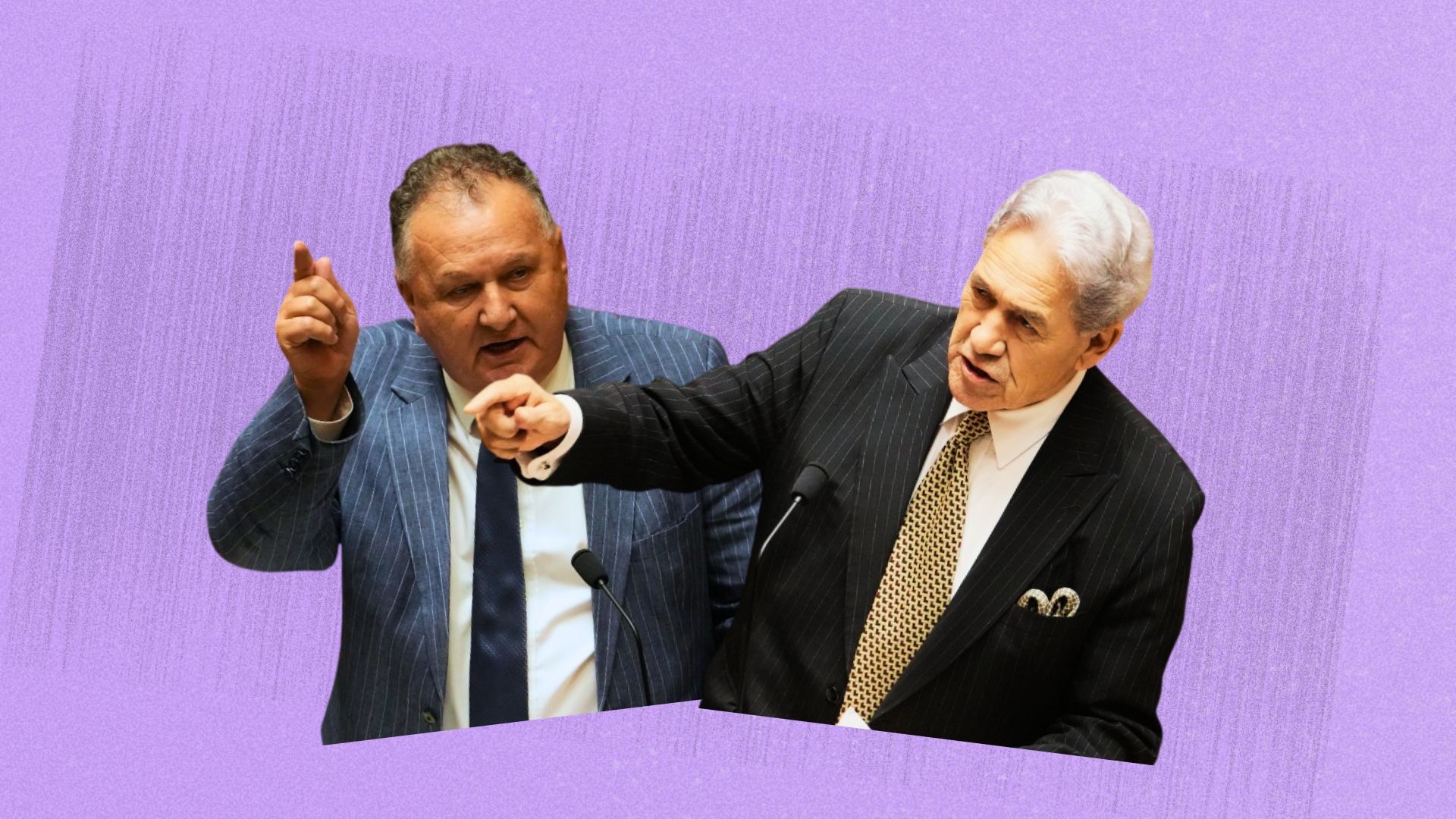
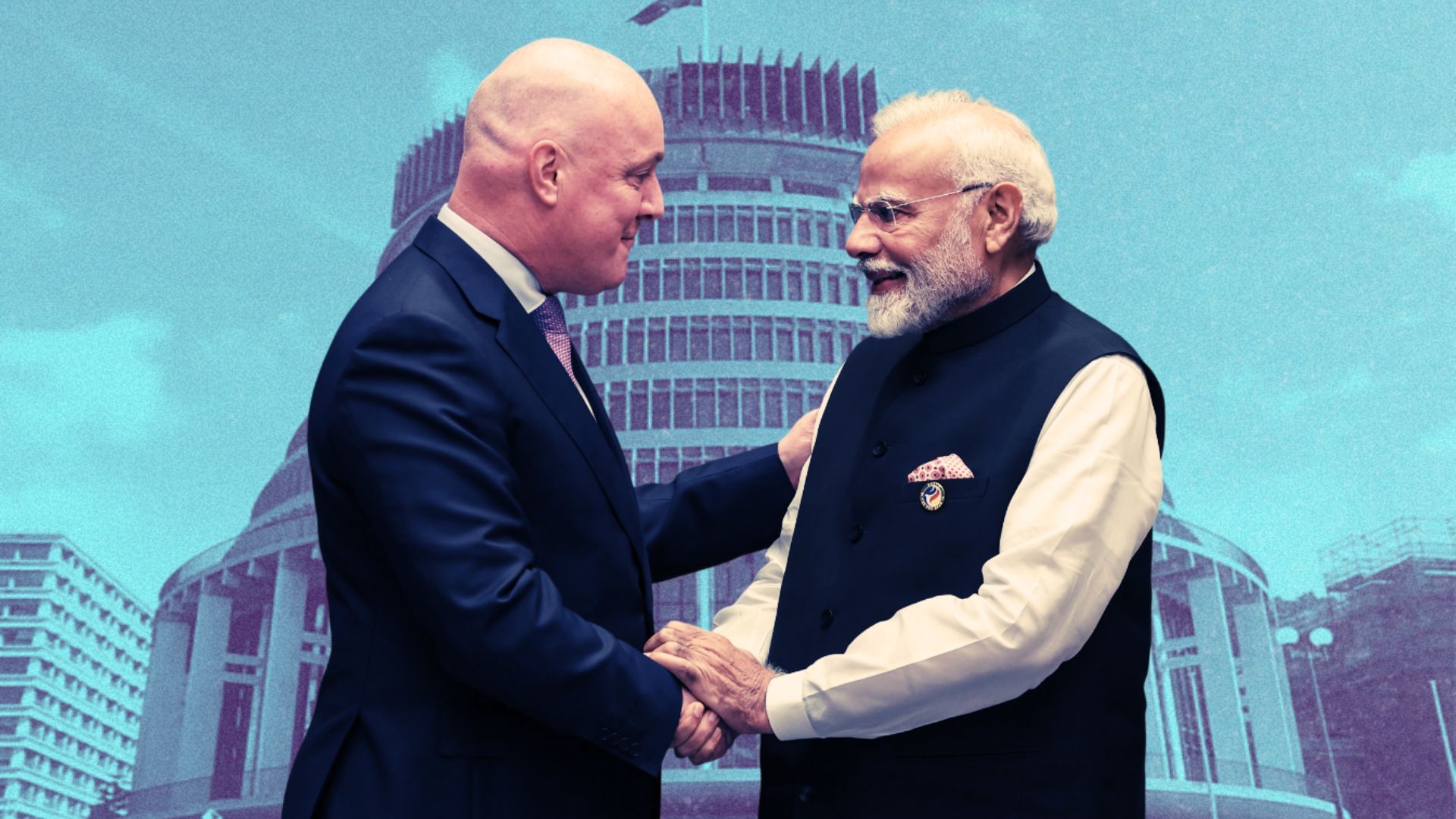
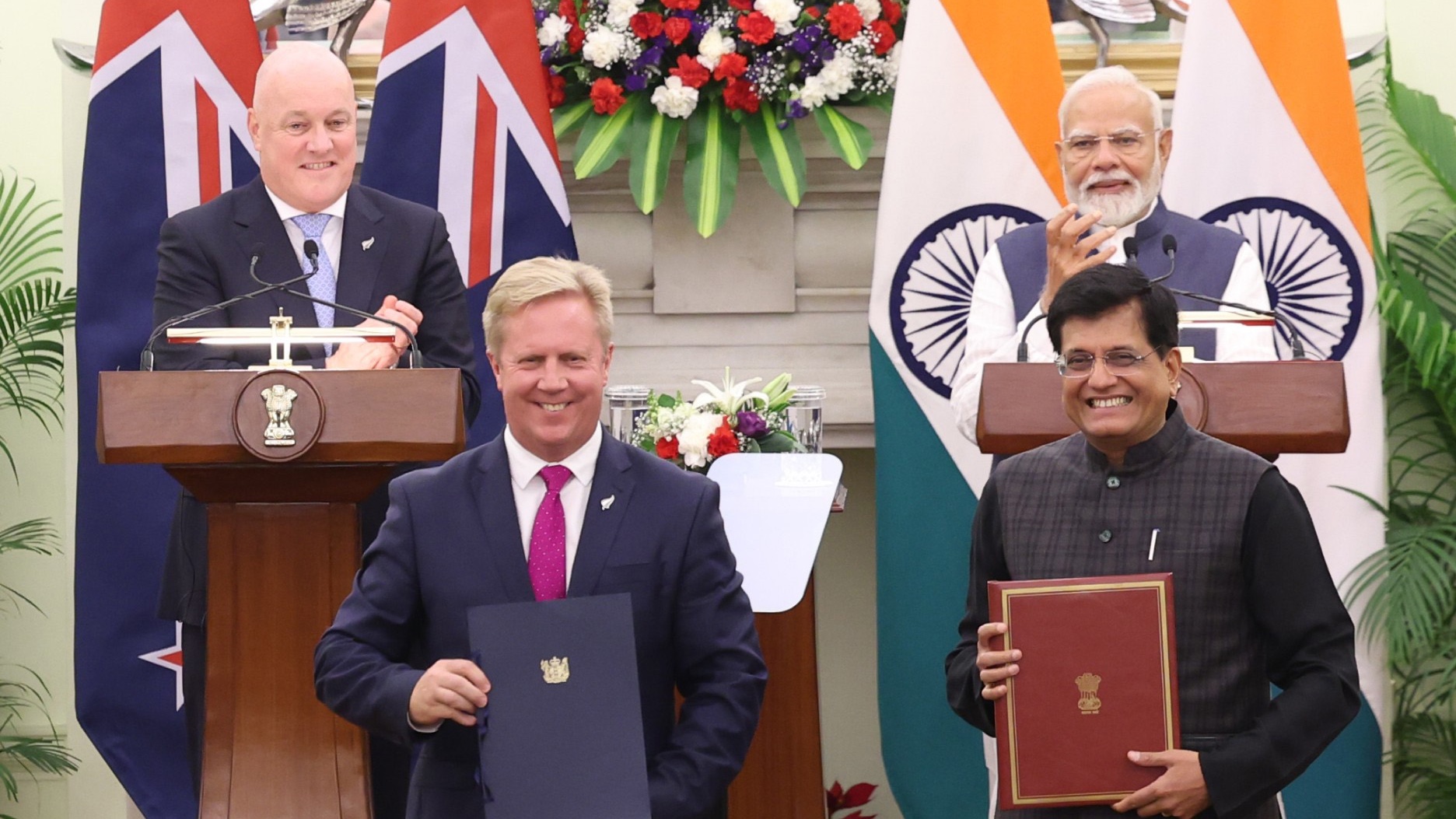
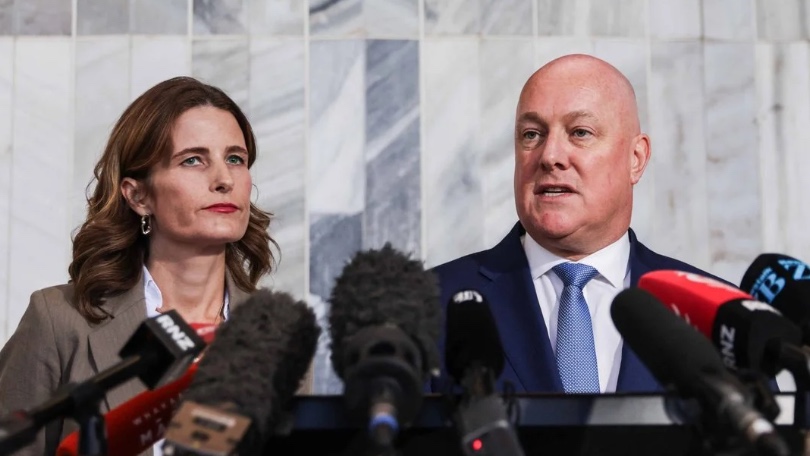
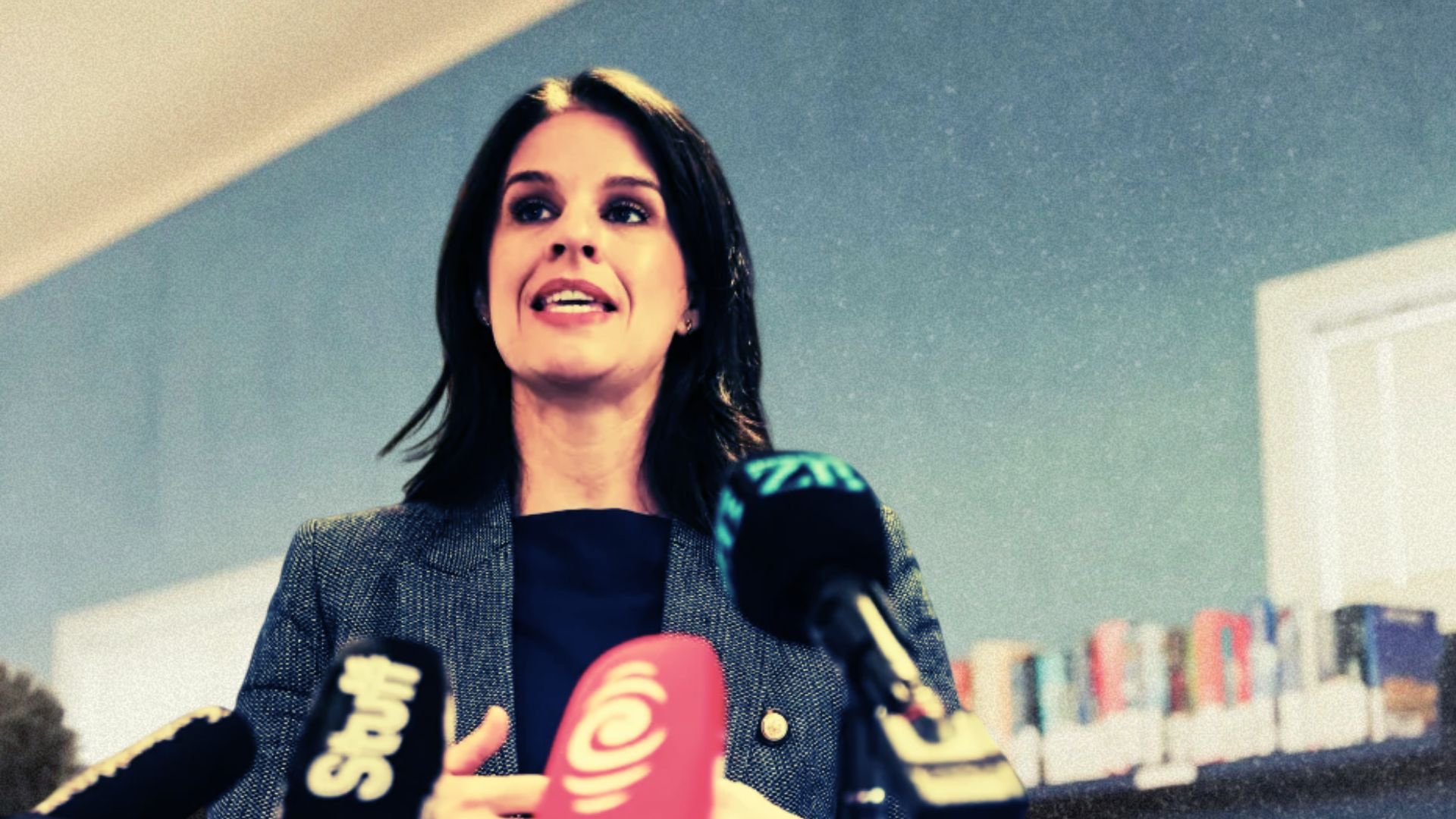
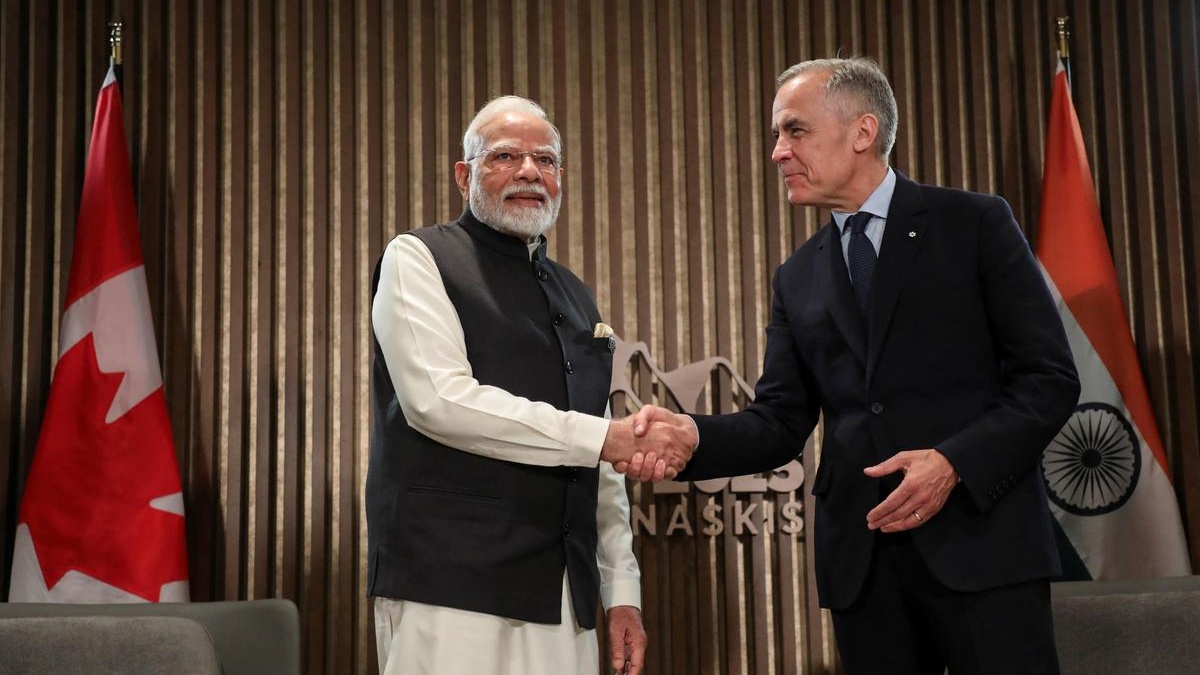
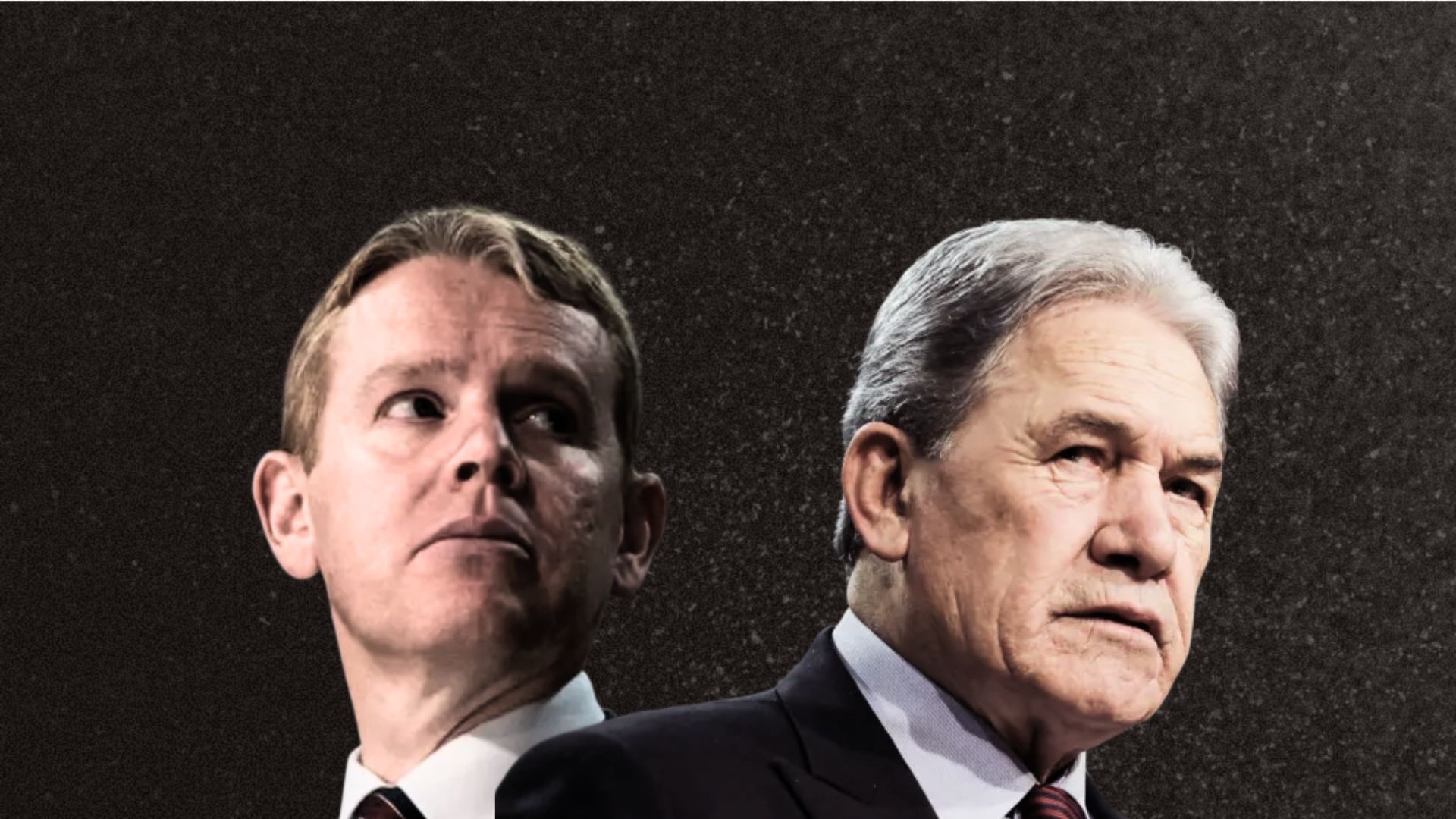
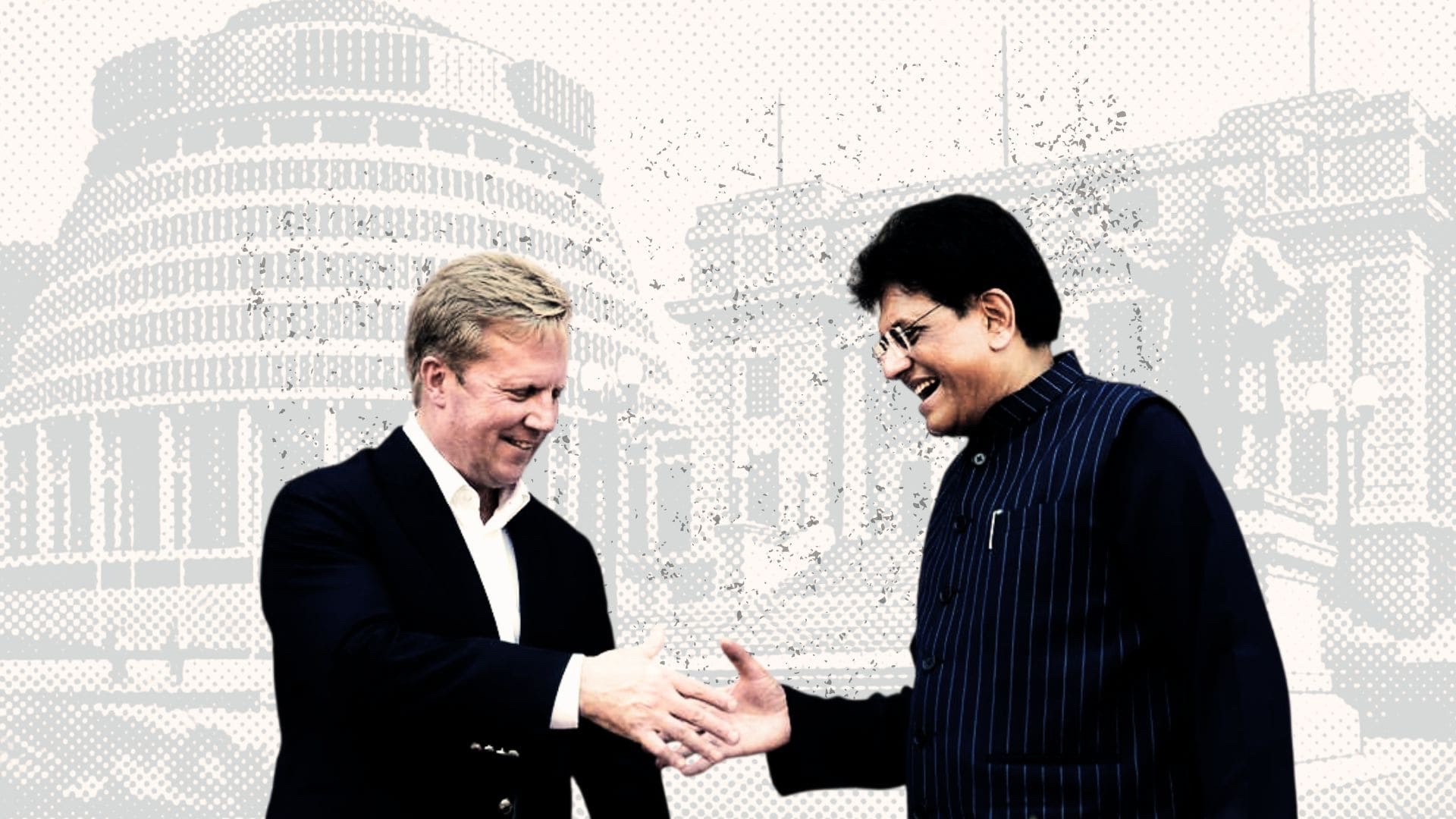
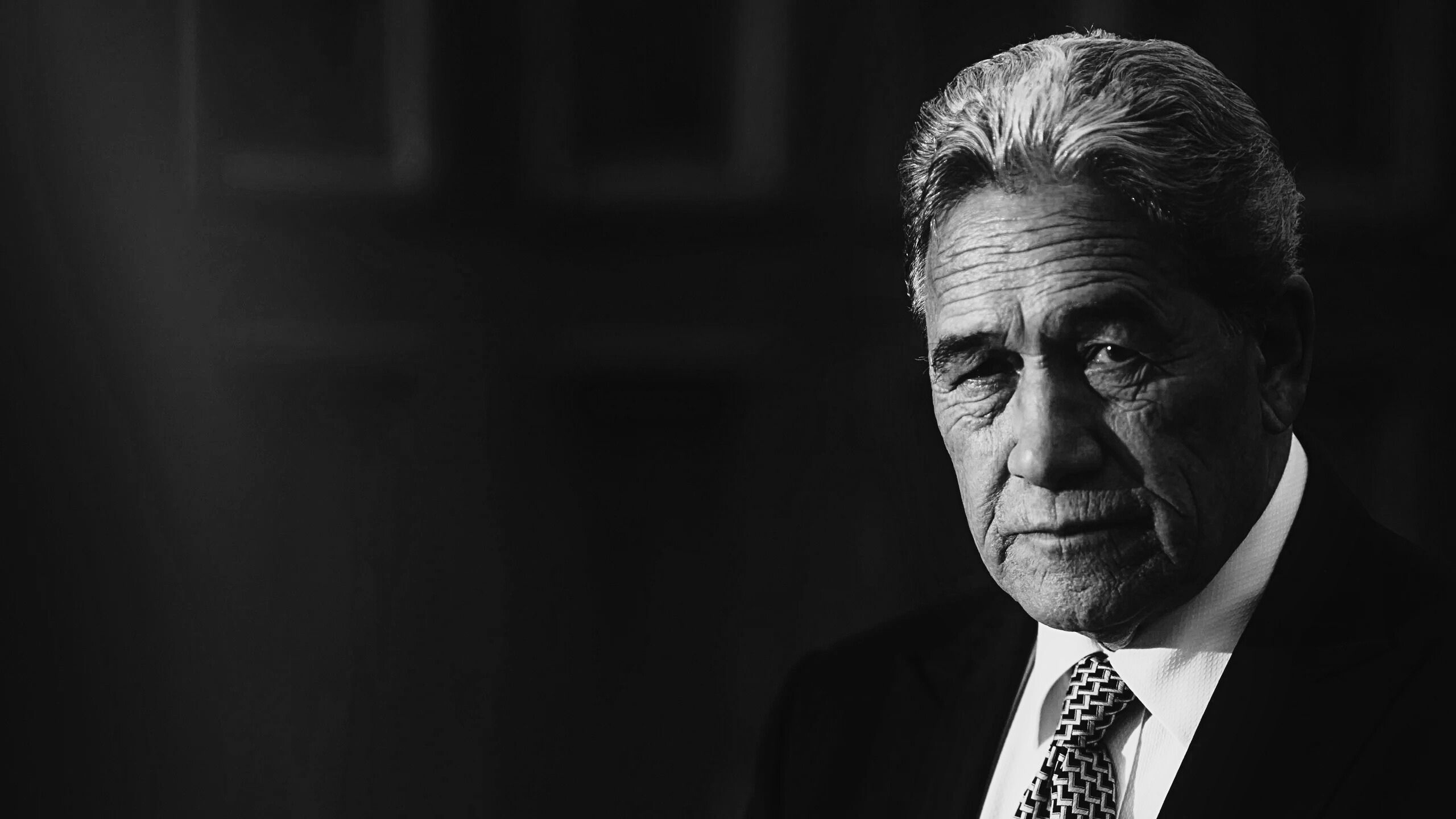
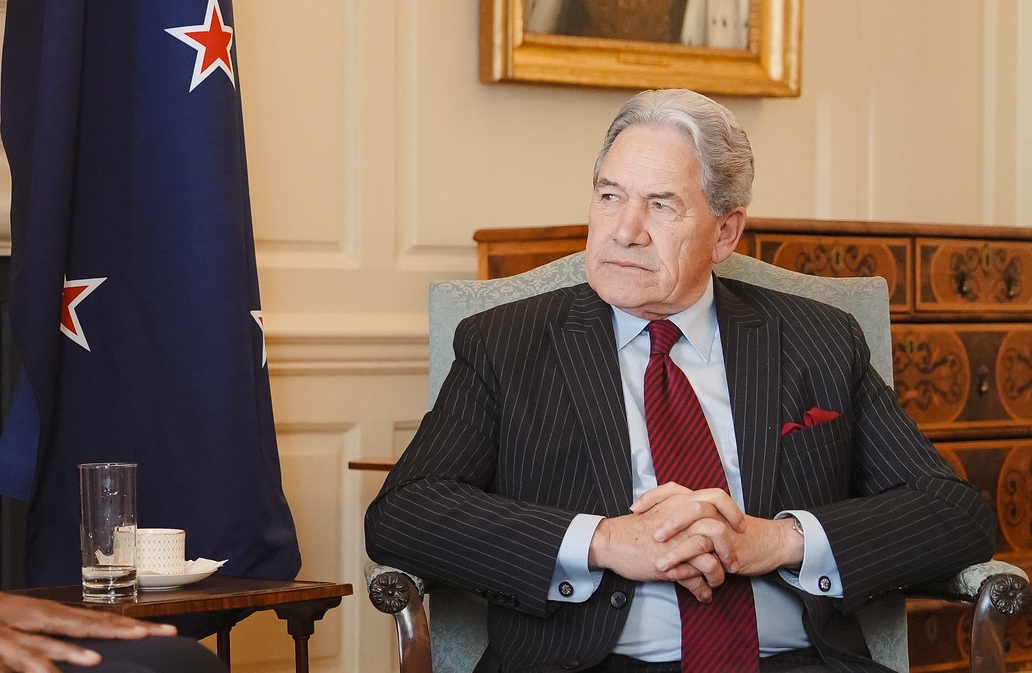
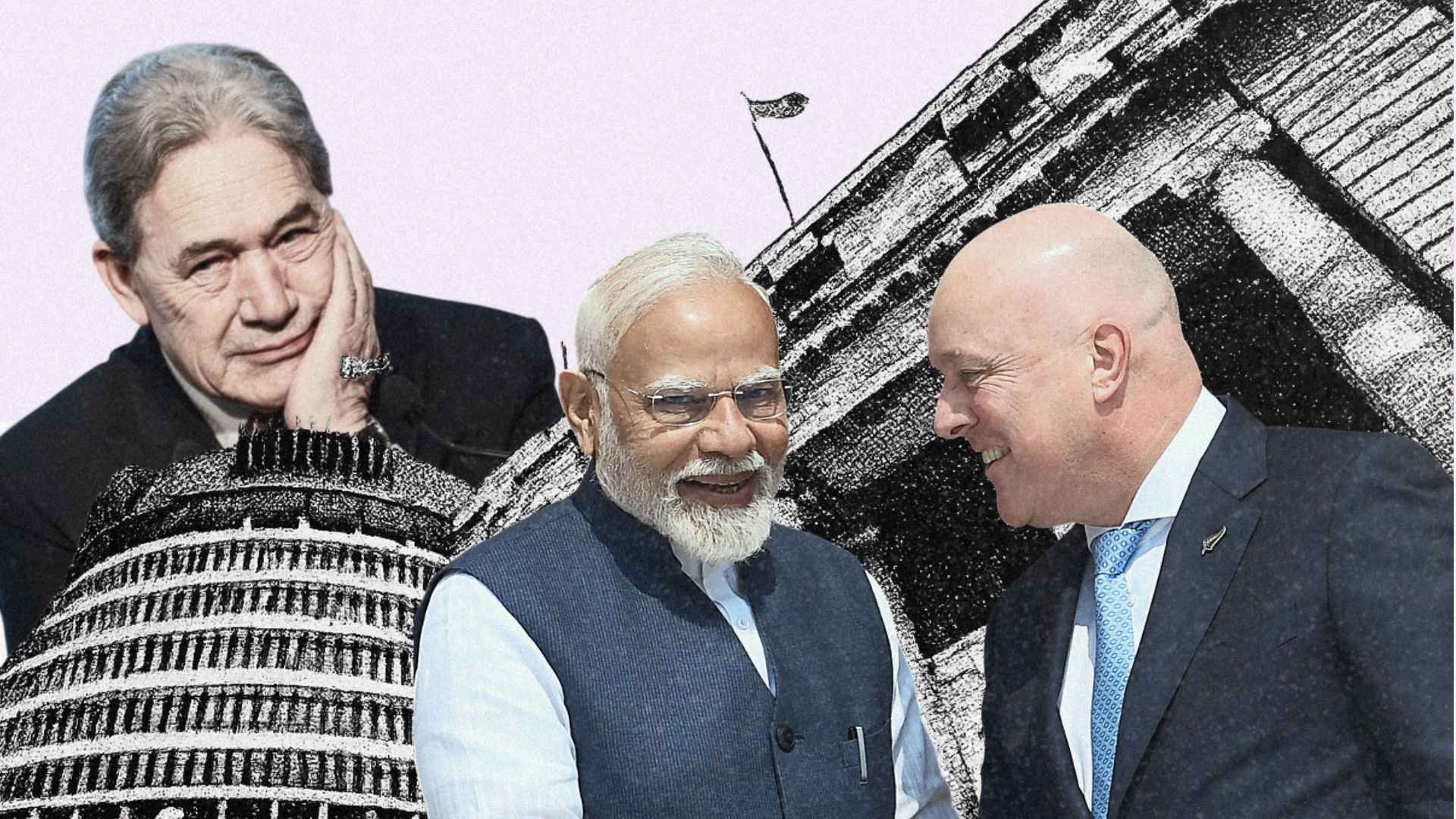
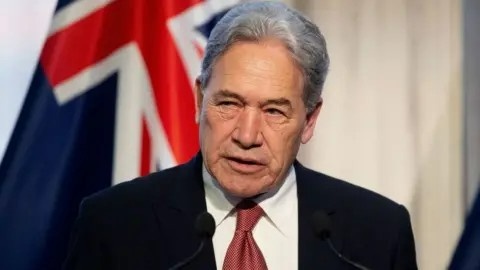
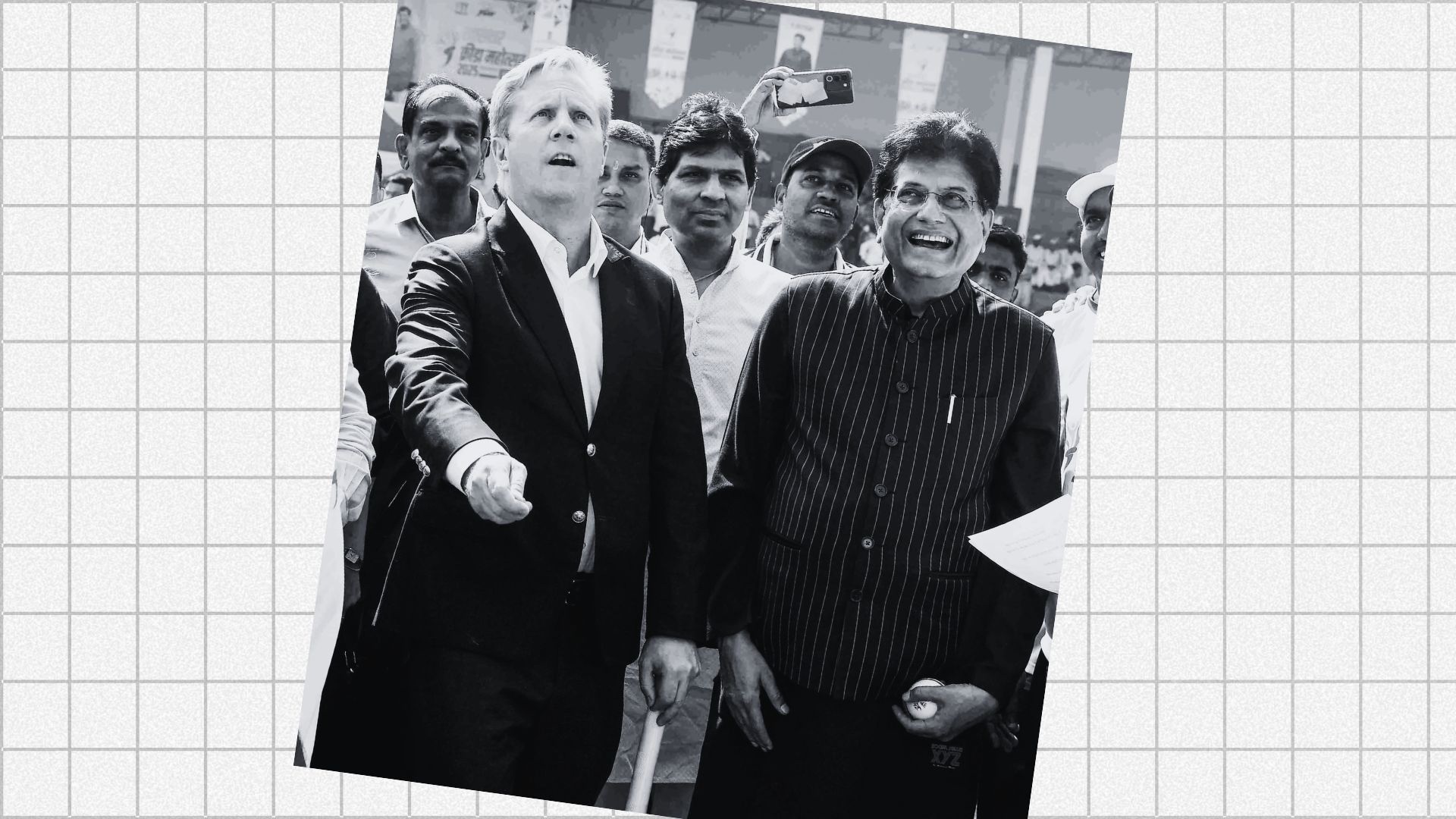
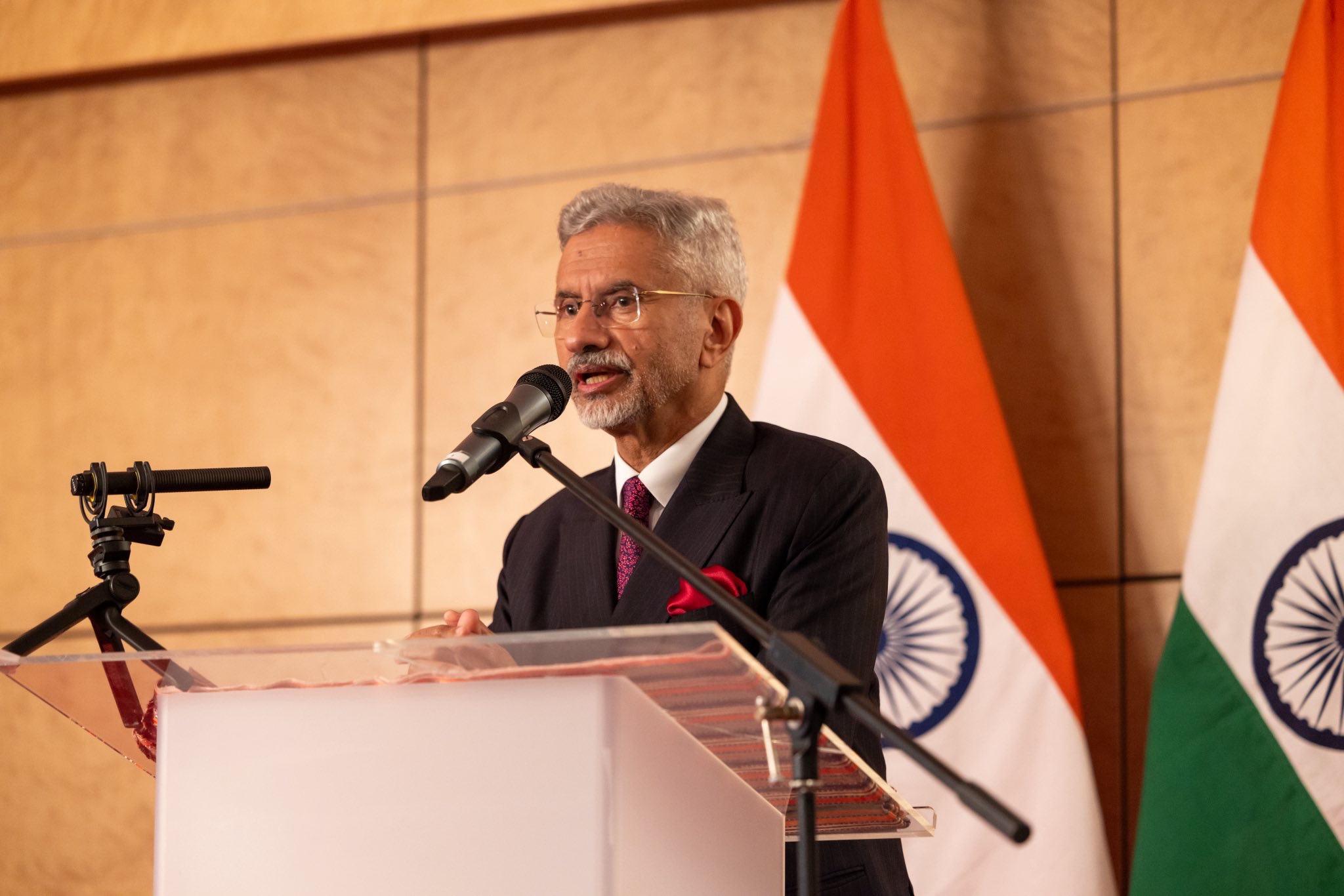
Foreign minister Winston Peters isn't happy with the trade deal with India.
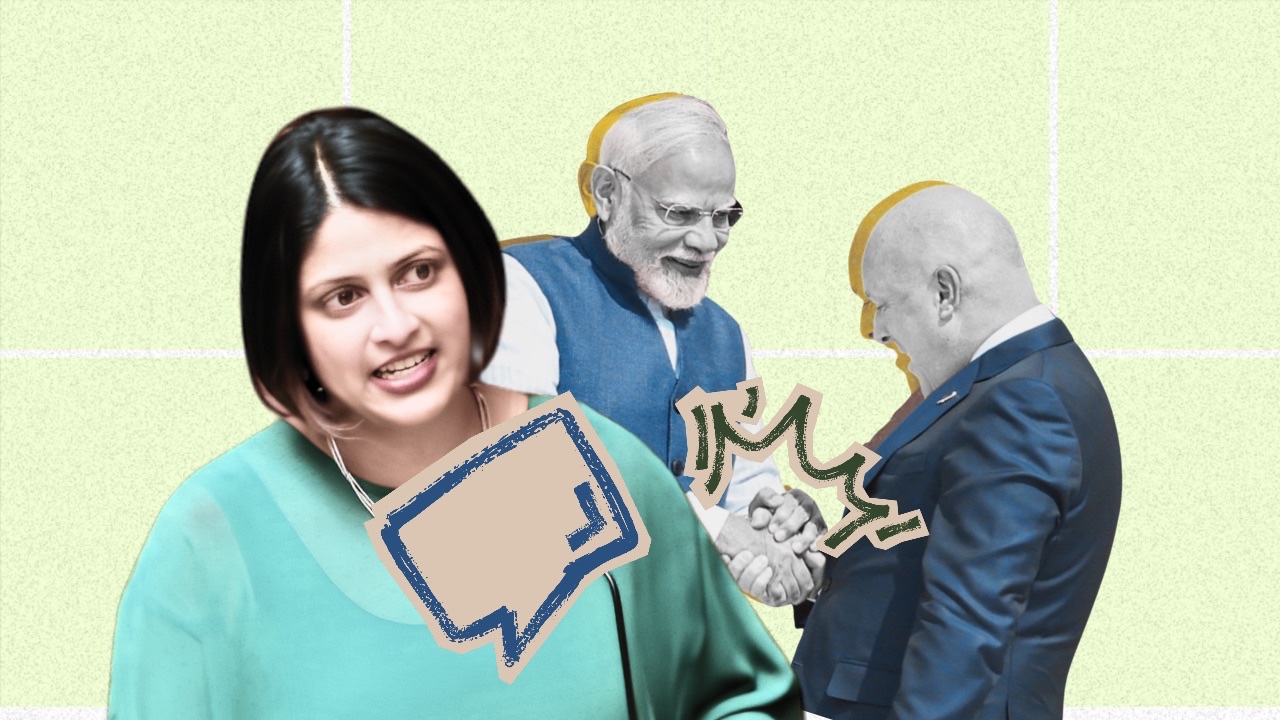
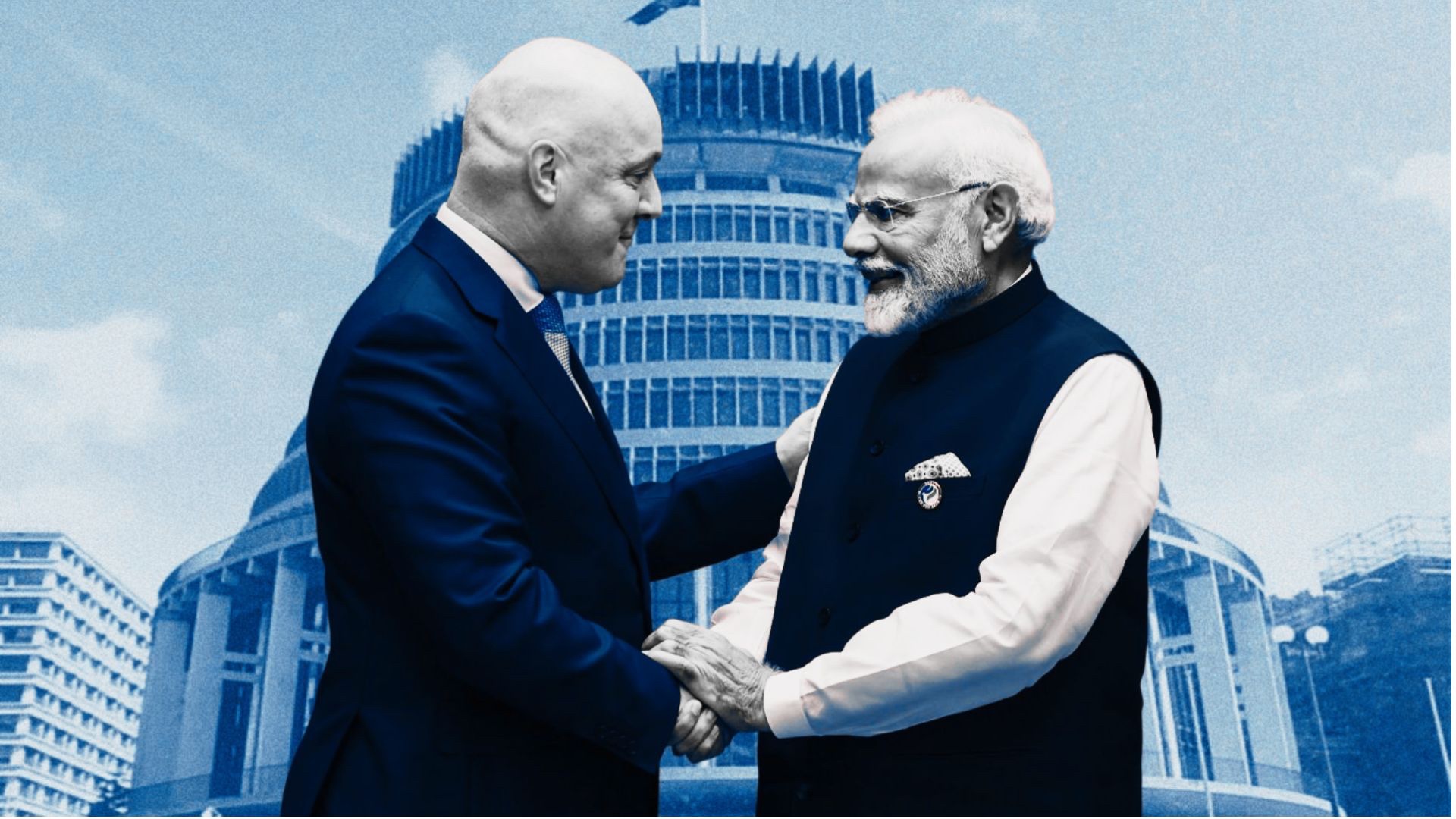
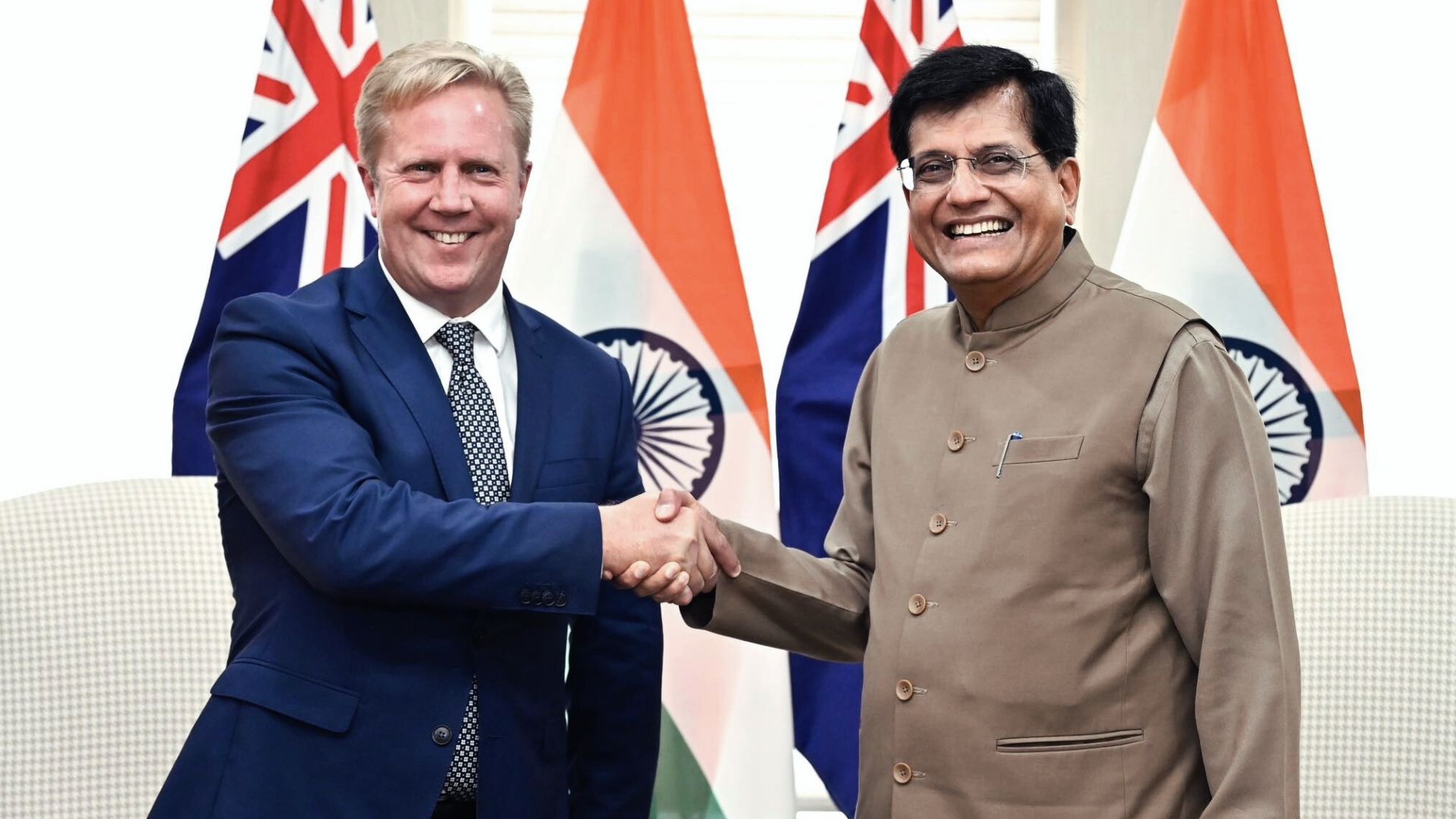
The foreign minister isn't happy with the terms of the FTA with India. It's not the first time he has had a grudge with a trade deal.
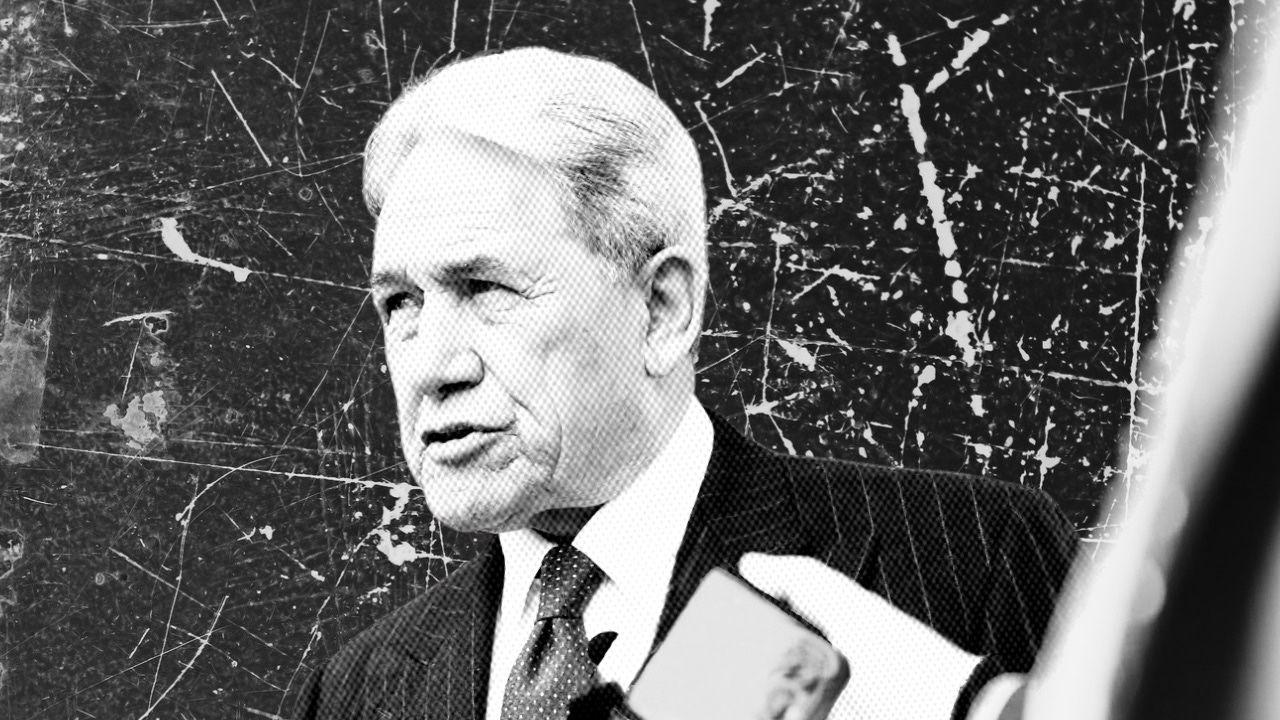
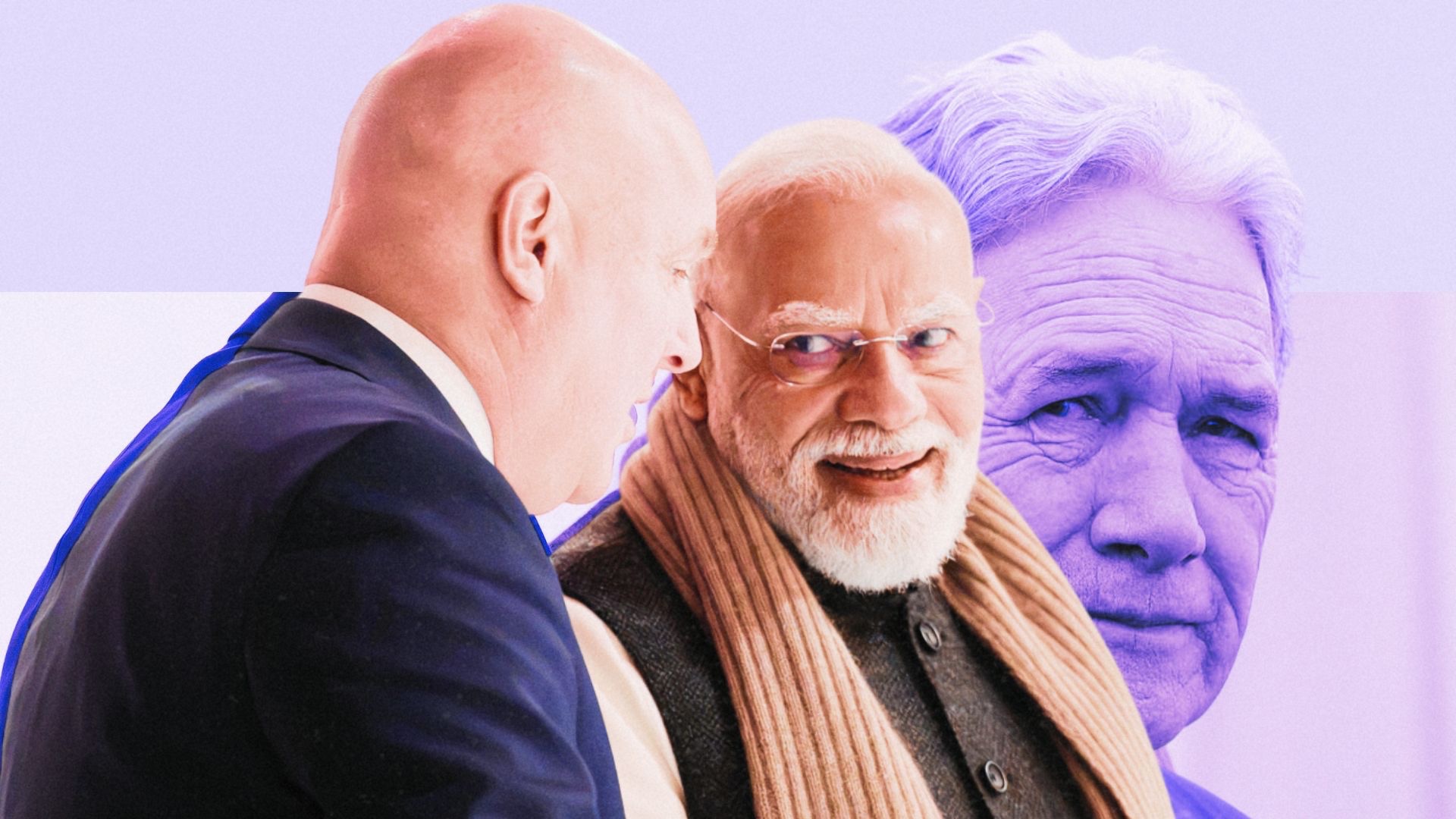
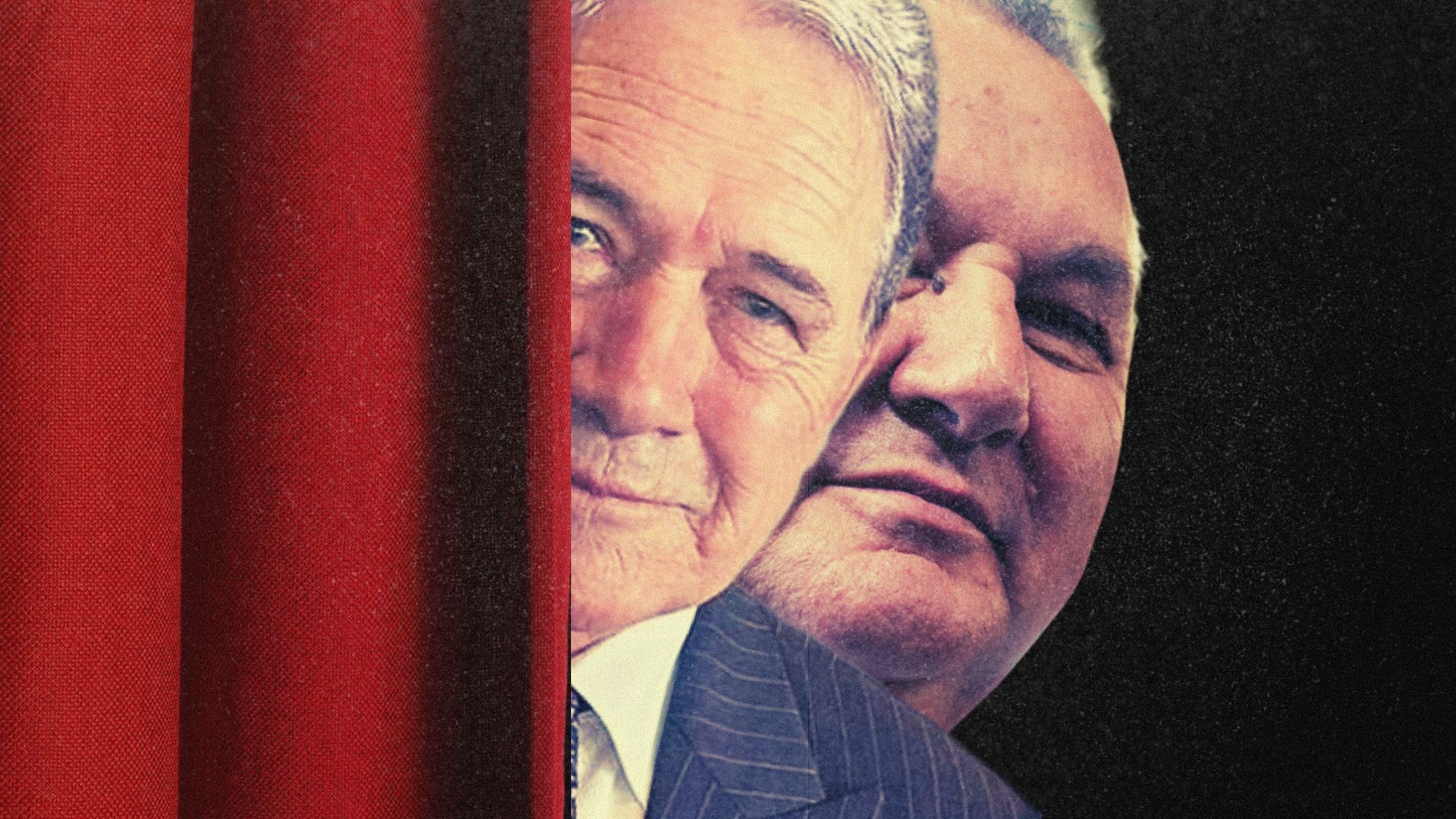
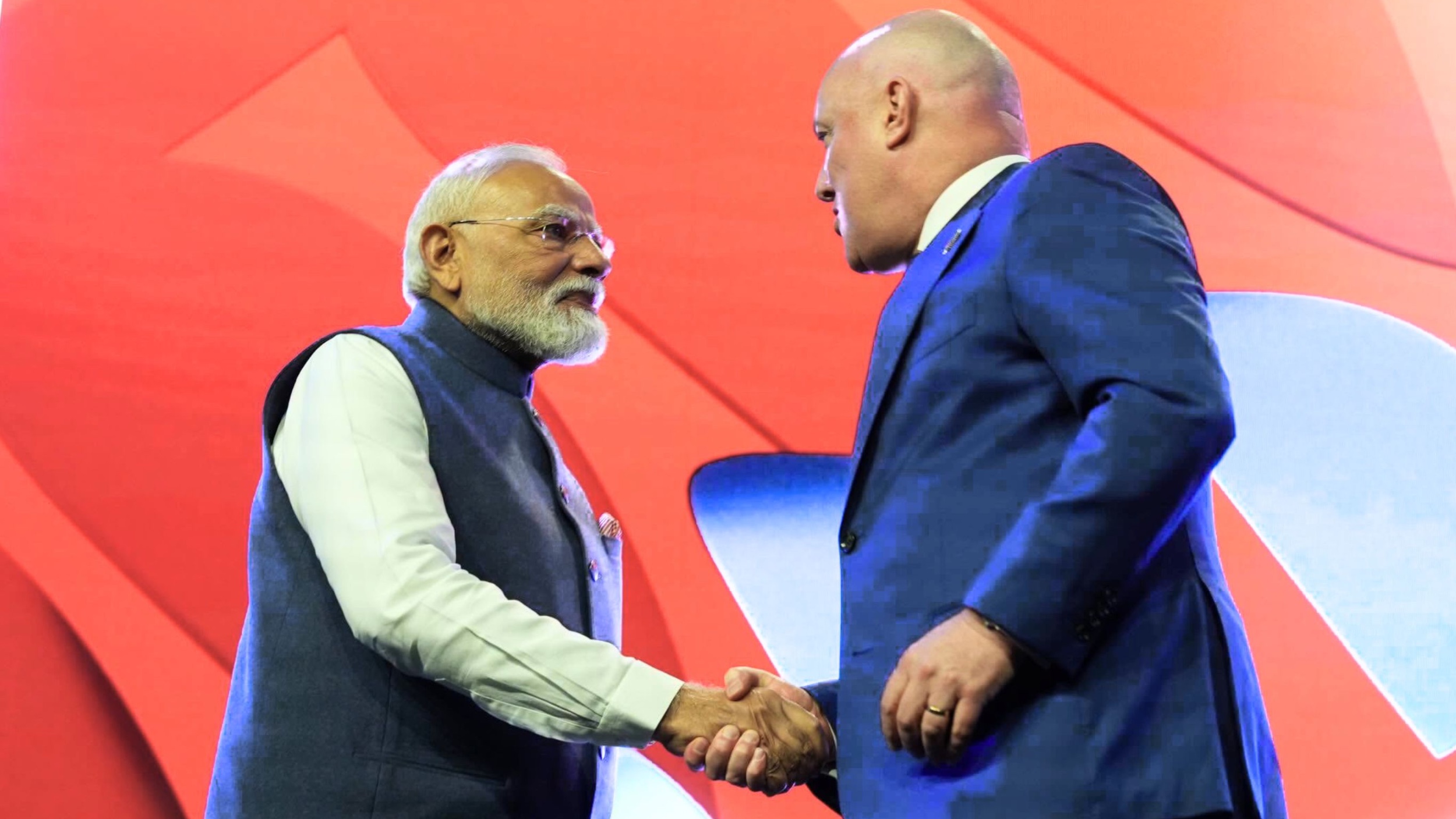
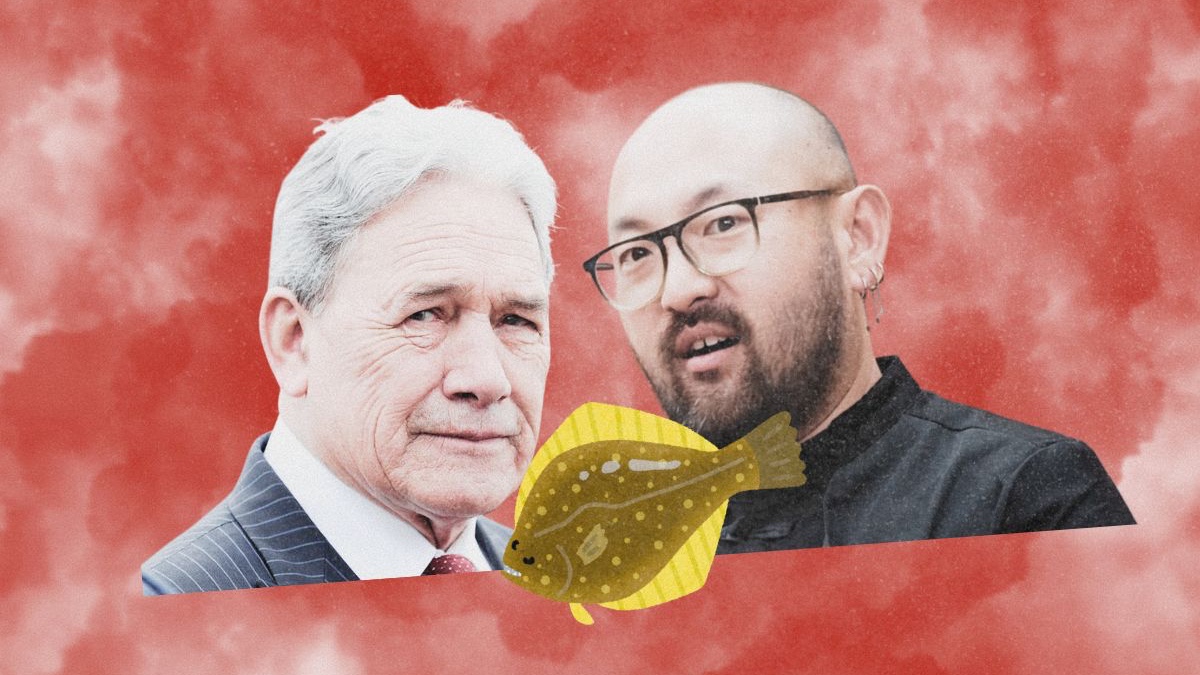
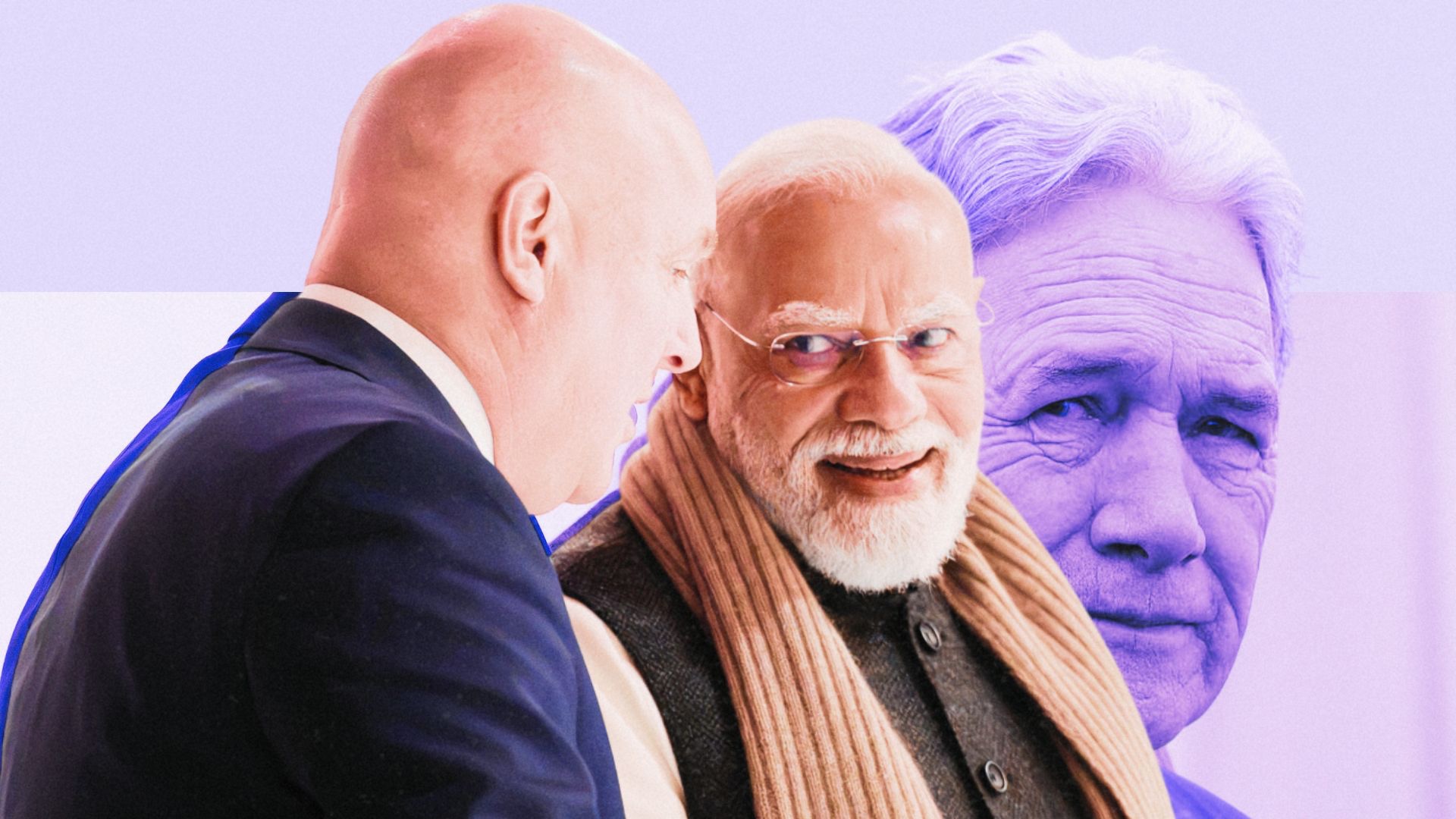
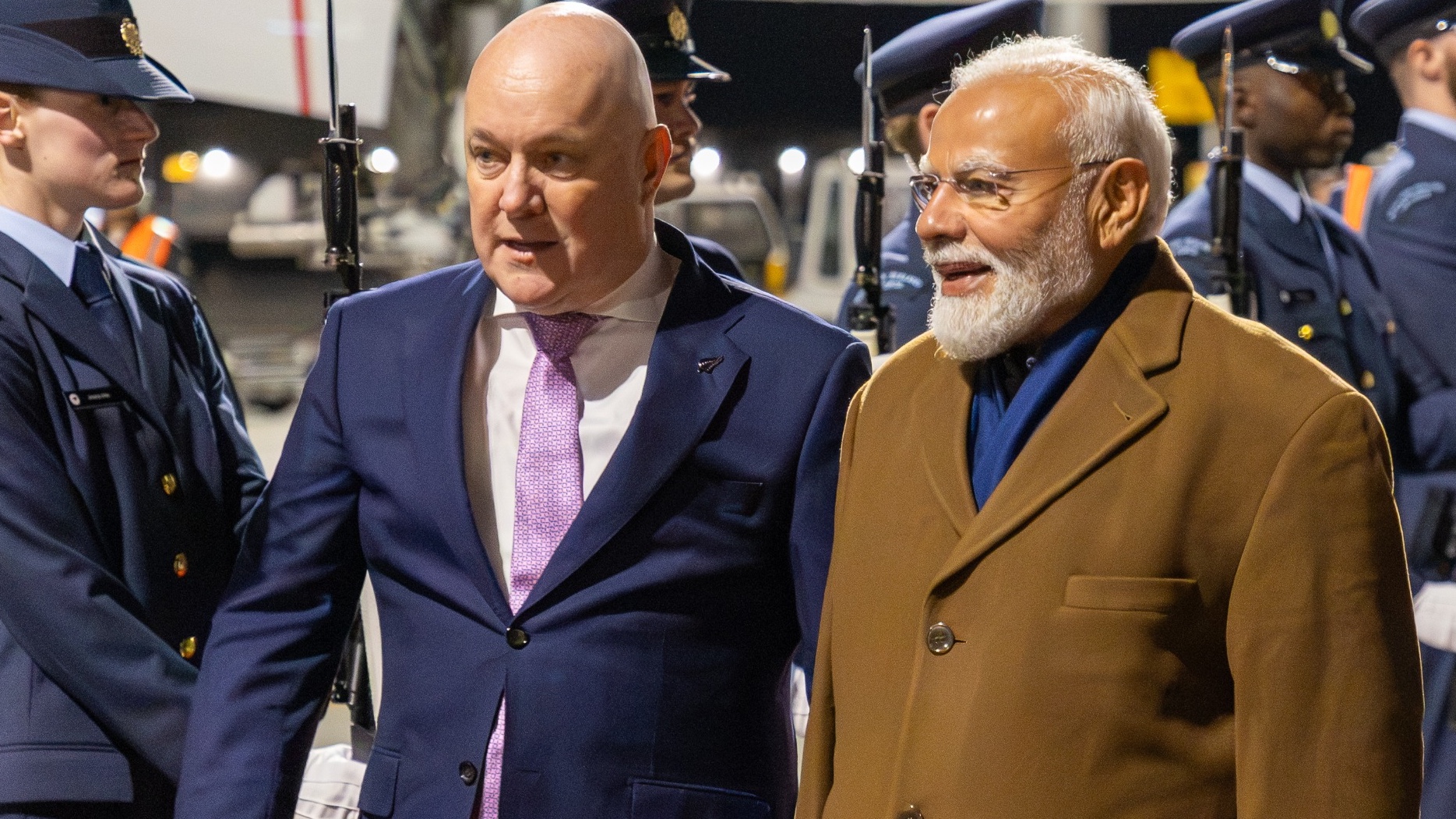
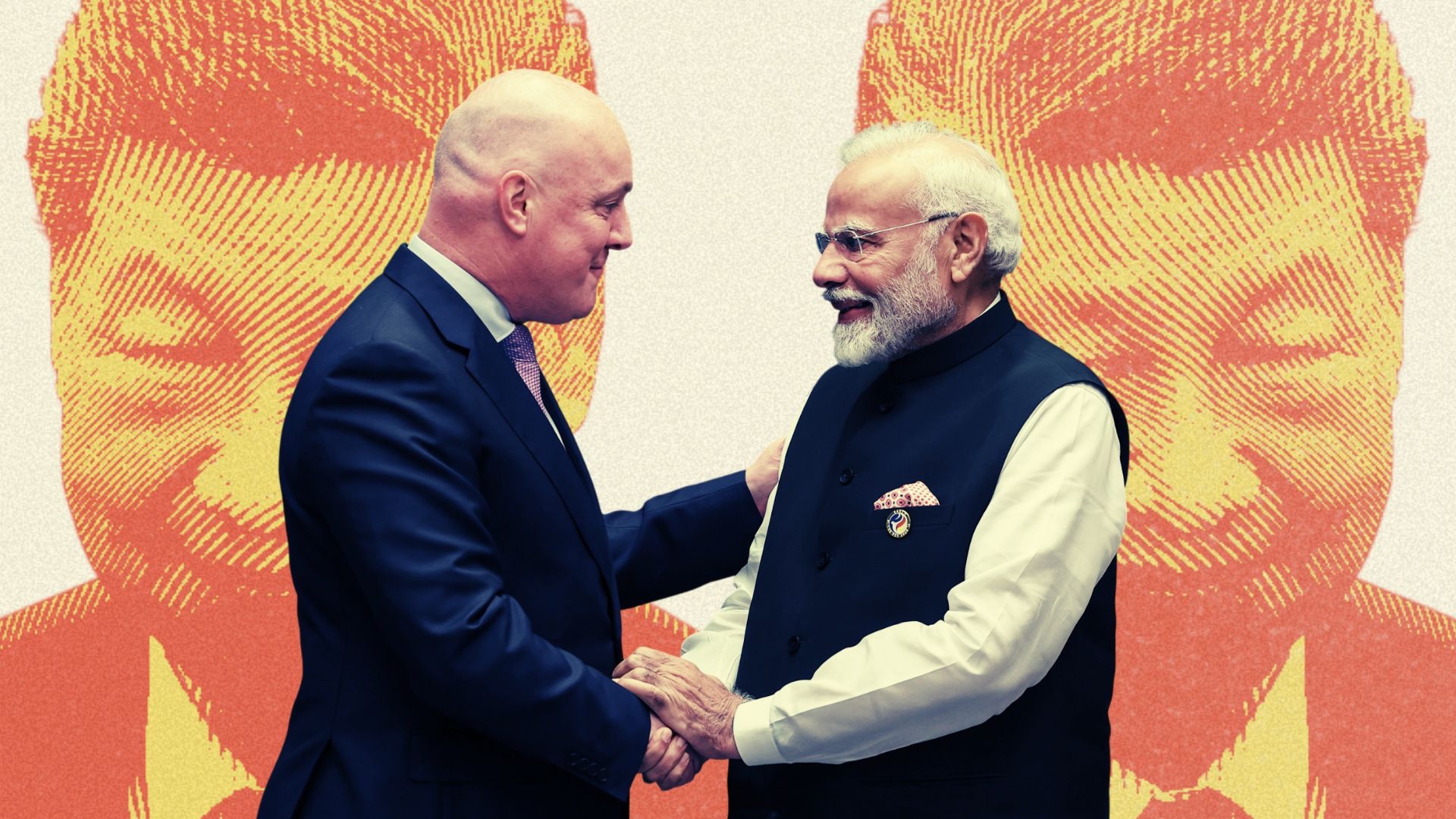
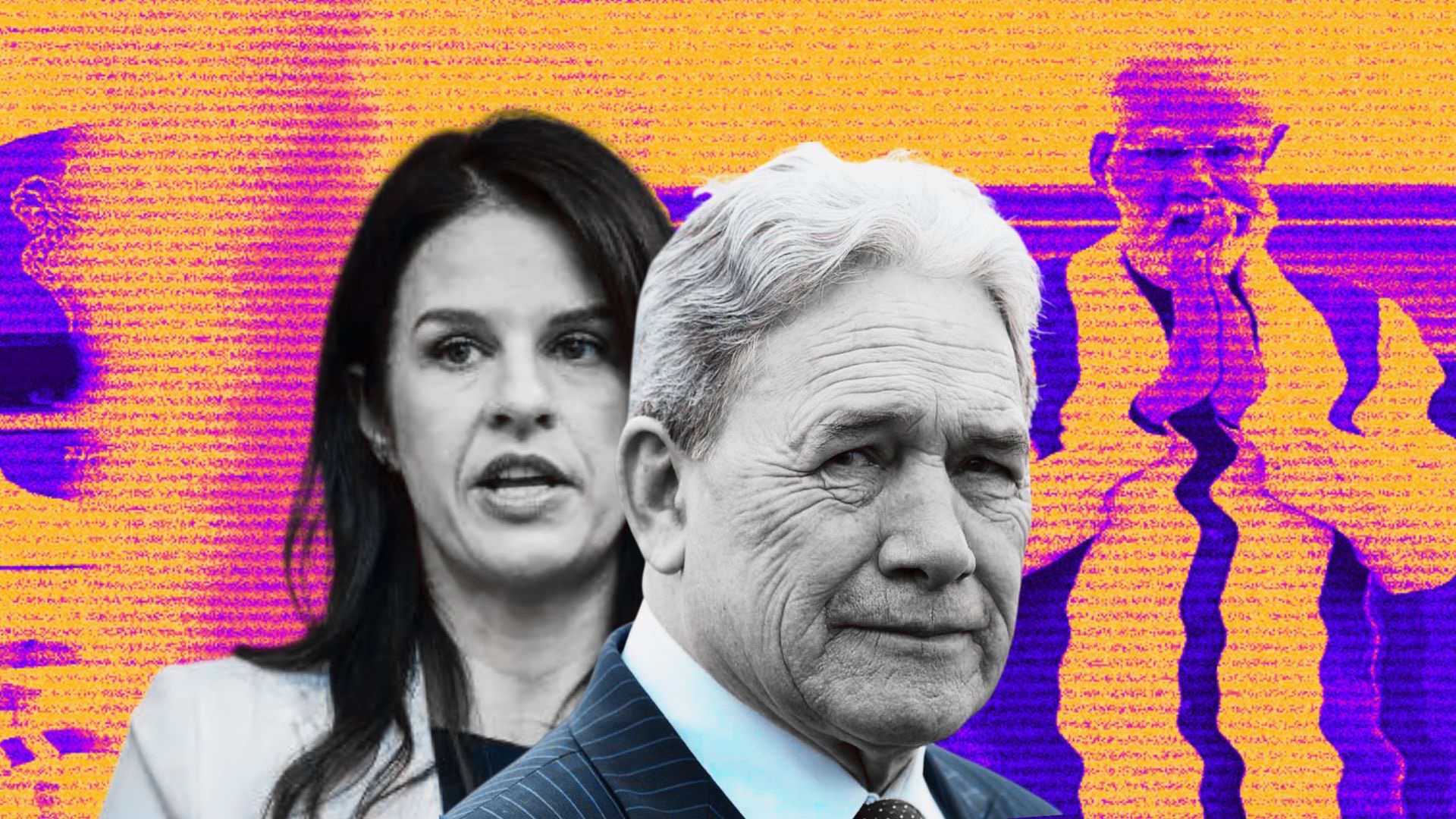
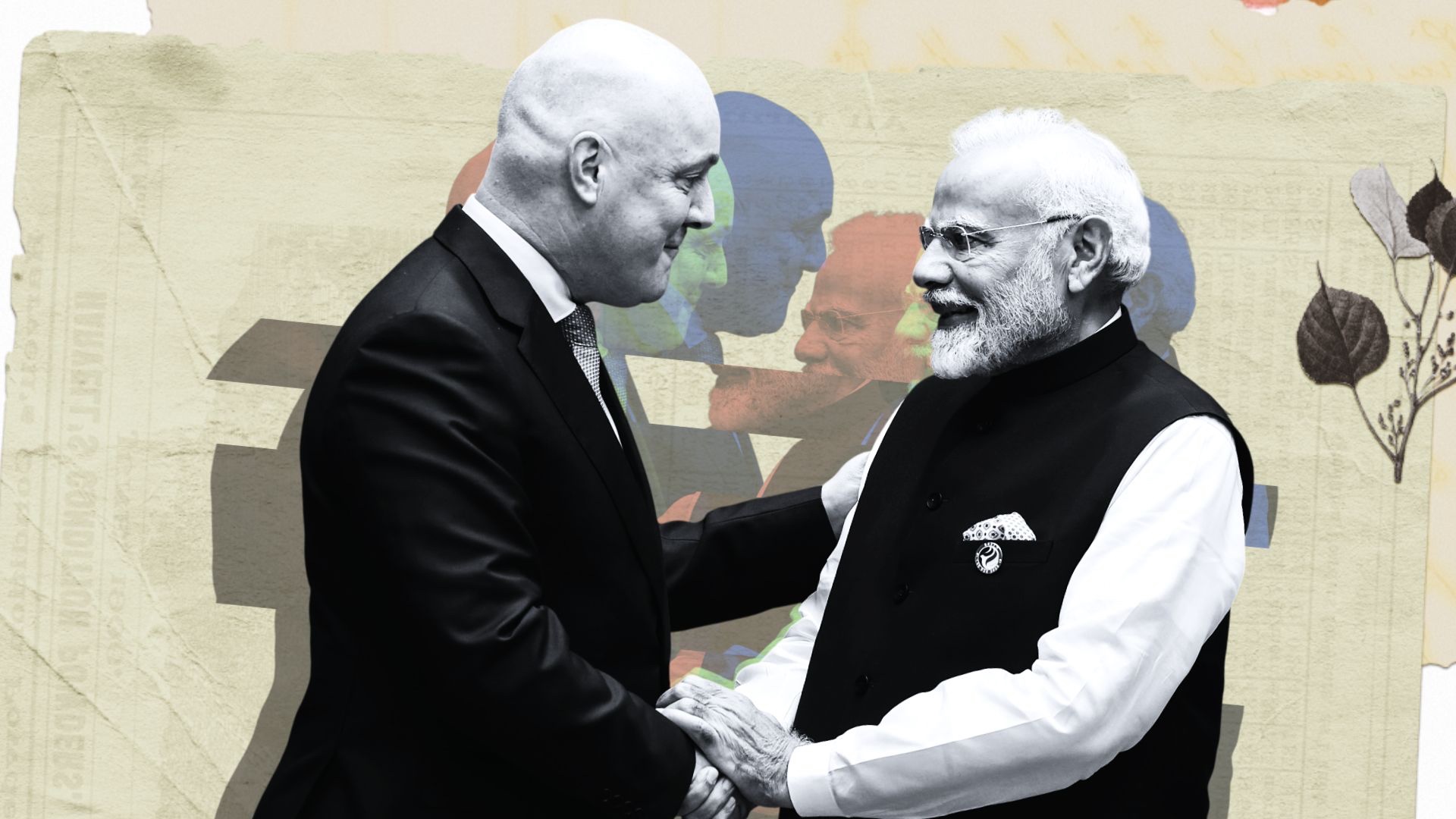
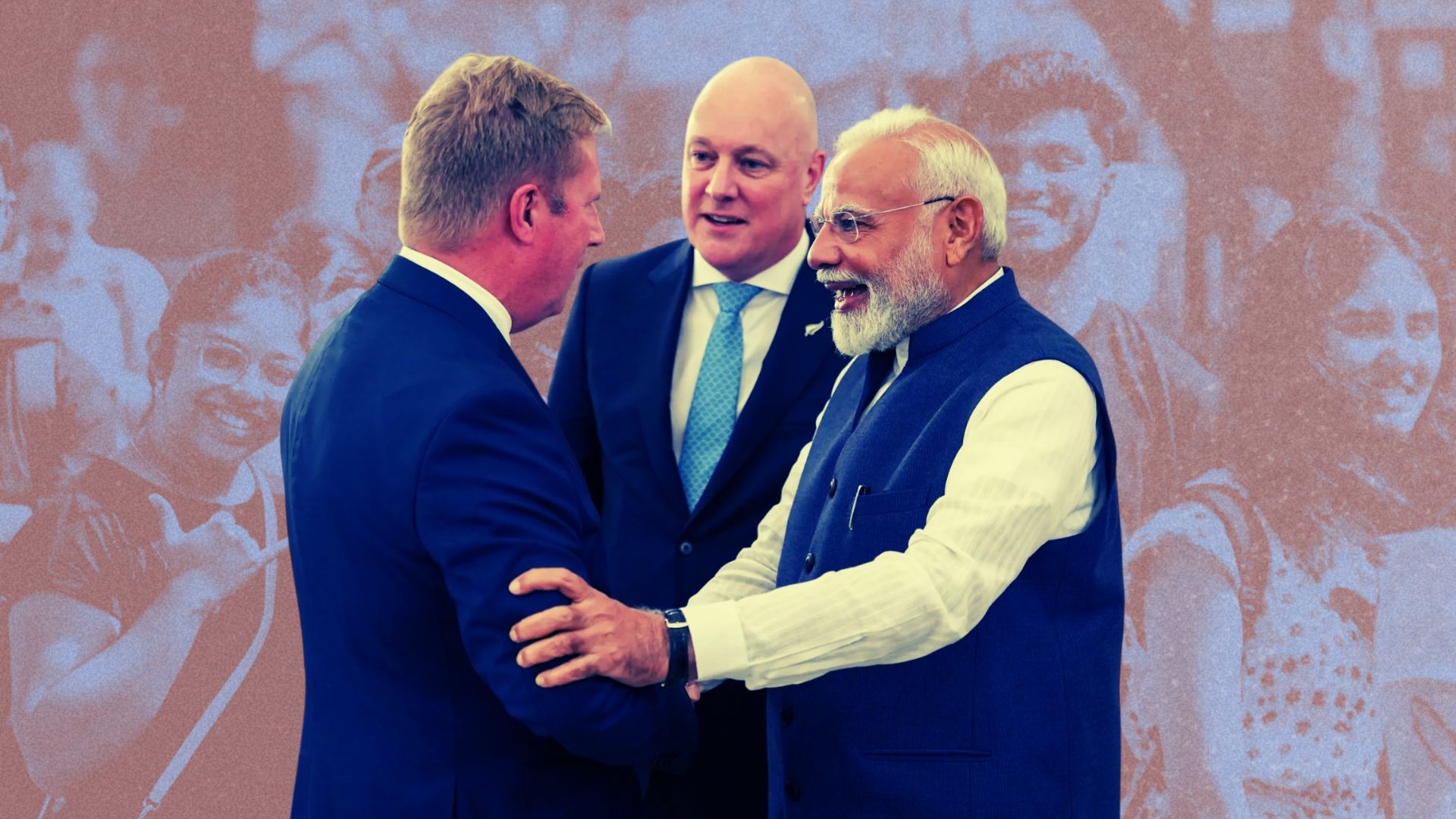
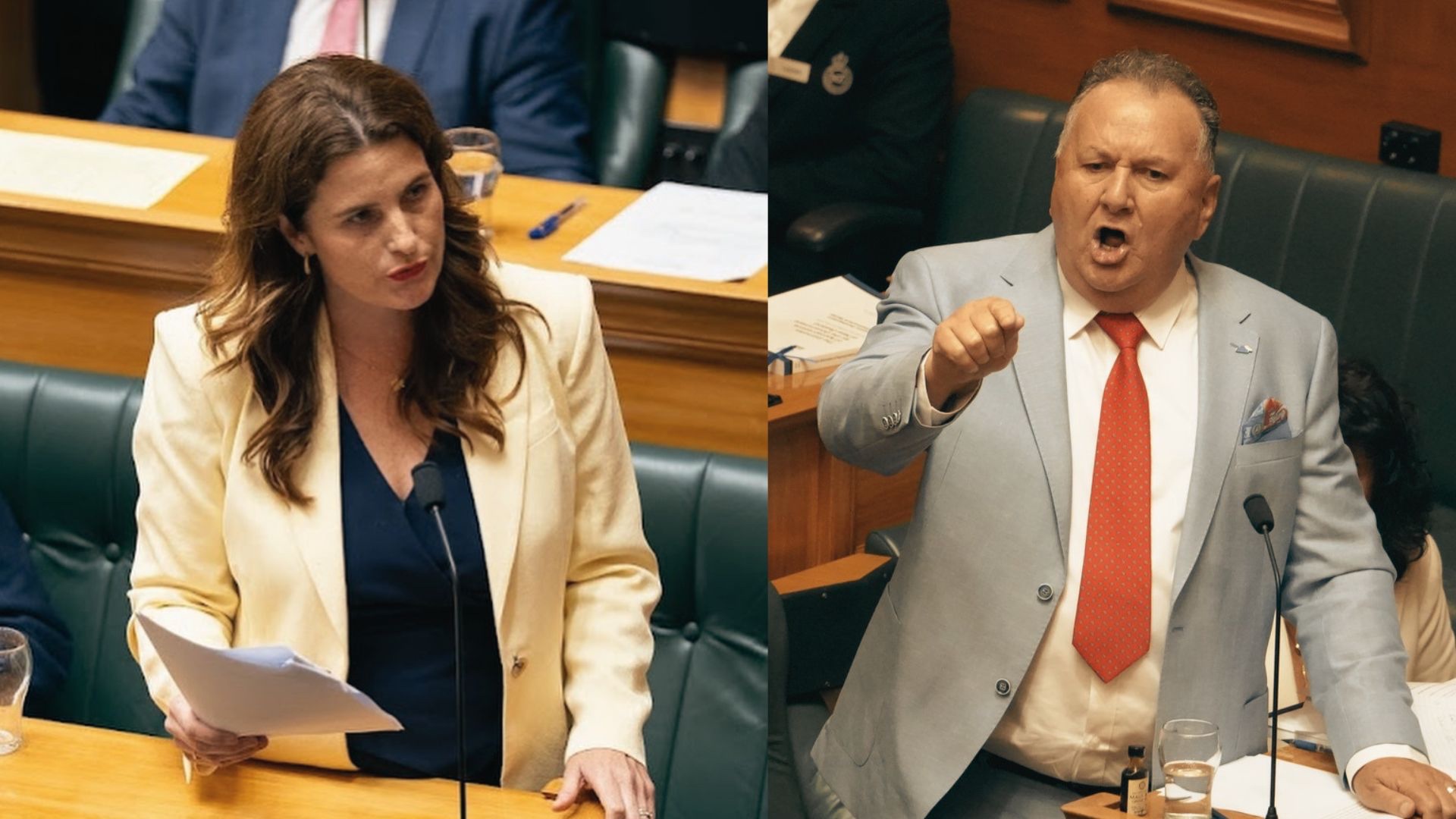
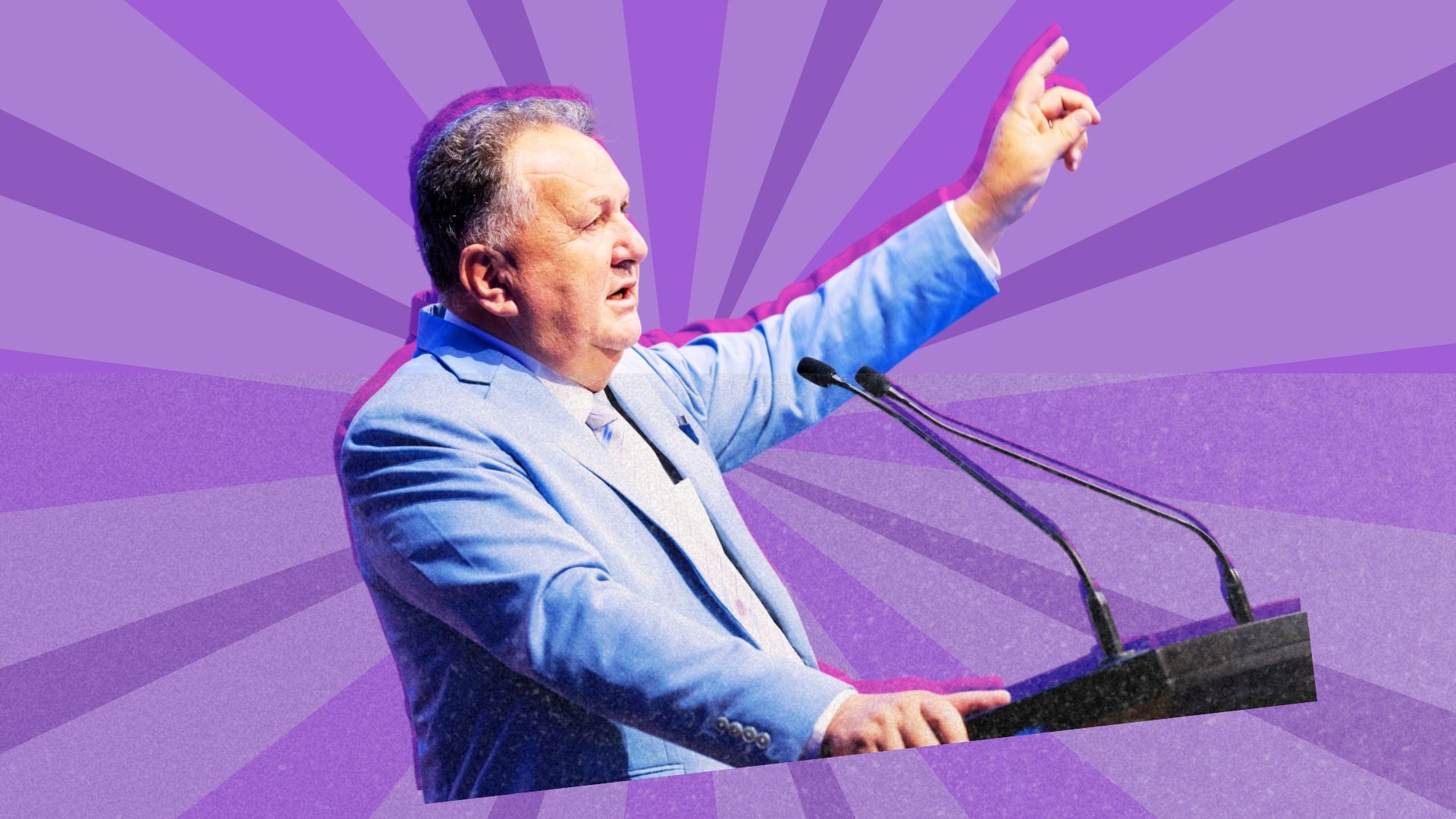
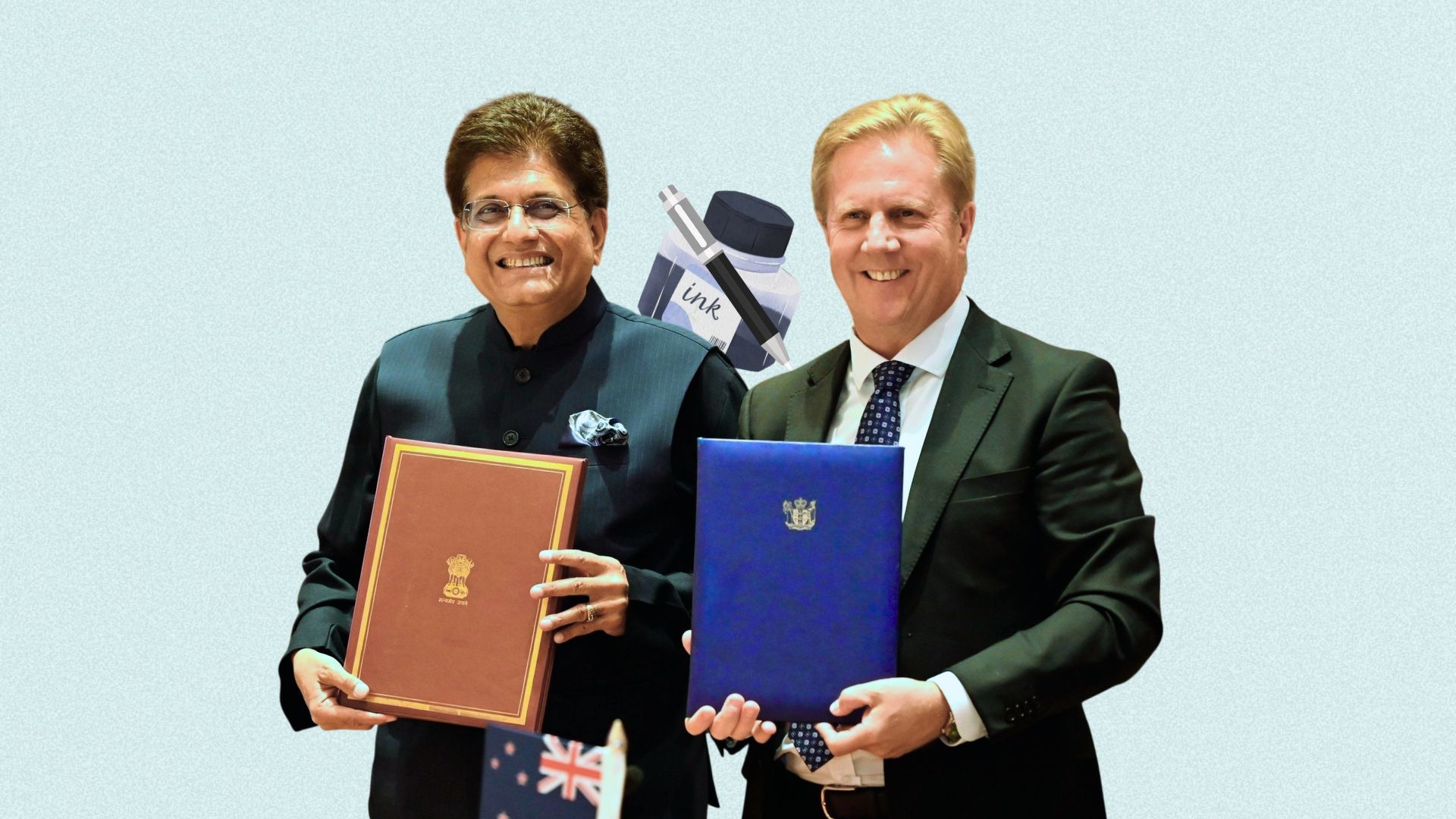
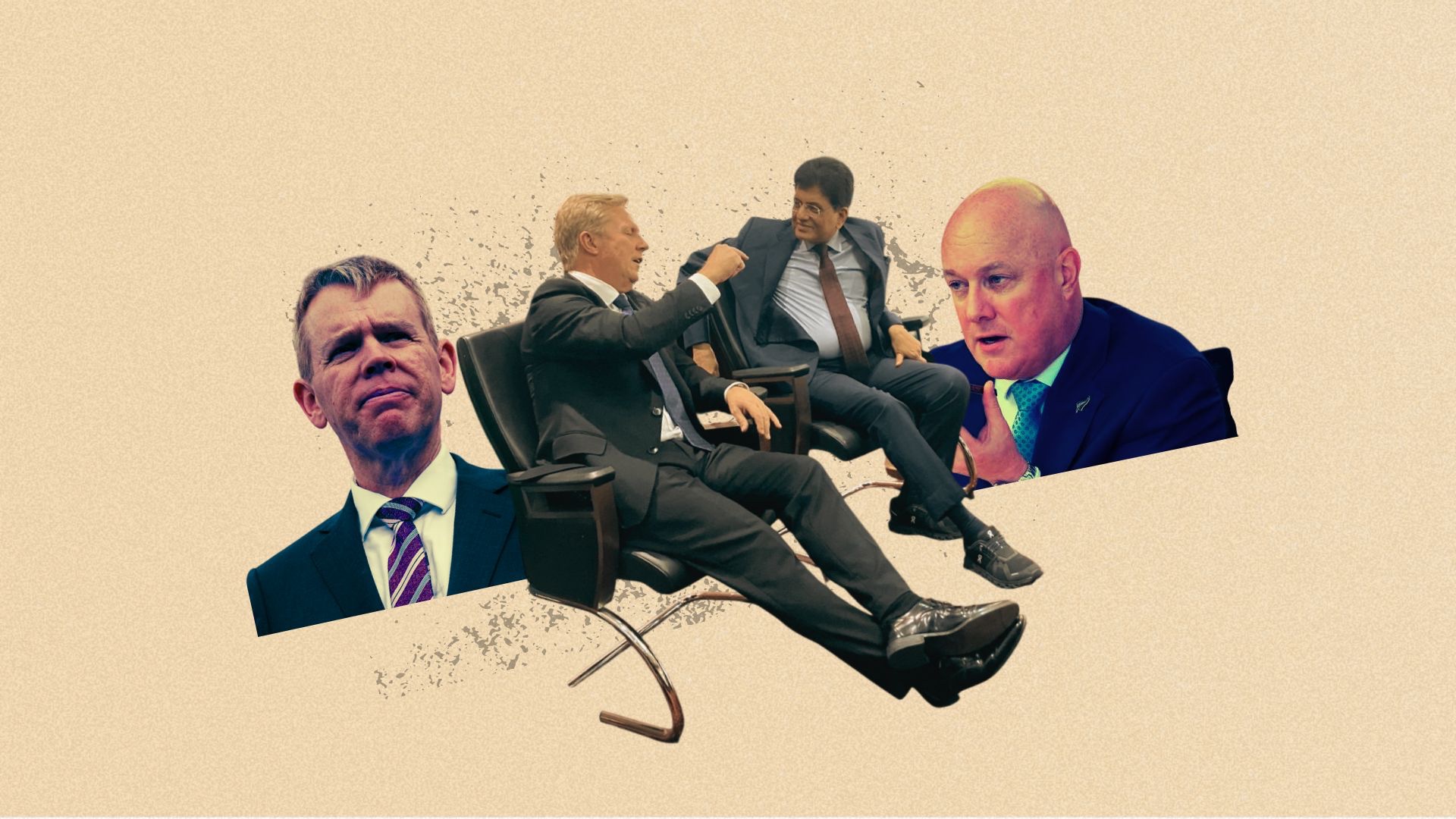
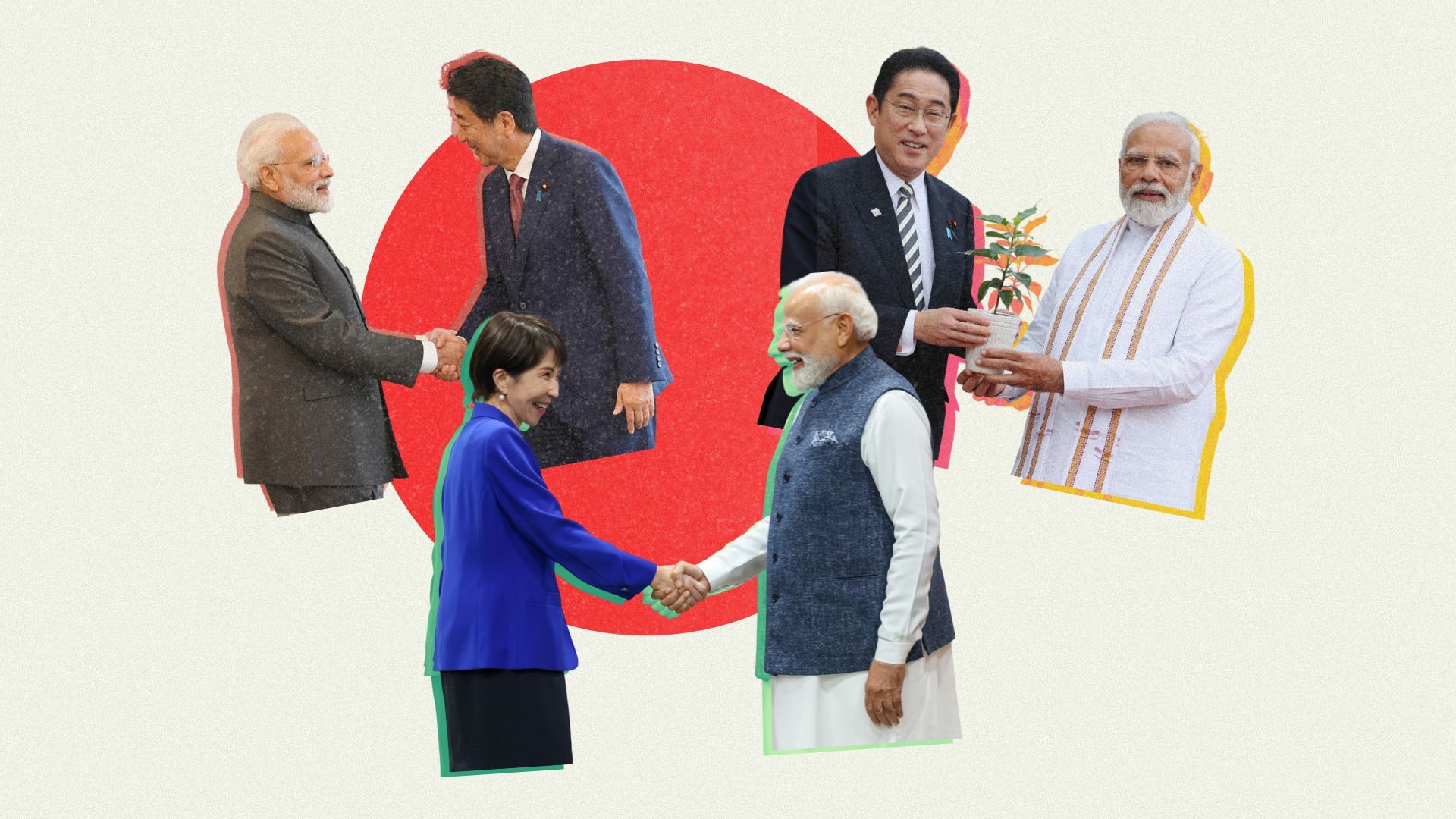
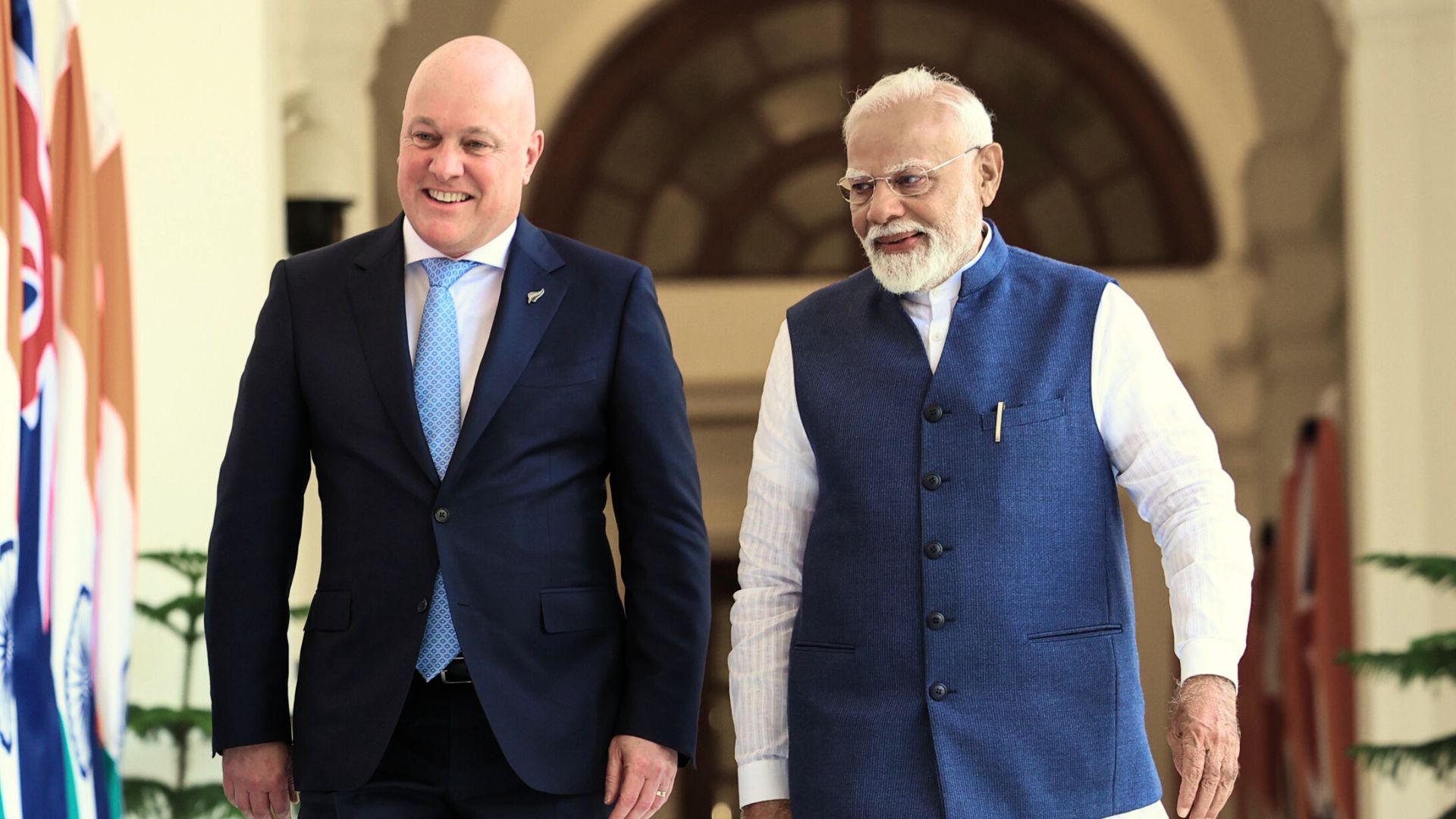
Analysis: When Winston Peters says New Zealand First is “regrettably opposed” to the free trade agreement with India (announced last month), it sounds like a familiar reflex. The foreign minister has been here before. In 2008, he was deeply sceptical also of the trade deal with China. Coincidentally, he was the foreign minister then too.
The temptation is to dismiss this as habit (which maybe it is) but let’s hand him the benefit of doubt. The good thing is, we have the advantage of hindsight when it comes to understanding Peters’ concerns about trade deals, and whether his anxieties have held the test of time.
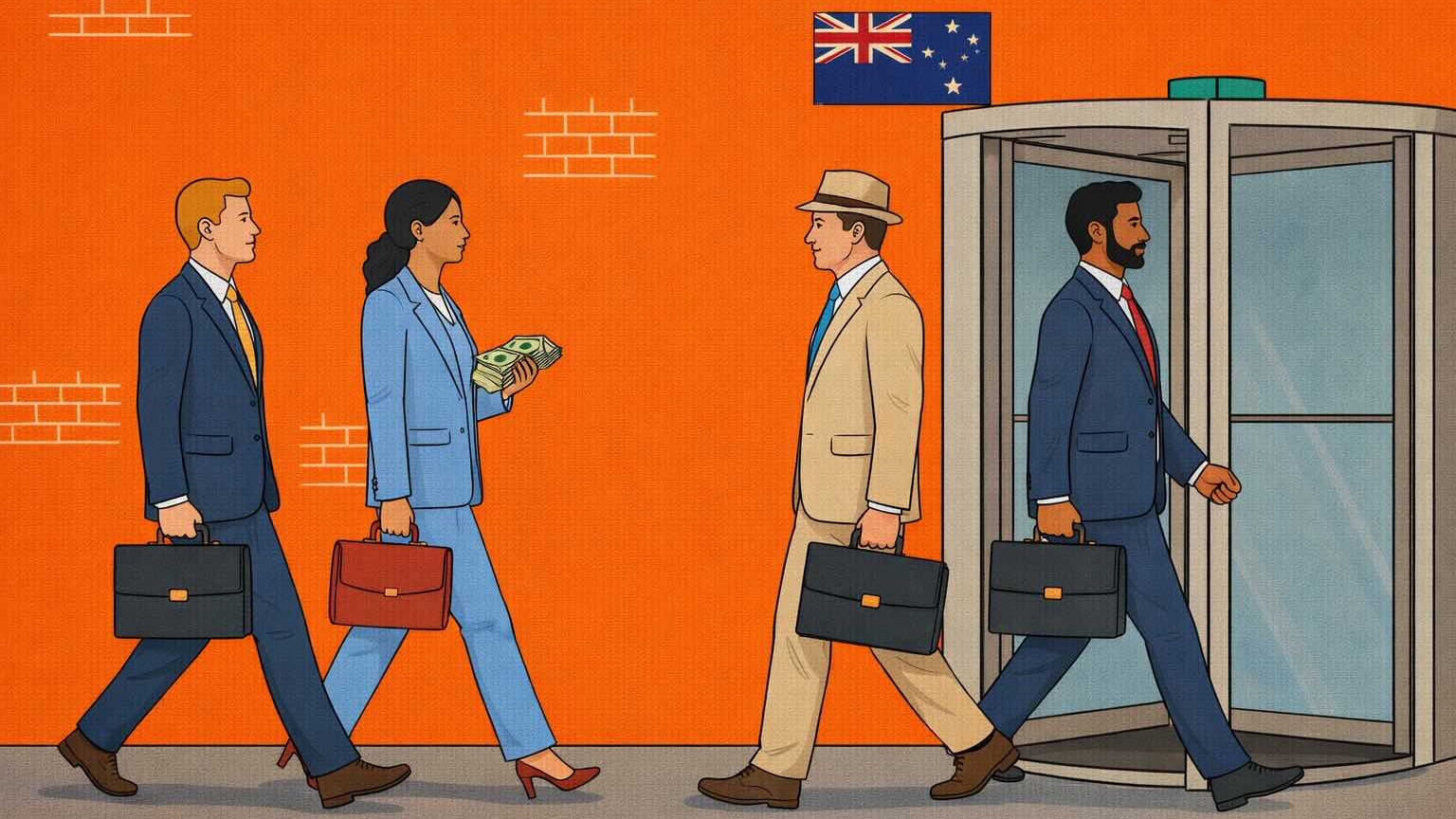
In April 2008, as New Zealand signed its free-trade agreement with China, Peters told RNZ that the deal crossed a line trade agreements should not cross. “There is no need for the question of labour markets to be addressed in a free trade agreement...that’s an immigration matter,” he said in an interview.
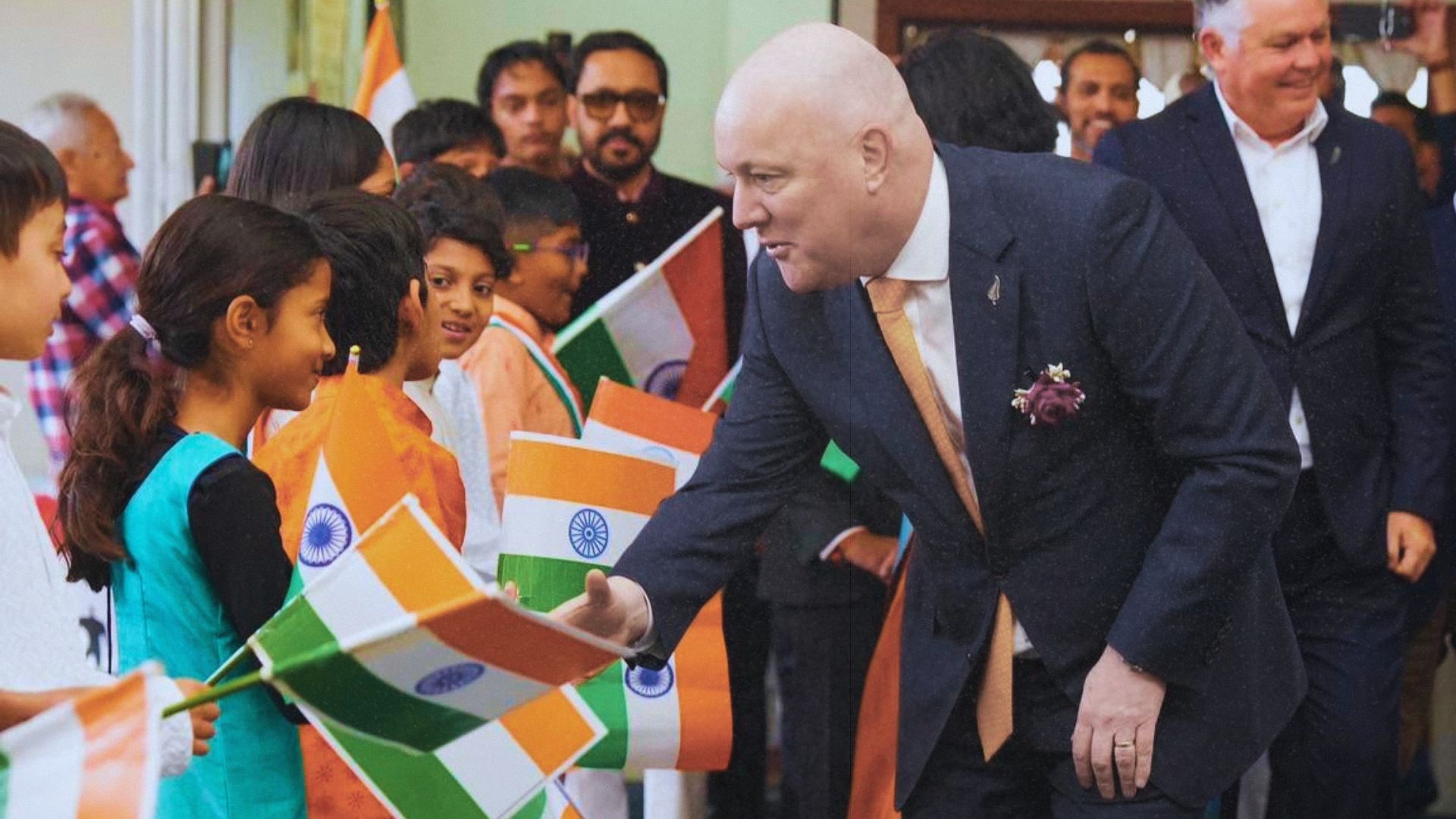
Seventeen years on, the same concern sits at the centre of his opposition to the India FTA. National, he says, has made “serious concessions … in areas that have nothing to do with two-way trade – but rather relate to encouraging the movement of people from India to New Zealand,” he wrote in a Facebook post last month.
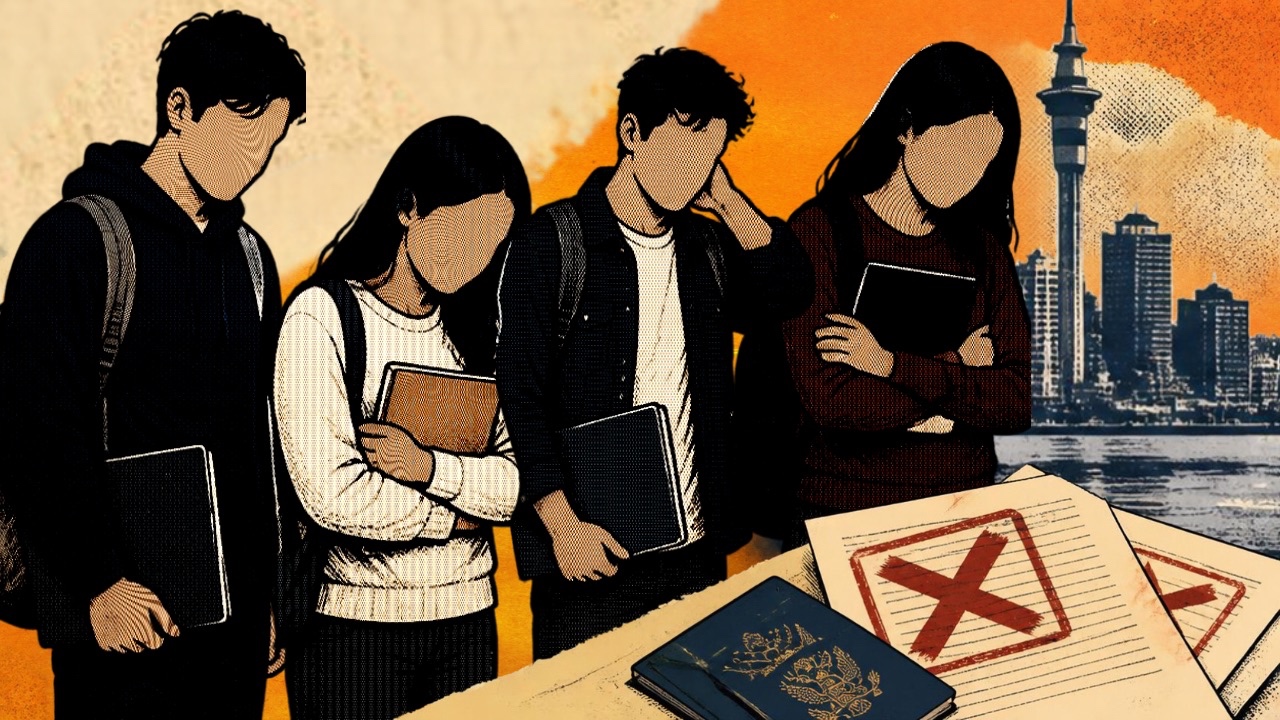
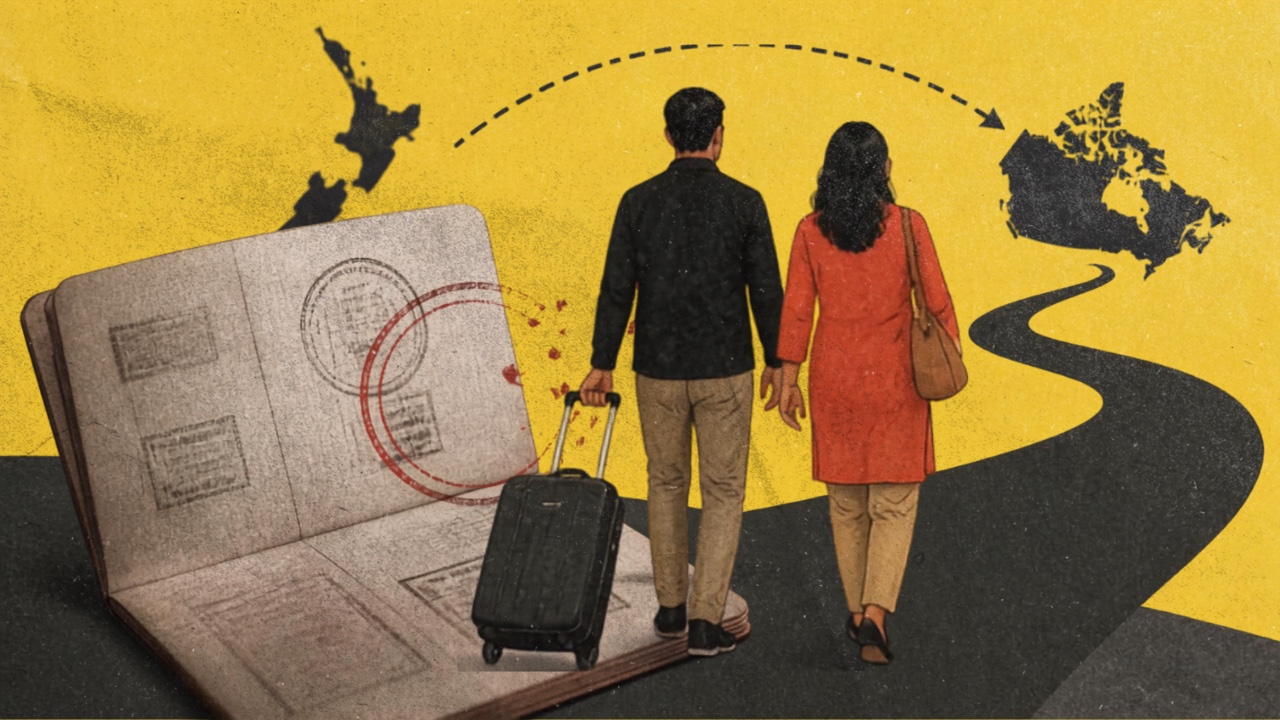
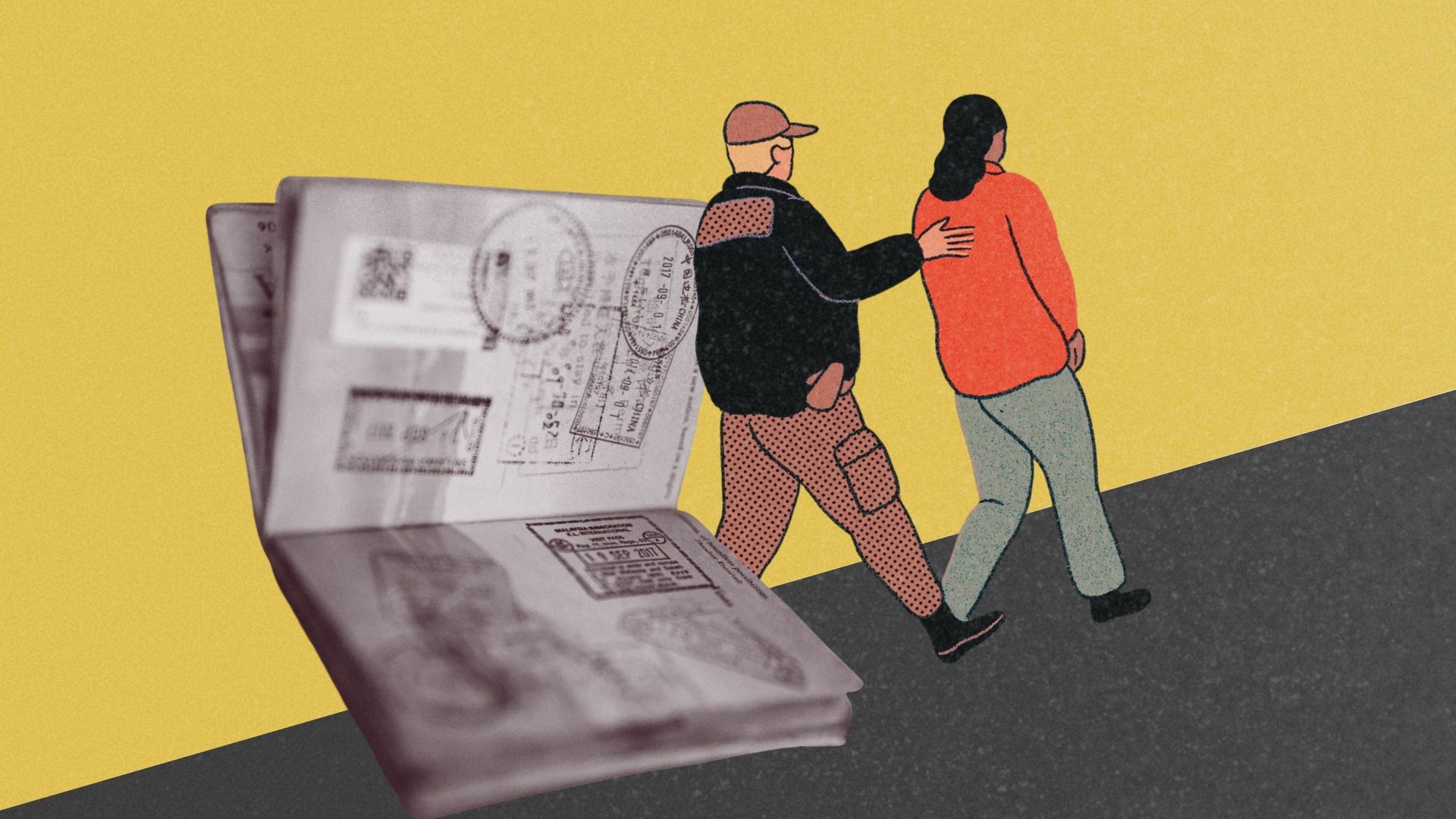
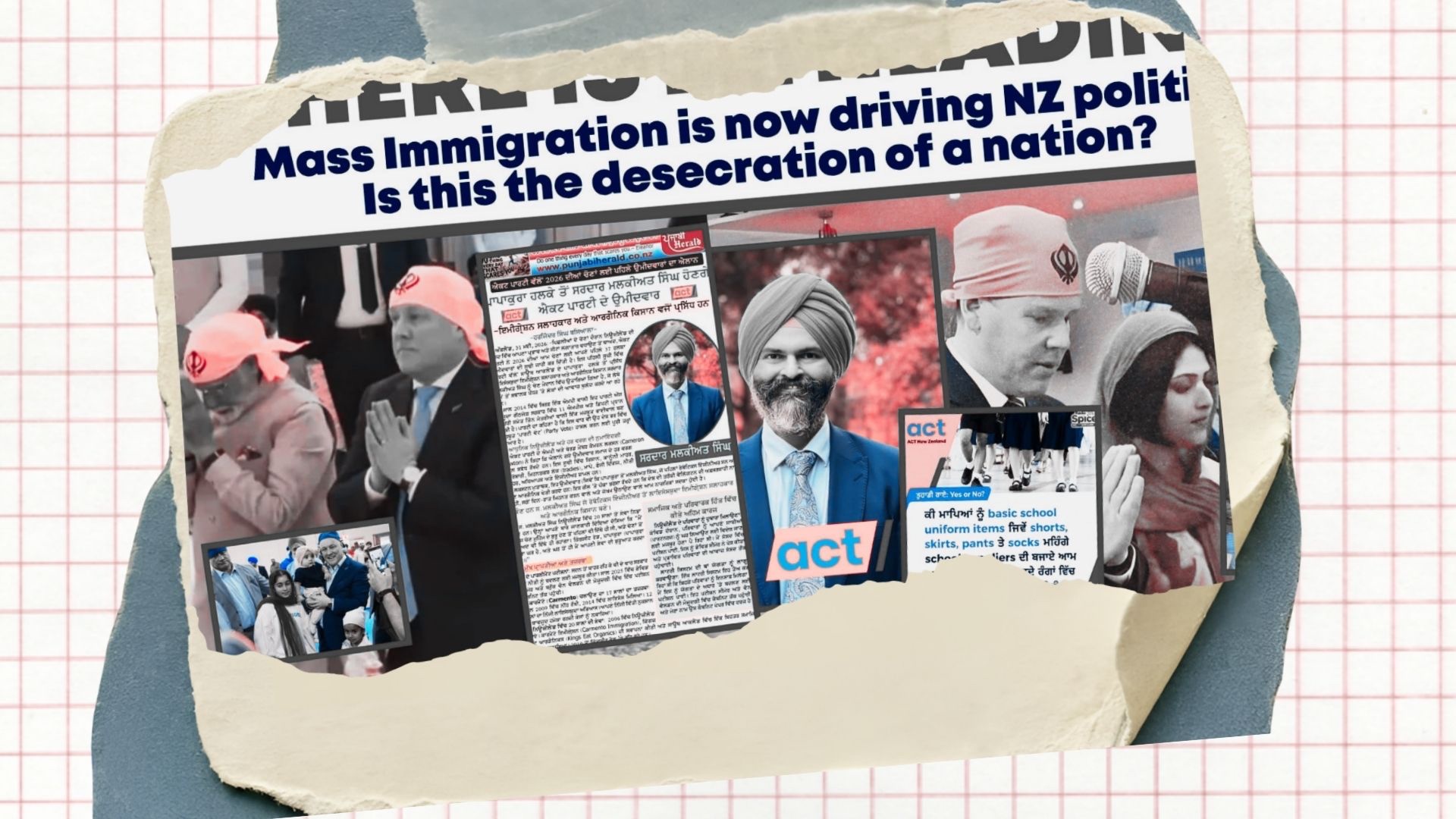
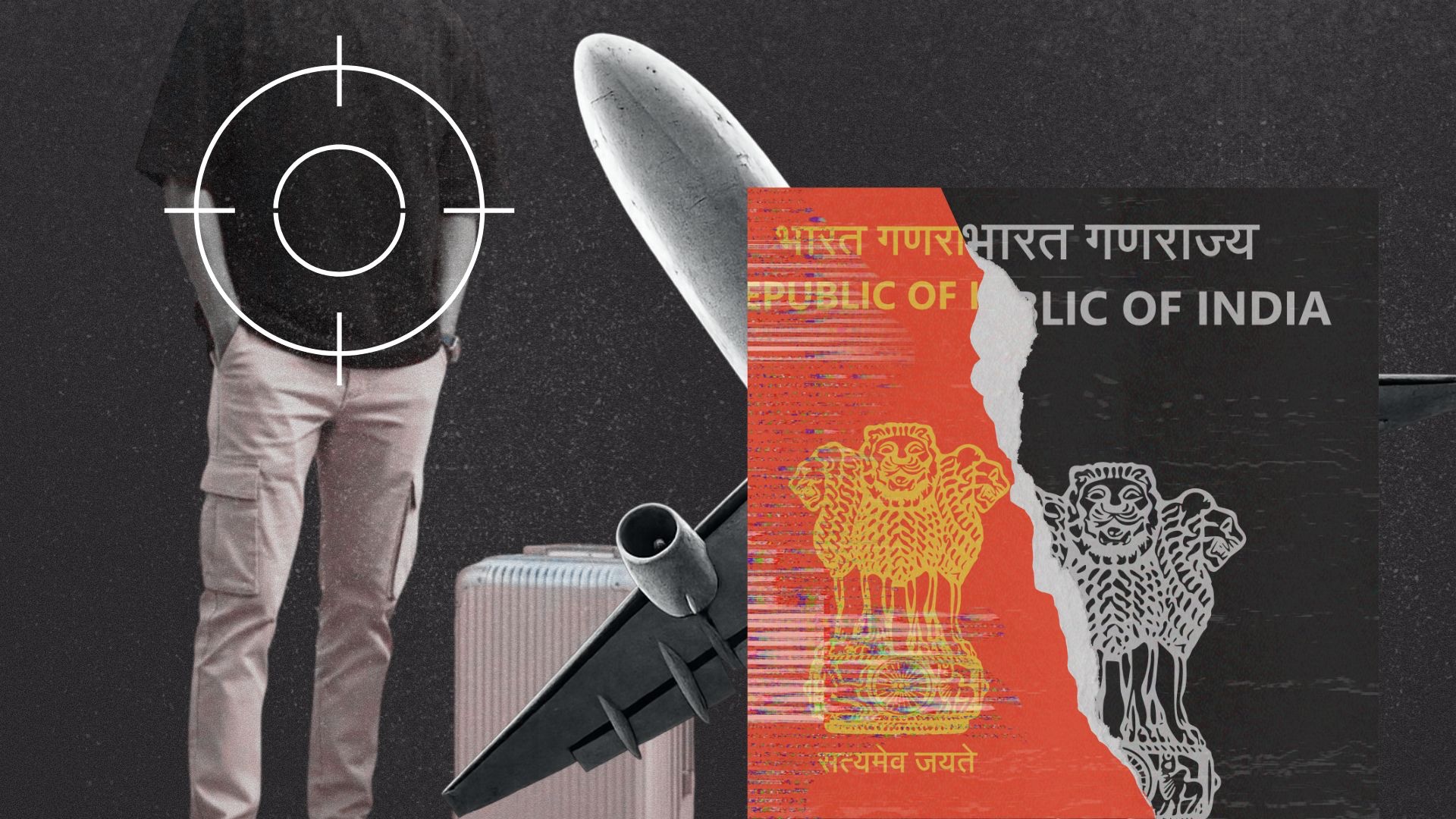
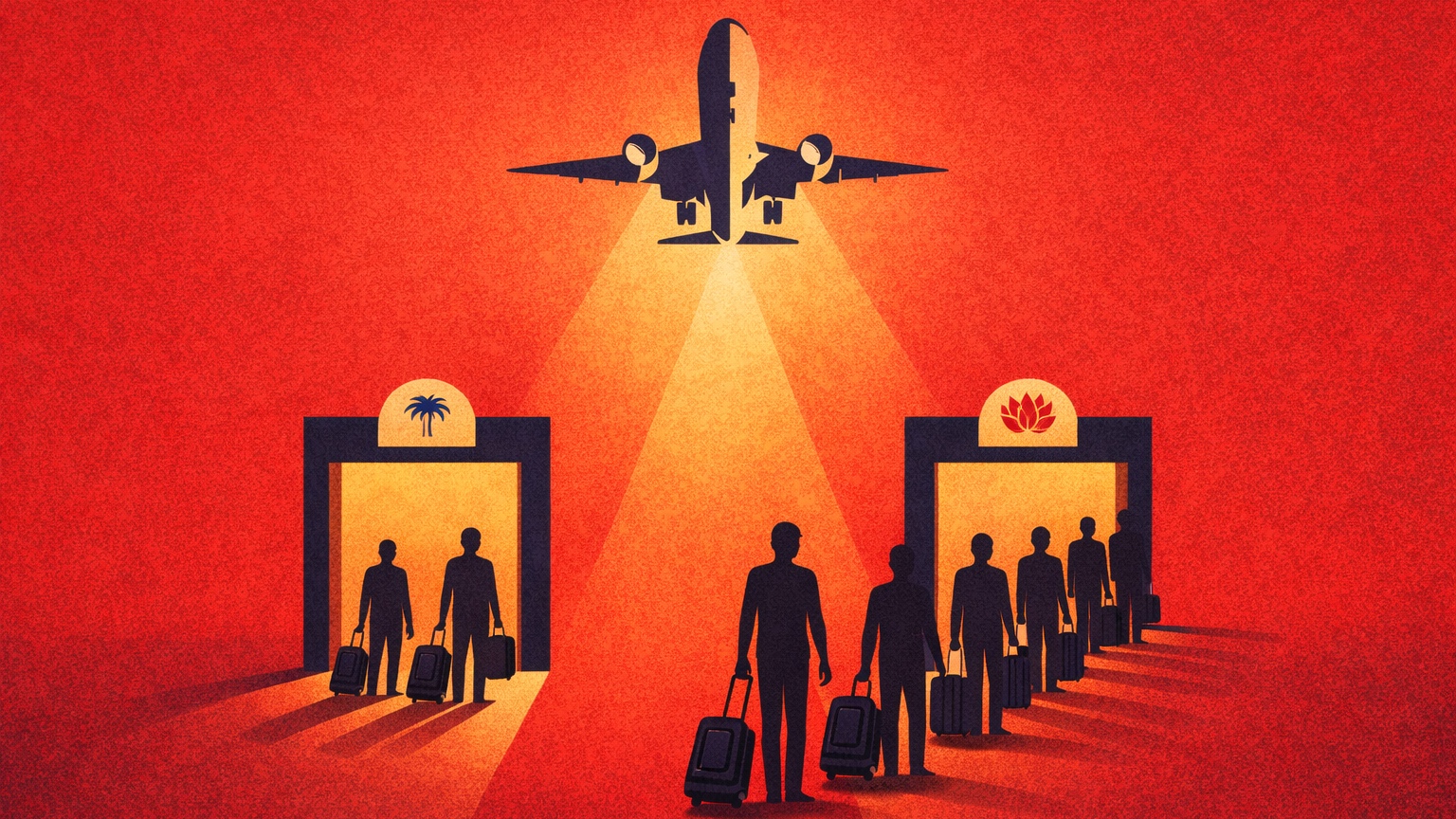
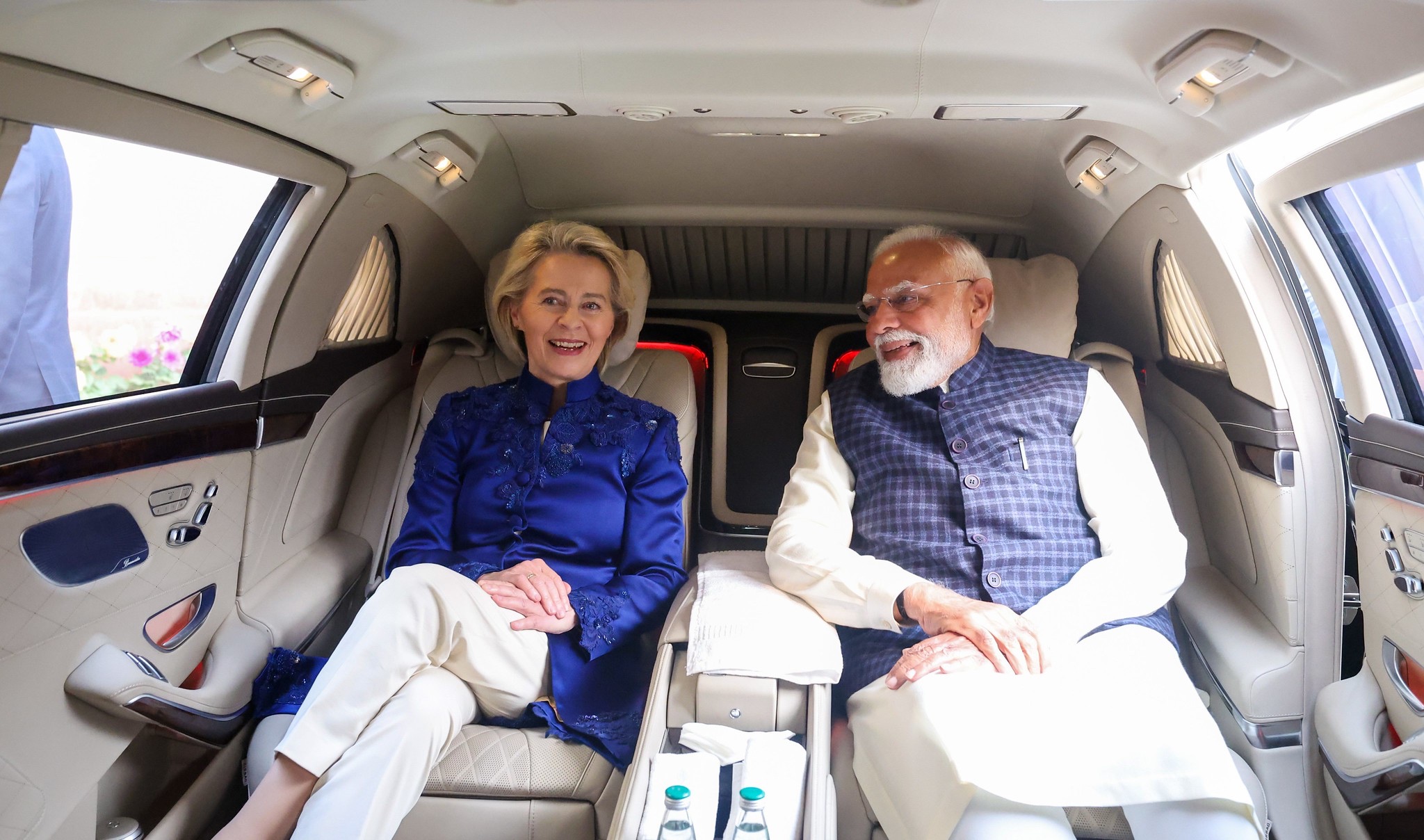
The India deal embeds explicit mobility pathways, including provision for about 1,667 temporary skilled work visas per year in occupations where New Zealand has a skills shortage, alongside expanded working-holiday access for Indian nationals. You could argue this works to New Zealand’s advantage, given Indians will be filling skills shortages. But such reasoning isn’t easily imagined in Peters’ socially conservative political space. He frames this anxiety as a labour issue (migrants taking up local jobs), but it often flirts with nativism.
From designing restaurants to running Auckland Diwali: The many lives of Arnav Taode Taode brings his passion for Indian arts and culture to his first year managing BNZ Auckland Diwali 2026.
Winston Peters says ‘diversity is disunity’. What does the evidence tell us? Evidence from business, sport and social policy suggests diversity can strengthen economies and cohesion but on one condition.
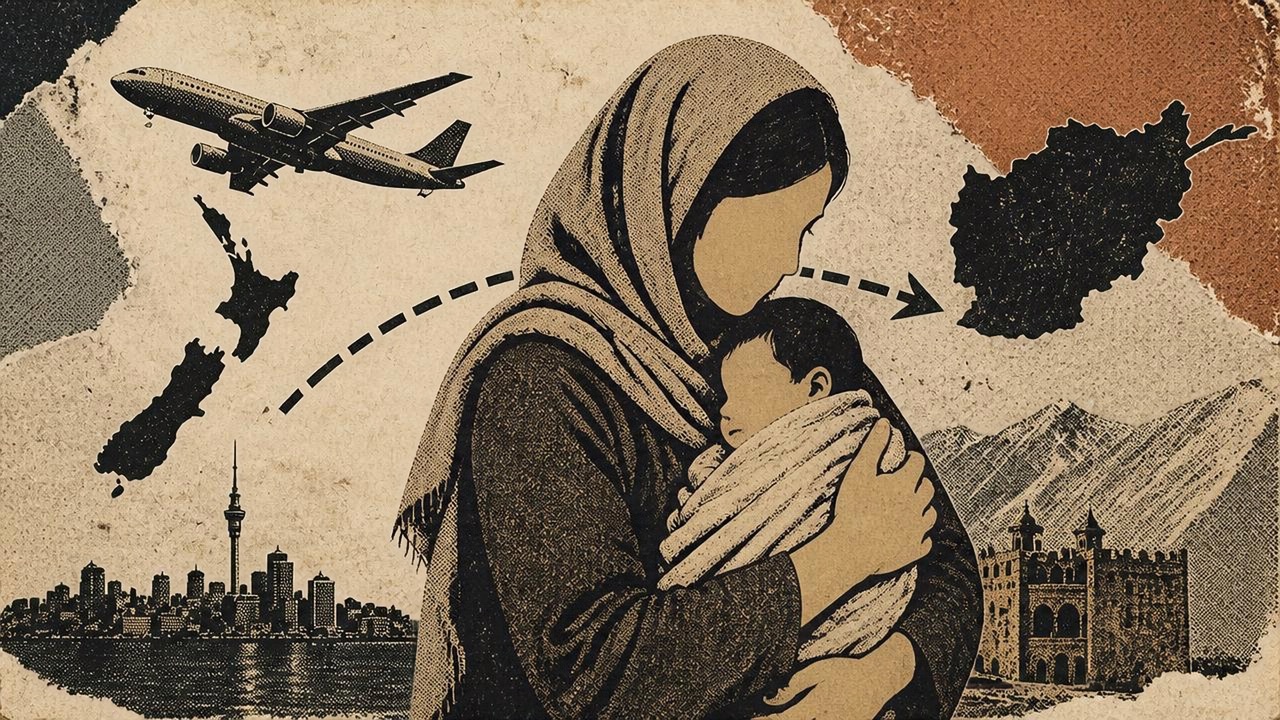
Baby born in Sri Lanka to New Zealand residents caught in limbo after Down syndrome diagnosis Immigration tribunal orders fresh residence assessment after finding a “serious mistake” by immigration officials.
Back in 2008, about four per cent of New Zealand’s population identified as ethnic Chinese. The 2023 census put that number at about six per cent. Population growth is a mix of several factors, and any demographer would likely not risk putting it down to a single trade deal.
As for local jobs, the China trade deal didn’t allow the Chinese a carte blanche to get on a plane to New Zealand. Assuming the government enforced the labour mobility clauses as intended, several who were let in actually proved invaluable to the economy since they plugged in gaps the locals weren't able to fill.
In 2008, Peters’ second objection was about imbalance. China, he warned, was simply too large for New Zealand to assume symmetry would work in practice. “The balance of payments crisis we face where it comes to China will have been exacerbated,” he had said. “Exponentially they will export greater volumes and greater number and greater value than we could ever hope for.”
This sounded pessimistic, but it was rooted in lived experience. In the decade leading up to the China deal, New Zealand ran a persistent and widening trade deficit with China, driven overwhelmingly by imports of manufactured goods that New Zealand did not produce at scale. That was the trend Peters was extrapolating from.
What followed after the agreement though ran opposite to what Peters had feared. From the mid-2010s onwards, New Zealand shifted into a durable trade surplus with China, driven by dairy, meat, forestry and other primary exports. In 2024, New Zealand exported more goods and services to China than to any other country. On the narrow balance-of-payments question, Peters was wrong. But his deeper anxiety was perhaps never only about the ledger.
A trade surplus measures who sold more in a given year; it does not measure who depends on whom. China absorbs a large share of New Zealand’s exports, while New Zealand accounts for a negligible share of China’s imports. Even in surplus years, New Zealand needs access to China in a way China does not need access to New Zealand.
That distinction has since been acknowledged explicitly by New Zealand’s own security agencies. The National Security Strategy released 2023 recognises China as “an important relationship for New Zealand”. It also warns China “has become more assertive”, pointing to “the building of military bases in disputed areas of the South China Sea”, “the use of economic coercion”, and the fact that “Chinese state-sponsored actors have exploited cyber vulnerabilities in New Zealand in ways that undermine our security”.
In other words, the government’s own assessment now draws a clear line between economic dependence and strategic vulnerability: the very tension Peters has been circling (though not articulating it clearly) for nearly two decades.
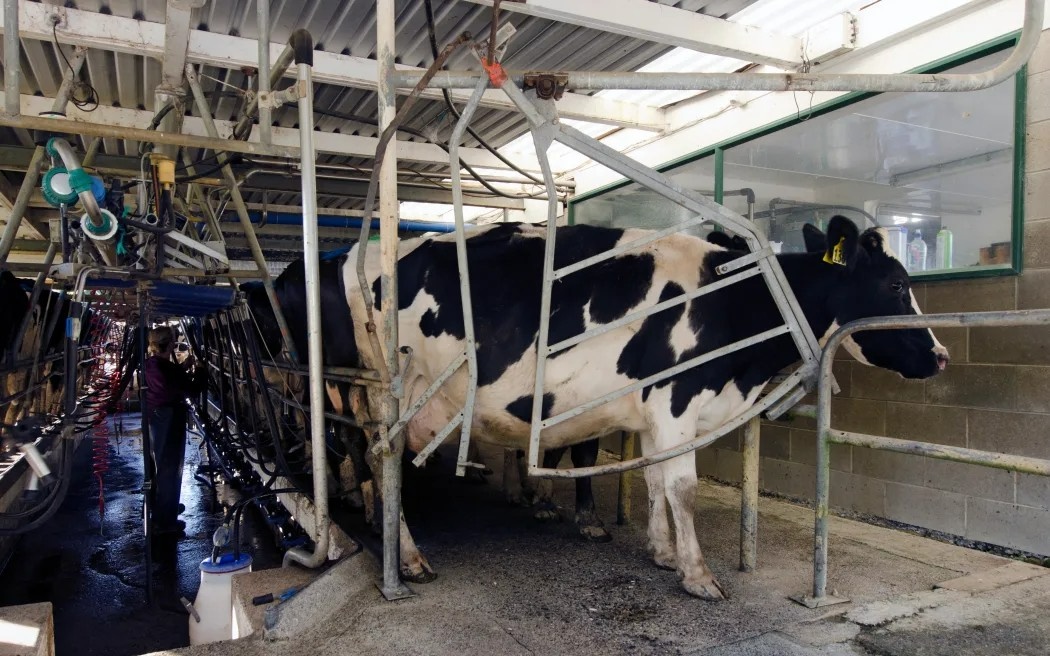
In the India deal, Peters points to dairy, the backbone of New Zealand’s export economy and one that brought in the real benefits from the China deal. “While New Zealand is completely opening its market to Indian products under this deal,” he wrote, “India is not reducing the significant tariff barriers currently facing our major dairy products.”
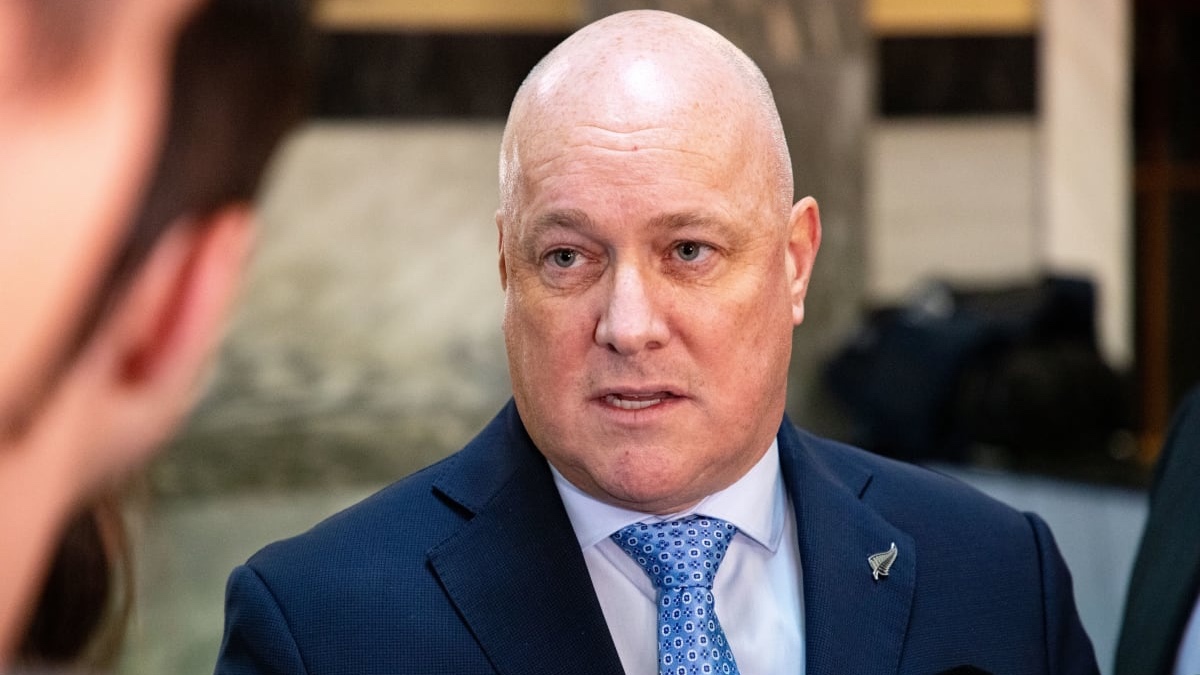
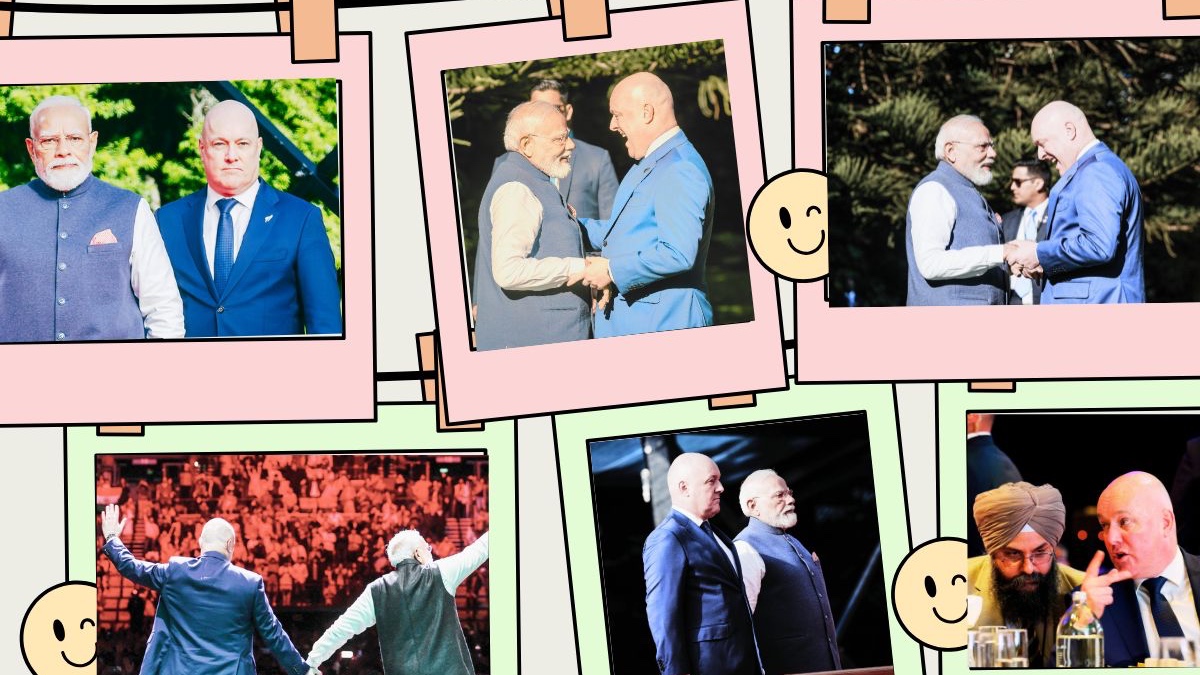
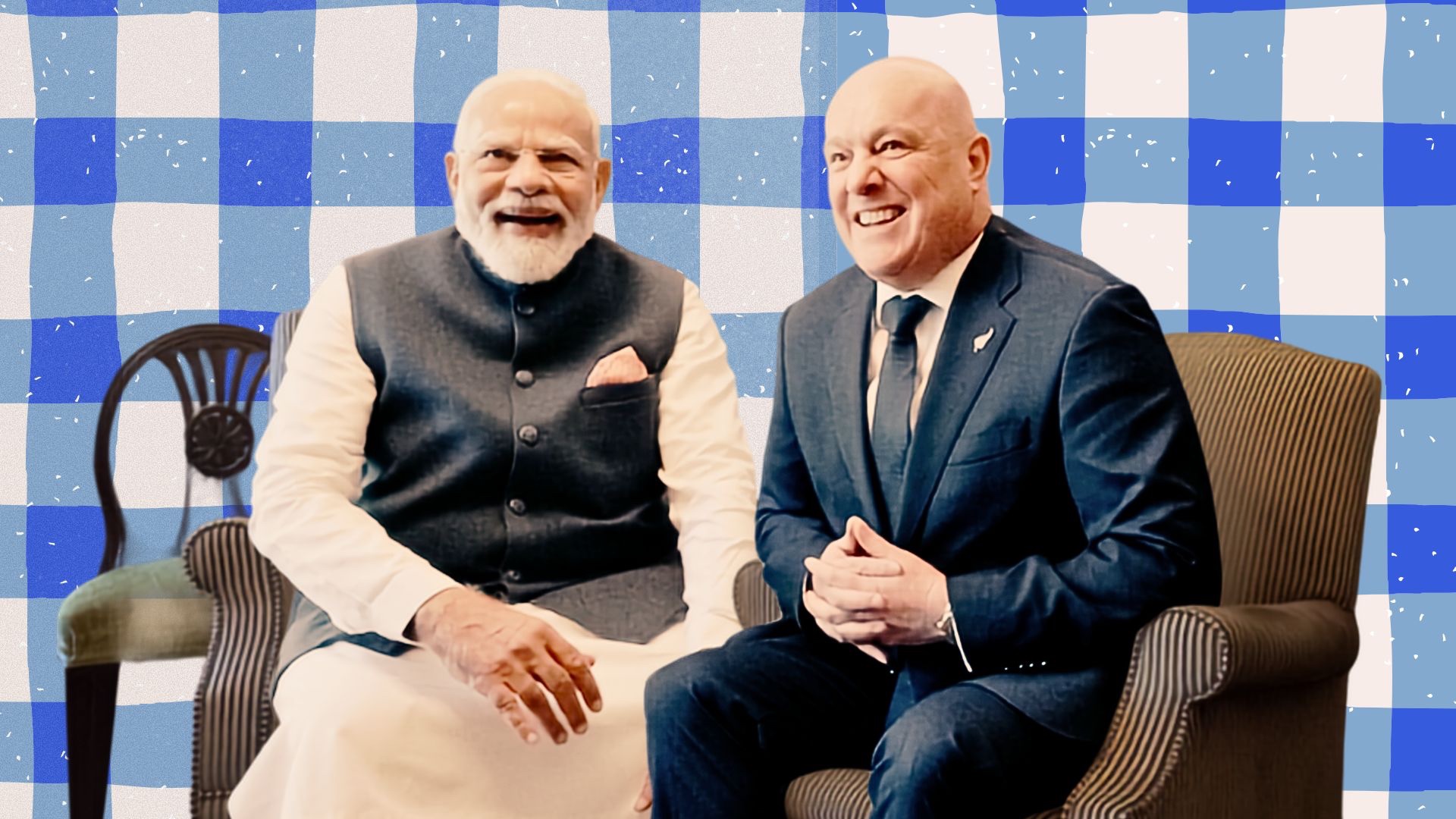
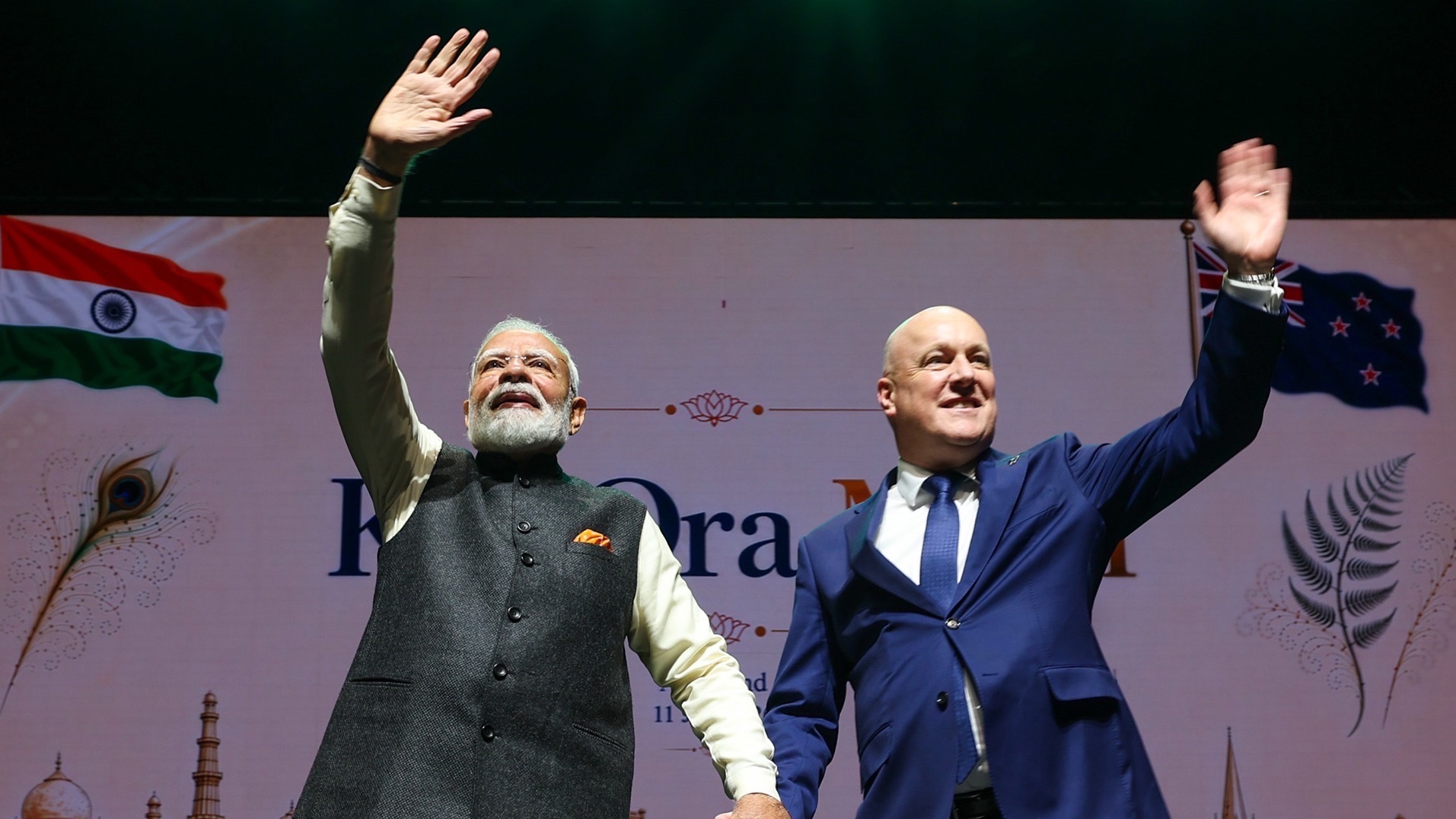
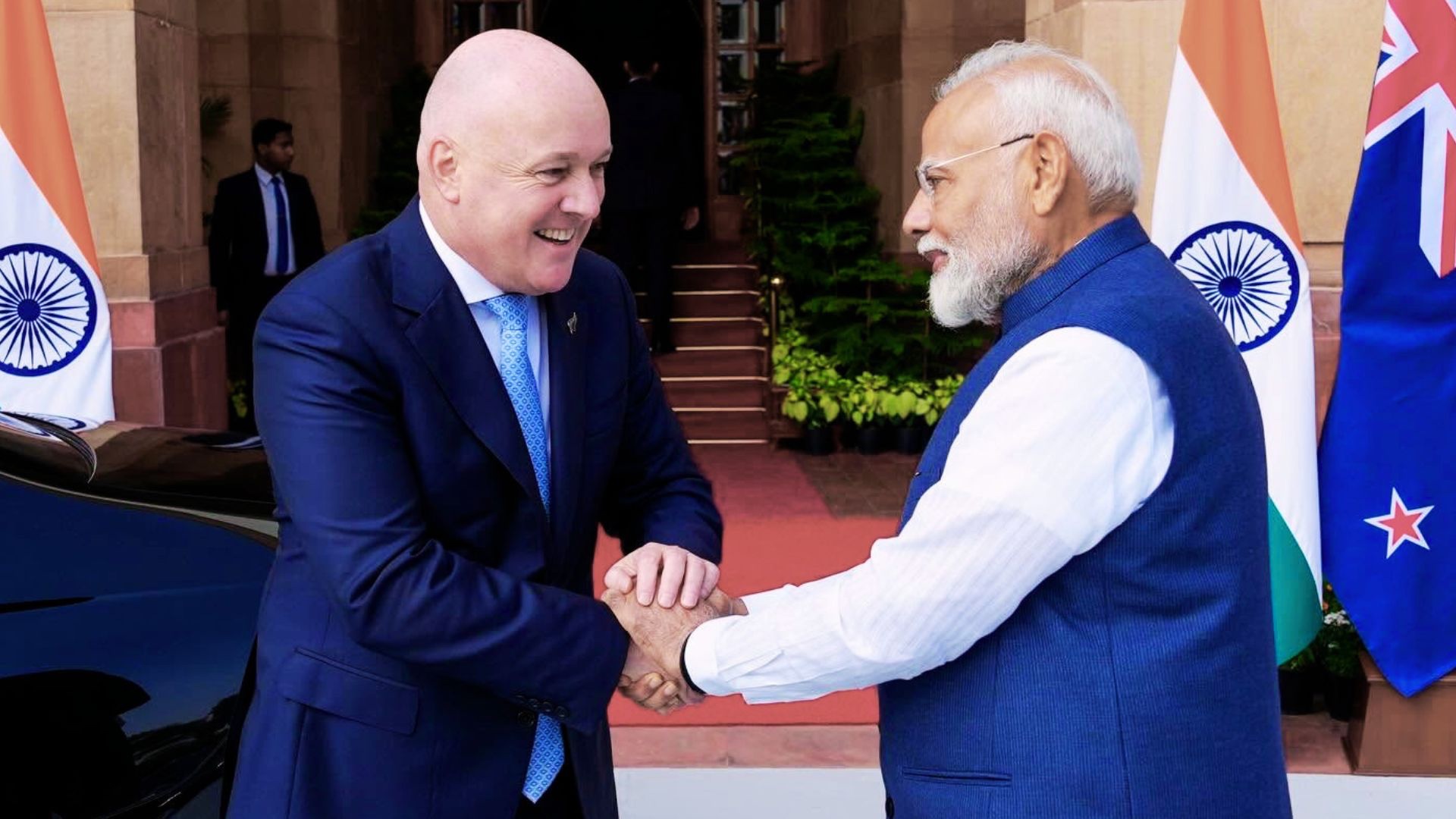
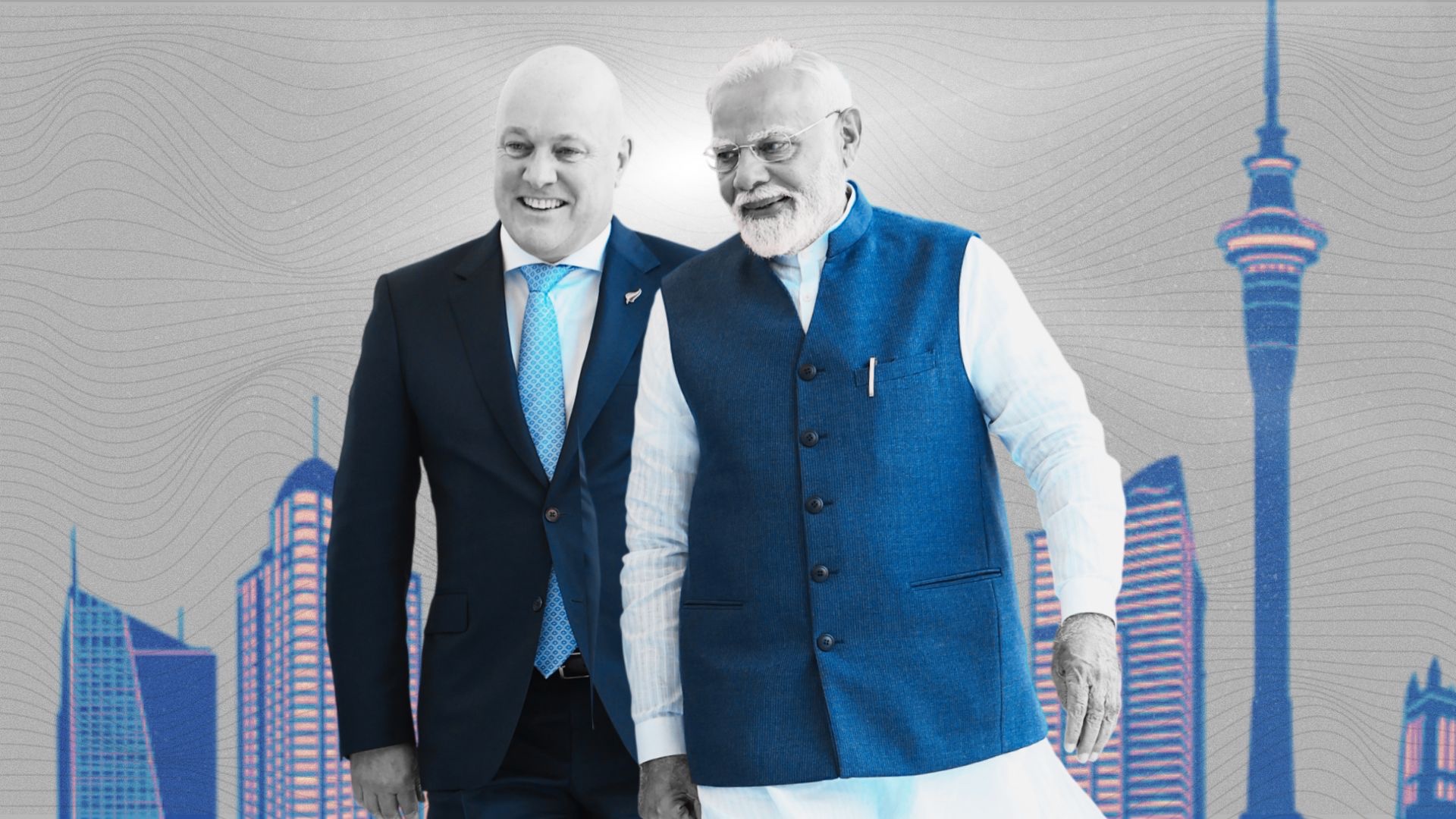
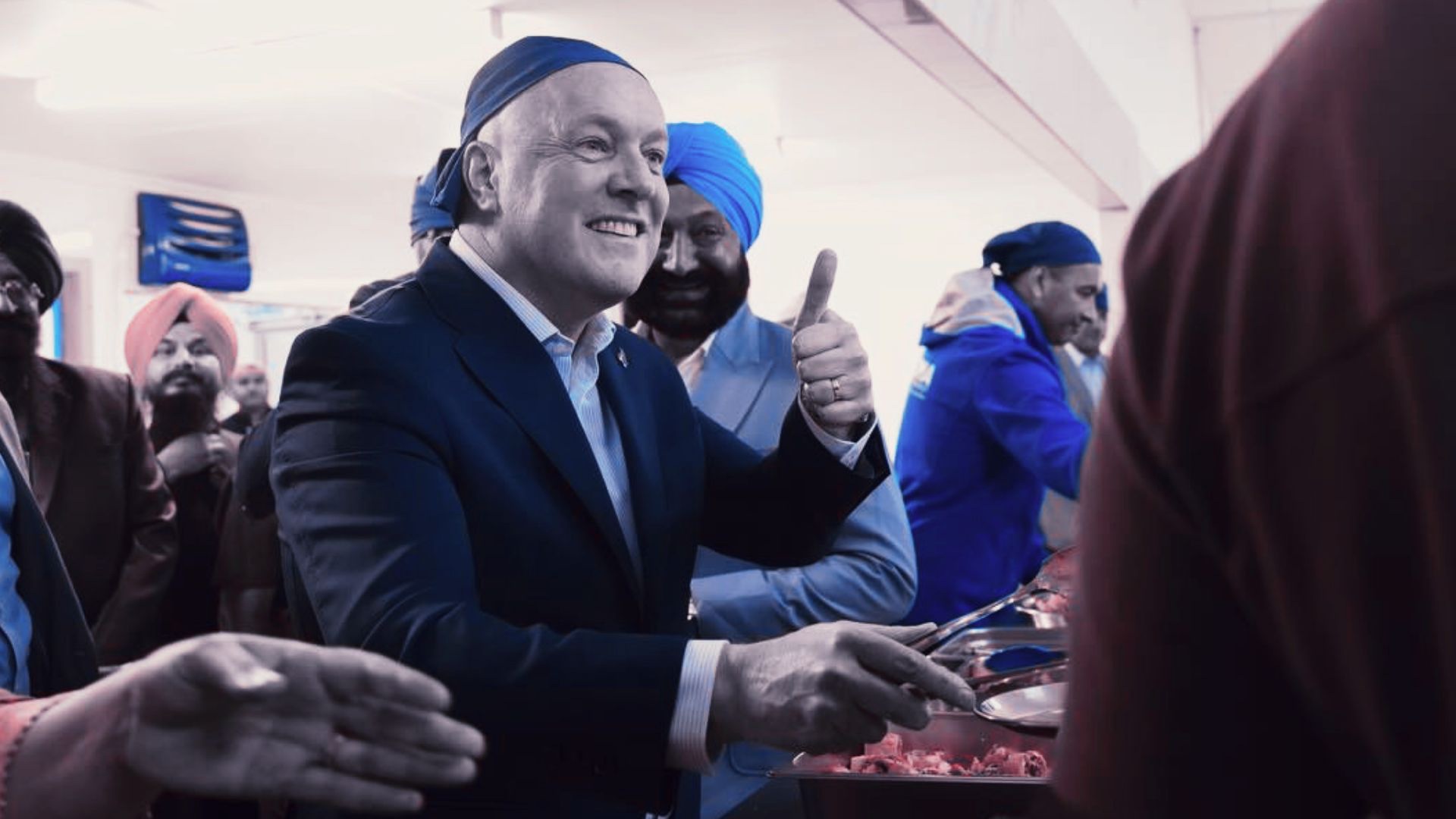
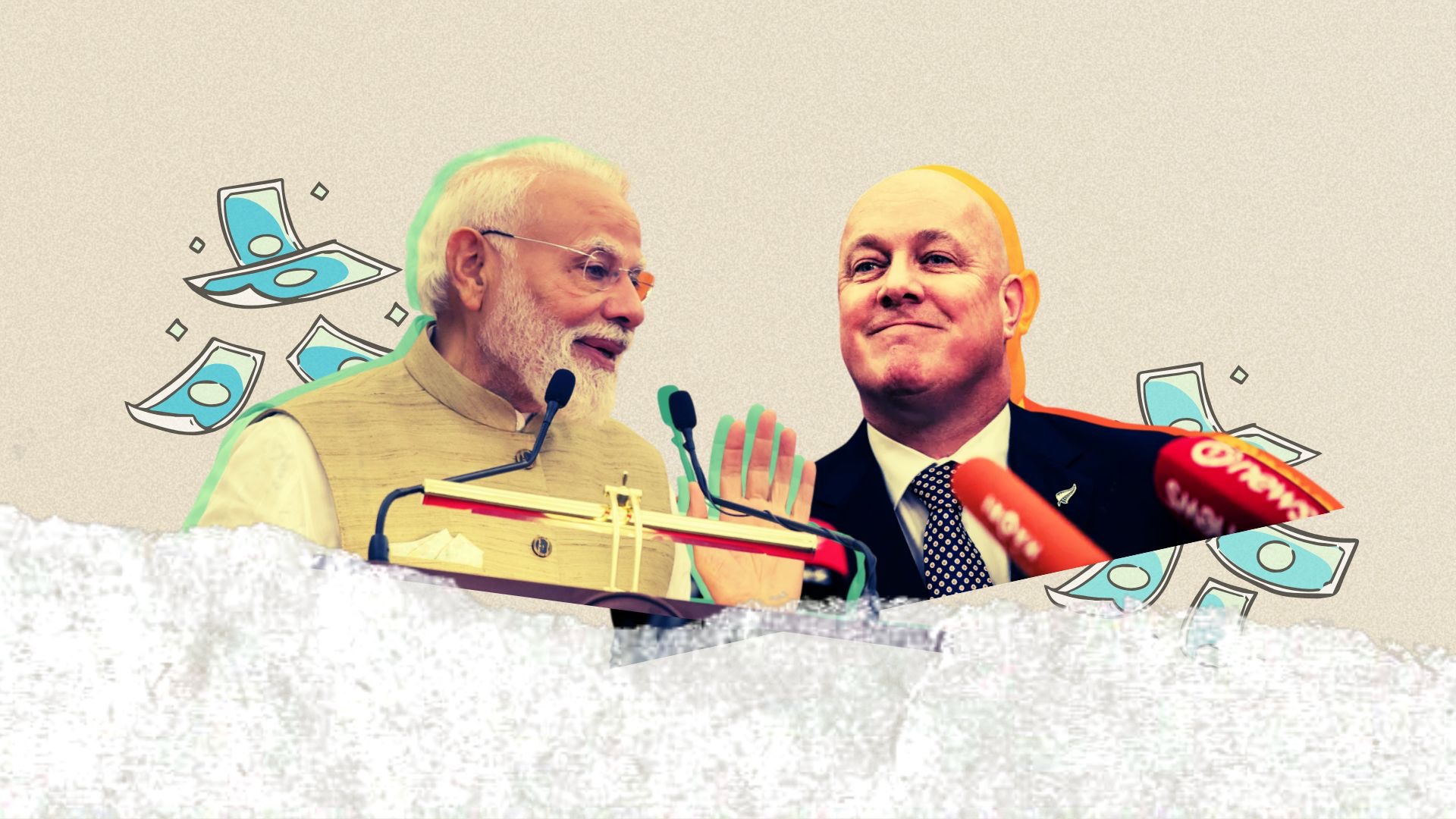
Nearly every Kiwi negotiator who has tried securing a trade deal with India over the last decade agrees on one thing – you either do a deal without dairy products or not do a deal at all. An “imperfect” deal or no deal. But “perfection is the enemy of good”, Prime Minister Christopher Luxon often points out in this context. Besides, is there ever such a thing as a perfect deal? That is where the mismatch between Peters’ expectations and real-world pragmatism appears to be most obvious.
The FTA with China delivered prosperity and a durable surplus, particularly for New Zealand’s primary sector. But it also produced a form of dependence that does not show up in export figures.
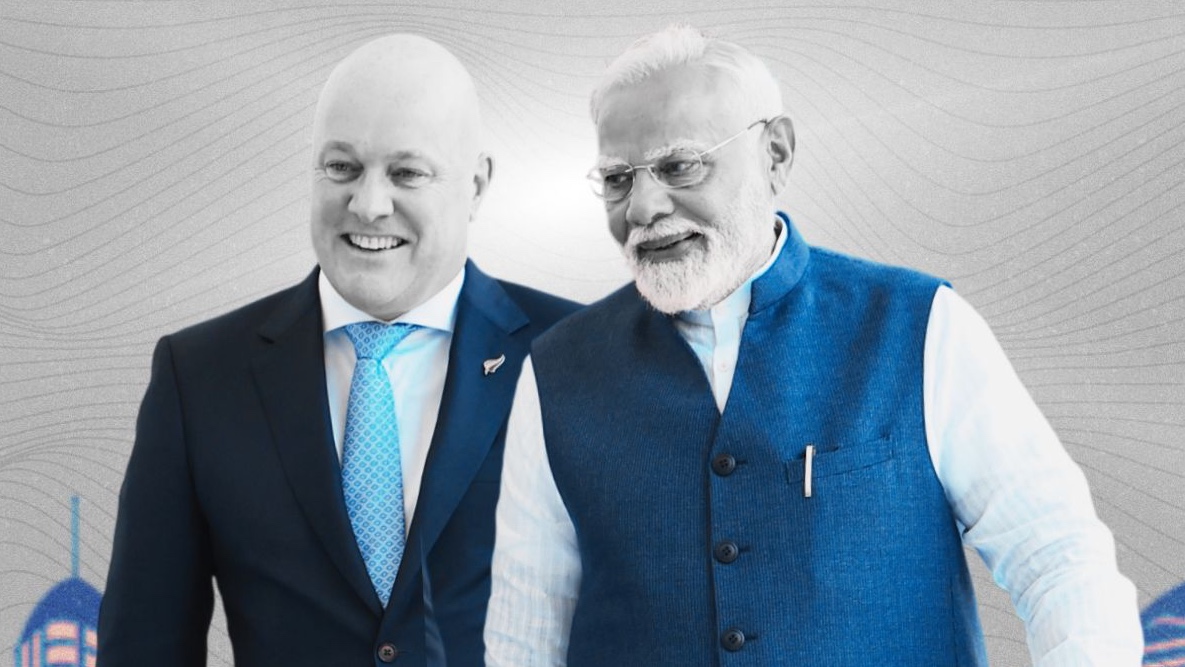
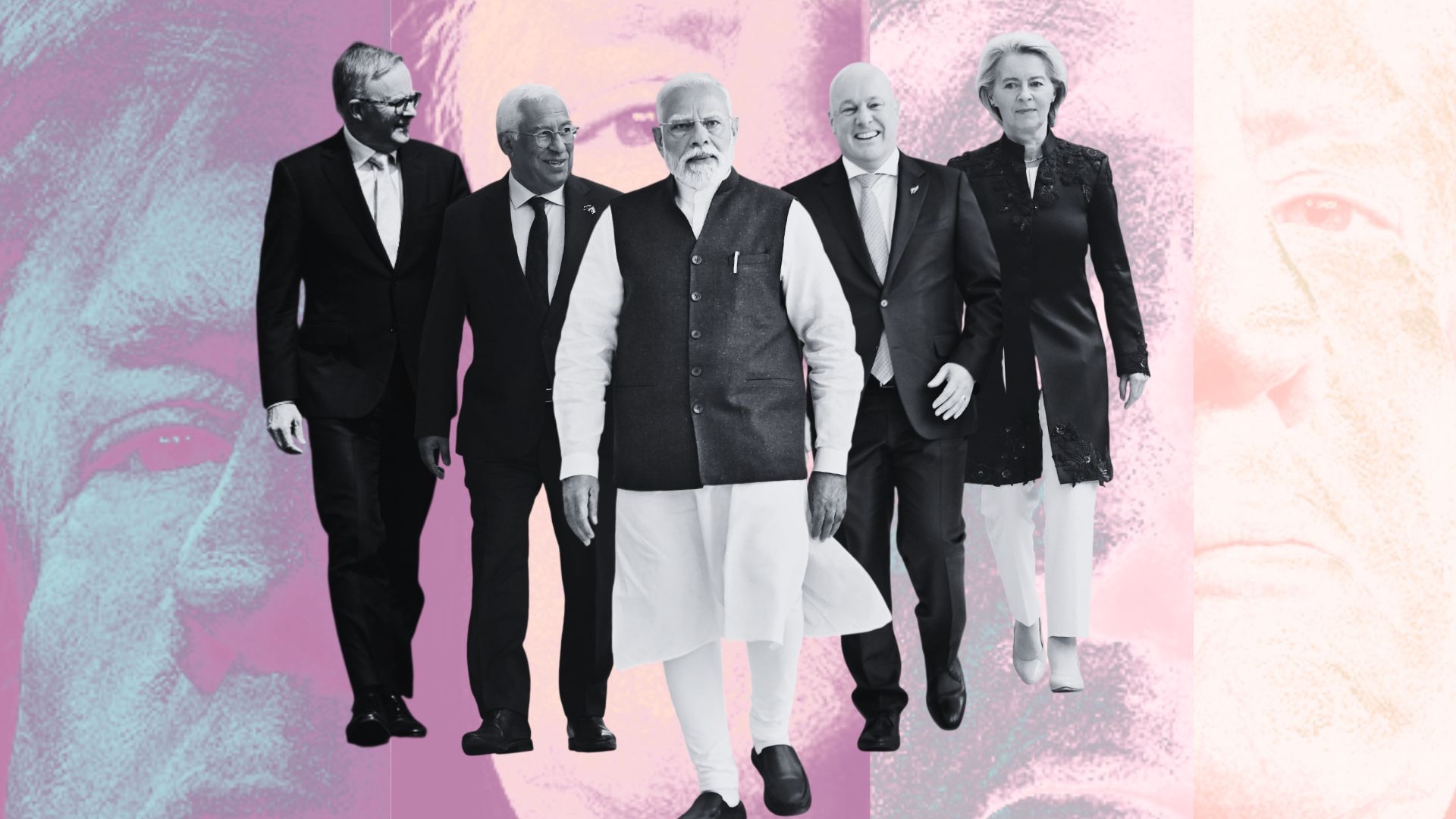
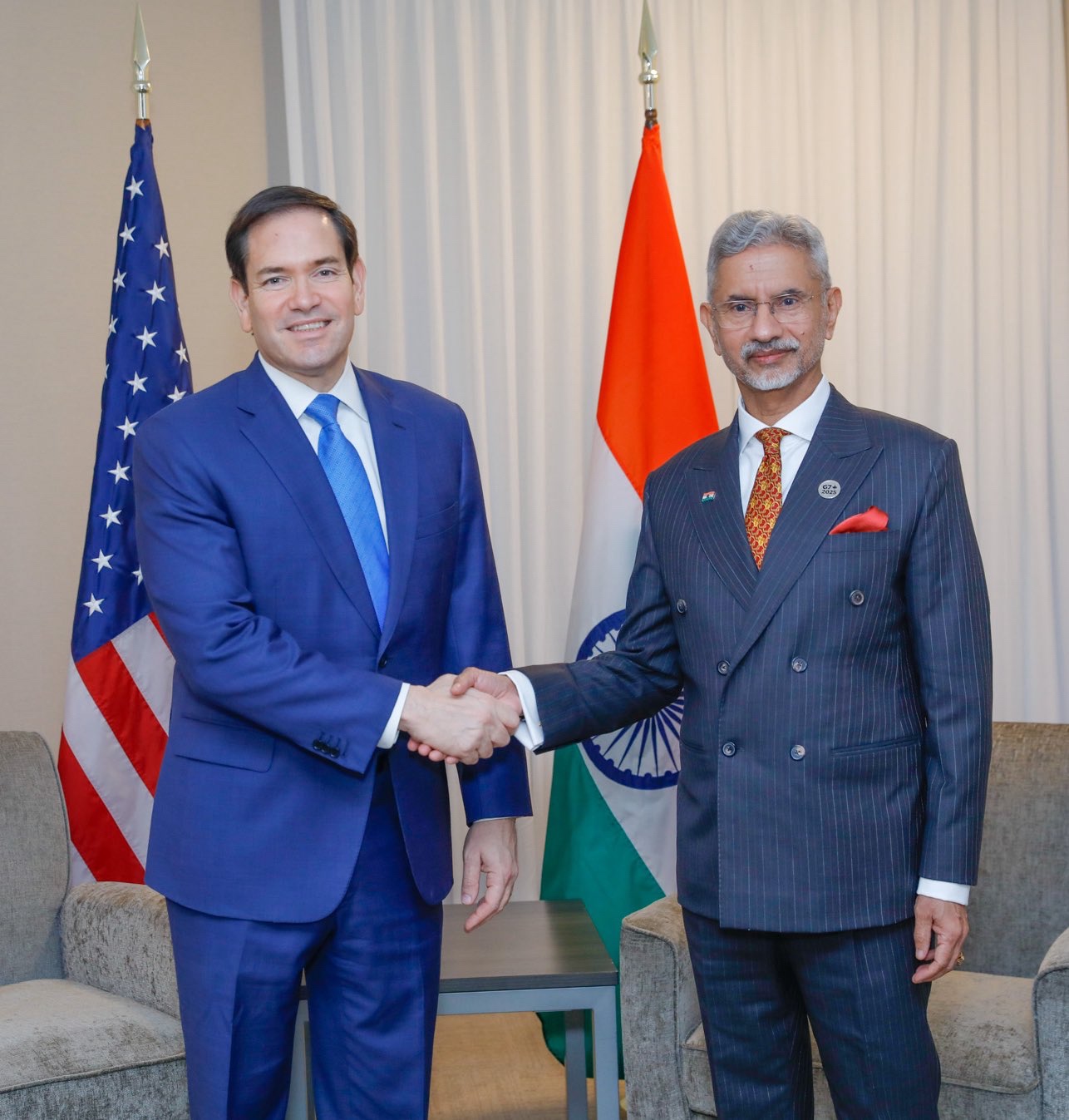
The trade deal with India – projected to be the world’s third-largest economy by 2028 – hedges New Zealand’s future by diversifying its risk beyond China. Like any negotiation, you win some, you lose some. But can you have the cake and keep it too?