
Migrant child with Down syndrome fails health test, but tribunal says he needs NZ's care
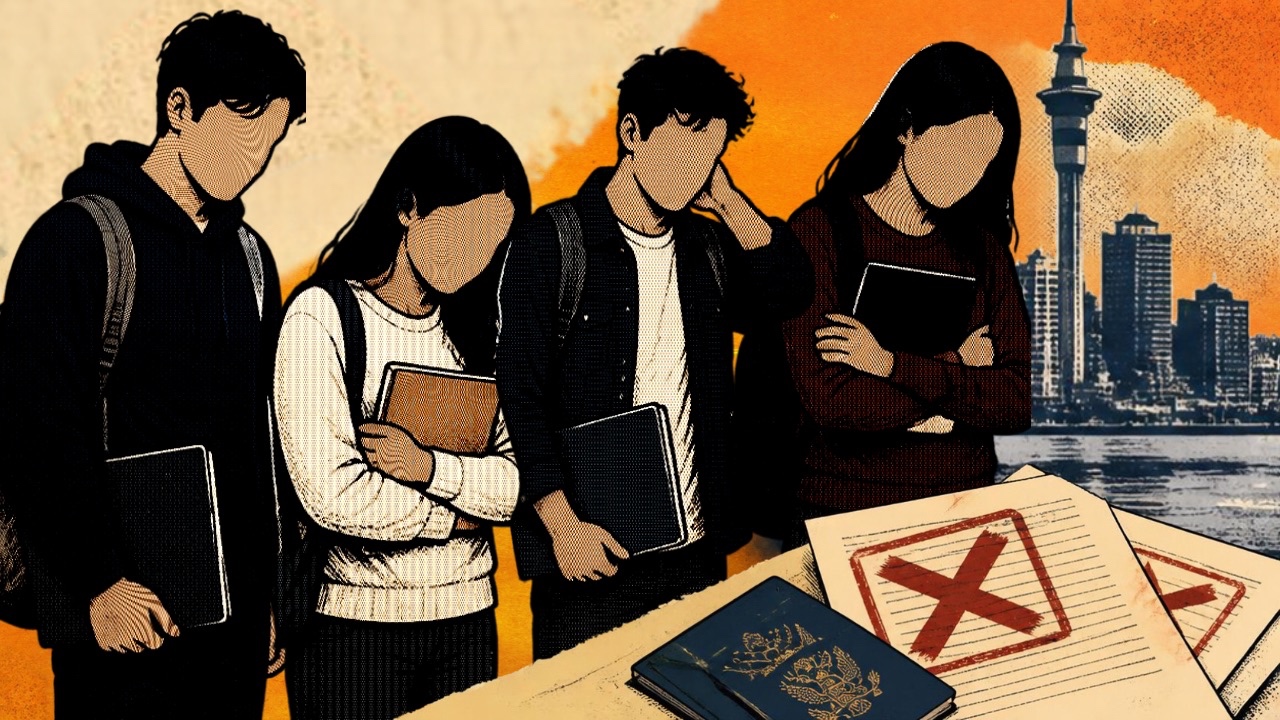
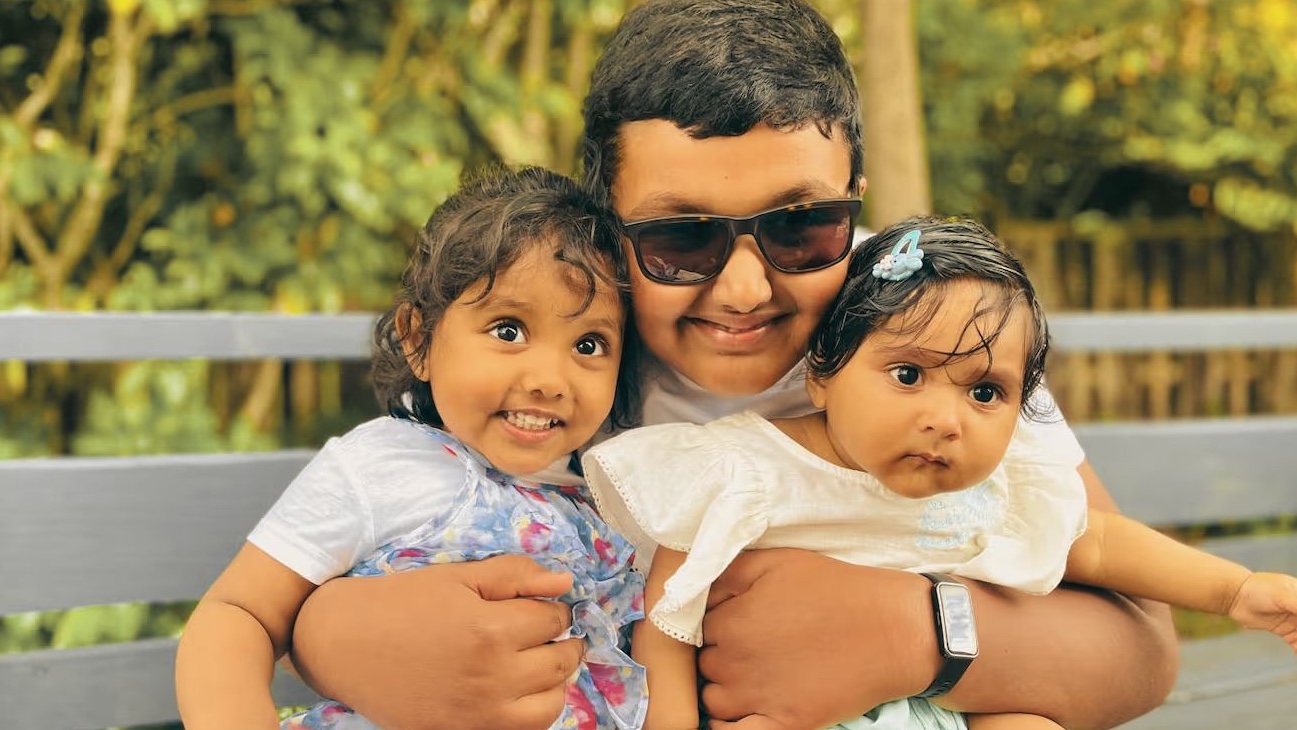
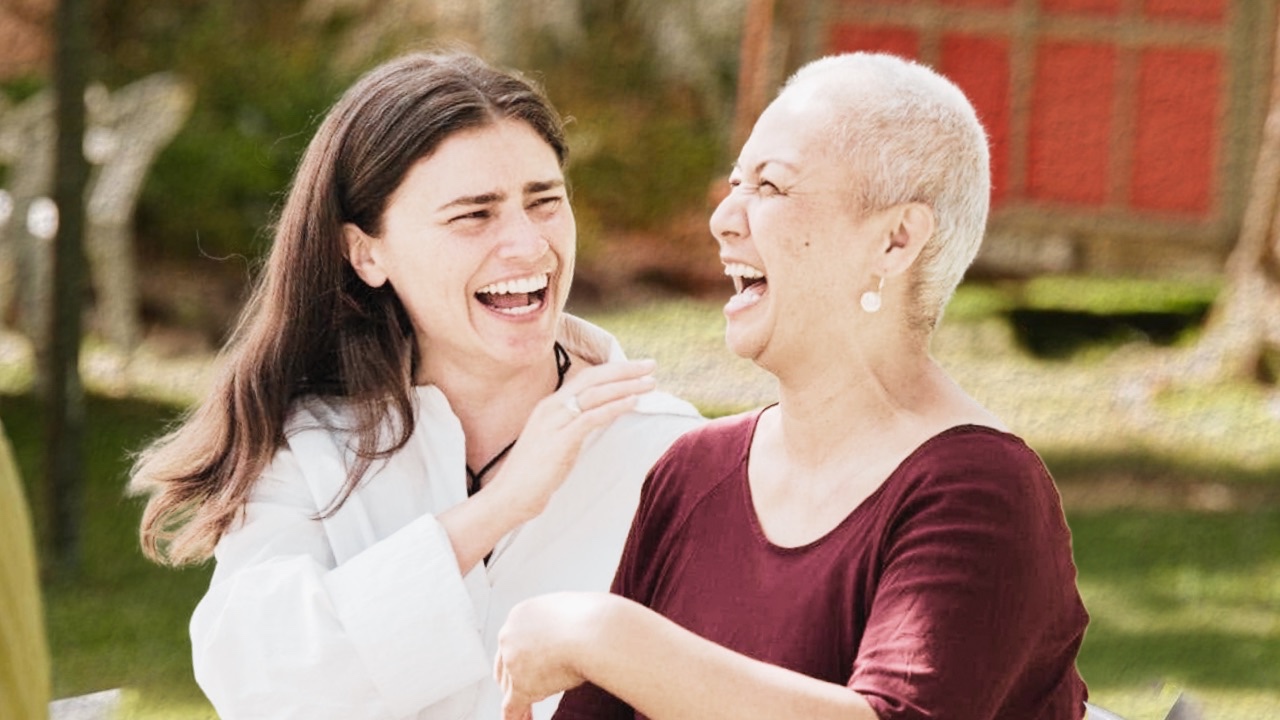
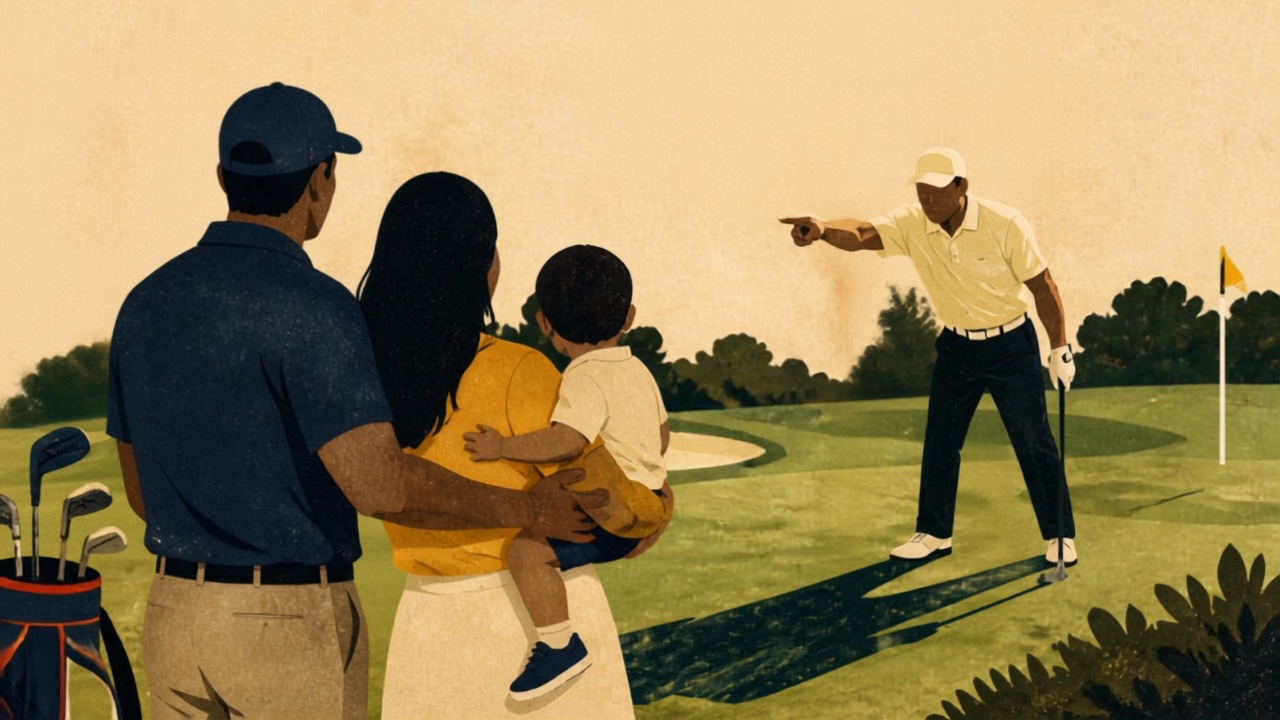
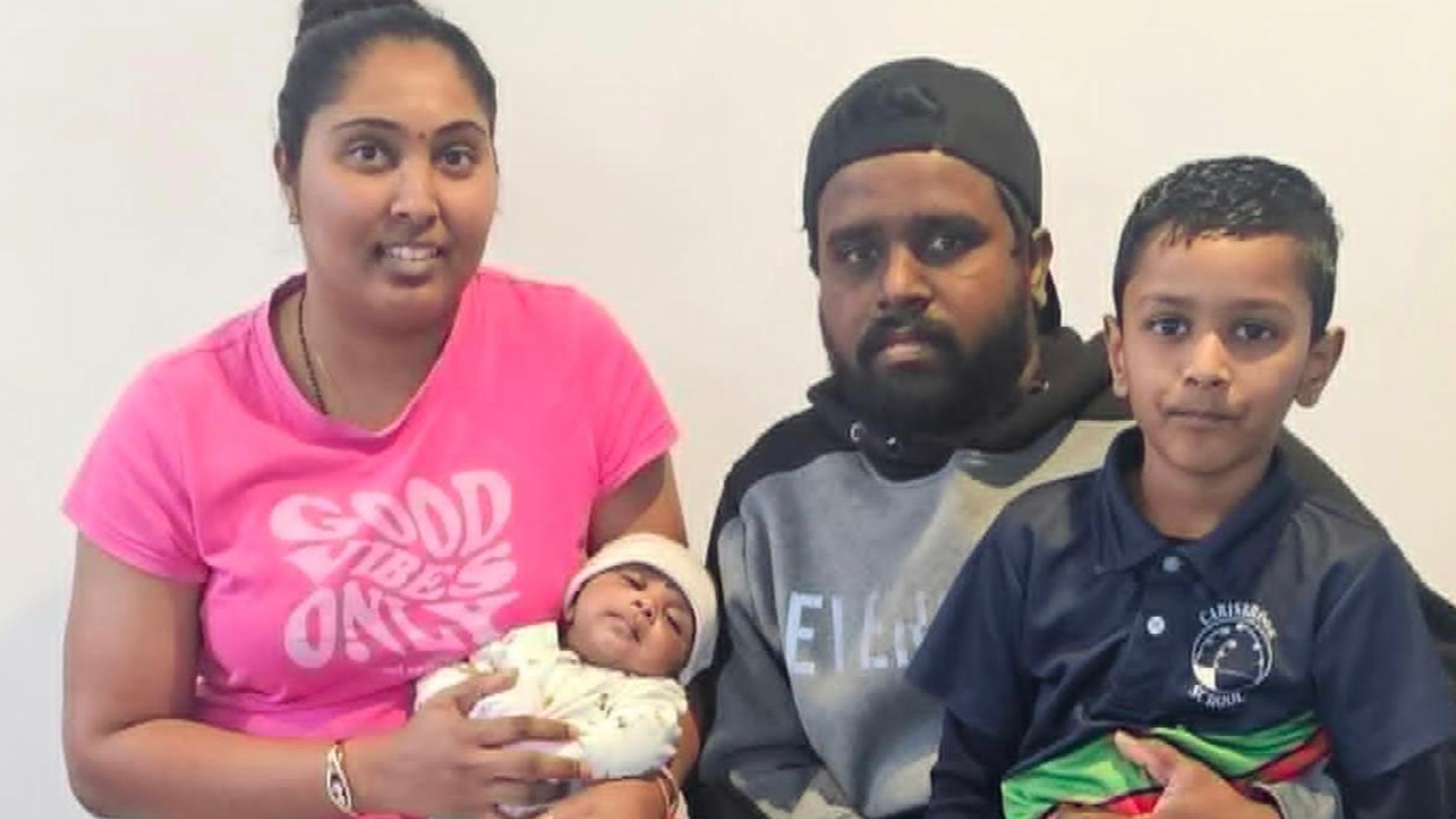
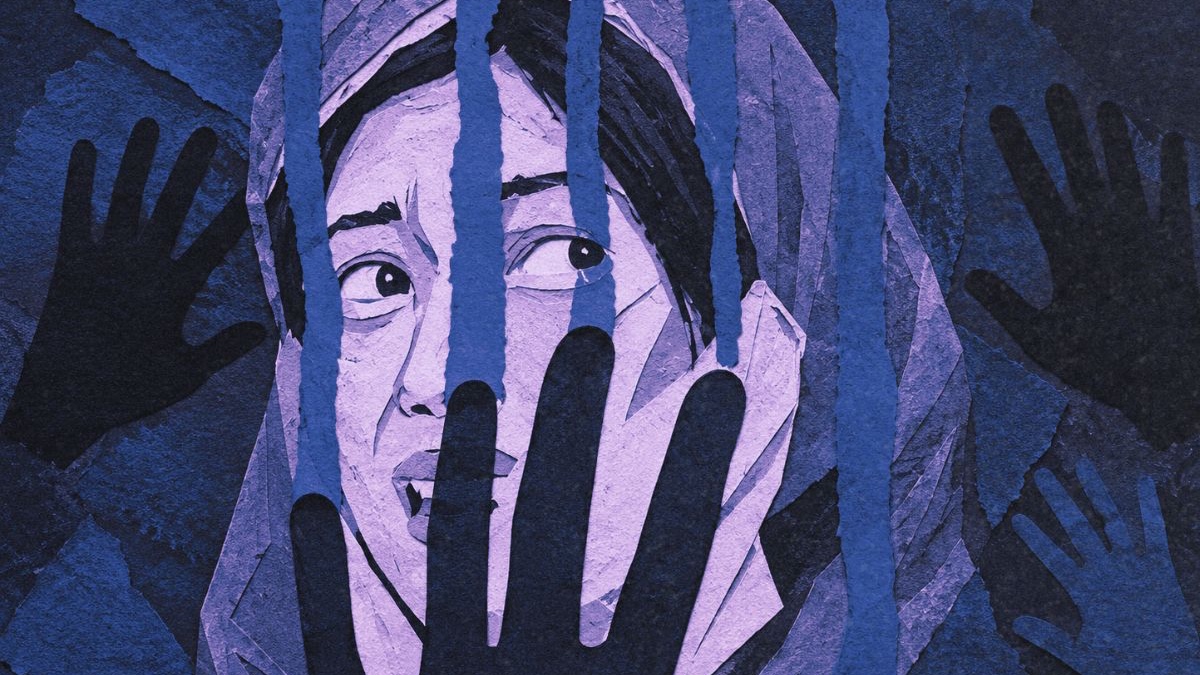
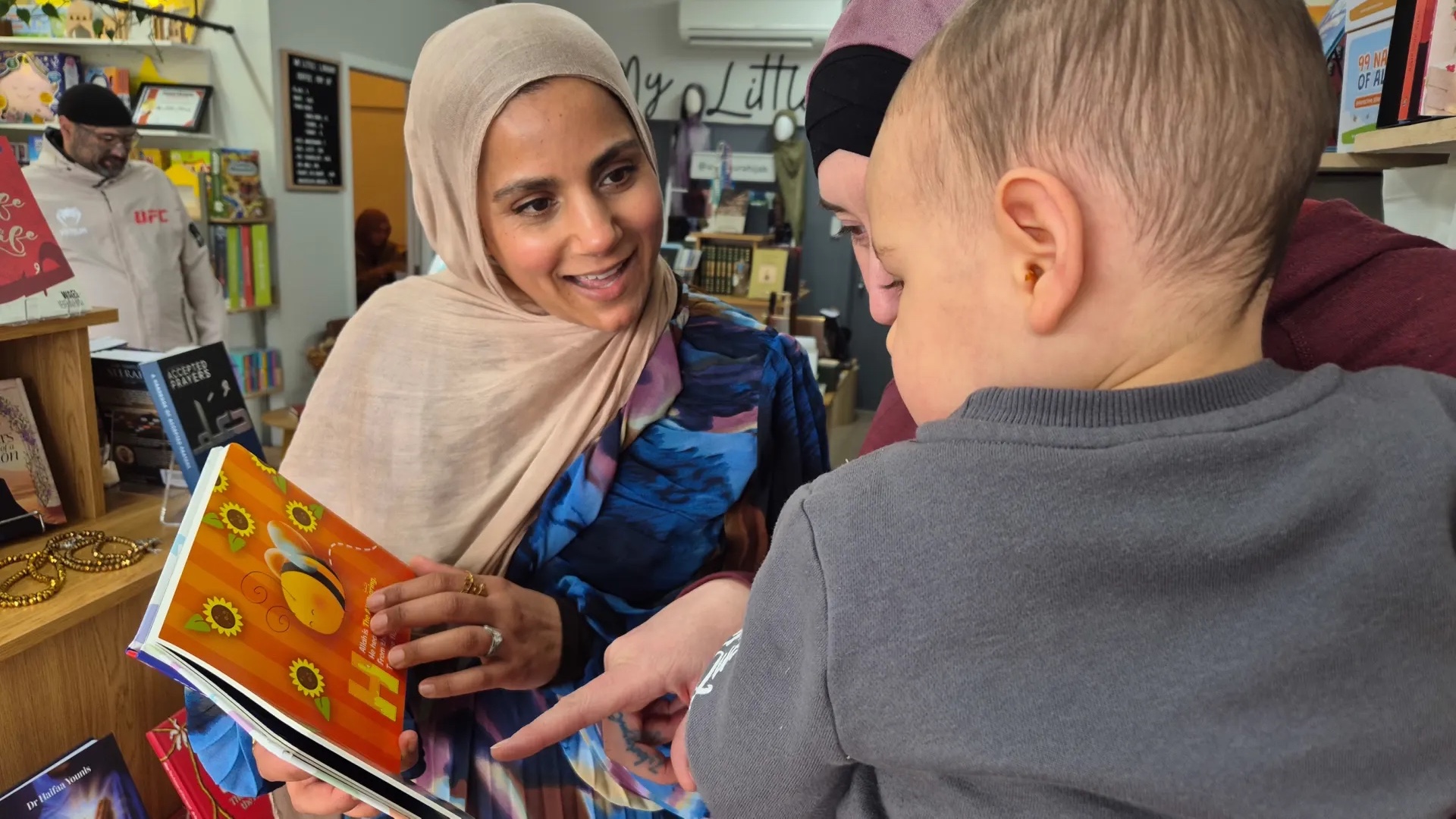
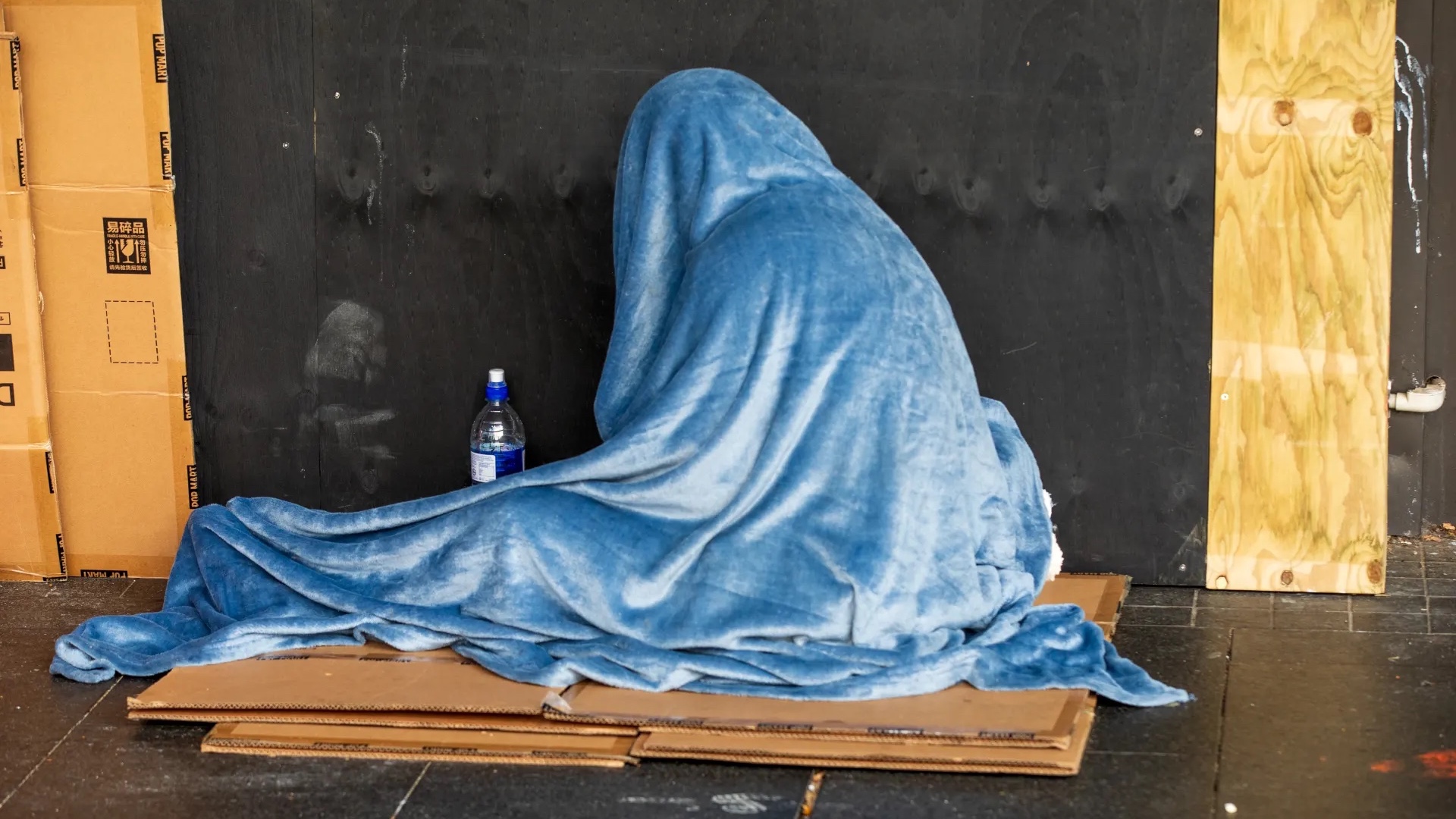
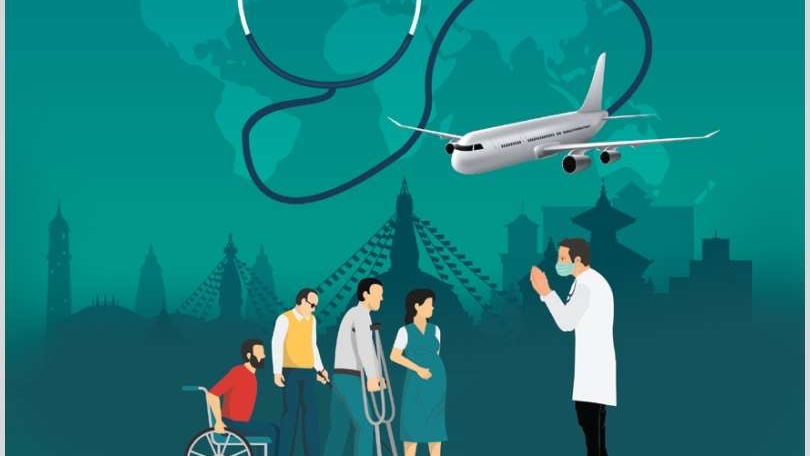
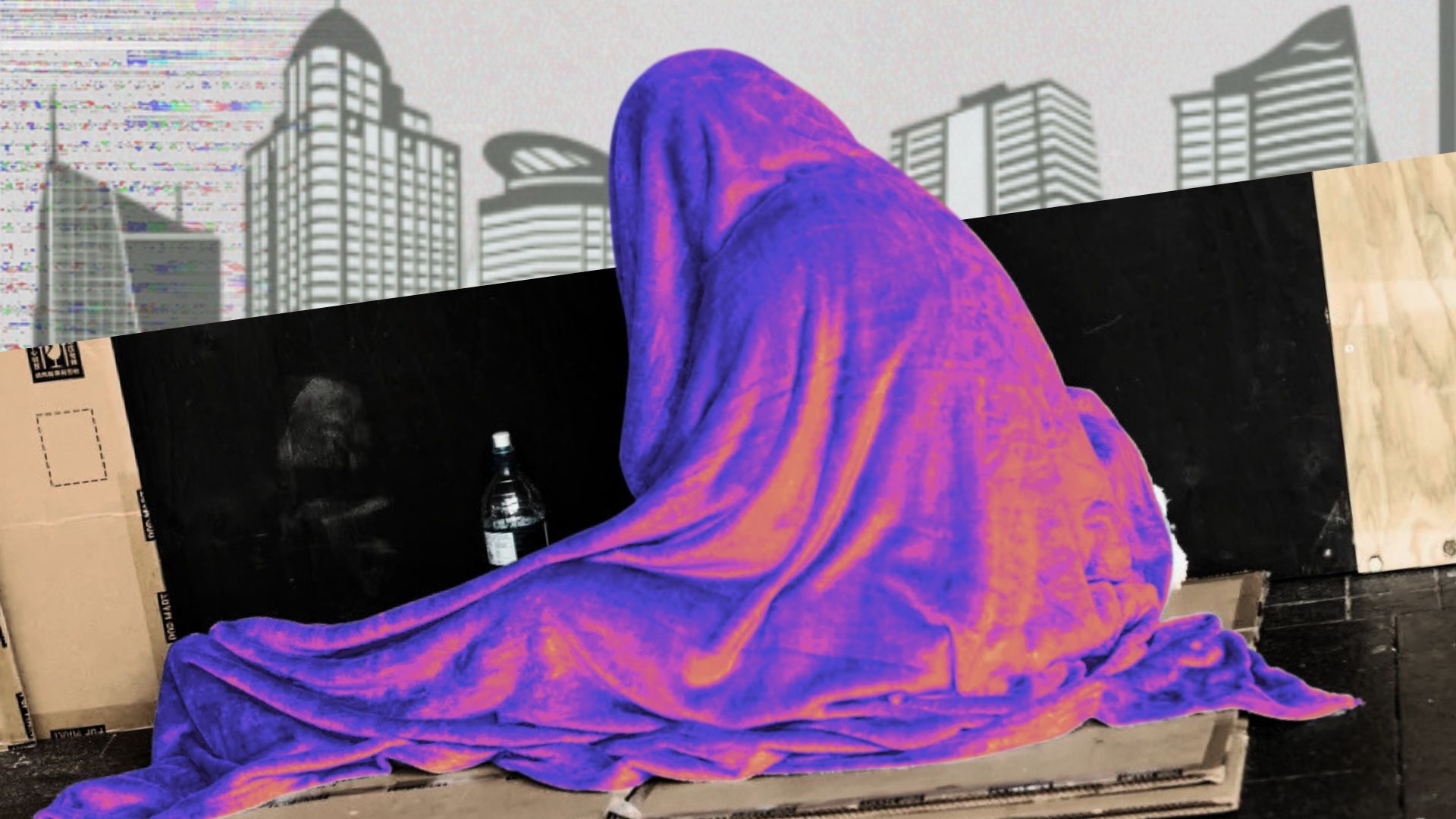
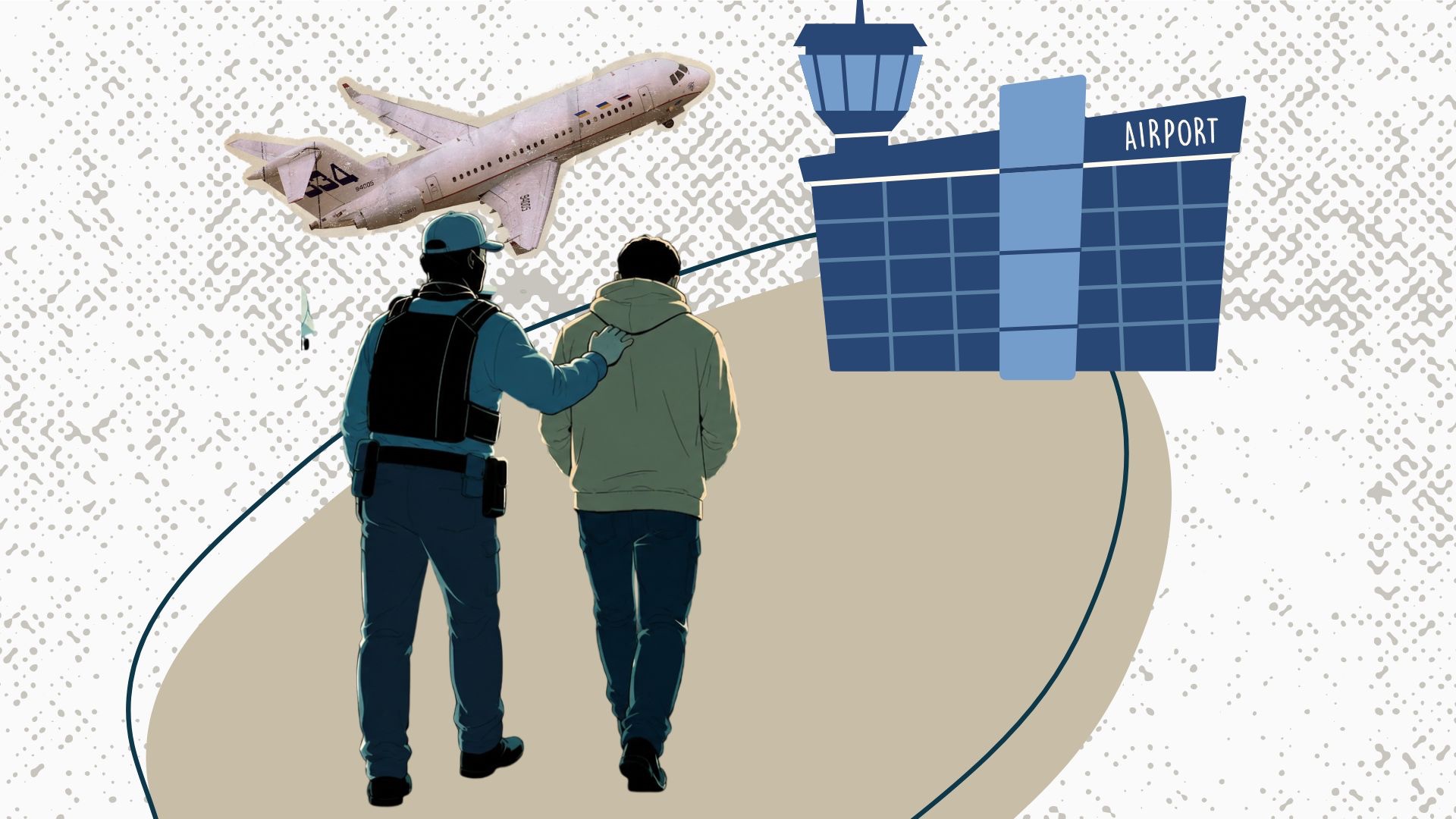
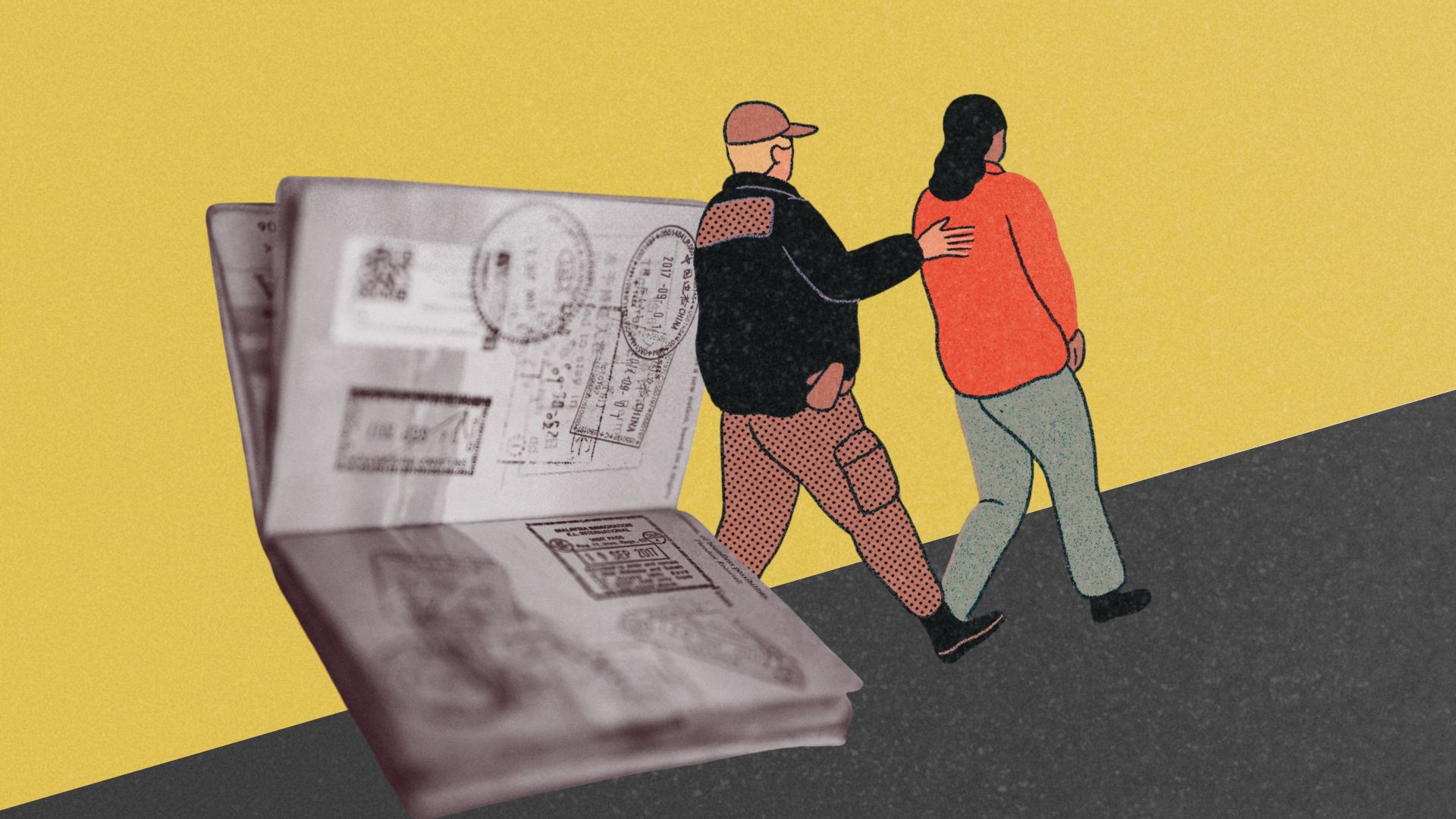
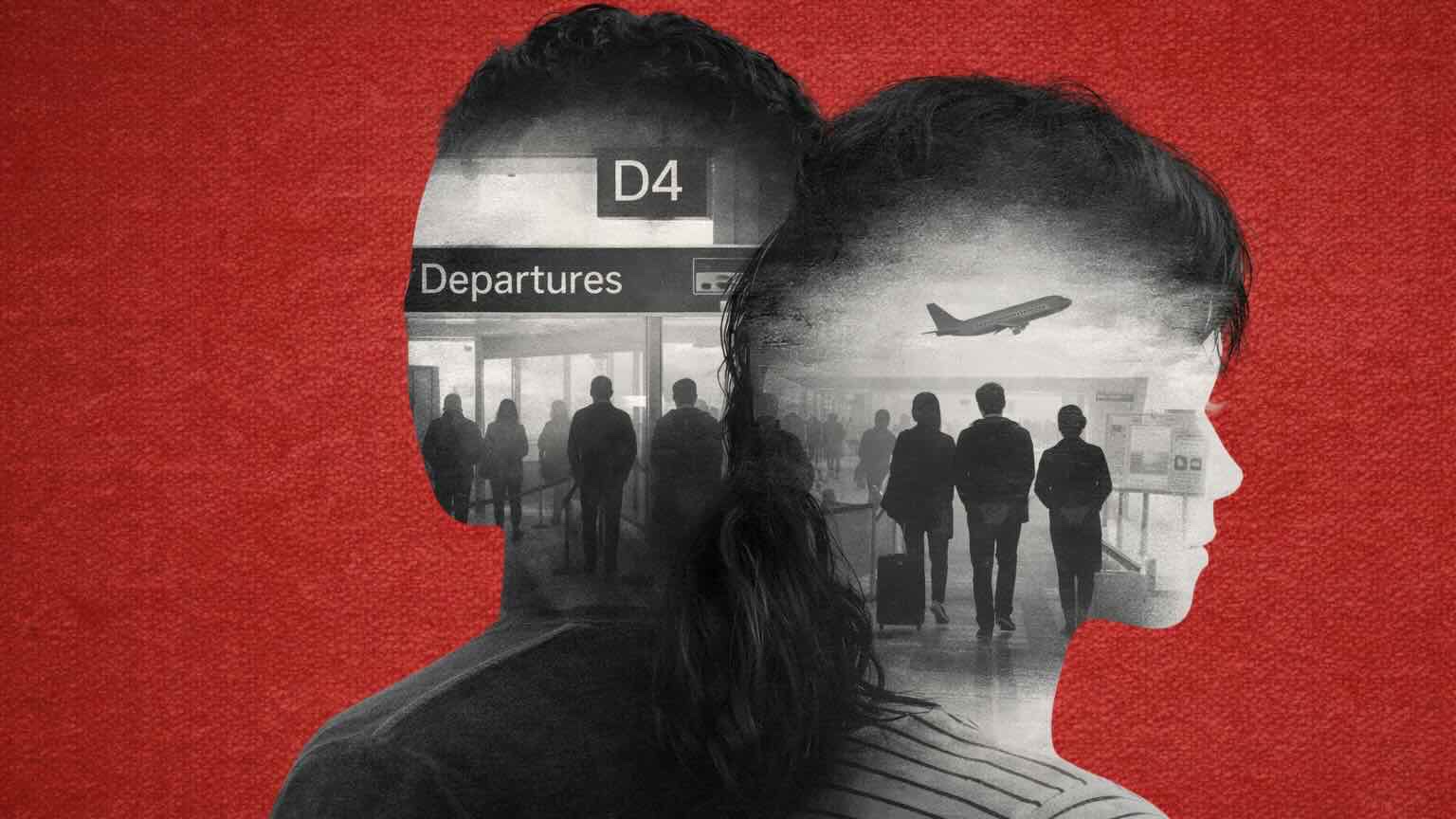
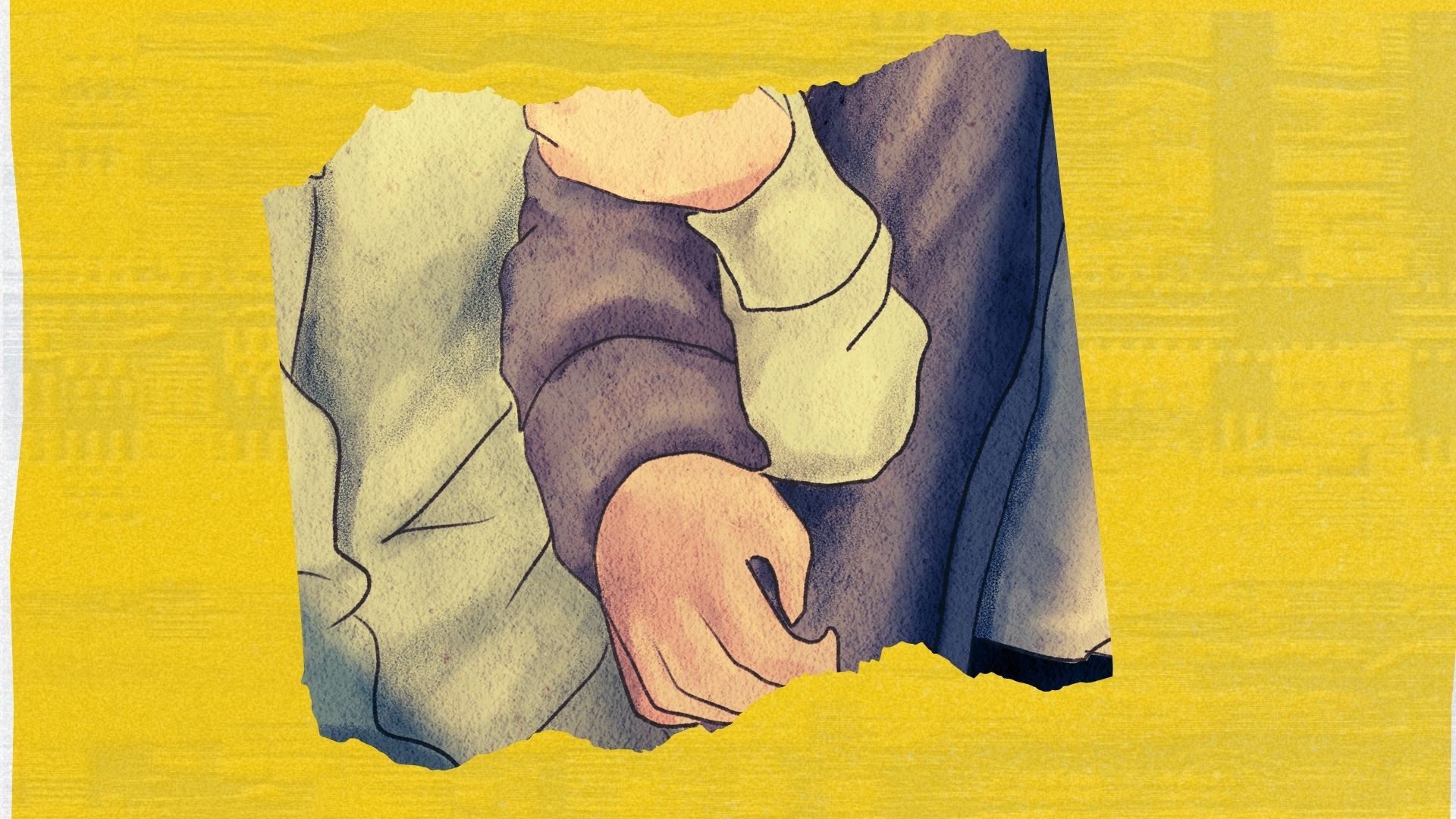
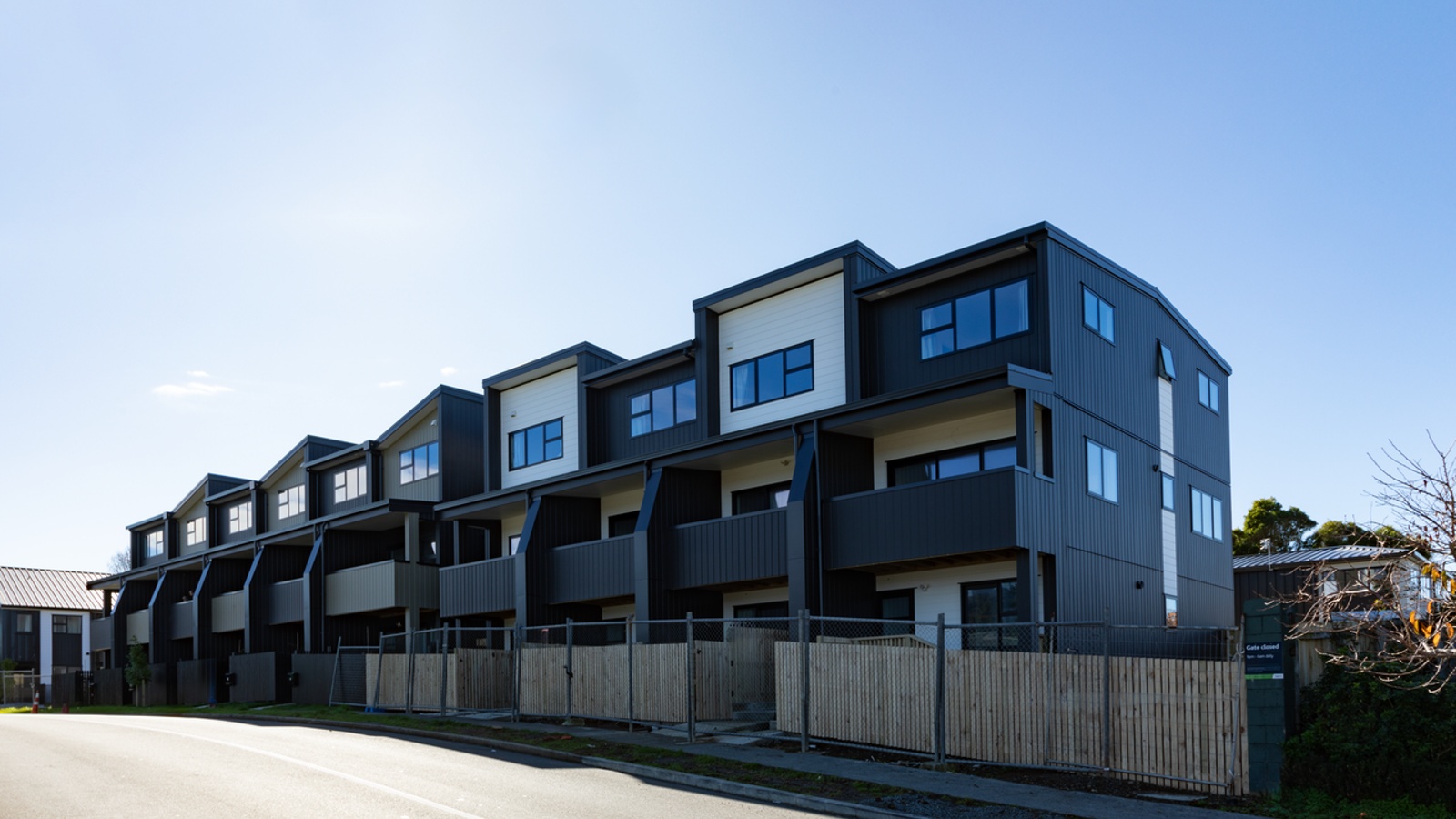
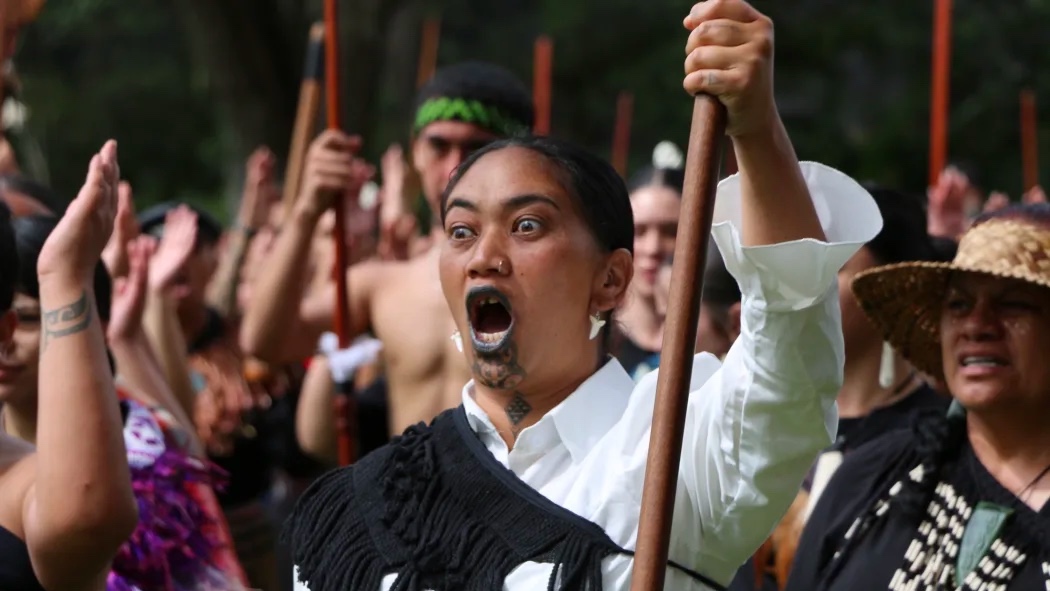
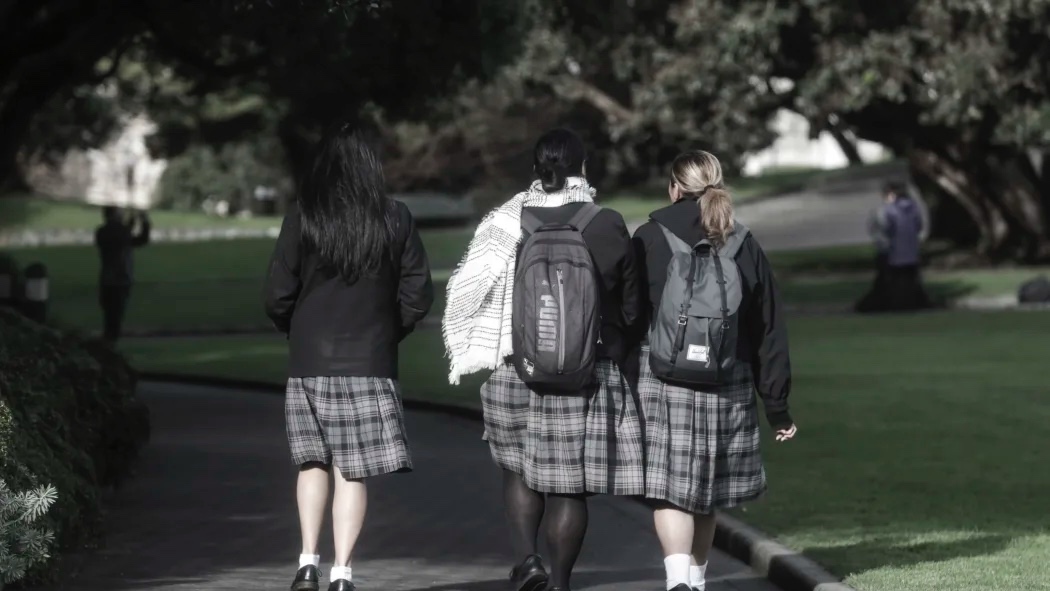
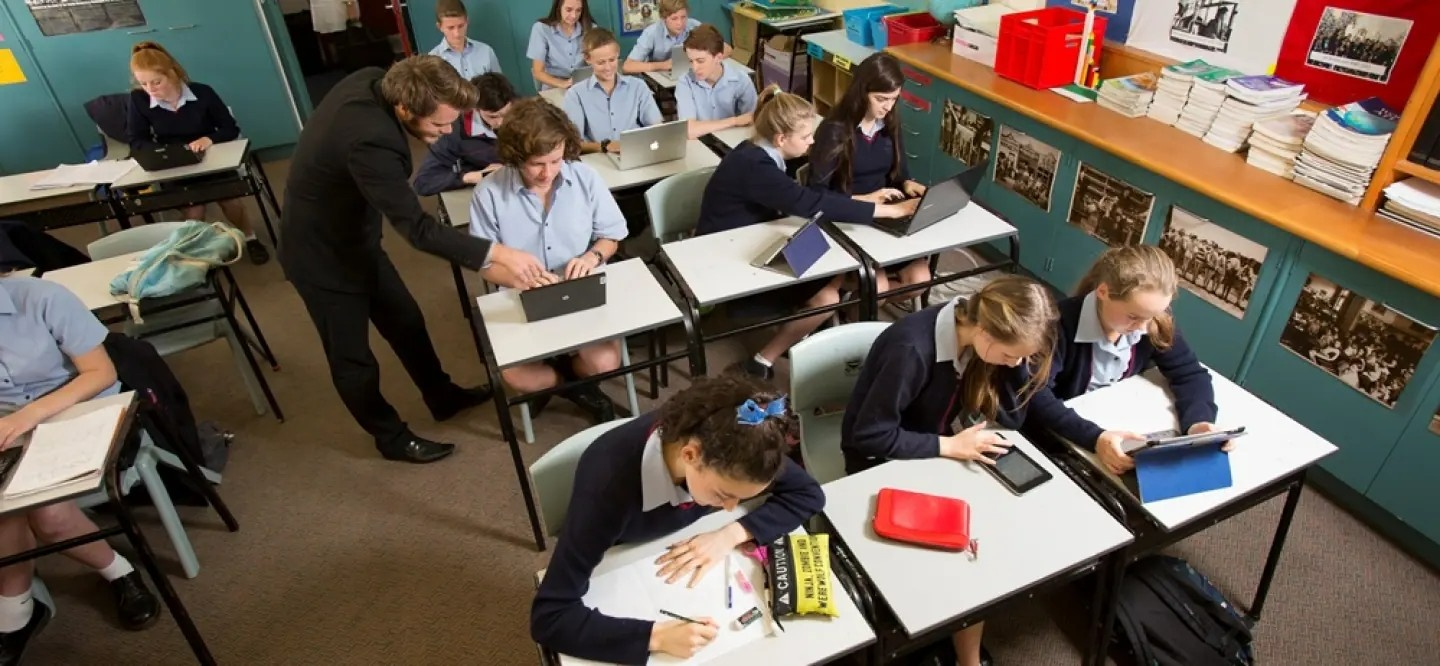
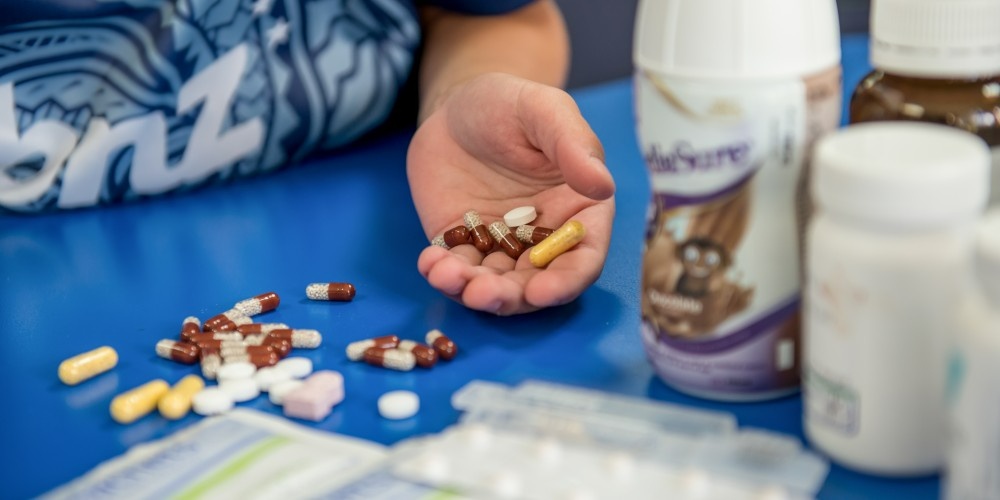
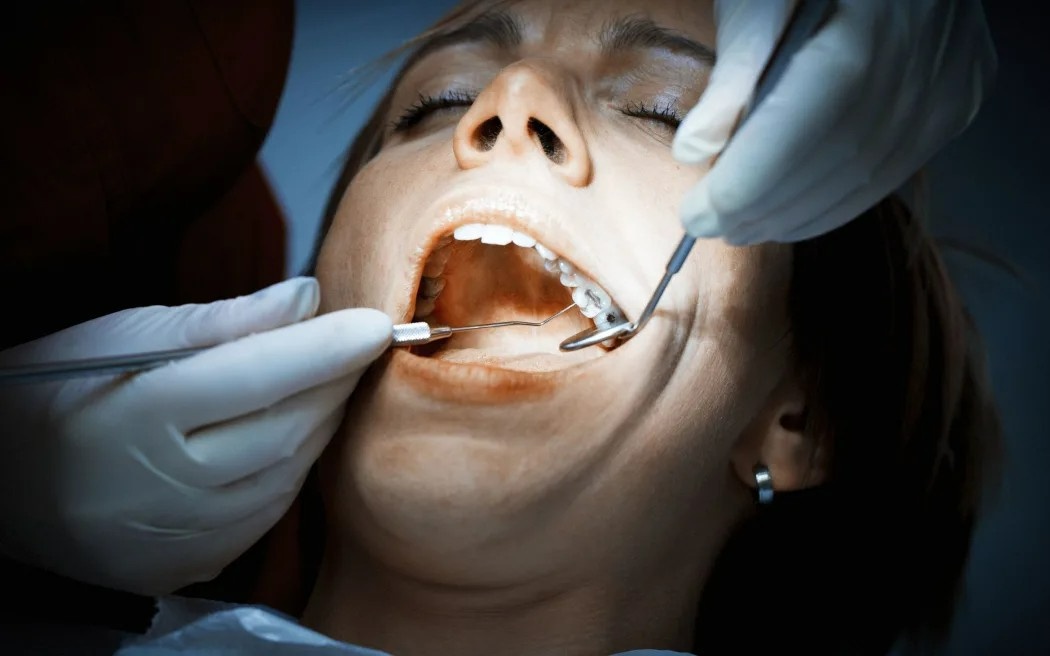
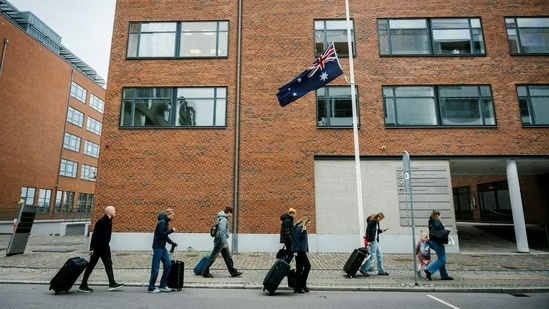
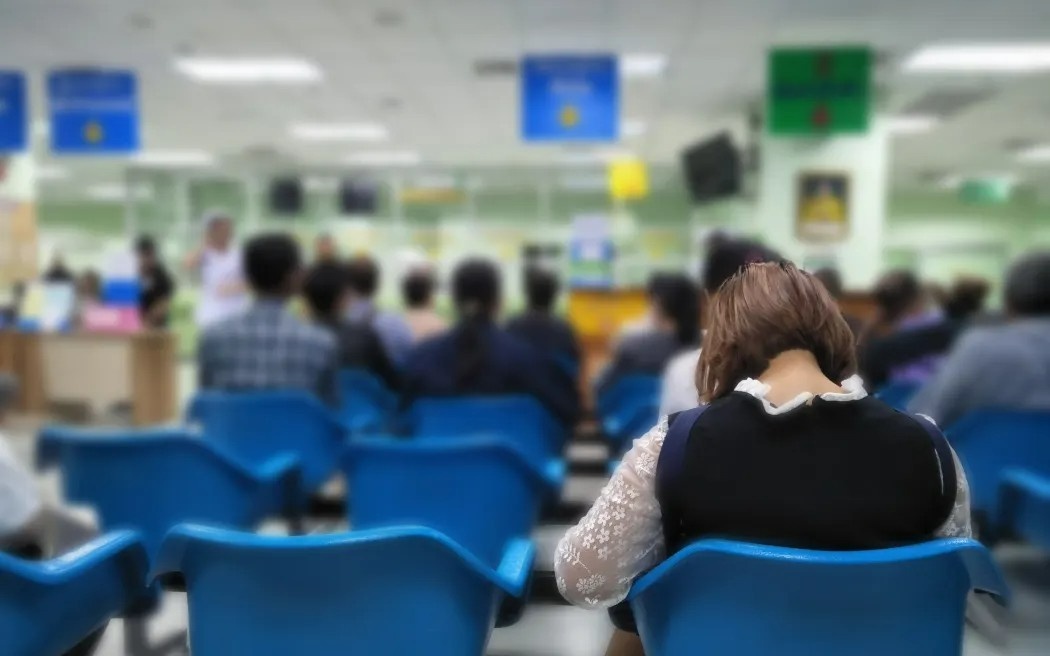
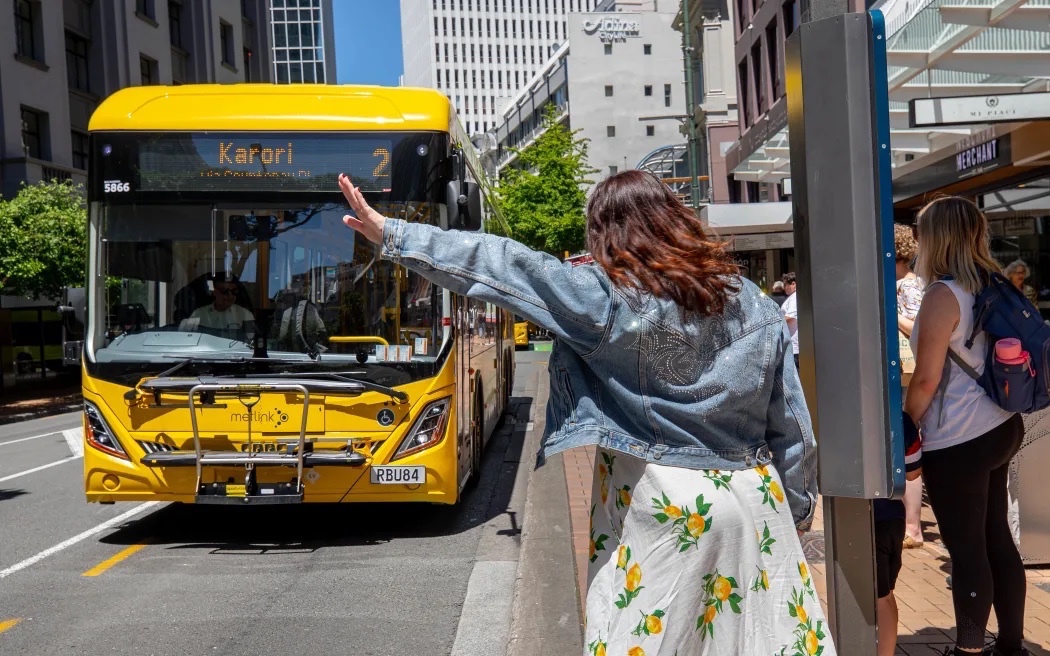
Migrants with Down syndrome find it tough to make New Zealand their permanent home. (Representative image)
The boy's mother said seeking healthcare in Sri Lanka had become a source of humiliation.
New Zealand’s immigration rules saw an 11-year-old disabled child as a cost.
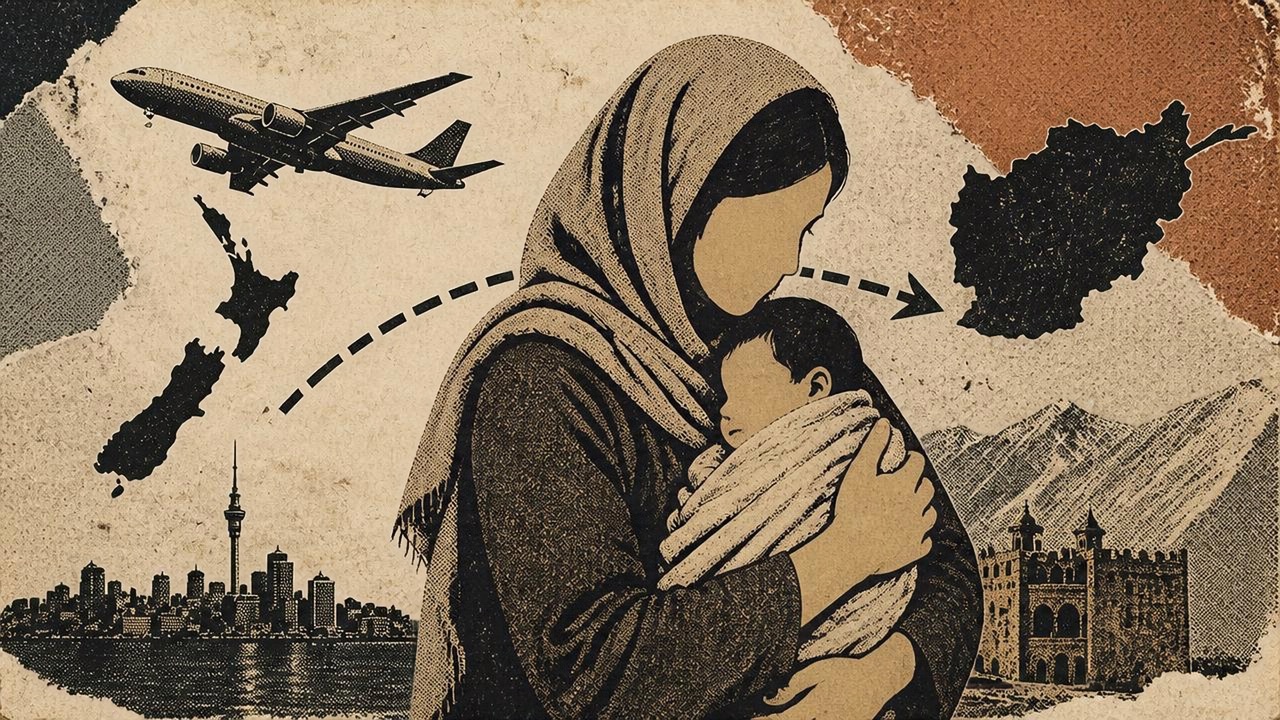
The Immigration and Protection Tribunal saw something else. A Sri Lankan boy with Down syndrome who may need New Zealand’s care because returning home could deny him the education, healthcare and dignity he needs.
In a decision dated June 10, the tribunal confirmed Immigration New Zealand (INZ) was legally correct to decline residence to the boy, identified only as PY, because he did not meet health requirements.
But it also found his case was special enough to ask the immigration minister to personally consider granting him residence as an exception.
PY had applied for residence under the Family (Dependent Child) category. INZ declined the application after finding he did not meet the acceptable standard of health and was not eligible for a medical waiver.
Selfie: ‘Daddy, please don’t take me to an India-NZ cricket match’. A migrant's dilemma Can a migrant embrace a new home without abandoning old loyalties? Sports often offers a reckoning for migrants.
Migrant prison guards in Auckland accused of drug smuggling can't work, can't go home Two fathers facing serious corruption charges have been unable to work elsewhere because of their visas and awaiting criminal trials in 2028.
Can you be Indian and Kiwi? National's Mahesh Muralidhar on patriotism, racism and belonging National's big ticket Indian-origin candidate on what ethnic representation really achieves and why New Zealanders still struggle to get along.
PY’s father first came to New Zealand in January 2020 on a work-to-residence visa. He later applied for residence under the 2021 Resident Visa category, including his wife and daughter. That application was successful in October 2023.
PY was initially included in his father’s application, but was withdrawn after INZ medical assessors found he would likely require a high level of specialist intervention in school and would probably qualify for Ongoing Resourcing Scheme, or ORS, funding.
The family later came to New Zealand together in December 2023. PY has remained lawfully in the country on visitor or interim visas, while his parents and younger sister are now permanent residents.
Medical evidence before INZ showed PY had Down syndrome, delayed language development, and needed adult support for daily activities and education.
He was otherwise physically healthy, had no active medical problems, did not require medication, and had no continuing cardiac issues.
However, INZ found he was likely to impose significant costs or demands on New Zealand’s special education services.
The tribunal said INZ was correct to find PY did not meet the acceptable standard of health. It also found he was not eligible for a medical waiver.
The tribunal then considered whether PY had “special circumstances” that warranted ministerial consideration outside the usual residence instructions.
A major factor was the best interests of the child. The decision drew a sharp contrast between PY’s experiences in Sri Lanka and the support he could receive in New Zealand.
The tribunal accepted evidence that PY and his family had faced serious stigma and discrimination in Sri Lanka because of his disability. That included difficulties accessing education and healthcare.
A letter from the school he had attended in Sri Lanka said it could not re-enrol him because it lacked the specialised programmes, trained staff and therapeutic resources needed to support children with significant developmental needs.
The family also provided evidence from relatives, a close family friend and a former hospital employee about the discrimination faced by PY and his mother.
The tribunal said this was not simply a case of fewer opportunities in a less wealthy country.
“...the level of discrimination experienced by the appellant and his family in Sri Lanka, confirmed by others and the academic literature, cannot be regarded as simply ‘fewer opportunities’ but discrimination that goes to the heart of access to basic needs such as healthcare and education,” the tribunal said.
It also said academic material before it highlighted societal barriers in Sri Lanka, including discriminatory beliefs about disability and limits in the implementation and resourcing of disability-inclusive education.
The mother told the tribunal that even seeking healthcare for her son in Sri Lanka became a source of humiliation.
In hospital clinics, she said, medical professionals told her the boy’s condition was “a punishment for sins she had committed in a previous life”.
On other occasions, people in waiting rooms said he would bring them bad luck and aggressively demanded that he be removed.
The tribunal also recorded her evidence that other patients were sometimes prioritised ahead of them, while administrators and nurses made comments suggesting that “normal” patients deserved treatment before her son.
There were occasions, she said, when the family waited all day but had to leave without seeing a doctor because the doctor had left. They then had to rely on advice from pharmacy staff.
The tribunal also found PY’s limited access to specialised teaching appeared to stem from those wider barriers.
“It is plainly not in the appellant’s best interests to return to Sri Lanka, where he will likely not be able to access the specialised education that he requires,” the decision says.
In New Zealand, PY has not yet been able to access specialised education because he does not hold a student visa. His parents have recently begun privately funding speech and language therapy.
But medical and educational information before the tribunal indicated he would benefit from an individual education programme in a specialised school setting, where he could also interact with peers.
The tribunal acknowledged that granting residence would likely give PY access to New Zealand special education and ORS funding, “which comes at significant costs to New Zealand for services that are already struggling to meet the demand”.
“Nonetheless, it is clearly in his best interests to have access to as much support and specialised services as appropriate so that his development may be fostered while living with his family,” the decision says.
The Tribunal ultimately found that PY’s circumstances, considered together with his family’s situation, were special.
The immigration minister is not required to grant residence based of a tribunal's recommendation, and is not obliged to give reasons for any decision made after considering the advice.