
Identity and a $2m lawsuit: The Kiwi-Indian drag artist taking on Brian Tamaki
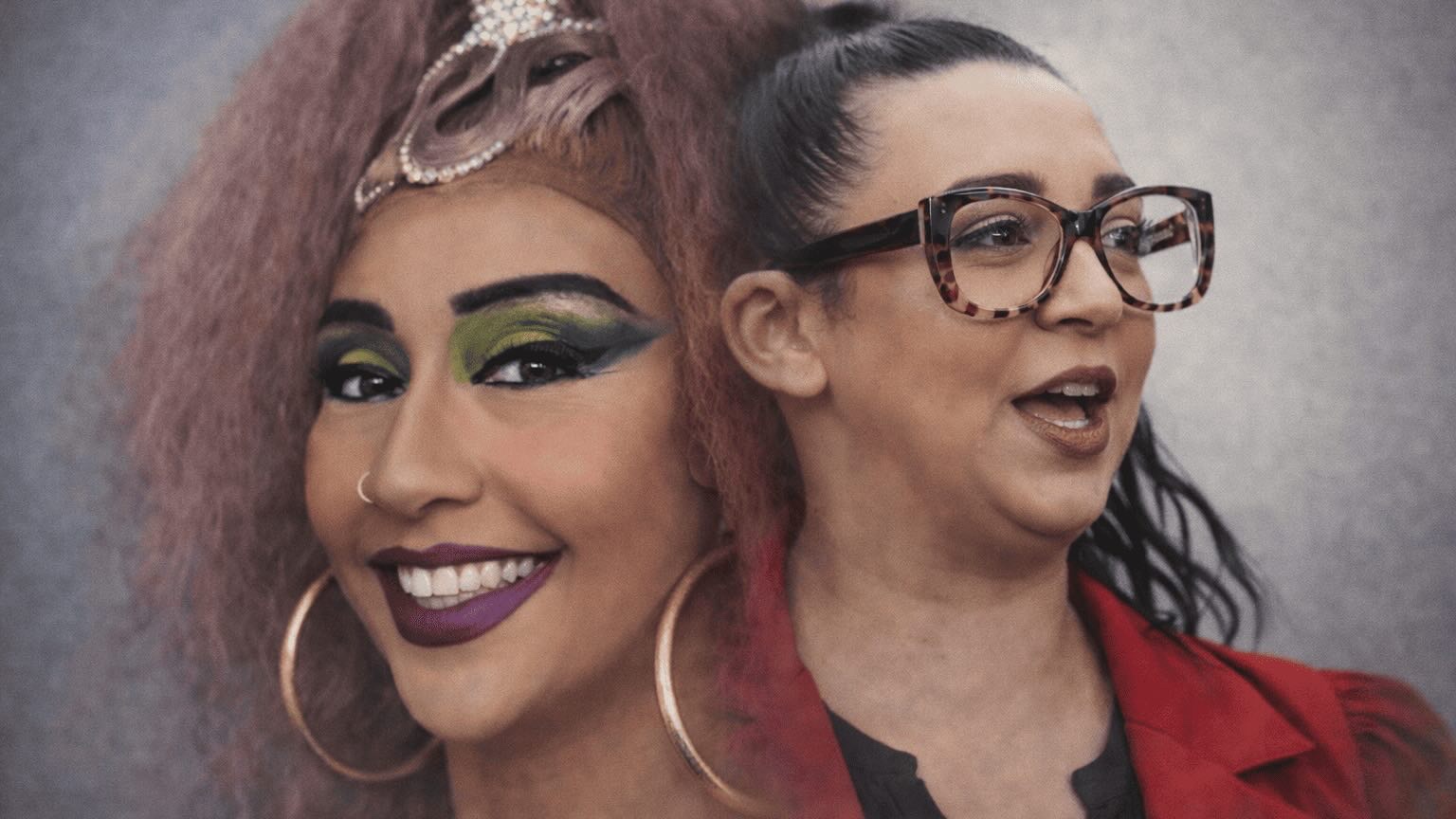
For Torrance, the dispute has brought unexpected public attention to a life that once felt defined by invisibility.
From a Gujarati upbringing to a life in drag, Torrance refuses to be who she was told to be.
Sunita Torrance grew up in Stratford, a small town in Taranaki on New Zealand’s west coast, a dairy-farming region dominated by the dramatic cone of Mount Taranaki.
Today the Kiwi-Indian performer, better known as drag artist Coco Flash, finds herself at the centre of a $2 million High Court lawsuit involving Destiny Church leader Brian Tamaki.
But long before court filings and protests outside libraries, Torrance was a child trying to figure out where she belonged. In a region with very few Indian families, fitting in sometimes meant simplifying things.


"I even called myself Sunny because I thought people would remember that and it would be easier to pronounce," she says.
Gujarati was spoken at home, but outside the house Torrance often felt disconnected from her heritage. As a child she sometimes assumed she must be Maori because there were so few Indians around her.
'Devastating': Indian family racially abused in Christchurch, hunt on to identify attacker “We’ll always be reminded of this, thanks to this man who thinks we don’t belong.”
Immigration reset: National drops hints as parties on left and right target permanent residence New Zealand's permanent residence framework provides an edge over Australia and Canada in attracting overseas talent.
NZ First’s policy of division: Turning hatred of migrants into political power This is no immigration reform. It is the politics of exclusion presented as population planning.
"My family were the only Indian family in Taranaki," she said. Growing up that way shaped how she saw herself. "When you're the only one who looks like you, you spend a lot of time wondering where you belong," she said.
It wasn't until she was nearly 18 that Torrance began reconnecting with her Indian identity. Exposure to Indian culture in mainstream media sparked a new curiosity about where she came from.
"I started realising how beautiful the culture was," she said. Today, she embraces that identity openly and says she now enjoys visiting India, a sharp contrast to an earlier trip when she was 15, which she remembers disliking.
Torrance is now better known under her drag persona Coco Flash, one half of the drag duo Flash. Her performing partner Daniel Lockett performs as Erika Flash.
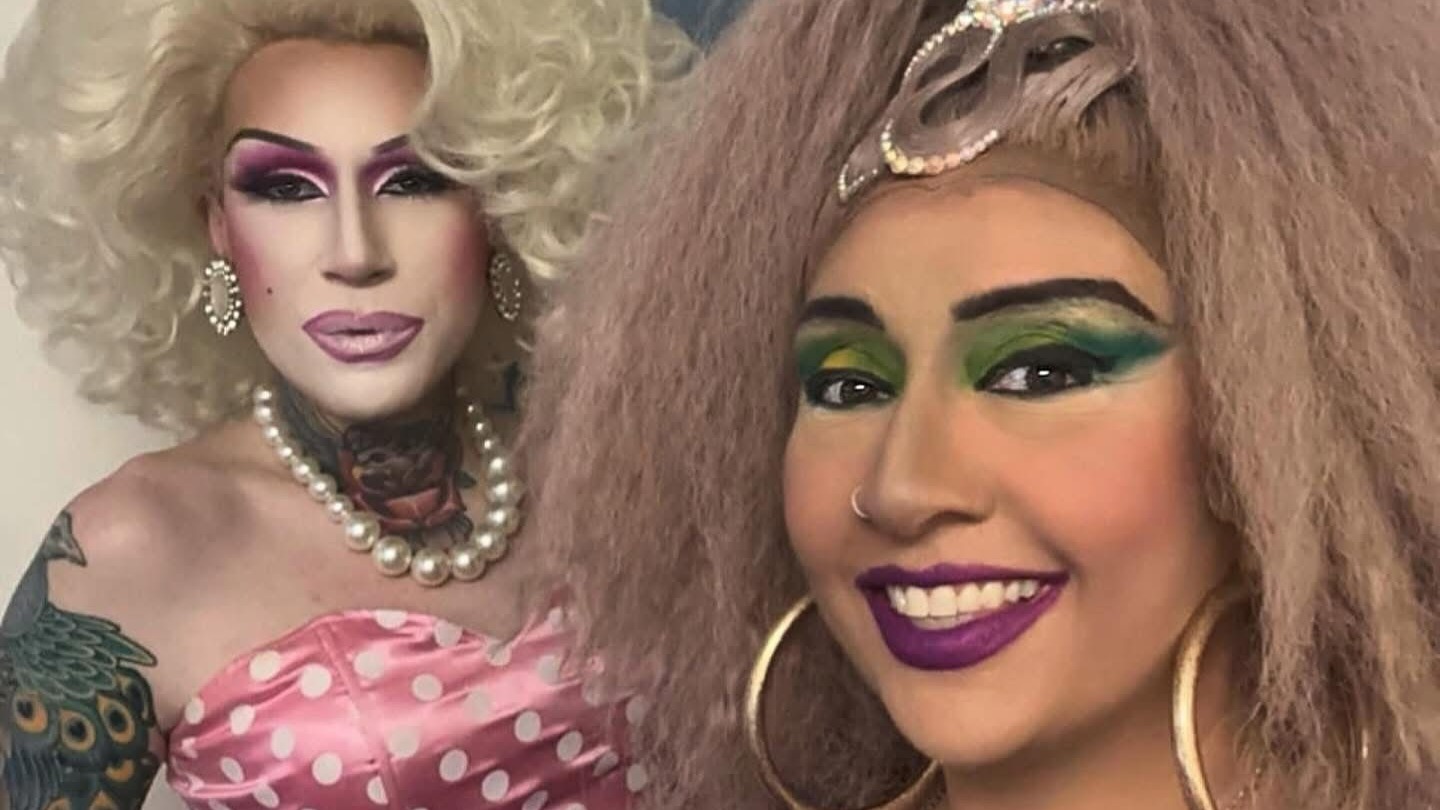
Sunita Torrance (right), who goes by the stage name Coco Flash, and Daniel Lockett, also known as Erika Flash, hosted roughly 250 Rainbow Storytime events in New Zealand. (Supplied photo)
Together they built a following through Rainbow Storytime, a series of children’s performances combining storytelling, dancing and lip-syncing. Inspired by the Drag Queen Story Hour concept that began in the United States, the shows were hosted in libraries and community venues across New Zealand.
Over several years the pair performed about 250 Rainbow Storytime events around the country. For Torrance, the shows carried a simple message.
"The point of Rainbow Storytime is to tell kids they're amazing just as they are," she said. "It doesn’t matter how you look or where you come from."
For Torrance, the path from a Gujarati kid in provincial Taranaki to drag performer touring New Zealand libraries might seem unlikely. But she says both journeys were about learning not to hide parts of herself.
That journey would soon place Torrance at the centre of a national controversy. In early 2024, Rainbow Storytime events began drawing opposition from Destiny Church leader Brian Tamaki, who criticised drag performances involving children.
A planned event in Rotorua was cancelled amid safety concerns after protests. Another event in Gisborne went ahead but drew demonstrations outside the library.
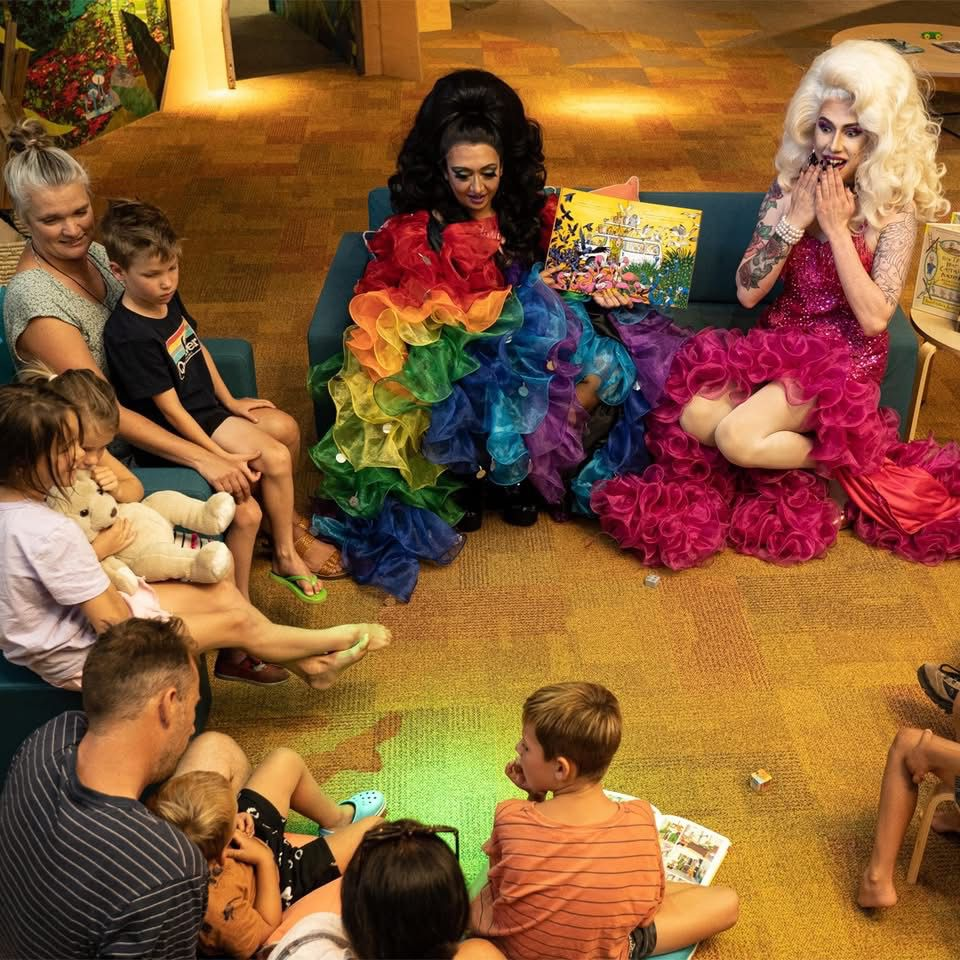
Torrence and Lockett at Rainbow Storytime event. (Supplied photo)
After that event, Destiny Church members painted over a rainbow pedestrian crossing in the city as part of the protest.
Tamaki and his supporters used strong language to describe the performers and the events. Statements attributed to them described drag storytime as "foul predator behaviour" and likened drag performers to "the wolf dressed as granny waiting for Red Riding Hood".
Torrance says the backlash had serious consequences. "It’s been incredibly tough," she said. "This was our livelihood."
In June 2024, Torrance and Lockett's company Haus of Flash filed proceedings in the Auckland High Court against Tamaki, Destiny Church trustees and several pastors.
The lawsuit alleges defamation, inducing breach of contract, conspiracy to injure and unlawful means conspiracy, and is seeking more than $2 million in damages.
Torrance has said the controversy had a significant financial impact, with income from her drag business dropping from about $150,000 a year to roughly $30,000.
Tamaki has said he is not afraid of the legal challenge and believes many New Zealanders support his stance, saying Destiny Church will continue advocating for what it sees as the wellbeing of children.
For Torrance, the dispute has brought unexpected public attention to a life that once felt defined by invisibility.
The girl who once called herself Sunny so others could pronounce her name more easily now performs under stage lights as Coco Flash, and finds herself at the centre of one of New Zealand's most visible cultural battles.
The case against Brian Tamaki and Destiney church is still in the discovery phase. This is the stage before the trial where both sides exchange information and evidence related to the case. Dates for the court hearing are not yet established.