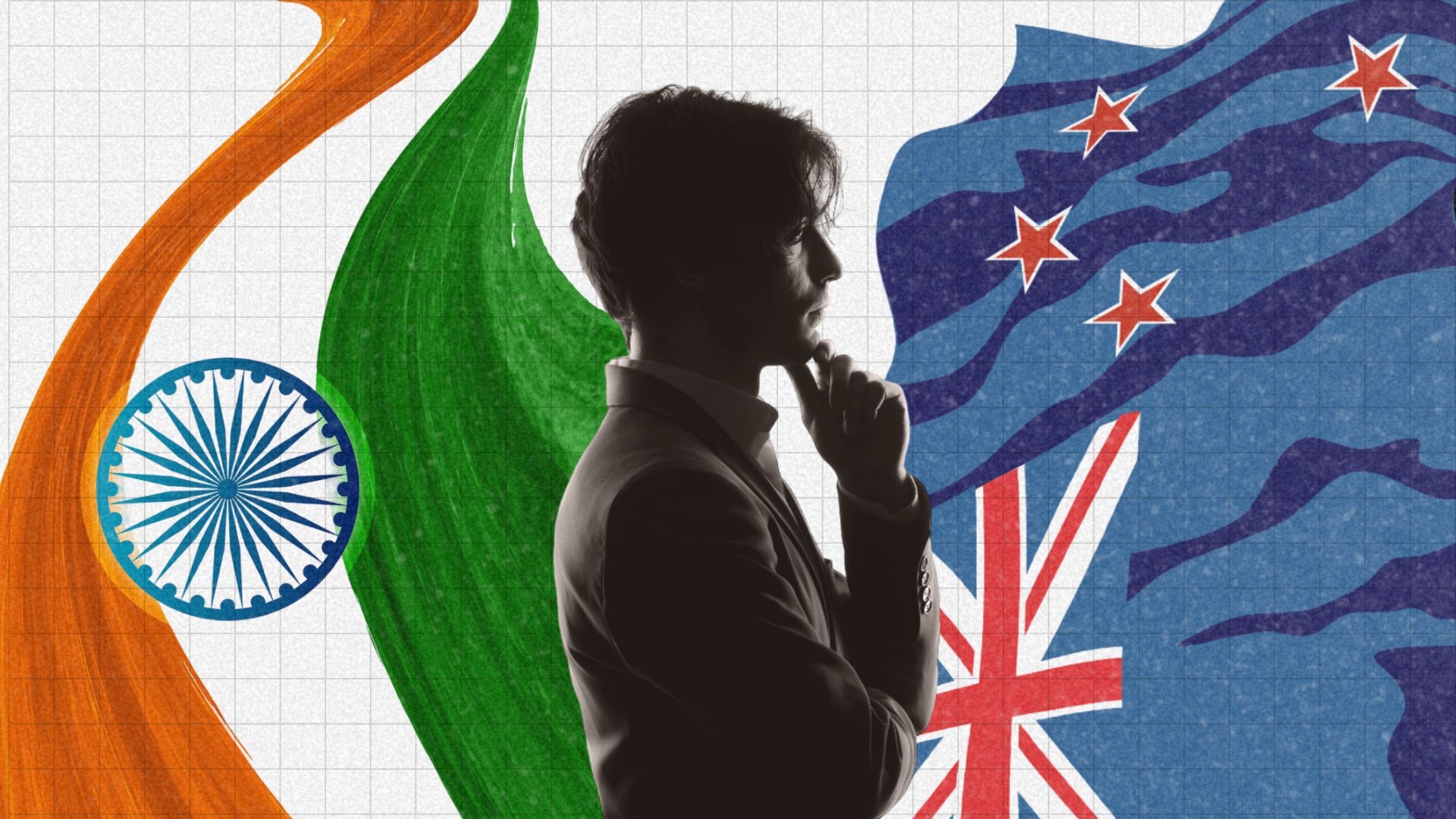

It's official. Kiwi-Indians are copping most hate, what will our politicians do about it?
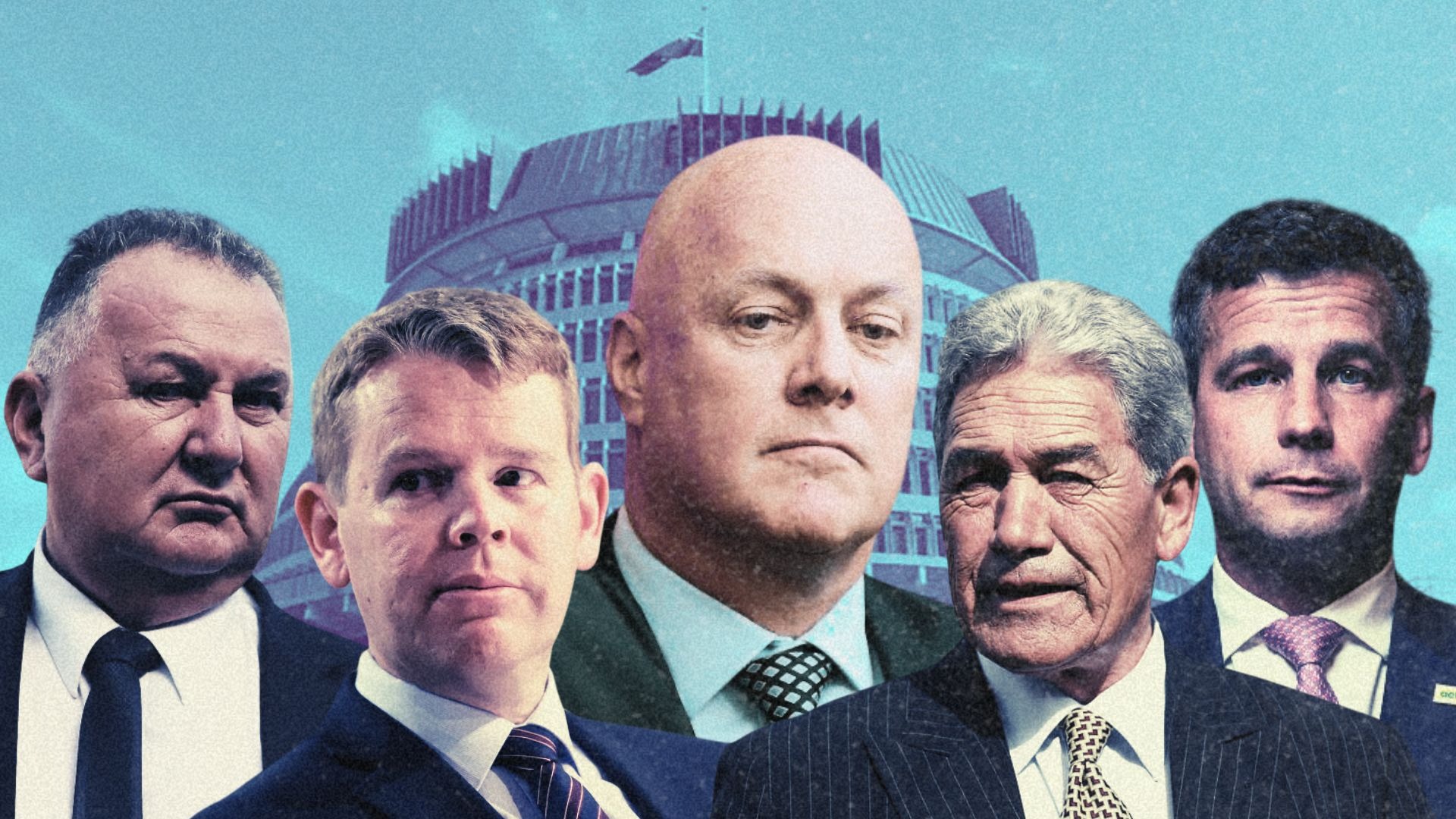
Racial tensions are building up as New Zealand prepares to elect a new government this year.
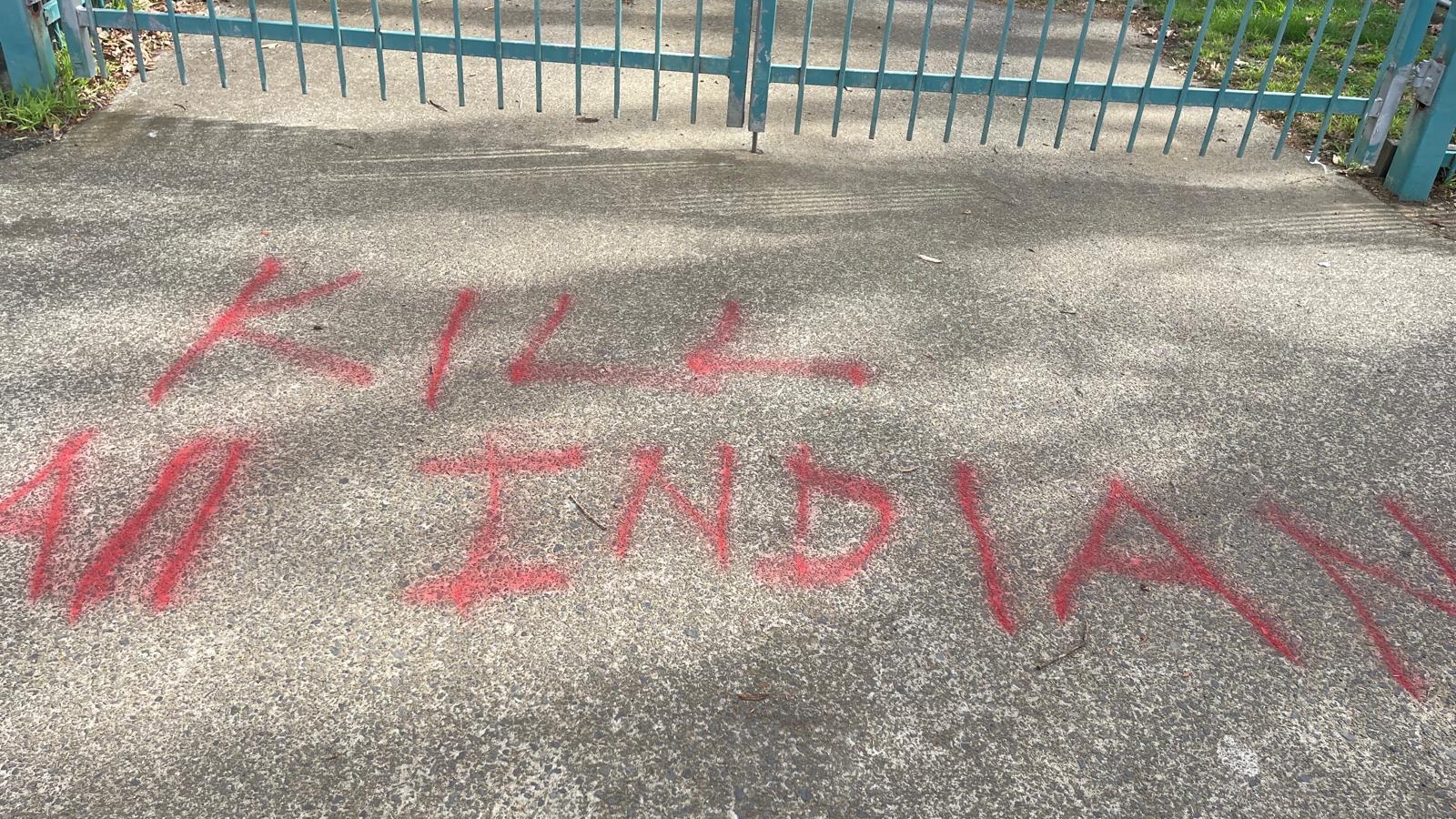
In Christchurch, New Zealand has already seen what harm unchecked build-up of hate and social tensions can unleash.
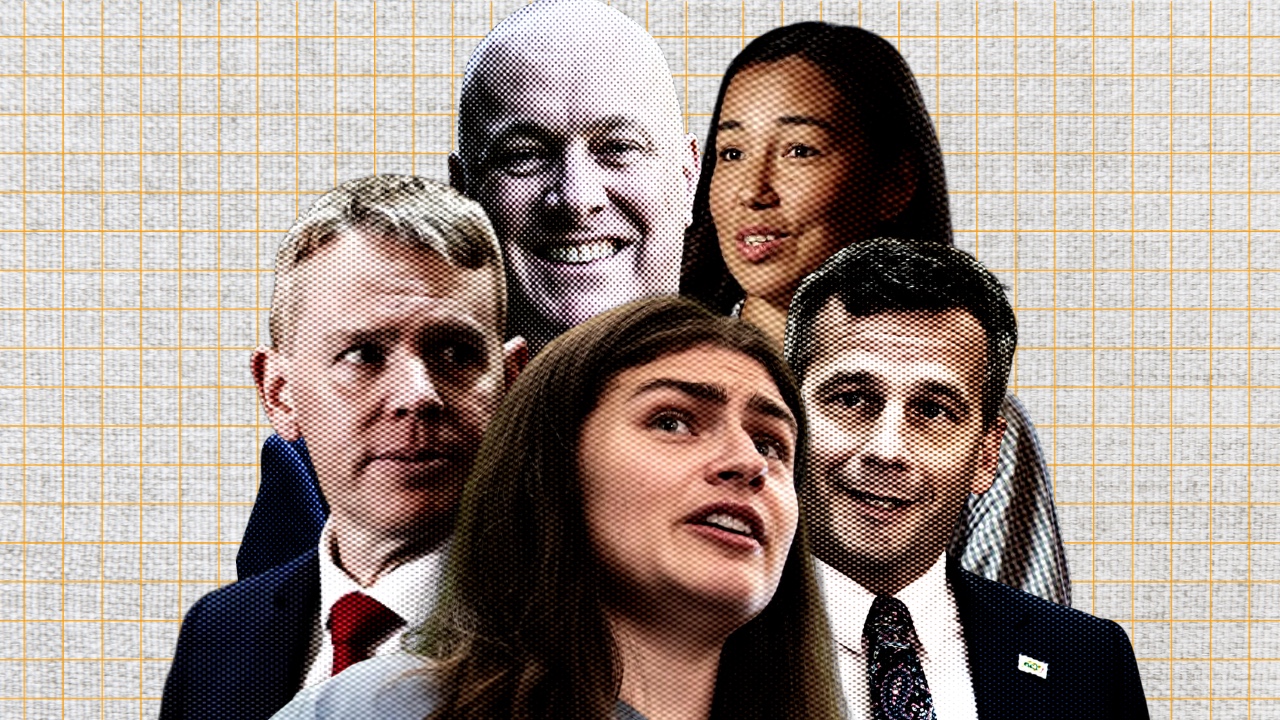
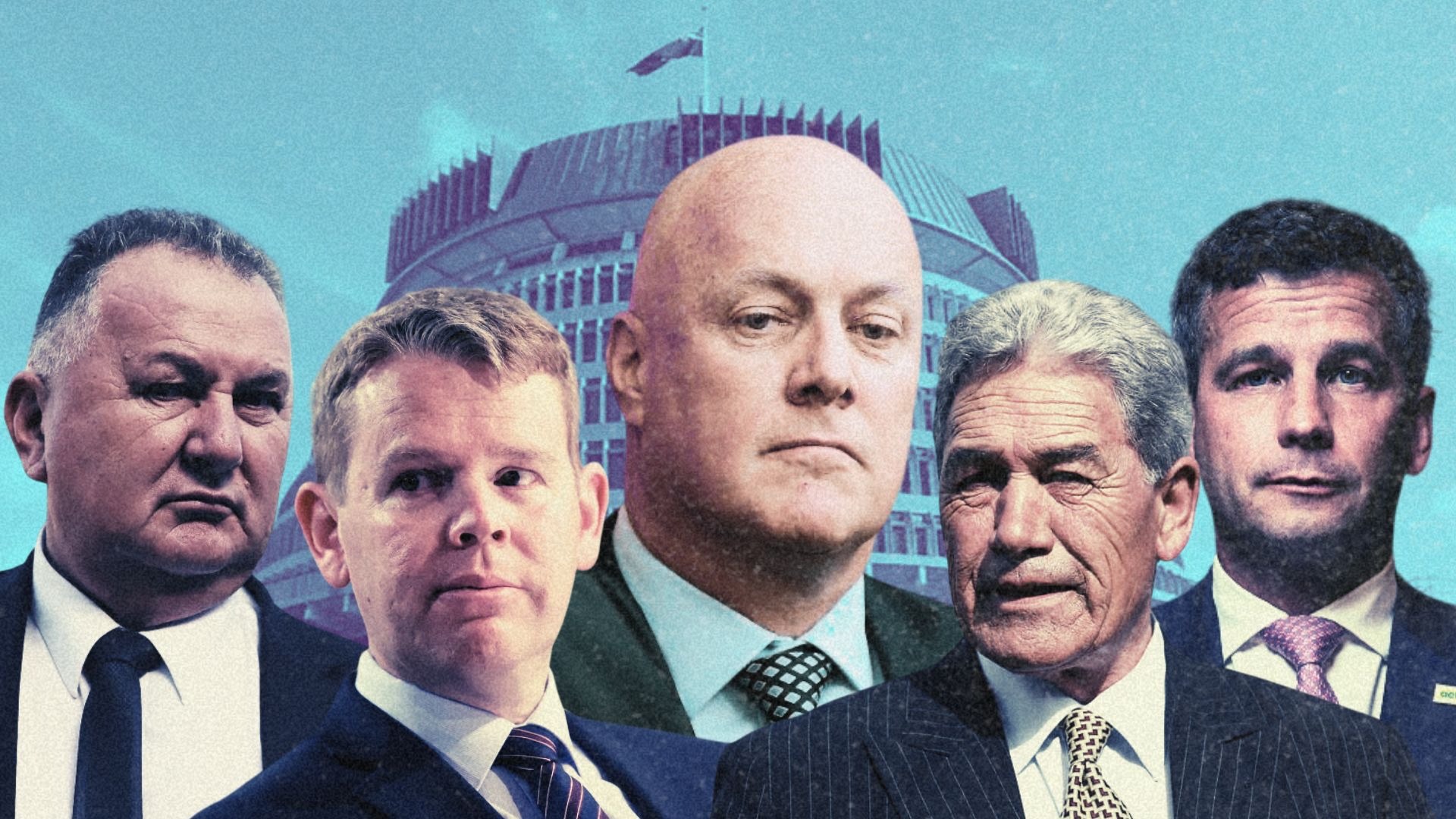
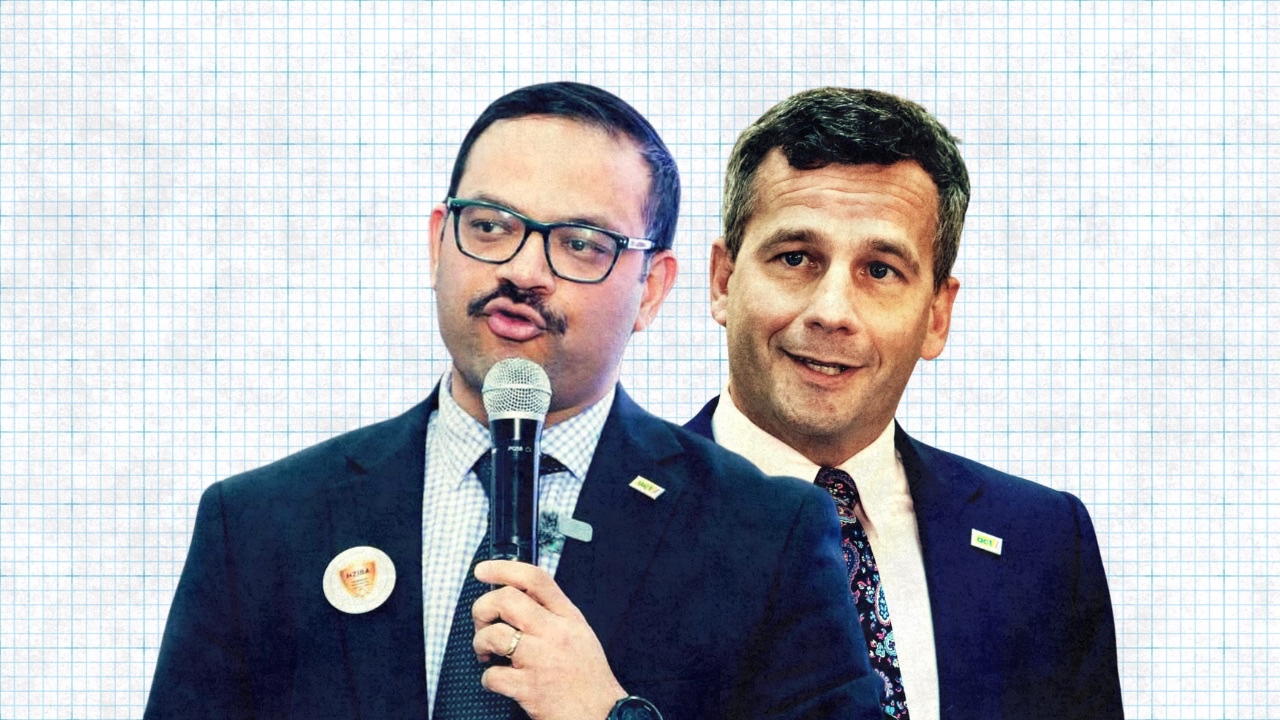
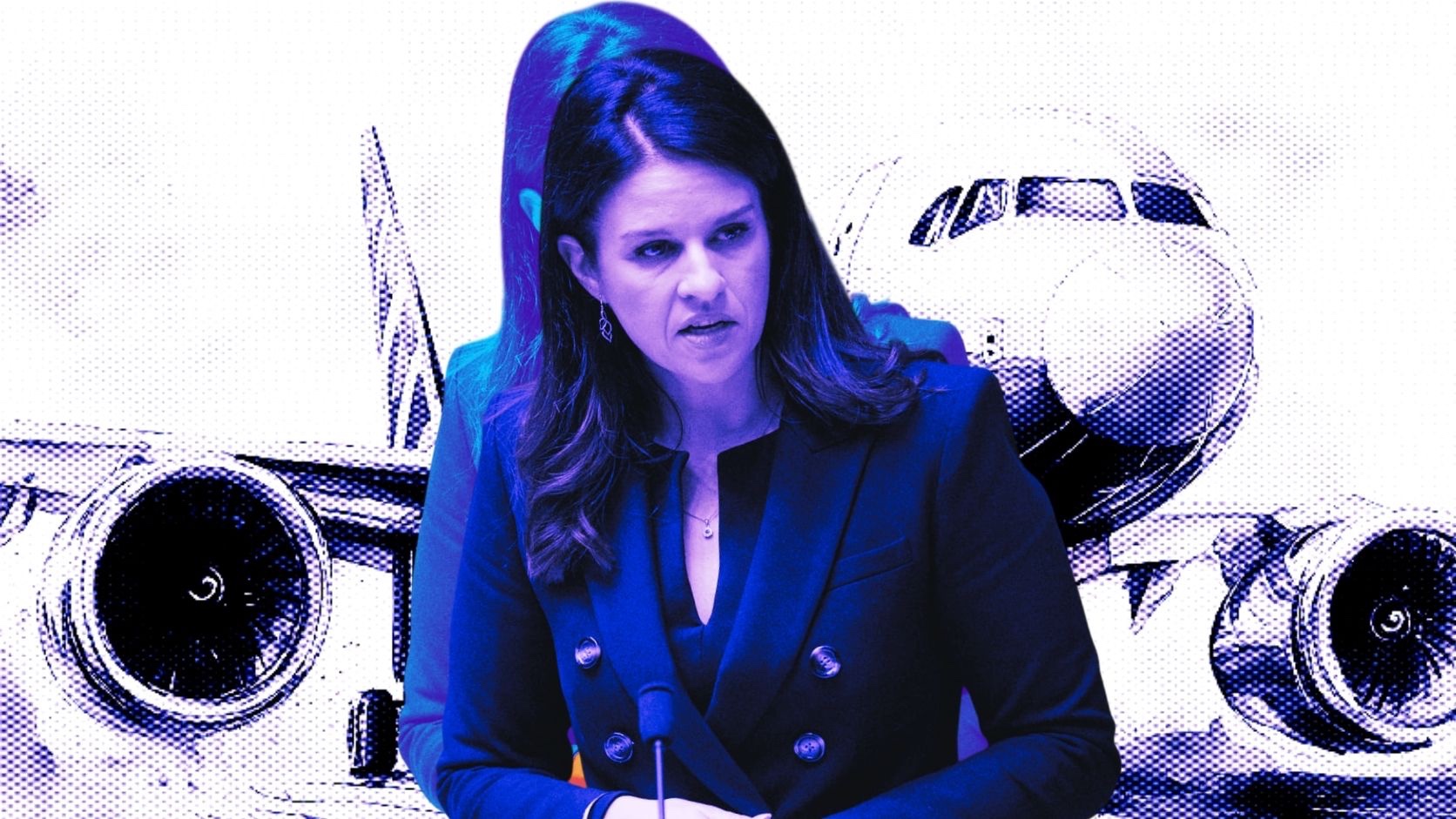
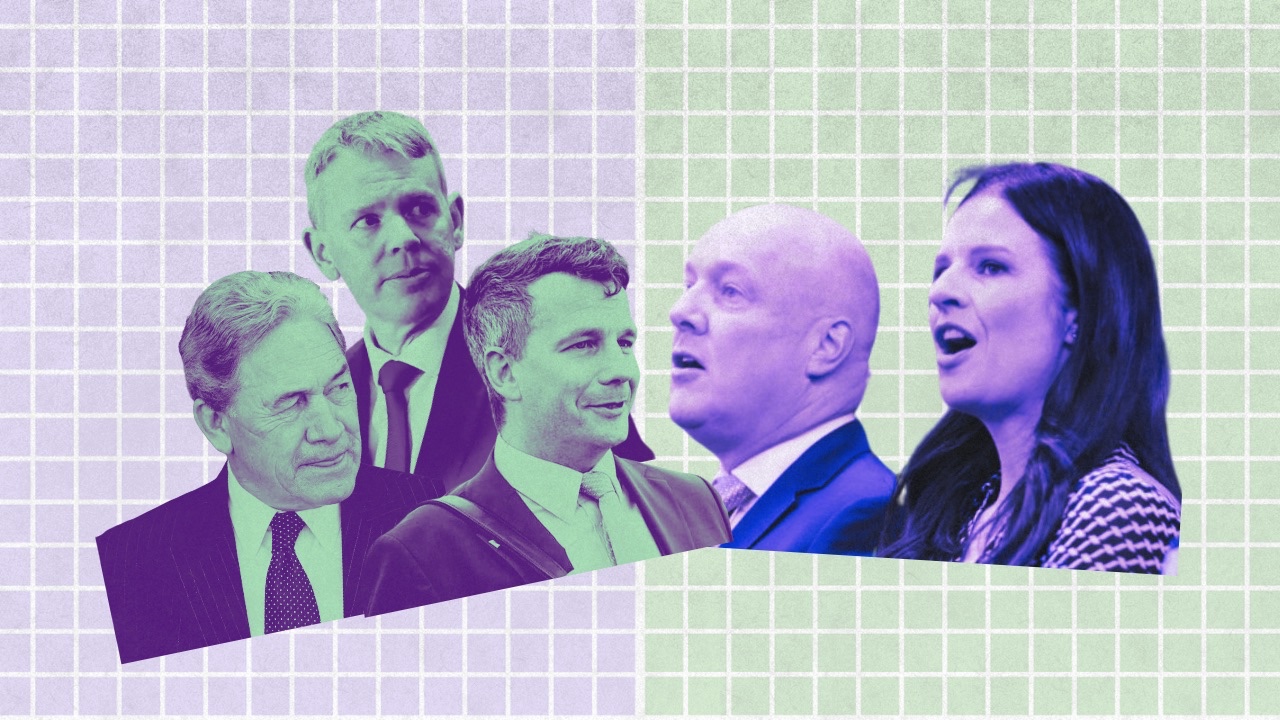
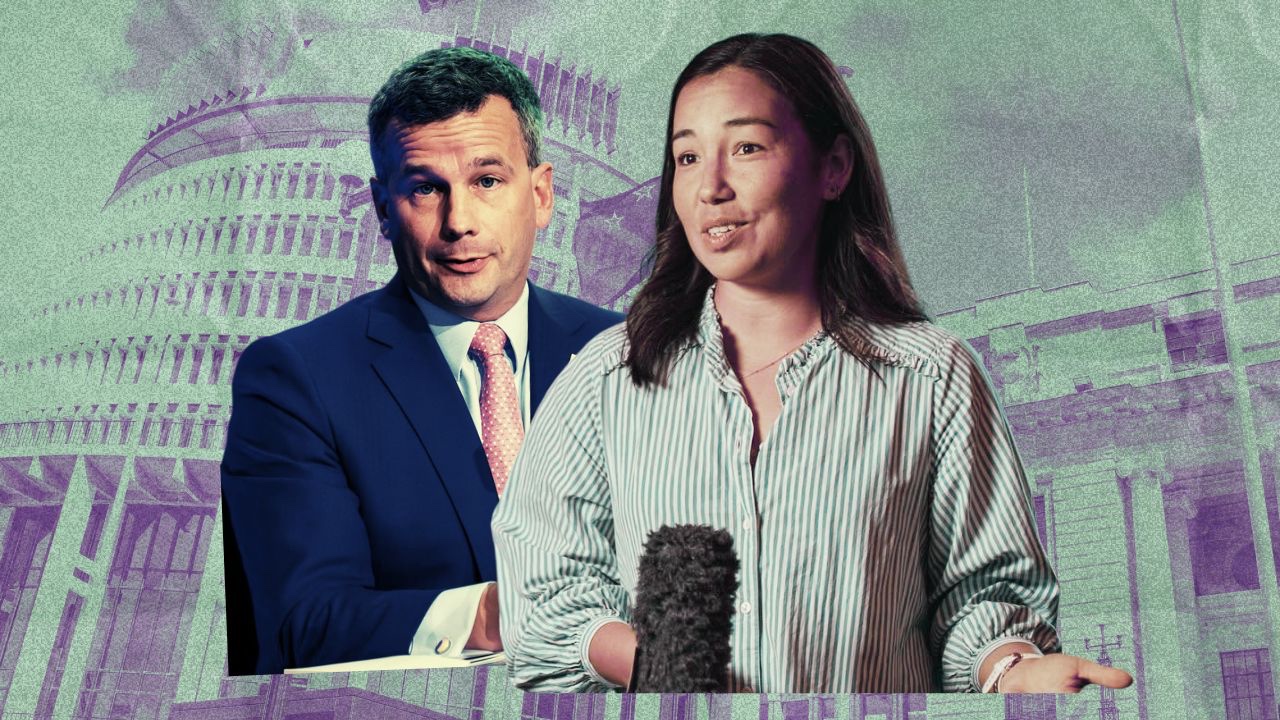
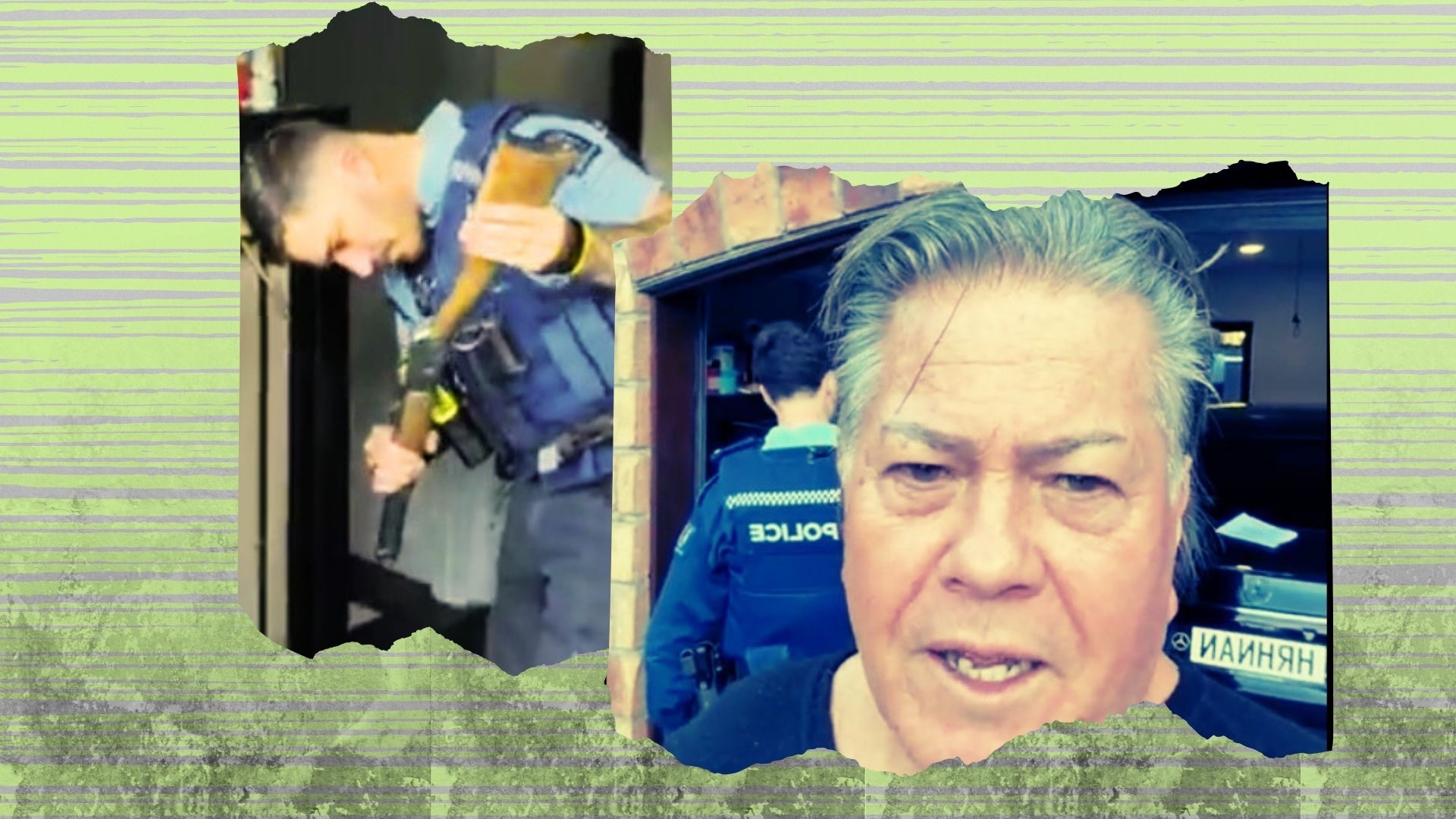
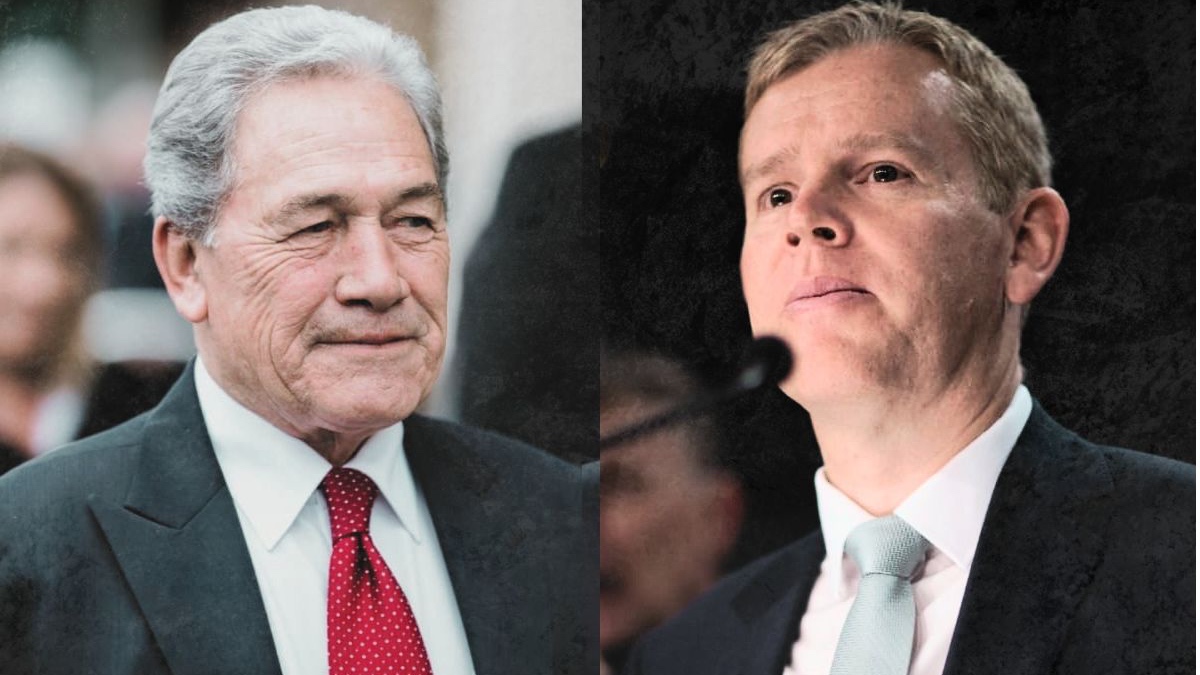
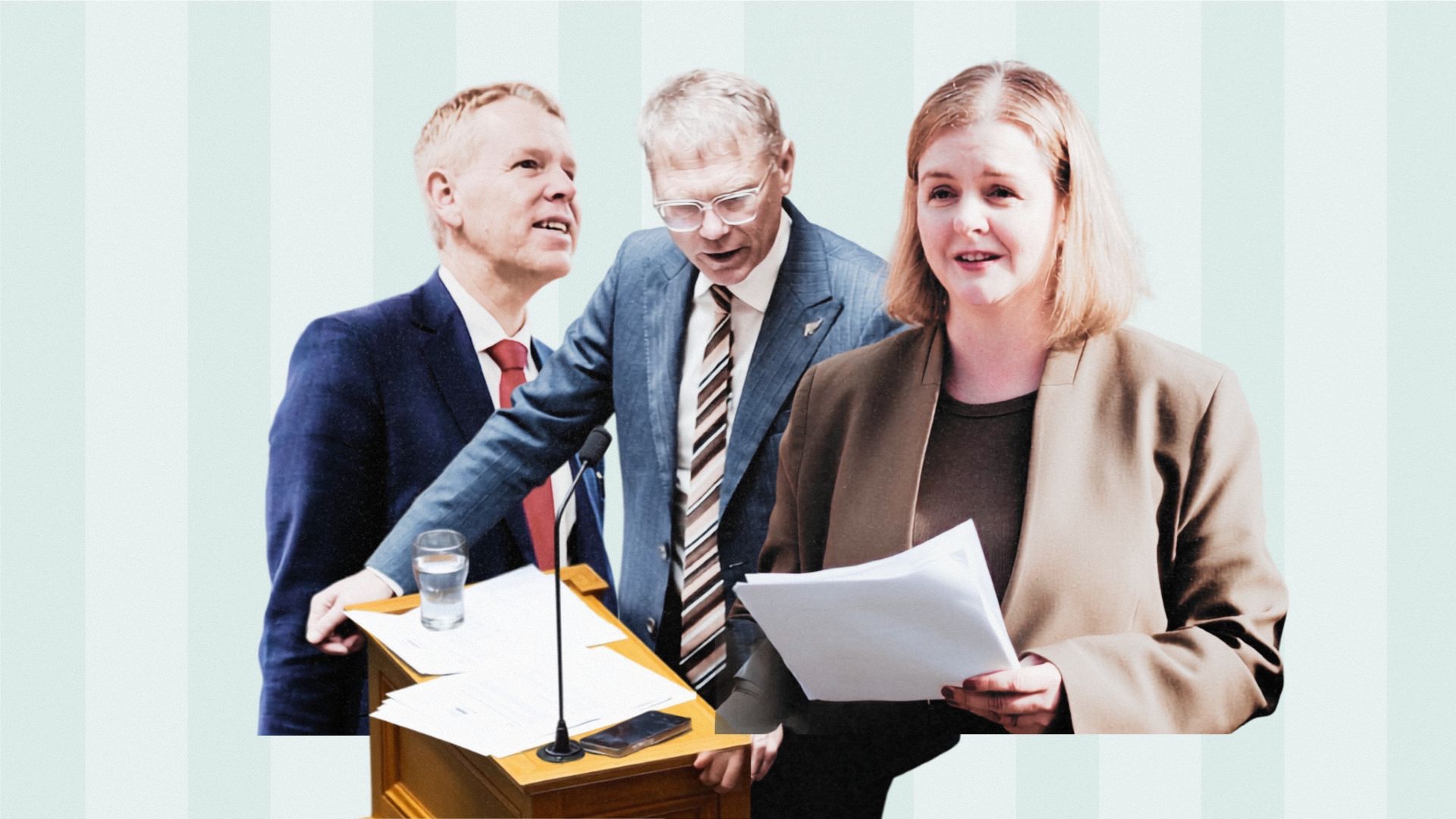
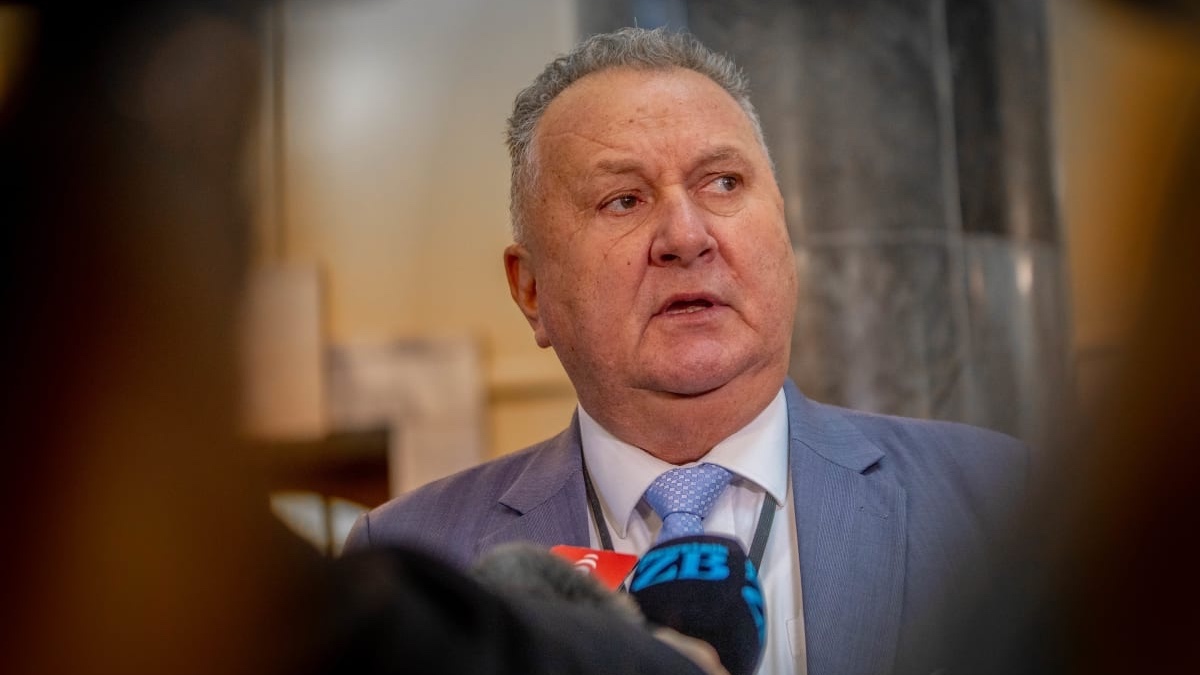
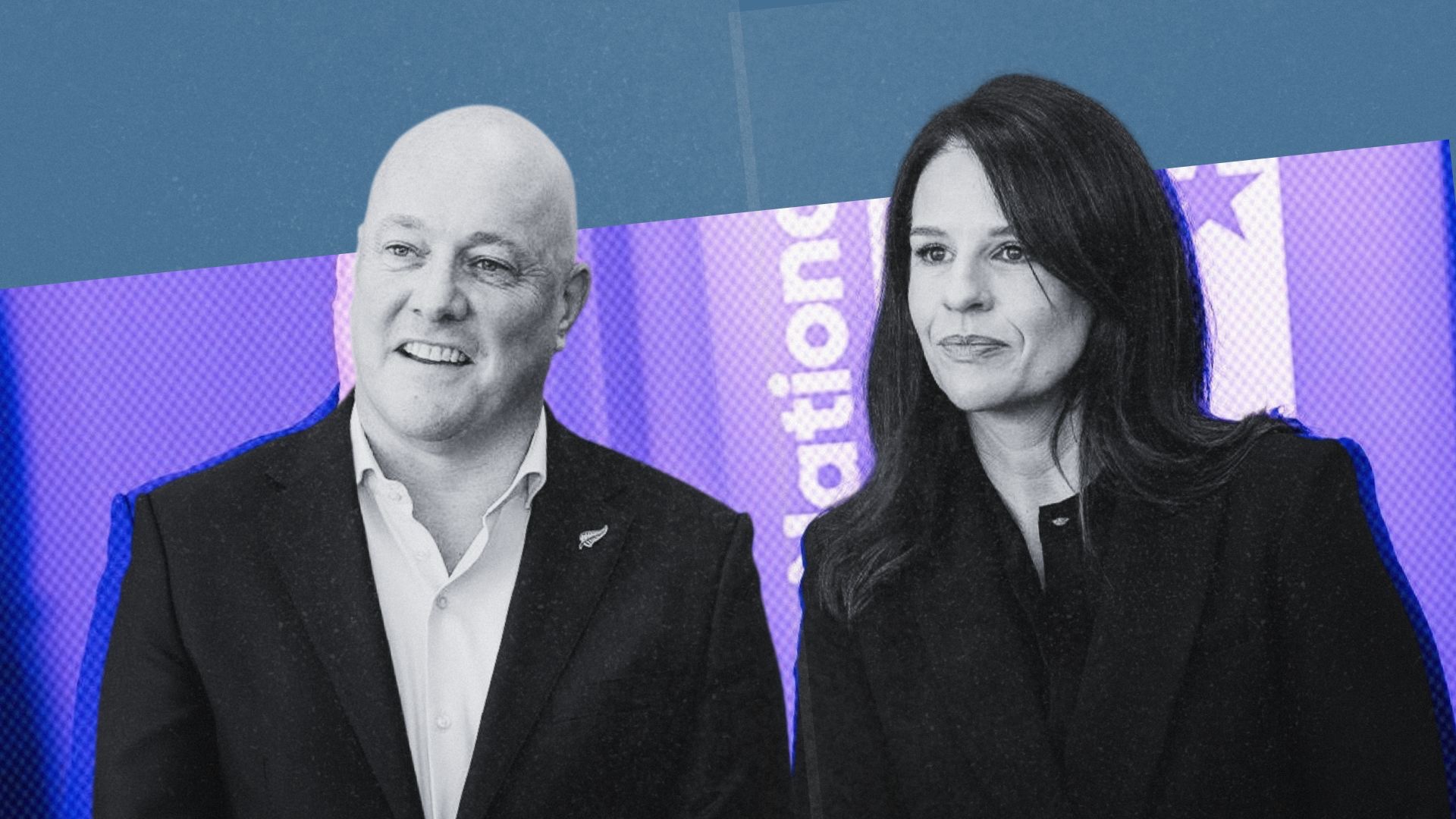
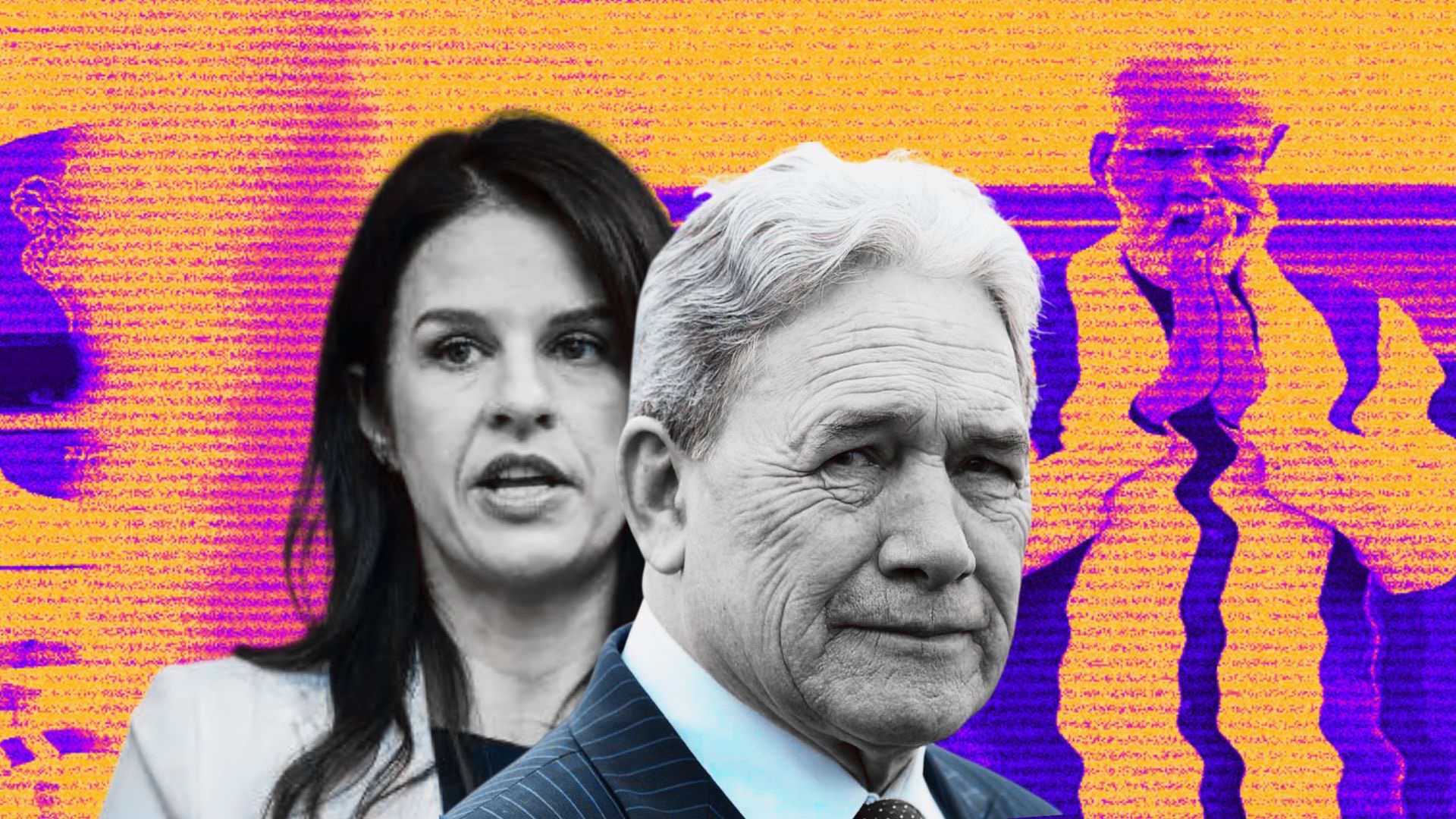
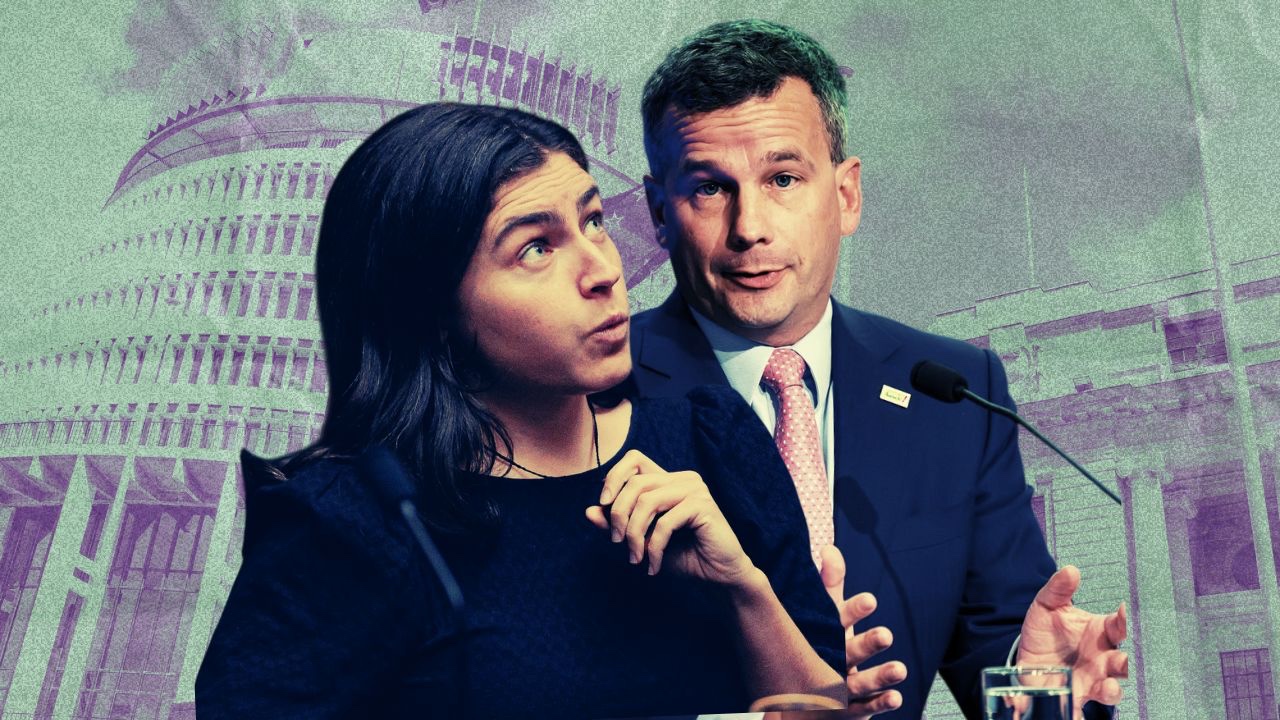
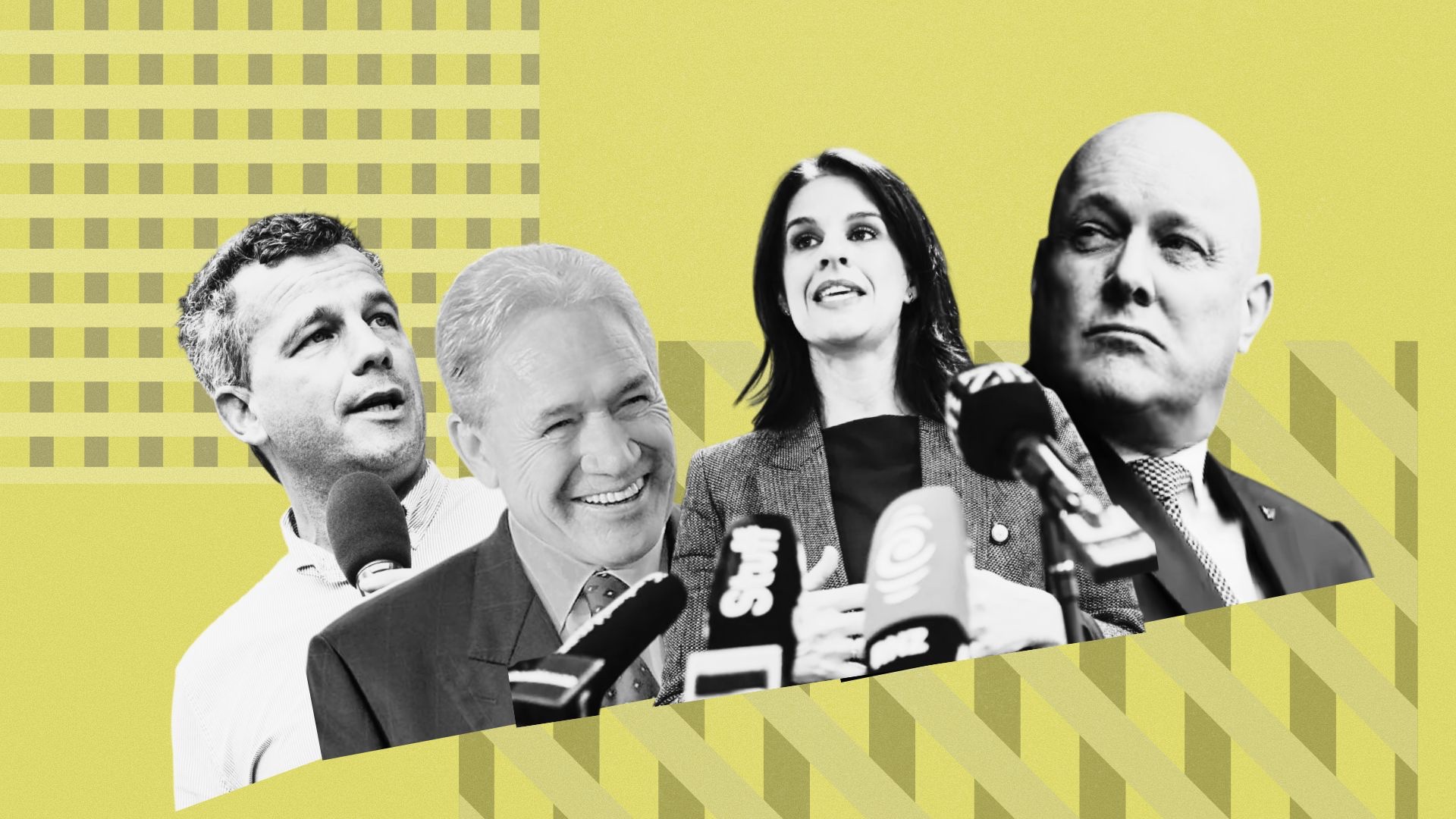
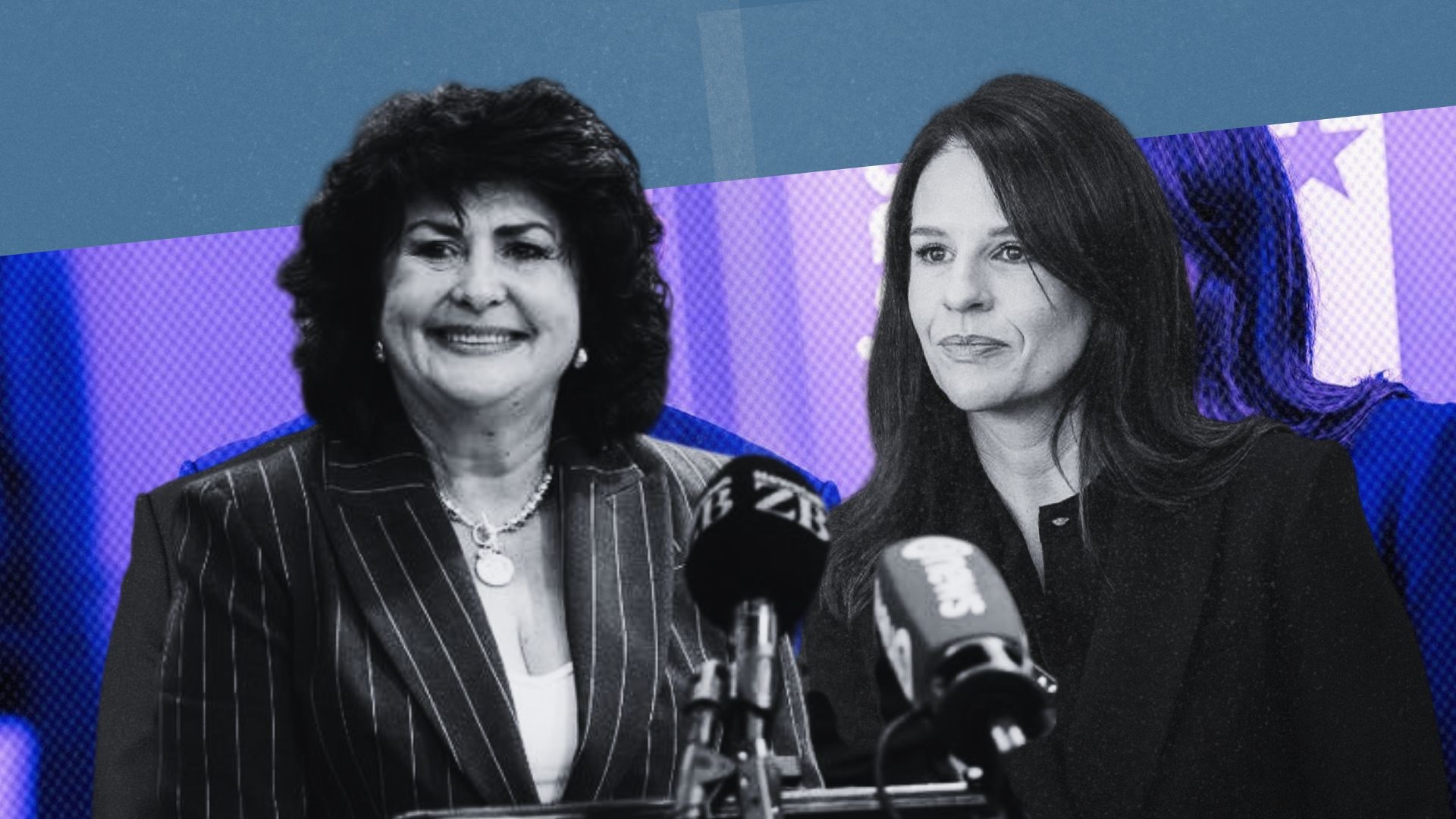
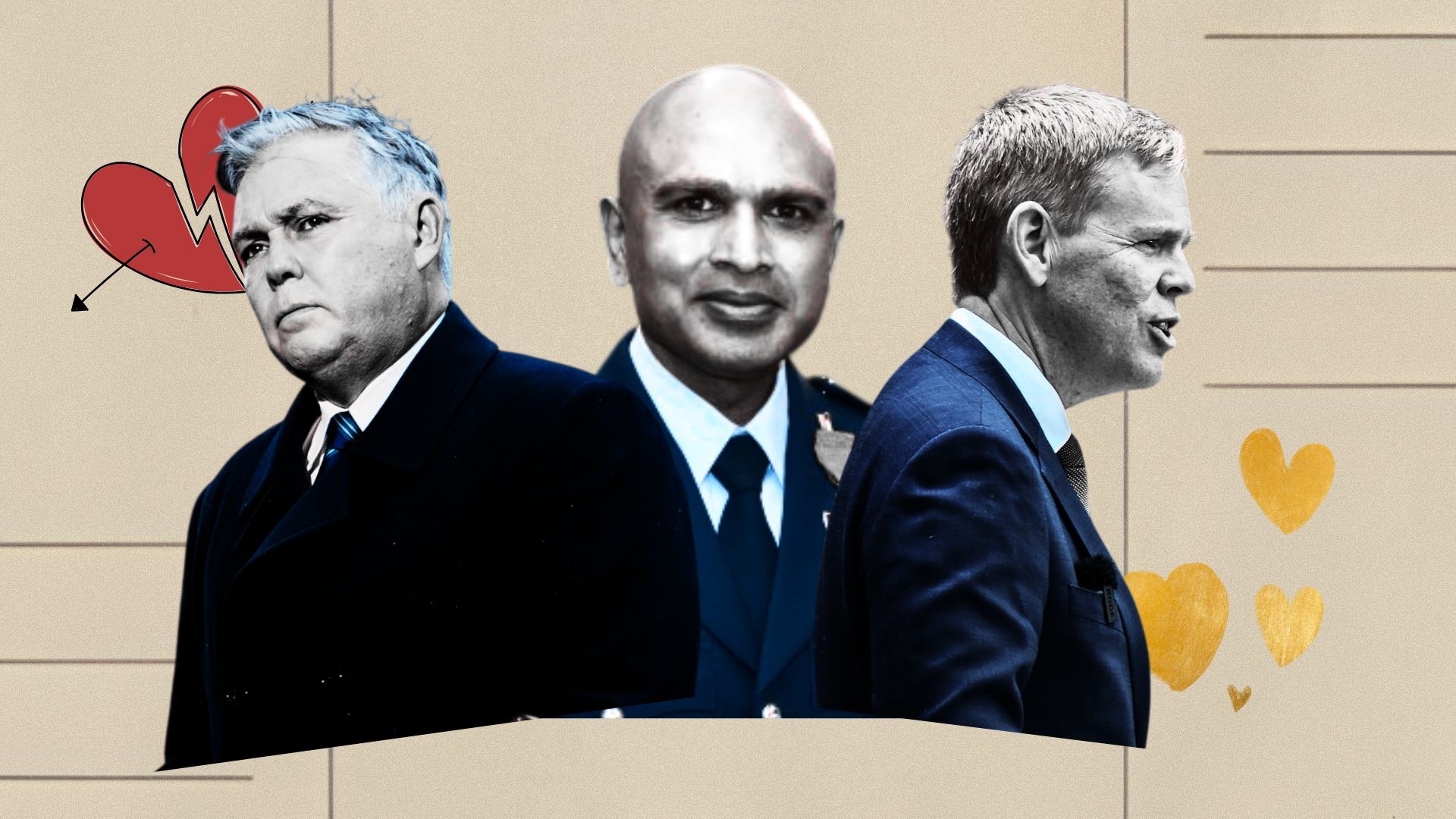
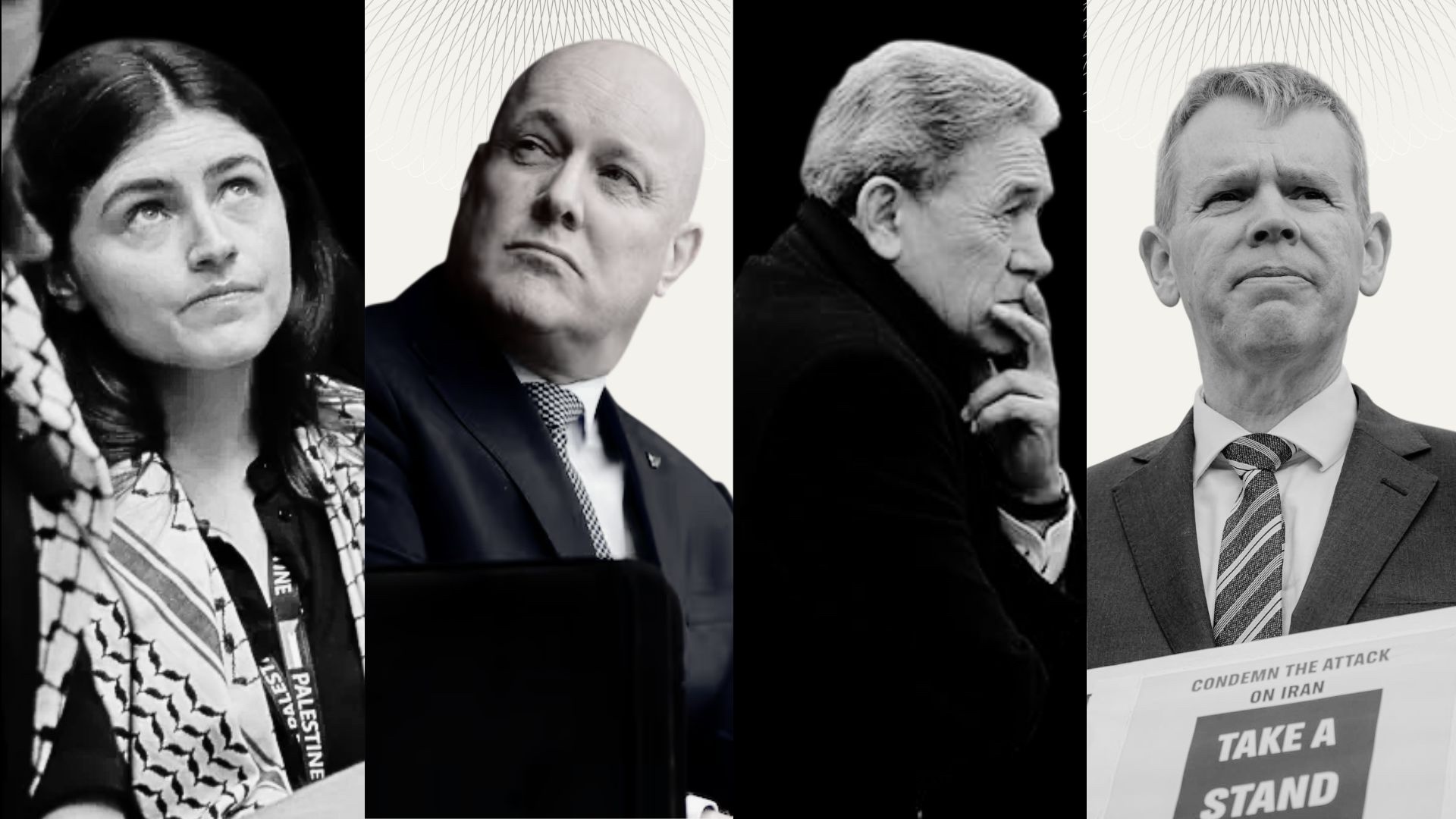
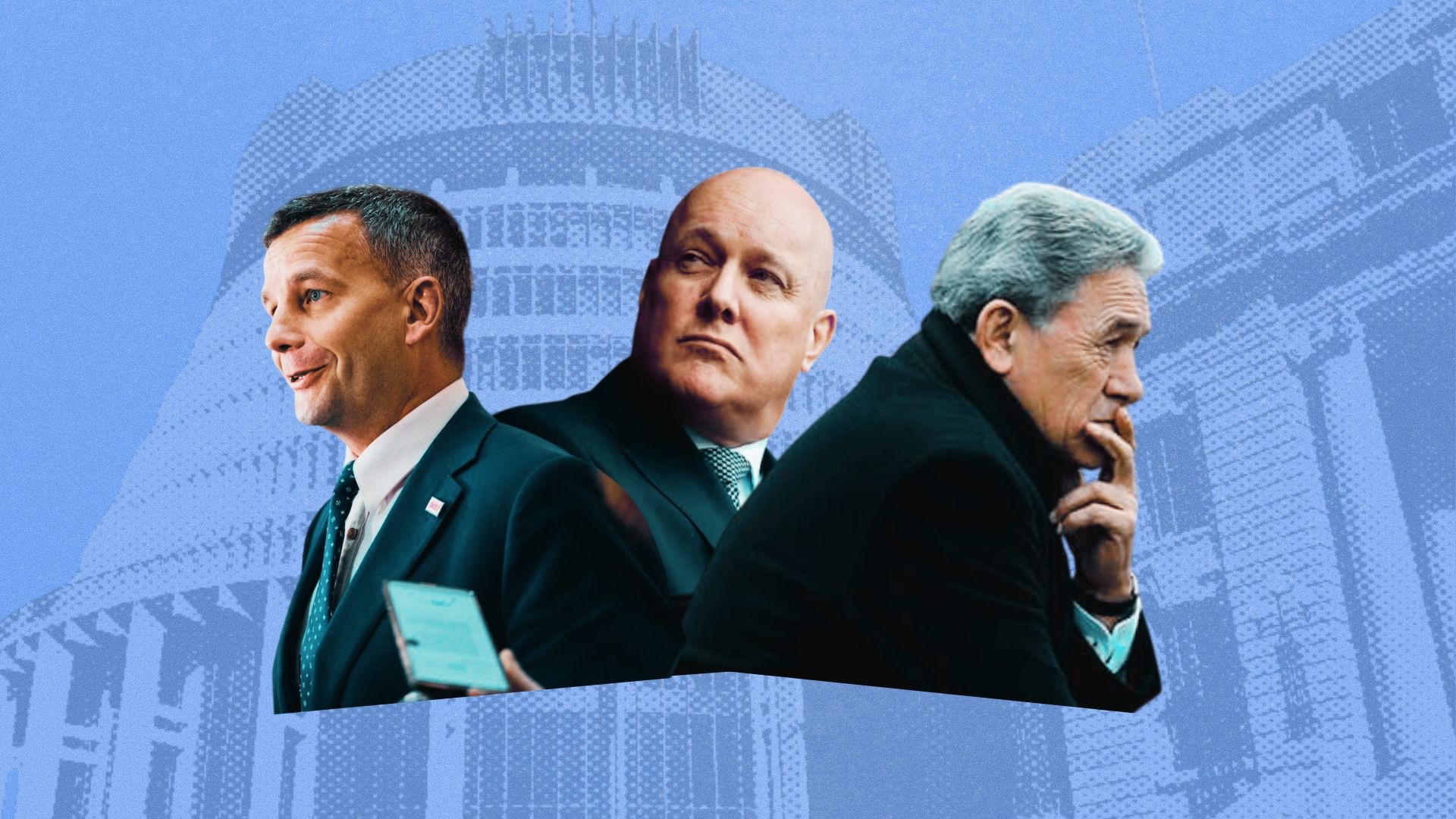
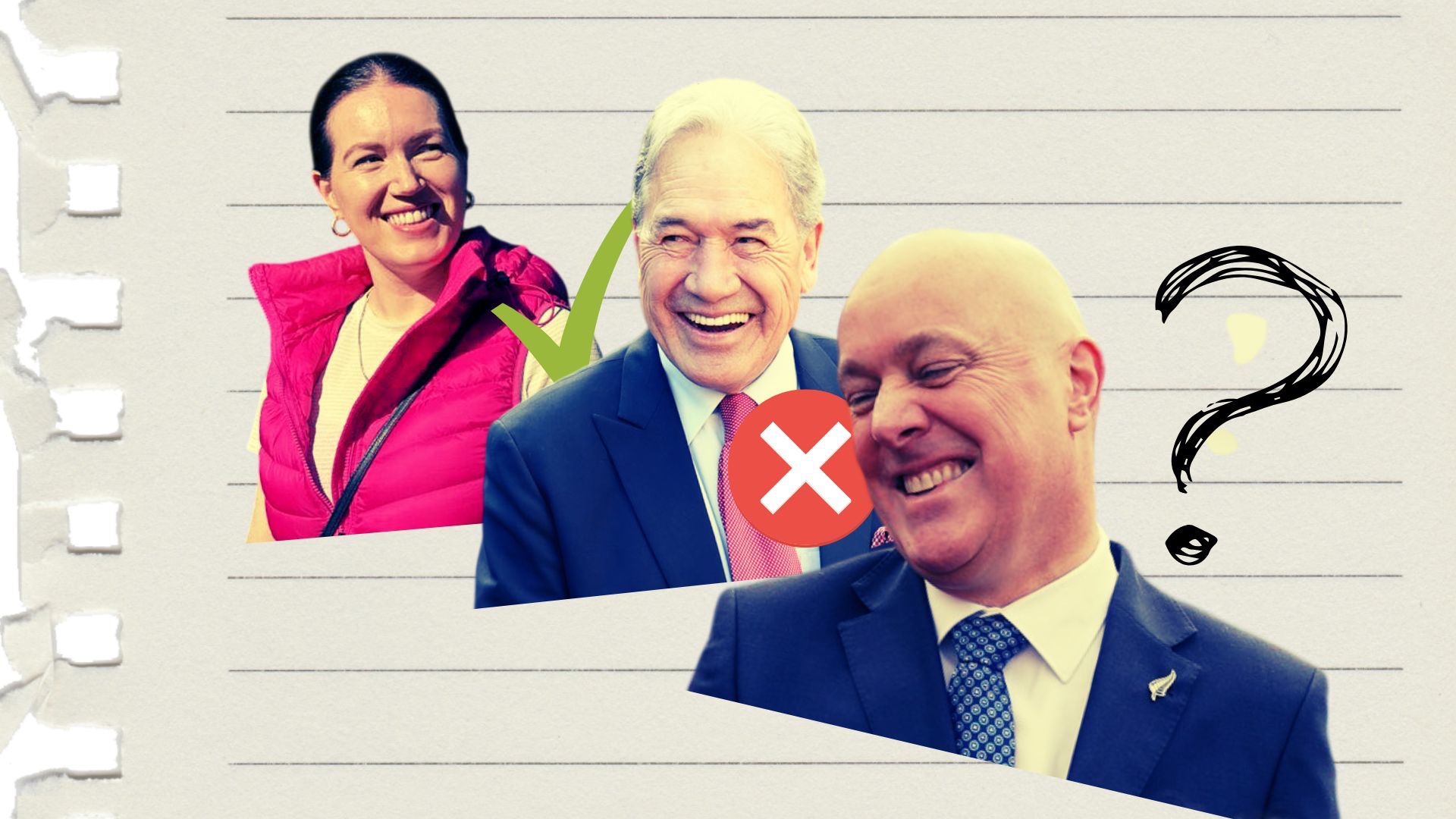
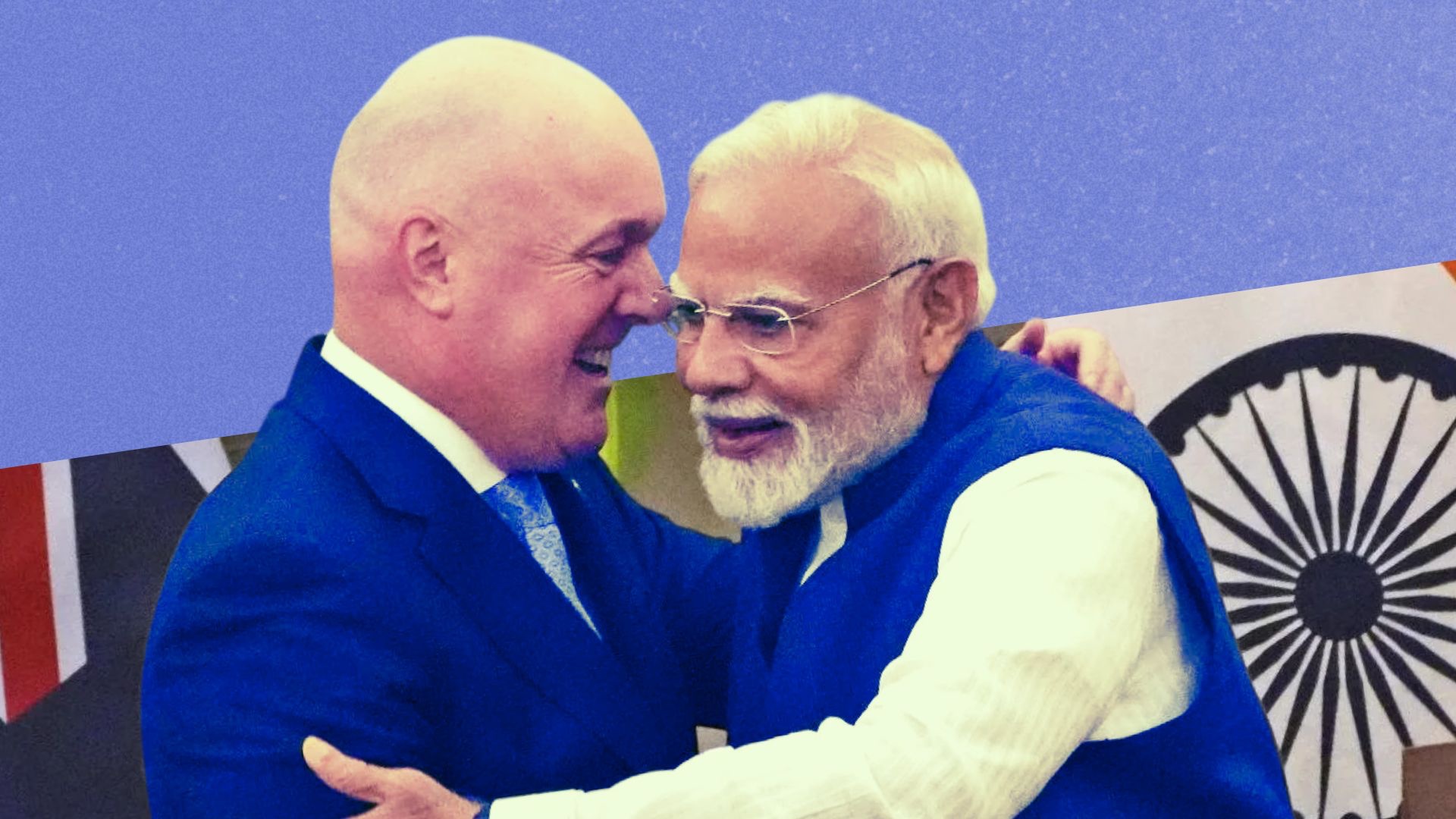
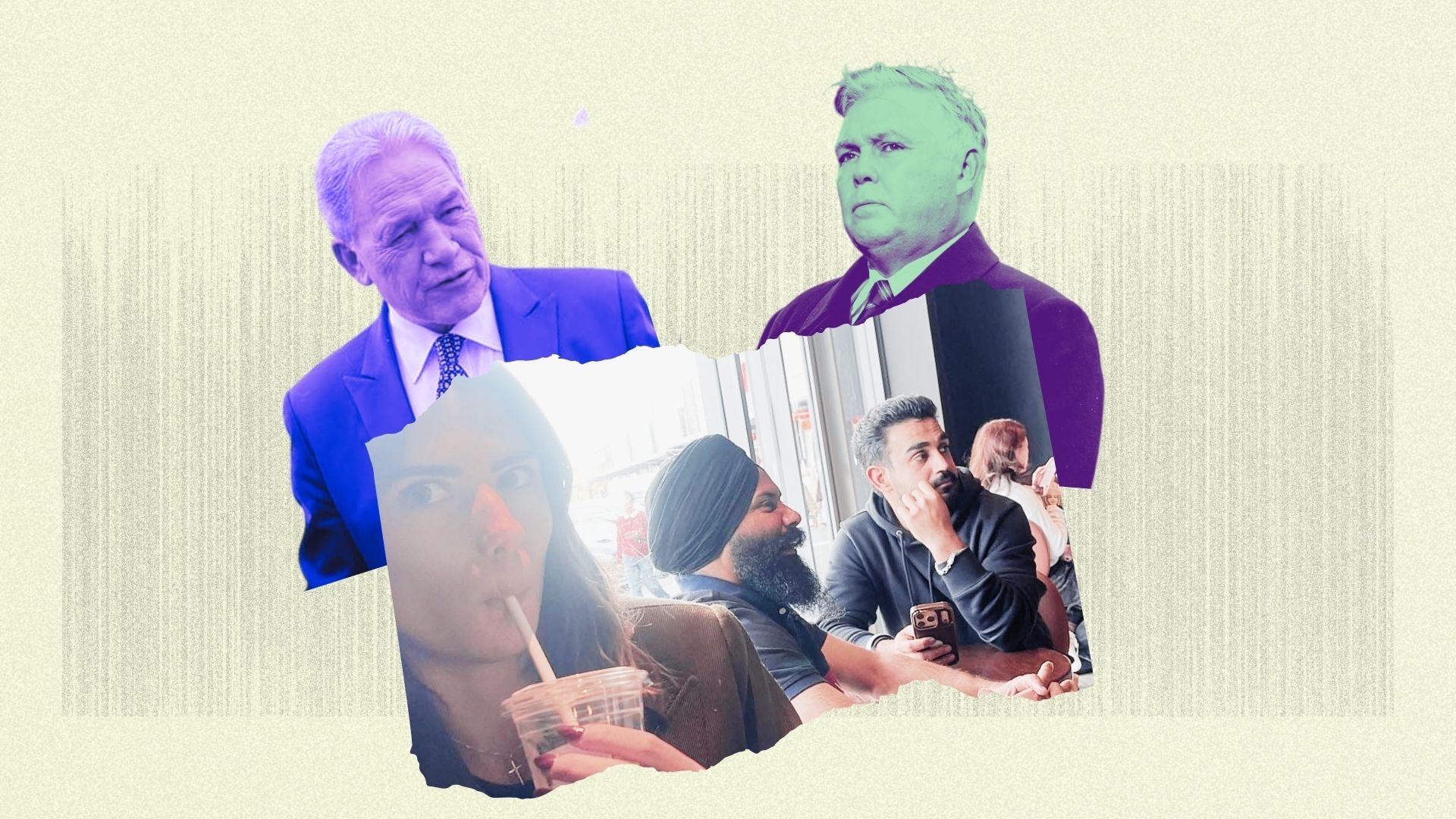
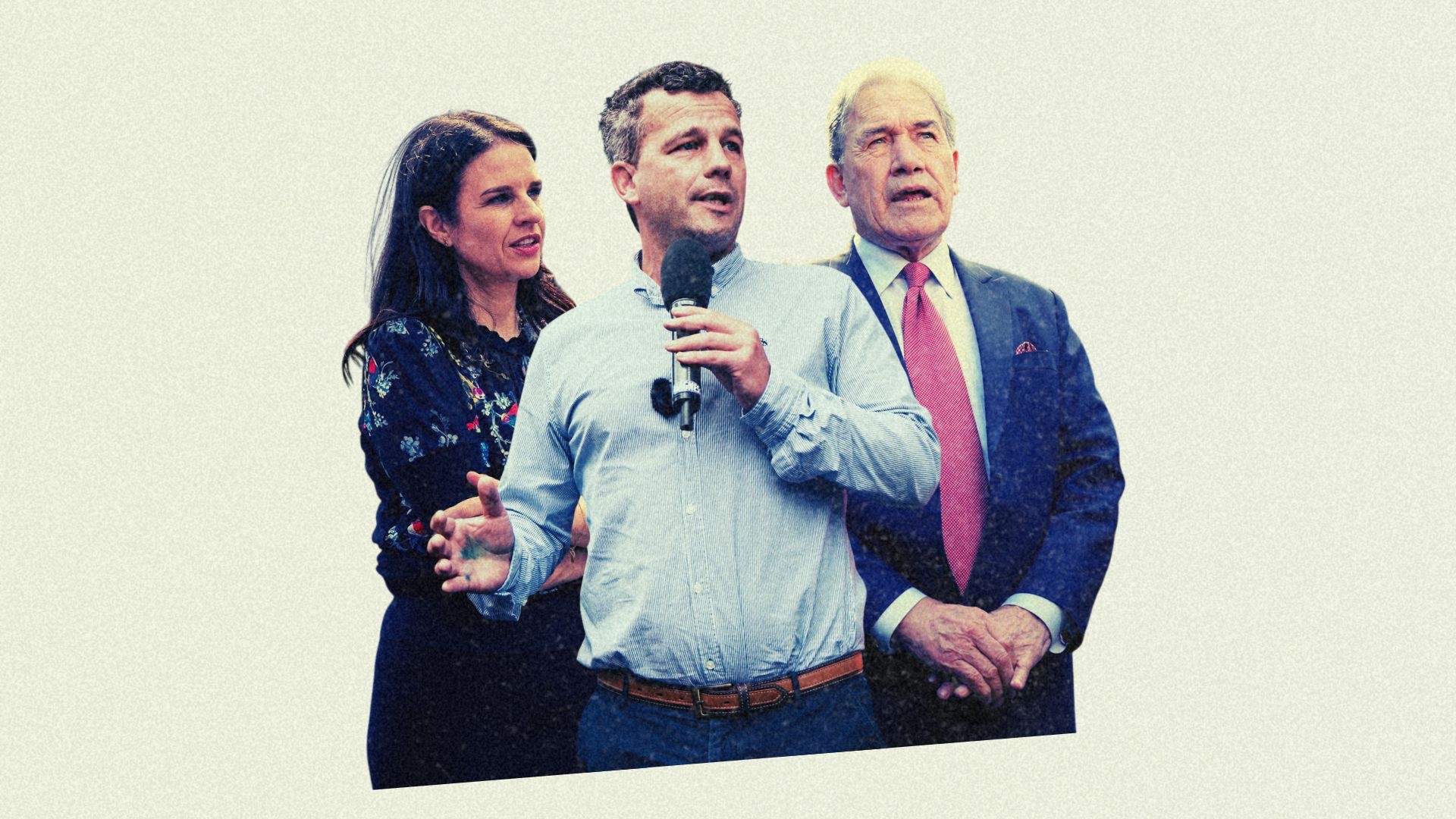
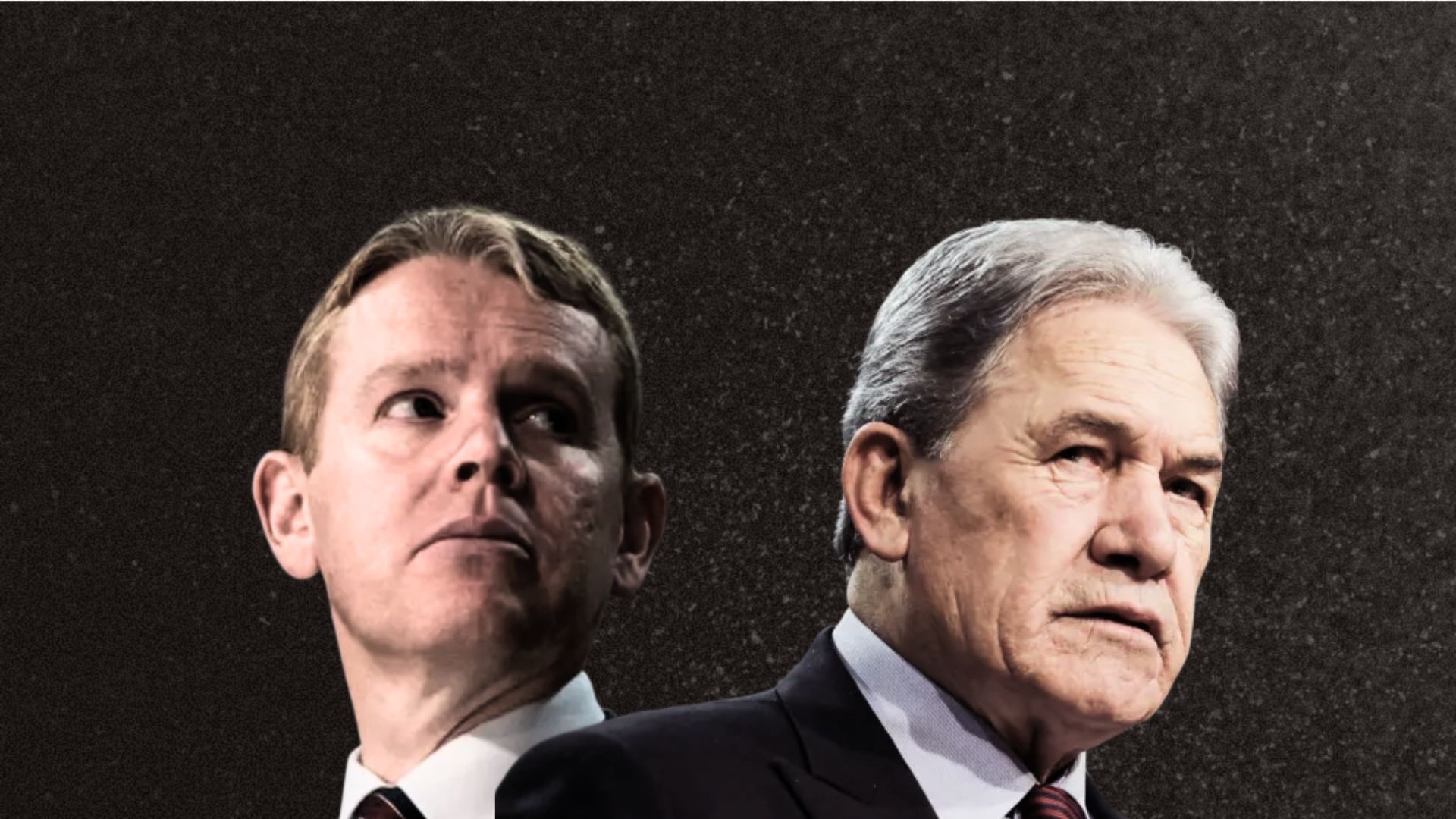
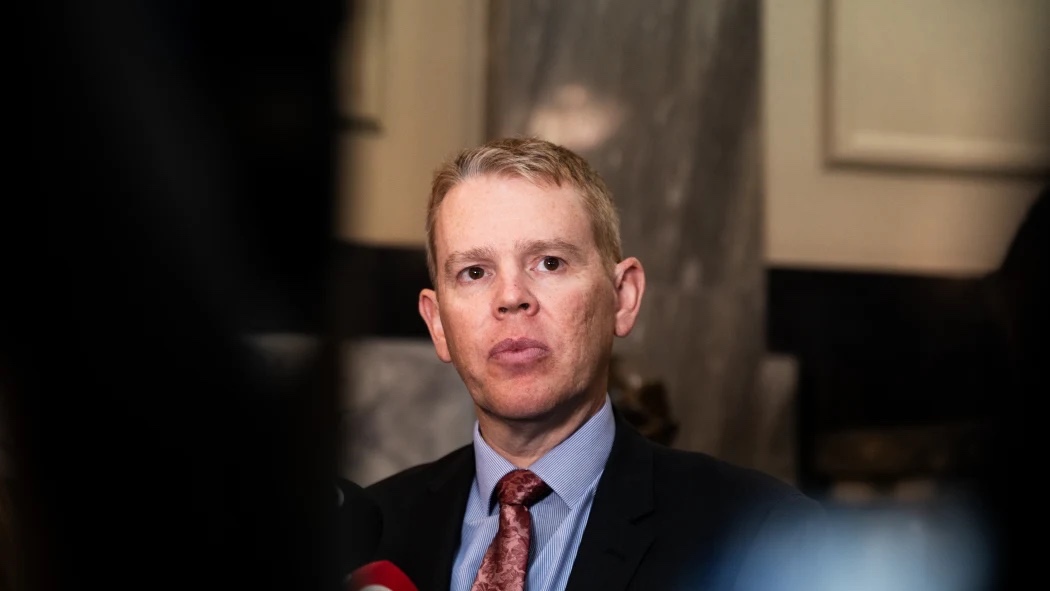
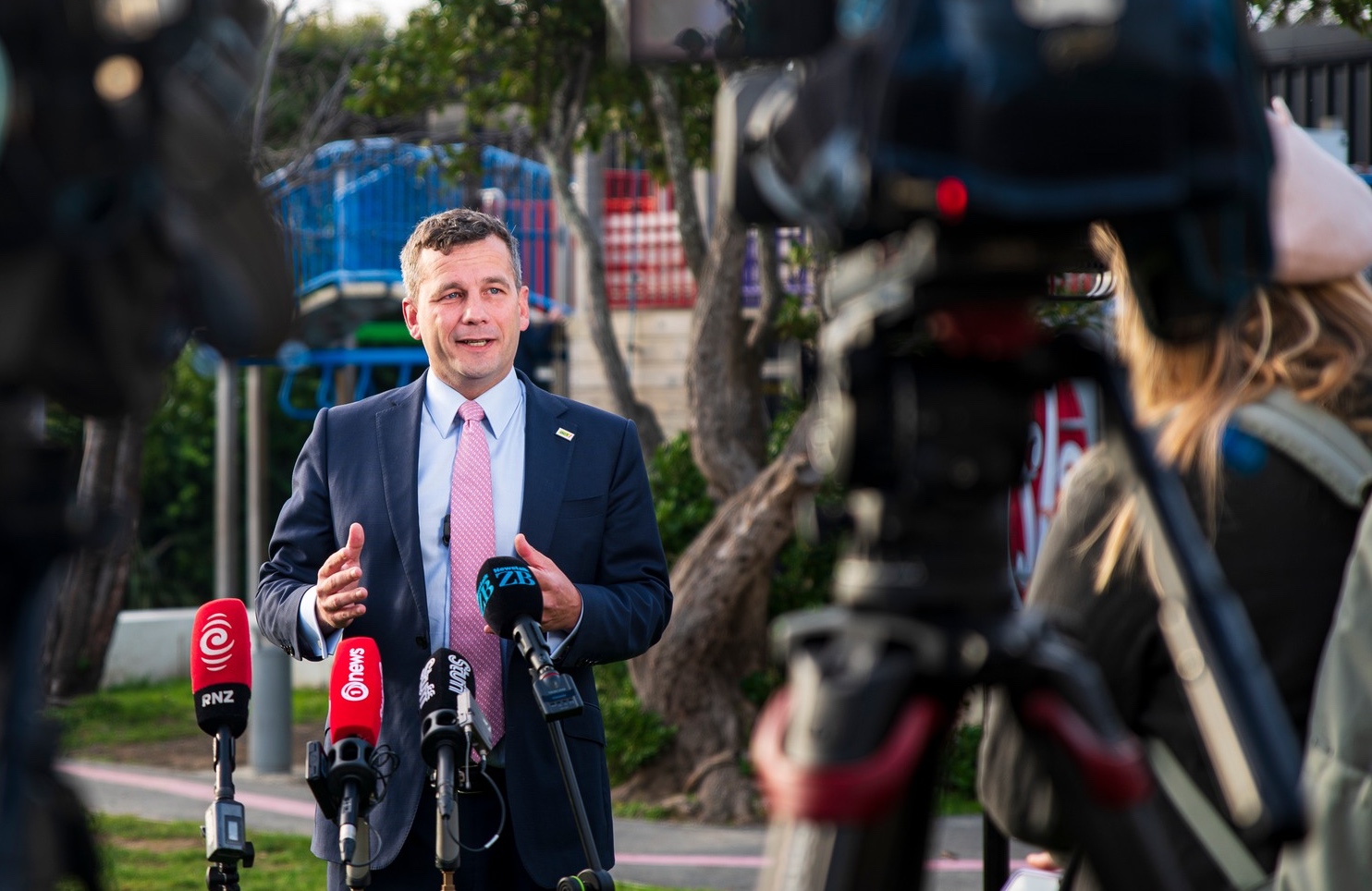
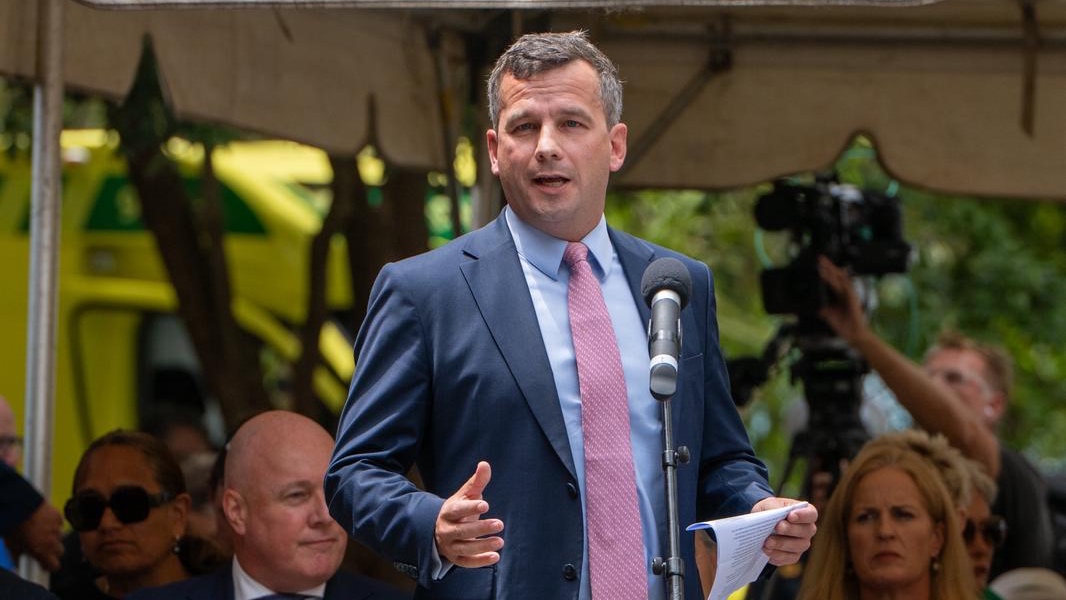
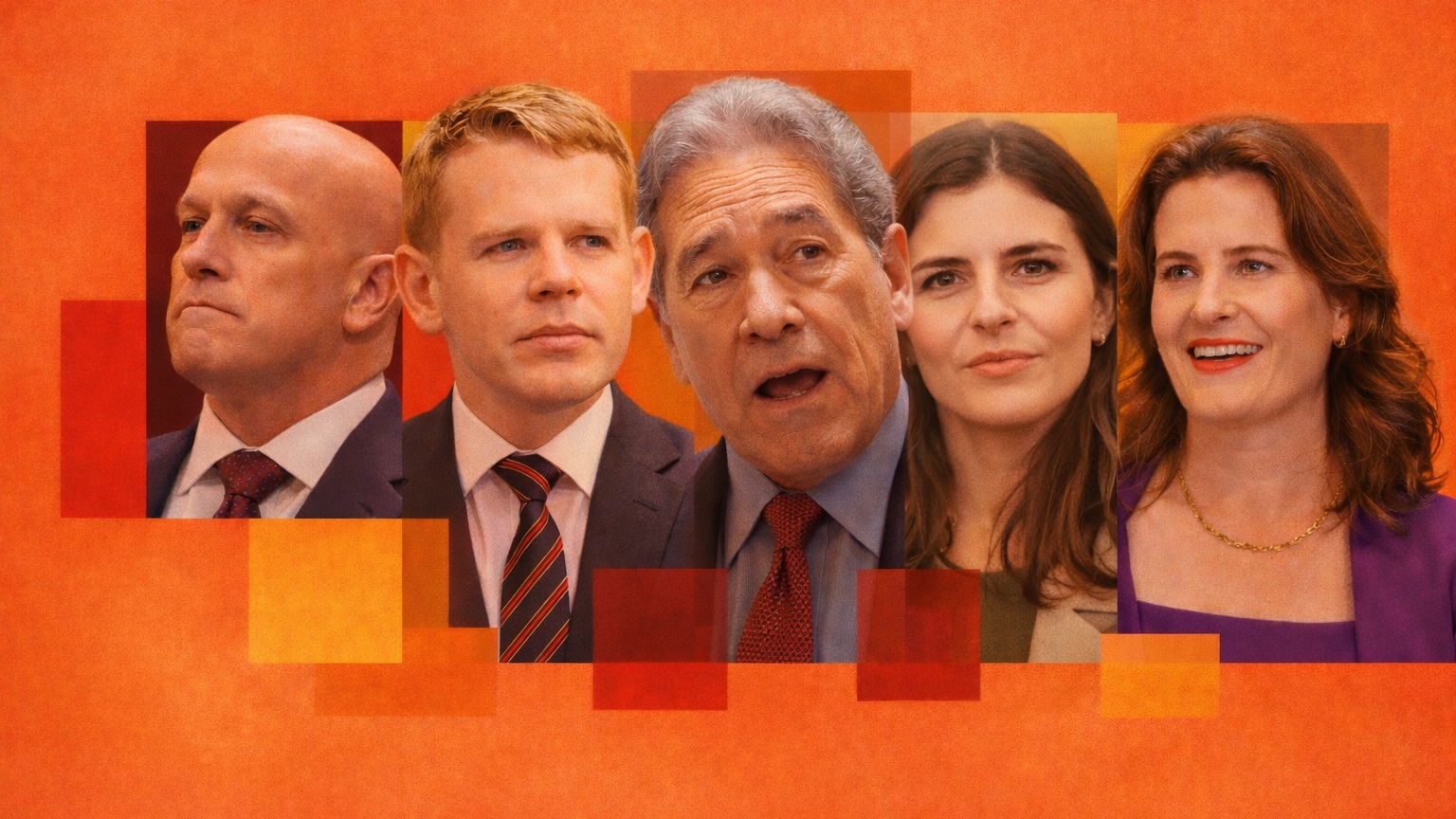
Opinion: Police data revealed this week is squarely in line with concerns Chris Hipkins and David Seymour have raised lately that Indian New Zealanders are copping a lot of hate, and that the political leadership might be lacking in its efforts to address that.
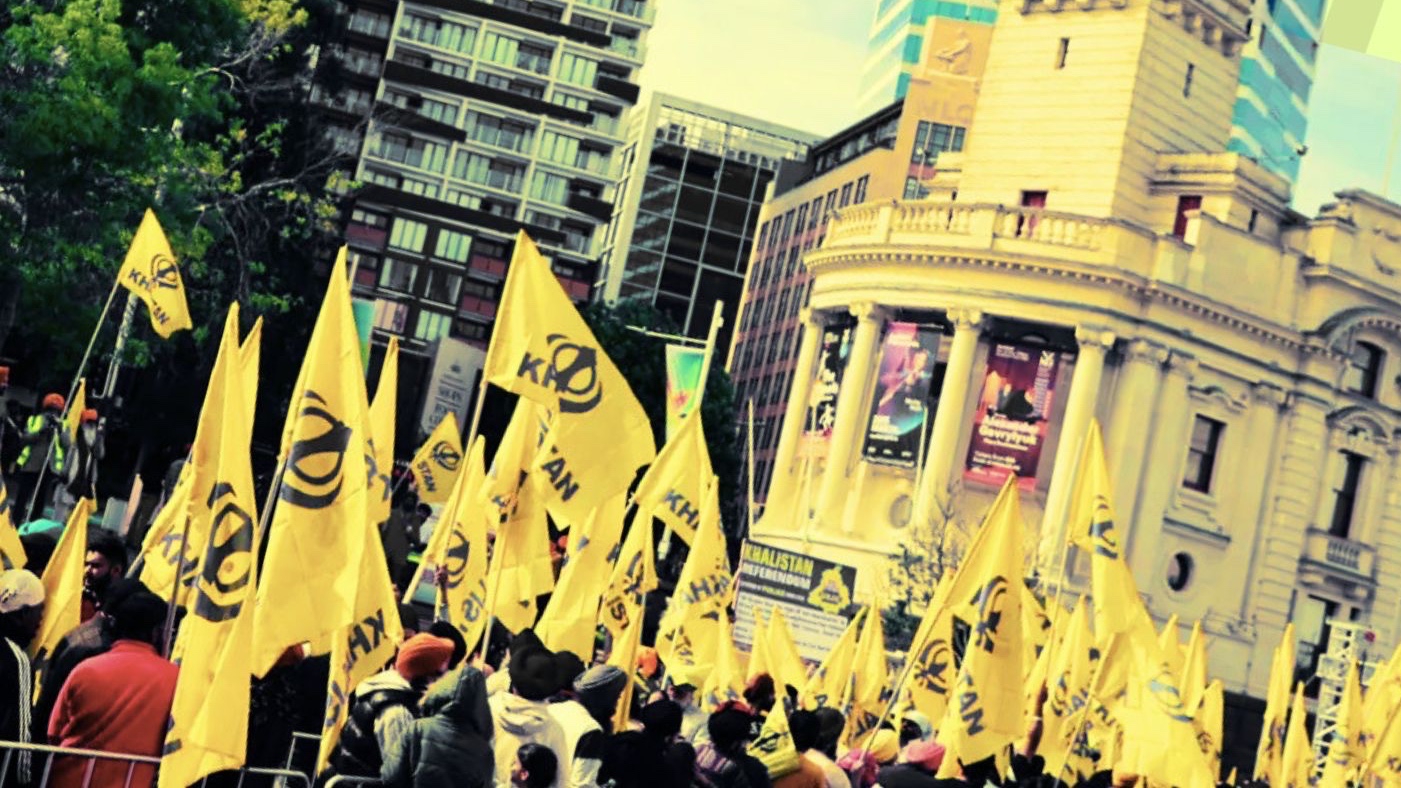
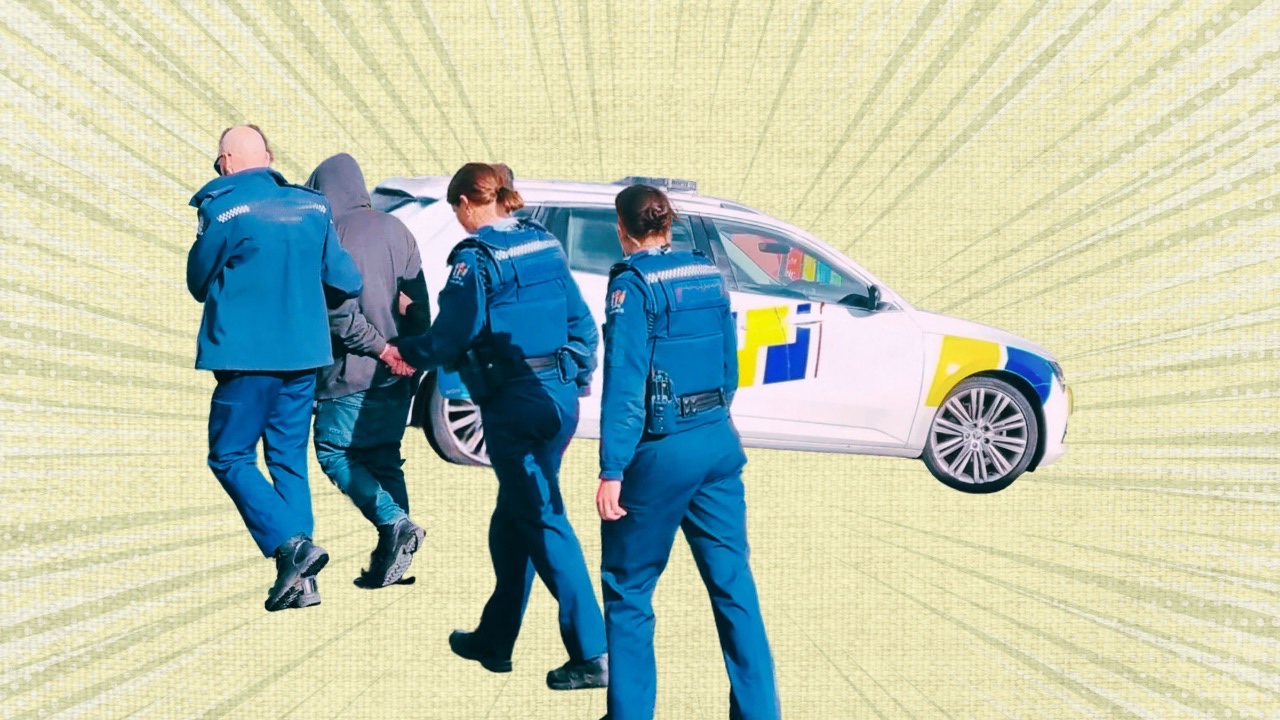
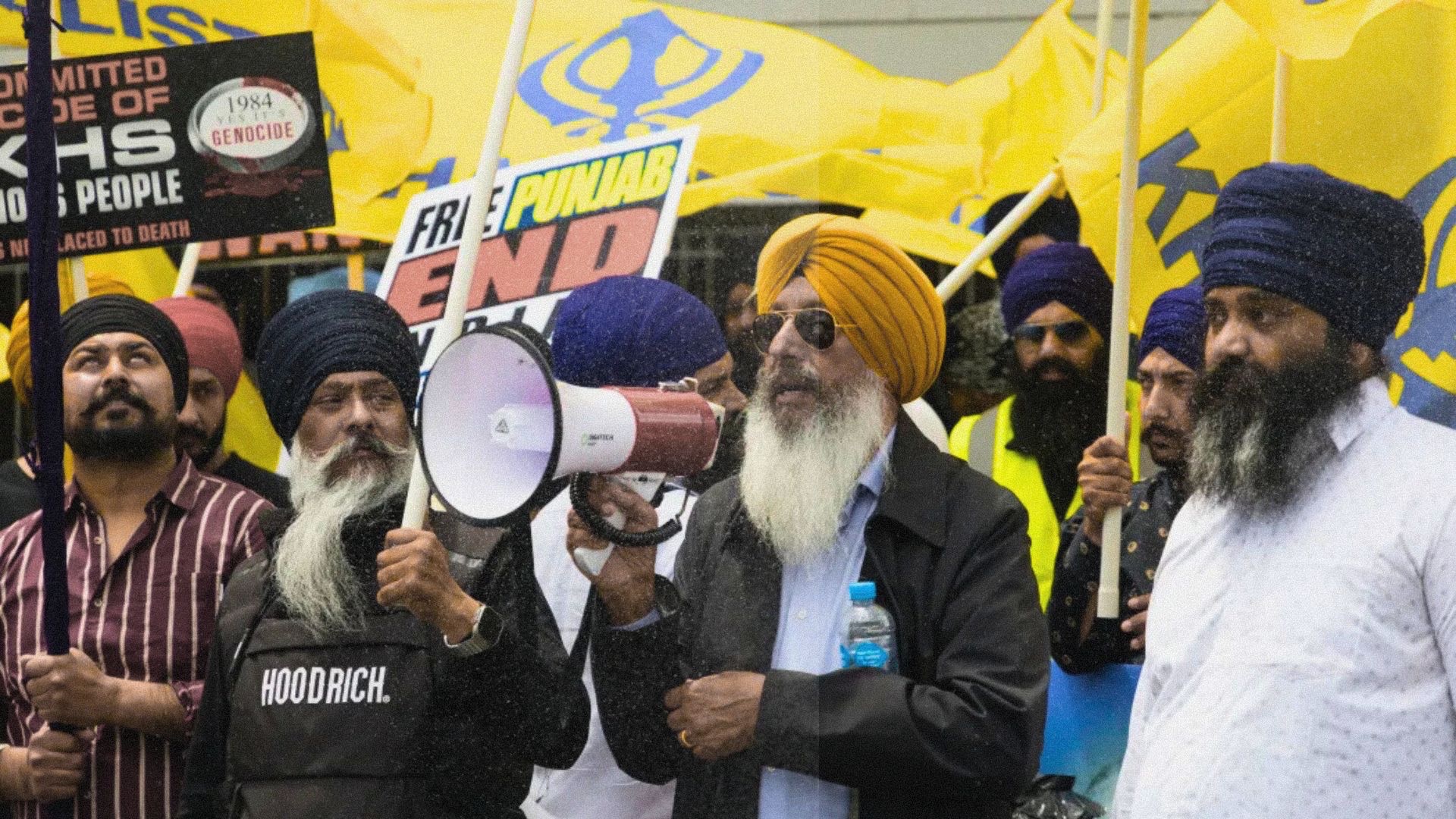
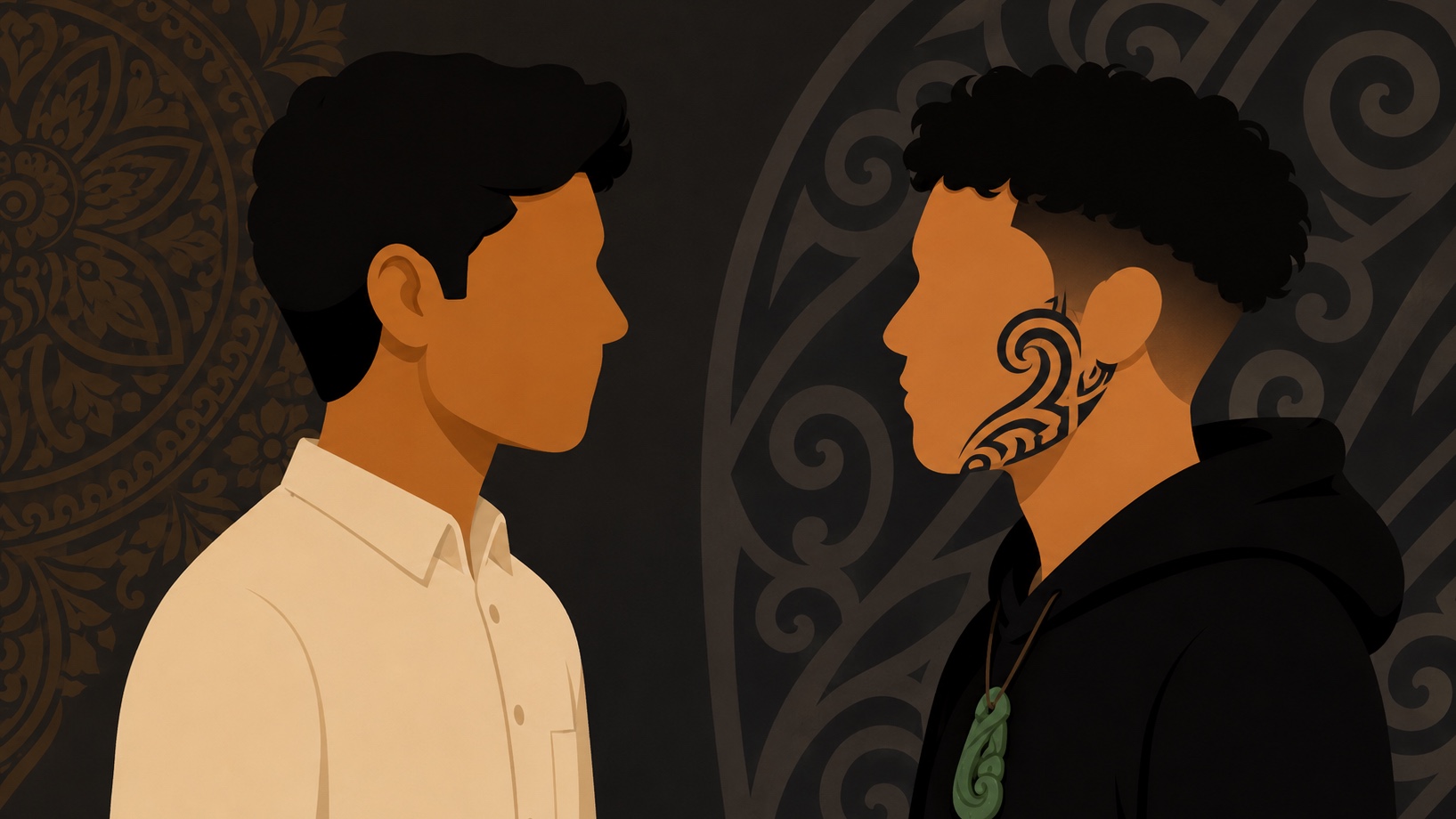
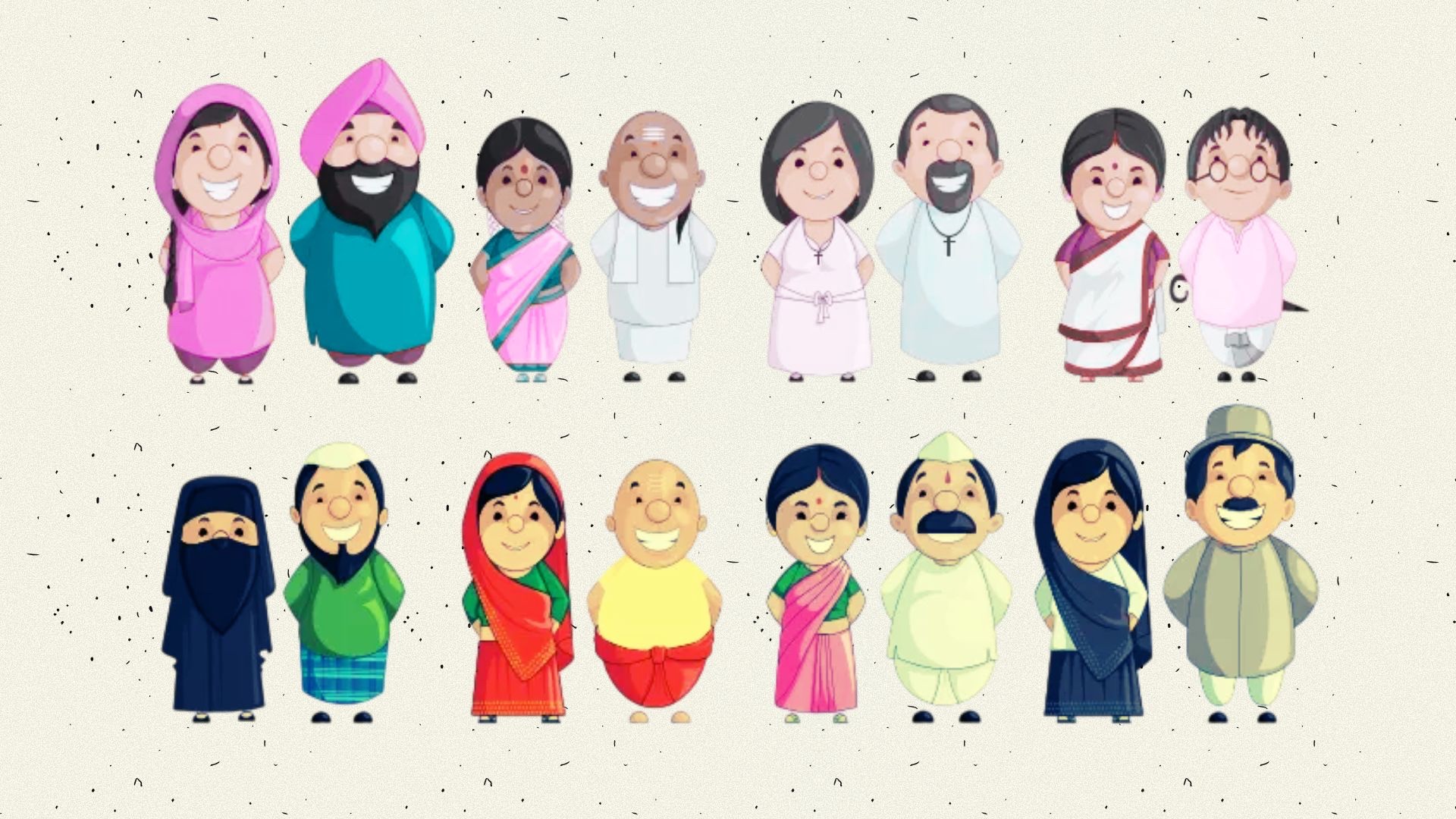
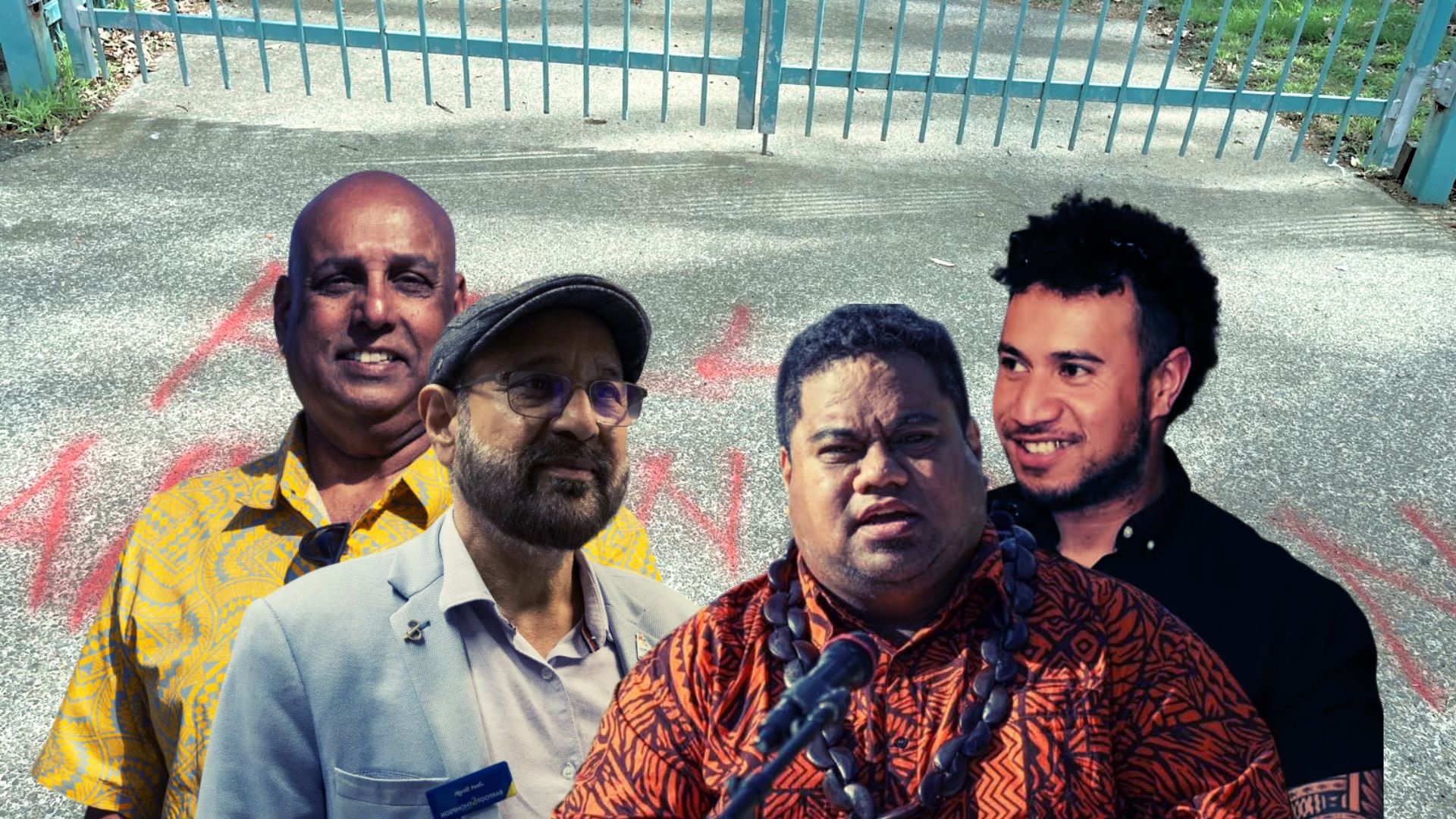
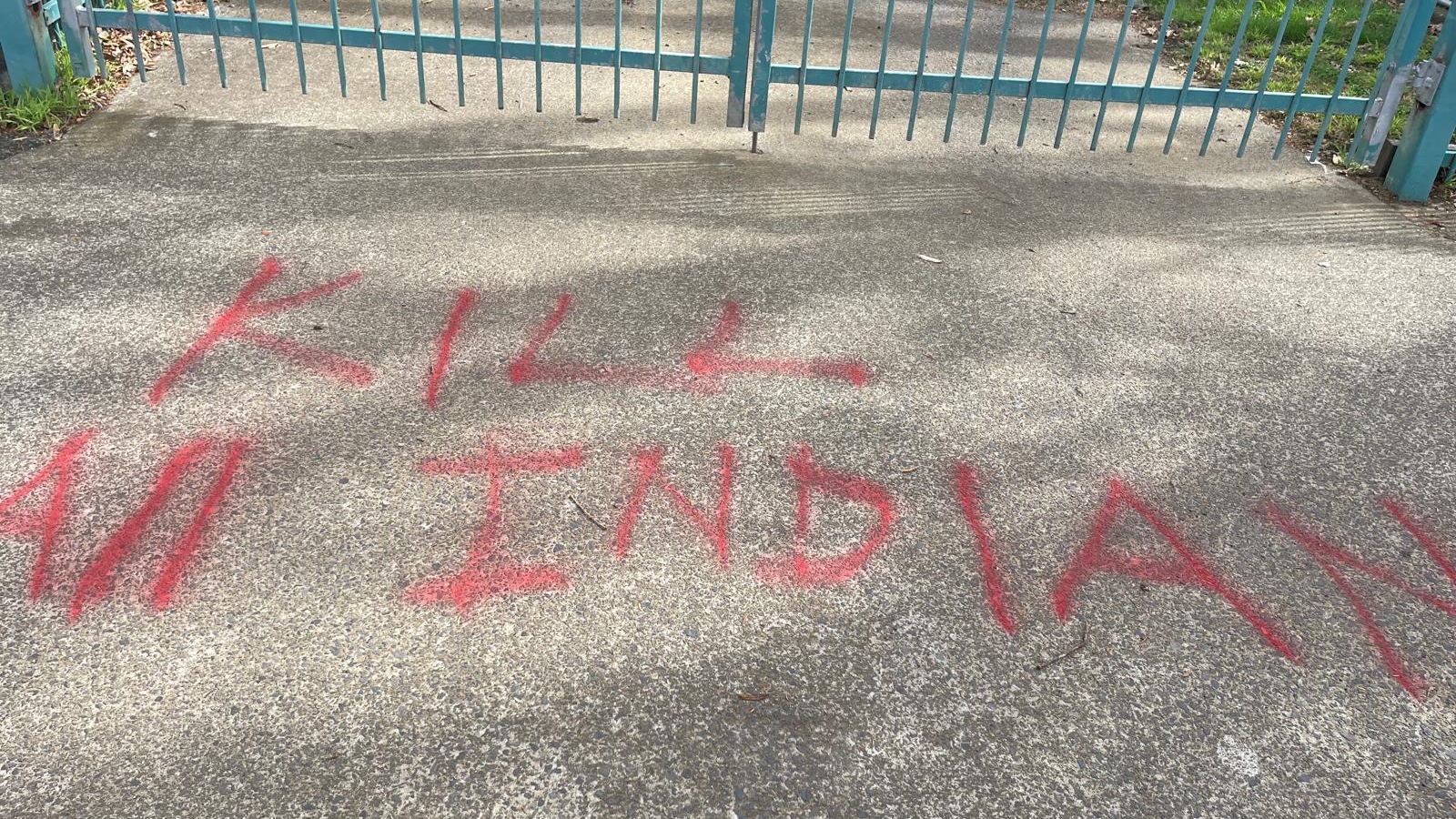
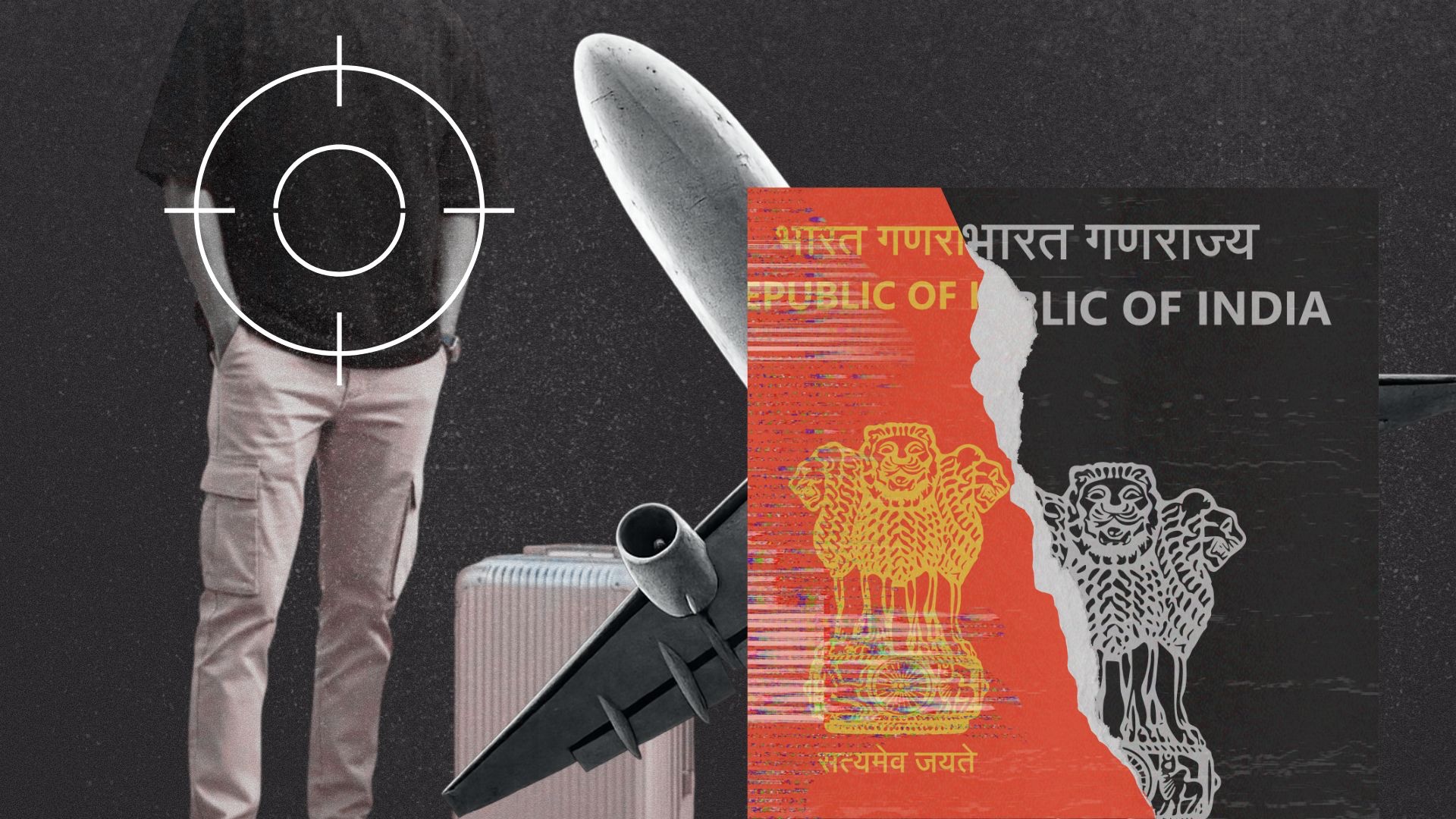
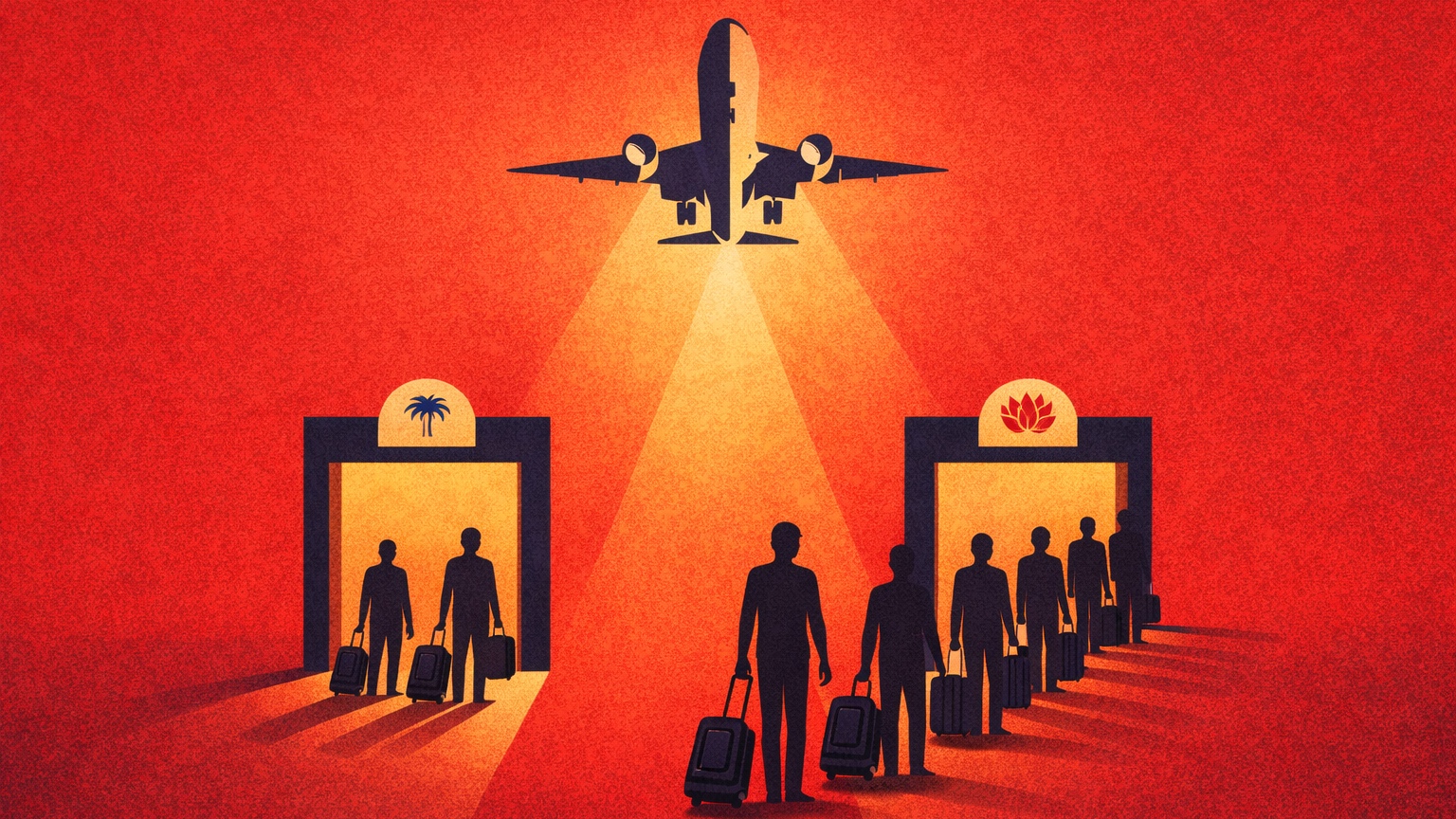
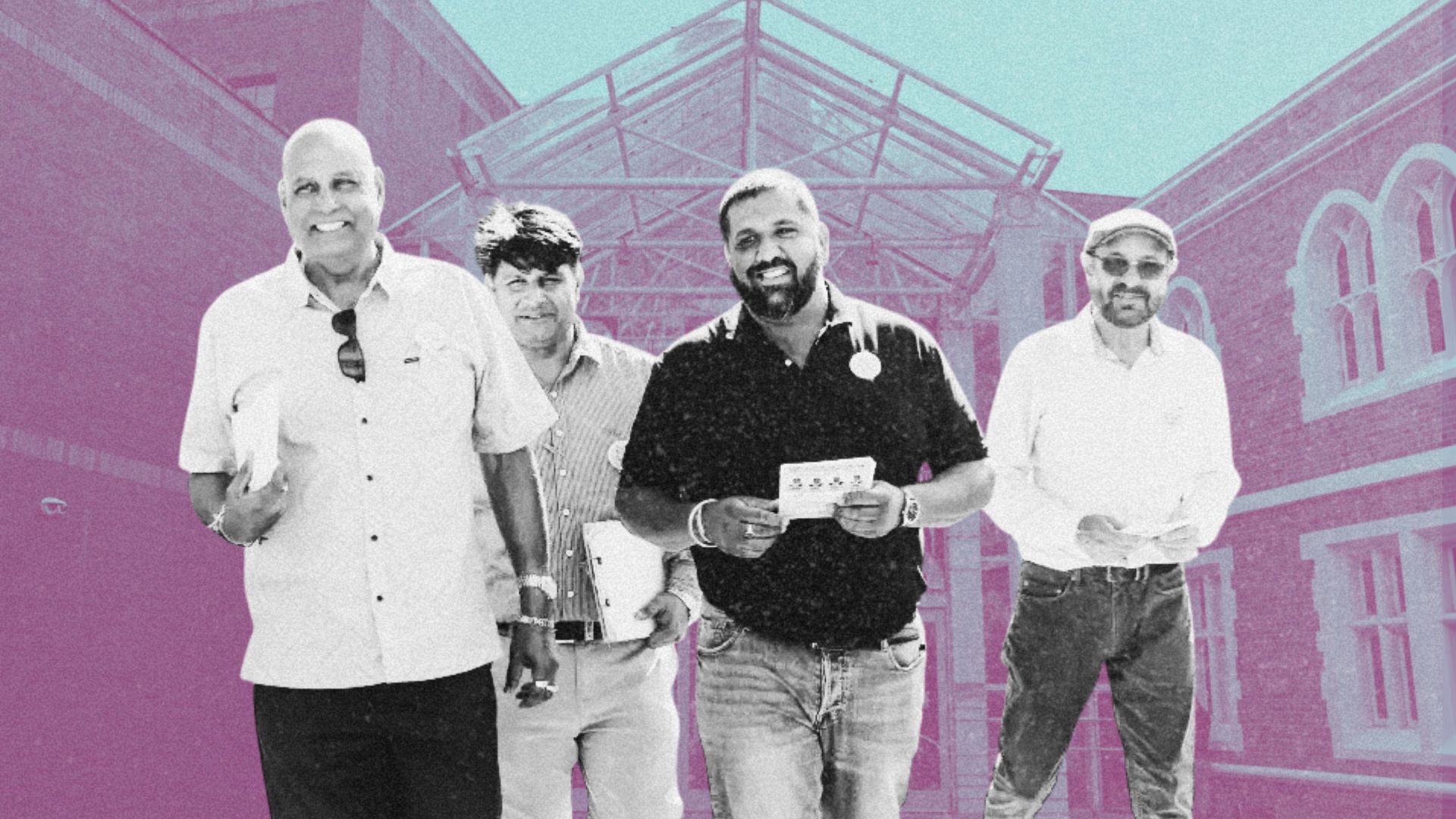
In the 45 months to October 2025, more racial hate was spewed on Kiwis of South Asian descent than any other diaspora members living in New Zealand.
Of the total 22,069 hate incidents recorded, according to an RNZ report, nearly four in every five were triggered by racial prejudice. South Asian Kiwis, a group comprising mostly people of Indian descent, were at the receiving end in nearly 27 per cent of these racial attacks.
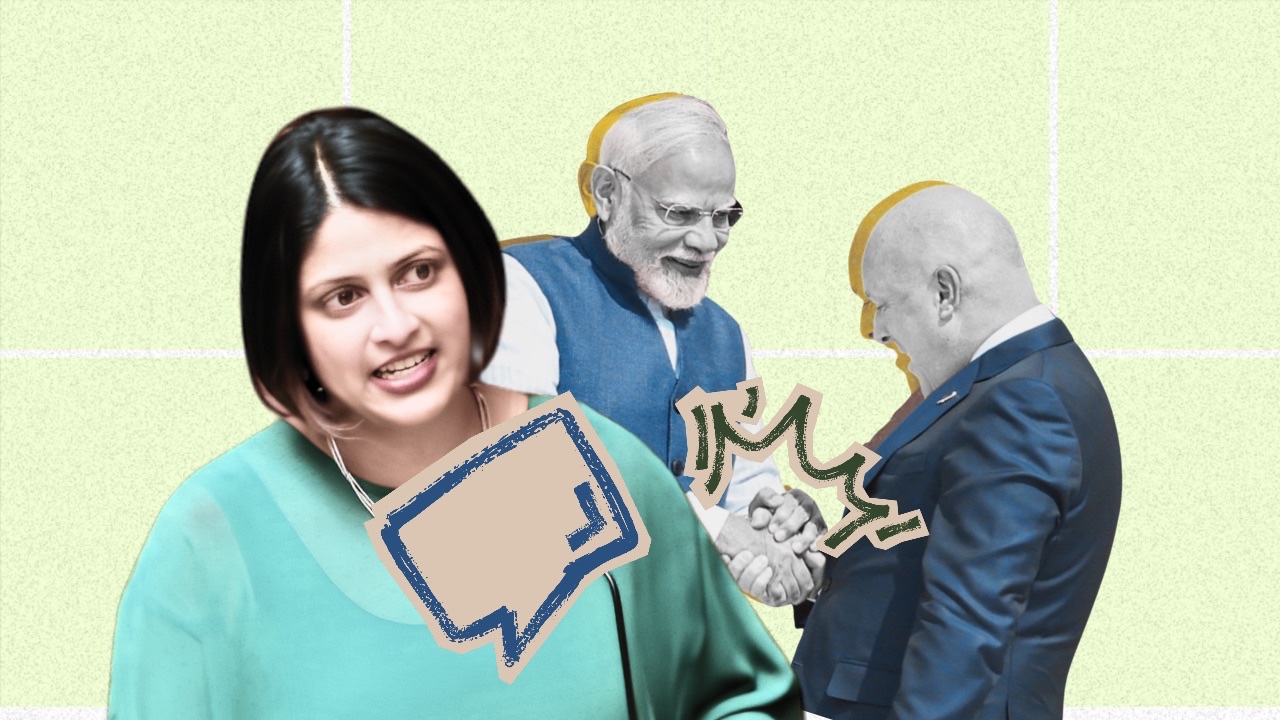
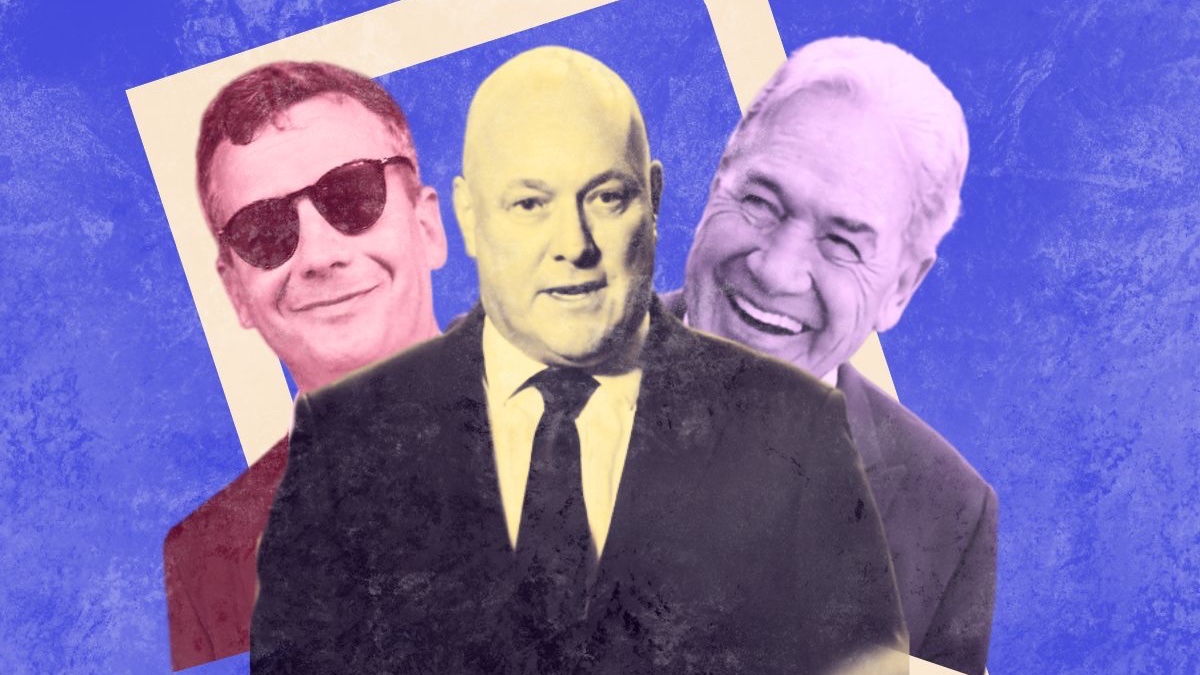
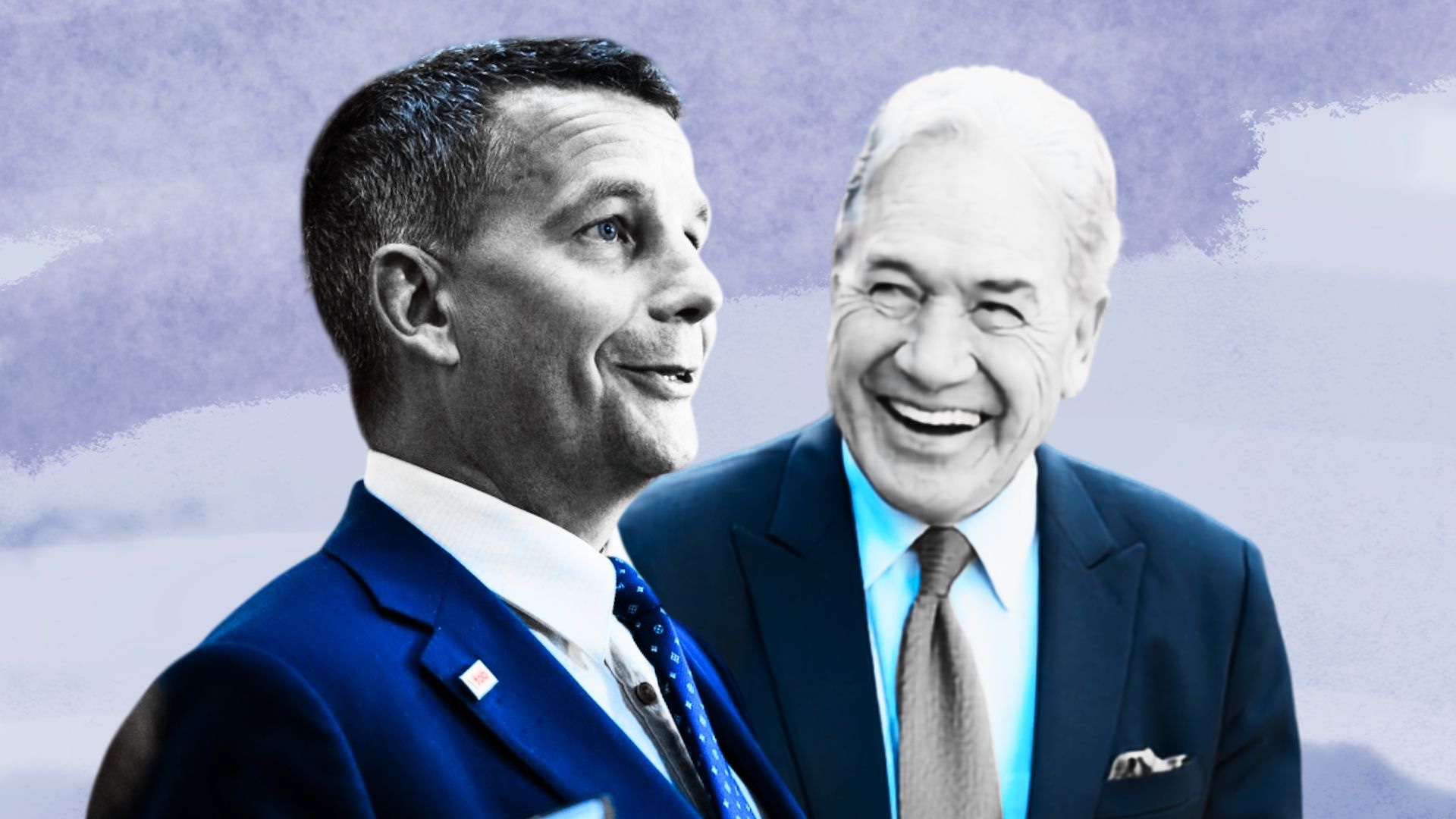
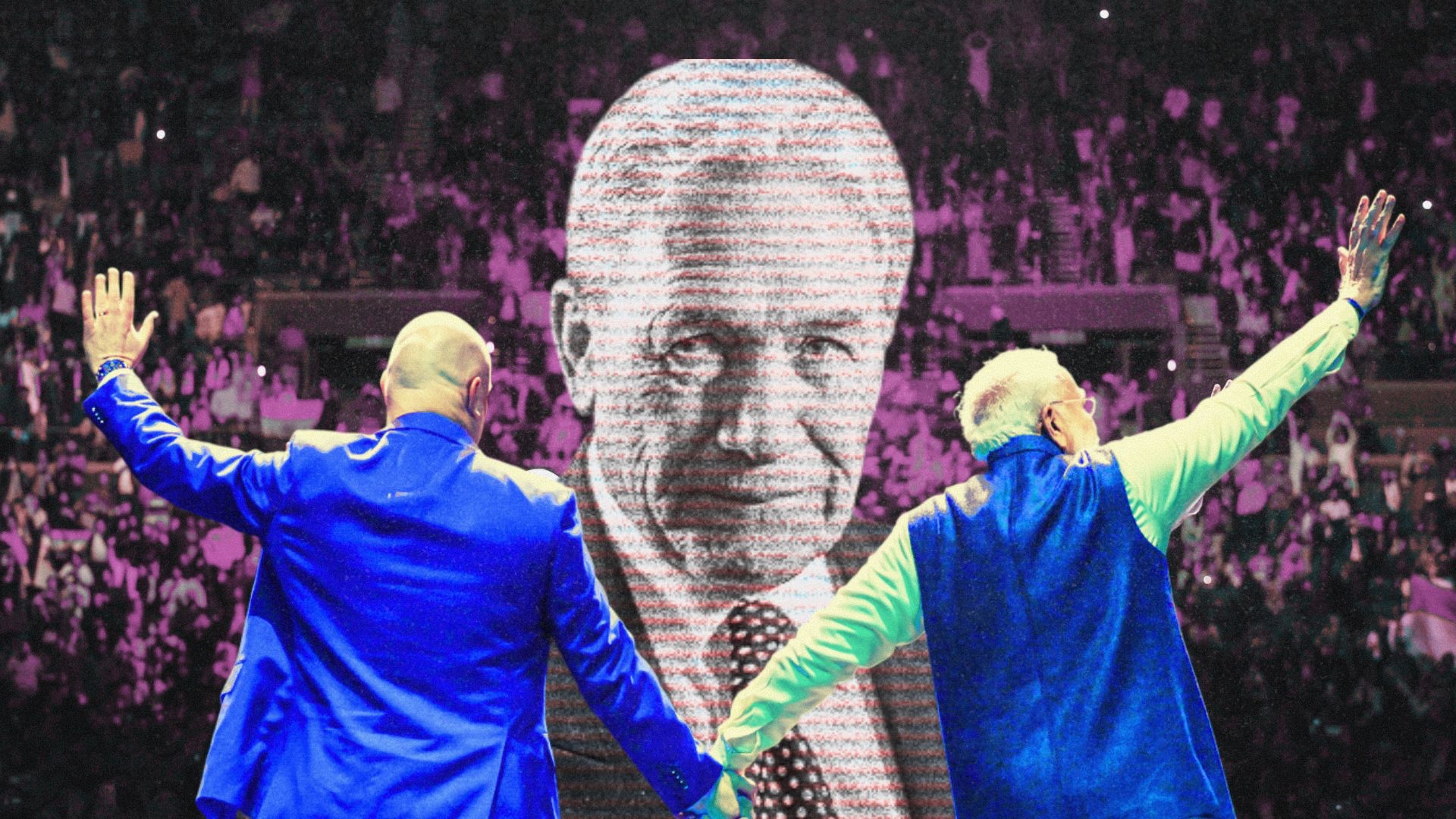
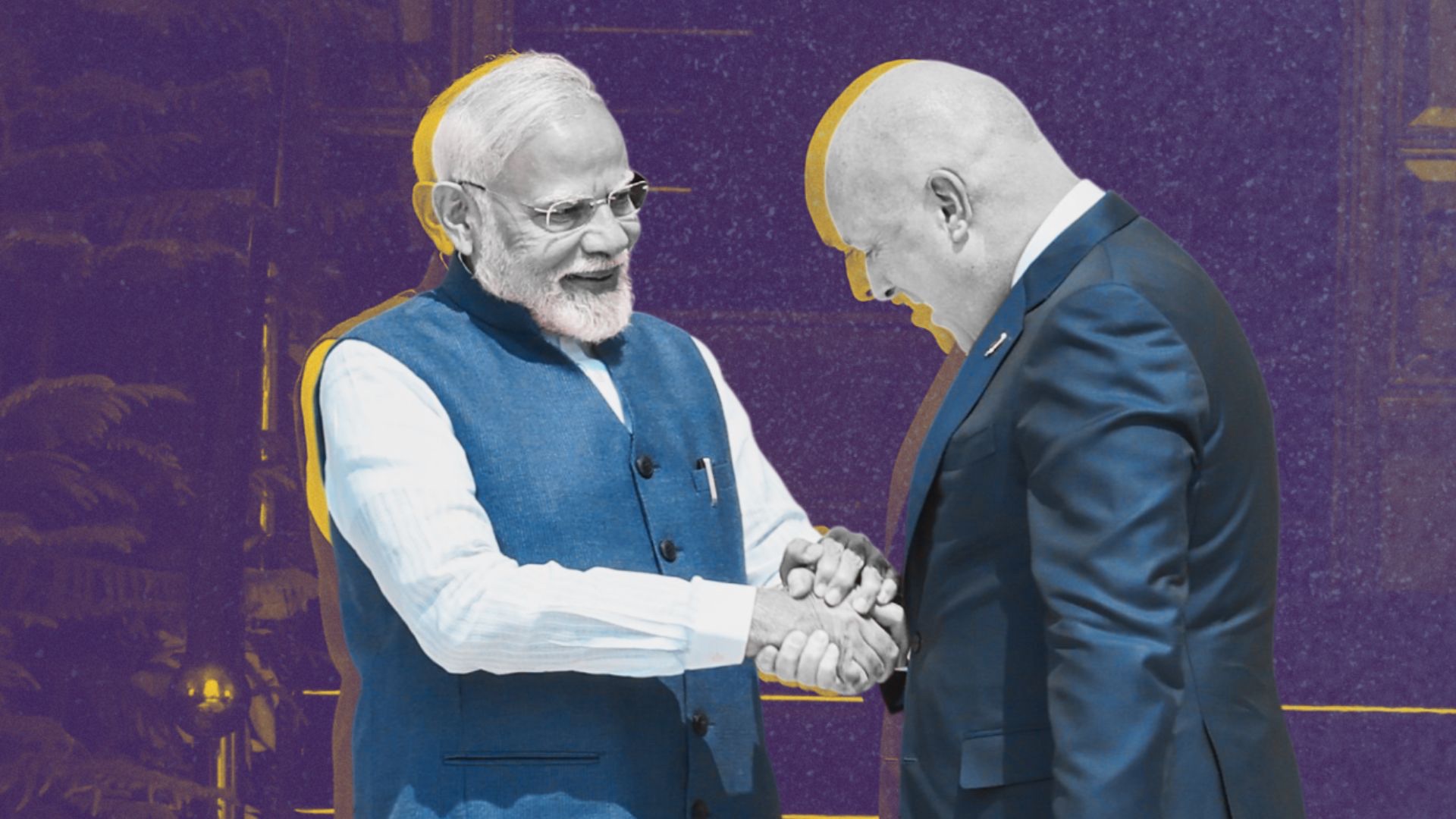
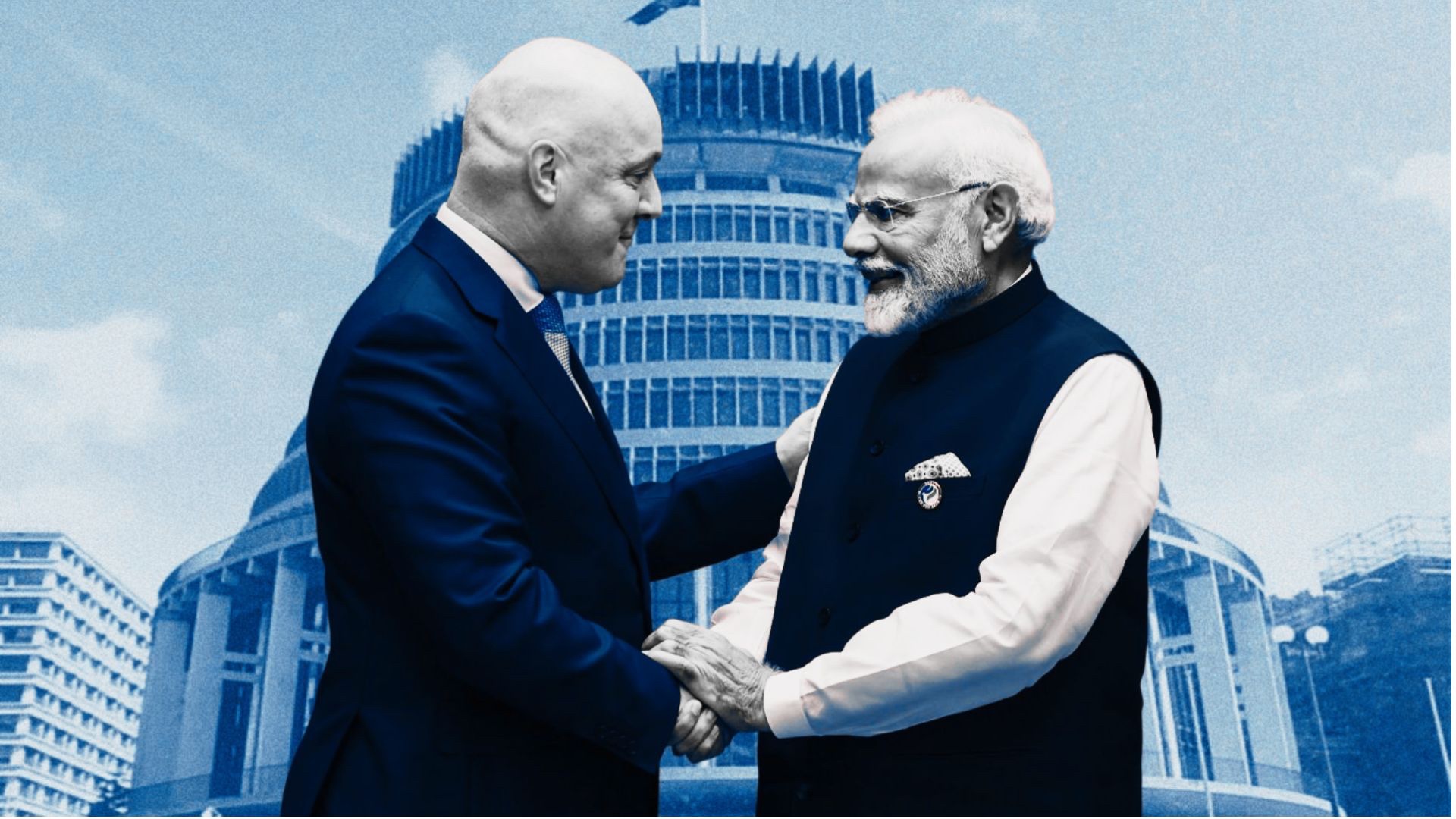
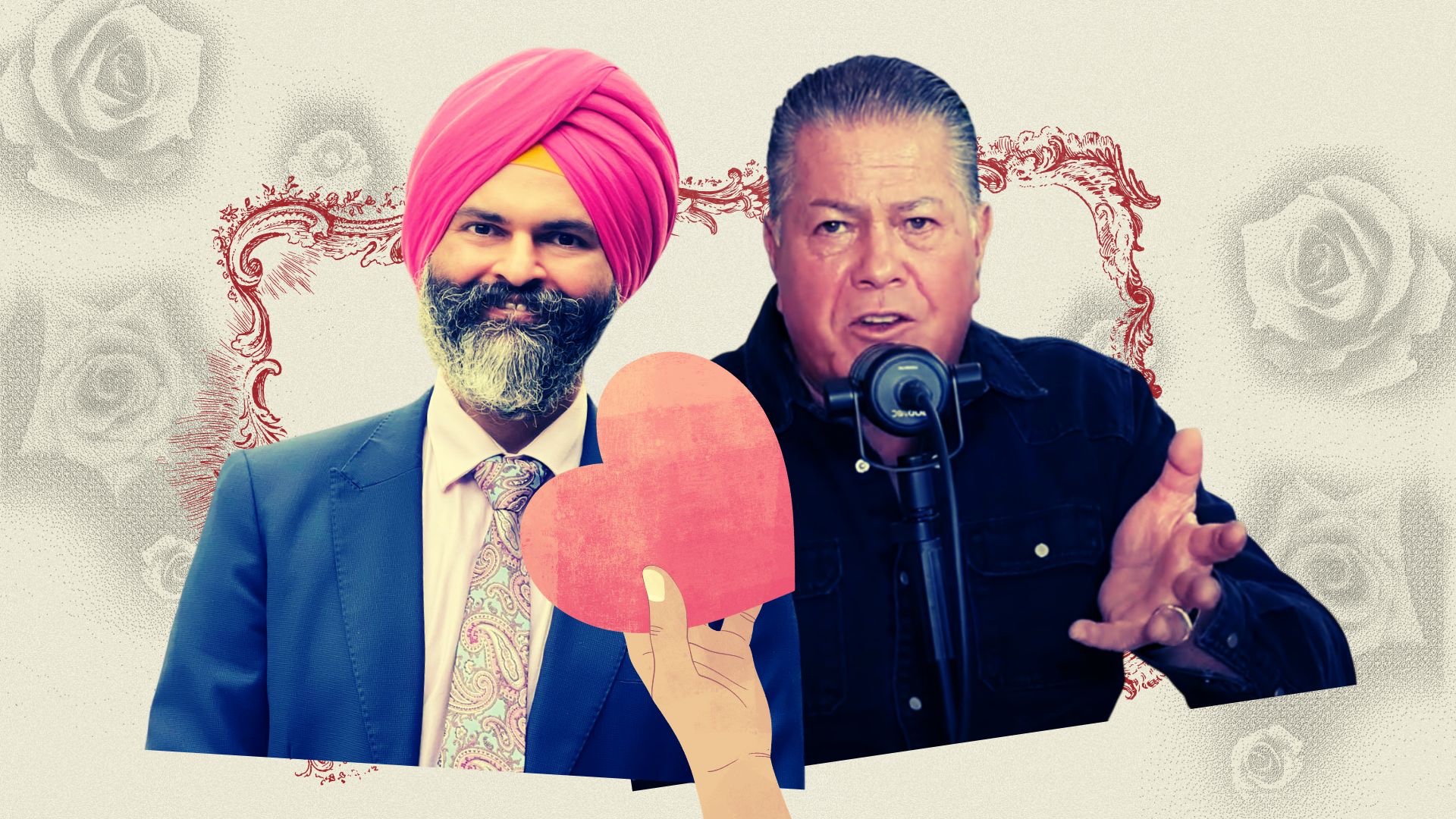
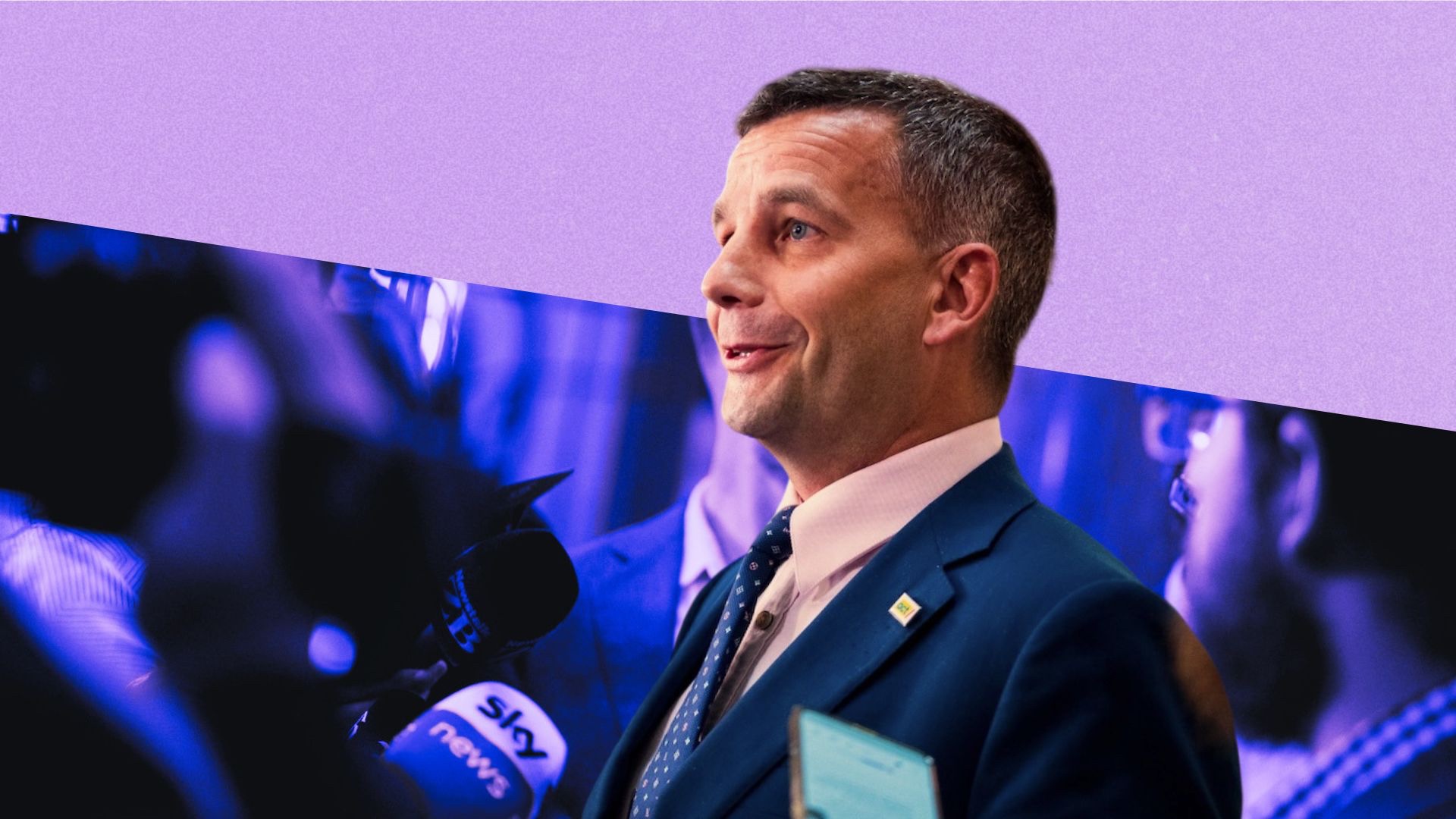
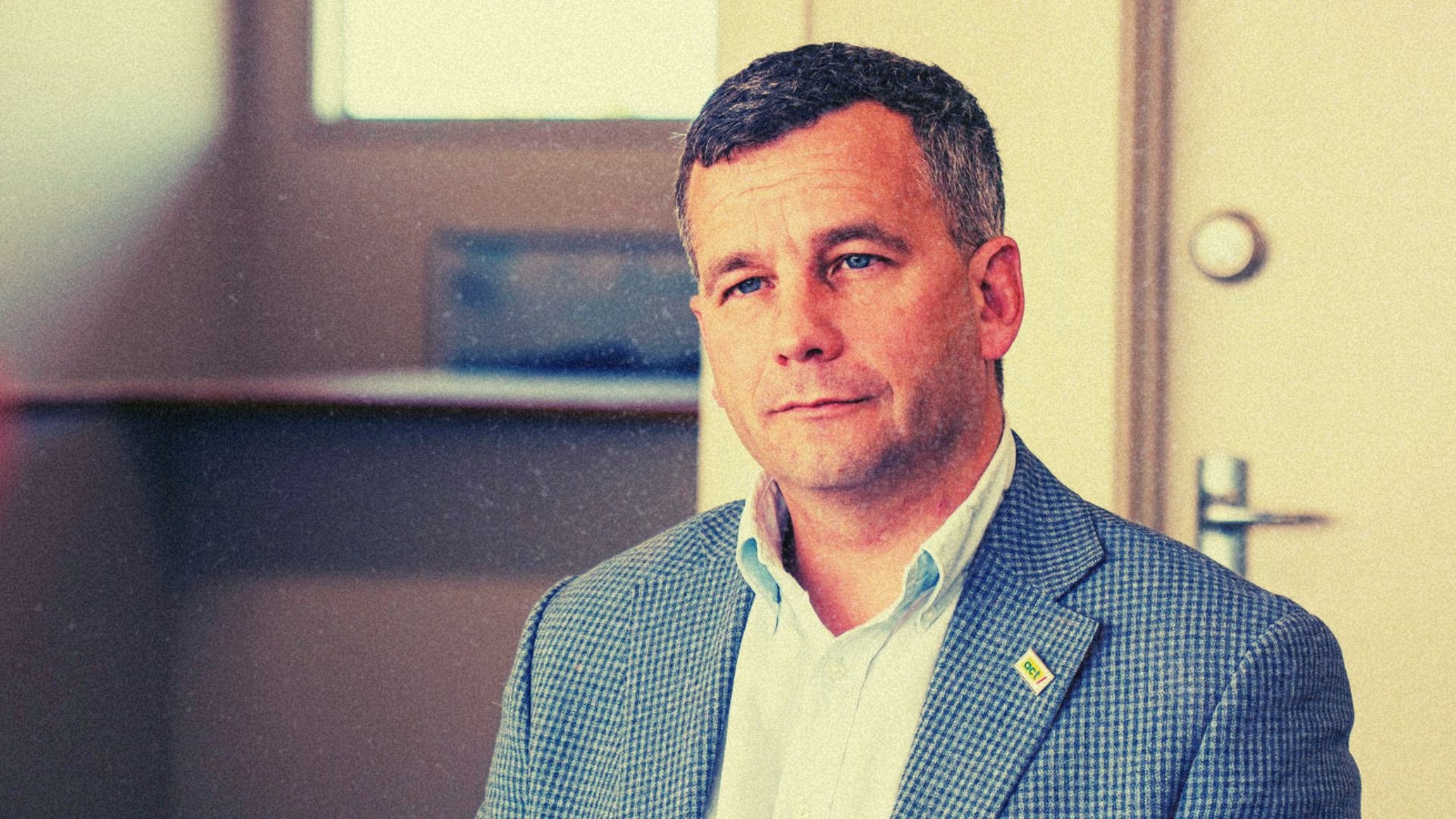
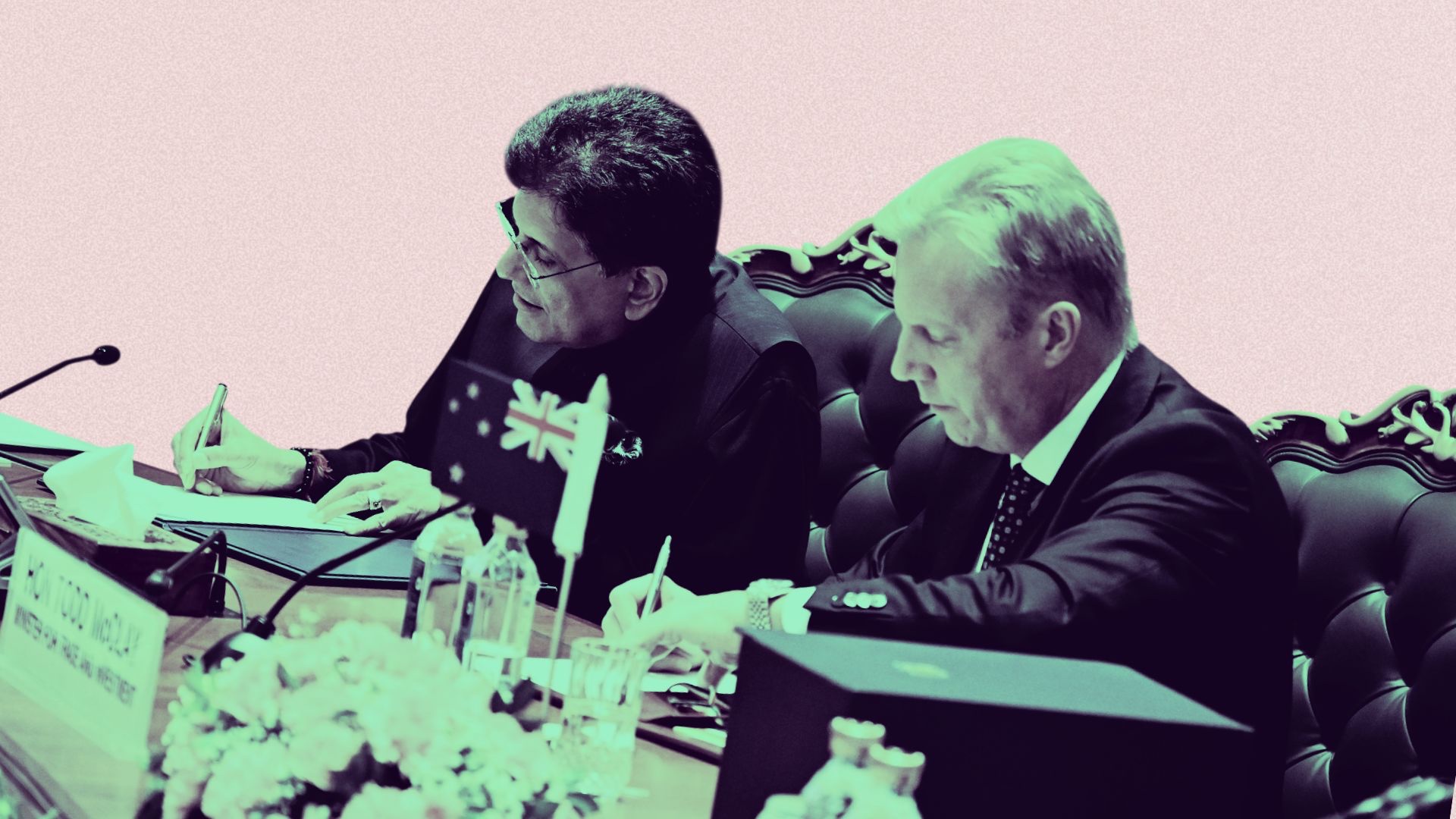
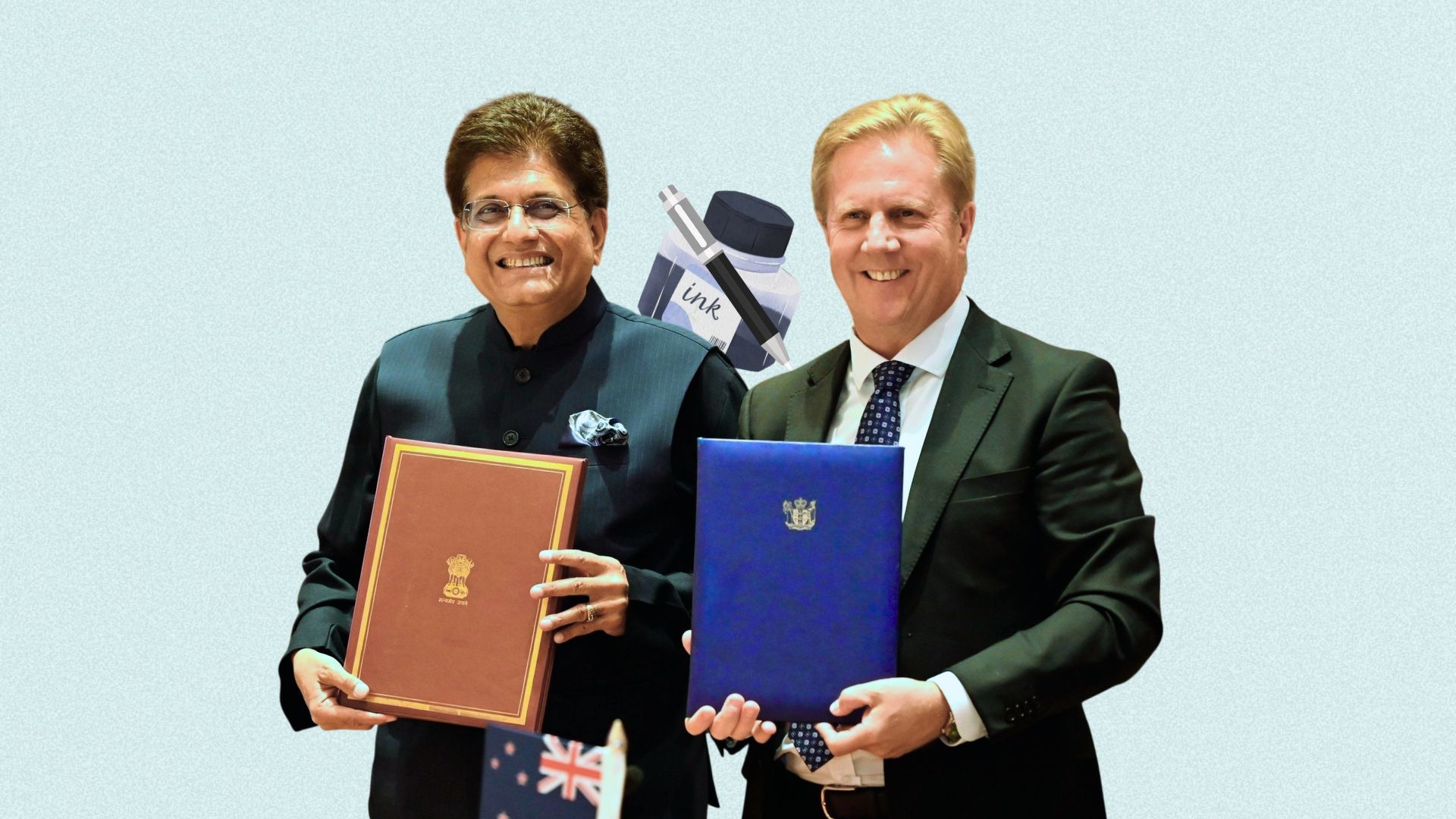
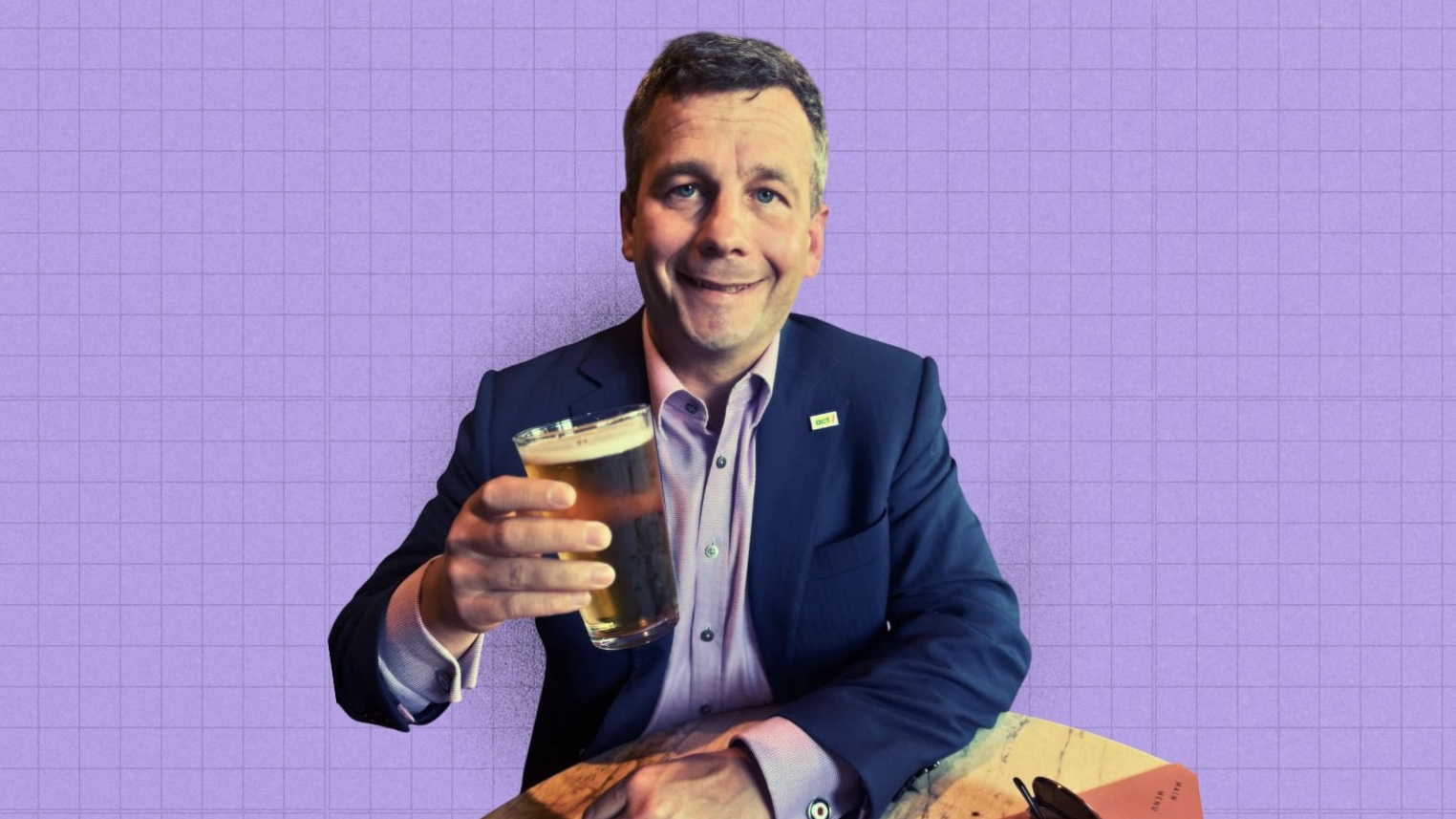
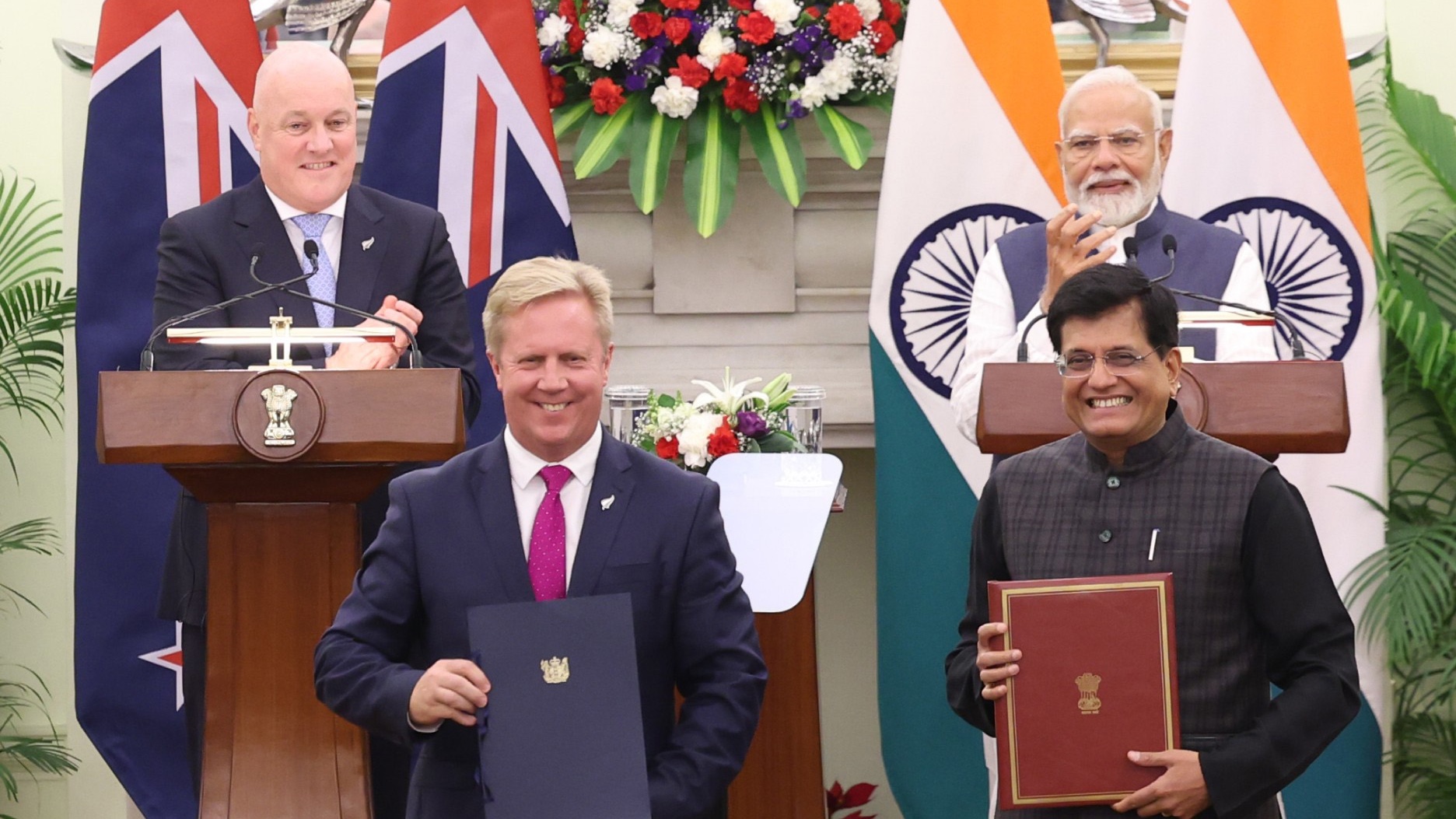
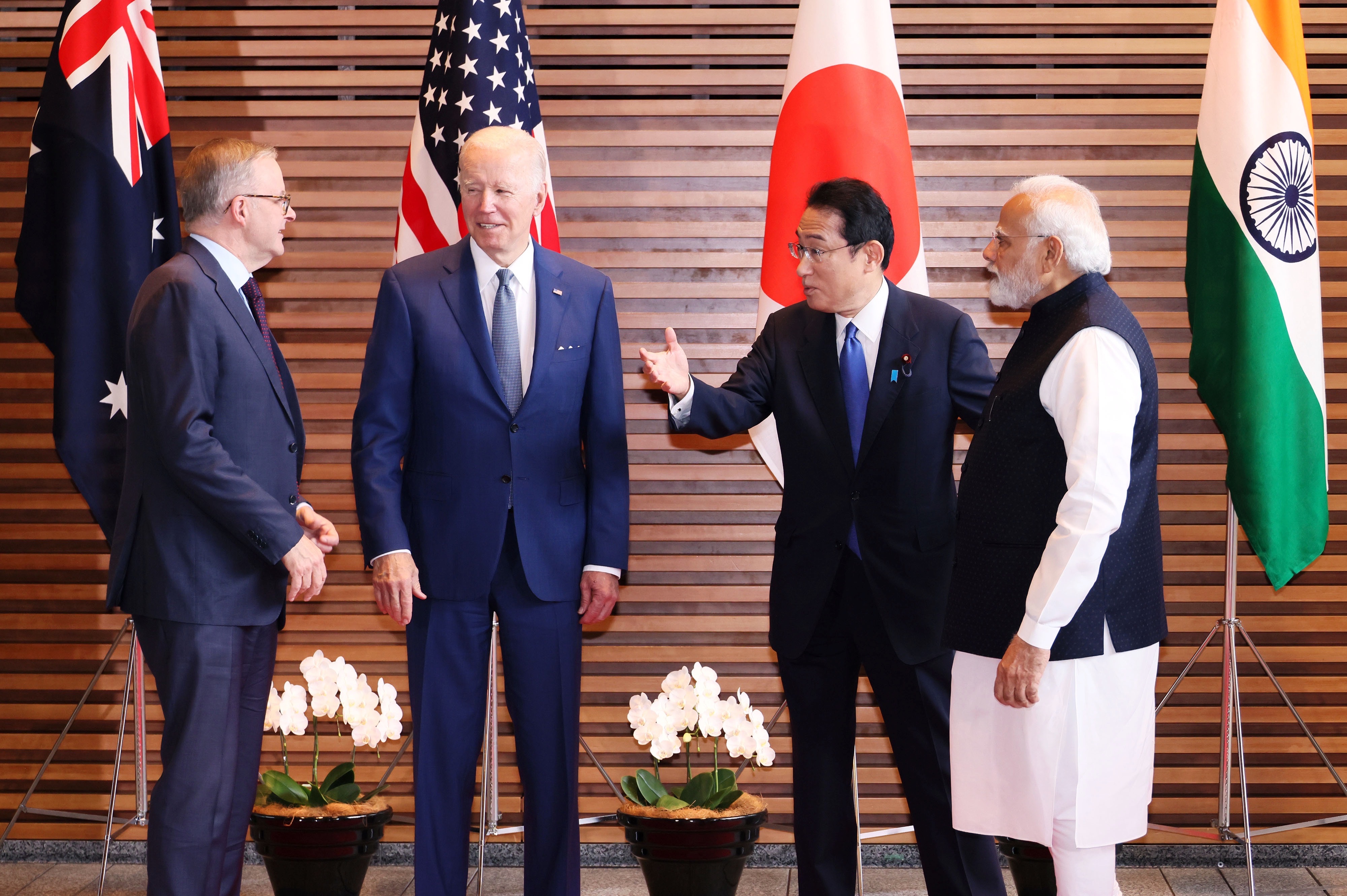
Last month, deputy prime minister David Seymour told a gathering of voters in his Auckland electorate of Epsom that speculation about the free trade agreement with India is spawning a negative sentiment about Kiwi Indians, especially in South Auckland.
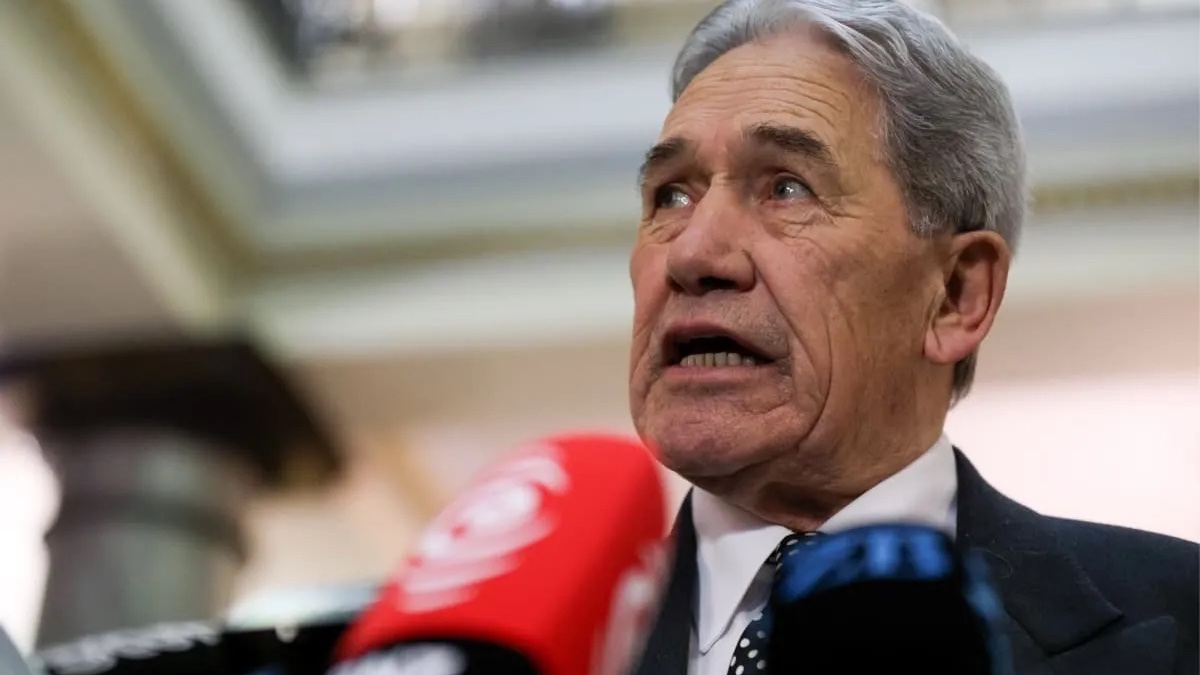
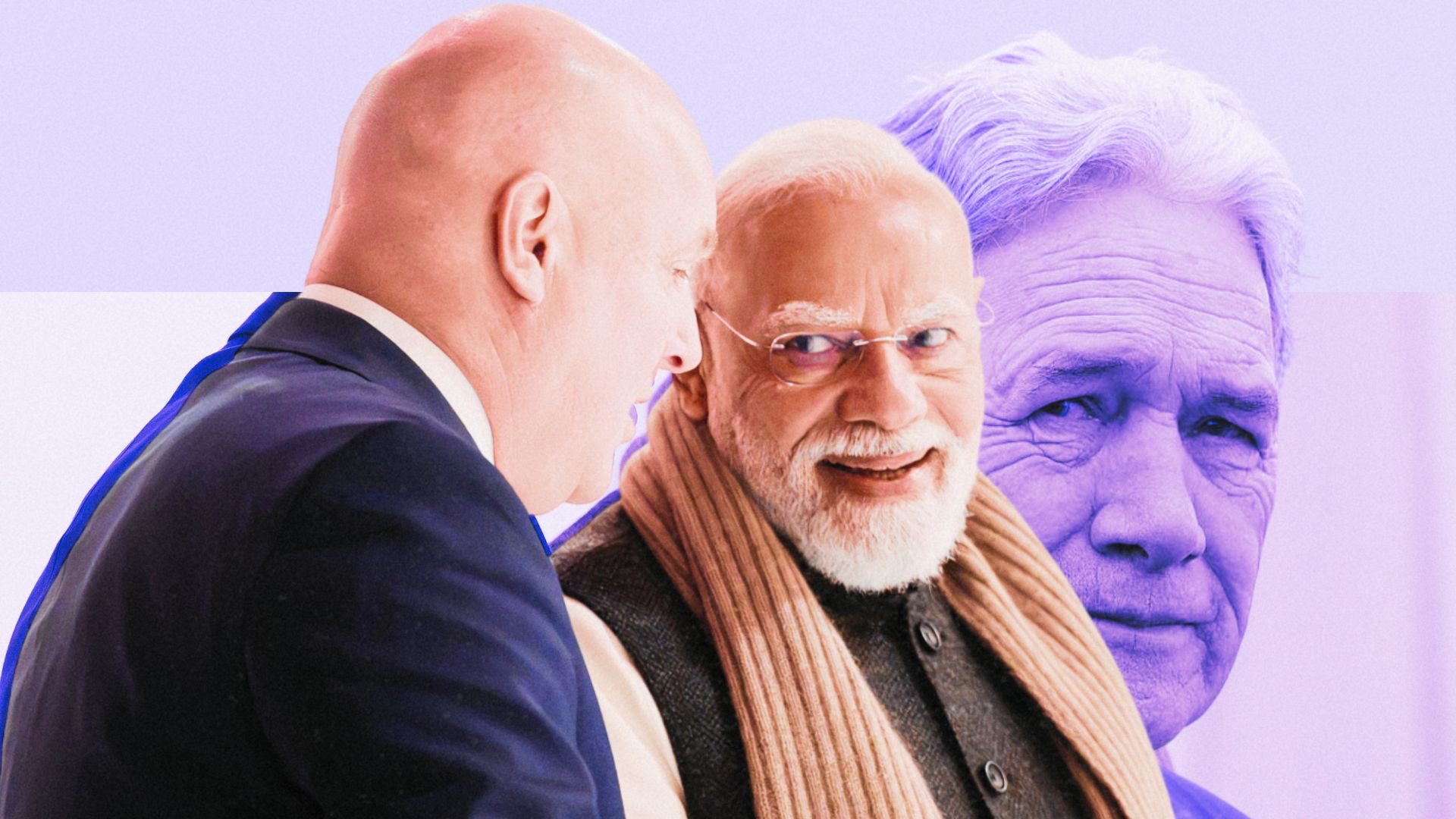
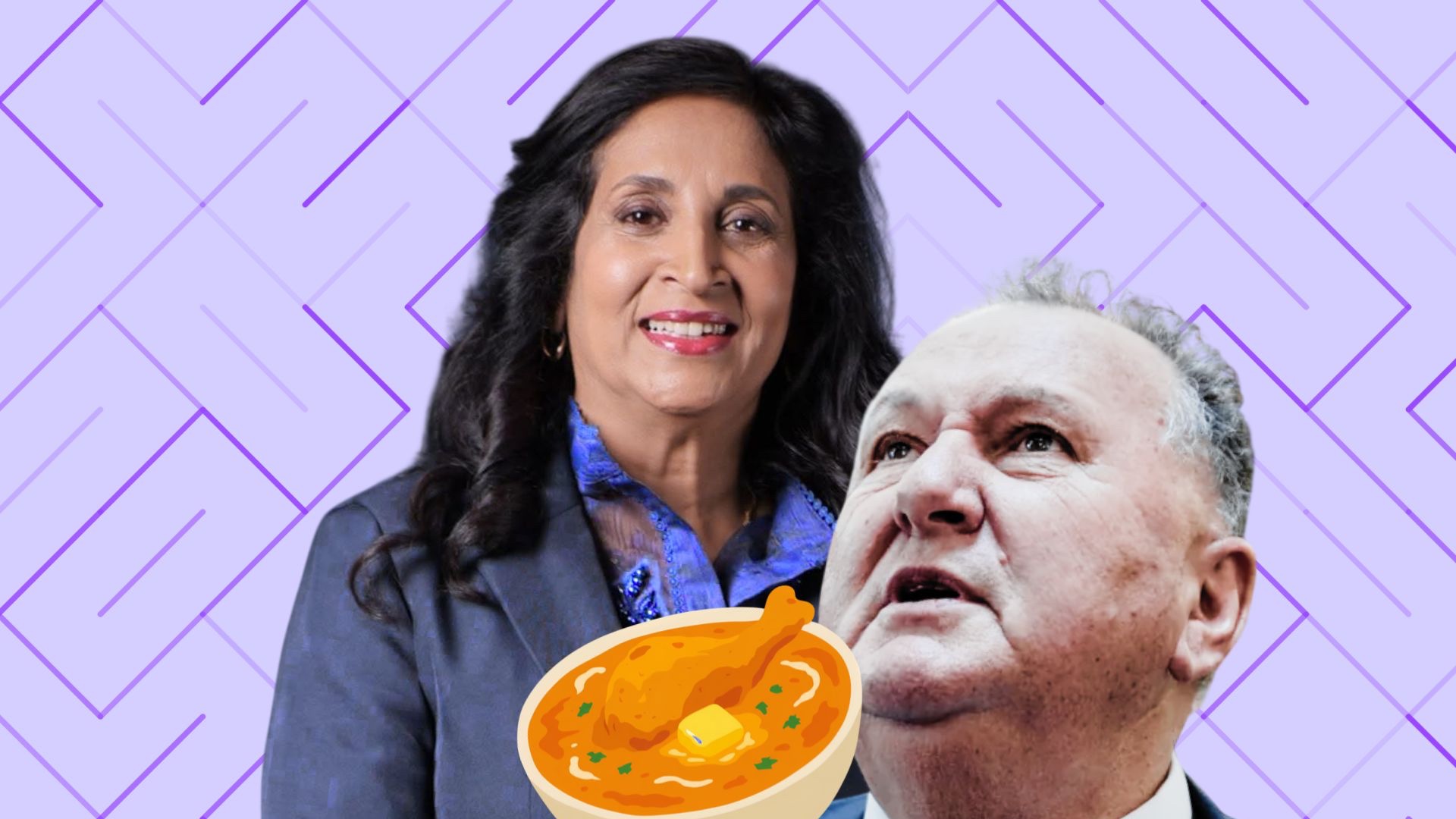
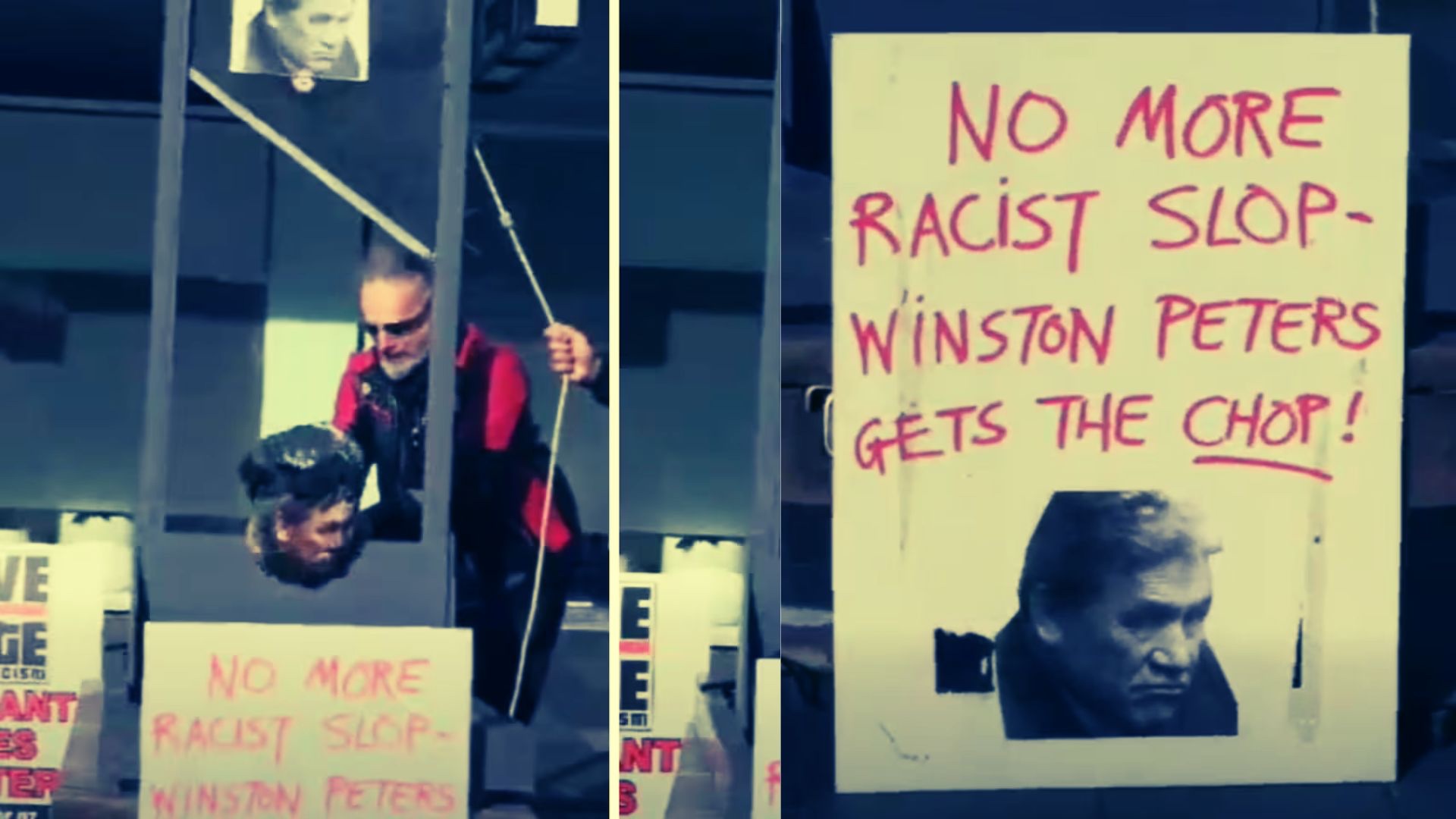
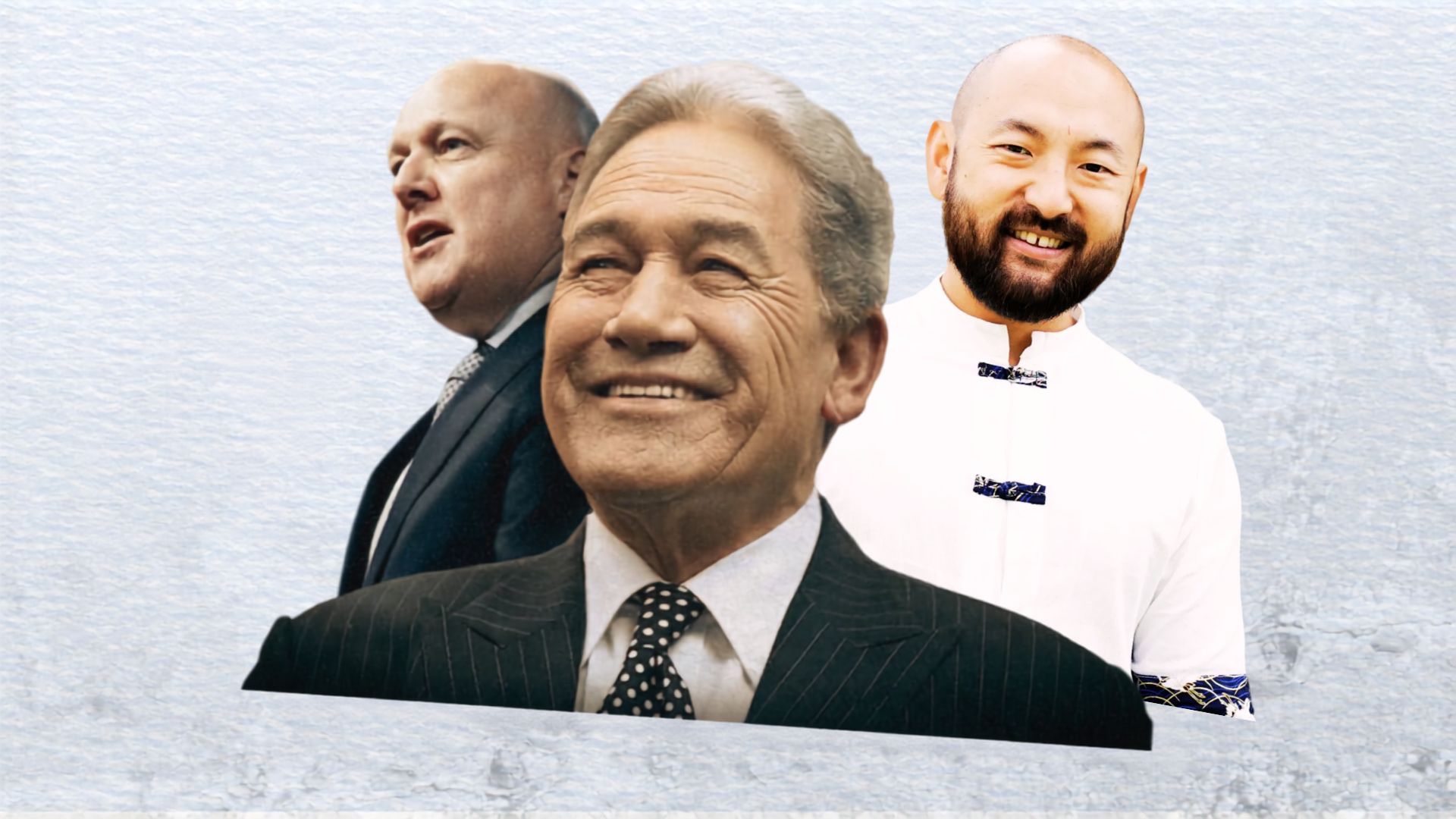
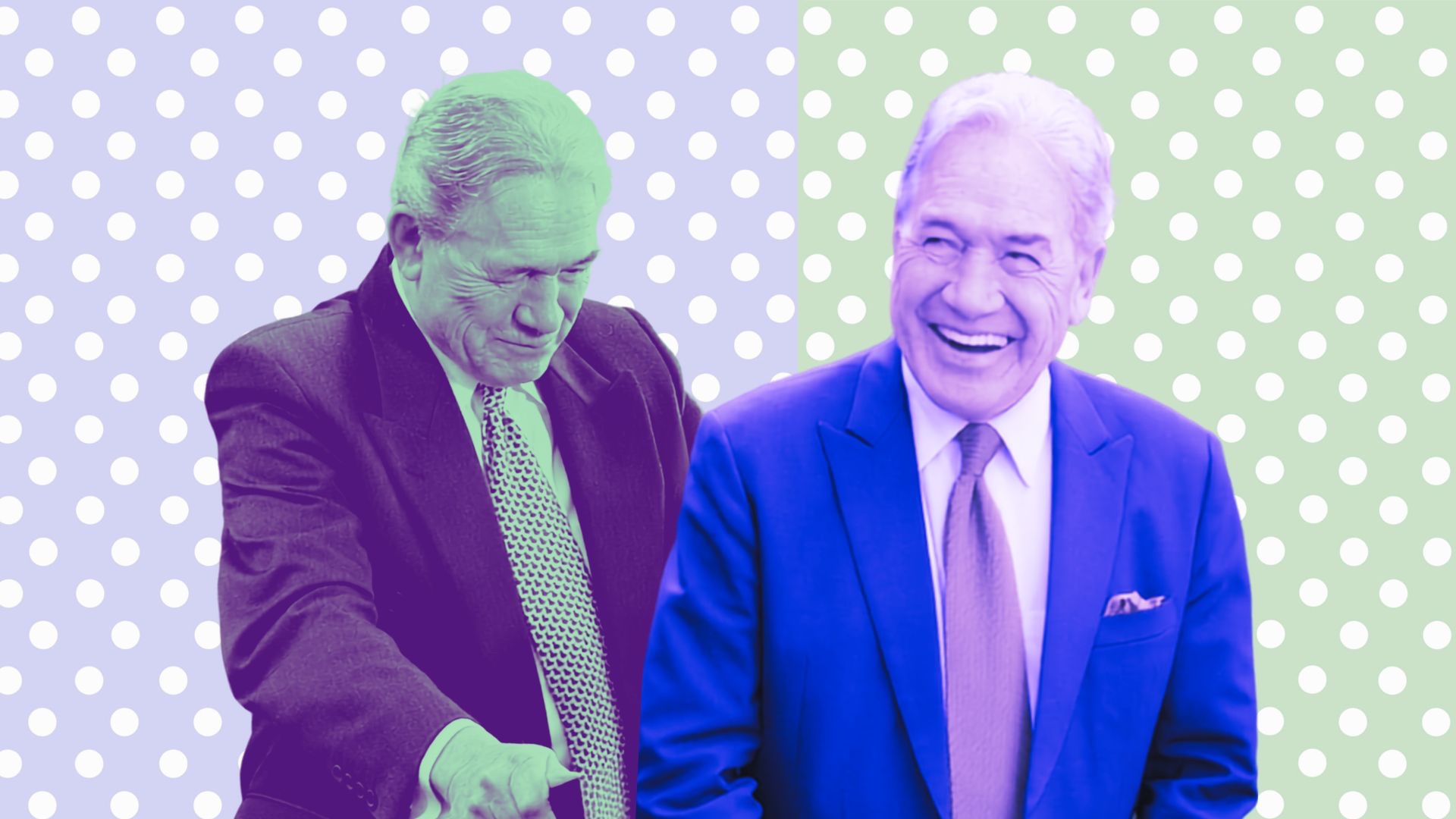
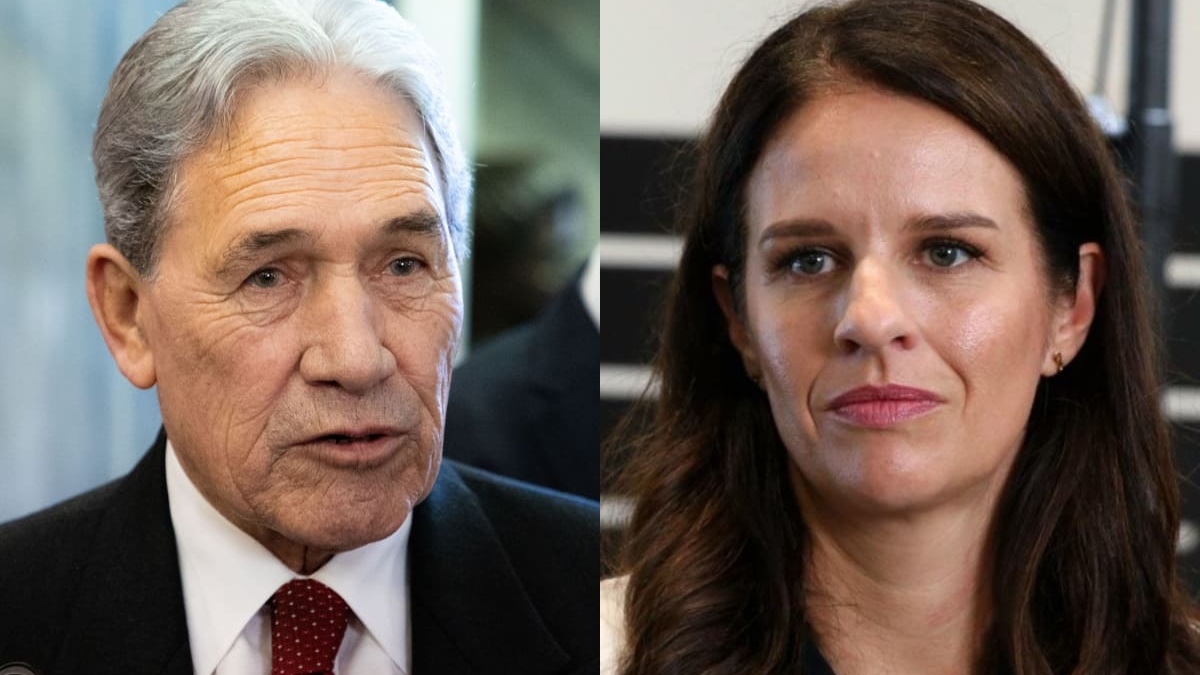
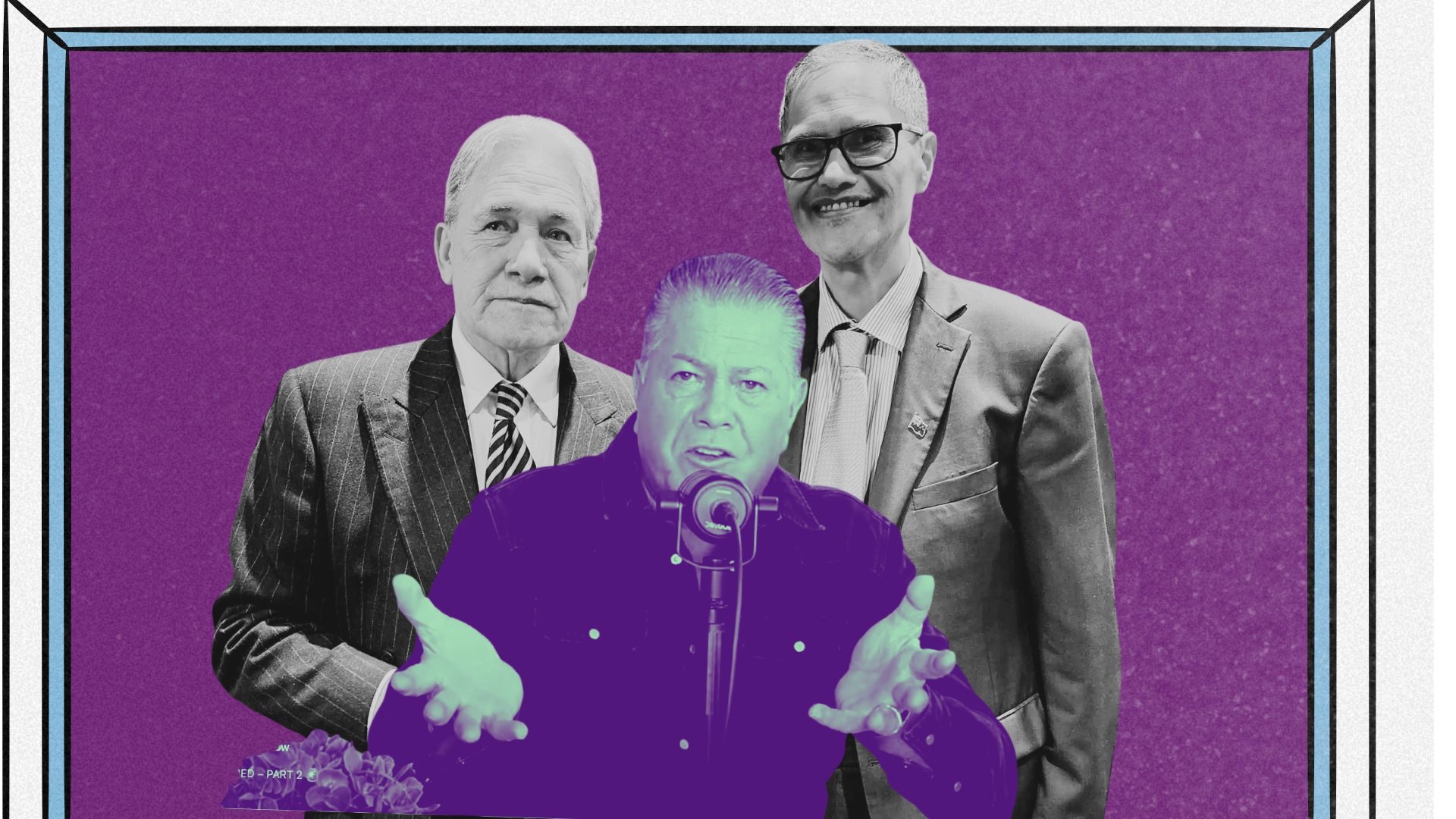
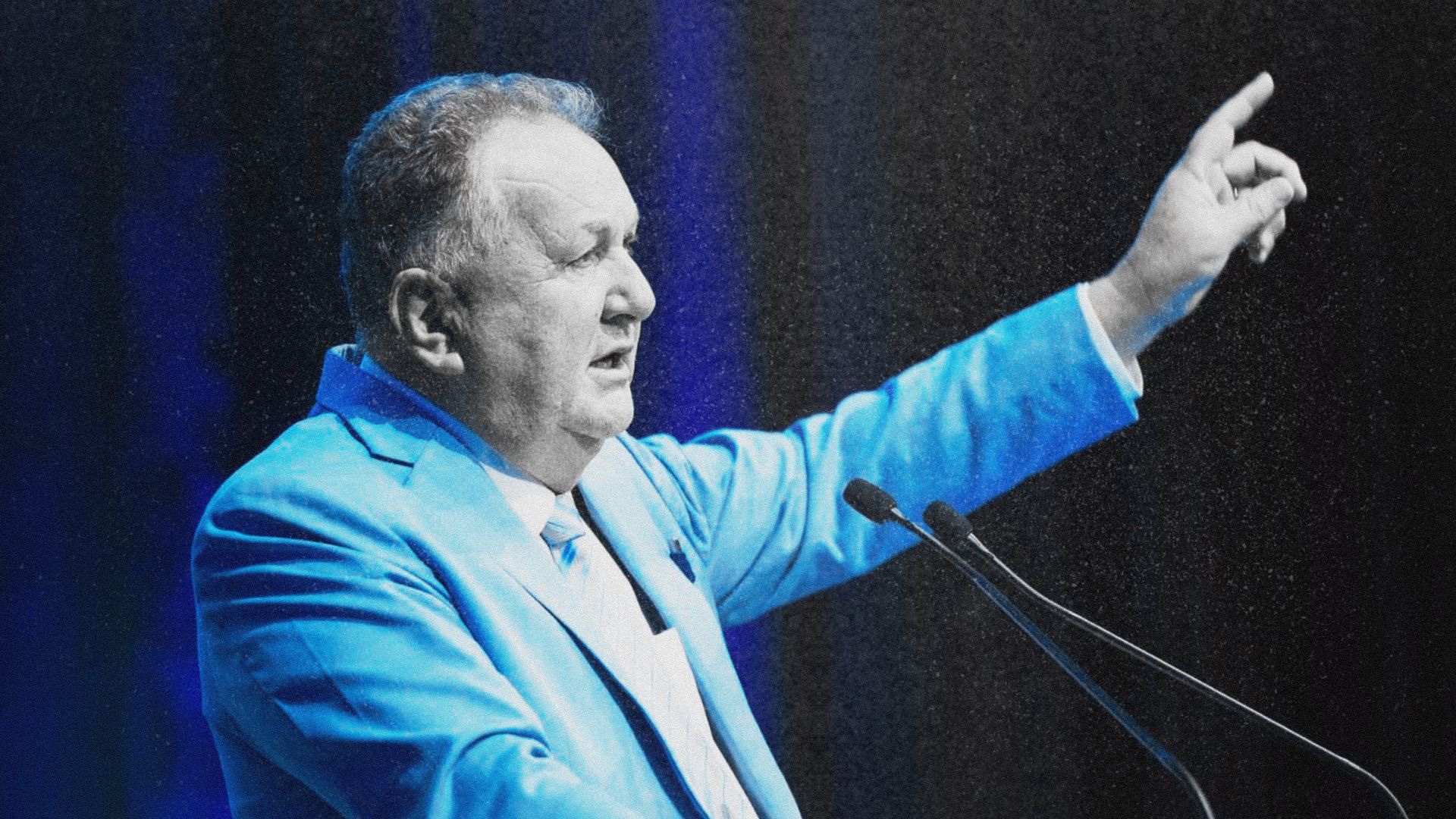
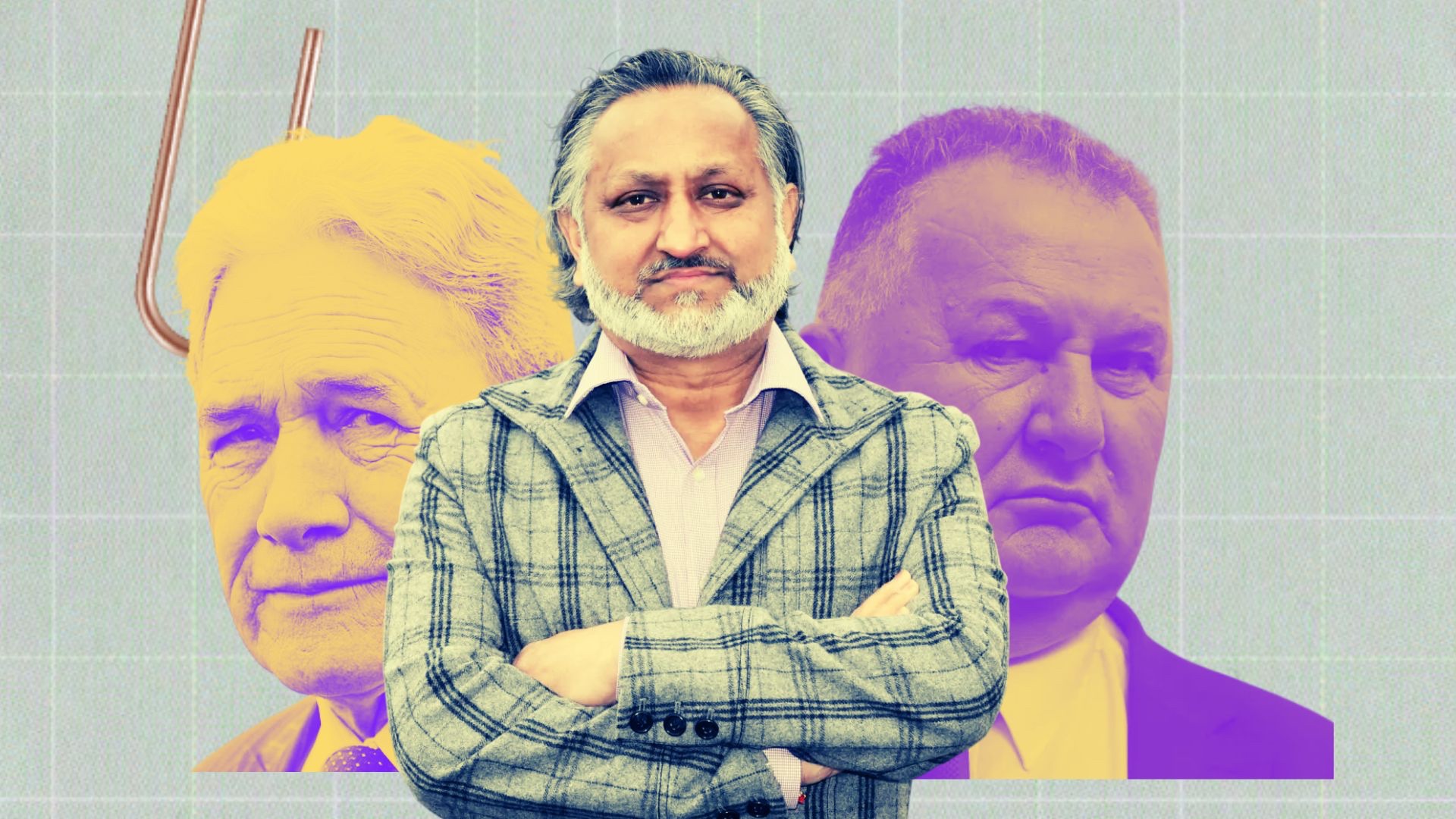
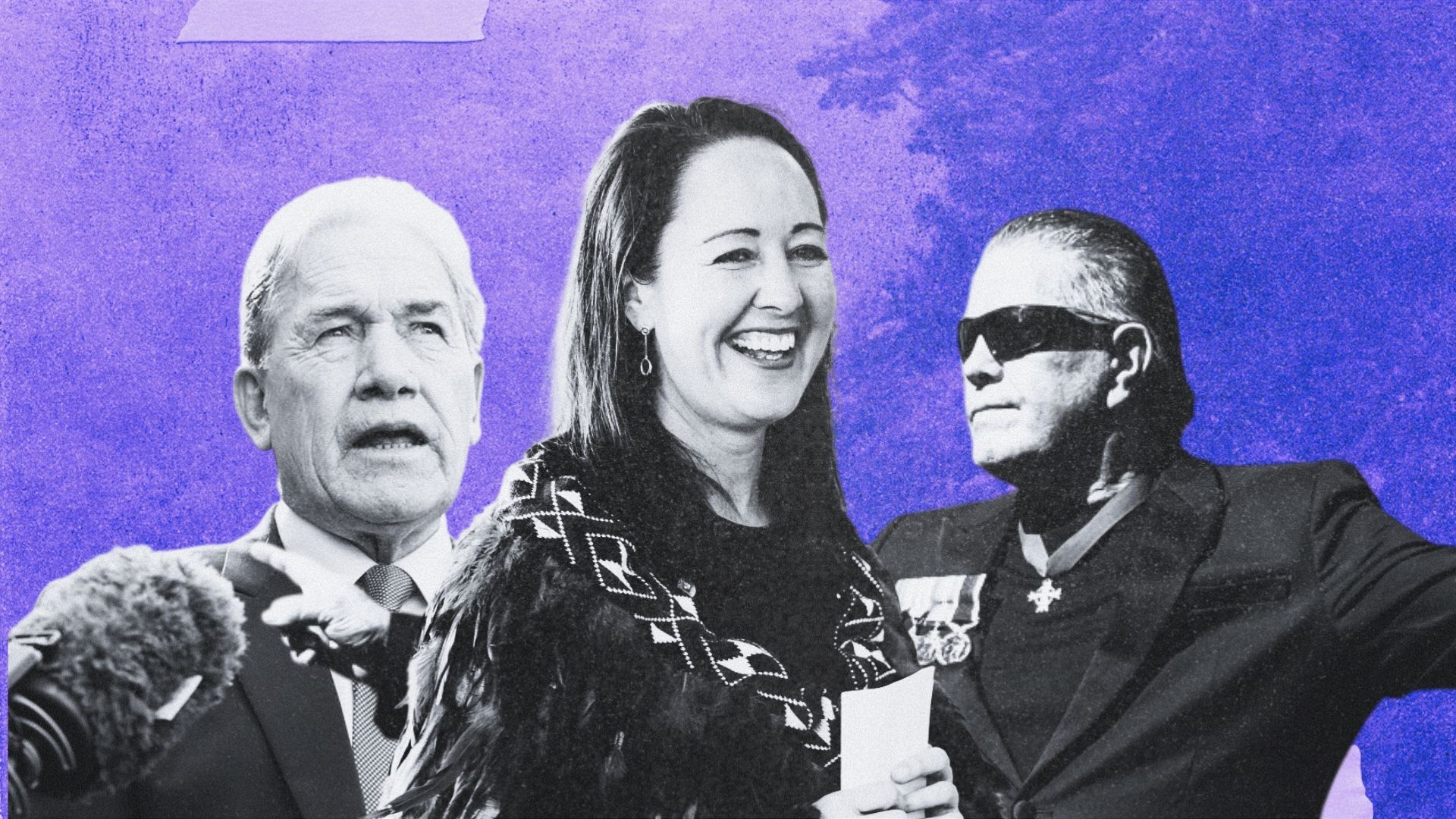
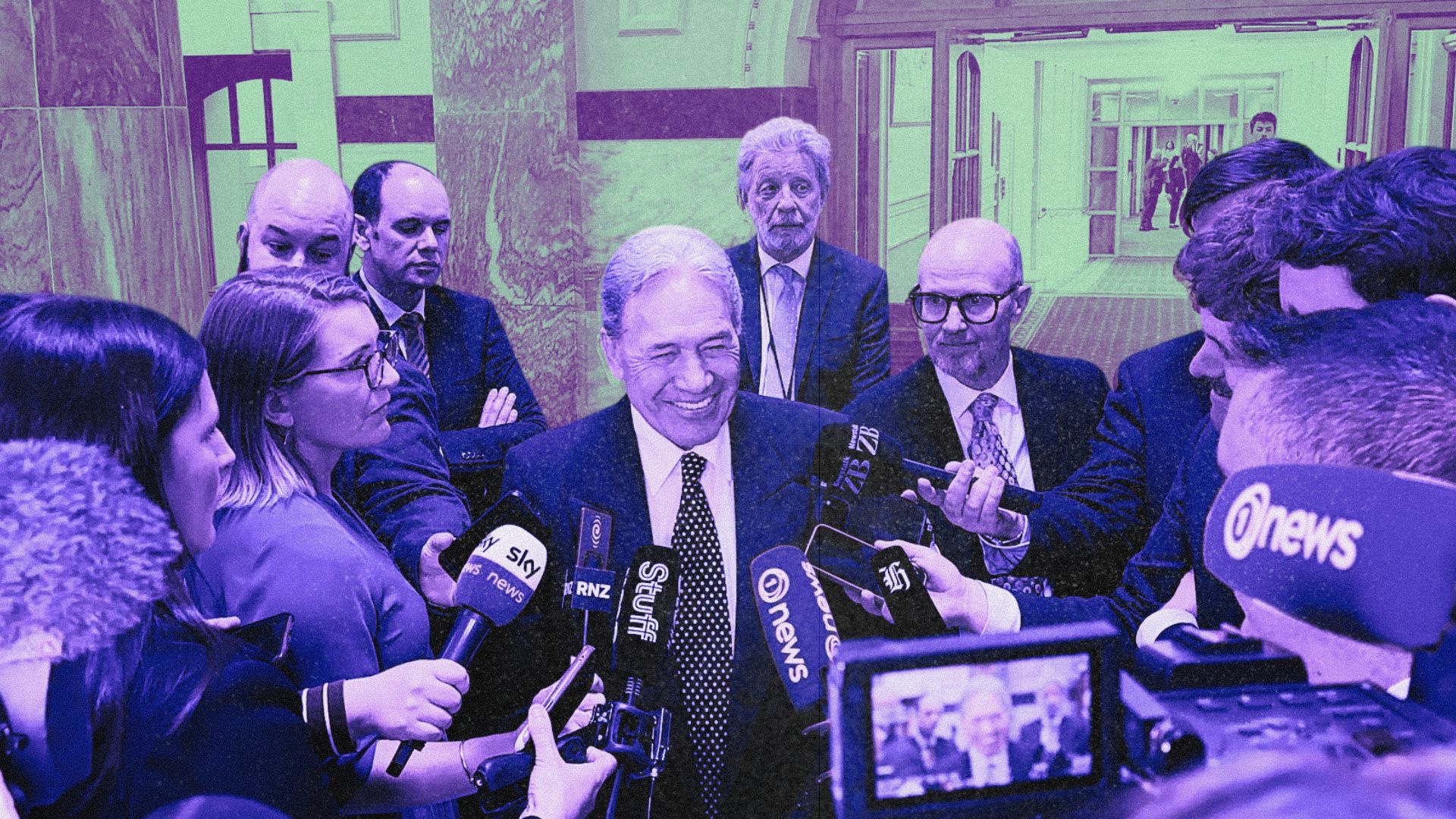
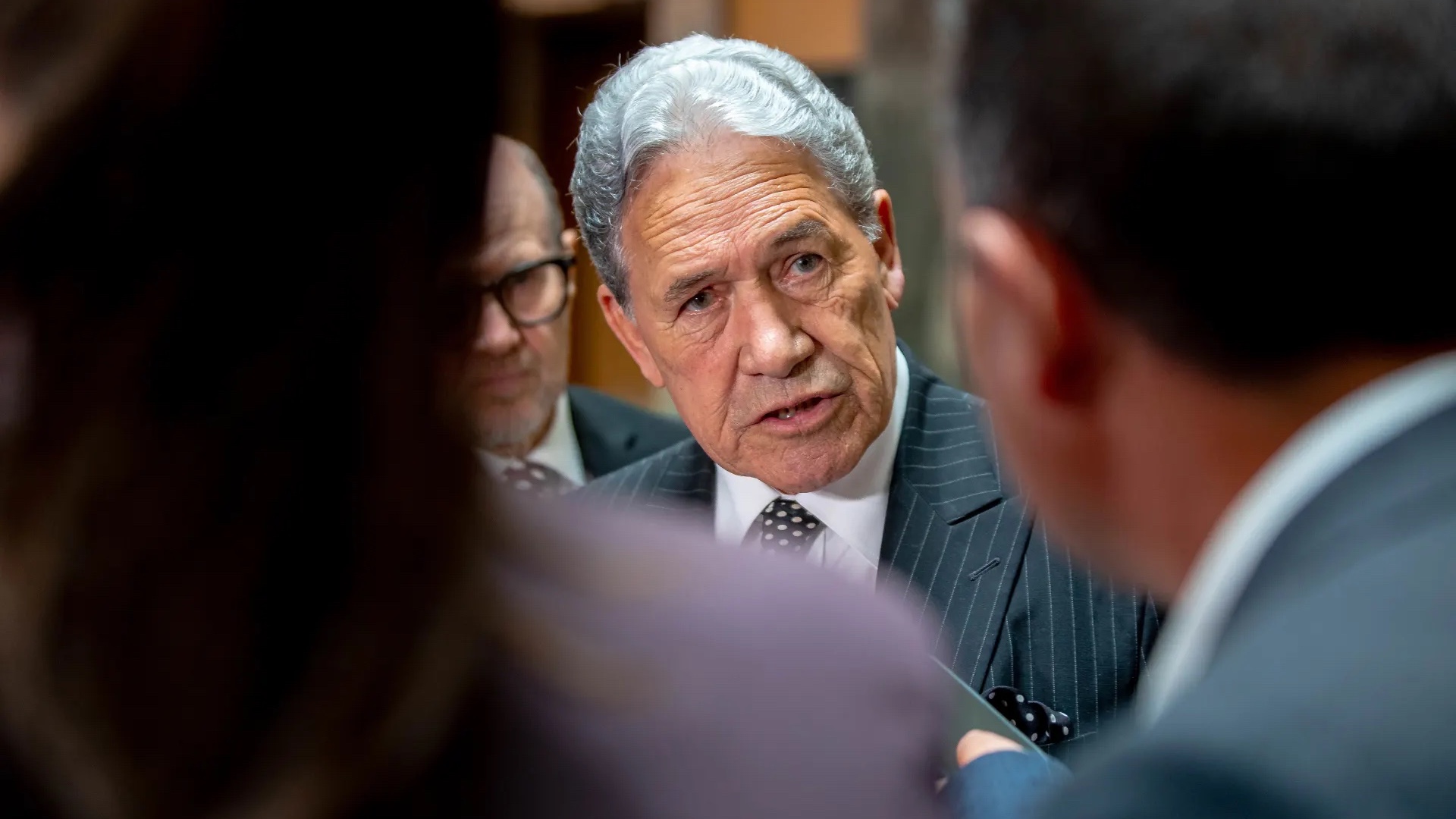
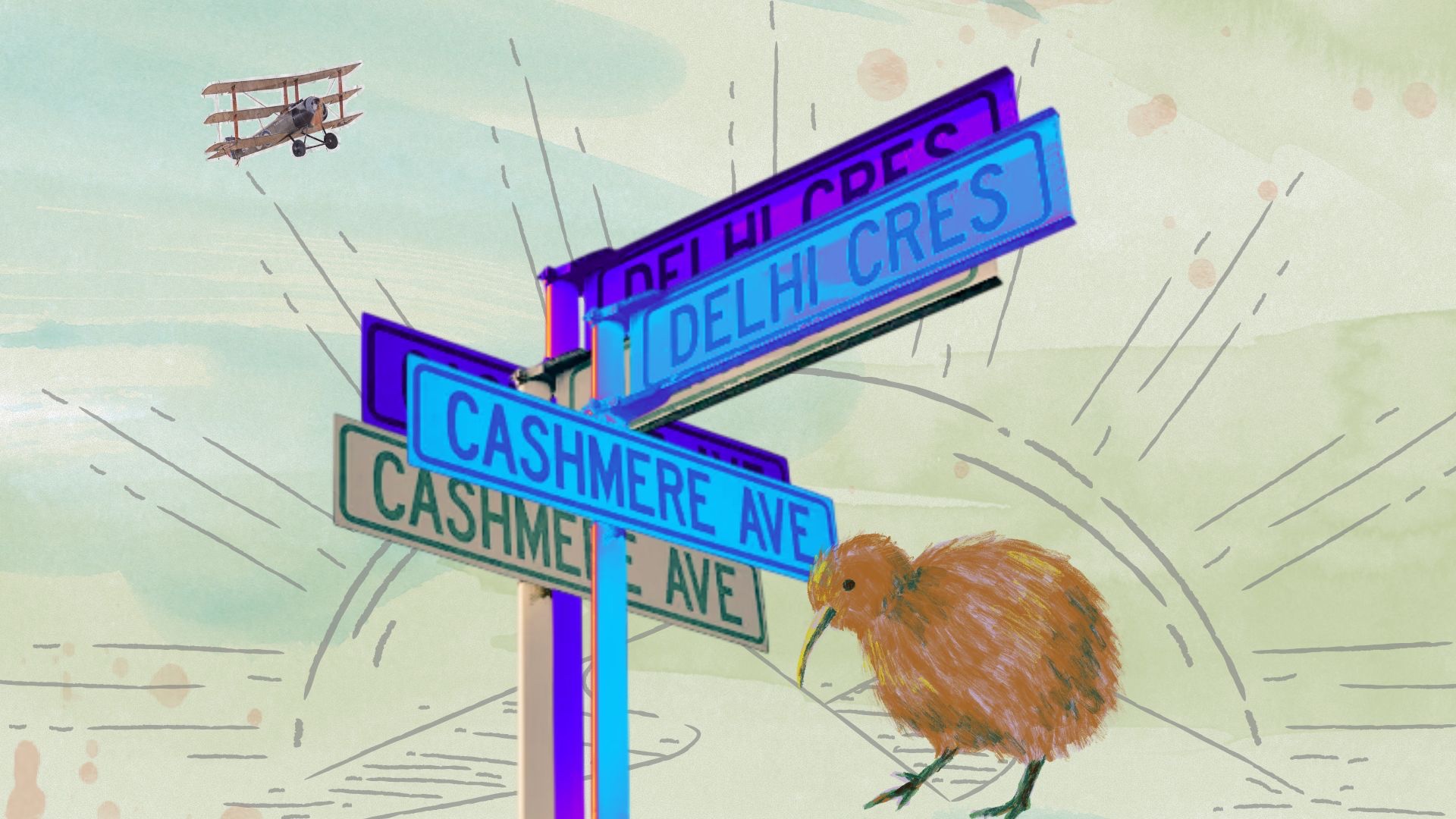
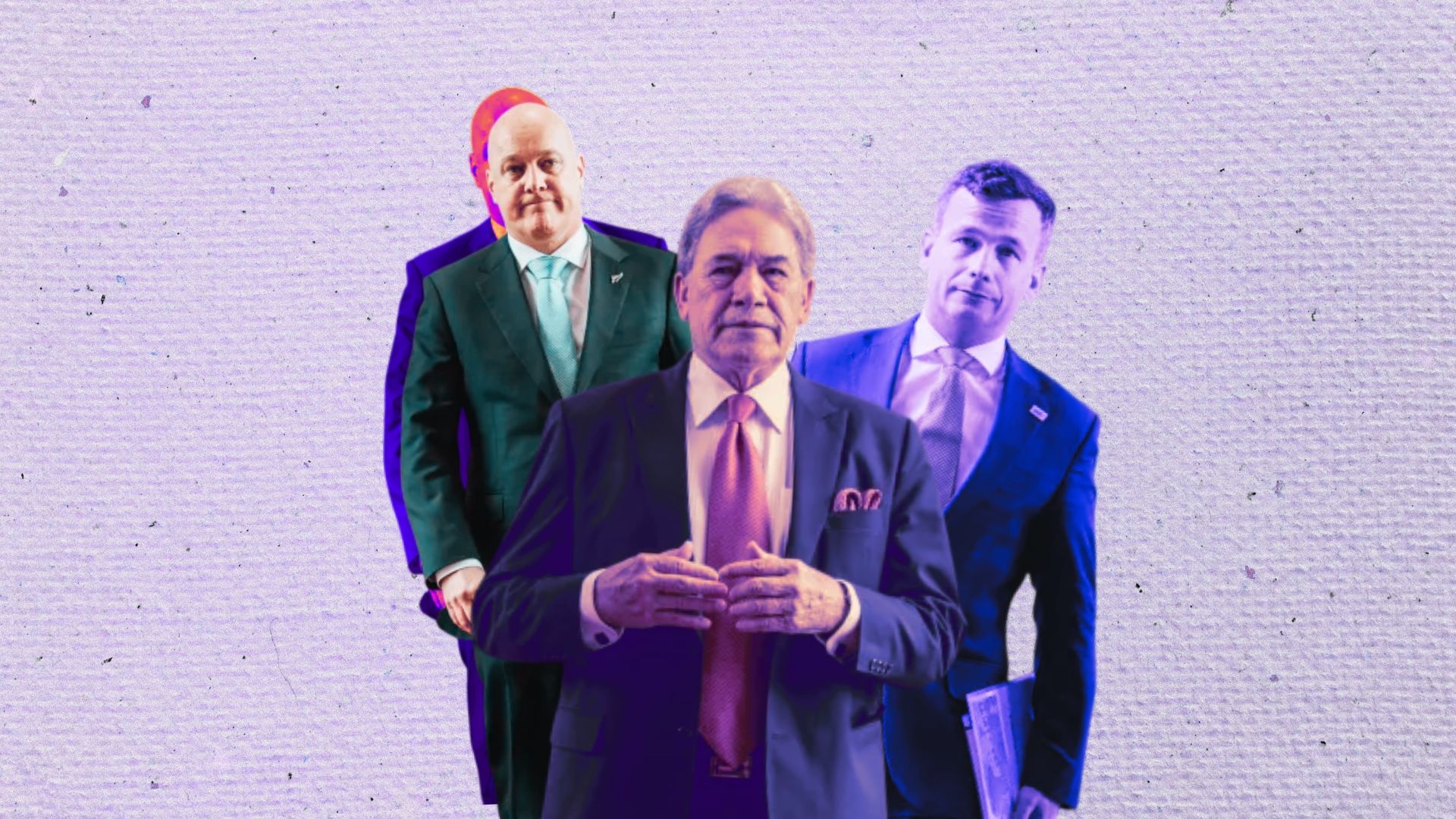
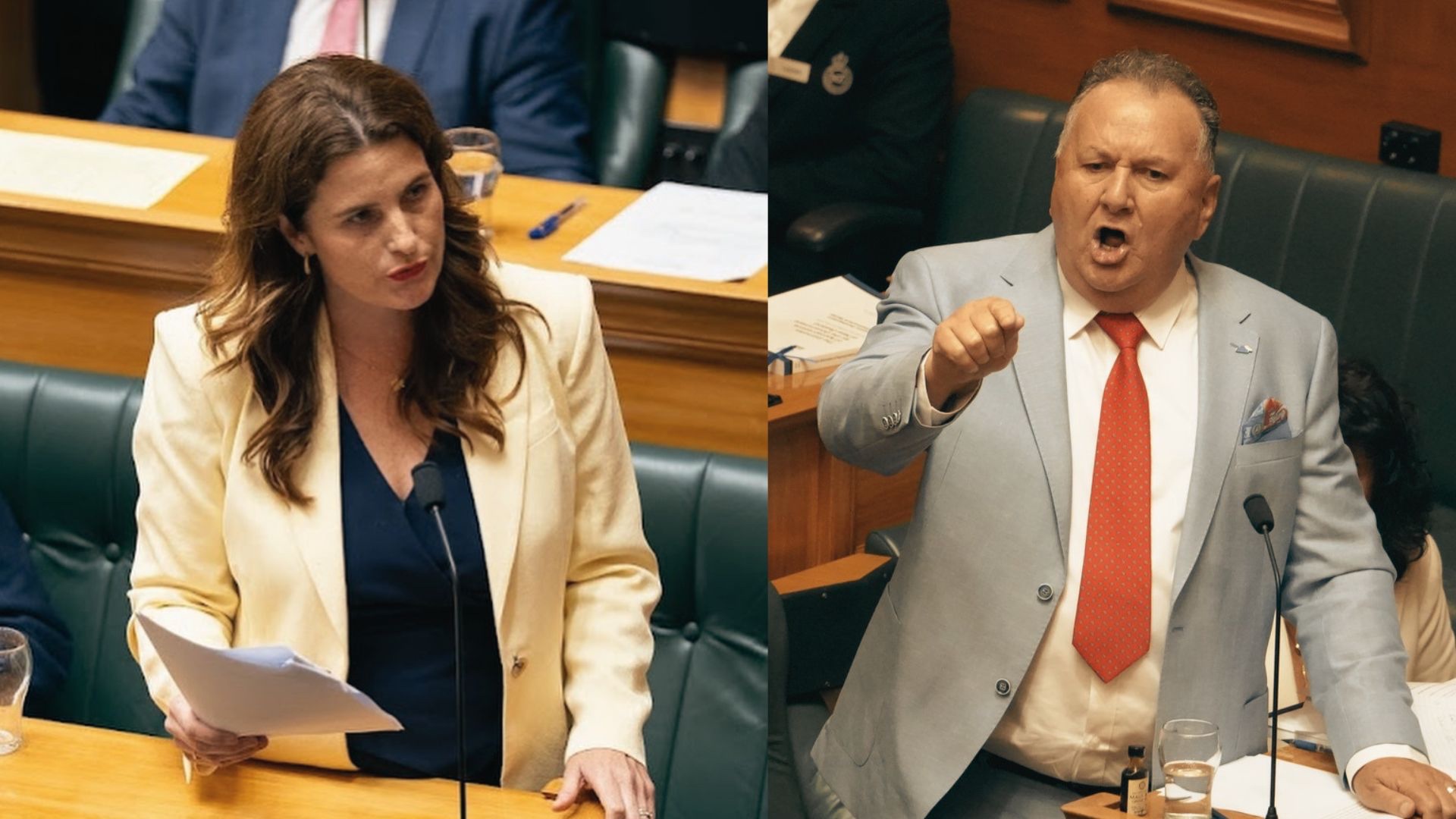
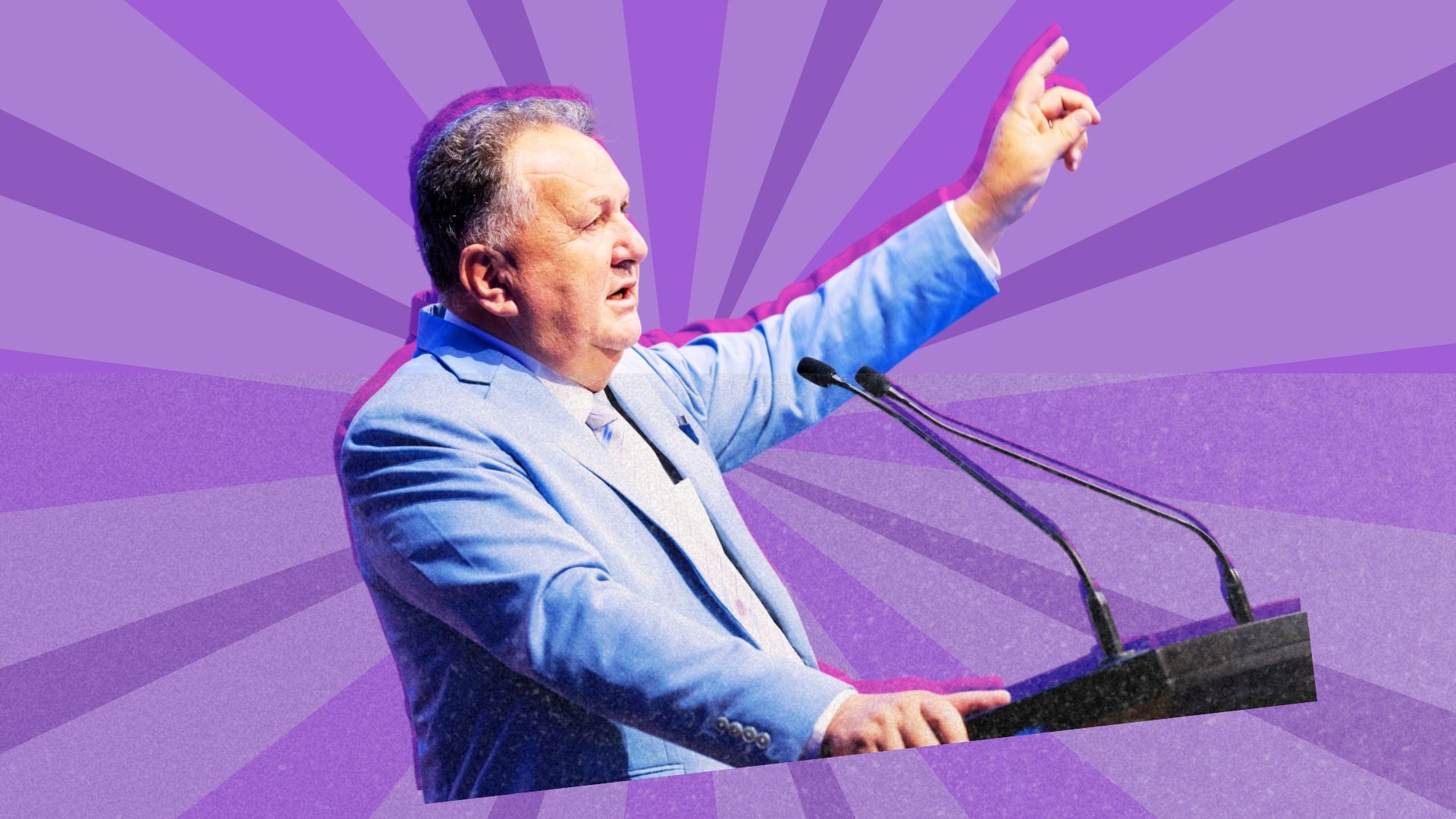
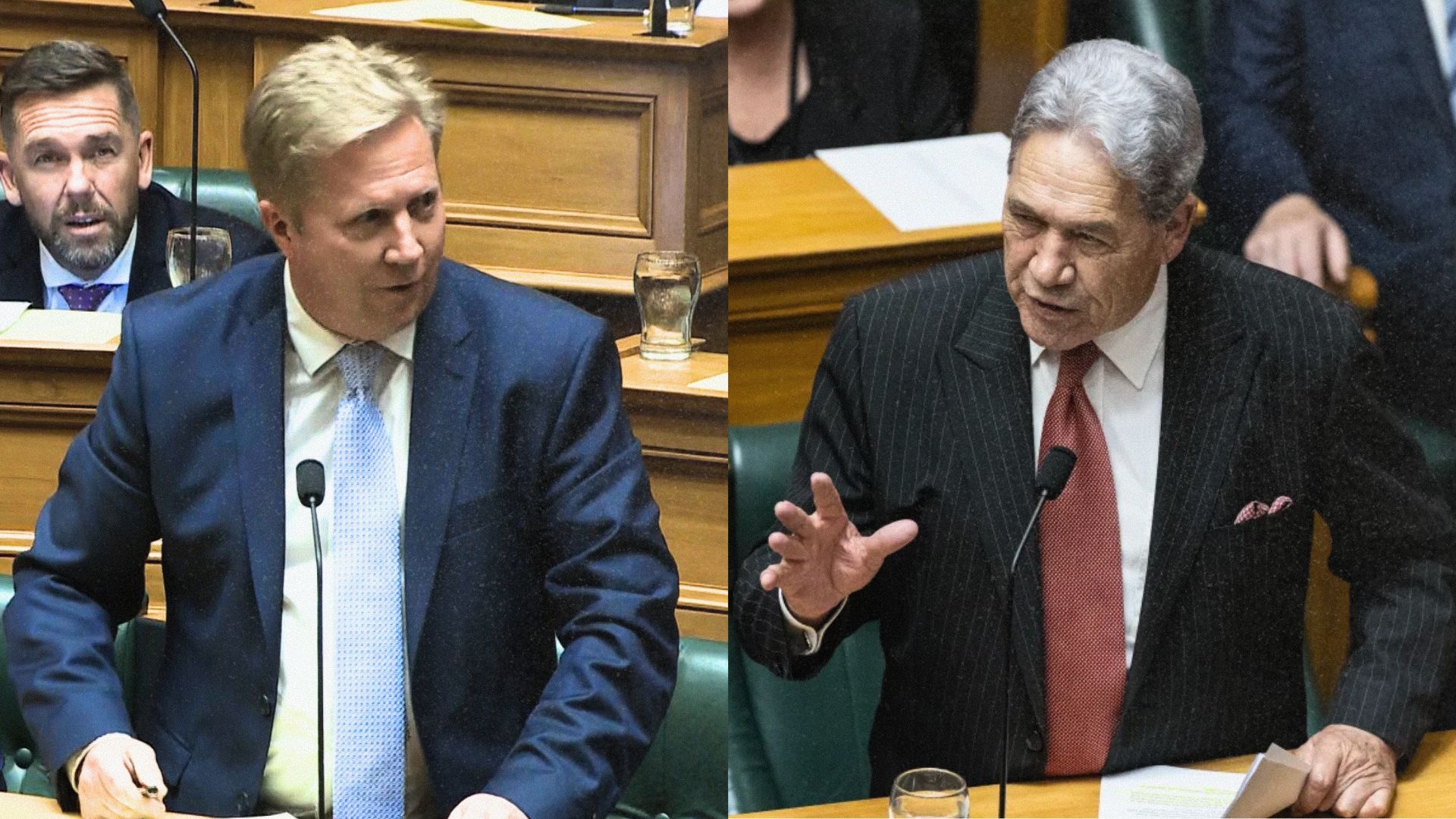
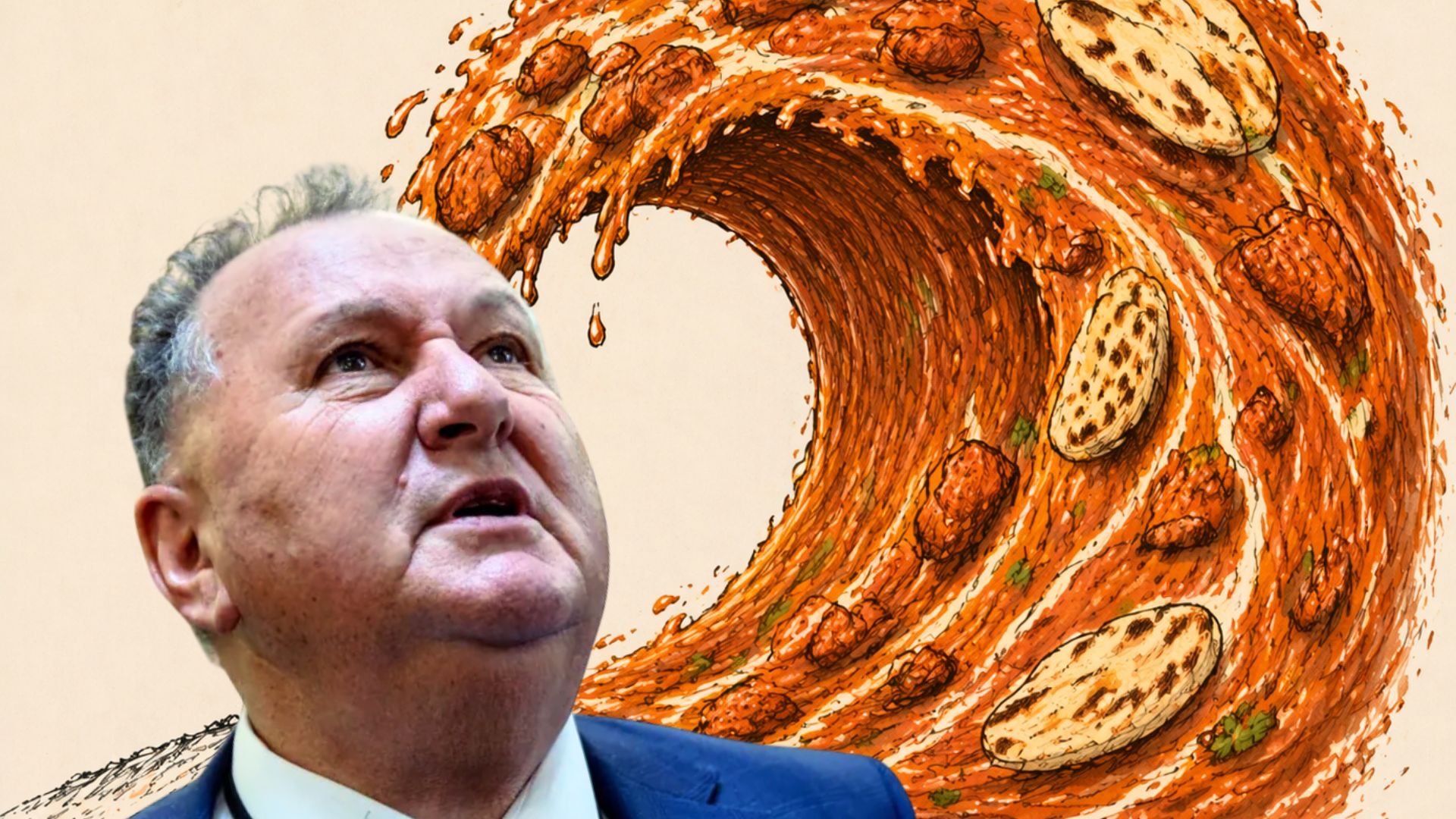
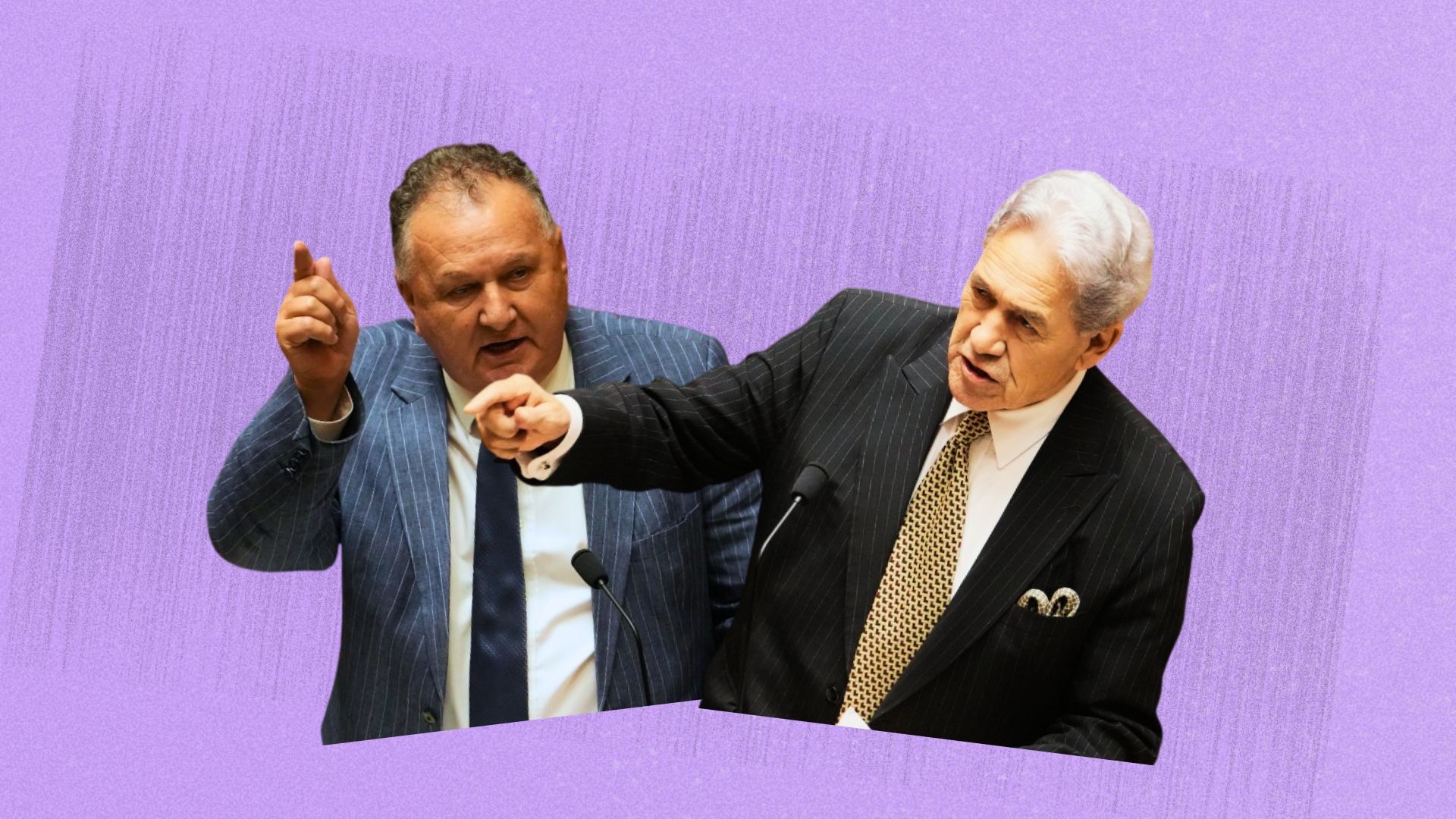
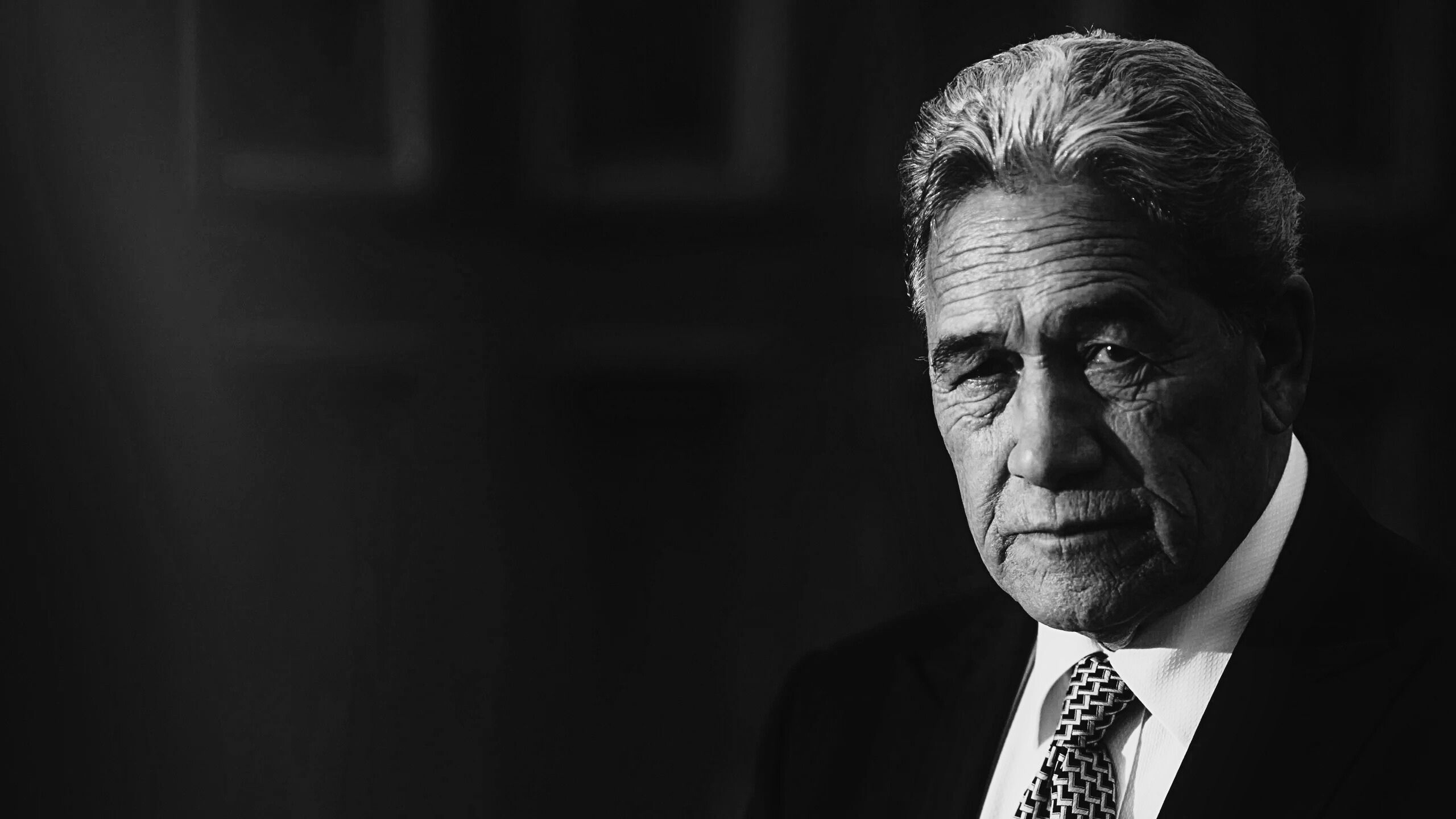
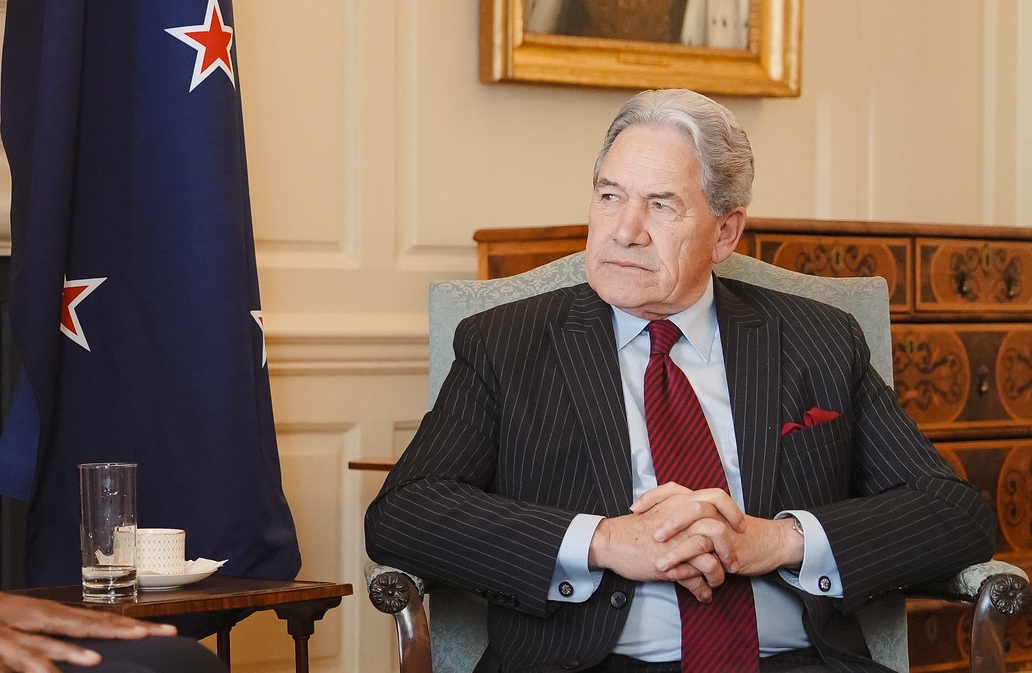
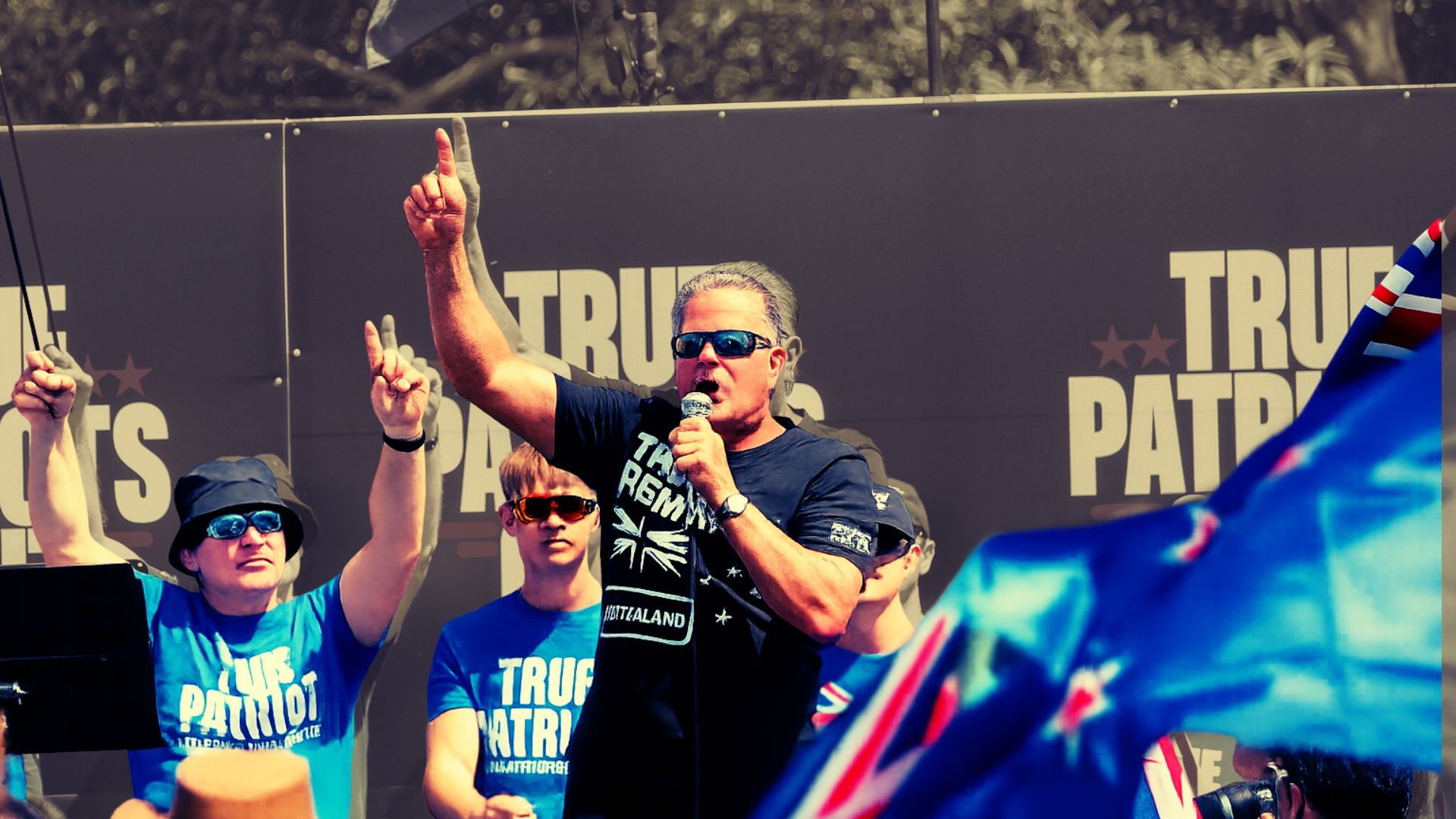
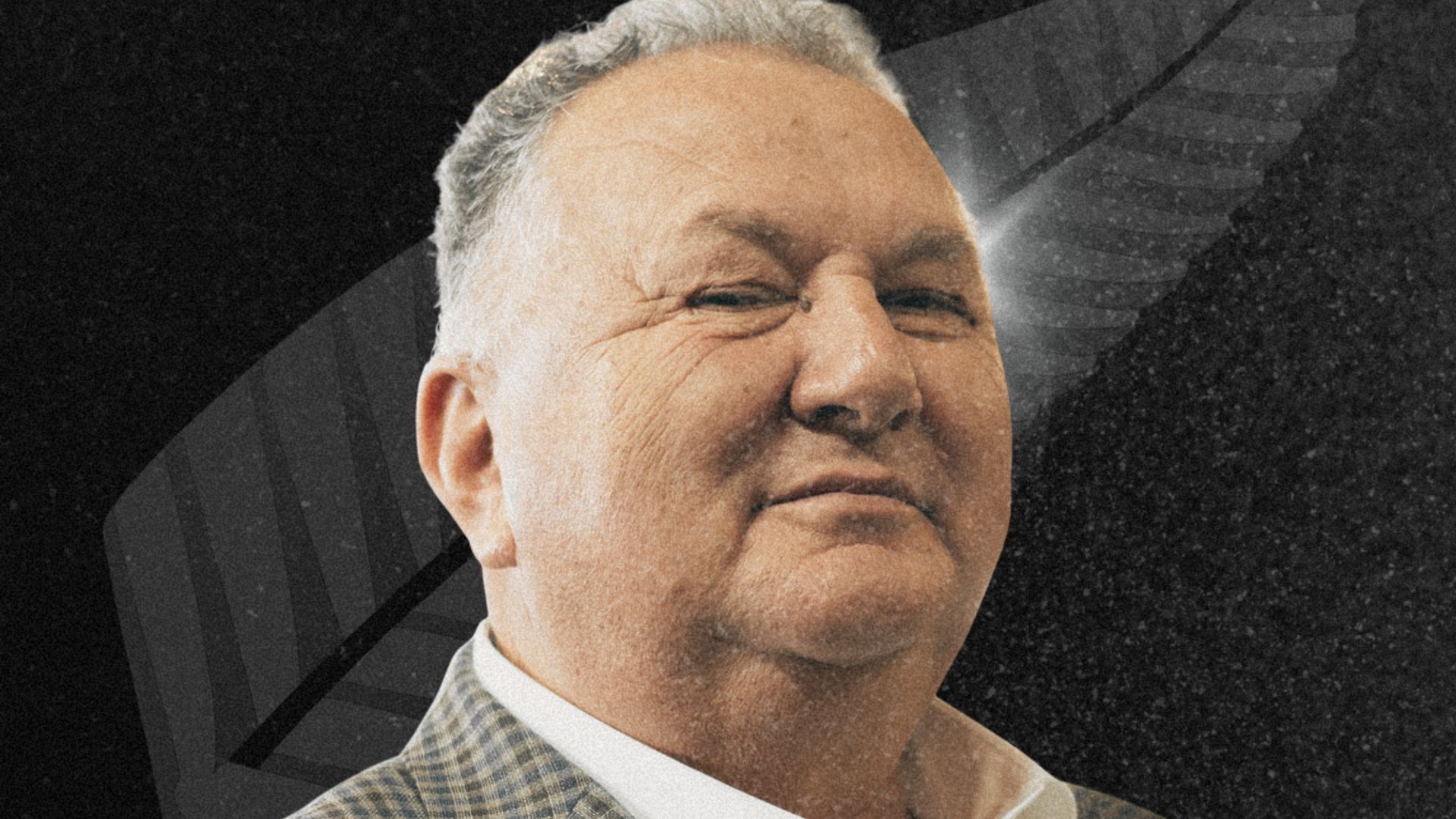
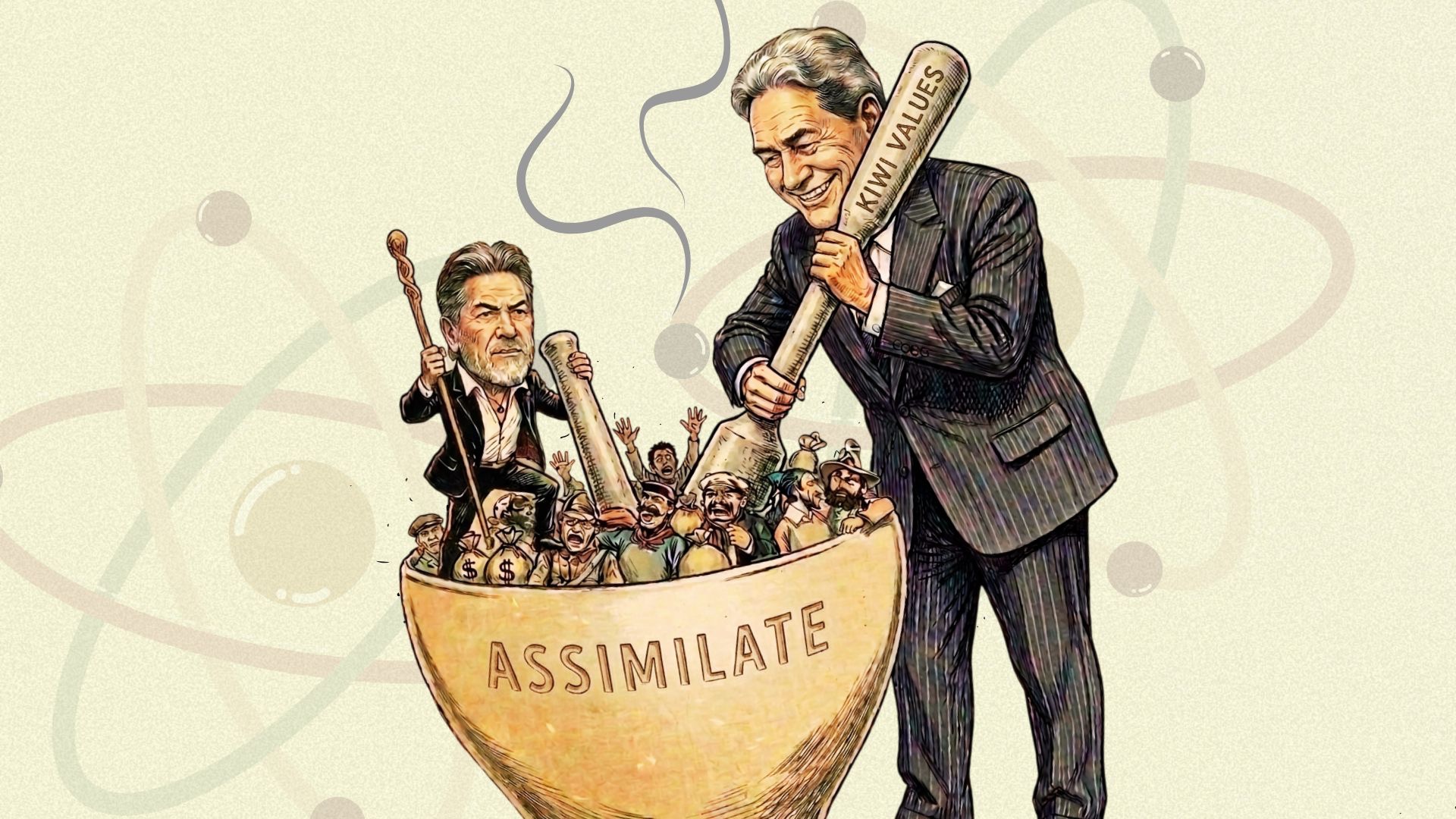
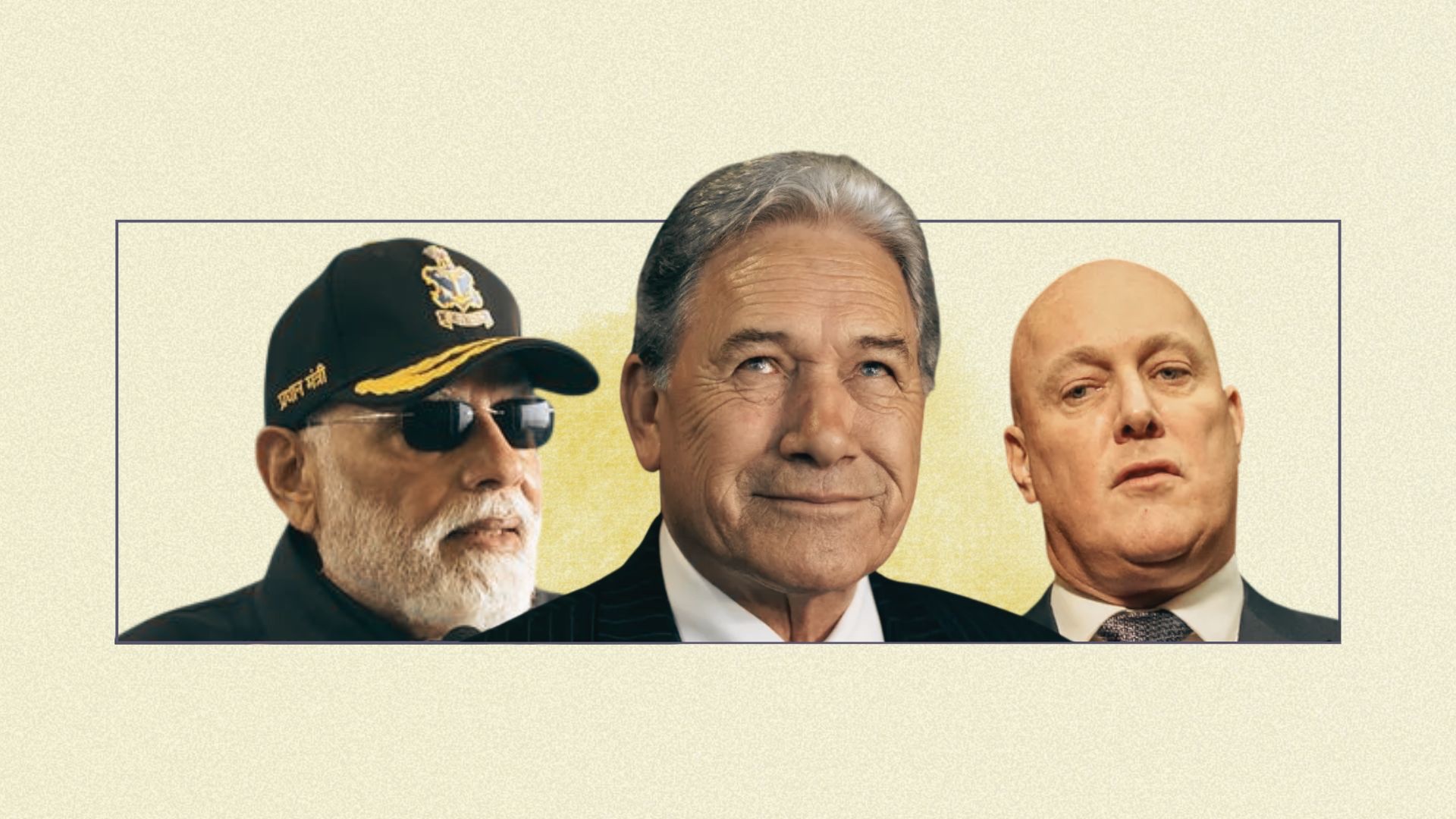
New Zealand First deputy leader Shane Jones has lately used statistically inaccurate projections to warn of a migrant apocalypse from India. His recent utterings have included statements like"we are not going to be a dumping ground for people trying to come to New Zealand and set up New Delhi". His party leader Winston Peters later said he could have "expressed himself better".
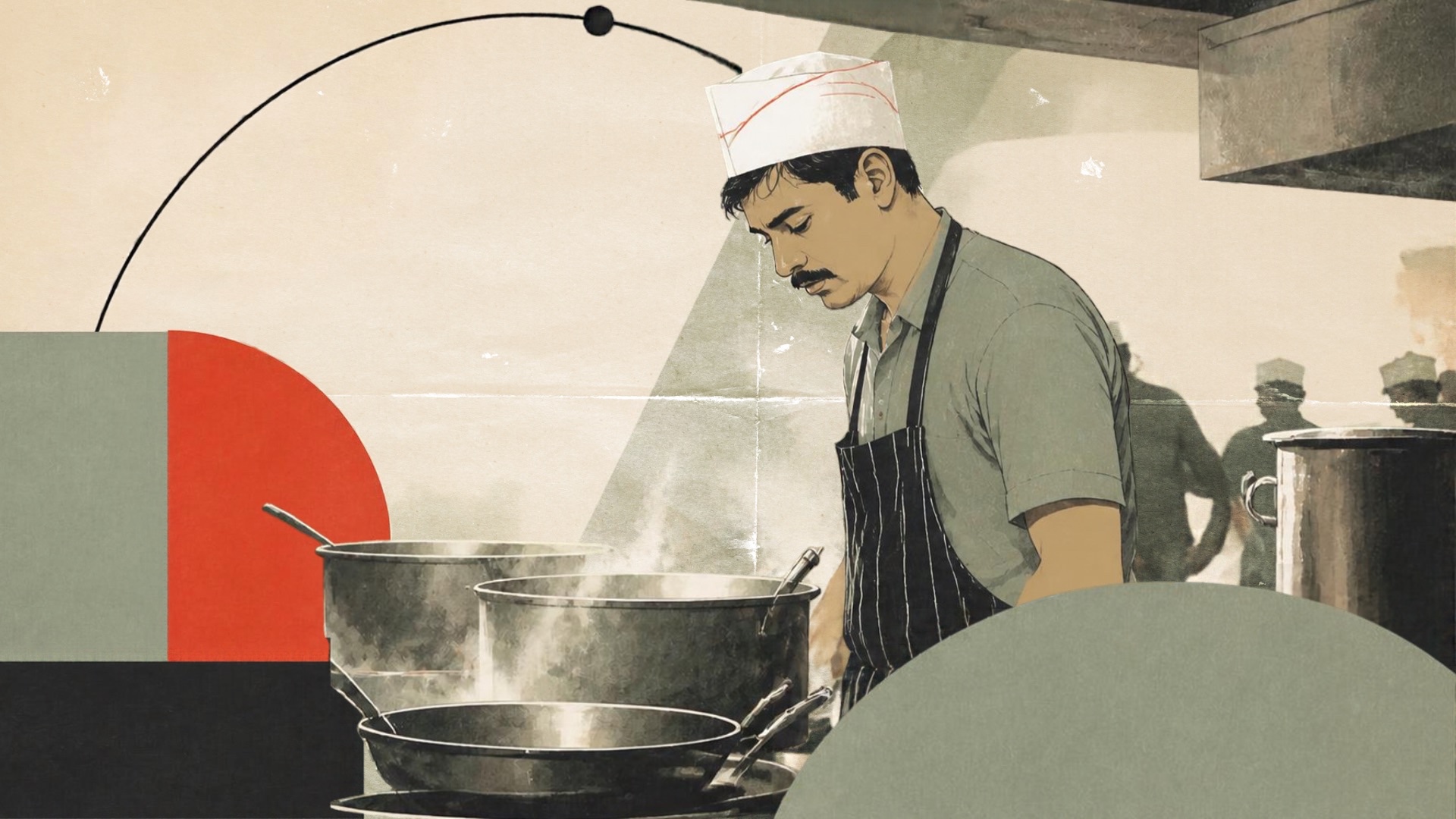
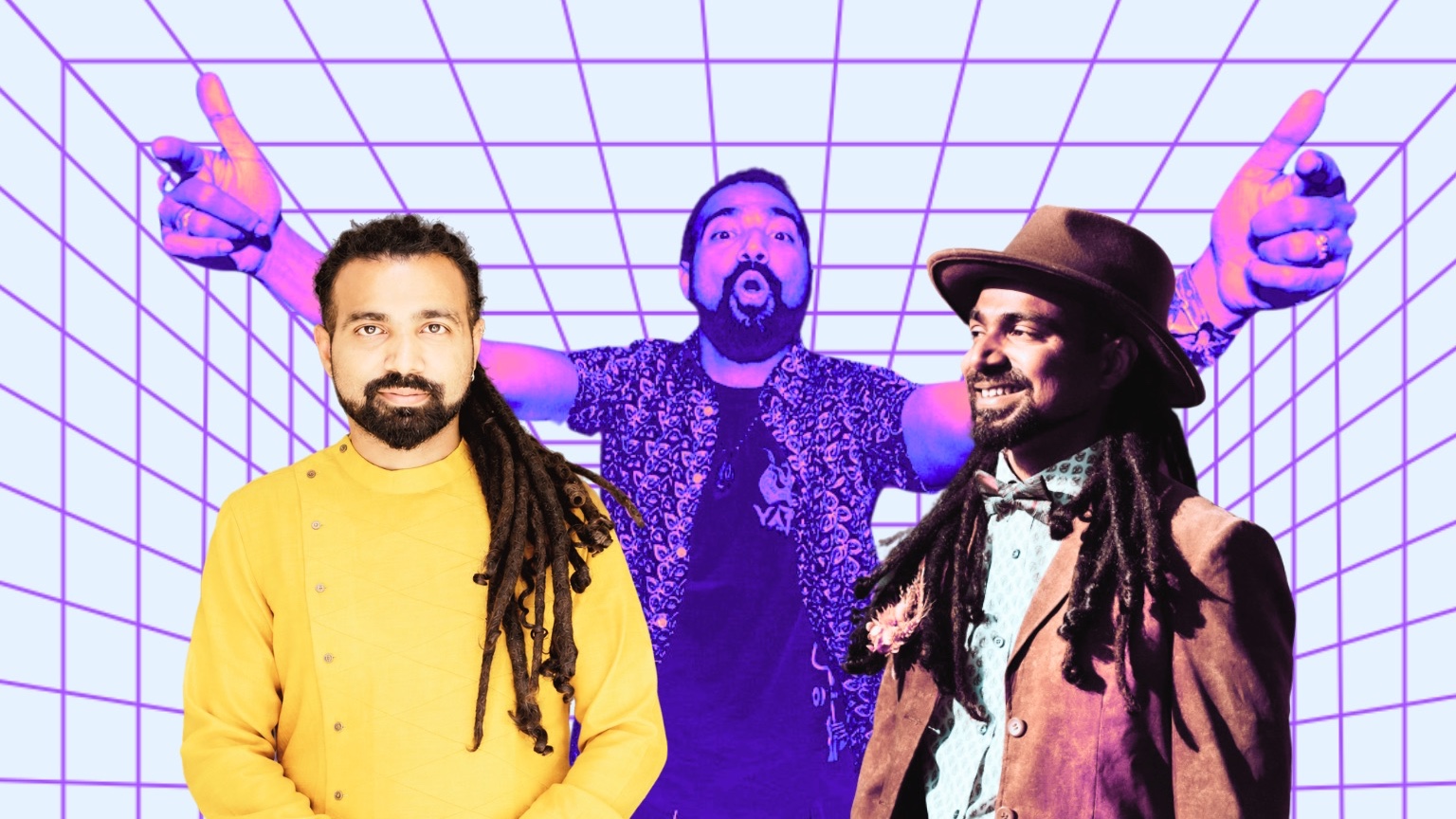
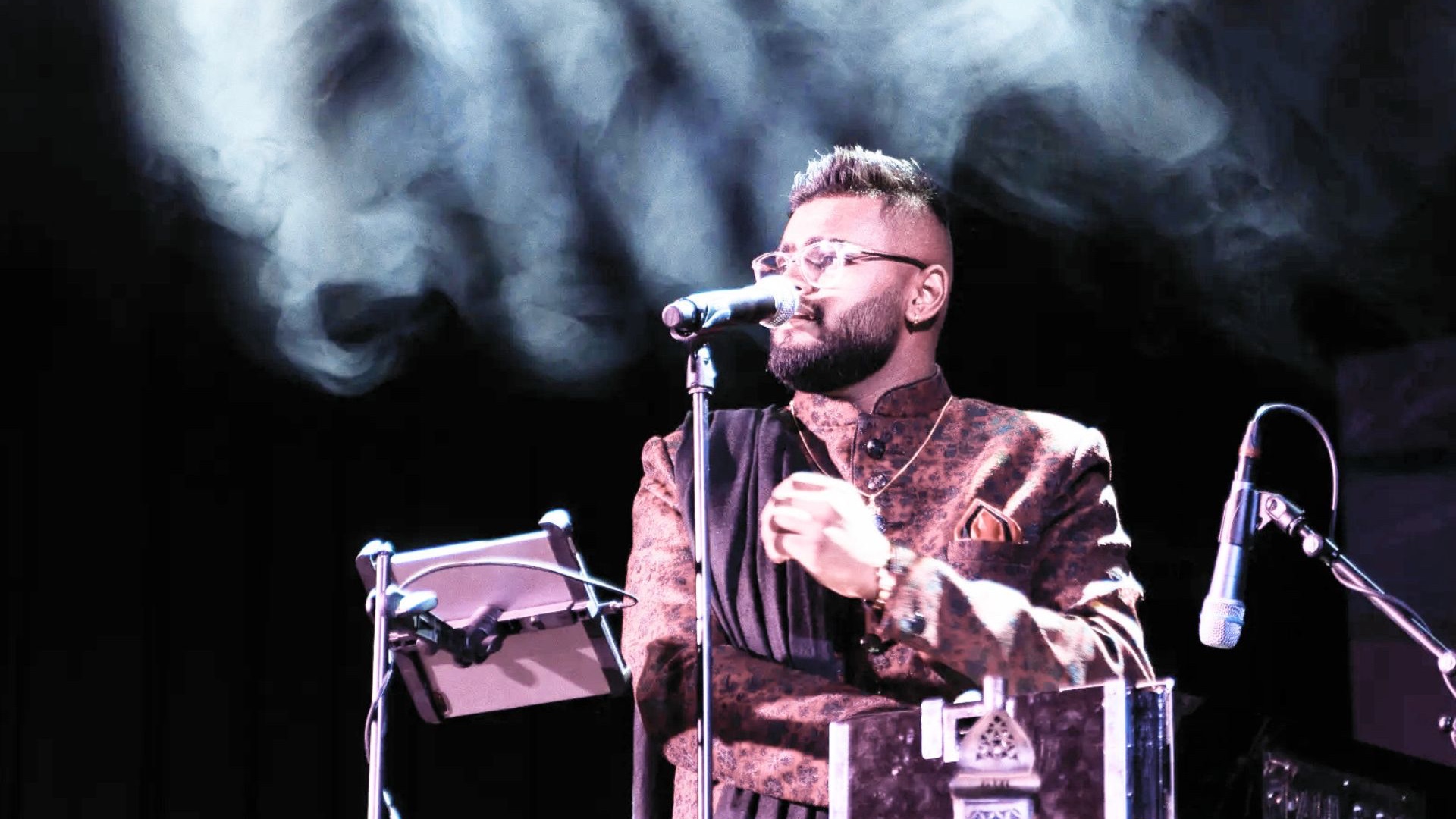
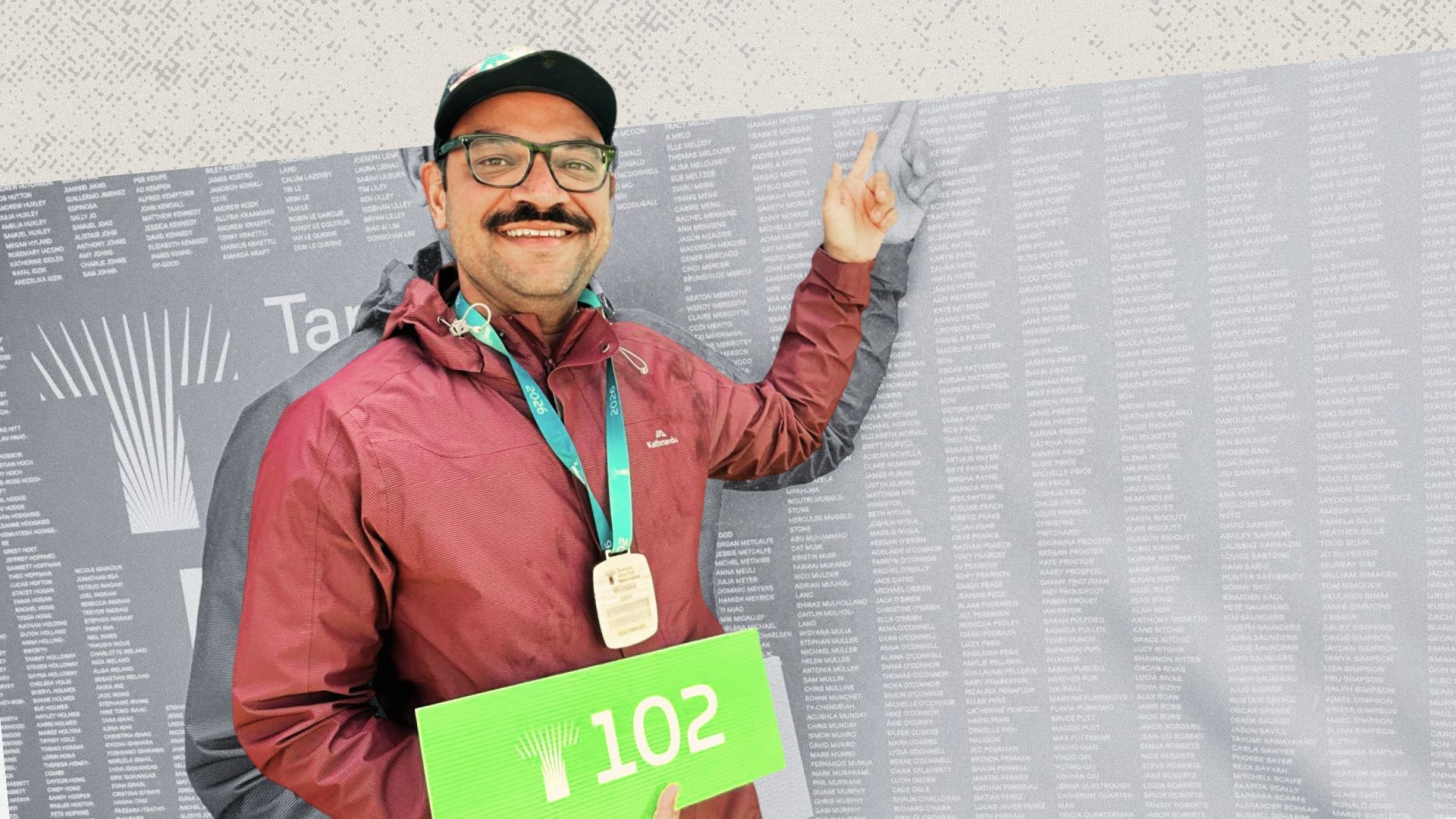
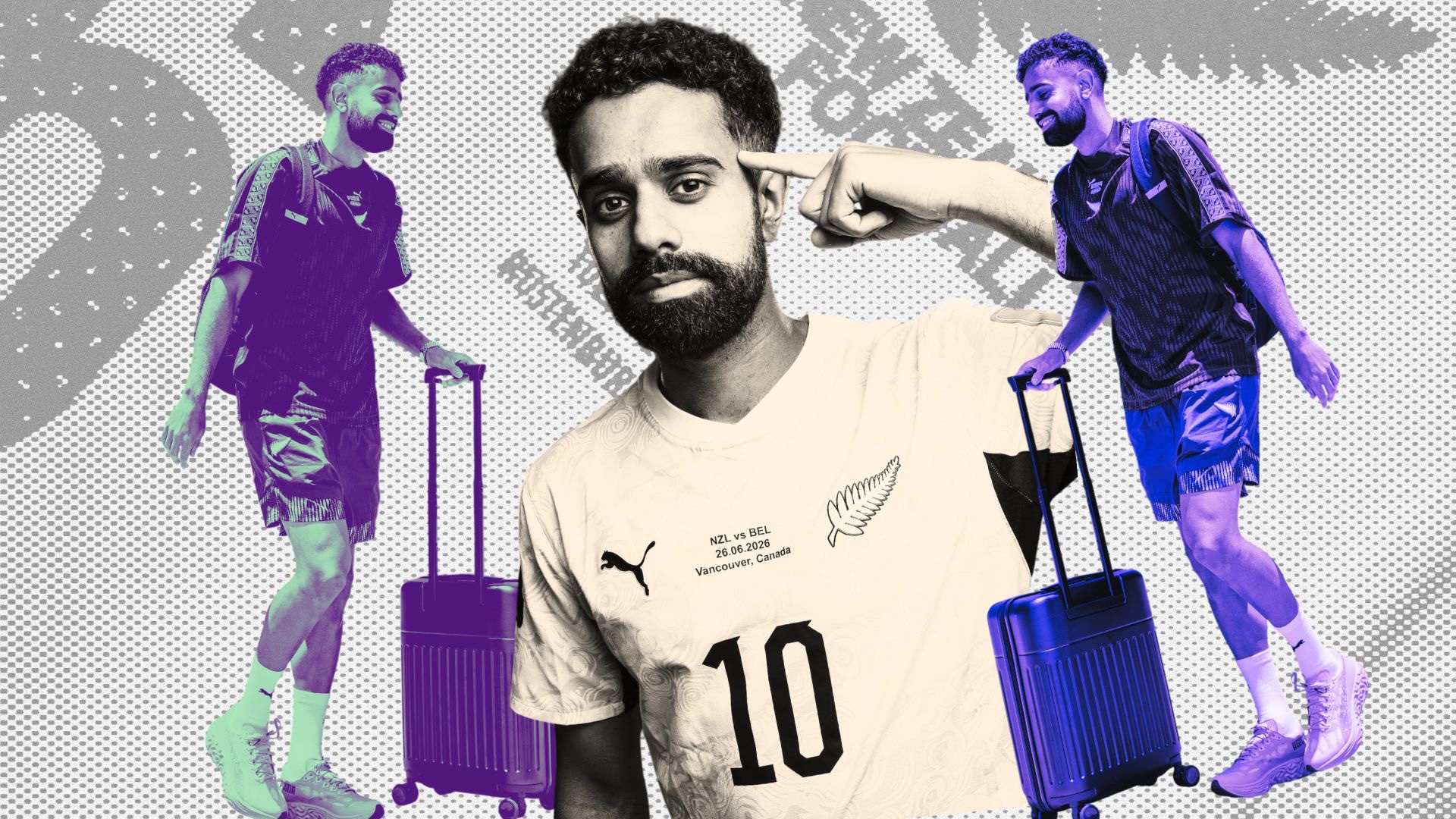
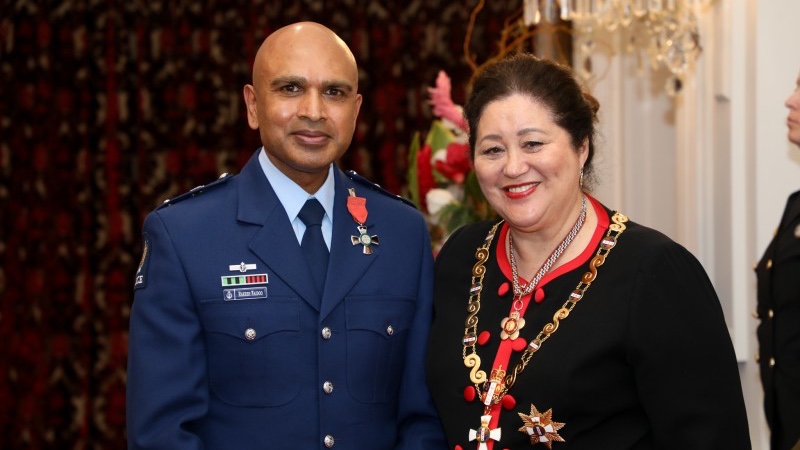
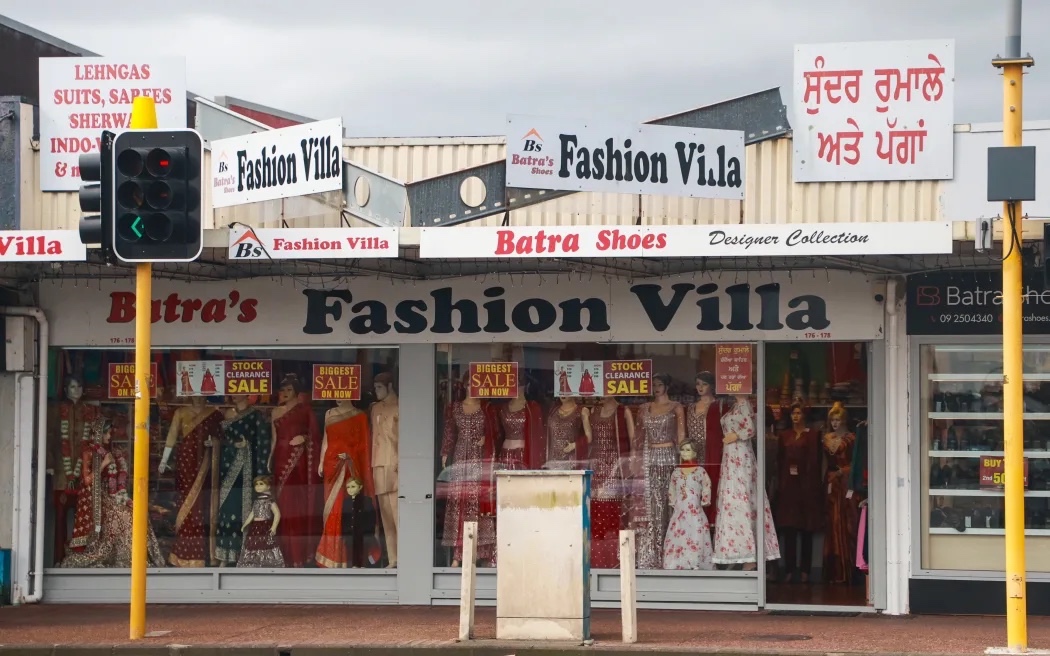
From designing restaurants to running Auckland Diwali: The many lives of Arnav Taode Taode brings his passion for Indian arts and culture to his first year managing BNZ Auckland Diwali 2026.
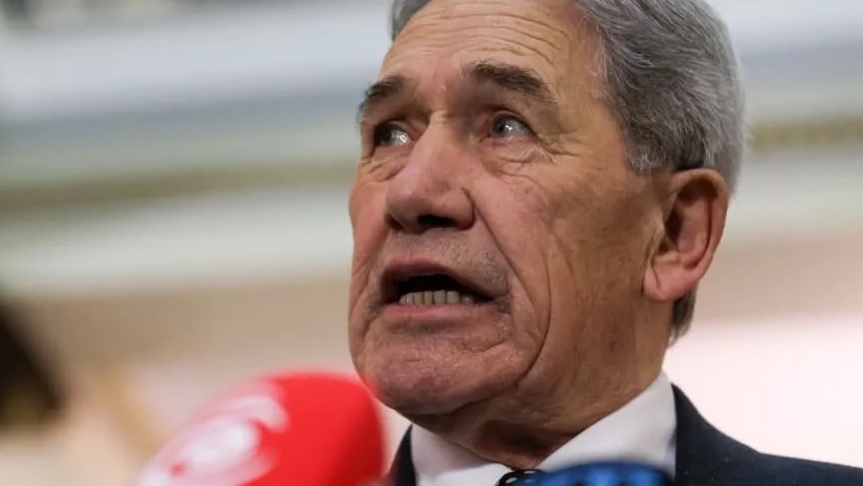
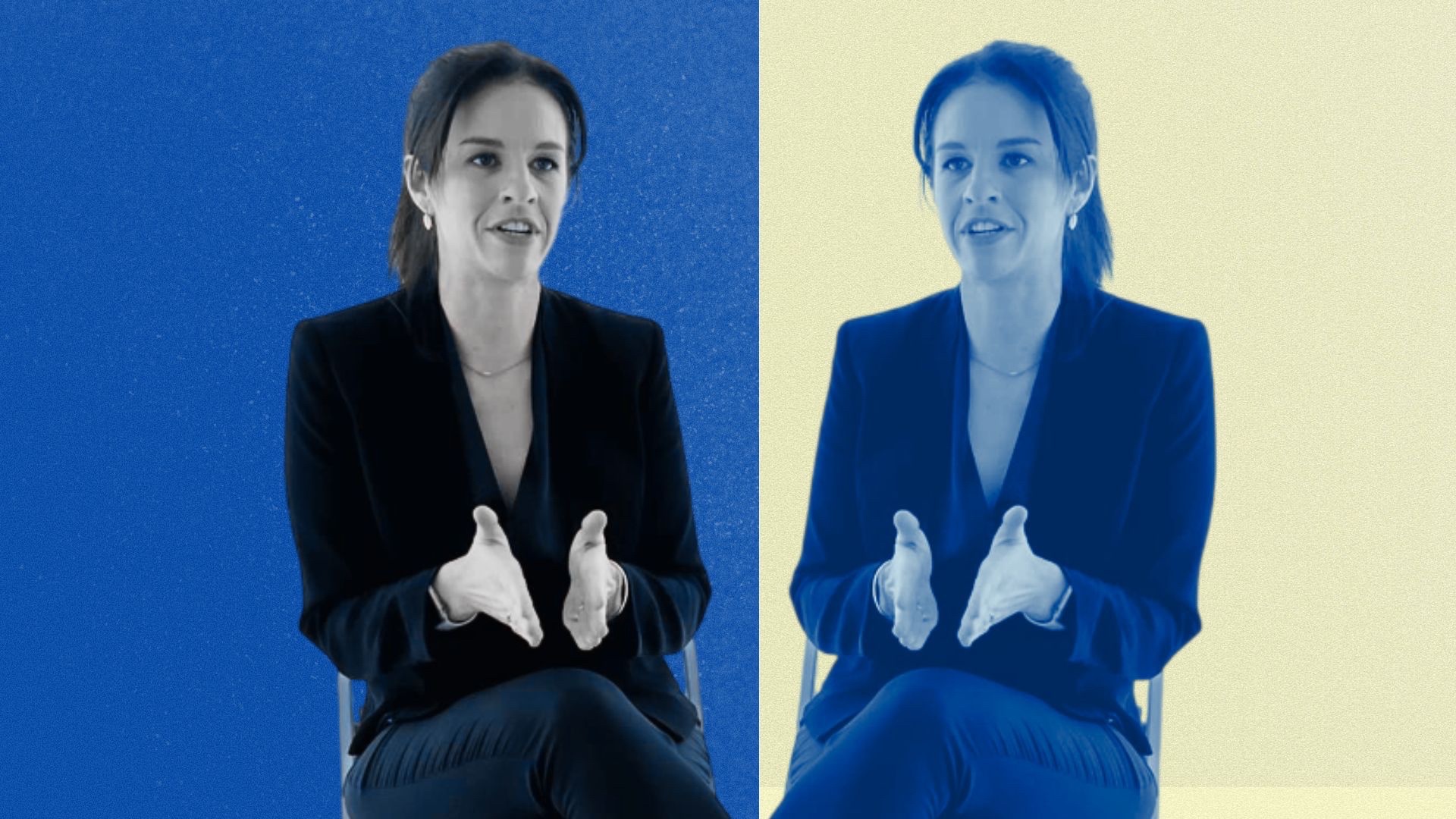
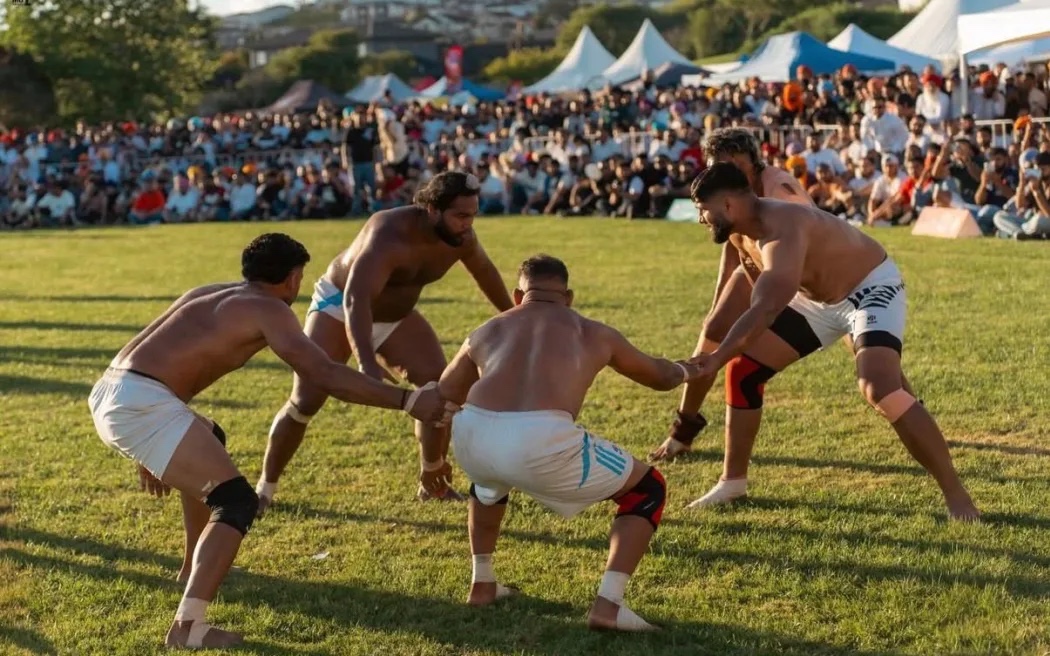
Winston Peters says ‘diversity is disunity’. What does the evidence tell us? Evidence from business, sport and social policy suggests diversity can strengthen economies and cohesion but on one condition.
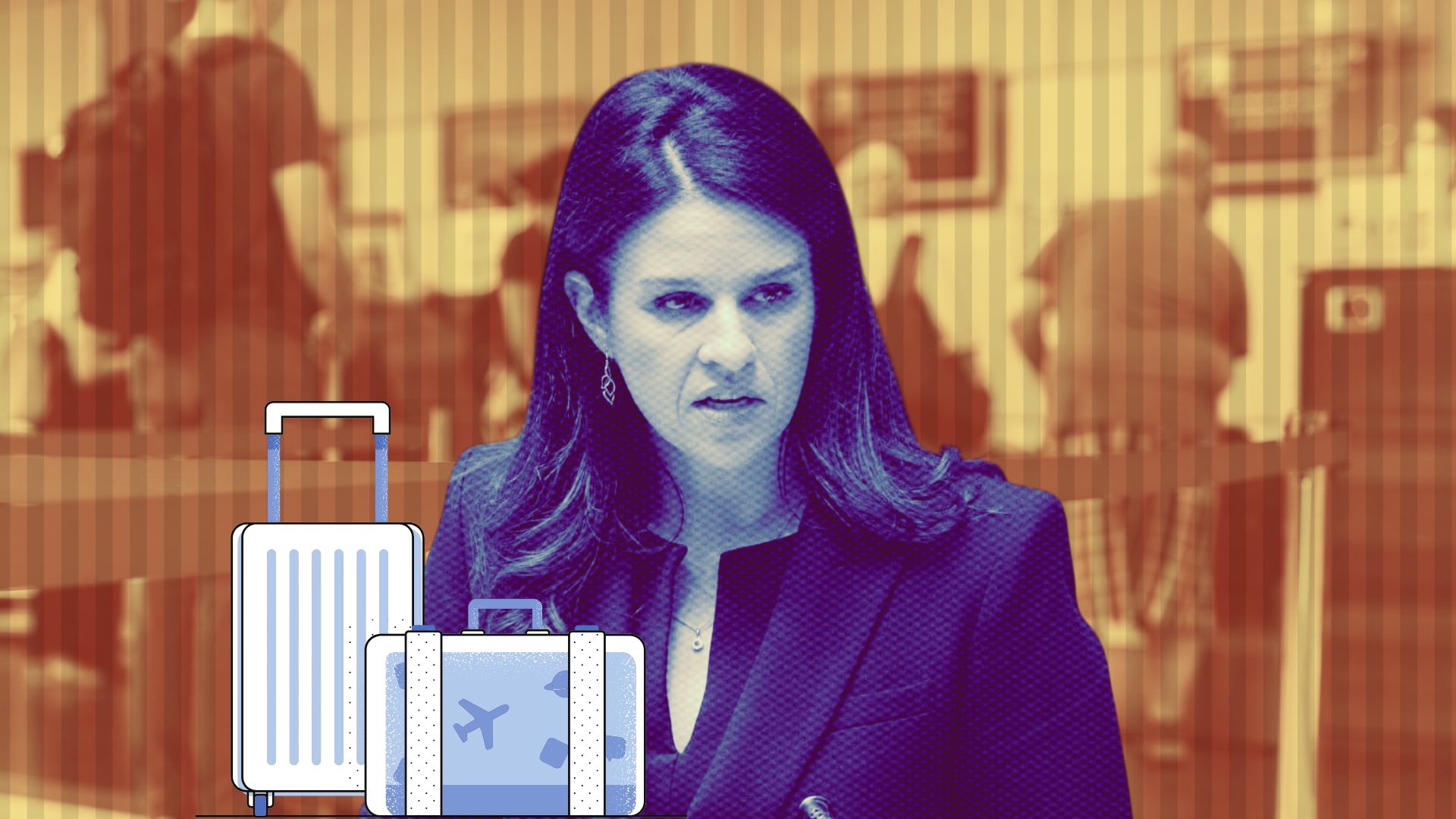
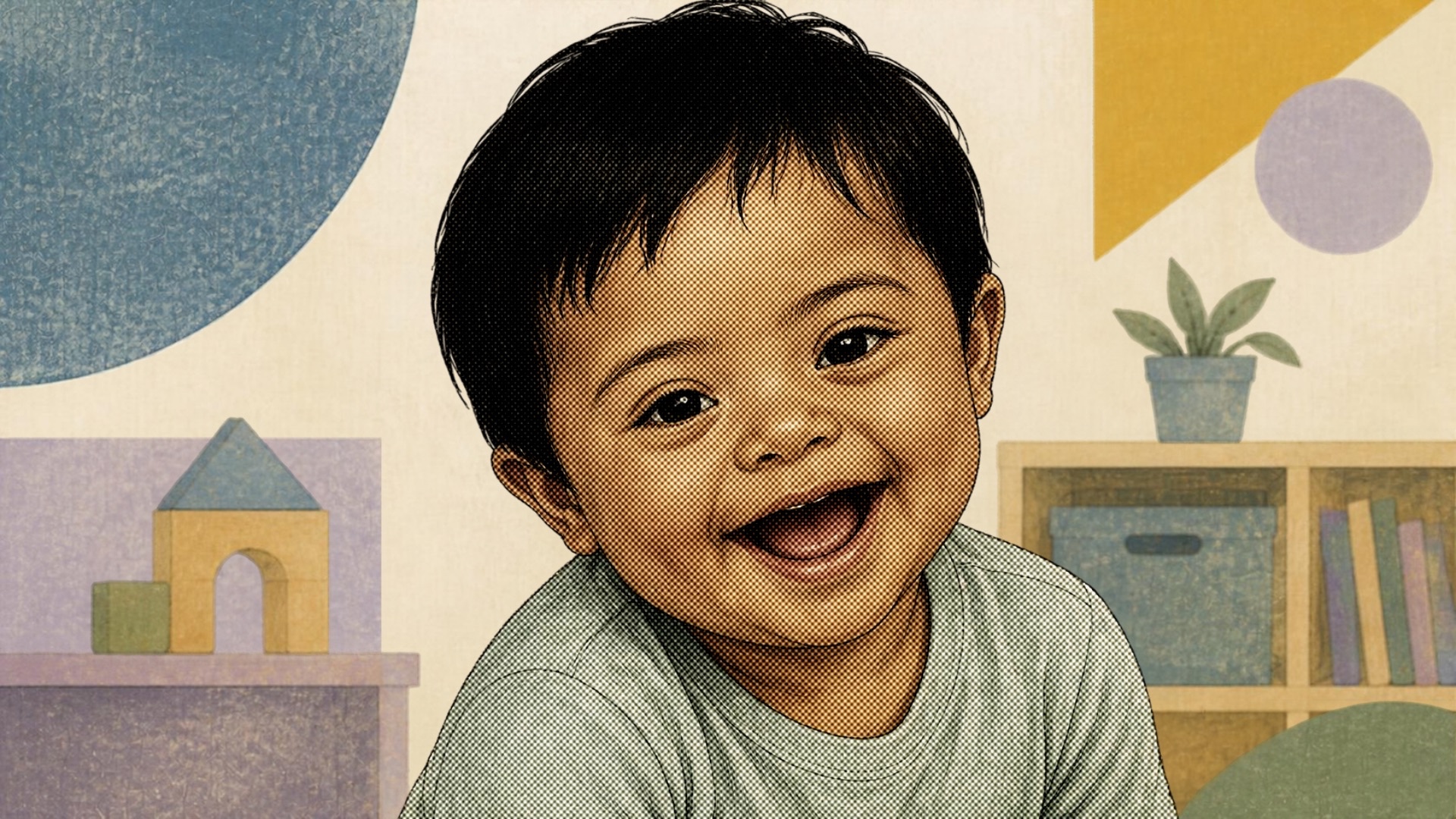
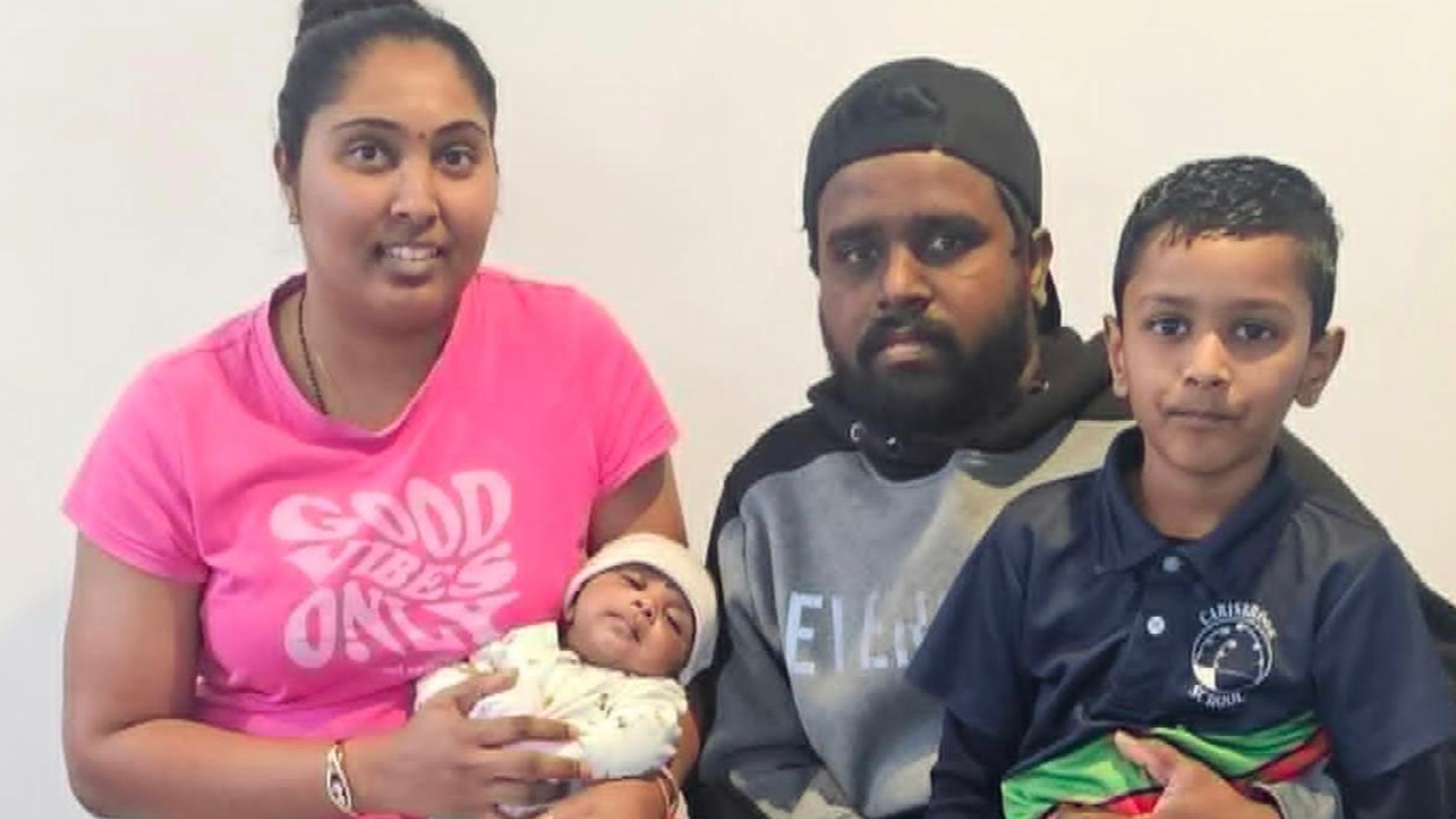
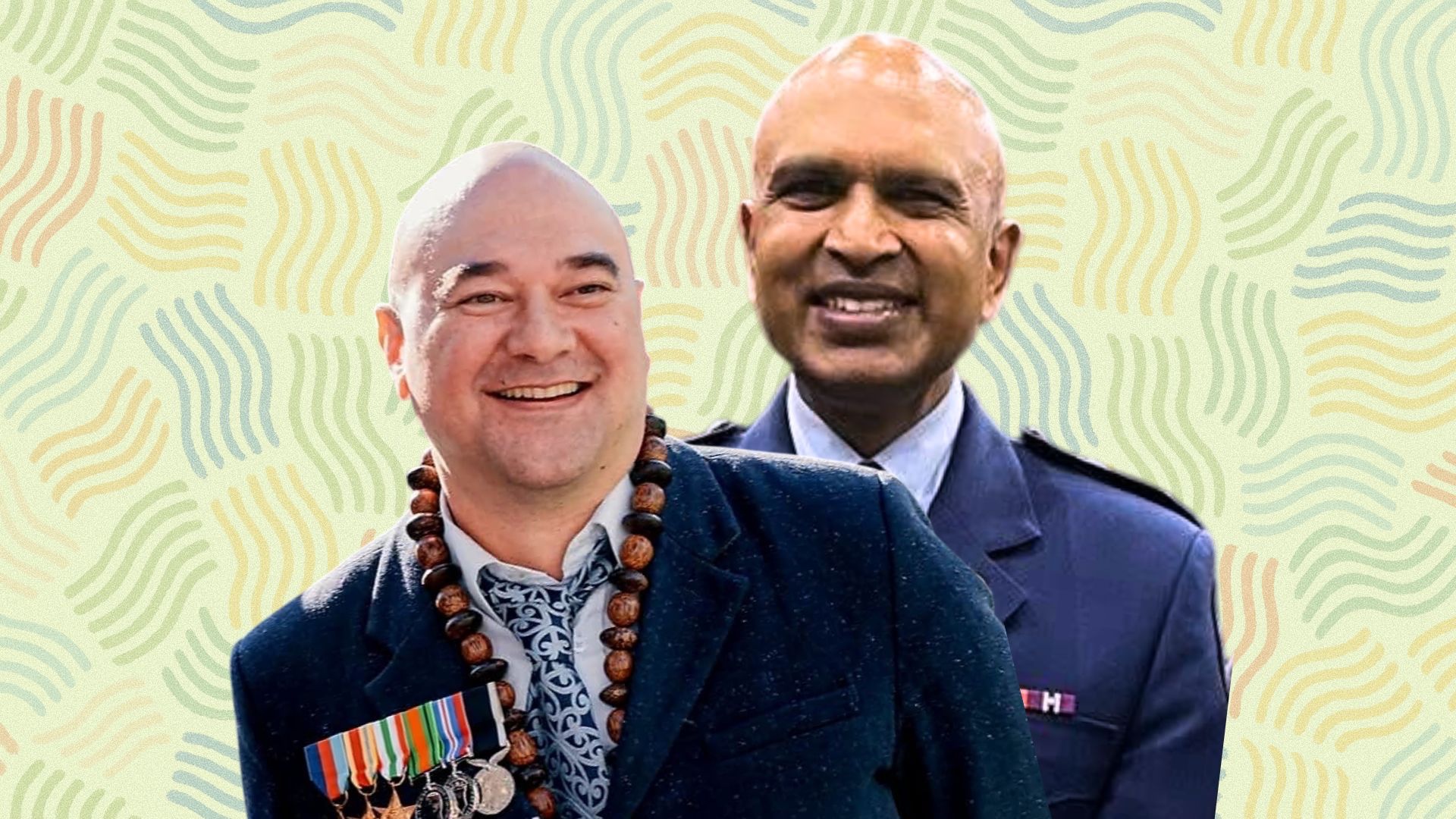
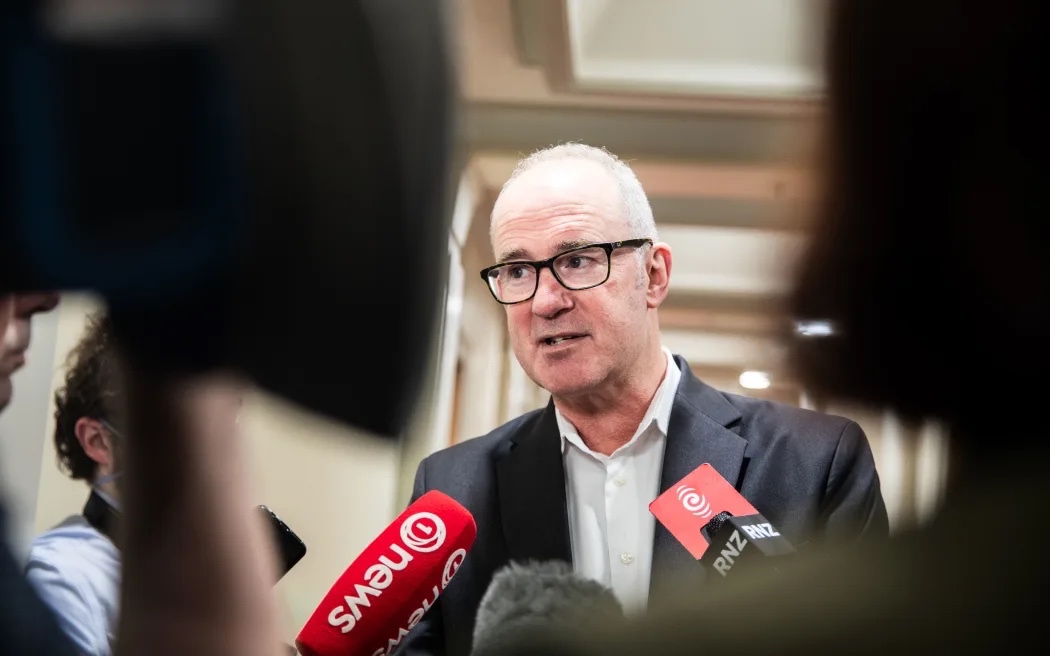
Baby born in Sri Lanka to New Zealand residents caught in limbo after Down syndrome diagnosis Immigration tribunal orders fresh residence assessment after finding a “serious mistake” by immigration officials.
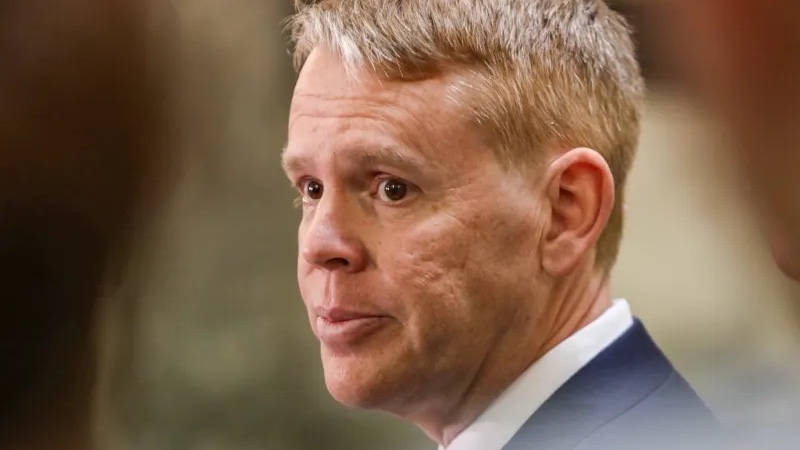
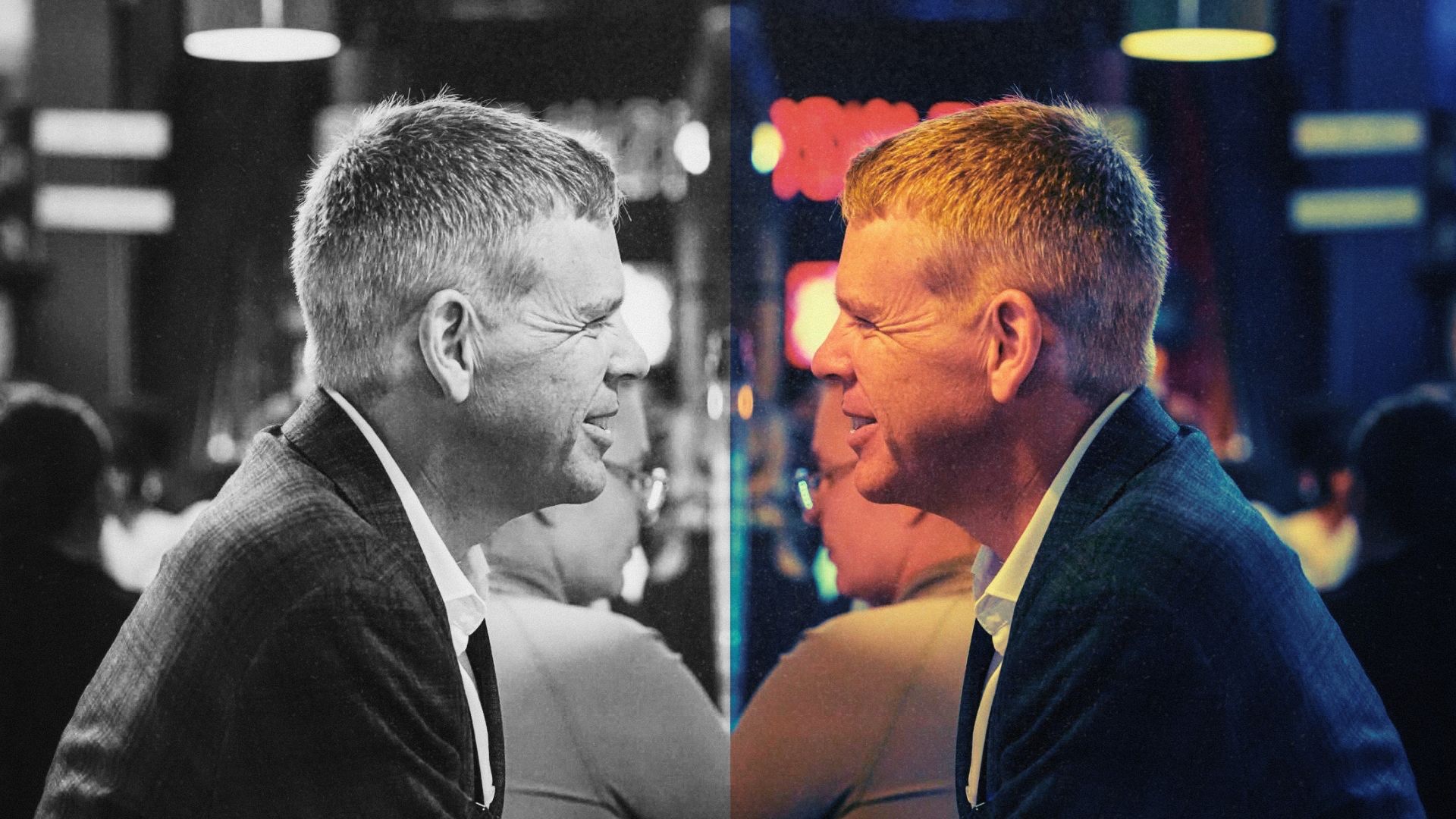
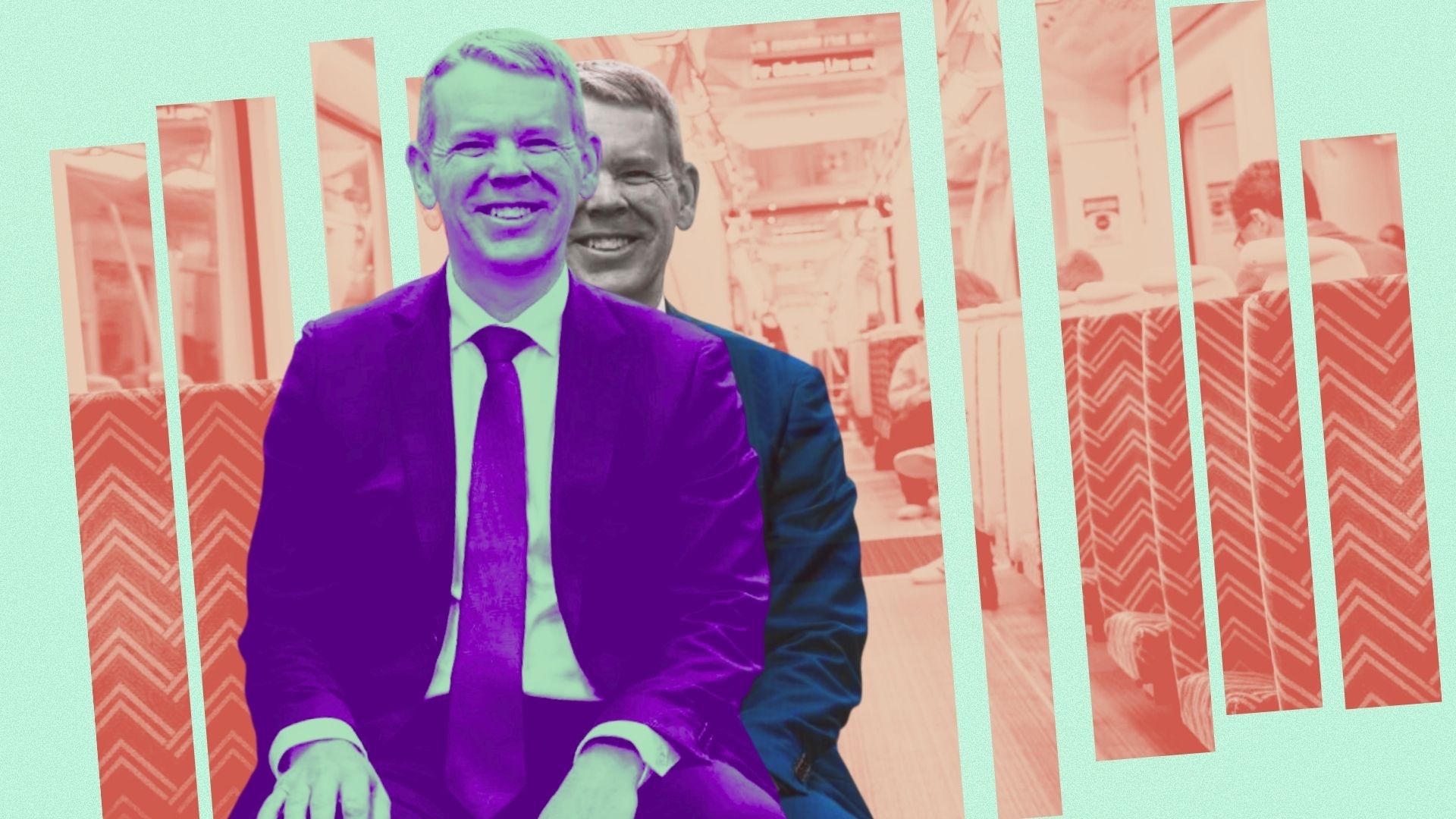
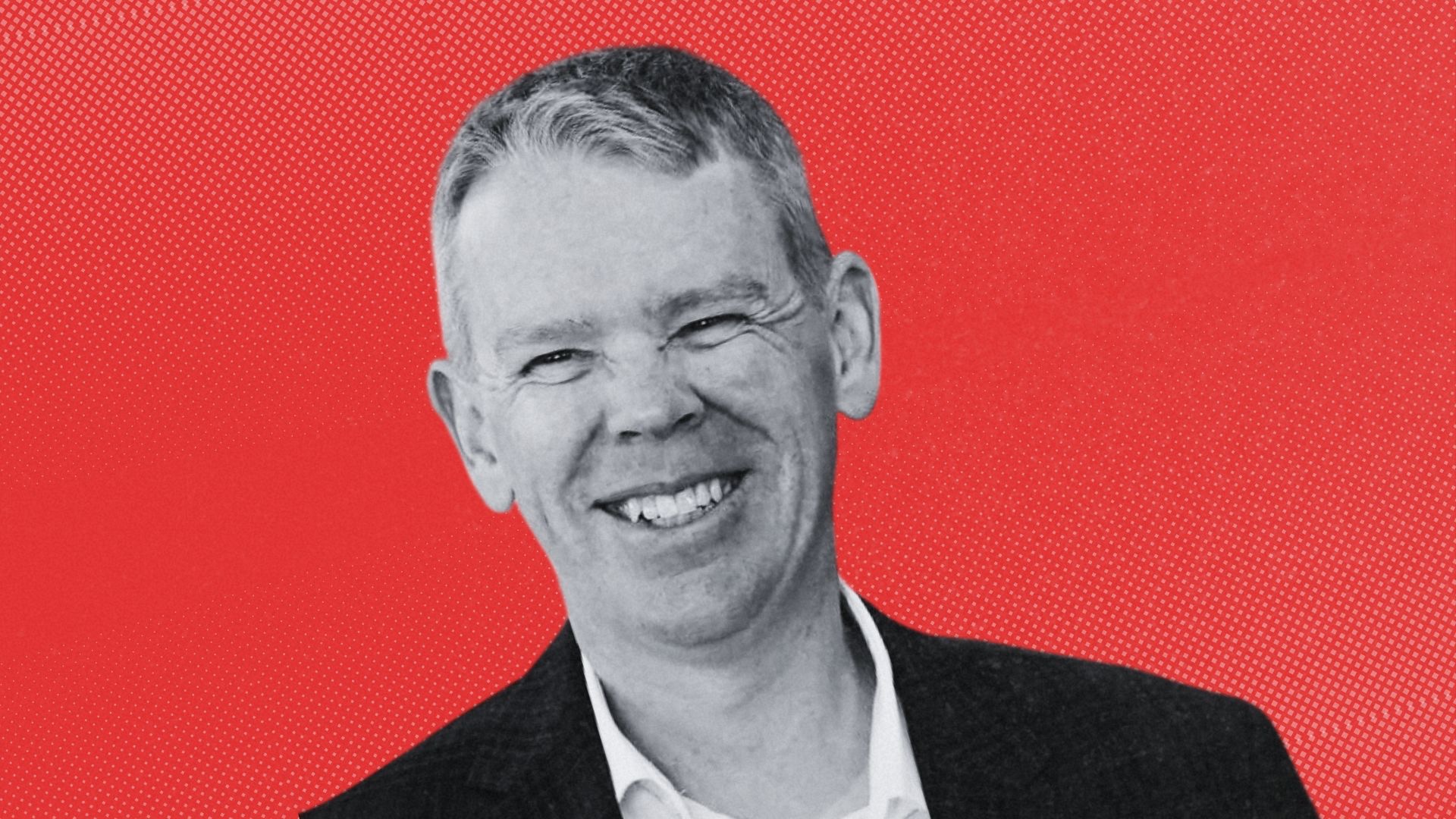
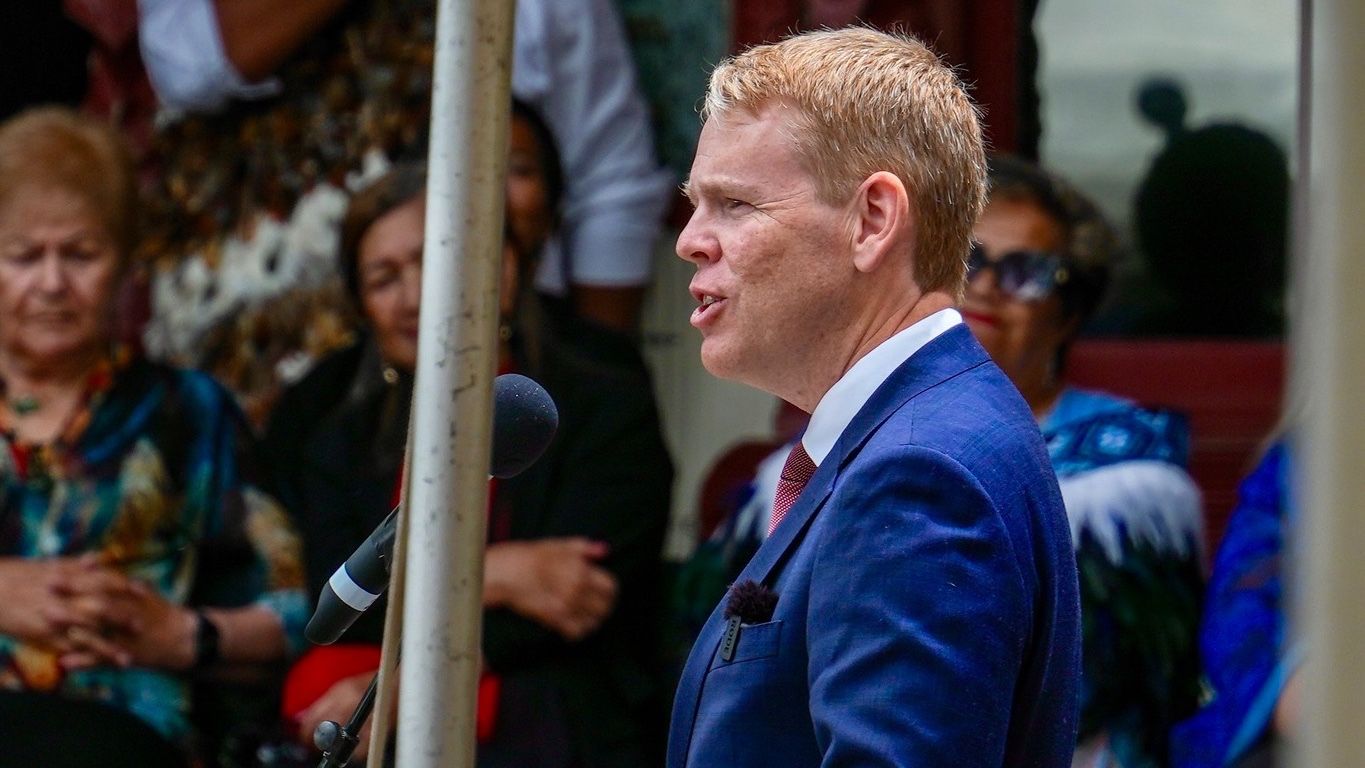
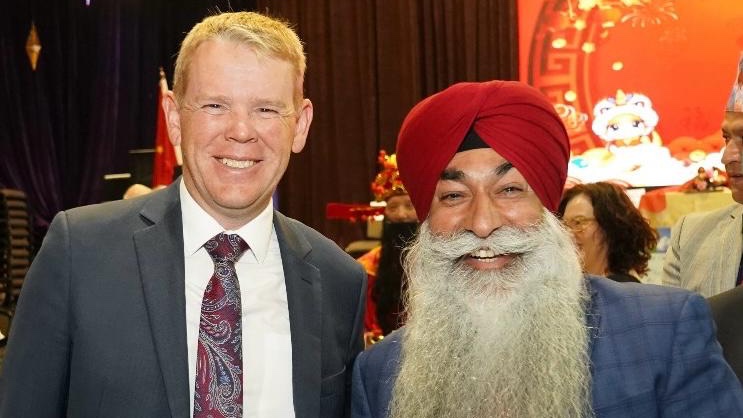
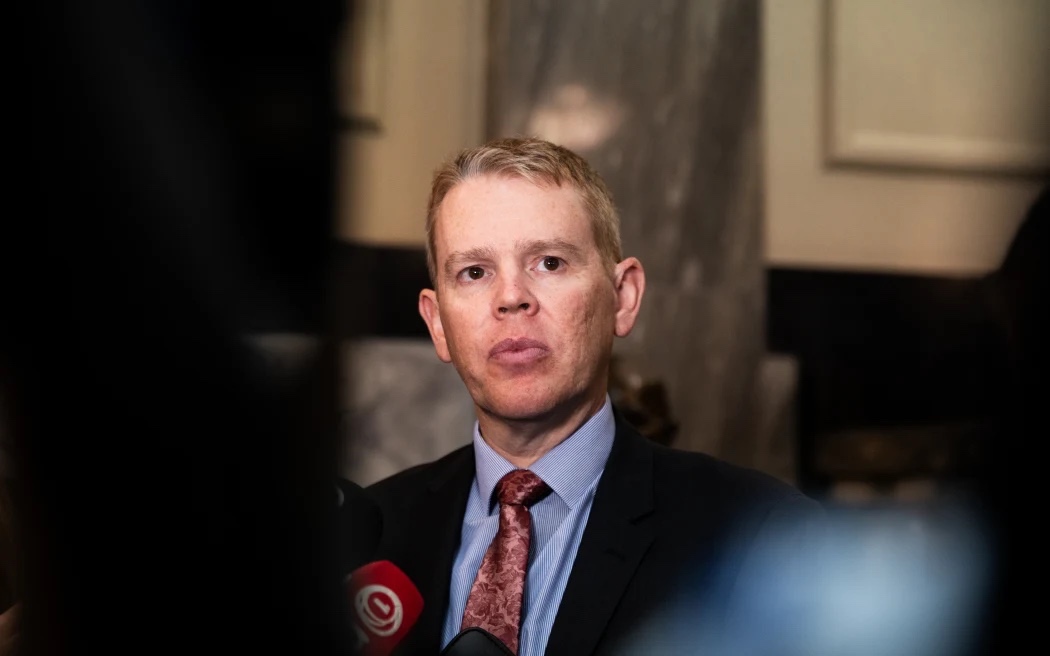
But Labour Leader Chris Hipkins says race-based hate against Indian New Zealanders goes beyond Winston Peters and his colleagues. "I think it is wider than what Mr Peters is saying," he told Awaaz.
"I think he's trying to channel that and trying to win votes off the back of that, but I do think that there is an anti-immigrant sentiment; and unfortunately our Indian New Zealanders have often, over my whole lifetime, found themselves at the centre of that."
Hipkins adds, "I really object to them constantly finding themselves being used as a political football to try and win votes."
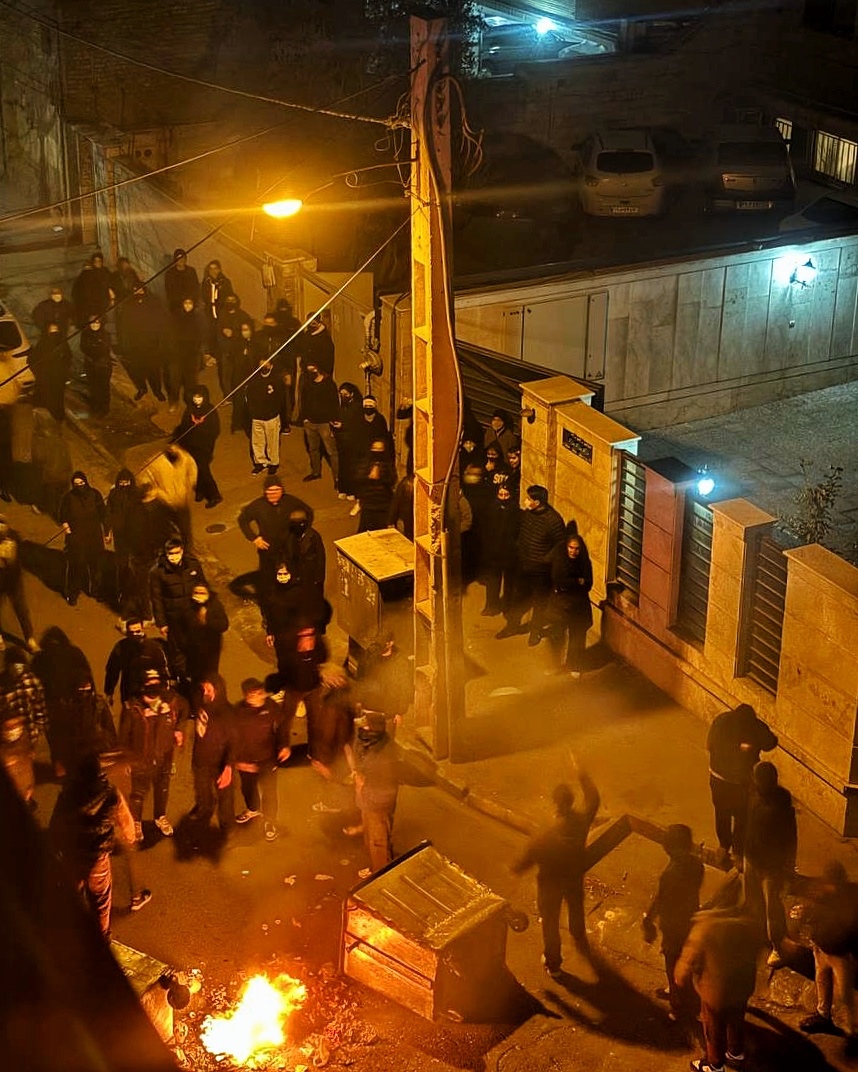
Sporadic news about hate incidents and politicians using migrants as a political instrument risk being seen in isolation, and can lose context quickly. New Zealand has already seen what harm unchecked build-up of hate and social tensions can unleash.
The Royal Commission of Inquiry into the March 2019 Christchurch terrorist attacks, in which a white supremacist killed 51 people at a mosque and an Islamic centre, makes ample references to Muslim communities raising concerns about the normalisation of hate and intimidation in the days and months prior.
In one of its recommendations, the royal commission suggests tweaking the Crimes Act 1961 to include “an offence of inciting racial or religious disharmony, based on an intent to stir up, maintain or normalise hatred, through threatening, abusive or insulting communication with protected characteristics that include religious affiliation.”
One of the reasons the royal commission was set-up in the aftermath of the Christchurch horror was to assess whether the country’s public safety and social cohesion frameworks were fit for purpose. They weren’t. The question is, are they now?
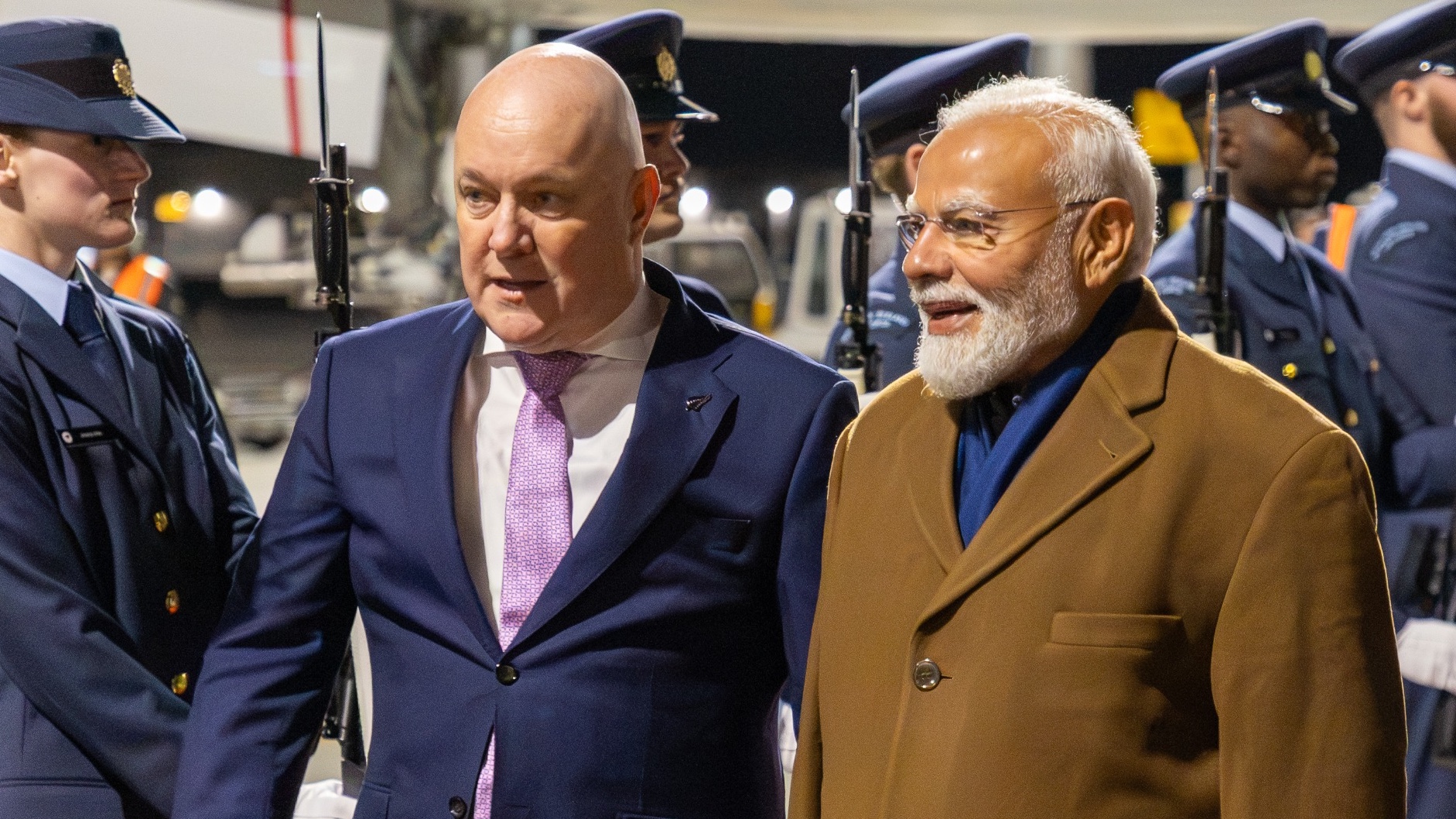
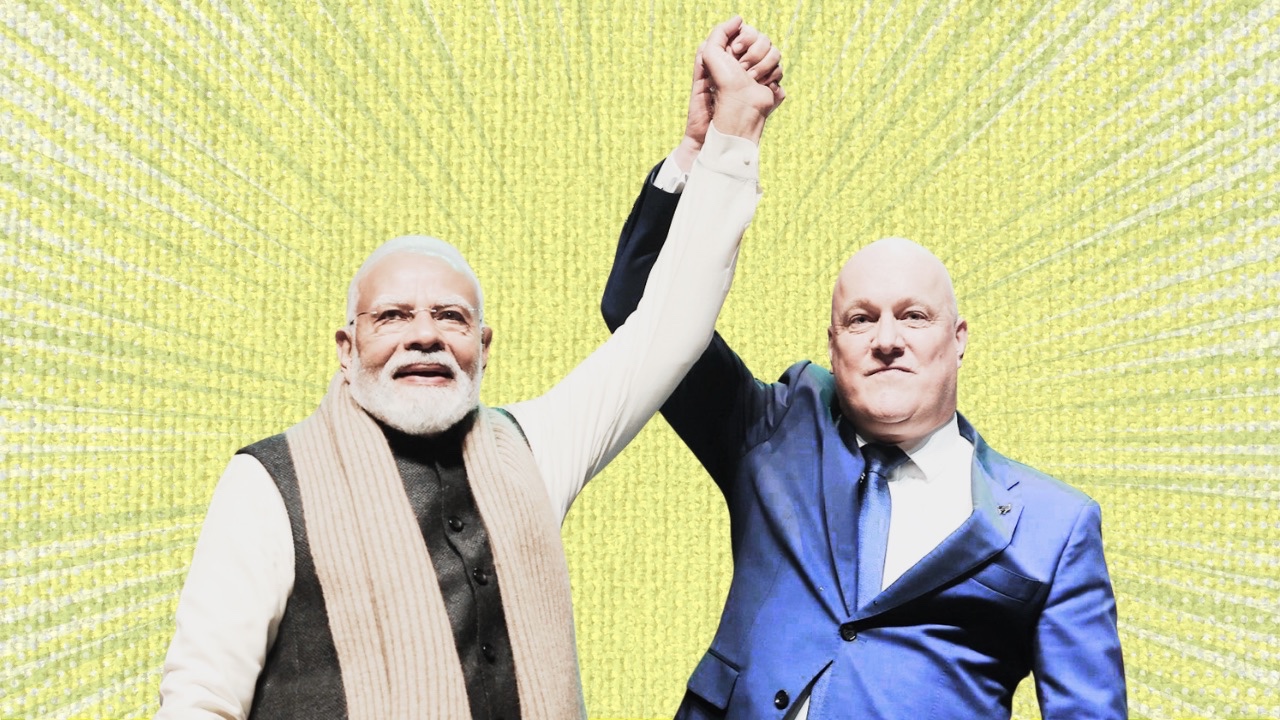
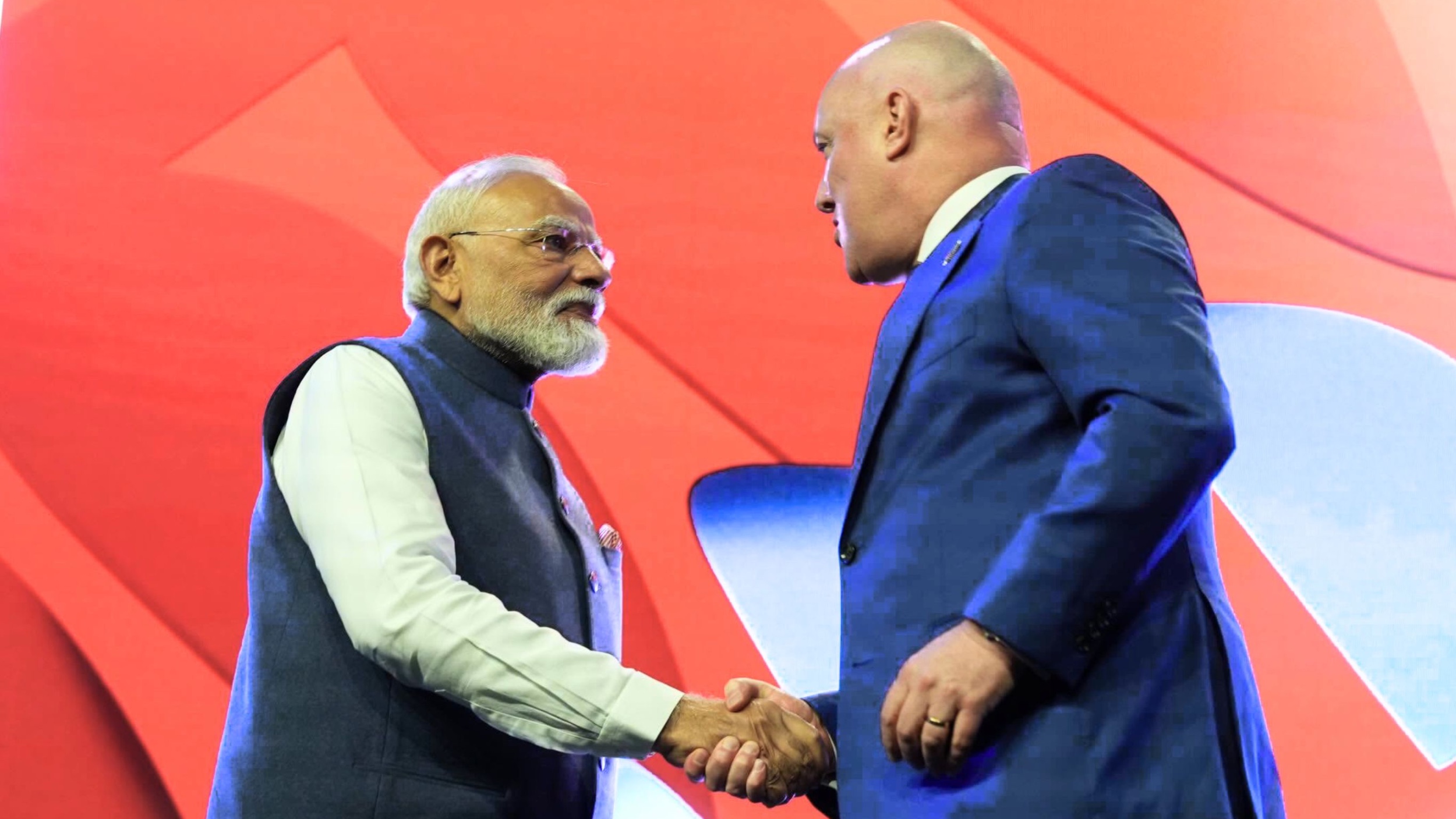
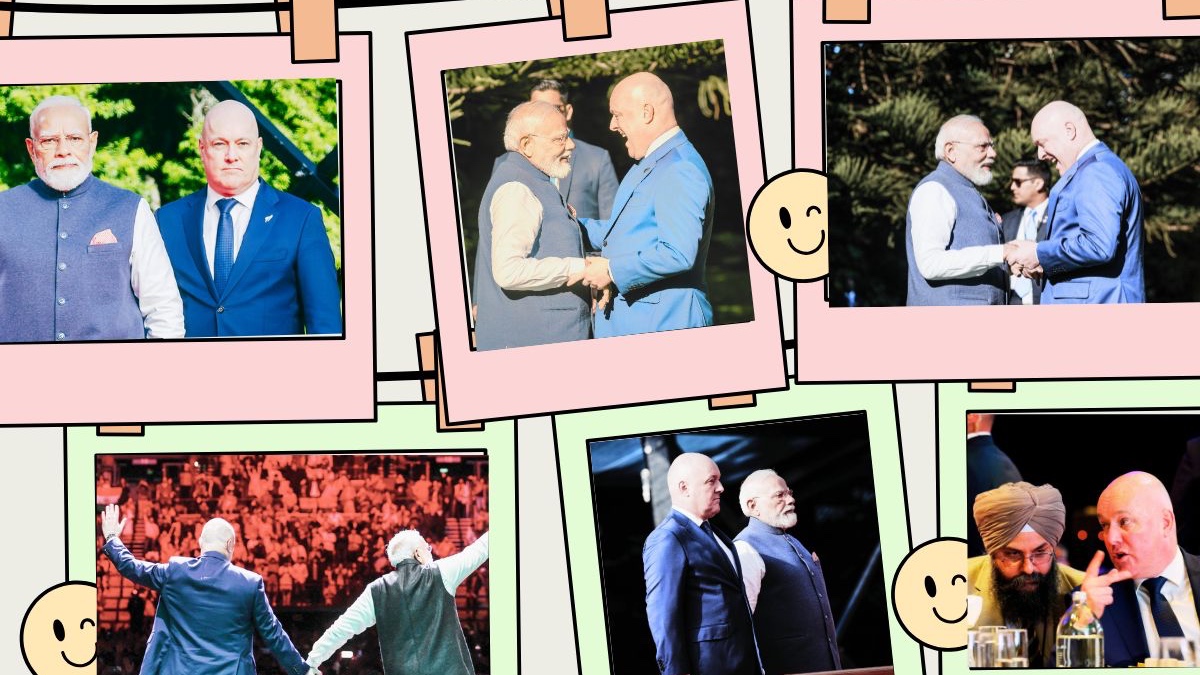
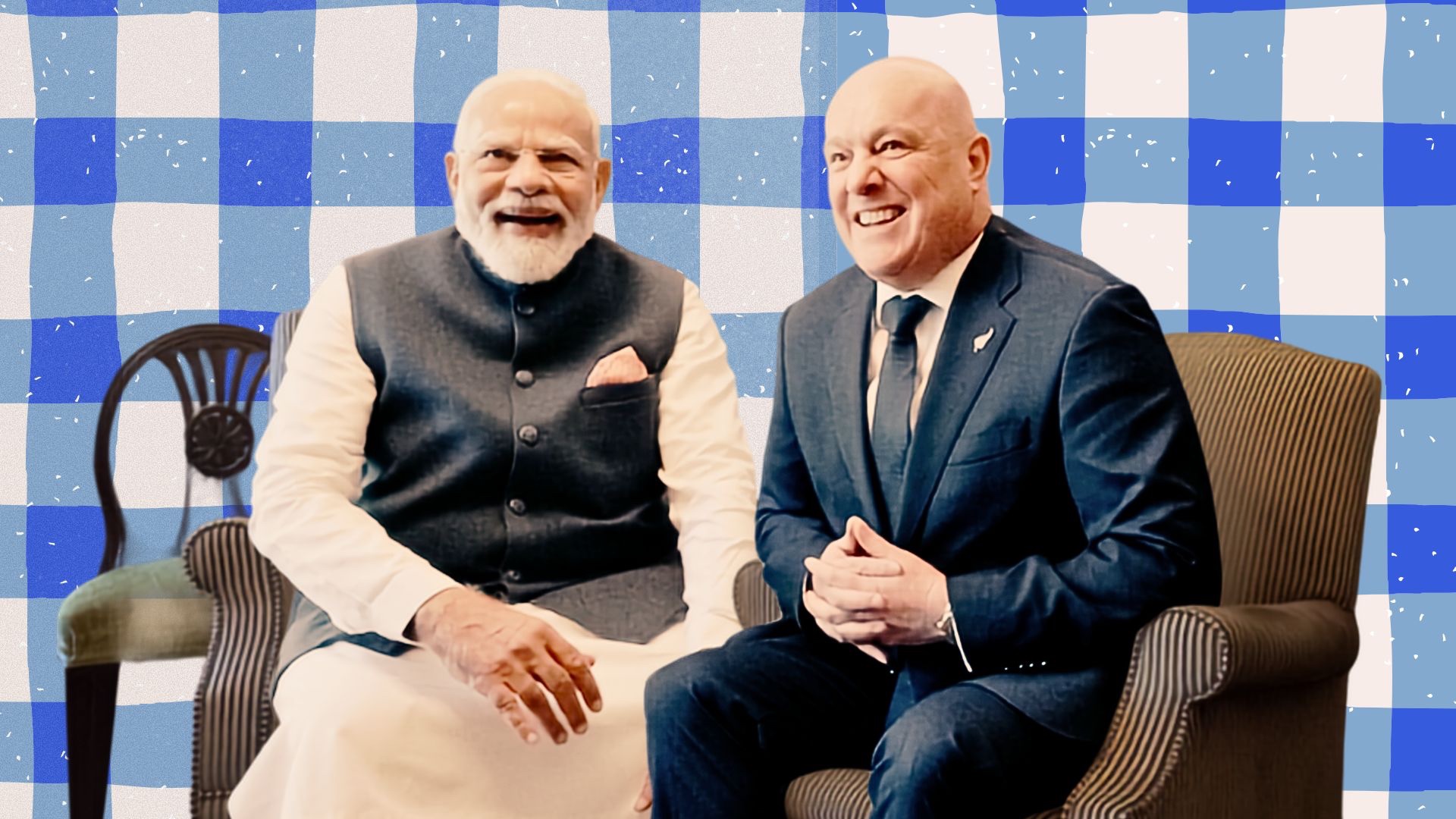
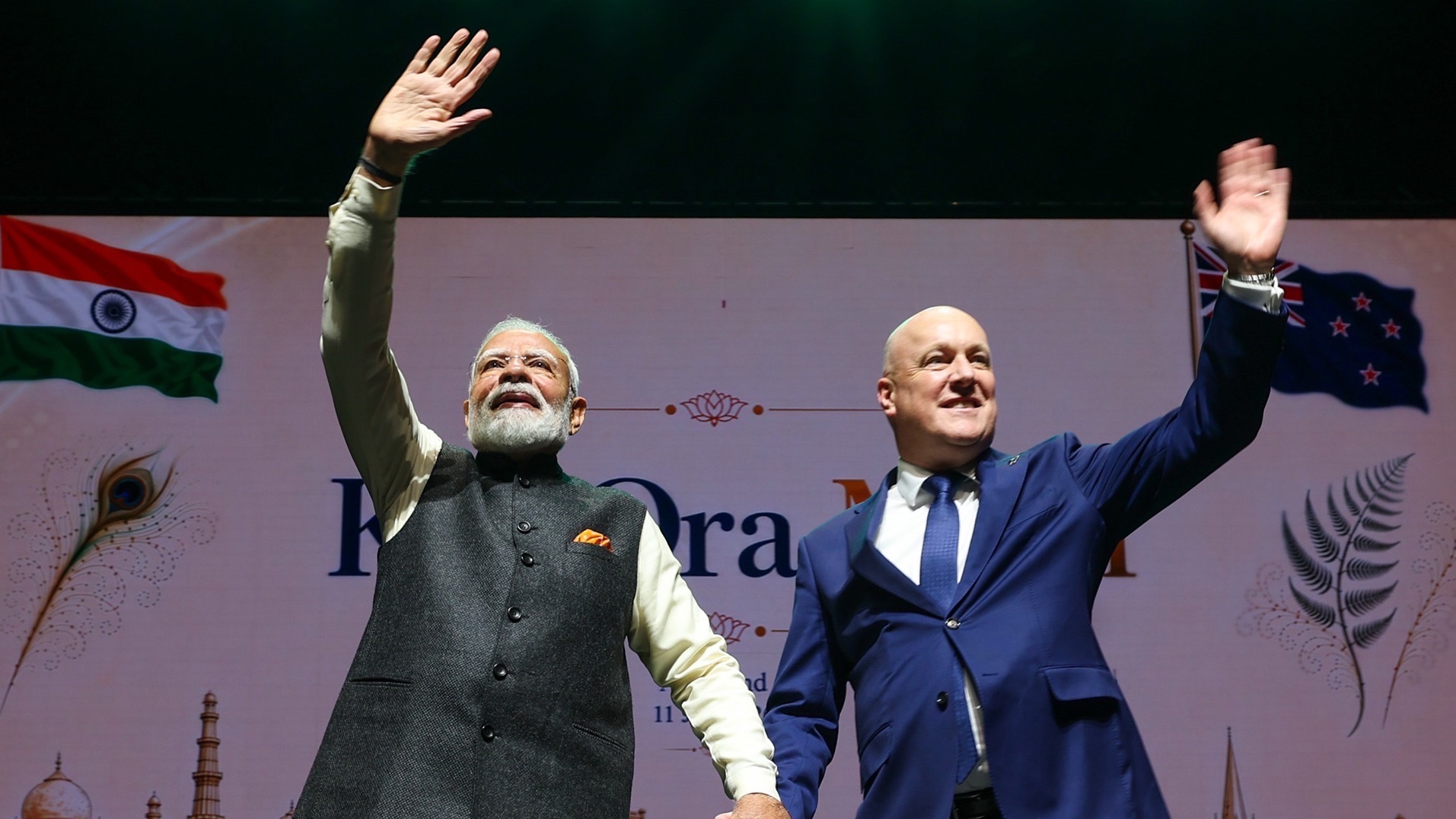
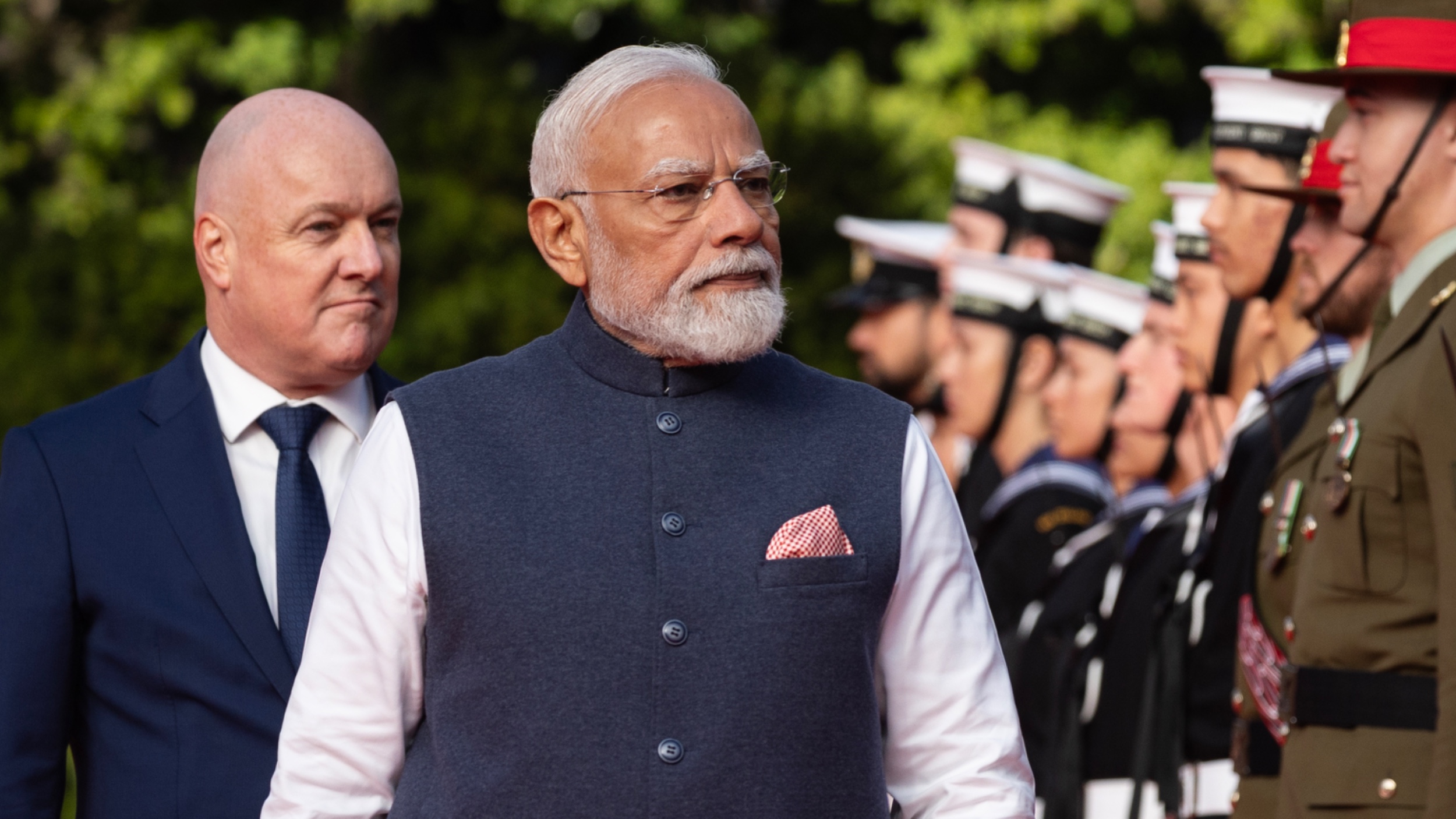
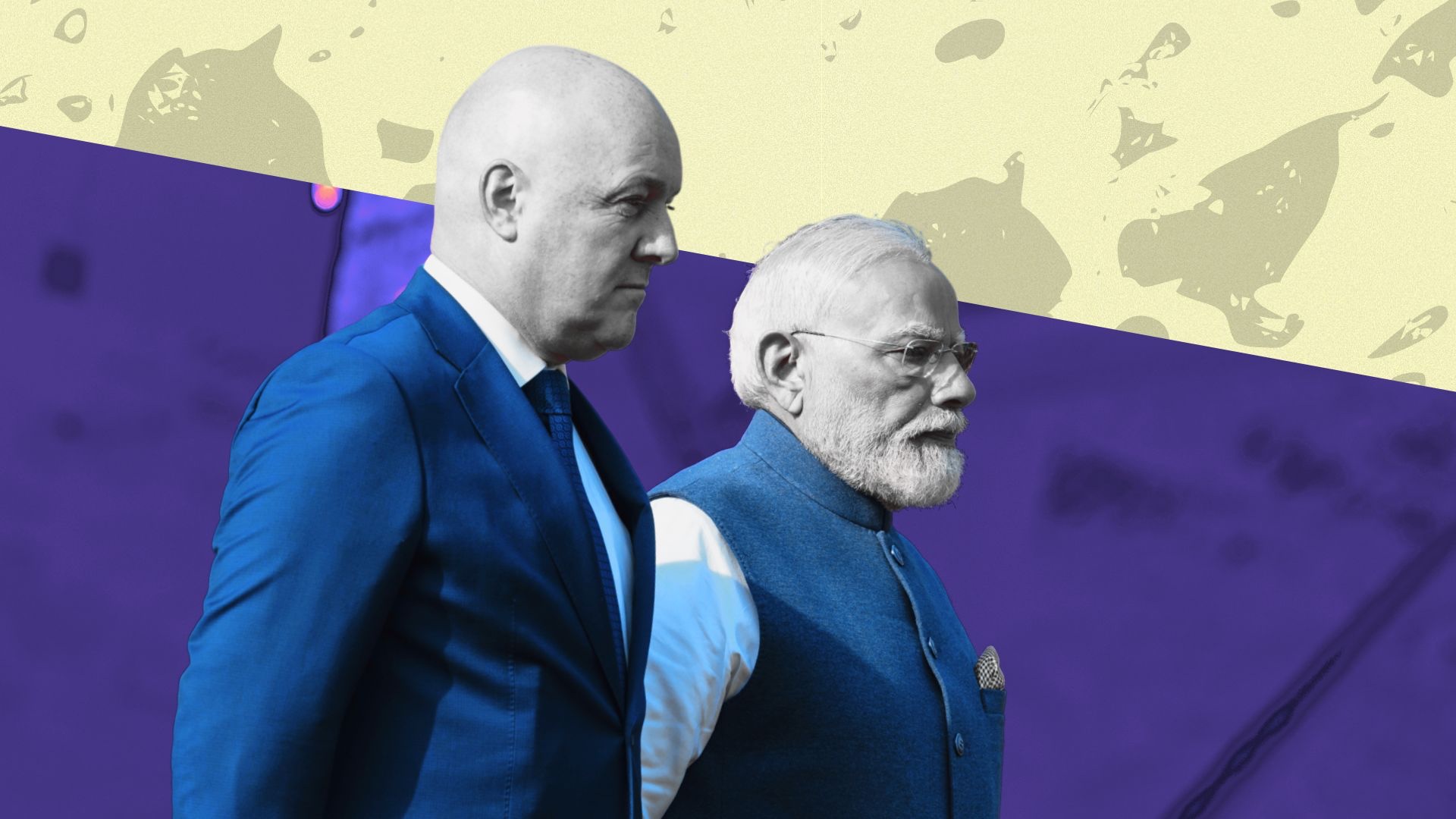
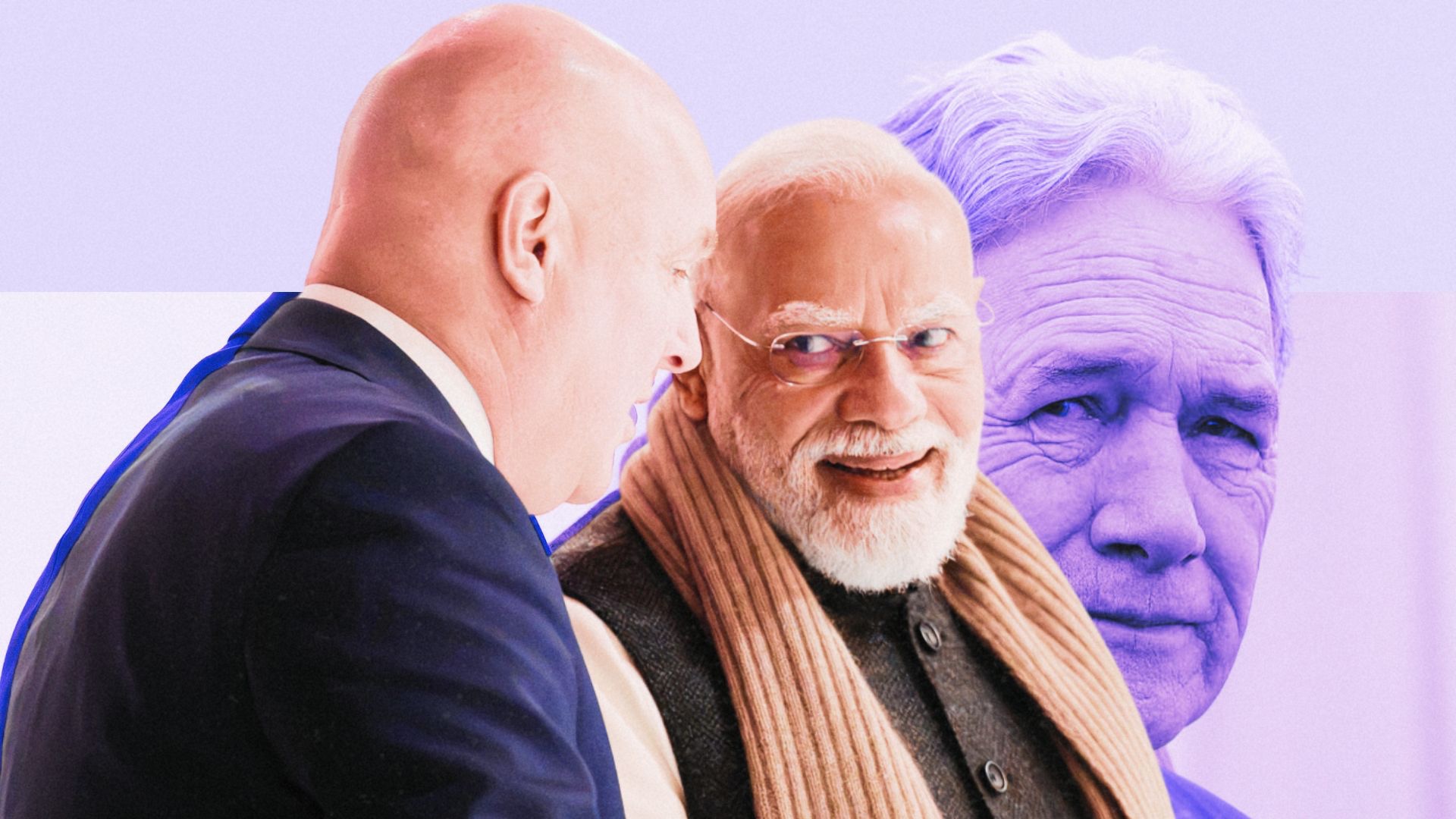
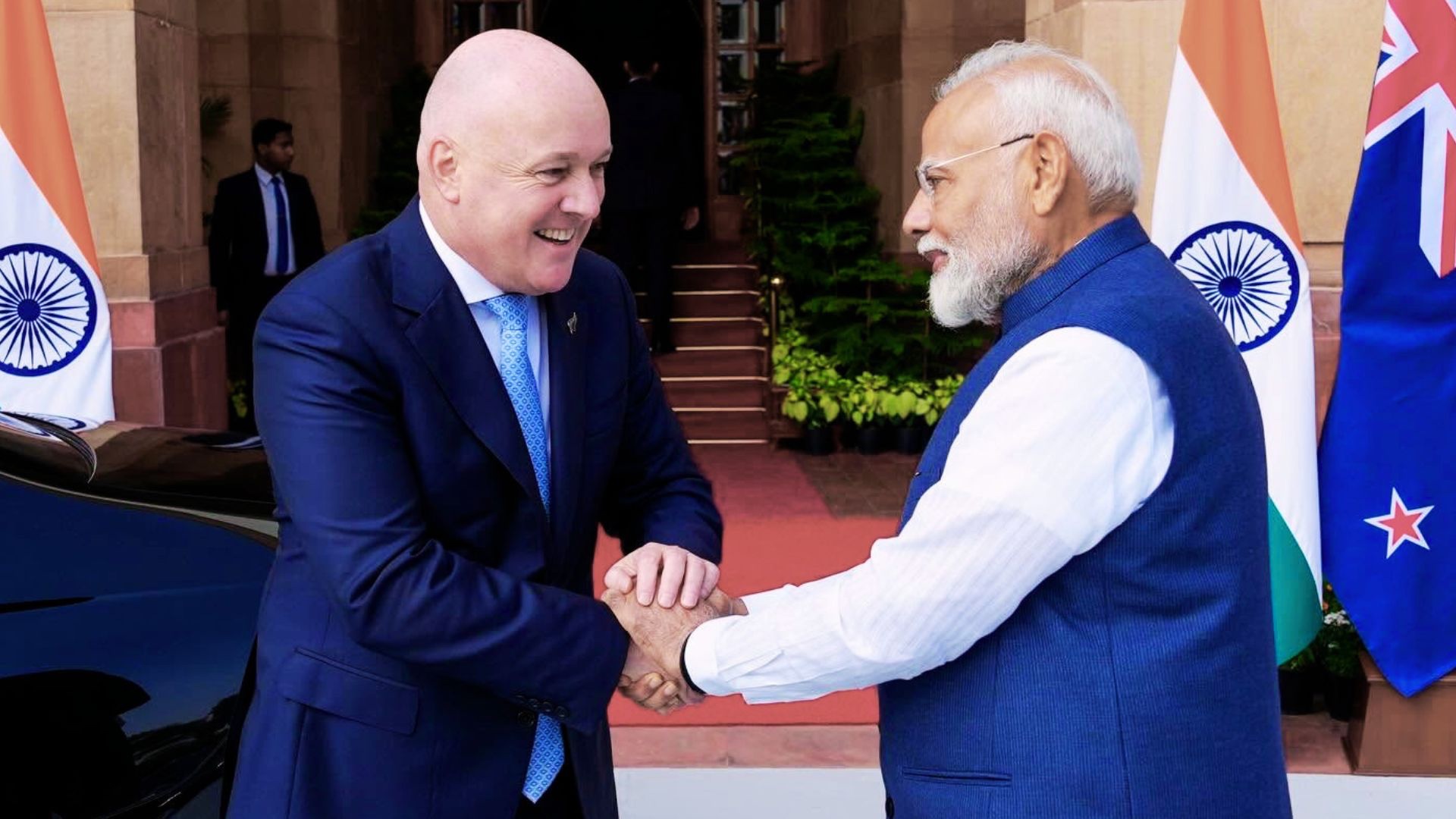
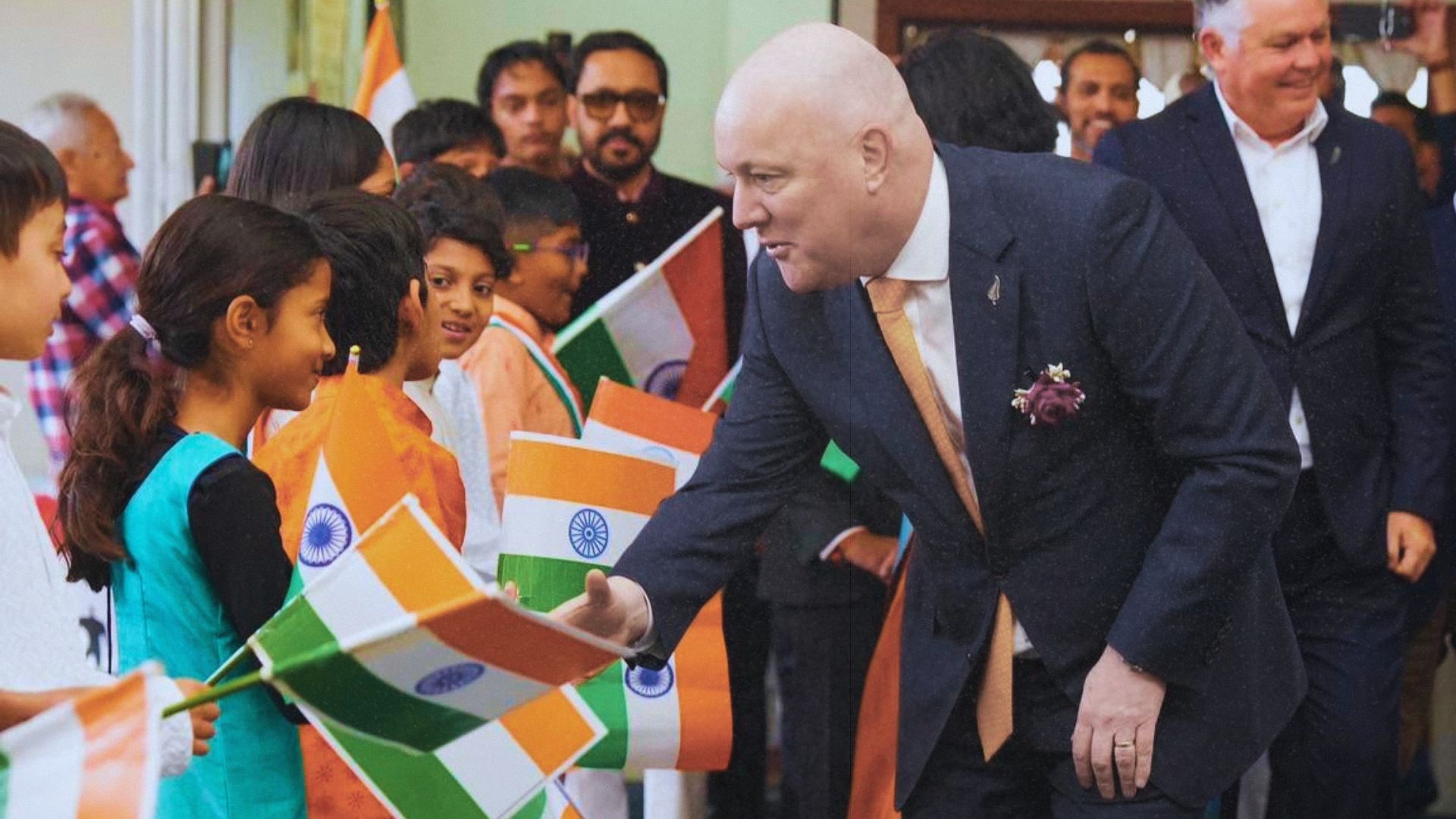
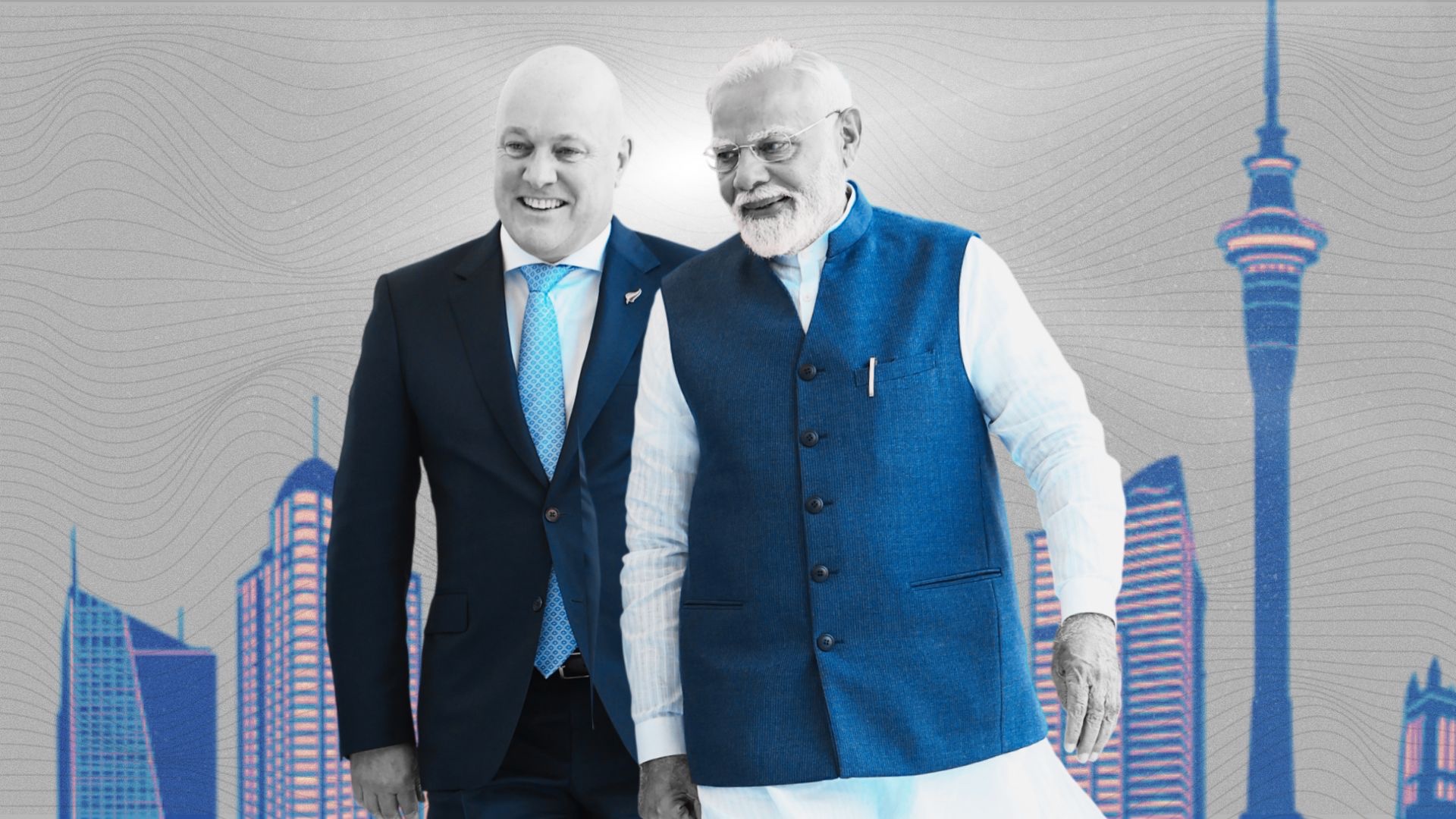
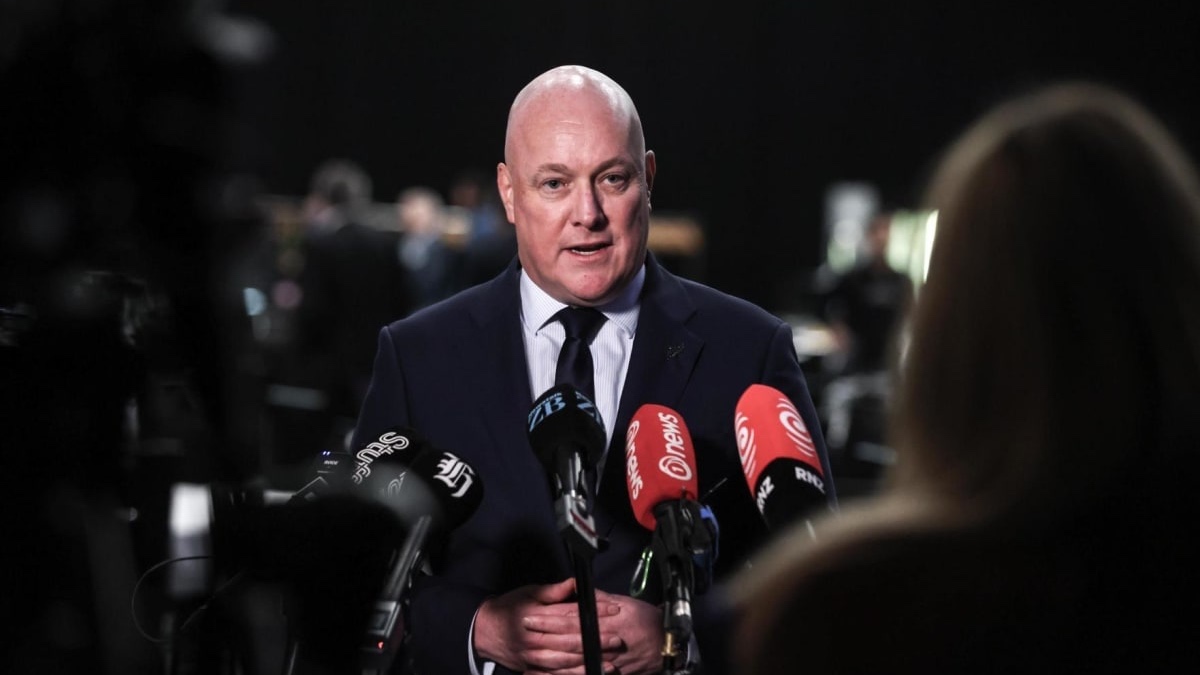
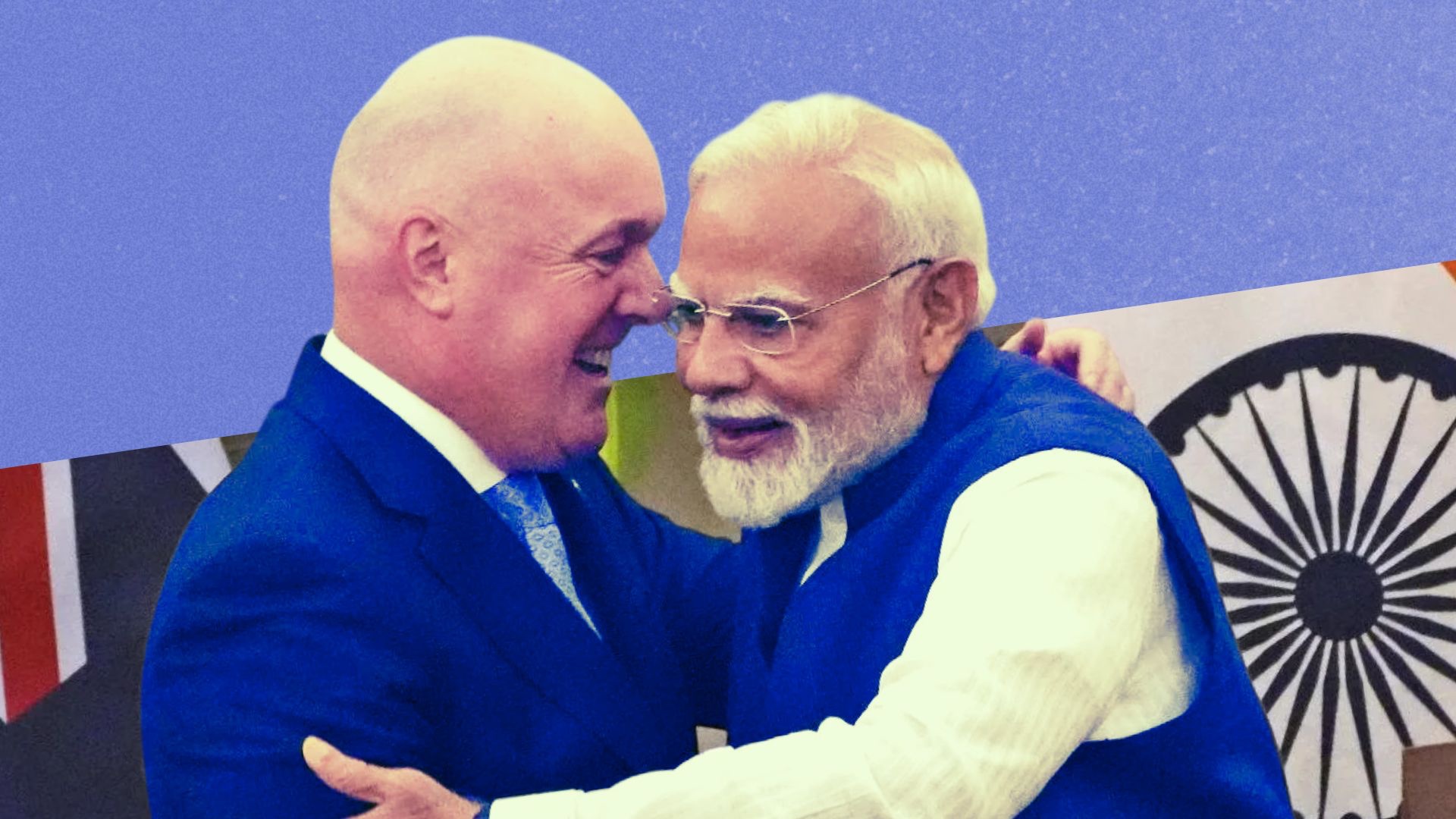
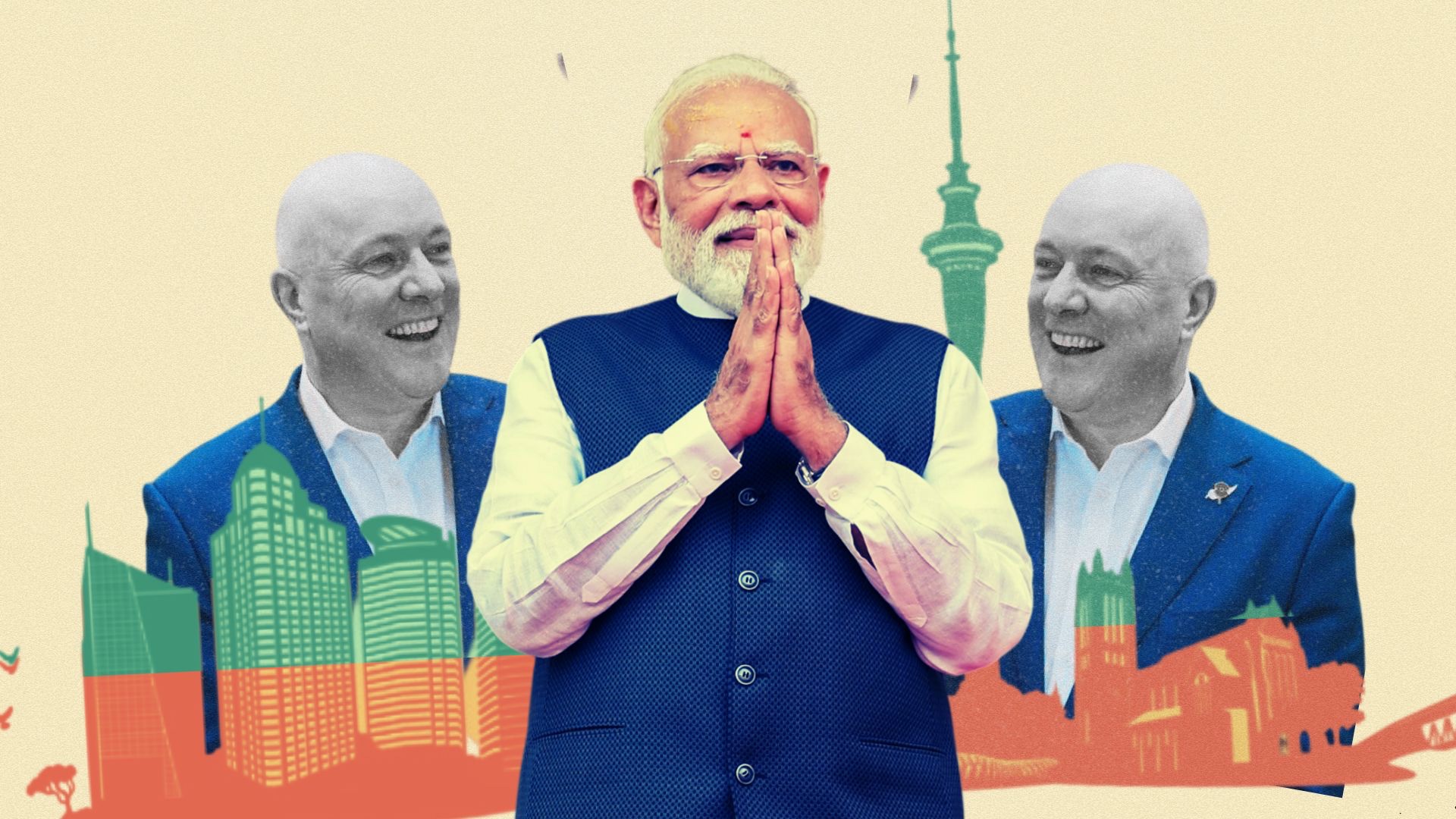
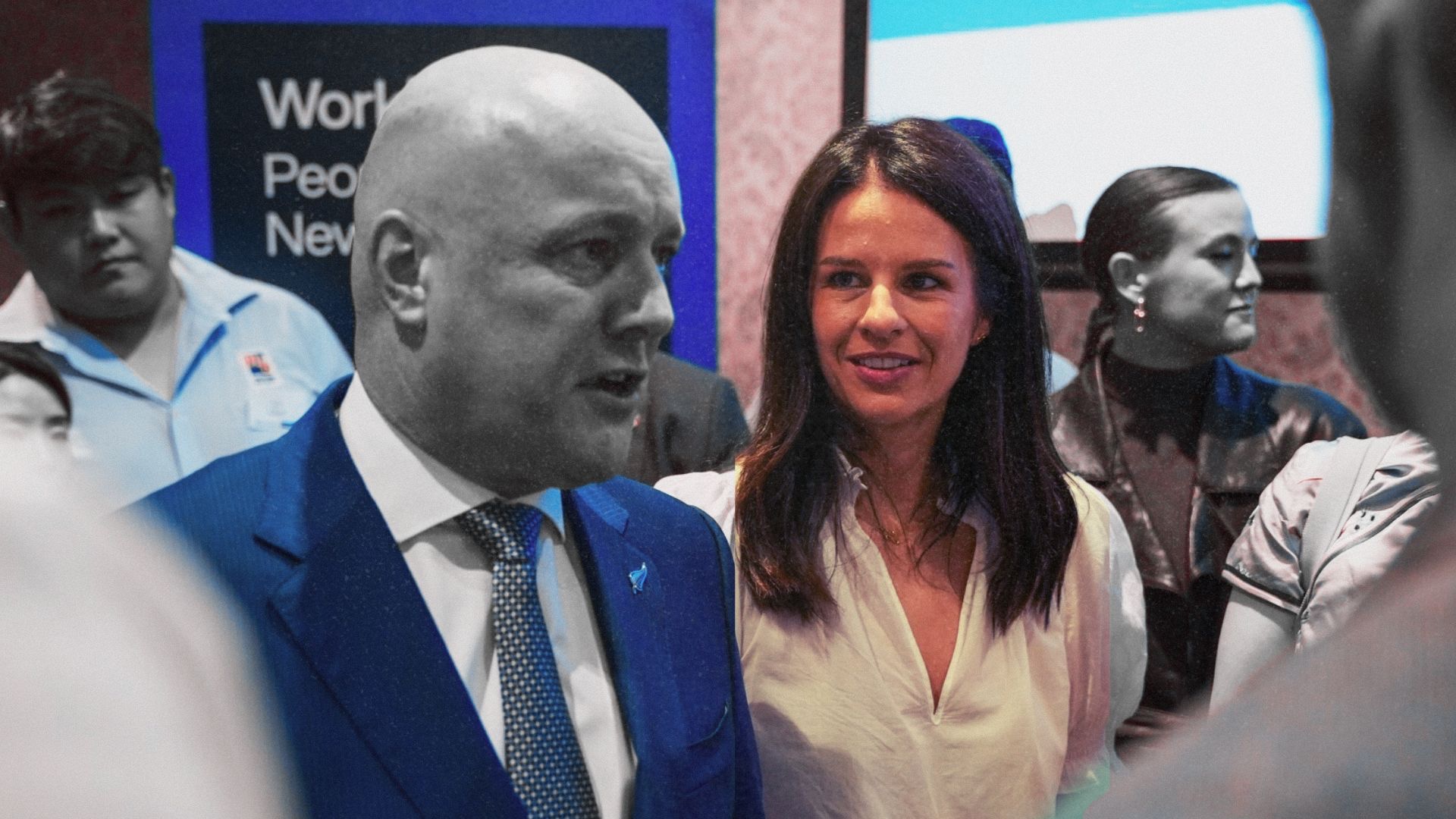
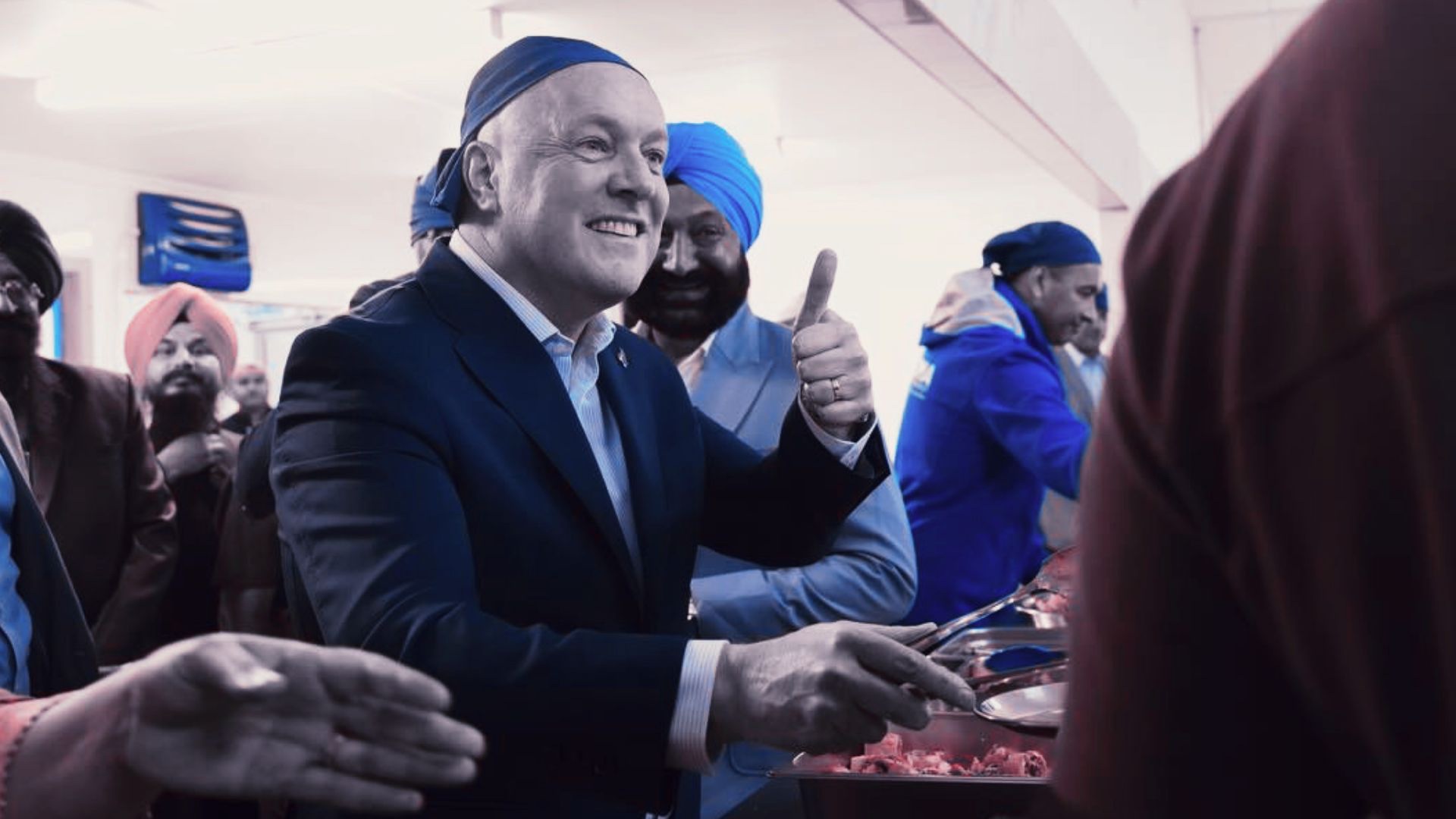
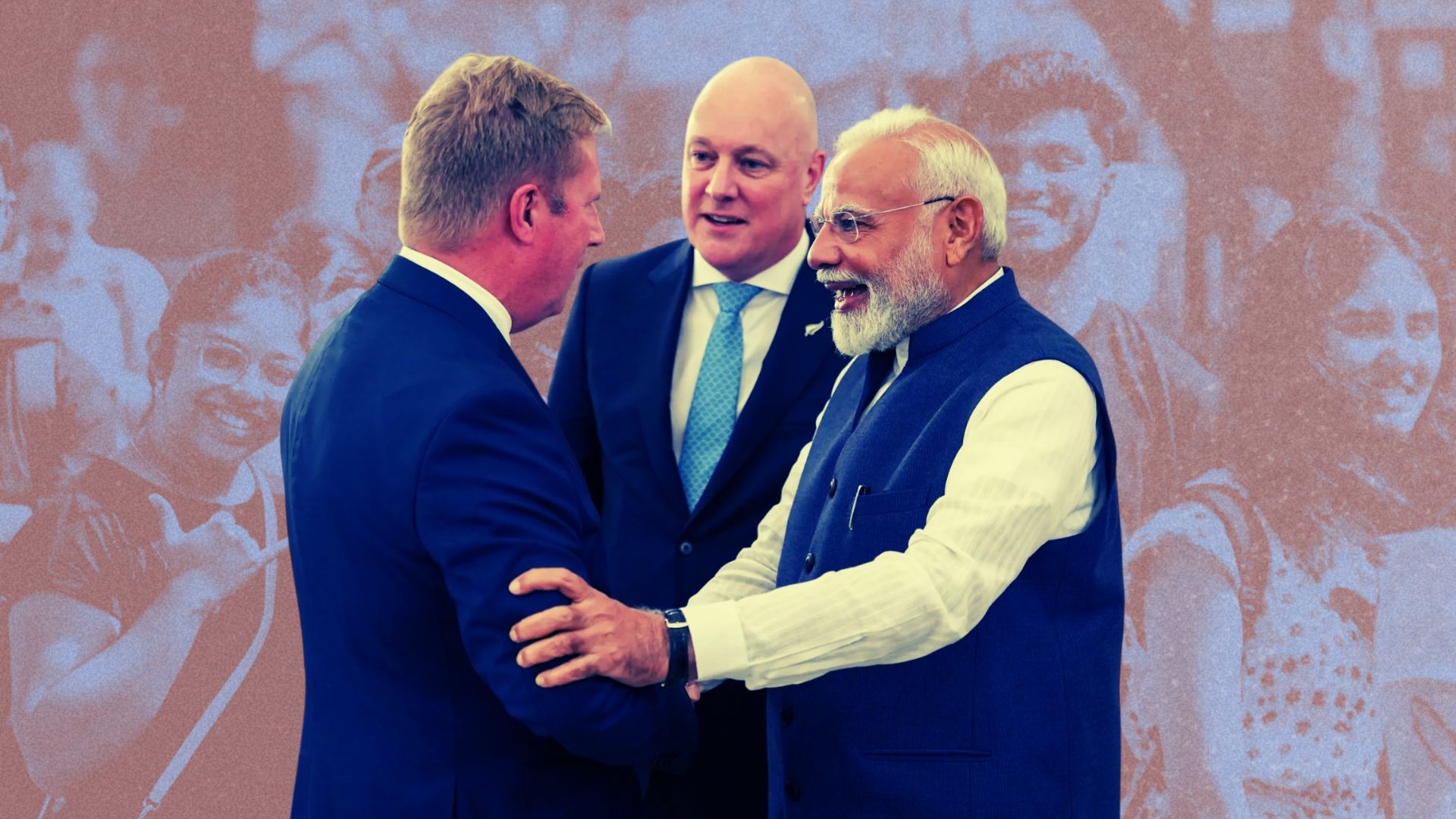
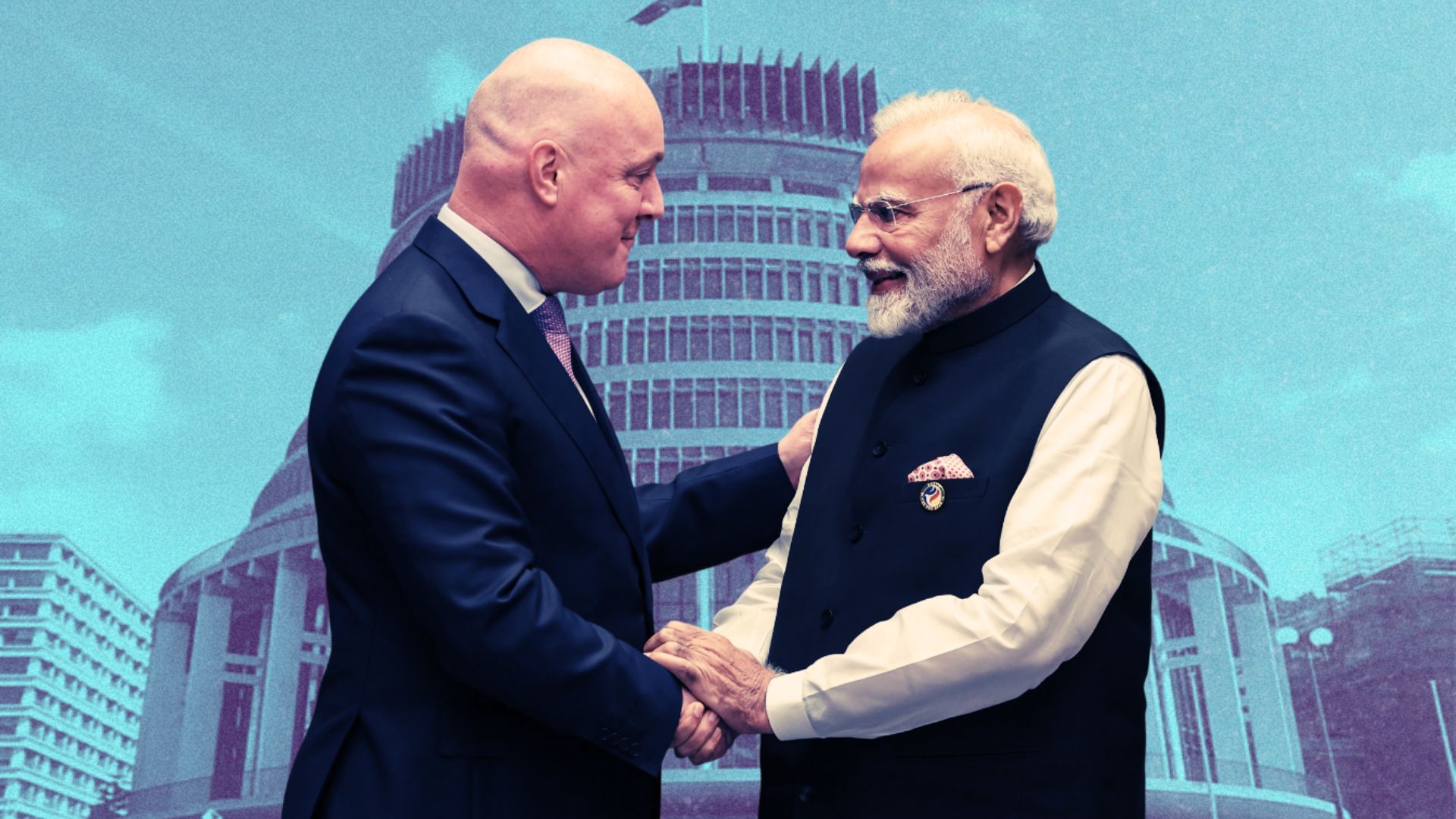
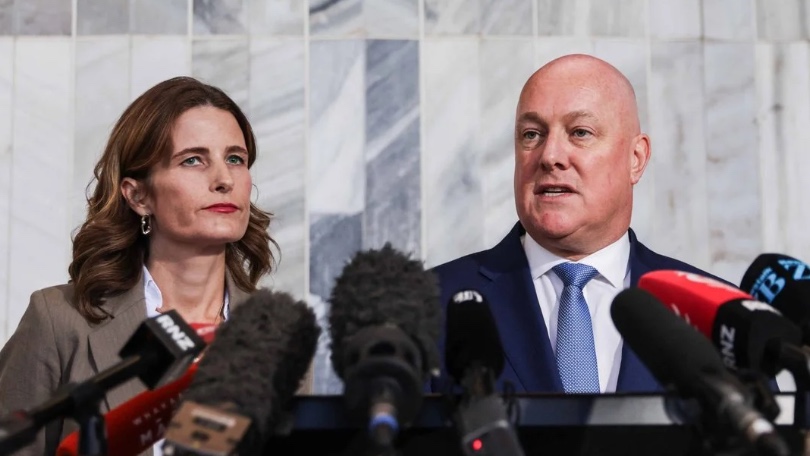
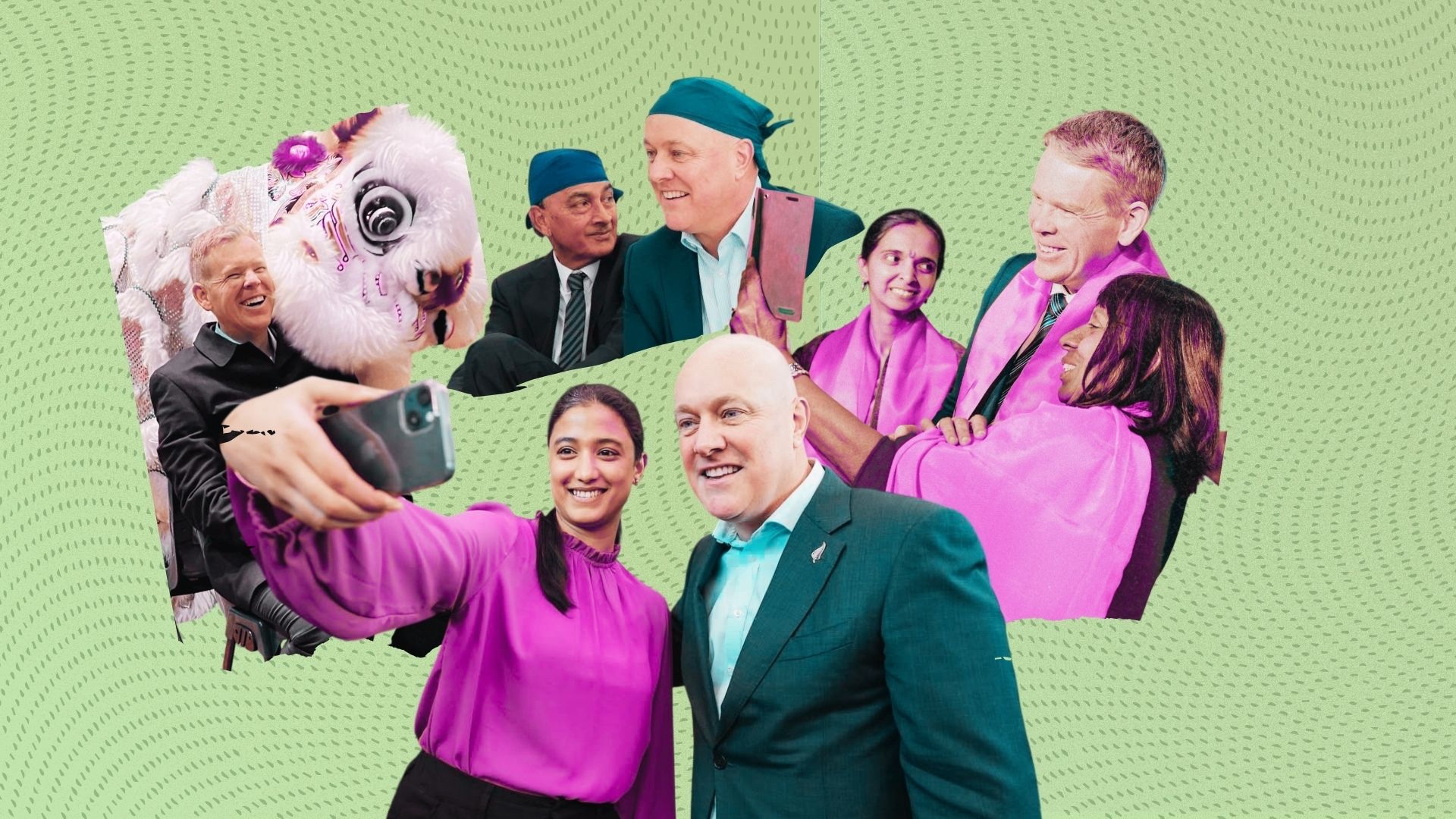
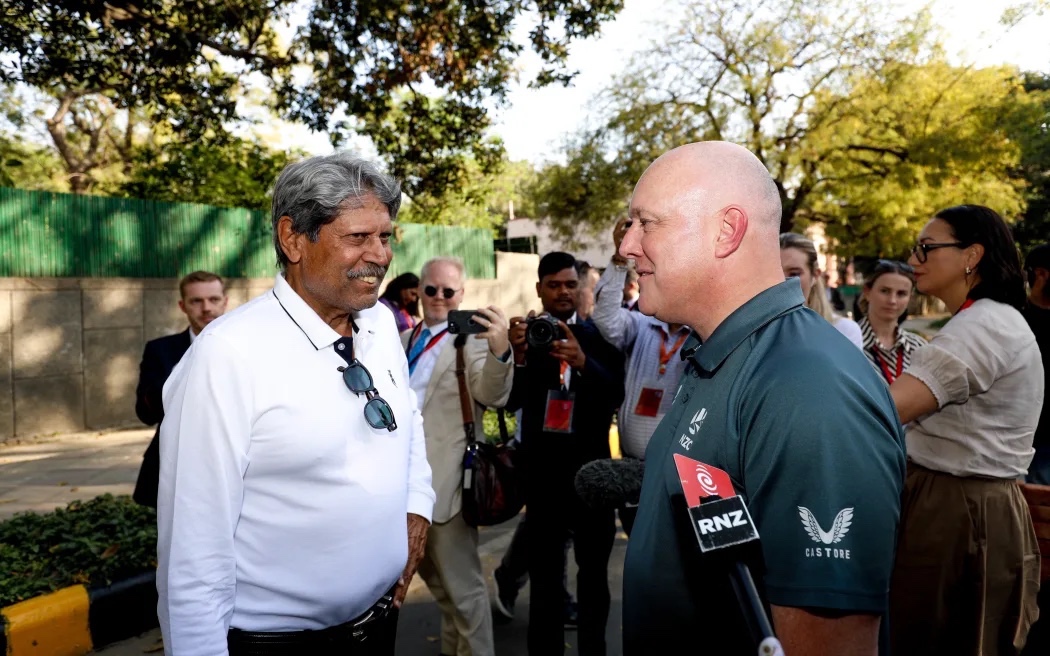
That brings us to the issue of optics and leadership. Is it fair to expect Christopher Luxon to do more than just gush over "how incredibly hard Kiwi-Indians work", especially given his coalition partner New Zealand First is being accused of fanning the race hate fire?
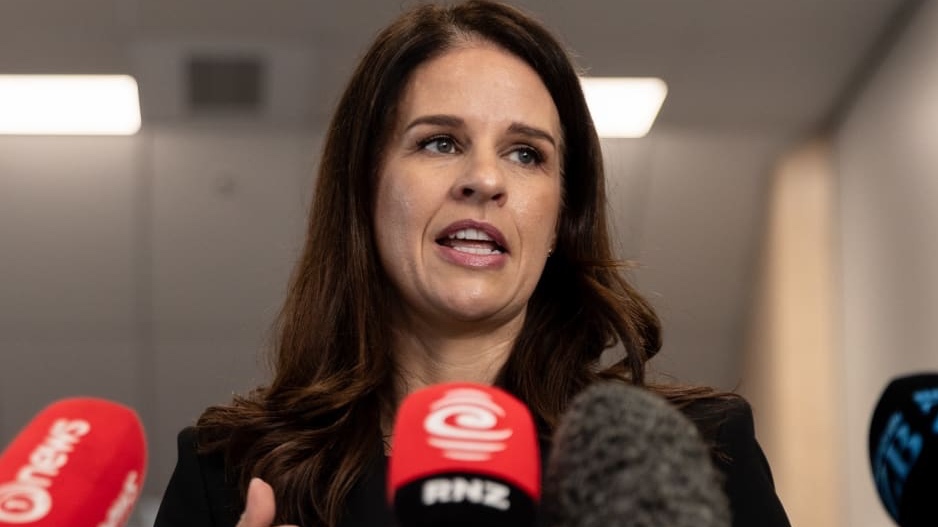
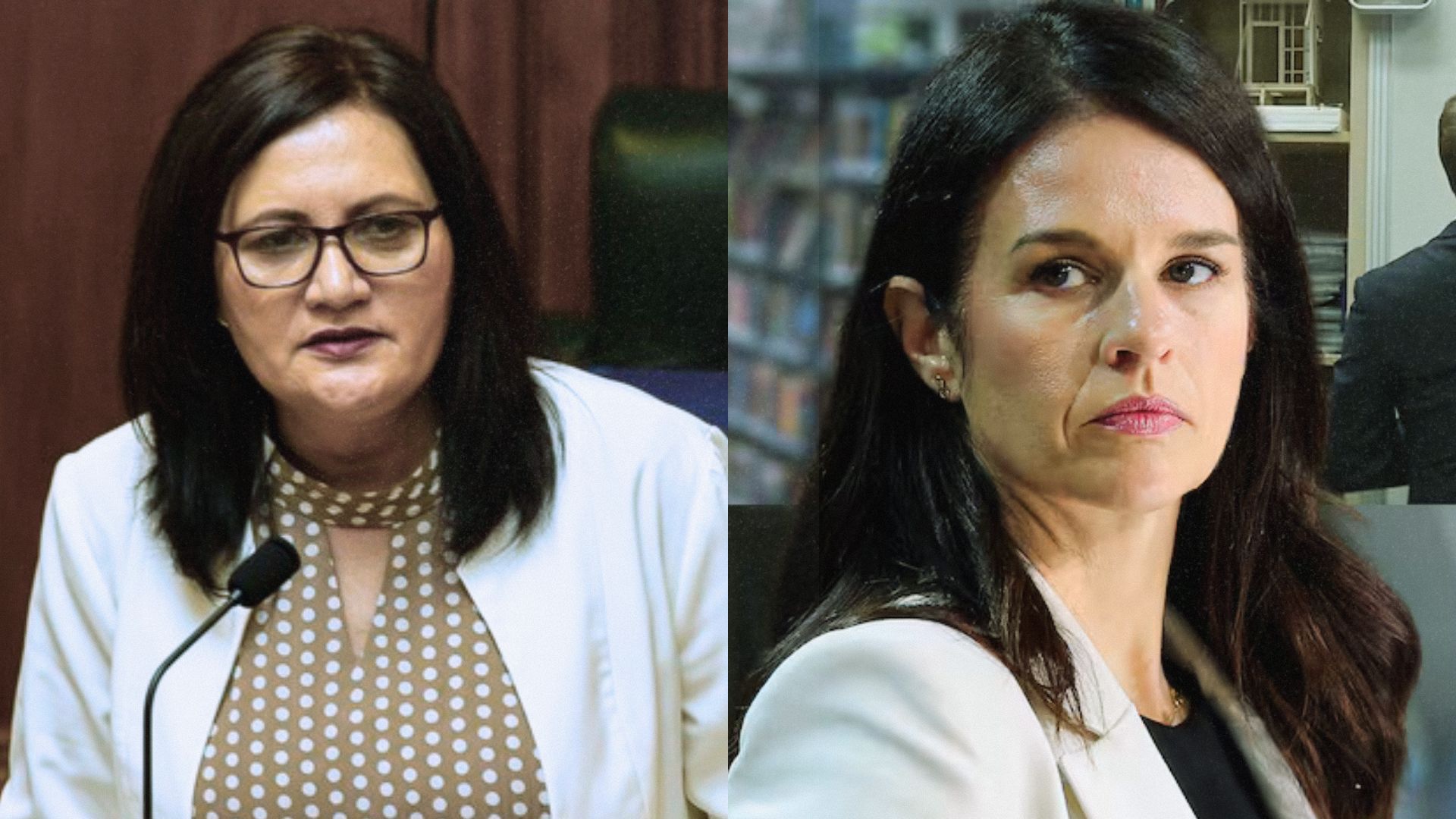
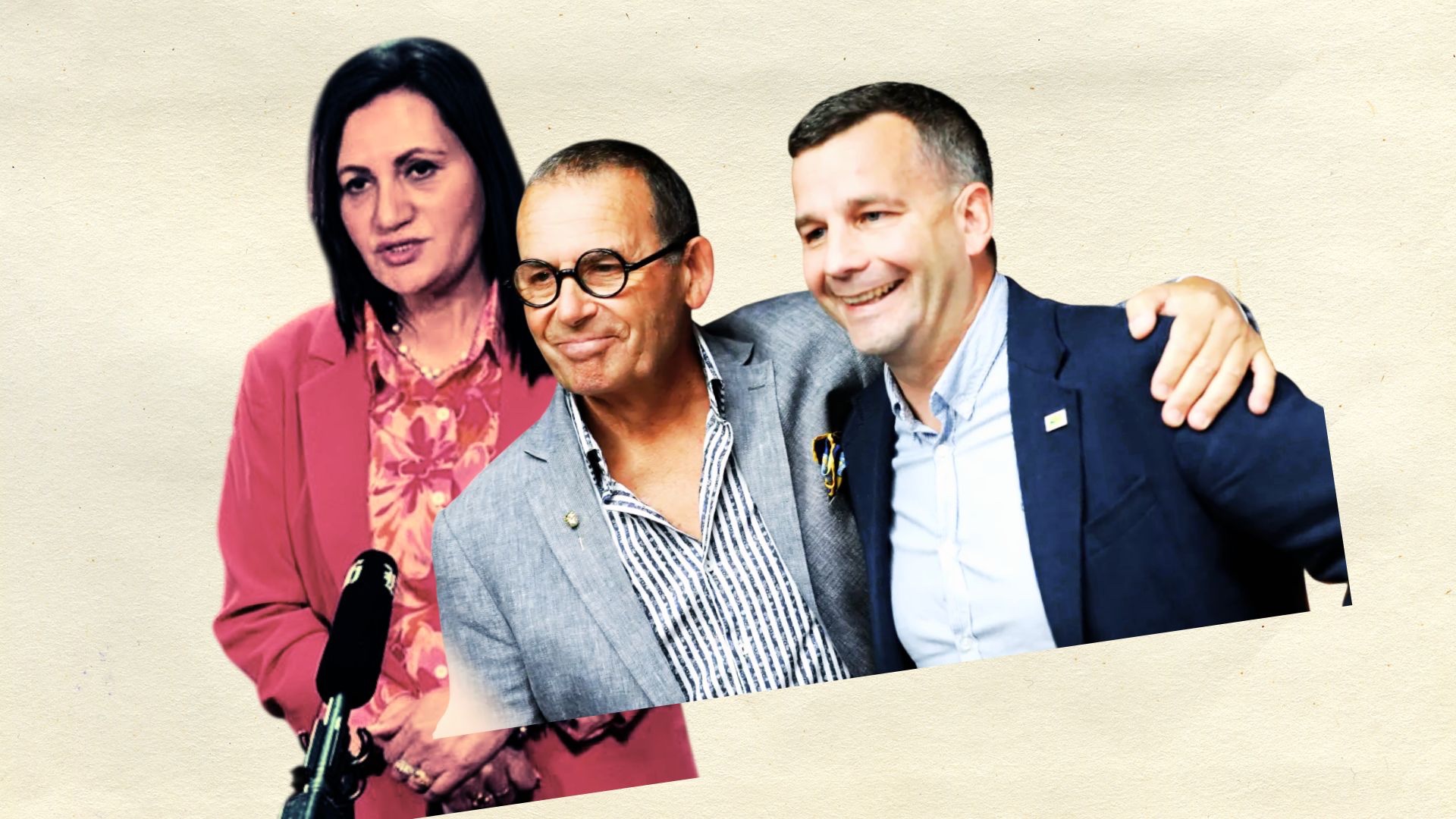
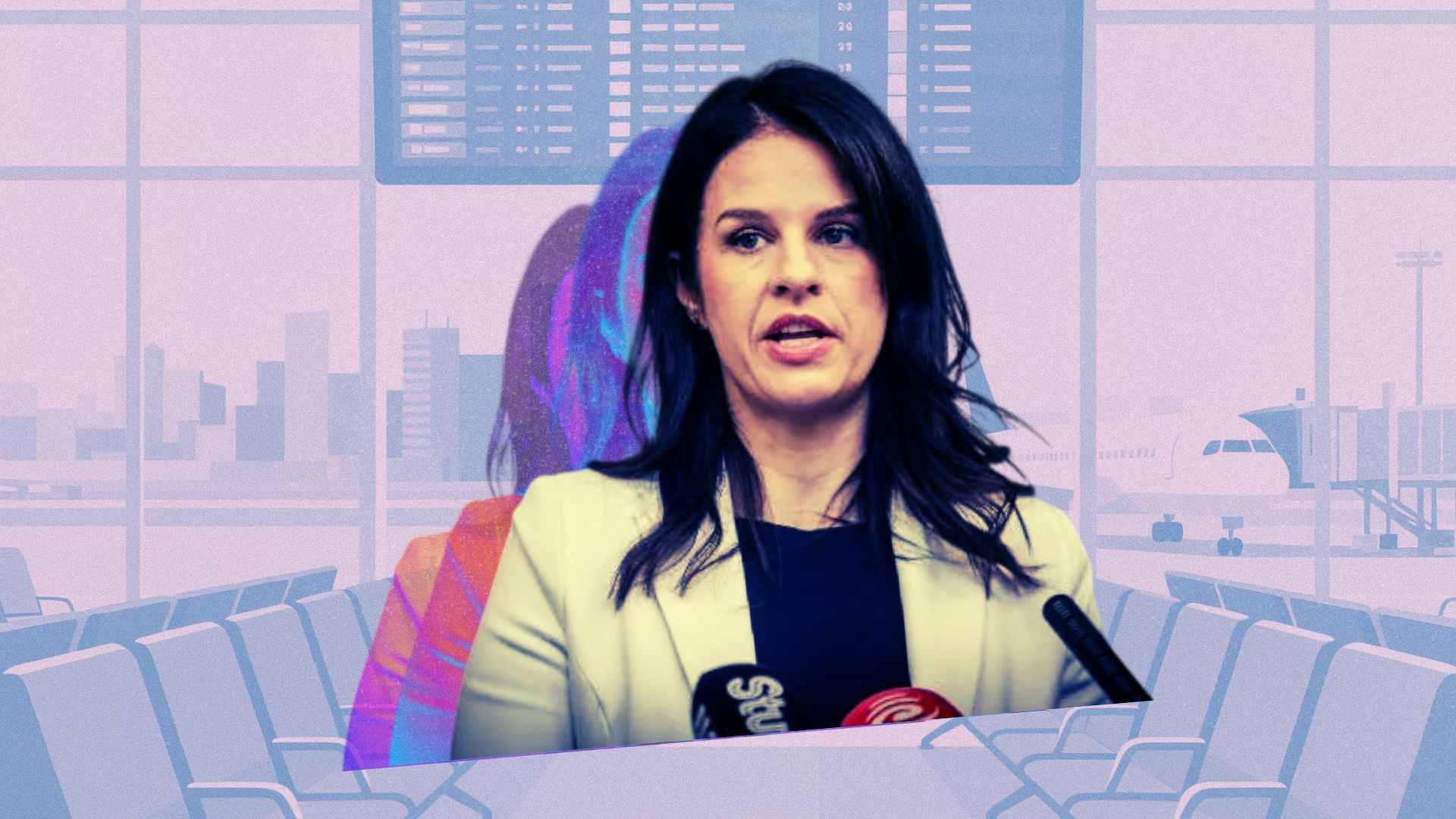
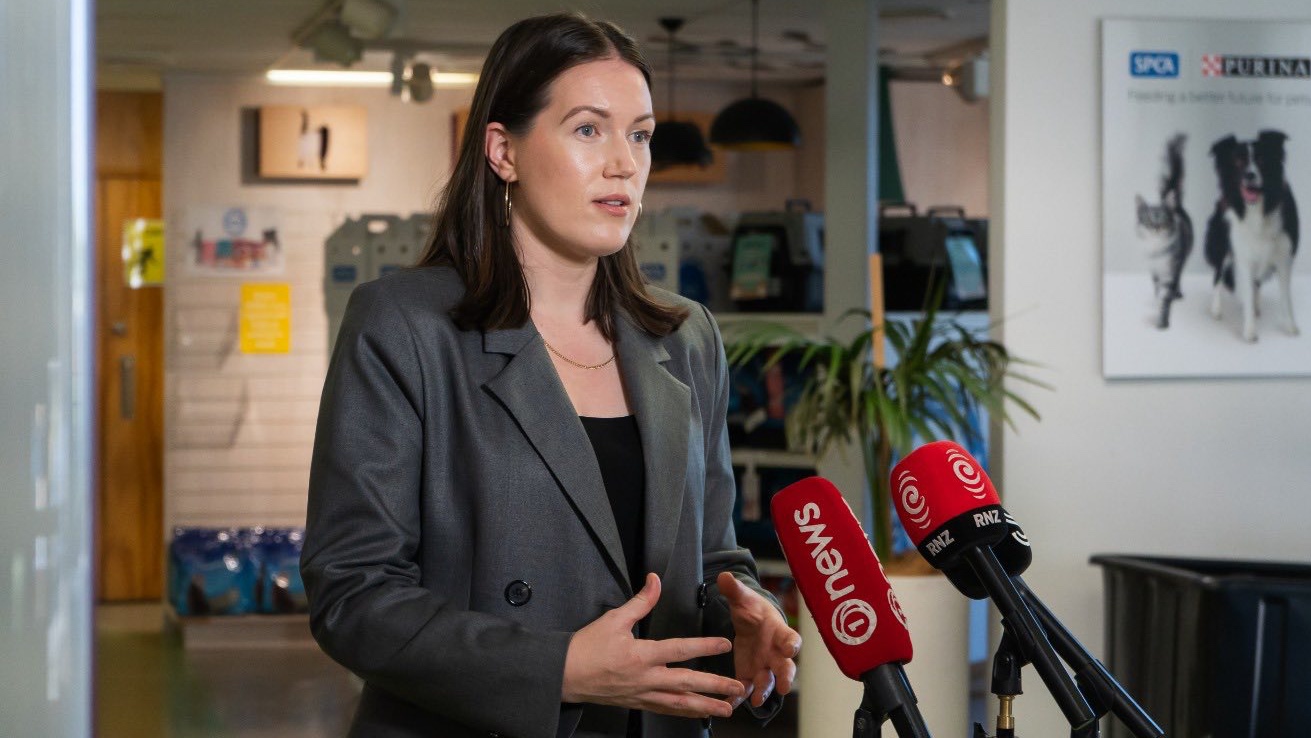
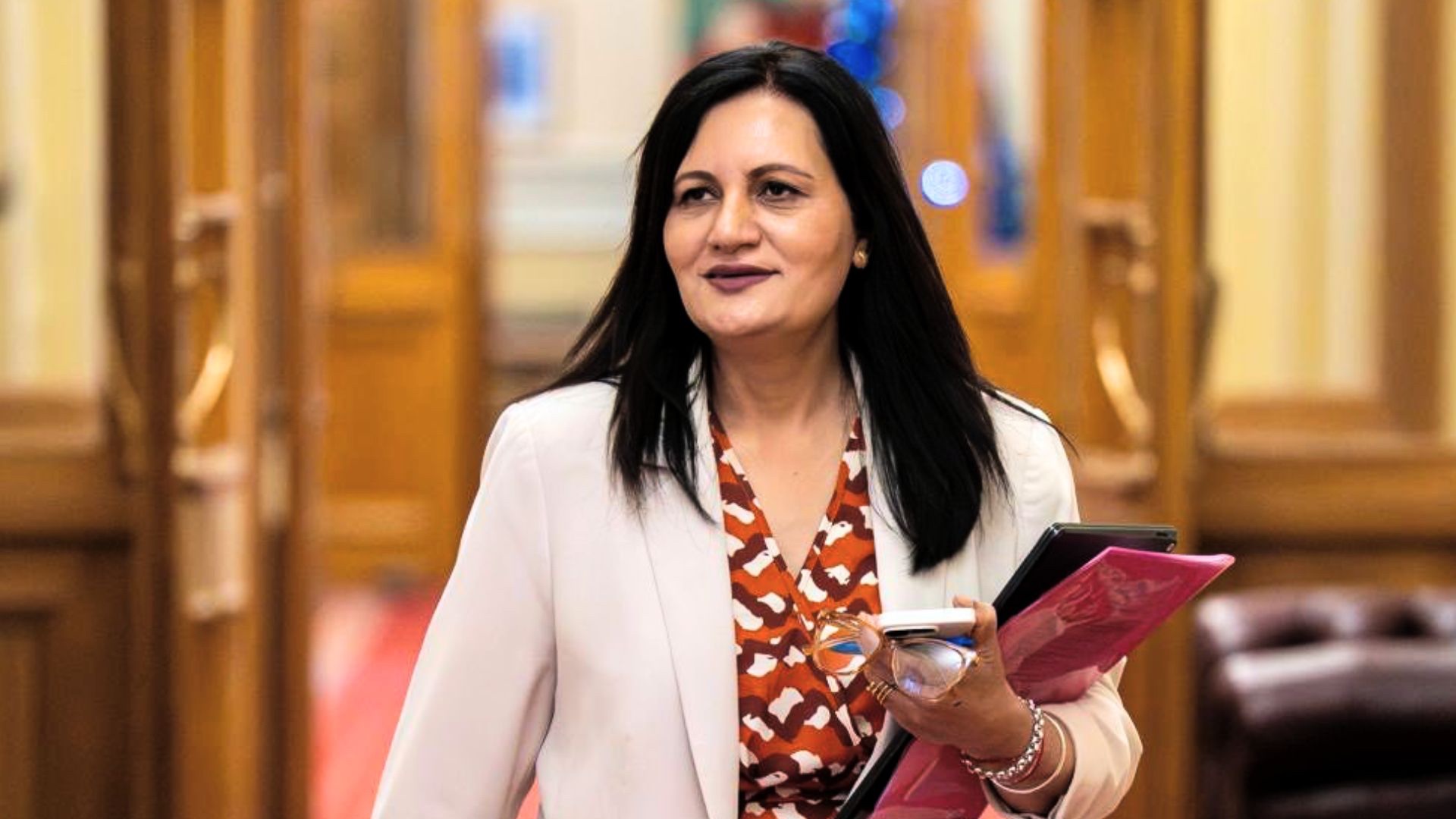
Chris Hipkins says the prime minister has been found totally lacking on this count. "I think that's just a total void of leadership," he says. His party's ethnic communities spokesperson Jenny Salesa has described Luxon's radio silence on New Zealand First's race-baiting as "shameful".
Hipkins says as prime minister he will always pitch for an inclusive New Zealand. "The sort of anti-migrant divisive rhetoric that we're seeing coming from the current government is not something that I would tolerate in any government that I was leading."
Elections years can be notorious. Politicians tend to say whatever the moment demands. Ultimately, the proof of the pudding will be in the eating.