
India FTA payoff: Apple, pear growers see $25m boost as industries count gains
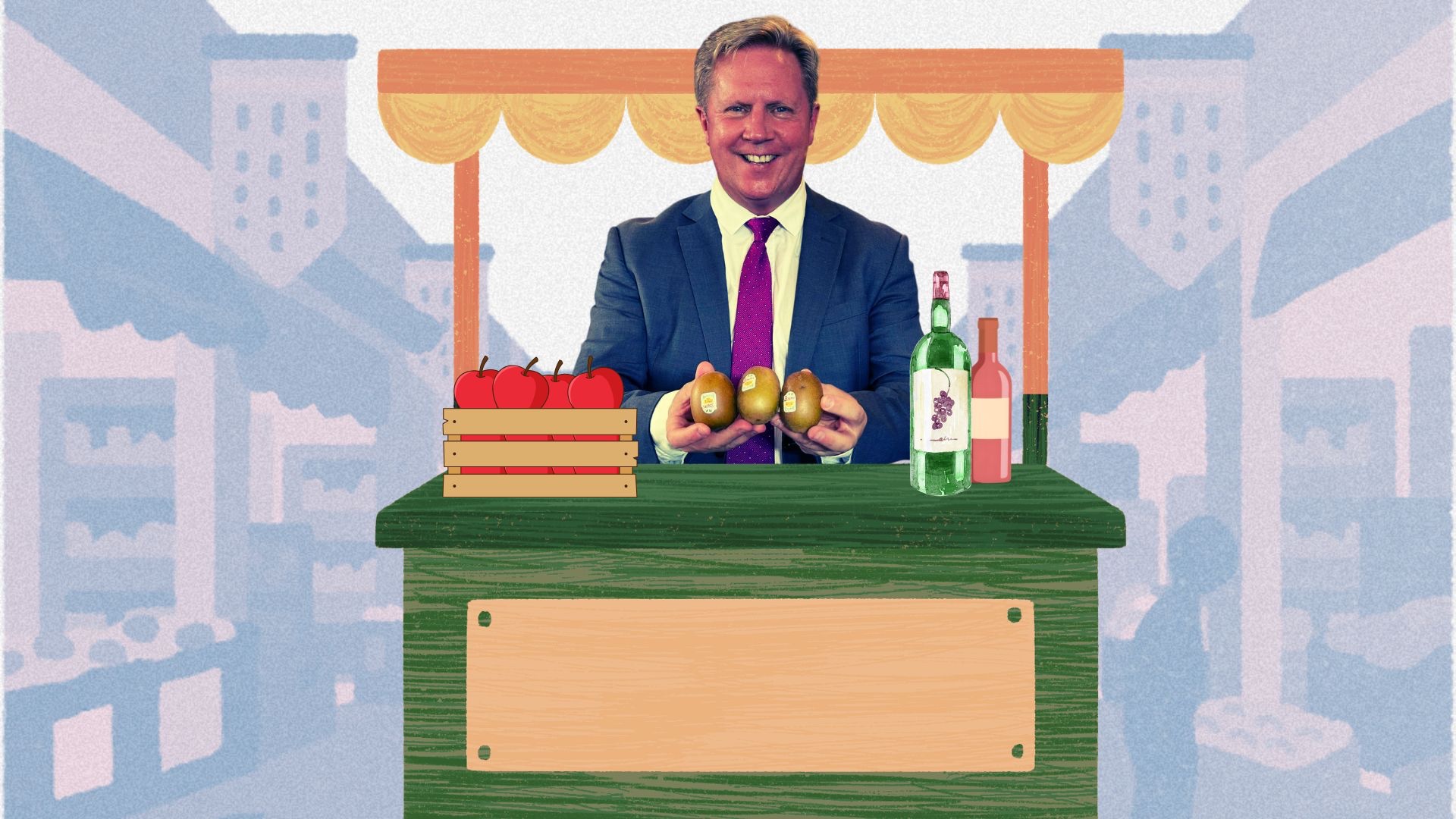
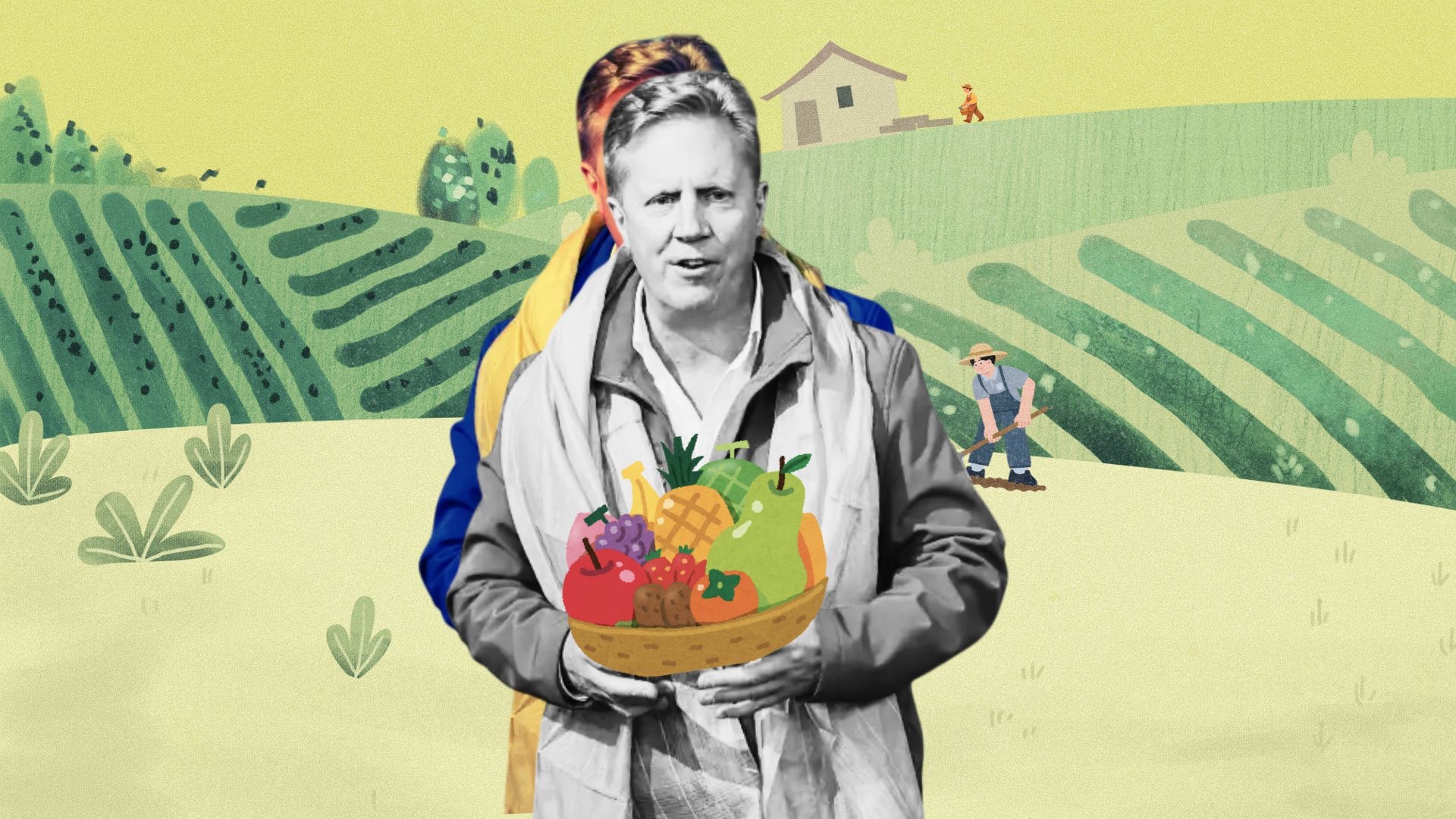
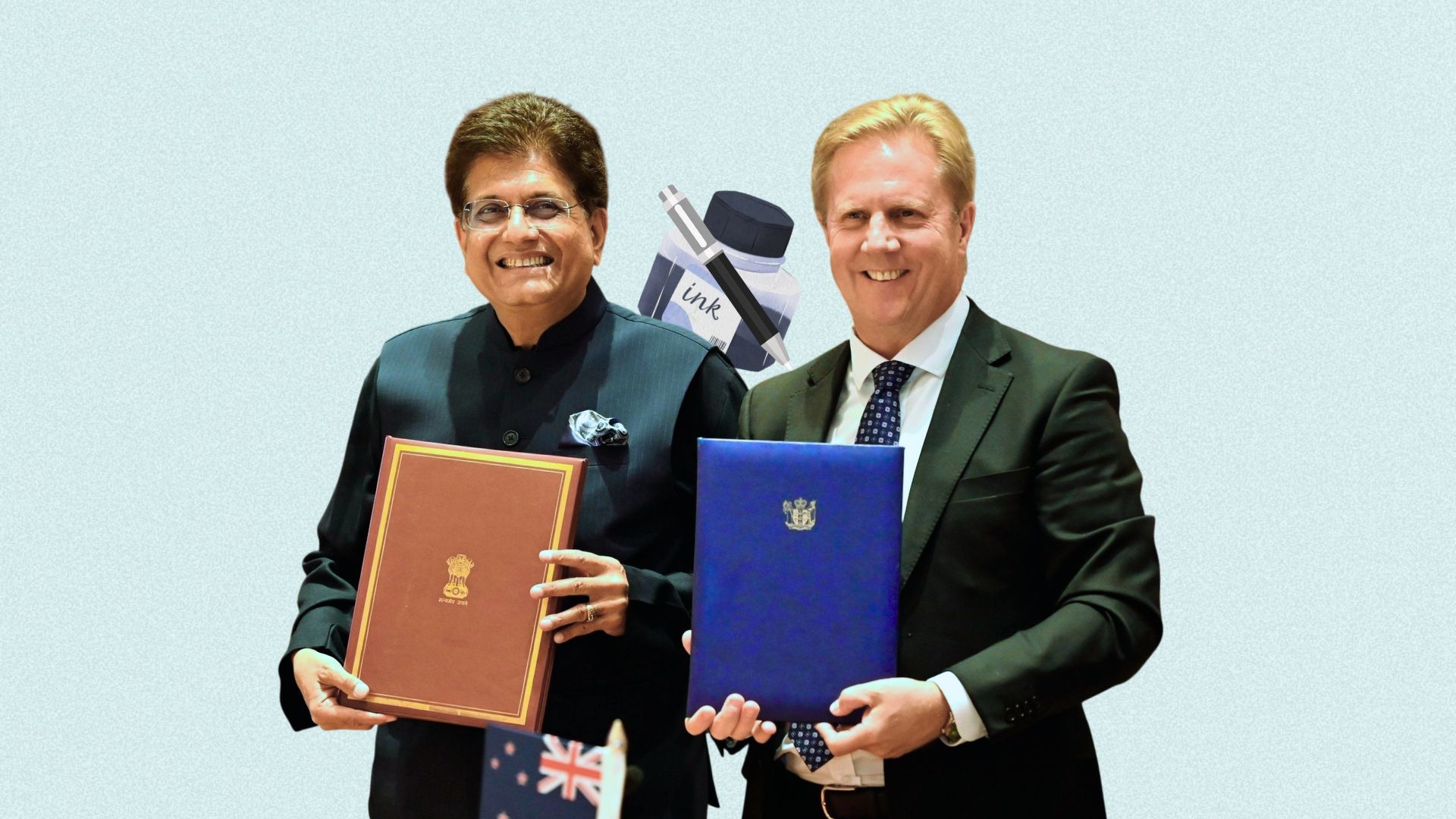
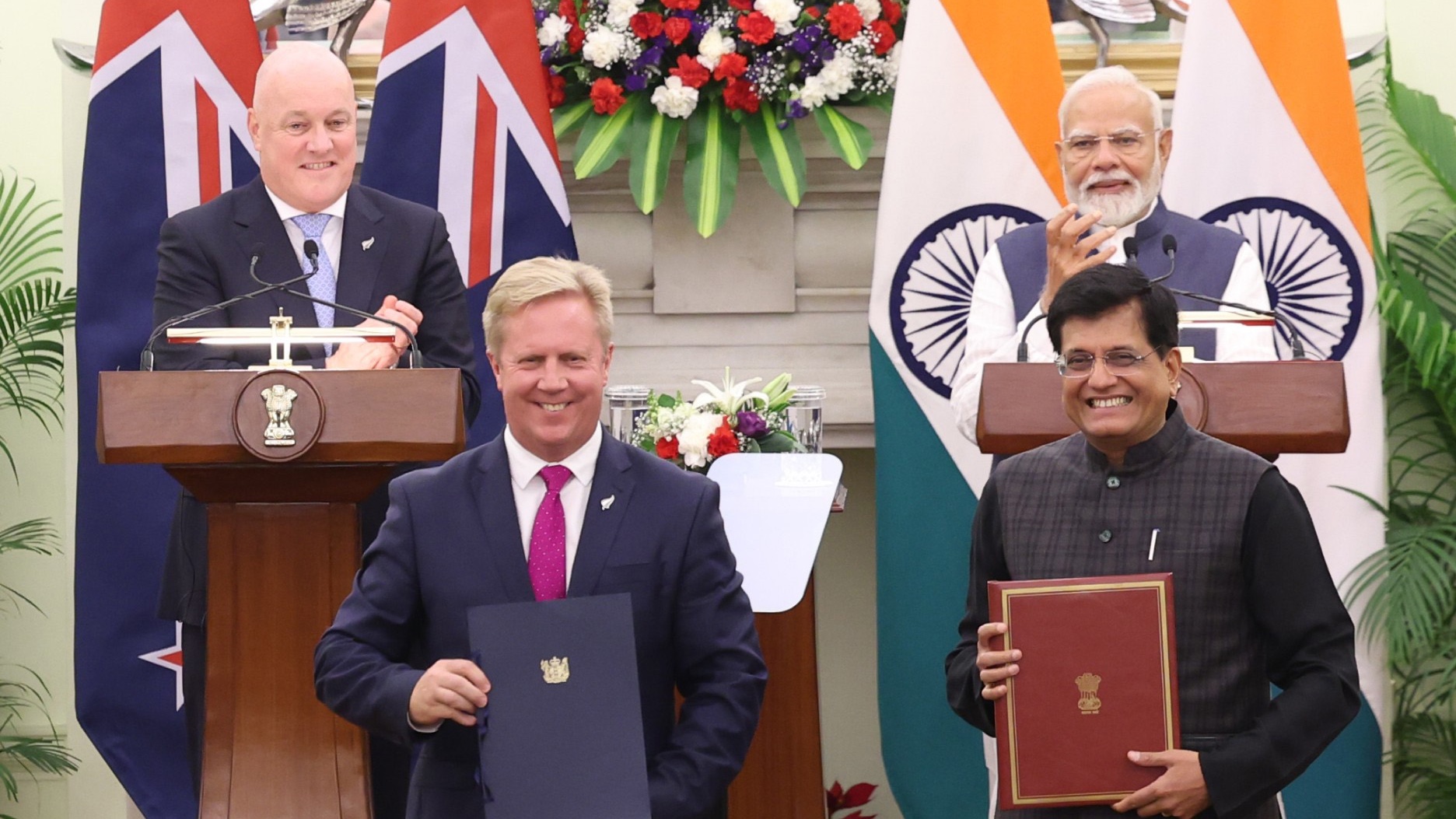
Trade minister Todd McClay.
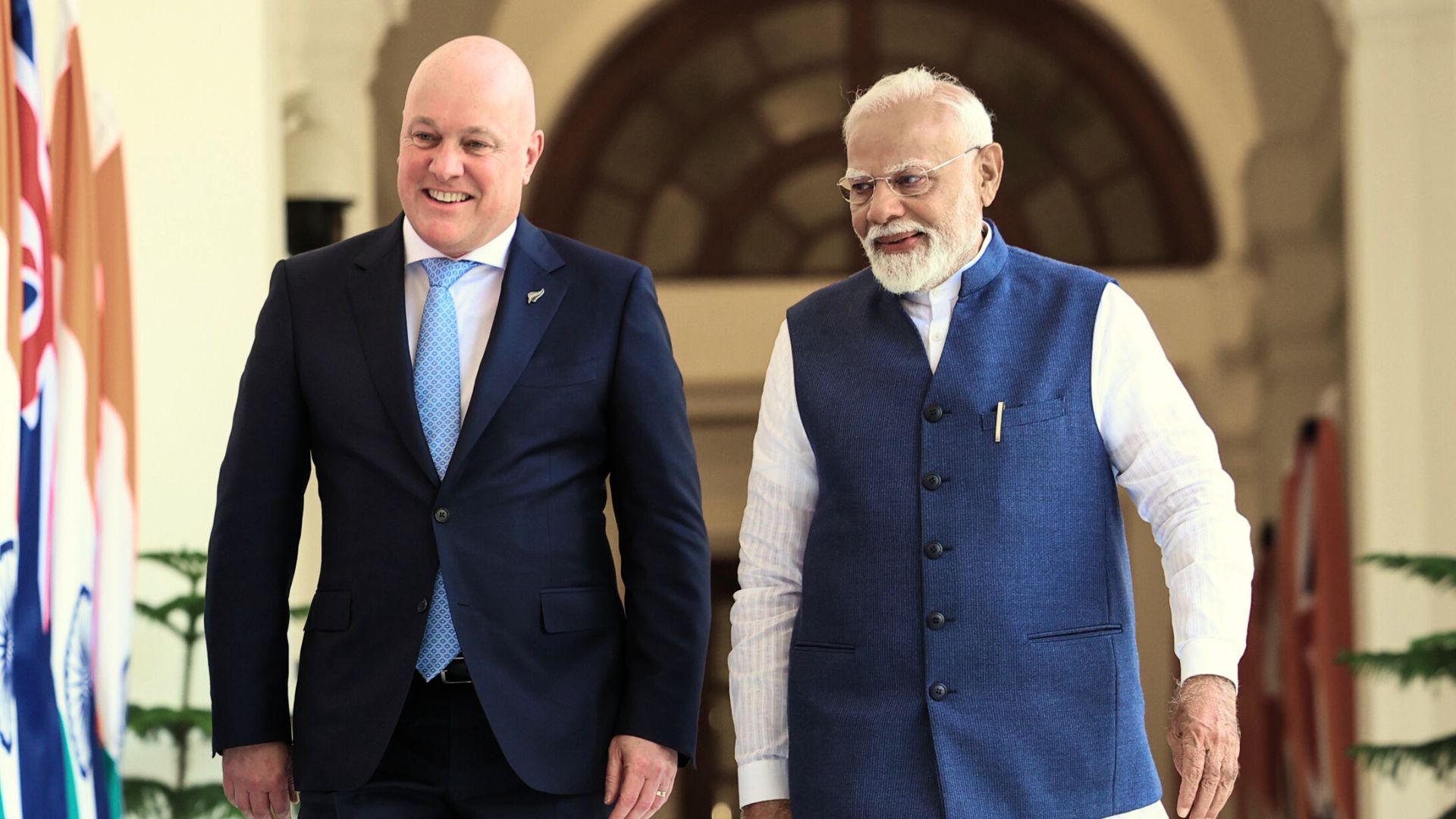
Industry associations are throwing their weight behind the deal as Parliament prepares to enforce the agreement.
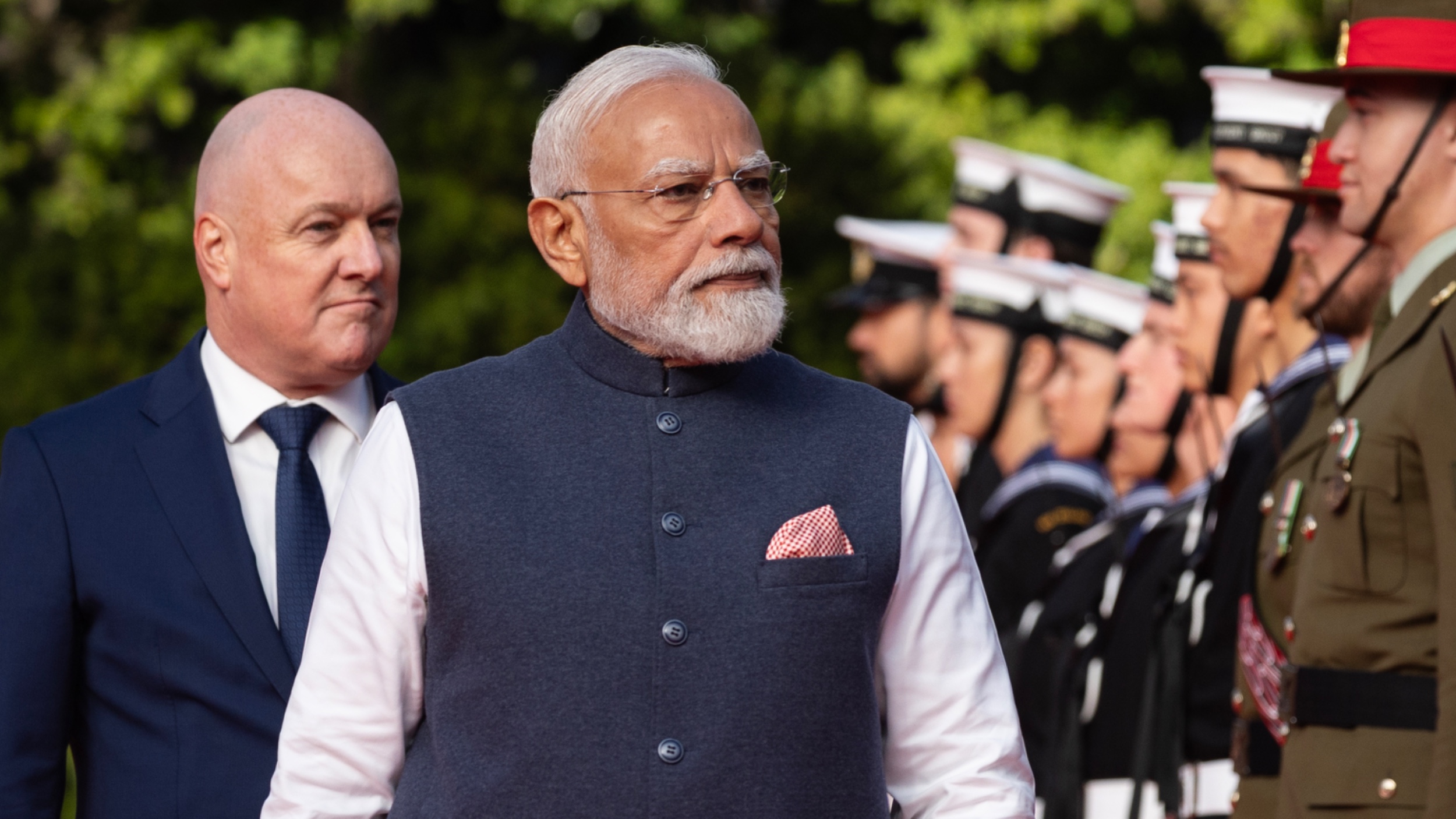
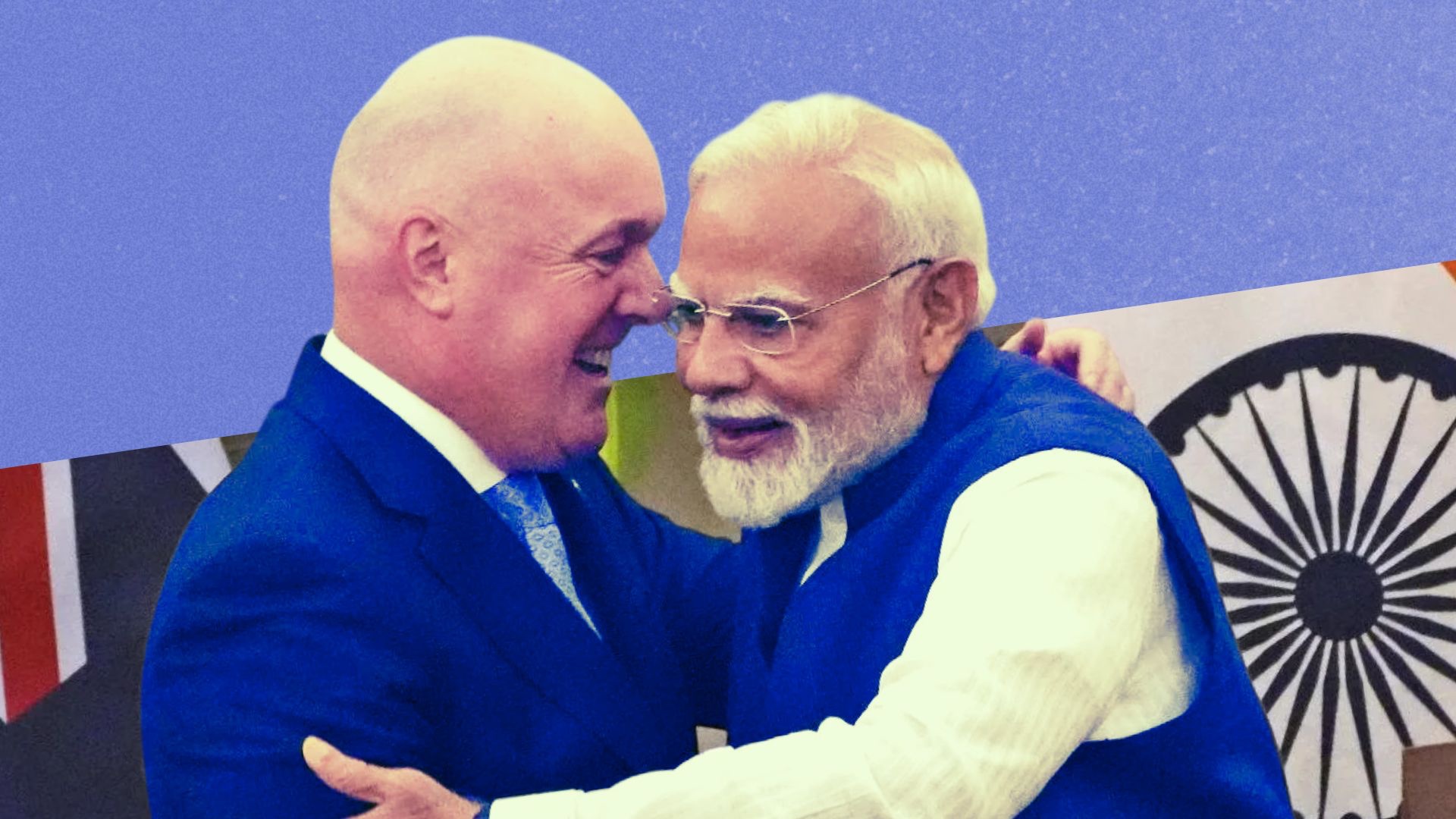
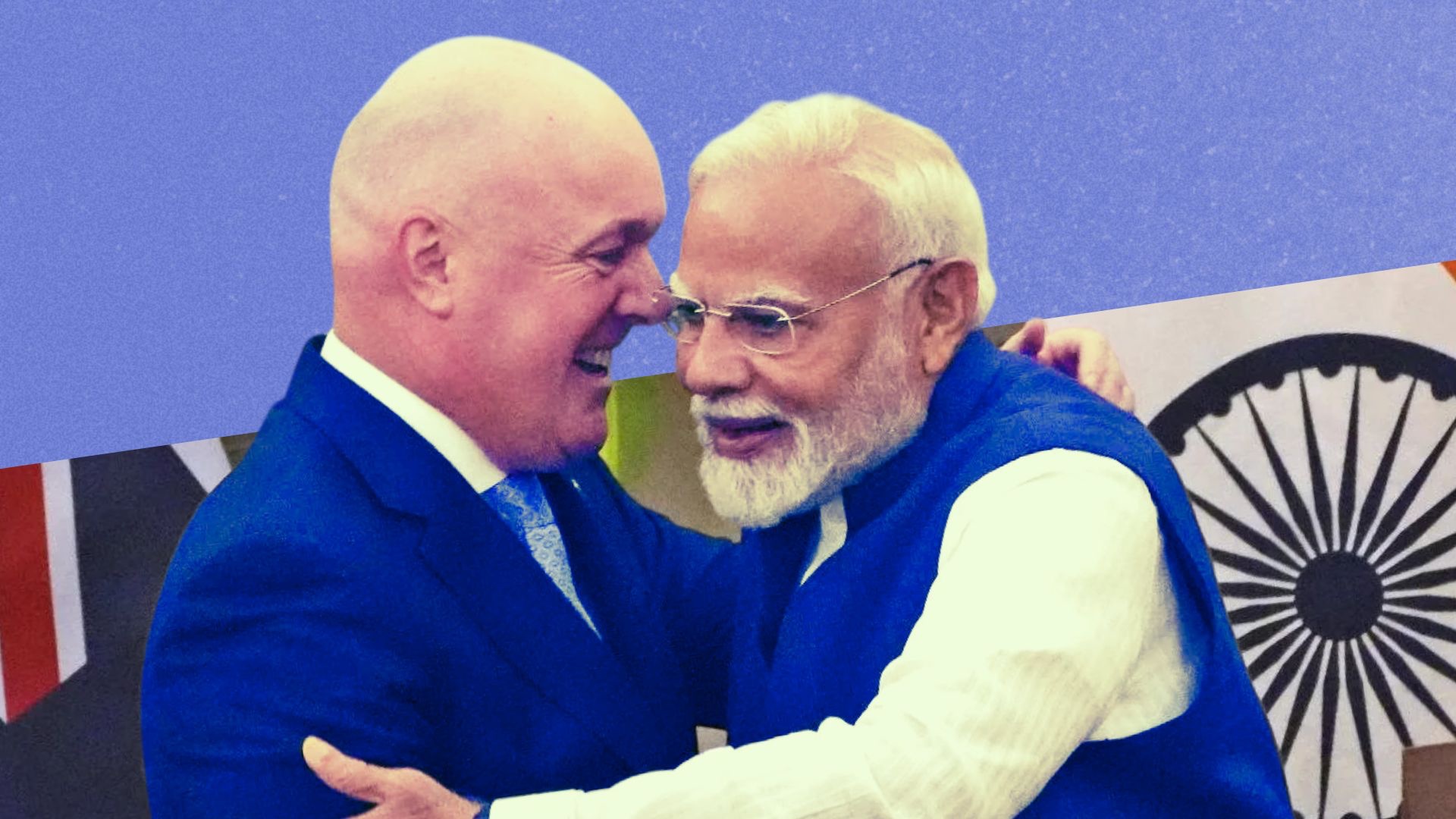
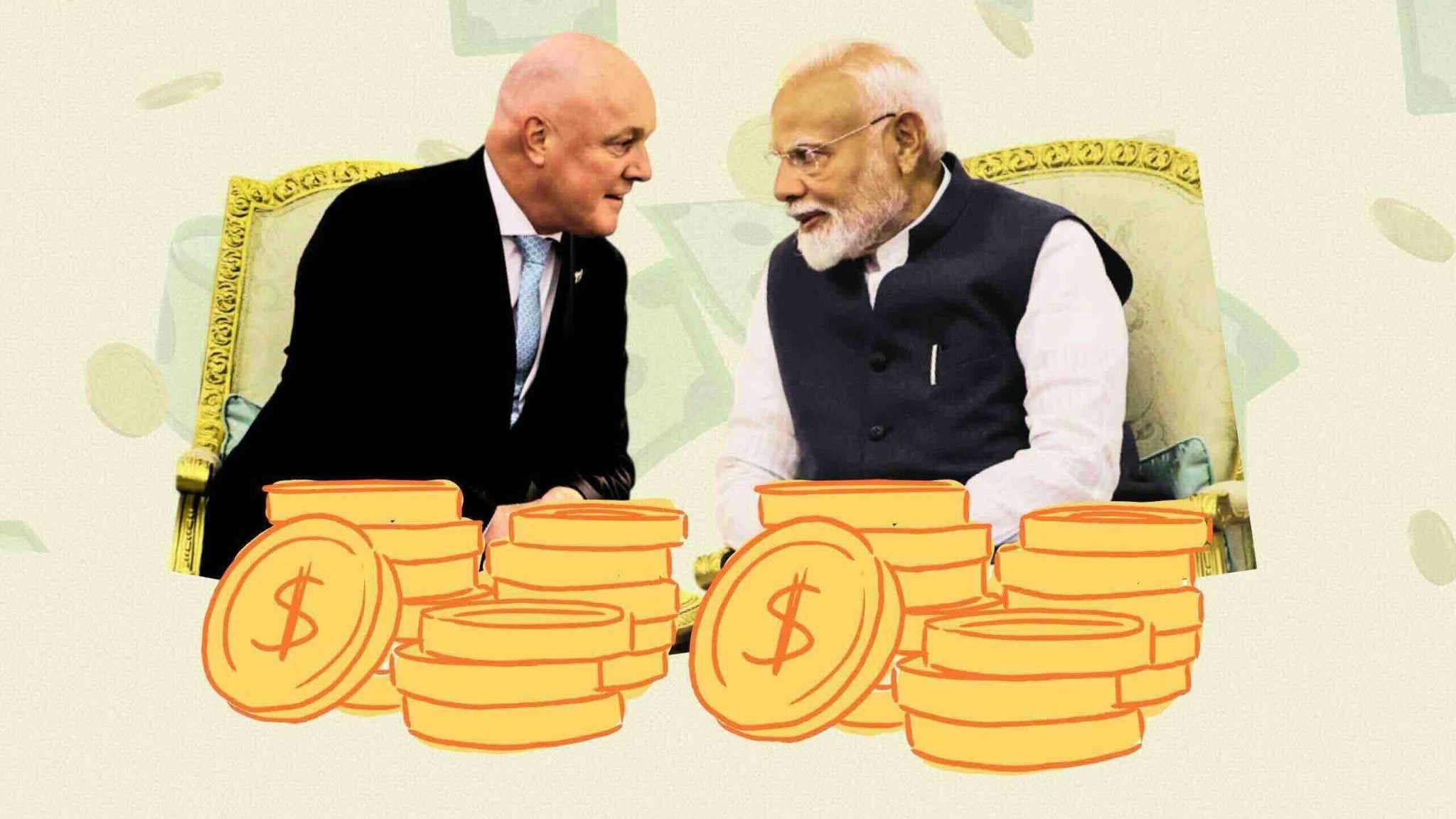
Parliament’s treaty review is beginning to put hard numbers on the New Zealand–India free trade agreement, with apple and pear exporters estimating annual tariff savings of about $25 million.
The red meat and wine sectors have also outlined the first detailed breakdowns of expected financial benefits.
New Zealand Apples and Pears Incorporated have told MPs on the foreign affairs and trade select committee the FTA delivers what it describes as “a significant step forward in one of New Zealand’s most challenging horticultural markets".
The enabling legislation to enforce the deal can be passed in Parliament only after the select committee submits its final report.
The apples and pear sector estimates nearly $25 million per annum in tariff savings, driven by reduced duties on apples from 50 per cent to 25 per cent within quota, expanded access volumes, and improved export certainty.
From designing restaurants to running Auckland Diwali: The many lives of Arnav Taode Taode brings his passion for Indian arts and culture to his first year managing BNZ Auckland Diwali 2026.
Winston Peters says ‘diversity is disunity’. What does the evidence tell us? Evidence from business, sport and social policy suggests diversity can strengthen economies and cohesion but on one condition.
Baby born in Sri Lanka to New Zealand residents caught in limbo after Down syndrome diagnosis Immigration tribunal orders fresh residence assessment after finding a “serious mistake” by immigration officials.
The industry notes that current export volumes are already at or above initial quota levels, meaning much of the benefit is expected to accrue from existing trade flows rather than requiring immediate market expansion.
By contrast, the red meat sector is significantly more cautious in its assessment of the deal’s financial impact, but provides the most detailed breakdown of product-level tariff savings.
In a joint submission, Beef + Lamb New Zealand and the Meat Industry Association estimate total annual tariff savings of at least $1.8 million across existing trade once all reductions are fully phased in.
That includes savings from sheep meat estimated at about $370,000 from immediate tariff elimination, about $330,000 for hides and skins, about $890,000 in blood products over a five to 10-year phase-out, and just under $245,000 in savings over five years for meat and bone.
But the sector is clear the broader commercial impact remains limited.
It says the FTA provides “better access to a market of 1.4 billion people”, but cautions that “we do not anticipate immediate growth in trade of red meat products into India".
Instead, the industry frames the agreement as a diversification play, arguing it will help build “resilience and stability for New Zealand’s farmers and exporters” in a volatile global trading environment.
The wine sector does not provide a comparable dollar estimate of tariff savings, but its submission highlights a different form of value. The structure of future access.
New Zealand Winegrowers says India offers “significant potential for New Zealand wine exporters”, driven by rising incomes, urbanisation, and a growing middle class.
However, it warns that even after phased reductions, Indian tariffs will remain high – between 25 per cent and 150 per cent depending on price point – limiting near-term gains.
Instead, the industry focuses on the importance of a Most Favoured Nation (MFN) side letter, which would allow New Zealand exporters to benefit from future concessions granted to other partners.
It says rapid ratification is critical so that “NZ wine exporters [are not] at a comparative disadvantage” if the European Union secures deeper access.
Across all three sectors, a consistent picture emerges. The India agreement is being quantified for the first time in concrete financial terms, but the benefits are unevenly distributed.
Apples account for the largest immediate value, red meat shows a smaller but clearly defined tariff savings, and wine positions itself around future-value optionality through MFN-linked access rather than direct tariff savings.