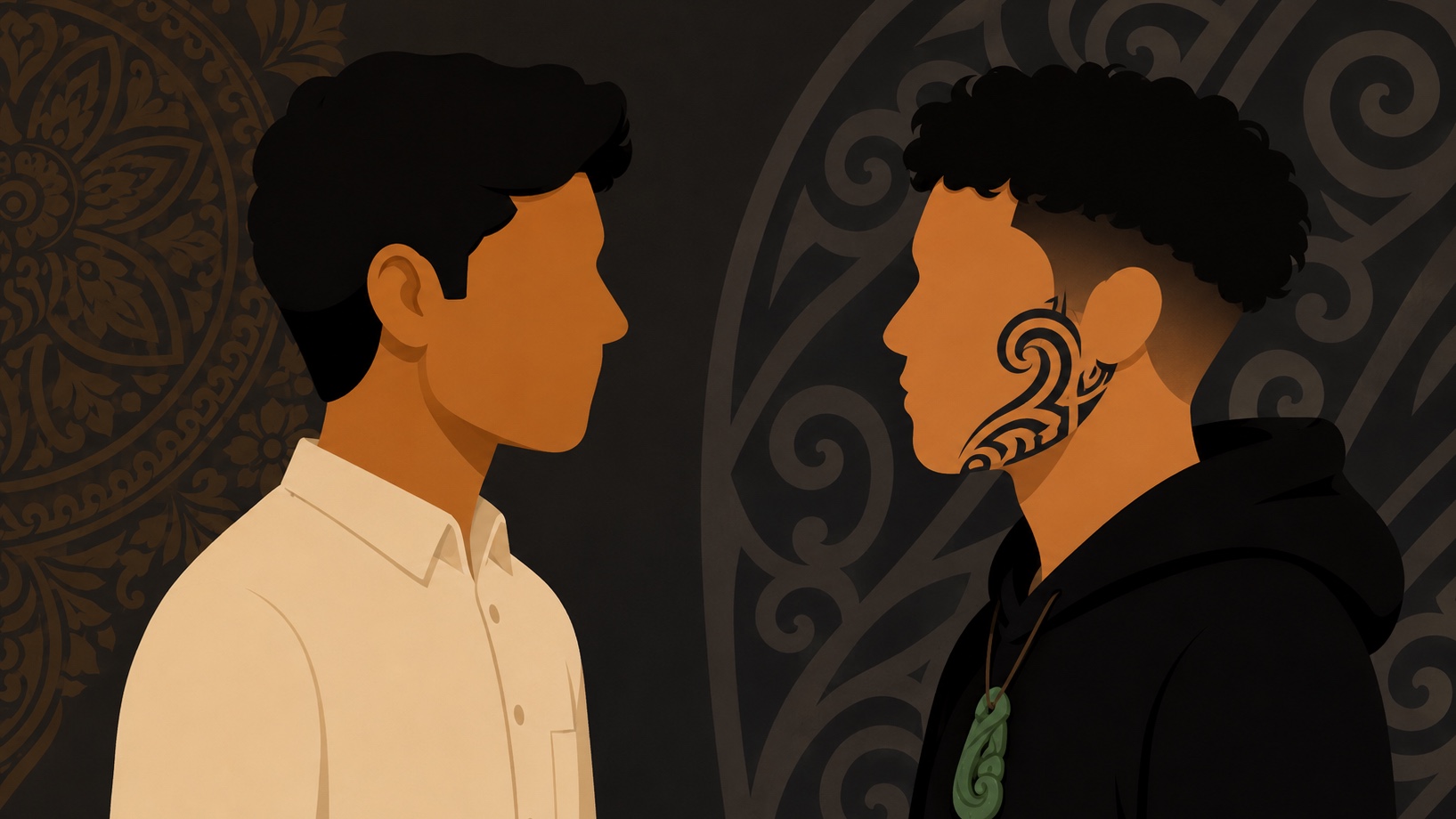

The brown boy from Hawke’s Bay who won’t meet racism with anger
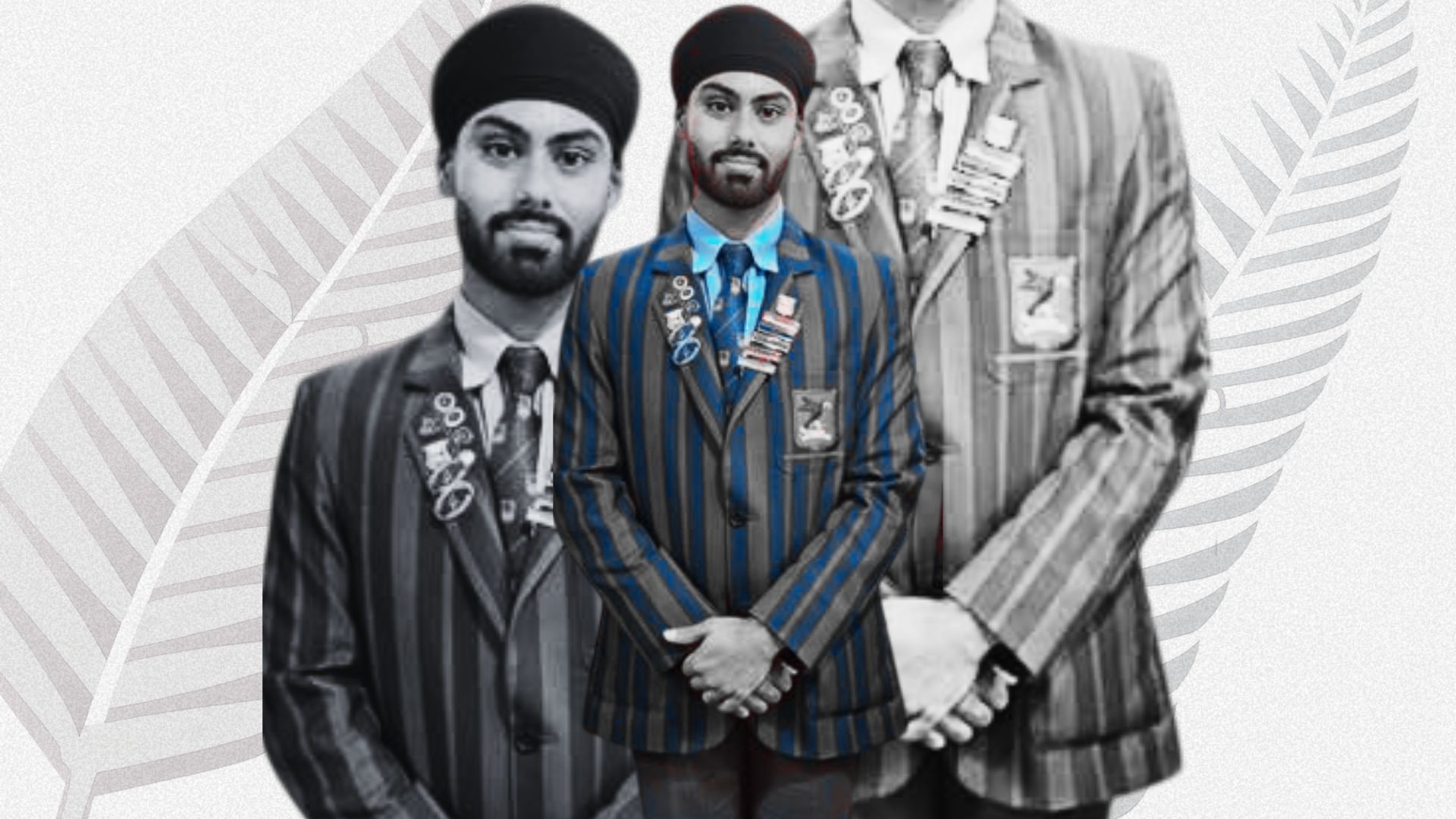
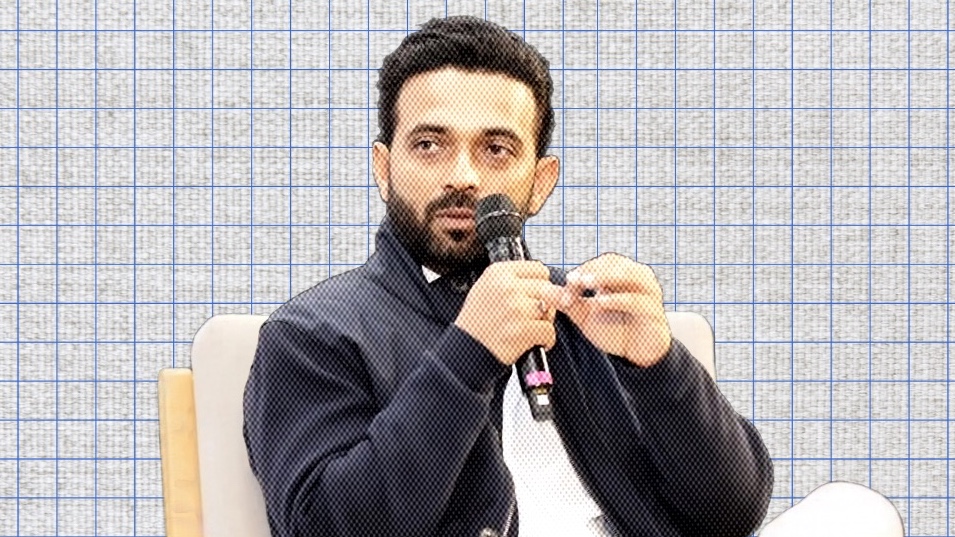
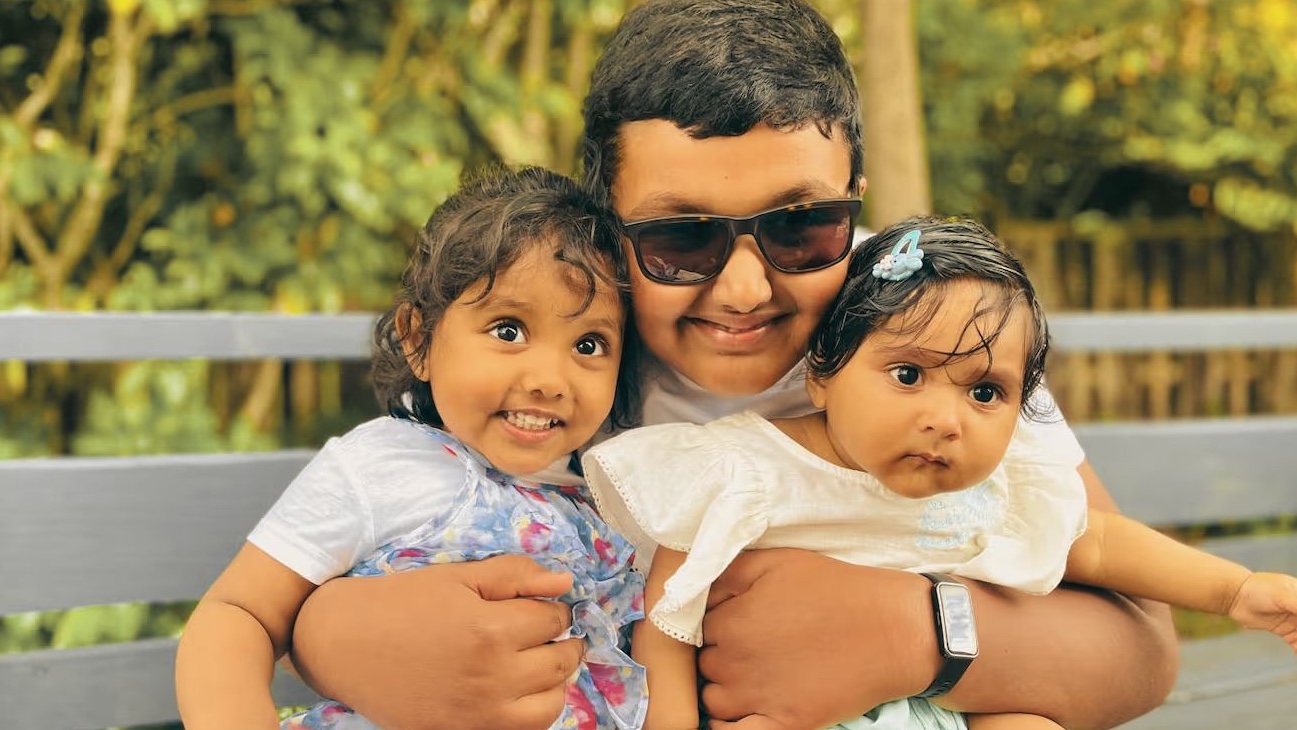
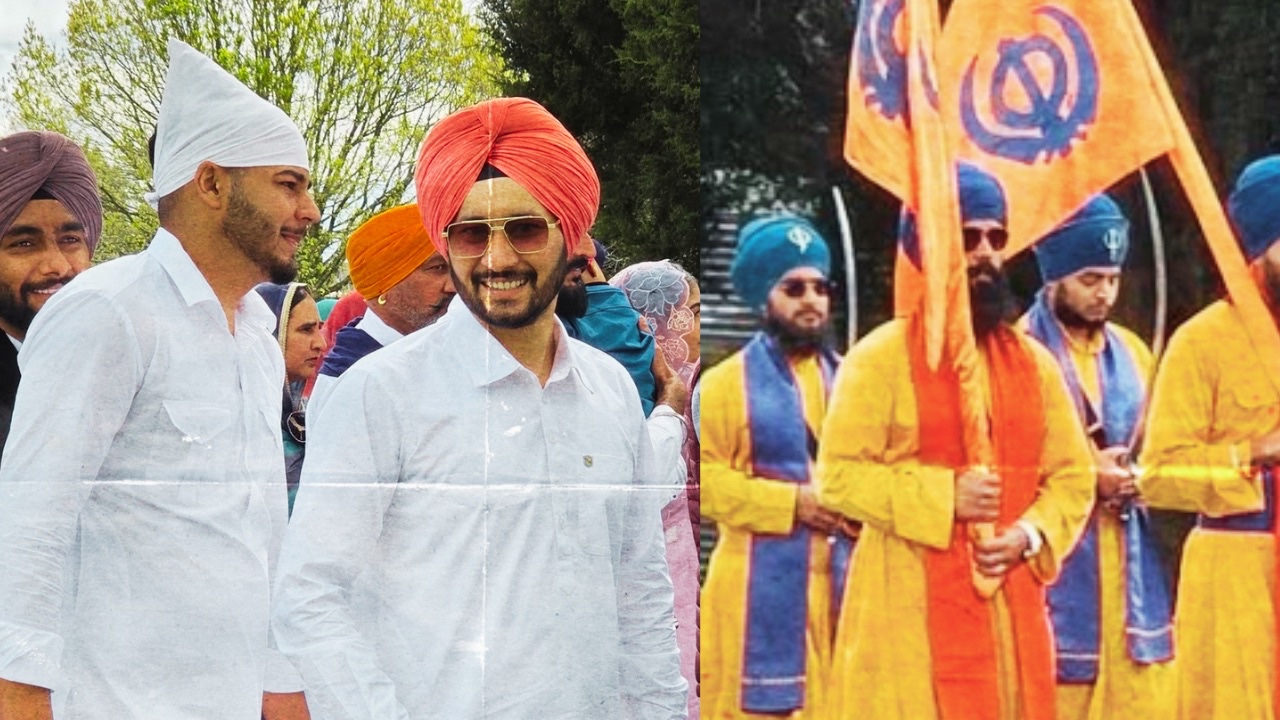
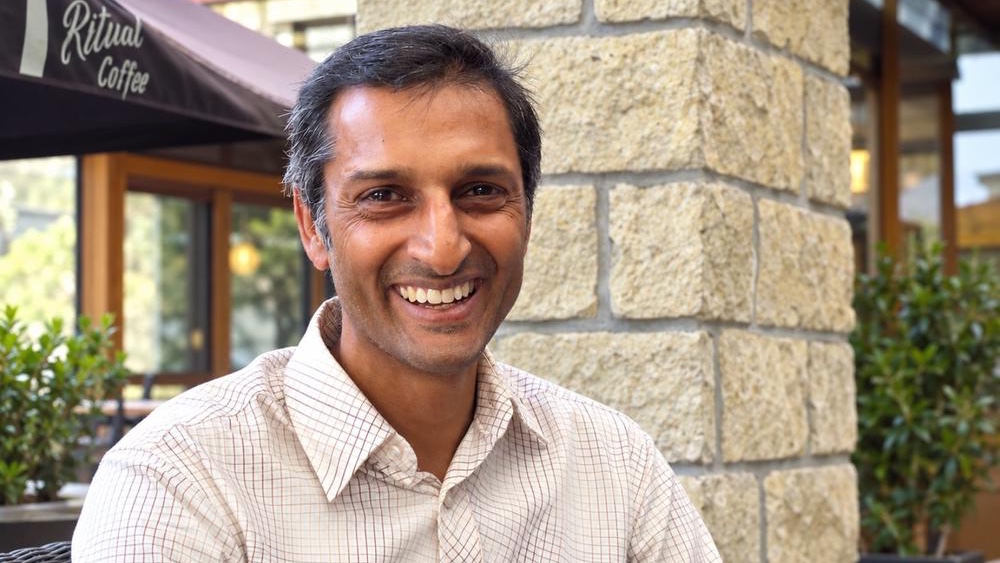
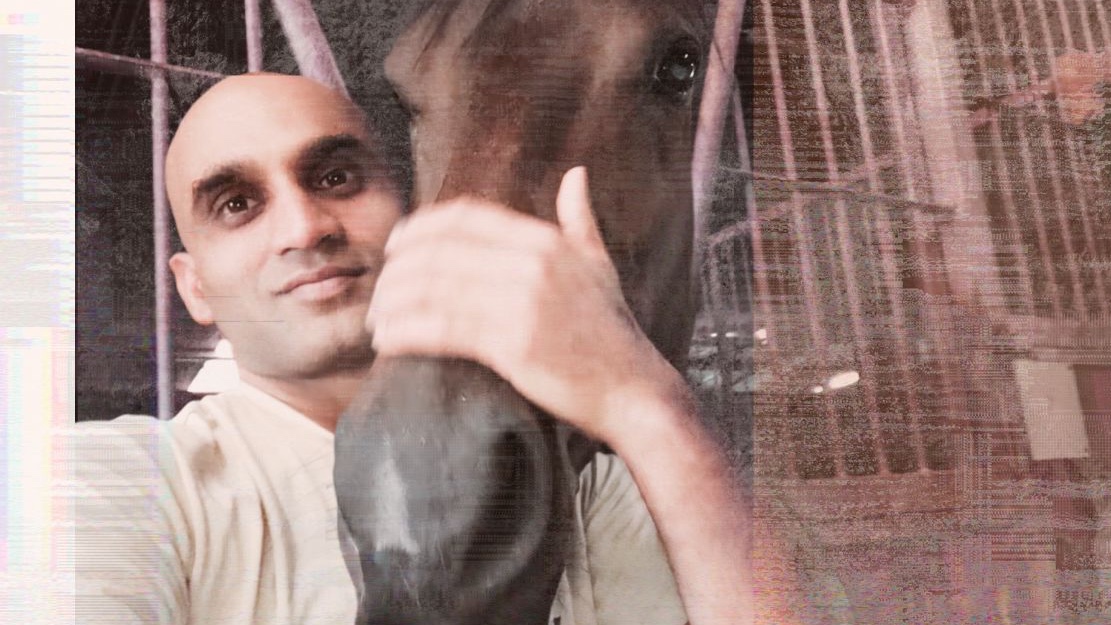
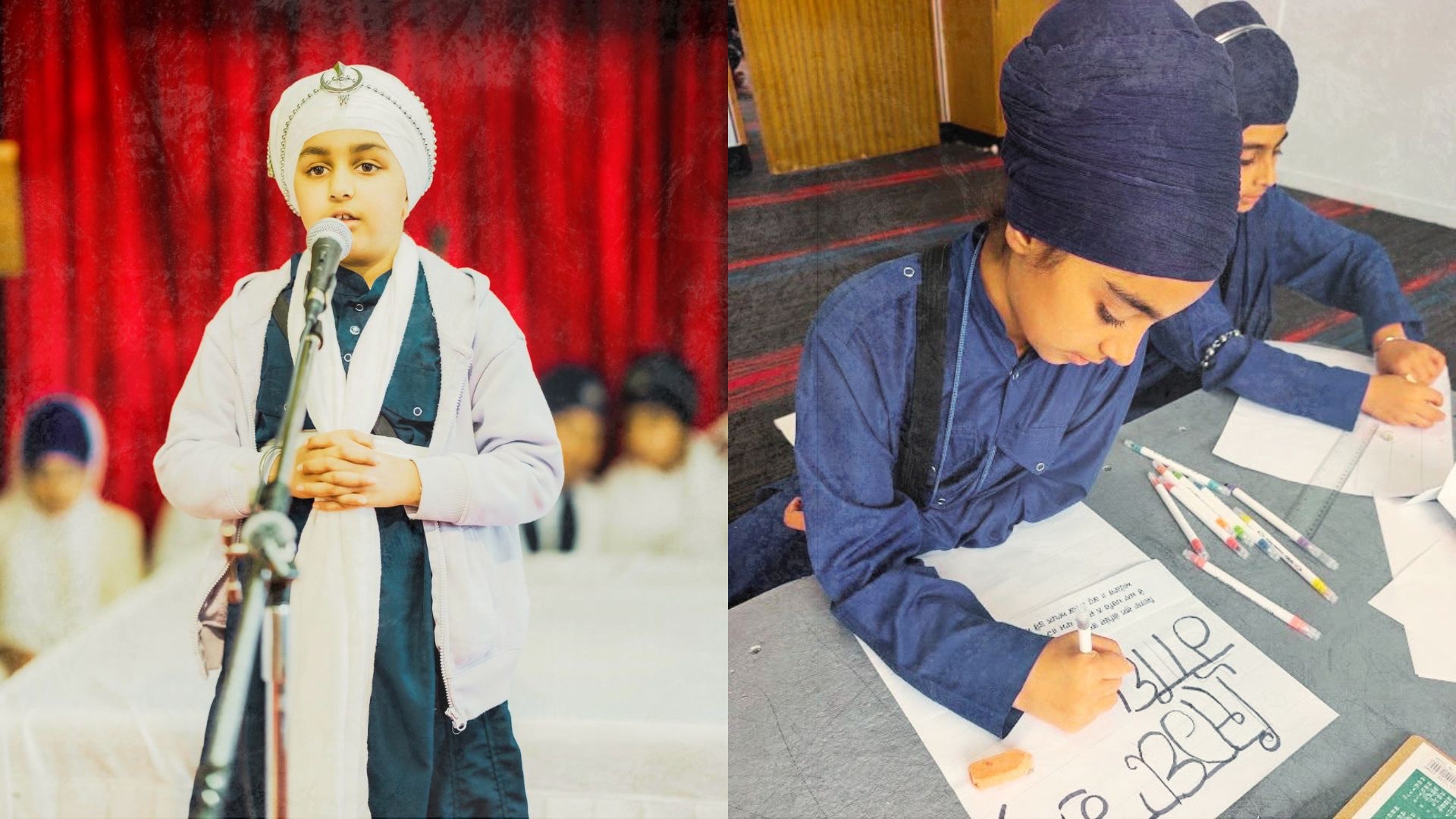
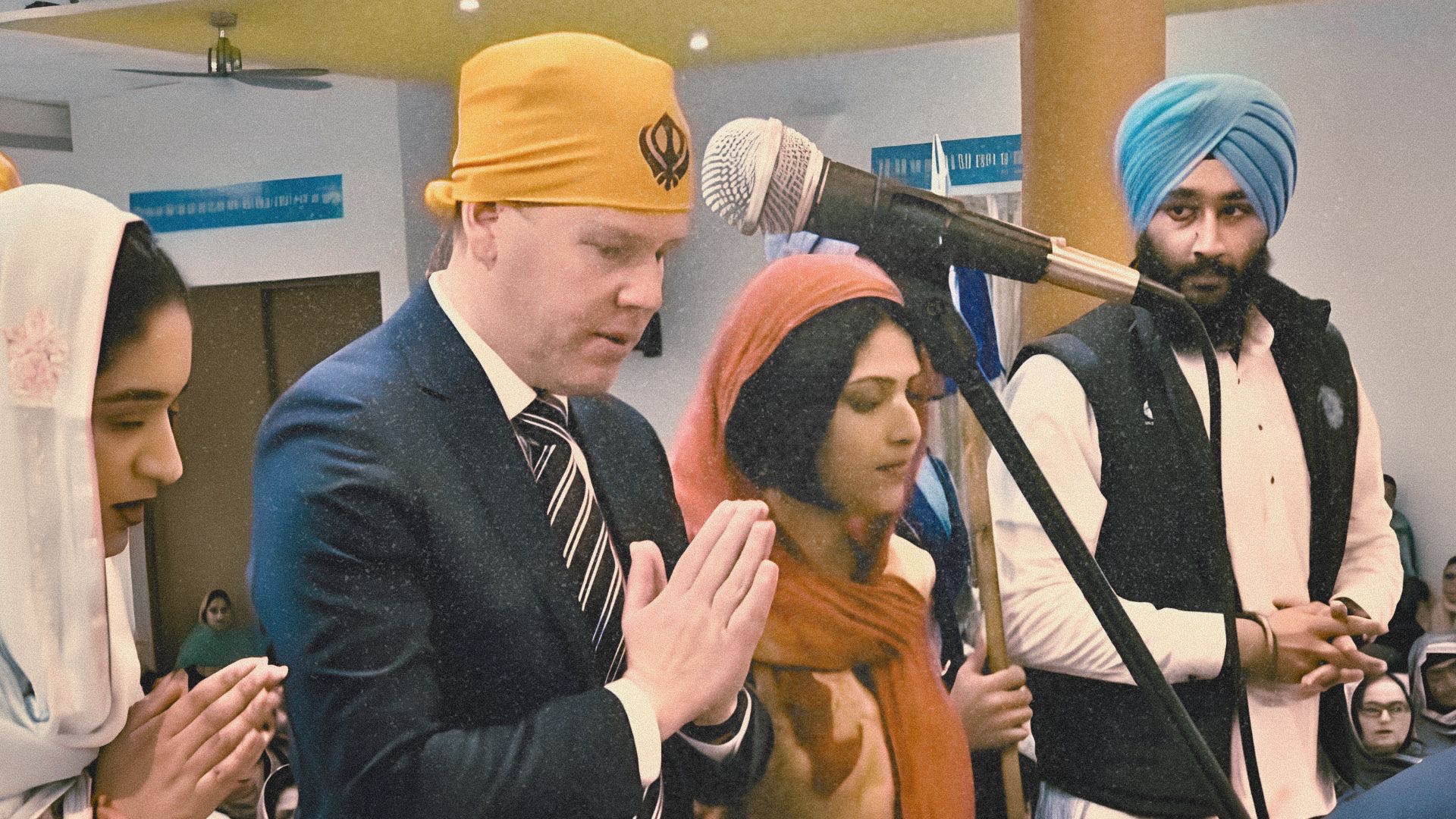
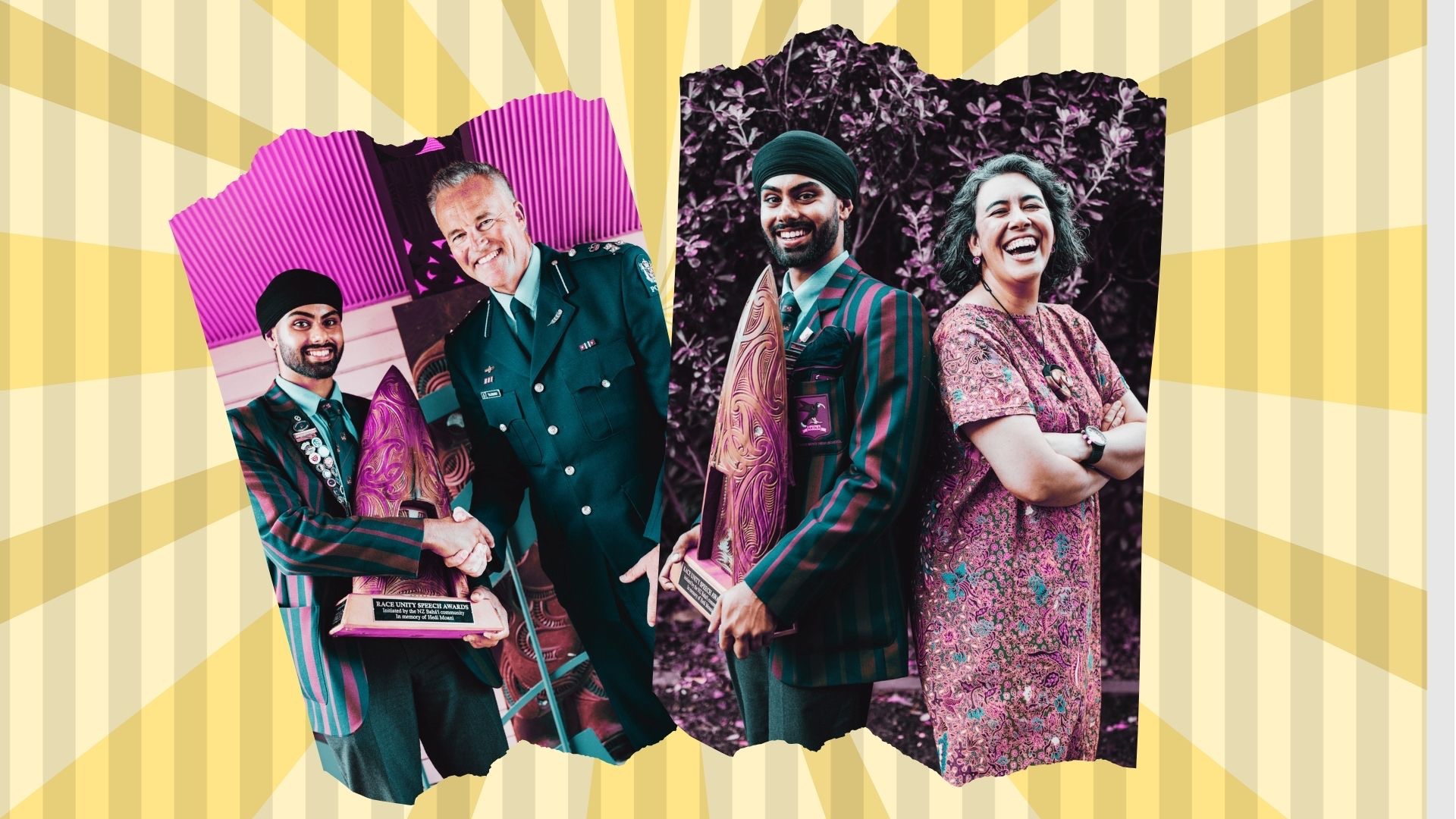
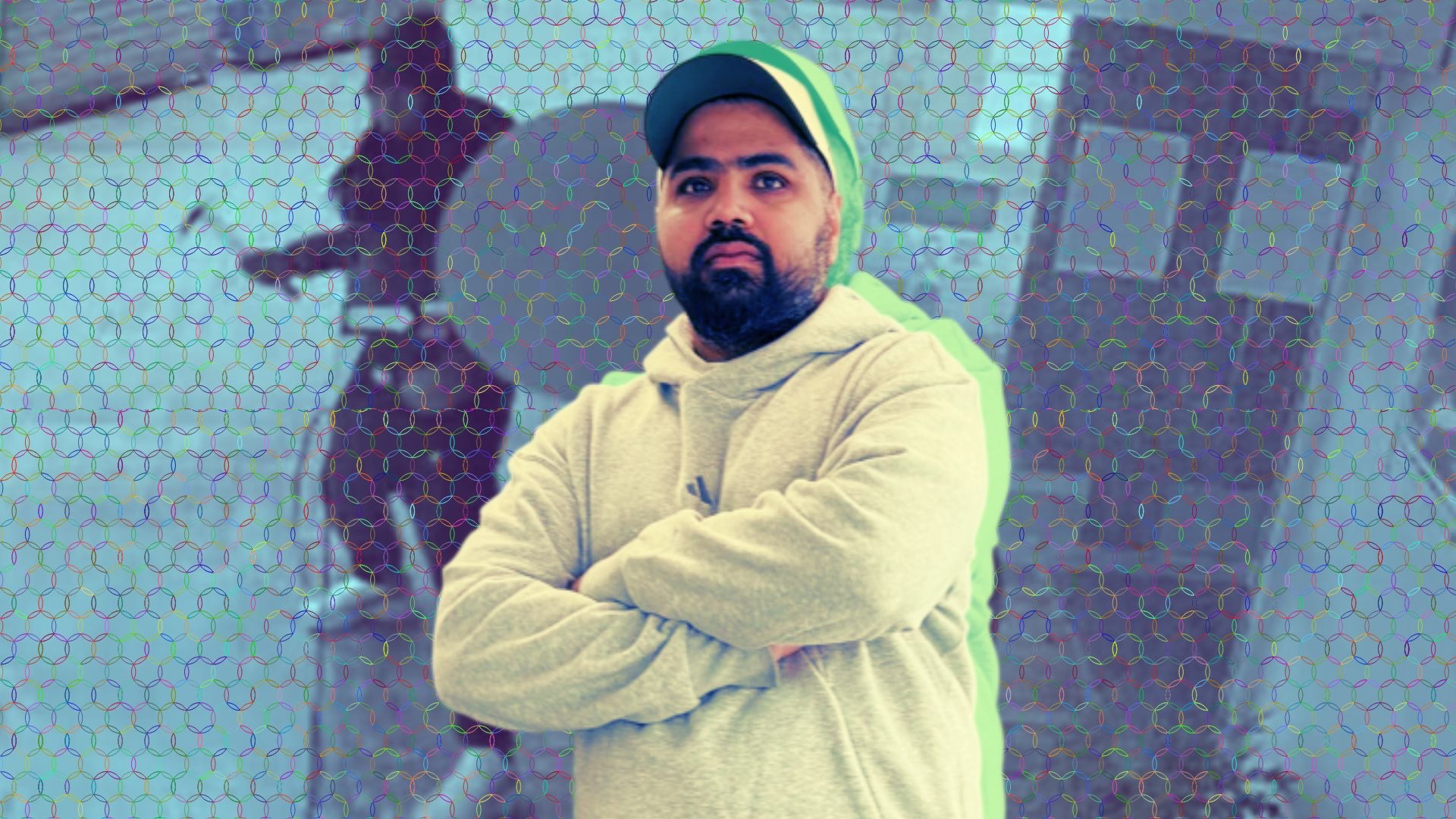
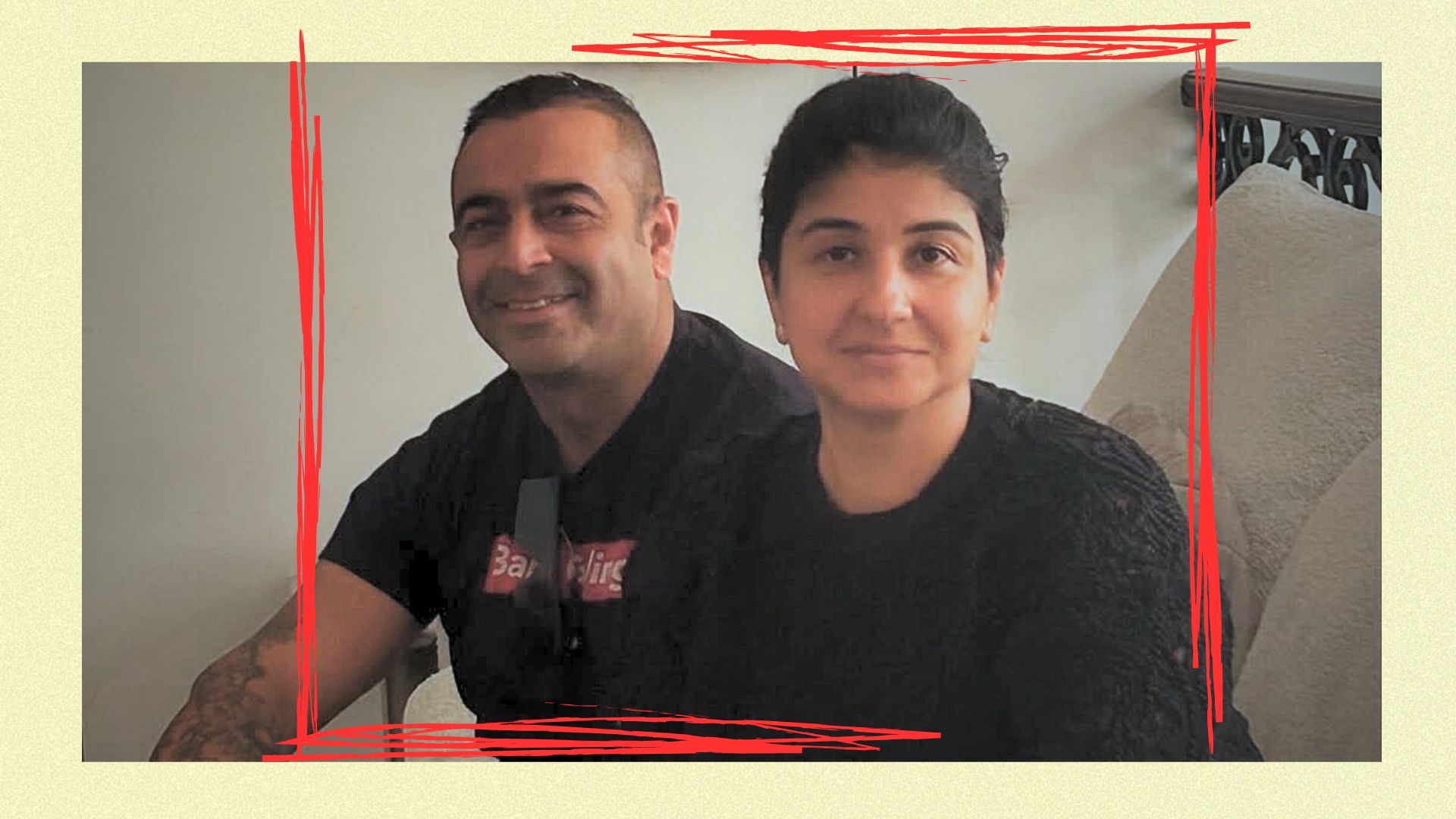
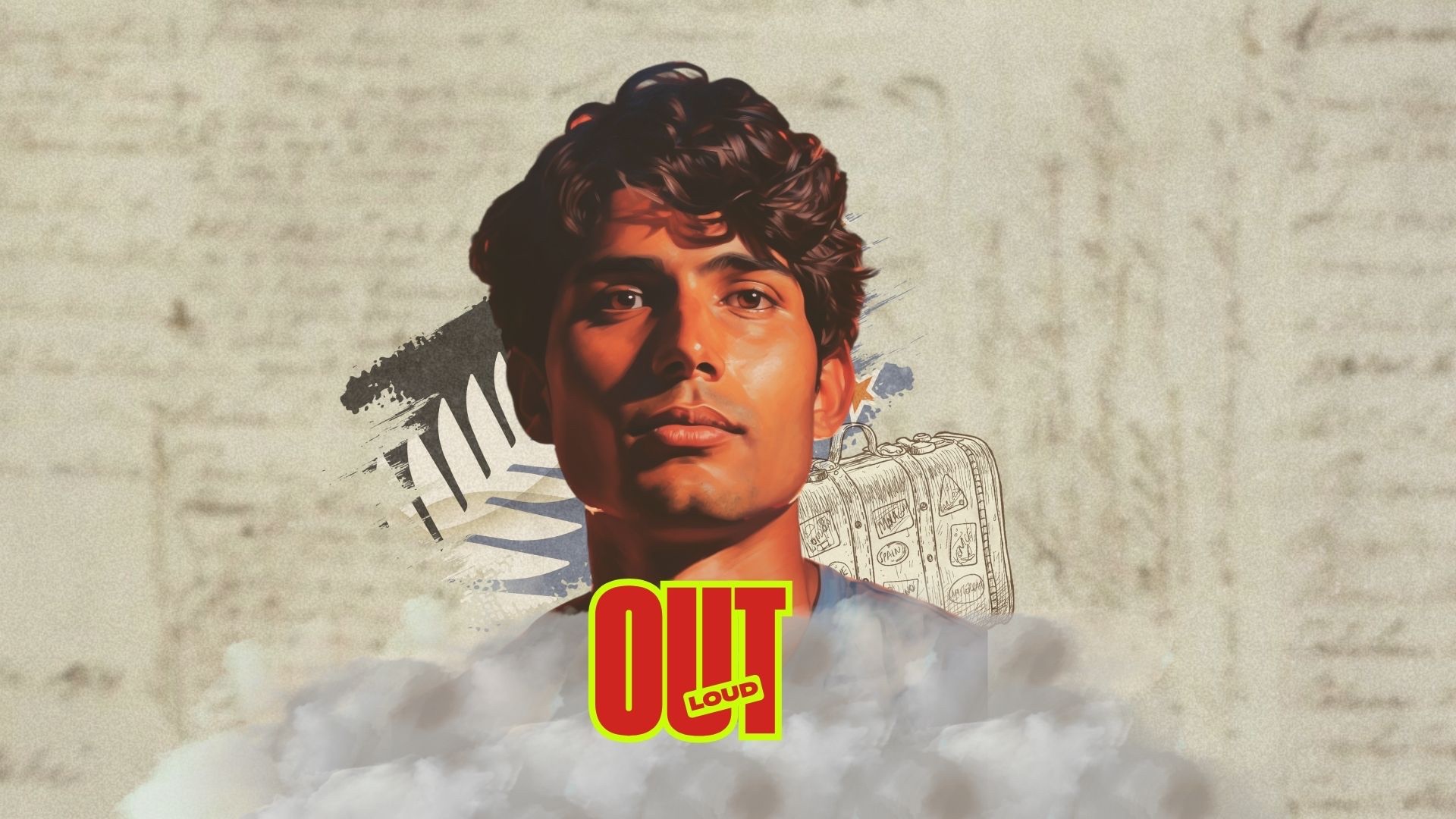
Hawke's Bay teenager Amanjot Singh. (Supplied photo)
"My brown skin and my turban were often the first things people saw."
Amanjot Singh was born and brought up along North Island's eastern coast. He realized early in life that the colour of his skin would travel faster than his voice. Much like how light outpaces sound in the cosmic world.
That left the 18-year-old Sikh boy from Hastings with a choice. How should he respond to prejudice? The story of that dilemma, and how he tackled it, is at the centre of a speech that is winning him accolades.
Singh has won the Race Unity Speech Awards in the Hawke's Bay region with his standup titled 'The Courtroom of Life'. He is one of 21 teenagers from across the country who will now compete in the final rounds in Auckland next month.
The awards are conducted by the New Zealand Bahá’í Community. At least 2,000 secondary school students have participated since the competition began in 2001.
The initiative, which celebrates Race Relations Day on March 21 every year, is supported by New Zealand Police, Human Rights Commission and Ministry for Ethnic Communities among others.
From designing restaurants to running Auckland Diwali: The many lives of Arnav Taode Taode brings his passion for Indian arts and culture to his first year managing BNZ Auckland Diwali 2026.
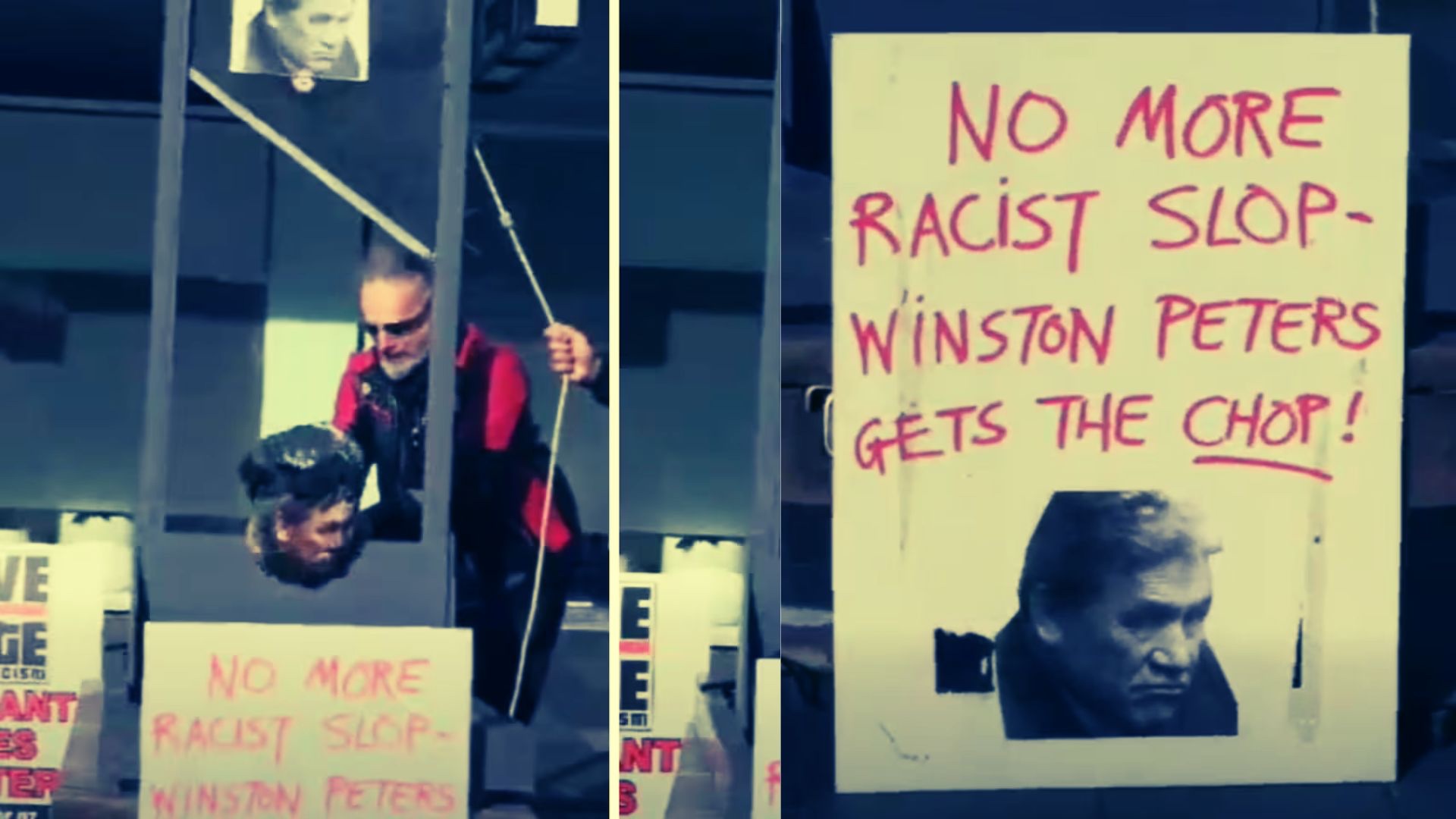
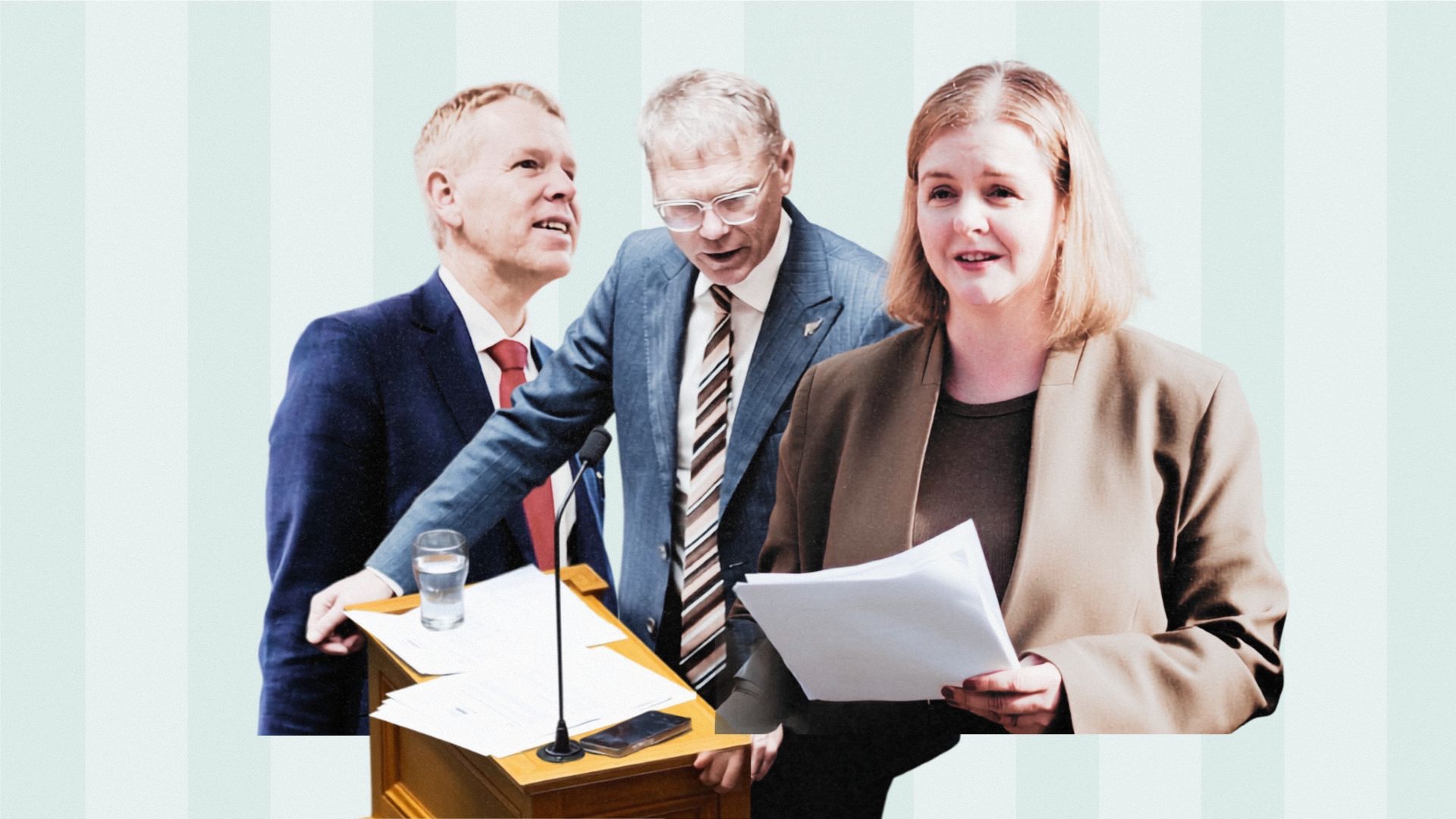
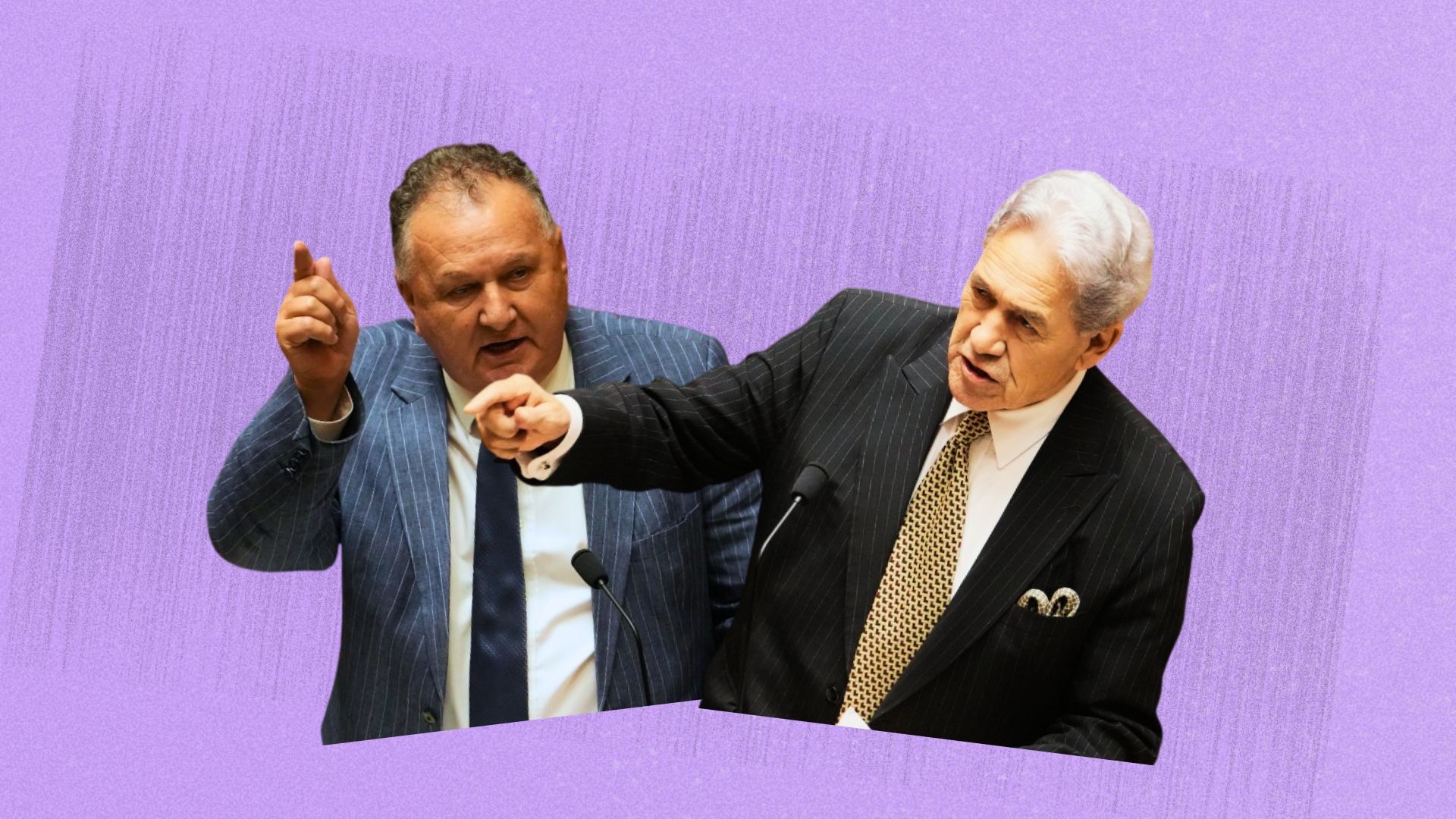
Winston Peters says ‘diversity is disunity’. What does the evidence tell us? Evidence from business, sport and social policy suggests diversity can strengthen economies and cohesion but on one condition.
Baby born in Sri Lanka to New Zealand residents caught in limbo after Down syndrome diagnosis Immigration tribunal orders fresh residence assessment after finding a “serious mistake” by immigration officials.
The topic of this year's contest is listening to understand. "I like to build a speech around a metaphor," Singh tells Awaaz.
"I thought about the difference between lawyers and judges, which led me to the courtroom idea, it also connects really well with the theme 'listening to understand'."
Singh participated last year too, but he didn't win. "My English teacher introduced me to the speech awards and I like to put myself in uncomfortable situations and public speaking was very much outside my comfort zone that time."
Singh says he decided to participated this year again because he really connected with the theme. "I was very passionate about sharing my own ideas on this topic."
We are reproducing Singh's full winning speech with his permission.
The Courtroom of Life
When I was a kid,
My brown skin and my turban were often the first things people saw. Before my voice, before my name,
Sometimes those first impressions turned into words, words that reached me only to remind me that I was different.
When that happened, I would go quiet. And sometimes, somewhere inside myself, I still wonder:
Why didn’t I stand up to racism? Why didn’t I free myself from the shackles of my skin, rid myself of the burden I was born with? The burden of my colour.
Some days, I didn't have it in me to fight. Some days I’d rather just be human than a hero.
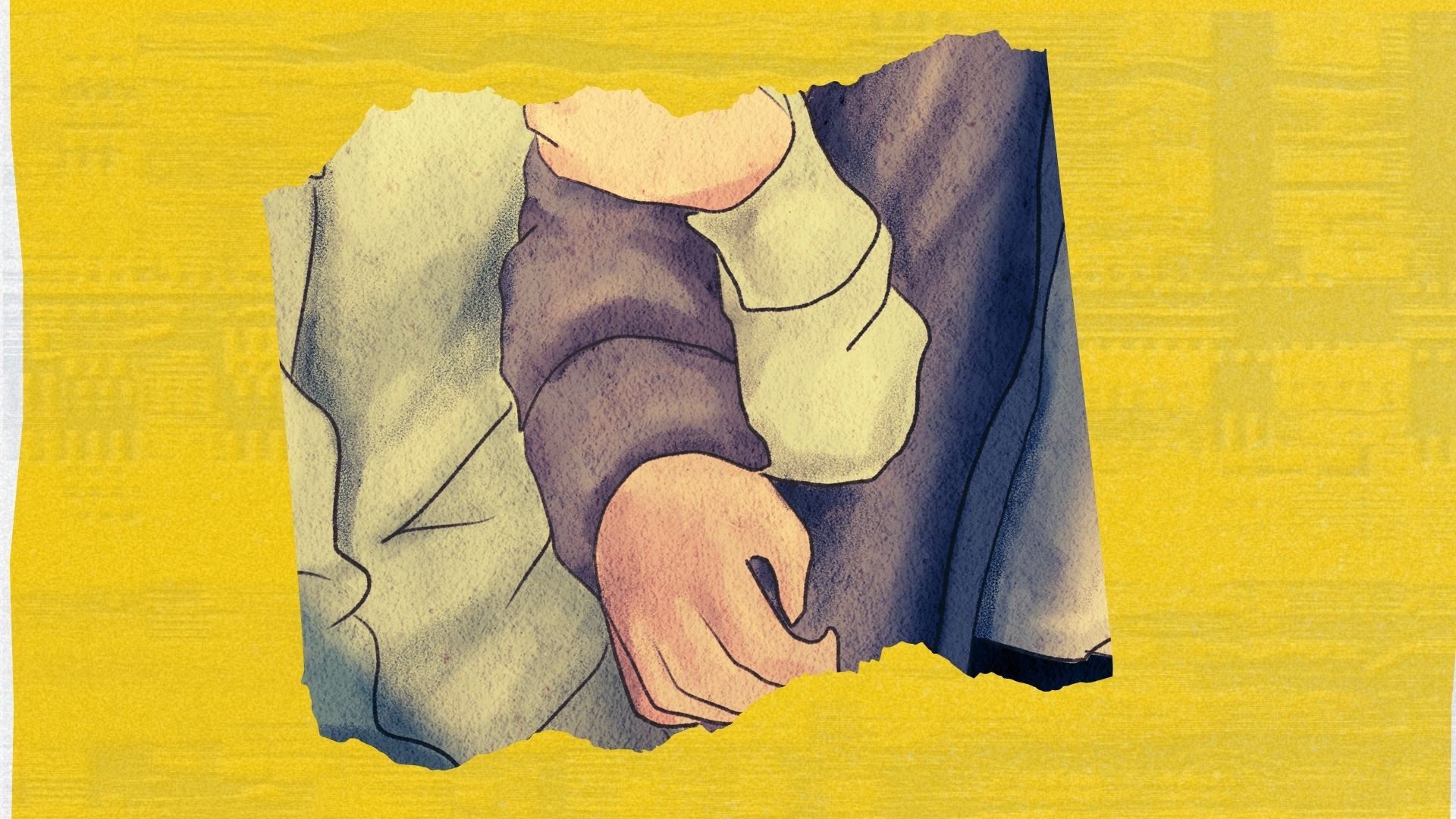
So as a kid, I learned to turn these closed hands into promises, swallow these fists of anger back into the silence from which they were born.
And from that silence,I chose to use love as my weapon.
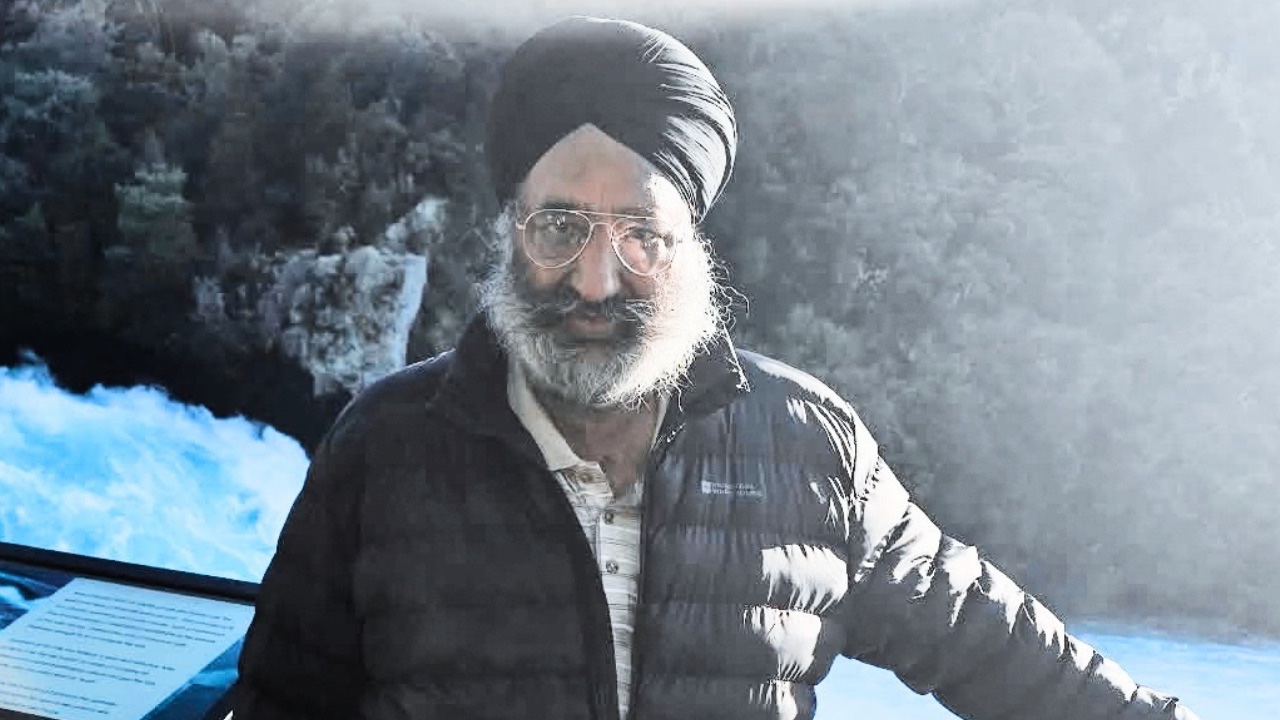
My father taught me about love he inspires me.
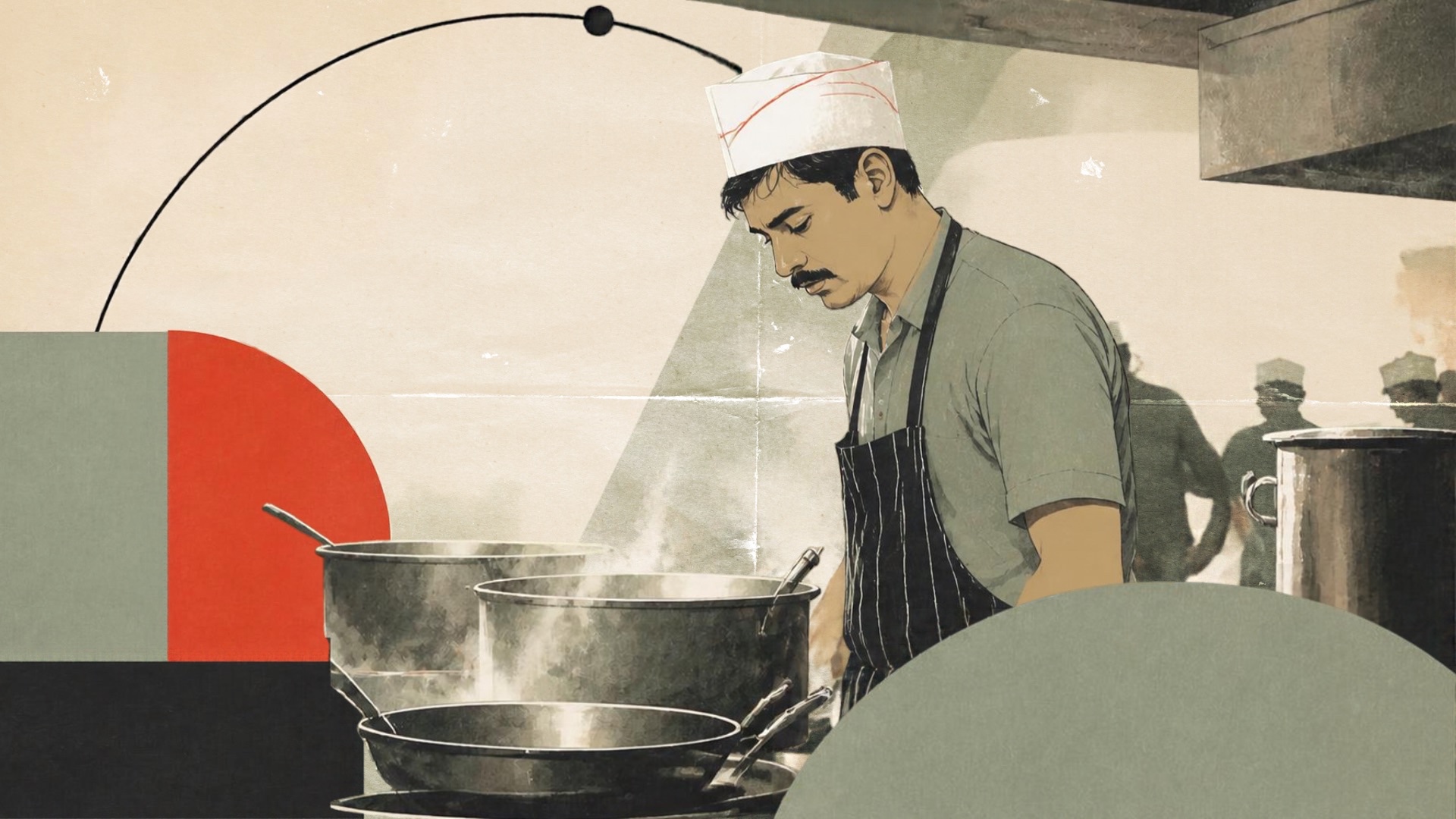
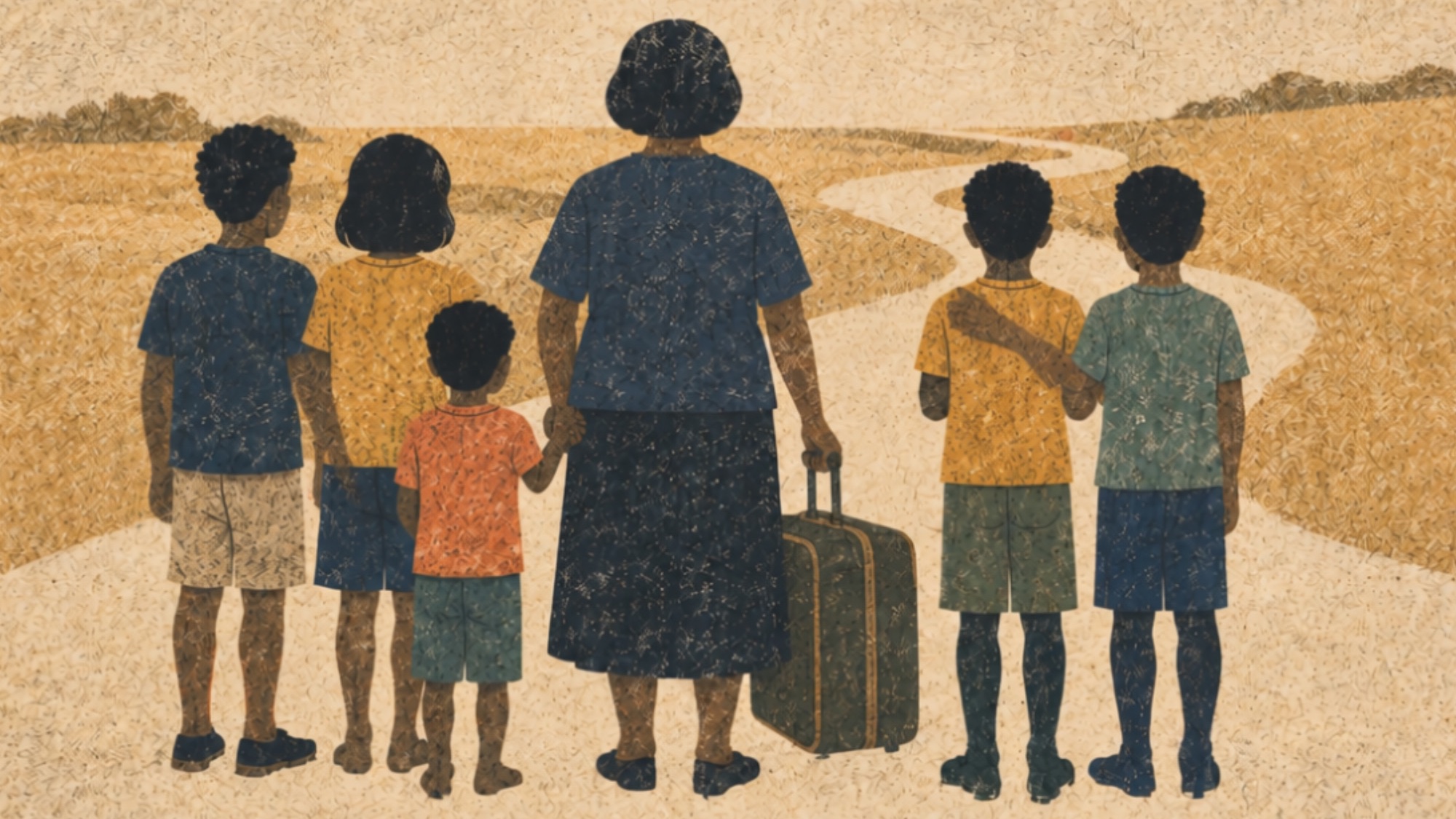
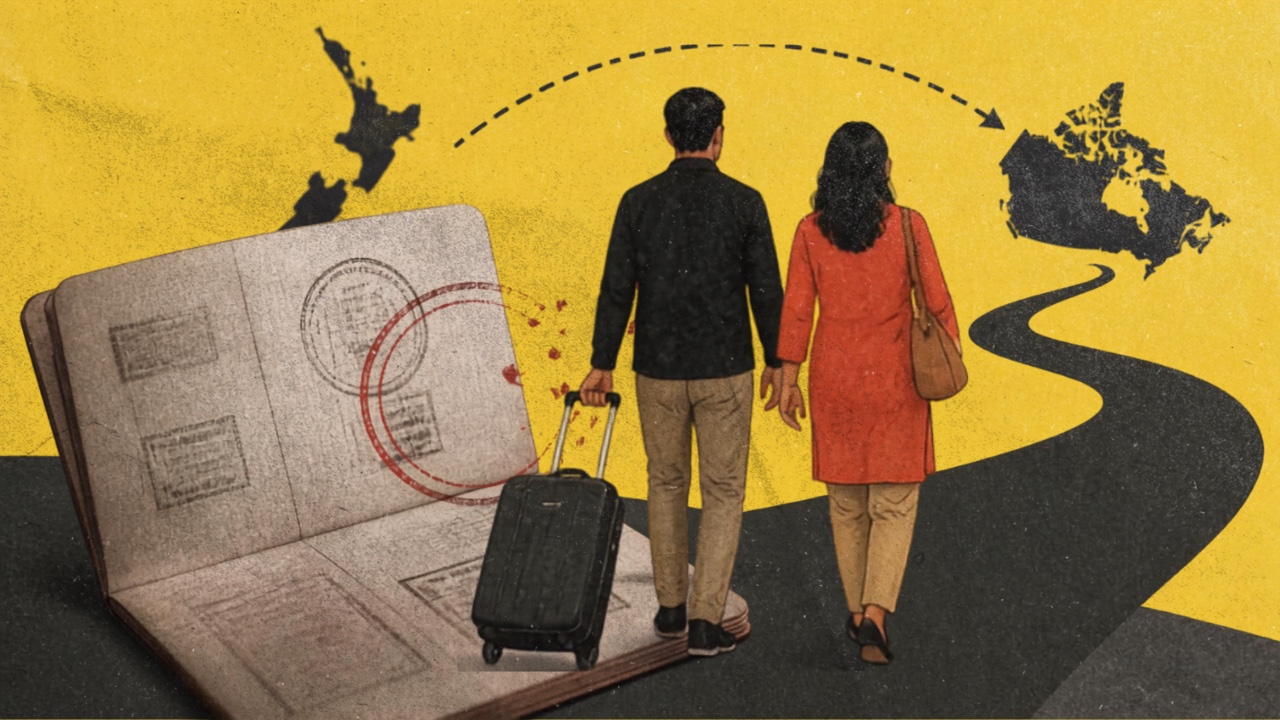
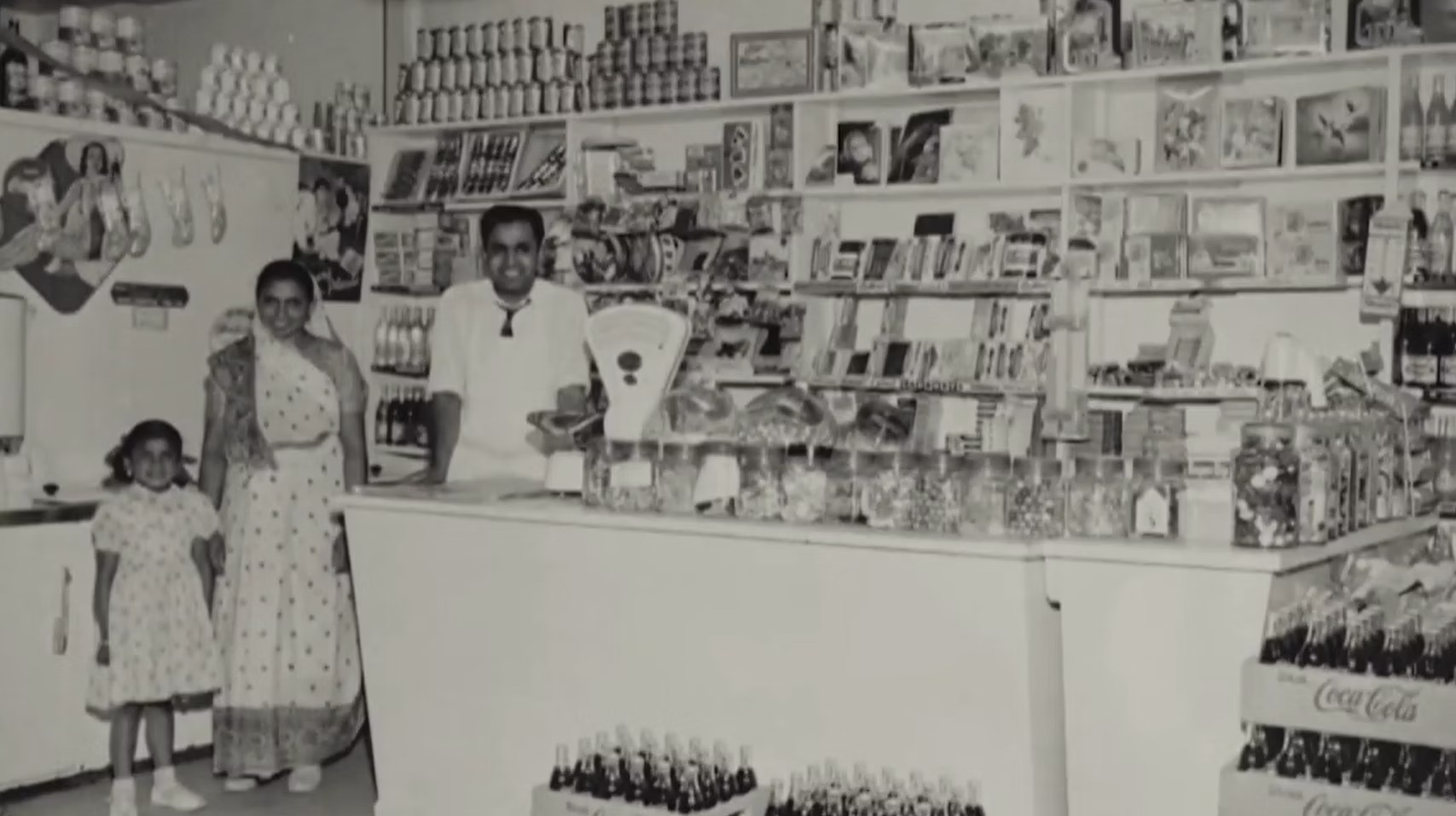
He came to New Zealand carrying more than a suitcase. A history, a culture, and a desire for a better life.
When he arrived, he met stares, silence, even words that tried to make him smaller but he never let them.
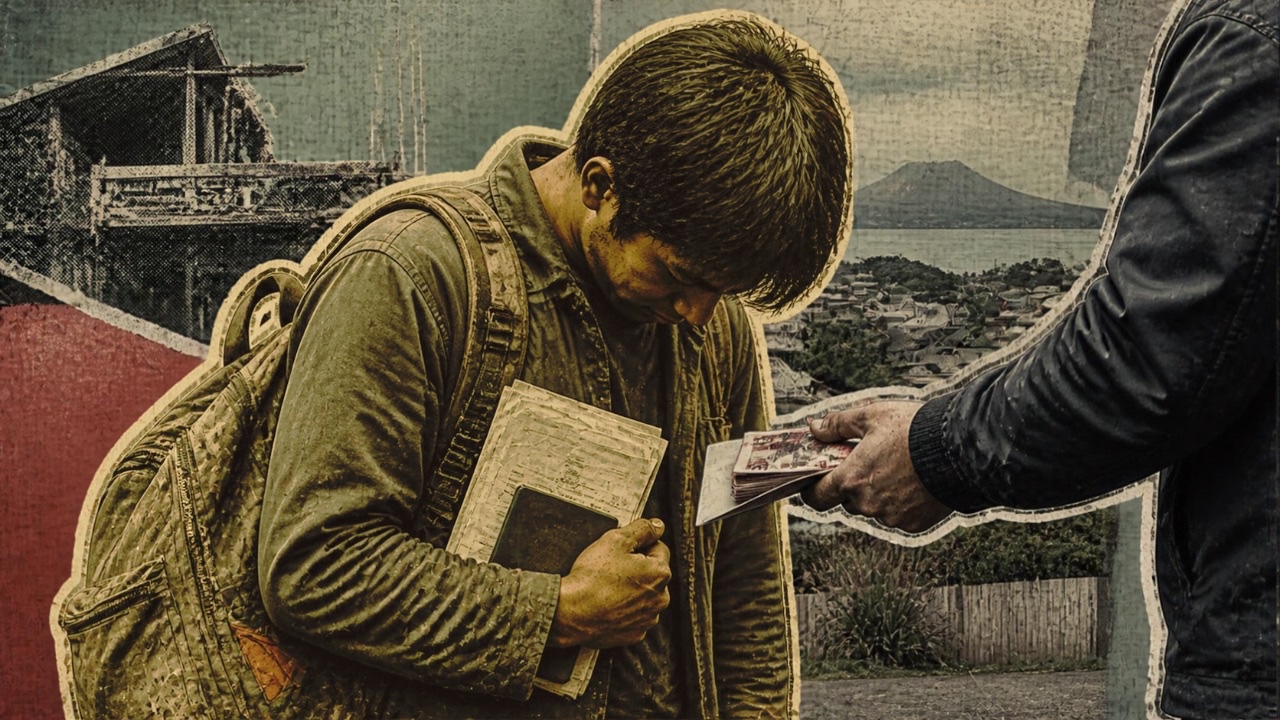
And when I would tell my father, That when I go to school, hands reach out not in respect, but in disrespectful curiosity to touch my turban. He would remind me,
Son, they can put a hand on your history, but they can never touch your soul.
So I stand here the same way he did 26 years ago when he arrived to Aotearoa, unmoved, unphased and unbroken, wearing proudly both my past and my pride
My father, he speaks in the language of resilience, tongue heavy with sacrifice, yet light enough to carry the weight of me to a future he never had.
Through his tired limbs of labour’s weight, he stitched wings from worn-out dreams. My dad taught me to fly. Taught me to listen and accept.
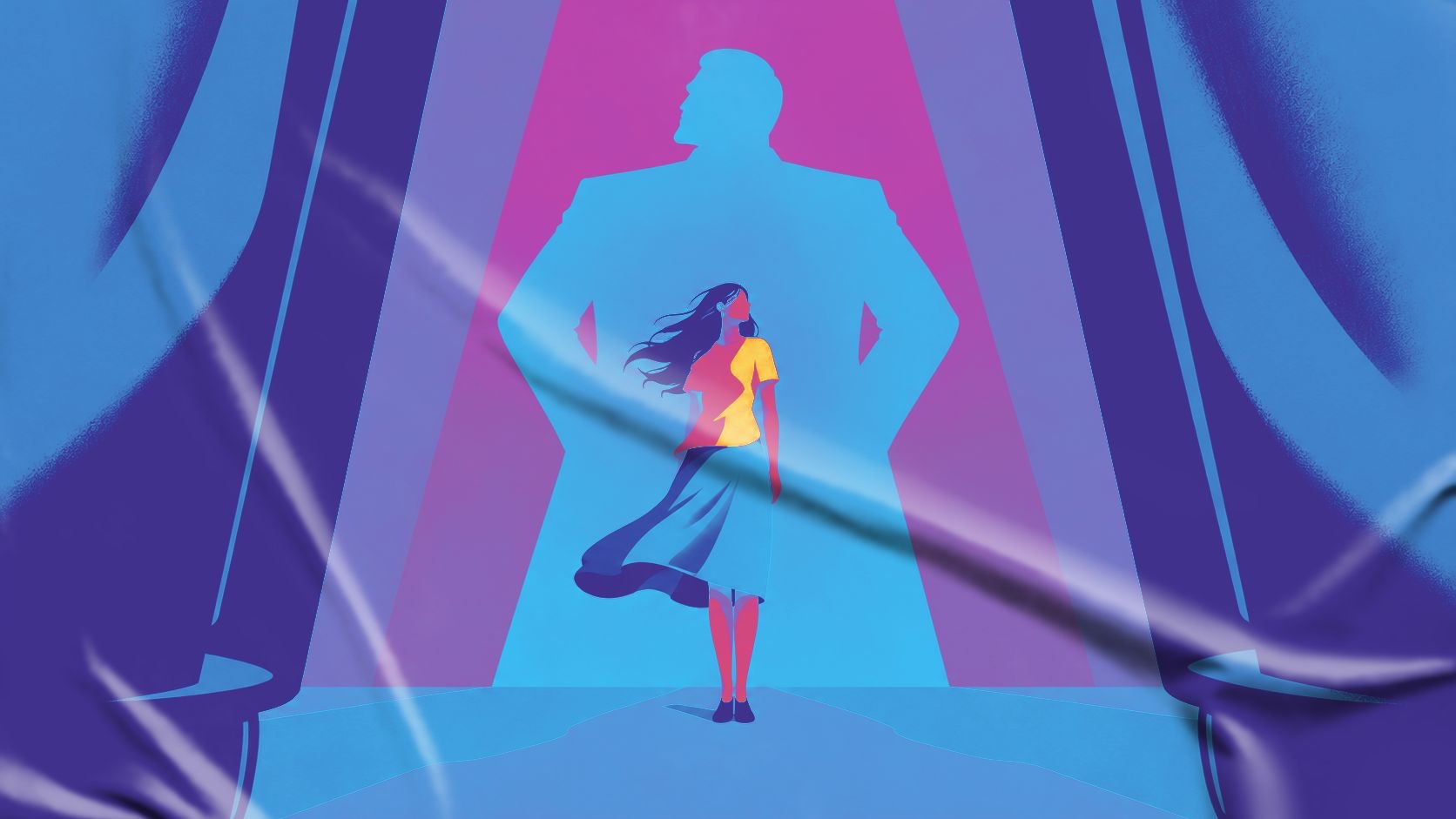
But outside of that love, the world can feel much different. Like a courtroom.
In a courtroom two witnesses can watch the same event and tell two different stories. And in life, two people can meet the same person, and have two different impressions of them. So how do we know who is right, who is wrong? How do we know, that we ourselves are not seeing this world through the cracks of our own biases and assumptions?
In this courtroom of life, we don’t listen to others. We listen instead to the version of them we’ve built of them, from a first glance. And the problem is, when we do this, we replace people with our expectation of them.
In the courtroom of life, the most powerful moment isn’t when someone speaks. It’s when someone feels heard. In our society, too many people are unheard or dismissed, they feel isolated, because their stories are constantly filtered through stereotypes. A 2021 Ministry of Health survey found, that the most common form of racism in Aotearoa is verbal racism, words spoken, before anyone takes the time to listen.
That is a challenge of diversity and isolation in Aotearoa today. I myself used to mistake assimilation for belonging, thinking the price of being let in was letting go of parts of myself, smoothing my edges until I fit a shape the world found less threatening, less different. Whakarongo Kia Mārama, listening to understand, changes everything. When we listen to not respond, we begin to see beyond stereotypes. We hear the person behind the label, and by doing this, we break down the barriers that create isolation, replacing them with genuine connection.
There is a powerful difference between listening to rebut and listening to understand. So let me show you what I mean. Close your eyes for a moment. Imagine a taxi driver. A fast-food worker. Someone stacking shelves late at night. Now ask yourself: Who did you see? Because I never described a face. And yet, most of us saw colour. How do we confront racism if we don’t even recognise it in ourselves?
For that answer, we can look again at the courtroom. The problem in society is that too many of us listen like lawyers. Listen waiting for our turn to challenge, waiting for flaws, waiting to step in and defend what we already believe. What we think we know. That’s listening to rebut. Not listening to understand. Instead of listening like lawyers, we must all listen like judges. Judges are trained to recognise their own bias, to set aside assumptions, to remove personal filters before reaching a verdict. That's listening to understand. In a courtroom, if a judge was to decide the verdict before hearing the evidence, the trial becomes meaningless. And in real life, if I’ve already decided who you are before you even speak, then my listening is just a performance. A waste. Of time.
Diversity alone does not create racial harmony. You can place a hundred different voices in the same room and have no understanding. Racial harmony is not built by pretending we are the same. It’s built when we take responsibility for the assumptions we all carry.
Prejudice survives when stereotypes go unchallenged. Challenging stereotypes means questioning the stories we’ve been taught about others. As Martin Luther King Jr once said: “Darkness cannot drive out darkness; only light can do that. Hate cannot drive out hate; only love can do that.” And perhaps one of the simplest ways we bring light to this world is by learning to truly listen.
One way we can do this is through a youth-led national initiative: a digital platform where students share their whakapapa and teach others about their culture. By learning about each other, we break down stereotypes, and replace ignorance with empathy. In schools, cultural understanding should be active, through workshops led by young people, for young people. Importantly, when youth lead the conversation, we don’t just talk about unity, we create a national dialogue that builds racial harmony through knowledge and understanding.
Listening alone is not enough. A courtroom without a verdict changes nothing. The action that must follow listening is change. If I was to listen to your story and nothing about me changed, my understanding, my perspective, then I just listened, I never understood. Listening to understand will always leave evidence behind.
And what does this evidence look like? It looks like challenging a stereotype instead of choosing silence, learning to say someone’s name correctly, or standing behind someone, when they’re made to feel different.
In the courtroom of life, after every voice has been heard and every story has been told, a verdict must be made. But no trial is perfect. And often, the trial reveals less about the person on the stand, and more about the integrity of the one listening.
Life is no different.
Every day, in the quiet courtrooms of our conversations, we form our own verdicts, sometimes before a word is even spoken. ਗੱਲ ਸੁਣ ਕੇ ਹੀ ਗੱਲ ਸਮਝ ਆਉਦੀਂ ਹੈ Only by truly listening can a message Truly be understood.
When I was young my skin was my burden, now its my blessing. I’ve come to realise, the true burden we all carry is also a blessing: Learning to listen beyond what we see. Because in the courtroom of life, every assumption is a verdict, and a verdict once delivered is hard to overturn.
That’s why our listening carriers responsibility. Whakarongo kia mārama, listen to understand, doesn’t end with judgment, it begins with responsibility.
A shared responsibility, we all have to pause, before we decide. Listen before we judge, Not to respond. Not to defend. But to truly understand.