
Why is everyone losing it over a citizenship test?

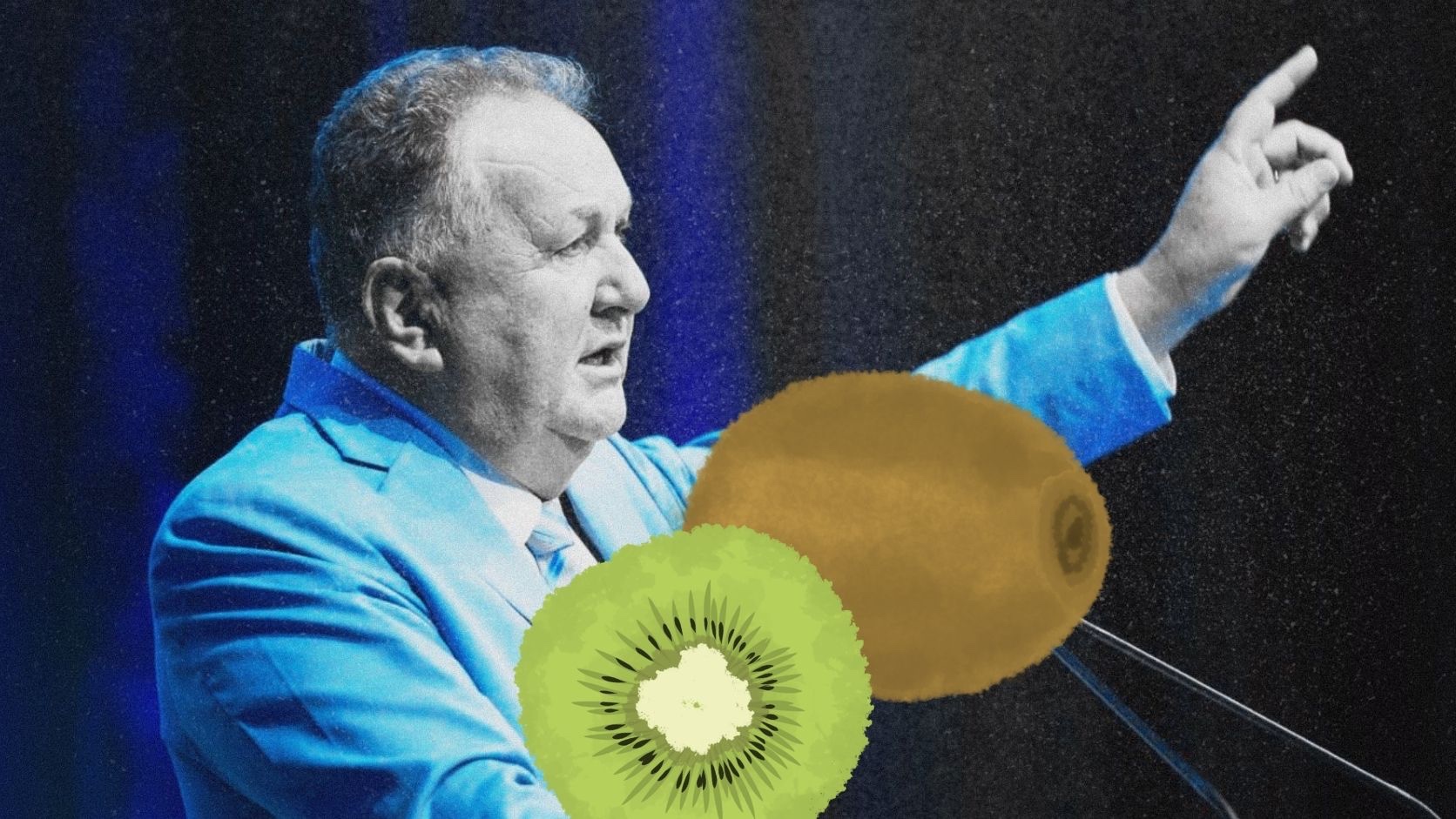
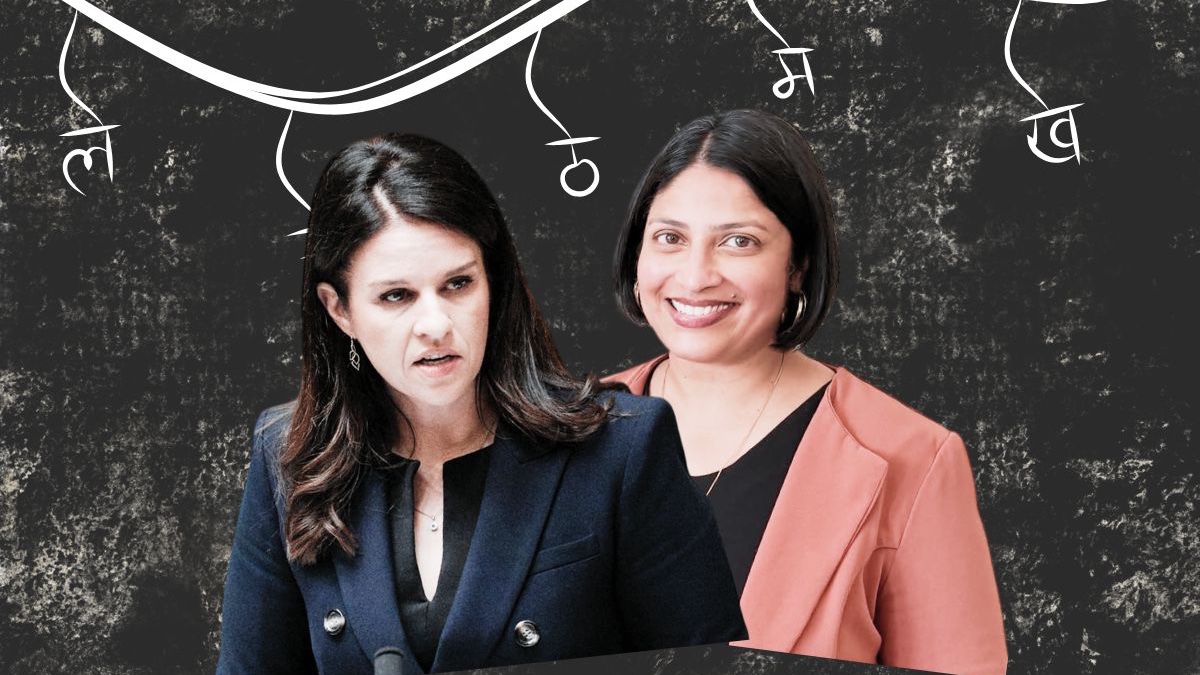
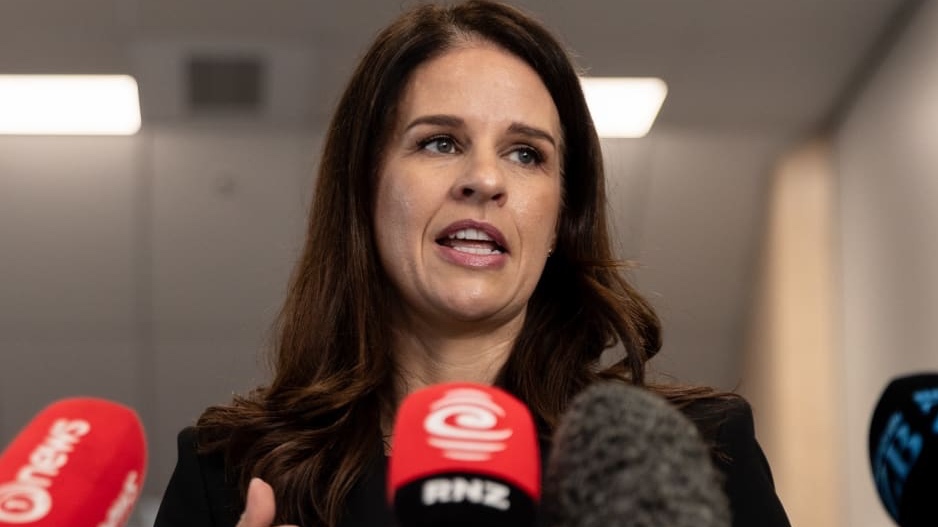
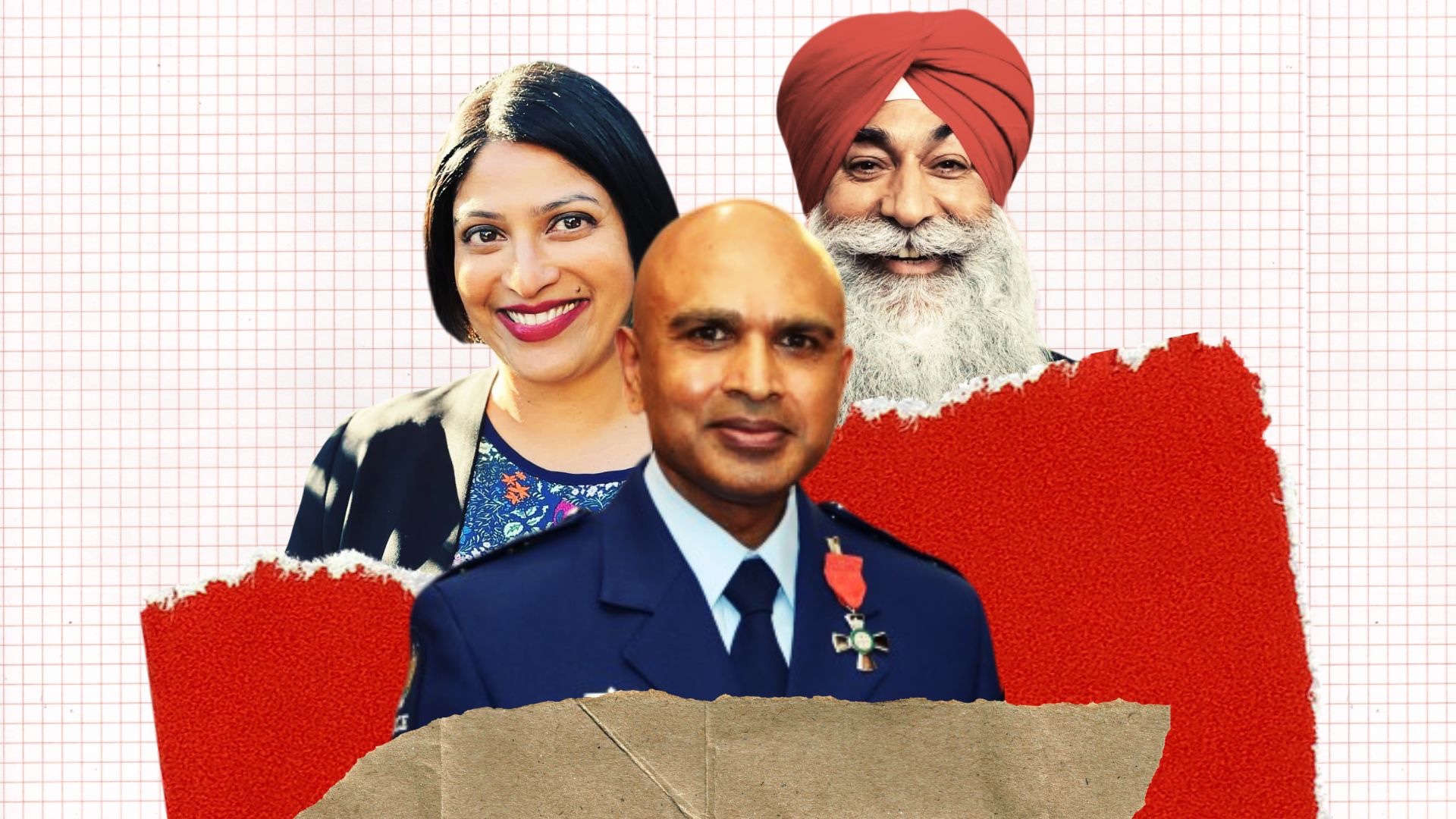
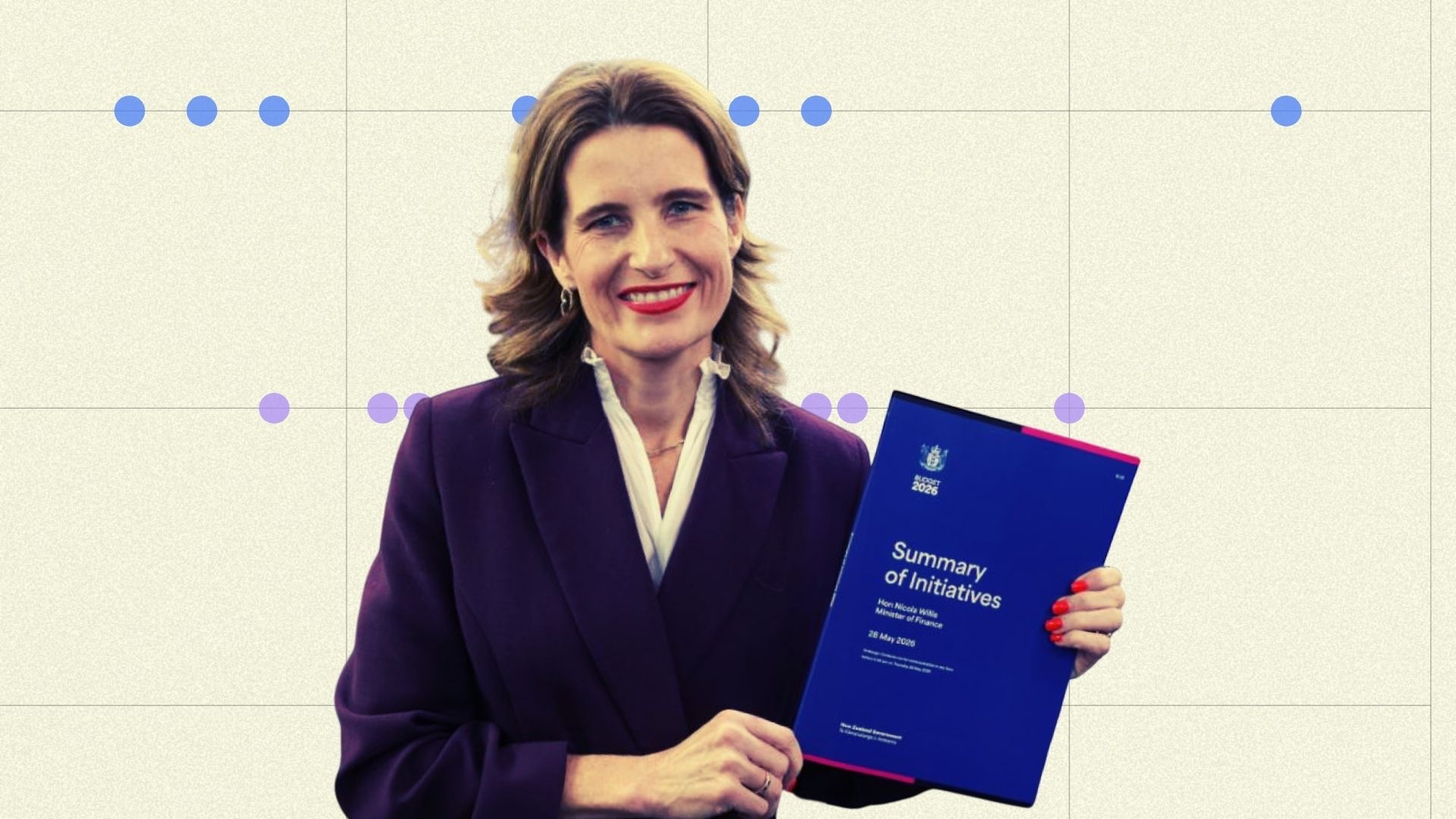
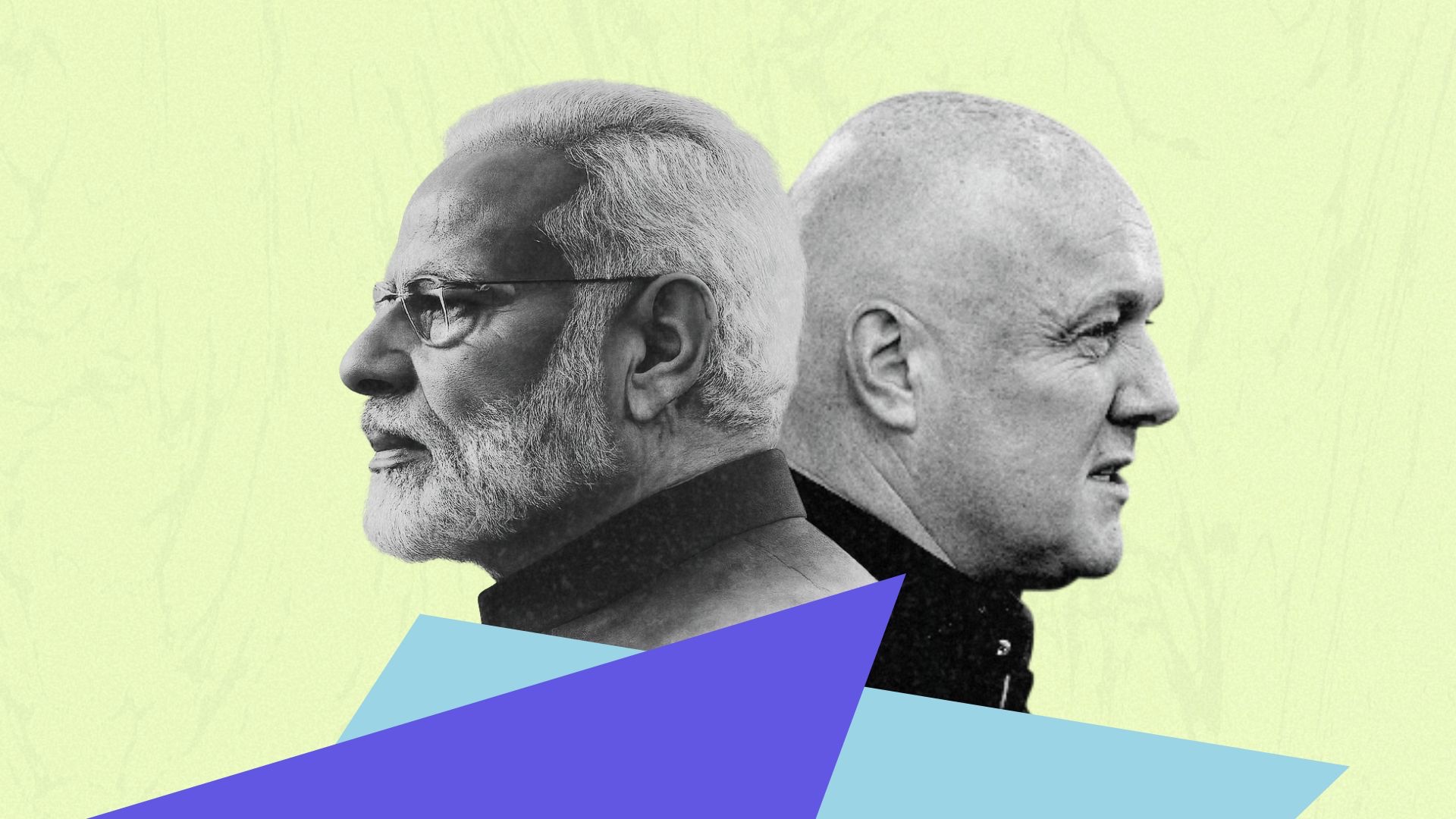
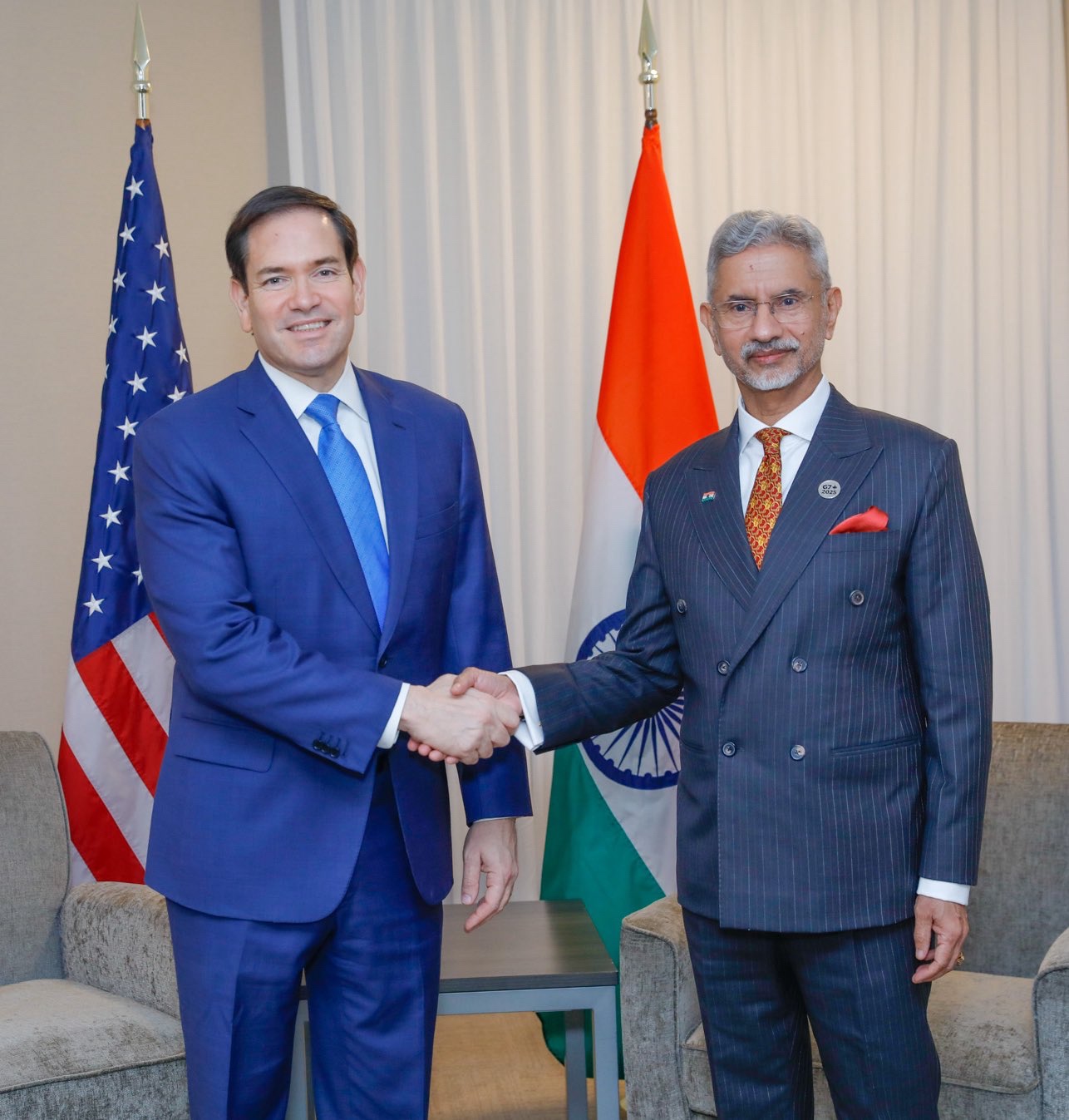
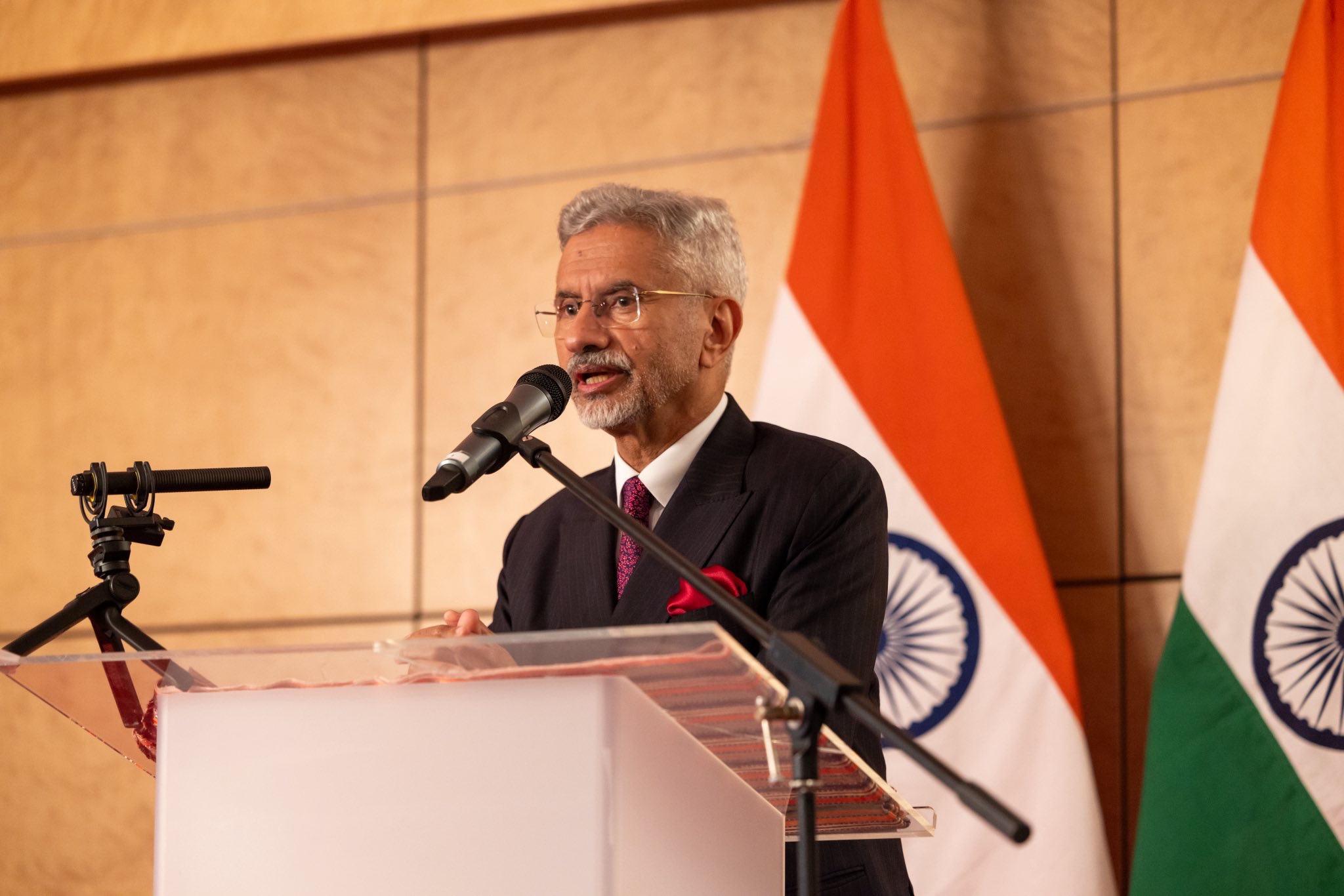
Internal affairs minister Brooke van Velden. (Supplied photo, Awaaz artwork)
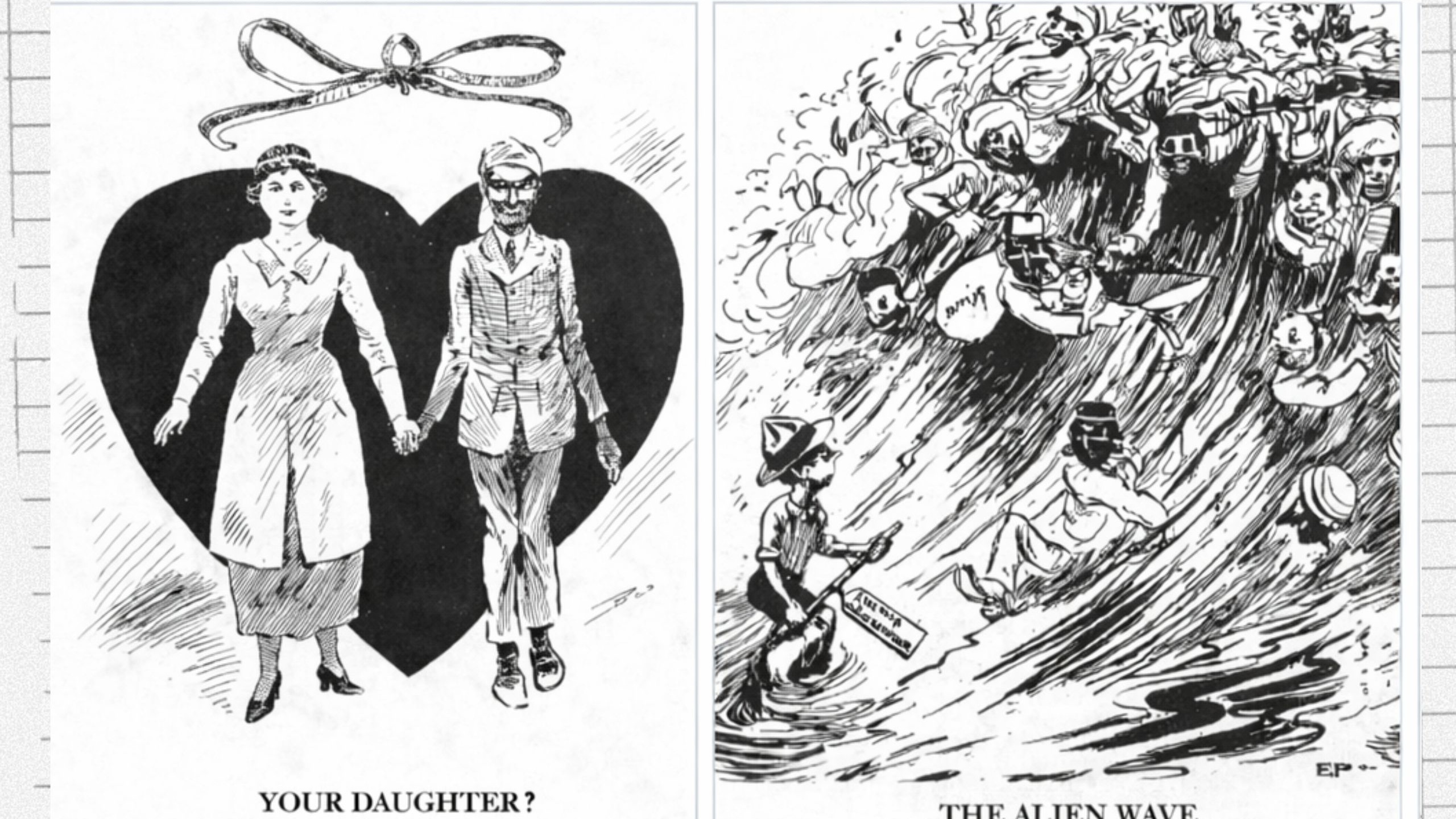
One side hears “citizenship test” and immediately assumes xenophobia.
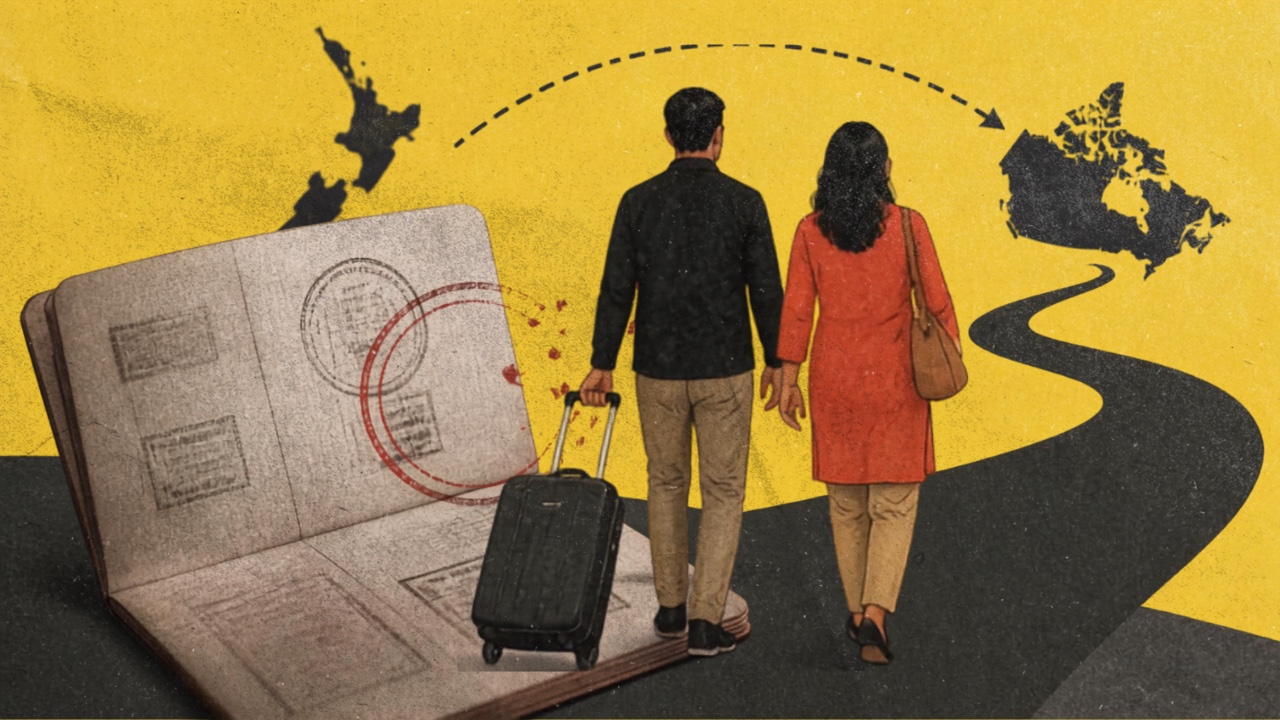
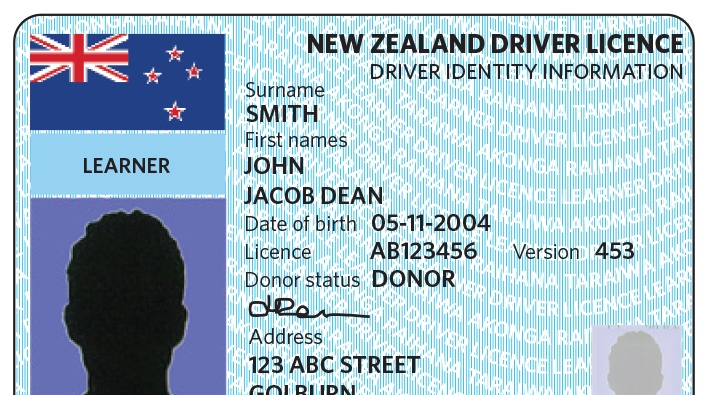
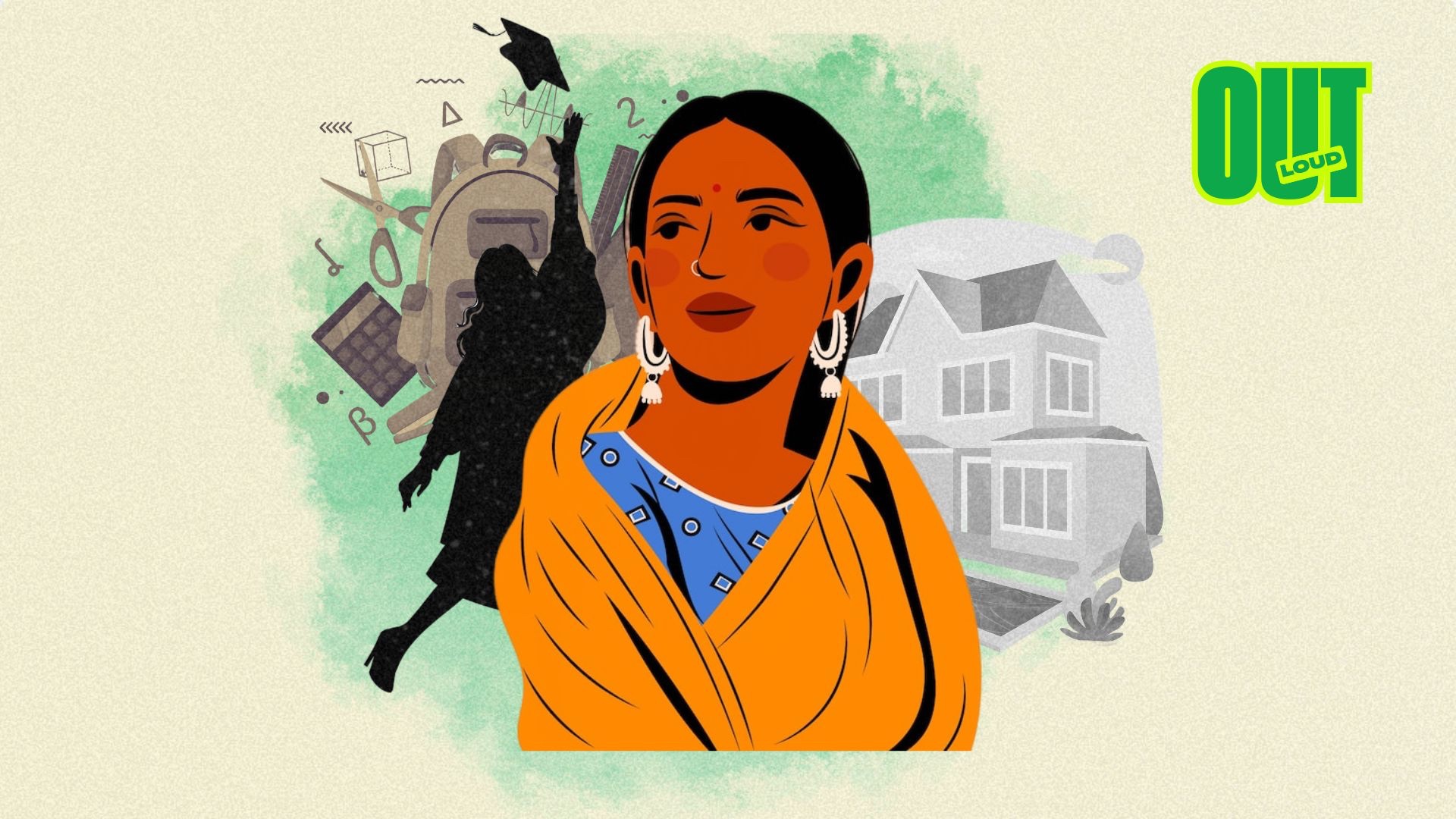
Opinion: When I migrated to New Zealand in 2001 at the age of 17, I already knew how to drive. In fact, my father had taught me exceptionally well back in India, on an old manual Fiat sedan with a gearbox that felt like it belonged in another century.
By the time I arrived in New Zealand, I was already comfortable behind the wheel, confident with manual transmission, traffic awareness and basic road discipline.
But New Zealand still required me to learn New Zealand road rules before granting me a licence here. At no point did I consider that offensive, discriminatory or anti-immigrant. It simply made sense.
Every country has its own systems, expectations and responsibilities. Even if you already possess practical ability, there is still an expectation that you understand the environment you are entering.
That is why the recent debate around the government's upcoming citizenship test has fascinated me. Not necessarily because of the policy itself, but because of how emotionally charged the reaction has become.
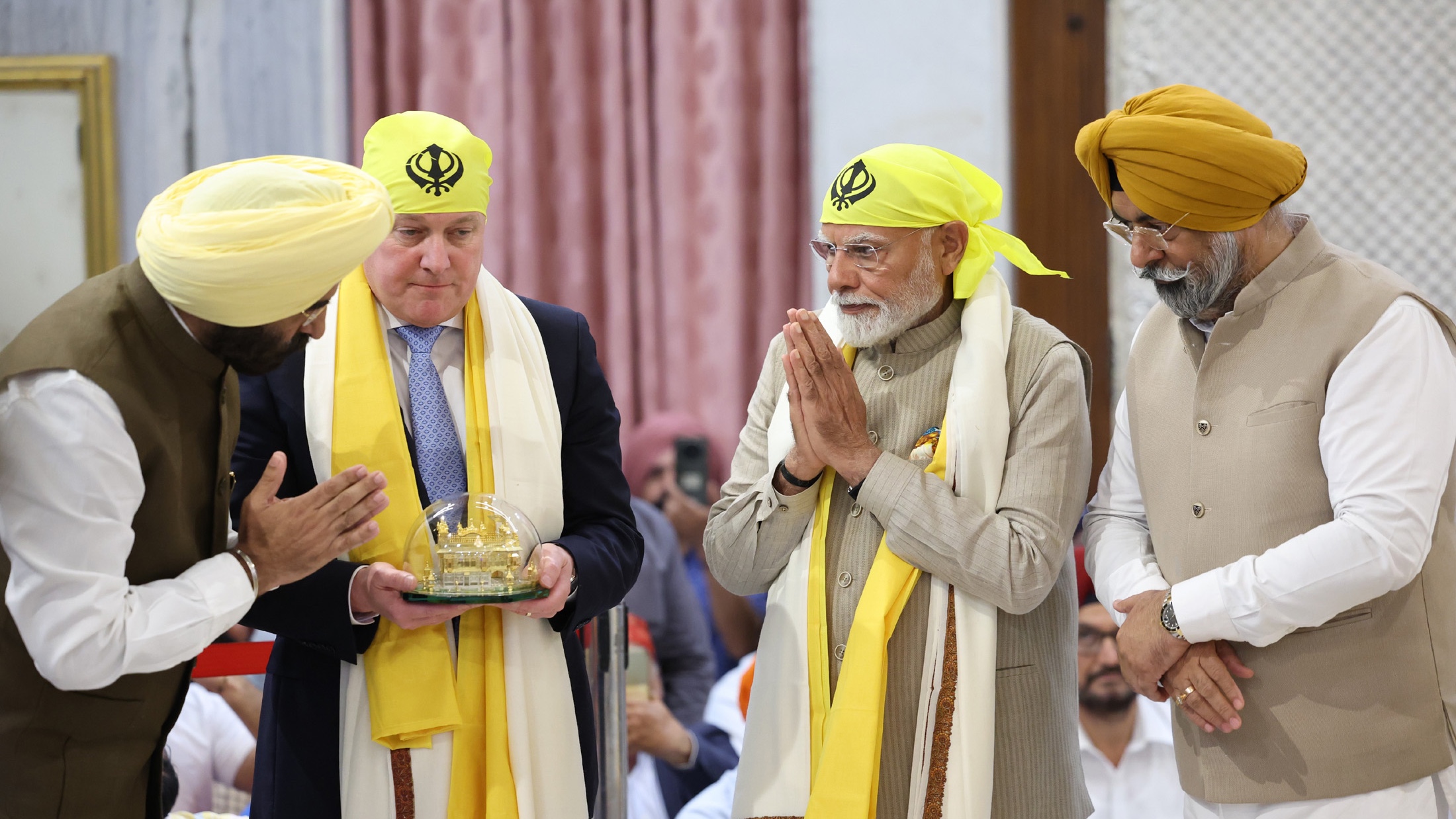
South Asian diaspora raises over $200,000 for New Zealanders missing in Nepal flood "I'm so proud of the Indian community here who...supported us, saying it is not a Nepal problem but our problem."
Tamakis launch Indian-origin candidate for Epsom who surrendered passport and has ‘assimilated’ “I know a whole lot of people are going to be like shocked,” says Hannah Tamaki.
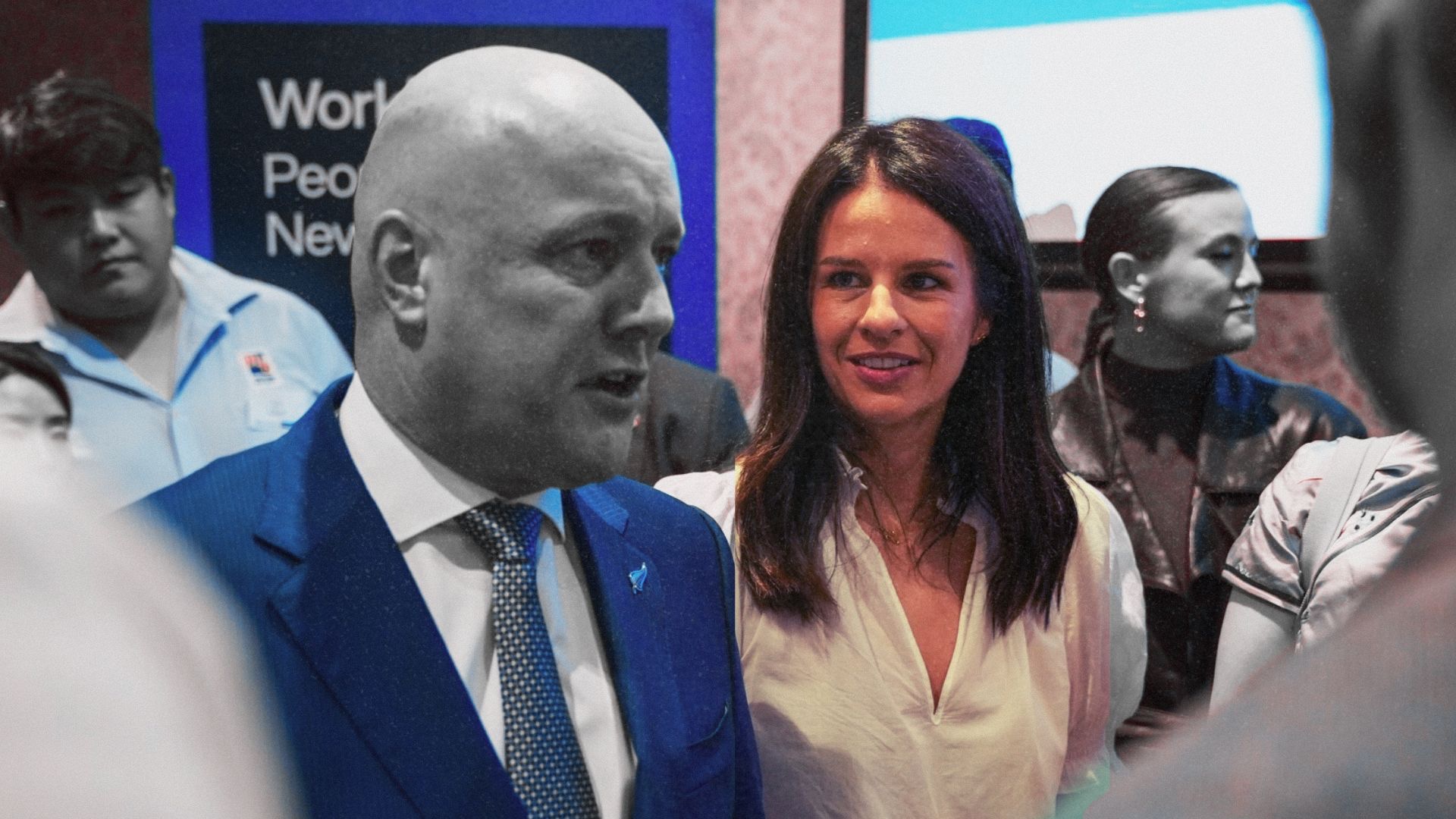
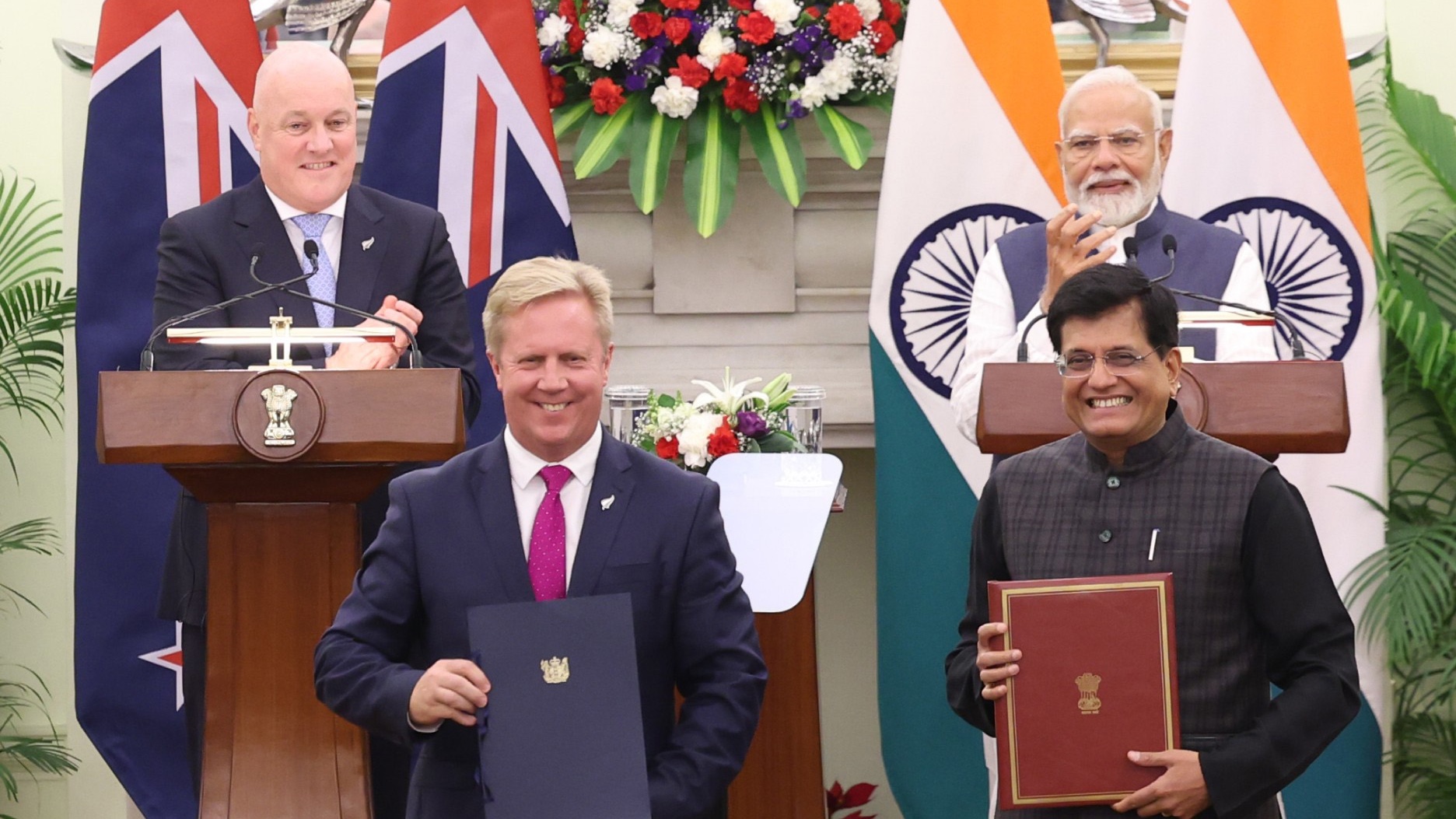
Priyanca Radhakrishnan tries to puncture Luxon’s FTA victory, says India was already sold “Things have changed quite dramatically on the Indian government side,” says the Indian-origin Labour MP.
Under the proposal, prospective New Zealand citizens would need to answer 15 out of 20 questions correctly in a citizenship test focused on civics, rights and responsibilities.
Much of the public discussion since the announcement has framed the idea as somehow extreme, divisive or uniquely harsh. But once you step outside New Zealand’s media bubble and look internationally, the reality becomes very different.
Canada requires citizenship applicants to pass a 20-question citizenship test with a 75 per cent pass mark. Australia requires applicants to pass a citizenship test covering Australian values, laws and democratic systems (also with a 75 per cent threshold), including mandatory “values” questions.
The United Kingdom requires migrants to pass the “Life in the UK” test before naturalisation. Germany requires applicants to correctly answer at least 17 out of 33 questions on law, society and democratic order. The Netherlands requires migrants to complete civic integration requirements that include language competency and understanding Dutch society.
Even Singapore, often admired internationally for its social cohesion, requires applicants to complete structured citizenship integration programmes.
In other words, New Zealand would not be inventing some radical global outlier. In many respects, we would simply be catching up to what numerous developed countries already expect from those seeking citizenship.
And this is where the conversation in New Zealand needs more maturity. Citizenship is not merely administrative paperwork. Permanent residency already grants people the right to live and work in New Zealand.
Citizenship goes further. It grants full democratic participation and a permanent stake in the country’s future.
It is, therefore, entirely reasonable for a country to expect a basic understanding of how its democracy functions, the rights citizens possess, and the responsibilities that come with those rights. That should not be viewed as radical.
What concerns me more is the tone surrounding these discussions. Too often, immigration debates in New Zealand quickly descend into culture-war politics where migrants become stereotypes rather than people.
One side hears “citizenship test” and immediately assumes xenophobia. The other sometimes speaks about migrants with open resentment. Both reactions miss the point.
As an immigrant myself, I do not see integration as a dirty word. When I adapted to New Zealand road rules, workplace culture, humour, communication styles and social expectations, I never felt I was losing my Indian identity. I was simply learning how to operate successfully within a different society. That is normal human behaviour everywhere in the world.
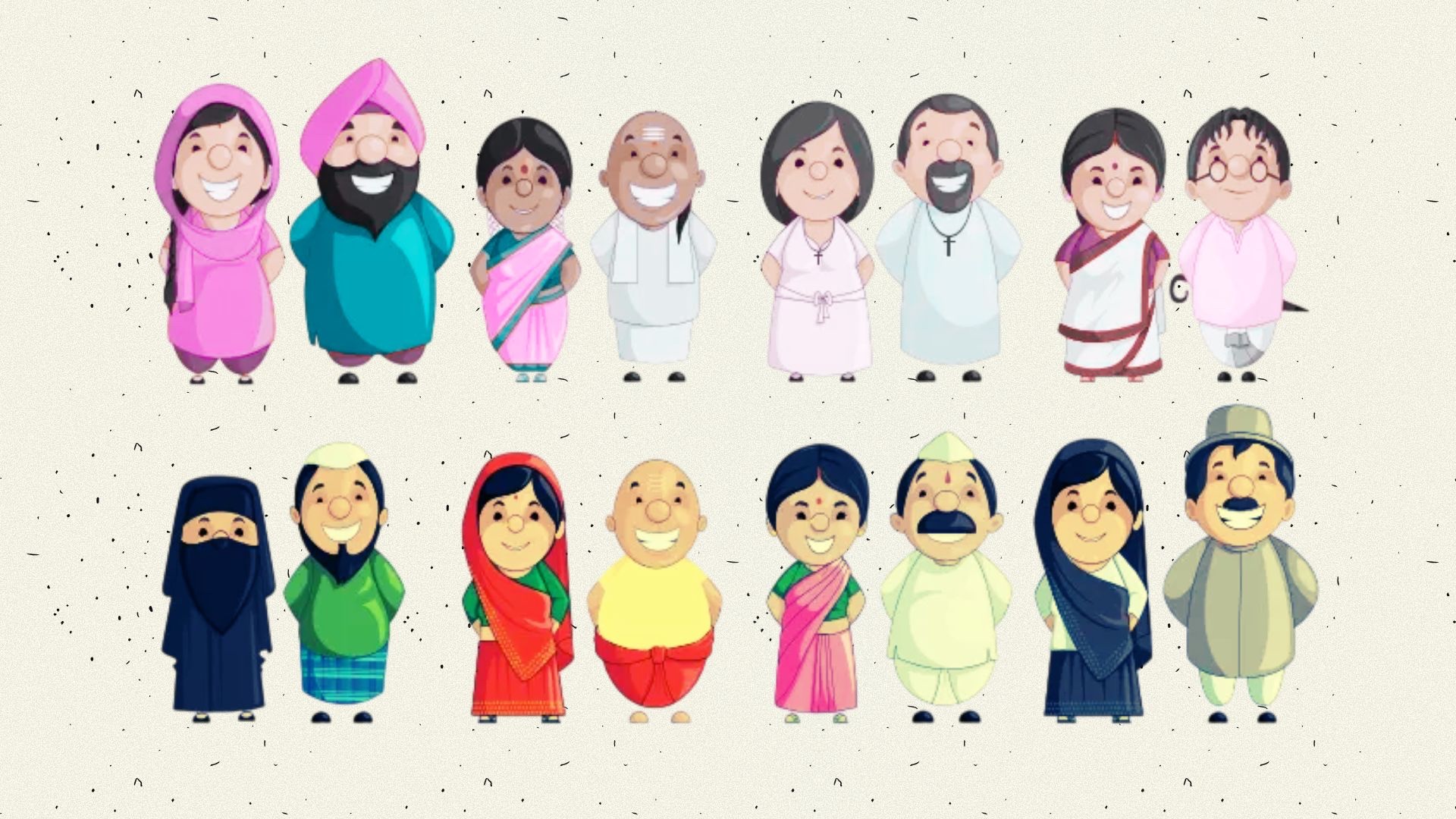
In reality, many migrants already understand this instinctively. Most are not asking for special treatment. They simply want fairness, opportunity and a genuine chance to belong.
Which is why I believe a citizenship test itself is not the real issue. The real question is whether such a test is approached in good faith. A fair test focused on practical civic knowledge is reasonable. A politically loaded test designed to provoke cultural division is not.
There is an important difference between encouraging civic understanding and weaponising immigration anxiety for political gain.
New Zealand should be mature enough to recognise that distinction. A confident country should be able to say both: “We welcome migrants.” And: “We expect future citizens to understand the country they are joining.”
Those ideas are not contradictory. They are the foundation of a healthy multicultural society.
Truthfully, half of becoming a New Zealander is not learning politics or law. It is learning that “yeah nah” means no, “ah yeah” means yes, and “she’ll be right” can mean absolutely anything depending on tone and weather conditions.
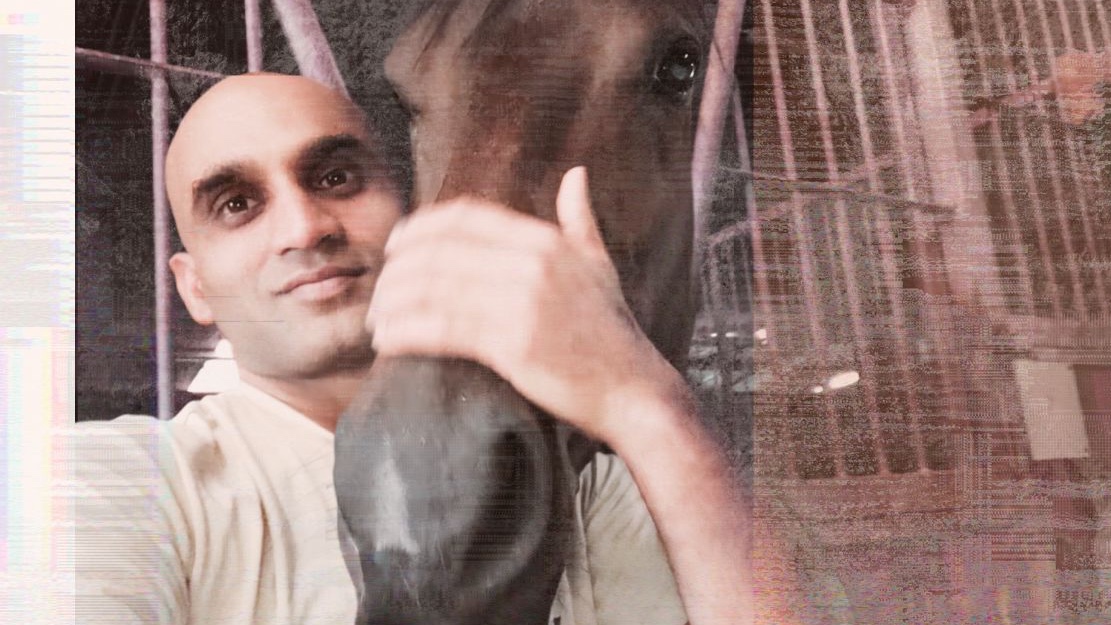
(The writer is a Waikato-based migrant, entrepreneur, retail crime advocate, and former ACT Party candidate. He writes on crime, business, and culture, and their influence on shaping New Zealand’s future.)