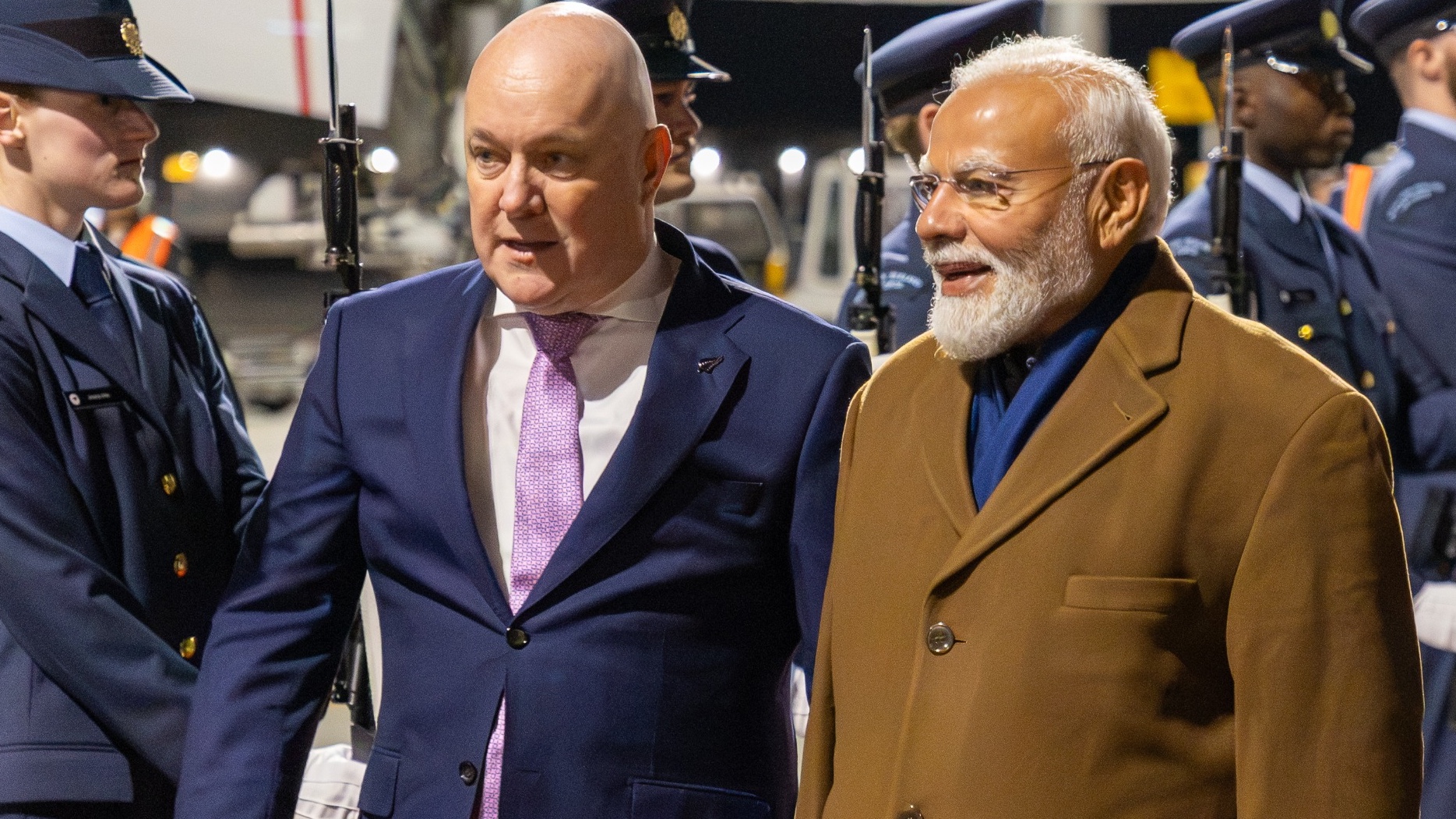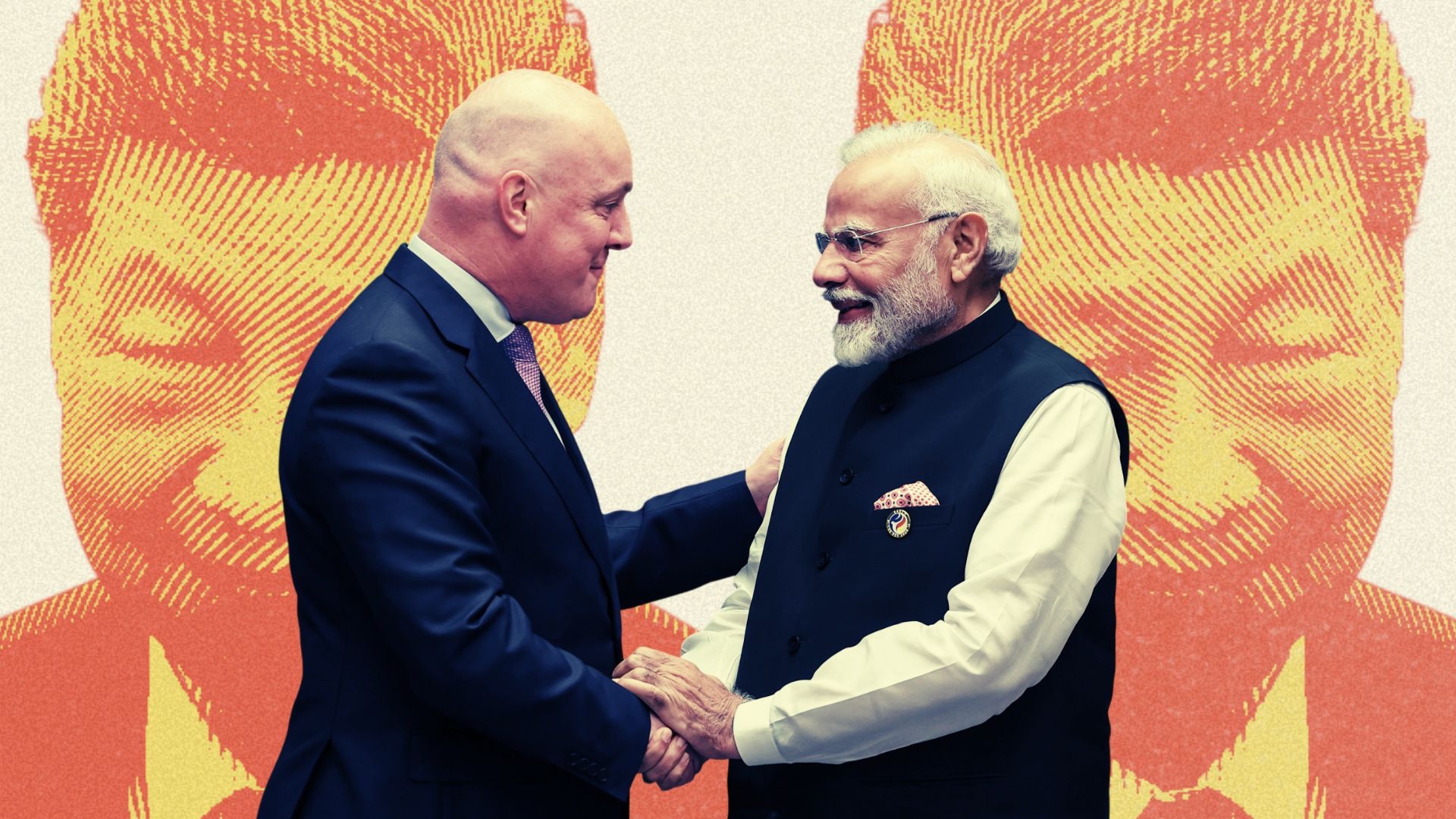

Labour's support for India-NZ FTA getting closer, says trade minister McClay
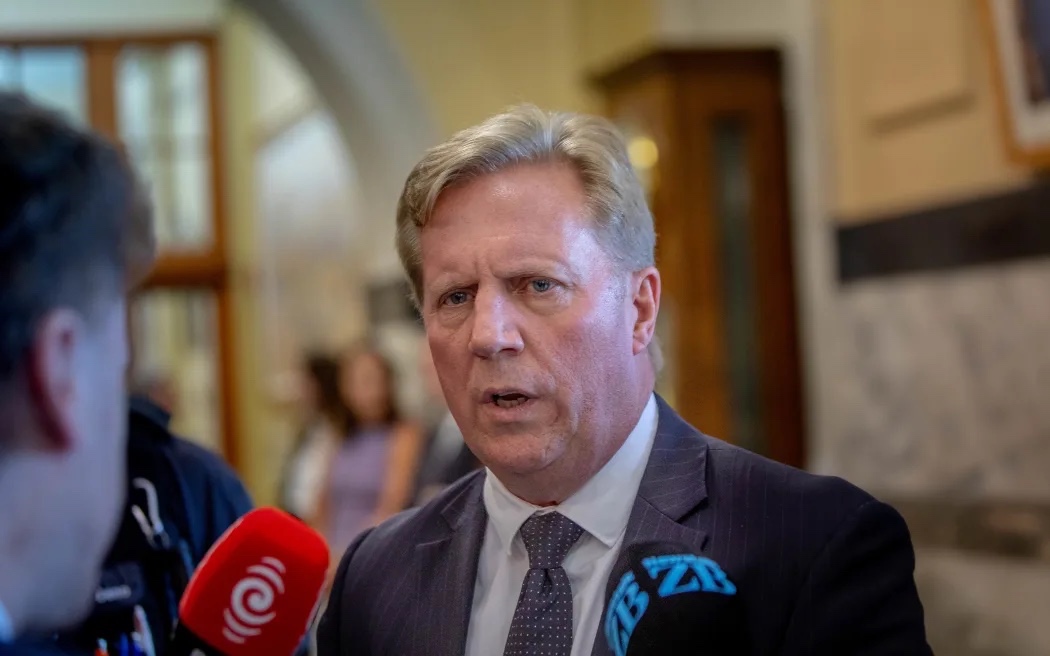
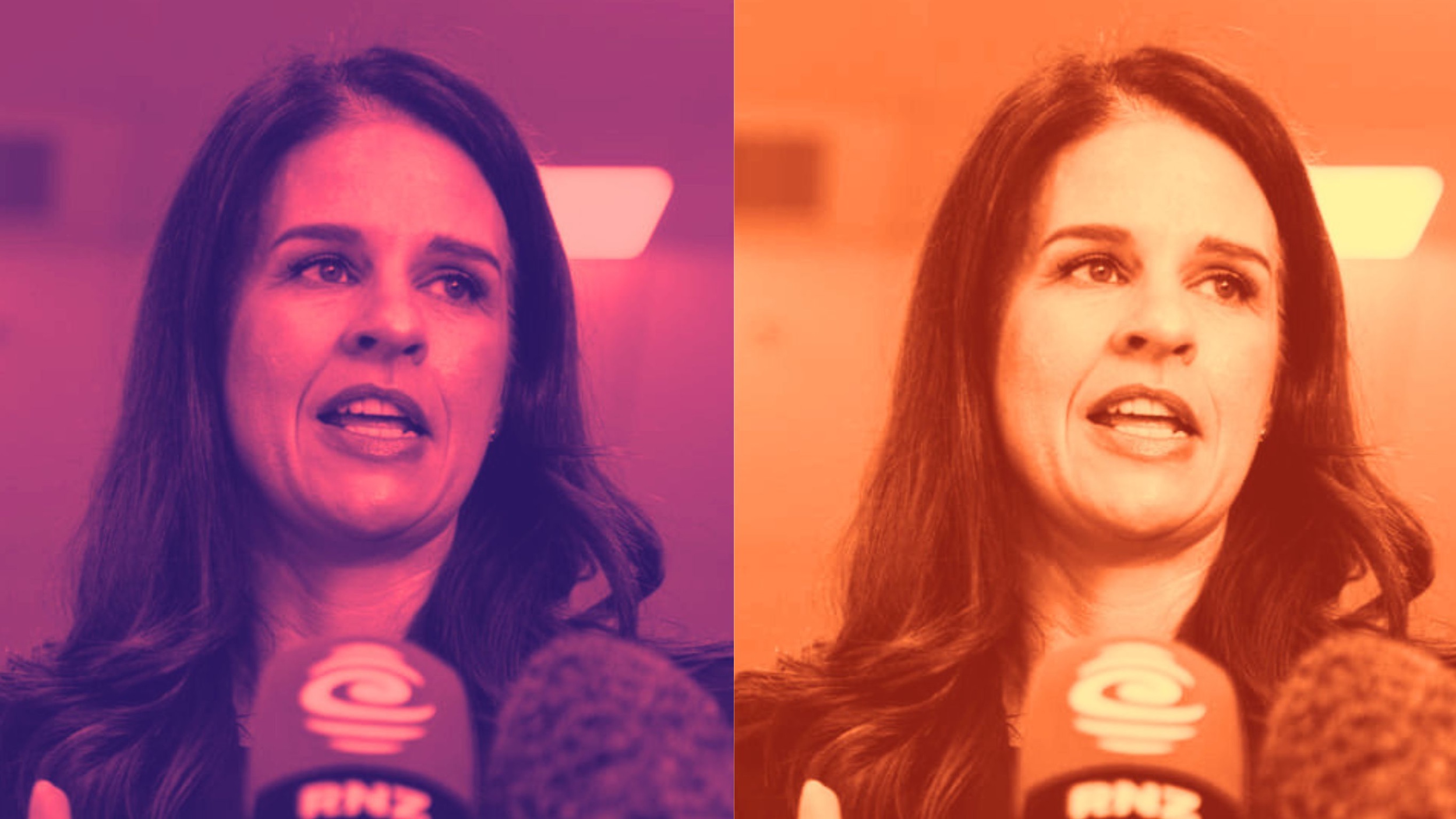
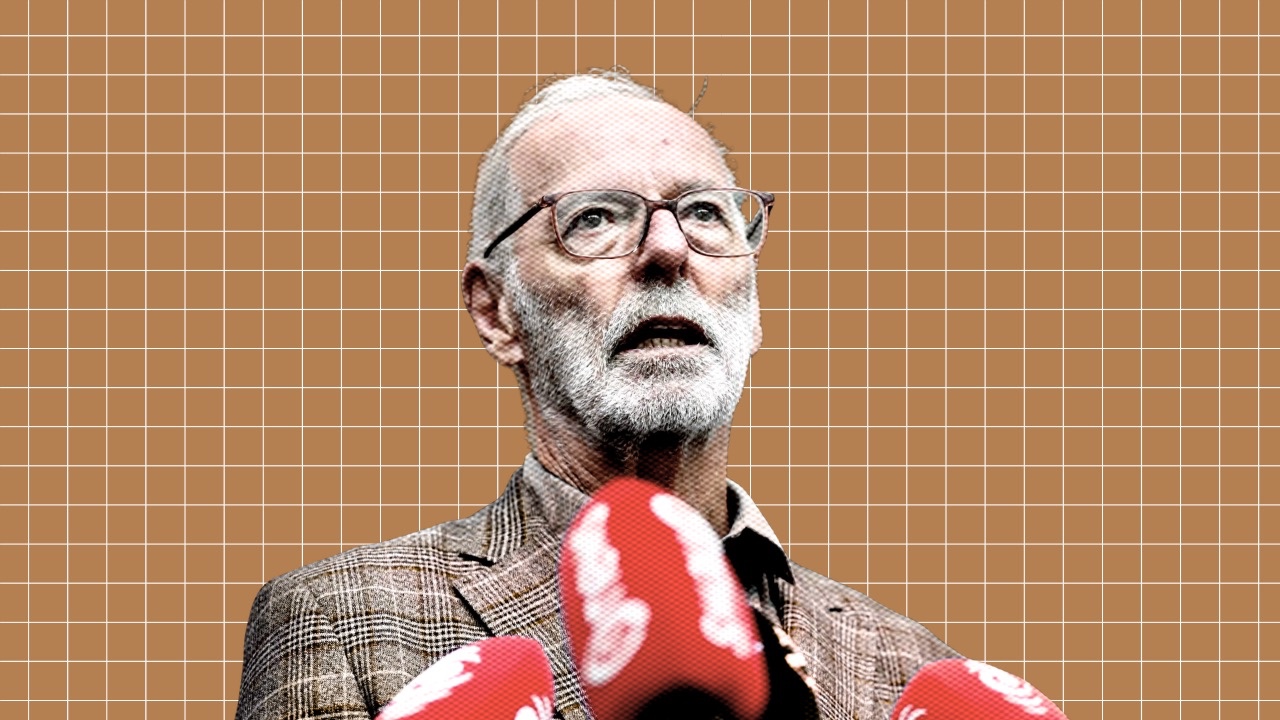
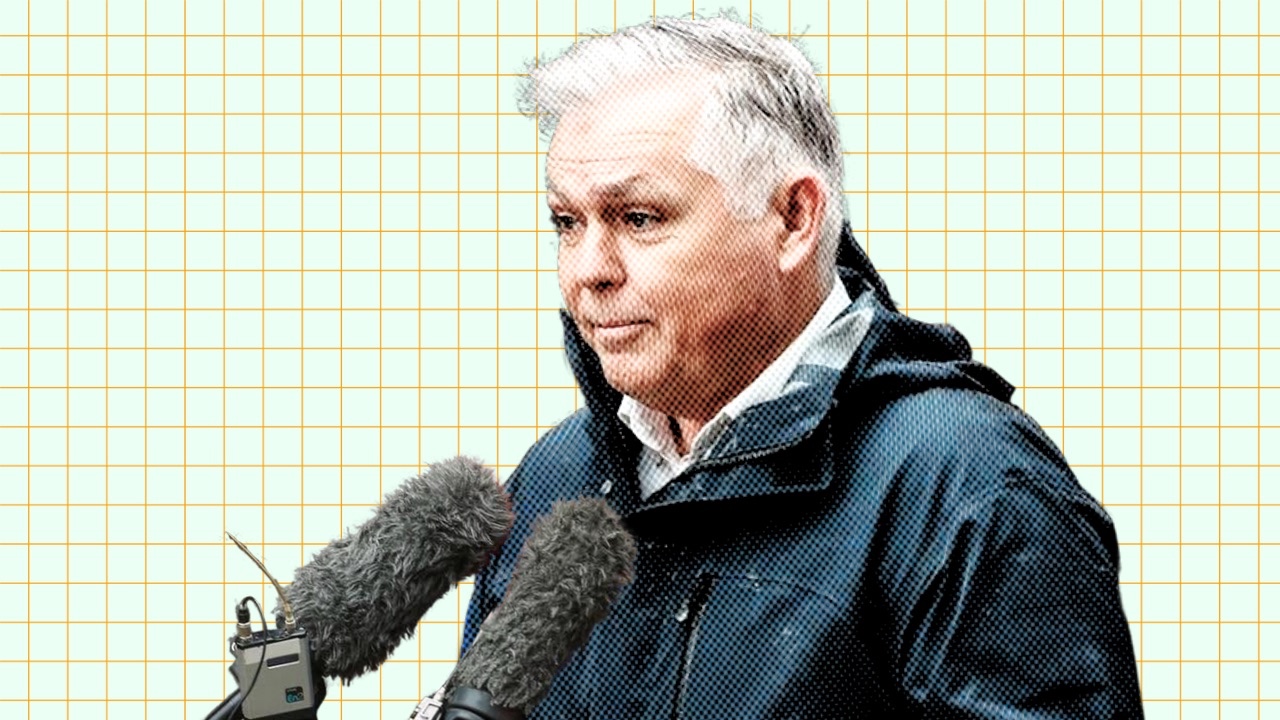
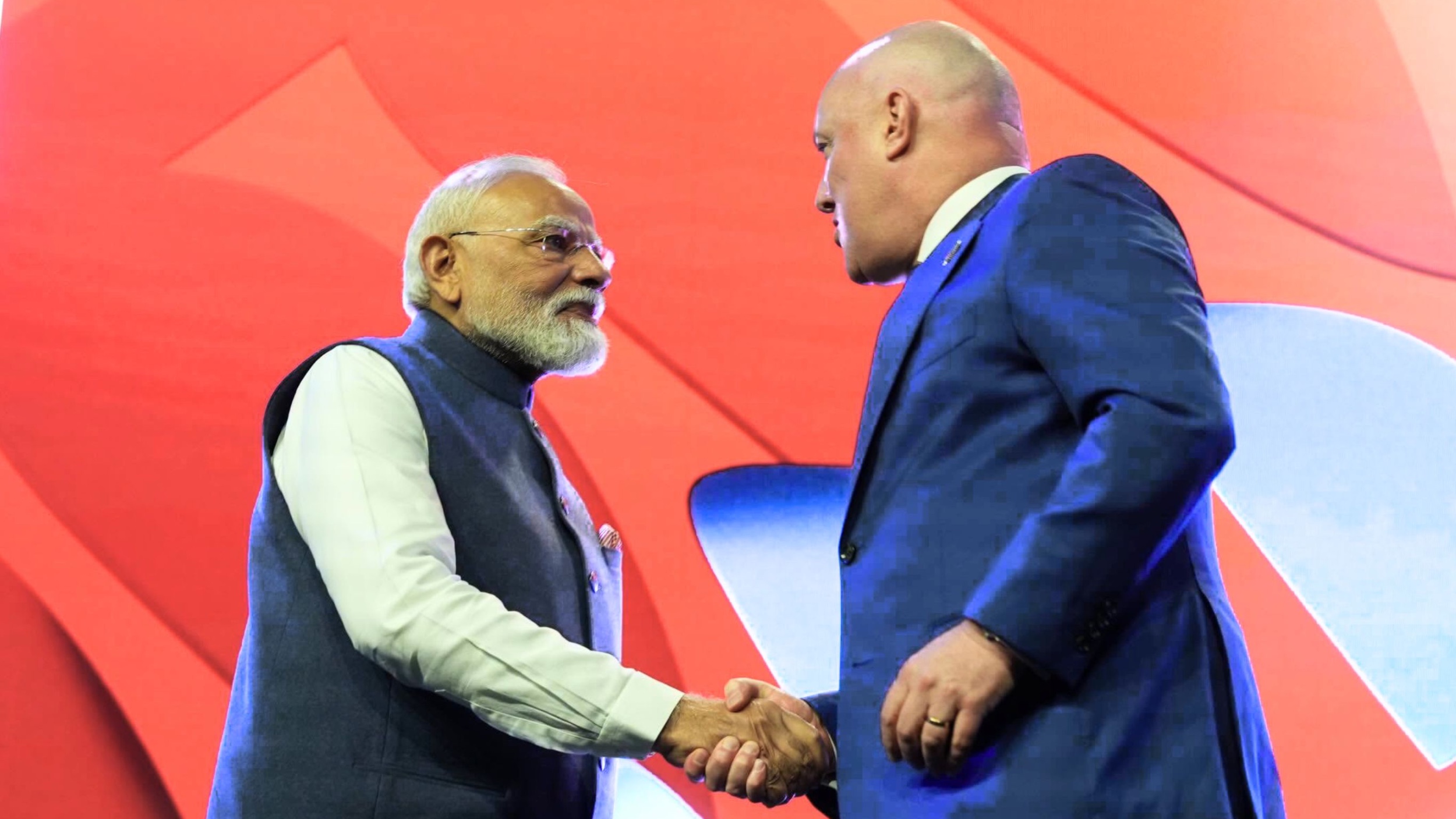
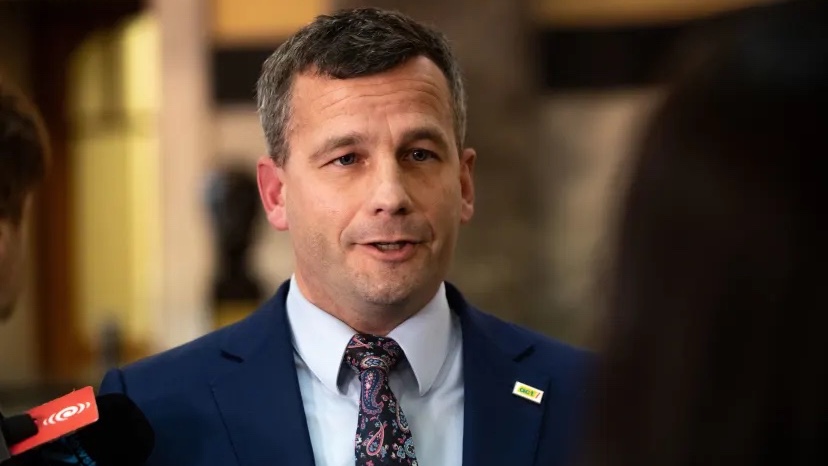
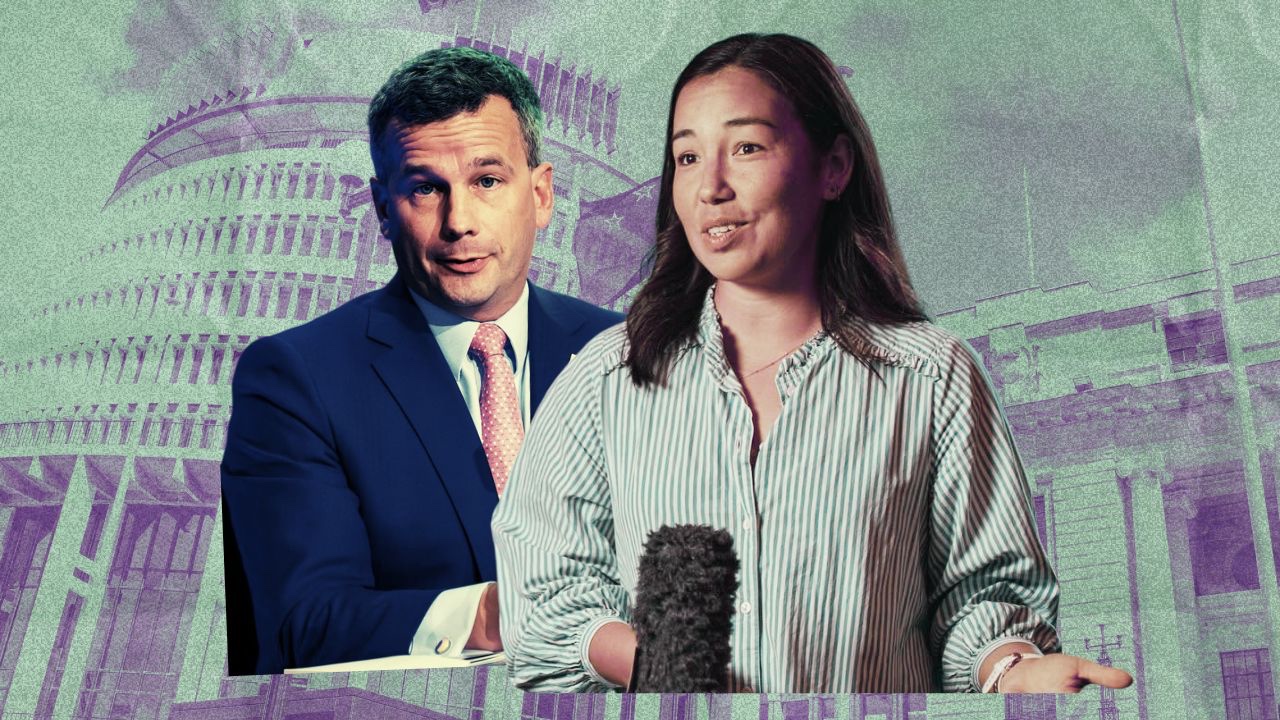
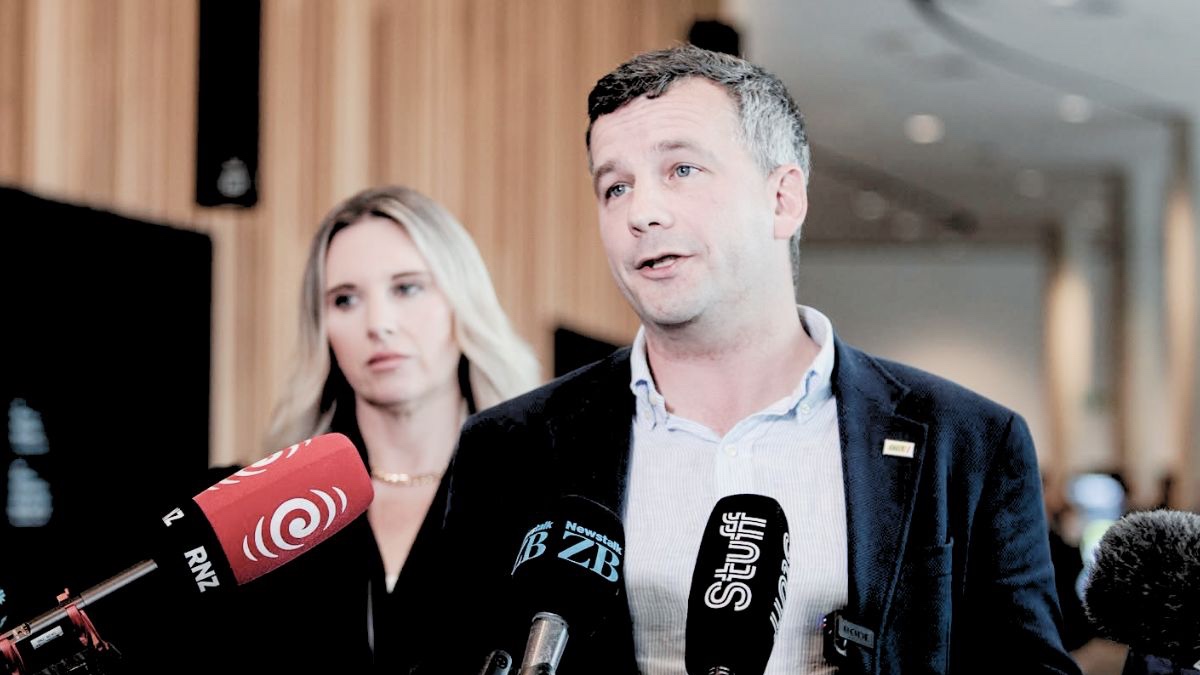
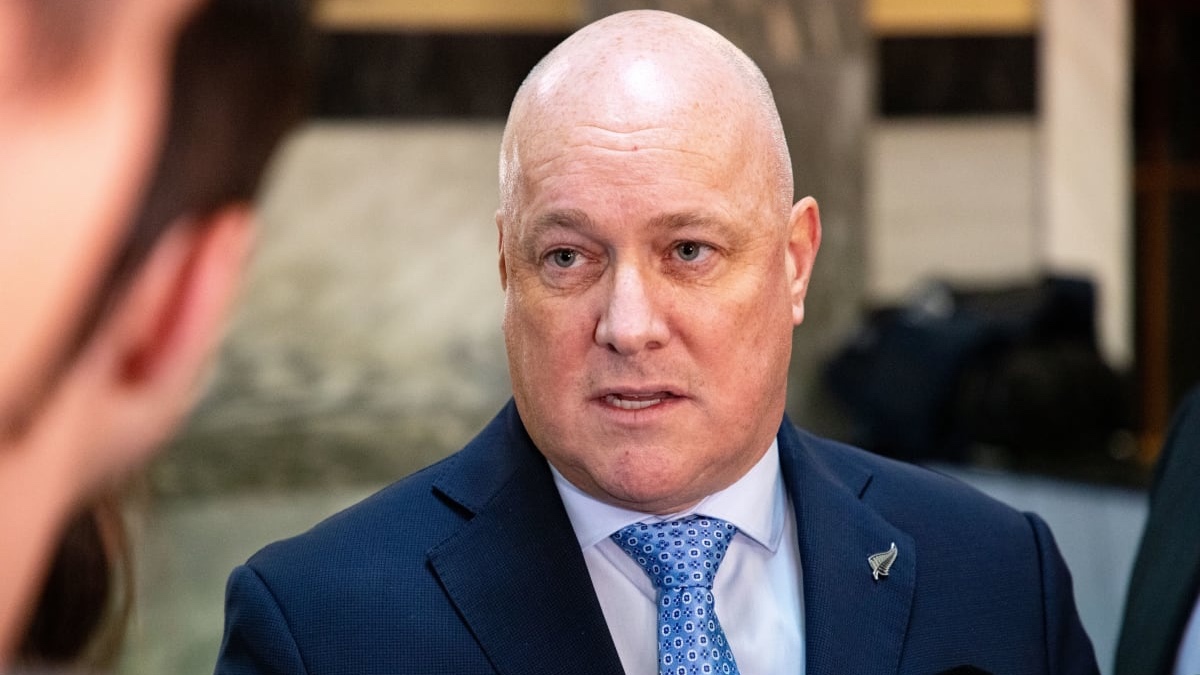
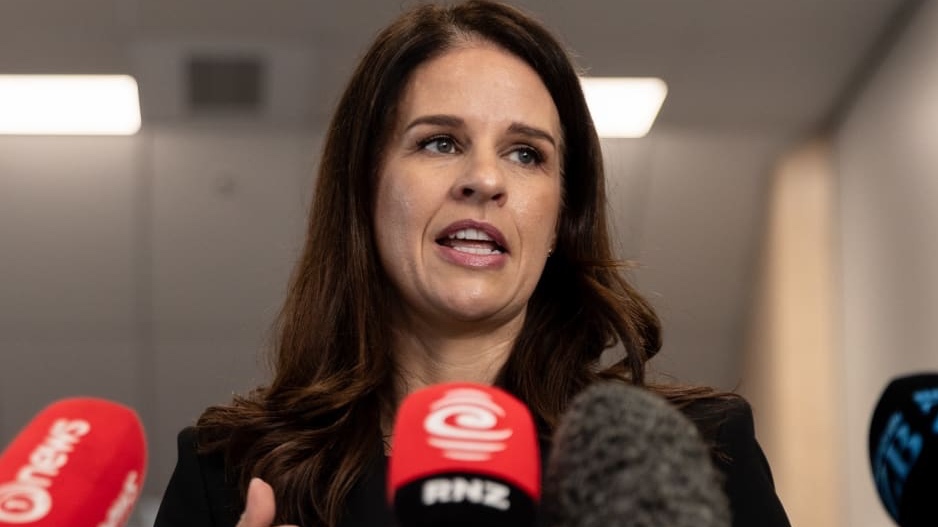
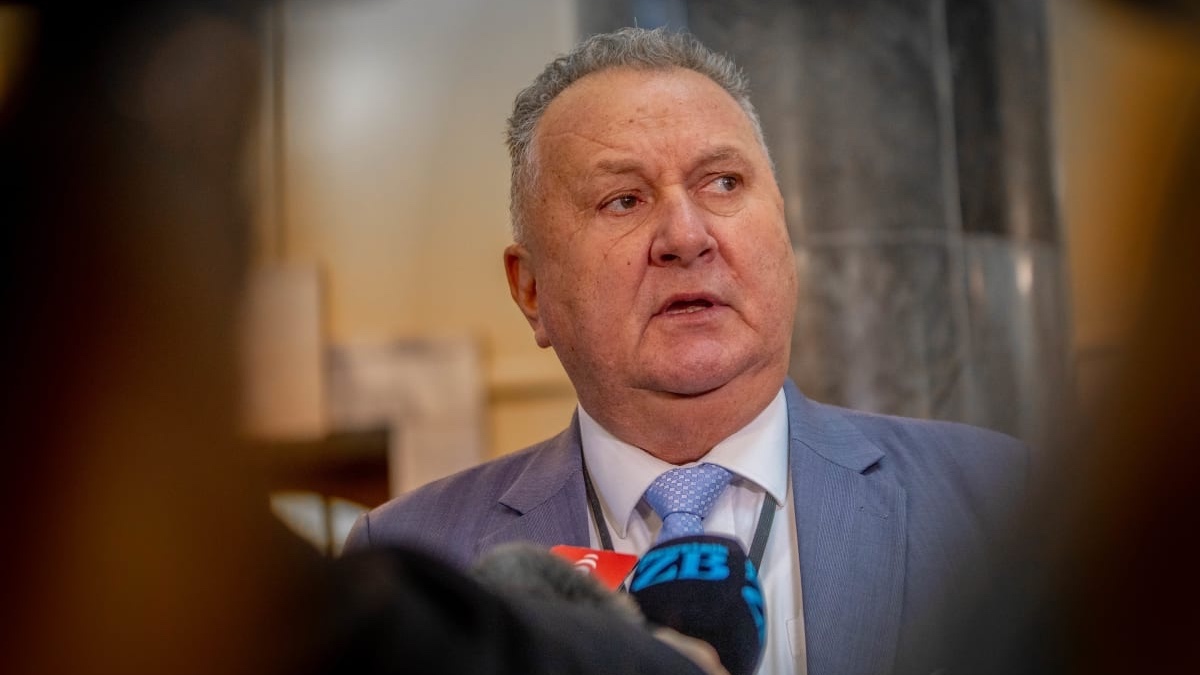
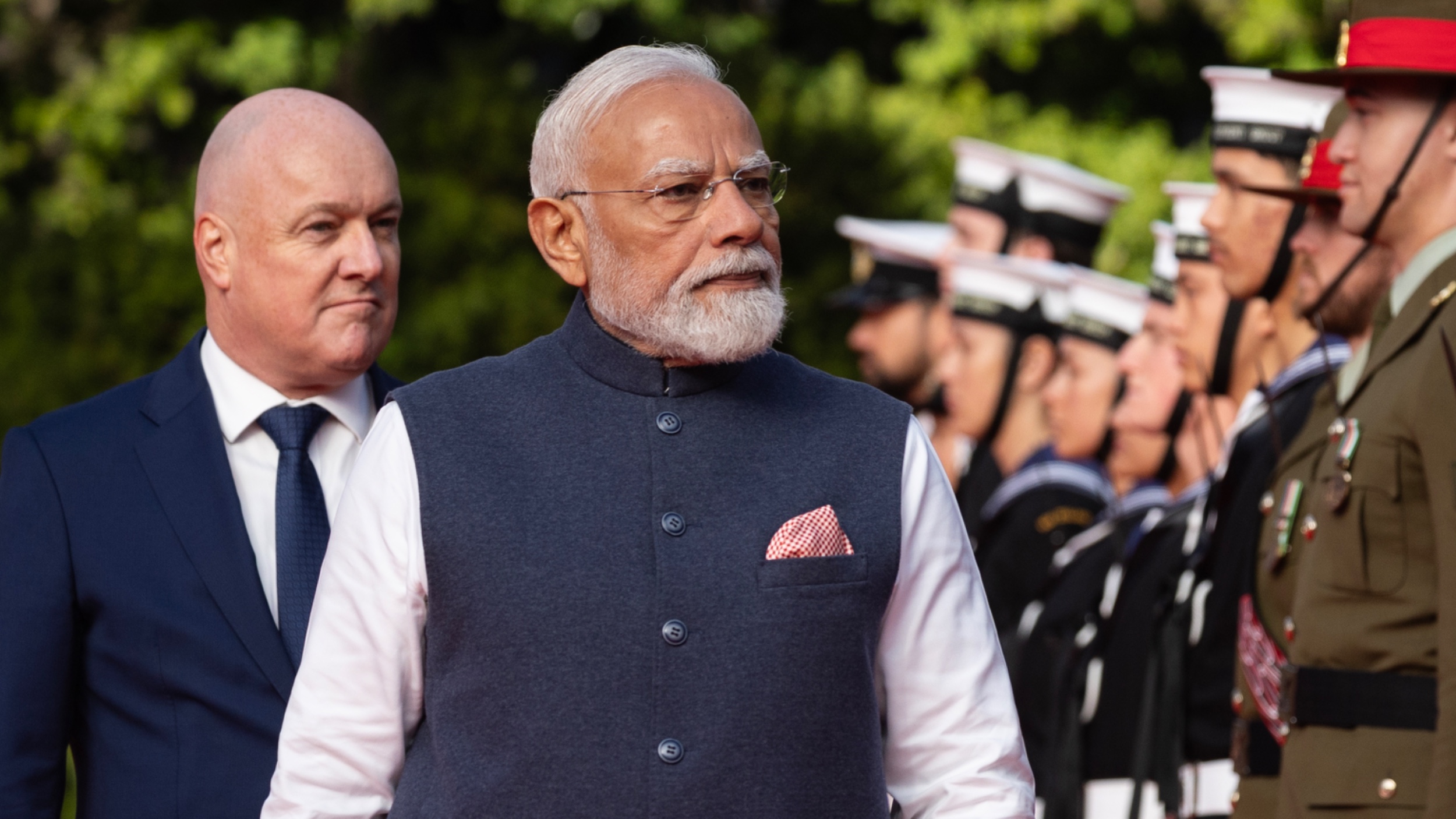
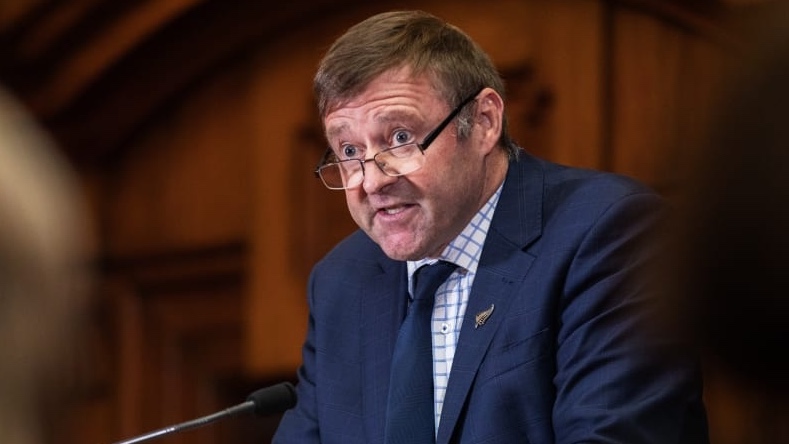
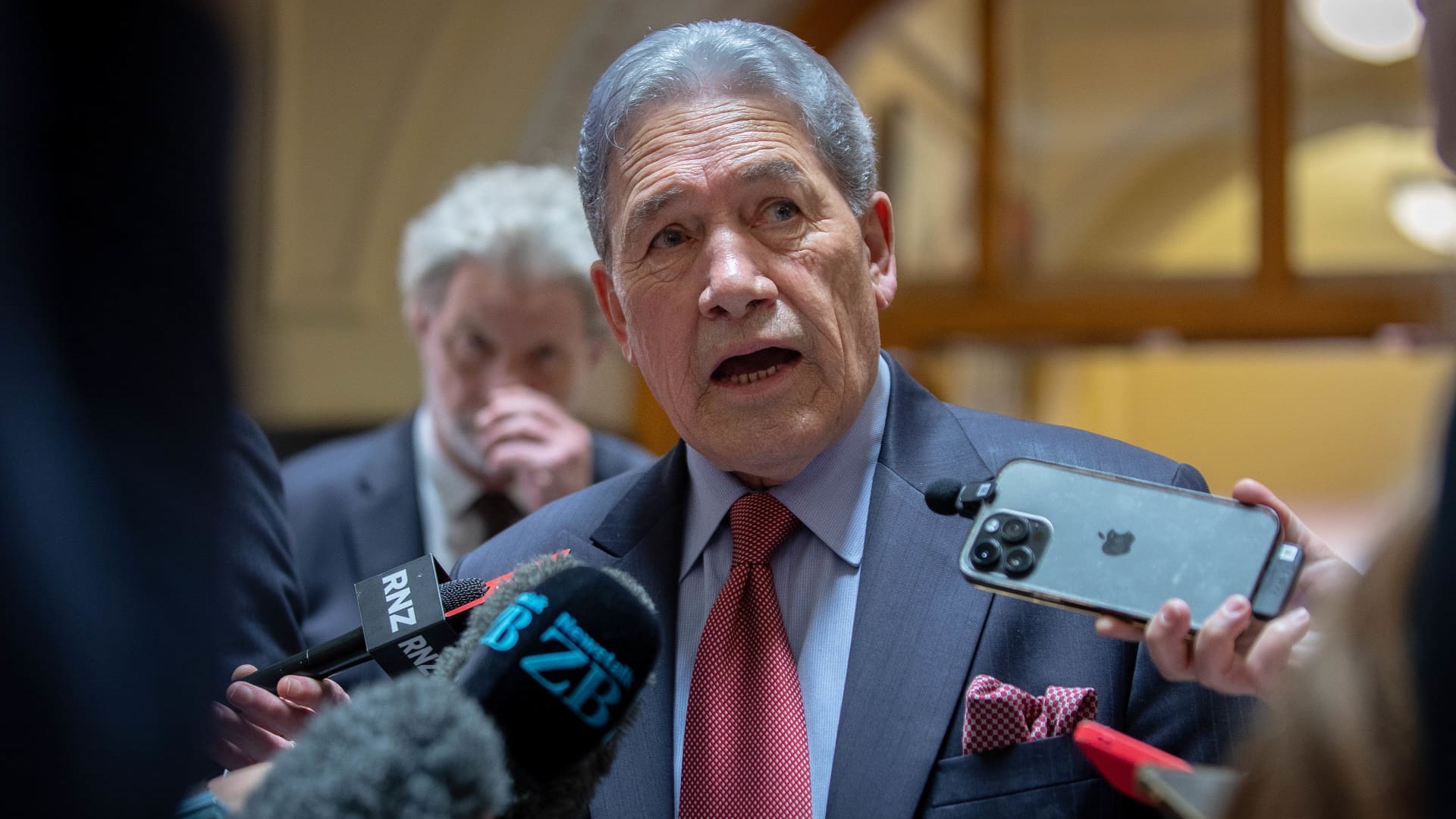
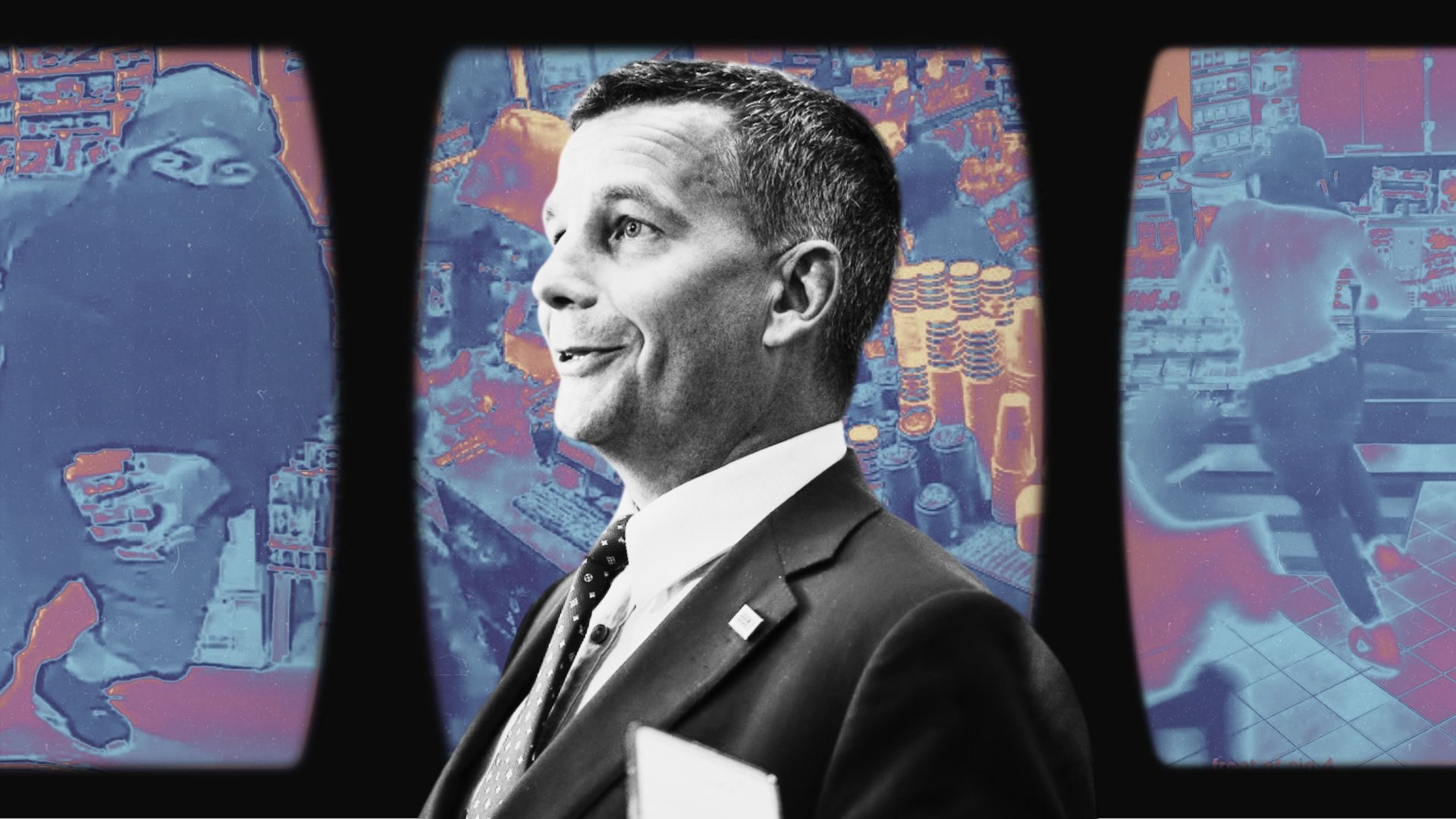
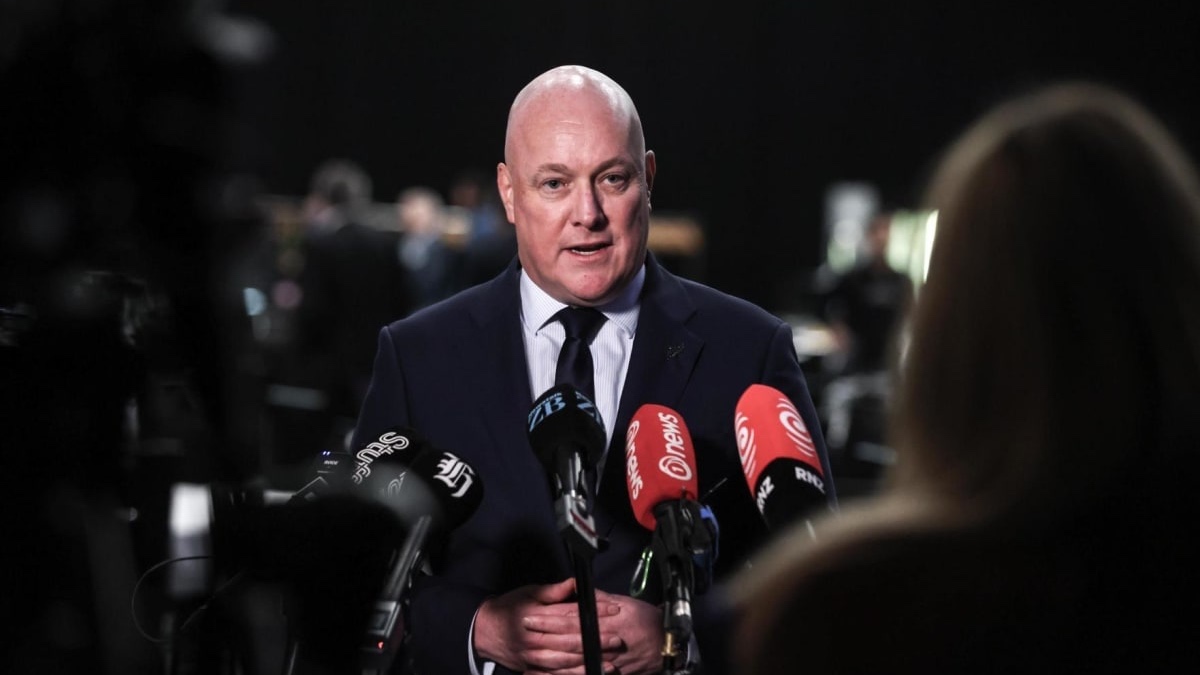
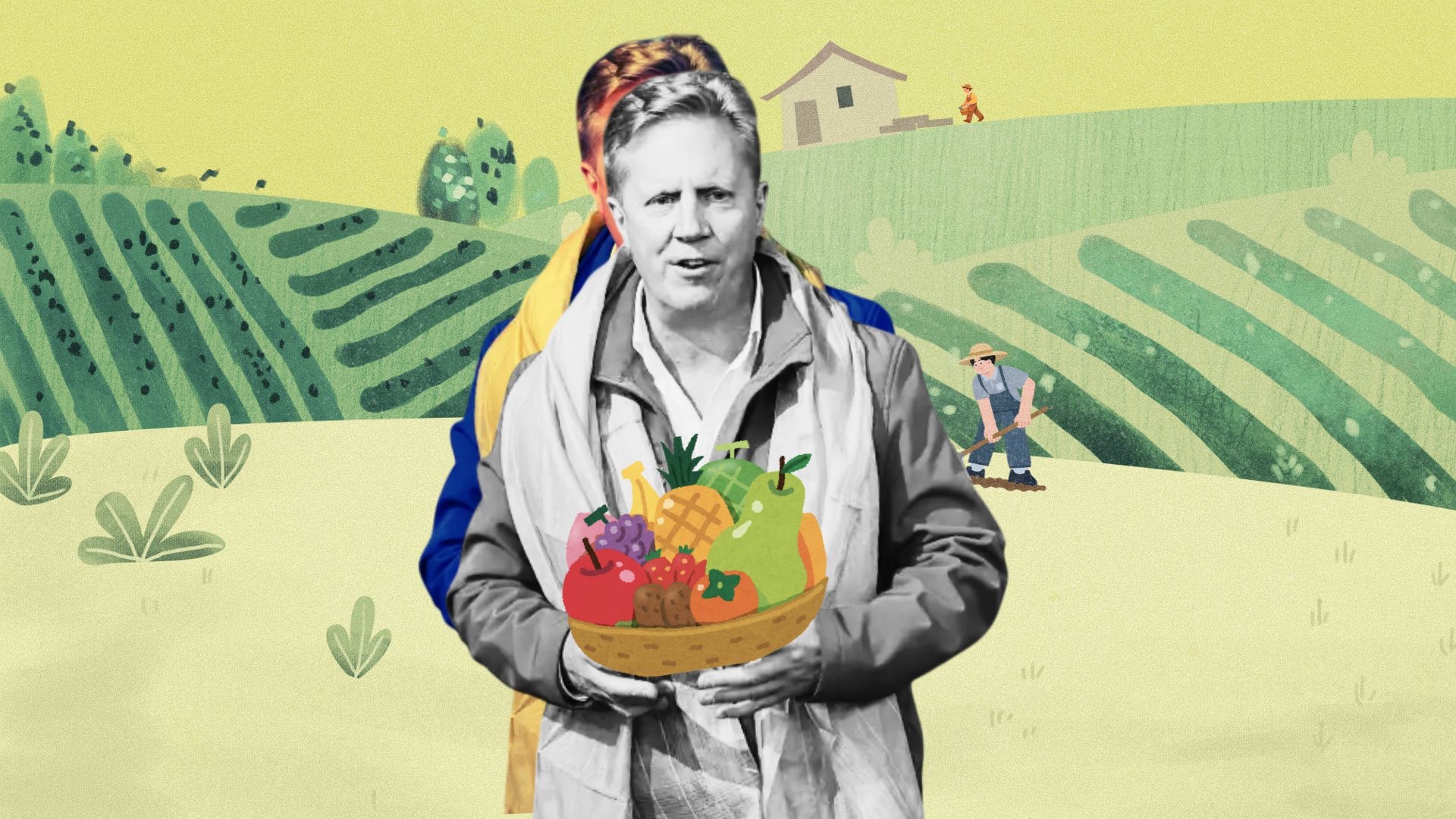
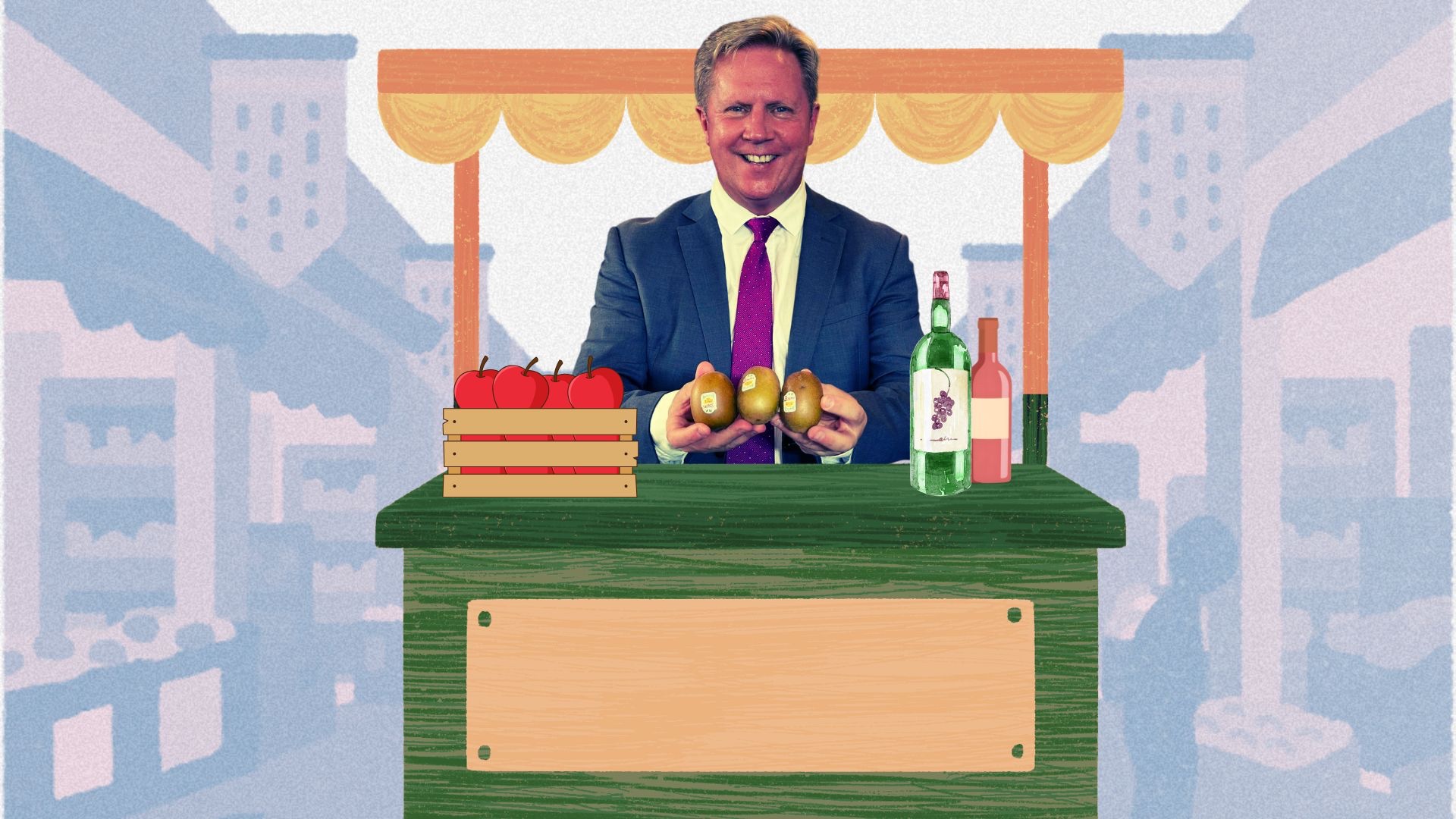
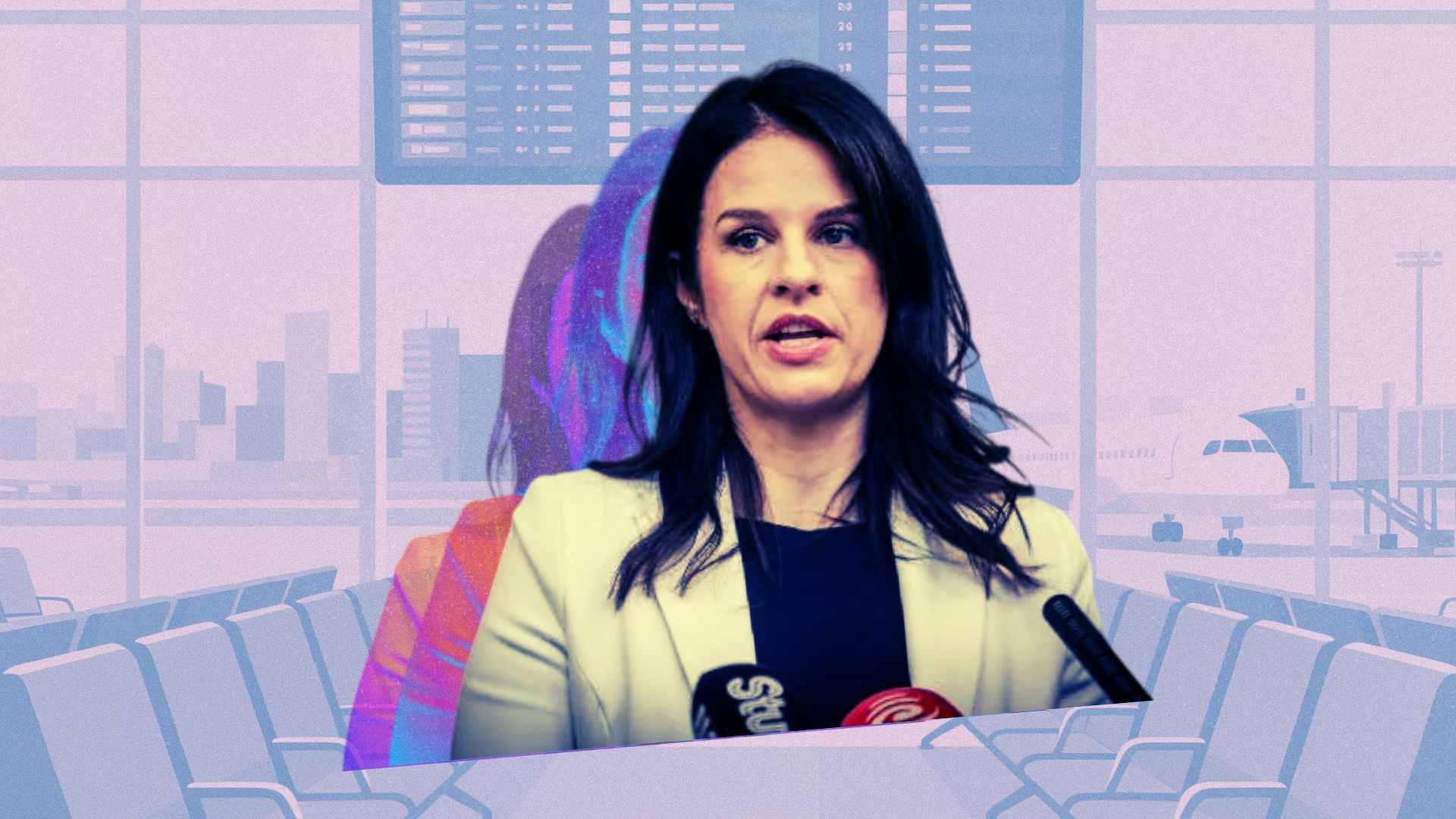
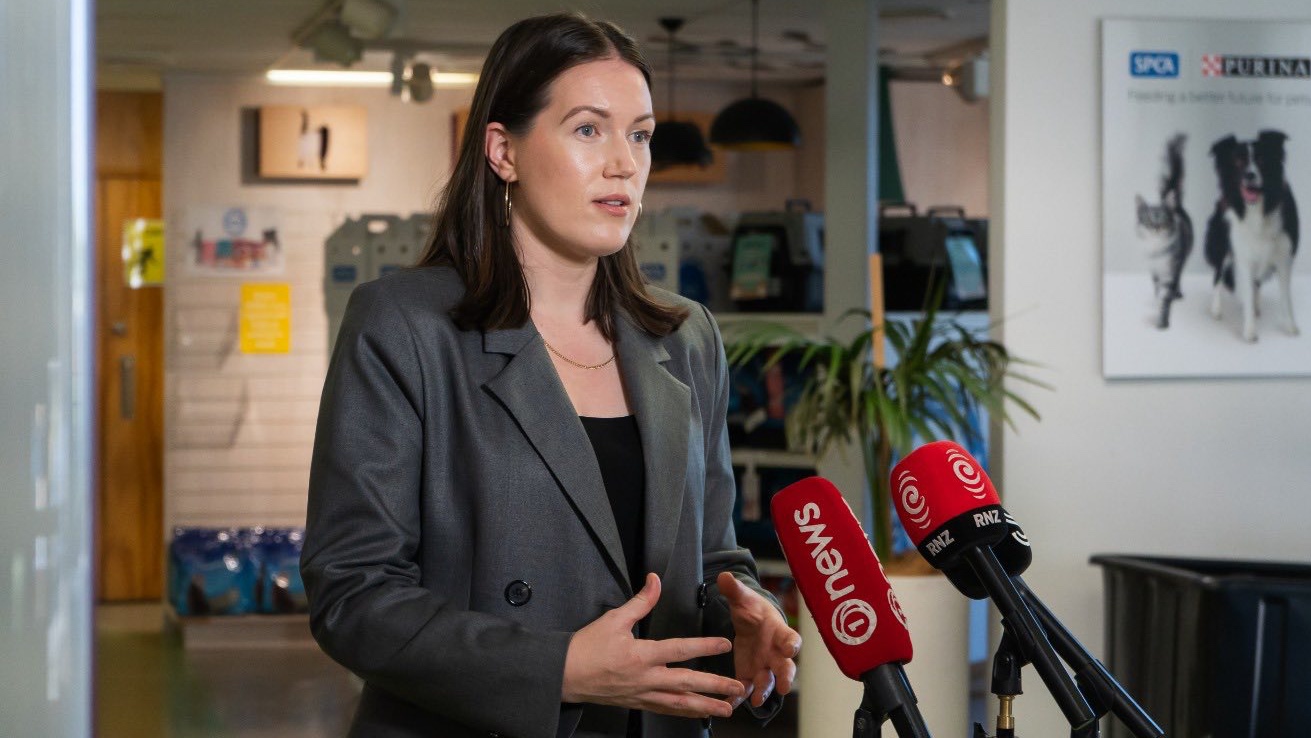
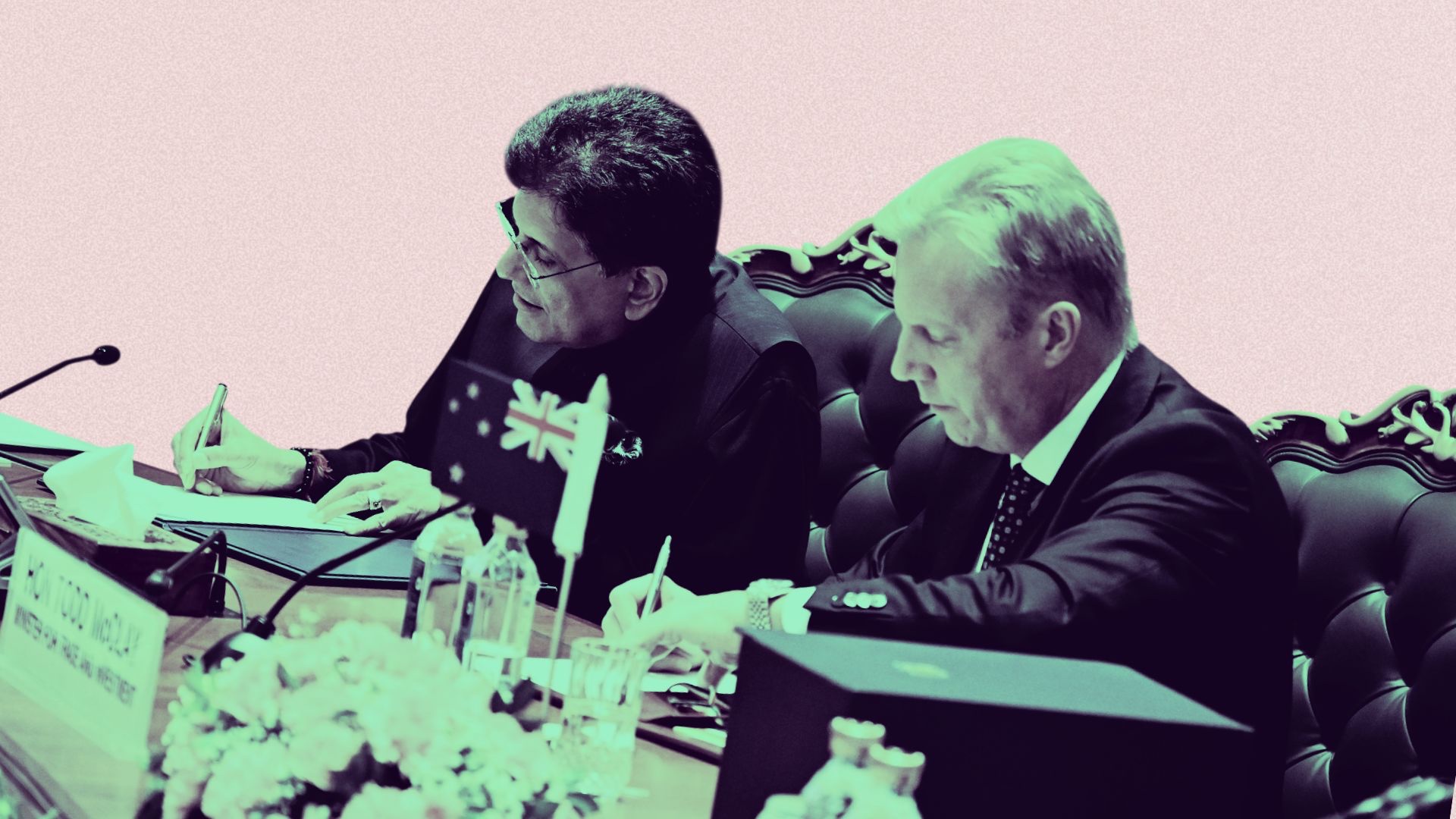
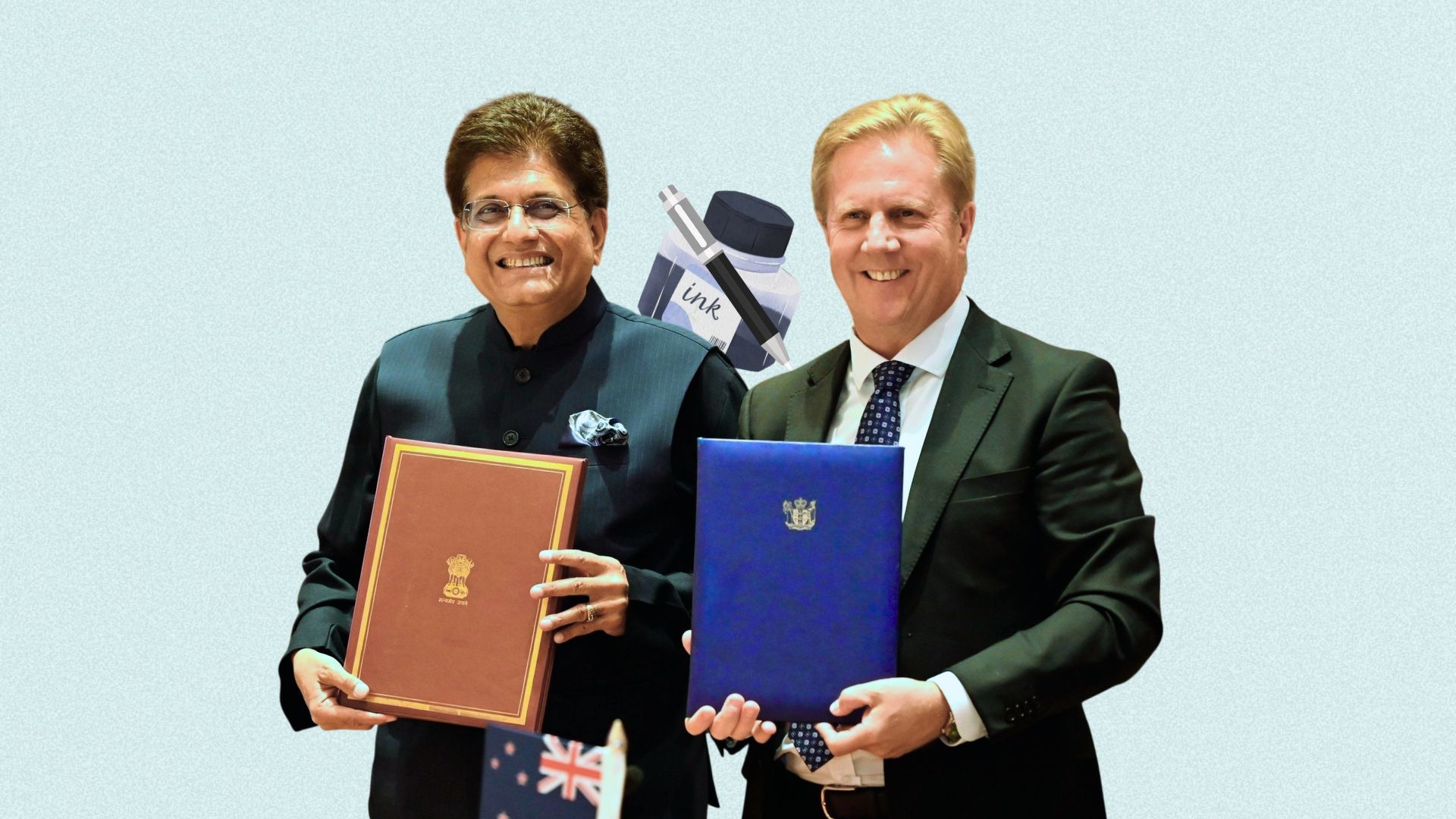
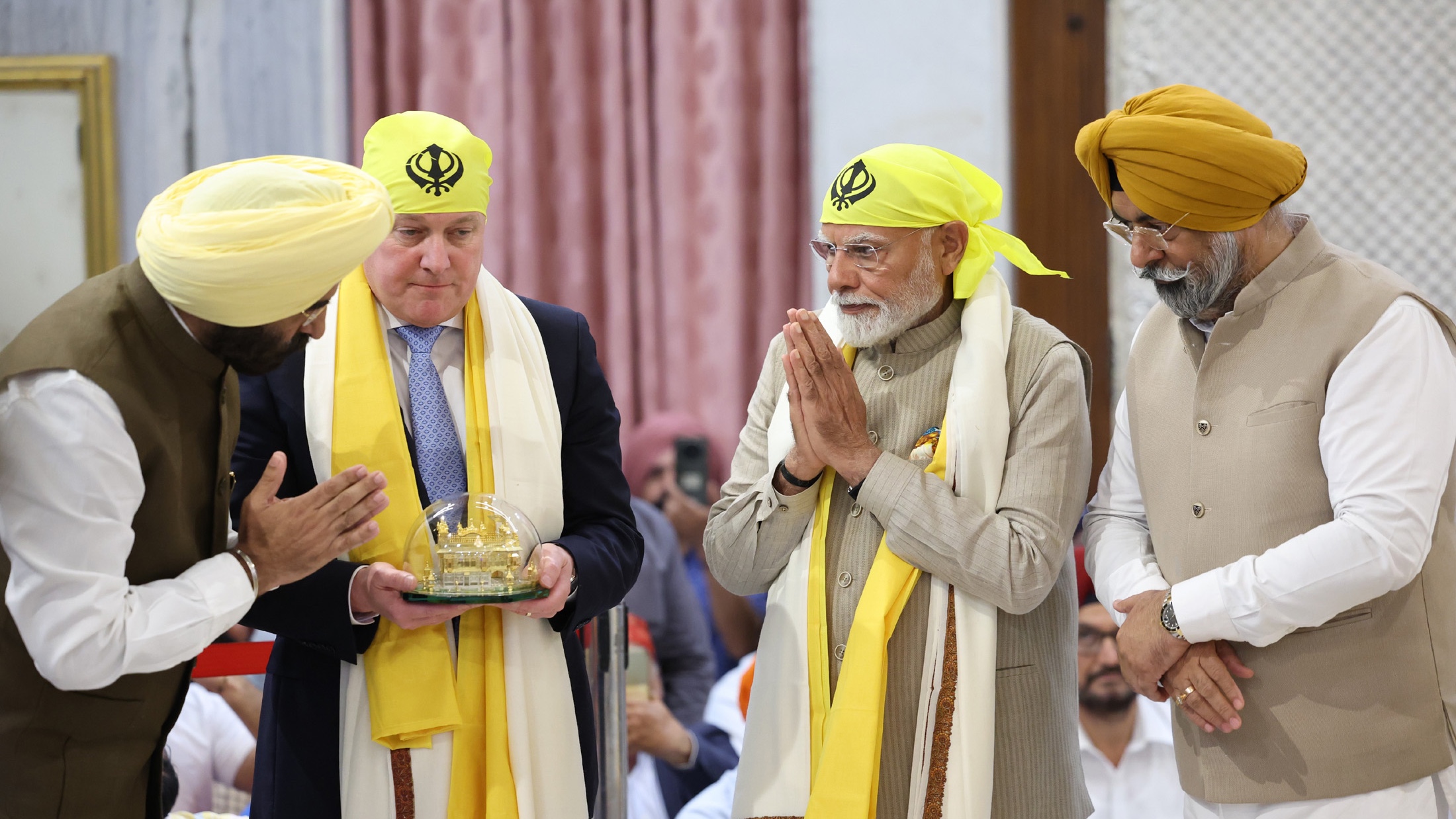
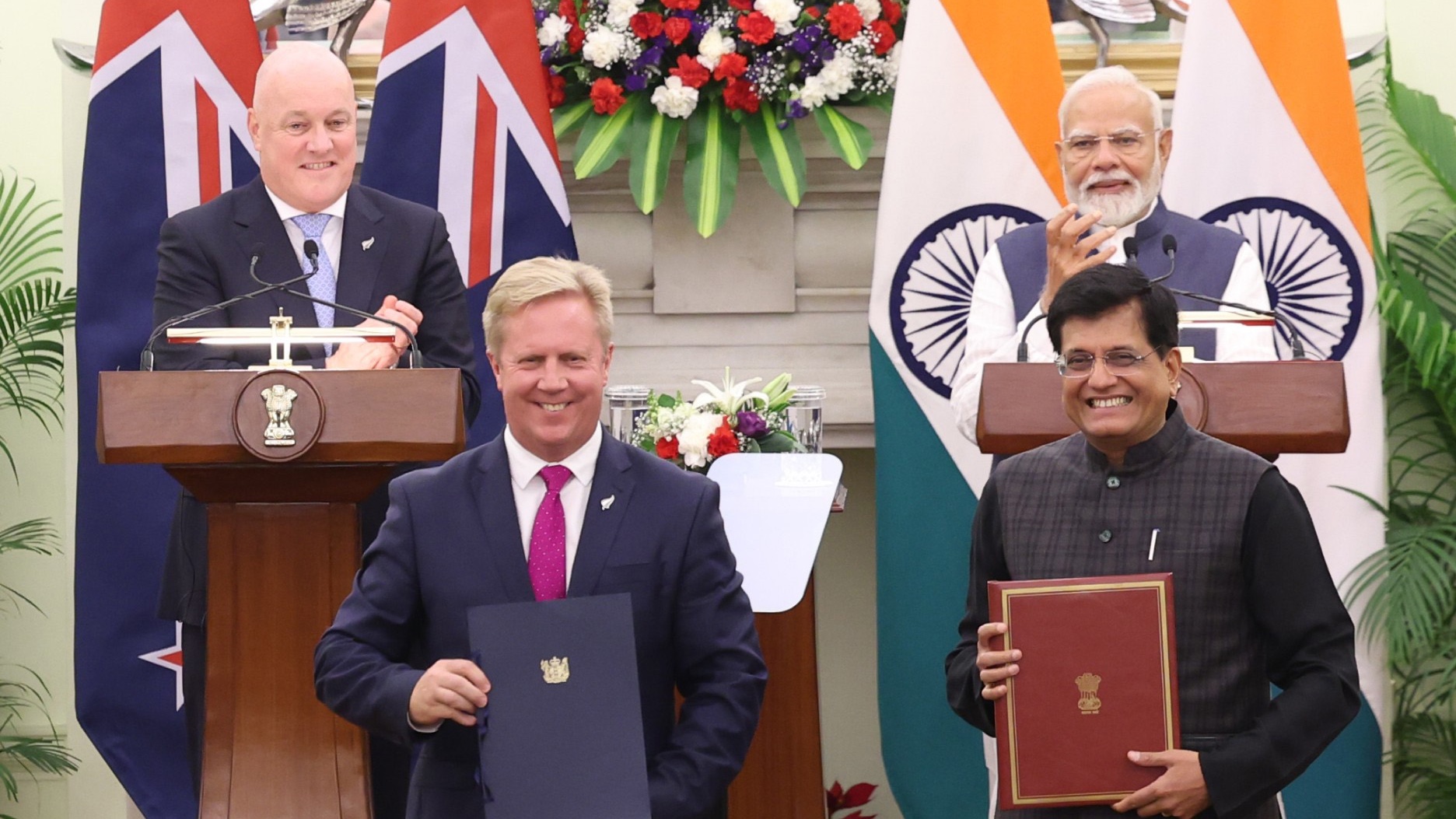
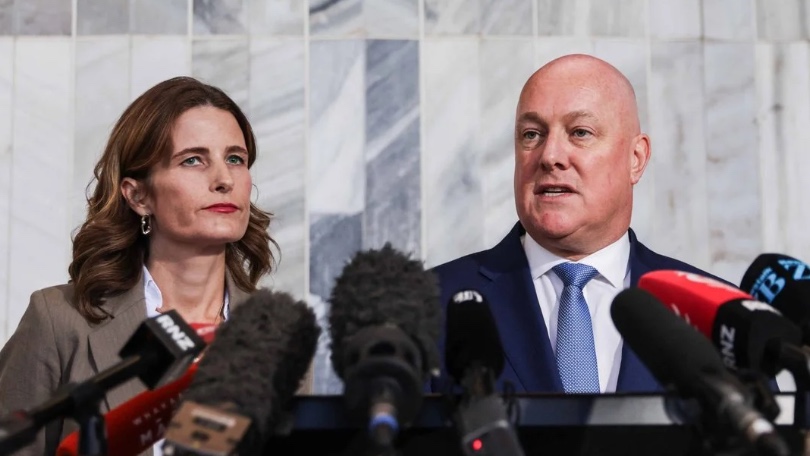
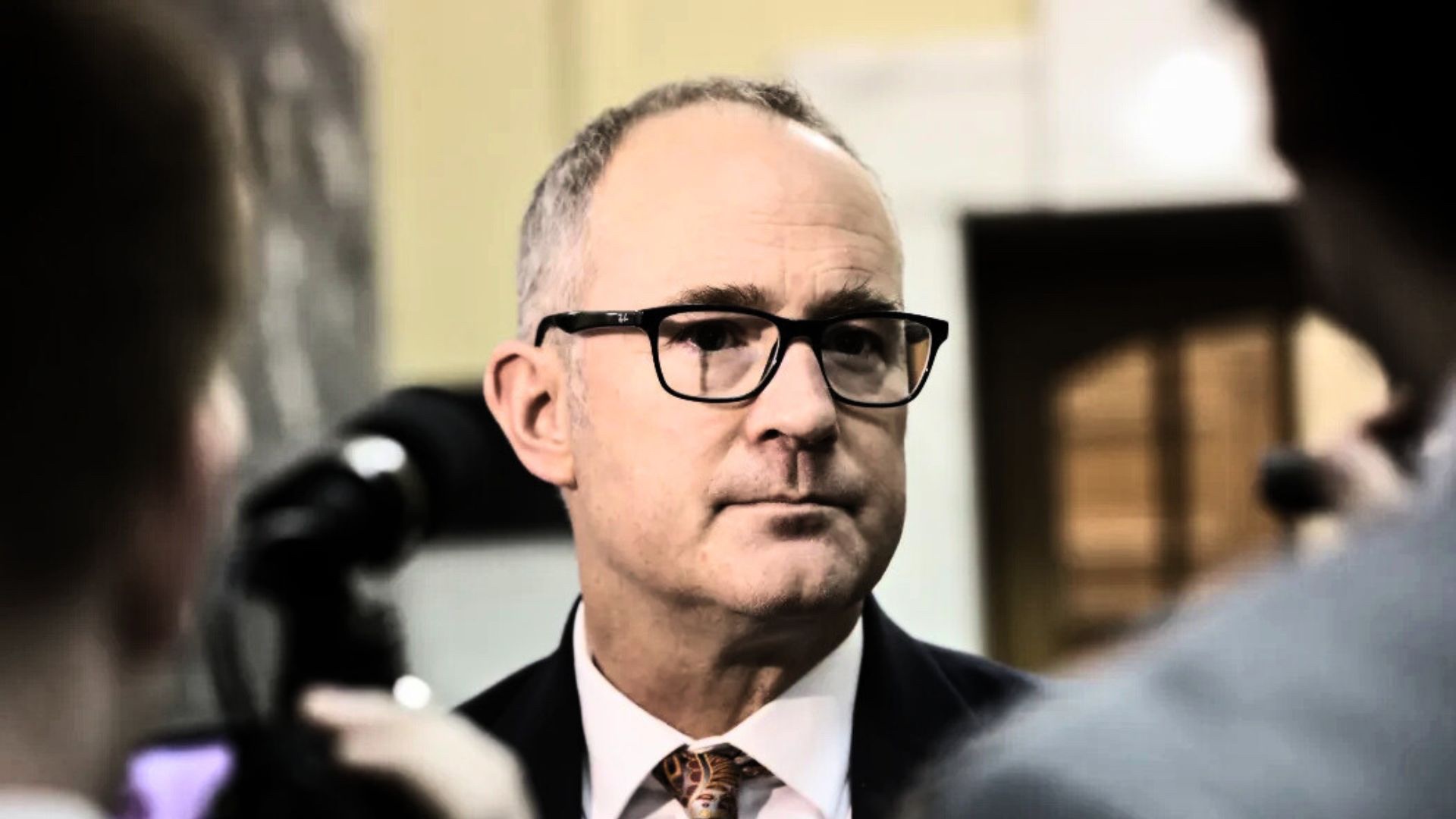
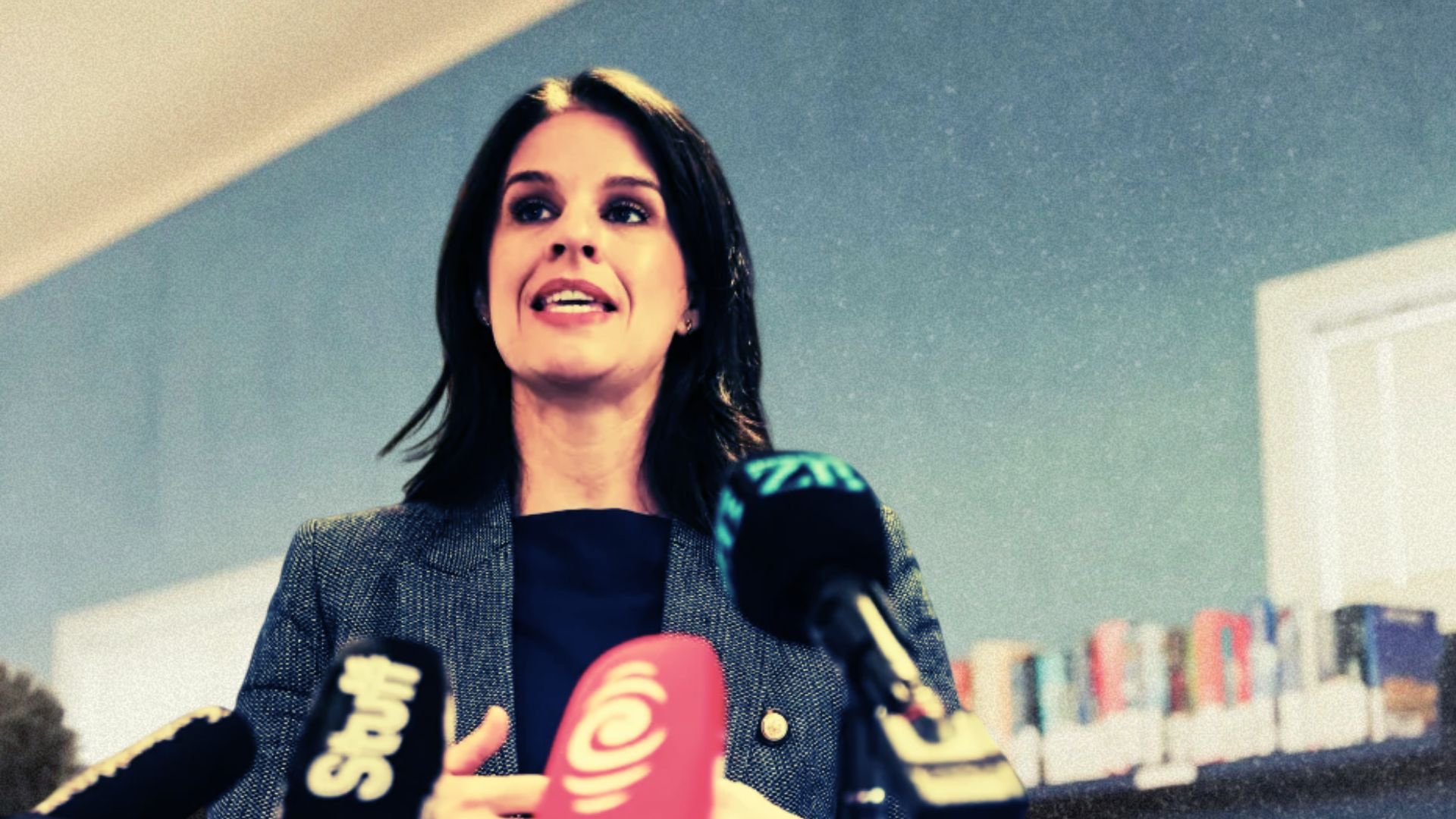
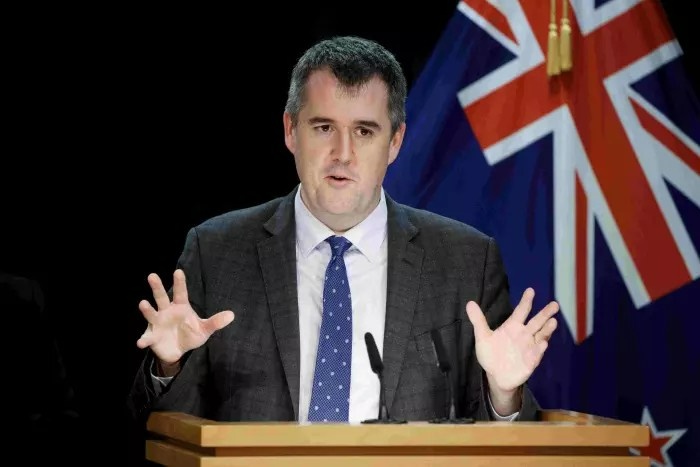
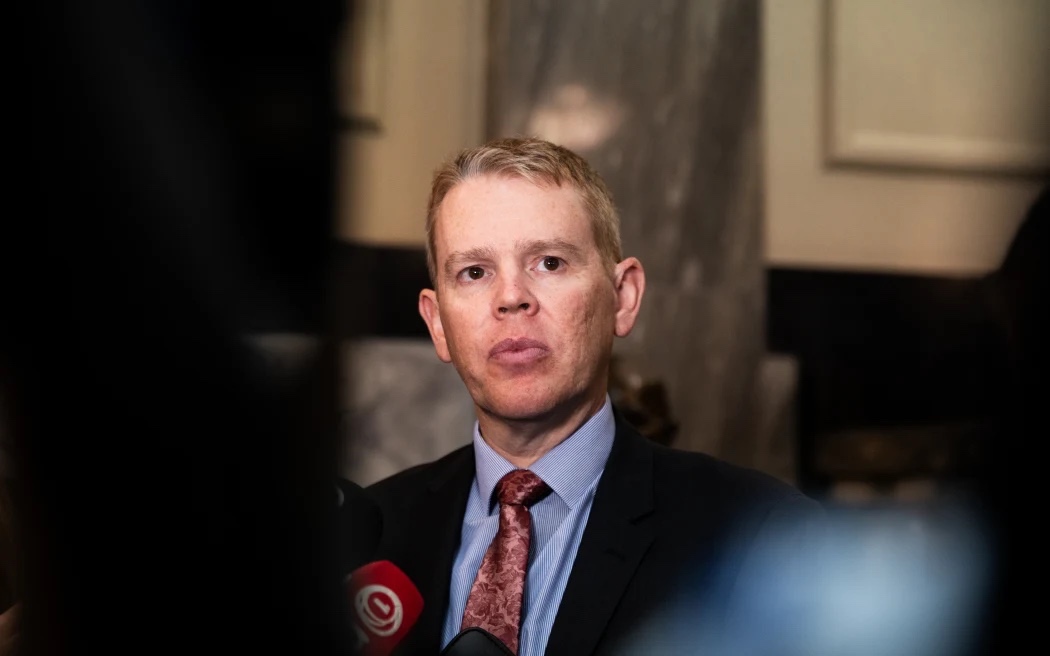
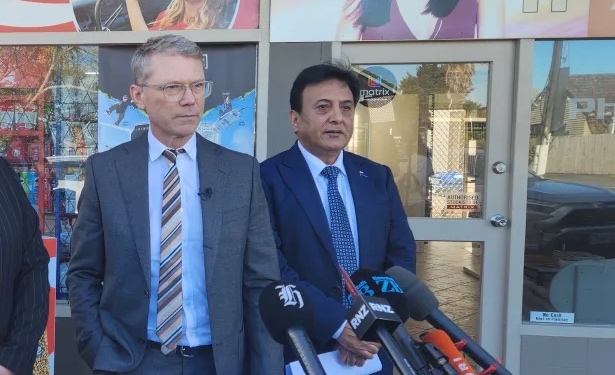
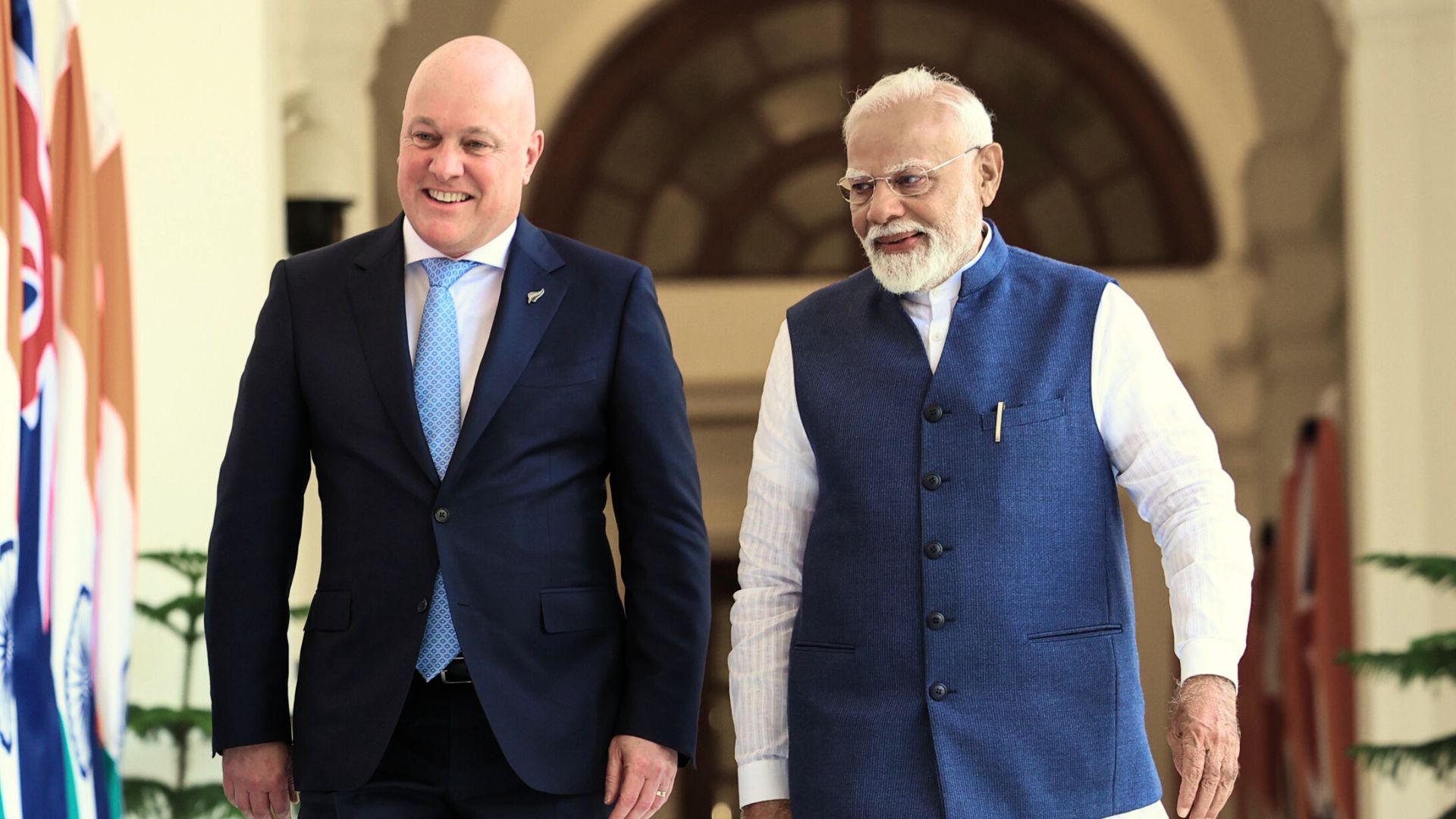
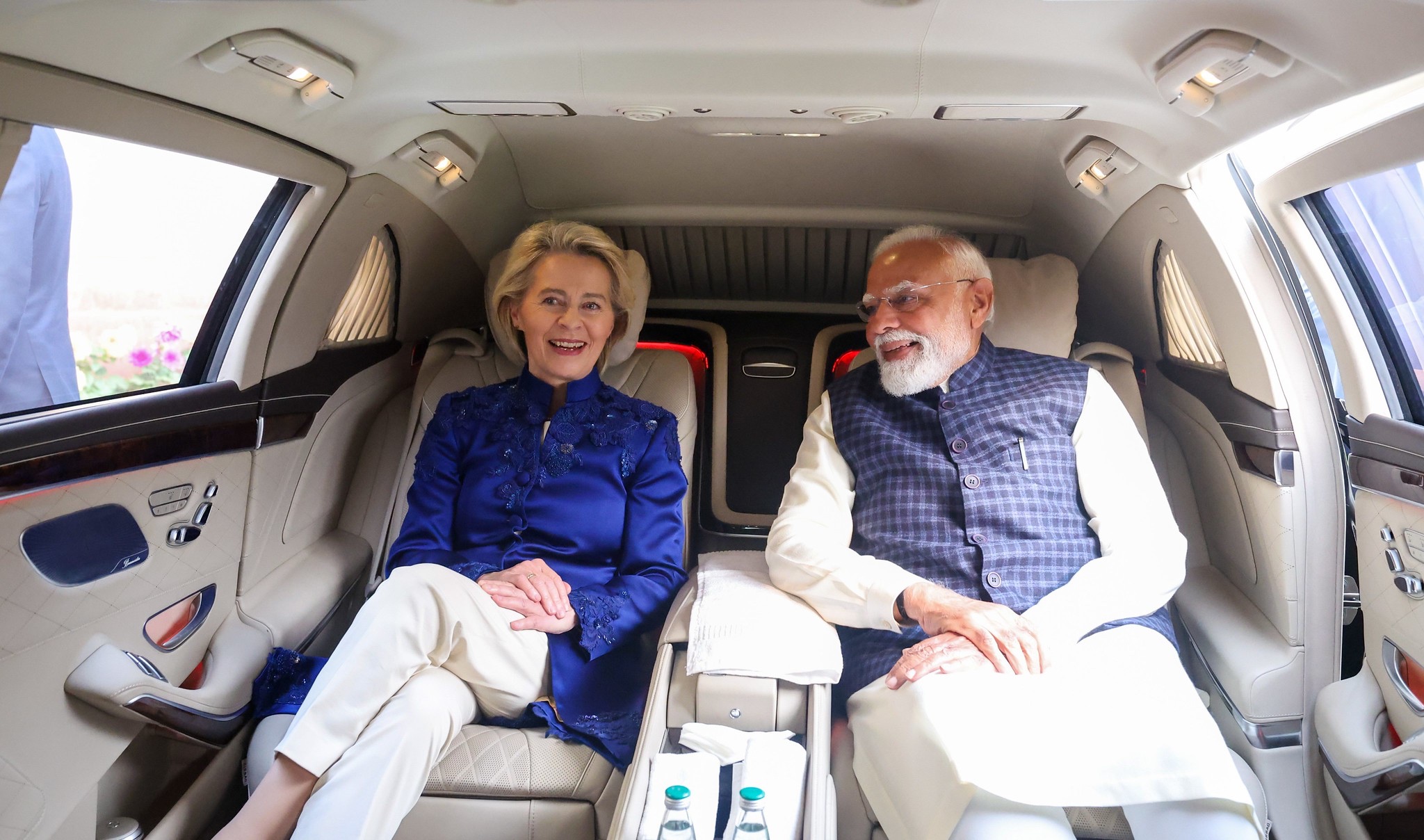
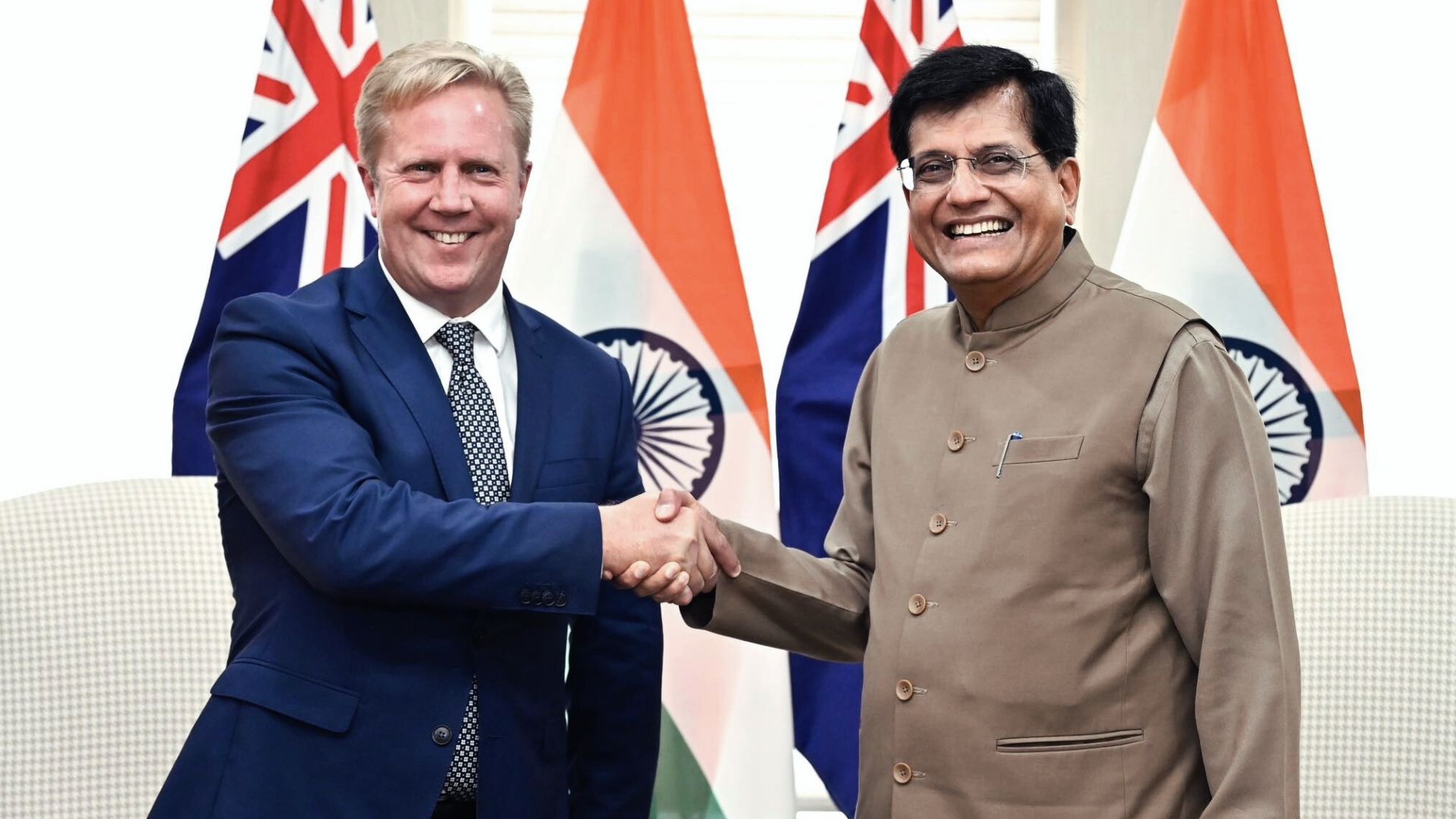
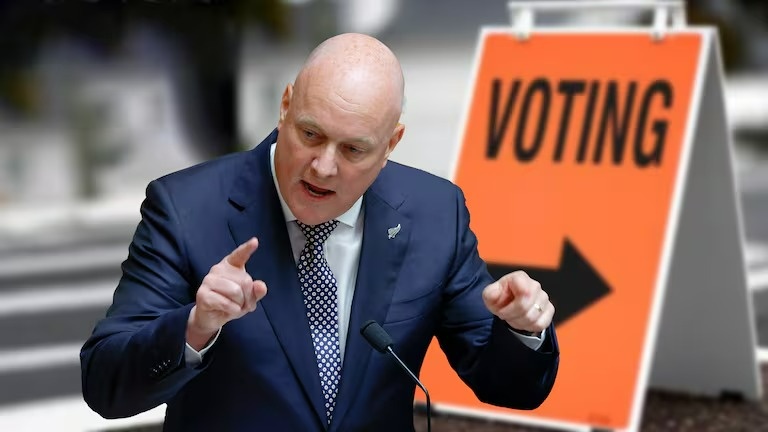
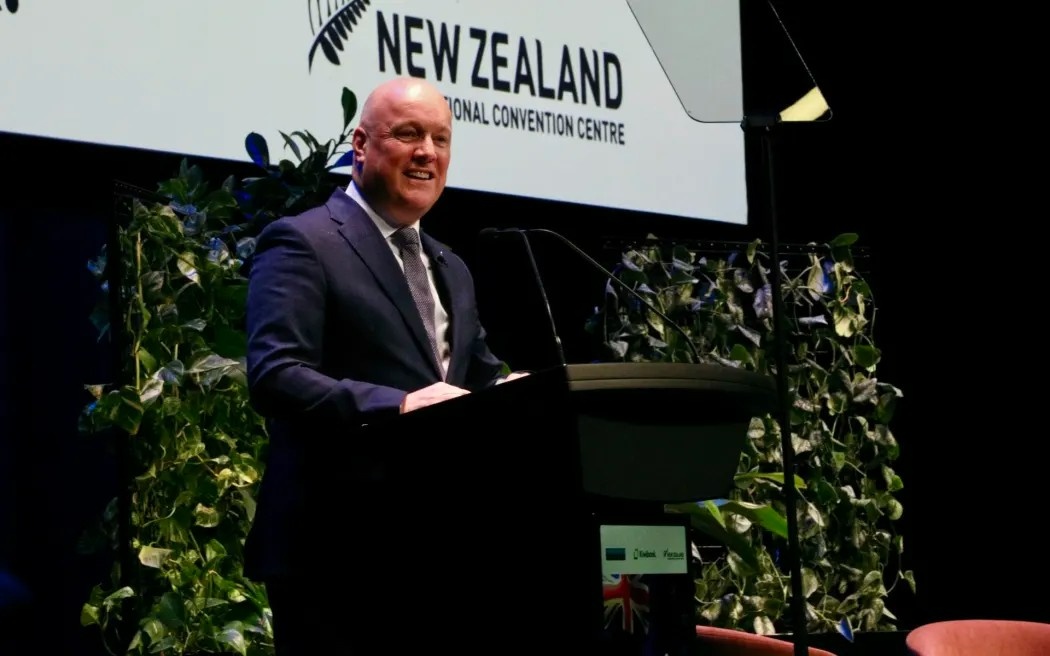
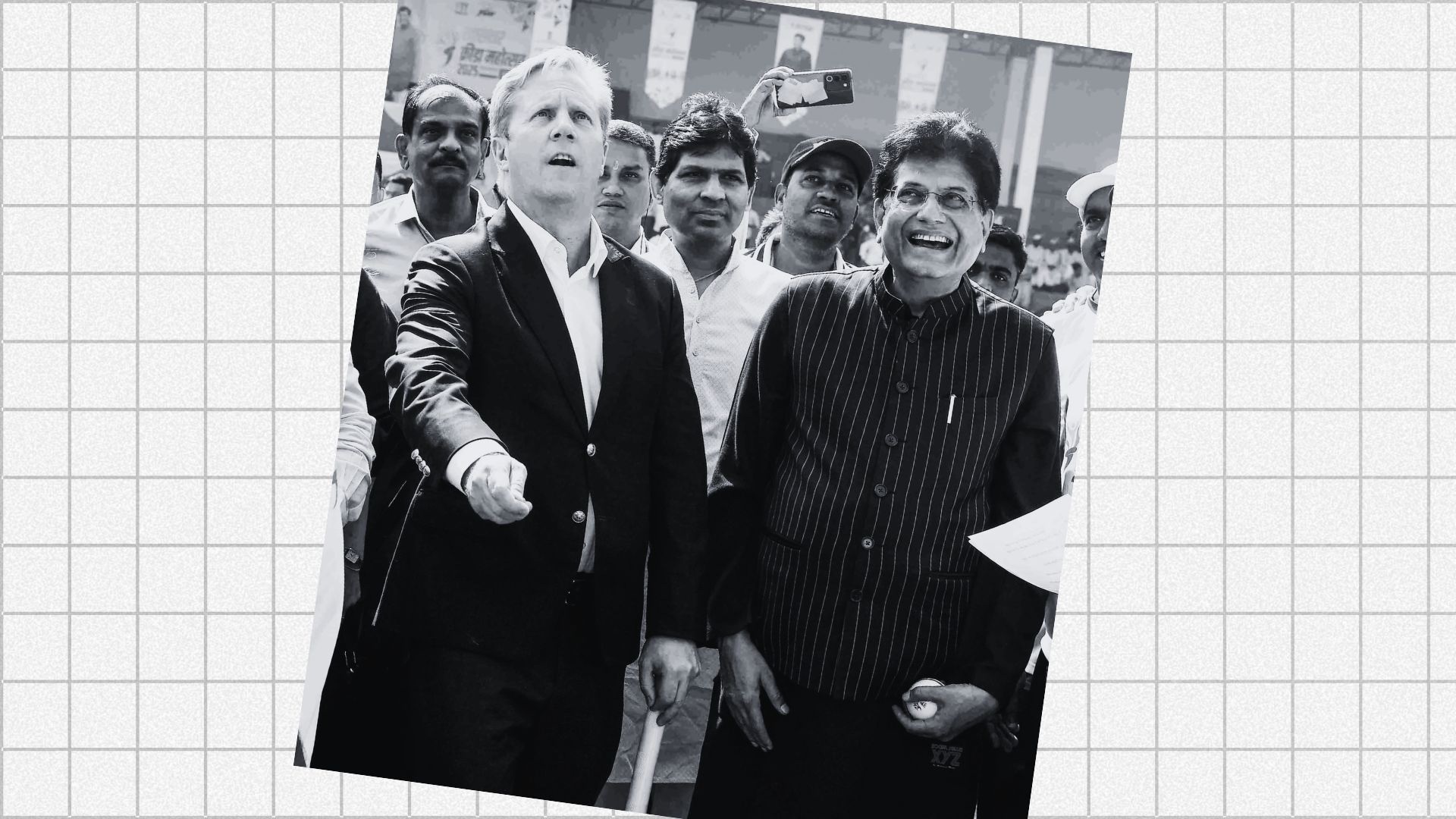
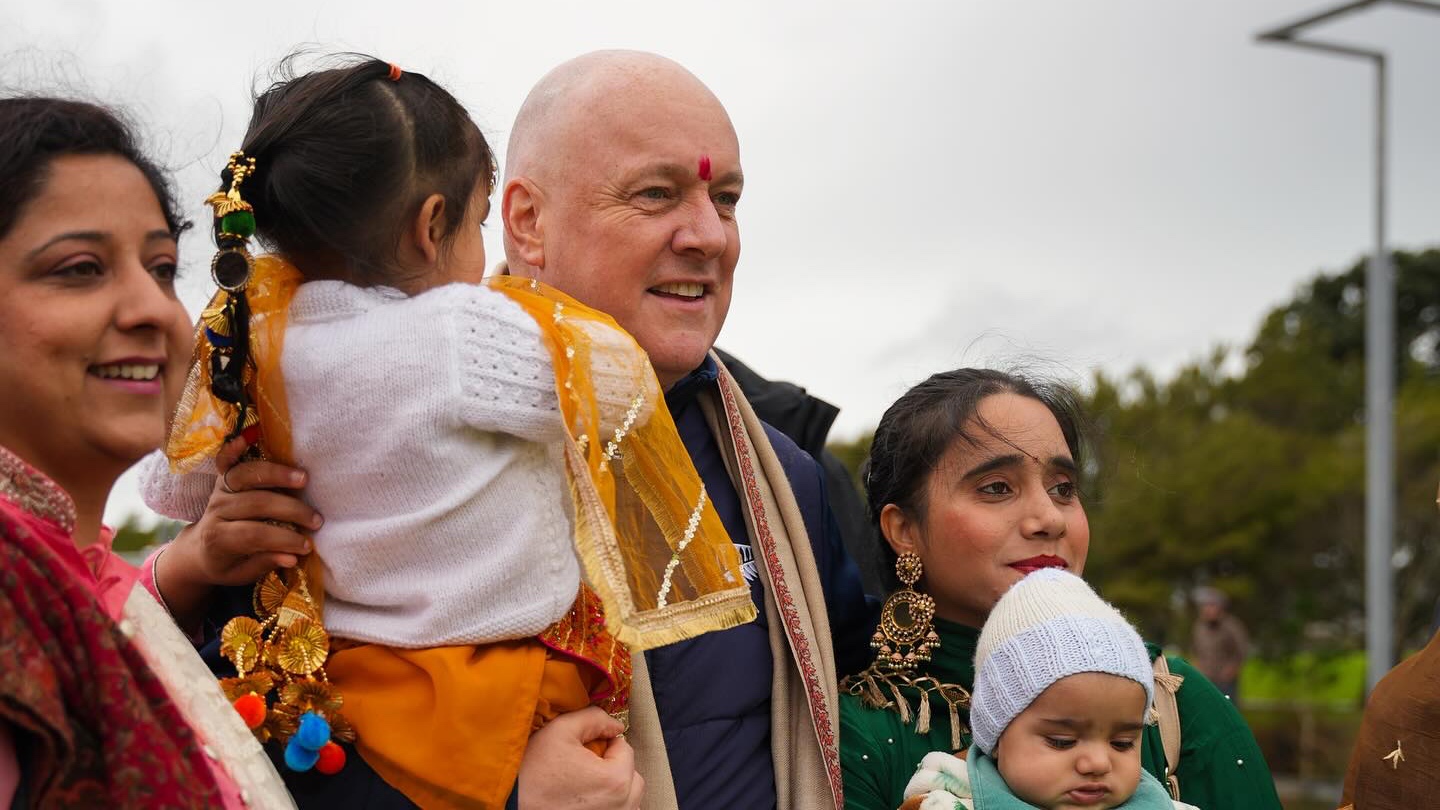
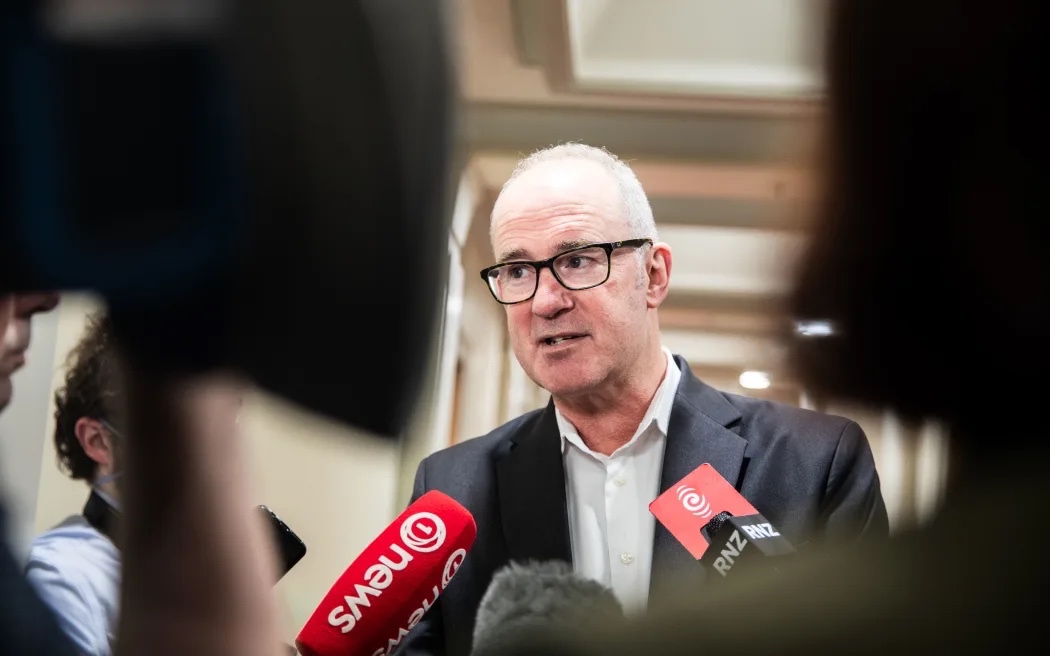
Trade minster Todd McClay says the government is "working through a process" with opposition parties. (Mark Papalii/RNZ)
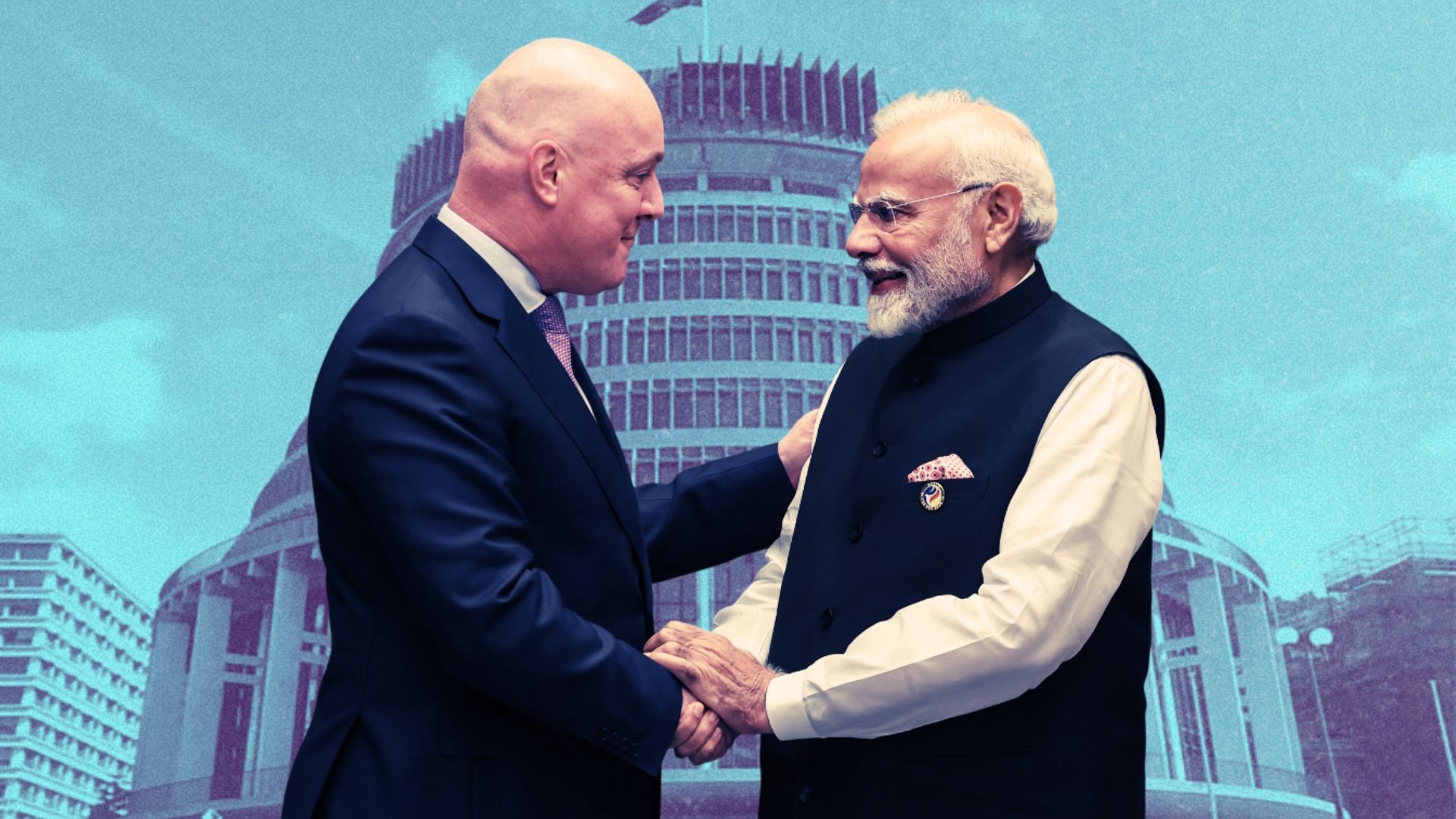
The deal has been negotiated but it can become operational only after it is ratified by Parliament.
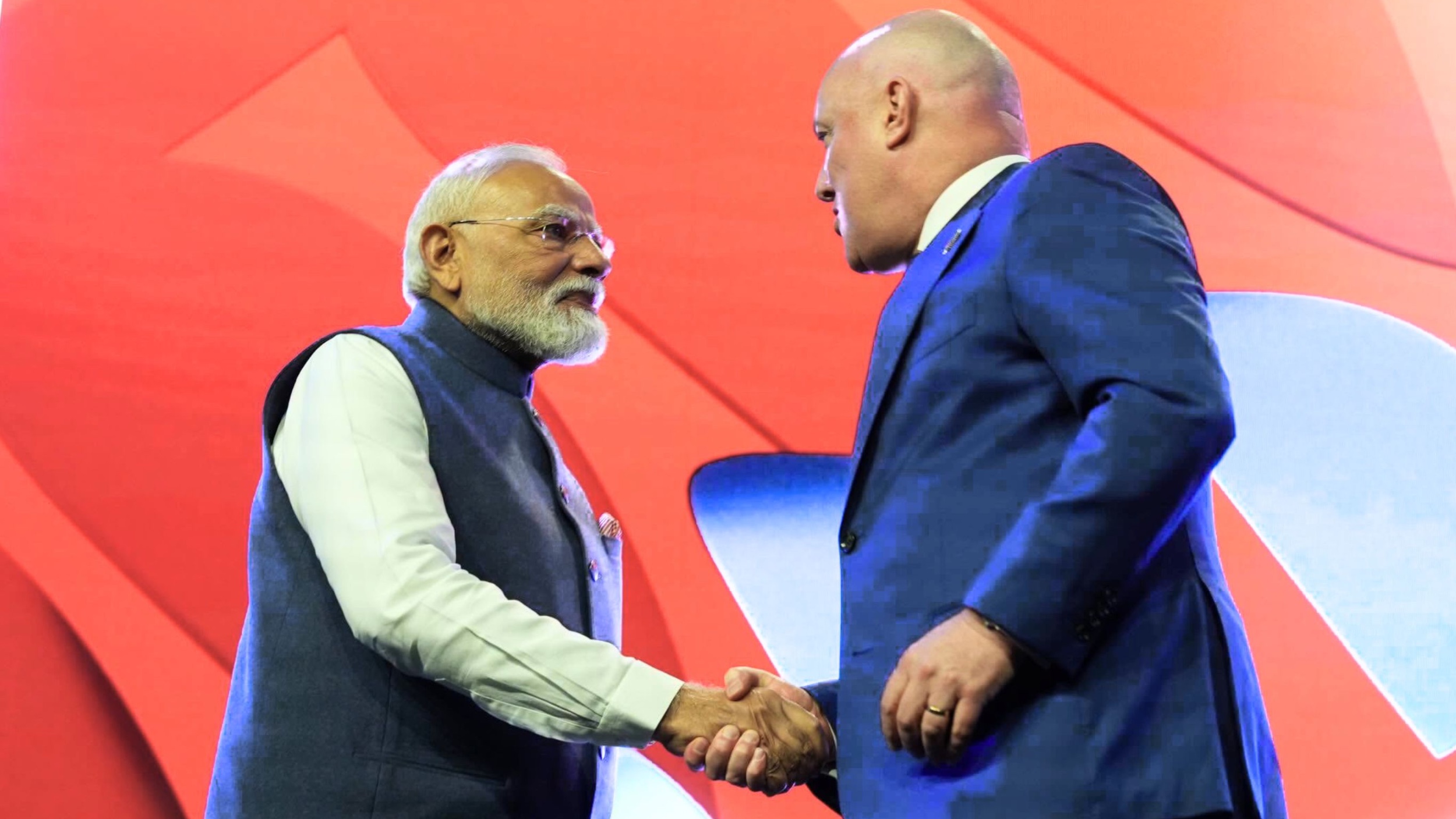
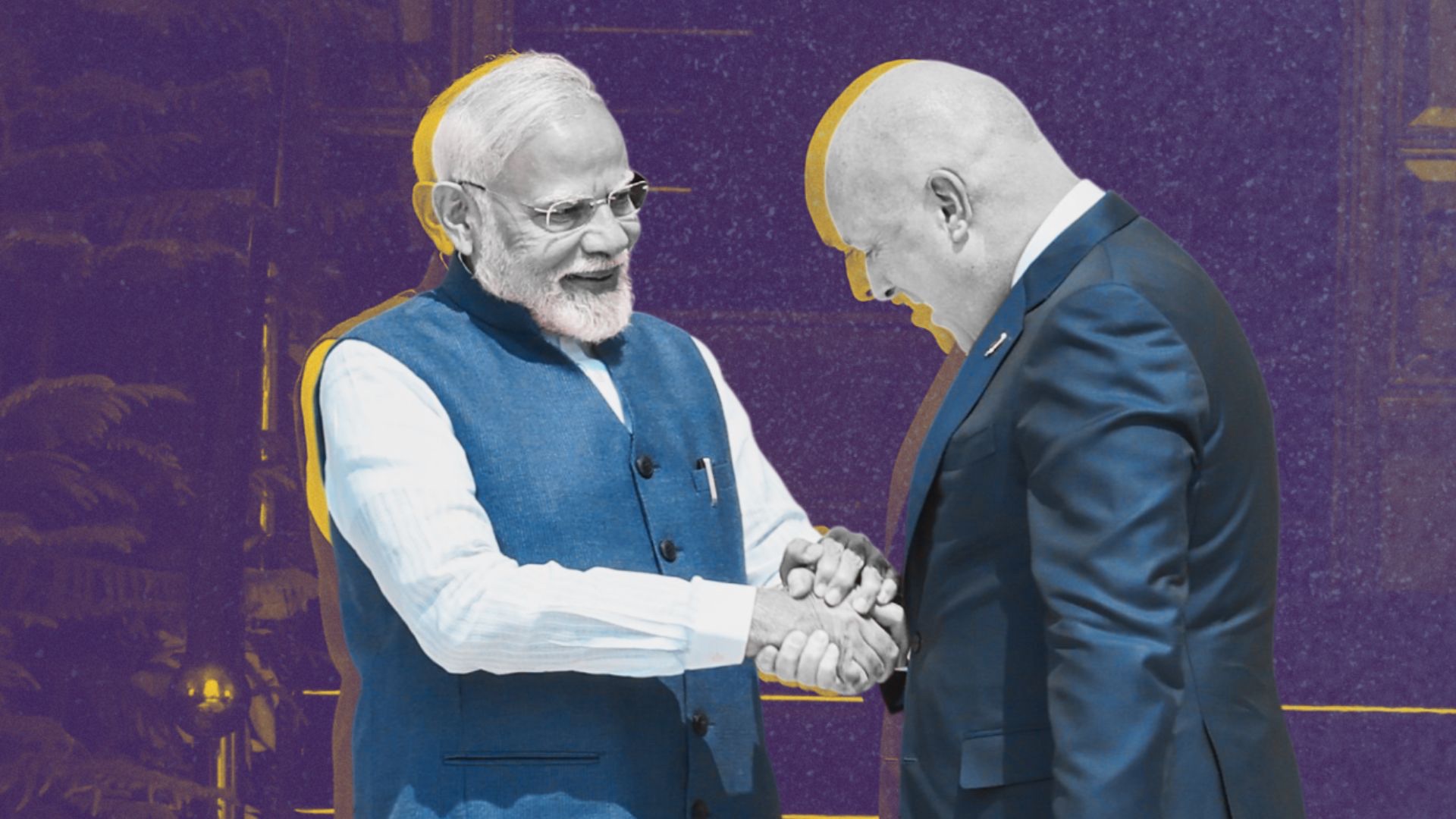
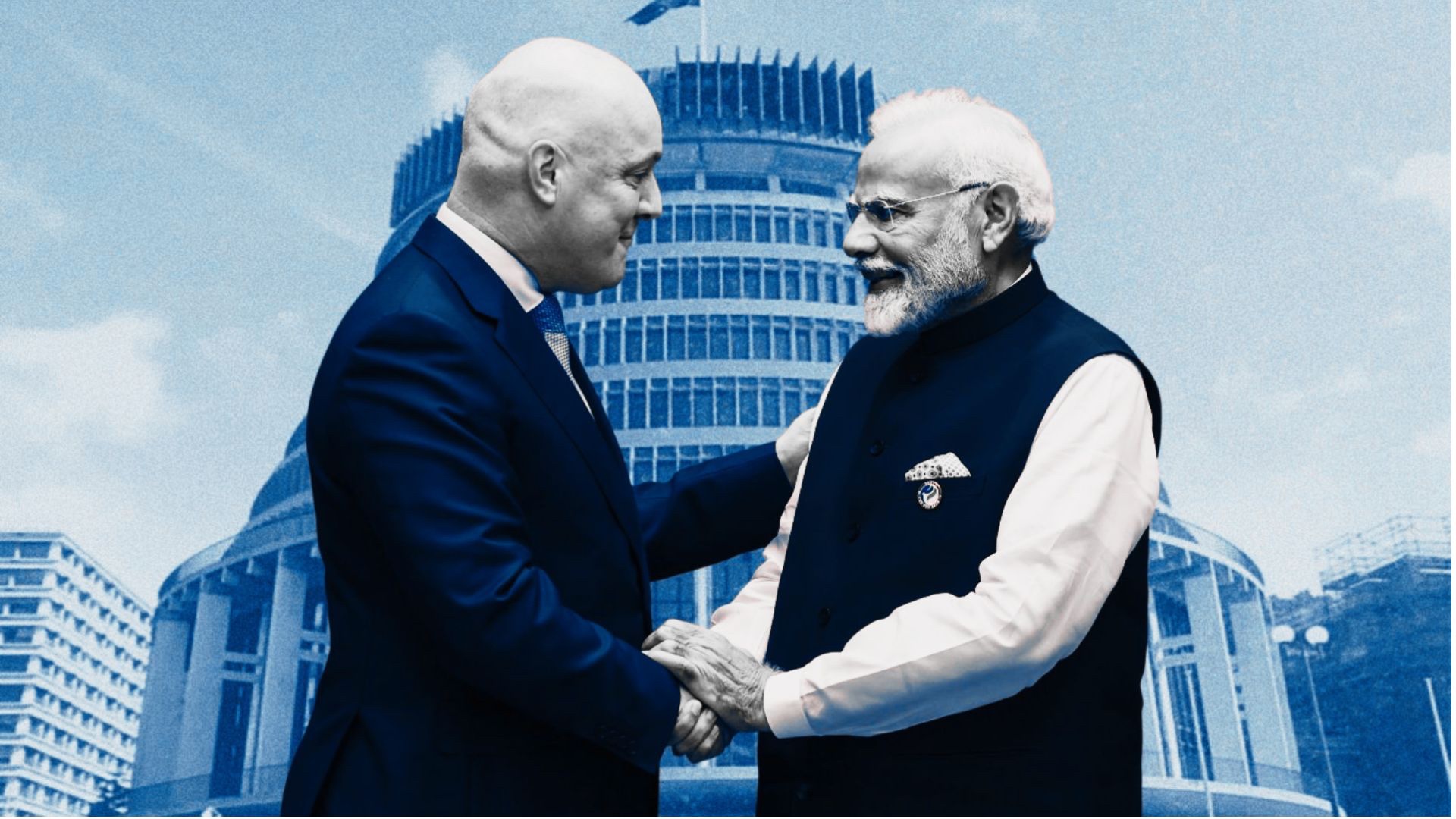
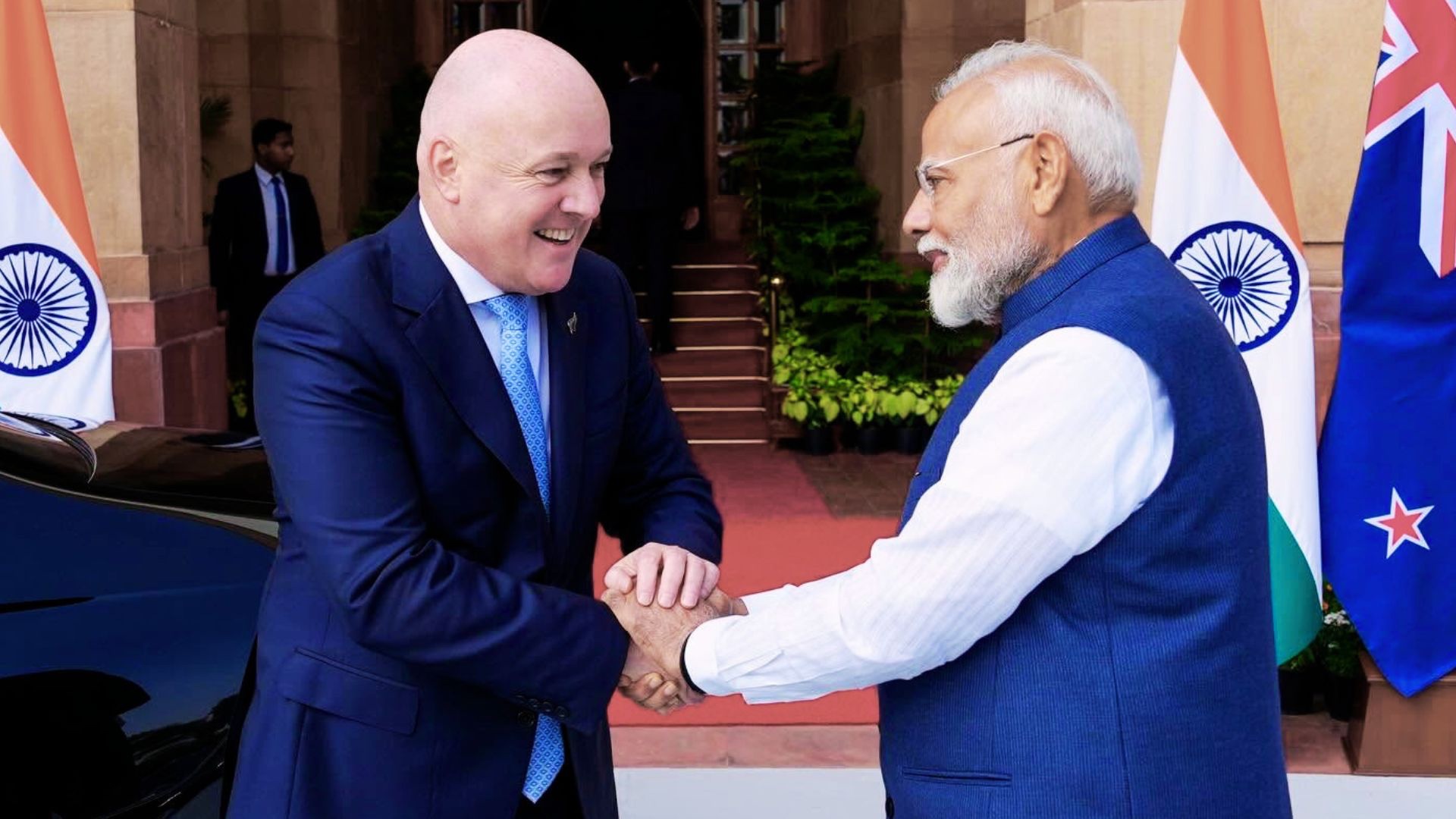
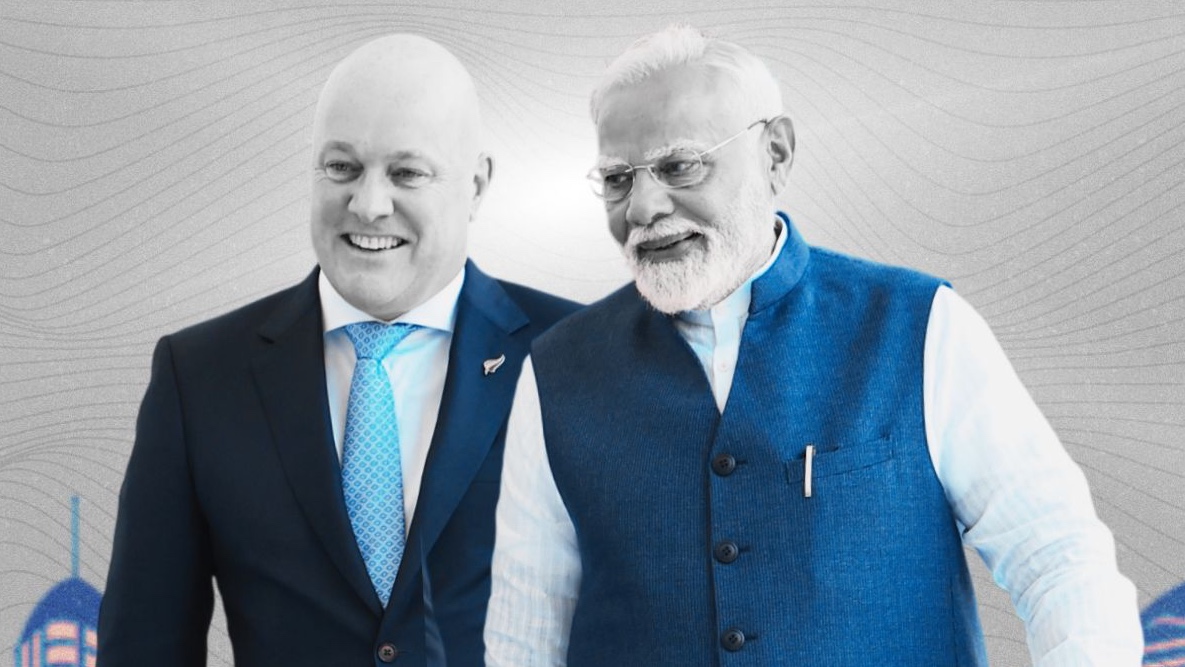
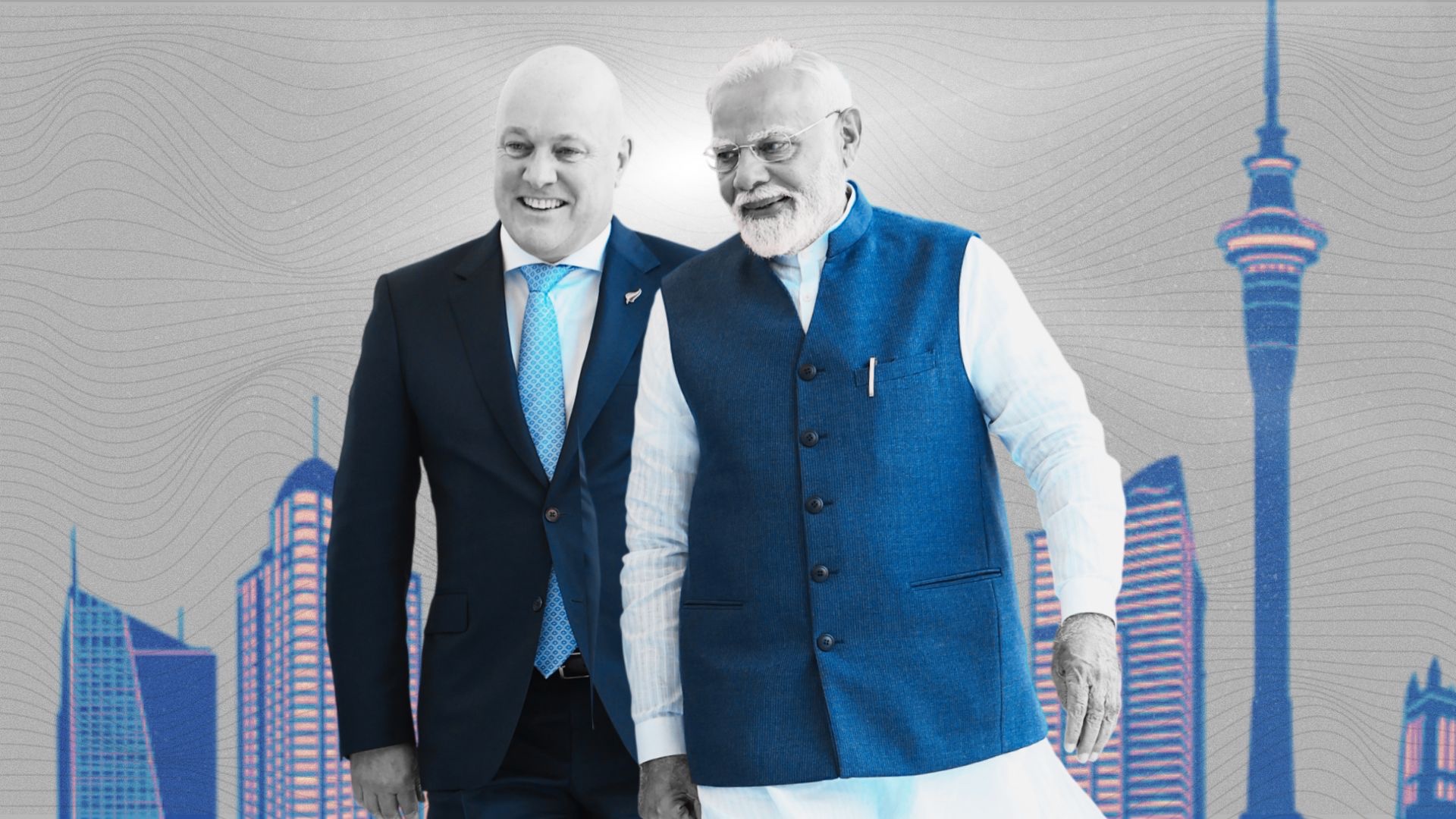
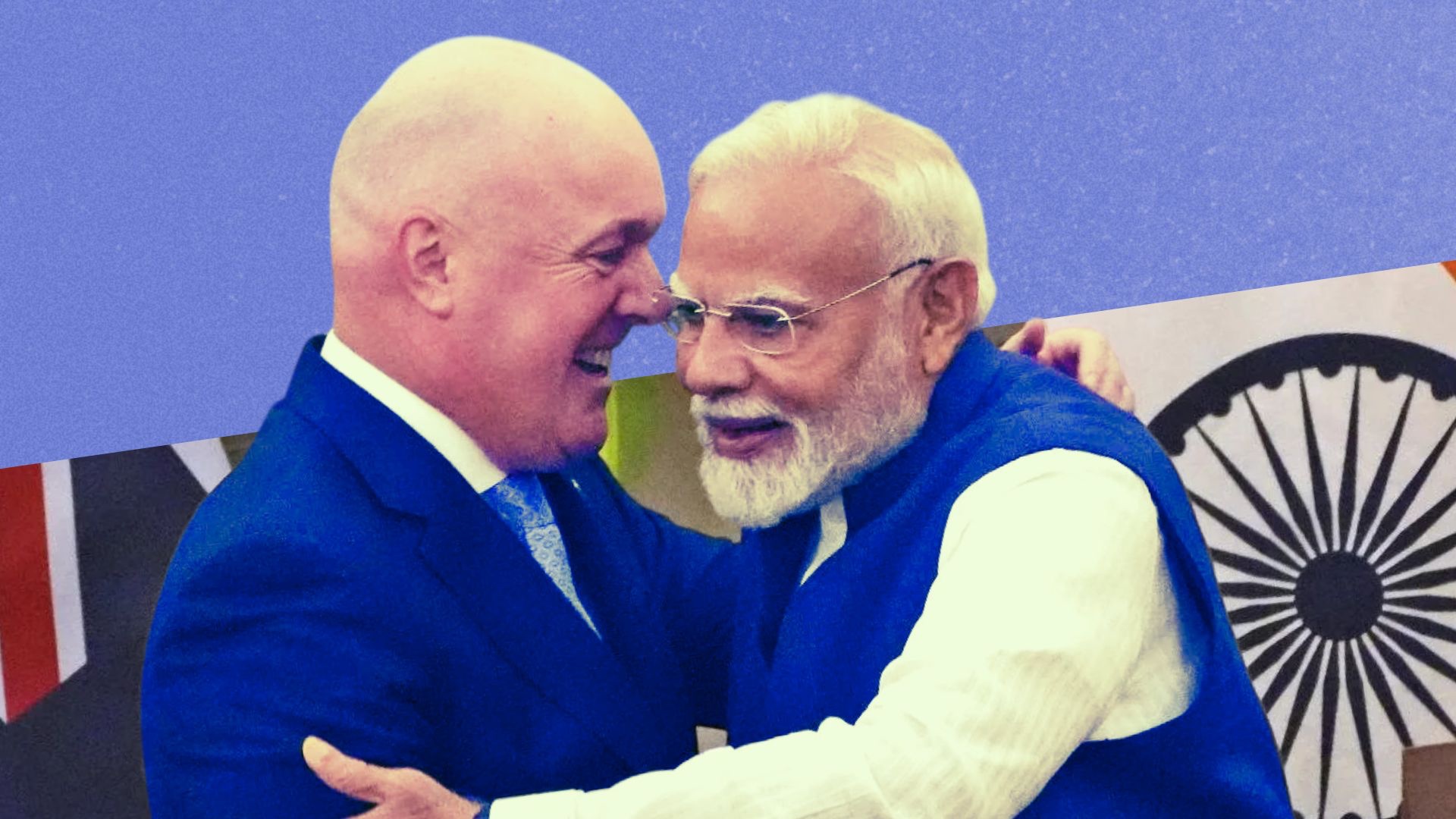
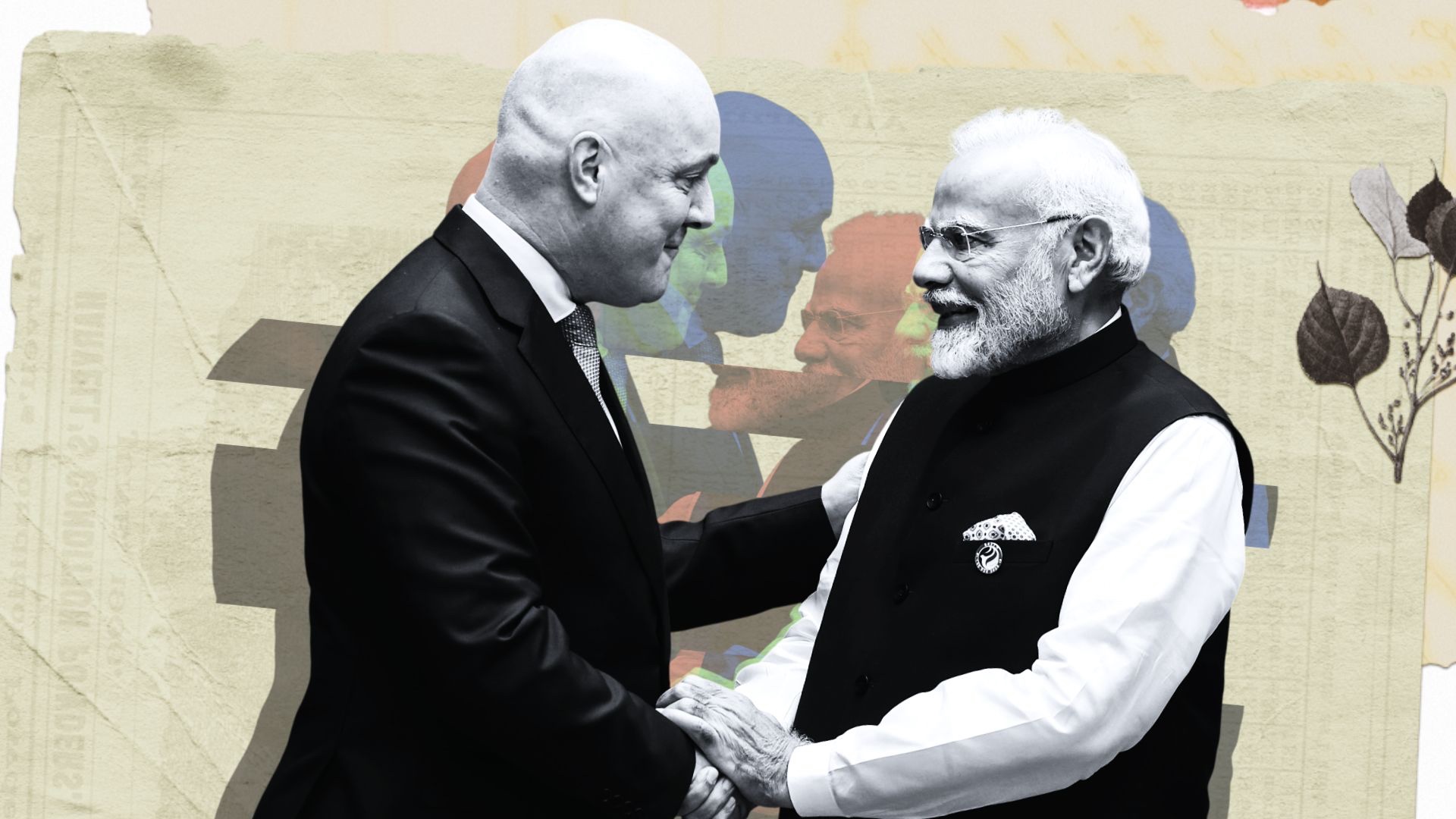
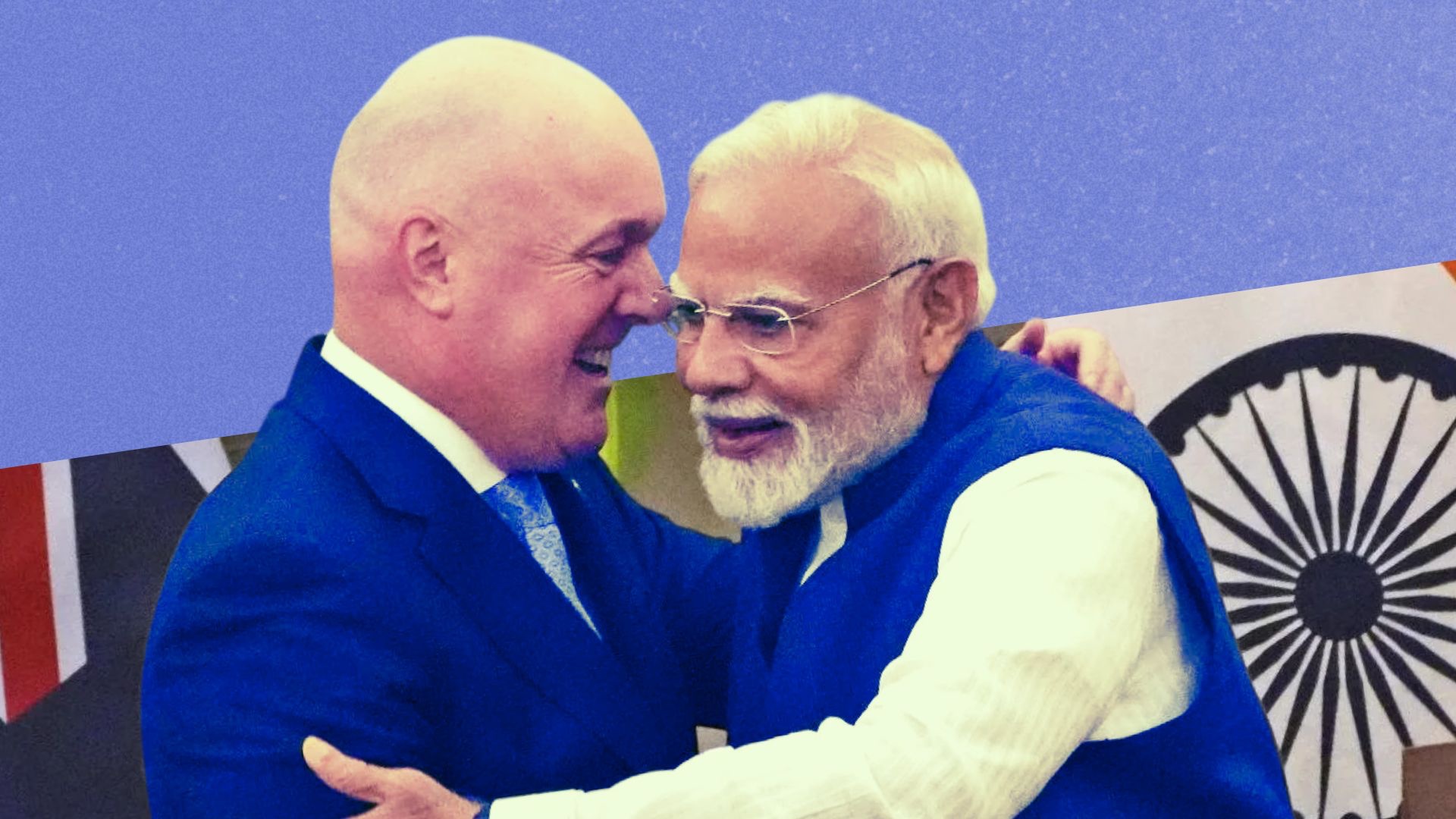
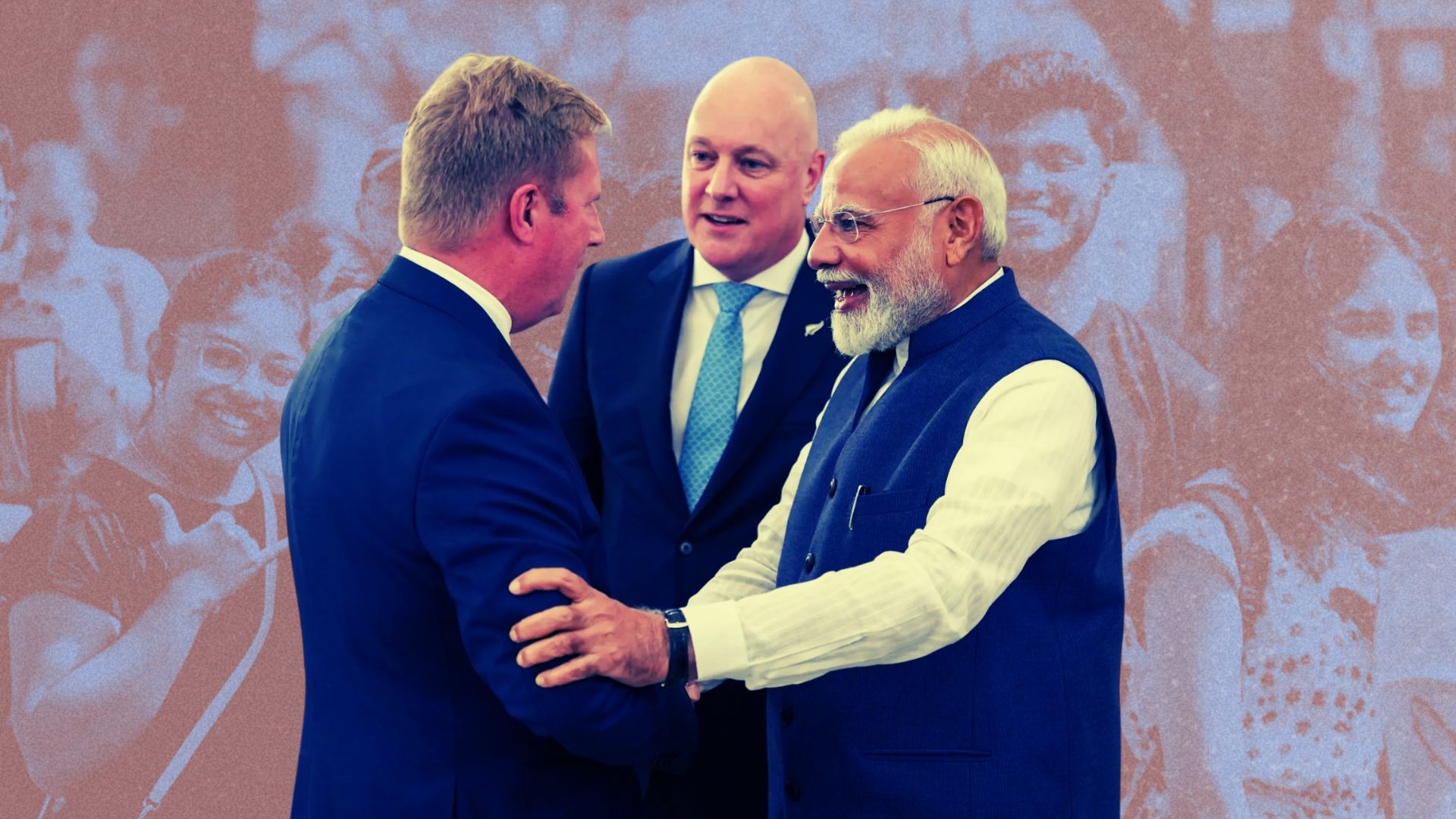
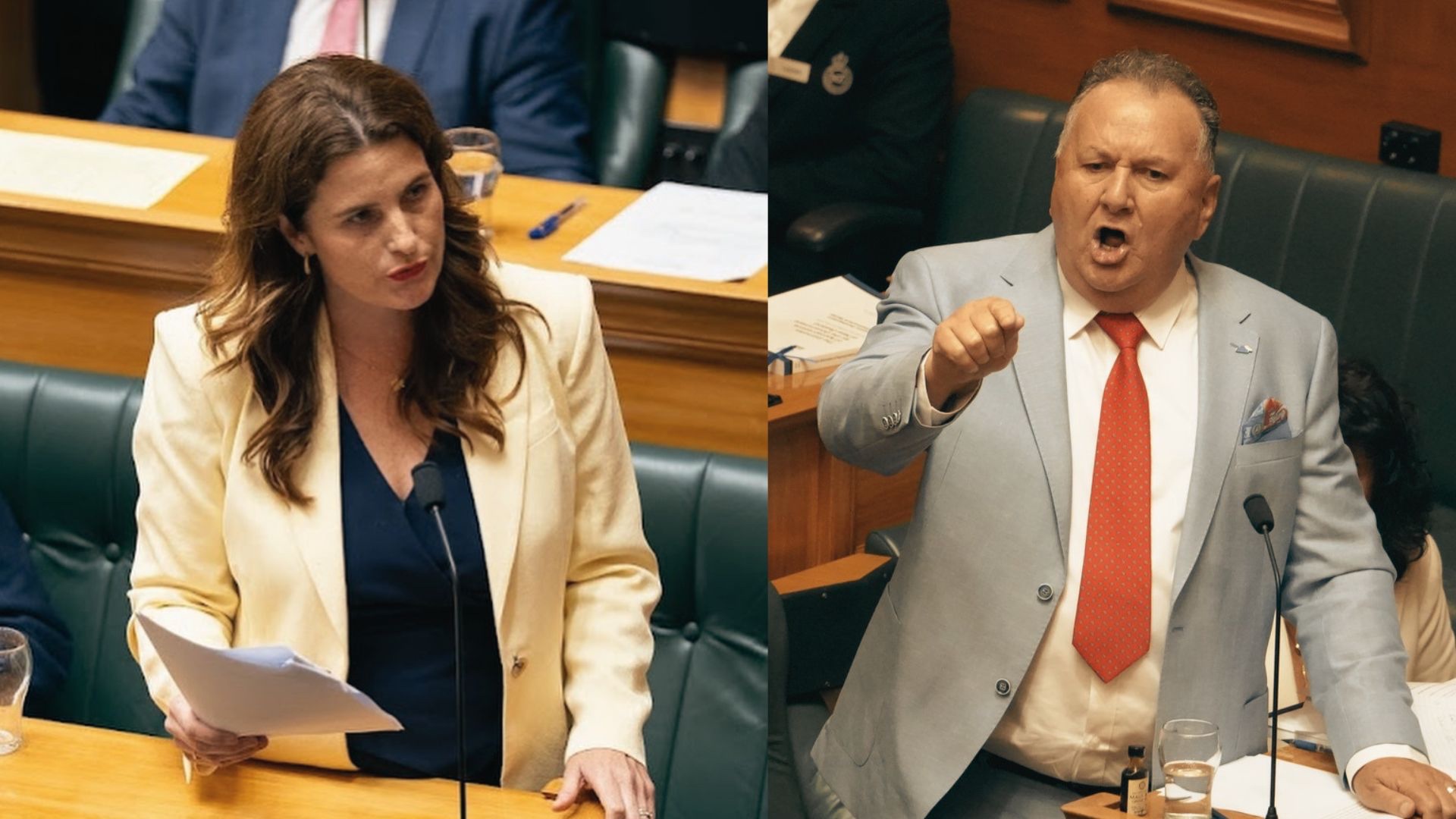
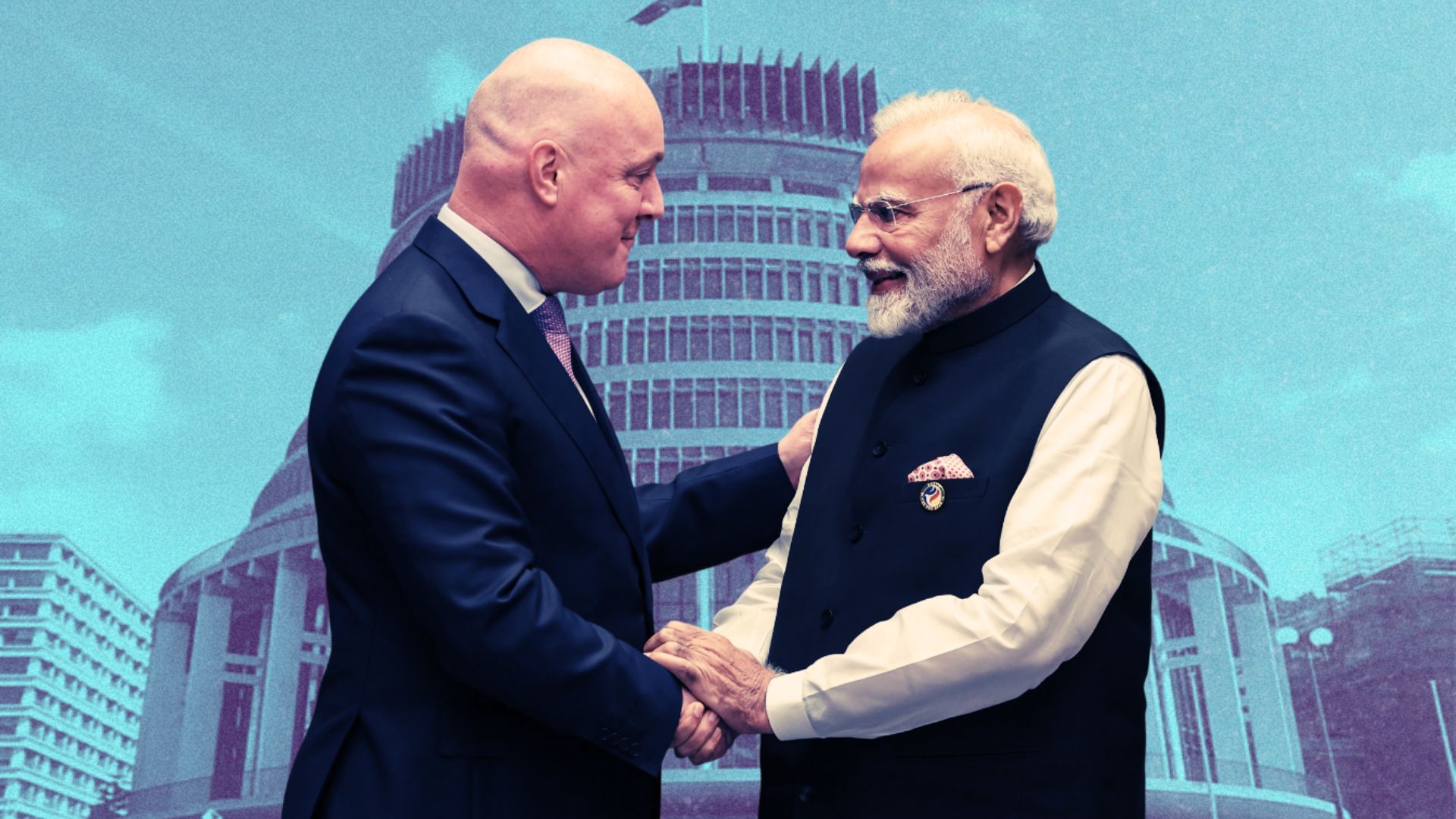
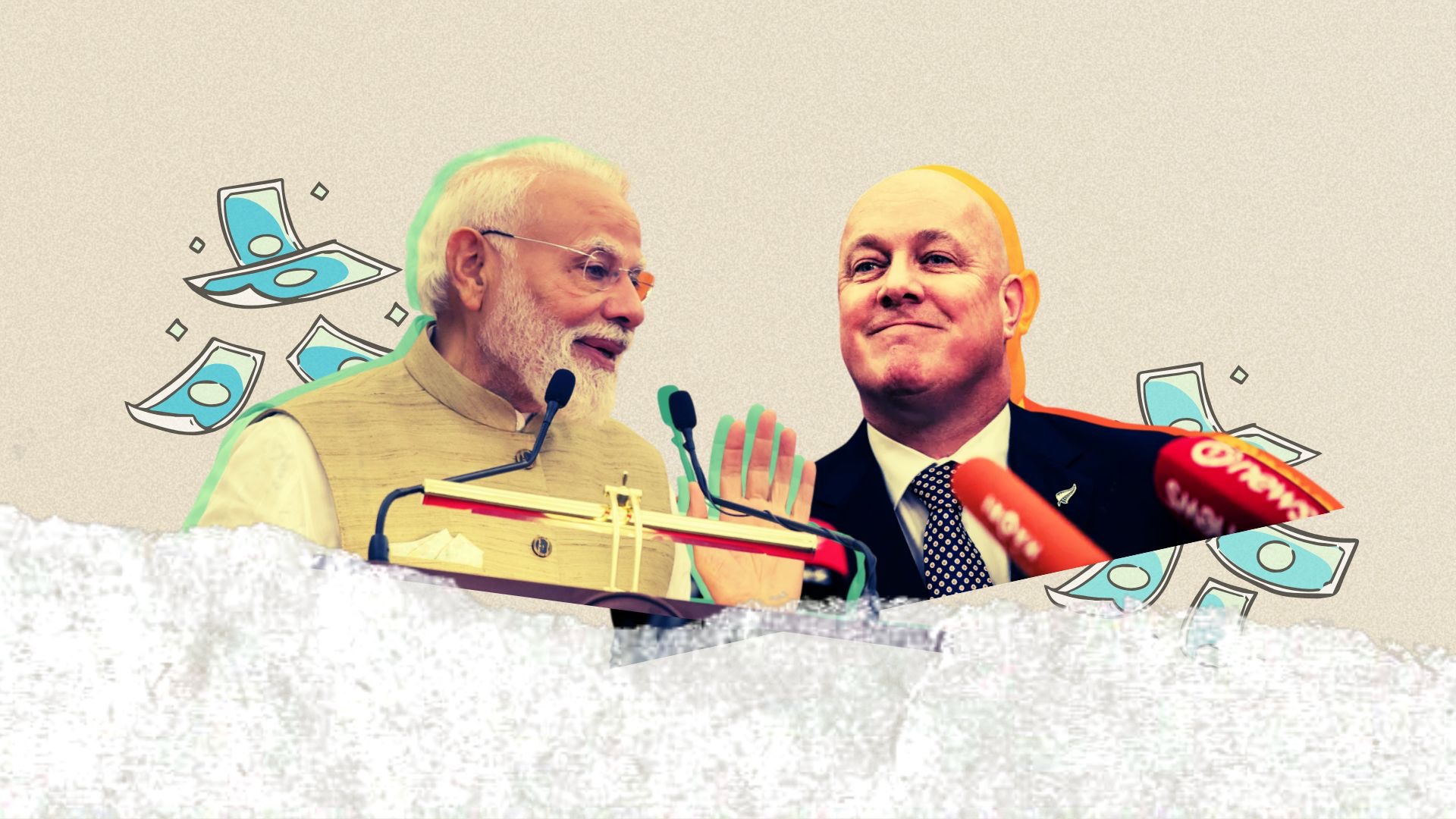
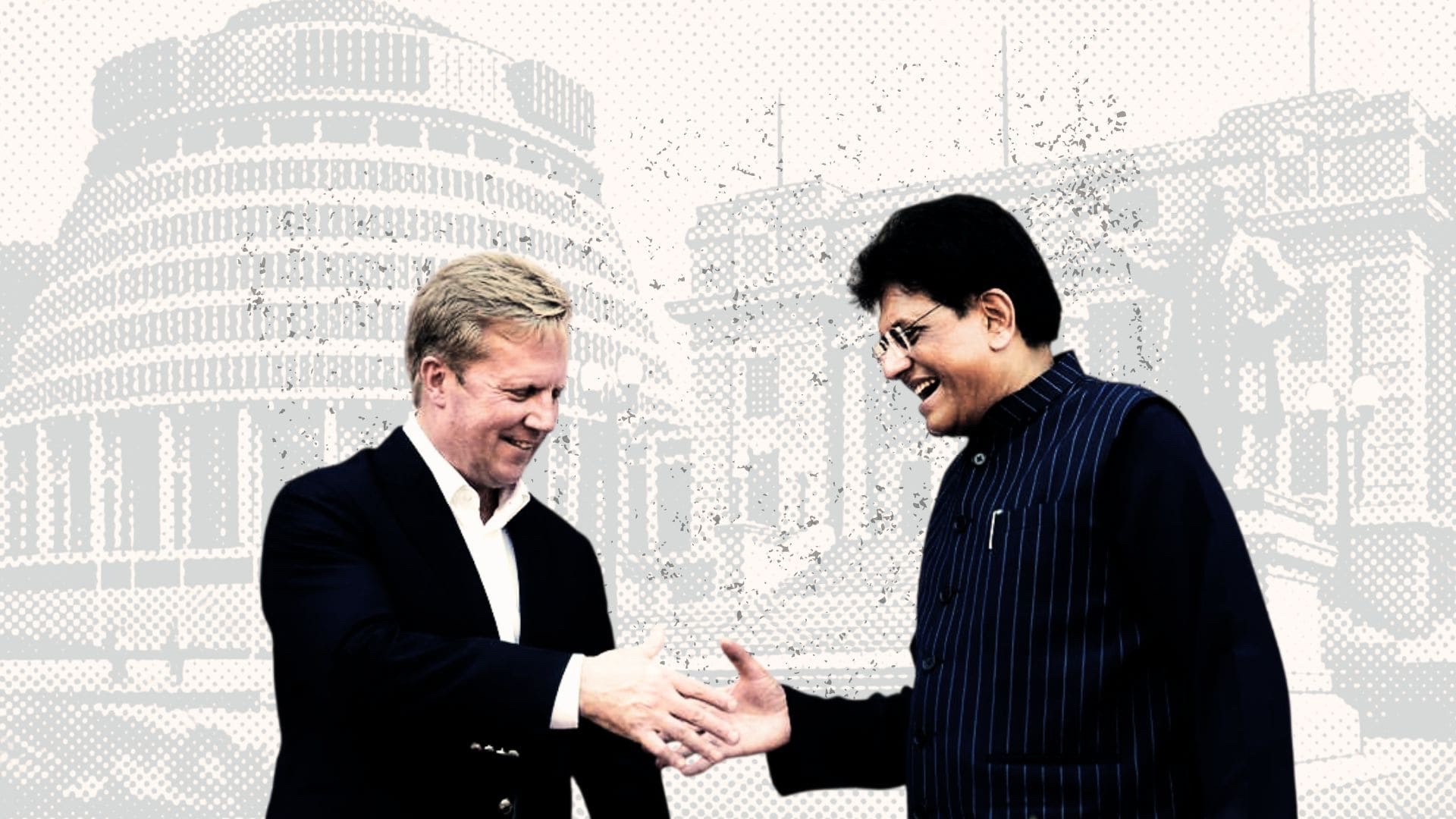
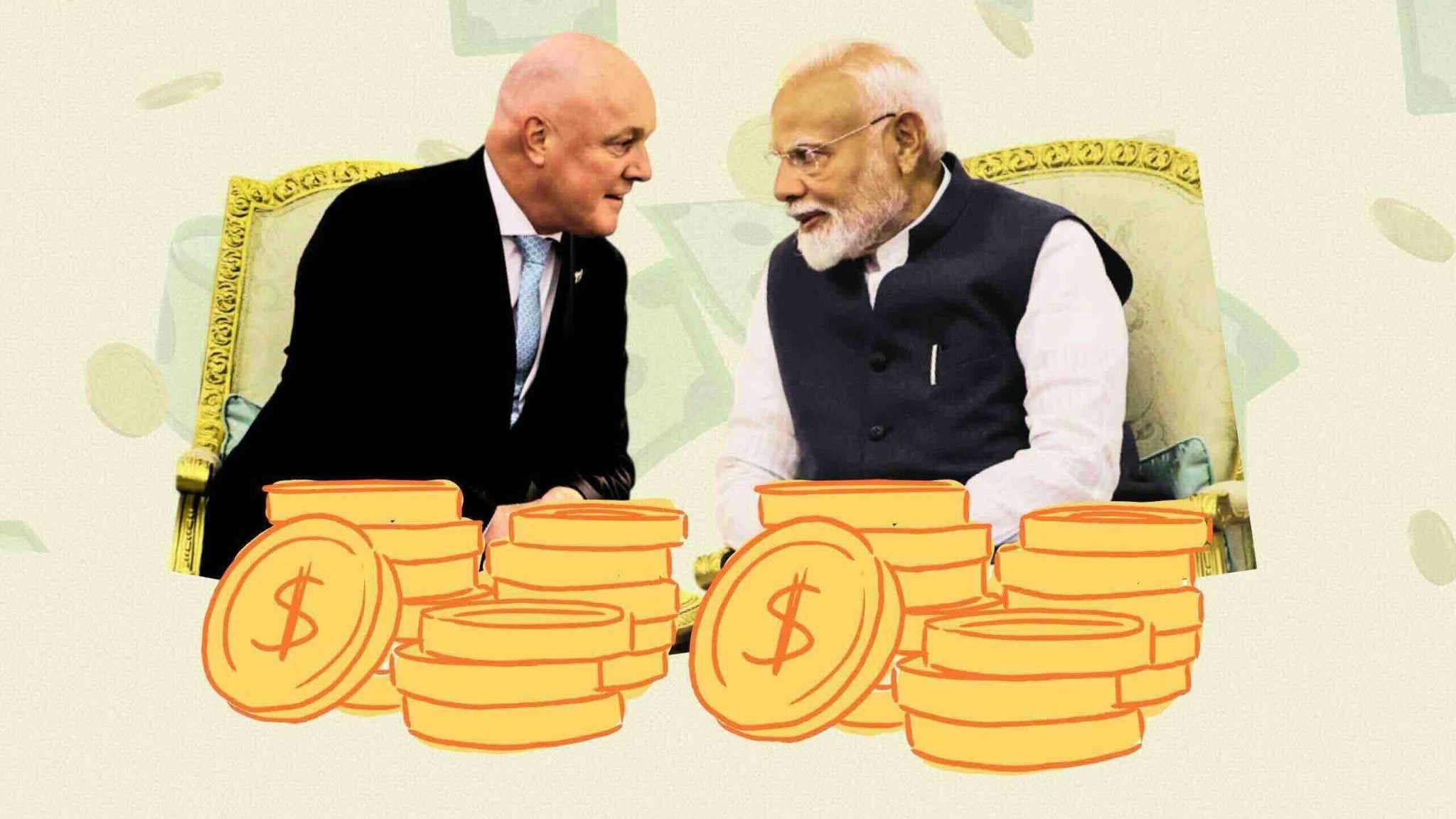
The India–New Zealand free trade agreement (FTA) is edging towards the cross-party backing it needs, trade minister Todd McClay said on Tuesday, even as Labour continues to press for proof that the deal will not expose exporters or workers.
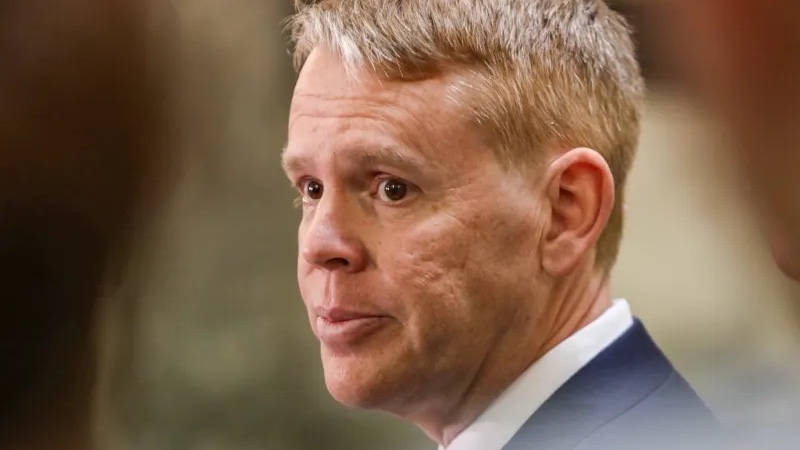
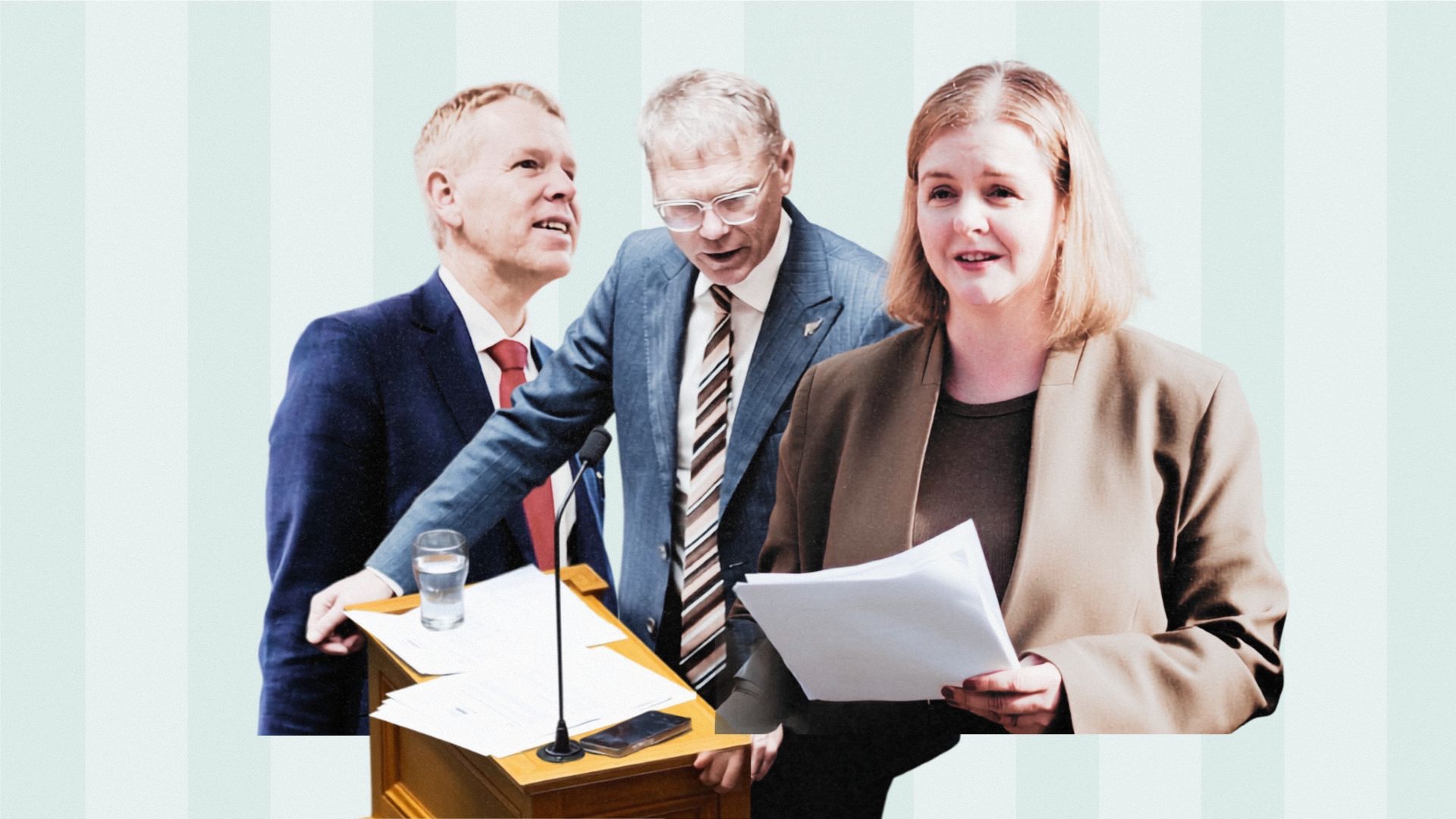
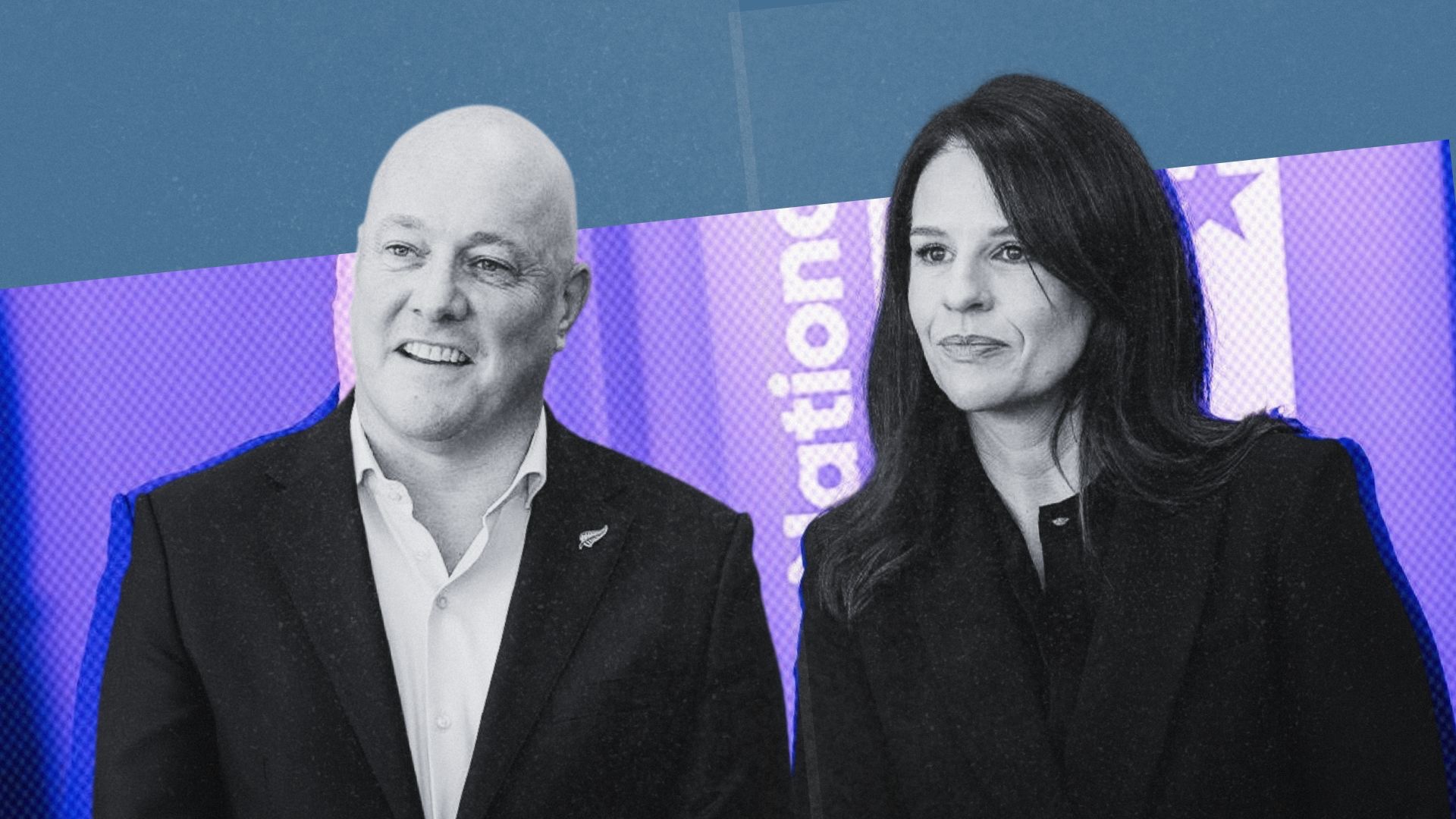
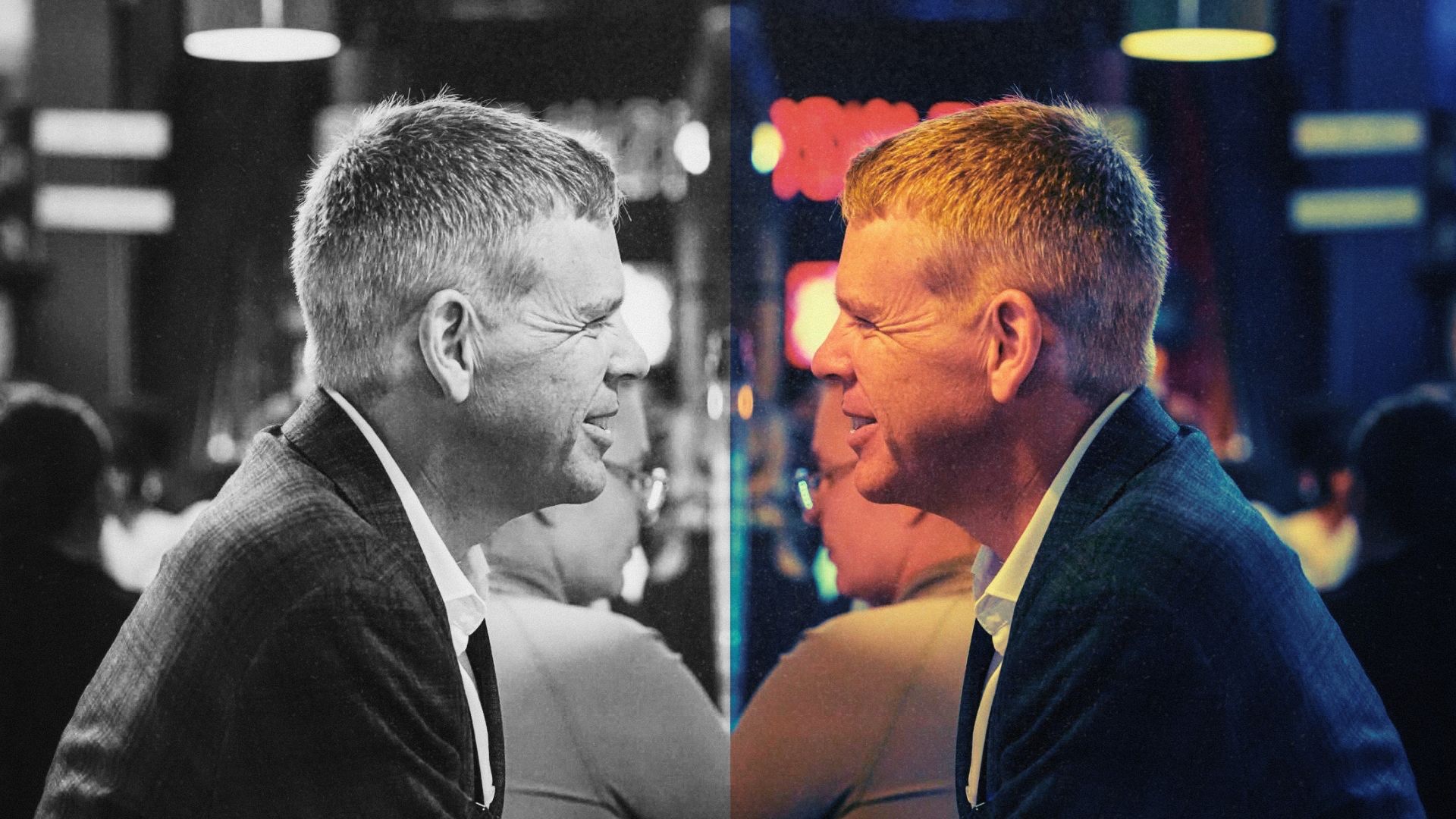
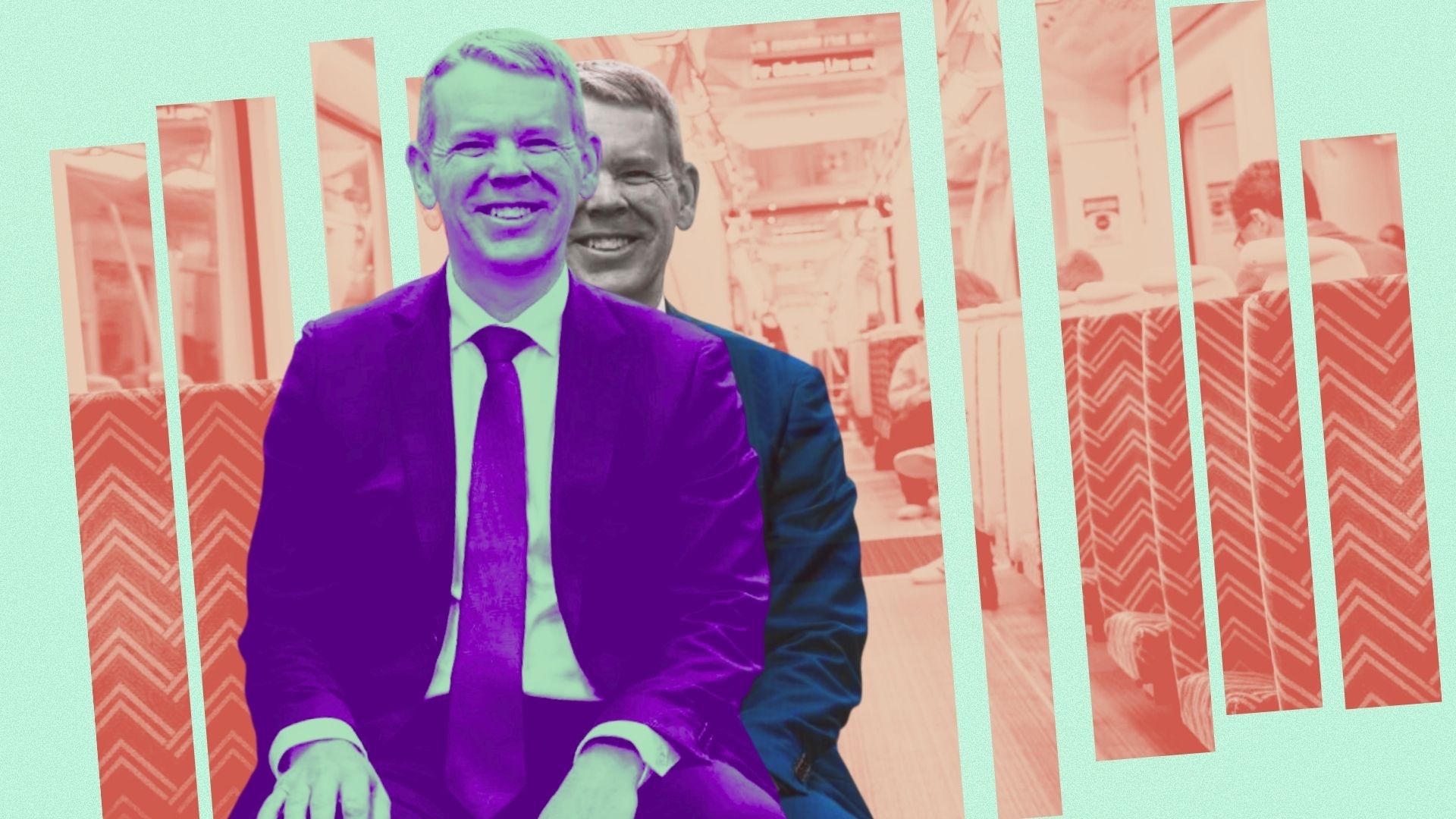
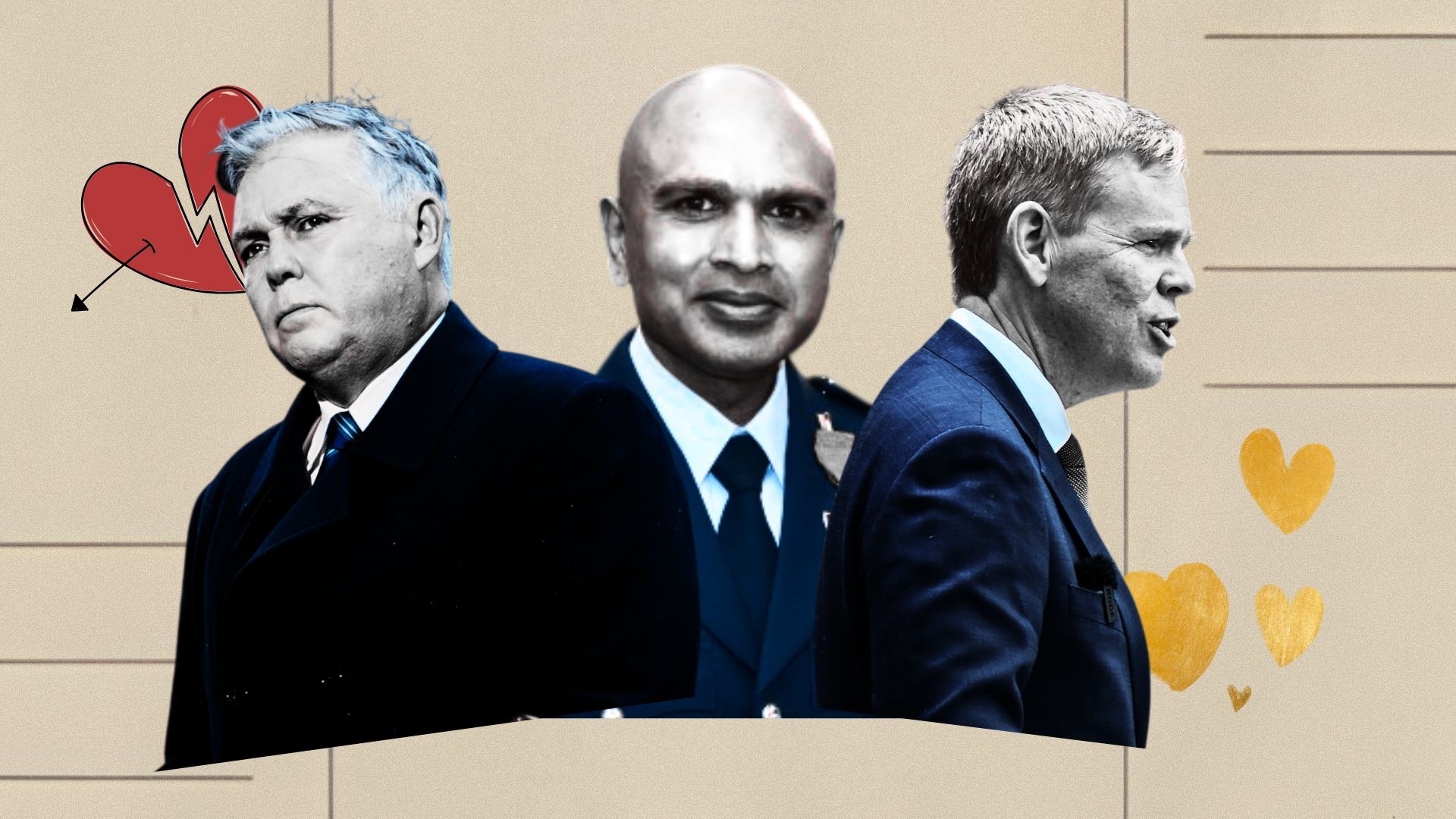
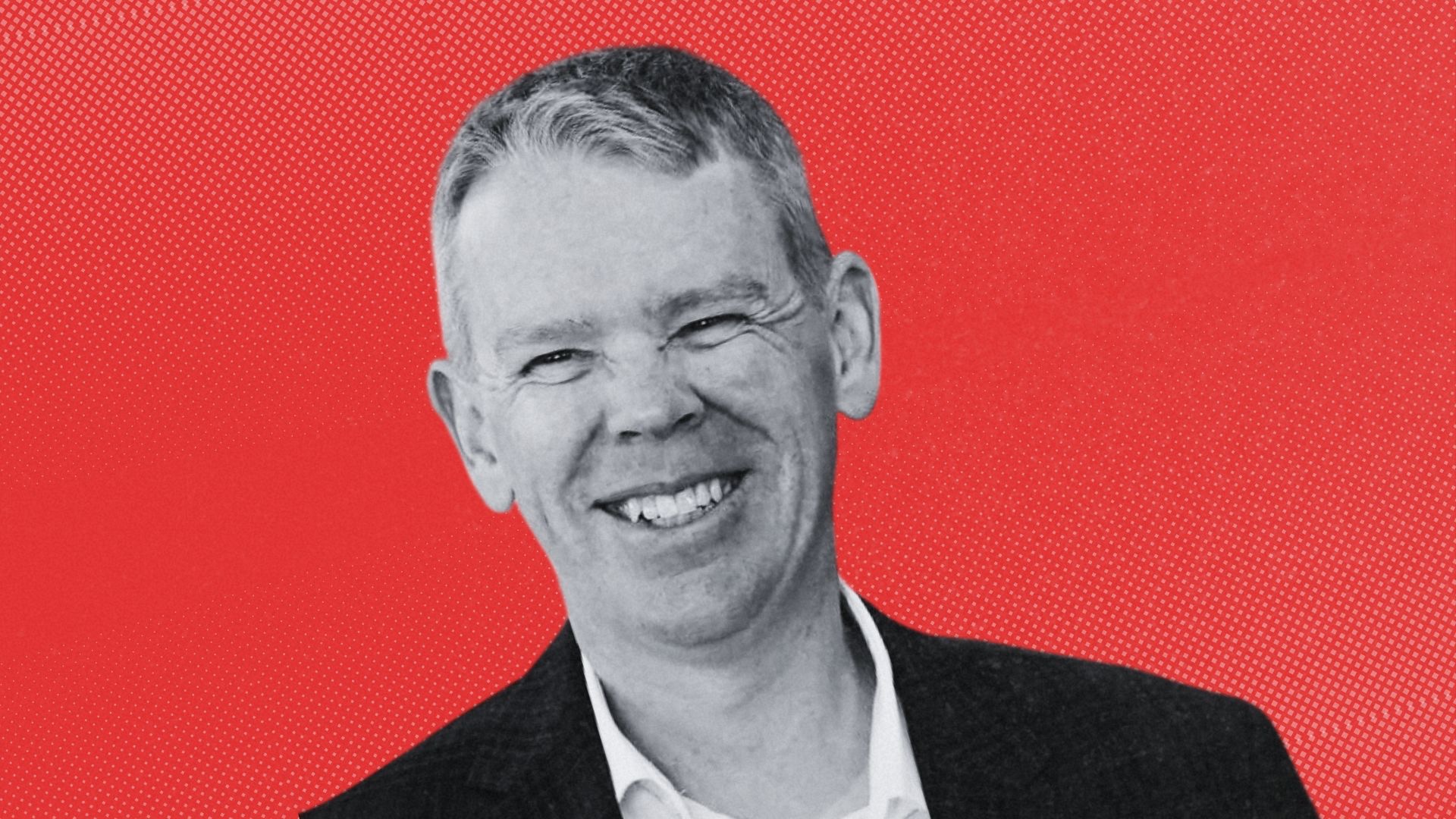
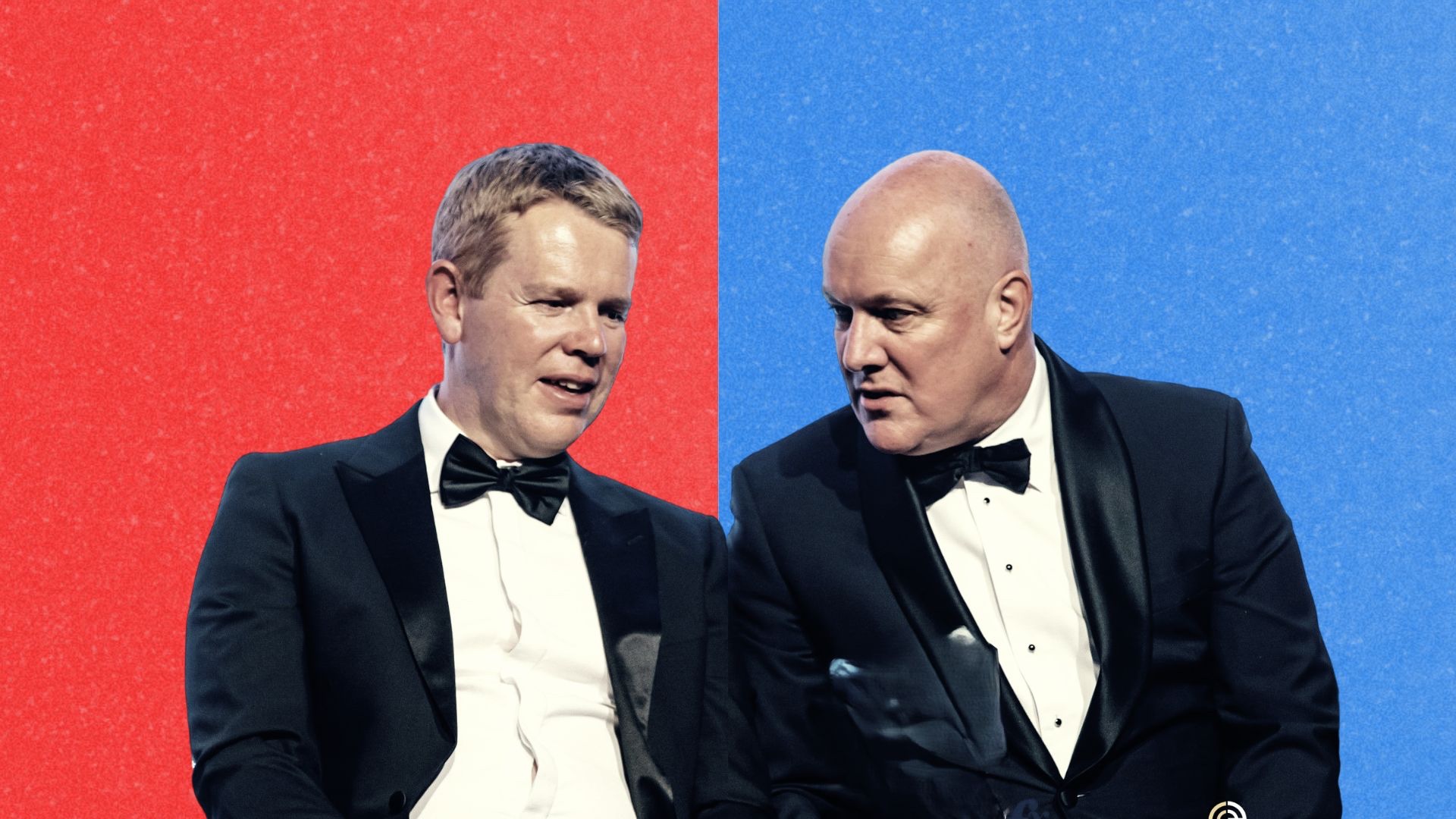
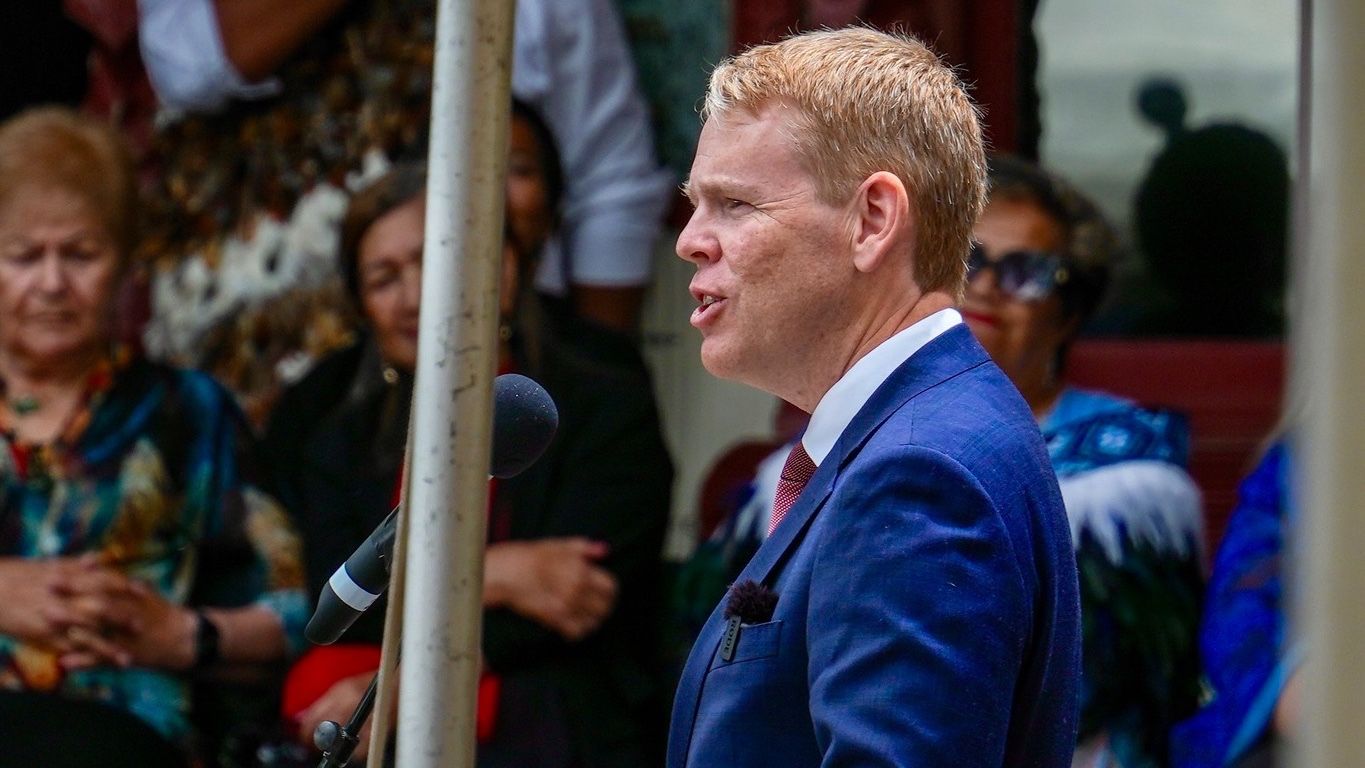
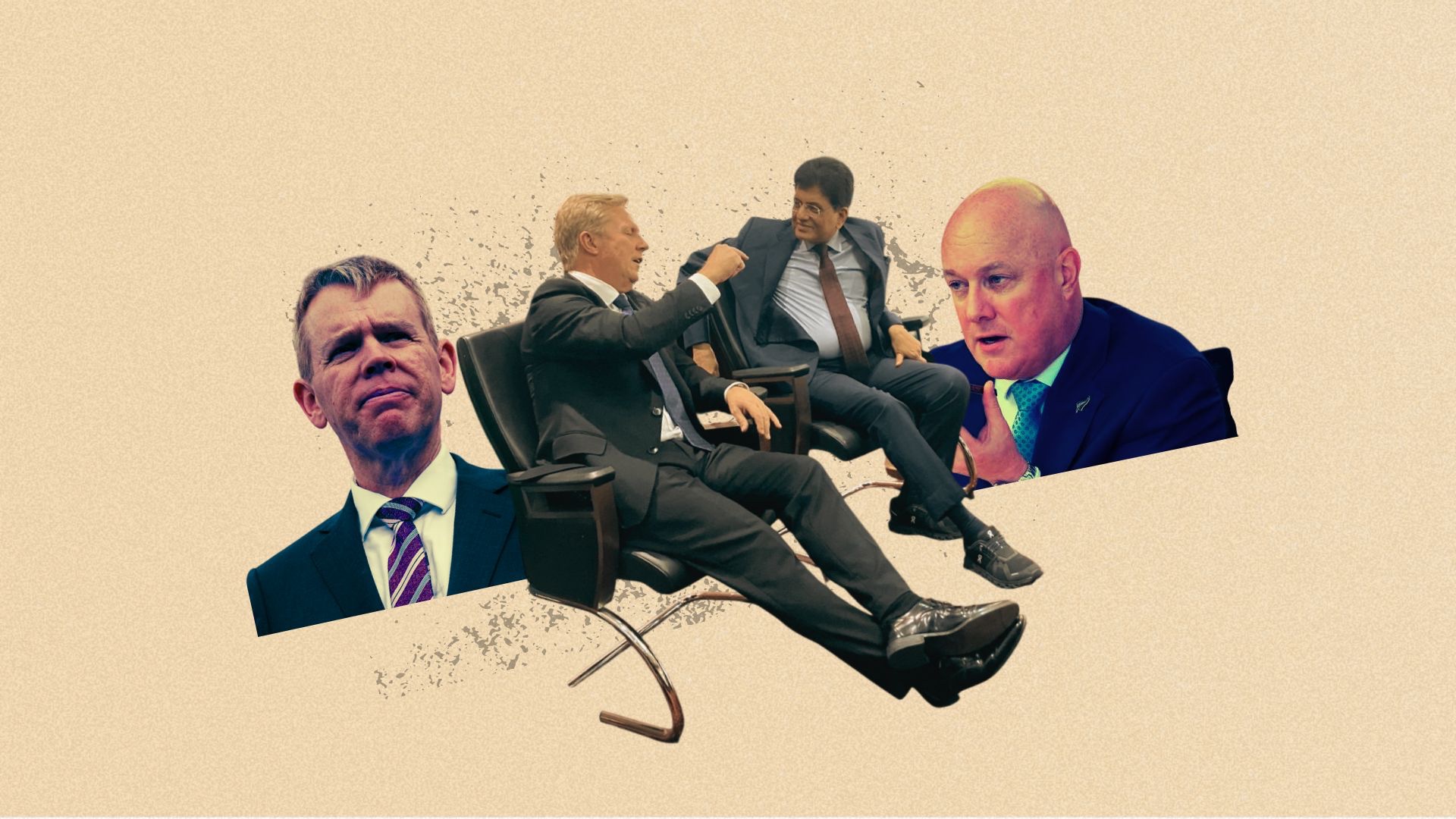
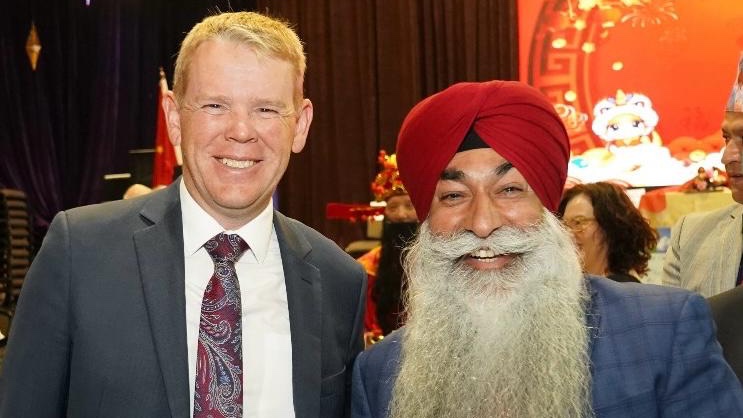
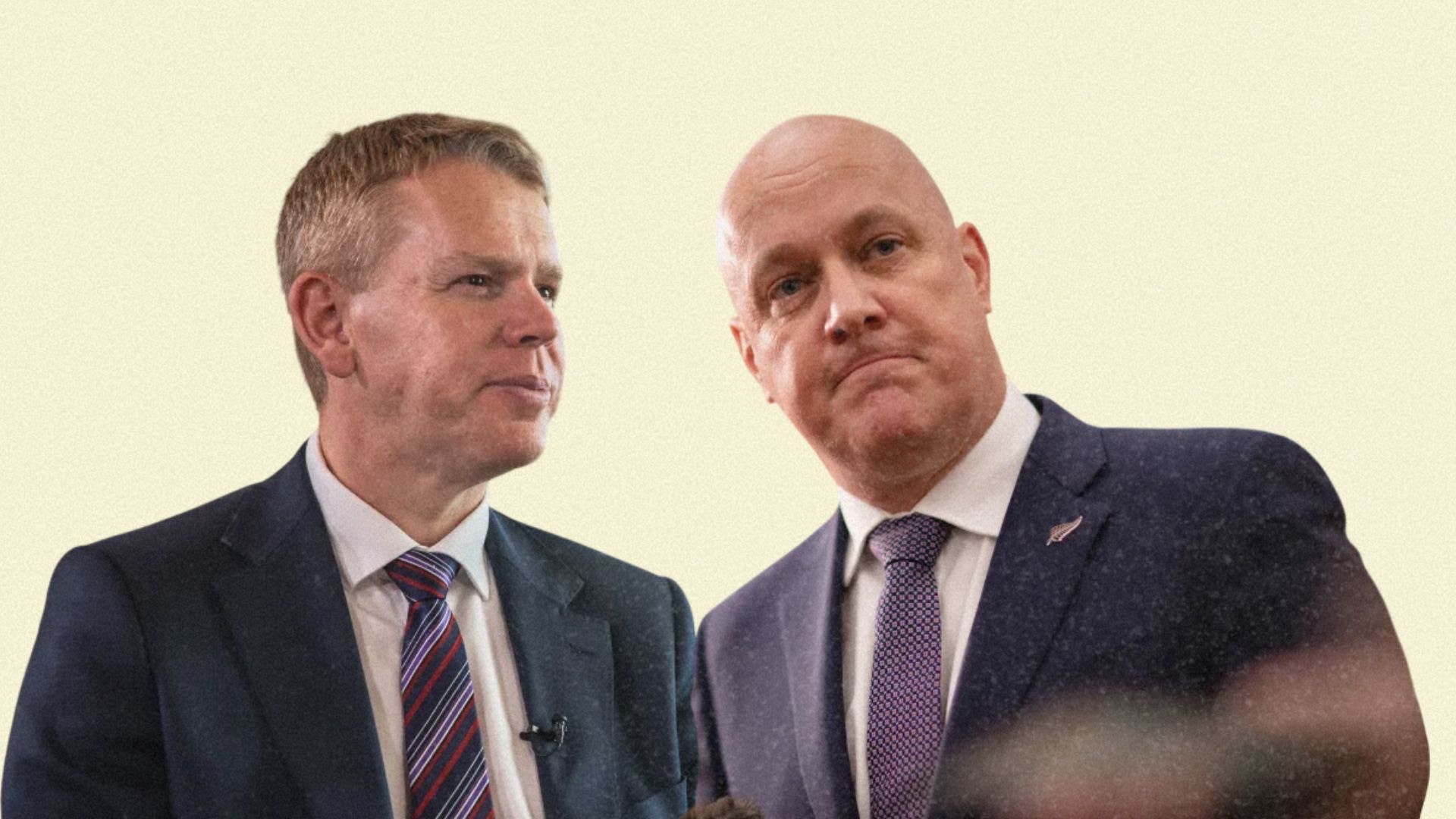
After hosting a Christchurch roadshow for Business Canterbury on February 24, McClay said he has met with Labour leader Chris Hipkins to walk through the draft and answer the party’s concerns.
“The Labour party has the text already, and has had full access to officials since the end of last year, and we are working through a process,” RNZ quoted him as saying.
The deal was negotiated in December last year but it can become operational only after it is ratified by parliaments of both the countries, an outcome that's still not certain in New Zealand's case.
On Tuesday, McClay pointed out that every major trade agreement in recent memory has only gone ahead once both National and Labour were on board because "they knew how important trade was to New Zealand".
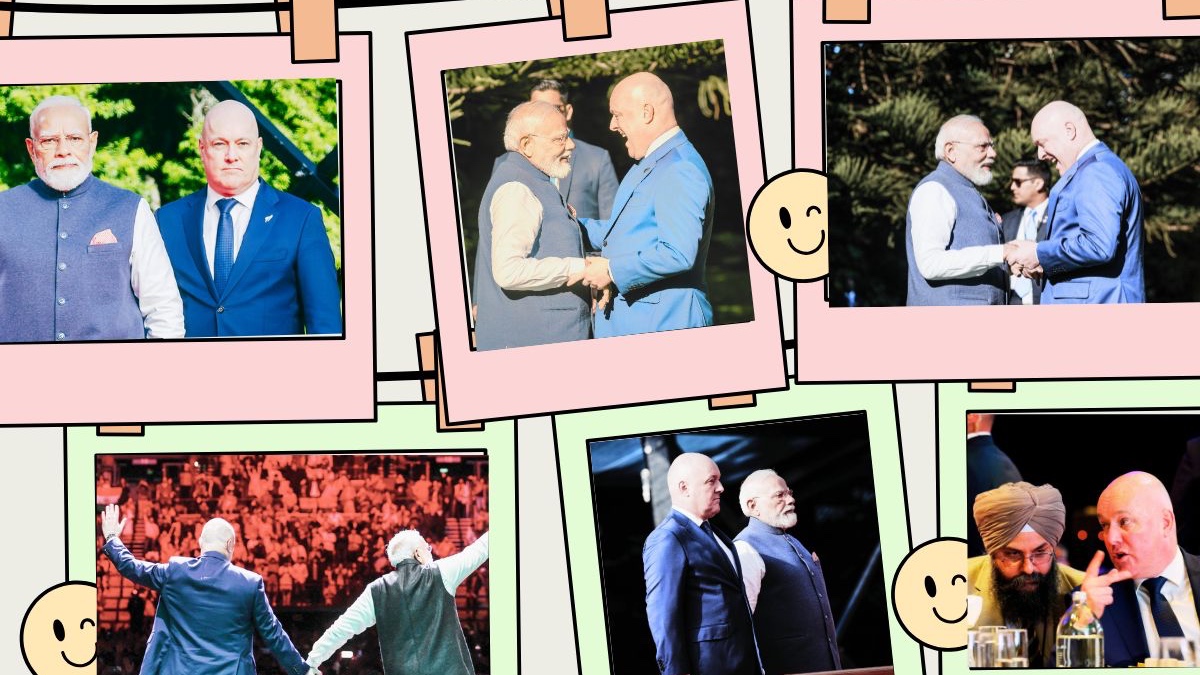
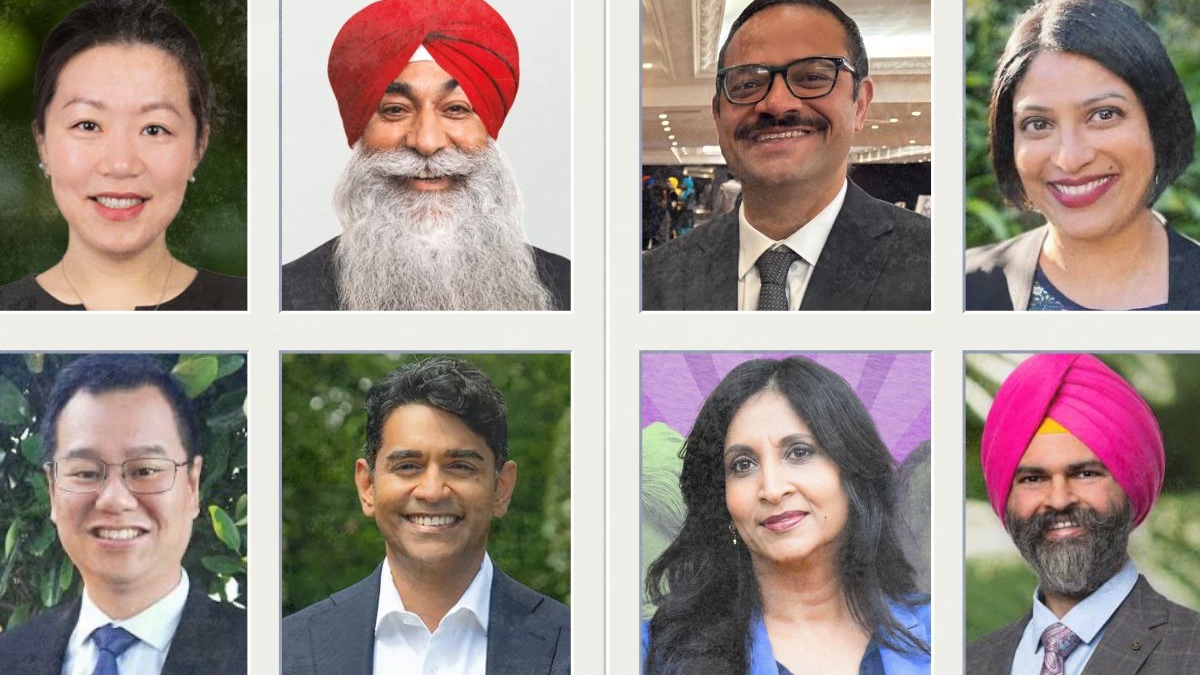
From designing restaurants to running Auckland Diwali: The many lives of Arnav Taode Taode brings his passion for Indian arts and culture to his first year managing BNZ Auckland Diwali 2026.
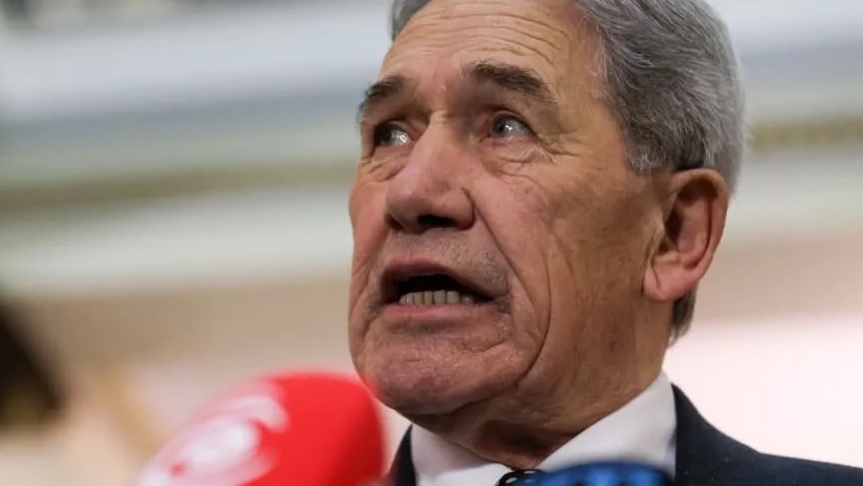
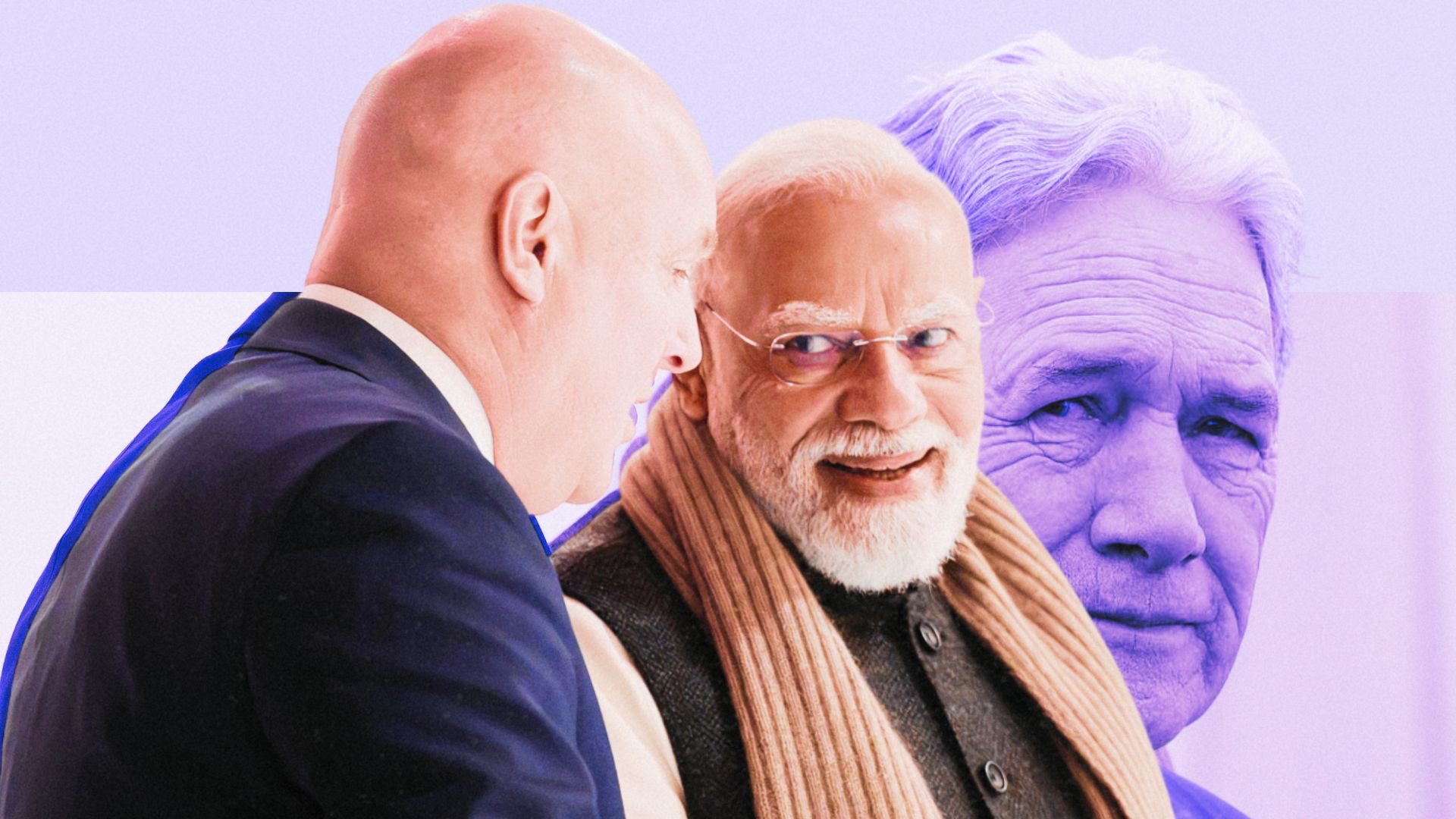
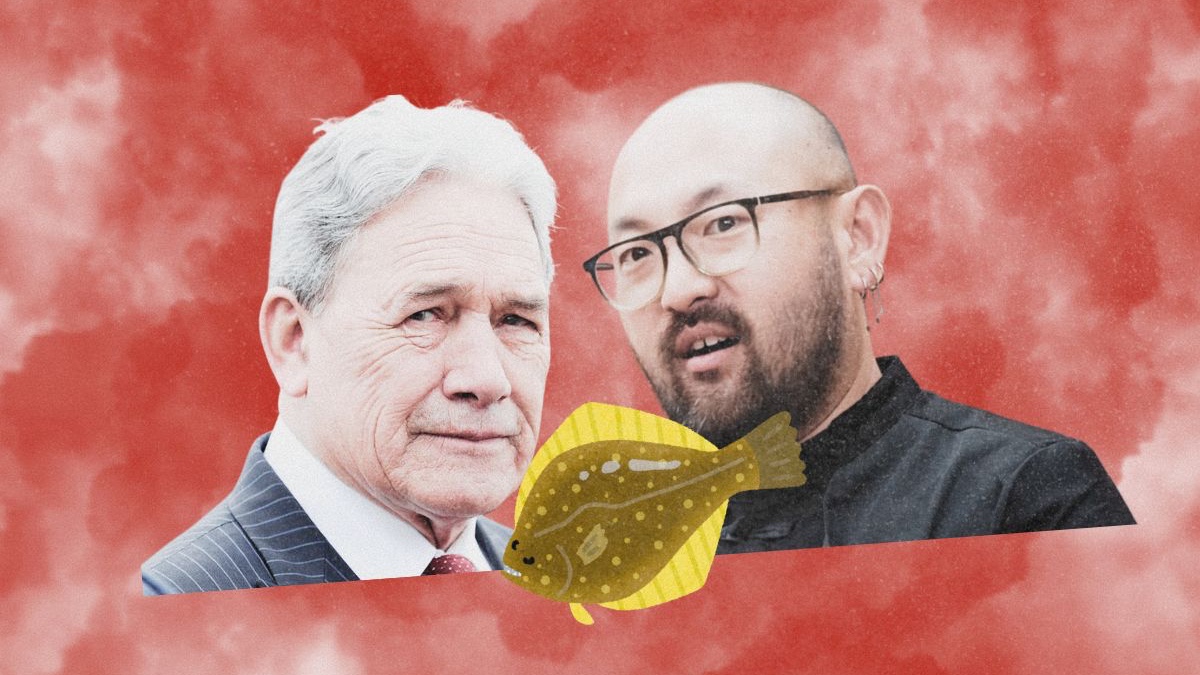
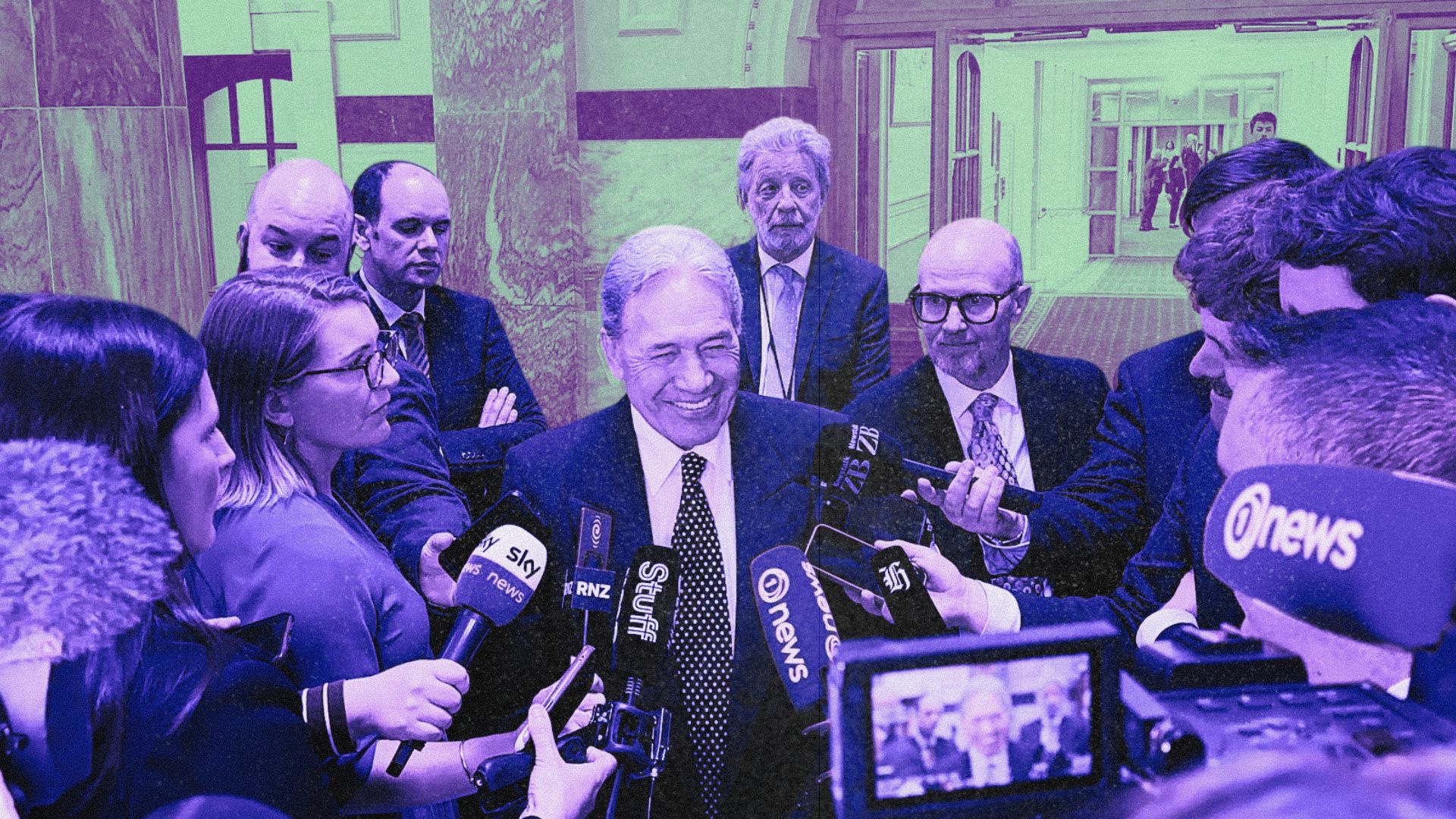
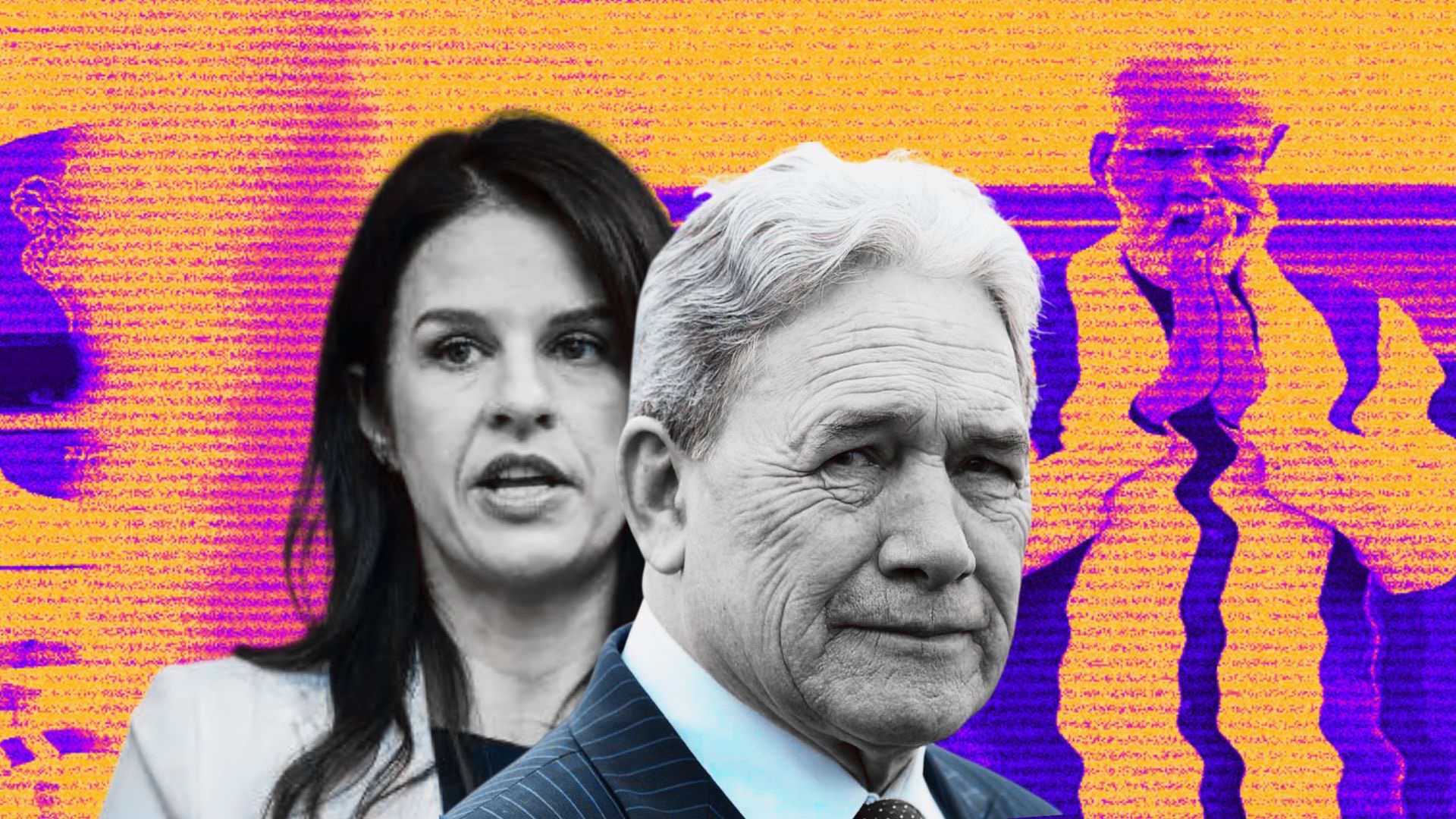
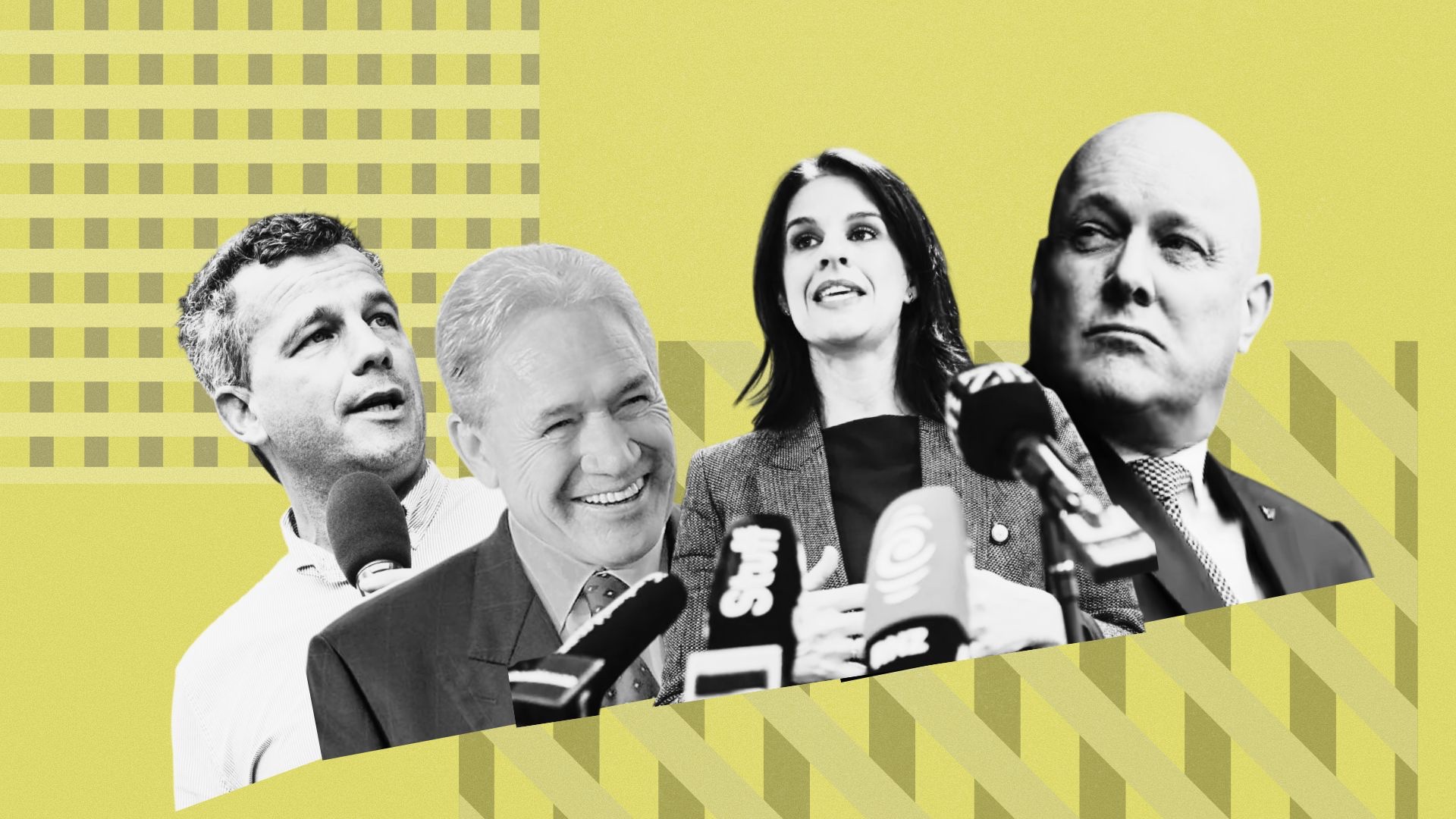
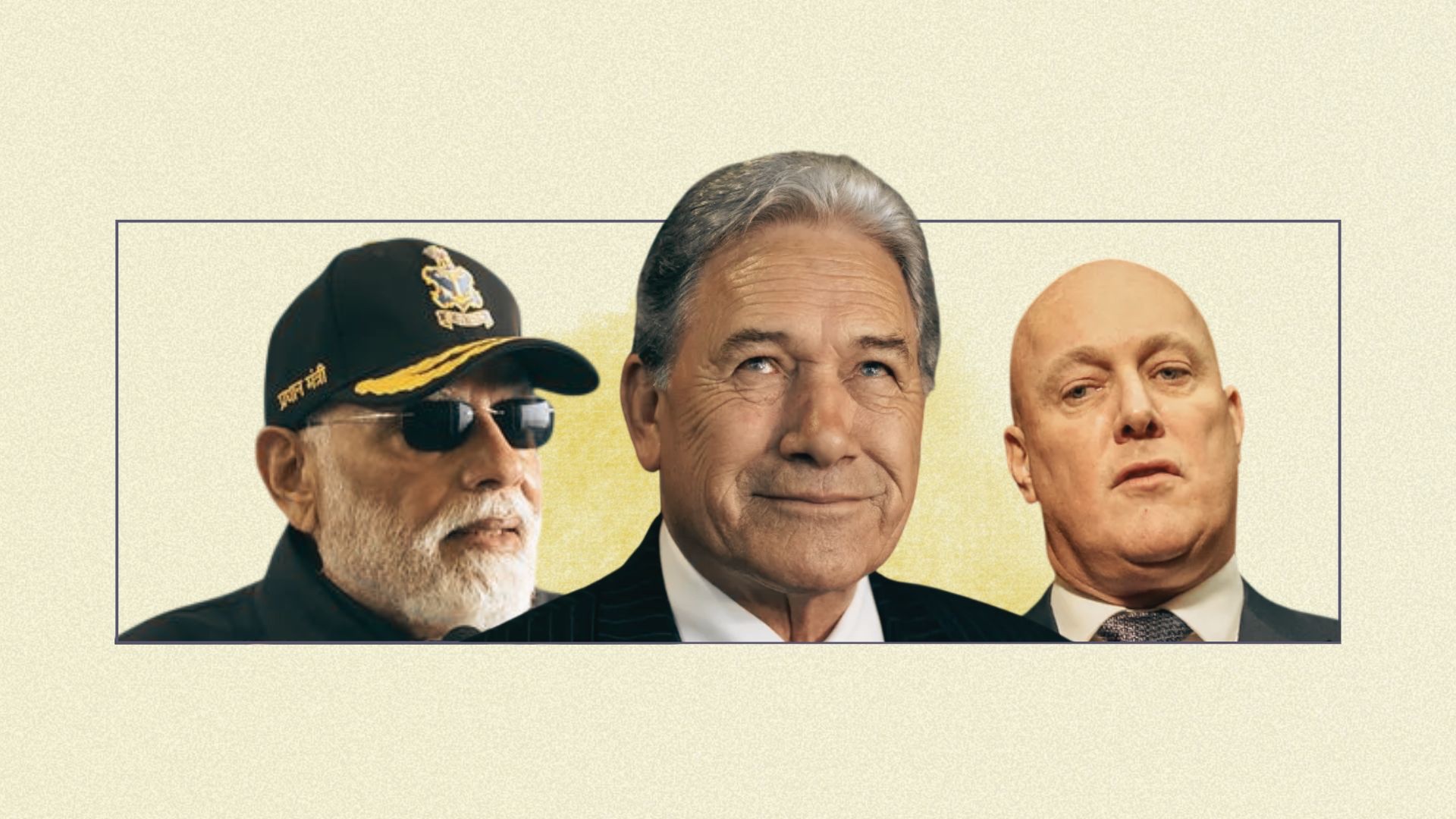
Winston Peters says ‘diversity is disunity’. What does the evidence tell us? Evidence from business, sport and social policy suggests diversity can strengthen economies and cohesion but on one condition.
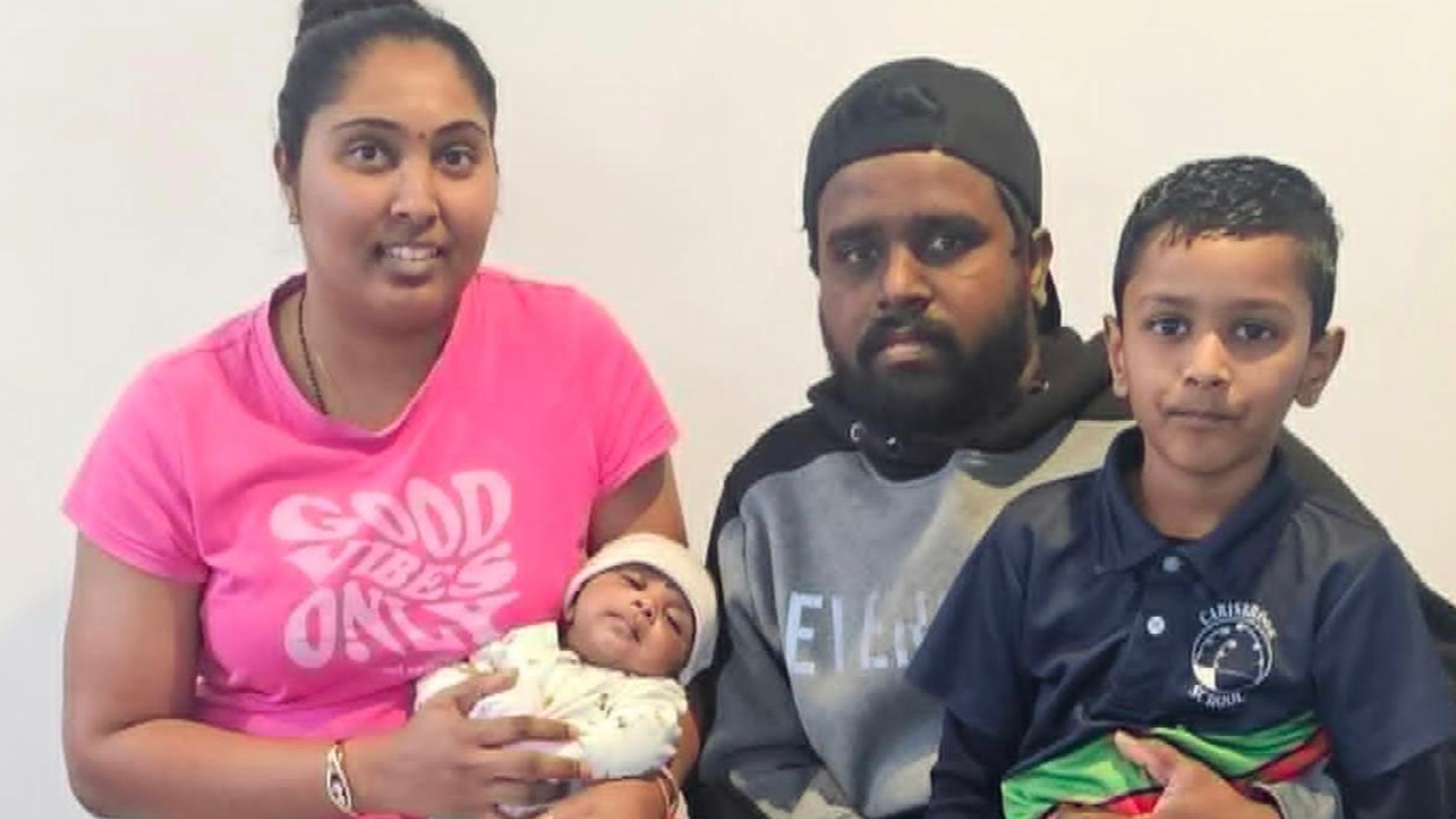
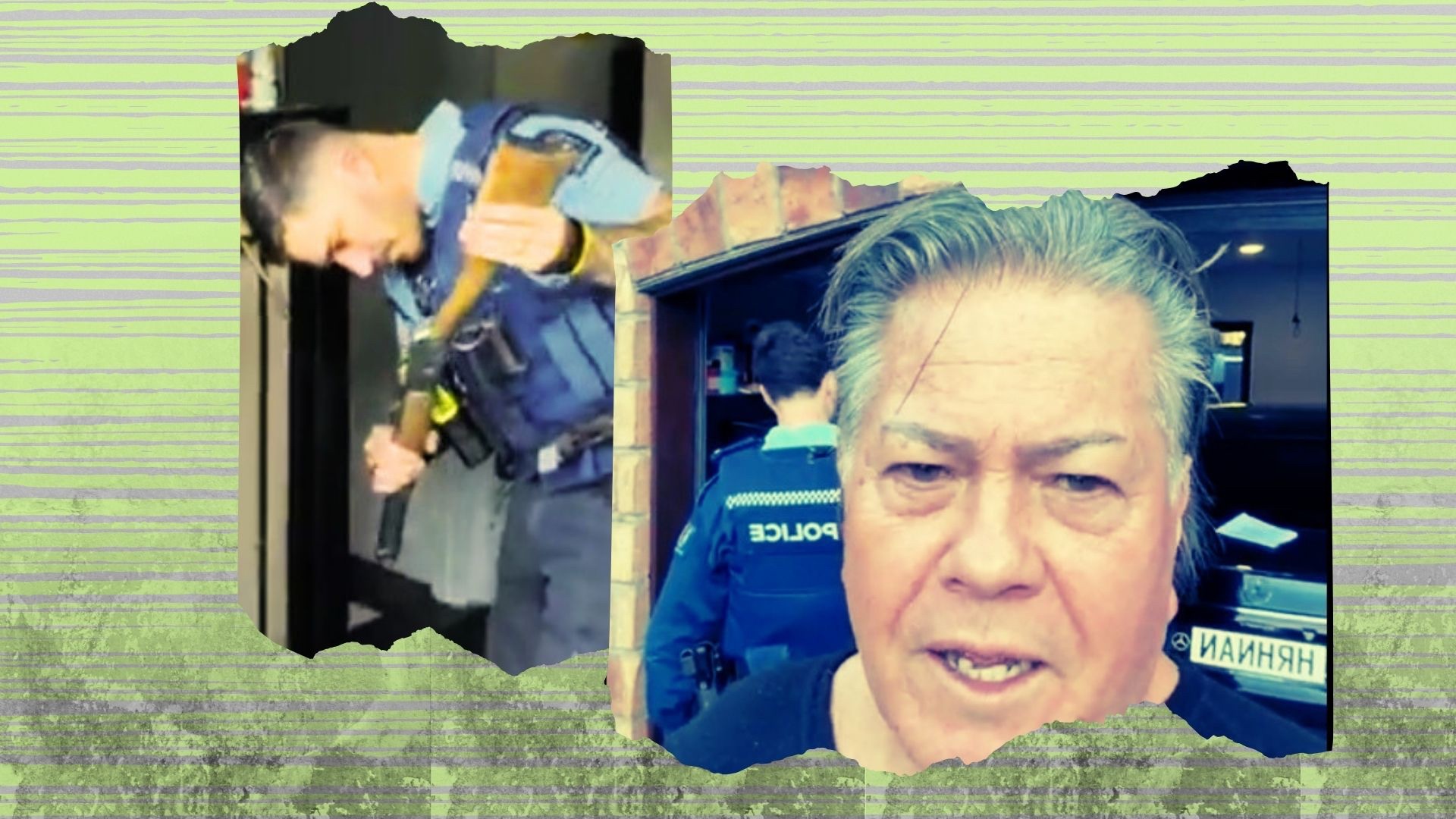
Baby born in Sri Lanka to New Zealand residents caught in limbo after Down syndrome diagnosis Immigration tribunal orders fresh residence assessment after finding a “serious mistake” by immigration officials.
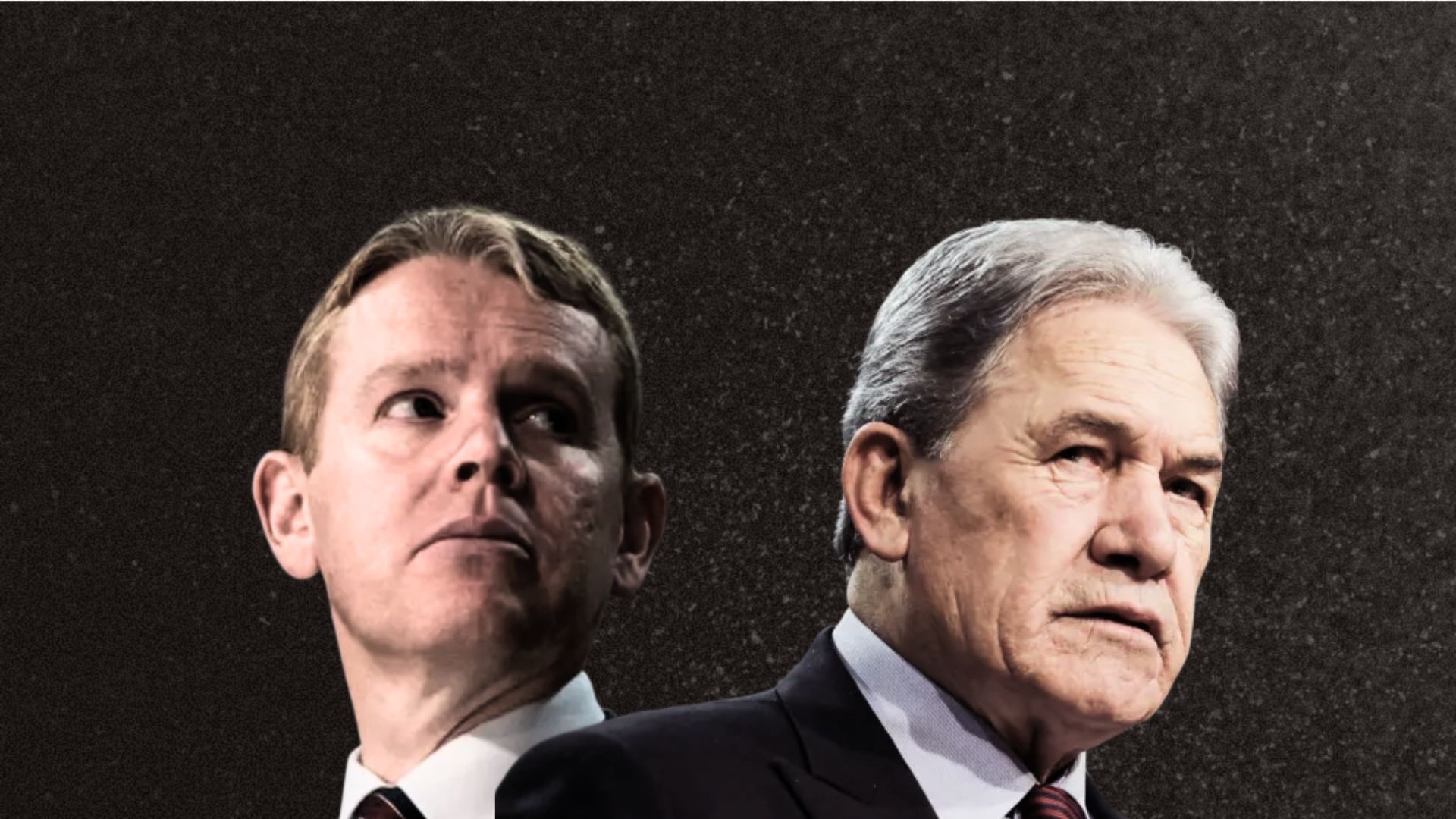
Hipkins is keeping that bipartisan tradition in limbo. Labour, which holds the deciding votes because New Zealand First has vowed to block the FTA, has put three conditions on any support. It wants the government to release every unredacted cabinet briefing and internal advice it received about critical clauses.
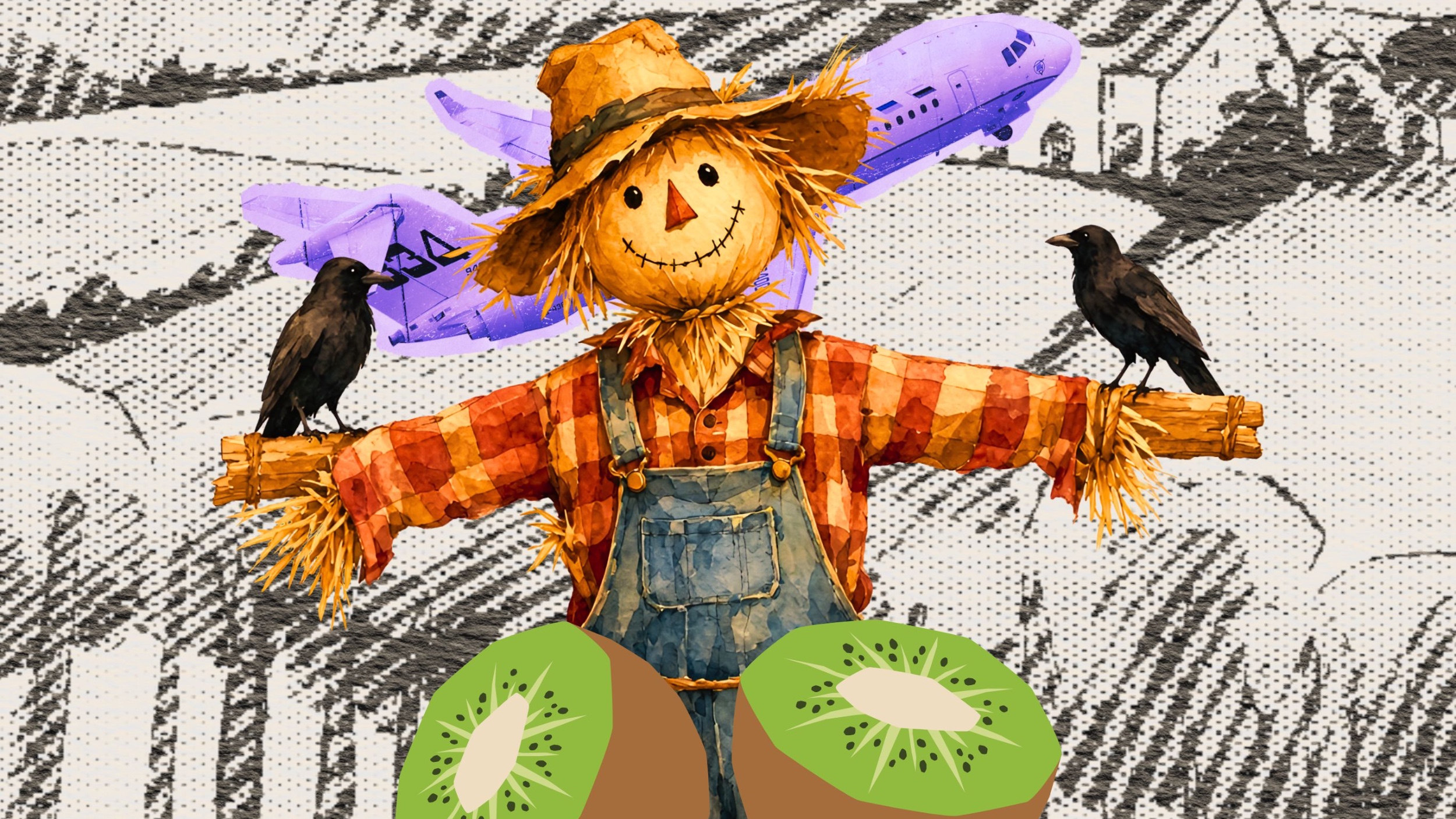
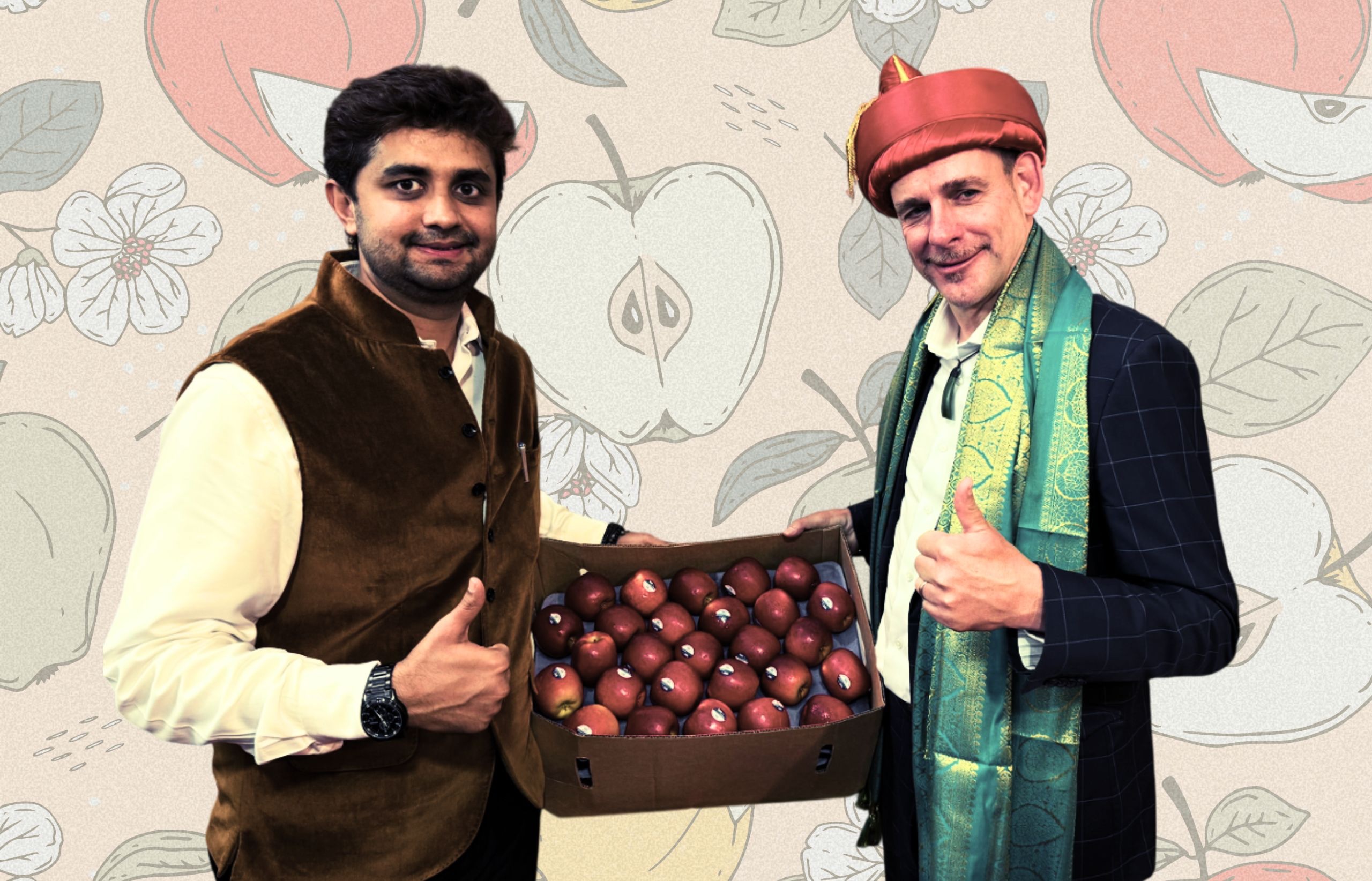
Chief among them is a requirement for New Zealand to facilitate investment of US$20 billion in India over 15 years, something Hipkins says no previous FTA has demanded. Labour is worried New Zealand could lose access for apples, honey, and kiwifruit if the threshold is missed, and wants to know whether officials warned ministers about the risk.
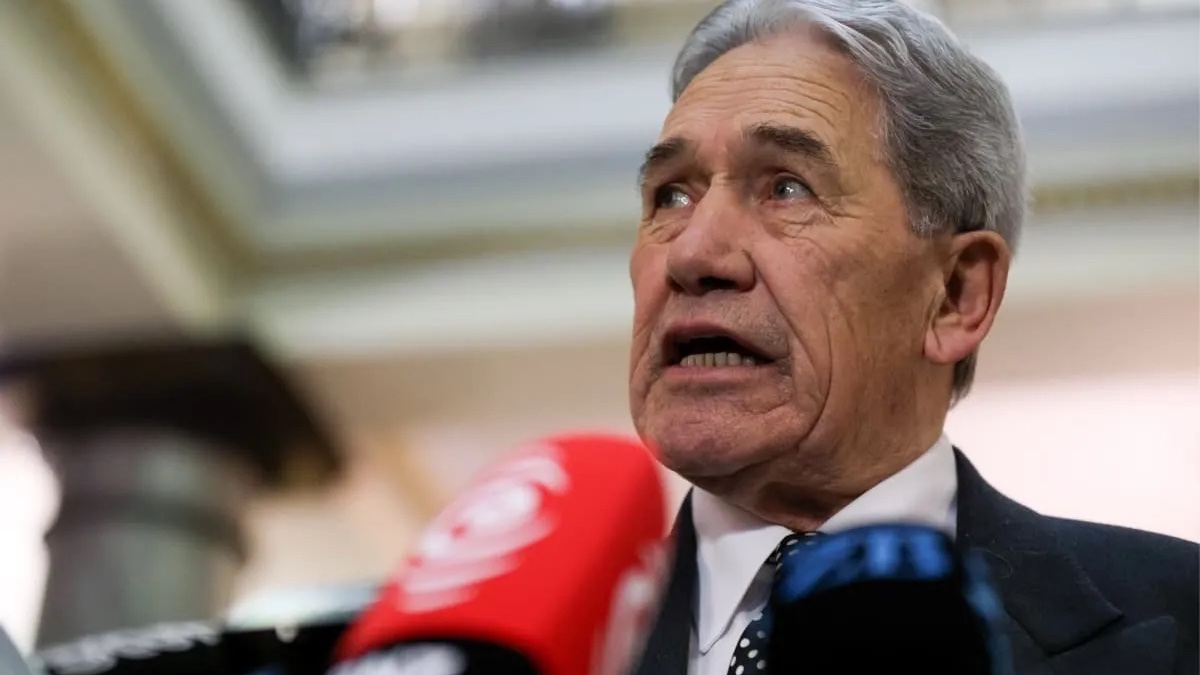
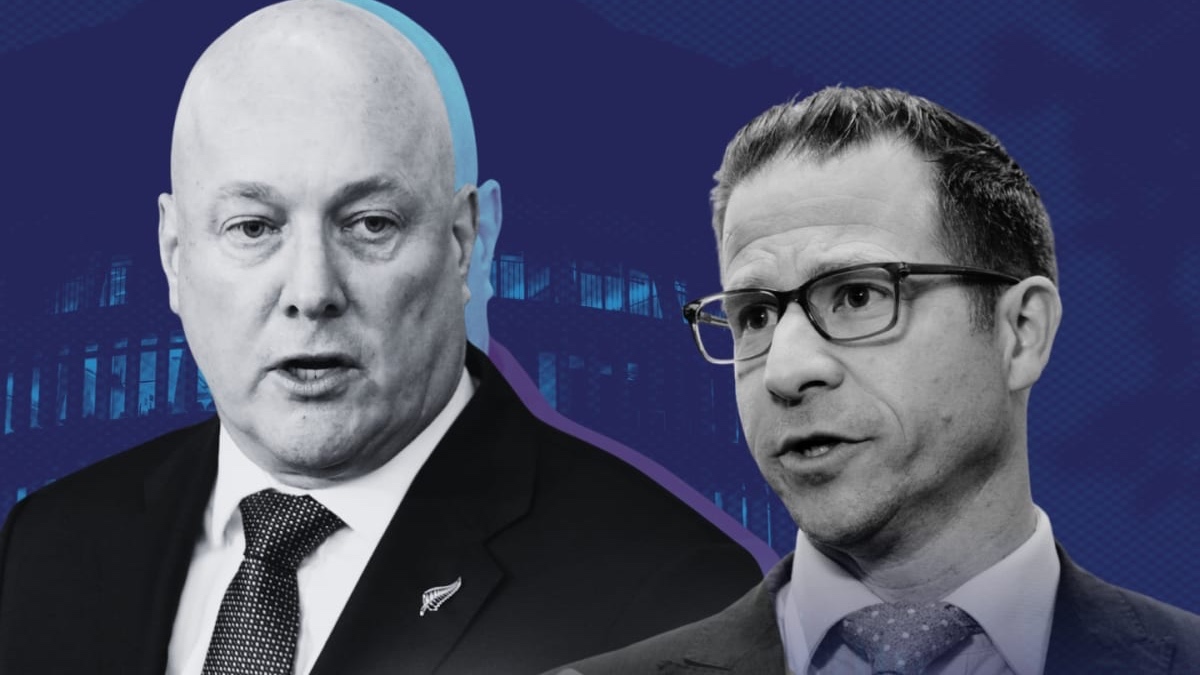
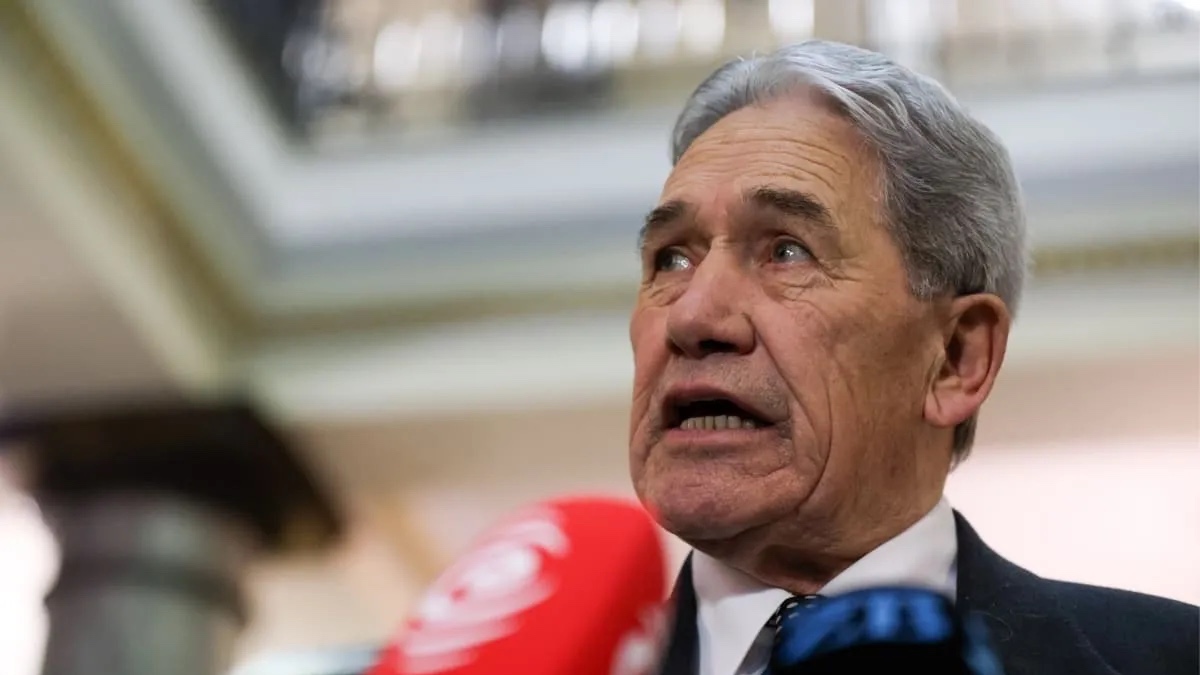
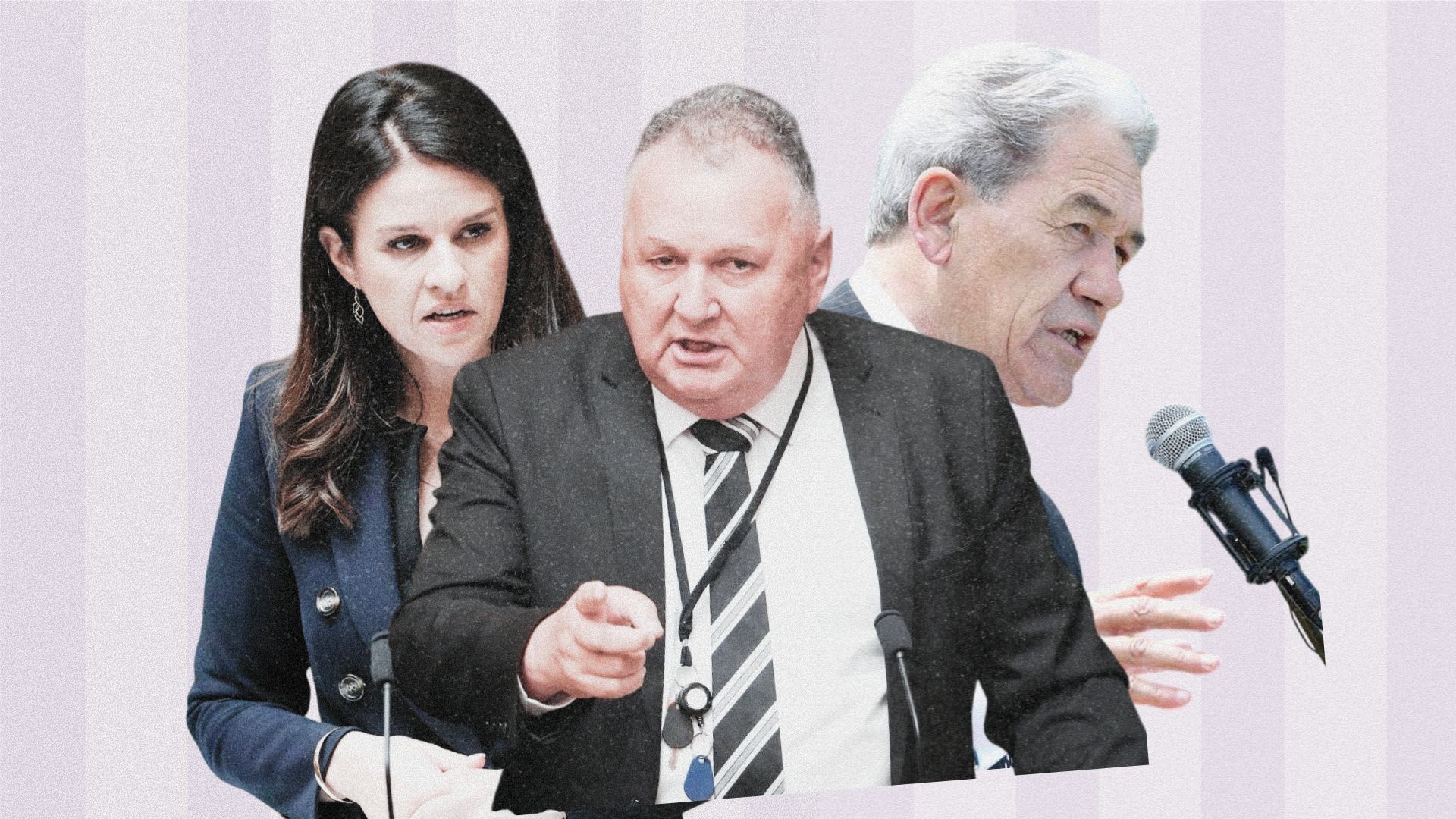
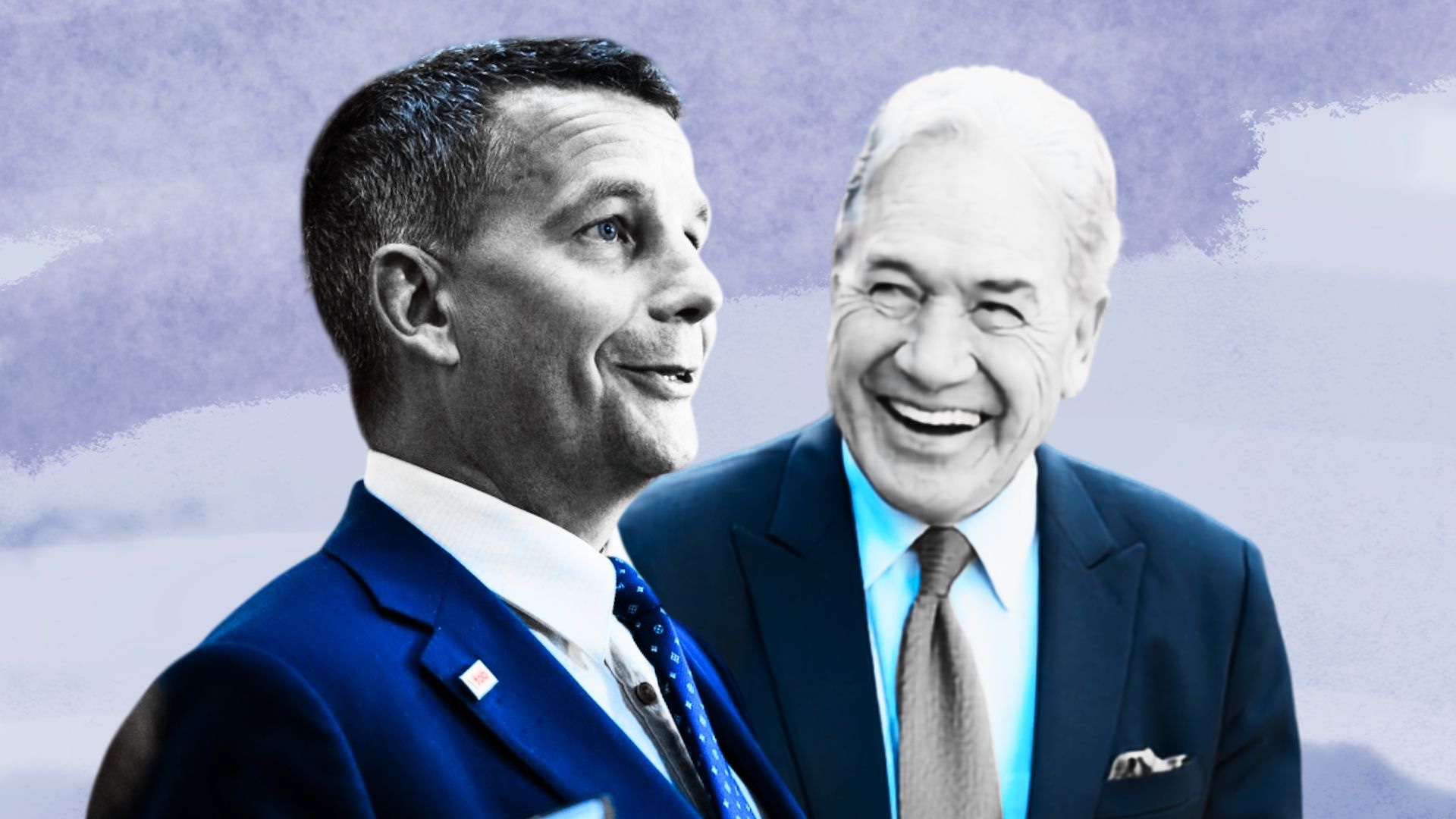
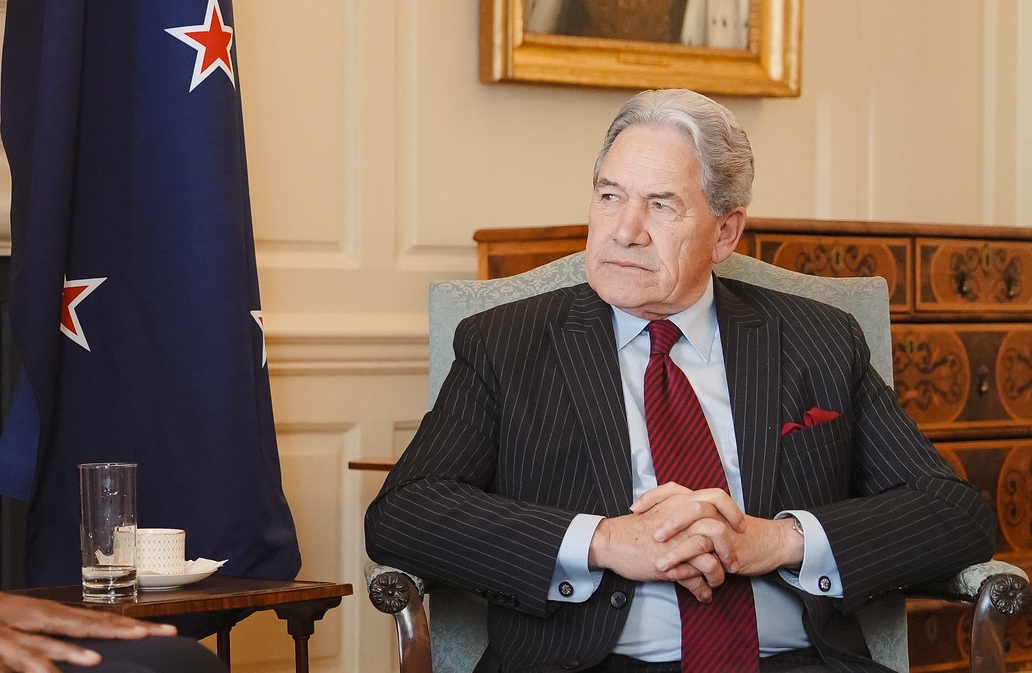
Hipkins argues the rush to conclude negotiations before year-end "botched" the process, and it may have delivered an agreement that foreign minister Winston Peters himself will not support.
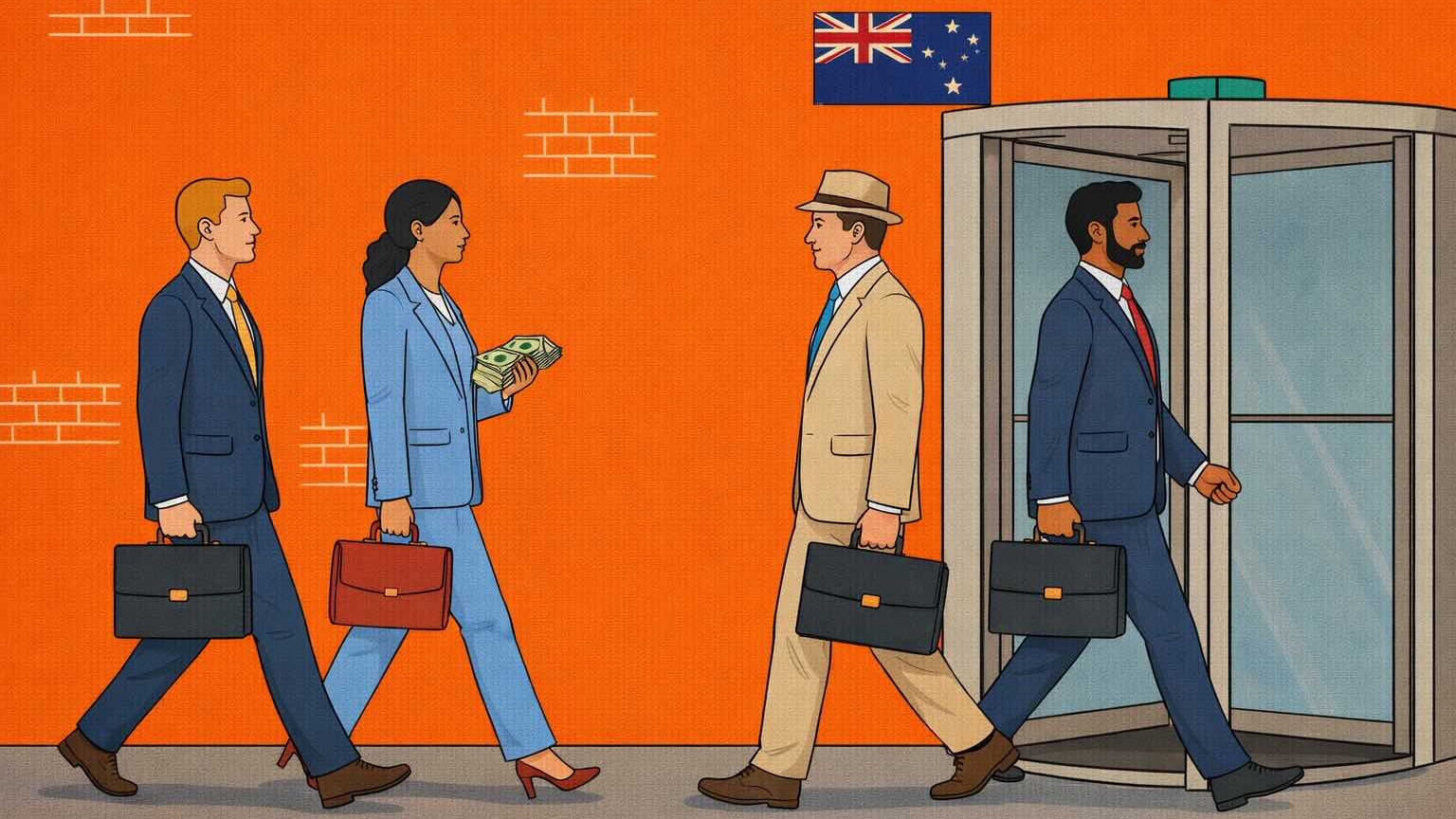
Beyond the investment clause, Labour says migration and education provisions need tighter guardrails. Hipkins stresses his party "values the people who come here to work and study" but insists any uptick in migrants must be matched by stronger anti-exploitation protections in sectors already under pressure.
He’s also wary about international students coming in through the agreement unless the government can guarantee they will enroll in legitimate, high-quality courses so New Zealand’s education brand isn’t diluted.
While those demands play out, McClay talked up the substance of the FTA after his Christchurch roadshow, calling it "a high quality agreement that is good for New Zealand".
"It is better than almost every other agreement India has negotiated and I want to be very clear – if it wasn’t a good agreement, we wouldn’t have agreed to it.”
He conceded more meetings with Labour will be needed, yet remains confident shared economic stakes, and transparency over the sticking points, will ultimately win Labour’s vote and move the FTA to ratification.