
MPs warned immigration changes could heighten insecurity among migrants

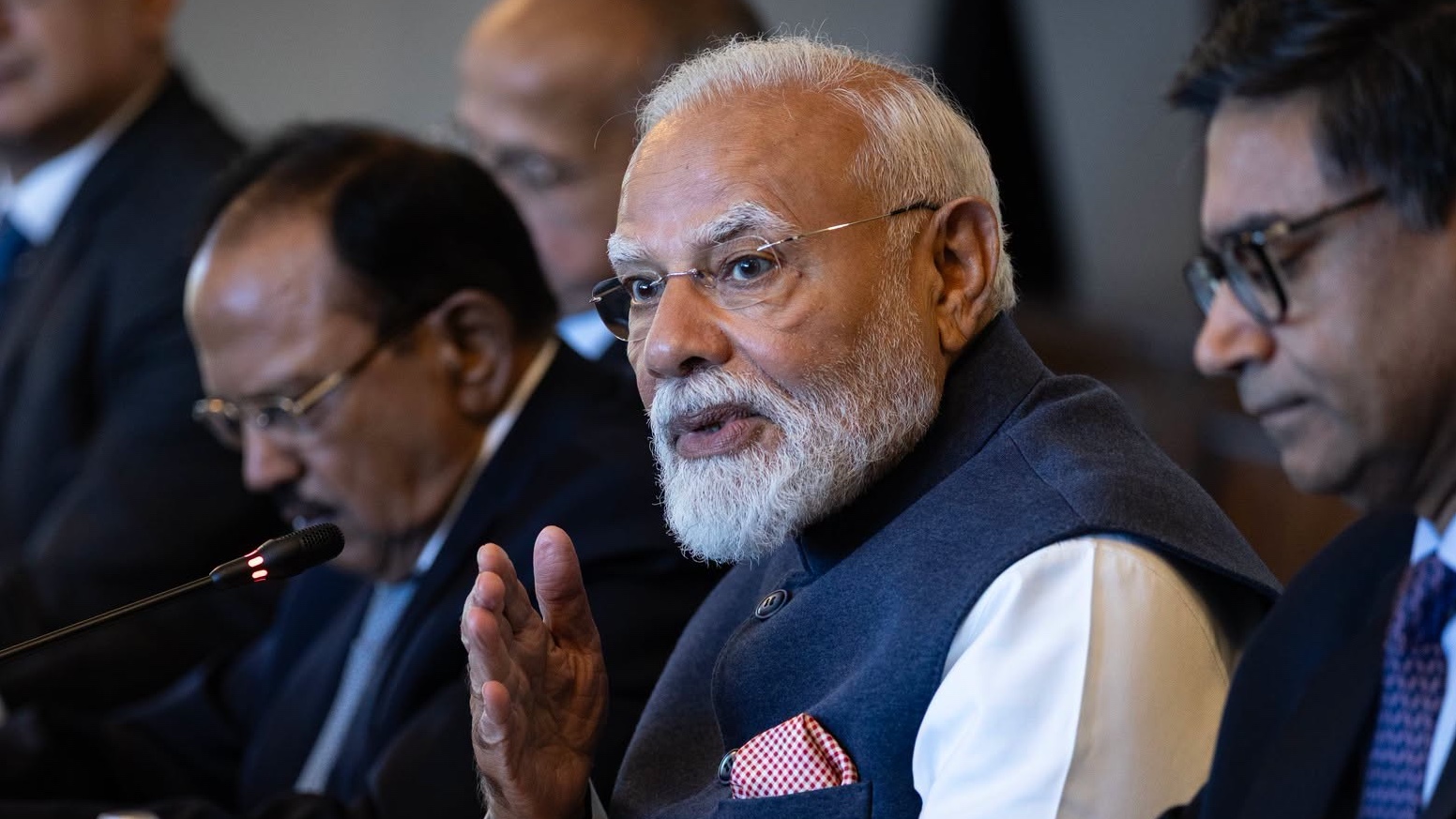
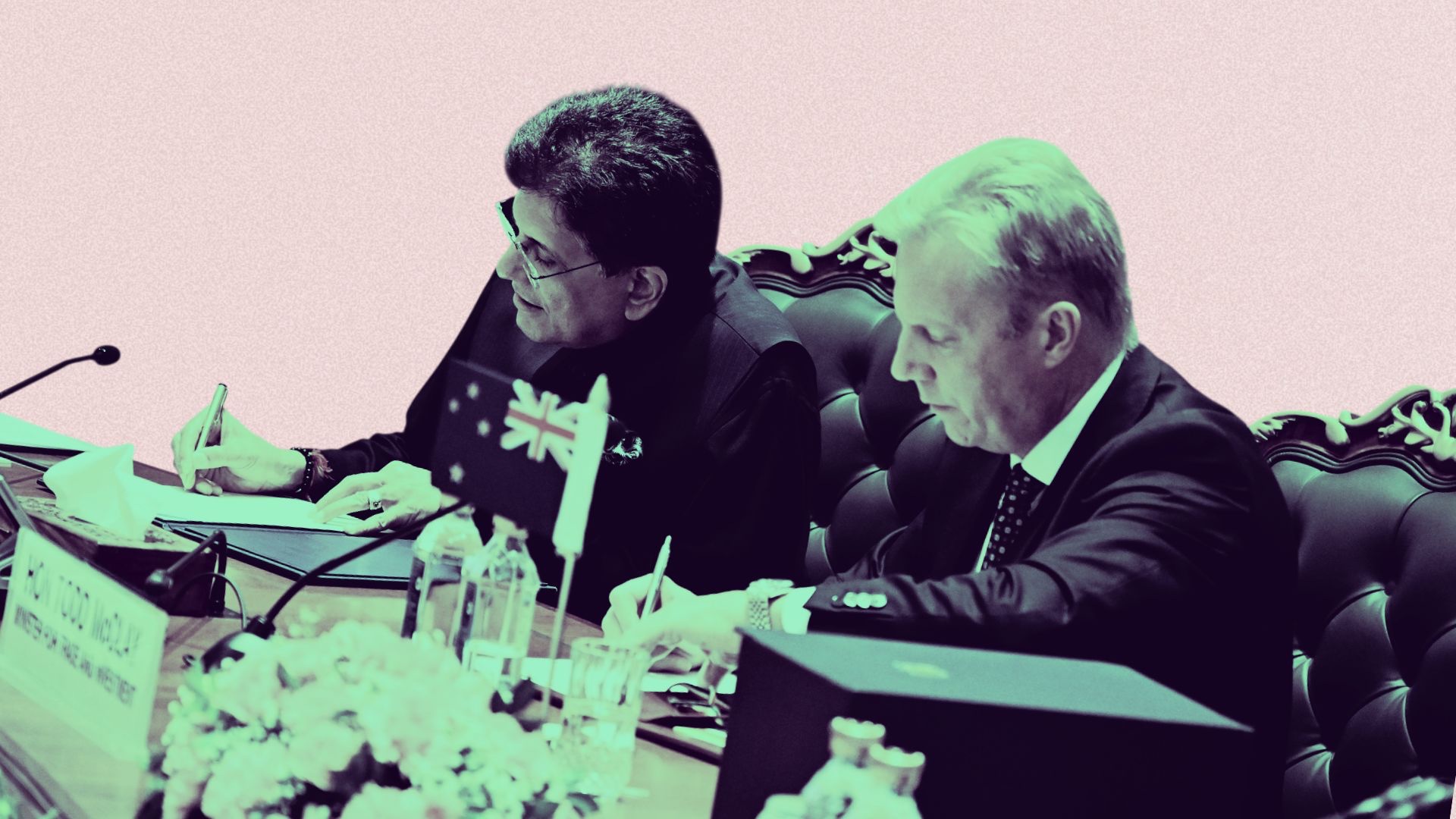
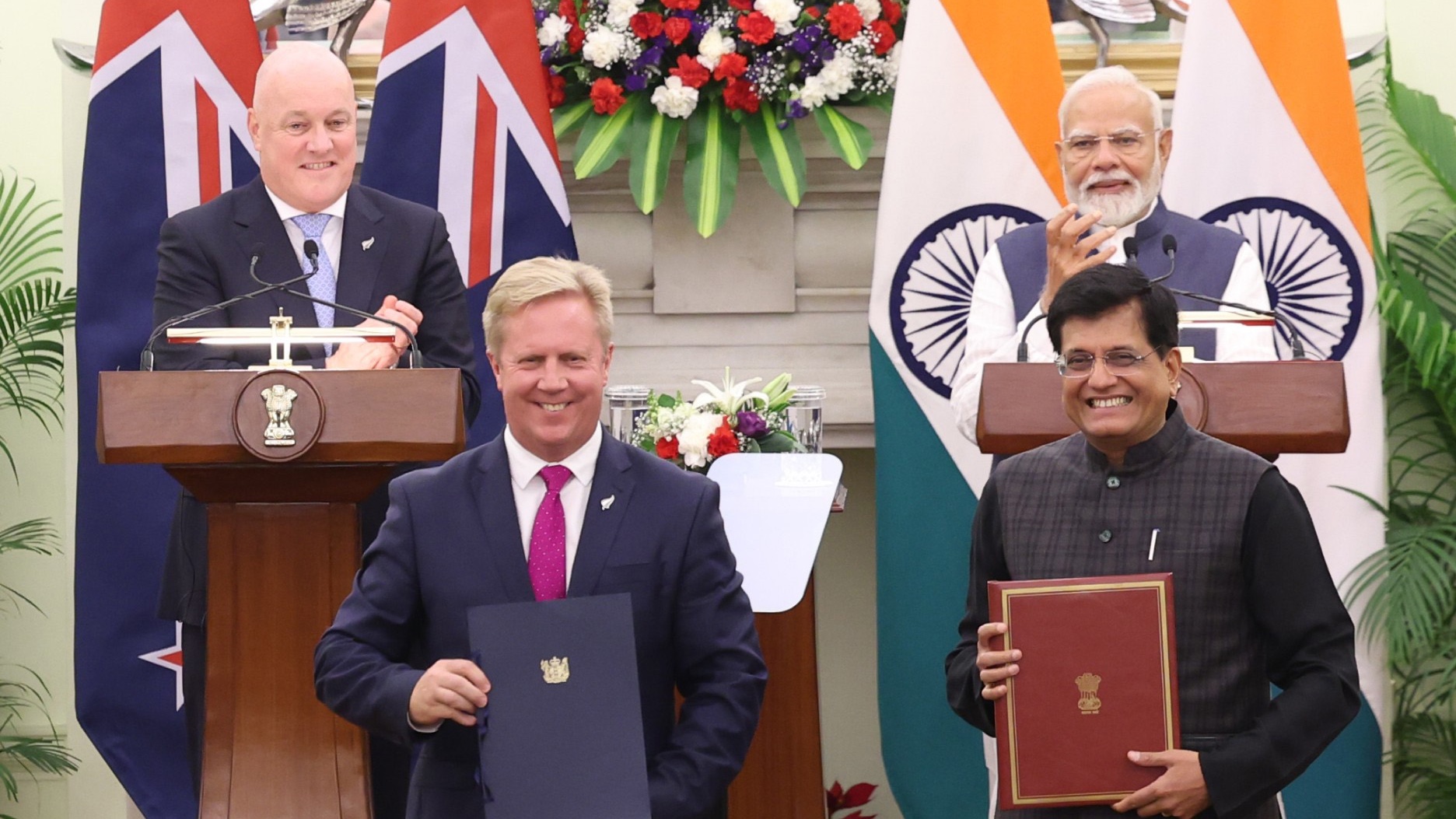
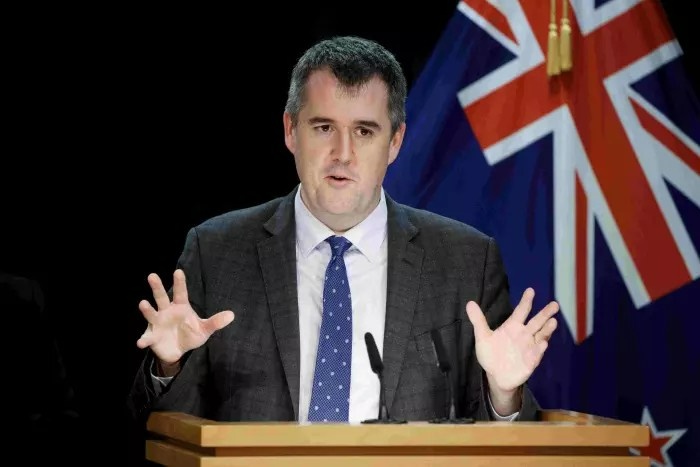
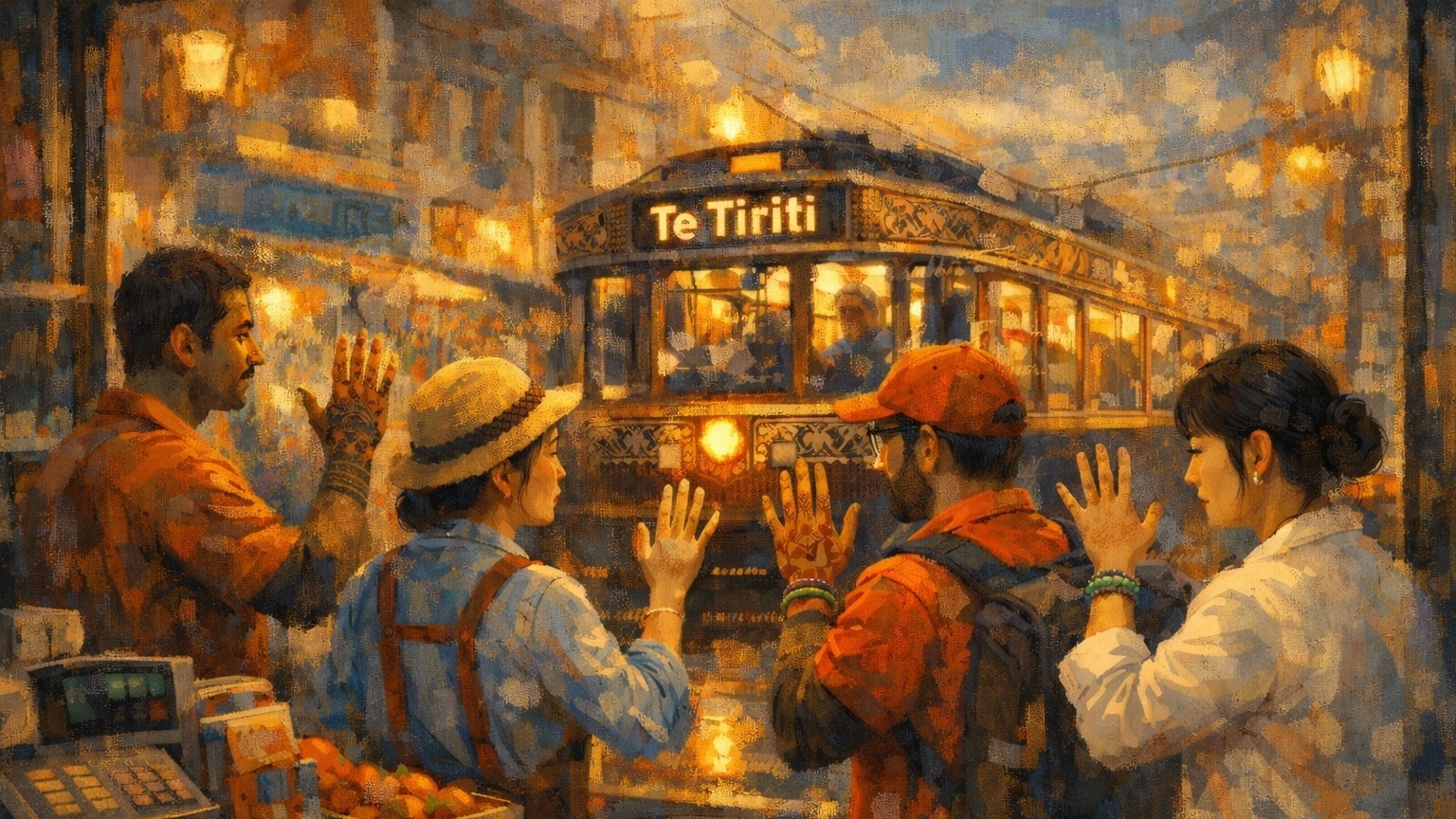
Immigration minister Erica Stanford with prime minister Christopher Luxon. (Supplied photo, Awaaz artwork)
"The blanket application of these amendments could result in disproportionate outcomes."
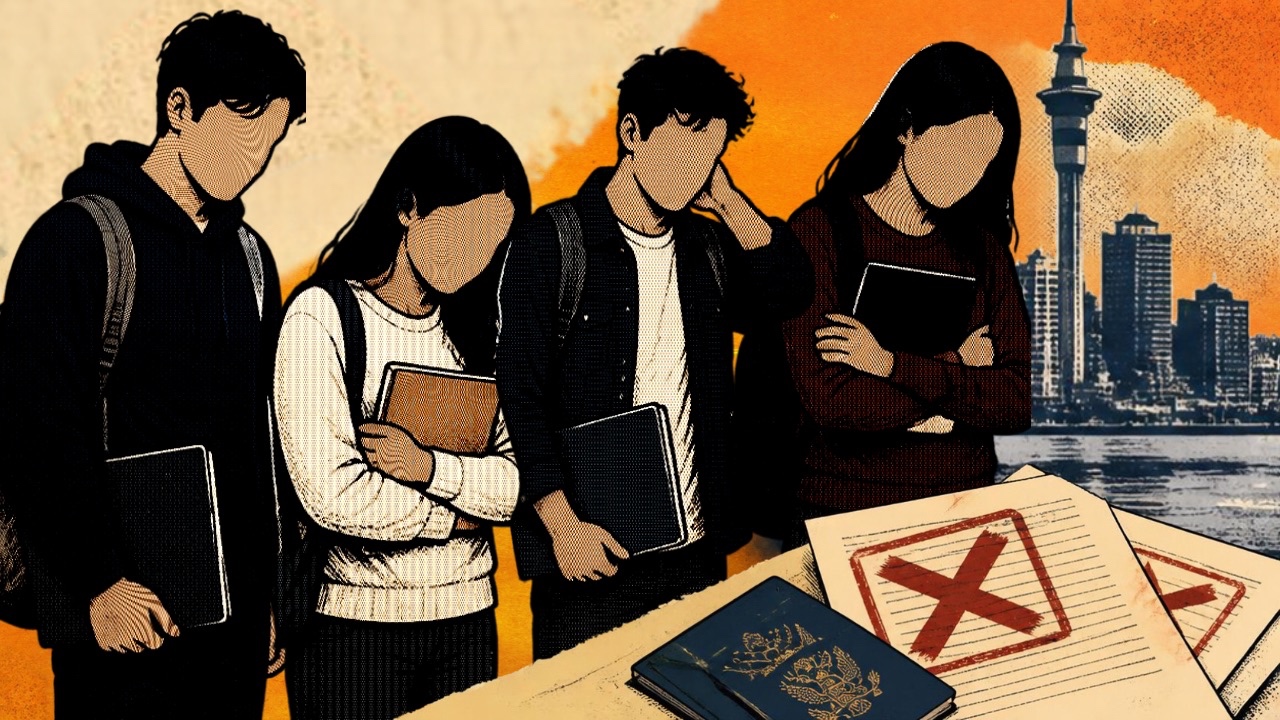
A suite of incoming changes to immigration law could create insecurity among migrants in the country, Indian diaspora groups and experts have told MPs.
The justice select committee is currently reviewing the Immigration (Enhanced Risk Management) Amendment Bill. Its report is due August 14, 2026, after which it can be presented in Parliament for its second reading.
The government says one of the many issues the proposed legislation tries to address is ensuring "we have the right, proportionate tools to manage immigration risks".
The New Zealand Indian Central Association (NZICA) has told the committee that several provisions in the bill raise concerns about not just proportionality and natural justice but also about how, in the long run, it will impact community trust in the immigration system.
The NZICA is New Zealand's apex body of Indian diaspora organisations across the country.
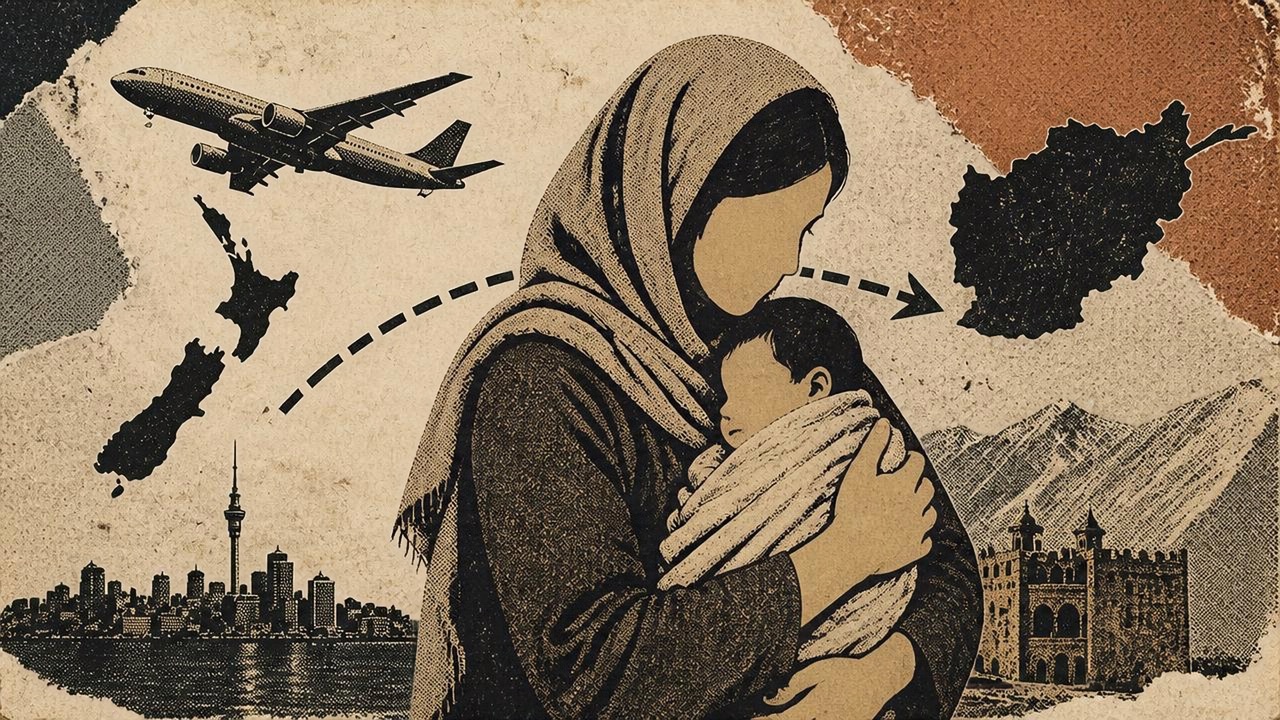
Selfie: ‘Daddy, please don’t take me to an India-NZ cricket match’. A migrant's dilemma Can a migrant embrace a new home without abandoning old loyalties? Sports often offers a reckoning for migrants.
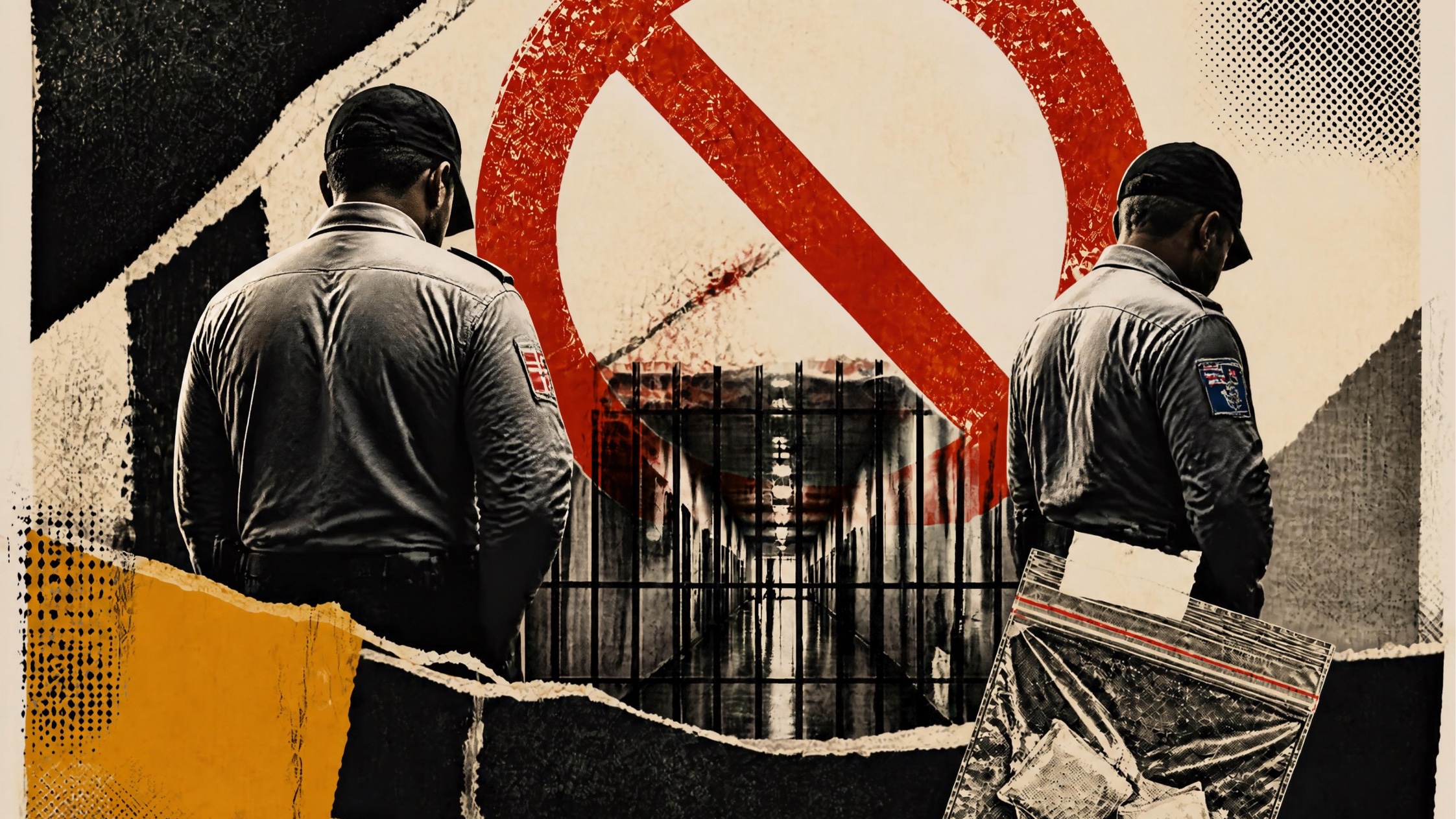
Migrant prison guards in Auckland accused of drug smuggling can't work, can't go home Two fathers facing serious corruption charges have been unable to work elsewhere because of their visas and awaiting criminal trials in 2028.
Can you be Indian and Kiwi? National's Mahesh Muralidhar on patriotism, racism and belonging National's big ticket Indian-origin candidate on what ethnic representation really achieves and why New Zealanders still struggle to get along.
"The Indian community supports efforts to strengthen system integrity and protect migrants," it said in its submission to the justice select committee.
"However, several provisions in the Bill may create unintended hardship, reduce fairness, and undermine confidence in the immigration system."
The NZICA is pointing to a provision in the Bill that increases the time someone has to have held a residence class visa before they can't be deported for criminal offending.
The official jargon for this immunity is 'deportation liability'. It's structured in tiers, from low to medium to high-level of offending.
Under current laws, you can't be deported even for serious crimes if you have been a resident for more than 10 years. The bill increases that to 20 years.
The NZICA has recommended the 10-year period be retained, "or adopt a tiered approach based on offence severity.
ACT MP Parmjeet Parmar has proposed removing the time threshold altogether. That would mean those found guilty of serious crimes can be deported no matter how long they have held a residence class visa.
NZICA has also recommended removing the provision that bars temporary visa holders from appealing deportation on humanitarian grounds.
"Removing humanitarian appeals removes a critical safeguard for vulnerable migrants, including students and workers who may unknowingly breach visa conditions."
The New Zealand Law Society has flagged that the bill prevents all visitors, and all temporary visa holders who commit an offence from appealing to the immigration appellate tribunal on humanitarian grounds.
"The blanket application of these amendments could result in disproportionate outcomes," it said in its submission to the justice select committee.
The law society argued the right for humanitarian appeal should not be removed, or a limited exceptional-circumstances pathway be created.
The society says the provision removes a critical safeguard for temporary residents who have lived in New Zealand for years, and have strong connections to New Zealand.
The law society has also flagged the provision in the bill that extends the deportation liability period for lower-end offending, or crimes that carry a maximum penalty of three months.
If you have held a resident class visa for two years, you can't be deported for these minor offences under current laws. The bill proposes to extend that to five years.
"Extending the liability for this type of lower-end offending...risks capturing long-term residents for minor offending...resulting in disproportionate outcomes for these residents."
The apex body of New Zealand's gurdwaras (Sikh temples) is "deeply alarmed" by the provision they say will "allow executive bodies to override judiciary".
Under current laws, a person found guilty of a crime isn't liable for deportation until they are convicted. It's a legal tool. When a court finds deportation could be disproportionate punishment, it has the power to "discharge without conviction" anyone found guilty of a crime.
Immigration minister Erica Stanford has suggested that practice is becoming too prevalent, and has indicated her intention to check it.
The Supreme Sikh Society of New Zealand has told MPs this provision undermines the separation of powers.
"[It] subjects individuals to "punishment without conviction," contradicting the core principles of New Zealand’s justice system," it said in its submission.
All the public submissions on the bill are available on Parliament's website.