
Election 2026: How not to read the flurry of opinion polls
A representative sample of eligible people in a survey may not demographically match the population that actually casts their votes.
Based solely on polls, no one could have predicted the past three elections this early in the year they were held.
With nine months to go, how much can opinion polls tell us about the general election on November 7? Short answer: not much.
Based solely on polls, no one could have predicted the past three elections this early in the year they were held. Trends shifted over the subsequent months, and events (especially COVID in 2020) intervened to shake things up.
Each poll is a snapshot of past public opinion – and it’s out of focus, due to statistically inevitable sampling error. A sample of 1,000 people won’t exactly resemble the whole eligible population, and the percentage of “undecided” voters often goes unreported.
Researchers have an incentive to produce results that are as accurate as possible, but statistical variance happens. Each poll is an estimate. And a small variation between two polls by one or two percentage points is “noise”, not “signal”.
We get a picture of how party preferences have shifted by looking at trends across a number of polls. But past trends aren’t a sound guide to future trends.
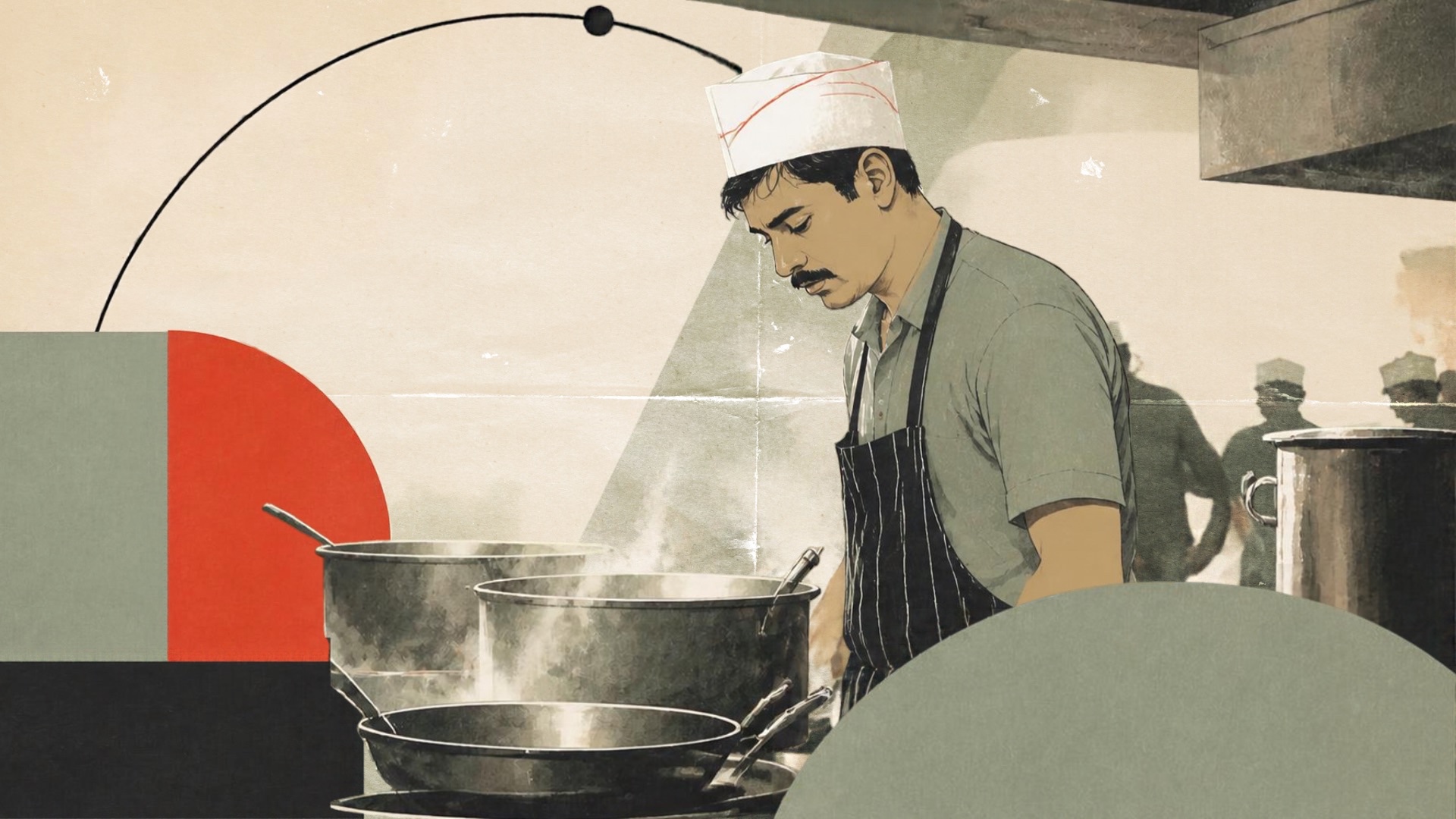
From designing restaurants to running Auckland Diwali: The many lives of Arnav Taode Taode brings his passion for Indian arts and culture to his first year managing BNZ Auckland Diwali 2026.
Winston Peters says ‘diversity is disunity’. What does the evidence tell us? Evidence from business, sport and social policy suggests diversity can strengthen economies and cohesion but on one condition.
Baby born in Sri Lanka to New Zealand residents caught in limbo after Down syndrome diagnosis Immigration tribunal orders fresh residence assessment after finding a “serious mistake” by immigration officials.
What are recent polls telling us?
The Research Association New Zealand’s Political Polling Coderequires that projections of the numbers of seats for each party “should state that polls do not predict – they measure a point in time”.
I’d add that no one can “measure” opinions in the precise ways we measure distances and times. An opinion isn’t an object in space.
So, what can we say recent polls indicate, rather than measure?
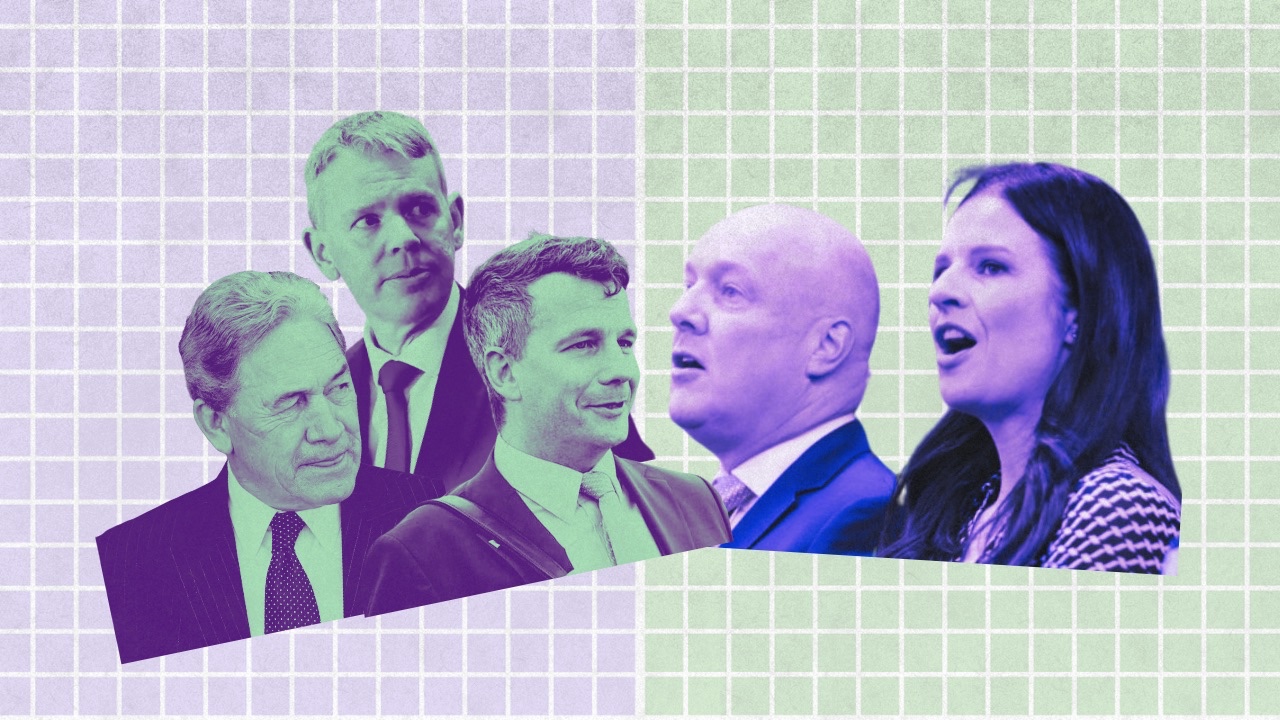
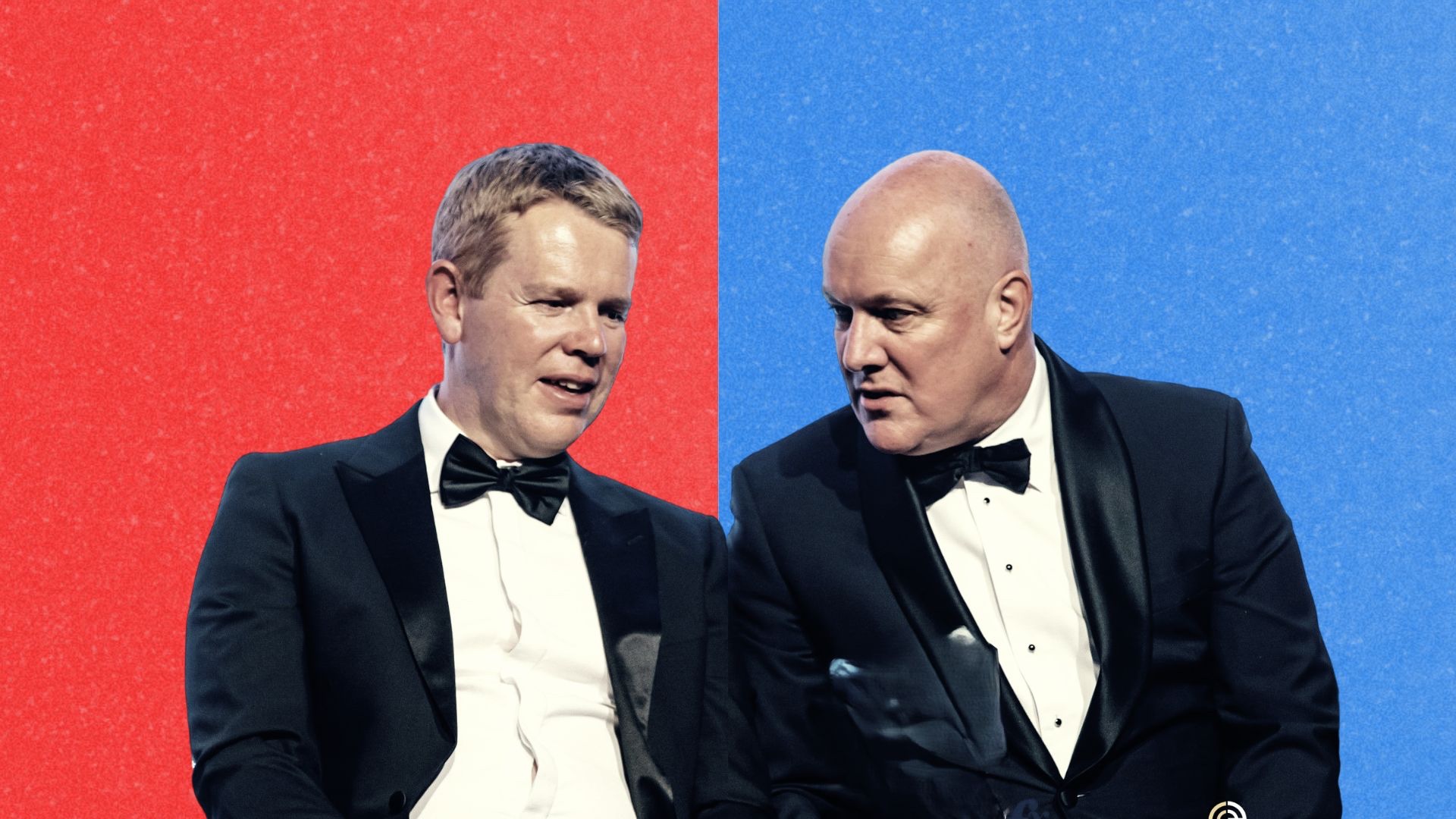
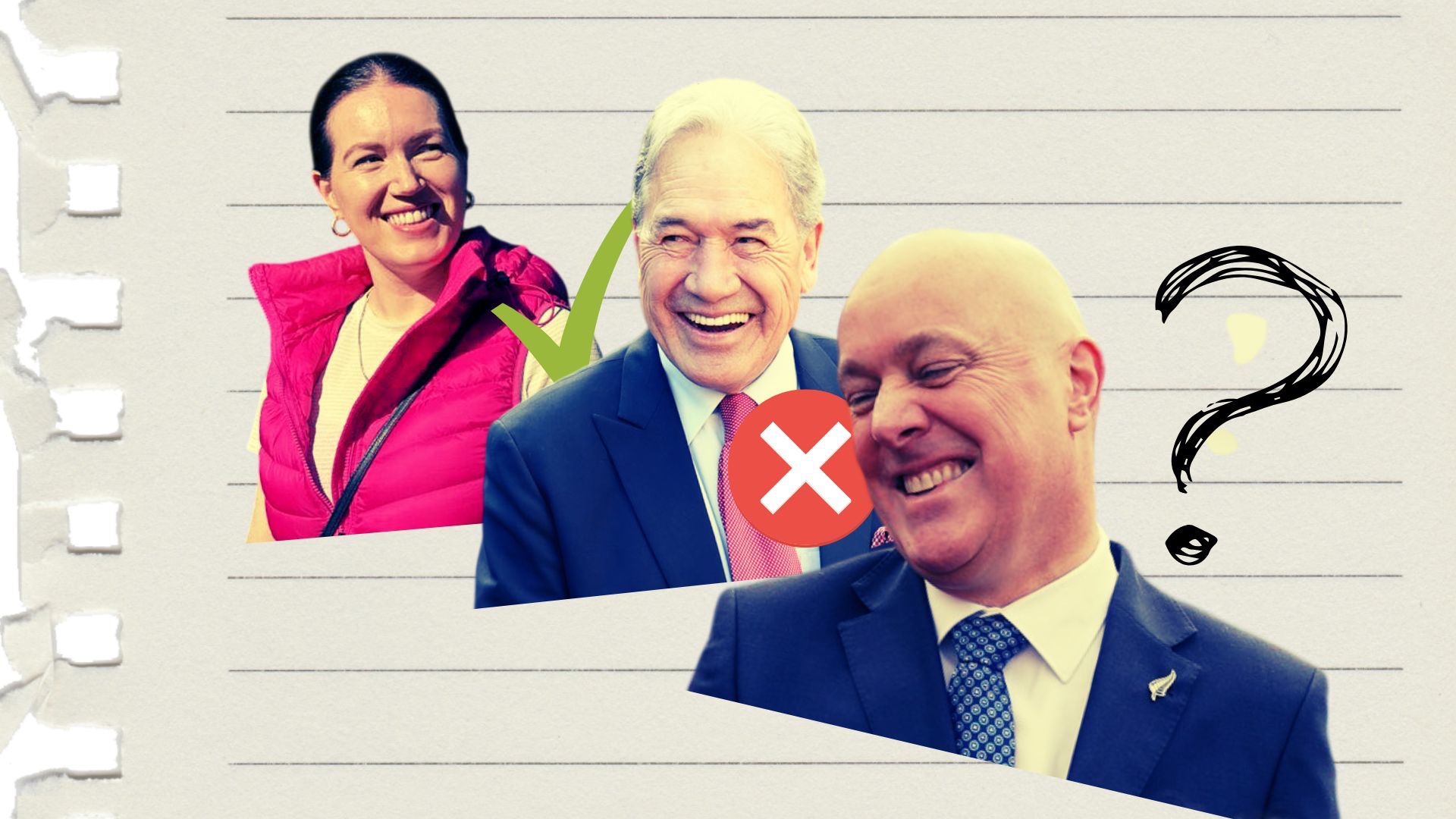
They seem to show that if an election had been held recently, National would have won fewer party votes than in the 2023 election. Labour may have done better than National, but been let down by potential coalition partners the Greens and Te Pāti Māori.
It’s unclear whether or not that hypothetical election could have led to a change of government. Polls held in the weeks immediately before elections are normally pretty close to the election results. But voter turnout can upset that.
A representative sample of eligible people in a survey may not demographically match the population that actually casts their votes.
Unexpectedly high turnout in 2020, for instance, meant polls in the month before the election underestimated Labour and overestimated National.
All the same, political observers can use polls as indicators of where things have been heading. As I write, none of the parties, except NZ First, would be pleased with their recent polling, on average.
NZ First has had results of 9% or more, improving on its previous election result of 6.1%. Labour’s gradual rise over 2025 appeared to be at the expense of the two smaller left-wing parties, however.
Do polls influence election results?
Opinion polls can have self-fulfilling or “bandwagon” effects on people’s voting behaviour. But there’s no A-causes-B theory that allows us to predict whether, or by how much, that will happen. The effects could go in different directions for different people.
If polls show one candidate is way ahead, it may motivate me to vote for that person (to join the bandwagon). Or I might vote for another candidate (to support the underdog). Or I might not vote at all (as it’s a forgone conclusion).
In a Mixed Member Proportional (MMP) election, a party that’s been polling below the 5% threshold and isn’t likely to win an electorate seat may get caught in a self-fulfilling prophecy.
Reluctant to “waste” their votes on that party, people may choose another – making it even harder for that party.
People also ask: who will work with whom in government? They may reason that a vote for one party means effectively voting to help put another party into government as well – which may or may not seem desirable.
Because of the potential for polls to lead public opinion rather than follow it, New Zealand bans the publication of polls on election day itself but not during the two-week advance-voting period.
But blackout periods are common in Europe and Latin America, and may be for as long as two weeks, as in Italy.
There’s also a risk that an unscrupulous actor could publish a false poll result in an effort to shift choices or suppress turnout, and that’s one reason why the research industry has a (self-regulated) code of conduct.
Past trends or future outcomes?
In a free society, however, the state shouldn’t prohibit research firms from doing surveys, or media from reporting the results.
Polls can be informative for voters, and a useful part of the democratic process. They also give the parties feedback about their performance (or perceived performance) between elections.
But they can be unhelpful when framed by media in sensationalist or biased ways.
People should be left to make up their minds about which candidate or party best represents them, rather than view an election as a contest narrated in terms of who’s up and who’s down.
In the end, we should read the polls and the media critically, and not take things on trust. It always pays to check, for example, who’s done the survey, who’s sponsored it and what the methodology was.
Above all, remember that opinion polls only indicate past trends; they don’t predict future outcomes.
(This story was first published in The Conversation. The writer is Research associate, Public Policy Institute at University of Auckland)