
Baby born in Sri Lanka to New Zealand residents caught in limbo after Down syndrome diagnosis
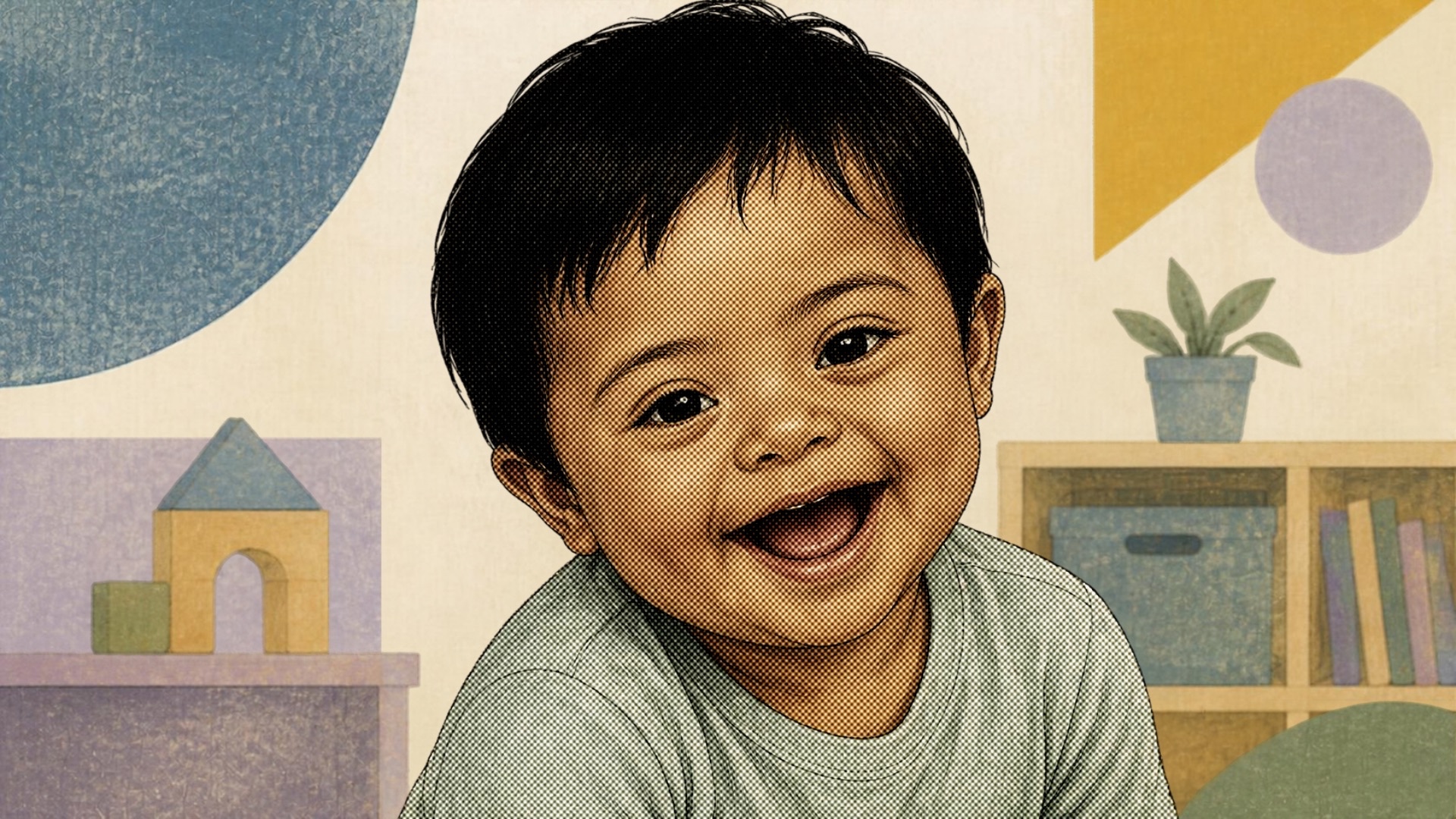
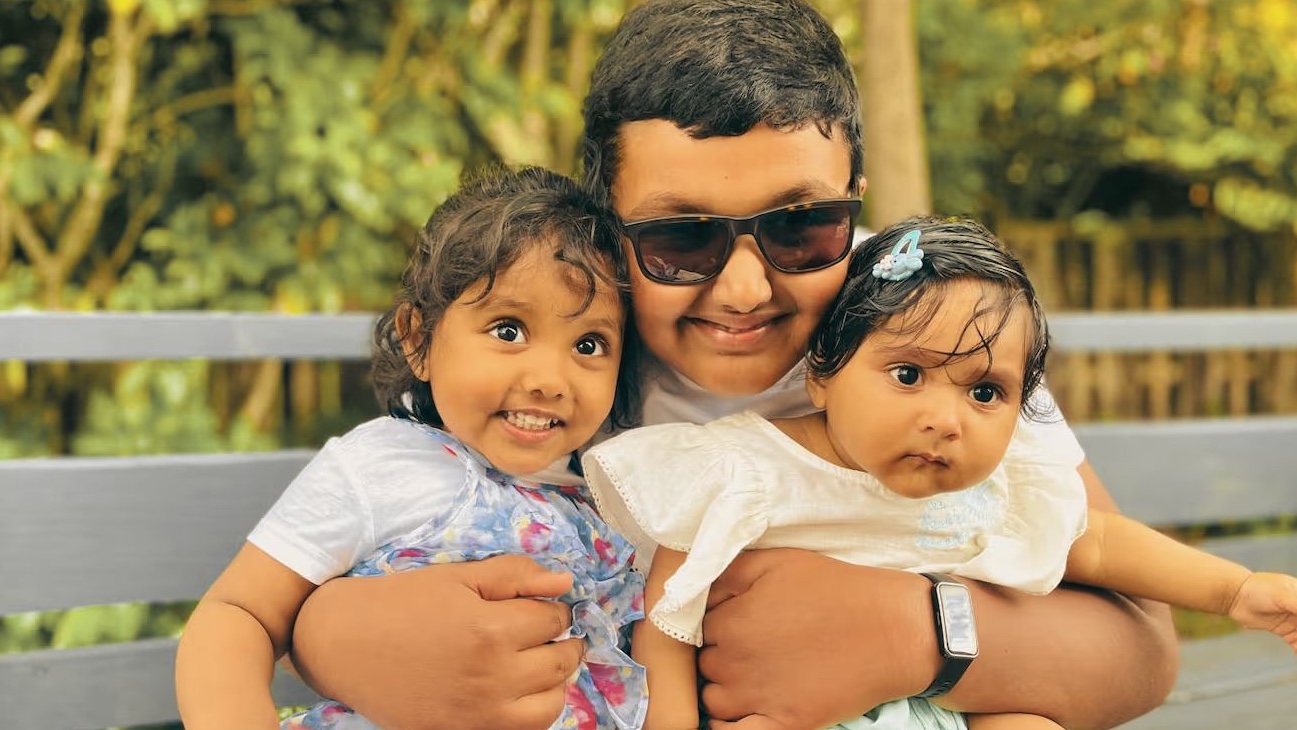
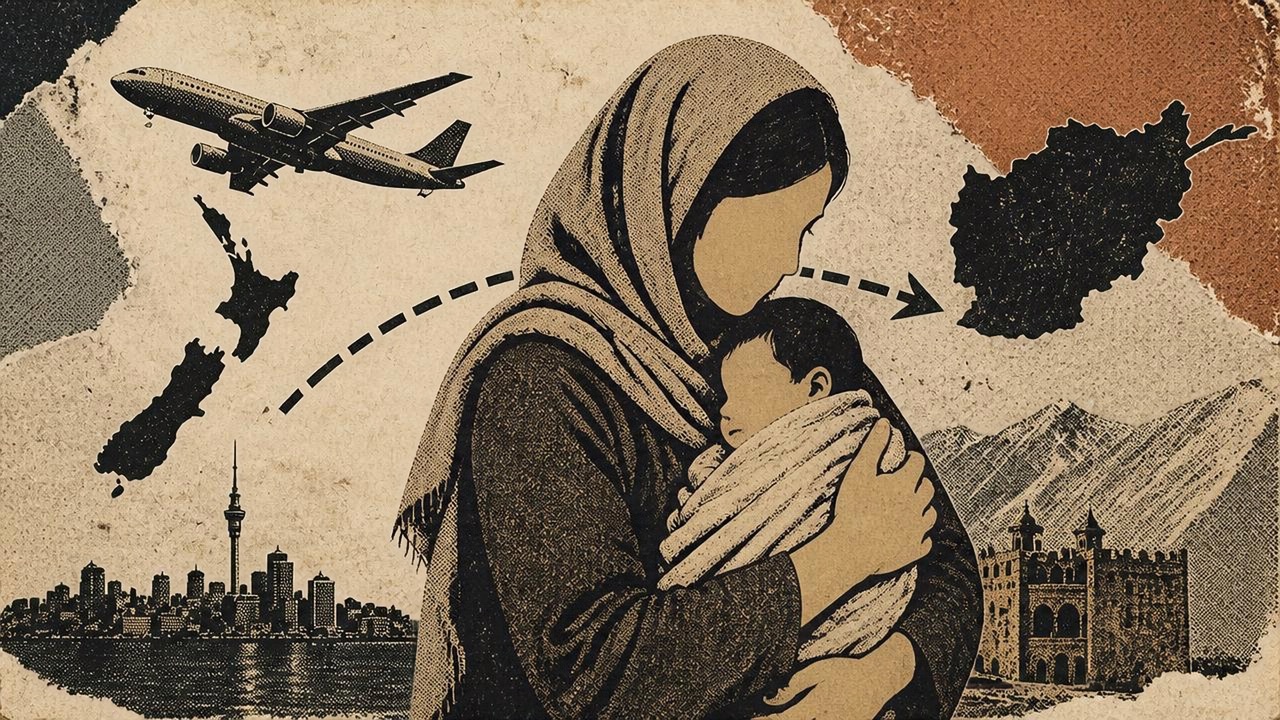
The two-year-old boy was born in Sri Lanka after his parents had already secured New Zealand residence.
Immigration tribunal orders fresh residence assessment after finding a “serious mistake” by immigration officials.
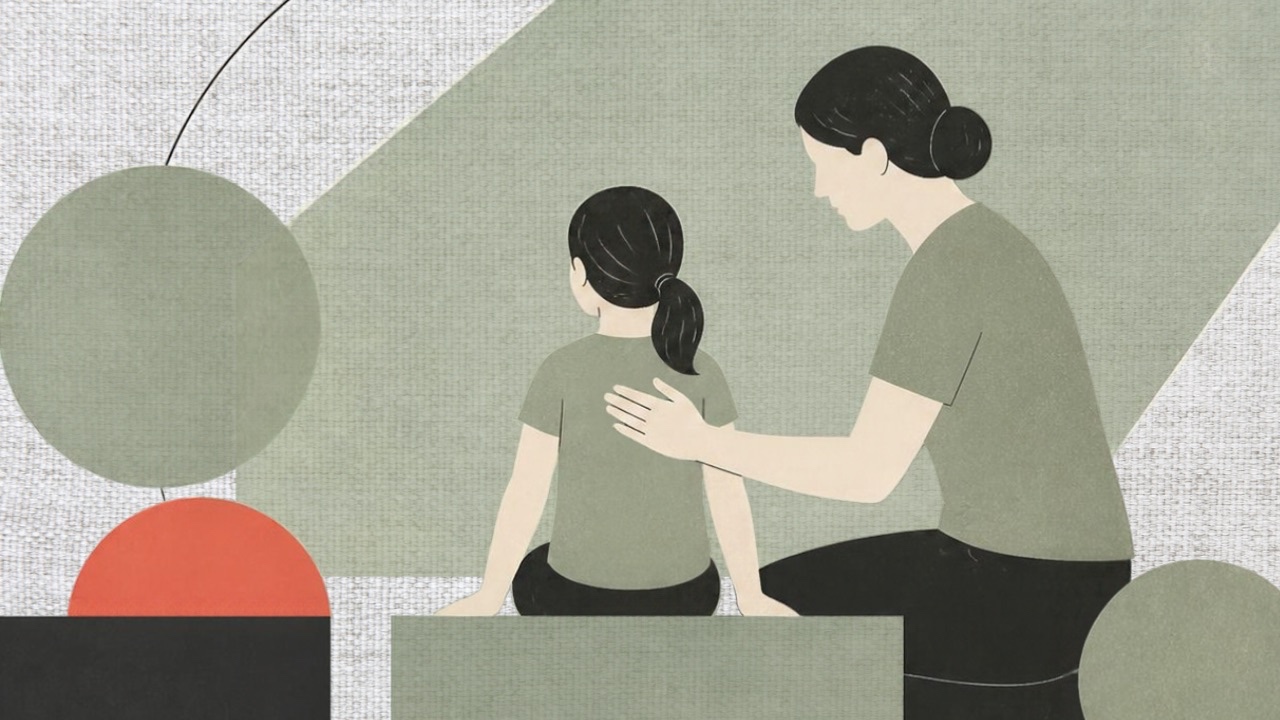
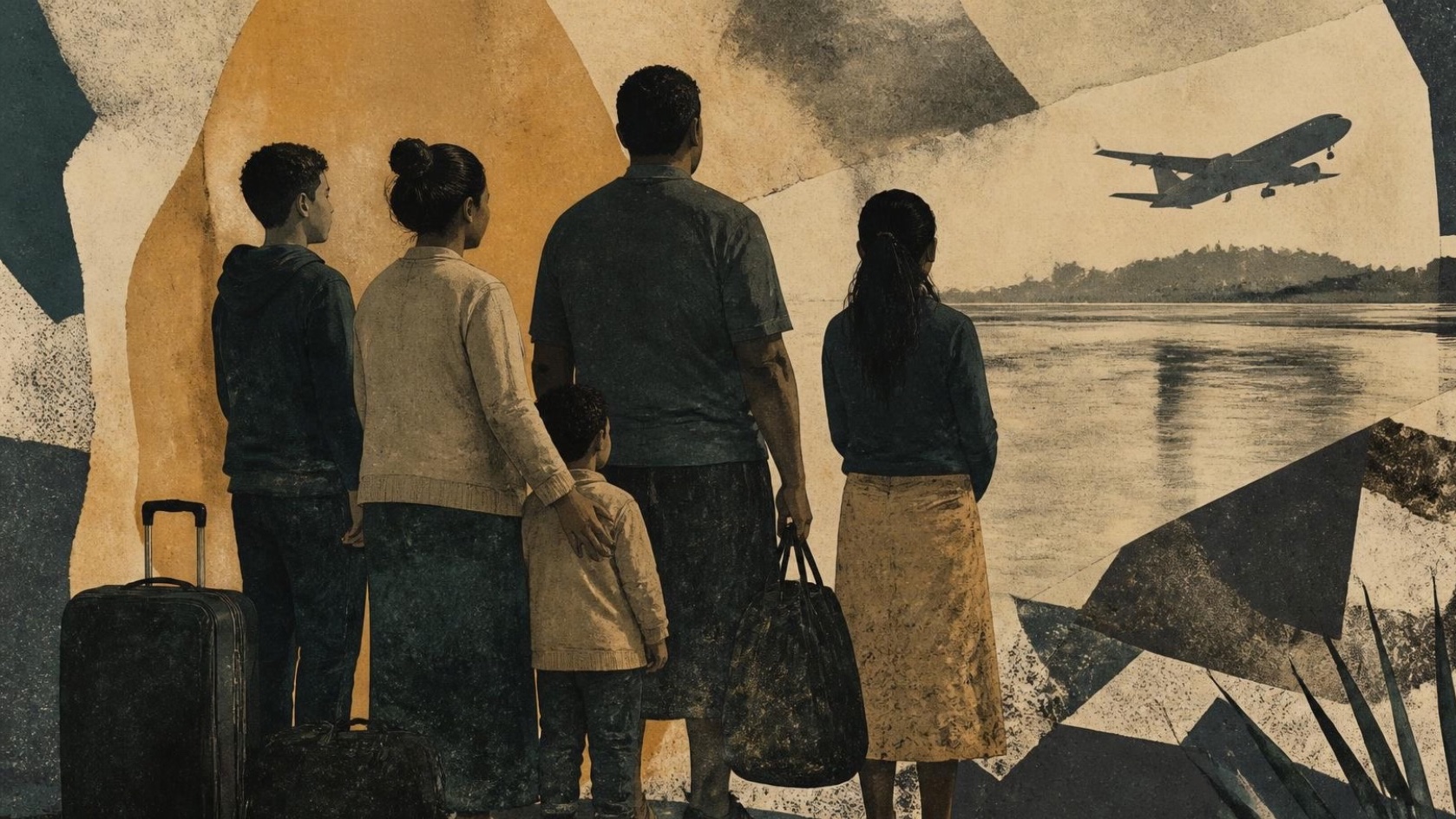
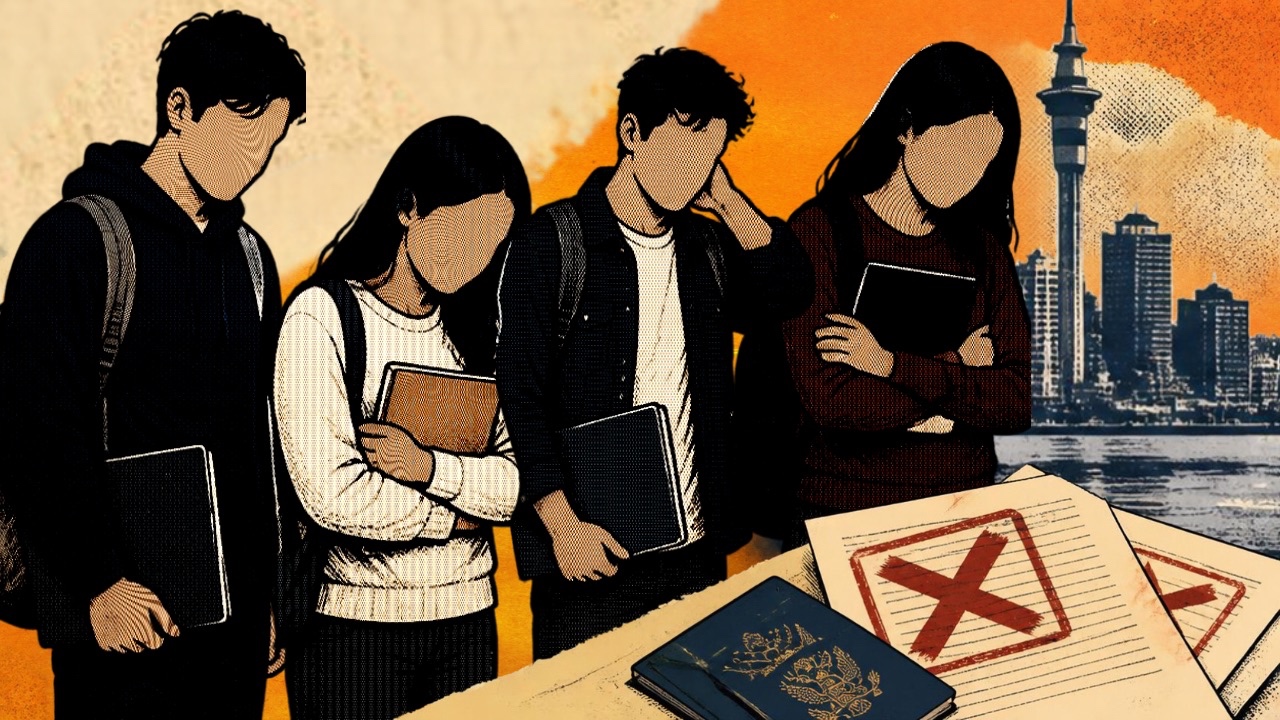
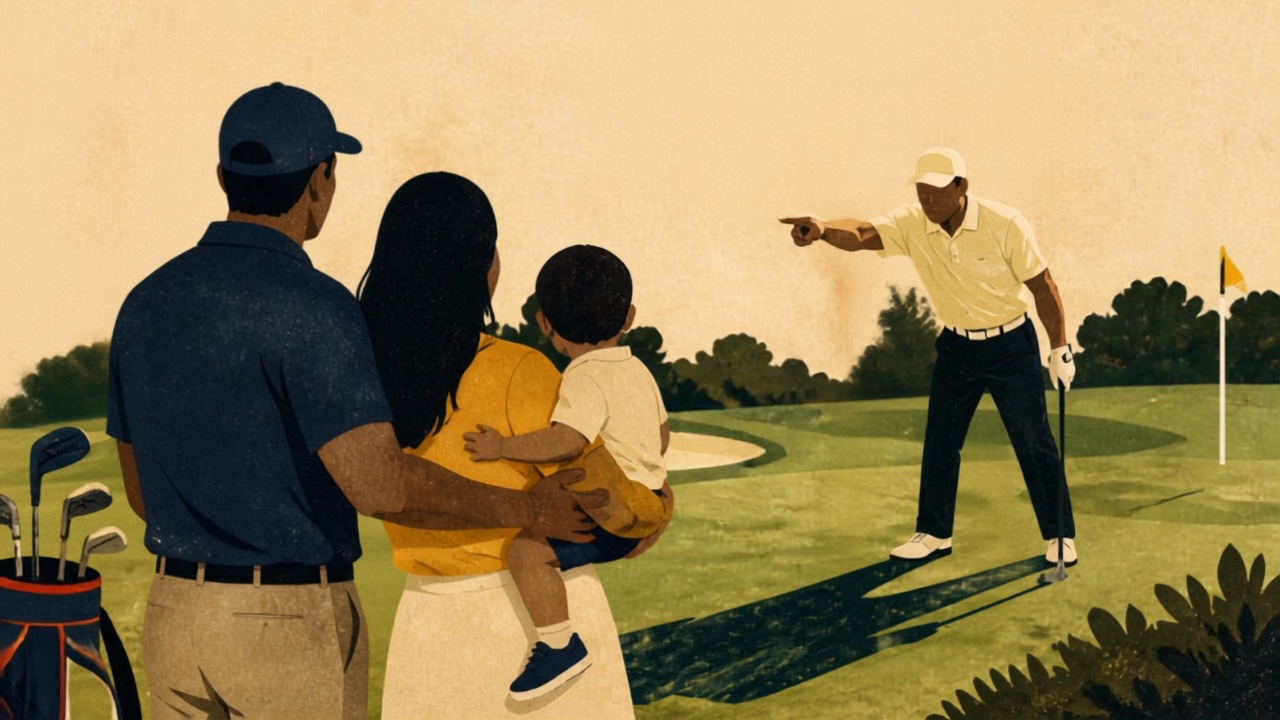
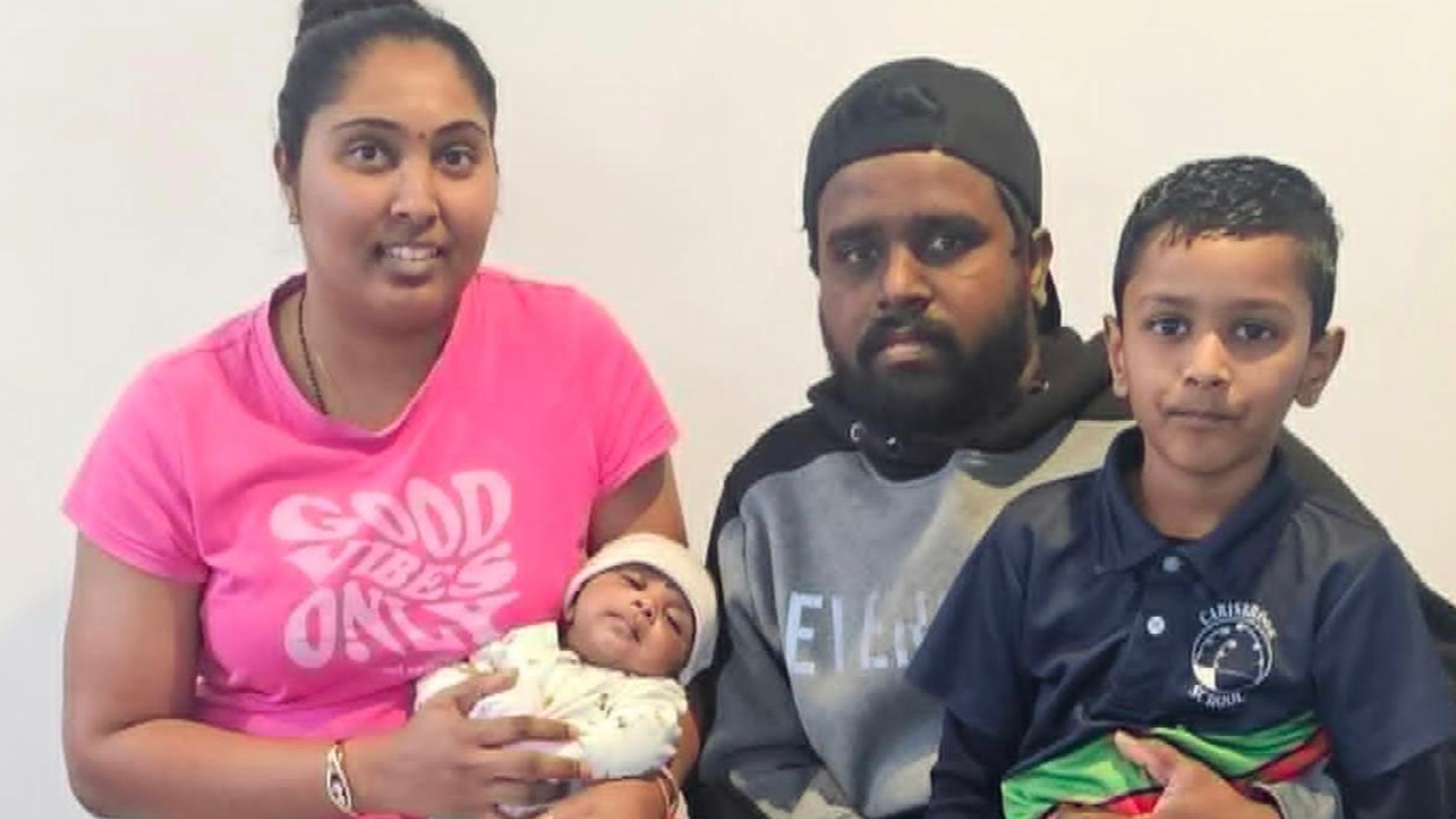
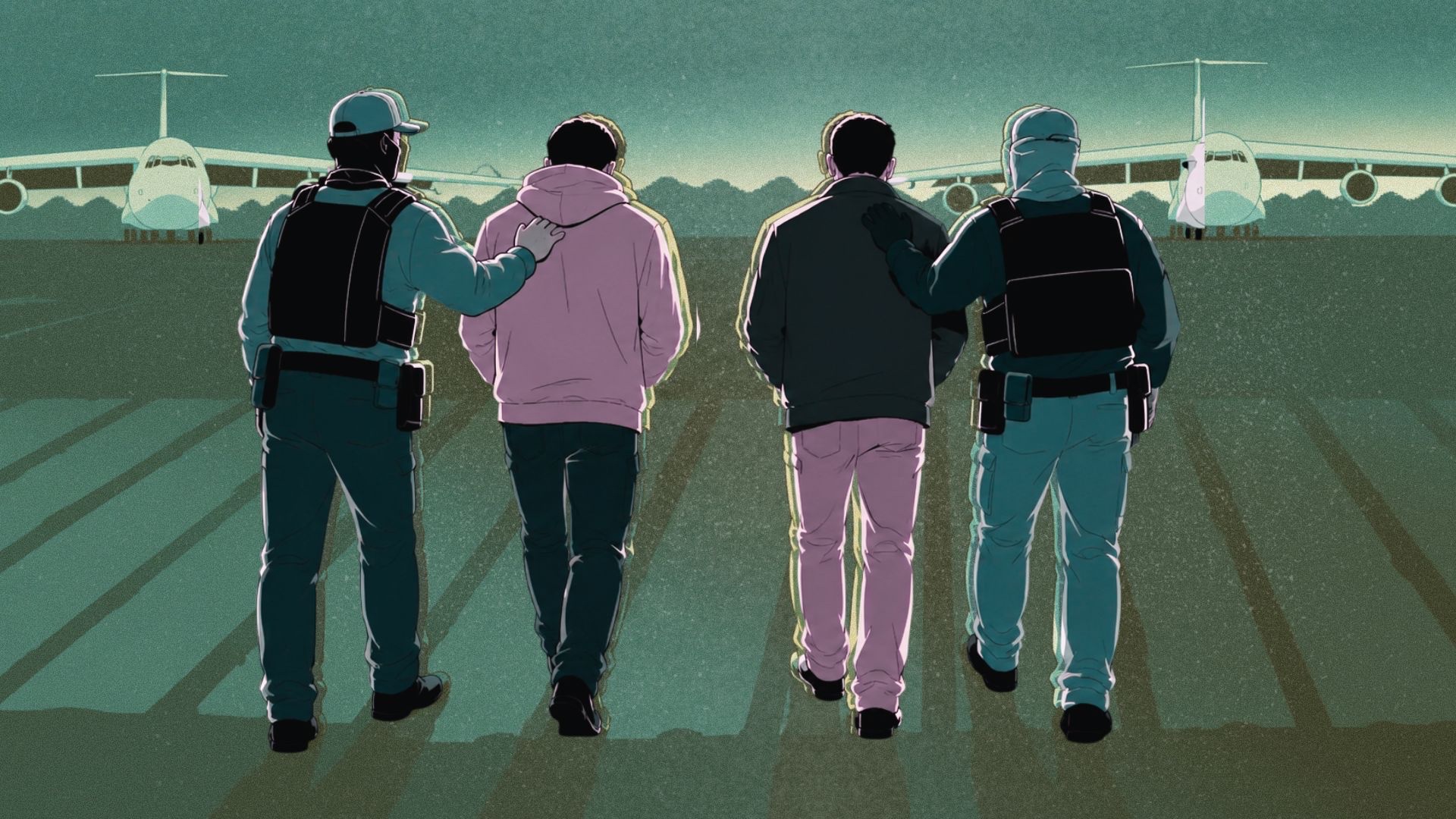
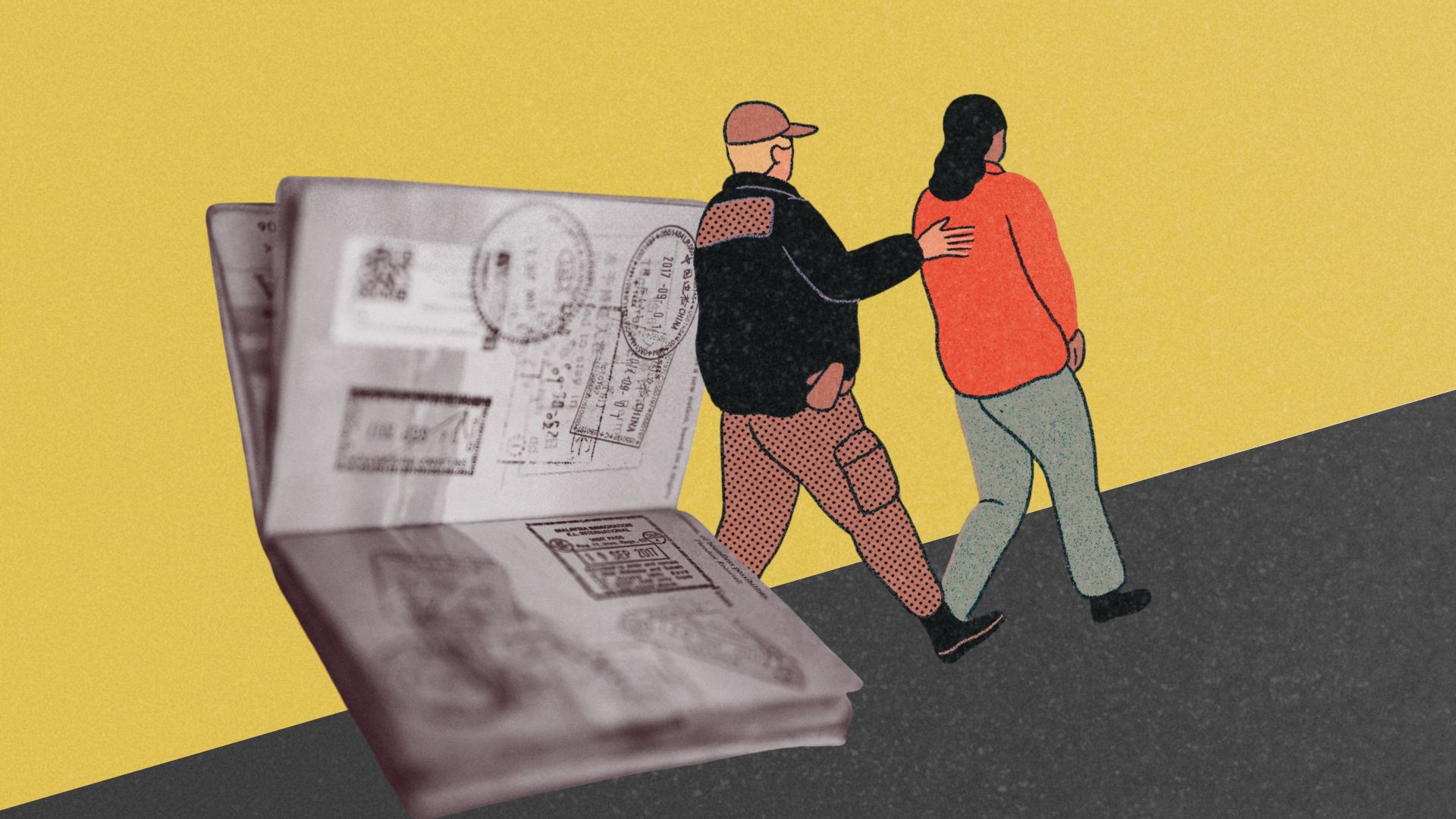
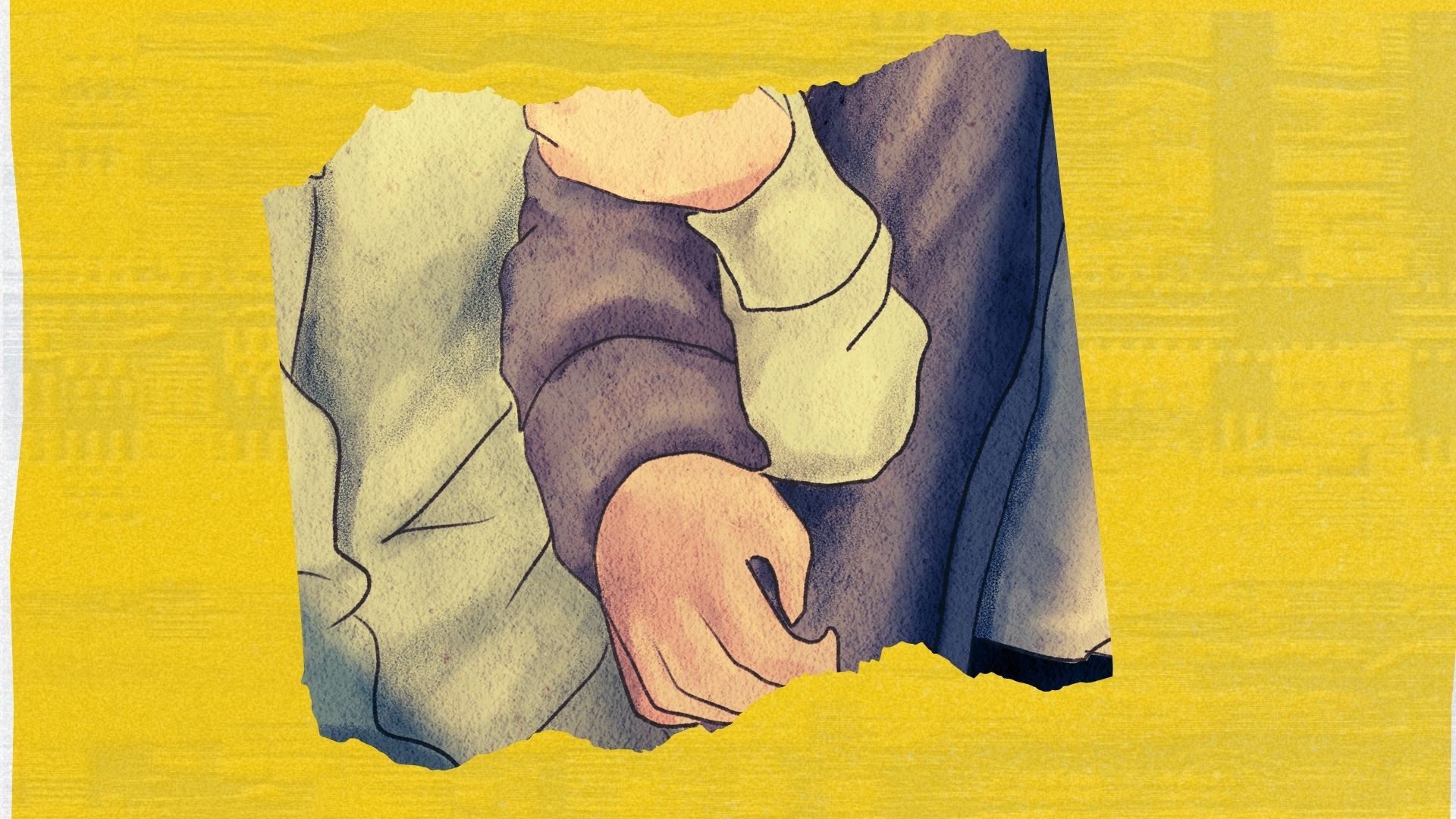
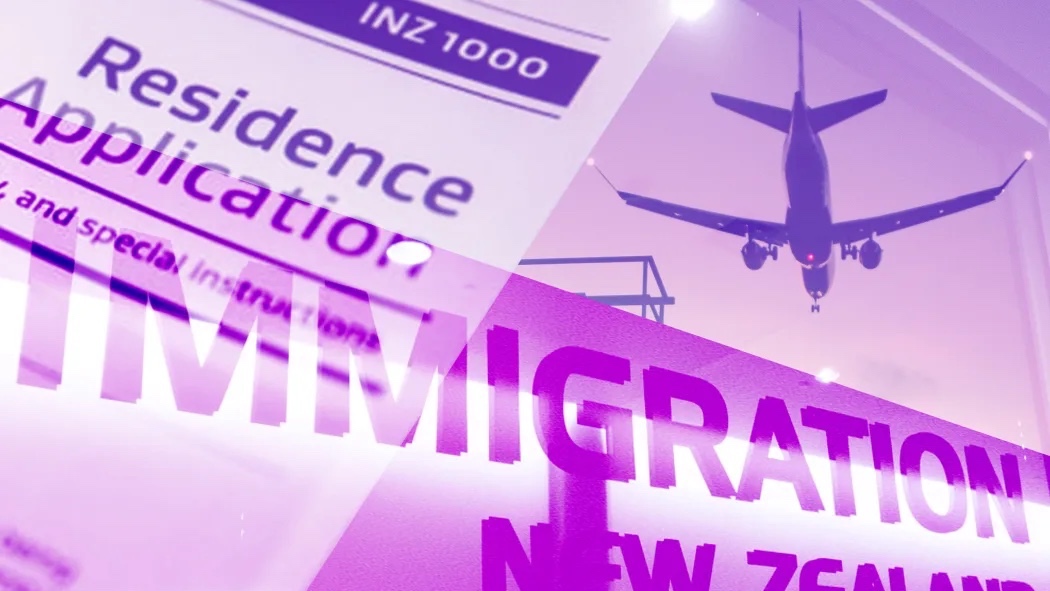
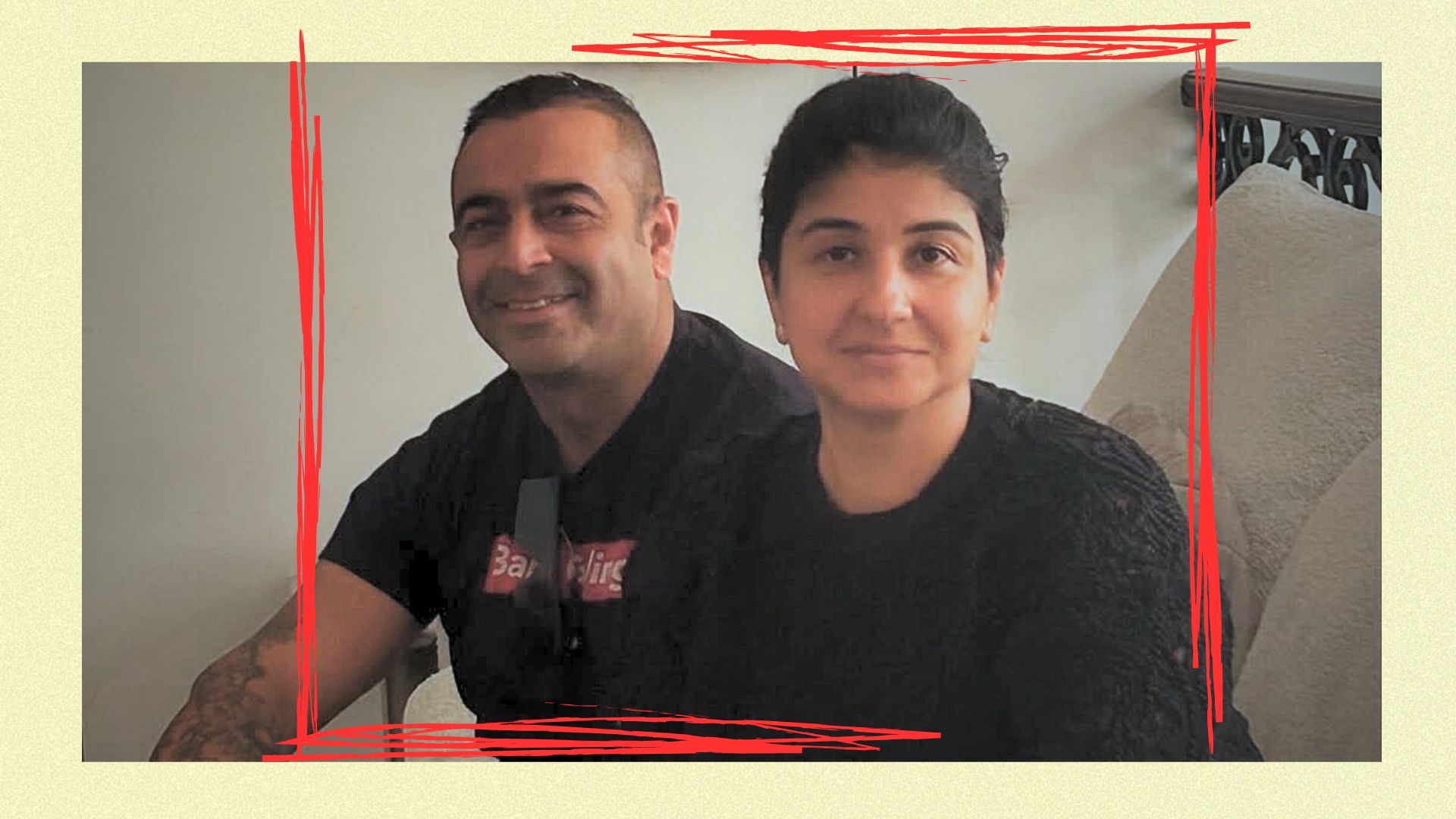
A Sri Lankan couple had already secured New Zealand residence when their son was born overseas. A year later, the boy’s Down syndrome diagnosis became the reason Immigration New Zealand (INZ) refused him residence.
The two-year-old has now won another chance to stay after the Immigration and Protection Tribunal (IPT) found immigration officials made a “serious mistake” in the way his health was assessed.
The tribunal cancelled the refusal and ordered INZ to consider his application again.
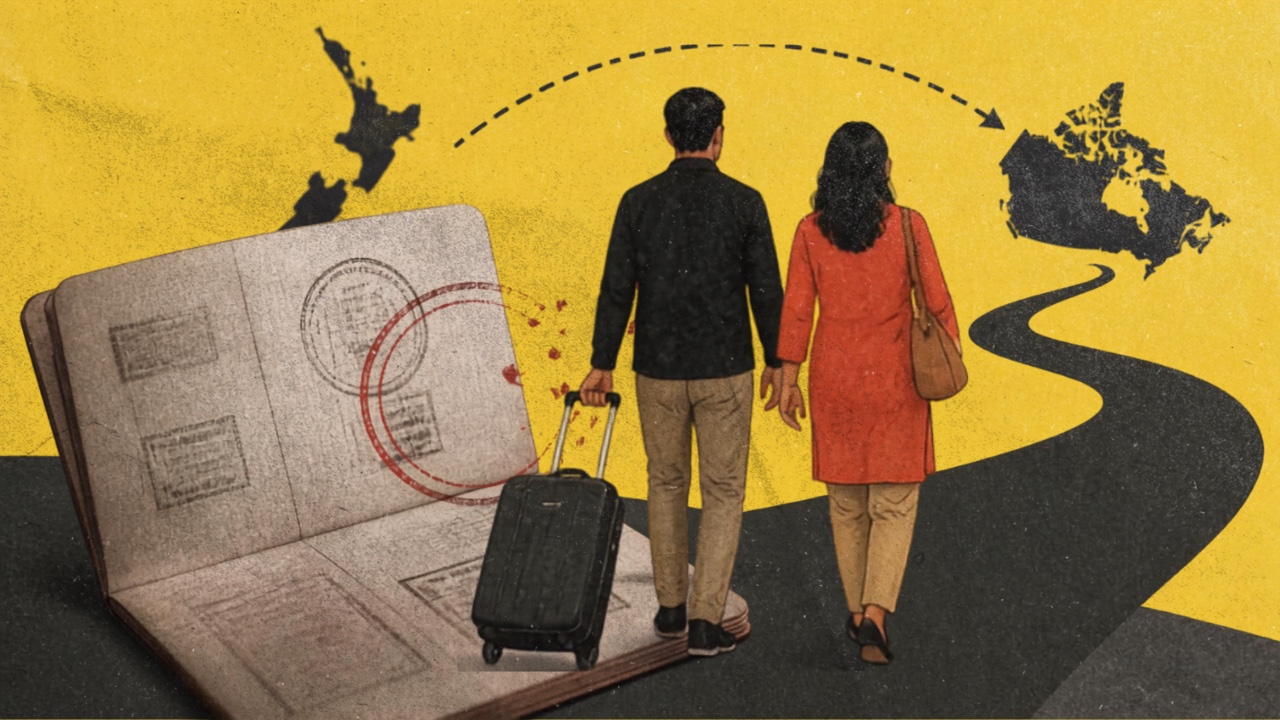
The boy’s father moved to New Zealand in February 2024. Both parents were granted residence under the Green List Straight to Residence pathway in April that year and later became permanent residents. Their son was born in Sri Lanka the following month.
His mother later told immigration officials she could have joined her husband in New Zealand earlier and given birth here, in which case the boy would have been born a New Zealand citizen. She said she remained in Sri Lanka for reasons that included severe morning sickness.
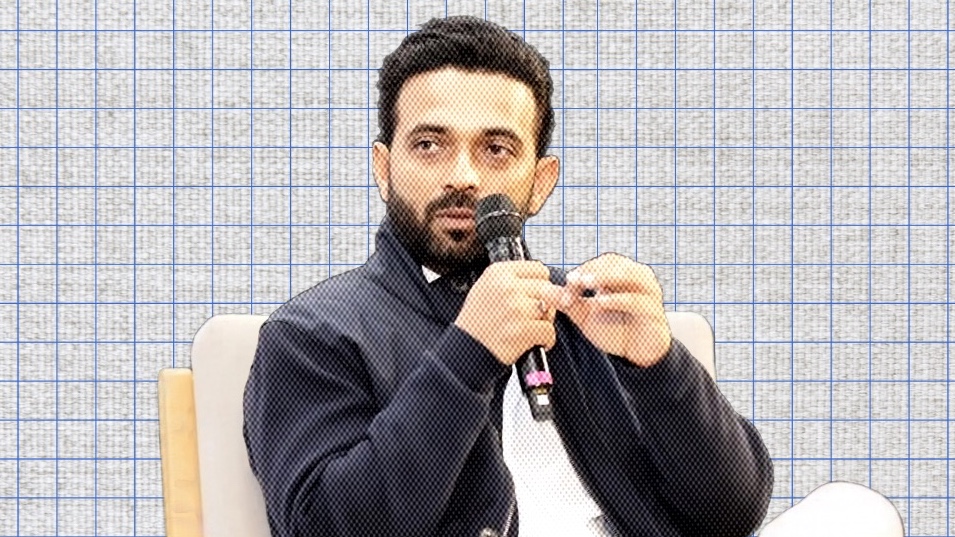
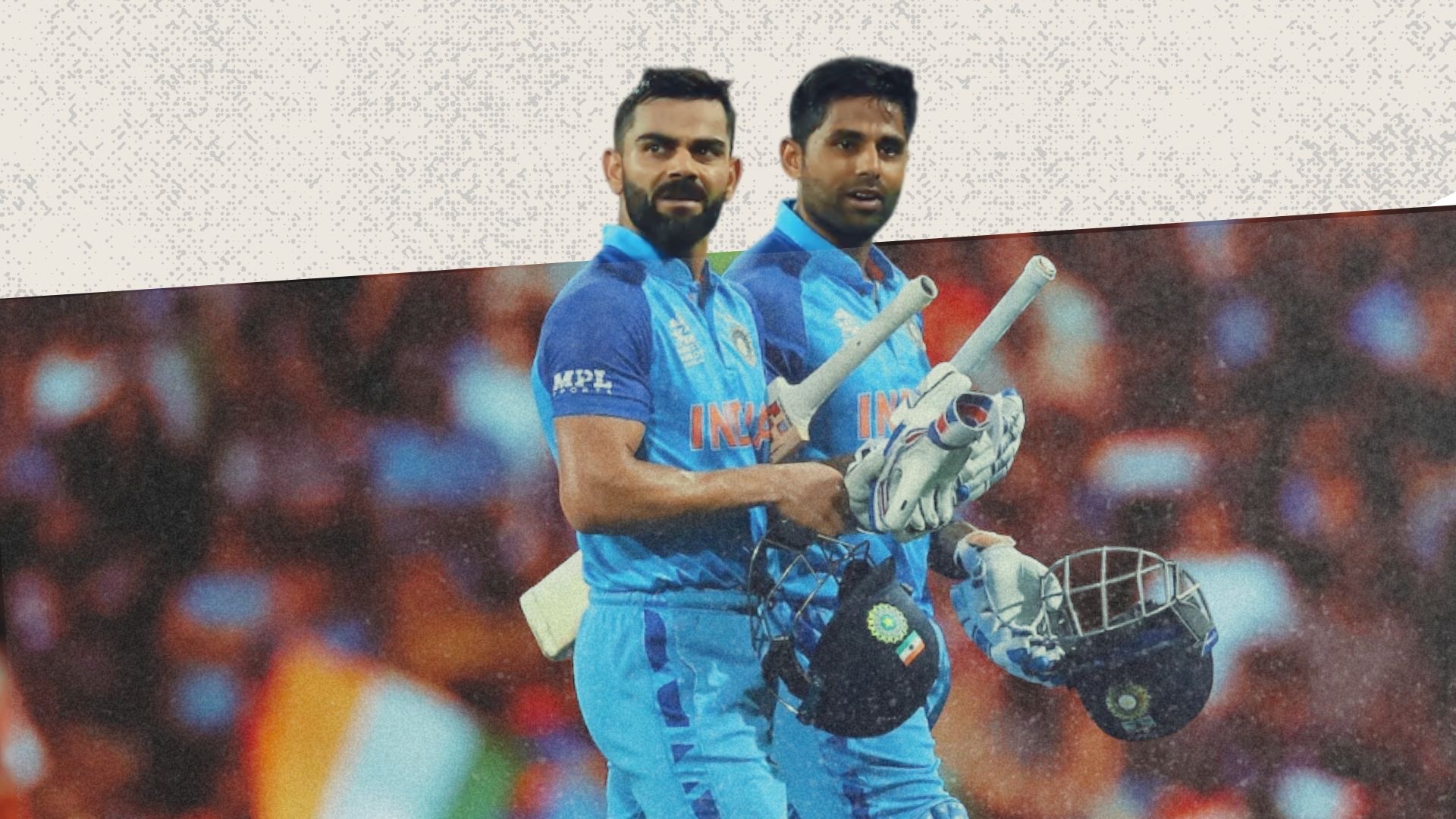
"The country’s just flying": Black Caps great Stephen Fleming bullish on India after FTA The former skipper says decades of cricket and business ties have given him a front-row view of India’s transformation.
Brian Tamaki summoned to court for inciting racial disharmony around Modi's visit The Destiny Church leader says the charges relate to comments made while criticising Indian prime minister Narendra Modi.
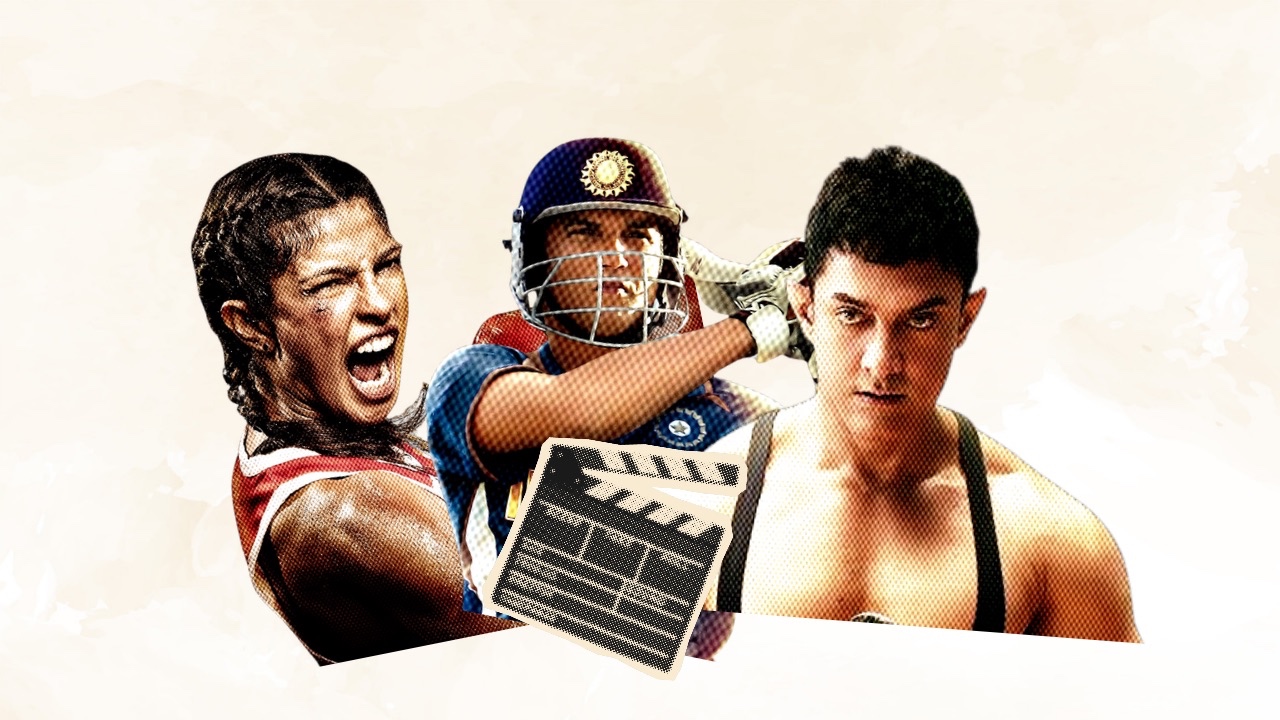
MS Dhoni, Dangal, Mary Kom: Indian sports films coming to Auckland cinemas. For free An Auckland film showcase is bringing blockbuster sports movies back to cinemas as part of the centenary celebrations of New Zealand–India sporting ties.
After the birth, the parents learned their son had Down syndrome. Mother and child eventually joined the father in New Zealand in January 2025, and the boy later applied for residence as a dependent child.
INZ declined the application last year after medical assessors concluded the child did not meet the acceptable standard of health, and was not eligible for a medical waiver because he was considered to have an incapacity requiring full-time care, including care in the community.
That was despite evidence from doctors and early-intervention specialists that he was medically stable and progressing well. His GP said he had no serious complications from Down syndrome. An early-intervention service said he was making “very pleasing progress” with physiotherapy, speech and language therapy, music therapy and early-intervention teaching.
A paediatric consultant said the boy was making good developmental progress and had no major physical complications requiring urgent treatment.
In their order on September 29, tribunal member M B Martin found INZ had used the wrong part of its health rules when deciding whether the child met the acceptable standard of health.
The provision relied on by medical assessors – concerning people requiring full-time care – was relevant to whether someone could qualify for a medical waiver, not to the earlier question of whether they met the acceptable standard of health in the first place.
The tribunal said those two separate assessments had effectively been merged into one. “The medical assessors and Immigration New Zealand made, collectively, a serious mistake,” Martin found.
That meant the boy’s application had not been fairly considered and had been prejudiced because it was declined solely on health grounds.
The tribunal also highlighted an apparent inconsistency in the treatment of young children with Down syndrome. In another 2026 case, medical assessors considering a three-year-old child with Down syndrome found he was too young to determine whether he would require the level of full-time care that would prevent access to a medical waiver.
That child, therefore, received a medical-waiver assessment. In the Sri Lankan boy’s case, however, assessors concluded the same rule did apply even though he was only two.
“The Tribunal is left uncertain why there has been such an inconsistency in approach,” Martin said.
The tribunal stressed that its decision does not mean the boy will automatically receive residence. It acknowledged that because he has Down syndrome and developmental delay and is expected to need specialist services, he could still face an adverse health assessment under the correct rules.
But, Martin said, the boy and his parents were entitled to have his health “properly and correctly assessed”, which had not happened. INZ must now assign the case to an officer who was not previously involved, invite updated medical evidence and obtain a fresh medical assessment.
Officials have also been directed to bring the inconsistency between this case and the other Down syndrome case to the attention of medical assessors “in the interests of promoting consistent decisions”.
The boy currently holds a visitor visa valid until March 2027. If his reassessed residence application is declined again, his parents will retain the right to appeal.