
Kiwi Indians are 5.8% of population, new report puts their economic impact at 8.6% of GDP
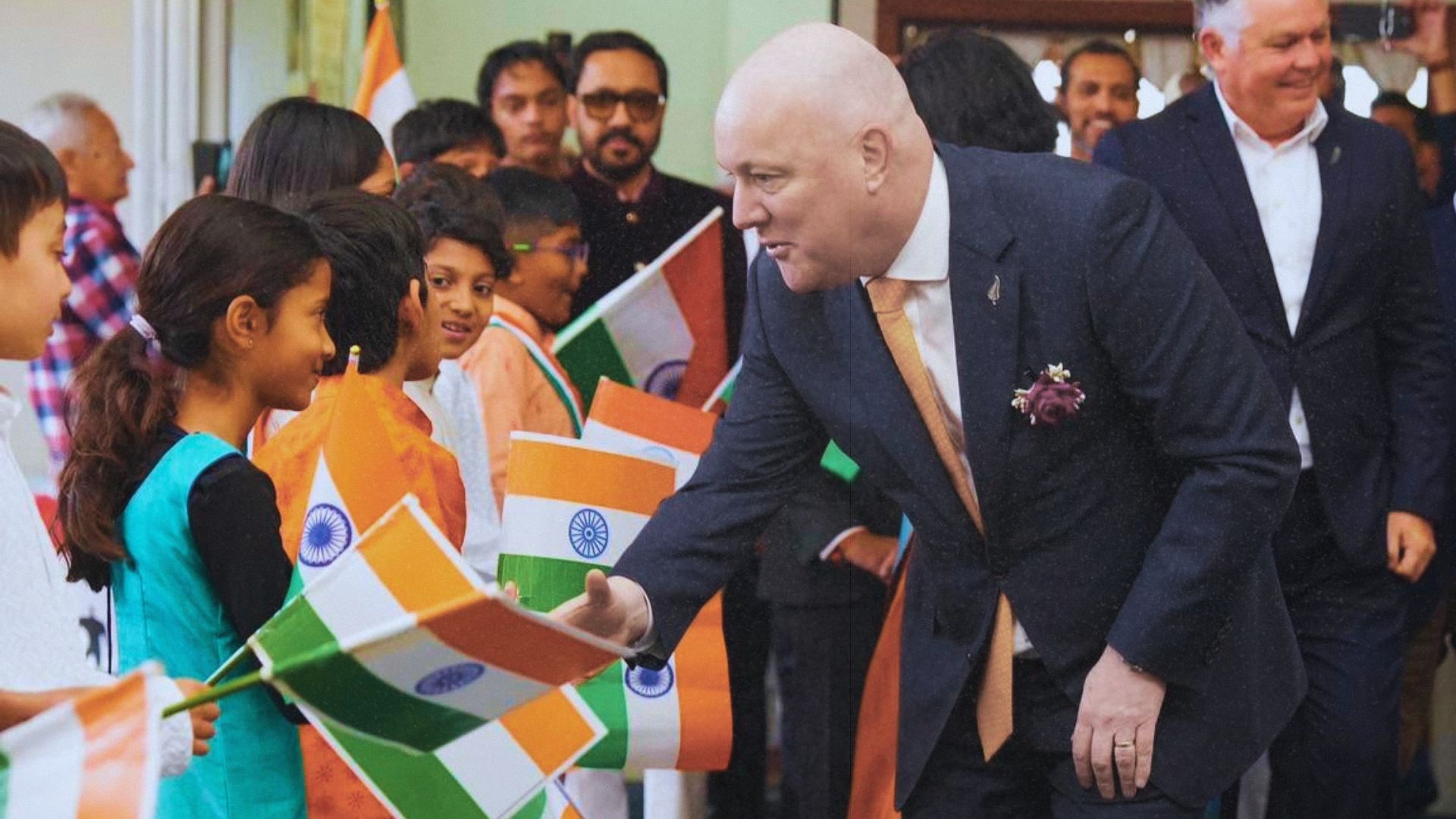
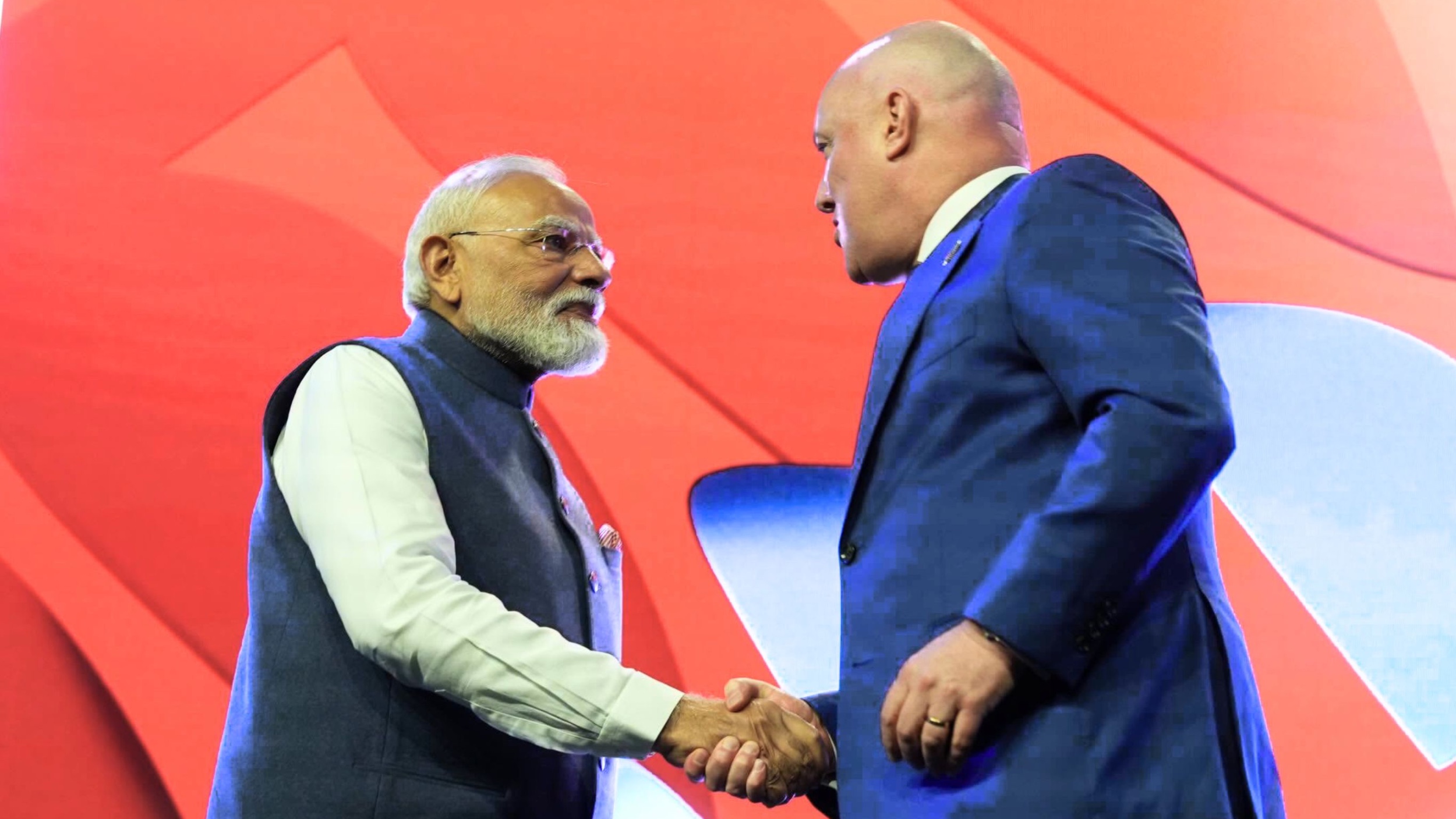
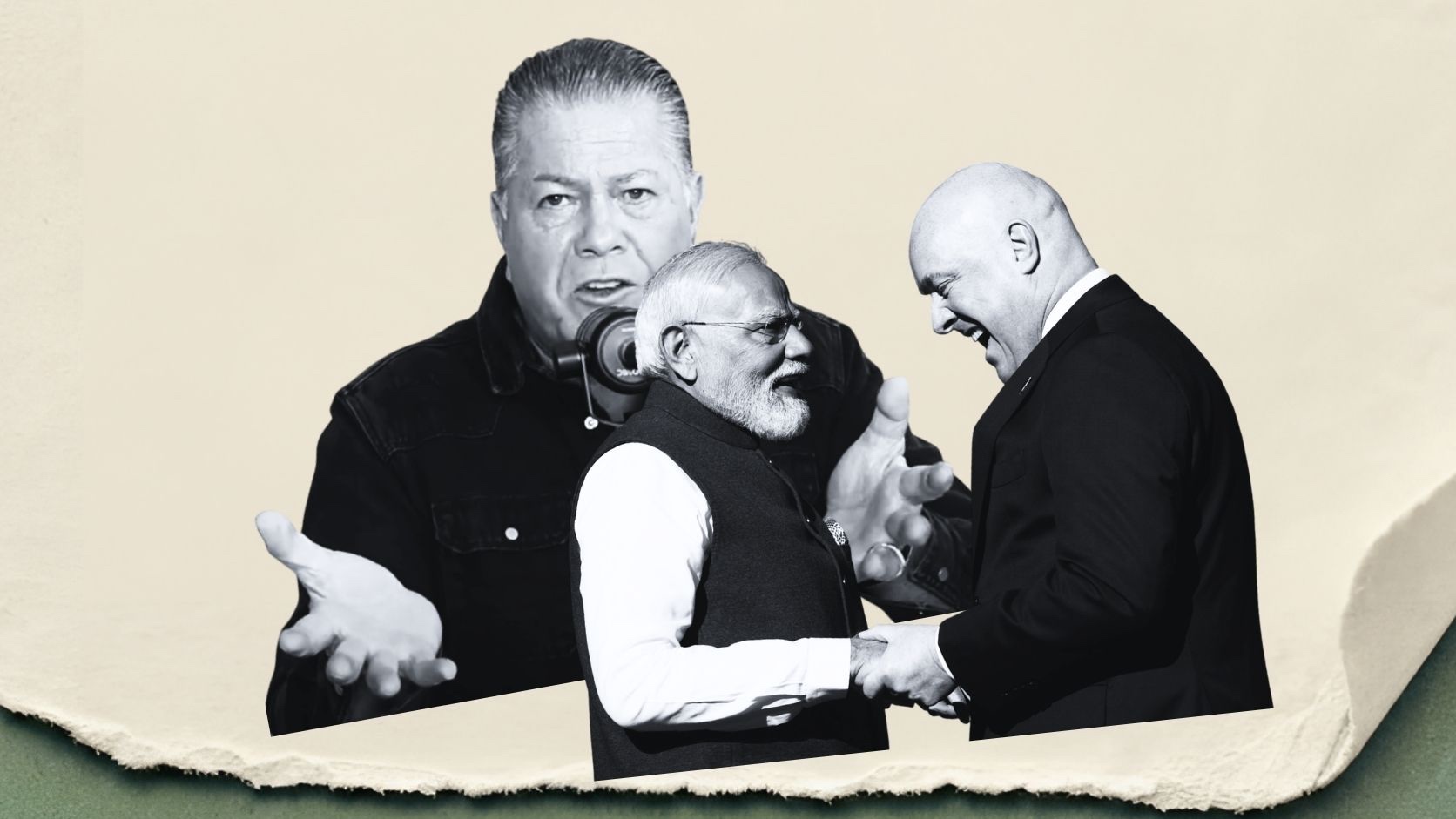
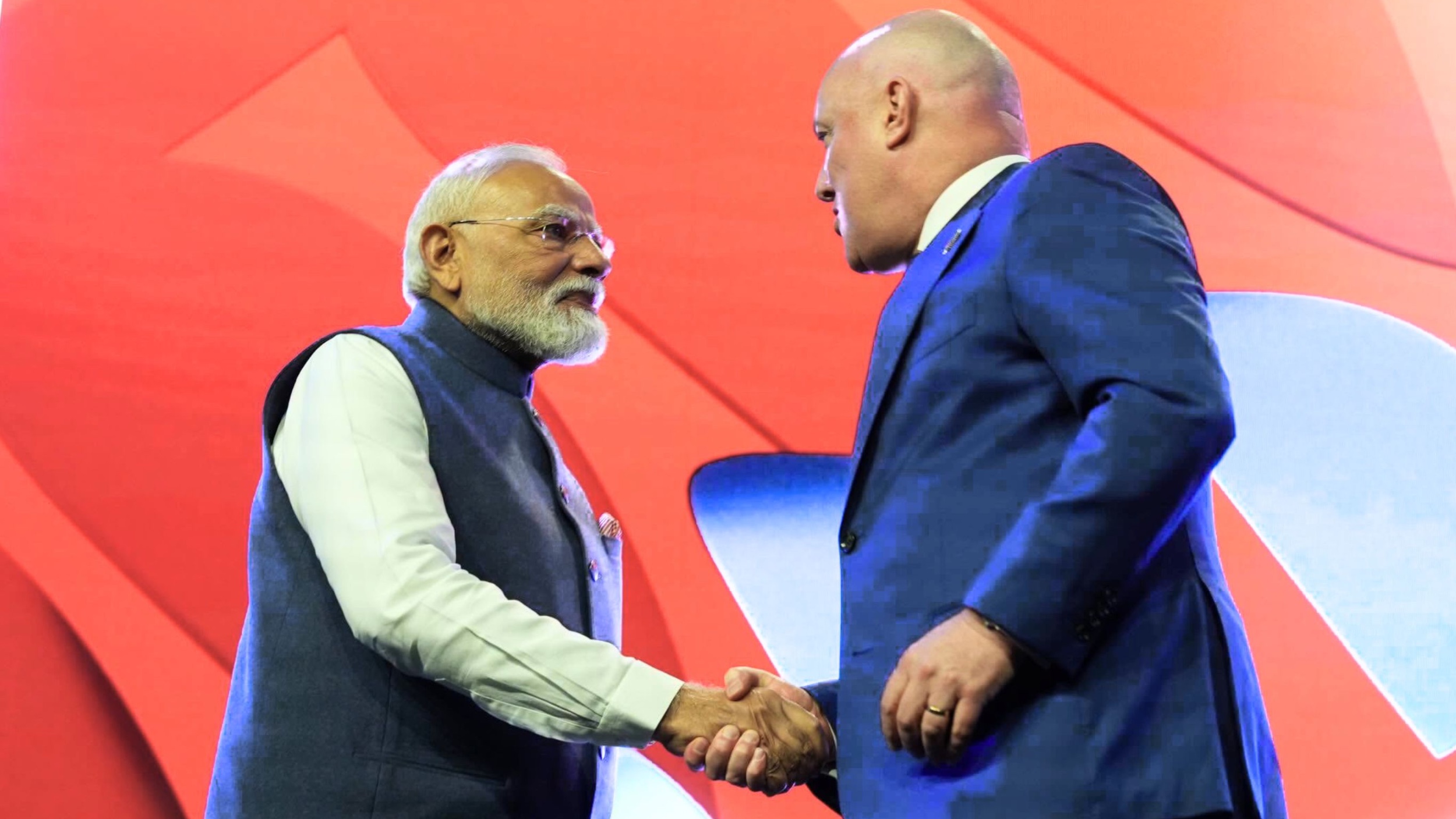
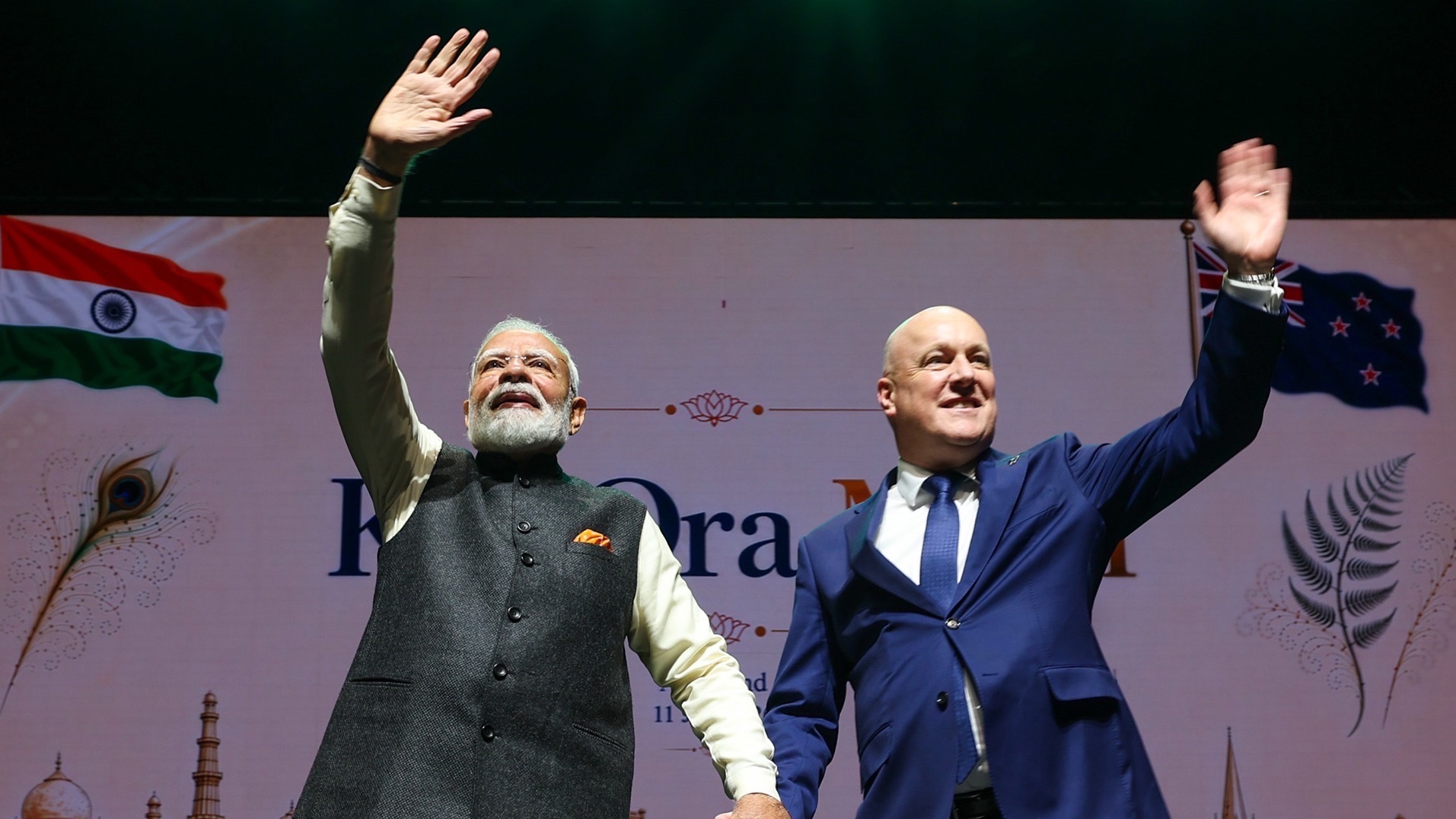
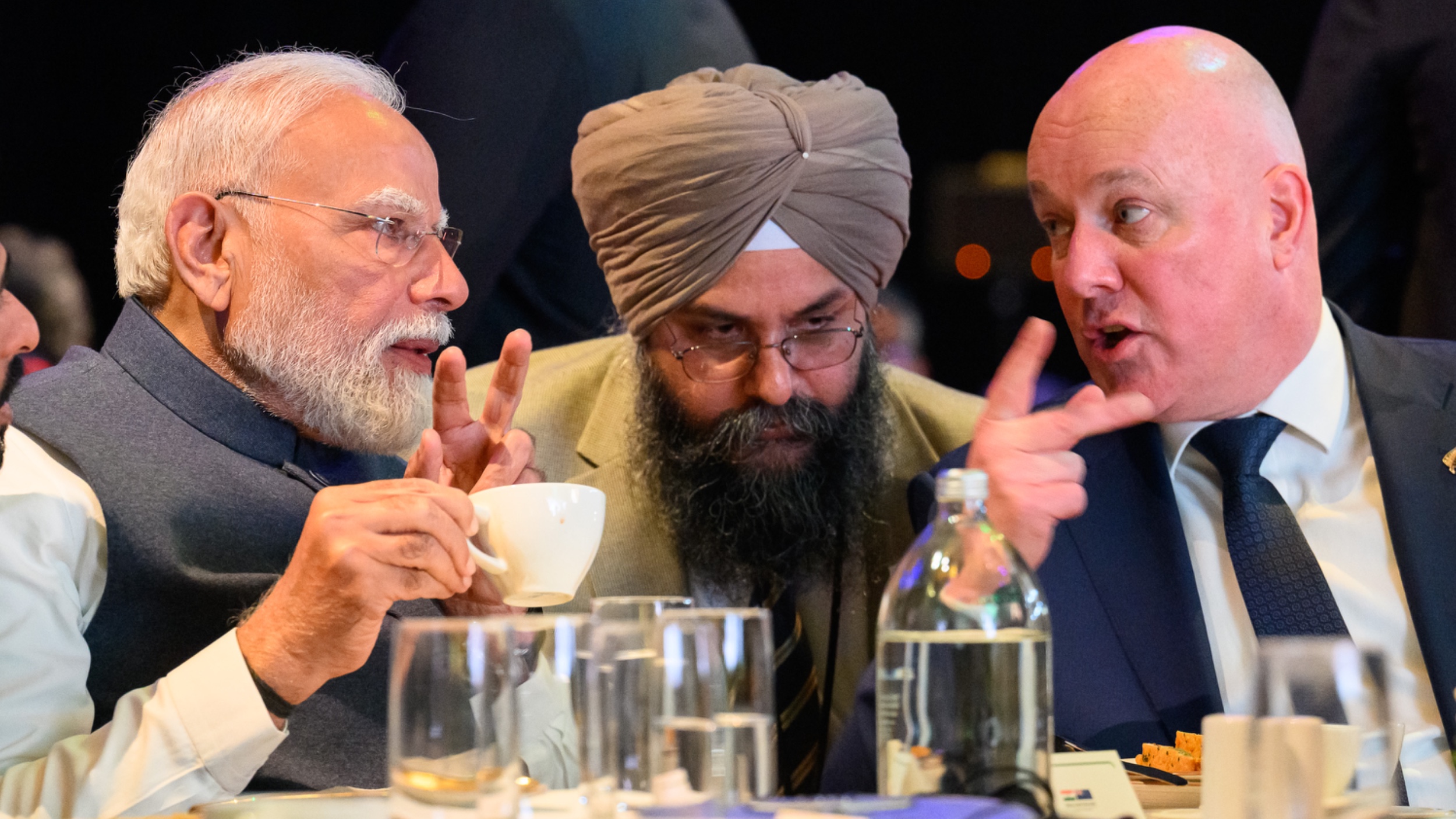
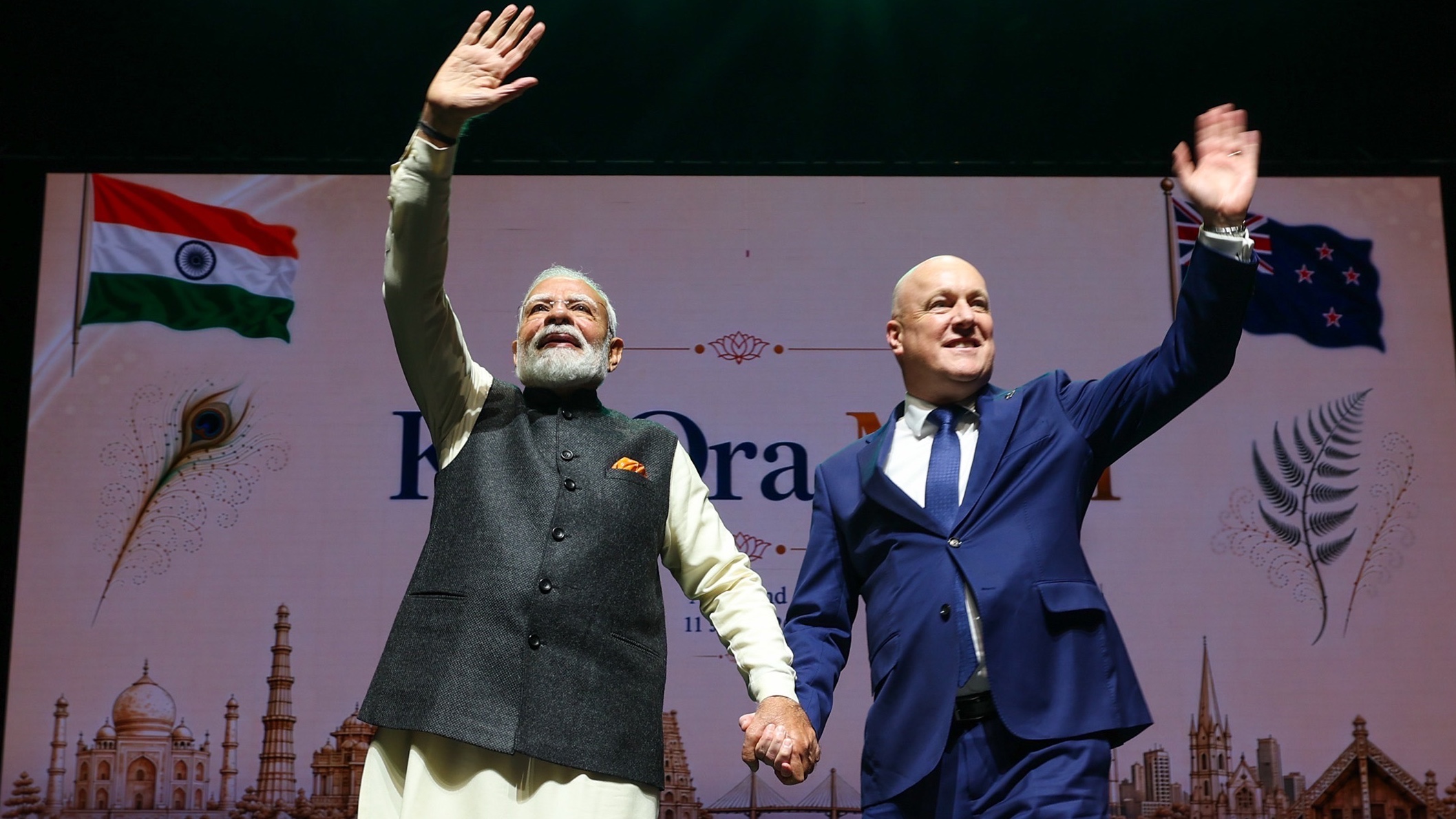
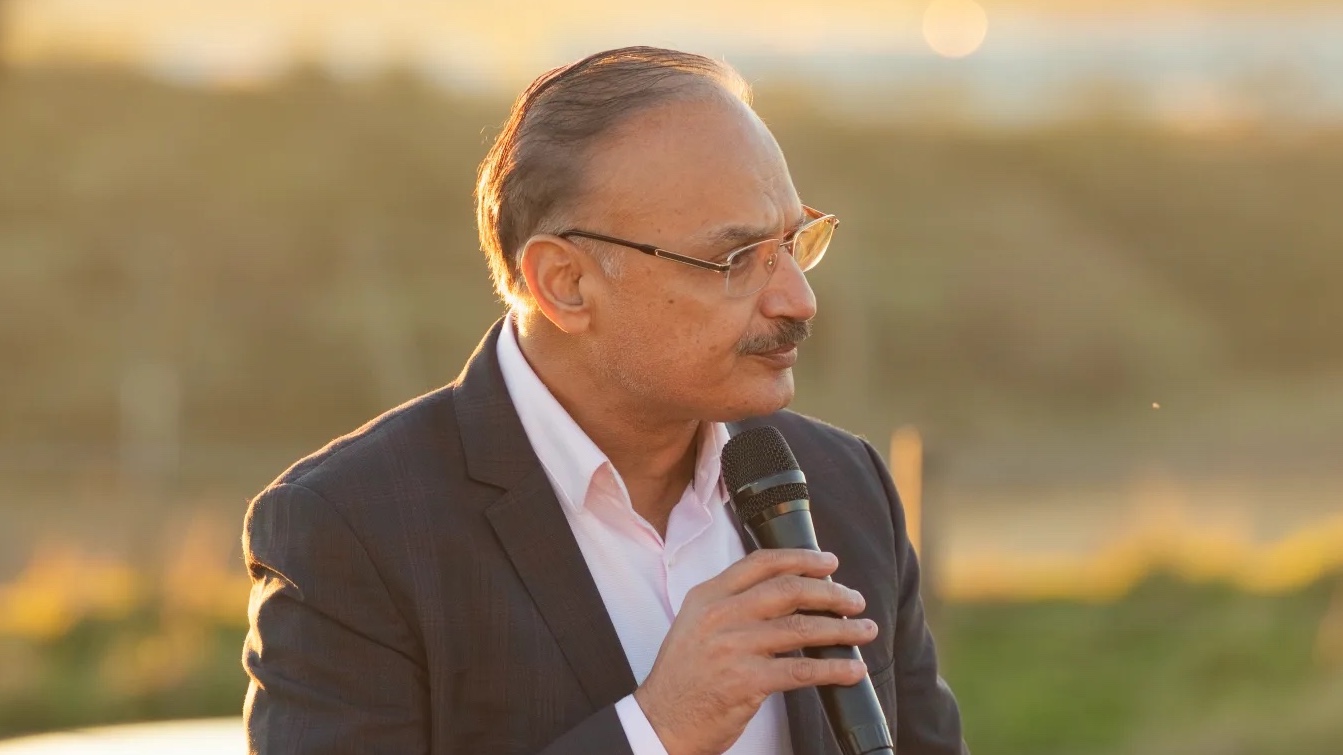
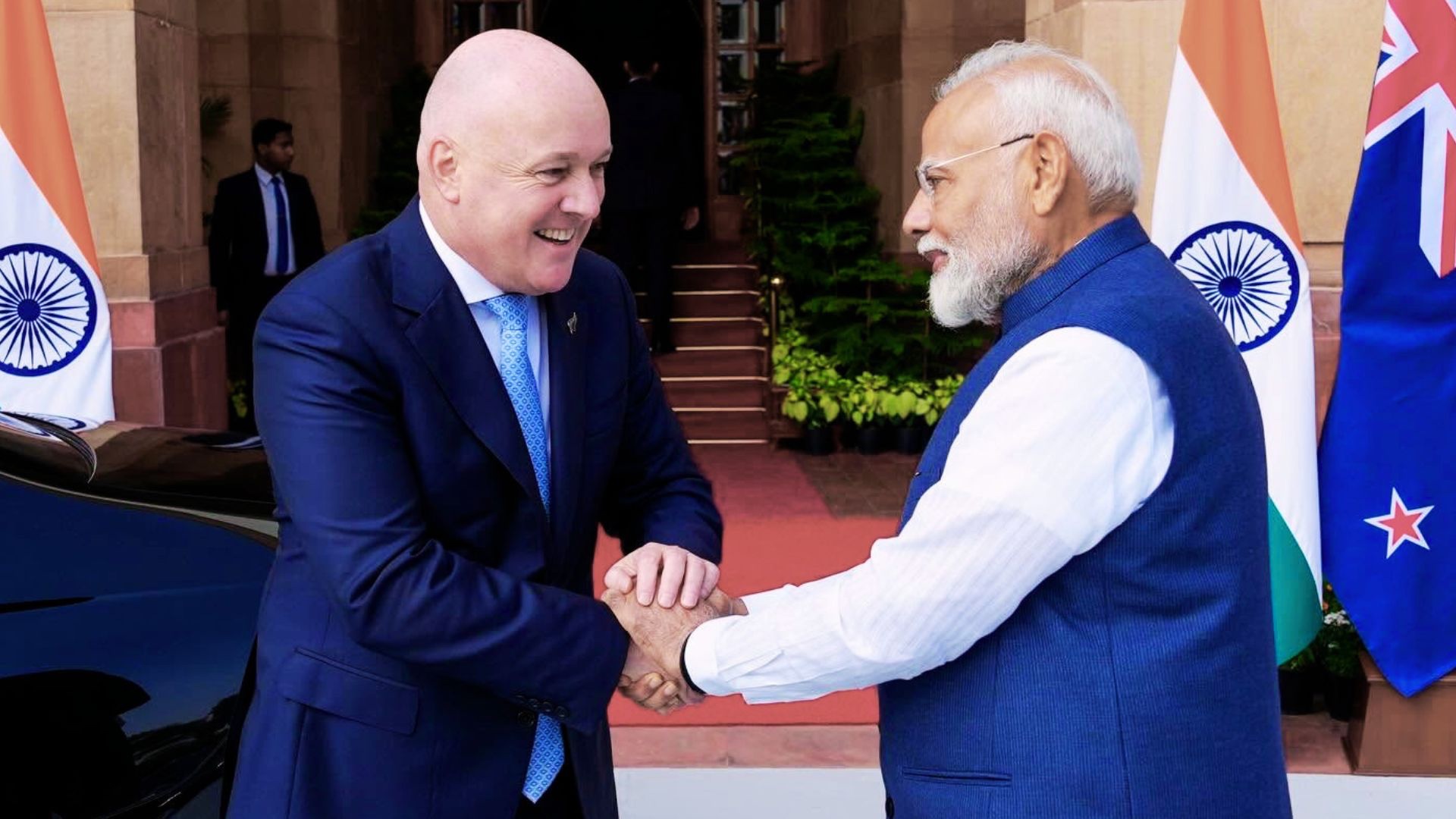
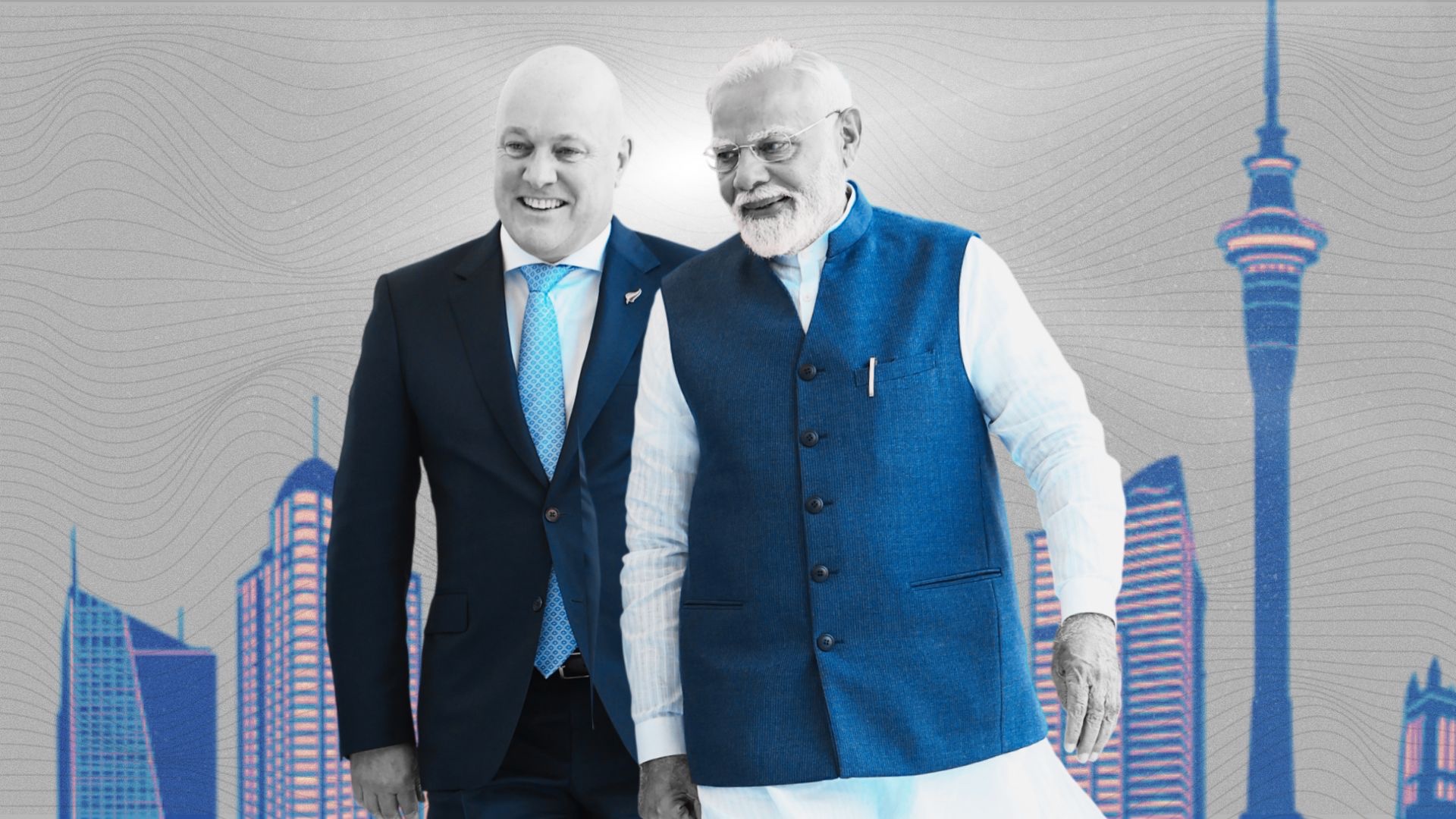
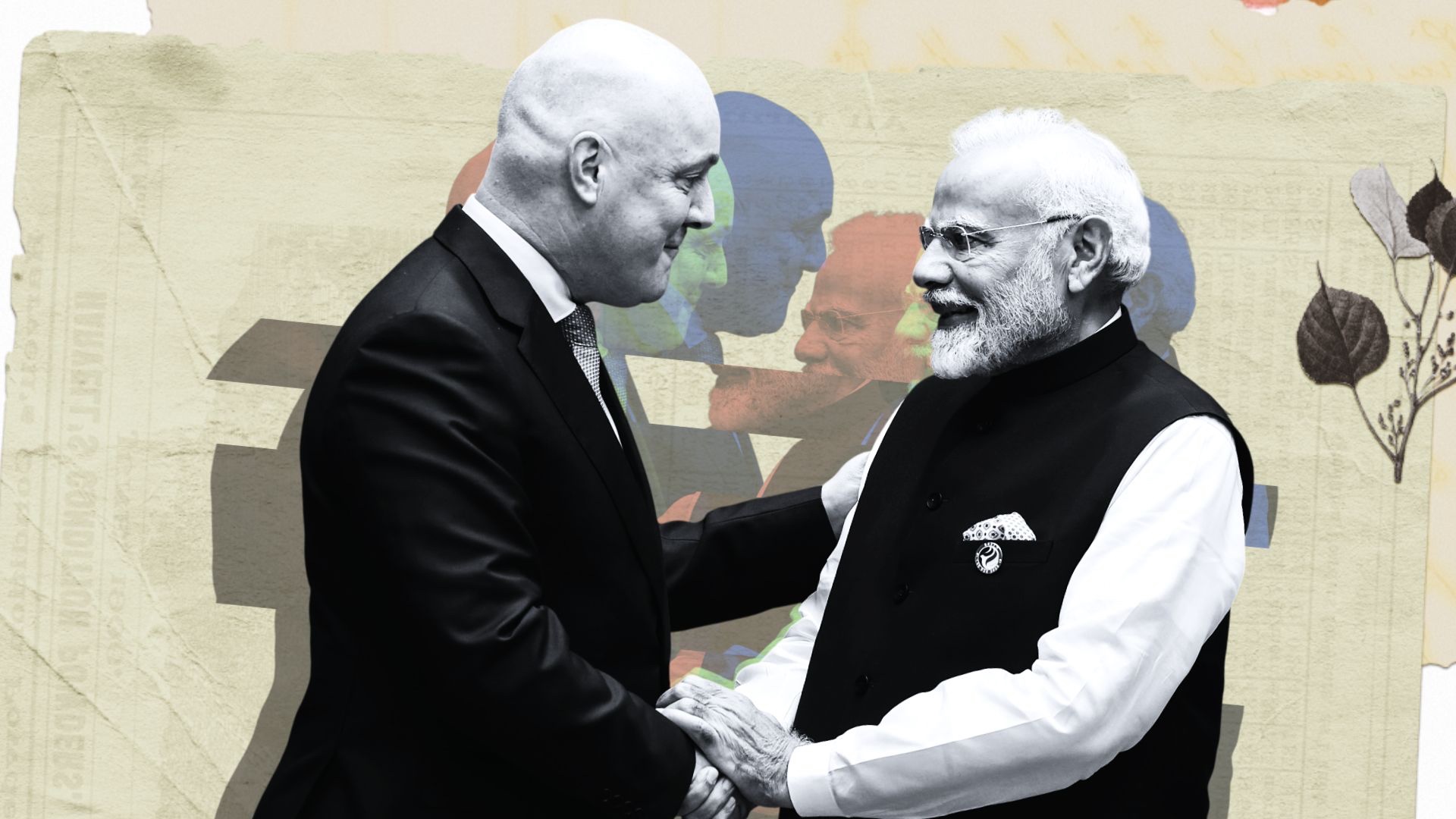
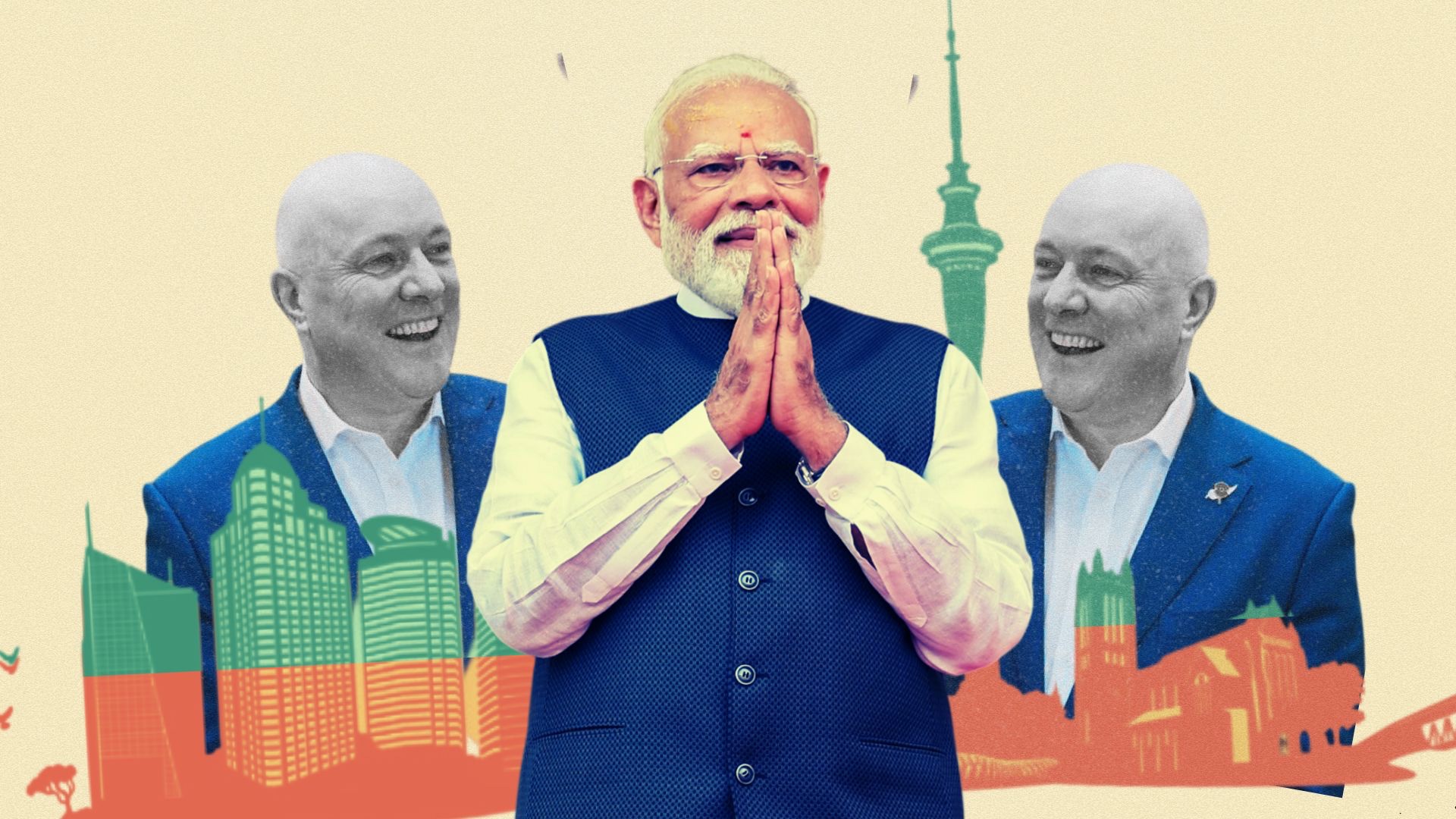
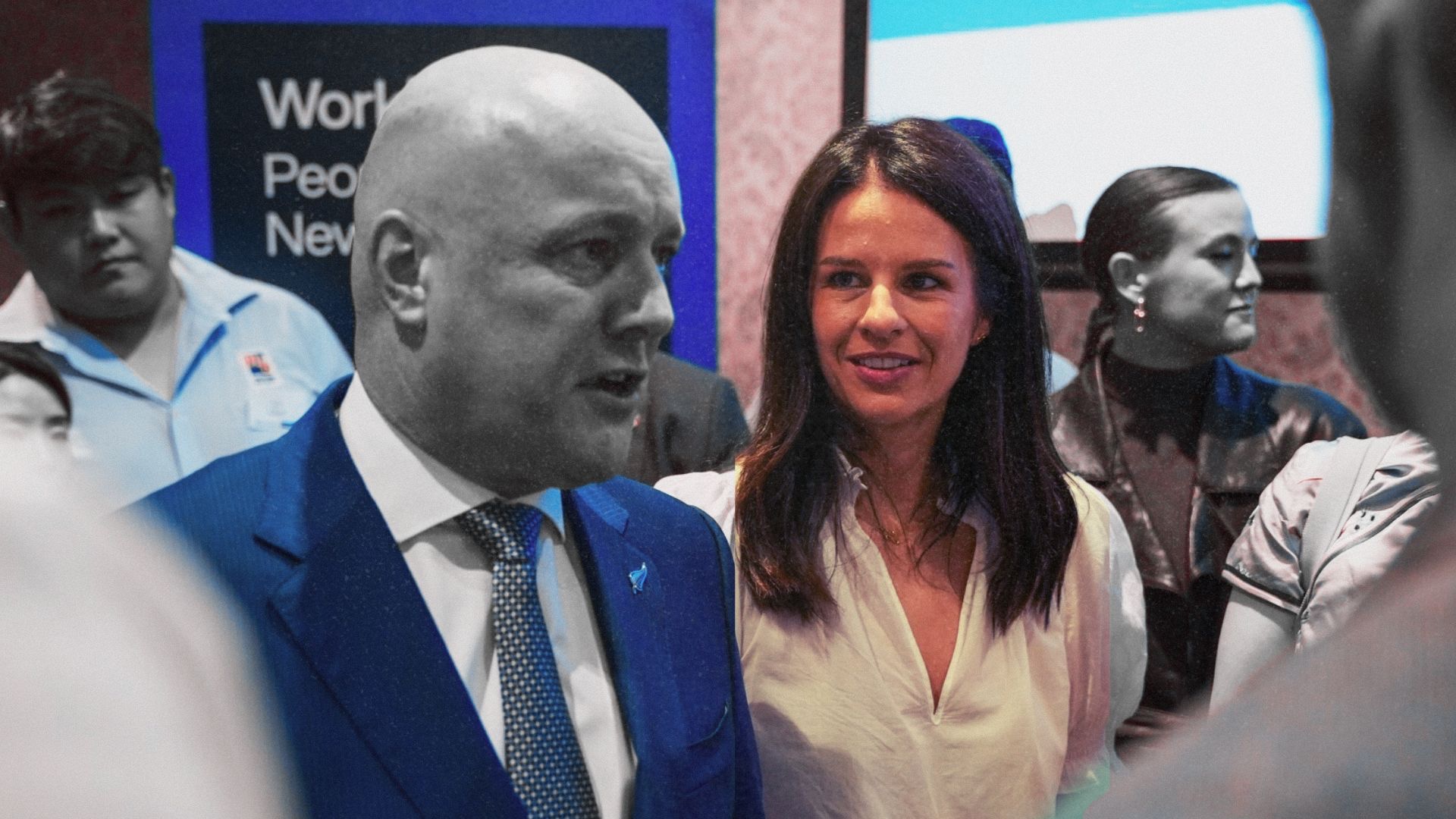
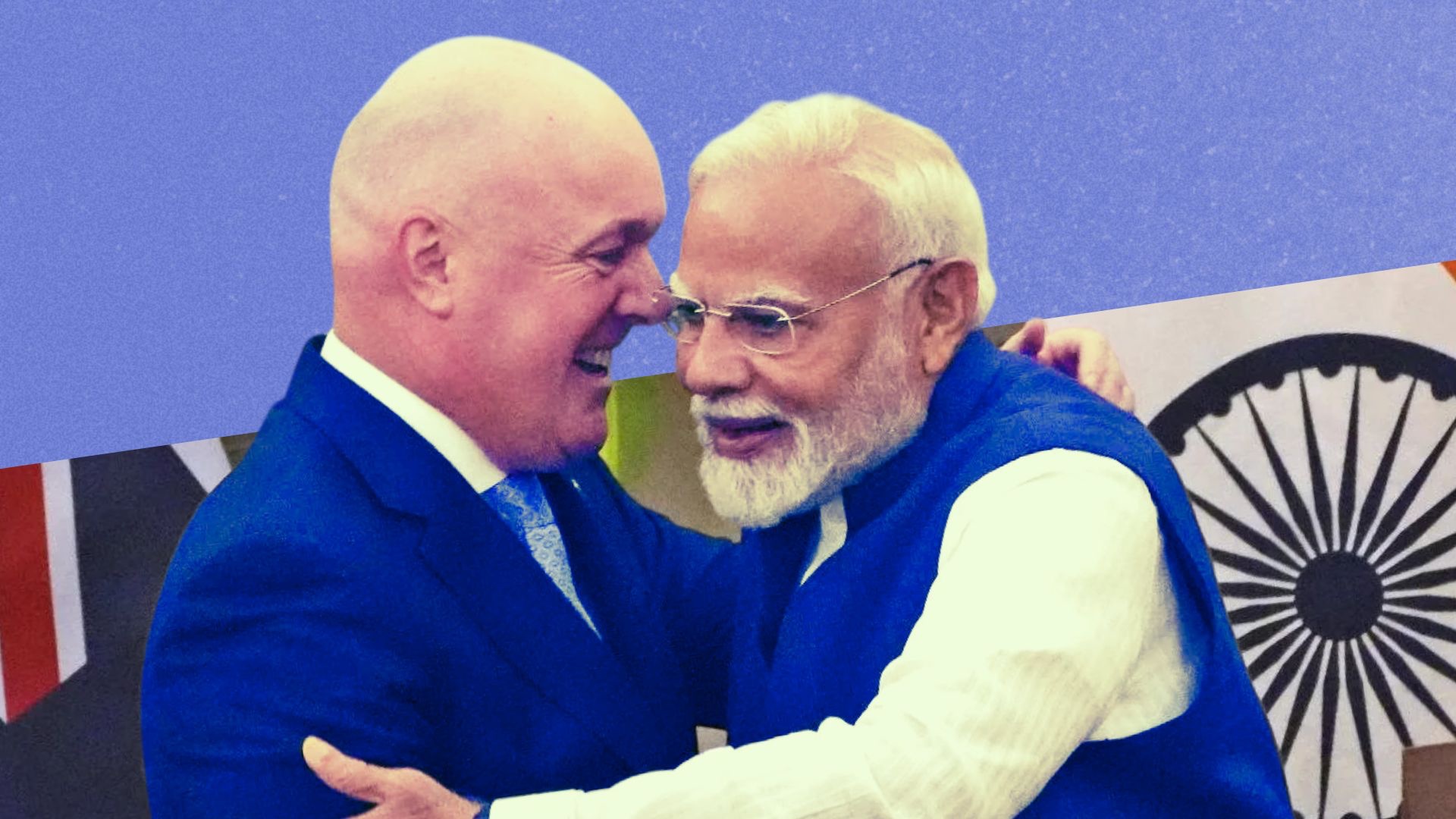
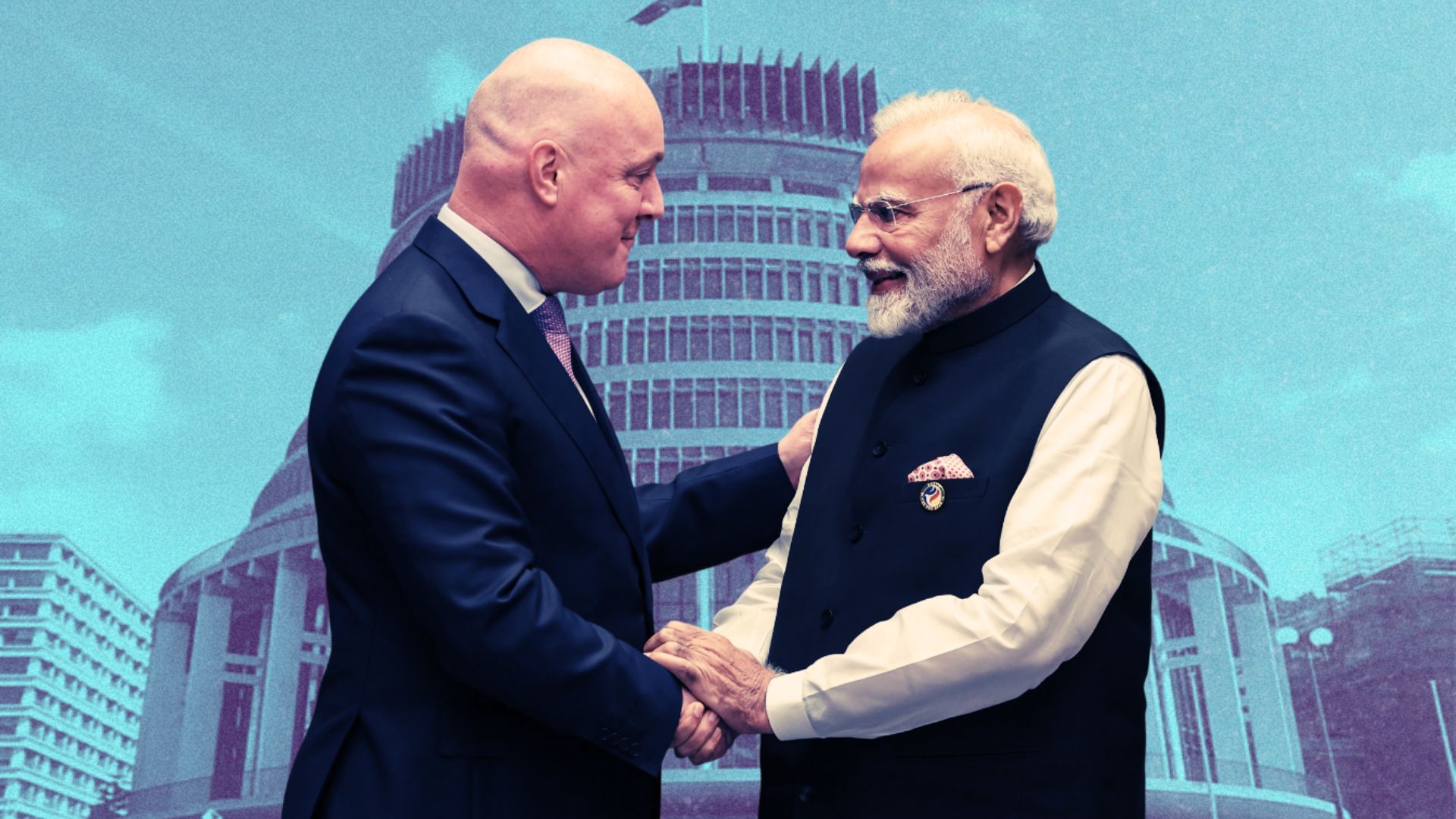
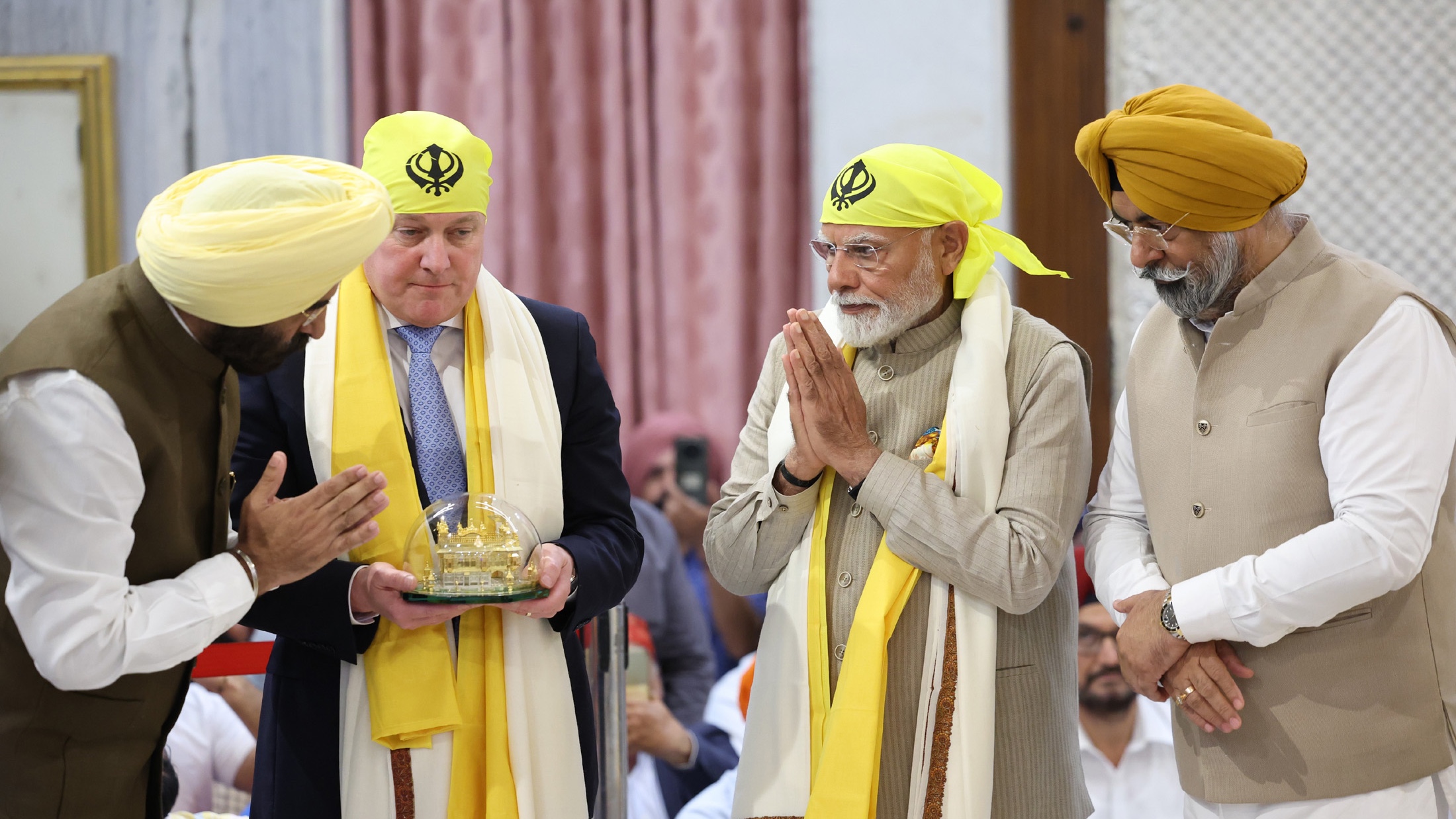
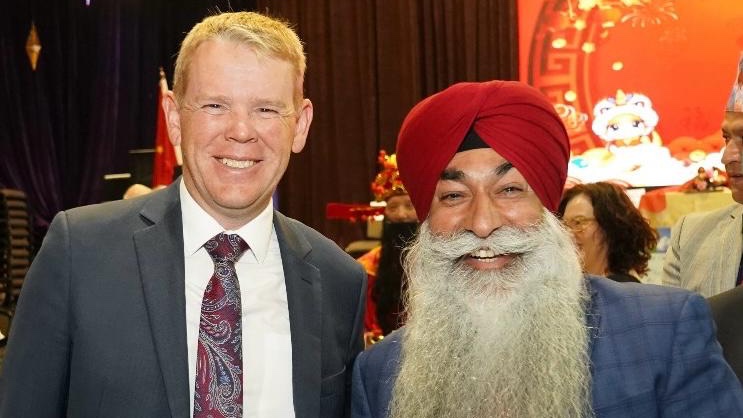
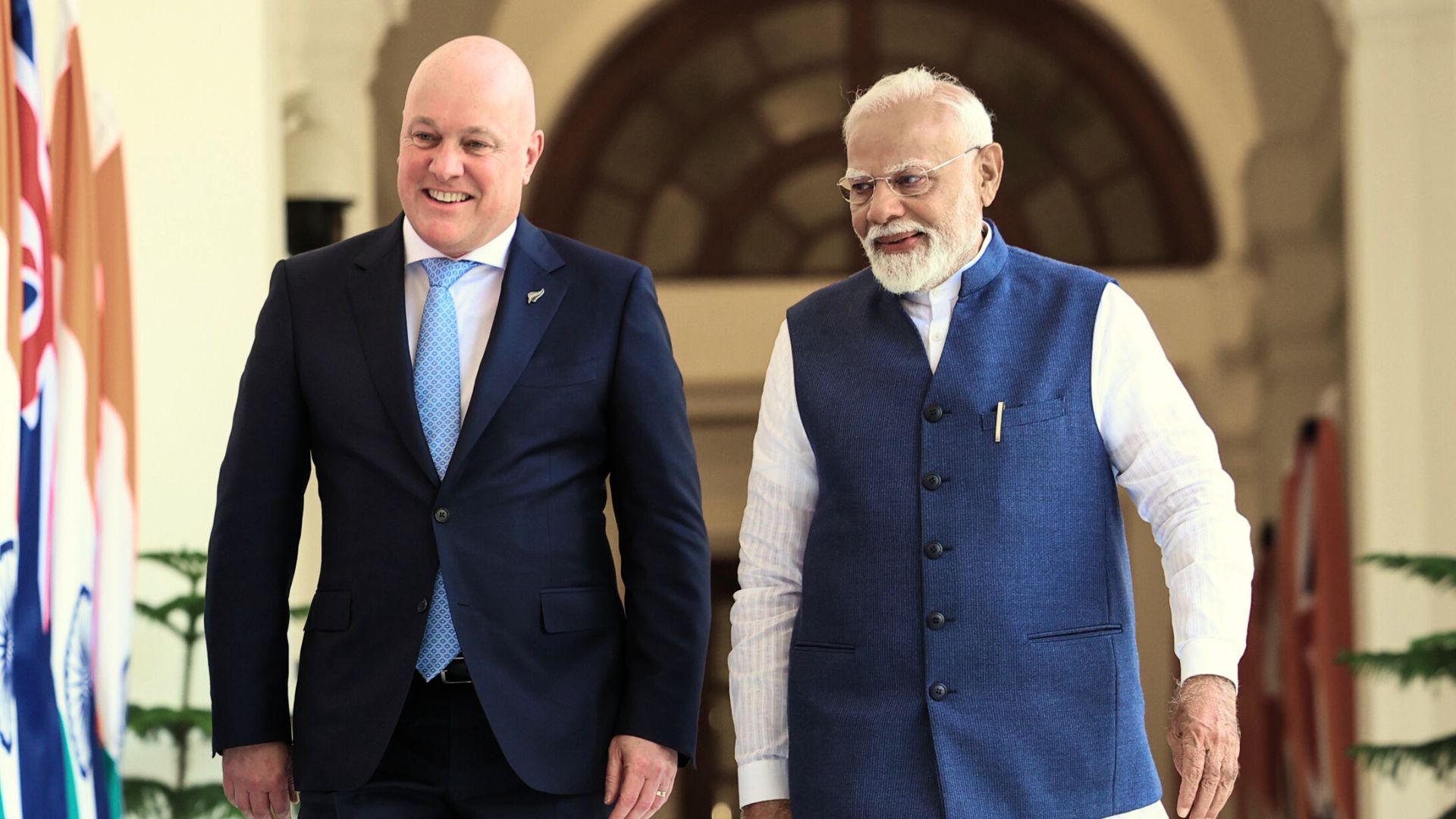
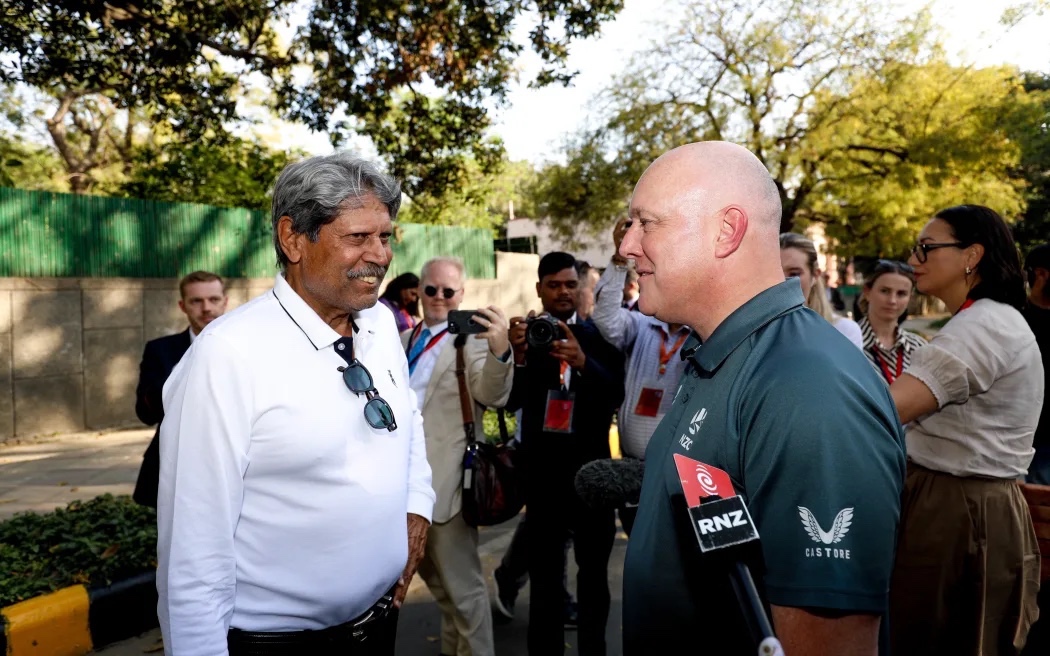
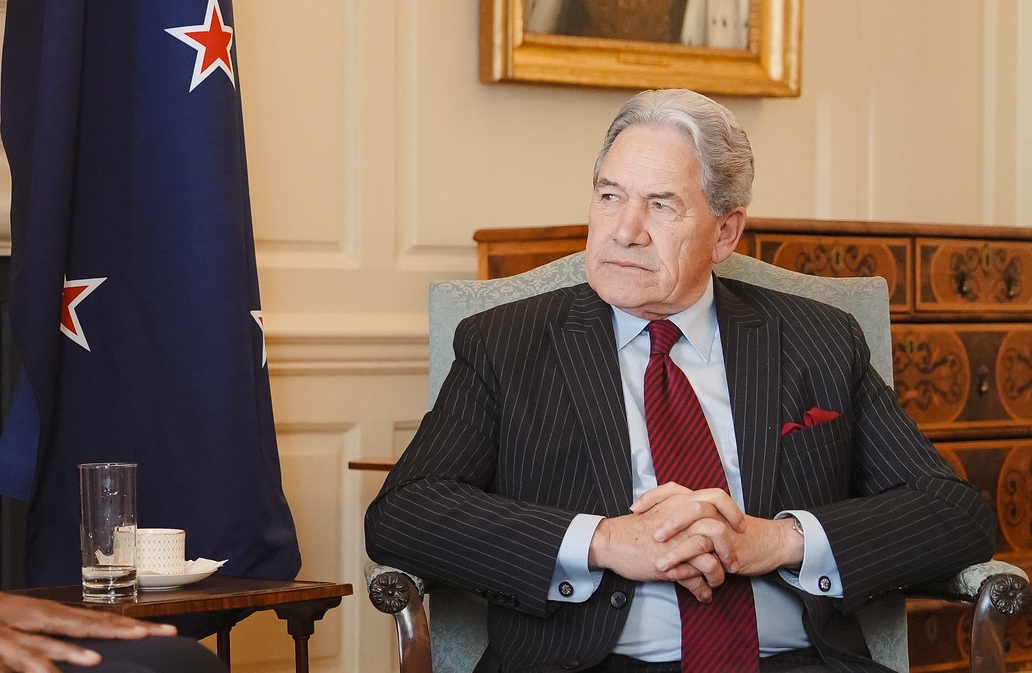
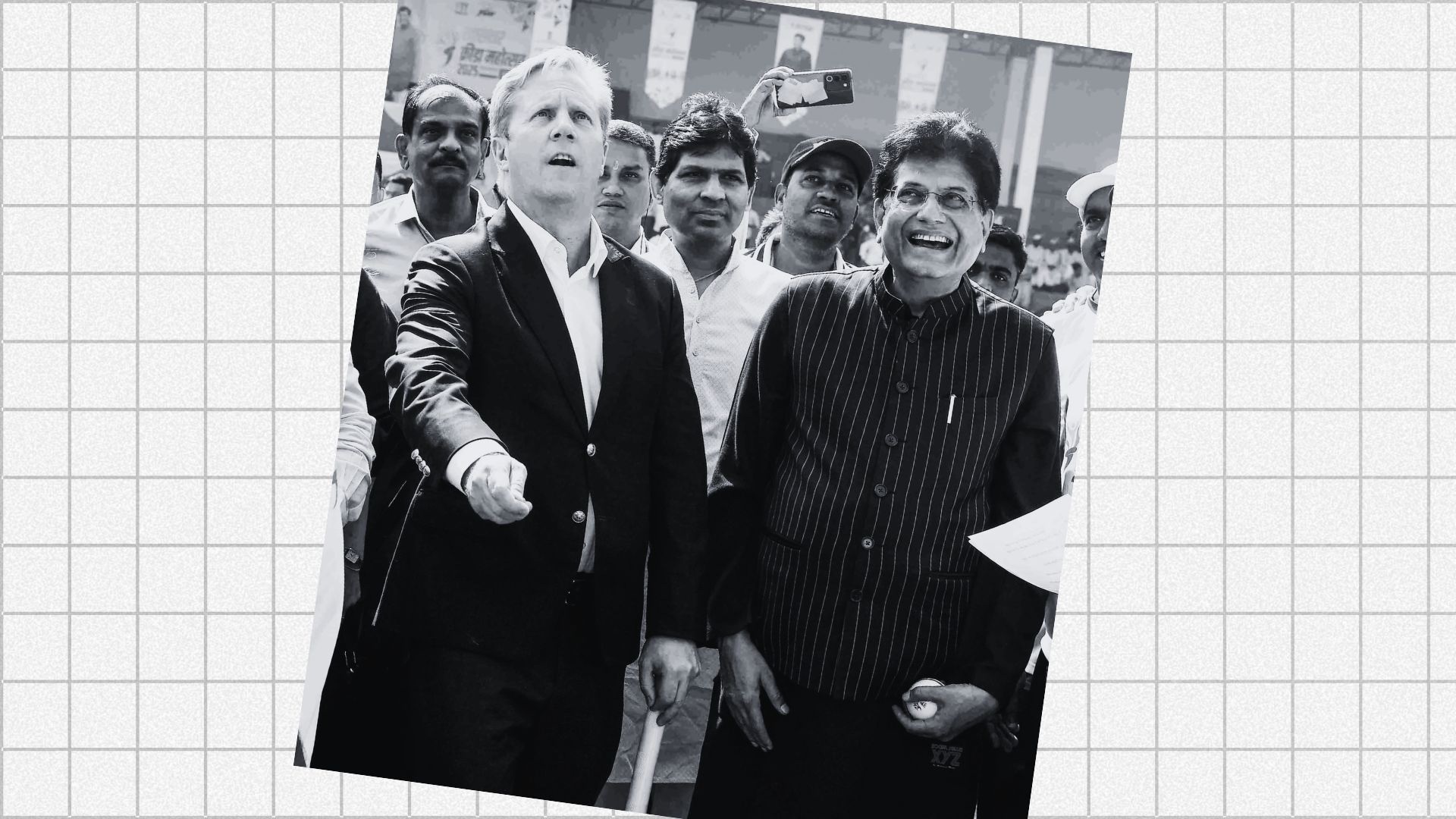
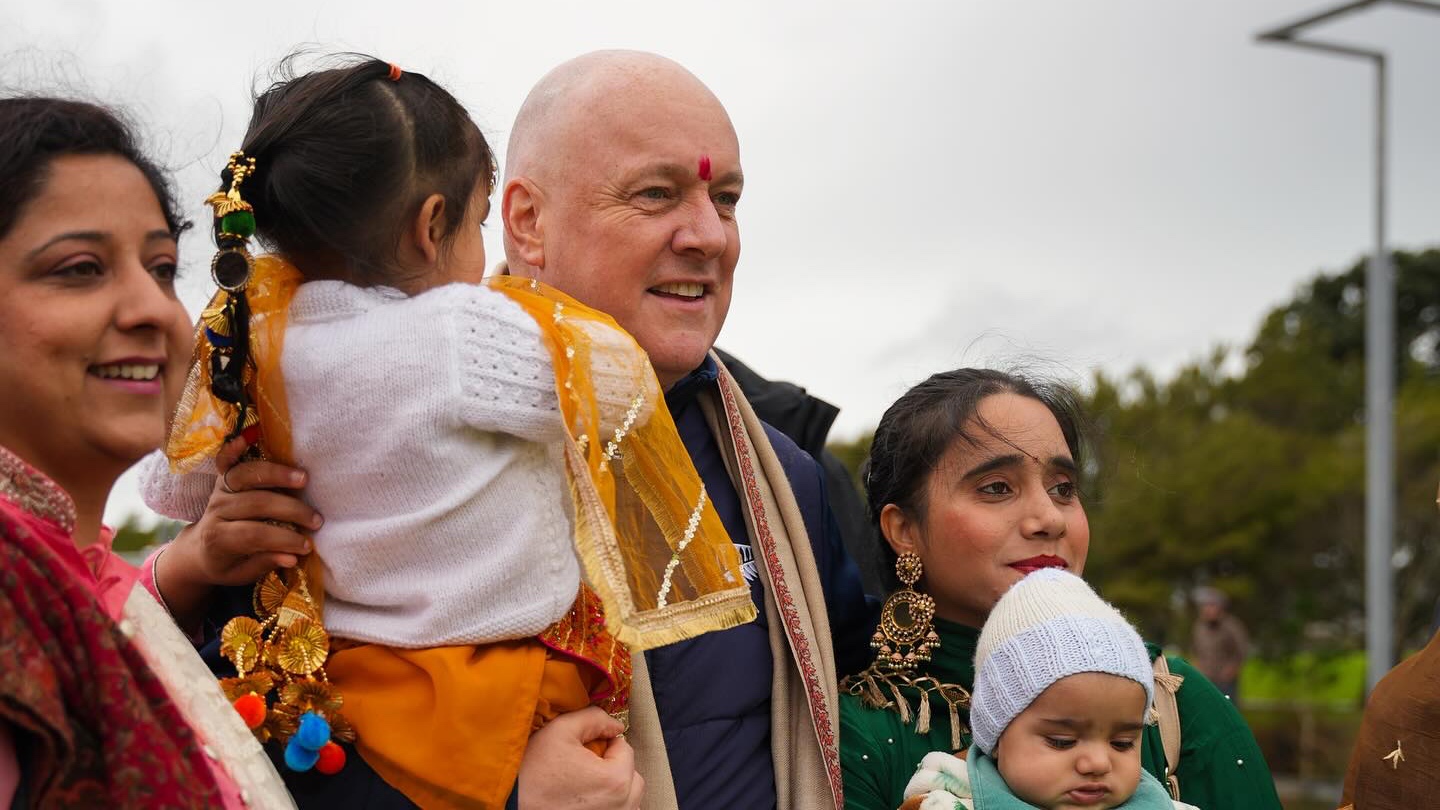
Prime minister Christopher Luxon meets participants at Indian Independence Day celebration in Auckland in August 2025. (Supplied photo)
Kiwi-Indian economic activity contributed $37.3 billion to New Zealand in the year to March 2025, according to the findings.
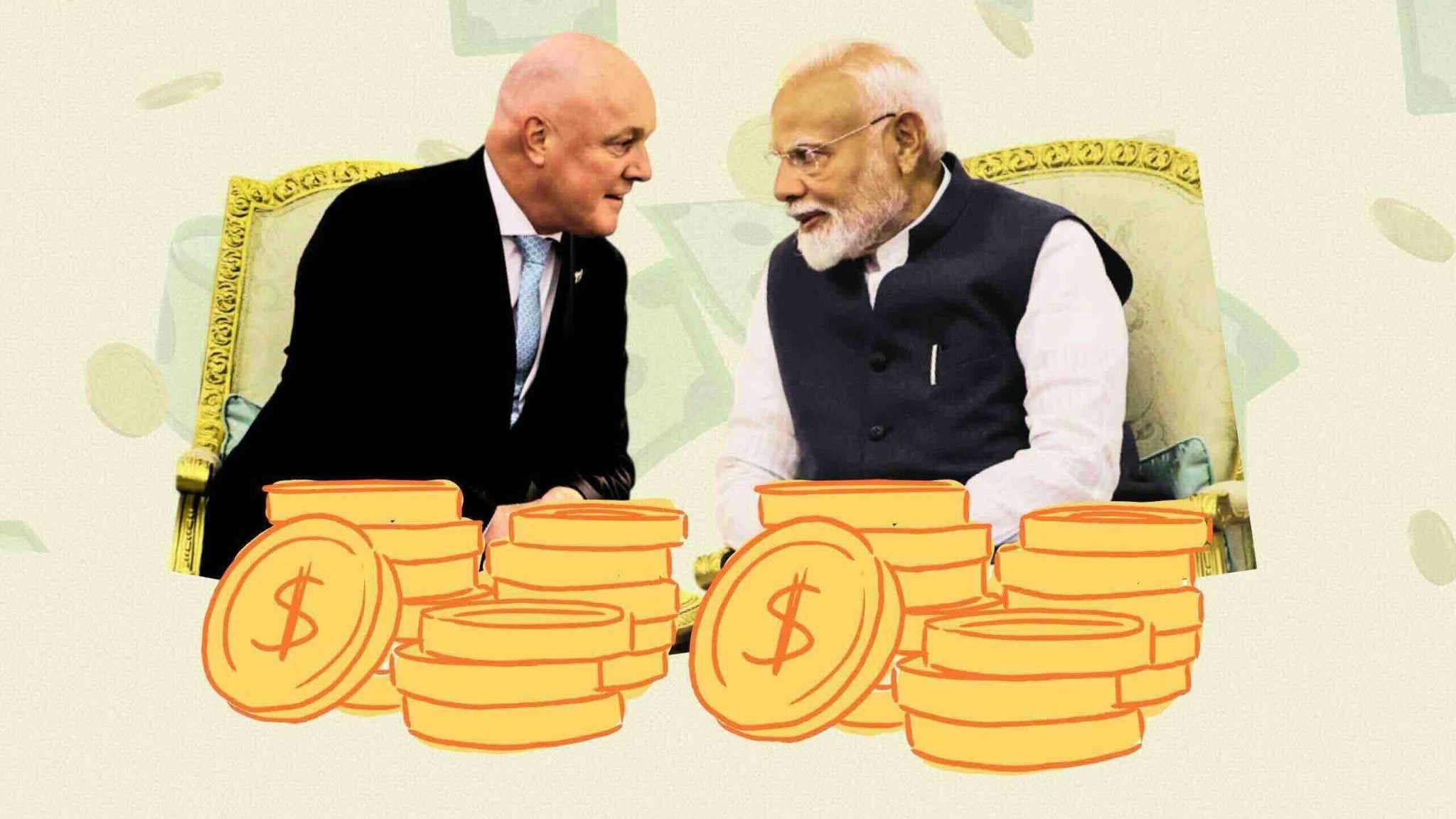
Economic activity linked to Kiwi-Indian businesses, households, students and visitors contributed $37.3 billion to New Zealand’s economy in the year to March 2025, equivalent to 8.6 per cent of GDP, according to a report released Thursday.
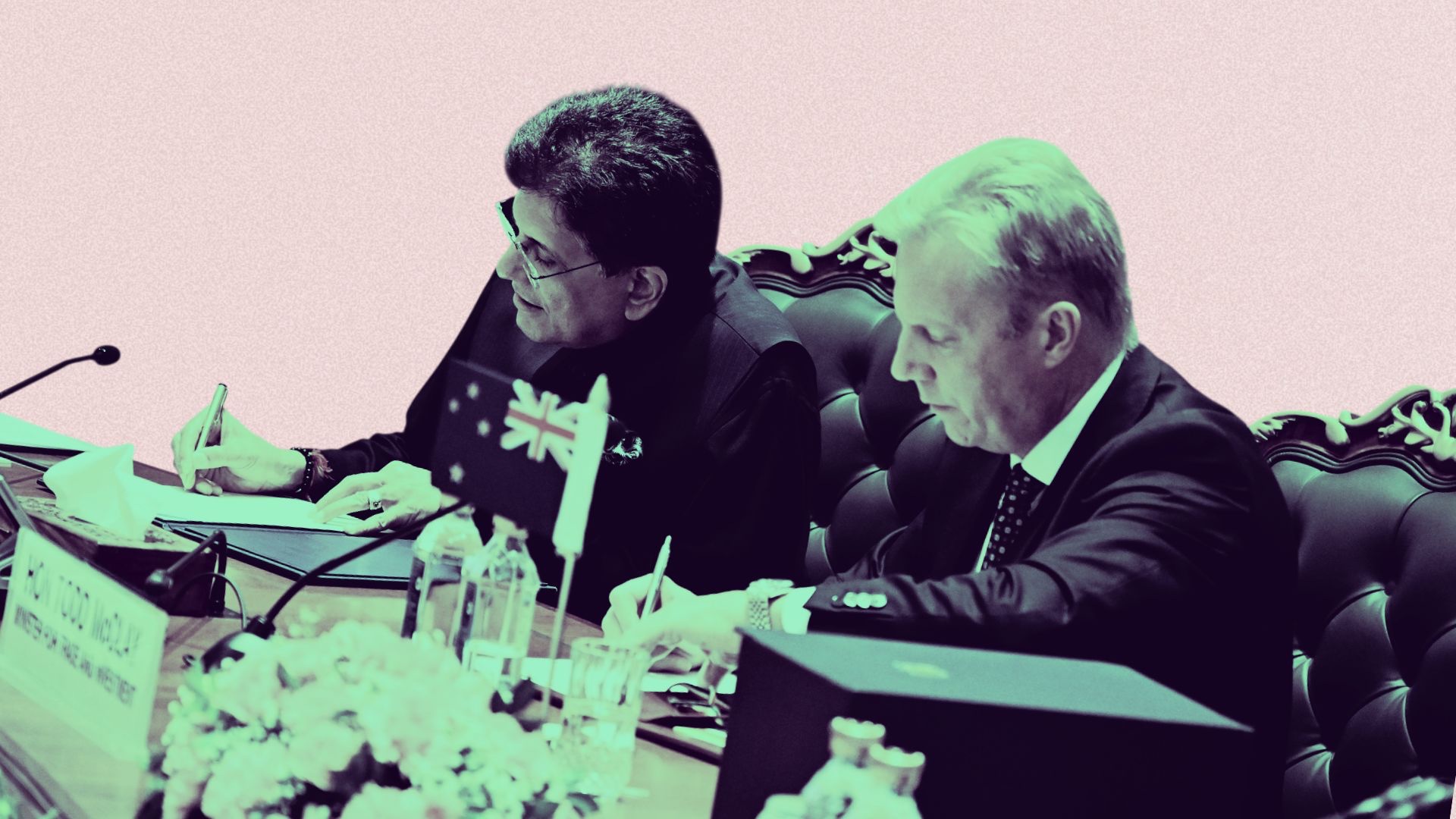
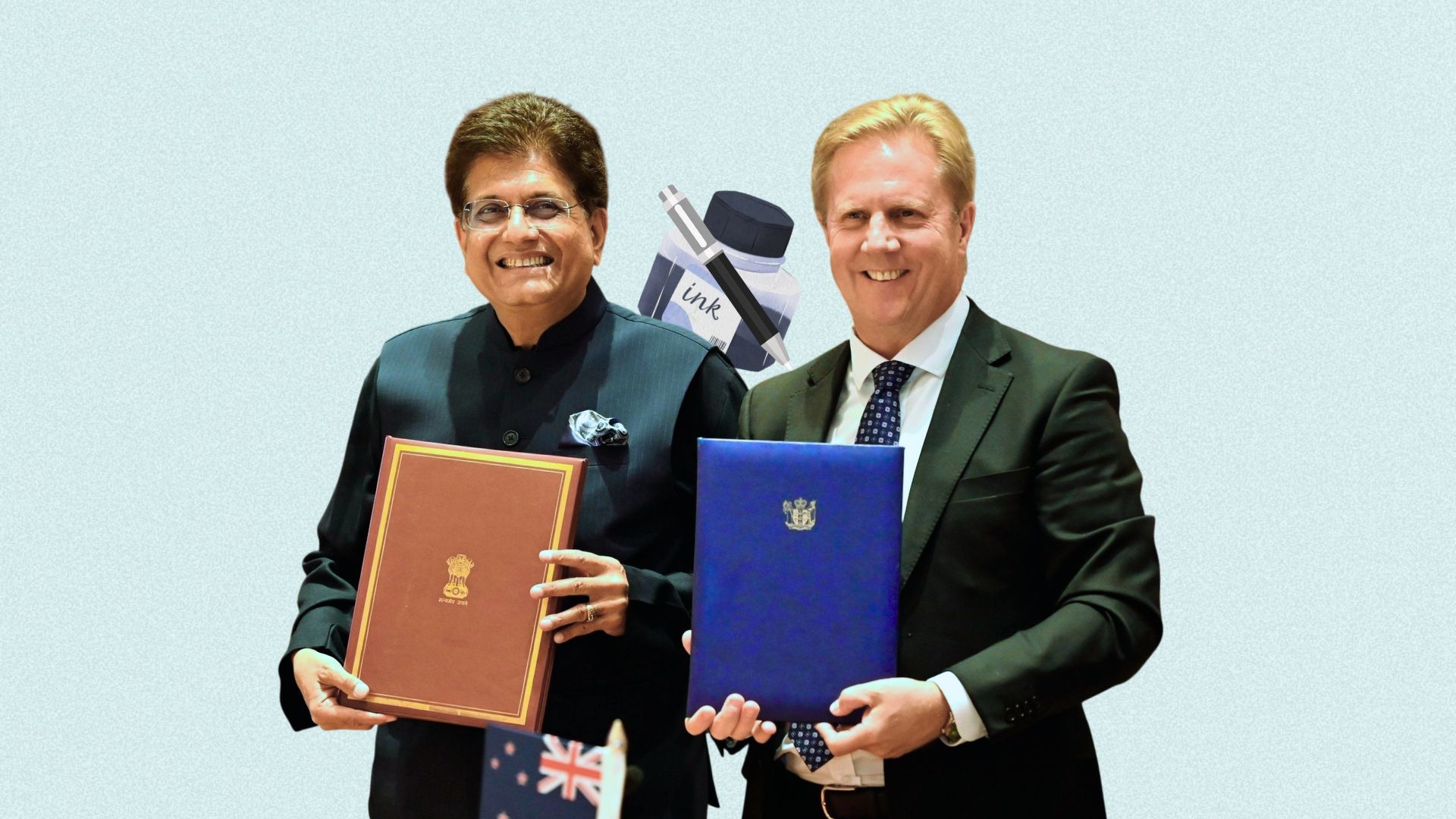
The finding highlights the community’s growing role in New Zealand’s prosperity and its potential importance in helping unlock opportunities from the New Zealand-India Free Trade Agreement.
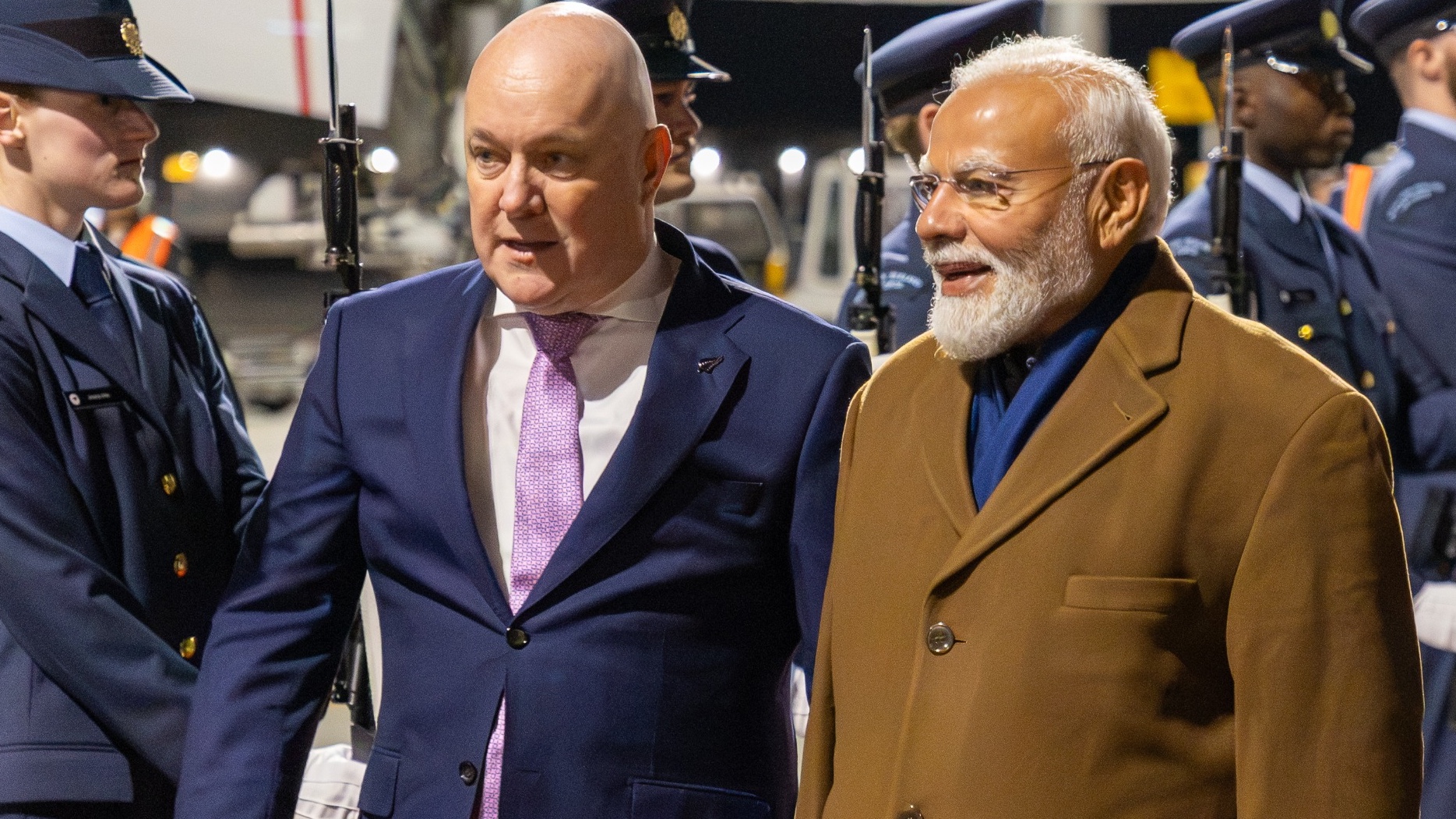
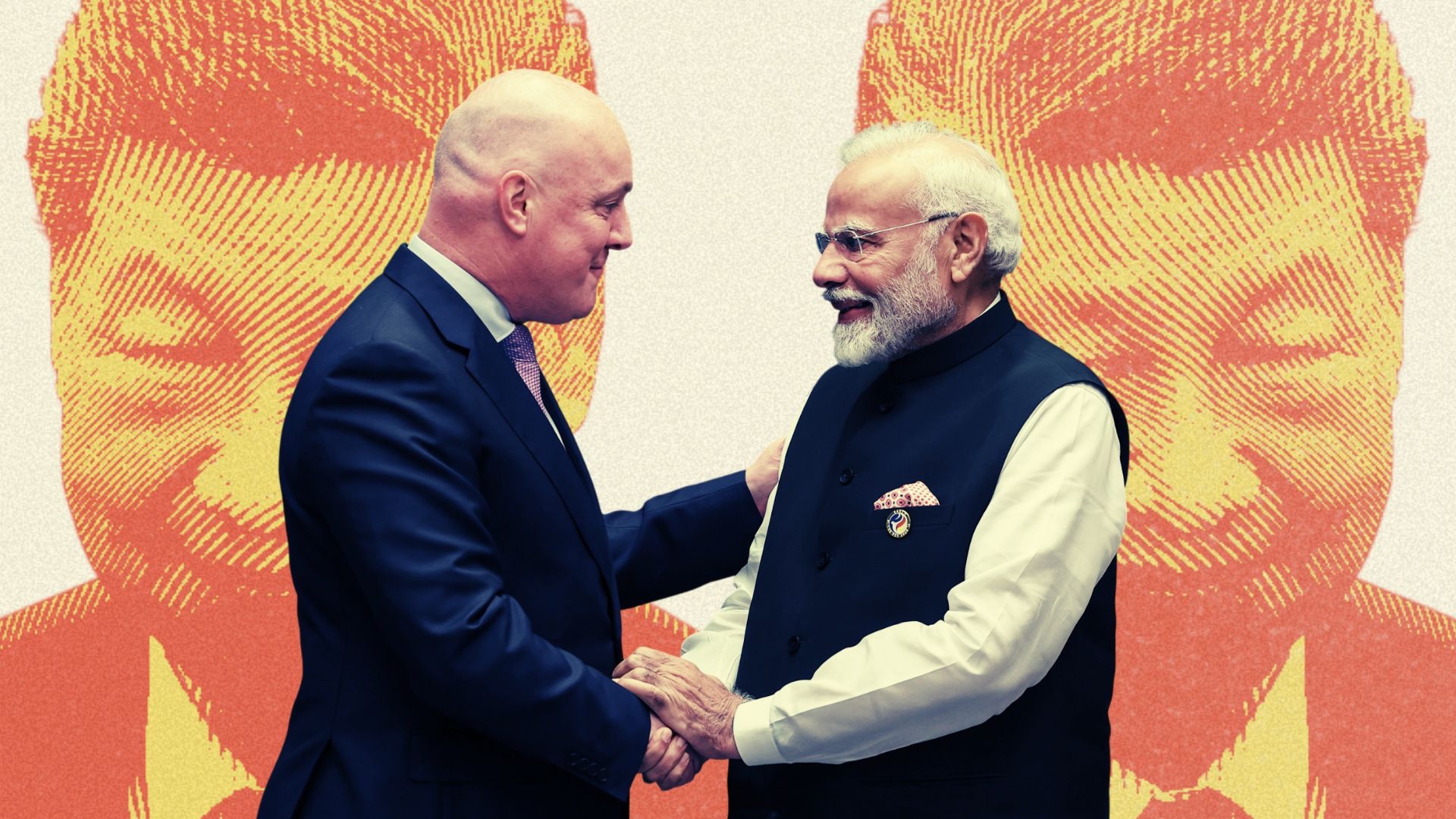
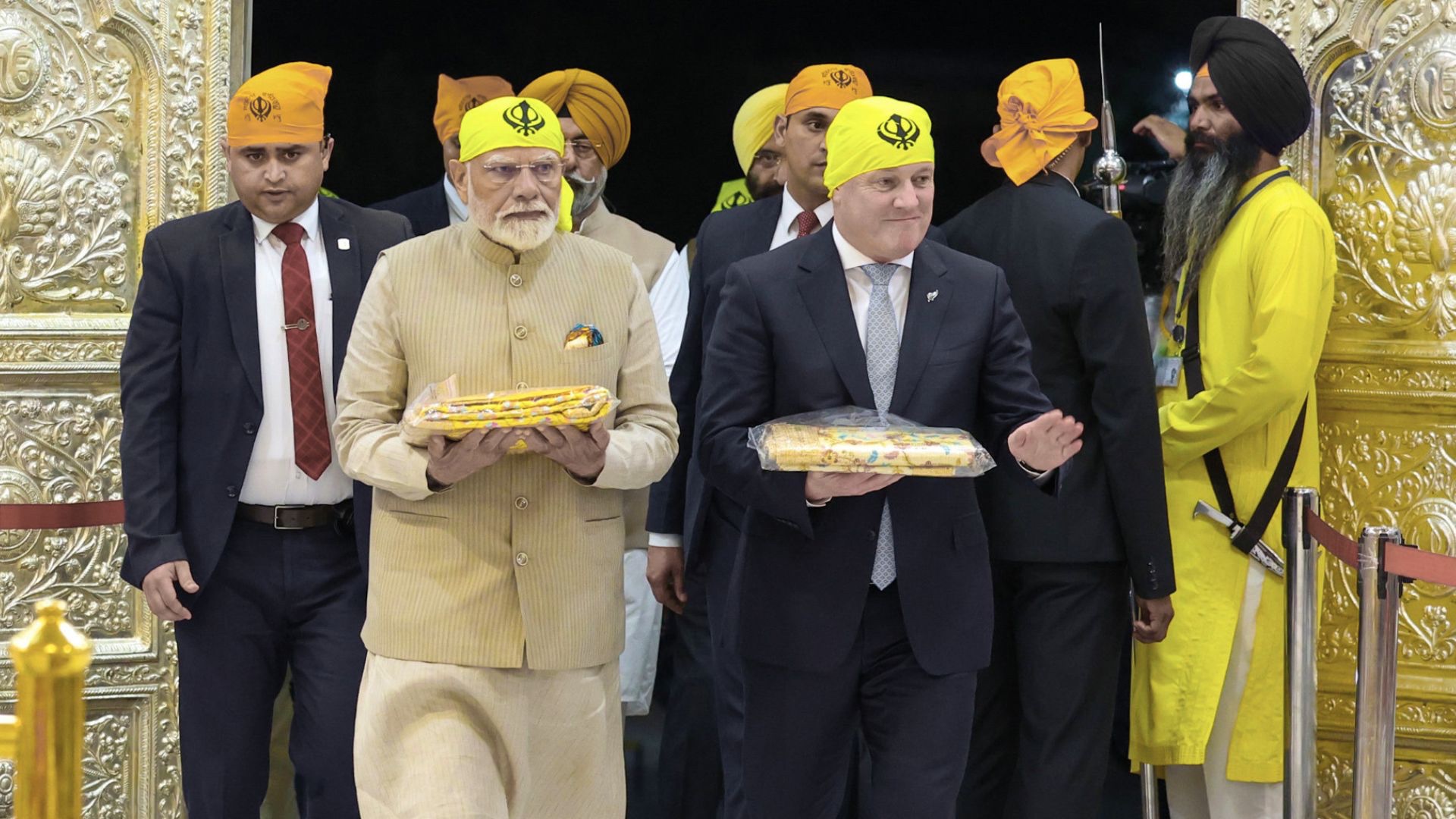
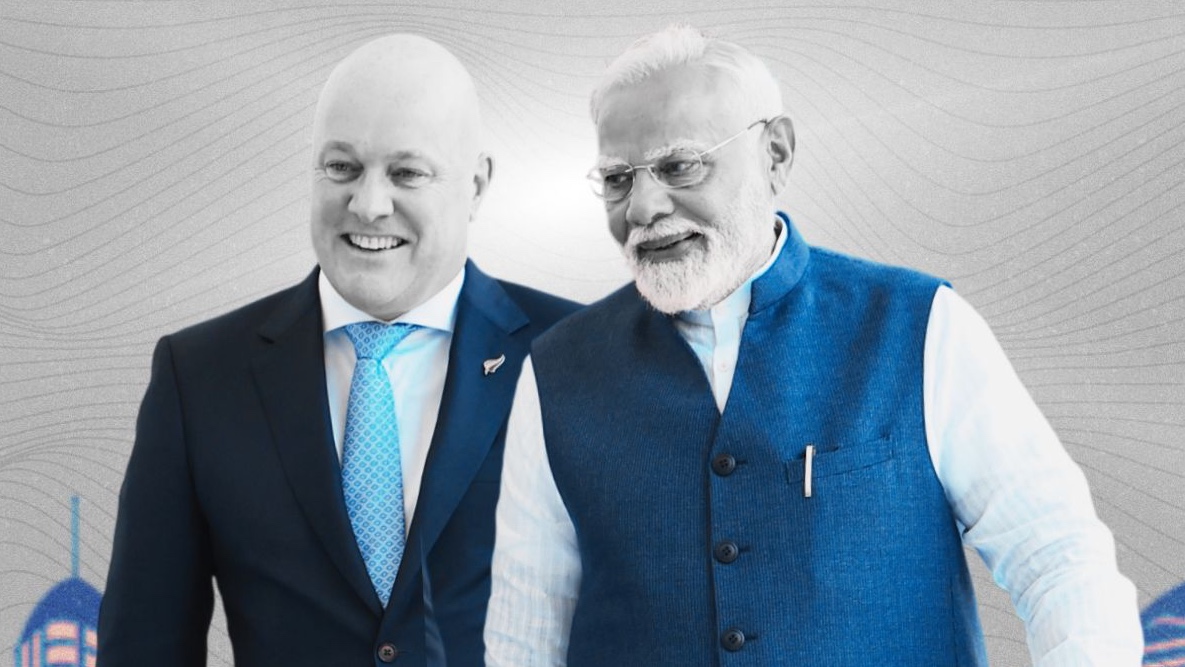
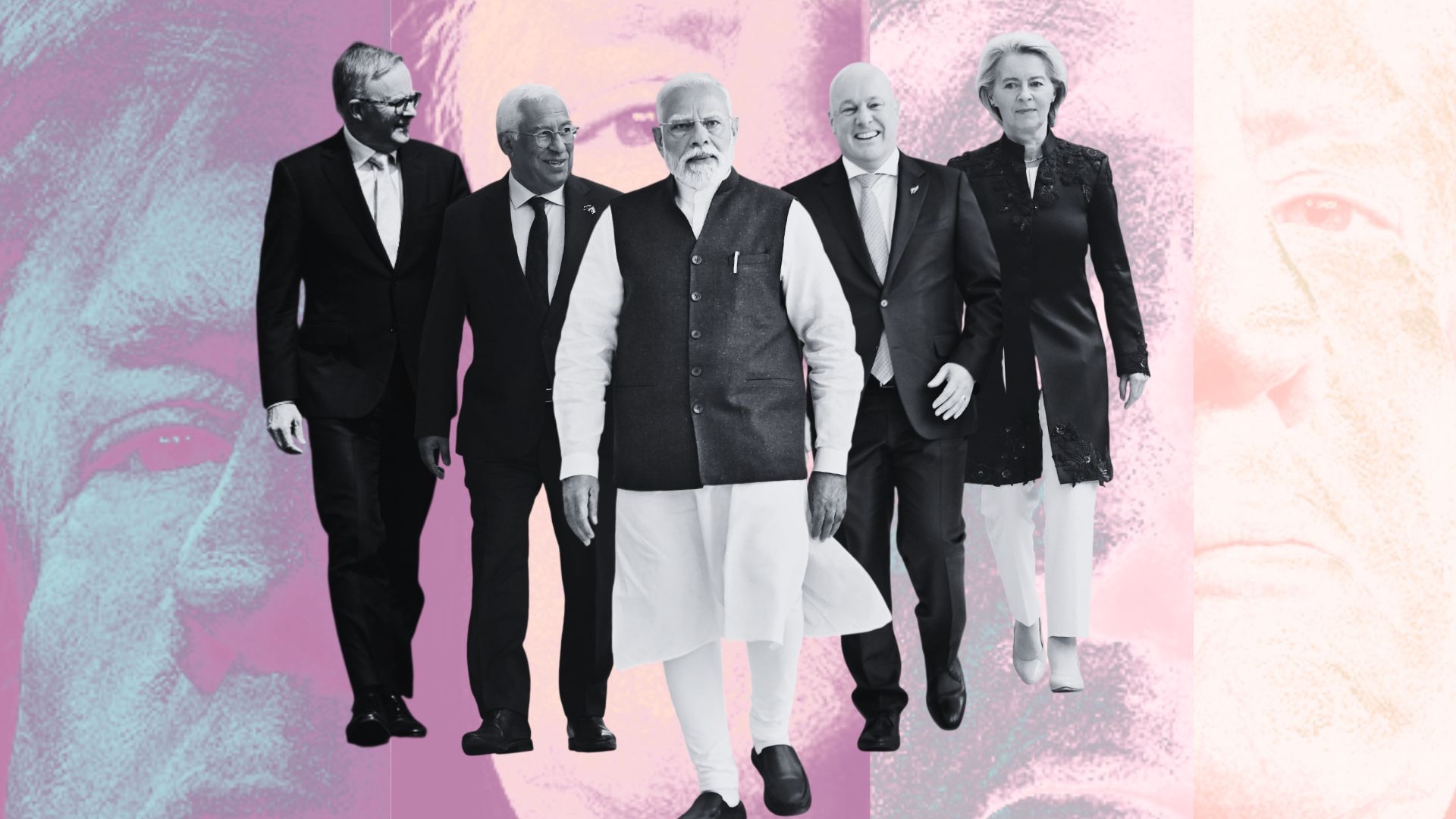
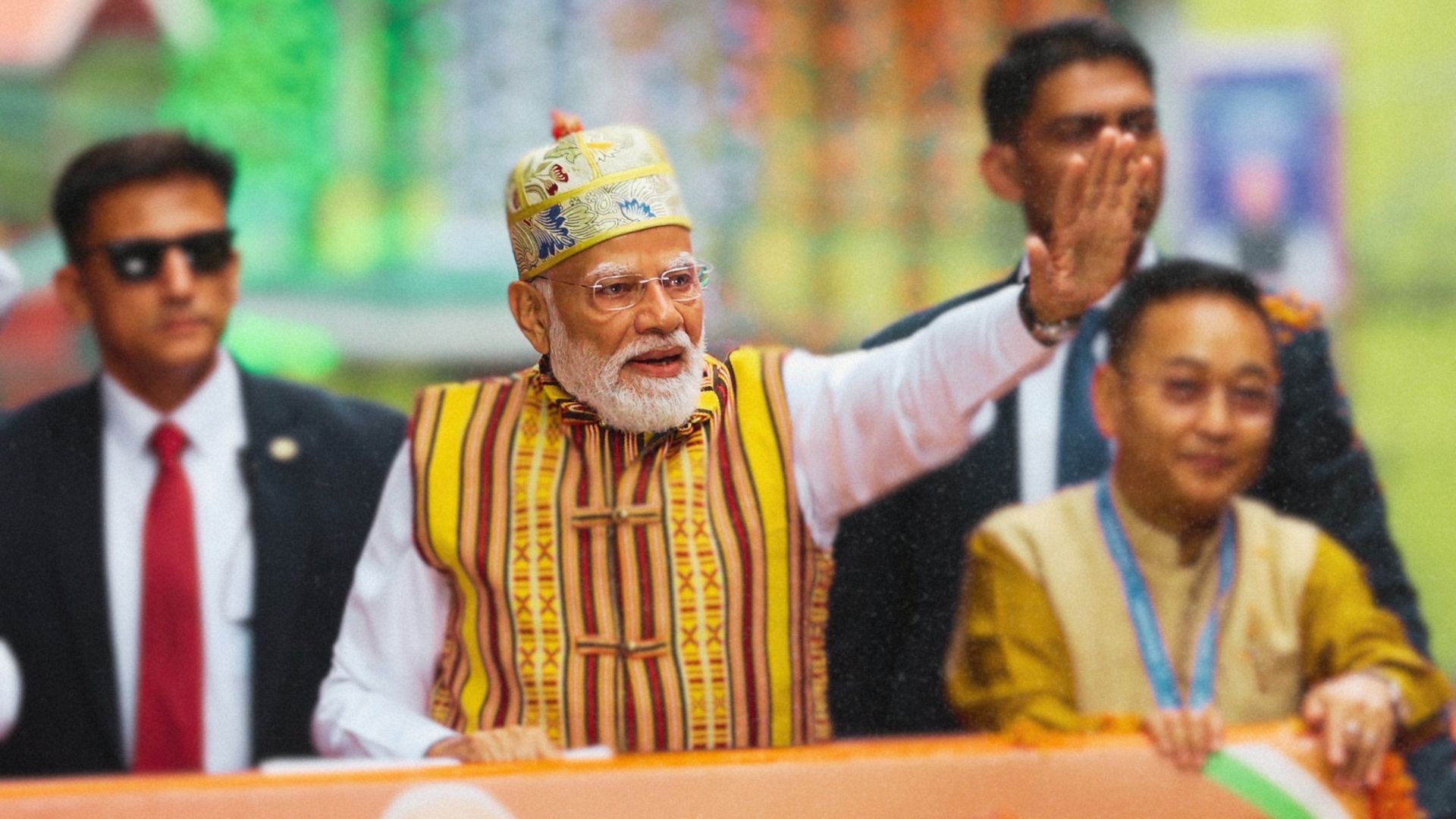
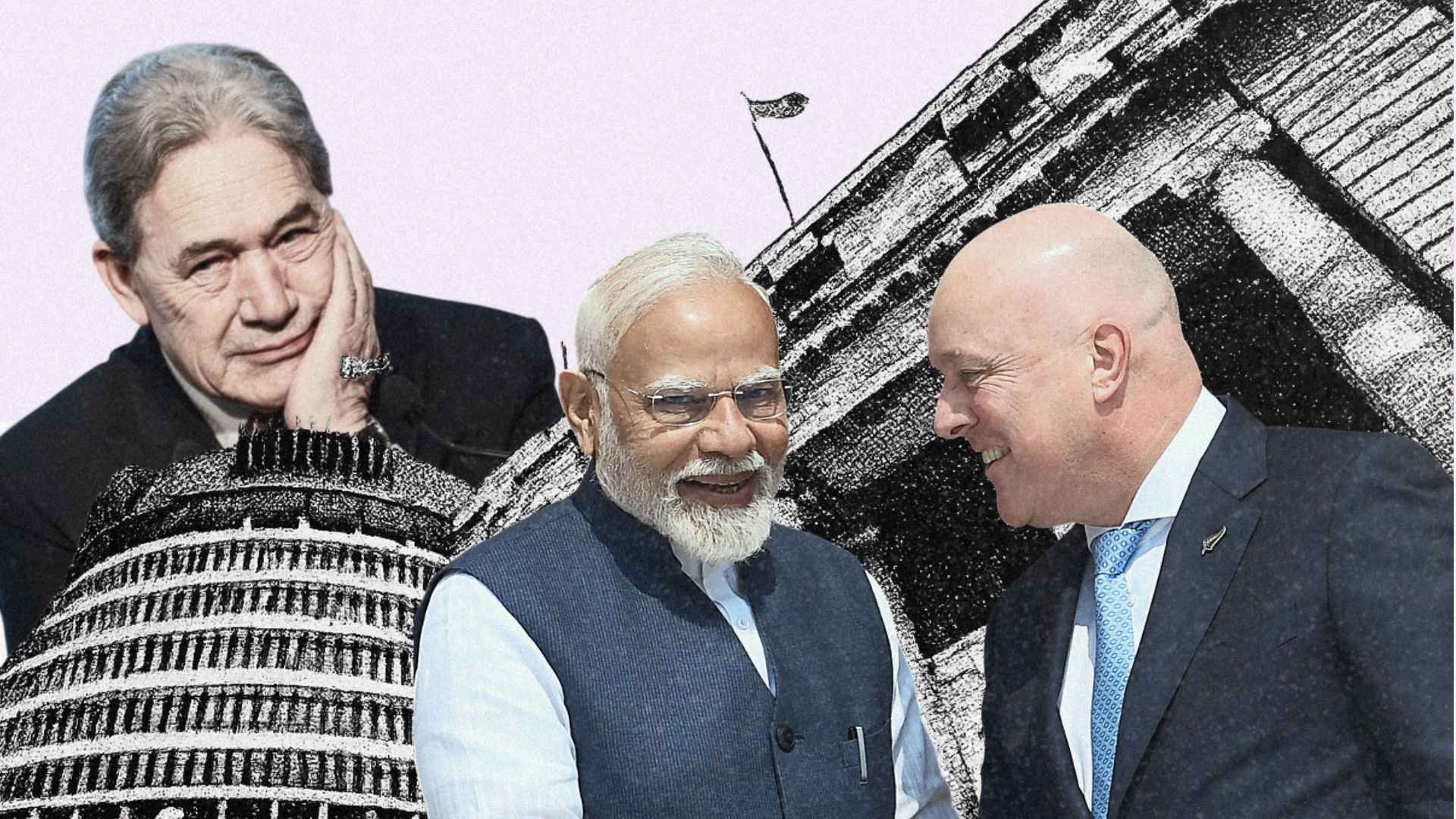
The report comes just a day before Indian prime minister Narendra Modi is due to arrive in Auckland on Friday evening for a tightly packed visit expected to put trade, investment and people-to-people ties at the centre of the relationship, adding significance to its findings as both governments look to build on growing momentum in bilateral ties.
The report presents an estimate for the year to March 2025, using the latest available business, household, visitor and student data and adjusting them to a common March 2025 price basis.
The report, titled 'The economic contribution of Kiwi Indians in New Zealand', was commissioned by the Waitakere Indian Association and prepared by Infometrics. It was supported by the Ministry for Ethnic Communities and the High Commission of India.
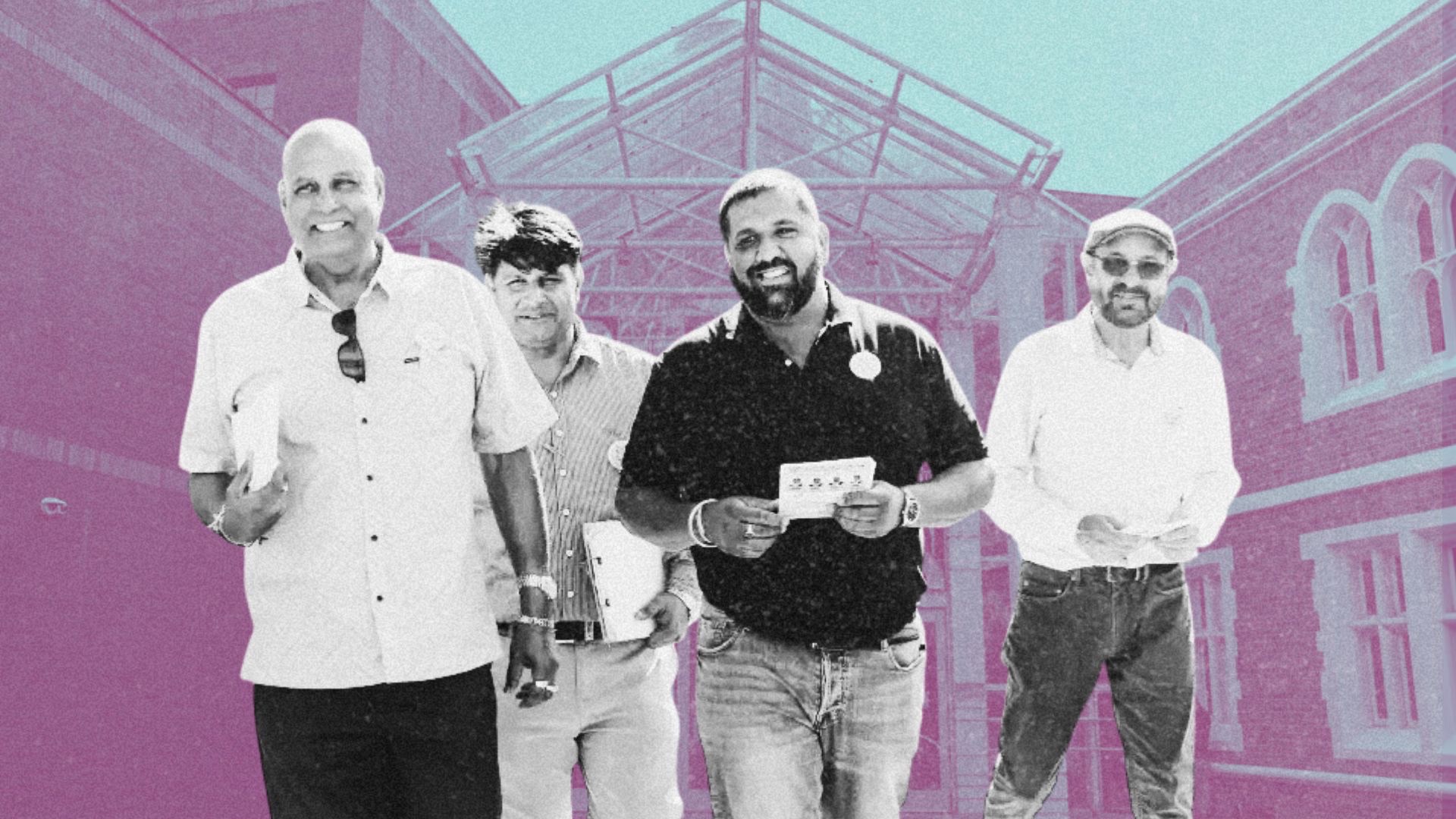
Election 2026: Will Kiwi-Indian voters decide the battle for Takanini? A South Auckland seat with one of New Zealand’s biggest Indian populations is shaping up as a test for ethnic identity and the ballot box.
India is coming to Auckland: Full schedule revealed for cricket, football, hockey, Diwali From the Black Caps and All Whites taking on India to Diwali, hockey, bowls and city-wide light displays, Auckland has revealed its sporting centenary programme.
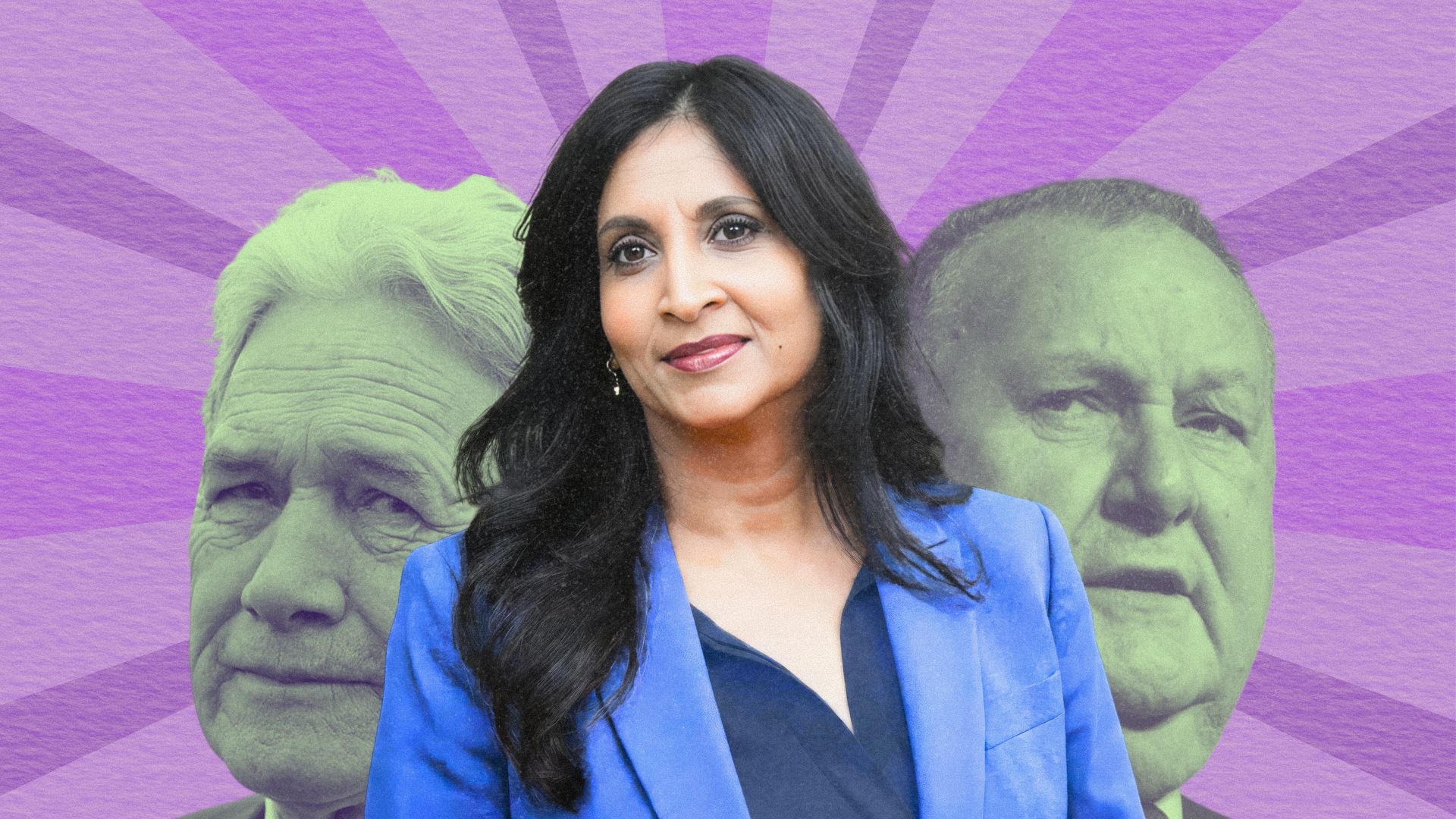
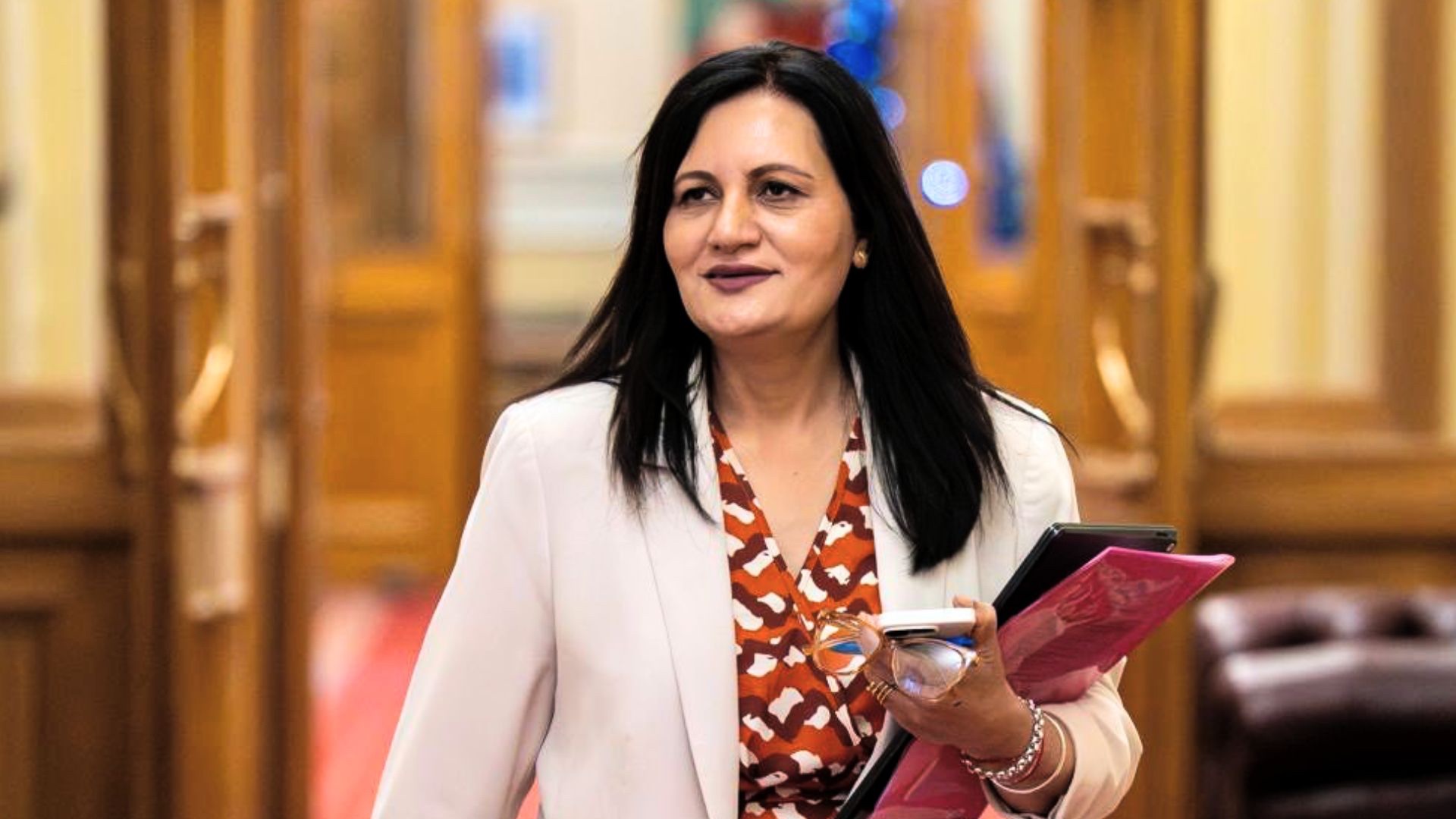
What does an Indian-origin MP owe Kiwi Indians? Priyanca Radhakrishnan on identity, belonging The three-term Labour MP says you can be Indian and Kiwi. Why should belonging require you to choose sides?
The report estimates the contribution was equivalent to 8.6 percent of New Zealand’s total GDP and supported 220,910 full-time equivalent jobs.
Indian businesses were the largest source of the overall contribution, accounting for just under three-quarters of the total, while Kiwi-Indian households contributed about a quarter through their spending.
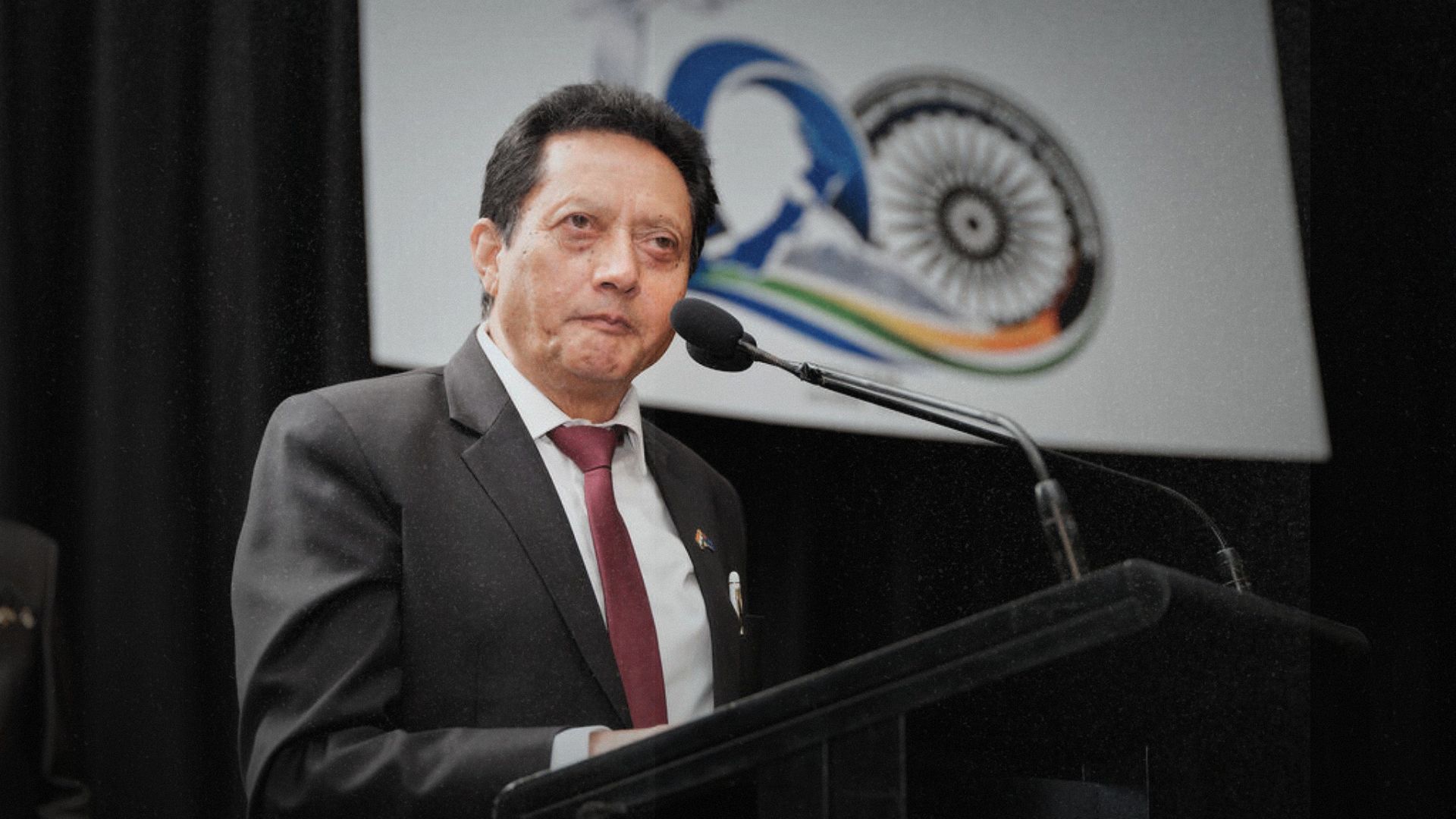
Sunil Kaushal, president of the Waitakere Indian Association, said the findings showed the Indian community was already deeply embedded in New Zealand’s economy.
“The report demonstrates that the Kiwi Indian community is critical to the success of the FTA for New Zealand,” Kaushal said.
Pratima Namasivayam, chief executive of the Ministry for Ethnic Communities, said the importance of the report went beyond the scale of its headline number.
“What makes this report compelling is not simply the scale of the contribution it records,” she said in her foreword. “It is the picture it paints of Indian New Zealanders as a community with remarkable momentum.”
Namasivayam said the findings described a growing, highly-qualified and increasingly entrepreneurial community making a significant impact across the economy.
“Indian New Zealanders are already making an outsized contribution to Aotearoa New Zealand’s prosperity, and there is every reason to believe that impact will continue to grow.”
What does the $37.3bn figure mean?
The headline number is broader than simply adding together the turnover of Indian-owned businesses or the wages earned by Indian workers.
Infometrics measured what could be described as the full ripple effect of economic activity connected to Kiwi Indians, including the initial activity and what flows through suppliers and wider spending.
Take the example of an Indian-owned restaurant.
The restaurant itself creates economic value, while also buying goods and services from other businesses like food wholesalers, accountants, landlords, power companies and cleaning firms.
Those businesses support jobs and incomes of their own, and workers then spend some of their earnings at supermarkets, cafes, shops and other businesses across the economy.
The report counts all of those layers of activity.
Of the $37.3 billion total, about $17.2 billion, or 46 per cent, was direct activity, while a further $6 billion, or 16 per cent, came through supply chains.
Another $14.1 billion, or 38 per cent, came from wider spending generated as workers spent their earnings elsewhere in the economy.
In simple terms, the $17.2 billion direct figure is the initial splash, while the $37.3 billion headline figure includes the wider ripples moving through suppliers, workers and other businesses.
Infometrics used an economic model based on relationships between industries across New Zealand, with its multipliers derived from Stats NZ’s official 2020 input-output tables.
The report says the estimates are measured in terms of value added, or GDP, rather than simply business sales or turnover.
It also says double counting was estimated and removed, including where Indian households spent money at Indian businesses or Indian employees later spent wages earned from Indian businesses through household consumption.
A community growing in size and economic weight
The report says the Kiwi-Indian population increased by 27 percent between 2018 and 2023, rising from about 260,000 to about 330,000.
Indian New Zealanders now make up 5.8 per cent of the population, having overtaken the Chinese community as the largest ethnic minority outside Maori and Pacific peoples.
The community’s economic profile is also changing. The proportion of Kiwi Indians in full-time employment rose from 59 per cent in 2018 to 63 per cent in 2023, while median personal income increased 47 per cent over the same period.
That compares with a 31 per cent increase for the total population, while self-employment among Kiwi-Indians also rose from 16 per cent to 19 per cent.
The report also points to a shift away from traditional concentrations in sales, retail and hospitality towards professional and specialist occupations.
That change is being supported by high qualification levels, with 46 per cent of Kiwi-Indians holding a bachelor’s degree or higher-level qualification in 2023. The corresponding figure for the total population was 27 per cent.
Kaushal said the community’s changing skills base strengthened its ability to support deeper trade and economic ties between New Zealand and India.
“The free trade agreement is a pathway or channel for the two countries to strengthen both economies through mutual cooperation,” he said. “Kiwi Indians are, and will be, essential to that.”
Why the FTA matters
The report argues Kiwi-Indians are particularly well placed to help New Zealand navigate India’s vast and highly diverse market and benefit from growing demand for high-value services.
It points to opportunities in areas such as education, professional services, tourism and technology.
The report says the community’s familiarity with both countries can help connect businesses, institutions and people across the two economies.
Indian high commissioner Muanpuii Saiawi said the report put evidence behind the long-standing contribution of Indians to New Zealand.
“This empirical study puts facts and figures to the assertion that Indians form a valuable and integral part of New Zealand,” she said in her foreword.
Saiawi also linked the community’s role directly to the opportunities created by the FTA.
“I believe that there is a historic opportunity for Kiwi Indians to combine their experiences and their natural understanding of India,” she said.
Under the report’s medium projection, the Kiwi-Indian population is expected to reach around 626,000 people by 2043, representing 10 per cent of New Zealand’s projected population.
Diaspora links deepen tourism and education ties
The report says the community’s growing economic role is also visible in tourism and international education, two areas expected to become increasingly important in the New Zealand–India relationship.
Indian visitor arrivals reached 81,000 in 2025, 19 per cent above the pre-pandemic peak, while visitor spending reached $336 million, up 27 per cent from its previous high.
Nearly half of Indian visitors came to New Zealand to visit friends and relatives, compared with 31 per cent of all visitors.
The finding highlights the role of family and community connections in sustaining travel flows between the two countries.
The report also identifies a major change in the profile of Indian international students, with more choosing longer and higher-level qualifications.
Indian equivalent full-time students, or EFTS, enrolled in master’s degrees were 228 per cent higher in 2025 than in 2019.
Master’s study accounted for 46 per cent of all Indian EFTS in 2025, compared with 15 per cent in 2019 and just 4.5 per cent in 2016.
Bachelor’s EFTS also rose 137 per cent between 2019 and 2025 and accounted for 24 per cent of all Indian EFTS in 2025.
Kaushal said the tourism and education trends showed how people-to-people links could reinforce the wider economic relationship between New Zealand and India.
“India is becoming an increasingly important tourism market for New Zealand, but unlike traditional visitor markets, much of this growth is being driven by the strength of the Indian community already living here,” he said.