
Racist haka against Indians was worse than first thought
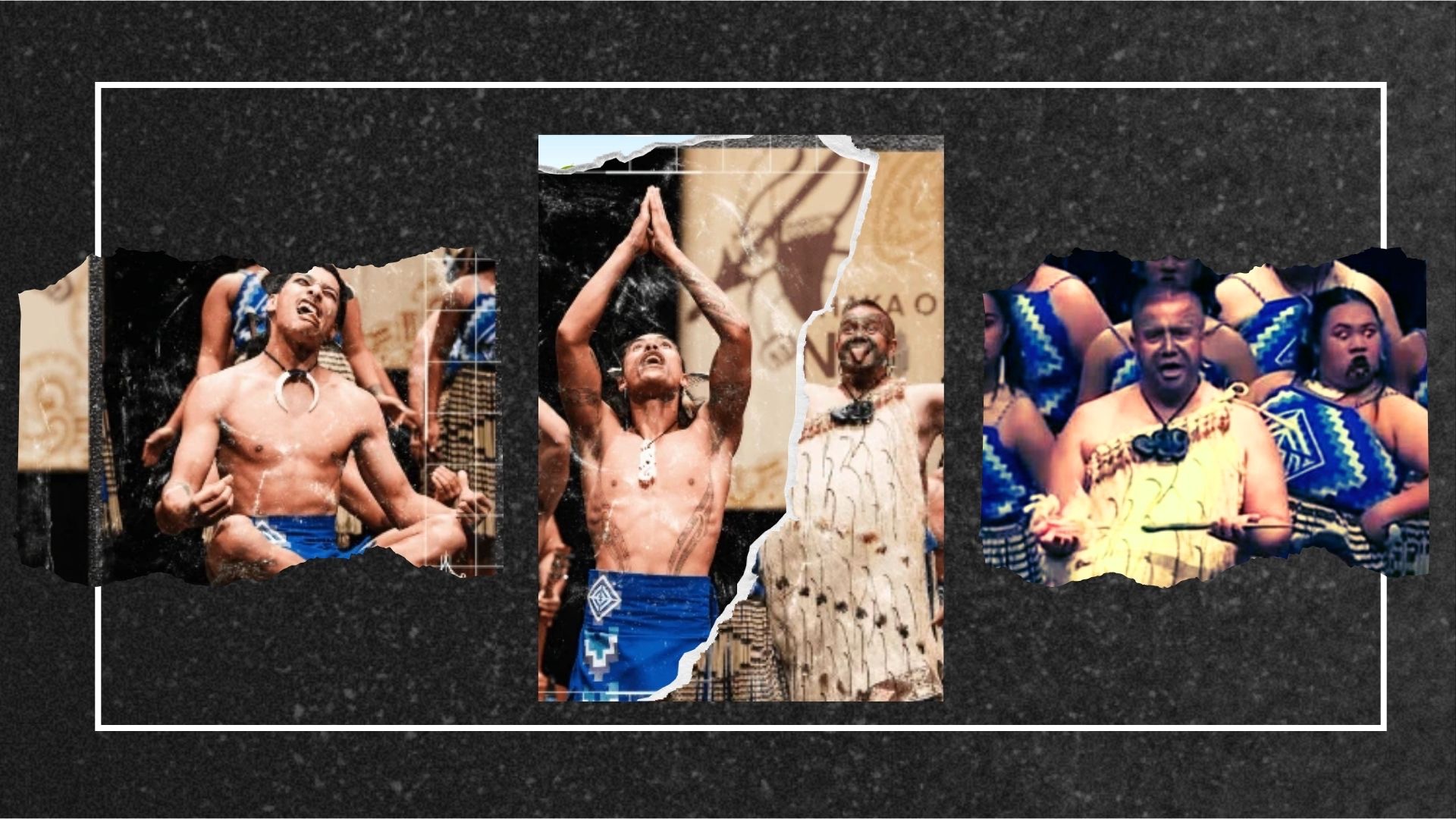
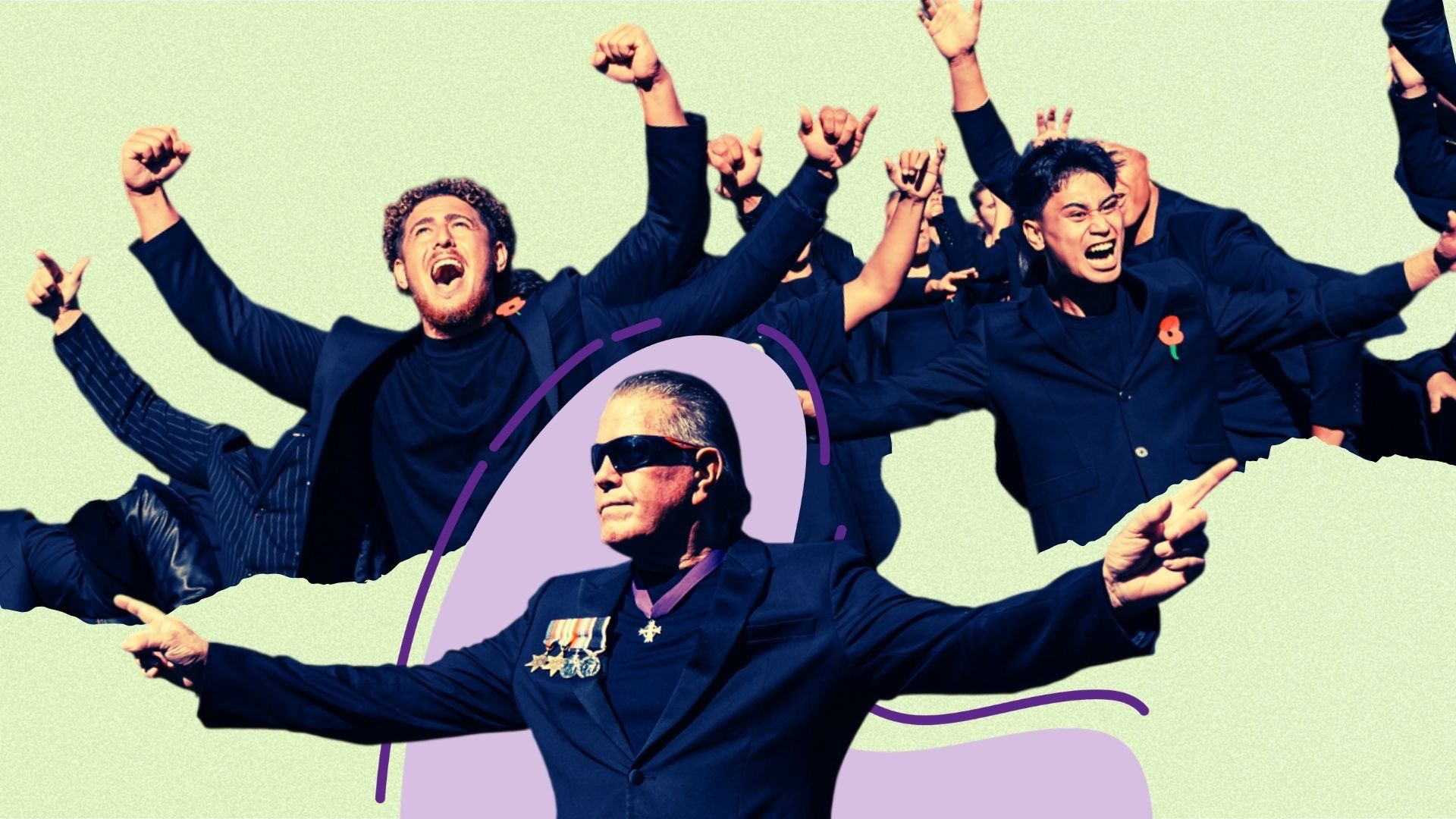
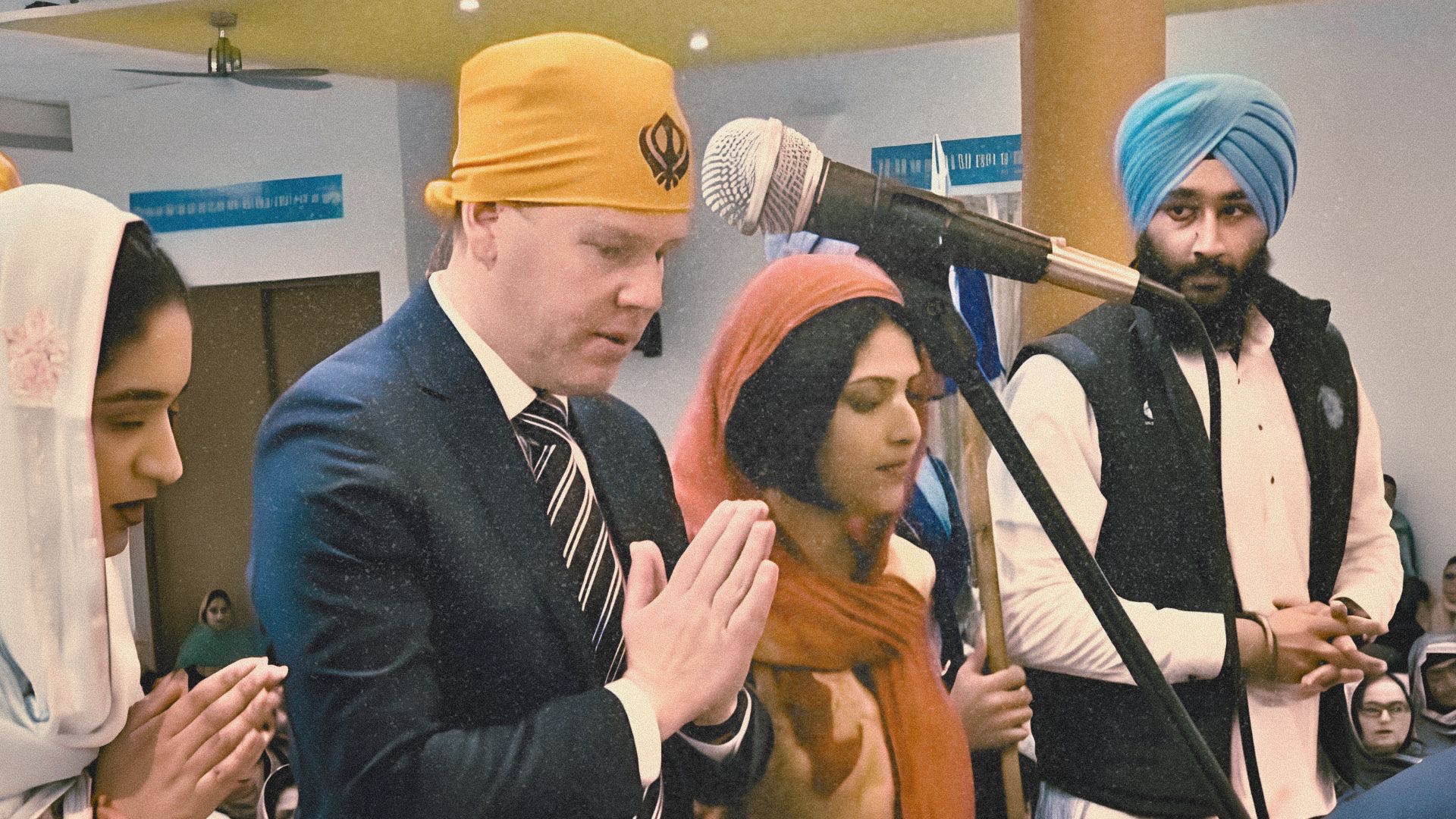
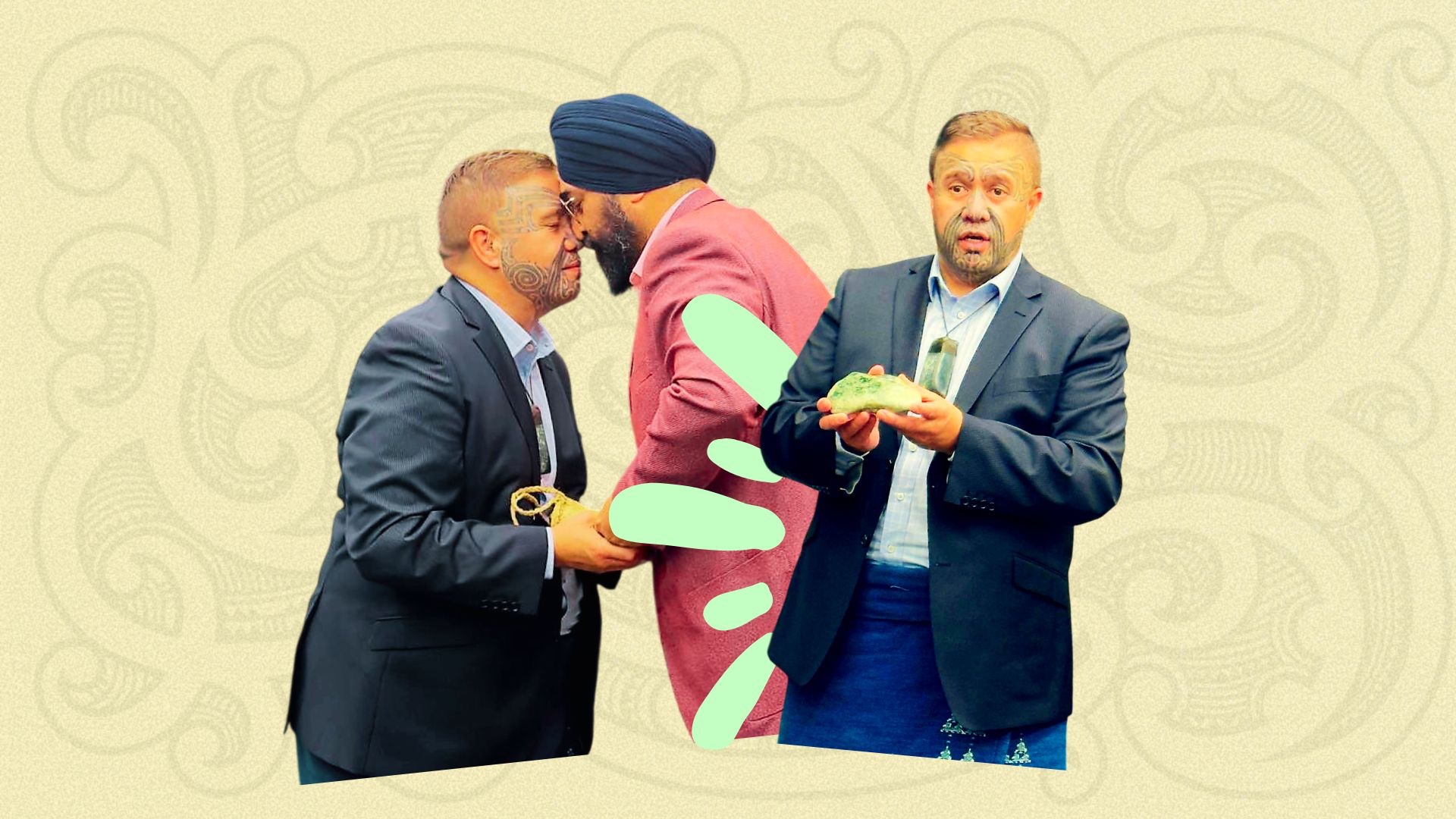
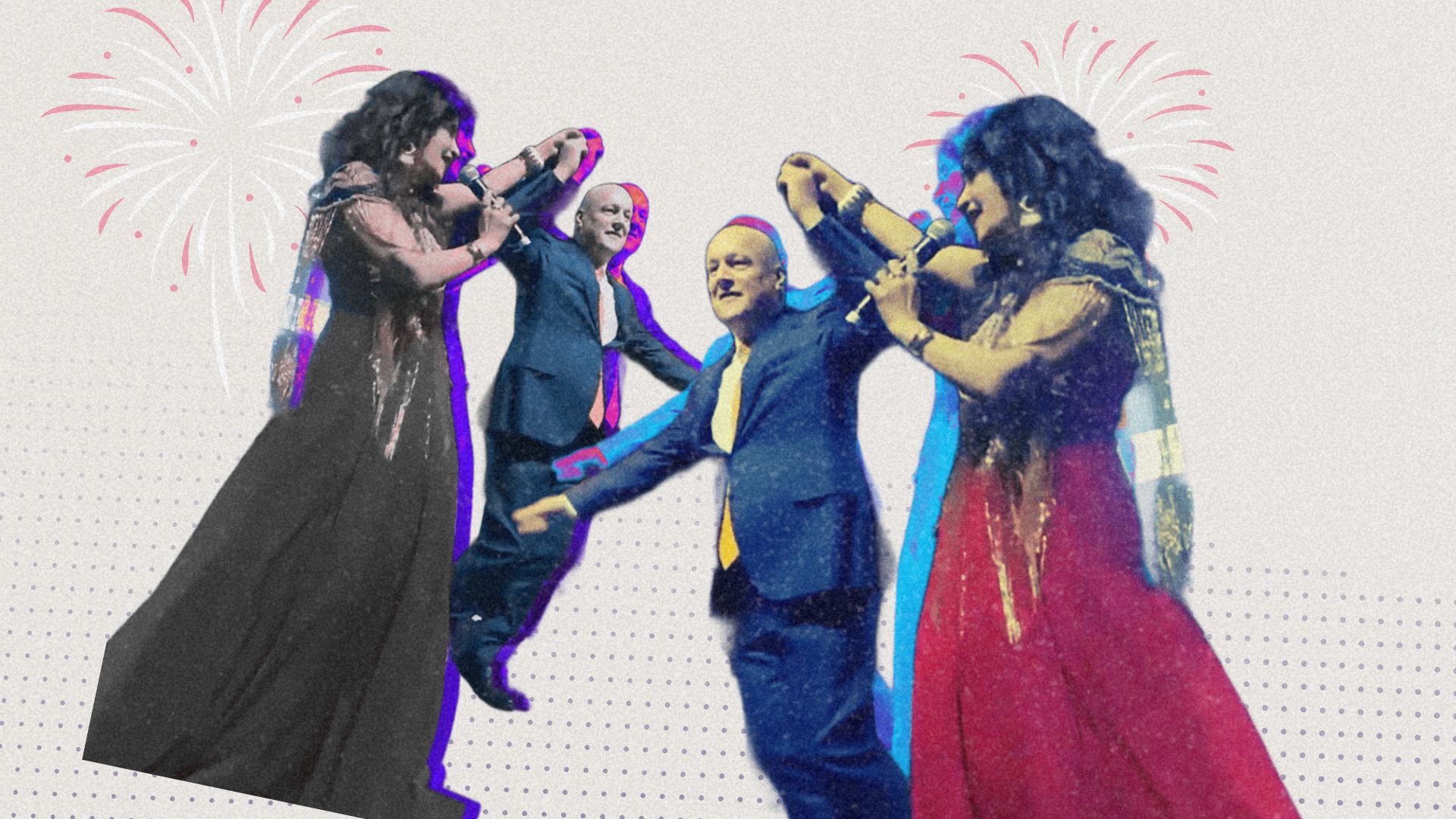
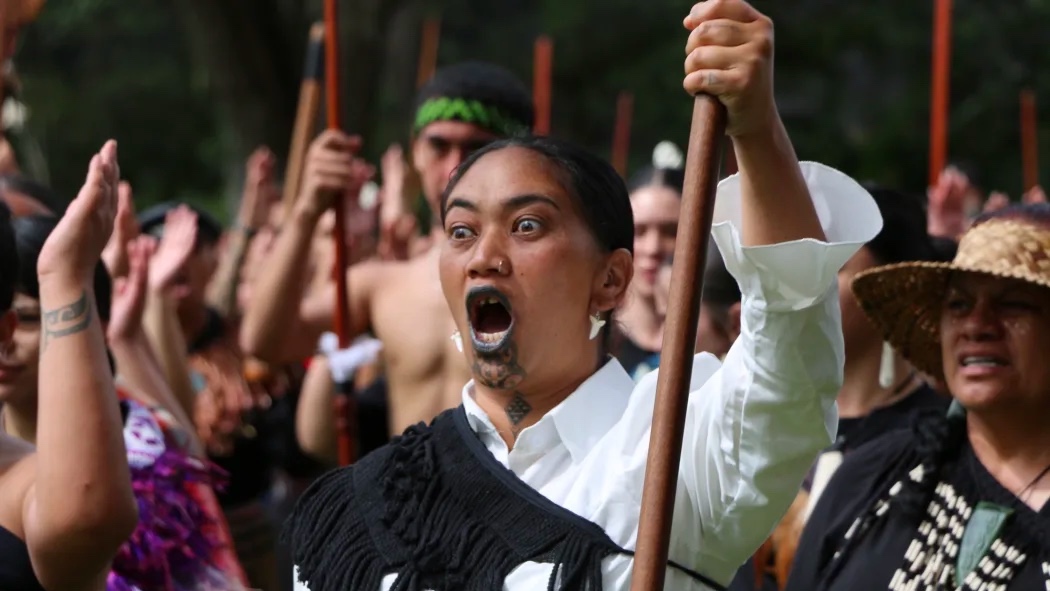
Members of Te Pae Kahurangi perform a haka at the 2026 Tainui kapa haka regionals. (Photos: Te Matatini Enterprises)
"Return to your own home, to vast land, to great poverty, to many problems."
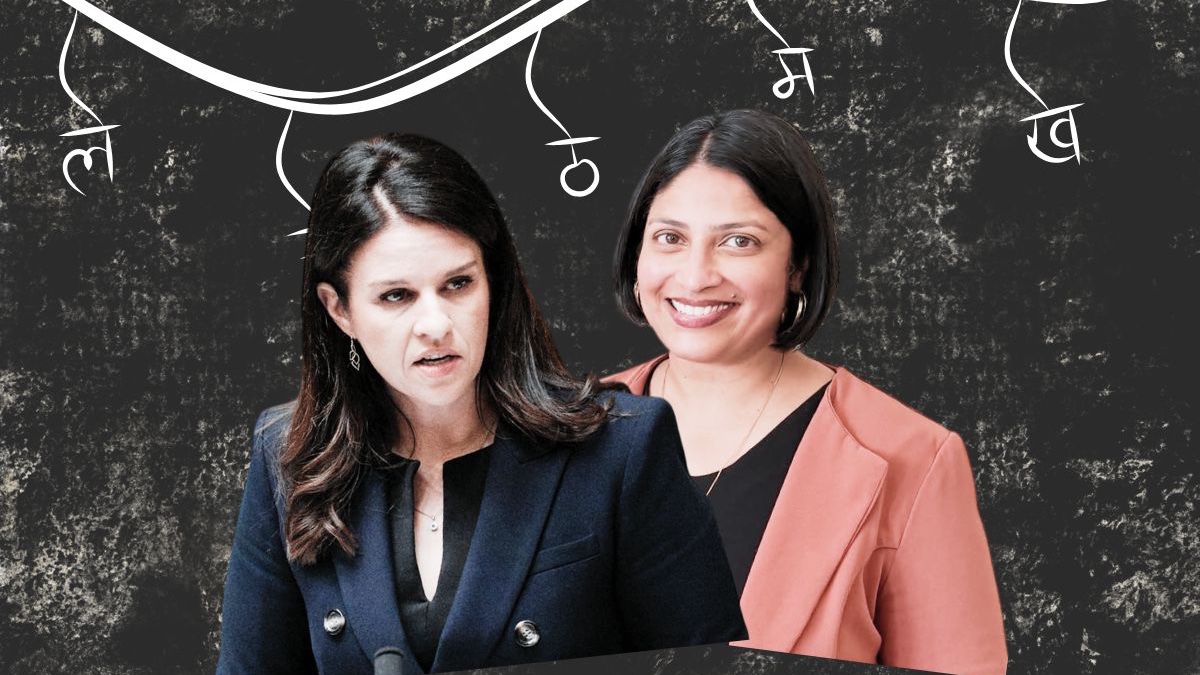
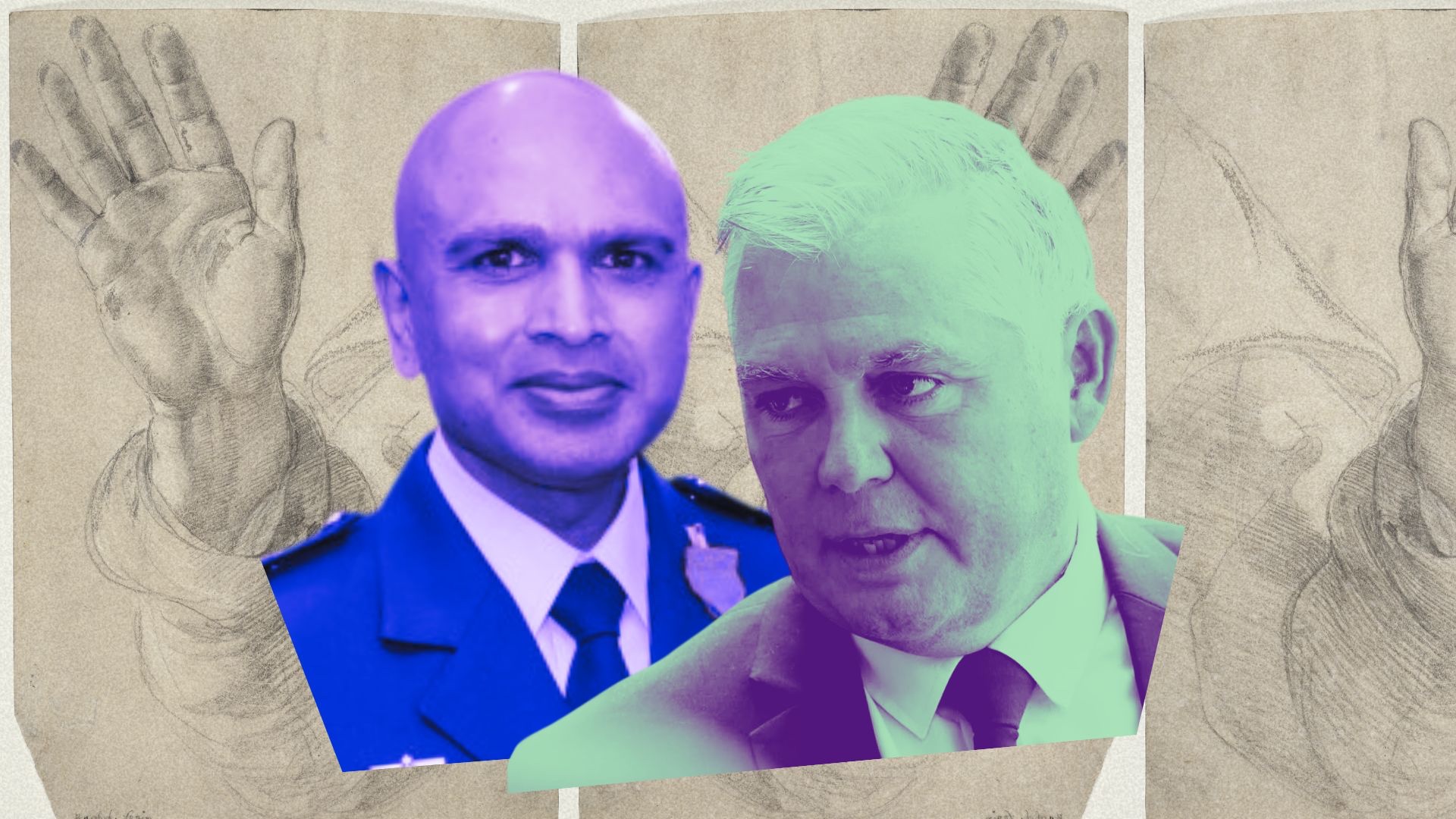
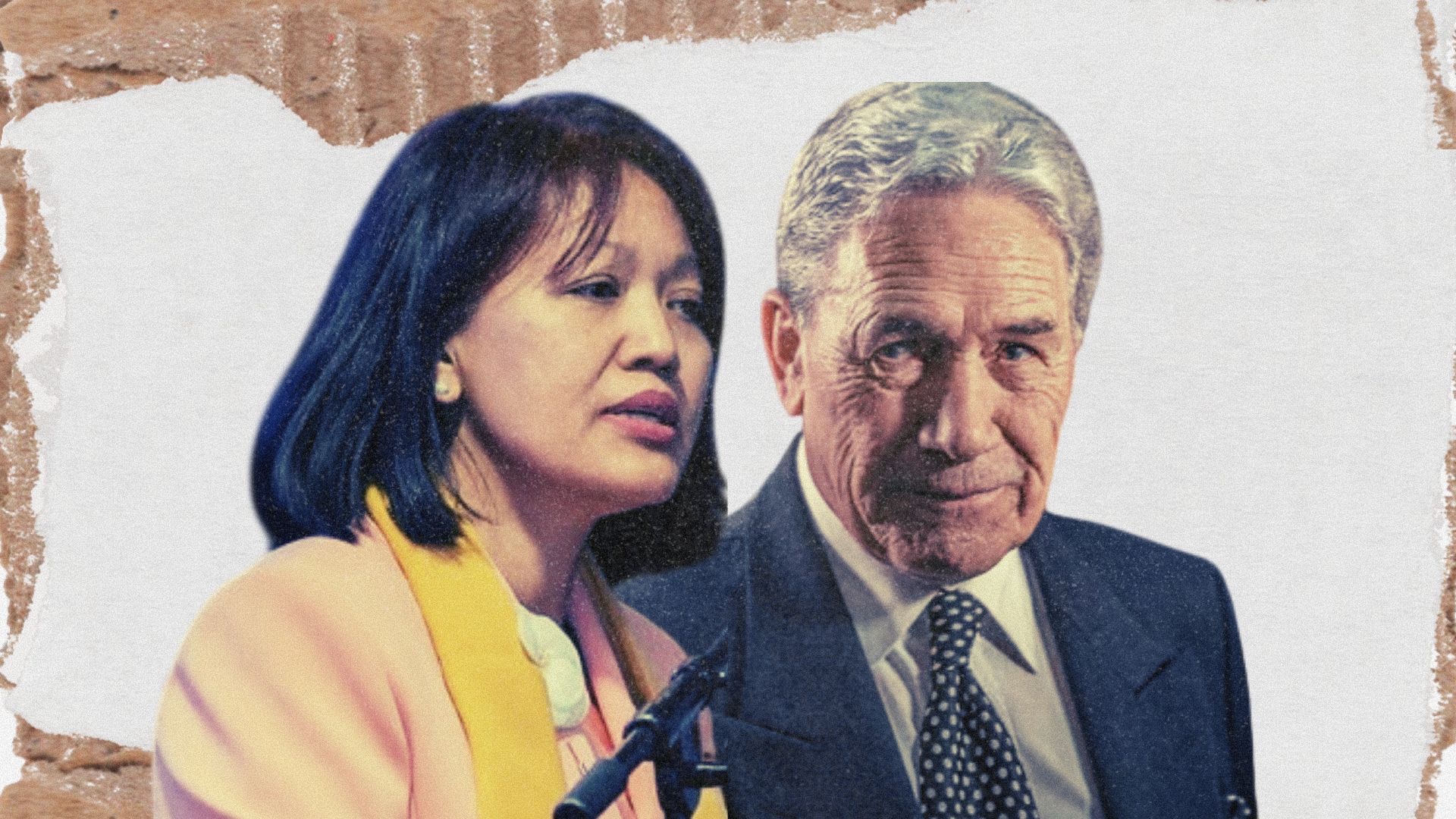
A haka performed at the Tainui Regional Kapa Haka competition targeting ACT MP Parmjeet Parmar now appears to have been more explicitly racist than first reported, with fuller details suggesting the performance itself was structured around mocking Indian identity.
The haka delivered by Te Pae Kahurangi, a group associated with former Te Pati Maori president Che Wilson, was initially described as including a handful of offensive elements.
Subsequent reporting and additional translations since the performance earlier this month indicate those elements were not incidental, but central to how the performance itself was constructed.


The performance opened by directly addressing ACT leader David Seymour, reports MATA.
“Rawiri Himoa, te wahine Iniana kei tō pāti, he wahine tarapekepeke pāti.Takahi tangata, takahi Māori e.”
NZ First wants to end birthright citizenship for children of migrants, work rights for students "This set of polices is about taking back control of the future of our country and valuing our unique citizenship the way it should be."
India-NZ FTA gets select committee nod, stage set for anticipated October launch “If that is the case, how exciting is that for New Zealand. Exciting, isn’t it?”
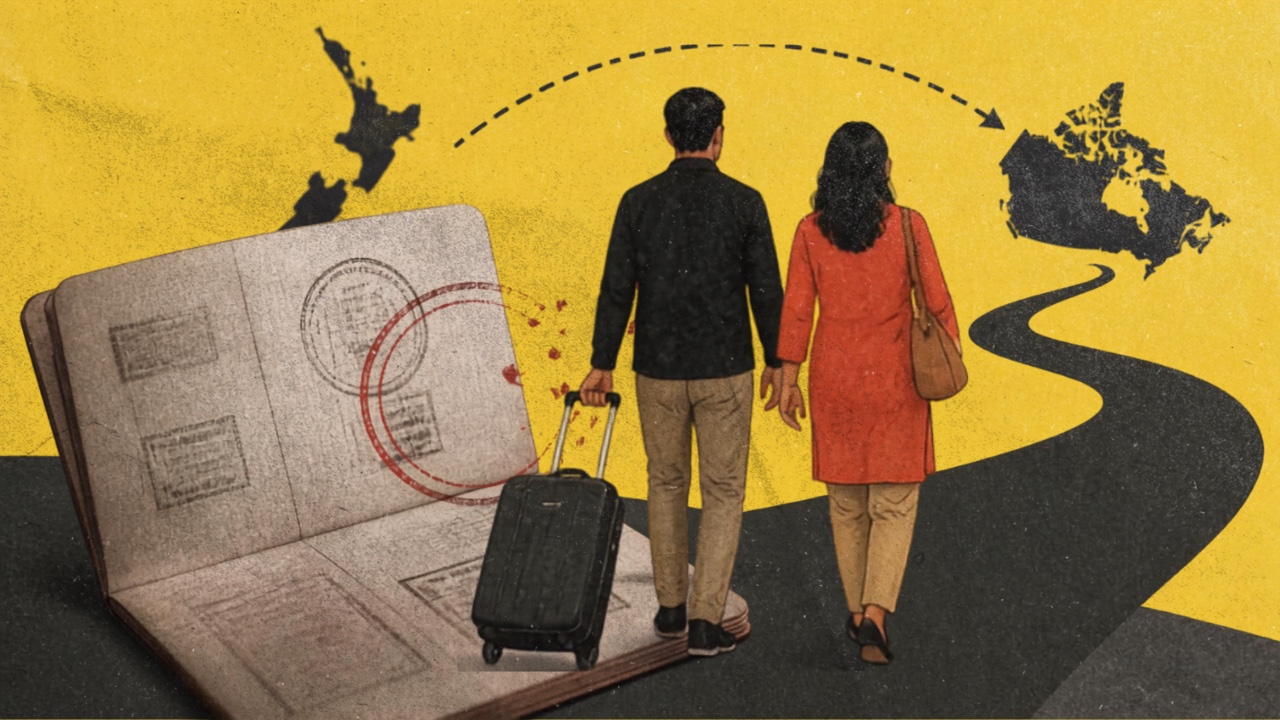
‘Huge mistake’: Indian couple lose New Zealand residence while living in Canada The family had a second shot at applying for permanent residency but they were late by less than a month.
That translates to: “David Seymour, the Indian woman in your party, the party jumper. Who tramples people, who tramples Maori.”
Directly addressing a political leader in haka is not unusual. But explicitly referencing the ethnicity of another politician in that framing is not common practice.
Earlier reporting had pointed to specific elements, including the phrase “purari karikari iniana”, translated as “bloody curry-eating Indians”, along with gestures like sitting cross-legged, folded hands, and mannerisms seen as imitating speech and movement.
Subsequent reporting by MATA has added further detail. It describes the haka as including the use of an Indian accent and stylised head movements, and as having “lampooned Indian culture”.
Additional translated lines from the performance suggest the portrayal extended beyond gestures and into its core message.
These include: “hoki atu rā ki tō kāinga ake, ki nui whenua, ki nui pōhara, ki nui raruraru!”. That translates to “Return to your own home, to vast land, to great poverty, to many problems”.
The performance was also accompanied by choreography drawing on Indian cultural and religious elements, including performers pressing their thumb into the centre of their forehead, where a traditional bindi is worn, and sitting cross-legged with hands in a prayer position.
Taken together, the language, mimicry and staging suggest the elements were not incidental, but part of a more coordinated portrayal. Less a haka with controversial elements, and more one that appears to have drawn on those elements as a core device.
Those behind the performance have maintained it was directed at Parmar’s political positions.
In a statement to MATA, Wilson said the haka was composed and choreographed by a collective known as Te Whānau o Te Pae Kahurangi.
“Haka is a platform to challenge and where relevant, denigrate in response to an issue,” the statement said.
The group described Parmar’s actions as “clear examples of prejudice towards Maori culture", and said the haka wasn't aimed at the Indian community.
“Te Pae Kahurangi does not condone racism. Te Pae Kahurangi apologises for any offence caused to the Indian community, towards whom this haka was not directed.”

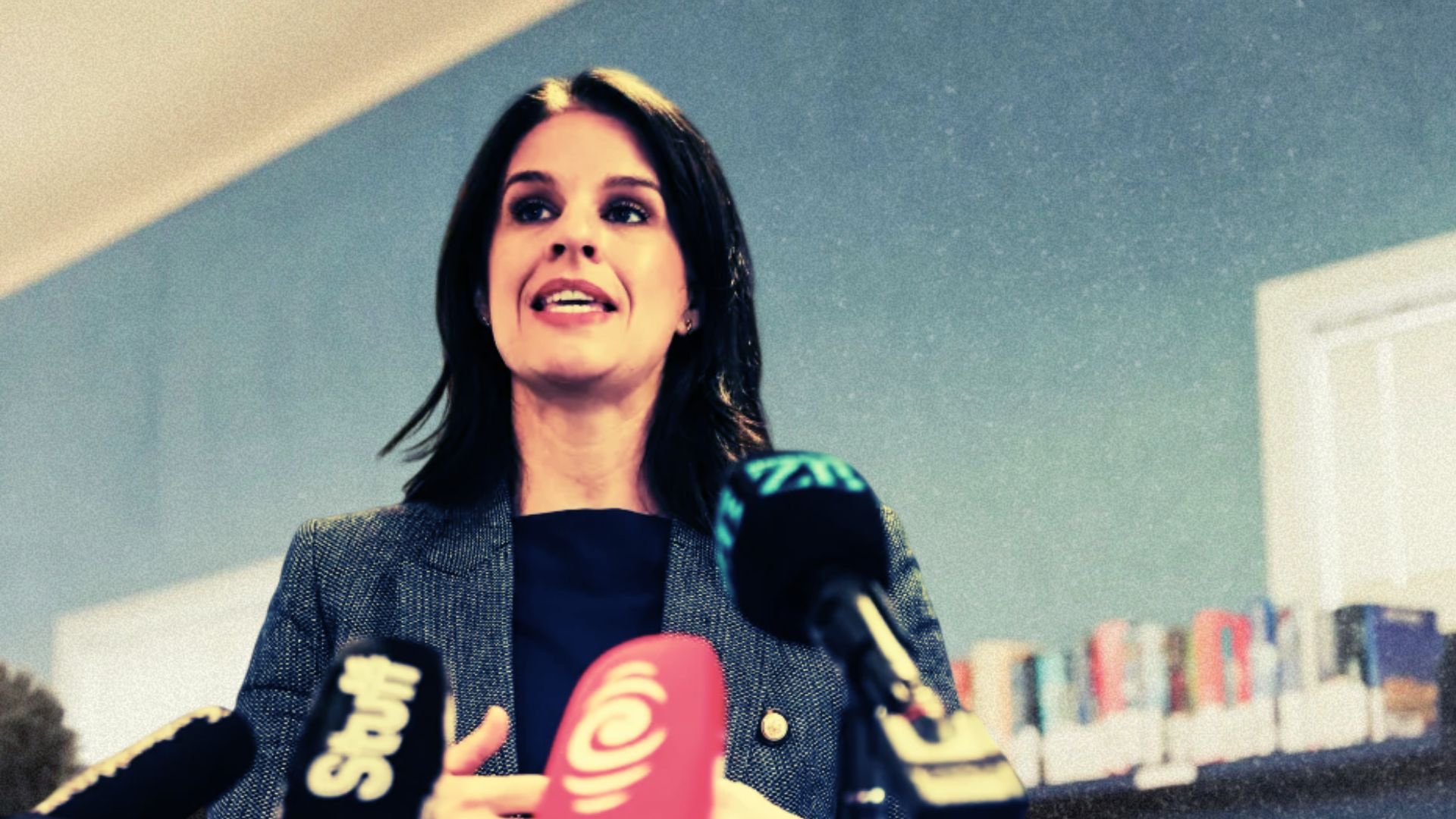
"If we’re going to give nothing to racism, we have to mean it. Not just when it’s convenient," Parmjeet Parmar has said in her response to the haka. (Supplied photo)
Parmar has previously drawn criticism for seeking official advice on the range of possible penalties for Te Pati Maori MPs following their Treaty Principles haka in Parliament, including whether imprisonment could be considered.
She has also opposed policies such as scholarships based on race or ethnicity, designated spaces at universities, and compulsory Treaty of Waitangi courses for some students.
The evolving understanding of the latest performance has also drawn criticism from Maori voices.
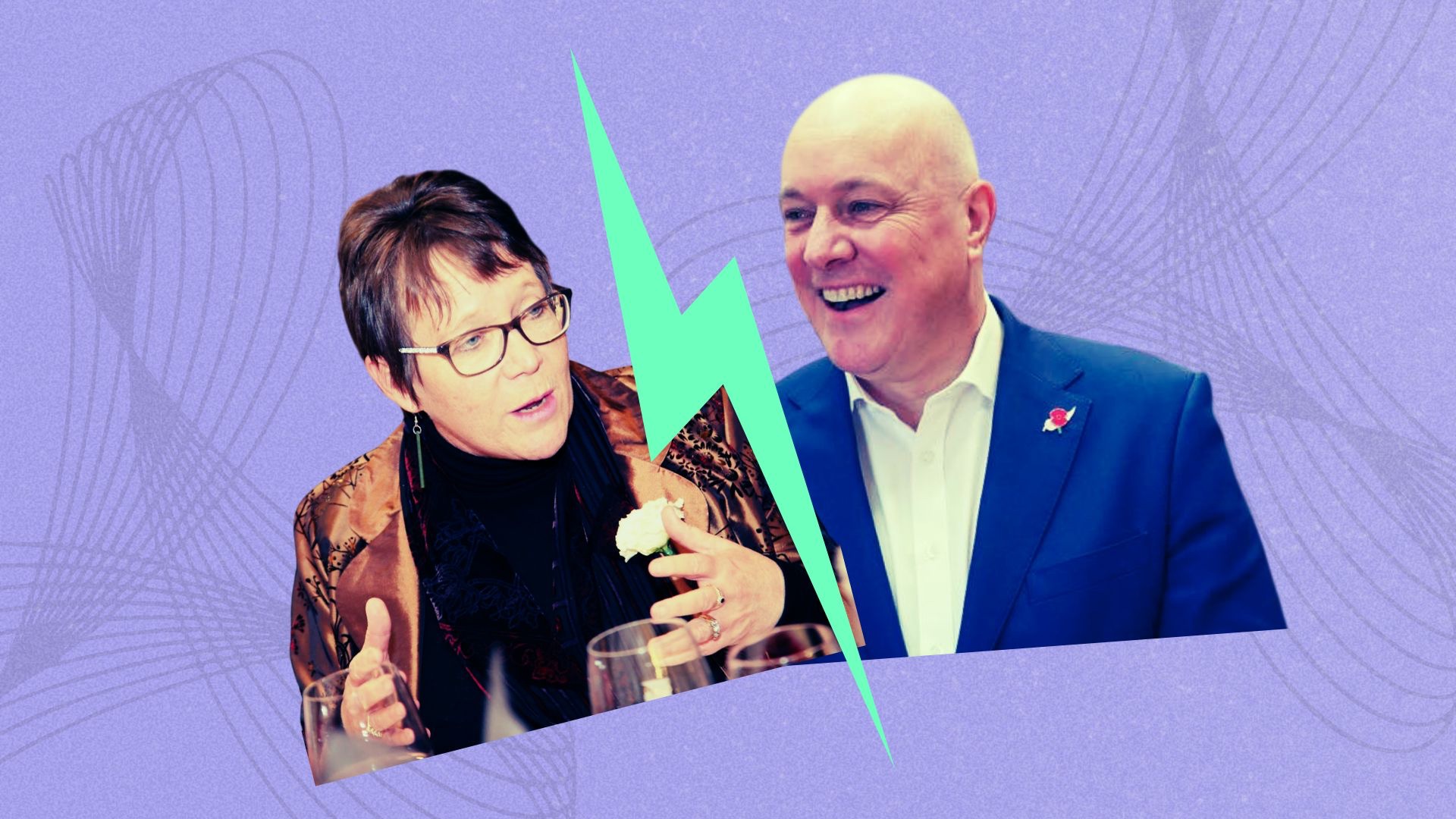
Former Labour Maori MP Louisa Wall said that while haka has long been used as a form of direct political challenge, the use of identity markers in this case raised broader concerns about impact beyond the intended target.
“This clarification is important. Intent always matters… However, in public life, intent is not the only measure we must consider. Impact also matters,” she wrote in a column in Newsroom.
The People's Action Plan Against Racism (PAPARA) has also raised concerns, saying there has been an increase in “racist rhetoric” against the Indian community in Aotearoa.
“This harm has been compounded by a recent performance during the Matatini Tainui regional competitions, which lampooned Indian culture as a form of objection to ACT MP Parmjeet Parmar's actions and political positions,” PAPARA said in comments reported by RNZ.
“While Te Matatini carries a long history of politically charged performance, this should never be allowed to tip over into racist attacks against individuals or communities.”
PAPARA has called on Te Matatini Society Incorporated to introduce explicit anti-racism standards.
Commentary has also questioned the defence that the haka targeted only an individual.
Writing in The Spinoff, Liam Rātana argued that using cultural references made the performance about more than one person.
“Wilson’s claim that the haka was only directed at Parmar, not Indians in general, falls flat. By using cultural references, Te Pae Kahurangi made it about more than just one person,” he wrote.
“Mockingly using the Hindu position of prayer, particular head movements and using an Indian accent, while calling Parmar a ‘bloody Indian curry muncher’ in te reo Māori, insults more than just a person, it insults an entire culture.”
He added that watching the haka left him with “a sense of sadness and shame, followed by confusion and anger,” comparing it to earlier protest haka that targeted other communities.
What began as a partially understood controversy, constrained by limited visibility, has, with more detailed reporting and translation, come into sharper focus.
And in that process, the haka appears more overt in its use of racial mockery than first thought.