
Elections 2026: Why Kharag Singh’s nomination from Takanini matters for Indians in Labour
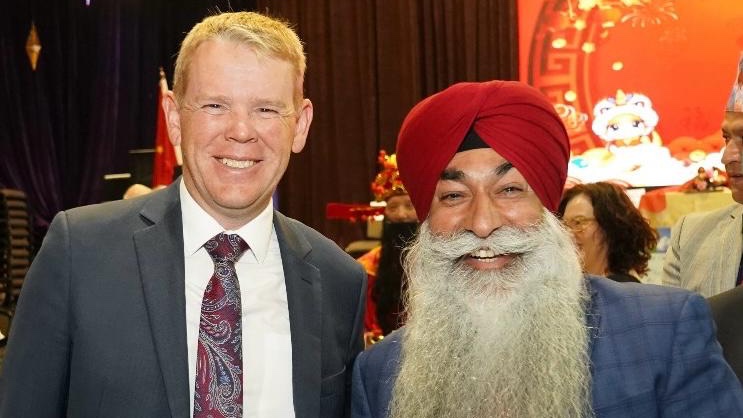
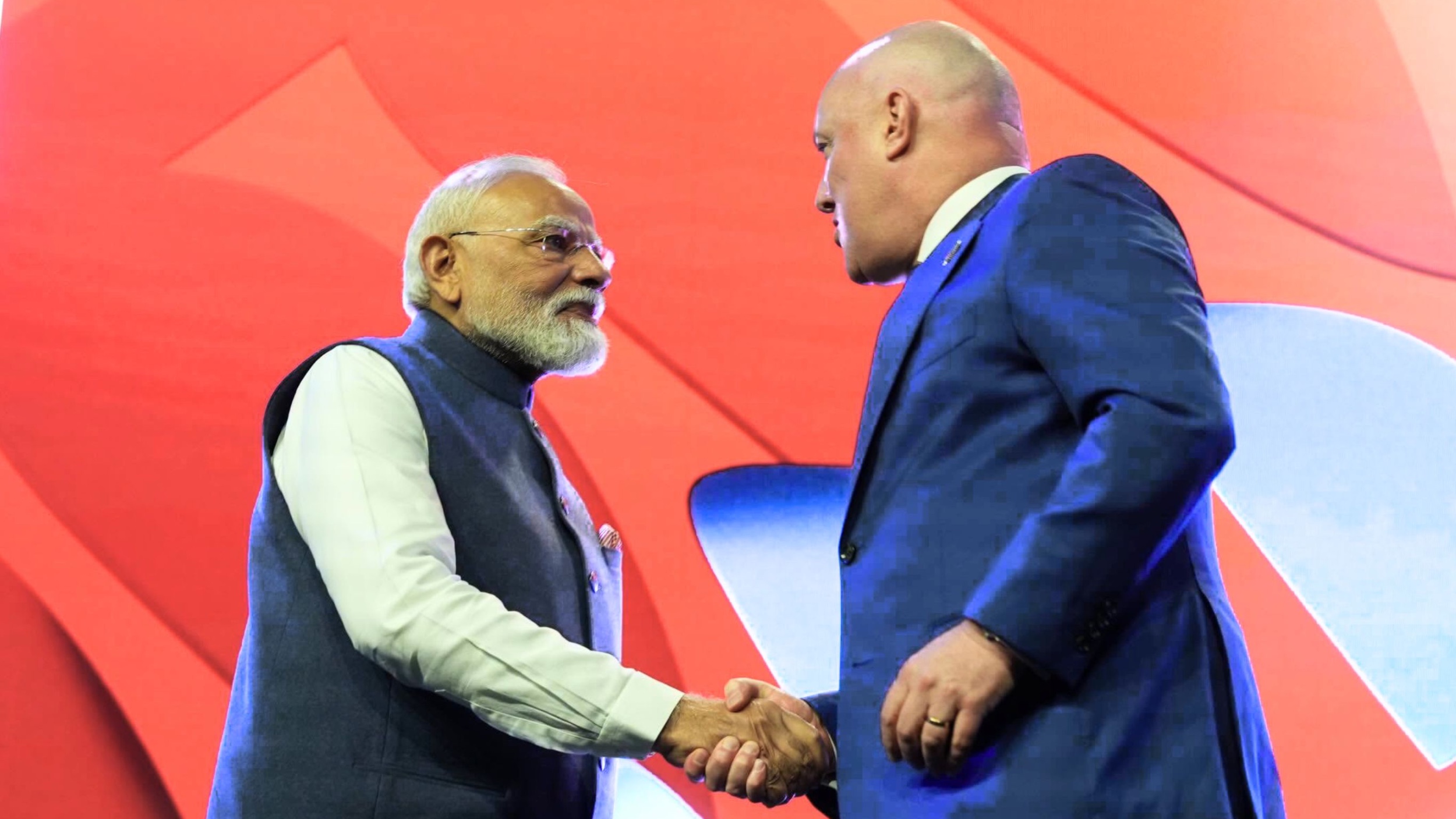
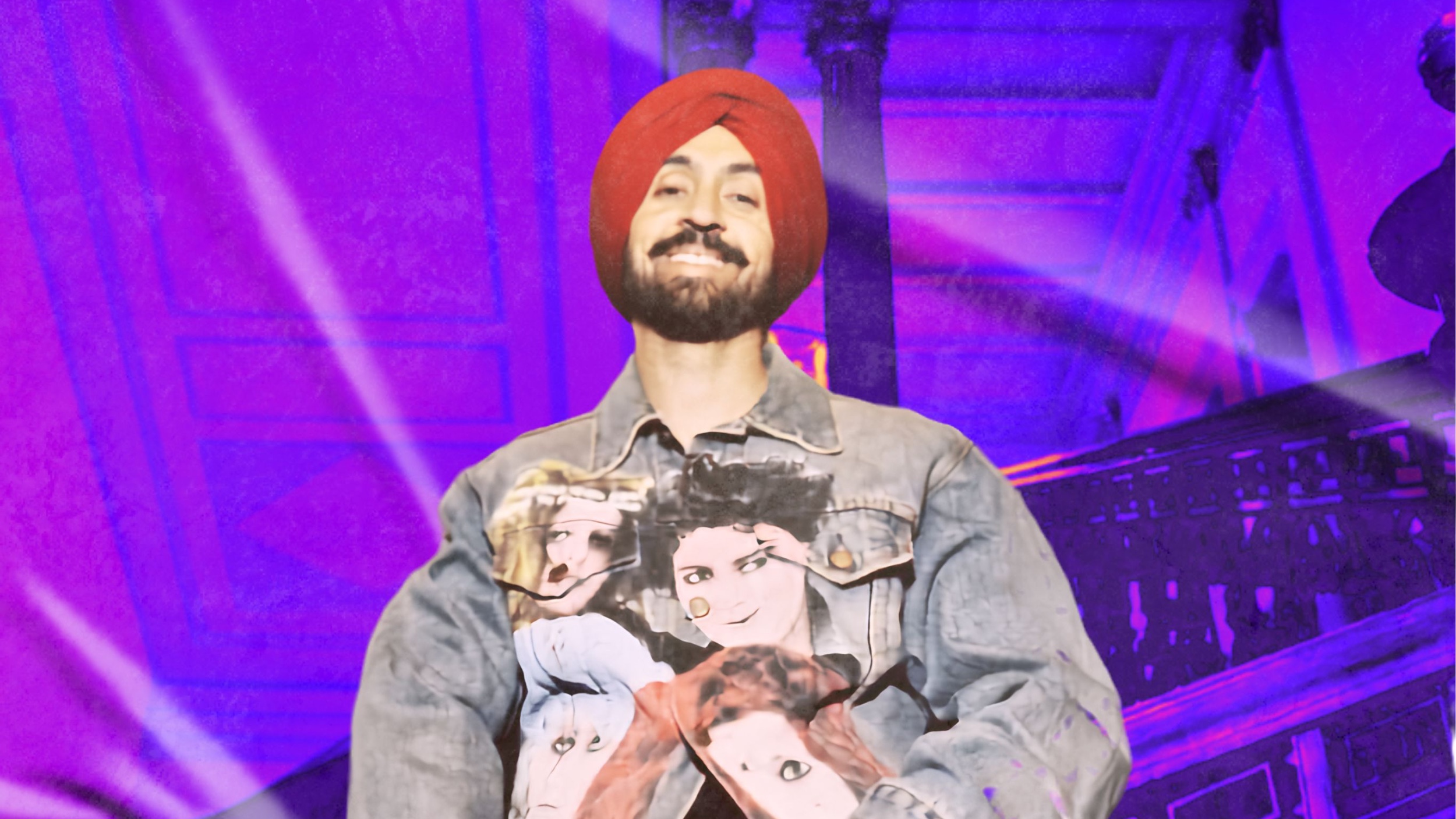
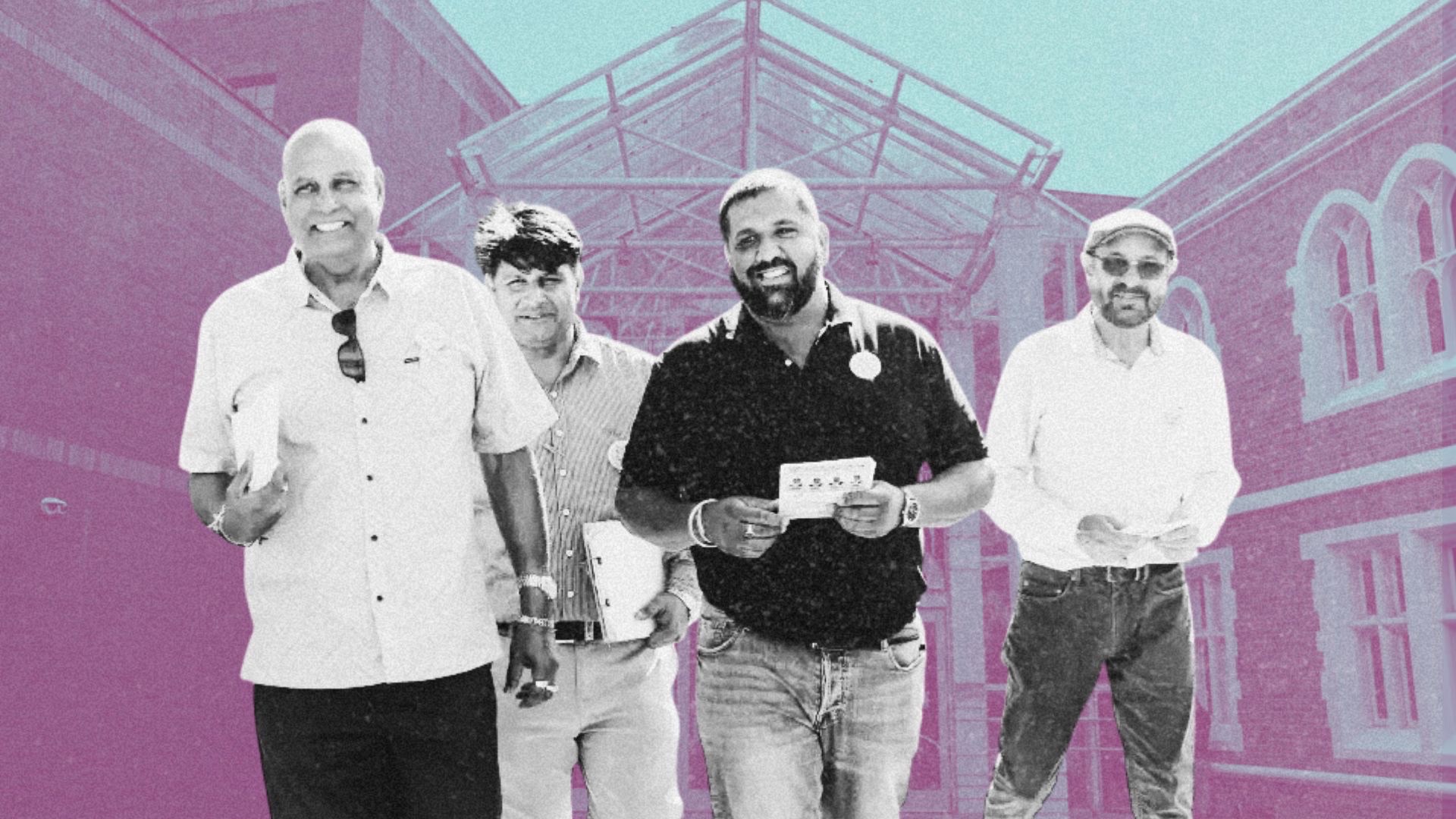
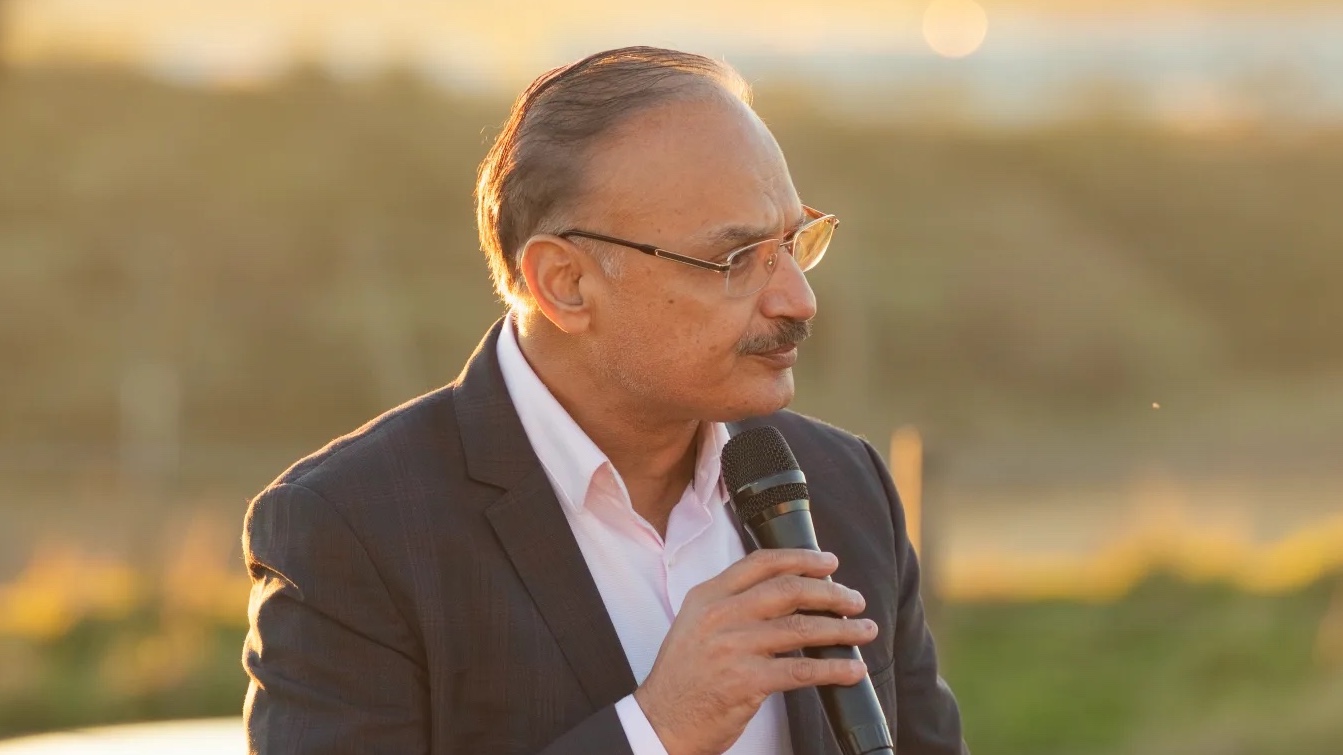
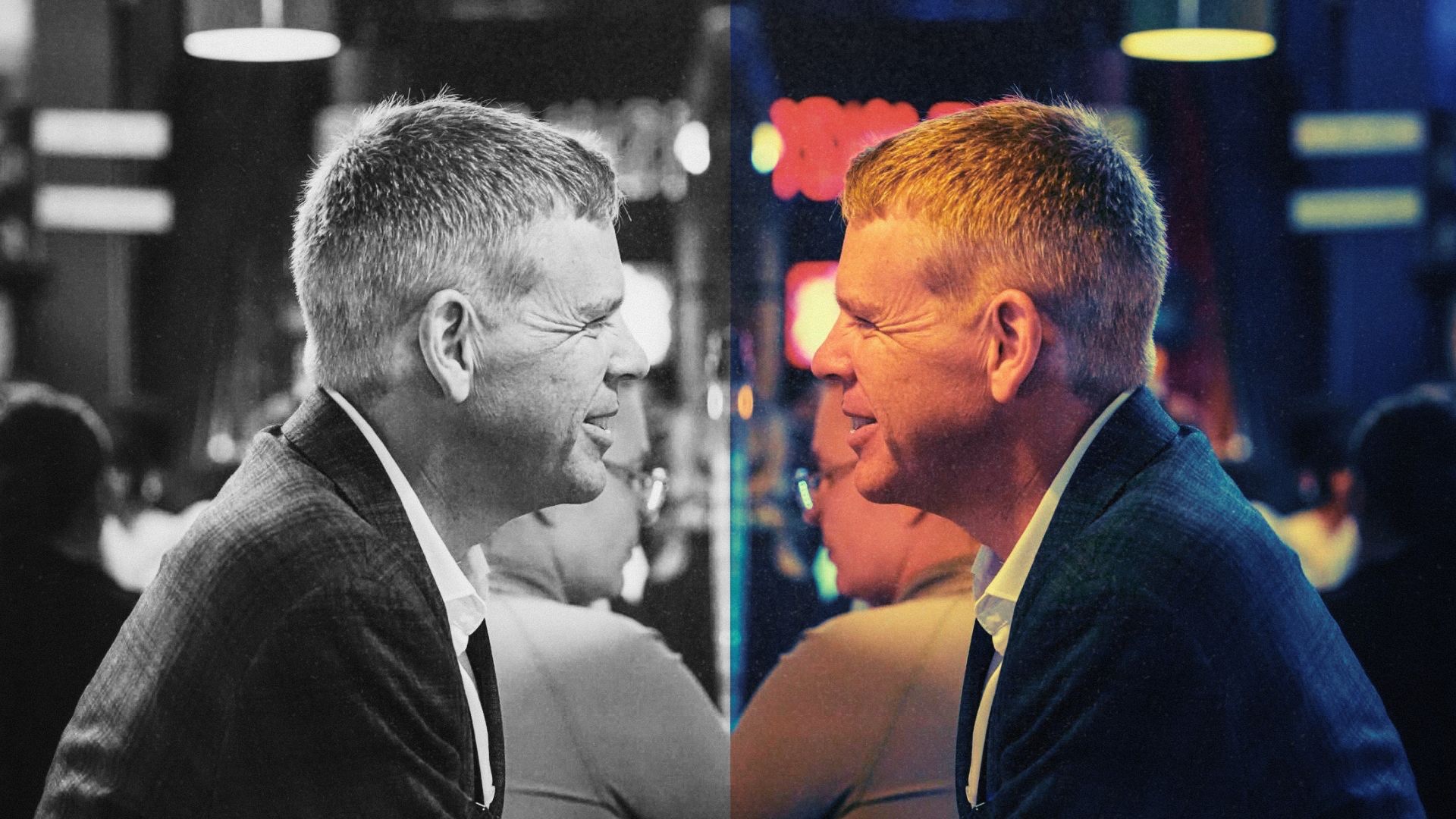
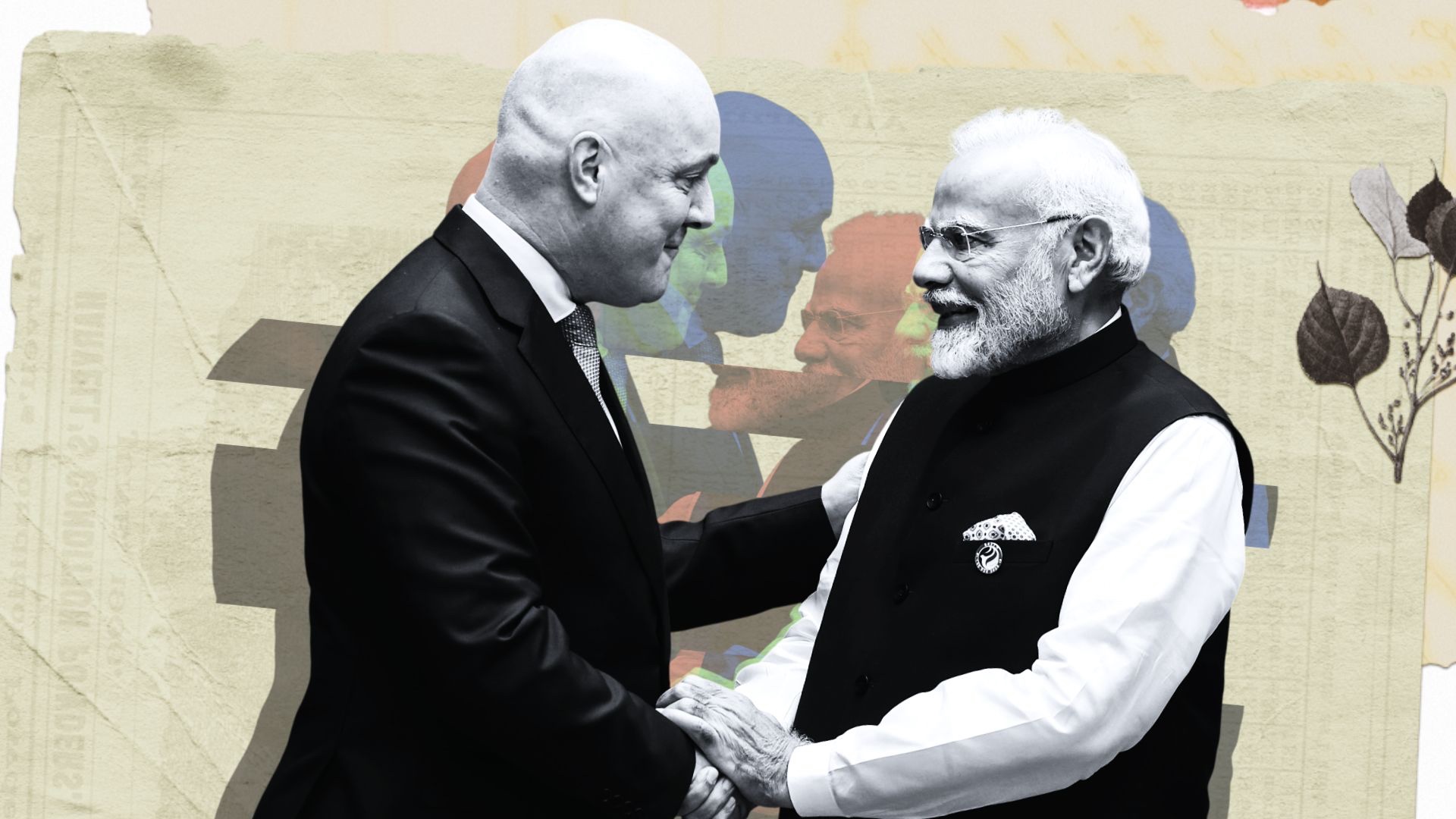
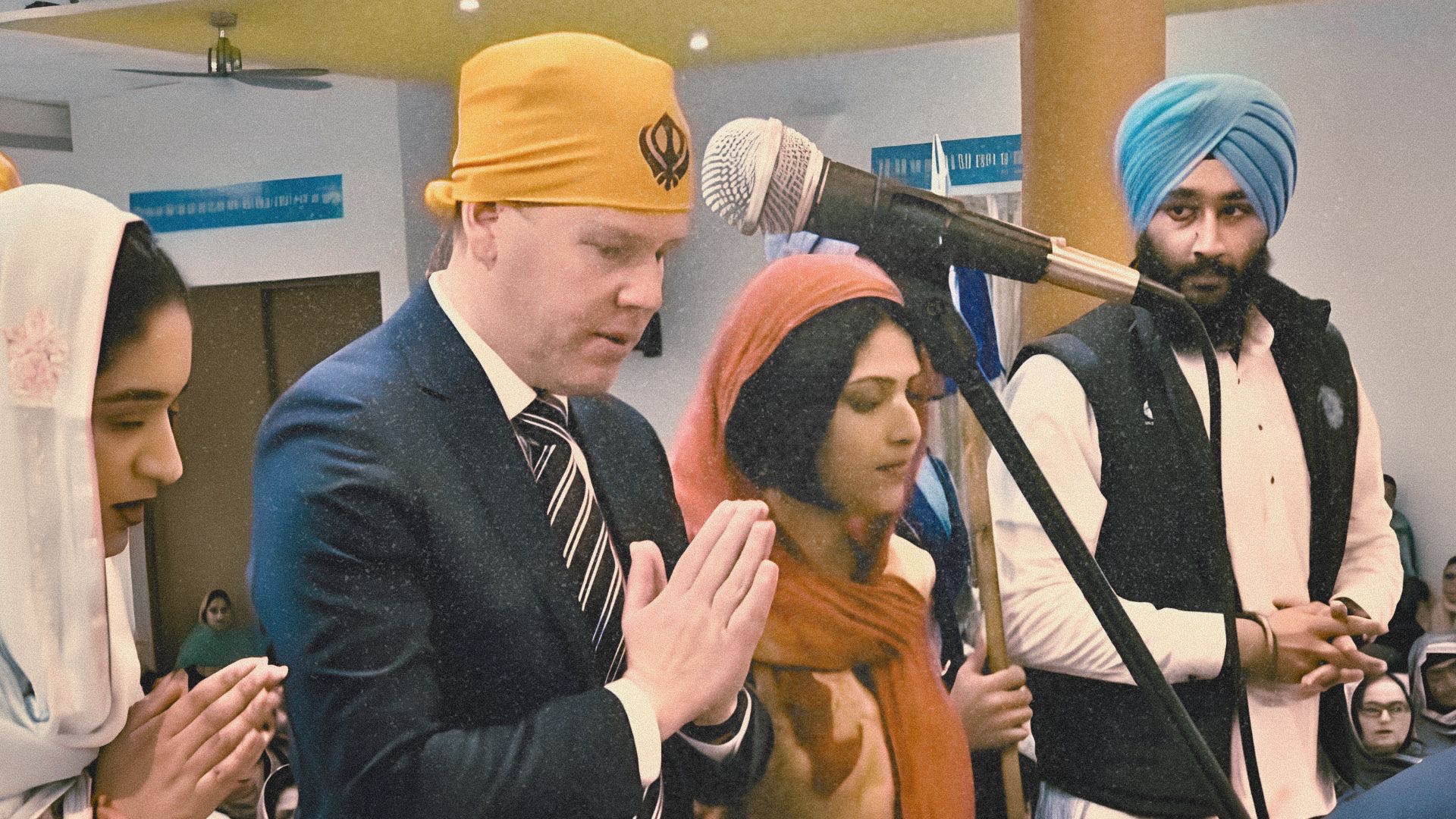
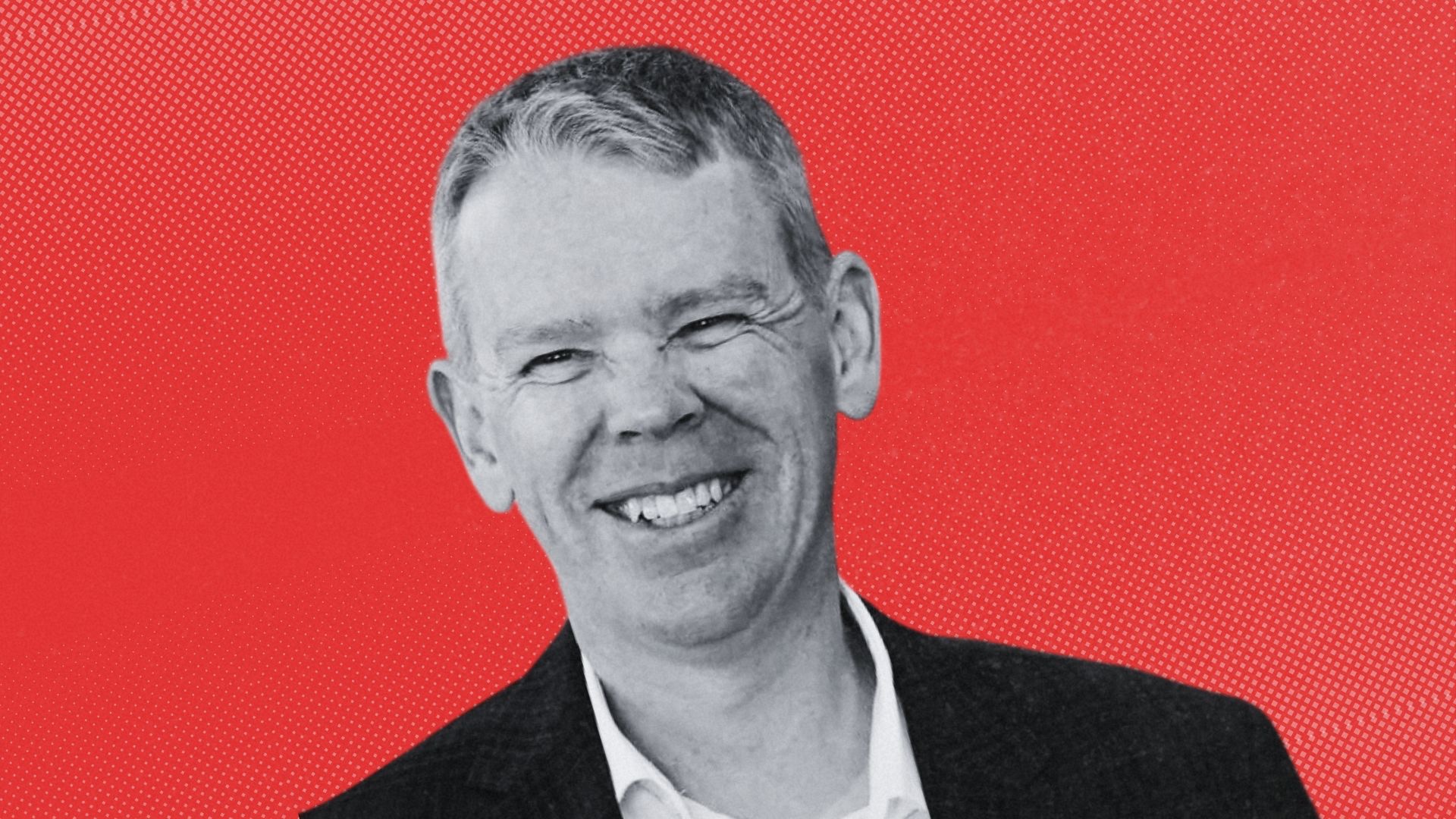
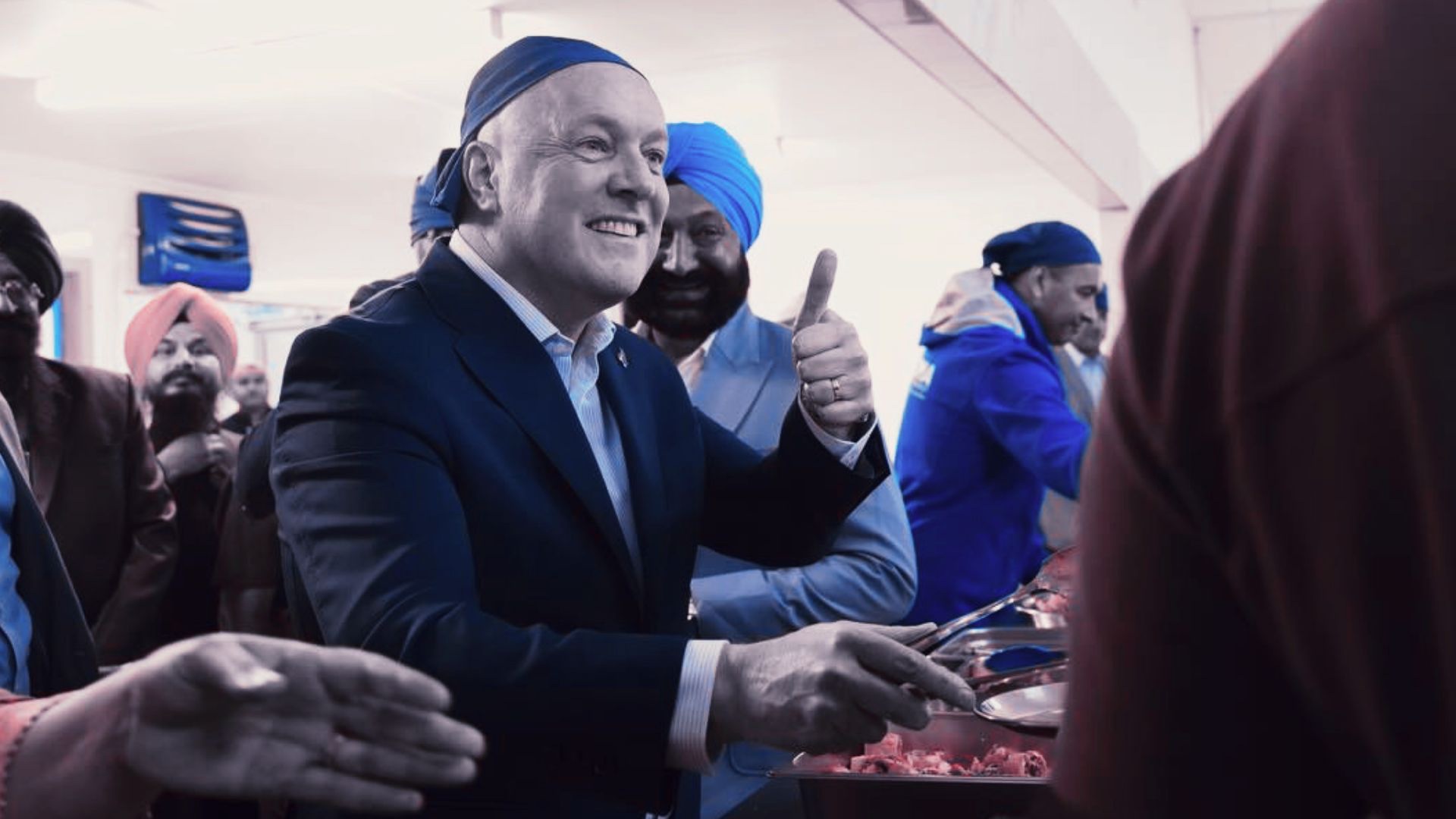
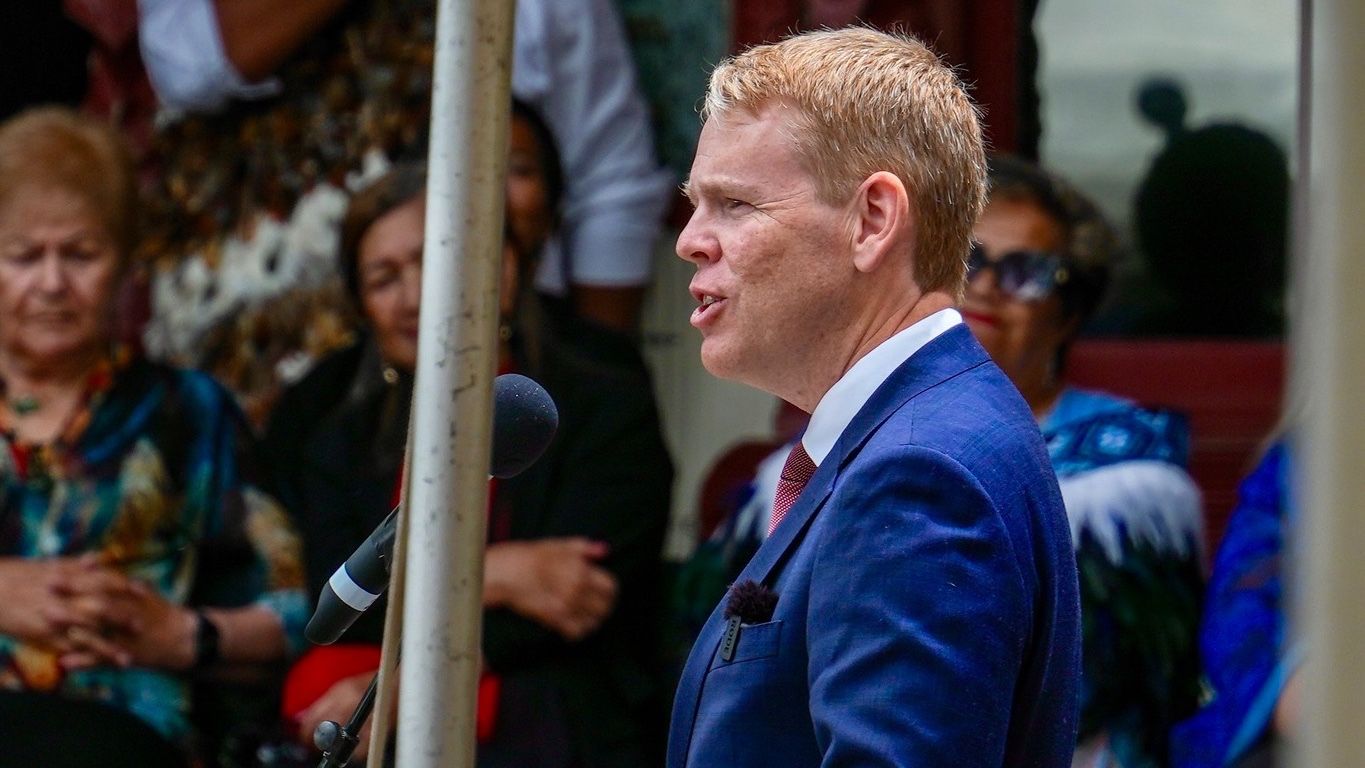
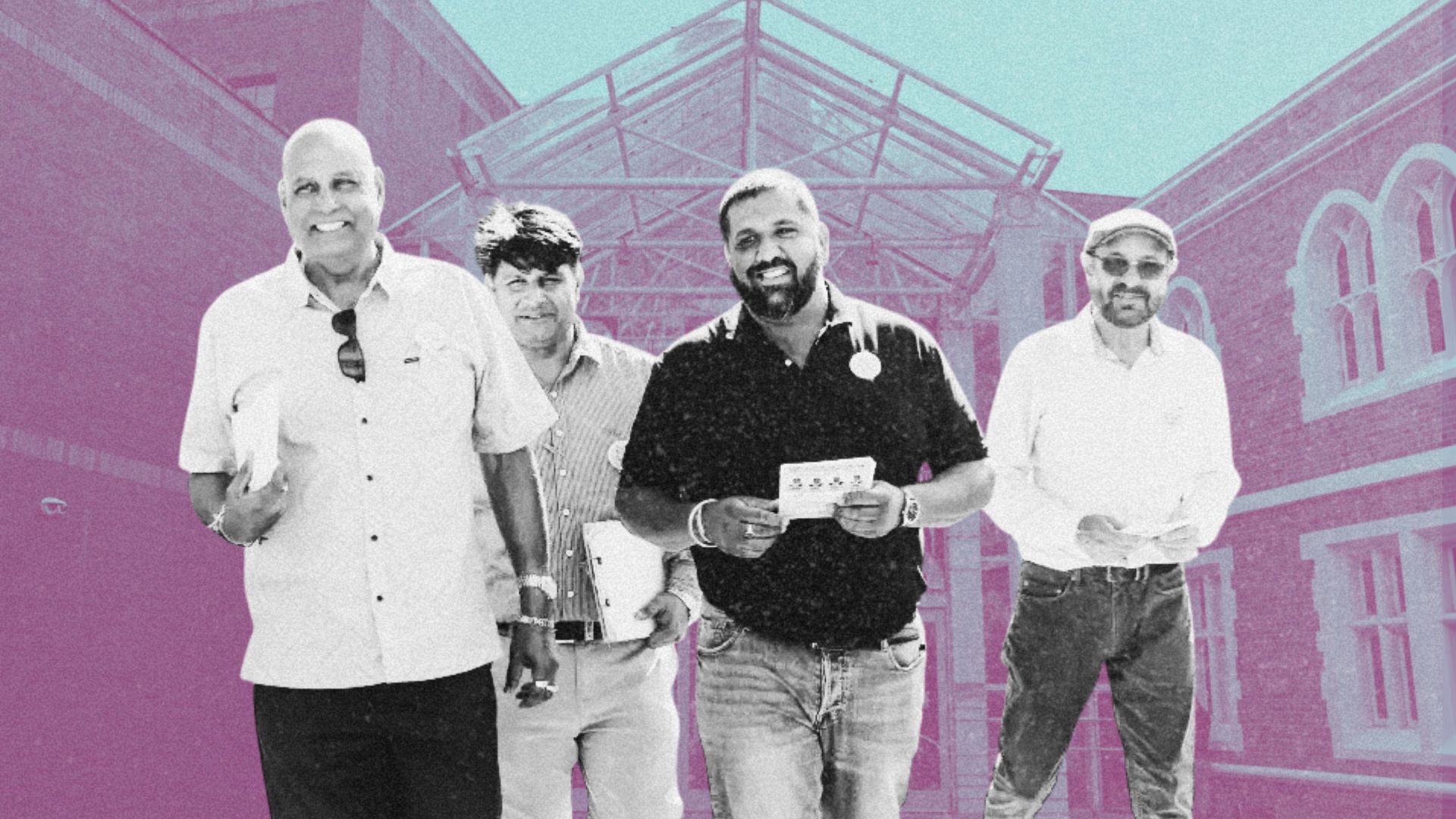
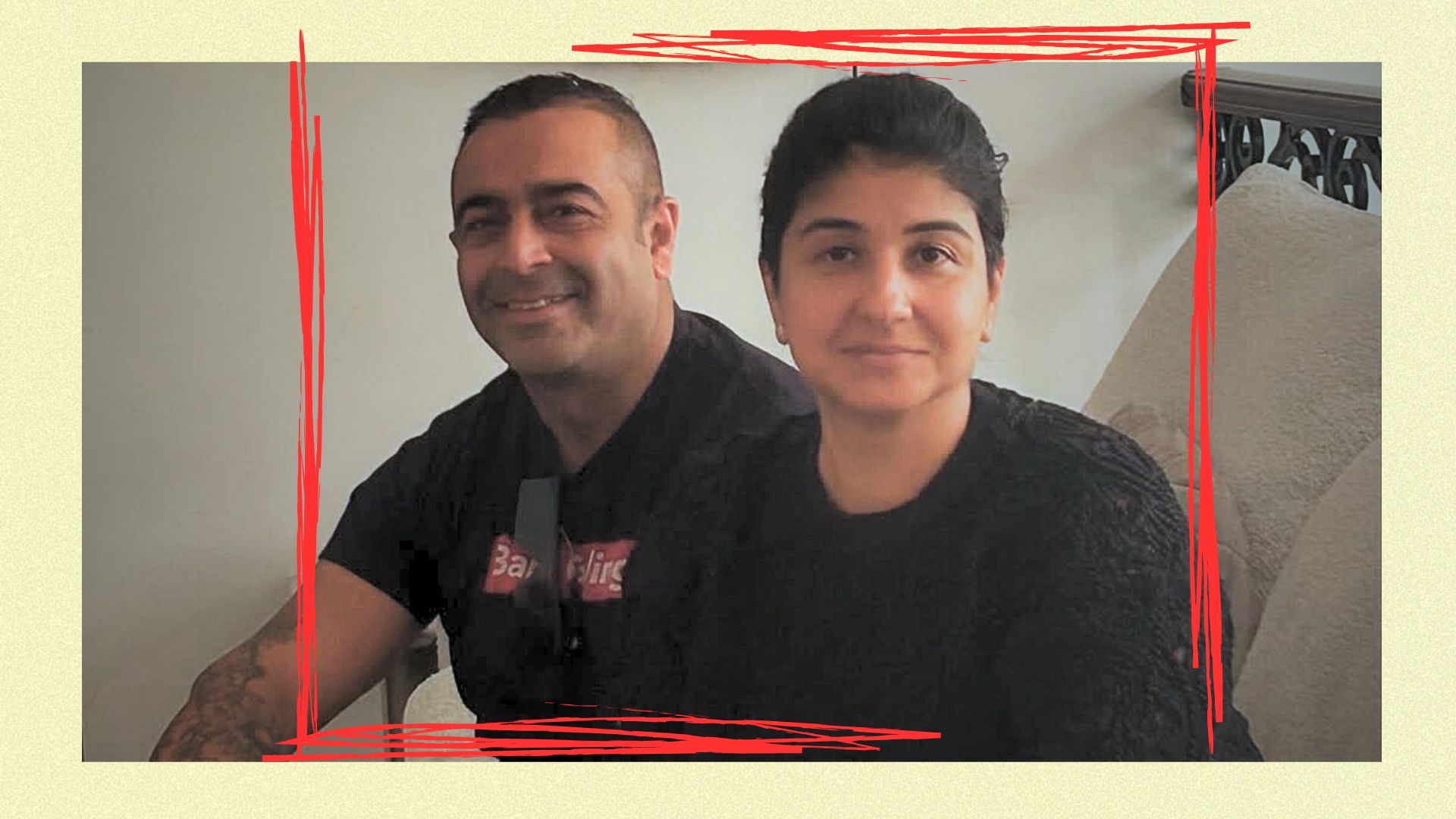
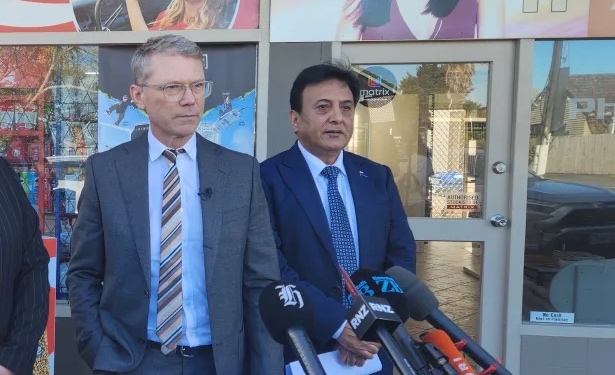
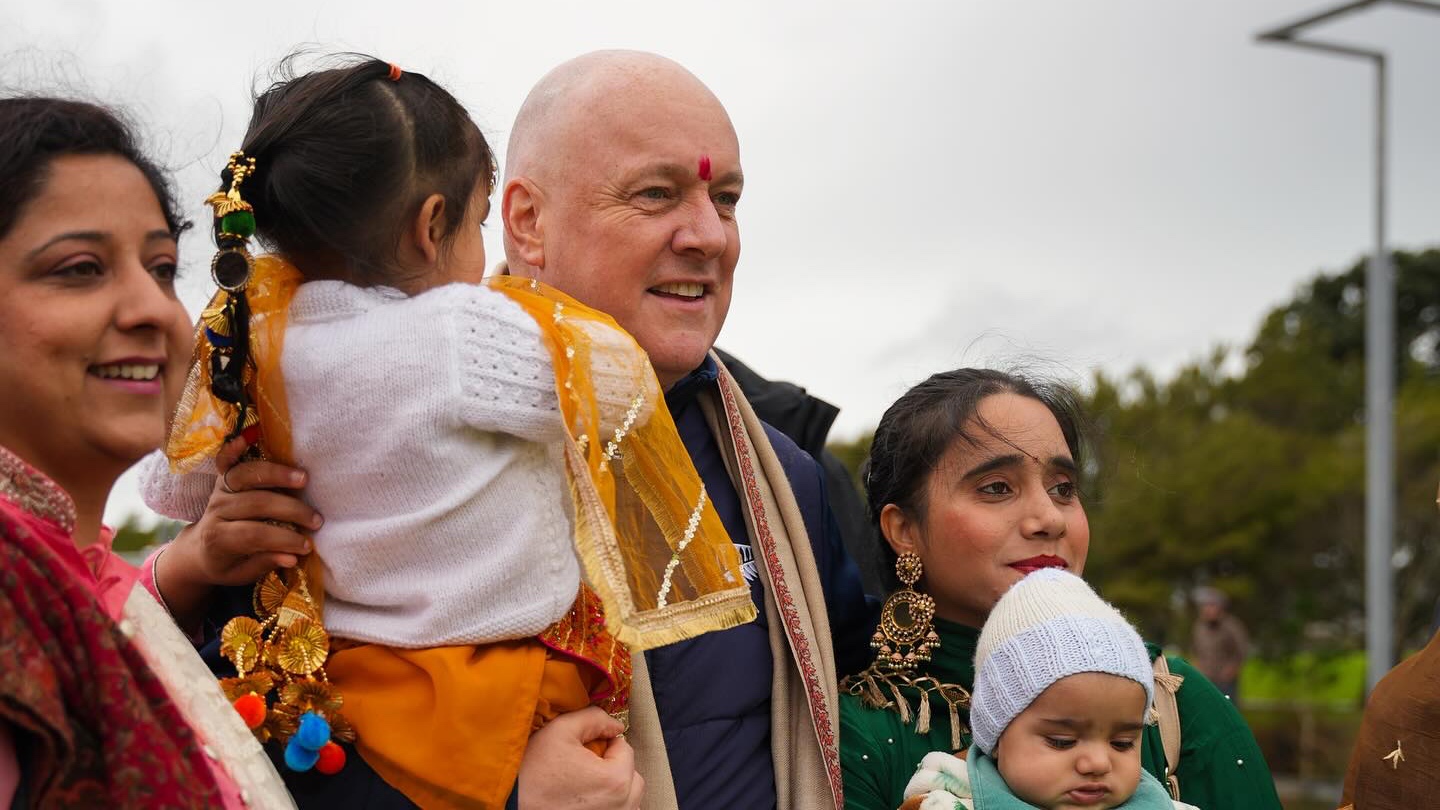
Kharag Singh with Labour leader Chris Hipkins. (Supplied photo)
Where National has been unsuccessfully fielding Indian candidates, Labour has demonstrated a more targeted approach.
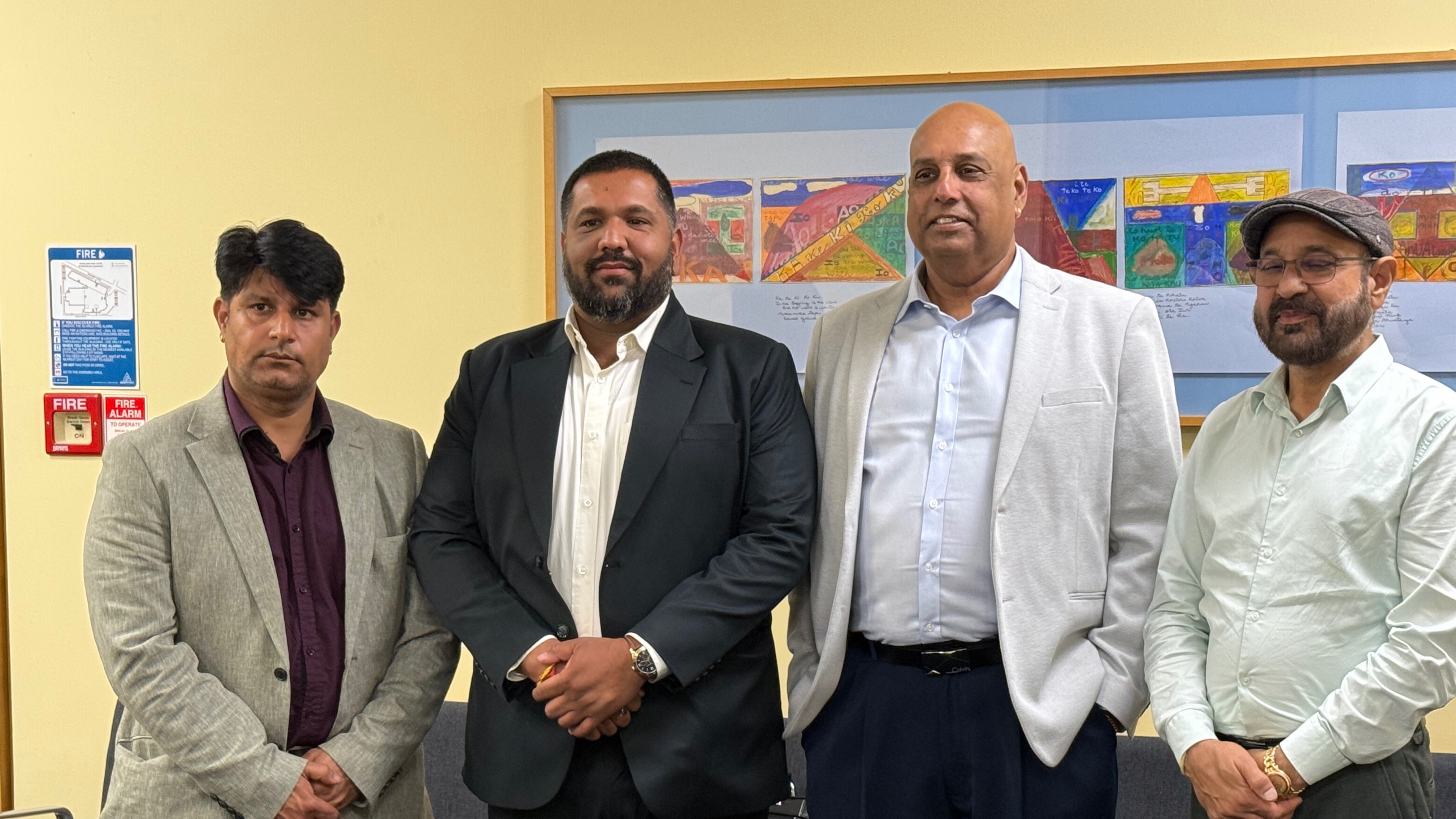
Analysis: The Labour Party will field businessman and community advocate Kharag Singh as its candidate for the south Auckland electorate of Takanini in the general elections in November.
“I will be the local voice for the community,” says Singh, who has lived and worked in South Auckland for nearly four decades. The party announced his candidacy on March 23, 2026.
His selection comes as Takanini continues to evolve into one of Auckland’s fastest-growing and most diverse electorates, with strong Maori and Pasifika communities alongside a rapidly expanding migrant population, including a sizeable Indian community.
Labour’s decision to field Singh, a Sikh community figure with deep local ties, reflects both that demographic shift and the party’s attempt to consolidate its position in a seat it won in 2020.
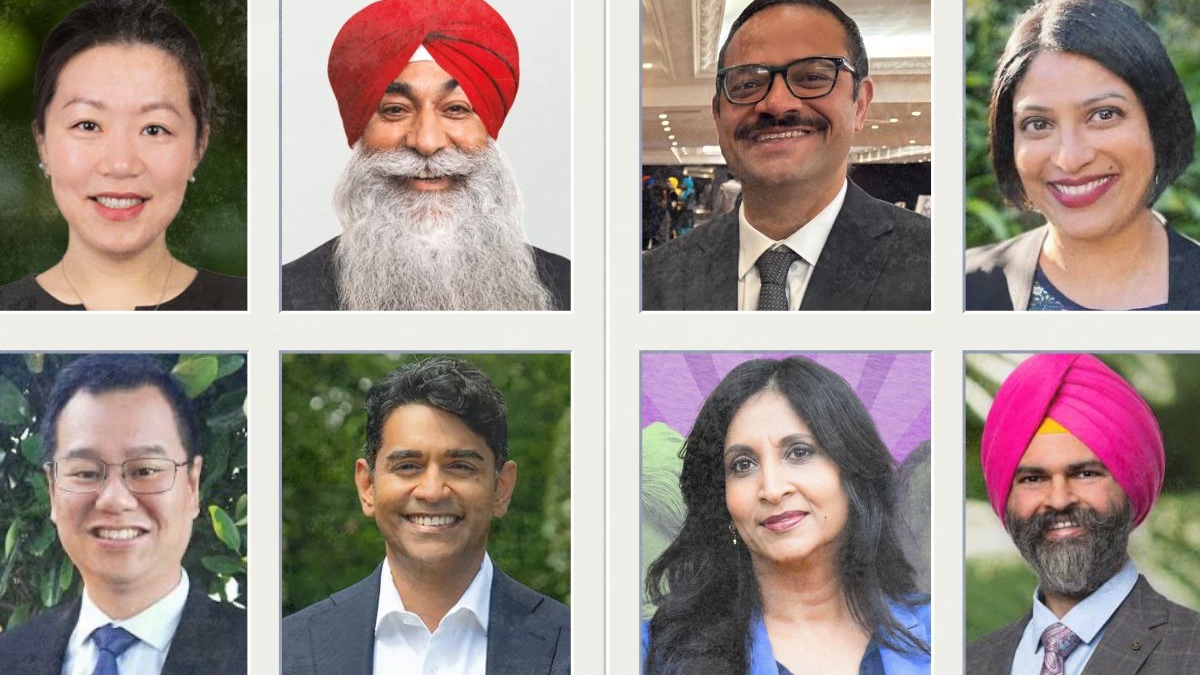
For Labour, Singh’s selection sits within a longer, if limited, pattern of Indian-origin representation in the party.
Selfie: ‘Daddy, please don’t take me to an India-NZ cricket match’. A migrant's dilemma Can a migrant embrace a new home without abandoning old loyalties? Sports often offers a reckoning for migrants.
Migrant prison guards in Auckland accused of drug smuggling can't work, can't go home Two fathers facing serious corruption charges have been unable to work elsewhere because of their visas and awaiting criminal trials in 2028.
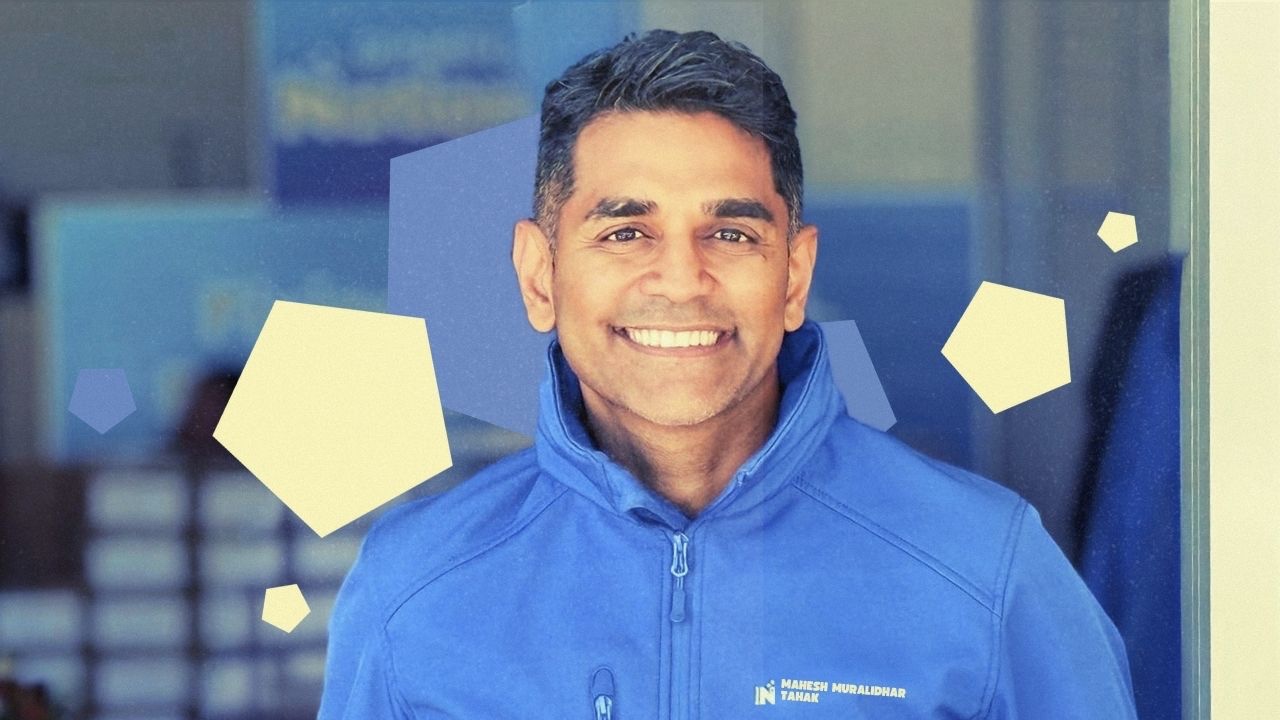
Can you be Indian and Kiwi? National's Mahesh Muralidhar on patriotism, racism and belonging National's big ticket Indian-origin candidate on what ethnic representation really achieves and why New Zealanders still struggle to get along.
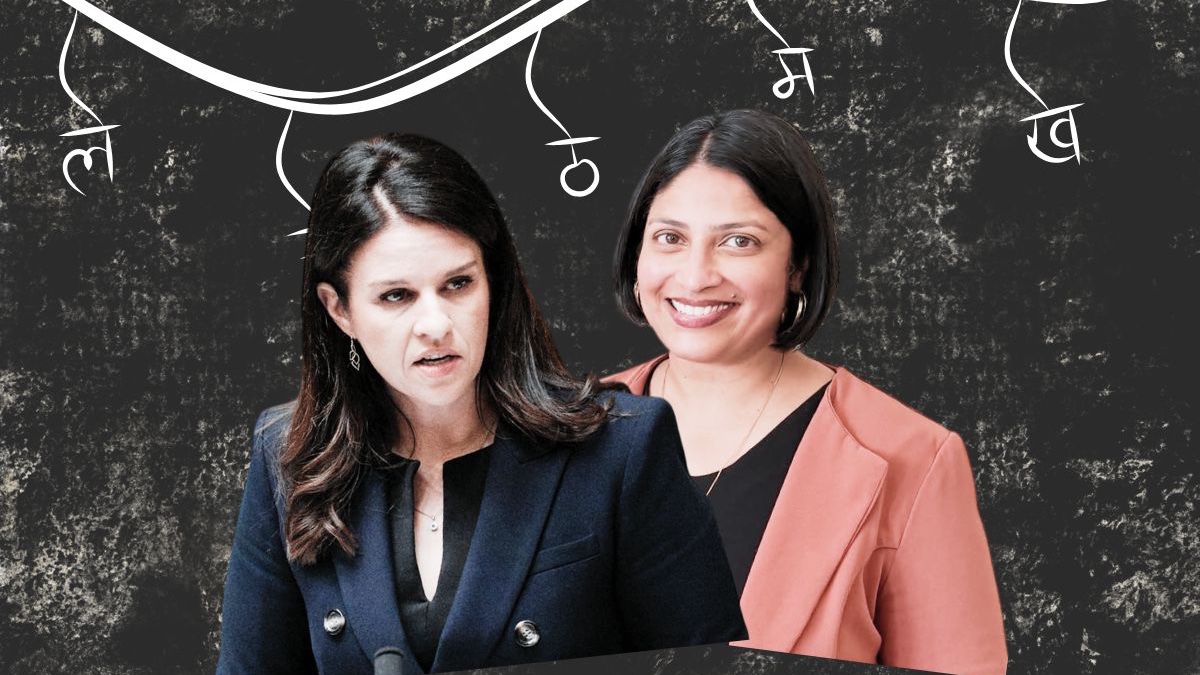
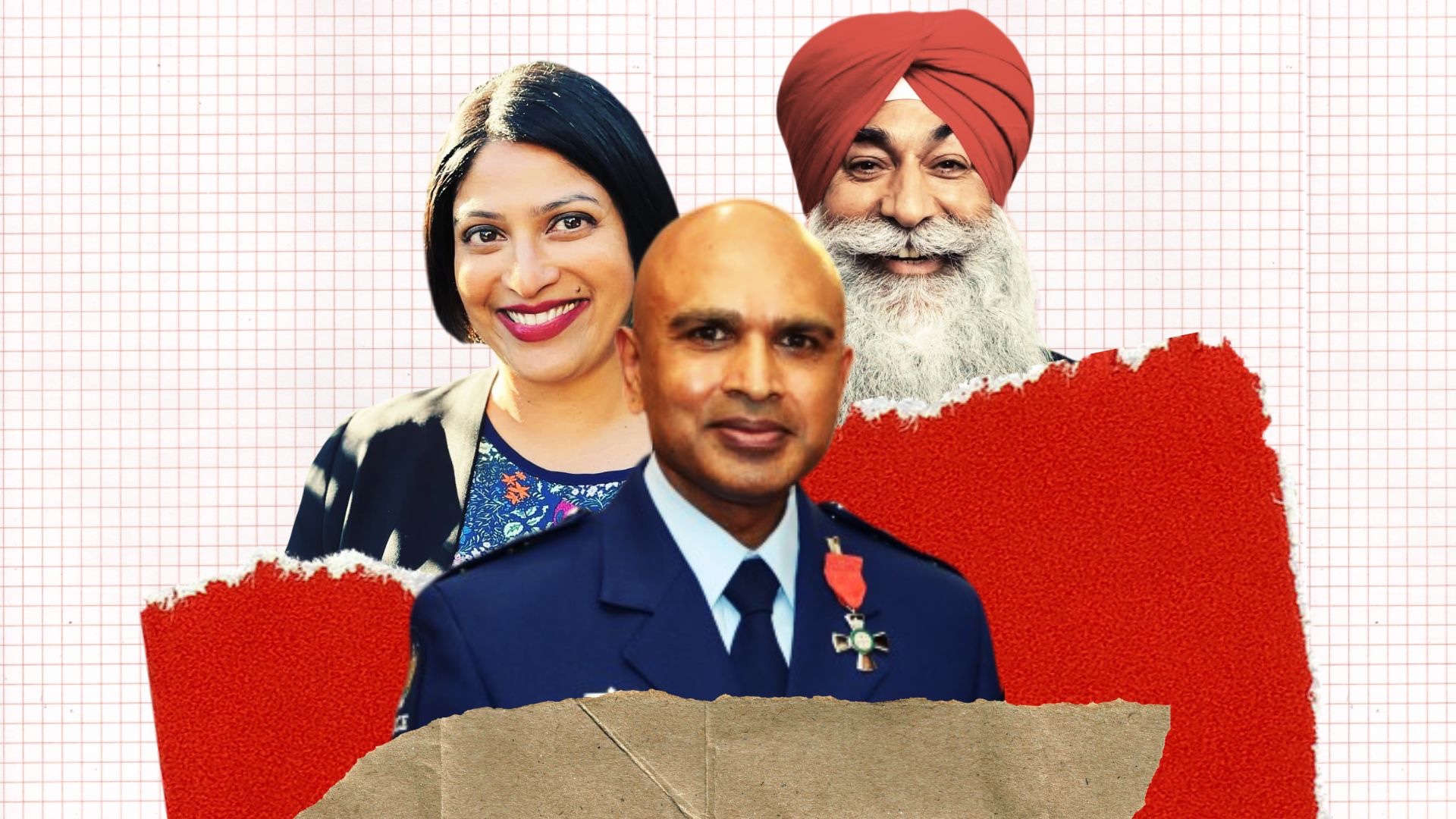
In 2008, Rajen Prasad entered Parliament as a list MP, serving two terms before leaving in 2014. Nearly a decade later, Priyanca Radhakrishnan entered via the list in 2017, went on to win Maungakiekie in 2020, and returned again in 2023. She remains Labour’s only Indian-origin MP.
In between, Gaurav Sharma won Hamilton West in 2020 before losing the seat in a by-election two years later.
Where the National Party has been unsuccessfully fielding several candidates of Indian-origin, Labour has demonstrated a more targeted approach. It has funneled though fewer Indian candidates, but elevated them to parliament and positions of prominence.
It is in that context that Singh's candidacy from a swing electorate matters. If he pulls off a win, he could well be the party's next big Indian face after Radhakrishnan.
A new seat, a sharp shift
Takanini was created ahead of the 2020 election as Auckland’s population pushed further south.
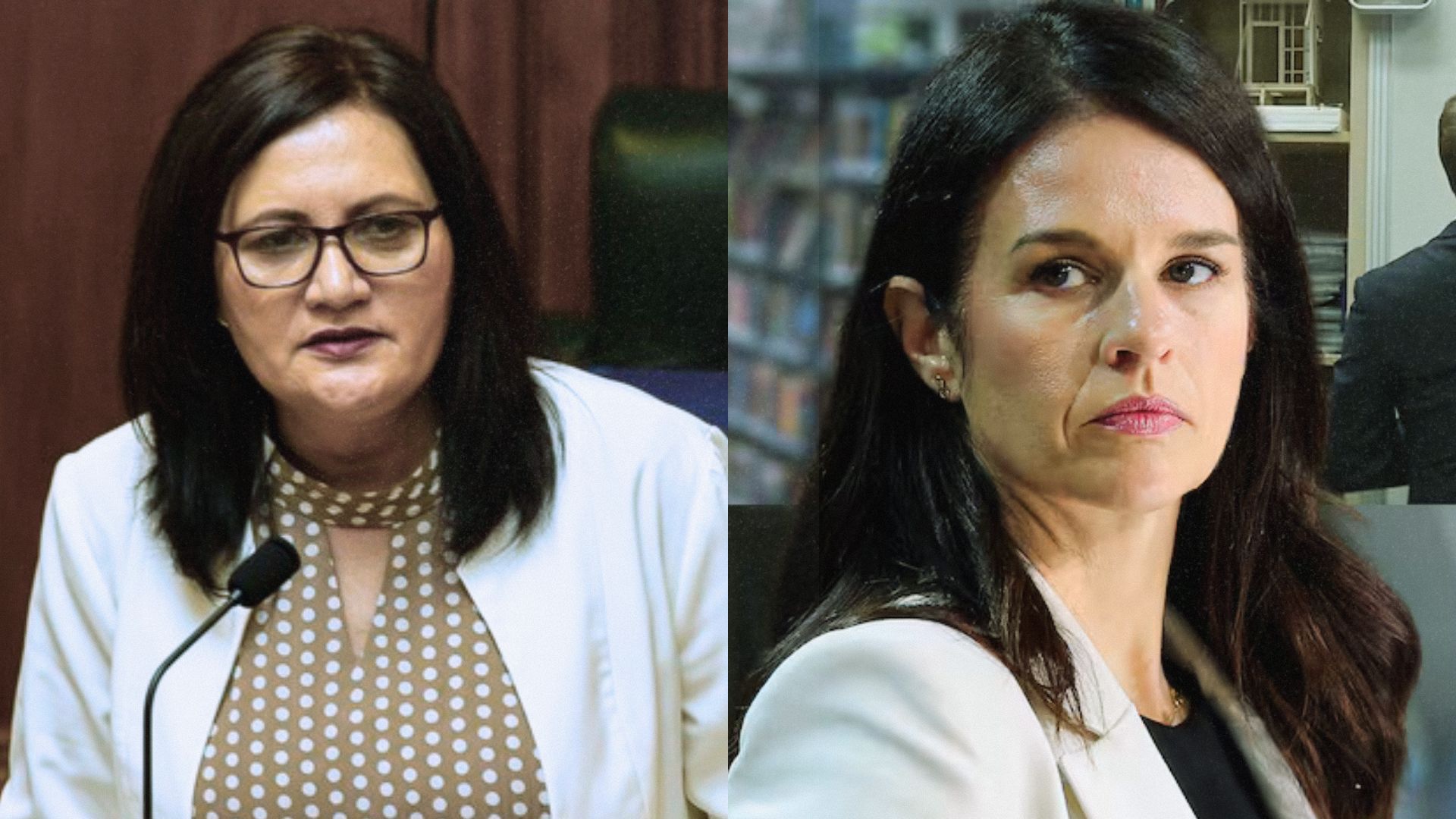
In its first contest that year, Labour's Dr Neru Leavasa won the seat by a margin of around 15 percentage points, with Labour also leading the party vote.
Three years later, it moved decisively the other way. In 2023, National’s Rima Nakhle won the electorate by around 20 percentage points, with the party vote also shifting sharply in National’s favour.
In the space of one election cycle, the seat moved from a double-digit Labour margin to a double-digit National one. In the two parliament terms it has existed, the seat has shown affinity to swing towards the popular party of the day.
Growth, diversity and pressure
The electorate itself reflects that shift. A large share of residents were born overseas, and many households speak languages other than English at home. At the same time, Maori and Pasifika communities remain a significant part of the population.
New subdivisions have spread across the electorate, adding to pressure on roads, schools and local services. Commutes stretch, classrooms fill, and infrastructure struggles to keep pace with the speed of development.
It is this gap that now sits at the centre of the electorate’s politics. For Singh, that gap is the starting point. "The infrastructure is not growing at the same pace," he says.
He points to congestion, pressure on schools and the pace of housing development as key concerns, arguing that services have not kept up with population growth.
From migrant to candidate
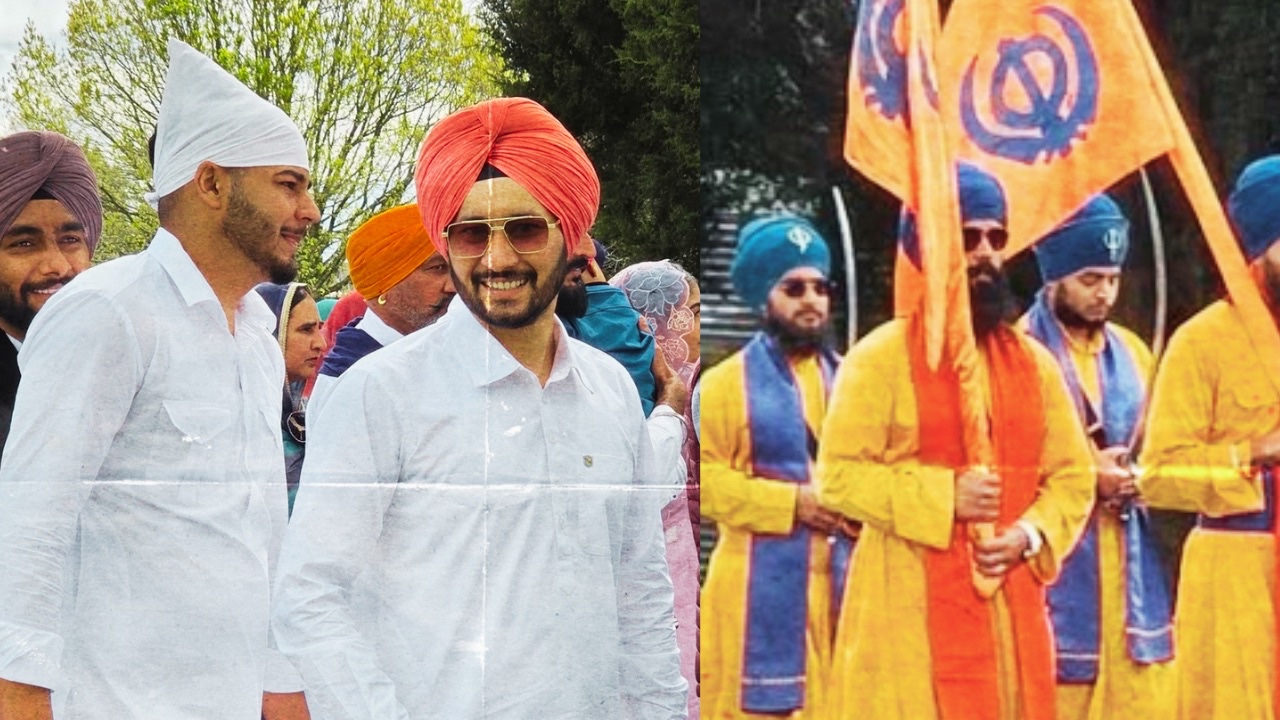
For Singh, the campaign is as much about representation as it is about policy. That argument is rooted in his own journey. Born in India, Singh arrived in New Zealand in 1987 with no family or established network.
"I didn’t know anyone… no family, no friends," he said. "You just do whatever job is available."
He began working in the printing industry, eventually moving into management before buying a Four Square in Goodwood Heights in 1995, a business his family continues to run nearly 30 years on.
Alongside that, he built a presence in community work, from food drives to blood donation campaigns, and served as a union delegate and Justice of the Peace.
A political path built over time
Singh’s political involvement began through local campaigns in the late 2000s, before contesting local board elections in Botany and Mangere, where he was unsuccessful in securing a seat.
“I didn’t lose. I gained,” he says, pointing out his political journey is not measured in success and failures alone. Learning and experience matters.
Singh later became deputy chair of Labour’s local electorate committee in Takanini and served as campaign manager in 2020, when Labour won the seat.
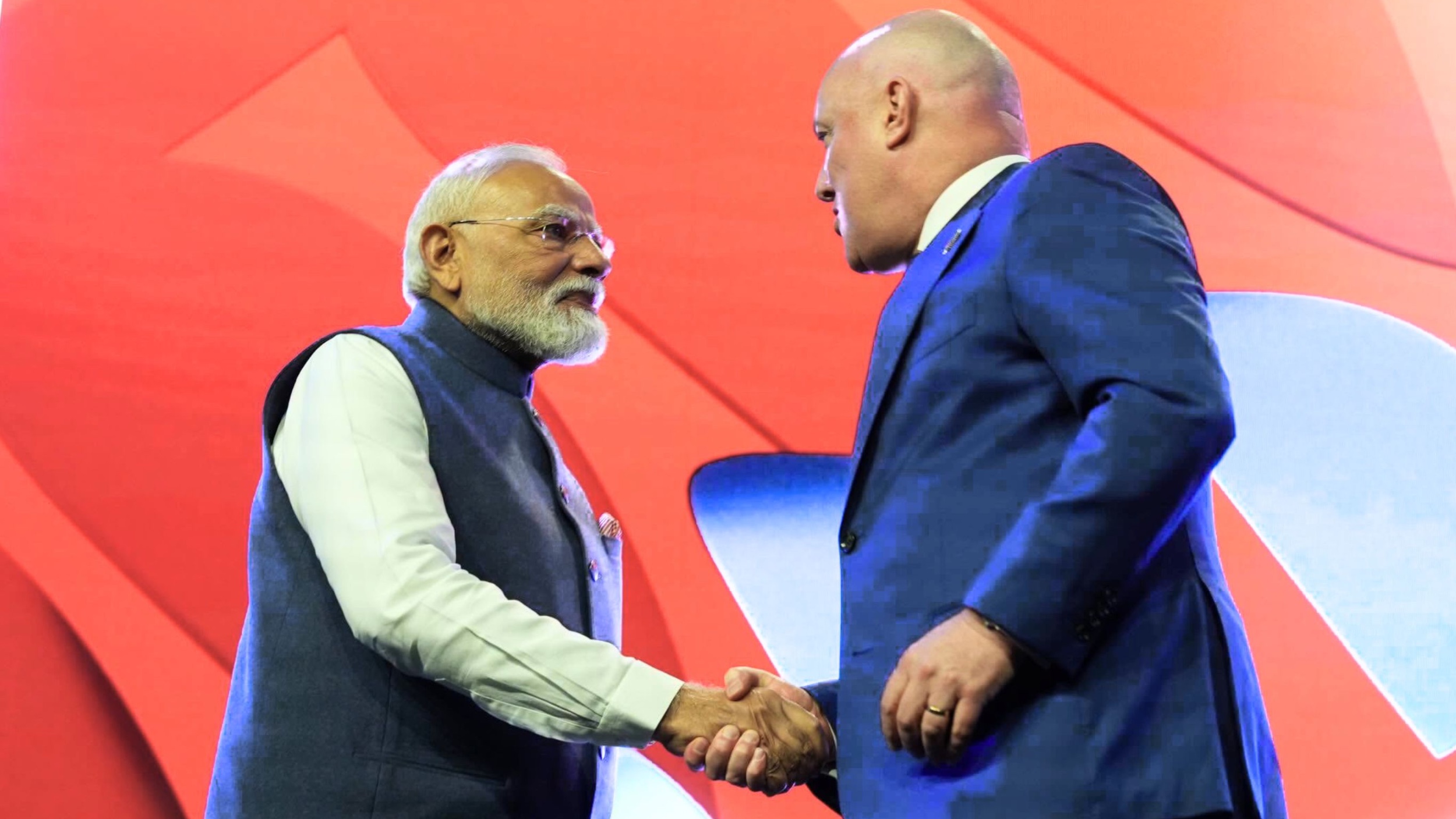
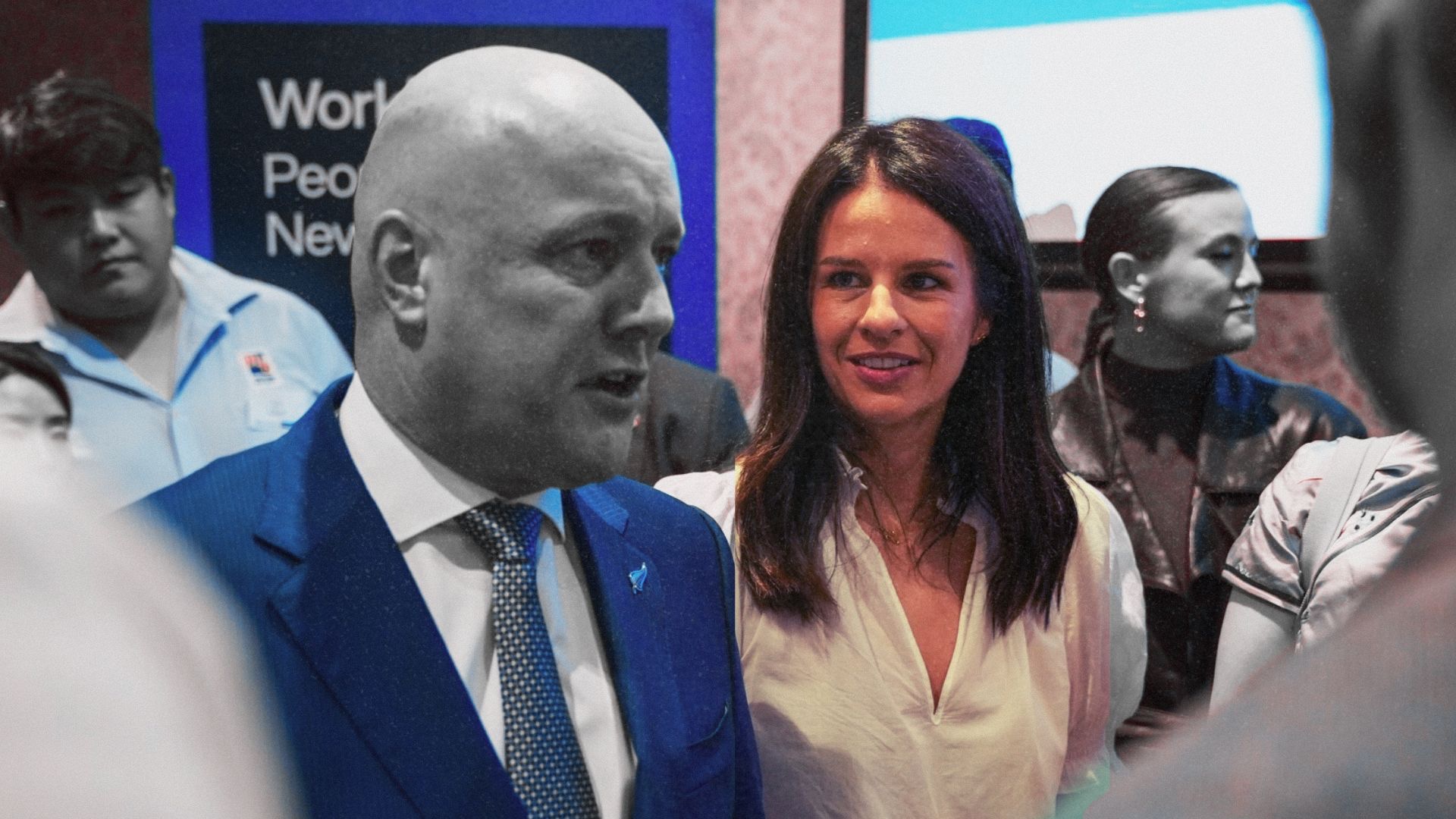
In 2023, Singh was selected as Labour’s candidate in Botany, one of the National Party’s safest seats, where he contested against Christopher Luxon.
Despite the scale of the challenge, Singh outperformed Labour’s party vote in the electorate, polling more votes as a candidate than the party itself.
Representation and a broader pitch
Singh says a key driver for entering politics was the absence of representation. "Our voices were not there," he says.
While he acknowledges the growth of the Indian and Sikh communities in the area, he frames his candidacy more broadly. "I’m talking about the whole community."
His selection also carried a personal weight. His 96-year-old mother was present when he received confirmation of his candidacy and became emotional at the news. His father, who died two years ago, had been with him during his previous campaign.
With Takanini continuing to expand and evolve, Labour is betting that Singh’s local roots and community profile can translate into electoral strength in a changing electorate.