
Analysis: India FTA could well be the best news possible for NZ dairy
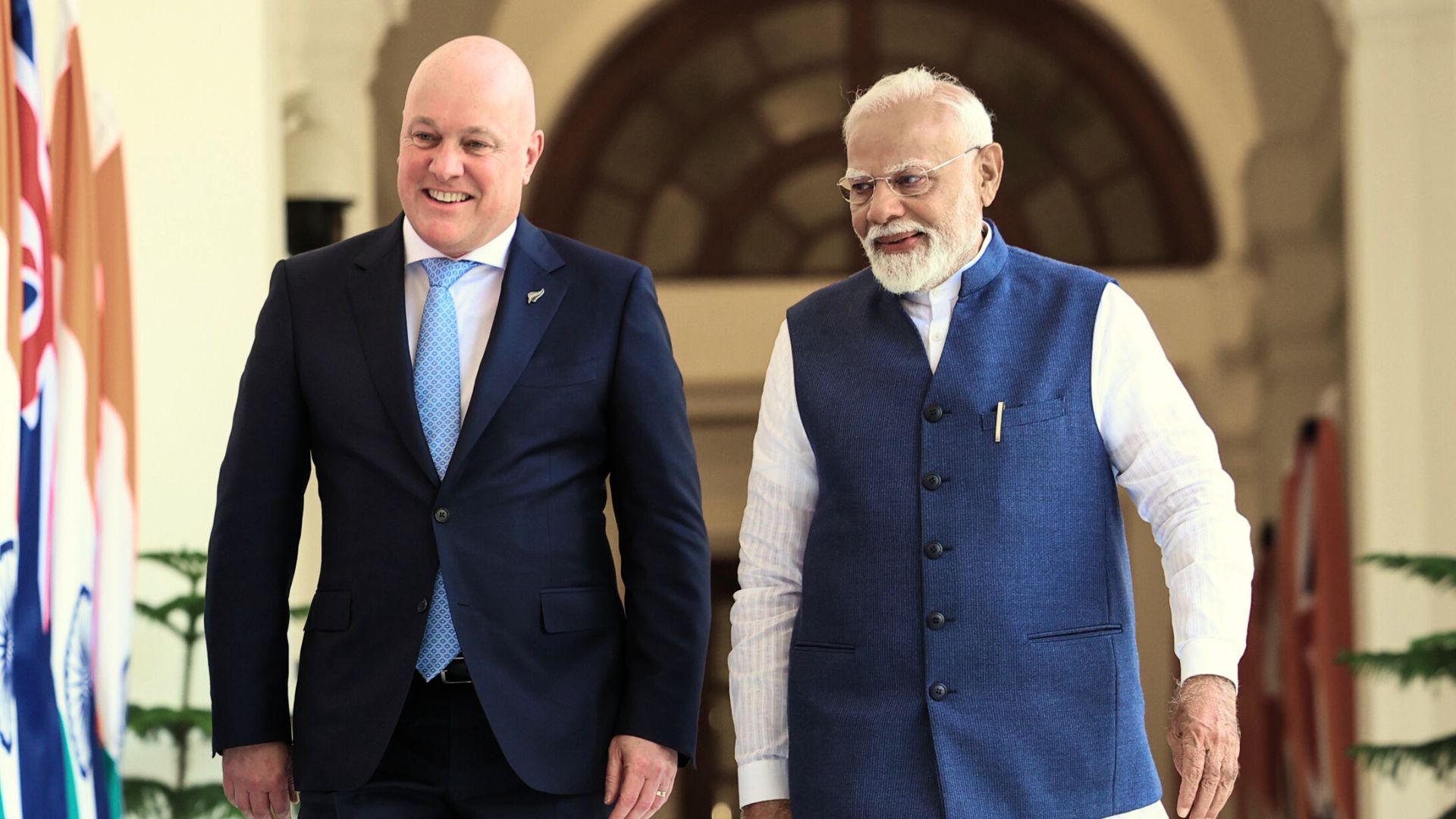
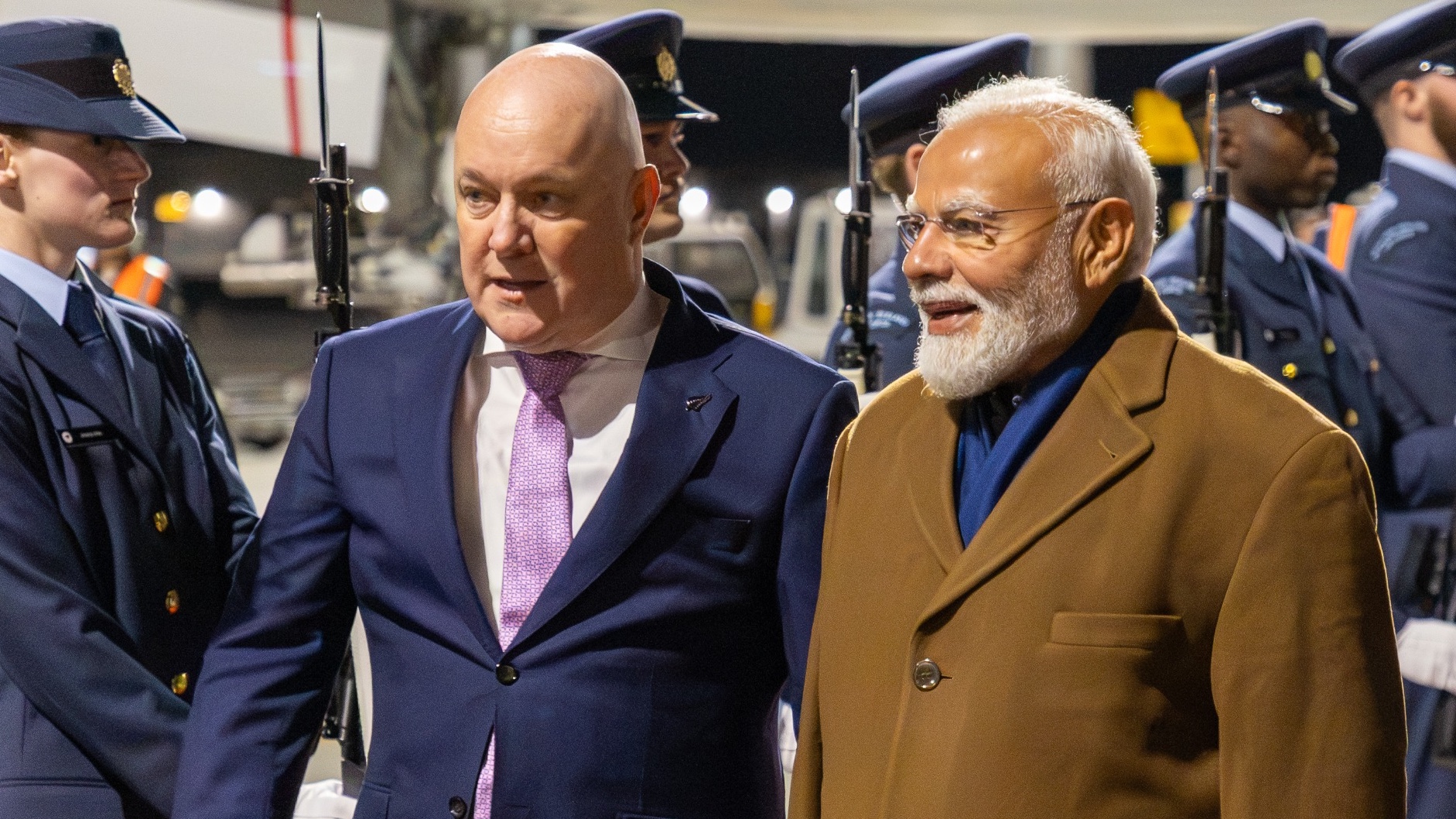
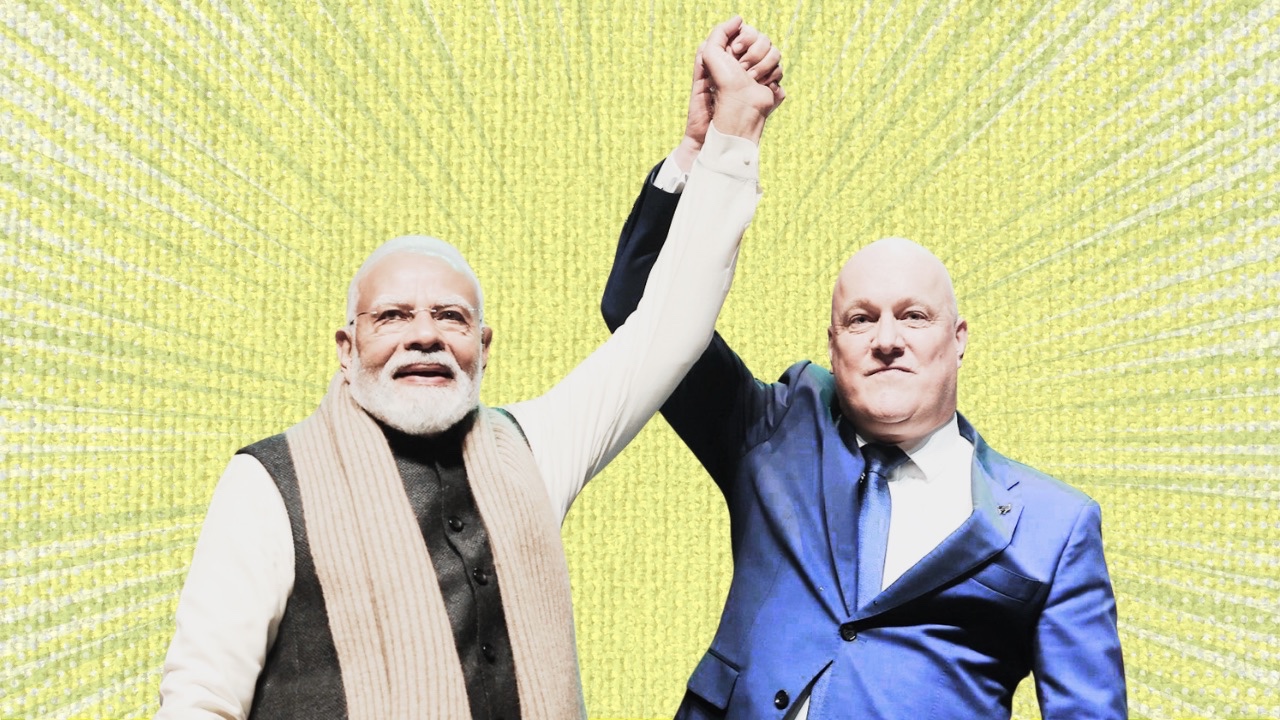
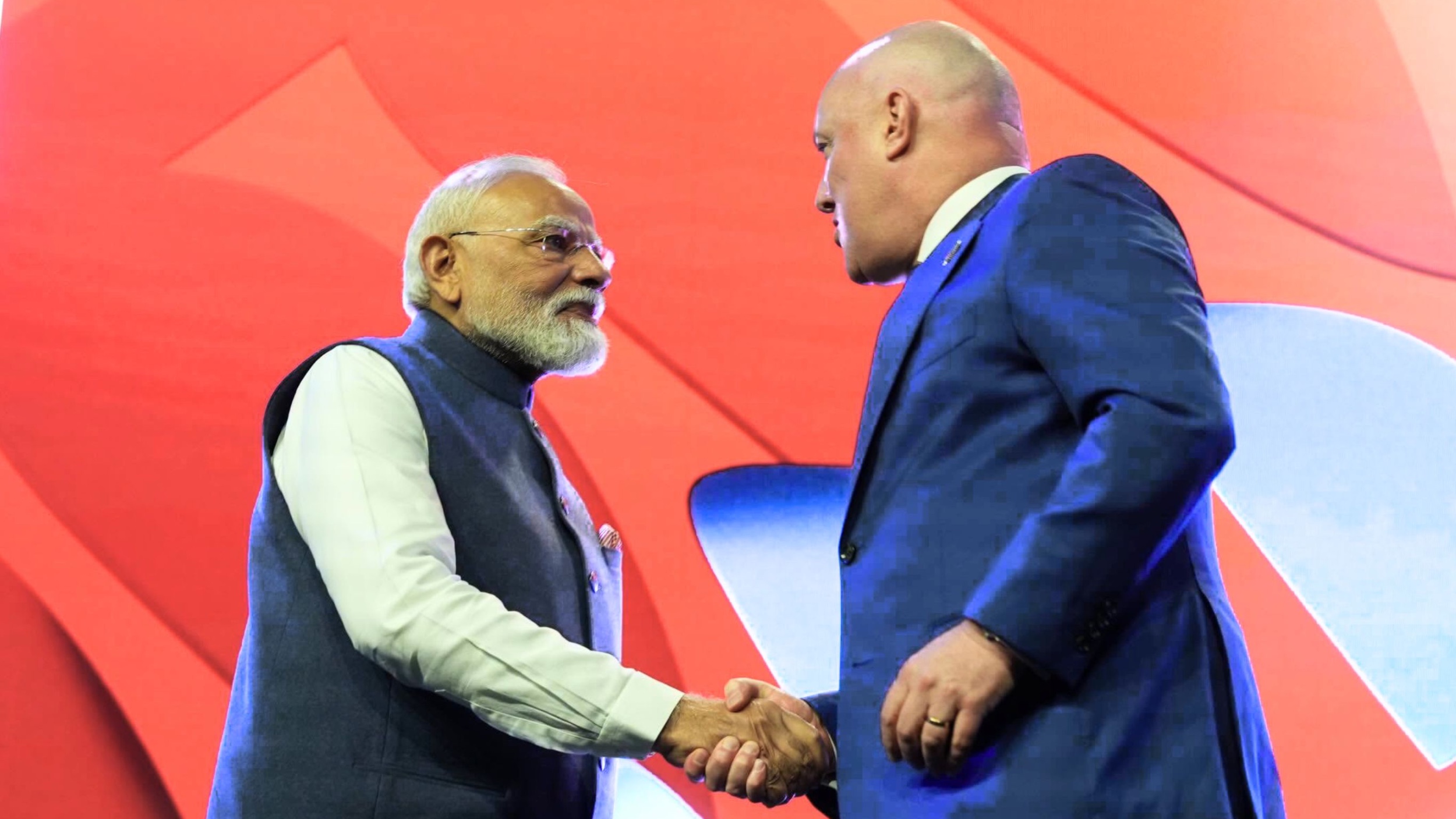
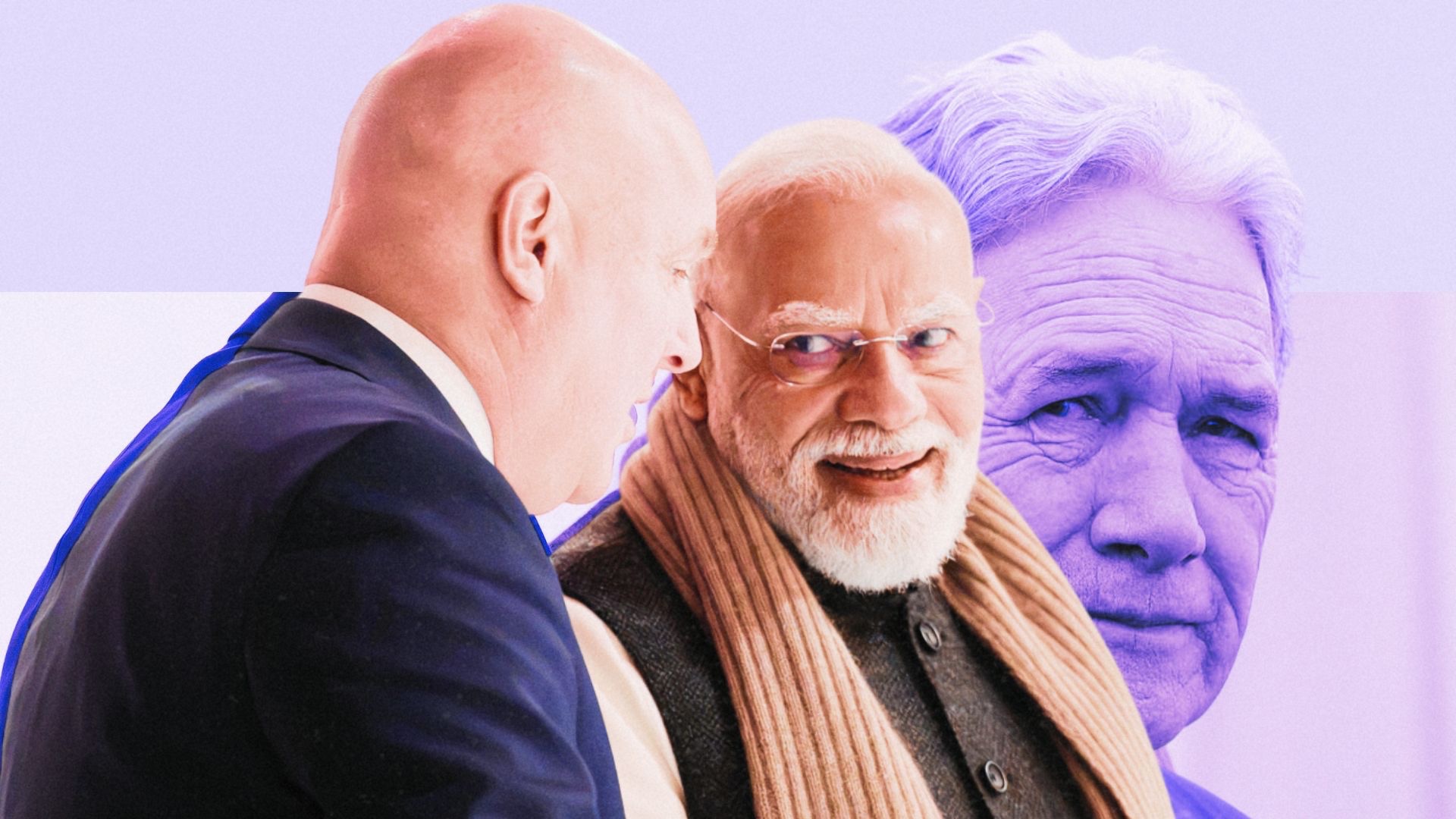
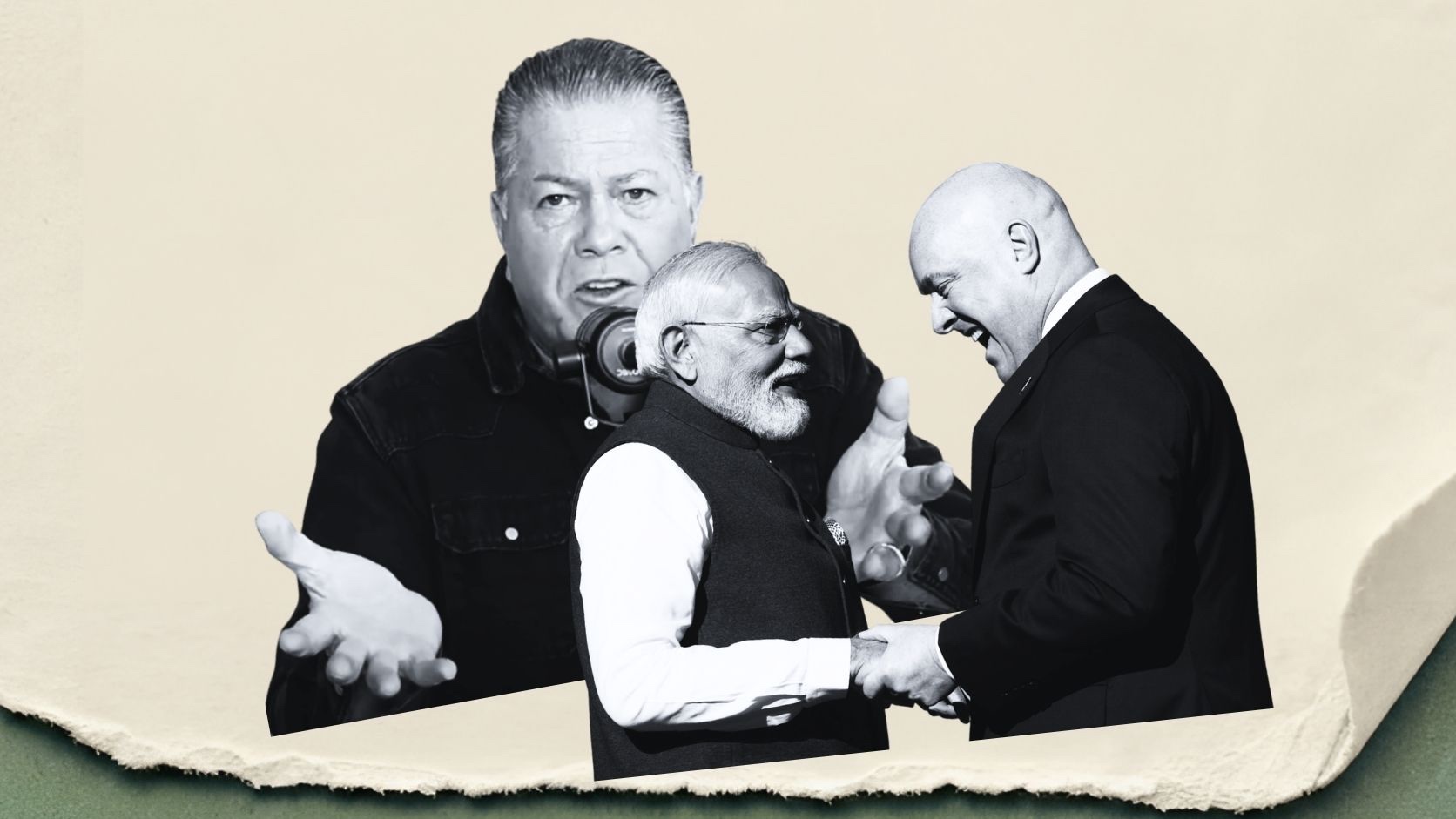
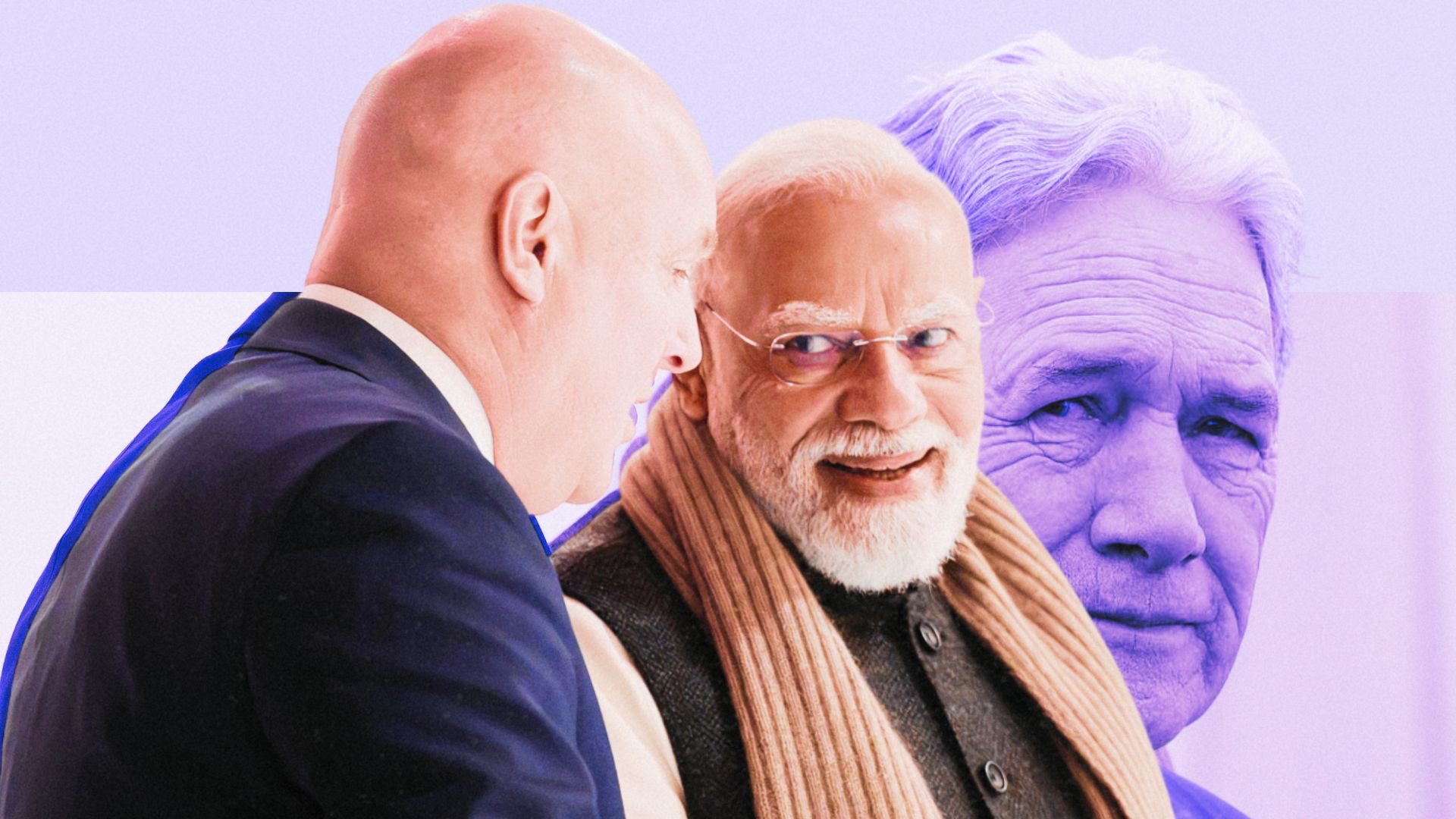
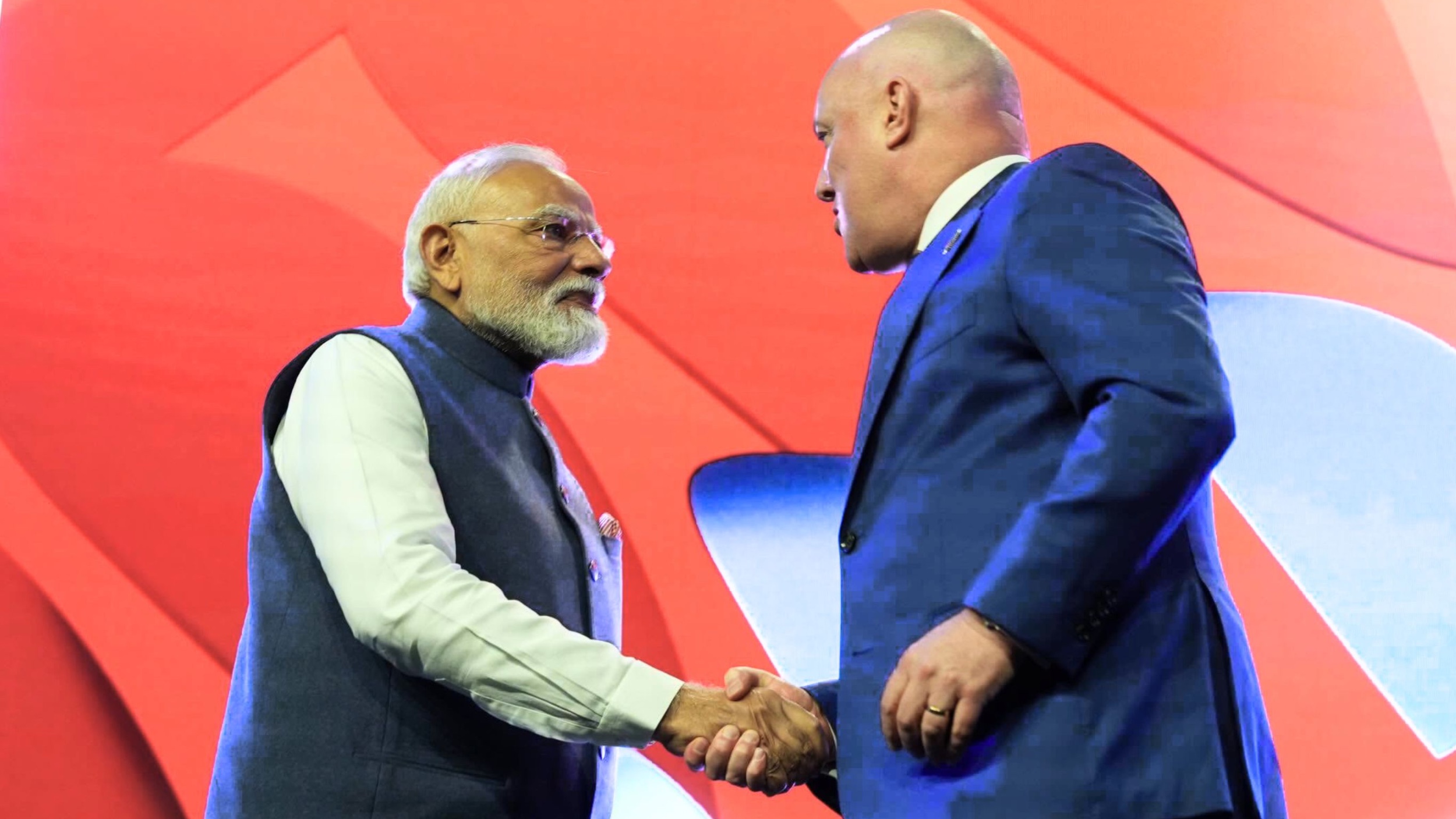
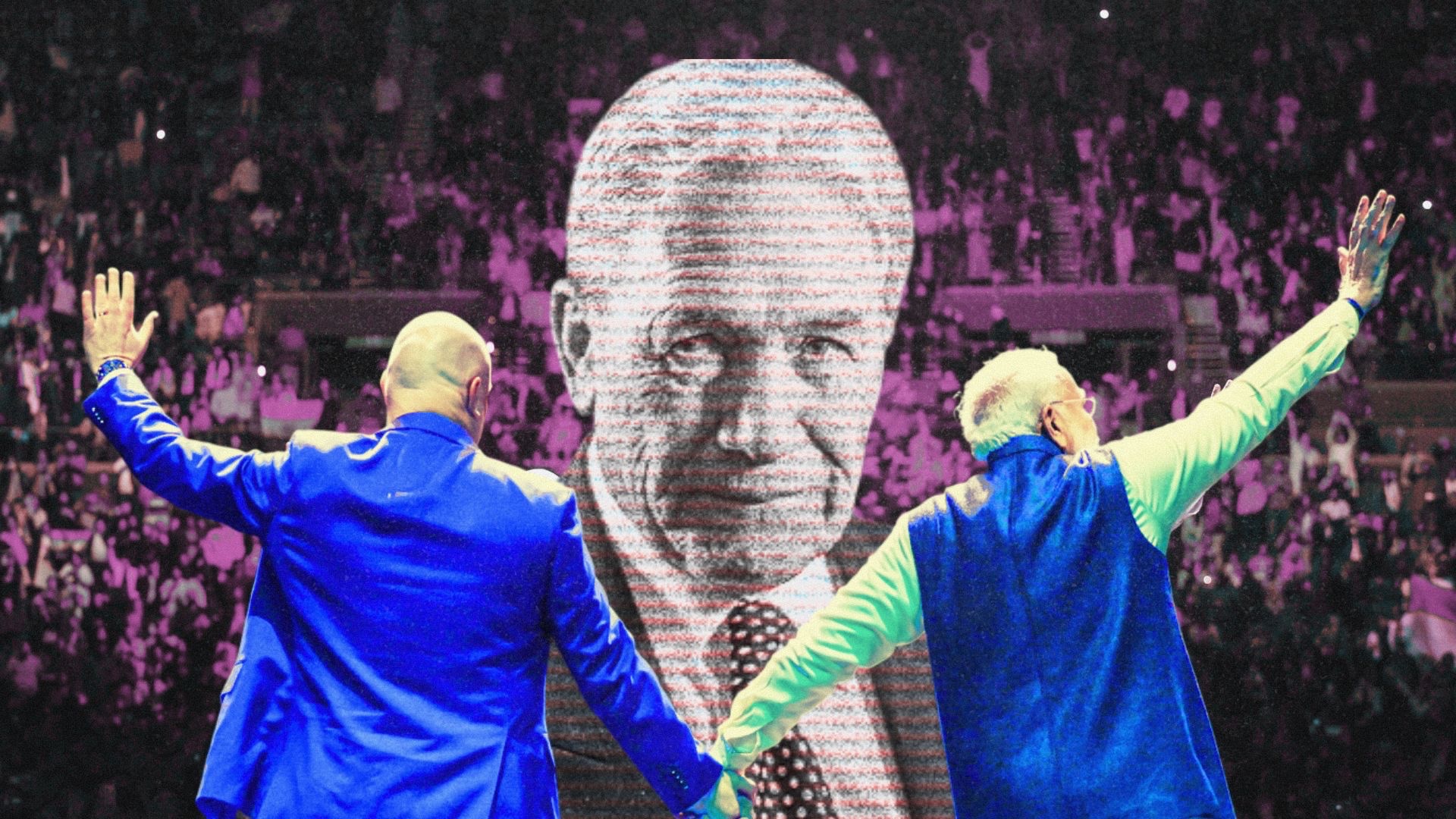
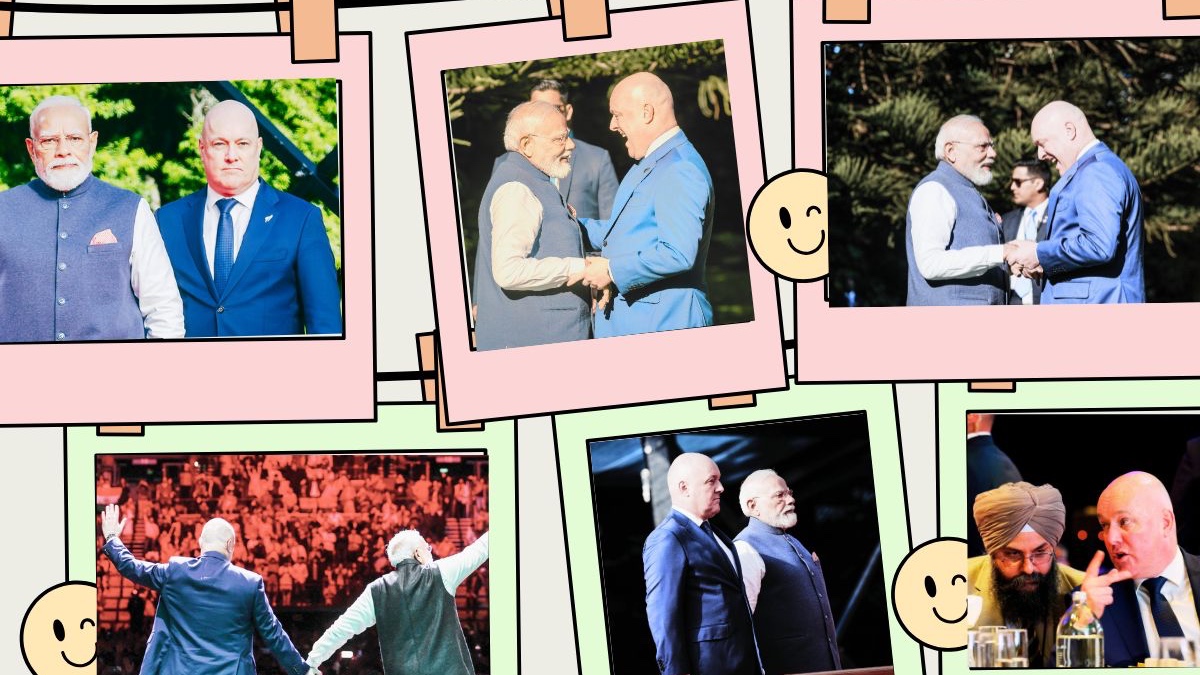
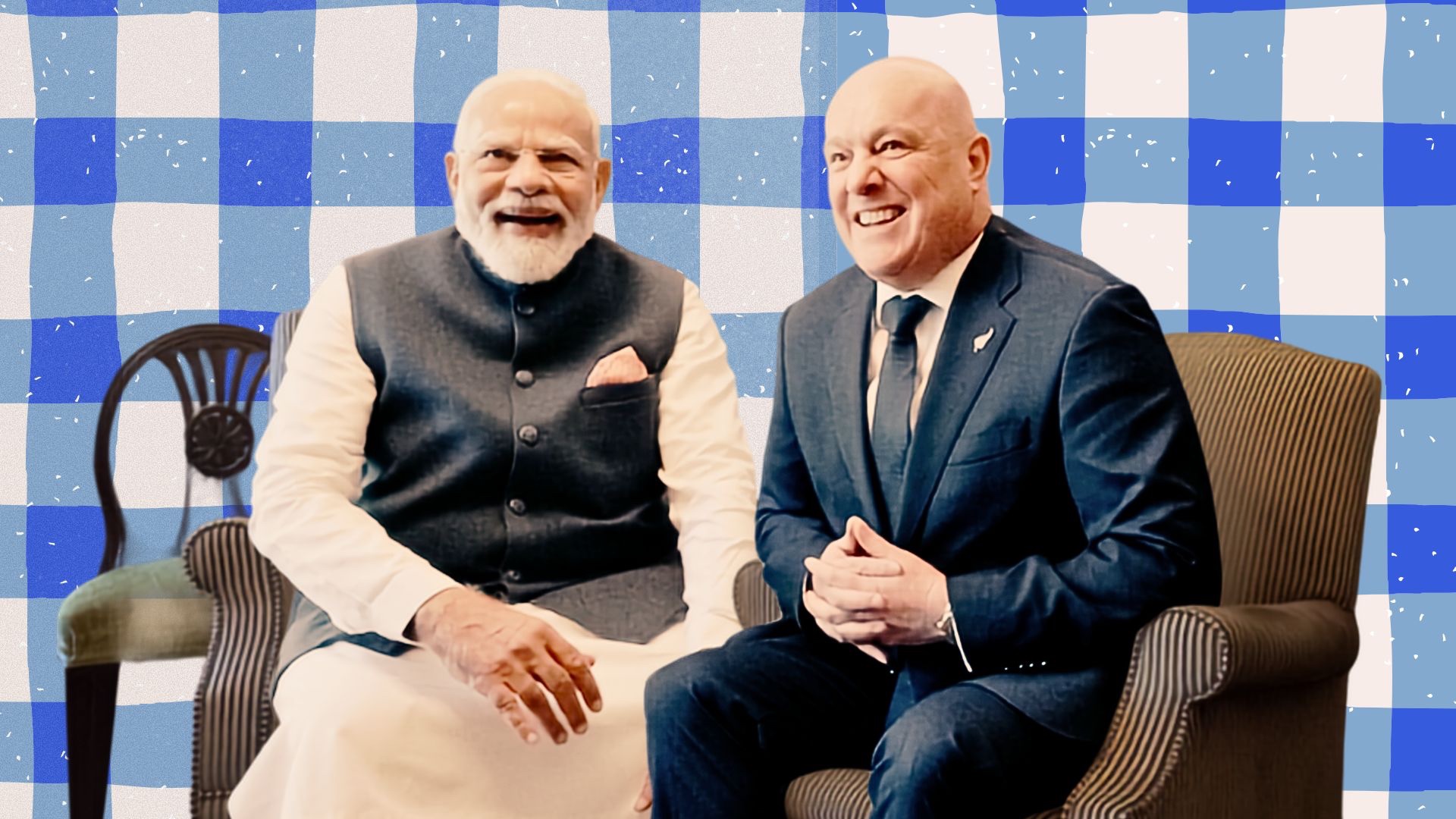
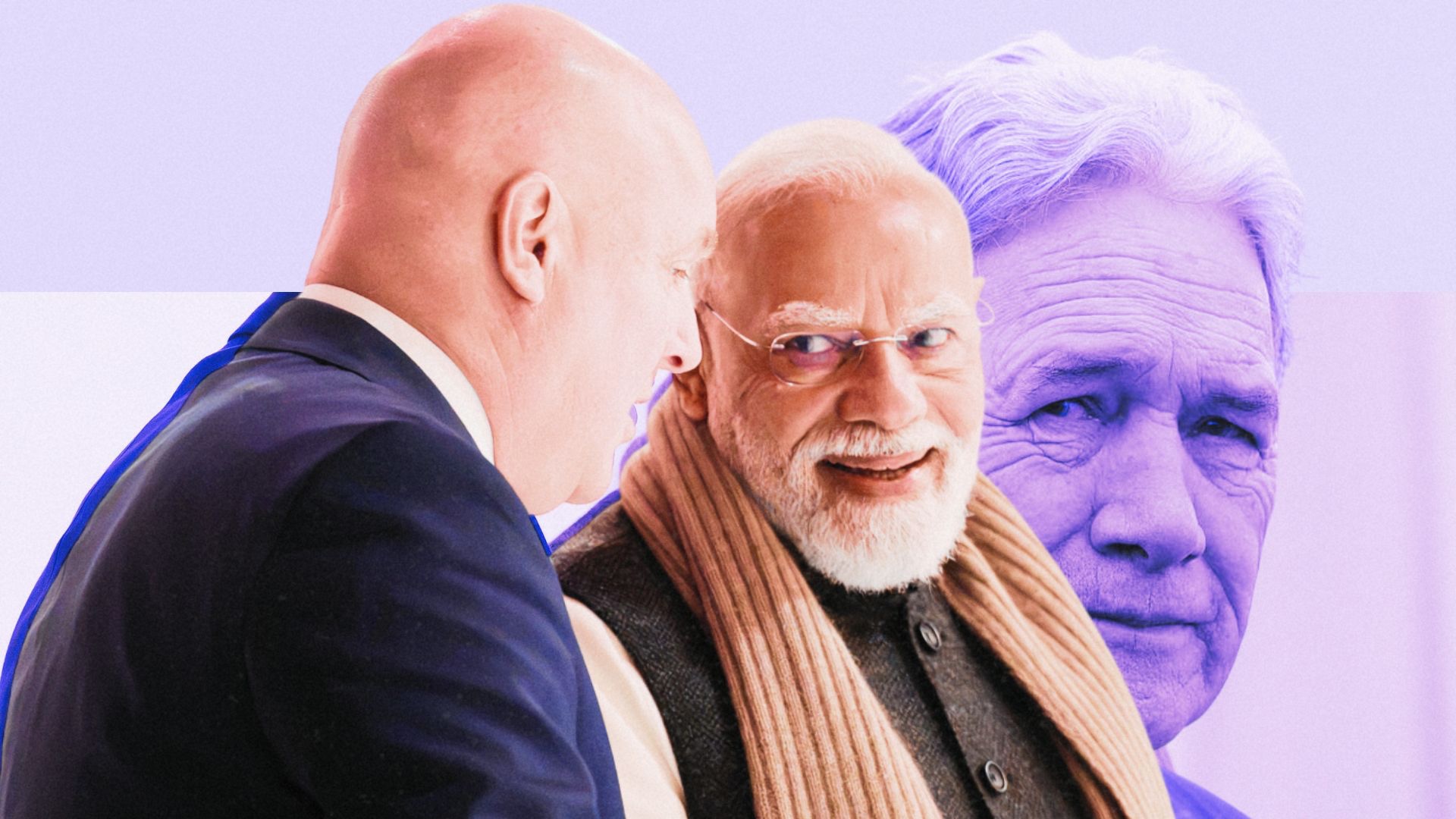
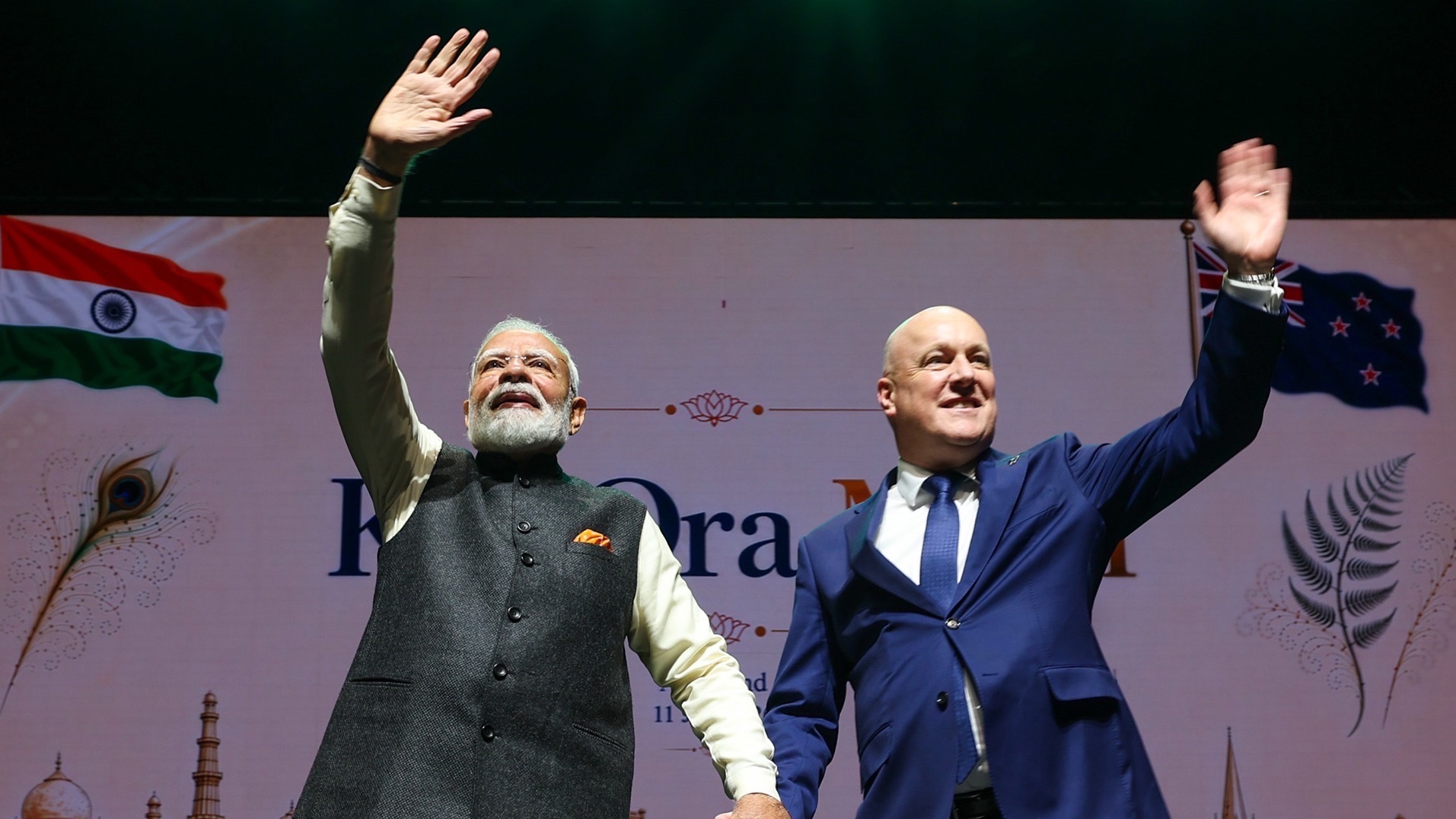
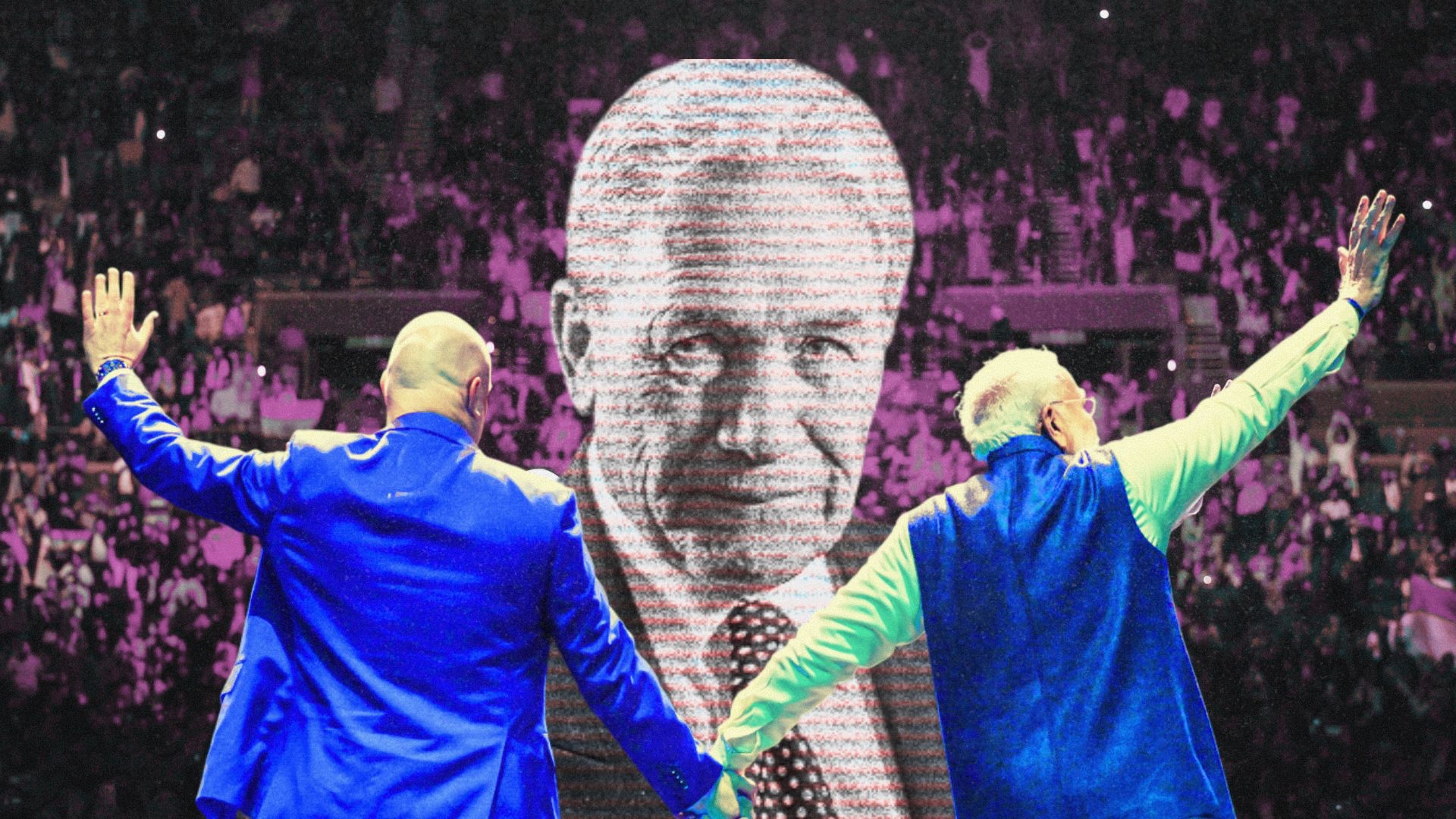
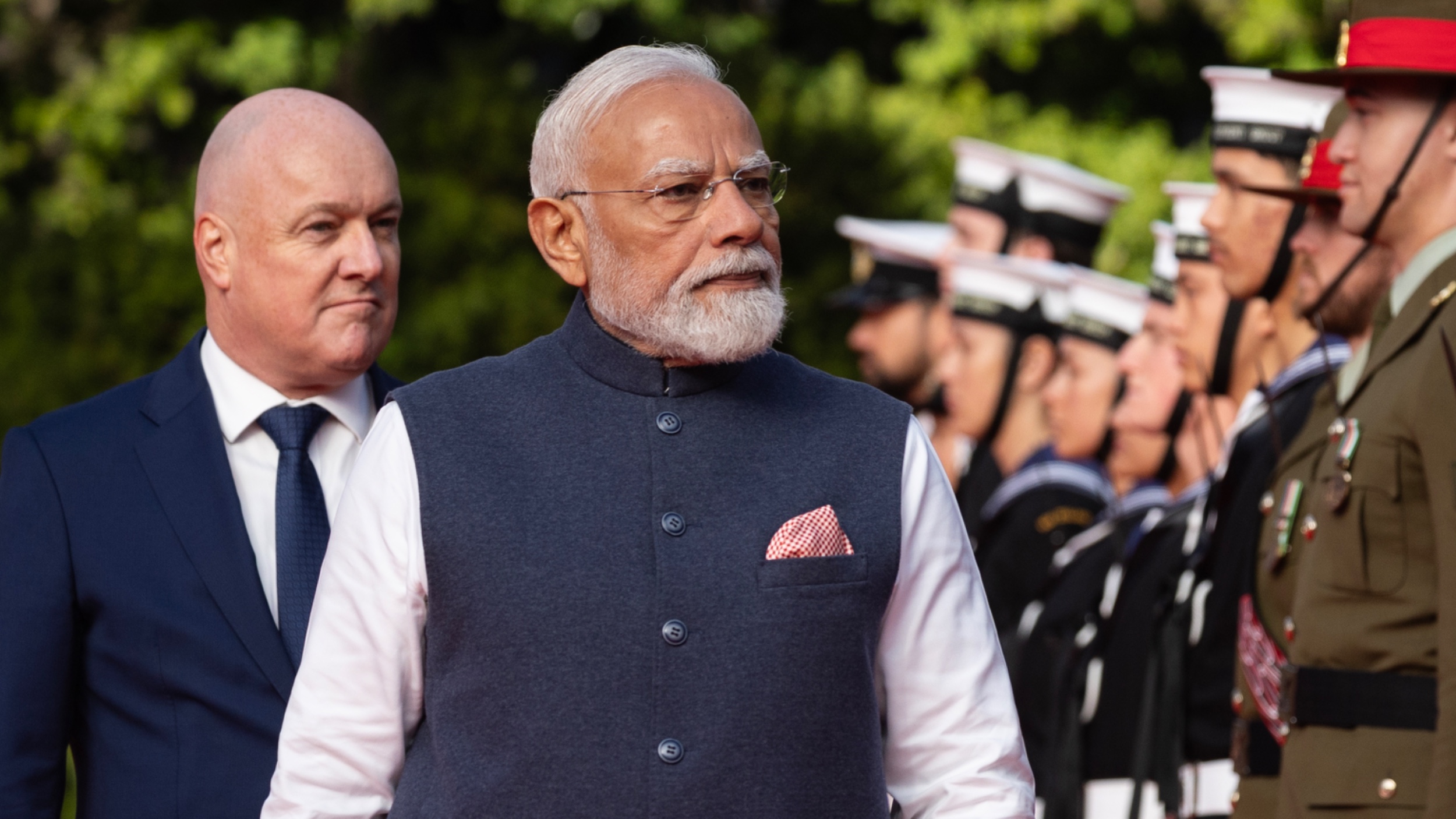
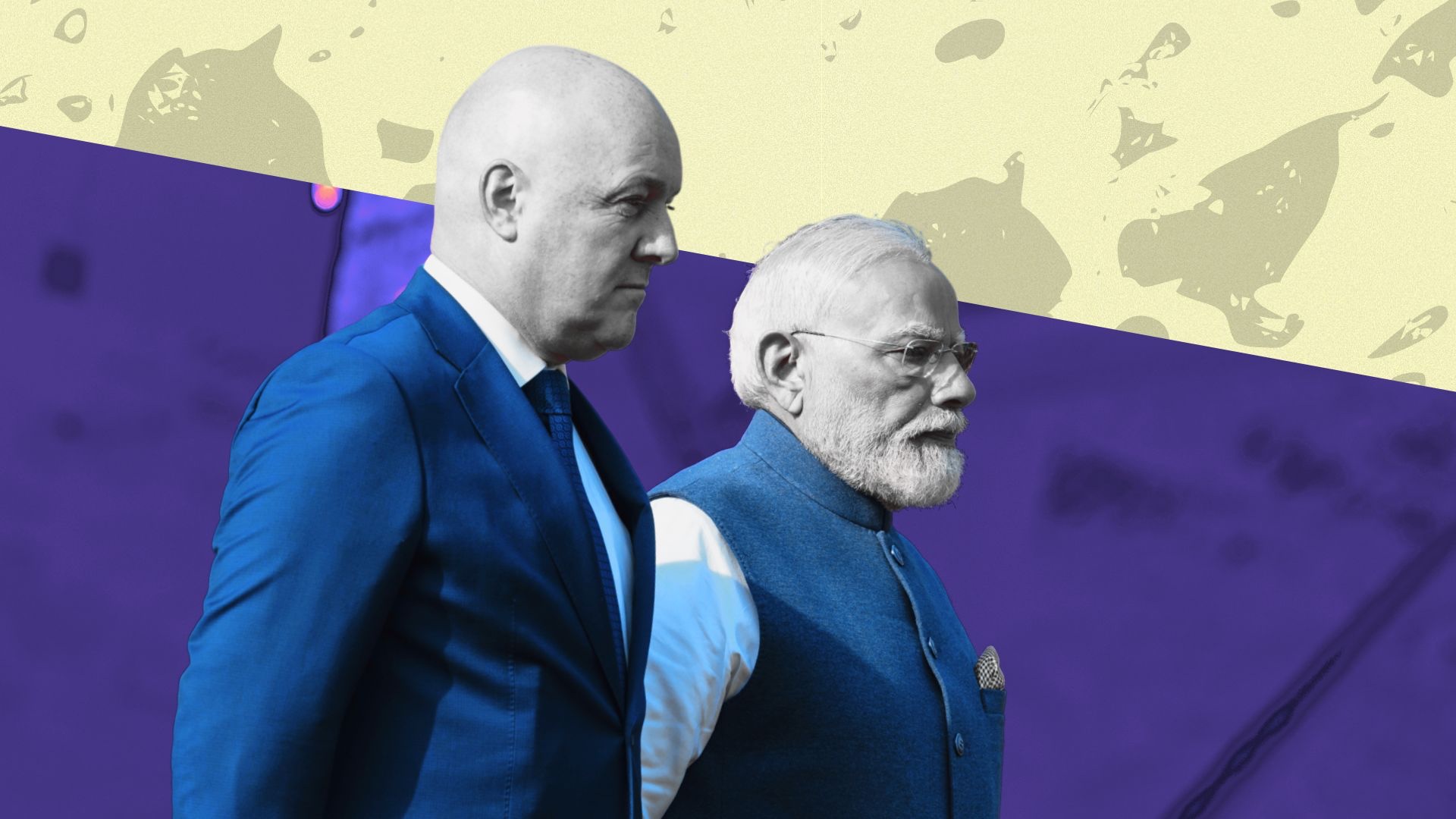
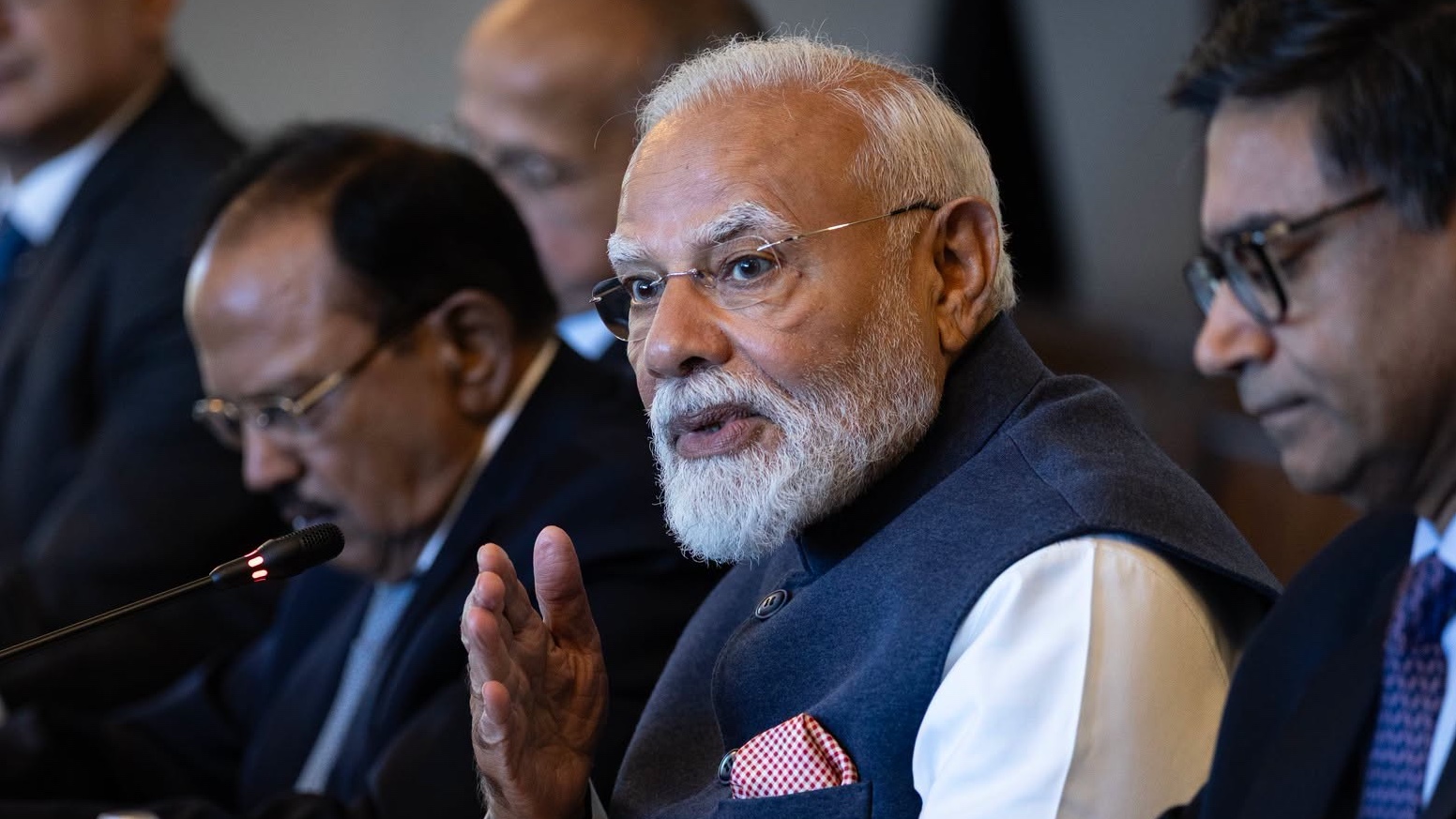
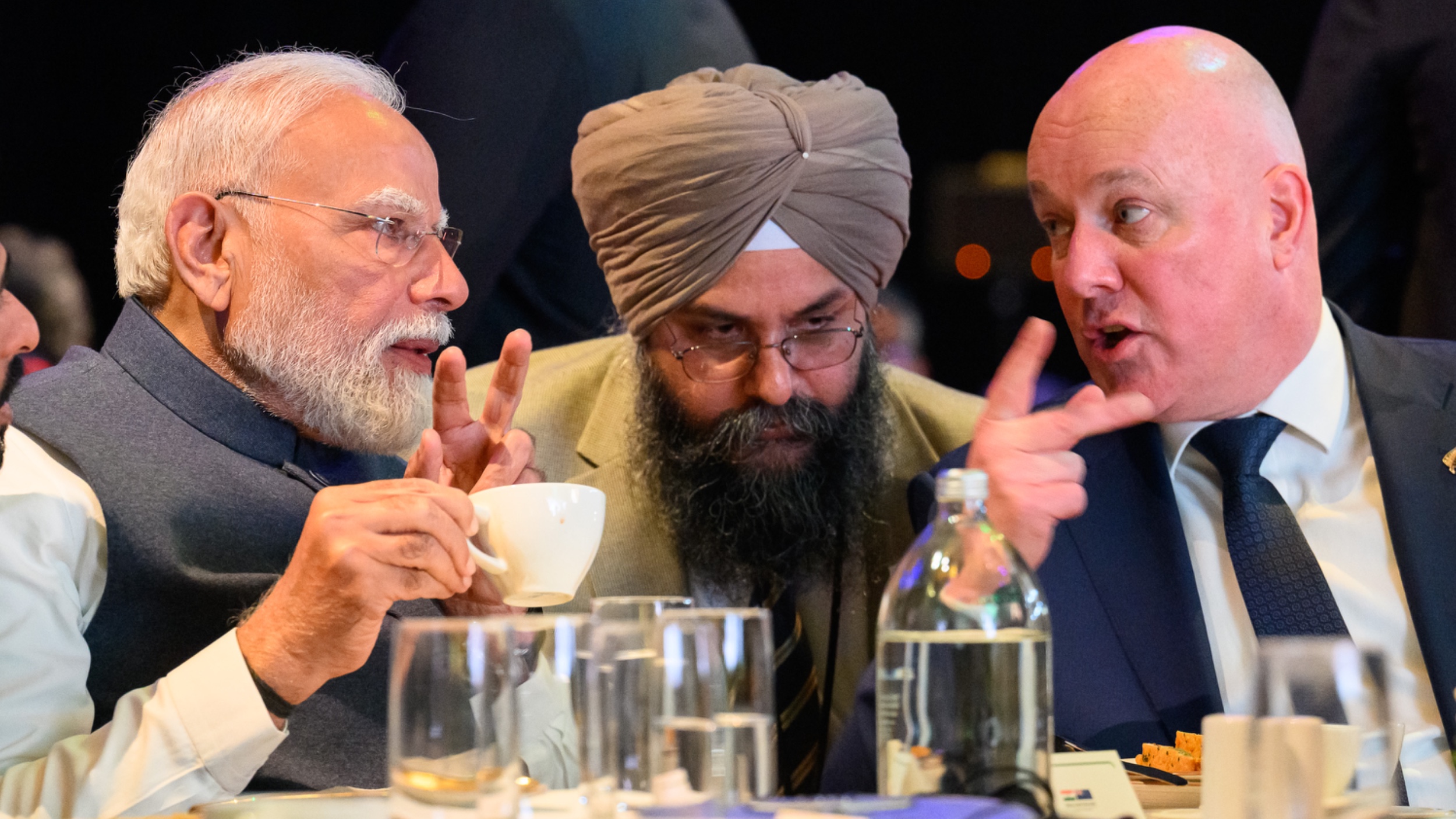
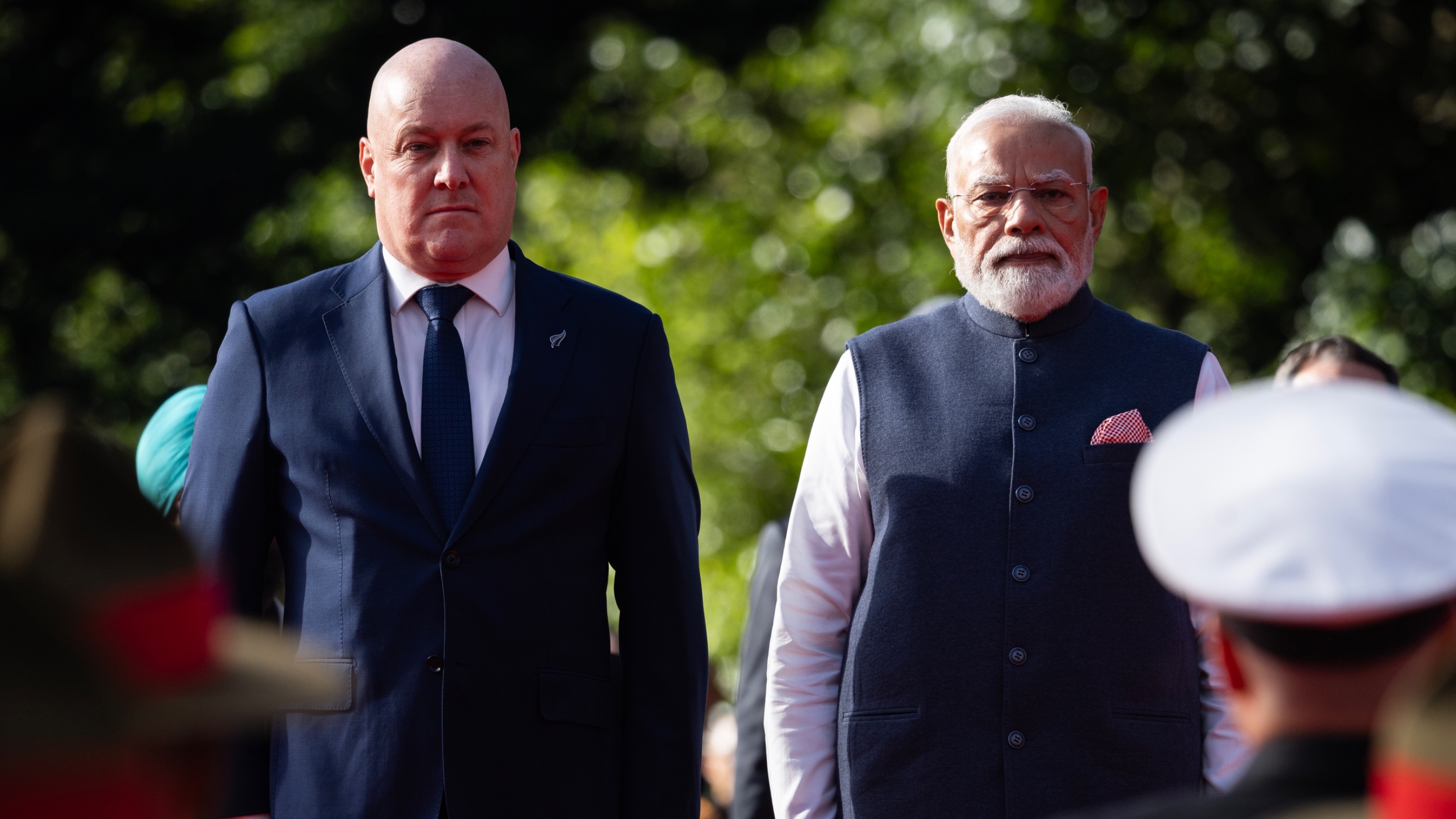
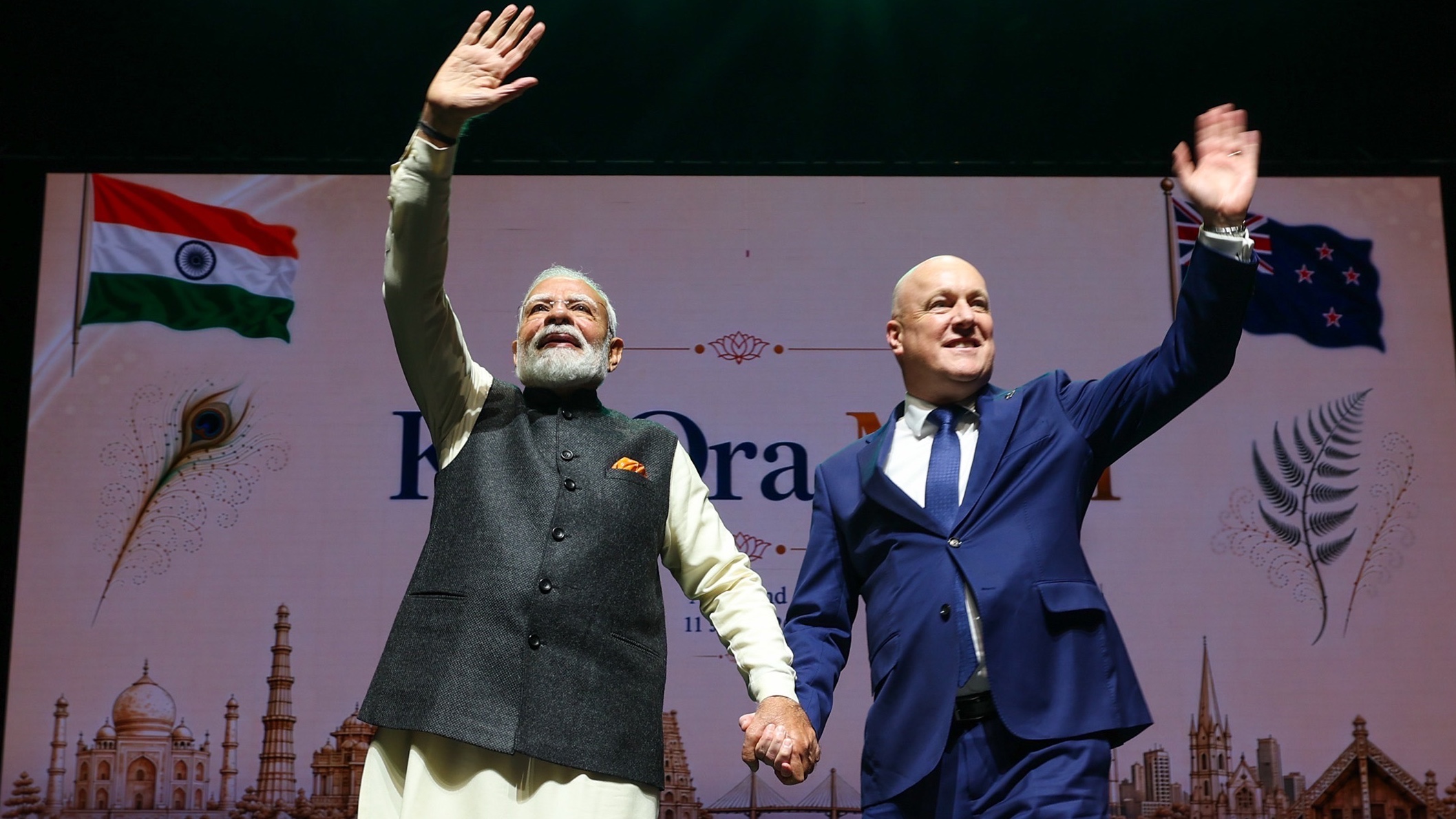
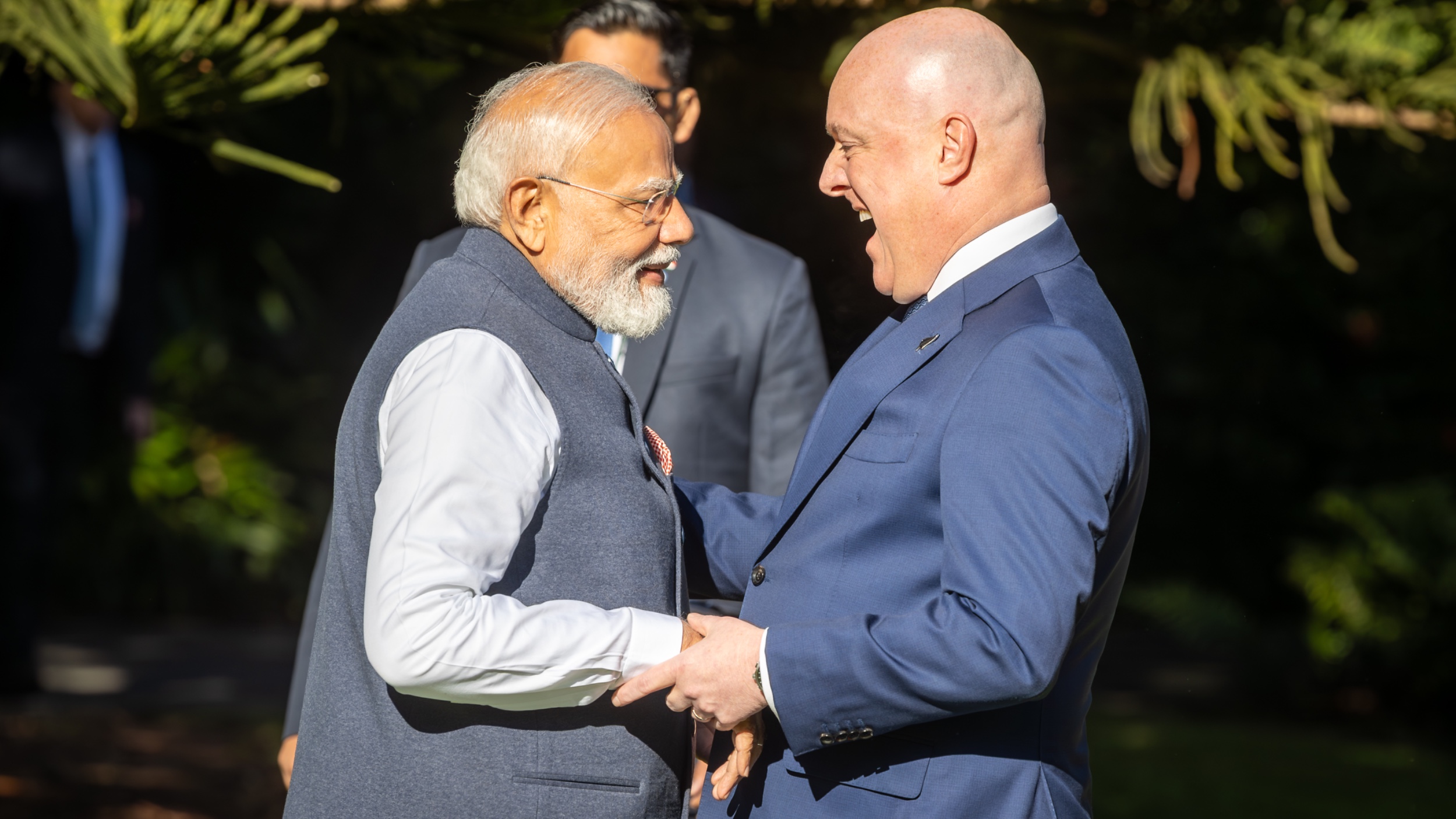
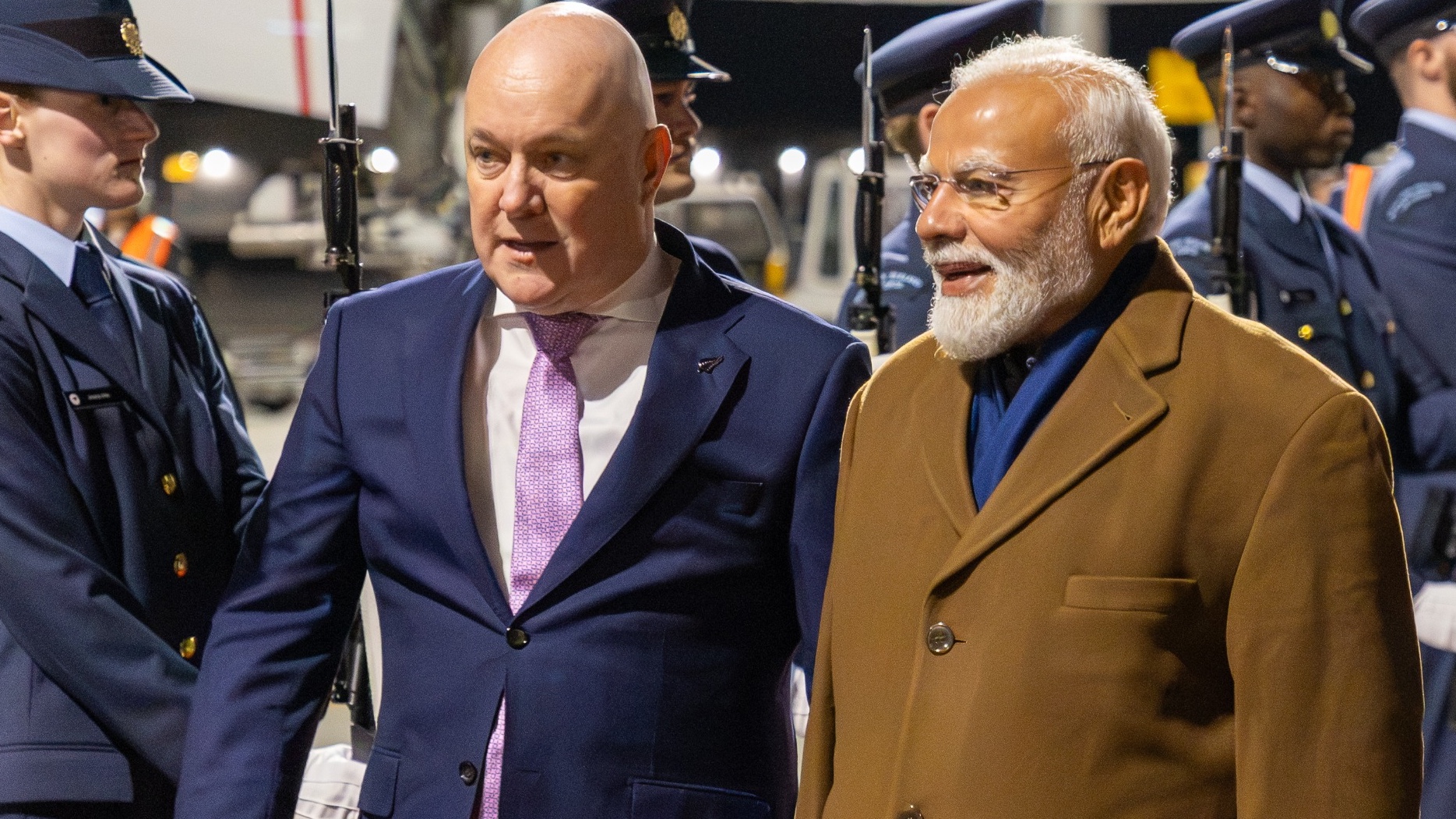
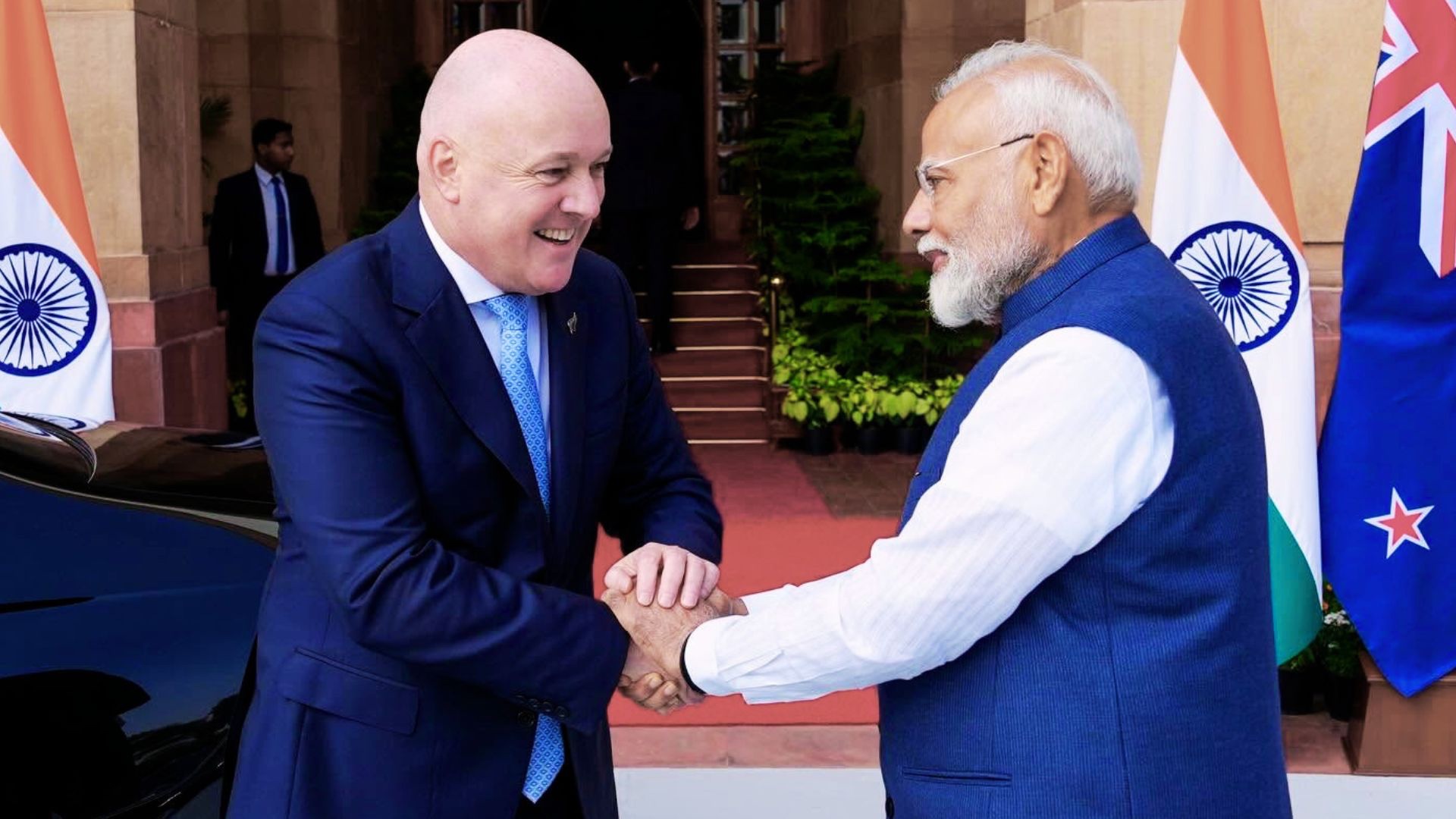
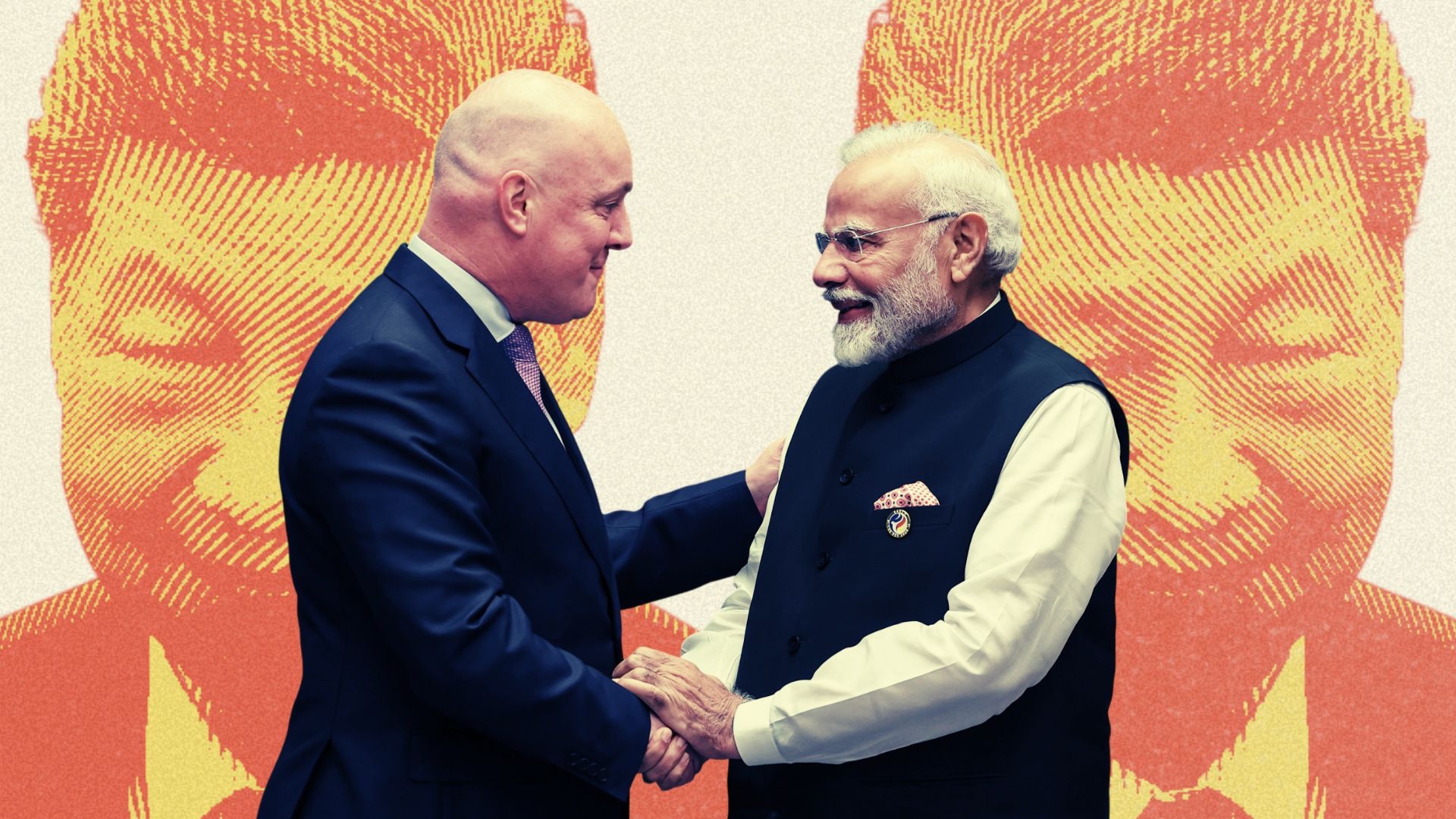
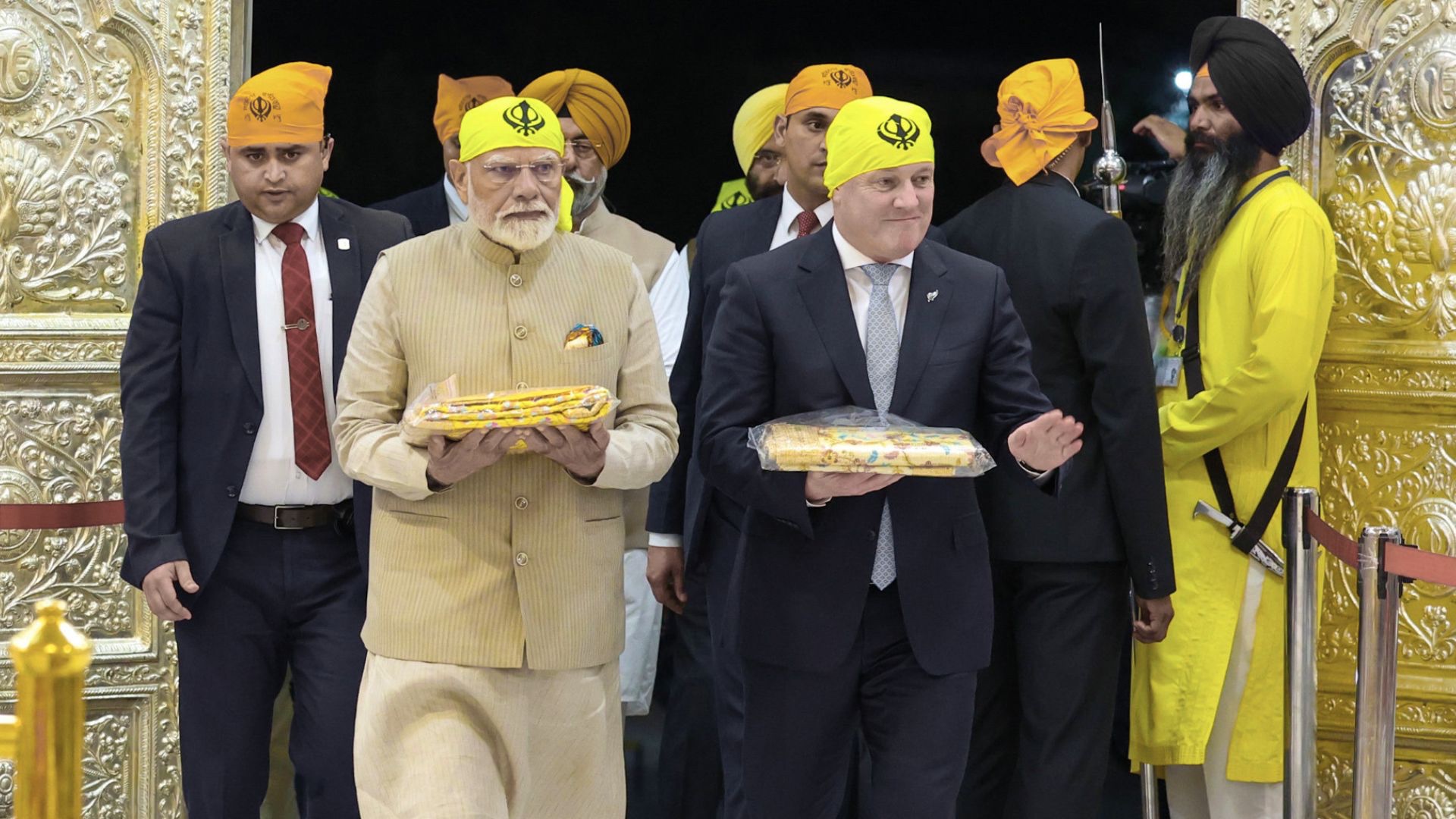
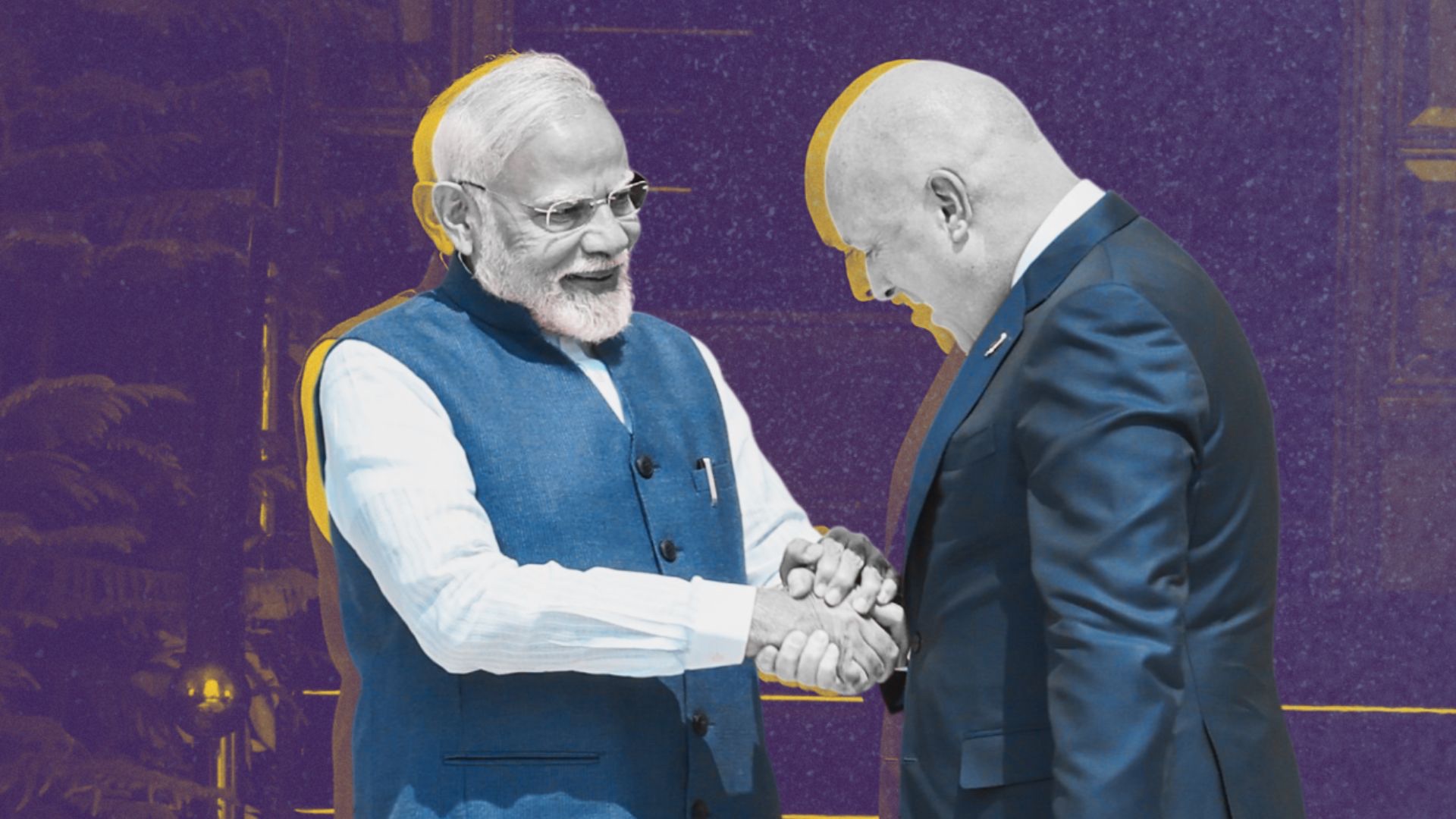
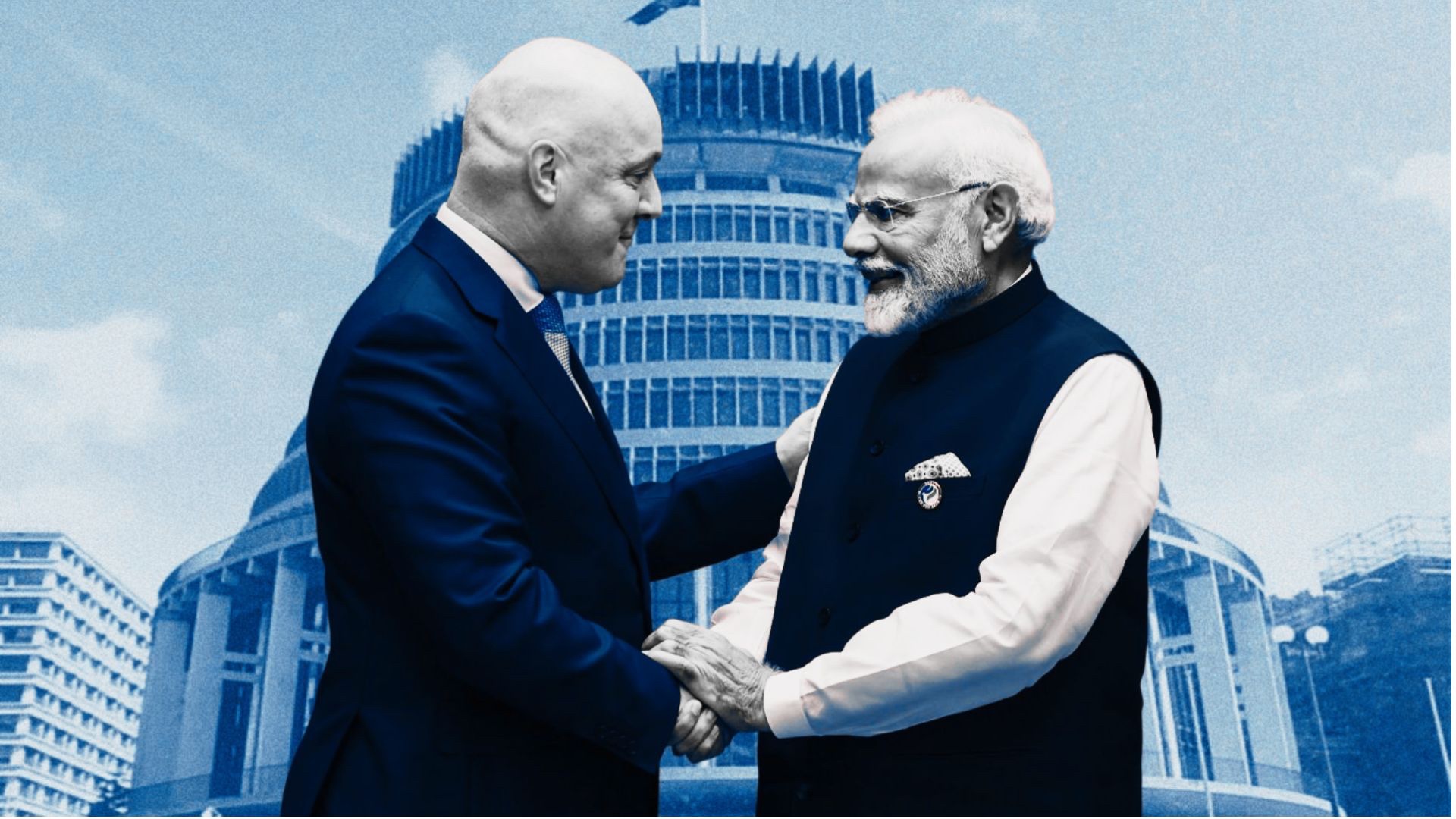
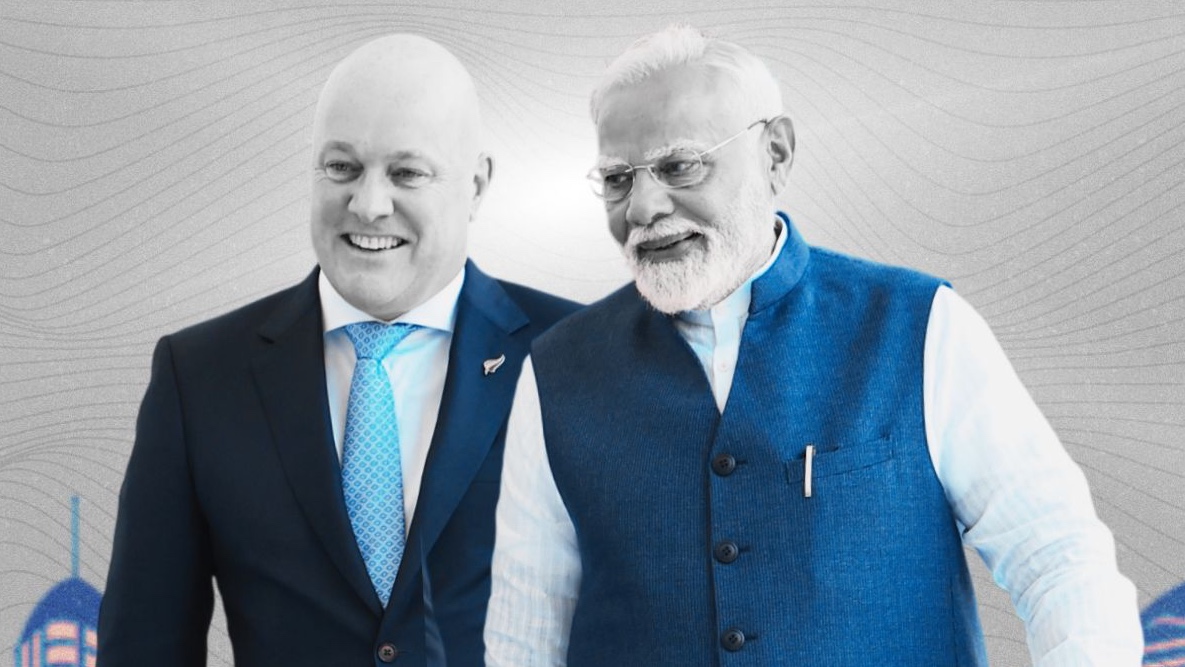
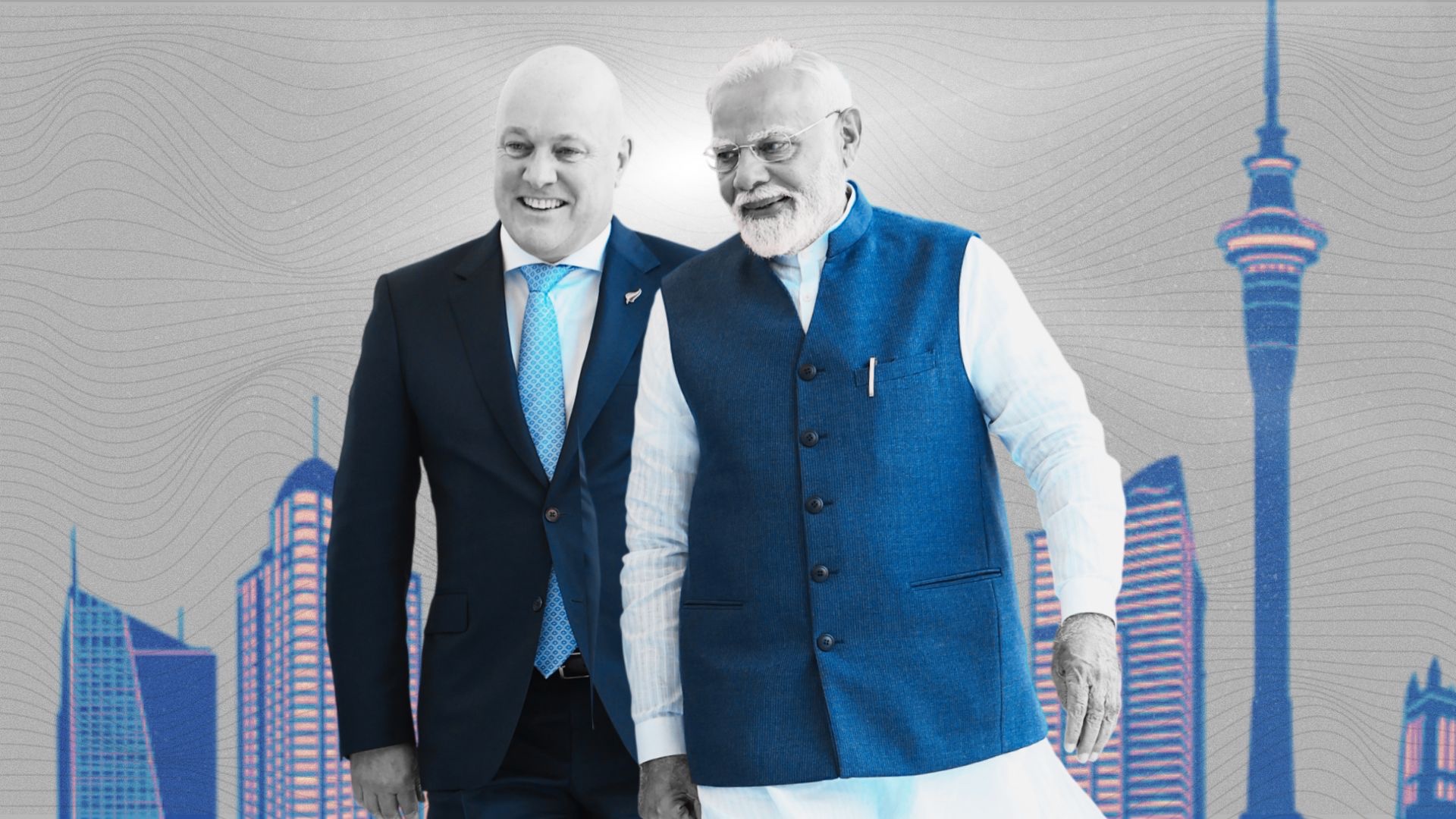
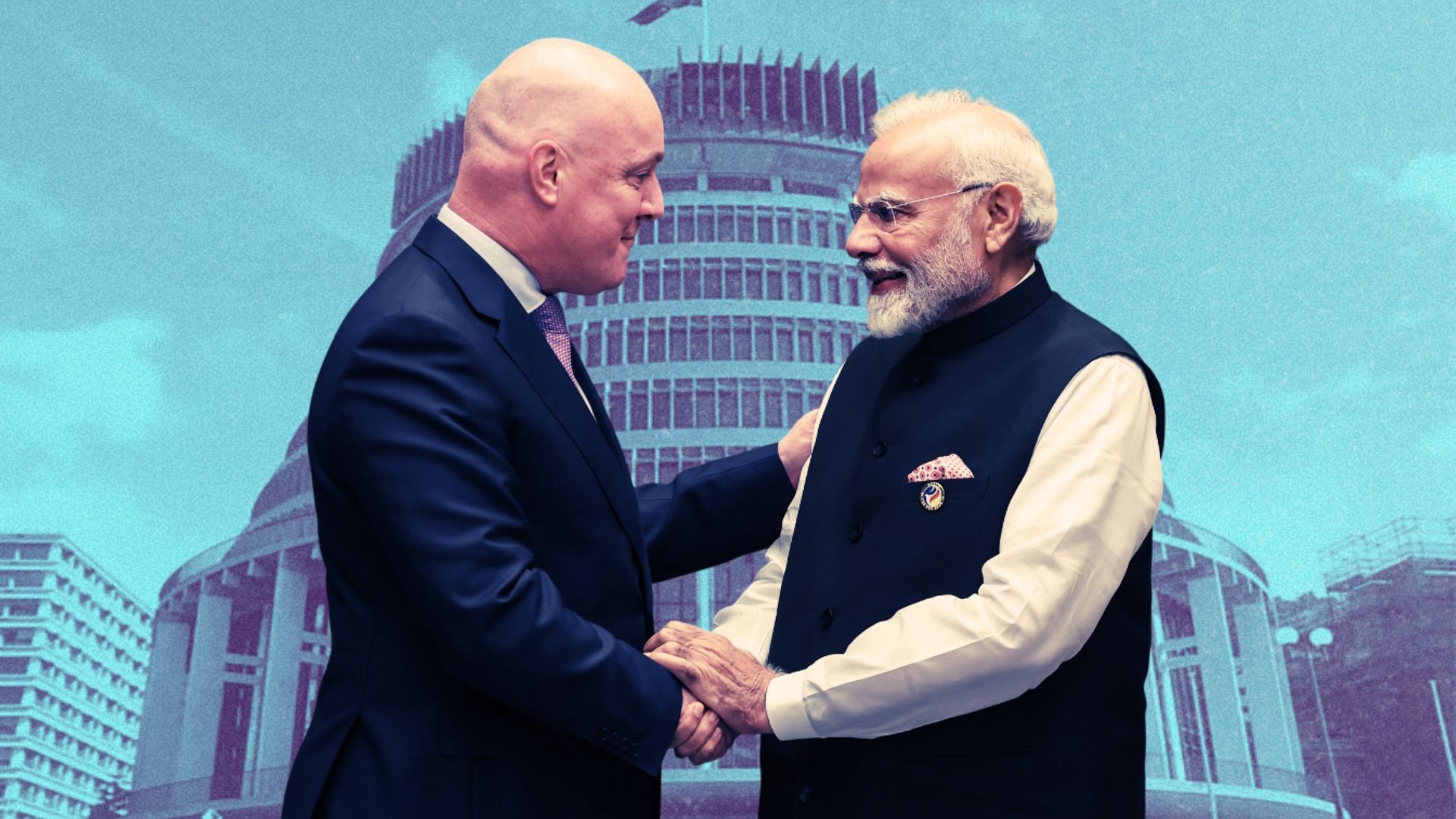
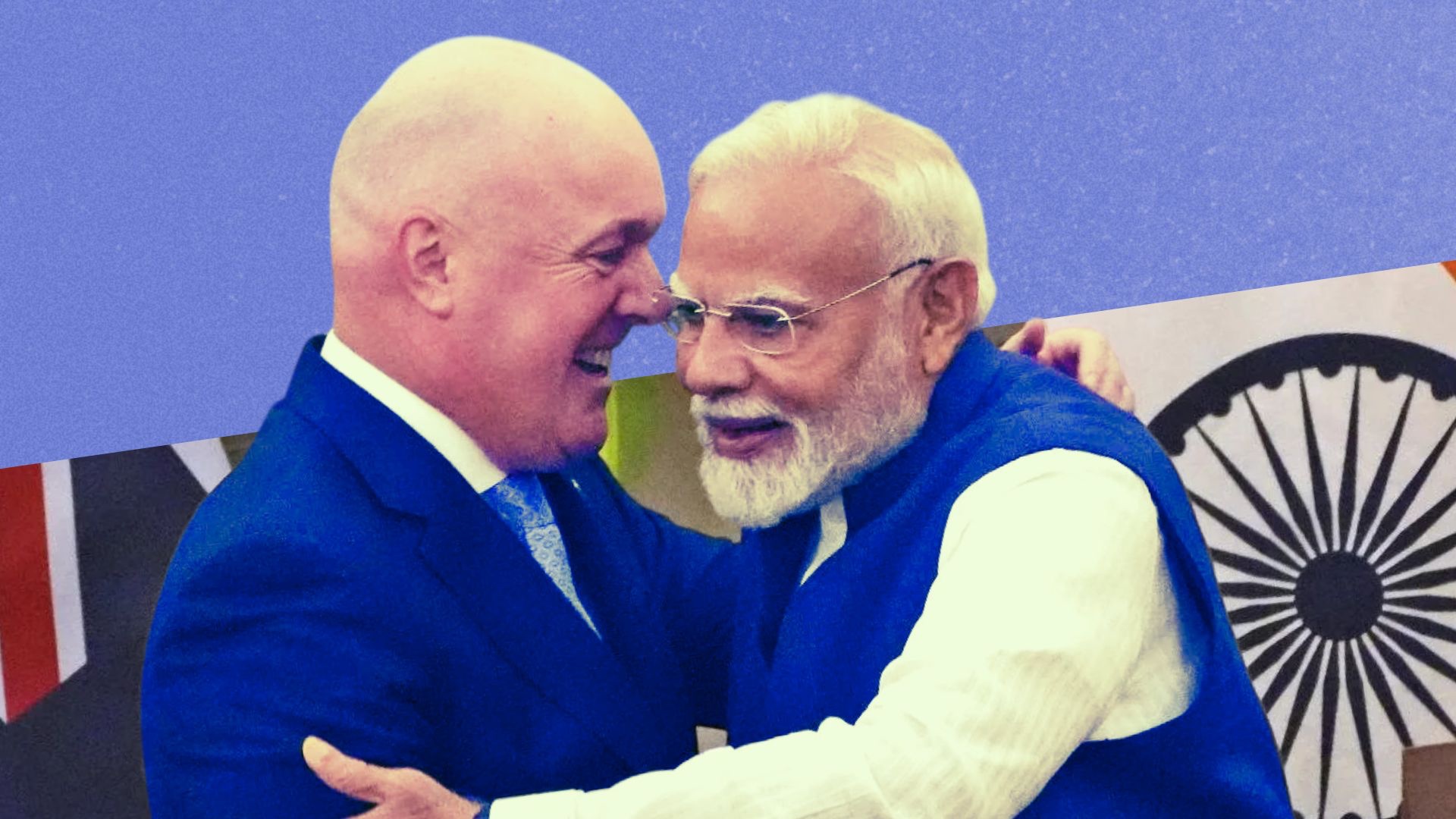
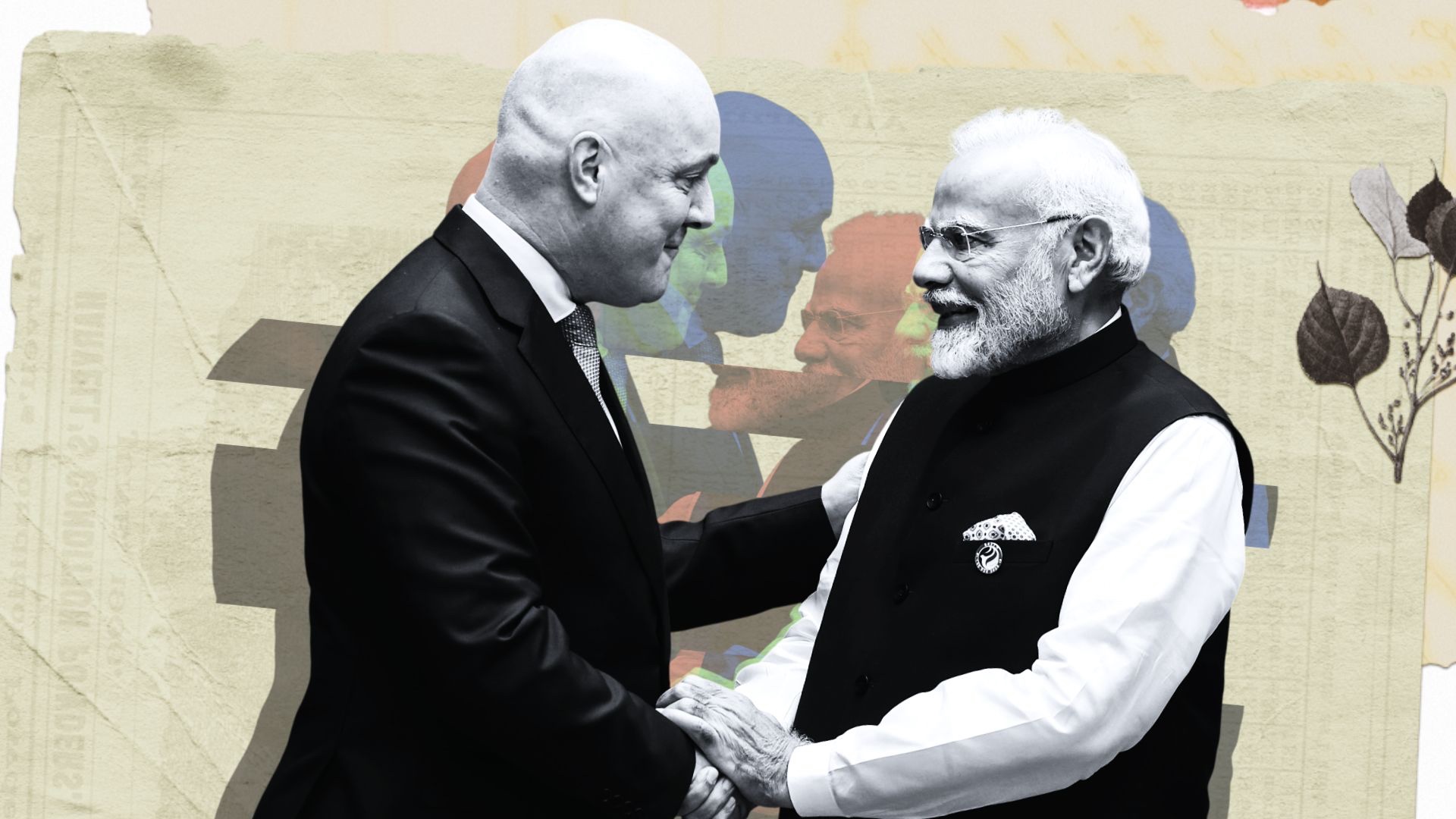
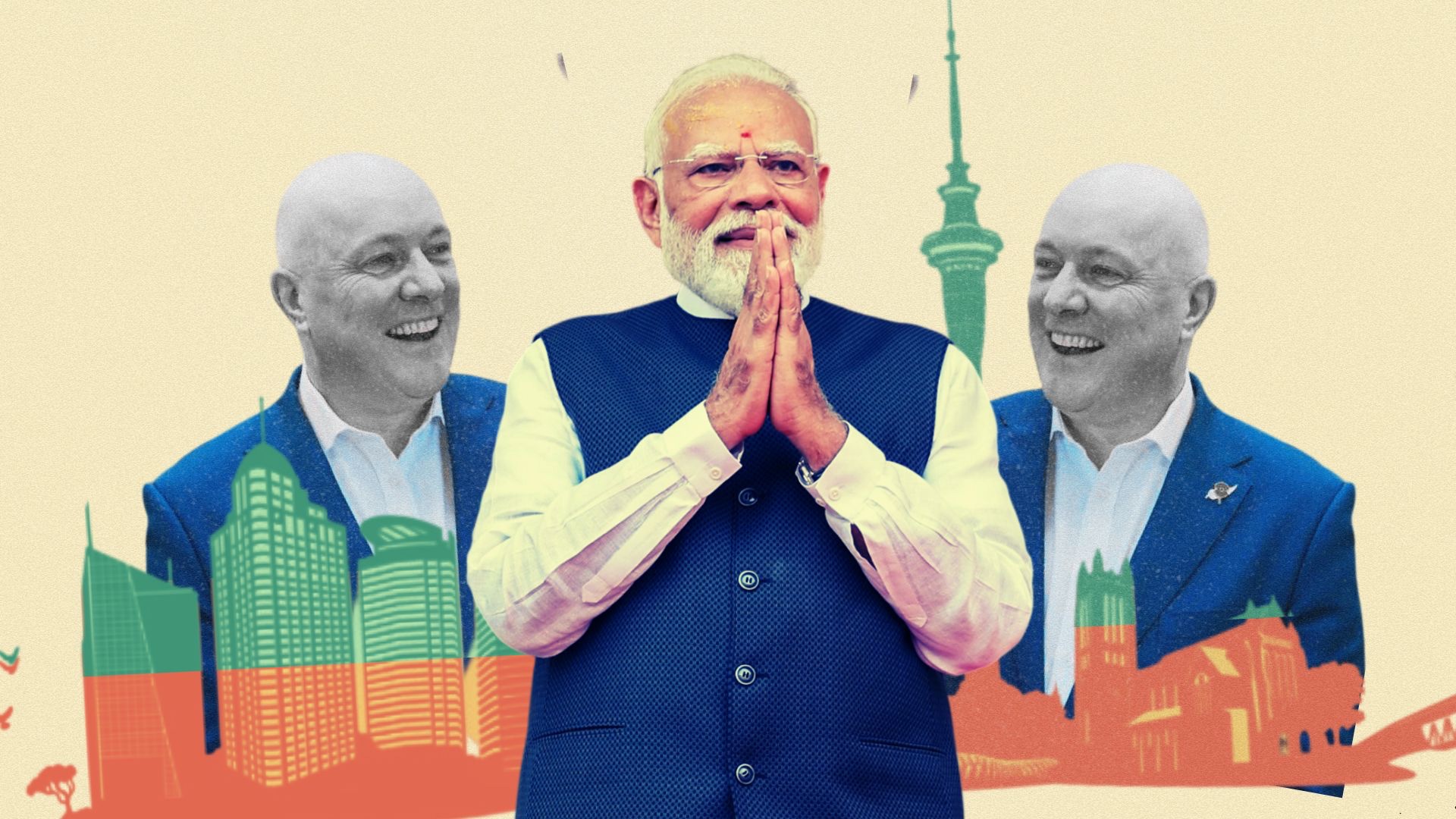
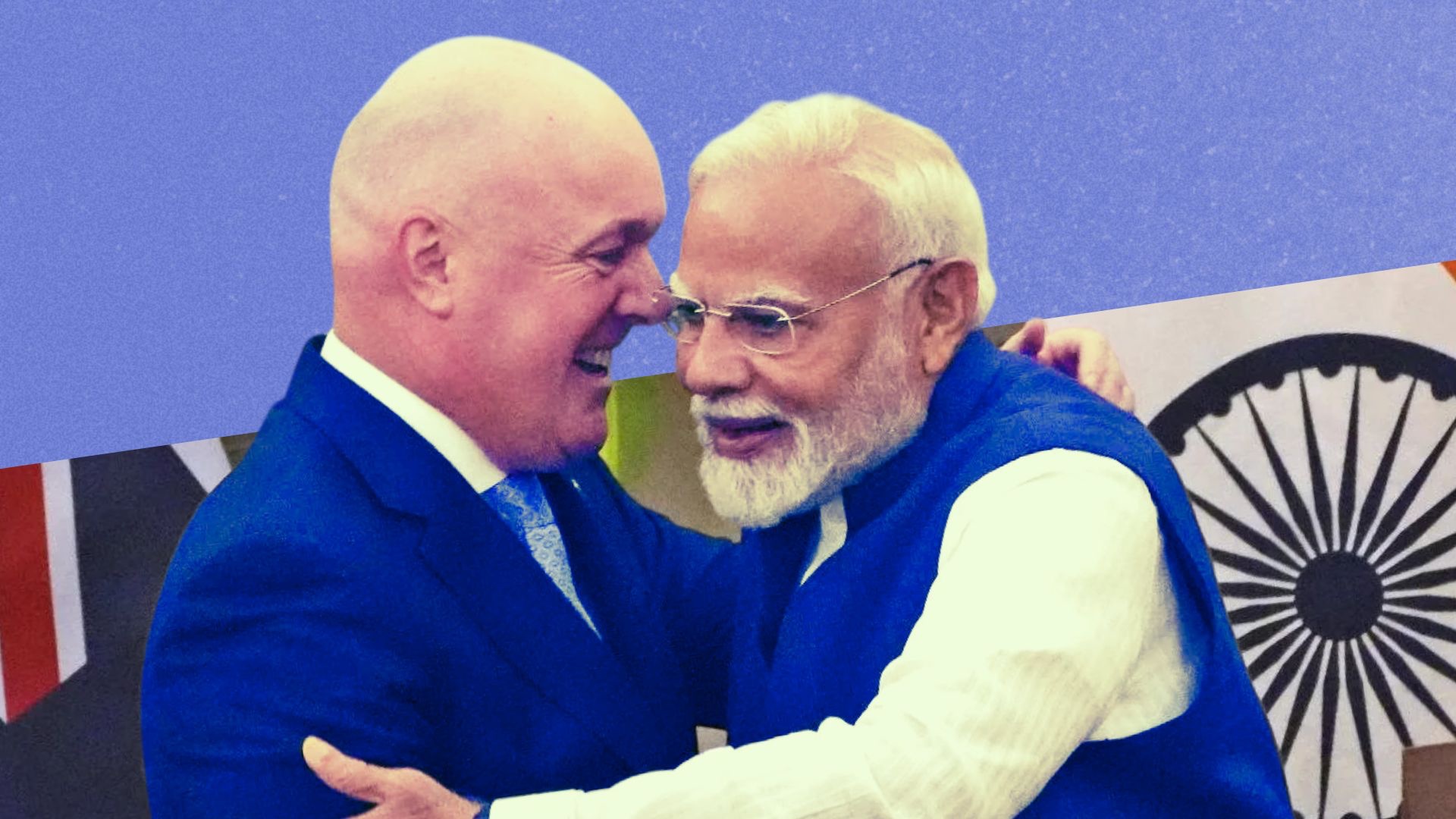
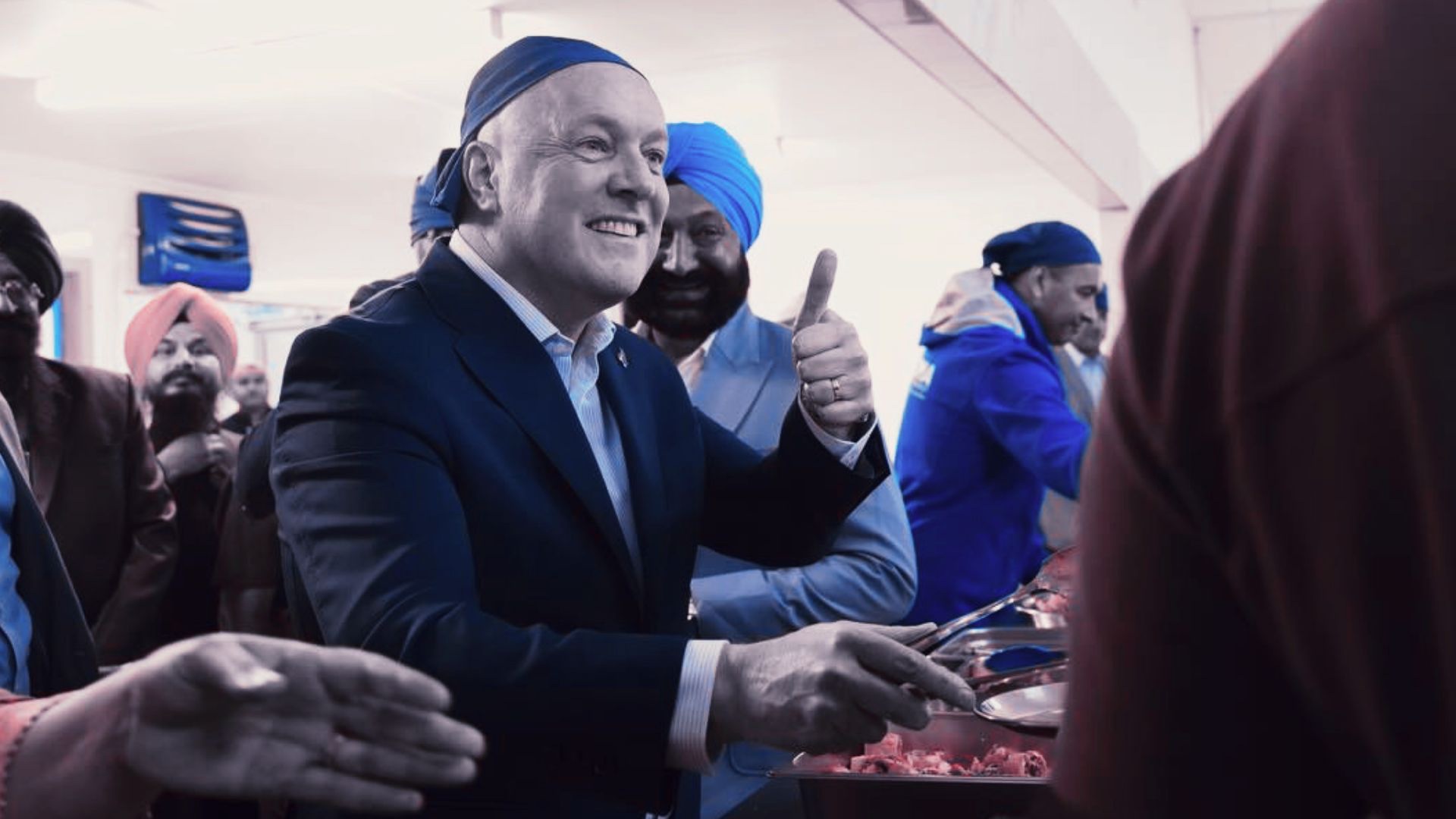
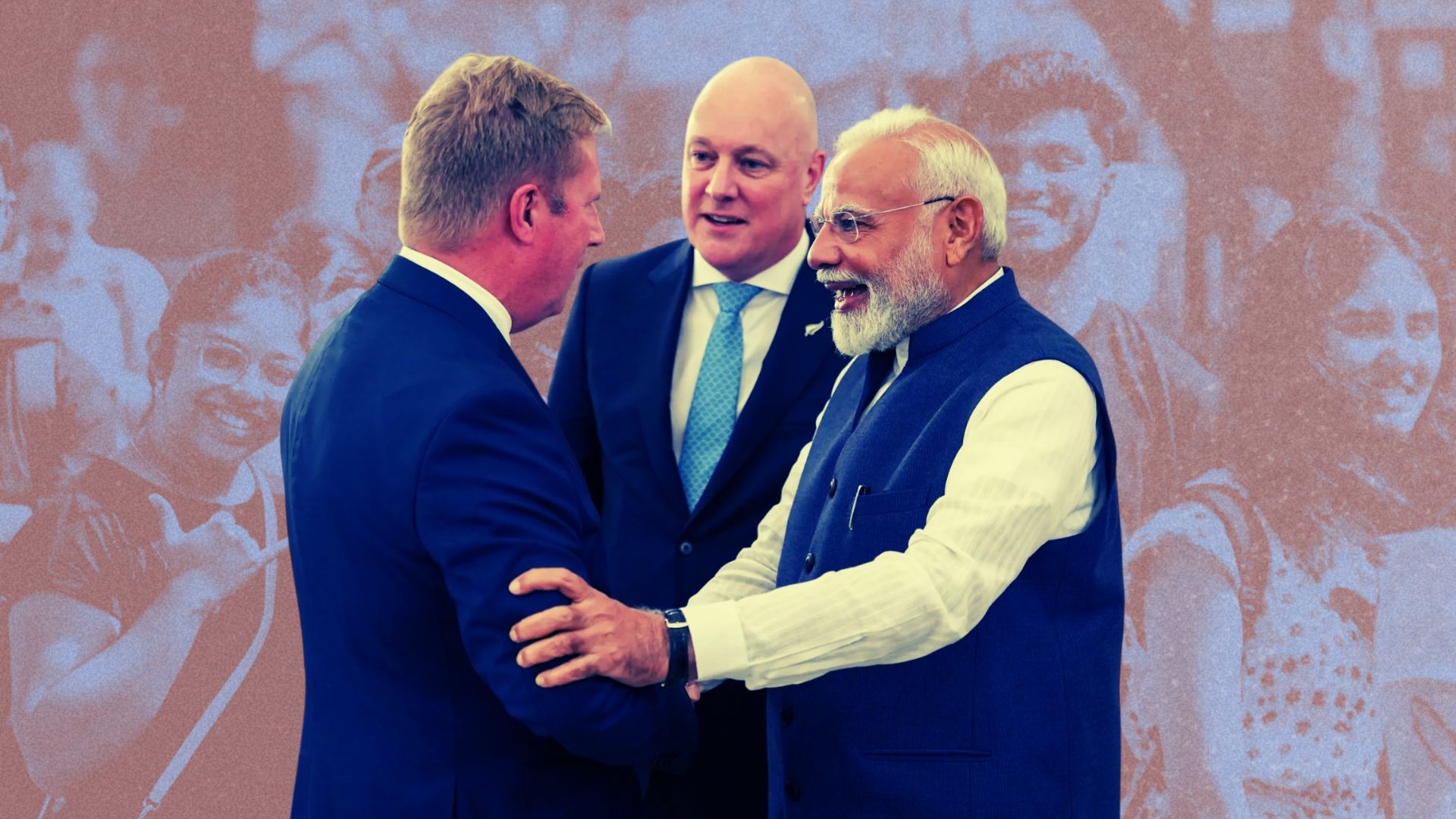
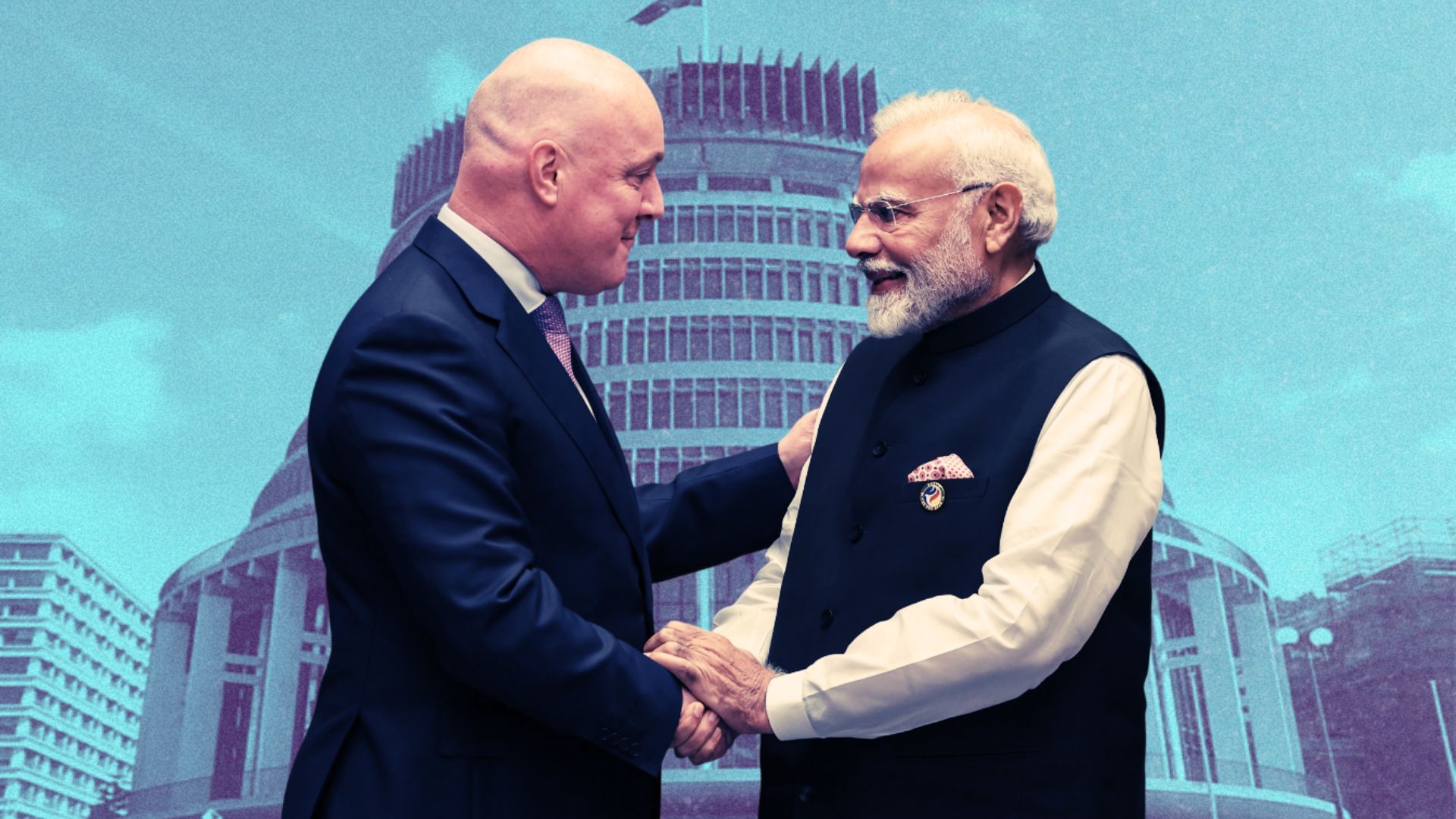
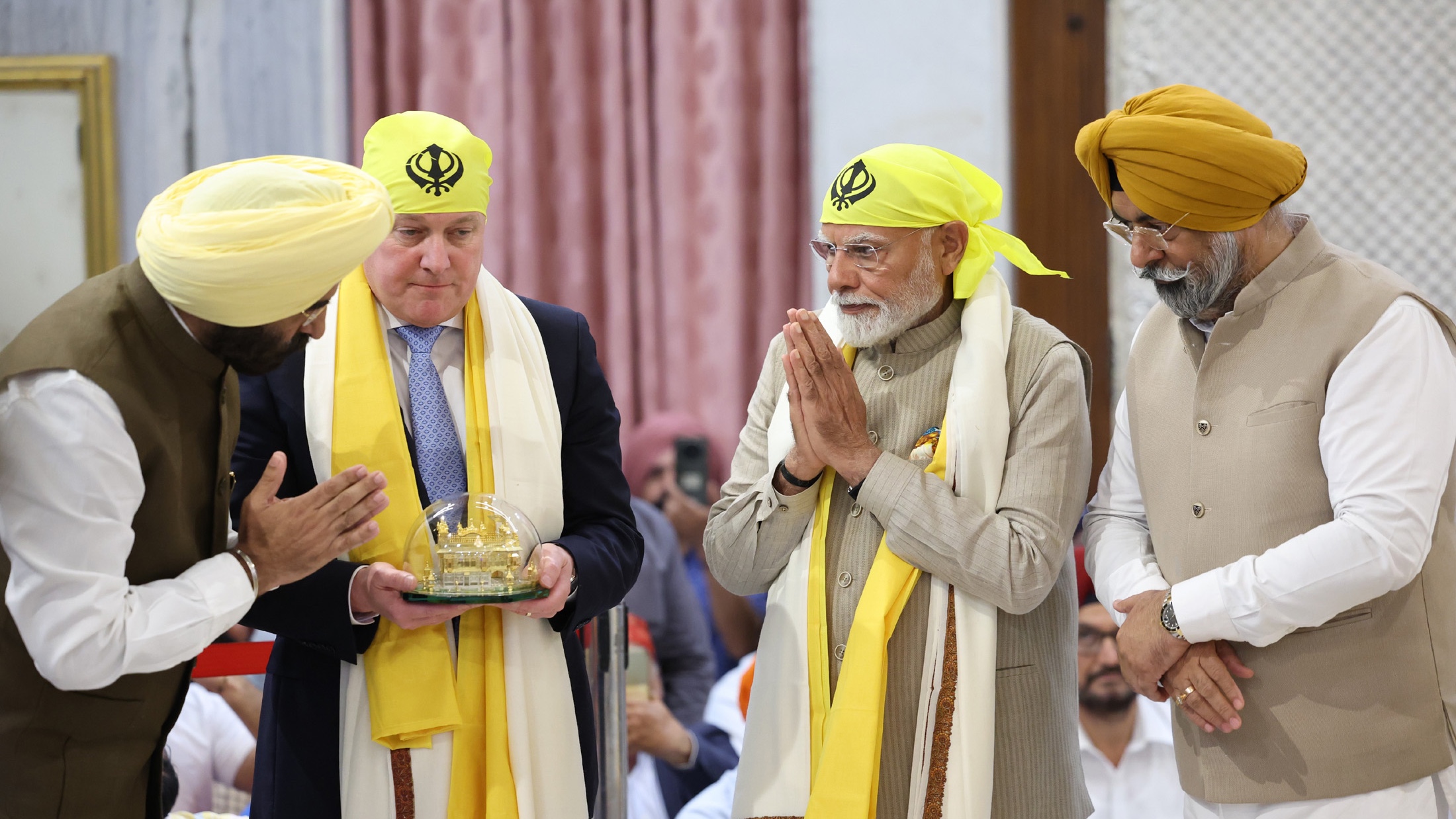
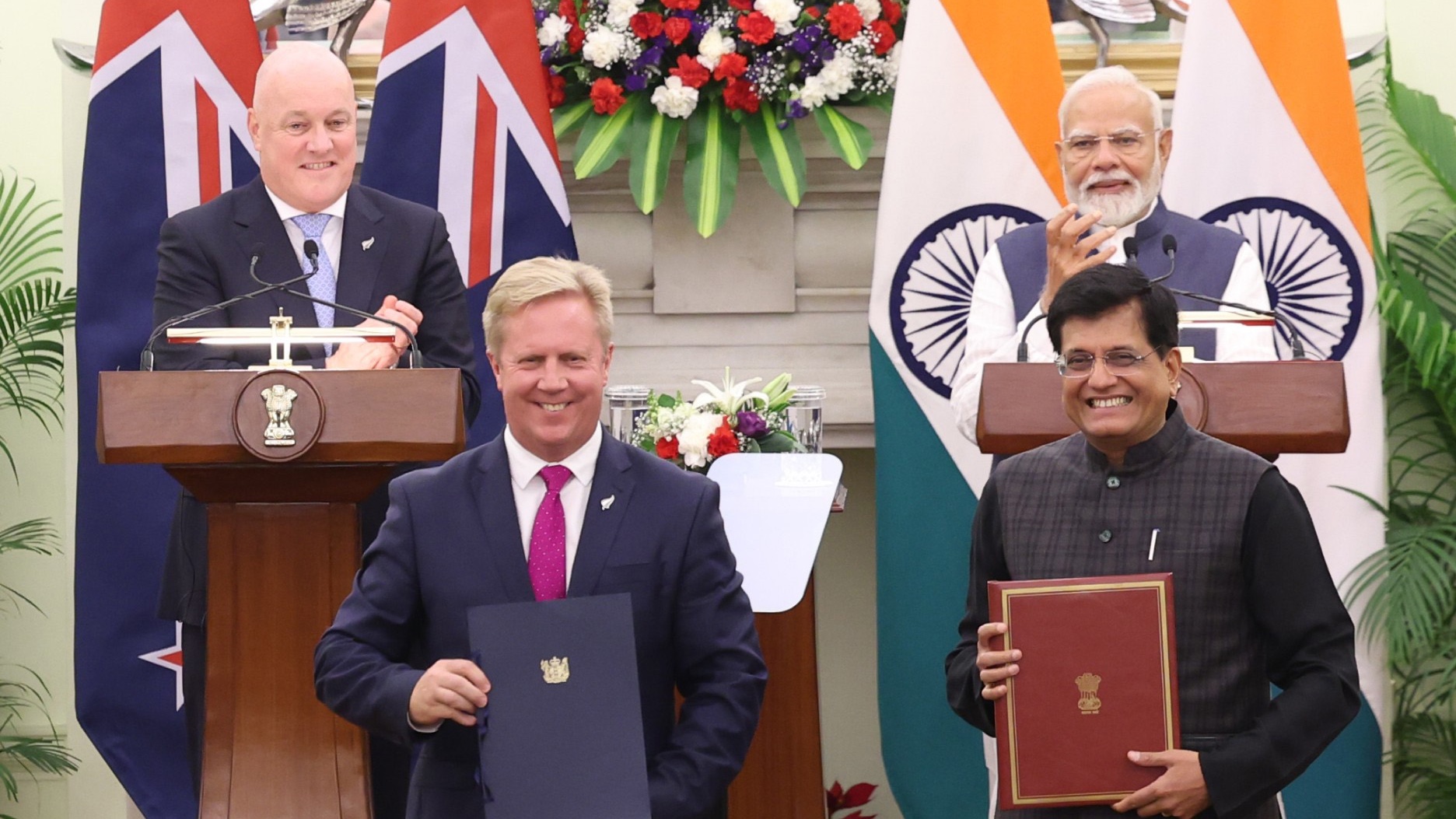
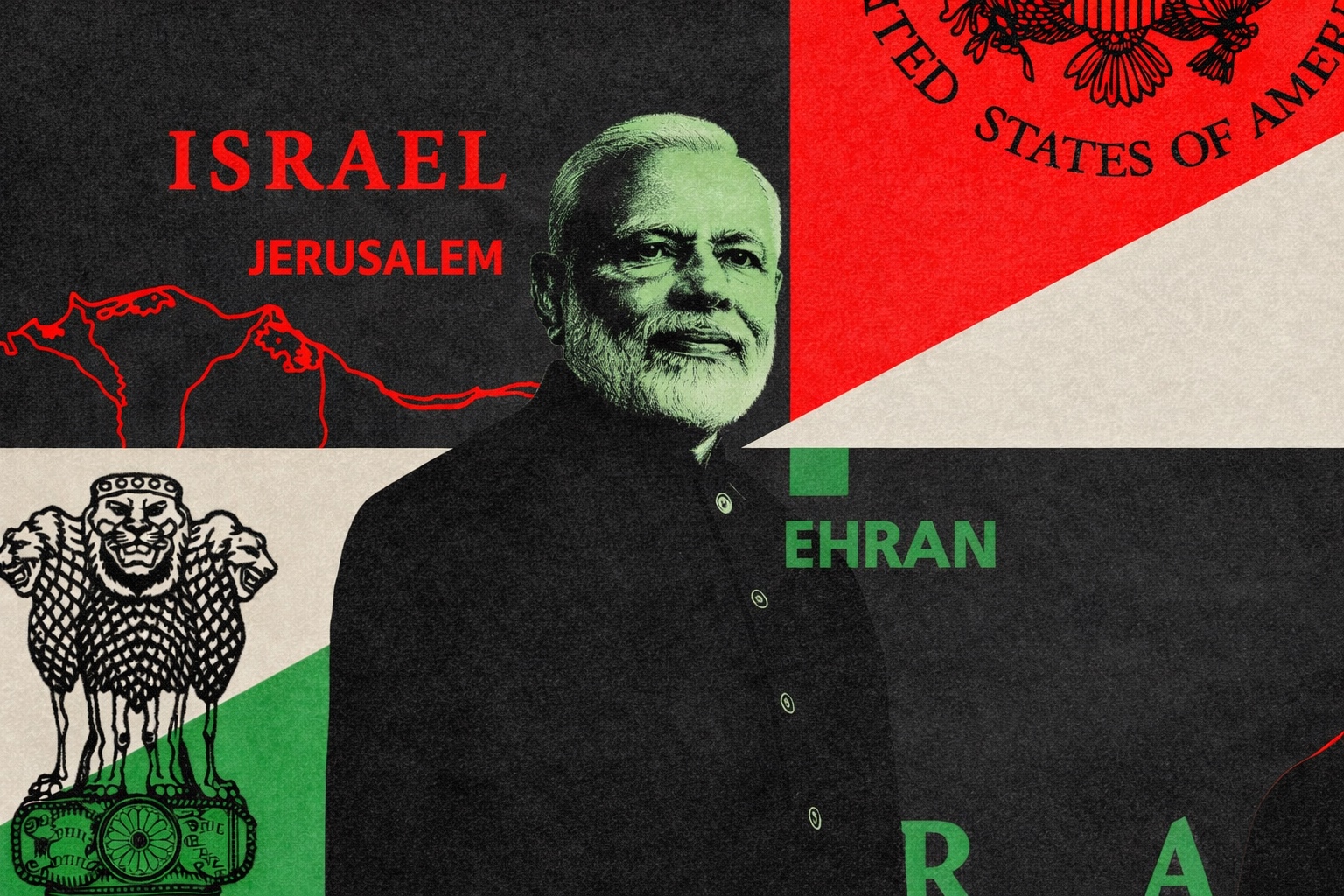
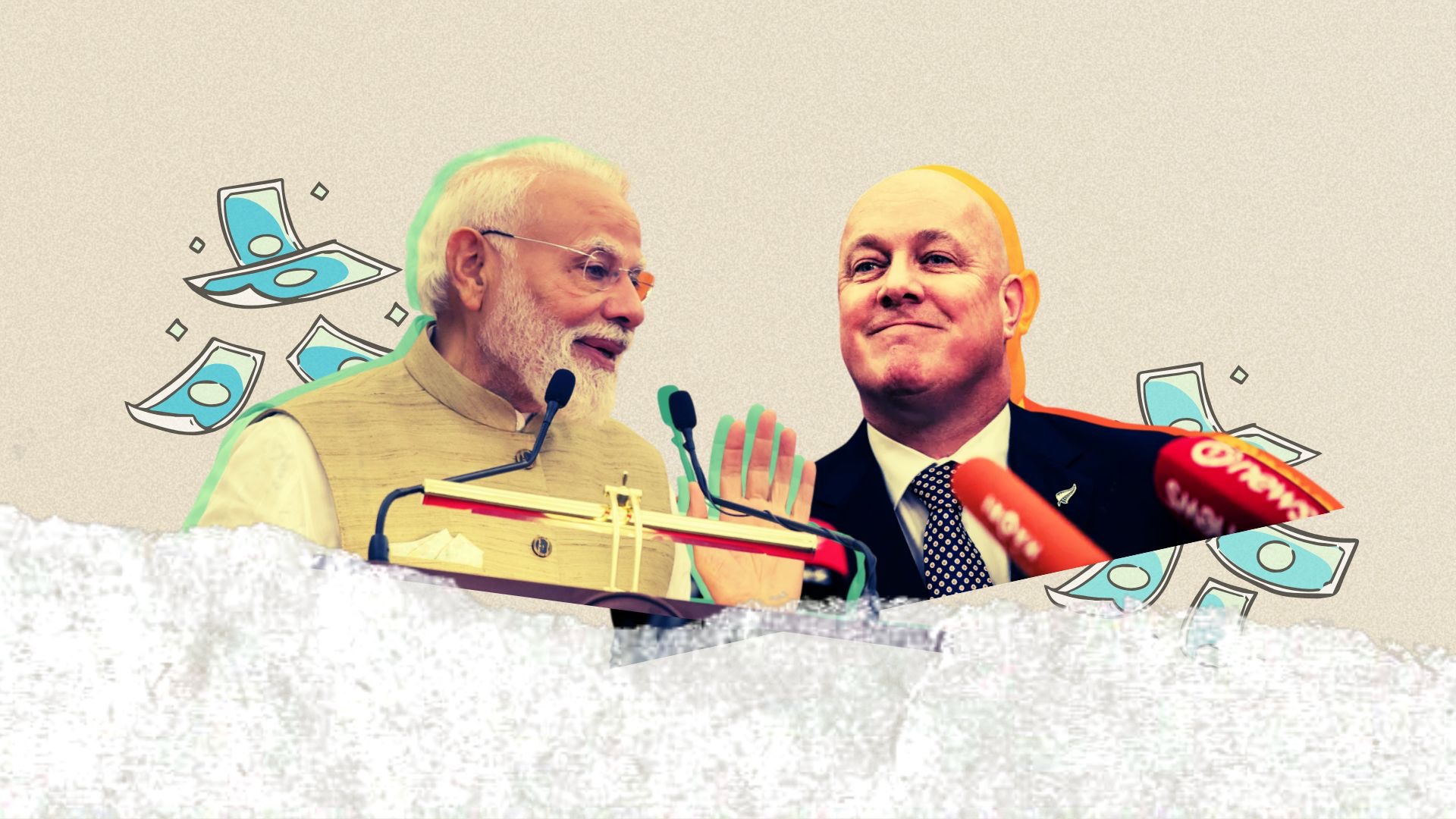
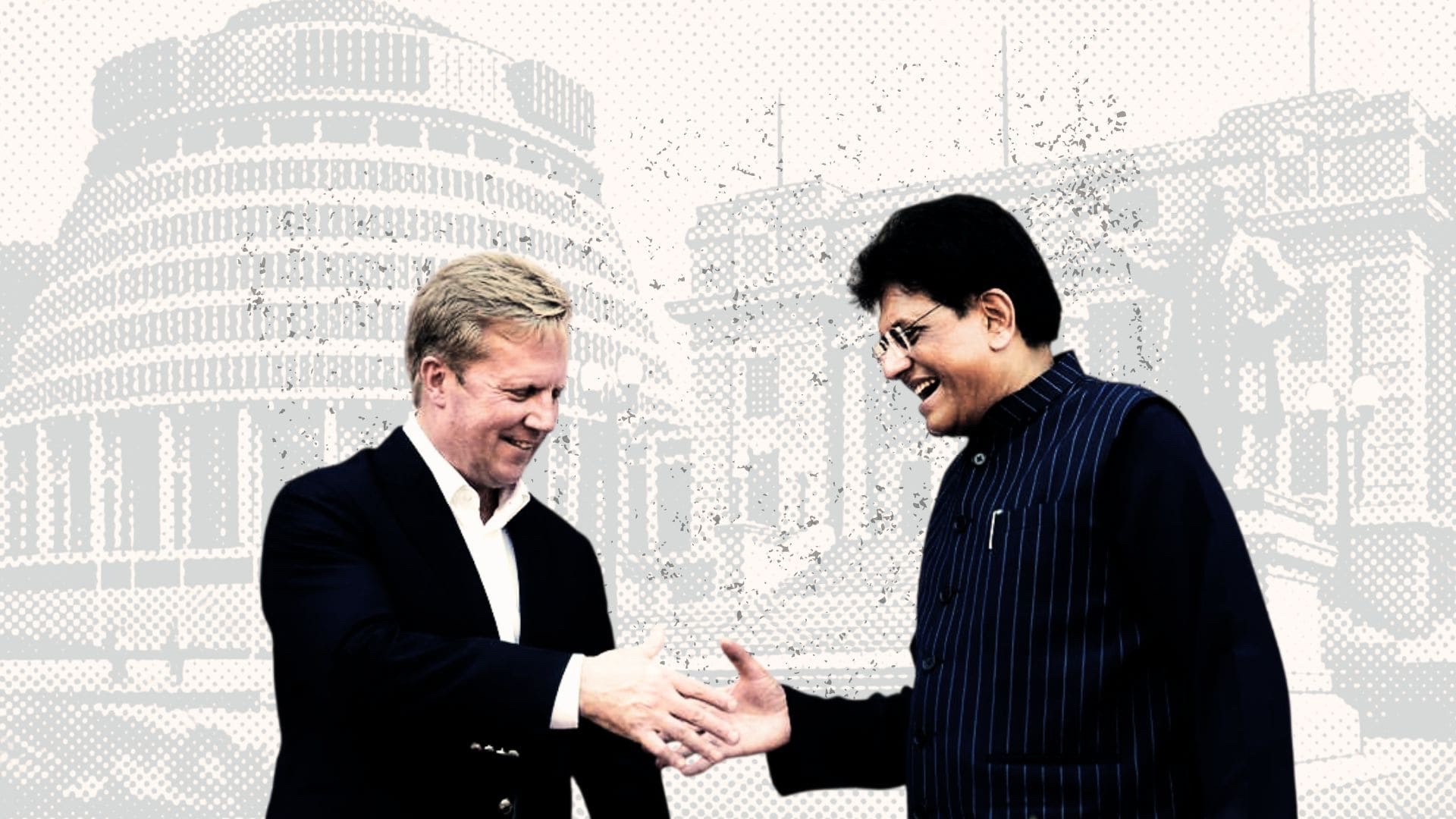
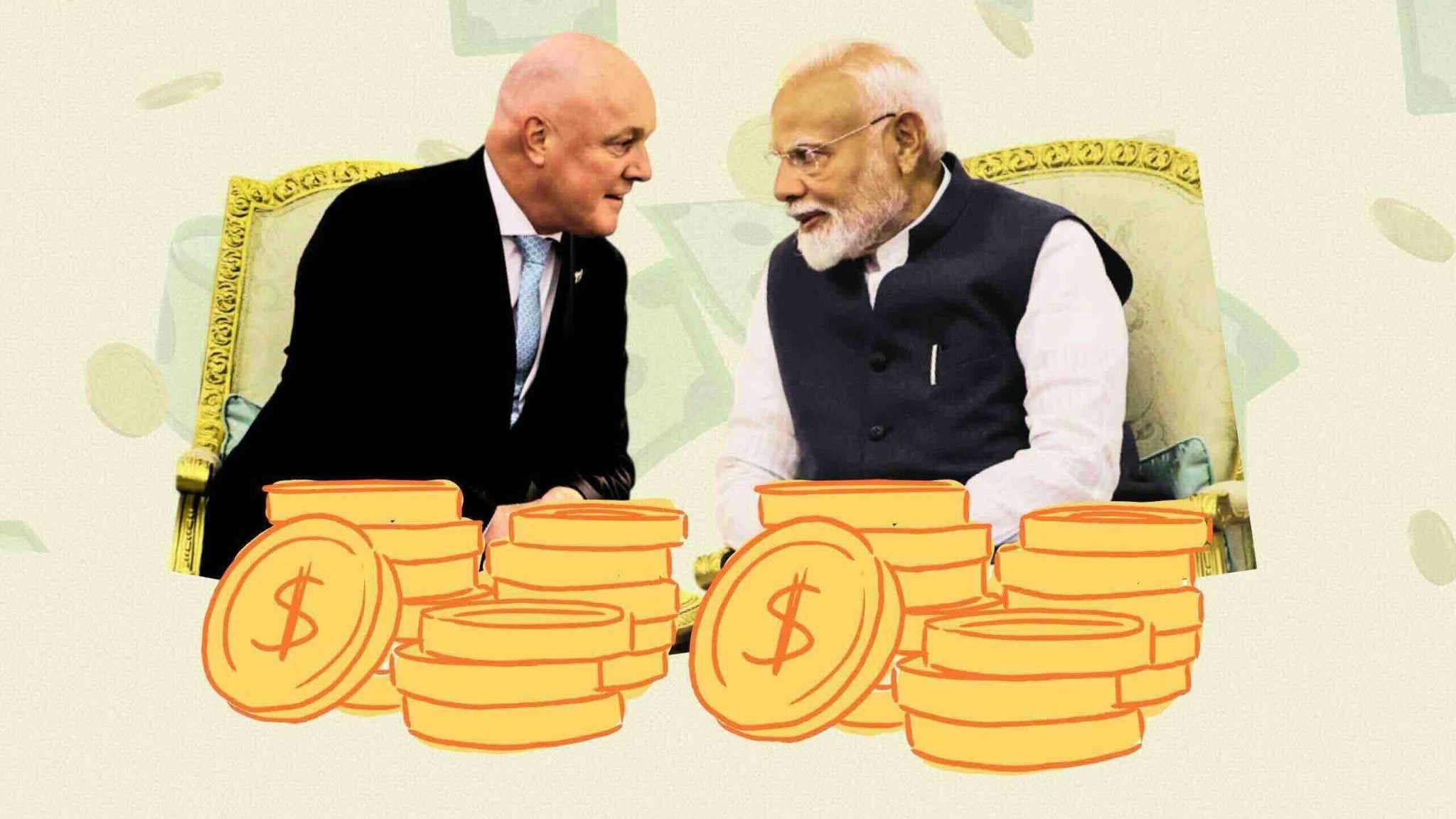
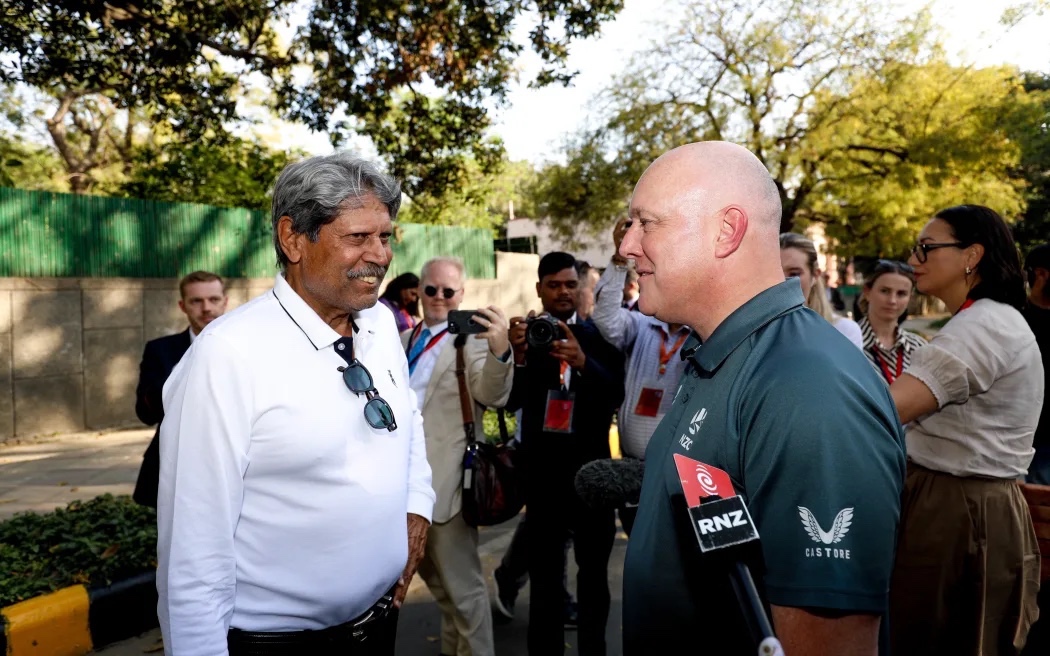
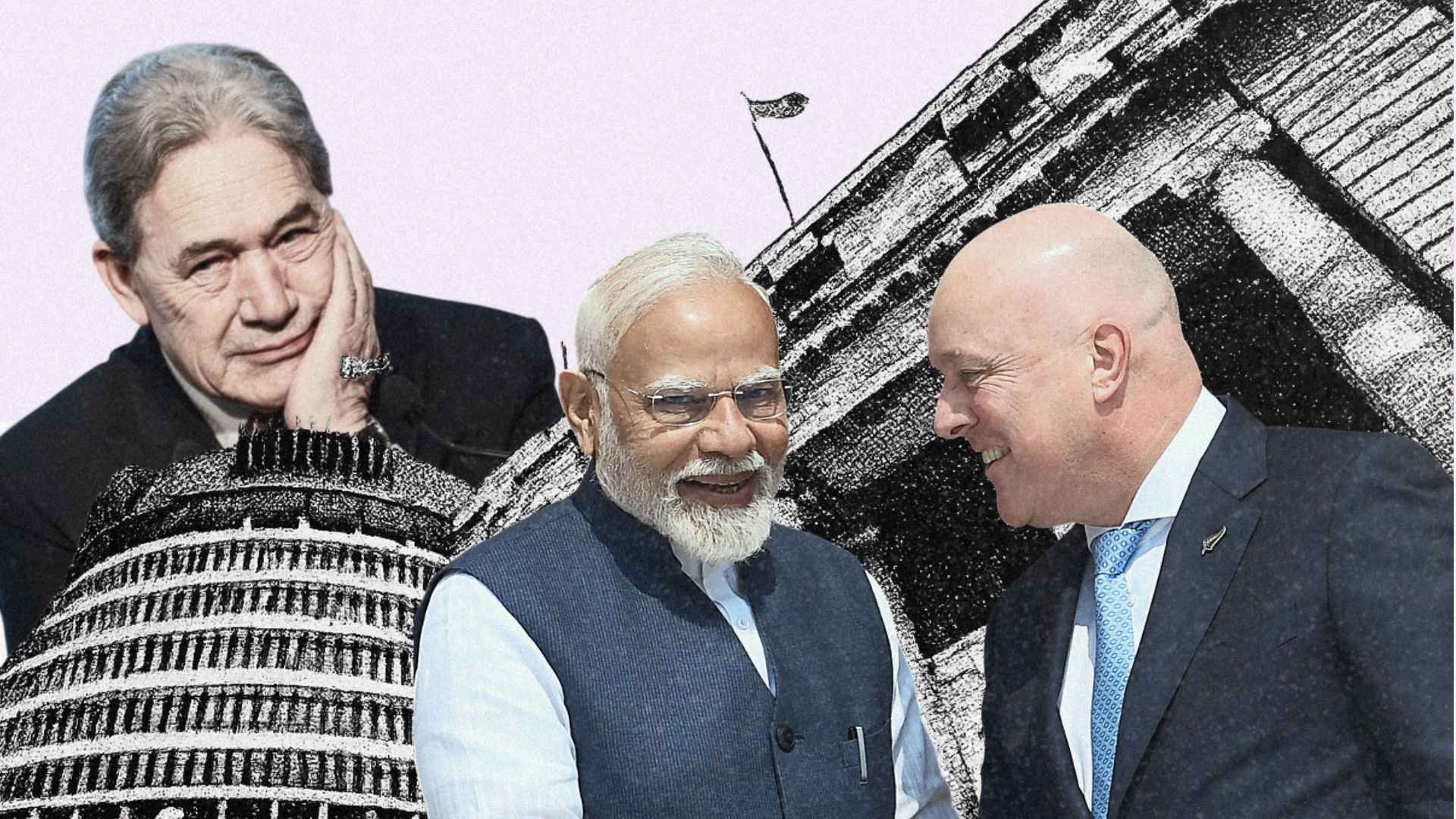
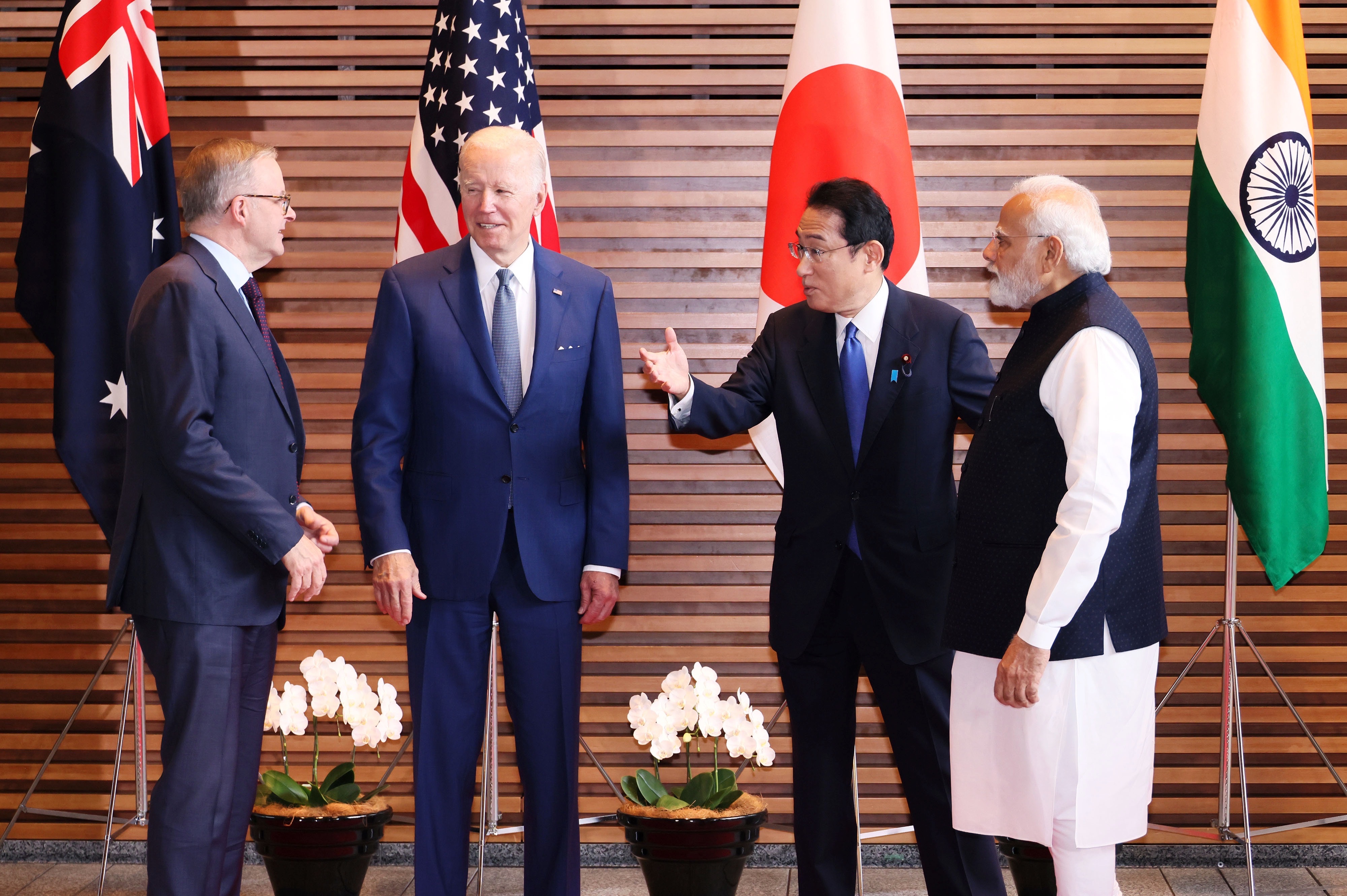
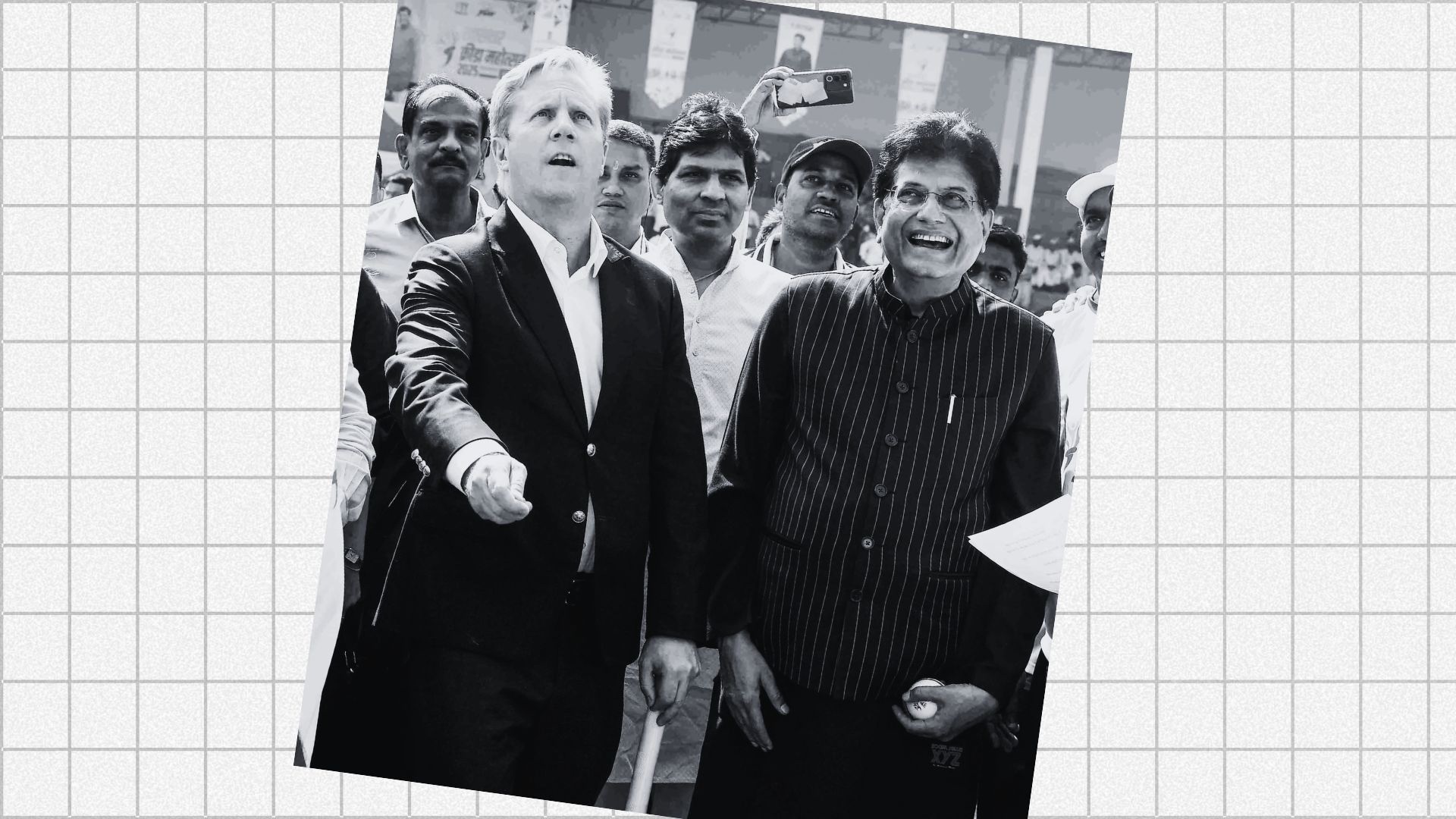
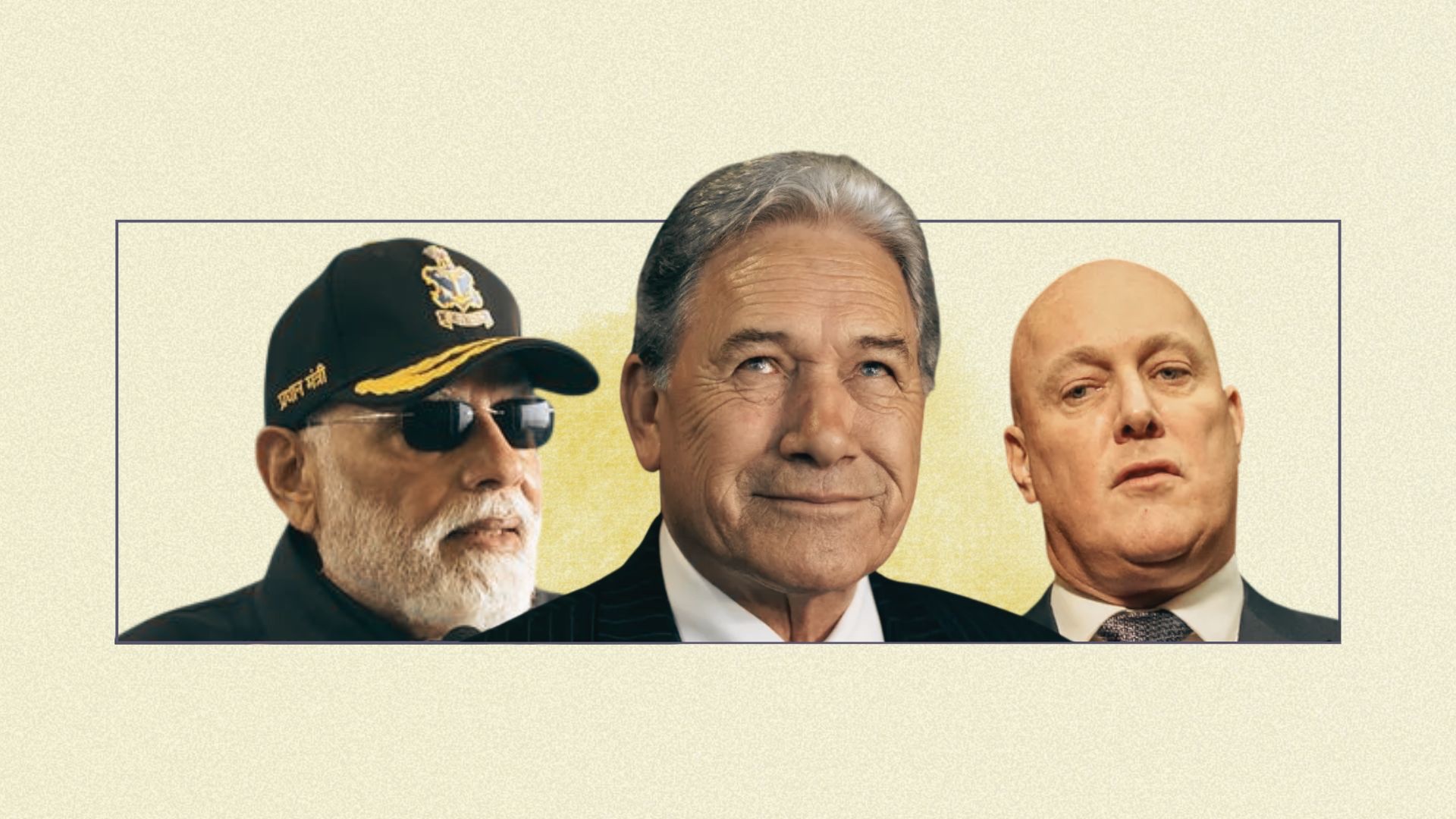
Prime Minister Christopher Luxon and counterpart Narendra Modi at Hyderabad House in Delhi in March 2025. (Supplied photo)
Even United States and European Union have failed to extract meaningful dairy concessions from India.
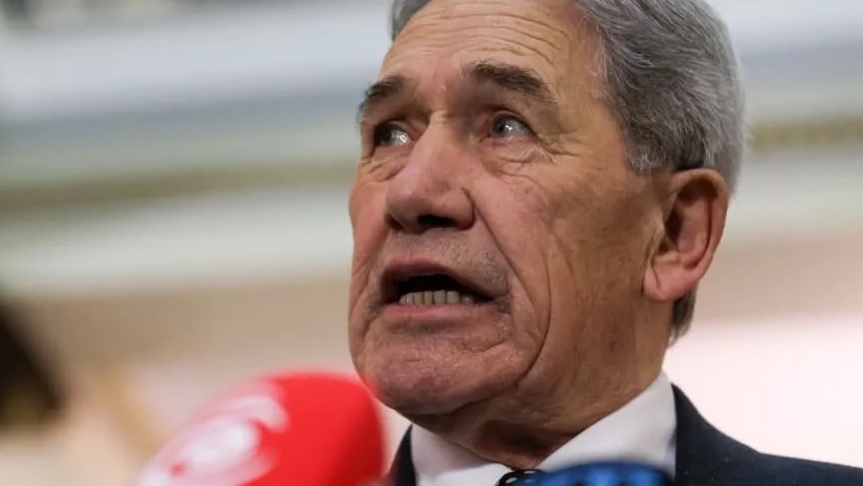
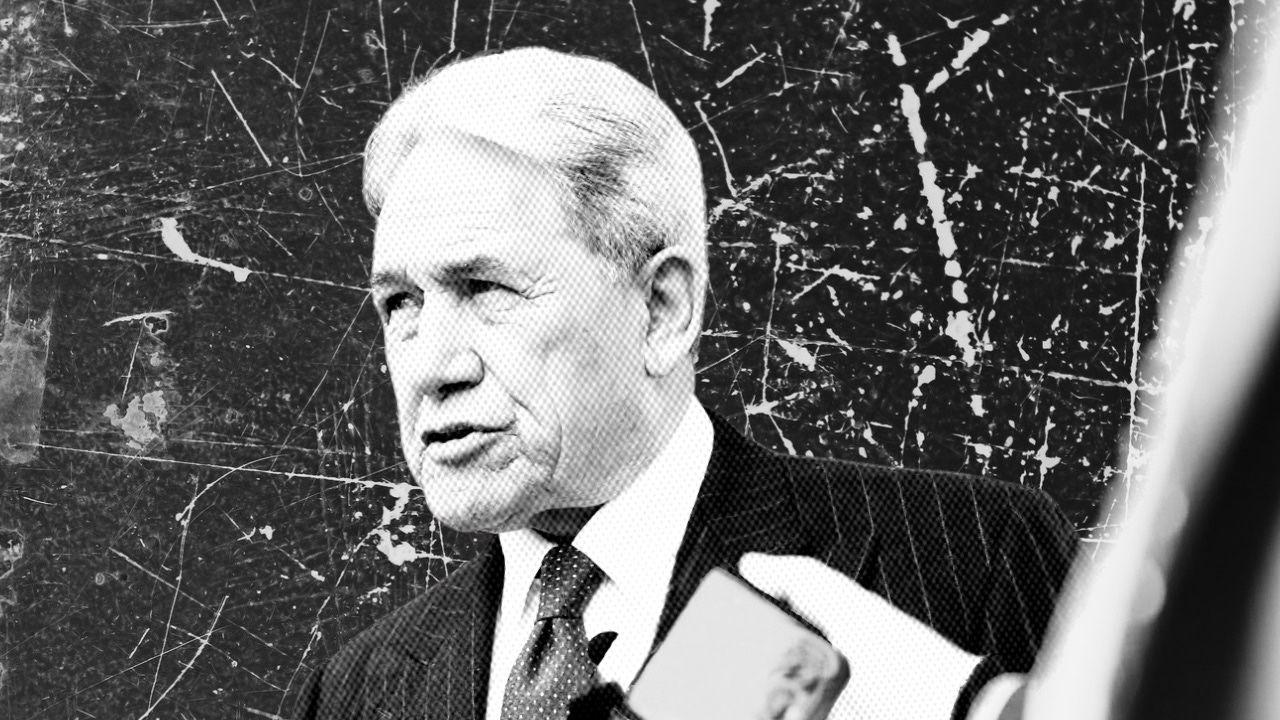
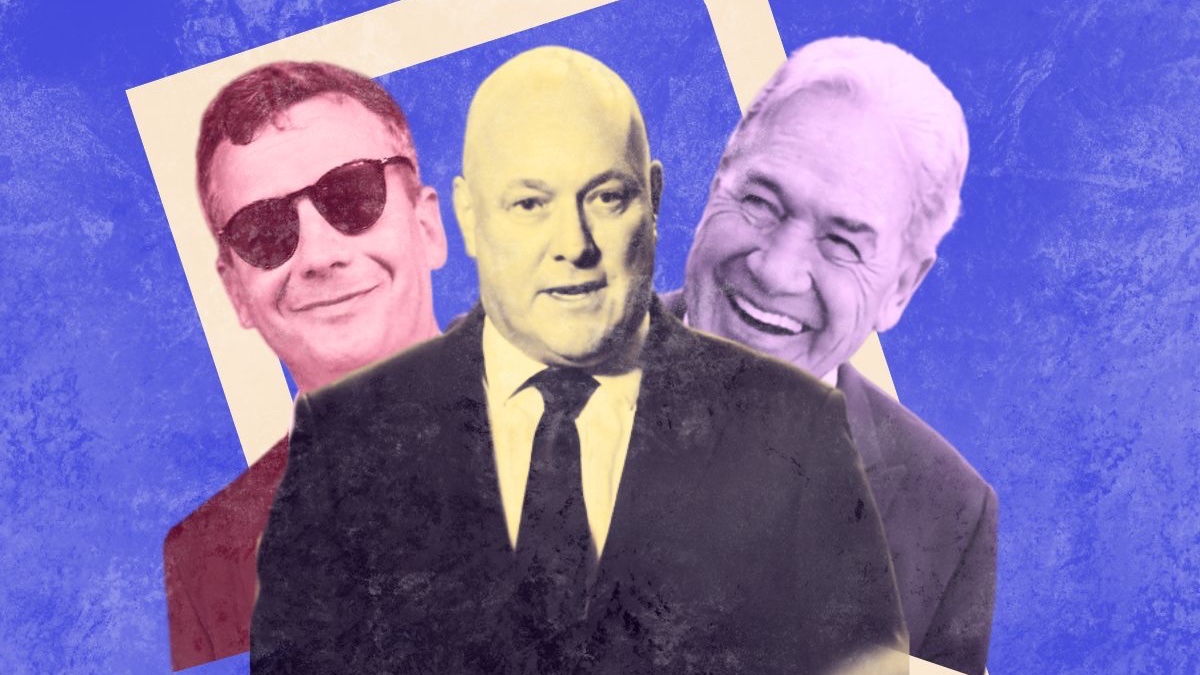
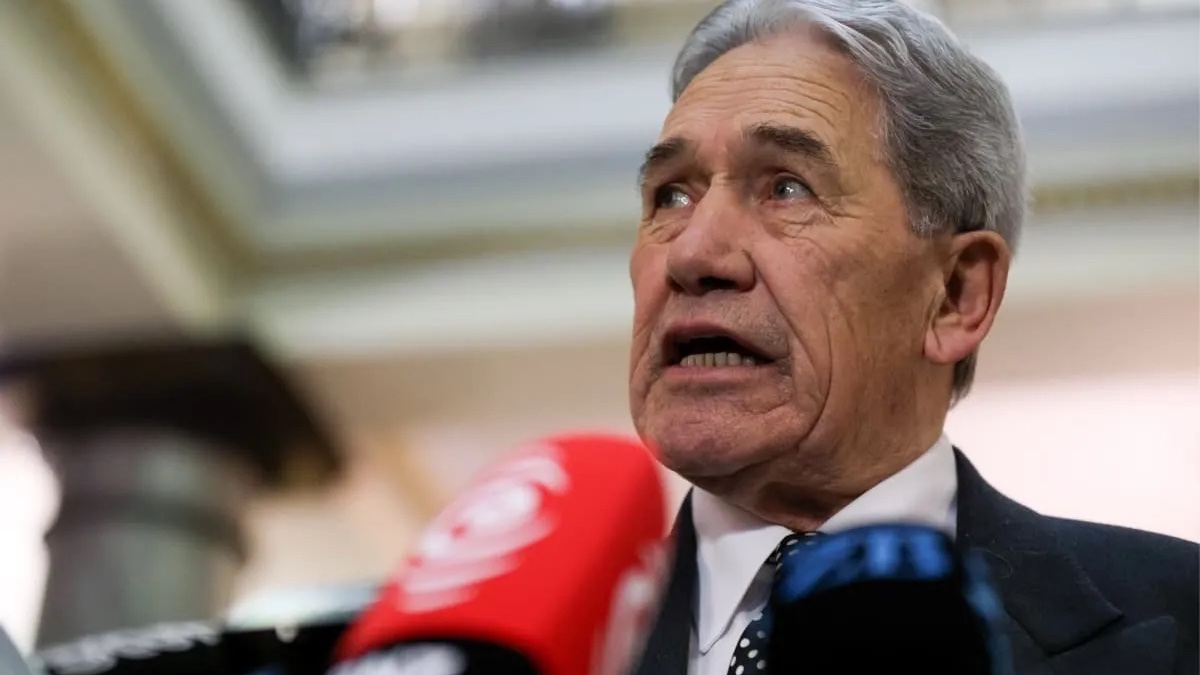
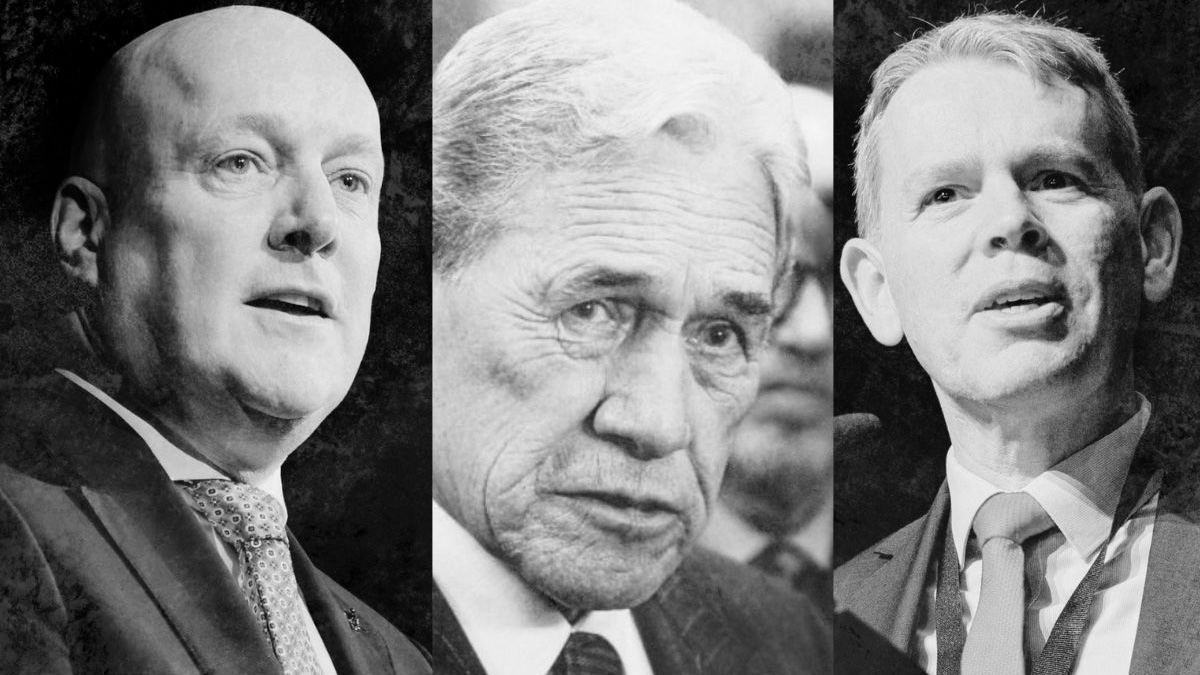
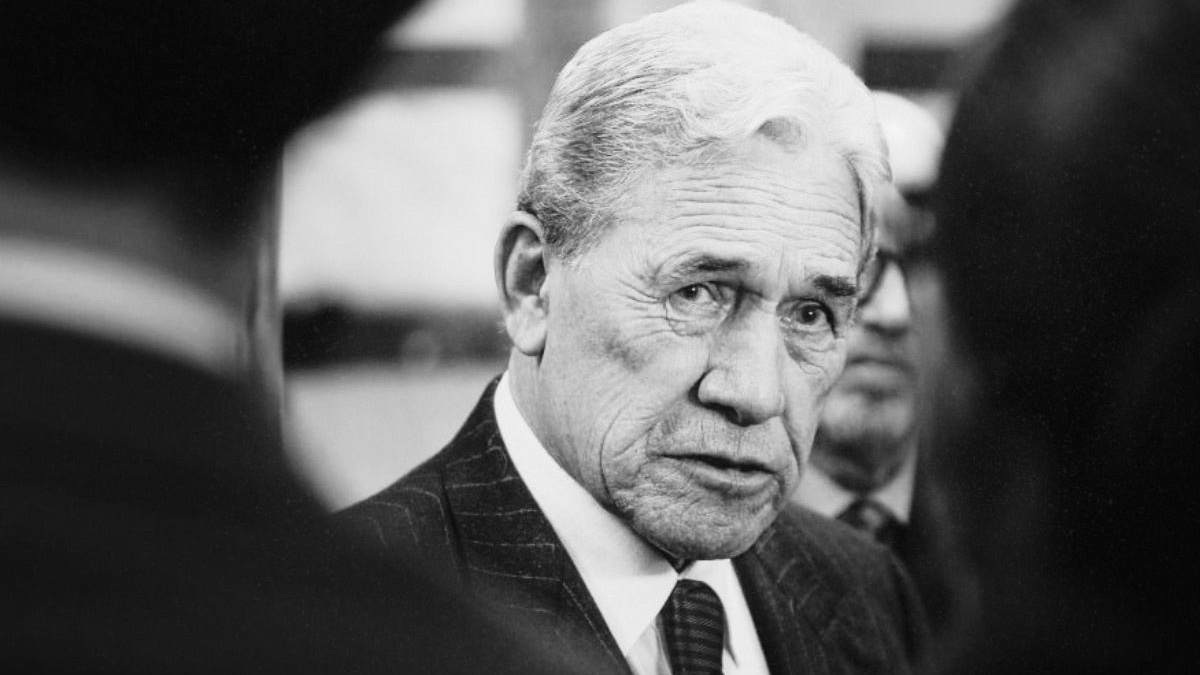
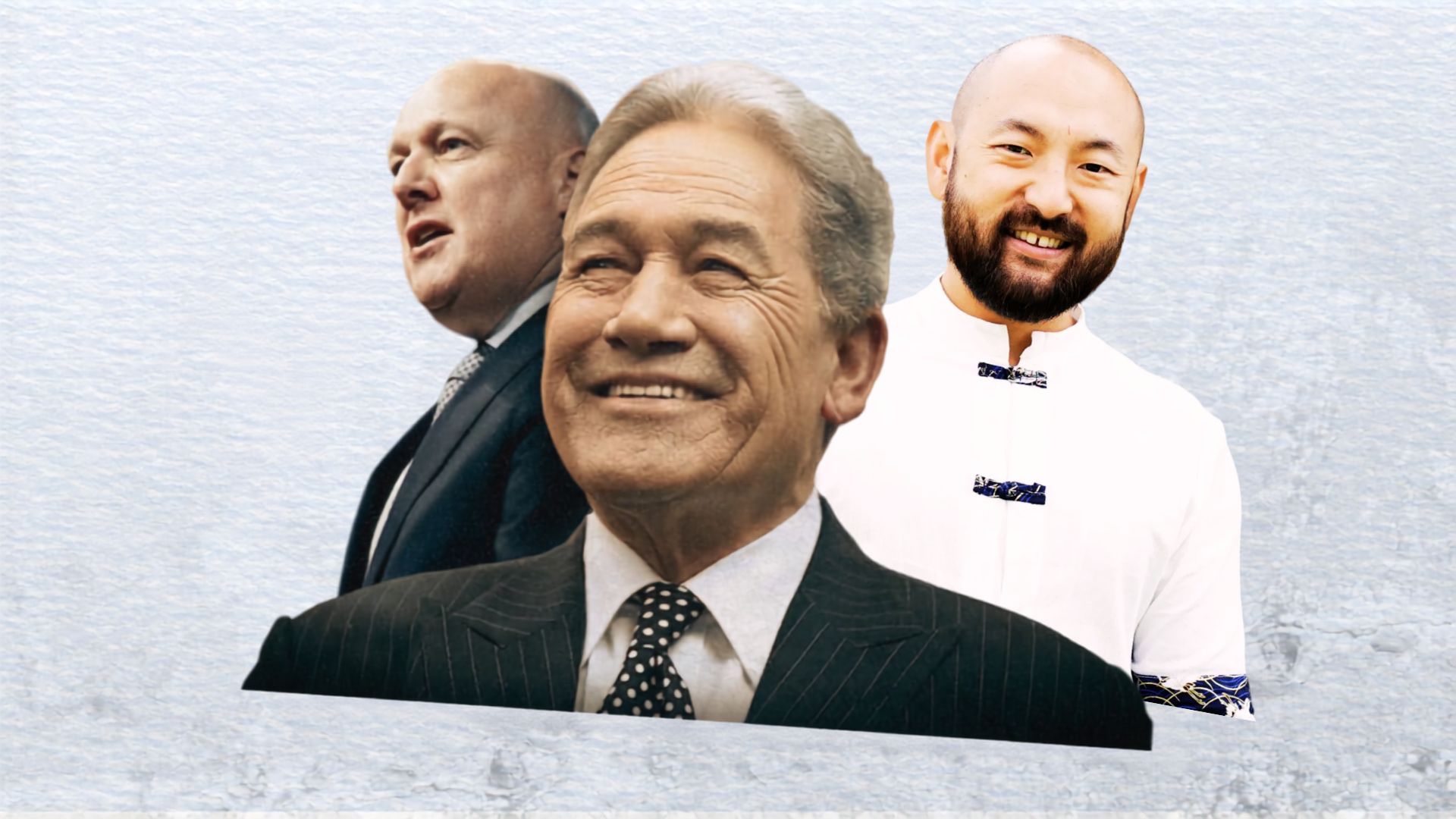
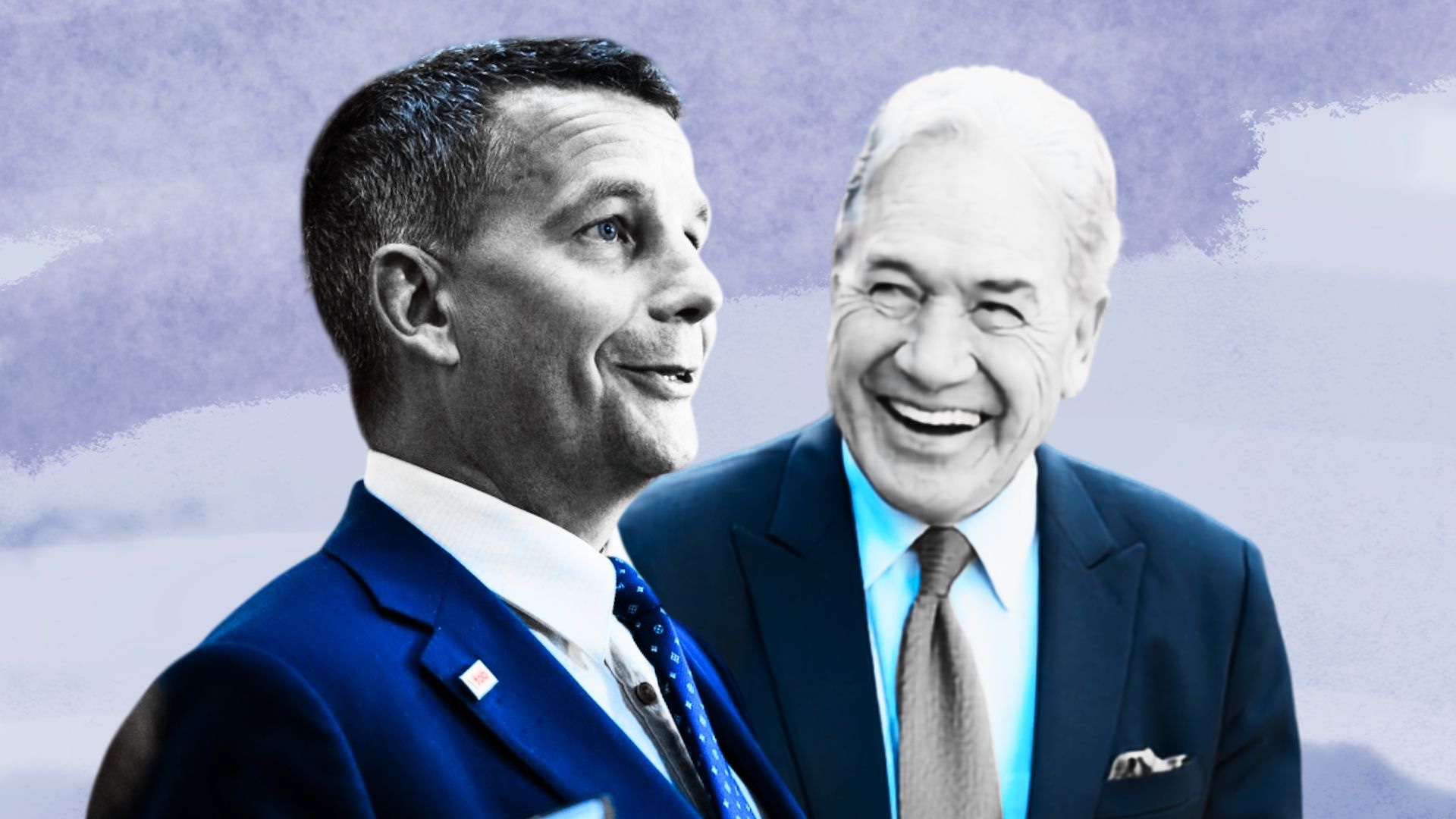
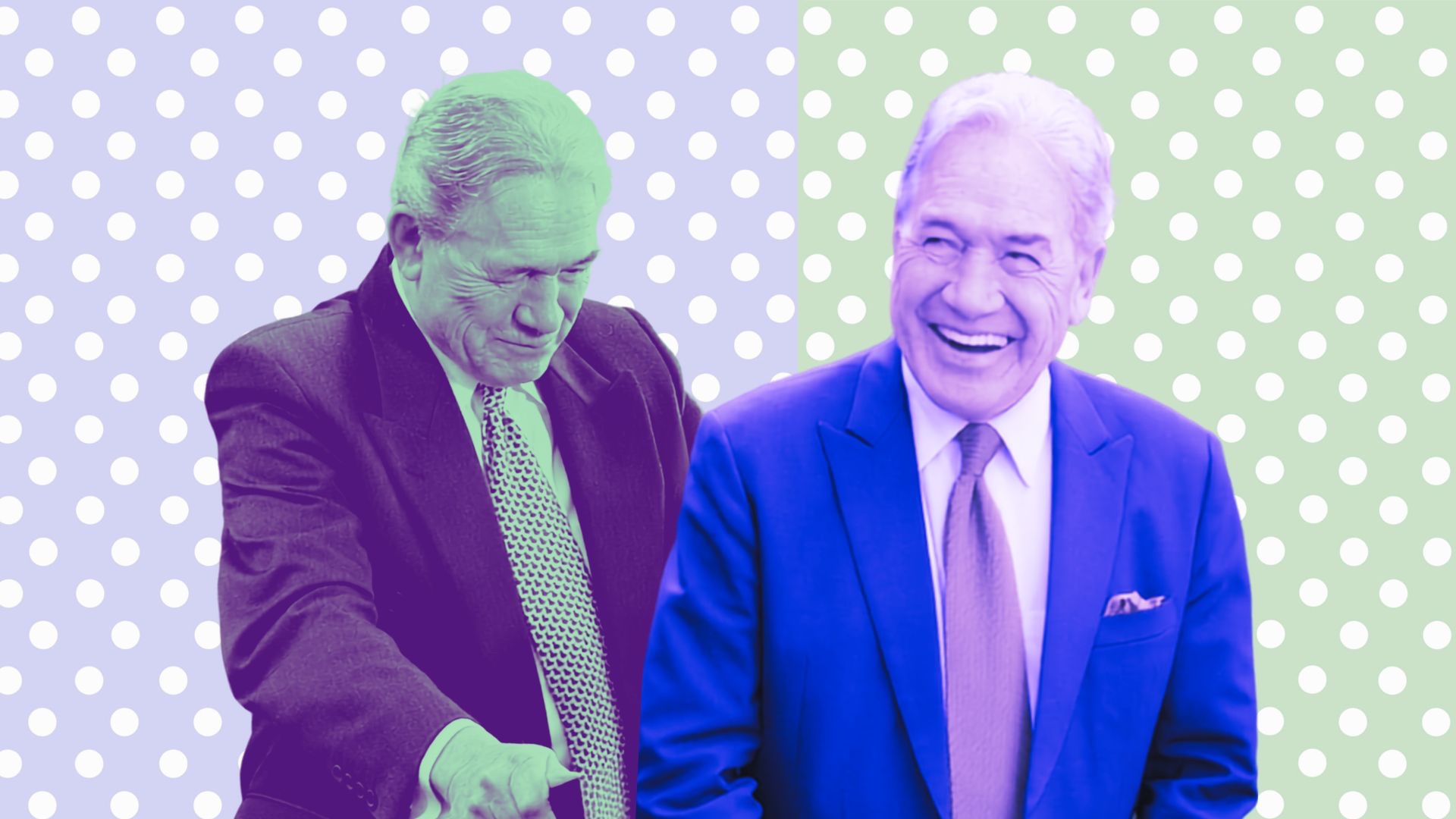
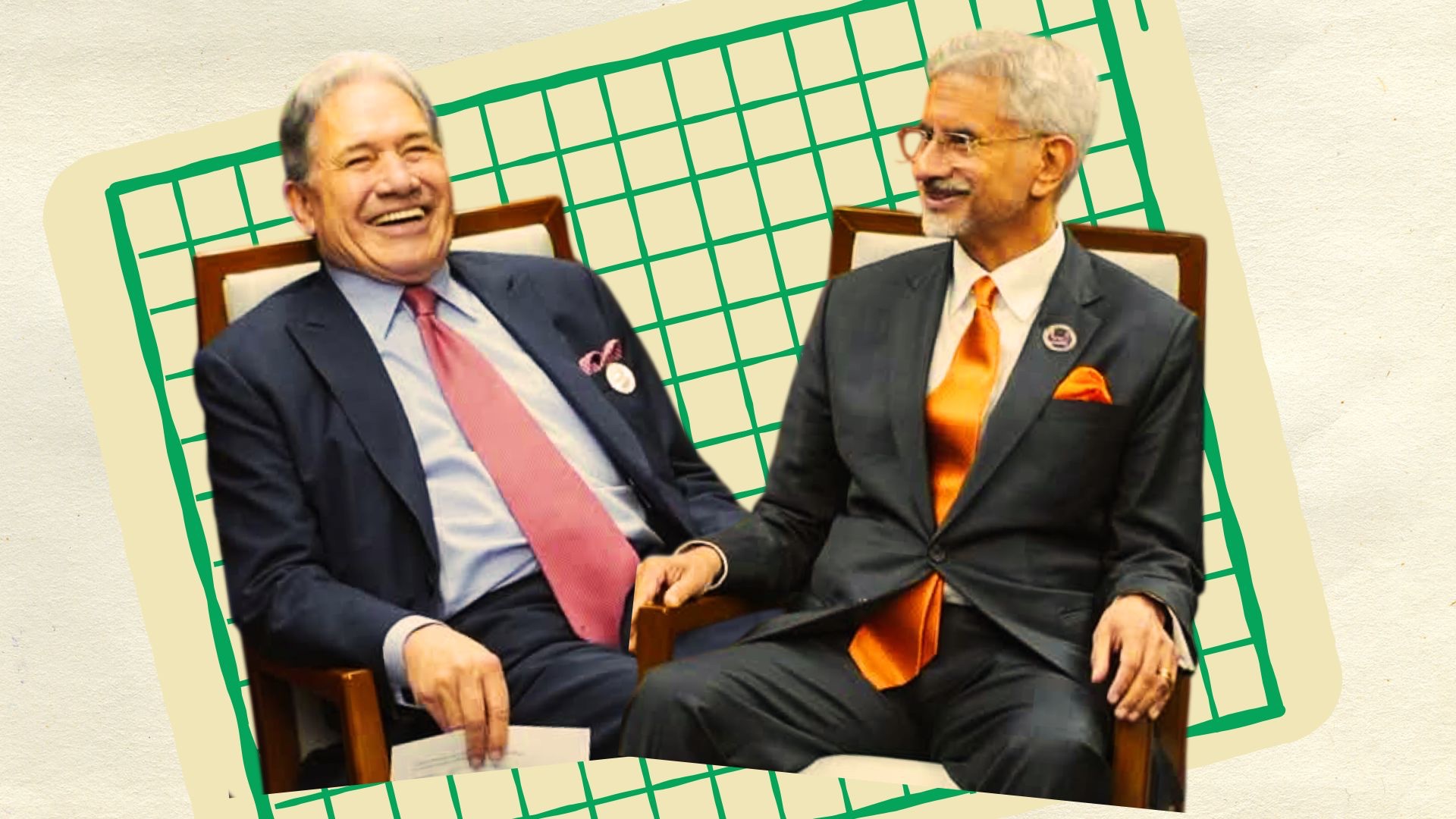
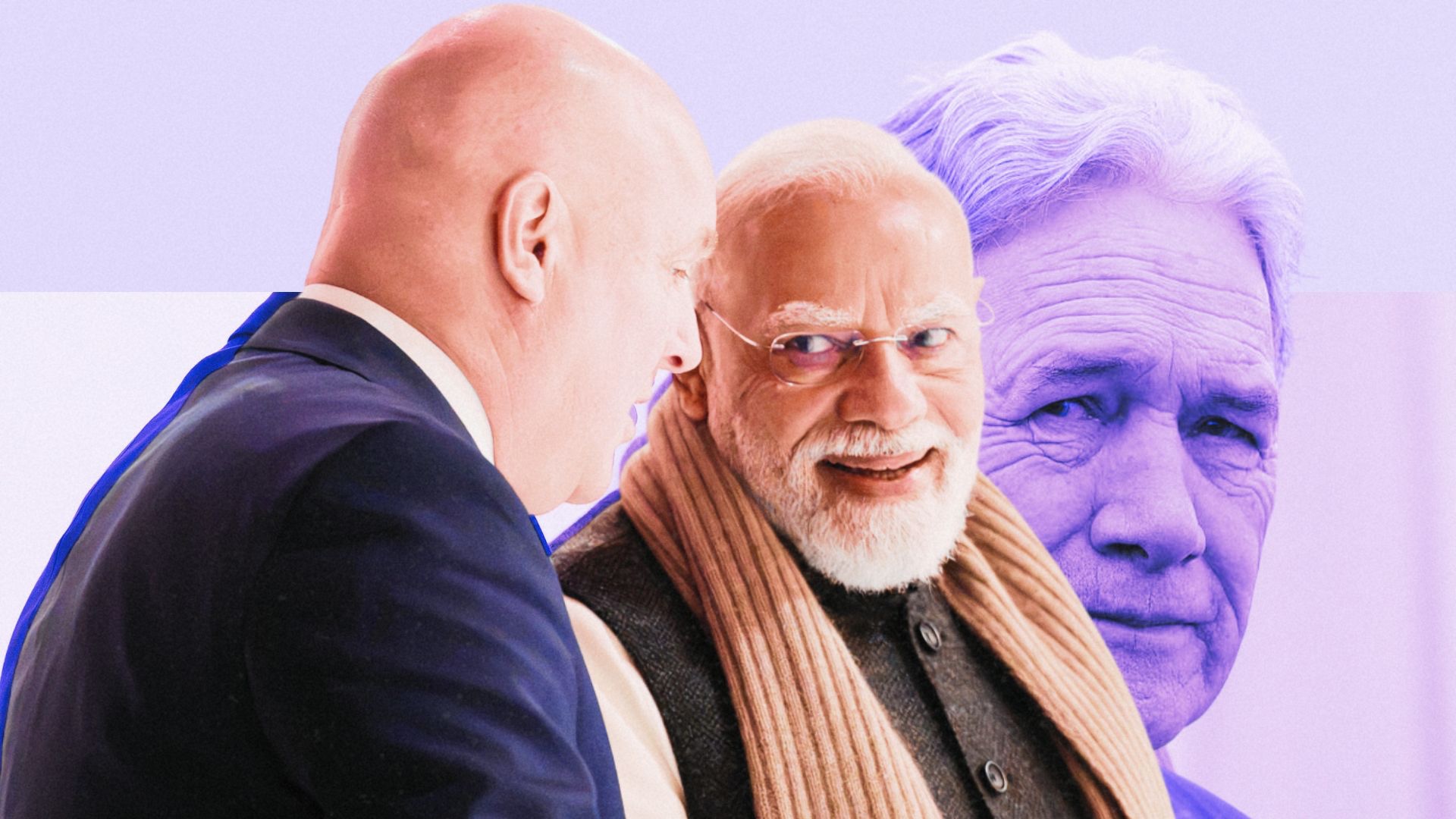
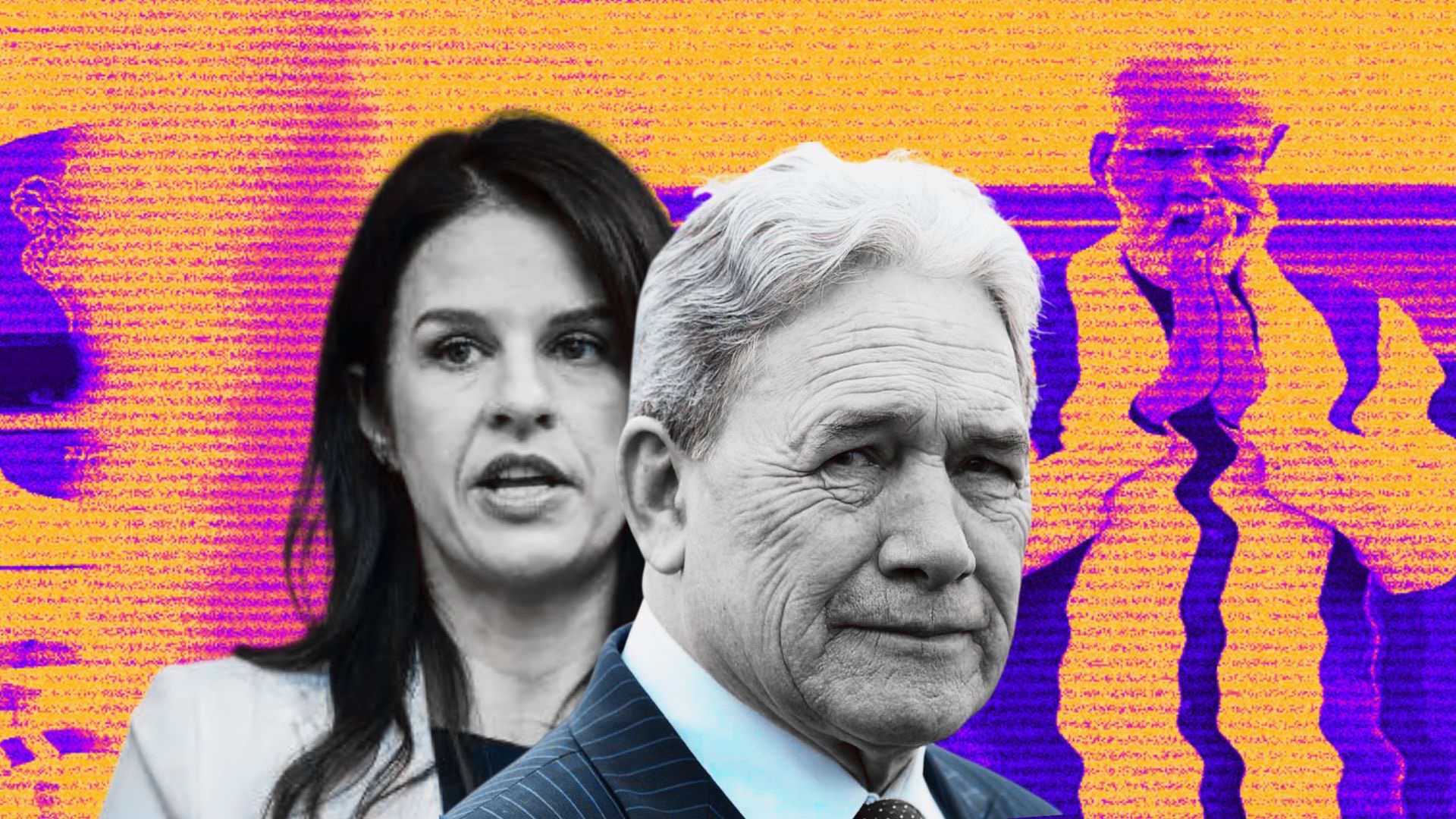
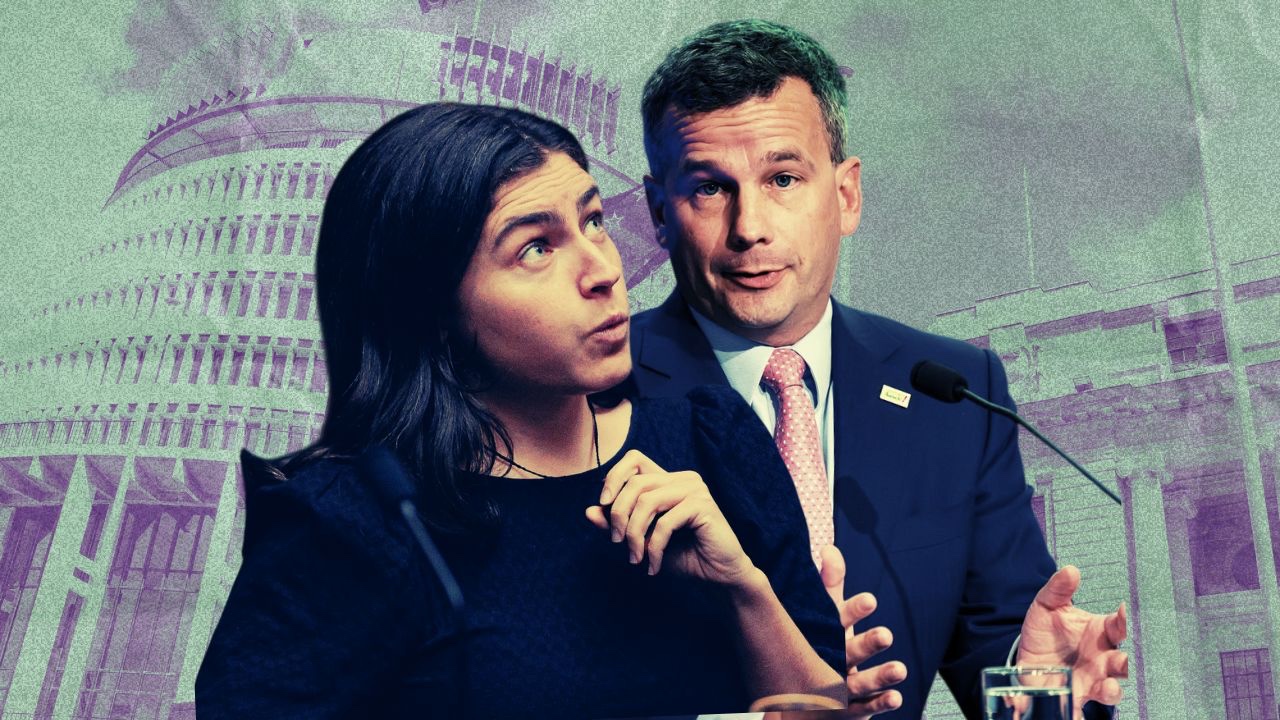
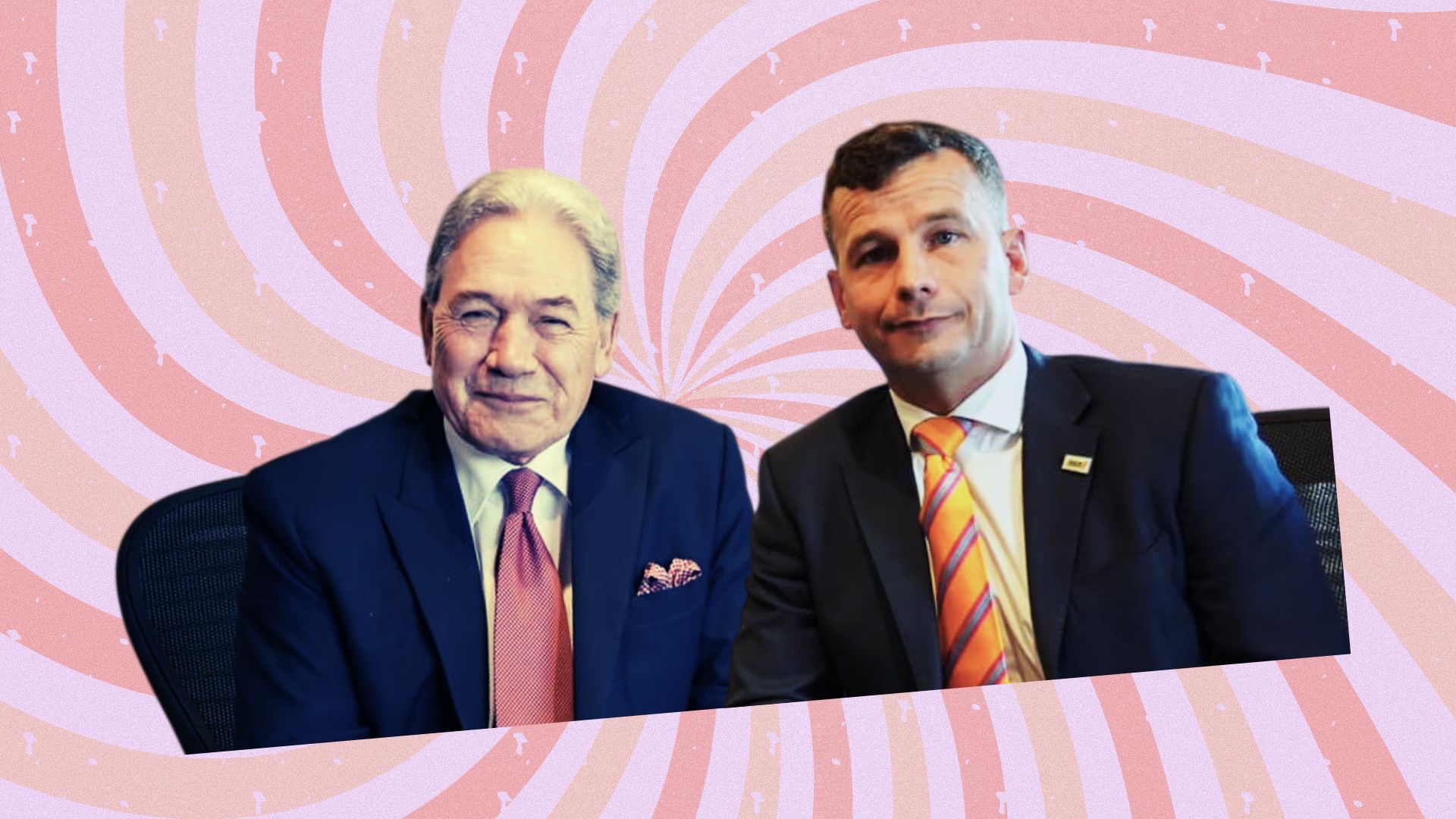
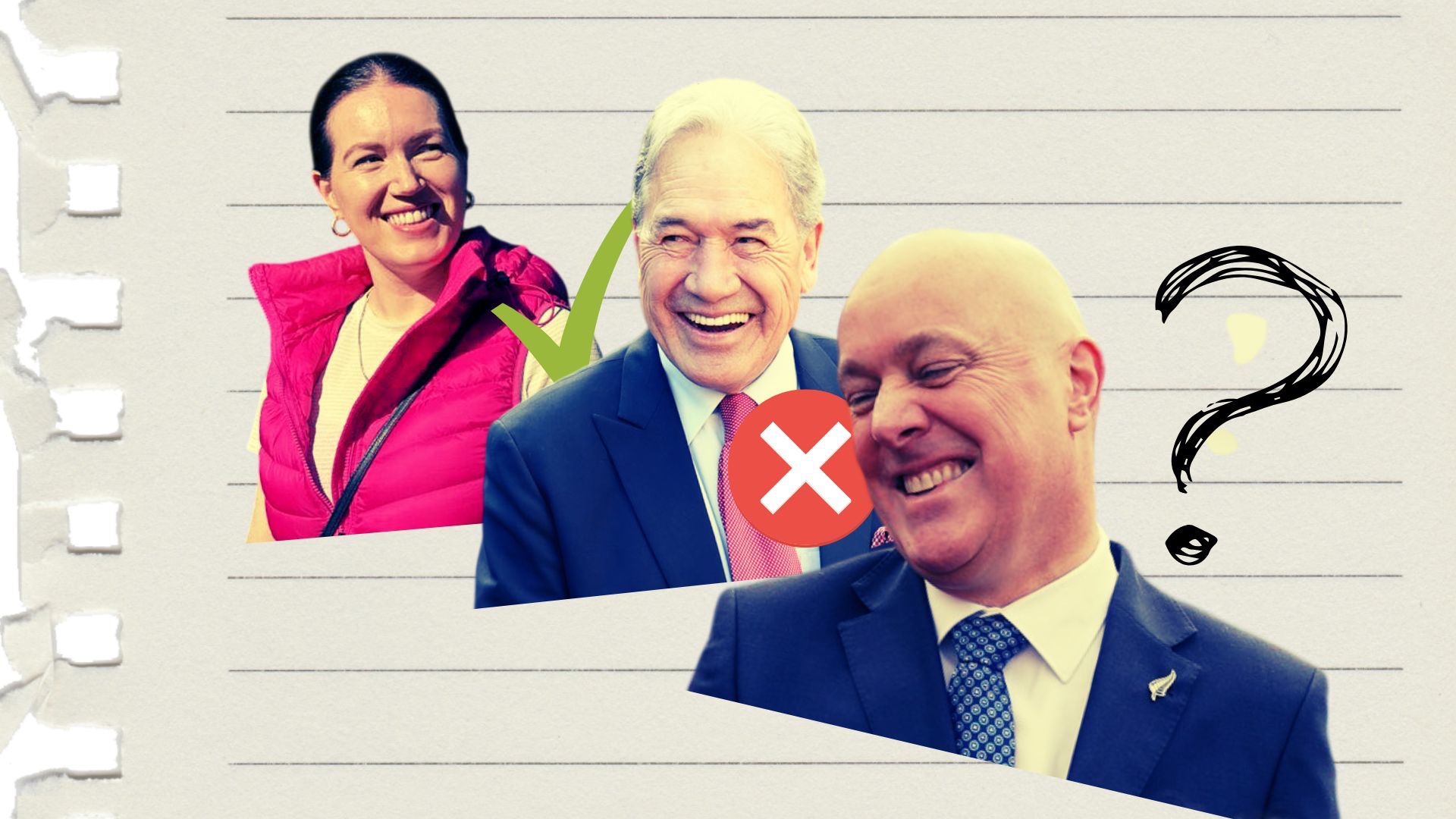
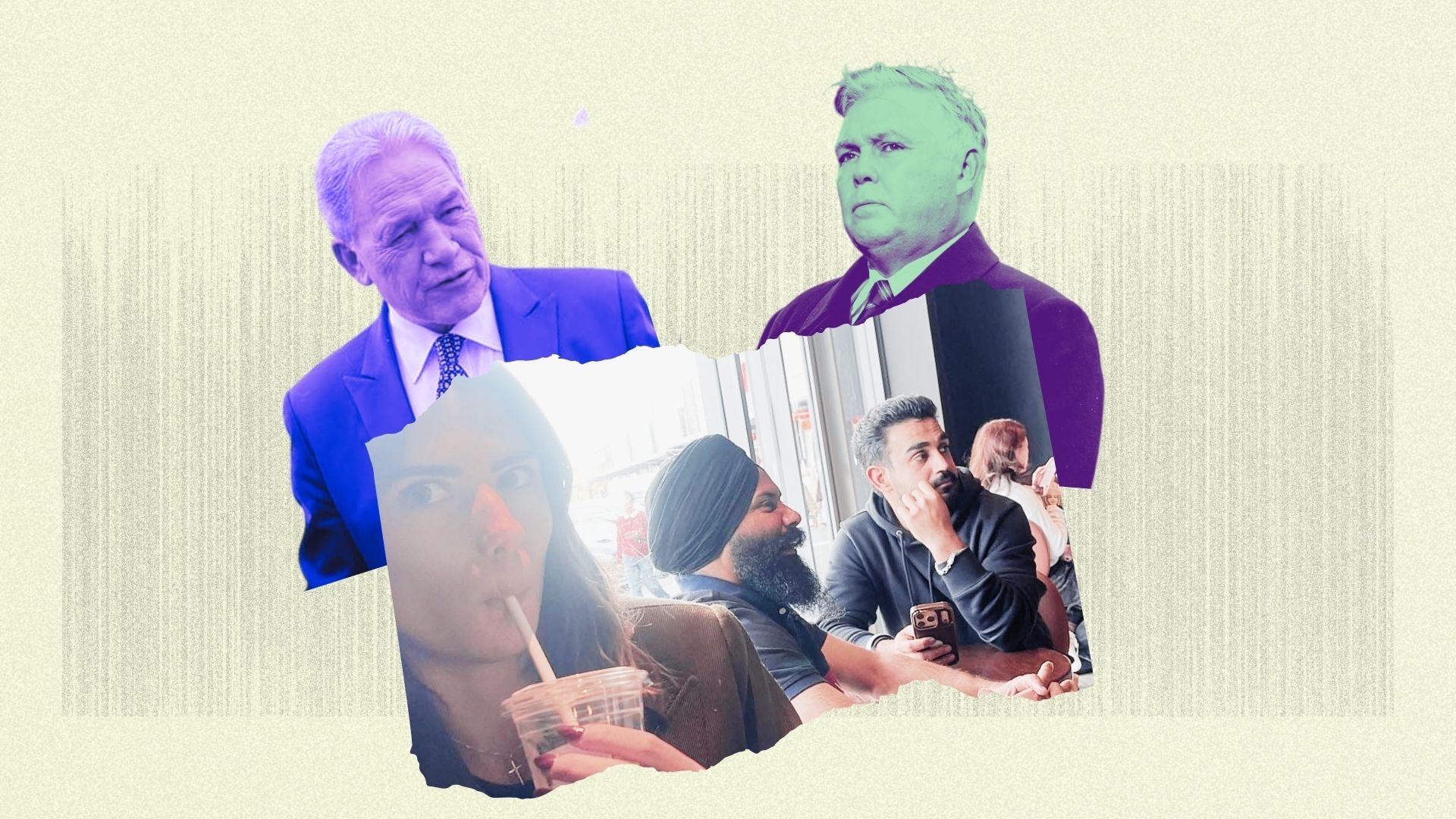
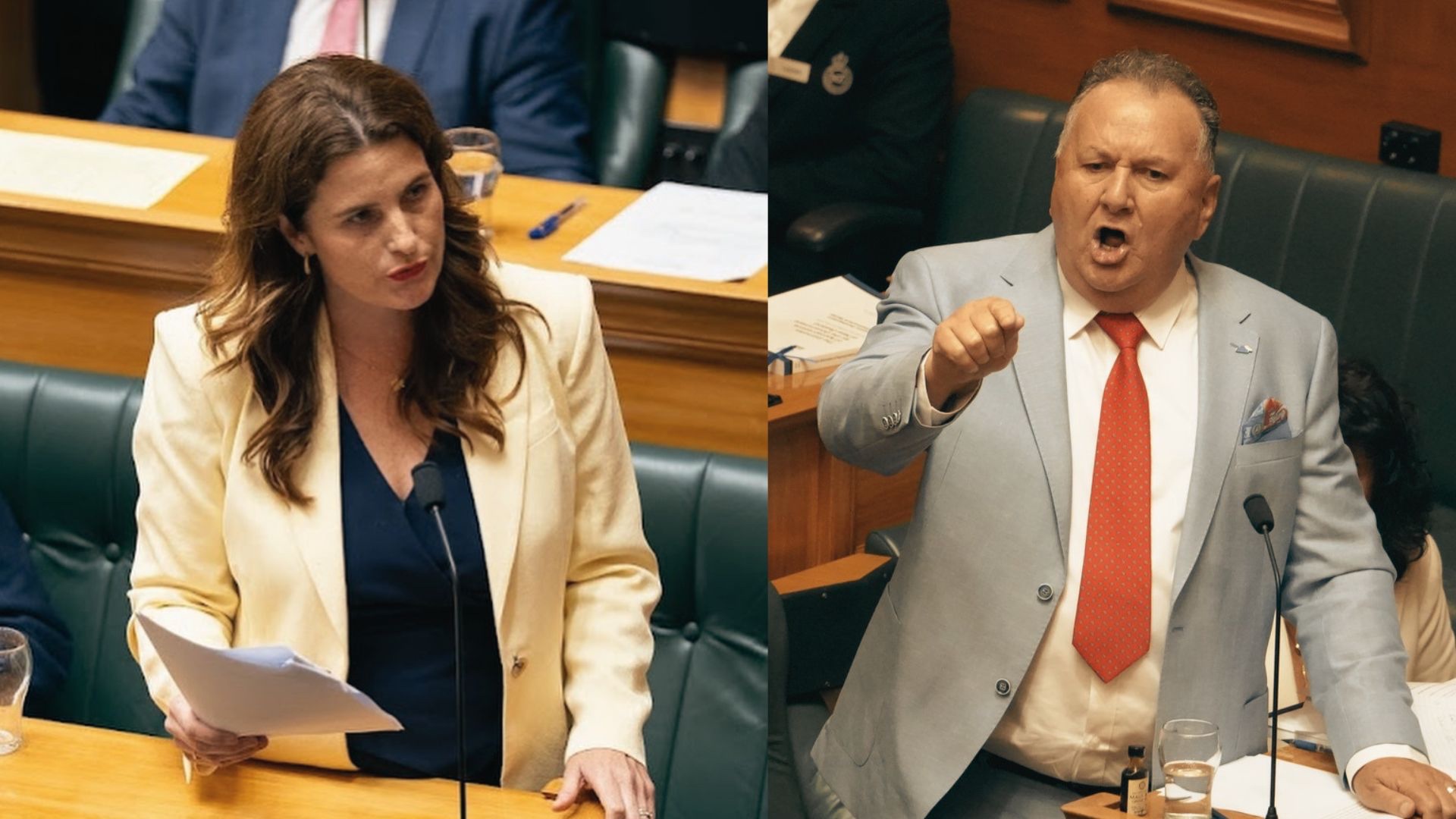
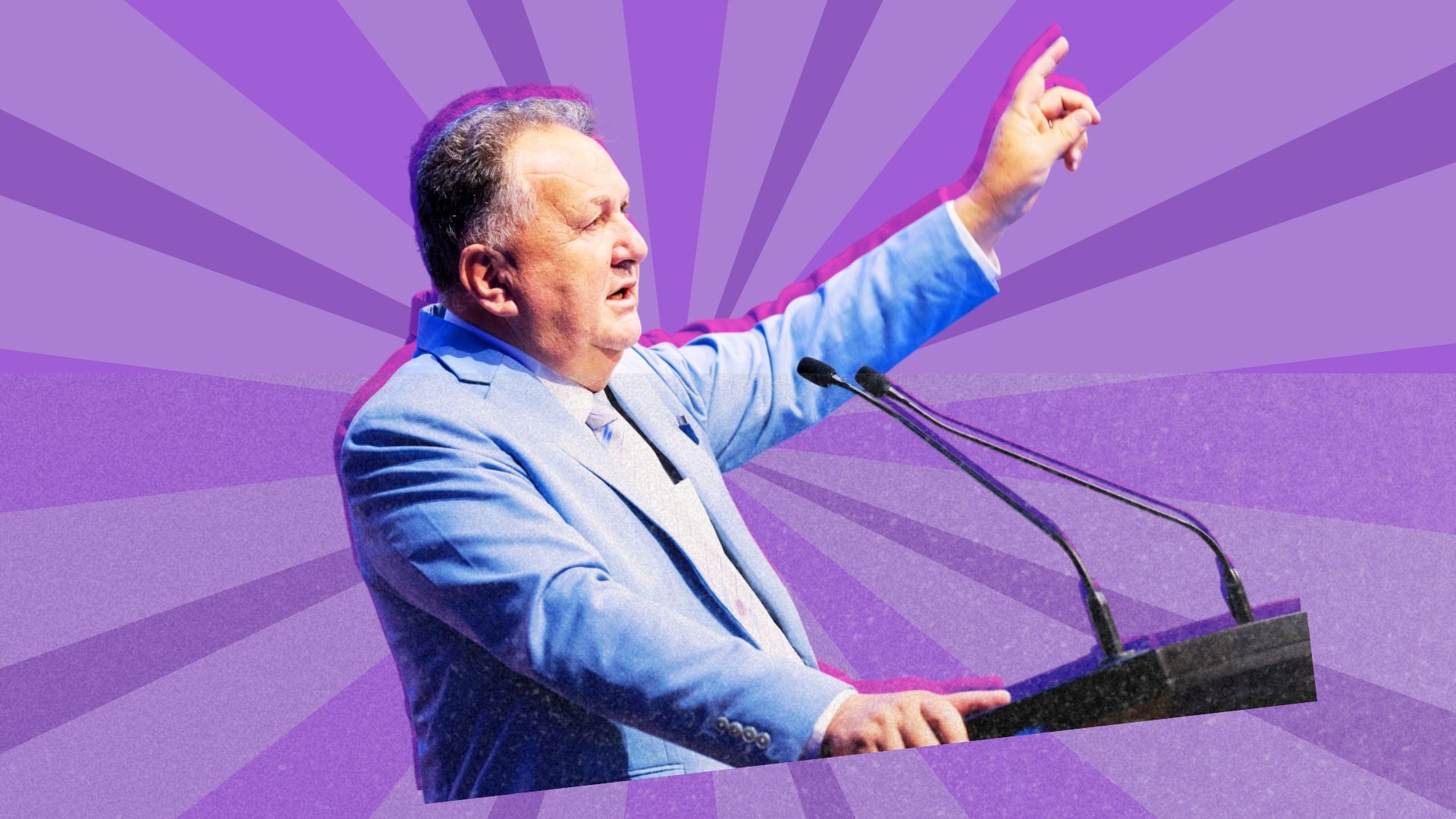
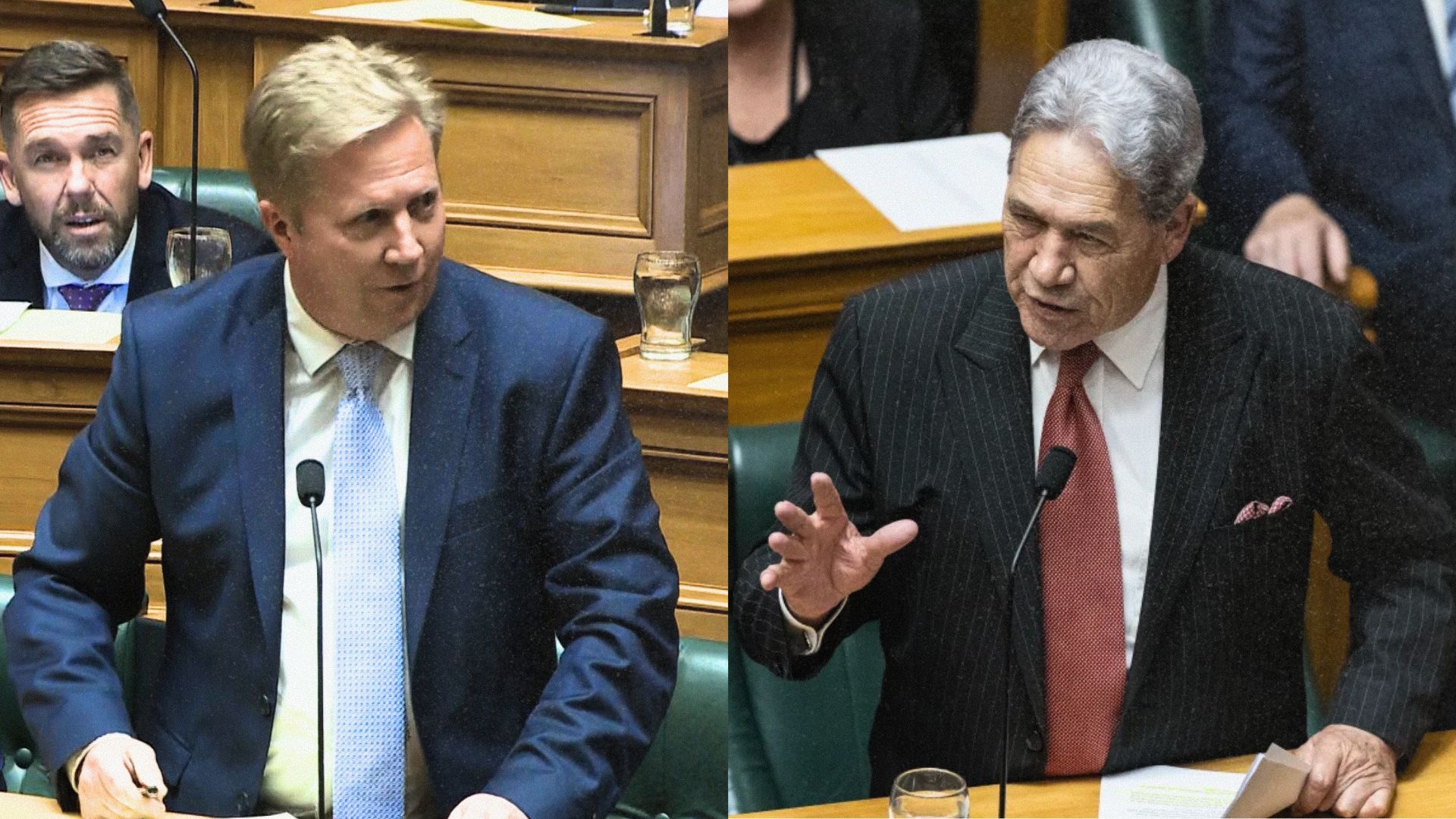
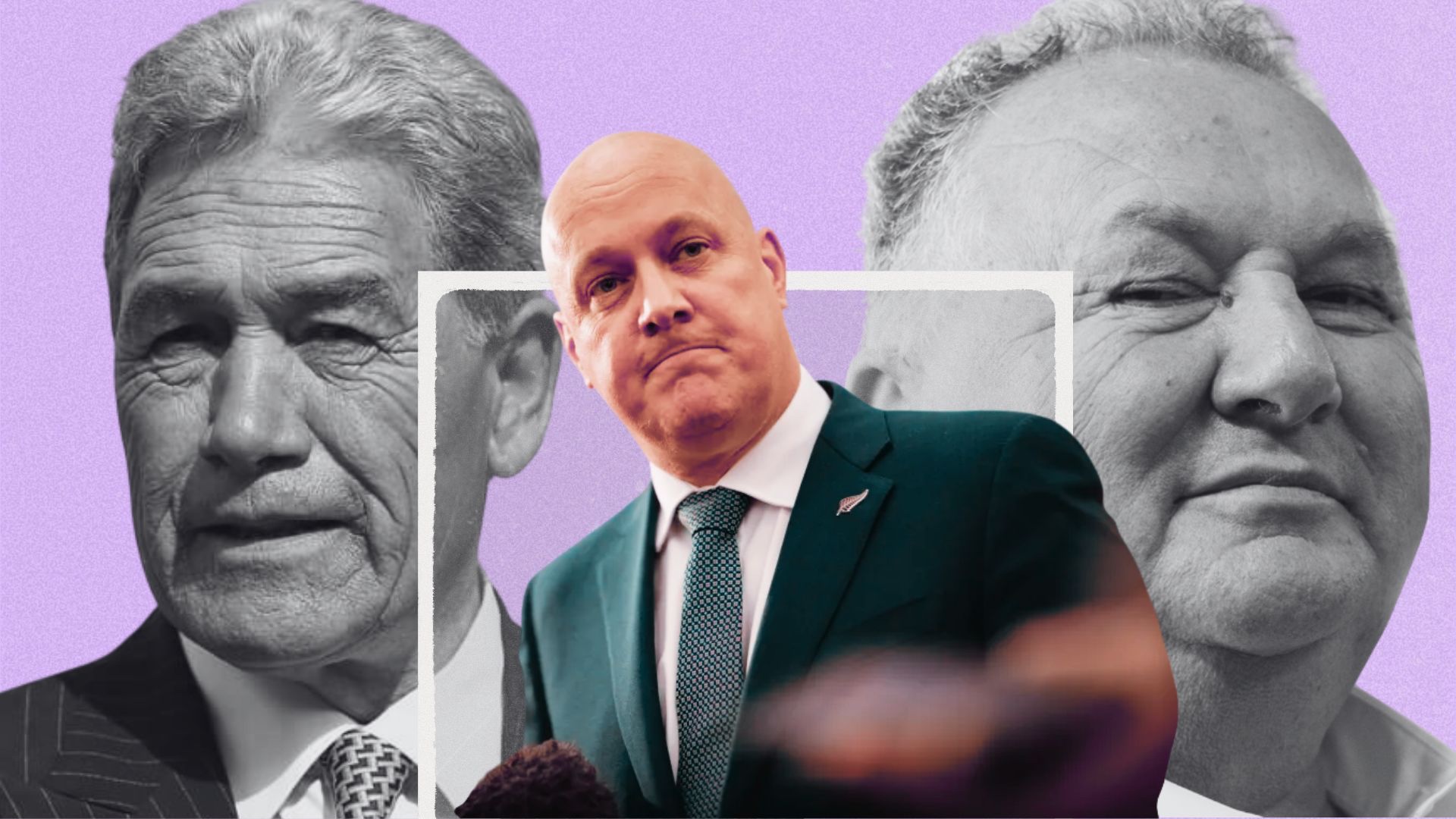
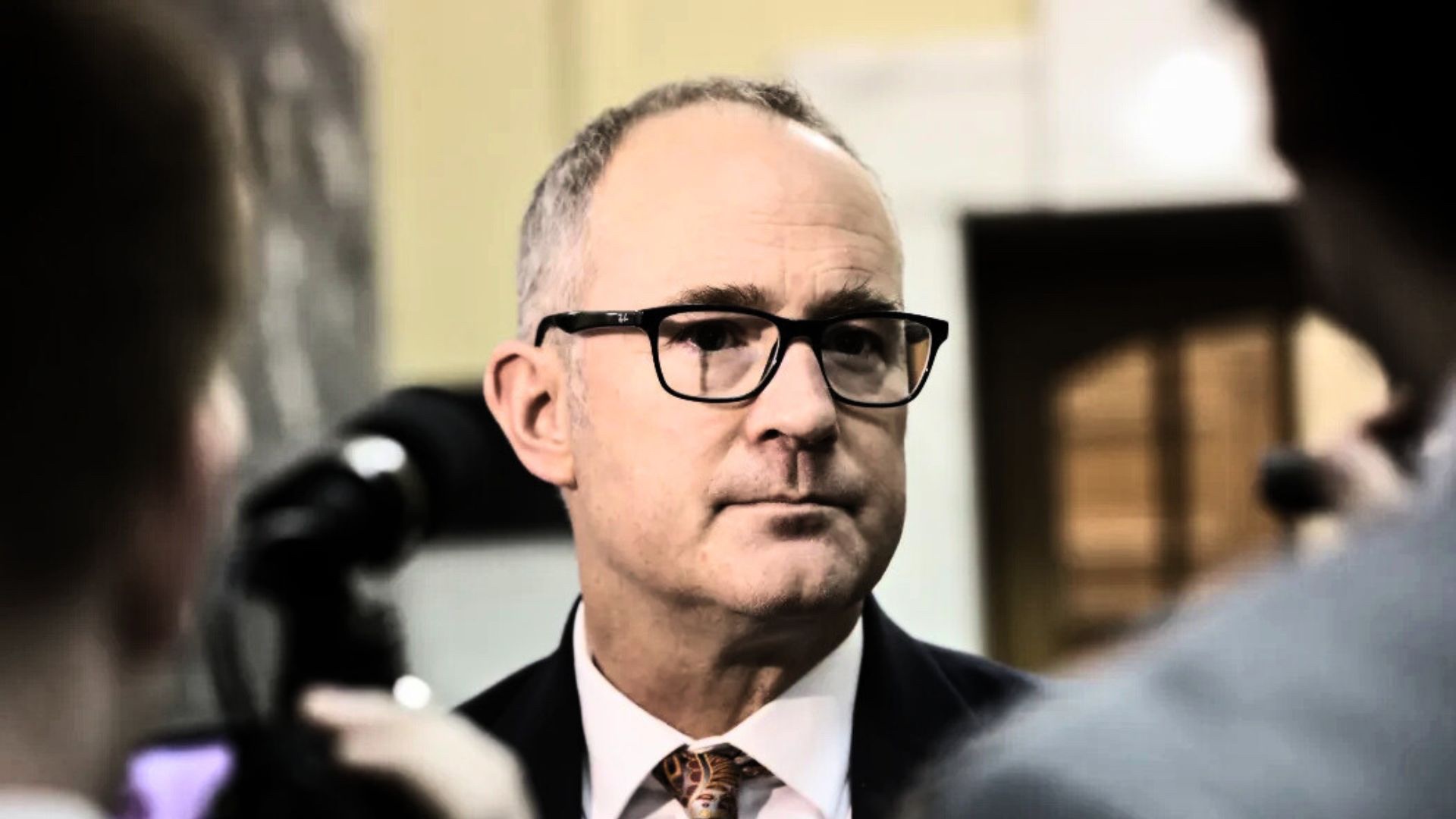
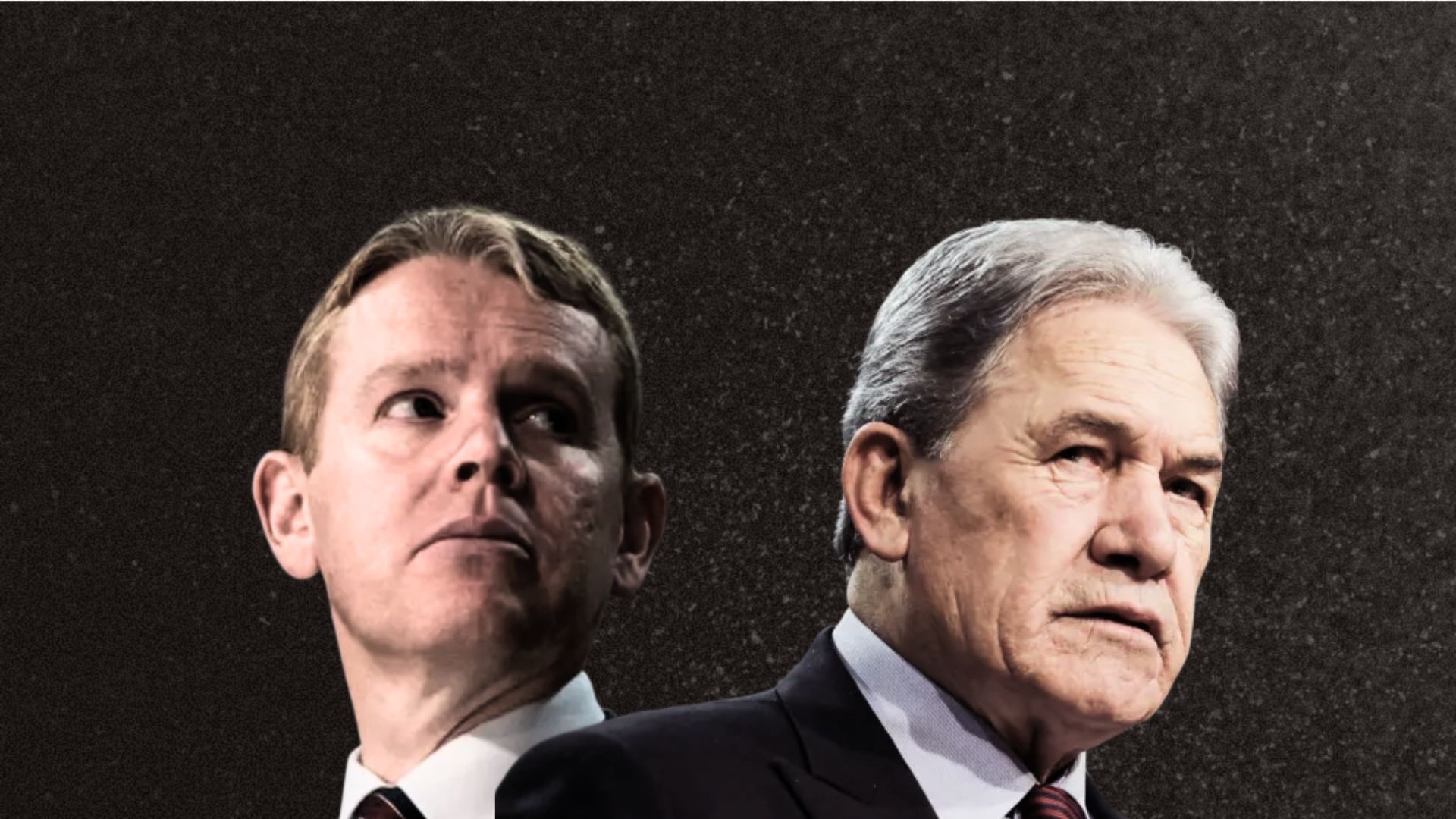
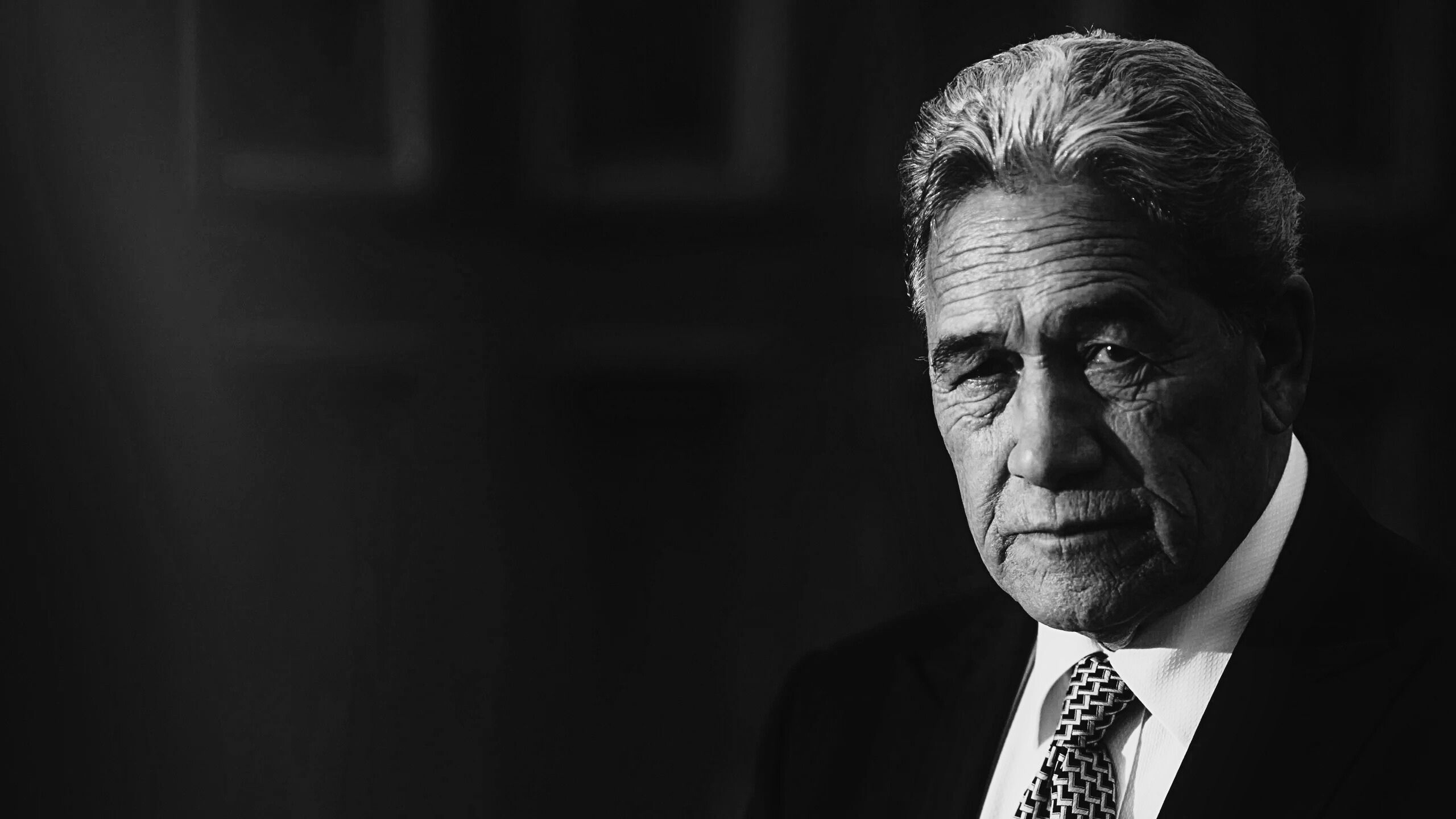
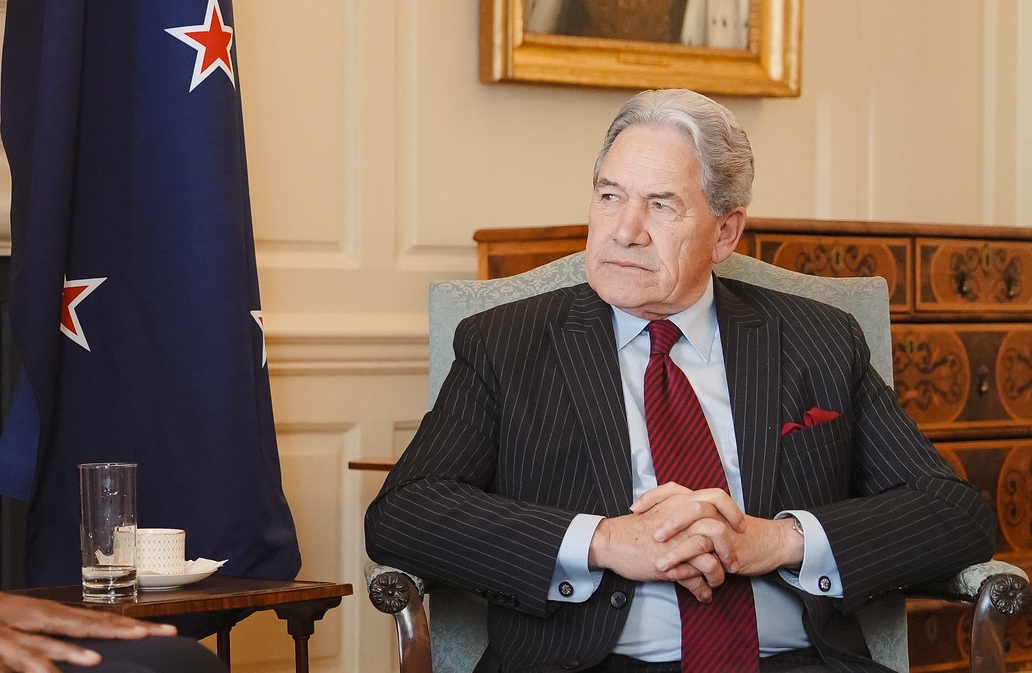
Analysis: On December 22, 2025, the day Prime Minister Christopher Luxon announced a free trade deal (FTA) had been negotiated with India, foreign minister Winston Peters went public with his displeasure. "This is not a good deal for New Zealand farmers and is impossible to defend to our rural communities," he said in a social media post.
"While New Zealand is completely opening its market to Indian products under this deal, India is not reducing the significant tariff barriers currently facing our major dairy products."
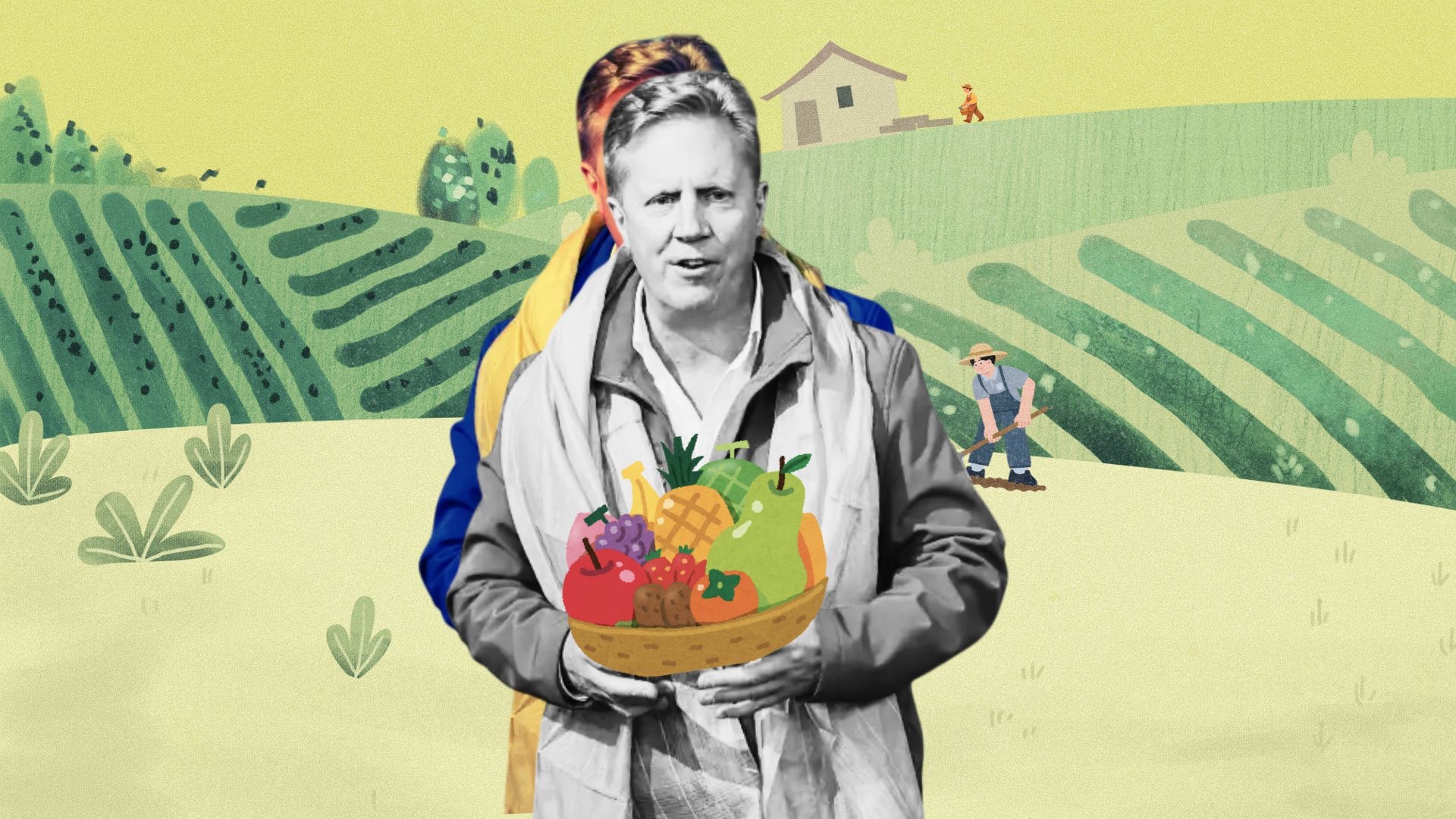
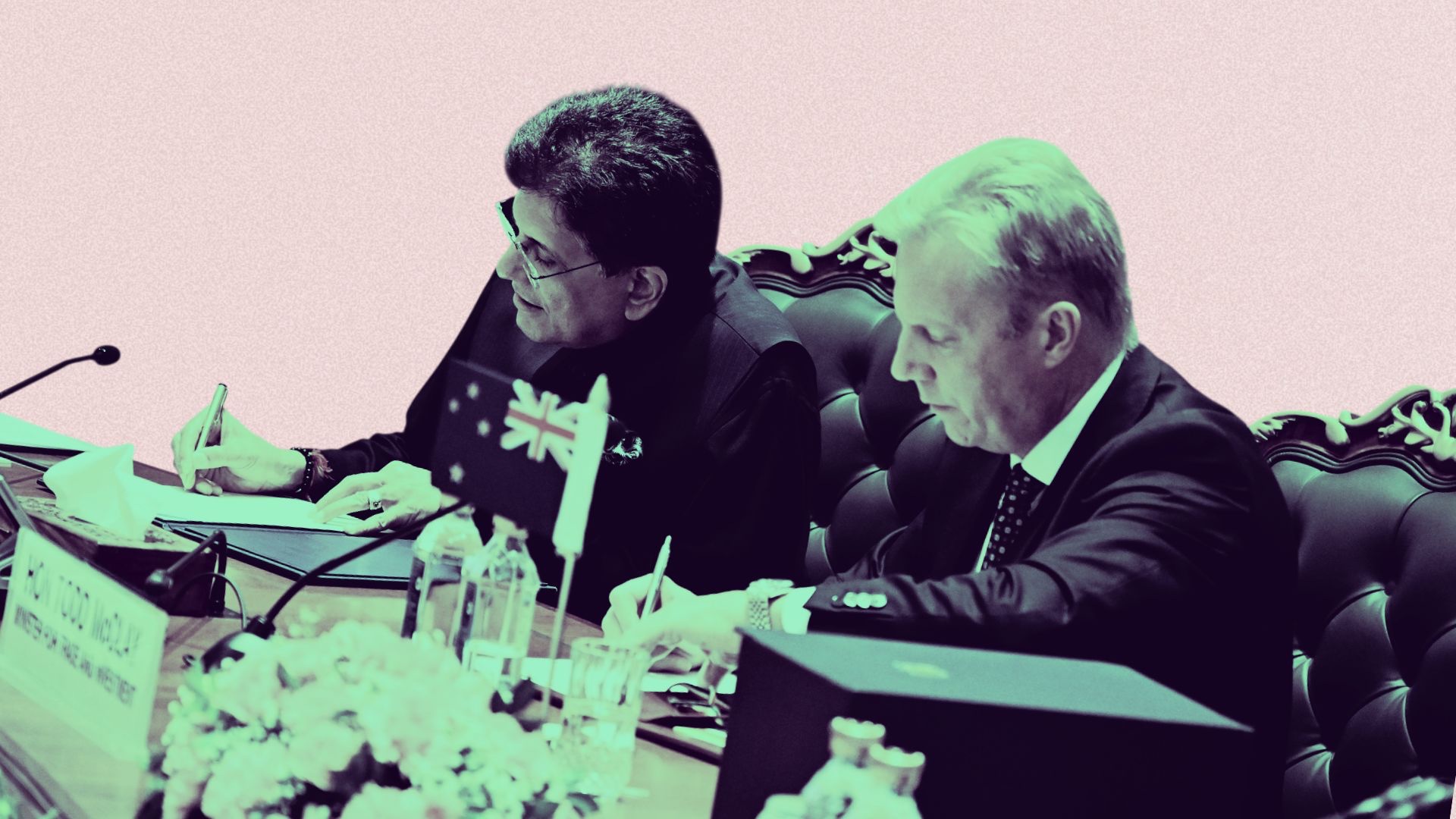
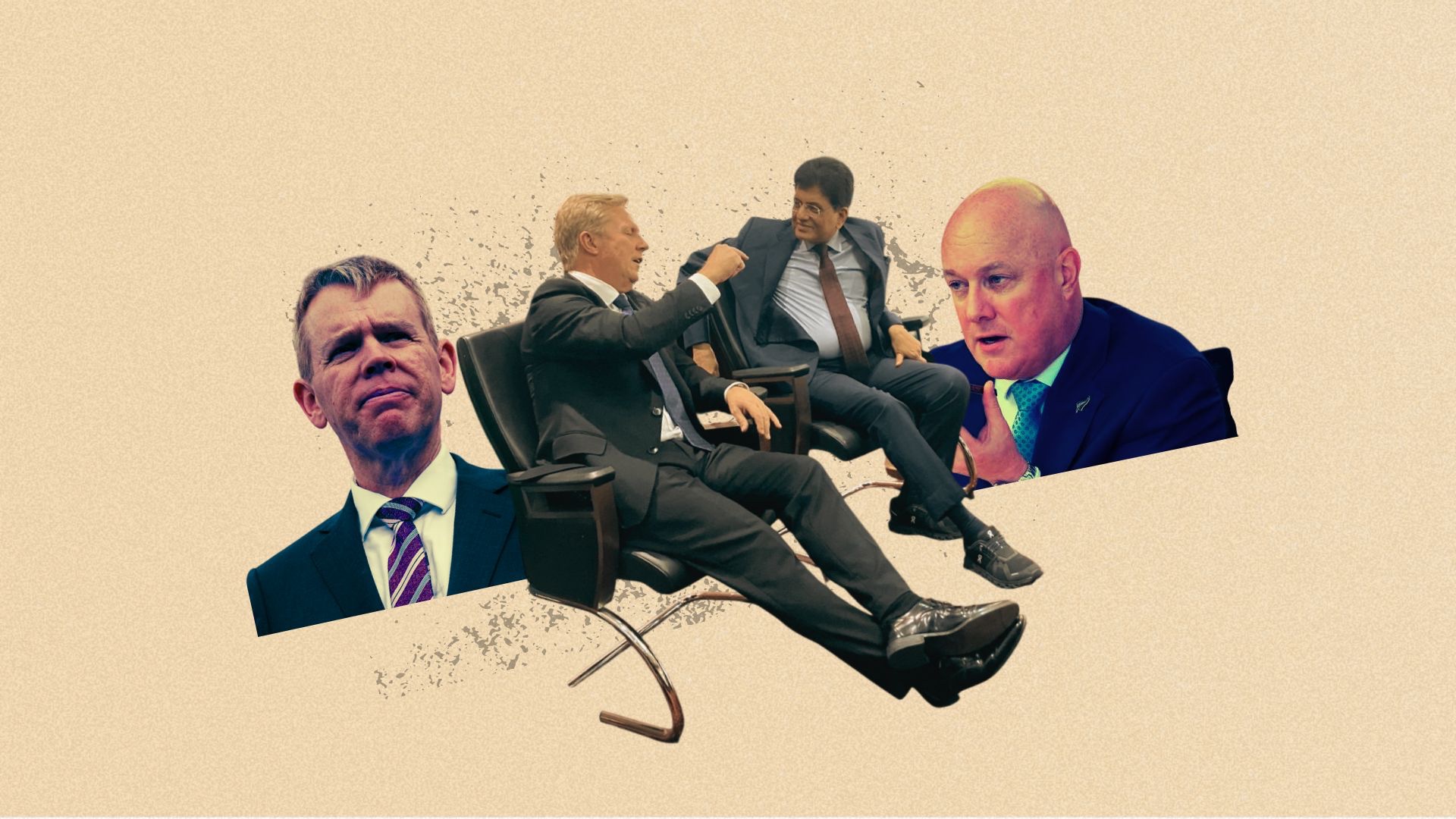
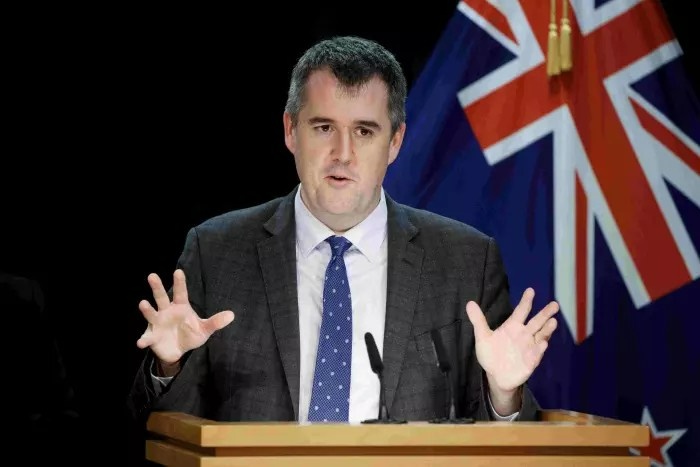
About a third of what New Zealand typically exports every year comes from the dairy industry. Any trade deal that doesn't increase dairy's market access invites scrutiny. Peters has even suggested trade minister Todd McClay could have tried harder to squeeze out some dairy concessions from India. But could he?
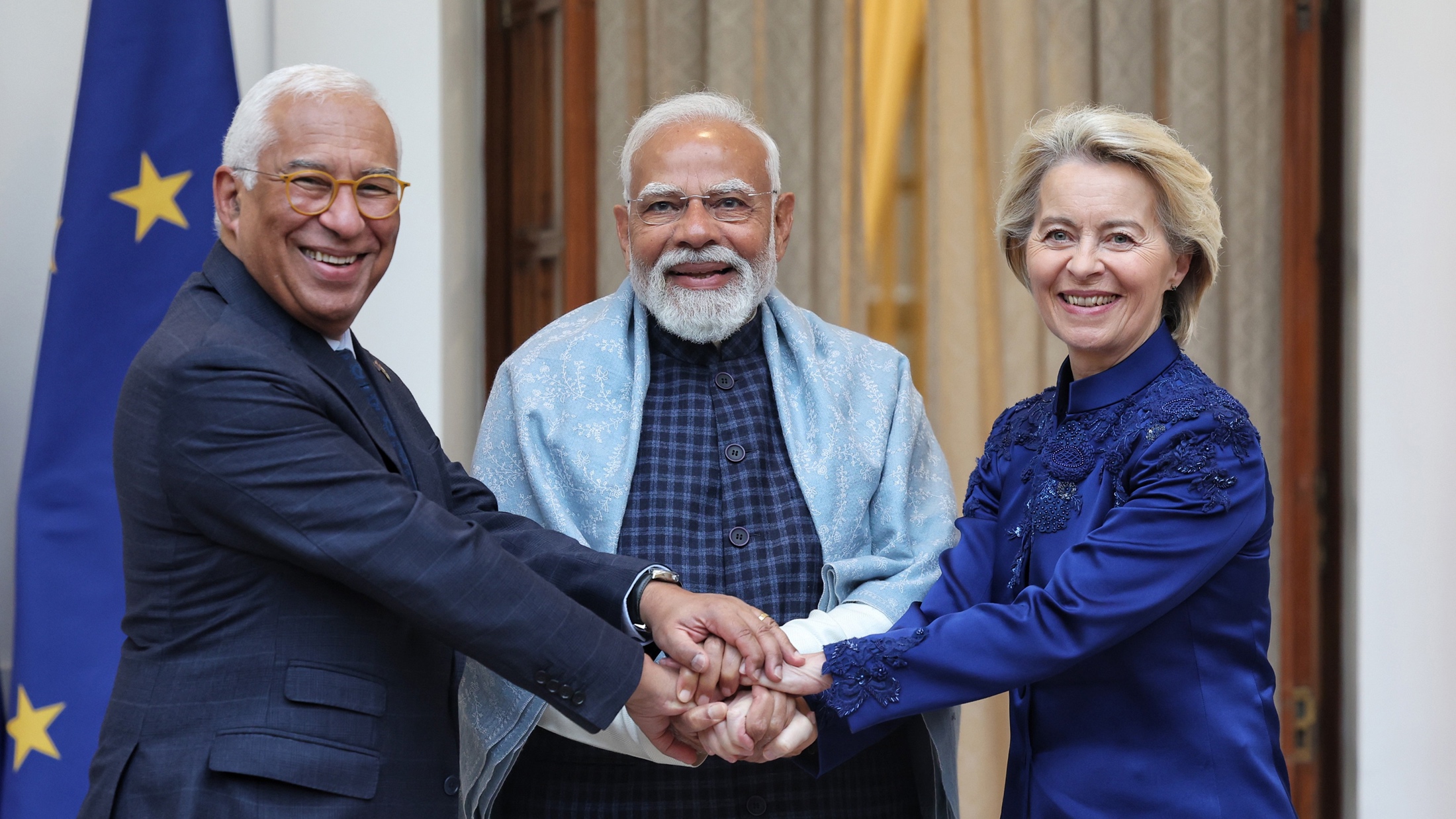
Since this year began, India has negotiated trade deals with the European Union and the United States. Even the world’s largest and most powerful trading blocs have failed to extract meaningful dairy concessions from New Delhi. Neither the European Union nor the United States, despite their economic scale and geopolitical leverage, succeeded in opening India’s dairy market in any substantive way. That kind of sets the outer boundary of what was realistically achievable.
At least 70 million Indian households rely on small-scale milk production, often organised through cooperatives that function as both economic engines and social safety nets. Any move perceived as undercutting those farmers carries electoral risk. This sensitivity has held firm even in negotiations with partners far larger than New Zealand.
From designing restaurants to running Auckland Diwali: The many lives of Arnav Taode Taode brings his passion for Indian arts and culture to his first year managing BNZ Auckland Diwali 2026.
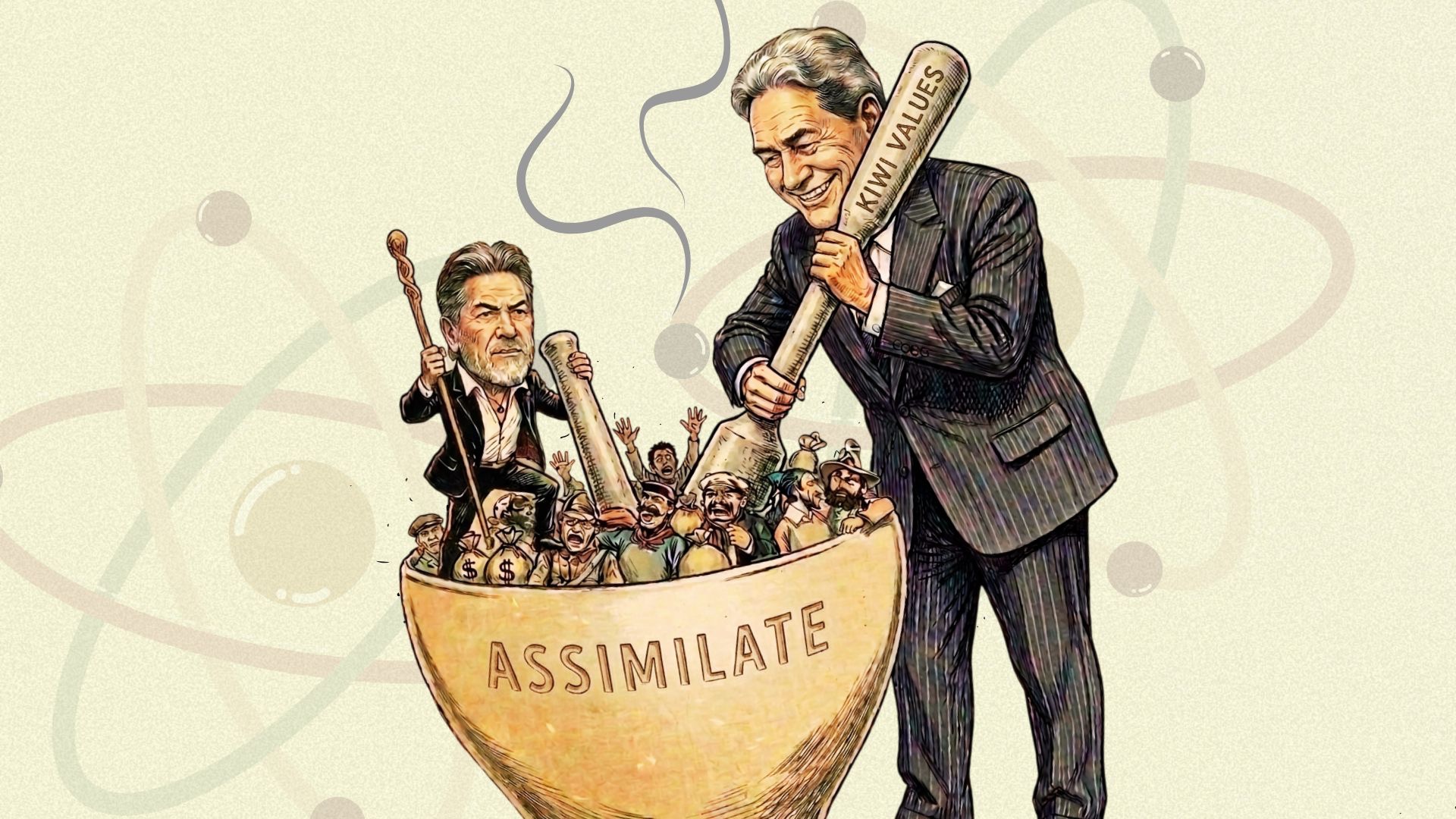
Winston Peters says ‘diversity is disunity’. What does the evidence tell us? Evidence from business, sport and social policy suggests diversity can strengthen economies and cohesion but on one condition.
Baby born in Sri Lanka to New Zealand residents caught in limbo after Down syndrome diagnosis Immigration tribunal orders fresh residence assessment after finding a “serious mistake” by immigration officials.
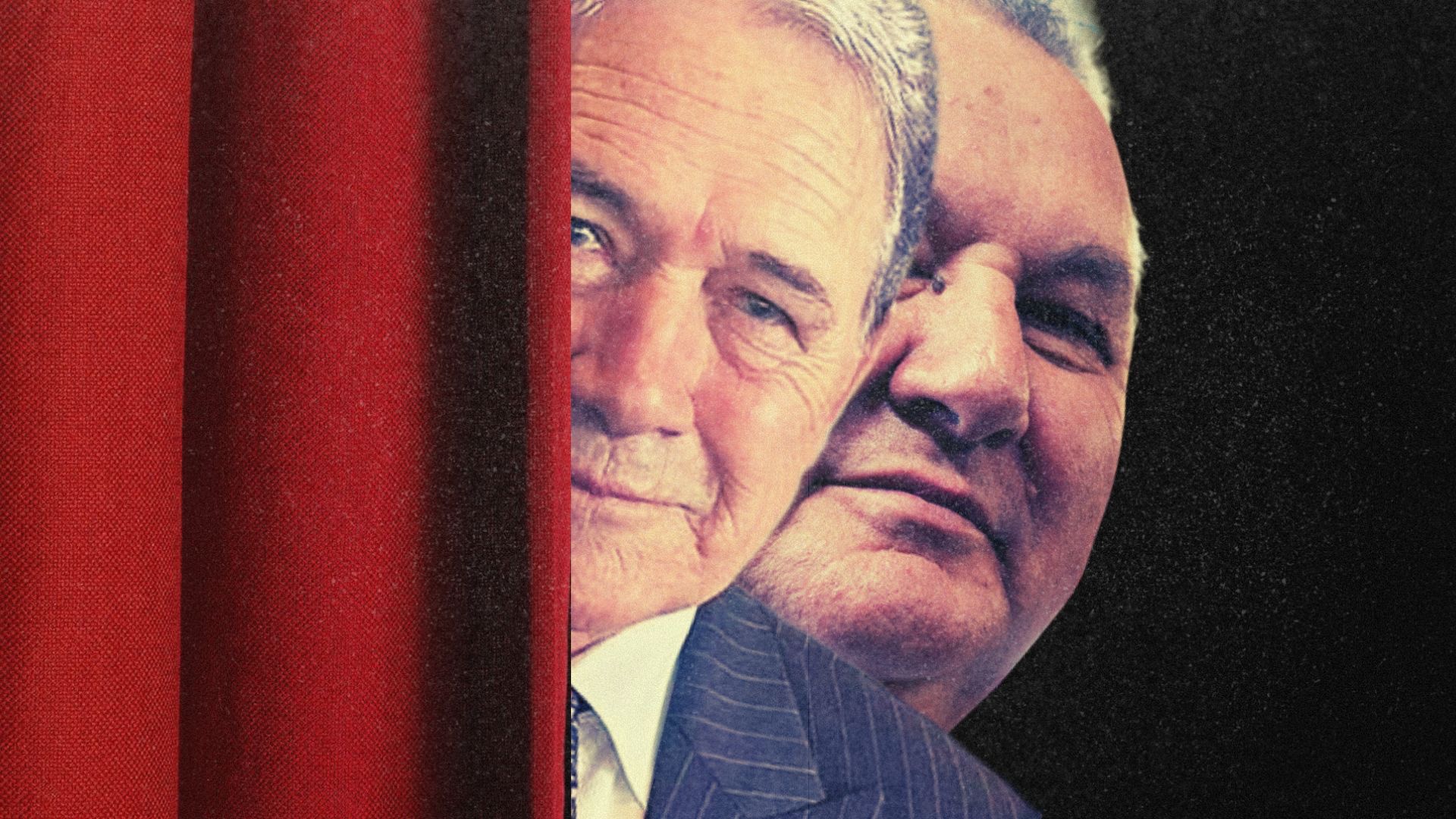
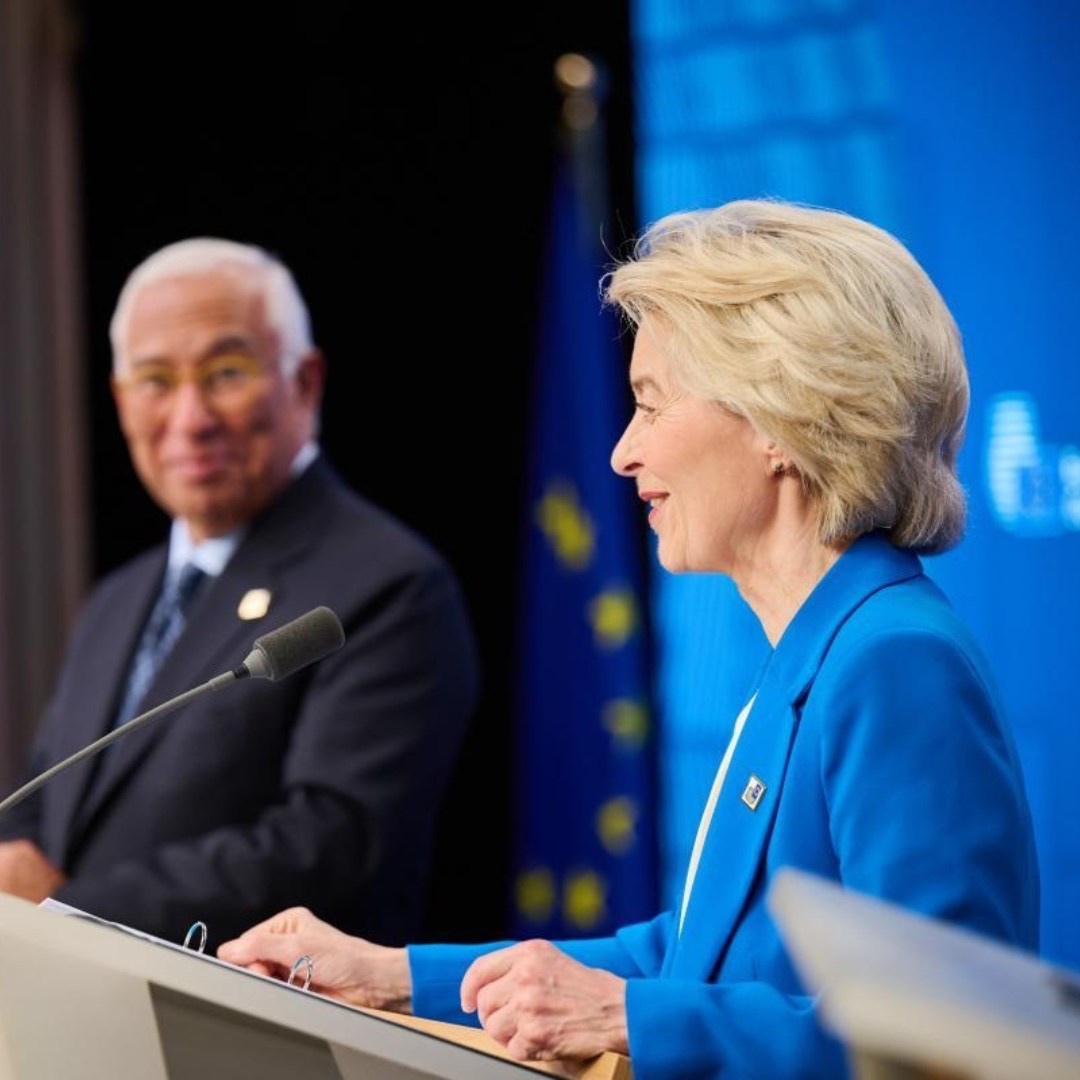
The reaction from Europe’s own dairy industry underlines the point. Following the conclusion of the EU–India agreement, Eucolait, which represents European dairy processors and traders, said it “strongly regretted” the exclusion of dairy from the deal, but it also openly acknowledged the political difficulty of the task.
Eucolait accepted that India was unlikely to fully liberalise dairy, but argued that limited concessions should still have been possible. The group said that “carefully calibrated measures such as tariff-rate quotas for selected dairy products or ingredients would not have had any meaningful impact on the Indian market, given its sheer size”. India didn't concede even to those fringe benefits on dairy.
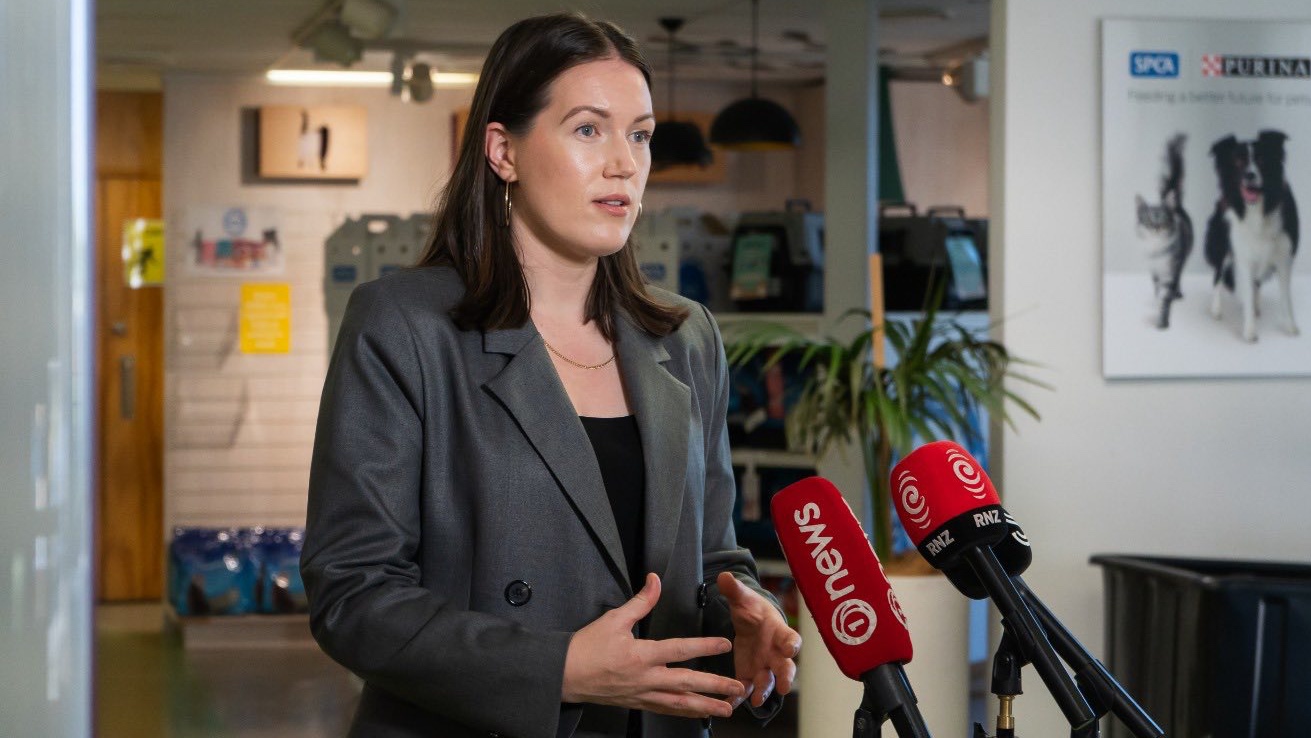
In its trade deal with the United States too, India appears to have not budged on dairy. The details of the deal have been announced only in bits and pieces the last few days. Even in these early days, the dairy component has been speculated upon so much that India's commerce and industry minister Piyush Goyal had to address the issue publicly.
"The interests of our farmers remain paramount in all trade negotiations. The Modi government remains fully committed to protecting our Annadatas [food provider] and securing rural livelihoods," he said.
"No concessions have been extended to sensitive agricultural sector produce in grains, fruits, vegetables, spices, oilseeds, dairy, poultry, & meat amongst many others while securing preferential access for Indian goods through the India-U.S. Interim Agreement framework."
Against that backdrop, the India trade deal seems to have, at least, hedged the interests of New Zealand's dairy farmers by providing a sort of insurance against dairy concessions that India might offer anyone in the future.
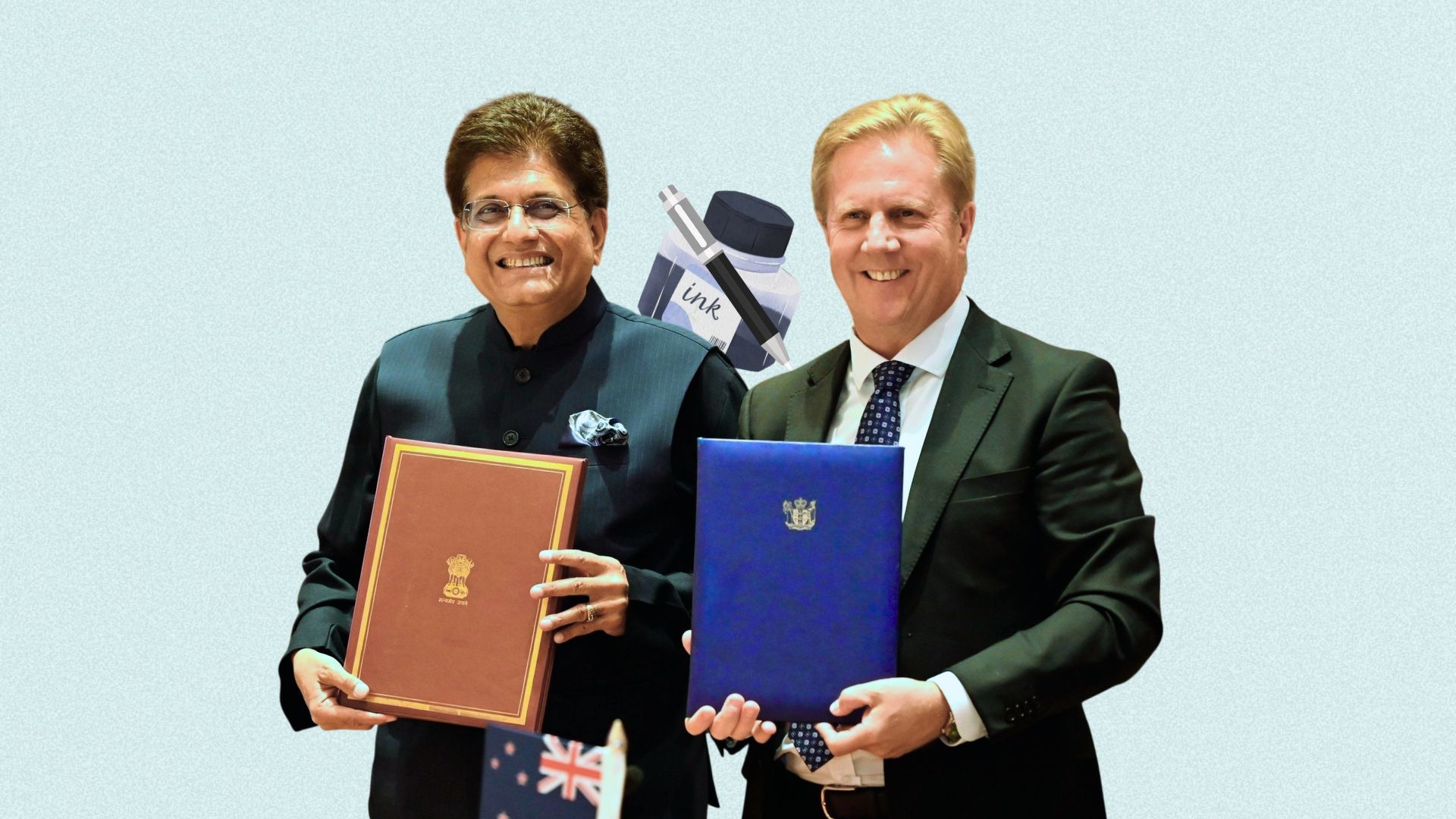
In explaining the key outcomes of the FTA, the Ministry of Foreign Affairs and Trade's official website says, "India has committed that should it offer dairy access to comparable countries in the future, it will consult with New Zealand on the prospect of extending similar treatment to us."
This approach recognises how India actually negotiates. When concessions come, they are typically driven by geopolitical trade-offs with large economies, not by pressure from small exporters. New Zealand’s strategy, therefore, is not to out-muscle bigger players, but to position itself to benefit if and when India shifts.
That realism is echoed within the New Zealand dairy sector itself. Earl Rattray is a former director of Kiwi-owned Fonterra, the world's largest dairy exporter, and long-time investor in Indian dairy. Speaking to Farmers Weekly last month about the trade deal with India, he said, “Absolutely this is disappointing for dairy that a miracle didn’t happen but we were kind of not expecting it either. The reality is the perfect is the enemy of the good and what we have got is better than where we were.”
Fonterra has taken a similarly measured stance. In its first official statement the day the deal was announced on December 22, it acknowledged the outcome of the negotiations. "It is disappointing that the negotiations with India were unable to secure any significant new core dairy access opportunities for New Zealand into the Indian dairy market," it said.
"This outcome is, however, not a surprise given India's long-standing sensitivities in relation to its dairy market." Importantly, it signalled that it intends to continue working within the framework of the agreement to pursue opportunities as they arise.
Judged on immediate outcomes, the India–NZ FTA will not transform dairy exports. But measured against geopolitical reality, it may represent the outer edge of what was achievable. The deal may not be a breakthrough. But it may well be the best realistic outcome available.