
Anti-Indian haka: Pounamu of peace offered at Waikato reconciliation hui
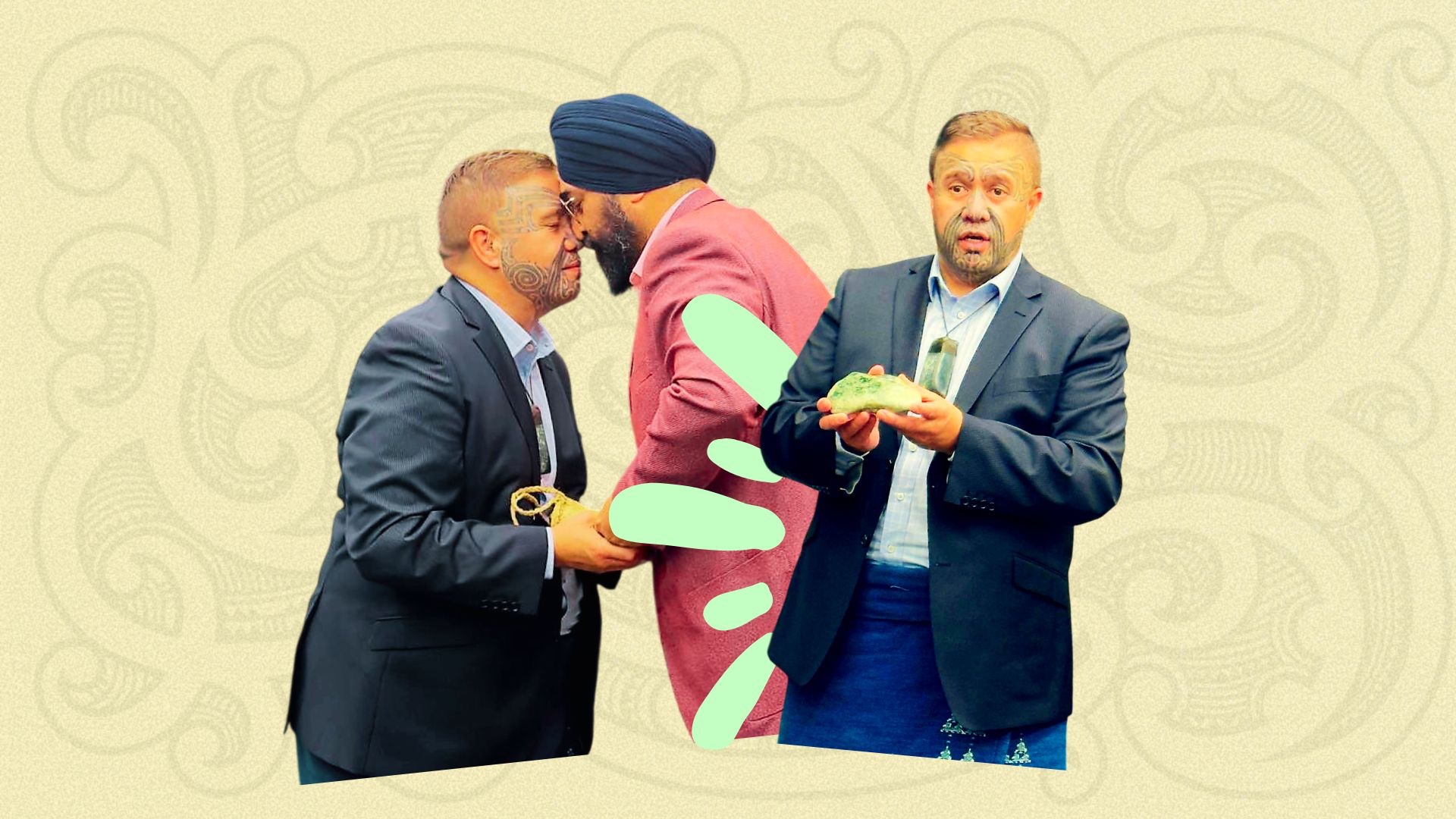
South Asian and Maori communities came together after a turbulent few weeks.
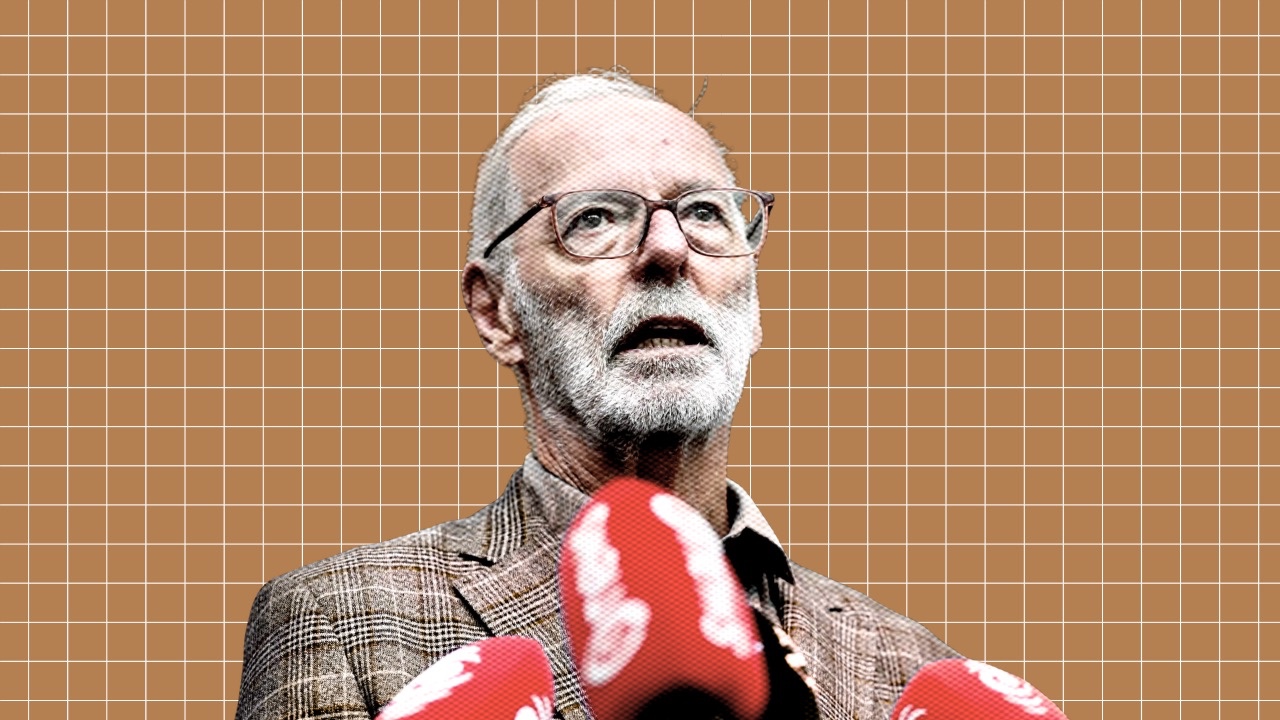
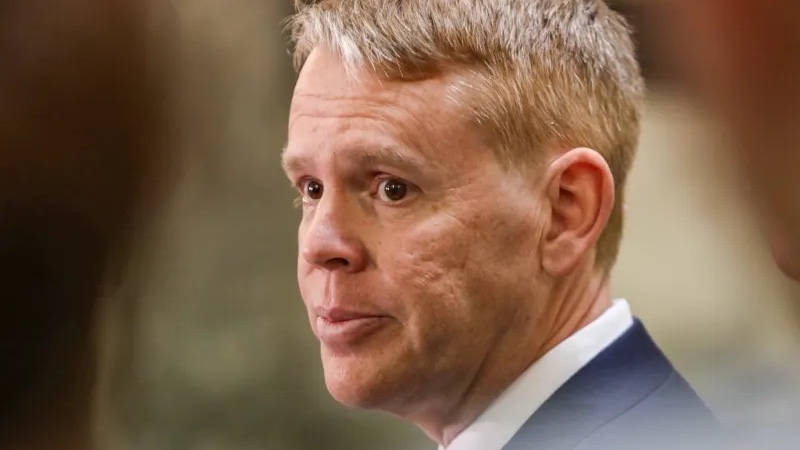
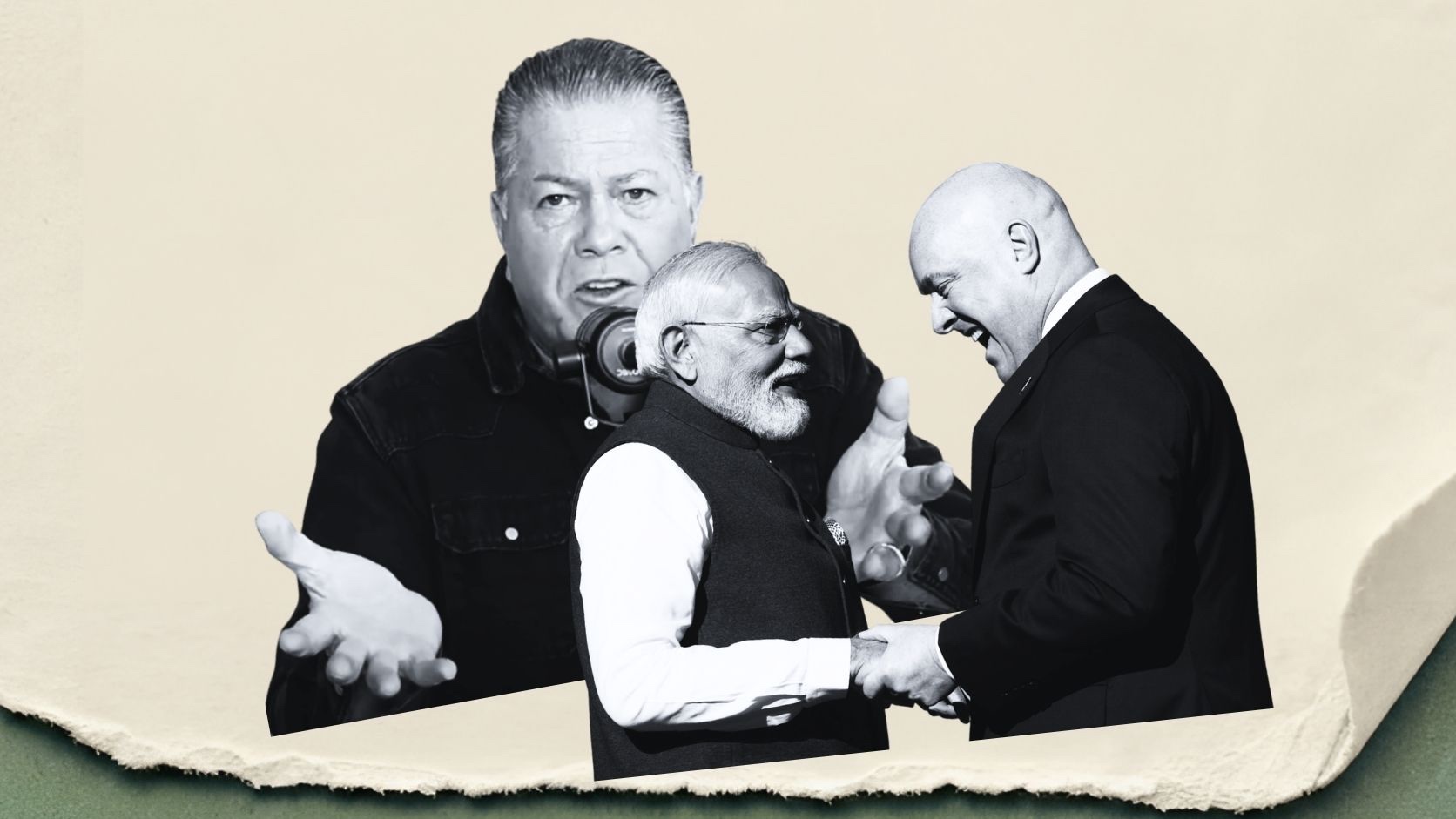
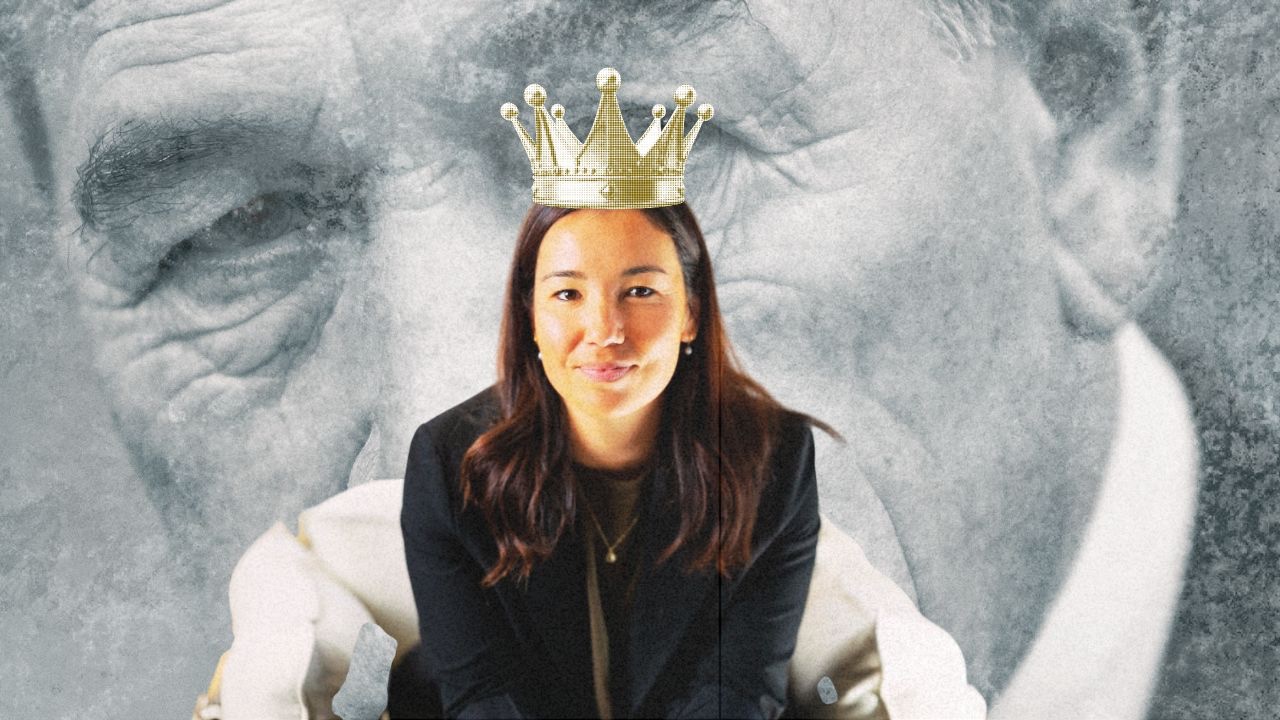
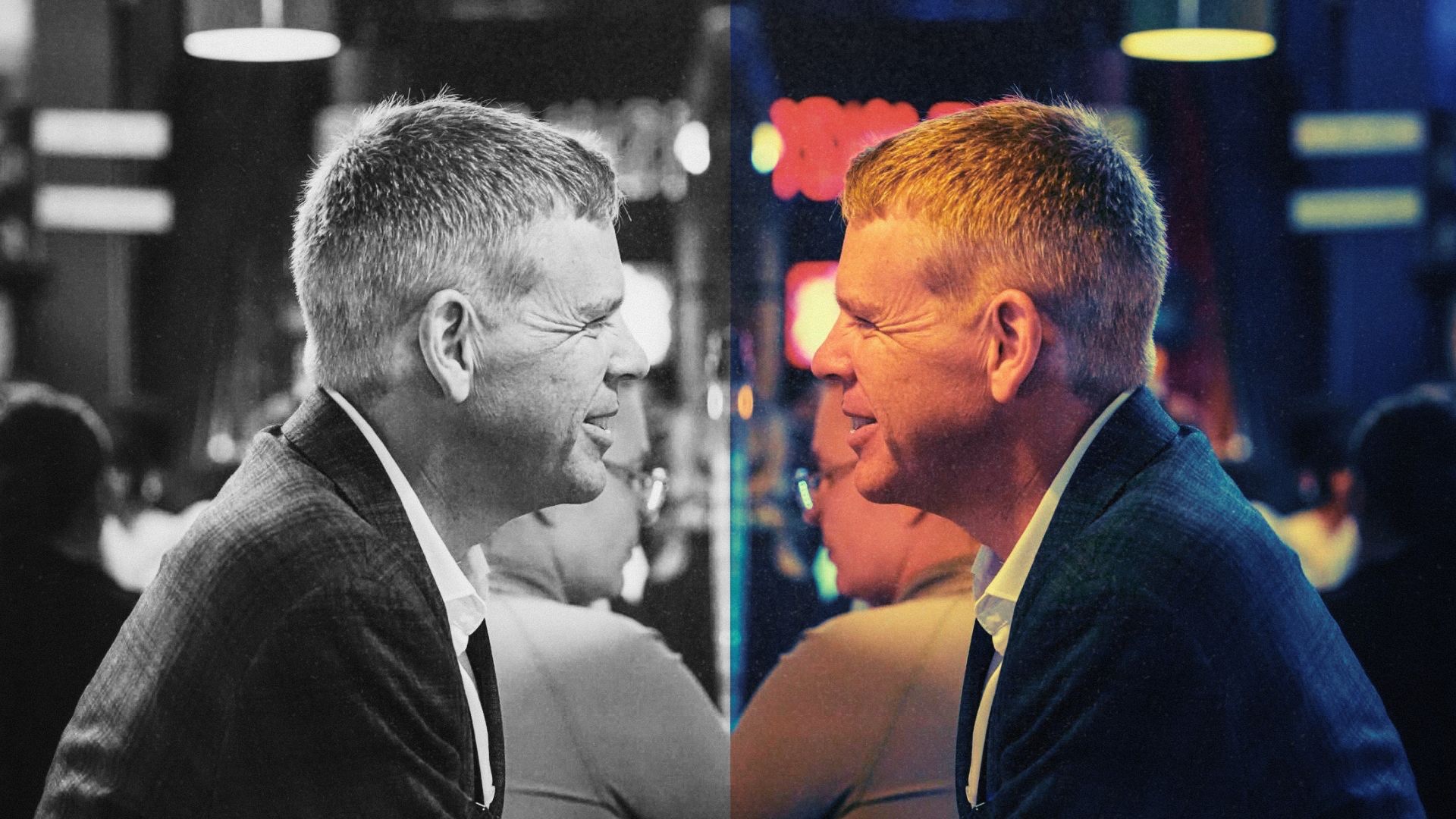
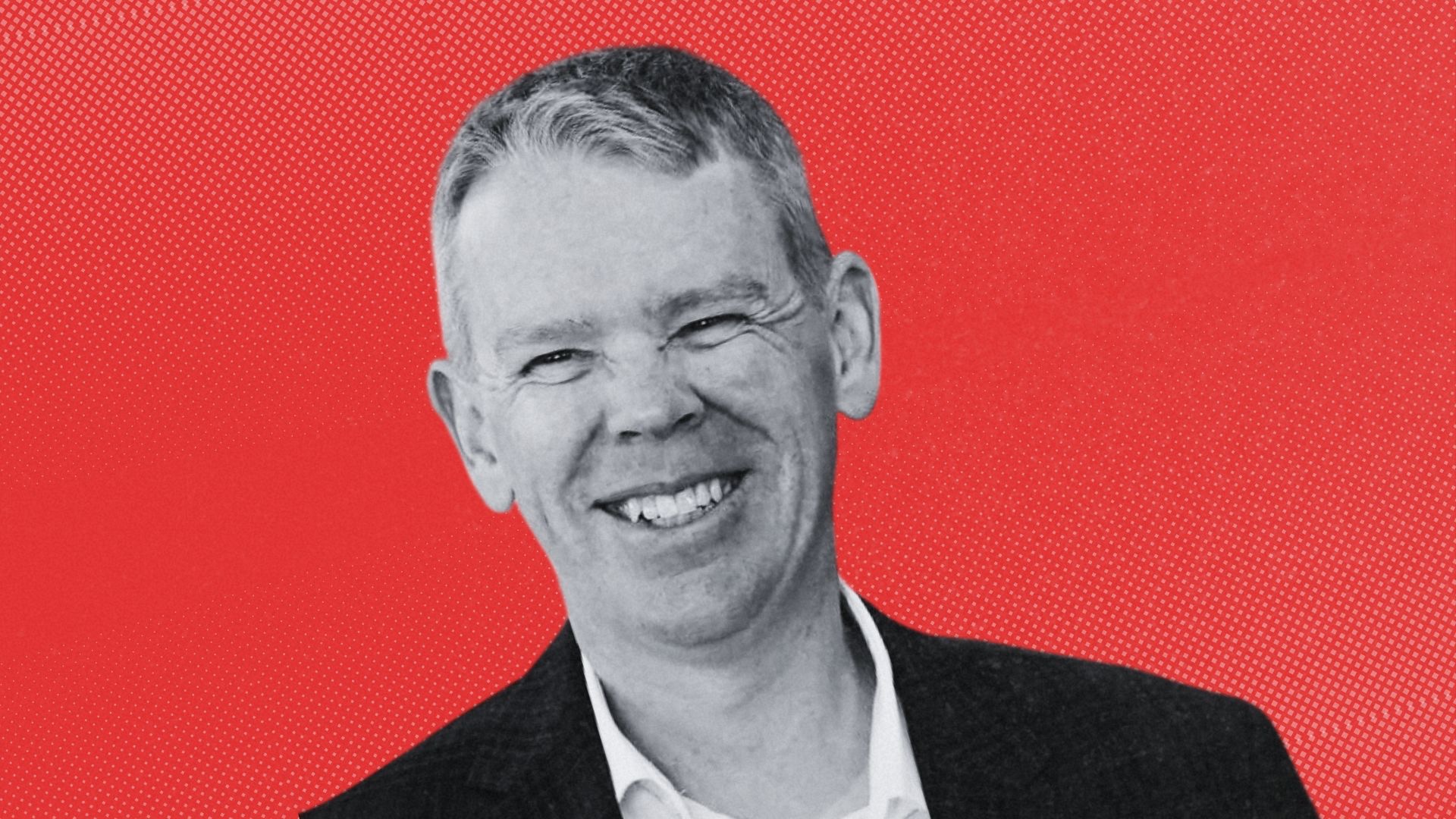
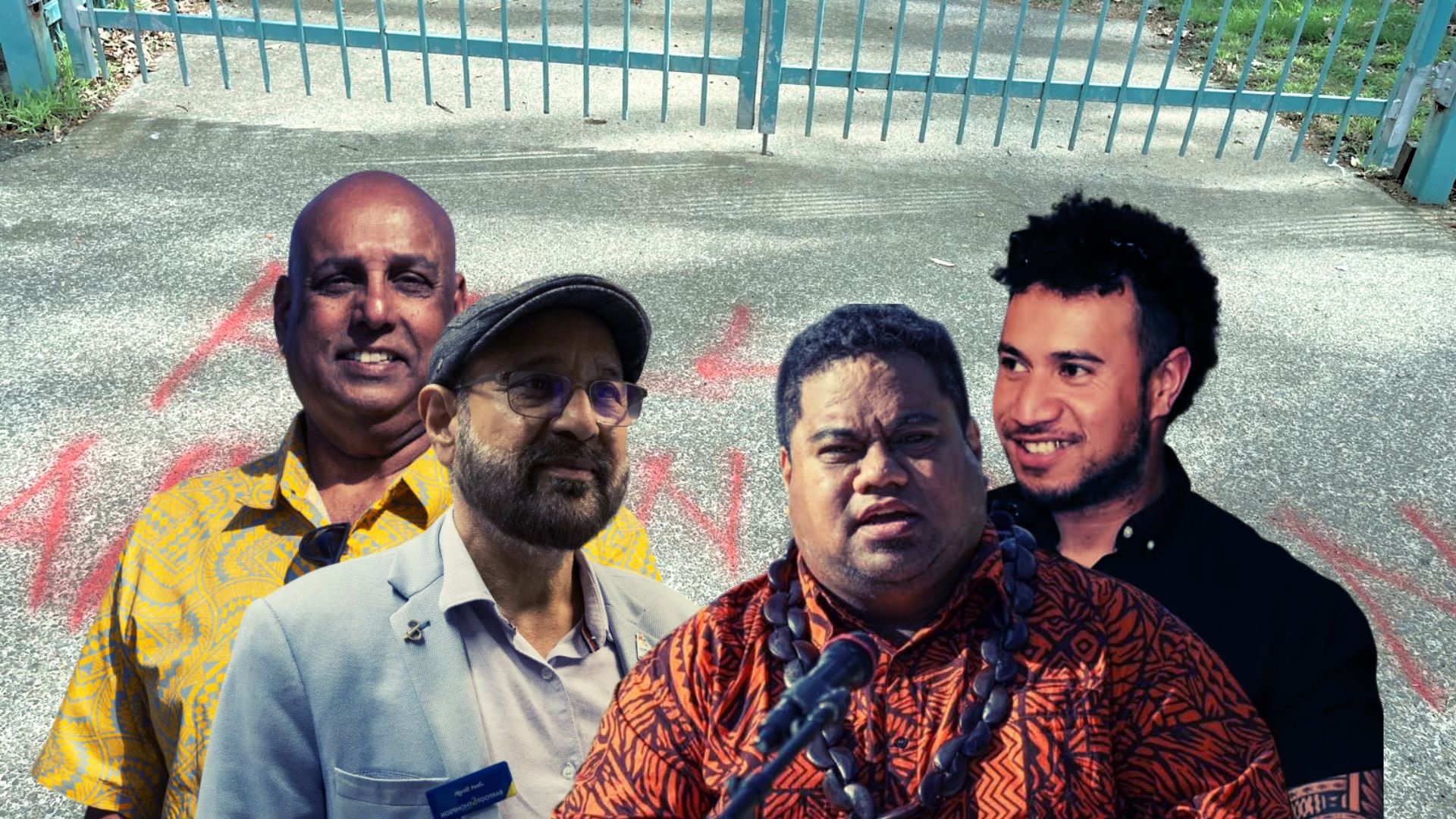
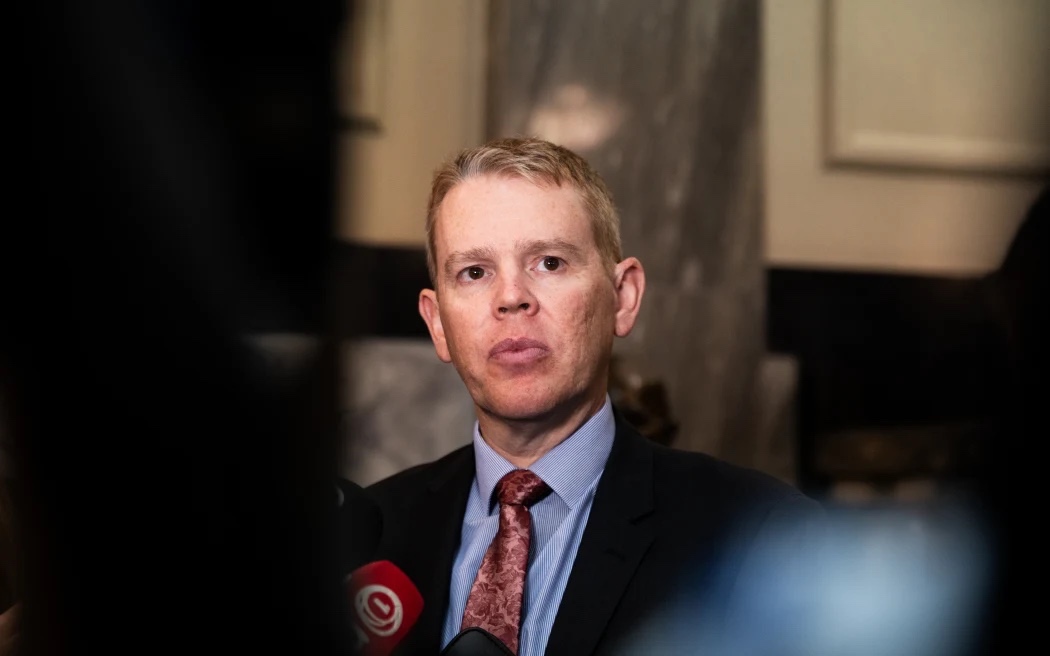
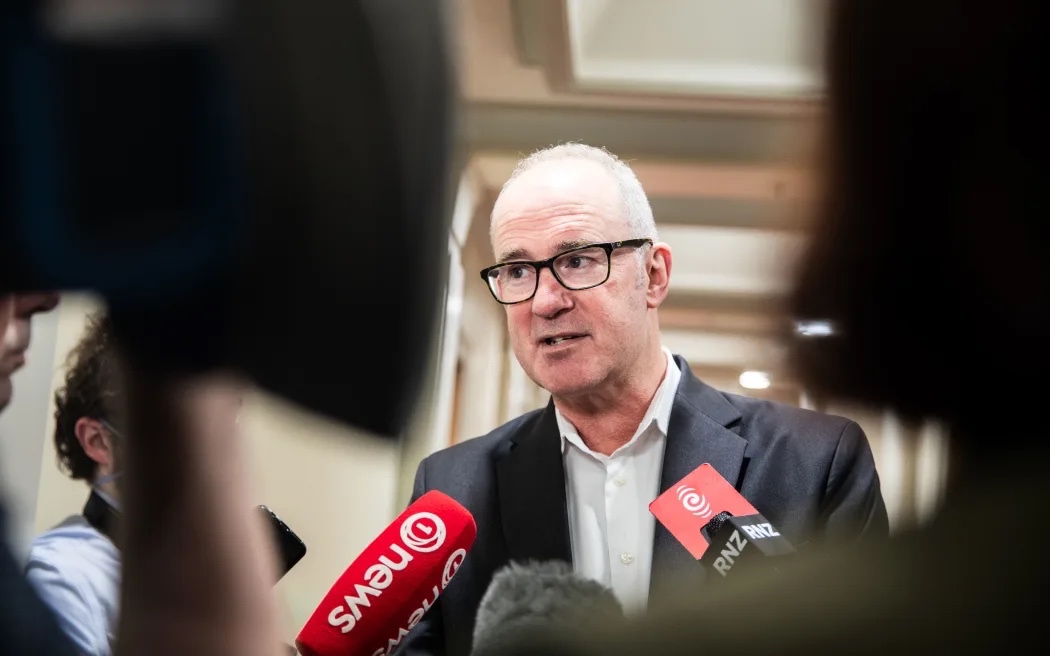
Former Te Pati Maori president Che Wilson reinforced "commitment to open engagement and mutual respect”.
A carved greenstone named Te Aroha has become the centrepiece of a formal reconciliation effort between South Asian community leaders and Maori representatives.
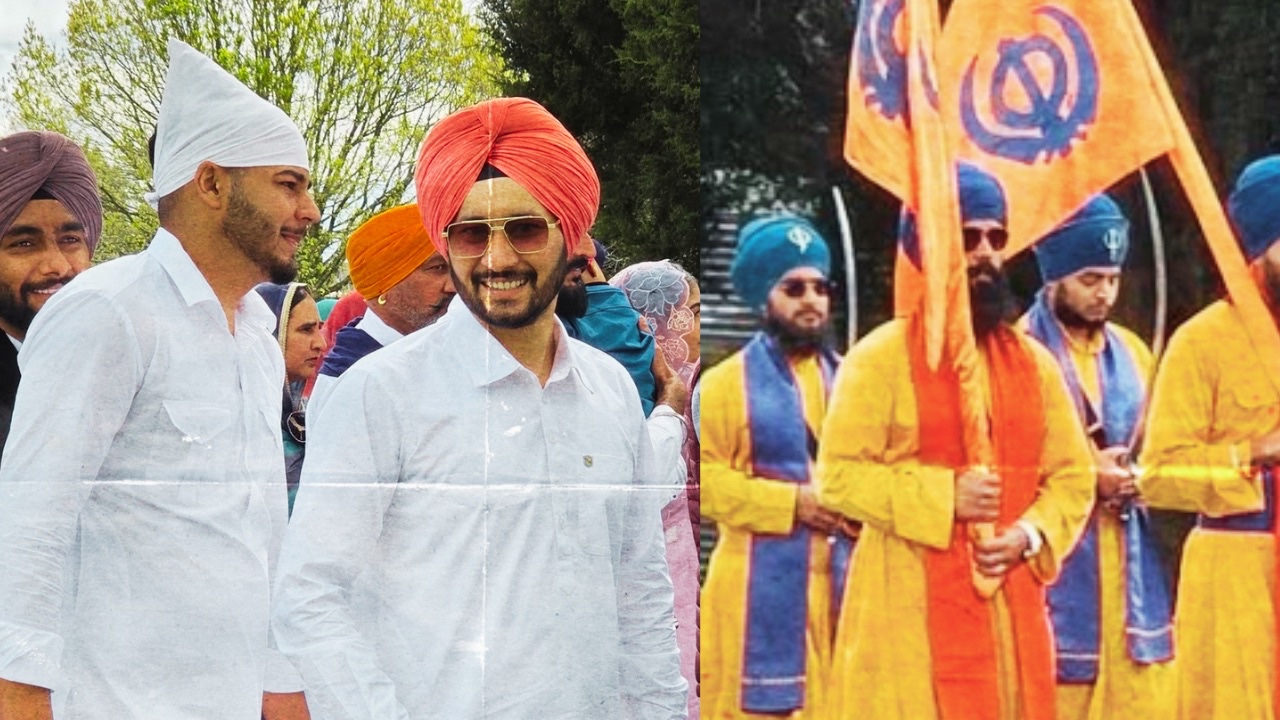
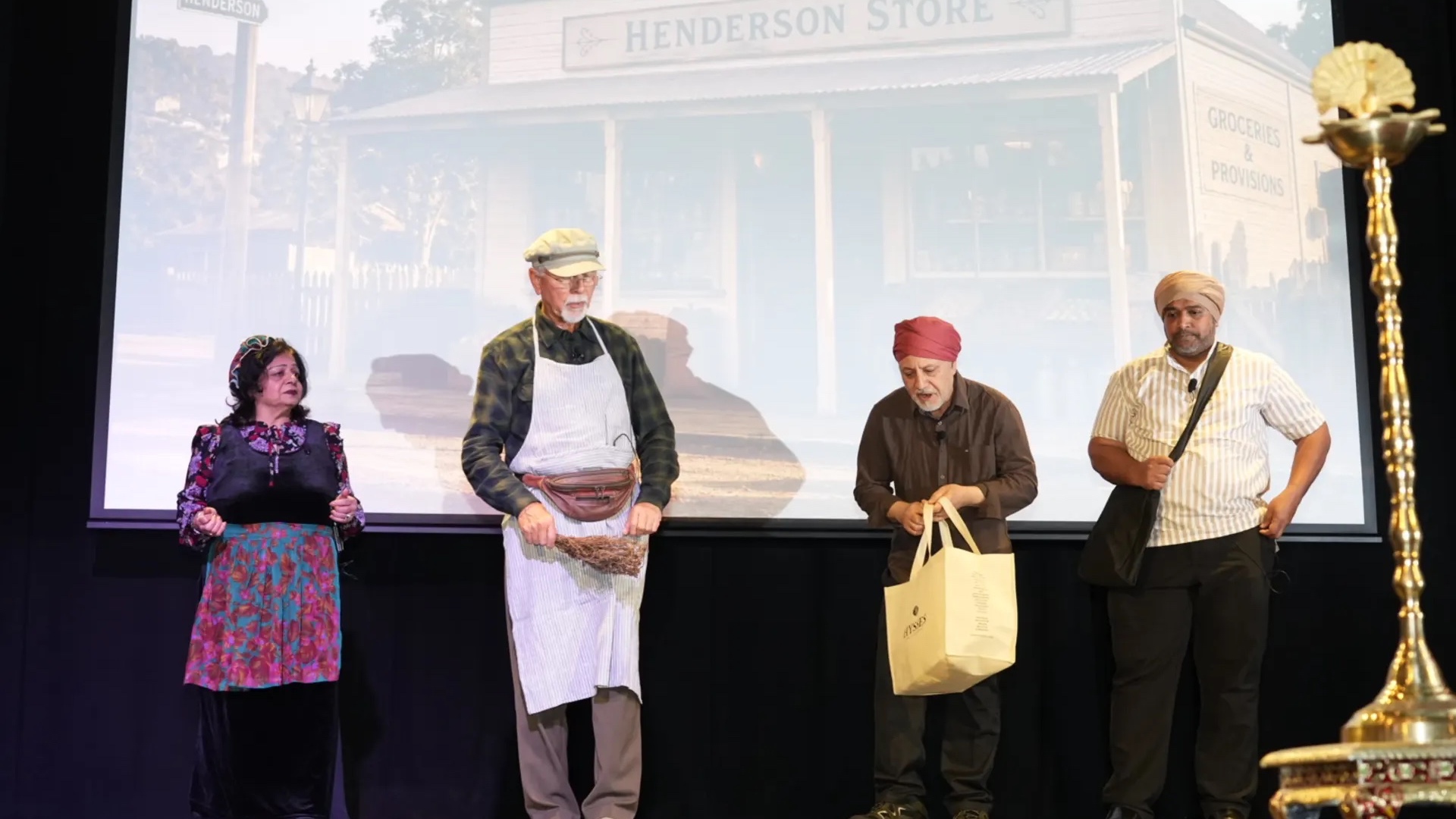
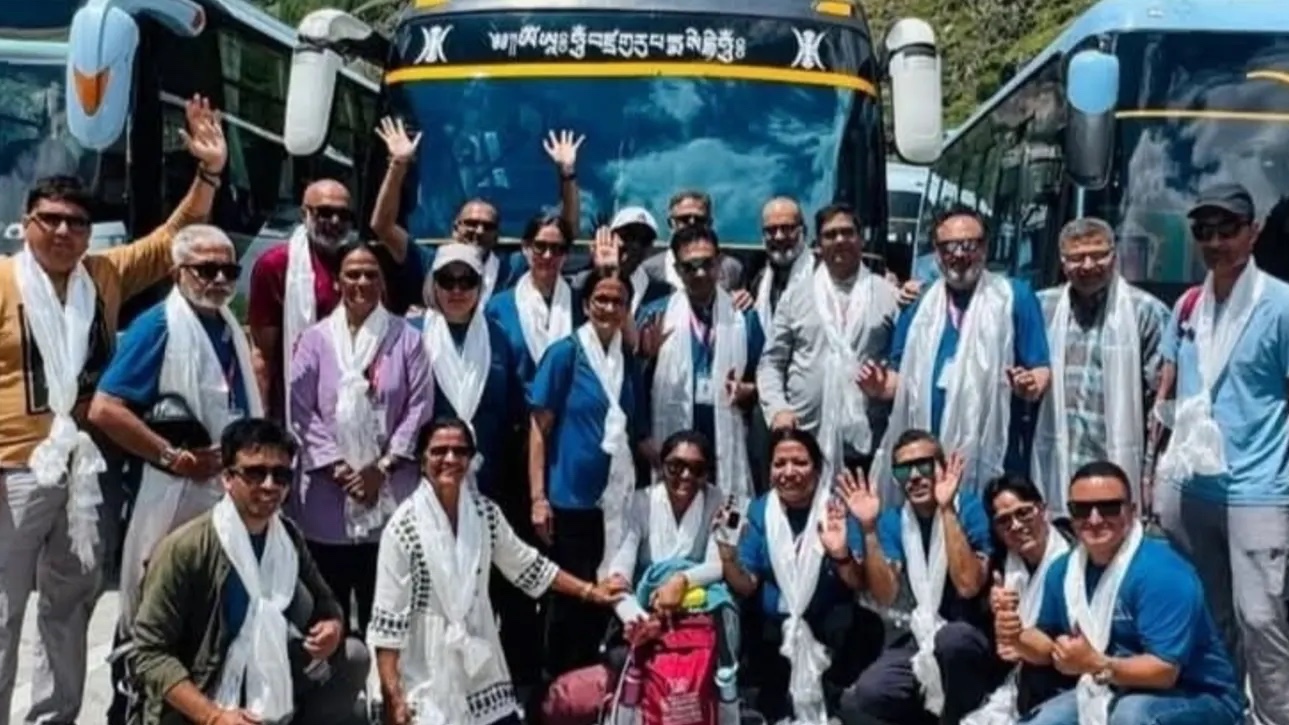
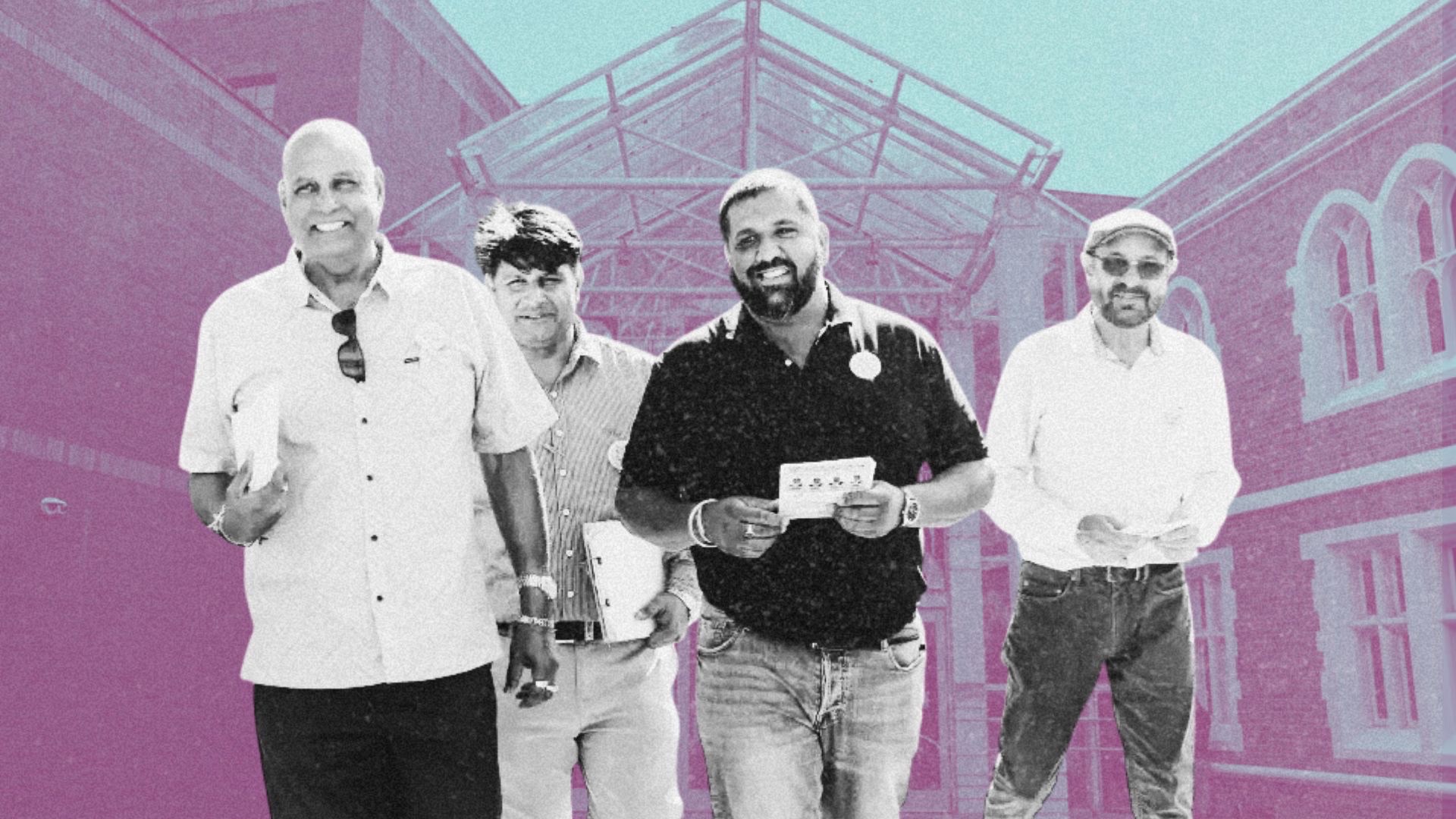
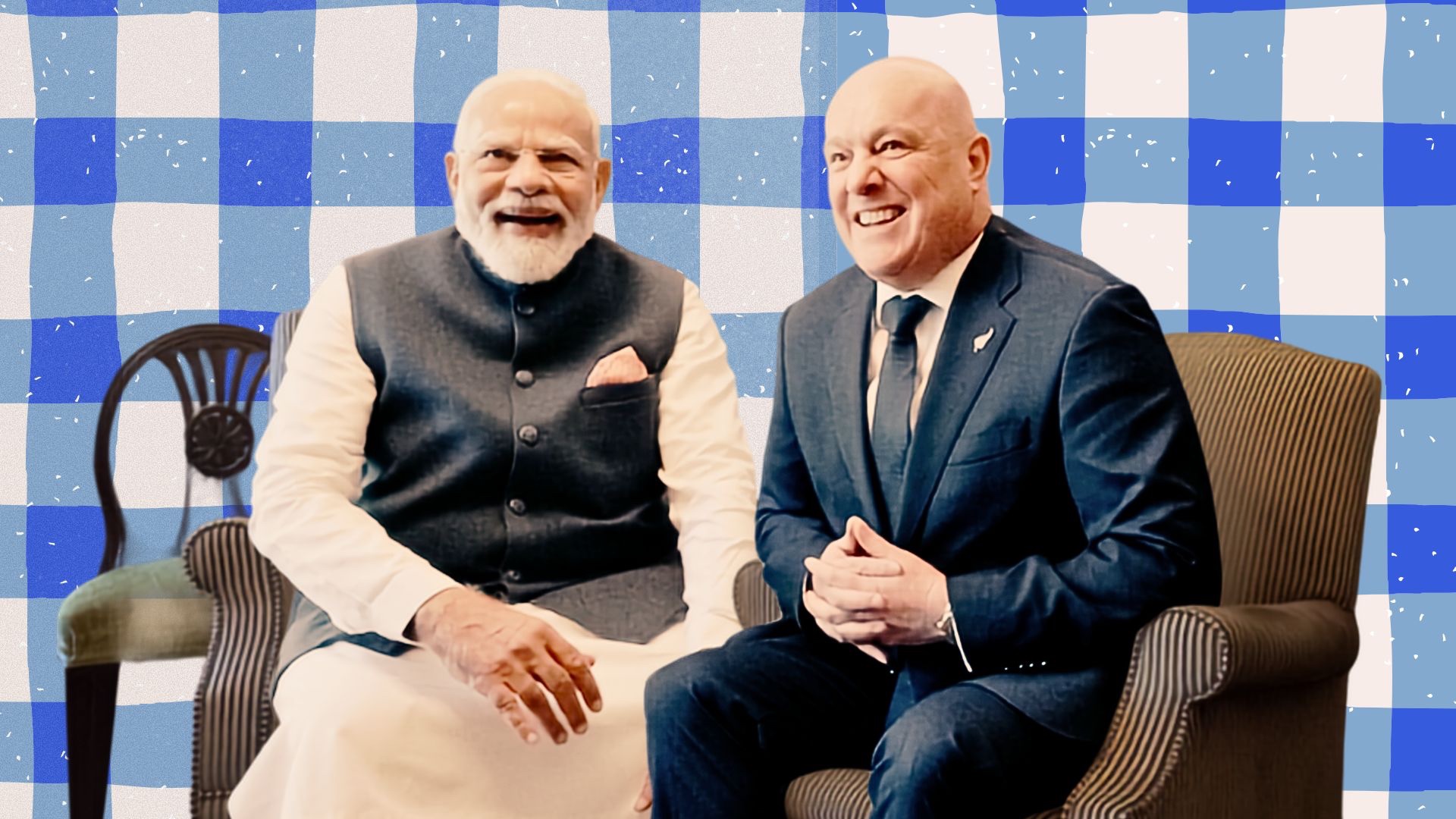
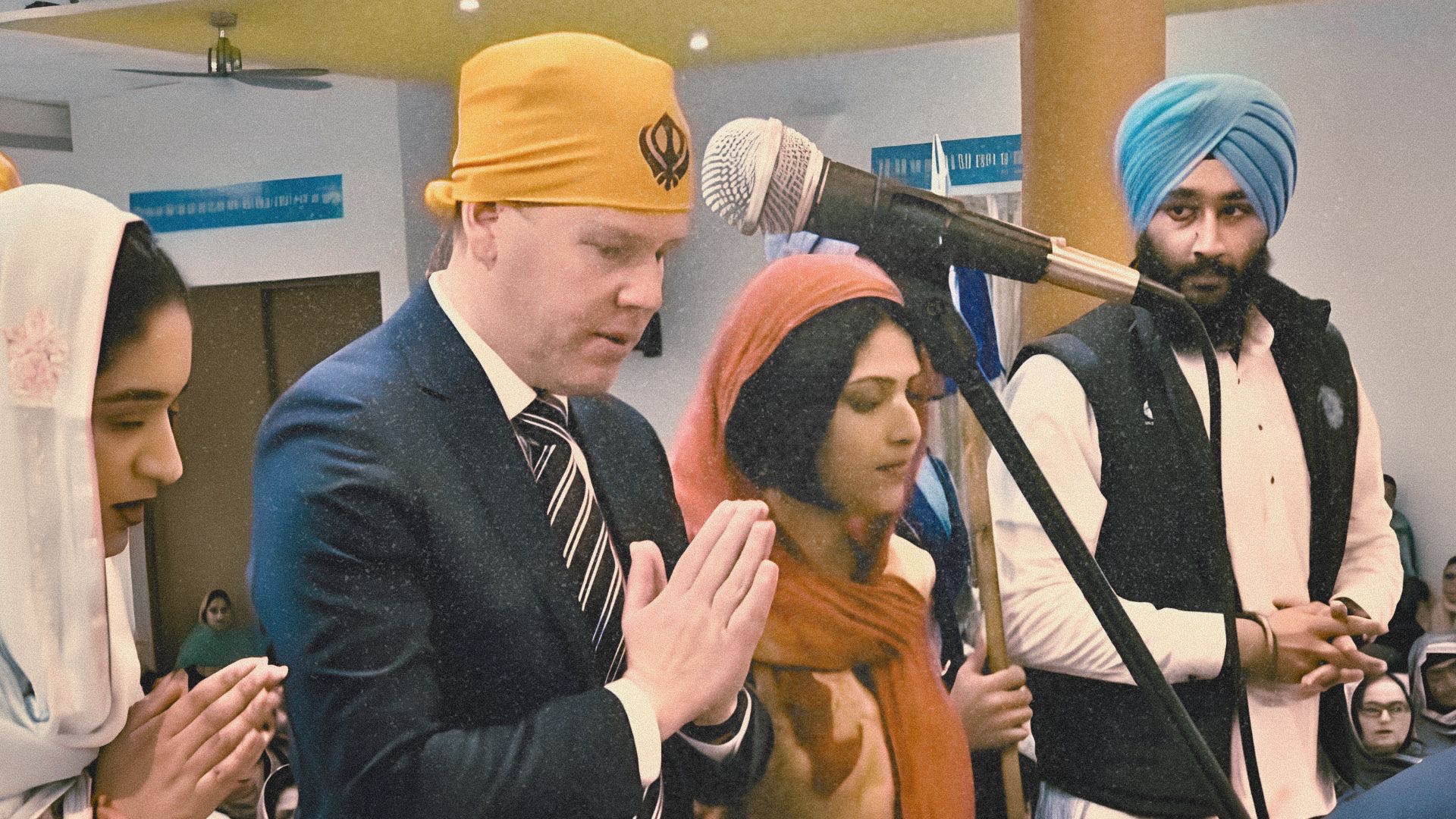
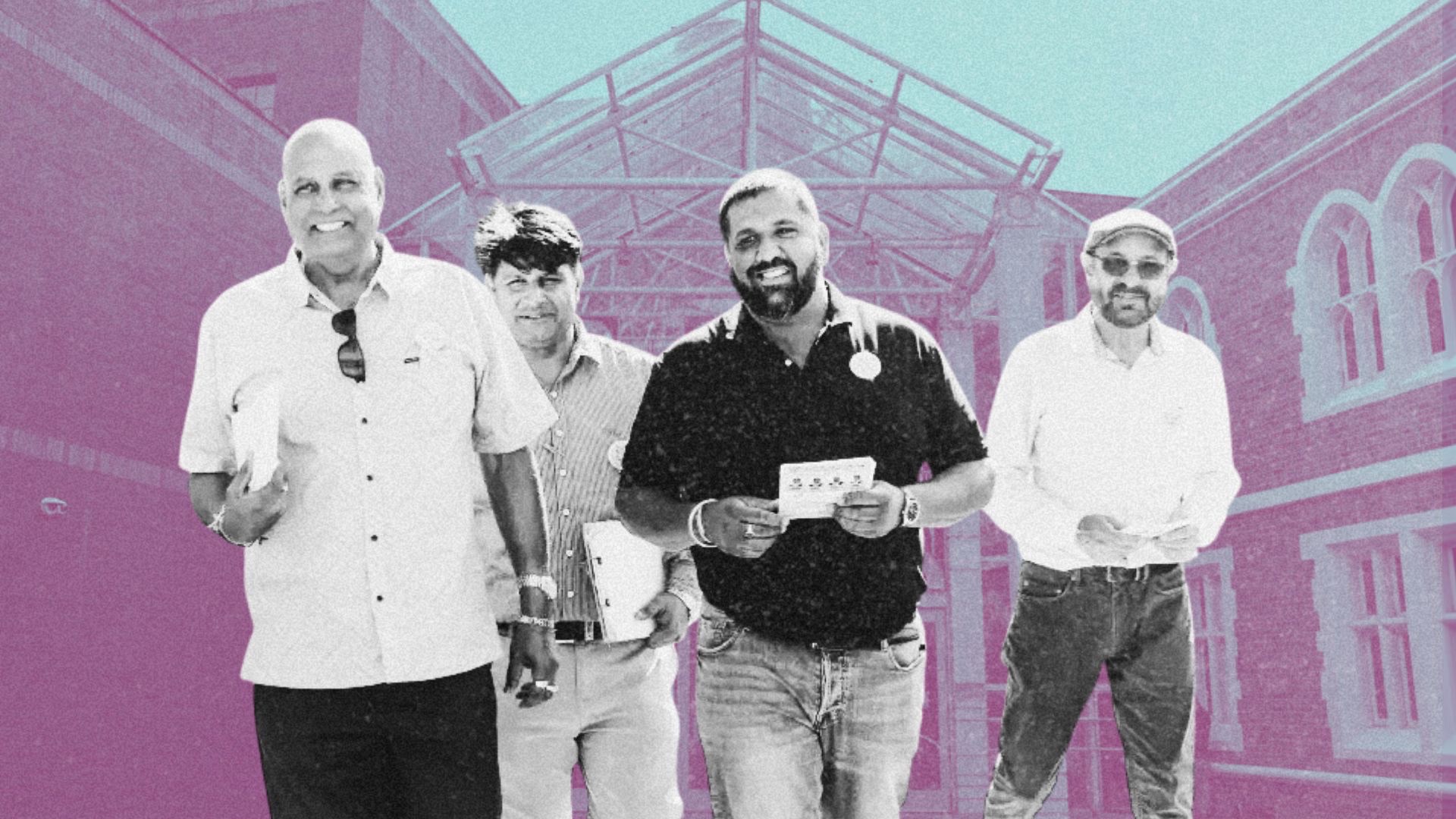
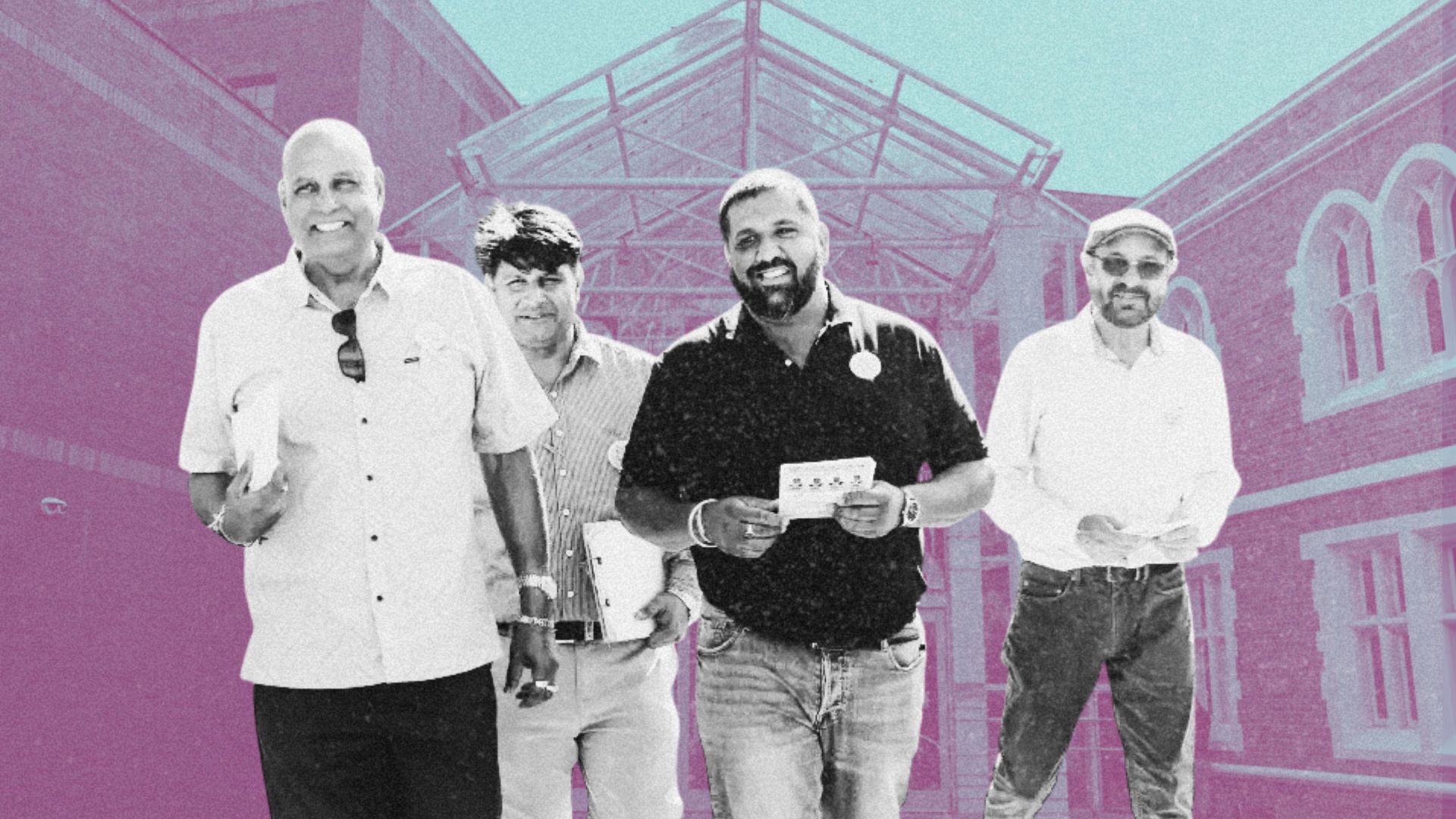
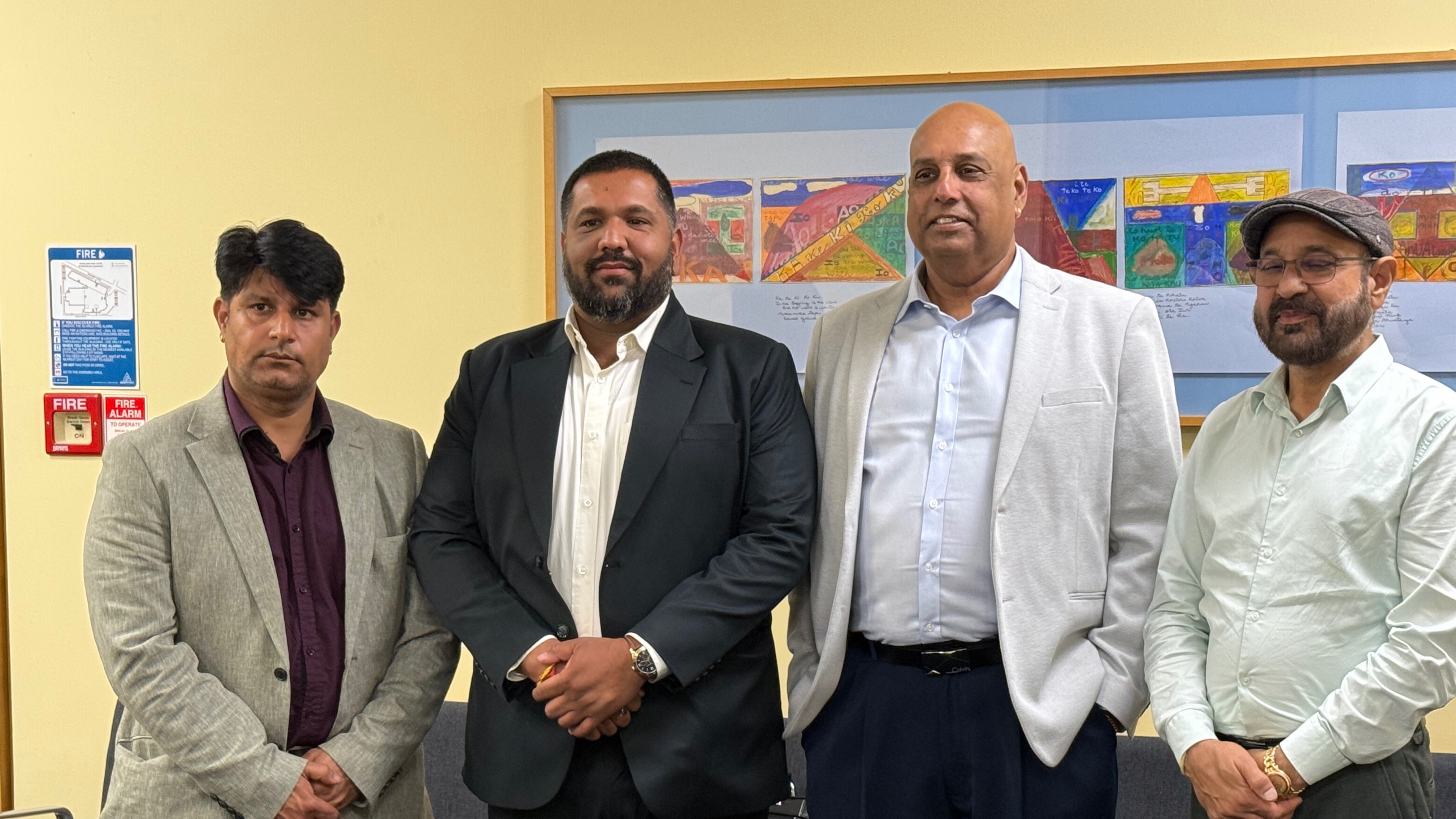
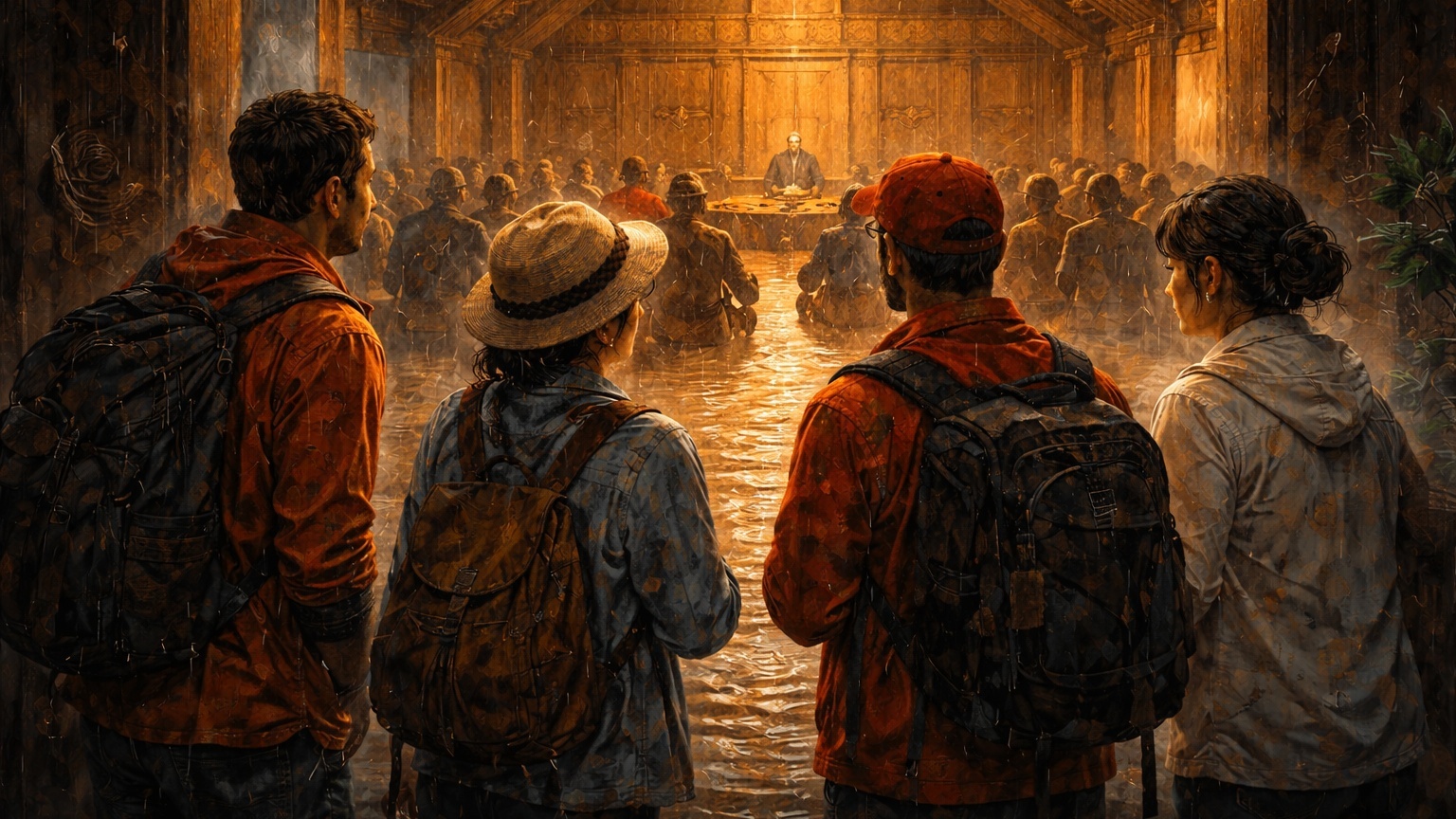
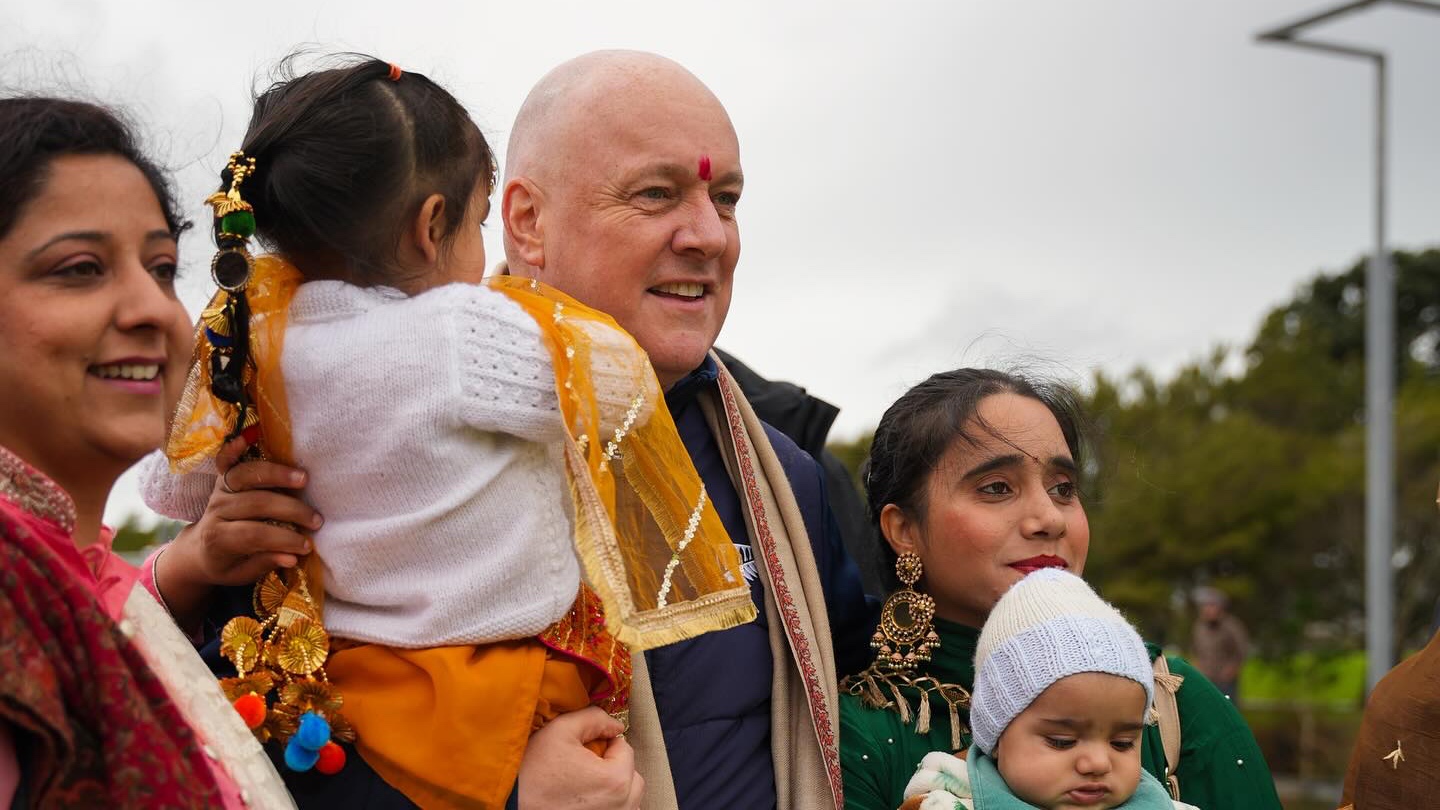
People gathered for a hui in Waikato on May 15, 2026, aimed at drawing a line under months of tension sparked by a controversial haka performance.
The hui brought together representatives from both communities following sustained engagement over recent weeks.
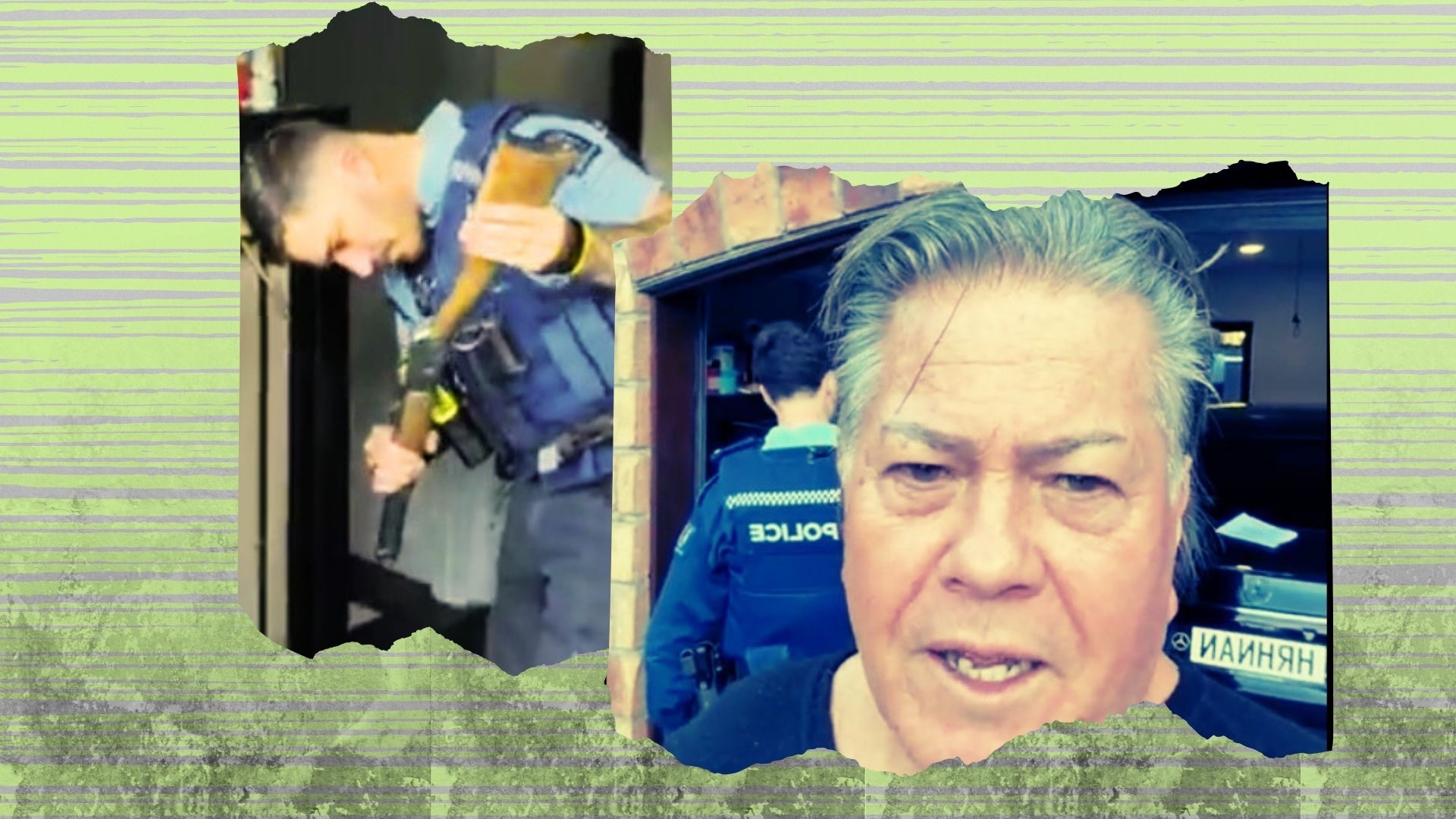
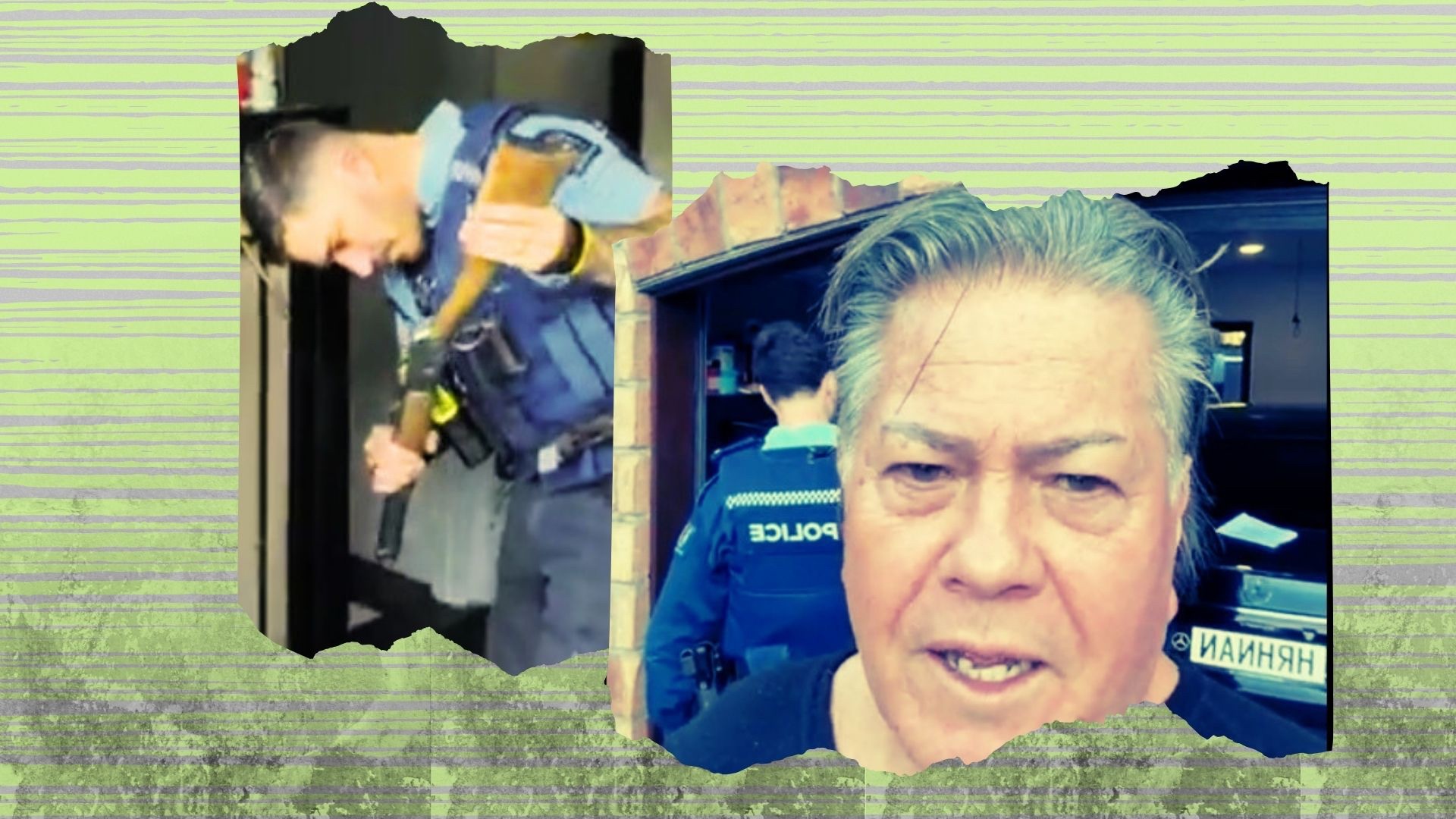
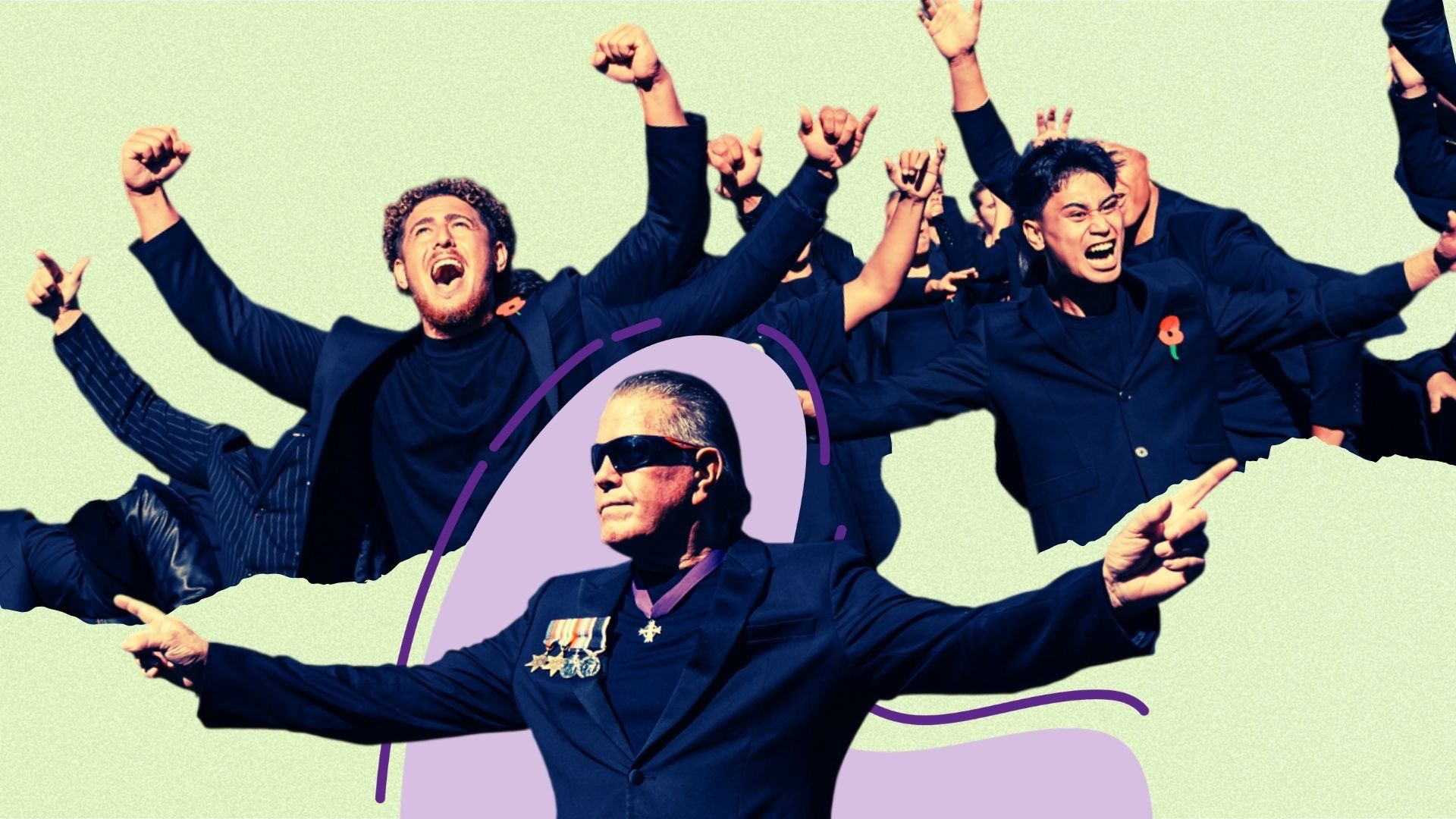
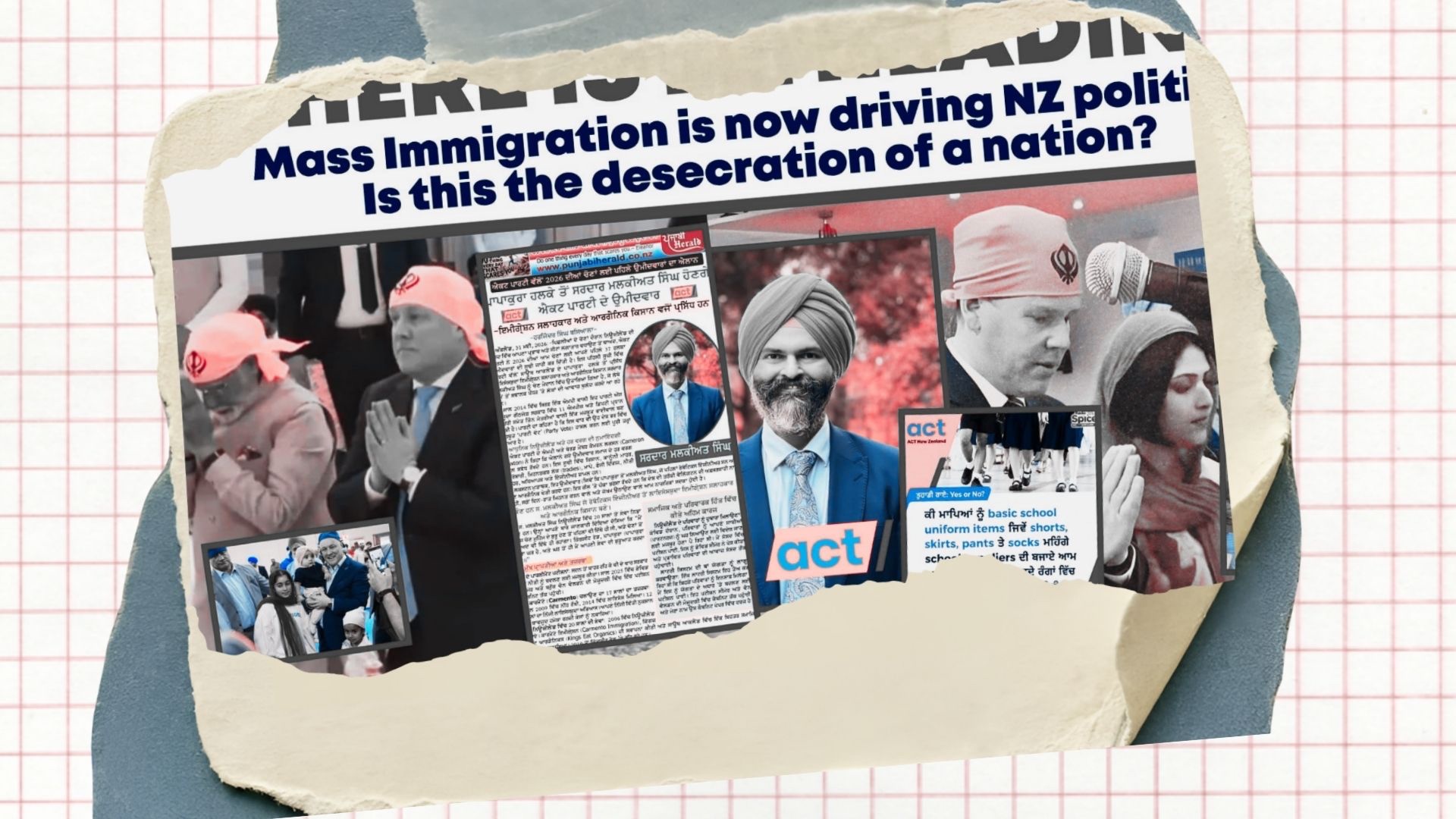
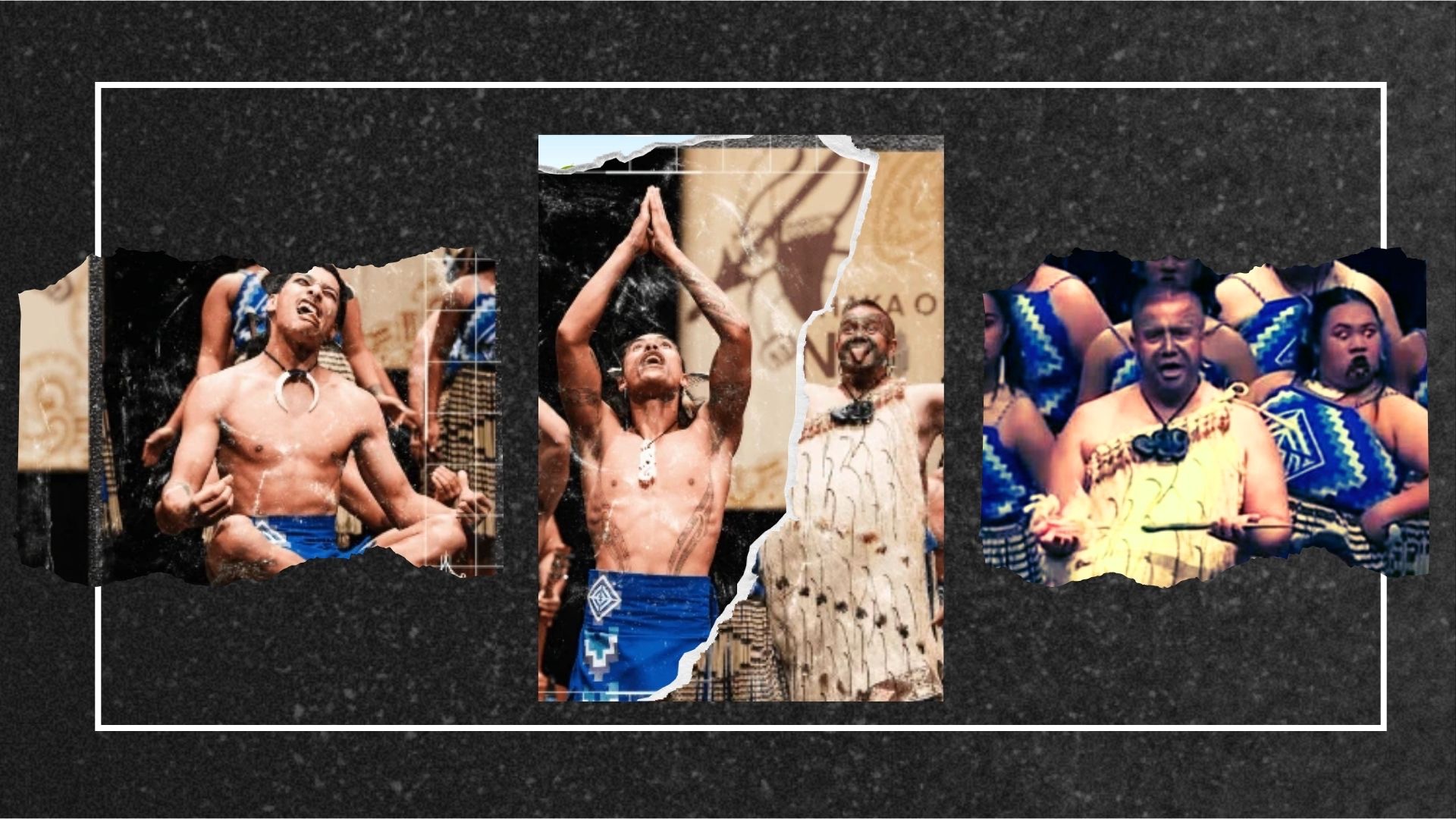
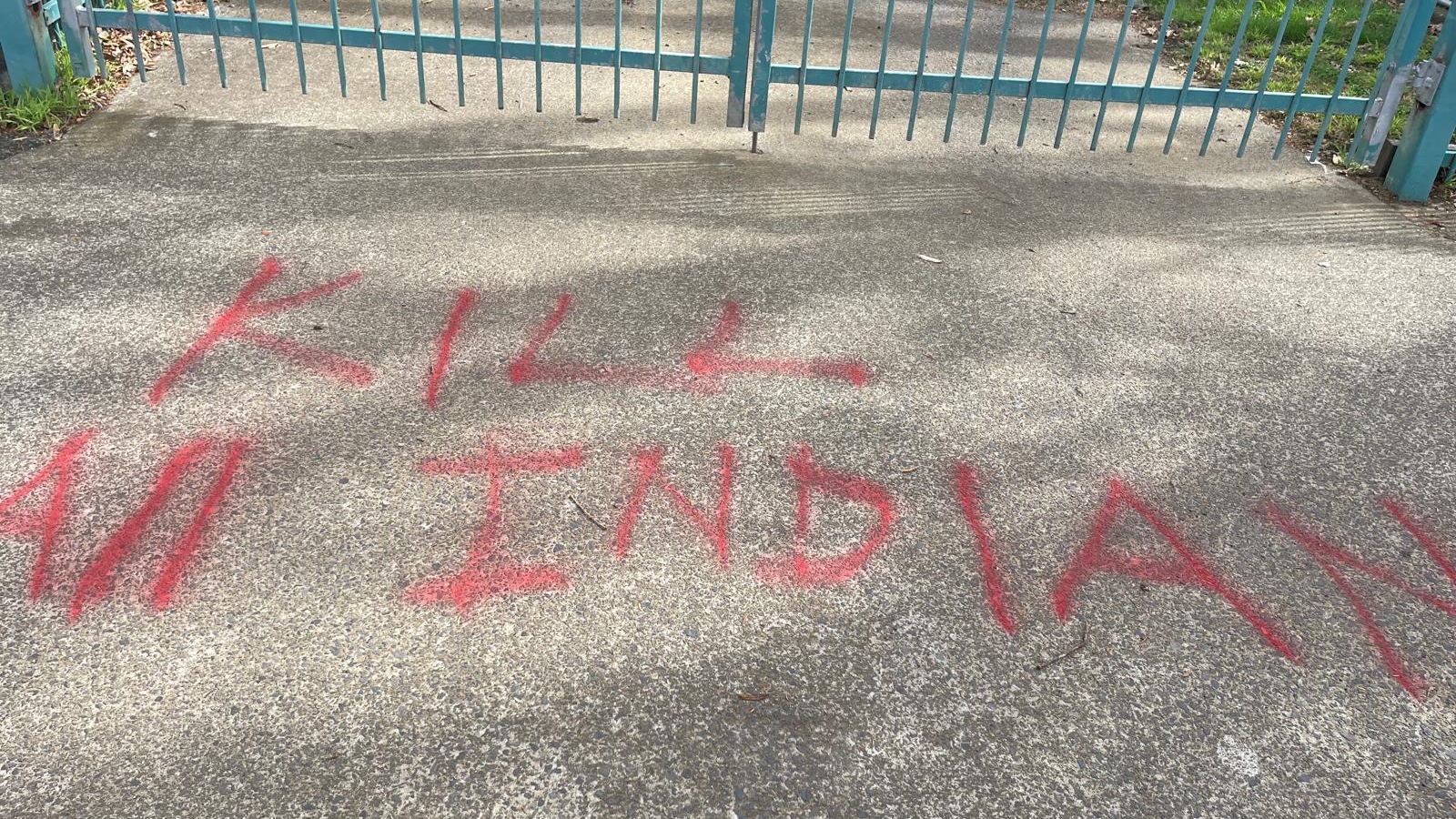
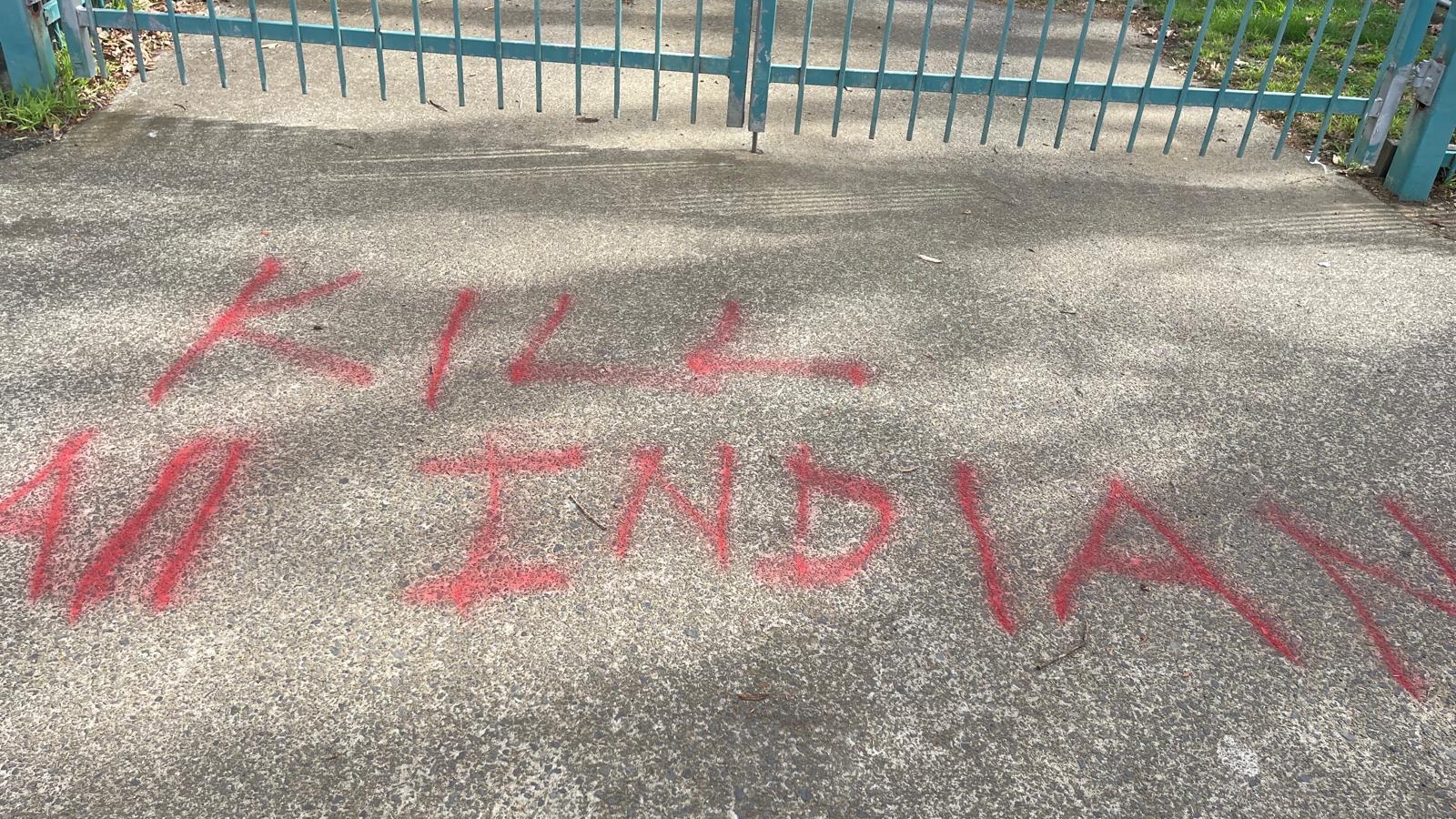
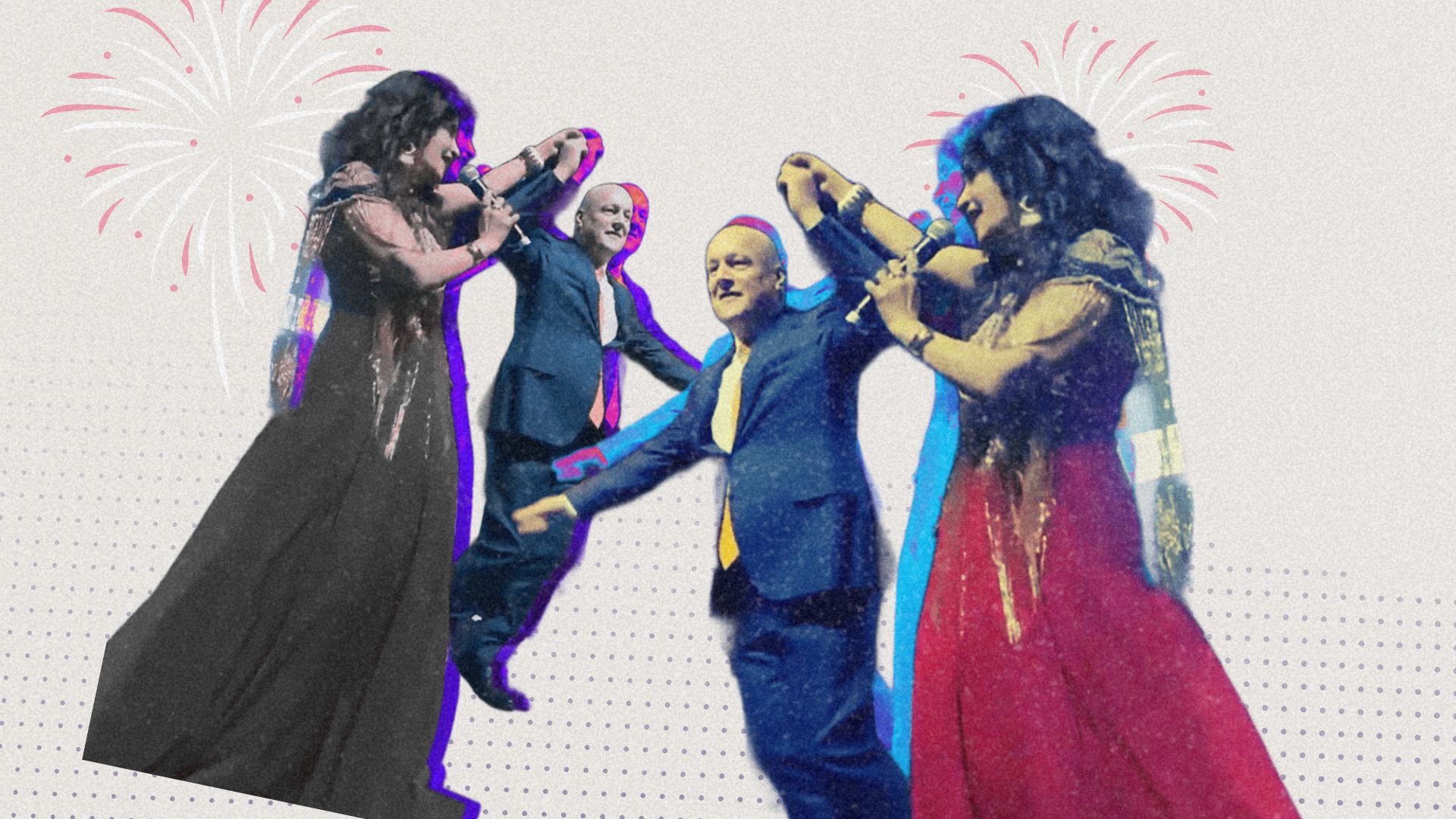
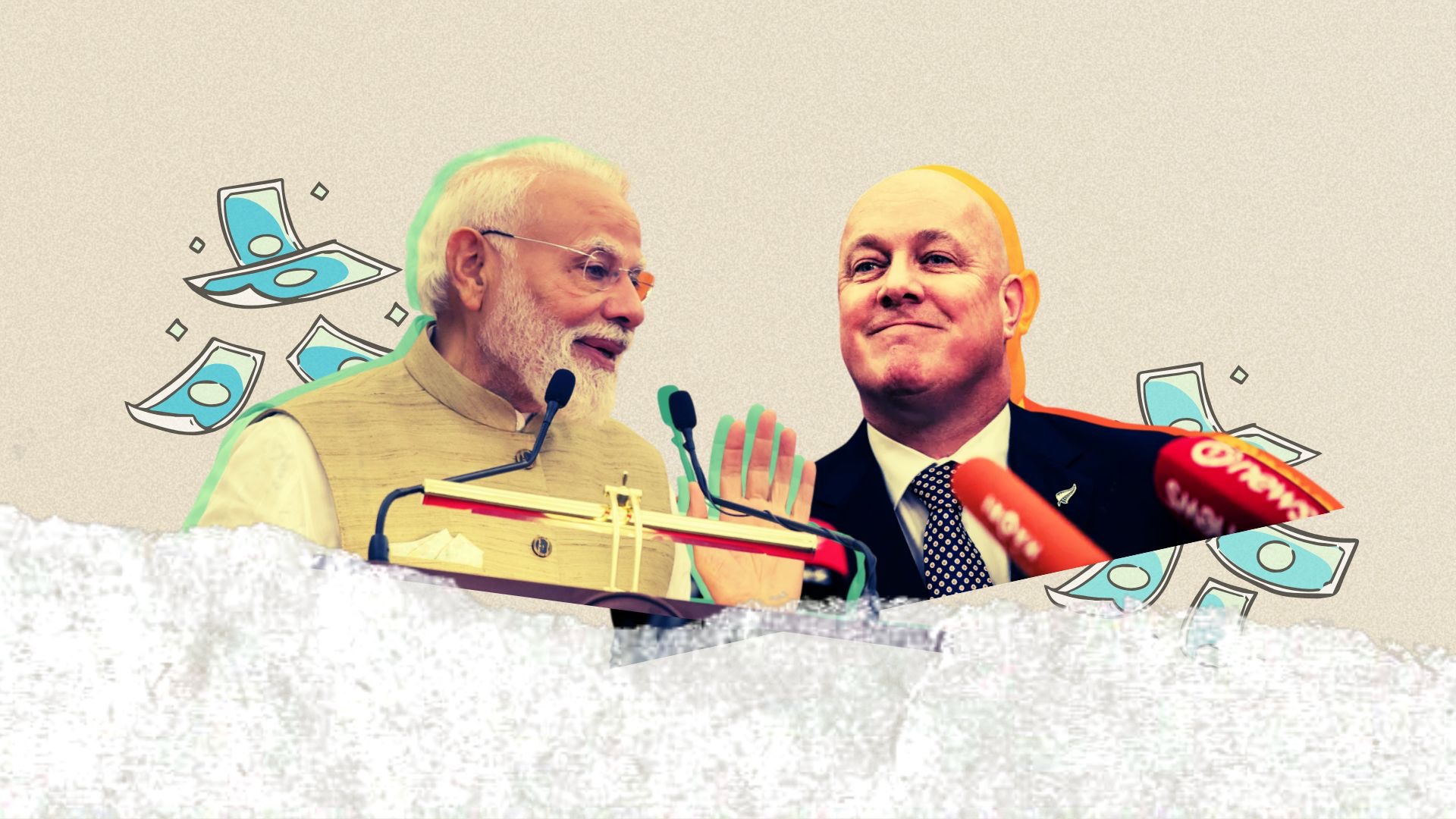
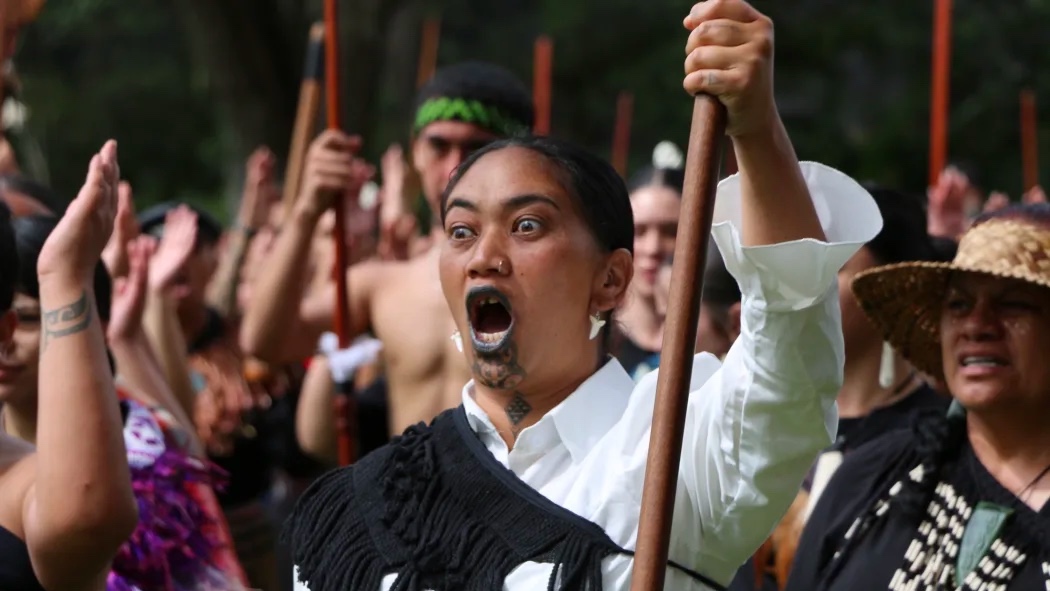
The reconciliation effort traces back to a haka performed last month at a regional kapa haka competition, which drew accusations that elements of the performance mocked Indian identity.
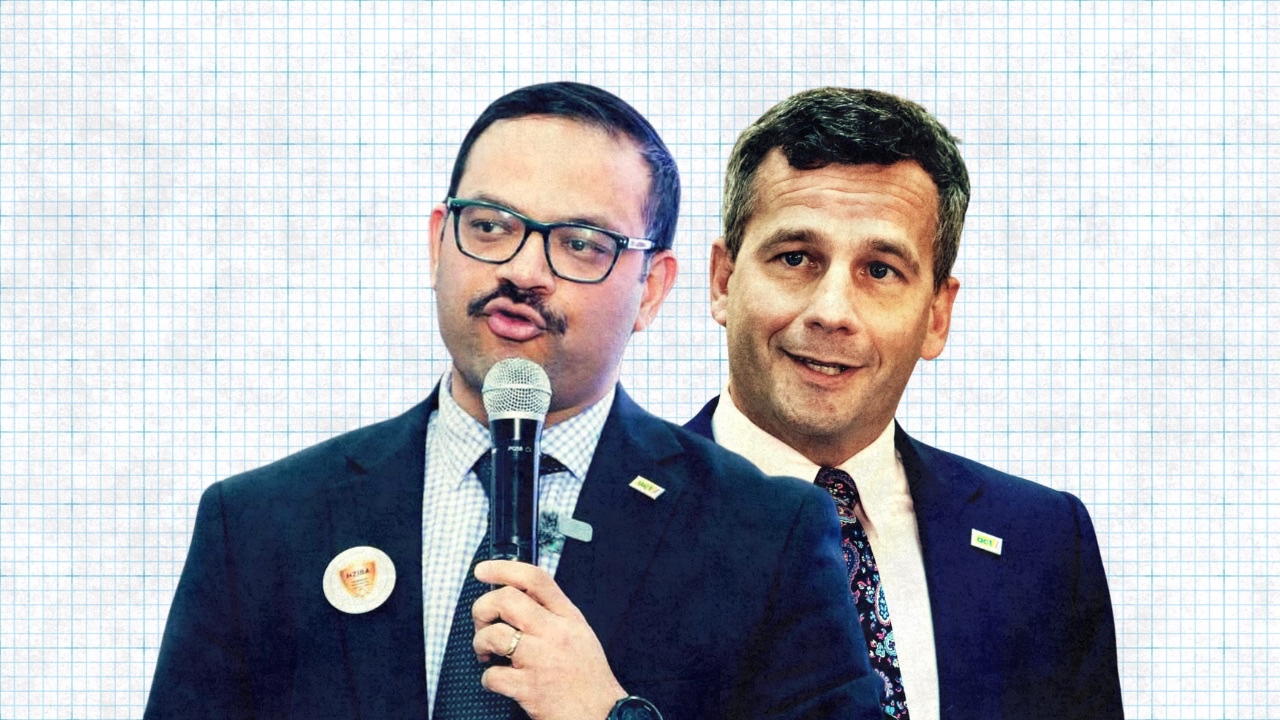
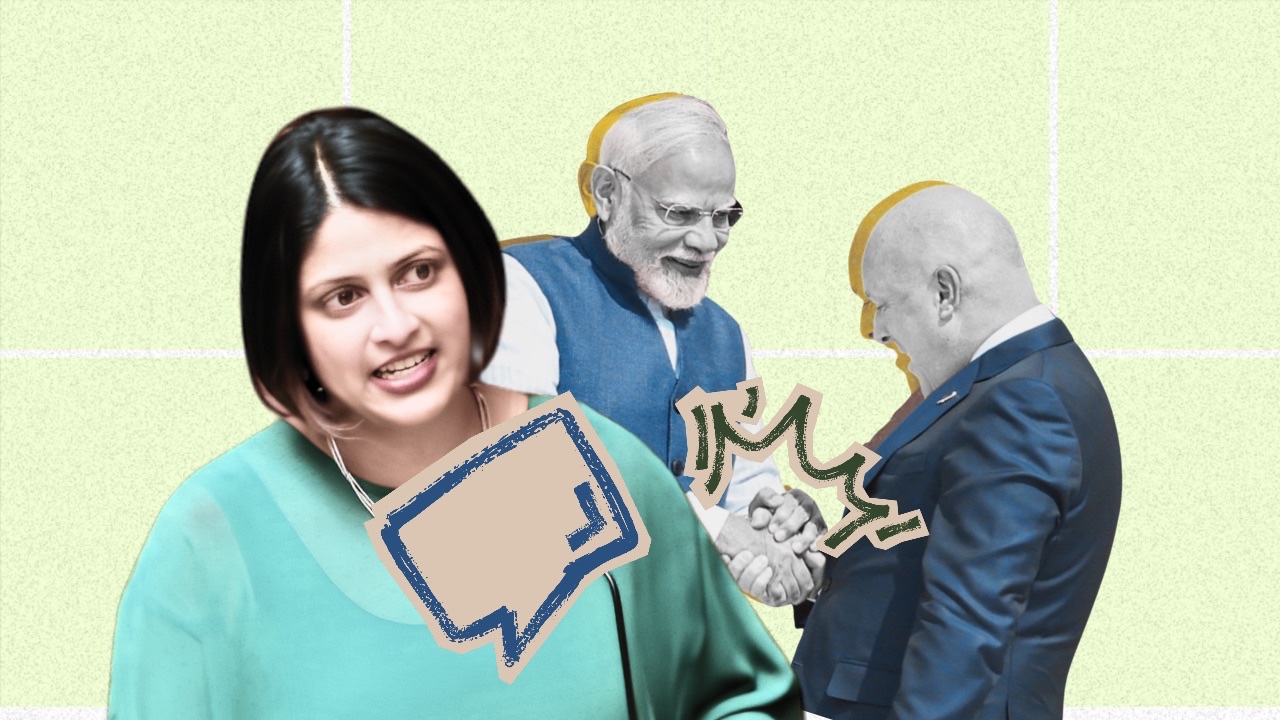
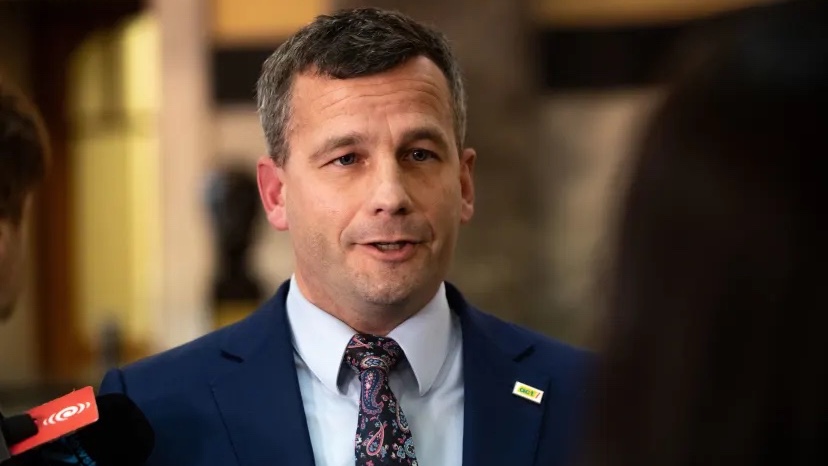
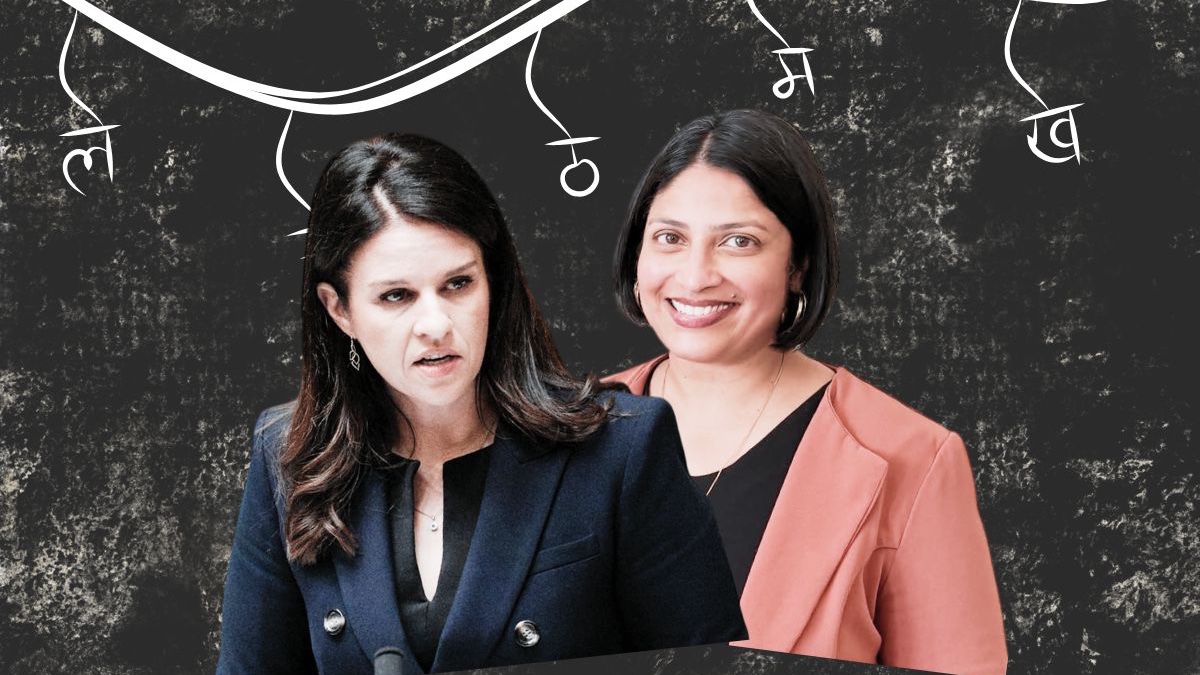
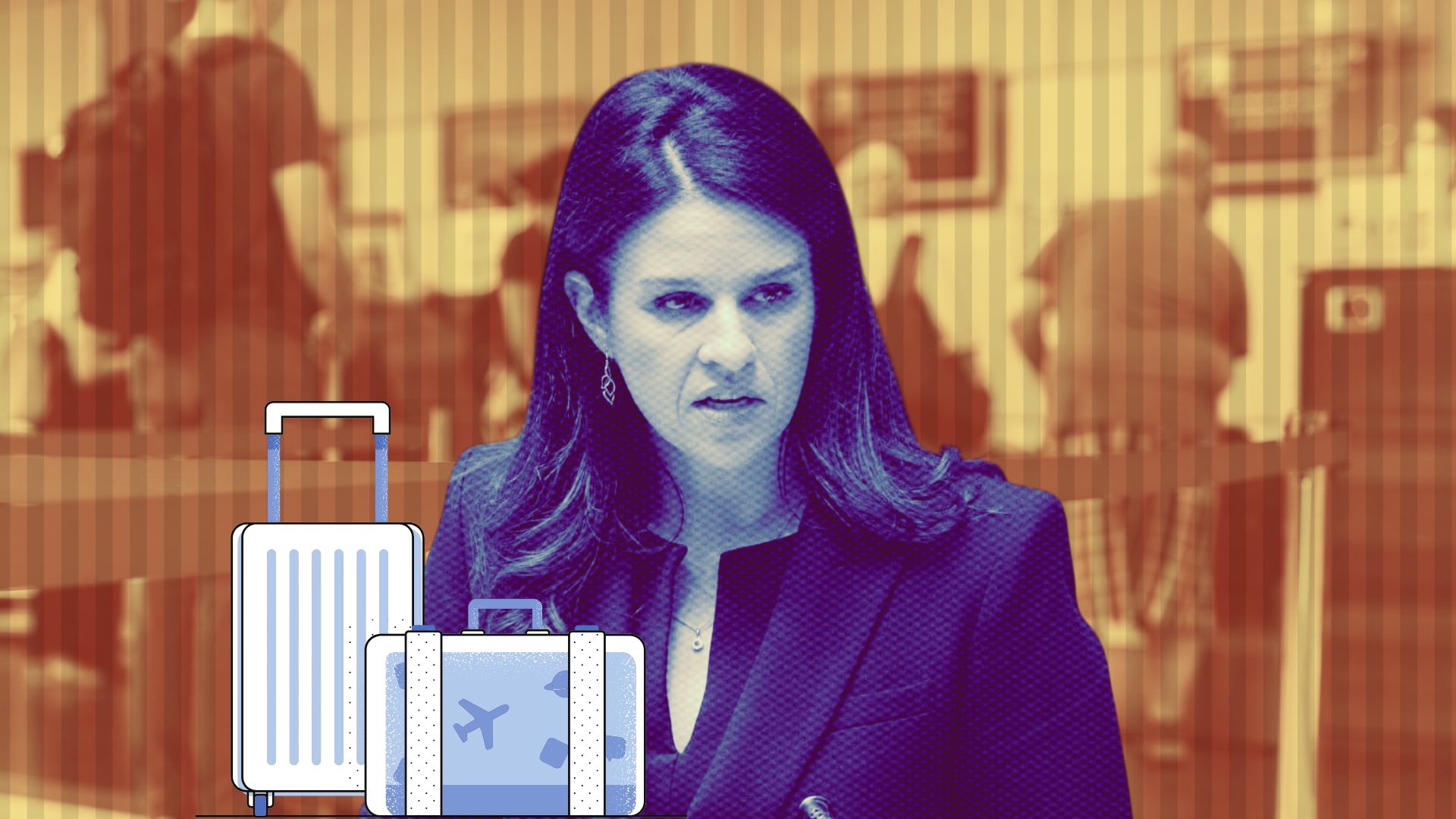
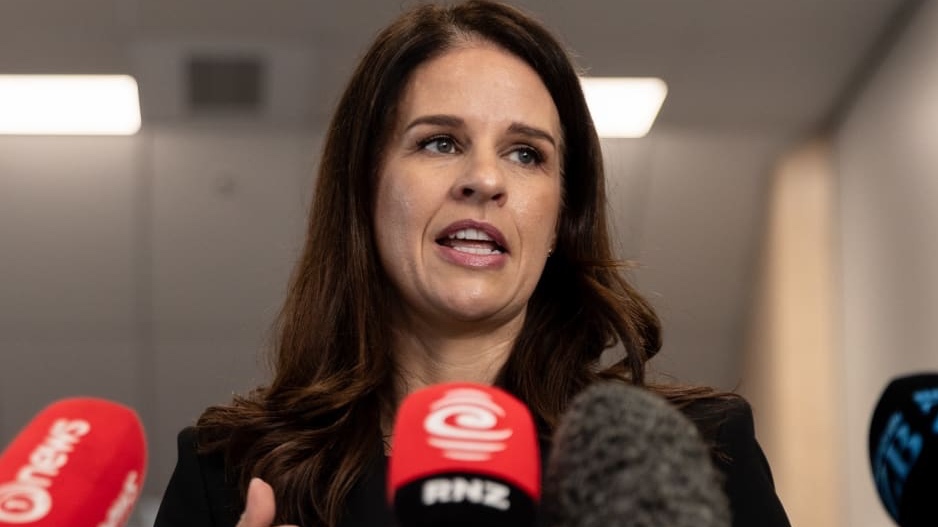
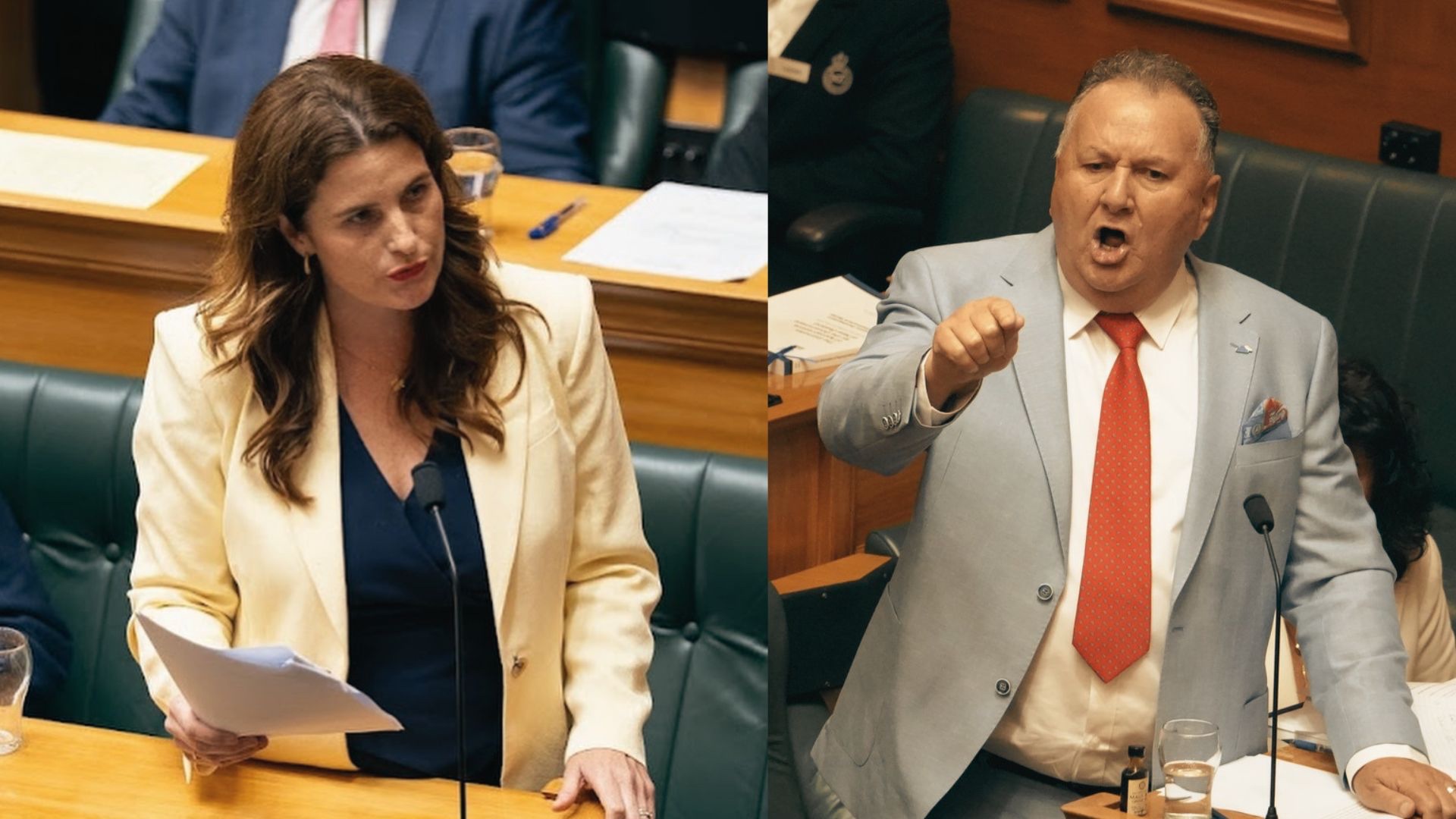
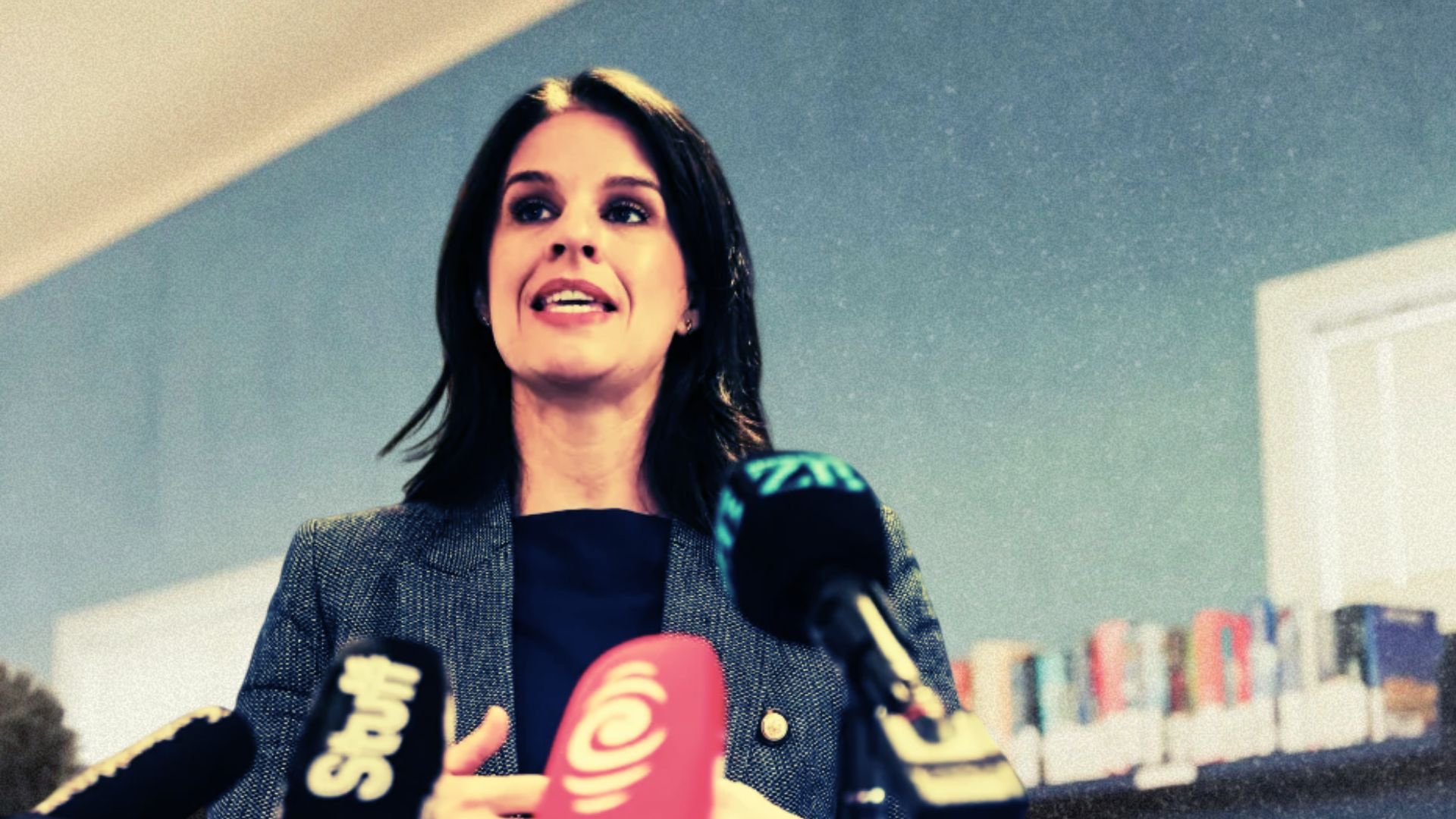
Organisers later apologised for the distress caused and clarified that the haka was intended as a critique of ACT party MP Parmjeet Parmar rather than the wider Indian community.
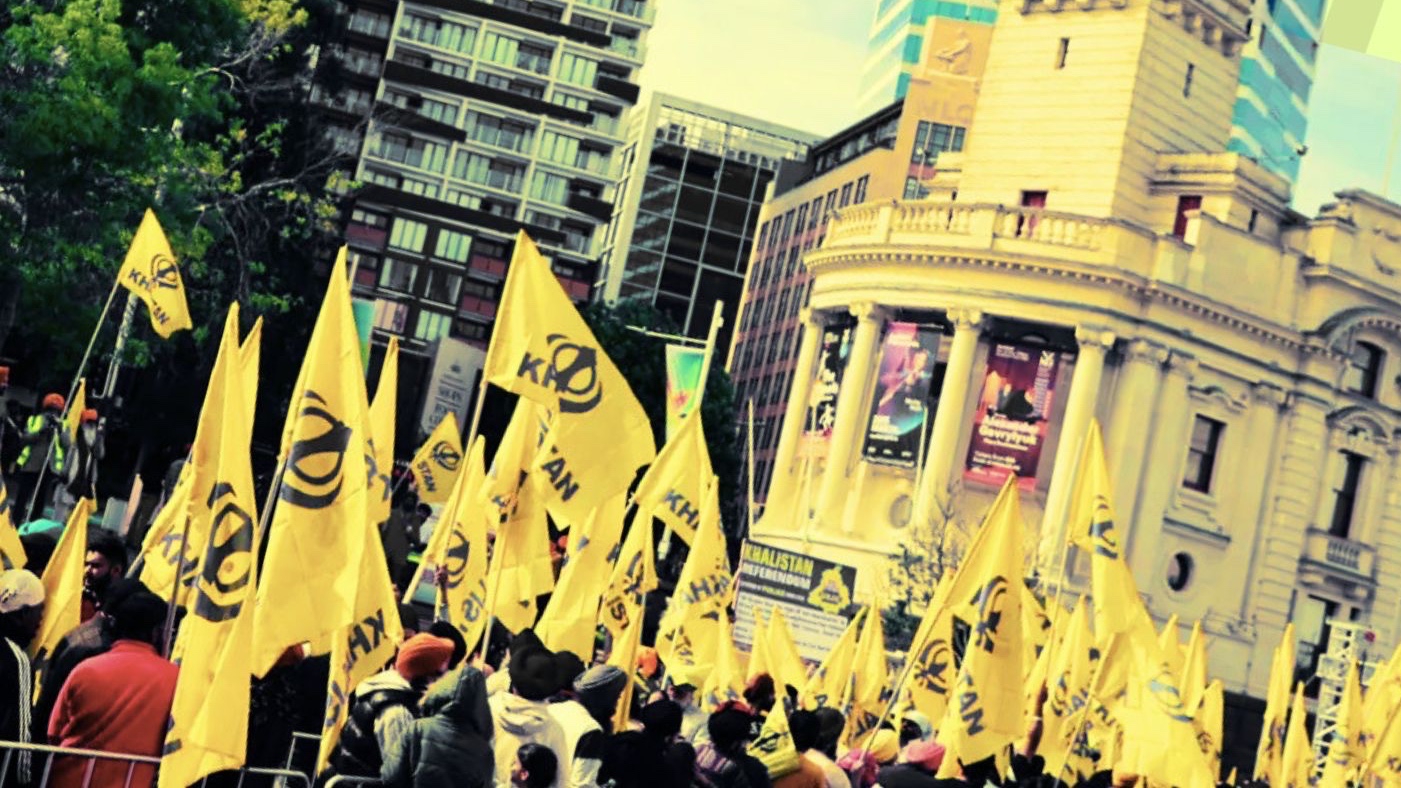
Truant student may have to curb Khalistan speech in India but will be deported, NZ tribunal rules The 21-year-old's education provider terminated his enrollment within a year because of poor attendance.
New Zealand-trained Indian pilot hailed for saving 174 people in Flydubai suspected crash bid Smit Machchhar trained with Mainland Air in Dunedin for about 18 months between 2008 and 2009.
54 hours worked, 26 hours paid: Indian migrant wins $60,000 from Auckland employer The man's additional claim that he paid unlawful premiums to procure the visa didn't hold up in the employment tribunal.
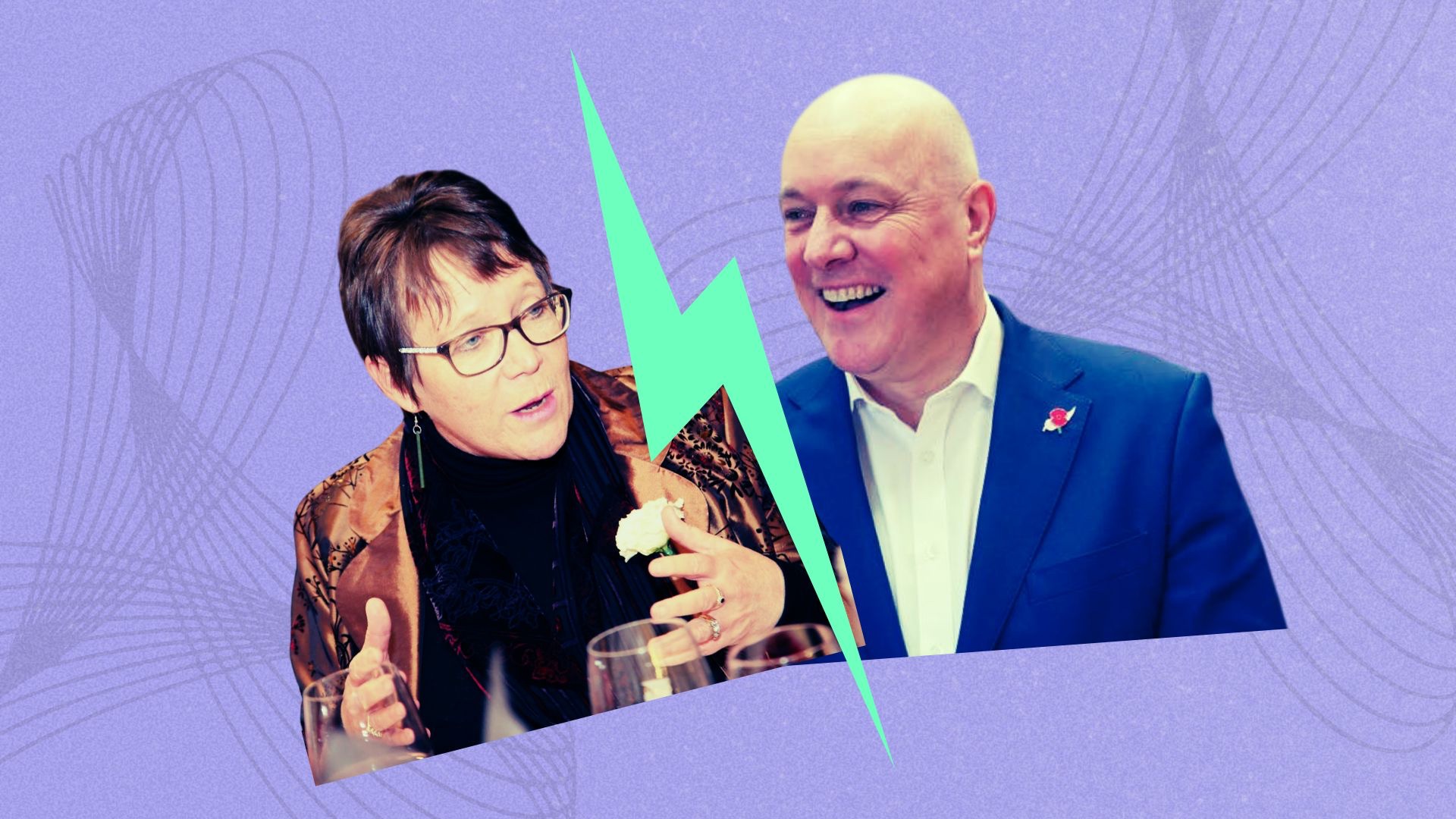
The group described Parmar’s actions as “clear examples of prejudice towards Maori culture", and said the haka wasn't aimed at Indians in general.
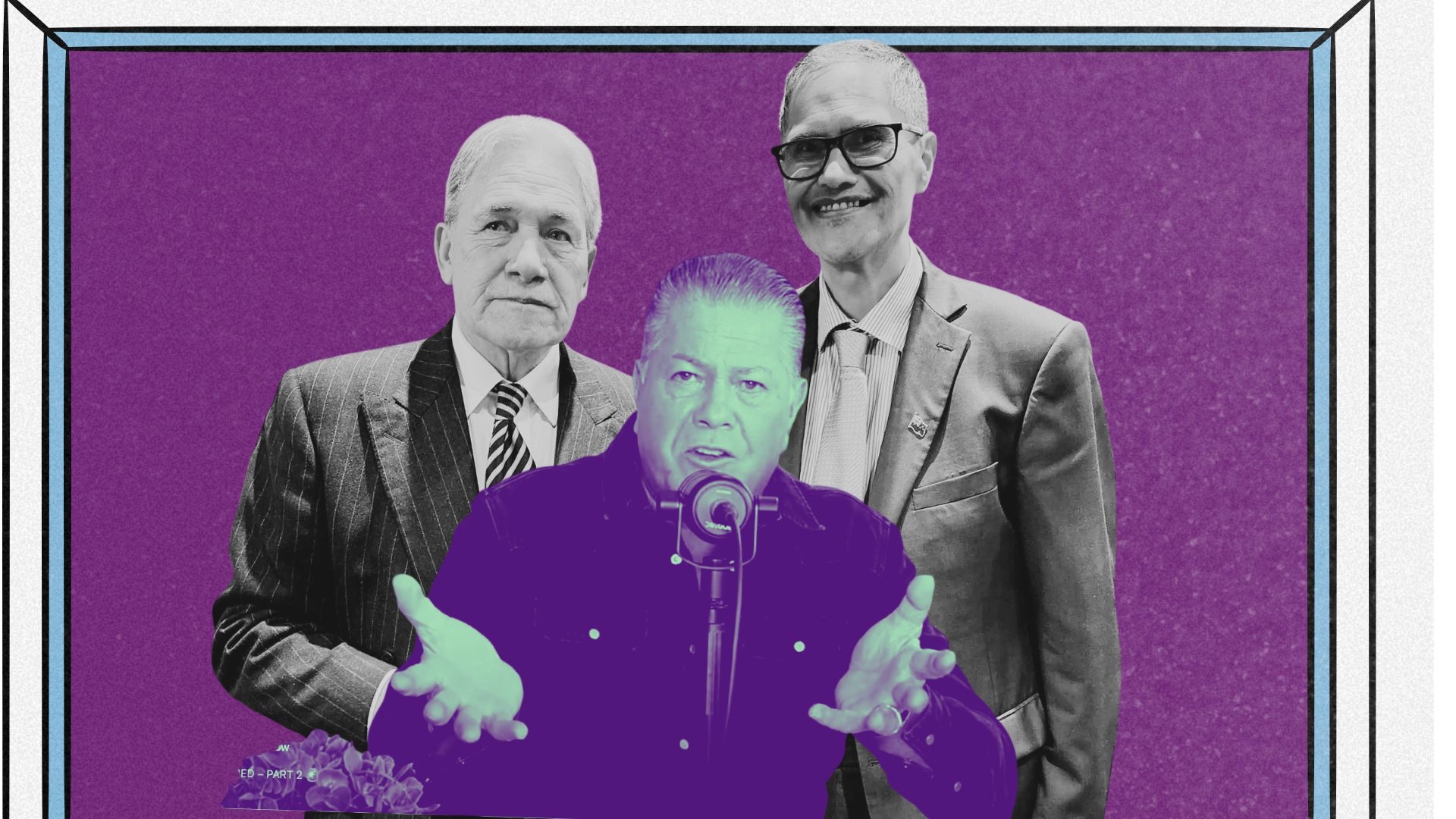
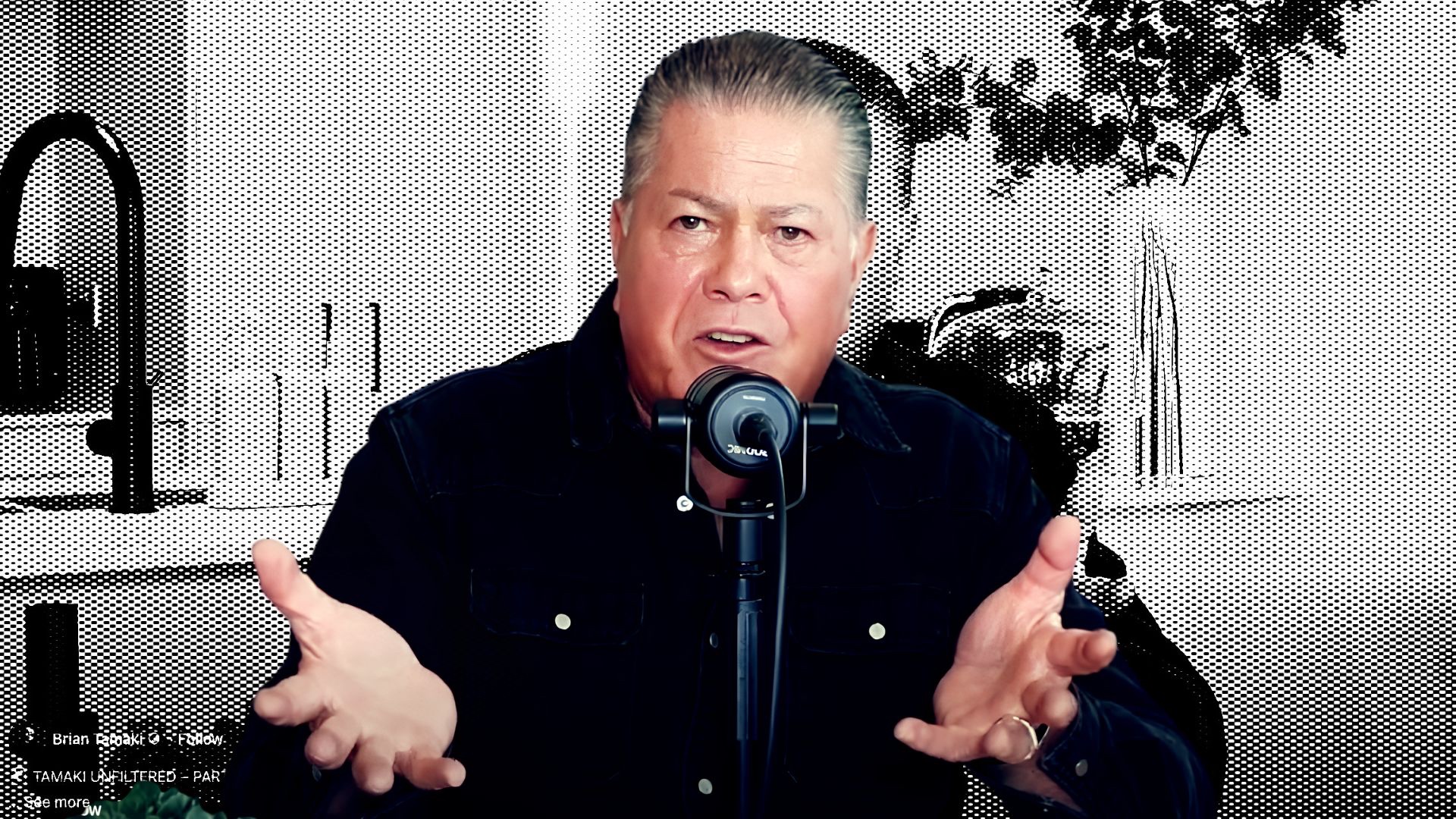
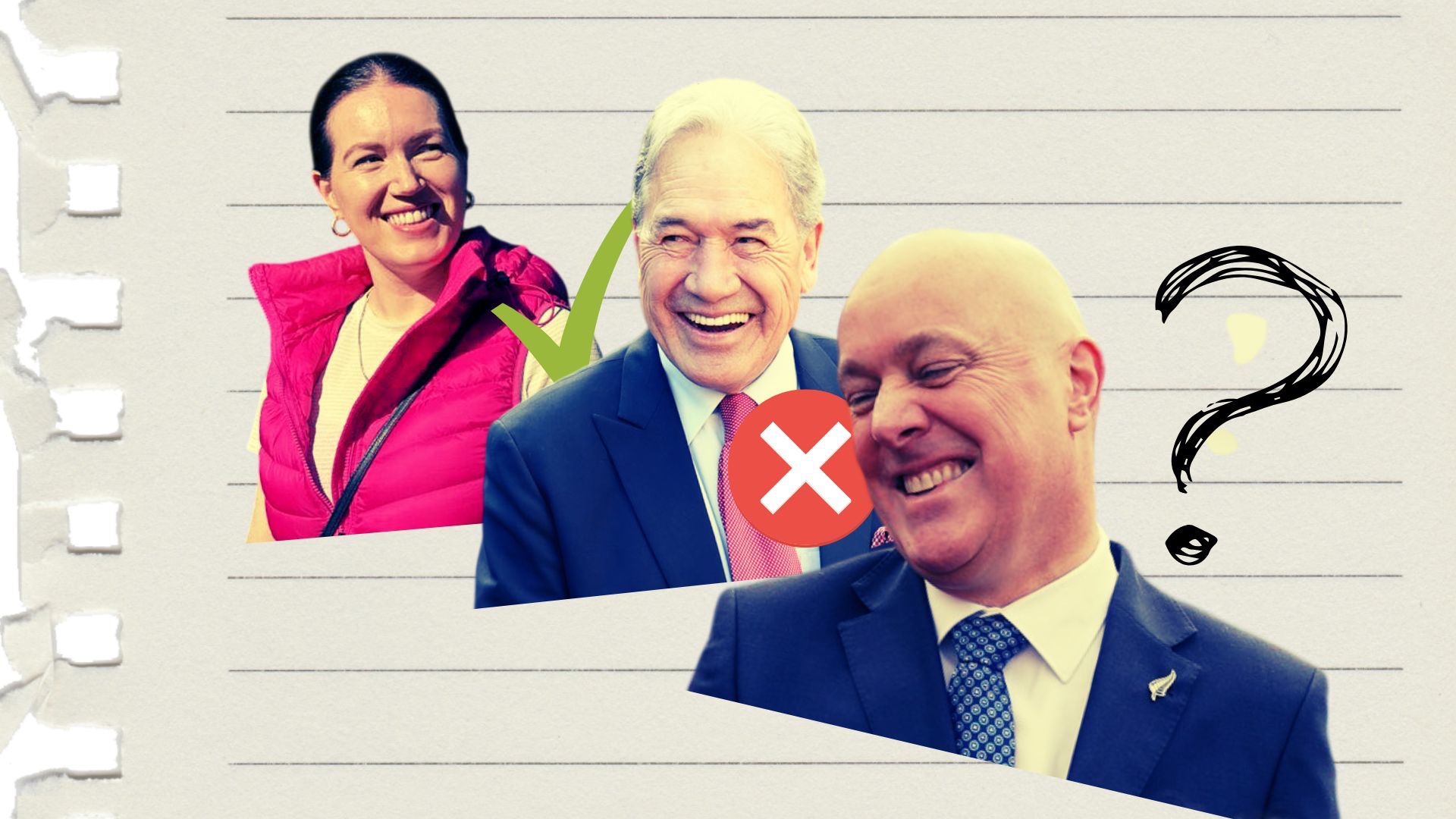
The issue nonetheless escalated, prompting engagement between affected community groups and those associated with the performance, including former Te Pati Maori president Che Wilson.
Against that backdrop, the hui over the weekend was designed as a reset point.
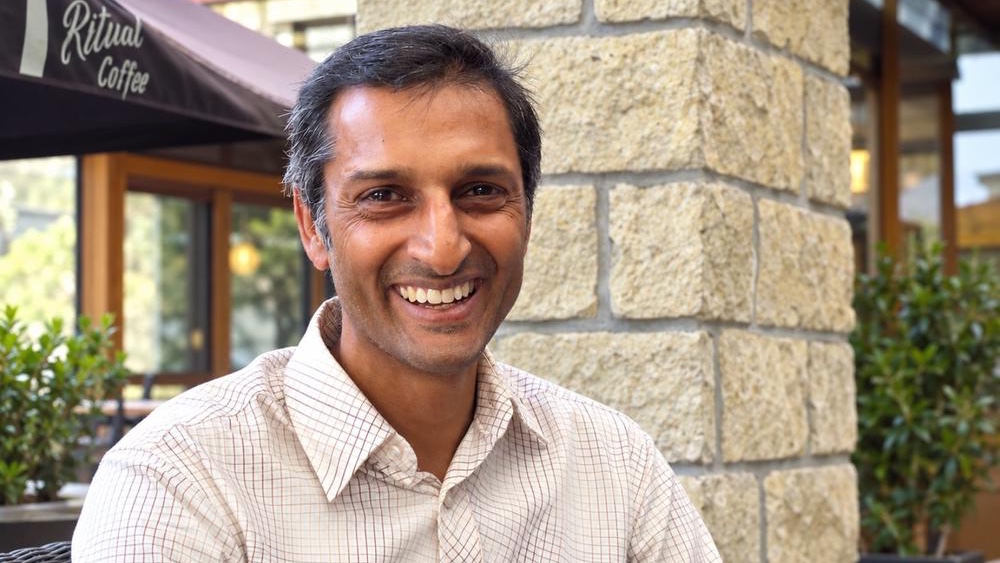
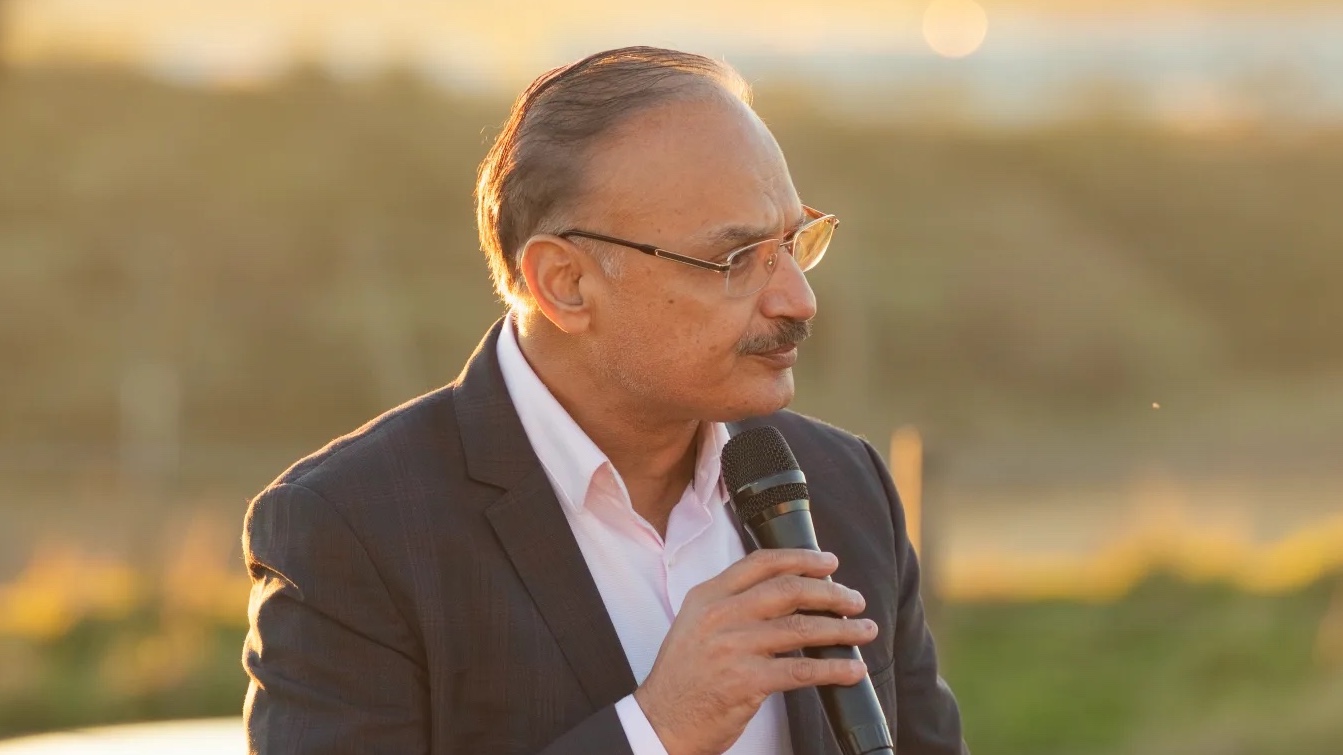
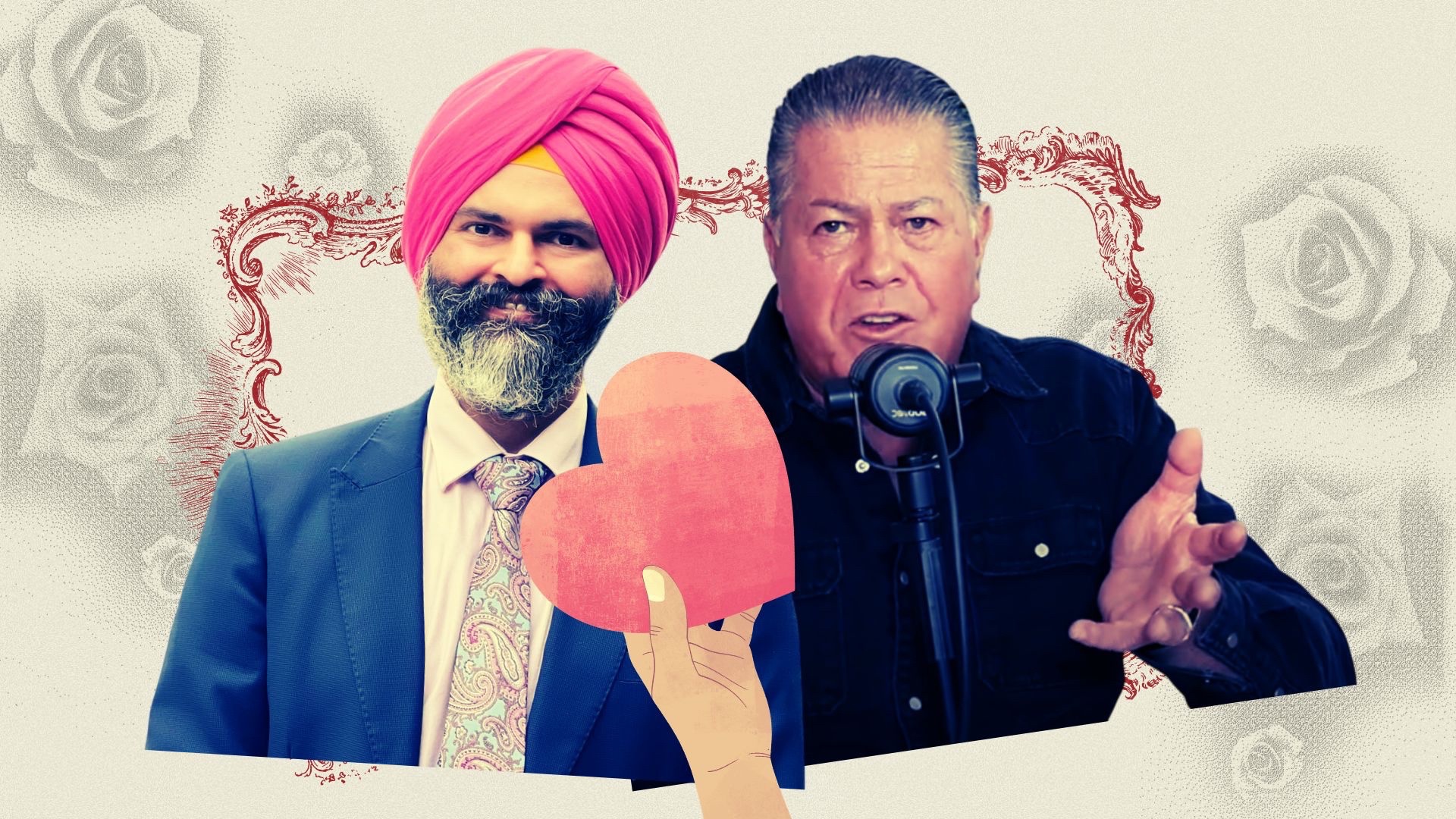
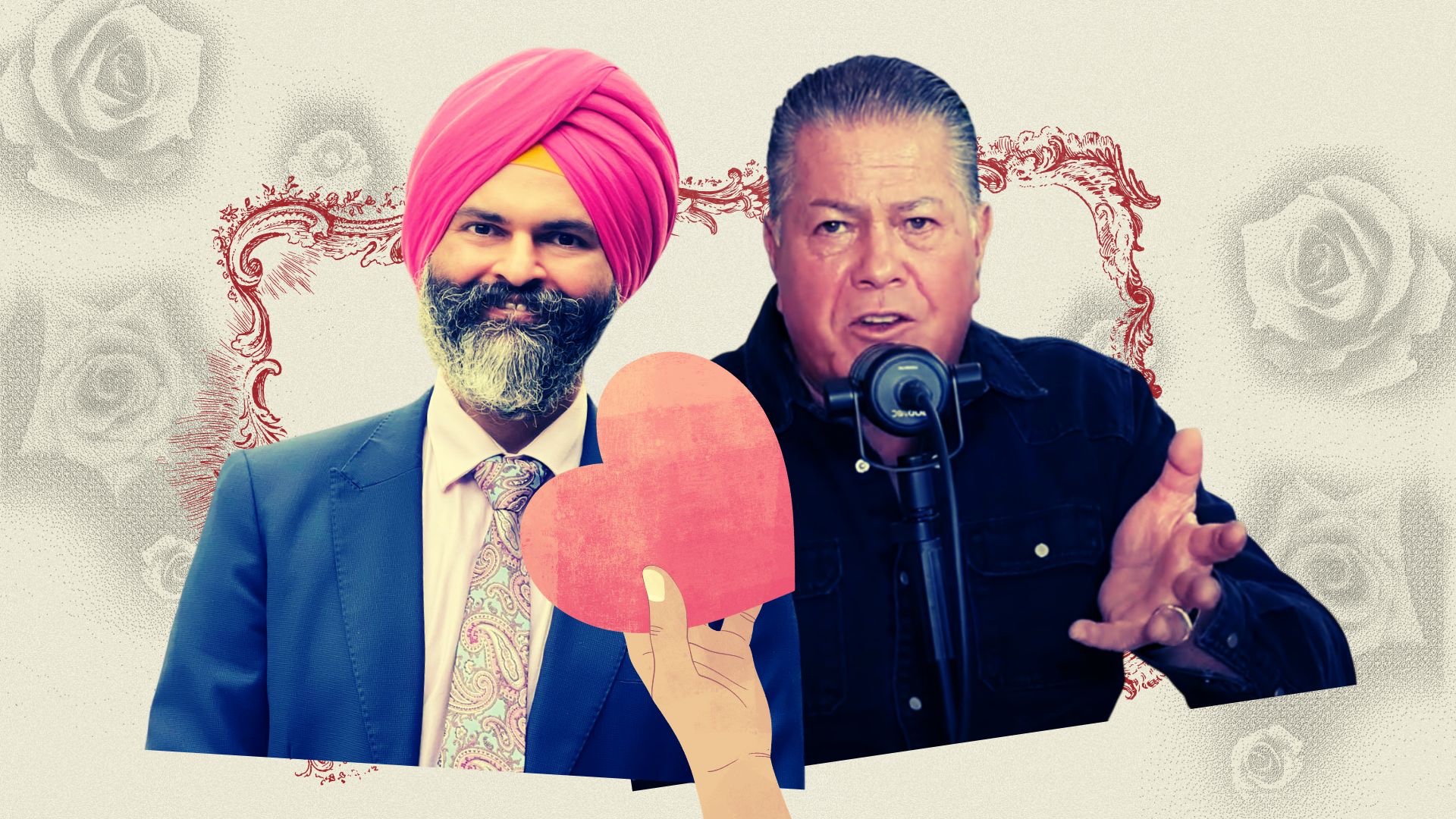
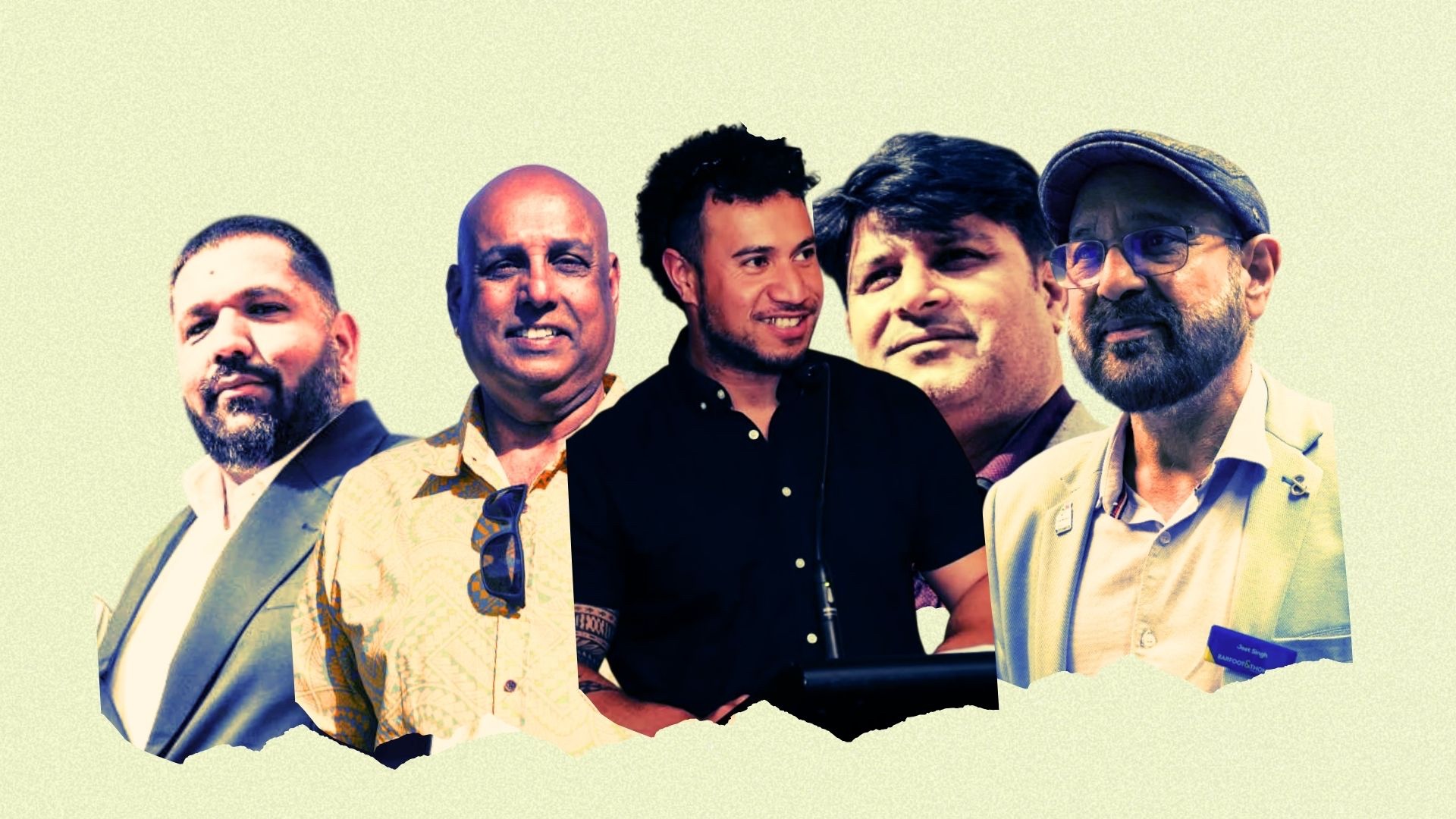
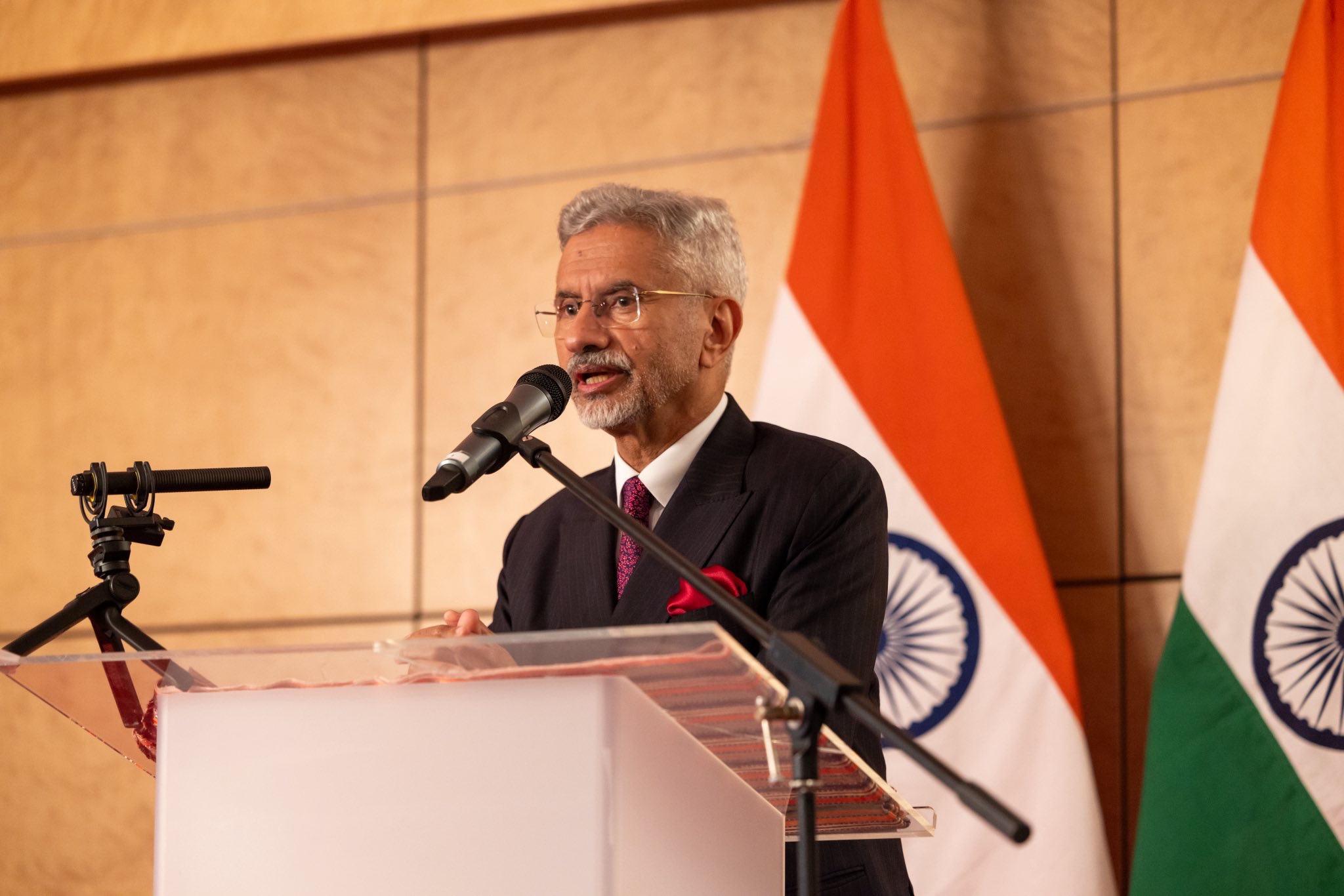
Jujhar Singh Randhawa of the Indian Cultural Society Waikato Inc, who opened the gathering, welcomed attendees and framed the moment as one requiring sustained commitment rather than symbolic closure.
He thanked “all community leaders for coming together in the spirit of goodwill and partnership”, emphasising “the importance of turning dialogue into long-term collaboration”.
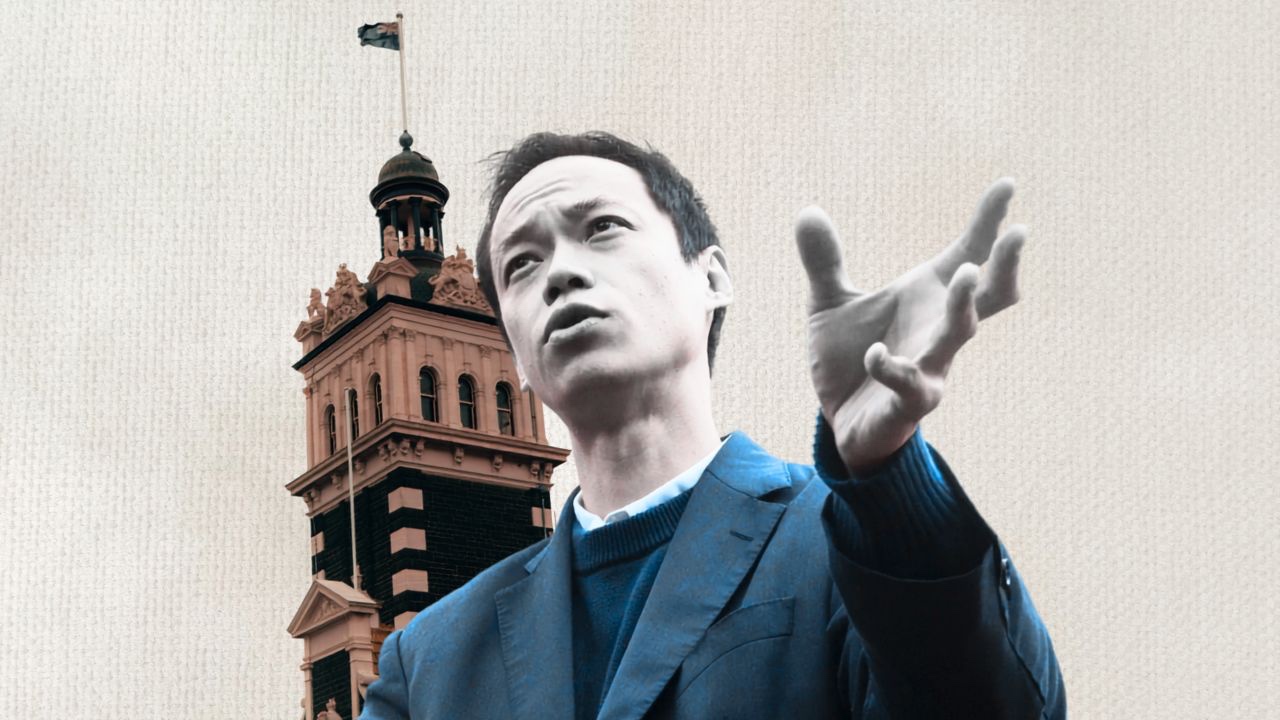
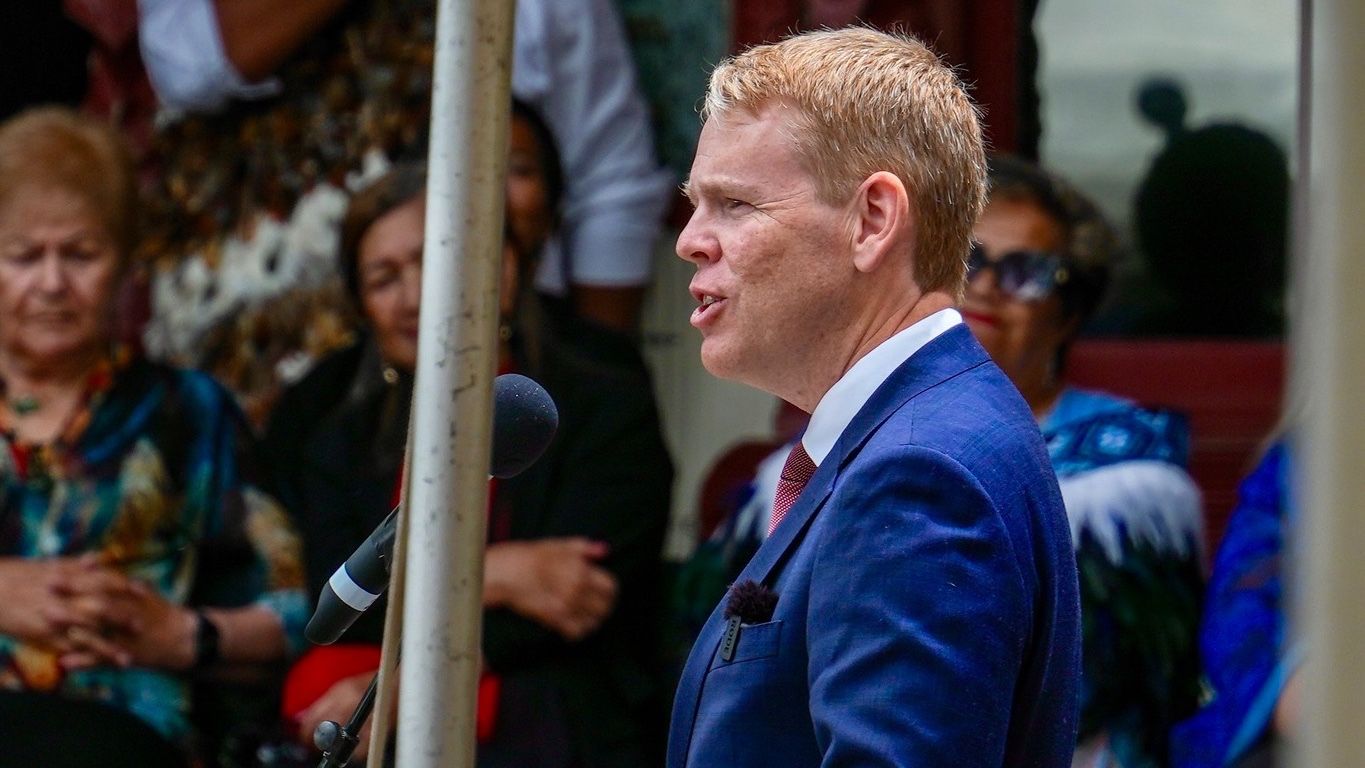
Che Wilson, speaking on behalf of his team, acknowledged the significance of the moment and the sensitivity of the path that led there.
He reinforced “a commitment to open engagement and mutual respect”, adding that earlier discussions had recognised that “constructive dialogue can transform difficult moments into opportunities for stronger community relationships”.
But the most defining moment of the hui came in the exchange of a taonga.
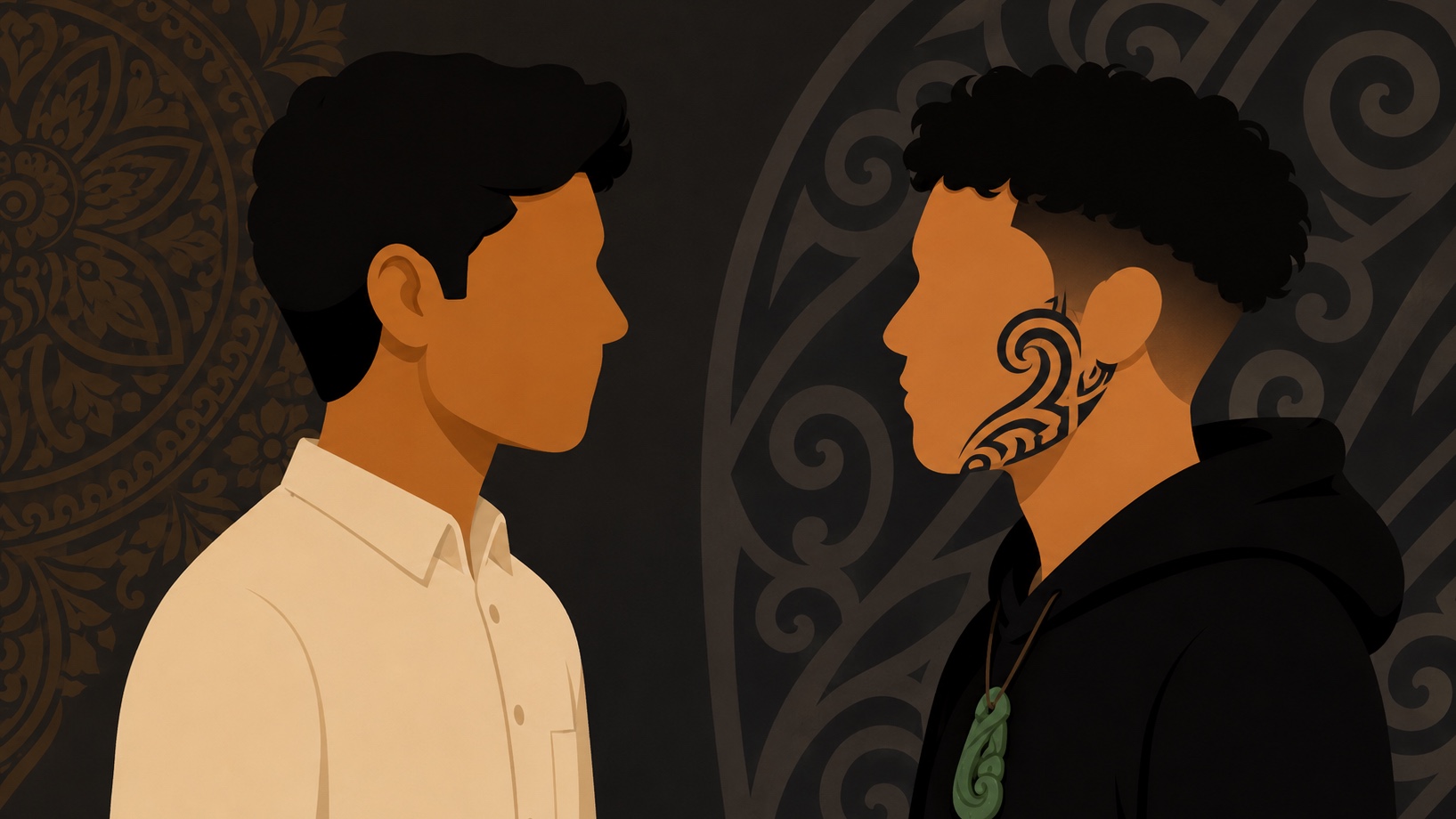
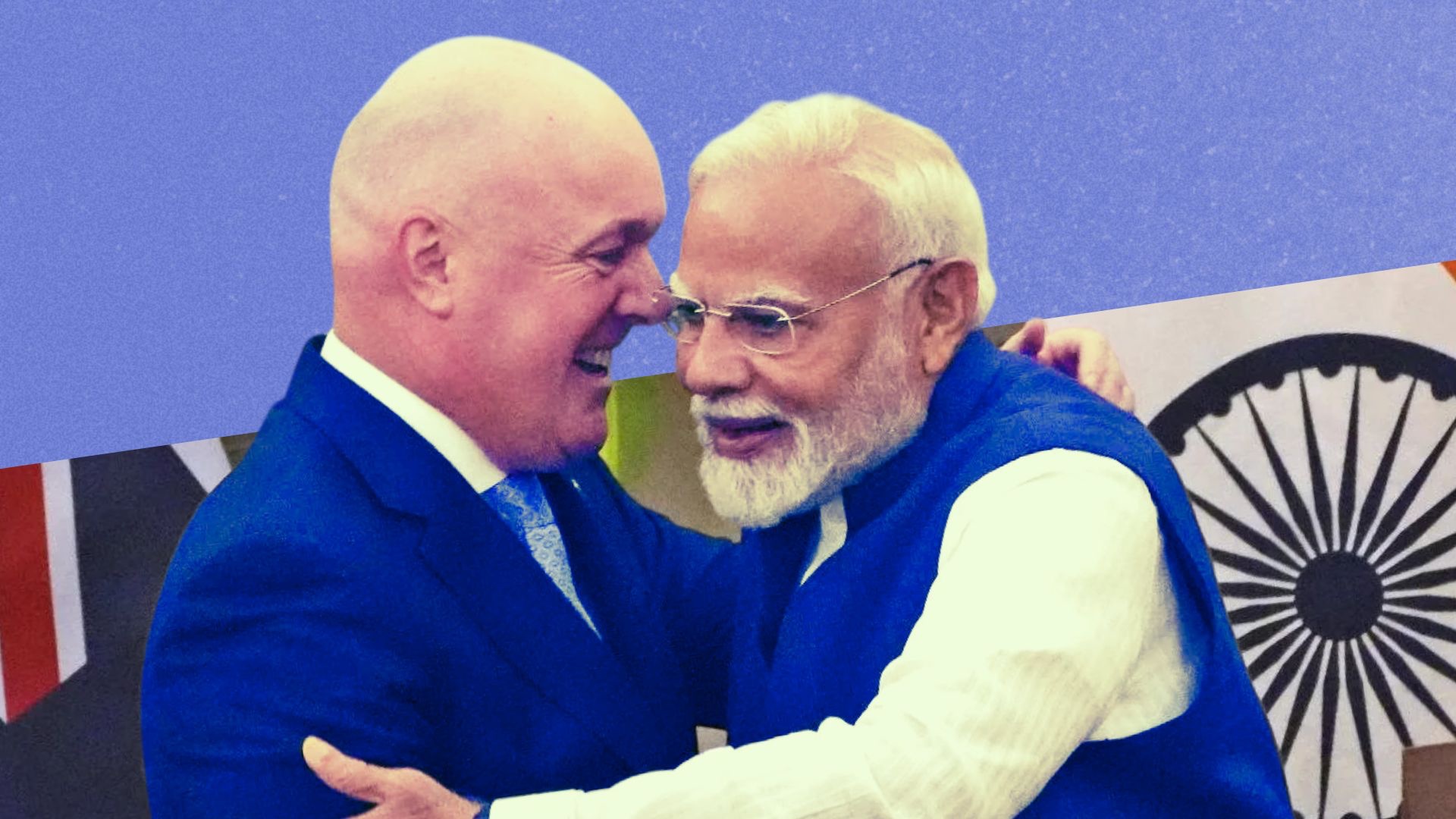
Wilson and his team presented a pounamu named 'Te Aroha' to the South Asian and Indian community. In Maori tradition, the greenstone symbol represents a tatau pounamu, a door of peace and reconciliation, signifying a commitment to enduring relationship-building grounded in aroha and mutual respect.
The pounamu was received on behalf of the community by Randhawa.
Community leaders present at the hui expressed appreciation for what they described as openness and humility shown throughout the engagement process, particularly the willingness to meet directly following the earlier backlash.
The hui, according to a press statement by the Indian cultural society, reflects a shared commitment to ensuring differences are addressed through “respectful korero,” and that communities continue to build relationships through understanding rather than division.