
Diwali in New Zealand could change forever as MPs present new report
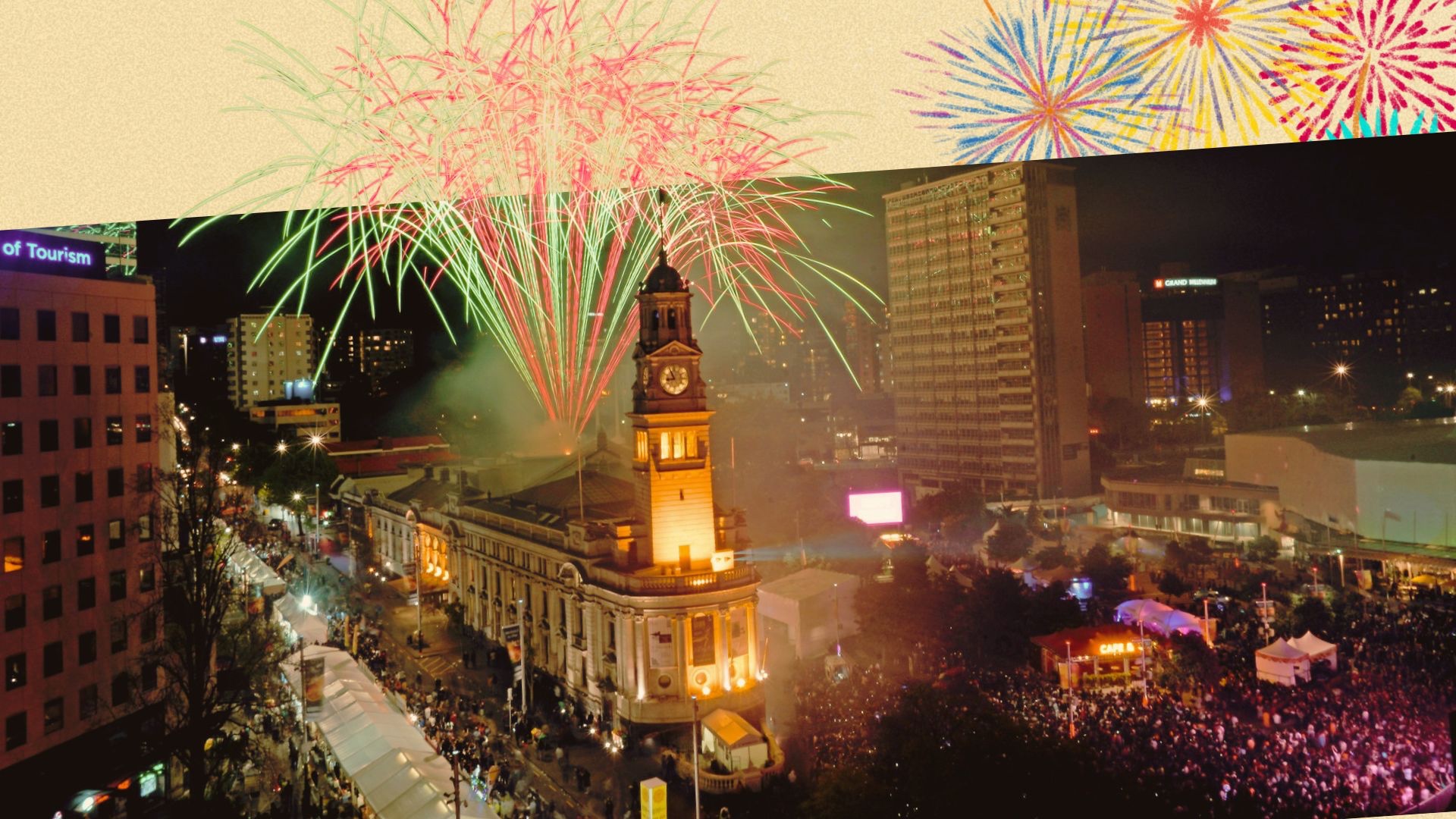
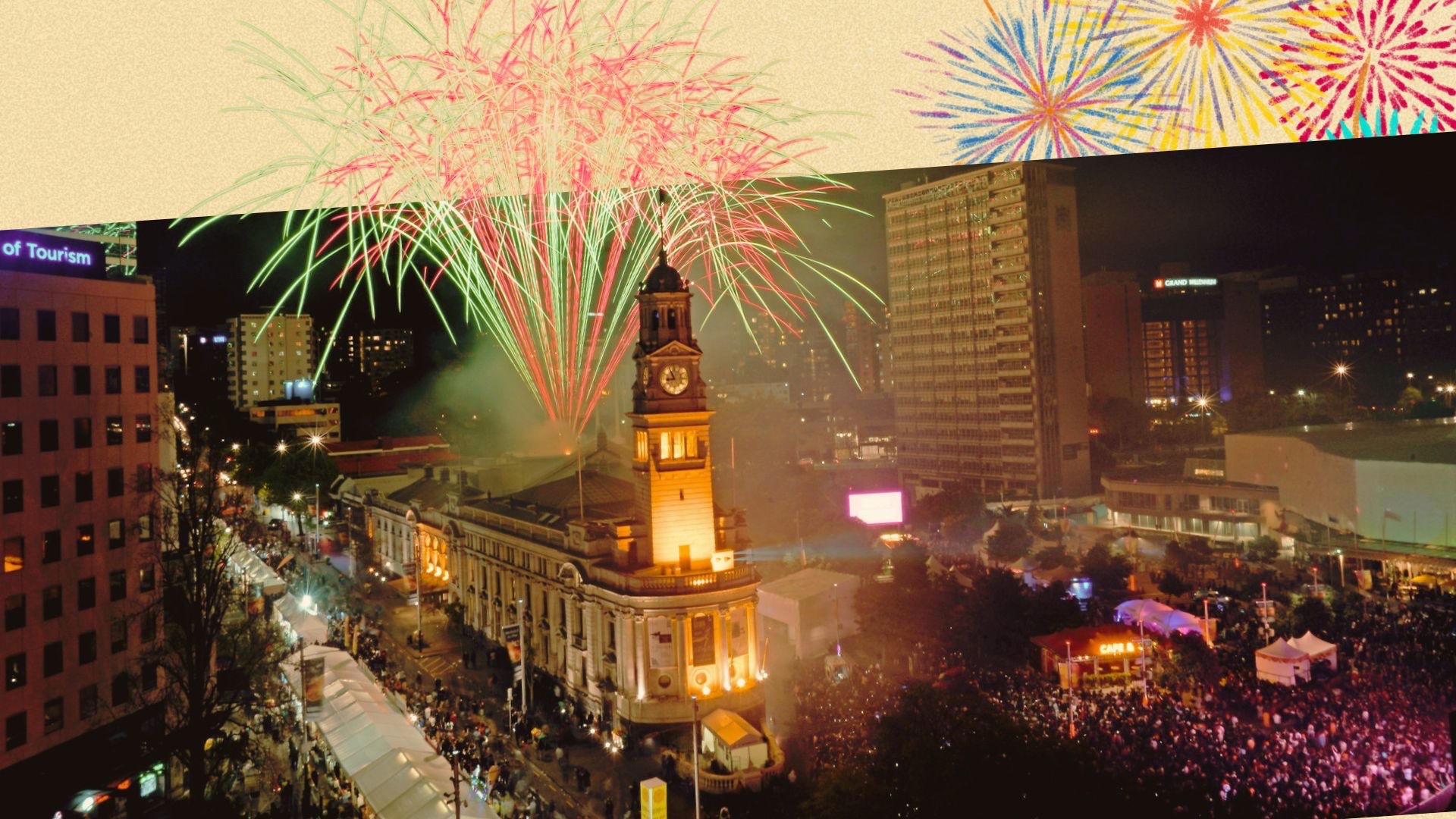
The report recommends only public display of fireworks like the ones at Aotea Centre.
The Parliament has 60 days to take a call on a landmark recommendation to ban private use of fireworks.
Diwali celebrations in New Zealand may never look the same again.
For the first time, a parliamentary committee has recommended banning the public sale and private use of fireworks, a landmark shift in a debate that has run through multiple Parliaments for nearly two decades.
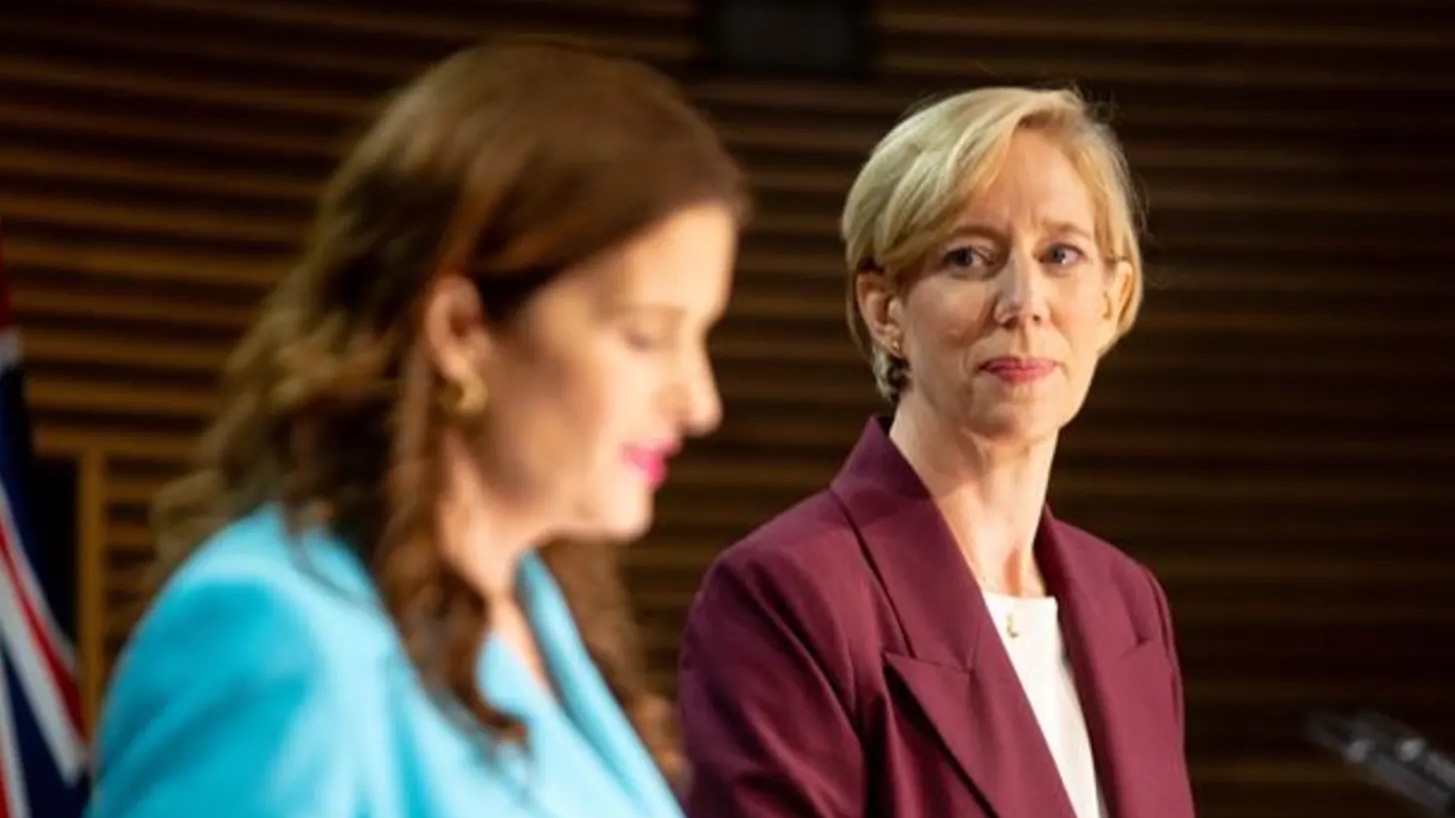
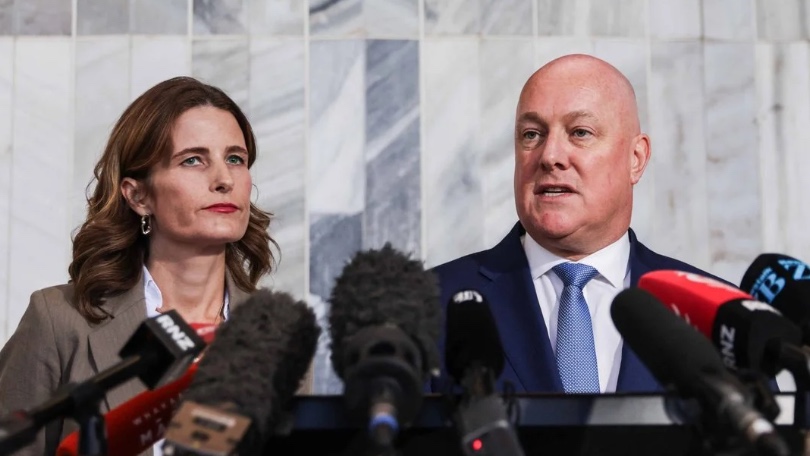
On Wednesday, the Petitions Committee presented its report to Parliament on a ban on fireworks. The Government now has 60 working days to respond to the recommendations.
The MPs on the committee said the harm caused by fireworks to animals, people and the environment now outweighs the benefits of keeping them available for private use, and that New Zealand should move towards professionally managed public displays instead.
“Given the evidence we received, we find it difficult to do anything other than recommend a ban on the public sale and private use of fireworks,” the committee said in its report.
South Asian diaspora raises over $200,000 for New Zealanders missing in Nepal flood "I'm so proud of the Indian community here who...supported us, saying it is not a Nepal problem but our problem."
Tamakis launch Indian-origin candidate for Epsom who surrendered passport and has ‘assimilated’ “I know a whole lot of people are going to be like shocked,” says Hannah Tamaki.
Priyanca Radhakrishnan tries to puncture Luxon’s FTA victory, says India was already sold “Things have changed quite dramatically on the Indian government side,” says the Indian-origin Labour MP.
A 20-year parliamentary debate
The recommendation does not come out of nowhere.
Including the current three petitions, seven Parliaments have now considered 14 petitions seeking tighter fireworks controls or outright bans.
Previous committees acknowledged concerns around animal welfare, fires and injuries, but stopped short of recommending an outright prohibition.
This time, MPs say the scale of harm and the way fireworks are actually used in practice has changed the equation.
“We do not intend to leave this for another Parliament to consider,” the report said.
Fireworks no longer about just Guy Fawkes
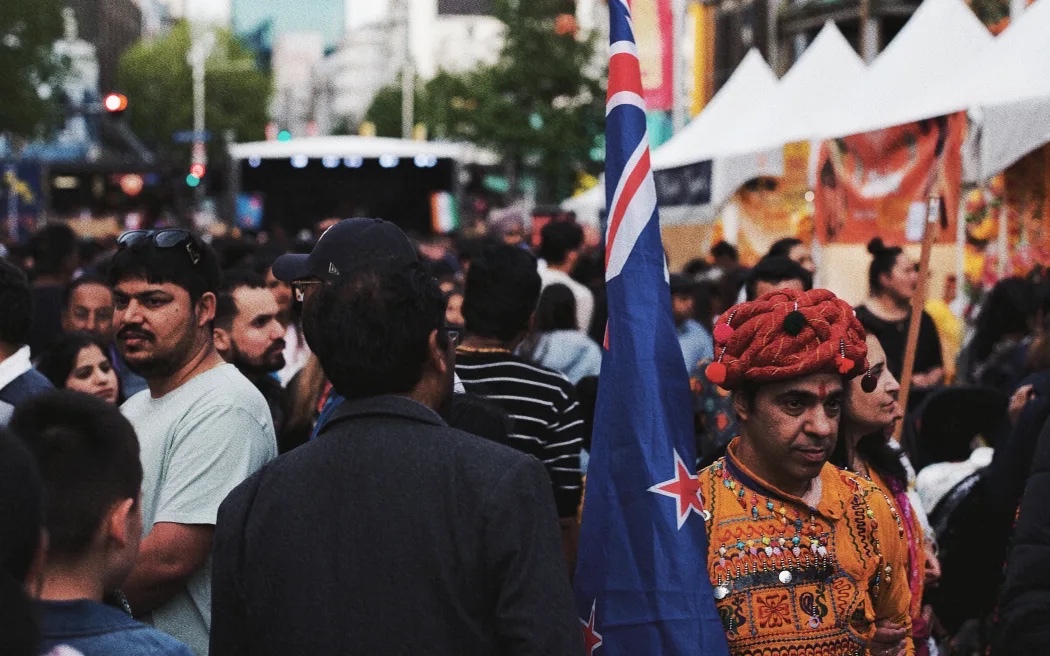
While fireworks in New Zealand have traditionally been associated with Guy Fawkes, MPs now acknowledge they are part of a broader cultural calendar.
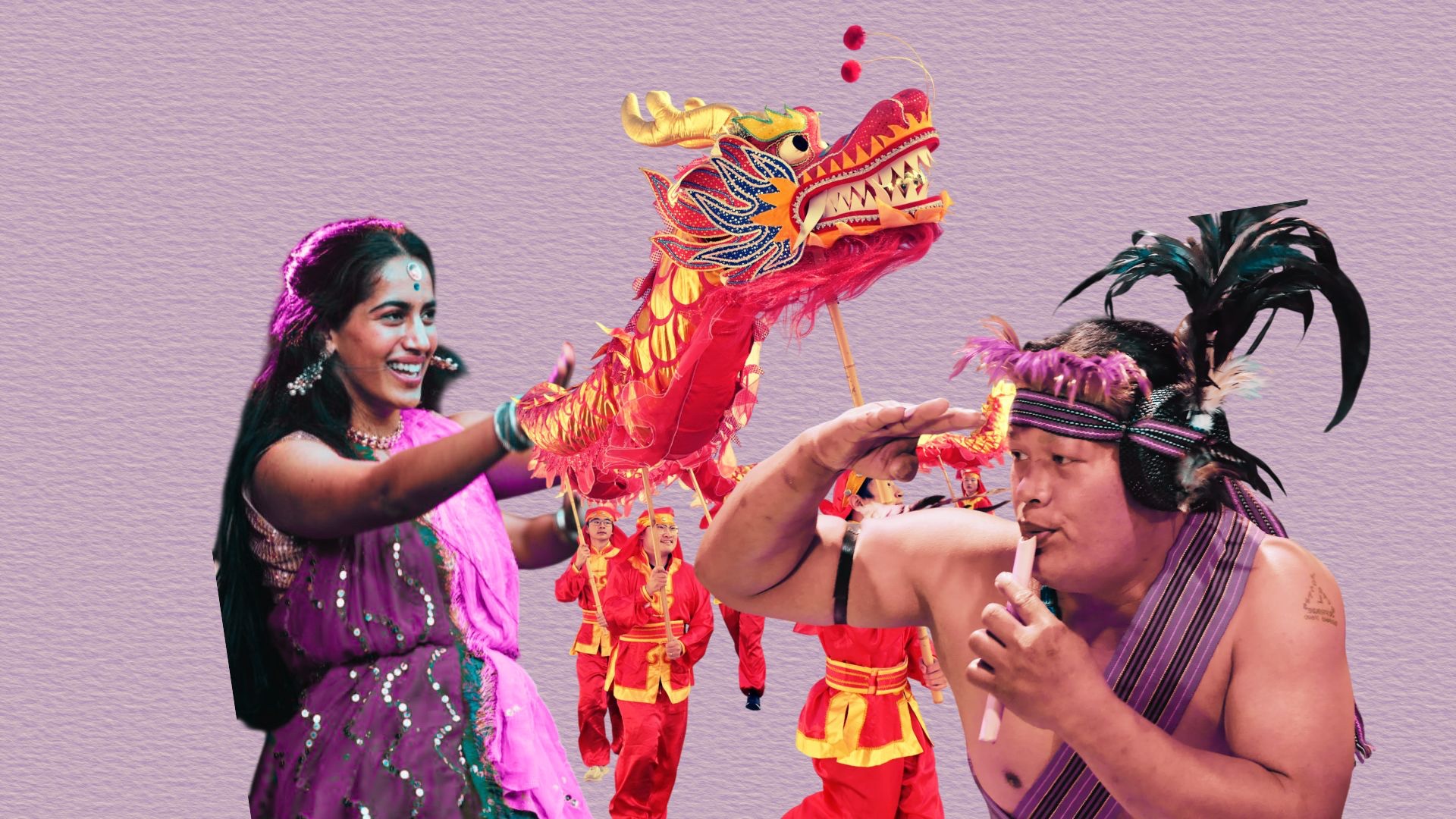
The committee noted fireworks are increasingly used during Diwali, Chinese New Year, New Year’s Eve, weddings and Matariki celebrations.
That shift is significant for New Zealand’s growing multicultural communities, including Indian diaspora families for whom Diwali has become one of the most visible celebrations of the year.
However, the committee made clear its recommendation applies regardless of occasion, including cultural and private celebrations.
Why MPs are pushing for a ban
The report draws heavily on submissions from animal welfare organisations, emergency services and veterinarians.
Fire and Emergency New Zealand described fireworks as a “significant and unacceptable risk” to public safety and the environment.
It reported 166 fireworks-related fires in 2024, 1,627 police service calls and 286 ACC injury claims the same year.
While injury claims have fluctuated, MPs noted that the cost and severity of some incidents remains high, and fire-related incidents have risen again in recent years.
Animal welfare concerns were central to the committee’s reasoning.
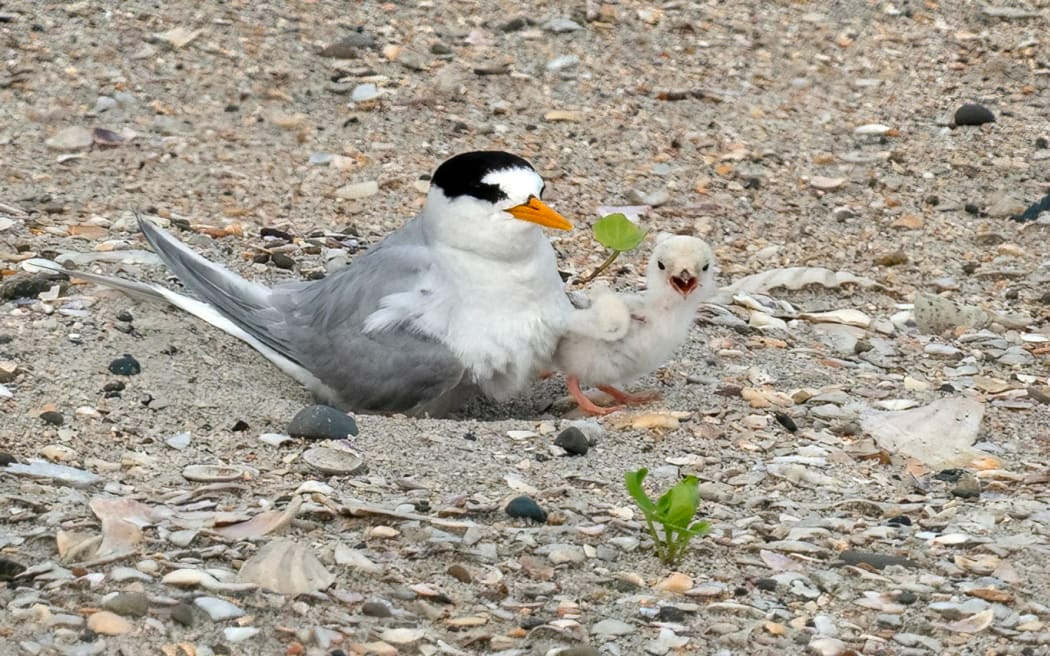
Submitters described dogs fleeing homes, horses breaking through fences, livestock injured in panic, and birds abandoning nests during breeding season.
The report also highlighted the unpredictability of fireworks use, noting that while sales are restricted to a few days in November, fireworks are often used outside that period without warning.
“We agree with Animates’ view that the trauma, injury, and deaths of animals from fireworks use are caused by people acting entirely within the current laws,” the committee said.
Animal welfare concerns dominate evidence
The SPCA, the New Zealand Veterinary Association and Veterinarians for Animal Welfare Aotearoa all supported a ban.
Veterinarians told MPs that fireworks regularly cause severe distress and injury to animals, with some cases leading to euthanasia.
Emergency services also raised concerns about storage risks, with fireworks sometimes being held in temporary retail sites or private homes.
Fireworks industry pushes back
Fireworks importers and retailers strongly opposed the proposed ban.
They argued that New Zealand already has strict controls, including limits on explosive content and a restricted sales window.
They also pointed to cultural use of fireworks during celebrations such as Diwali, Chinese New Year and weddings, alongside traditional Guy Fawkes celebrations.
Industry representatives warned that a ban could cost jobs, damage businesses and remove funding streams for schools and community groups that rely on fireworks fundraising.
They also argued that most New Zealanders support fireworks, describing a “silent majority” who do not engage in petitions but continue to purchase fireworks each year.
What happens next
The committee’s recommendation does not change the law immediately.
It is now up to the Government to decide whether to accept the recommendation and begin legislative changes.
If the Government accepts the recommendation, future legislation could include an end to retail sales of fireworks to the public, continued use only in professionally managed public displays, and tighter regulation of organised fireworks events.
The committee suggested such a shift could still preserve fireworks as part of cultural celebrations but in a controlled, pre-planned way.
“We think New Zealand families and communities could be willing to pay for these experiences, as they do for other types of events,” MPs said.
A cultural shift as much as a policy one
For many communities, including Indian New Zealanders, fireworks have become part of how festivals like Diwali are celebrated in public and private spaces.
The committee’s recommendation does not single out any cultural practice, but it does signal a broader shift in how New Zealand may approach celebrations involving fireworks in future.
If adopted, it would mark the most significant change to fireworks rules in decades, and potentially reshape how Diwali, Guy Fawkes and other festivals are experienced across the country.