
Tech VC becomes National's 1st Indian-origin MP candidate from a true blue seat

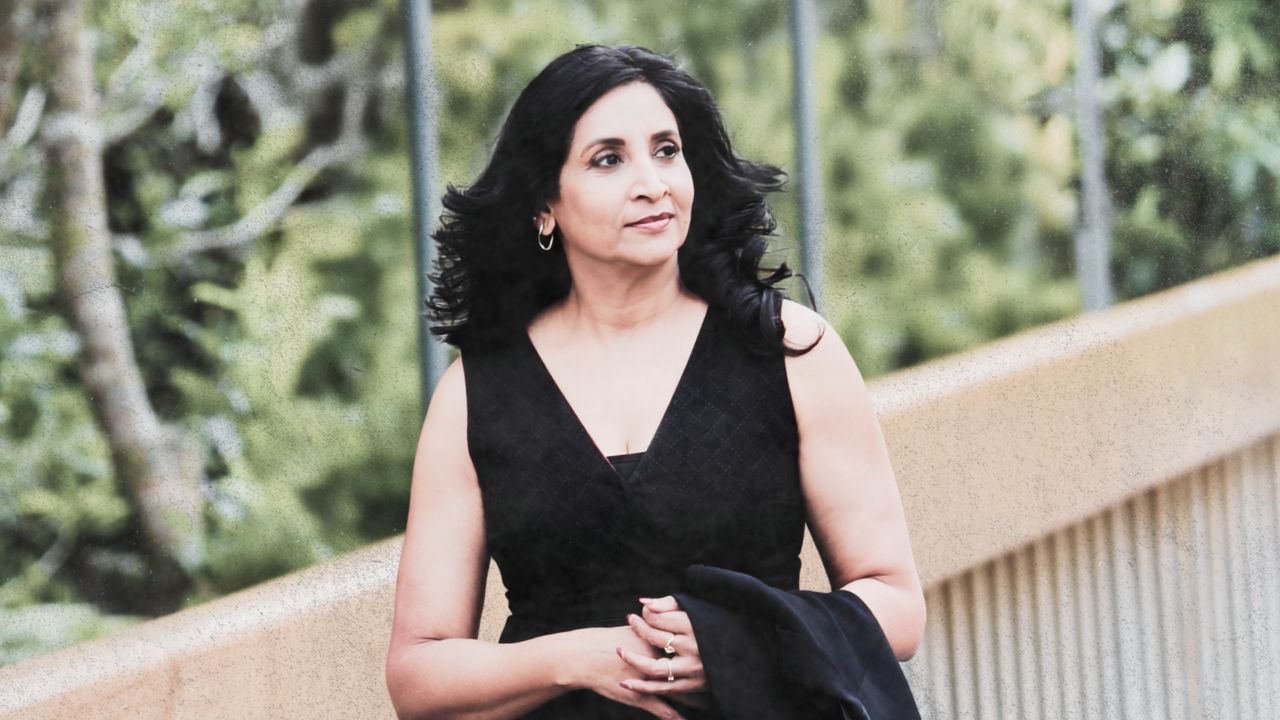
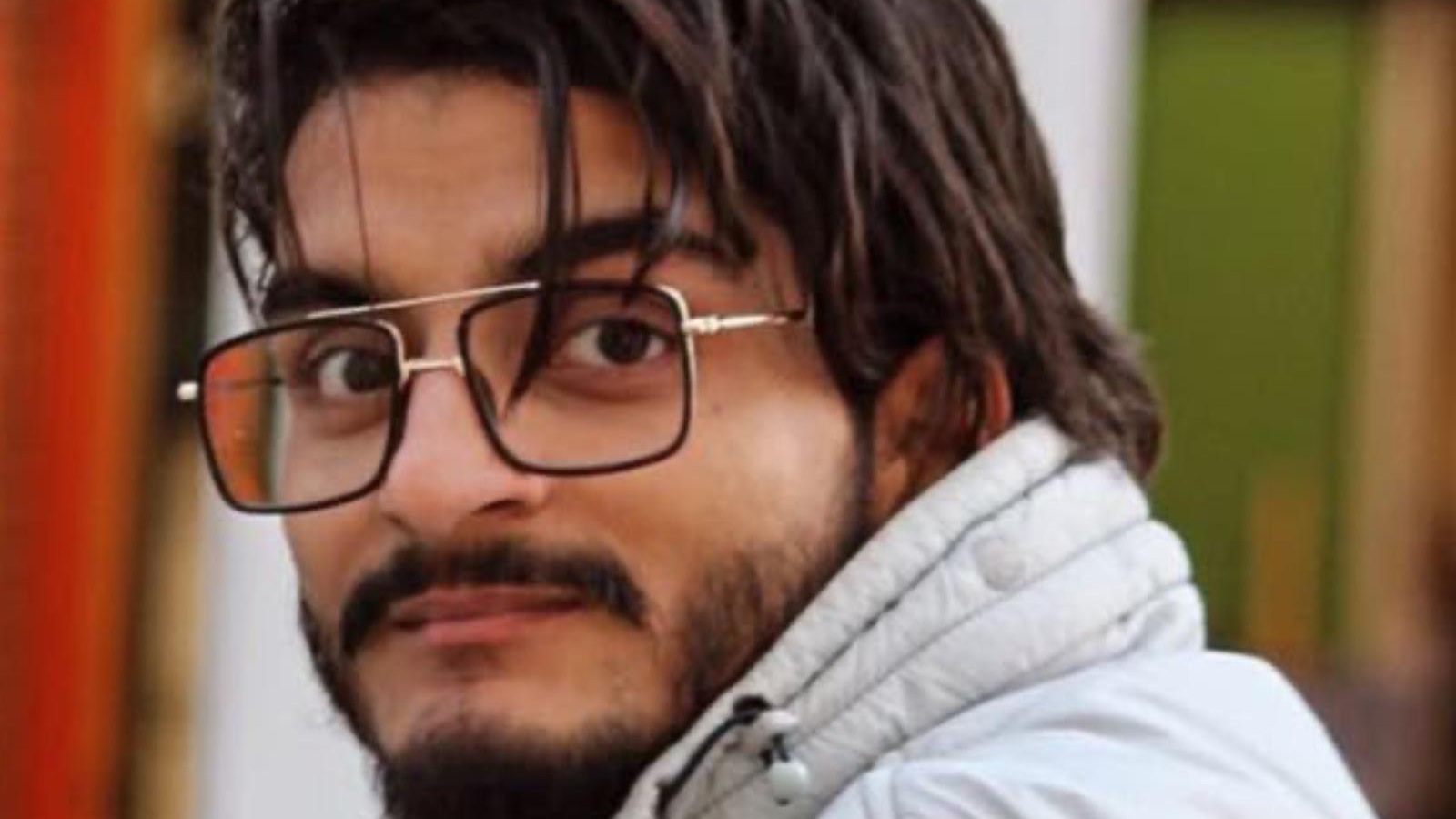
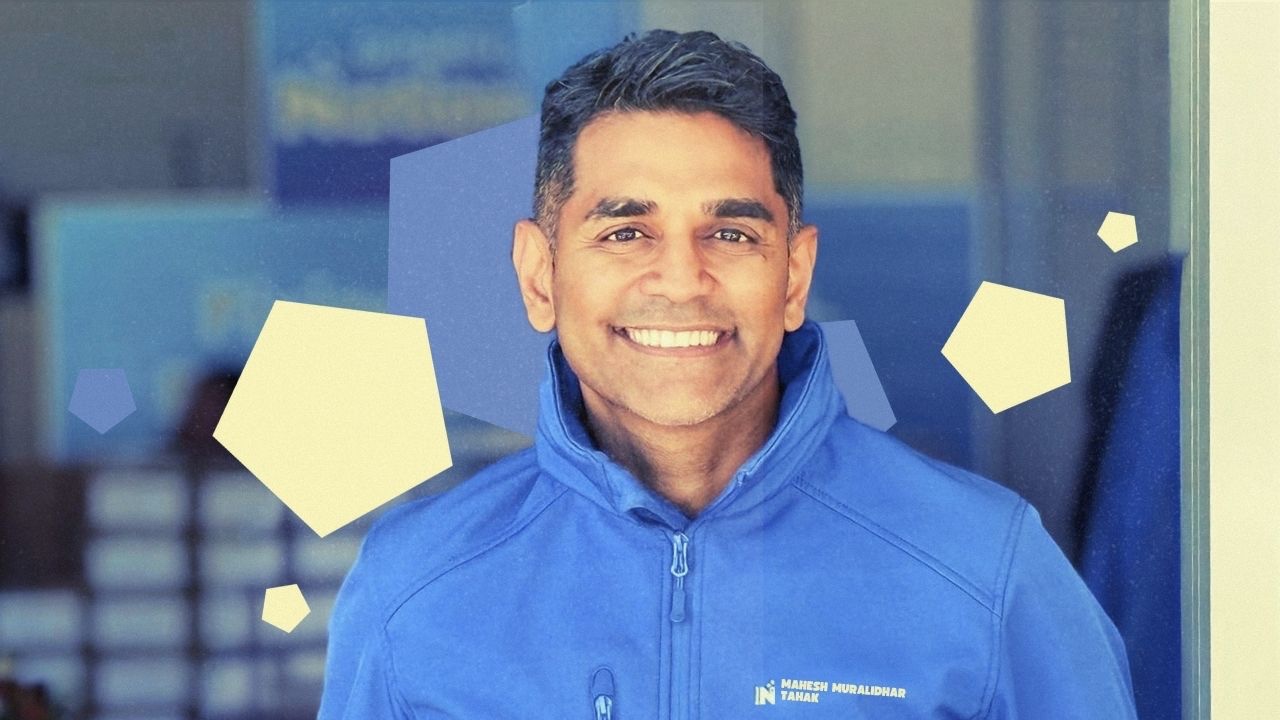
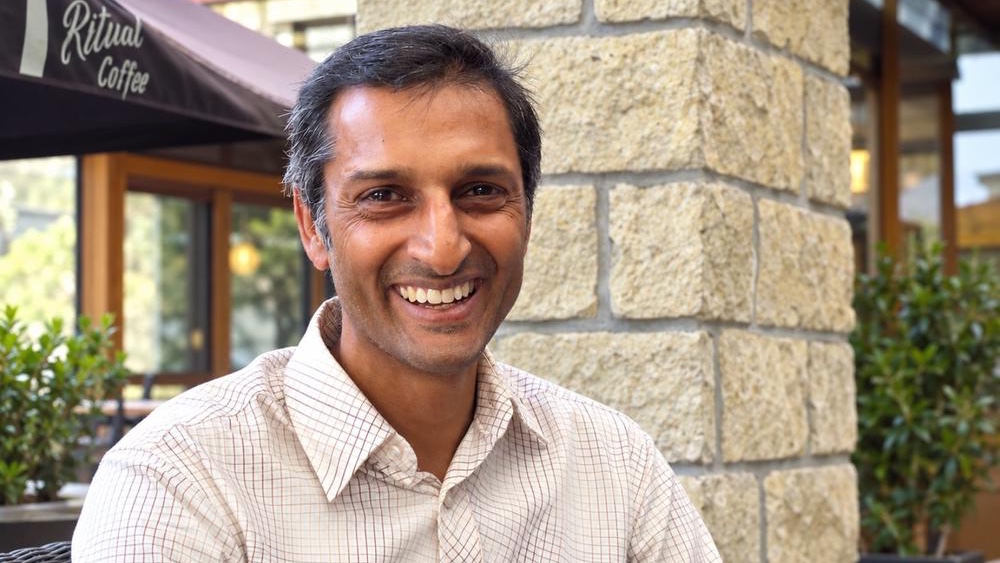
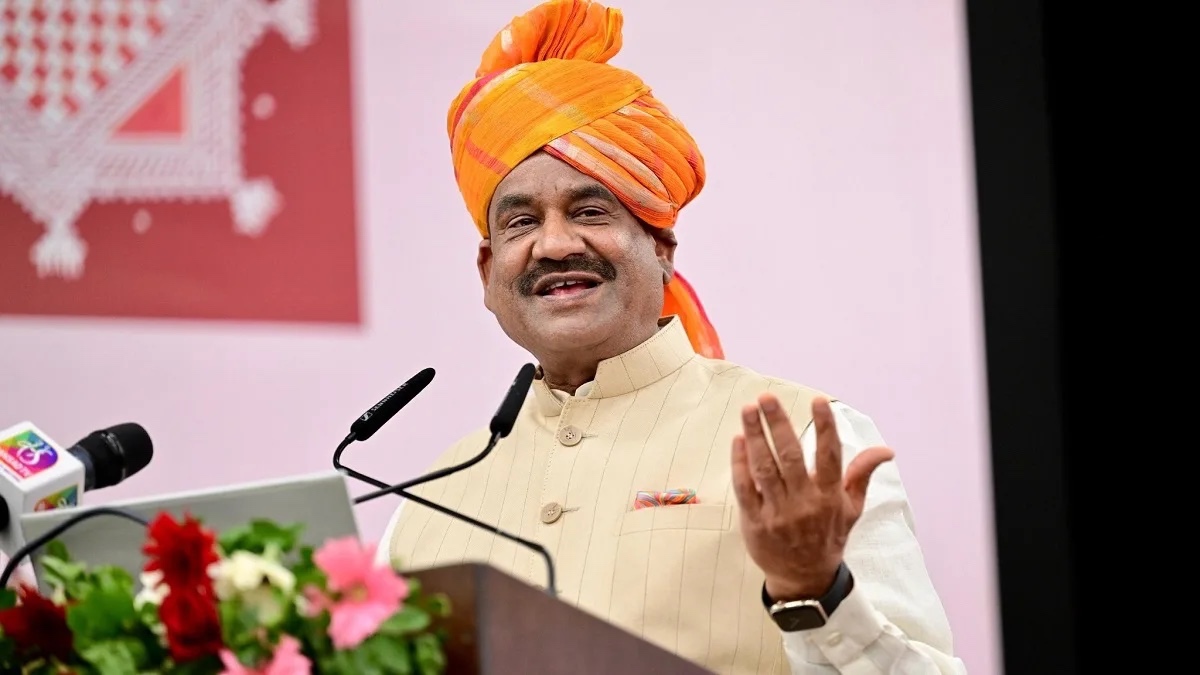
Mahesh Muralidhar's Phase One Ventures, an Auckland-based venture capital firm, has backed 14 New Zealand tech startups.
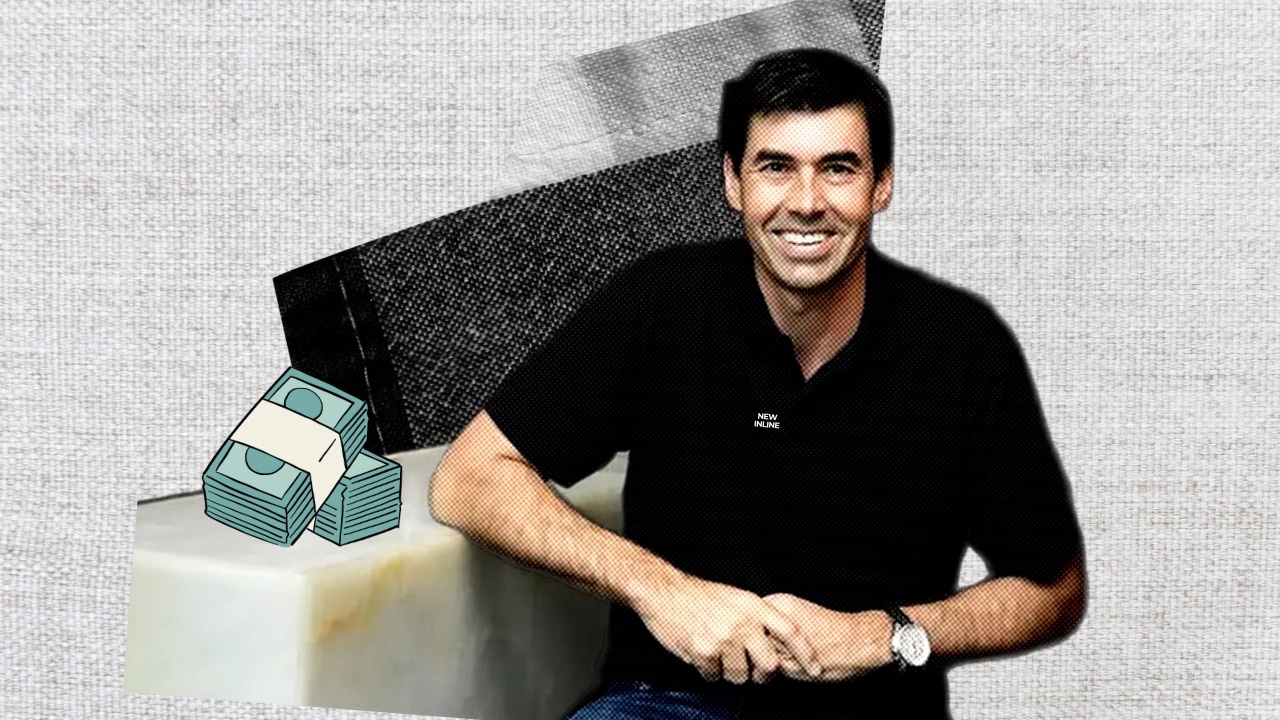
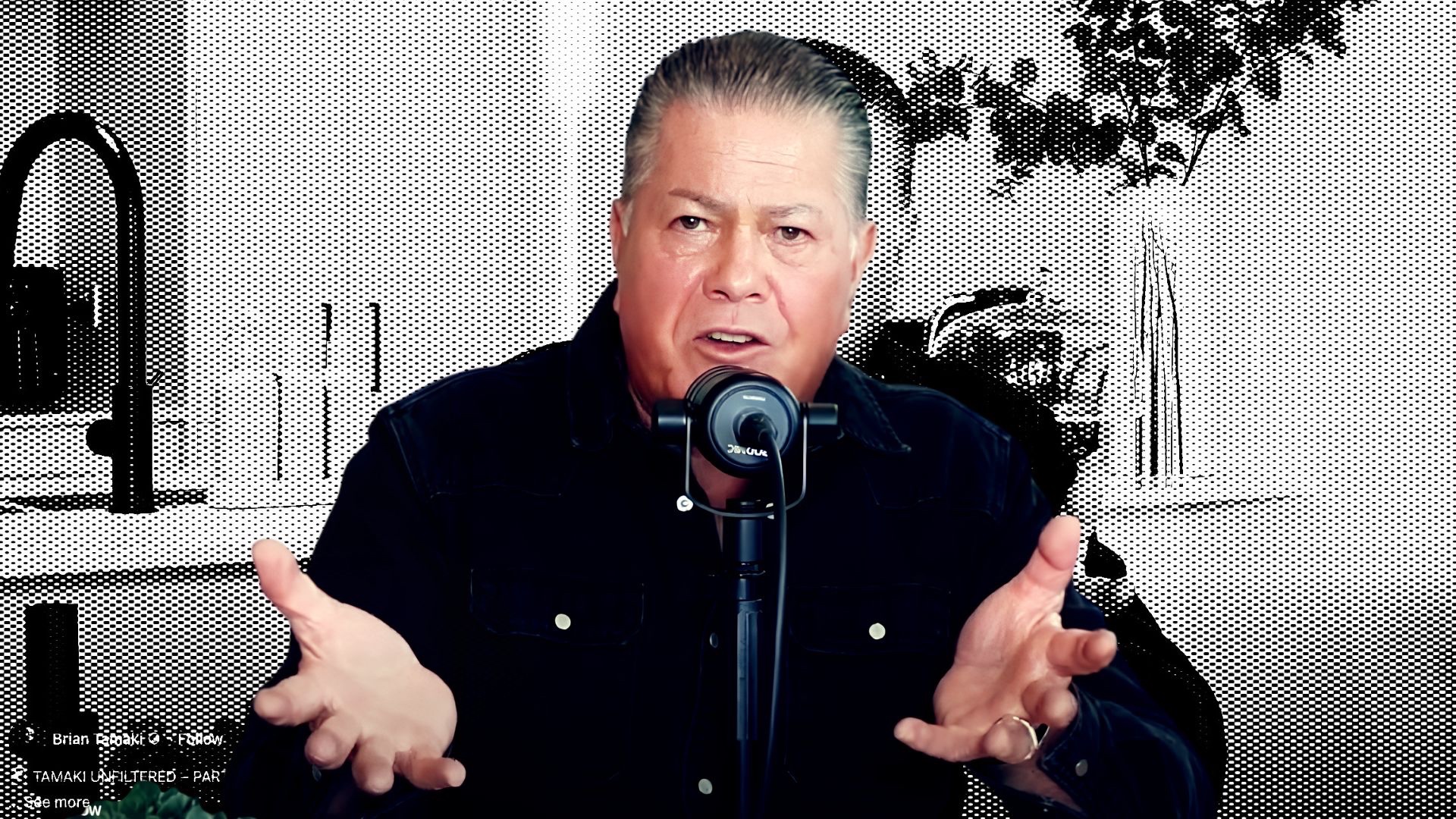
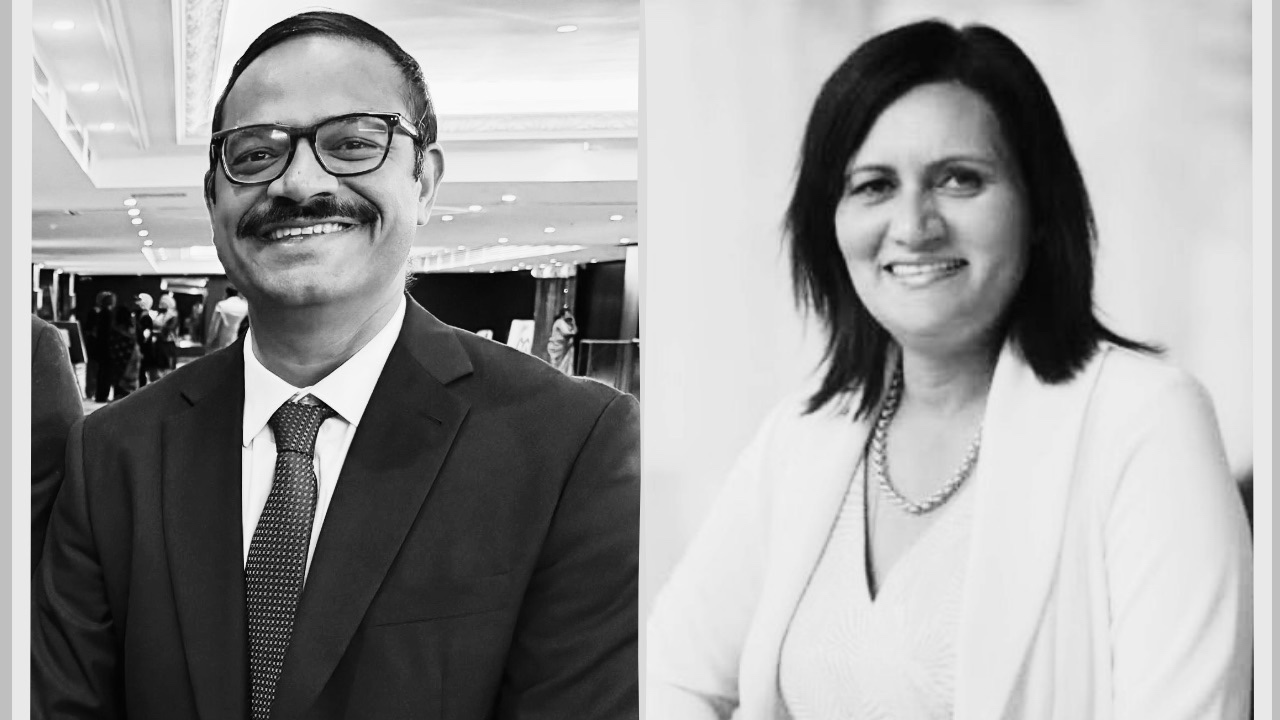
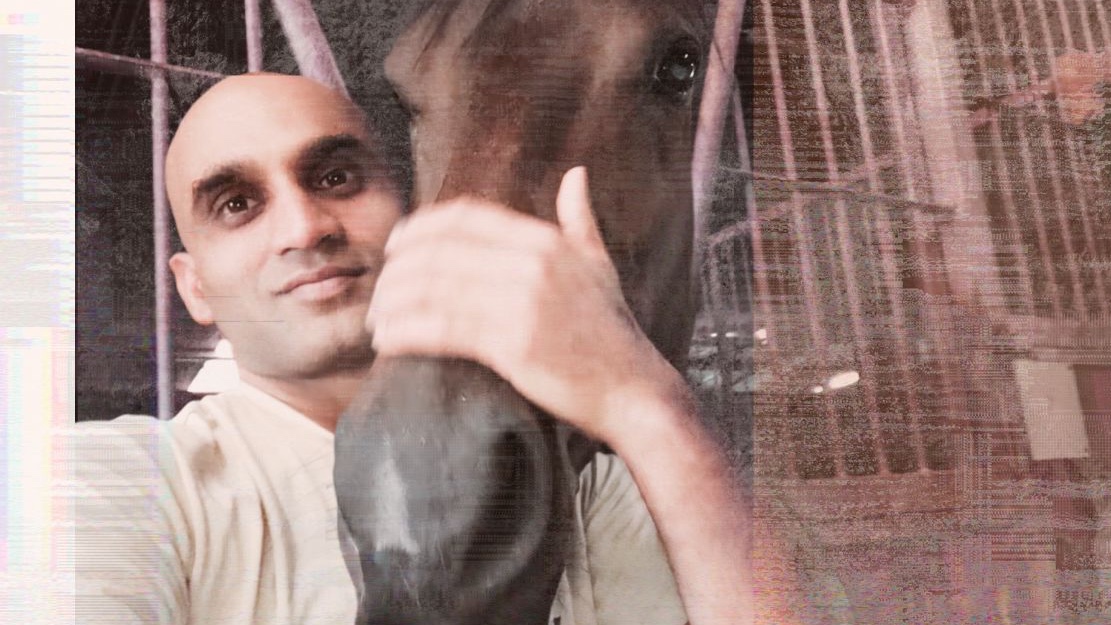
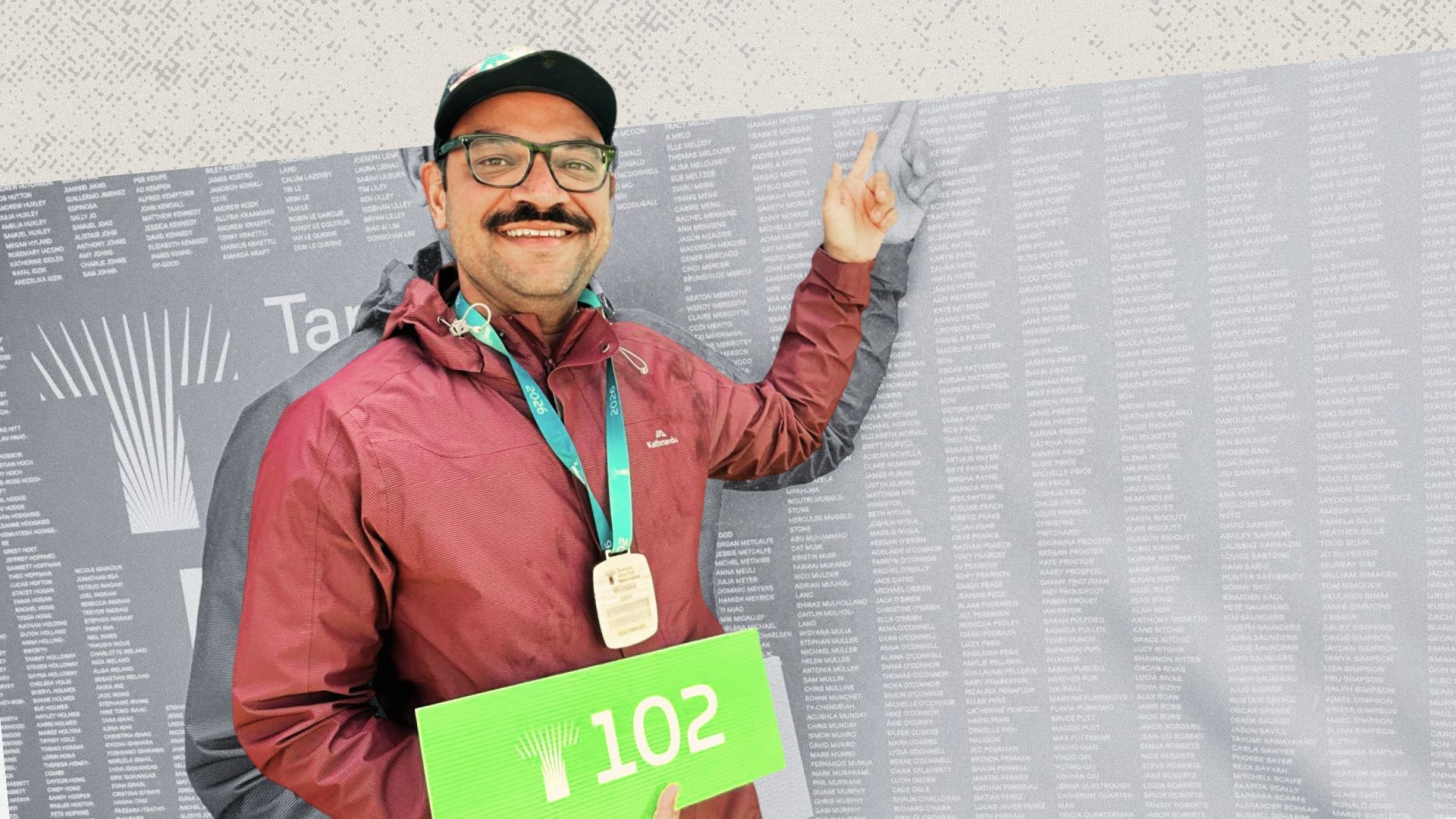
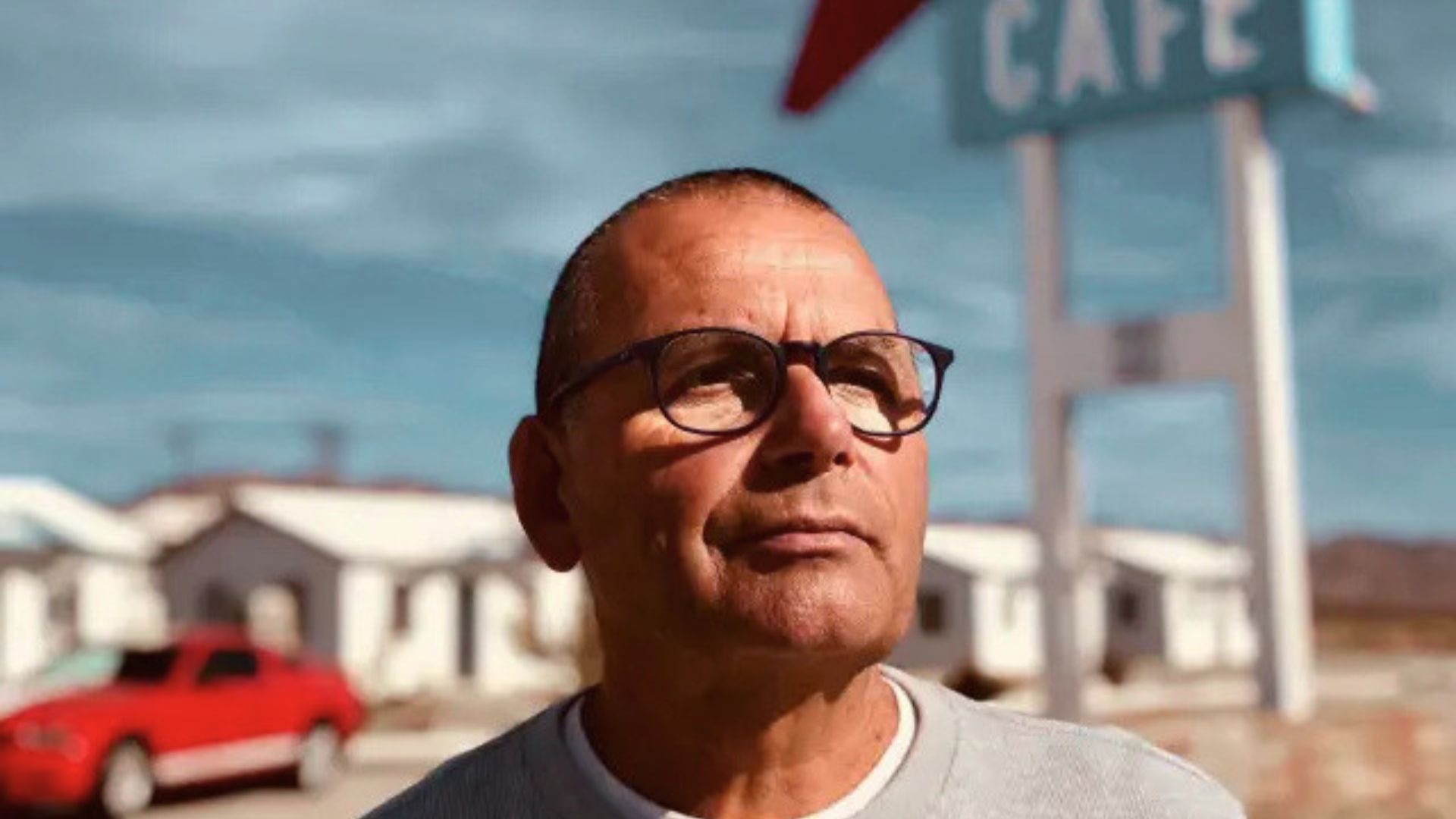
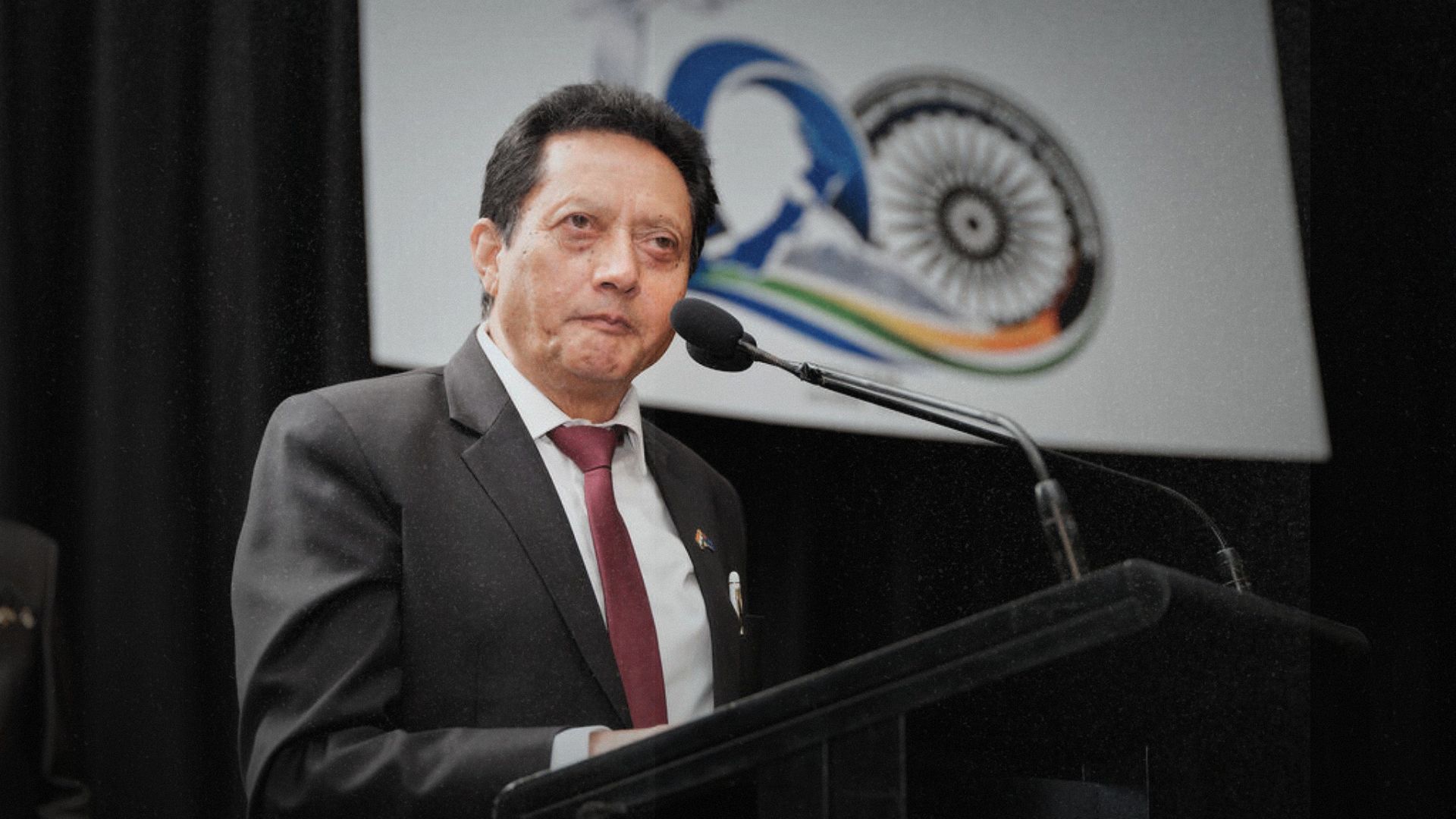
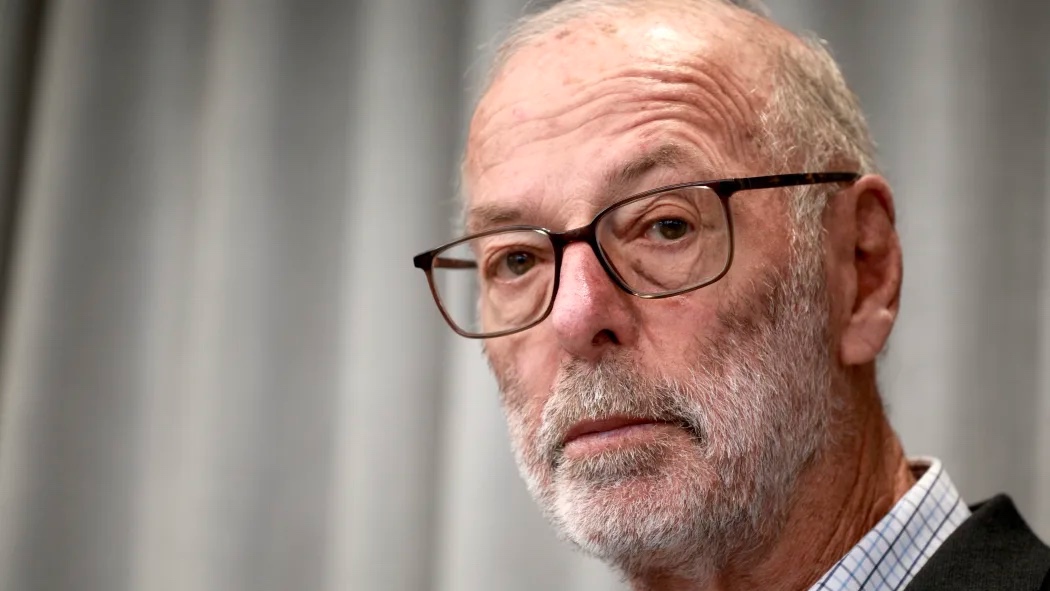
Mahesh Muralidhar will contest from Tamaki in Auckland, an electorate that voted former prime minister Robert Muldoon to power for a record 31 years.
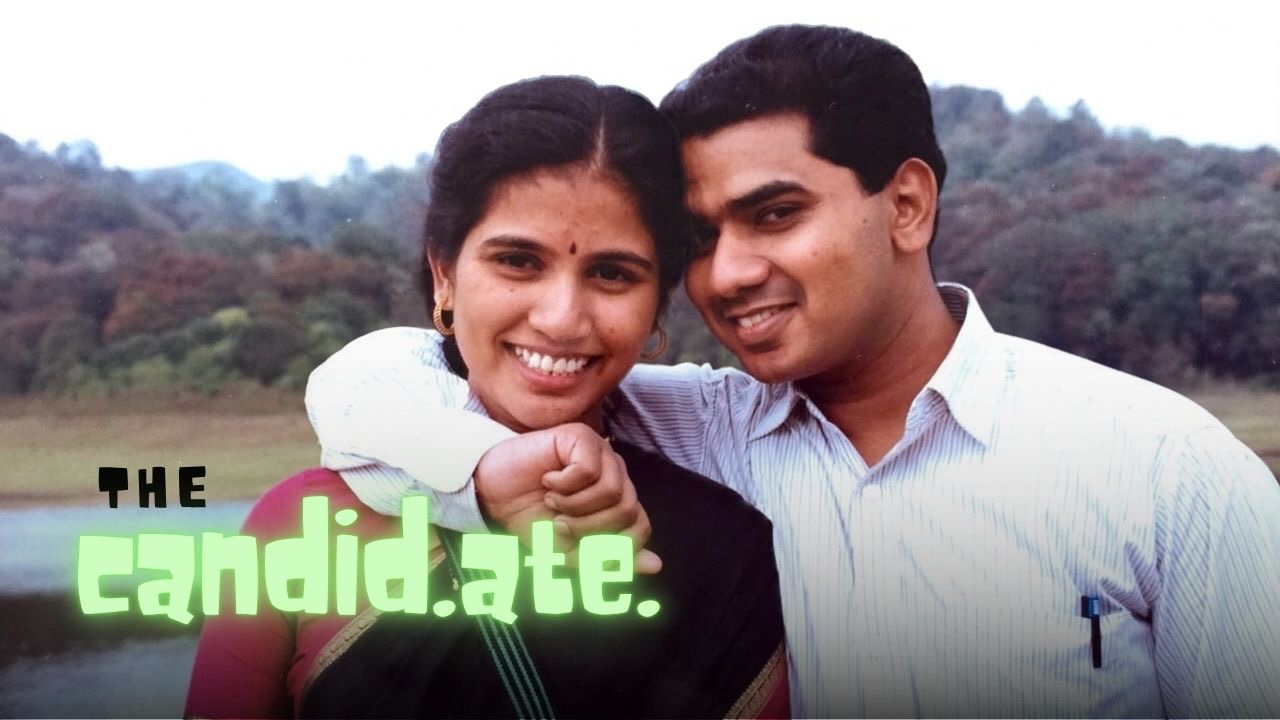
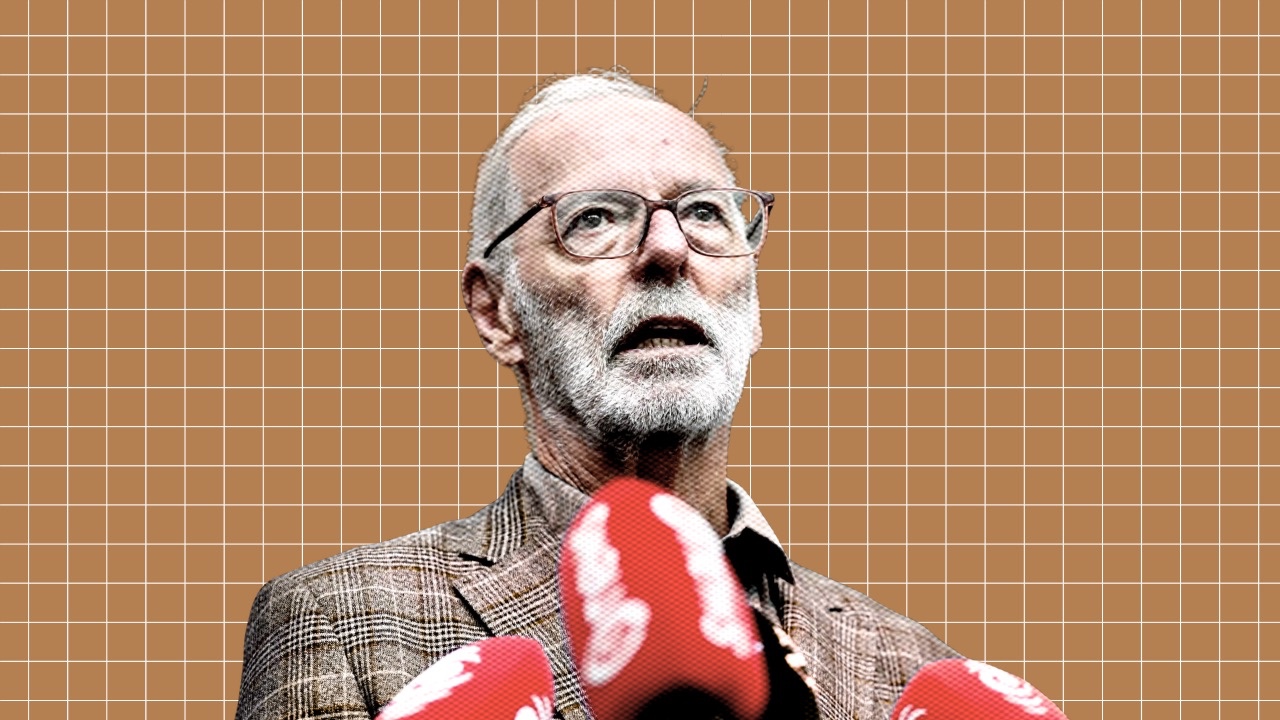
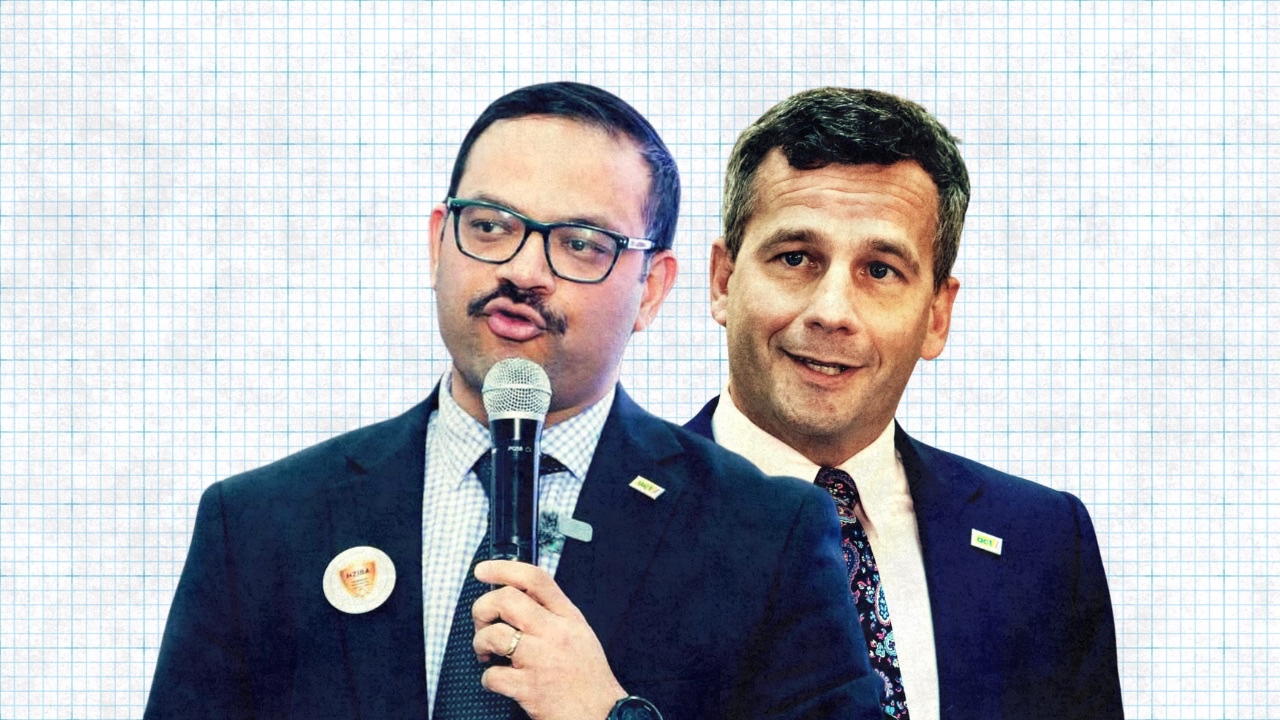
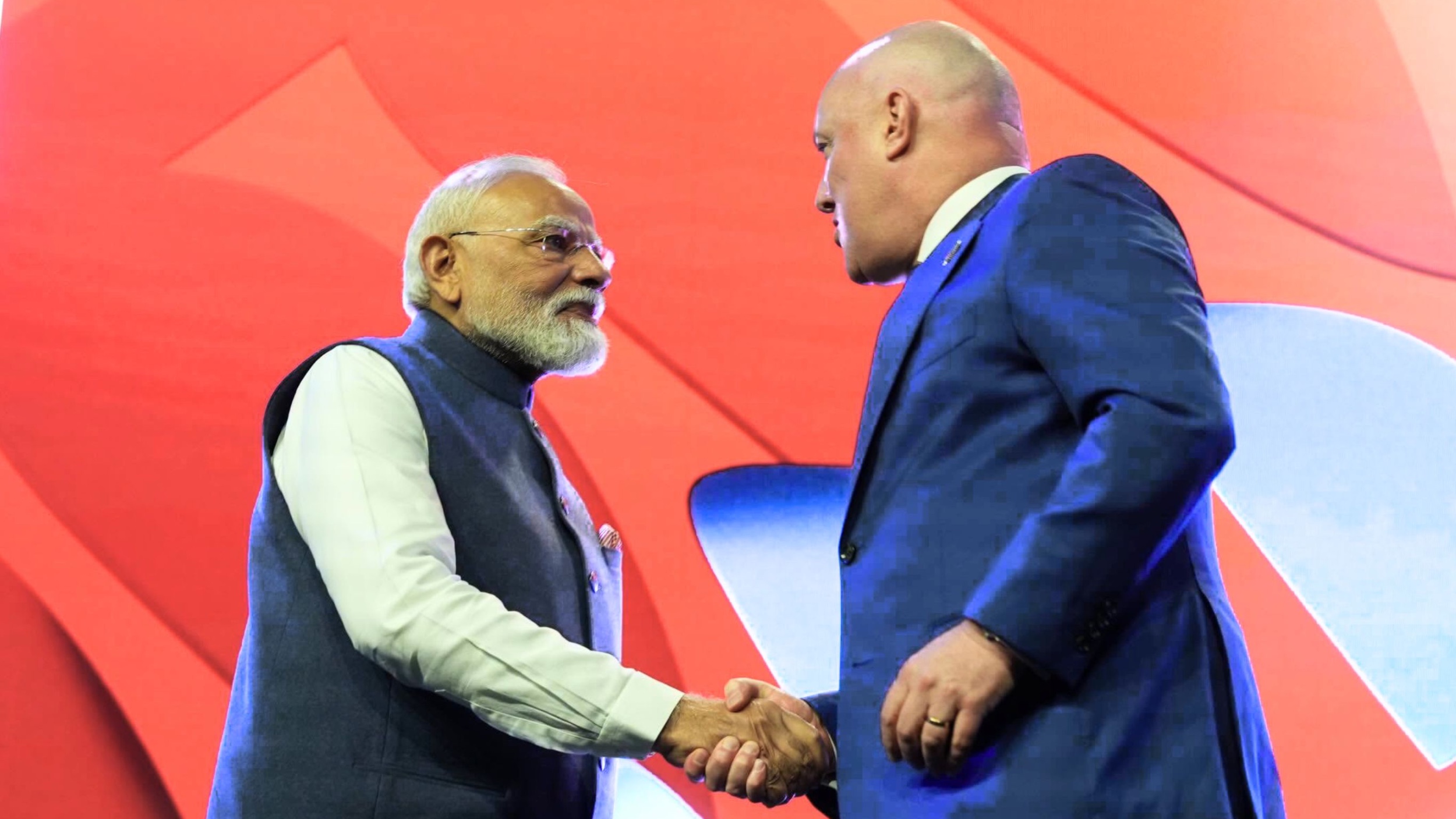
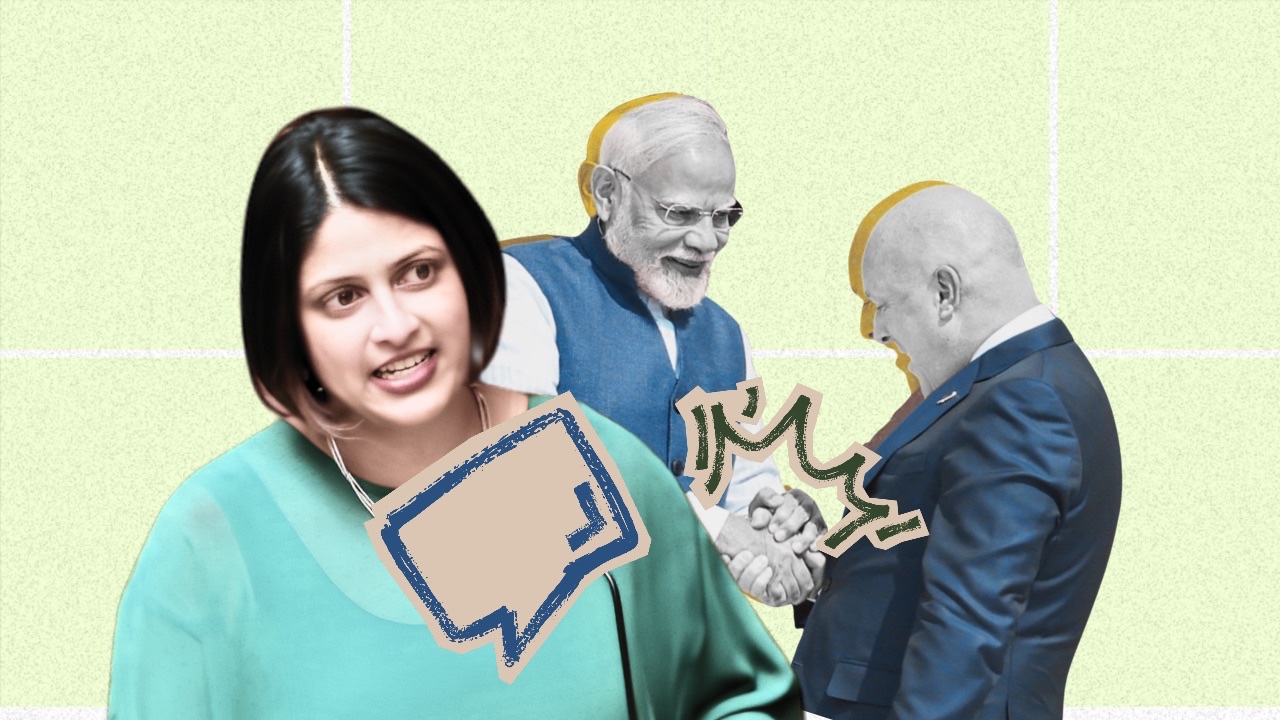
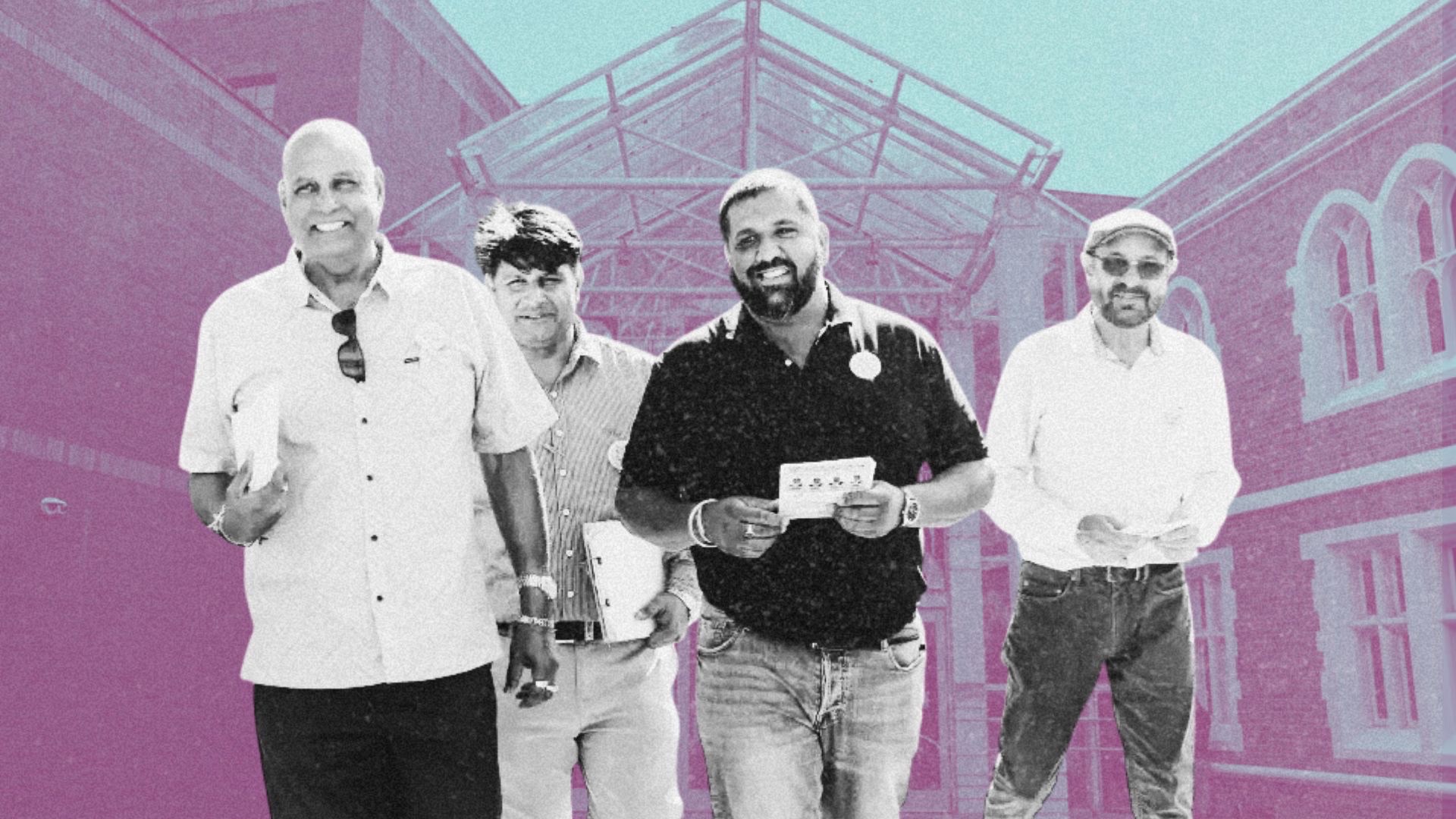
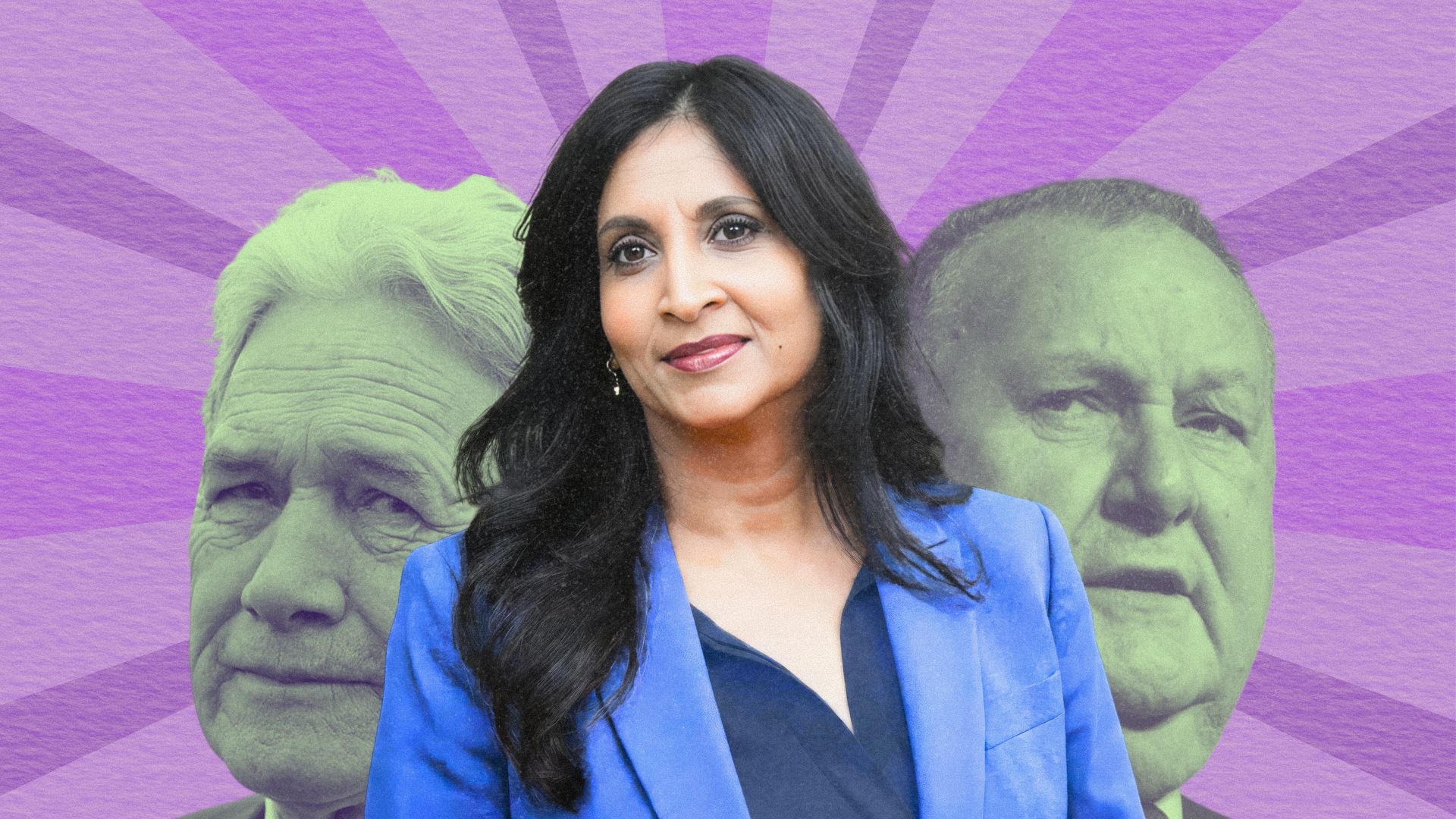
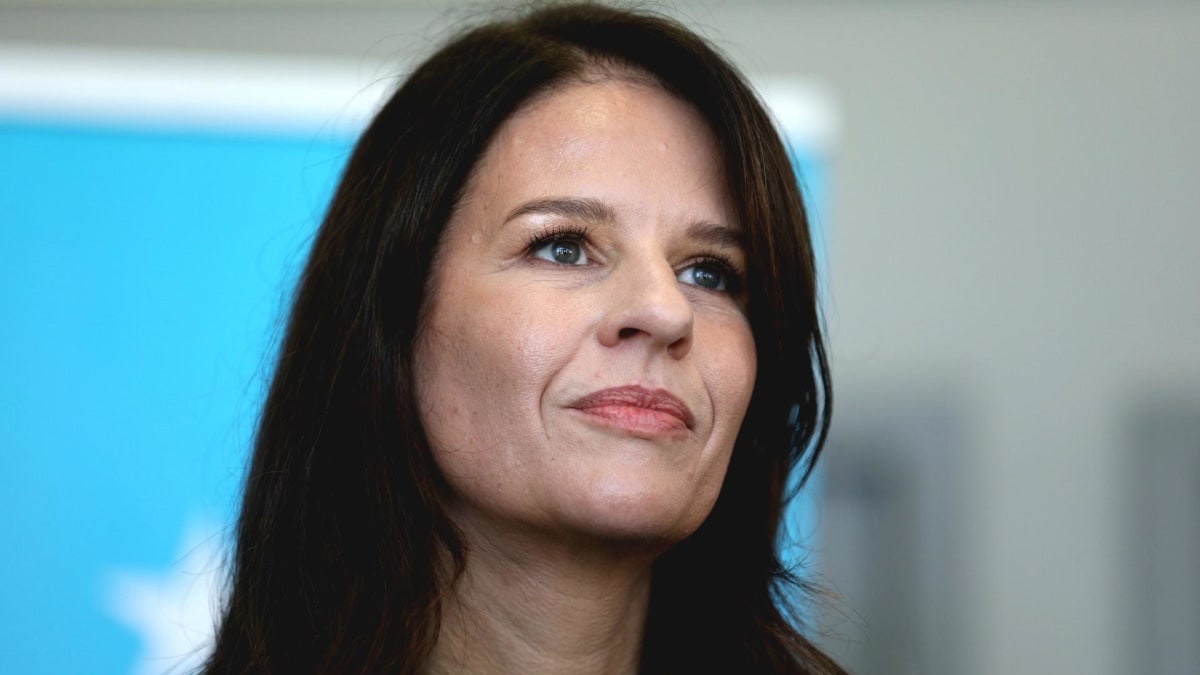
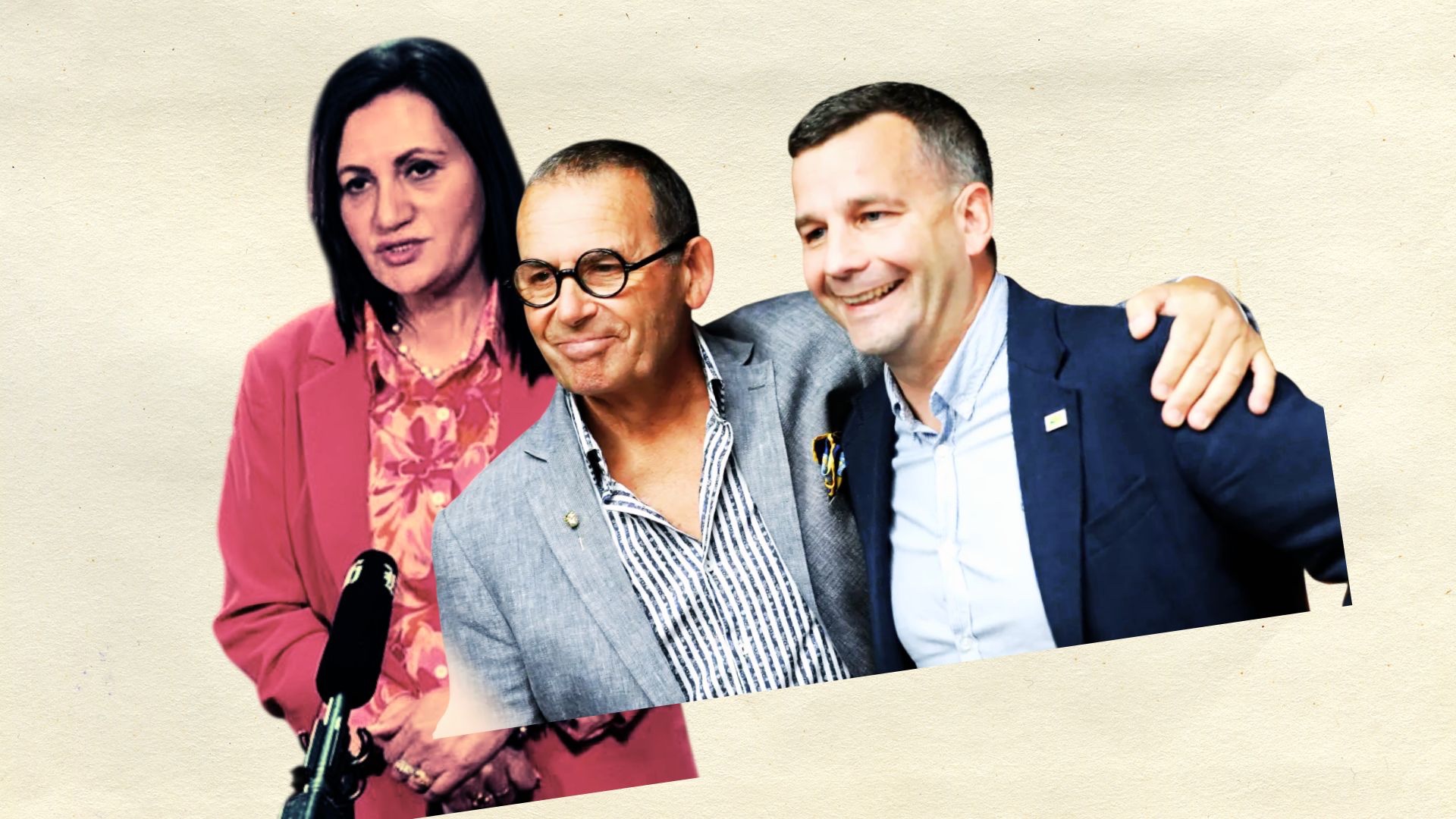
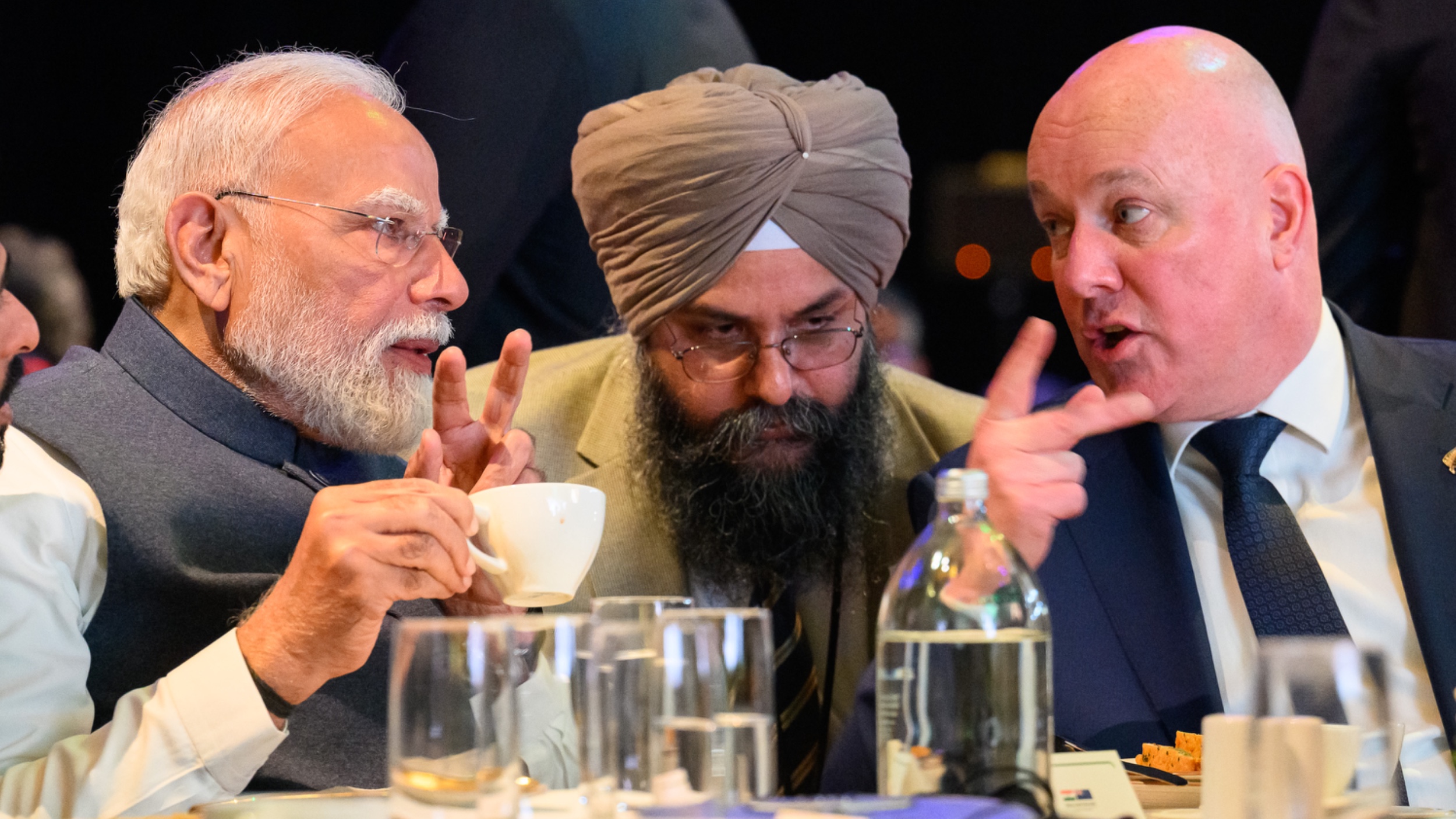
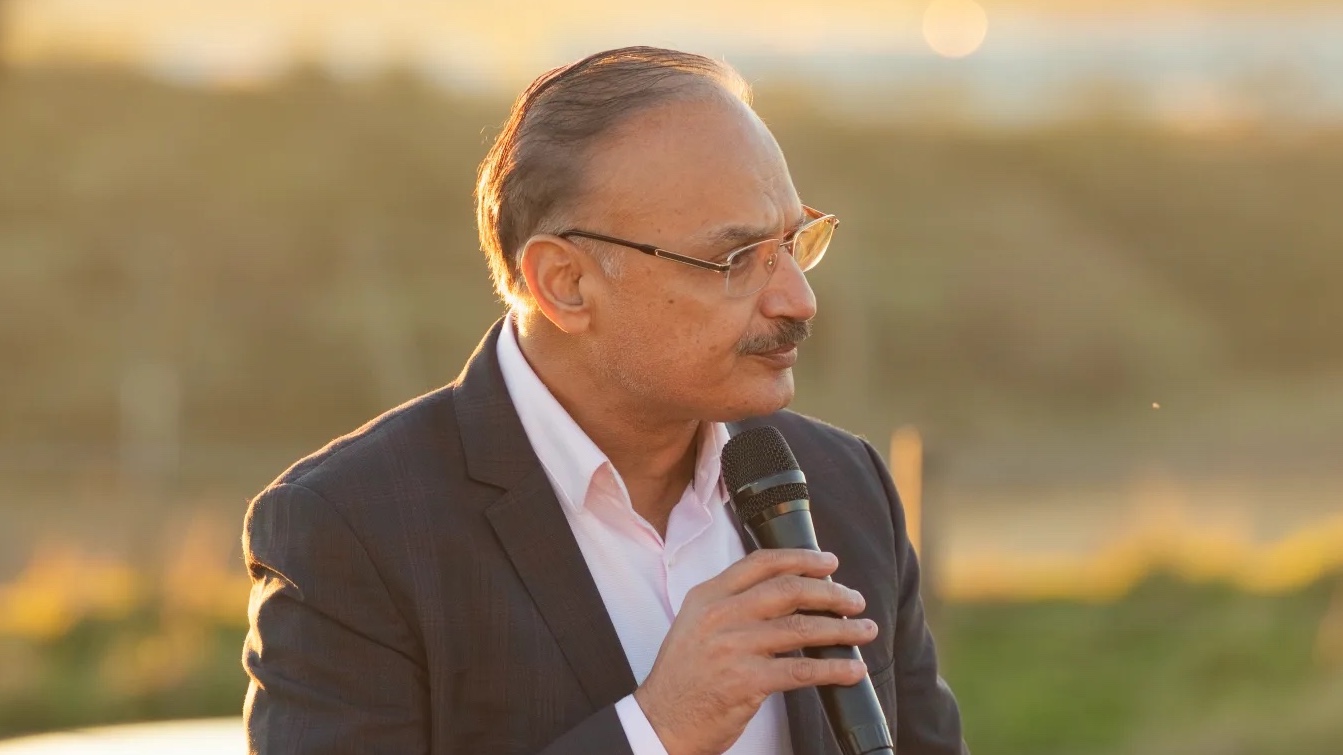
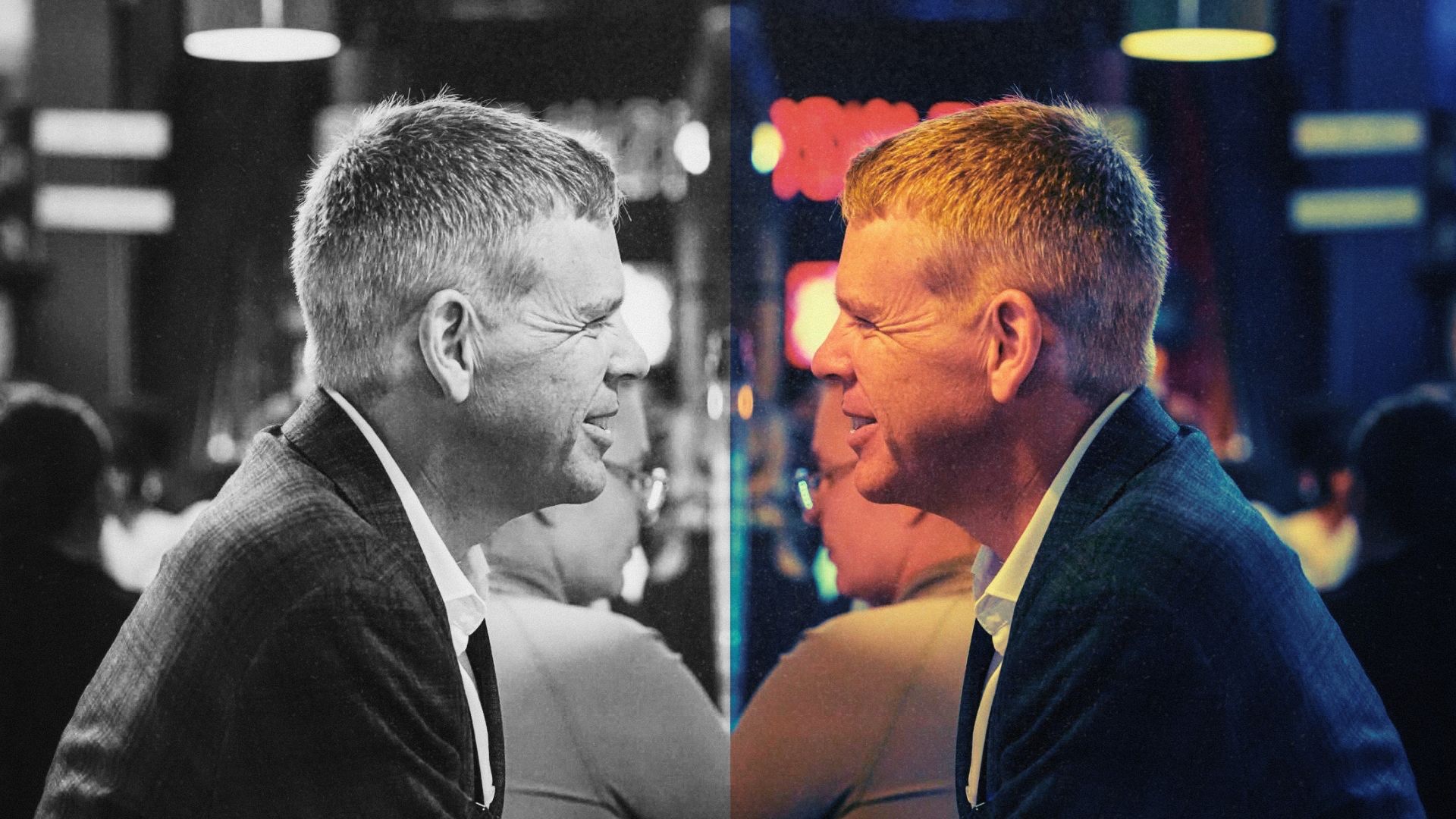
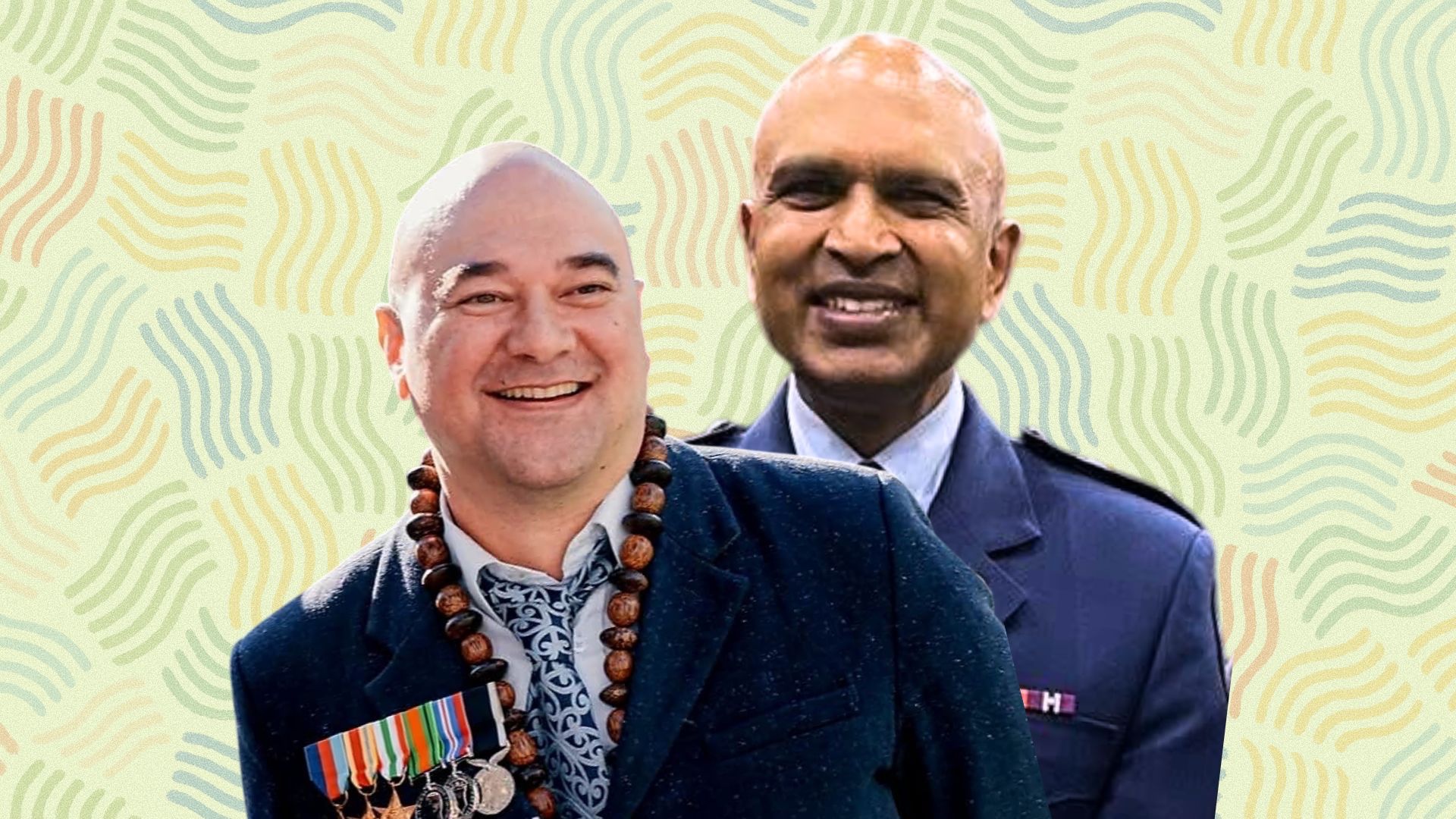
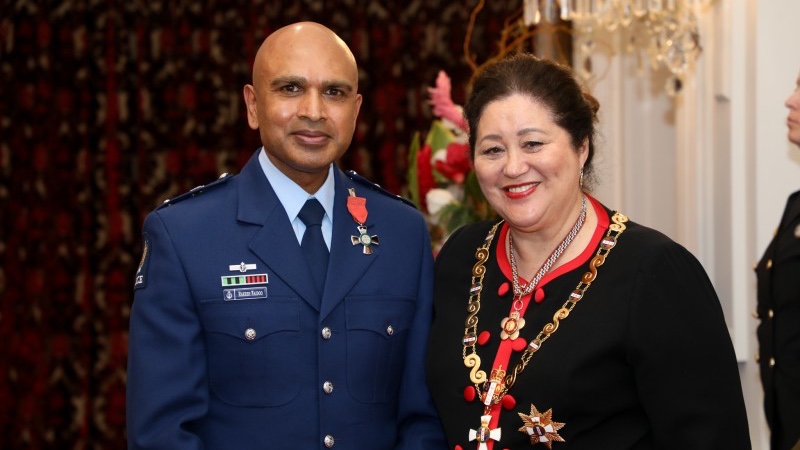
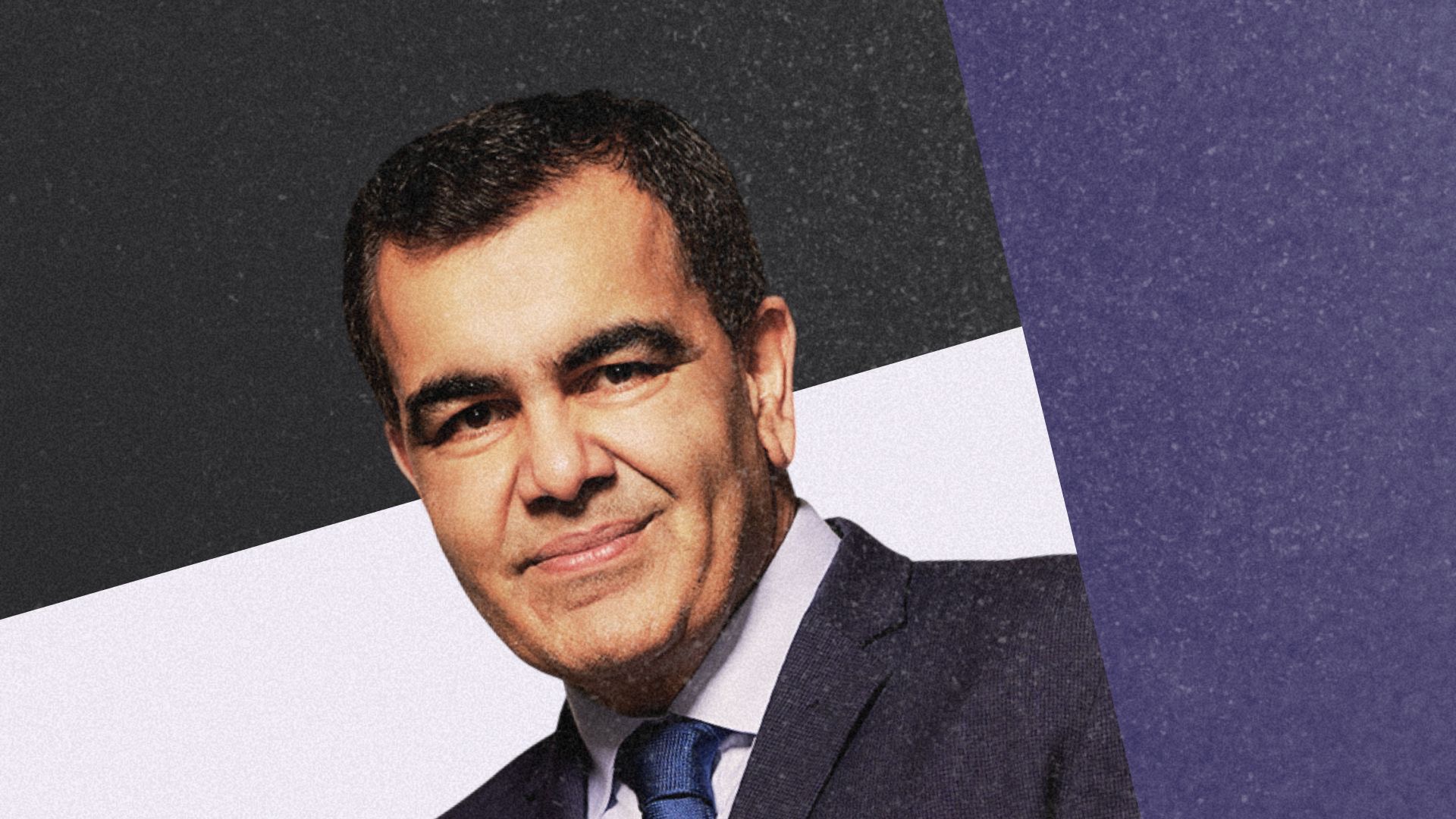
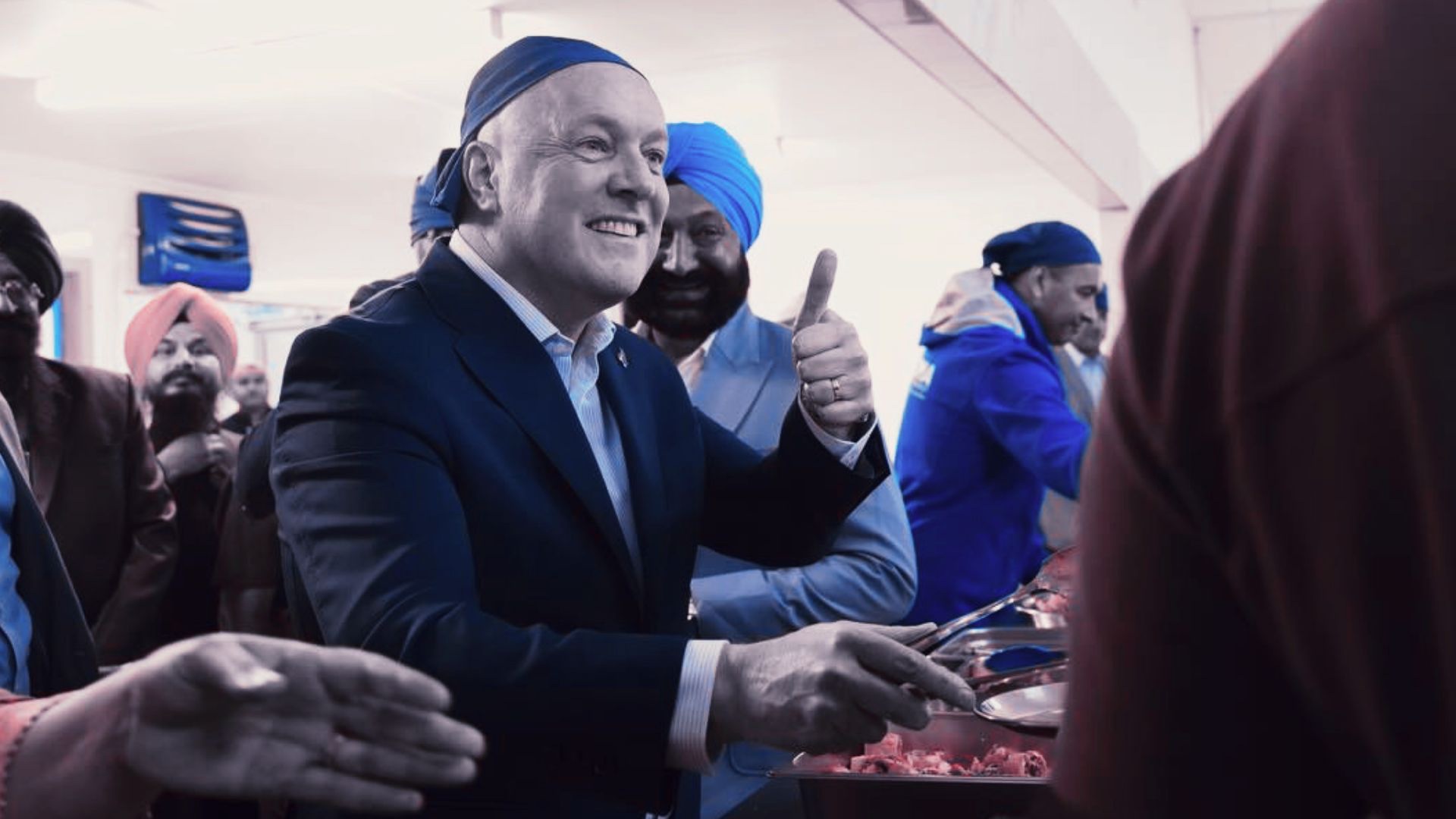
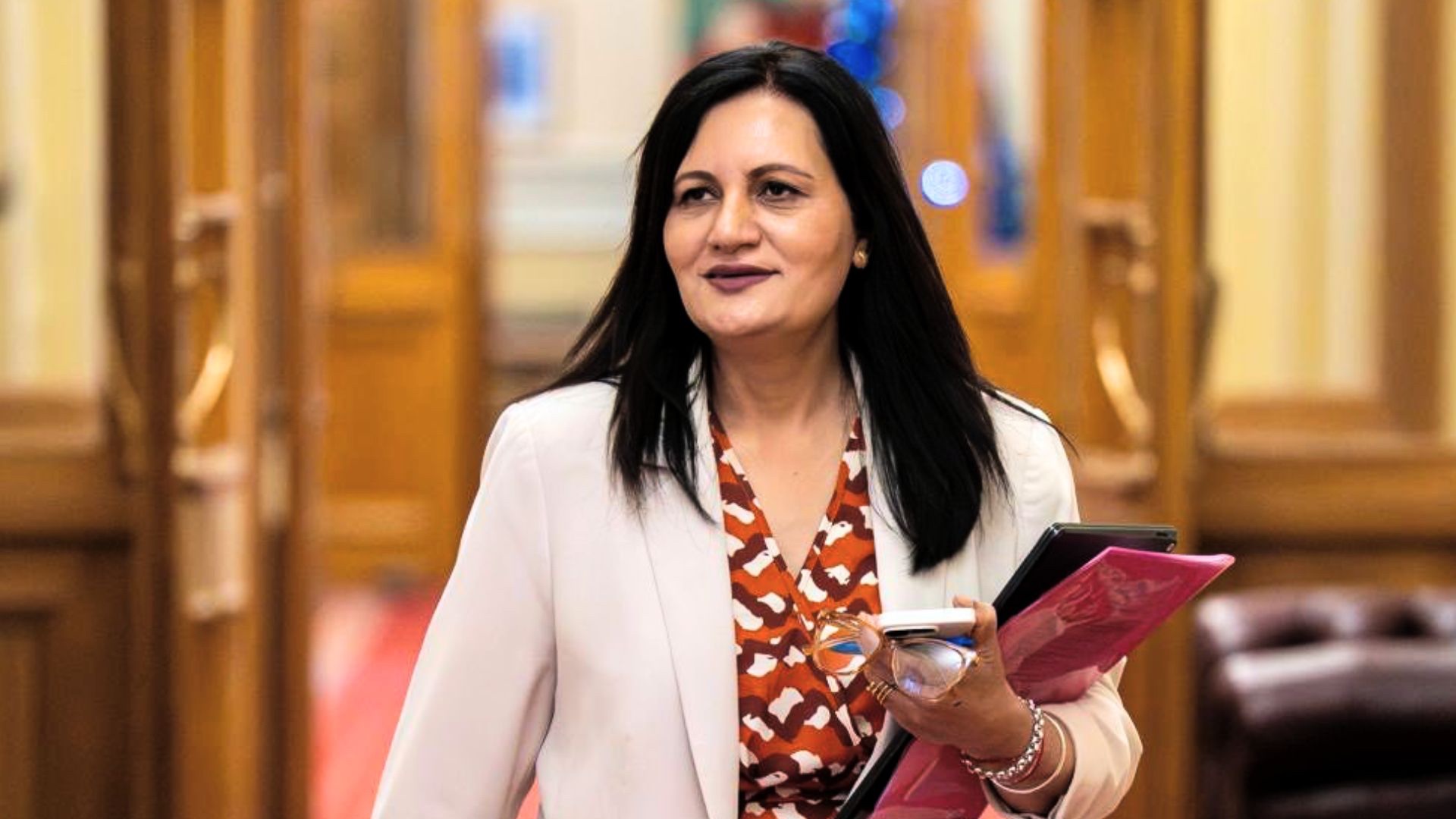
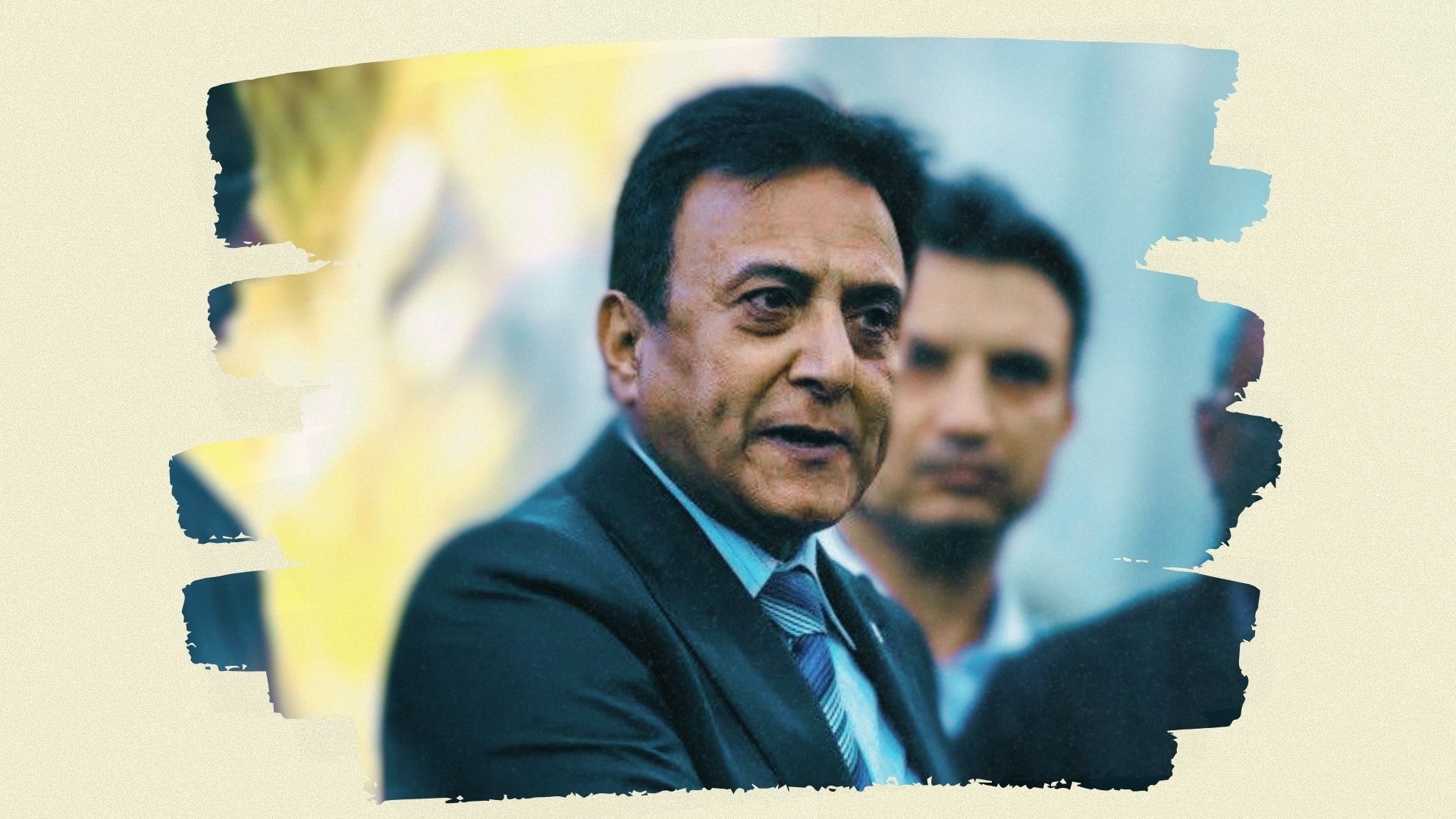
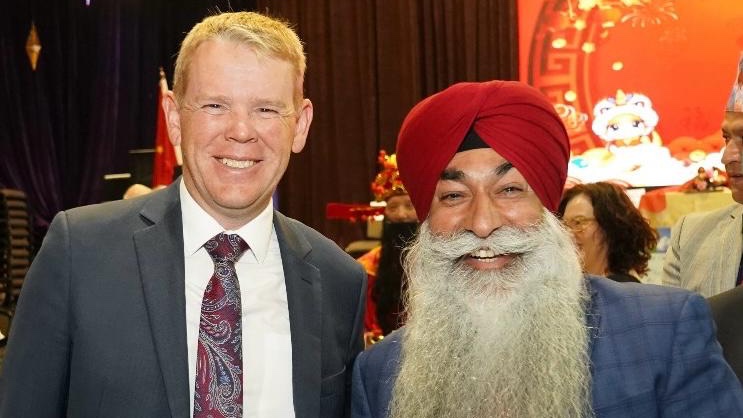
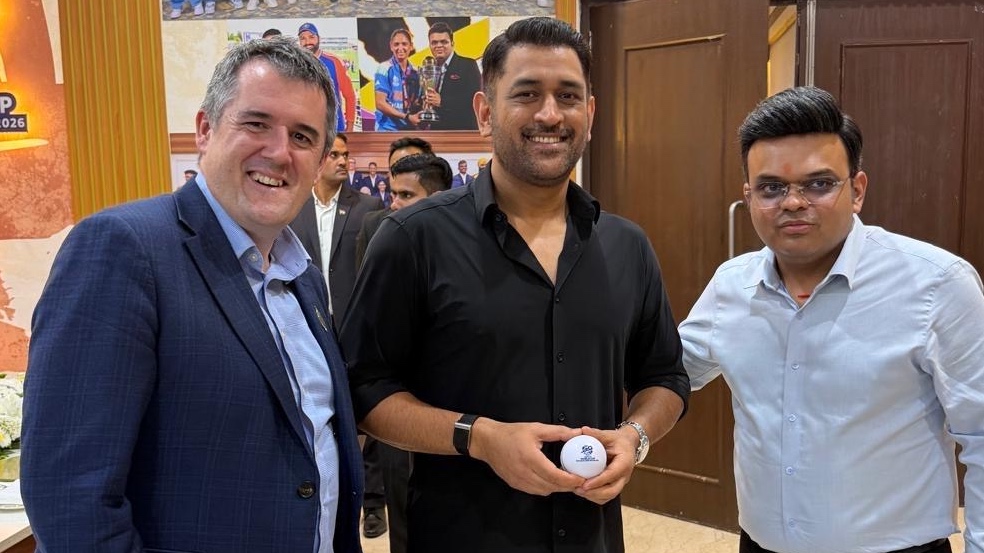
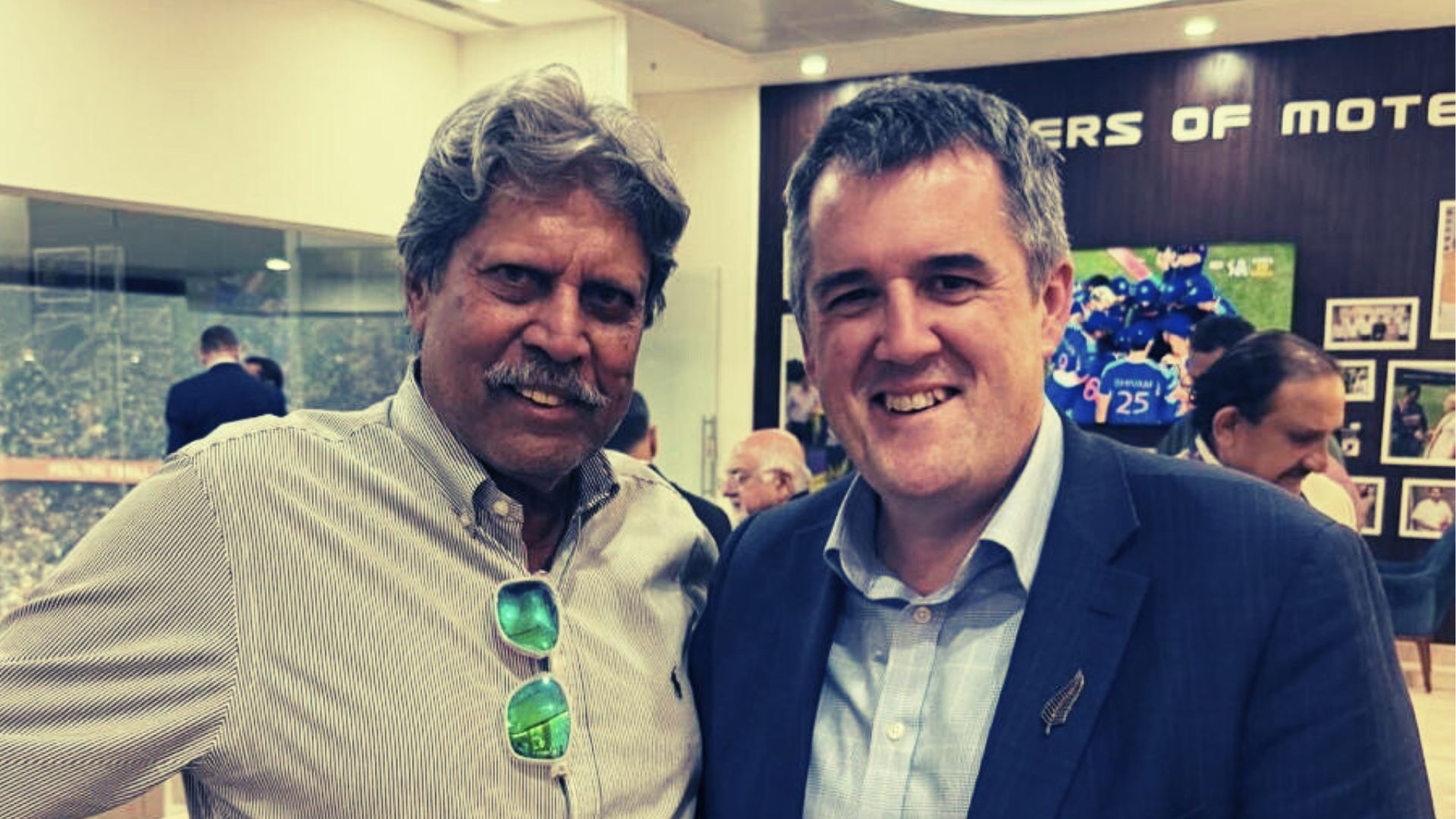
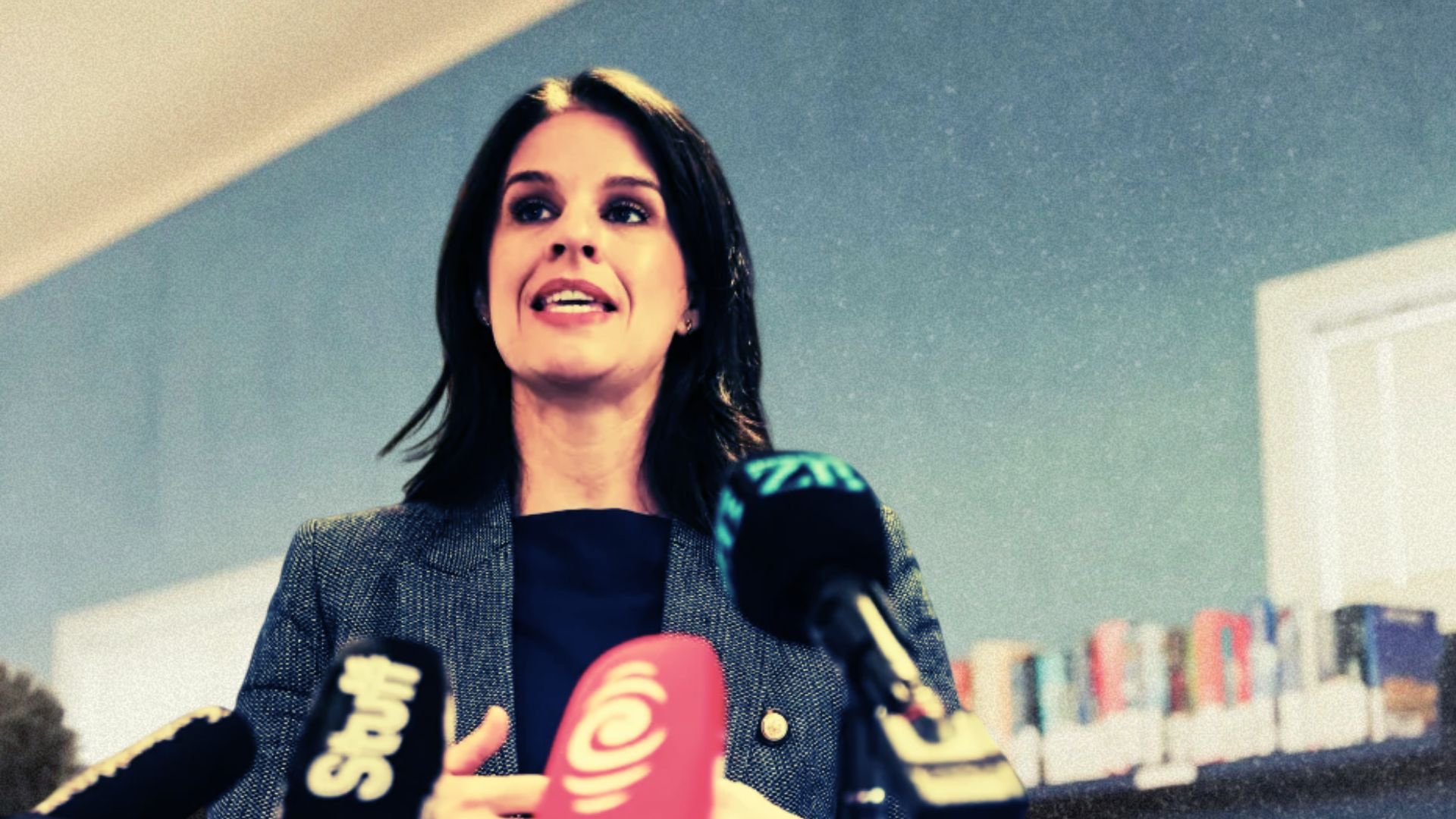
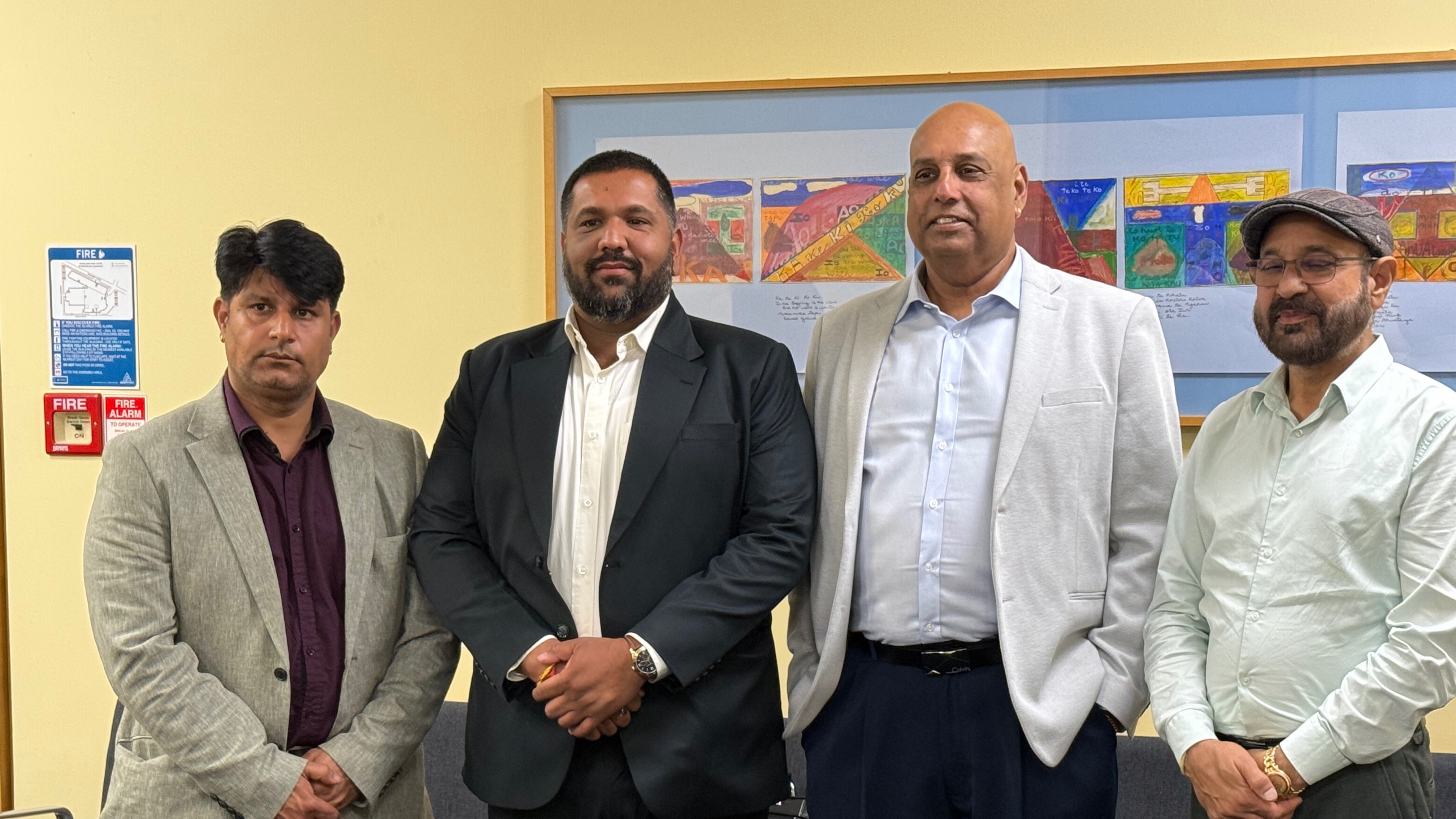
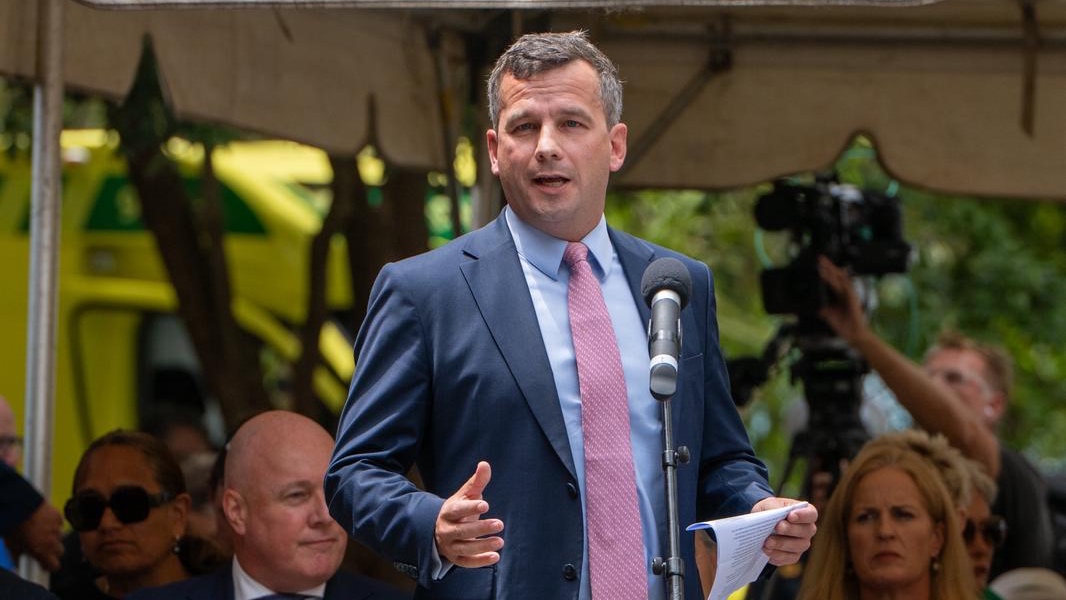
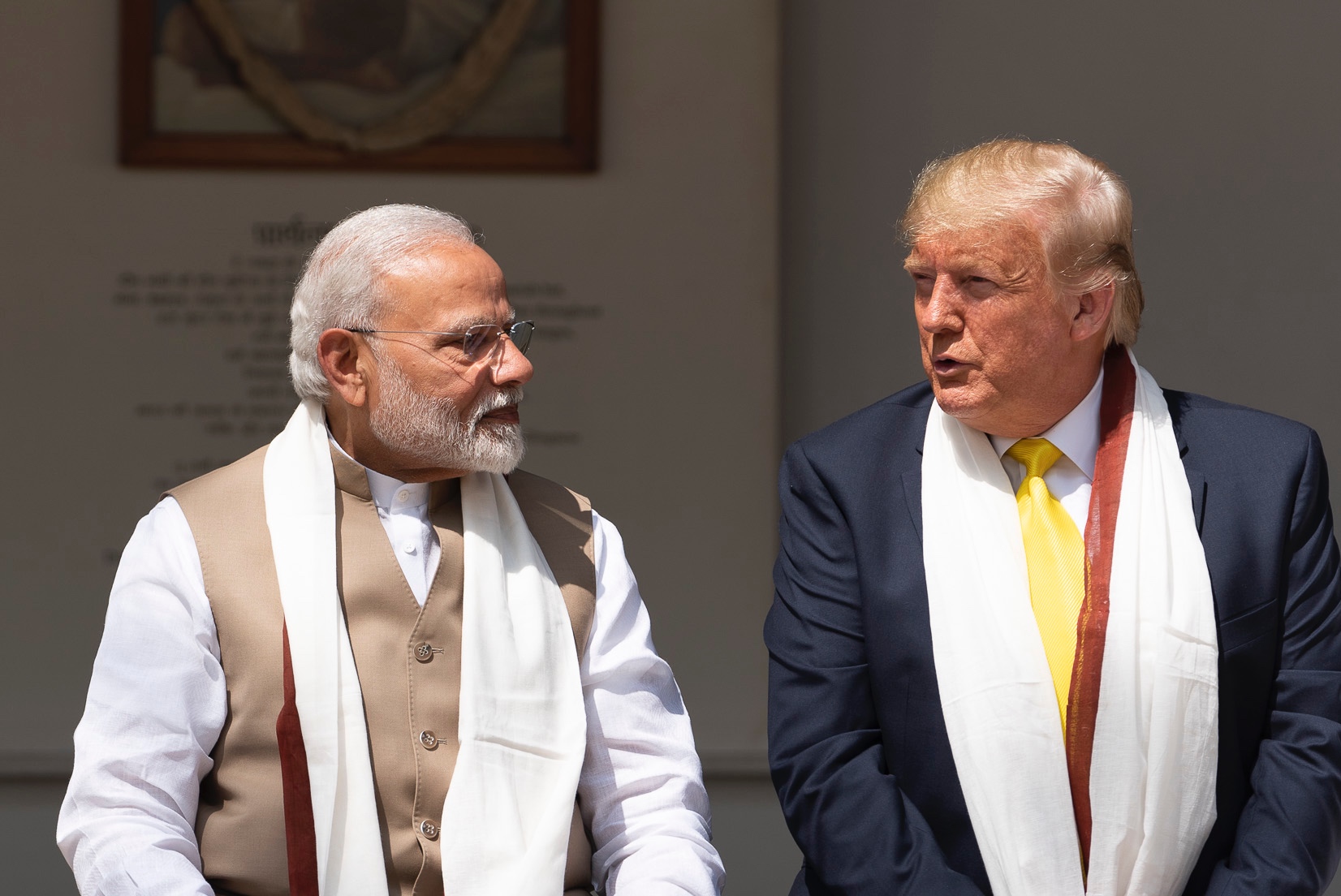
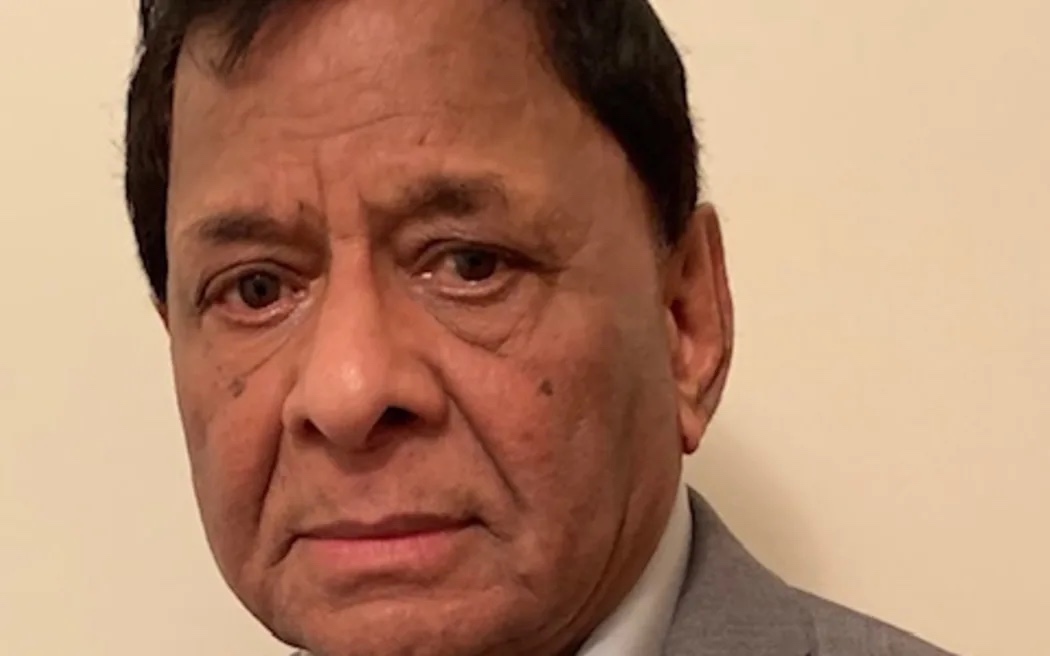
The National Party on Thursday announced it will field Mahesh Muralidhar from the Auckland electorate of Tamaki in the general elections in November, marking the first time the party has selected an Indian-origin Kiwi in a safe urban stronghold.
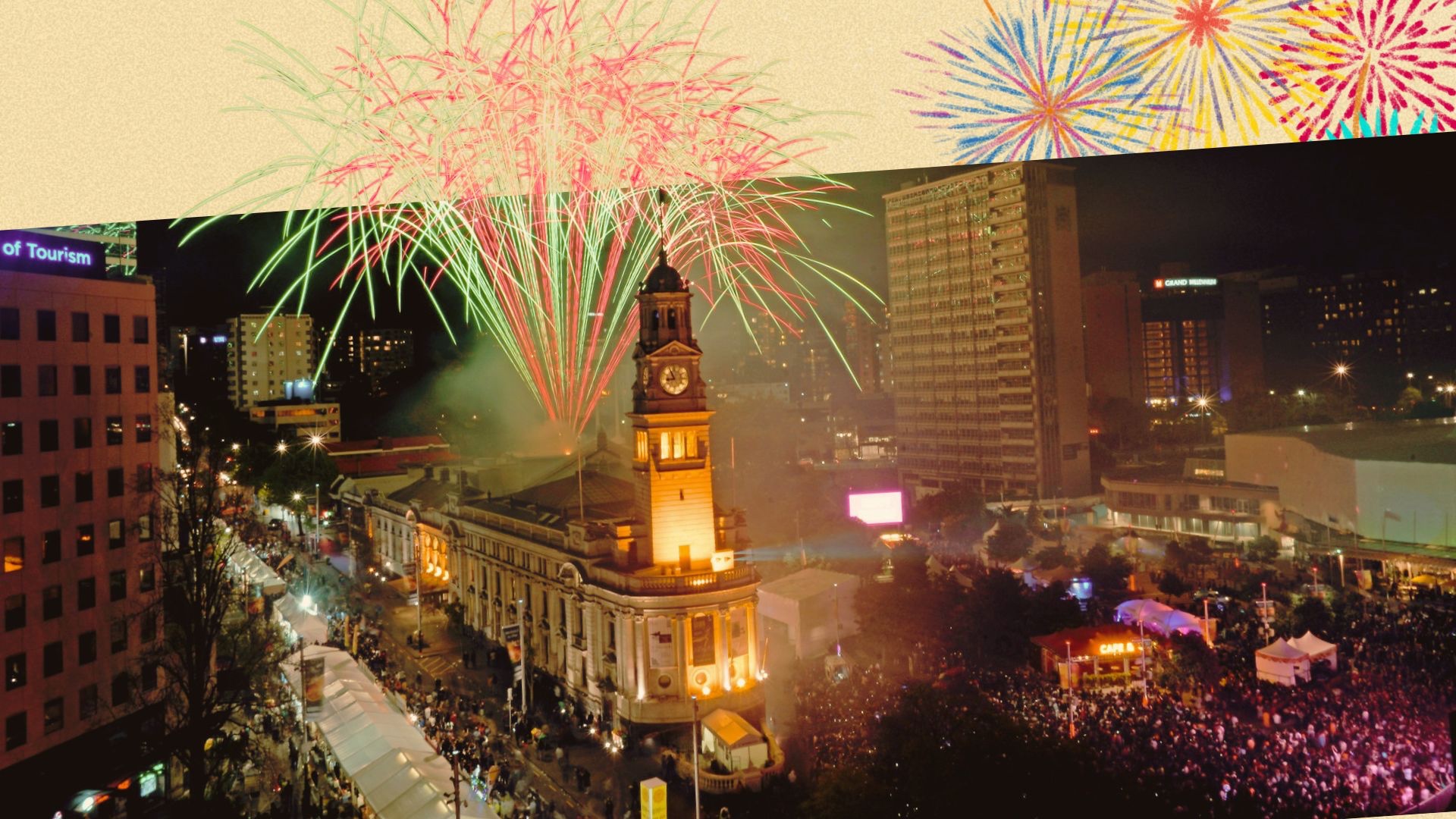
Tāmaki is a core metropolitan pillar of the National Party. Covering Auckland’s eastern suburbs, including Mission Bay, St Heliers, Kohimarama, Glendowie, Meadowbank and Orakei, it has traditionally combined affluence, high home ownership, professional employment and consistently strong voter turnout. Those structural features have translated into durable centre-right voting behaviour.
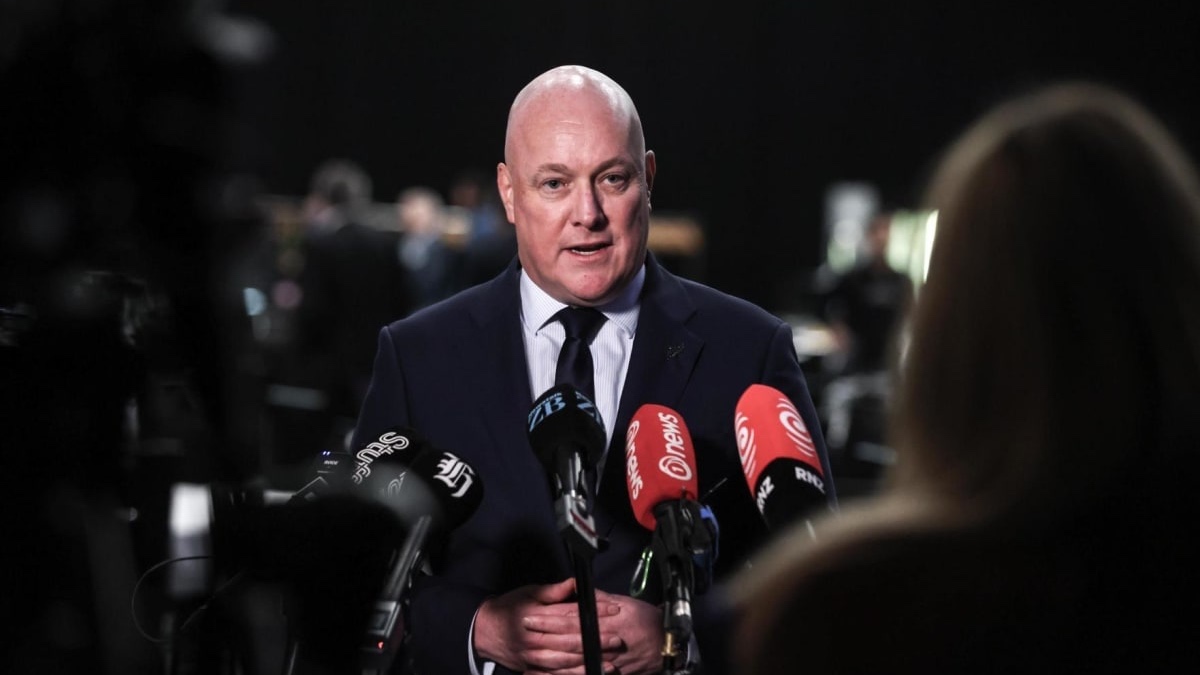
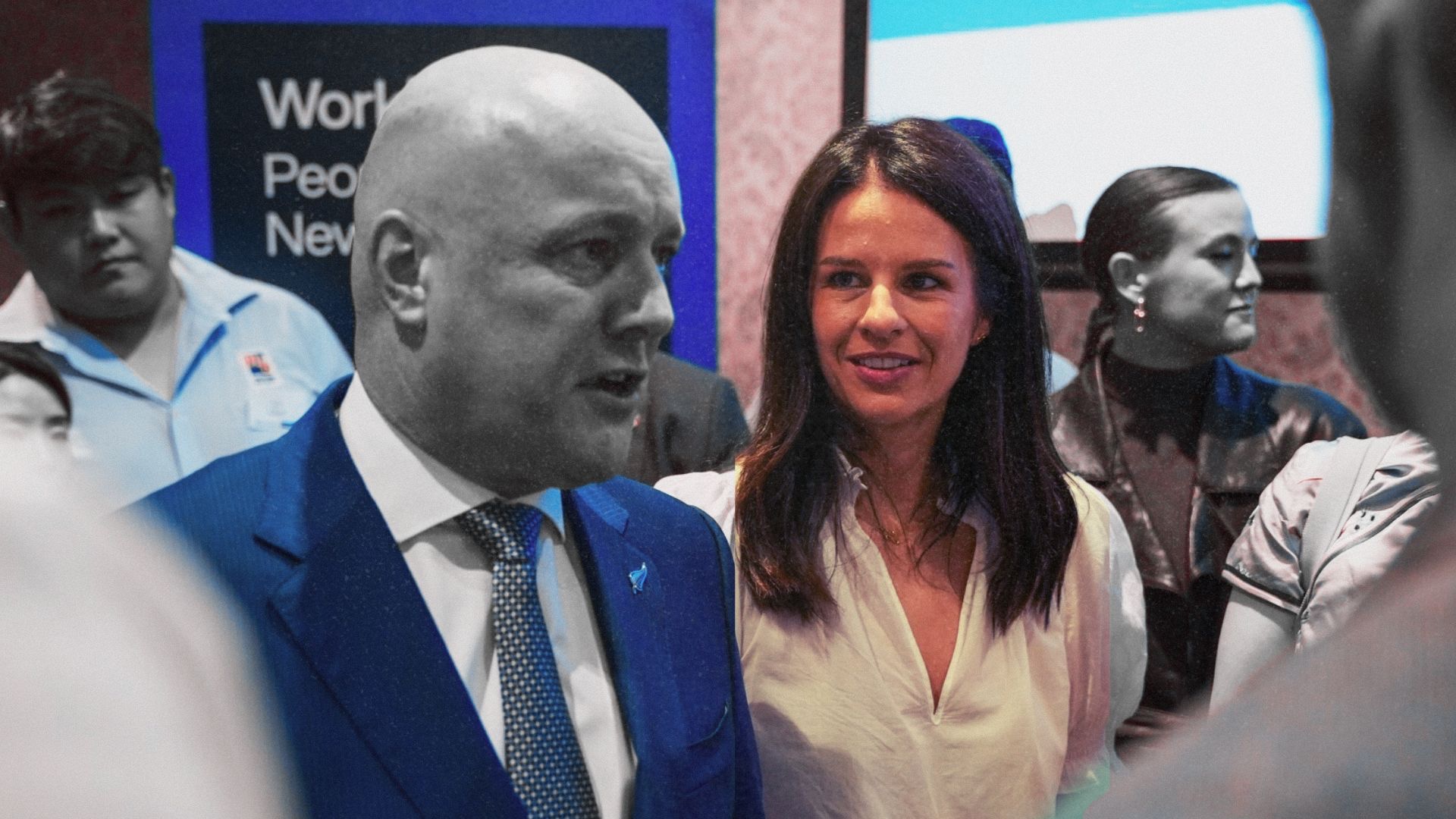
“I am standing for parliament in Tāmaki because I want to give back to a city that has given me so much," Muralidhar said after the nomination. "I will be campaigning hard to lift National’s party vote and represent to people of Tāmaki as part of Christopher Luxon’s National team."
Robert Muldoon held Tamaki for National for 31 years on the trot beginning 1960, including his tenure as prime minister from 1975 to 1984. In the 2014 elections, National’s candidate secured more than 70 per cent of the electorate vote in Tamaki. In 2017, the margin remained commanding at around 64 per cent. Even in 2020, when the Labour Party led by Jacinda Ardern posted a landslide victory, National retained the seat with just over 52 per cent of the candidate vote.
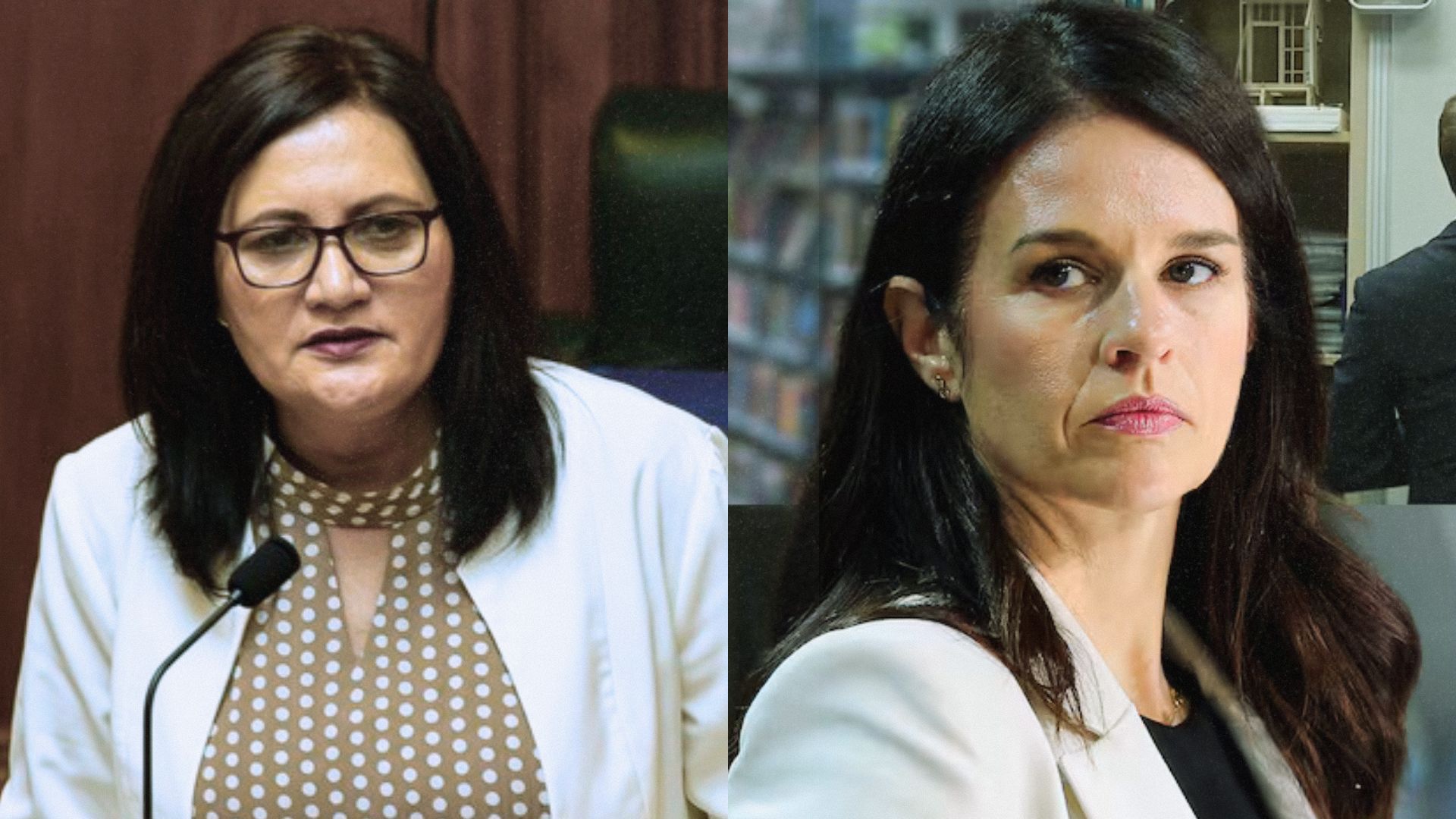
Although 2023 produced an upset, with sitting minister and ACT deputy leader Brooke van Velden winning the candidate vote, the party vote tells a more nuanced story. National secured a bulk 21,916 party votes in Tamaki, compared with ACT’s 5,172. The underlying partisan character of the seat remained intact. That outcome was widely viewed as a move by voters to replace National's sitting MP Simon O'Connor, who was perceived by some as too socially orthodox for an electorate that has historically combined fiscal conservatism with social moderation. A reset is more than possible, but Muralidhar will have to work himself into the margins to take on Velden's personal appeal.
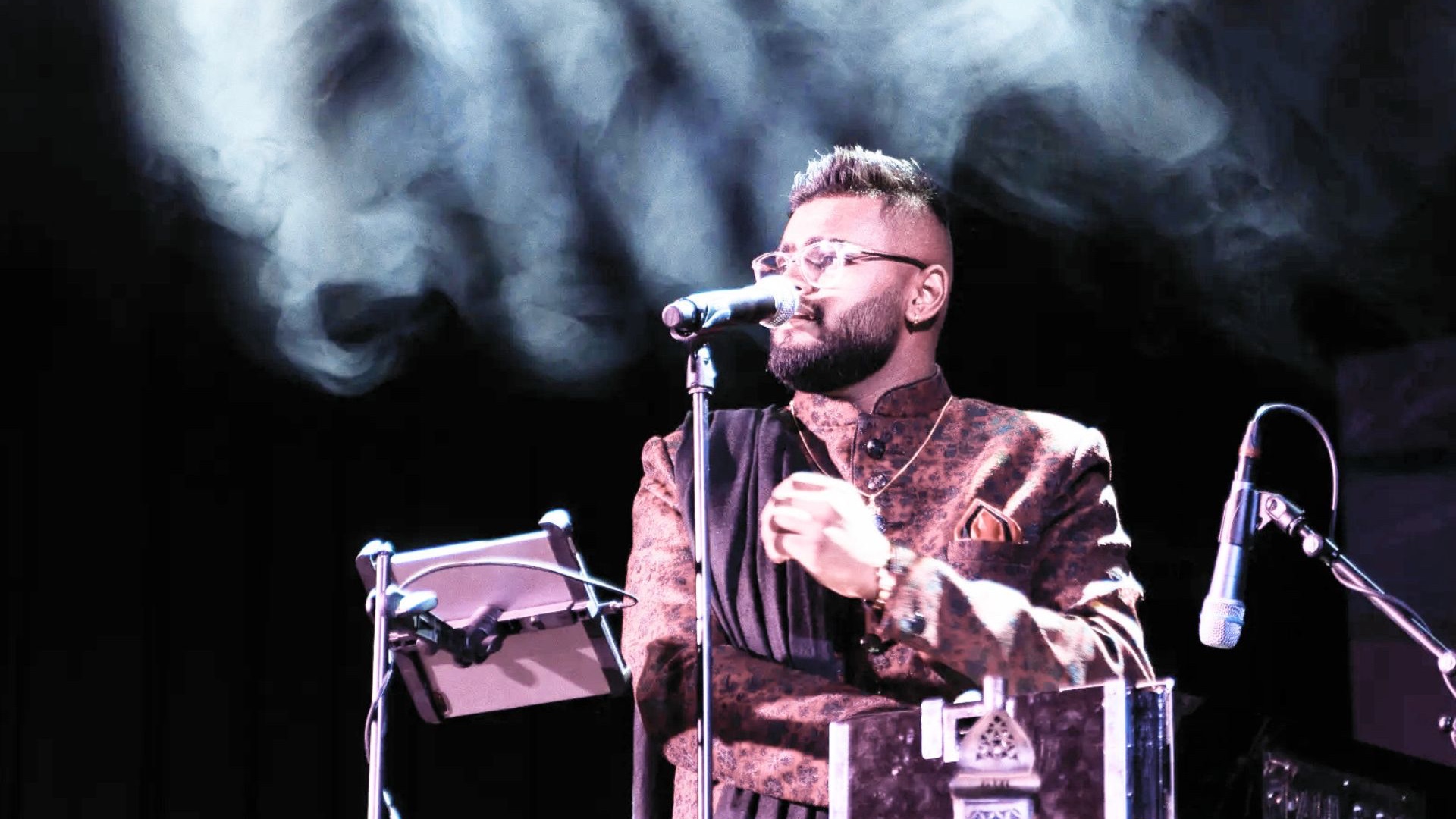
From designing restaurants to running Auckland Diwali: The many lives of Arnav Taode Taode brings his passion for Indian arts and culture to his first year managing BNZ Auckland Diwali 2026.
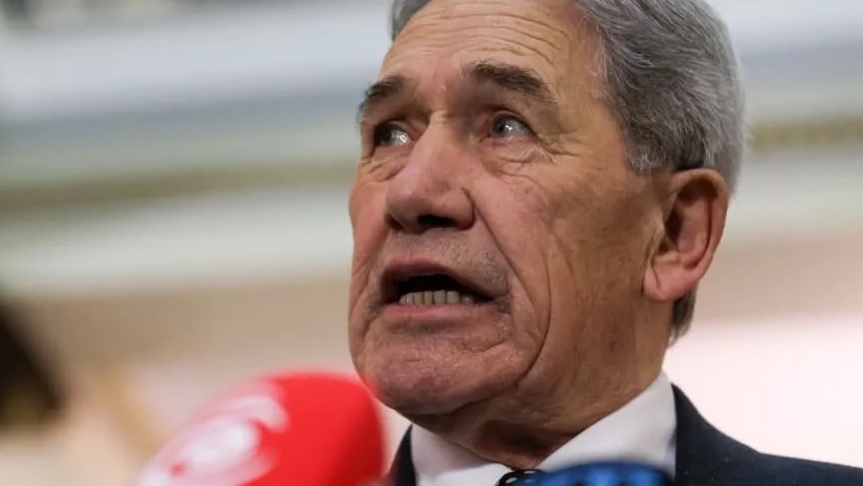
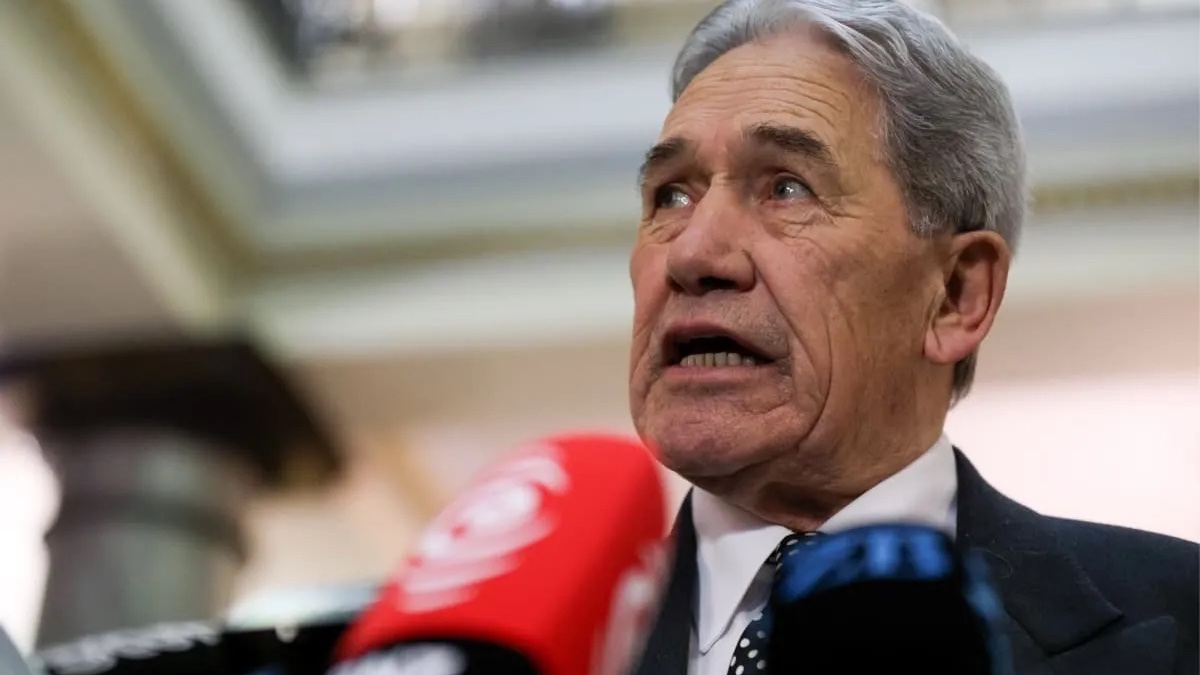
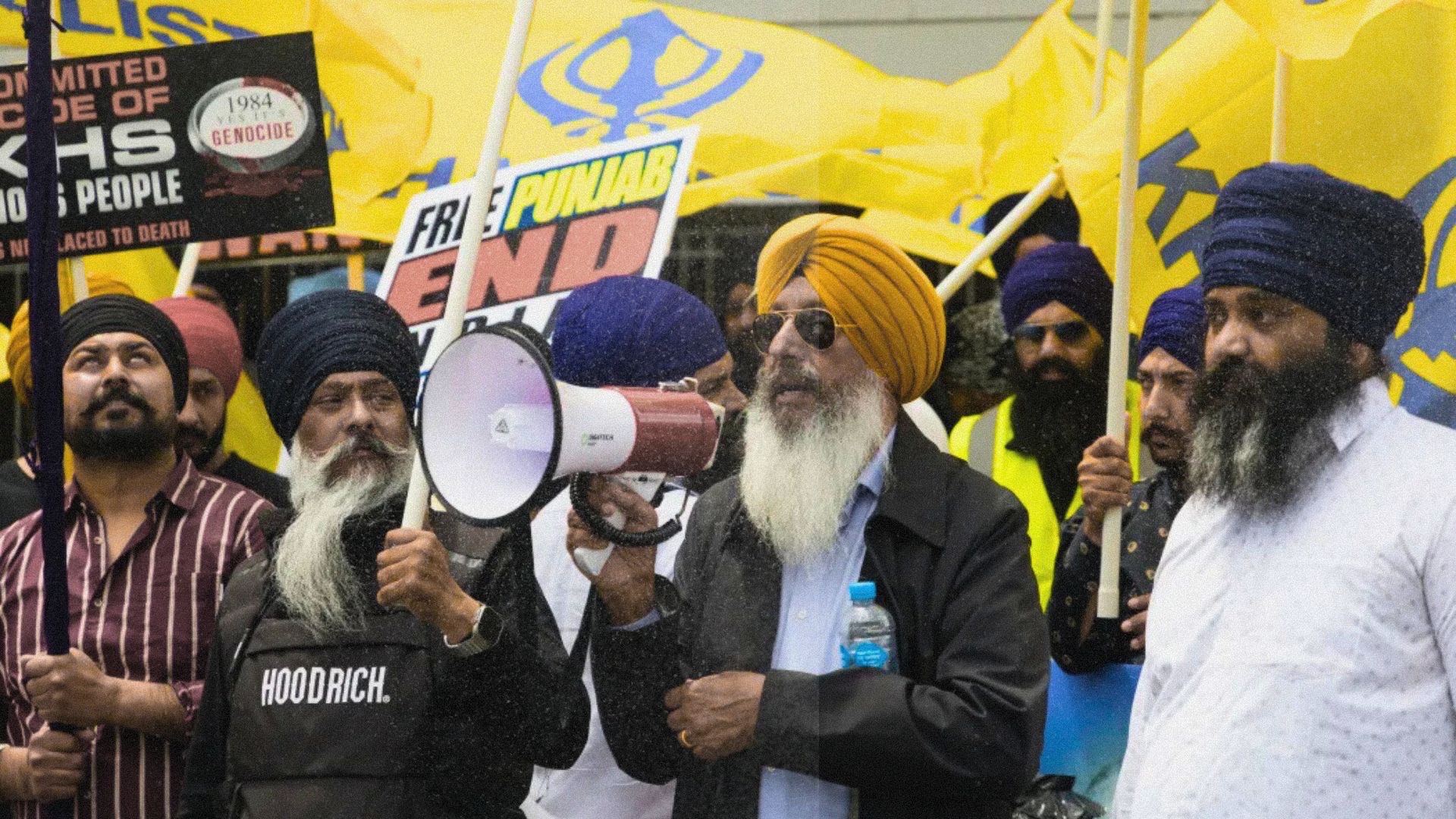
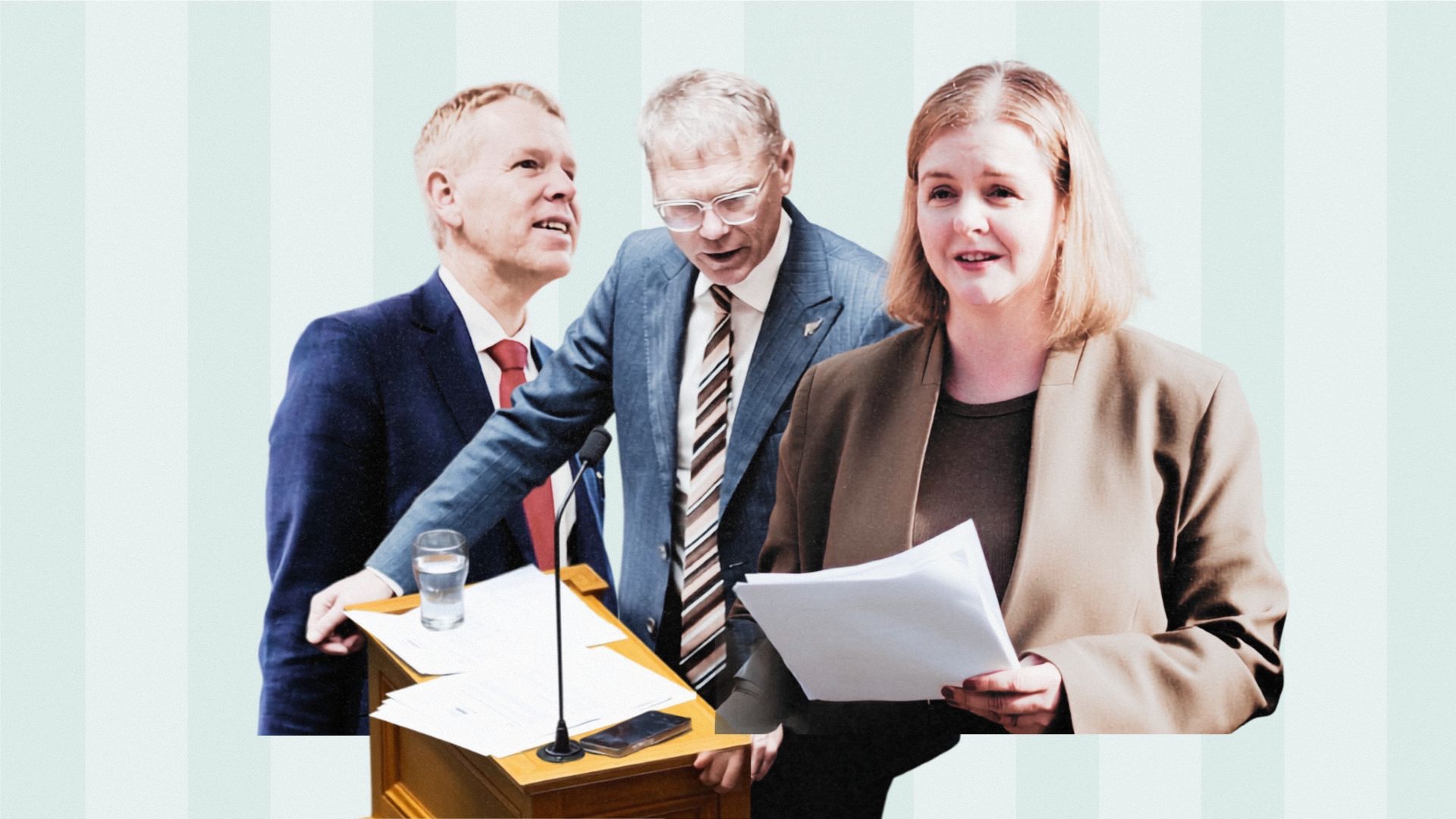
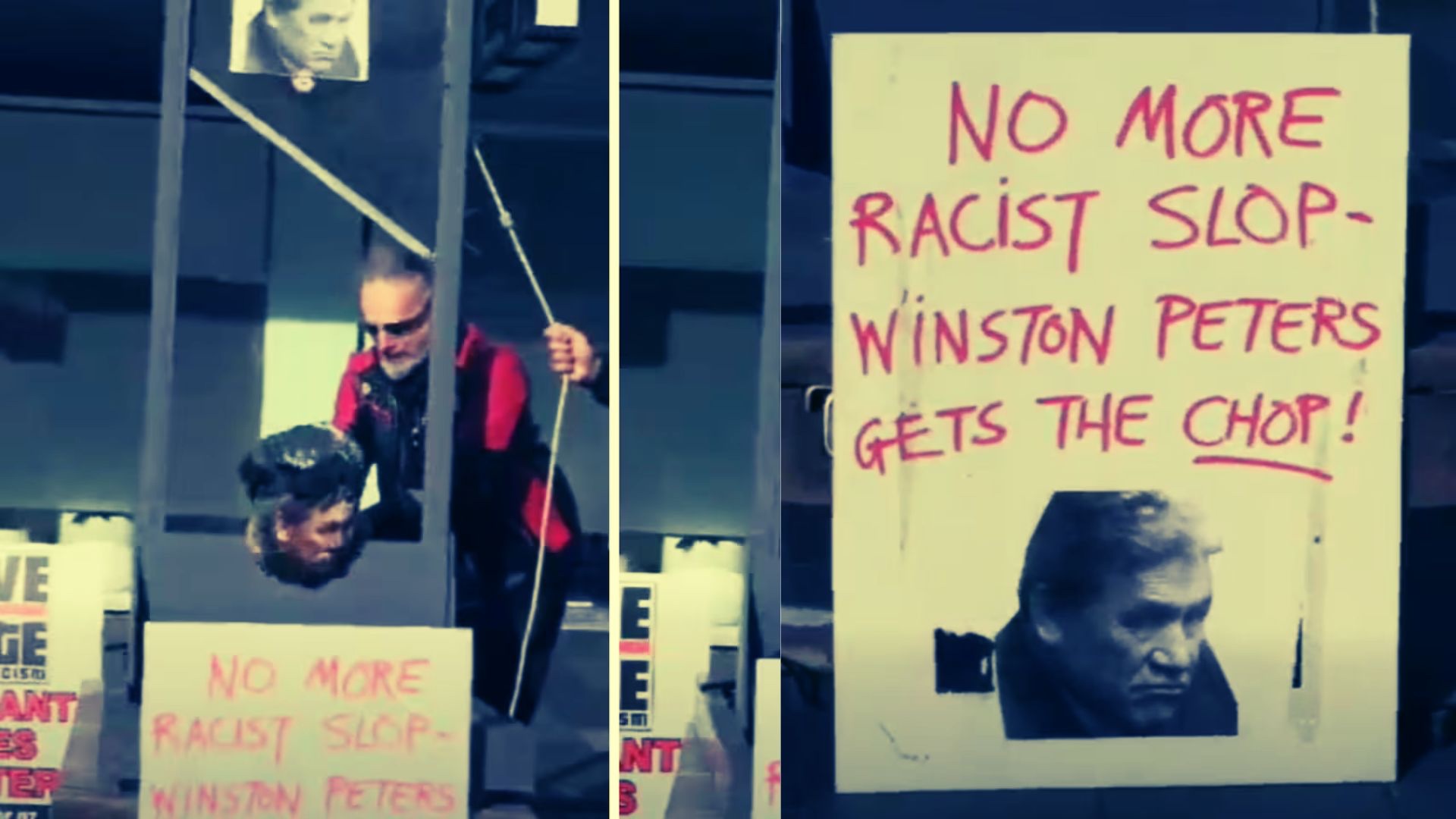
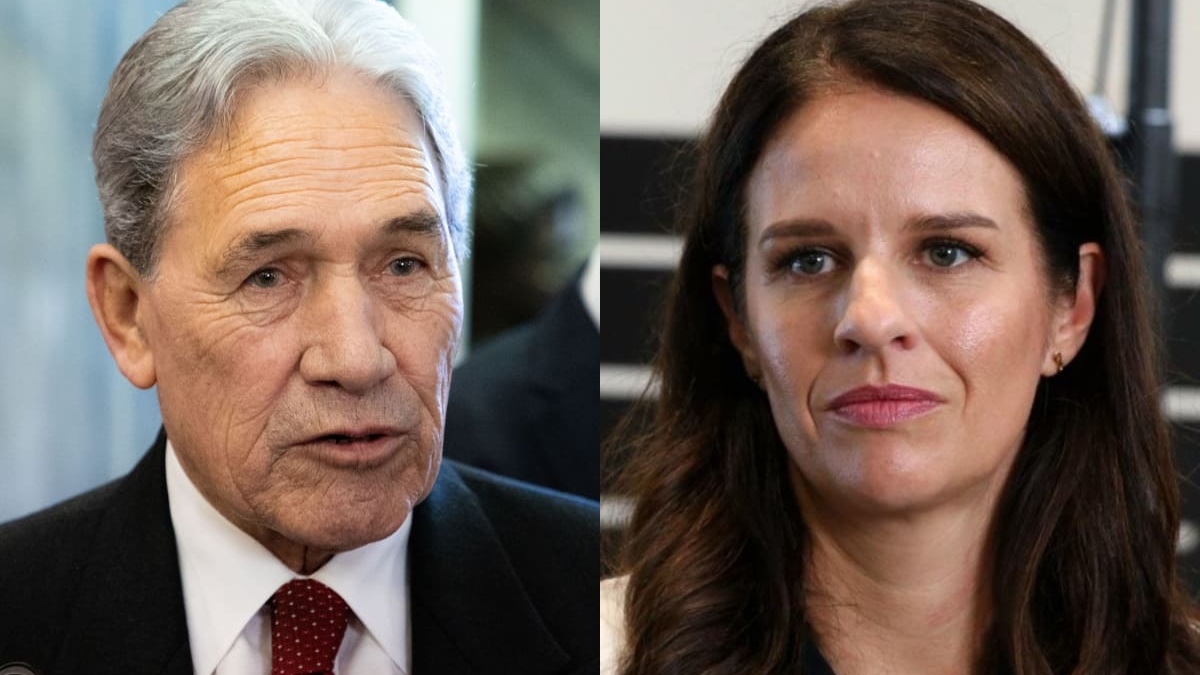
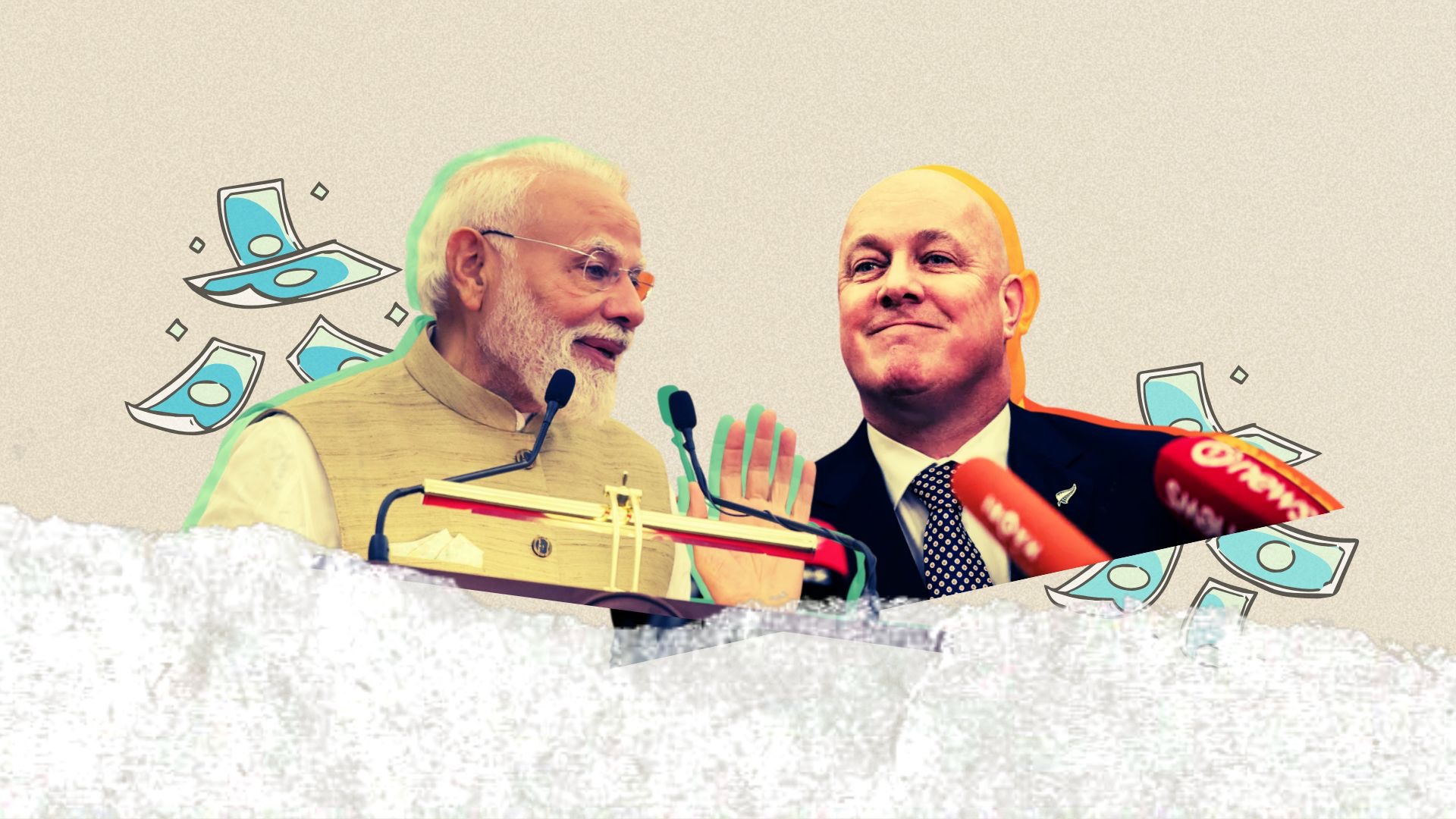
Winston Peters says ‘diversity is disunity’. What does the evidence tell us? Evidence from business, sport and social policy suggests diversity can strengthen economies and cohesion but on one condition.
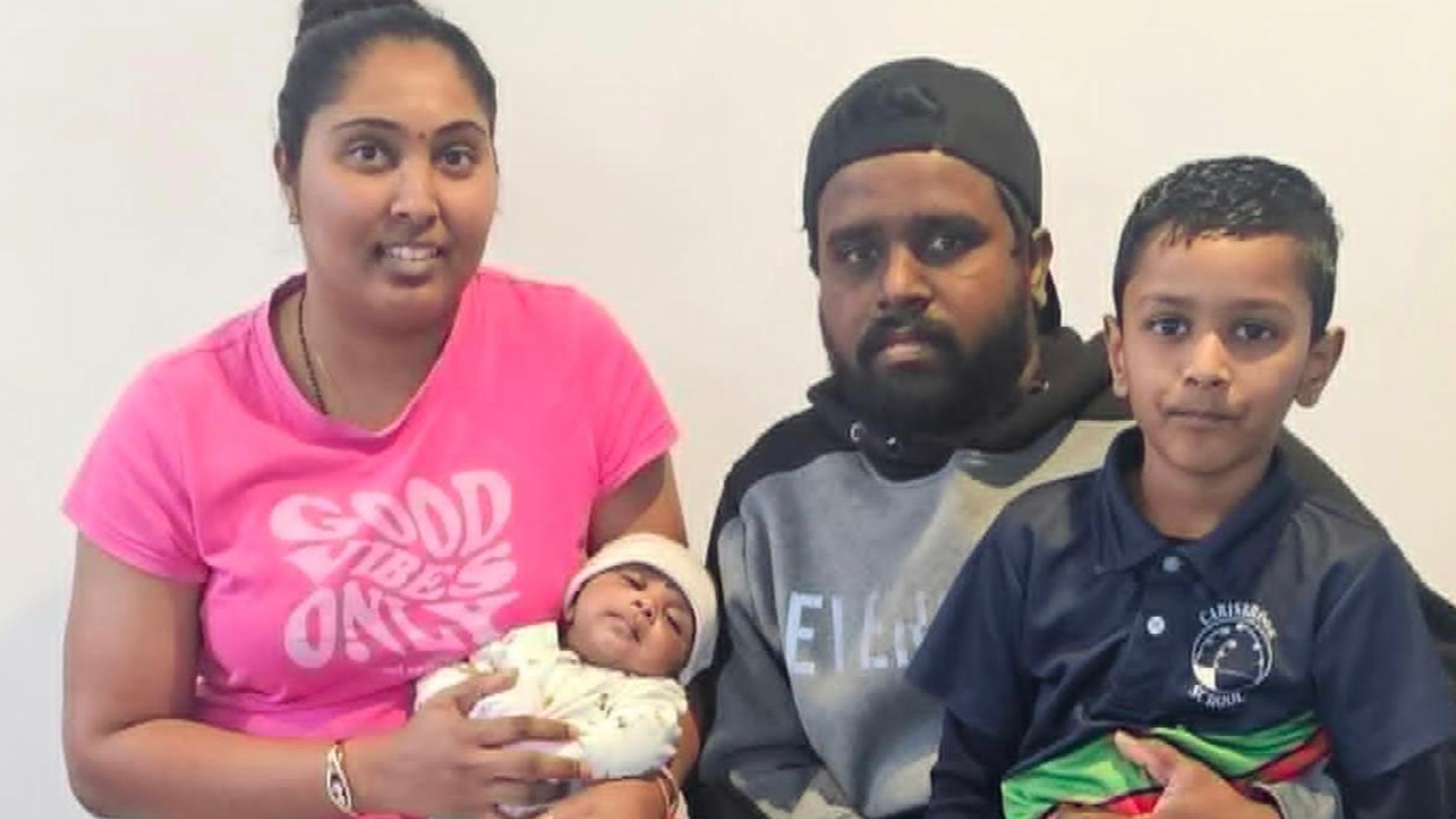
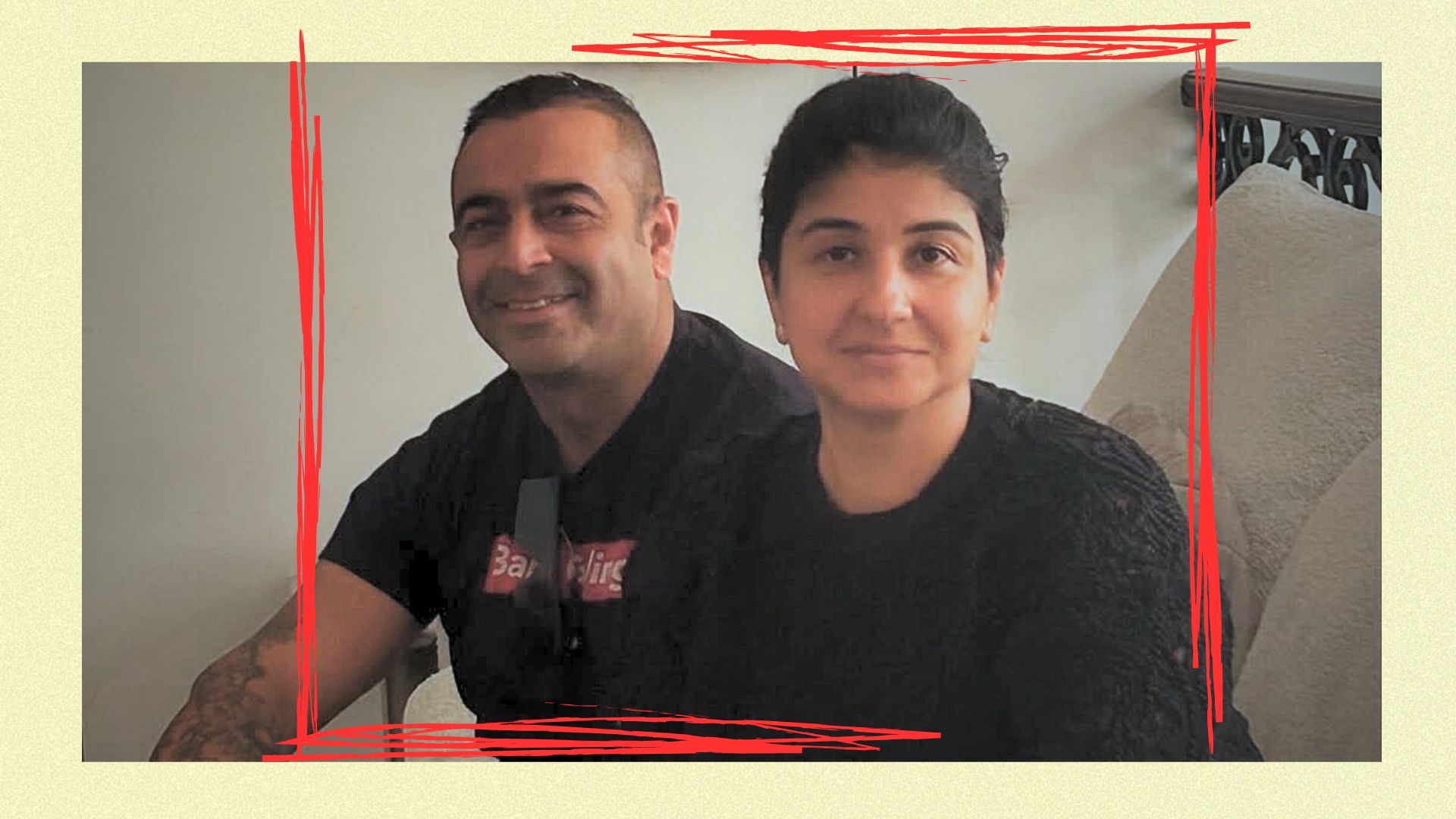
Baby born in Sri Lanka to New Zealand residents caught in limbo after Down syndrome diagnosis Immigration tribunal orders fresh residence assessment after finding a “serious mistake” by immigration officials.
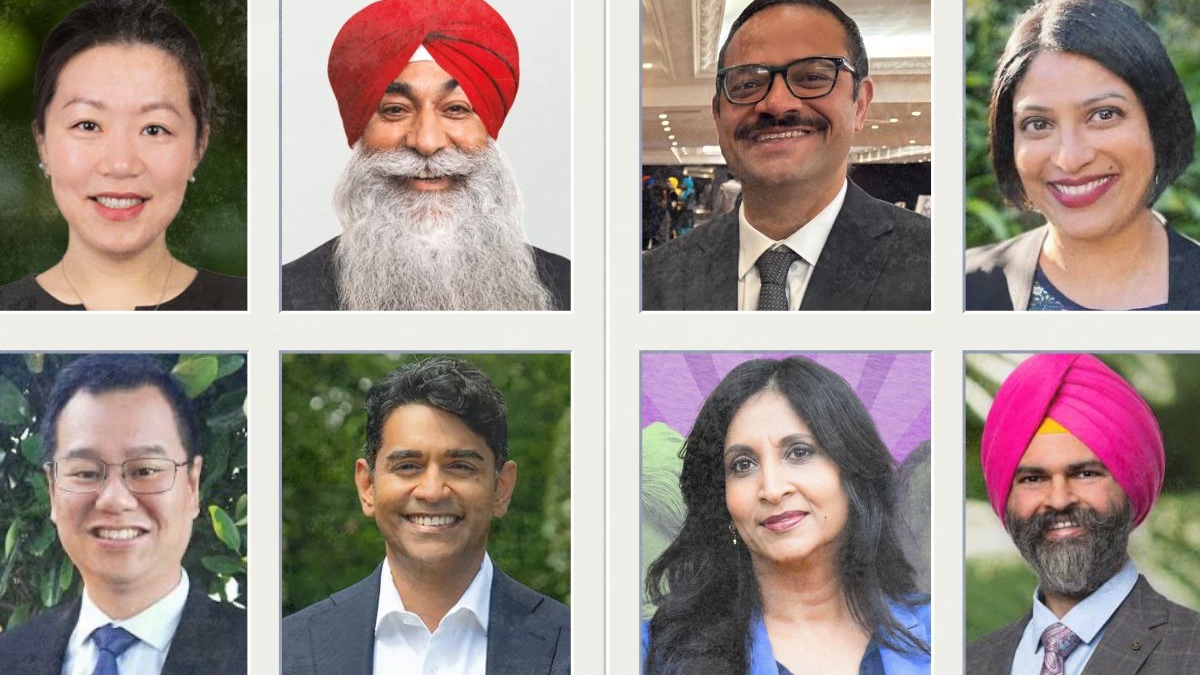
National’s other candidates of Indian origin in 2023 were fielded largely in electorates structurally tilted toward Labour. In Manurewa and Panmure-Ōtāhuhu, both South Auckland seats, Labour’s dominance reflects their status as safe strongholds with deep working-class and multicultural support bases. Rongotai, an inner-city Wellington electorate, similarly leans strongly centre-left and has remained firmly in Labour hands in recent elections. Palmerston North was more competitive by comparison. Labour retained the electorate by 3,087 votes, but National won the party vote locally, underscoring the seat’s marginal and contestable nature.
National previously fielded Muralidhar in the 2023 election from Auckland Central, a seat that has not been structurally blue lately. In 2020, the Green Party won the electorate with around 35 per cent of the vote, while Labour secured more than 40 per cent of the party vote. In 2023, Green's Chloe Swarbrick won the electorate, with National polling in the 30 per cent range on the electorate vote.
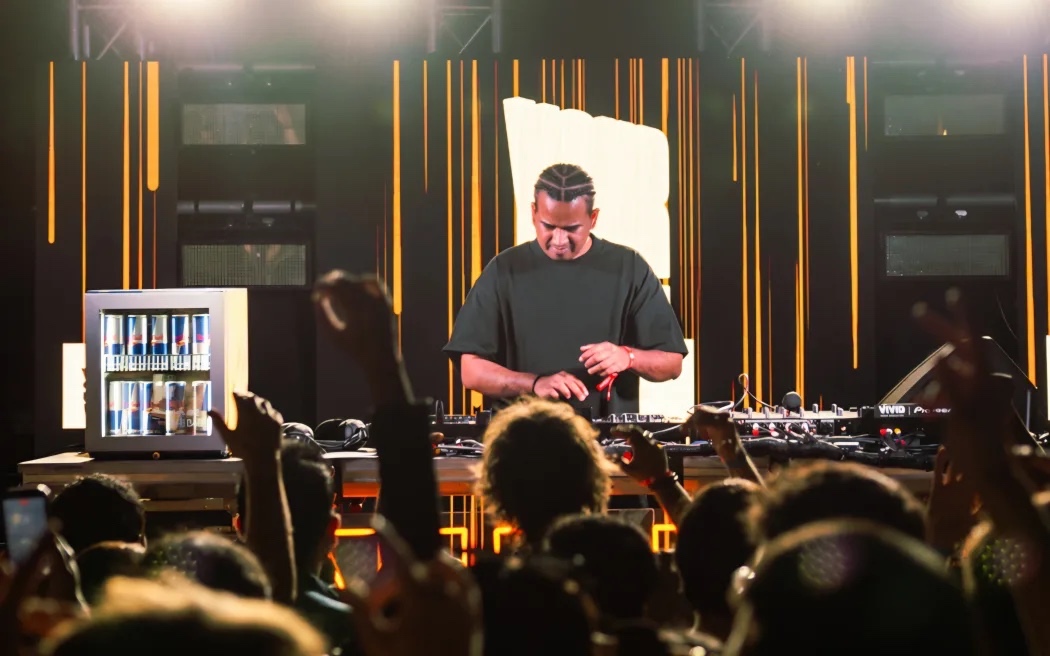
It is against that backdrop that Muralidhar’s nomination in Tamaki carries weight. Muralidhar is a technology entrepreneur and investor originally from the southern Indian state of Kerala. He was an early team member at Canva before founding Phase One Ventures, an Auckland-based venture capital firm that has backed 14 New Zealand tech startups through a NZ$2.1 million early-stage fund.
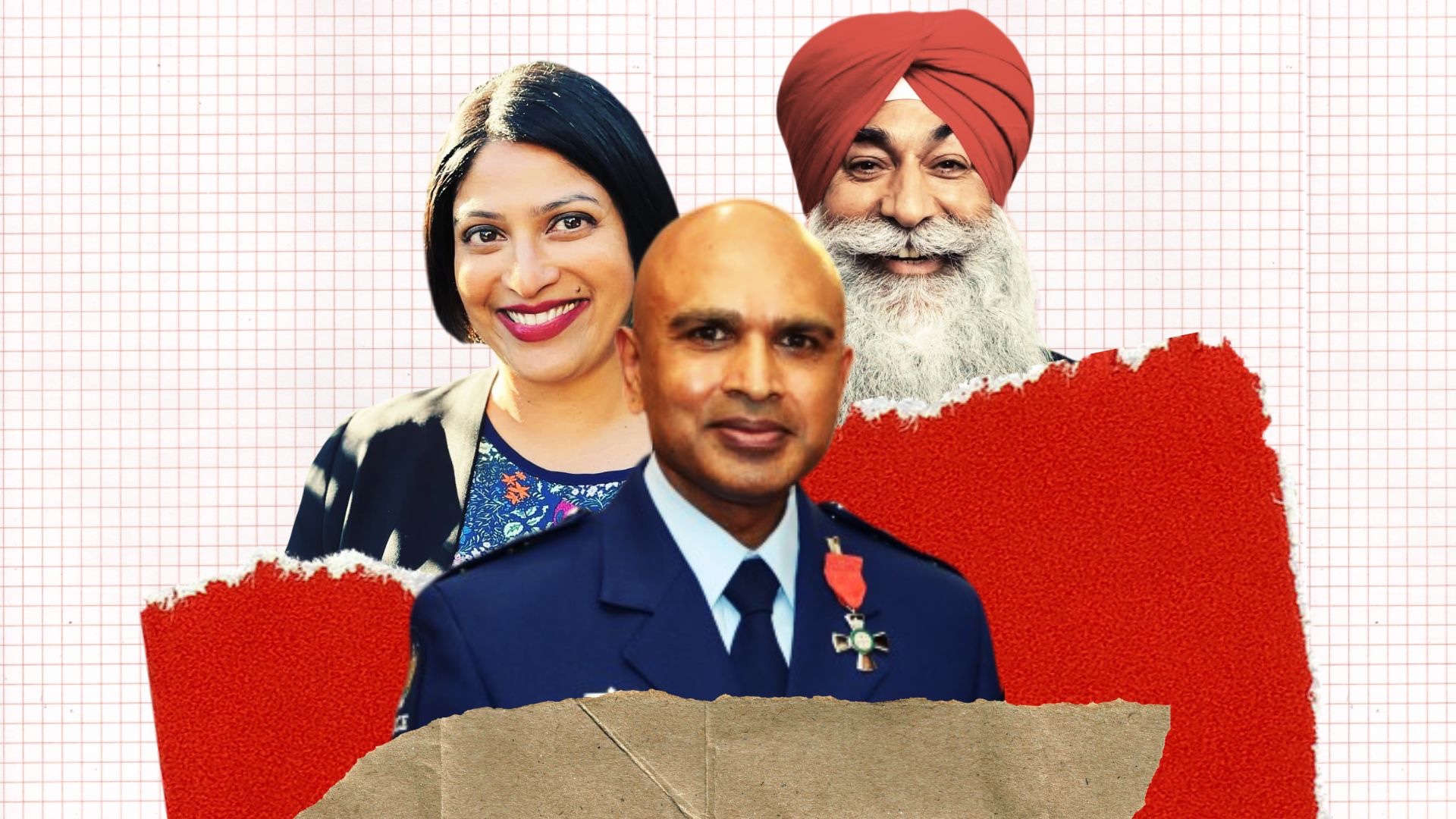
National has previously elevated Indian-origin MPs in Kanwaljit Singh Bakshi and Parmjeet Parmar, both of whom entered Parliament as list MPs. While each contested electorate seats, neither stood in what could be described as a structurally safe National electorate.
Bakshi stood in Manukau East, later reconfigured as Panmure-Ōtāhuhu. That seat has consistently returned commanding Labour majorities. In 2014, Labour secured around 70 per cent of the candidate vote there. In 2017, the margin remained close to that level. In 2020, Labour again won comfortably.
Parmar contested Mount Roskill, another Auckland electorate that Labour held in 2014, 2017 and 2020. Only in 2023 did Mount Roskill swing to National, reflecting broader national momentum rather than long-standing structural alignment. Like Bakshi, Parmar served in Parliament via the party list rather than through an electorate win in a National stronghold.
Tamaki is predominantly European, but its Asian population has grown steadily and now it represents a significant share of residents. The electorate is globally connected, economically liberal and socially moderate, a profile that aligns with National’s metropolitan ambitions.
At one level, the announcement is about representation. At another, it is about positioning. By selecting Muralidhar in a seat that has historically defined its urban strength, National signals that diversity within the party is no longer confined to list rankings or challenging electorates.